Panasonic Lumix LX100

The Panasonic Lumix DMC-LX100 is a premium compact camera, now available mainly on the used market, praised for combining a large Micro Four Thirds sensor with a fast Leica lens and extensive manual controls in a portable body. It was first released in 2014, with a successor, the Panasonic Lumix DC-LX100 II, released later in 2018. It is also roumoured that an LX100 iii might be coming onto the market this year.
Pricing on used market:
LX100 I: €500 used
LX100 II: €800 - €1200 used
The above pricing indicates how good this little camera really is.
The Panasonic Lumix LX100: A Modern Classic in Compact Photography
Released in late 2014, the Panasonic Lumix DMC-LX100 redefined the enthusiast compact camera market by successfully merging a large sensor with a fast, high-performance zoom lens in a relatively pocketable body. It was designed for photographers who demand manual control and high image quality without the bulk of an interchangeable lens system.
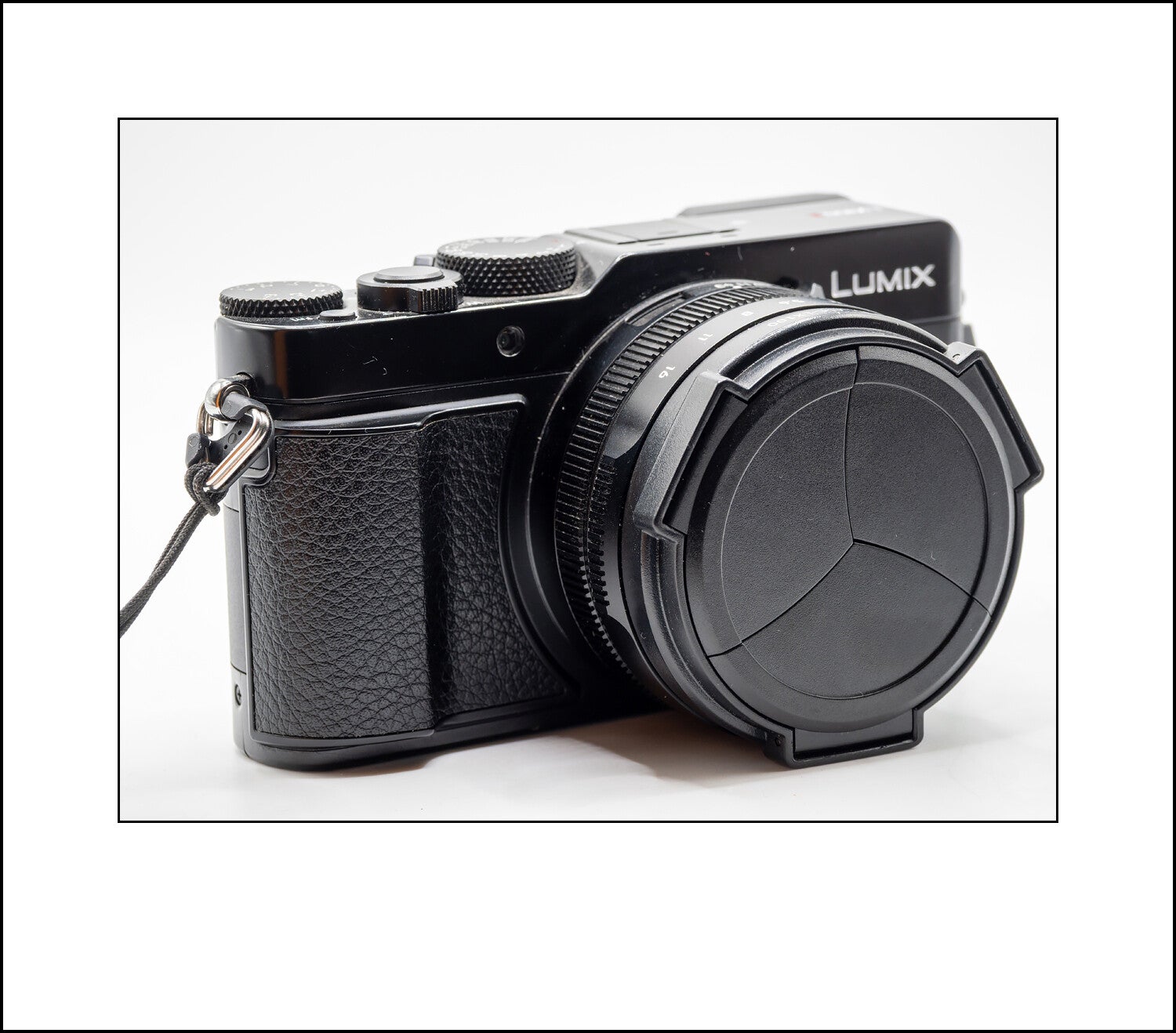

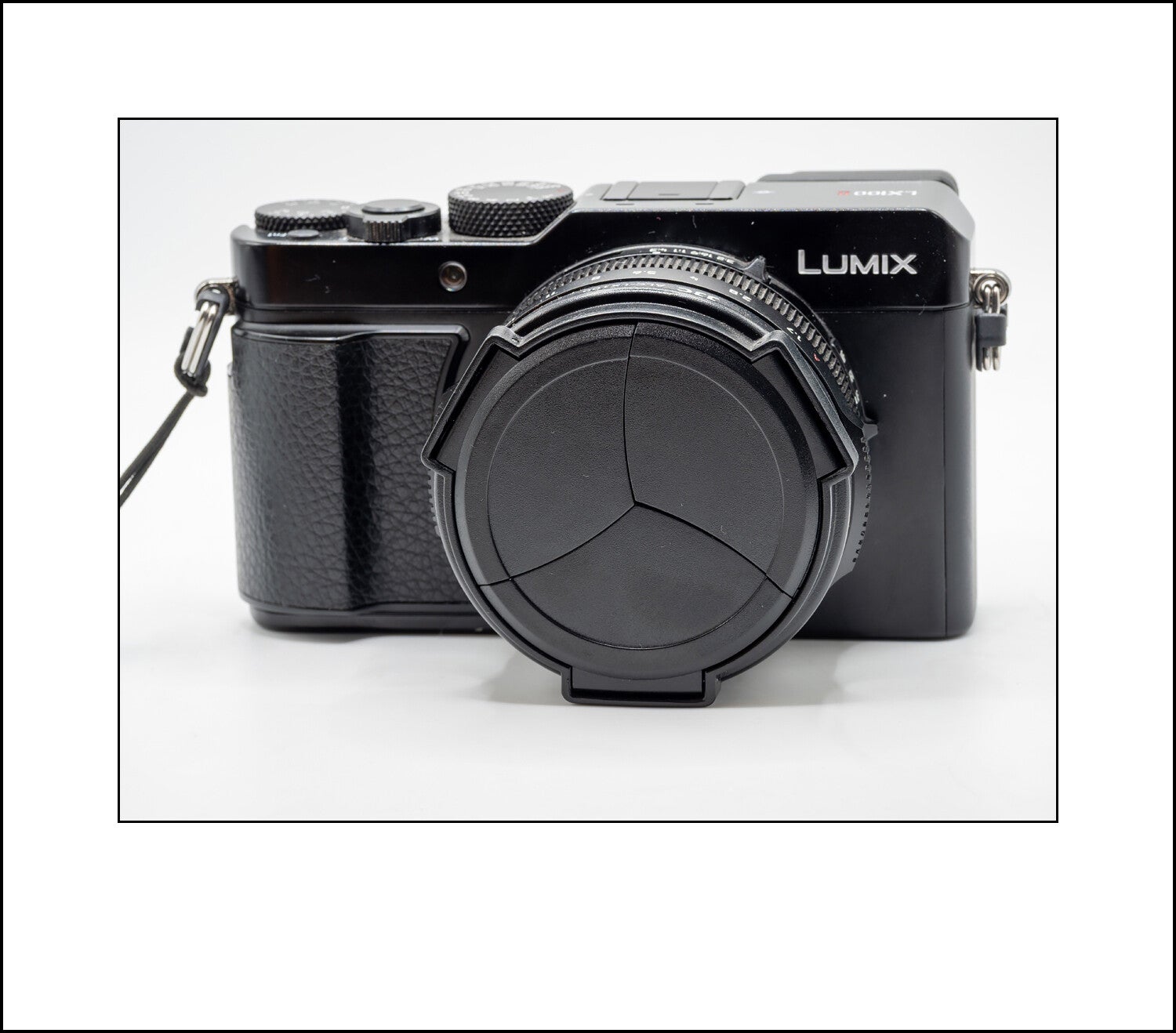


The MFT MOS sensor, provides superior low-light performance and dynamic range compared to typical 1-inch sensor compacts. A fixed Leica DC Vario-Summilux 24-75mm (equivalent) f/1.7-2.8 lens. This bright aperture allows for significant background blur (bokeh) and excellent performance in dim environments. An excellent lens offering that standard 24-75mm FOV which a lot of professional photographers carry with them as a standard lens.
Heavily inspired by classic rangefinders, featuring physical dials for shutter speed, exposure compensation, and an aperture ring on the lens. A unique physical switch on the lens allows users to instantly toggle between 4:3, 3:2, 16:9, and 1:1 aspect ratios while maintaining a consistent diagonal field of view (which I personally use extensively).
The LX100 is praised for its fast autofocus (using Panasonic’s Depth From Defocus technology) and a high-resolution electronic viewfinder (EVF) with 2.7 million dots. While it is not strictly "jeans-pocketable" like the Sony RX100 series, it fits easily into a jacket pocket and offers a more substantial, ergonomic grip for serious shooting. For me the grip on every camera is important because if no grip is available your hand becomes cramped after awhile of carrying the camera.
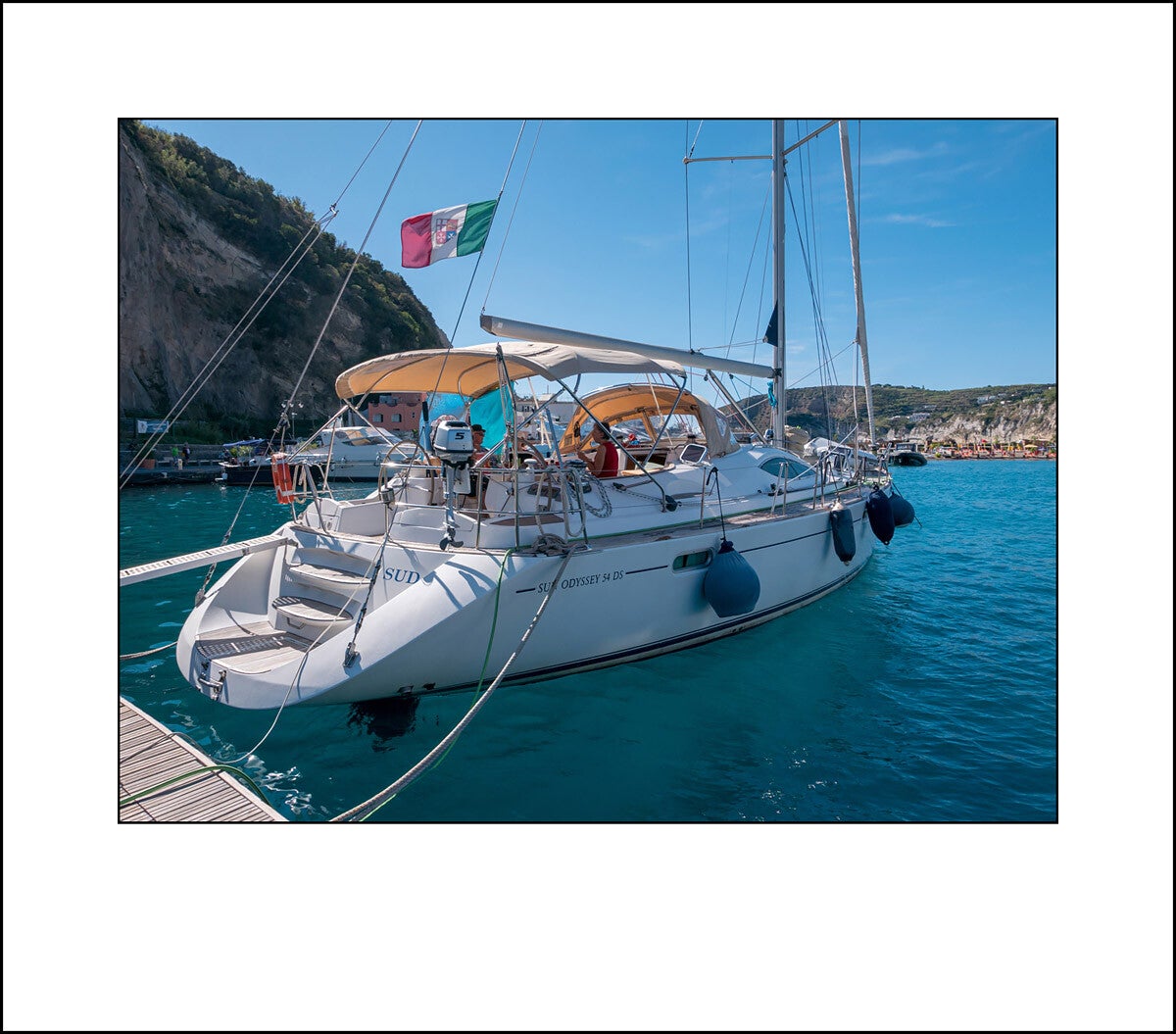
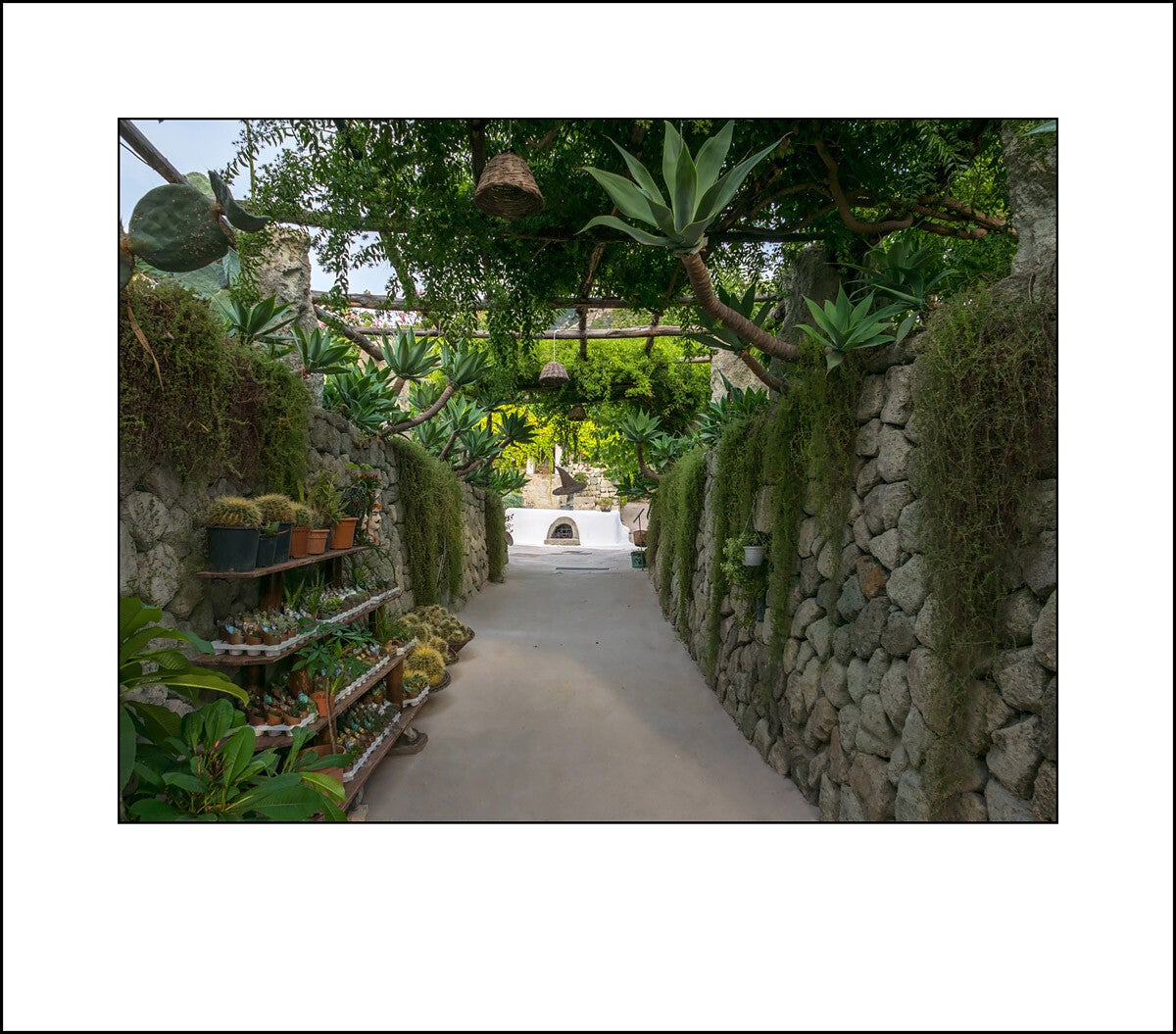
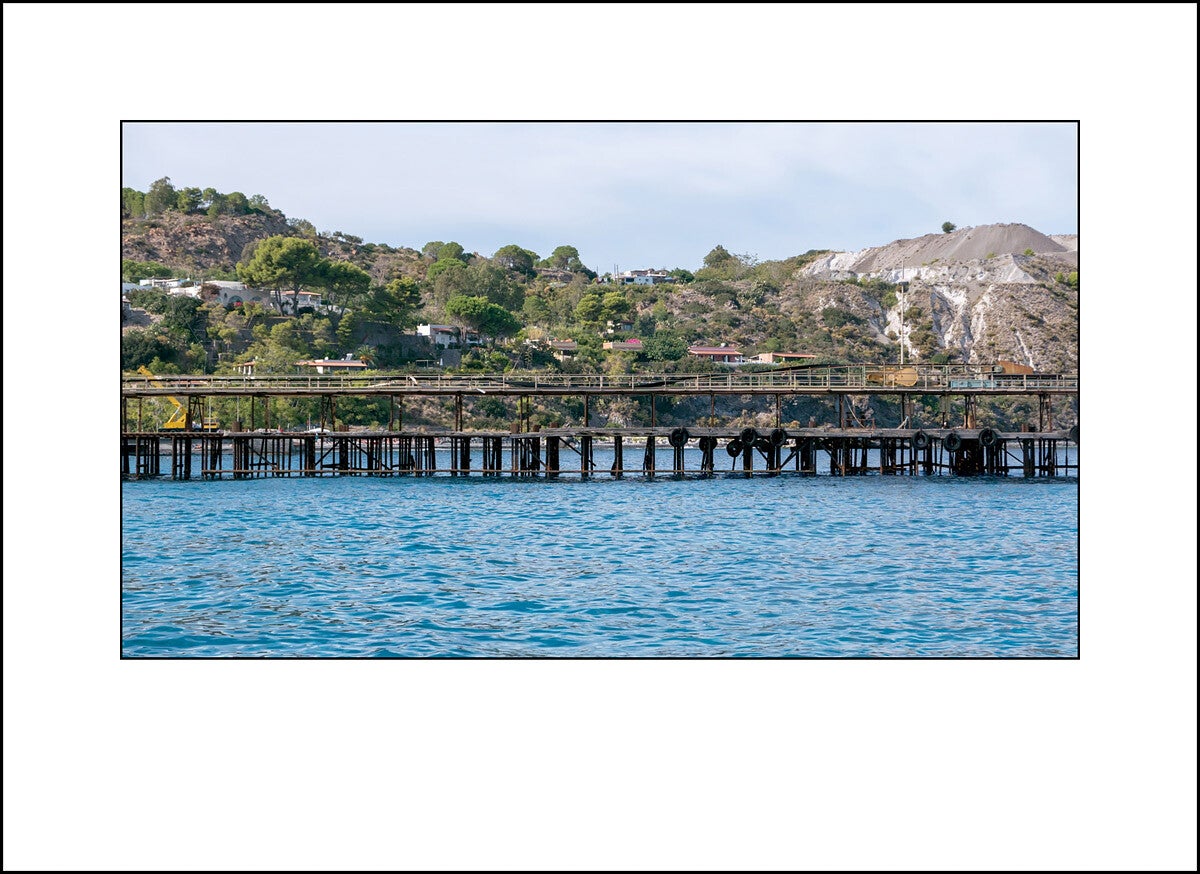
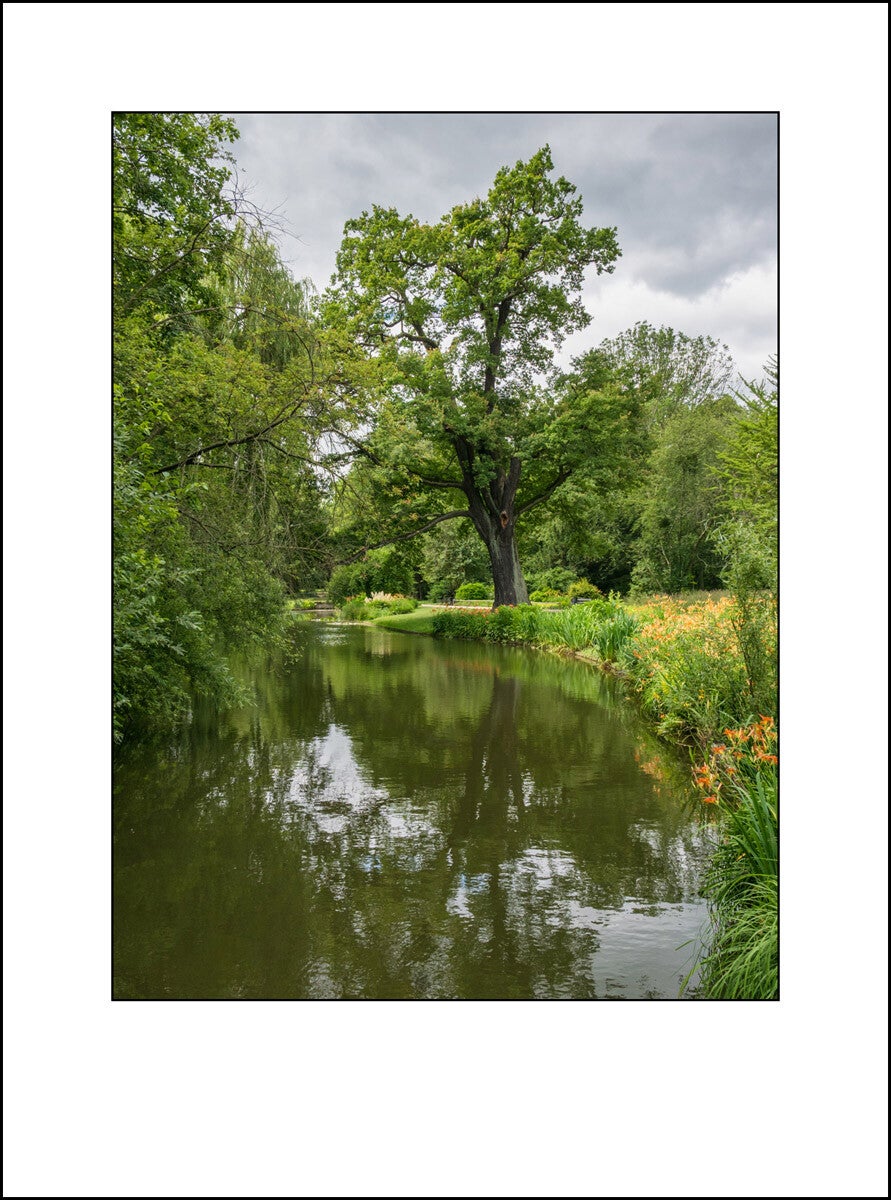
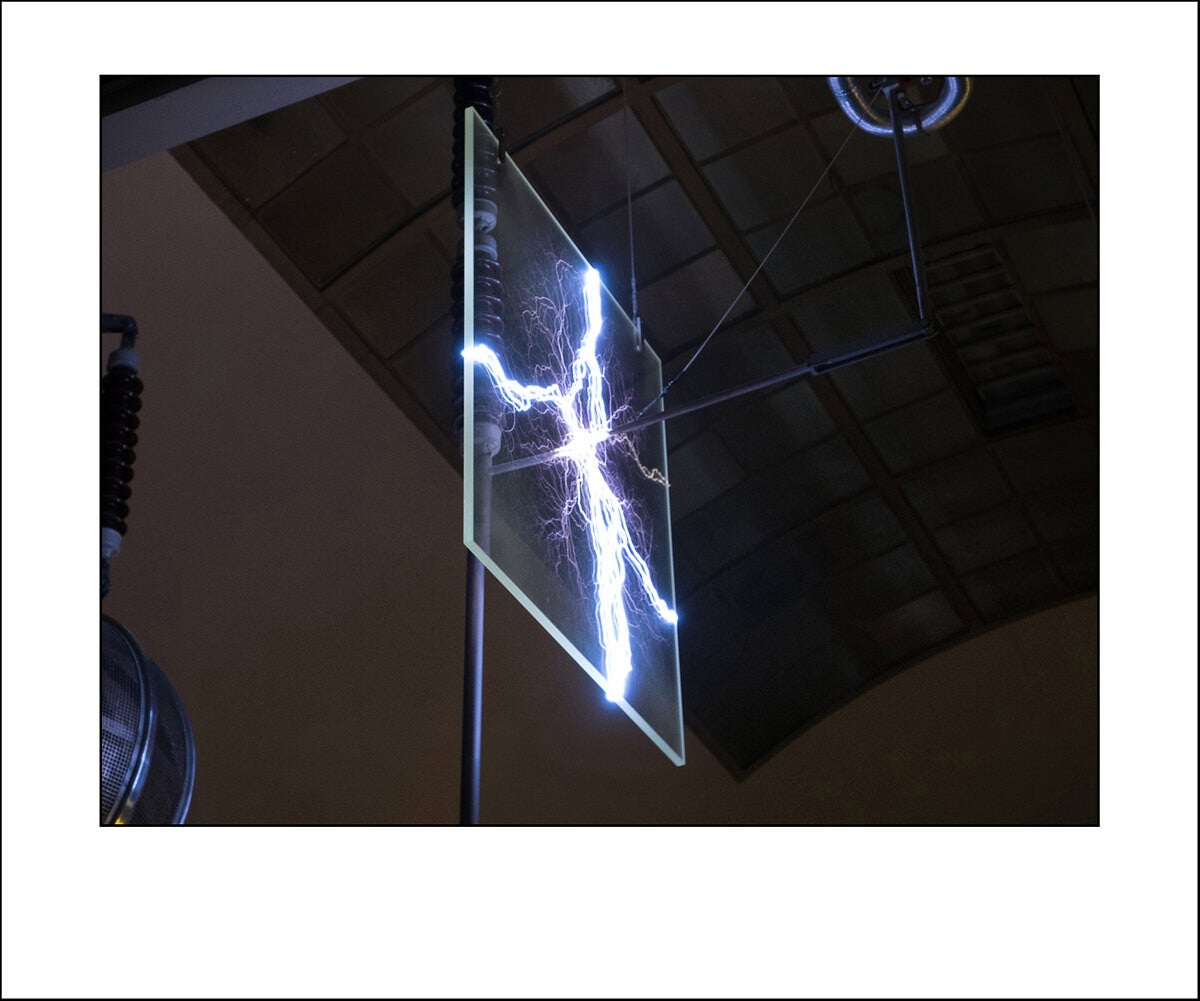
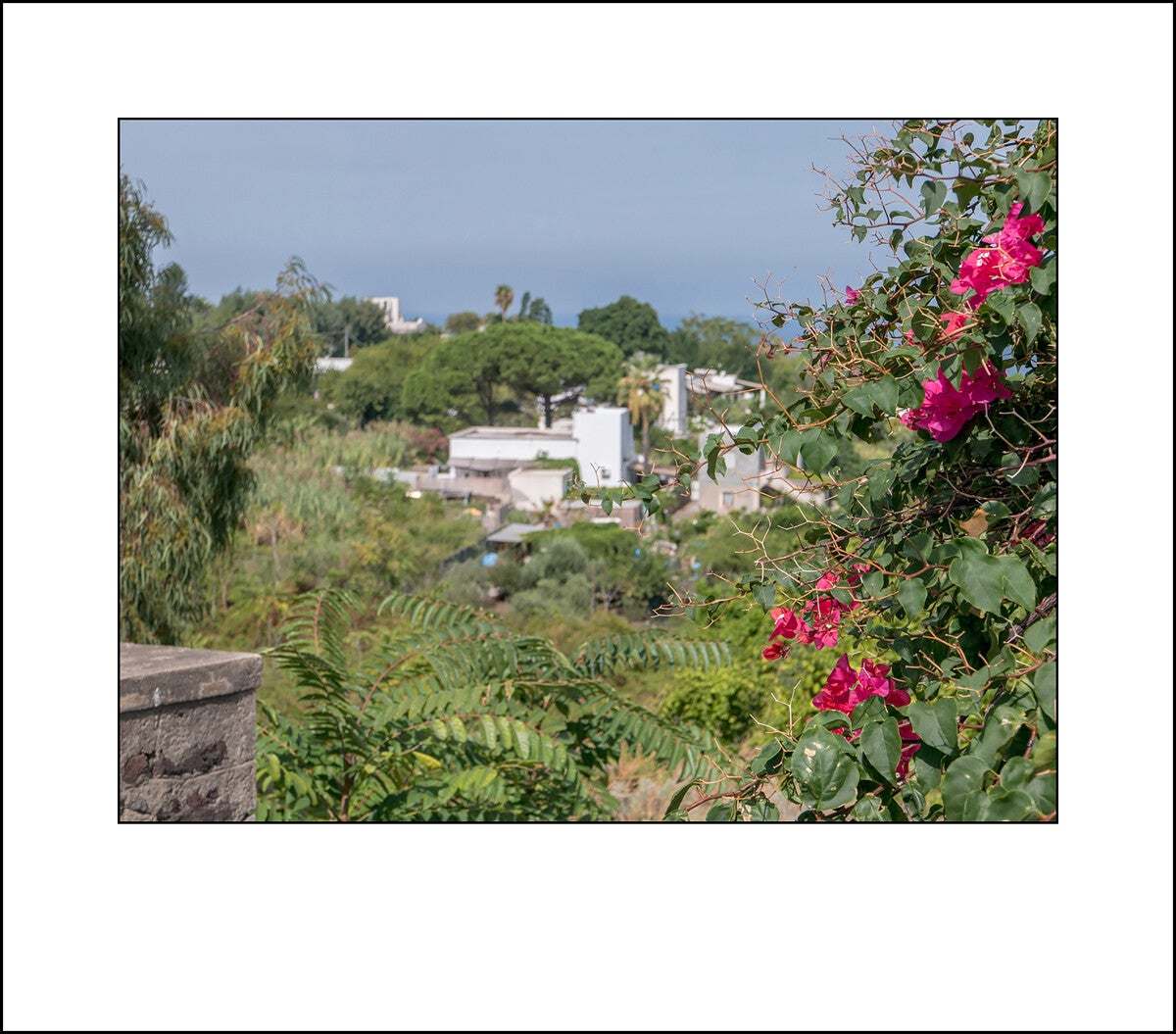
Some images taken with the Panasonic LX100 MkI or MkII




























































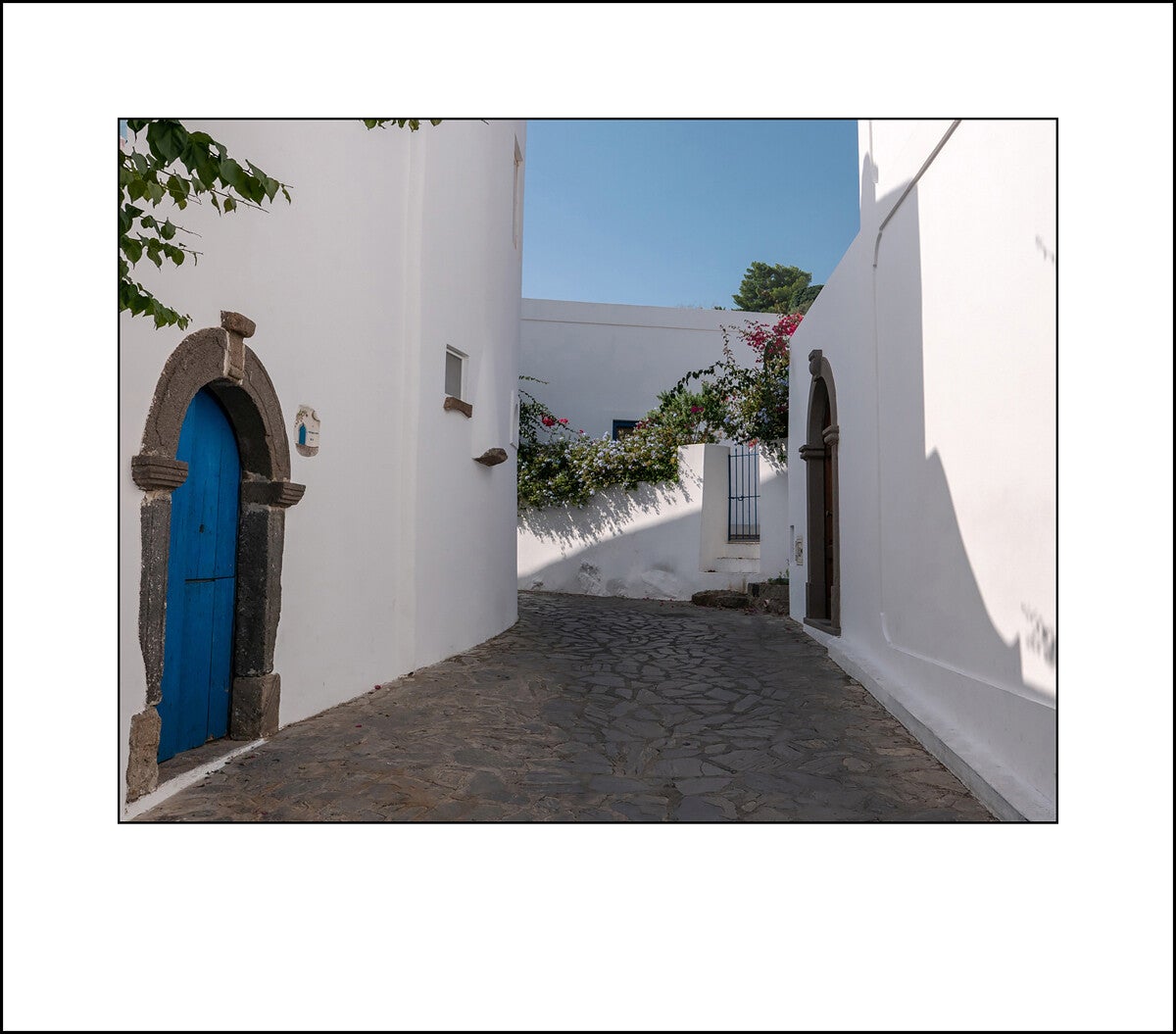





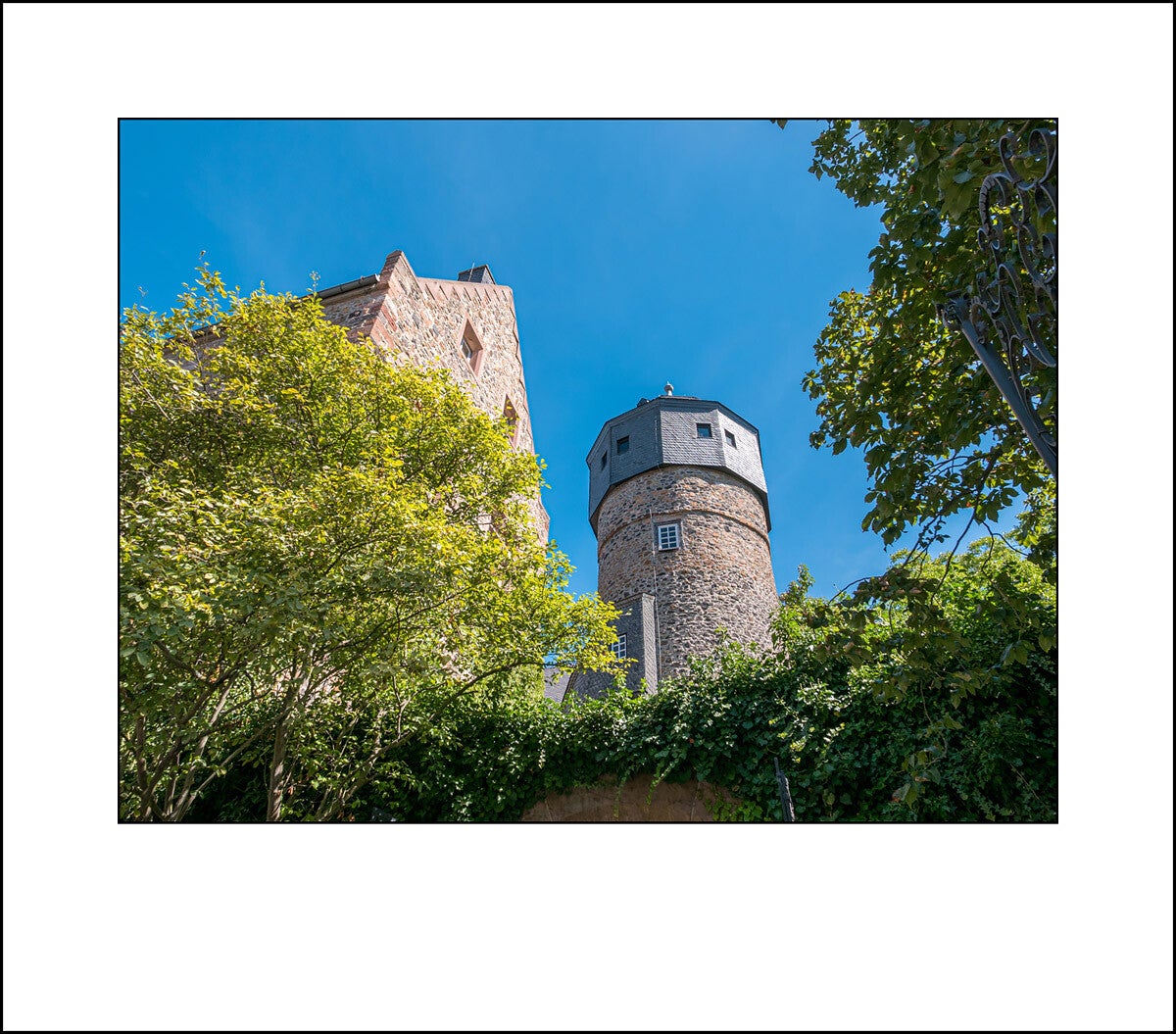







My Opinion:
The LX100 remains a favorite for street and travel photographers who value its "soulful" handling over raw megapixel counts. In 2018, Panasonic released the Lumix LX100 II, which addressed some original complaints by adding a touchscreen and a higher-resolution 17MP sensor, though it retained the same lens and body design. It is one af my personal favourite cameras for travel photography; as image quality is excellent and you don't end up carrying a backpack full of equipment. An excellent purchase, even by todays standards. I have taken literally thousands of images with this camera and it just keeps going. I have no intension of selling it or getting rid of it in any way. I know the first version has only a 12MP sensor (which for me is ample) and the second version got a little upgrade to a 17MP sensor. Both versions produce very nice images (in my opinion).
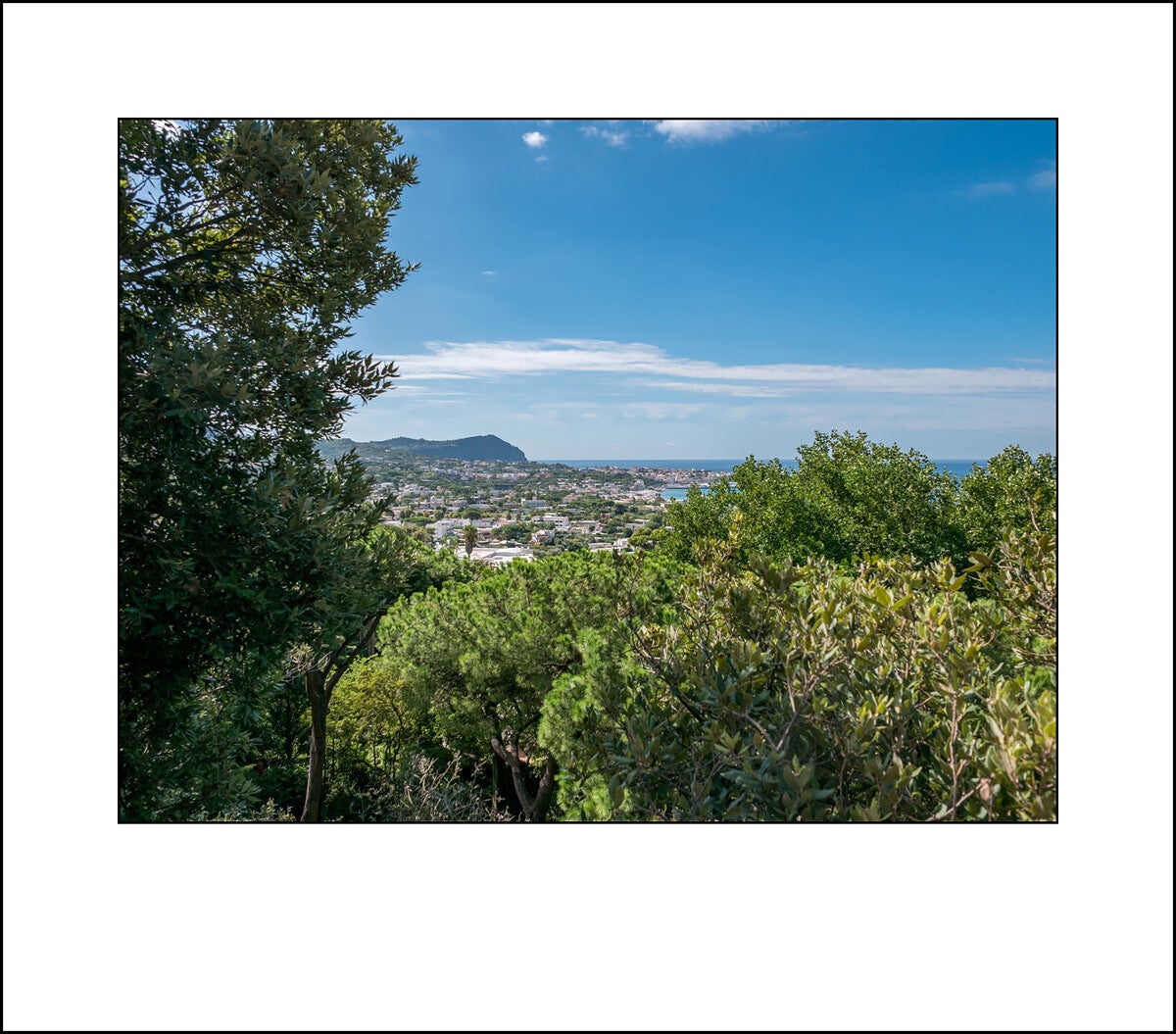
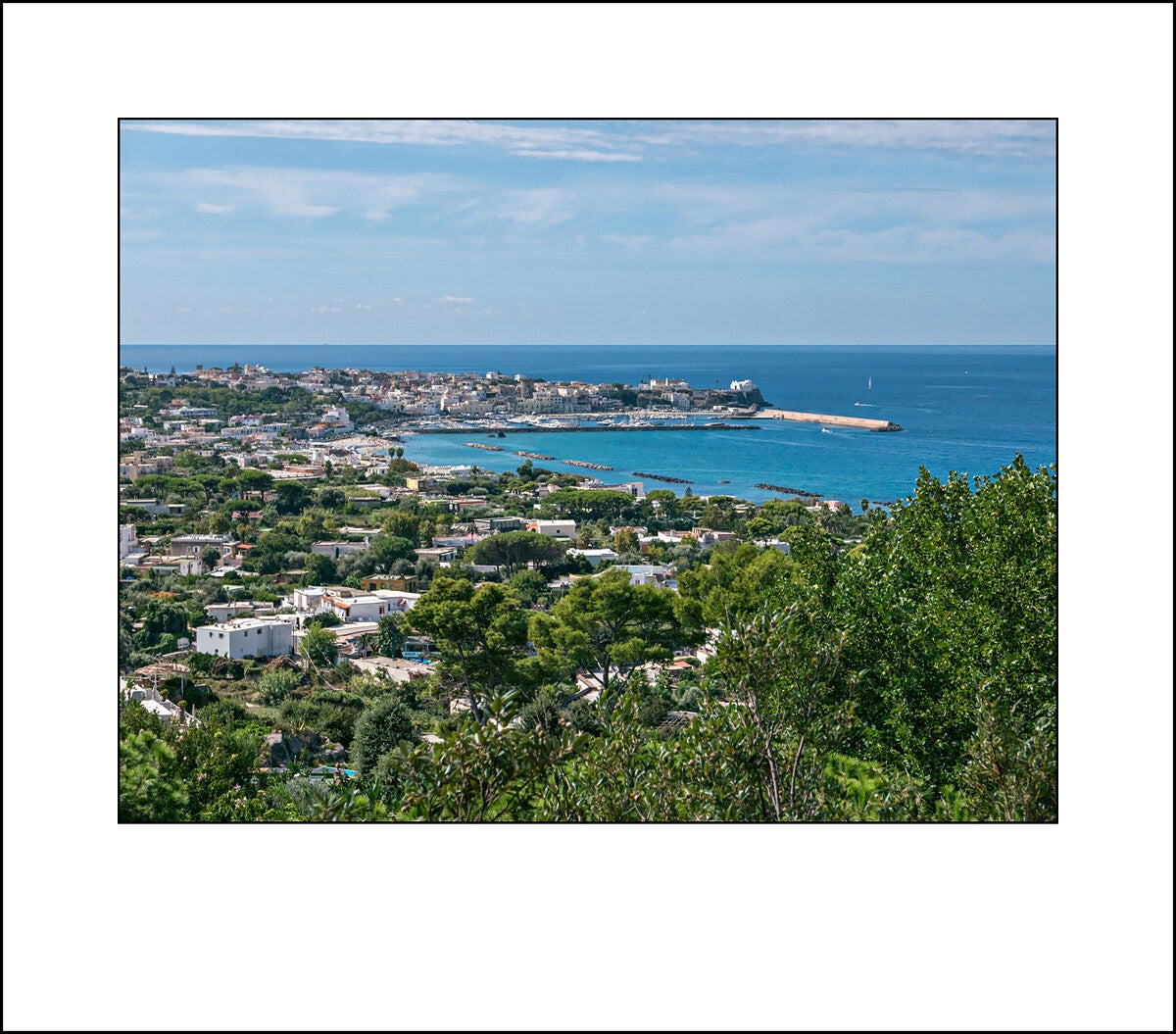
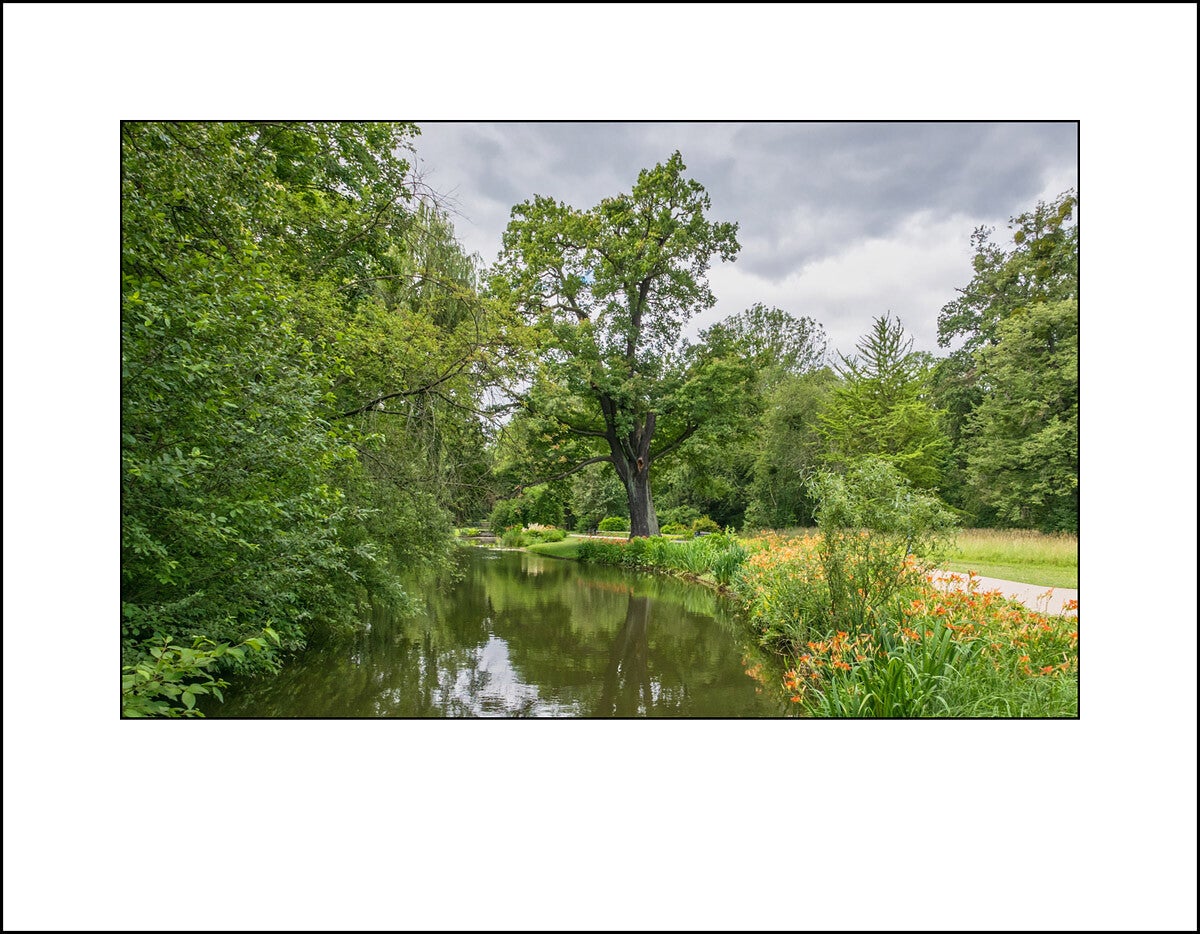
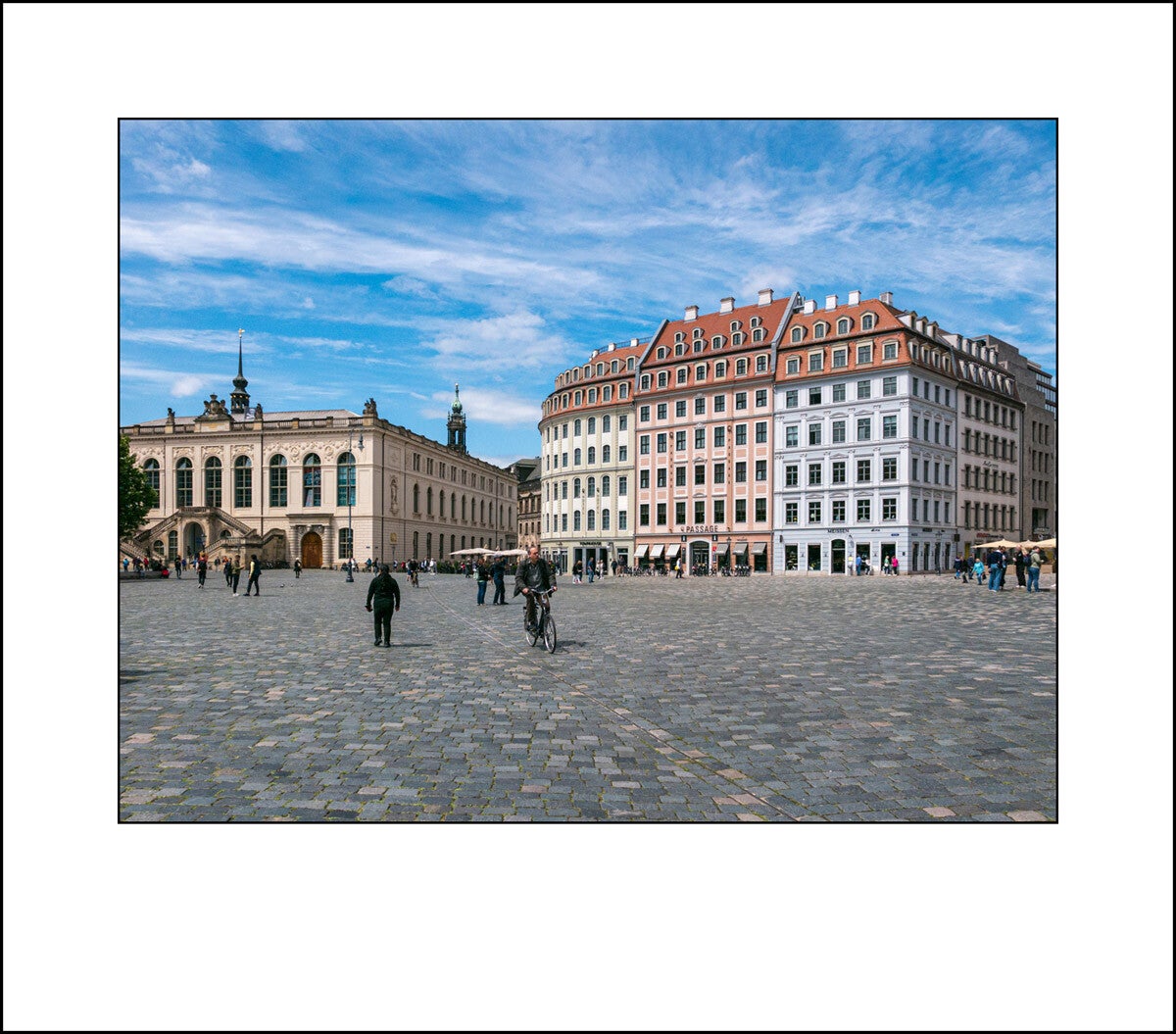
Some more images taken with the Panasonic LX100 MkI or MkII