Exploring the Animal Kingdom
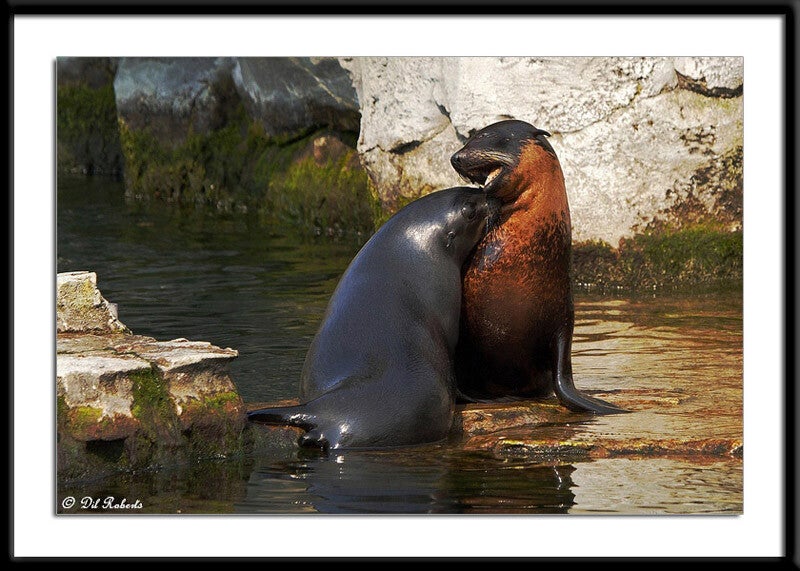
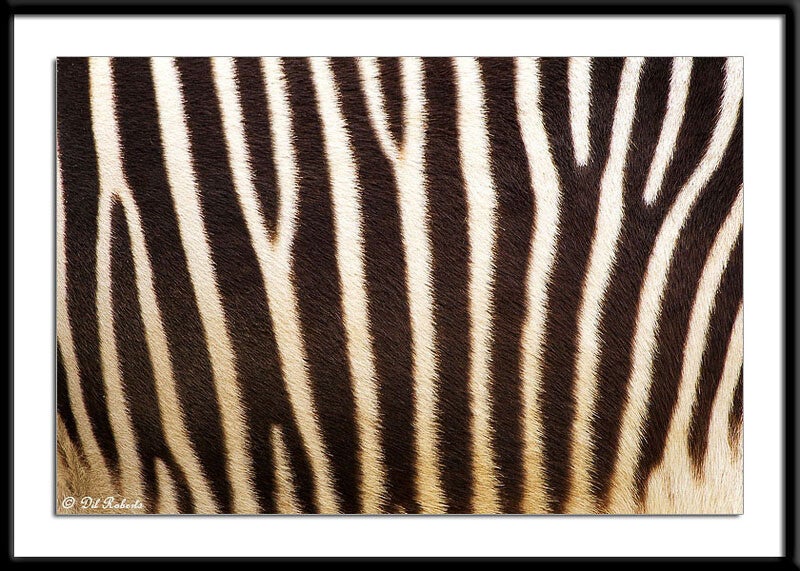
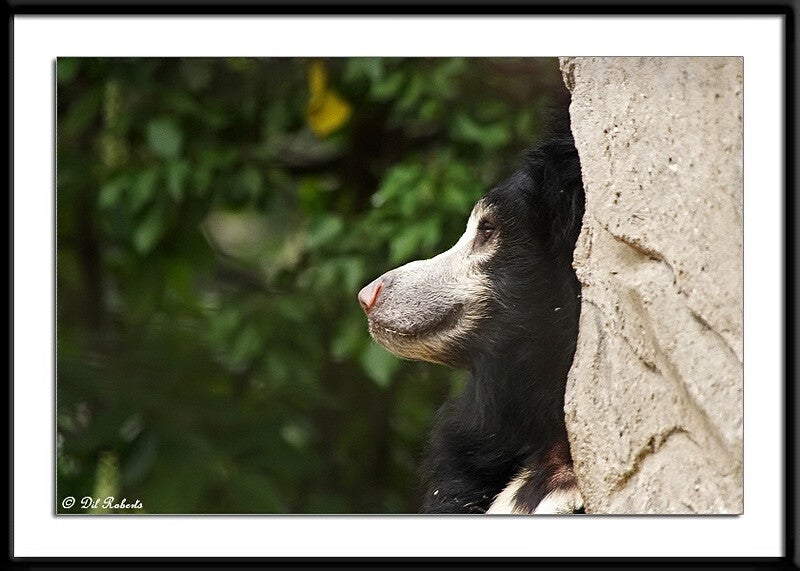
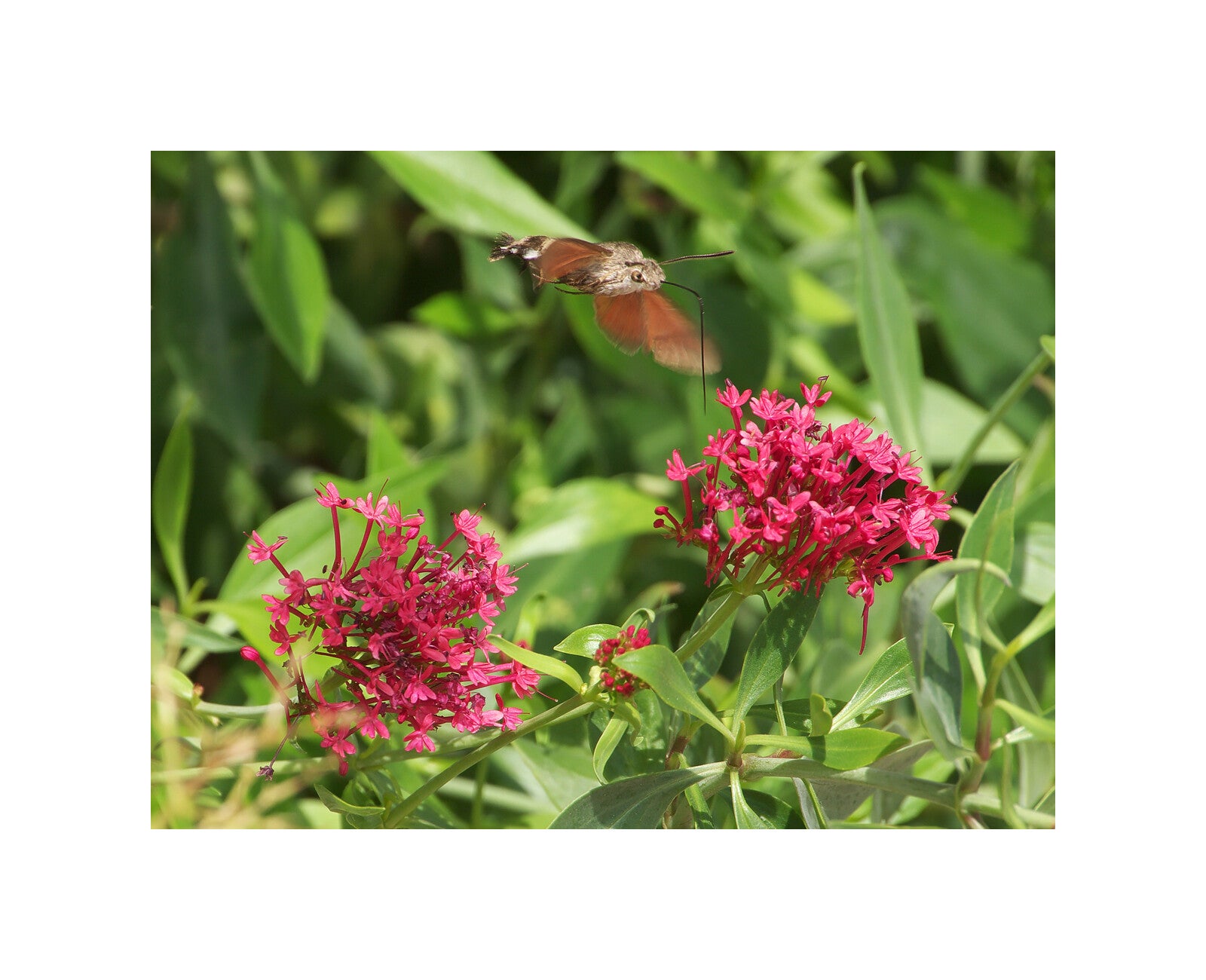
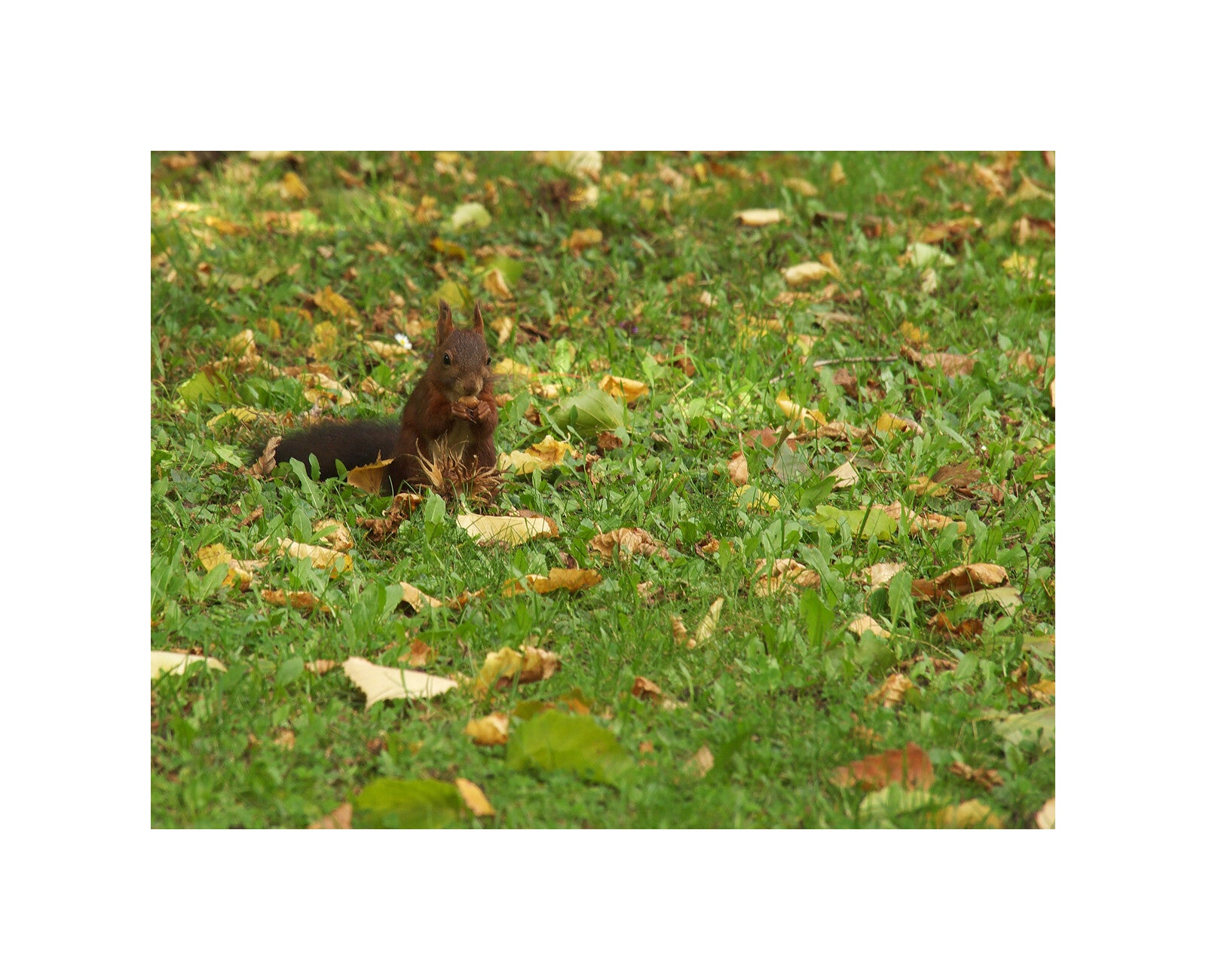
The Animal Kingdom, scientifically known as the kingdom Animalia, encompasses a vast array of living organisms that play crucial roles in the ecosystems of our planet. Animals are generally defined as multicellular, eukaryotic organisms that are capable of locomotion and are heterotrophic, relying on other organisms for food. The diversity within the animal kingdom is astonishing, with over 1.5 million known species, ranging from tiny insects to massive whales, and each species has its unique characteristics and adaptations.
Classification of Animals
Animals are classified into various groups based on their similarities and differences, a system known as taxonomy. The major classifications include:
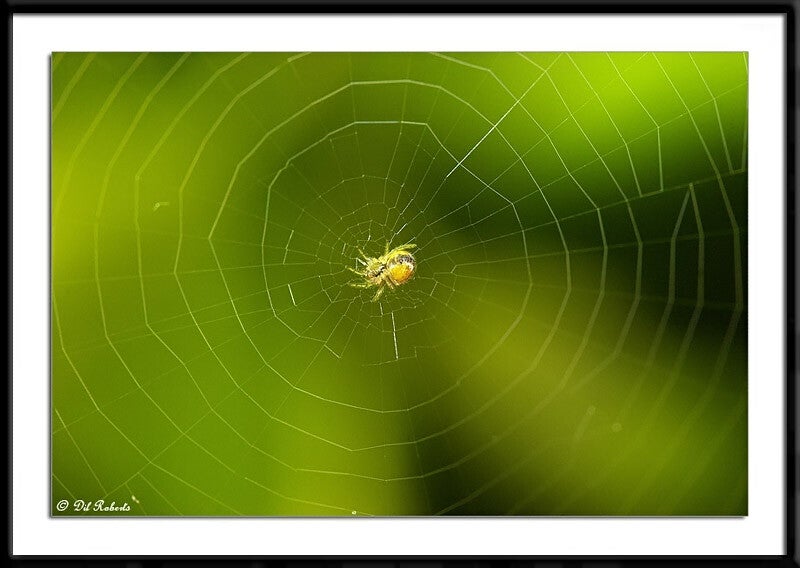
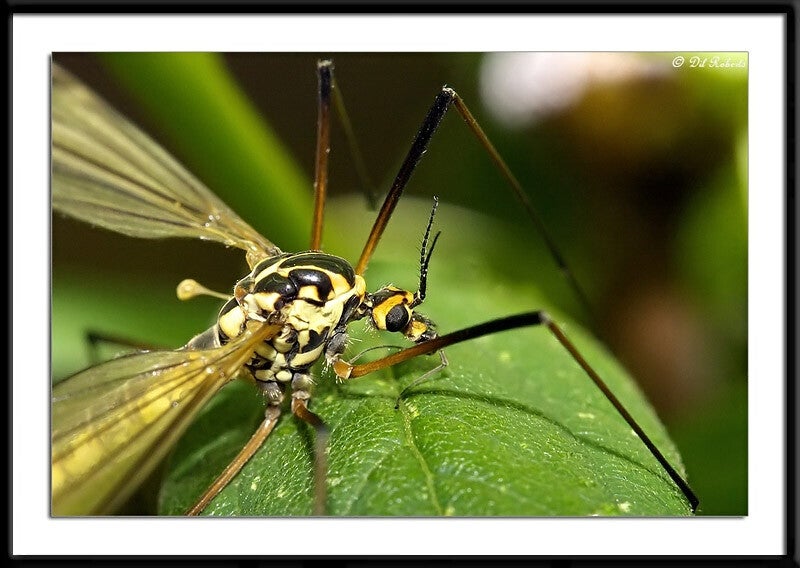
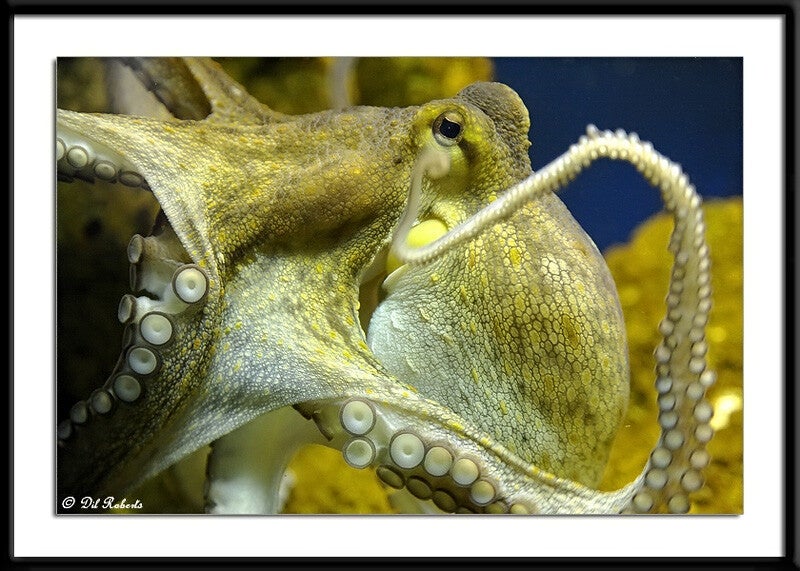
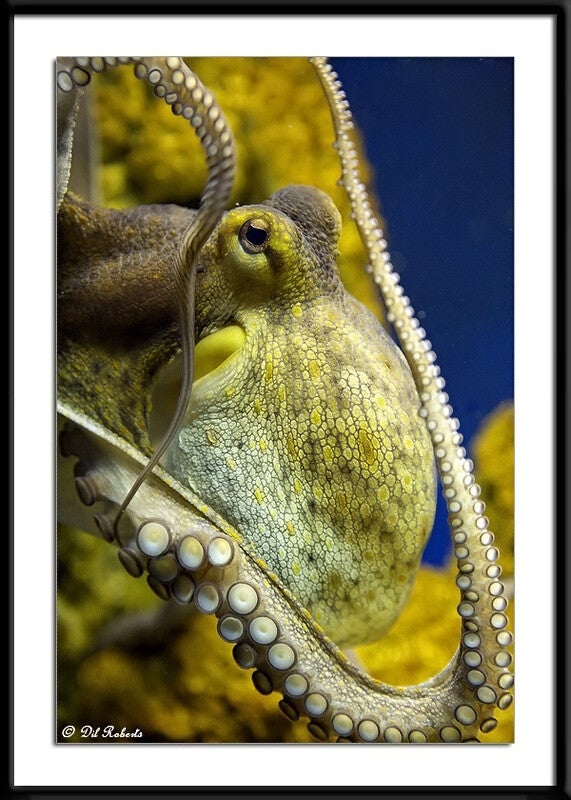
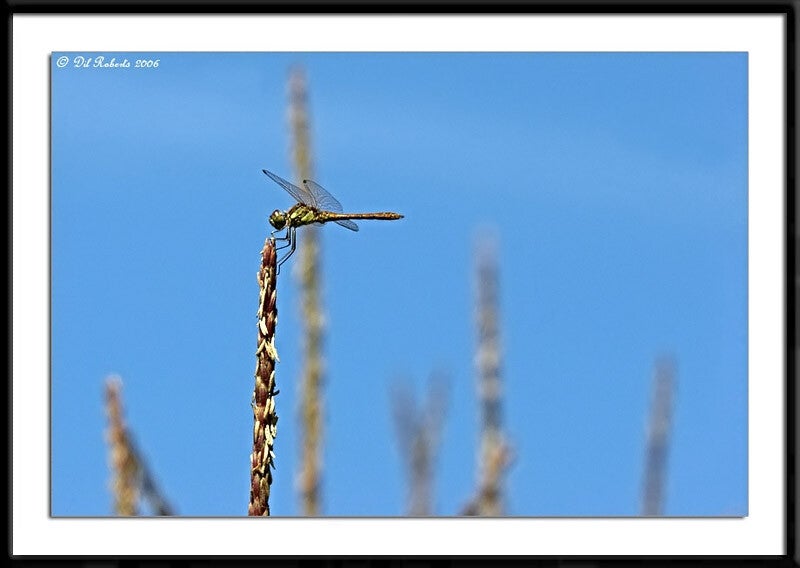
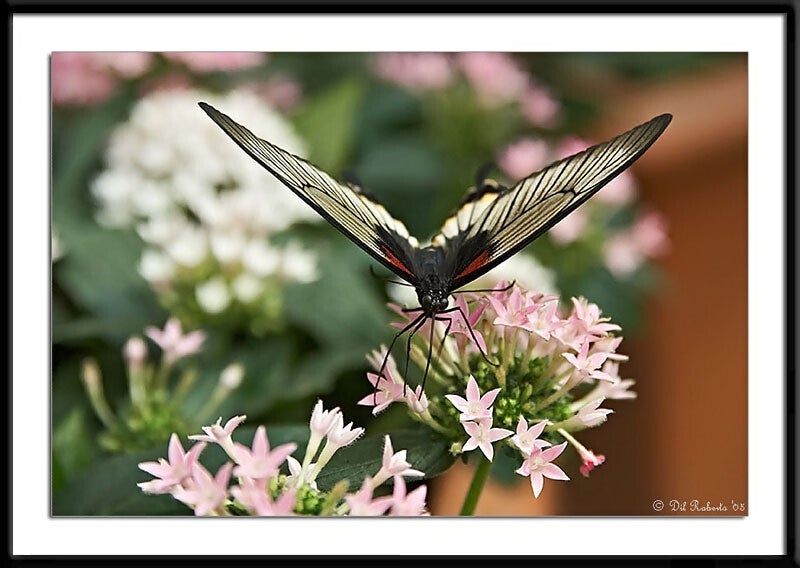
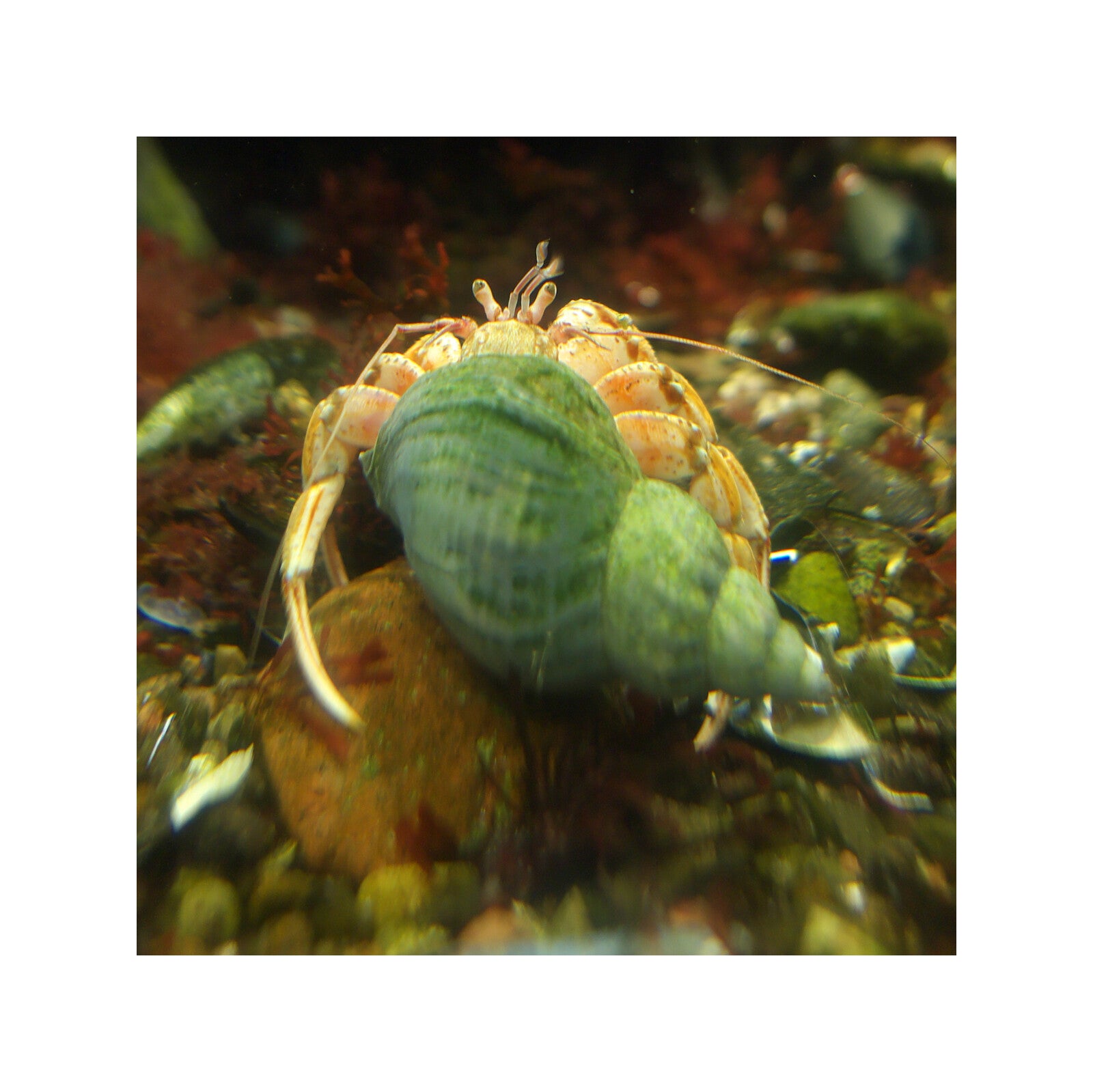
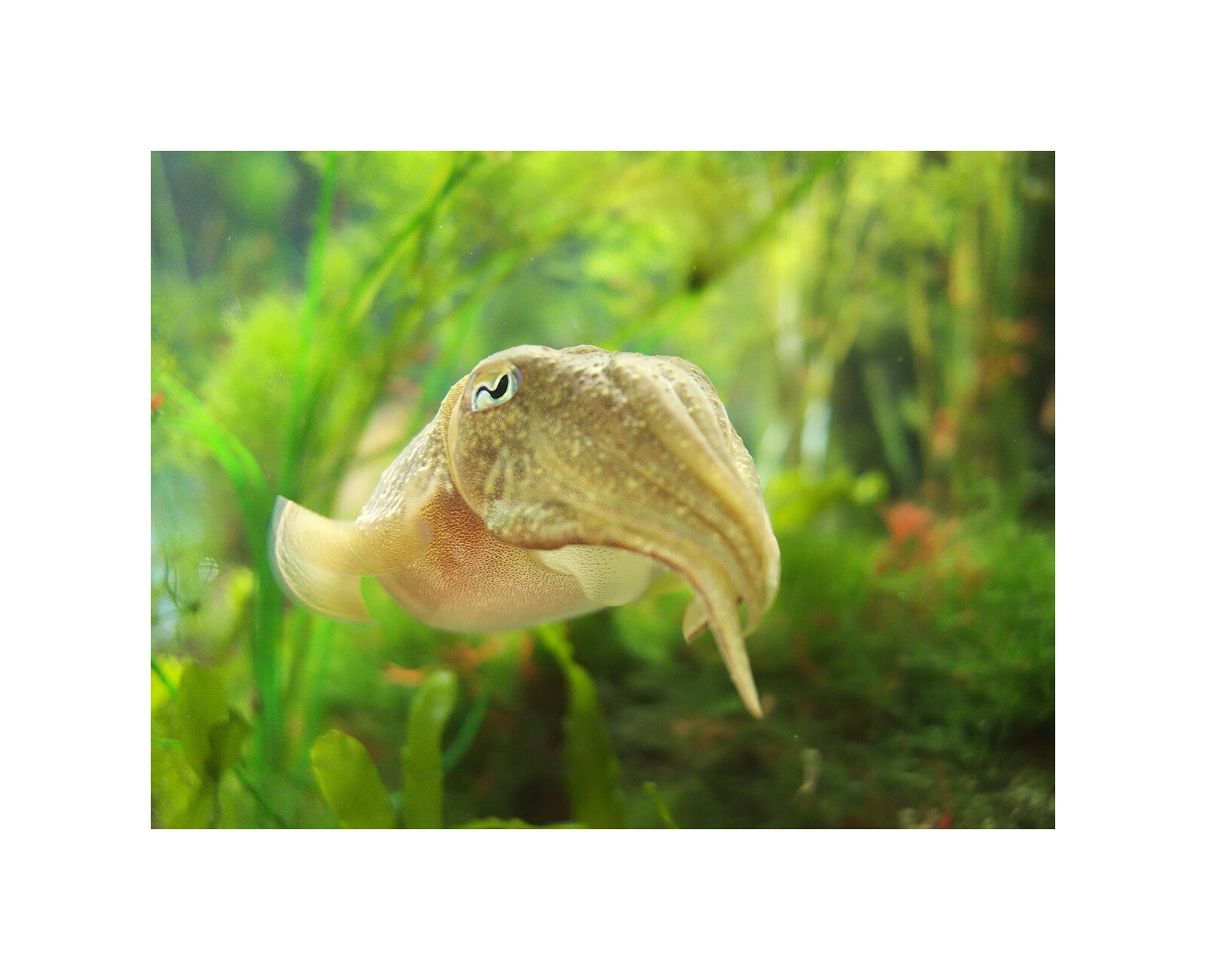
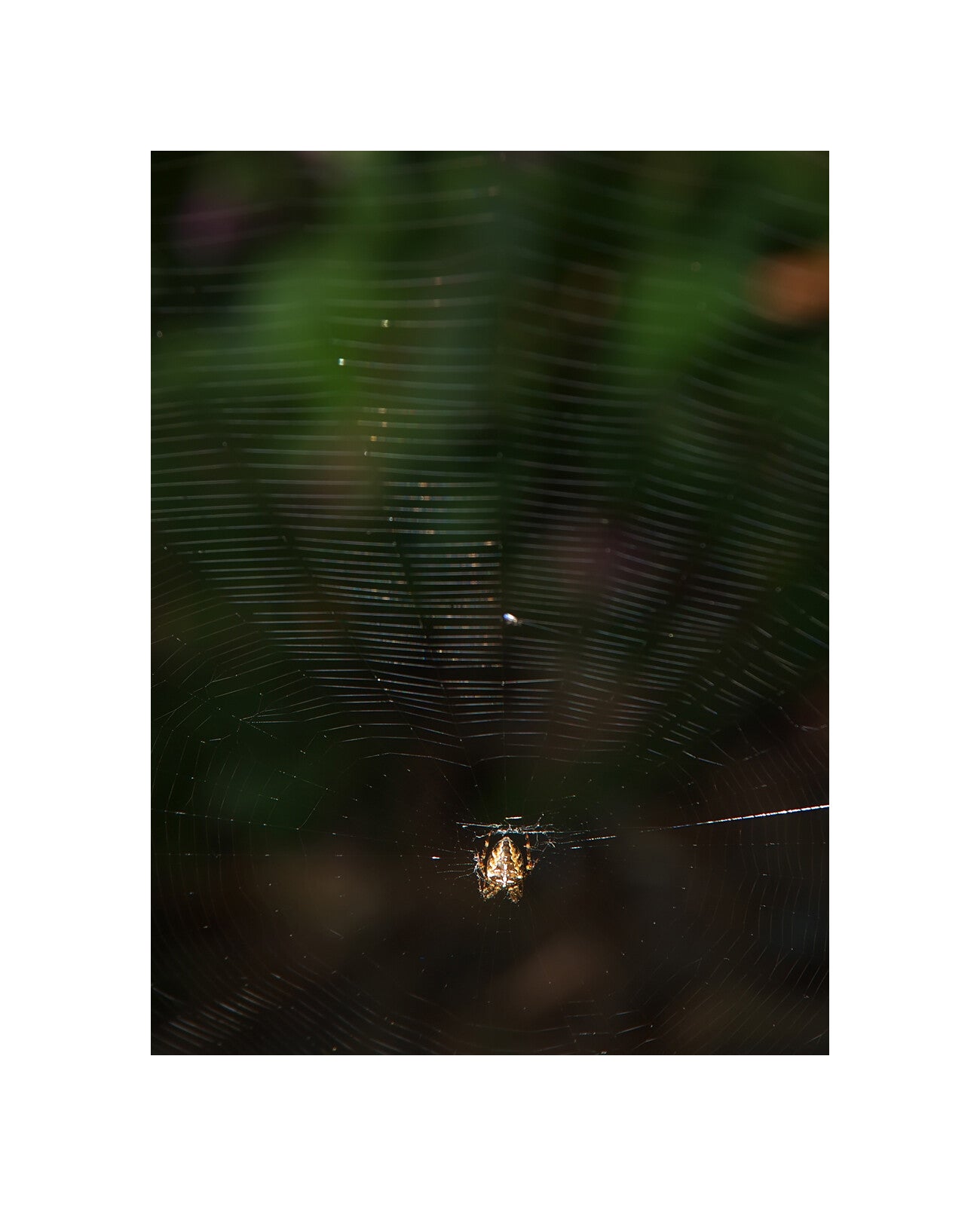
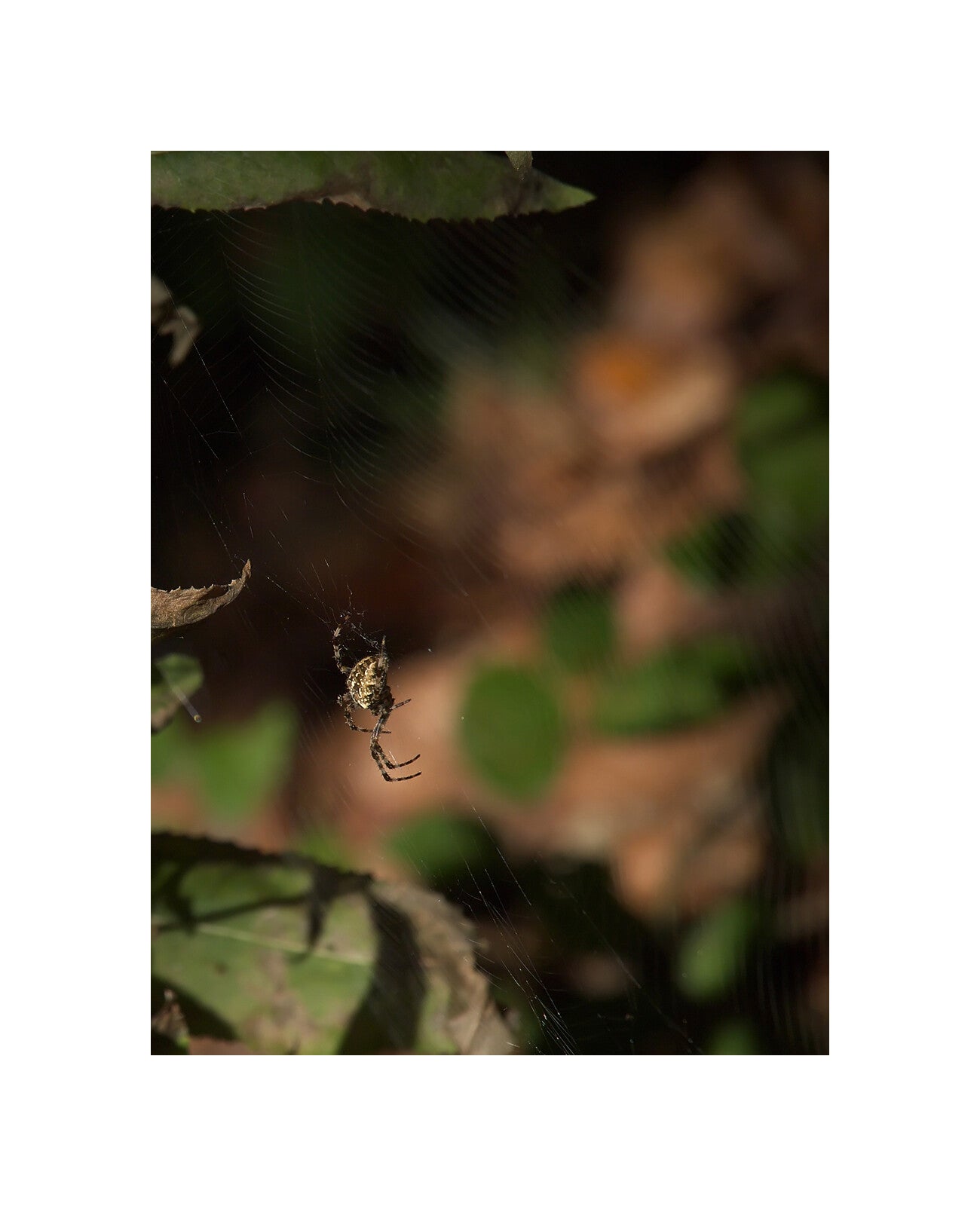
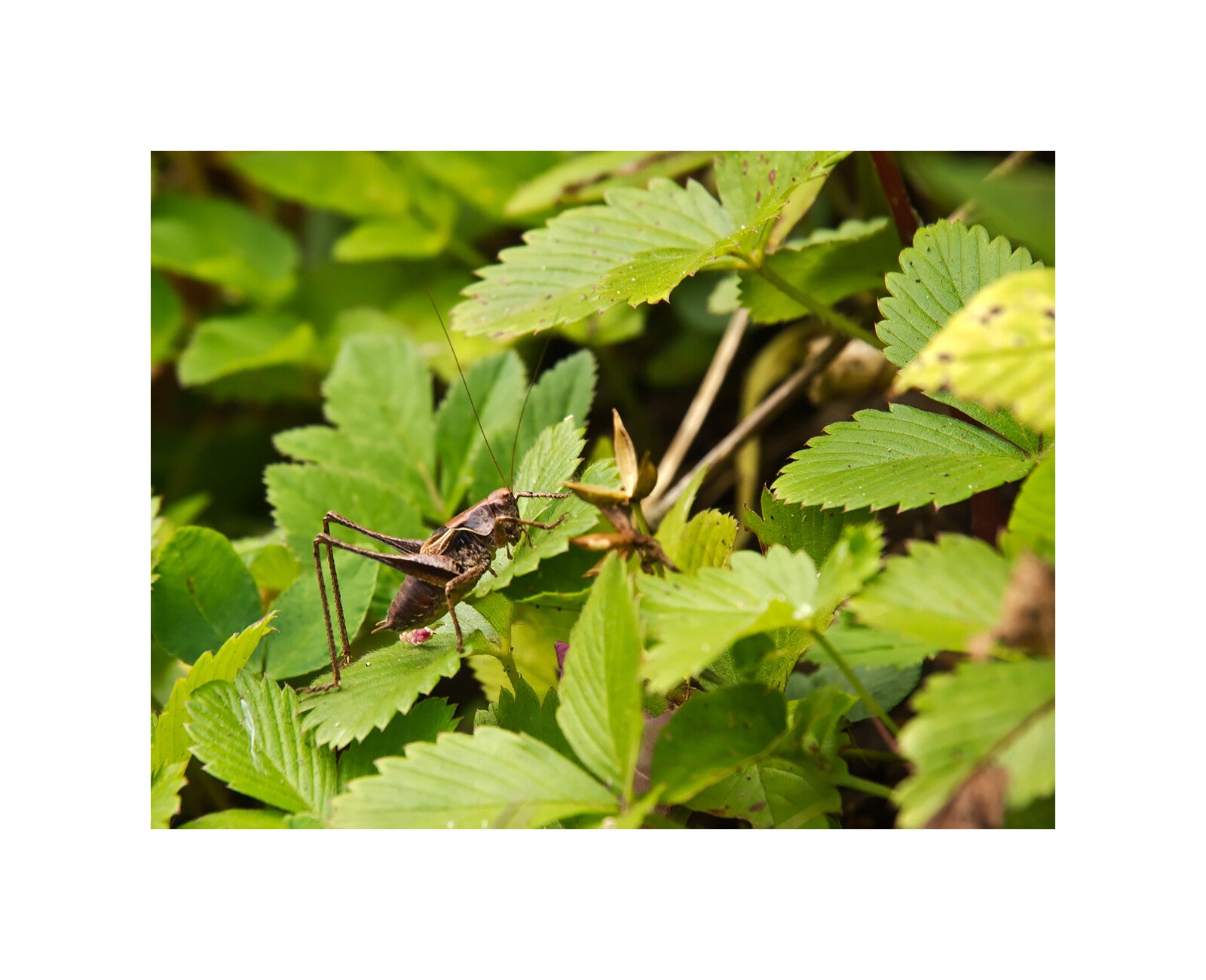
- Invertebrates: Animals without a backbone, including insects, arachnids, molluscs, and crustaceans.
- Vertebrates: Animals with a backbone, which further include:
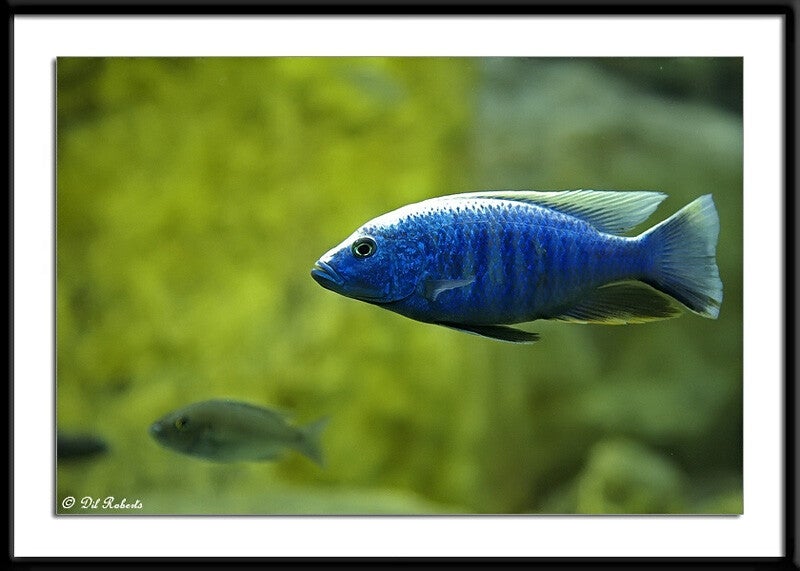
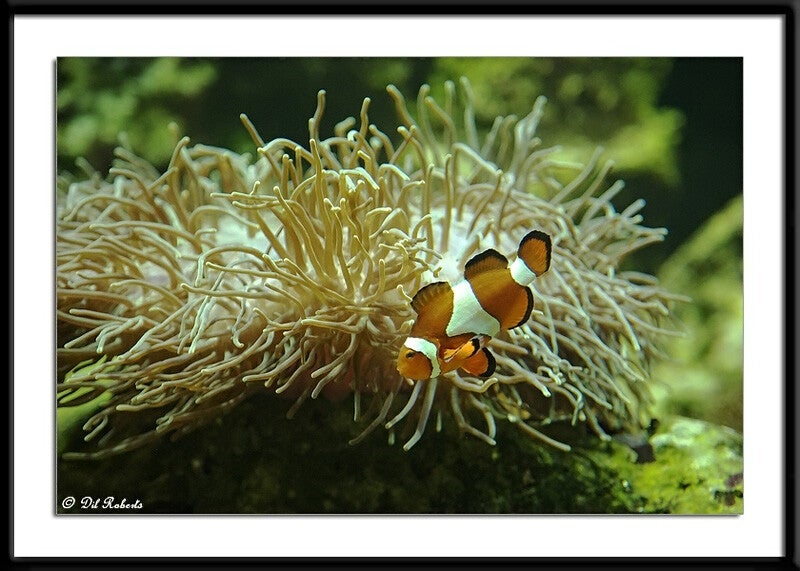
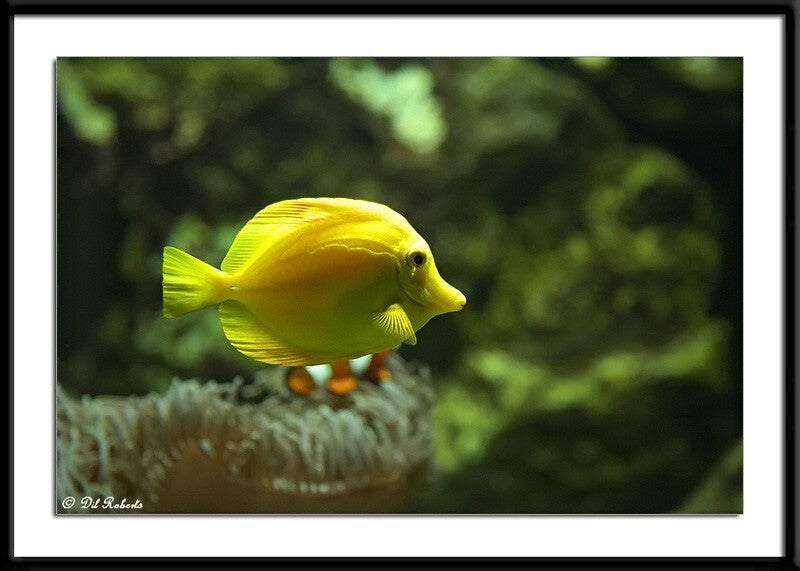
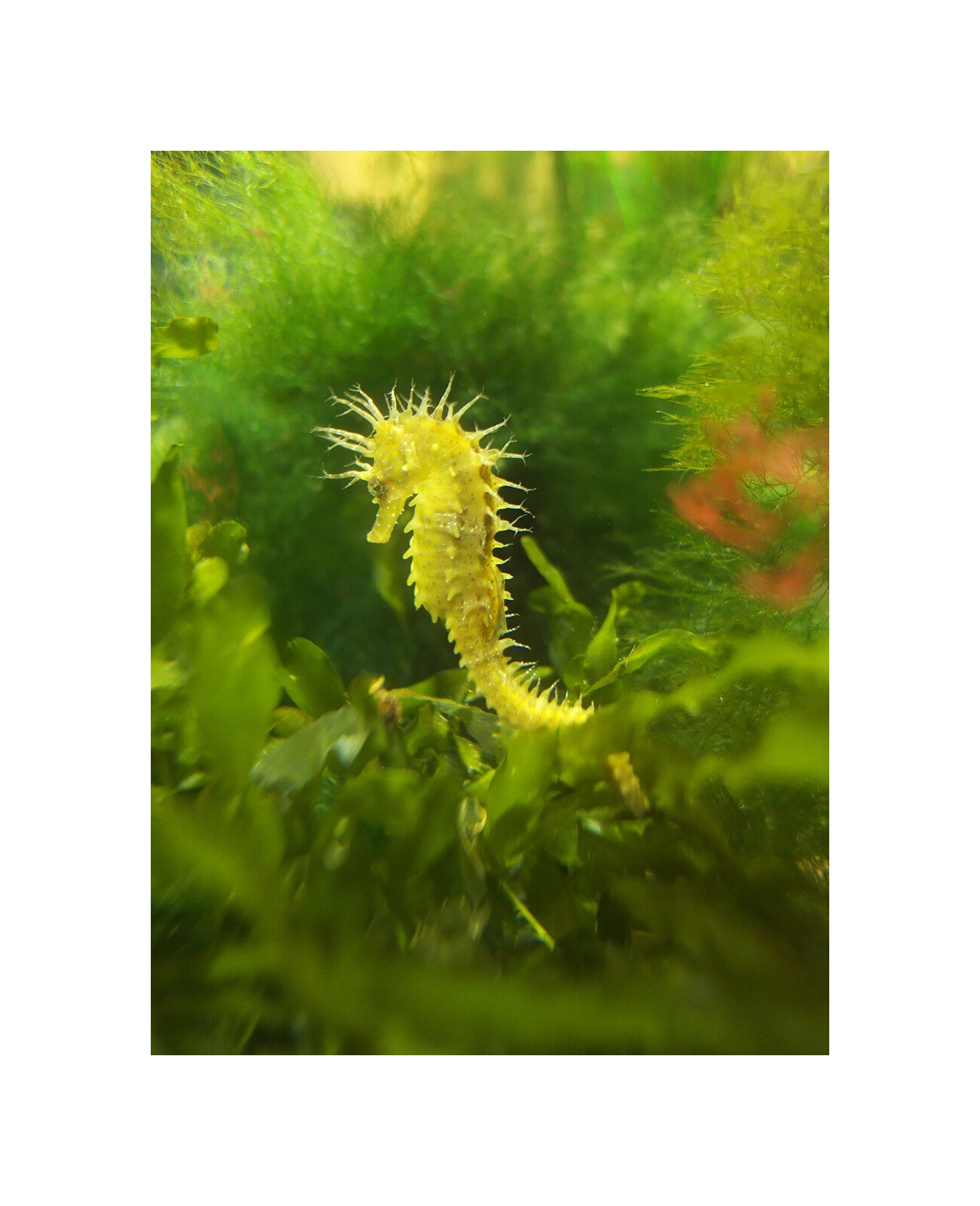
- Fish
- Amphibians
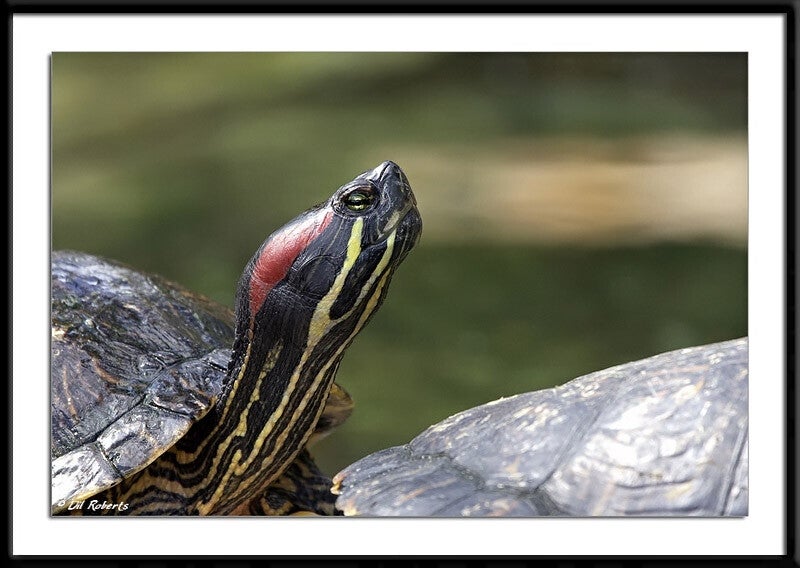
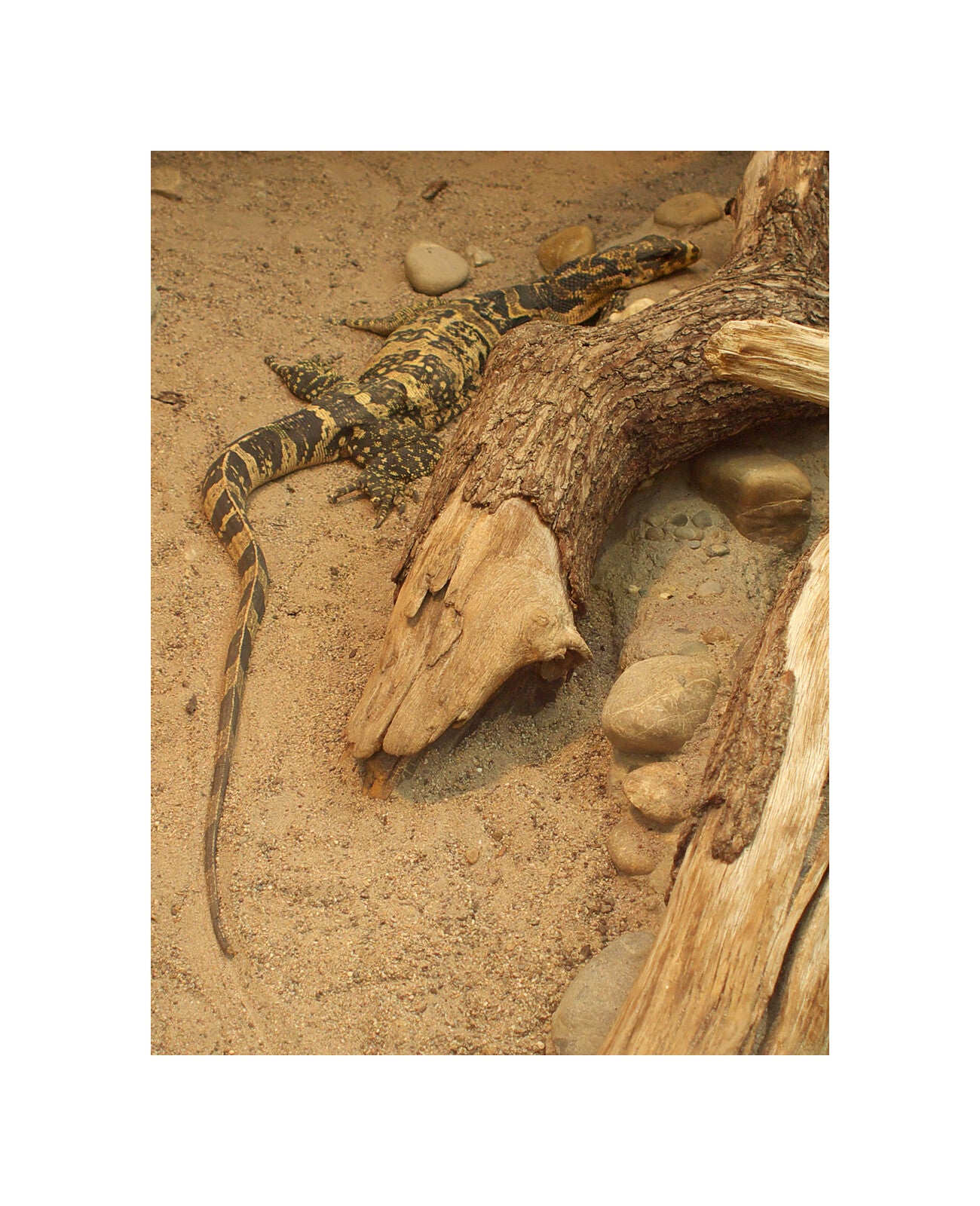
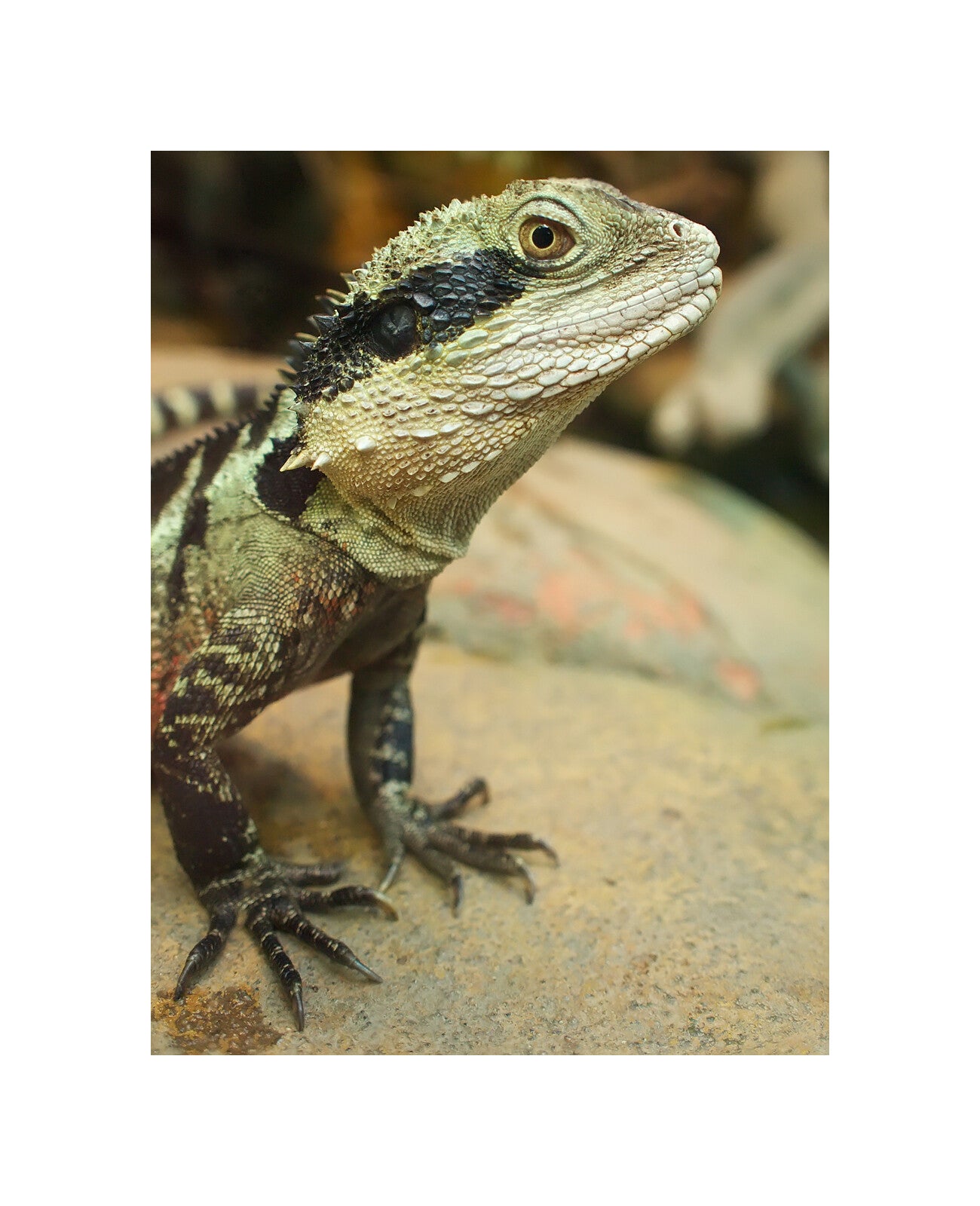
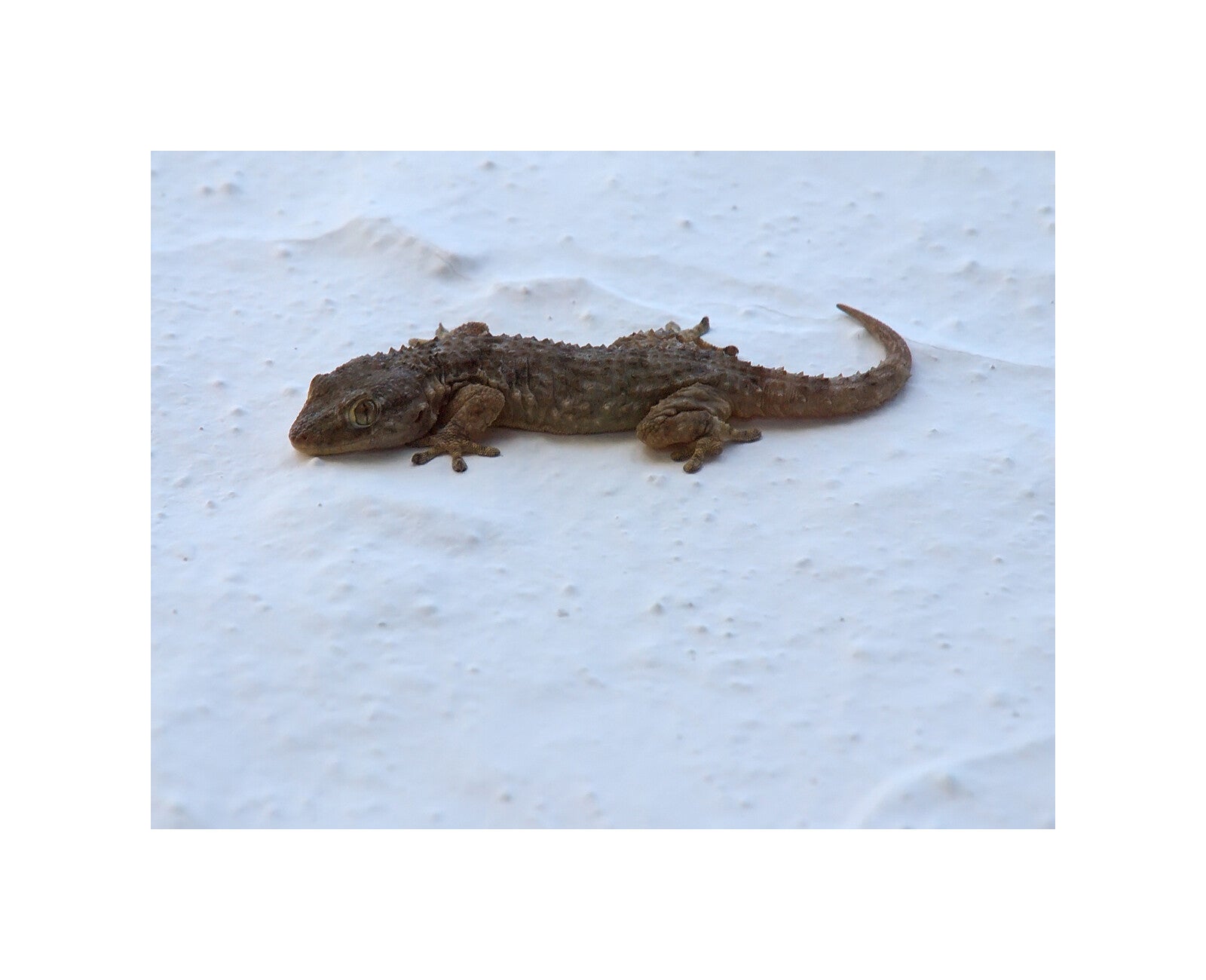
- Reptiles
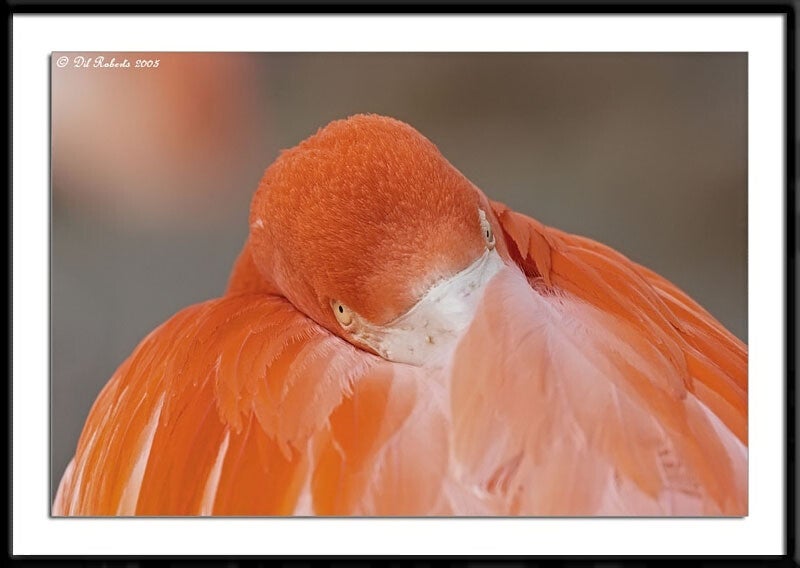
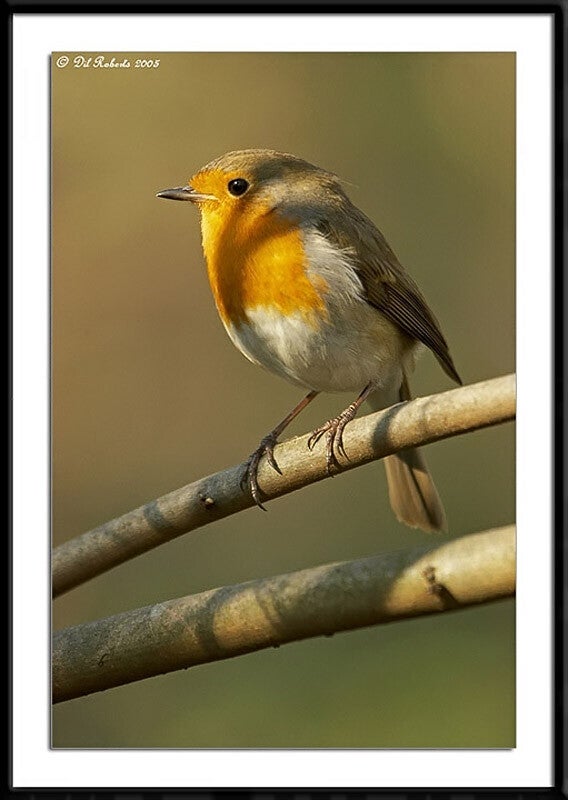
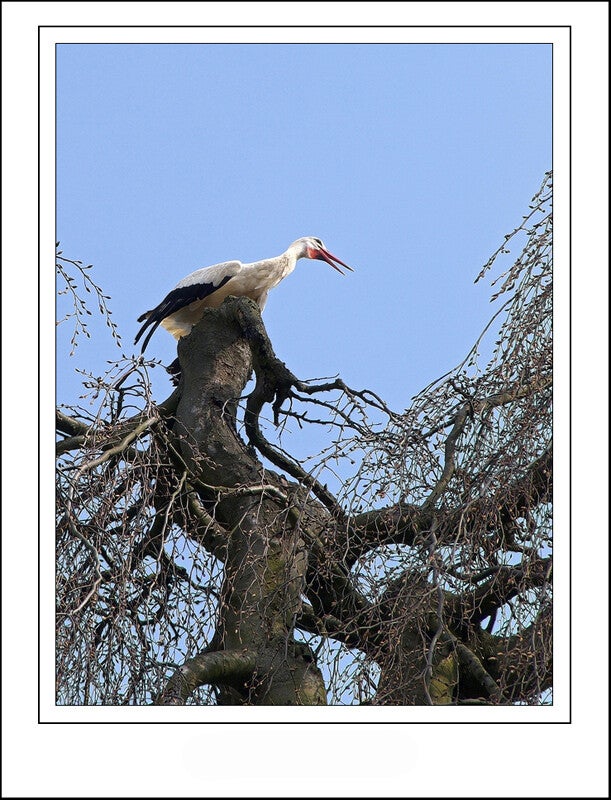
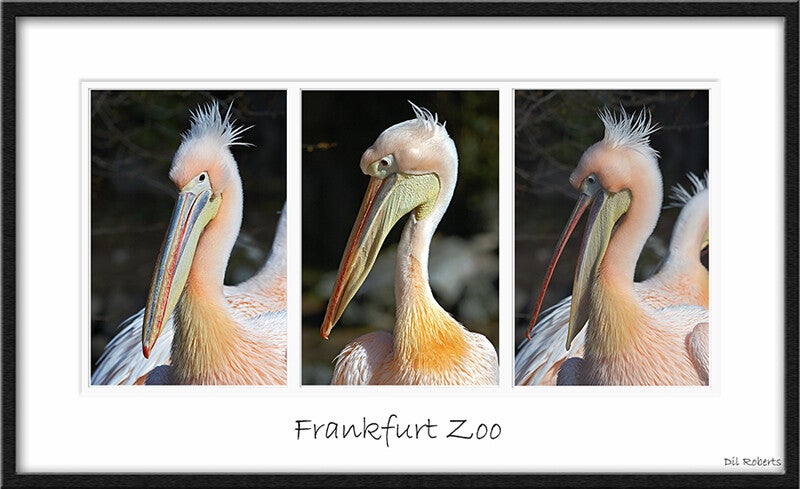
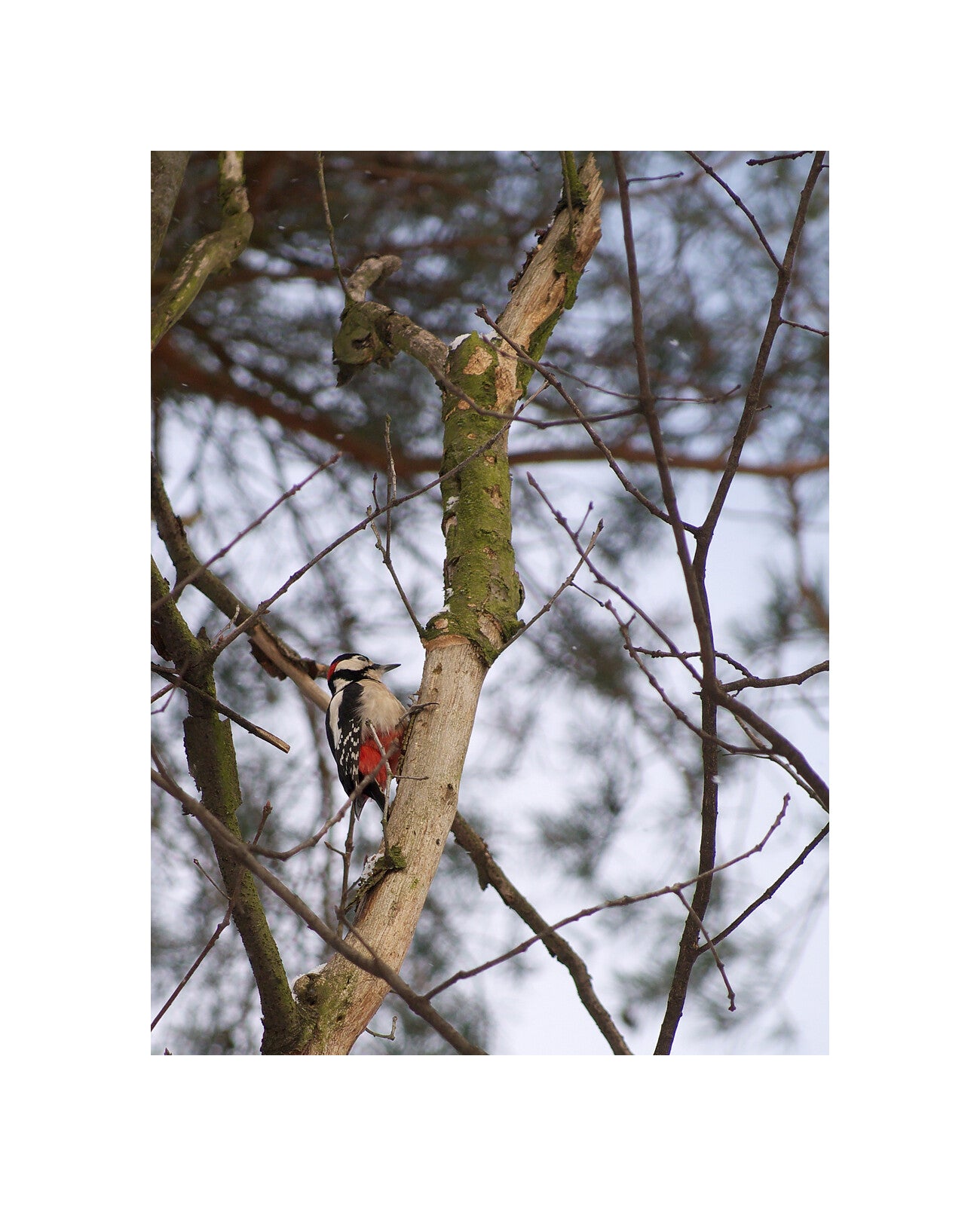
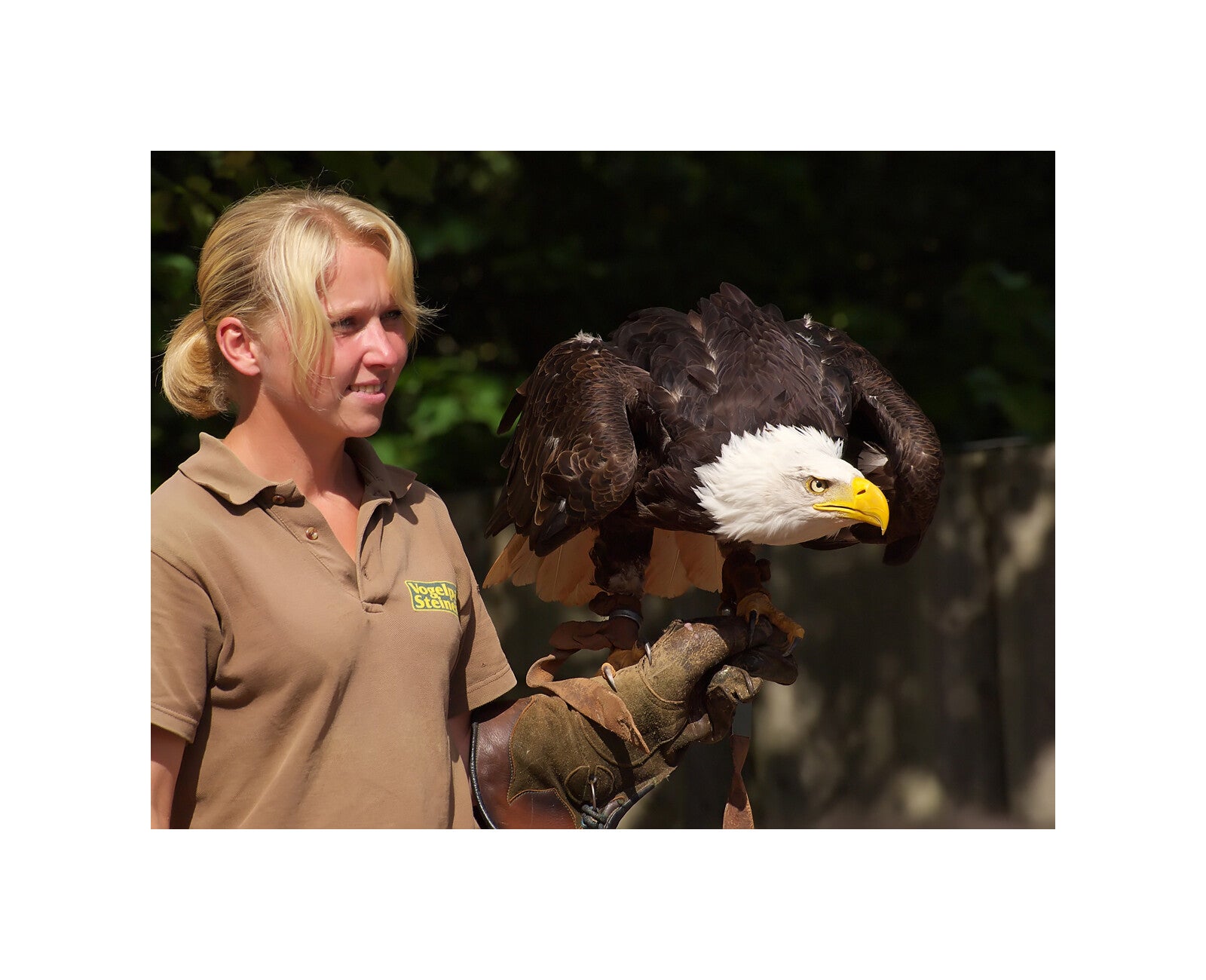
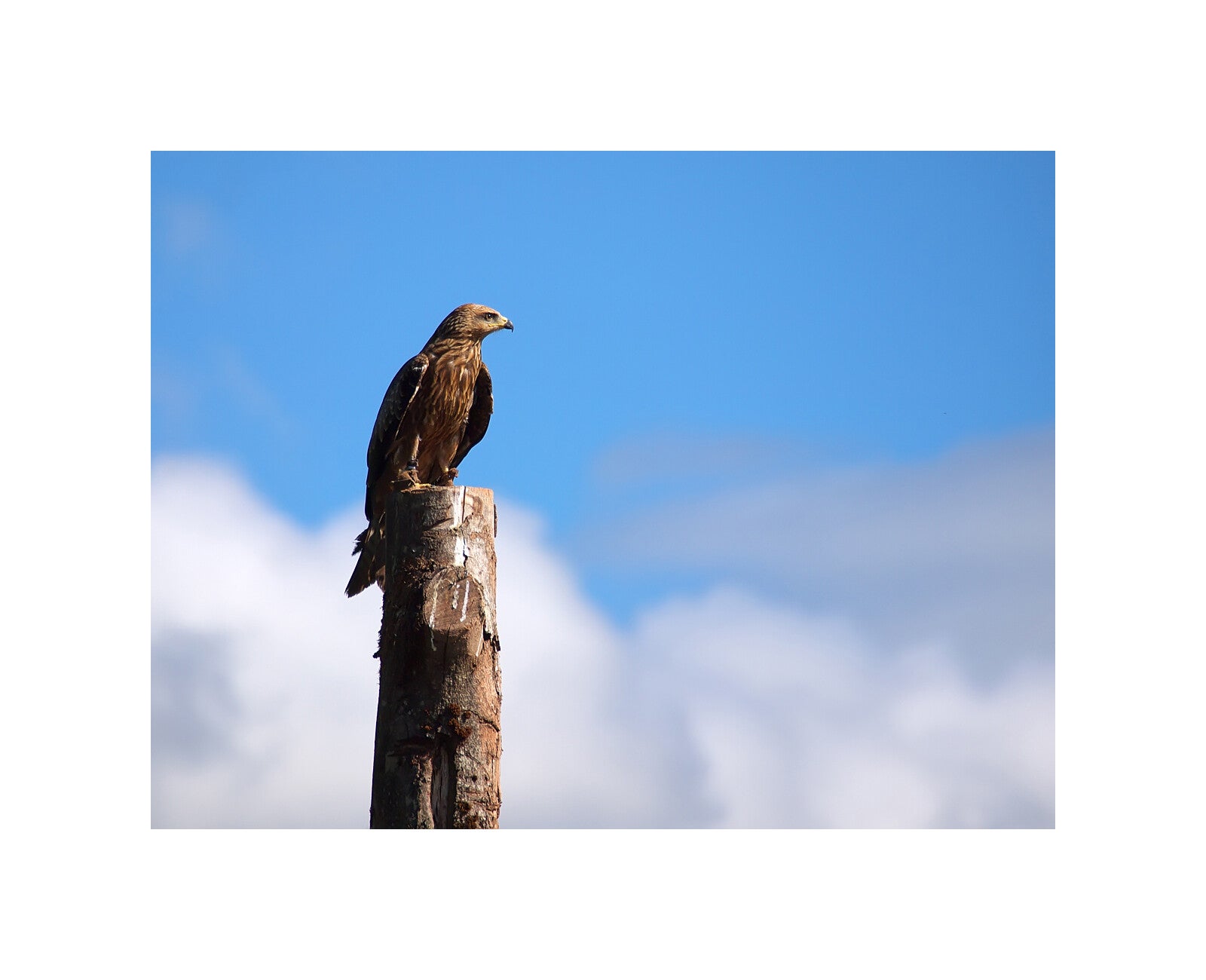
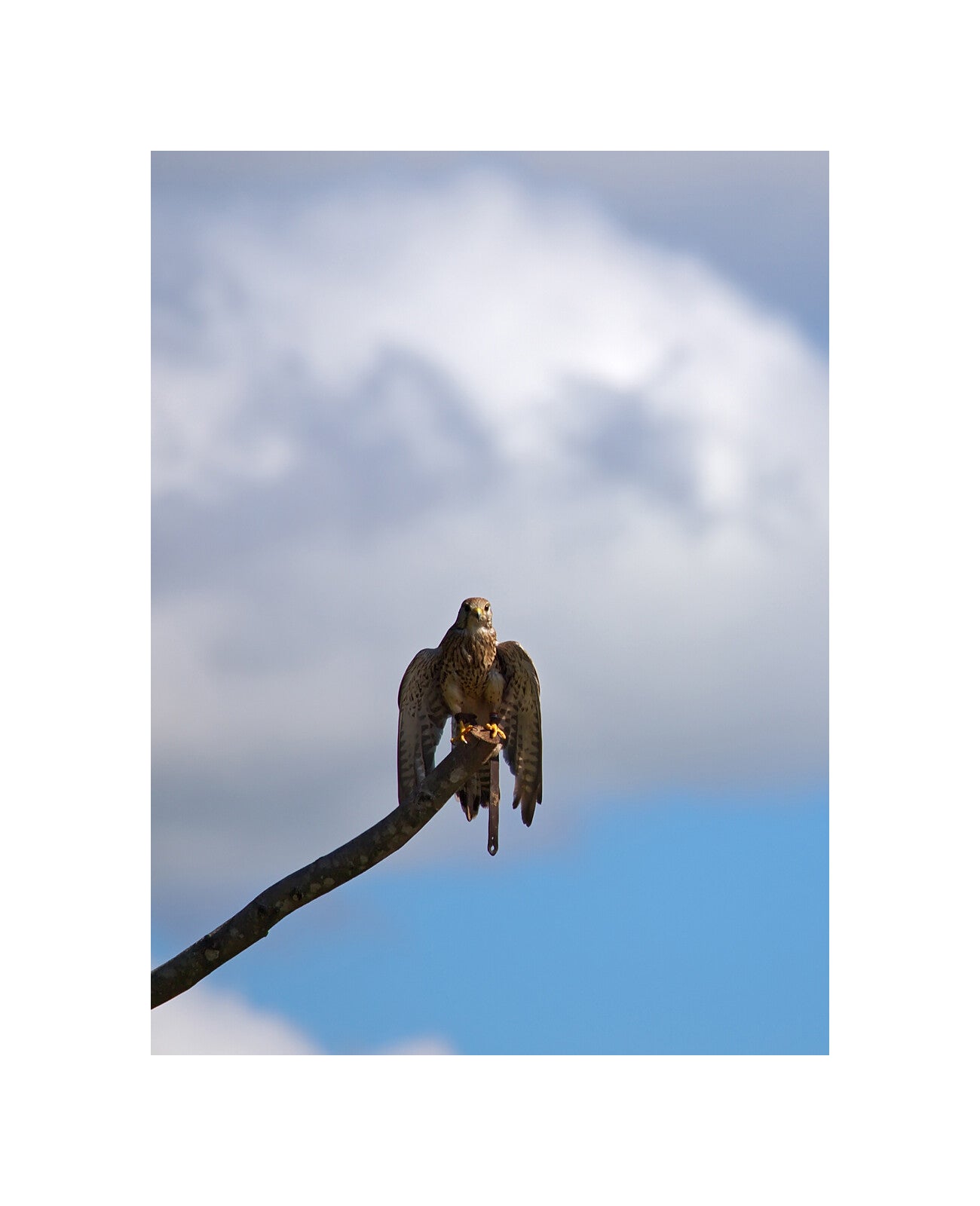
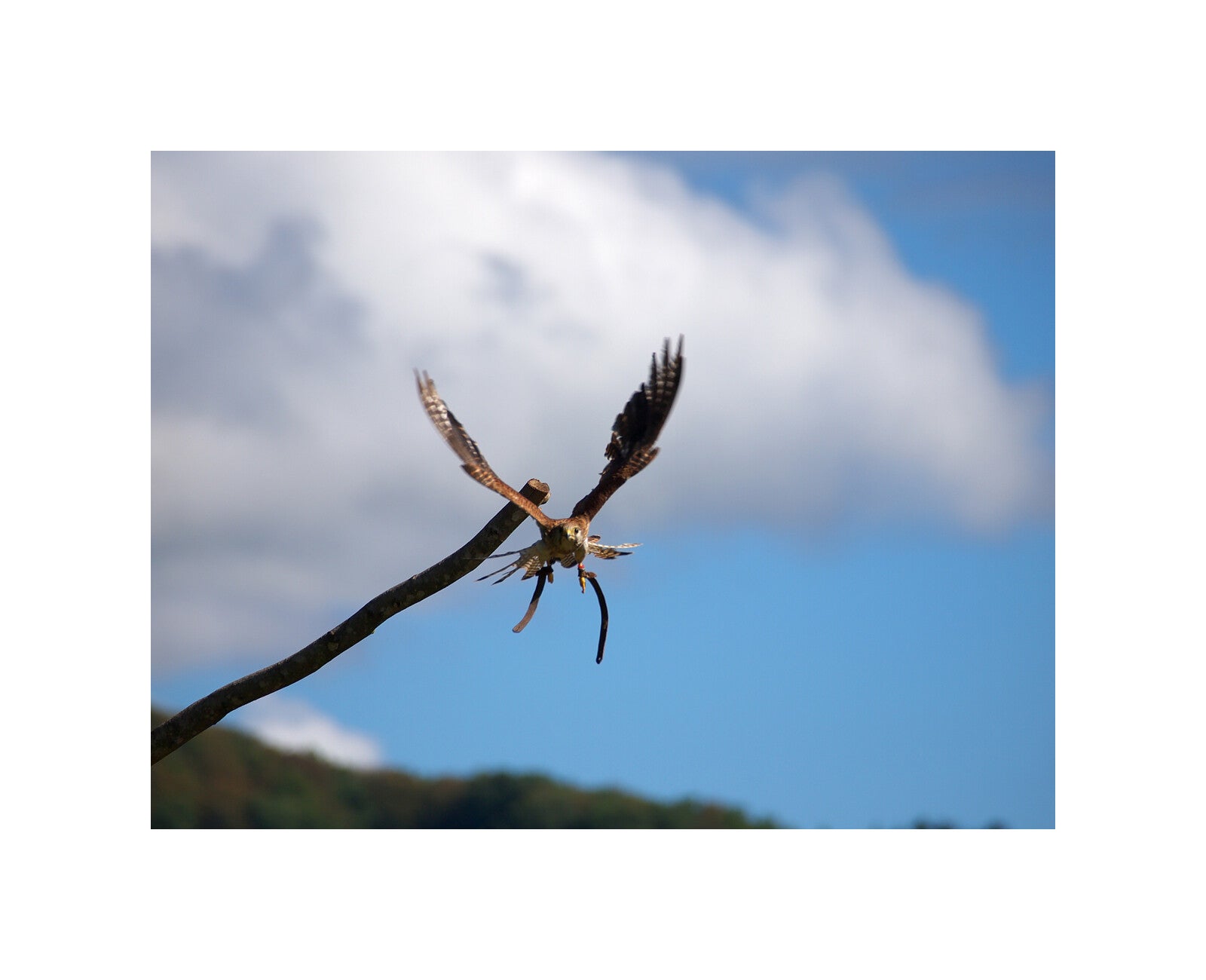
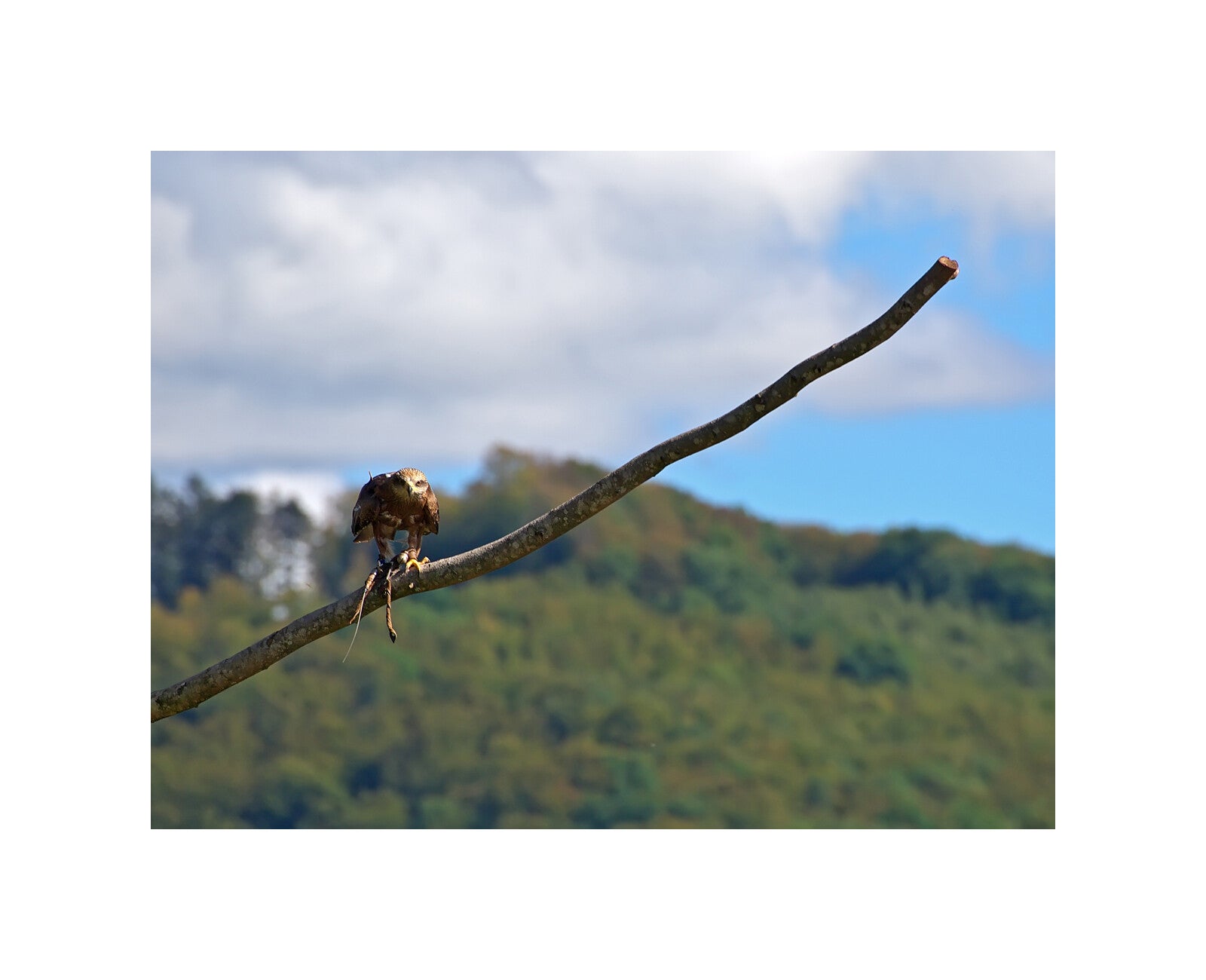
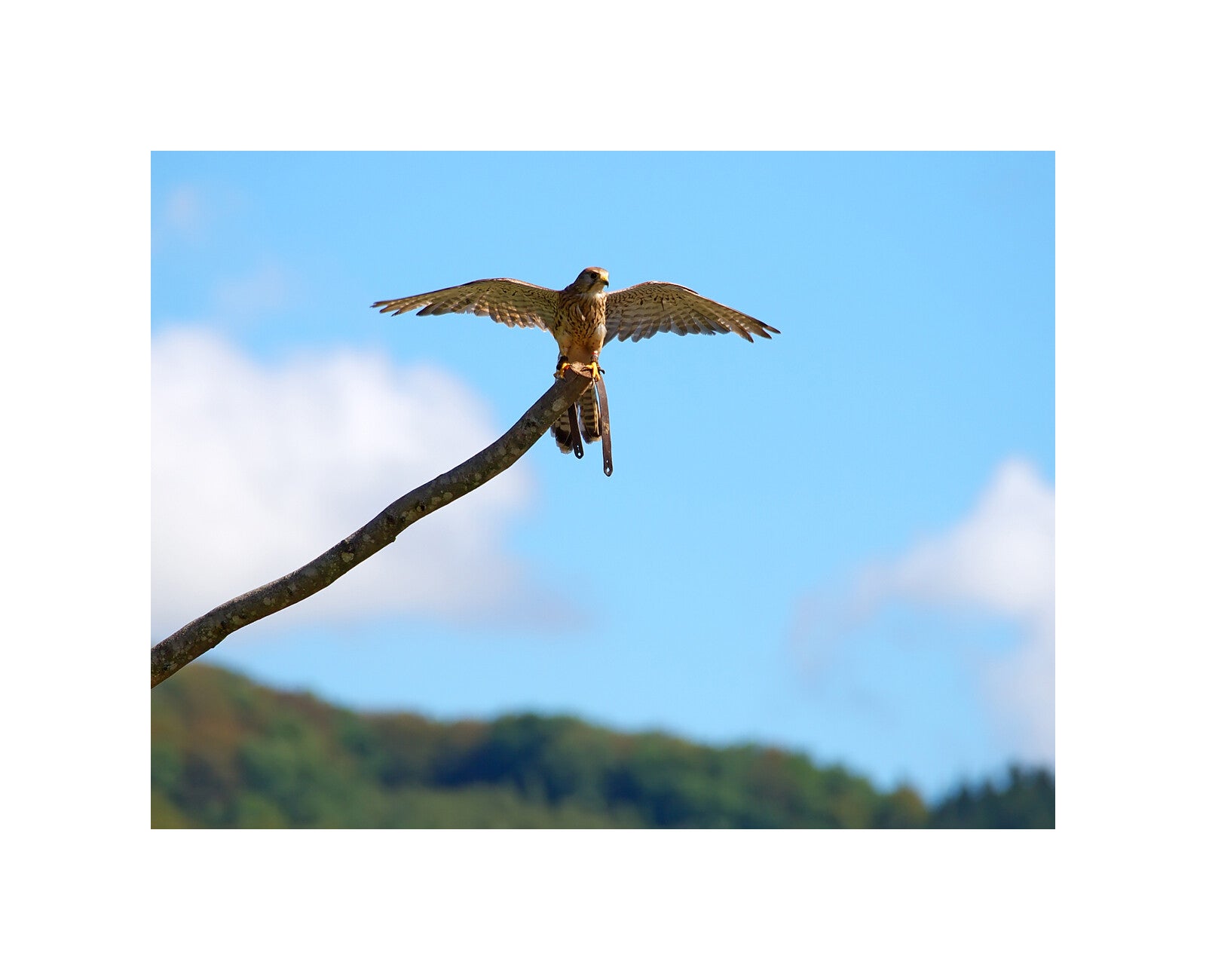
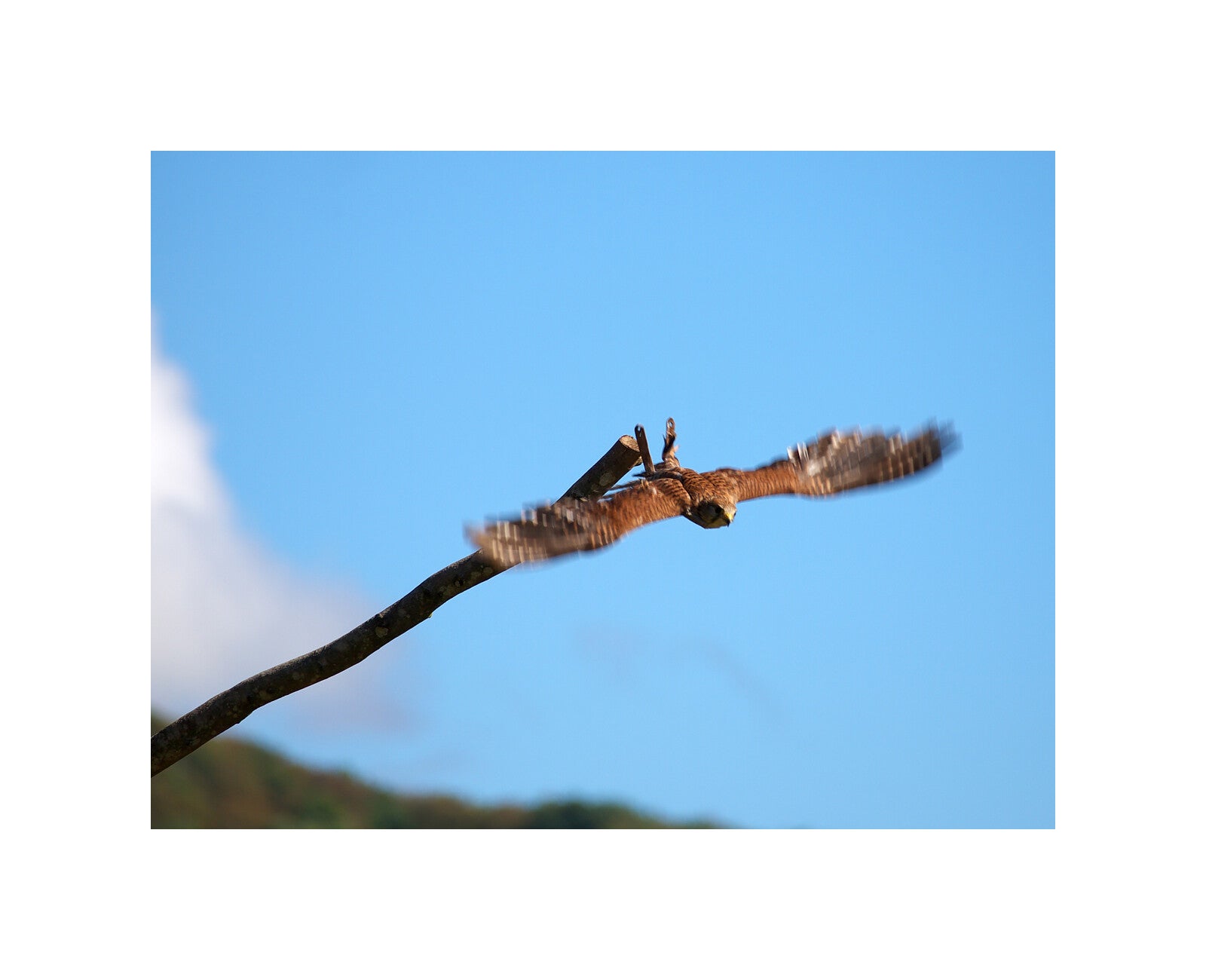
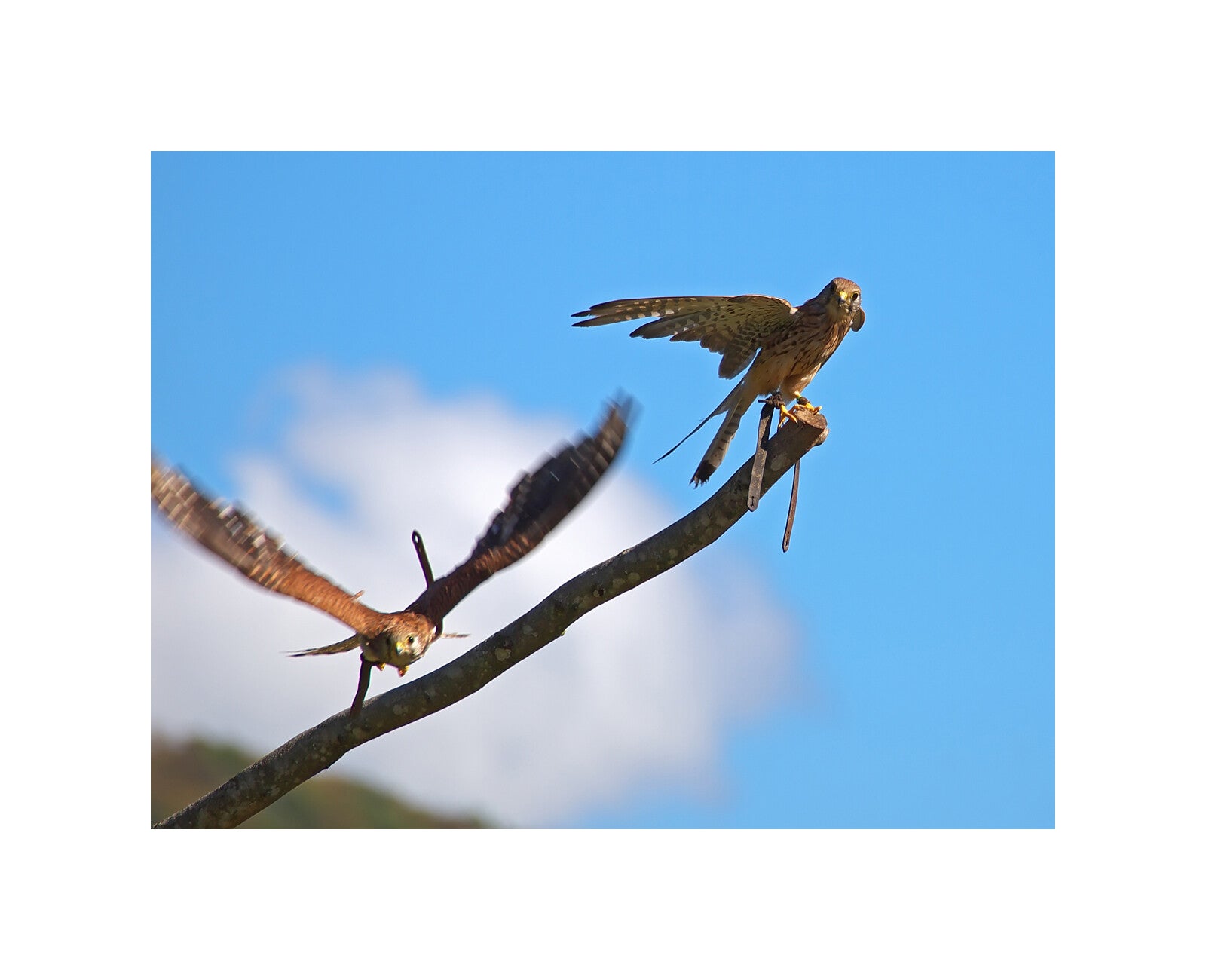
- Birds
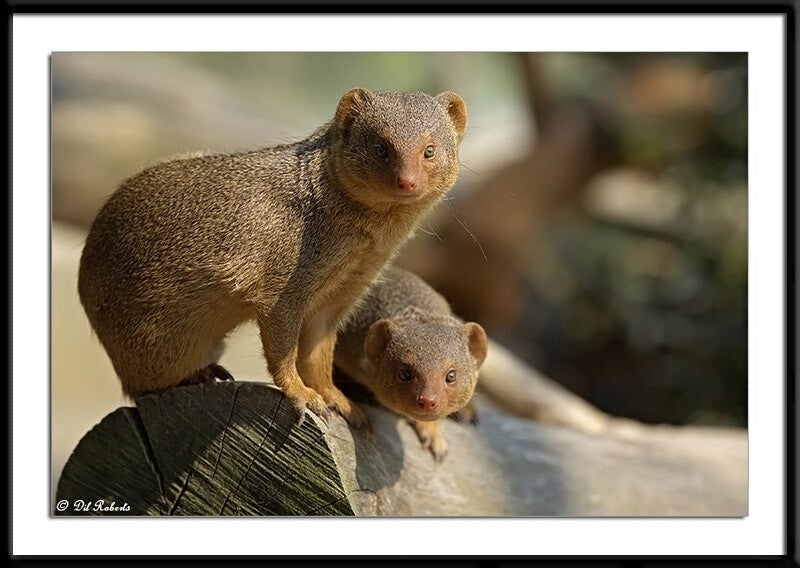
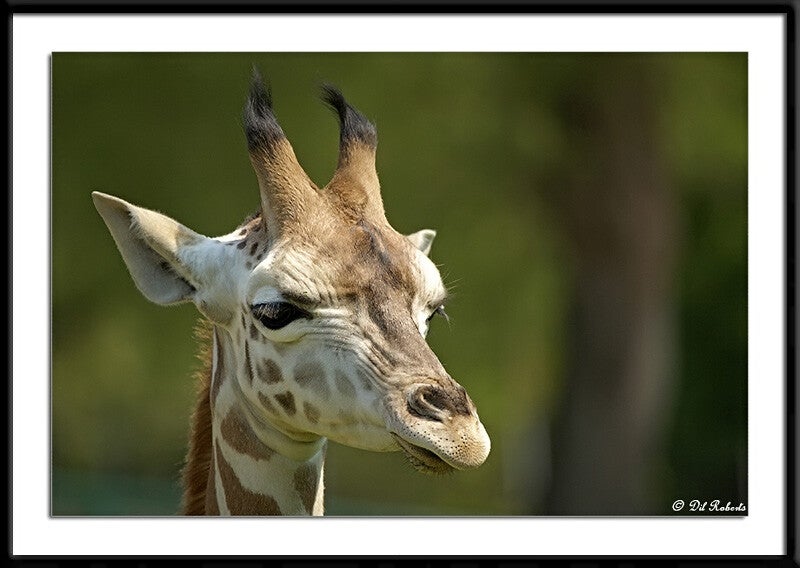
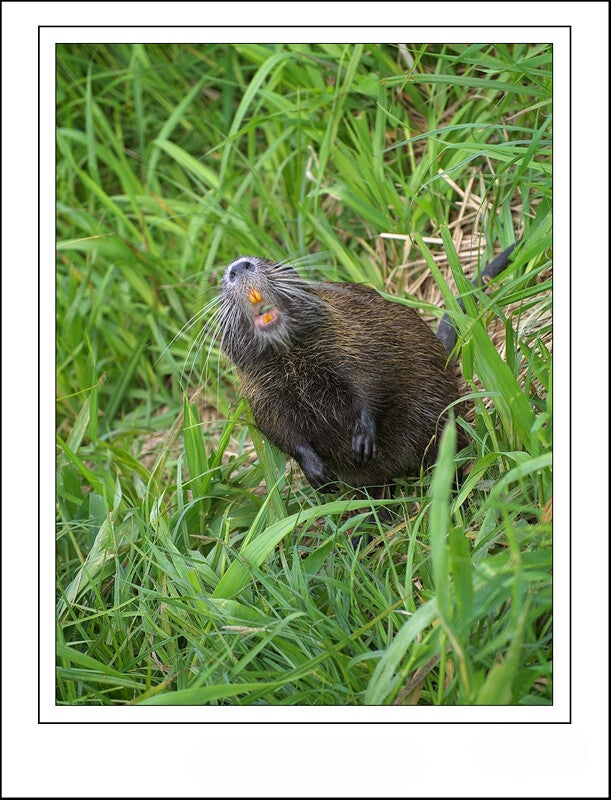
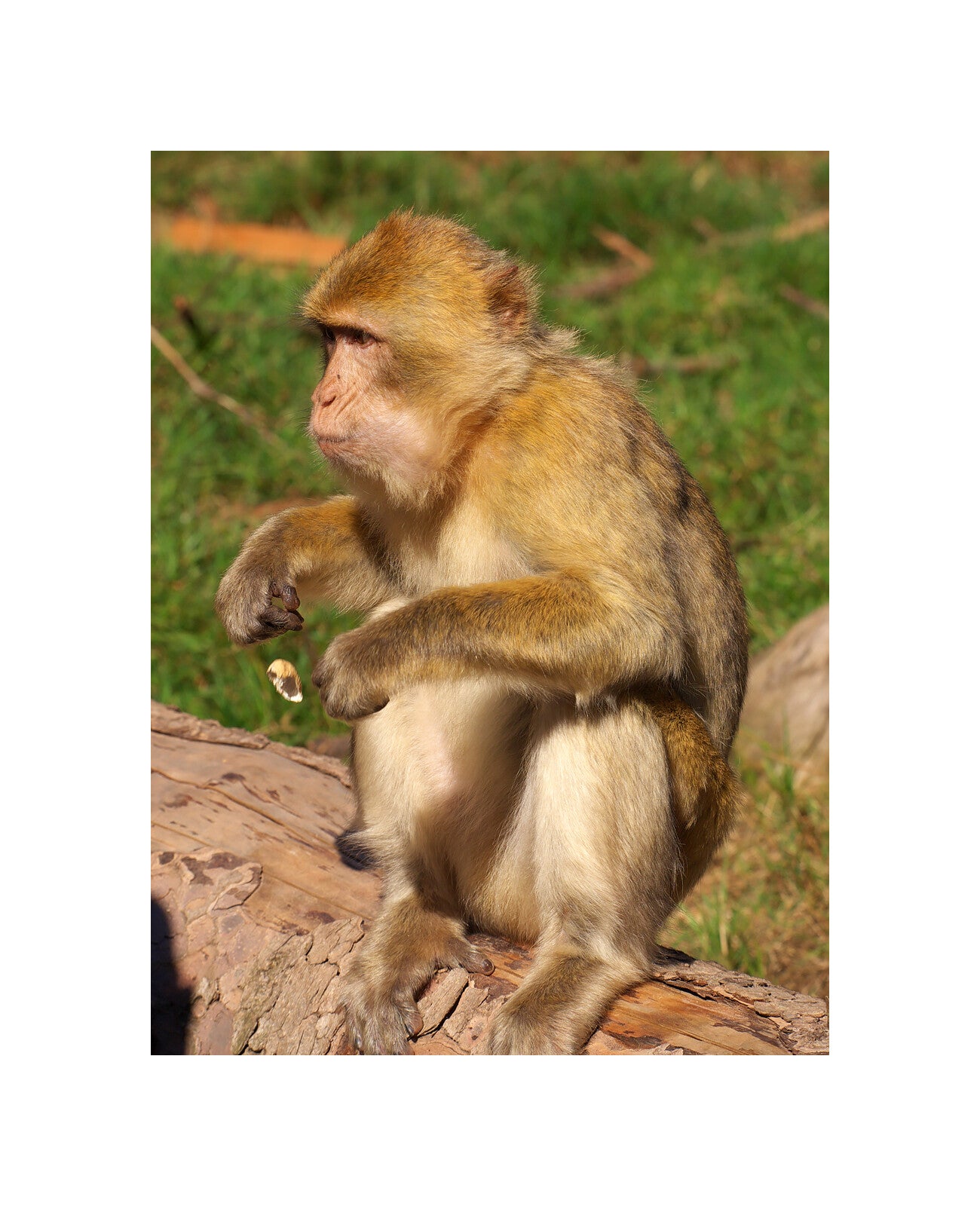
- Mammals
The Importance of Biodiversity
The animal kingdom is not only diverse but also vital for maintaining the balance of ecosystems. Each species contributes to its environment, whether through pollination, seed dispersal, or being part of the food web. The loss of biodiversity disrupts these processes, leading to consequences such as habitat destruction and endangered species. Conserving the animal kingdom is essential for a healthy planet.
Habitats and Adaptations
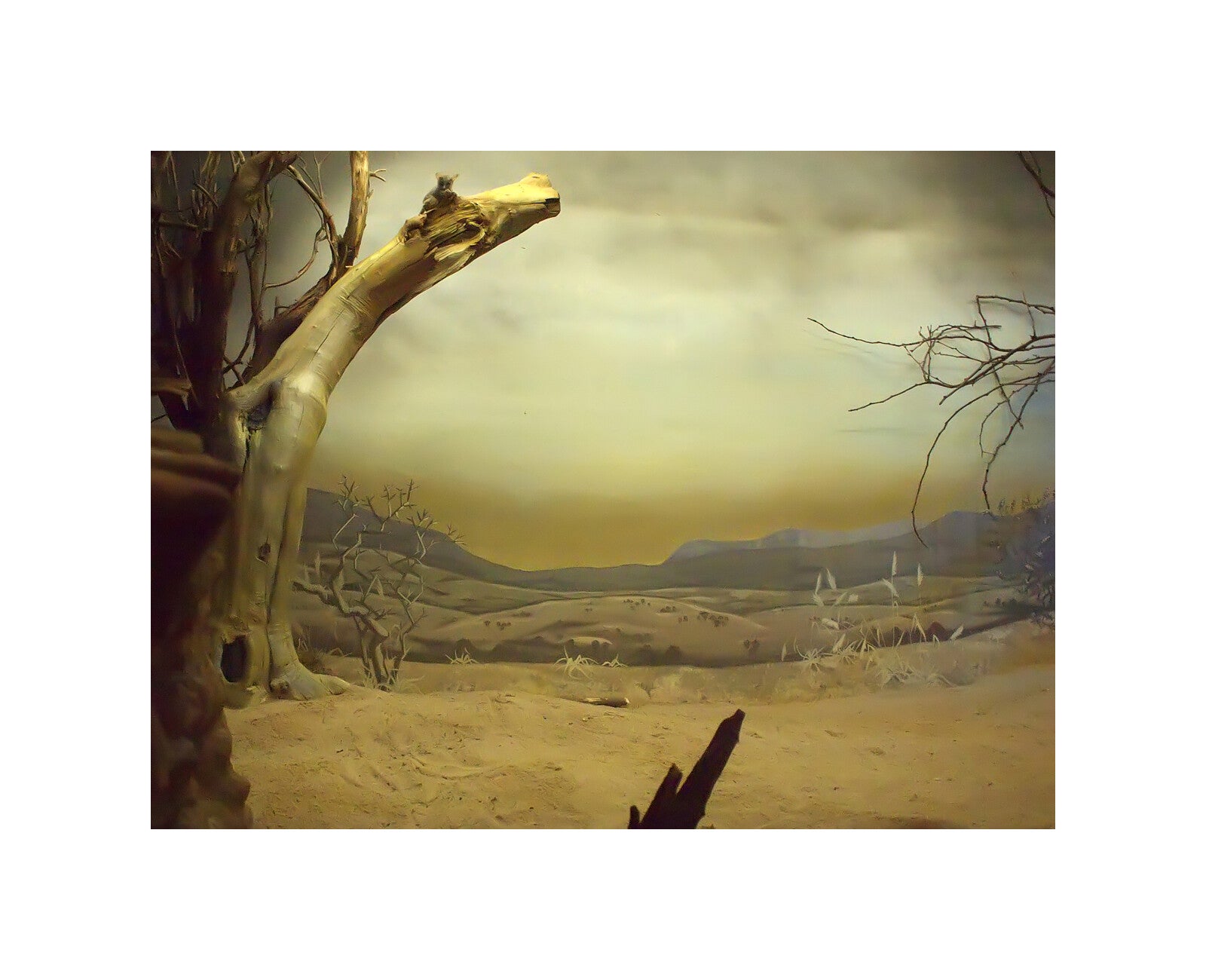
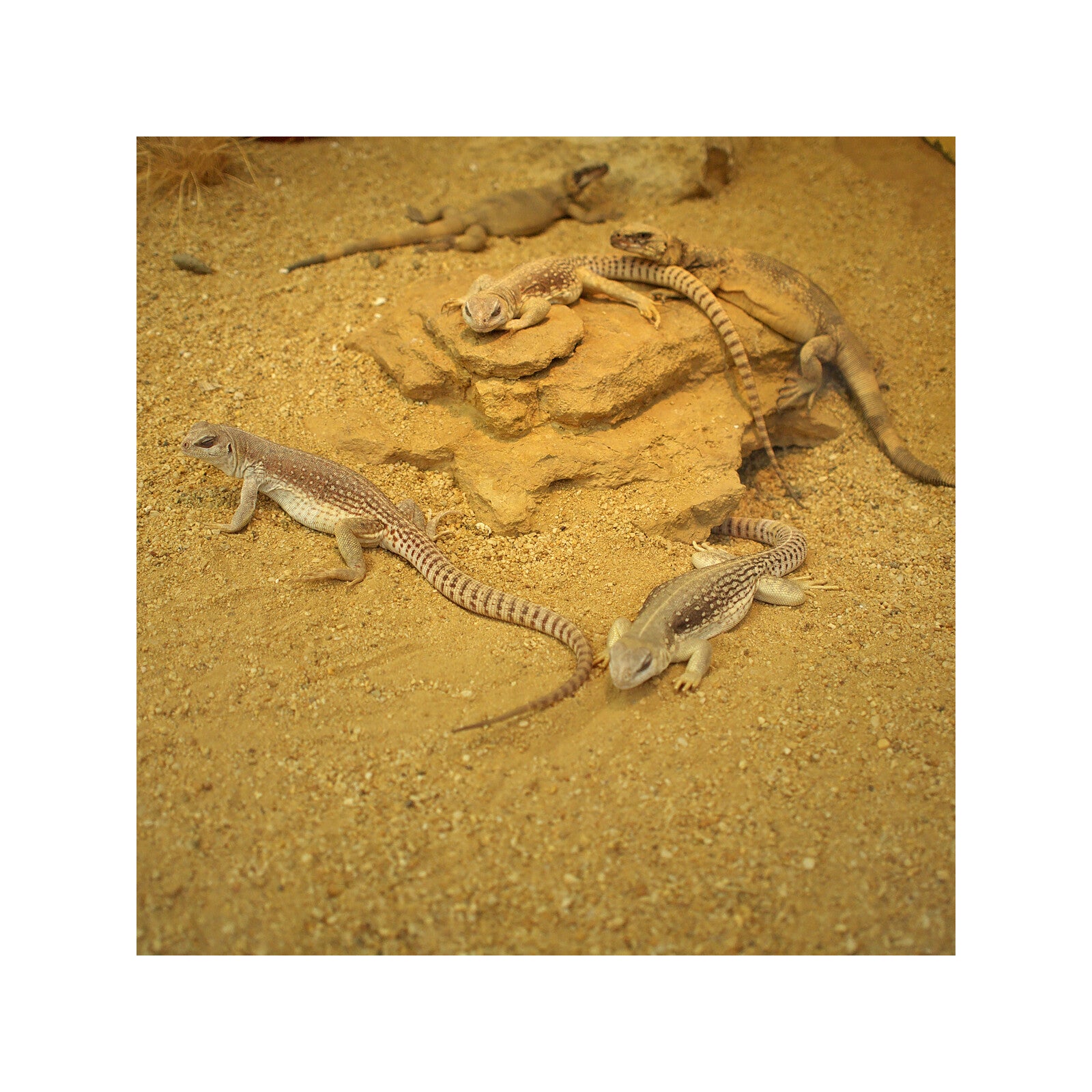
Animals can be found in almost every habitat on Earth, from the depths of the oceans to the highest mountains. They have adapted to their environments through various physical and behavioural traits, allowing them to thrive in specific conditions. For instance, the polar bear has thick fur and a layer of fat for insulation in cold Arctic climates, while camels have developed the ability to conserve water in arid desert habitats.
Threats to the Animal Kingdom
Despite their resilience, many animal species face threats due to human activity such as habitat destruction, pollution, and climate change. Conservation efforts are crucial in protecting endangered species and their habitats. Initiatives such as wildlife reserves, breeding programmes, and legislation aimed at preserving natural environments are key strategies in safeguarding the future of the animal kingdom.
Conclusion
Understanding the animal kingdom enriches our knowledge of the world and highlights the importance of each species within it. By recognising the interconnectedness of all life forms and advocating for their protection, we not only preserve the incredible diversity of animals but also ensure the health of ecosystems for generations to come.
Images taken before 2010
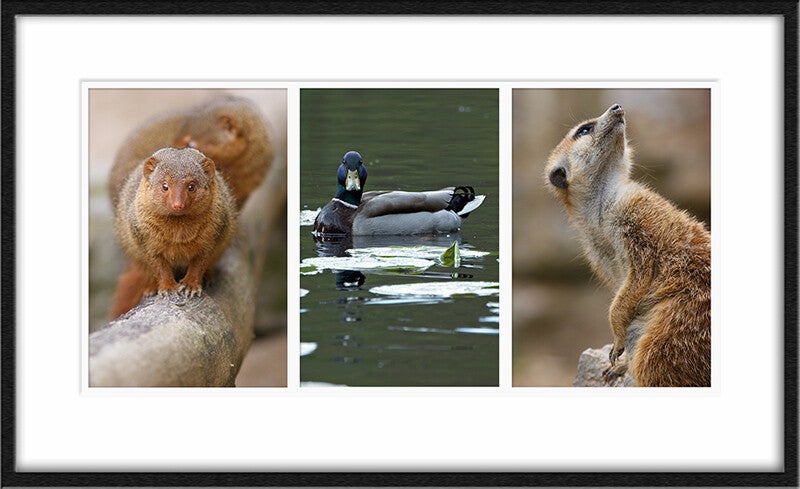

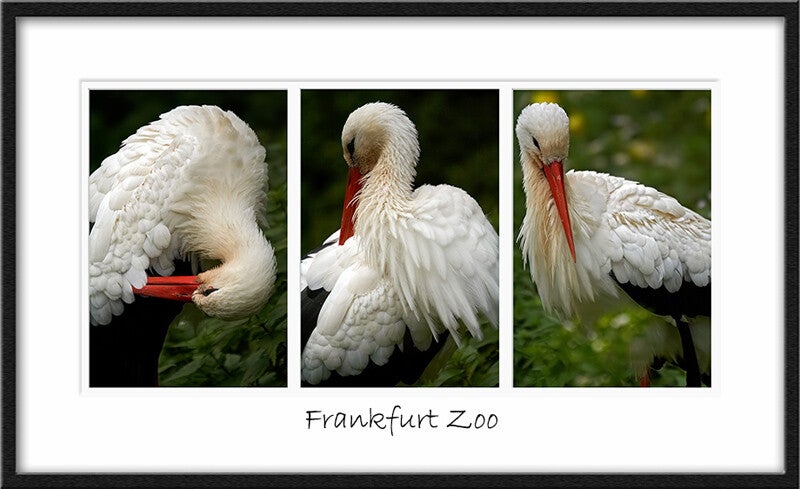



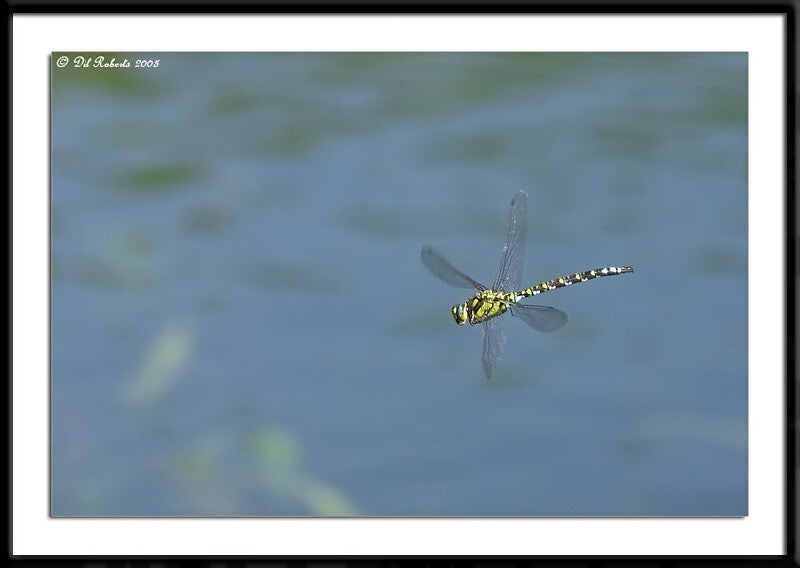
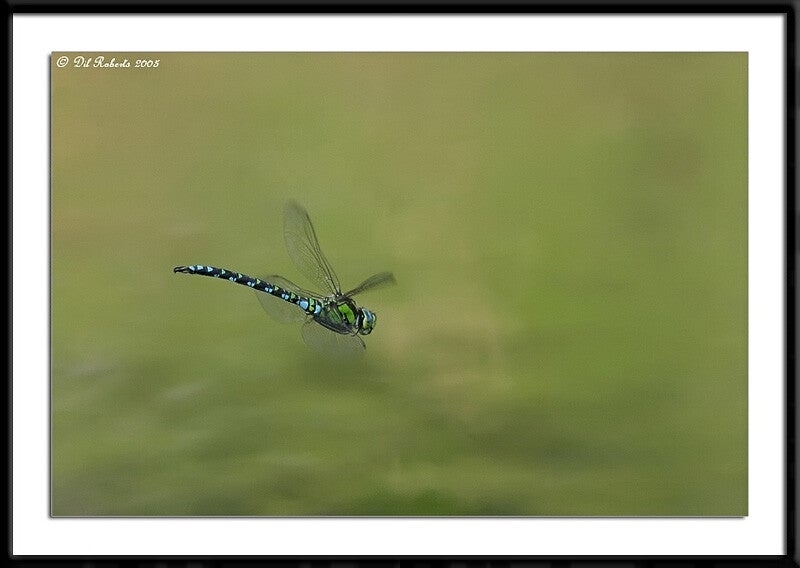




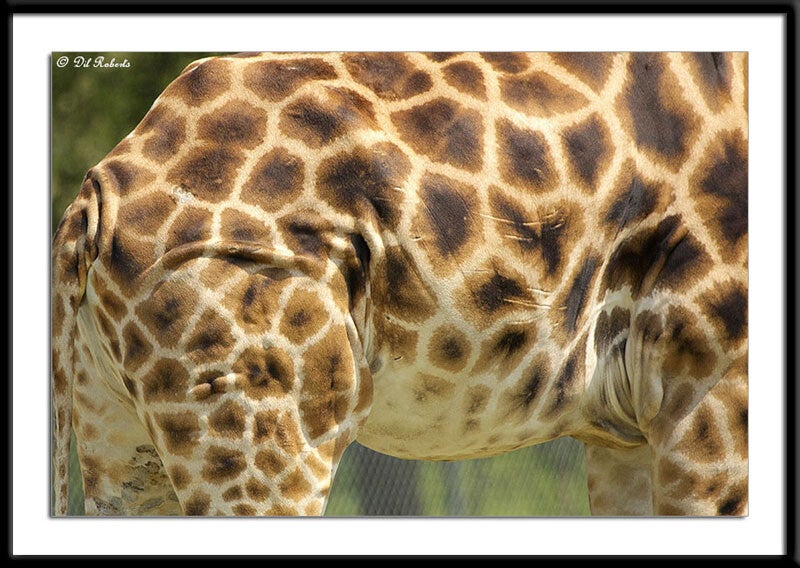
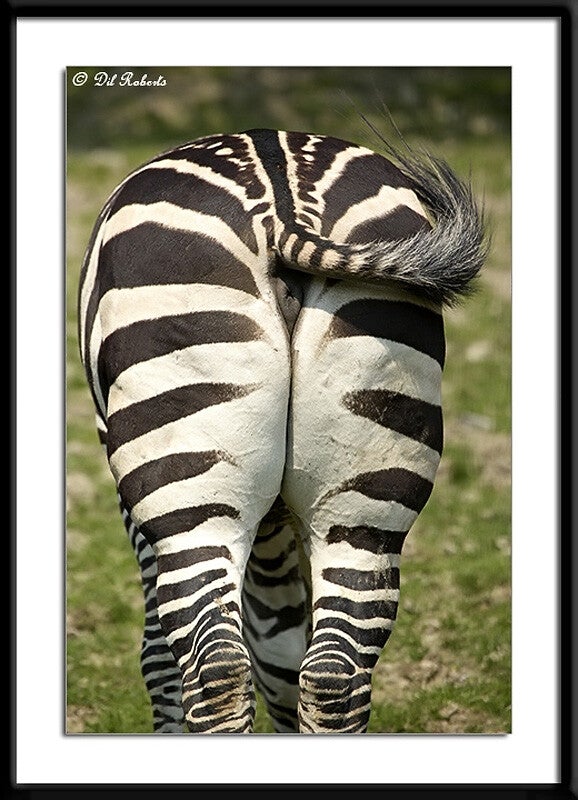


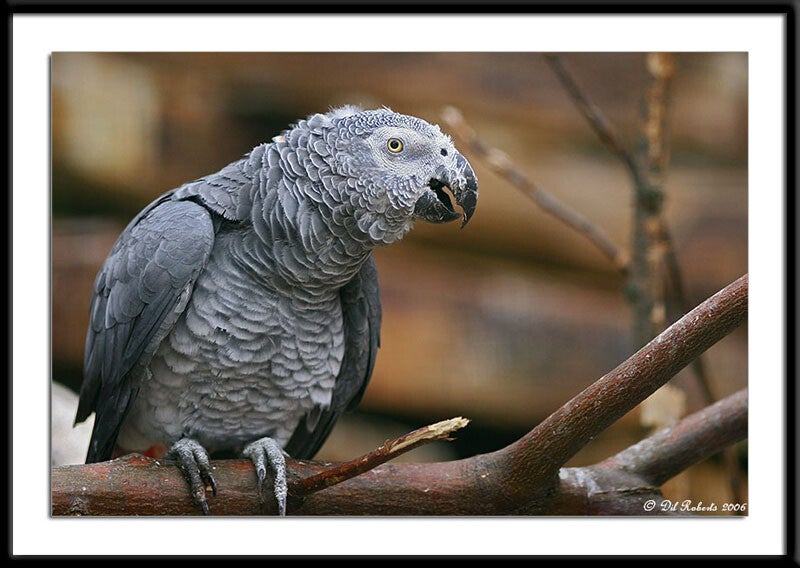


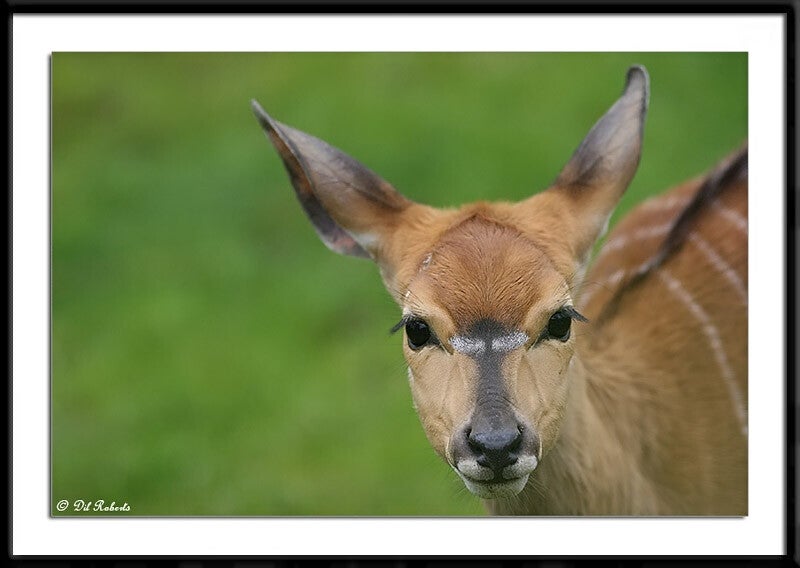








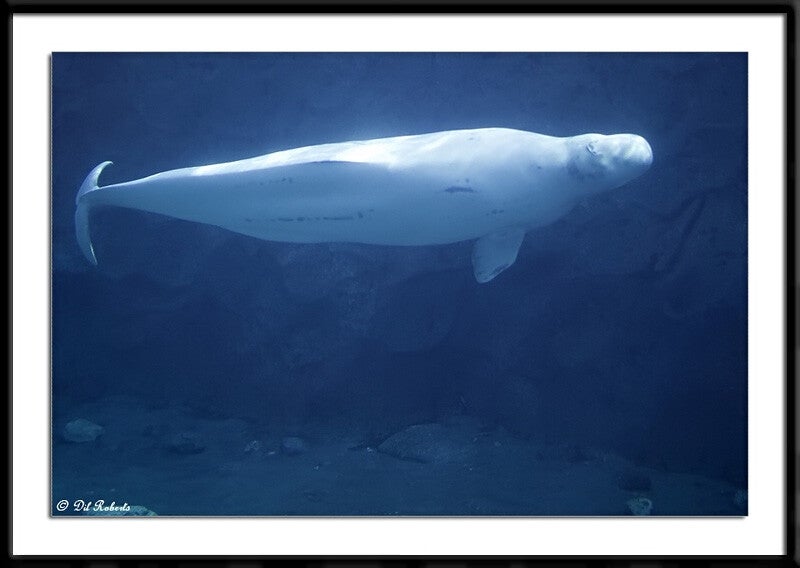
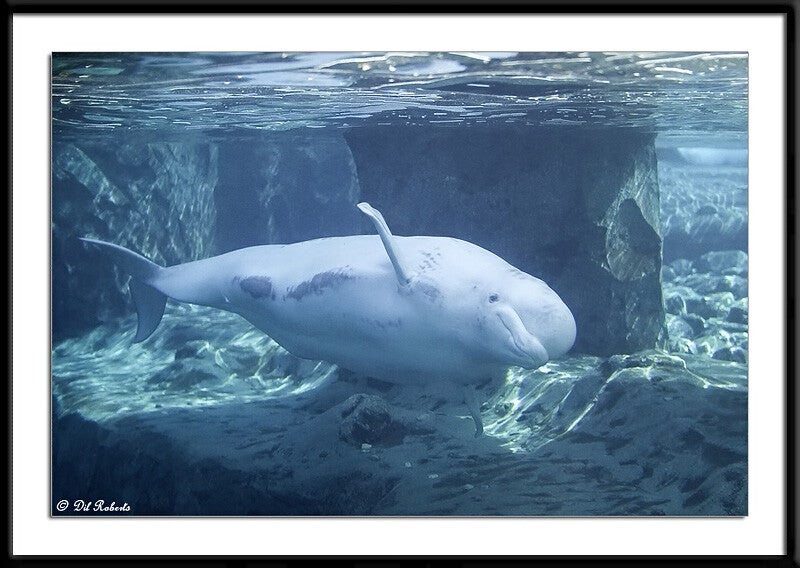

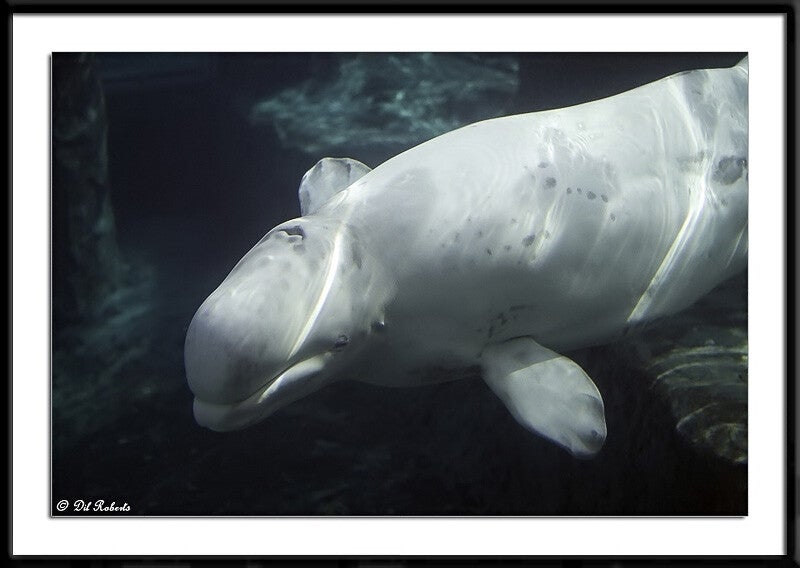
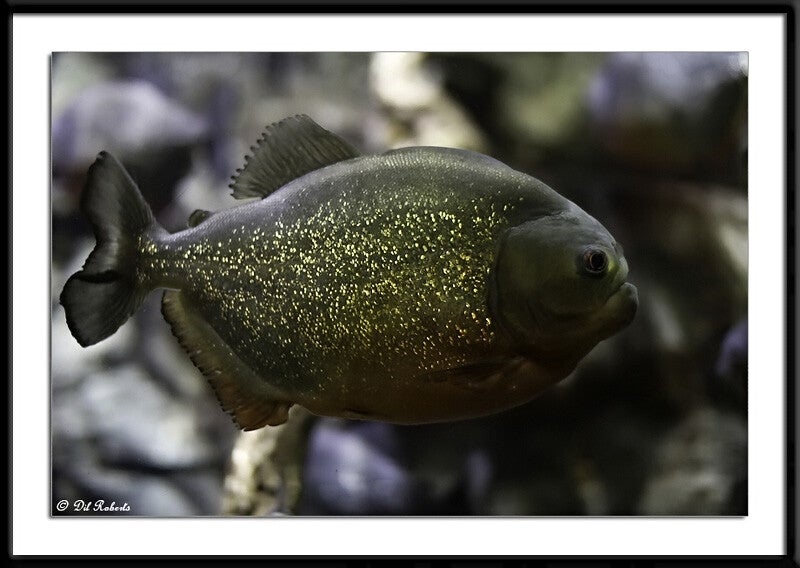





Images taken in 2010 and after












Comments
Add comment