The original LTM/M39 version of the Voigtländer Super Wide-Heliar 15mm f/4.5 Aspherical has become something of a cult ultra-wide among Leica and mirrorless shooters. Introduced in 1999 alongside the Bessa-L, it delivered a dramatic 110° field of view in a tiny, almost pocketable body weighing just over 100g. (japb.net)
What makes it special?
Tiny size + huge field of view
One of the biggest appeals is how absurdly compact it is for a 15mm full-frame lens. Even today, few ultra-wides feel this small. Users consistently describe it as “fun,” “specialized,” and surprisingly easy to carry. (Reddit)
Near-zero distortion
Unlike many ultra-wide lenses from the era, the Super Wide Heliar keeps straight lines impressively straight. Architectural photographers especially value this. Multiple reviewers and users mention the lens’ low distortion as a major strength. (photographyblog)
Zone-focus simplicity
Because depth of field is enormous at 15mm, rangefinder coupling is barely necessary. The original M39 version actually lacks rangefinder coupling entirely, but at f/8 or f/11 you can effectively set-and-forget focus from about 1 meter to infinity. (japb.net)
Optical performance
Center sharpness: very good
Even the first-generation lens remains impressively sharp in the center. Stopped down slightly, it performs well for landscape and street shooting. (photographyblog)
Corners: the weak spot
The corners are where age shows. On film they look decent, but on digital bodies — especially older Leica M sensors — corners can become smeared, soft, or exhibit magenta color shift. Reviewers generally agree that:
-
f/4.5 corners are weak
-
f/8–f/11 is the sweet spot
-
Infinity-focused landscape work looks better than close-focus subjects
Color shifts on digital
This is the major caveat with the original LTM version.
The lens was designed during the film era, and its extremely symmetrical optical design sends light rays into digital sensors at steep angles. On many digital cameras — especially older Leica M bodies — this causes:
-
magenta edge casts
-
purple fringing
-
smeared corners
-
heavy vignetting
Modern mirrorless cameras with thicker sensor stacks often handle it better, though performance varies. (YouTube)
Build quality
Classic Cosina Voigtländer:
-
all metal
-
smooth aperture ring
-
excellent mechanical feel
-
built-in hood
-
tiny pancake-like proportions
The lens feels far more premium than its original price suggested. (photographyblog)
One limitation: the original version does not accept filters because of the bulbous front element and integrated hood. (japb.net)
Best use cases
This lens excels at:
-
architecture
-
travel
-
dramatic environmental shots
-
interiors
-
experimental street photography
-
black-and-white work
It is less ideal for:
-
portraits
-
general-purpose shooting
-
edge-critical landscape work on high-resolution digital bodies
Many owners love it but also admit it’s a niche lens that doesn’t get daily use. (Reddit)
Should you buy one in 2026?
If you shoot:
-
film Leica/Bessa cameras
-
black and white
-
mirrorless with adapters
-
experimental ultra-wide compositions
…the original M39 Super Wide Heliar is still tremendously charming.
If you primarily shoot:
-
modern high-resolution digital Leica M cameras
-
edge-critical landscape work
-
color architecture professionally
…the later Version III is substantially better corrected.
The original remains desirable because it offers a unique combination of:
-
tiny size
-
classic rendering
-
strong geometric correction
-
affordable entry into 15mm photography
At current used prices, many photographers still consider it one of the most enjoyable niche ultra-wides available. (Reddit)
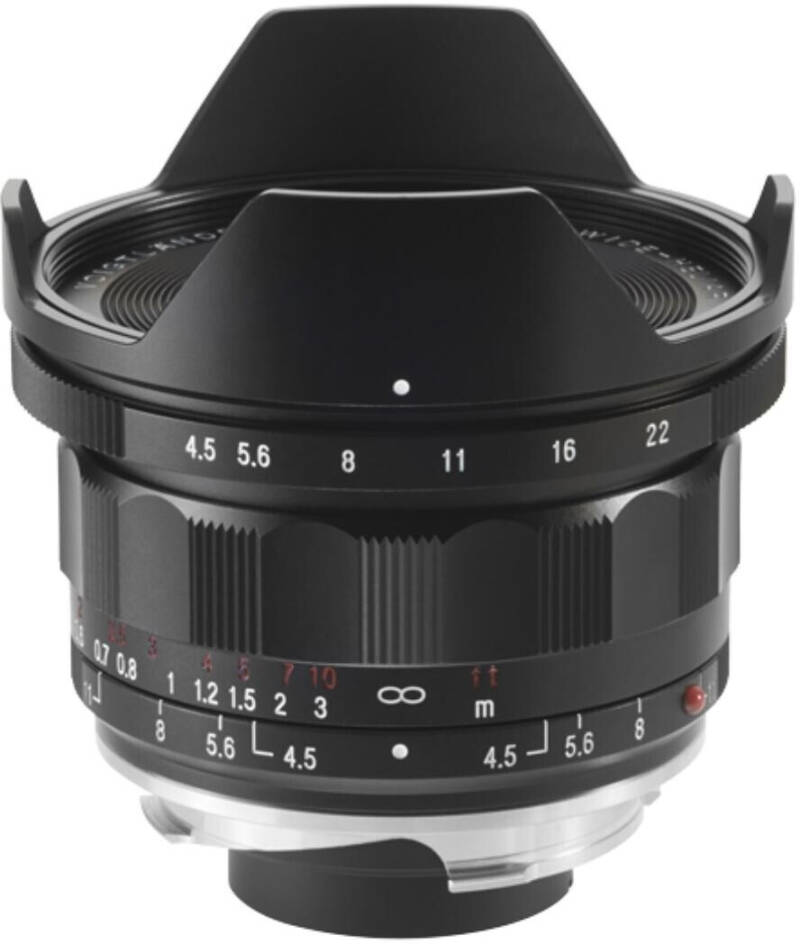
Voigtländer Super Wide Heliar 15 f4.5 M39
Size: 67 x 67.6 mm
Weight: 247 g
Aperture: f4.5 - f22
Filter: 58 mm
IBIS: No
Mfd: 12.6 cm
Price: New Version III €740 / Used €250
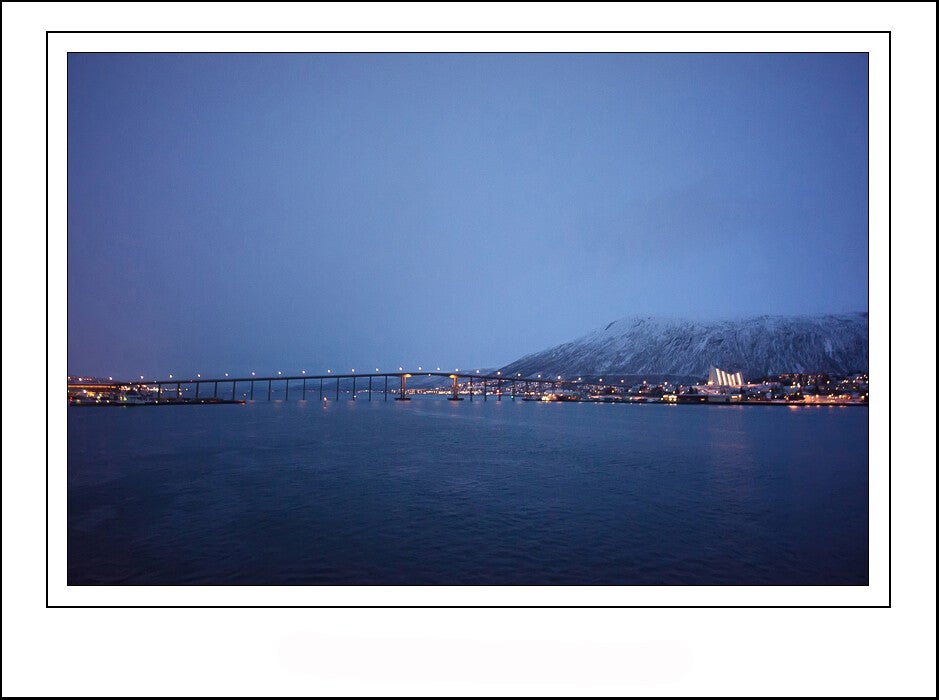
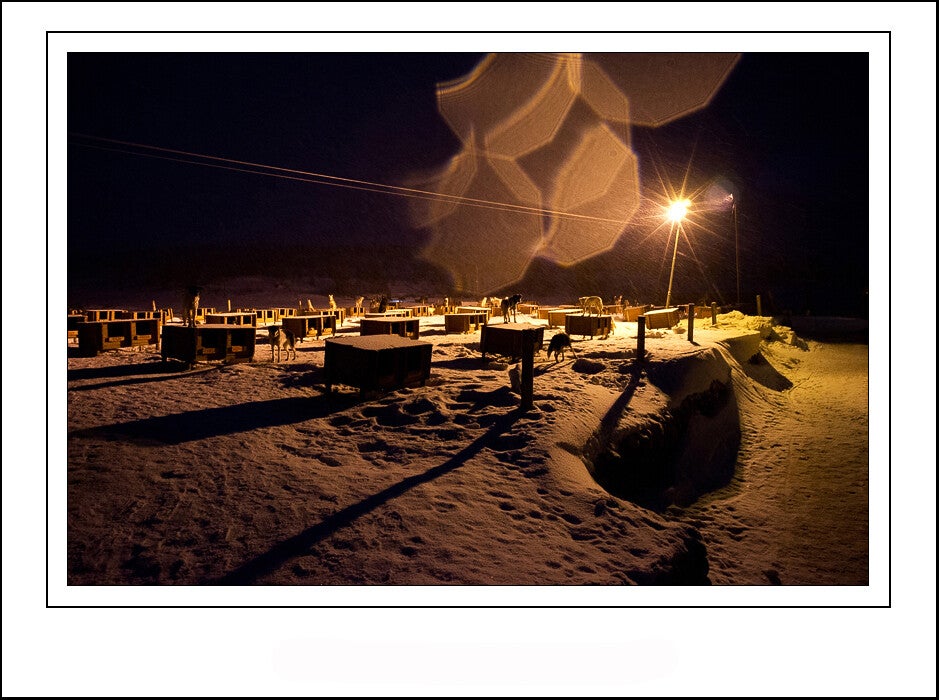
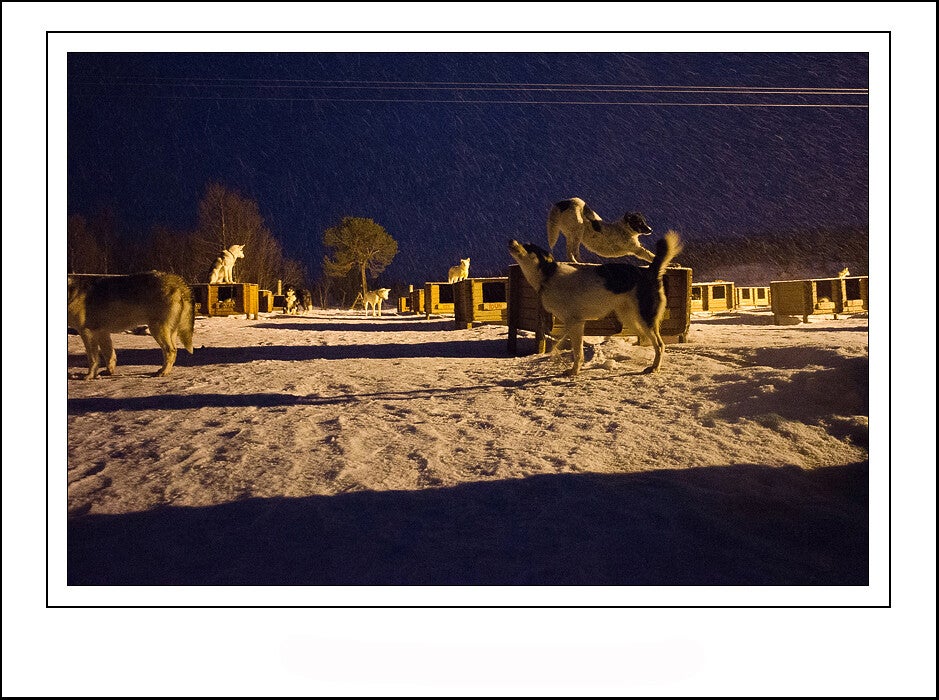
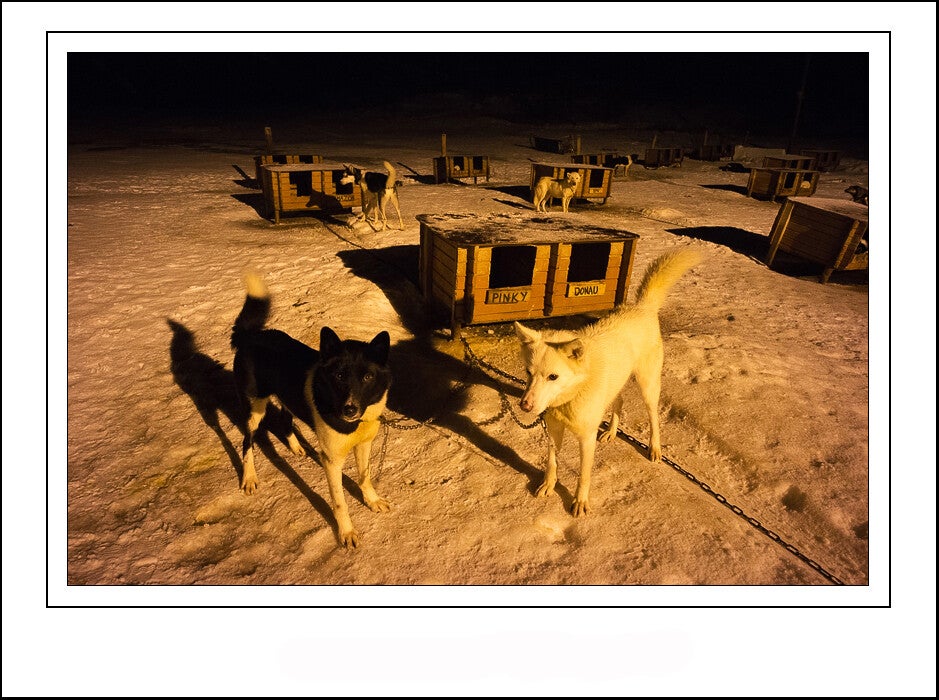
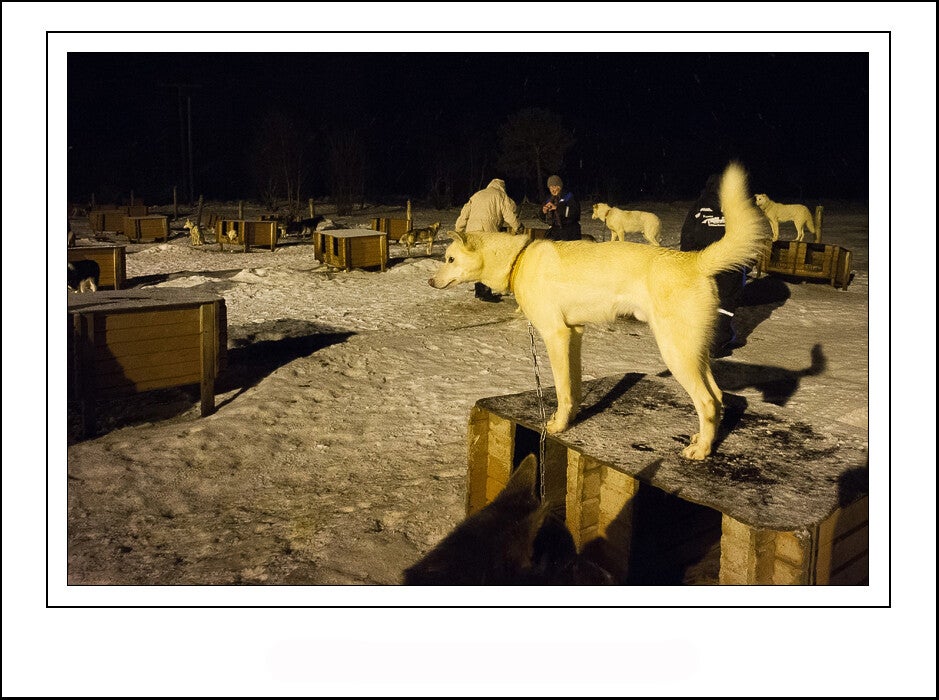
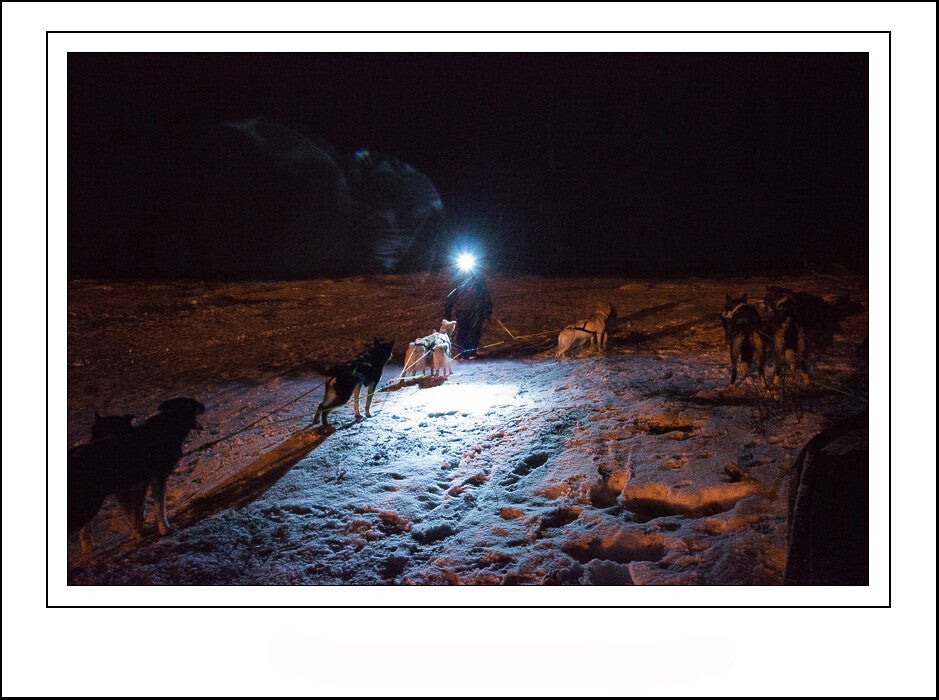
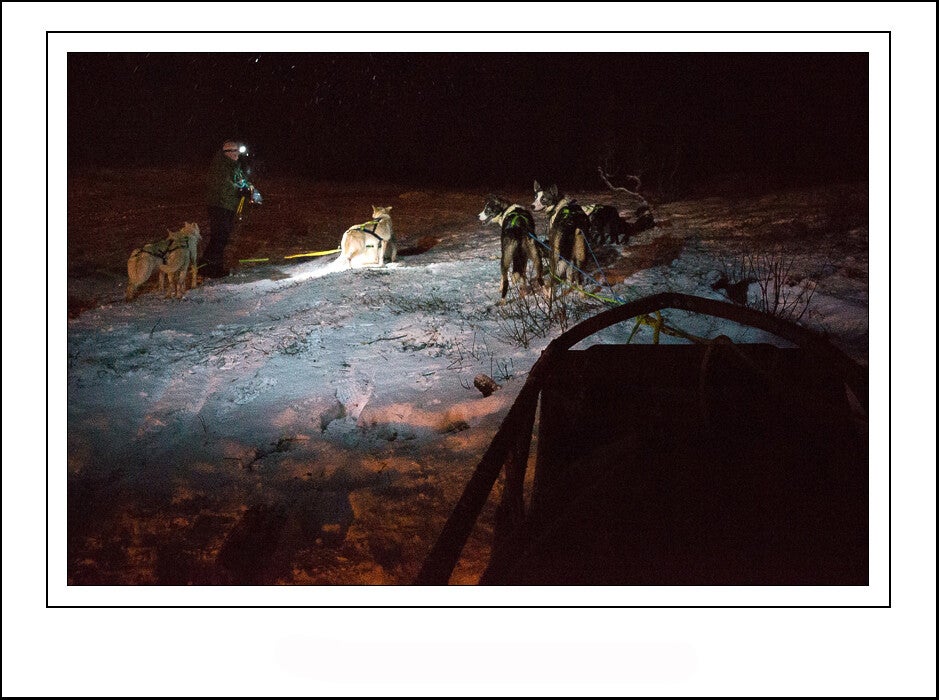
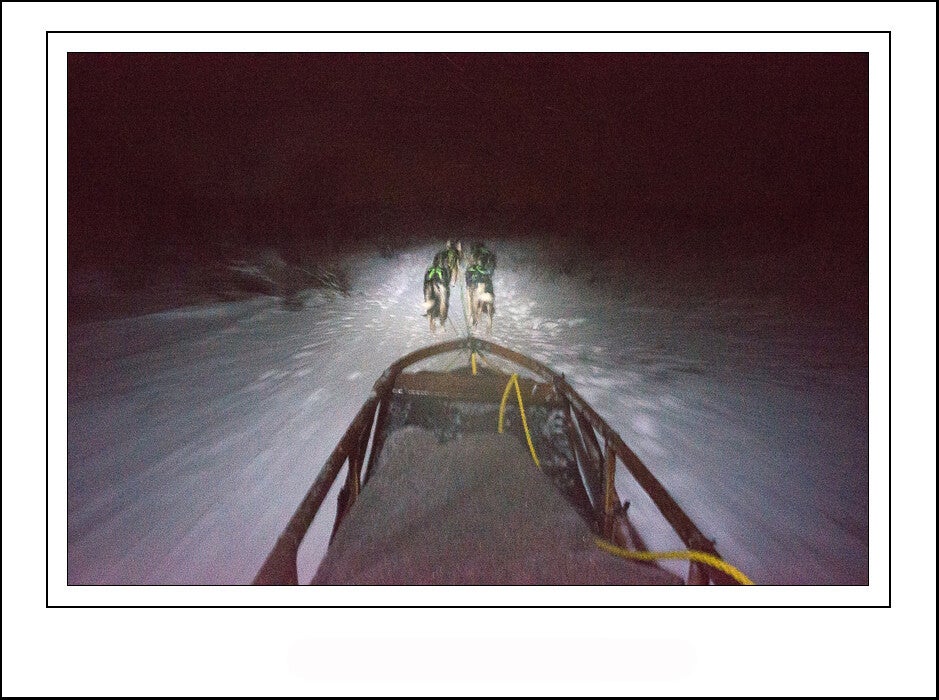
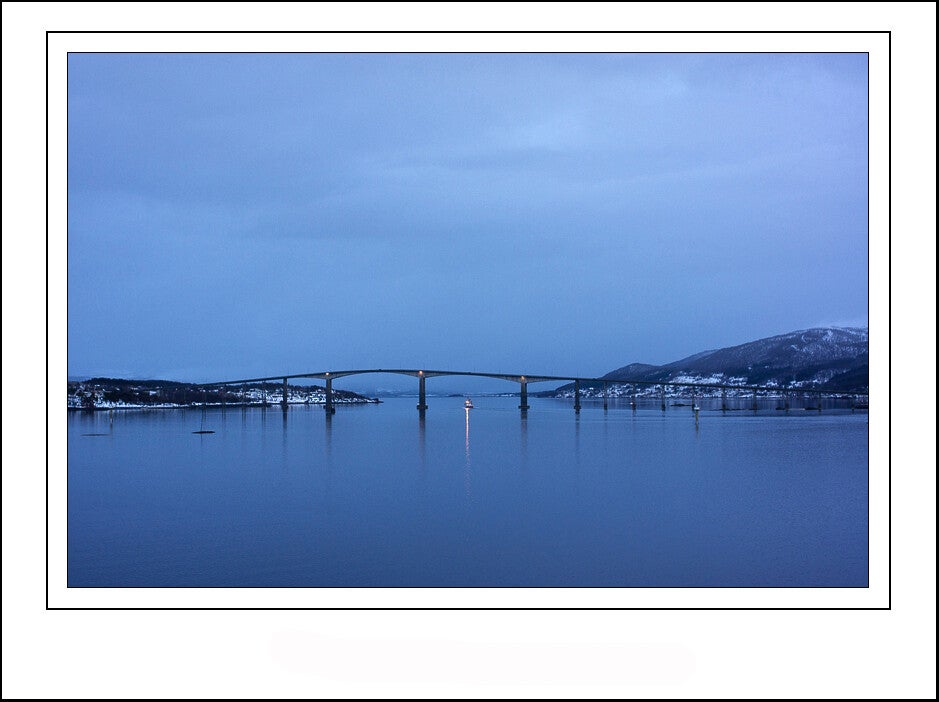
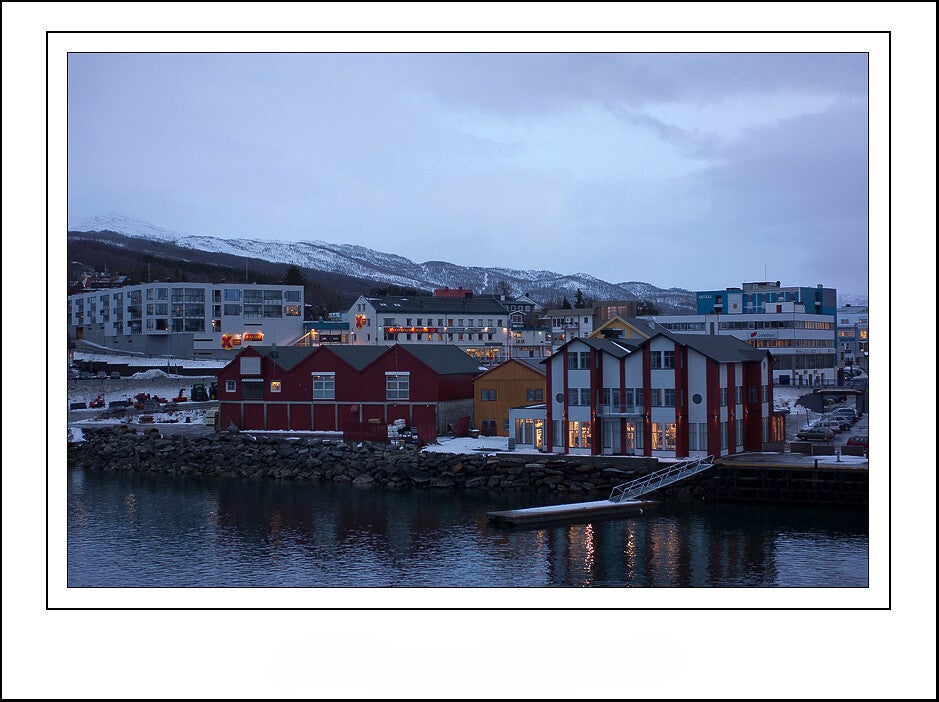
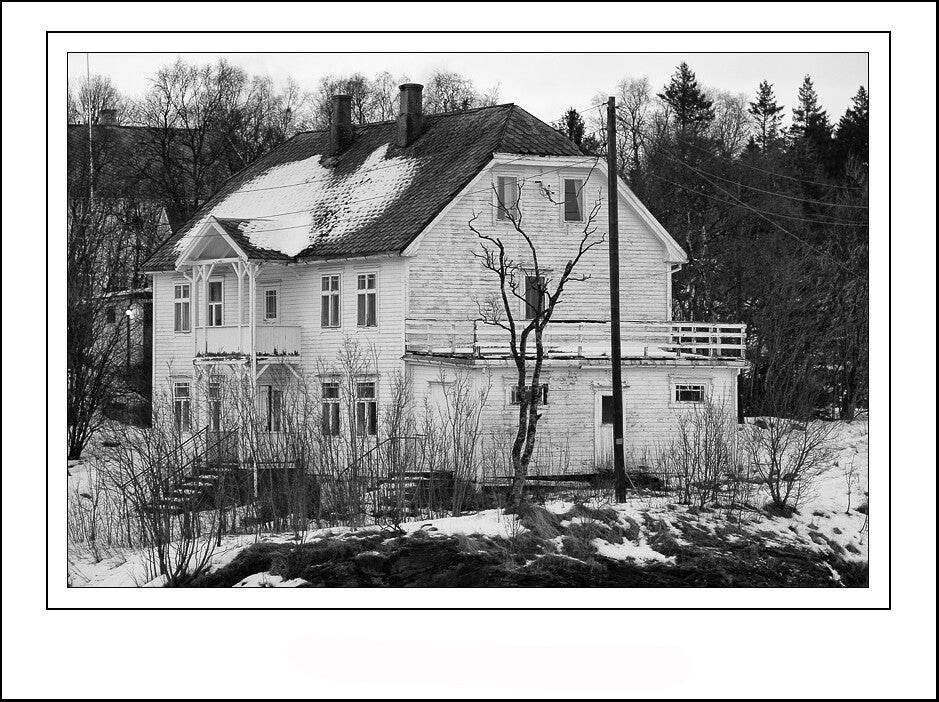
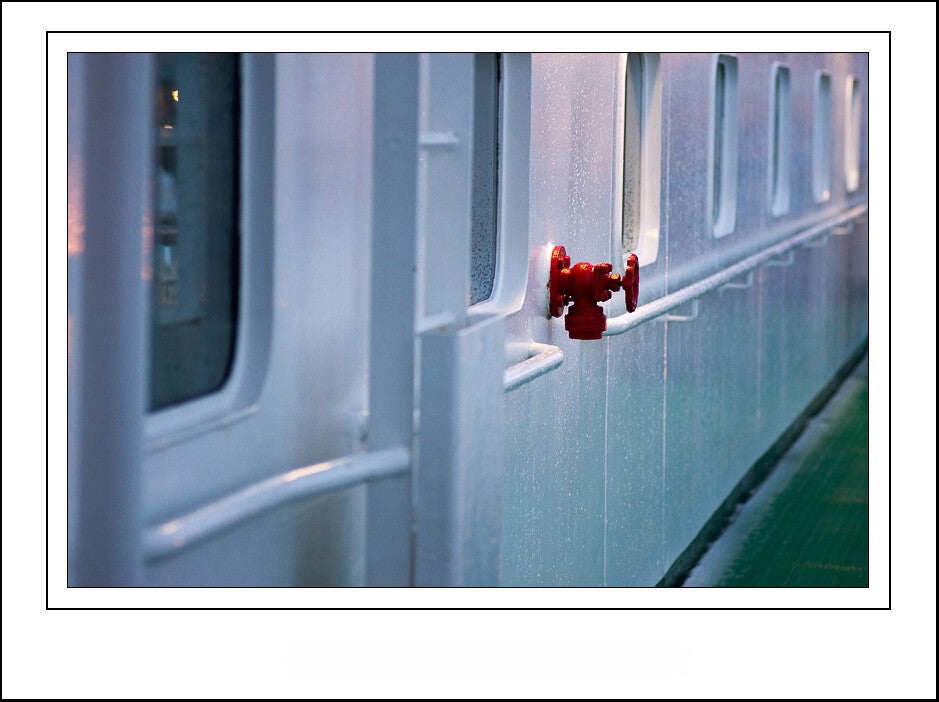
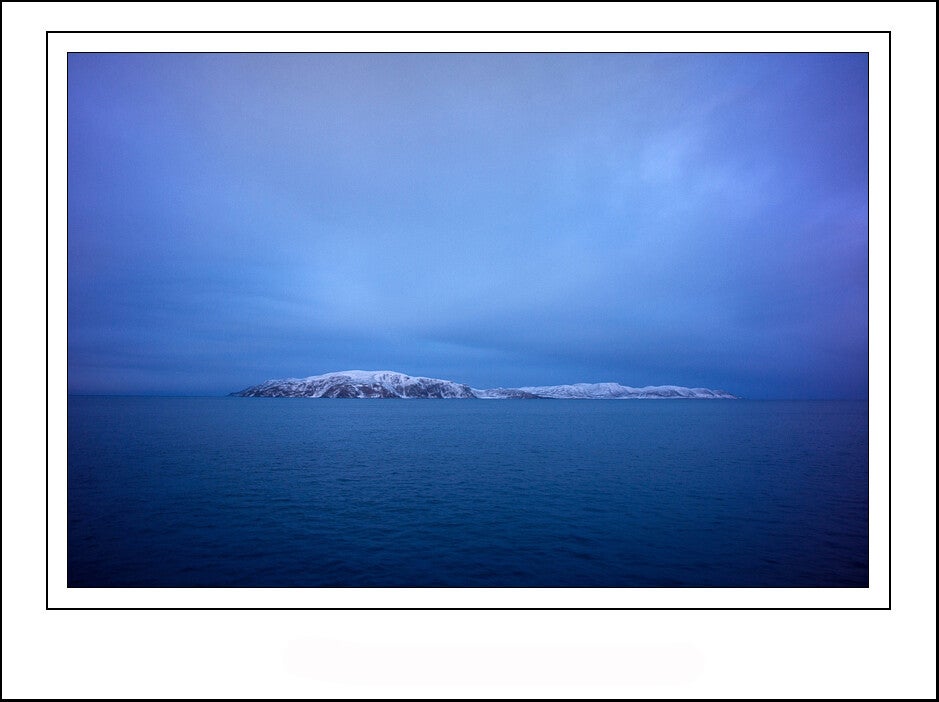
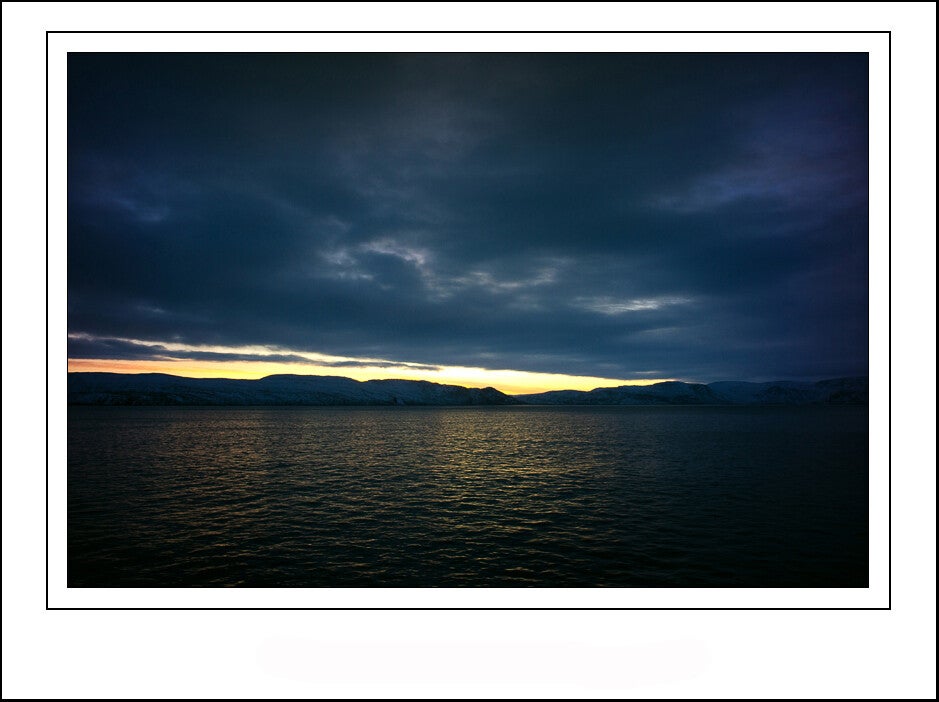
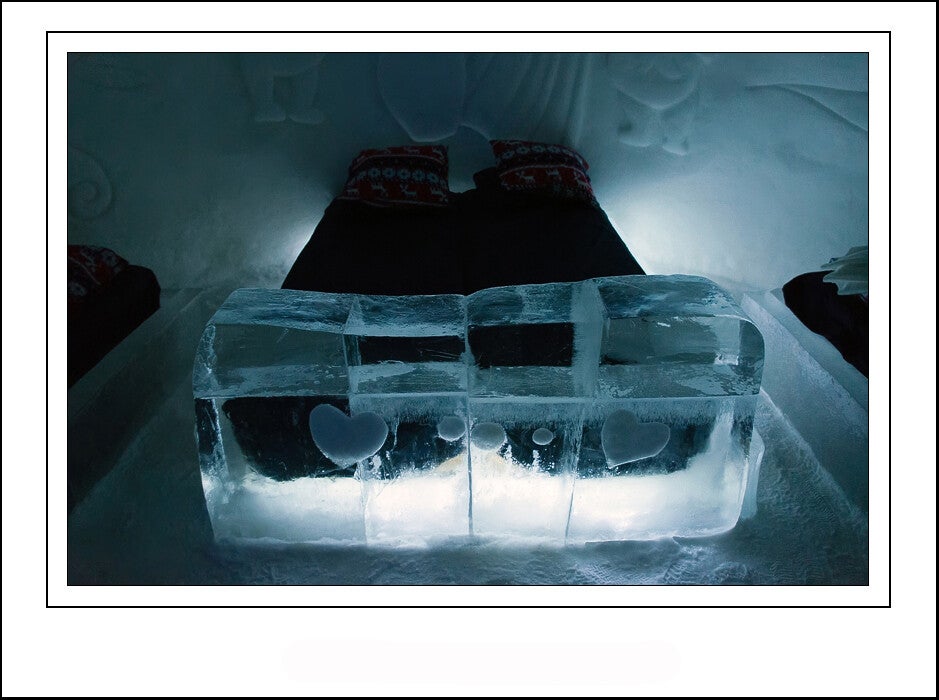
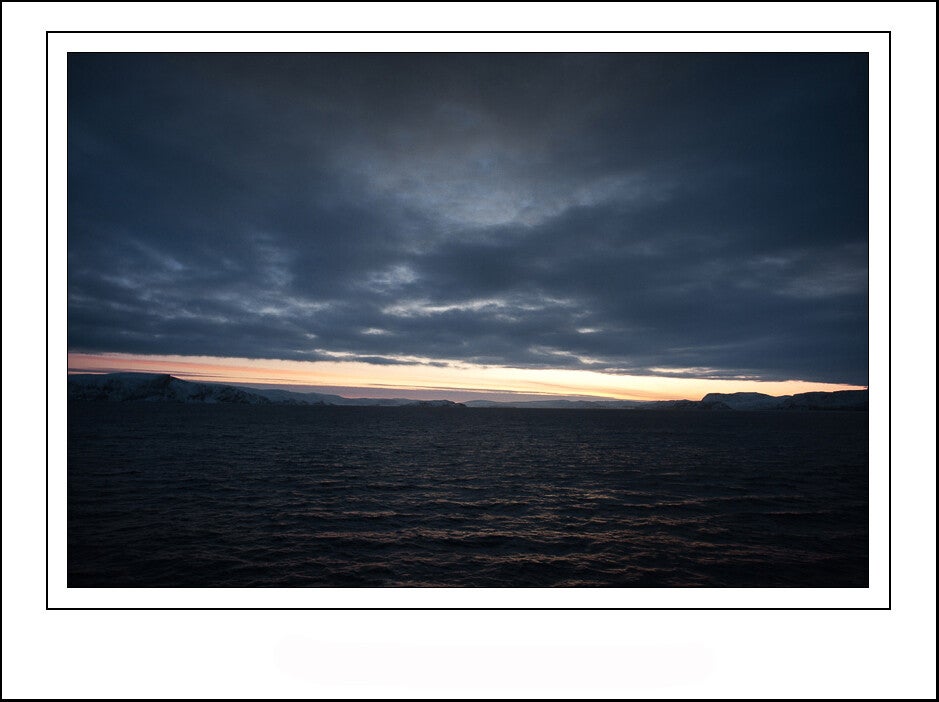
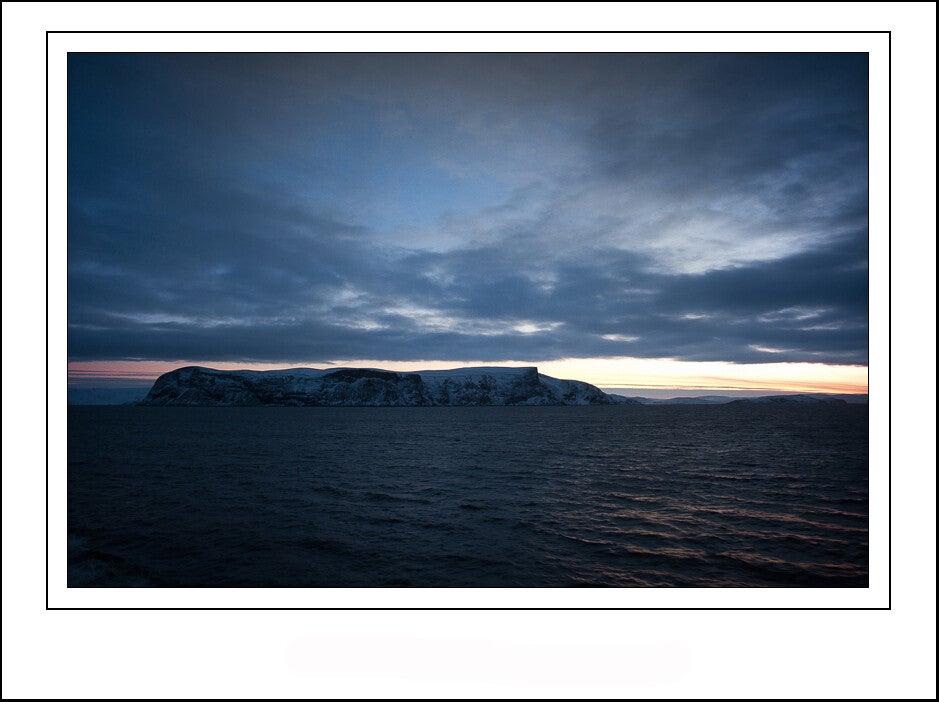
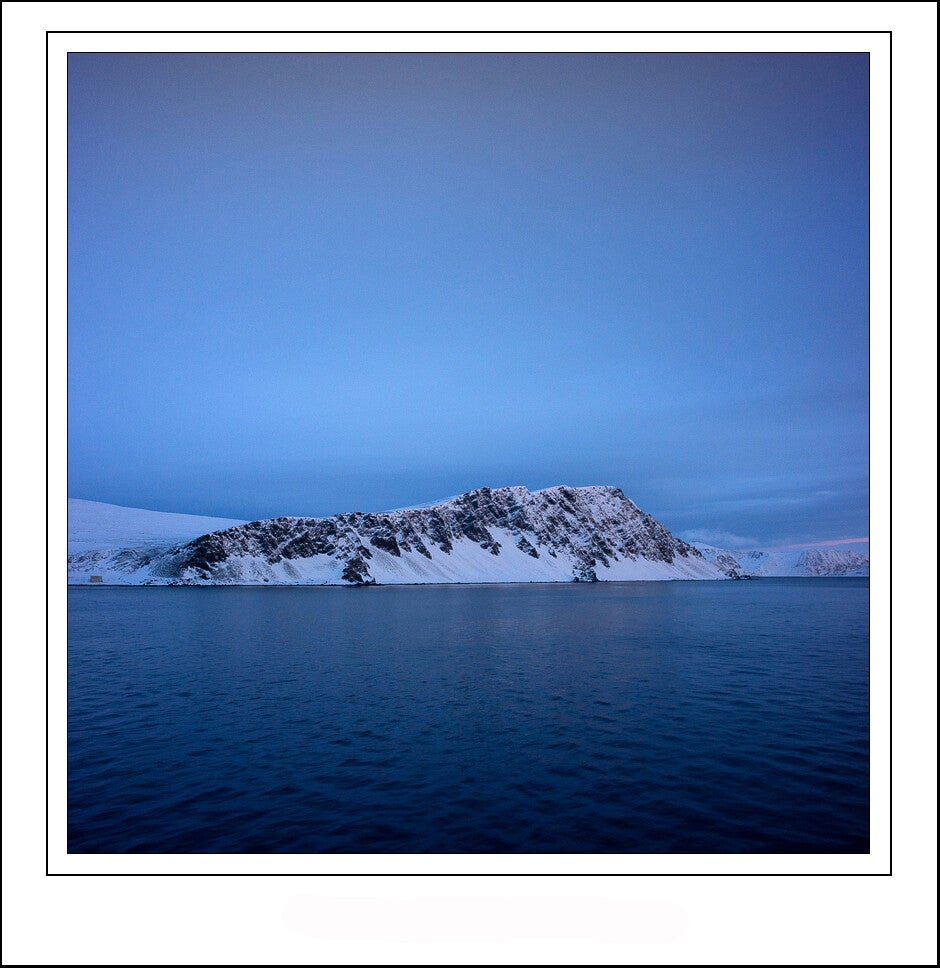
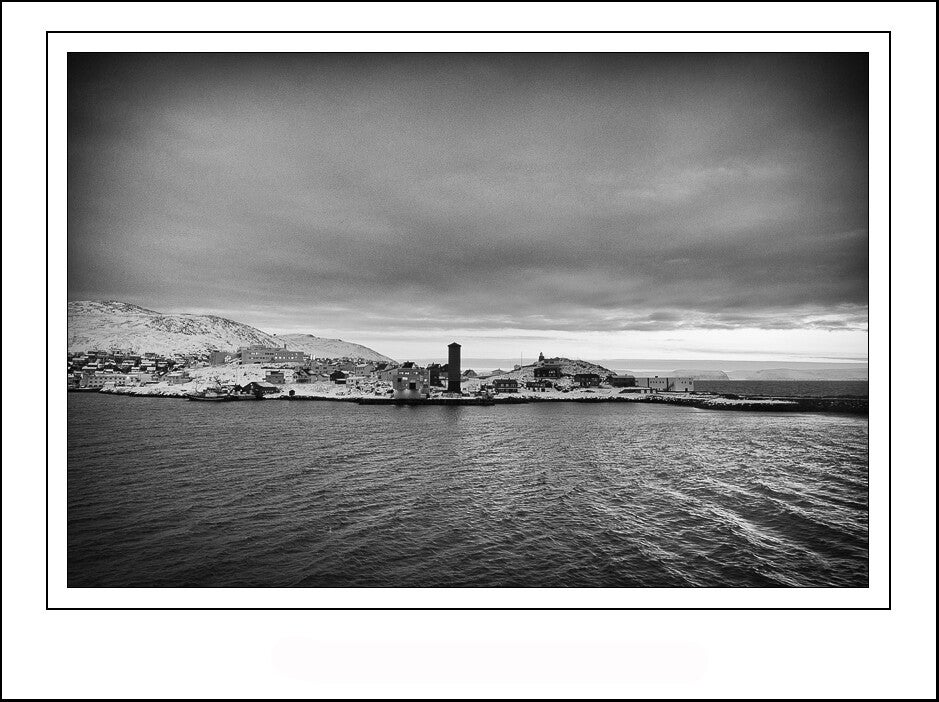
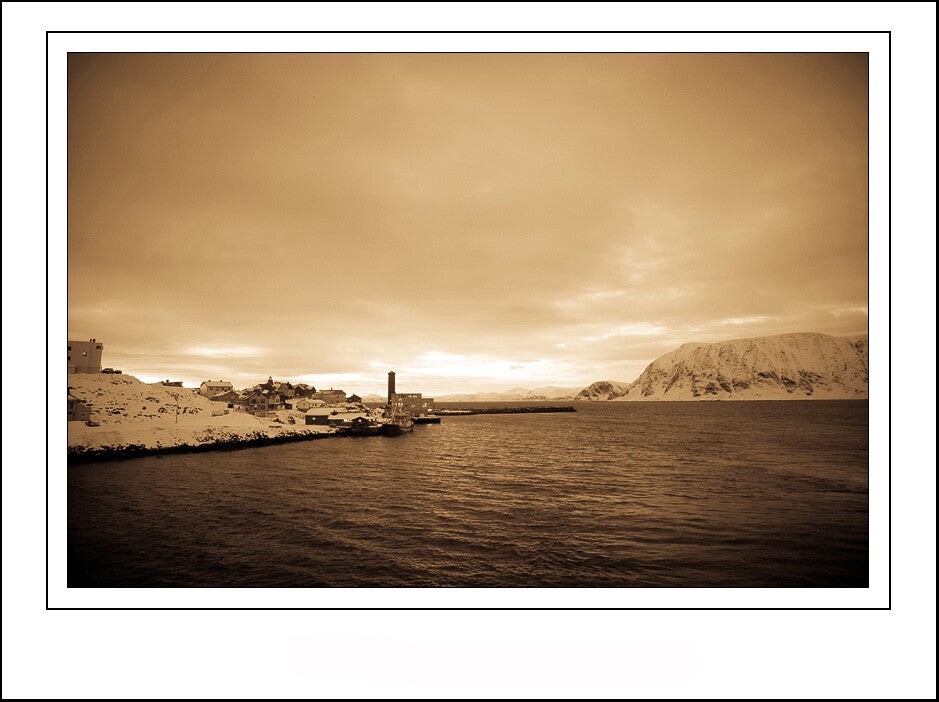
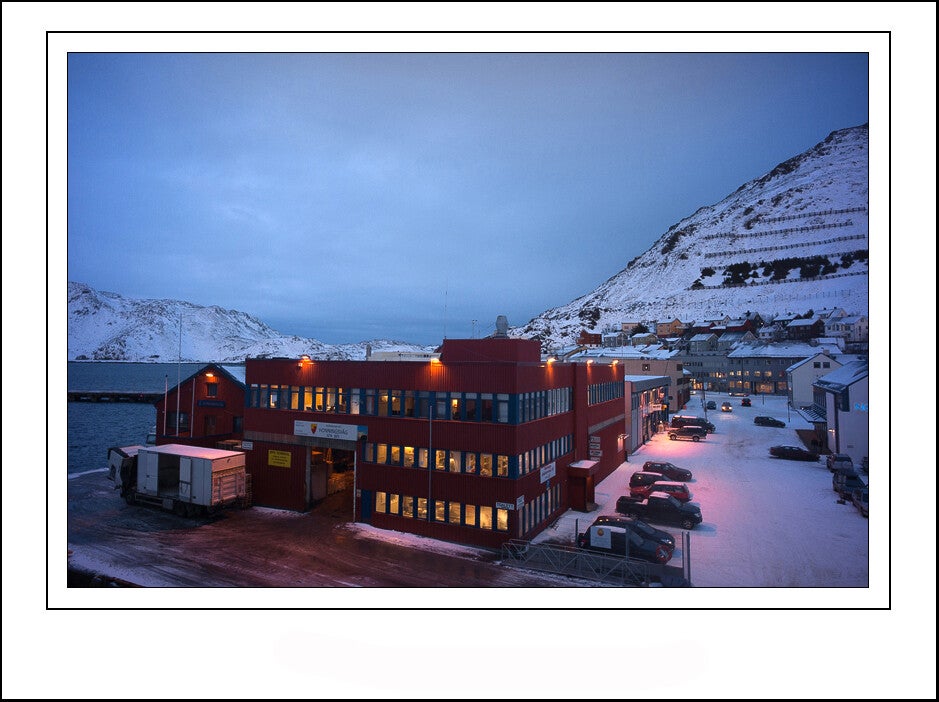
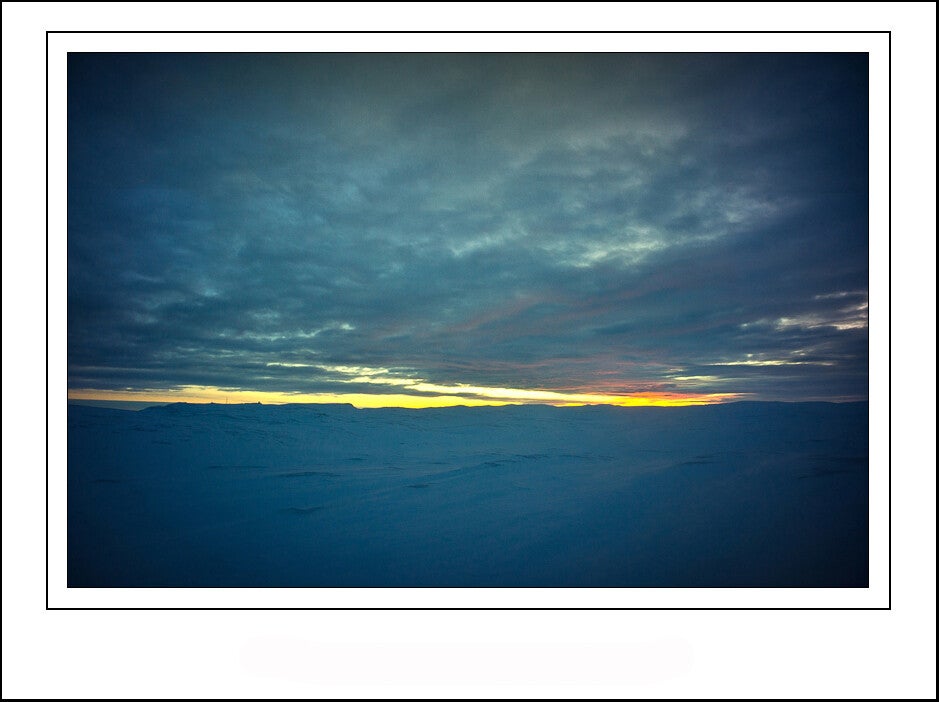
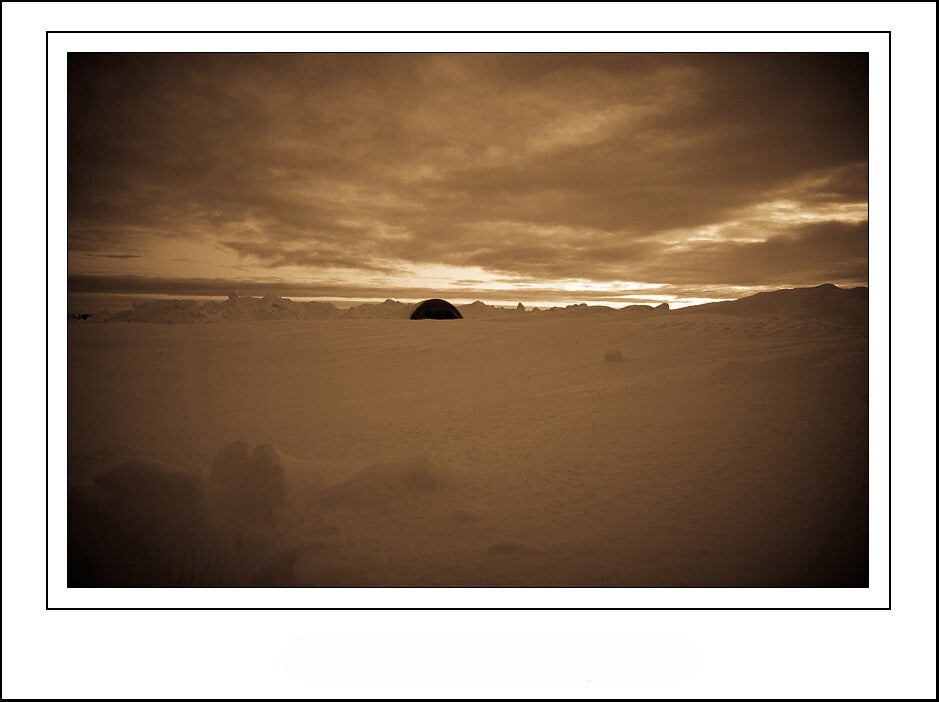
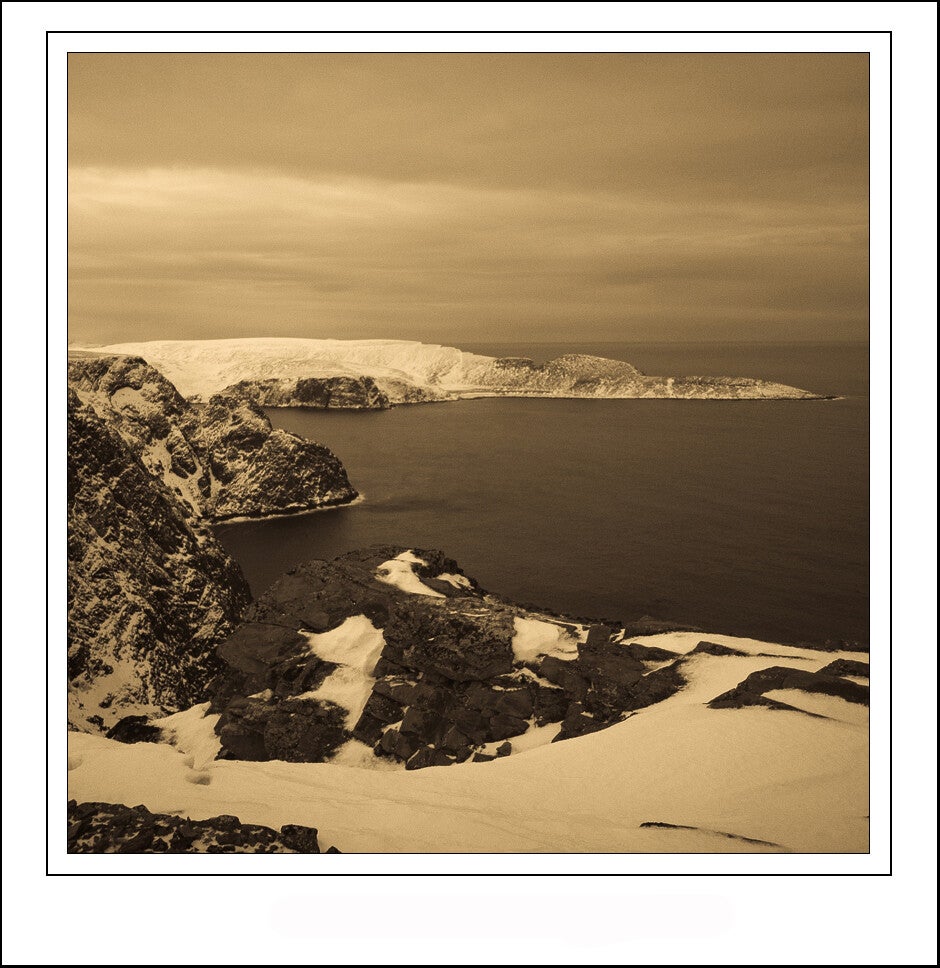
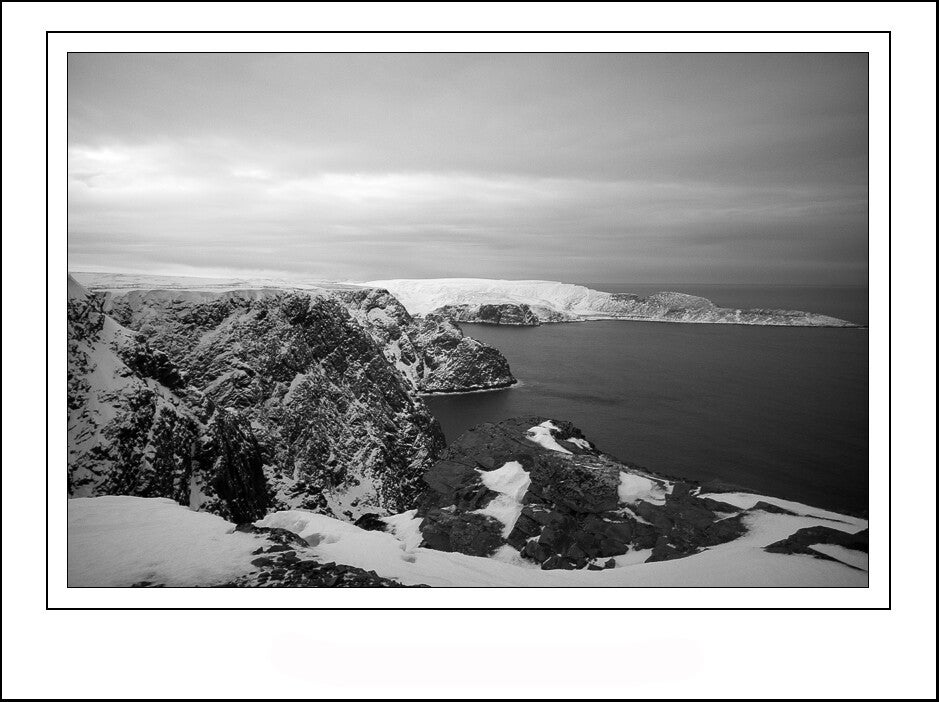
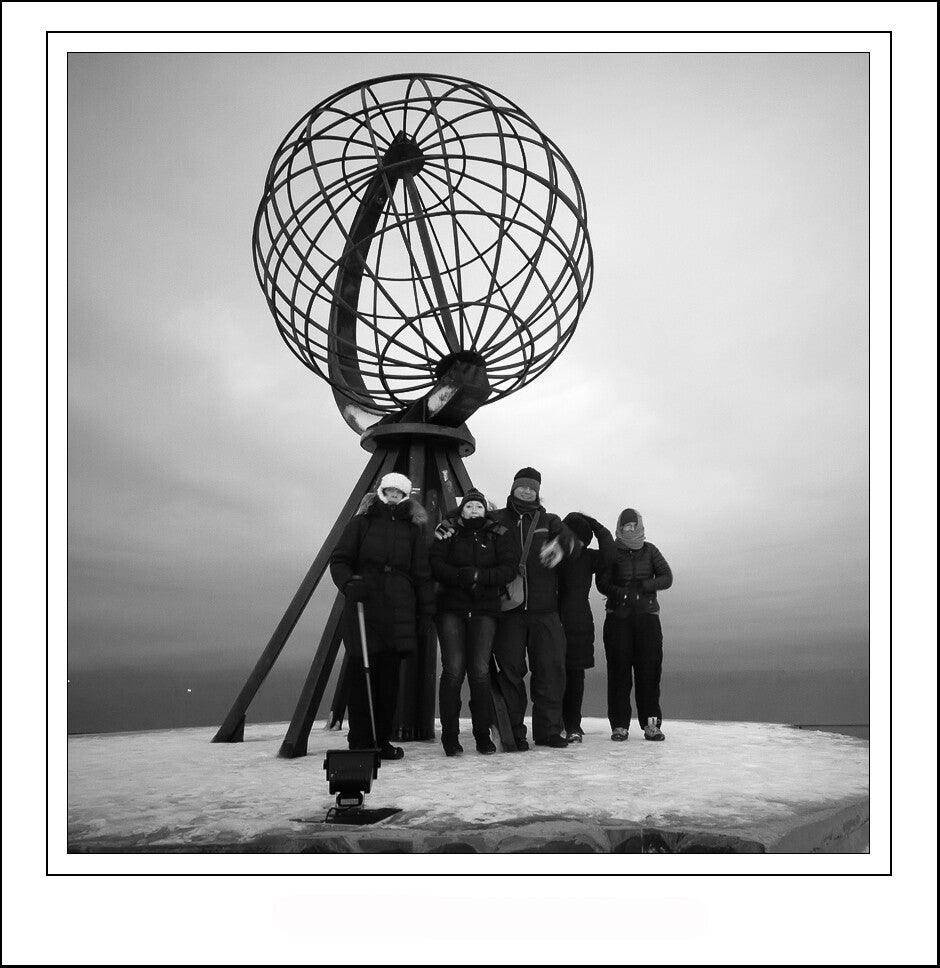
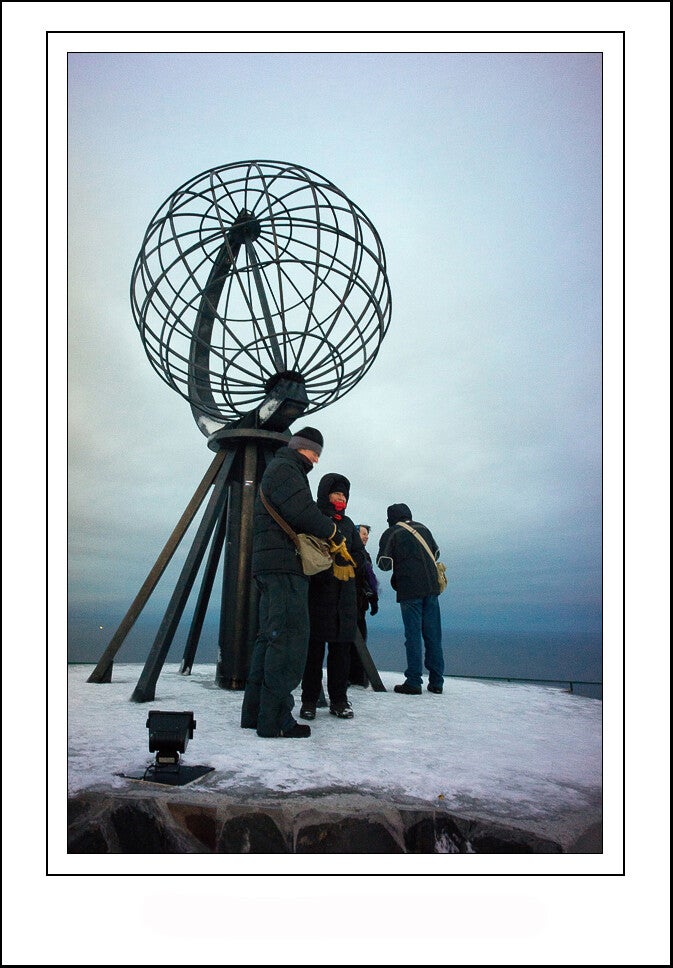
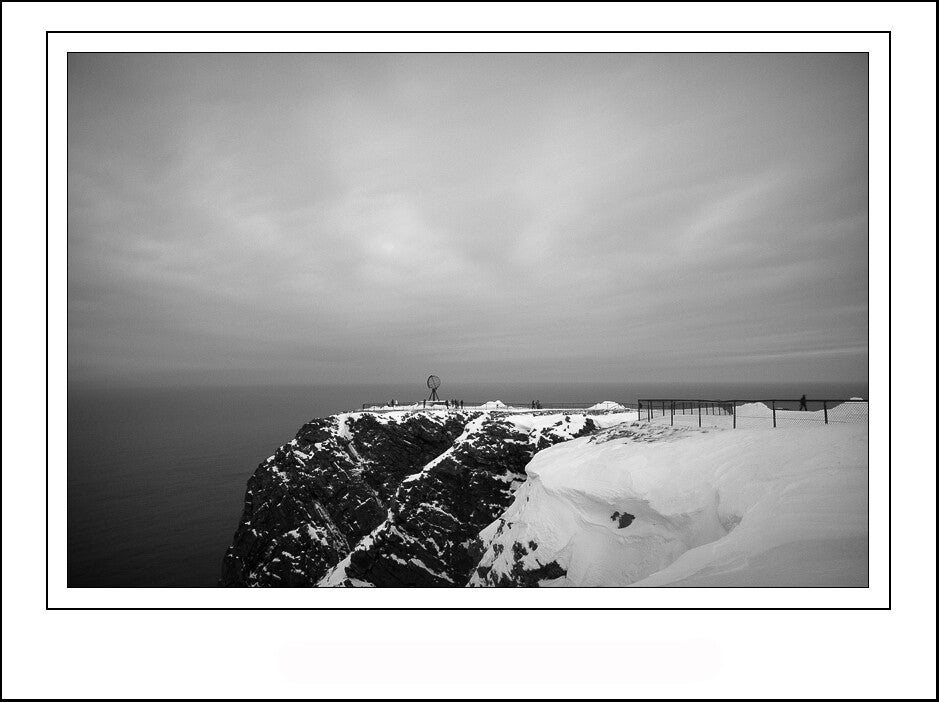
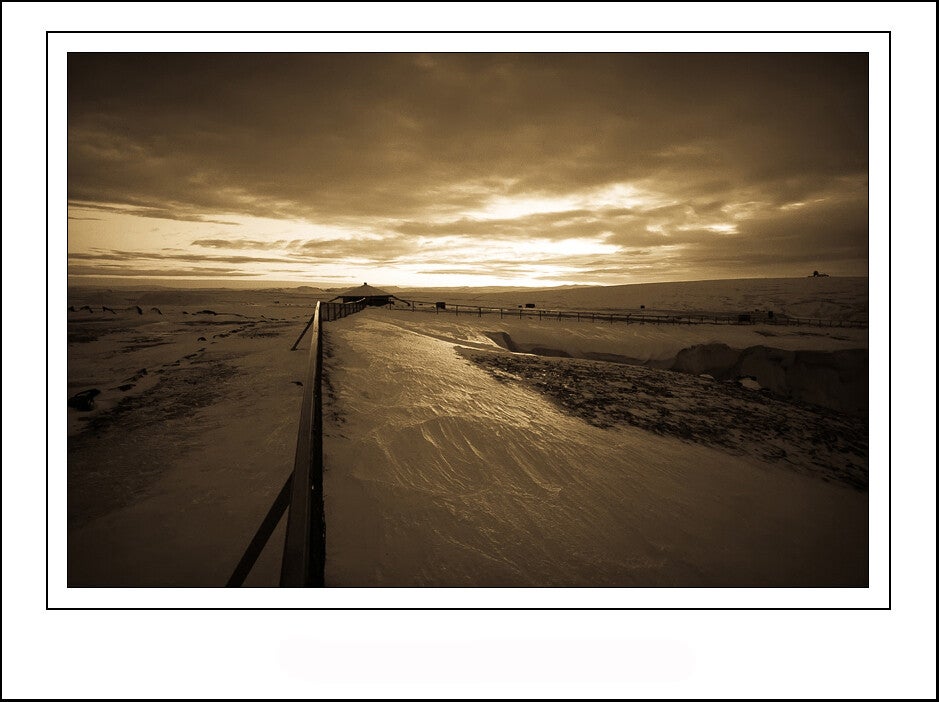
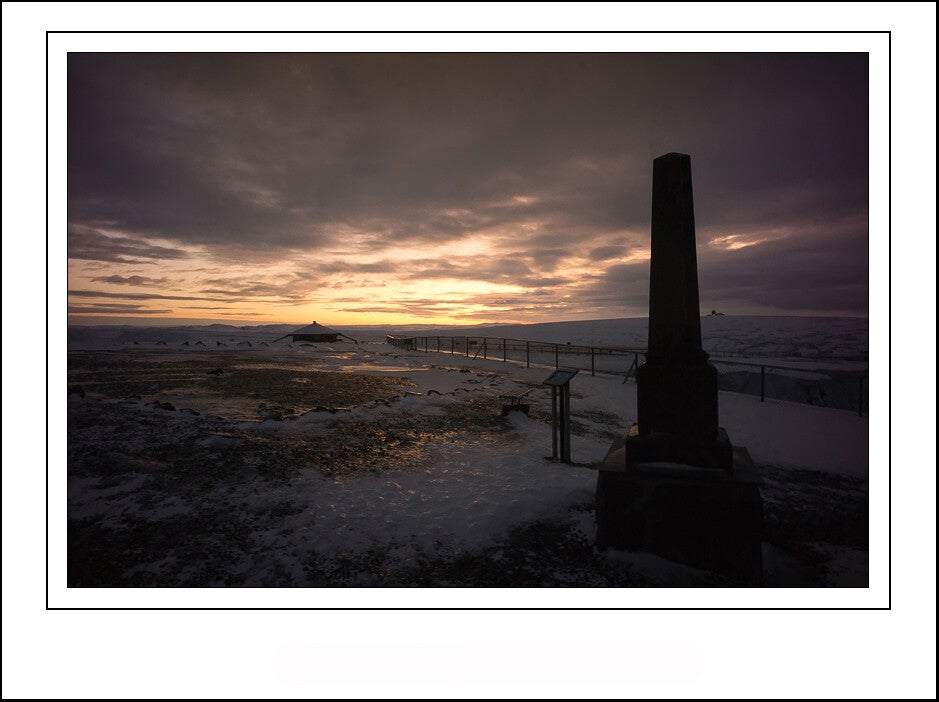
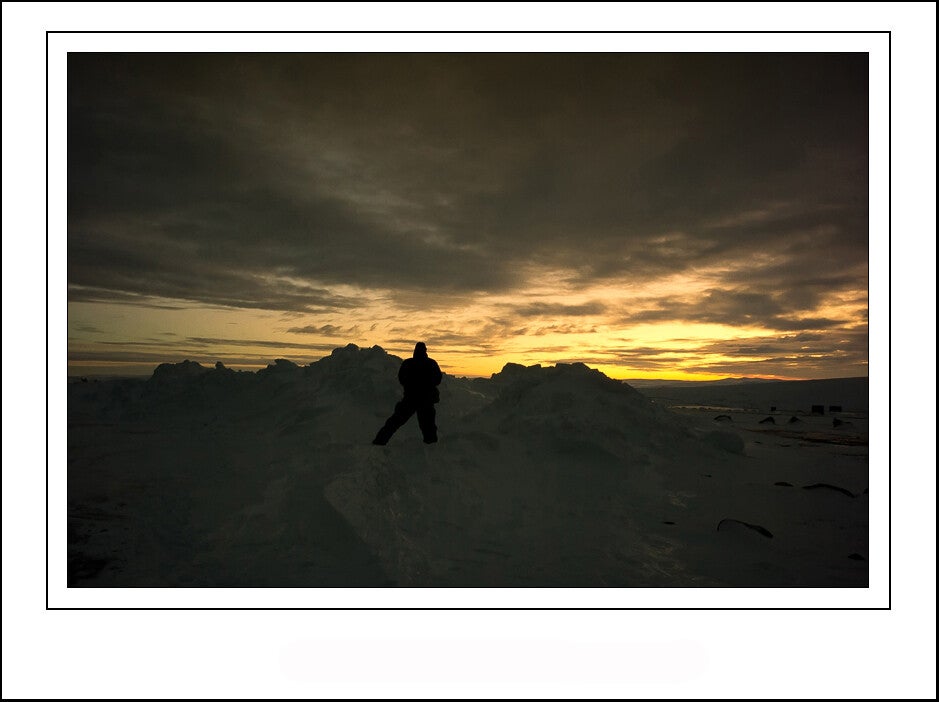
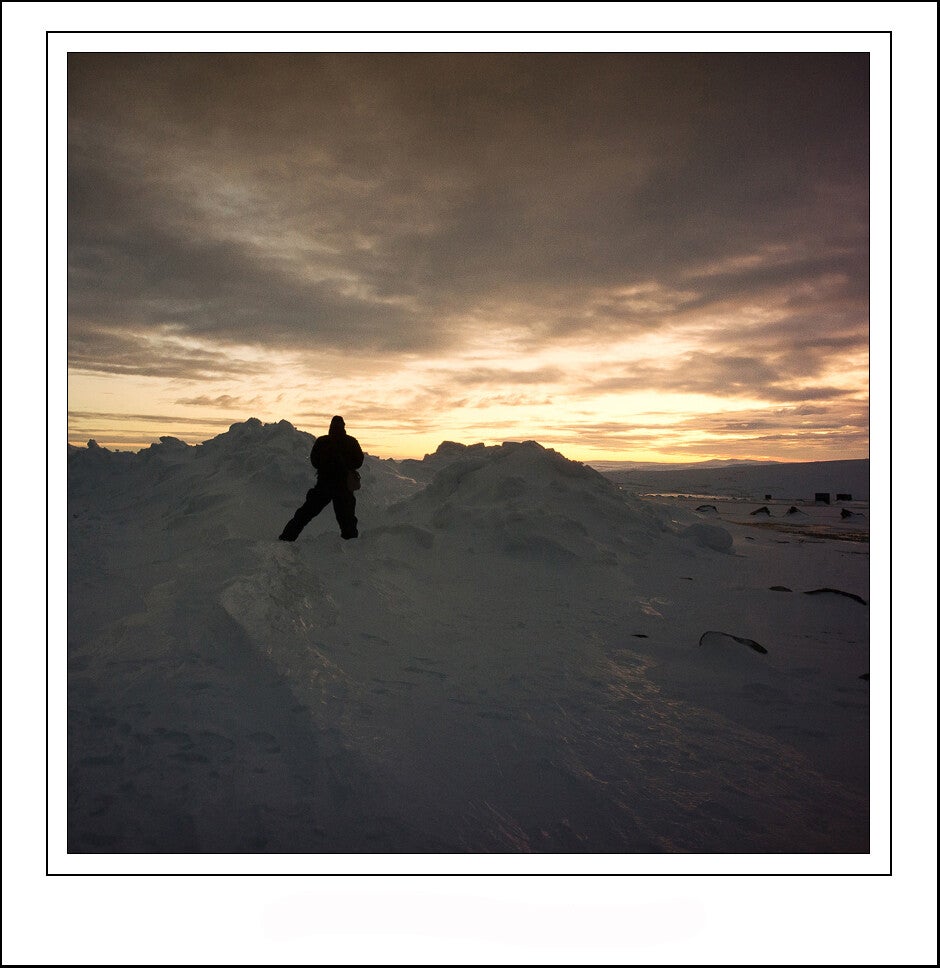
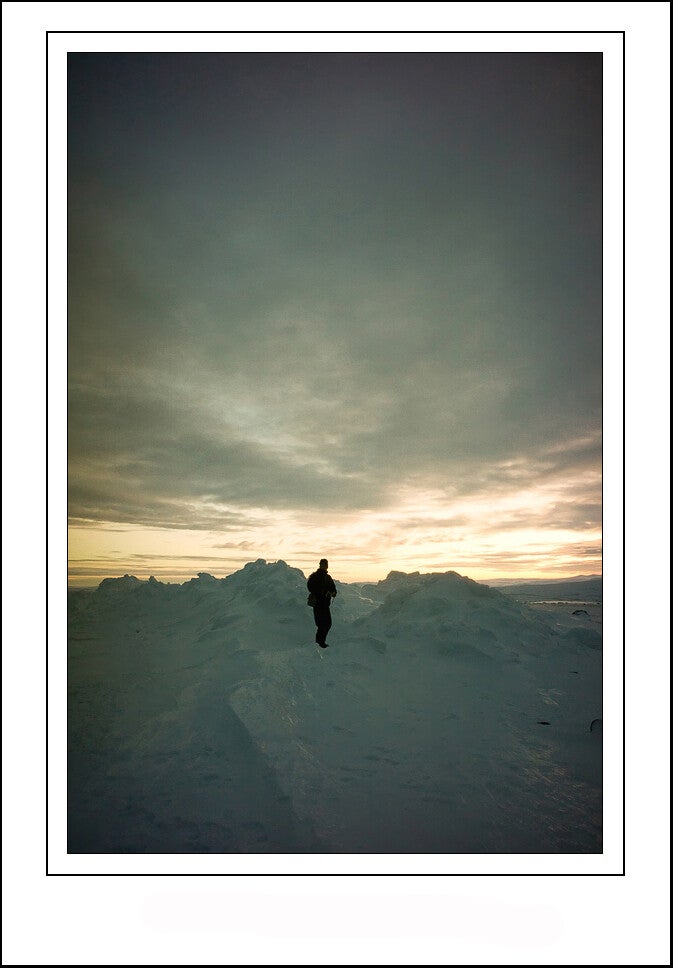
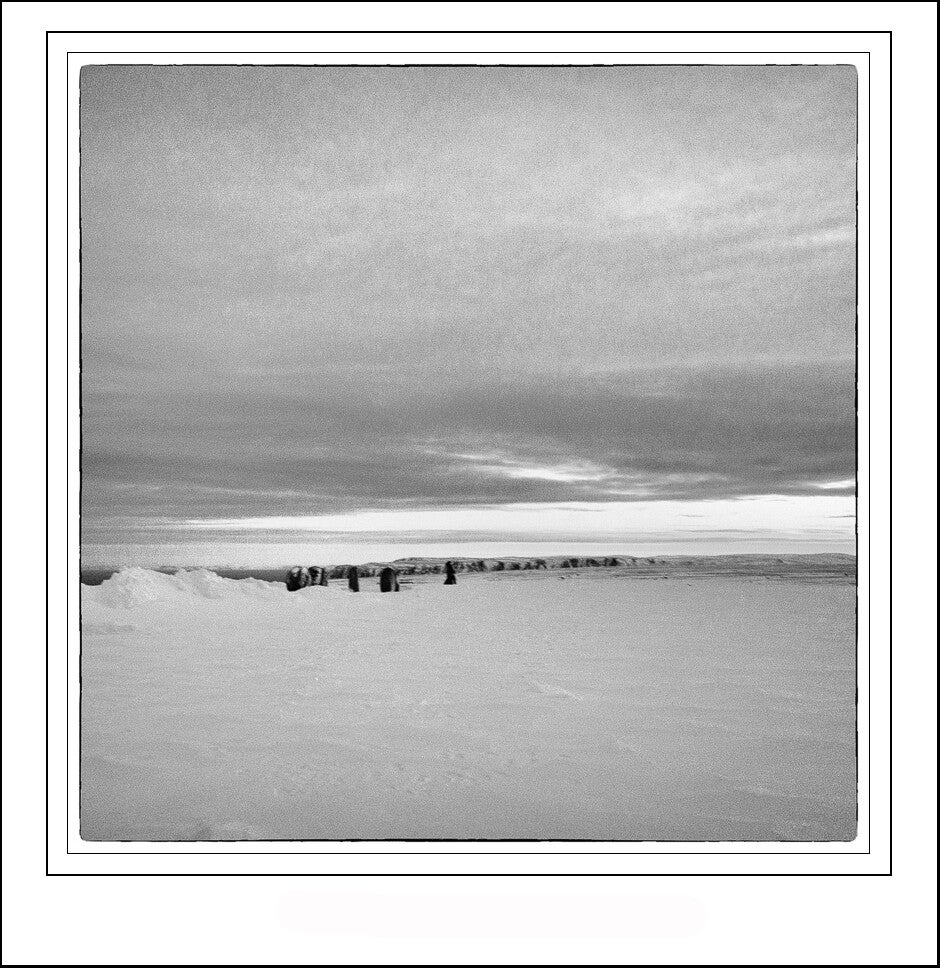
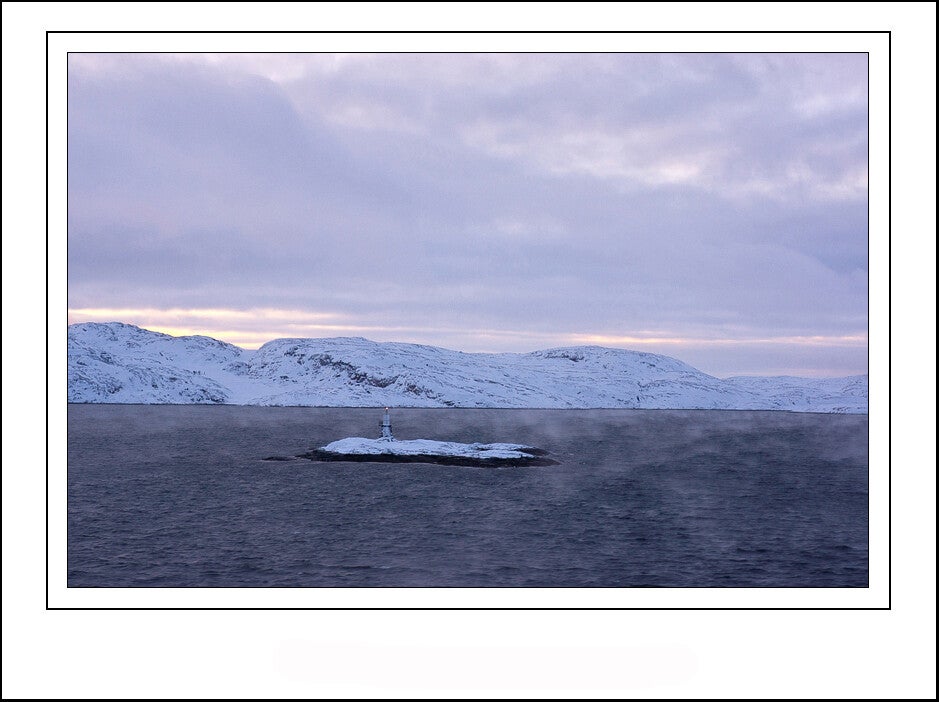
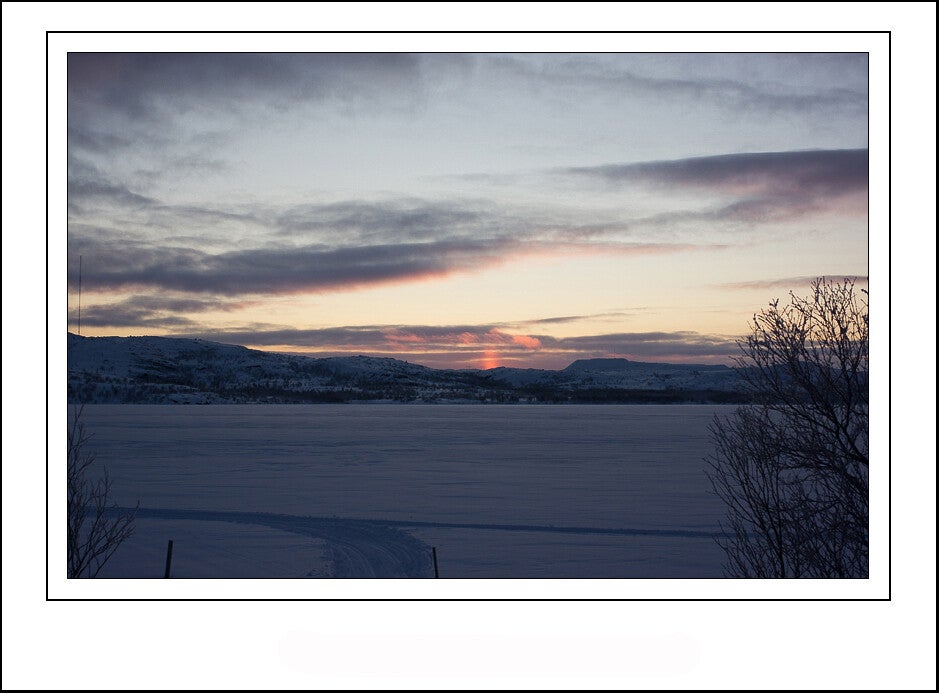
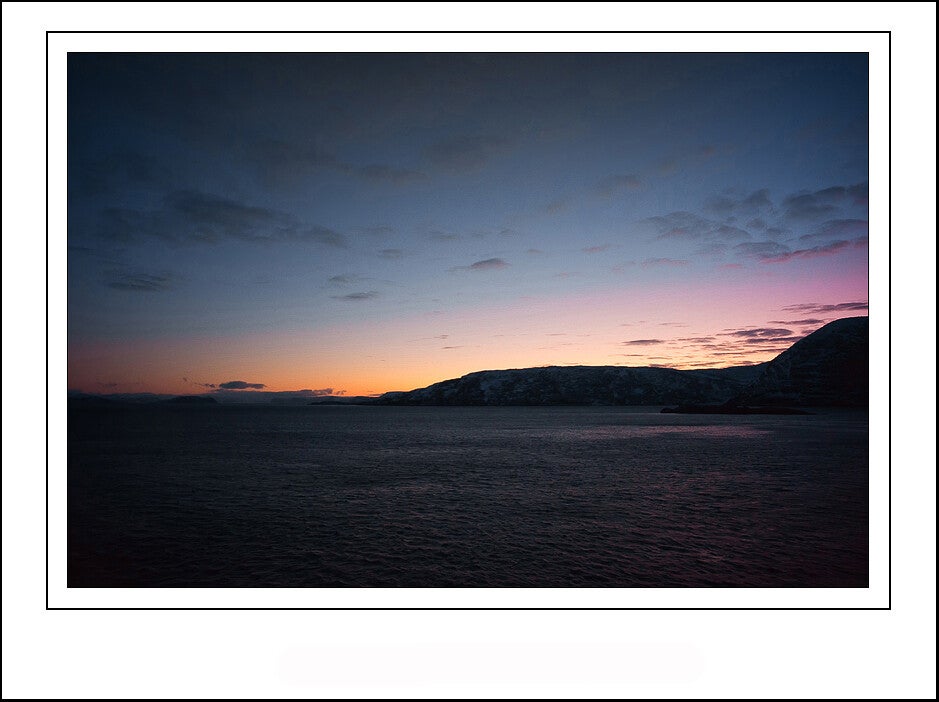
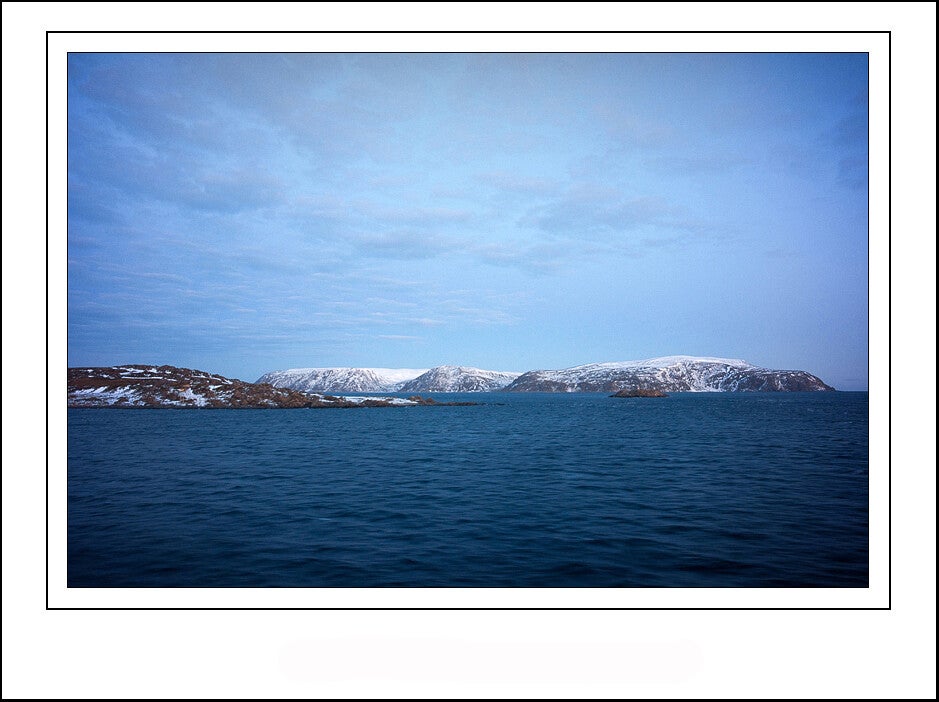
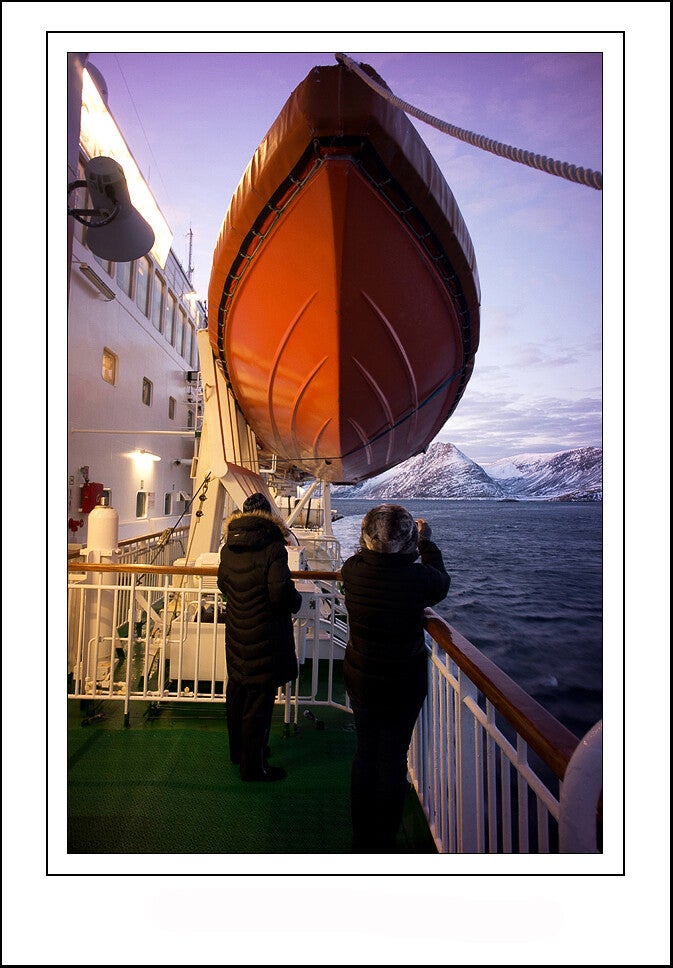
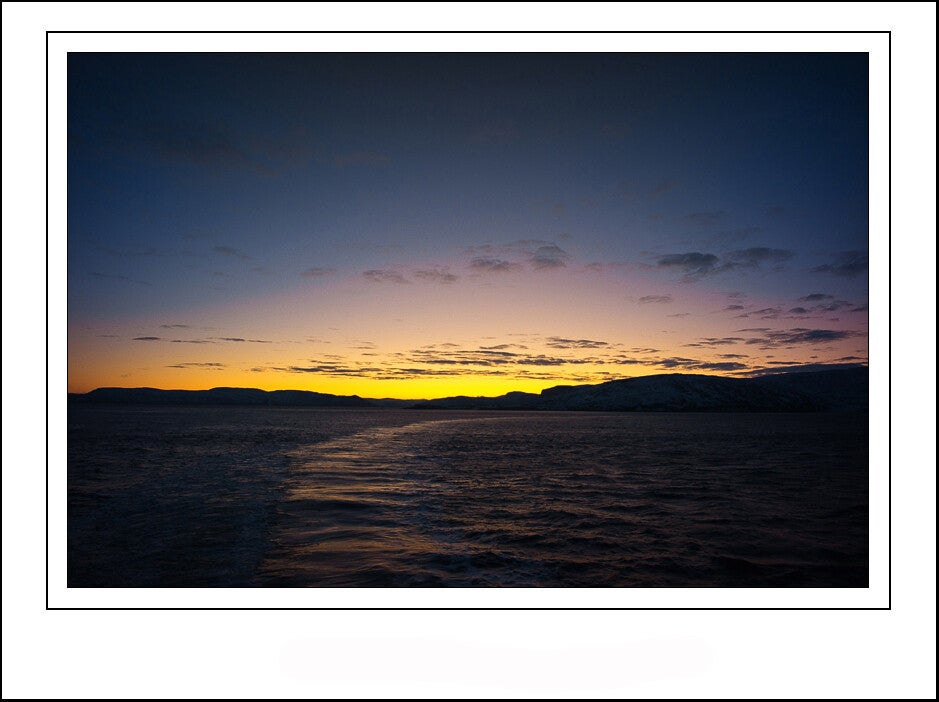
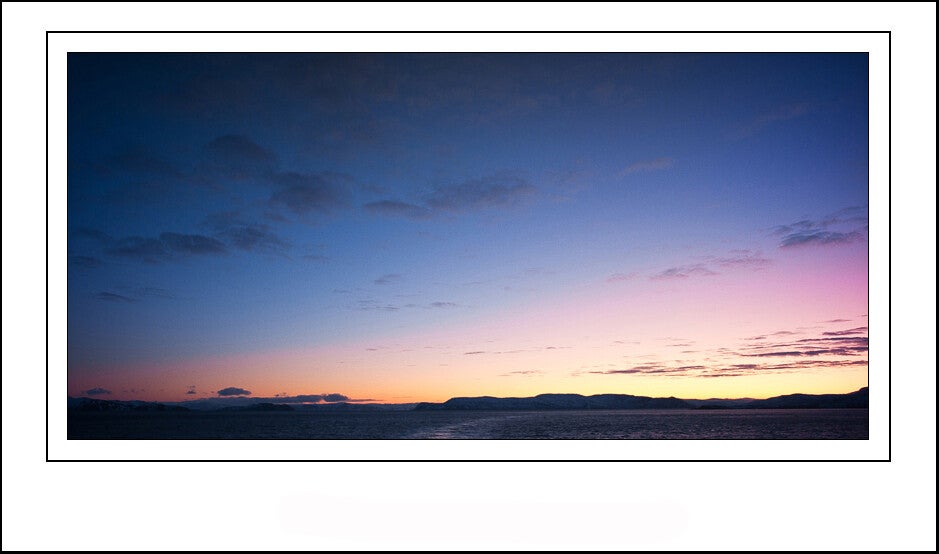
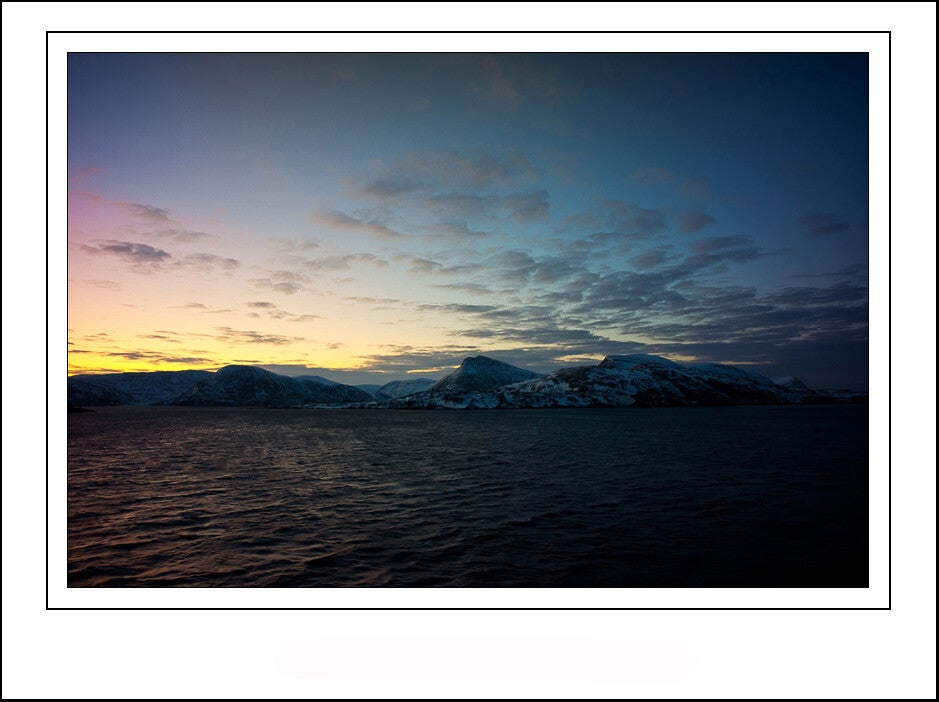
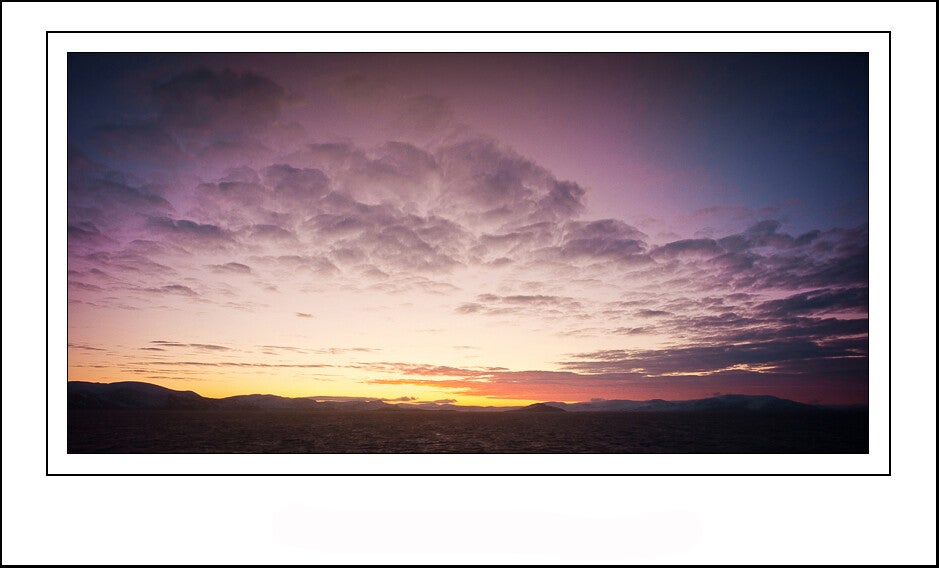
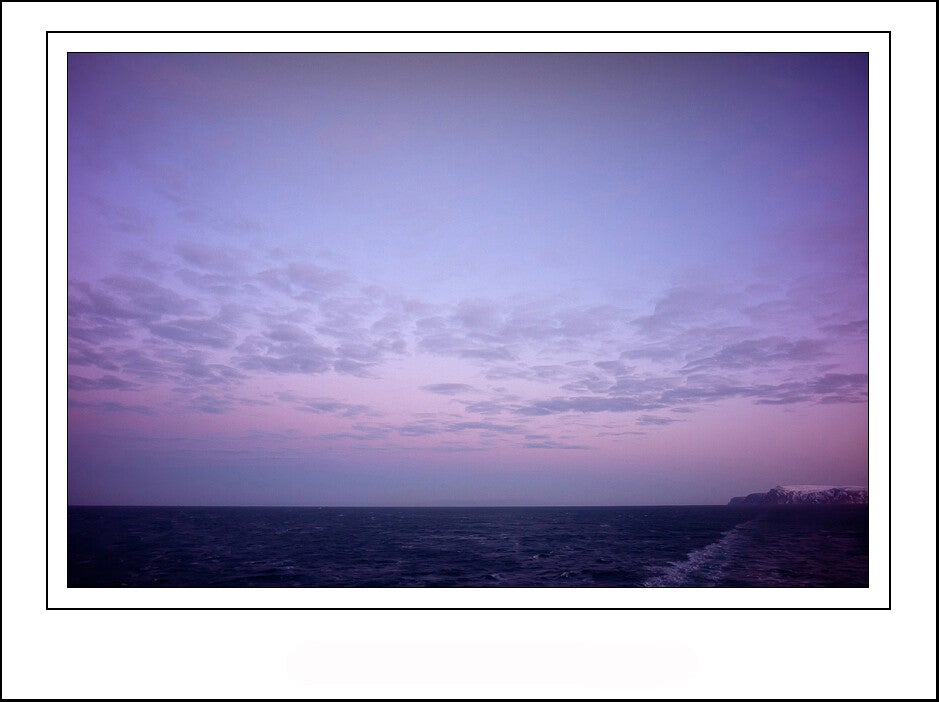
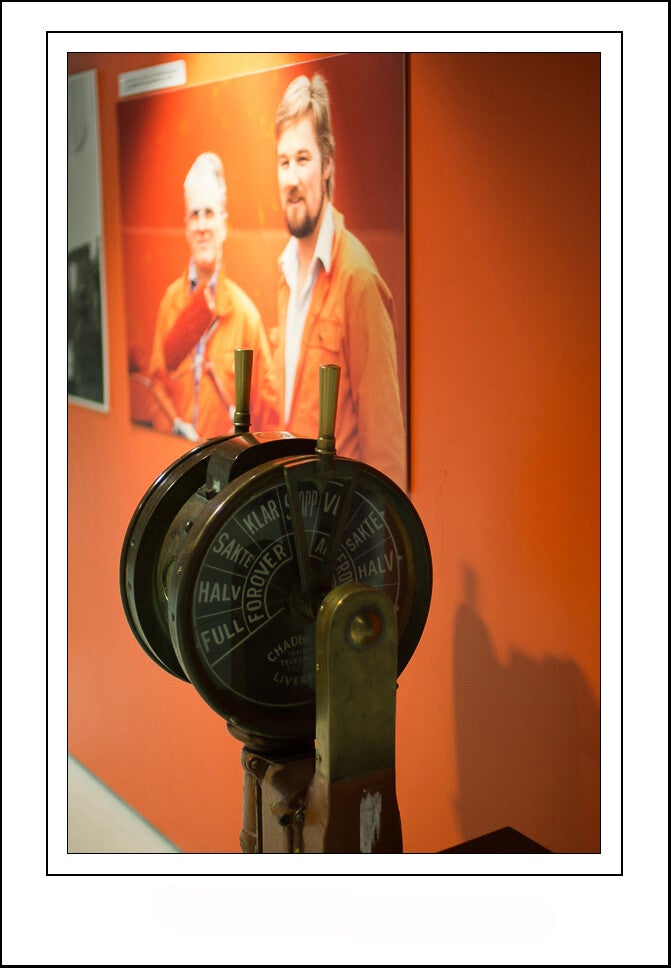
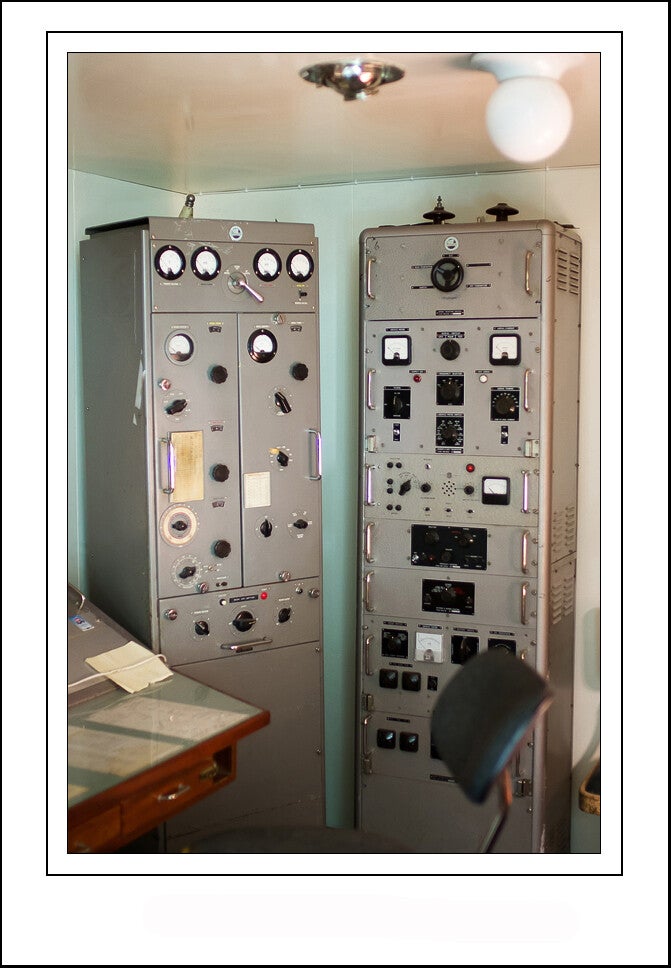
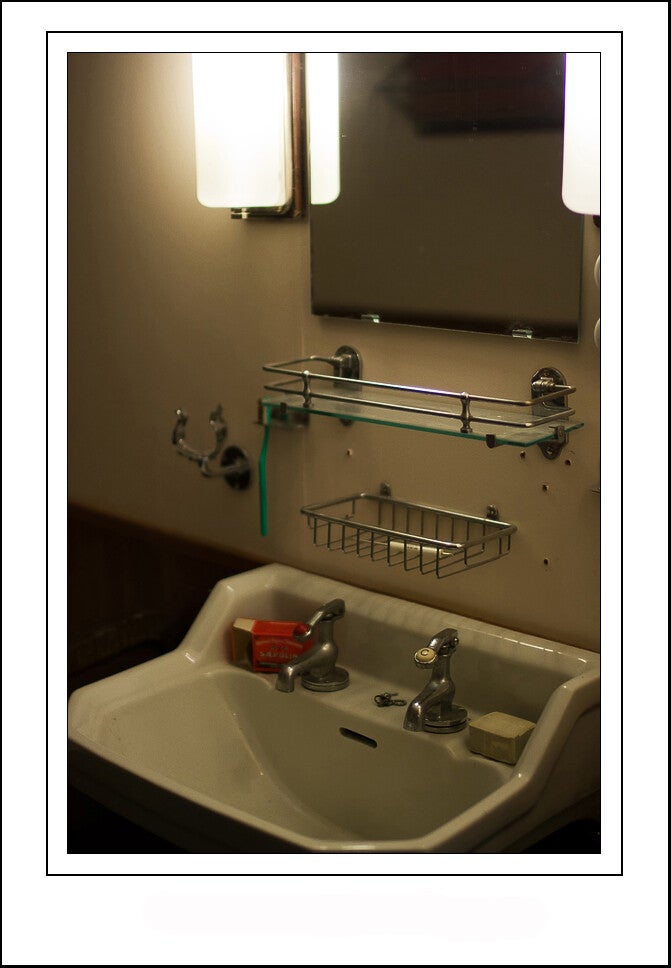
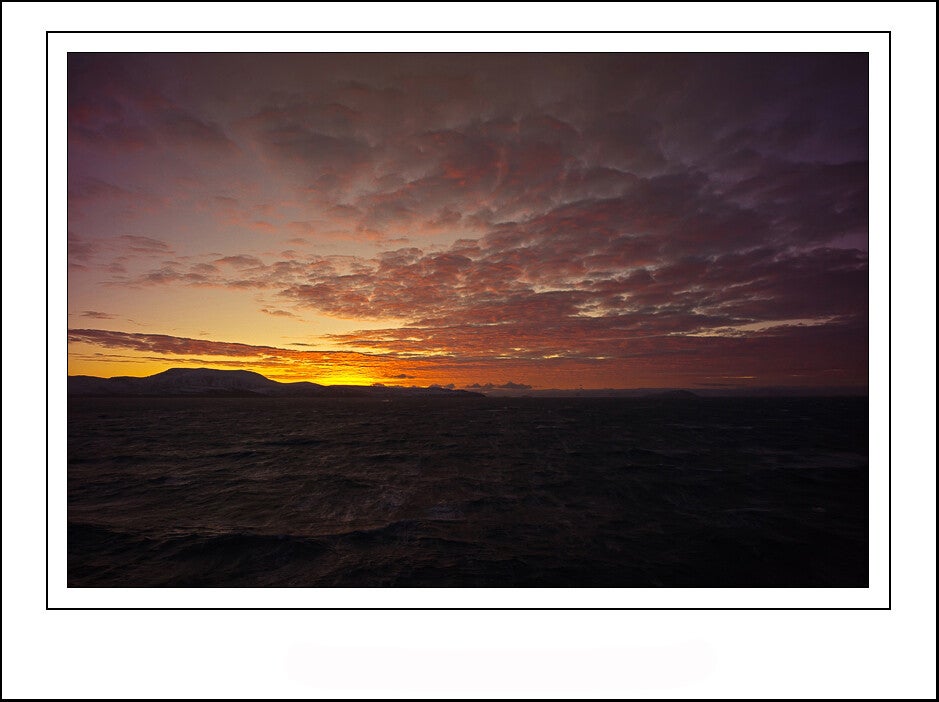
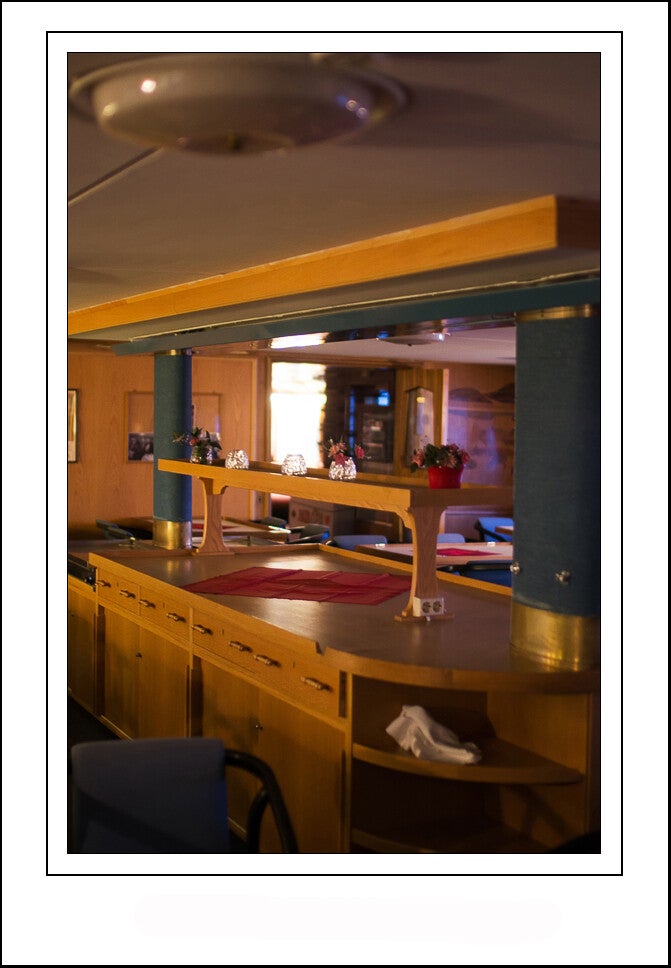
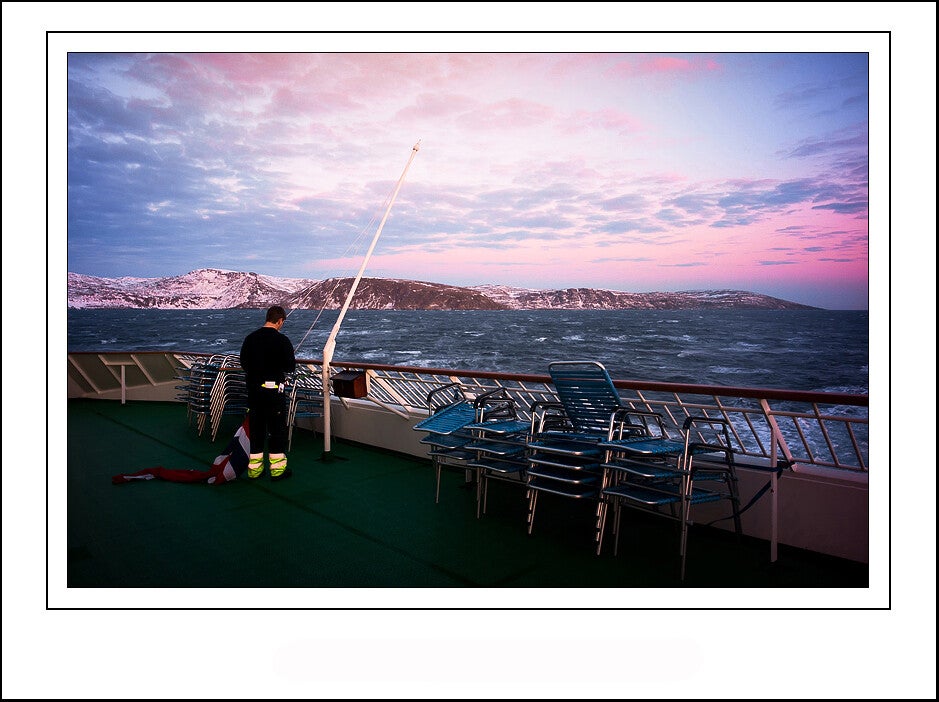
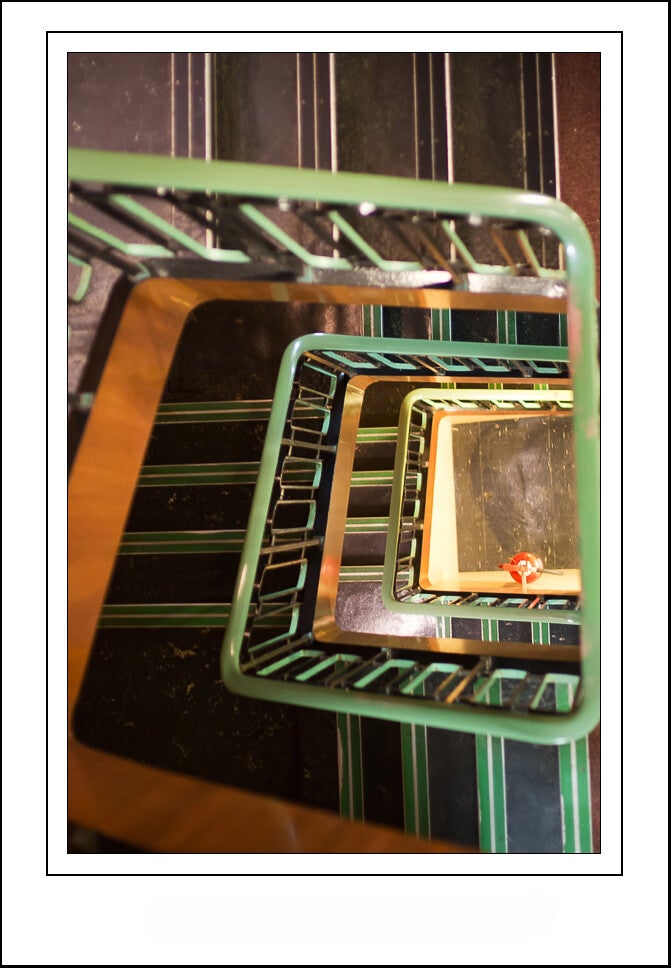
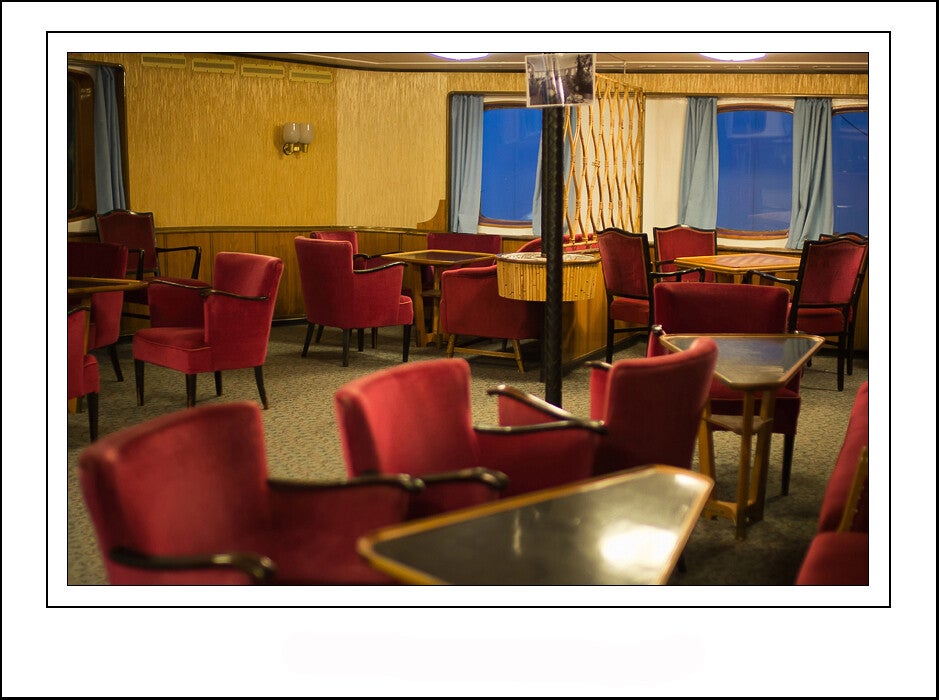
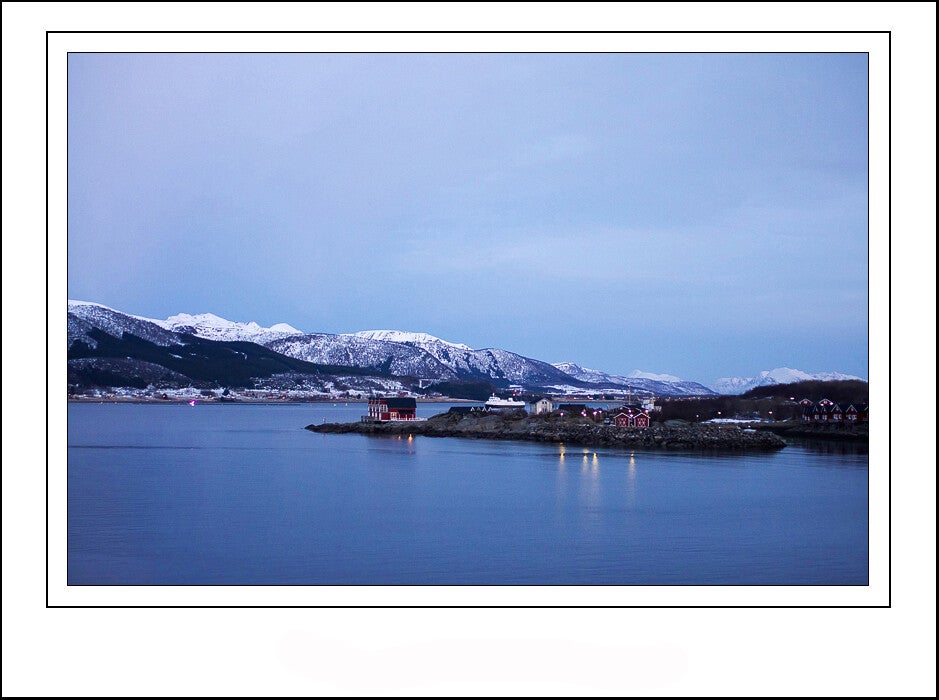
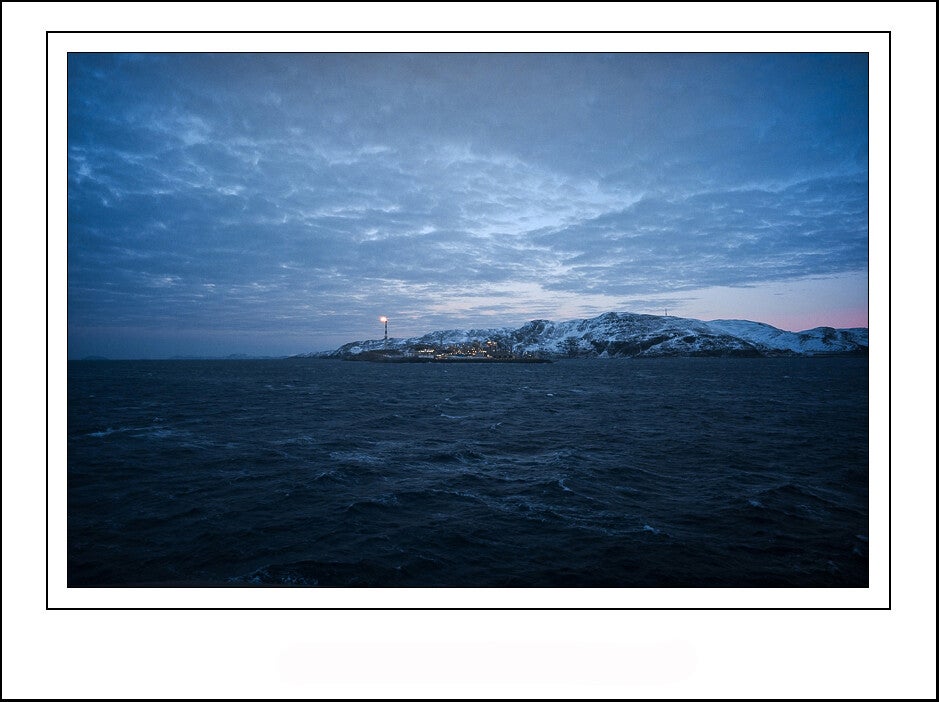
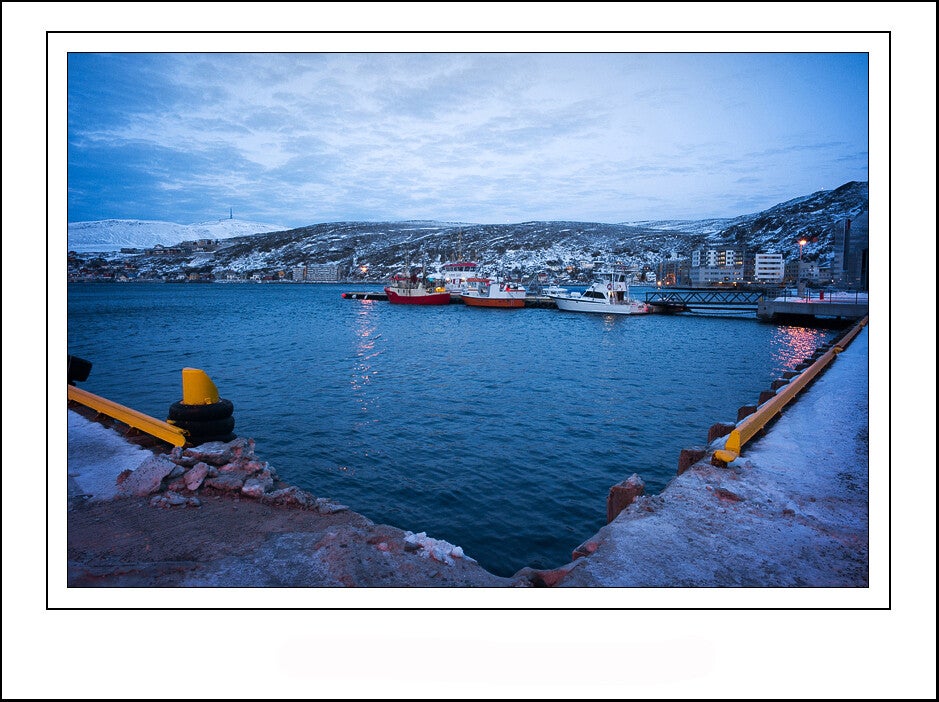
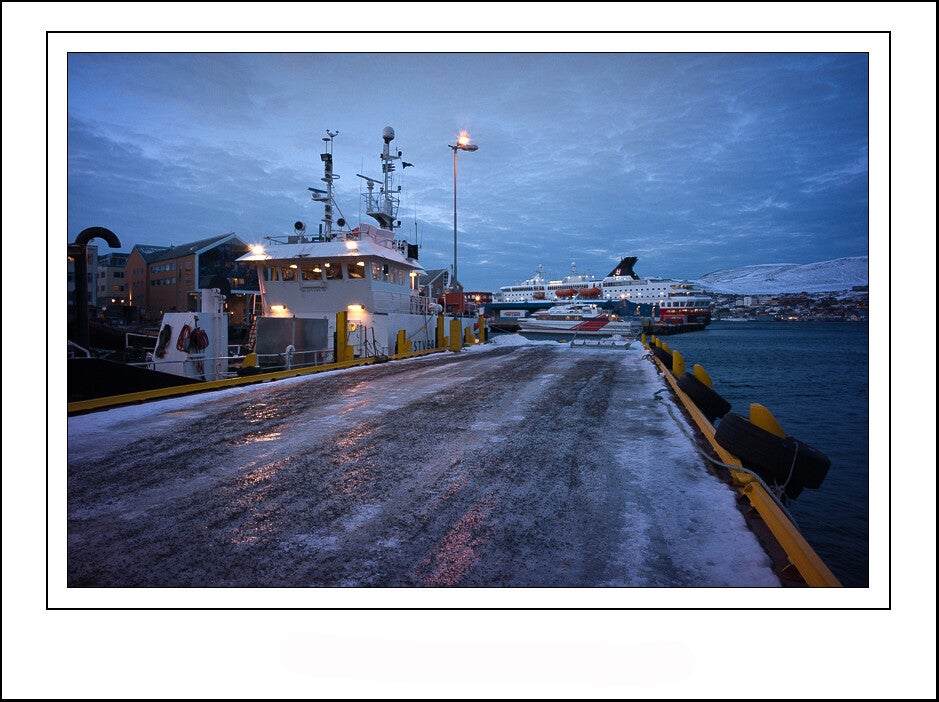
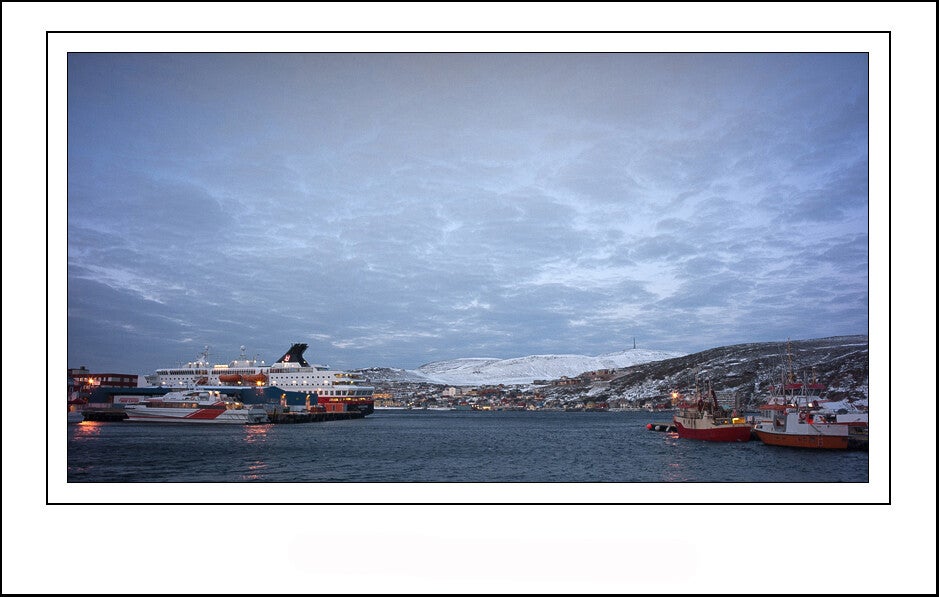
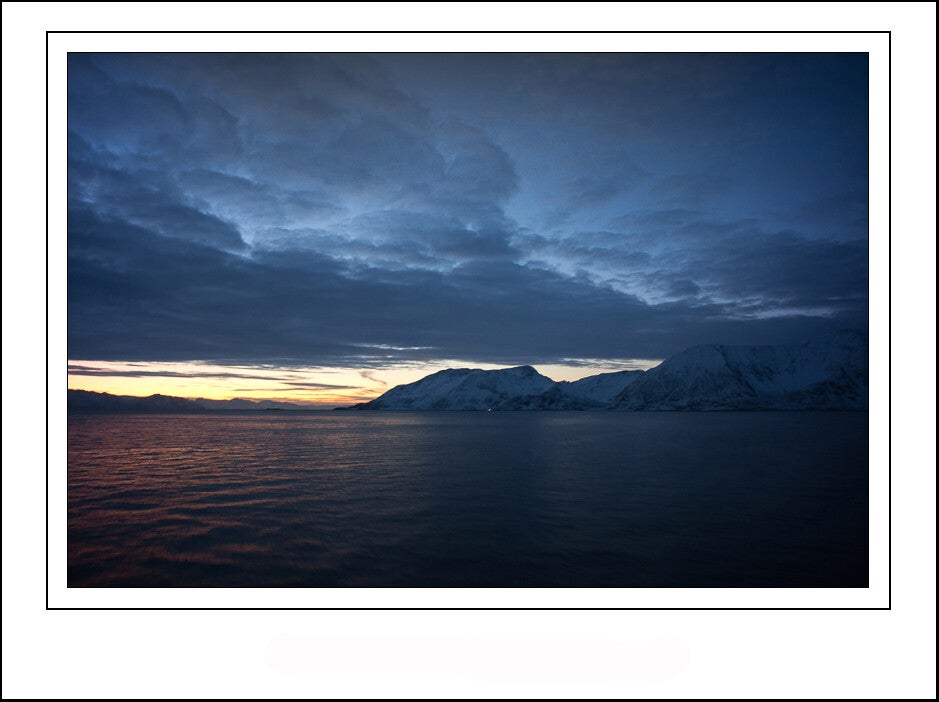
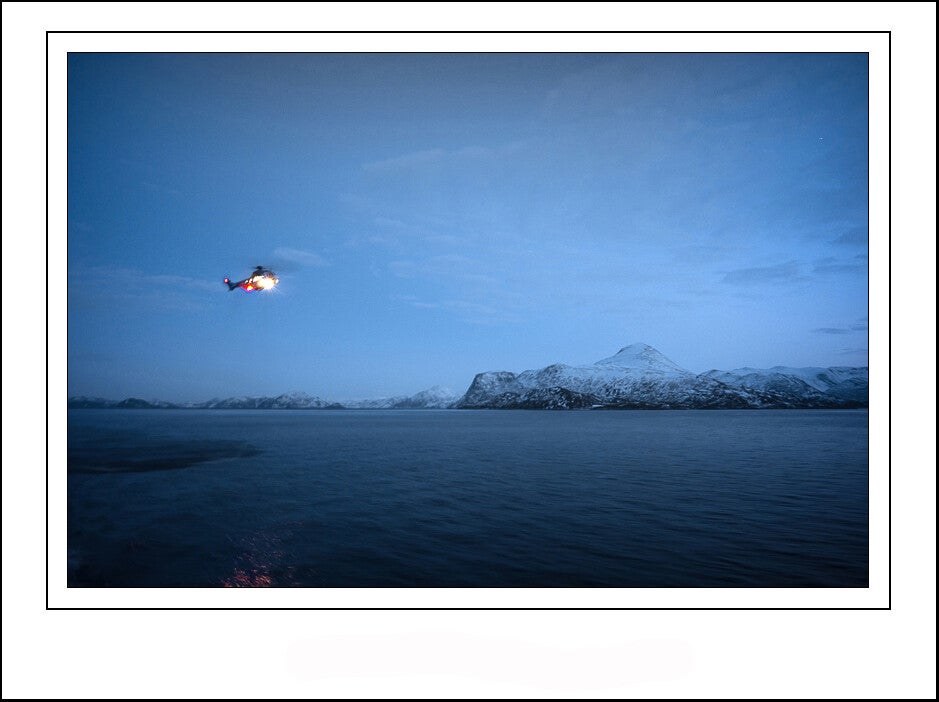
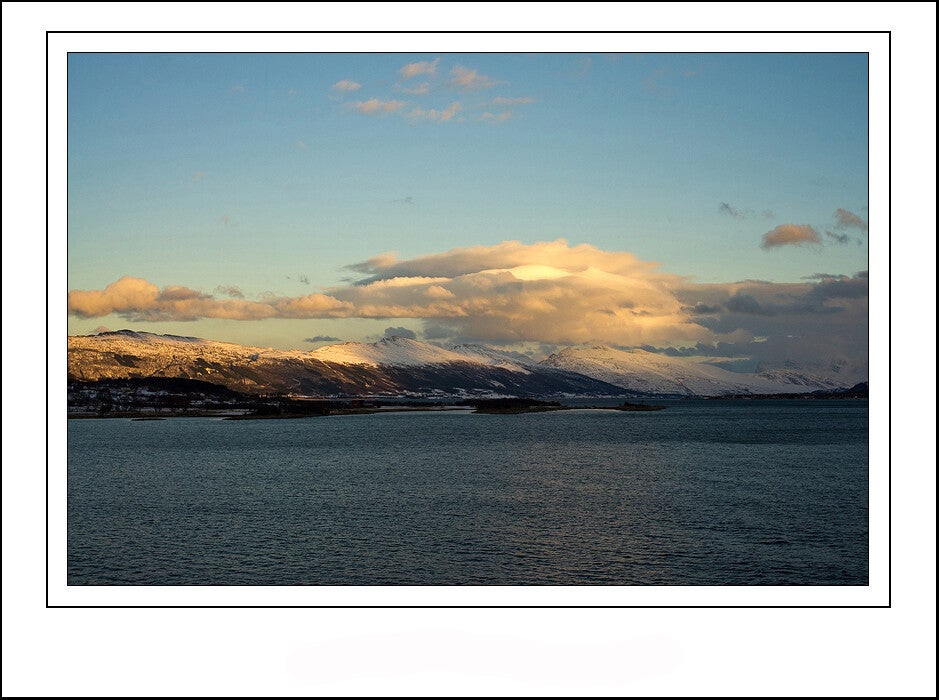
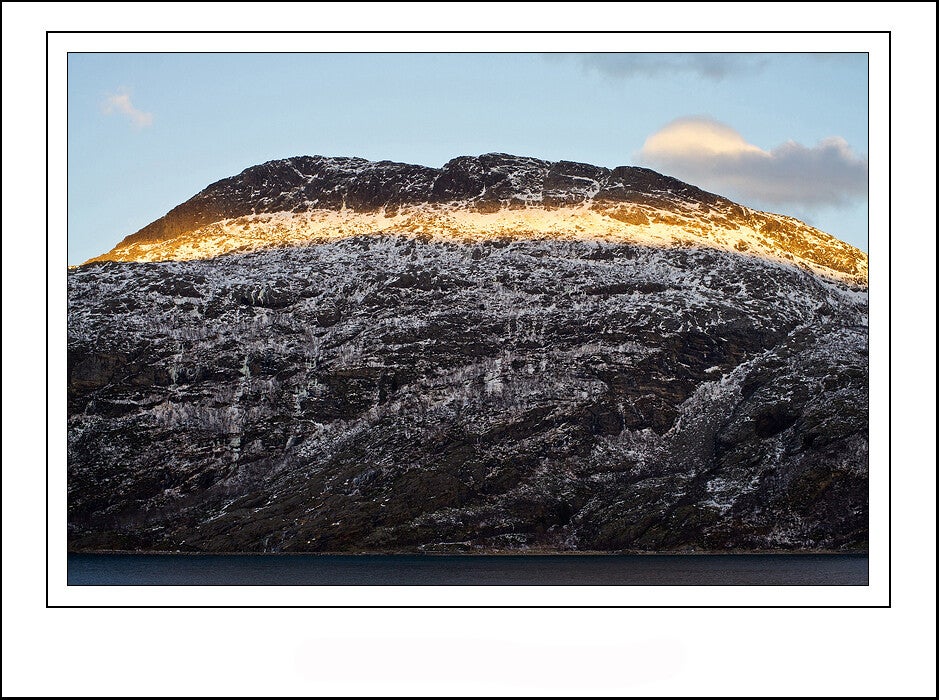
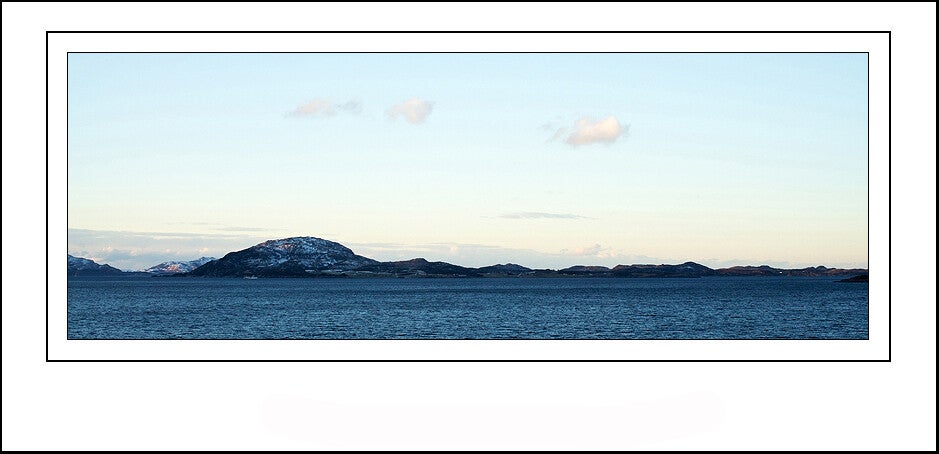
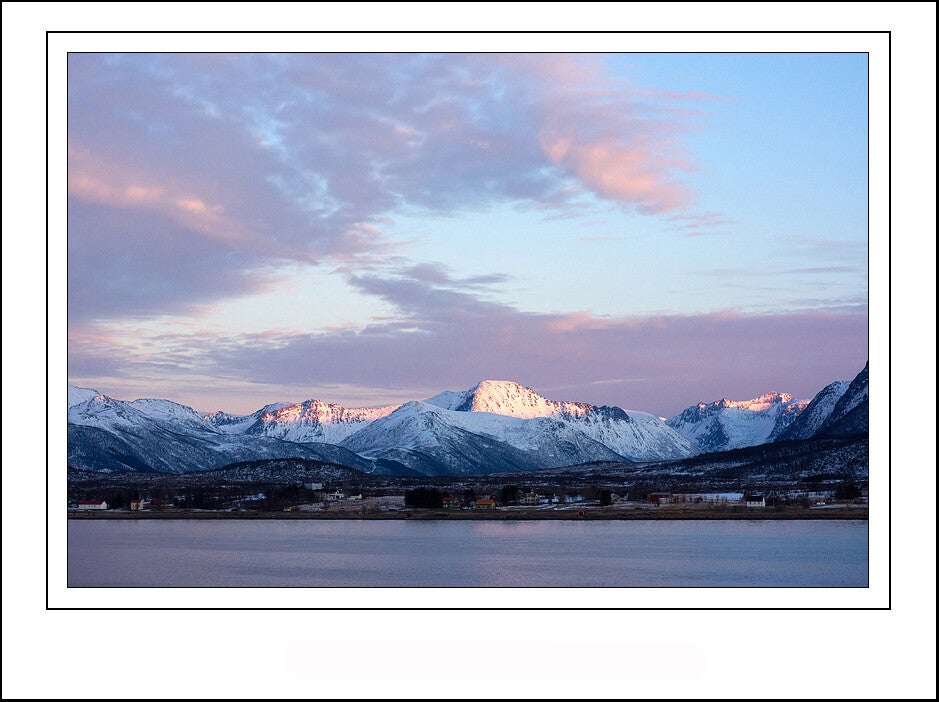
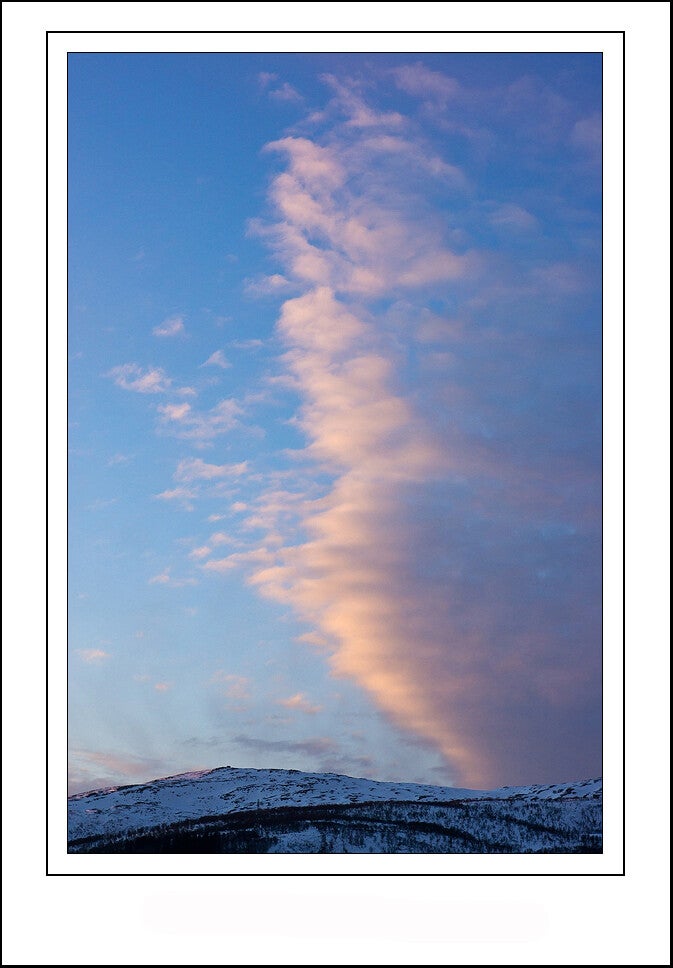
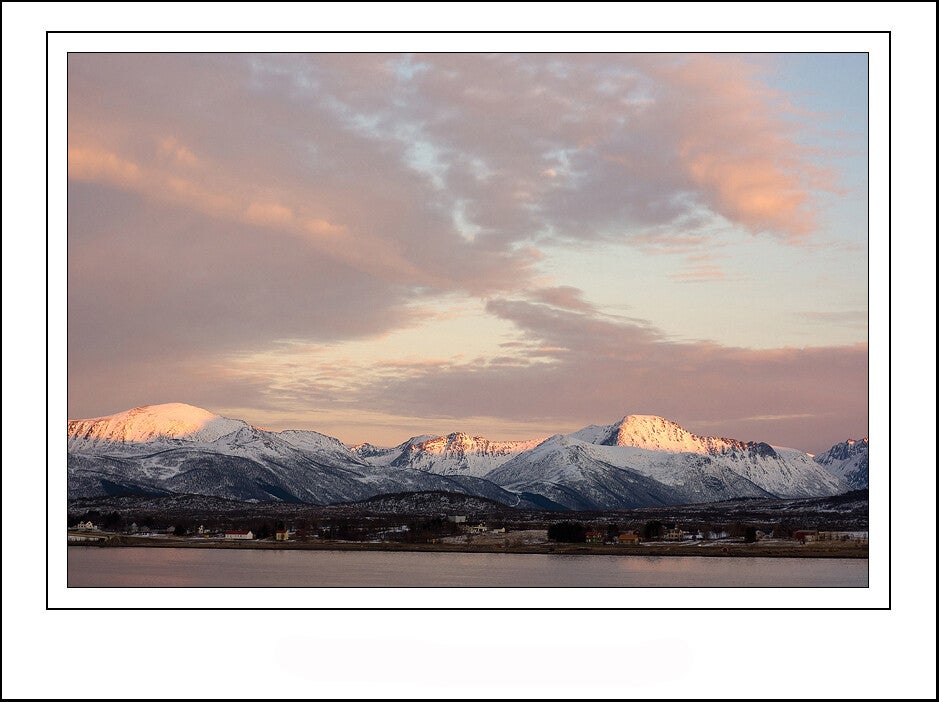
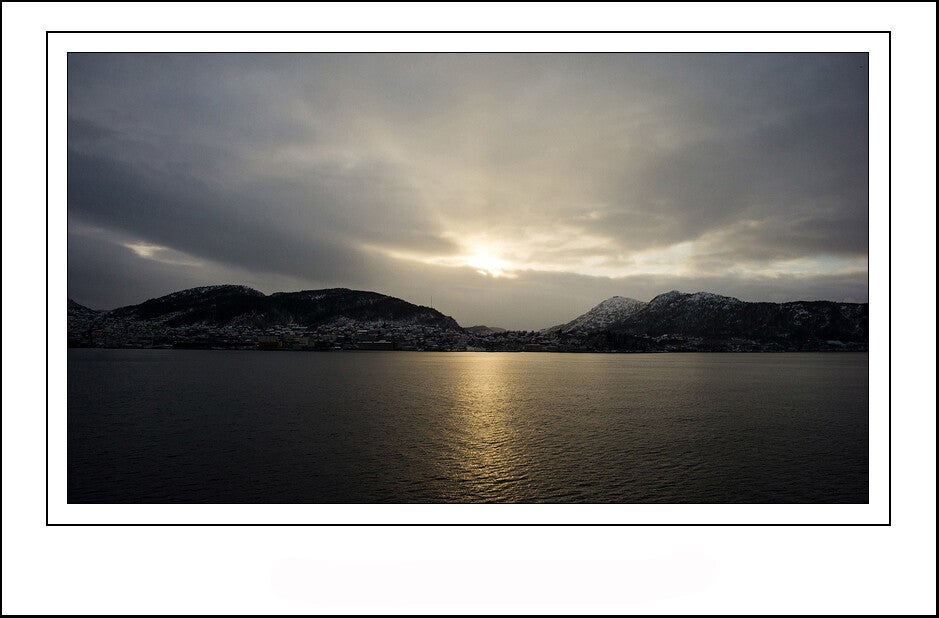
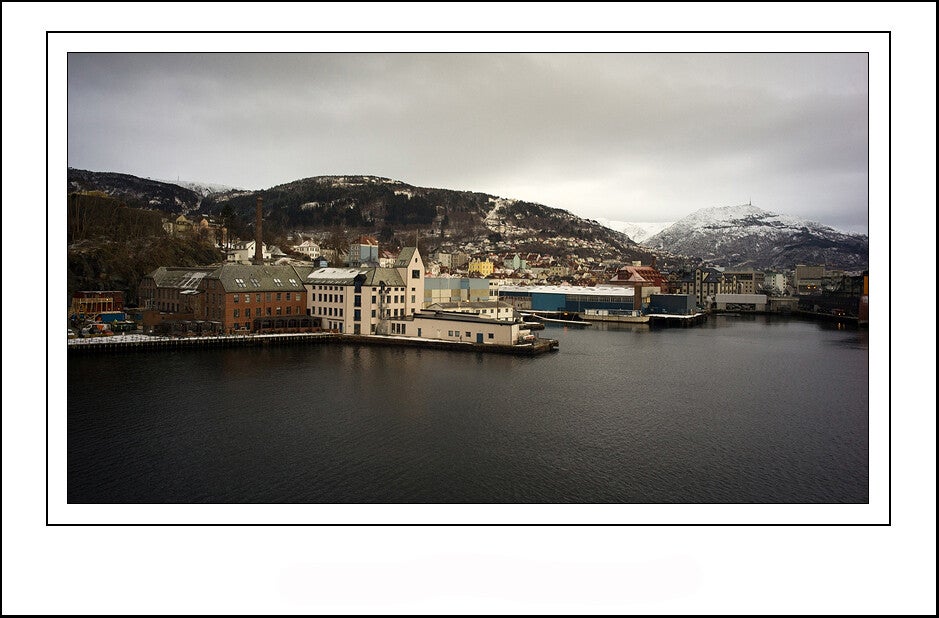
Images taken with the Voigtländer Super Wide Heliar 15 f4.5 M39
Camera used was the then new to market Sony Nex-7