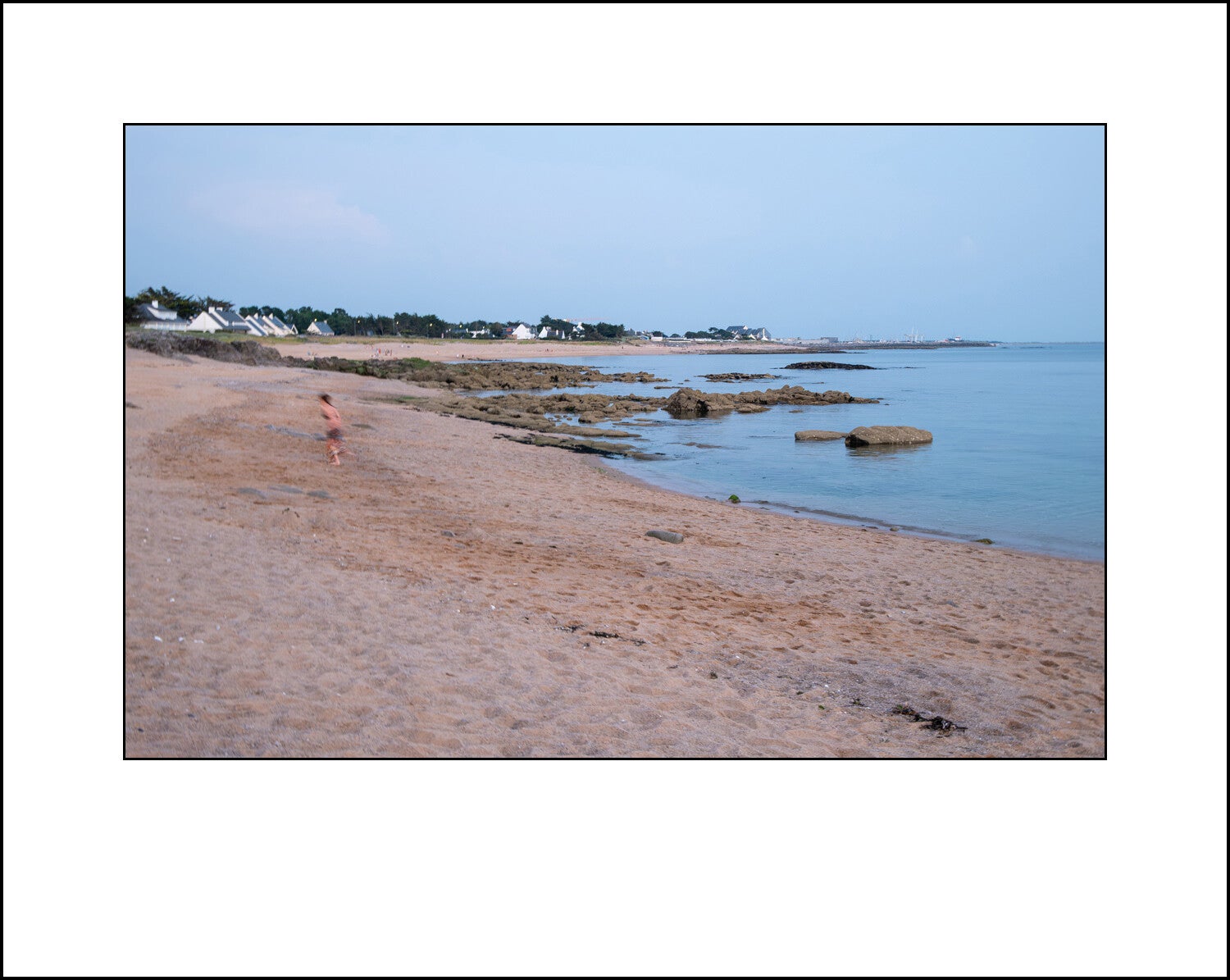
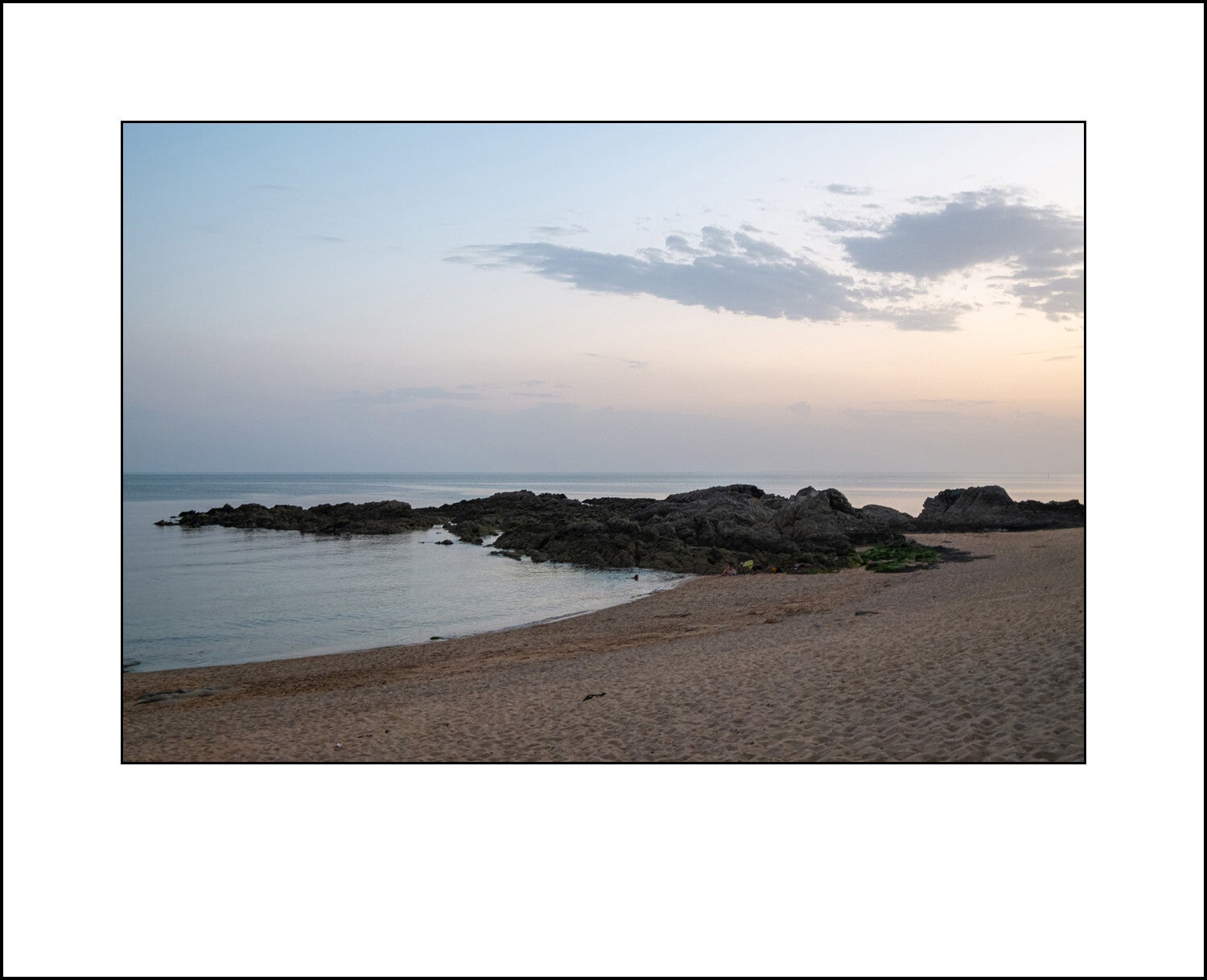
Nantes: A Jewel of Western France
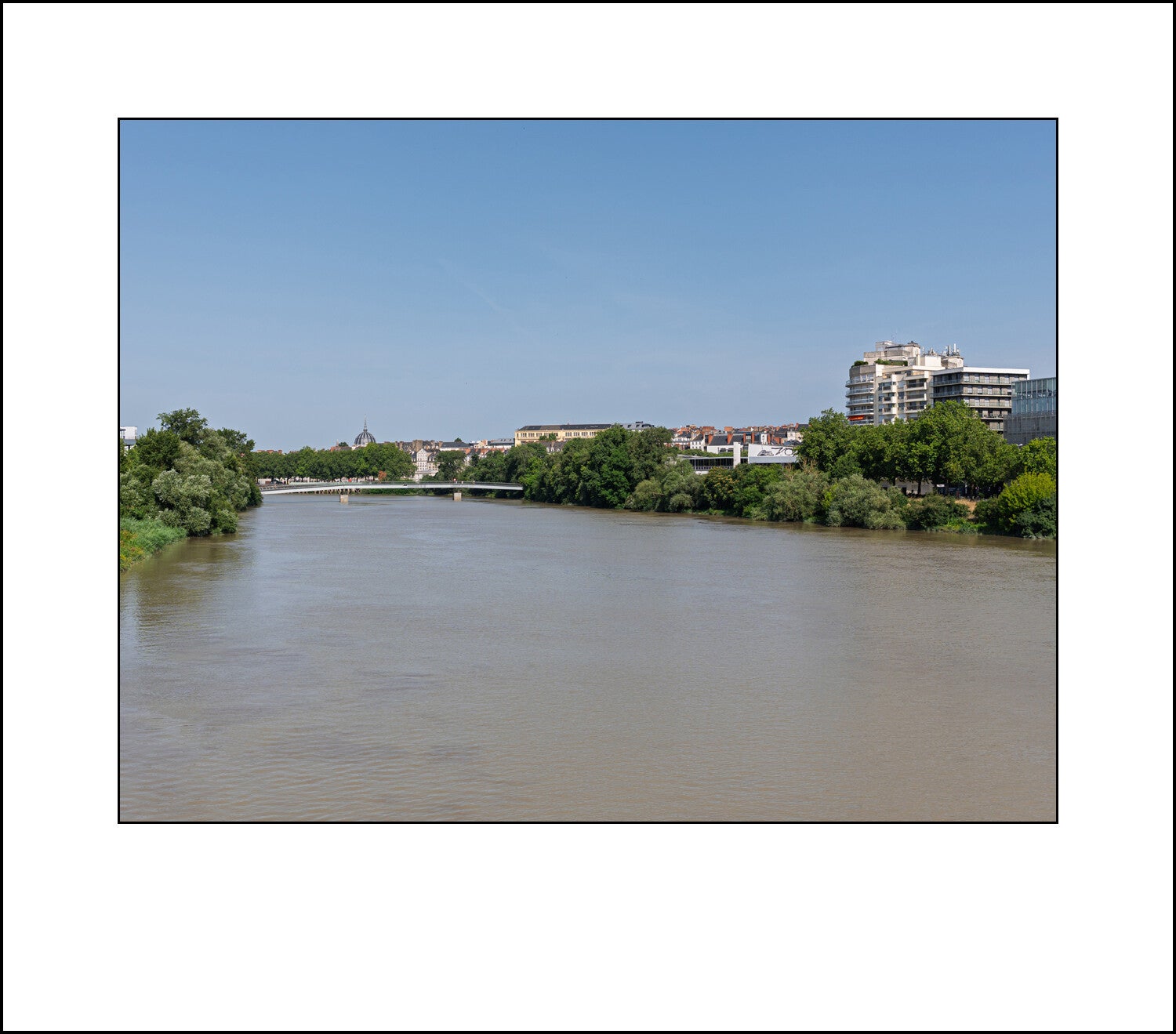
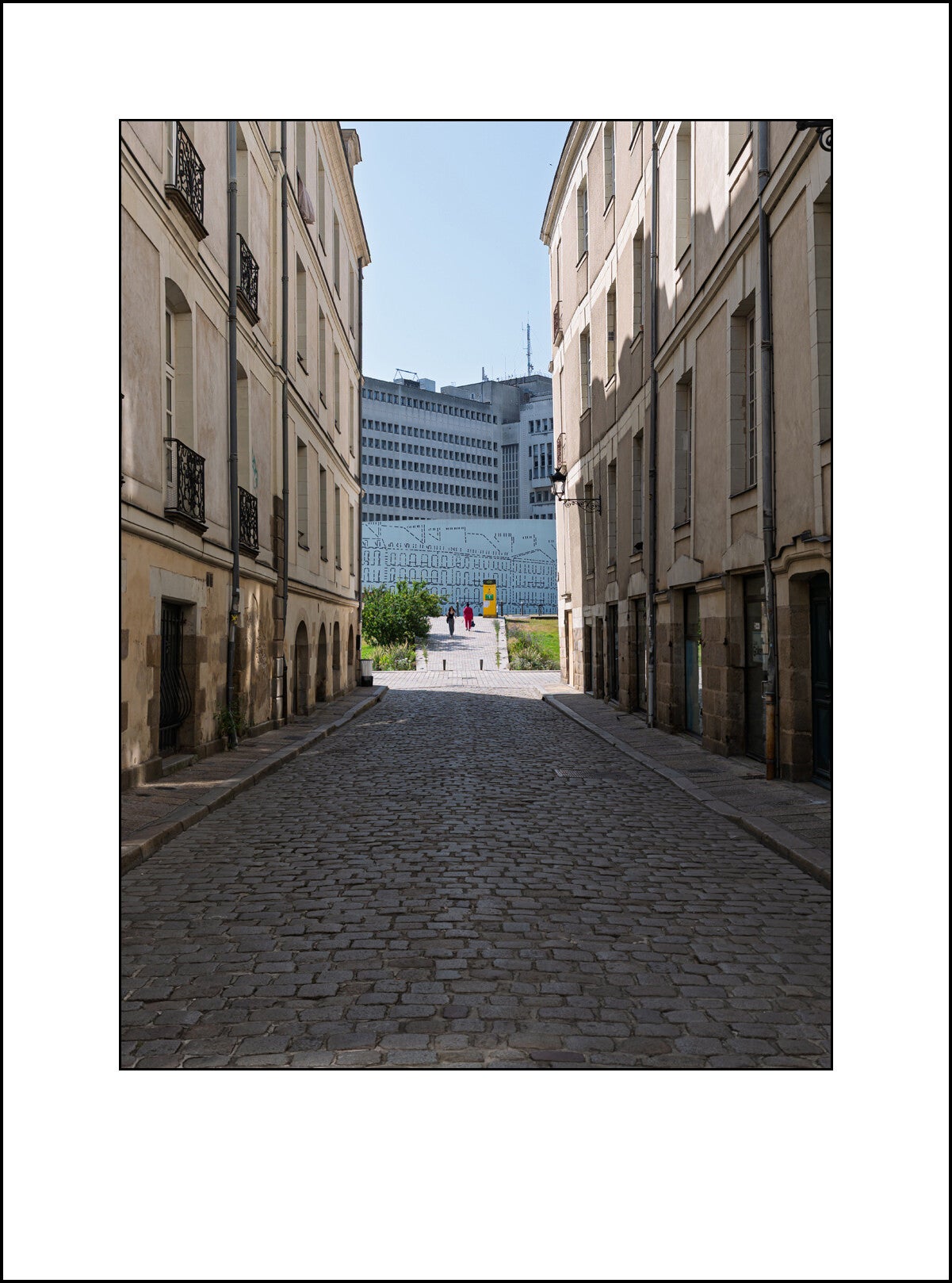
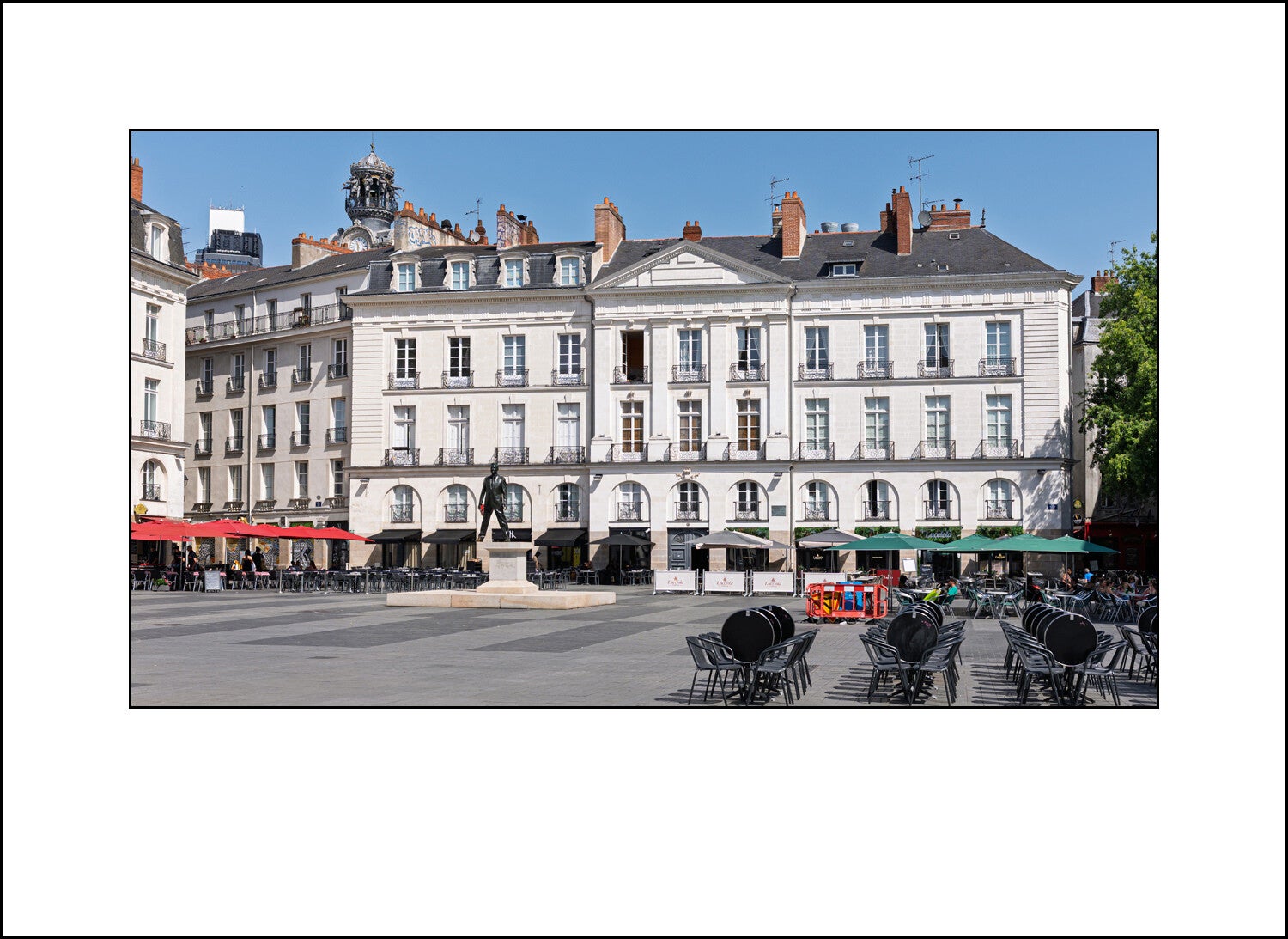
Nantes is a historic city in western France on the banks of the Loire River. It is the capital of the Loire-Atlantique department and was once the capital of the historic region of Brittany, although today it belongs to the Pays de la Loire administrative region.
Nestled along the banks of the Loire River, the city of Nantes is a vibrant blend of history, culture, and modernity. Often referred to as the "Venice of the West," Nantes is a city that has successfully transformed itself from an industrial powerhouse to a hub of innovation and creativity. This essay explores the rich tapestry of Nantes, its historical significance, cultural vibrancy, and its role as a beacon of sustainability.
Historical Significance
Nantes boasts a rich history that dates back to the Roman era. During the Middle Ages, it emerged as a critical port city, playing a pivotal role in the maritime trade of France. The city's history is intricately tied to the infamous Atlantic slave trade, which spurred its economic growth during the 17th and 18th centuries. This complex past is acknowledged at the Memorial to the Abolition of Slavery, which stands as a profound reminder and educational site.
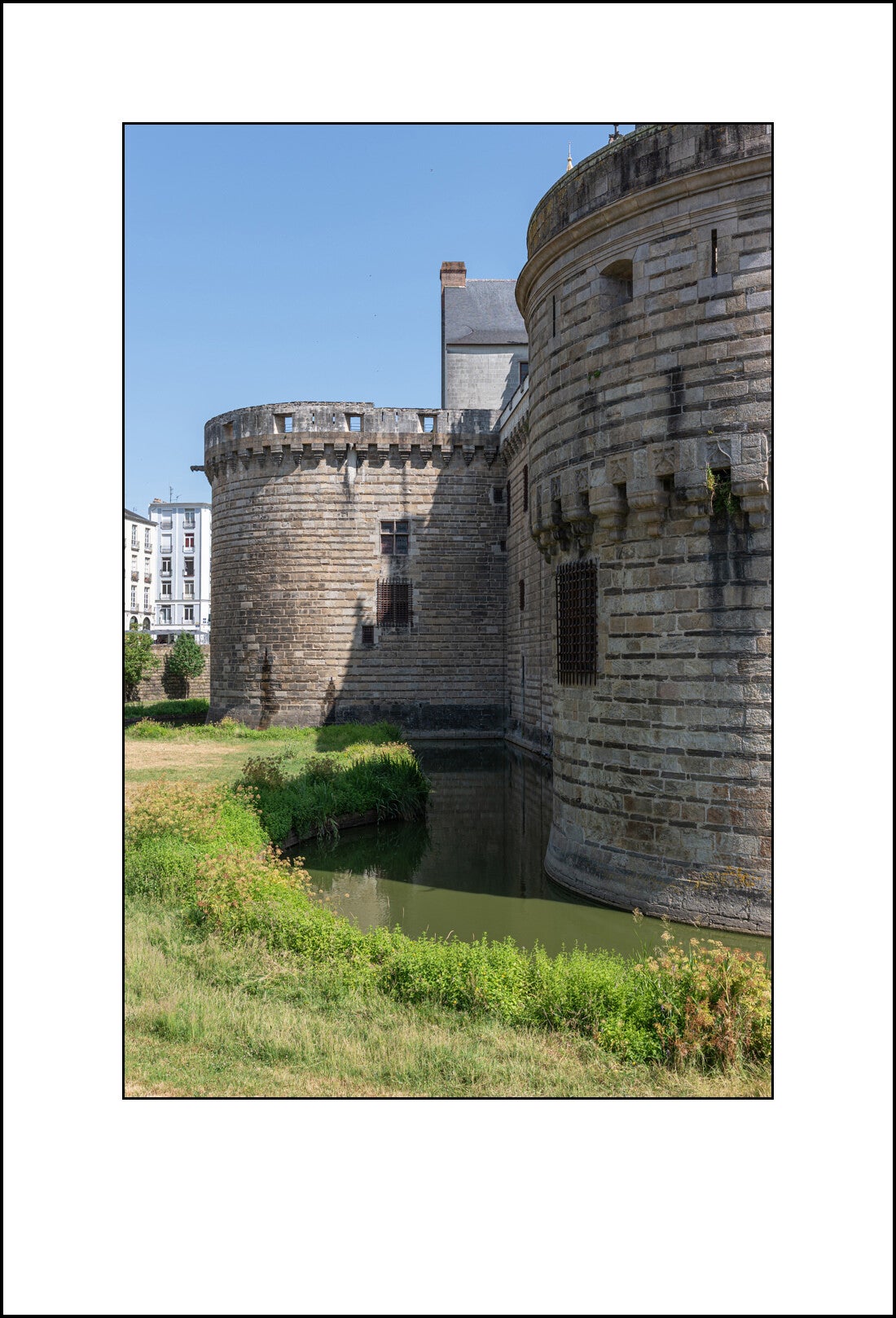
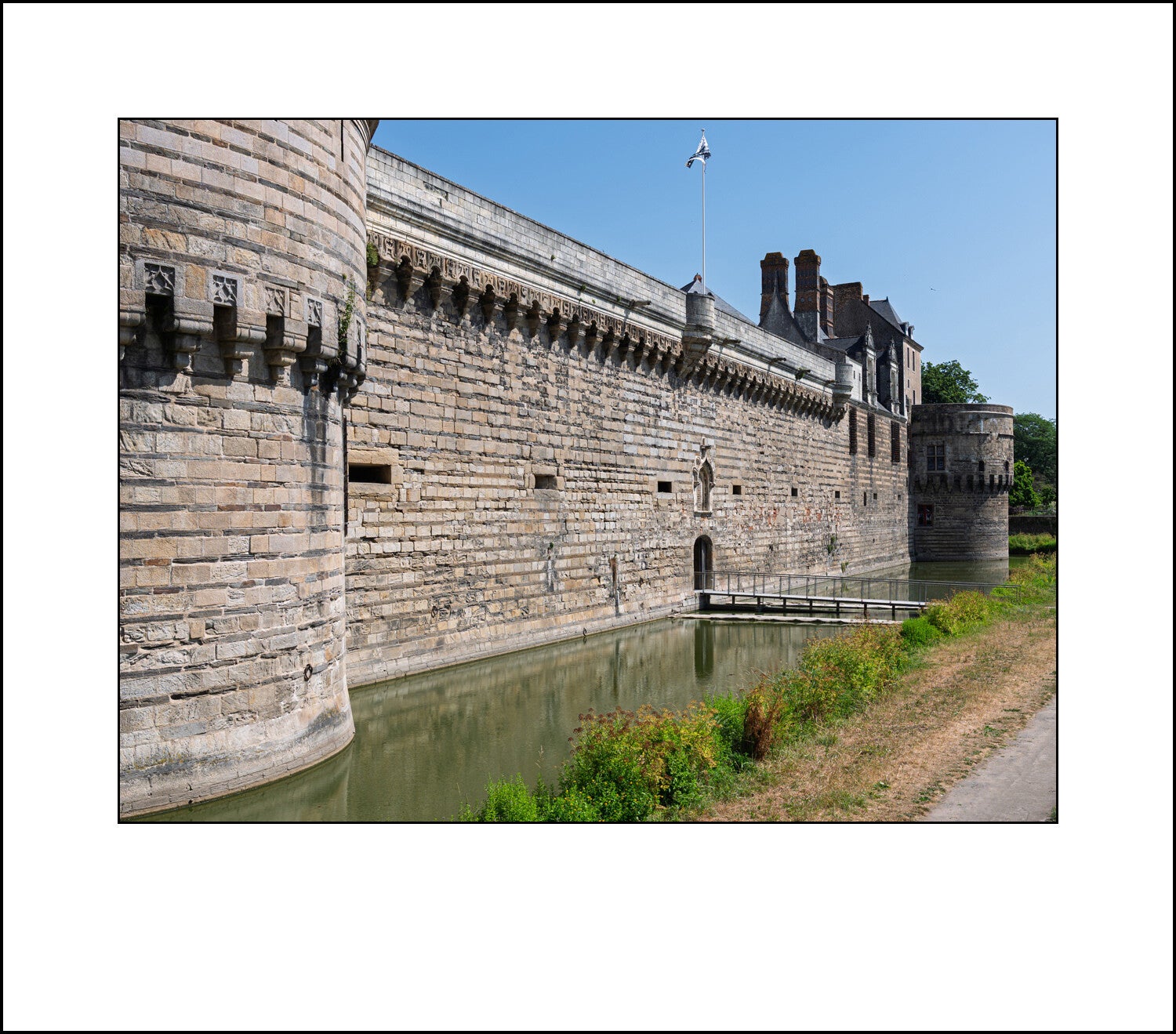
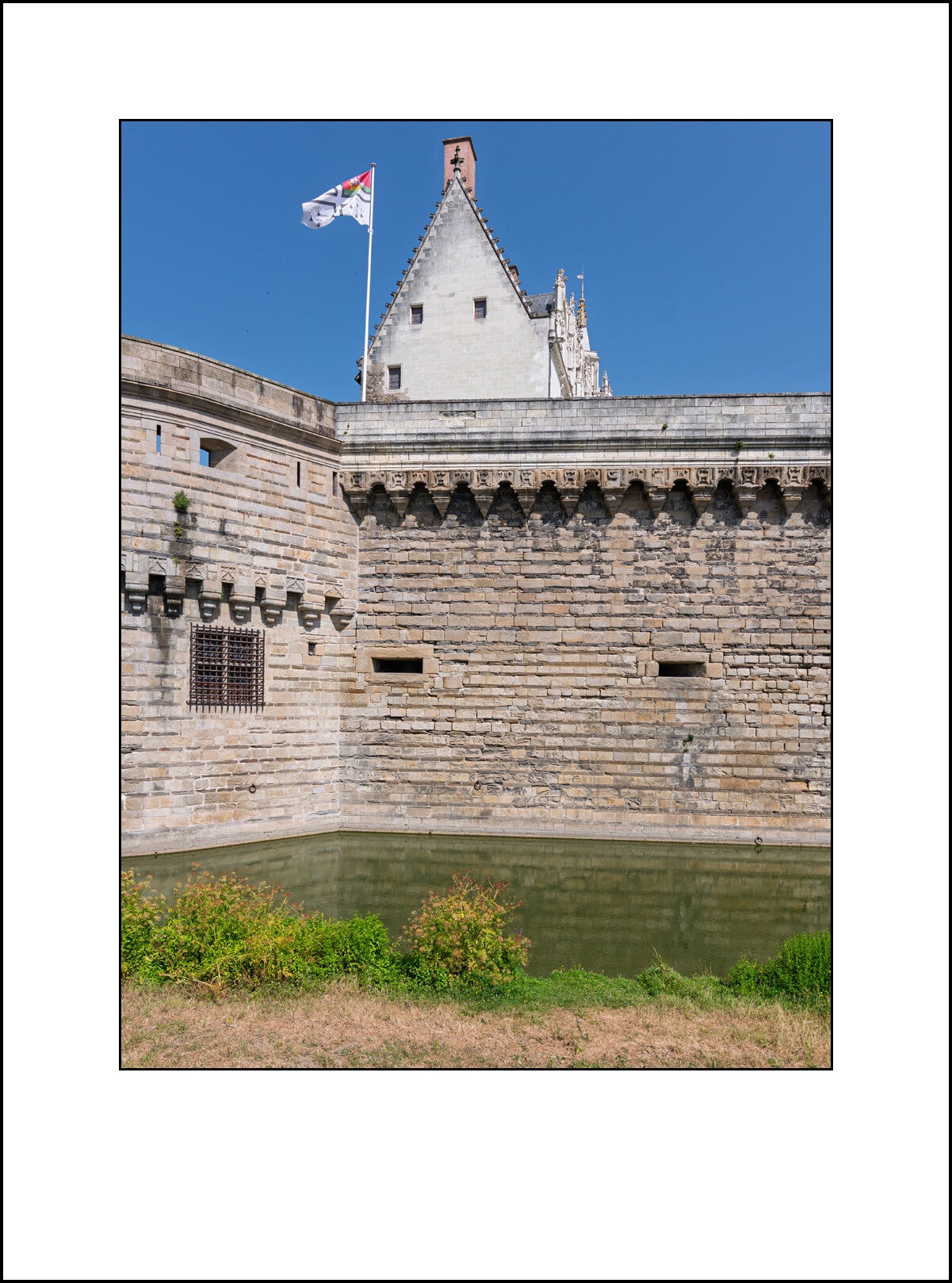
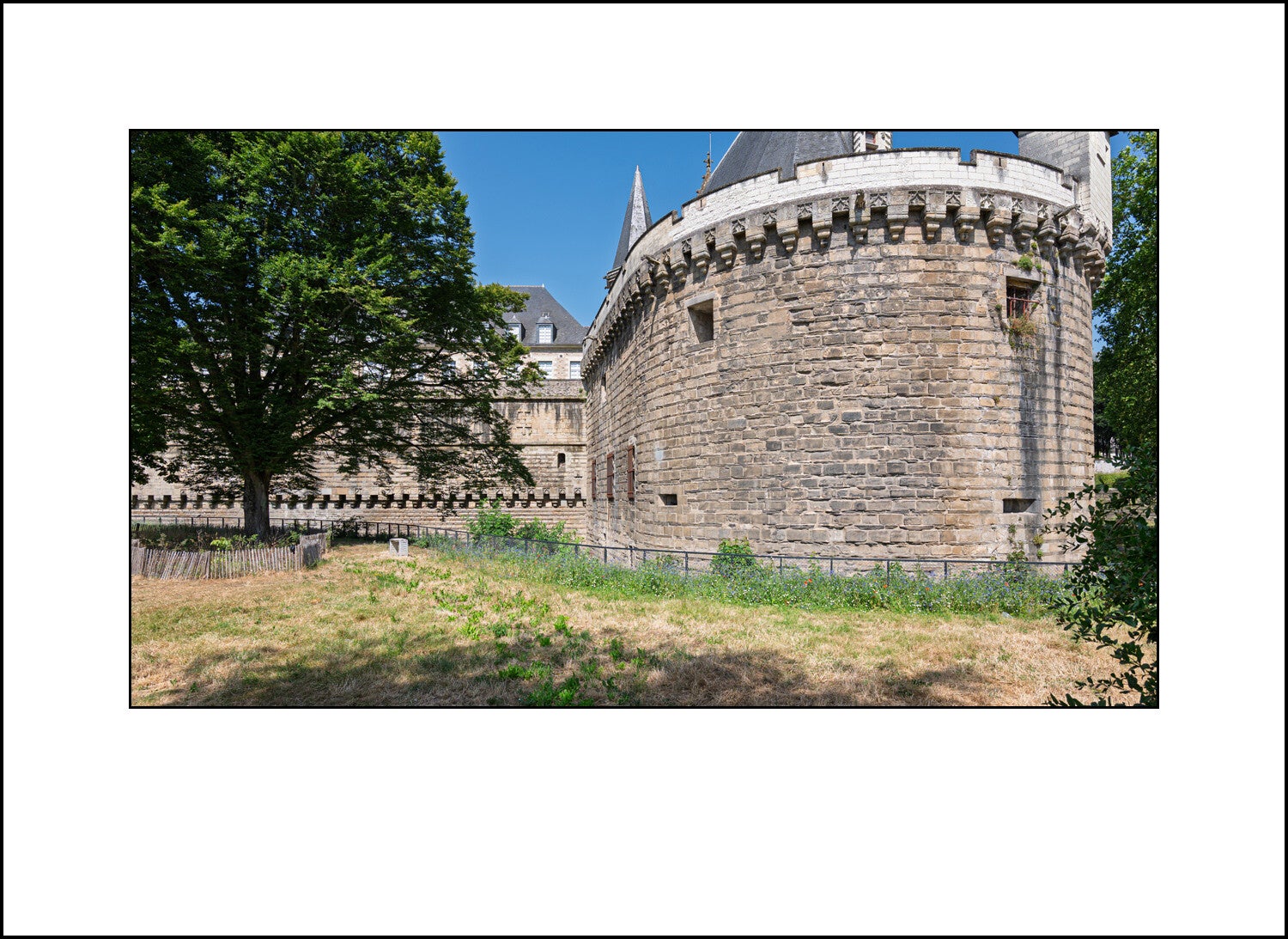
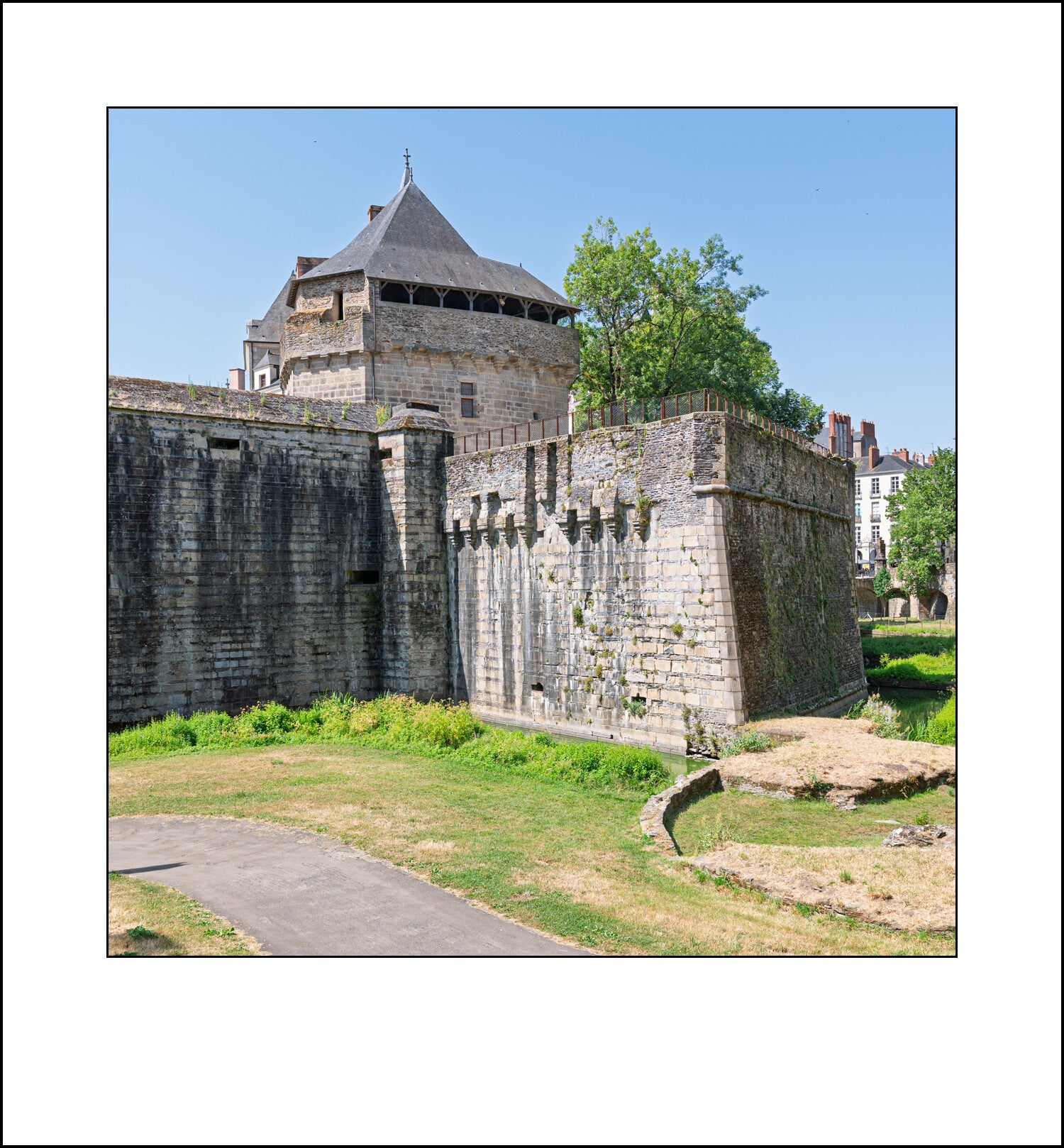
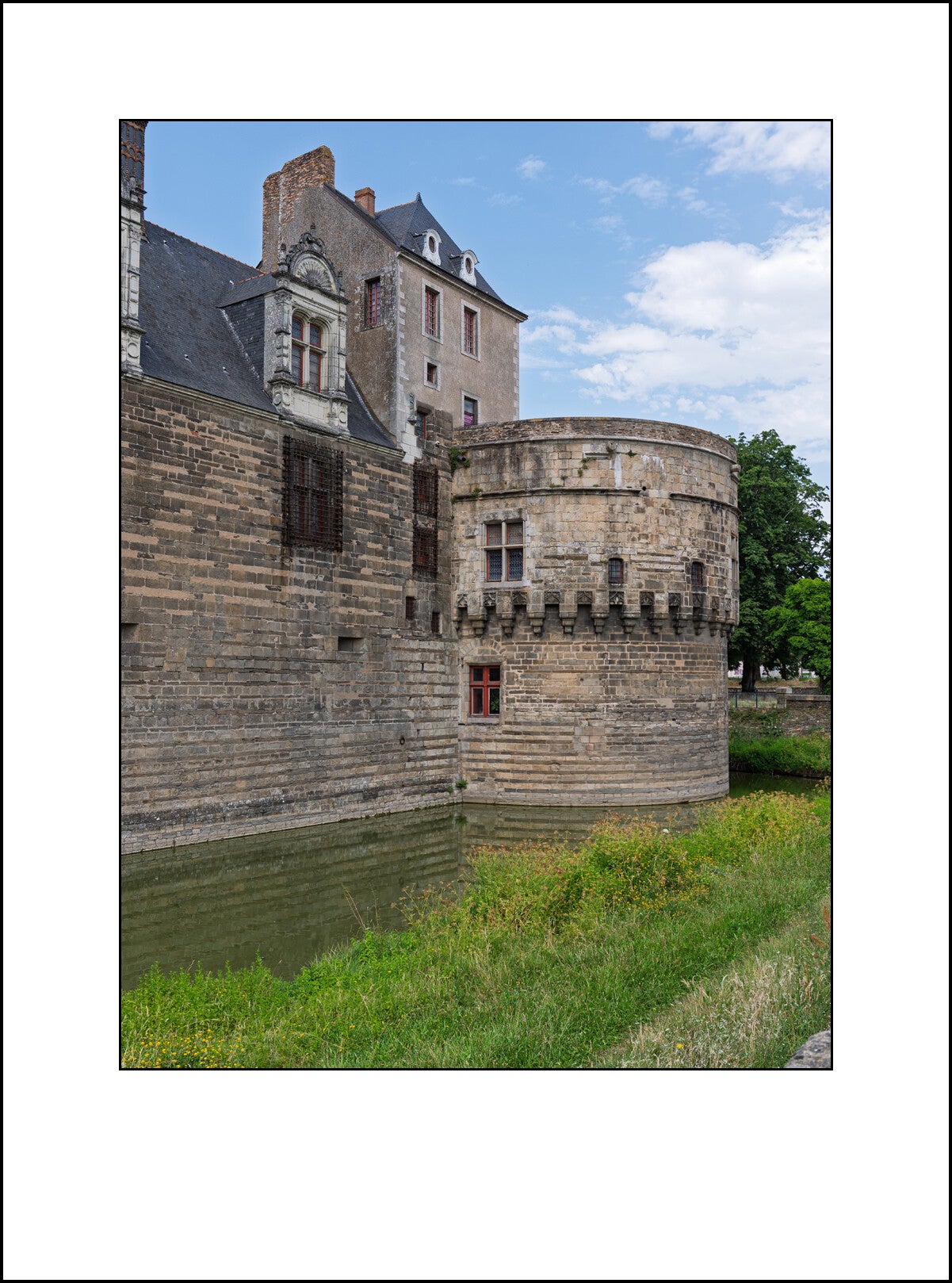
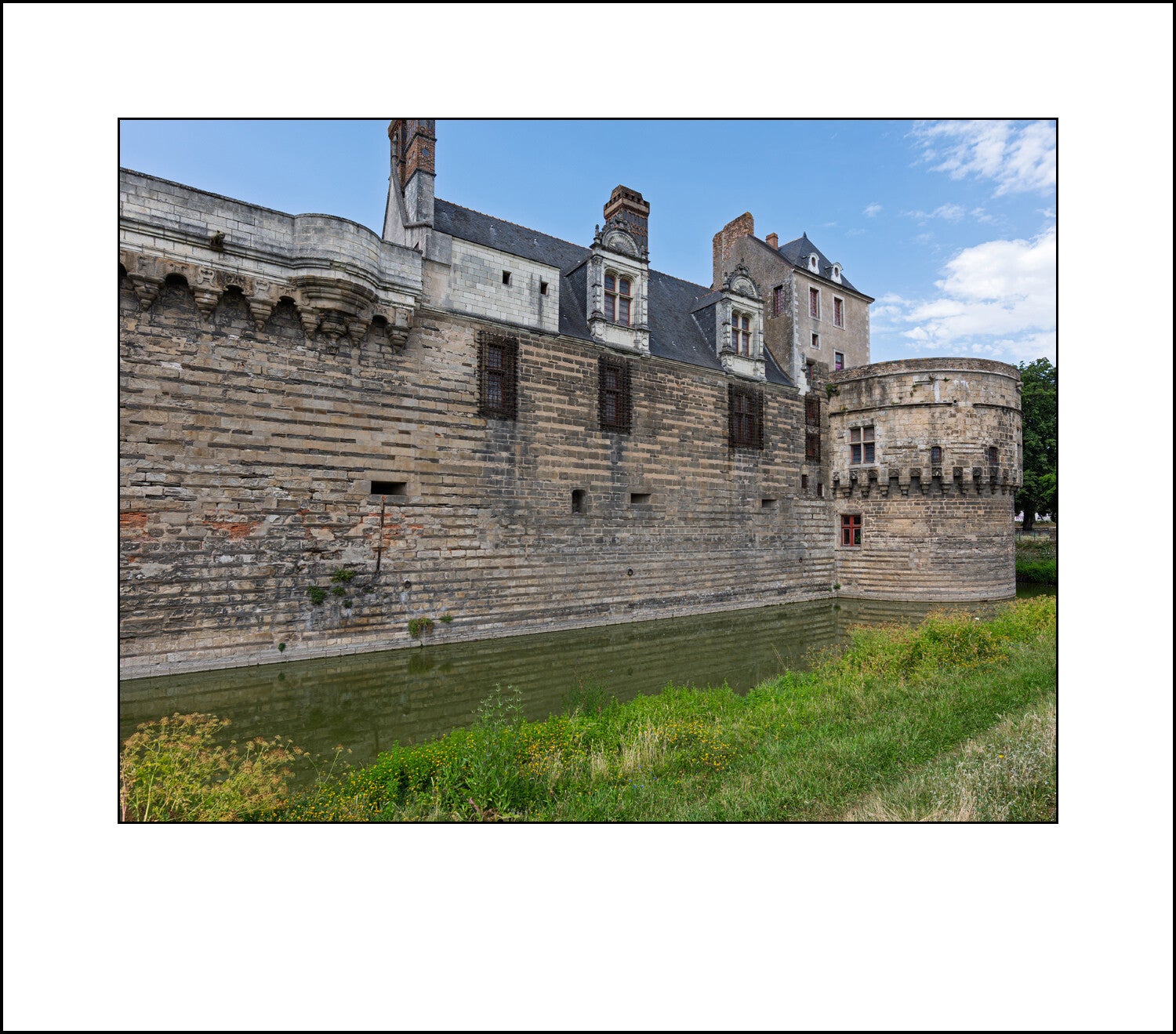
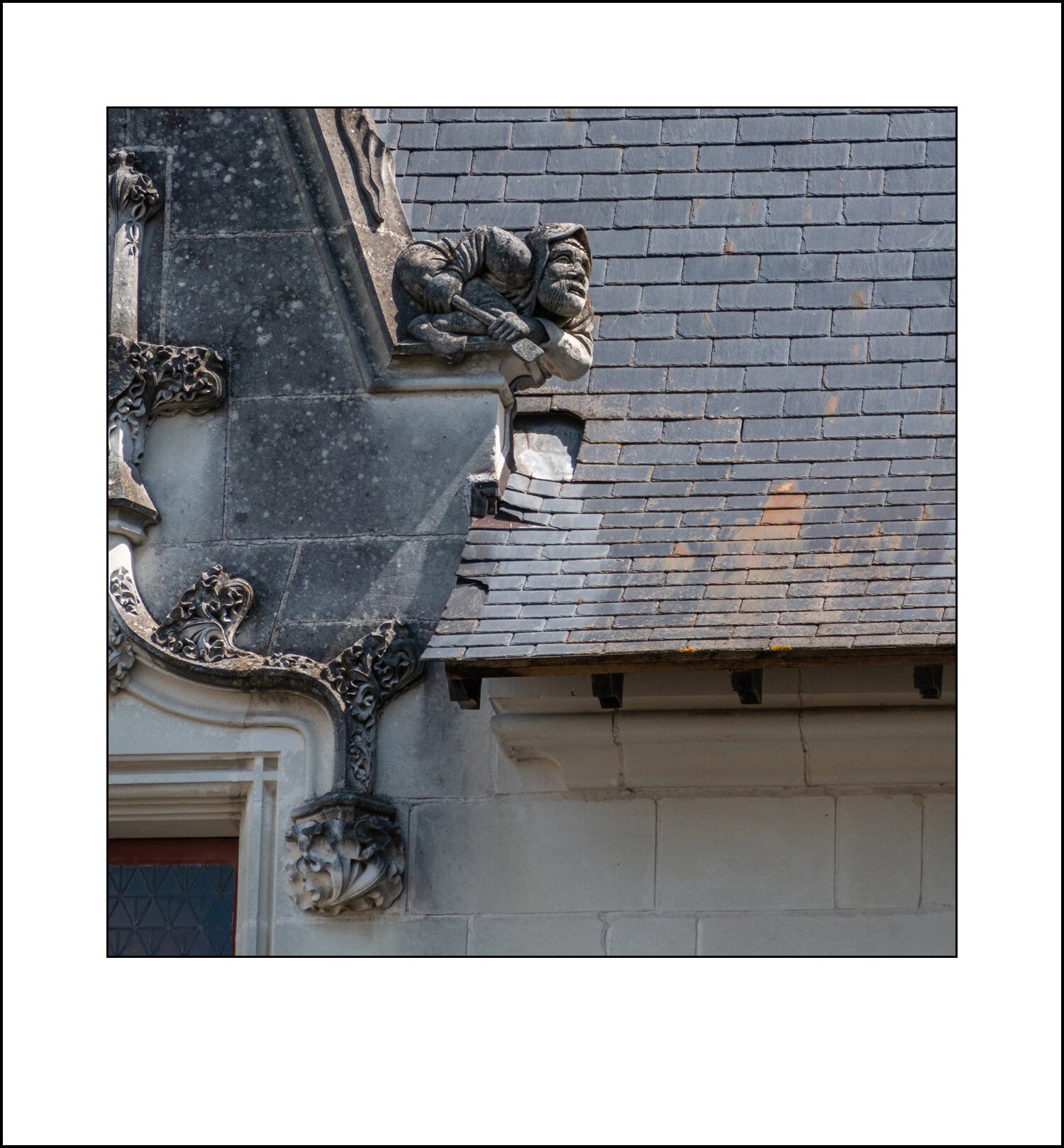
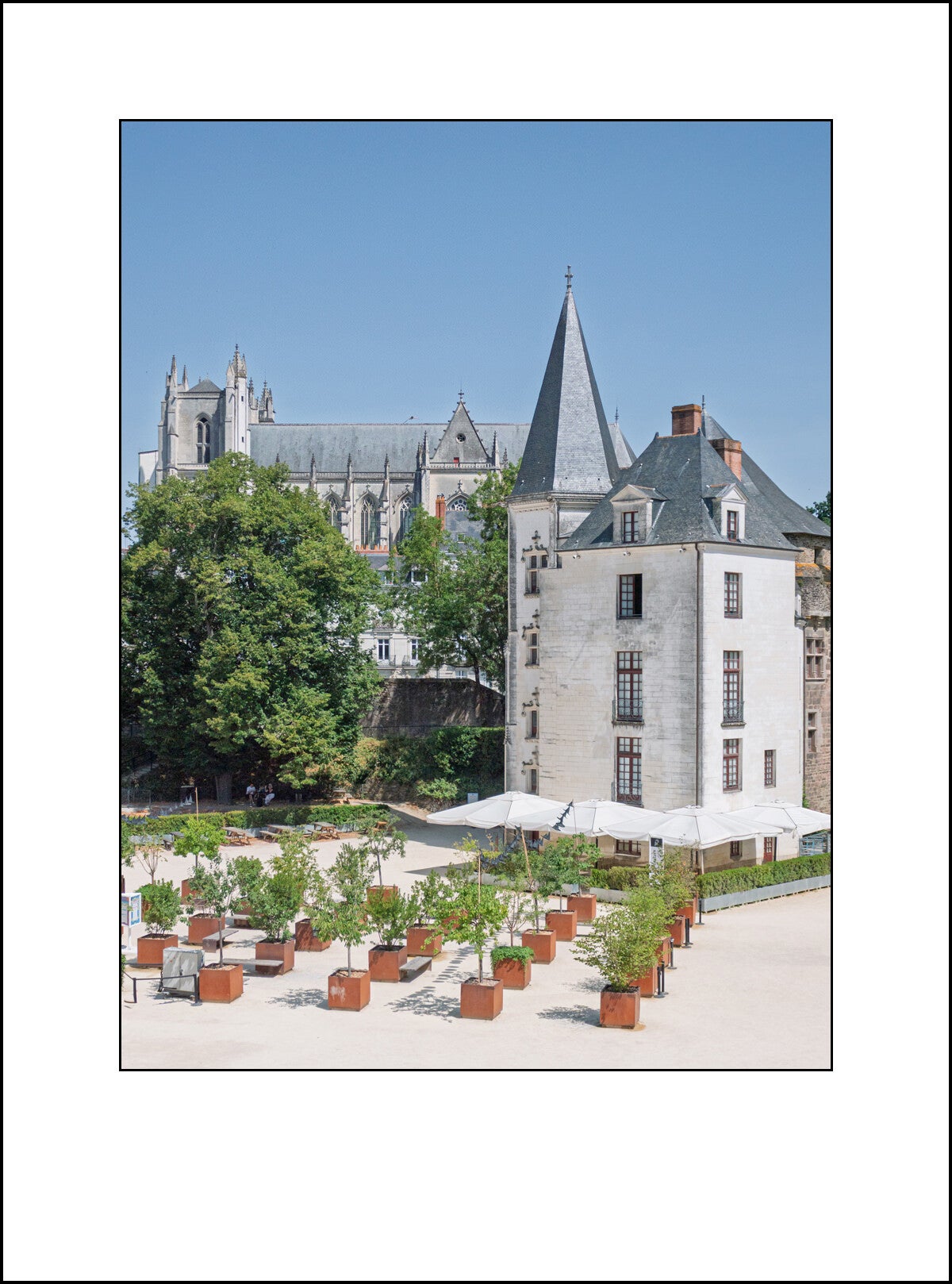
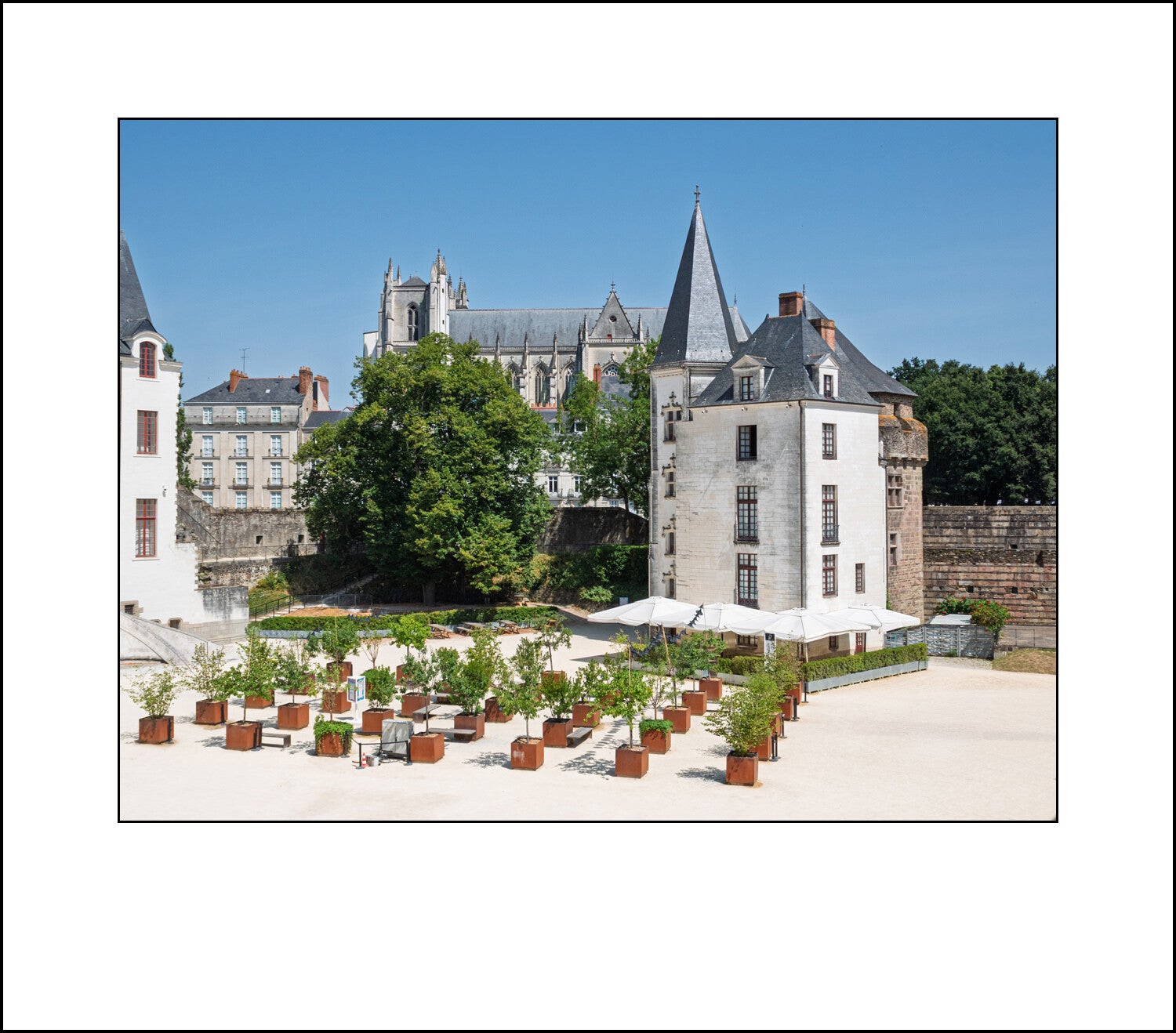
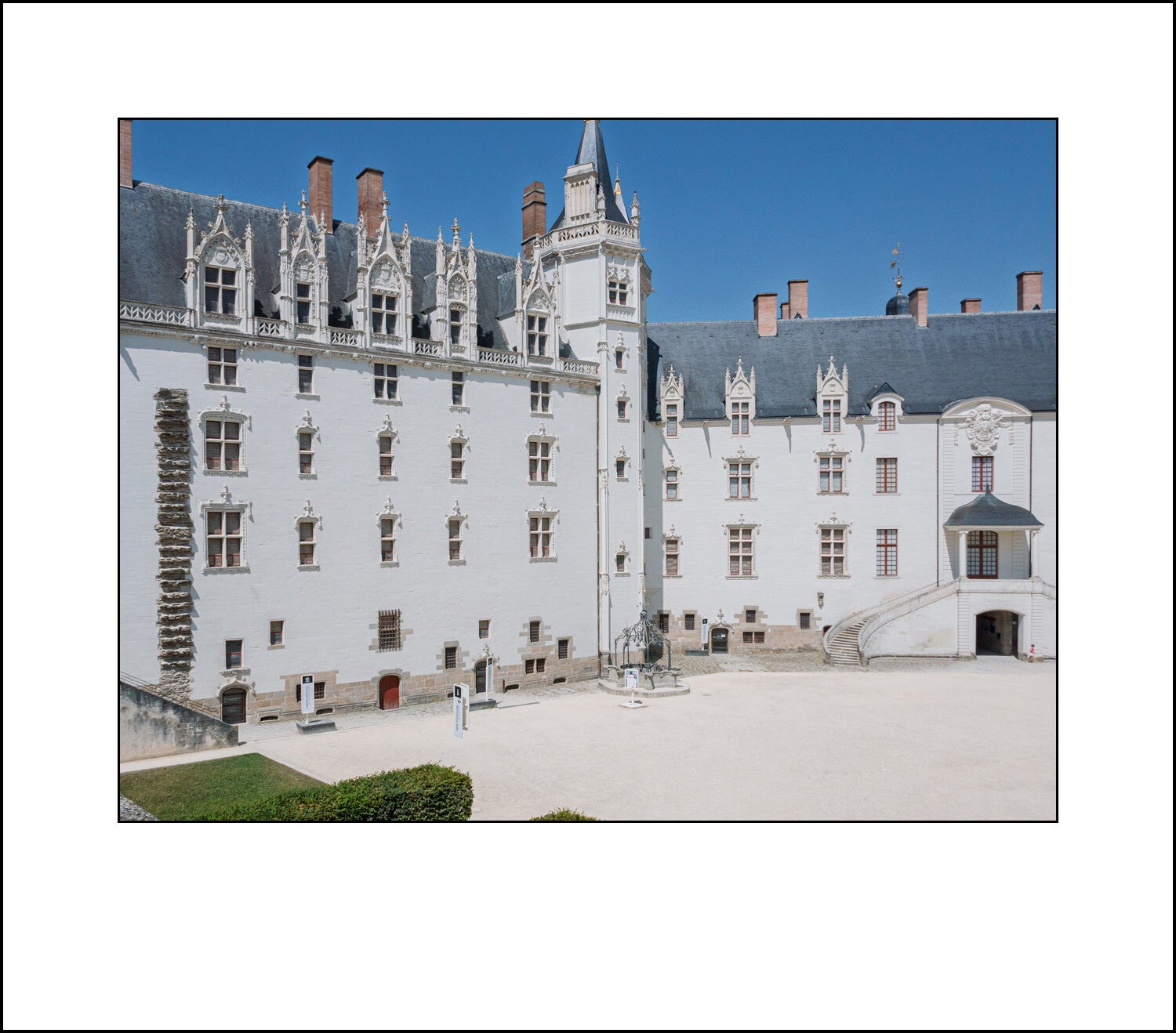
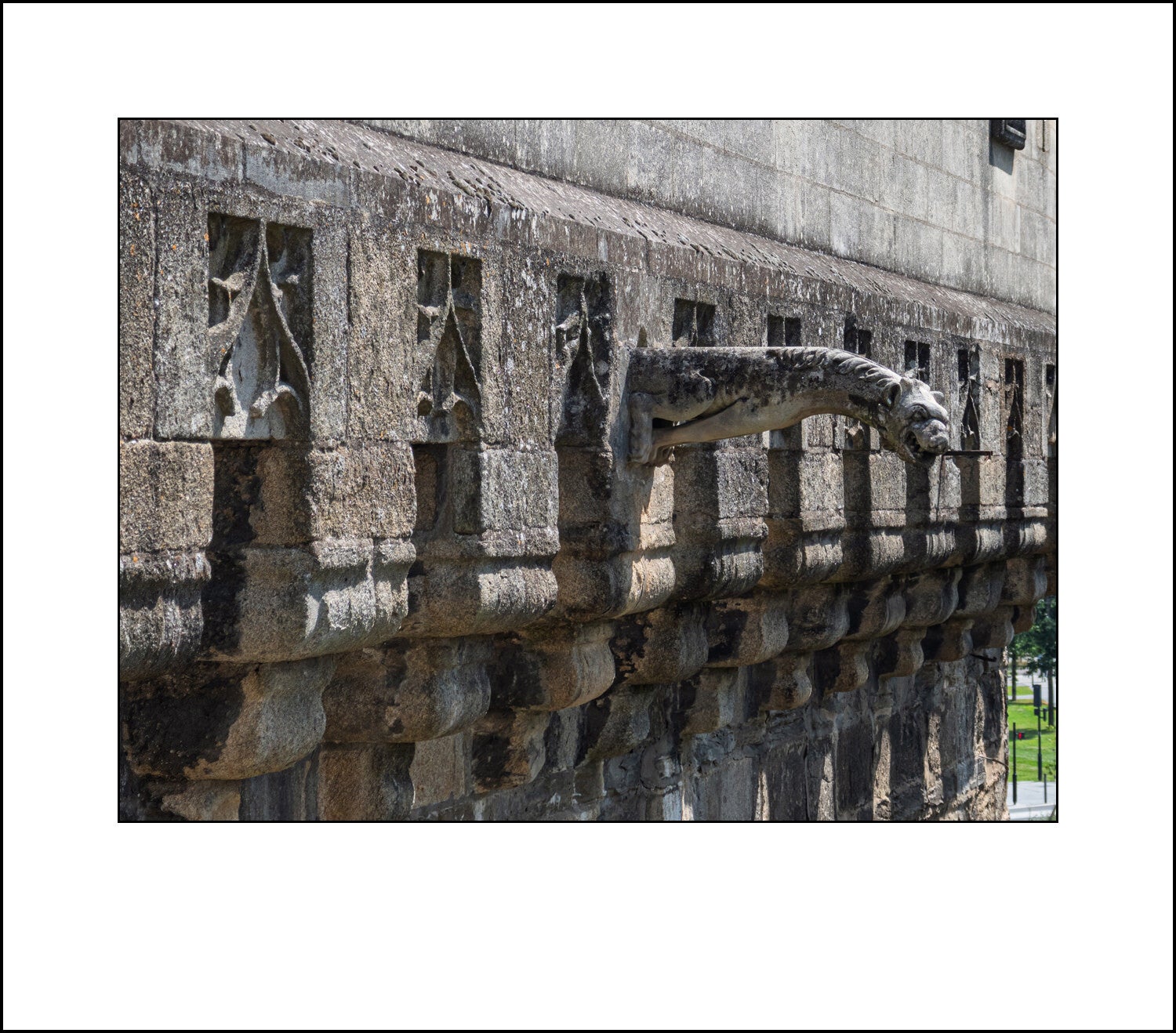
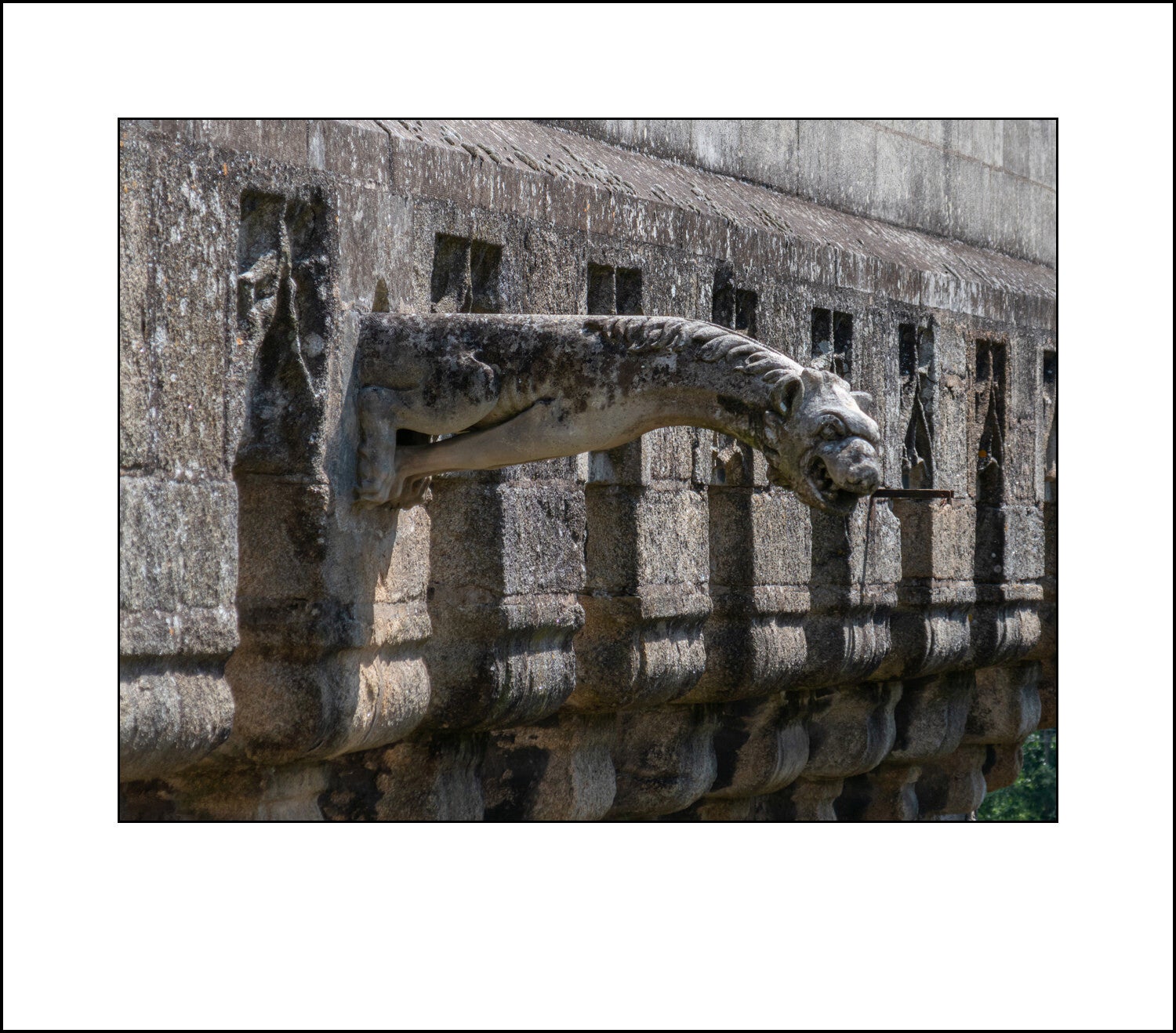
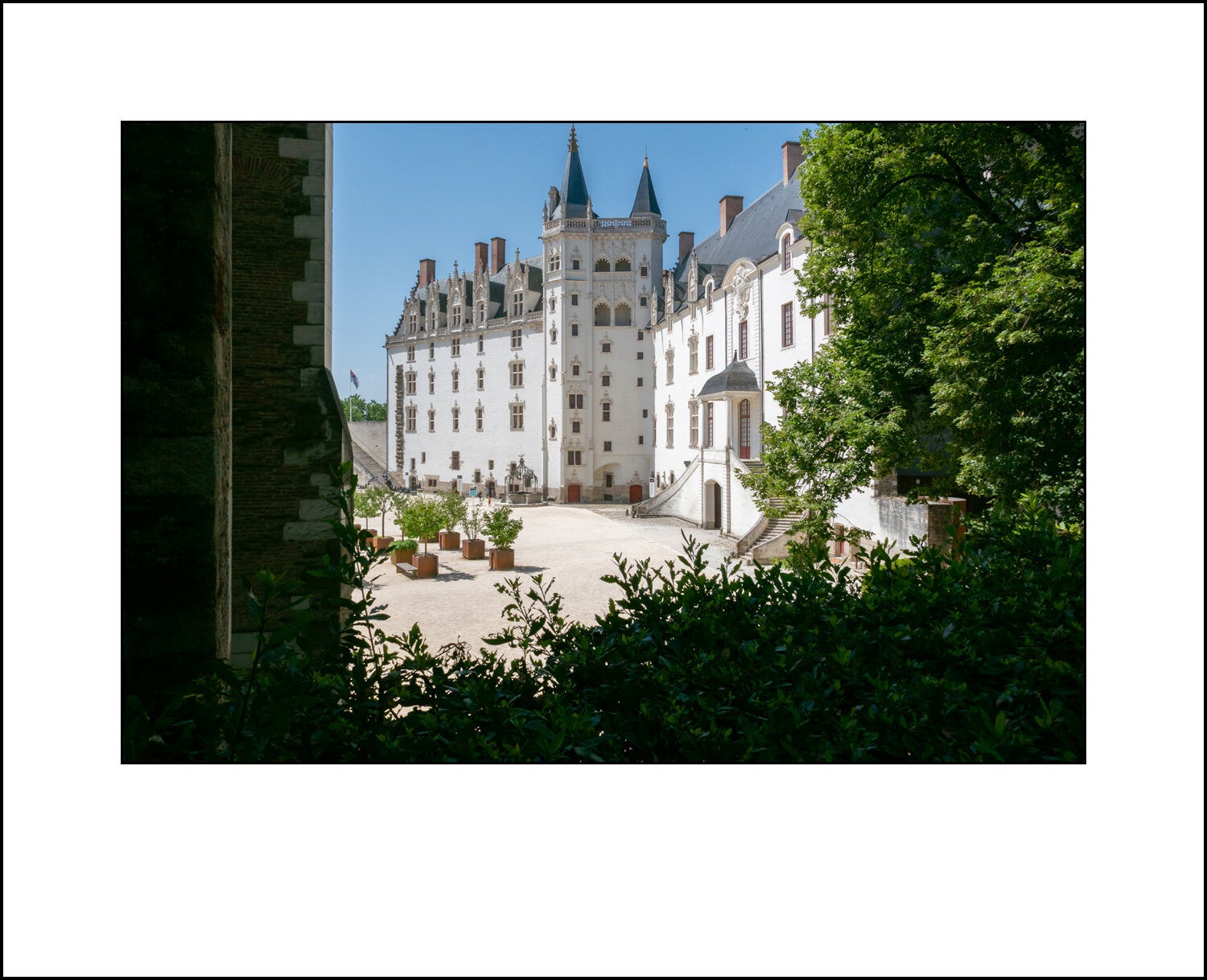
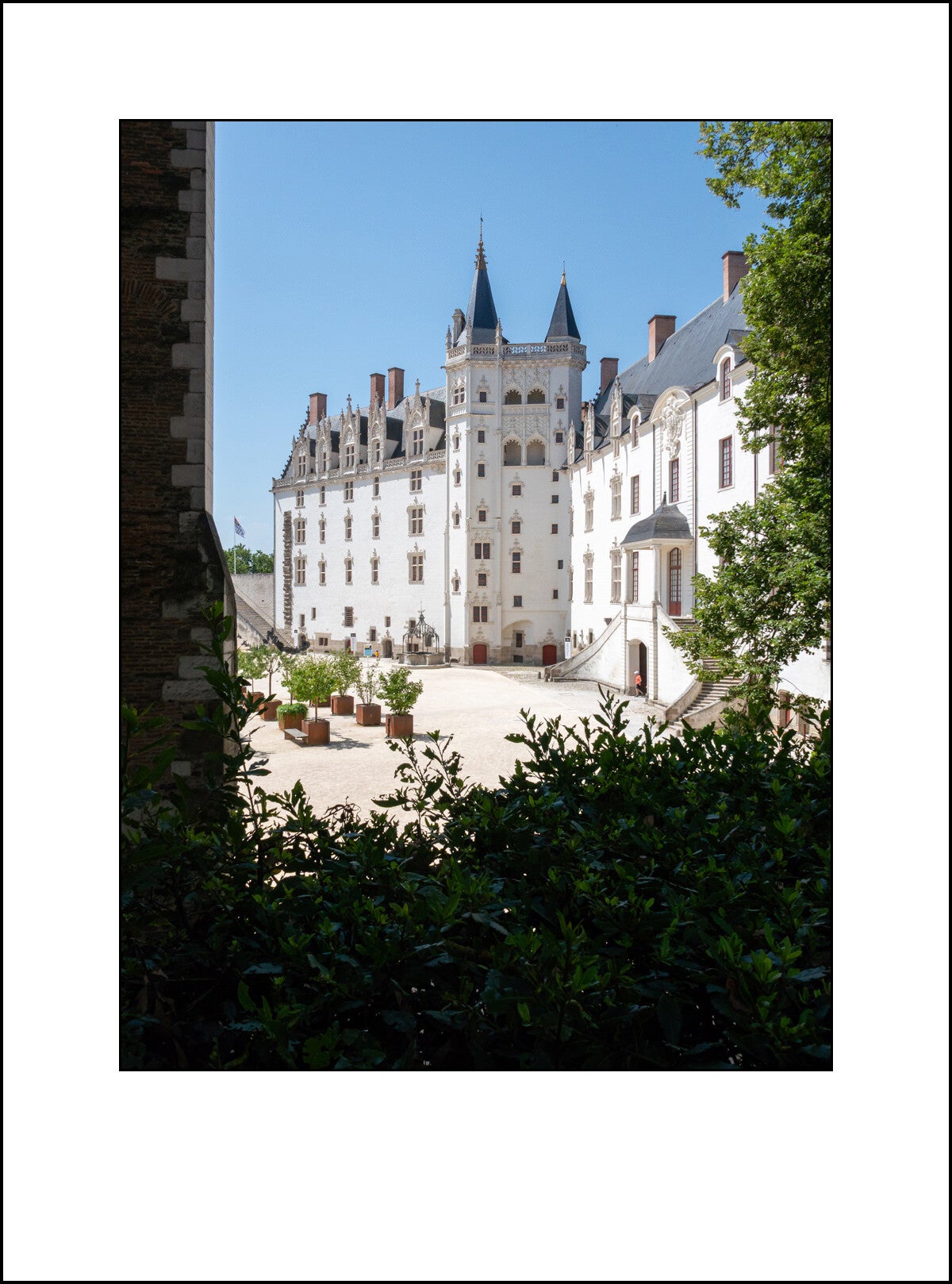
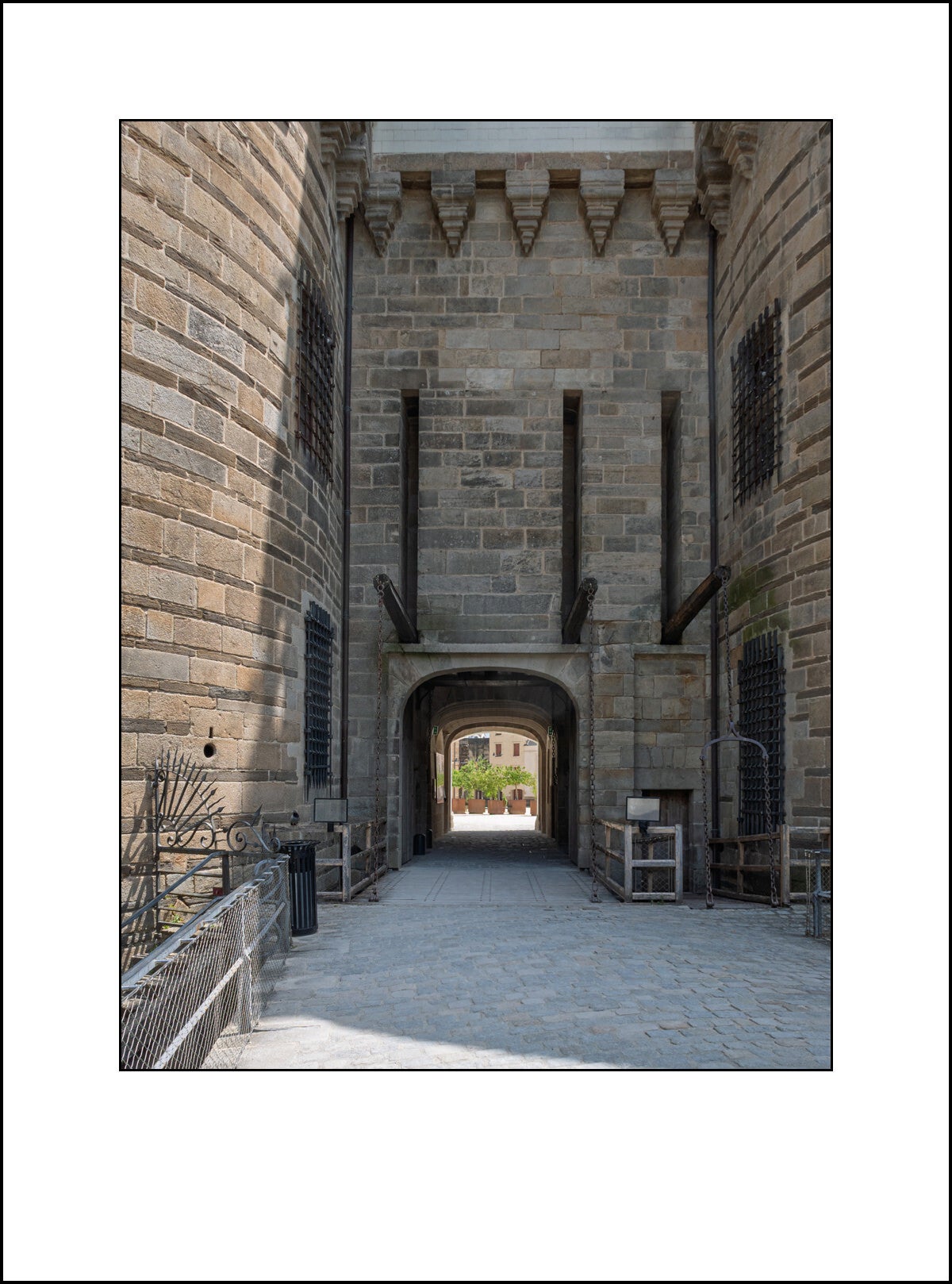
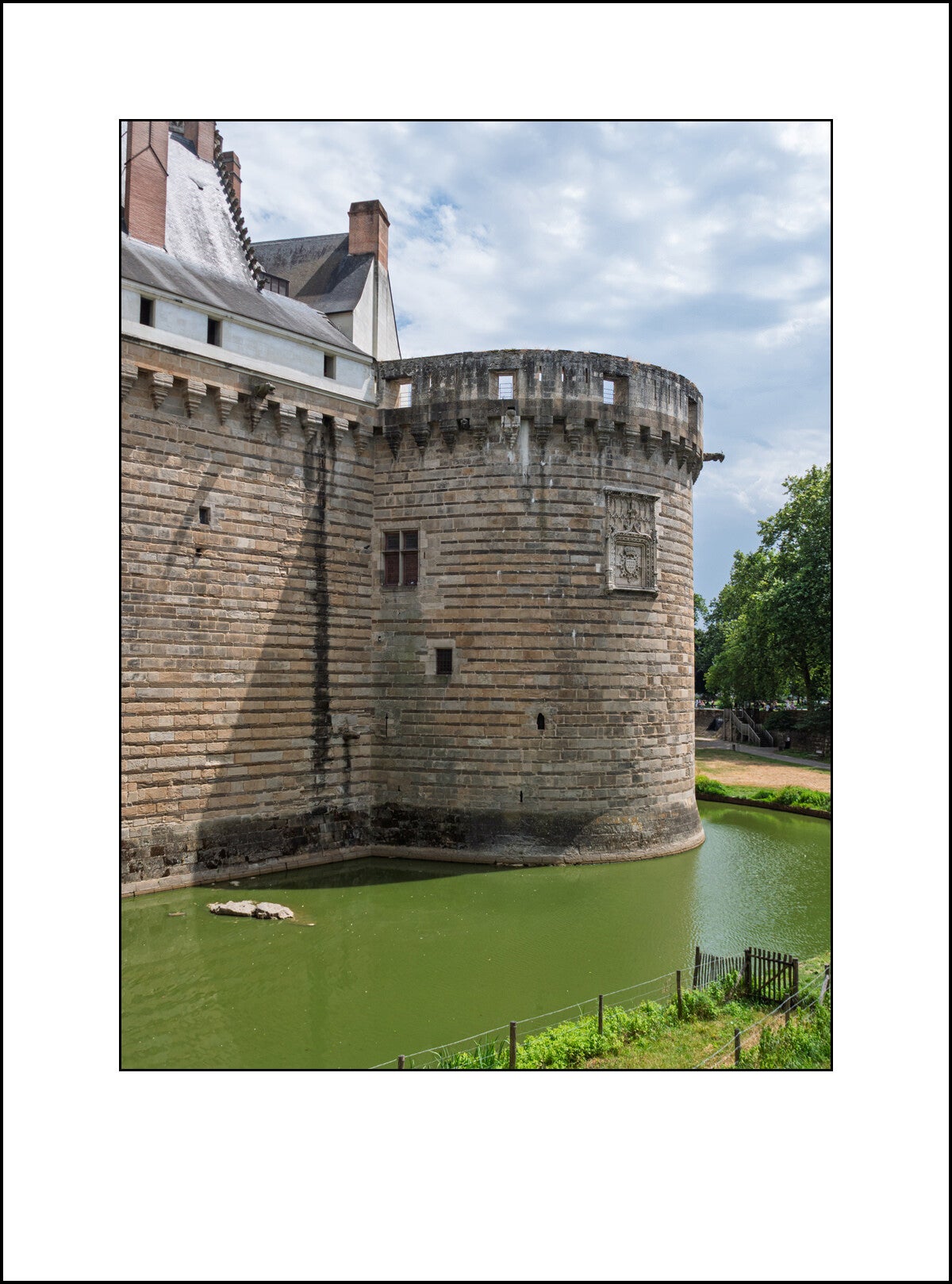
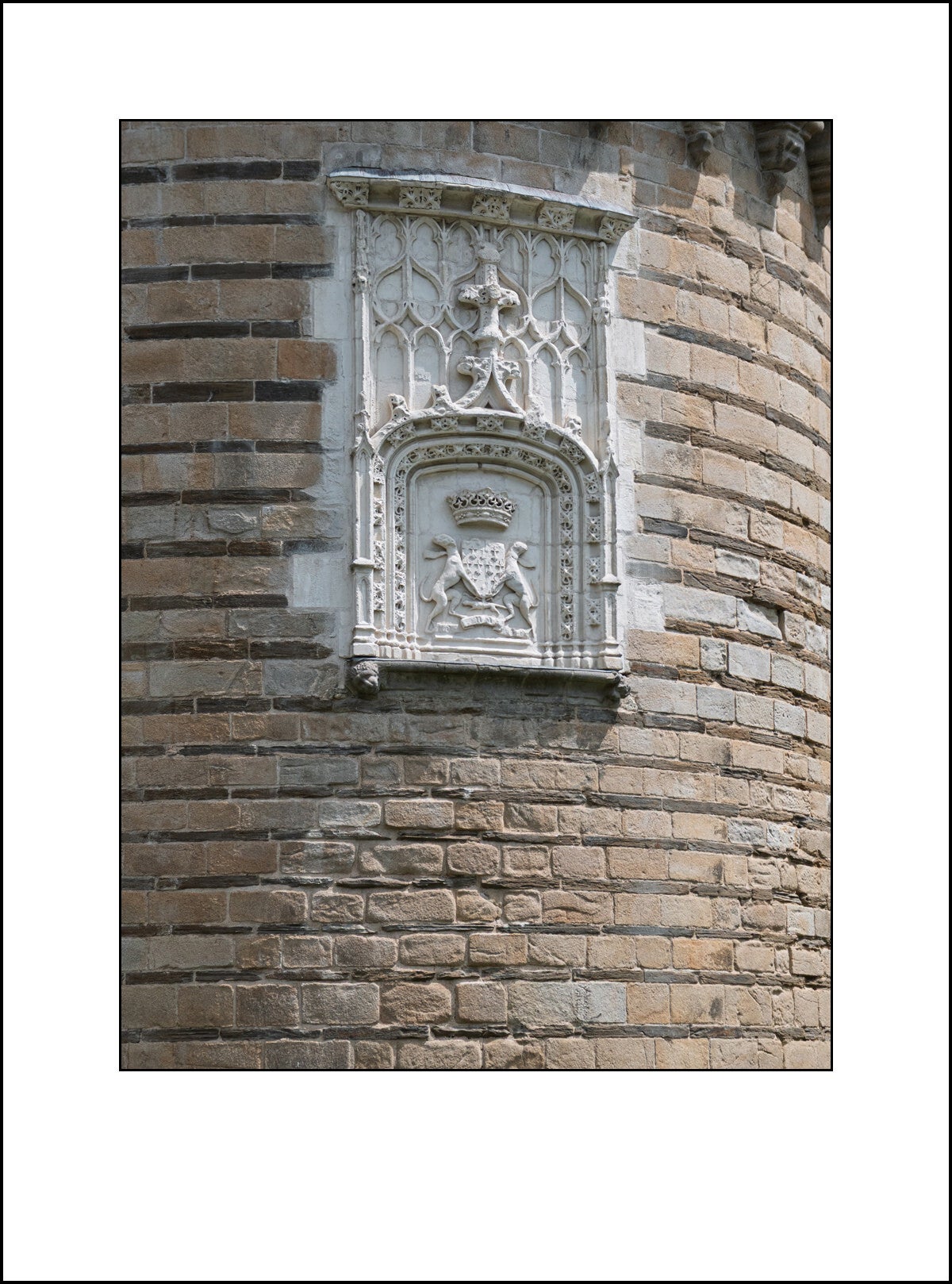
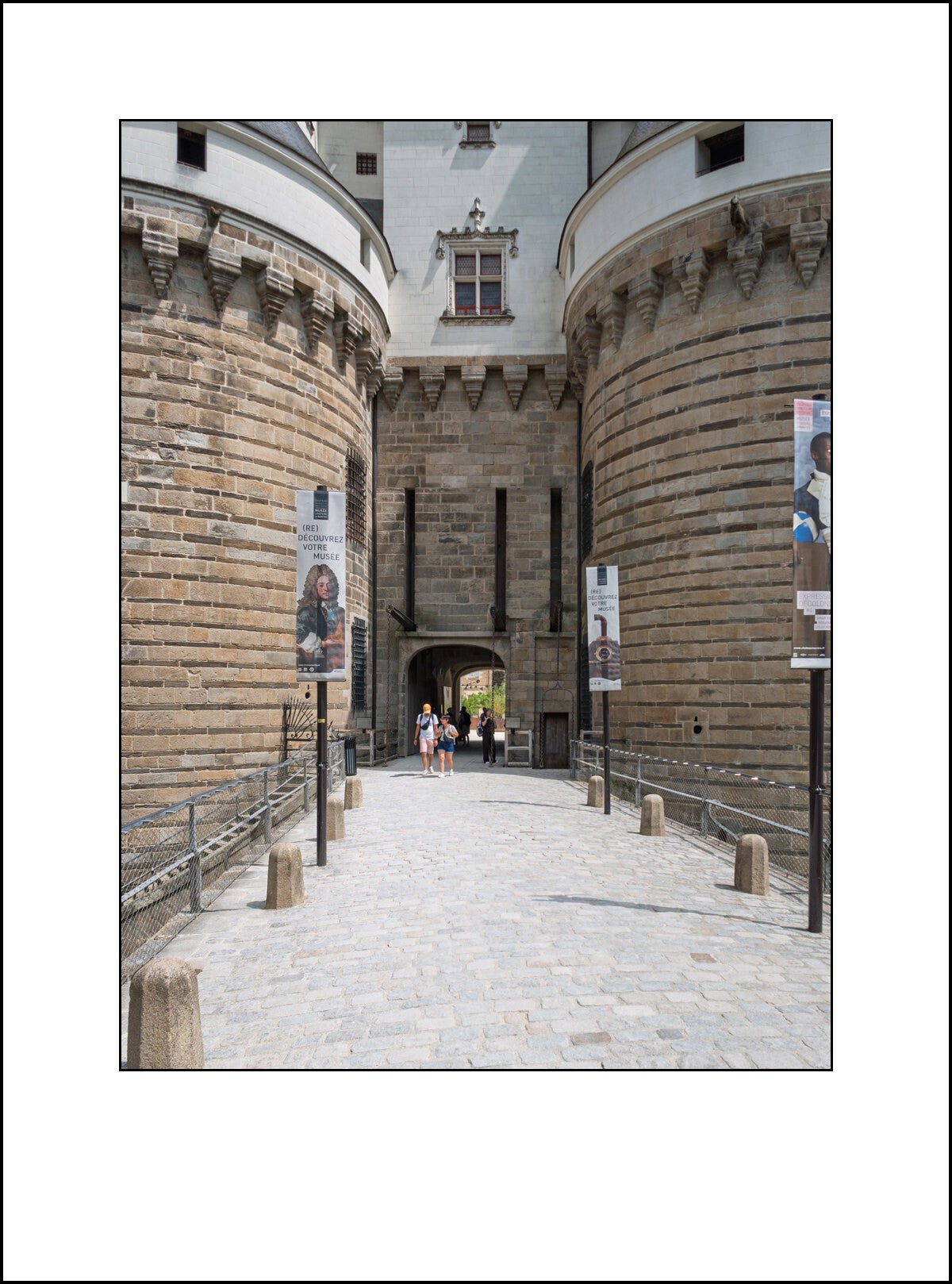
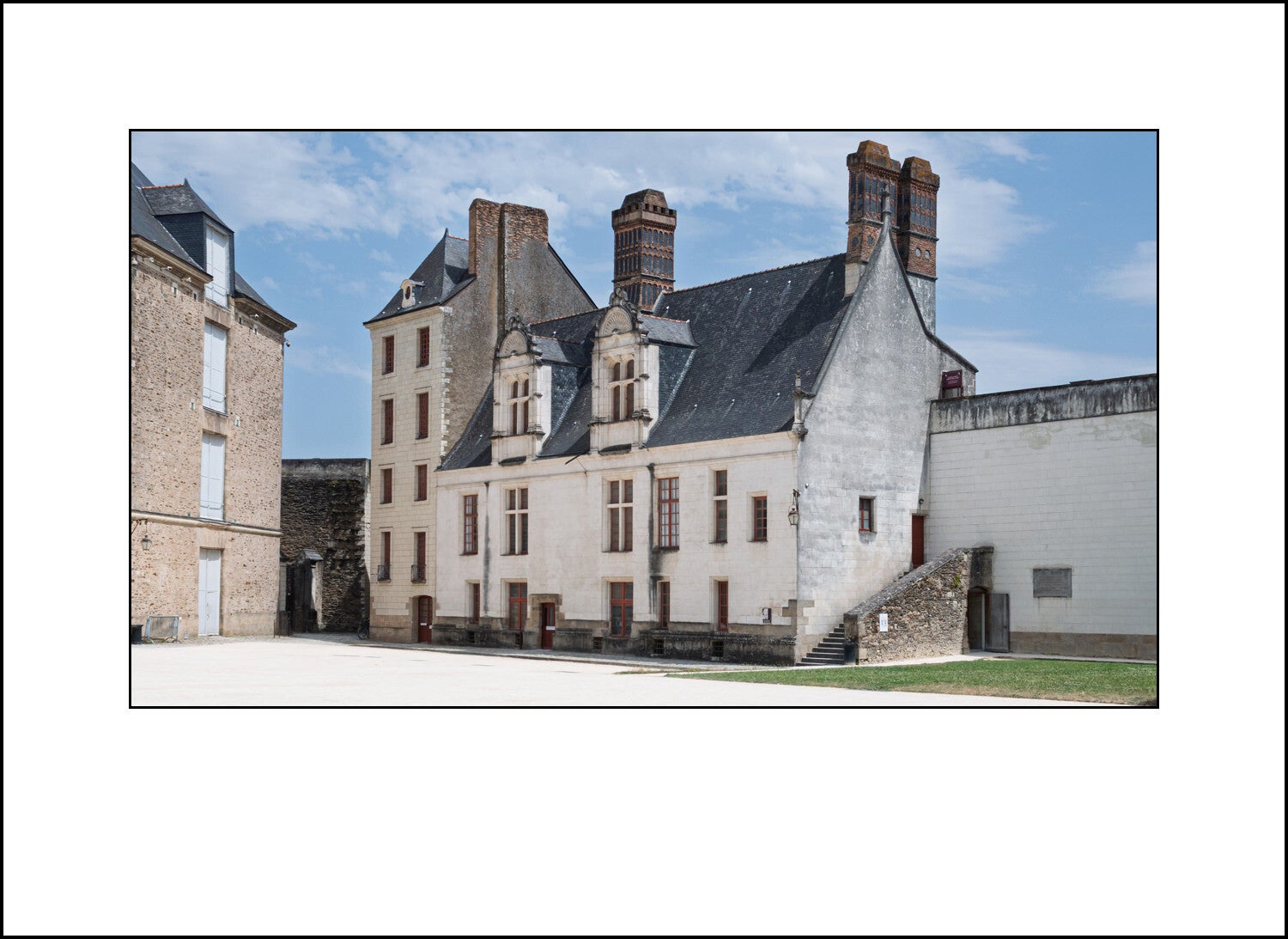
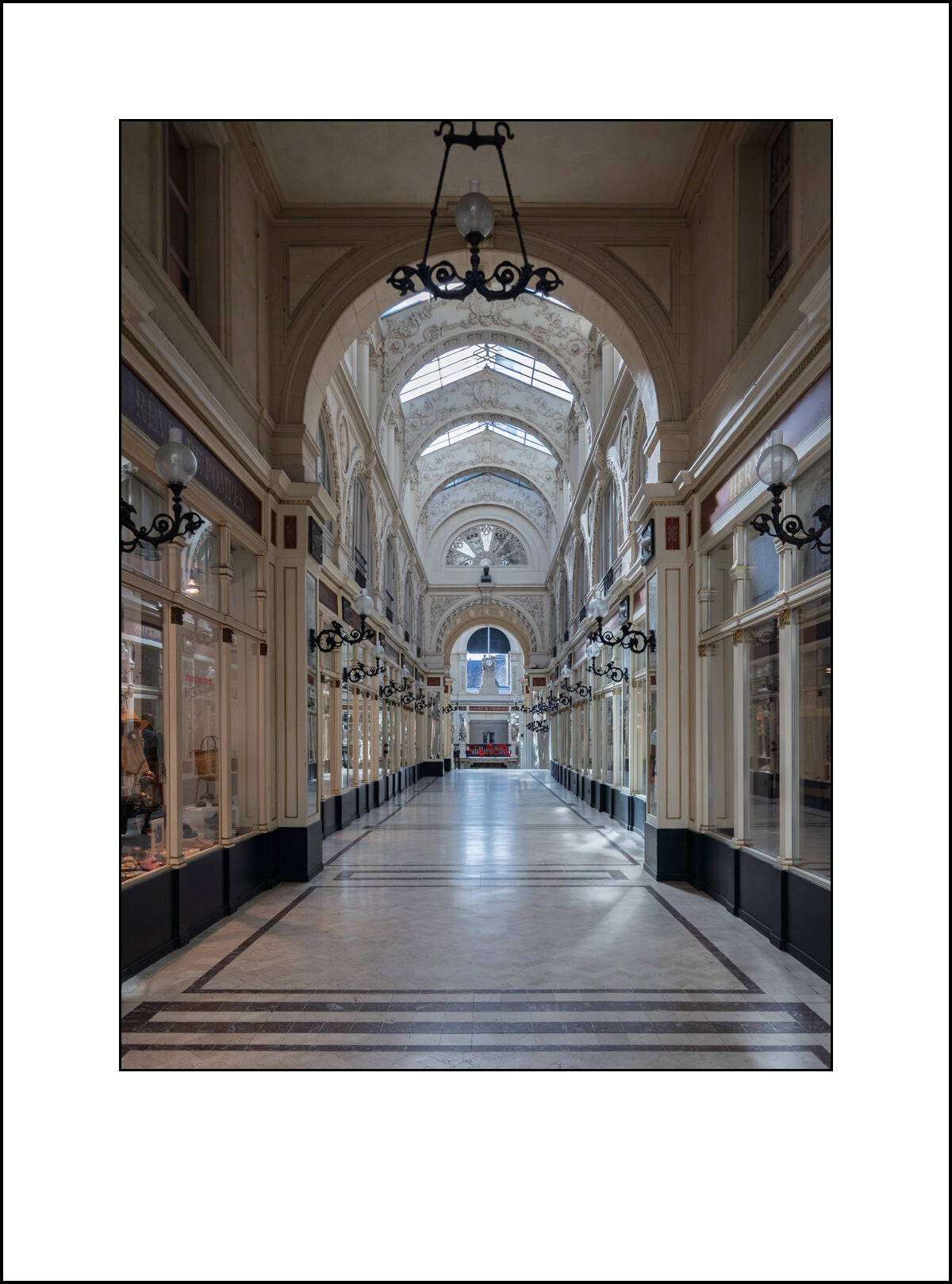
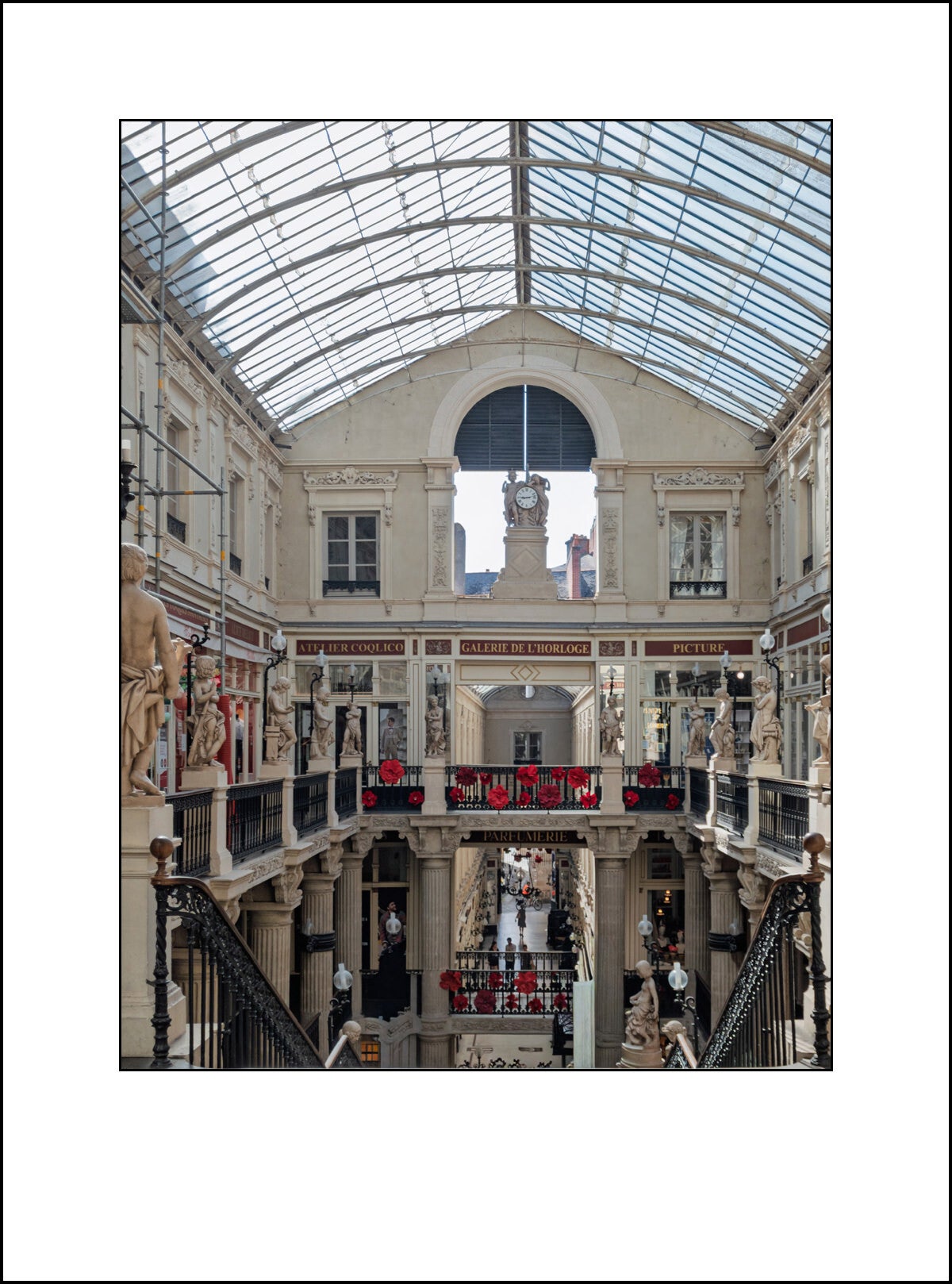
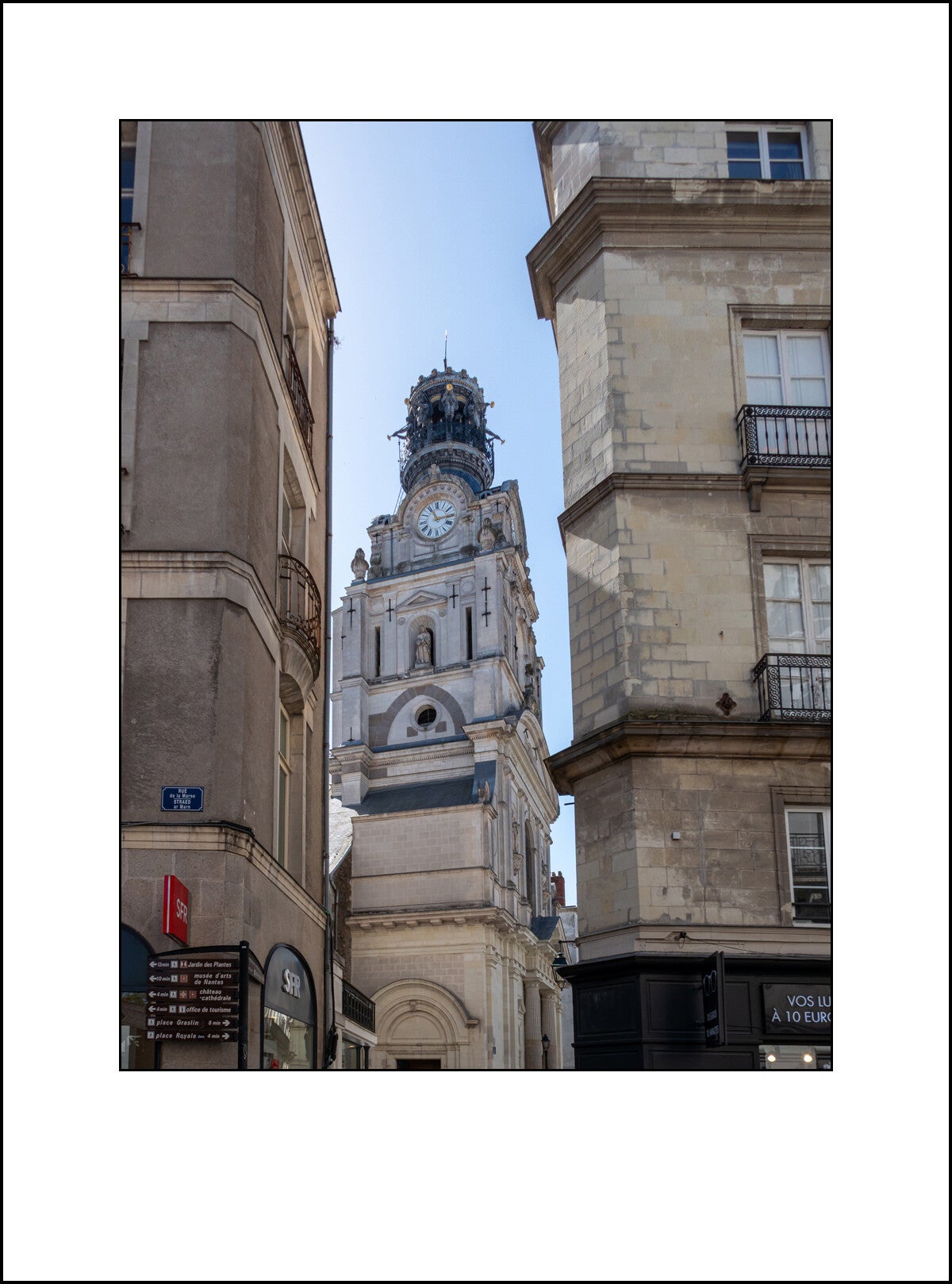
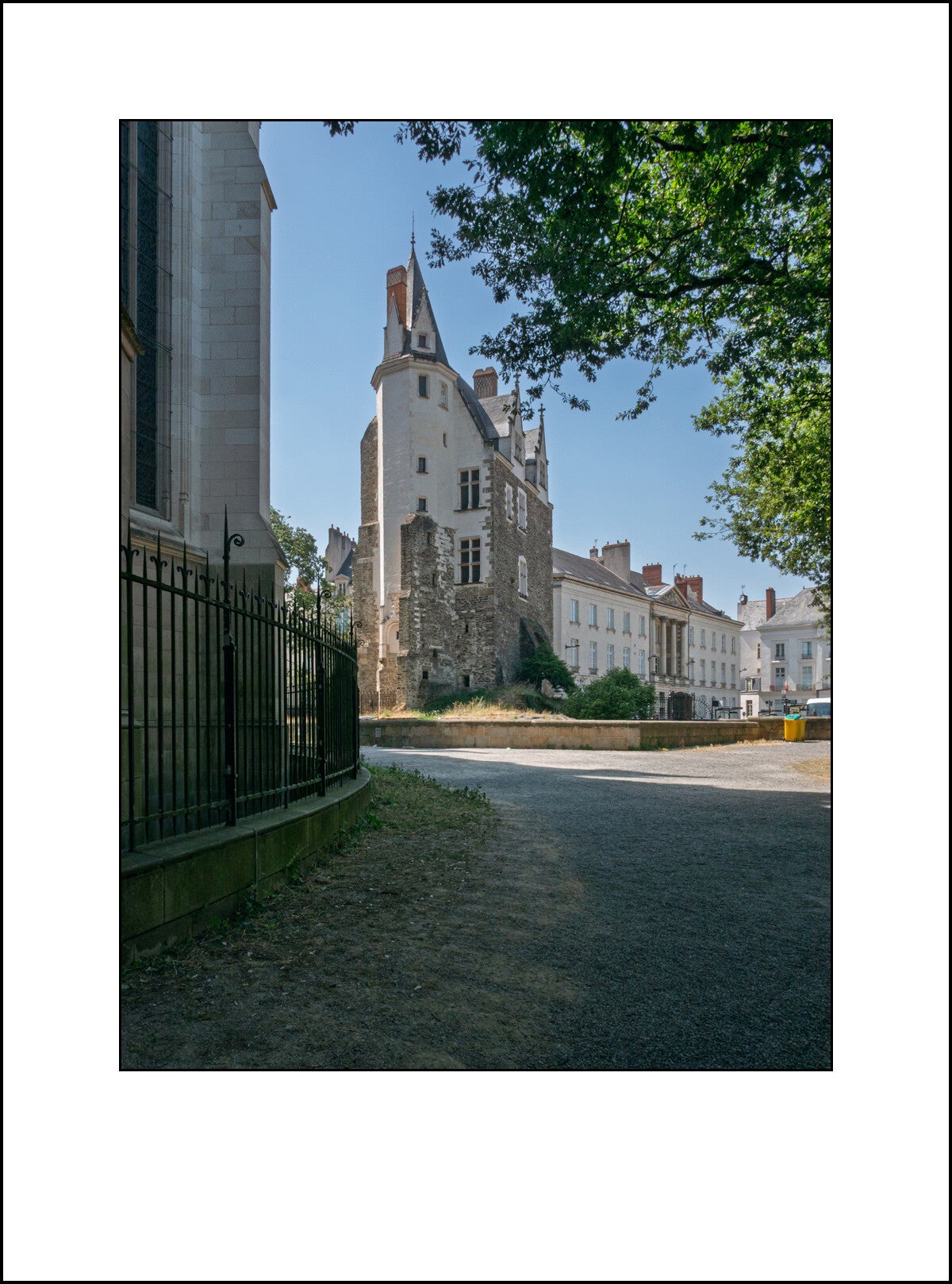
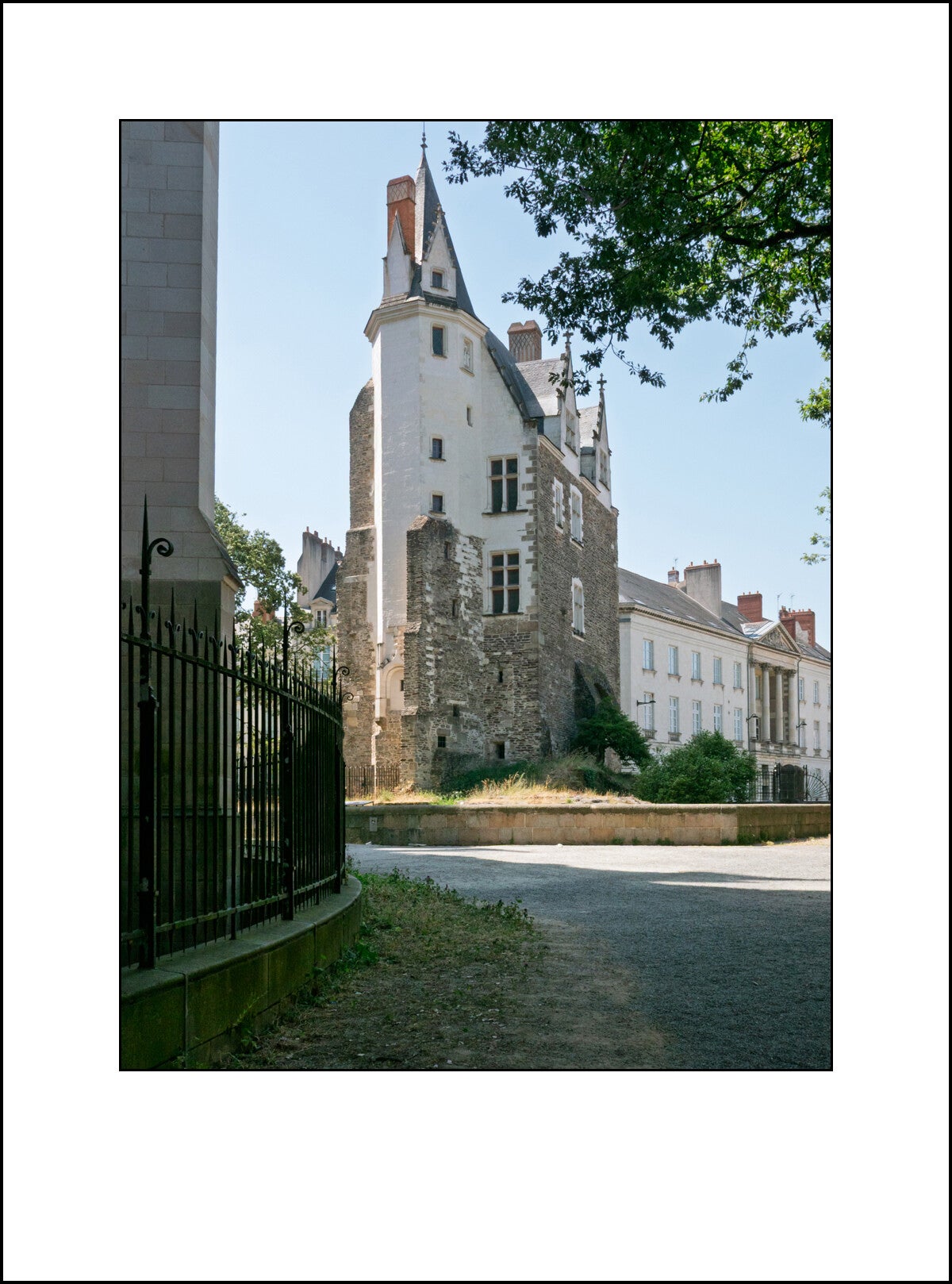
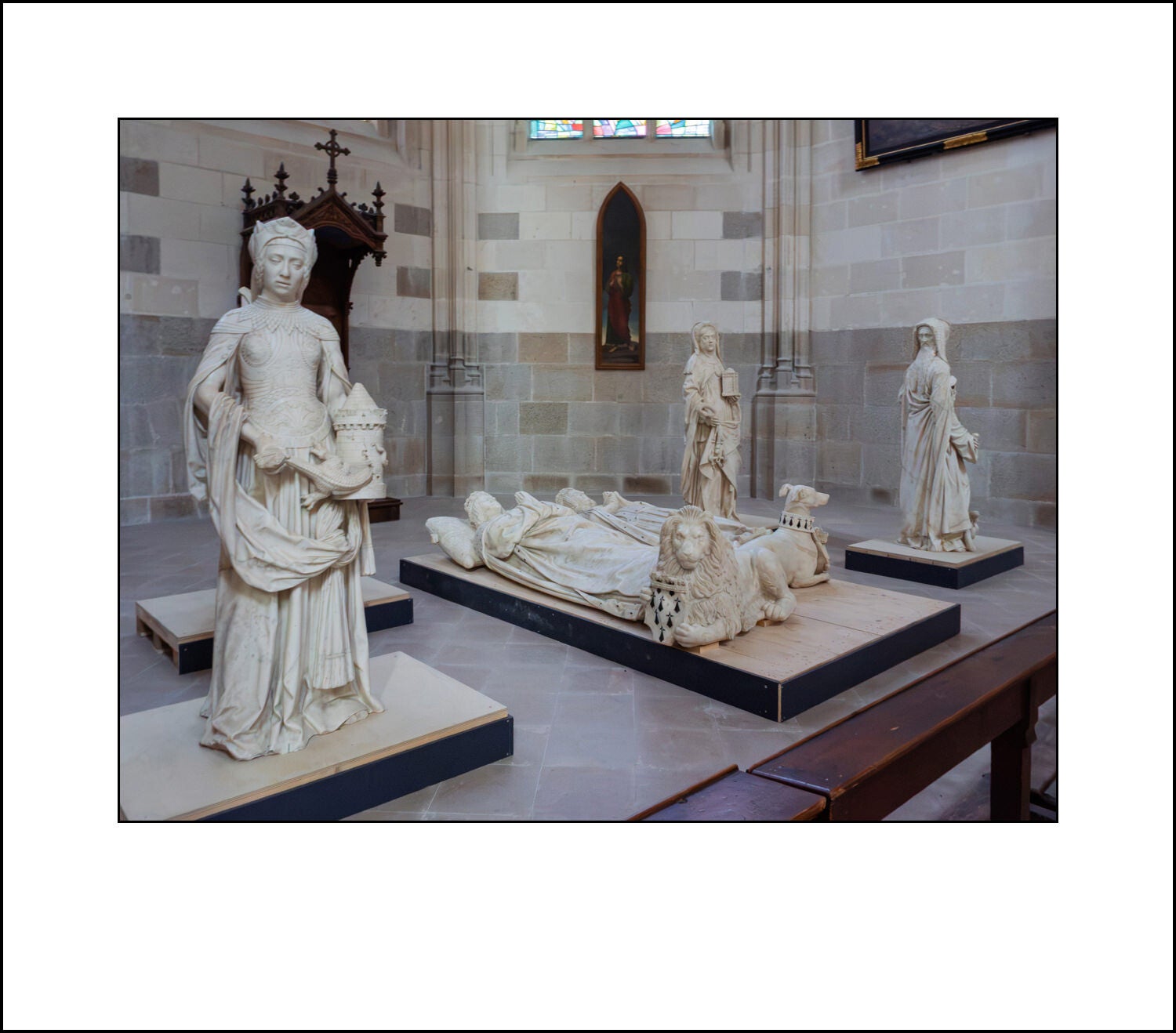
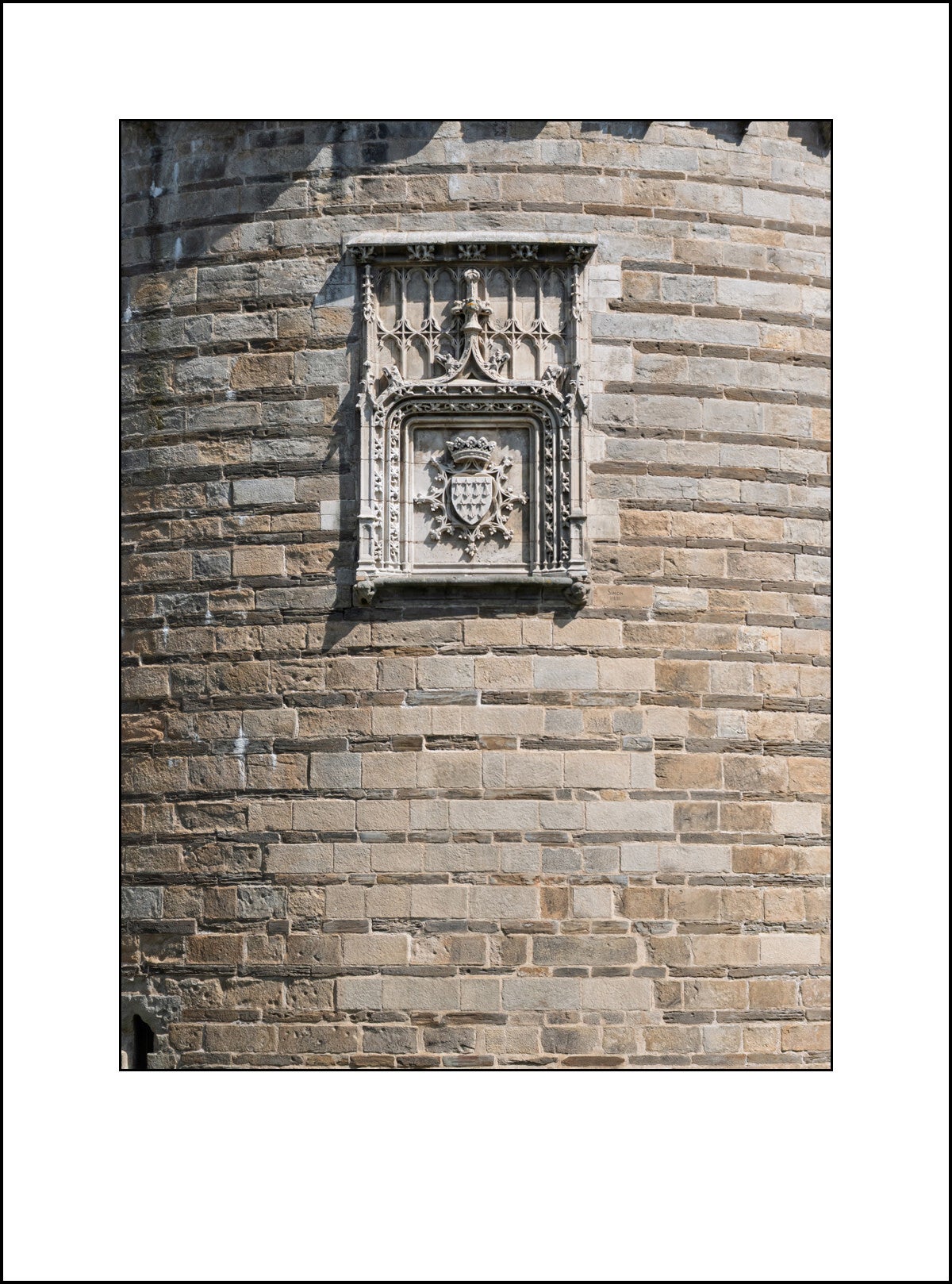
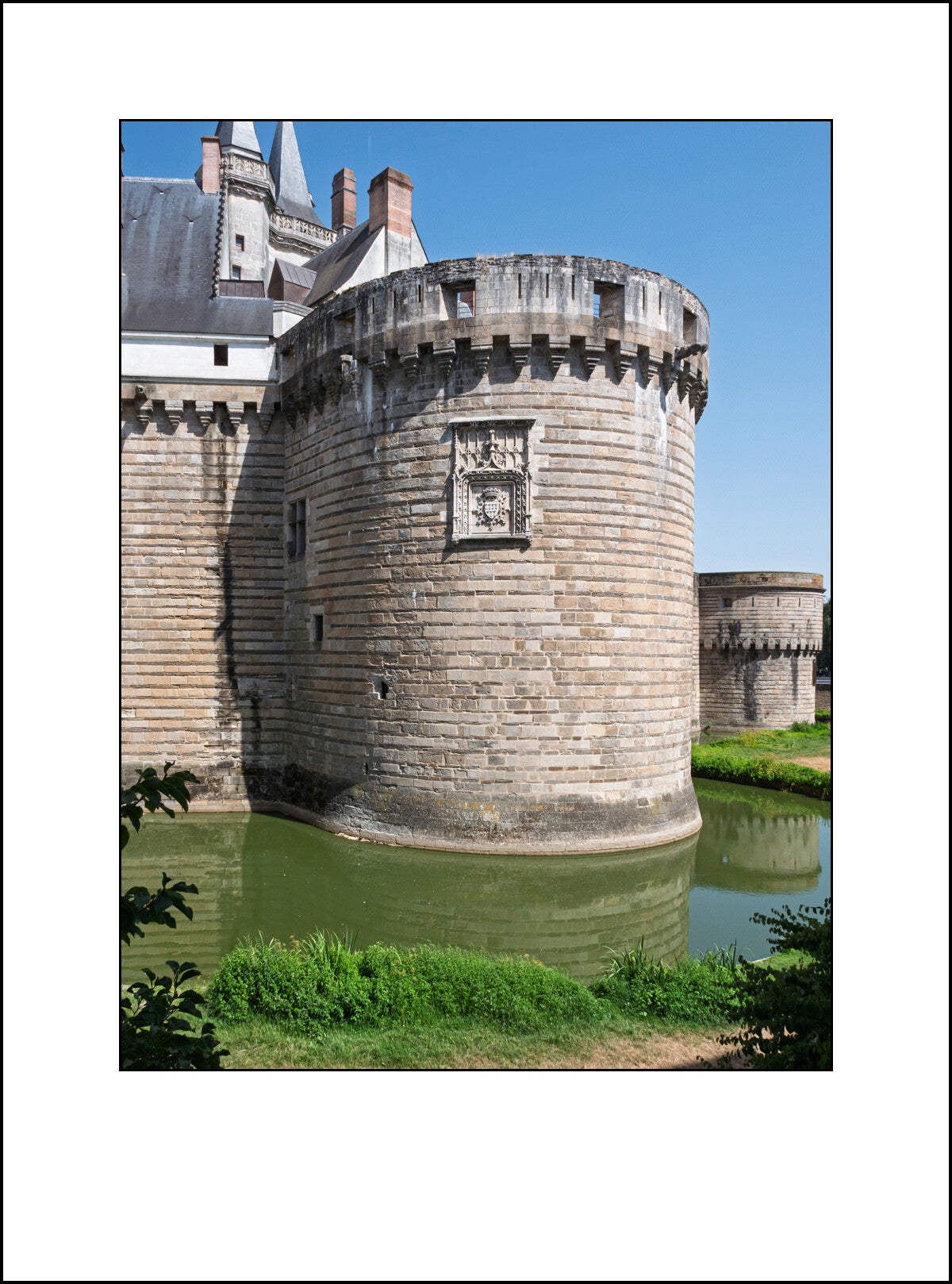
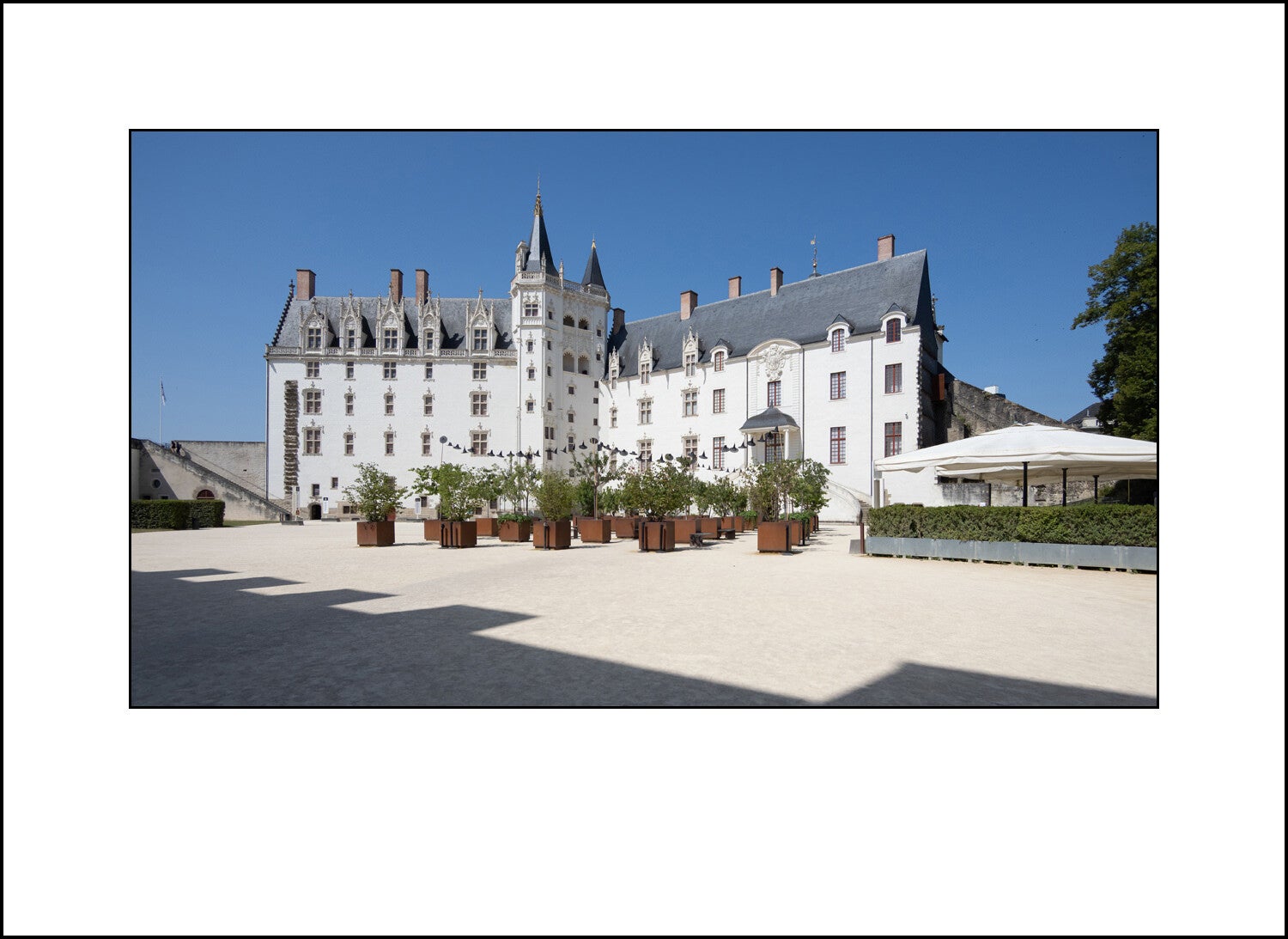
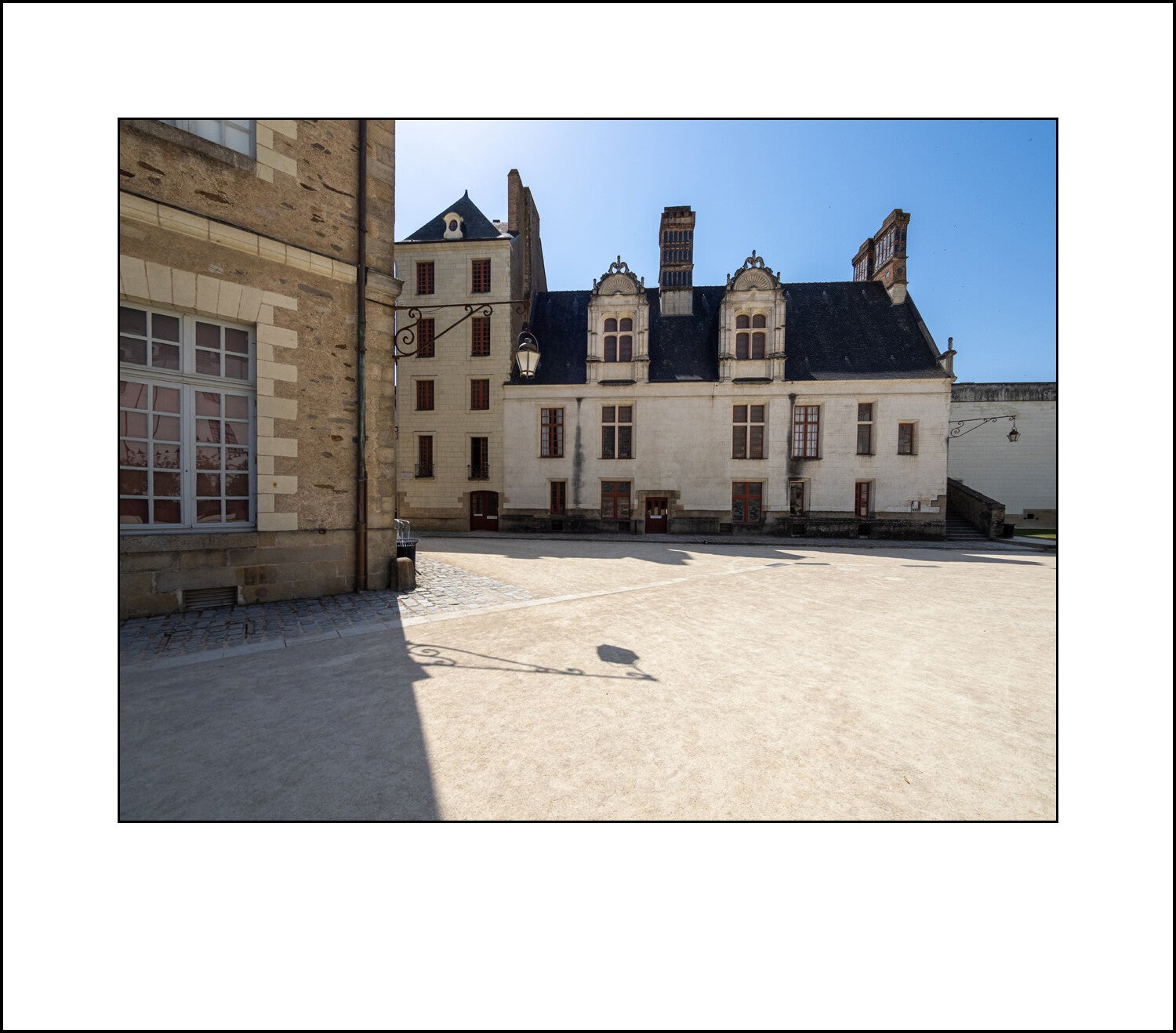
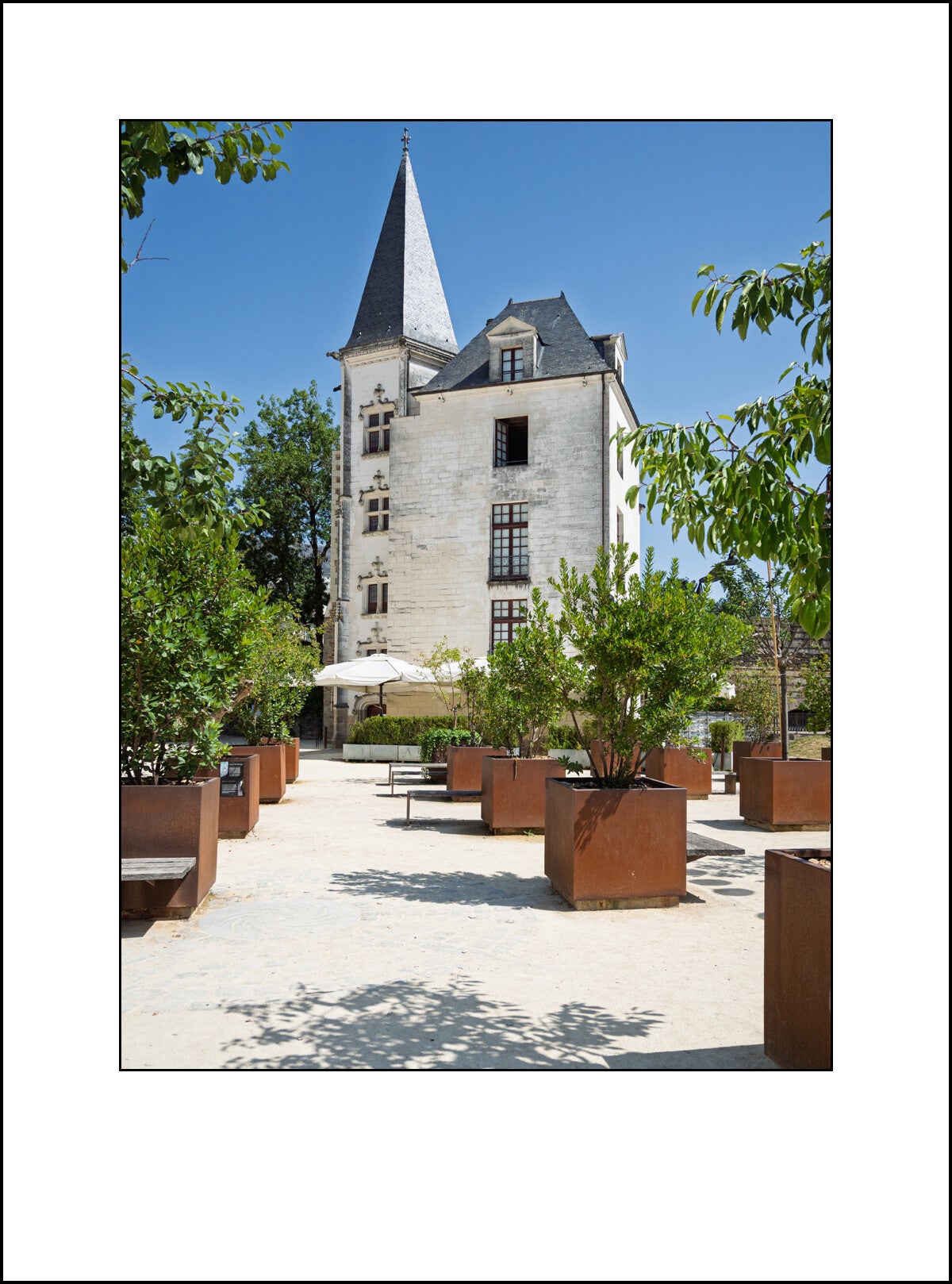
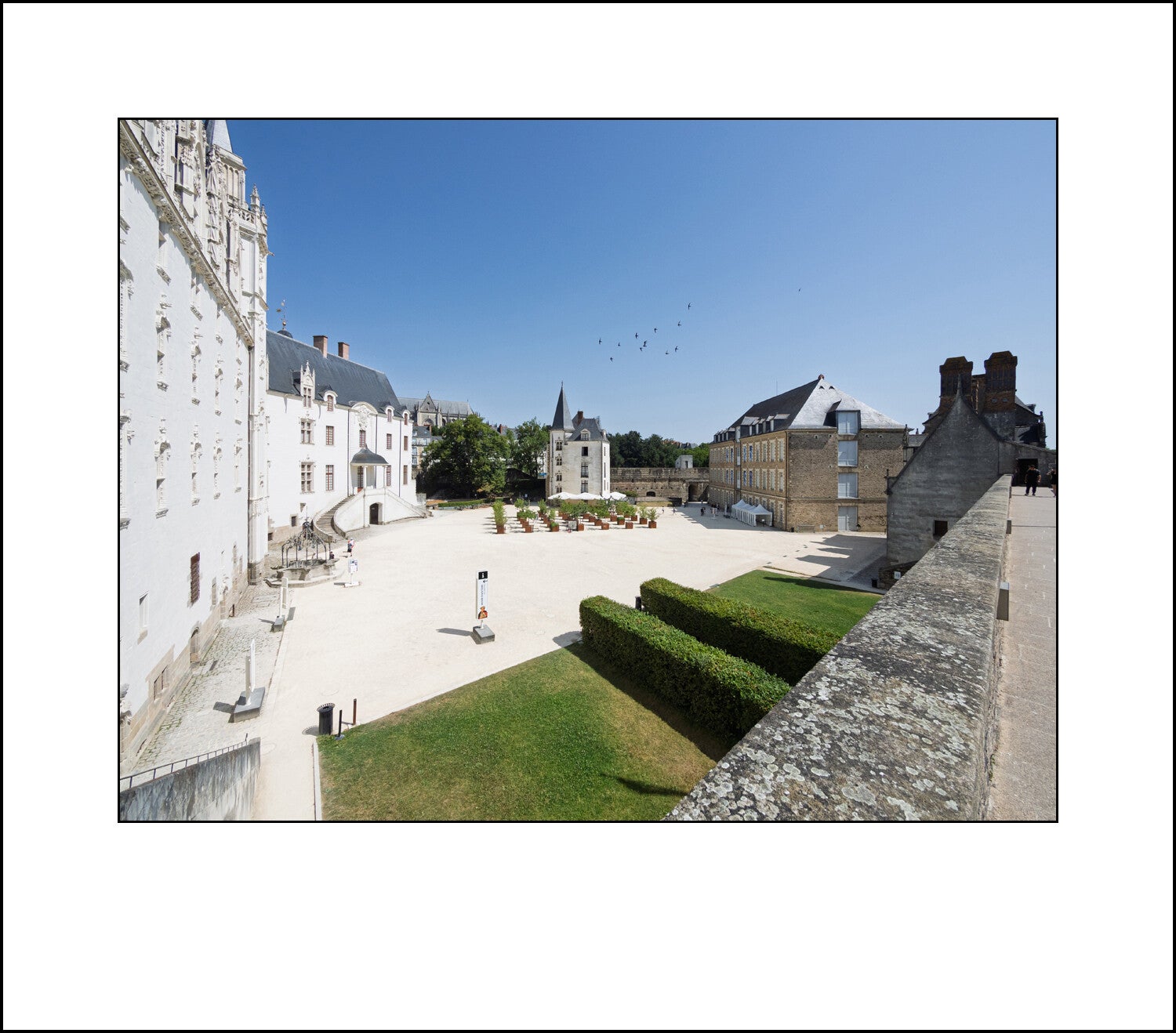
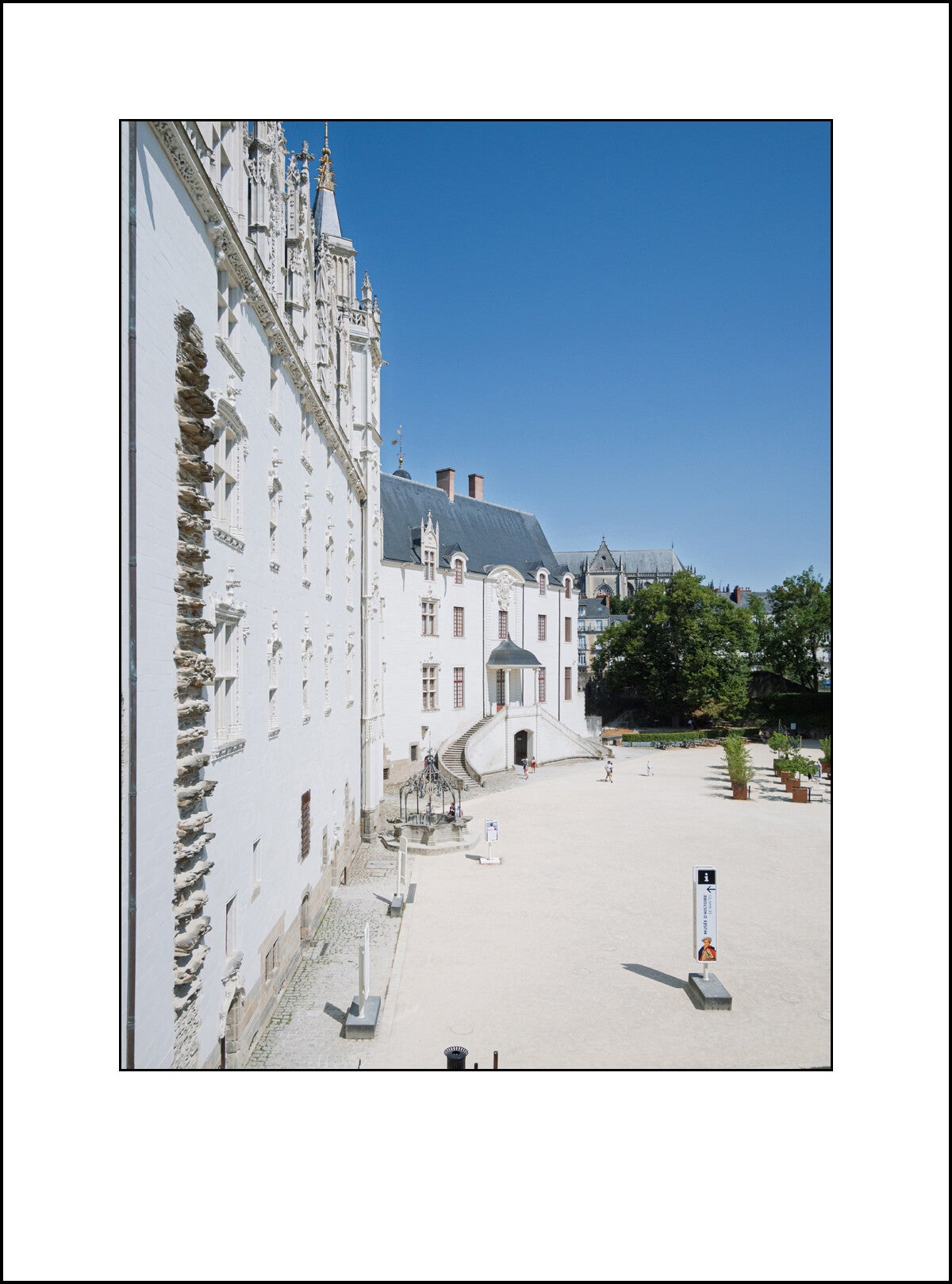
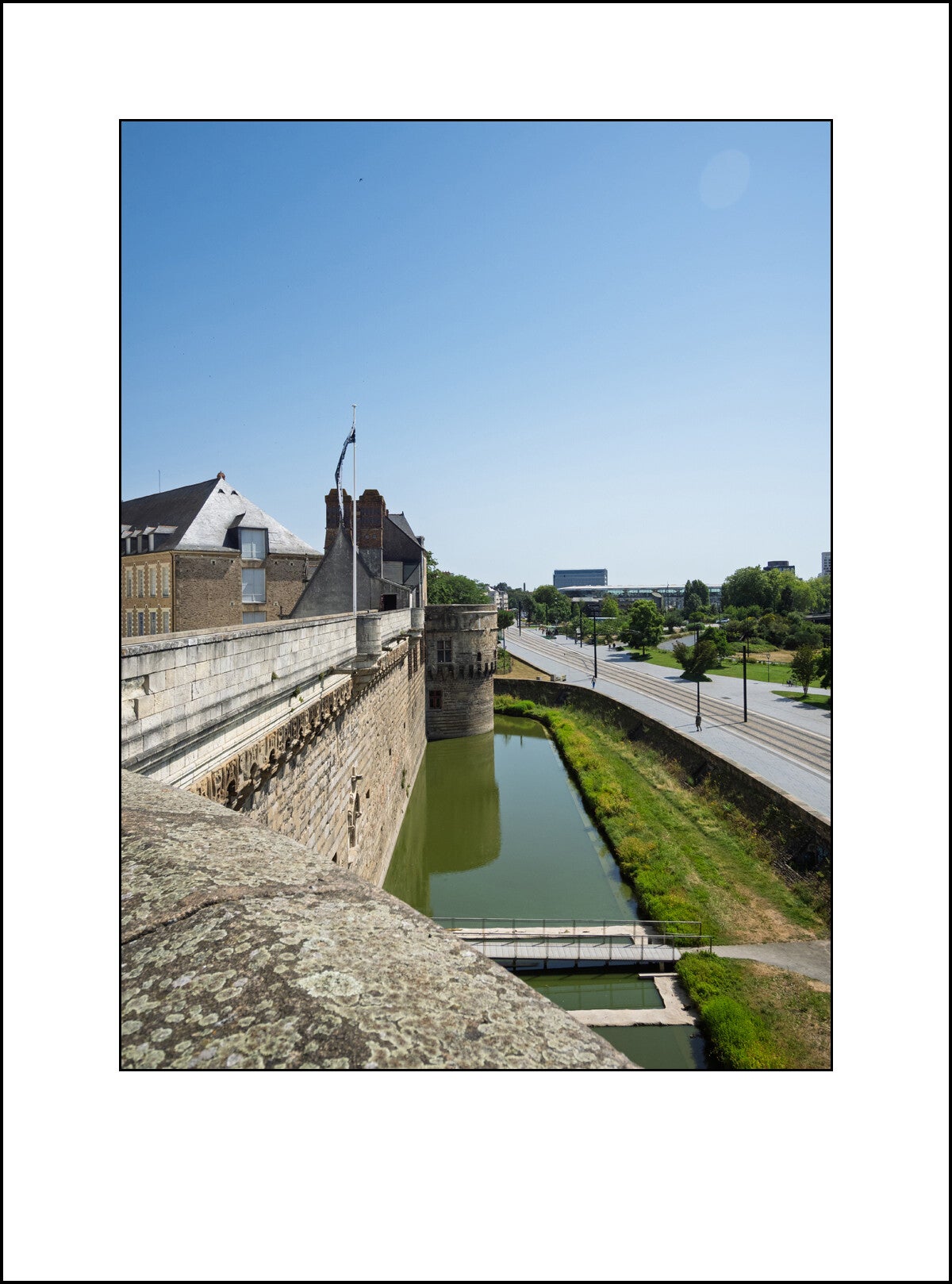
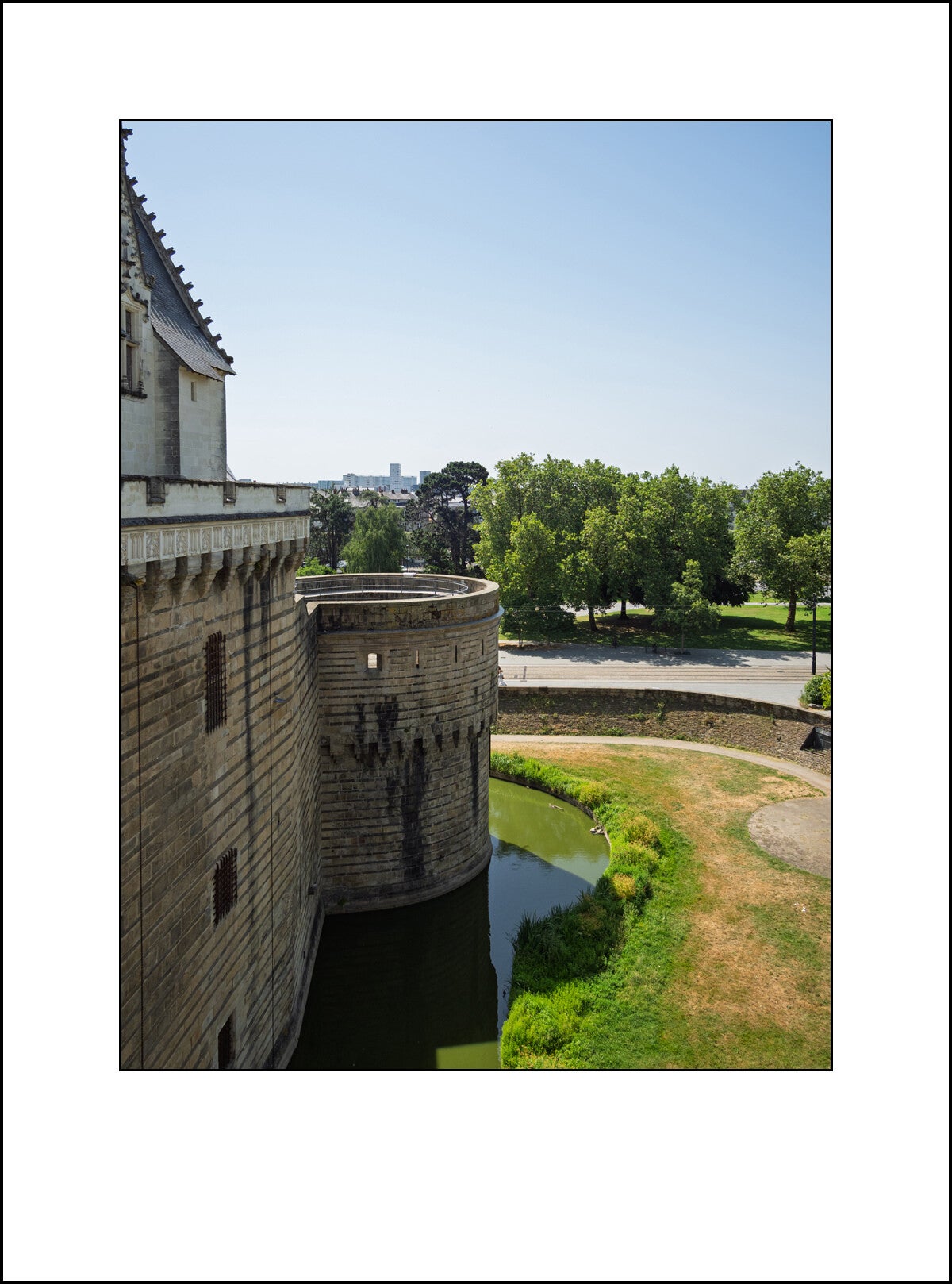
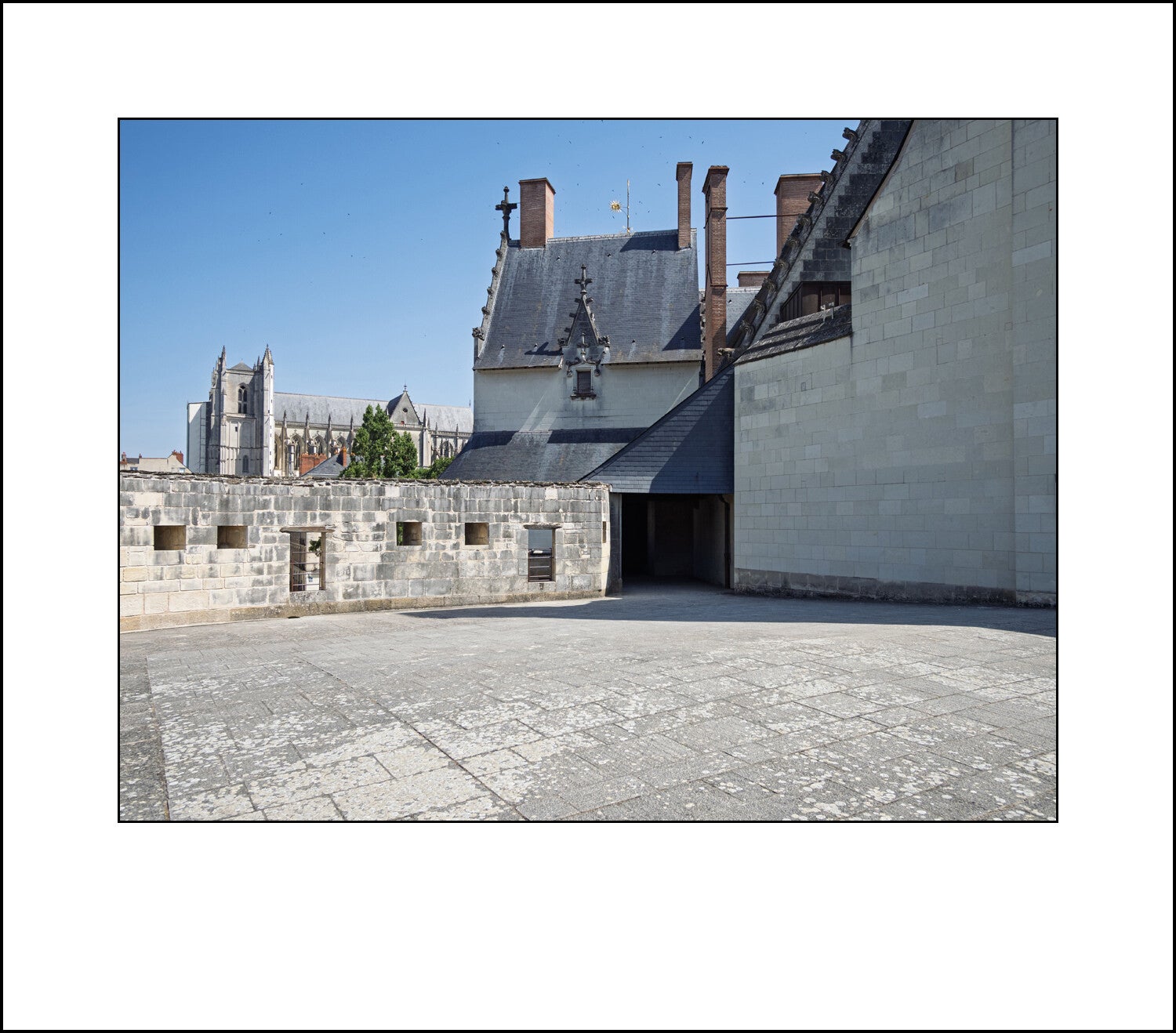
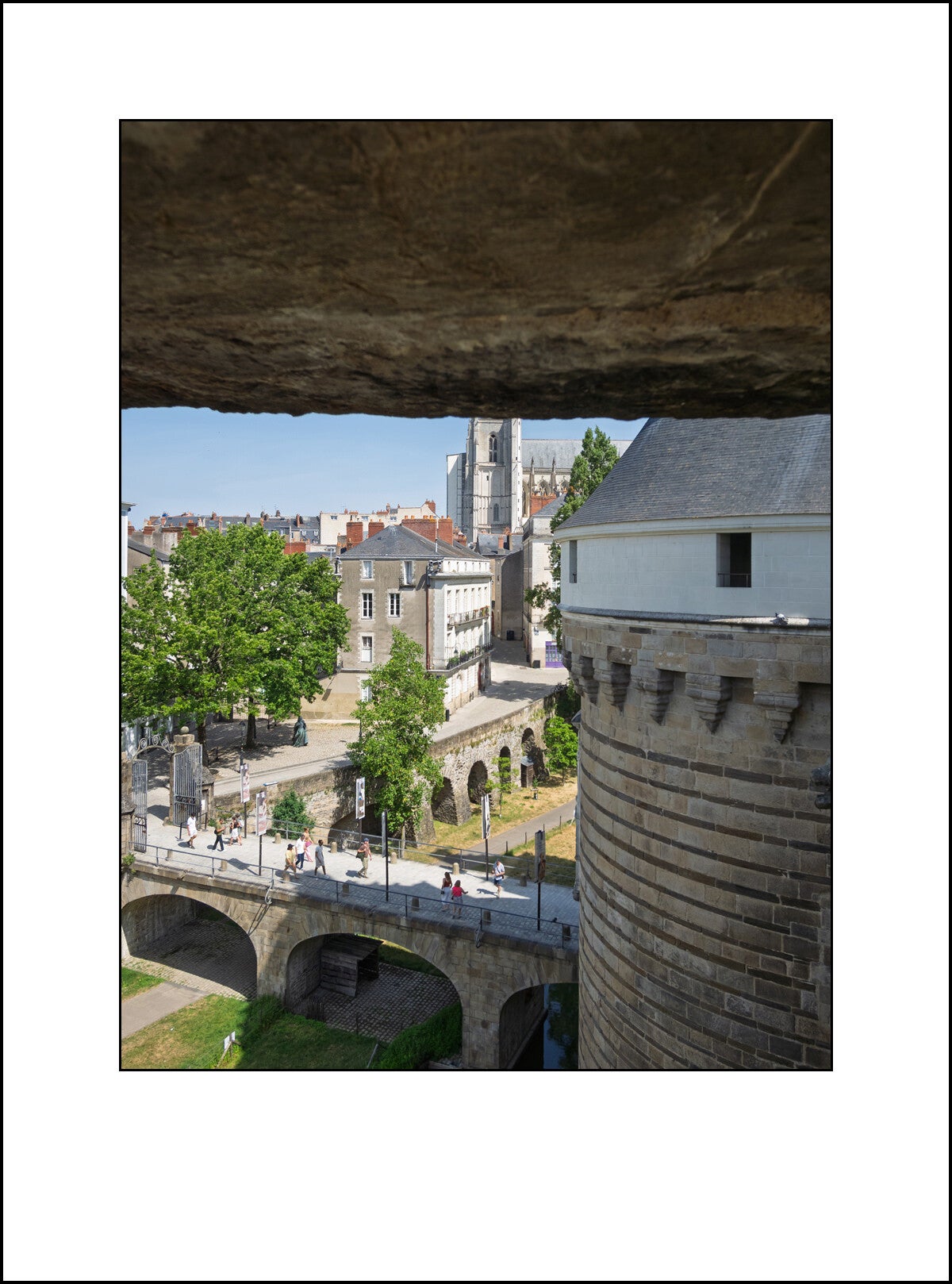
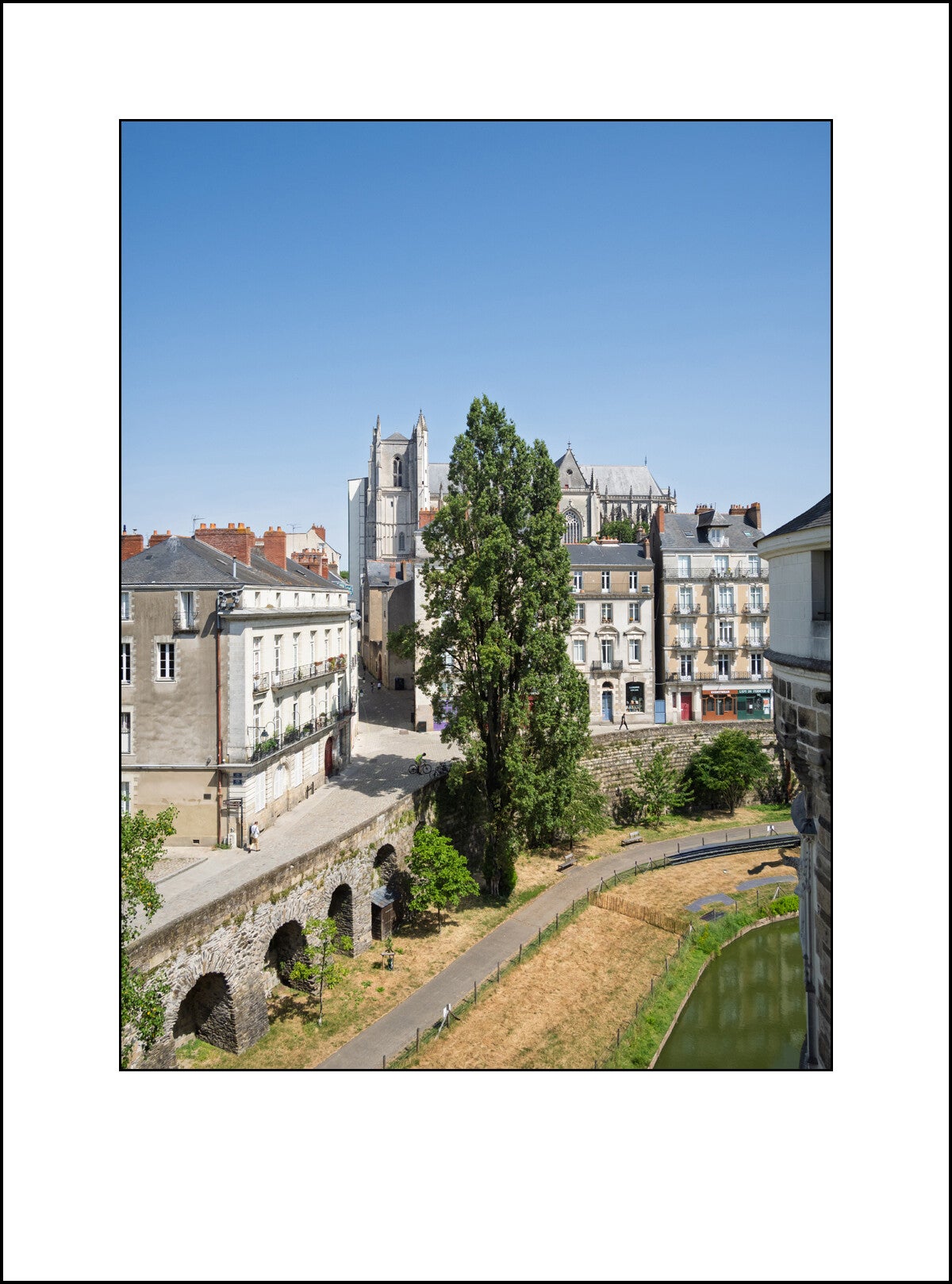
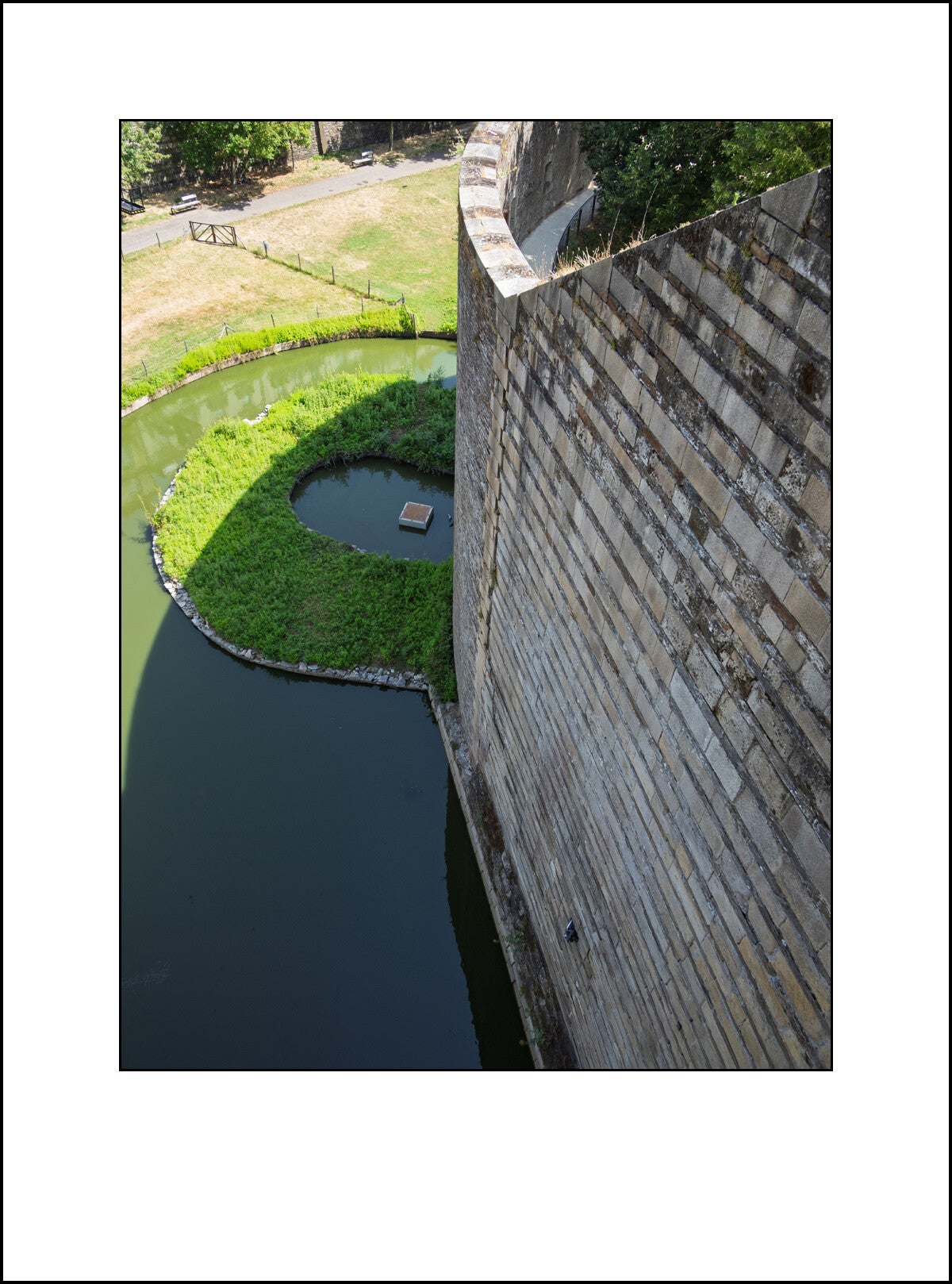
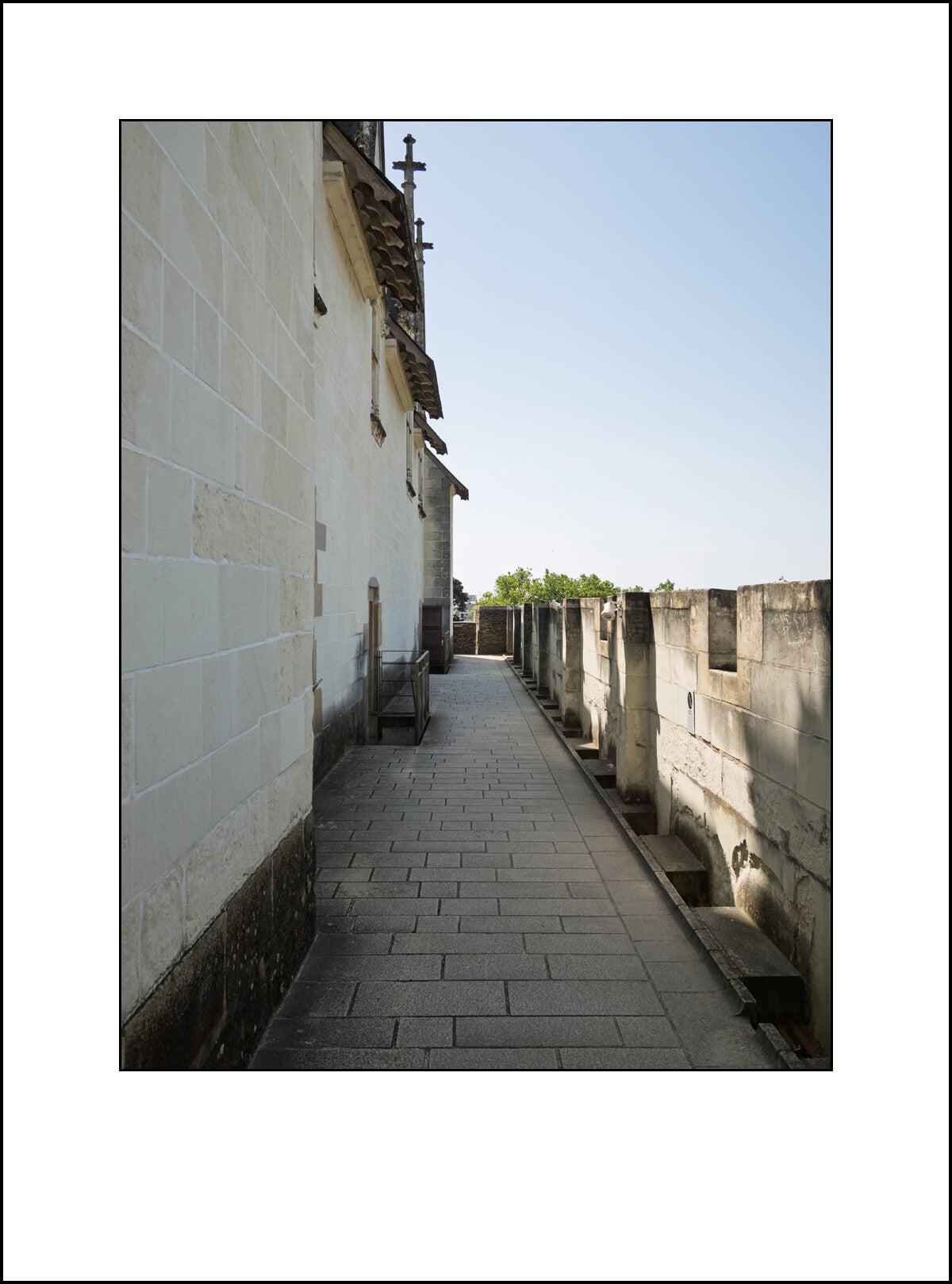
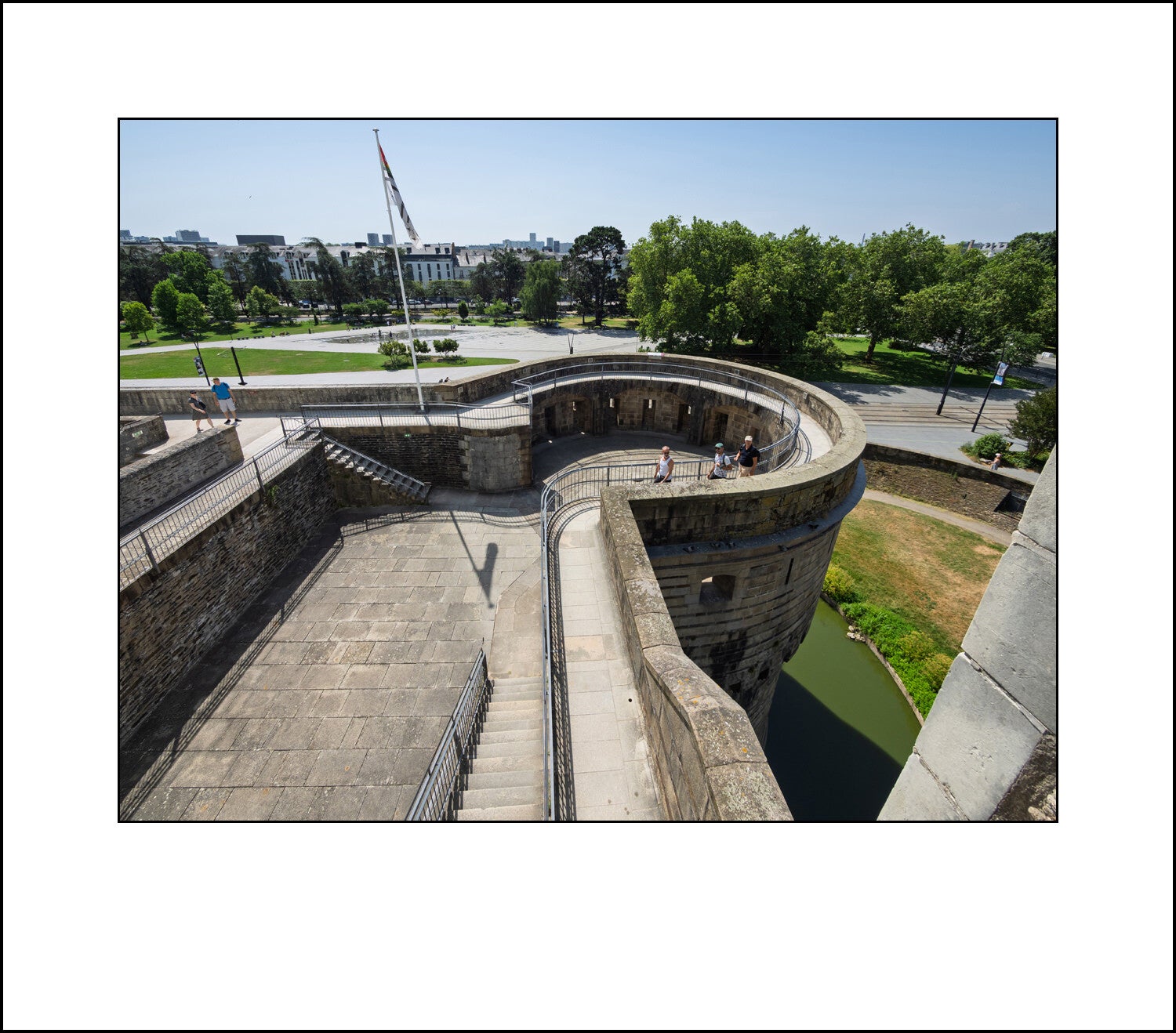
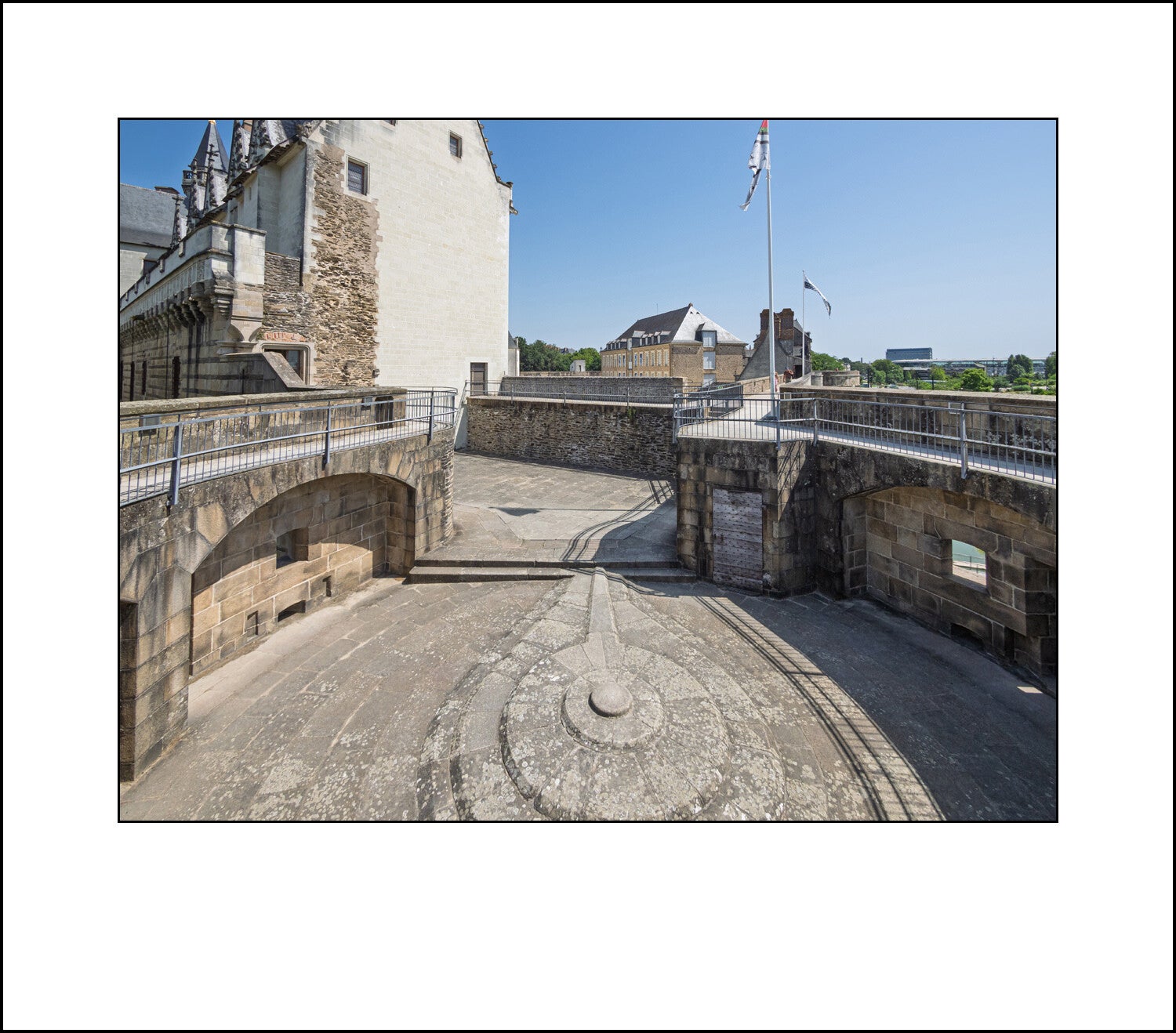
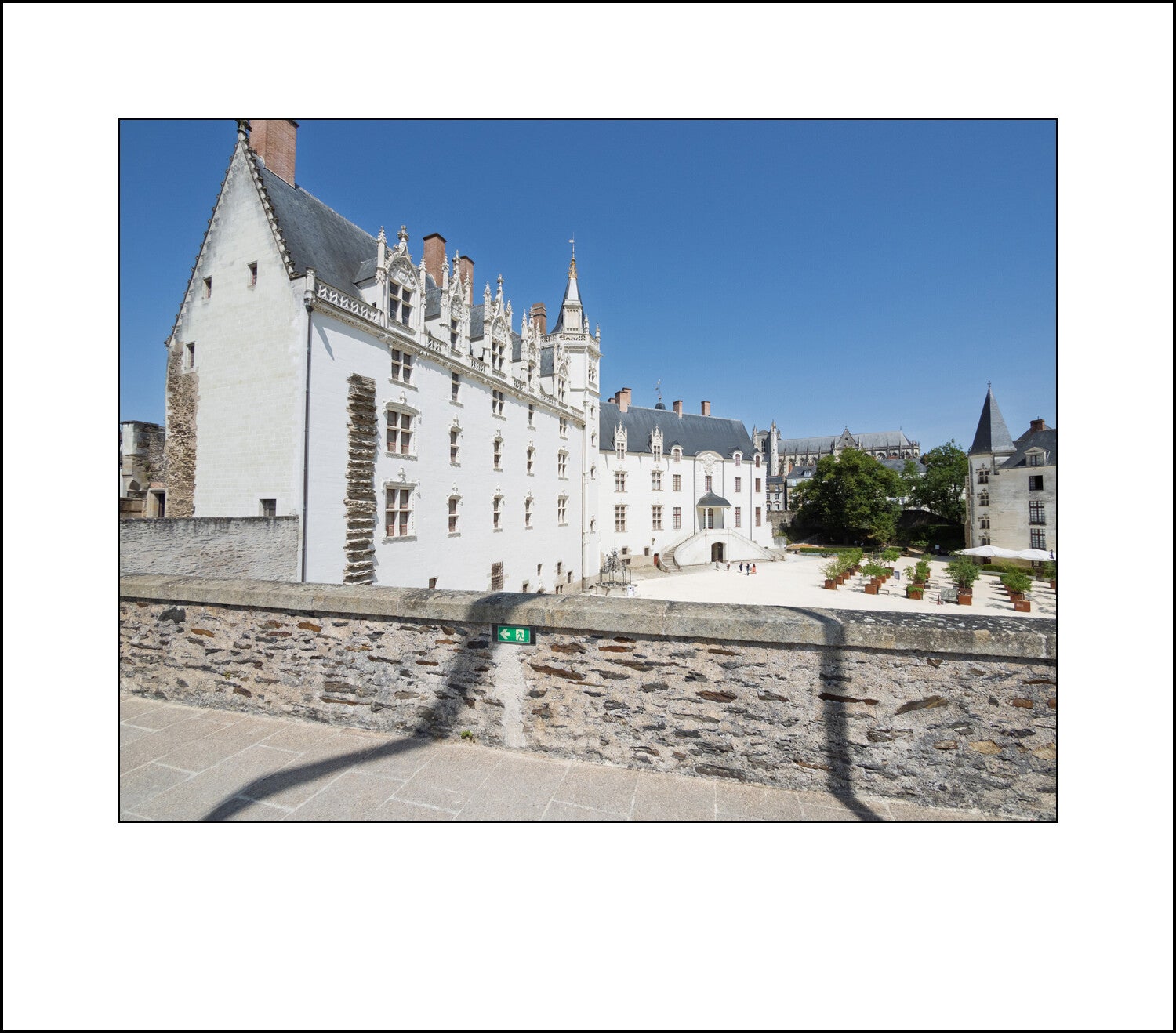
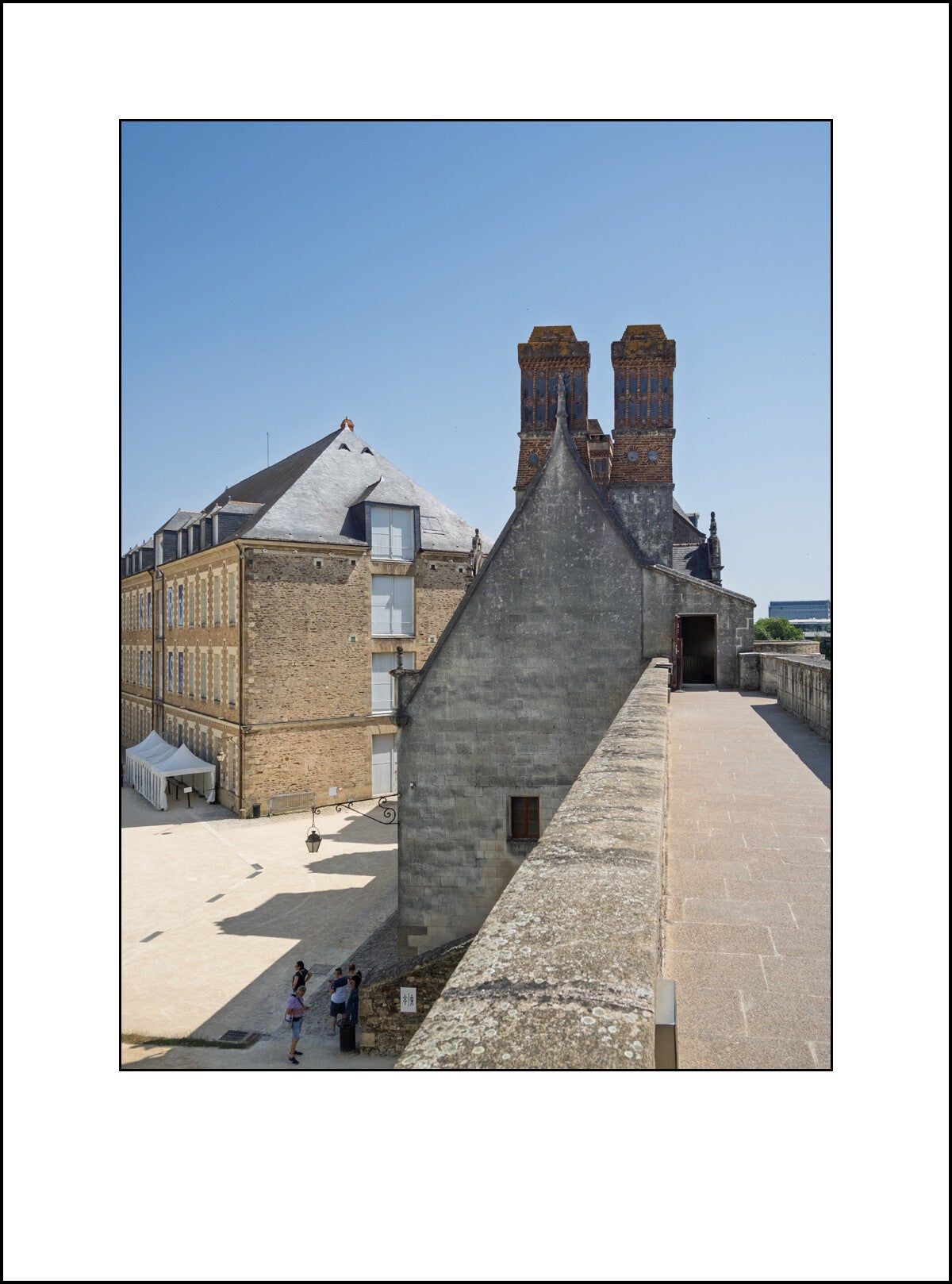
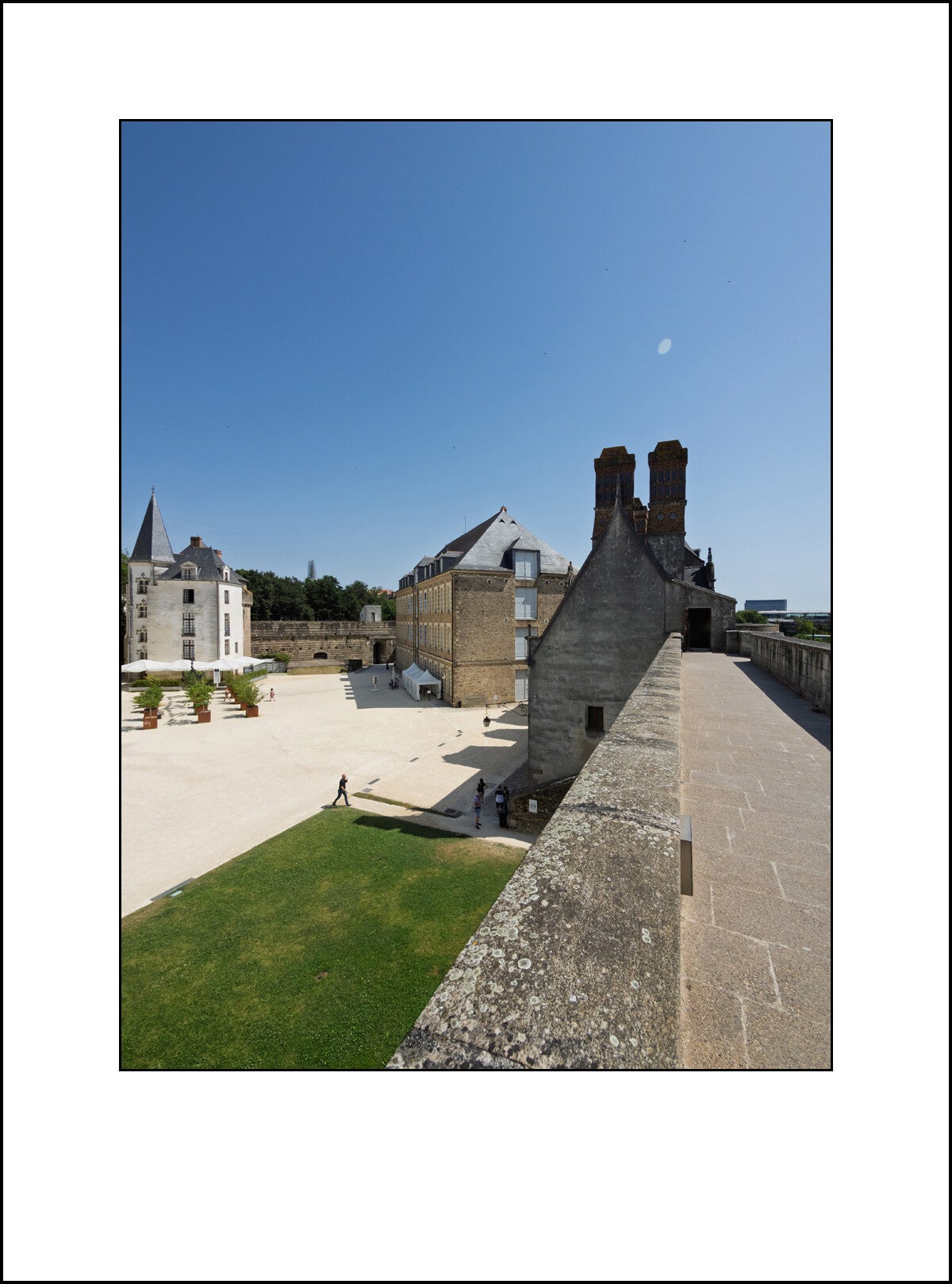
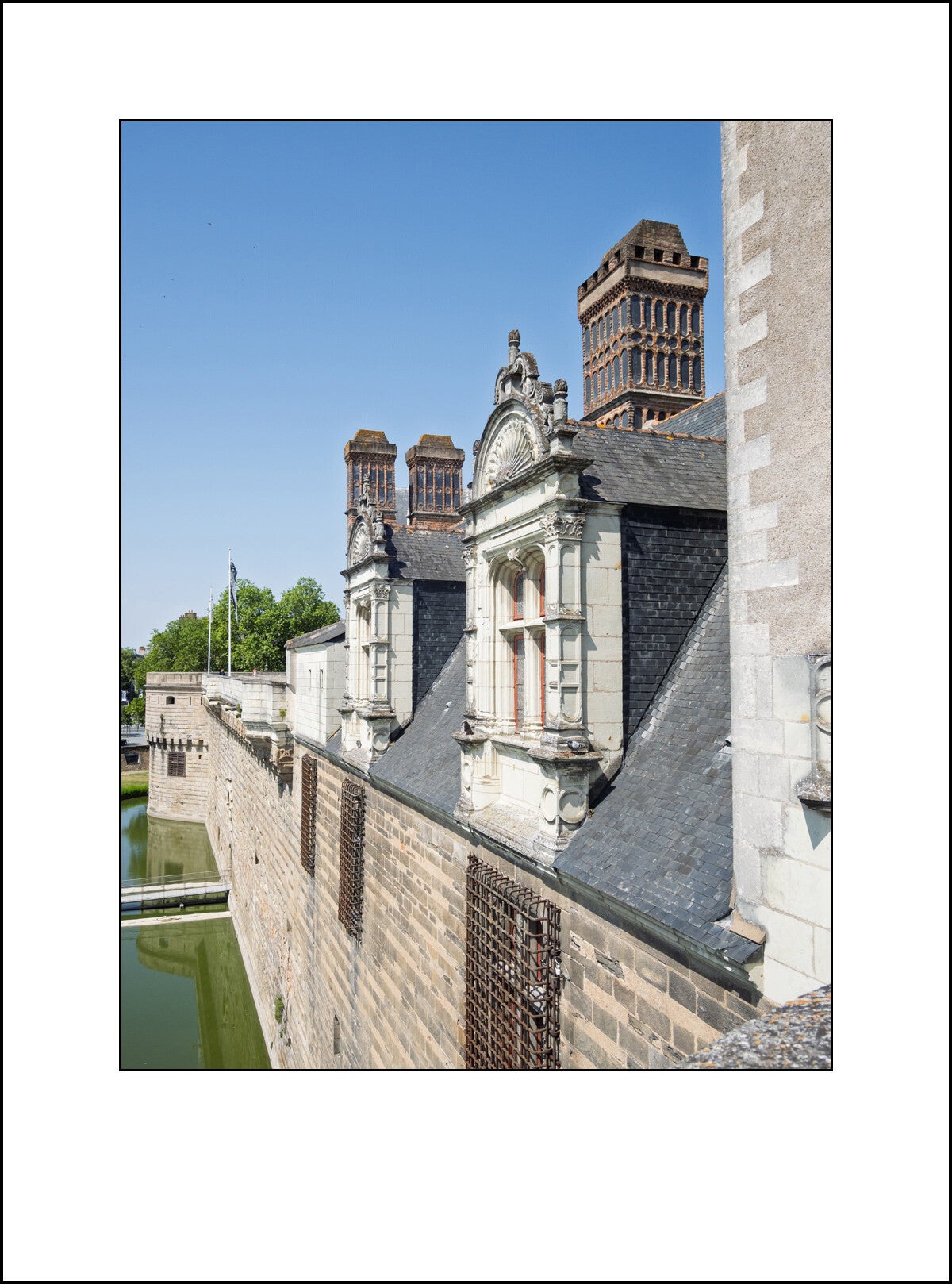
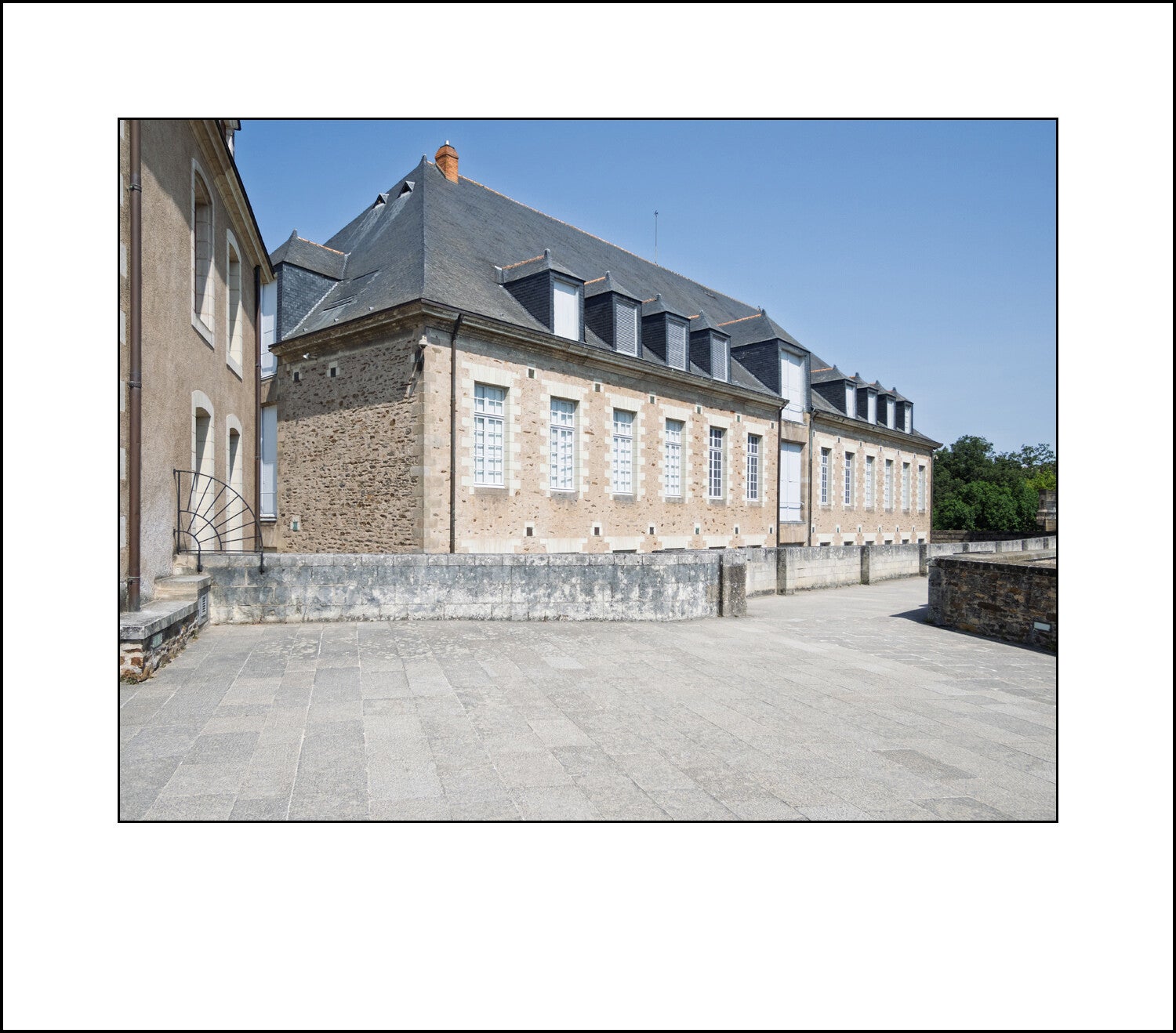
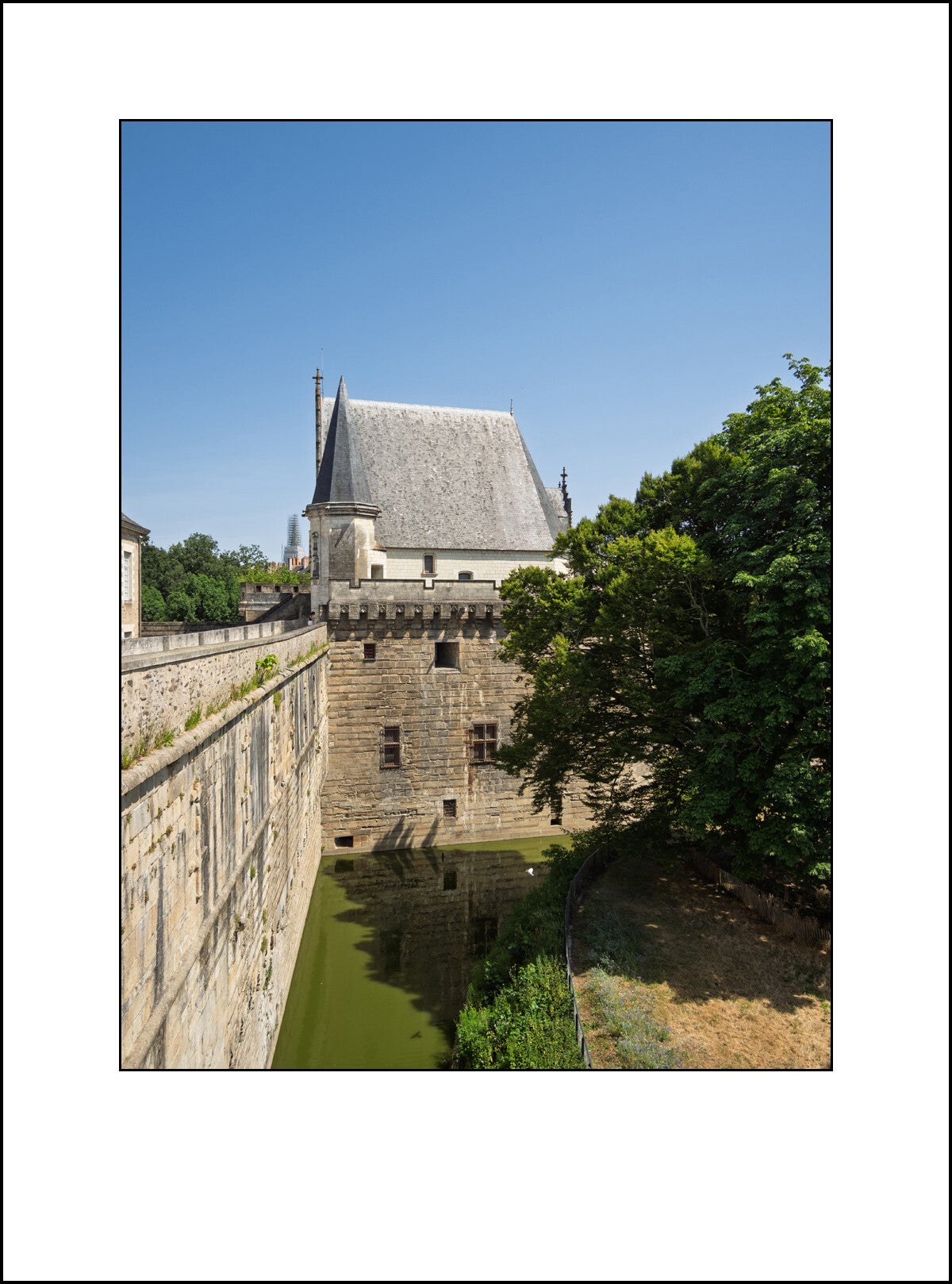
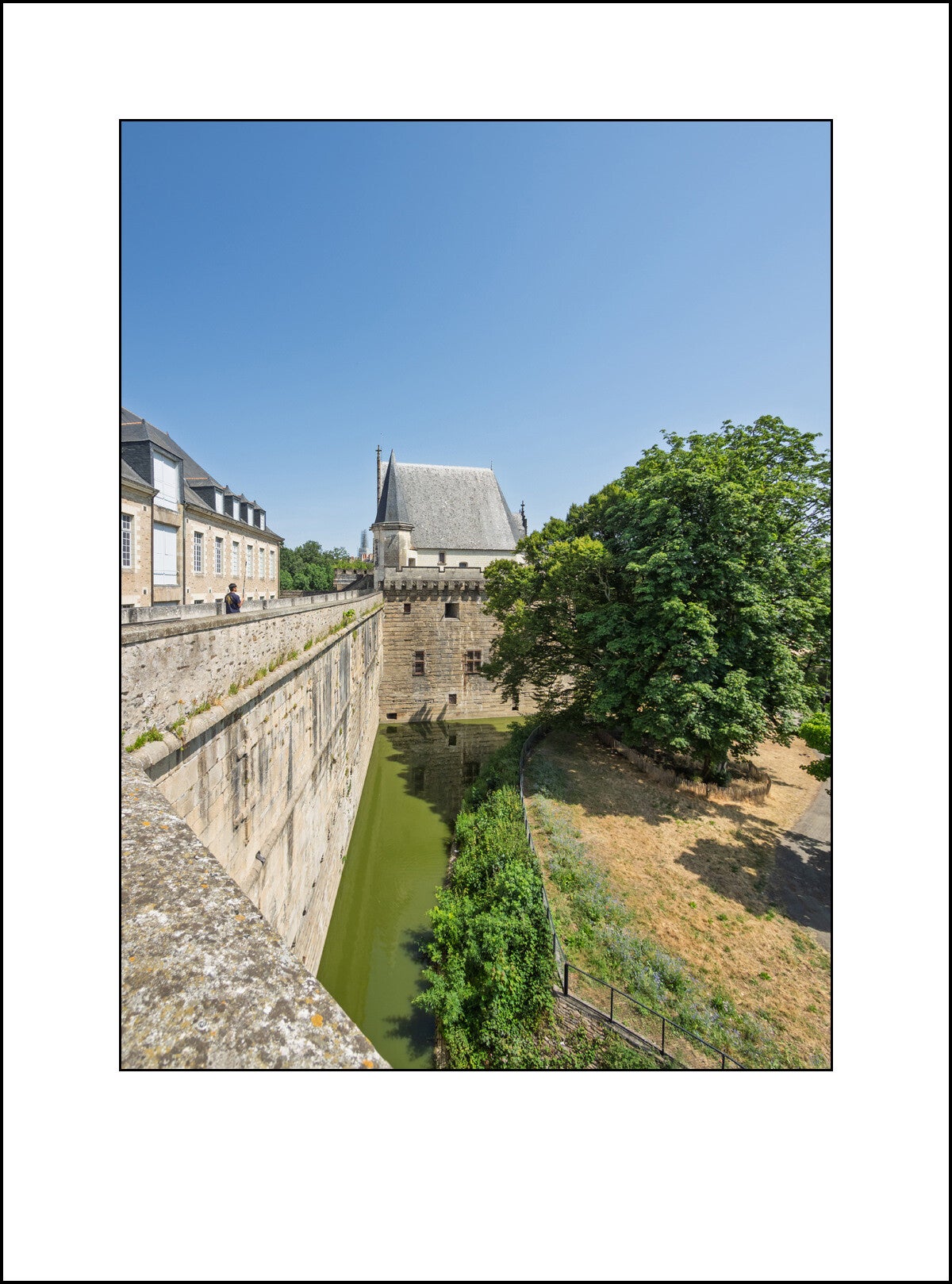
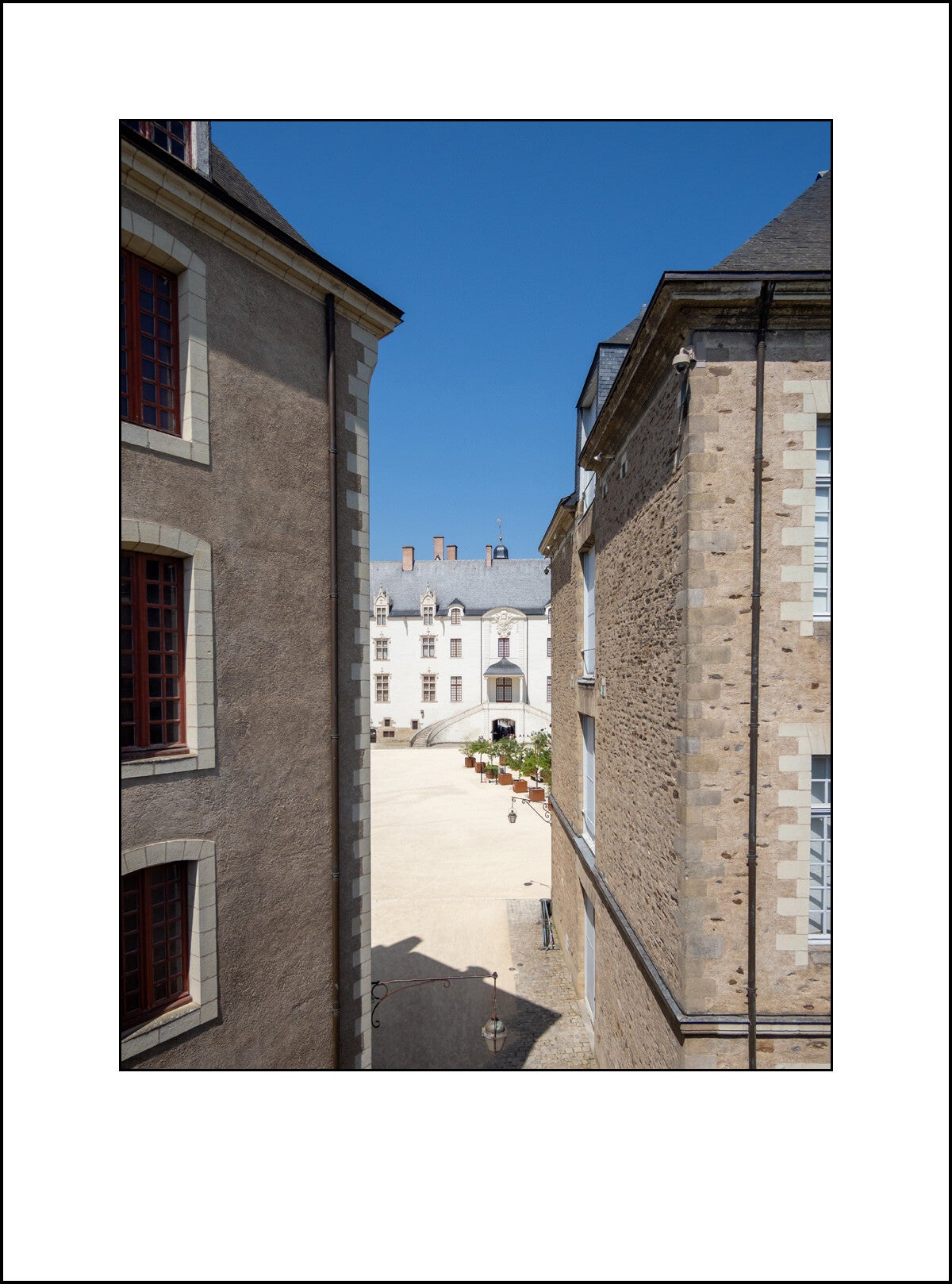
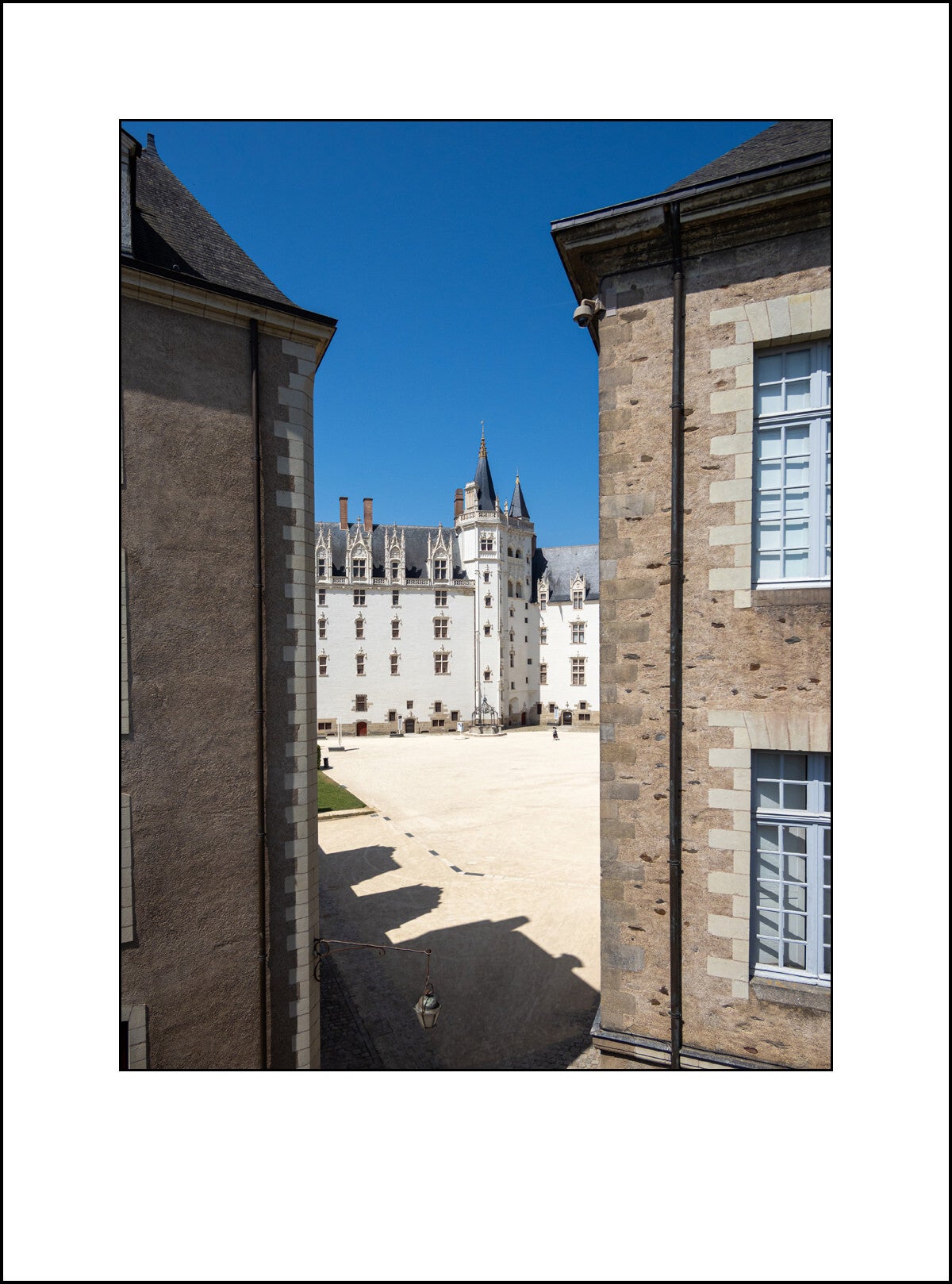
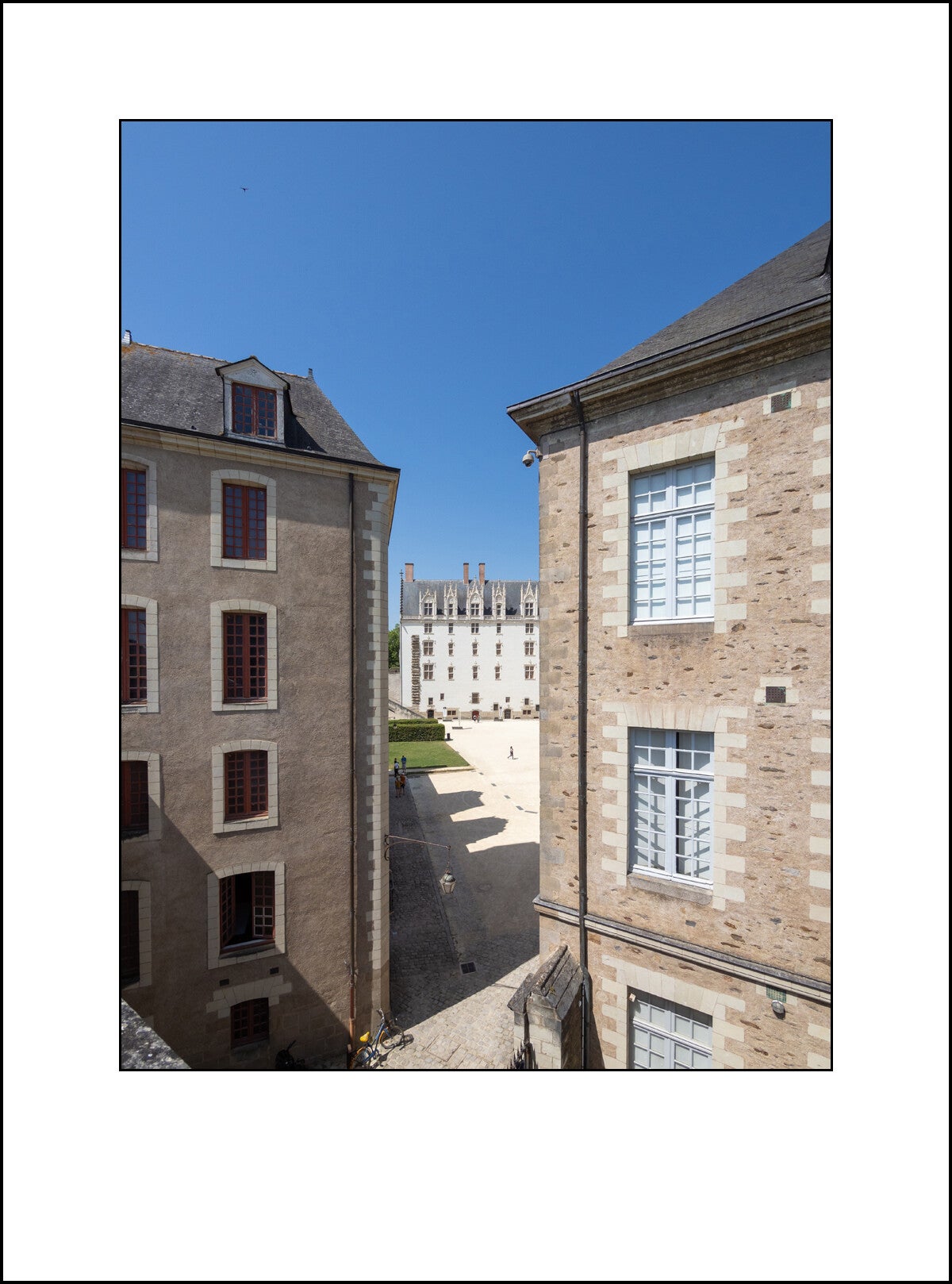
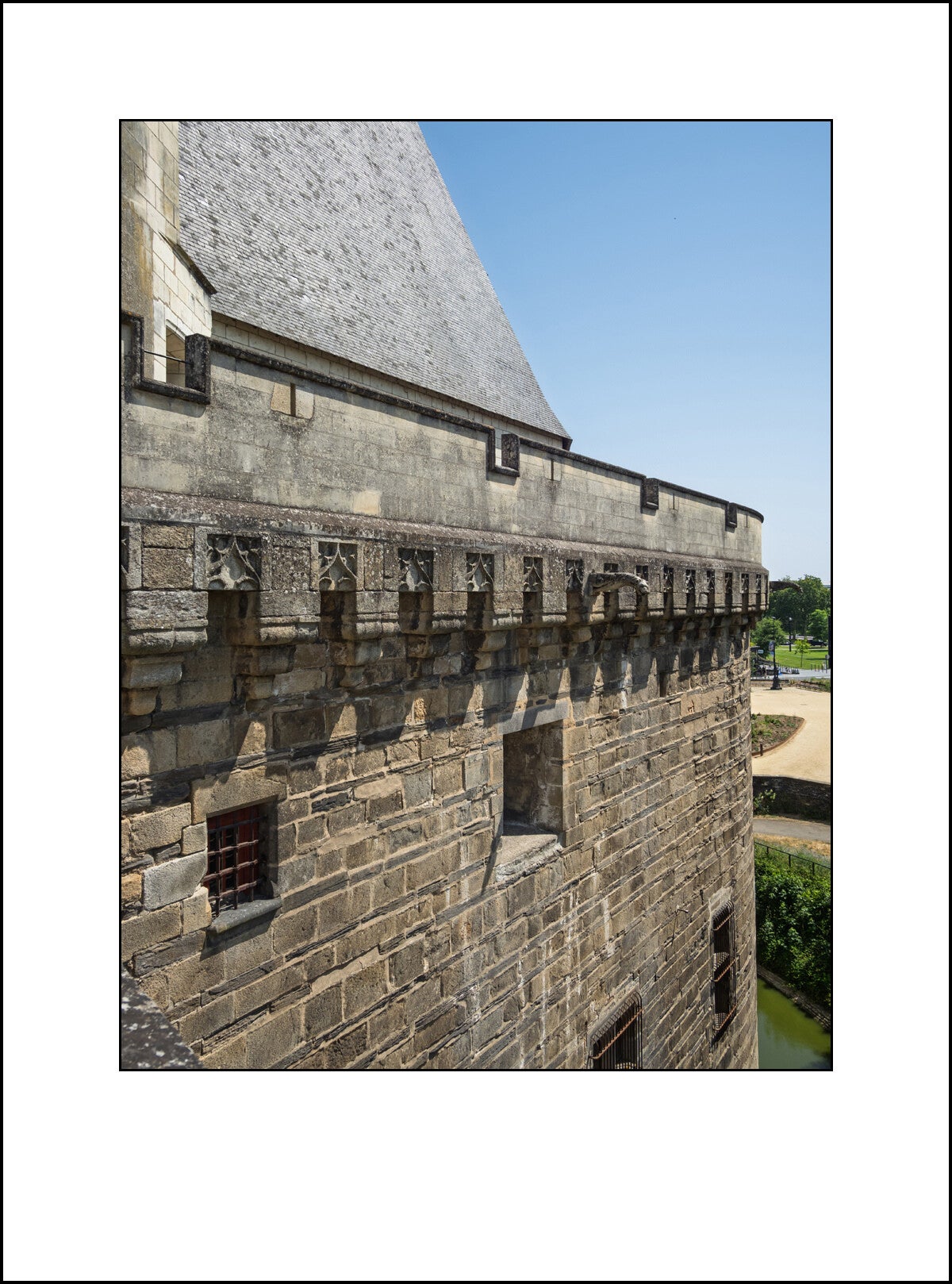
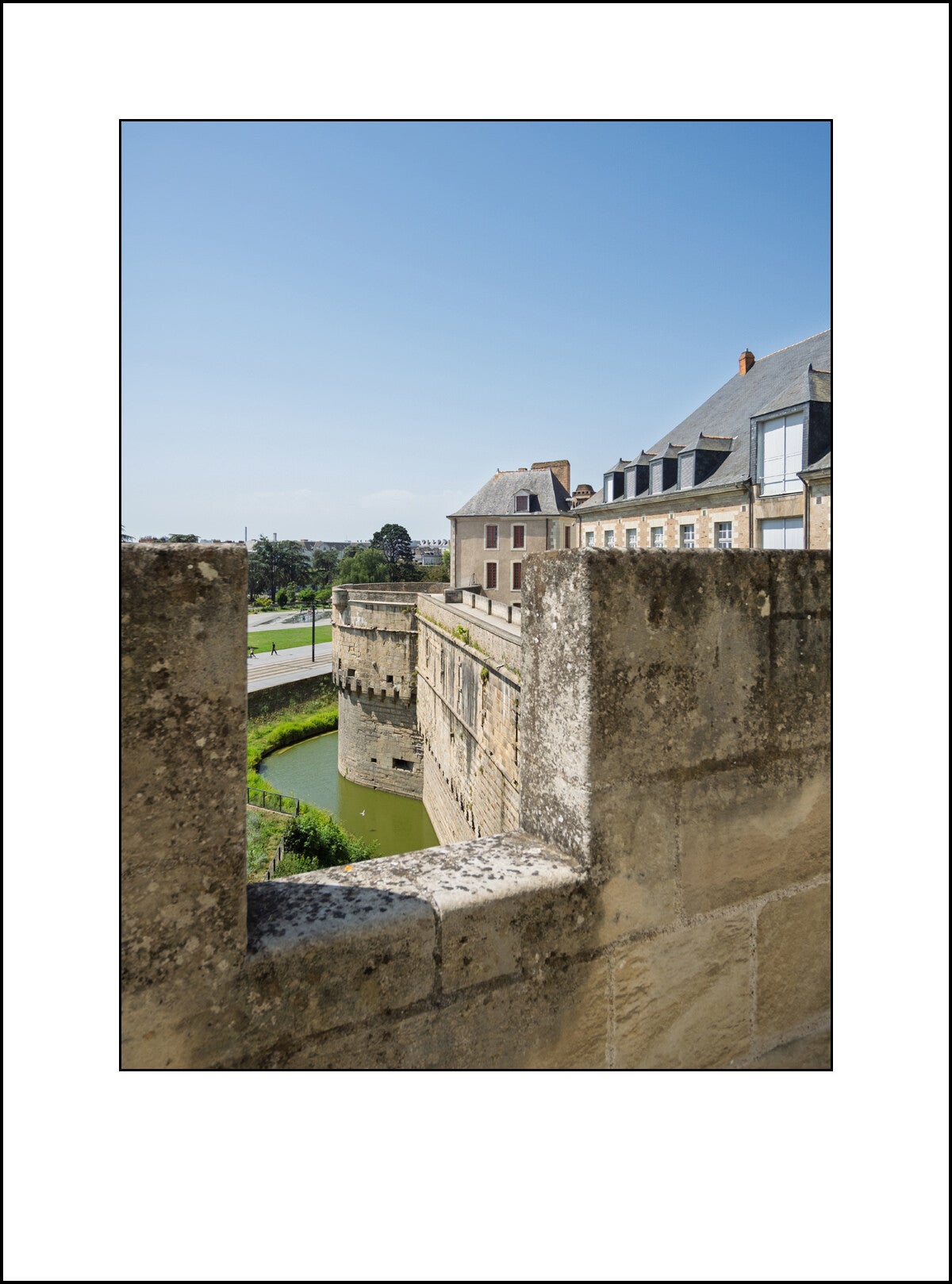
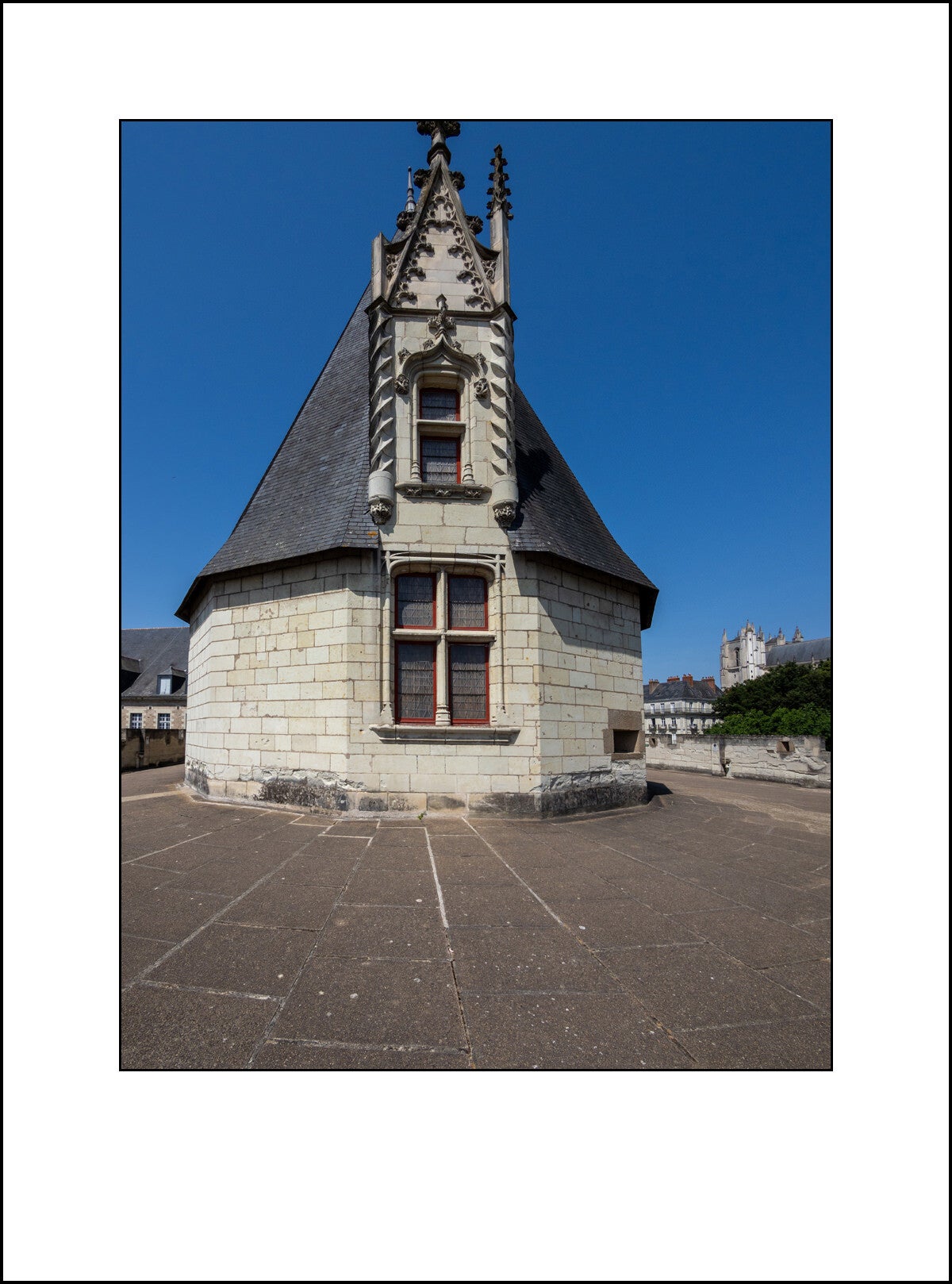
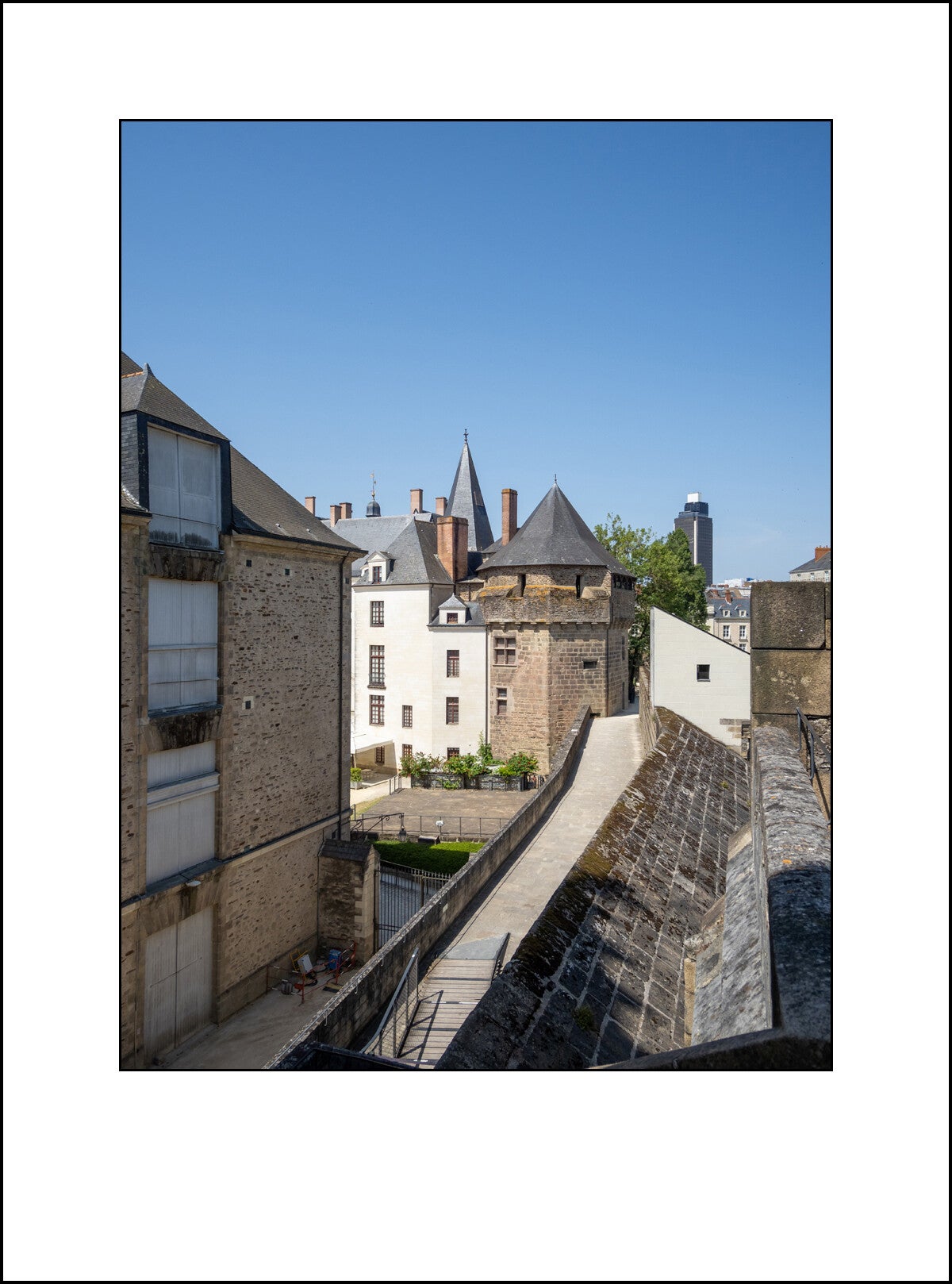
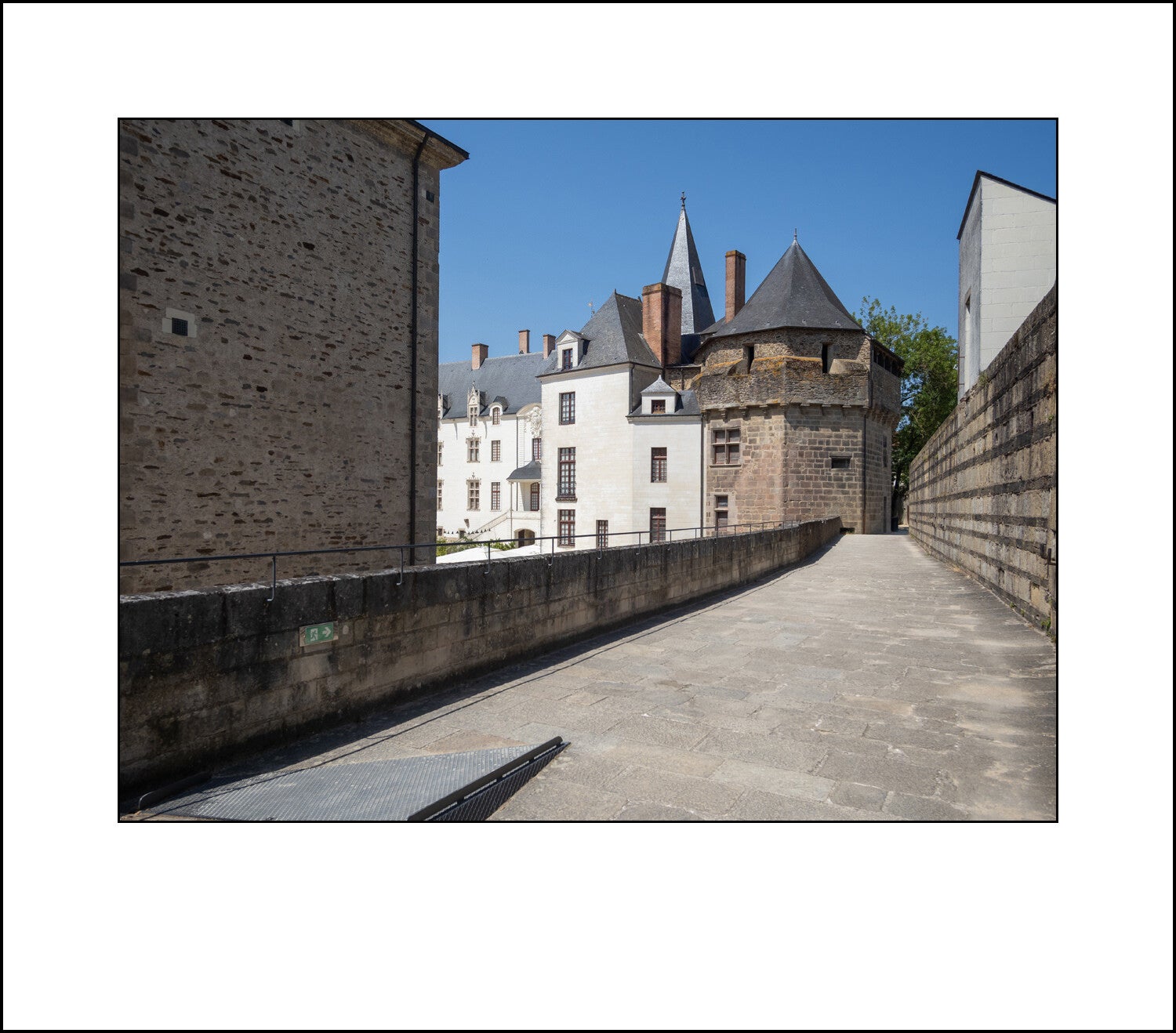
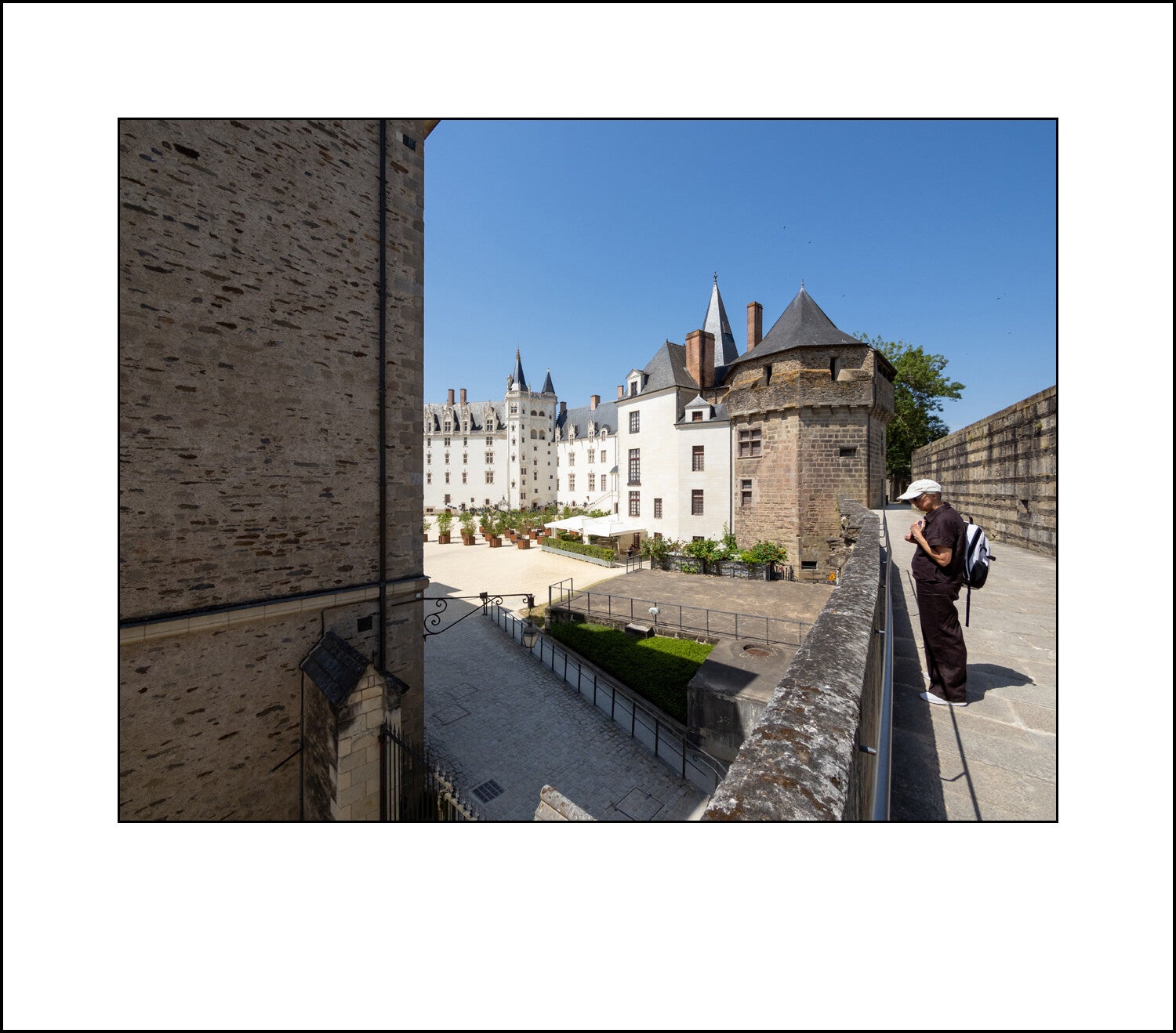
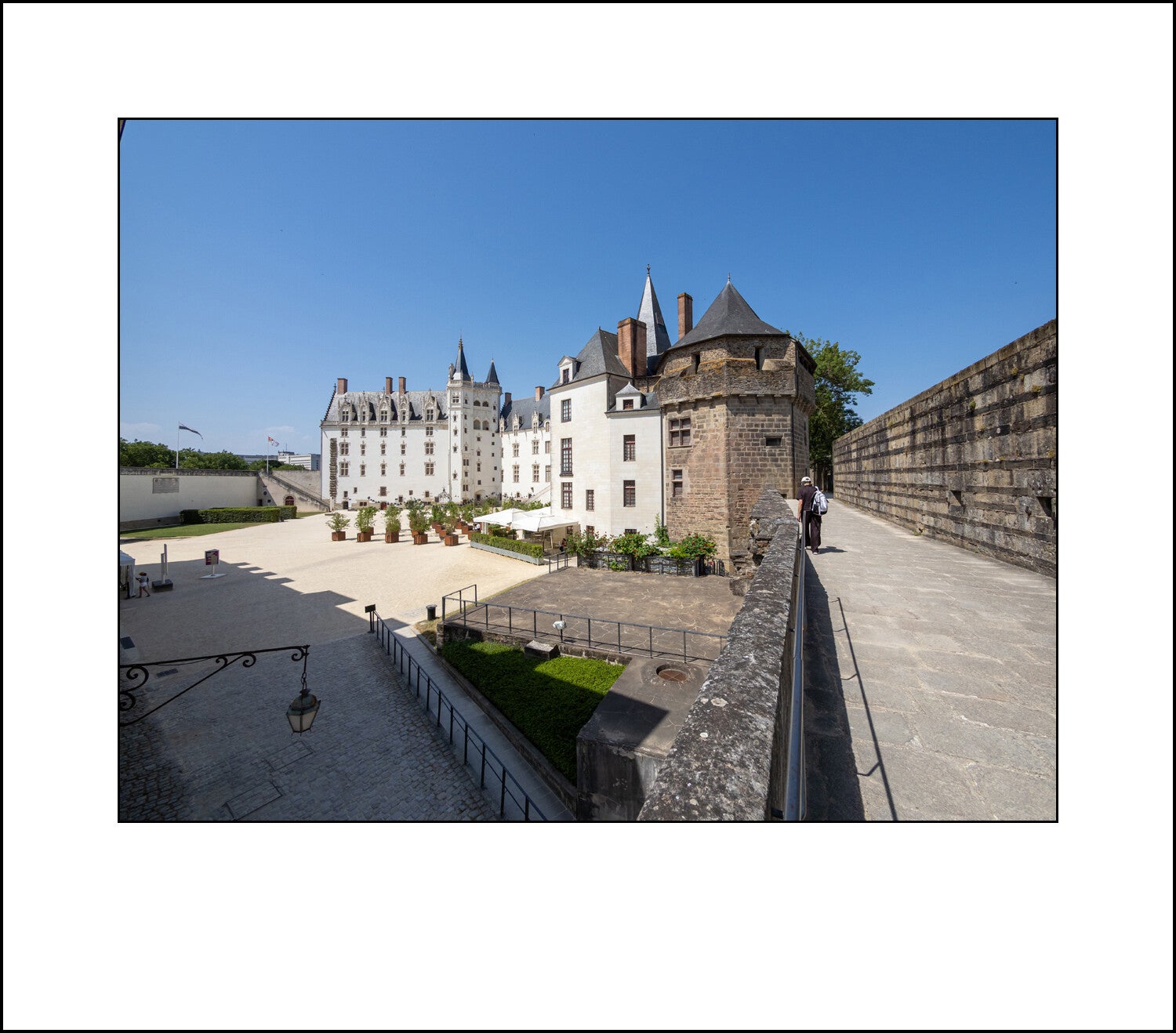
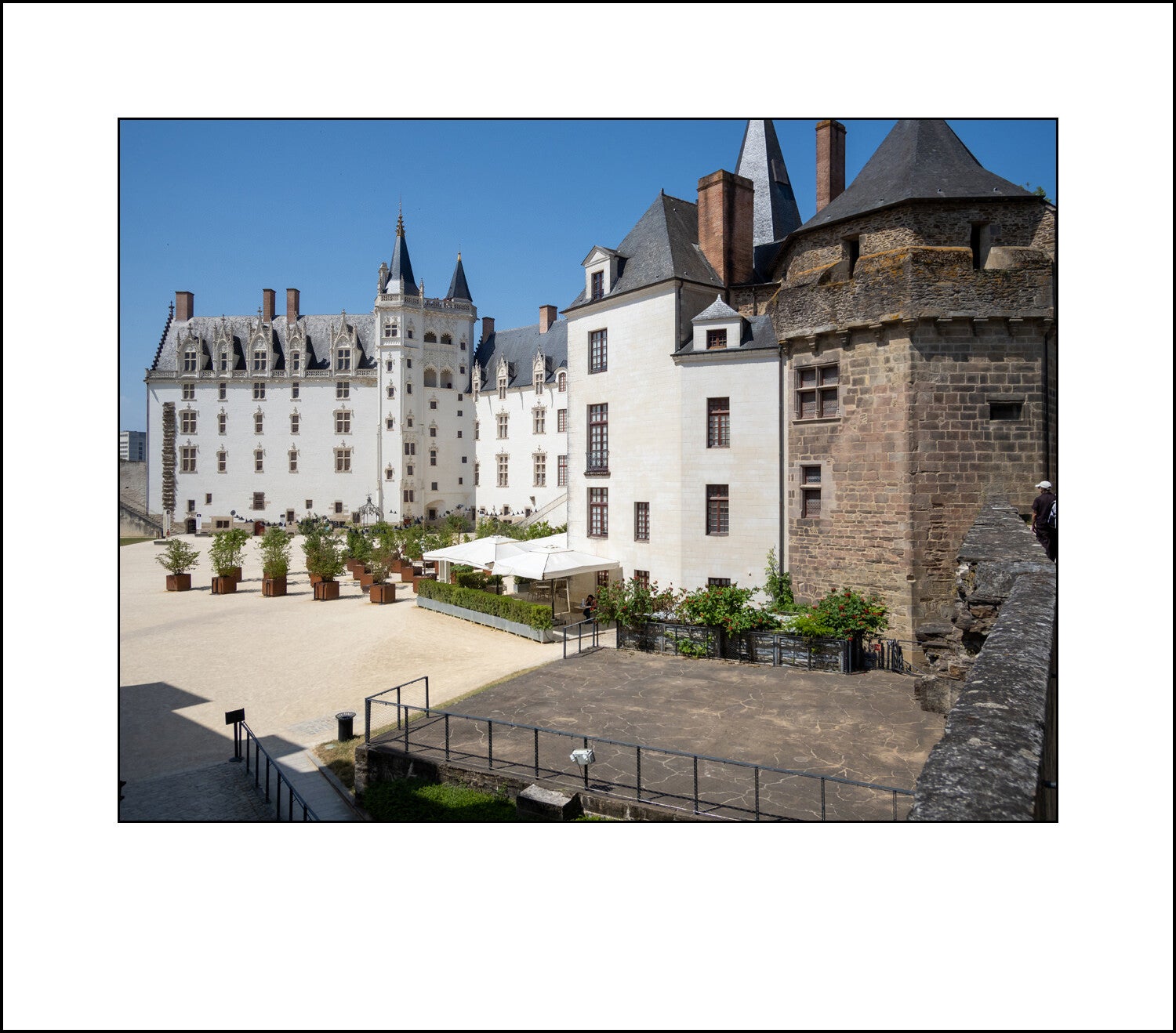
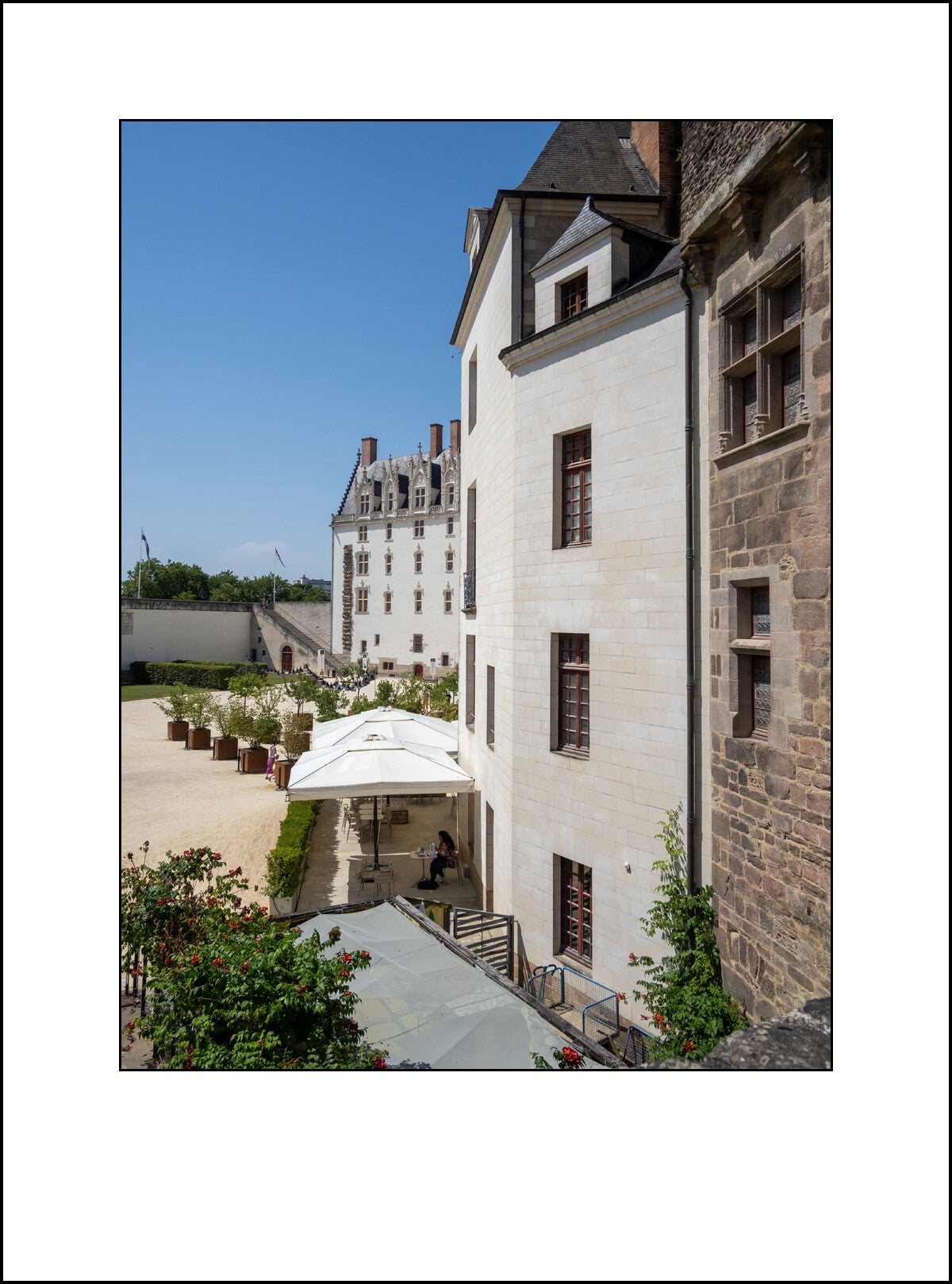
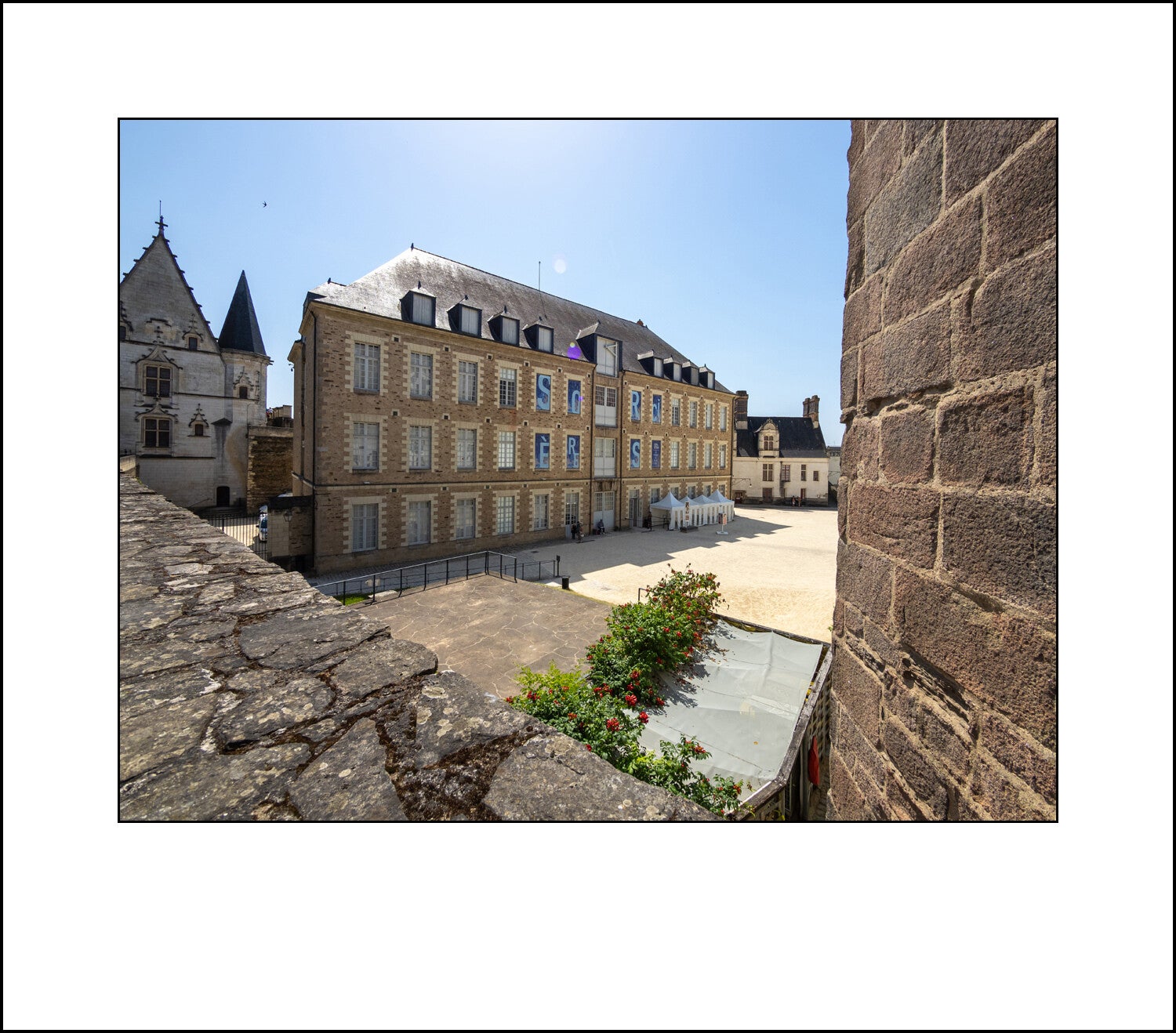
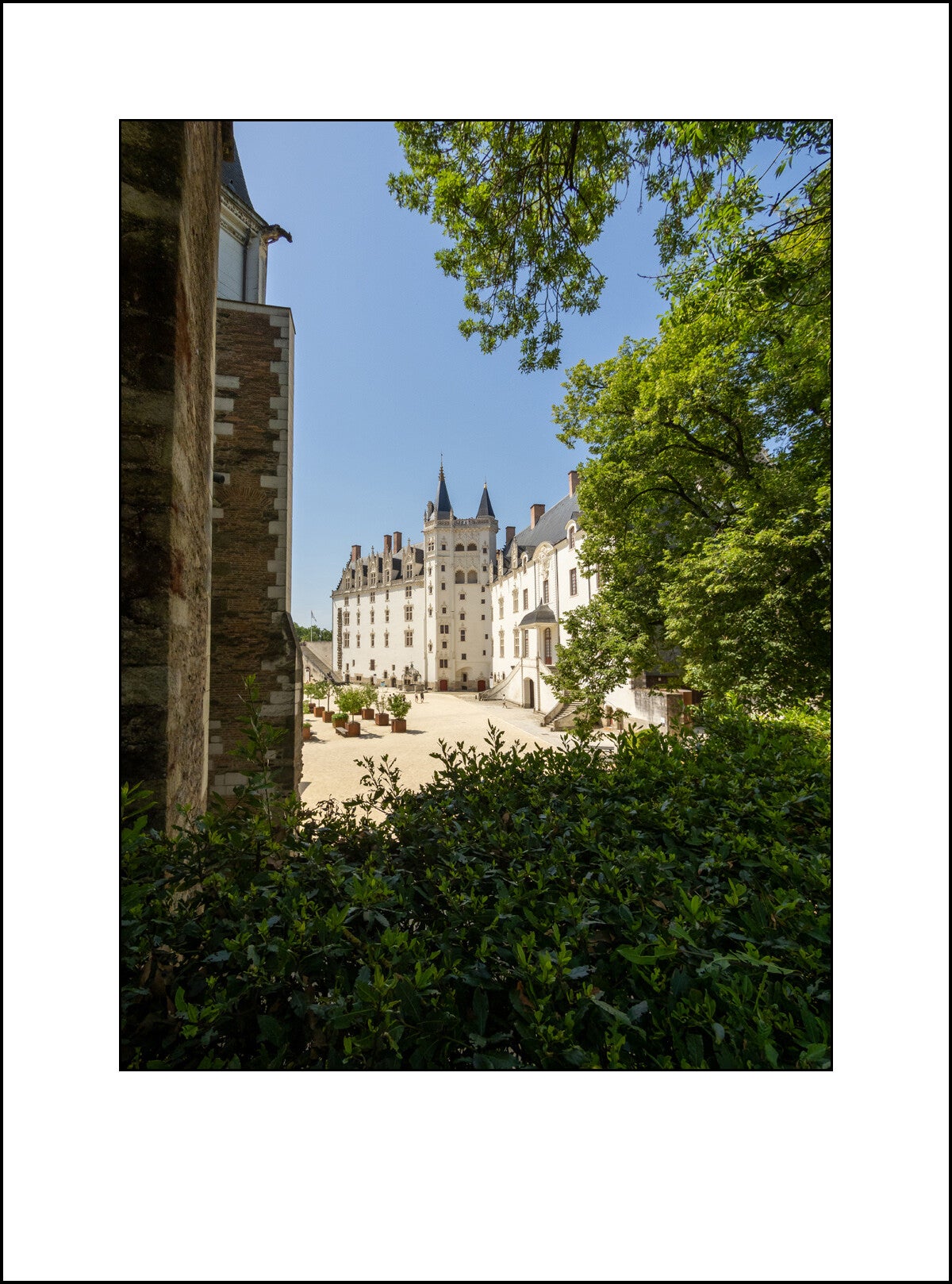
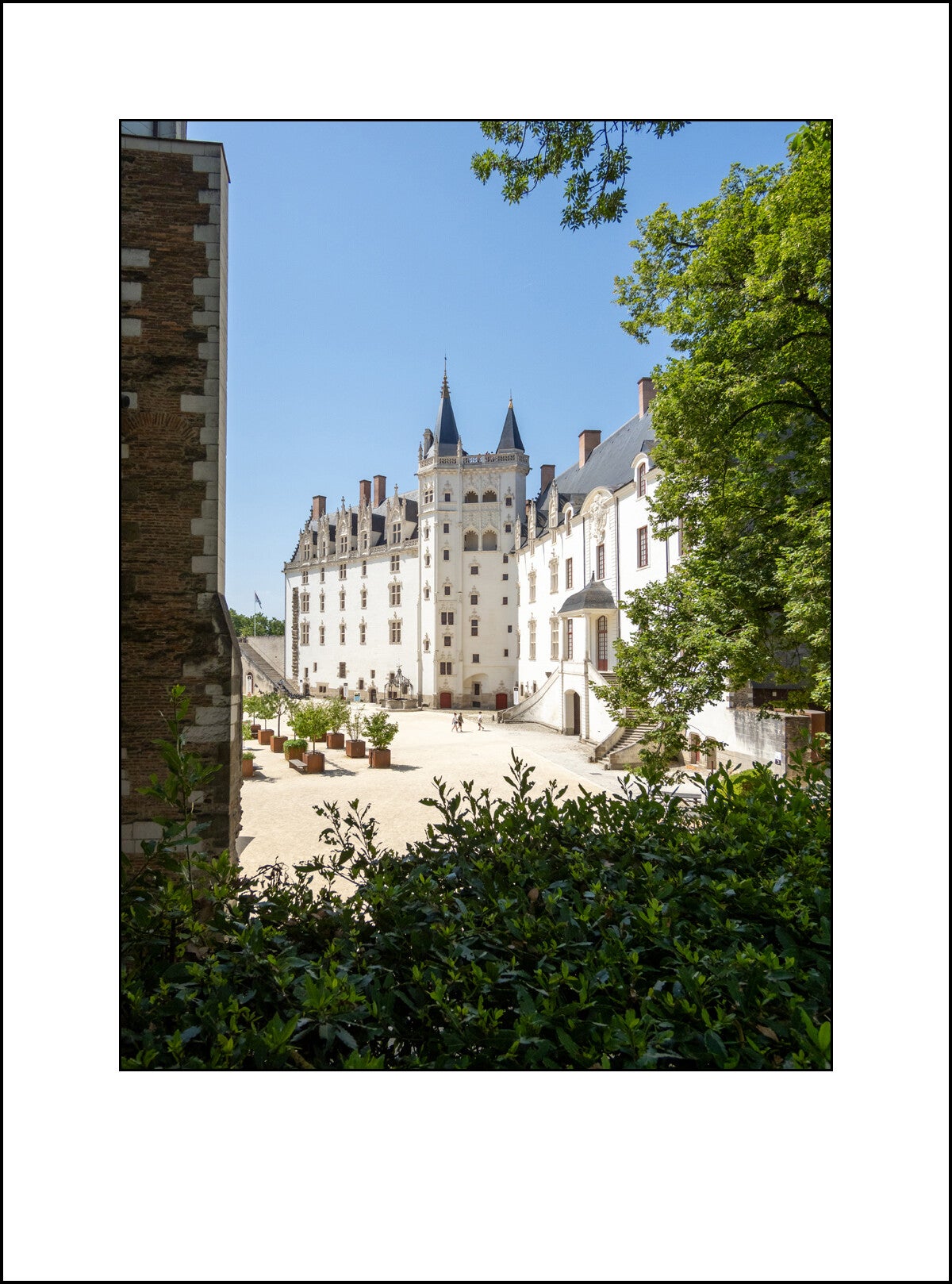
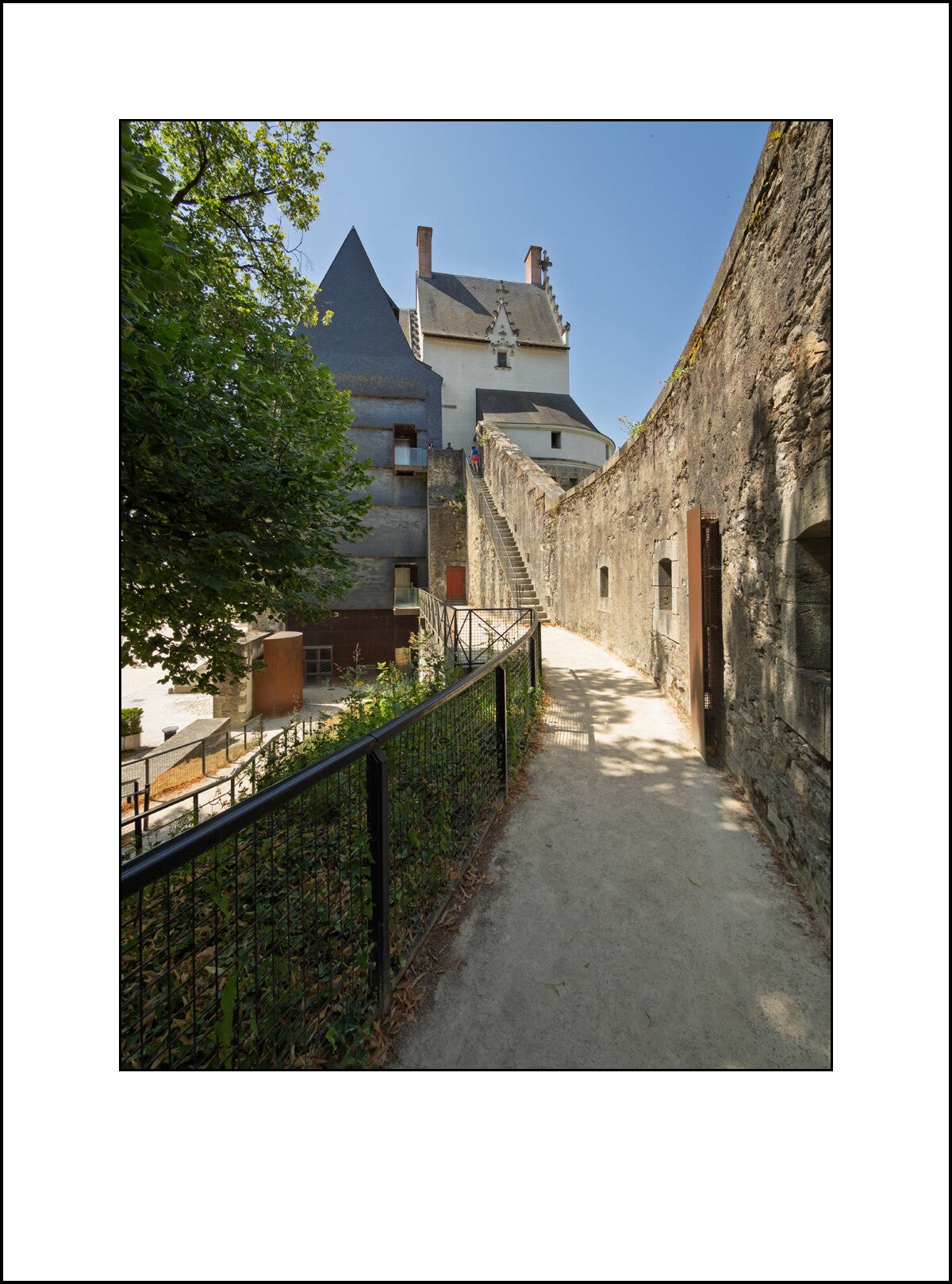
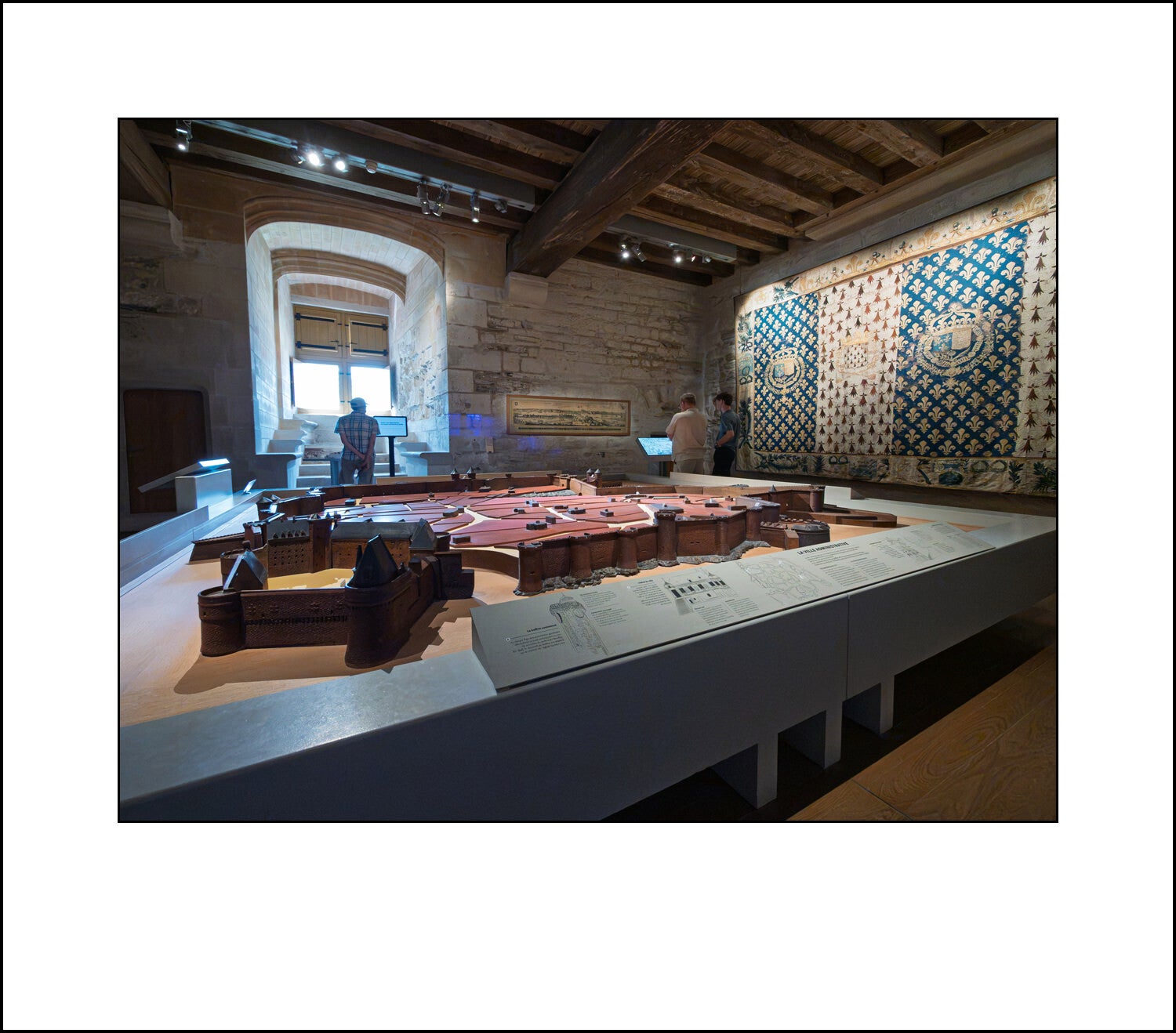
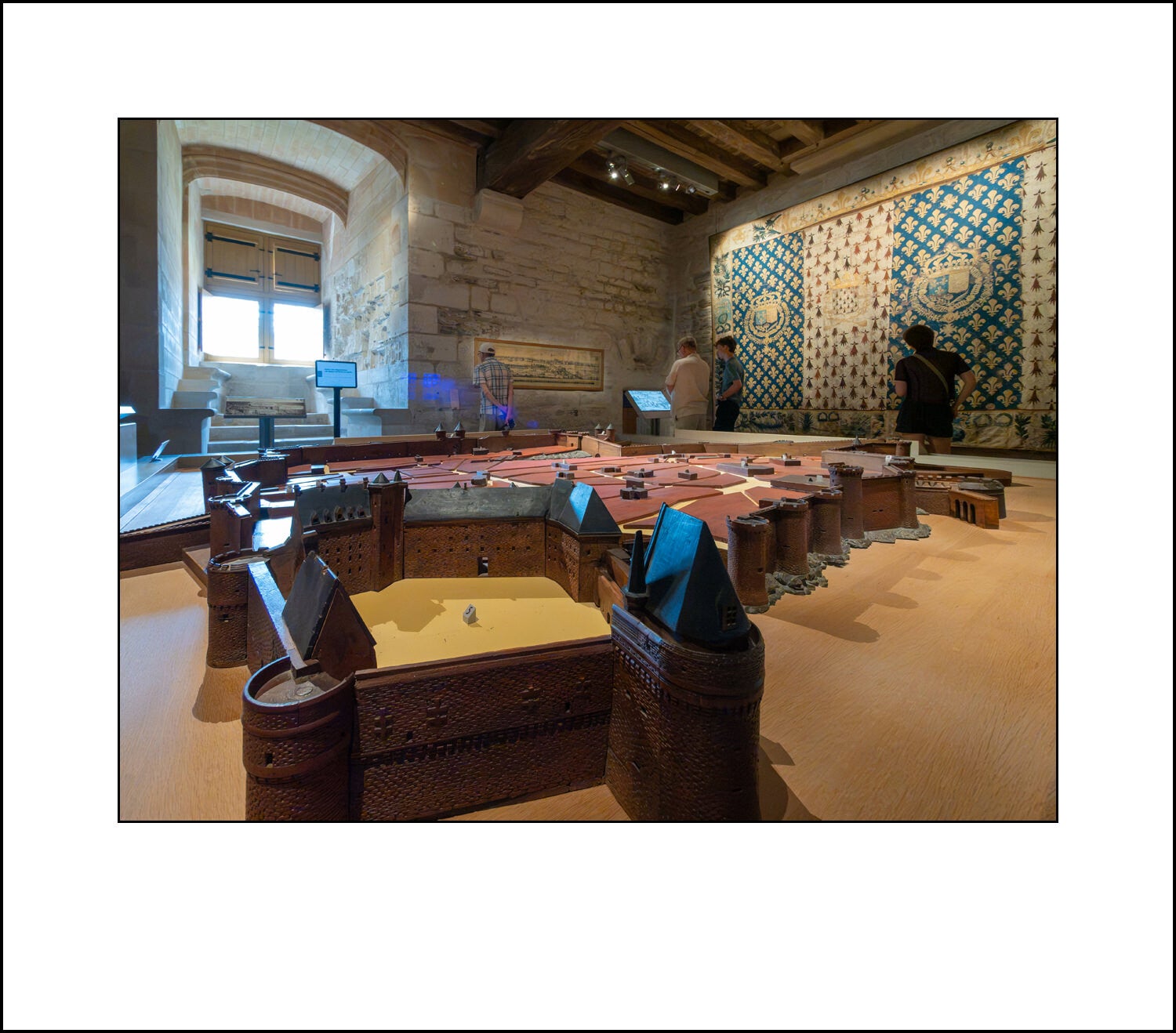
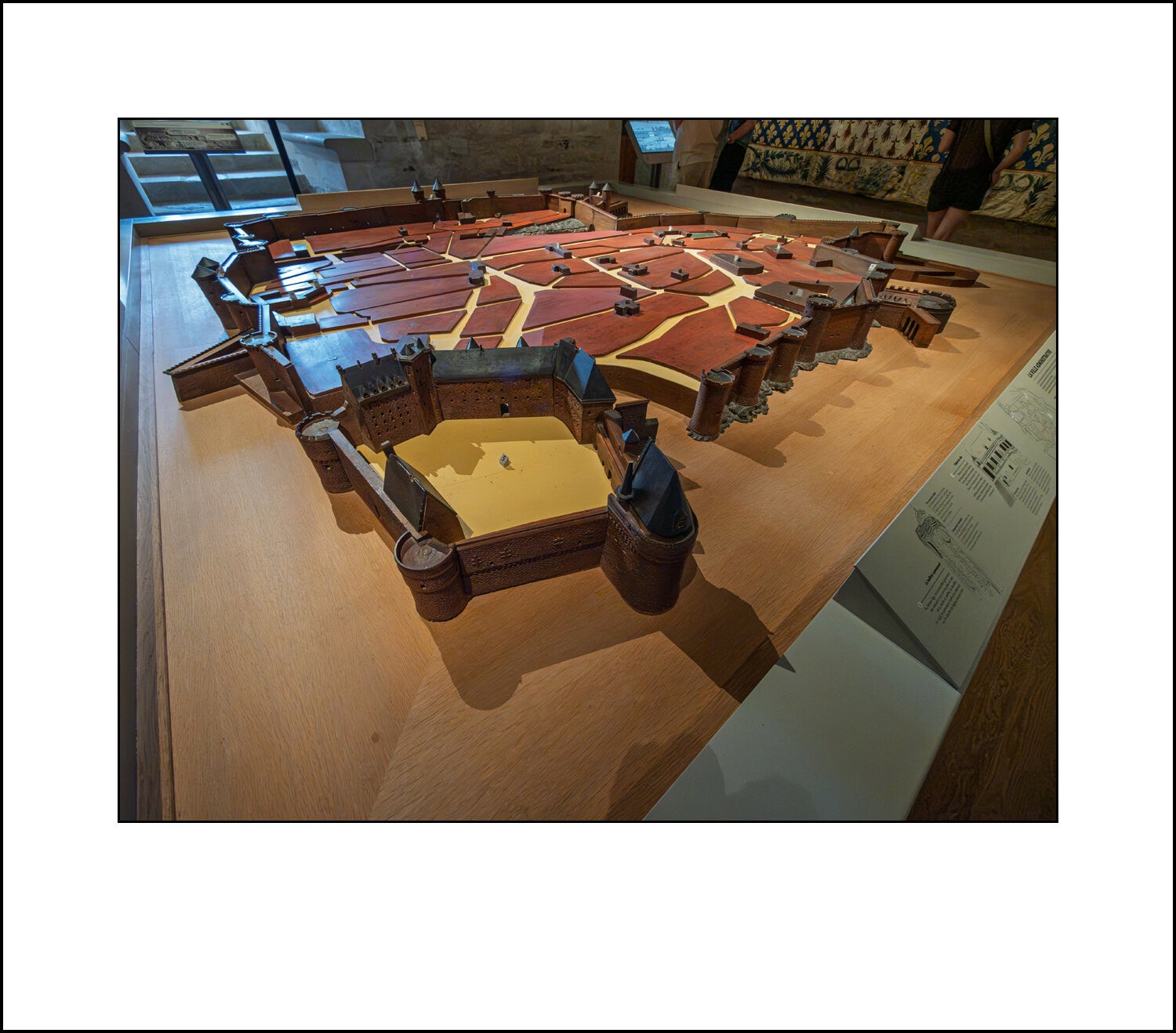
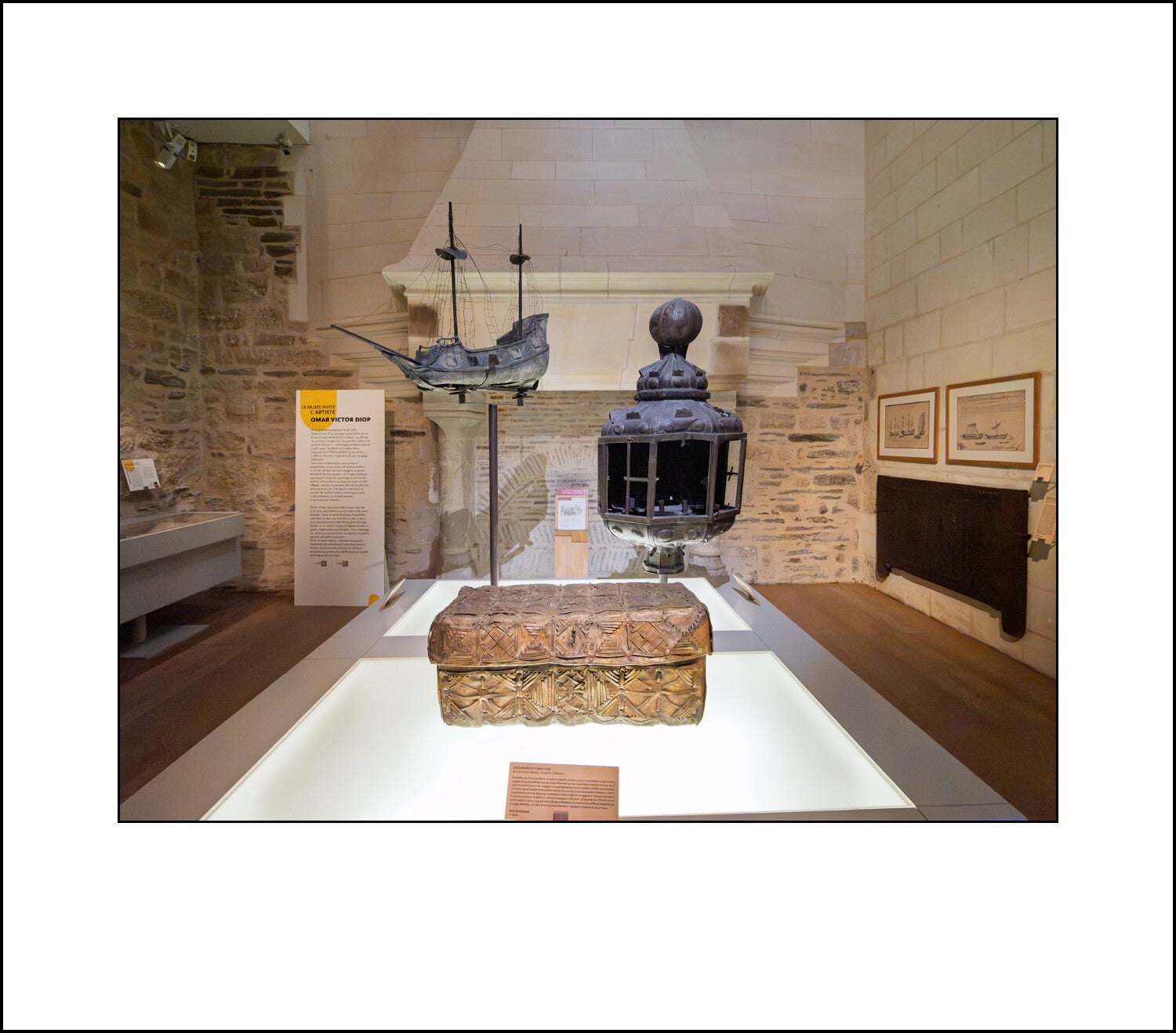
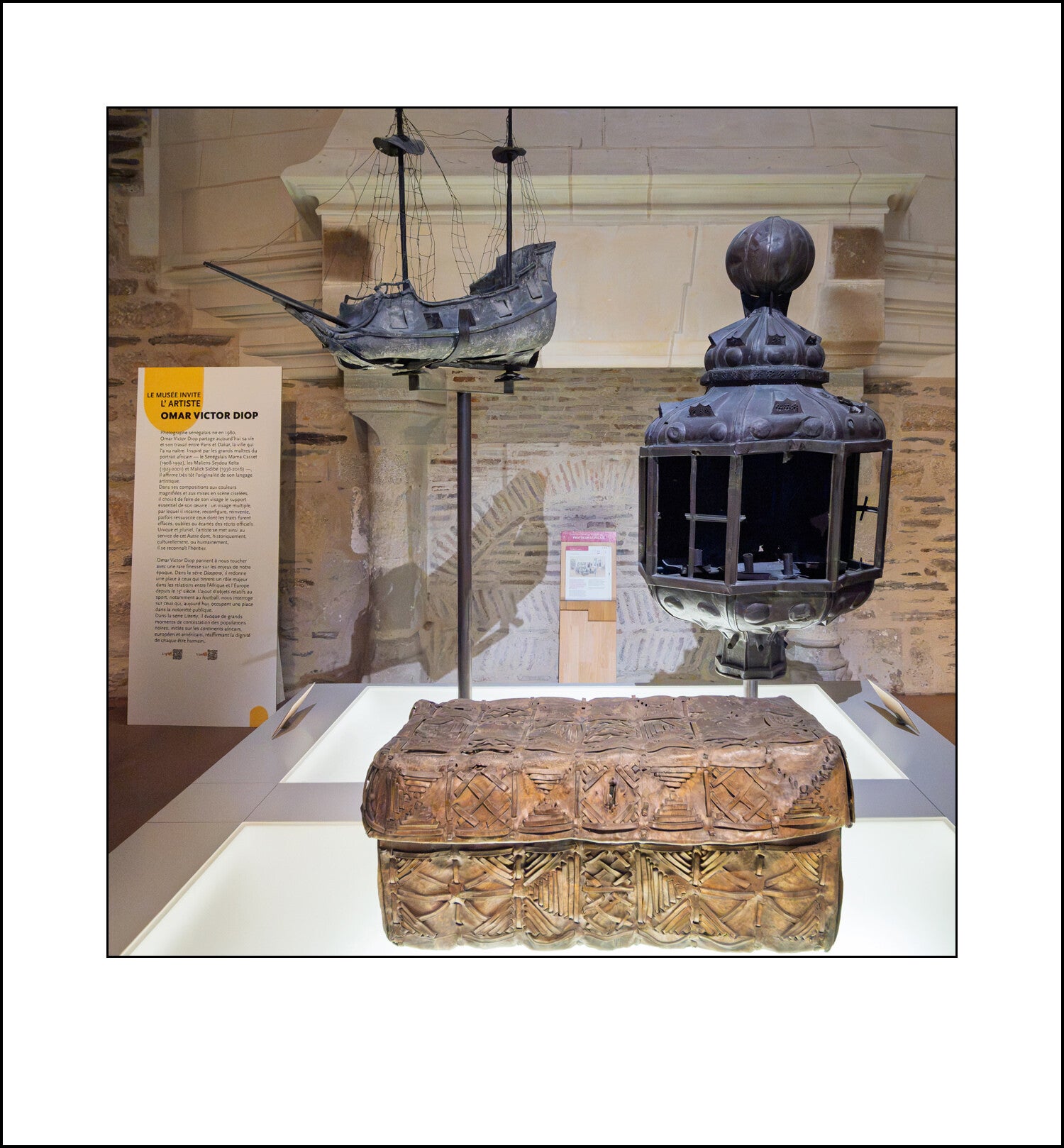
A walk through the city reveals architectural marvels from different eras. The Château des Ducs de Bretagne, a grand fortress that once served as a royal residence, is now a museum that chronicles the city's history. Its medieval towers and ramparts stand in contrast to the modernity of the nearby Machines of the Isle of Nantes, an artistic and mechanical wonder inspired by the works of Jules Verne, who was born in Nantes.
Cultural Vibrancy
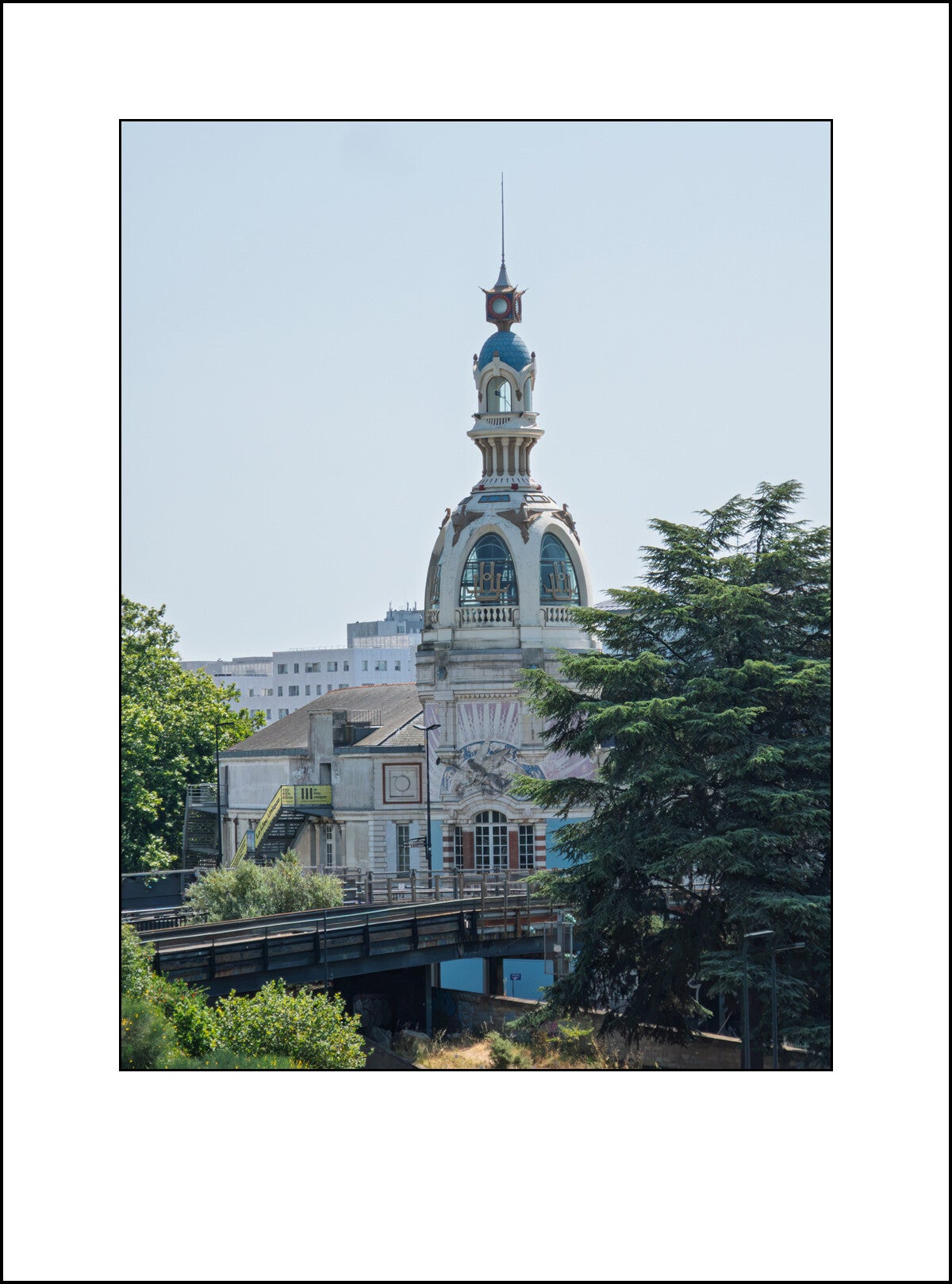
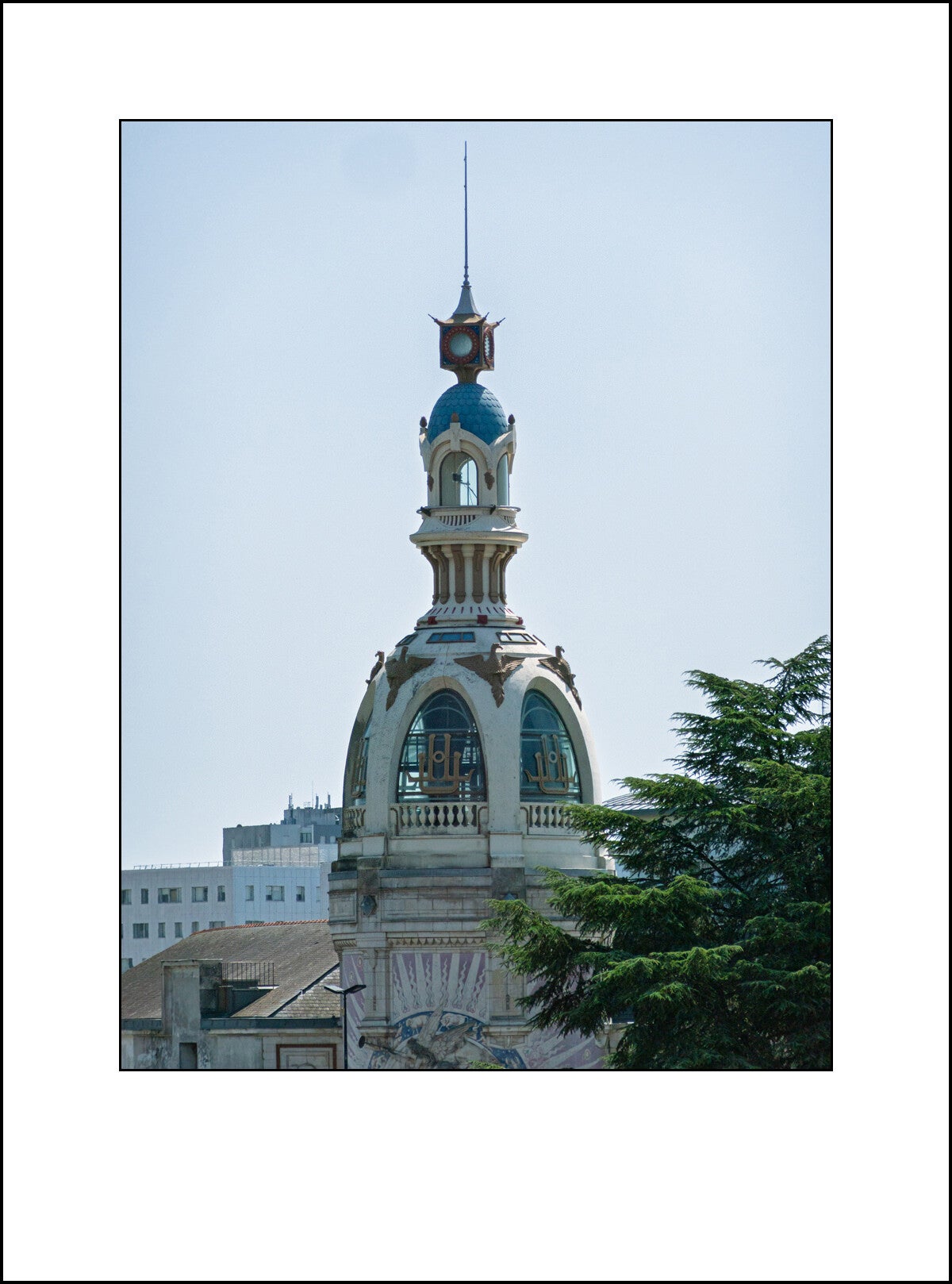
Nantes is a cultural hotspot, offering a plethora of experiences for art lovers, music enthusiasts, and history buffs alike. The city is home to numerous festivals, such as the renowned La Folle Journée, a classical music festival that draws international talent and audiences. The Lieu Unique, a former biscuit factory turned contemporary arts center, provides a dynamic space for exhibitions, performances, and gatherings, reflecting the city's embrace of creativity and innovation.
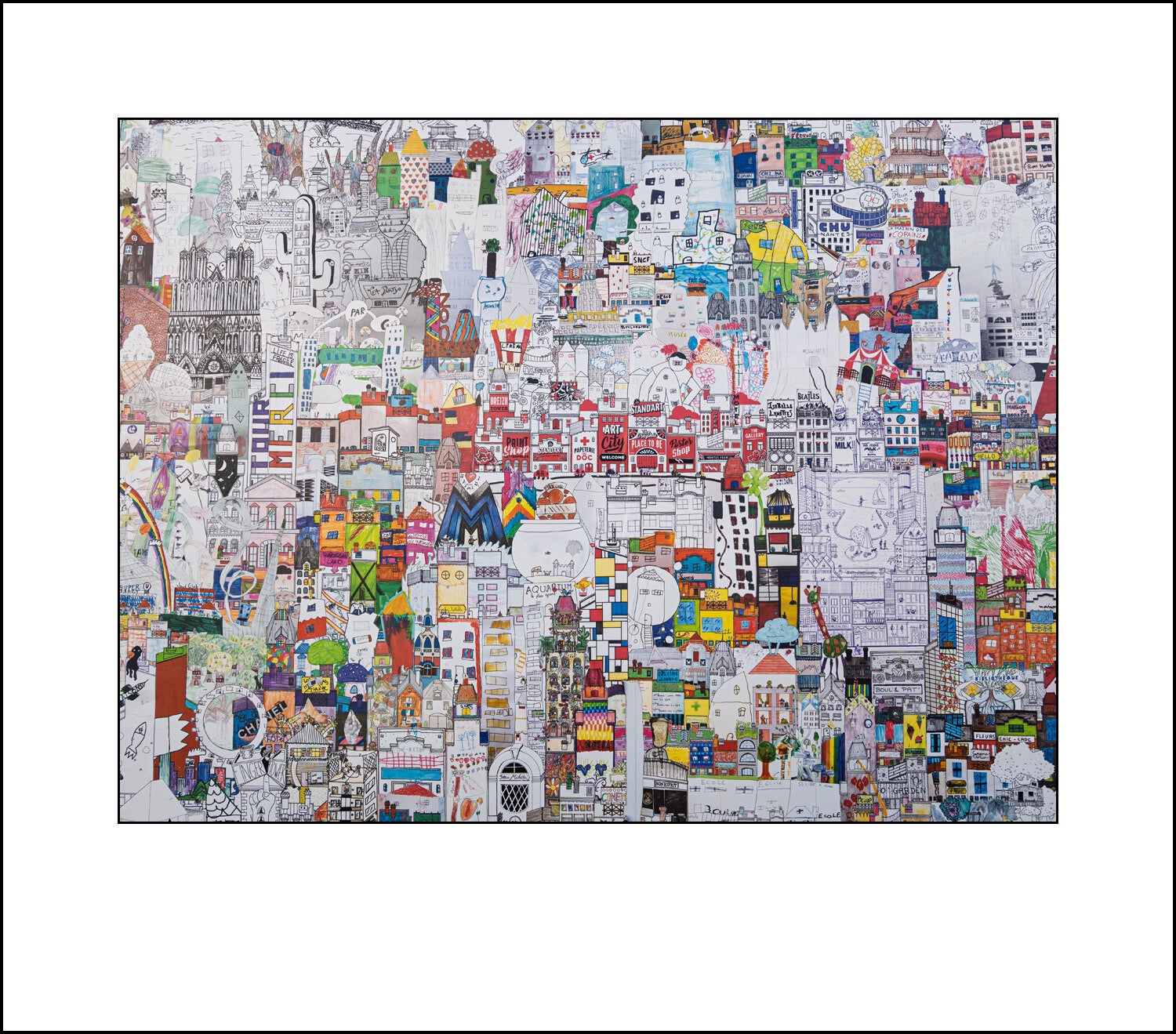
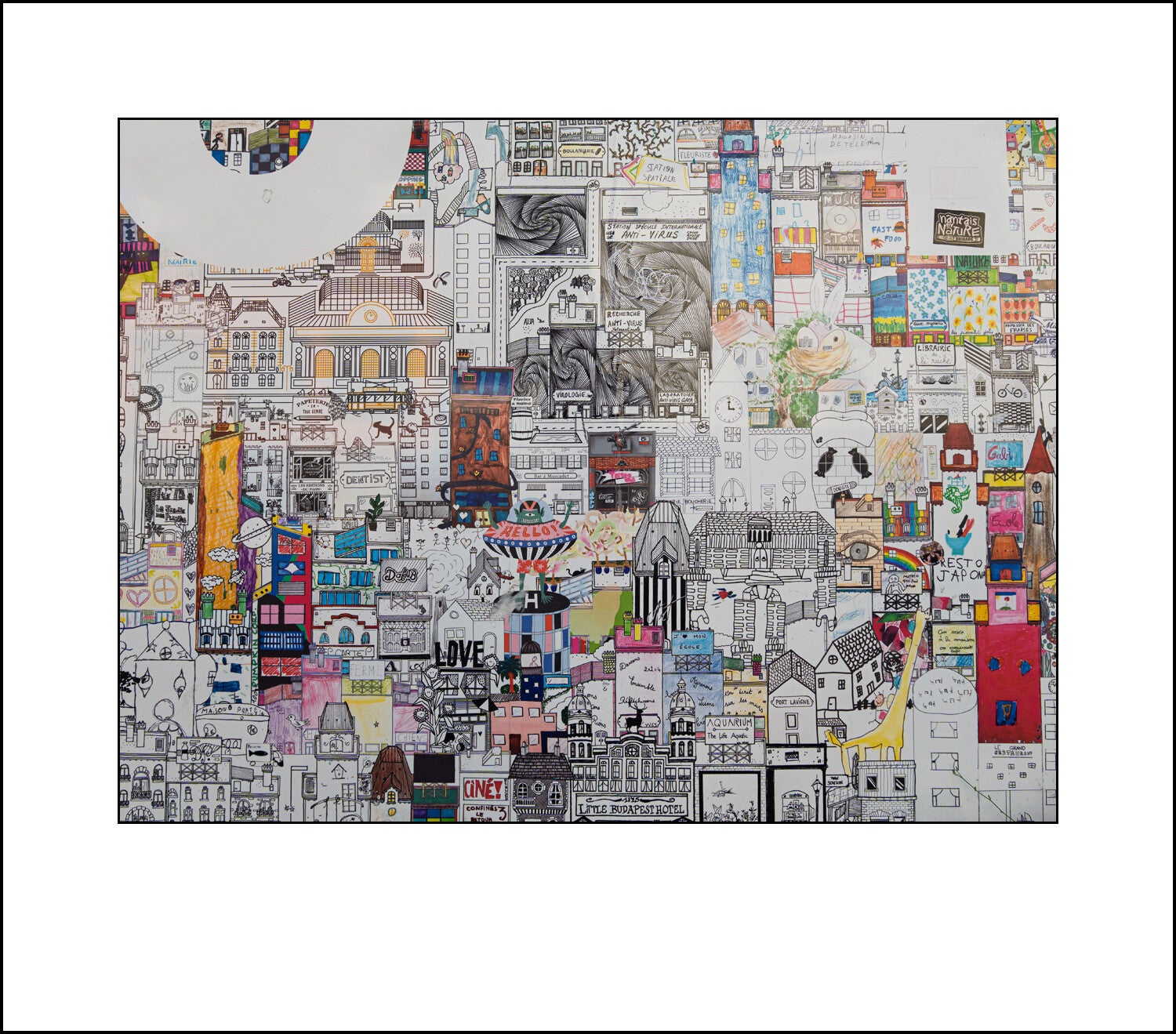
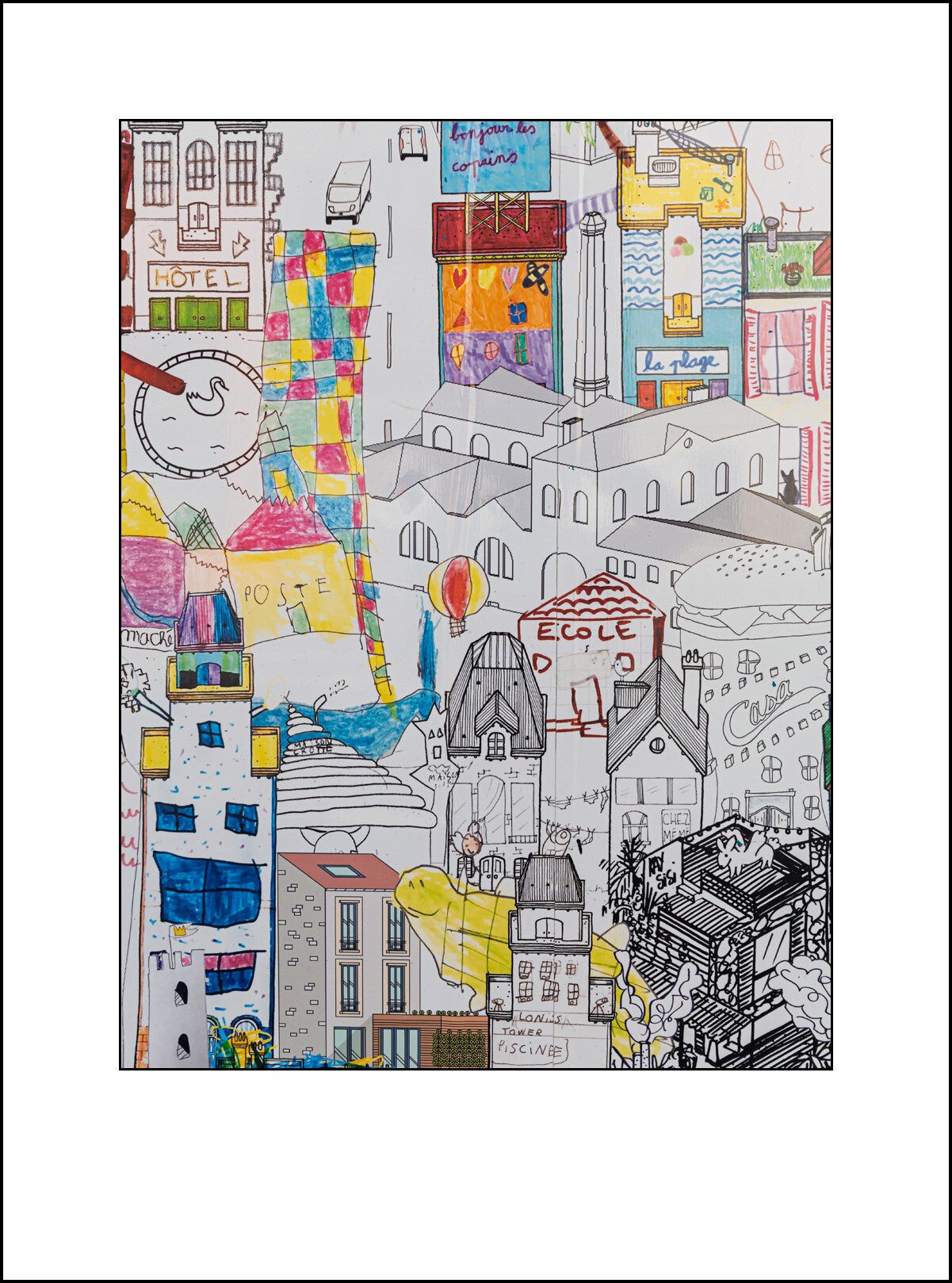
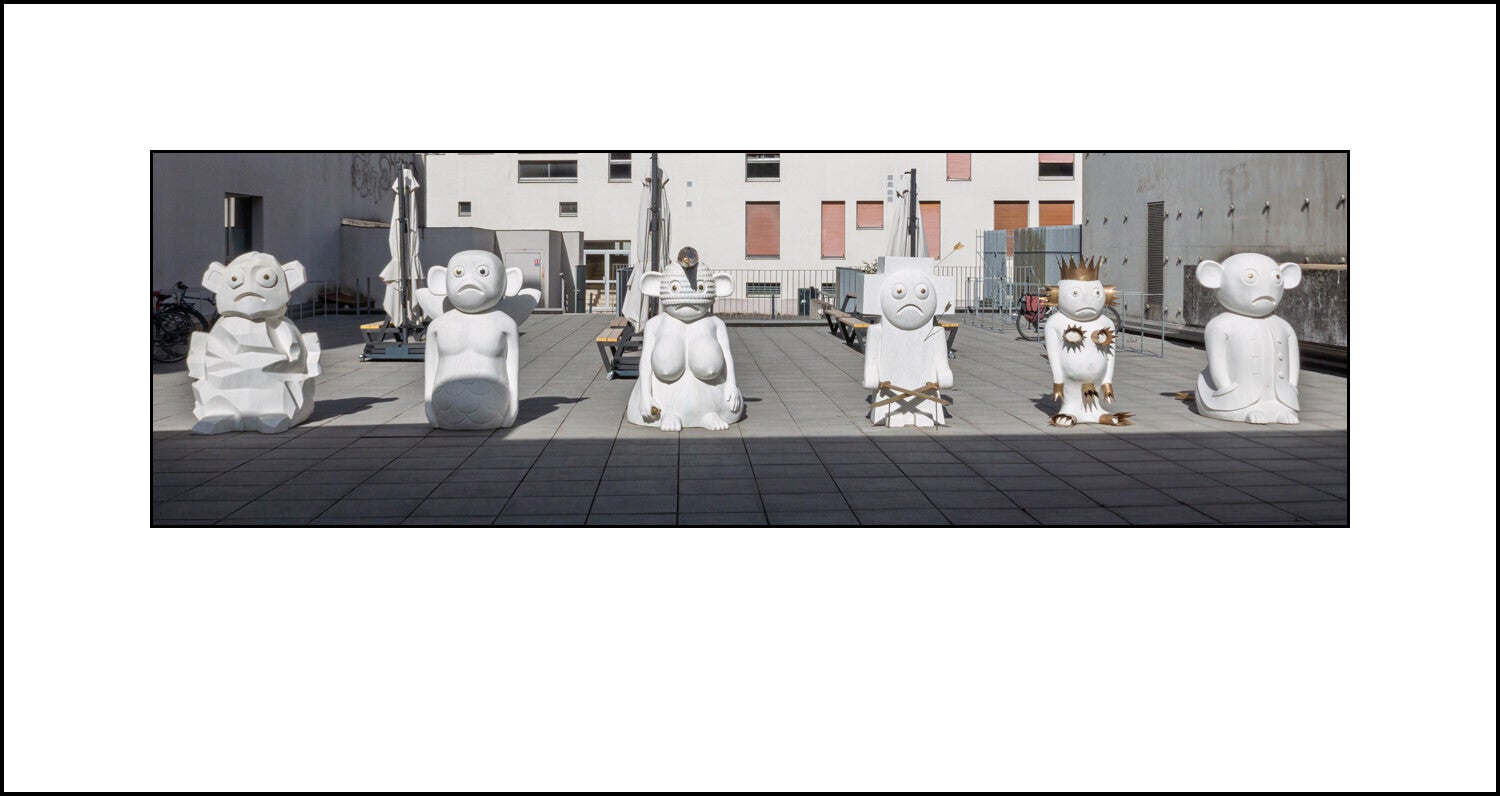
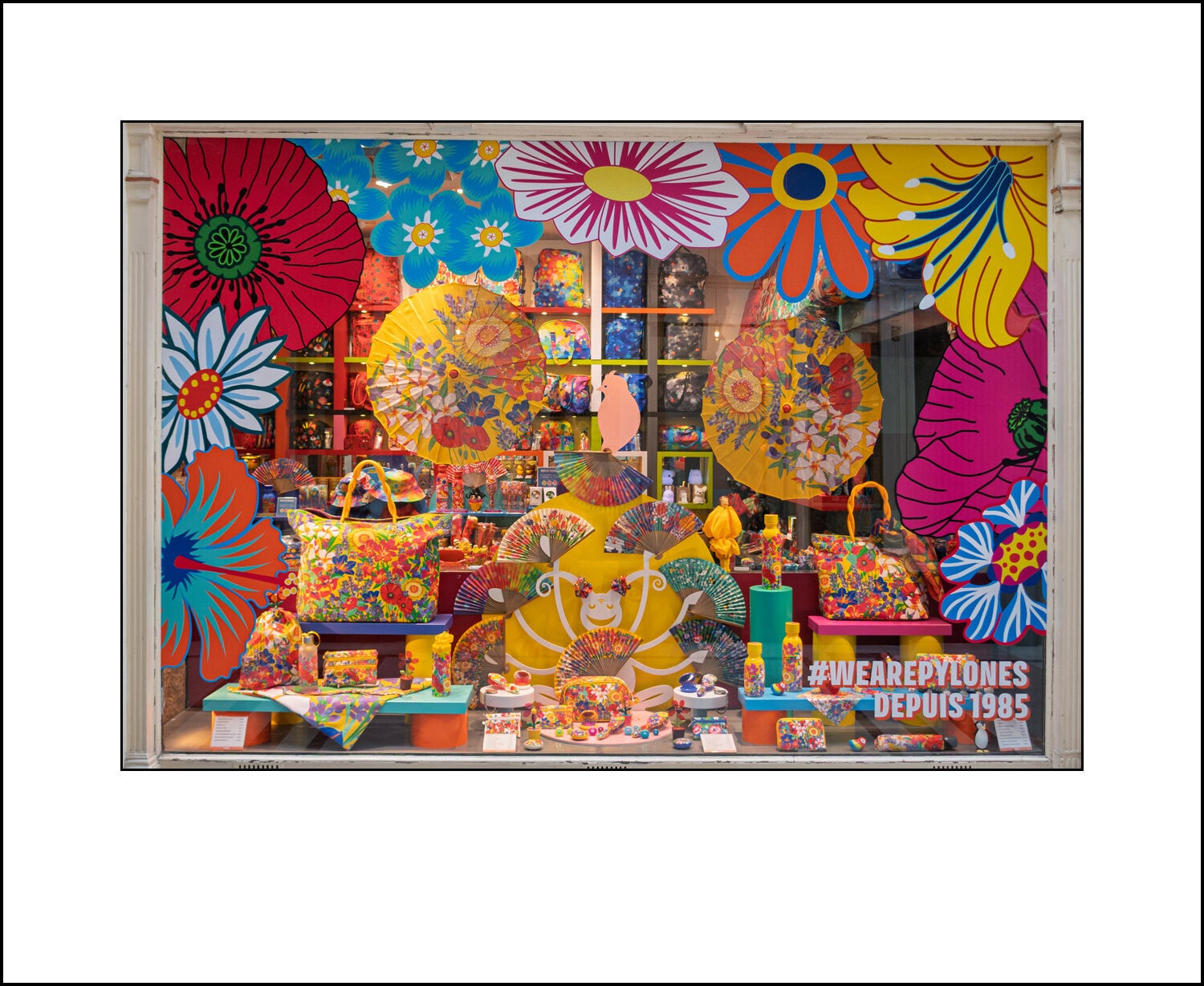
The city's commitment to arts and culture is further exemplified by its street art scene, which adds vibrant colors and narratives to its streets. The Voyage à Nantes, an annual art trail, transforms the city into an open-air gallery, showcasing installations and artworks that engage both residents and visitors.
A Beacon of Sustainability
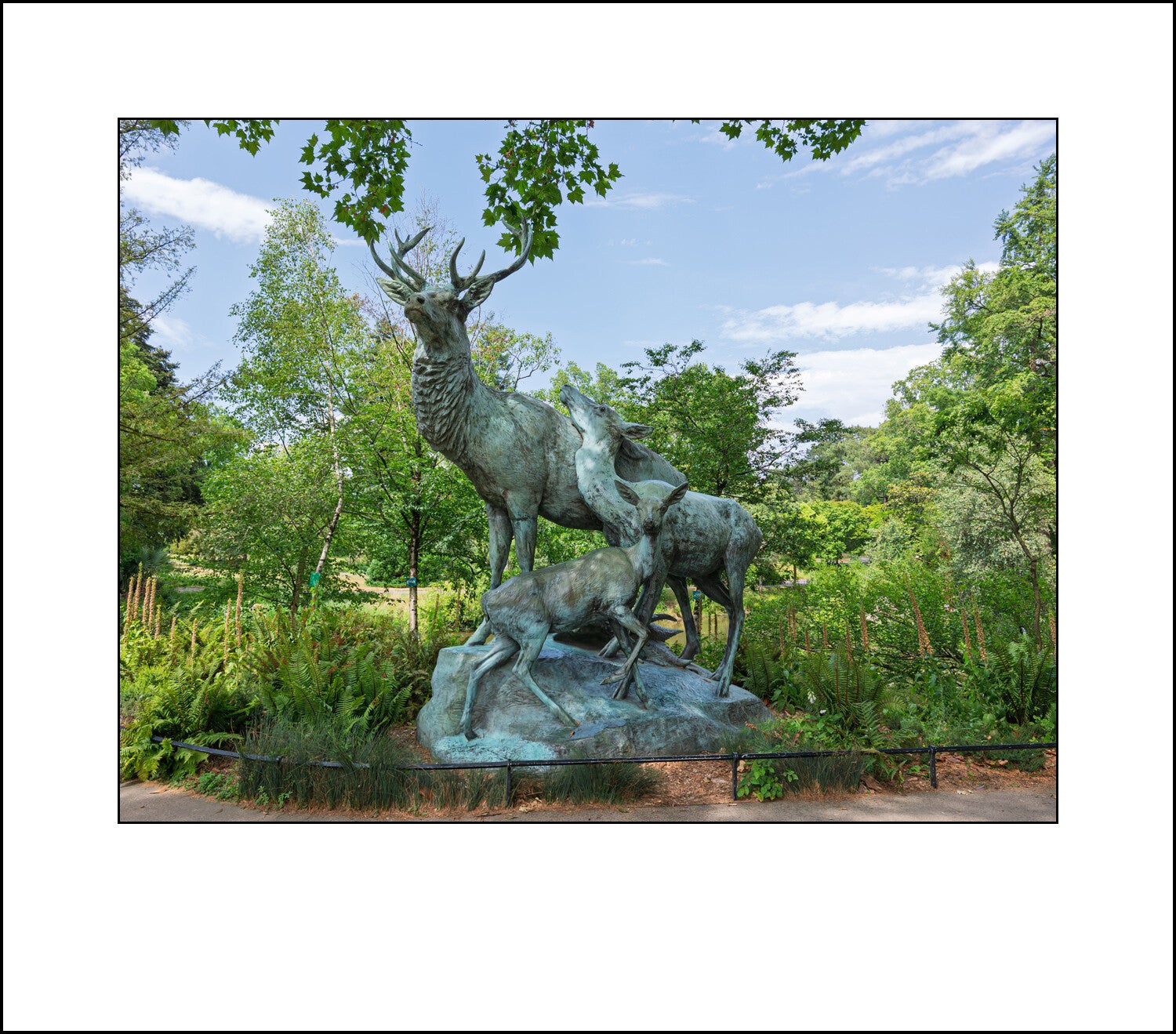
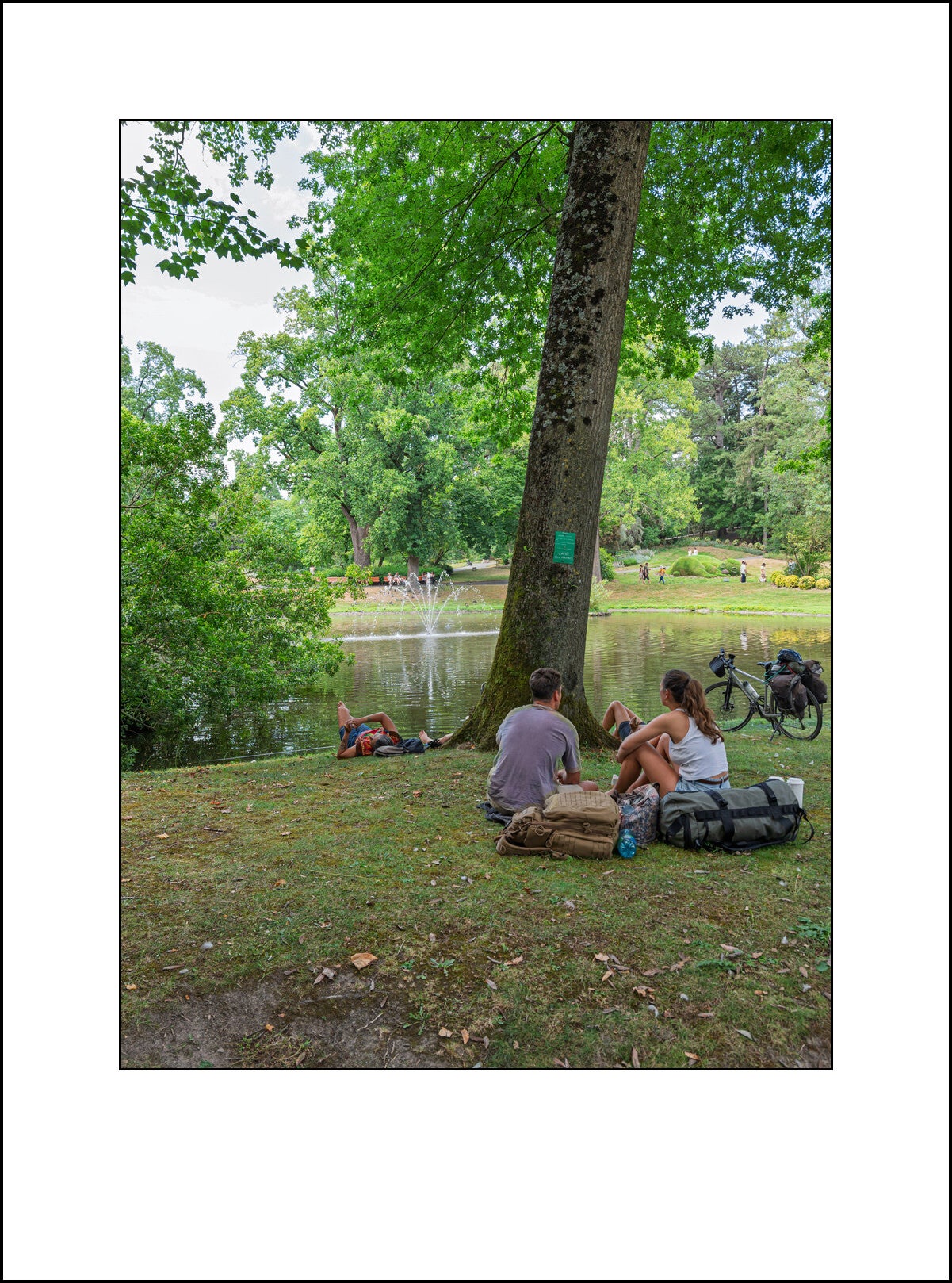
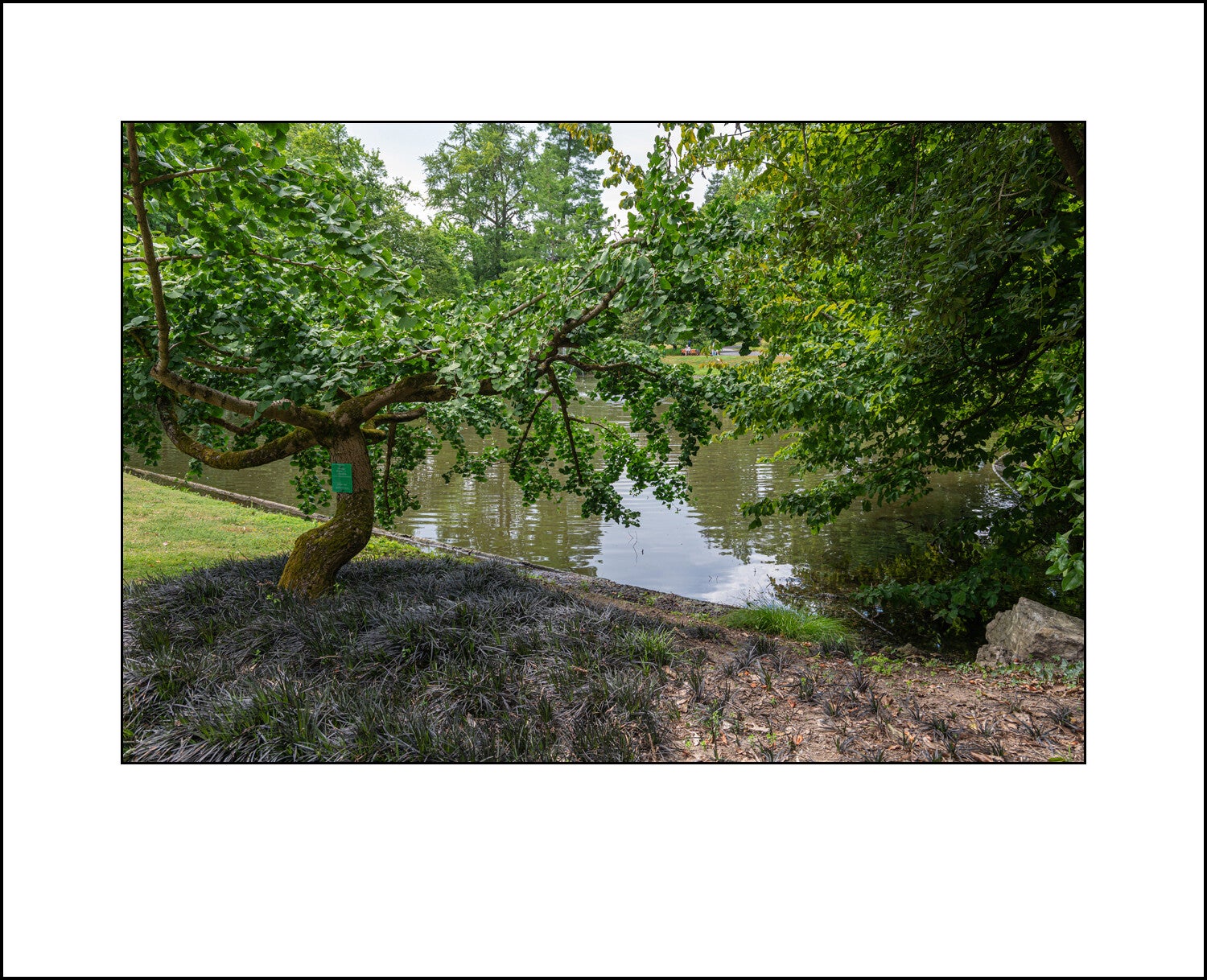
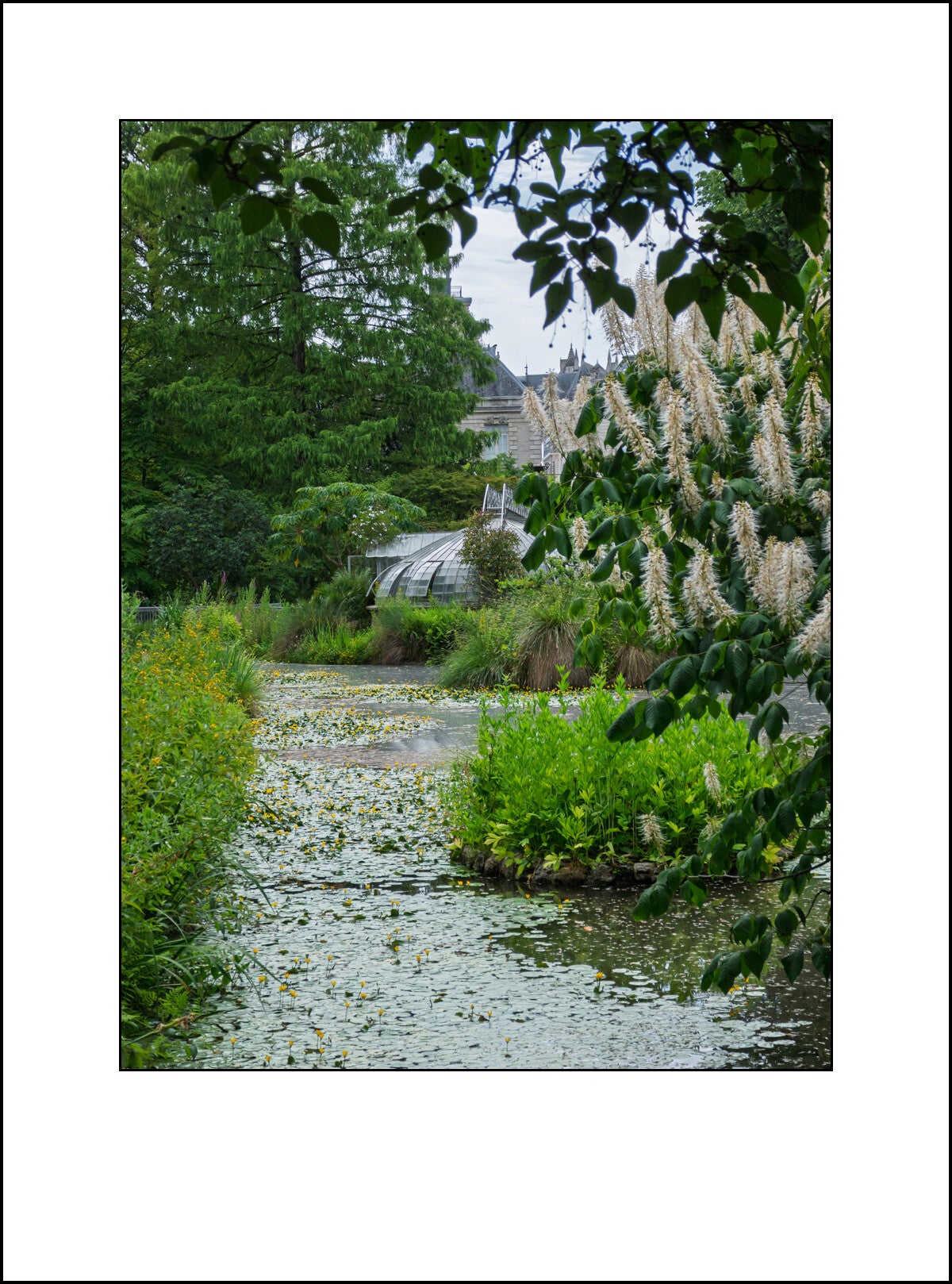
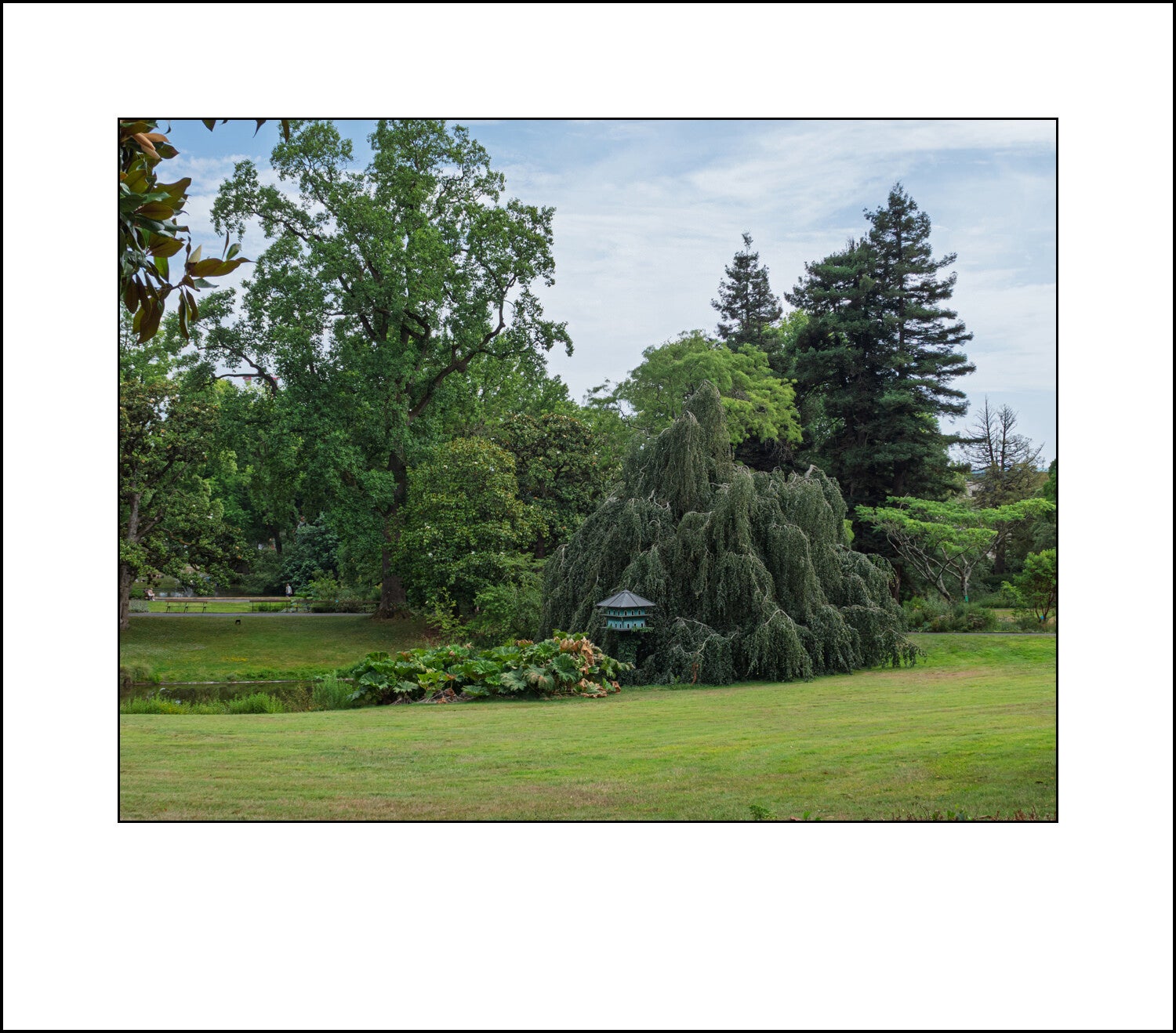
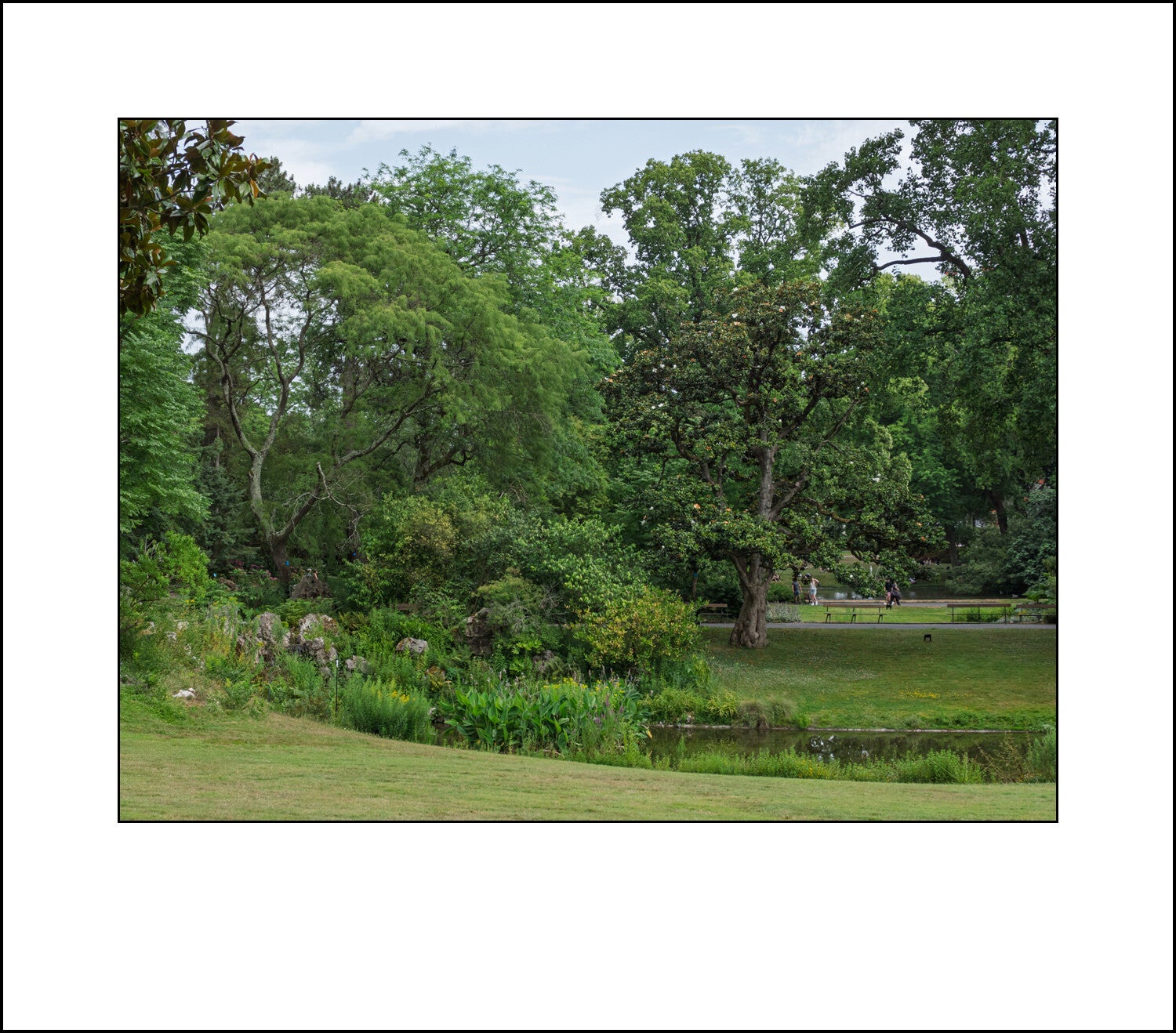
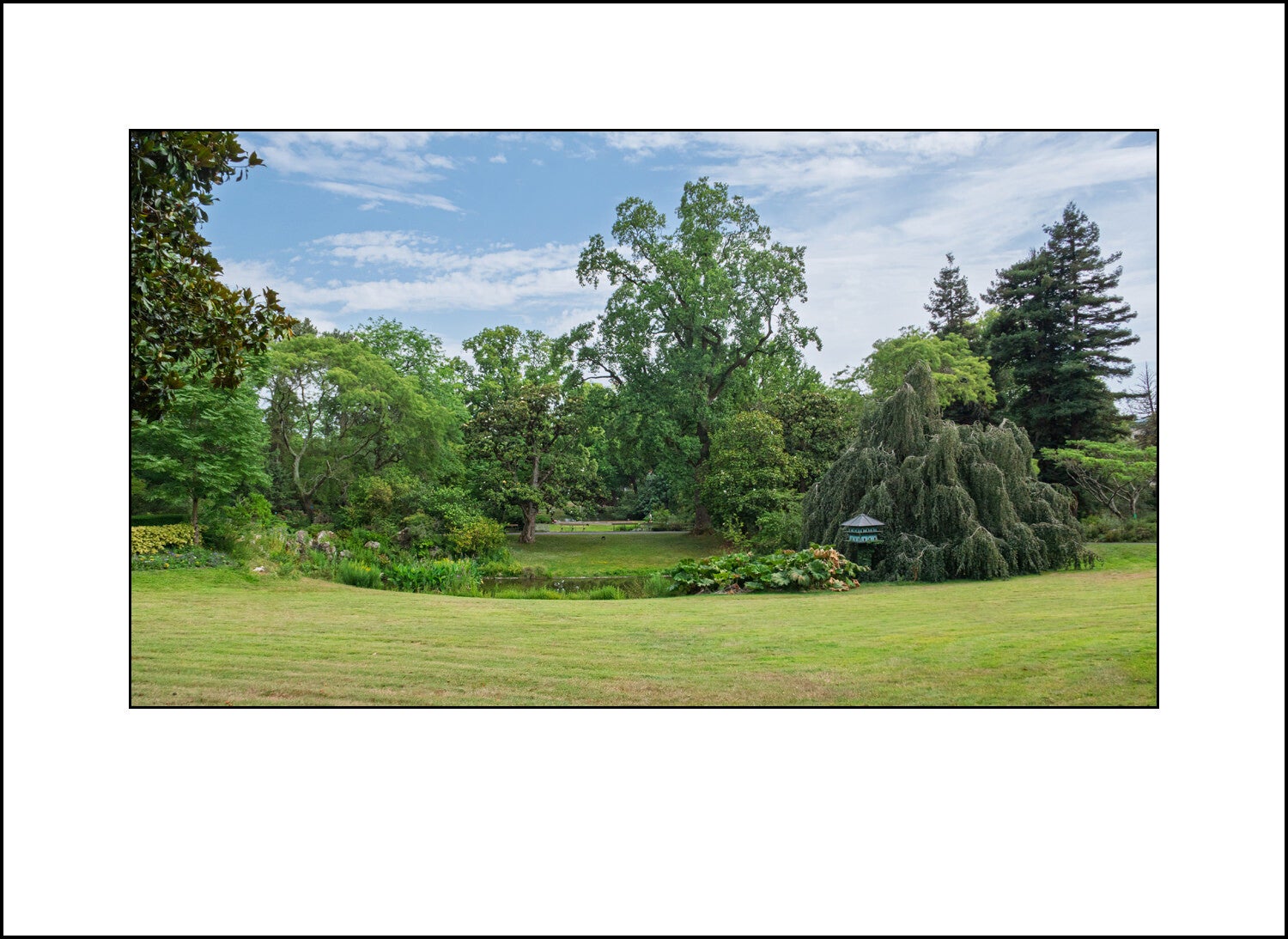
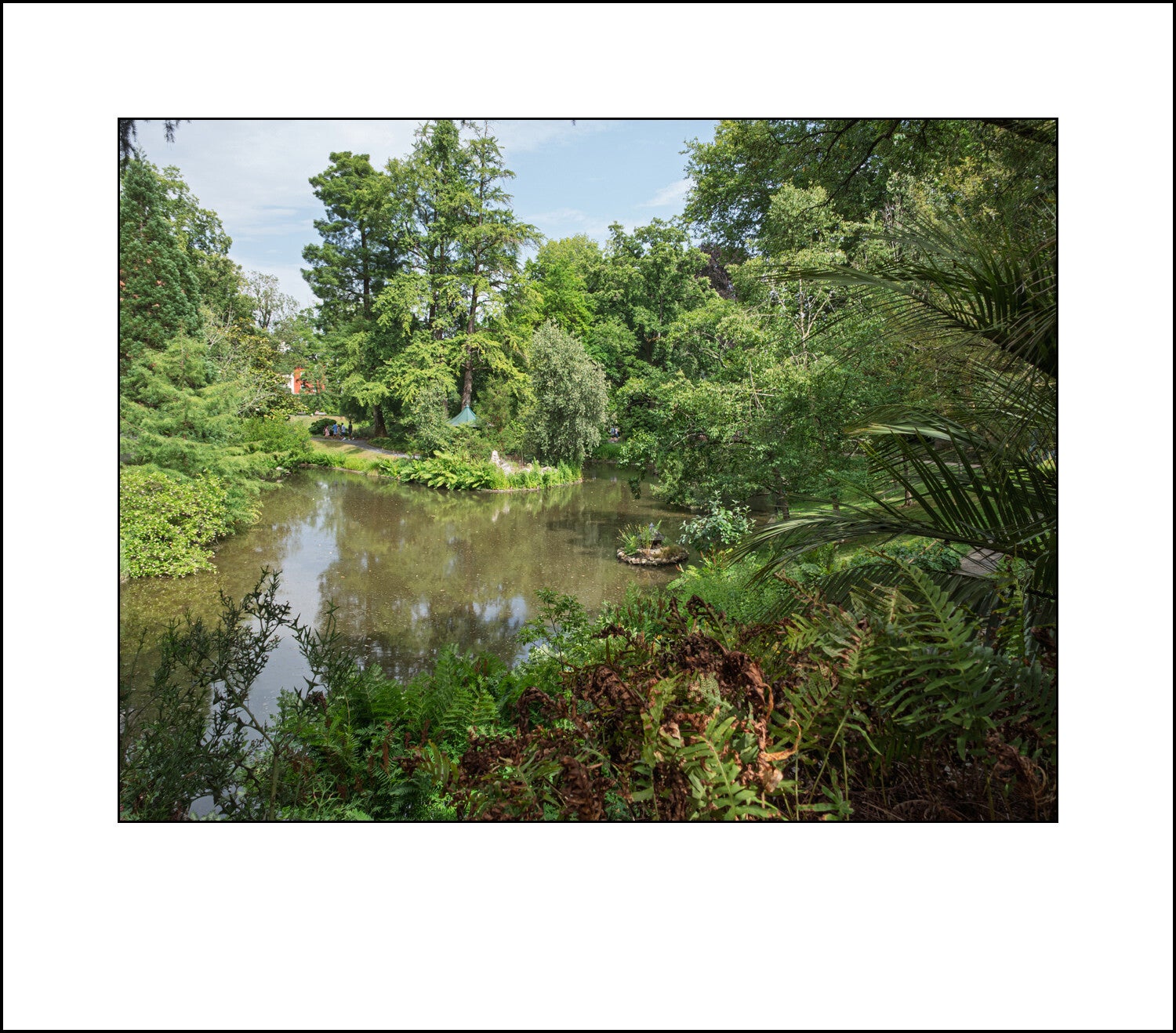
Nantes is not only a city of culture and history but also a leader in sustainability. Named the European Green Capital in 2013, Nantes has implemented numerous initiatives to enhance its environmental footprint. The city boasts an extensive network of green spaces, including the lush Jardin des Plantes, which offers a serene escape in the heart of the urban landscape.
Transportation in Nantes is equally forward-thinking, with an efficient tram system and numerous bike paths encouraging residents to opt for eco-friendly modes of travel. The city's commitment to sustainability is also evident in its efforts to revitalize former industrial areas into eco-friendly neighborhoods, such as the Ile de Nantes.
Conclusion
Nantes is a city that captivates with its rich history, cultural dynamism, and commitment to sustainability. It is a place where the past and present coexist harmoniously, offering visitors a unique glimpse into the essence of Western France. Whether exploring its historical landmarks, immersing oneself in its cultural offerings, or simply enjoying the picturesque landscapes, Nantes stands as a testament to the resilience and creativity of its people.
If you just want to do the main attractions, two days will be enough. We were planning on staying longer, but we left early for a new location as we had seen most of Nantes by then. We probably will not return to Nantes itself but the surrounding area has some lovely locations.
Images taken with the Panasonic S9
Camera used was the Panasonic S9 with the Panasonic S 18-40 f4.5-6.3 lens mounted.
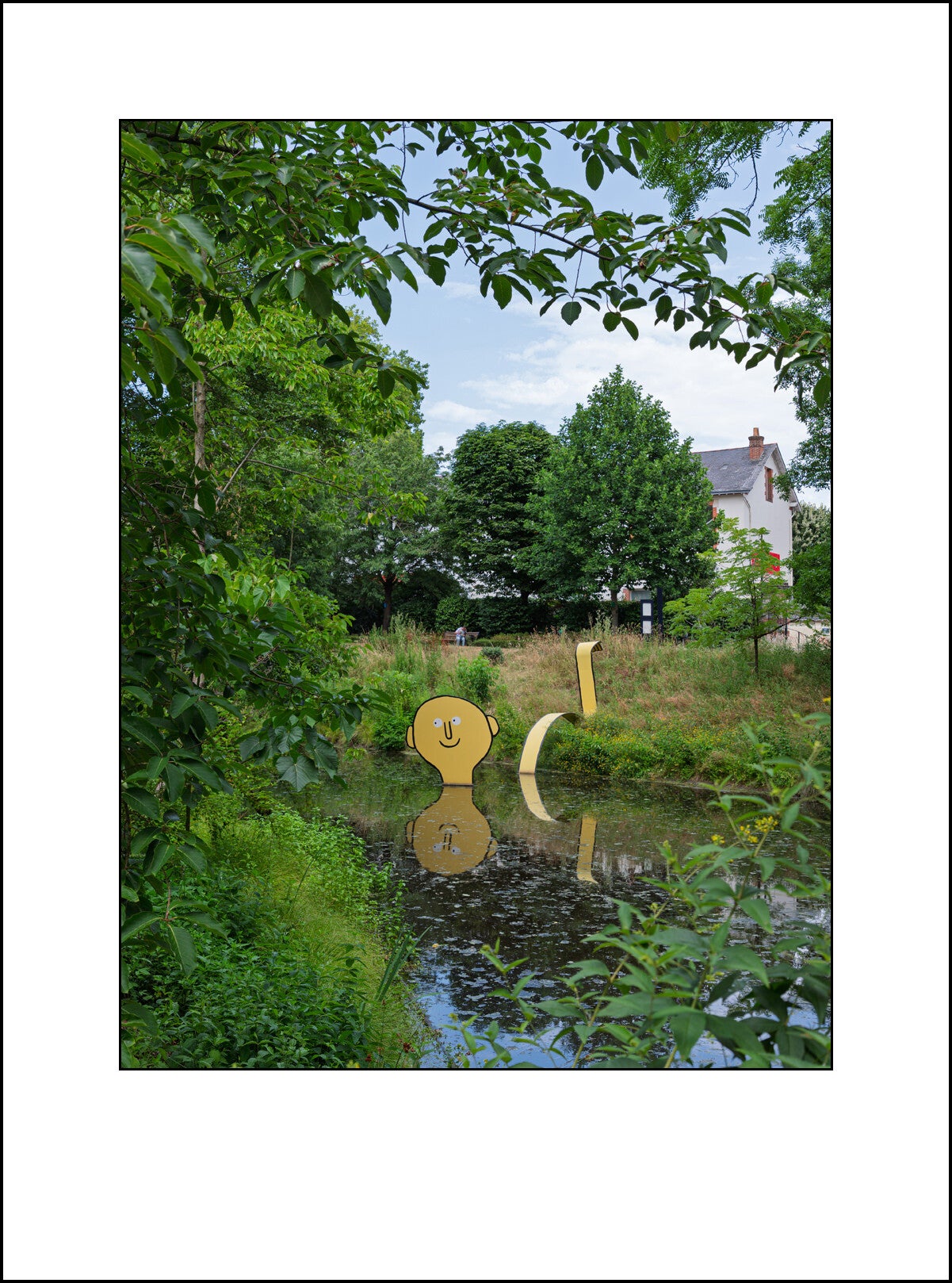
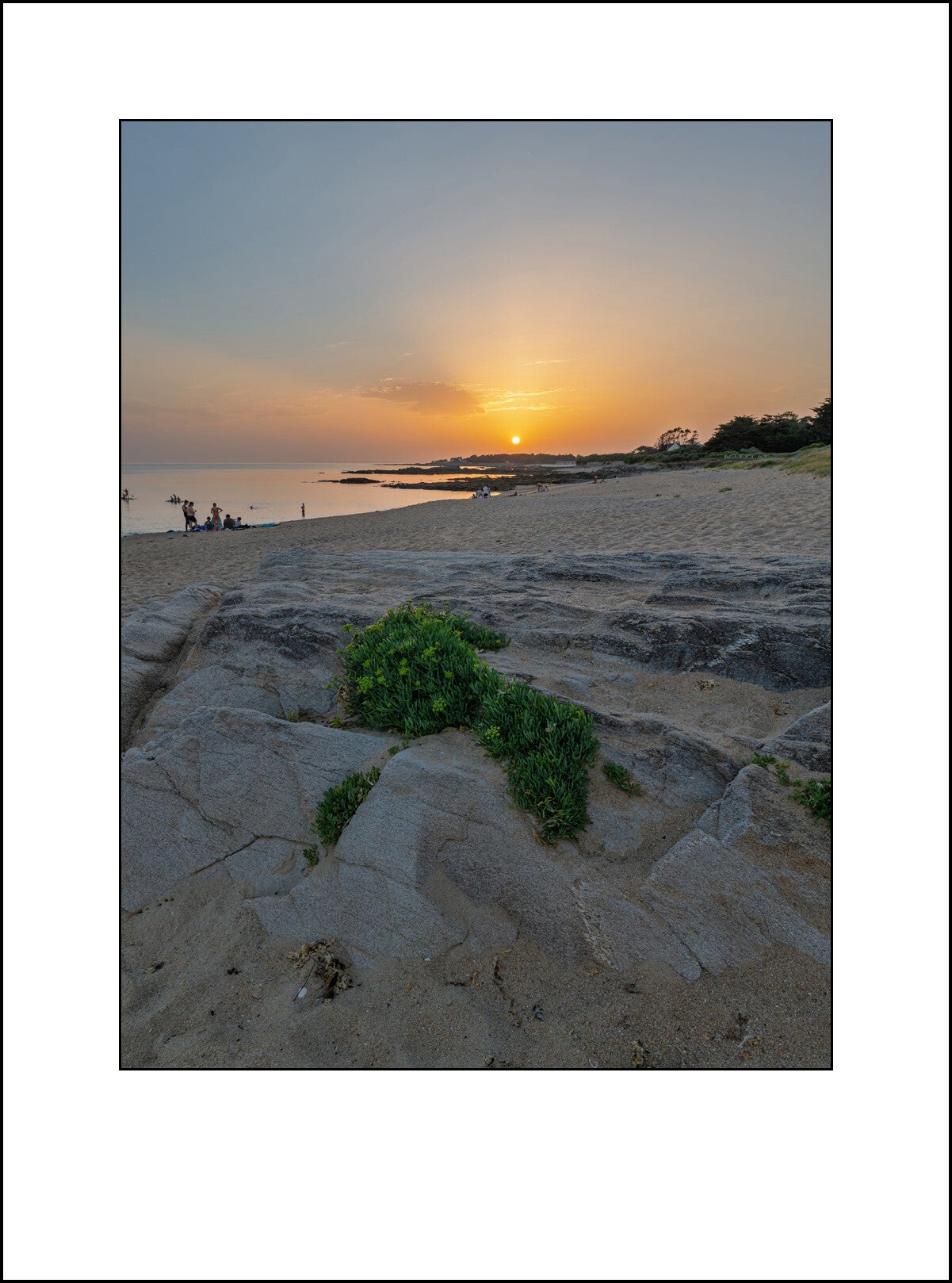
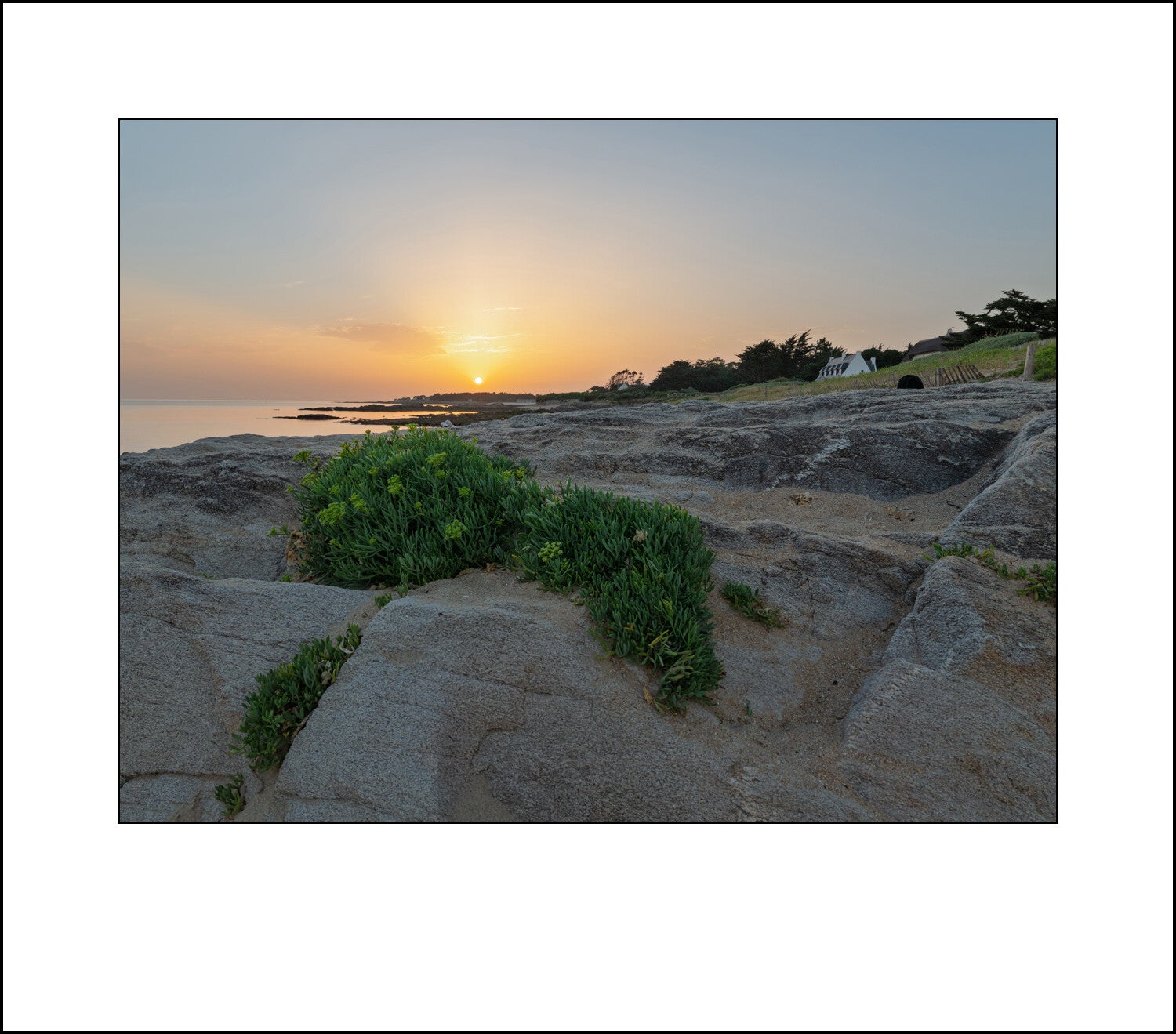
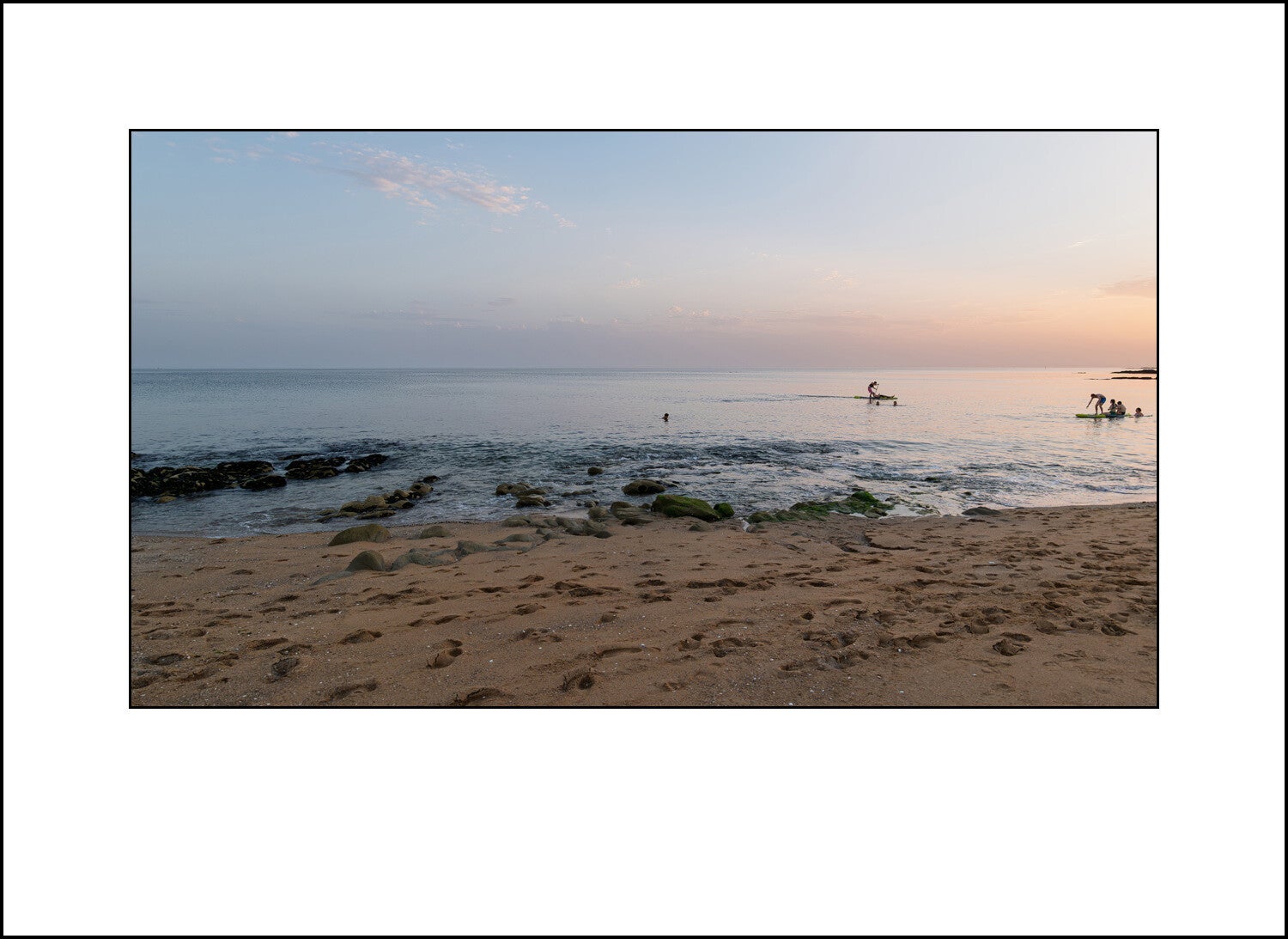
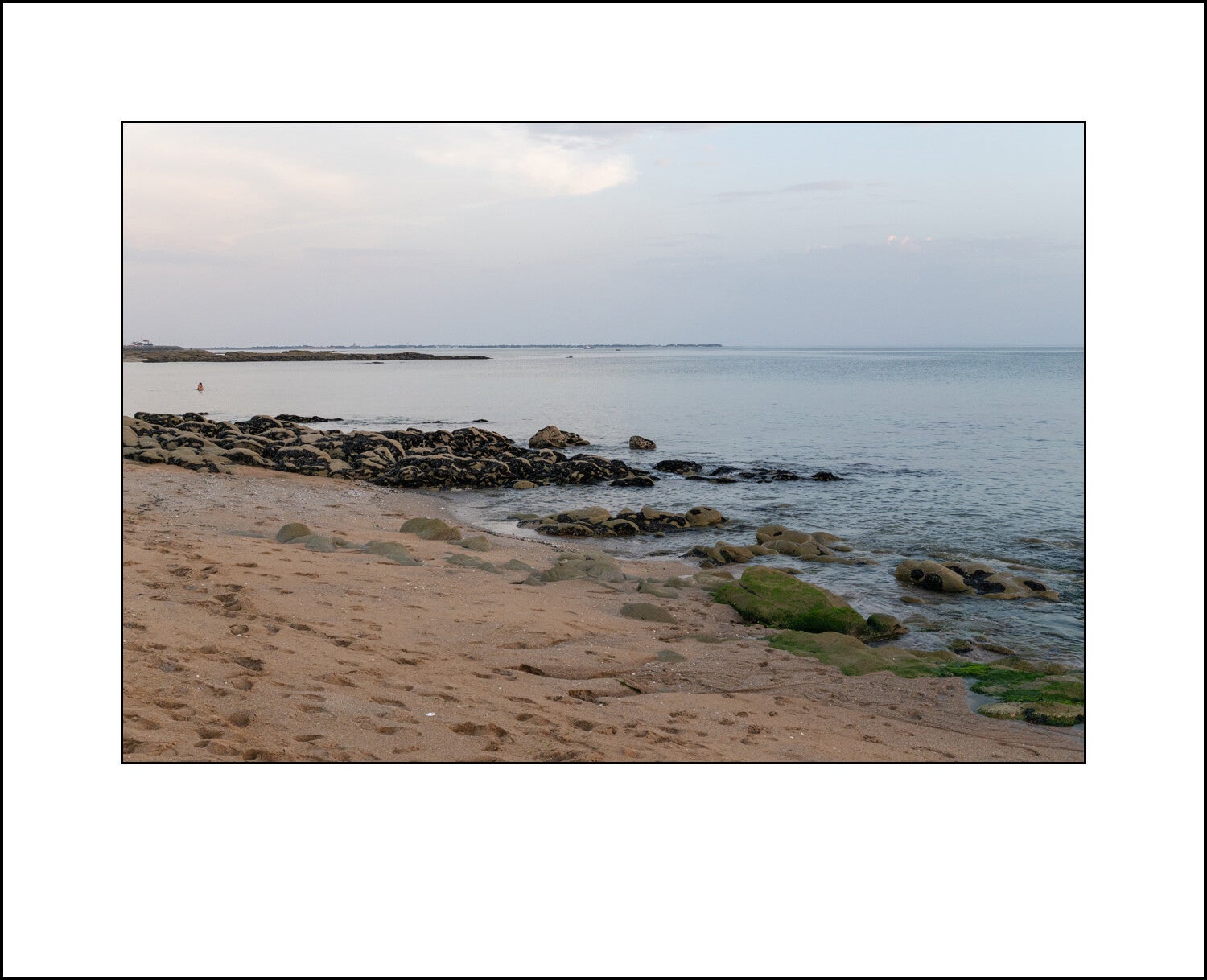
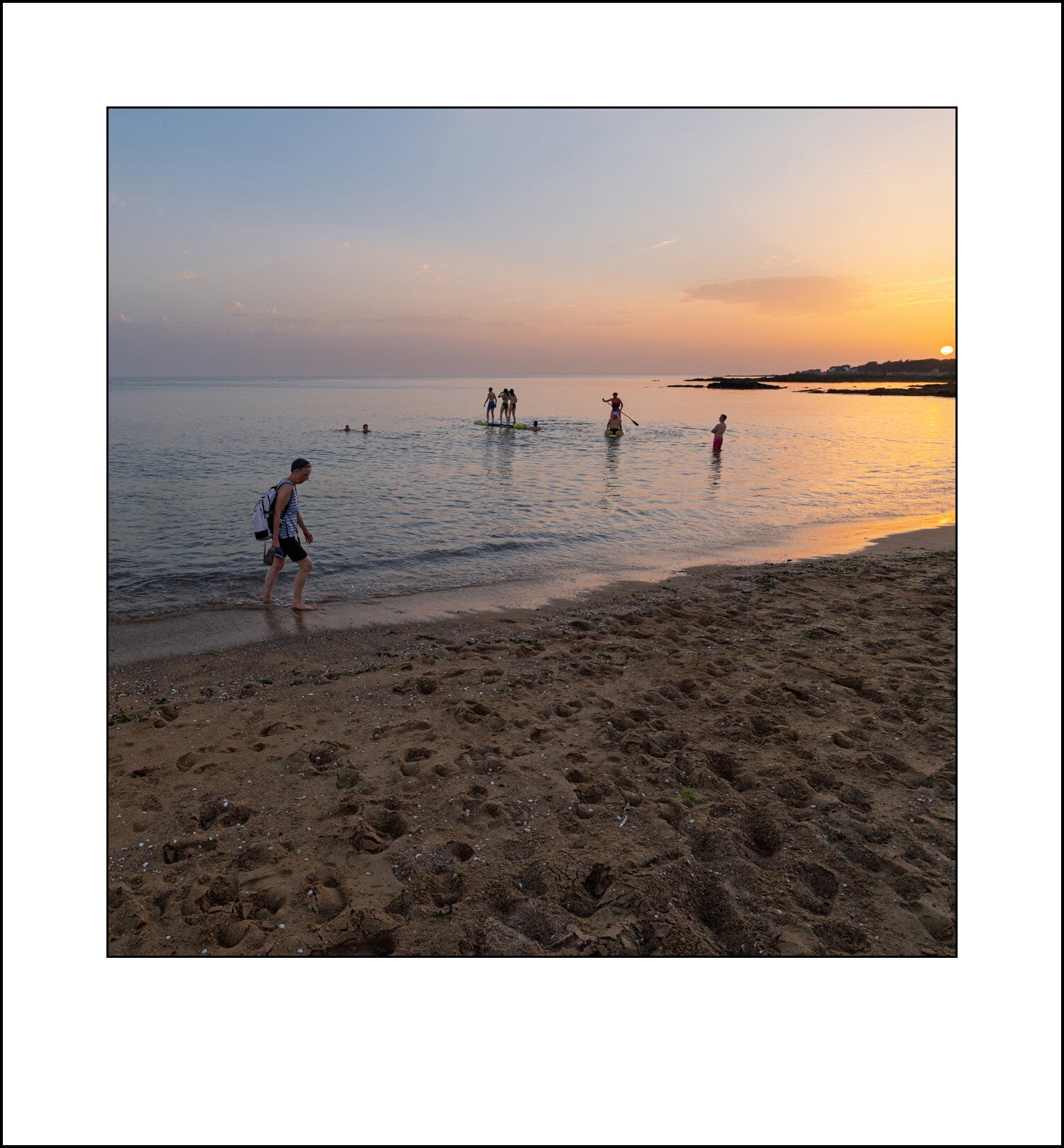
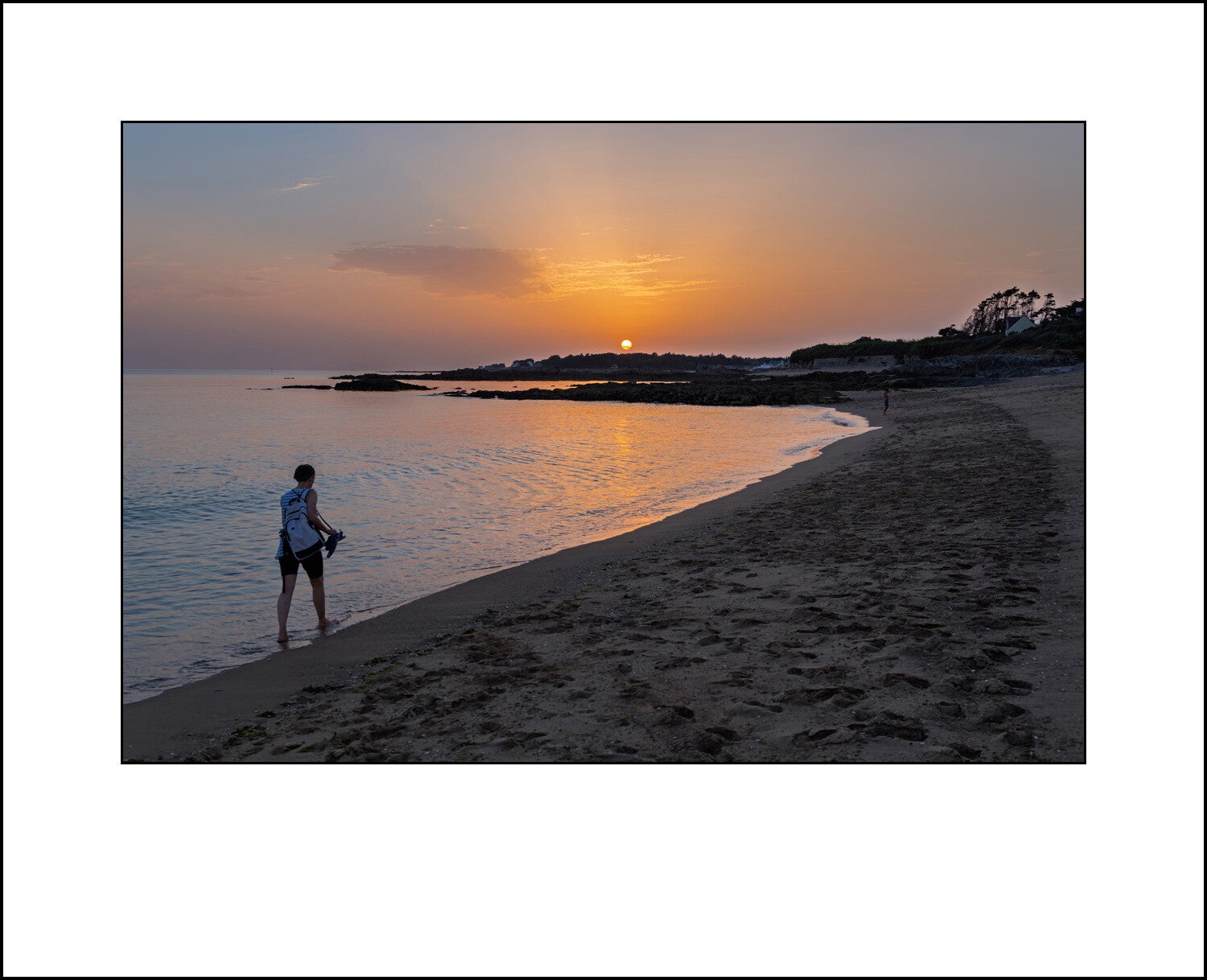
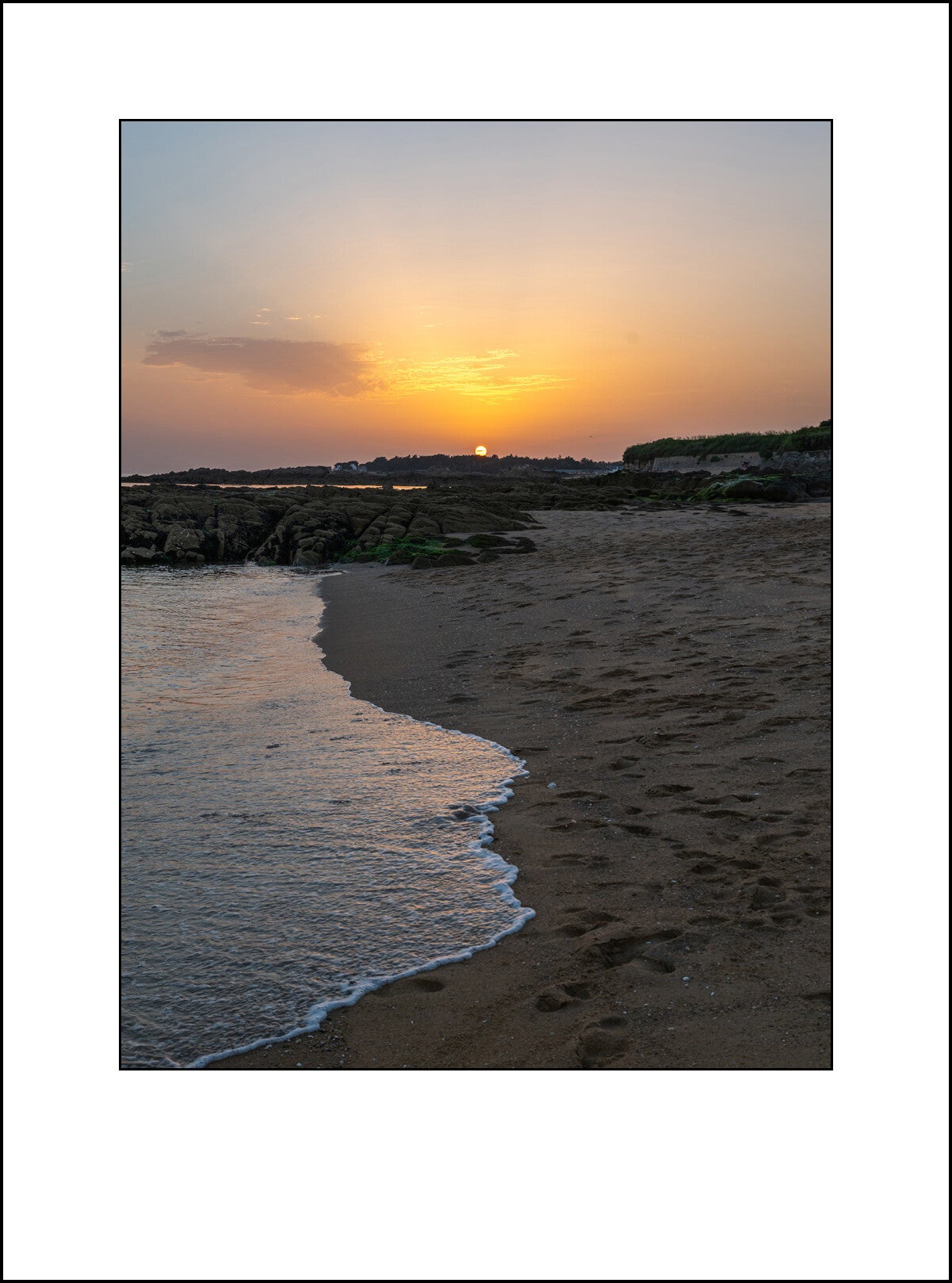
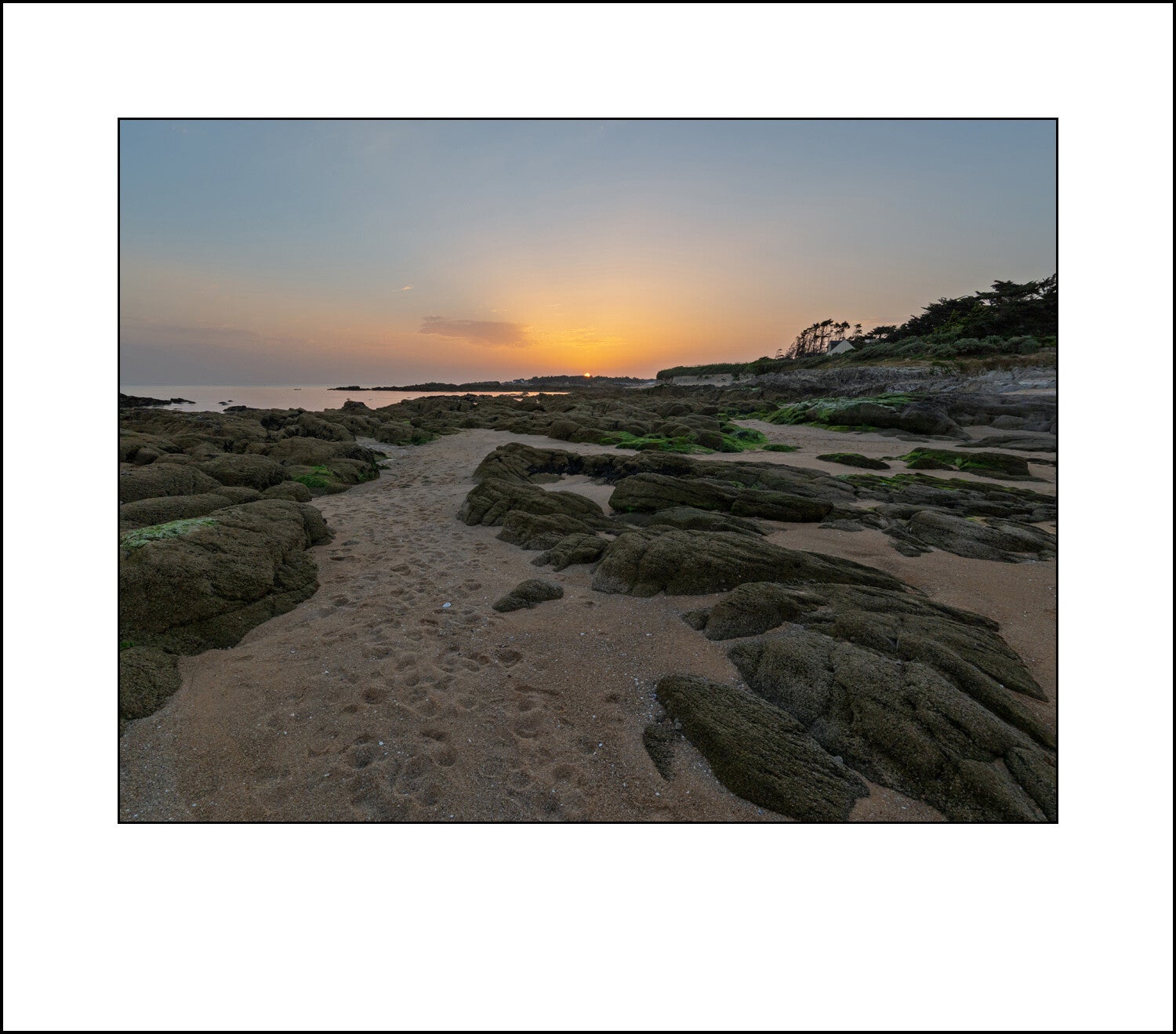
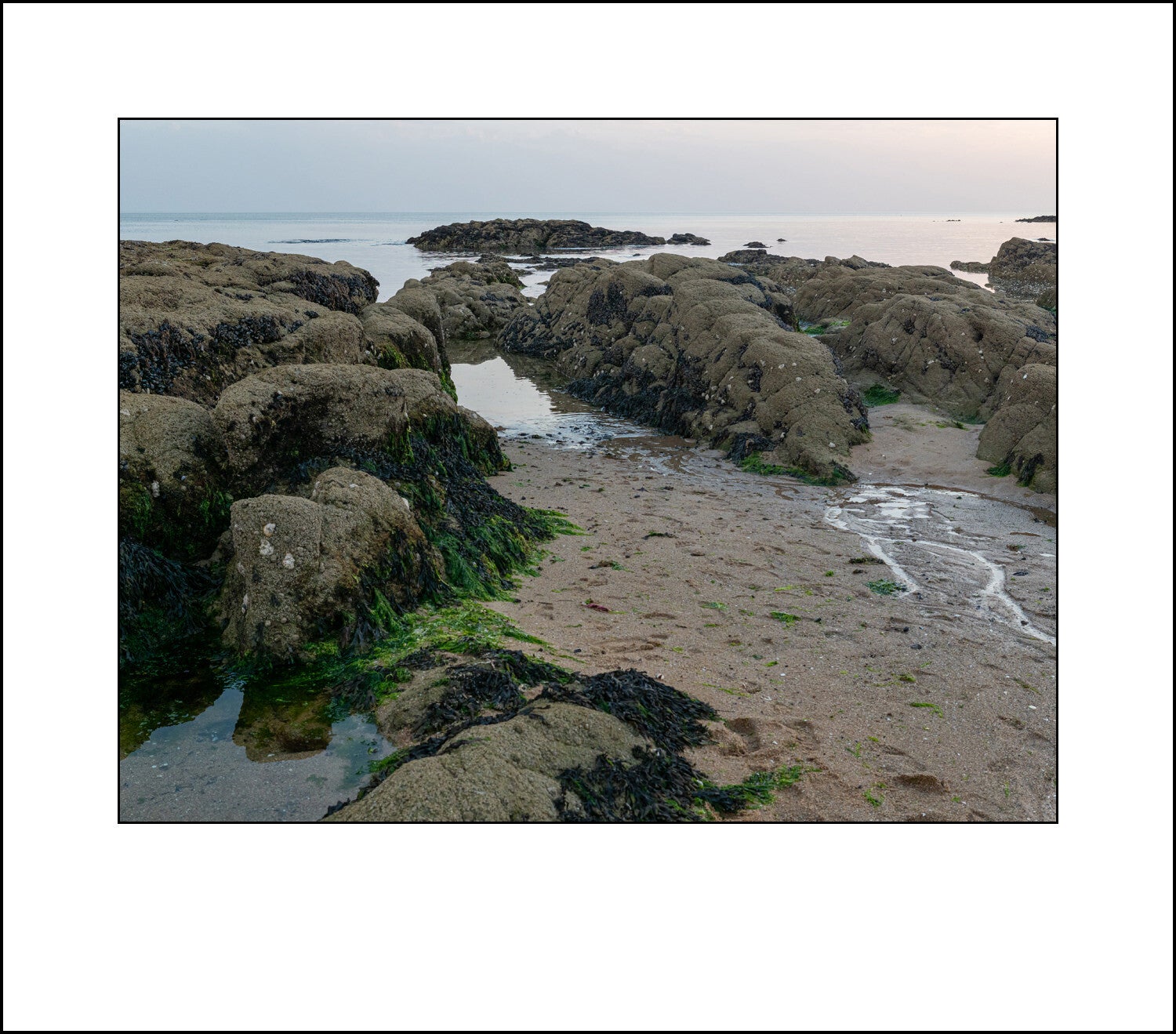
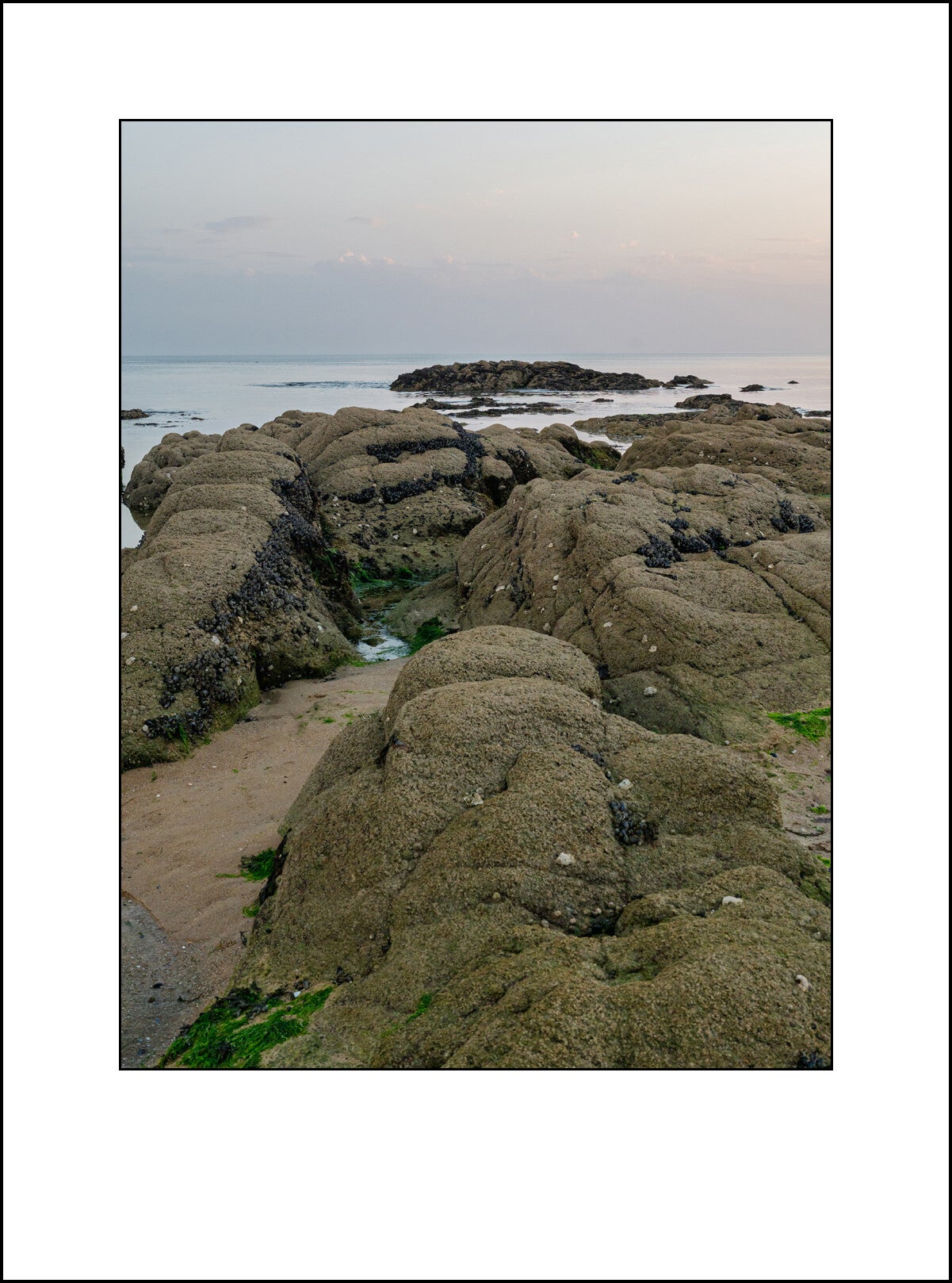
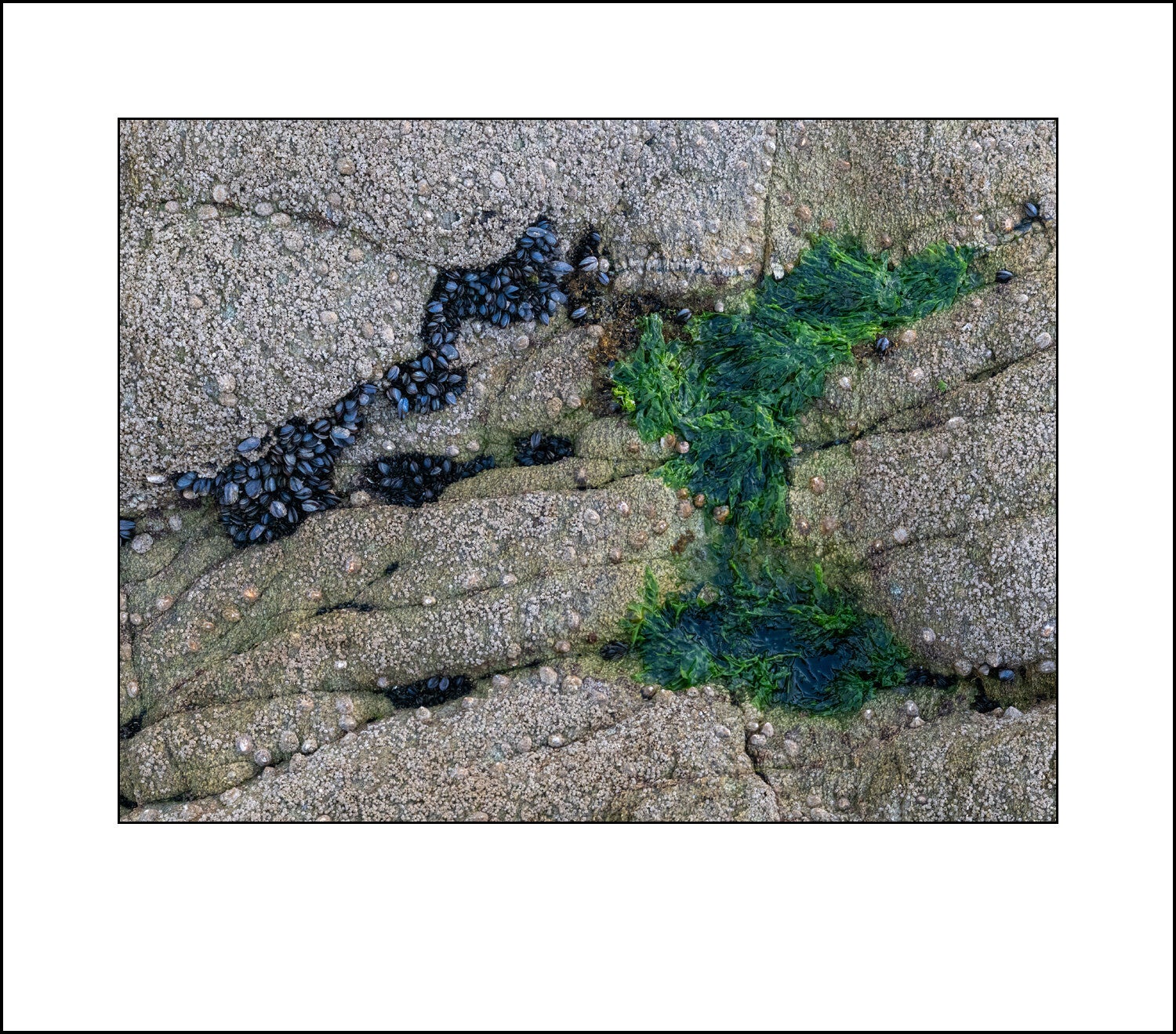
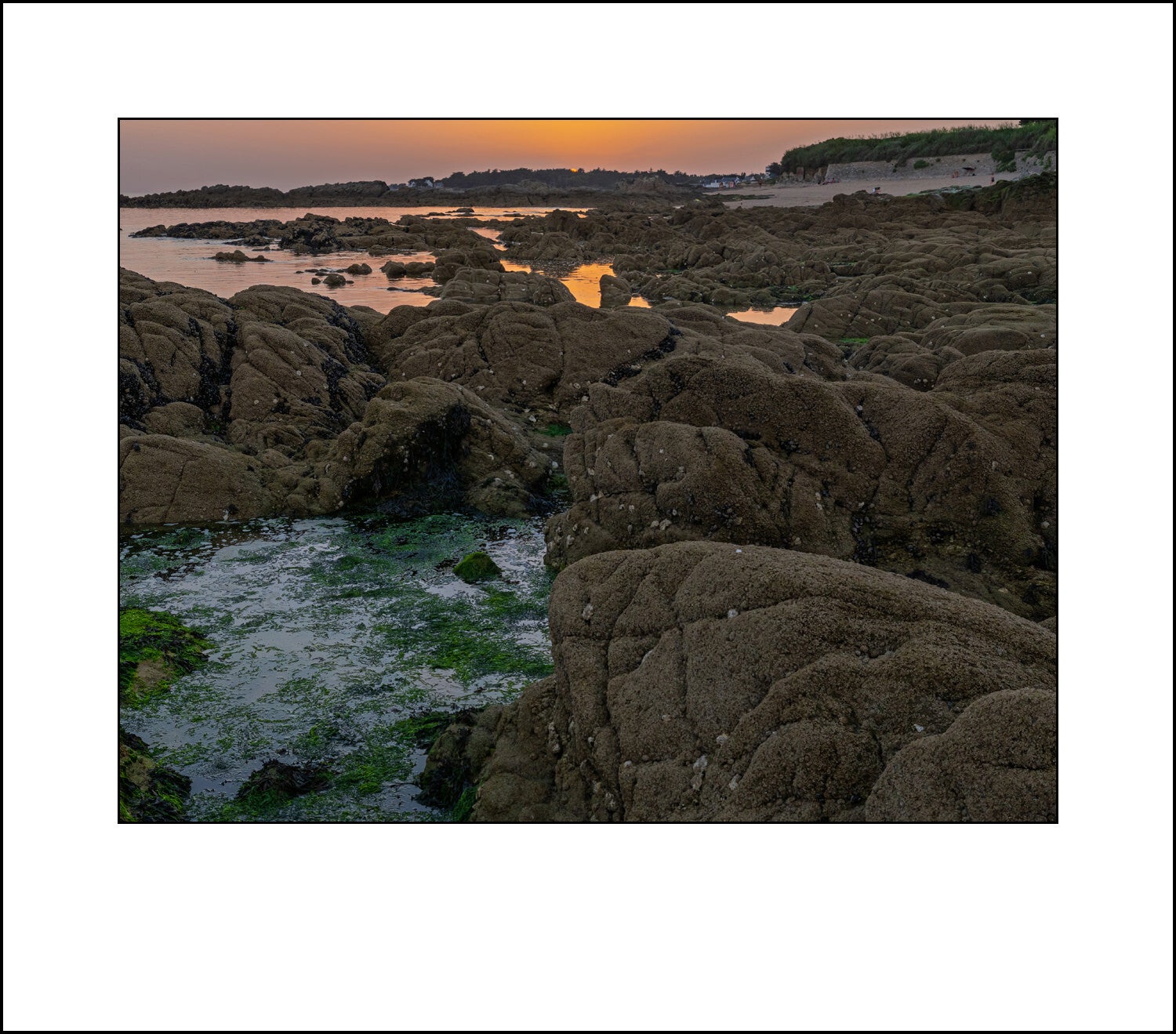
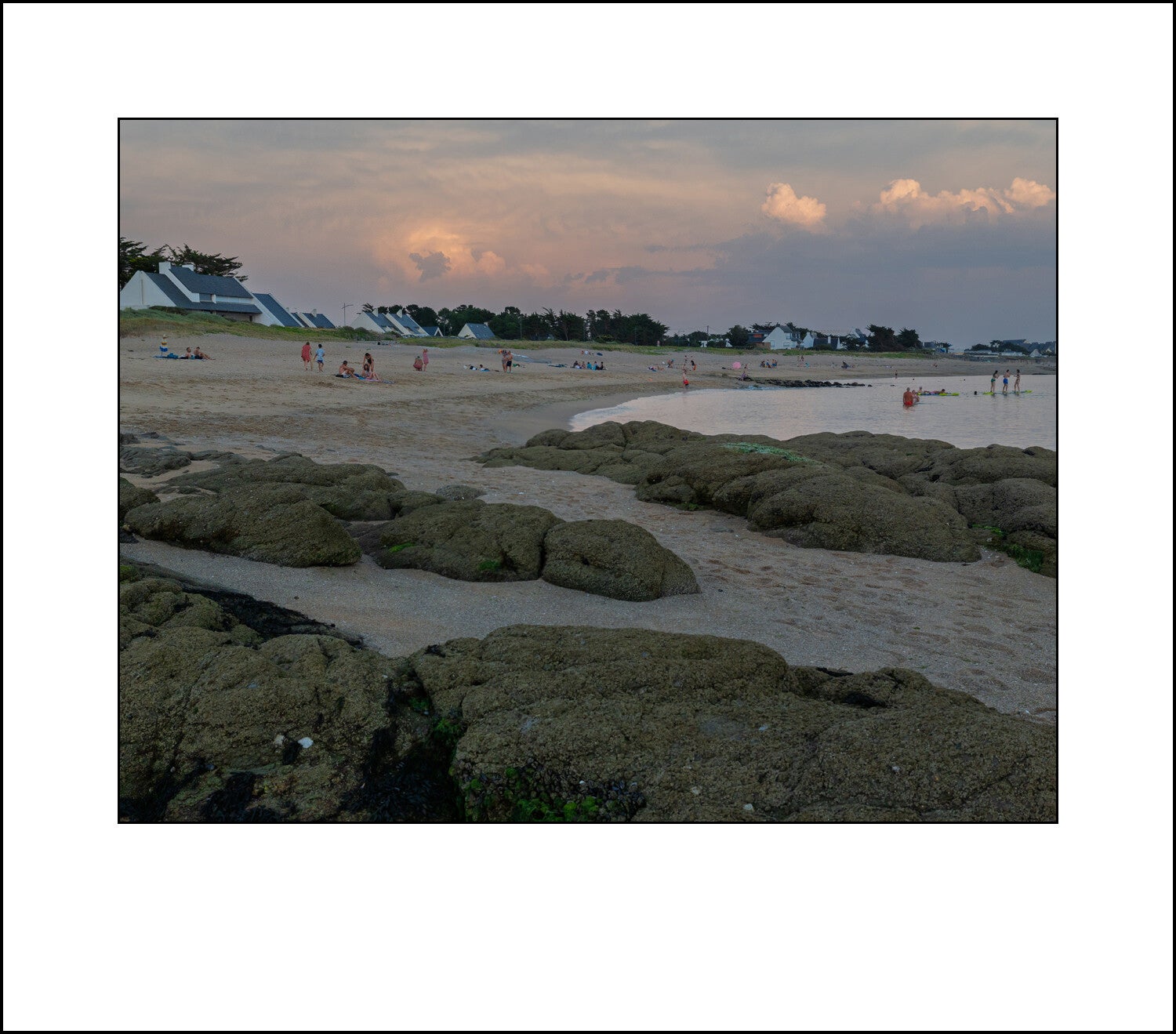
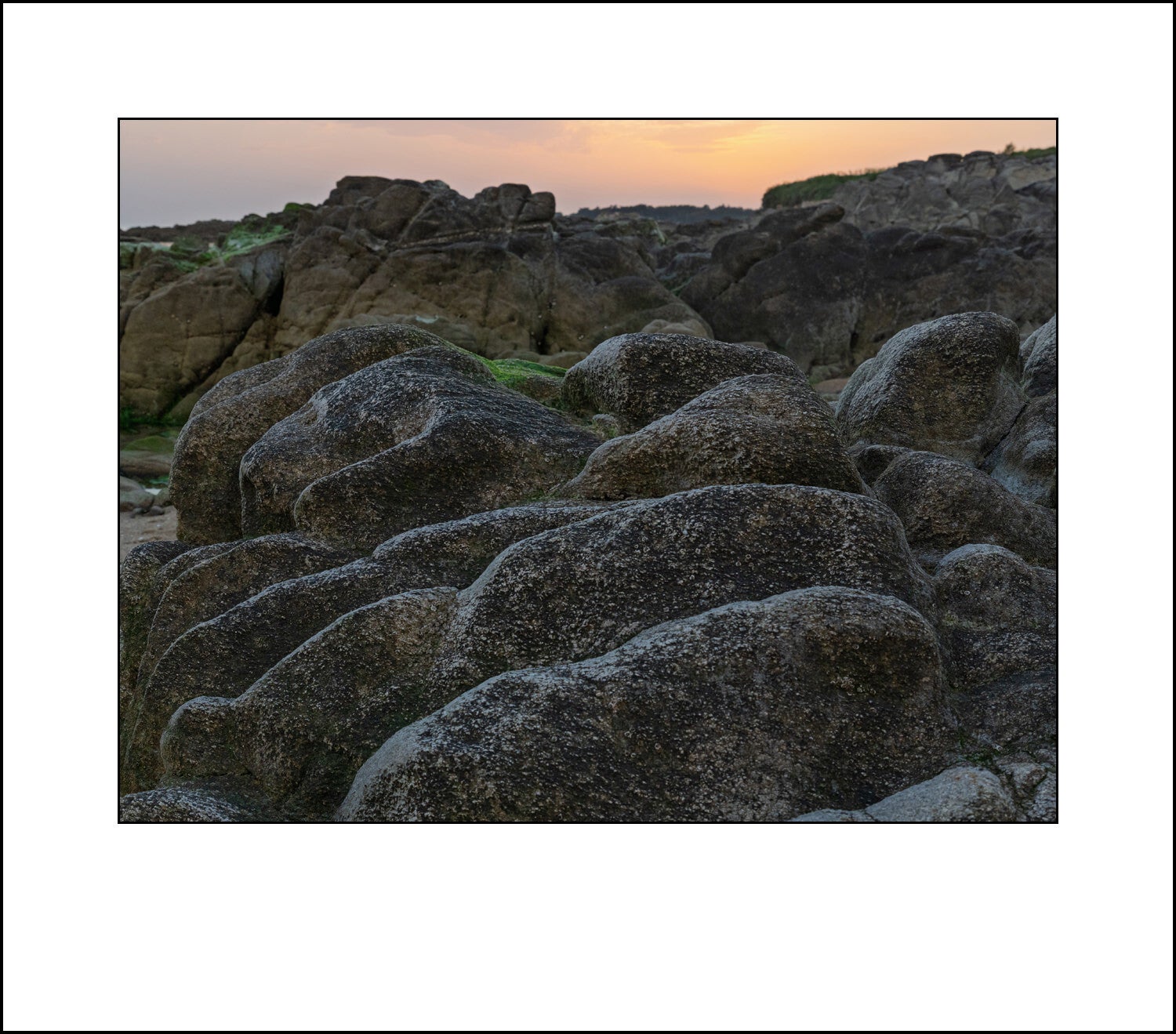
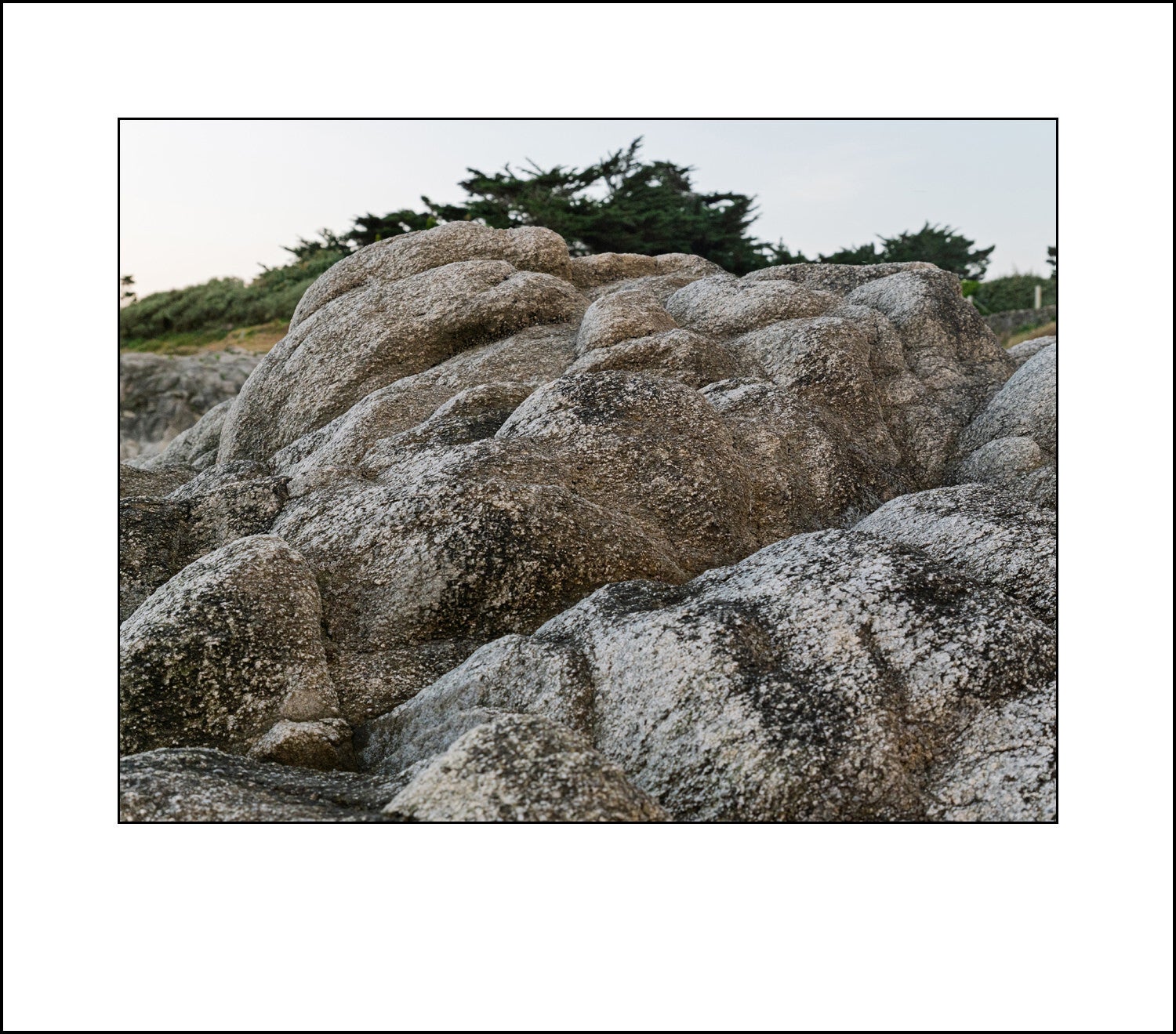
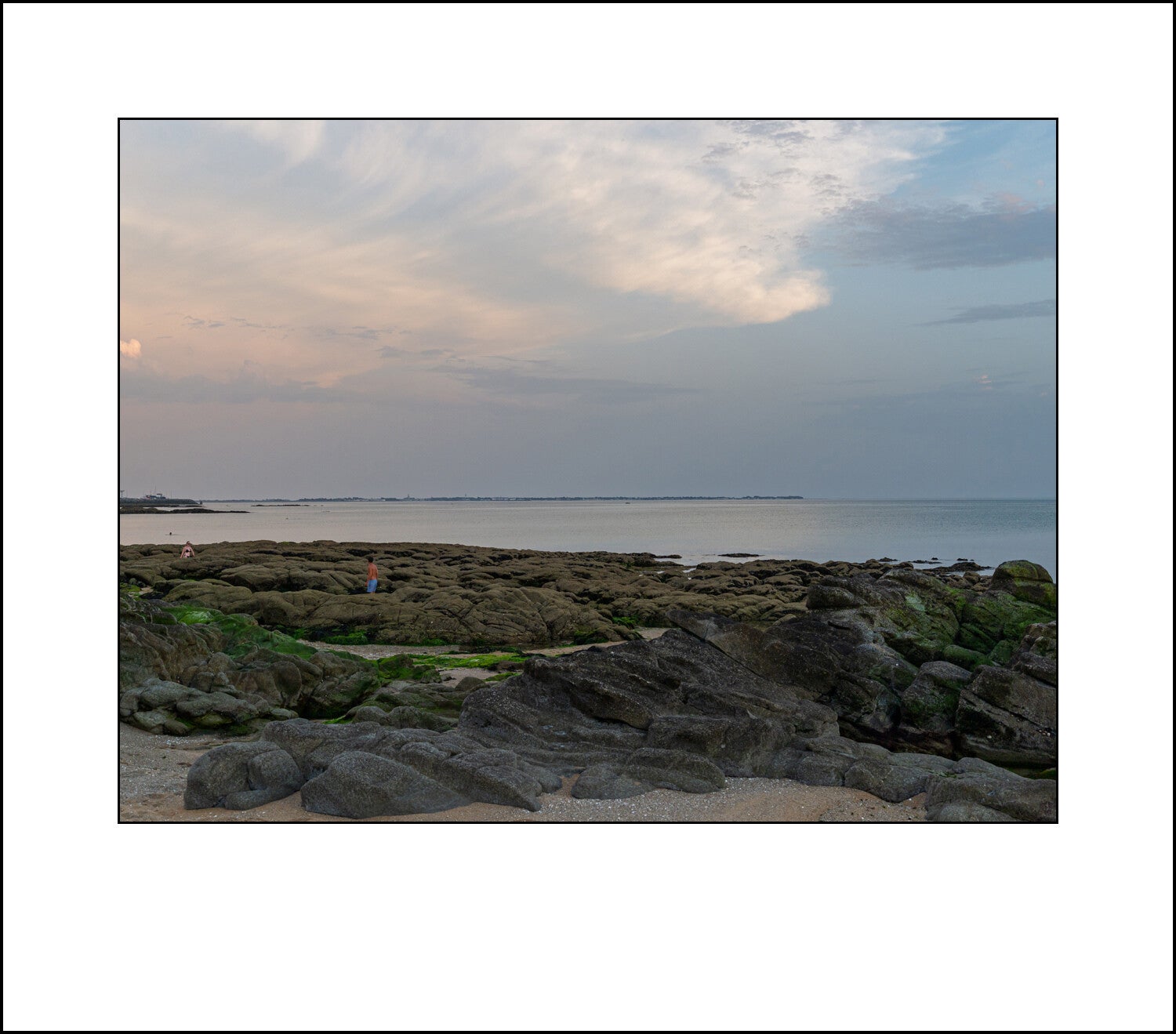
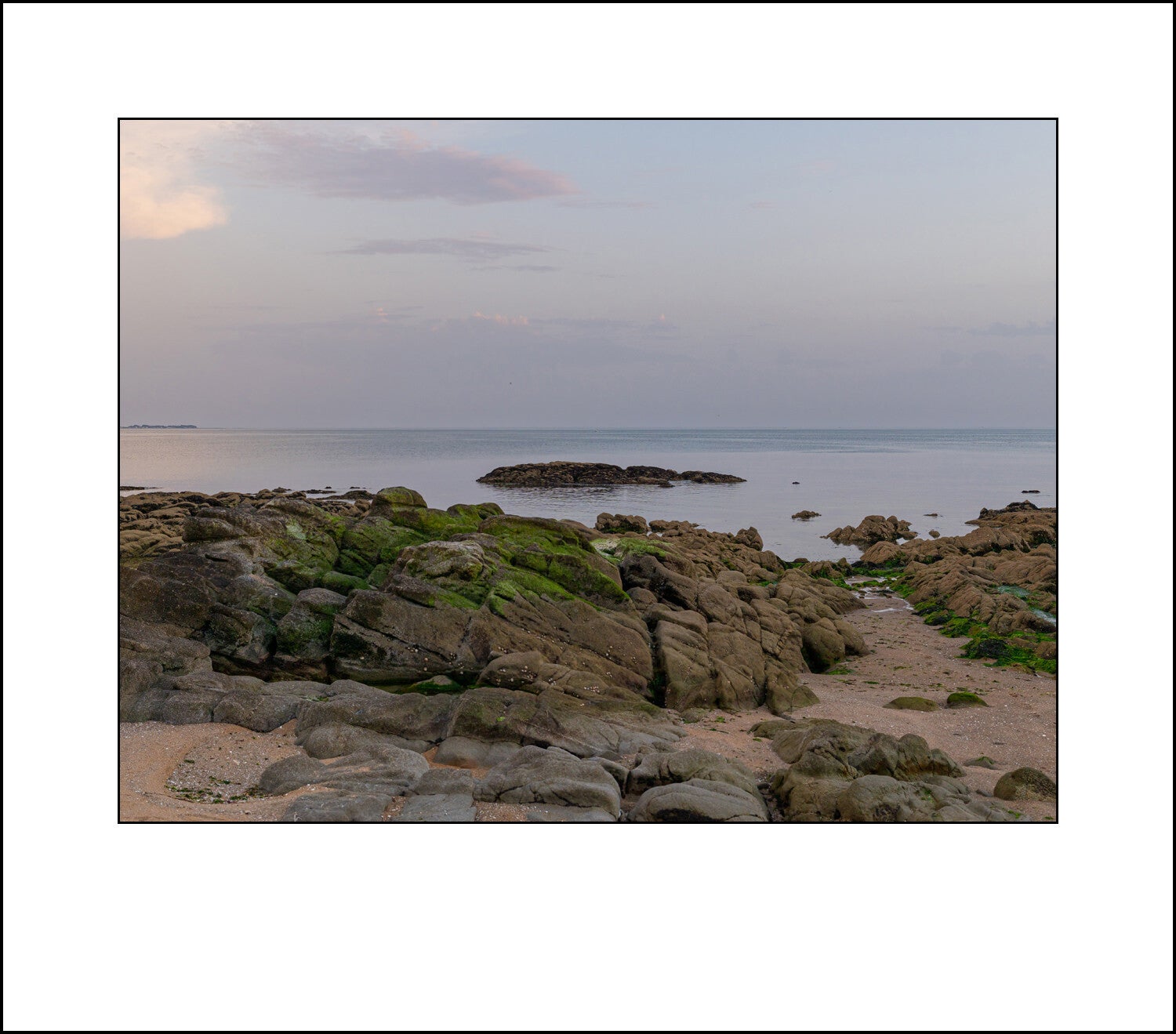
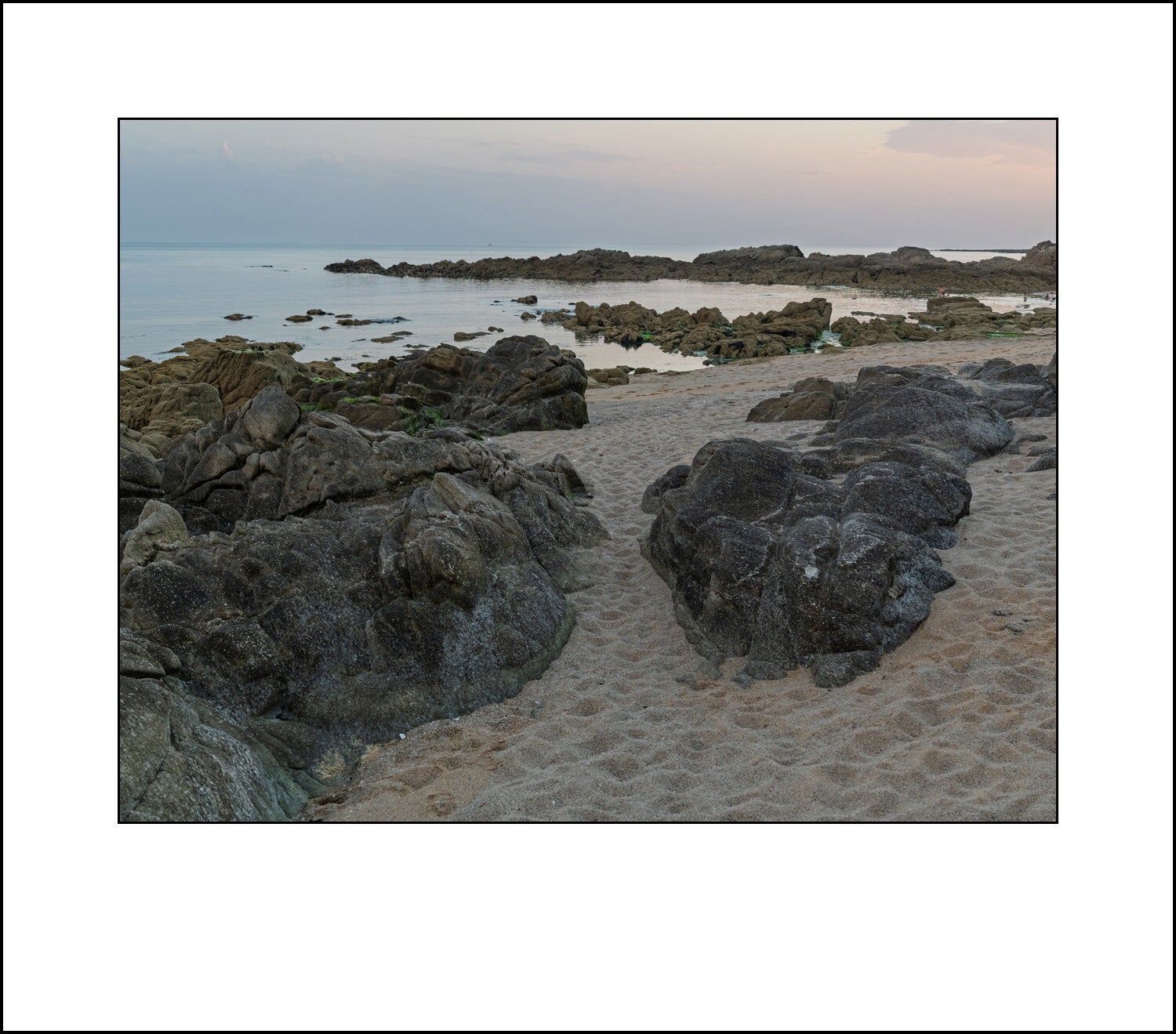
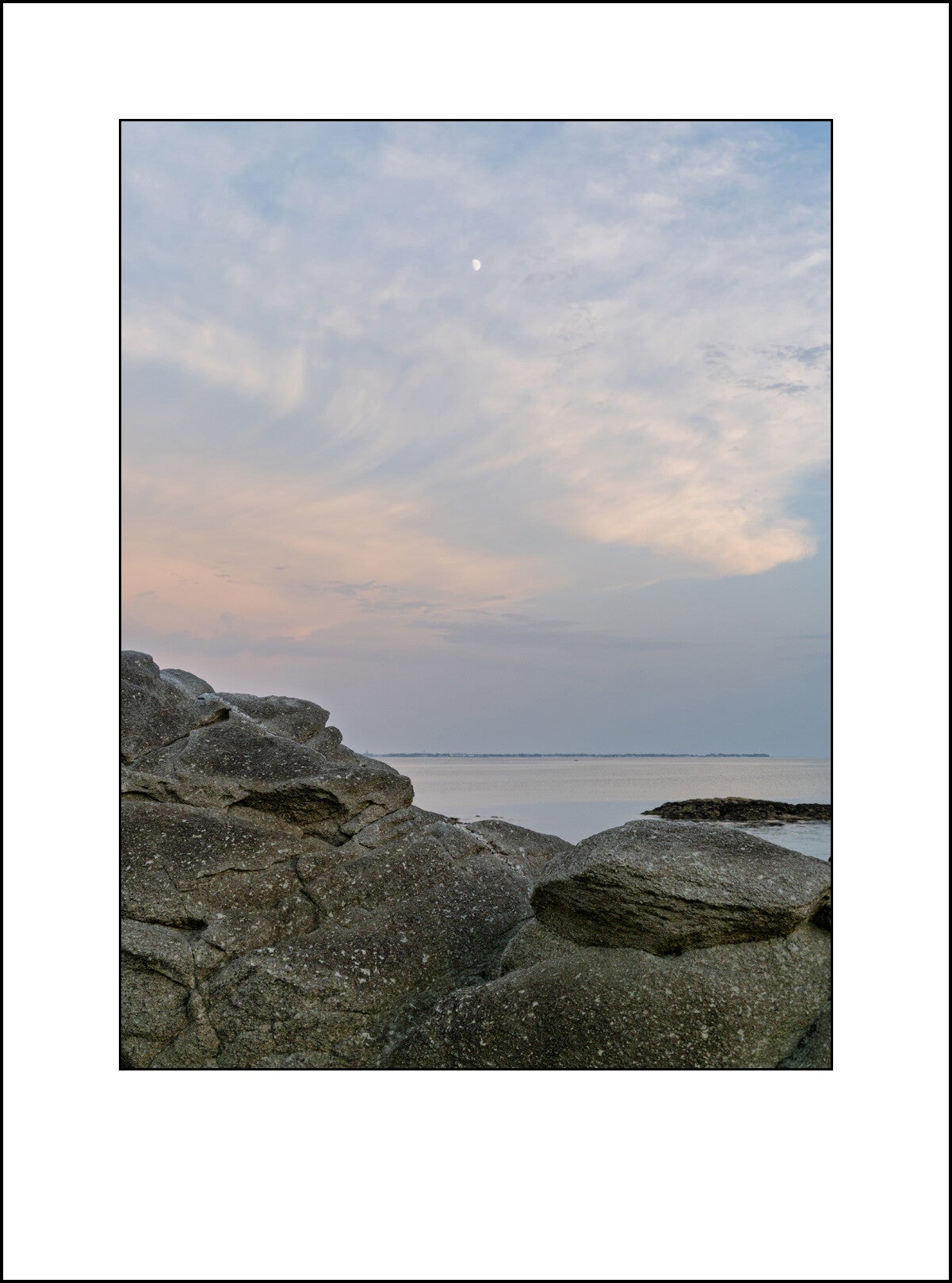
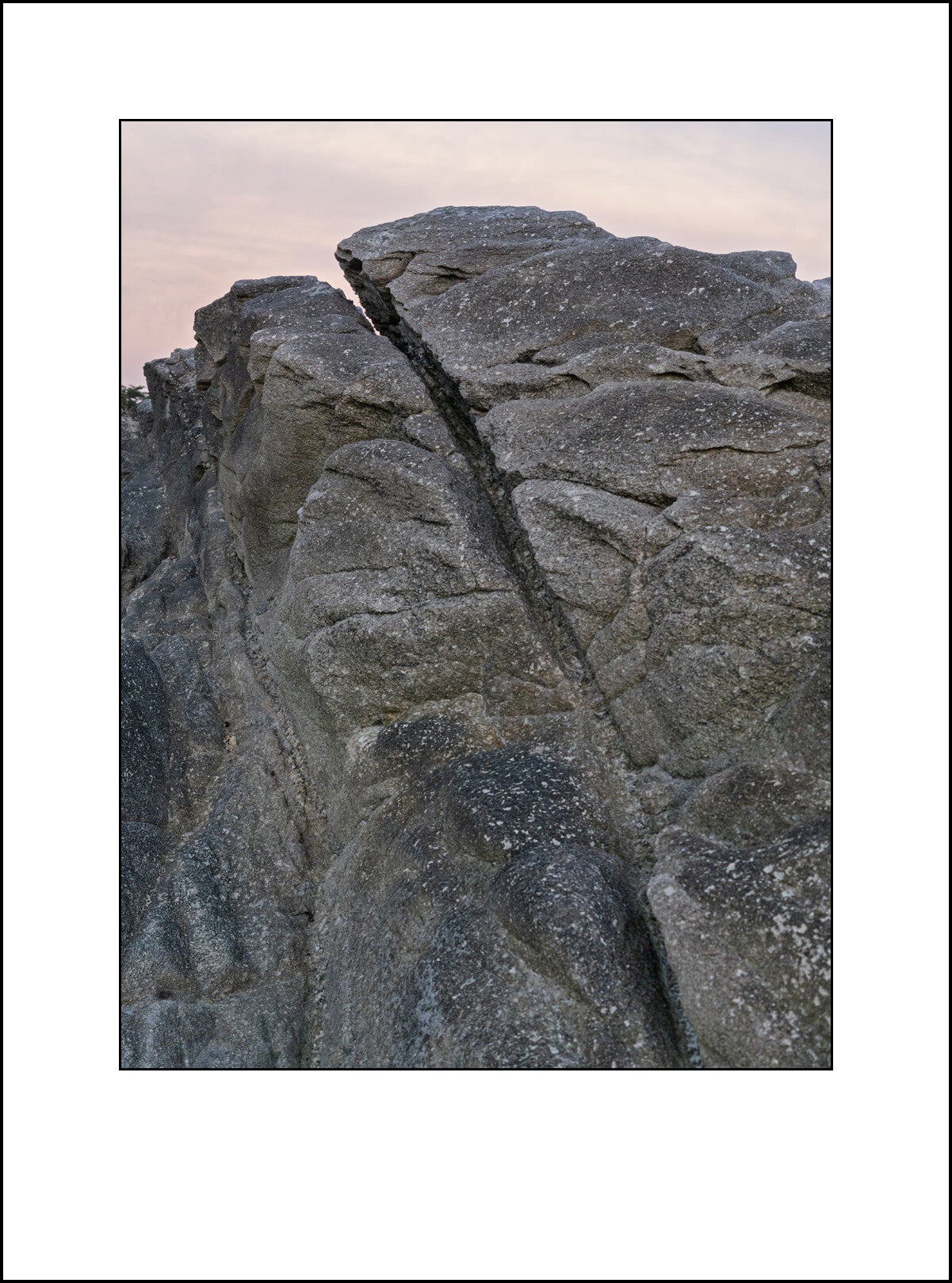
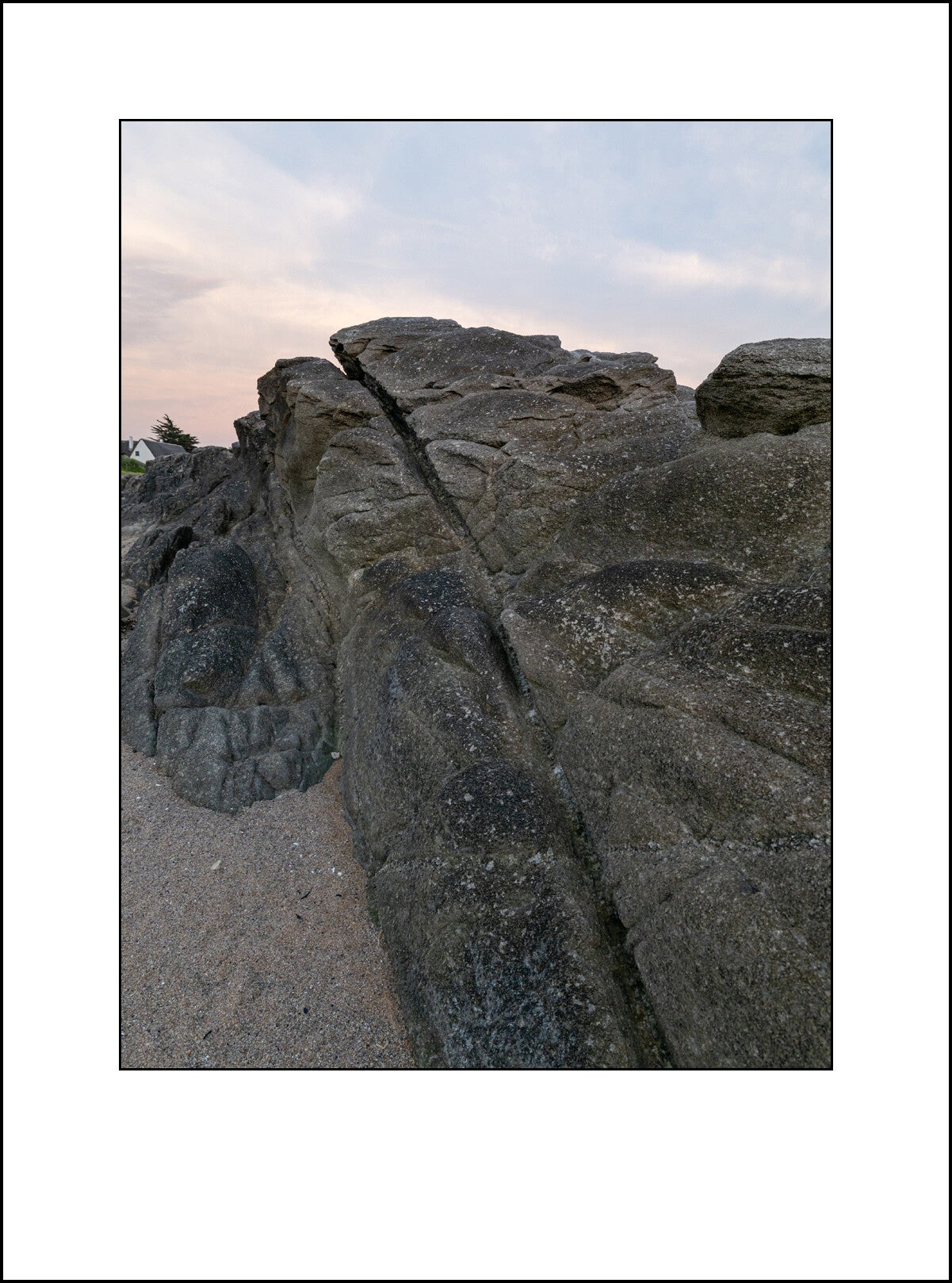
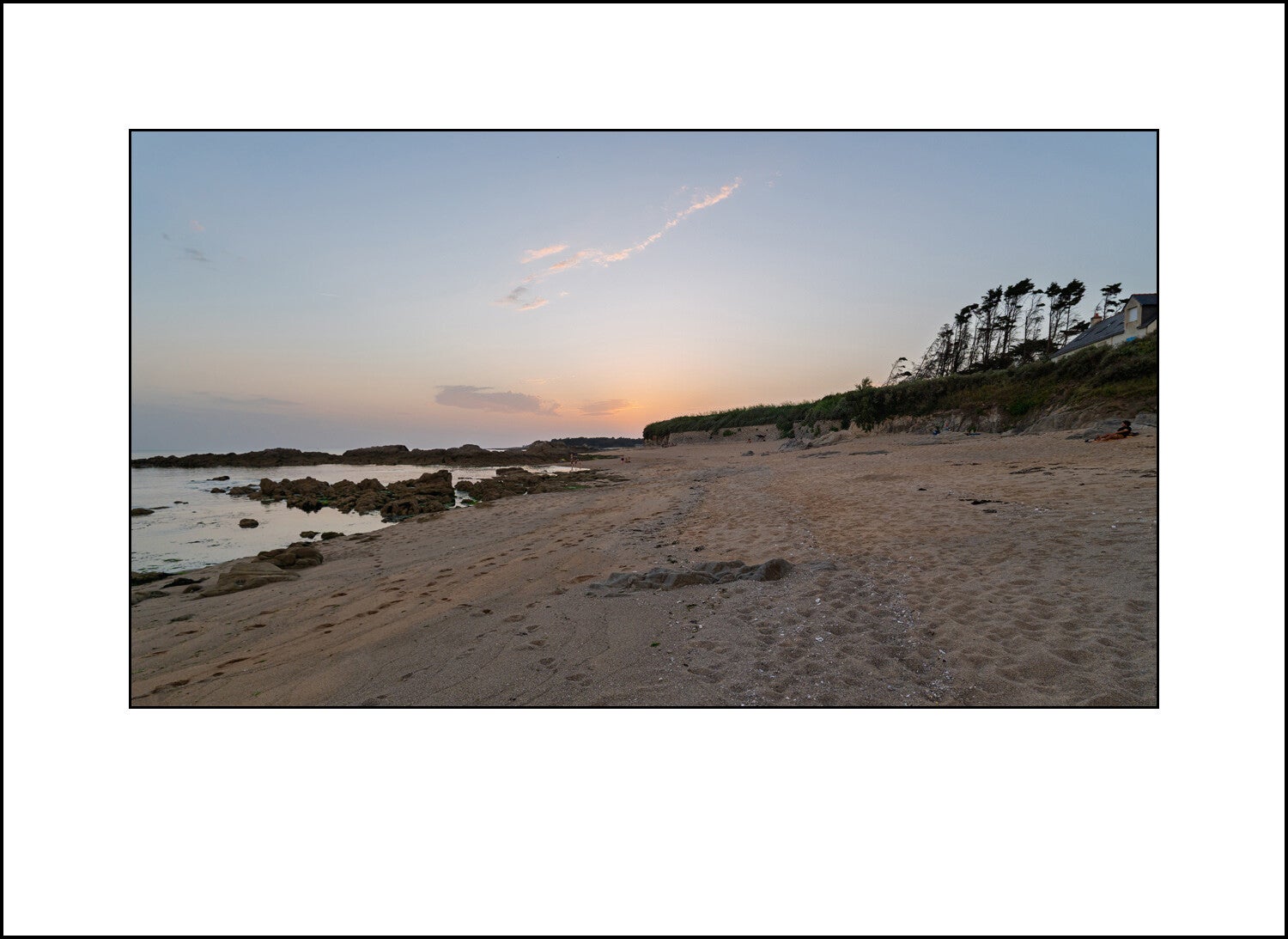
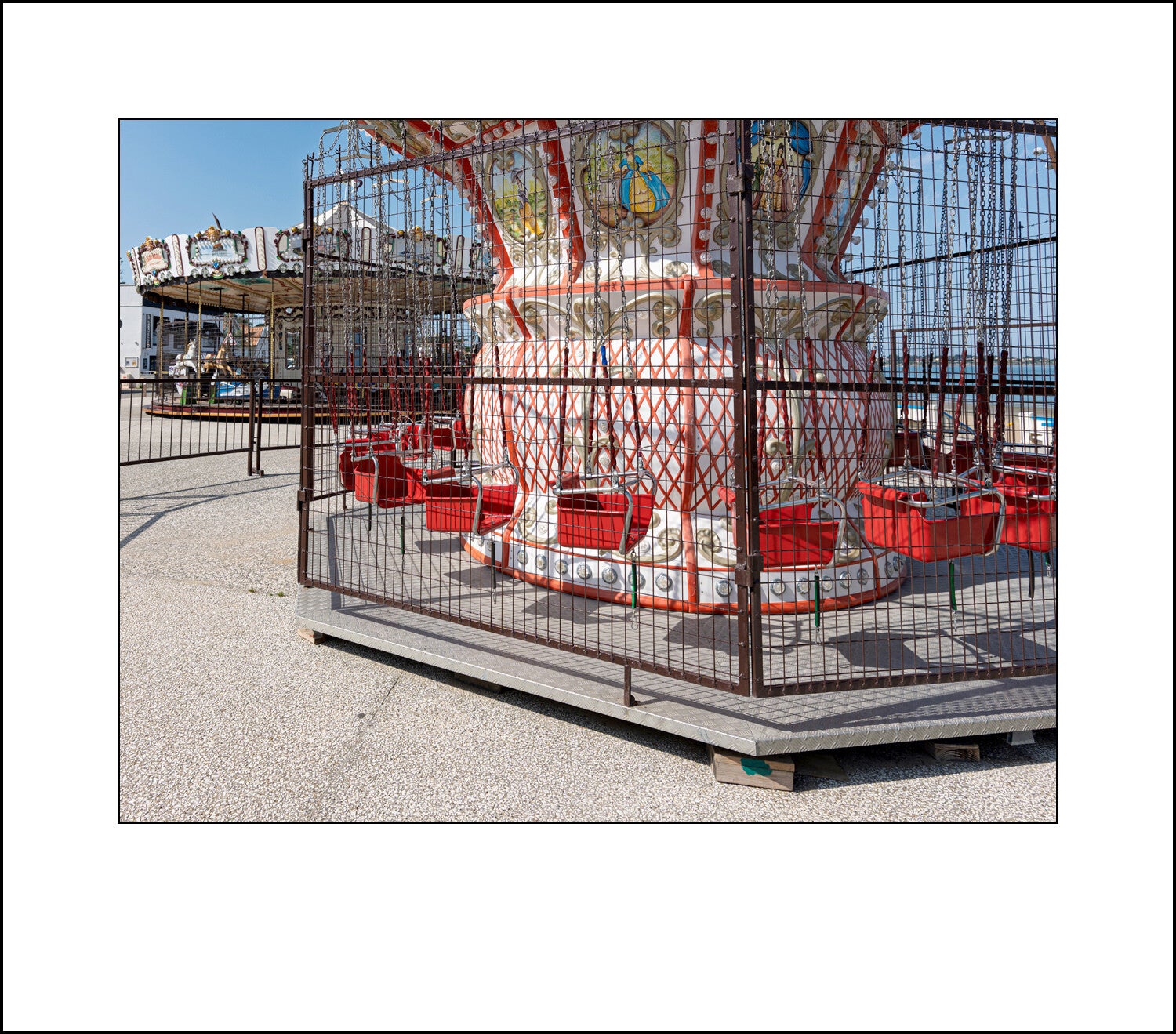
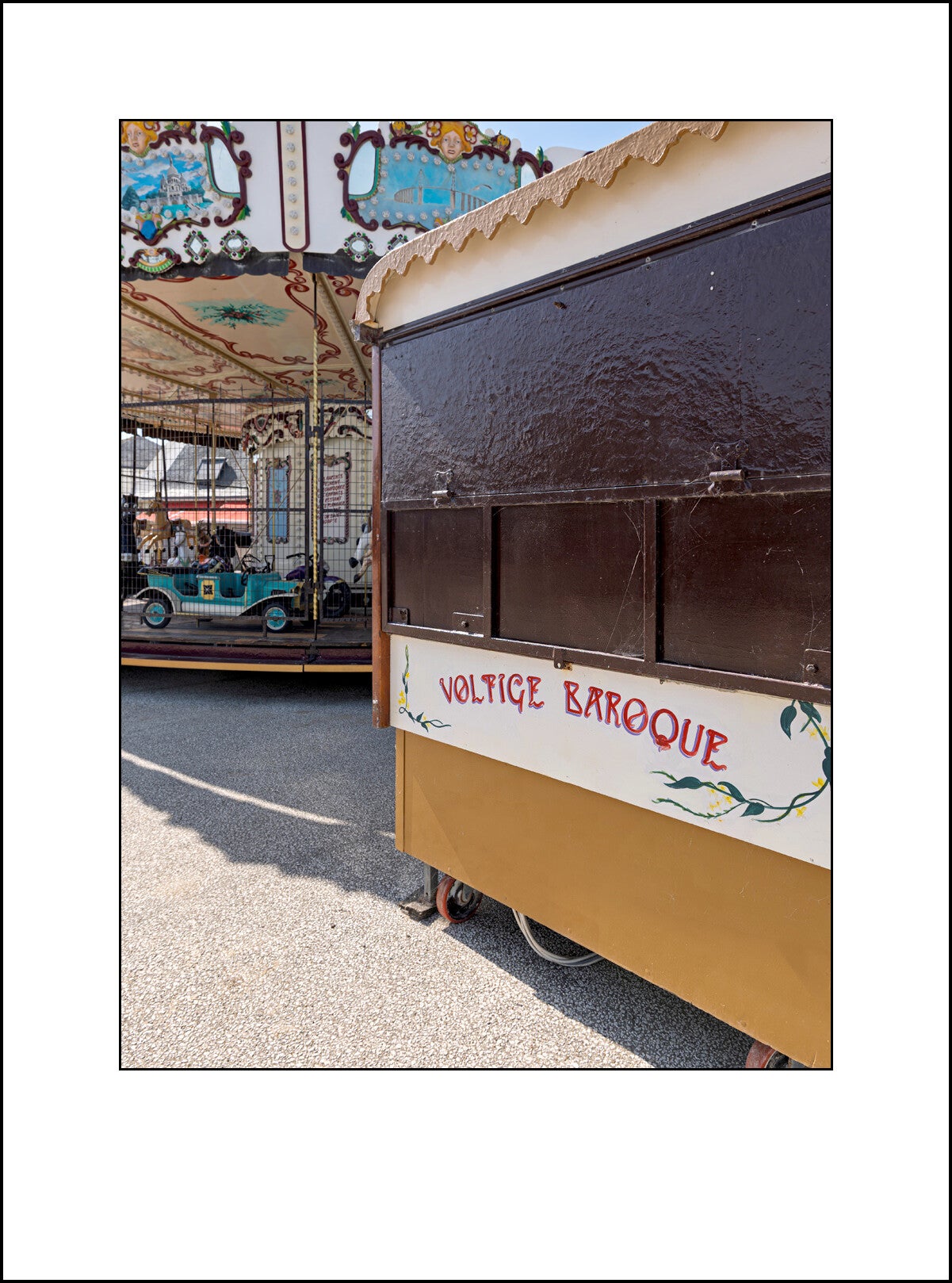
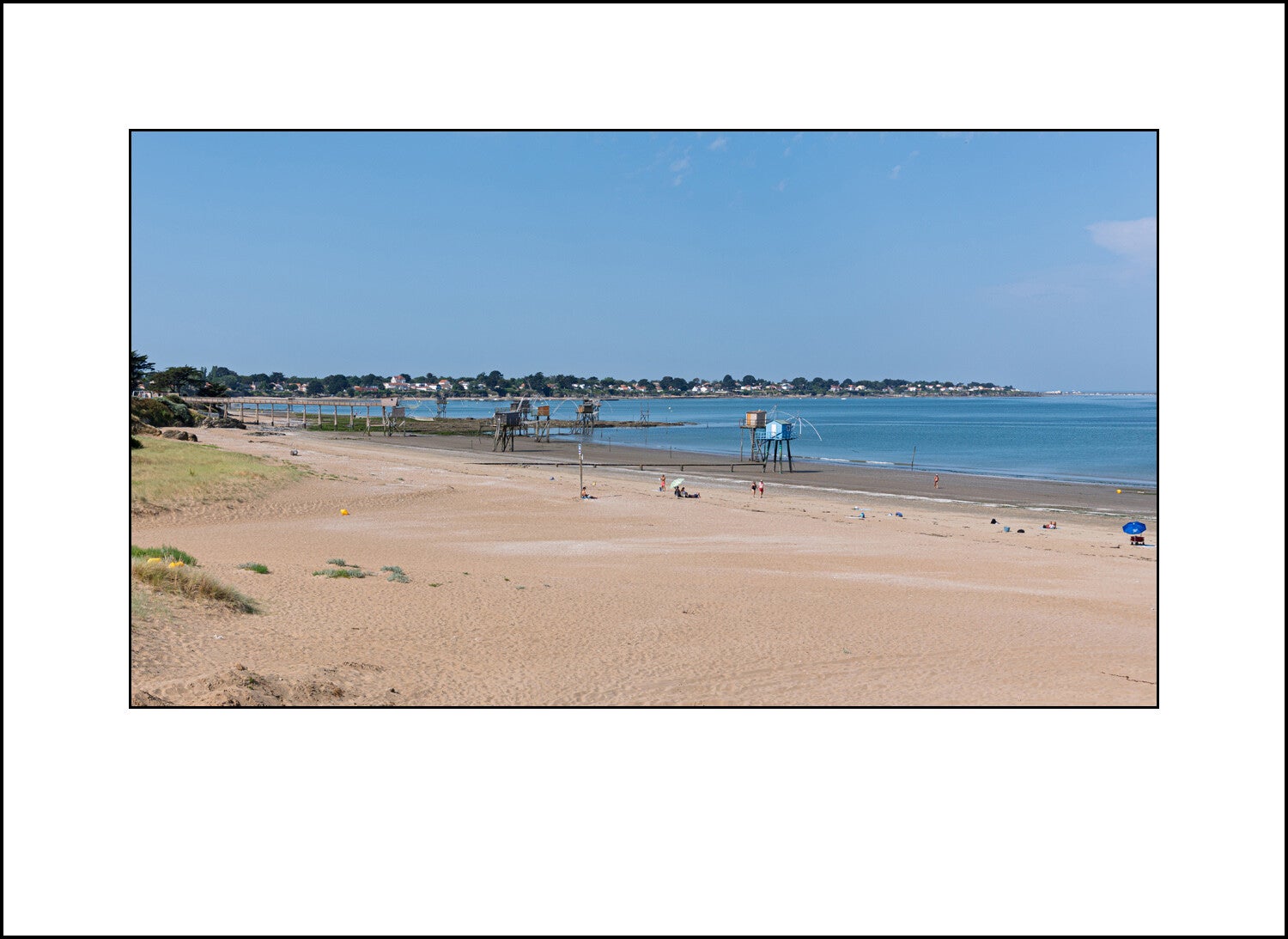
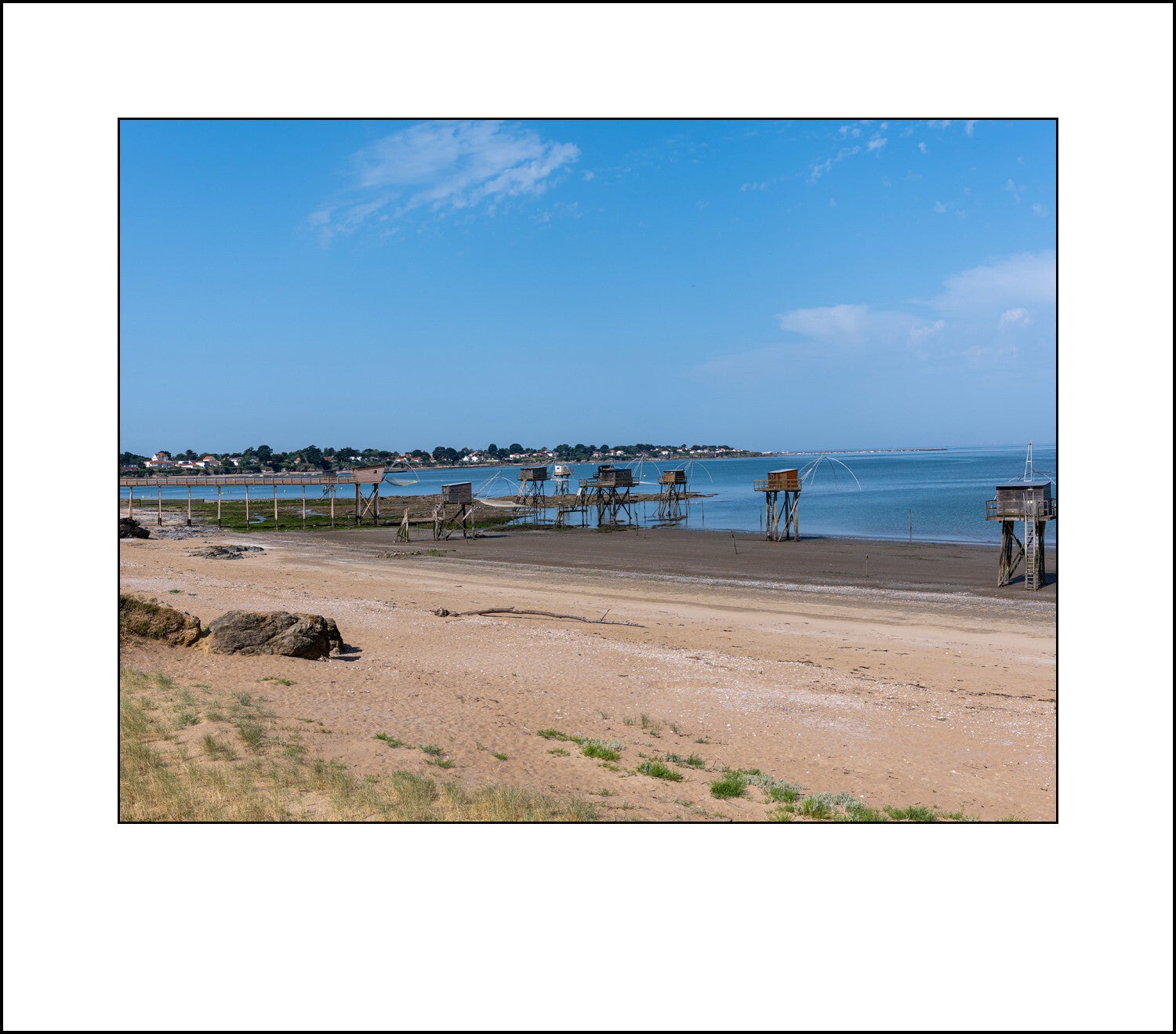
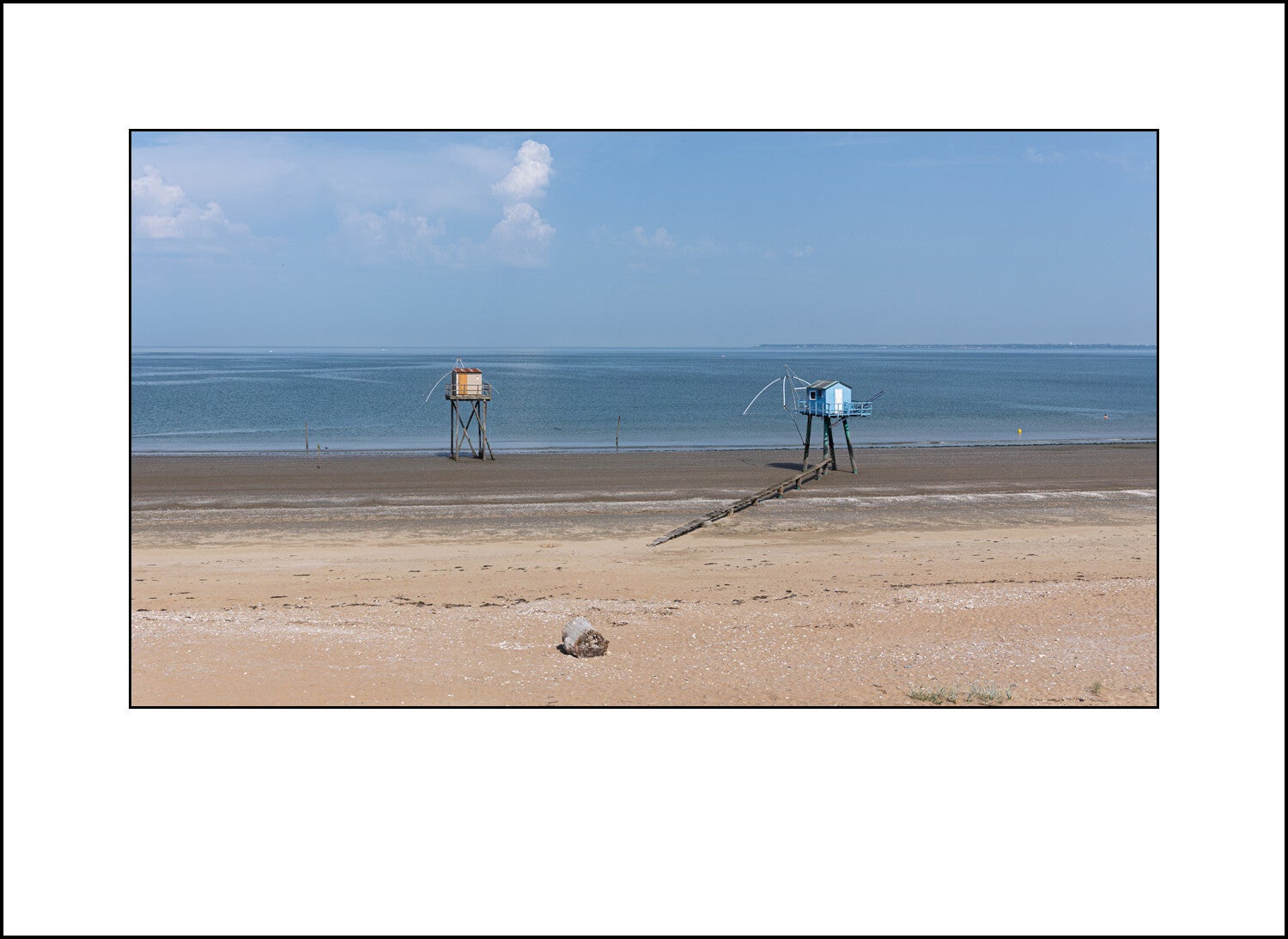
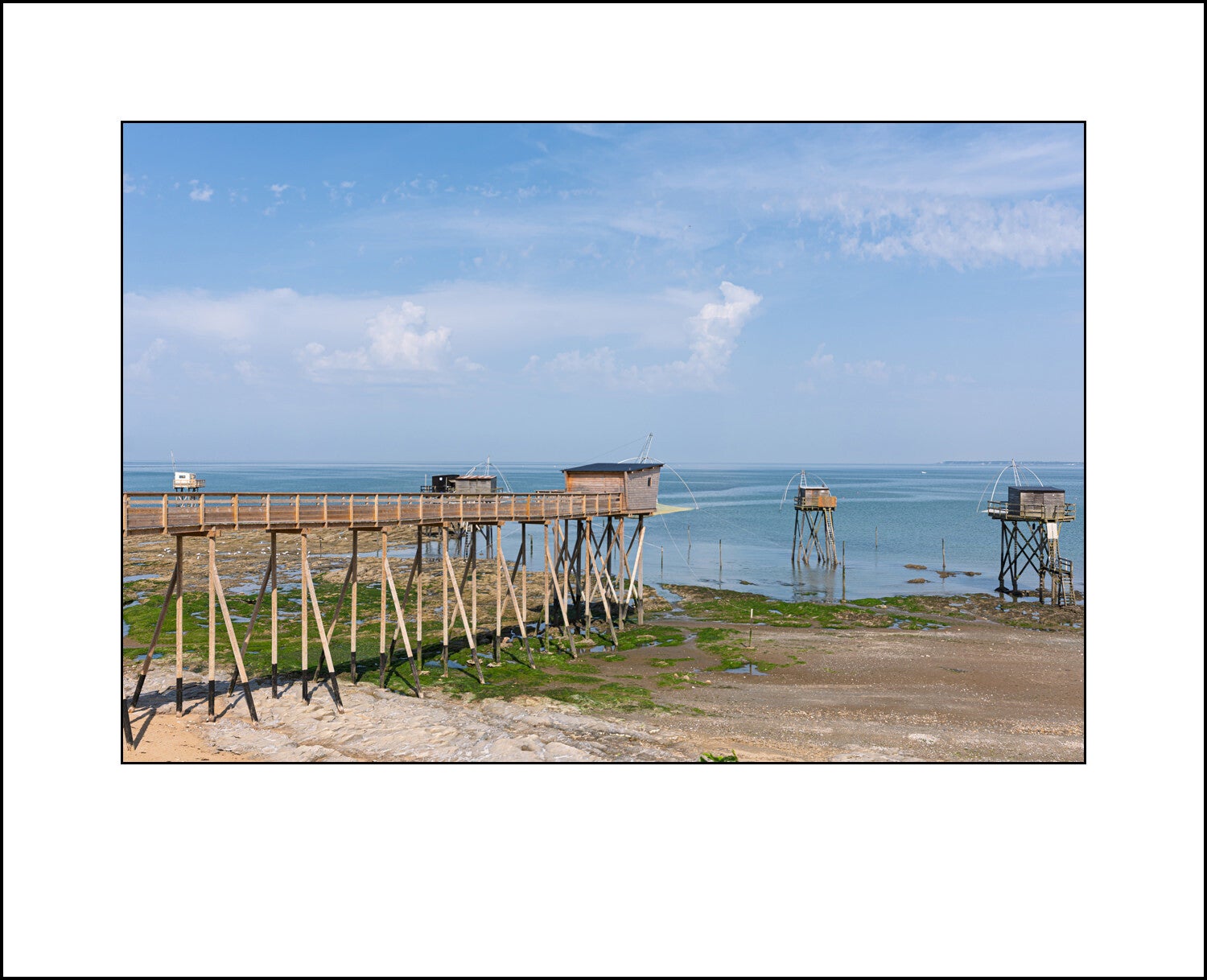
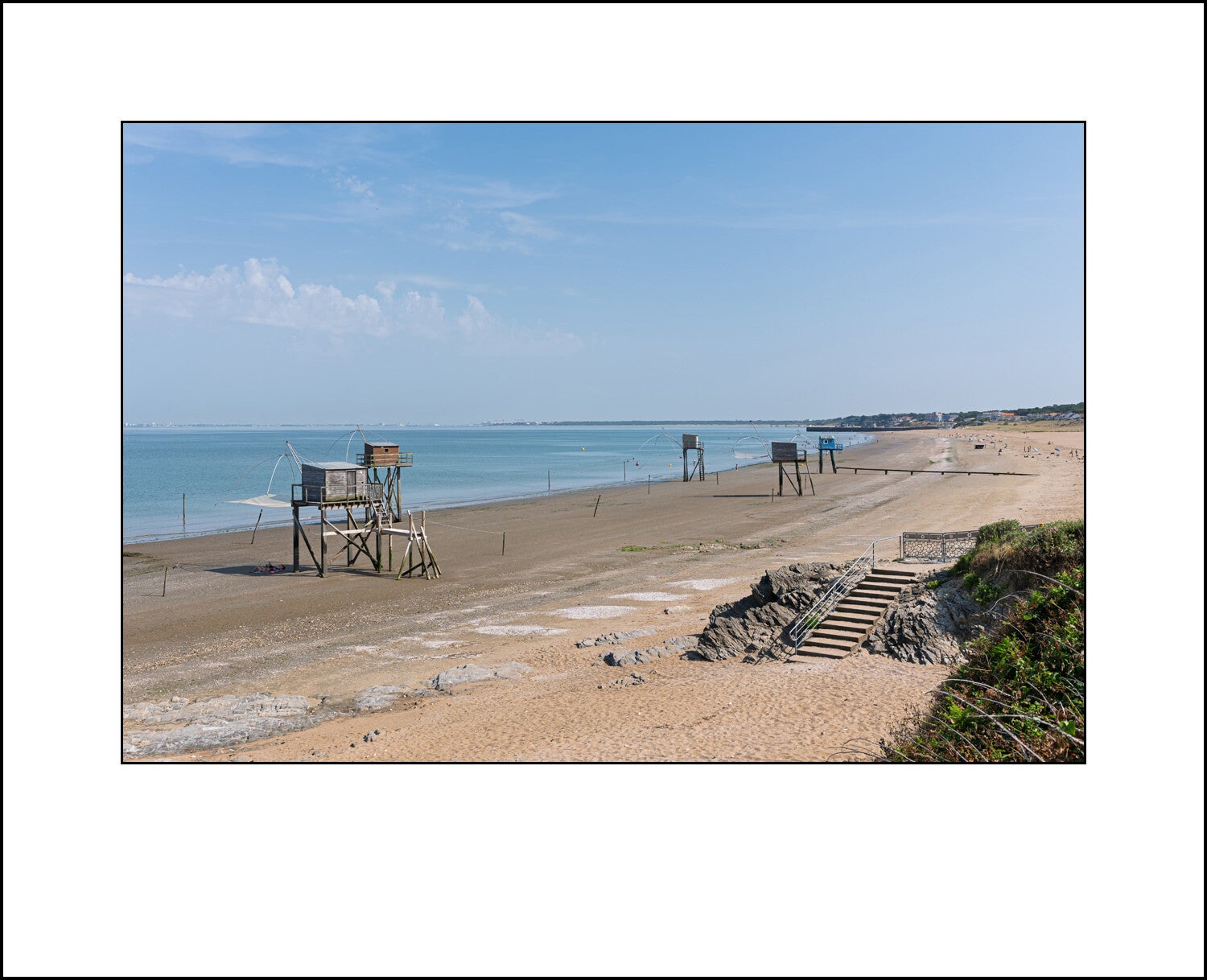
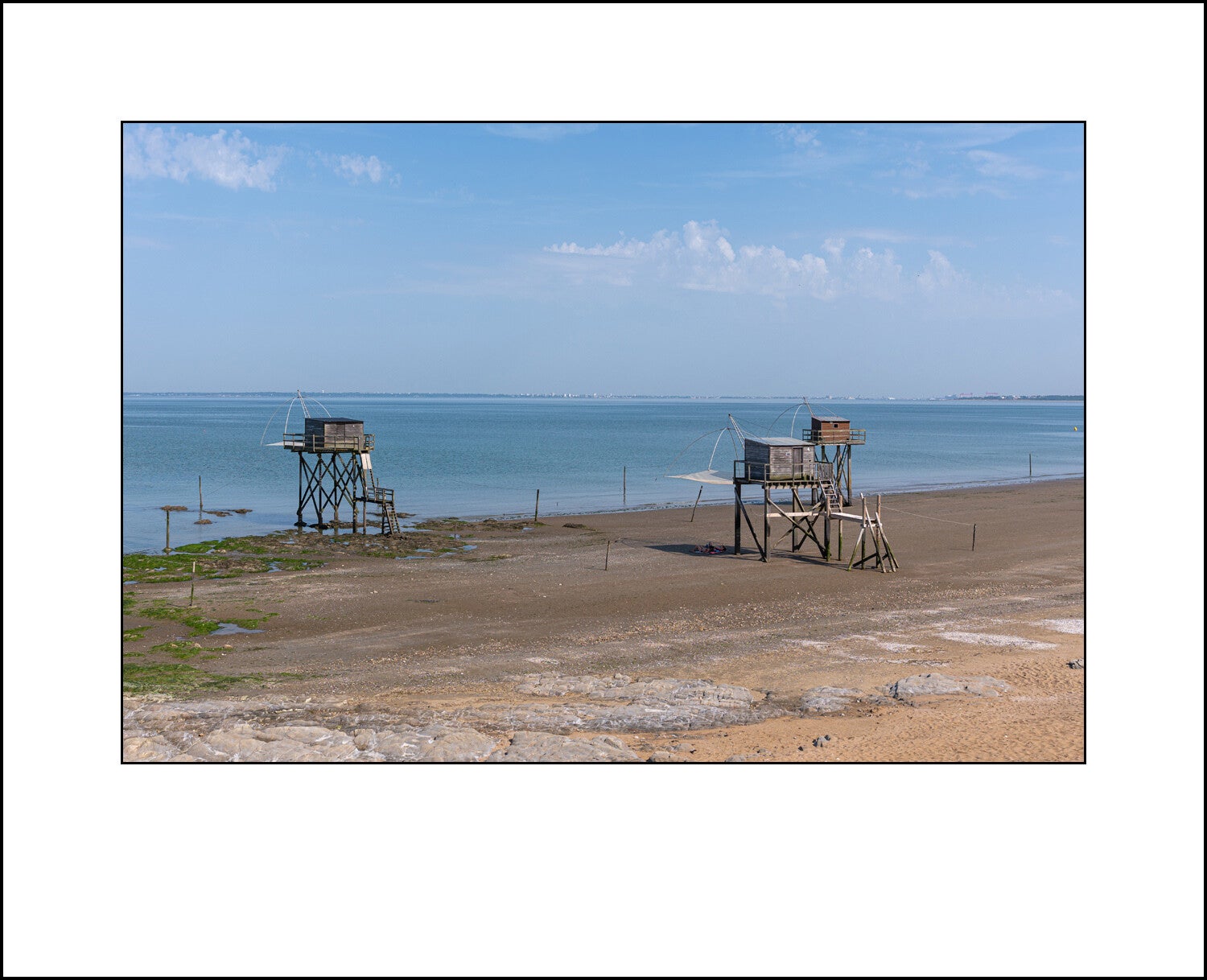
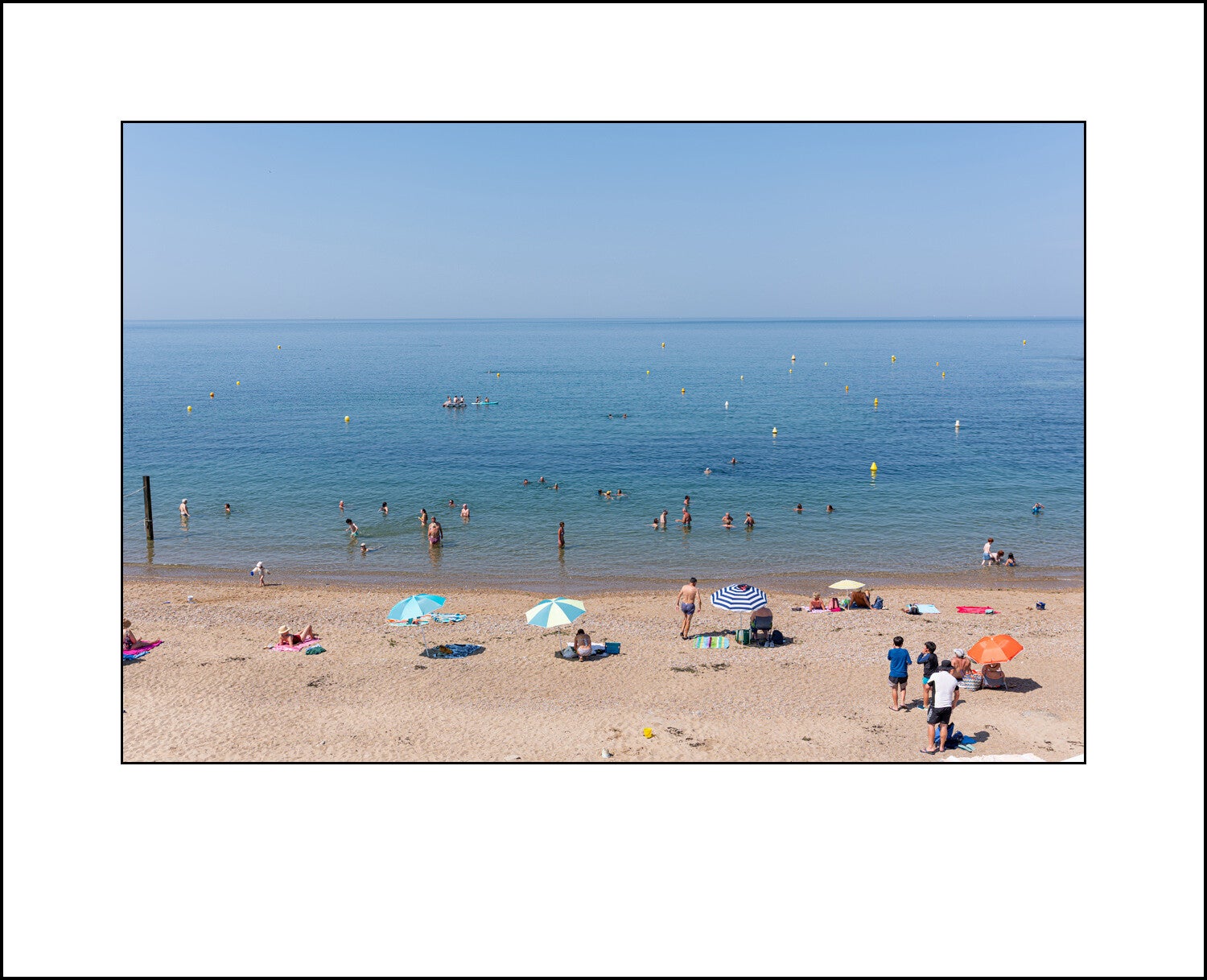
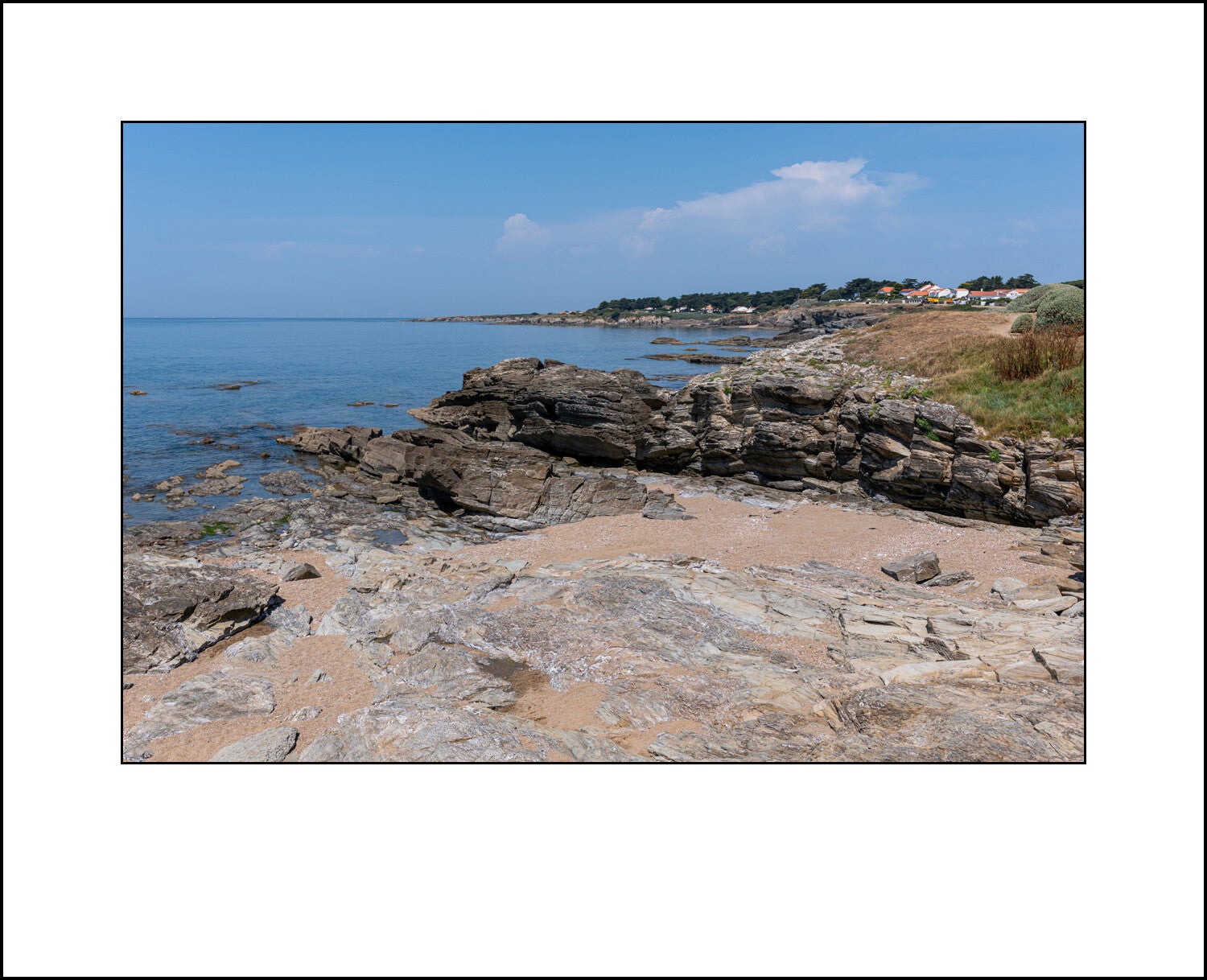
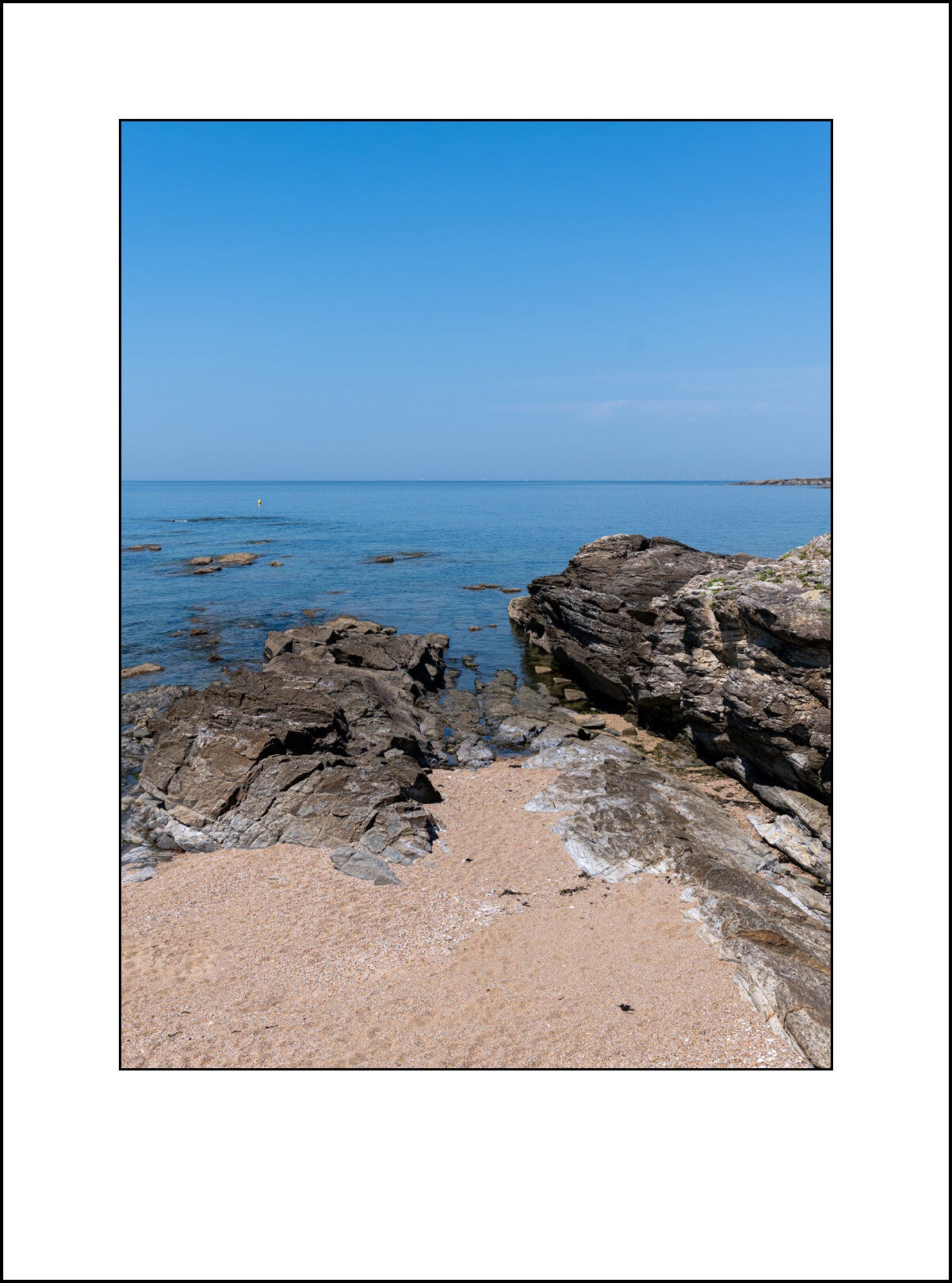
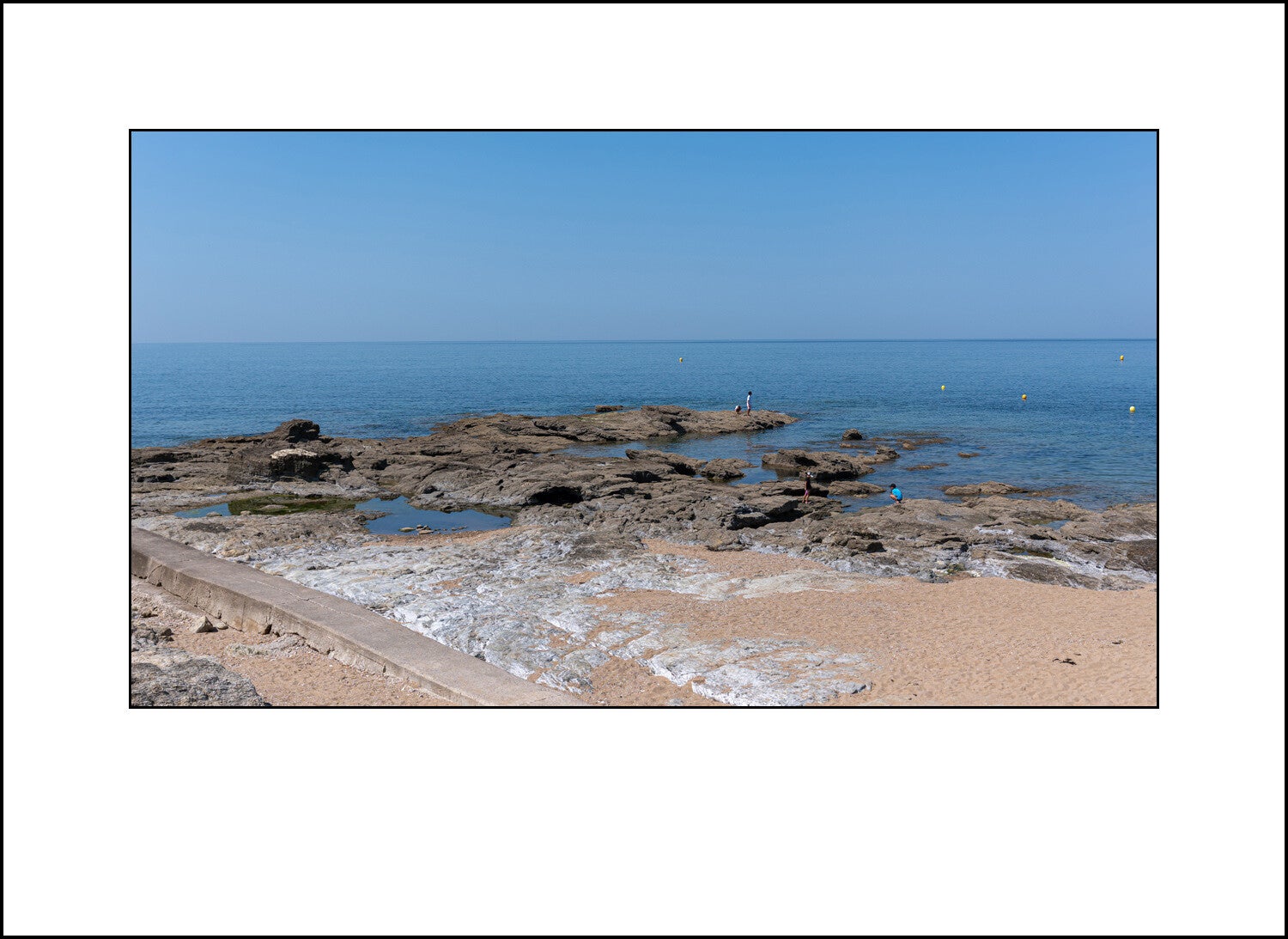
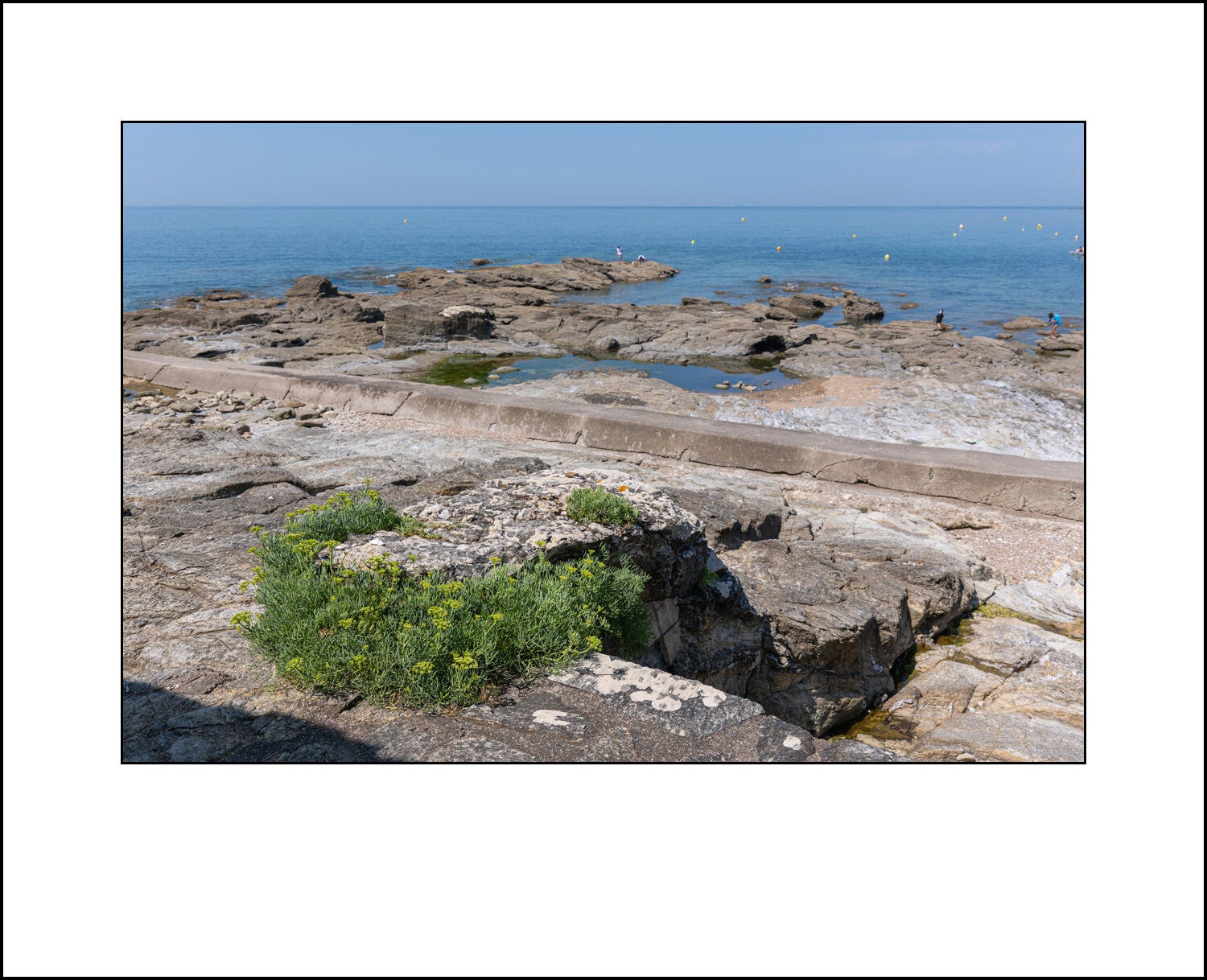
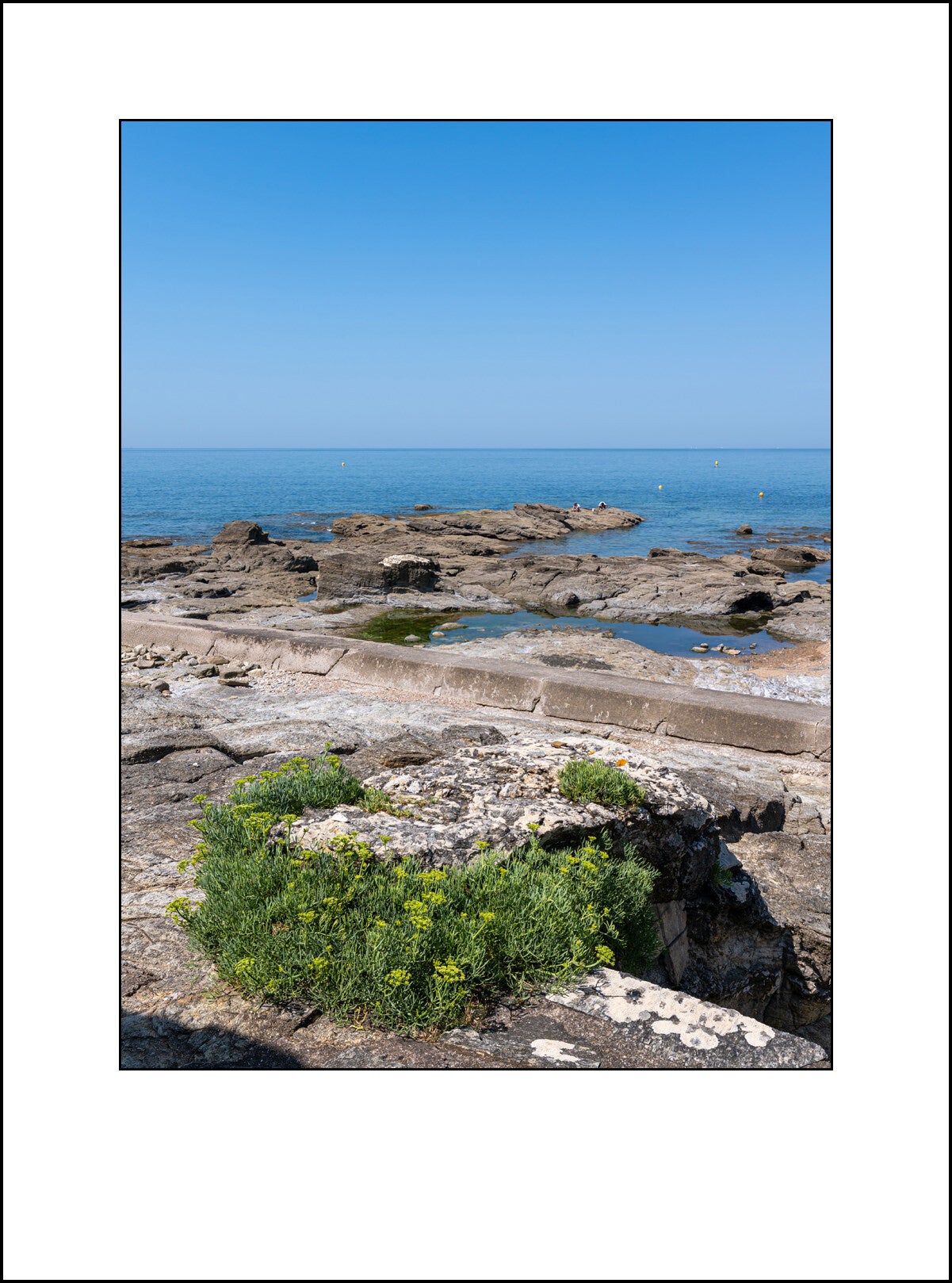
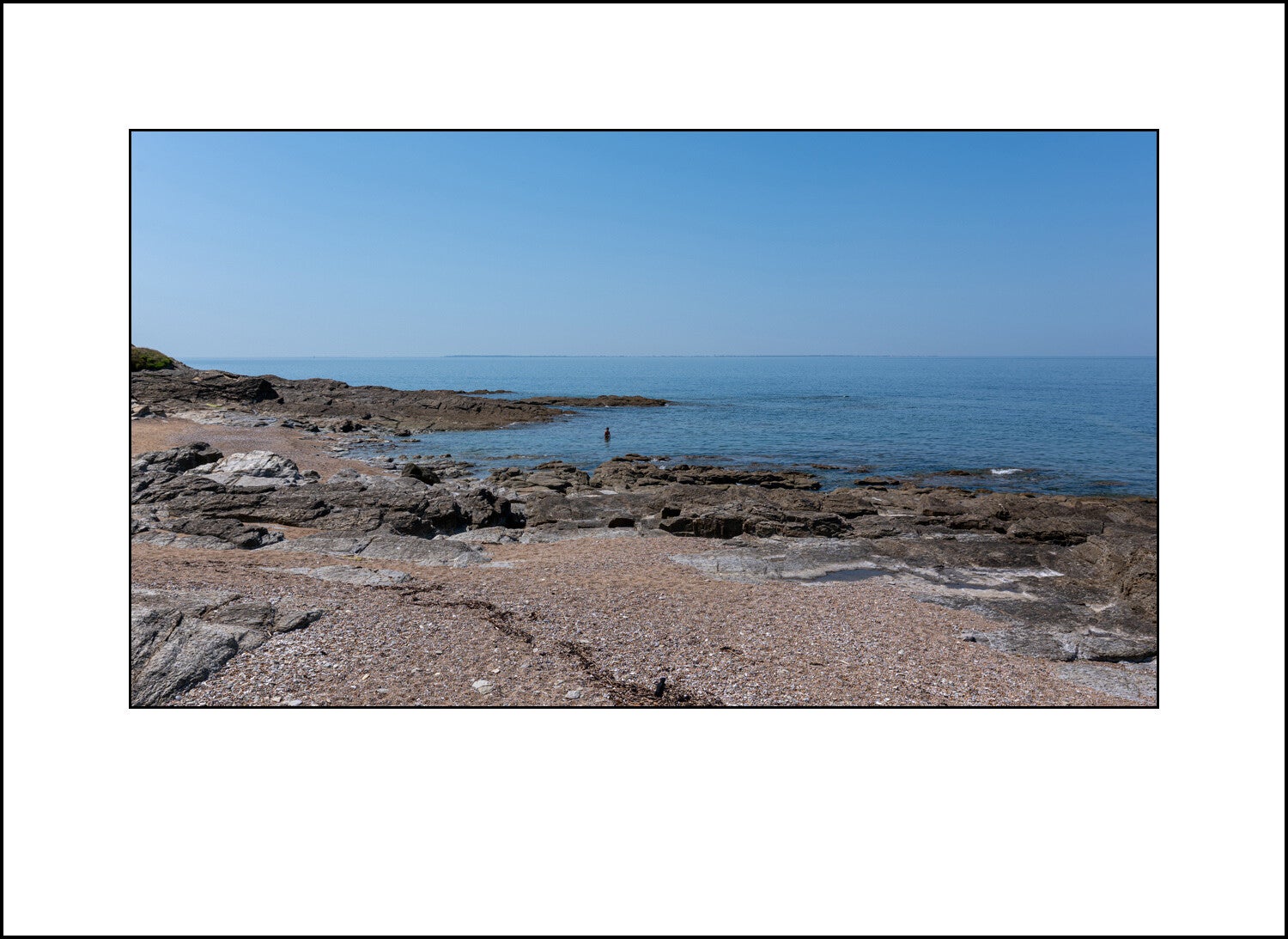
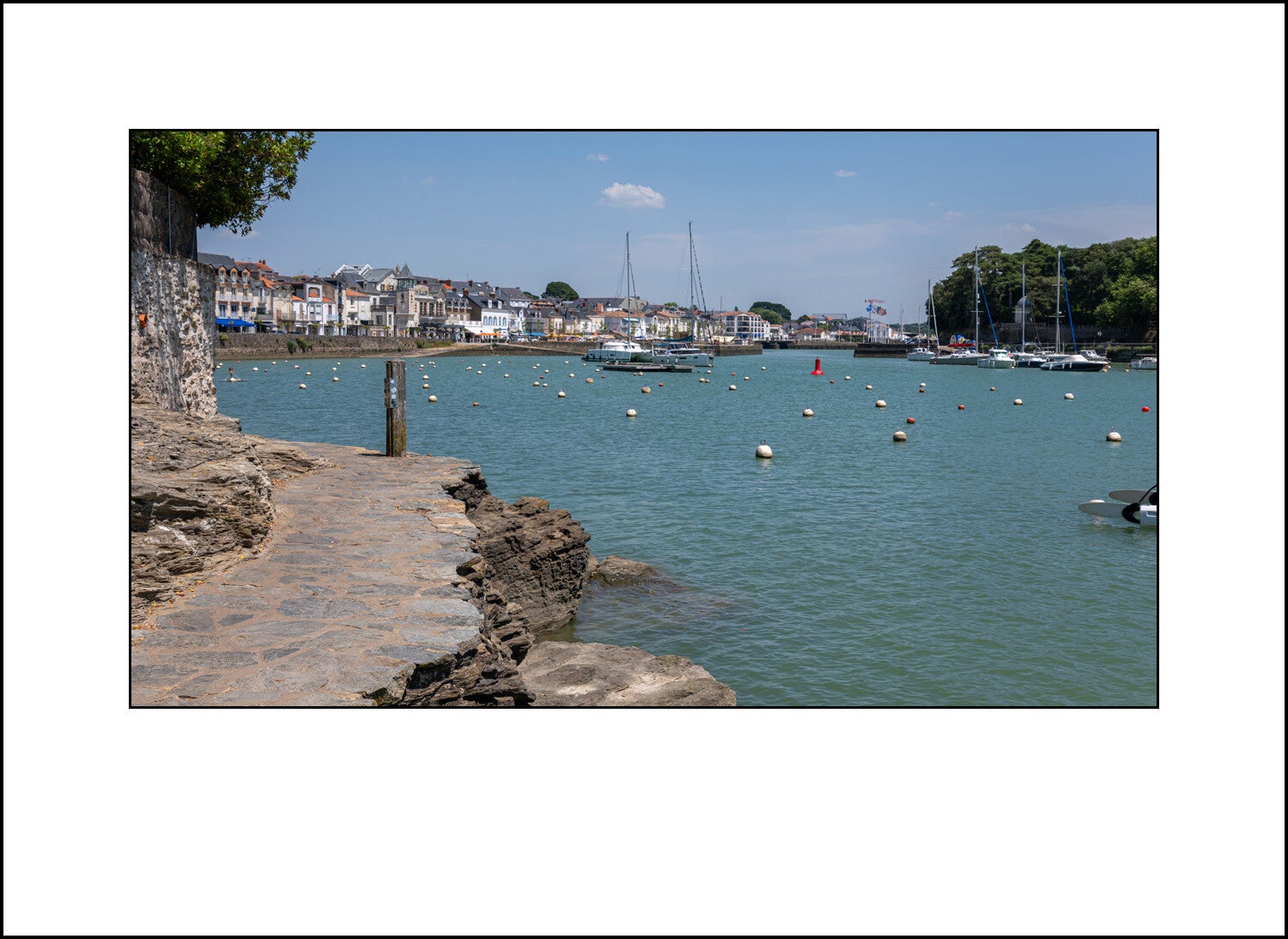
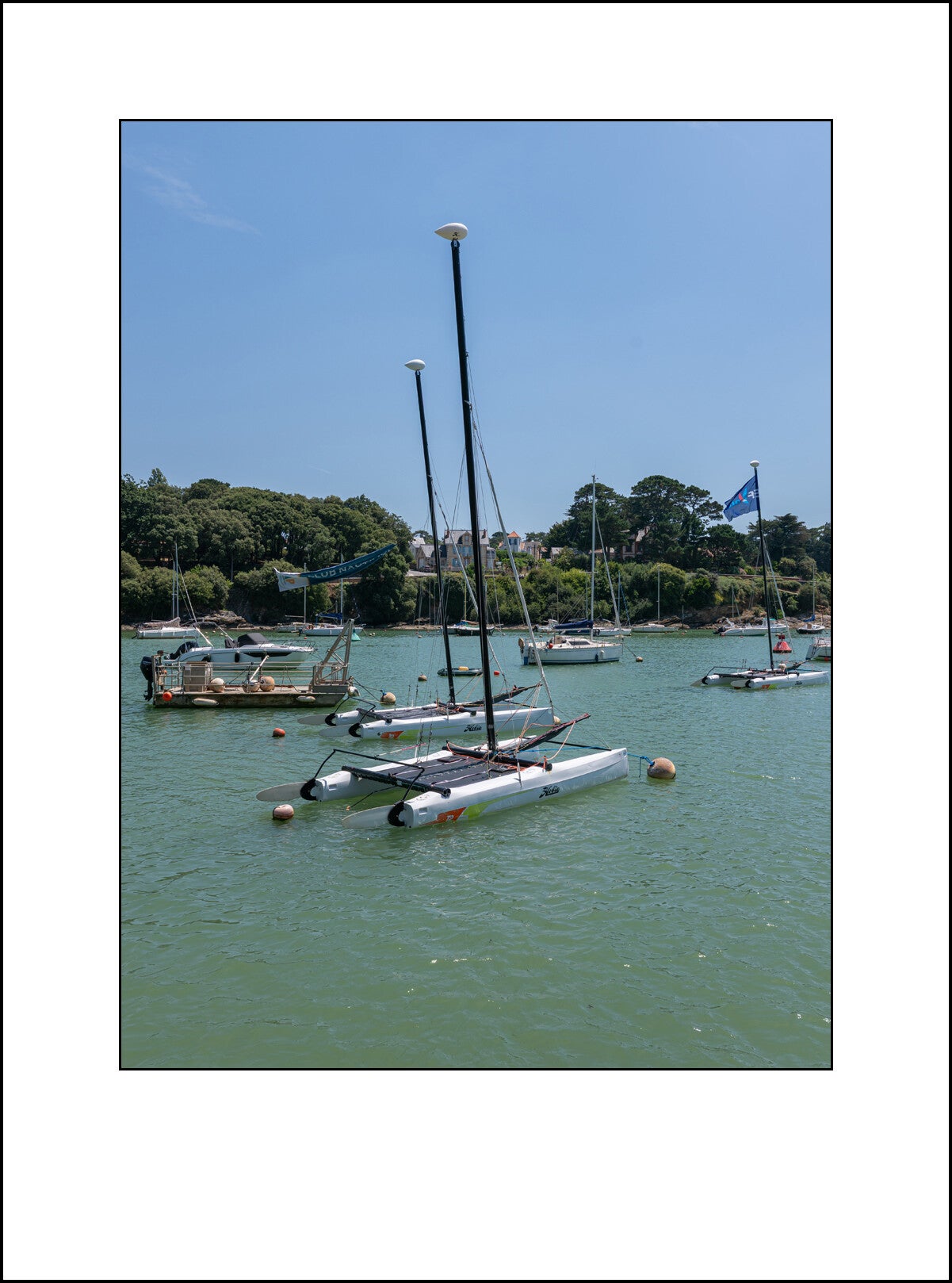
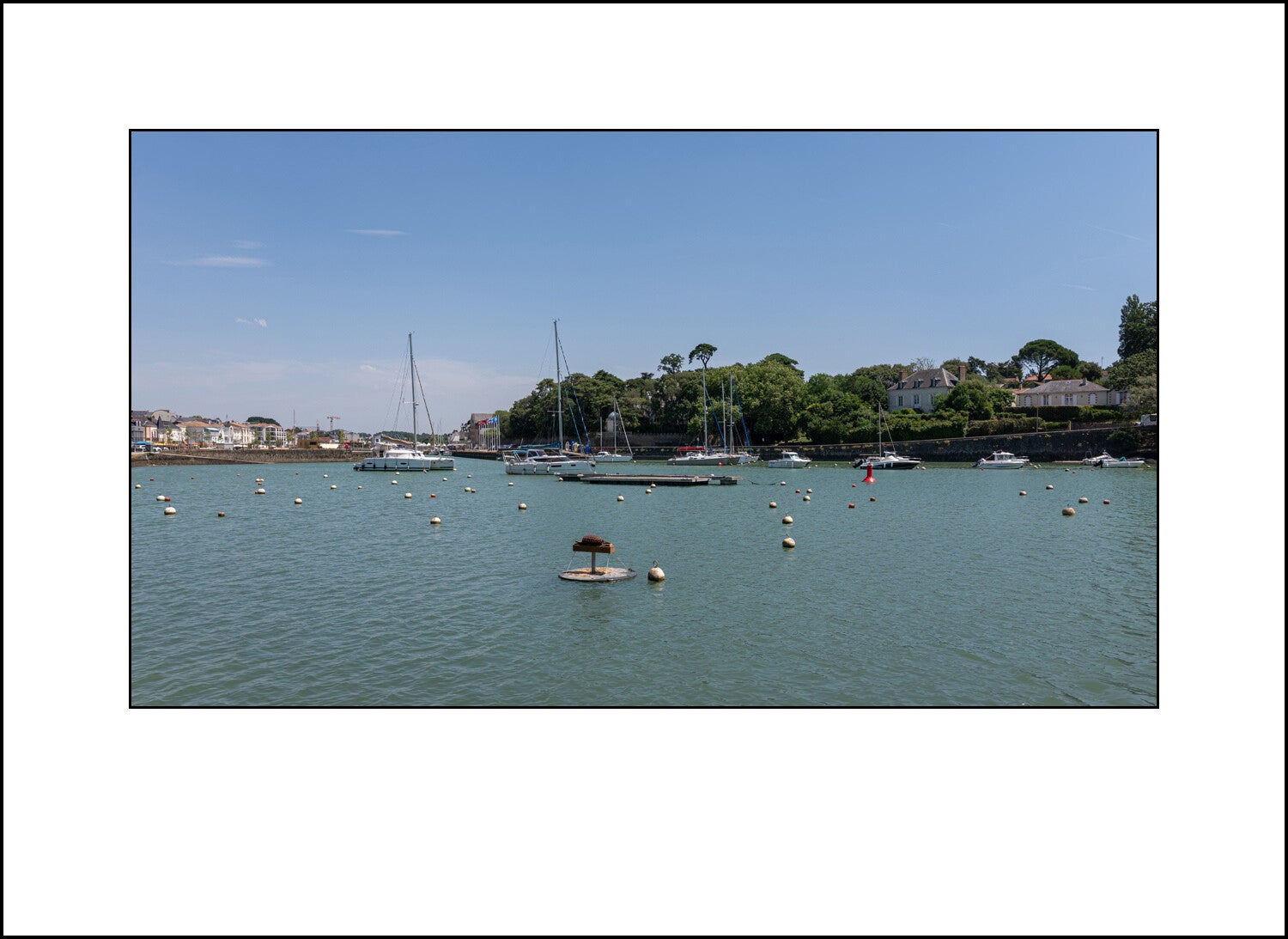
Images taken with the Panasonic TZ101
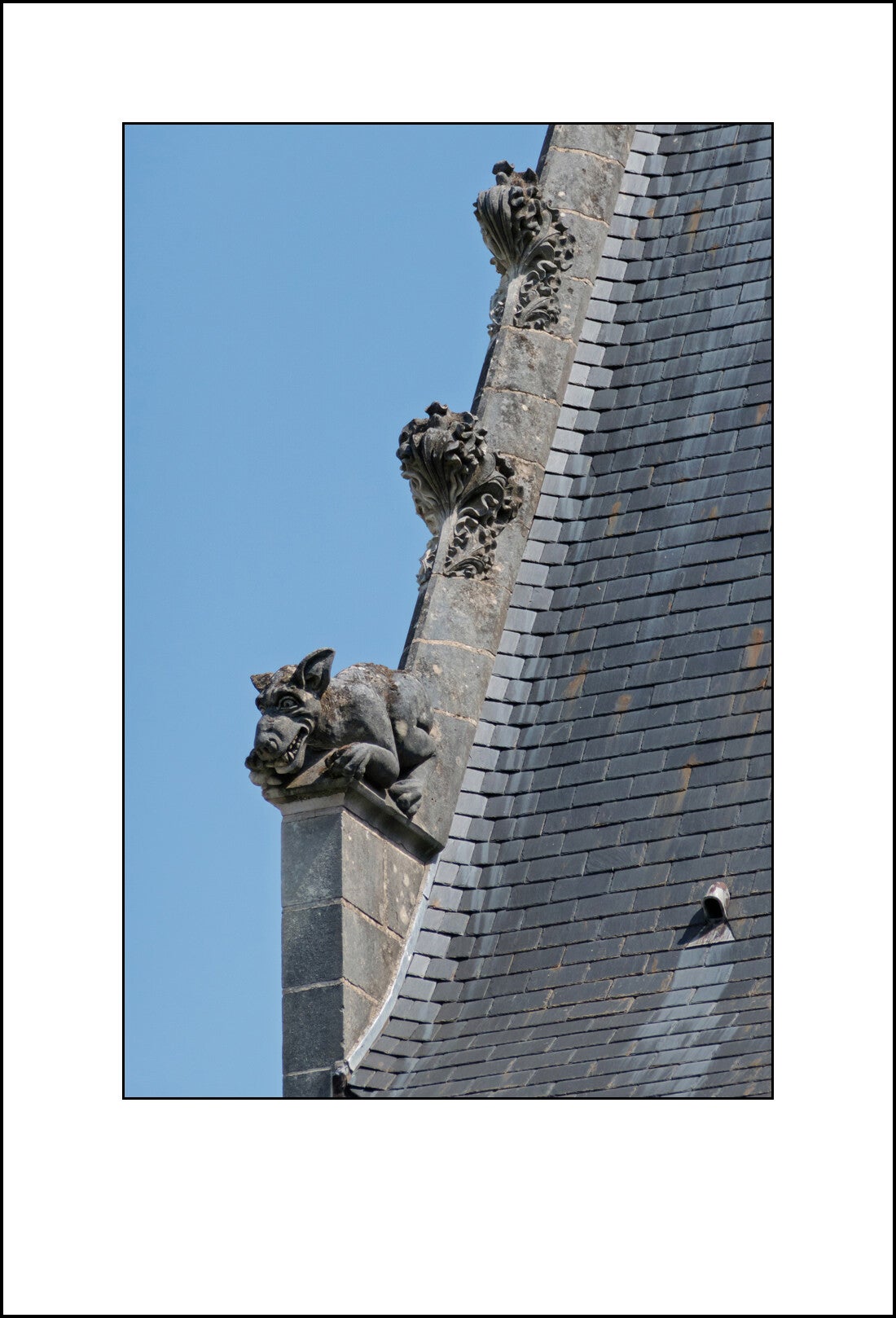
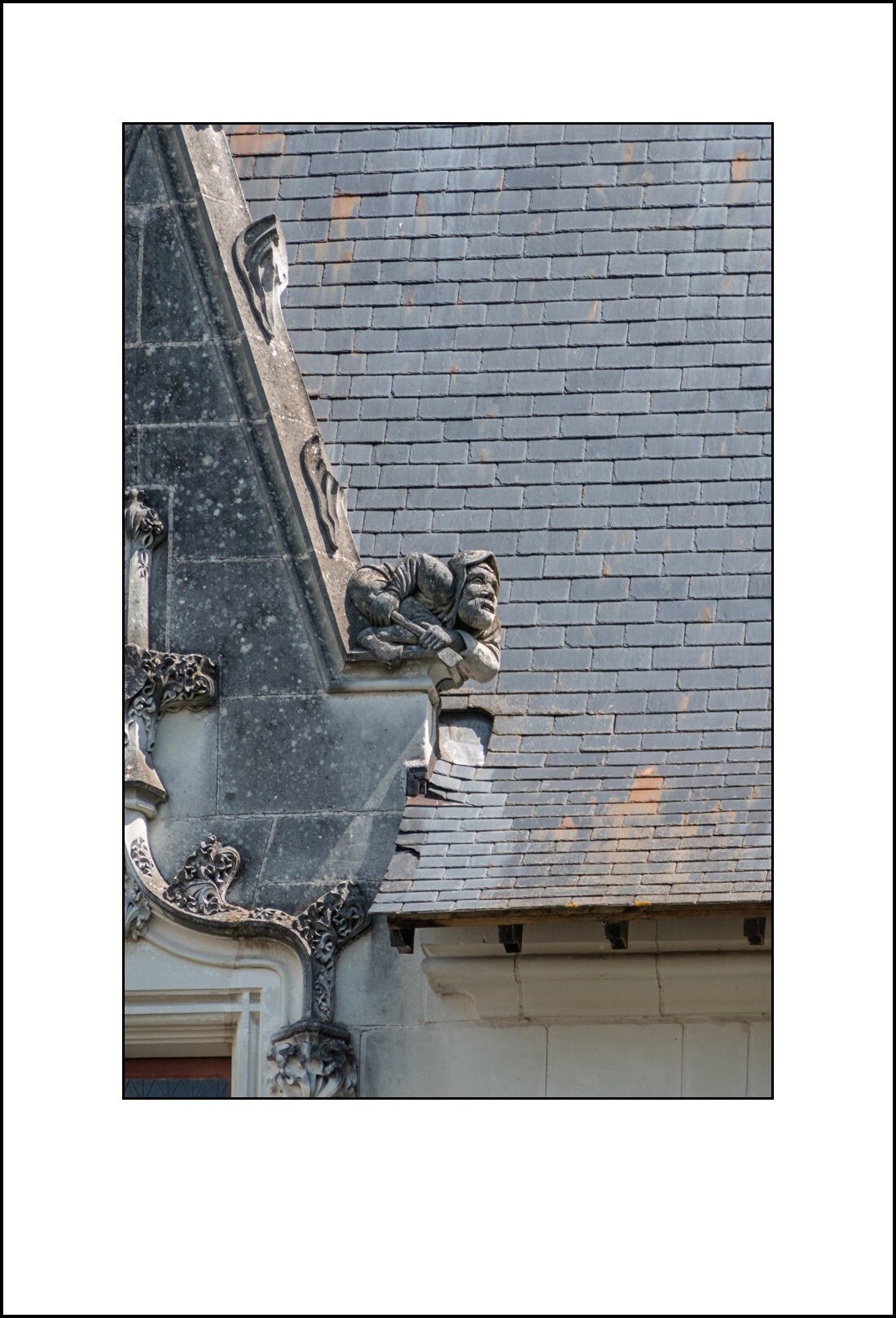

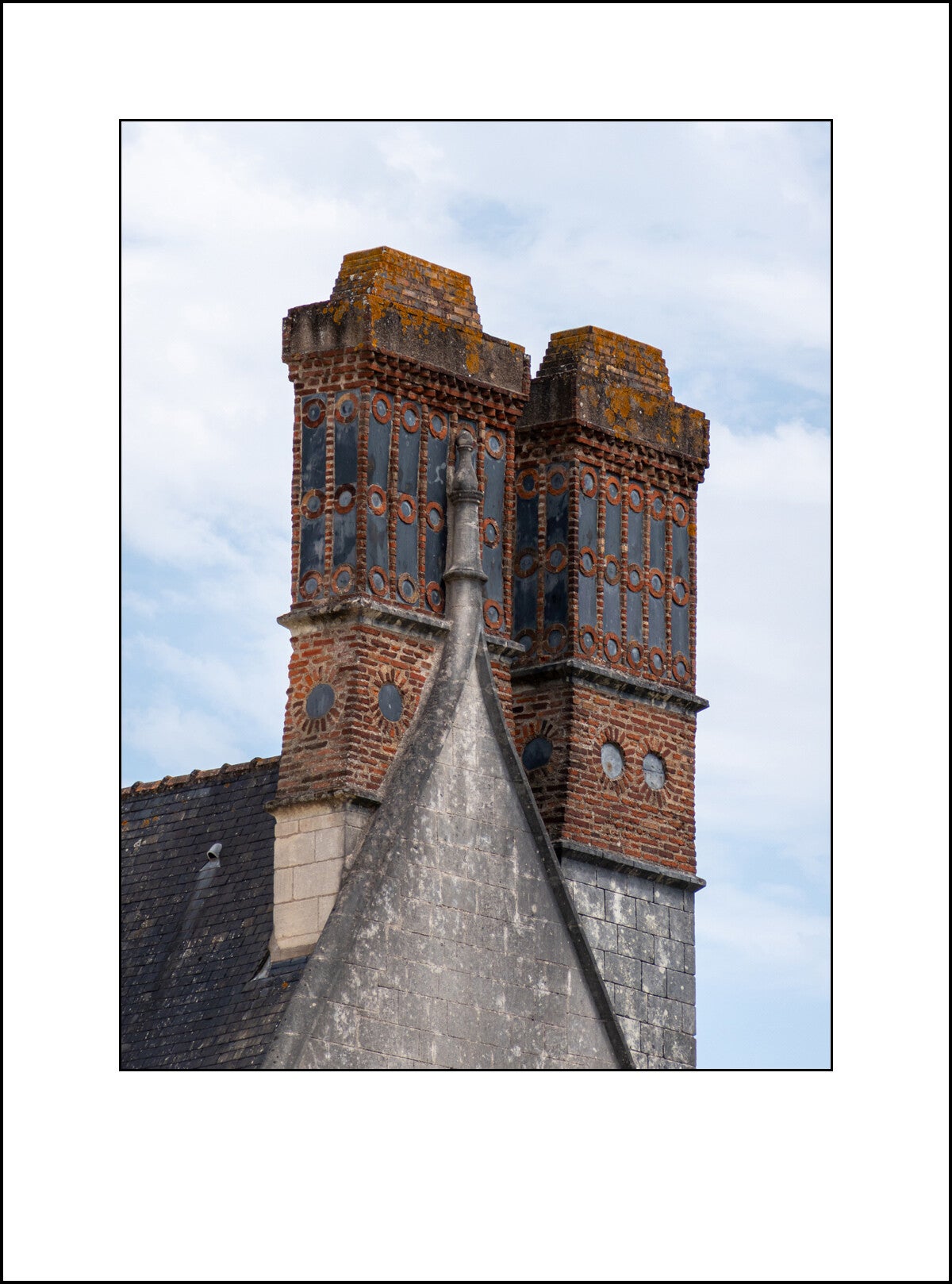
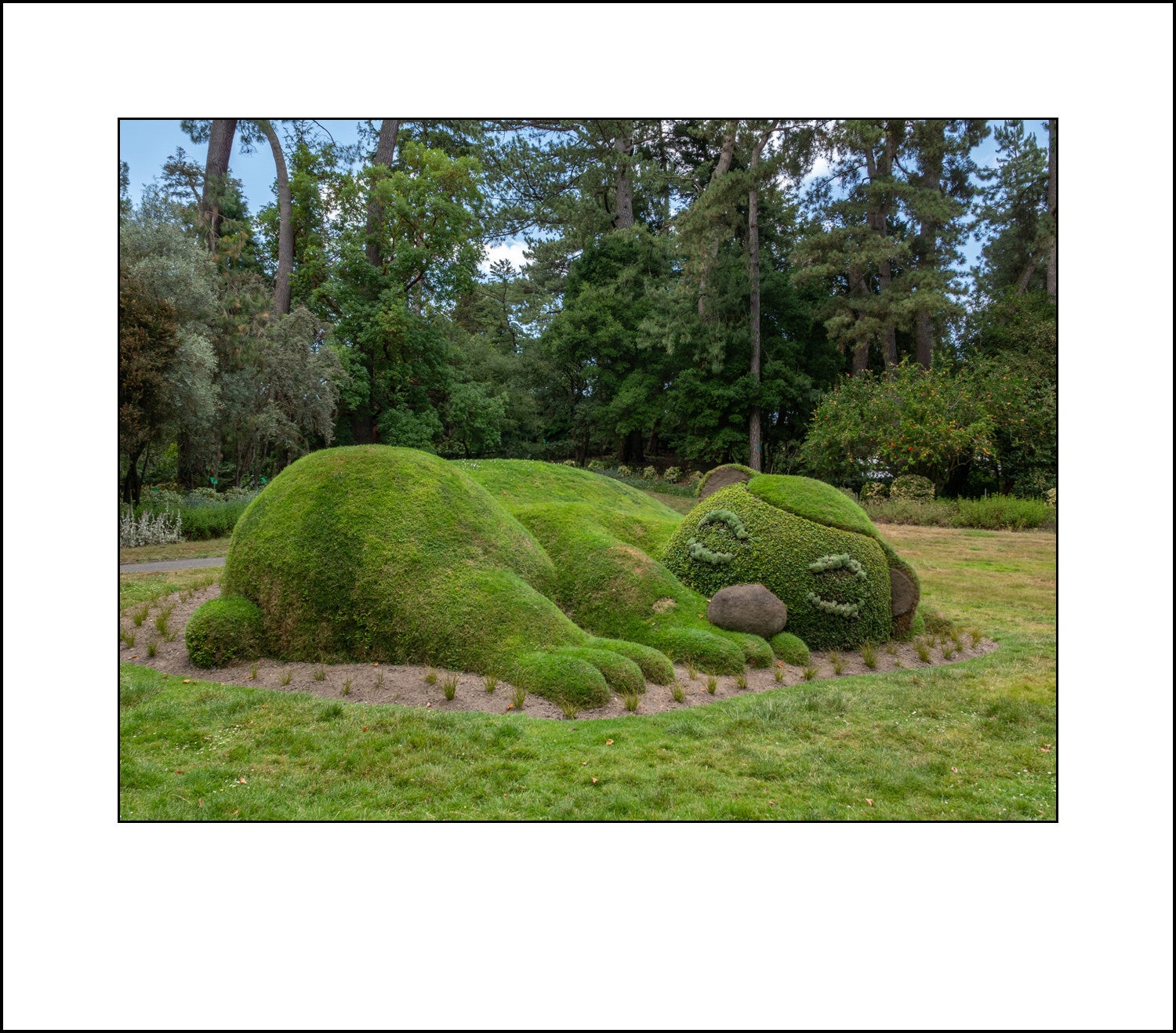
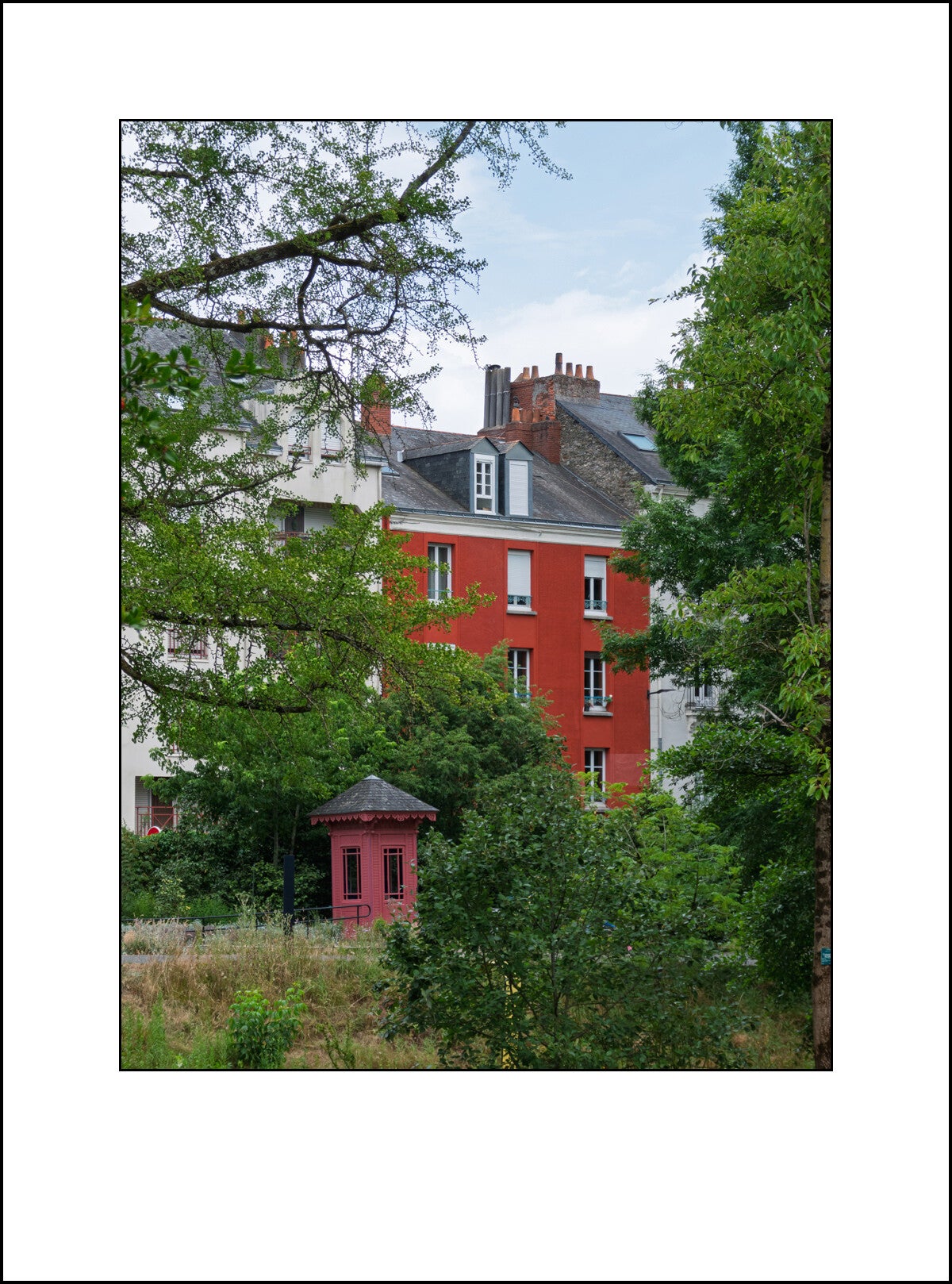


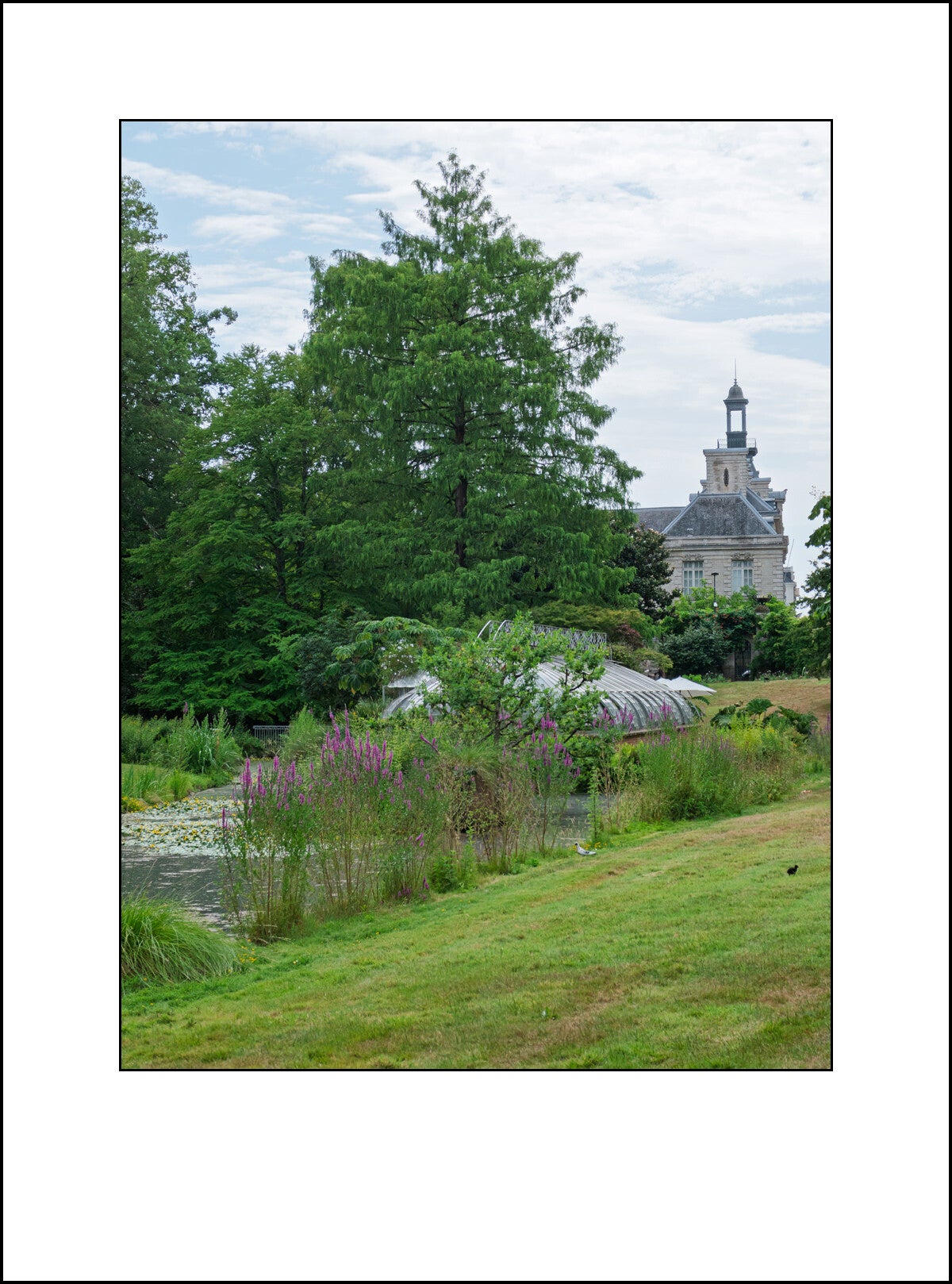
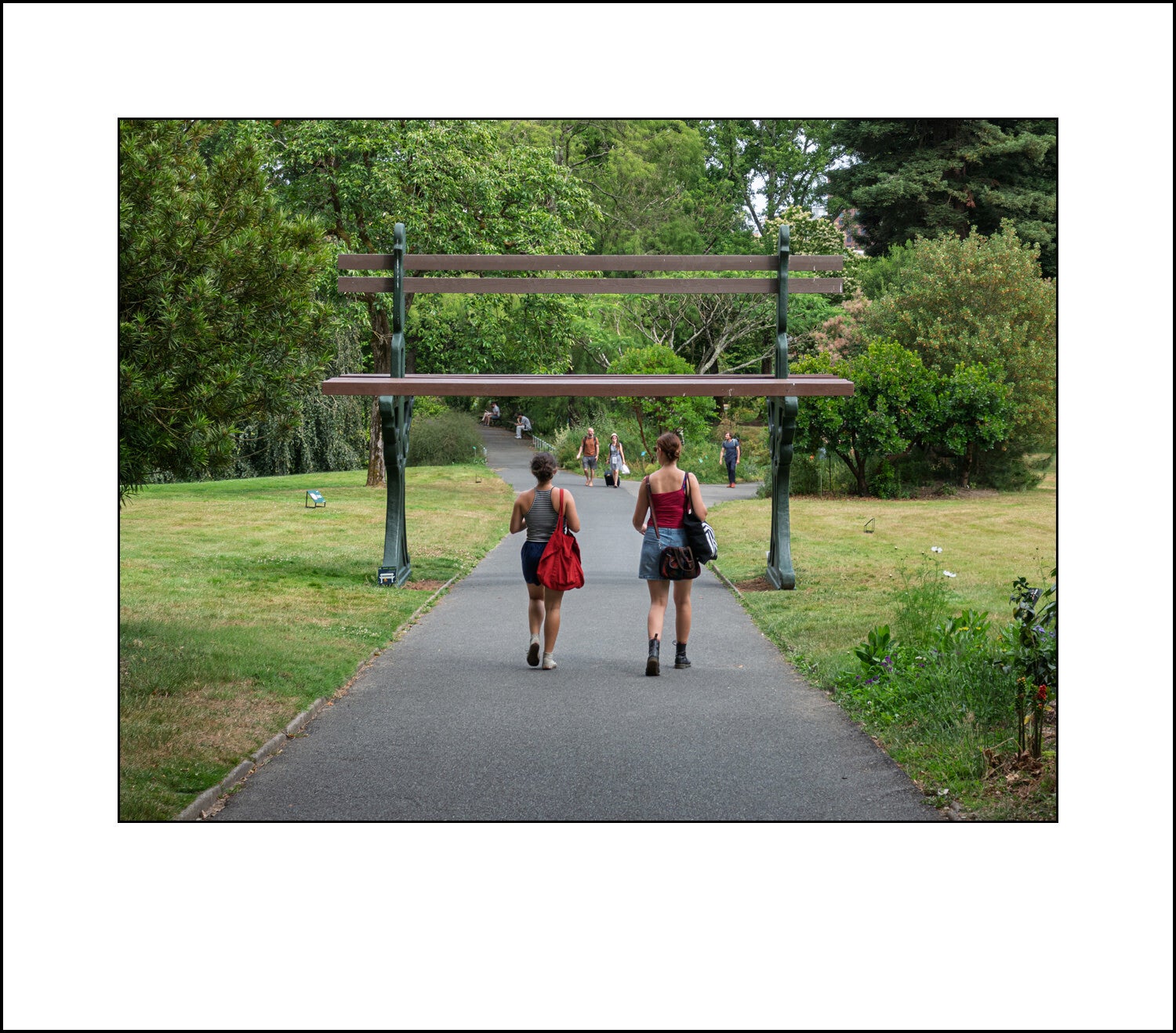
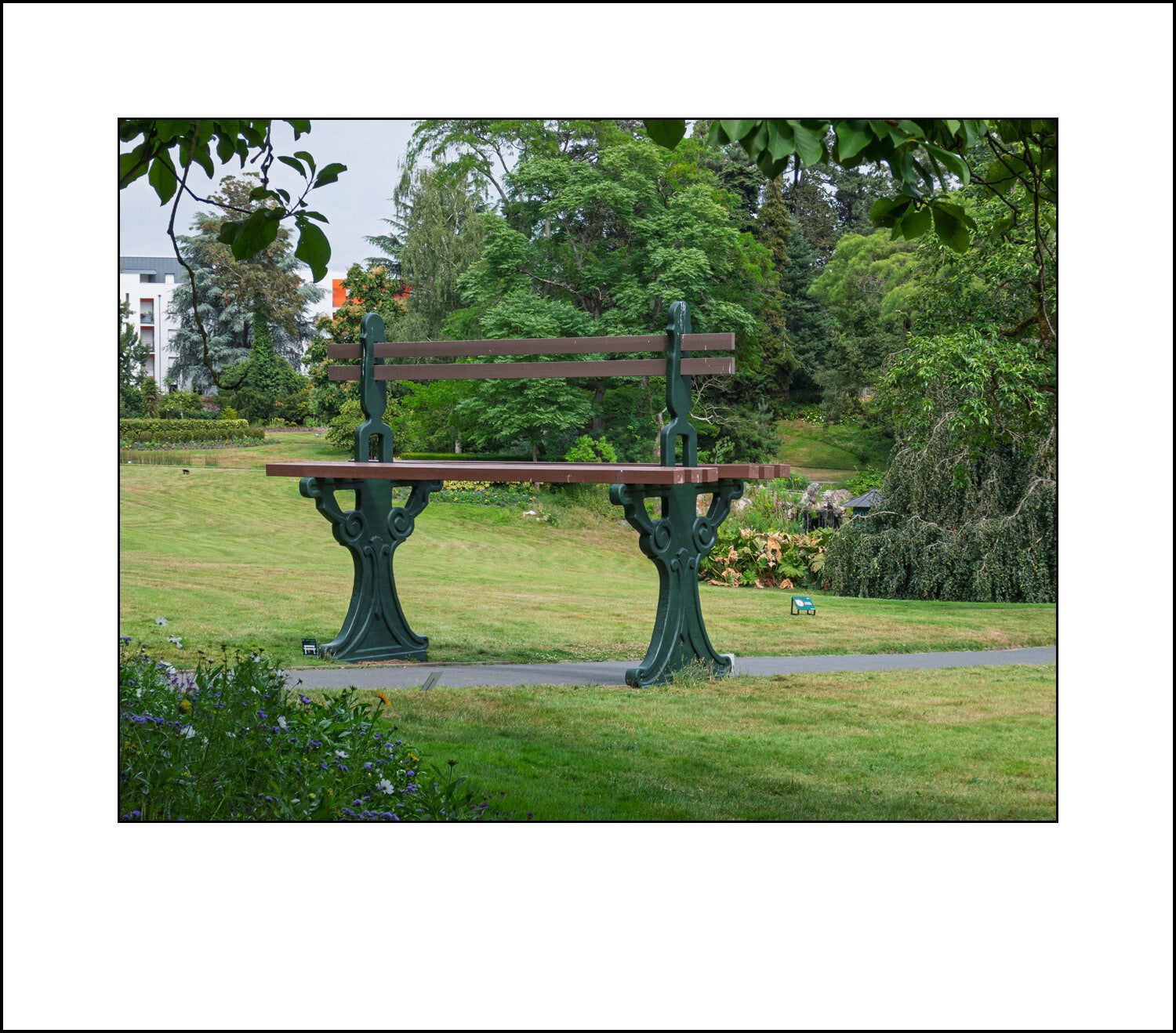
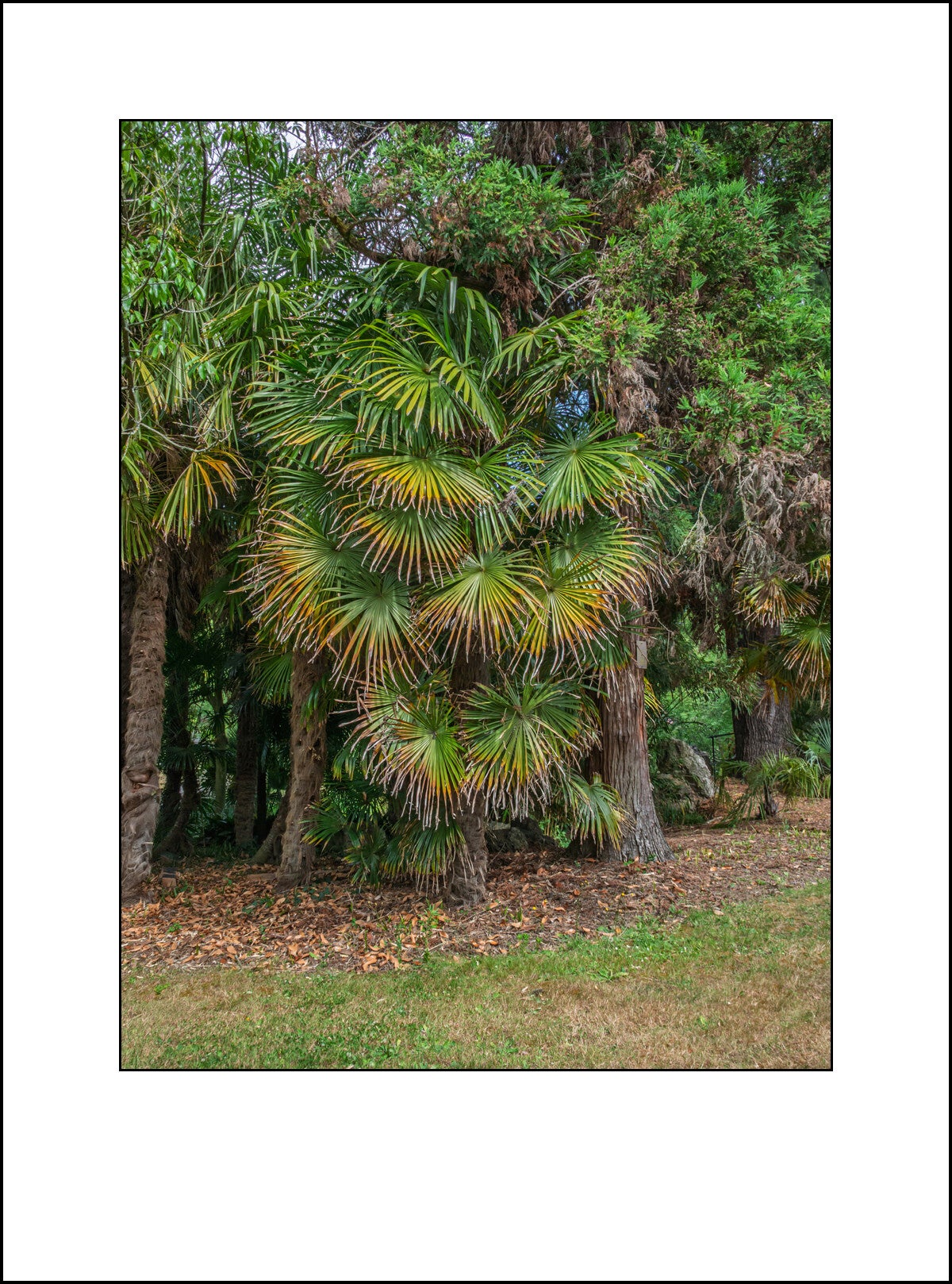


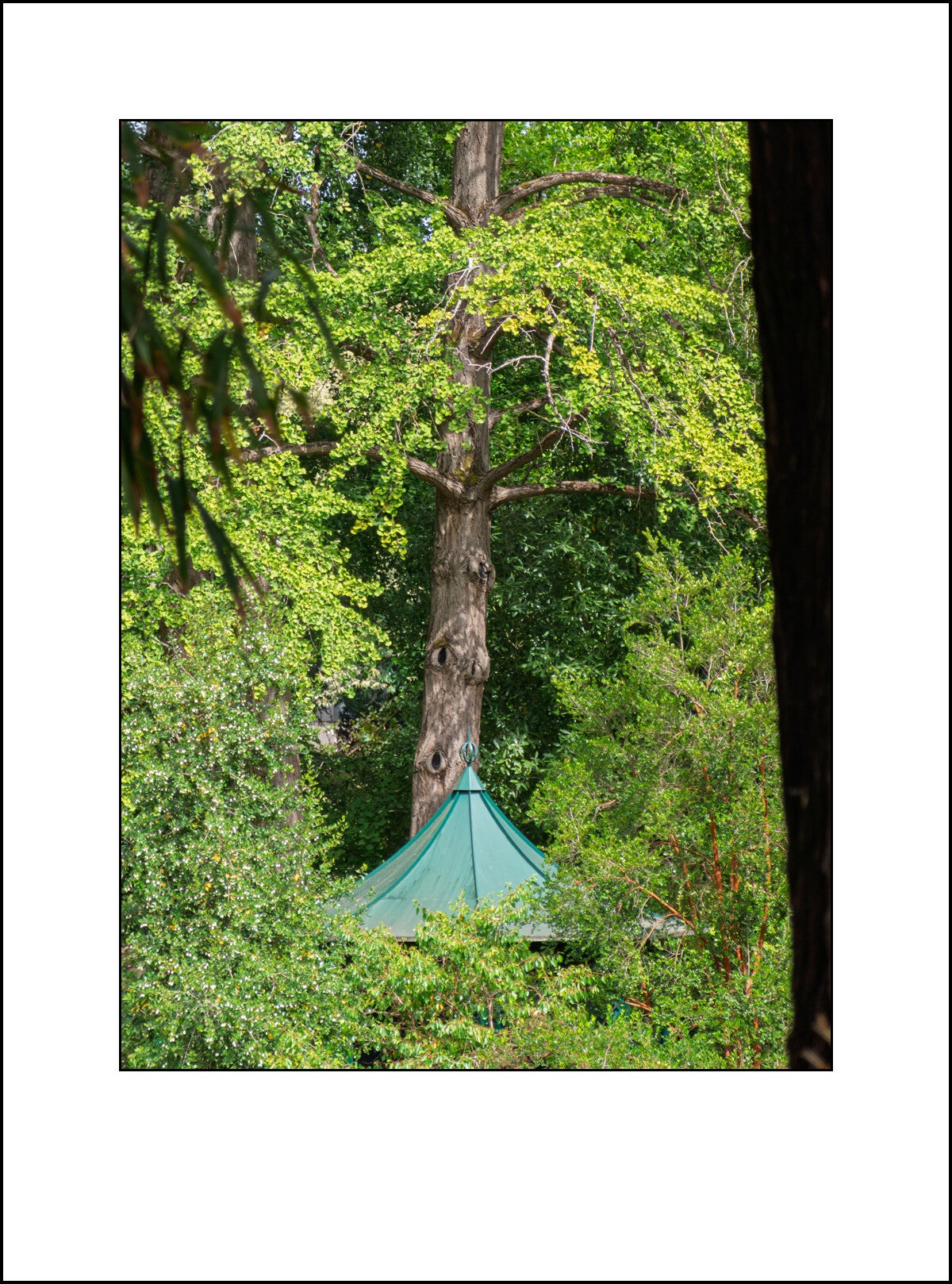
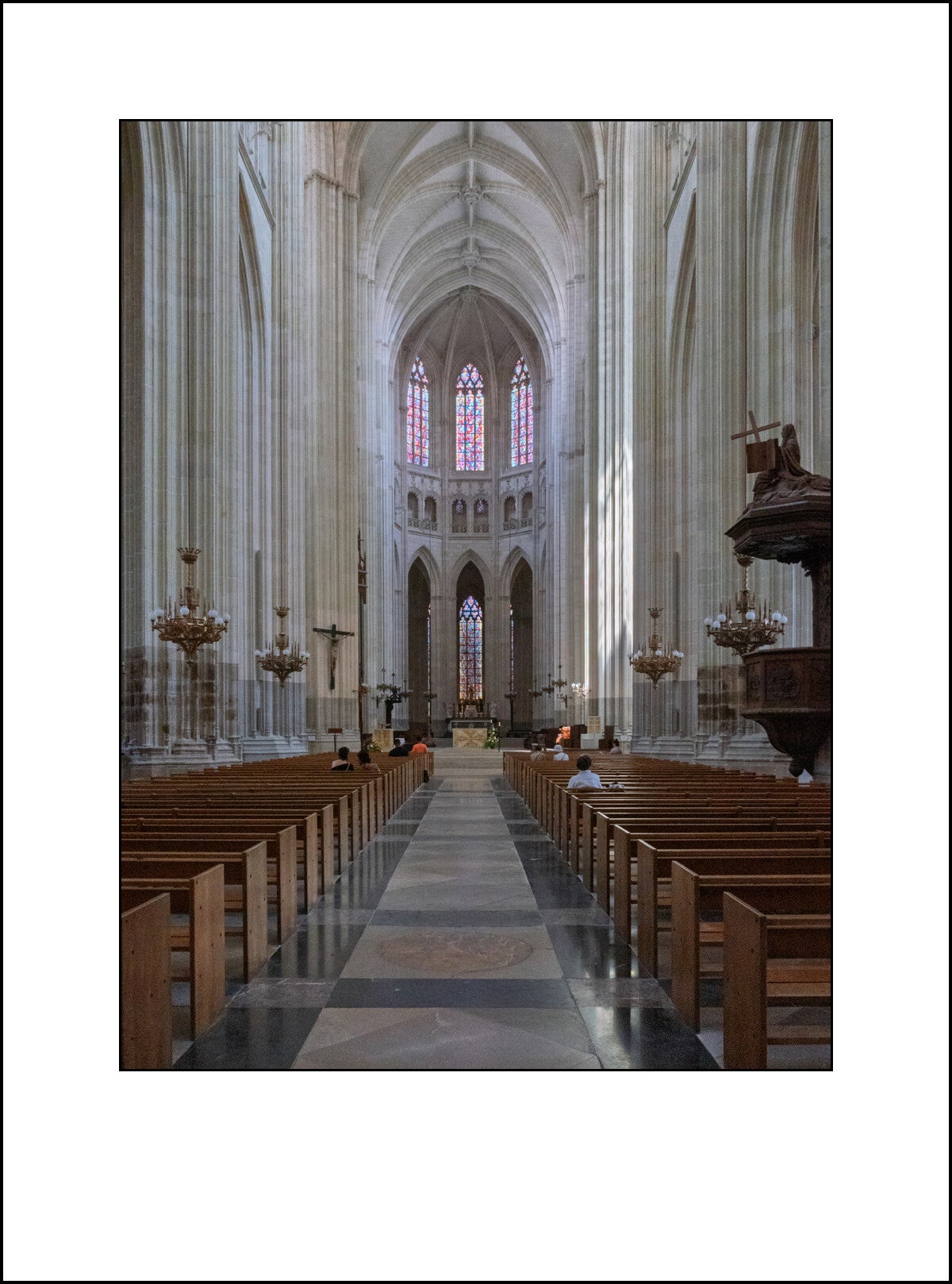
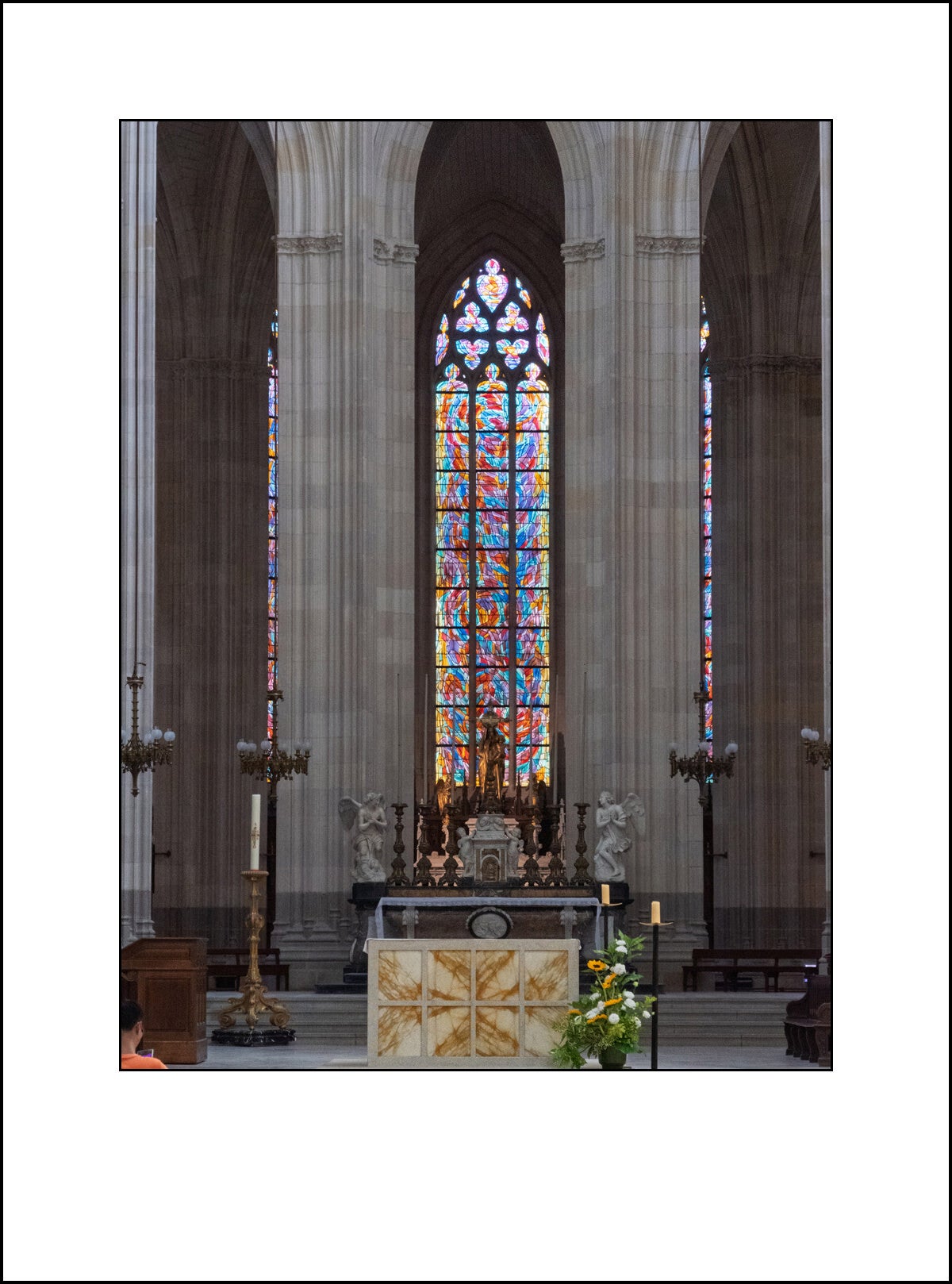
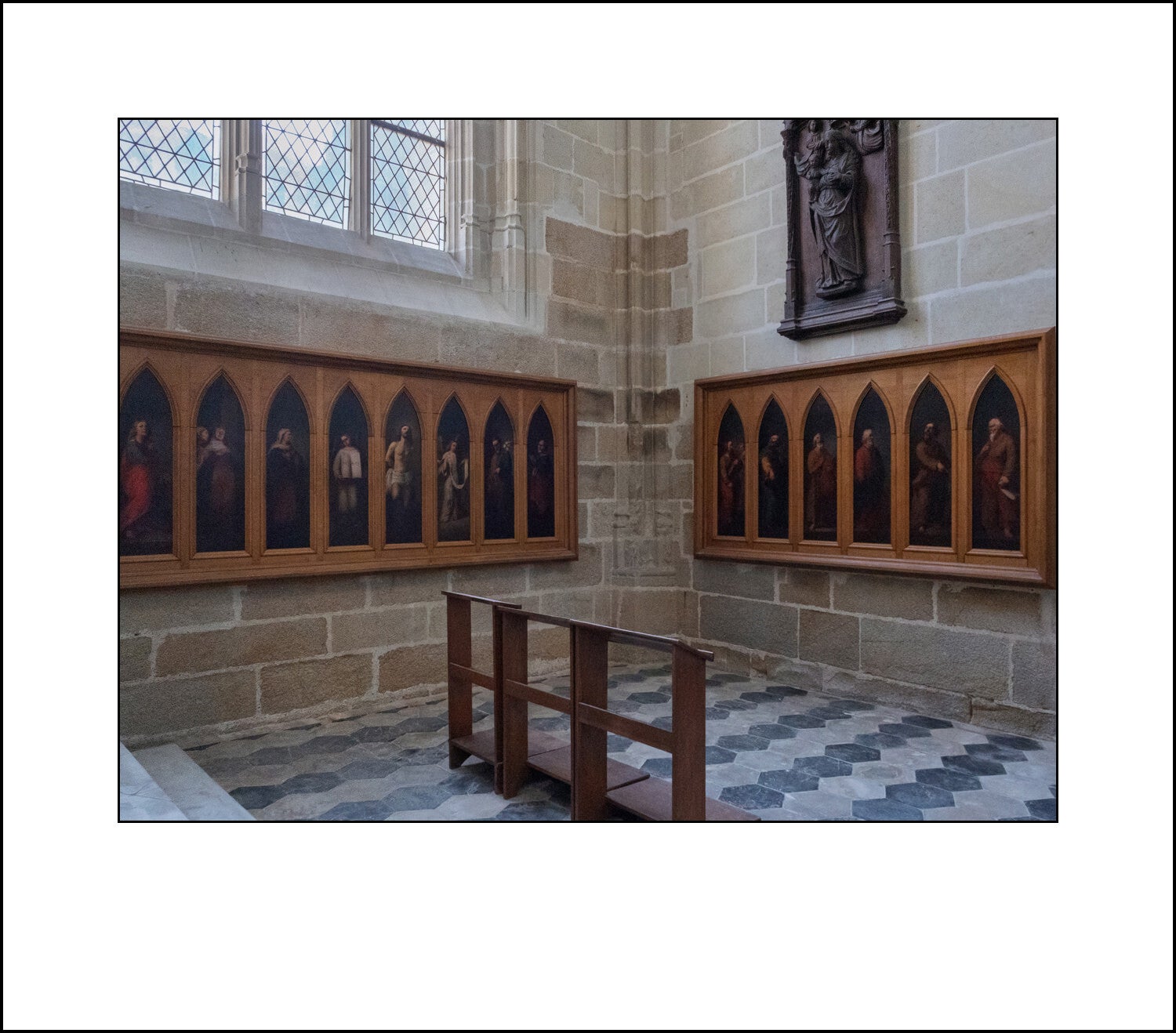
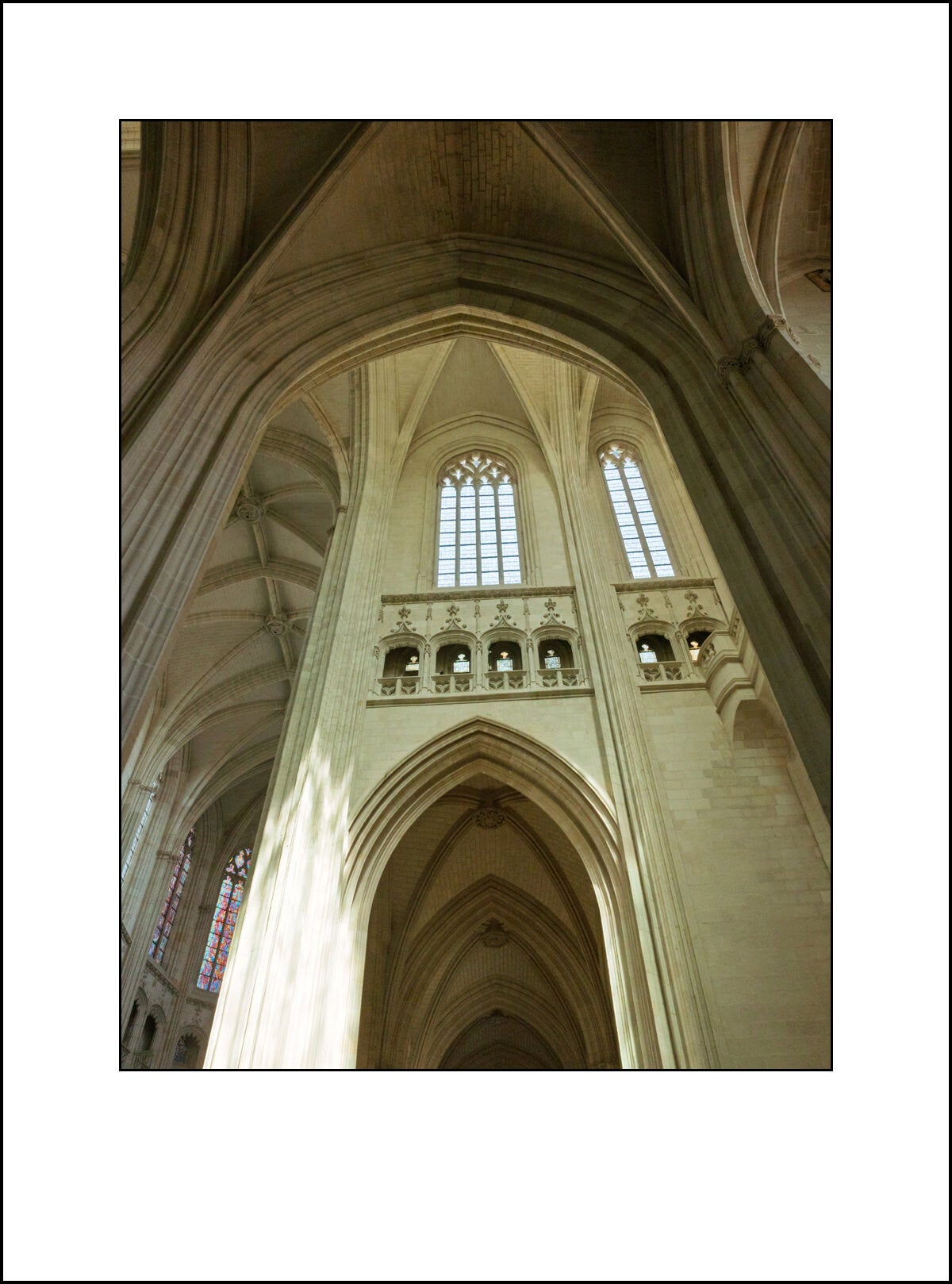
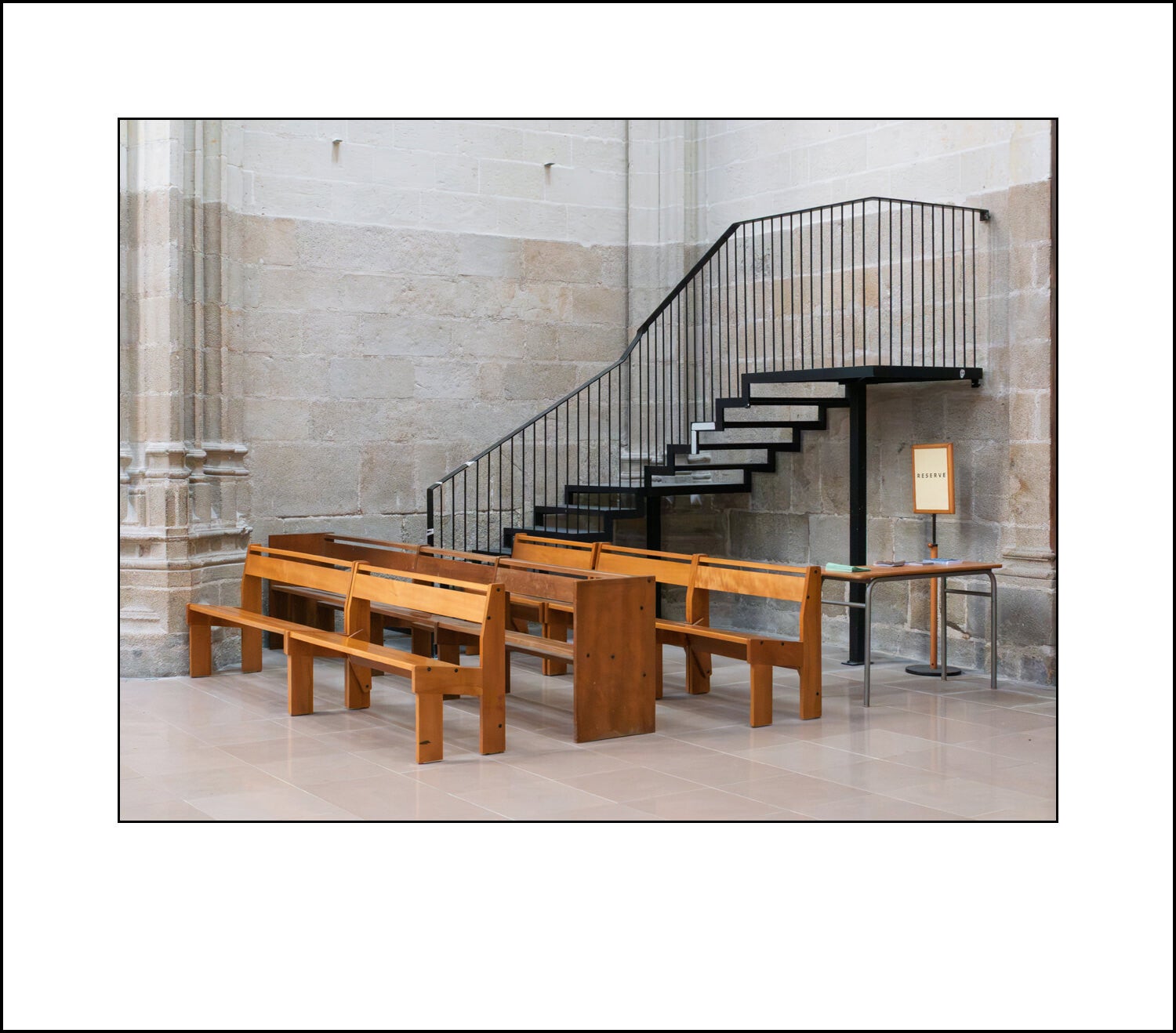
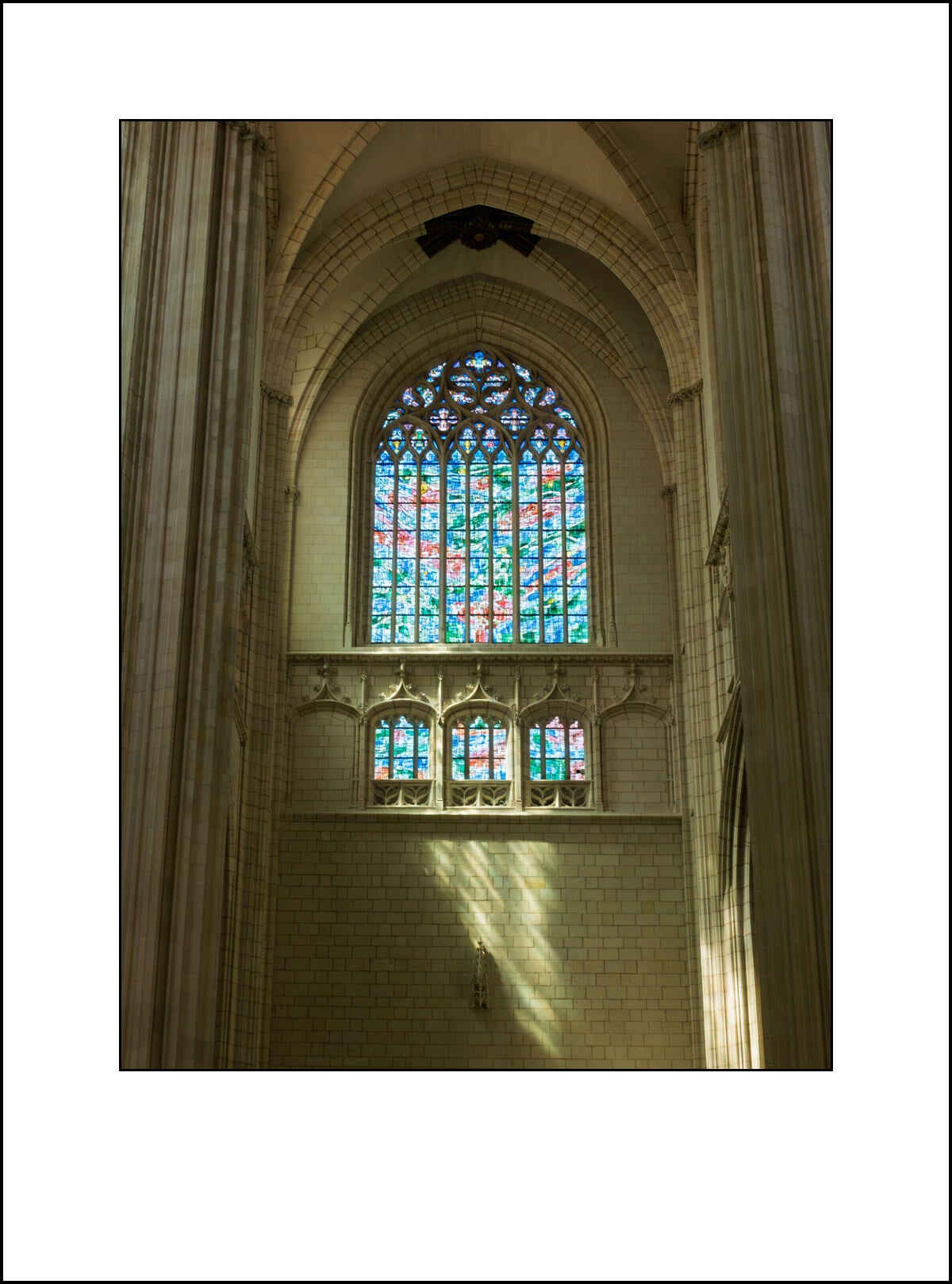
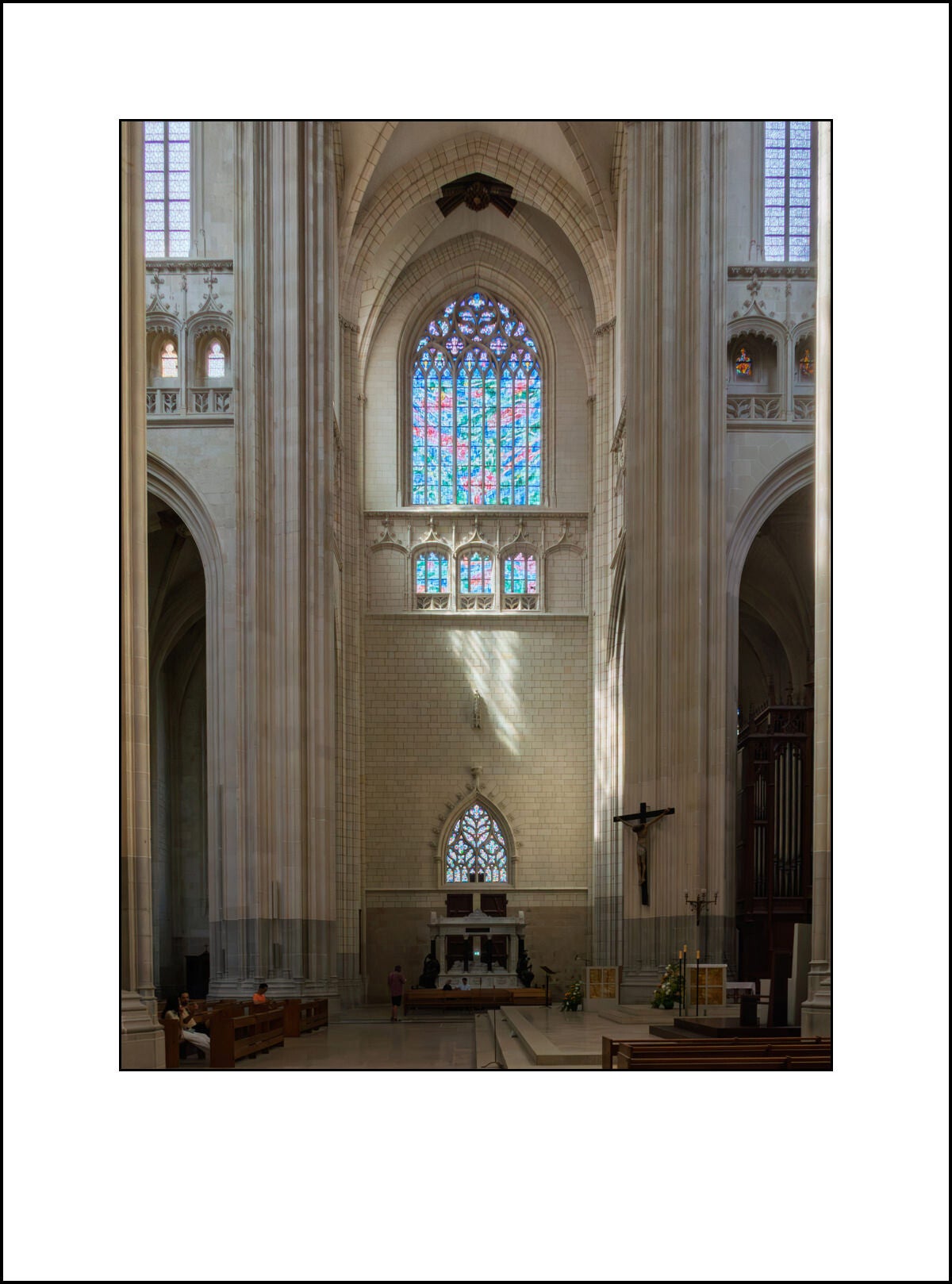
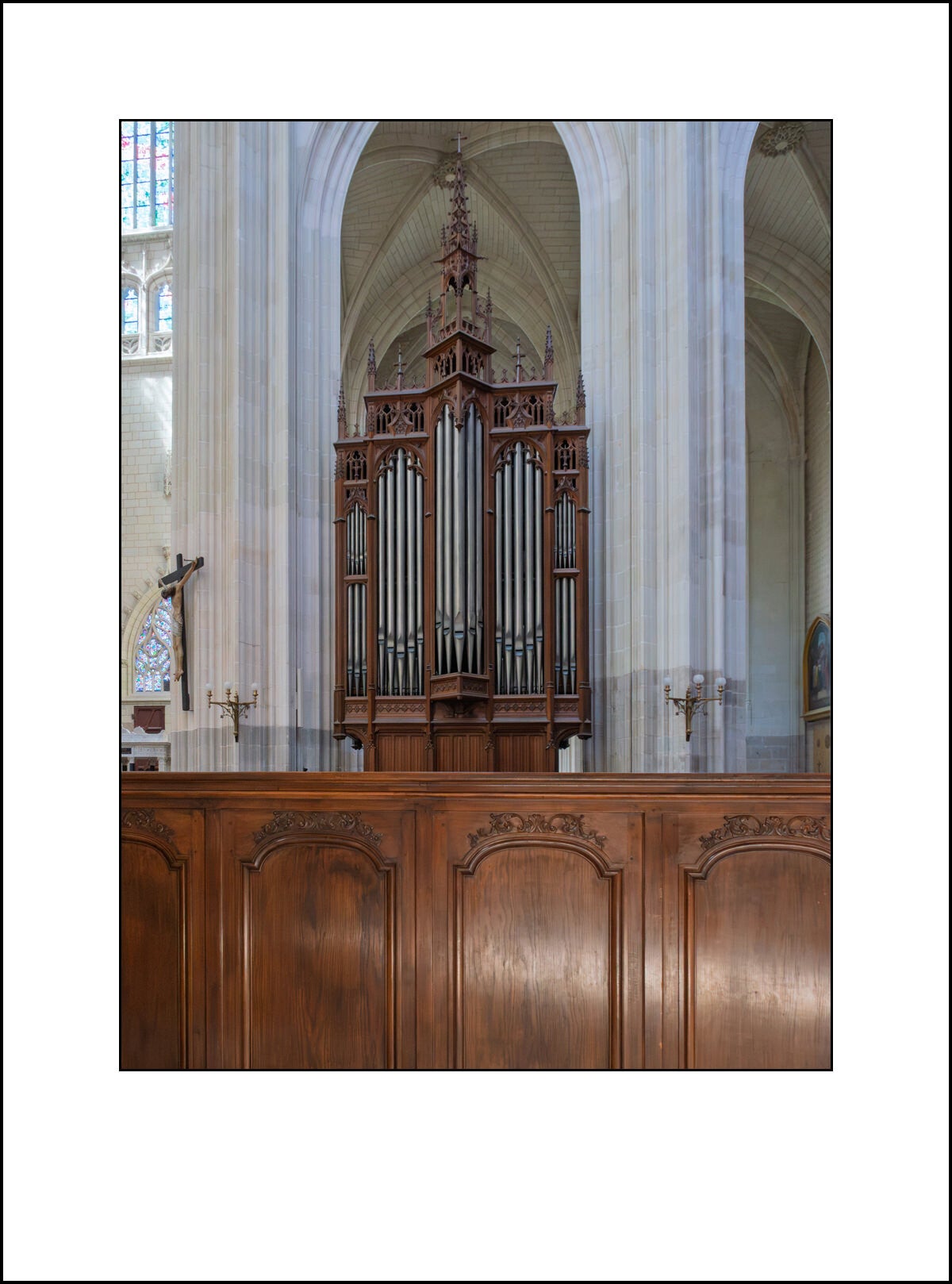
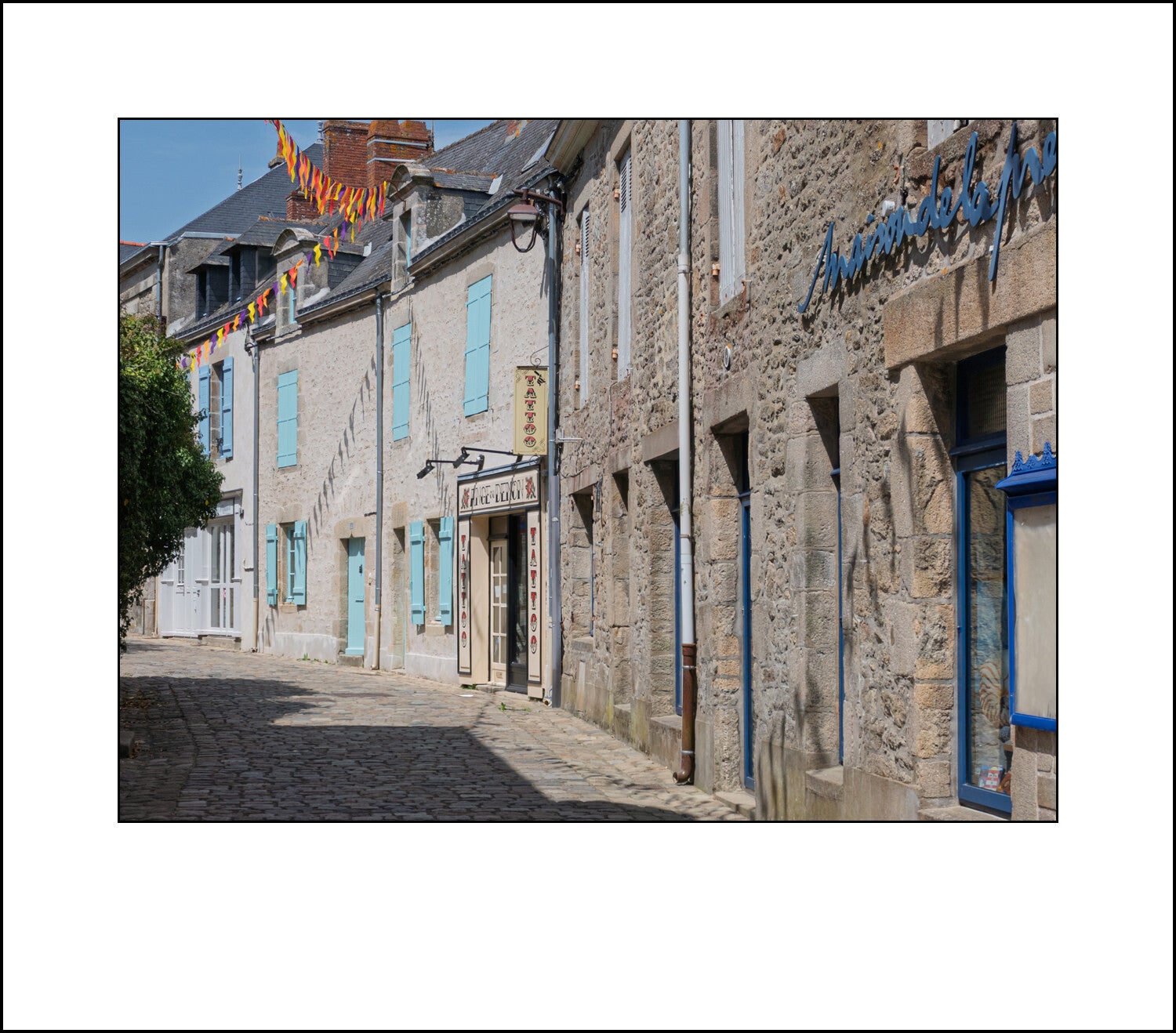
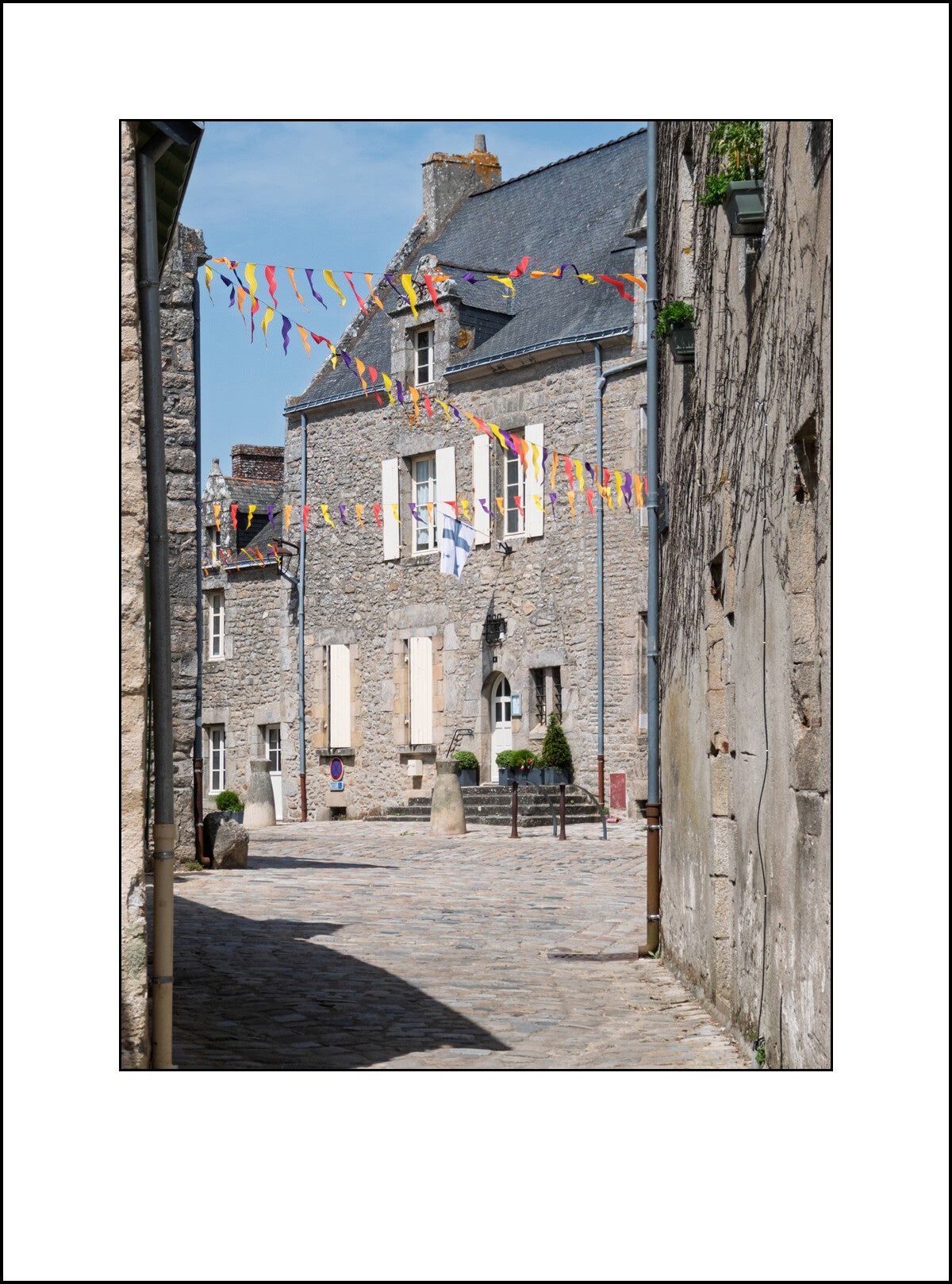
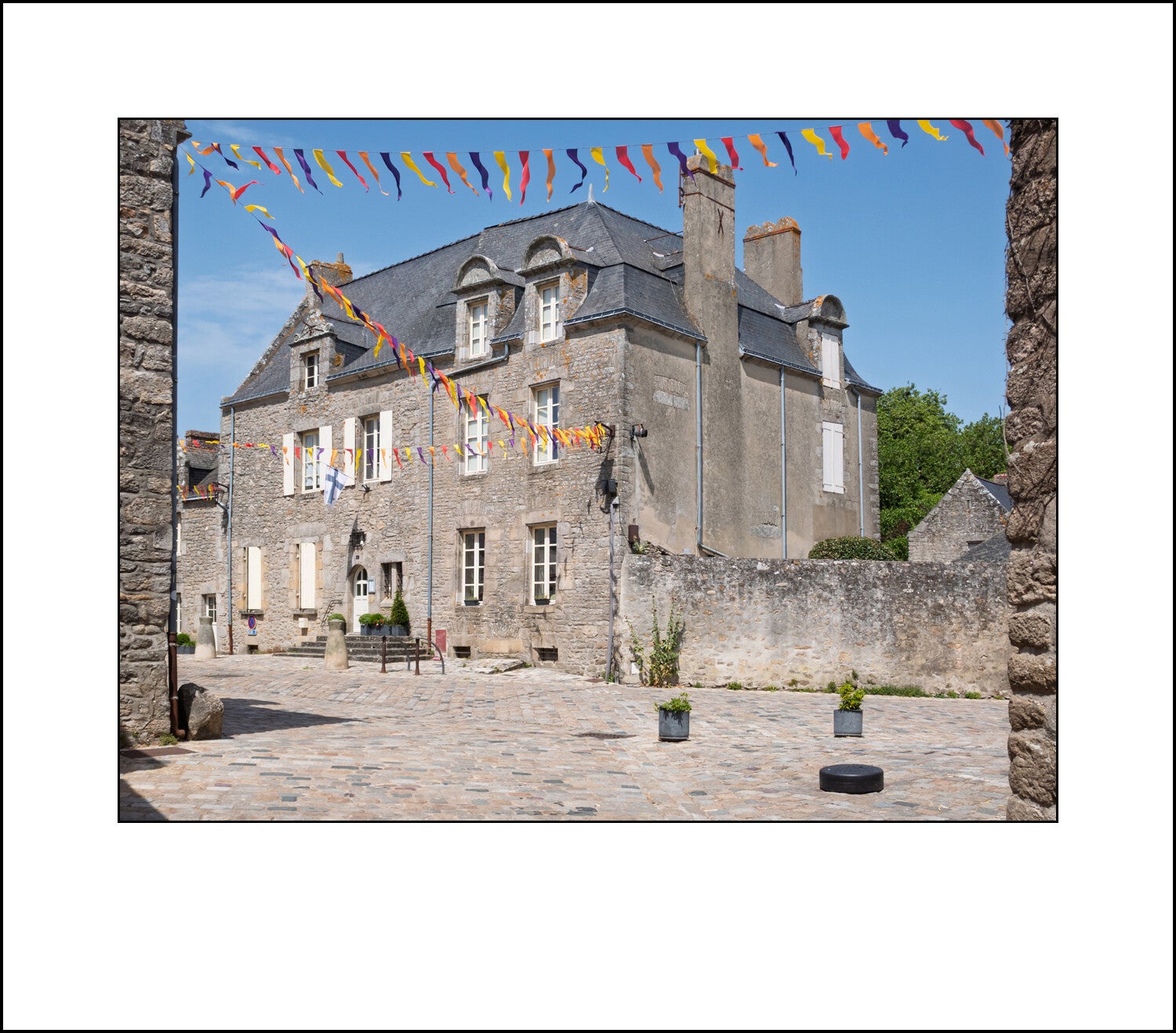
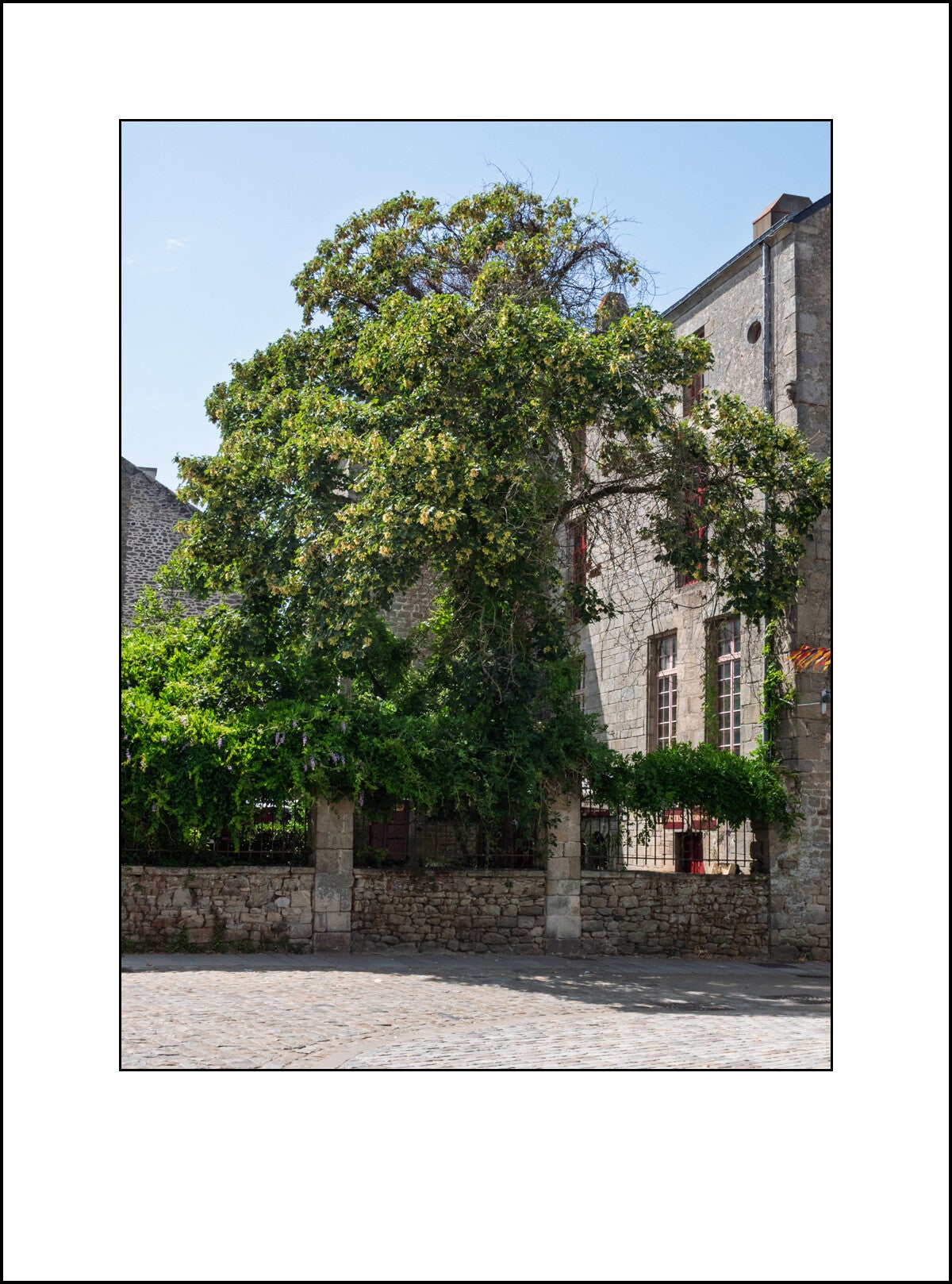
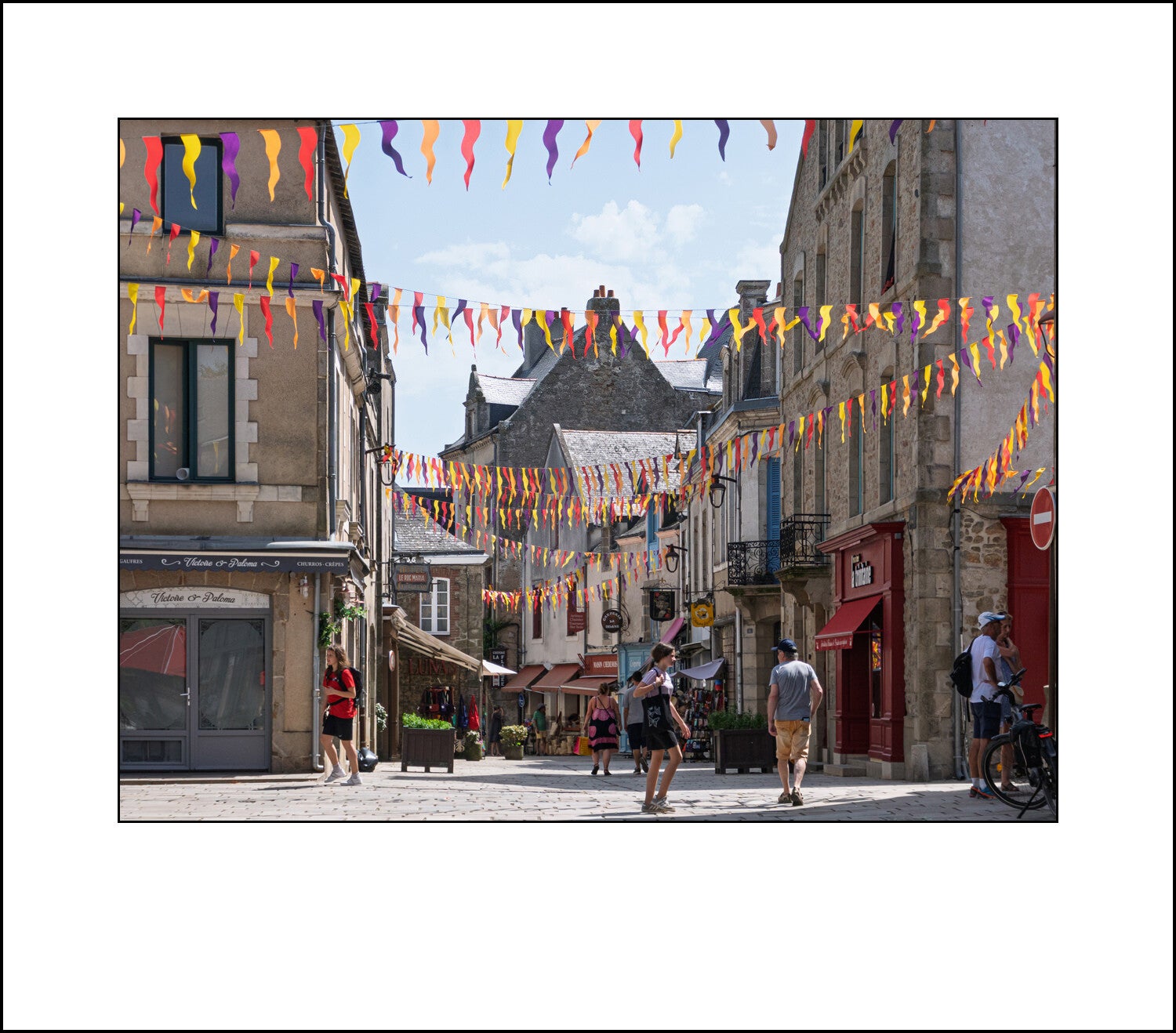
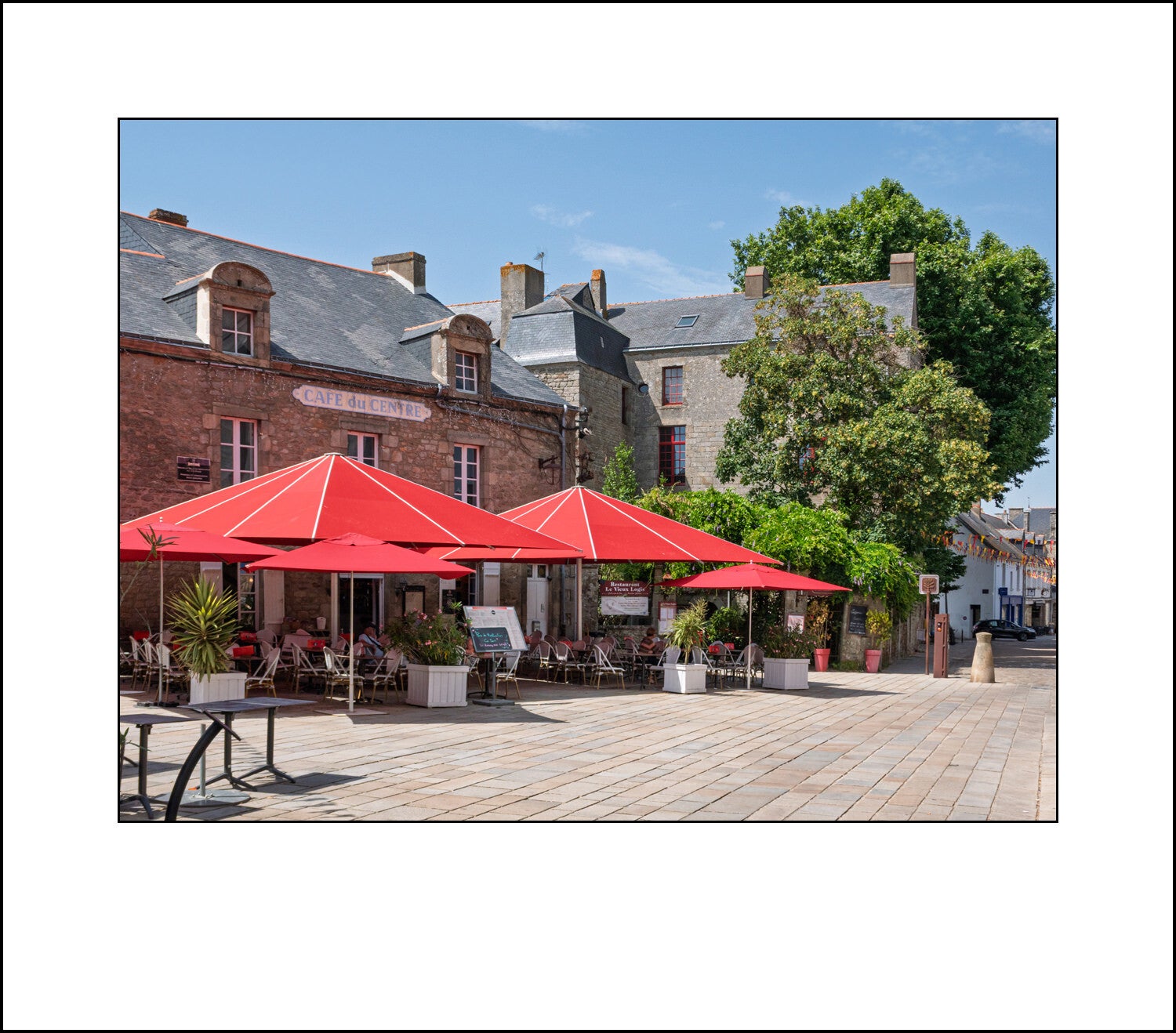
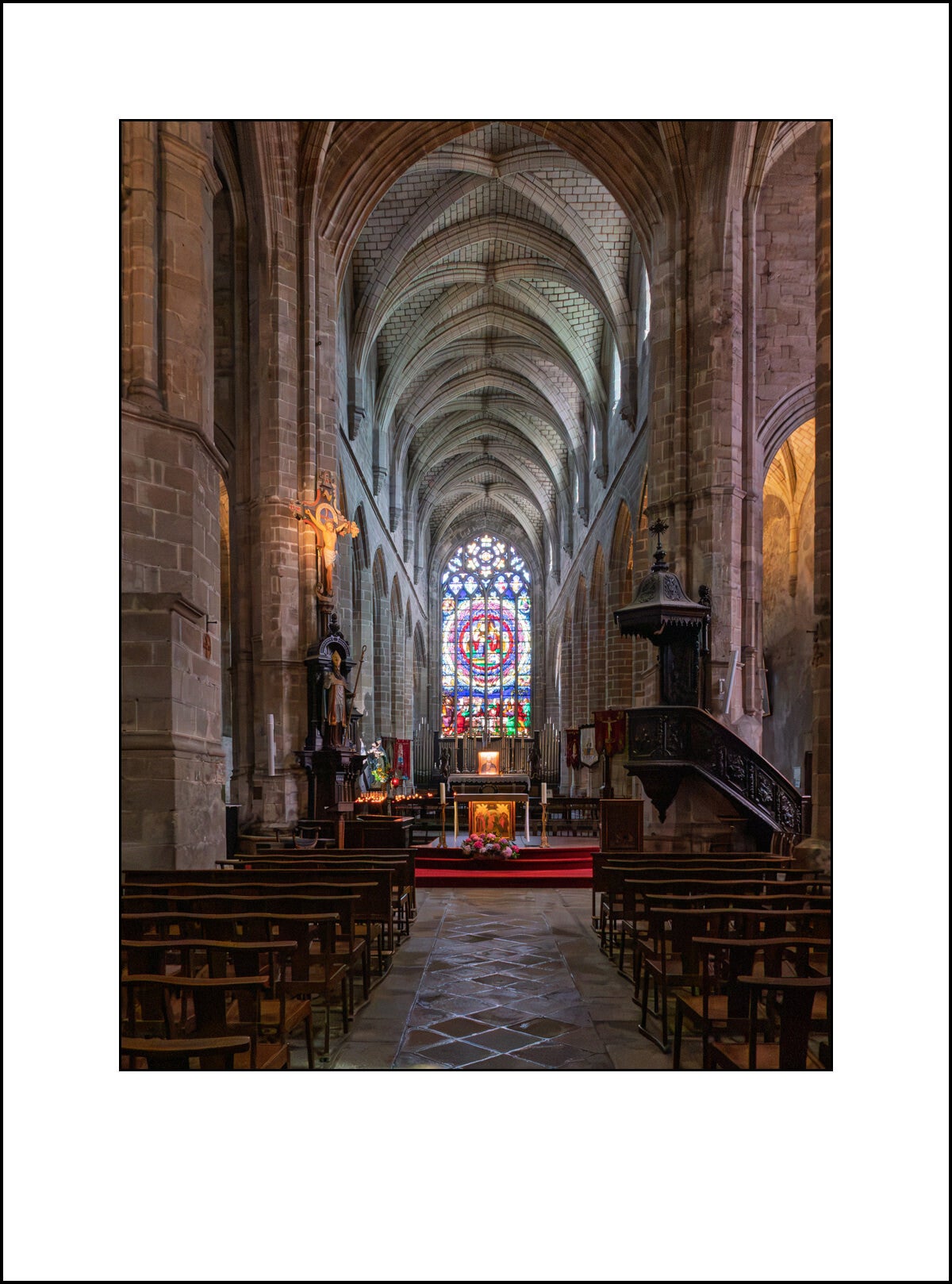
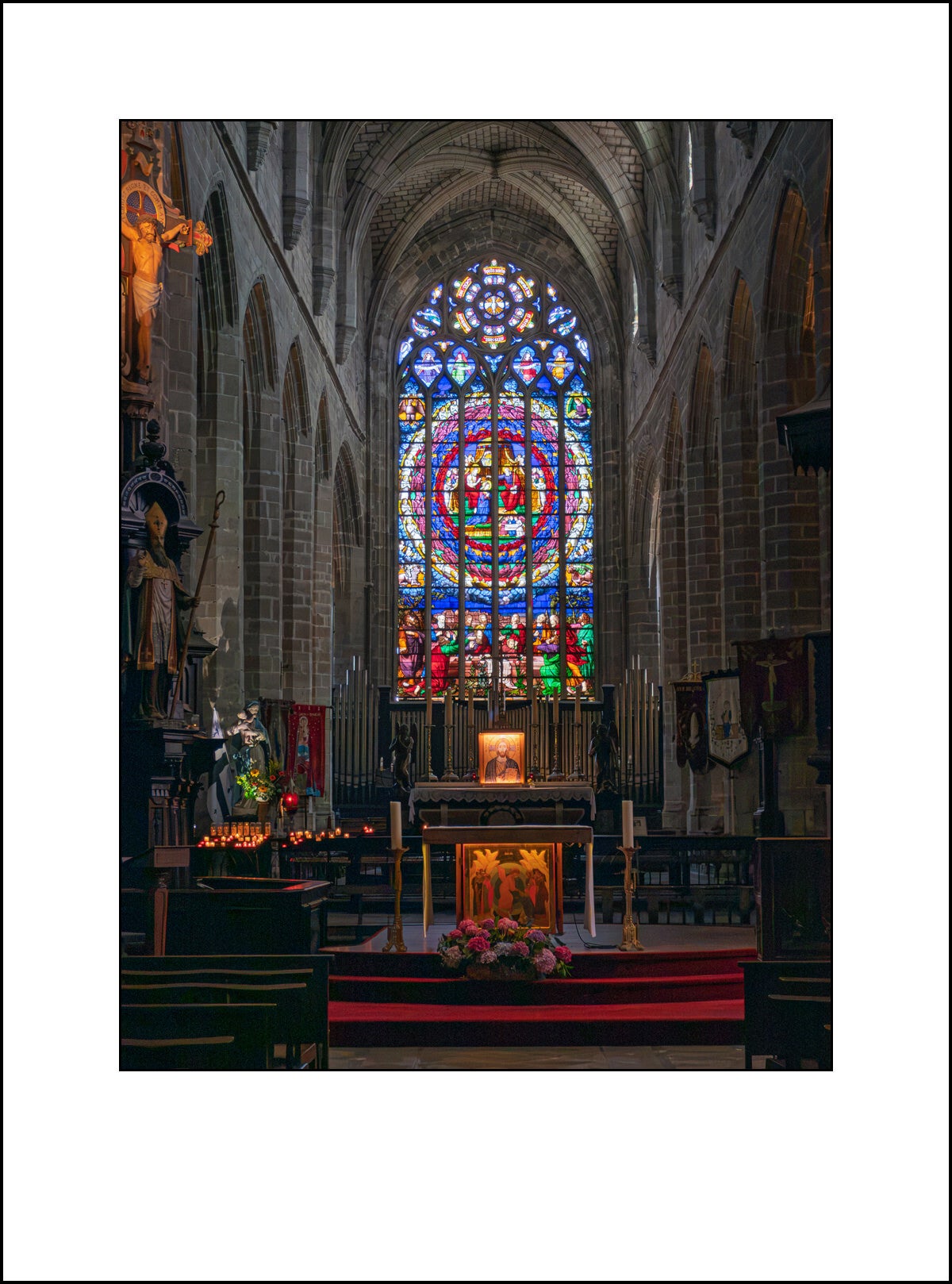
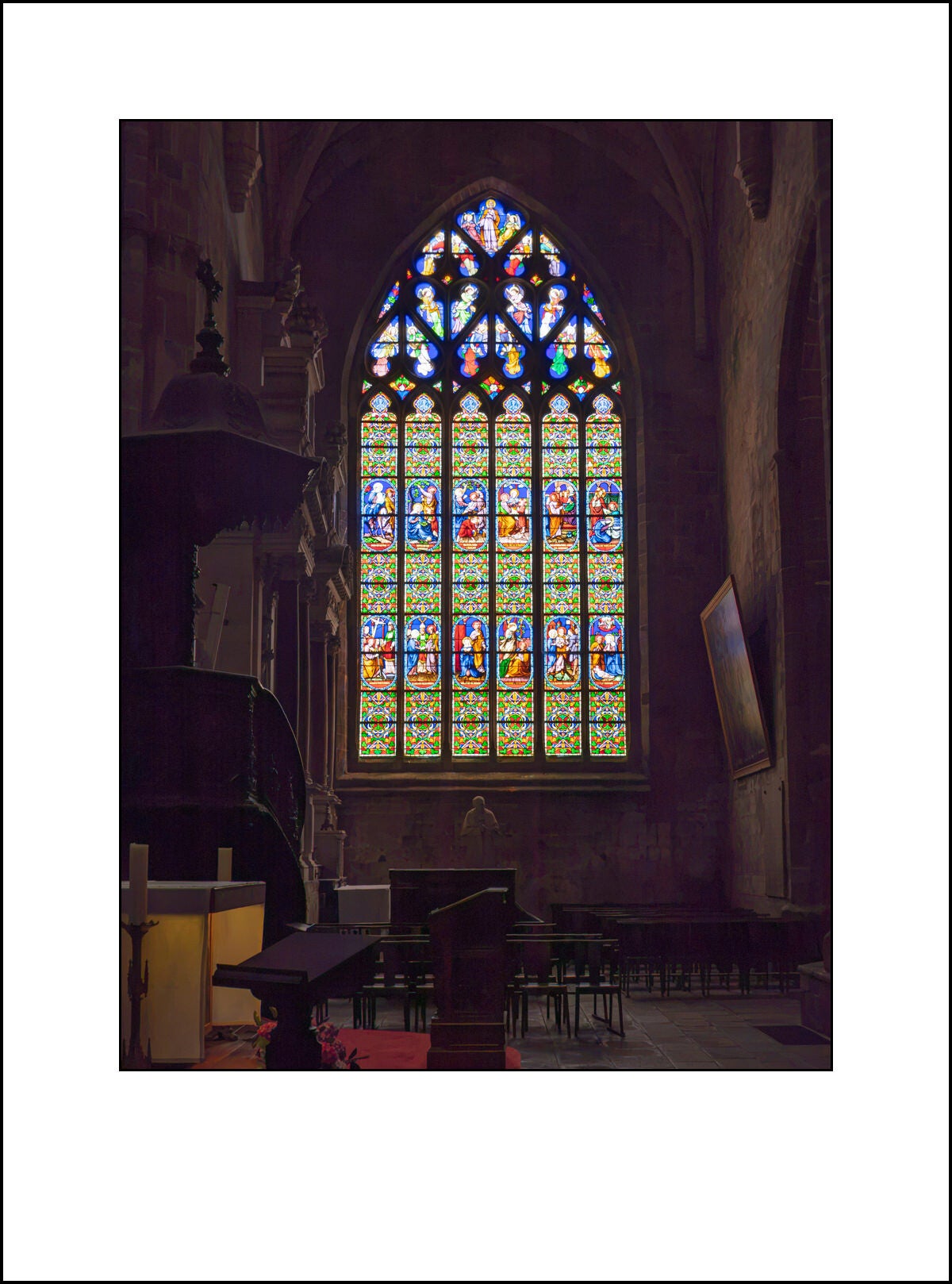
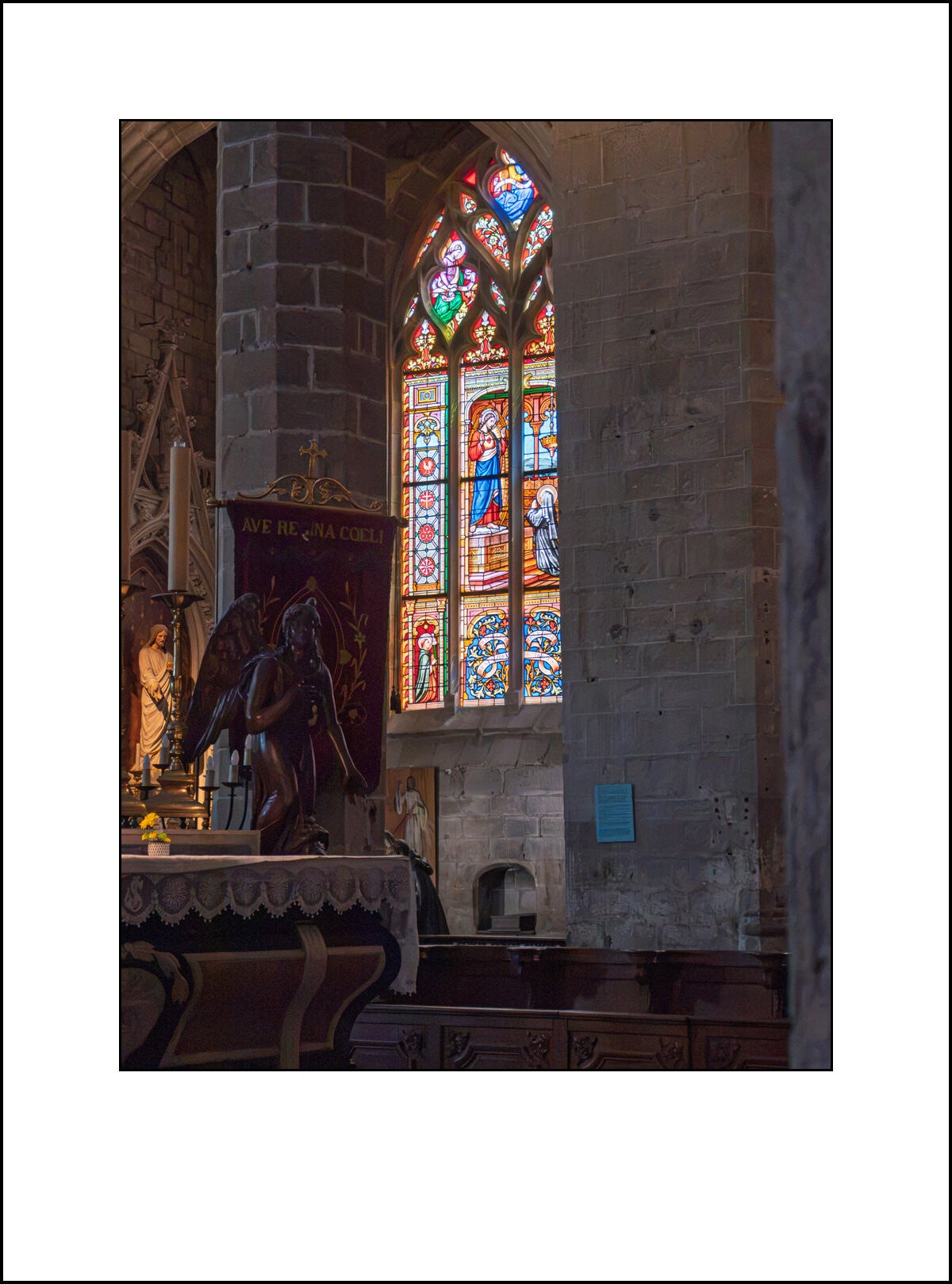
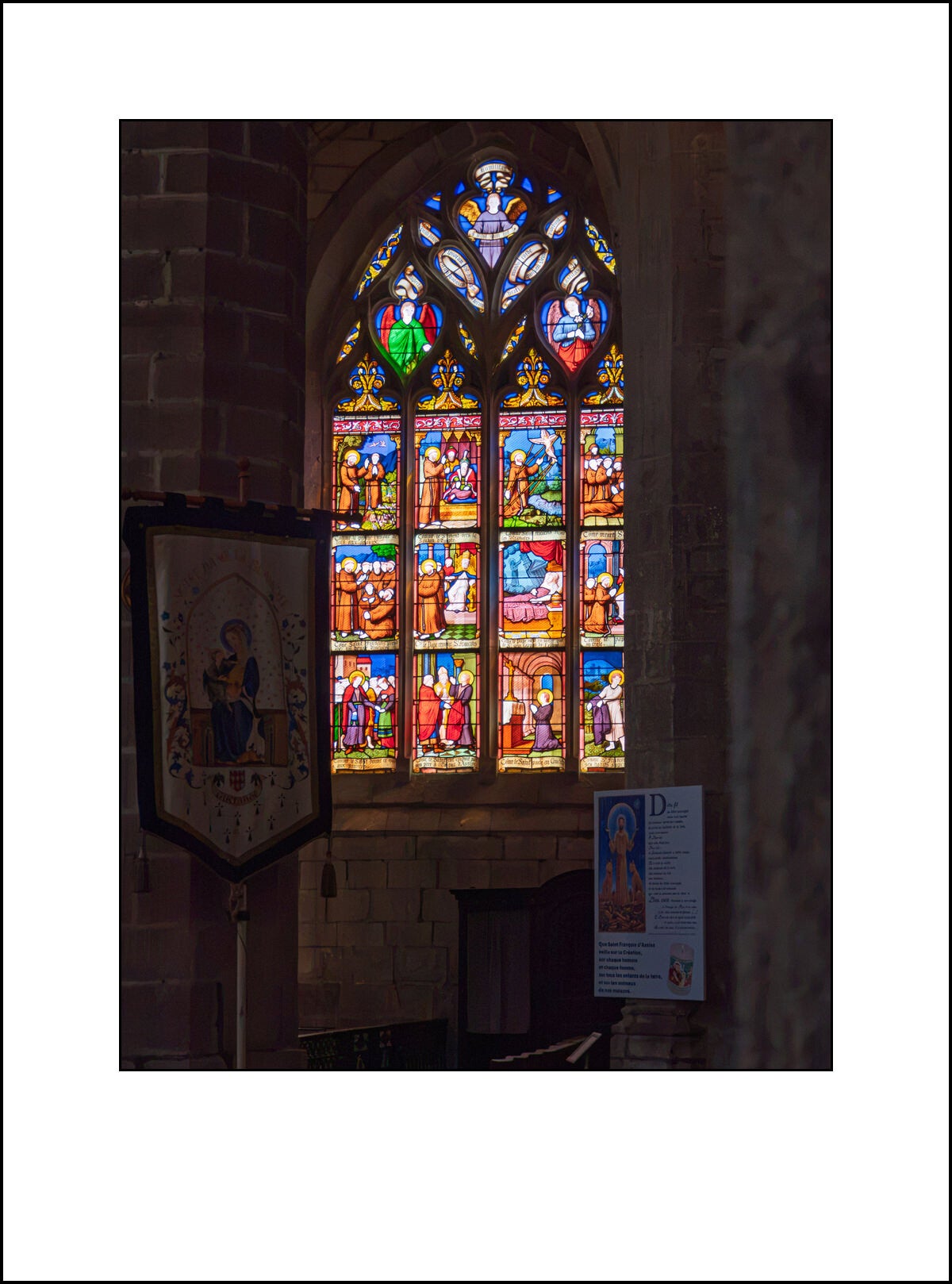
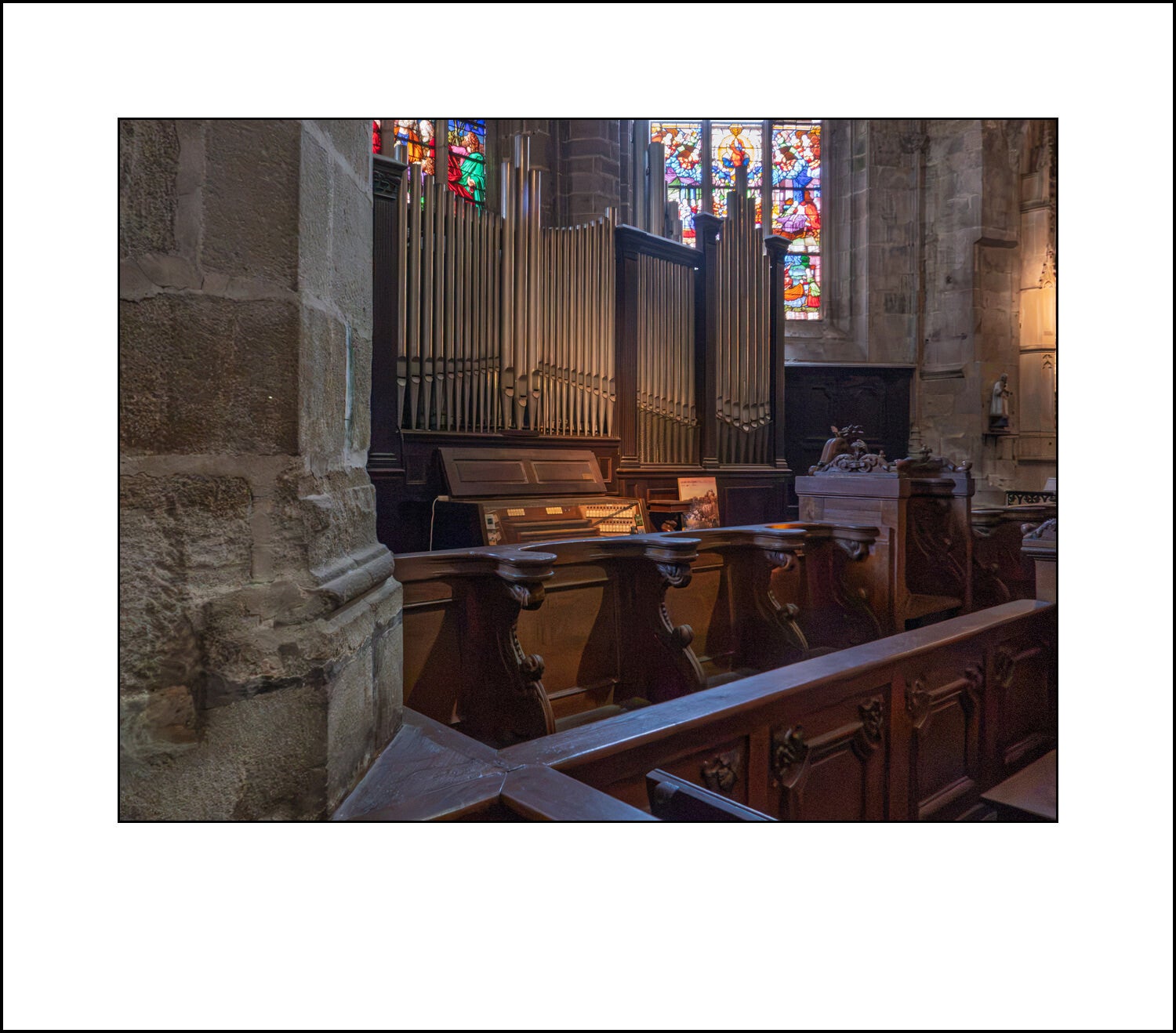
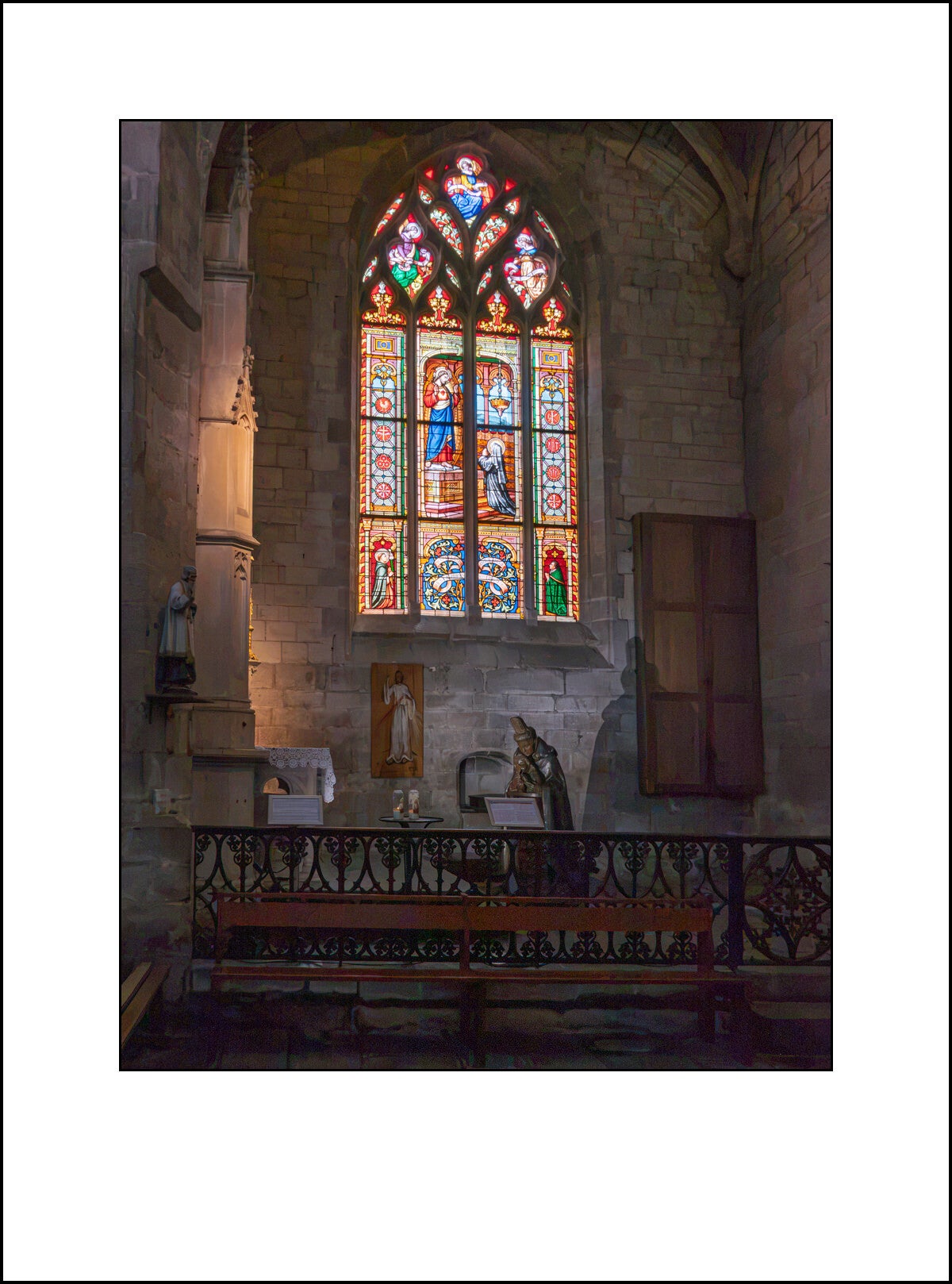
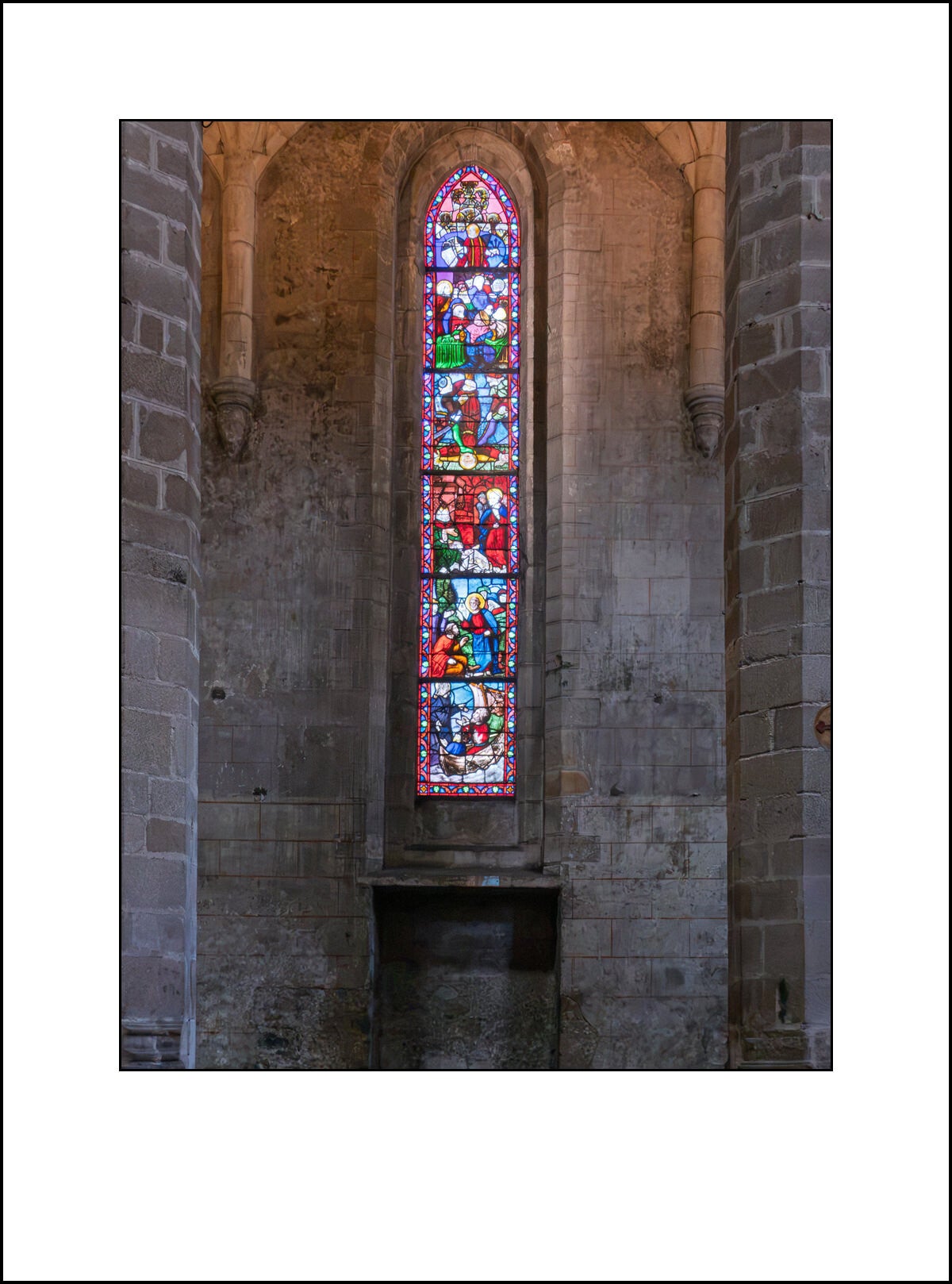
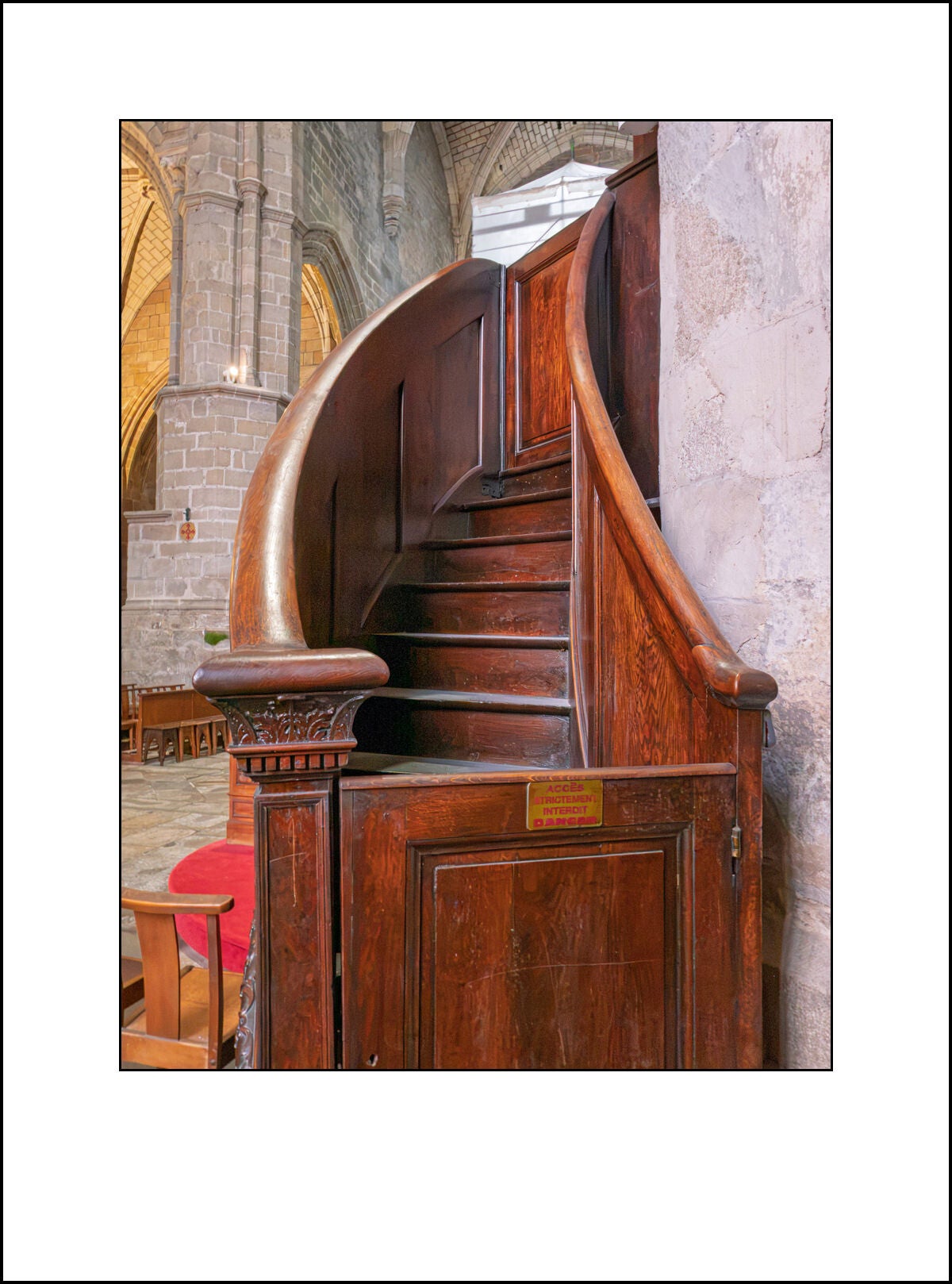
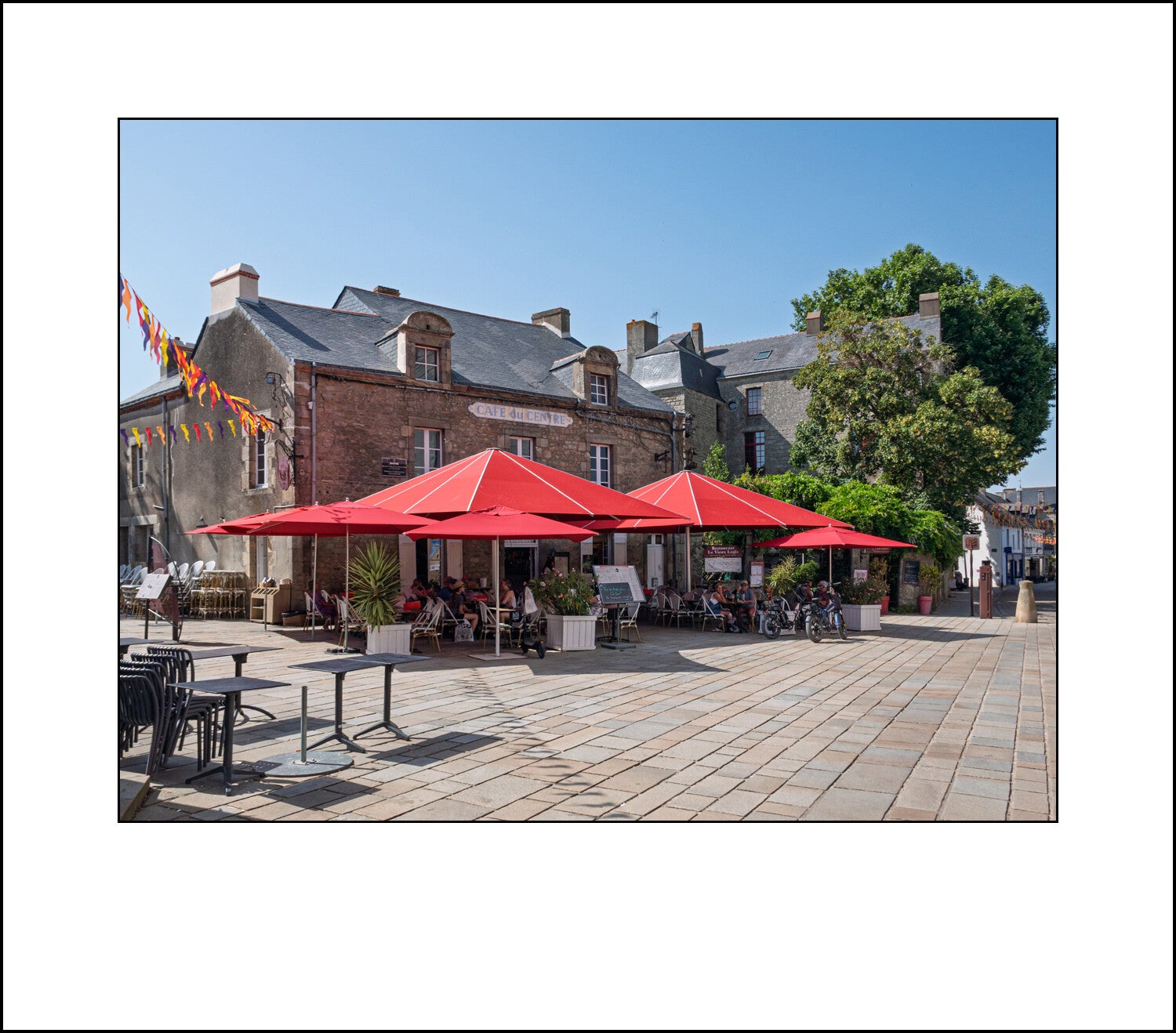
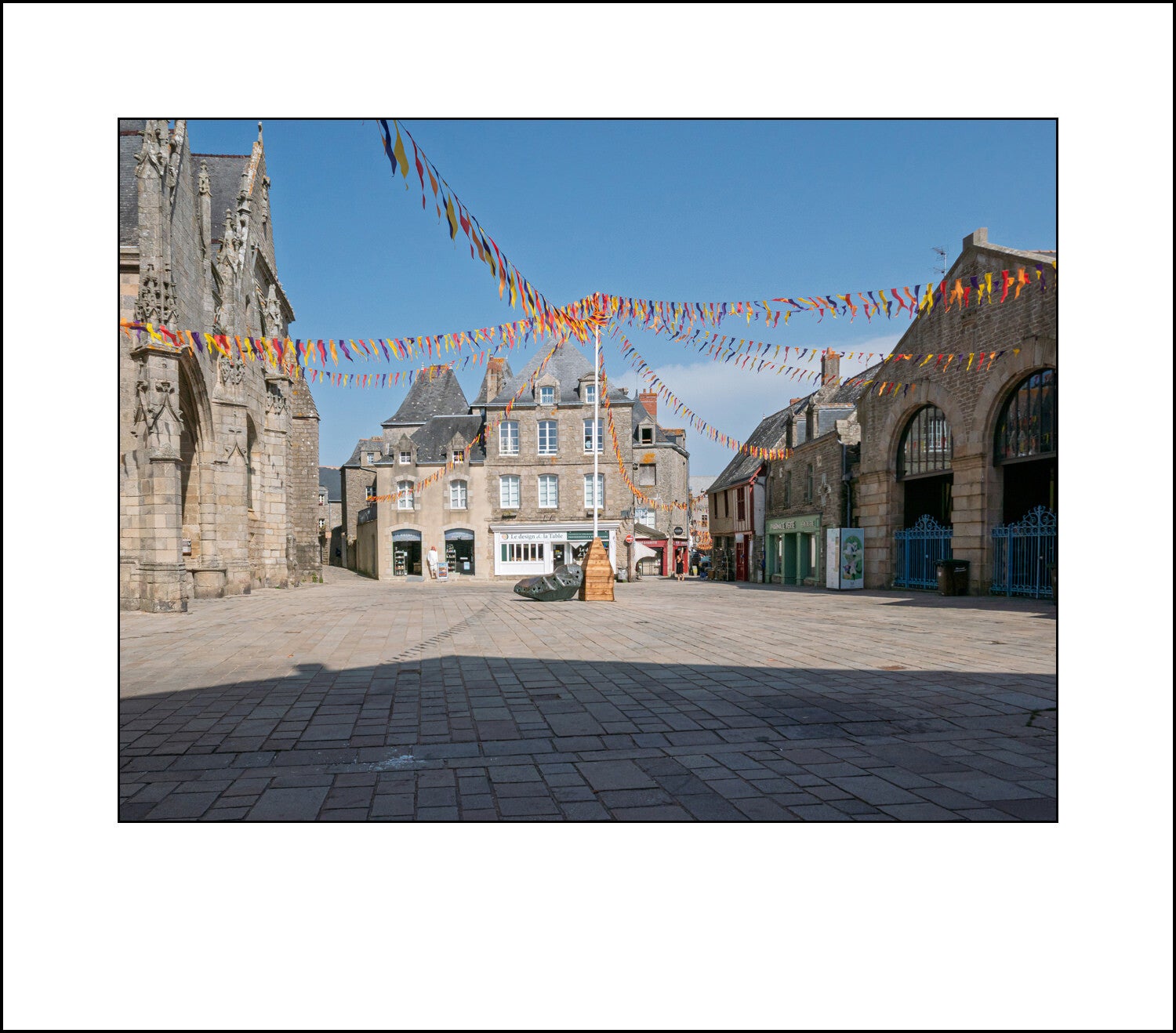
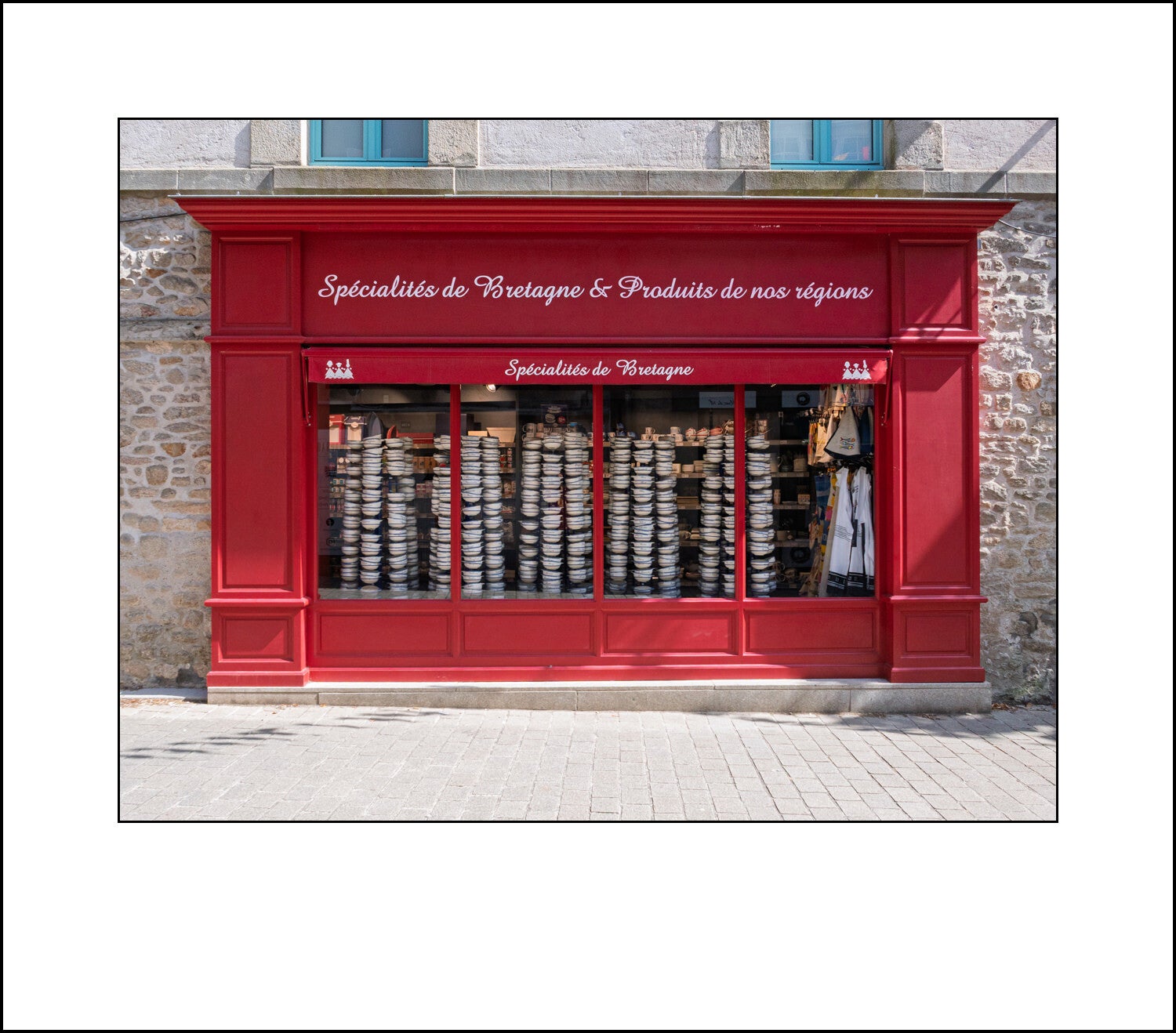
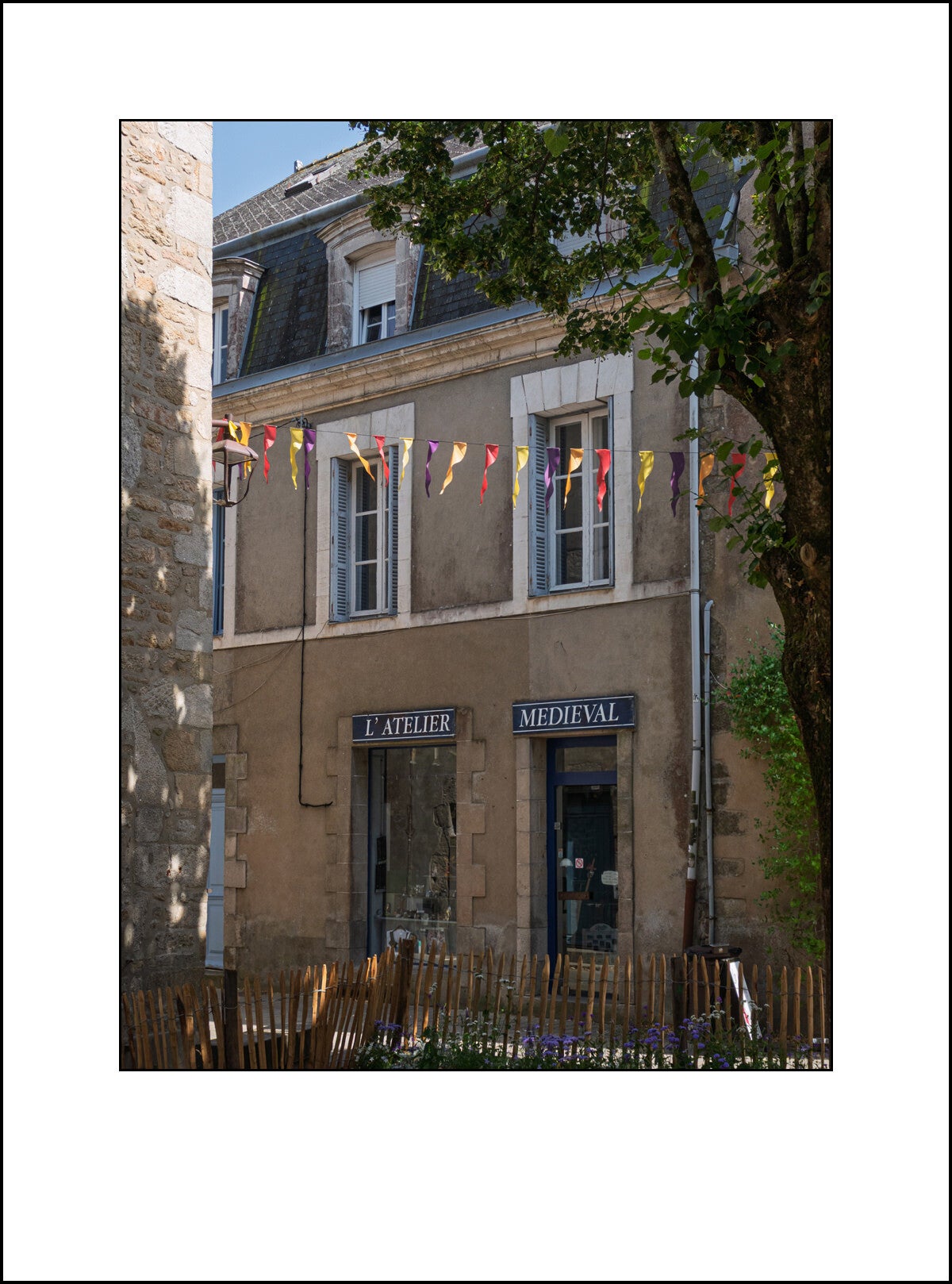
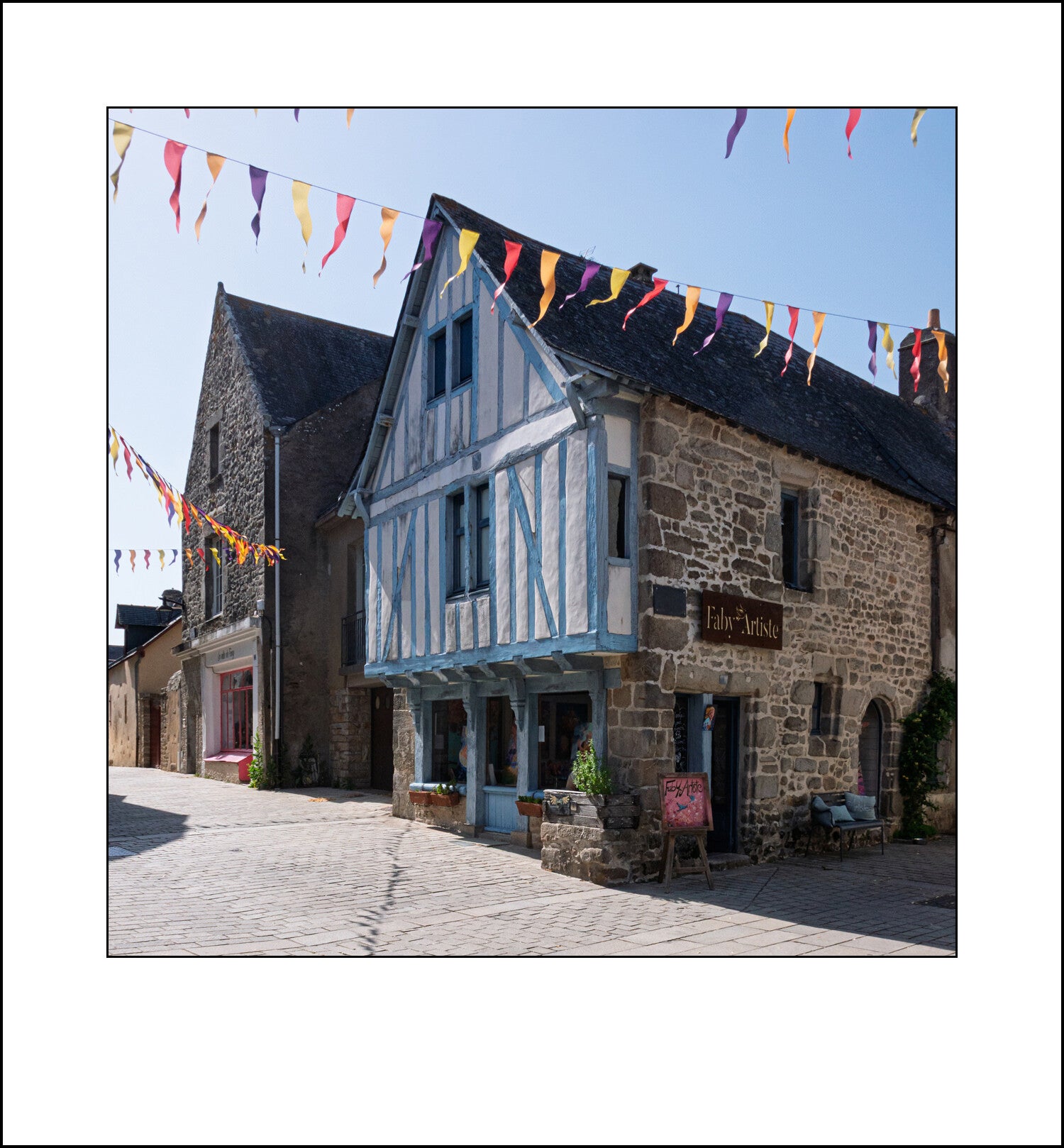
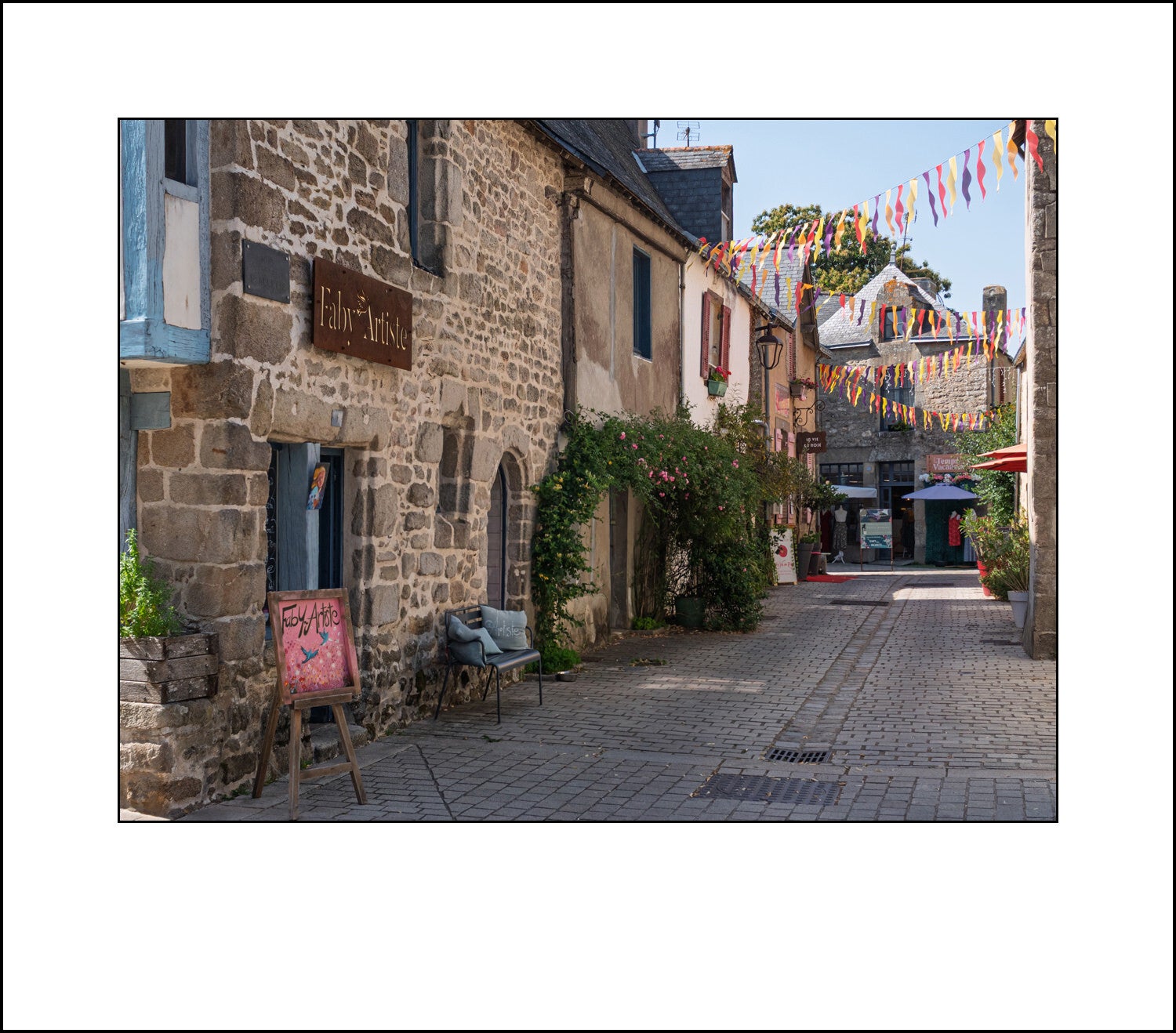
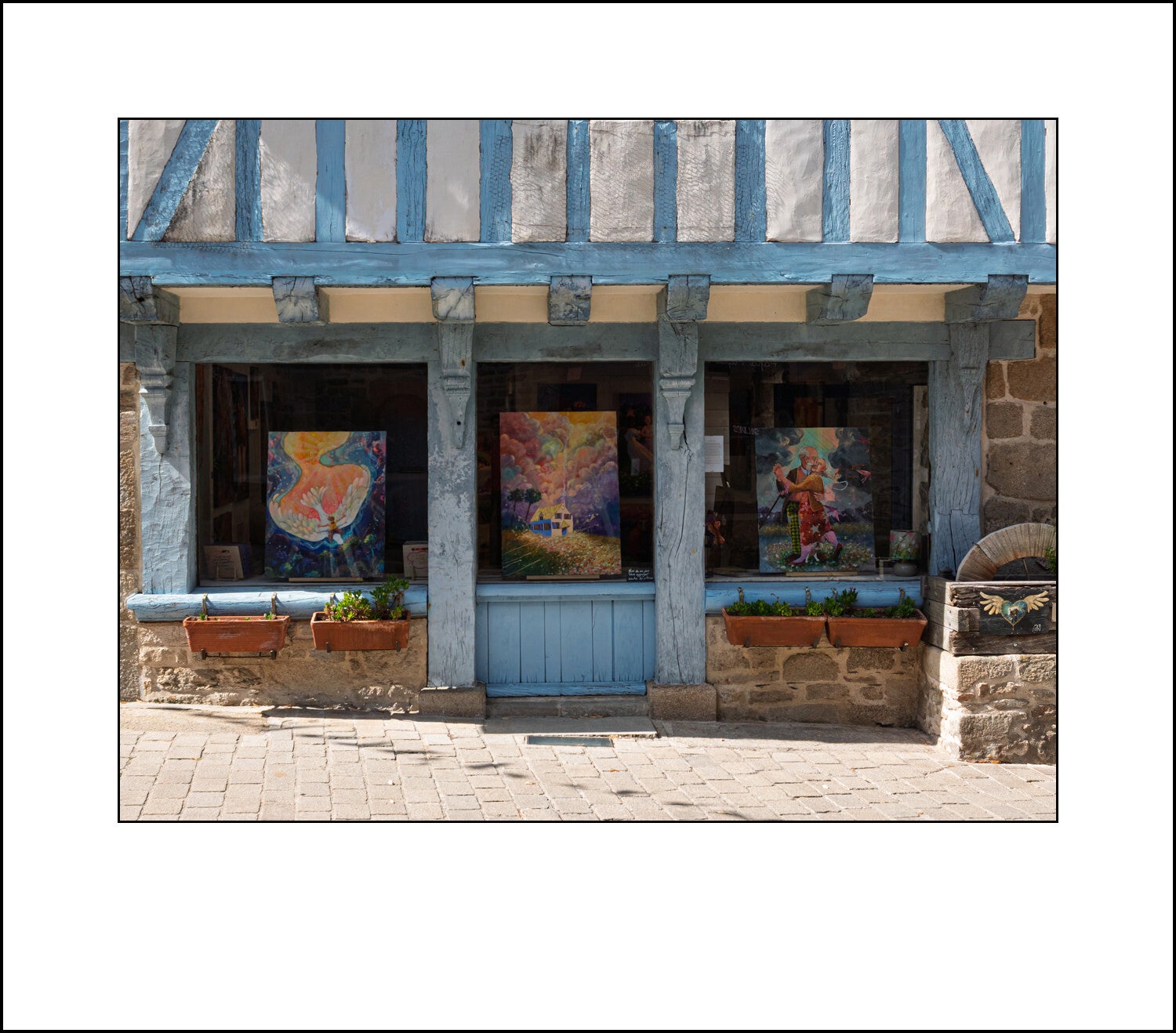
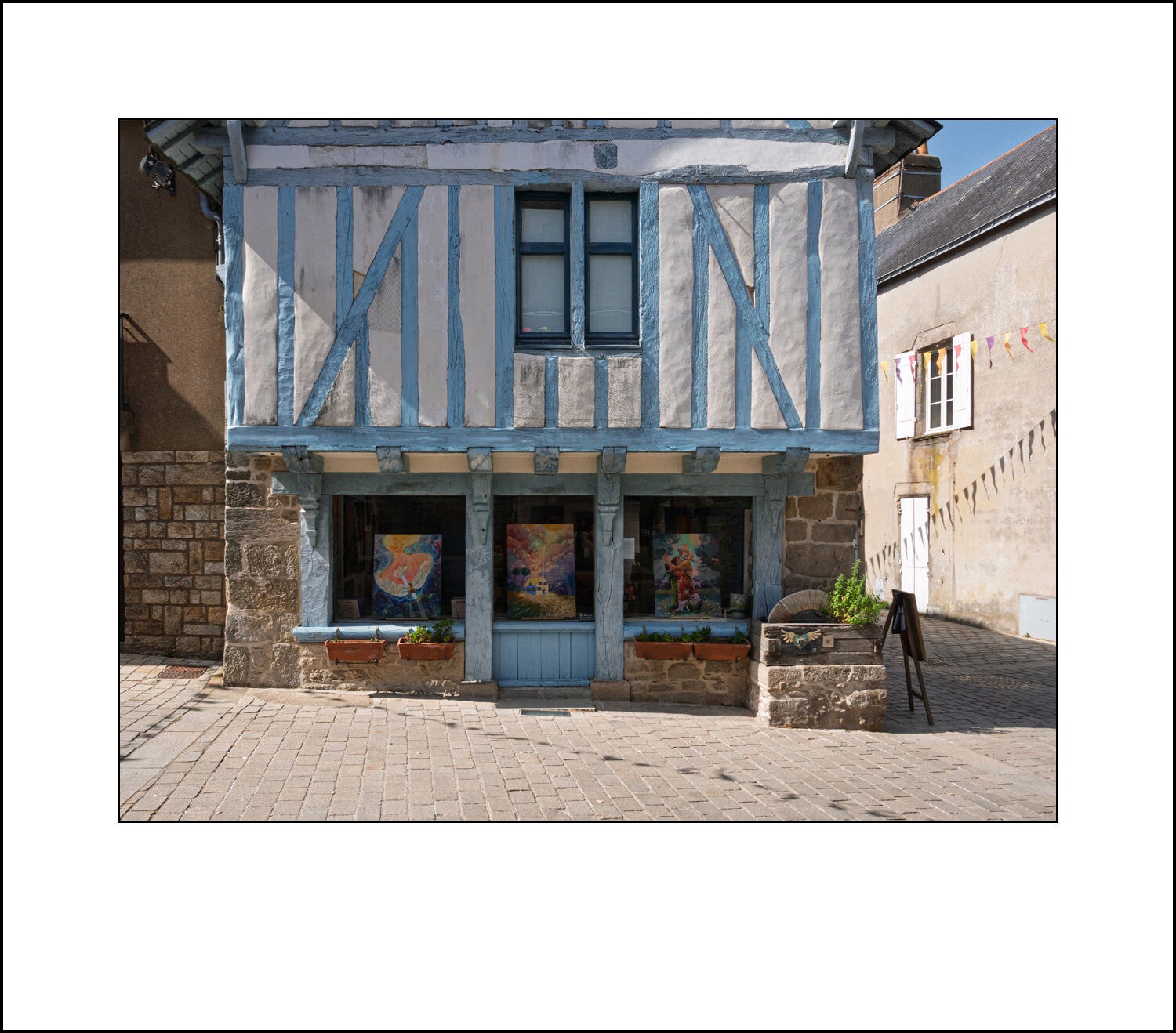
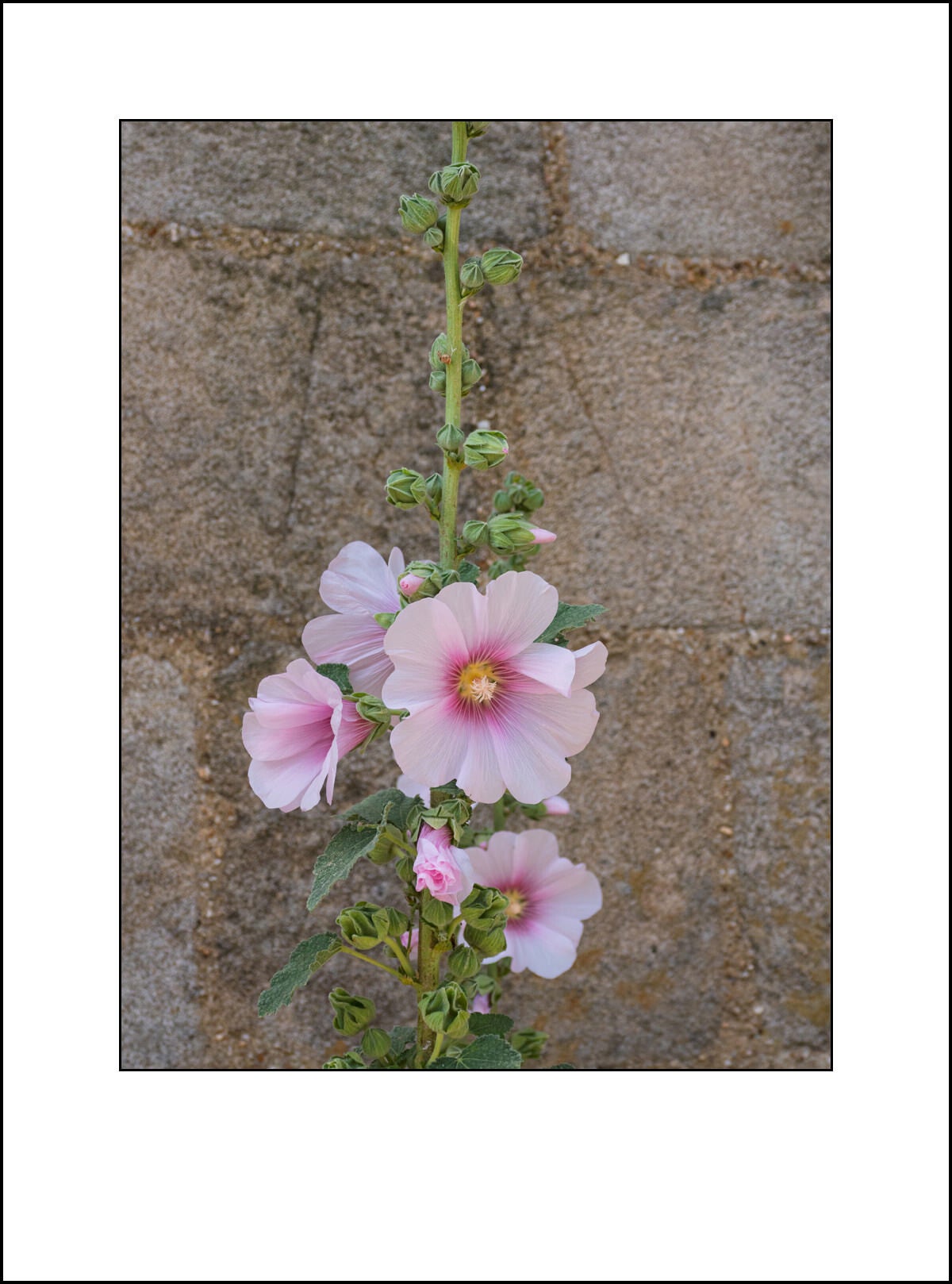
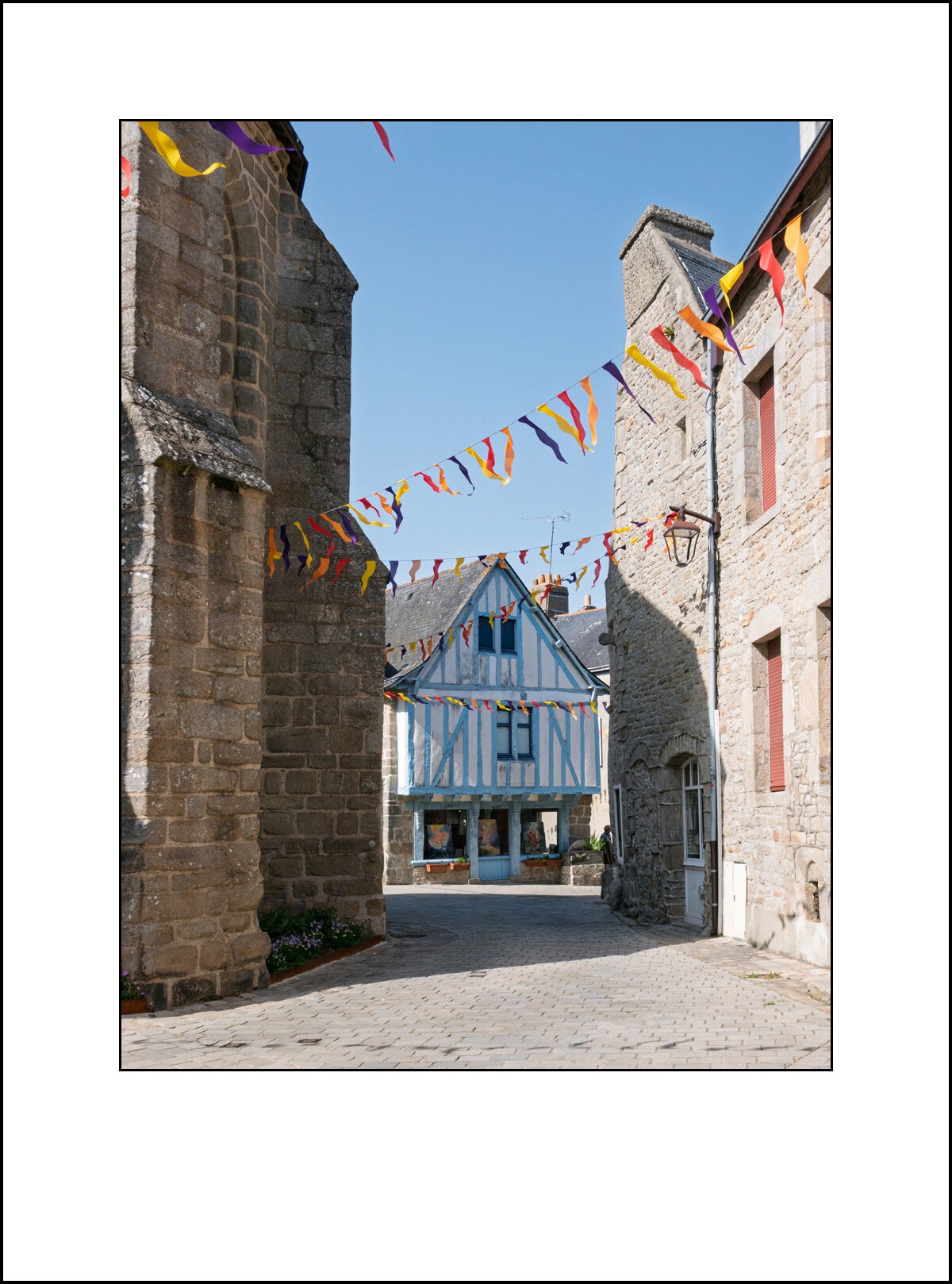
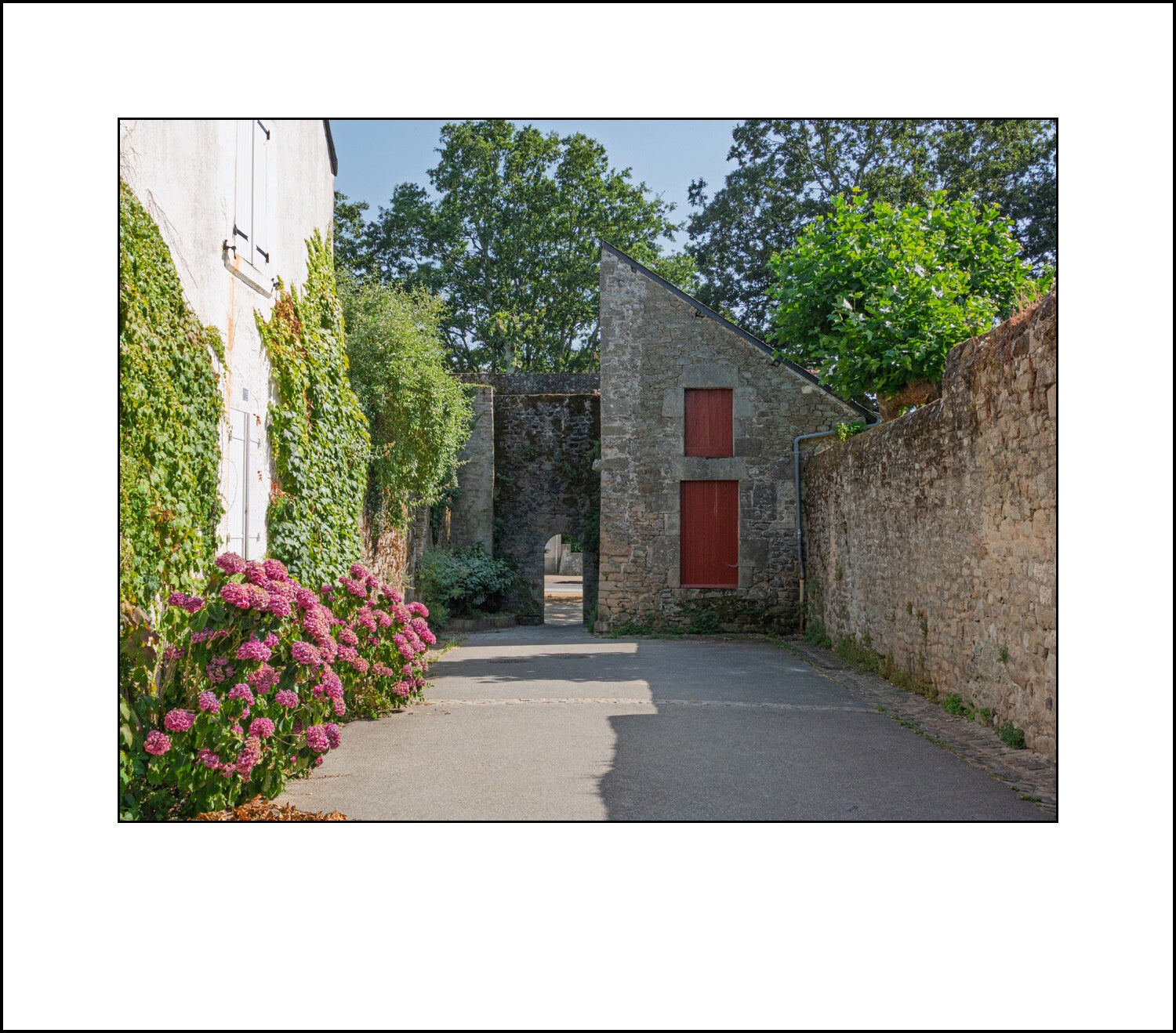
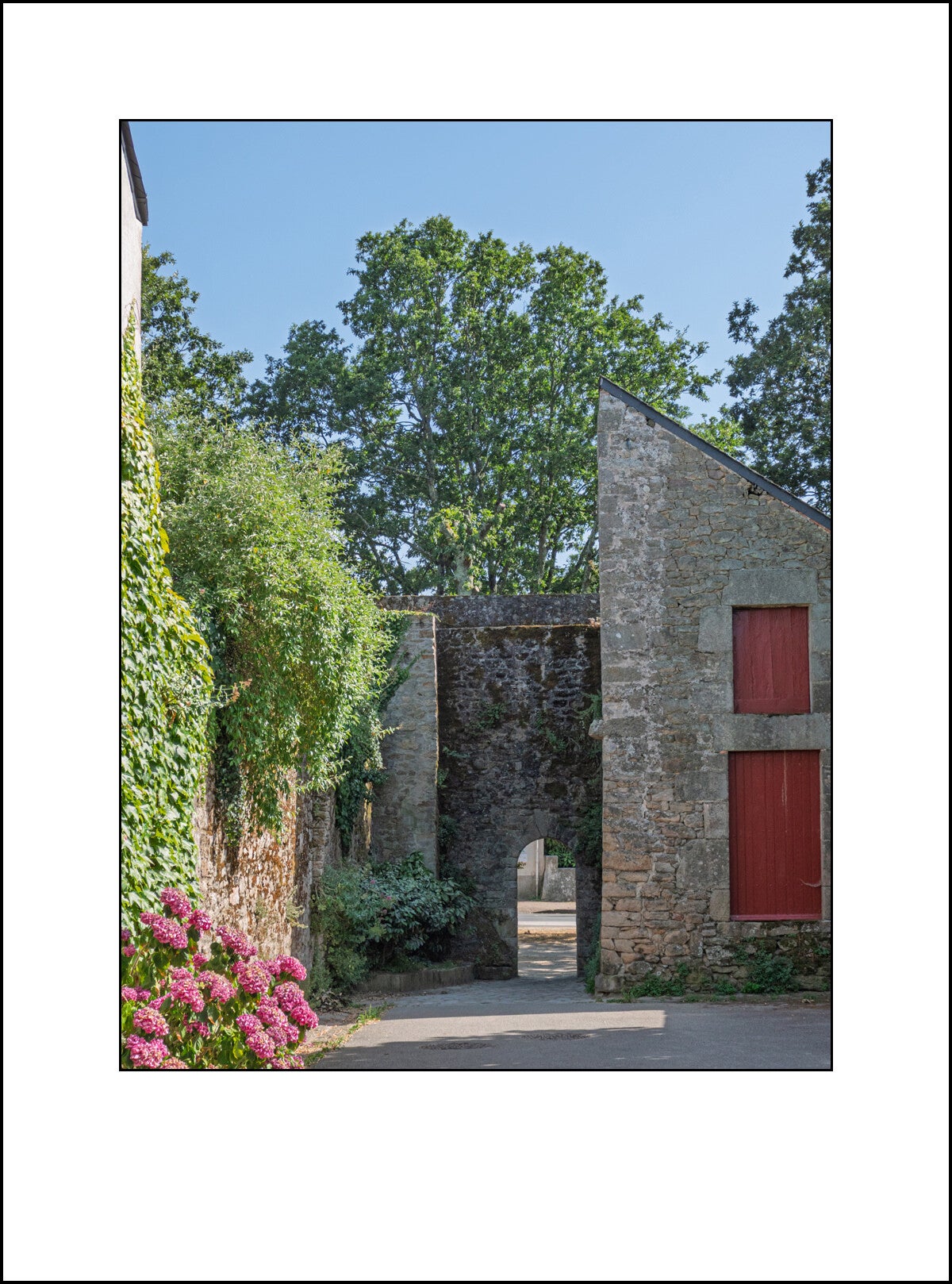
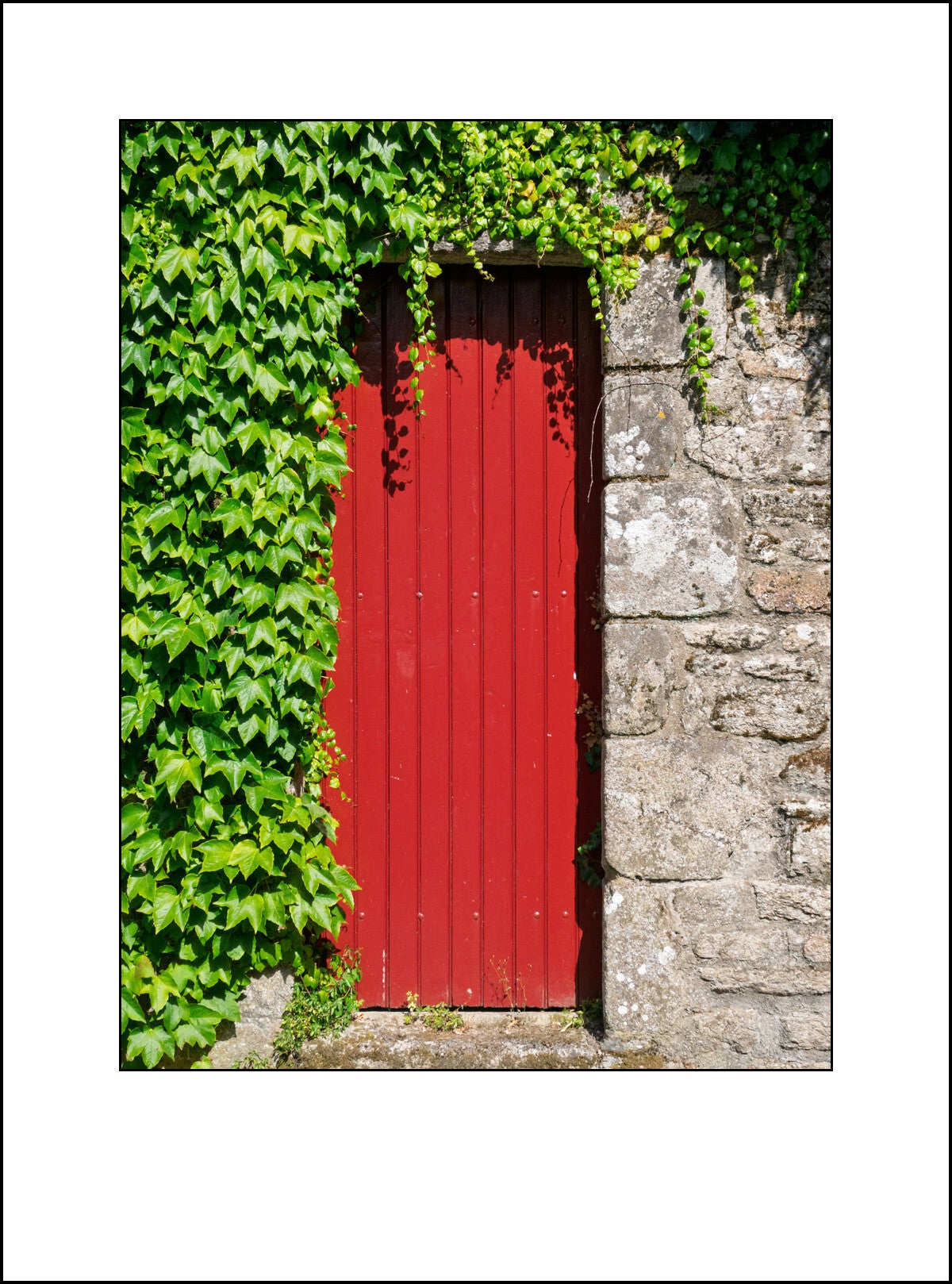
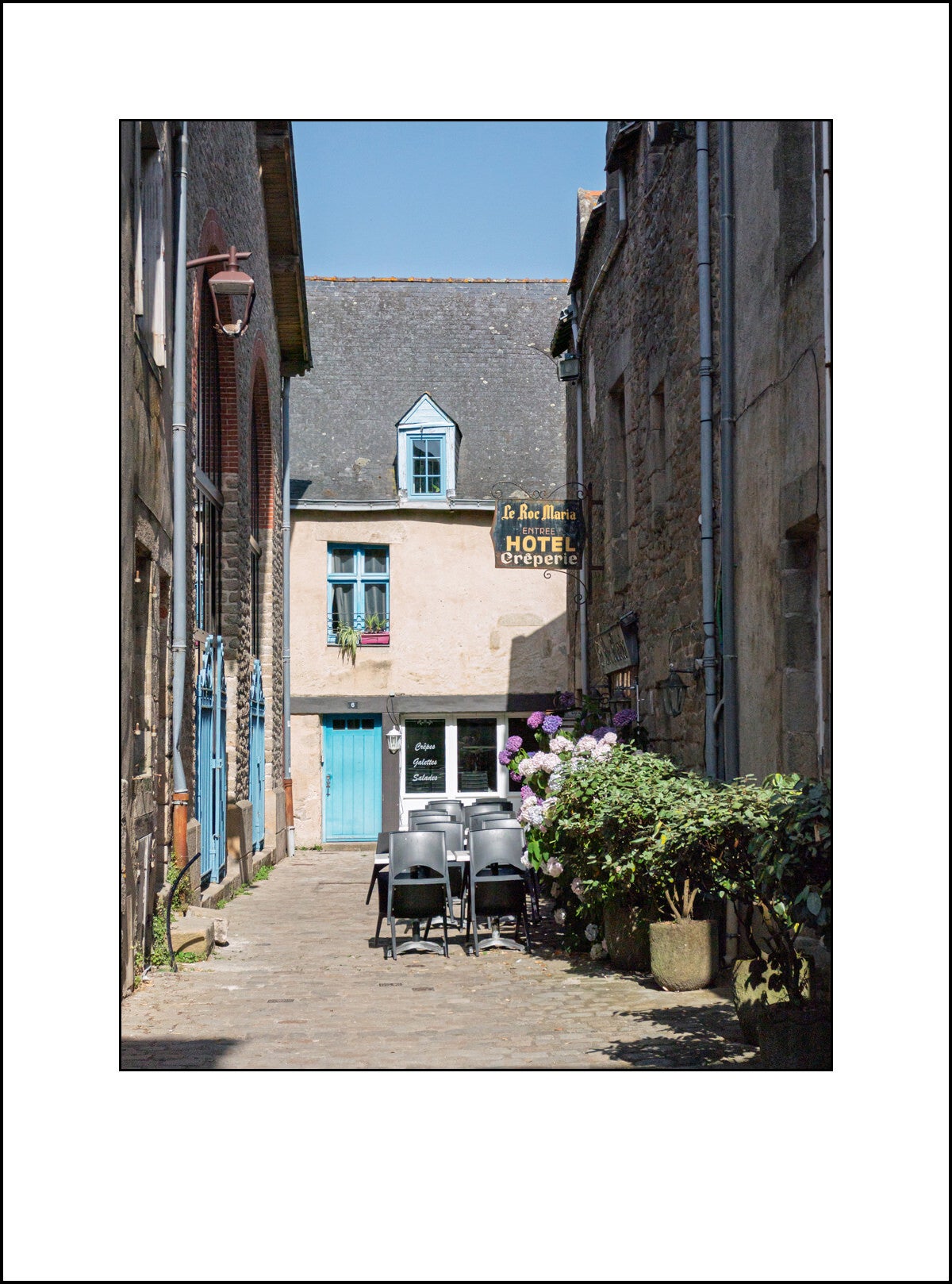
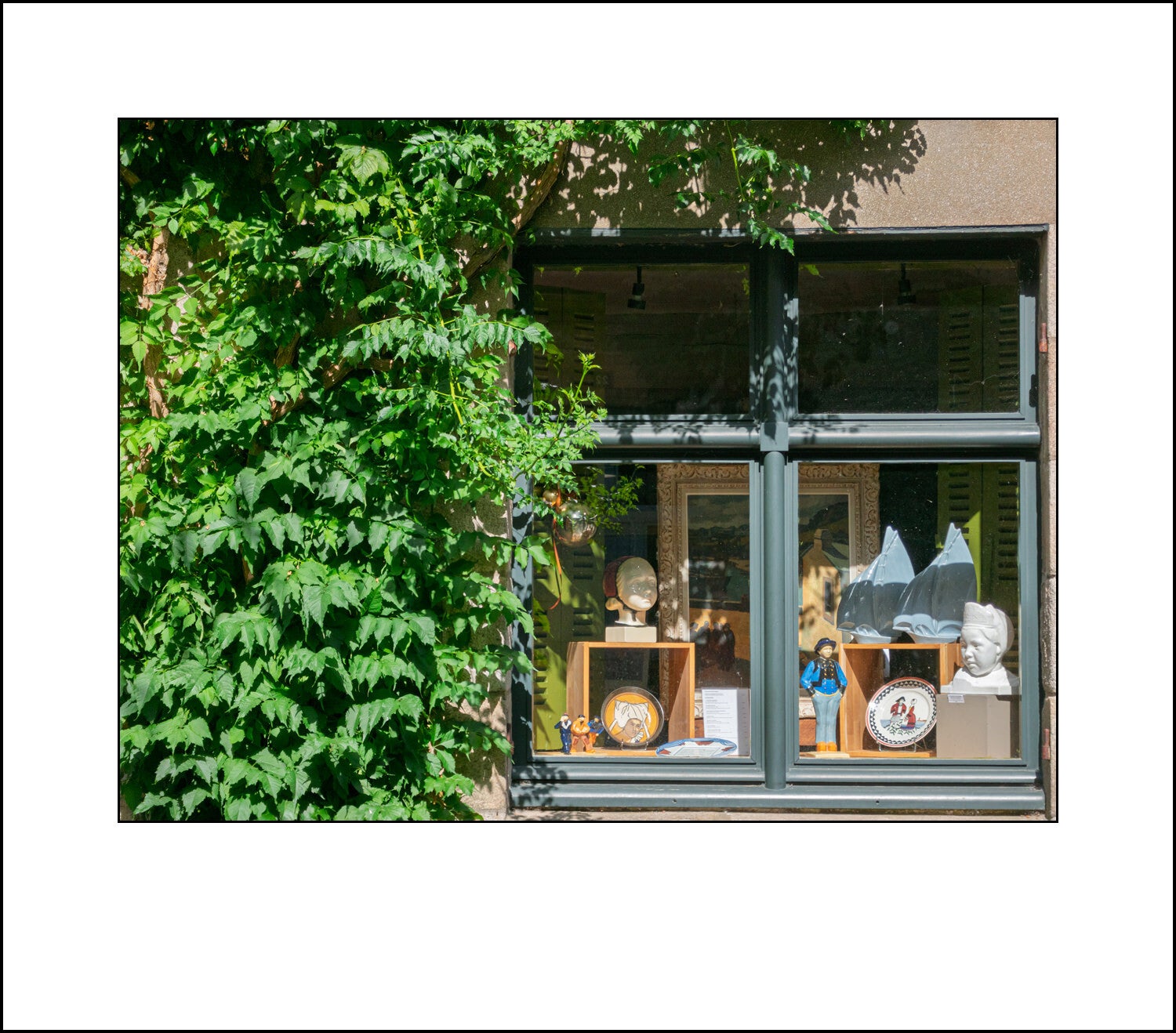
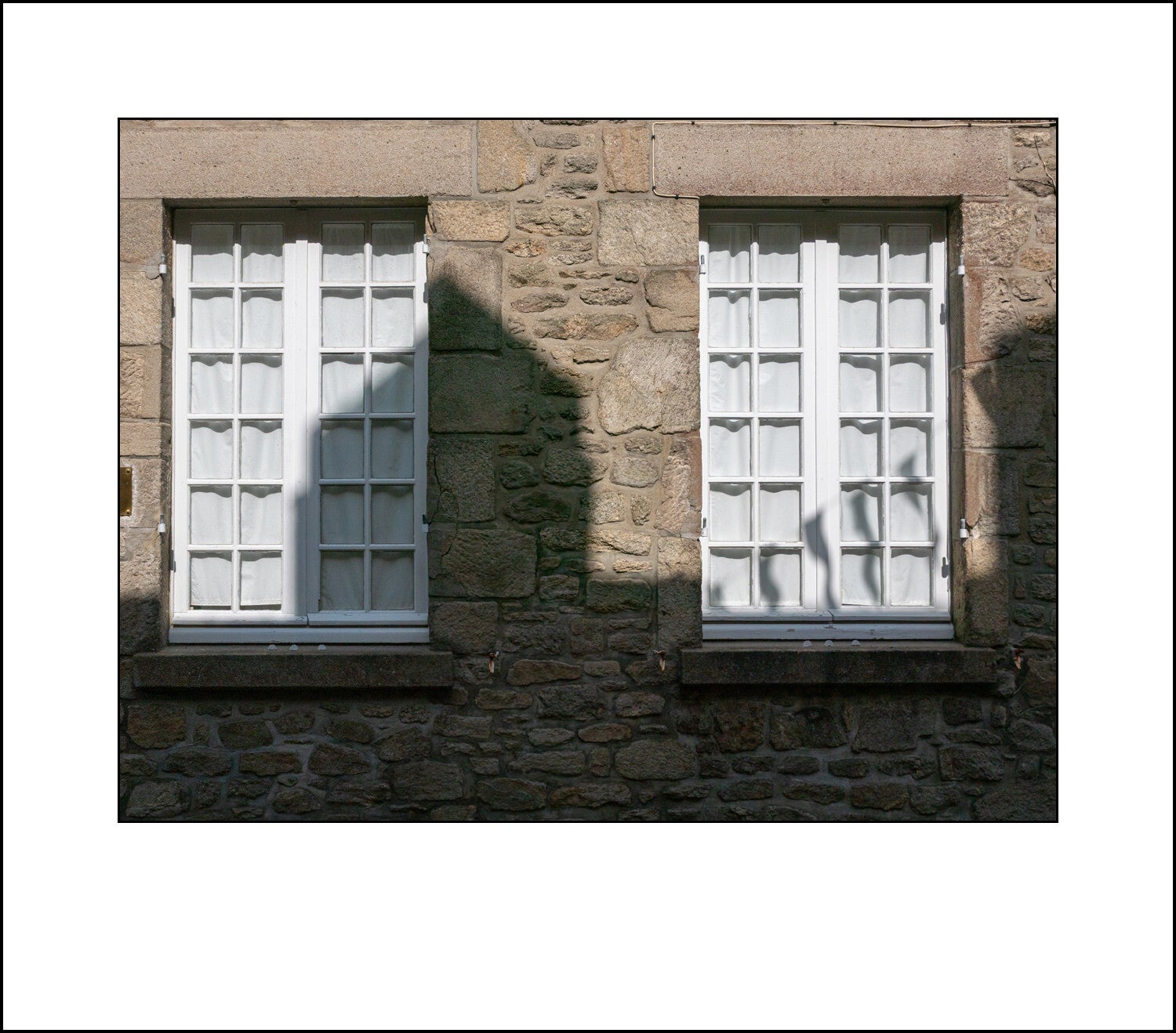

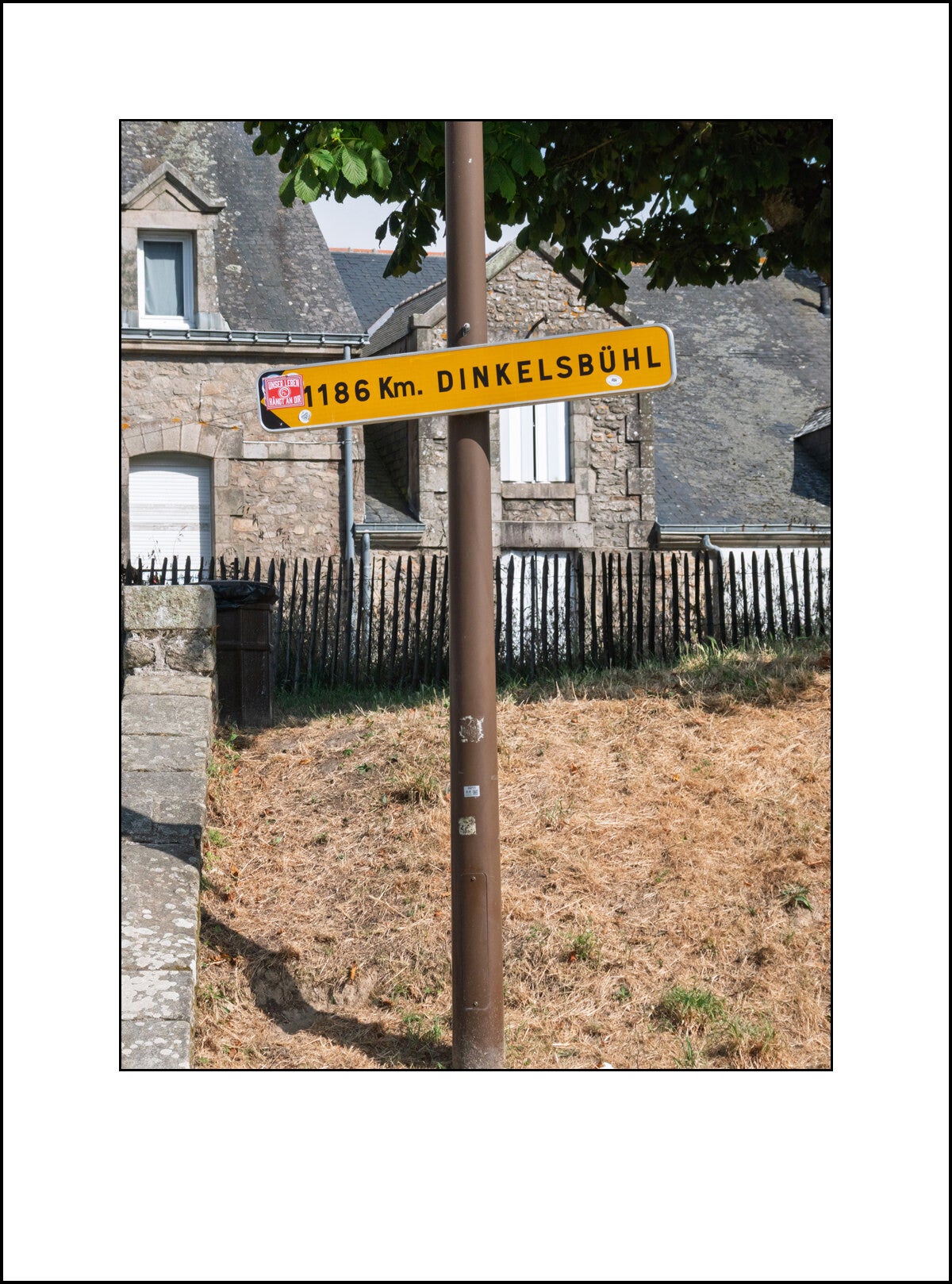
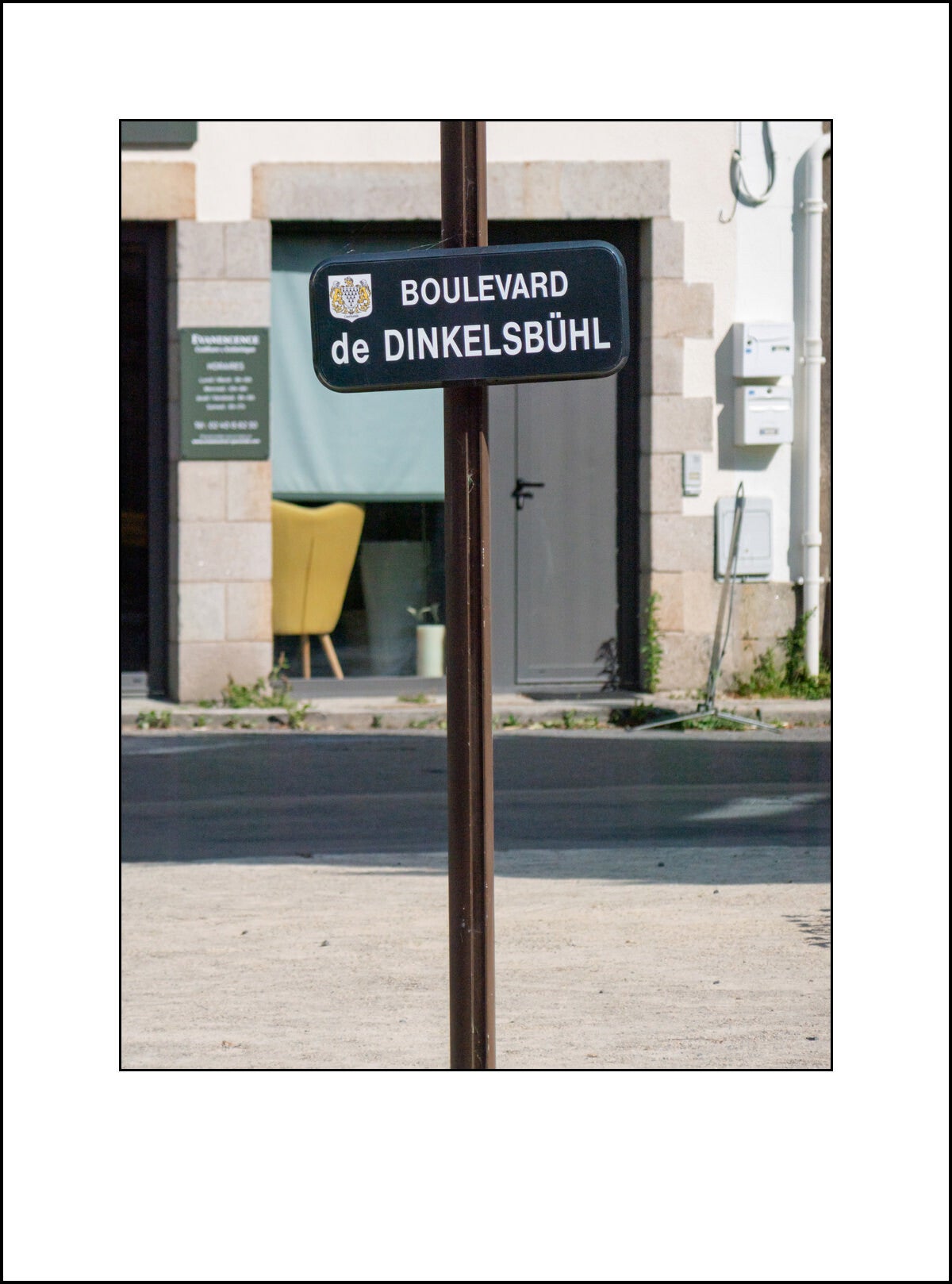
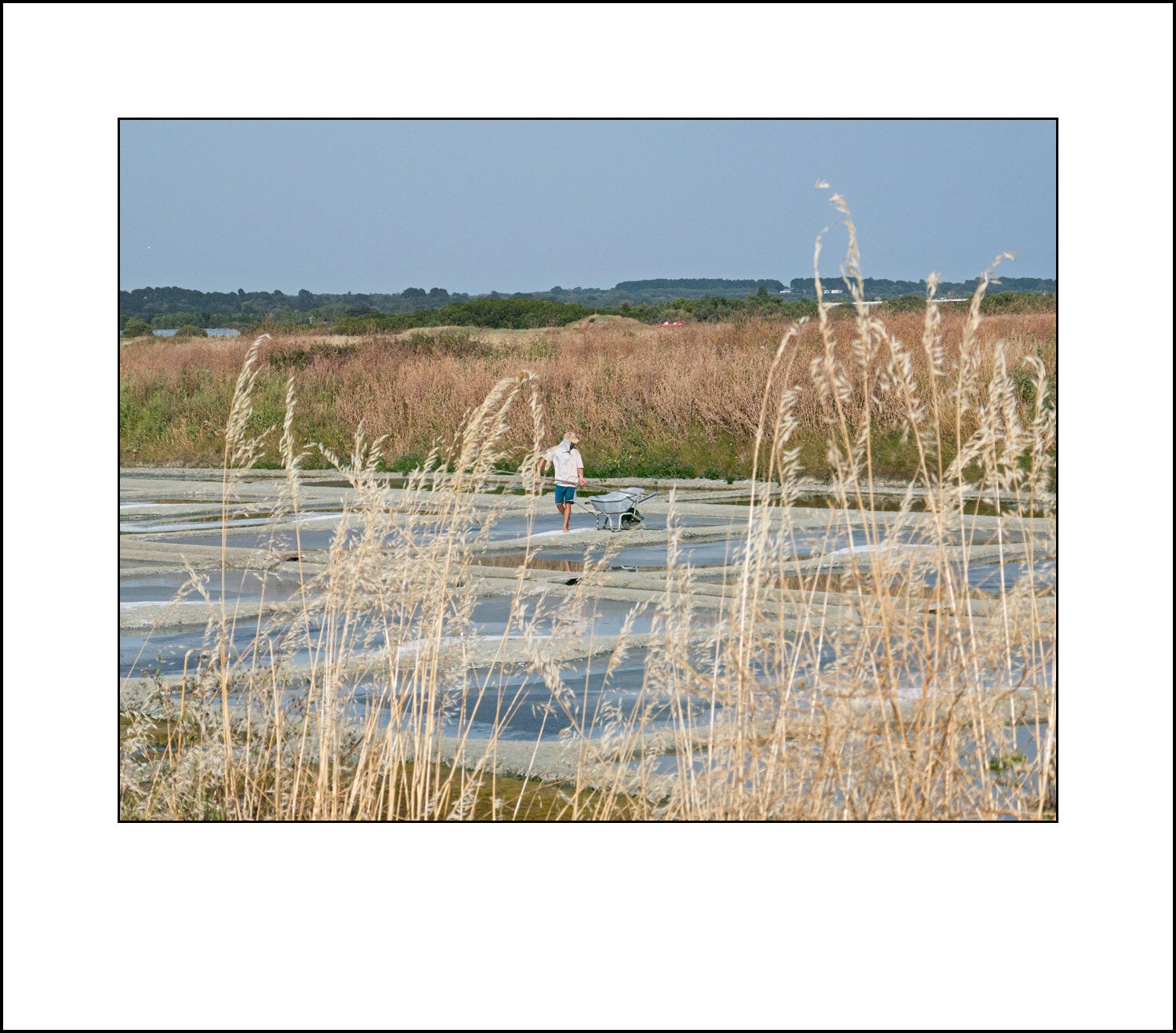
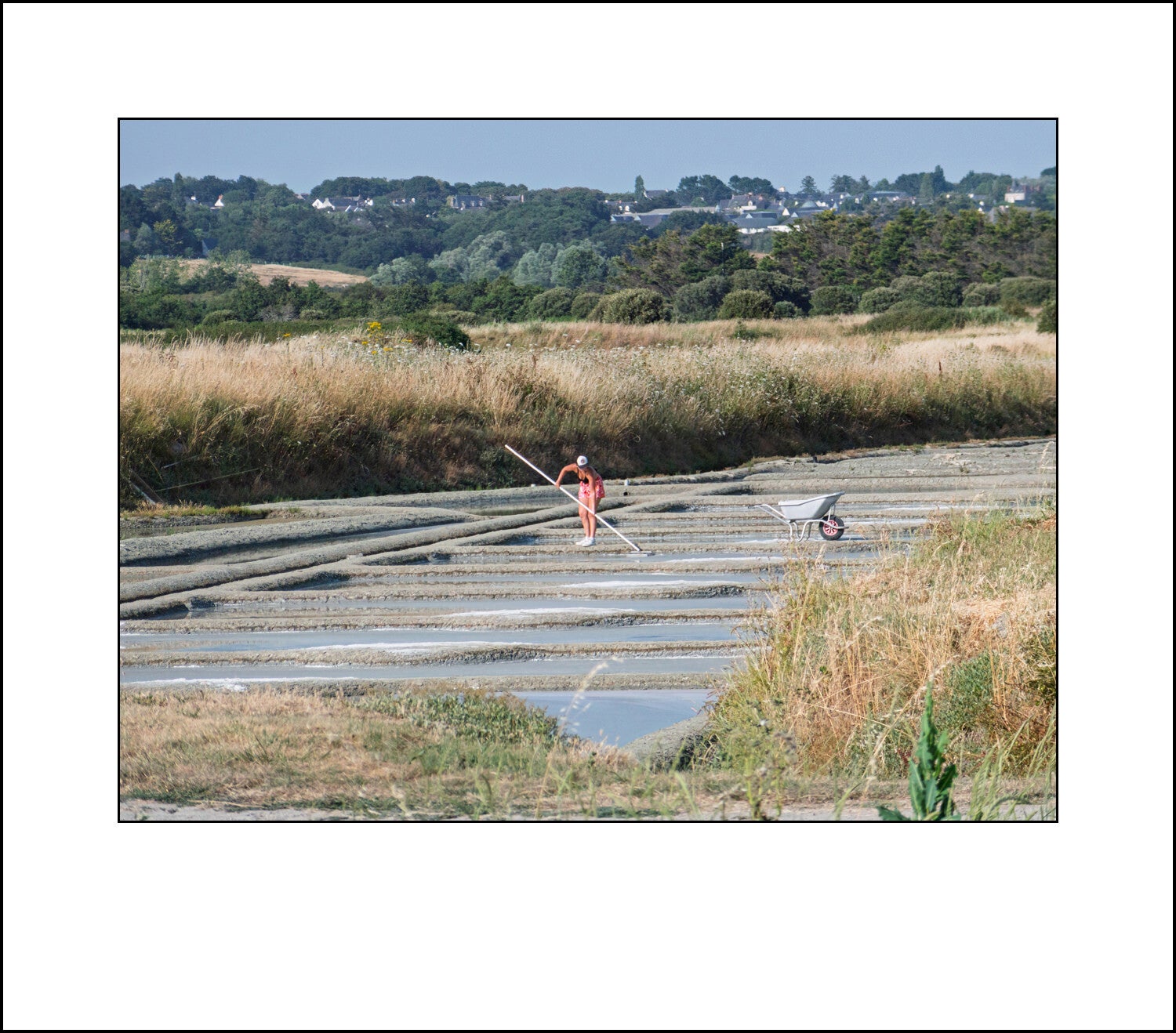
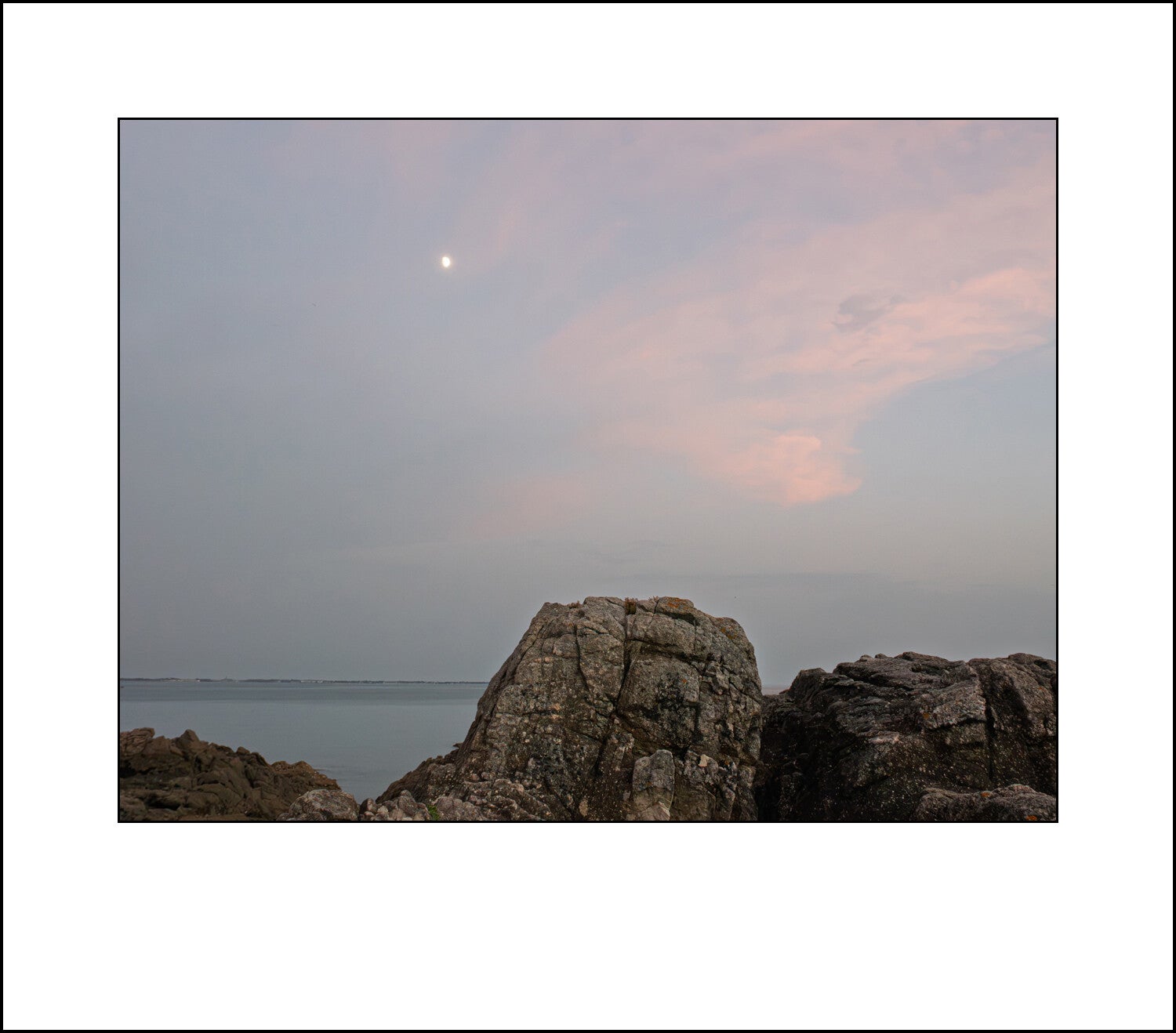
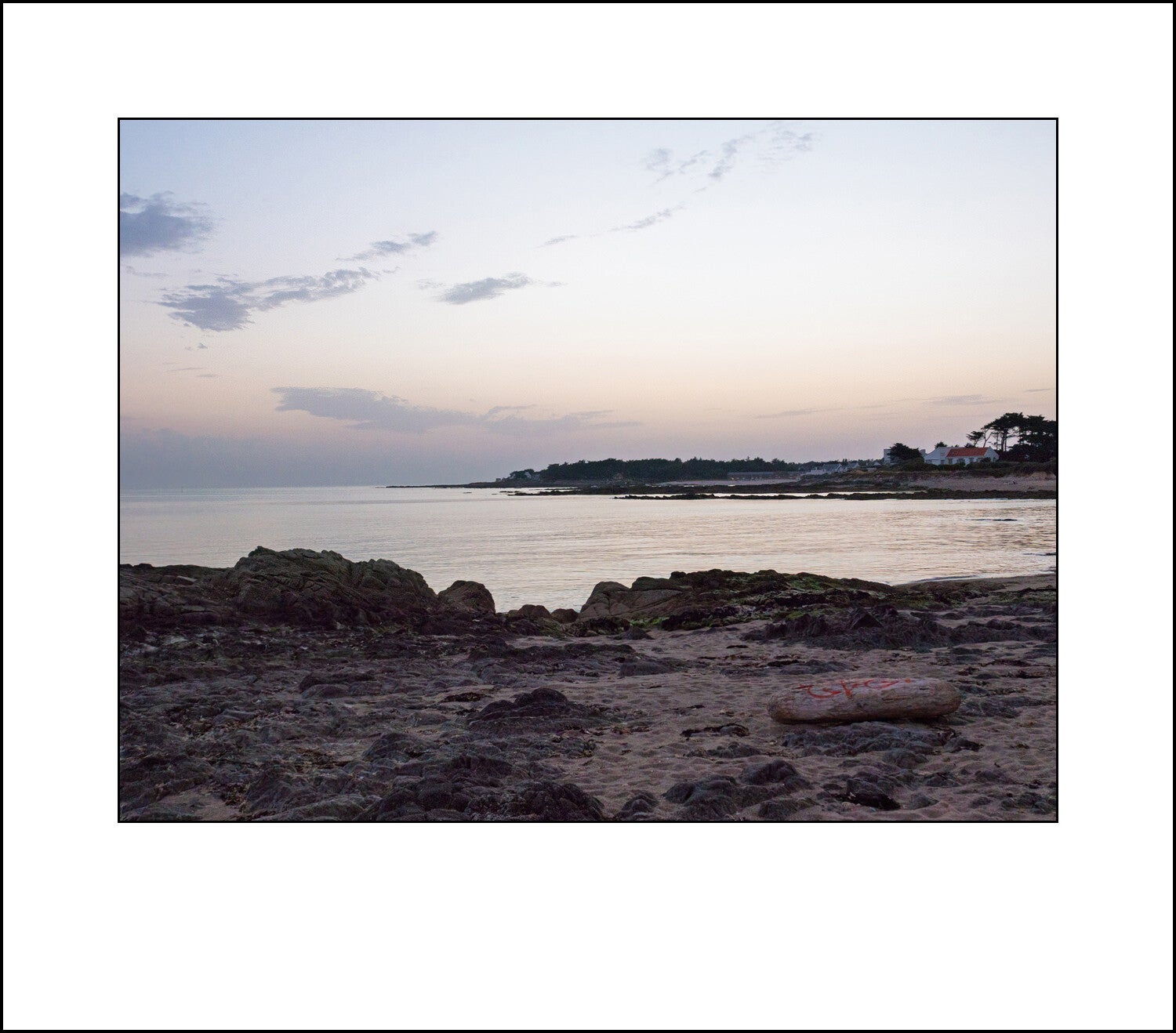
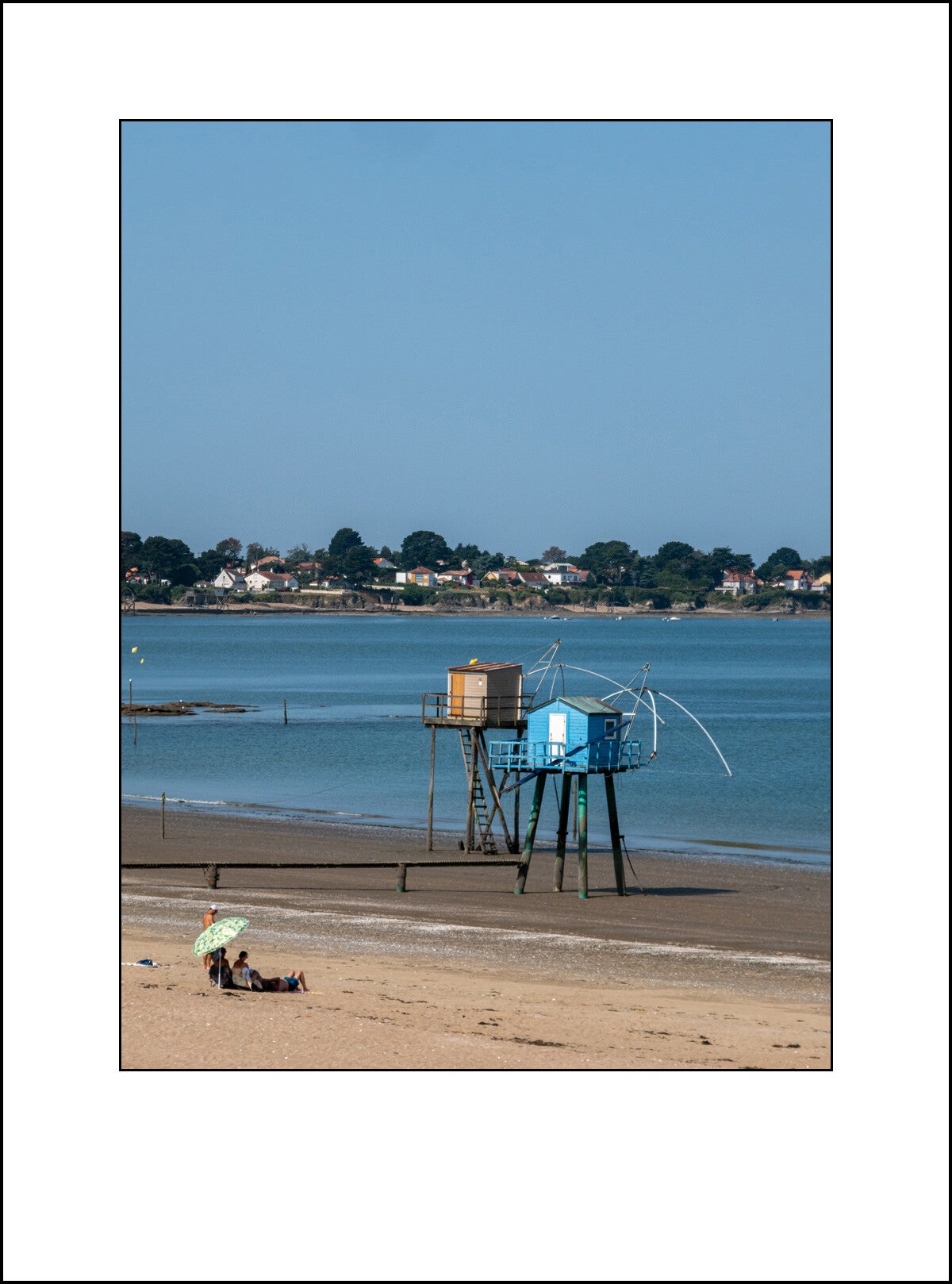
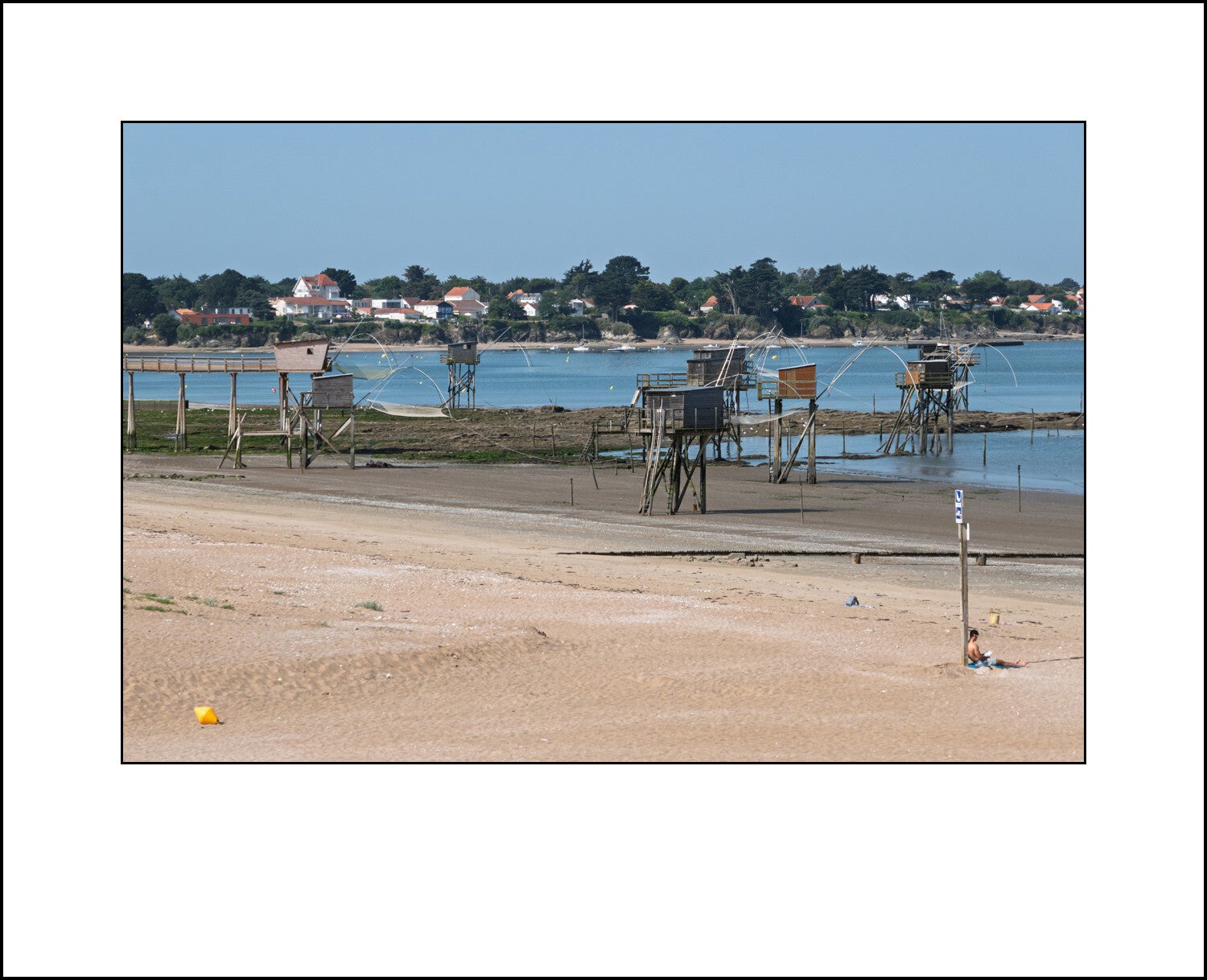
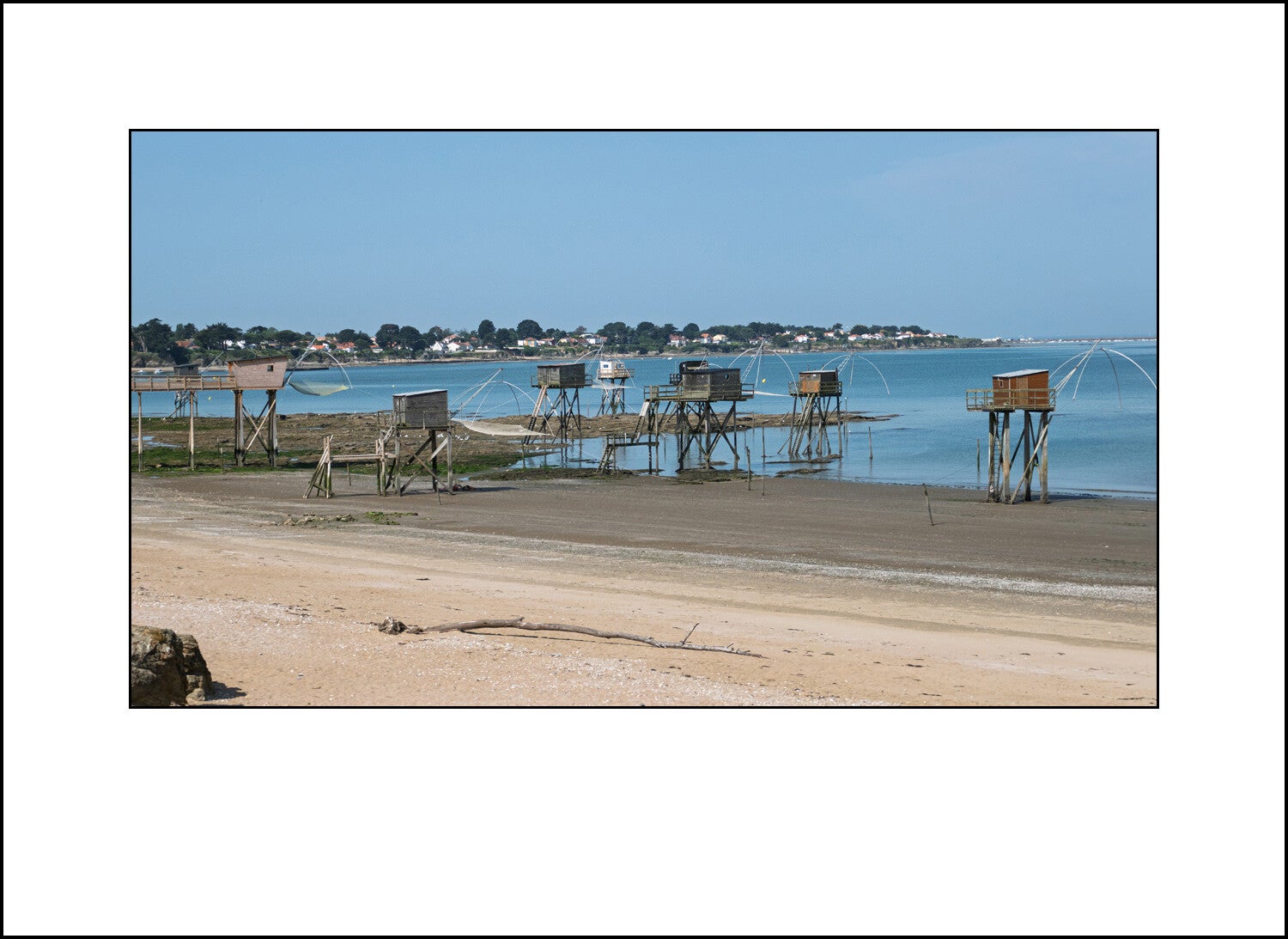
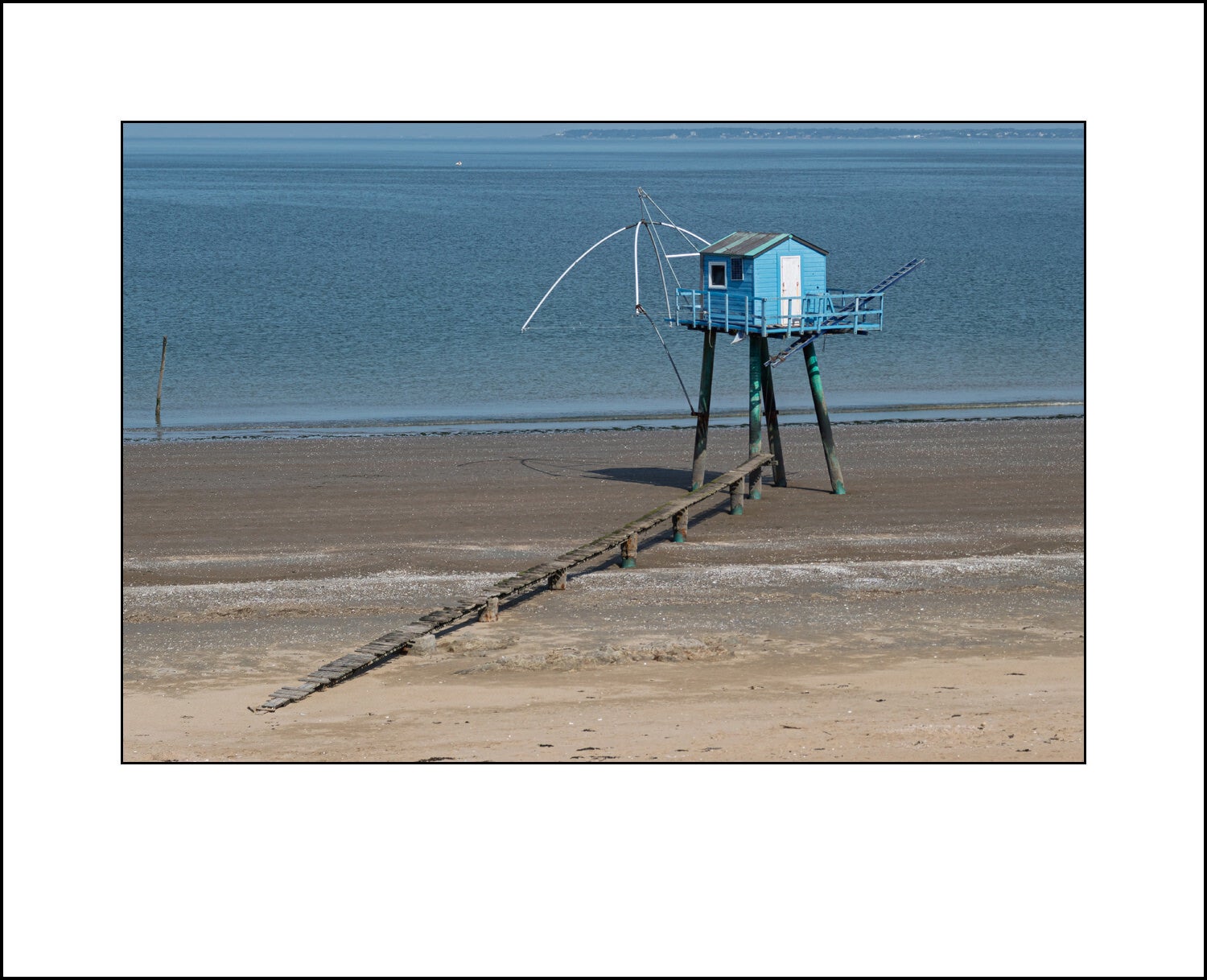
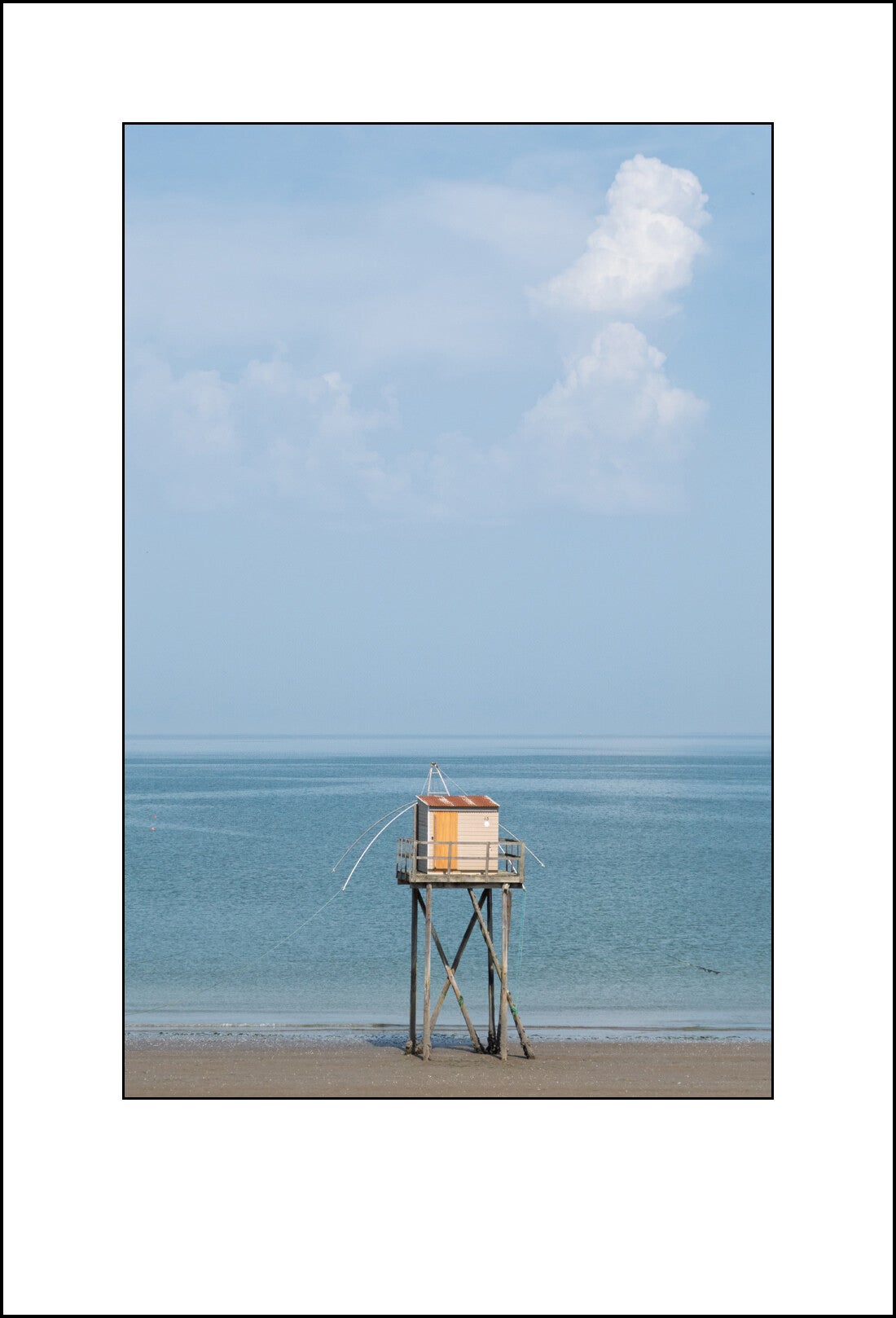
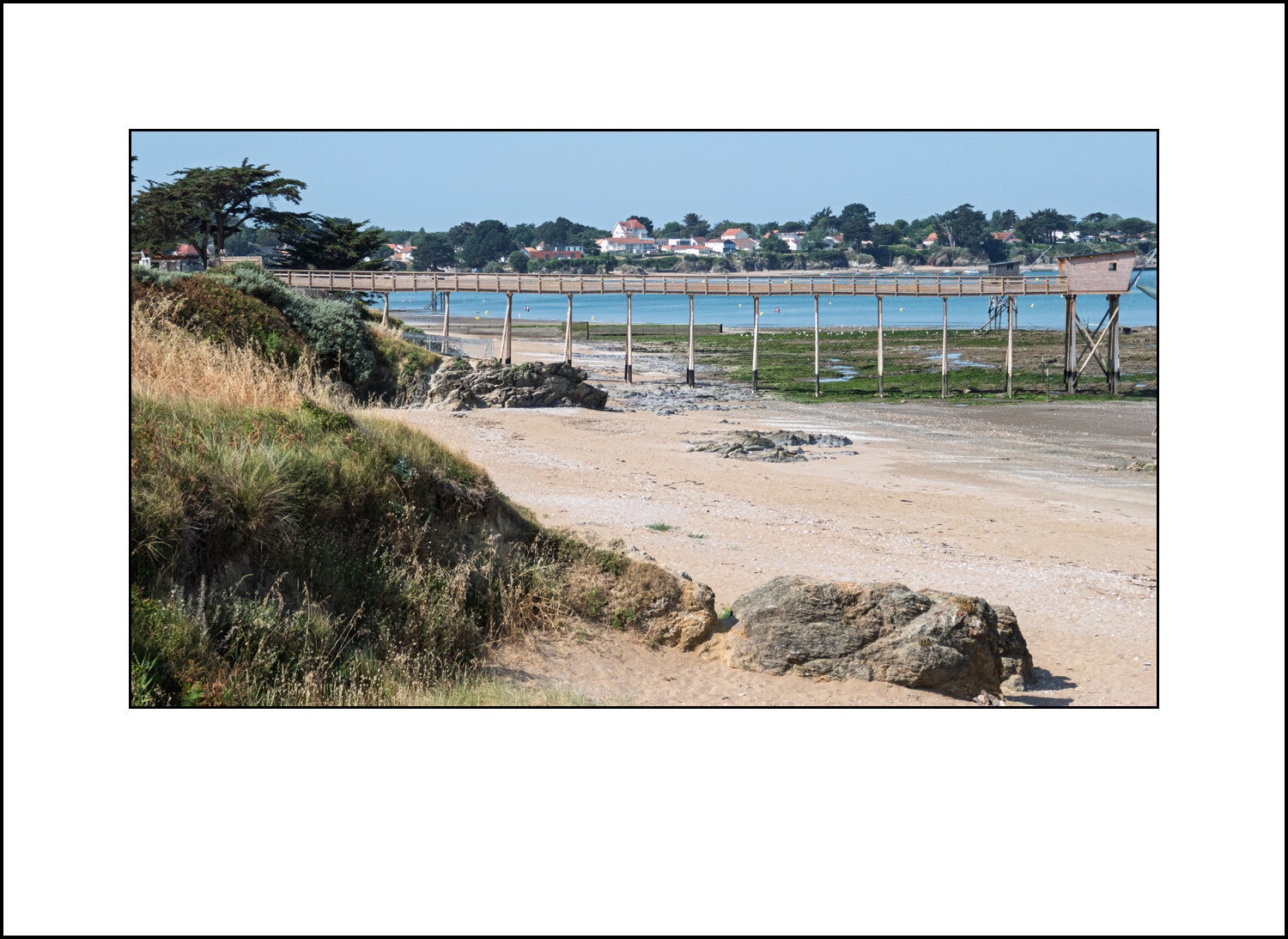
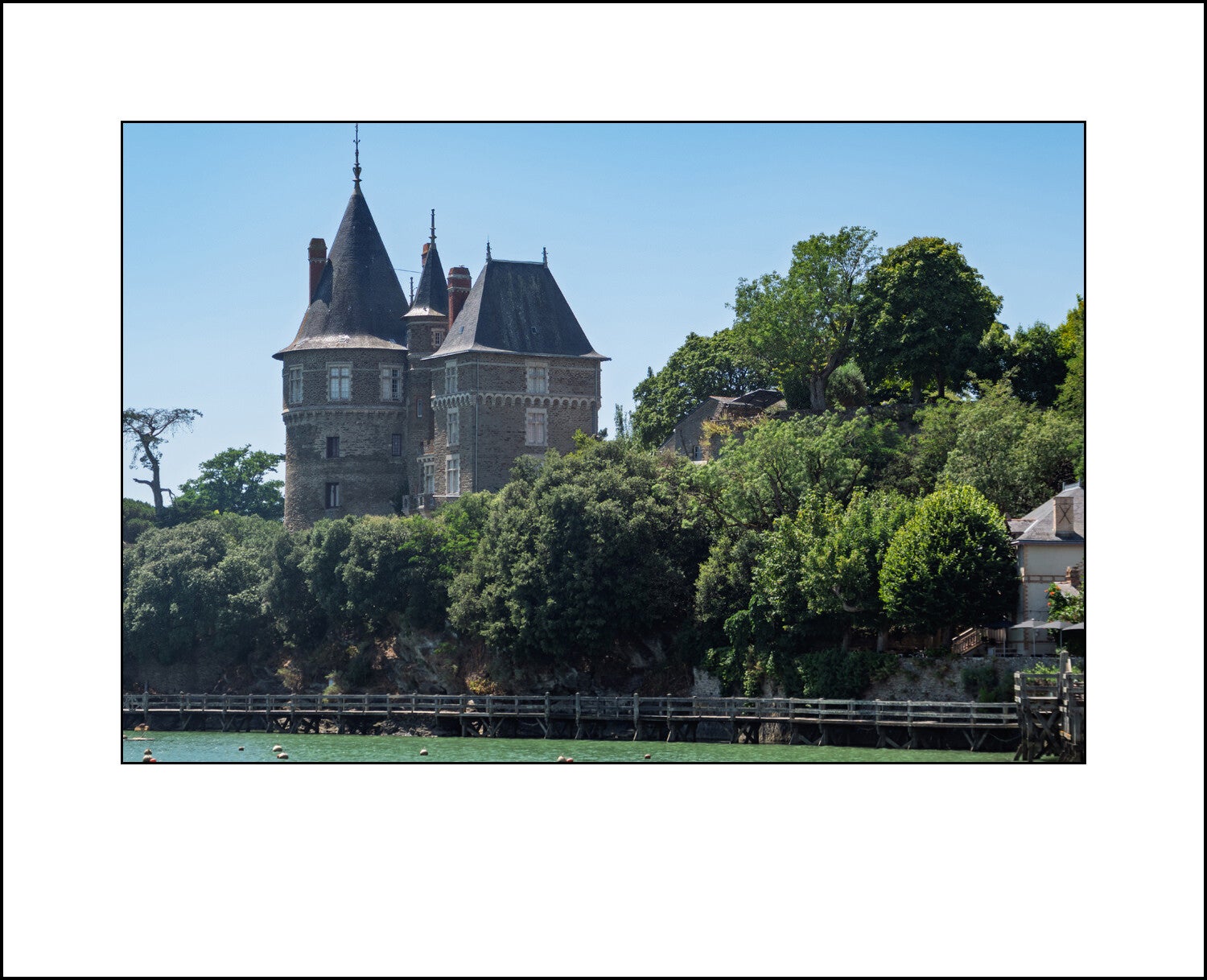
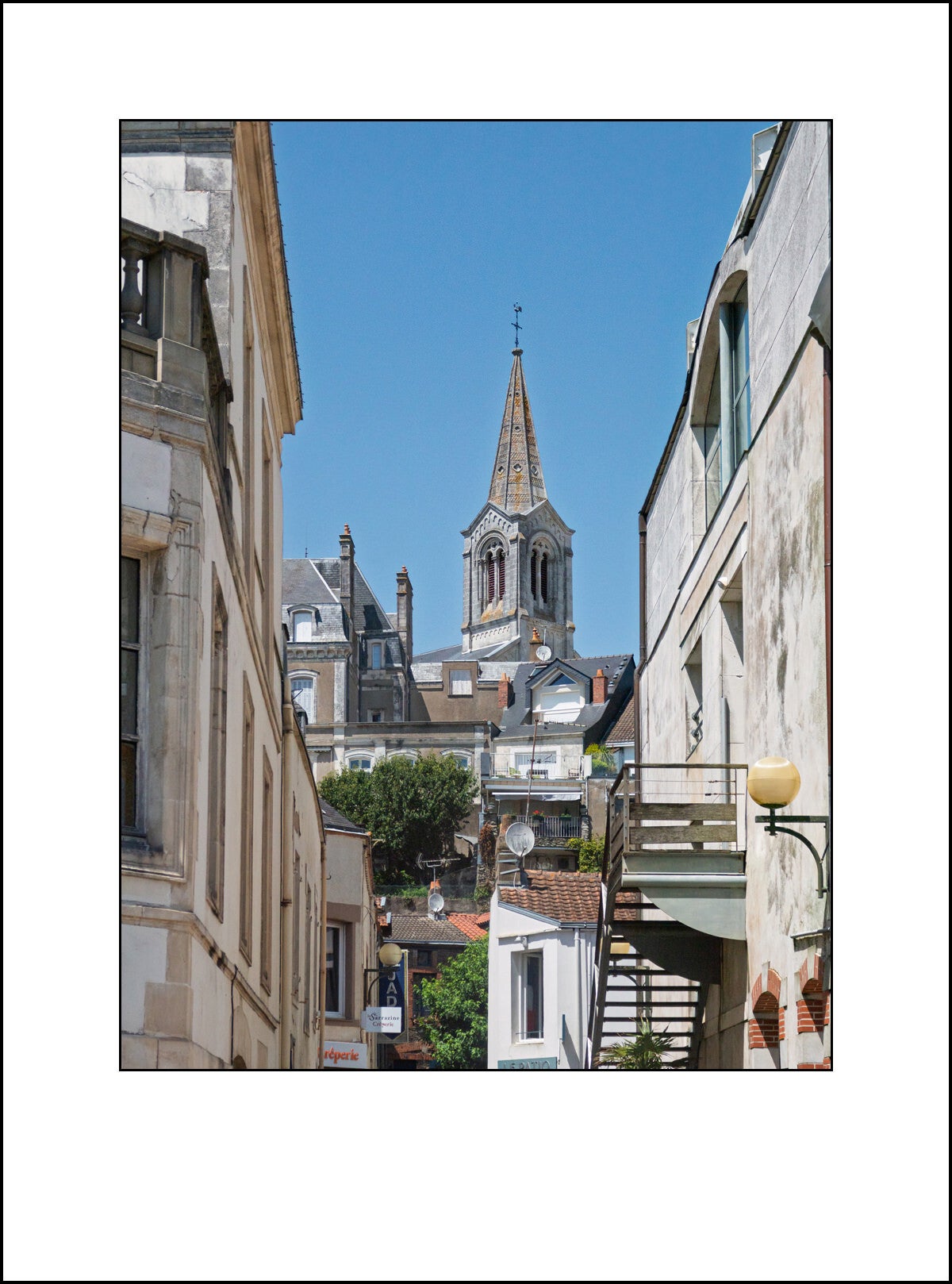
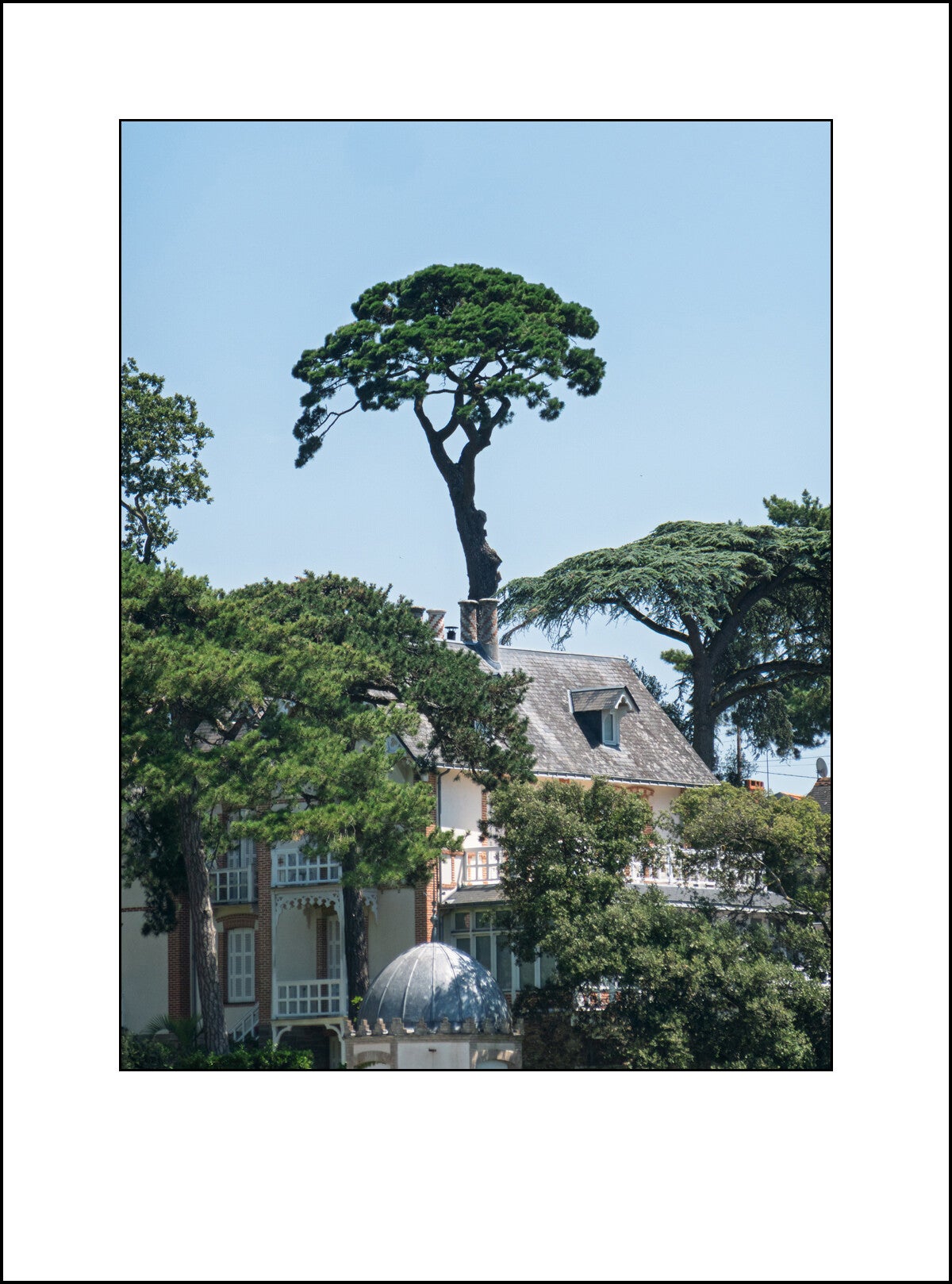
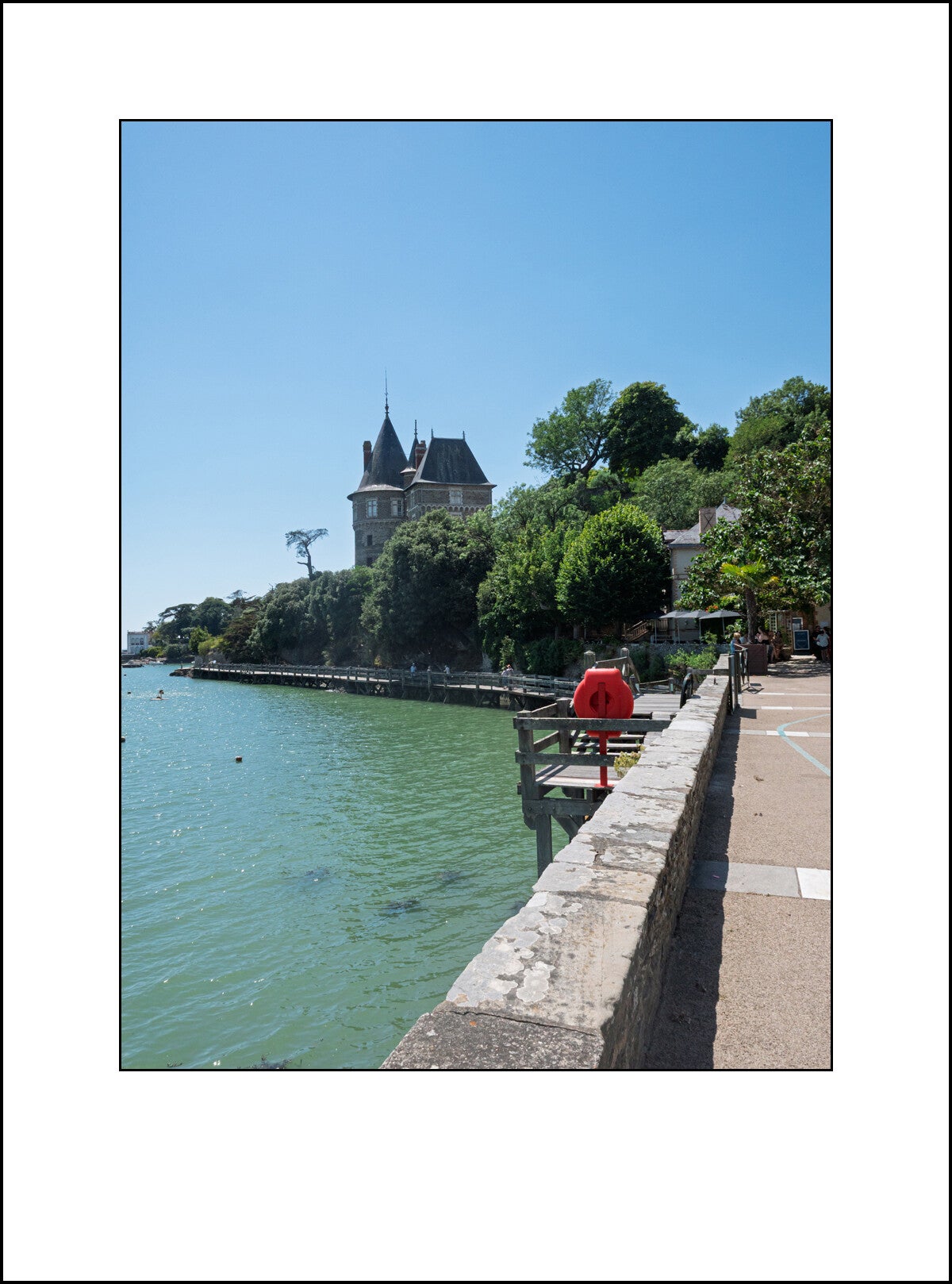
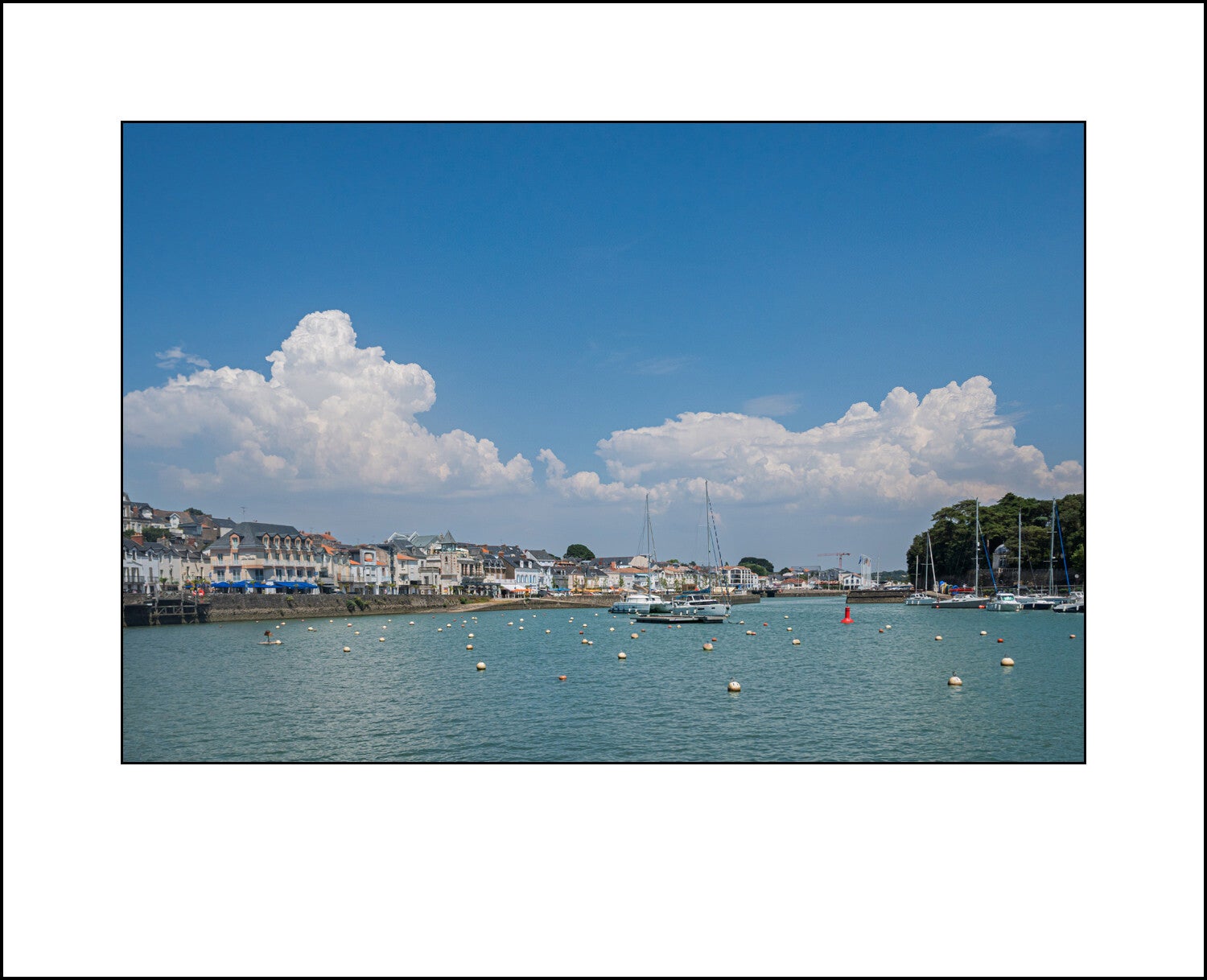
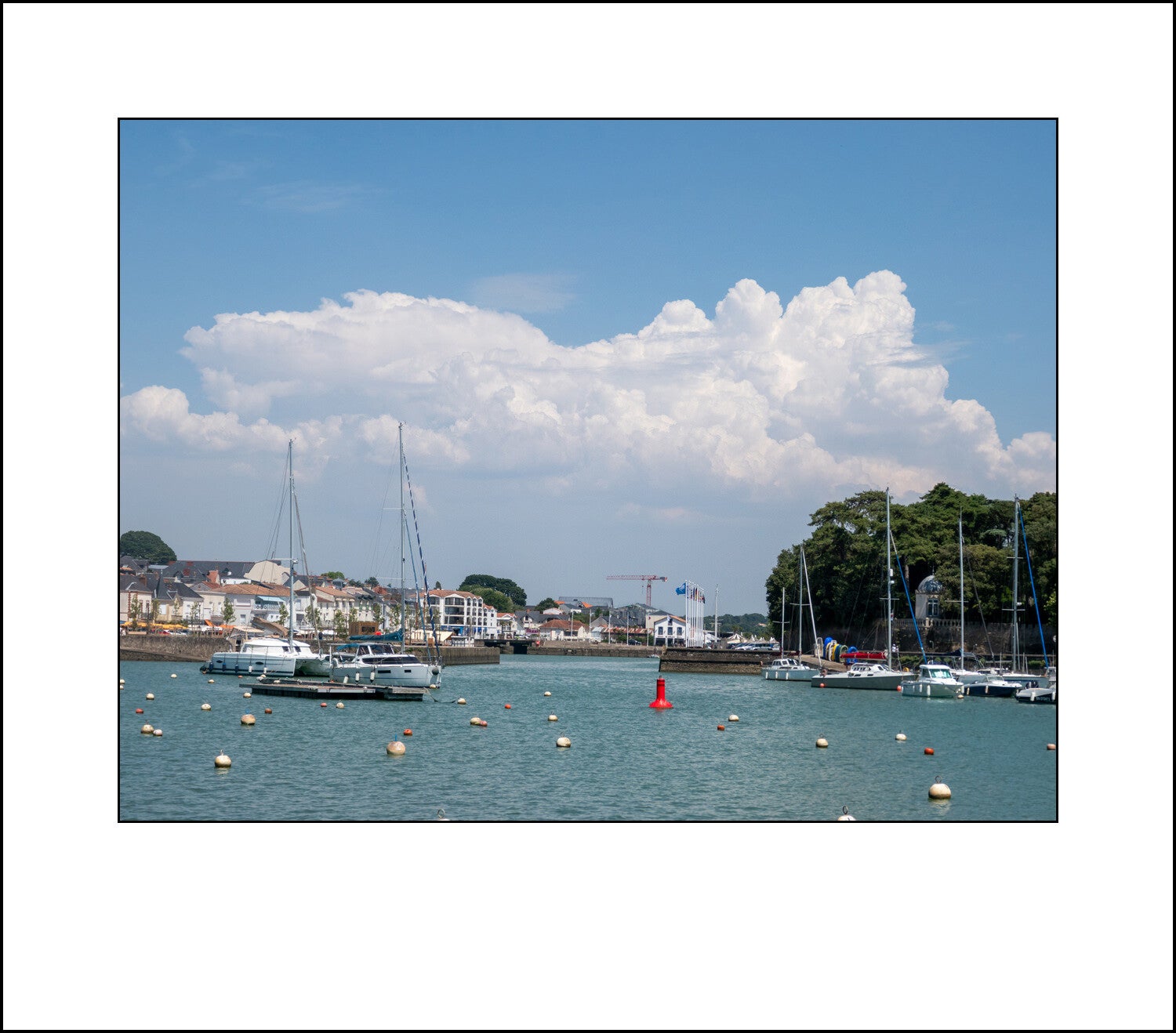
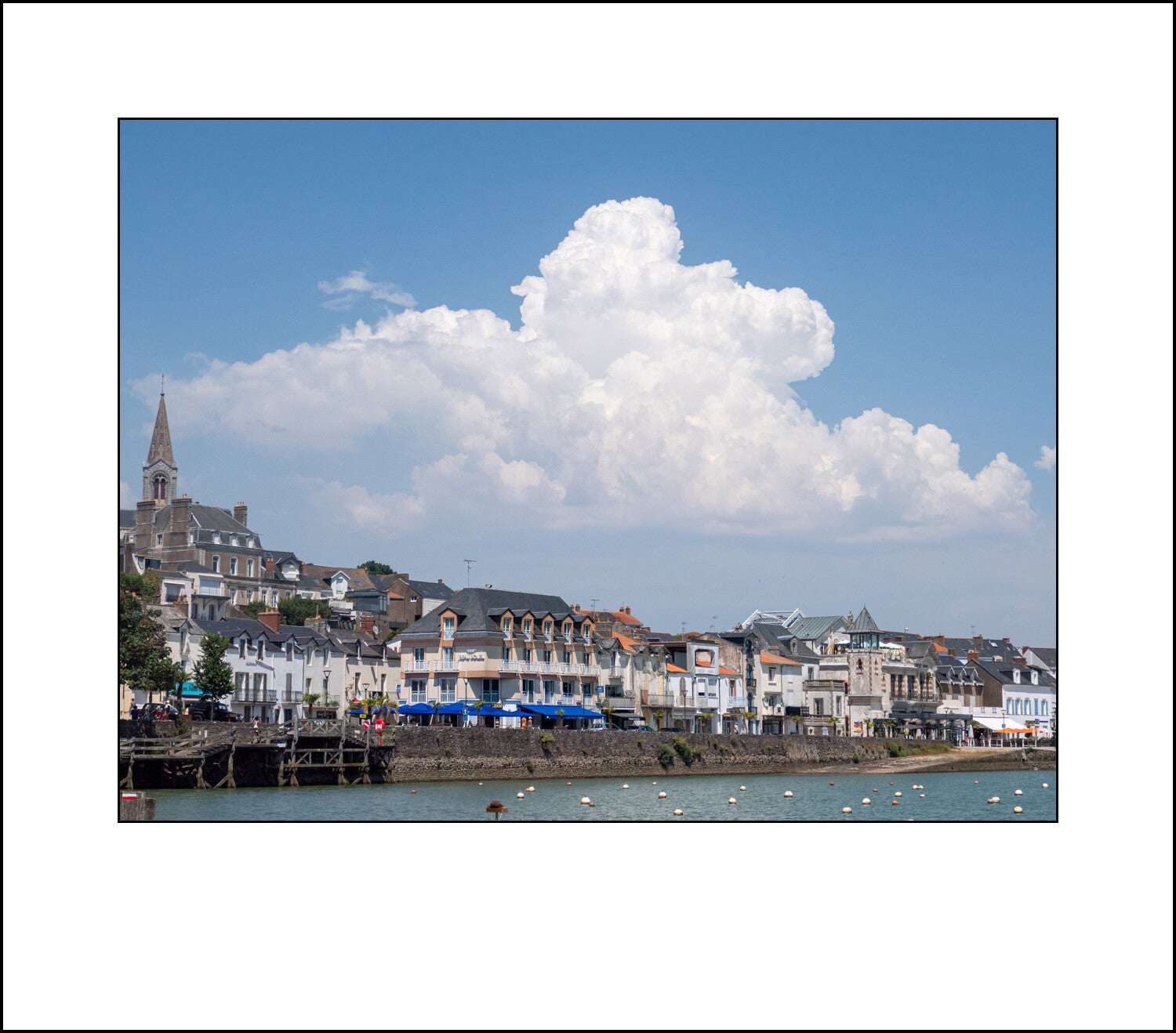
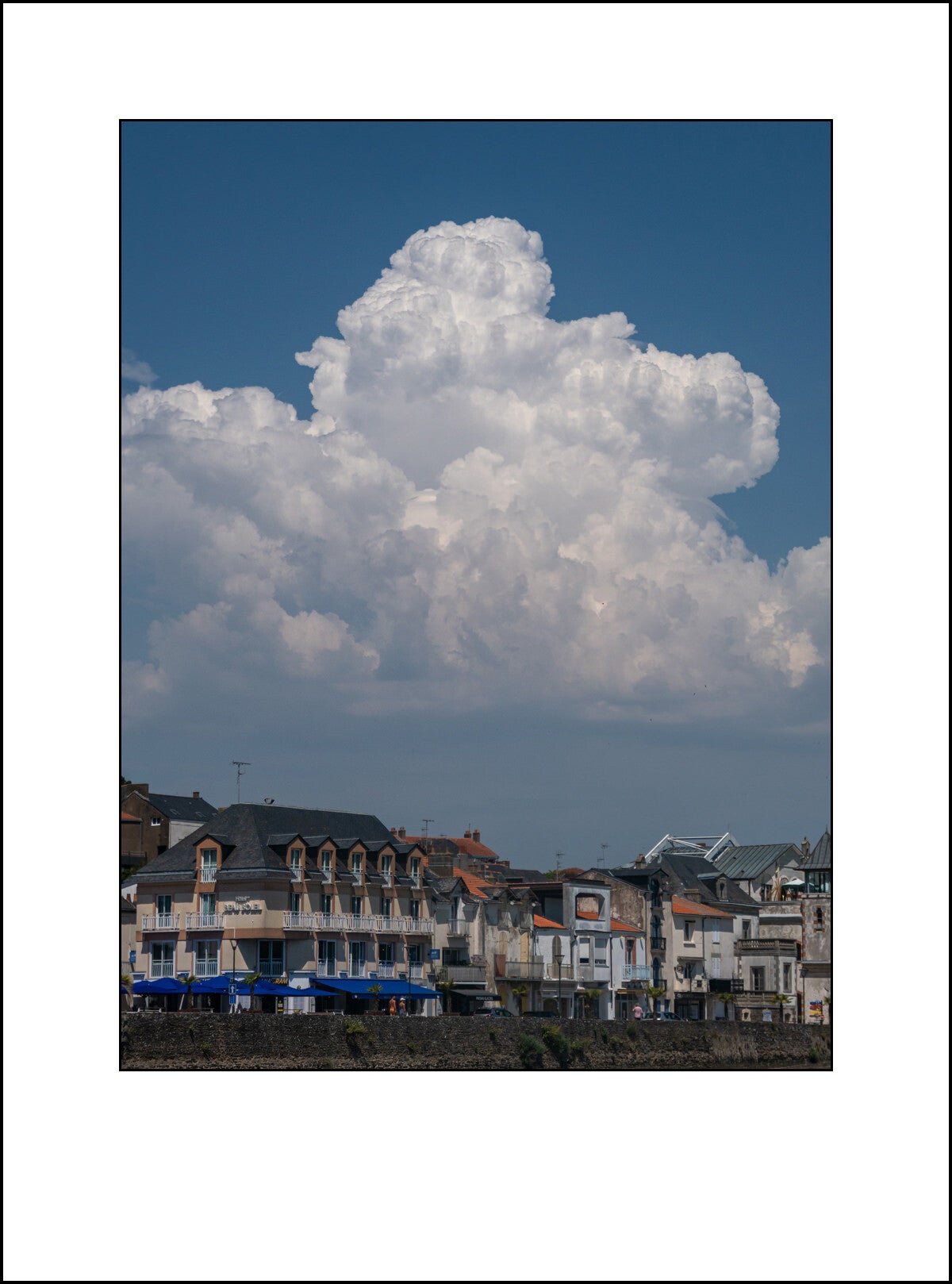
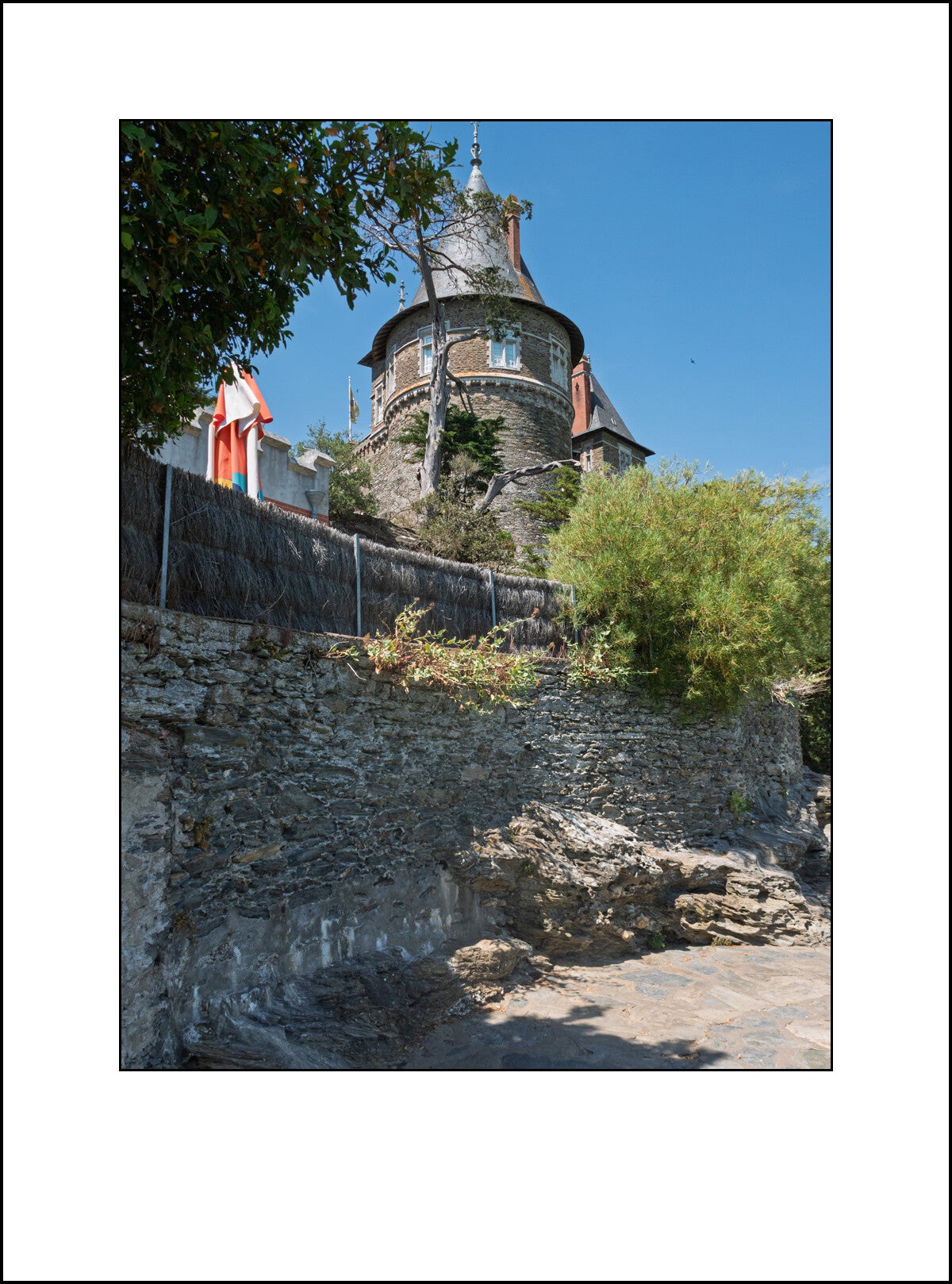
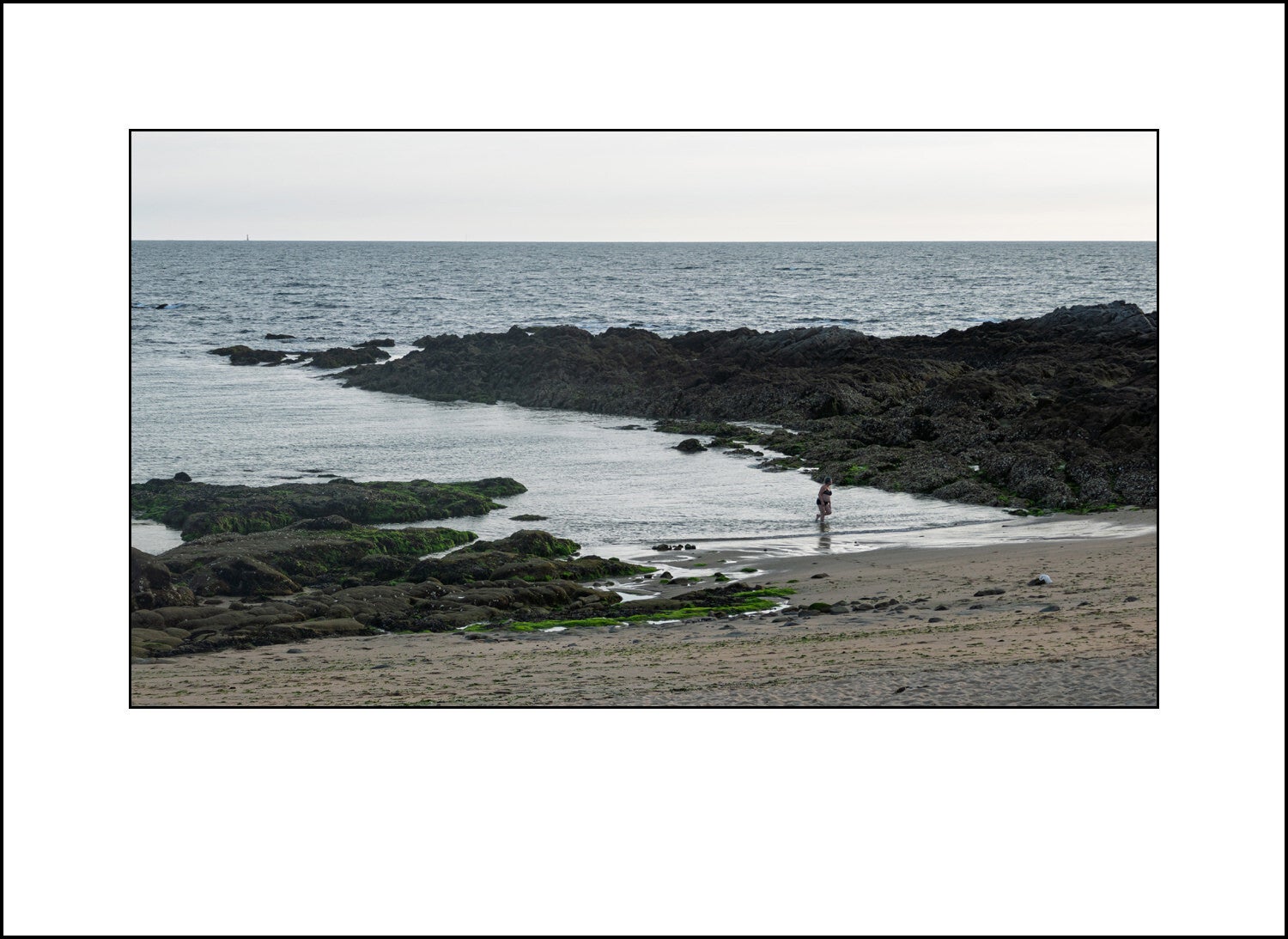
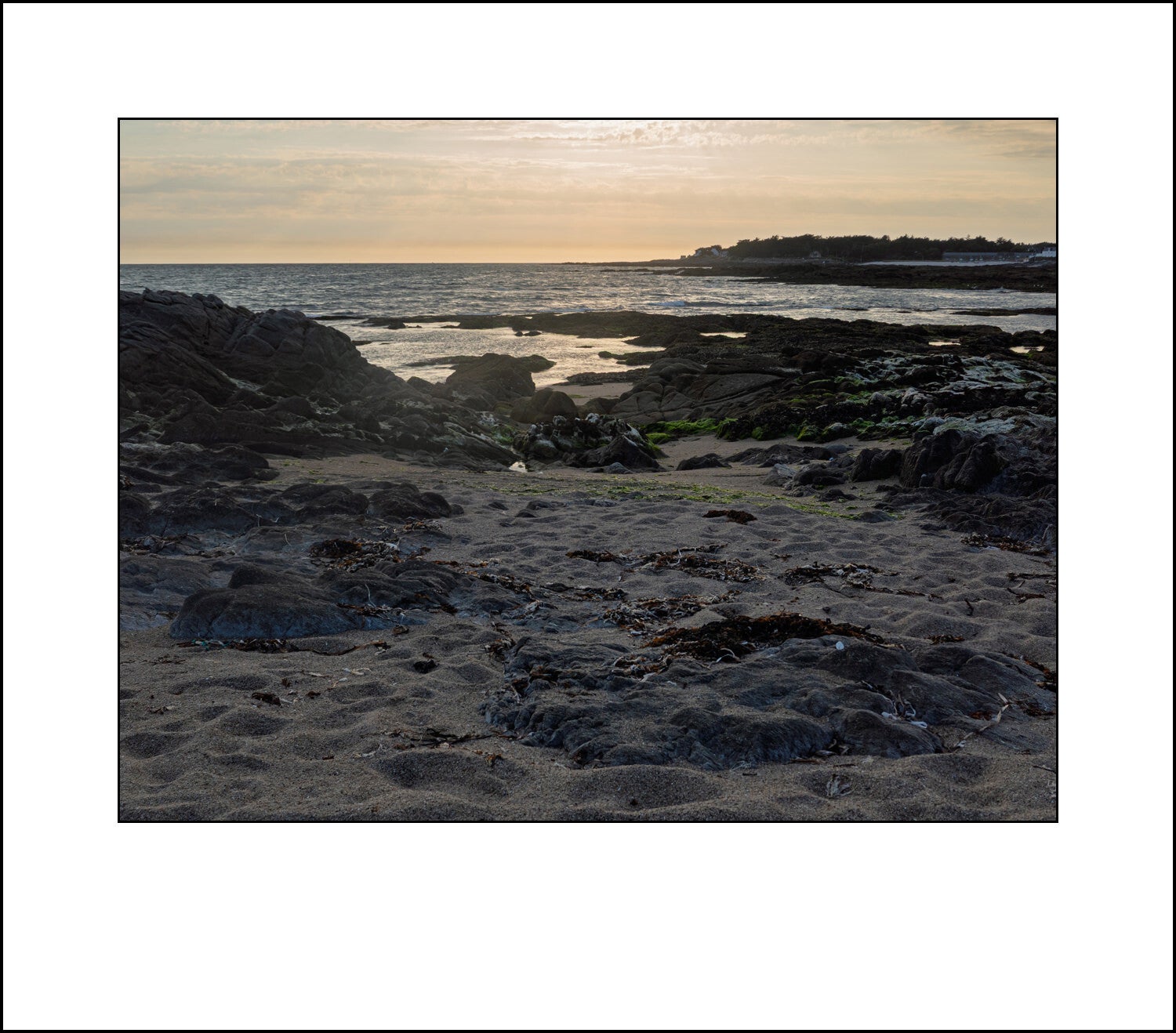
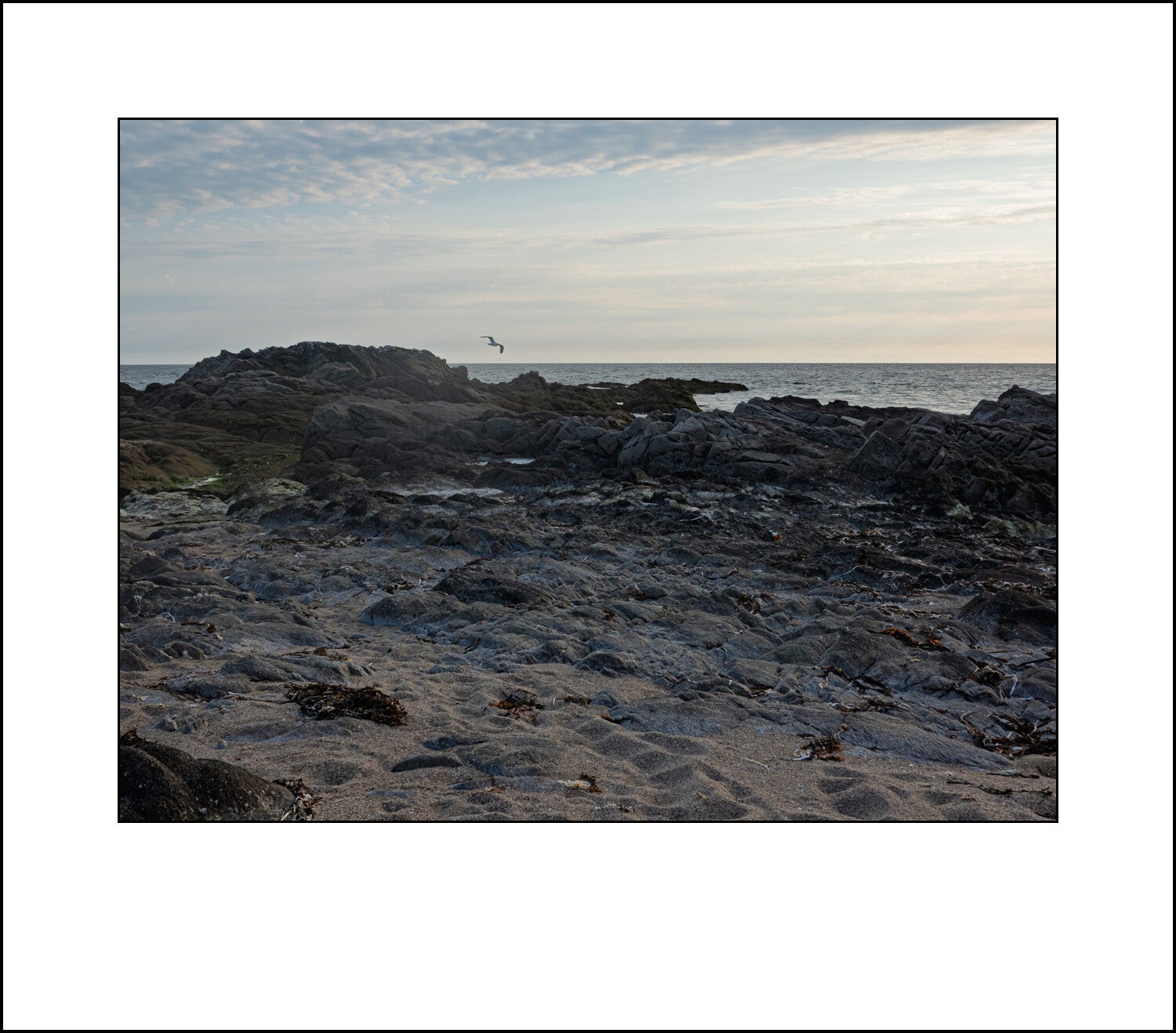
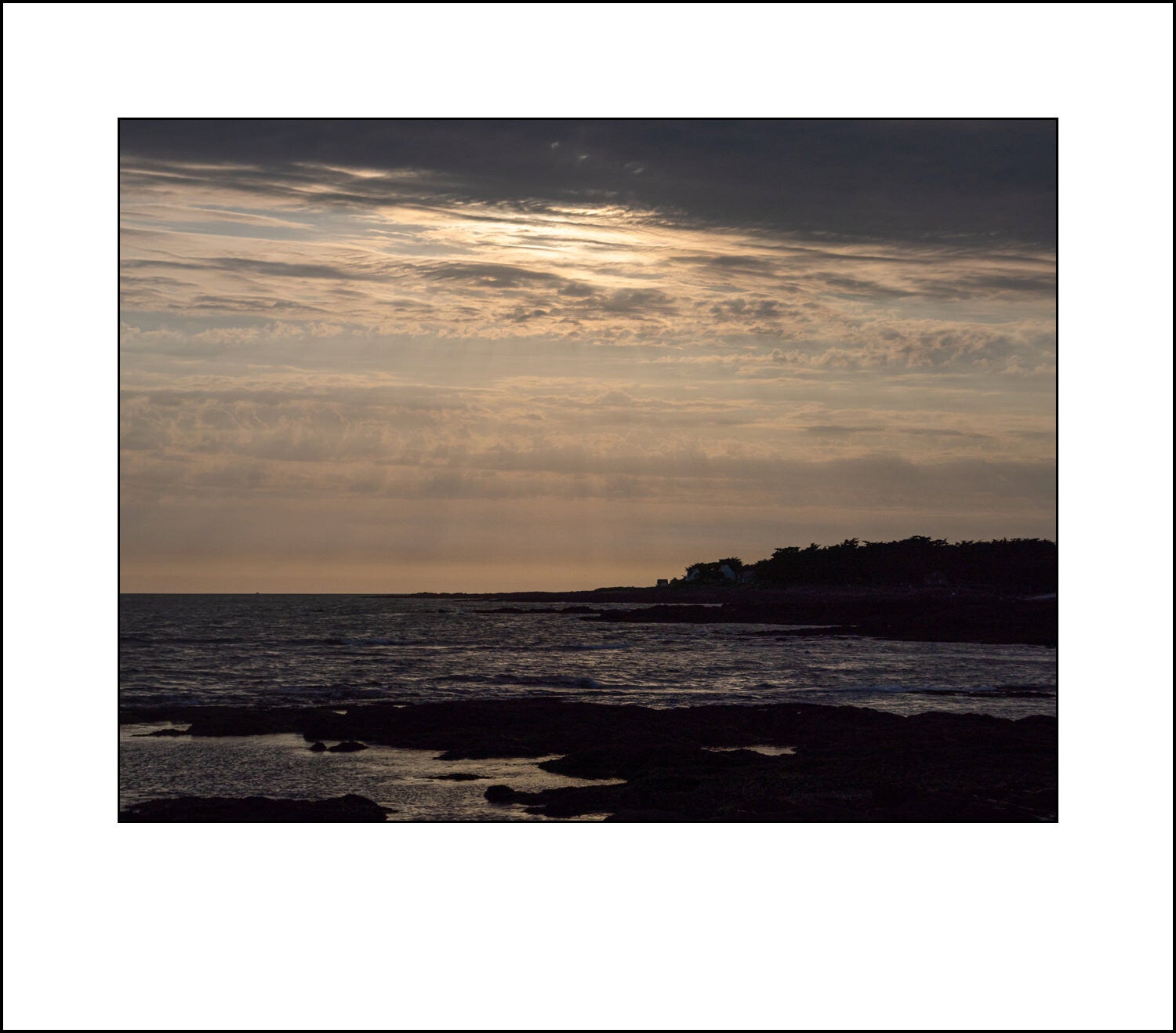
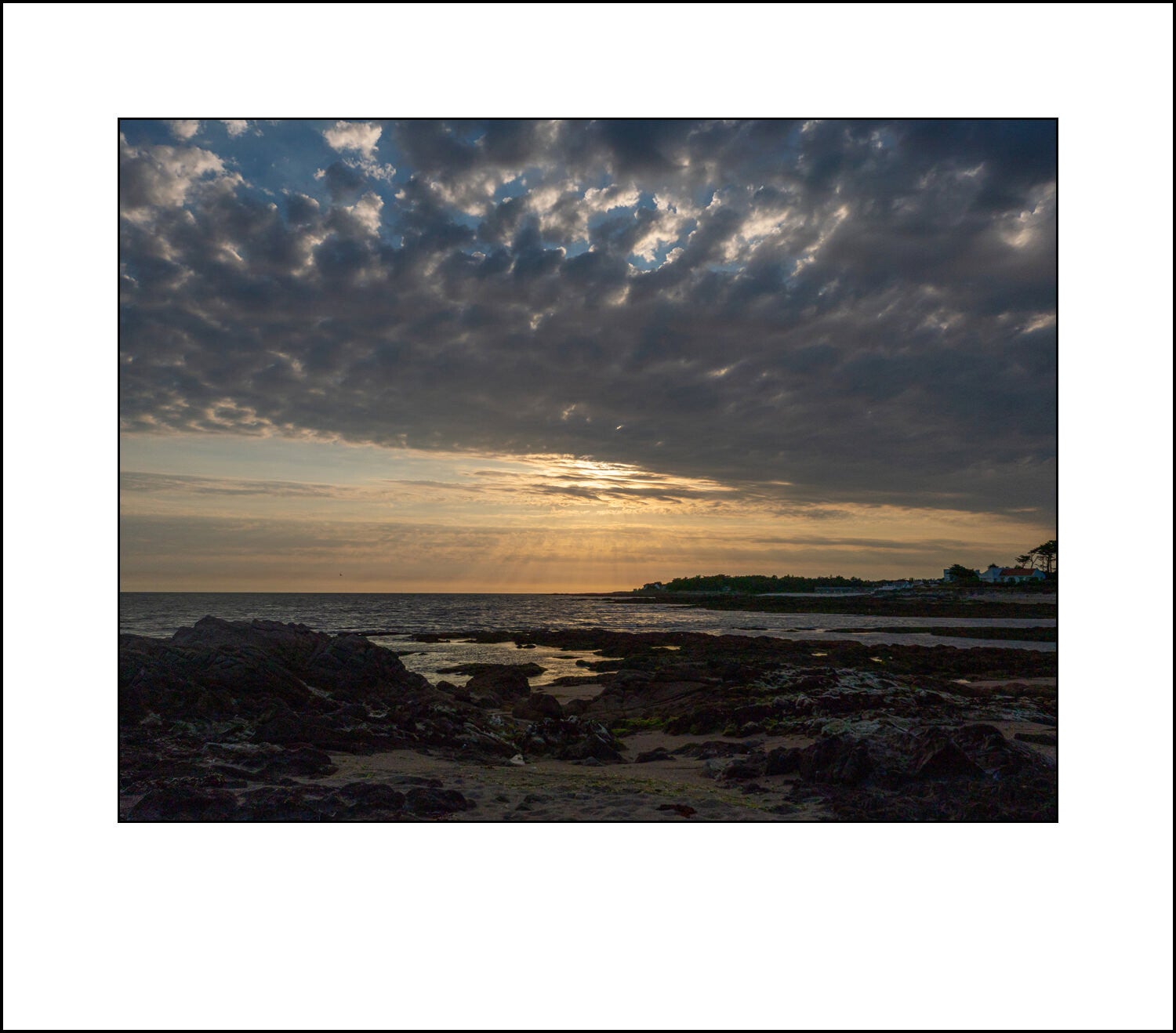
Images taken with the OM-5 Mk I
Lens mounted was the Panasonic Lumix 7-14 f4 (still a fantastic lens even if you can't mount filters on it)
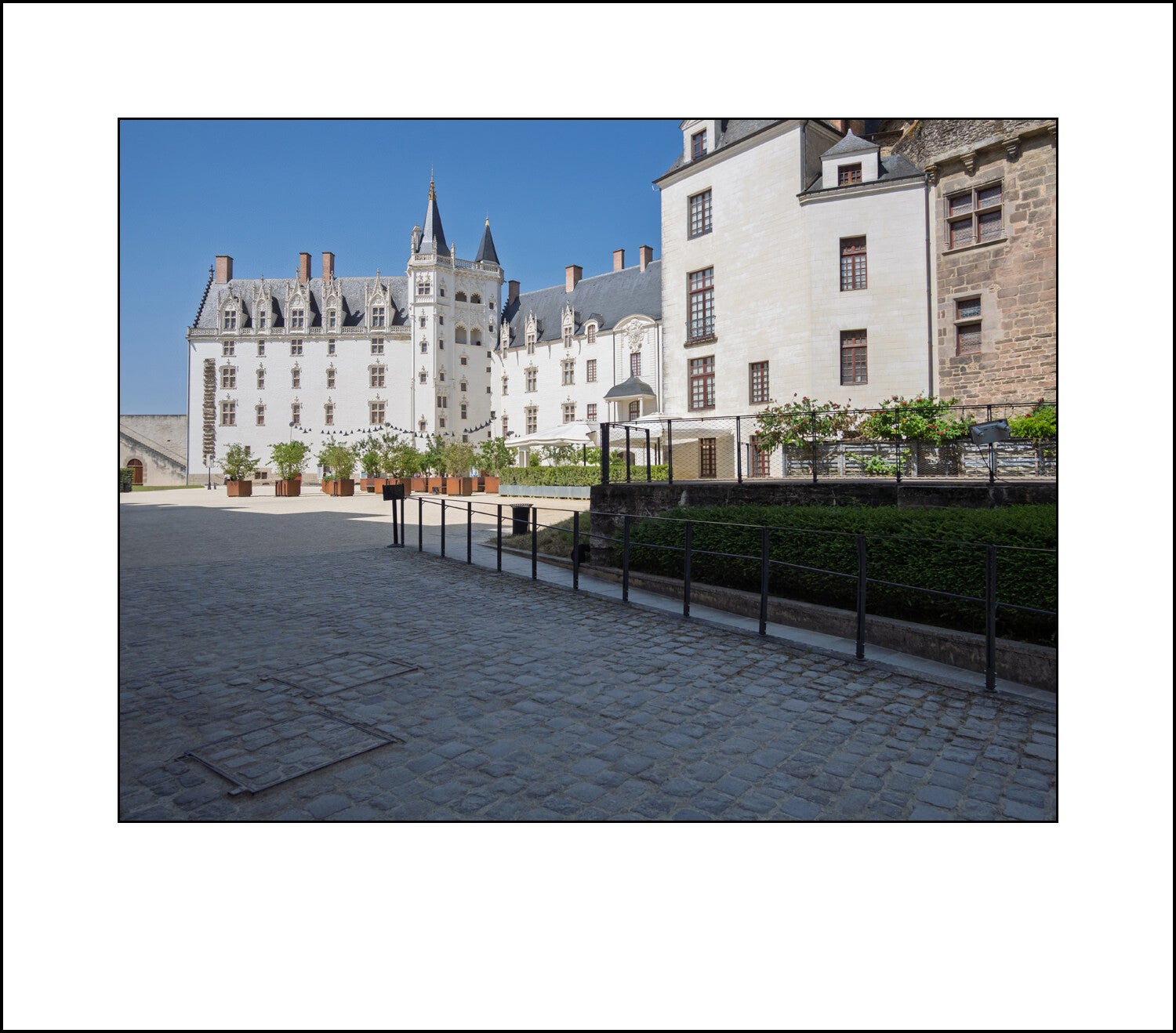
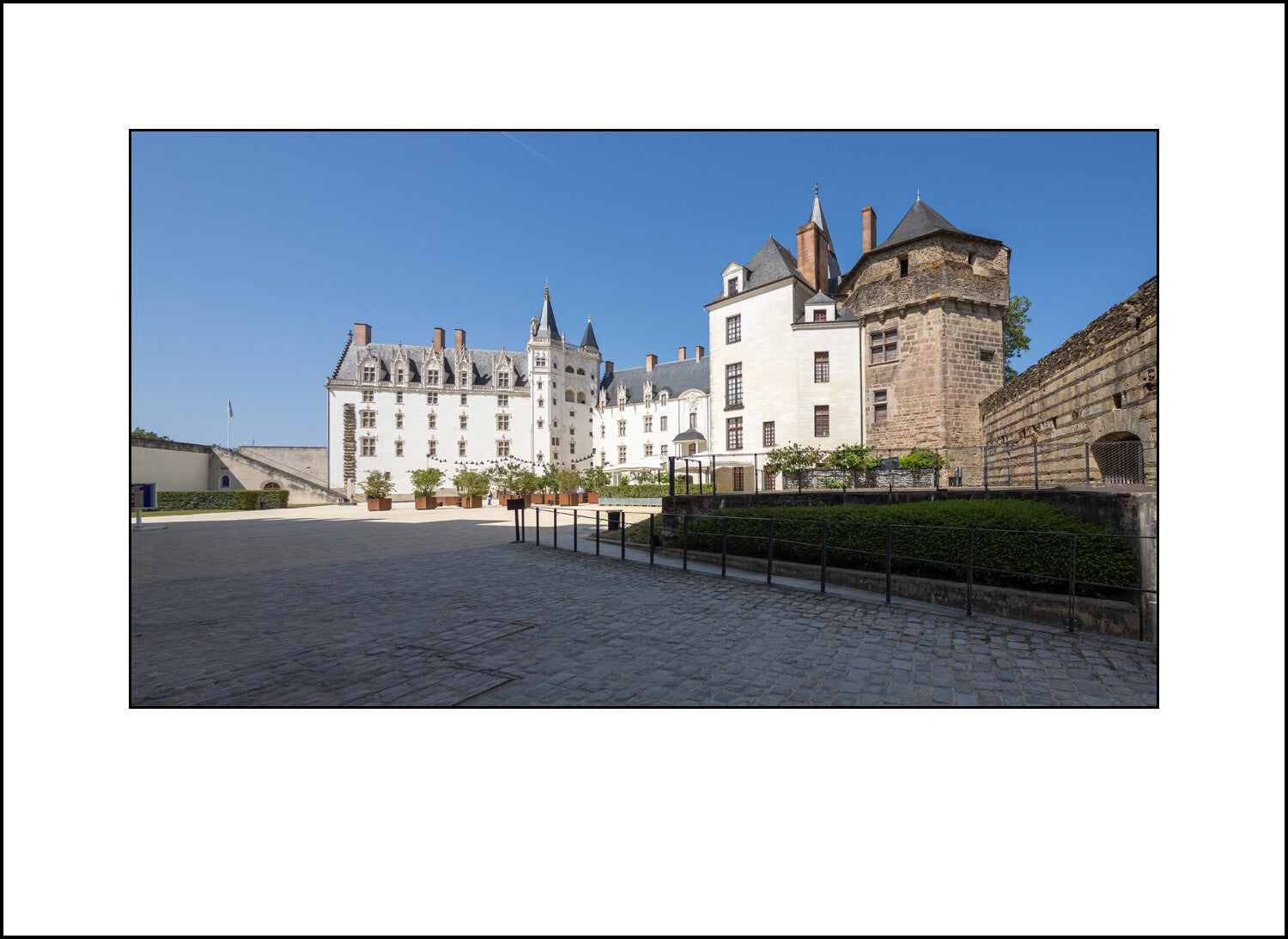
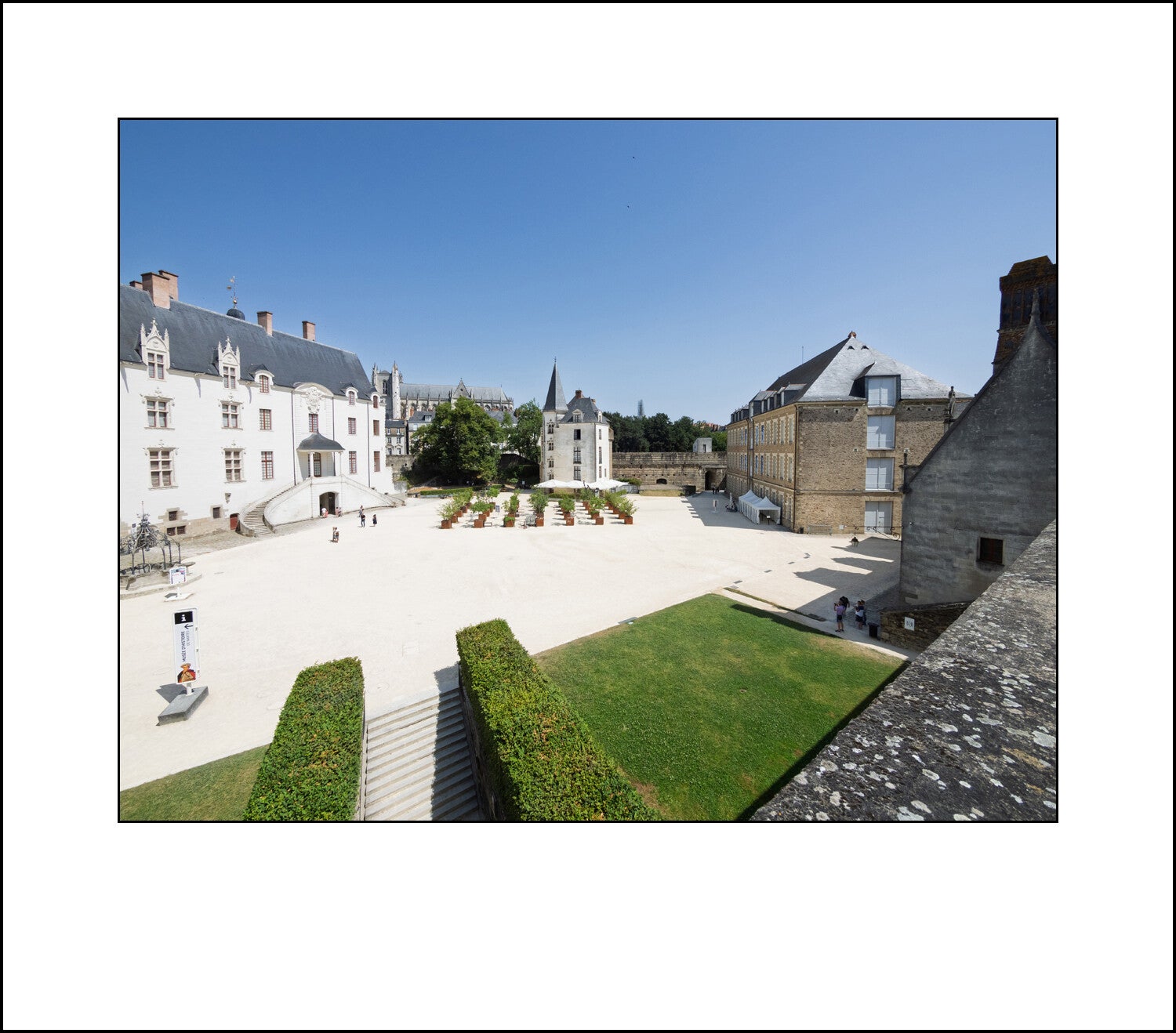
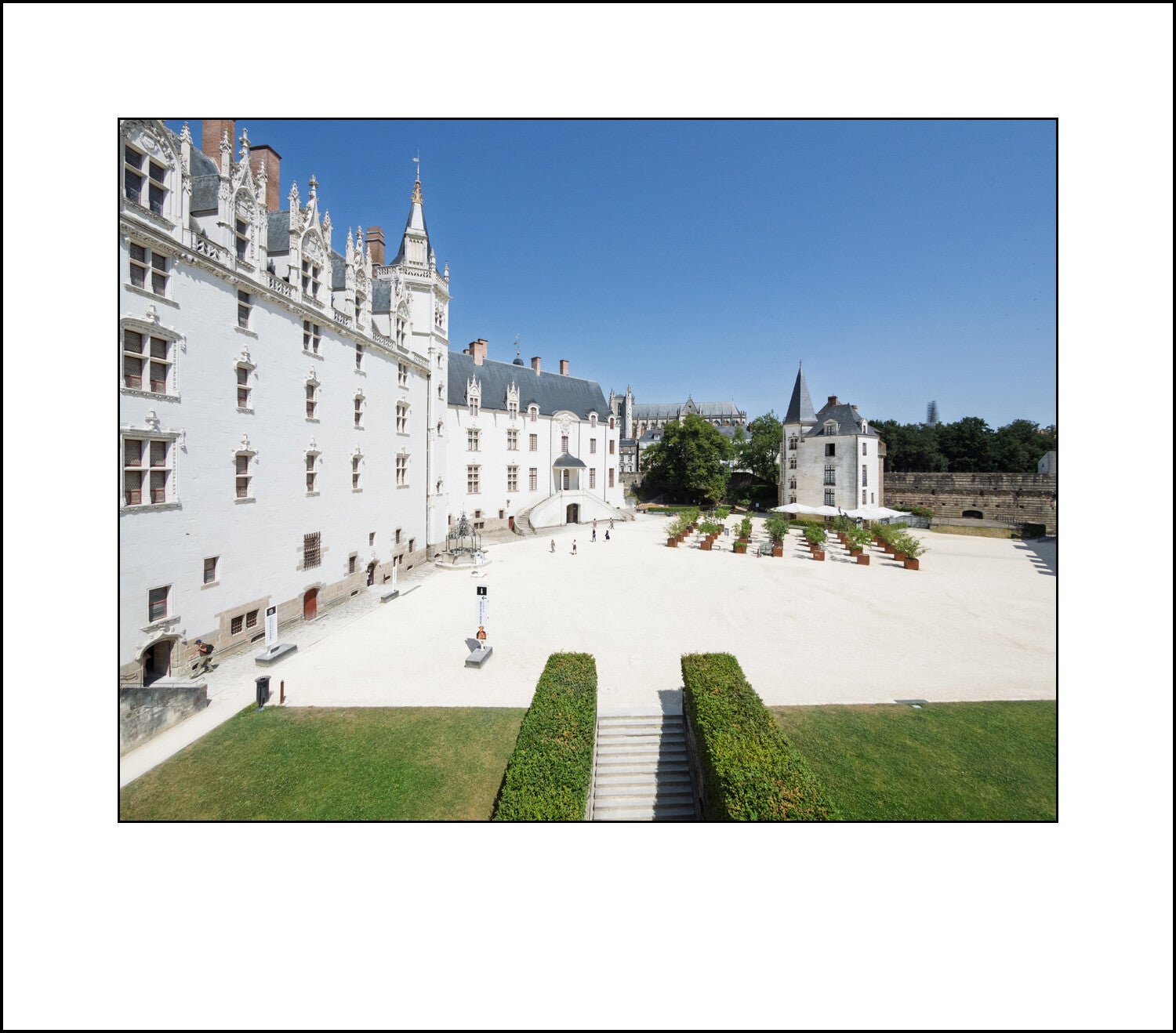
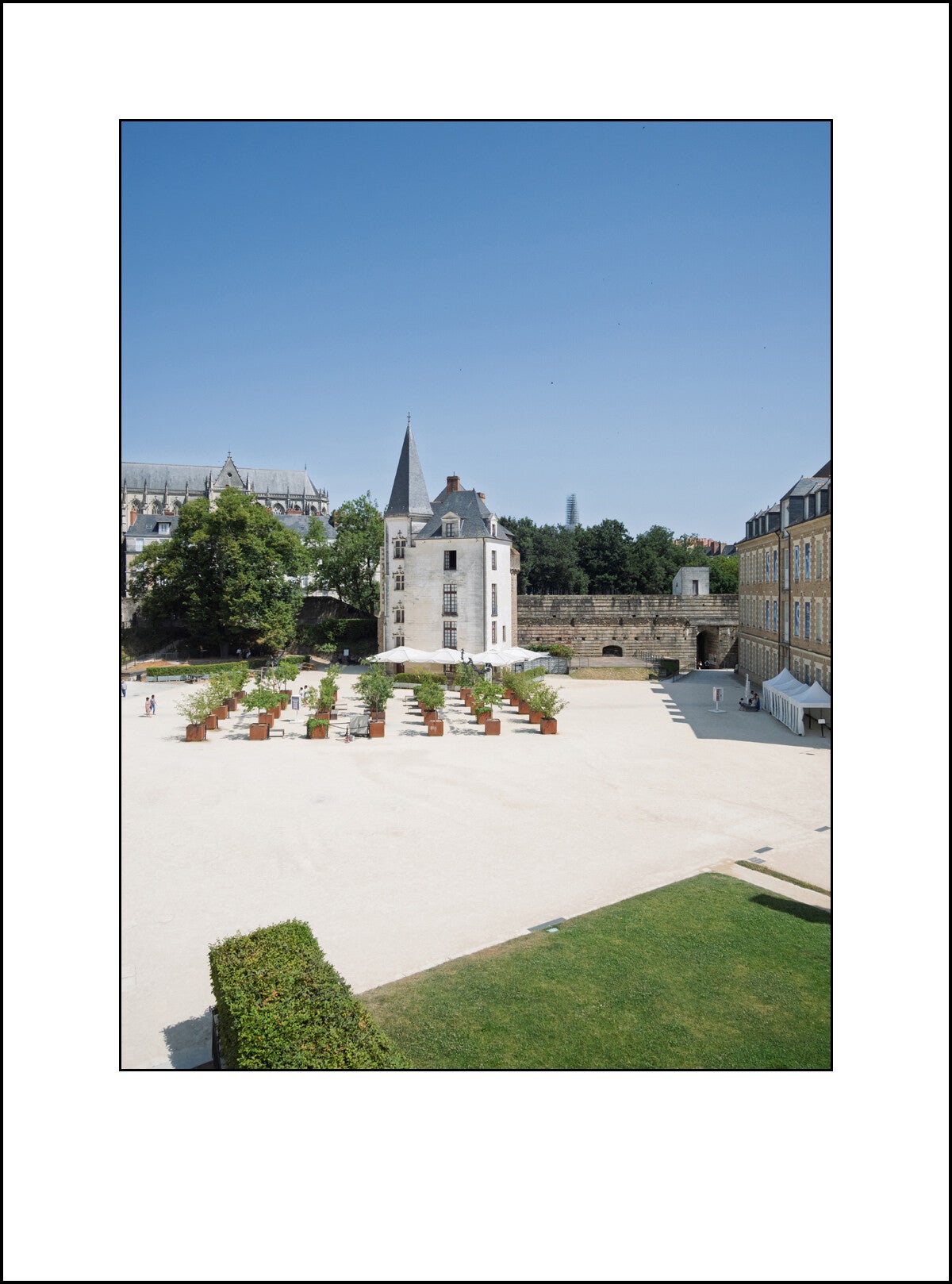
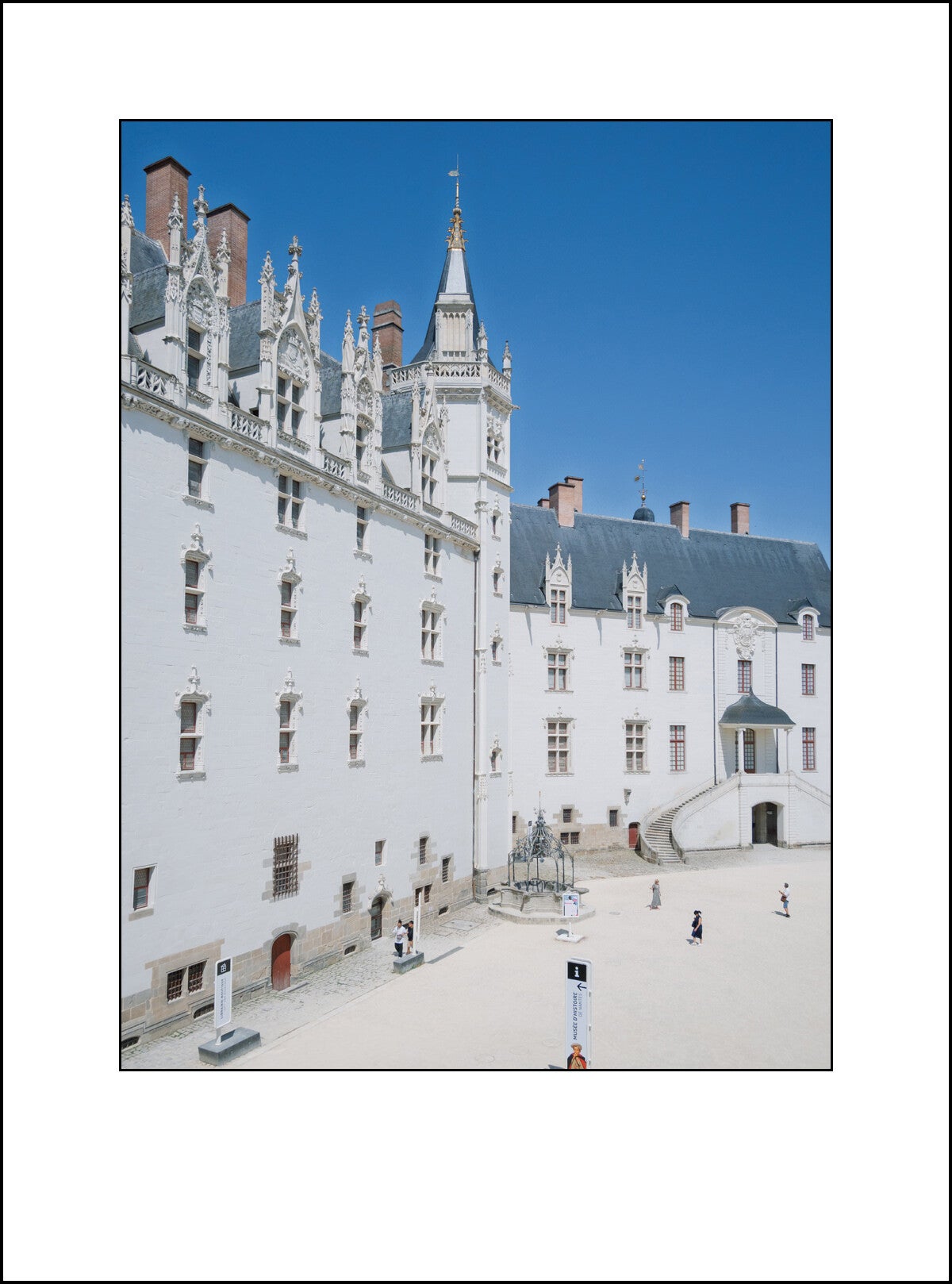
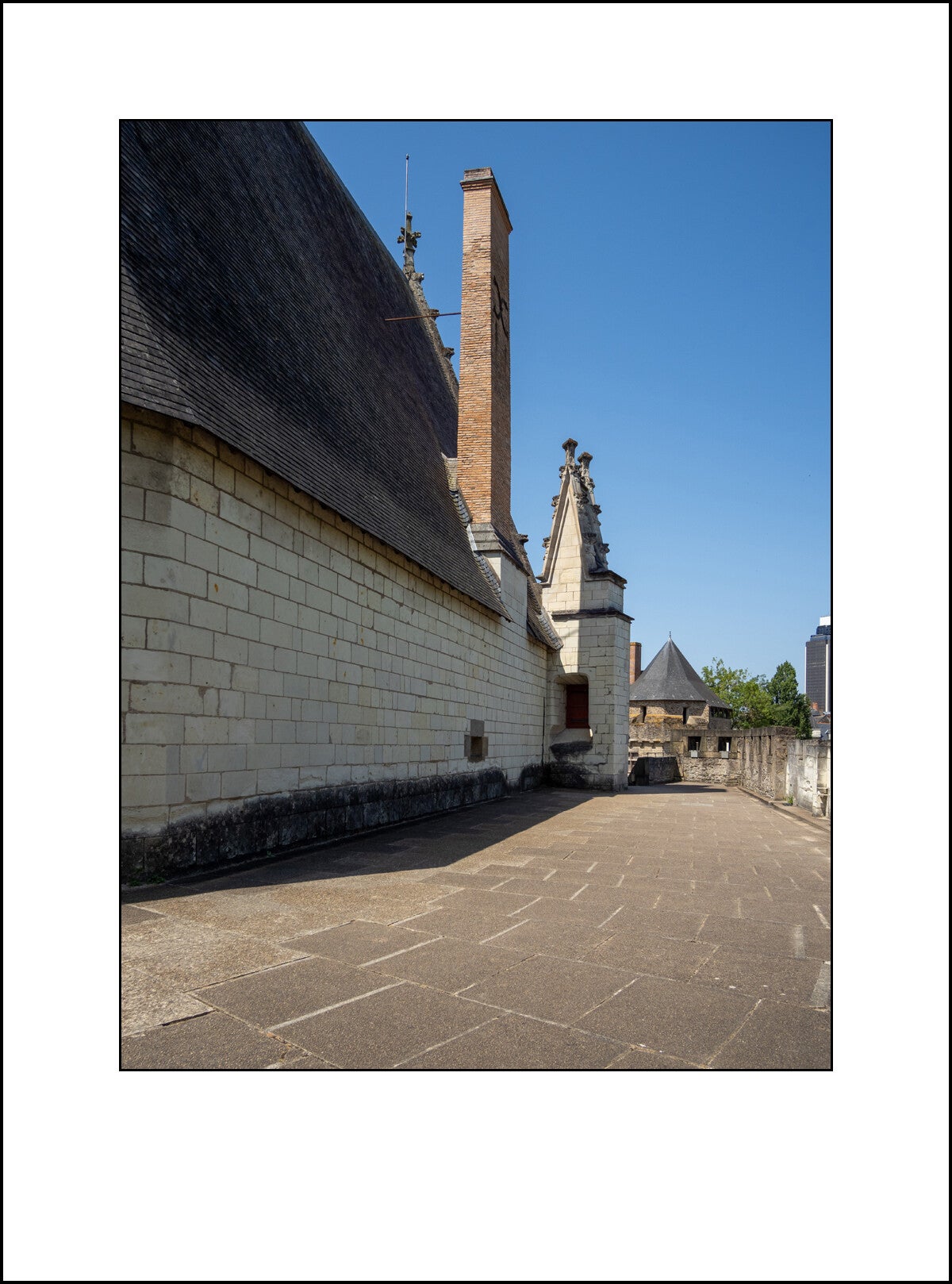
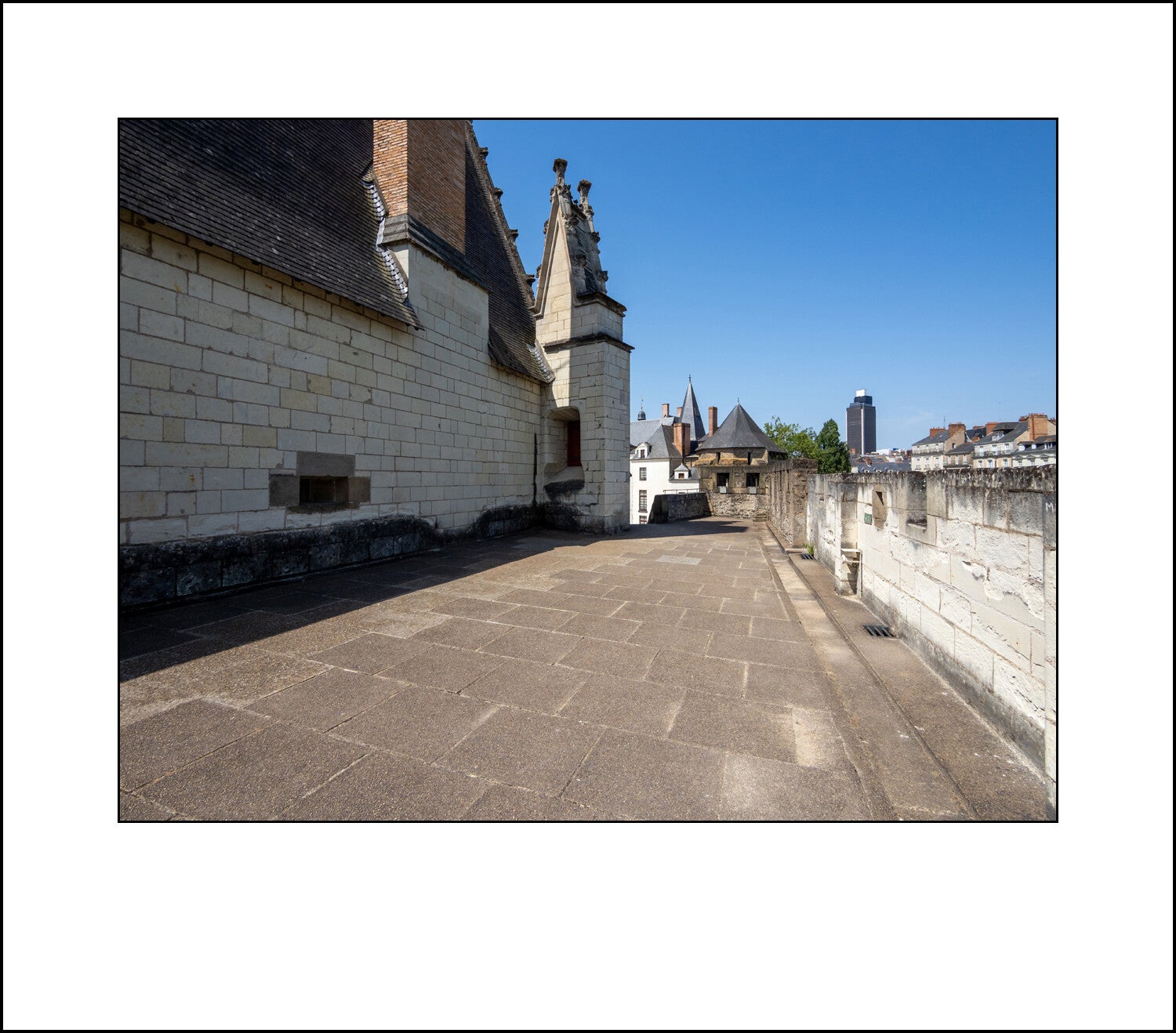
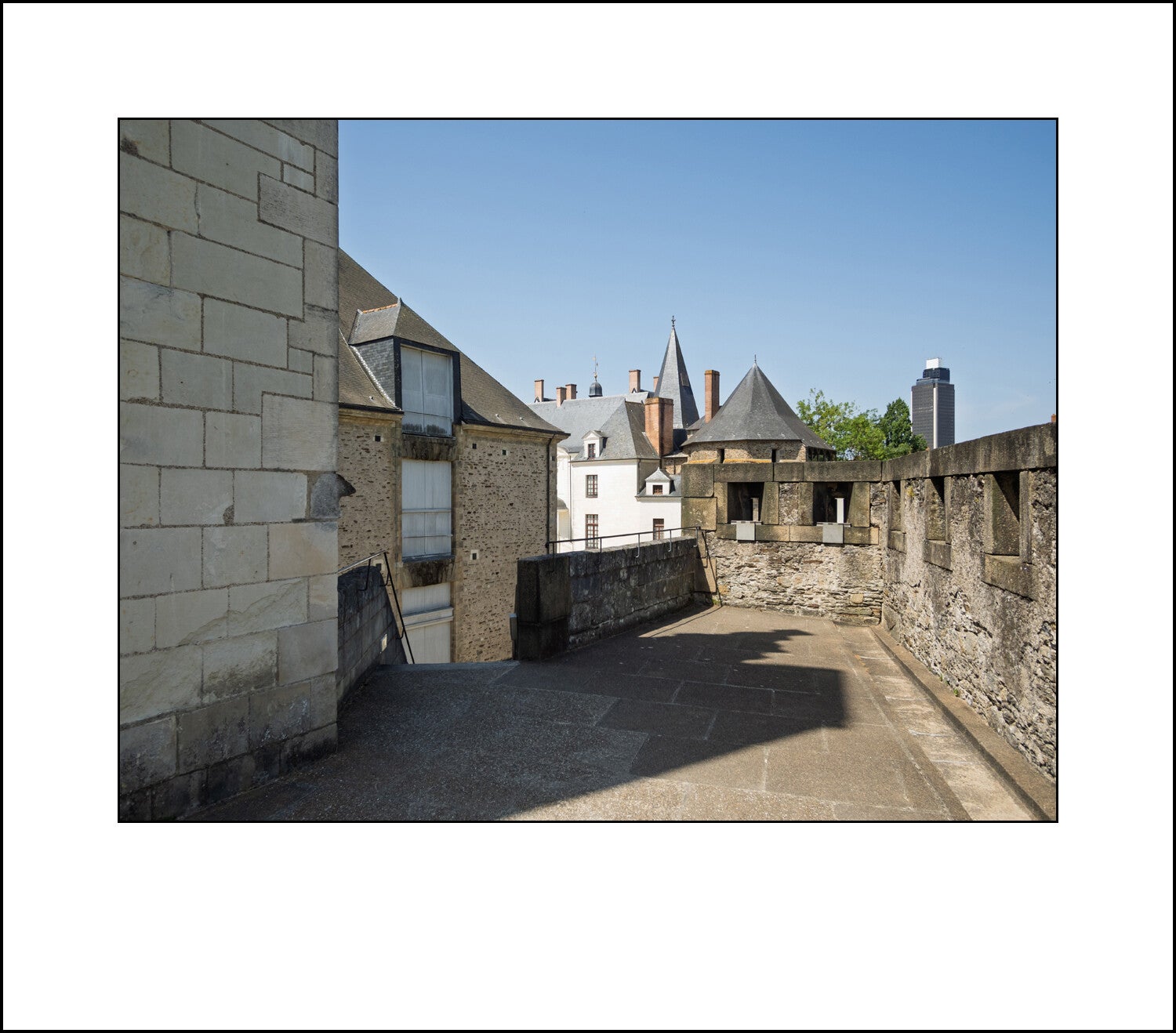
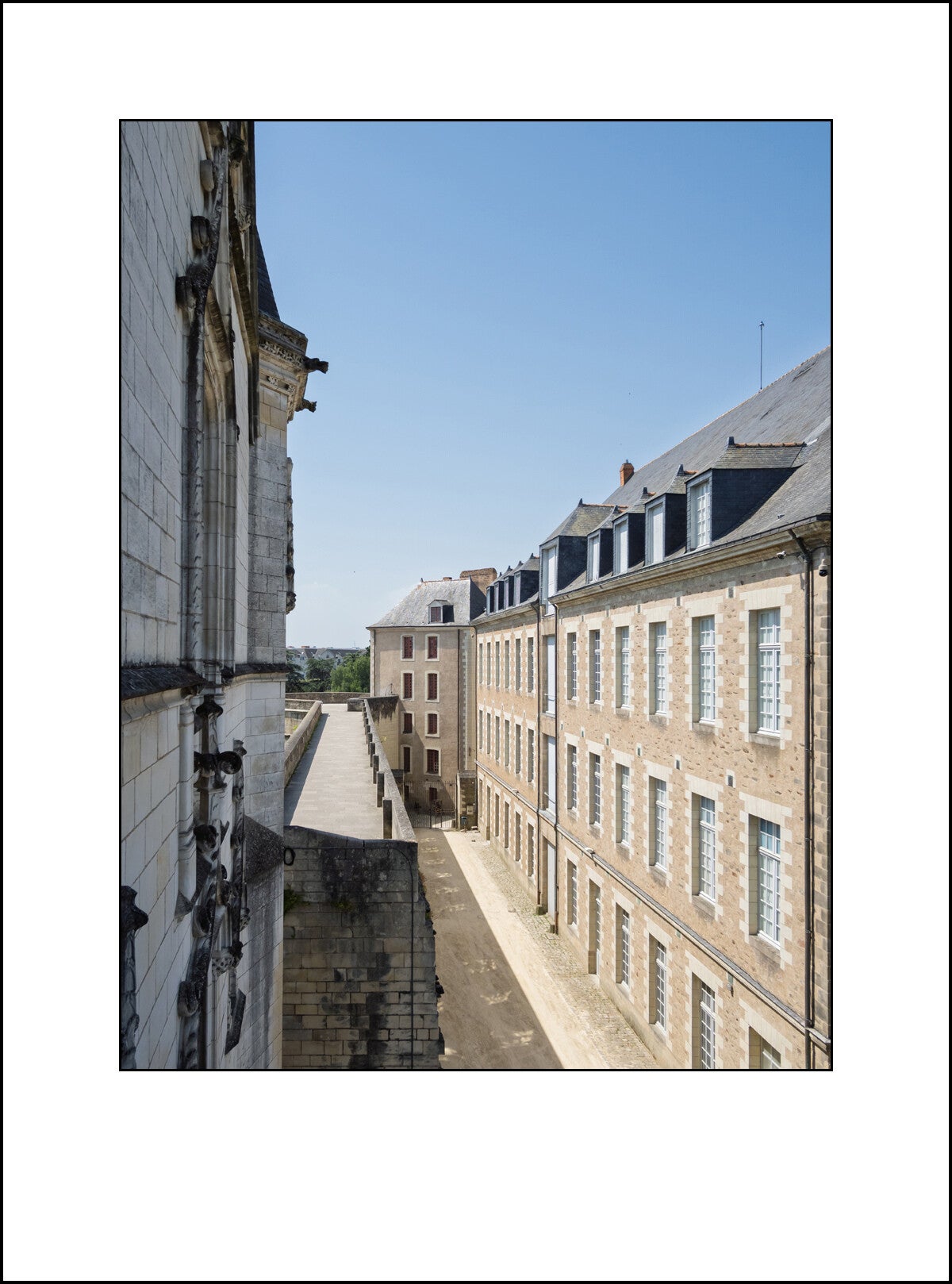
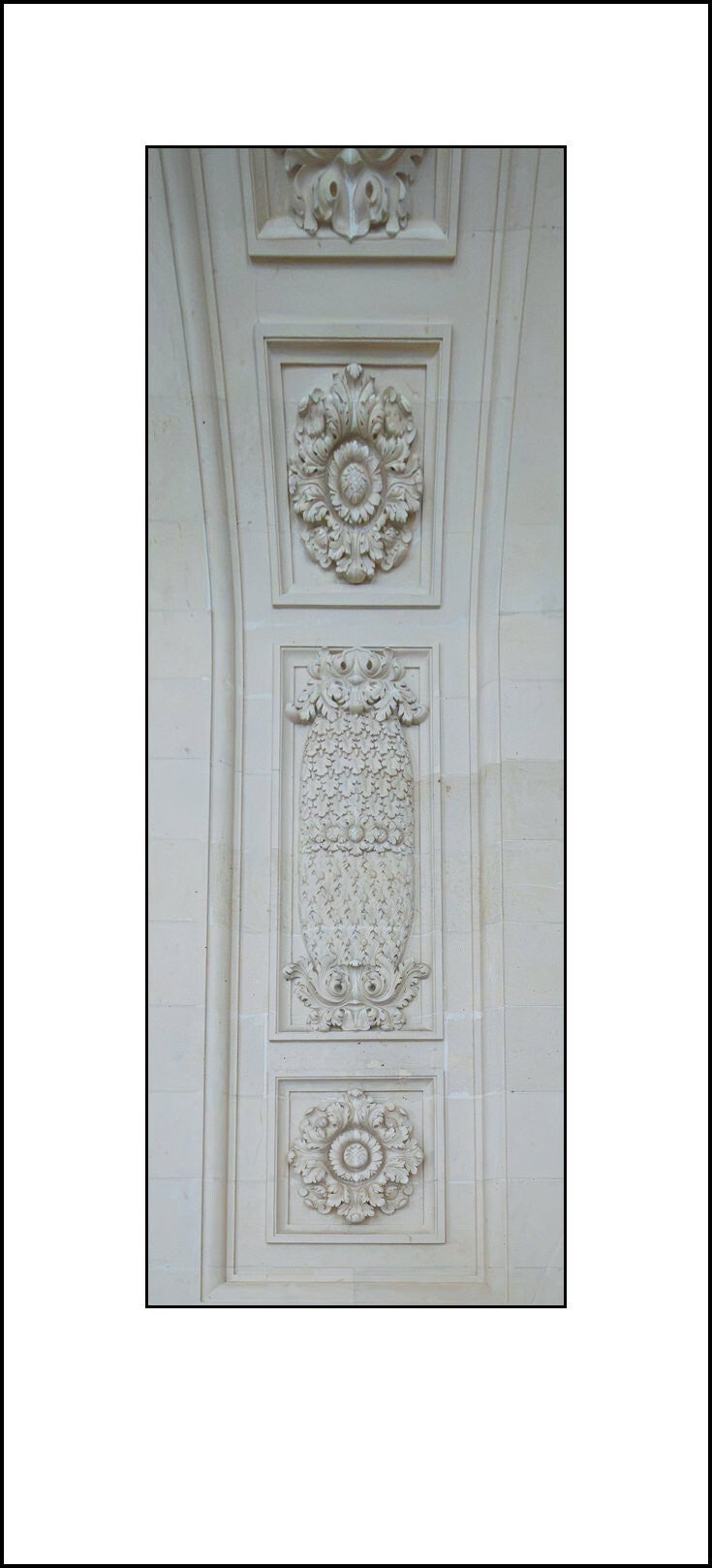
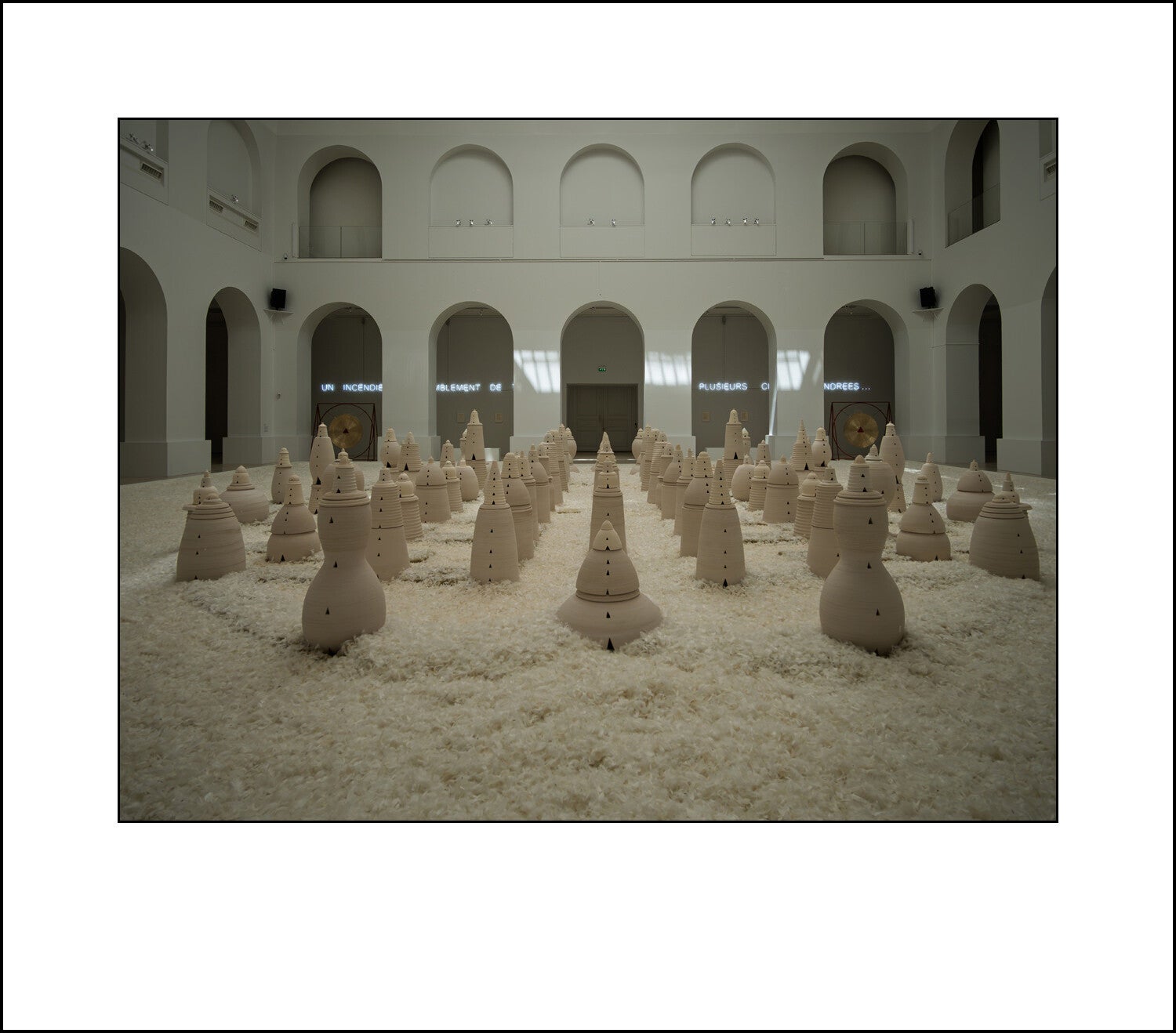
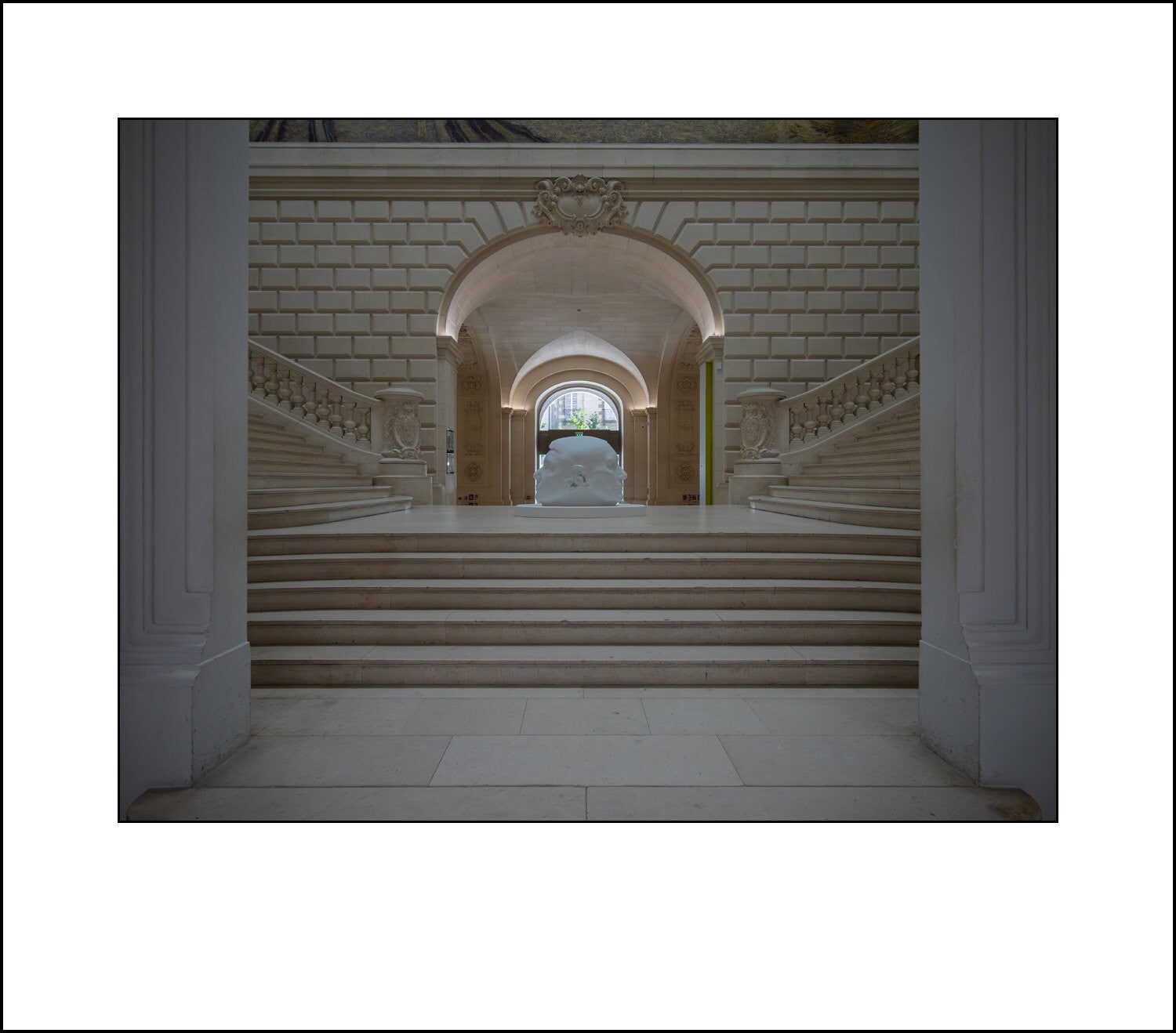
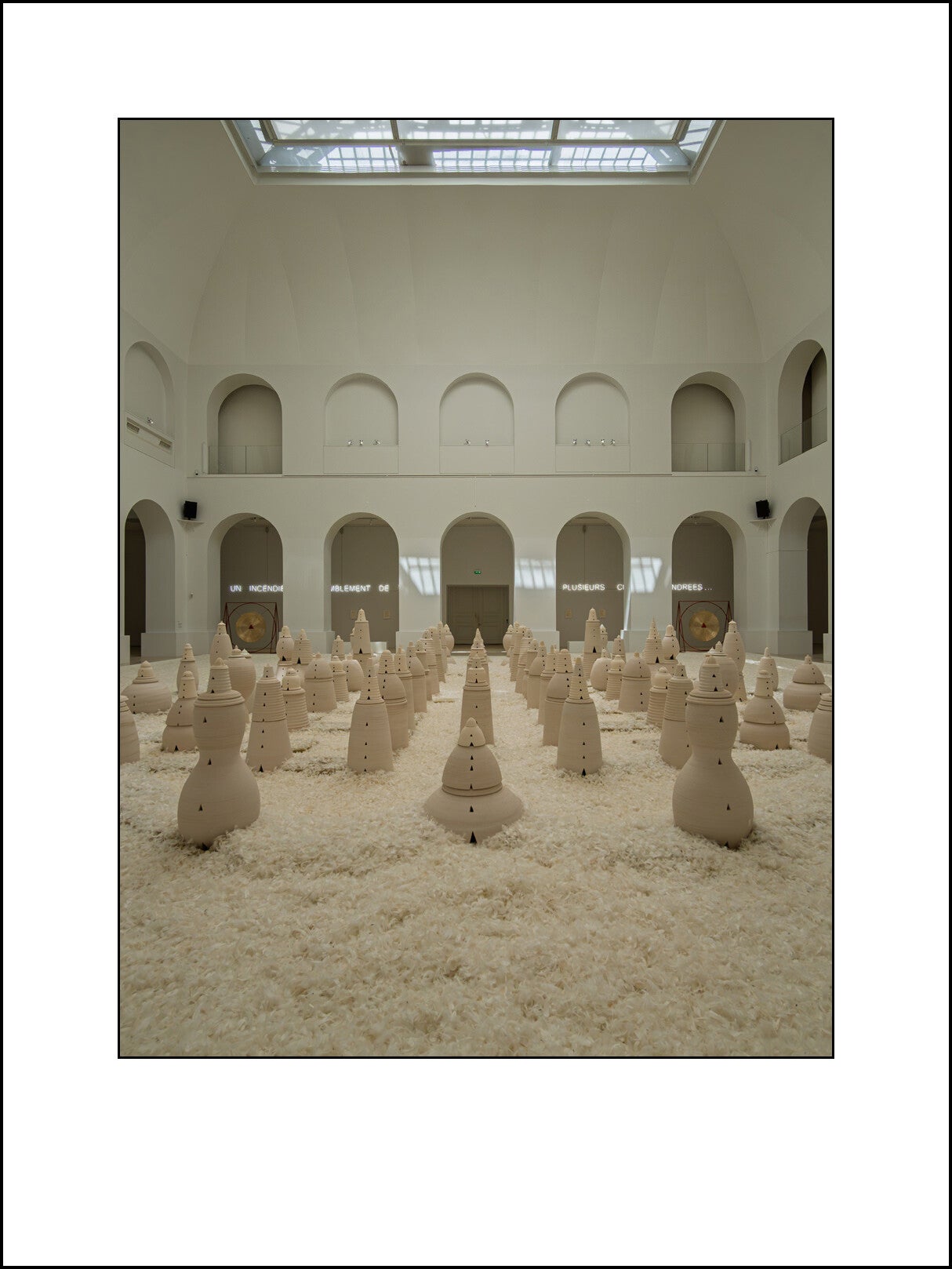
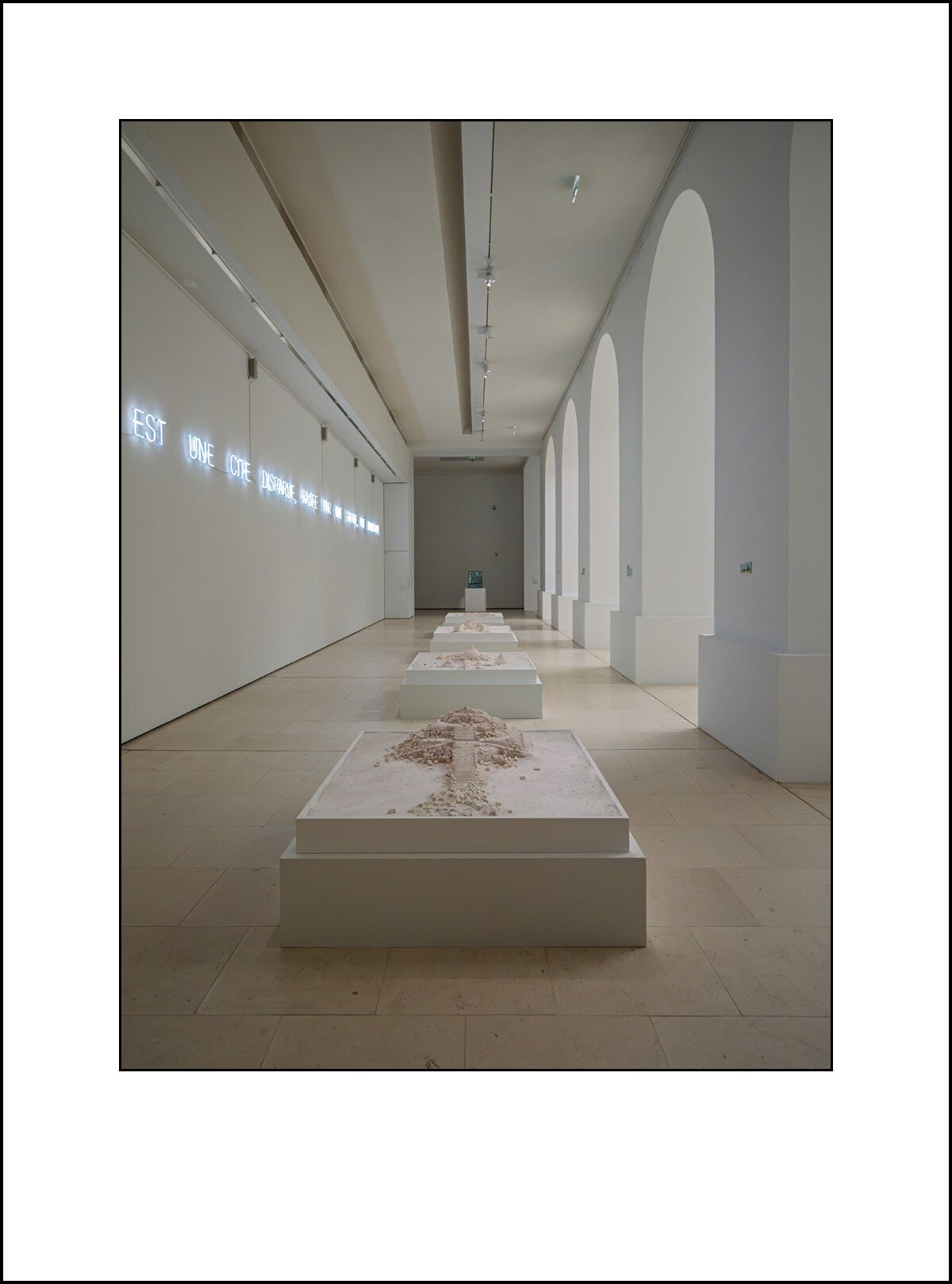
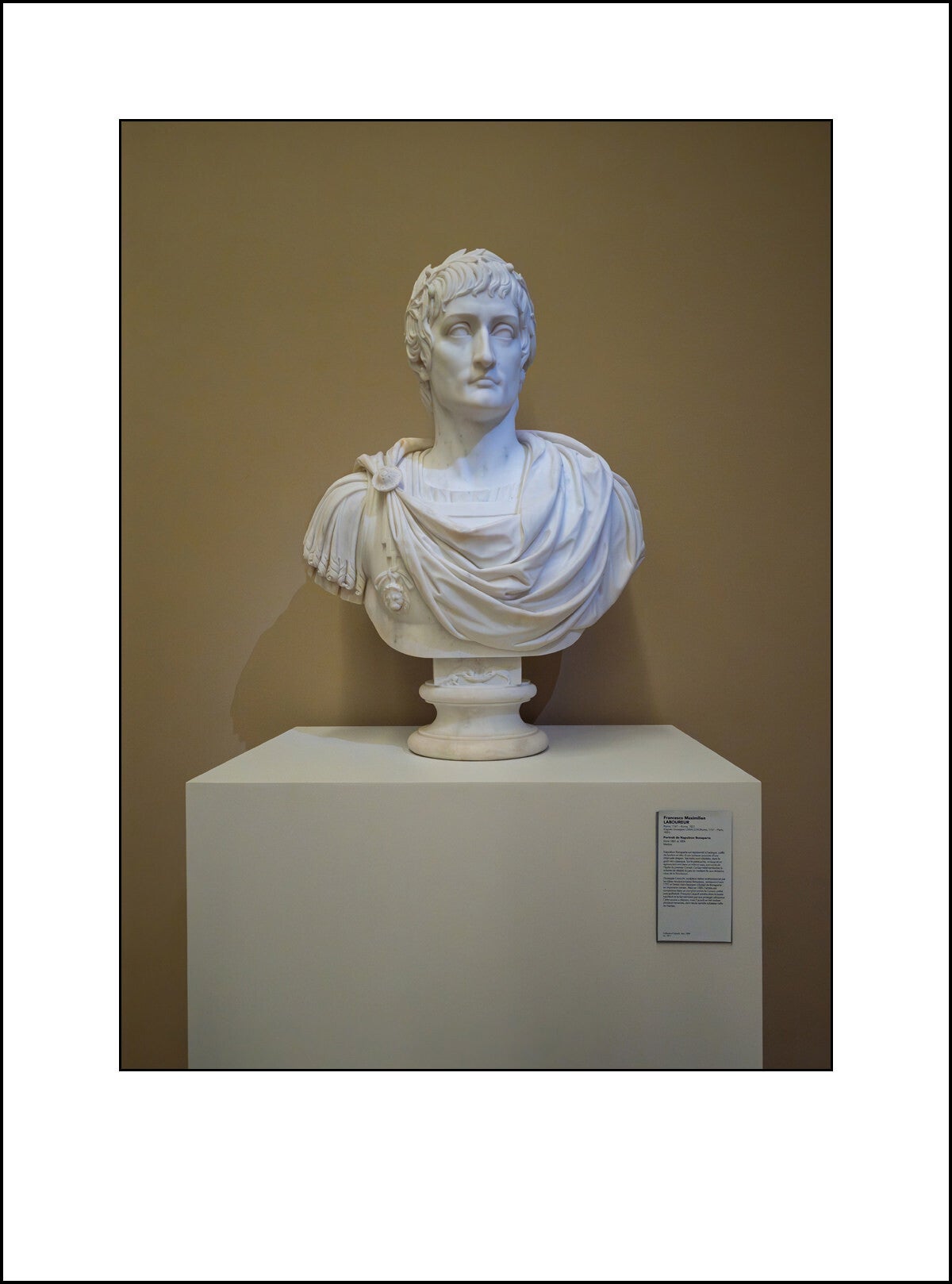
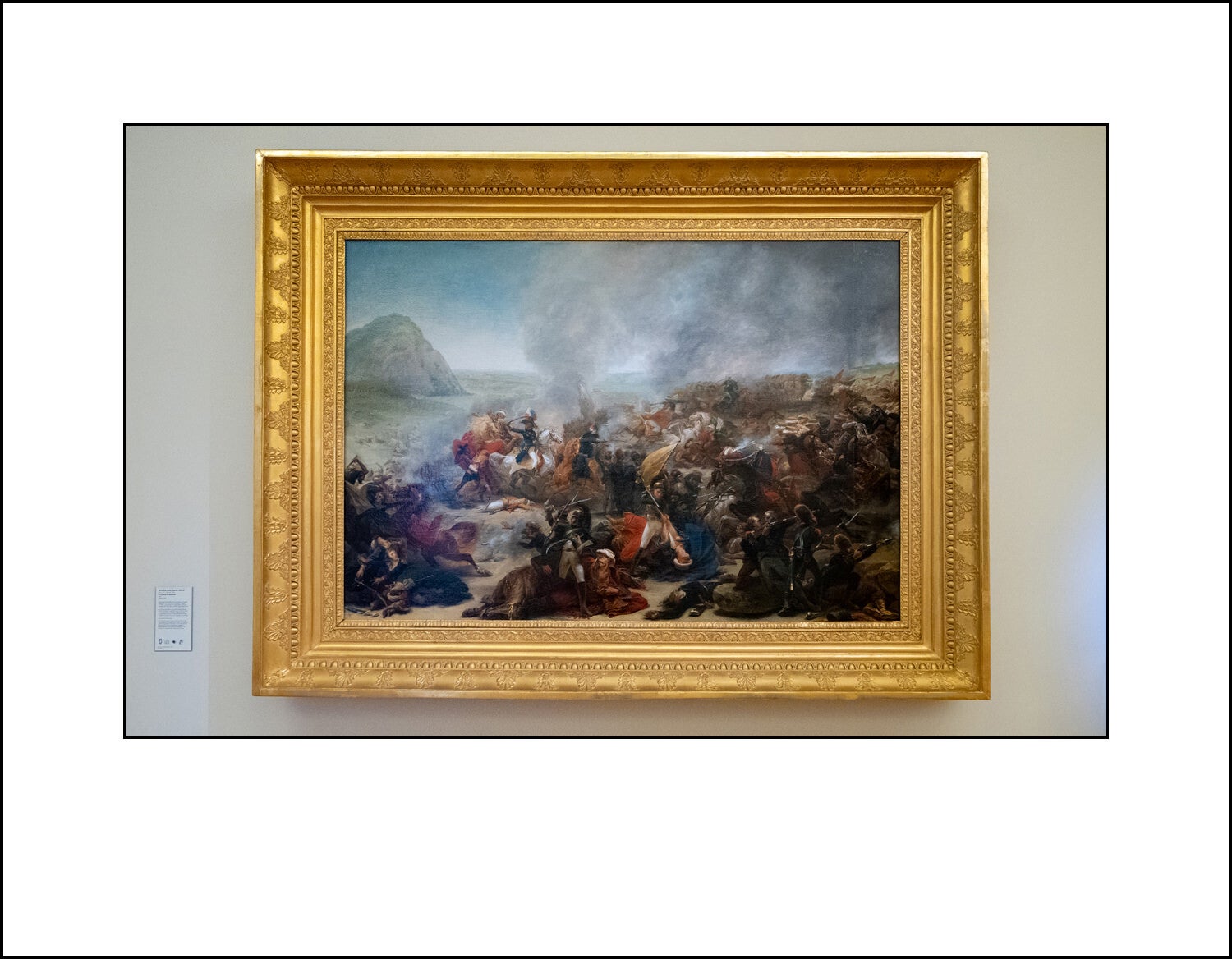
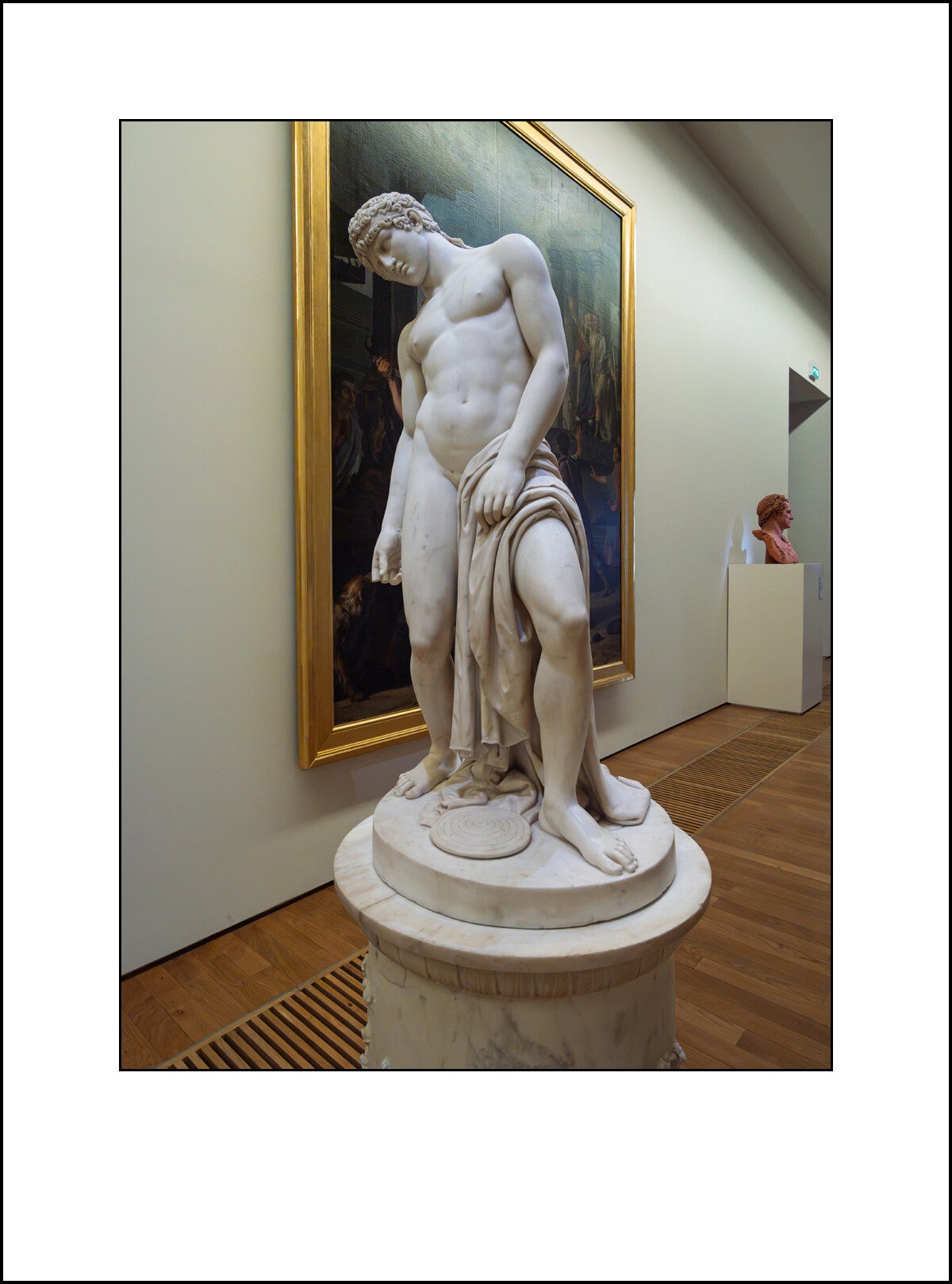
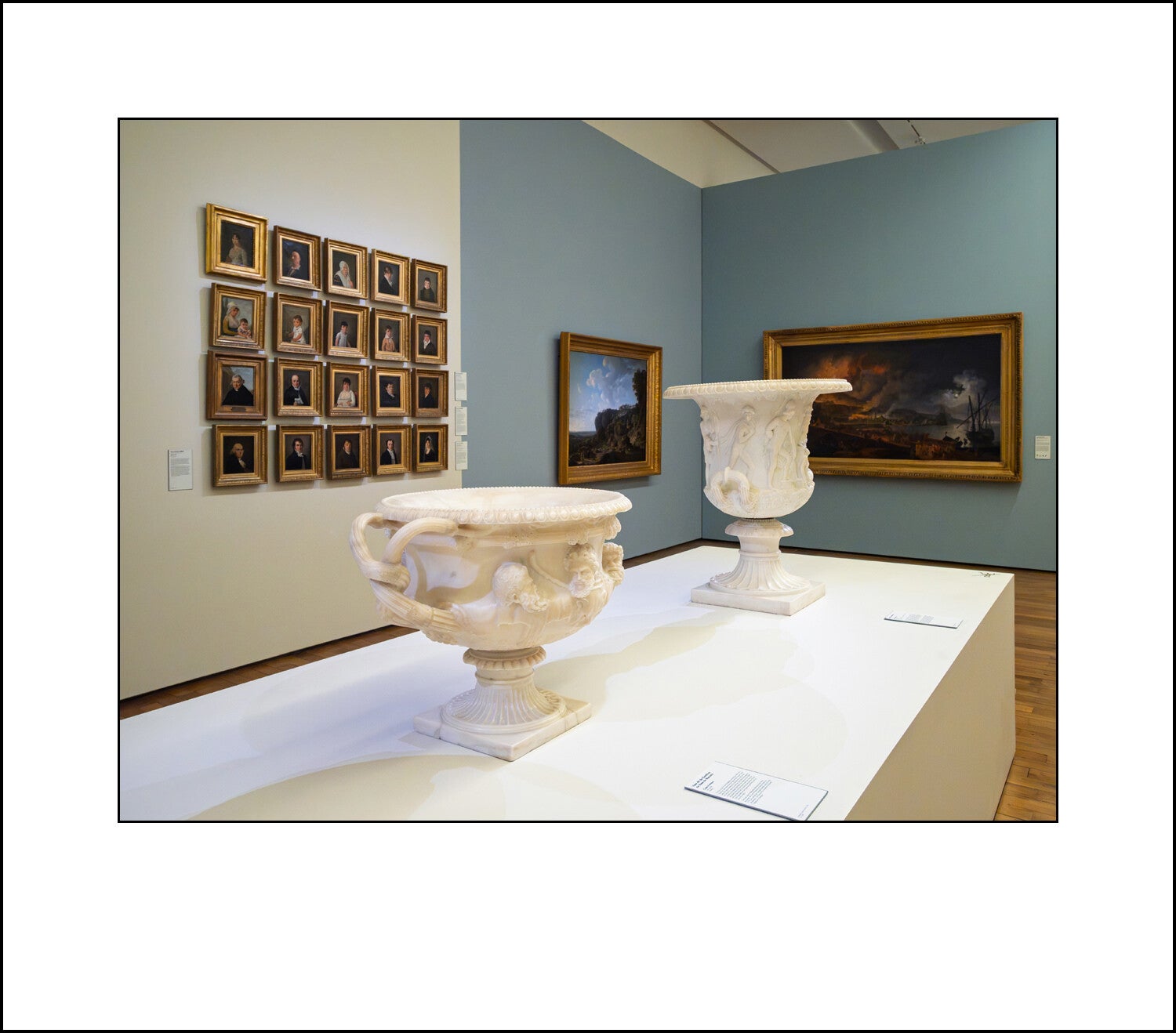
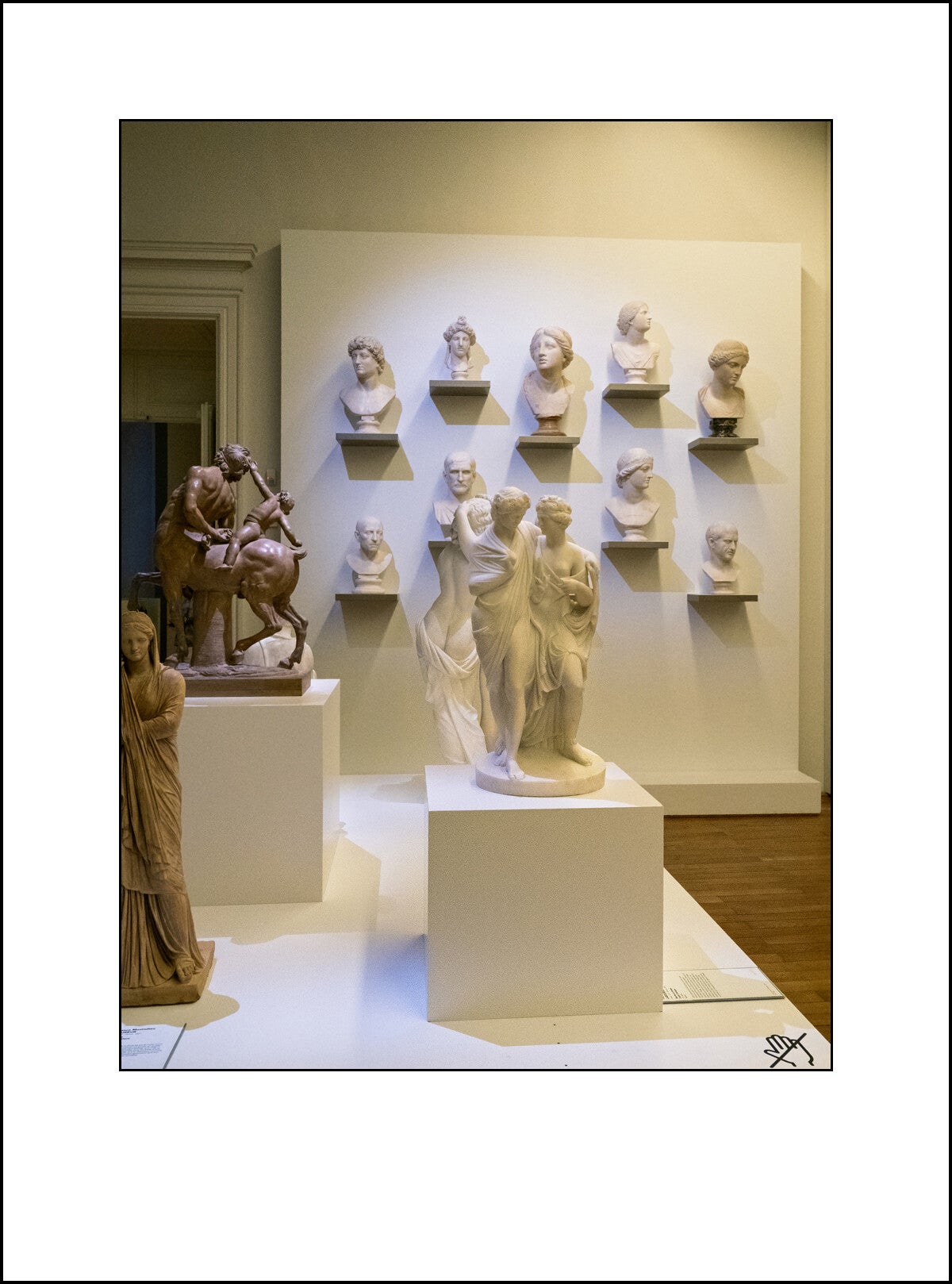
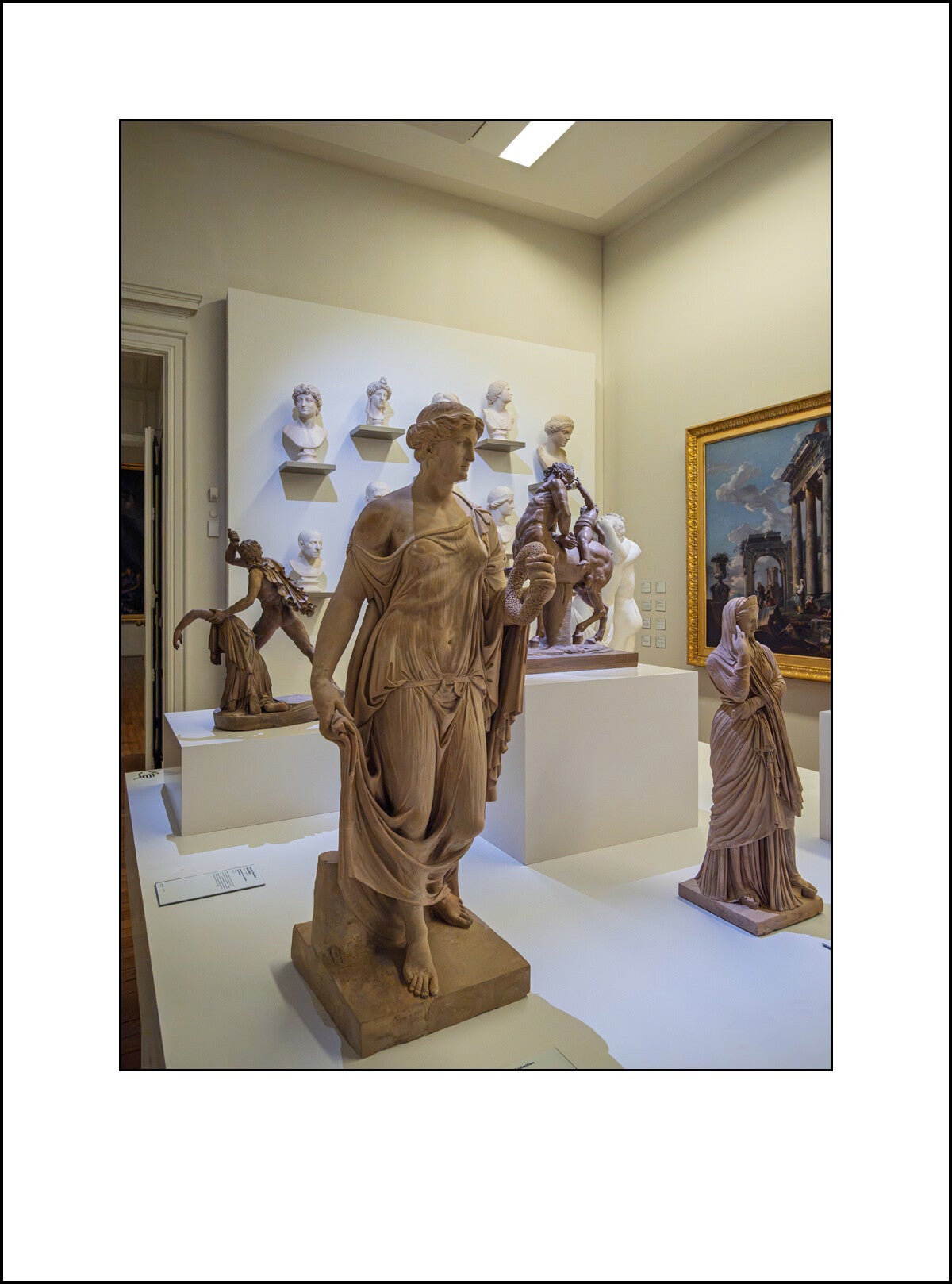
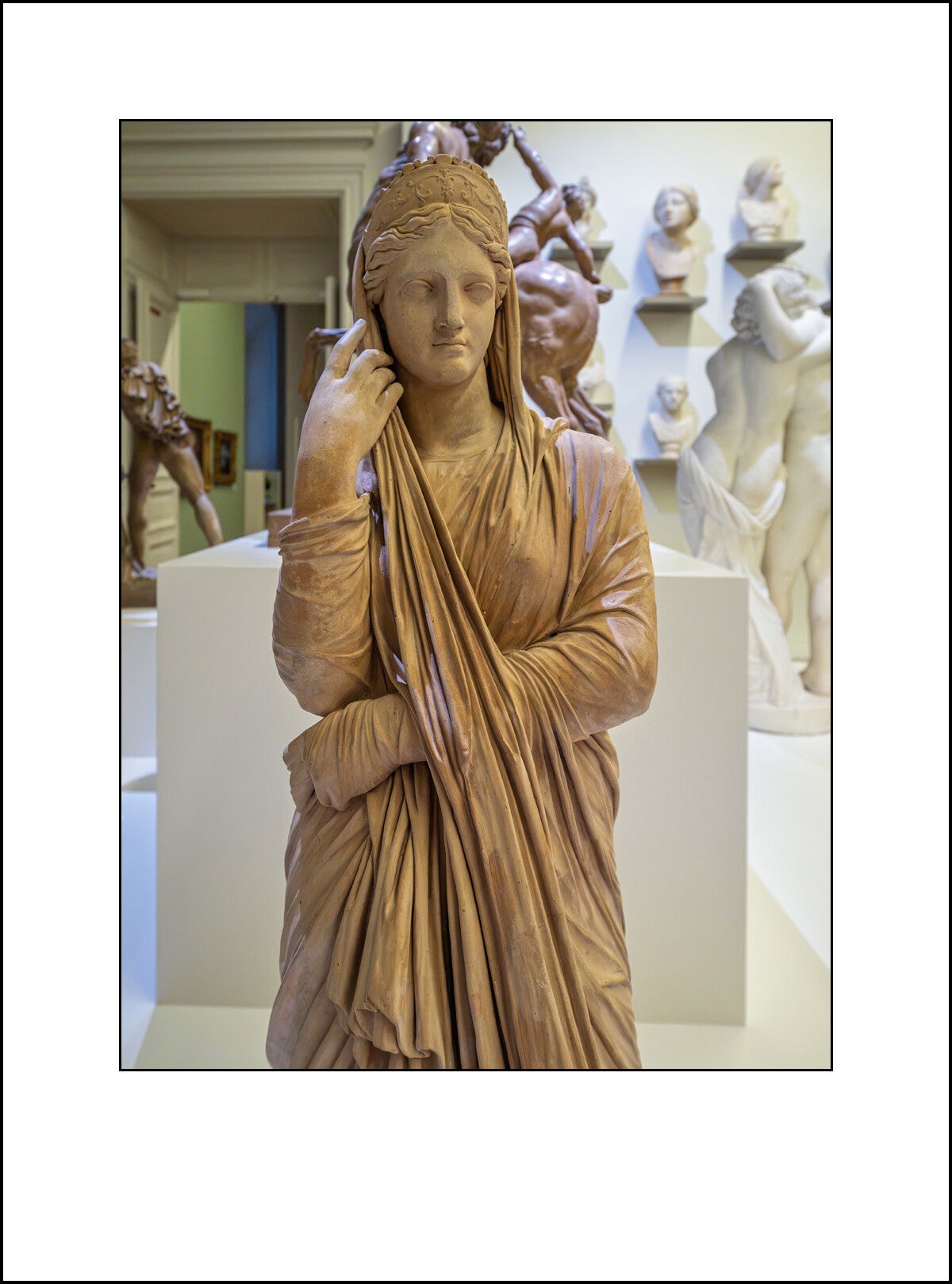
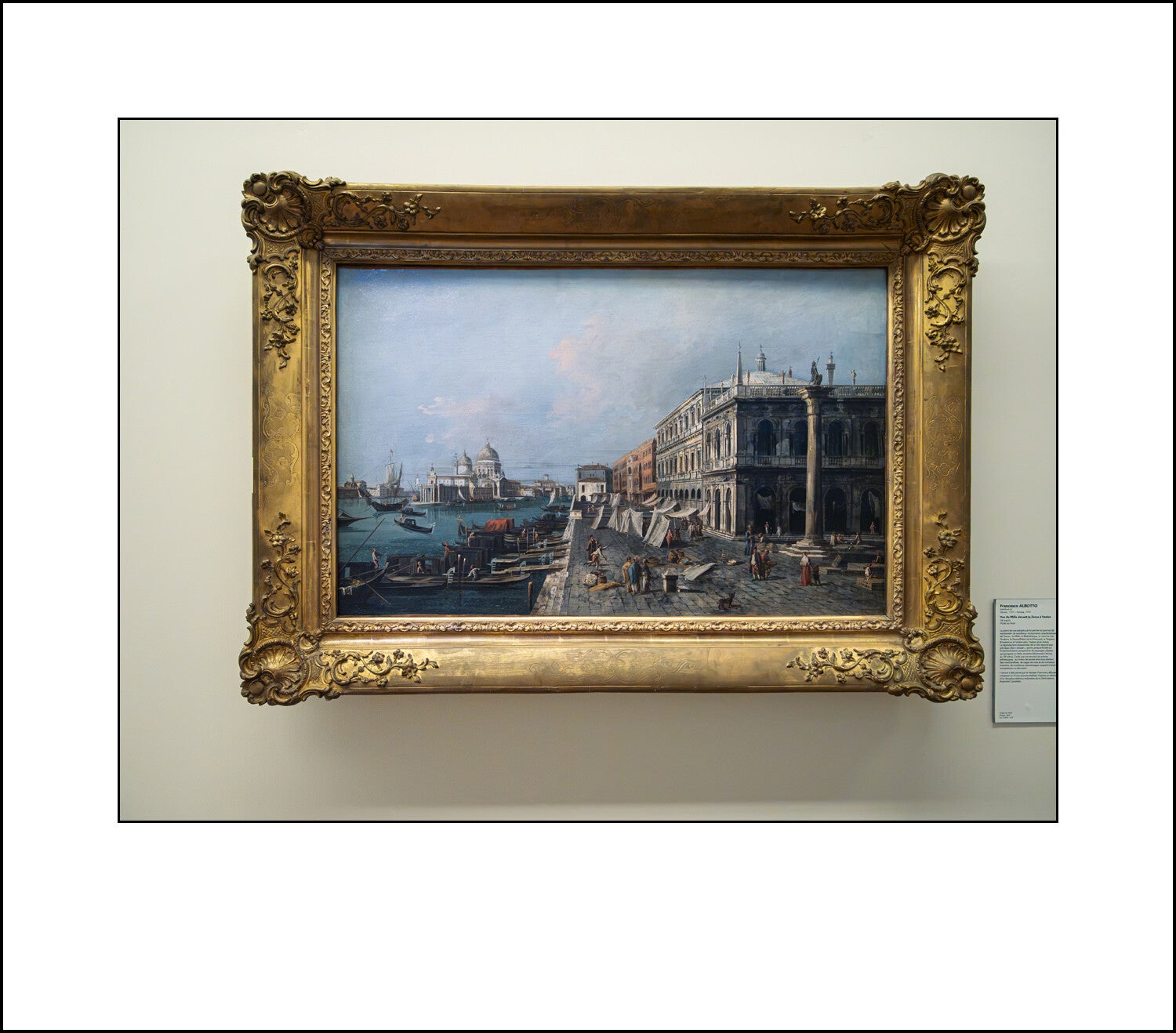
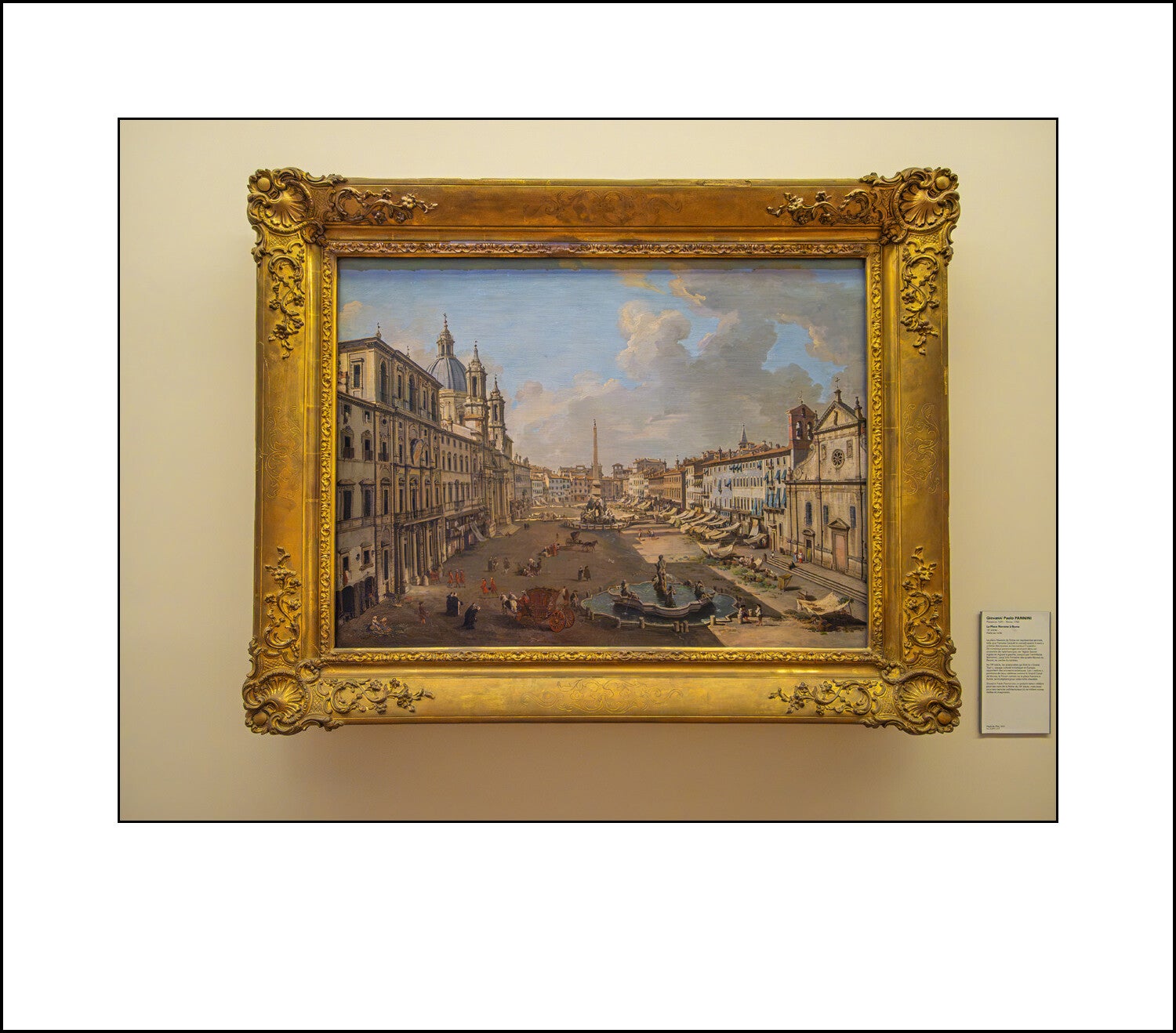
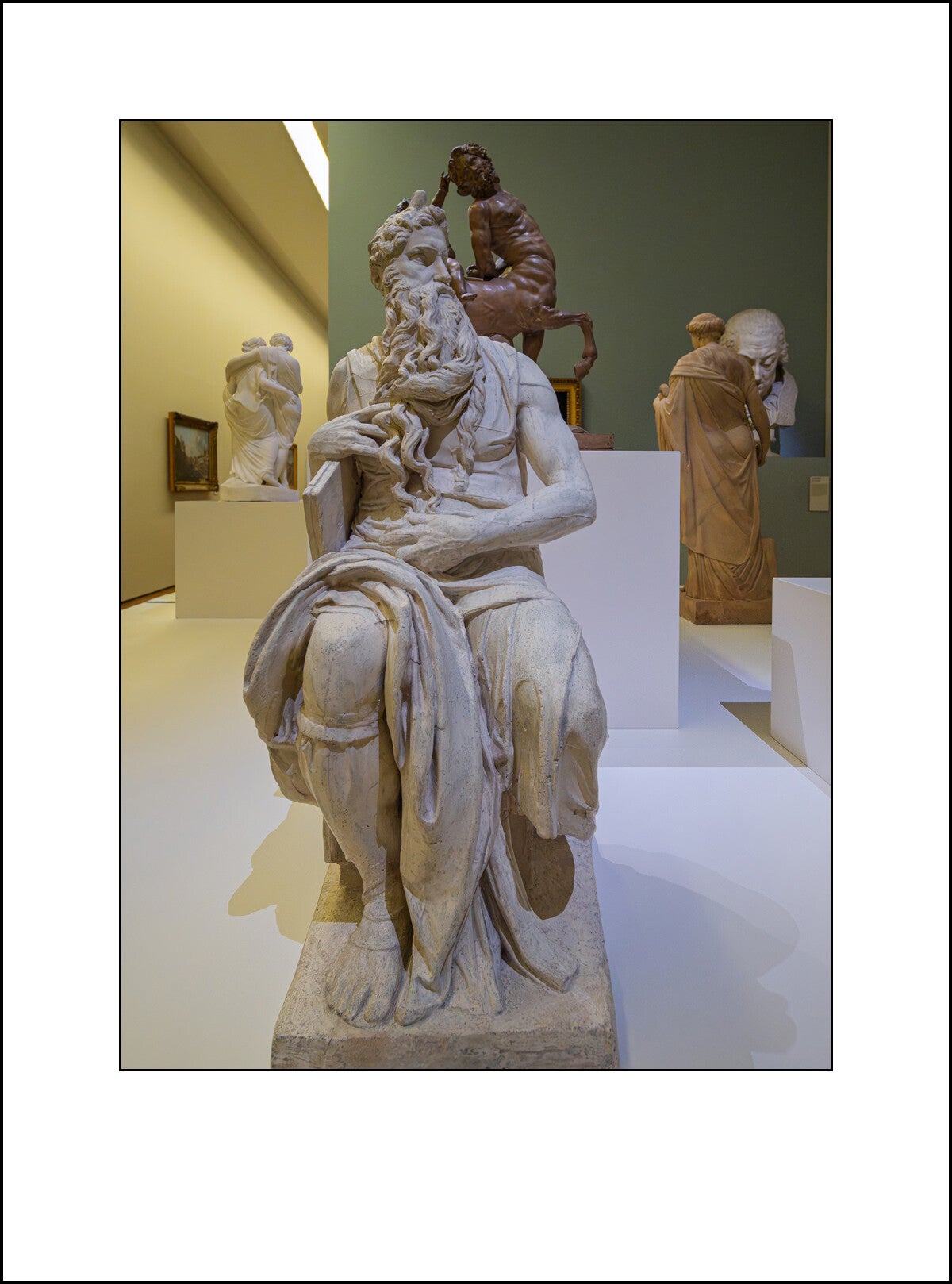
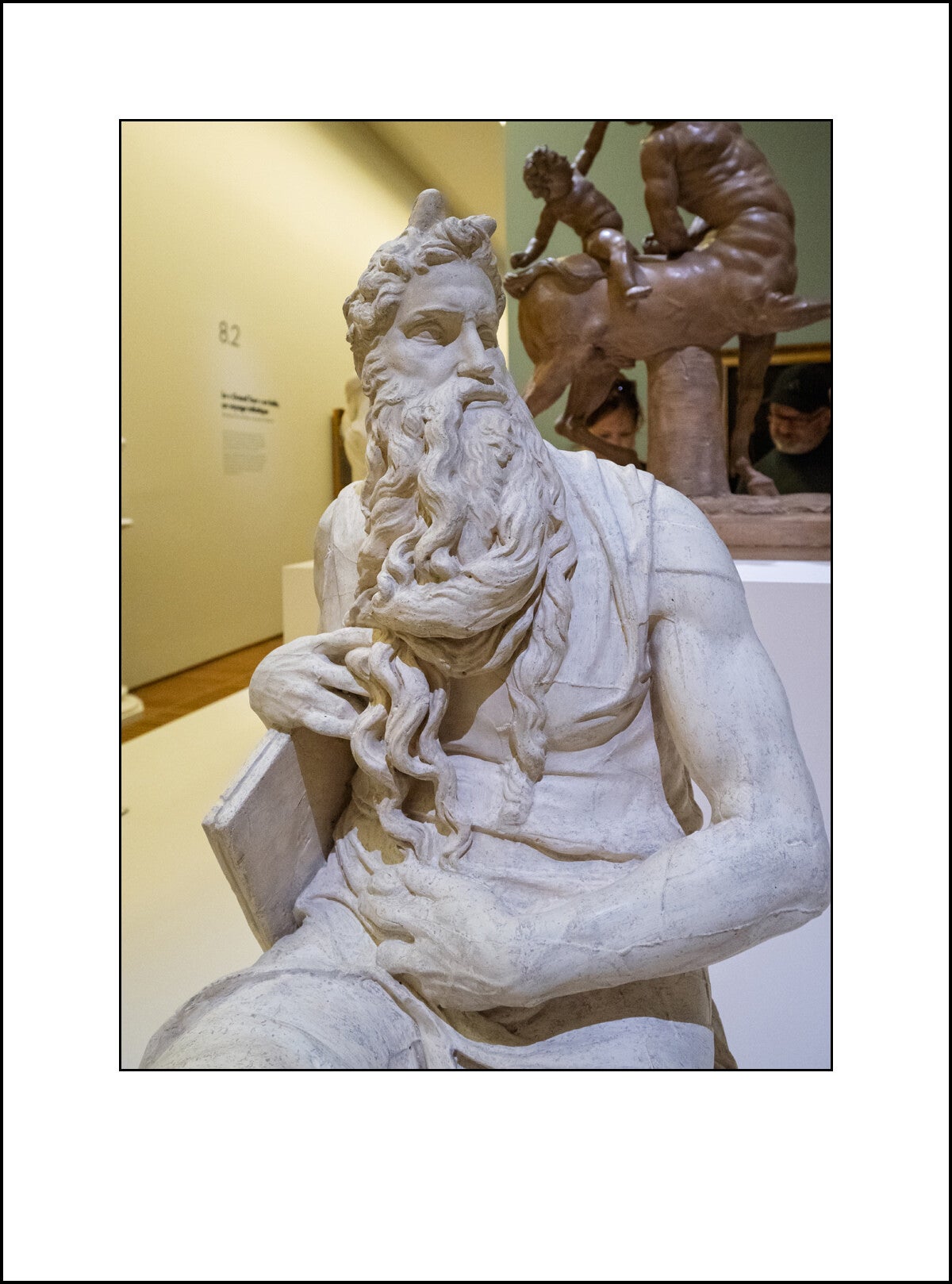
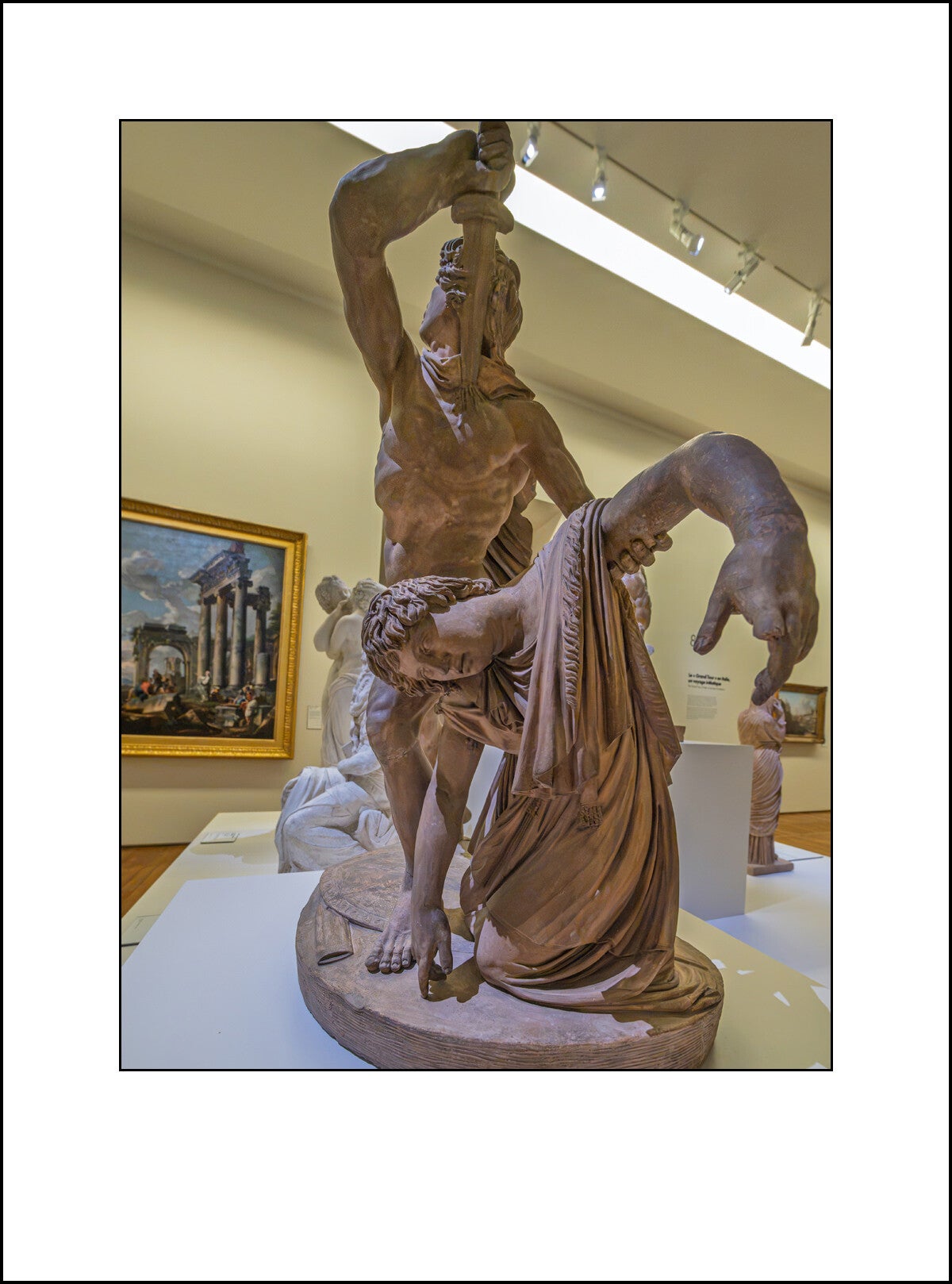
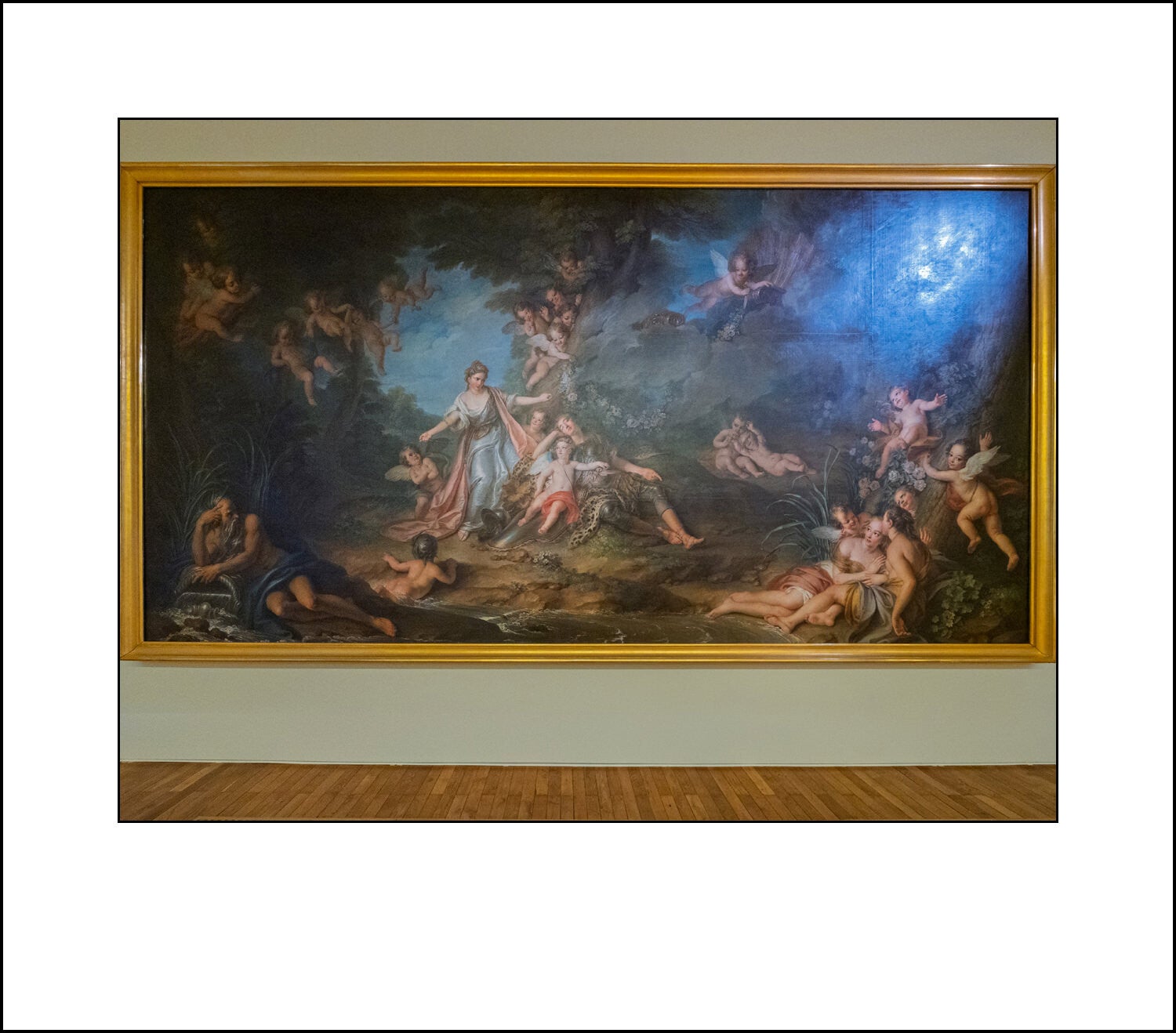
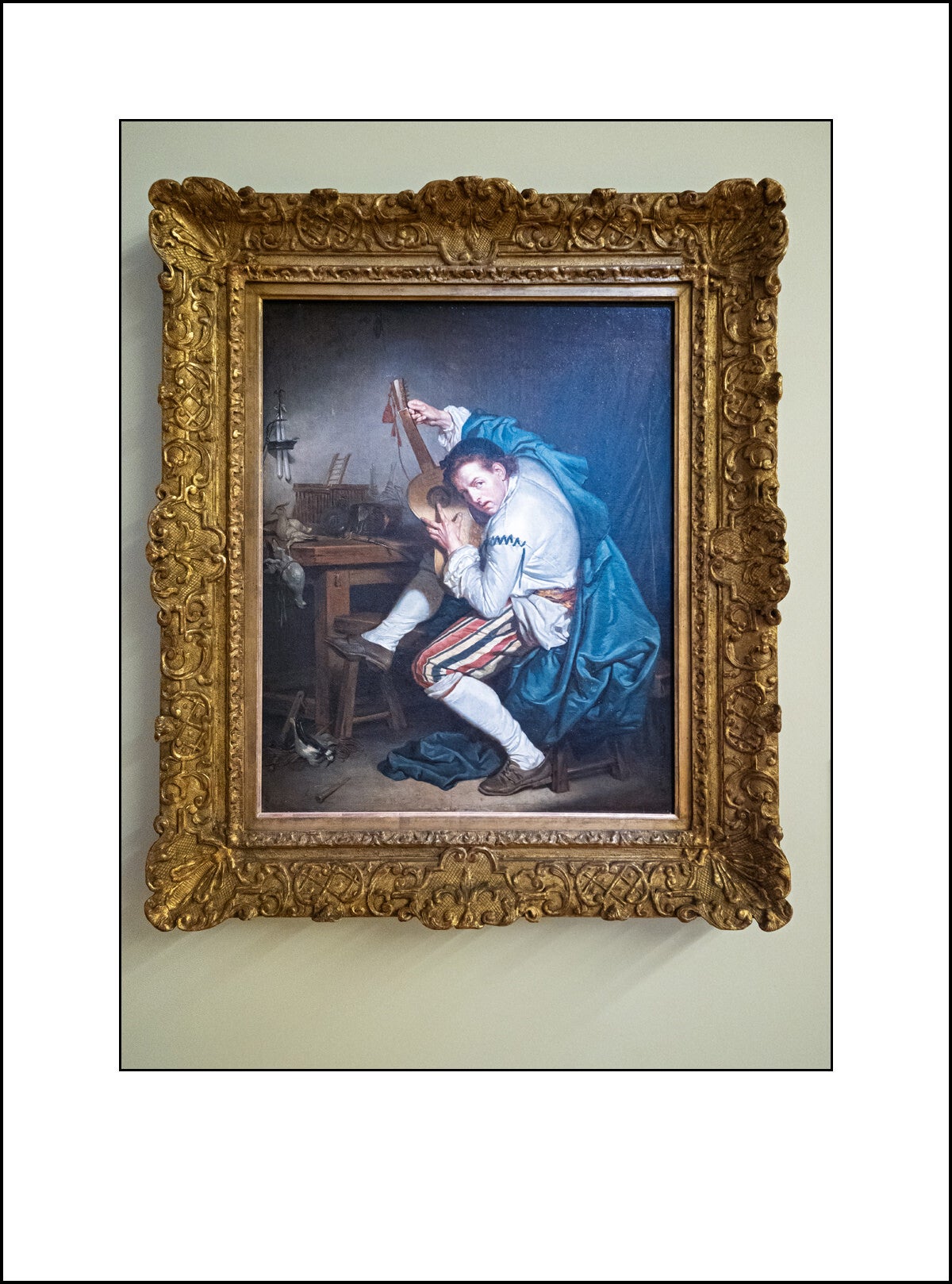
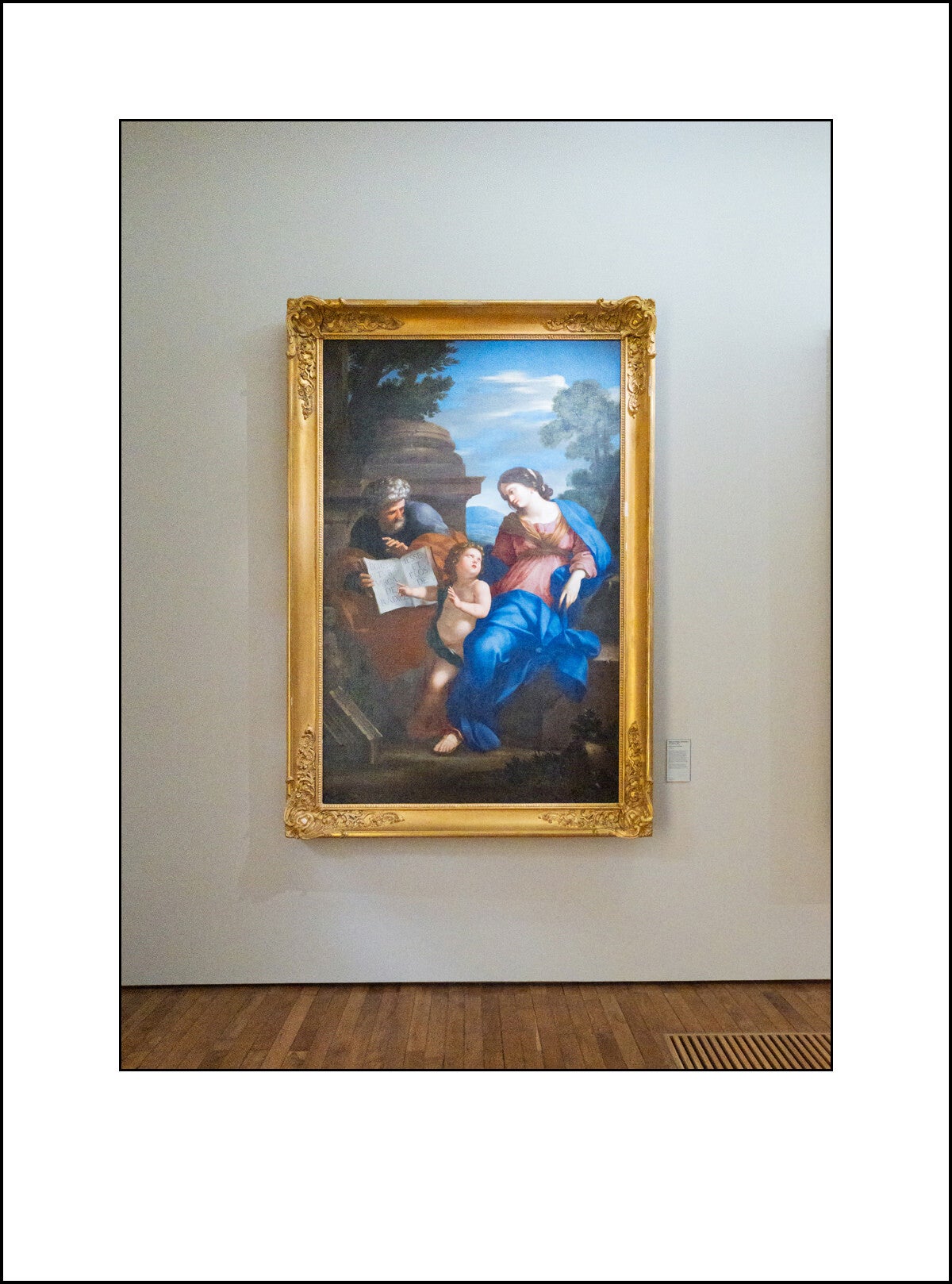
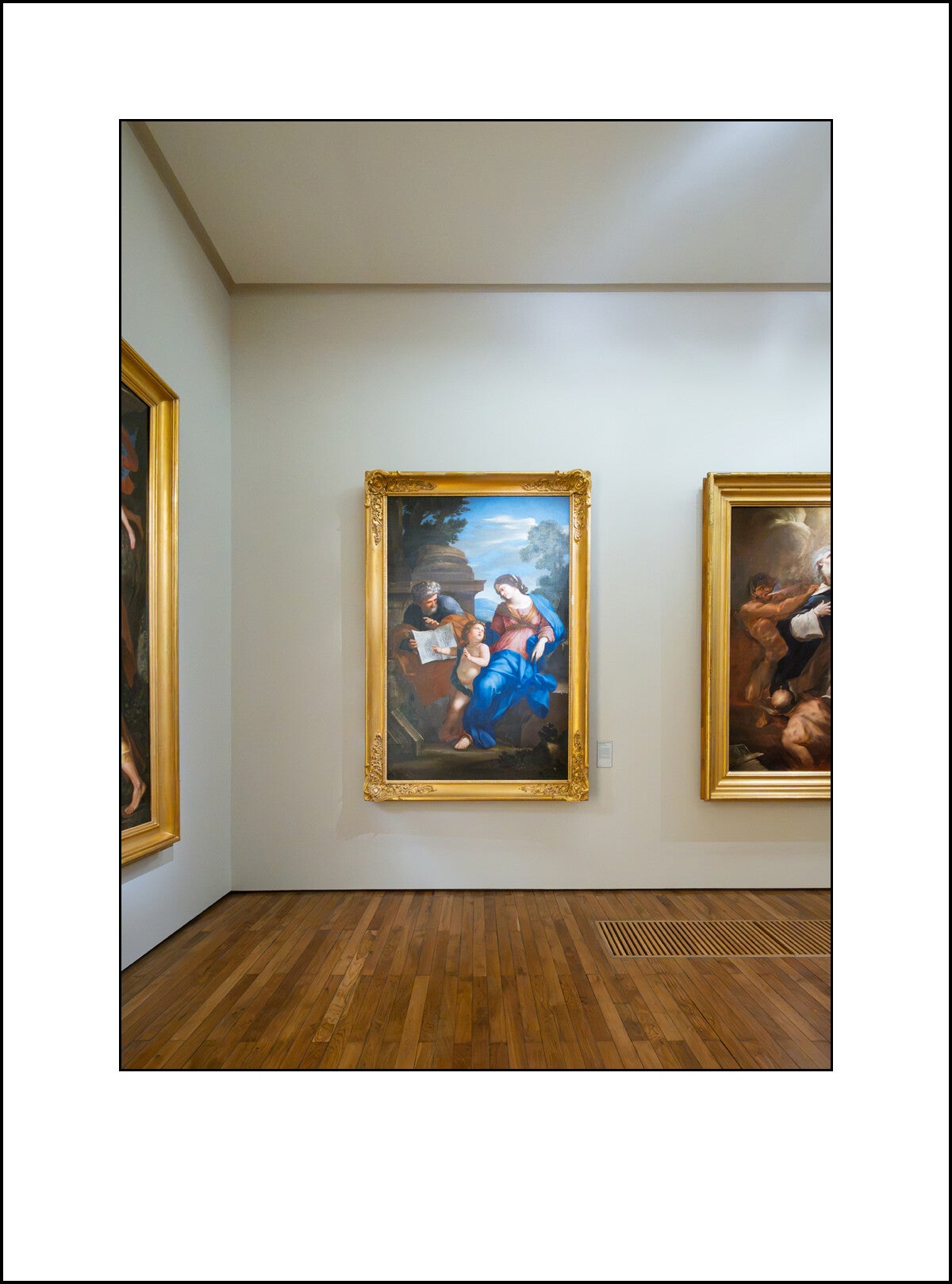
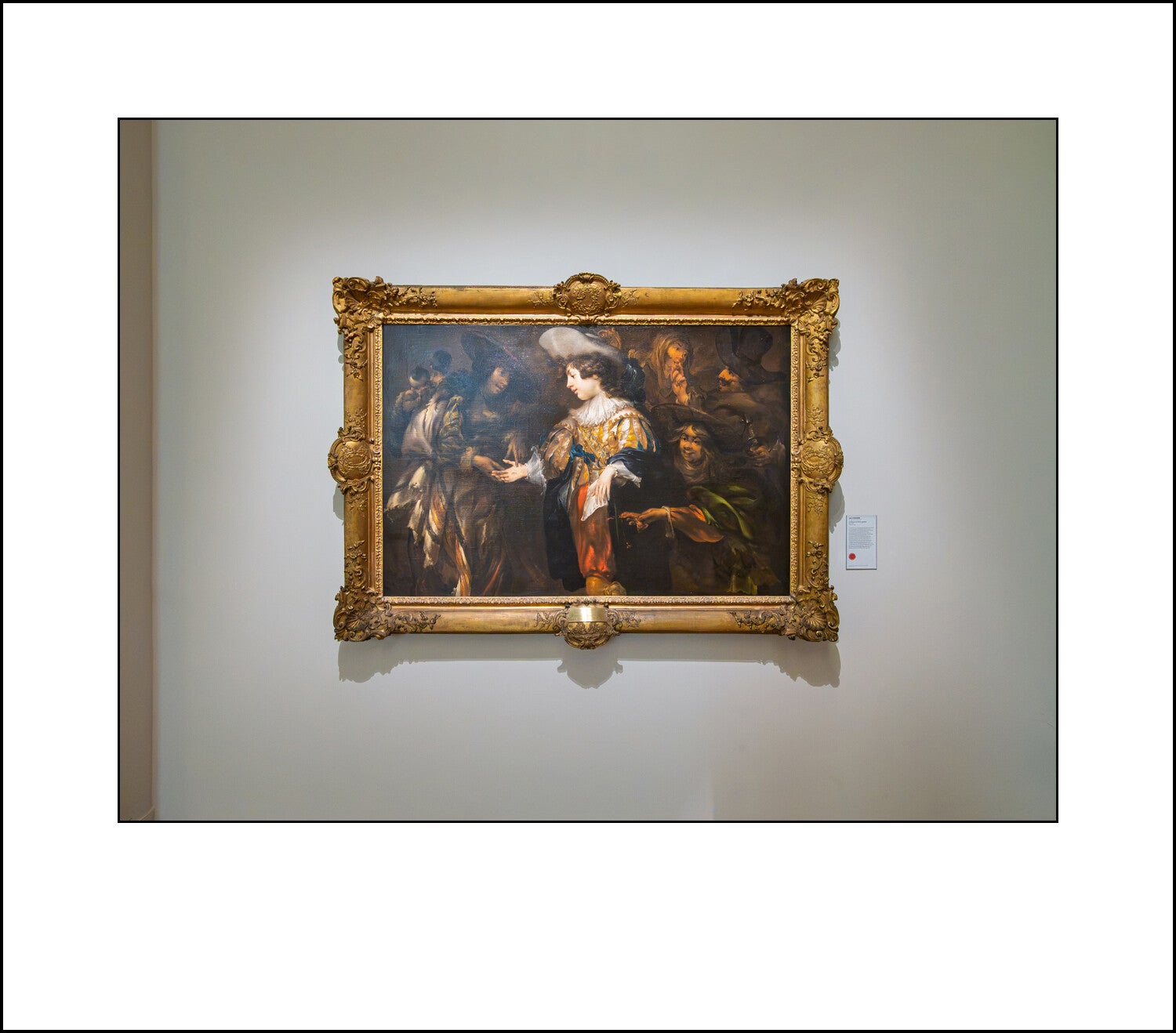
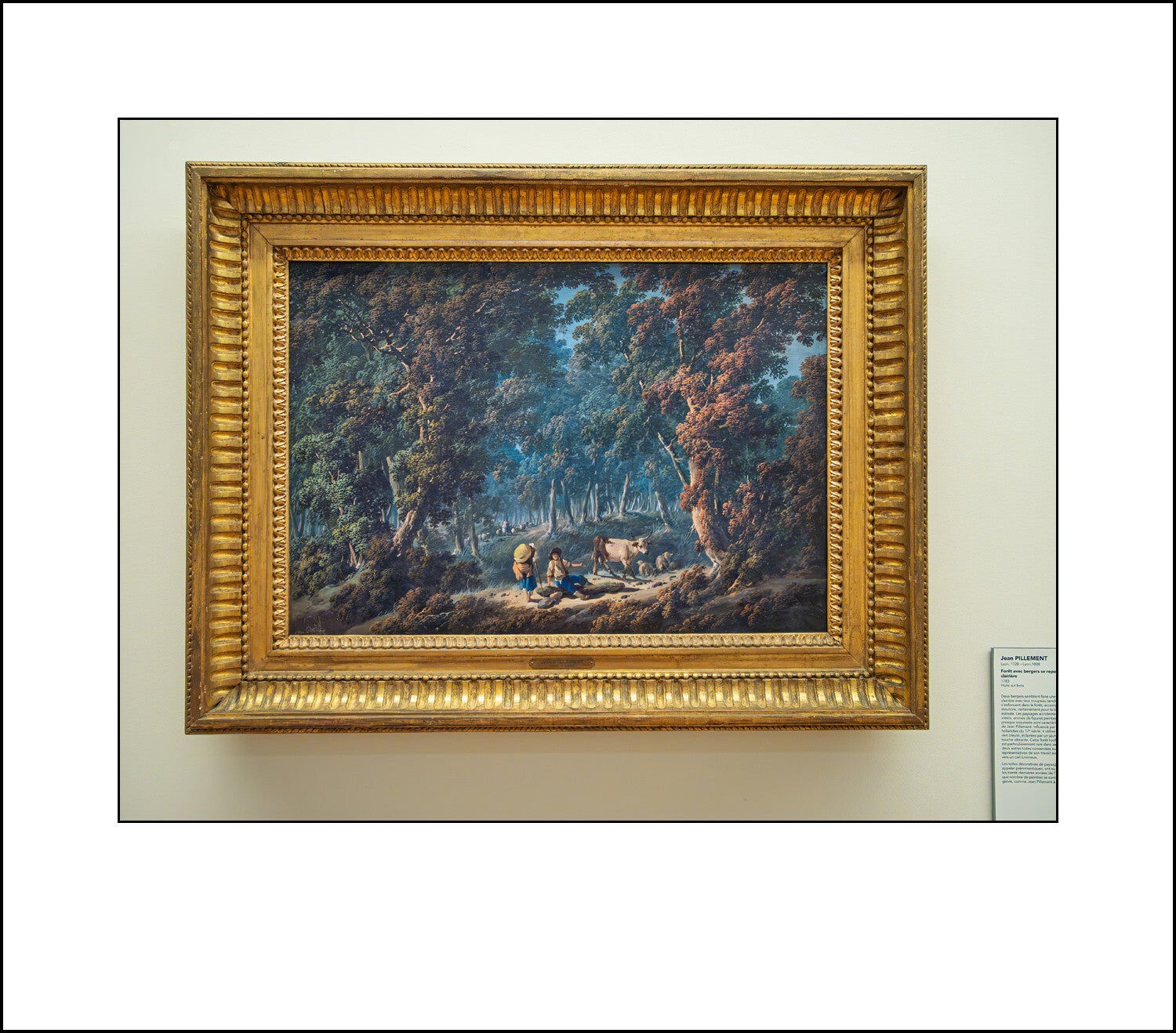
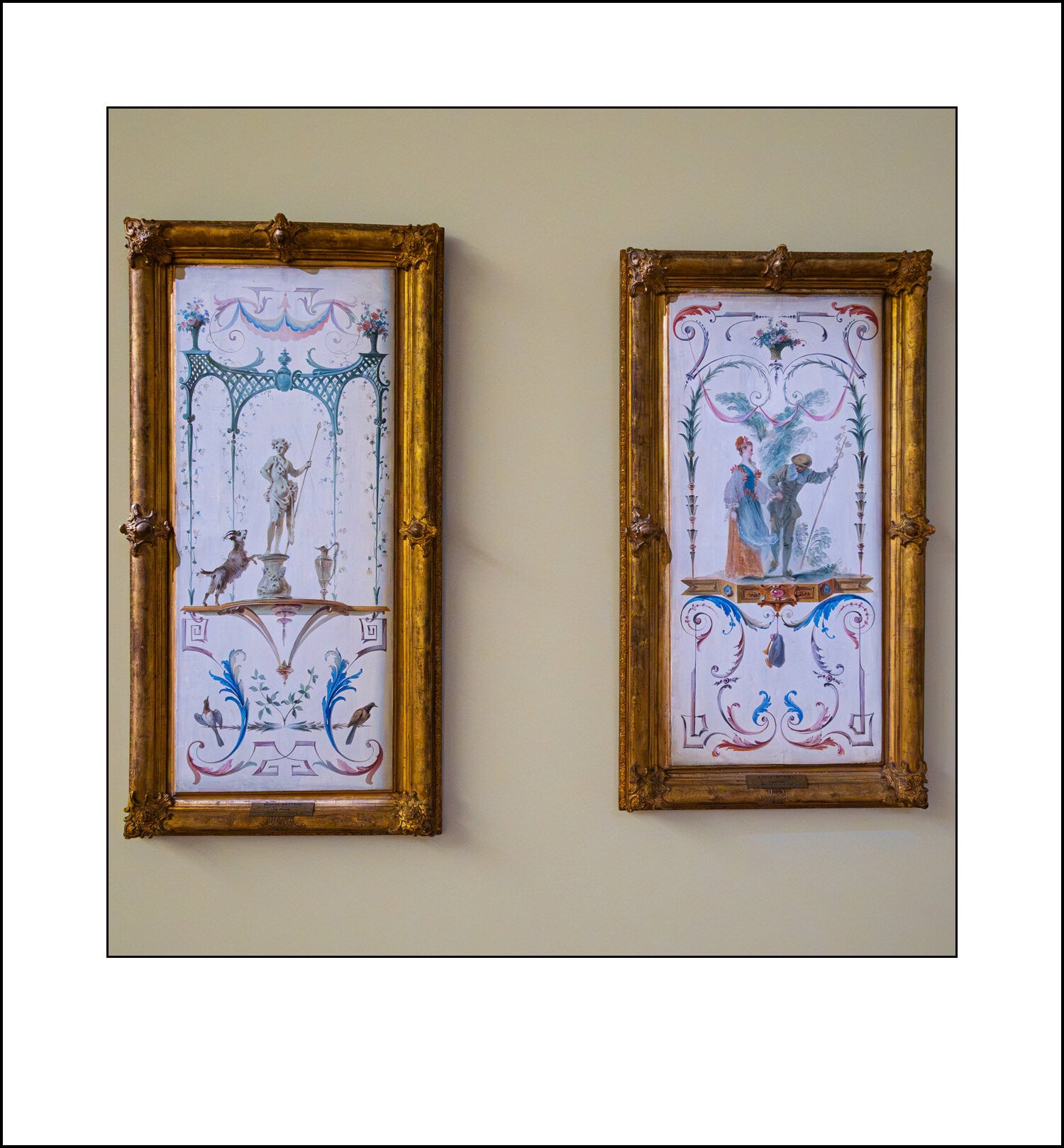
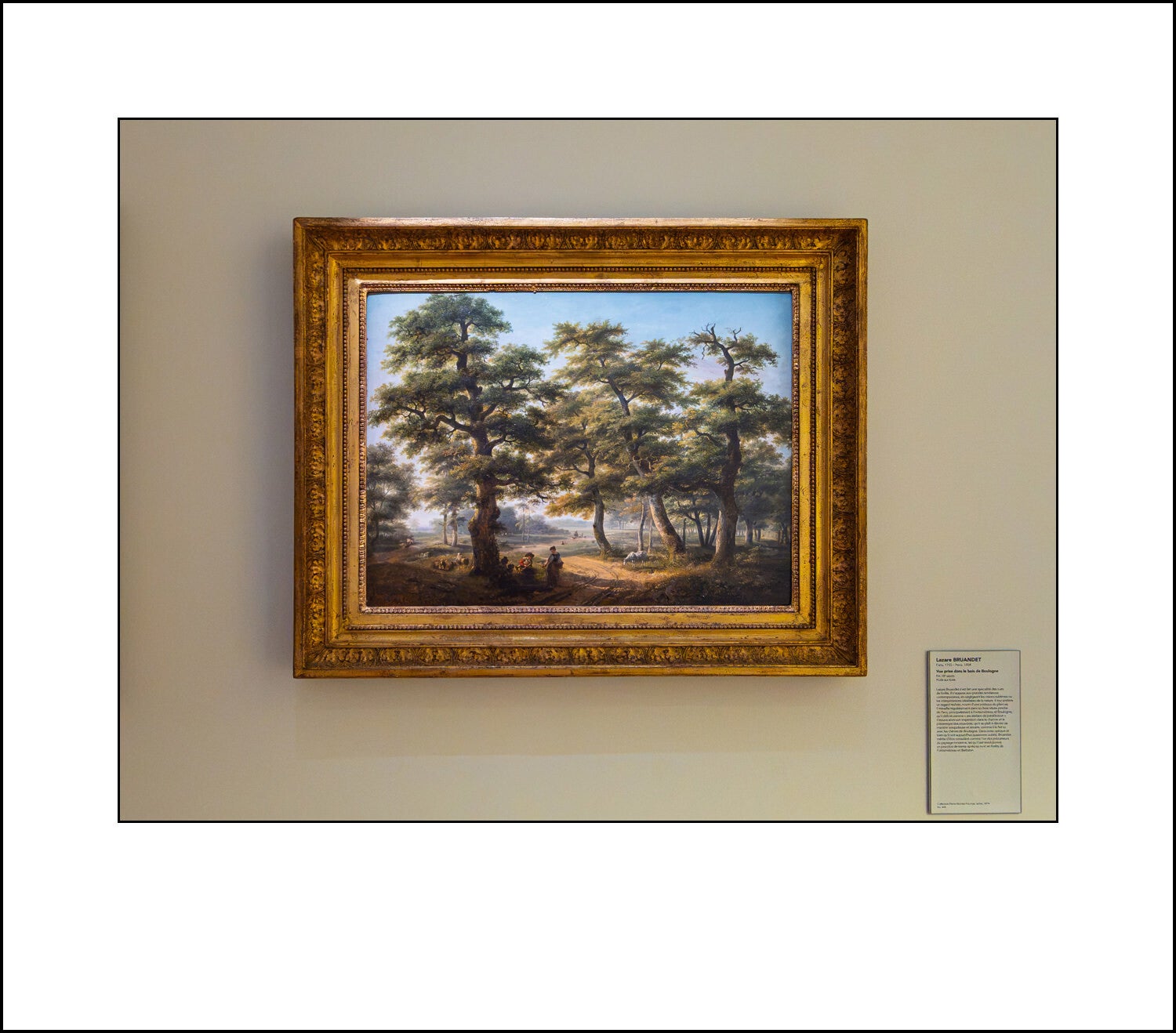
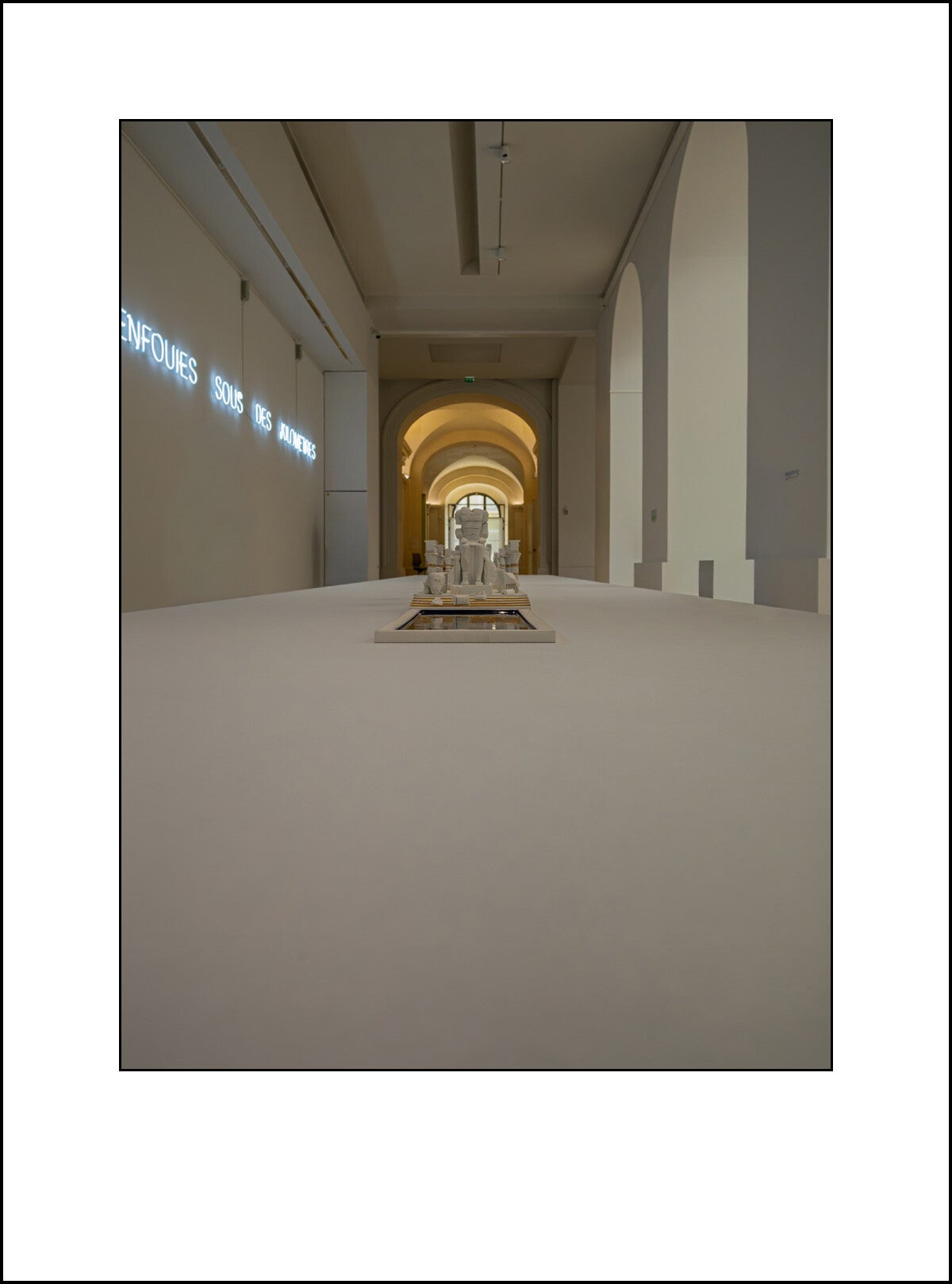
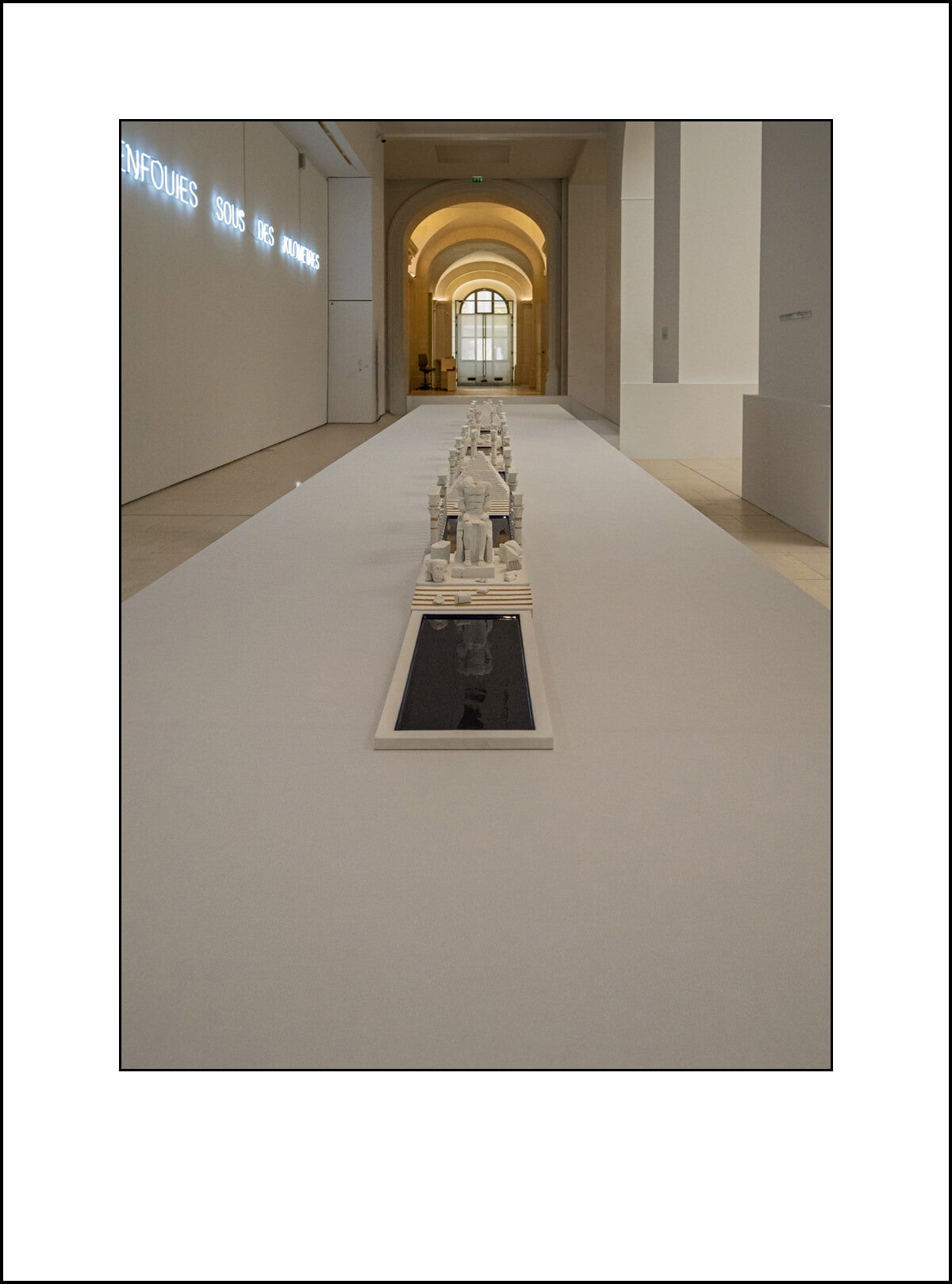
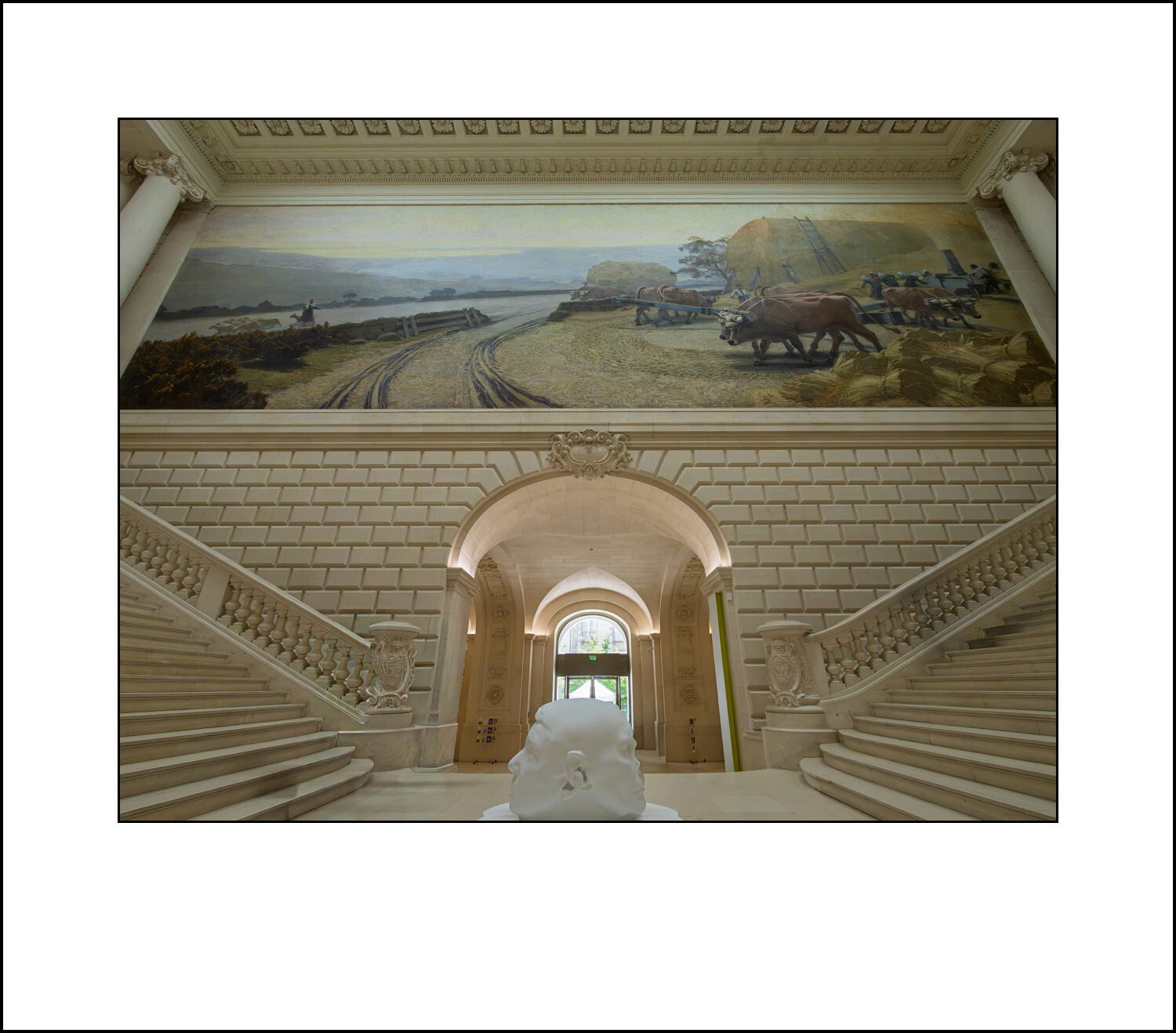
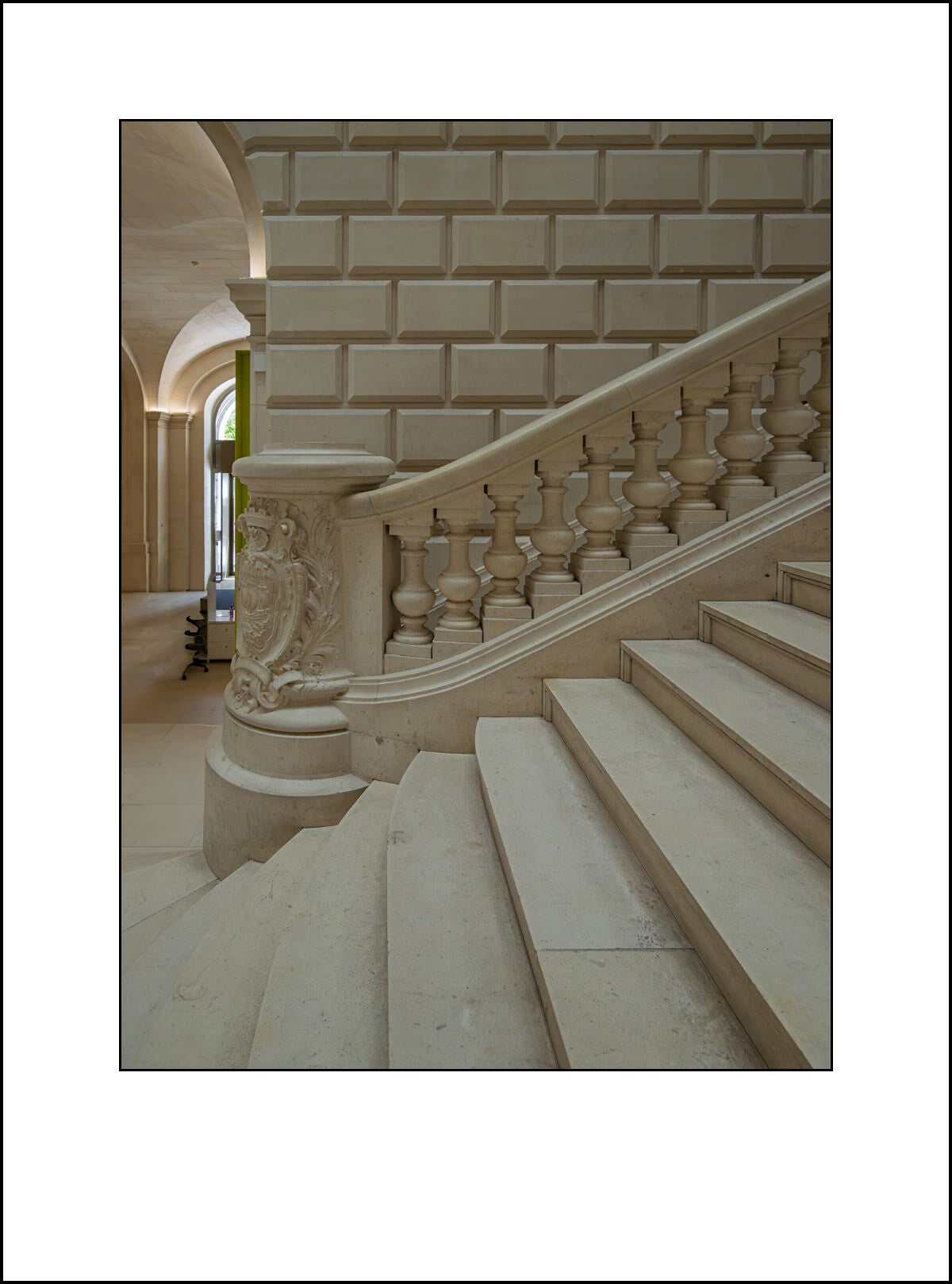

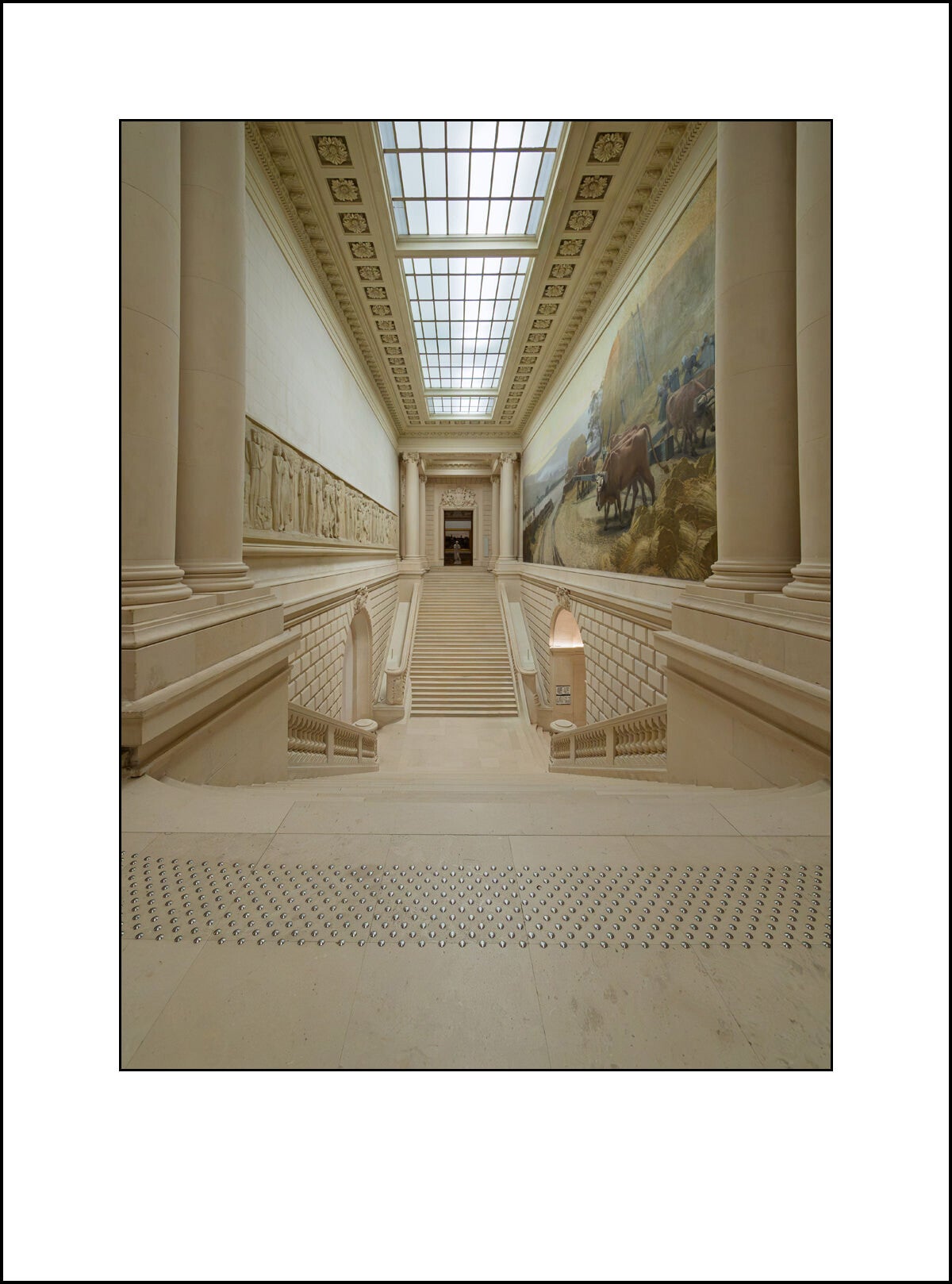
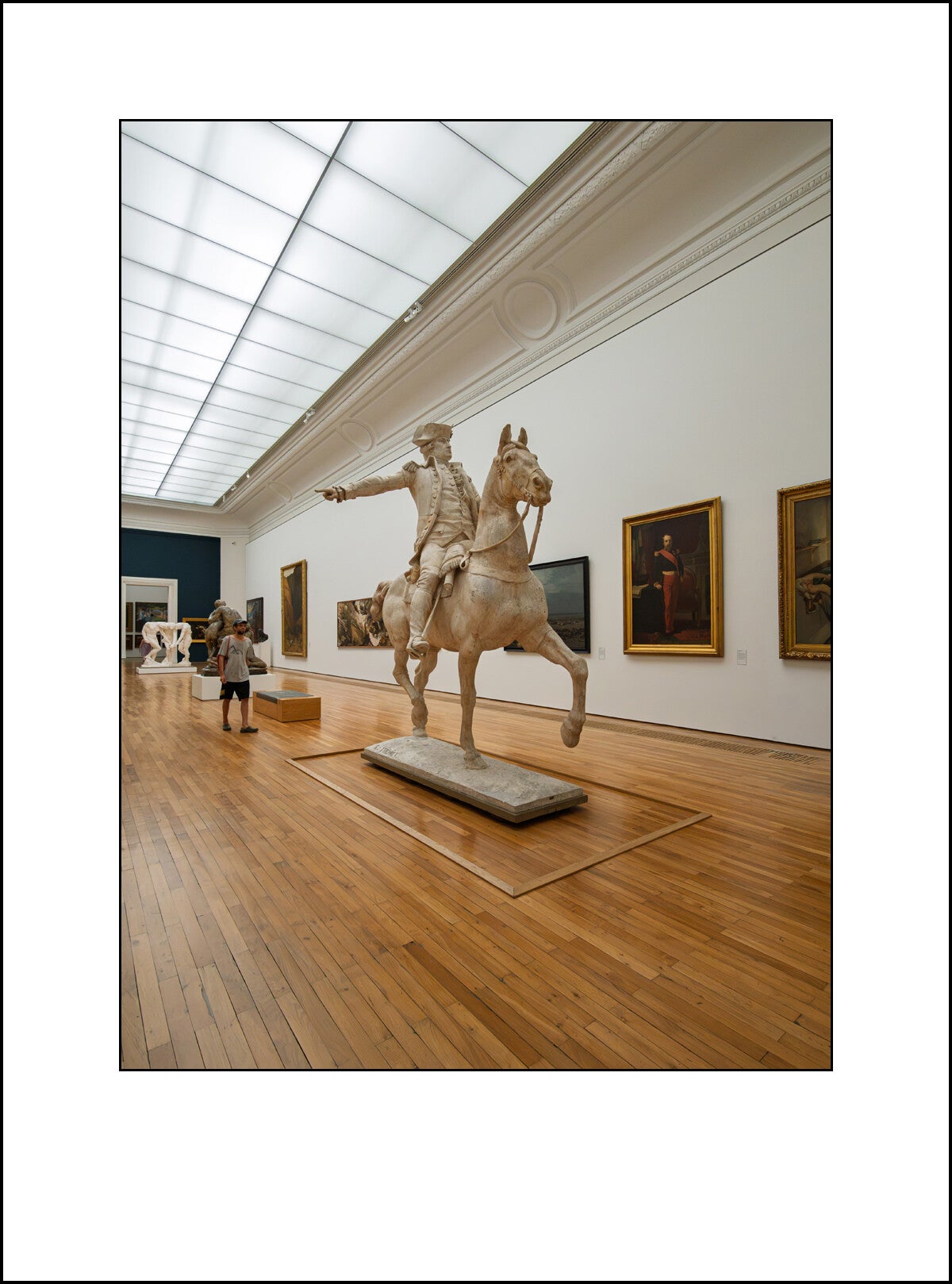
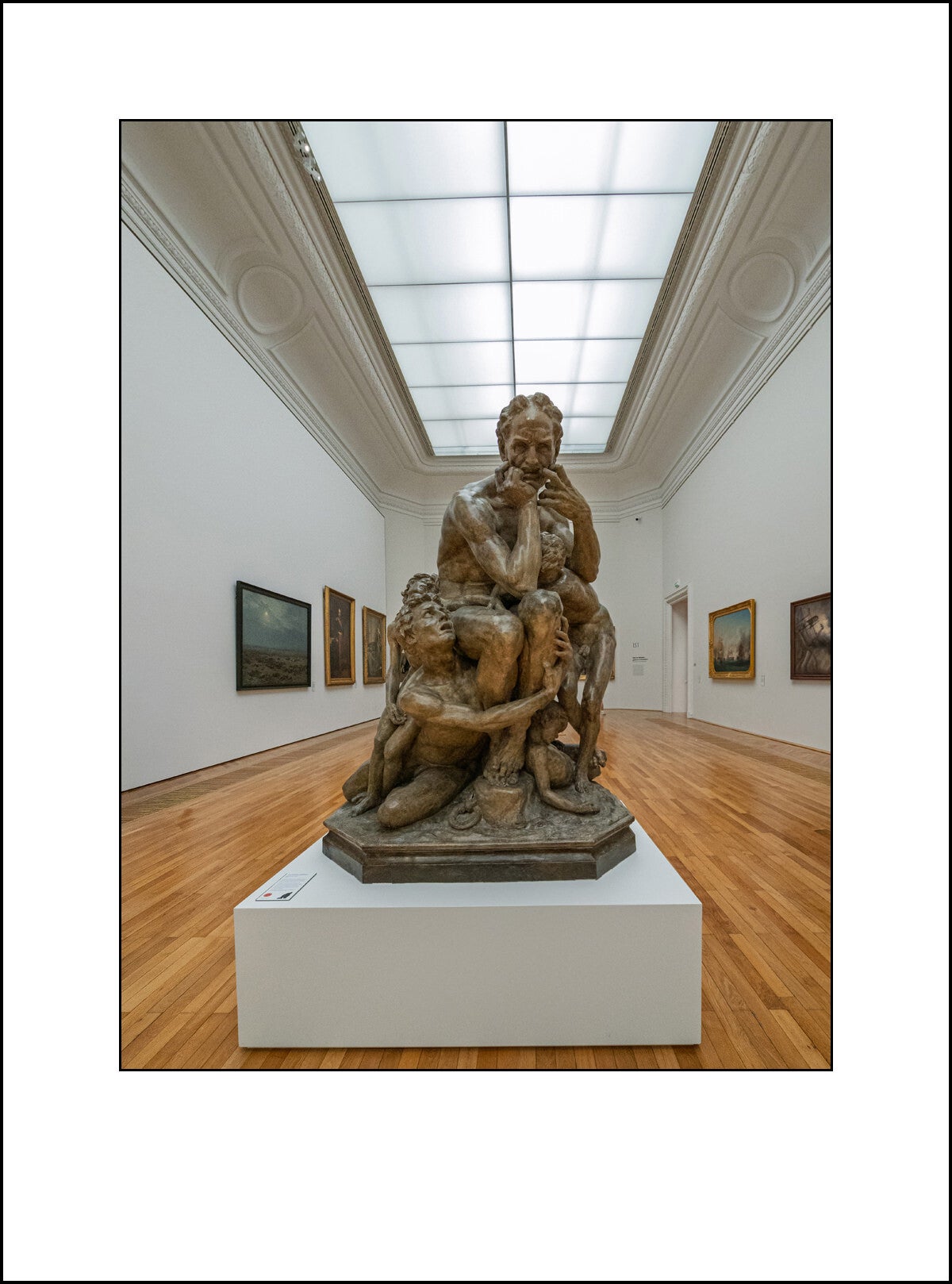
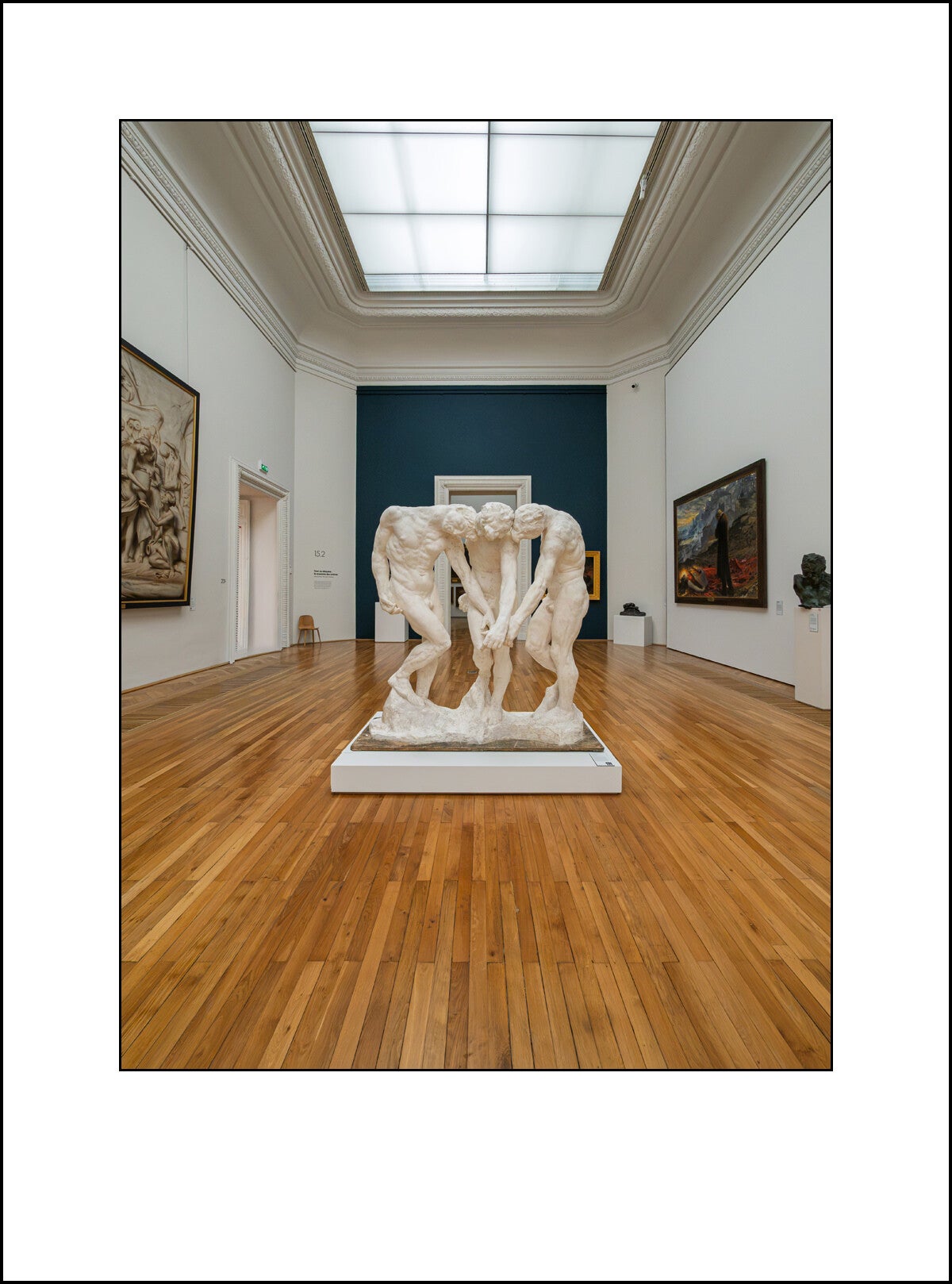
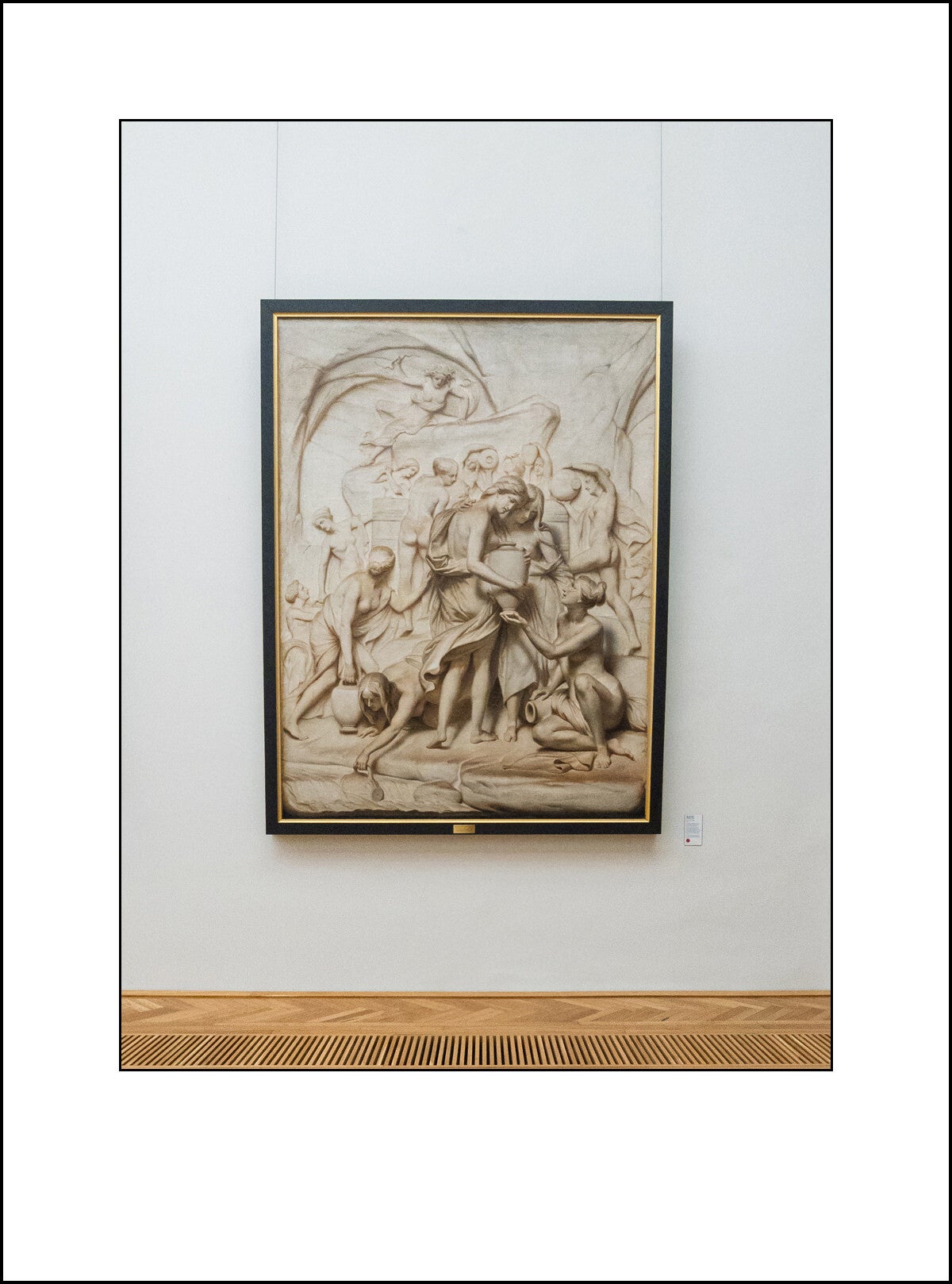
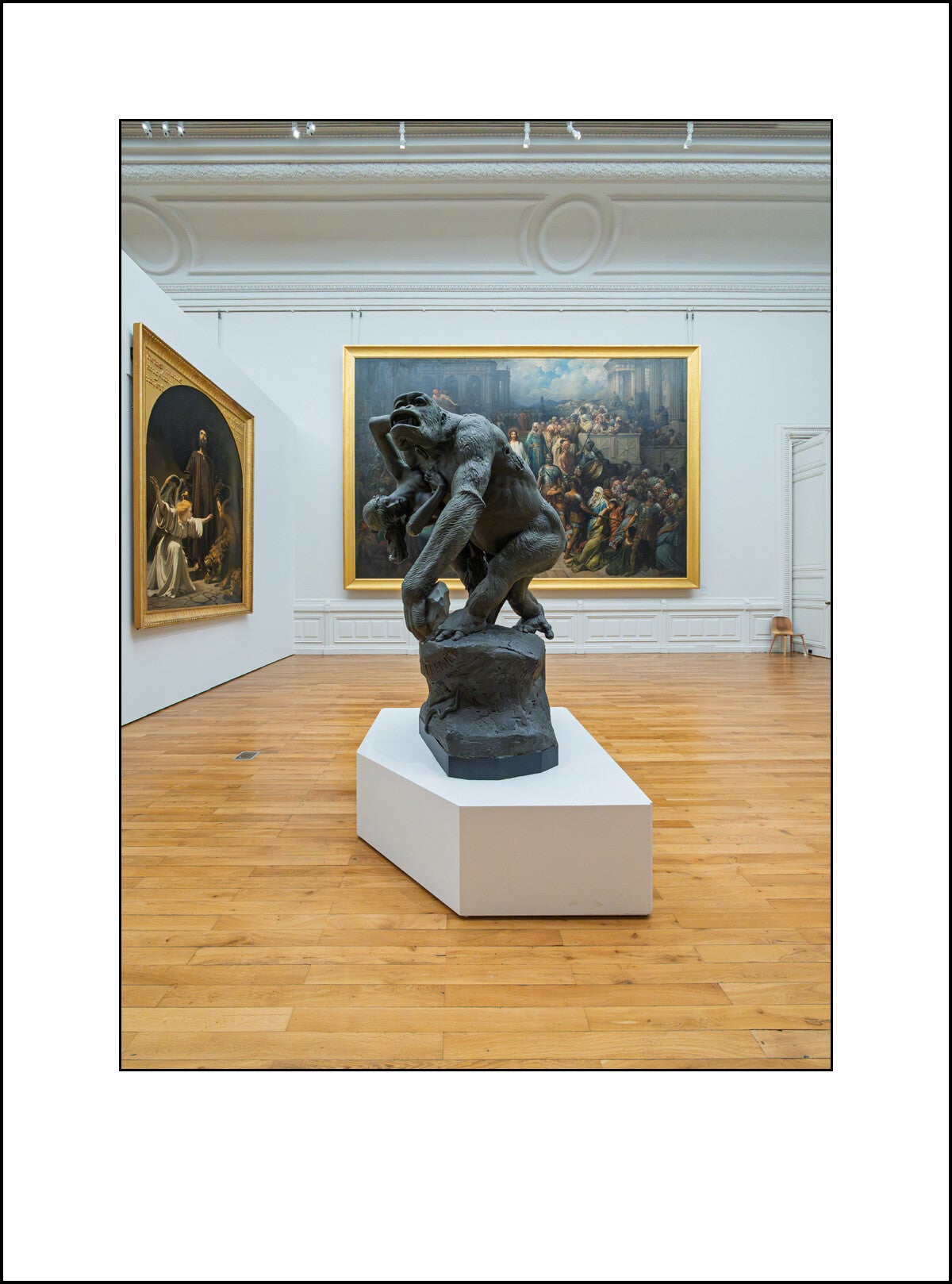
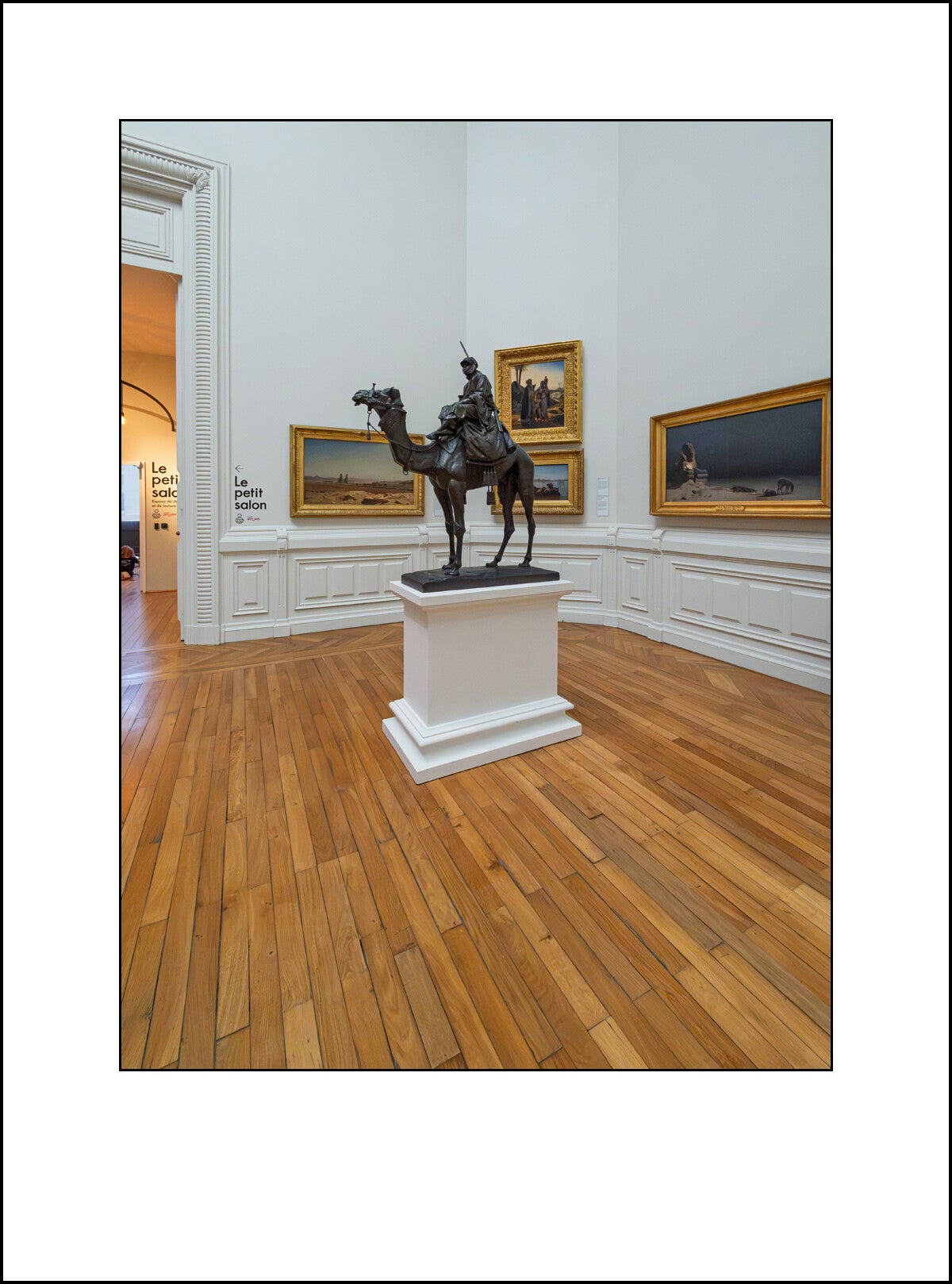
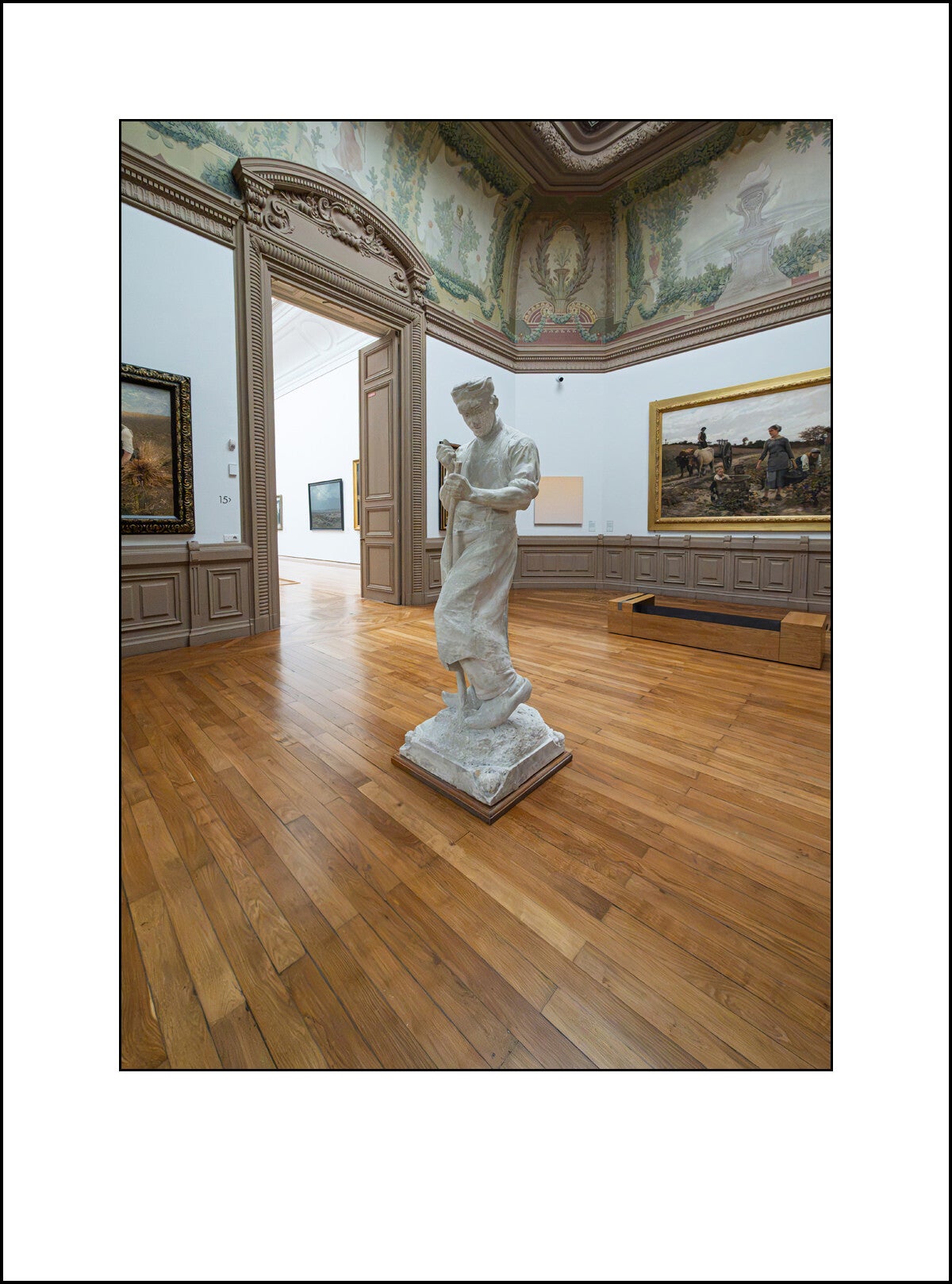
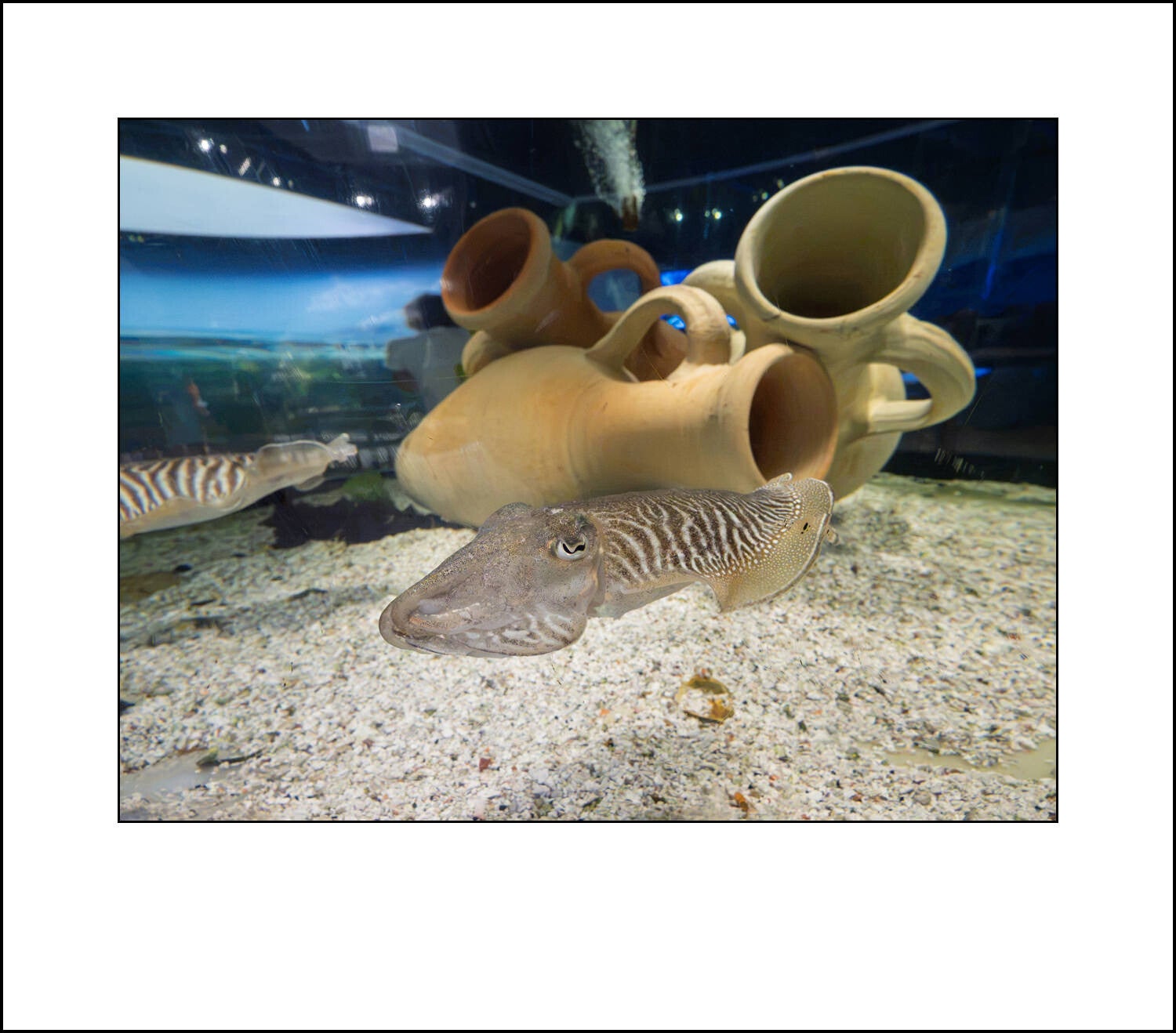
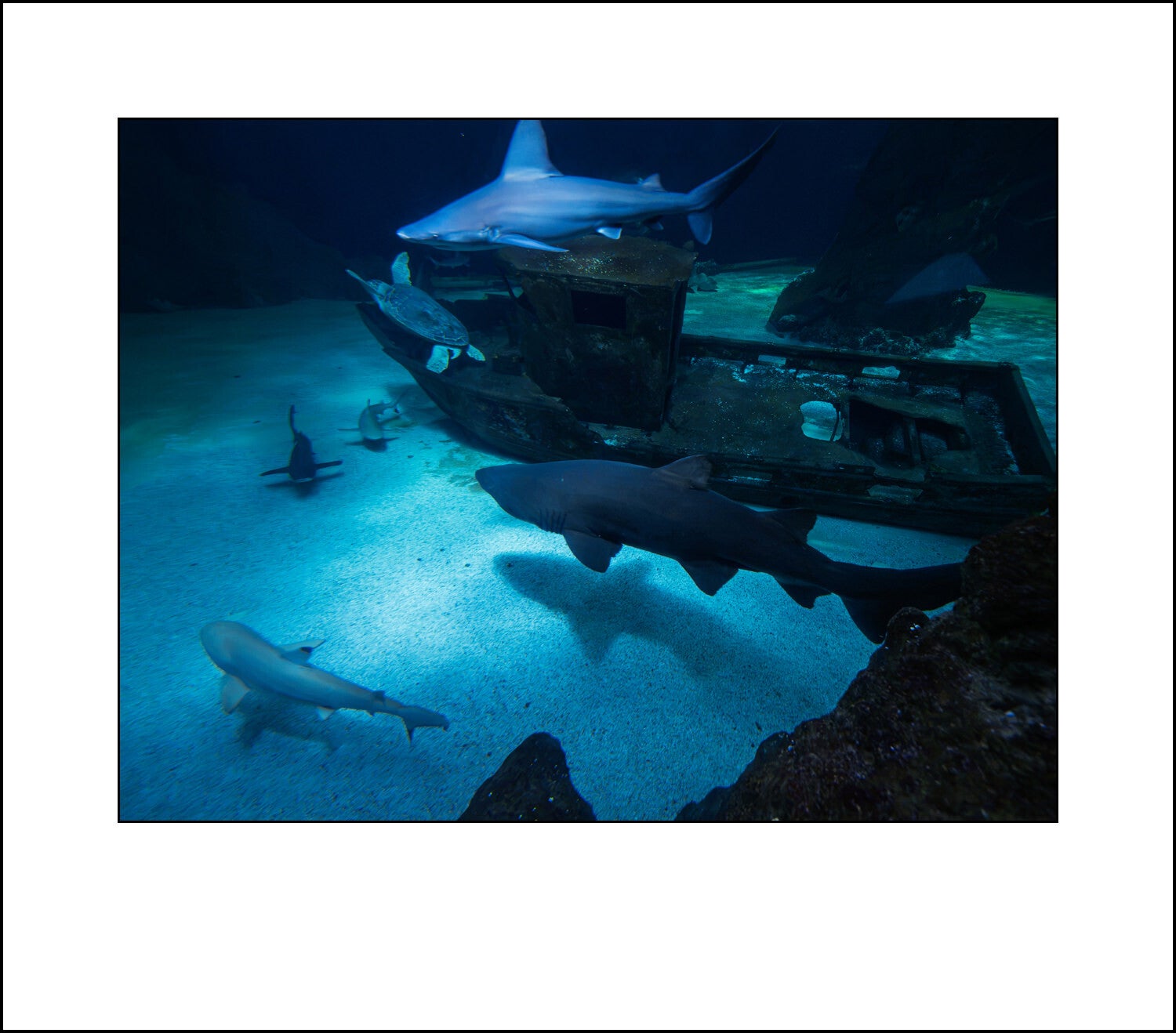
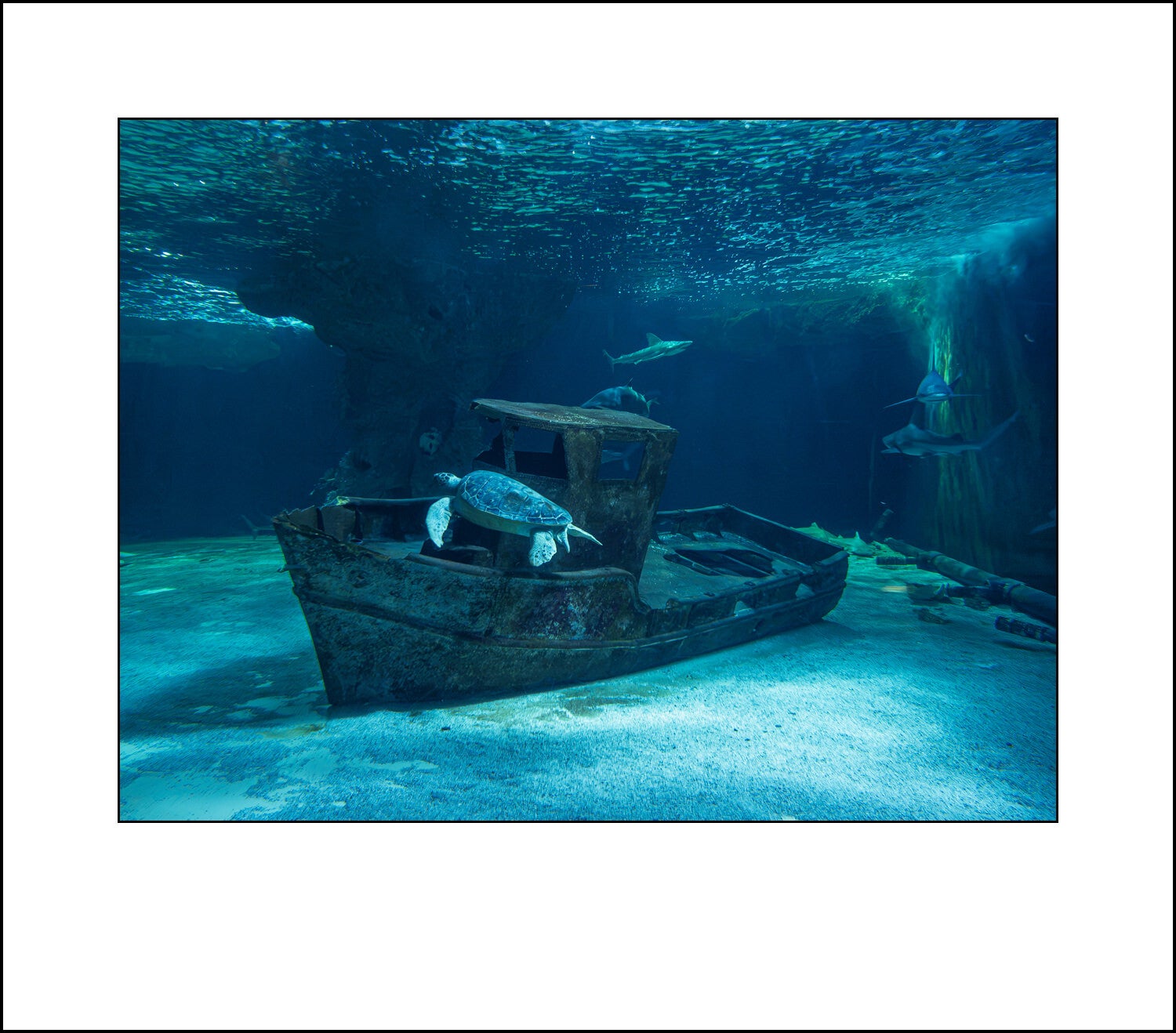
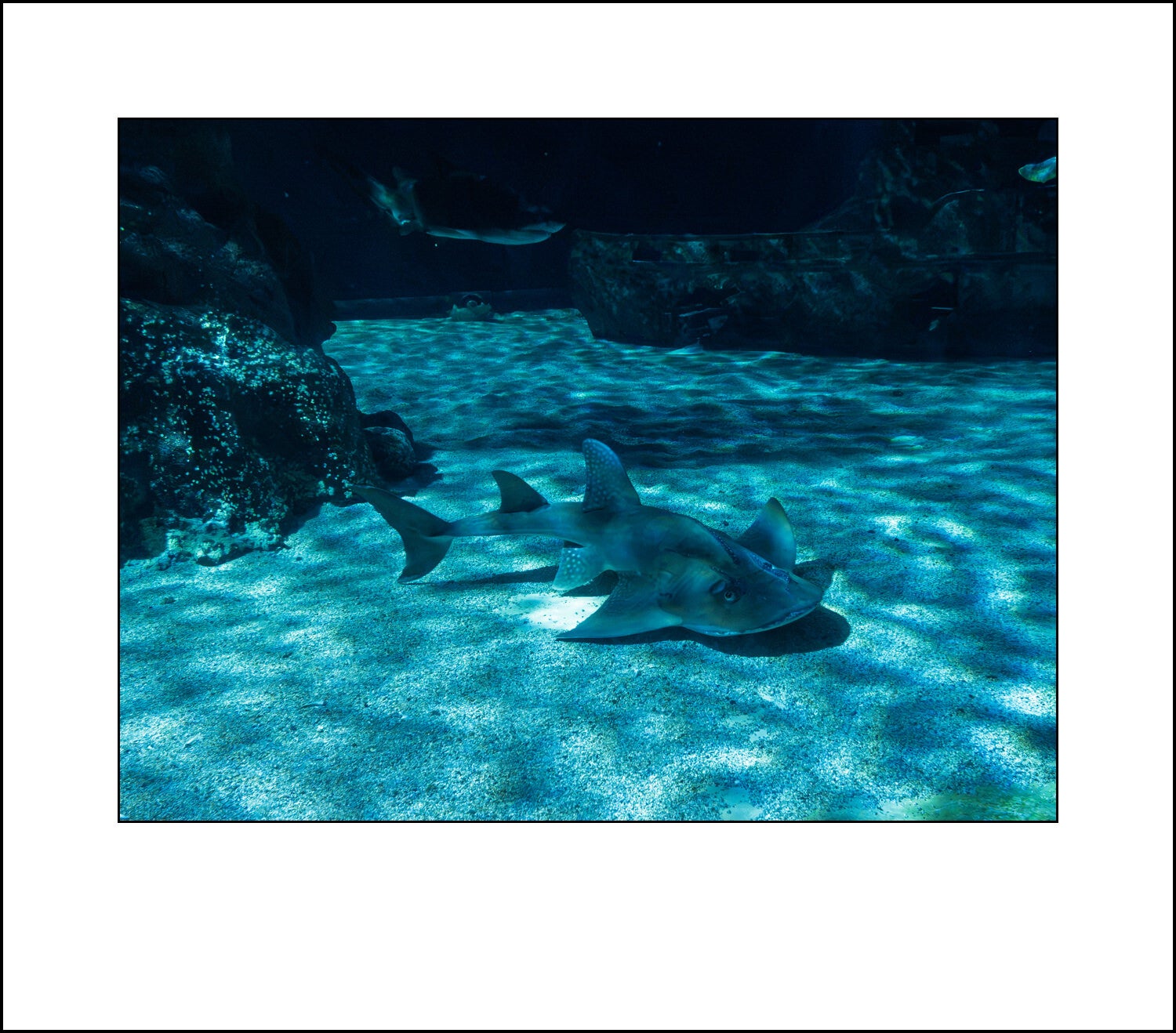
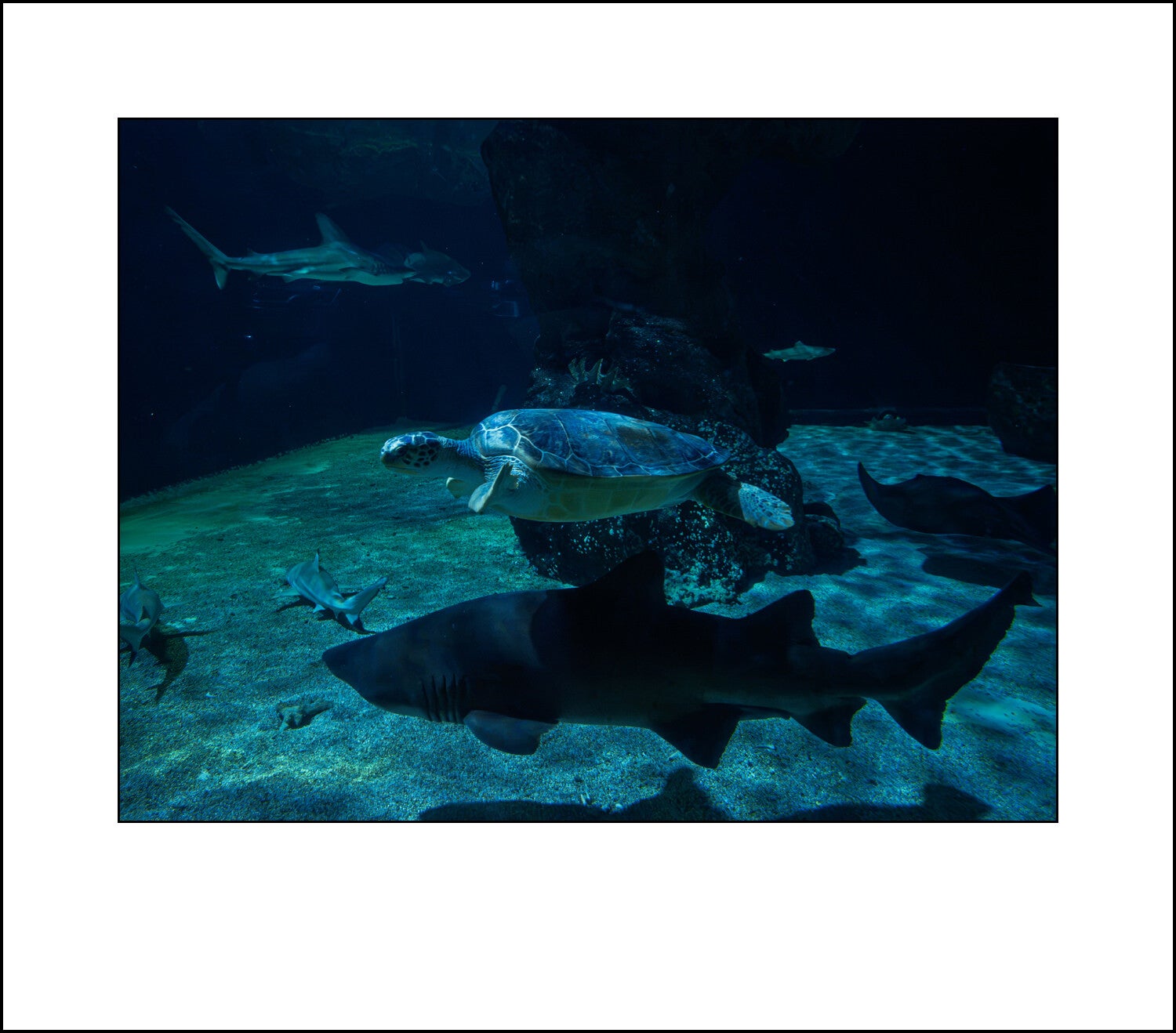
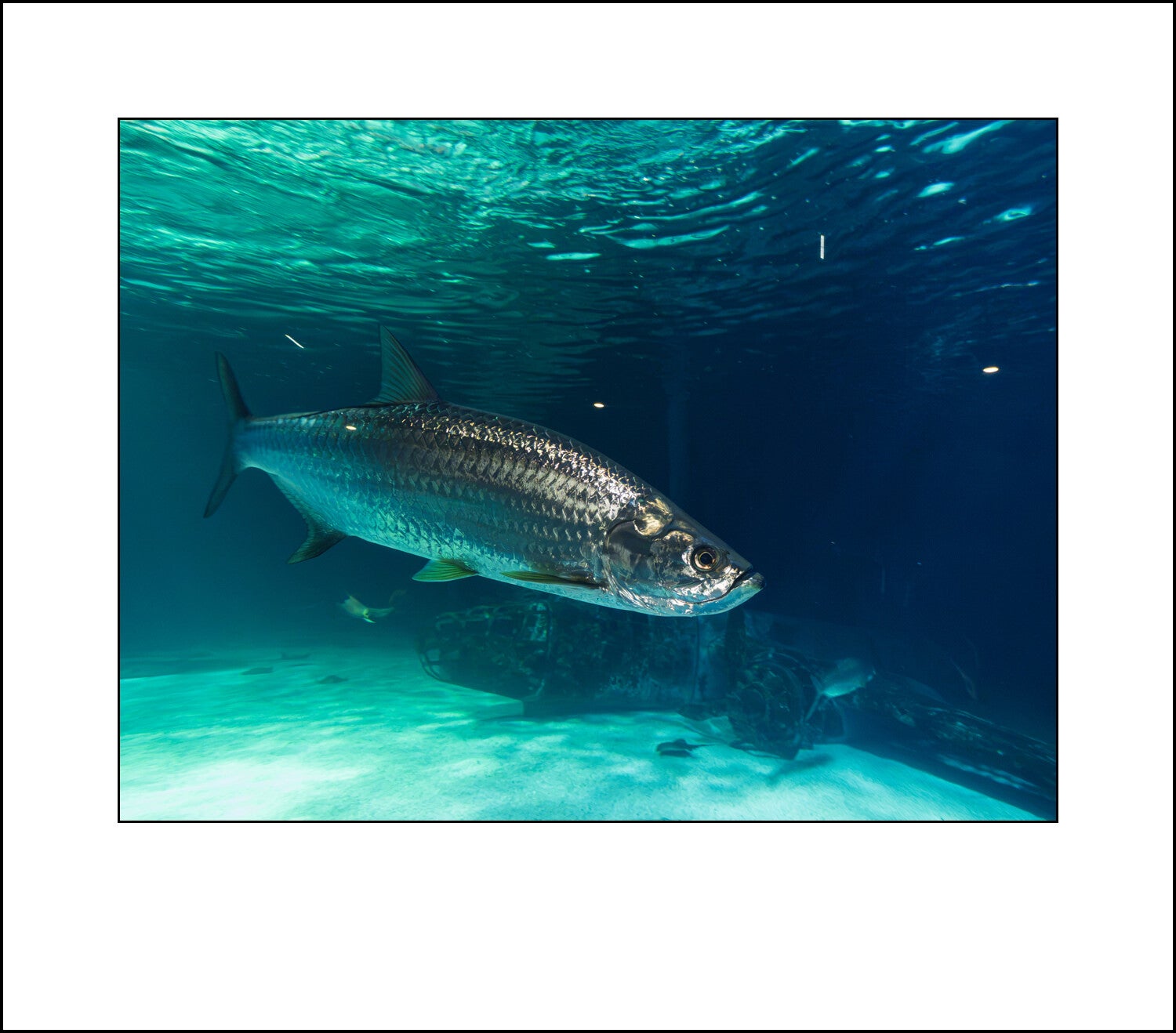
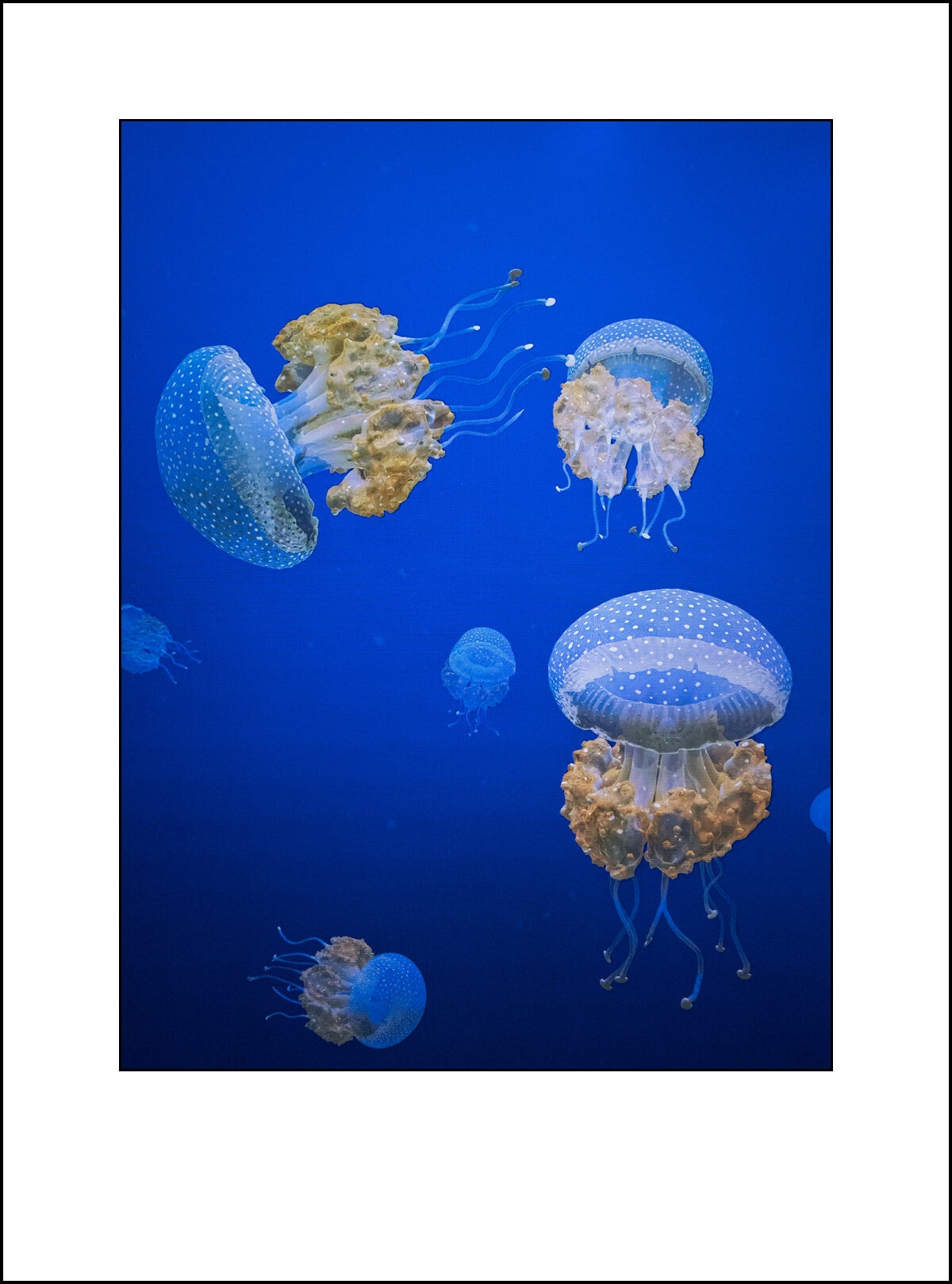
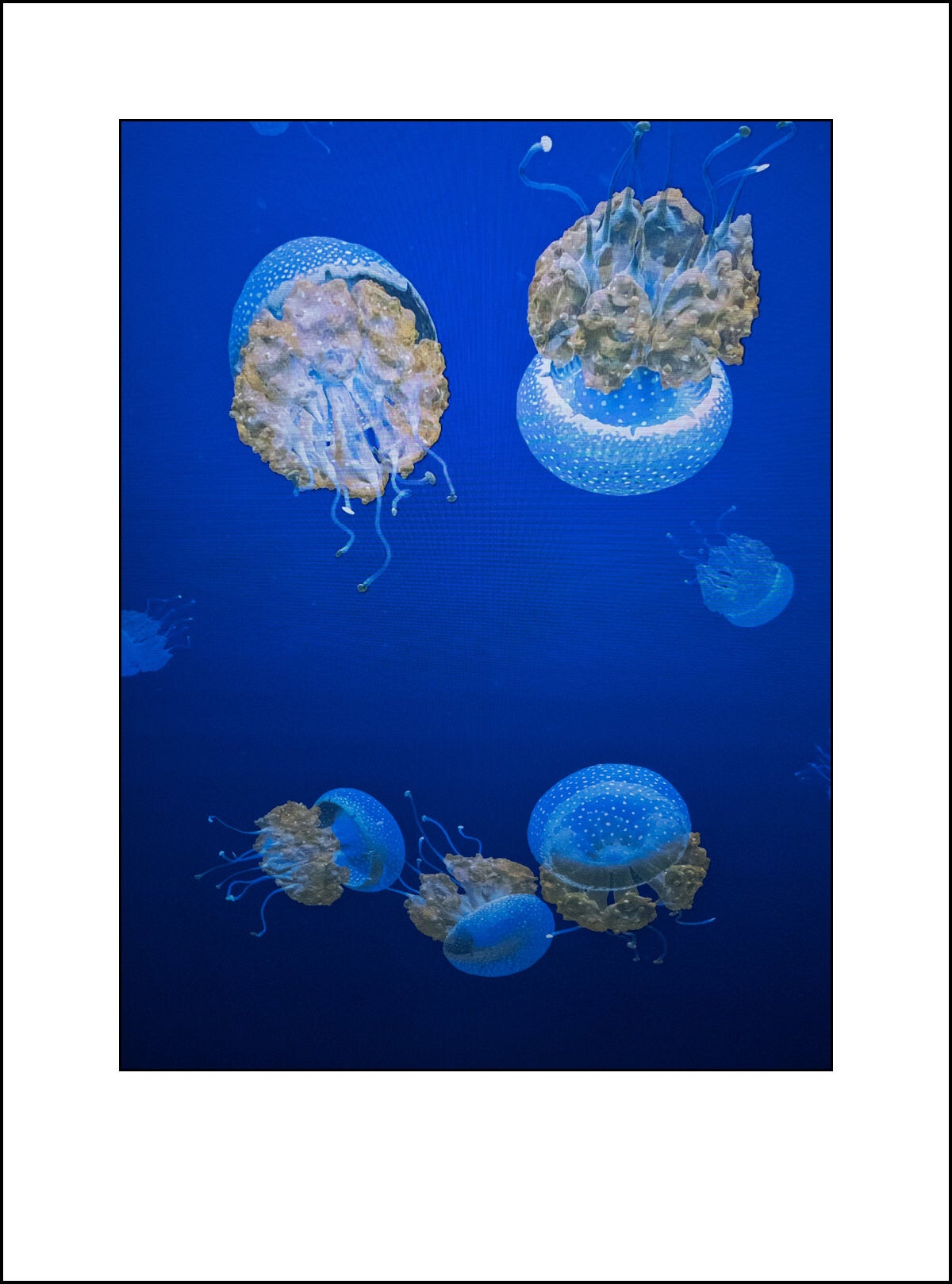
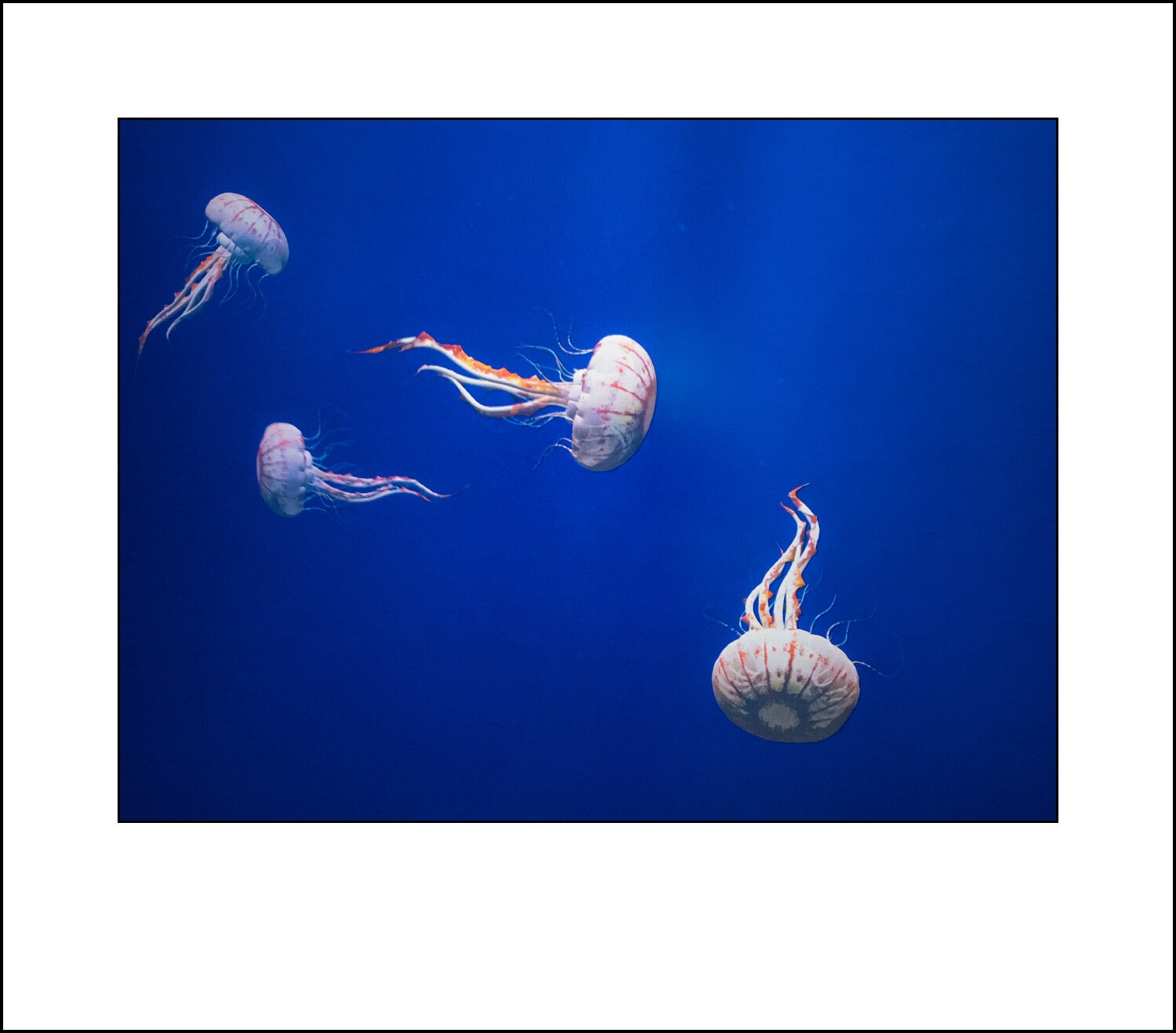
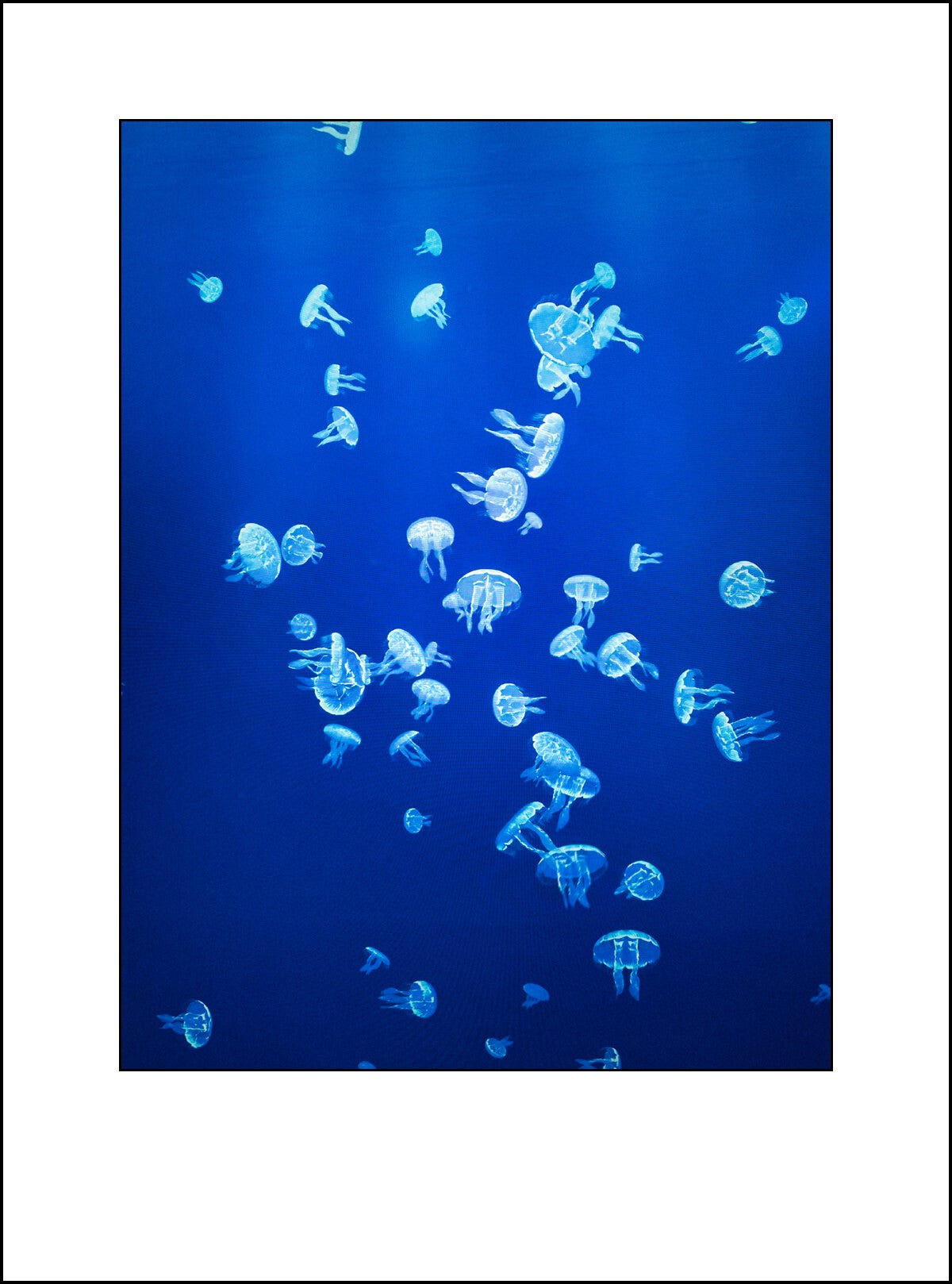
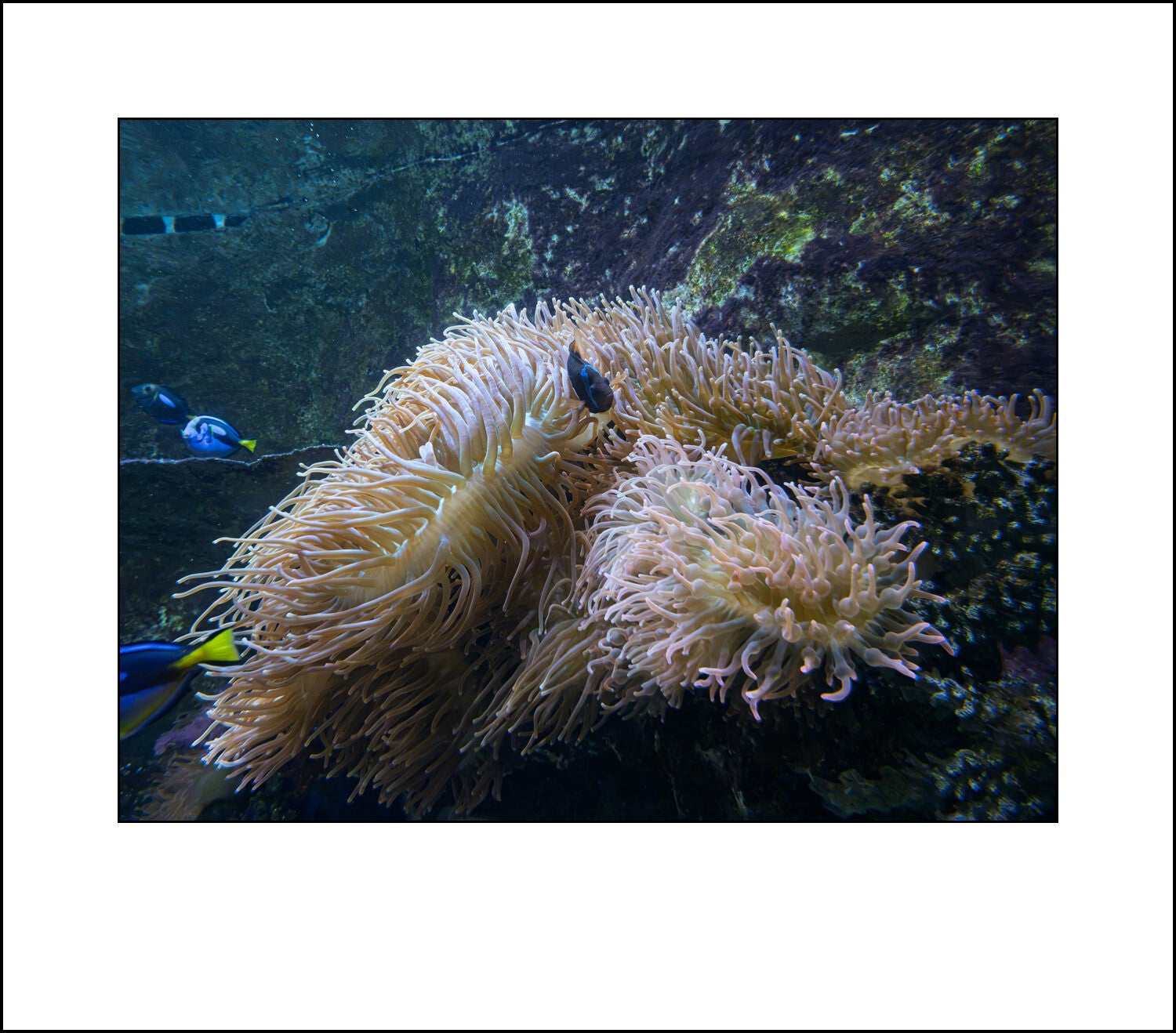
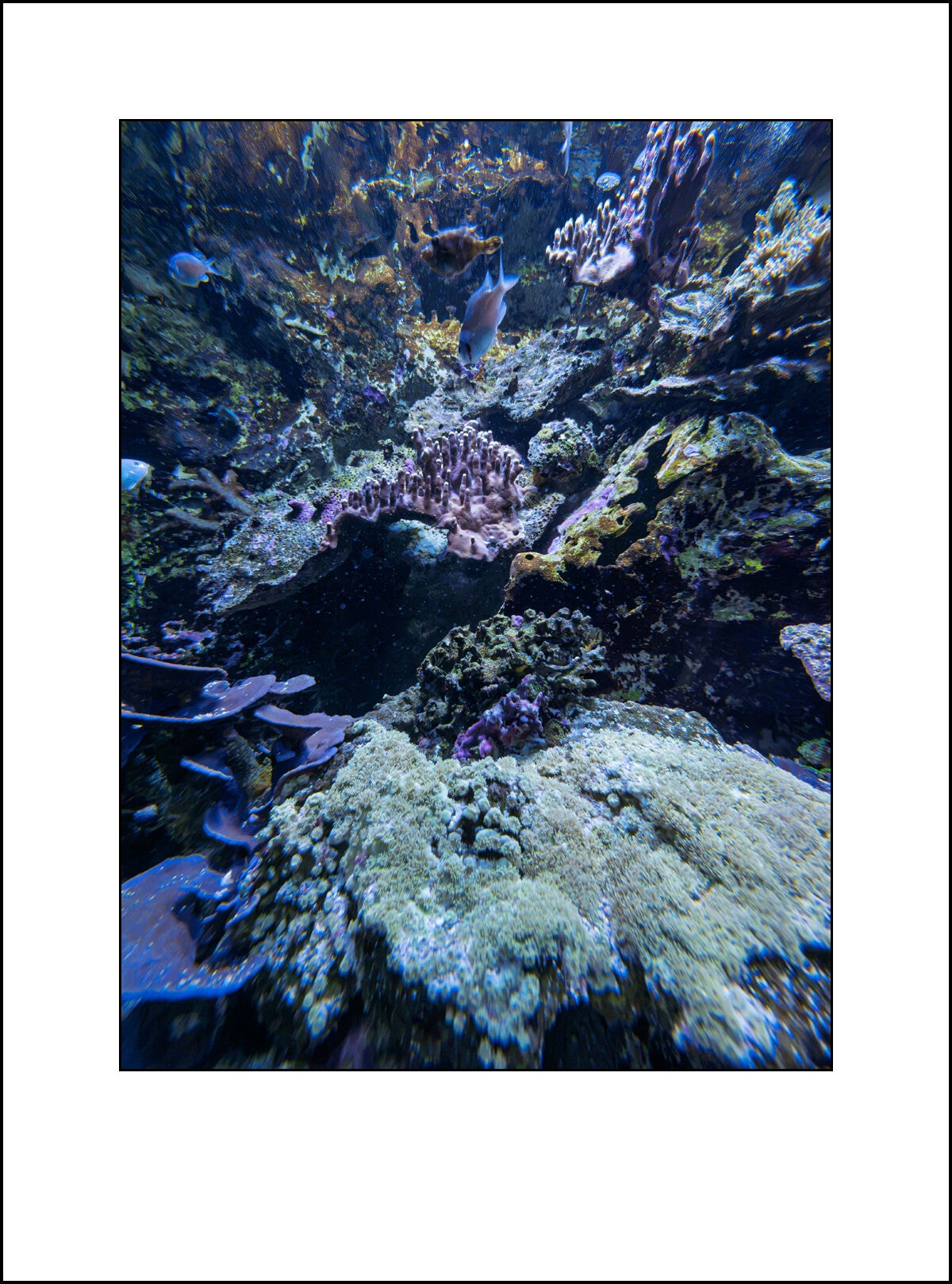
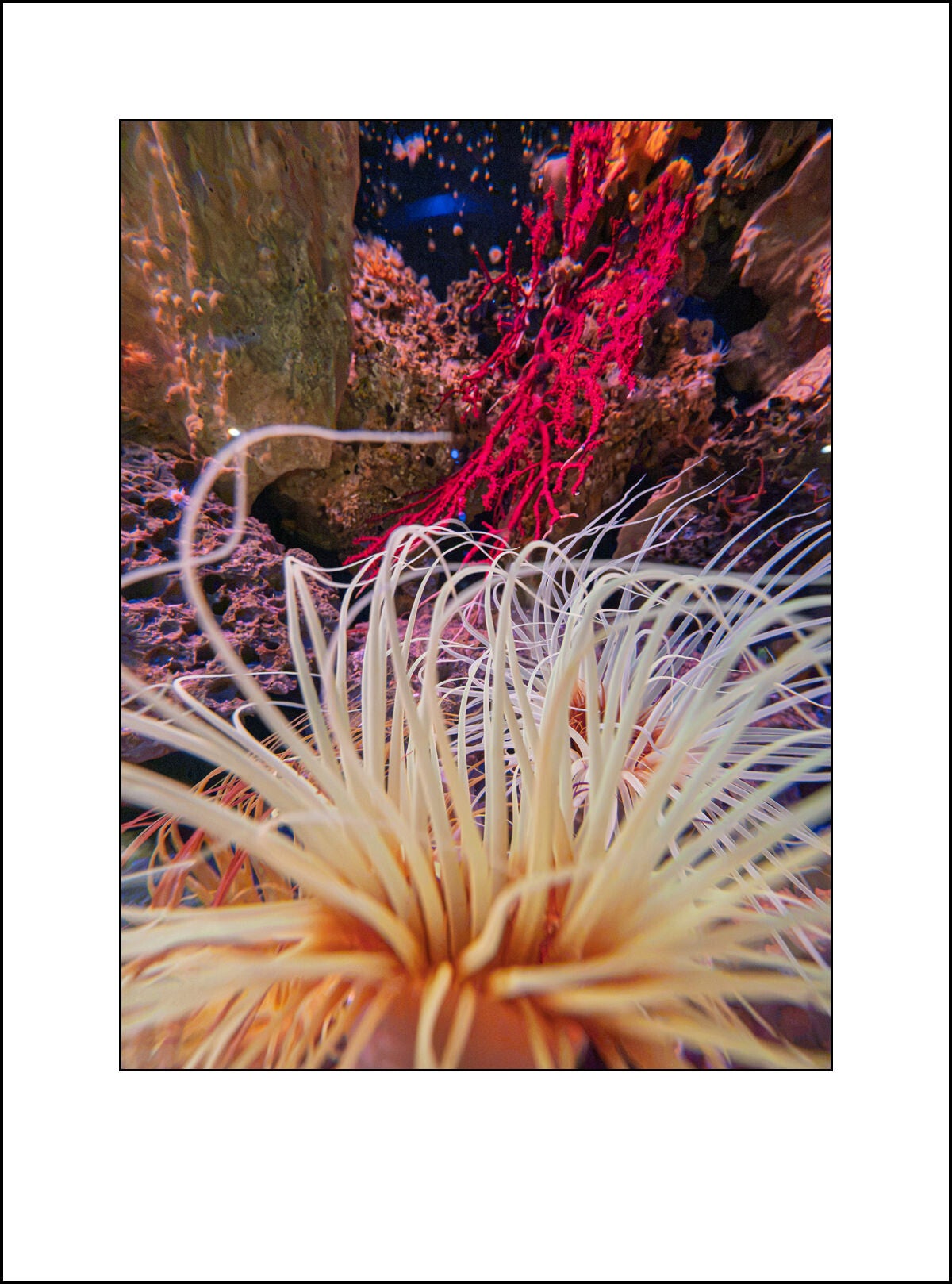
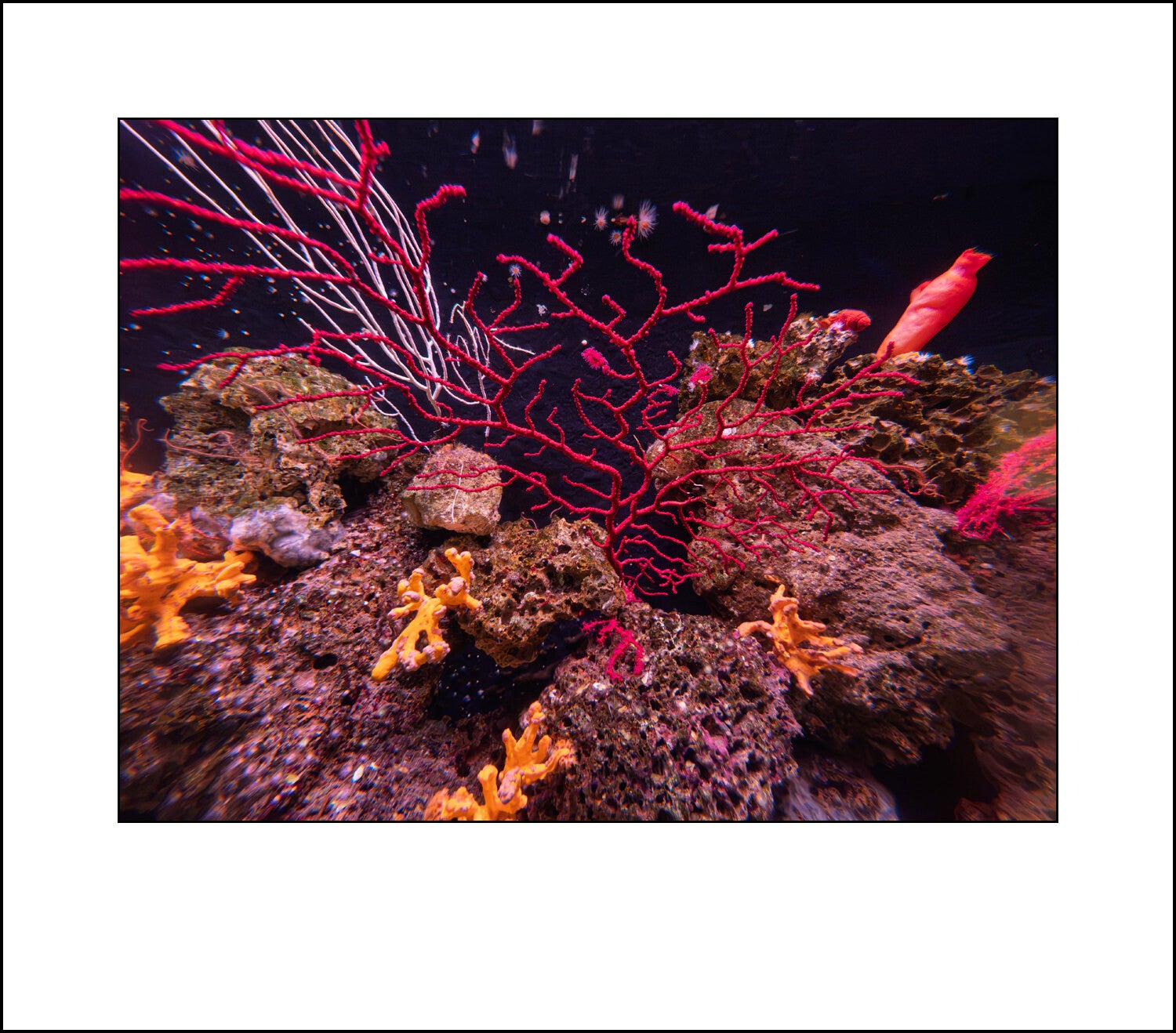
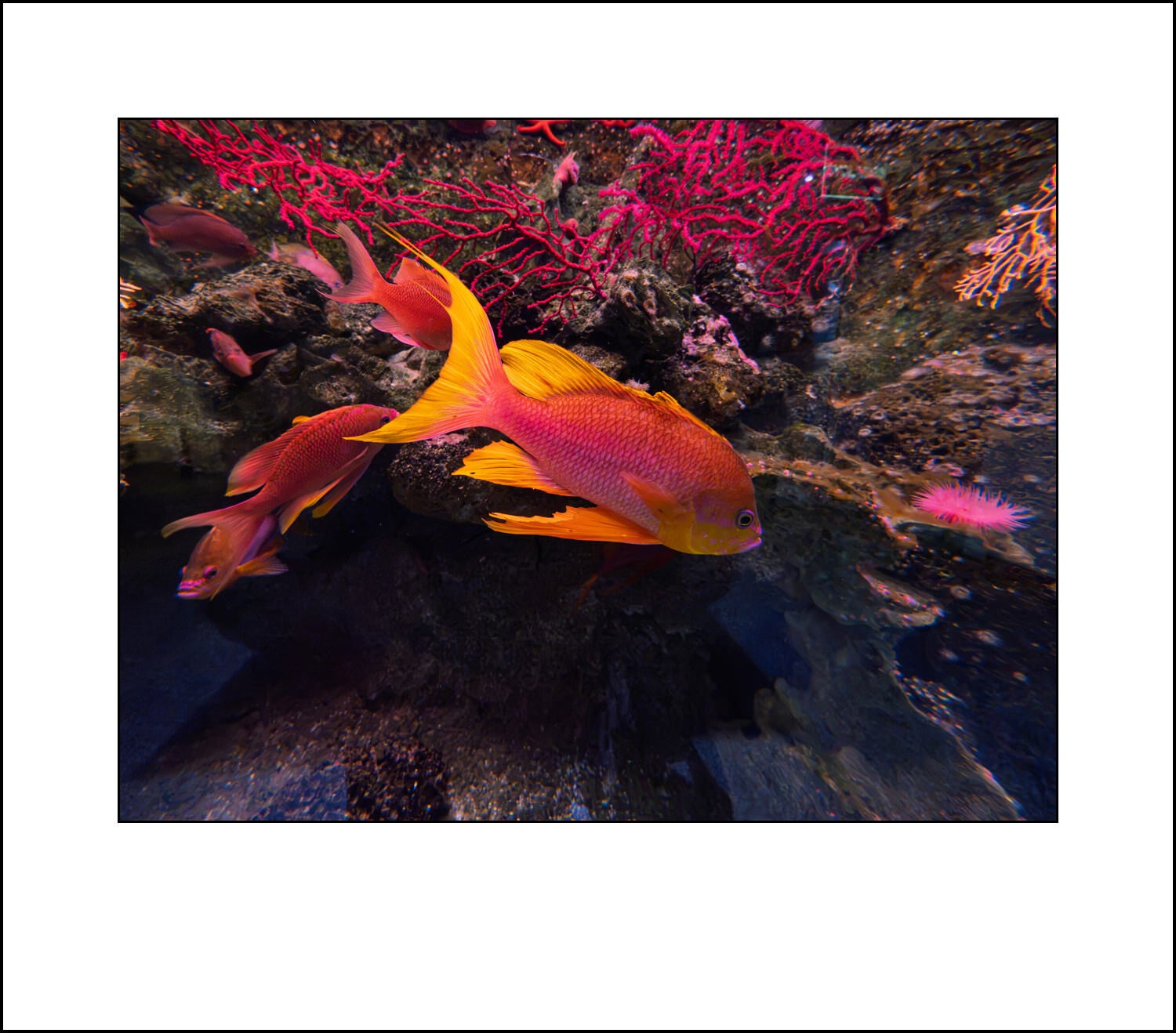
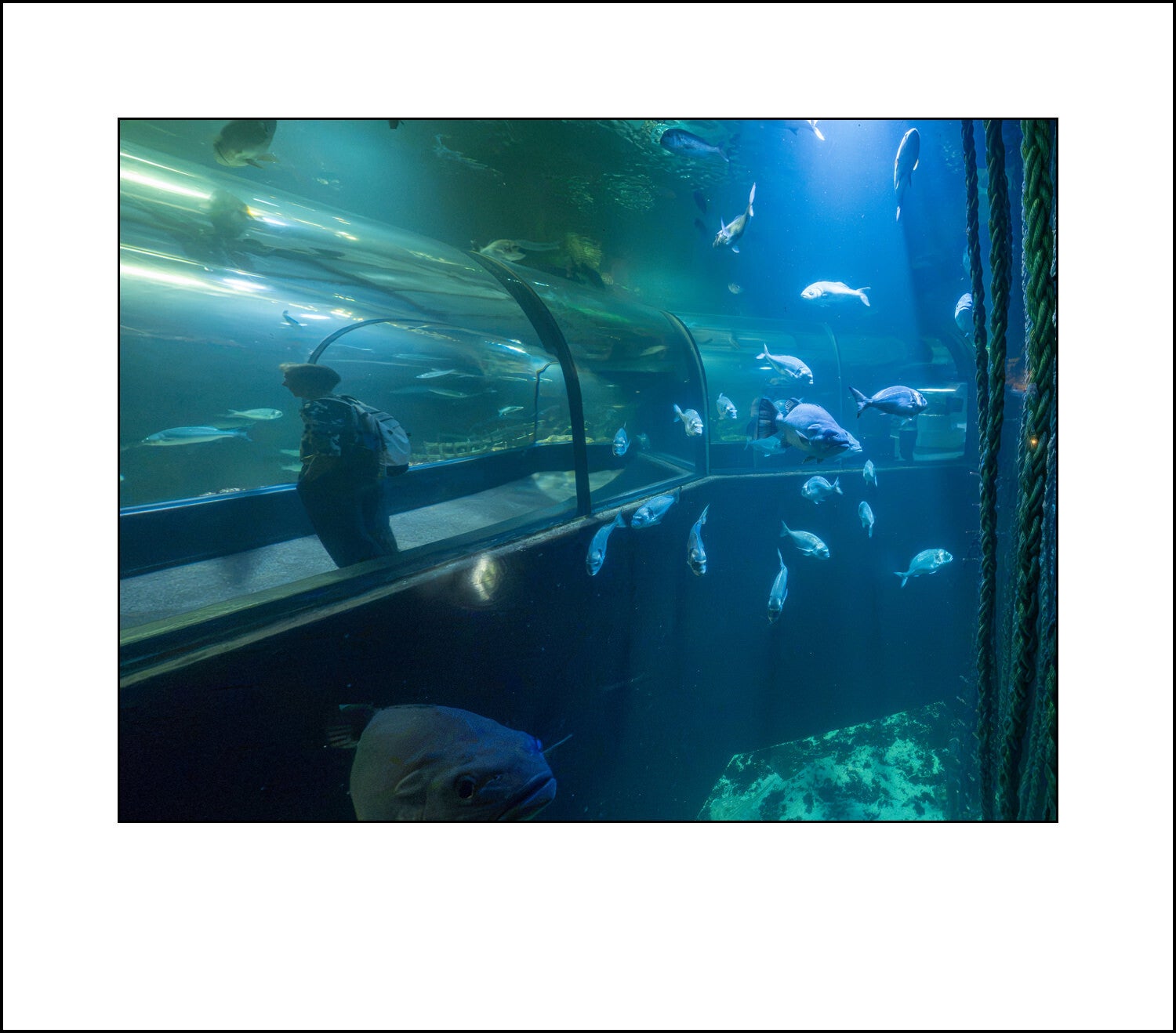
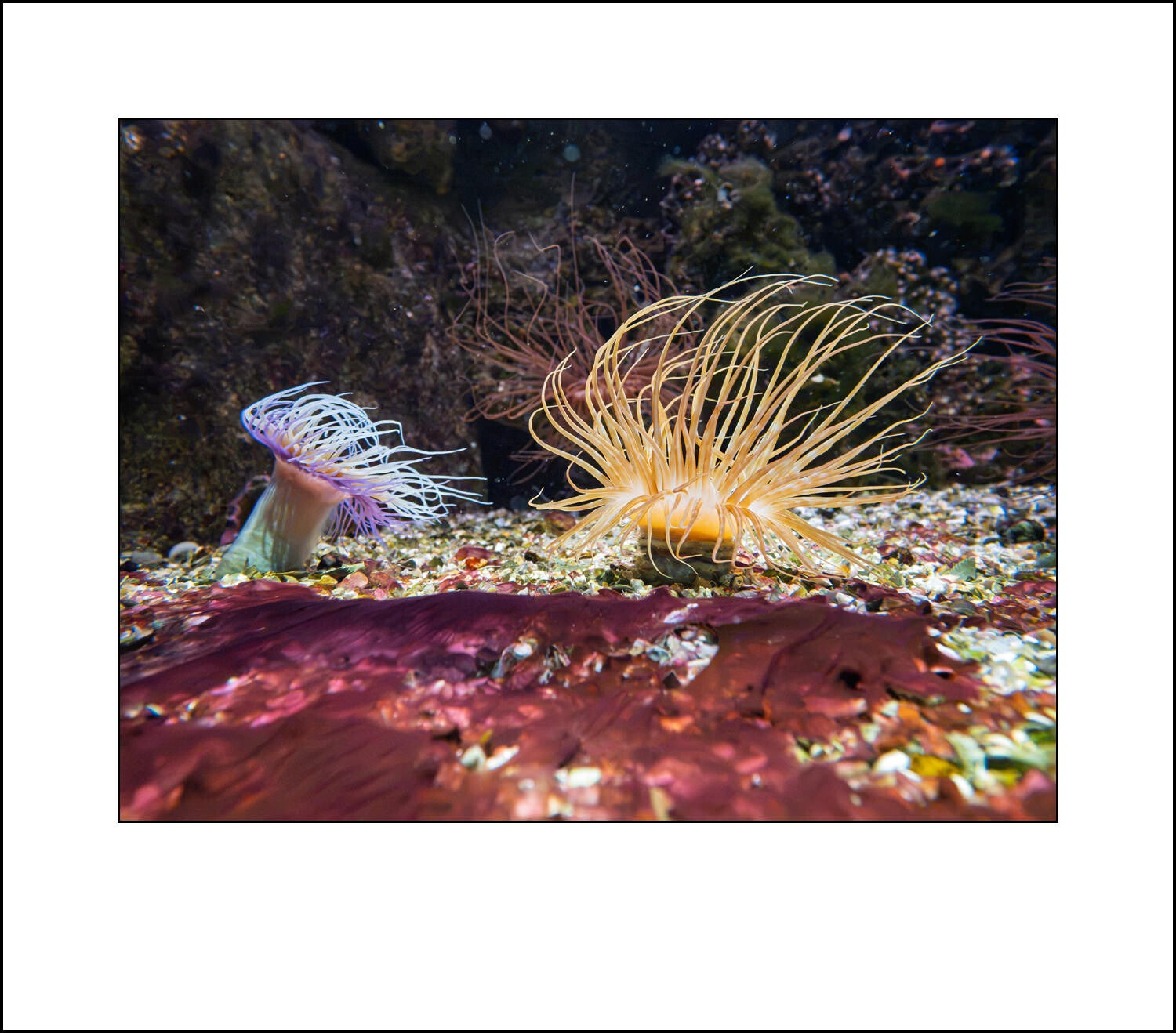
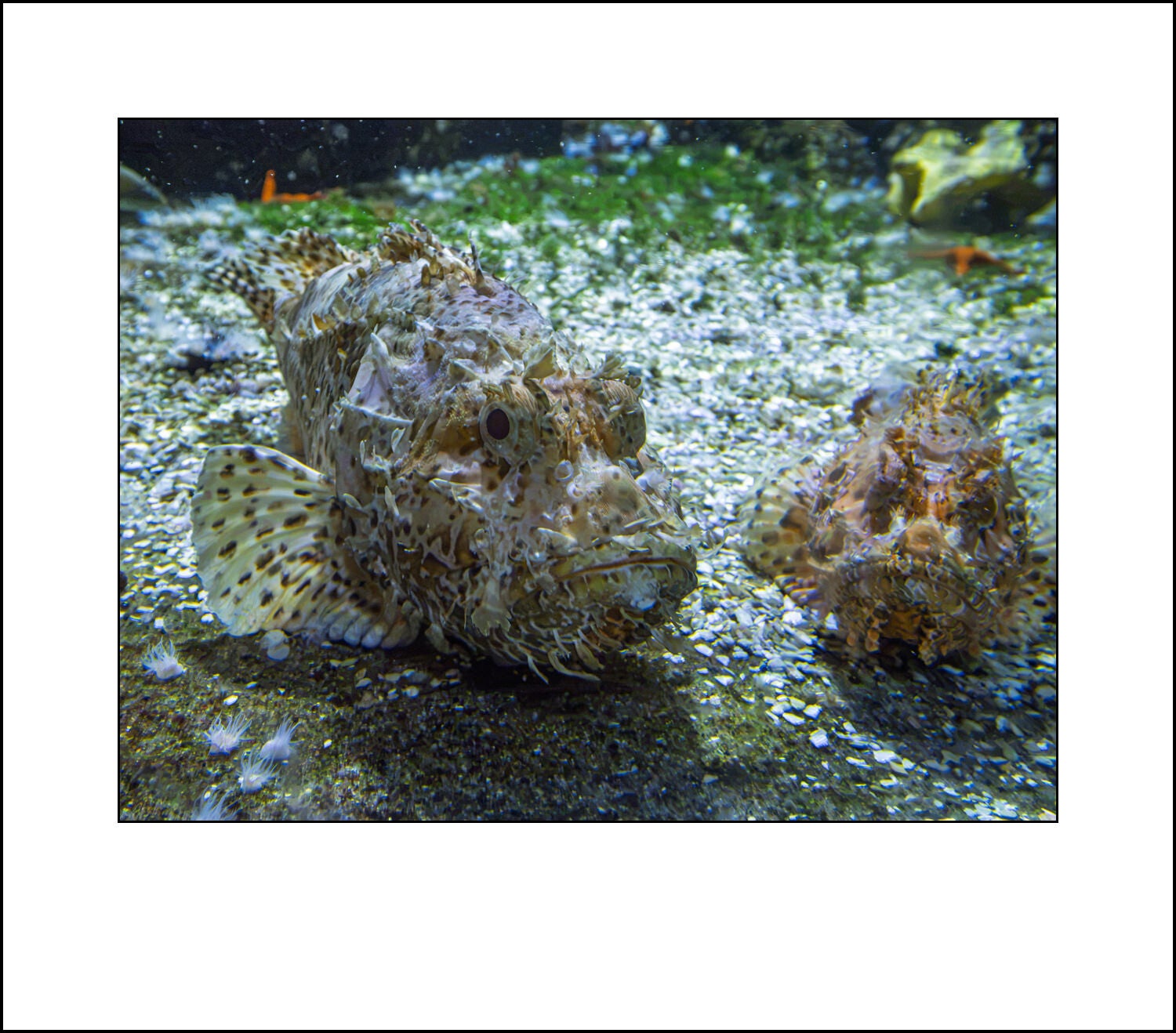
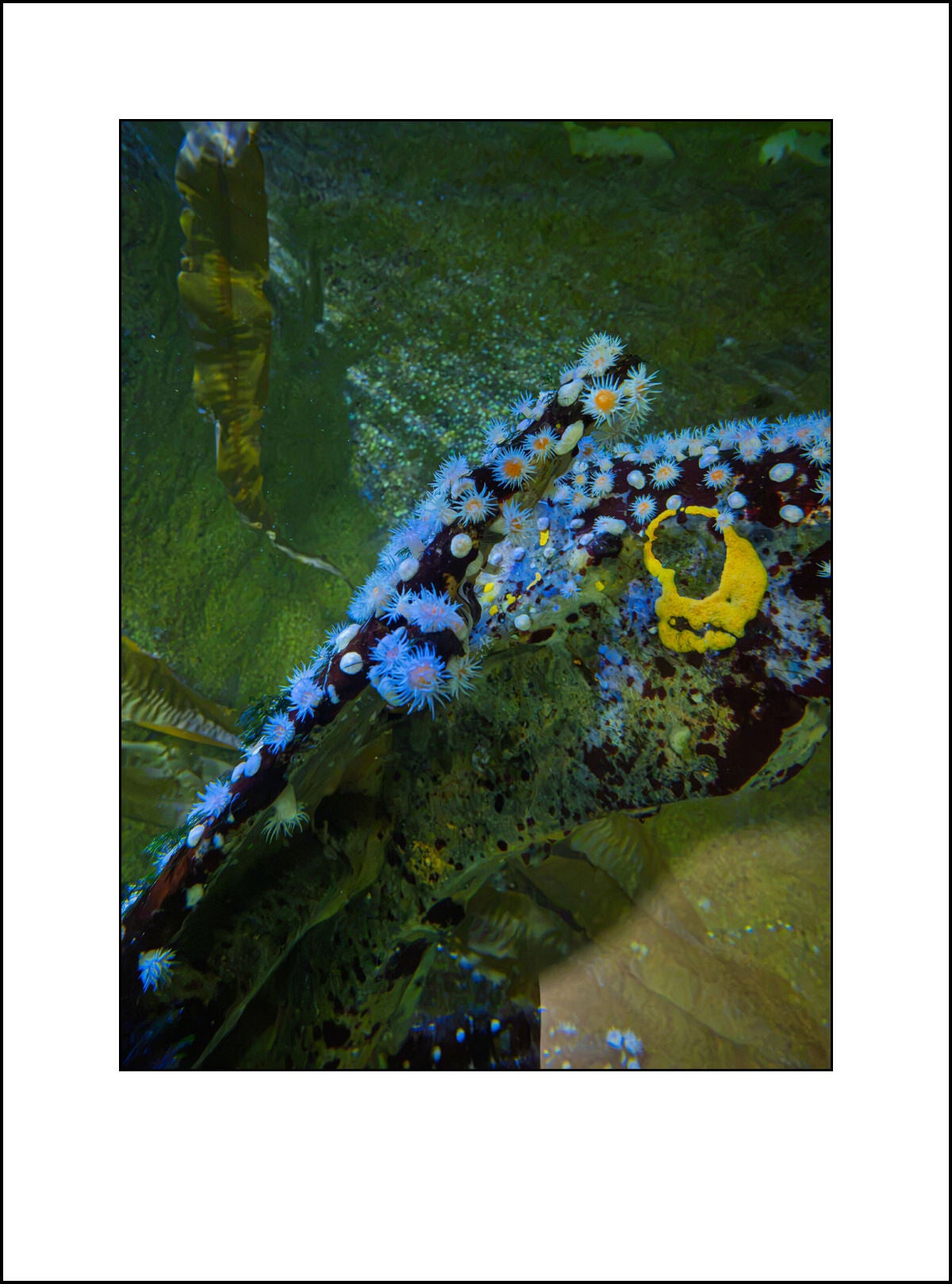
Images taken with the OM-5 Mk II
Lens mounted was the Olympus 14-150 f4-5.6 Mk II
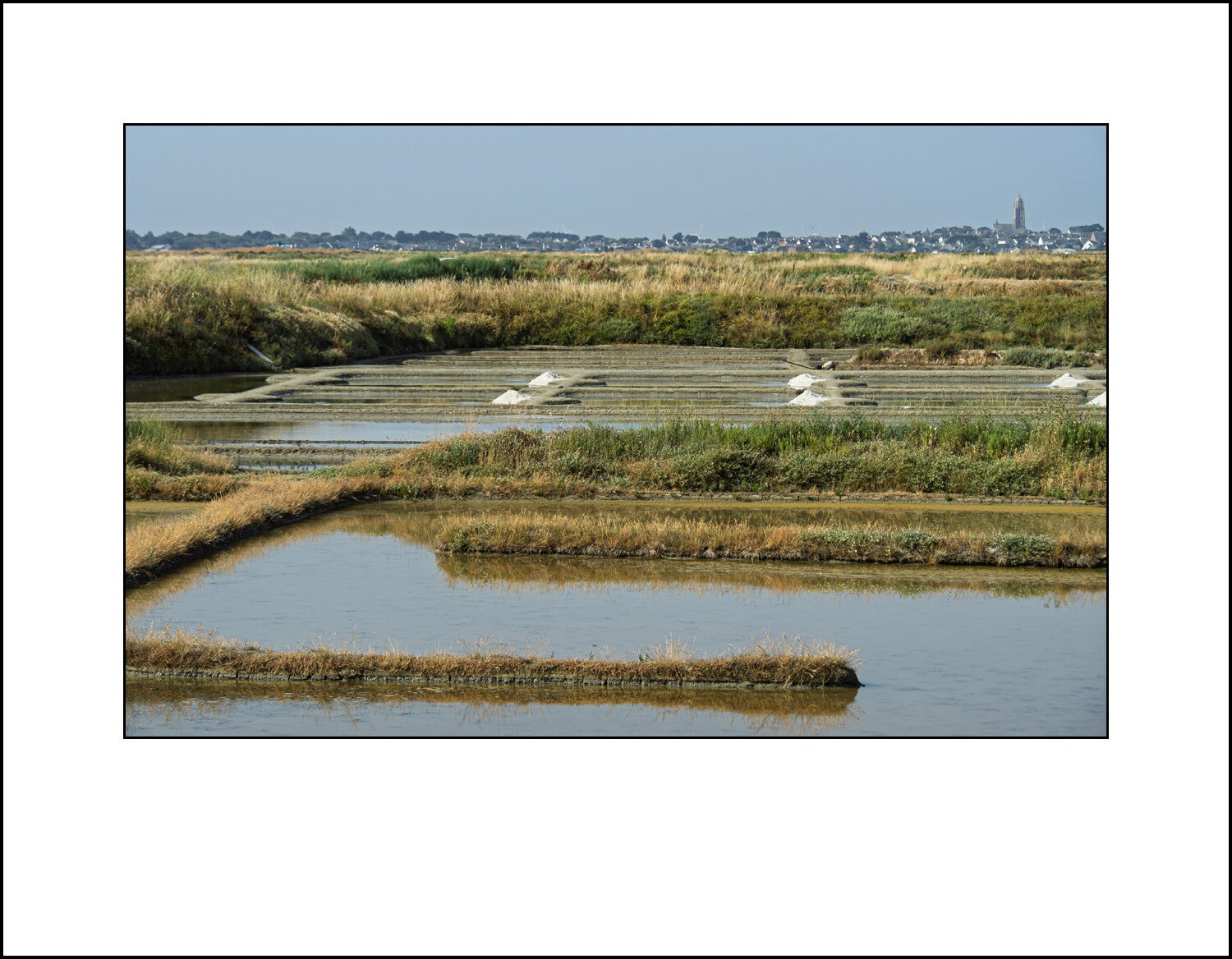
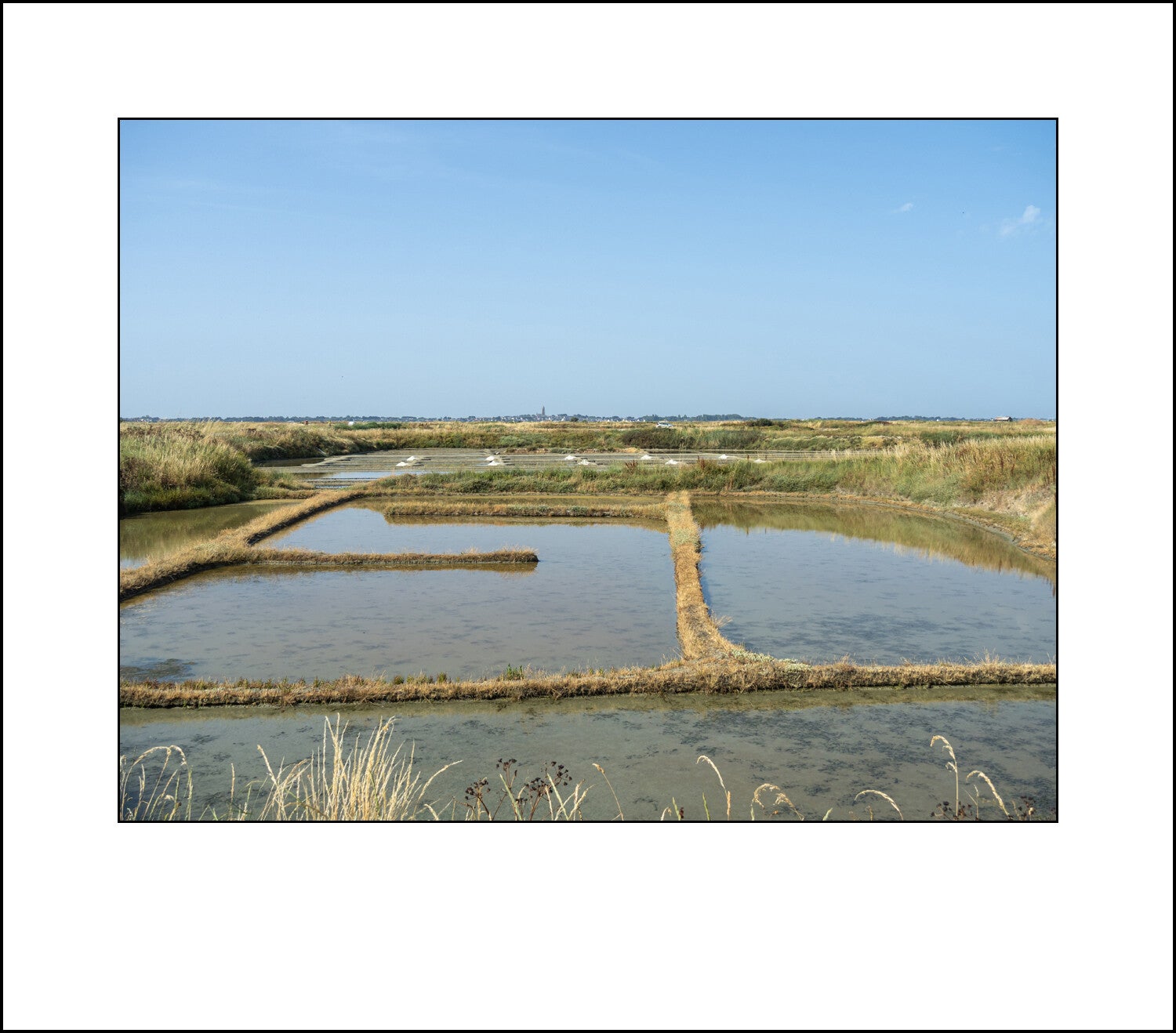
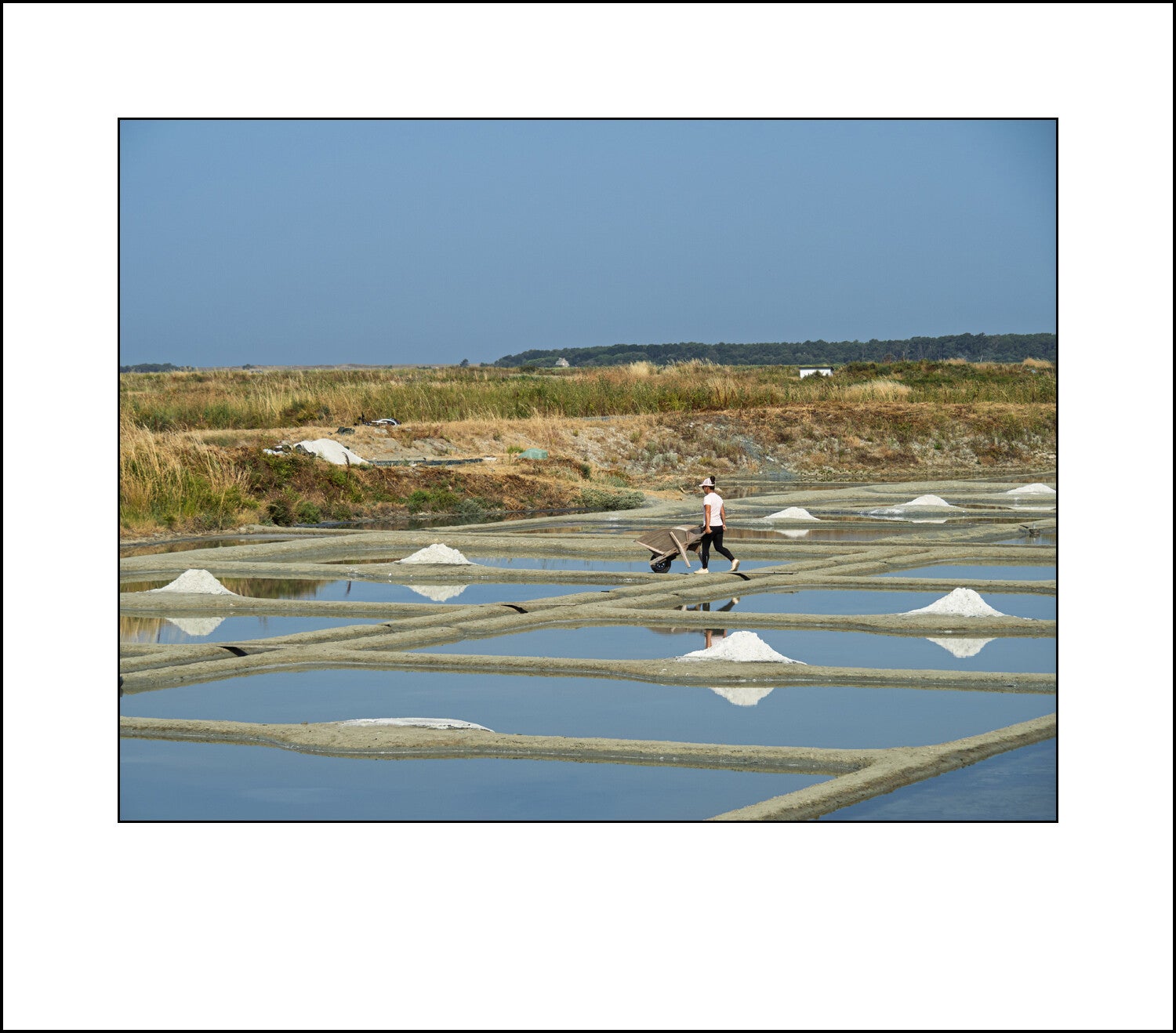
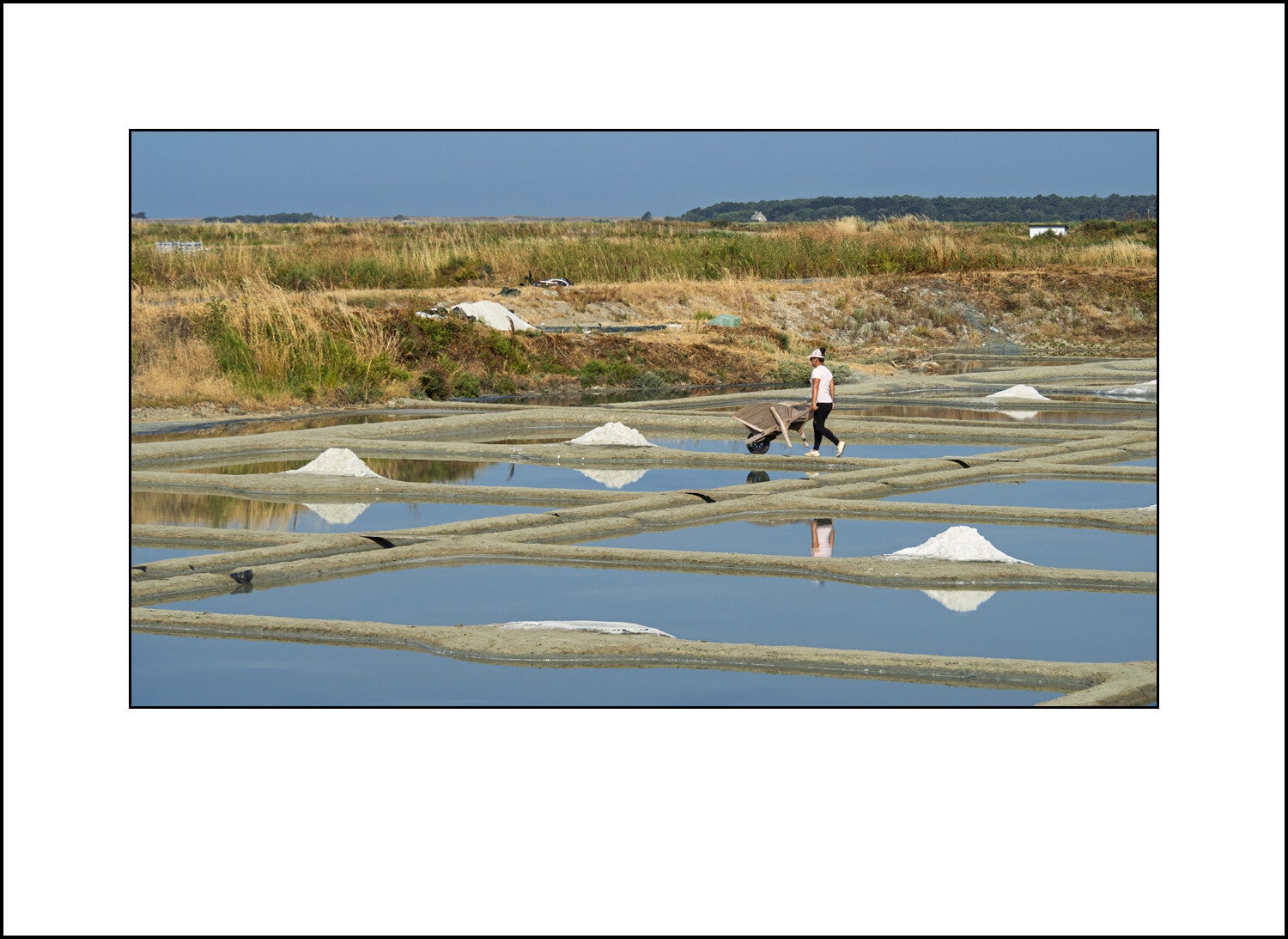
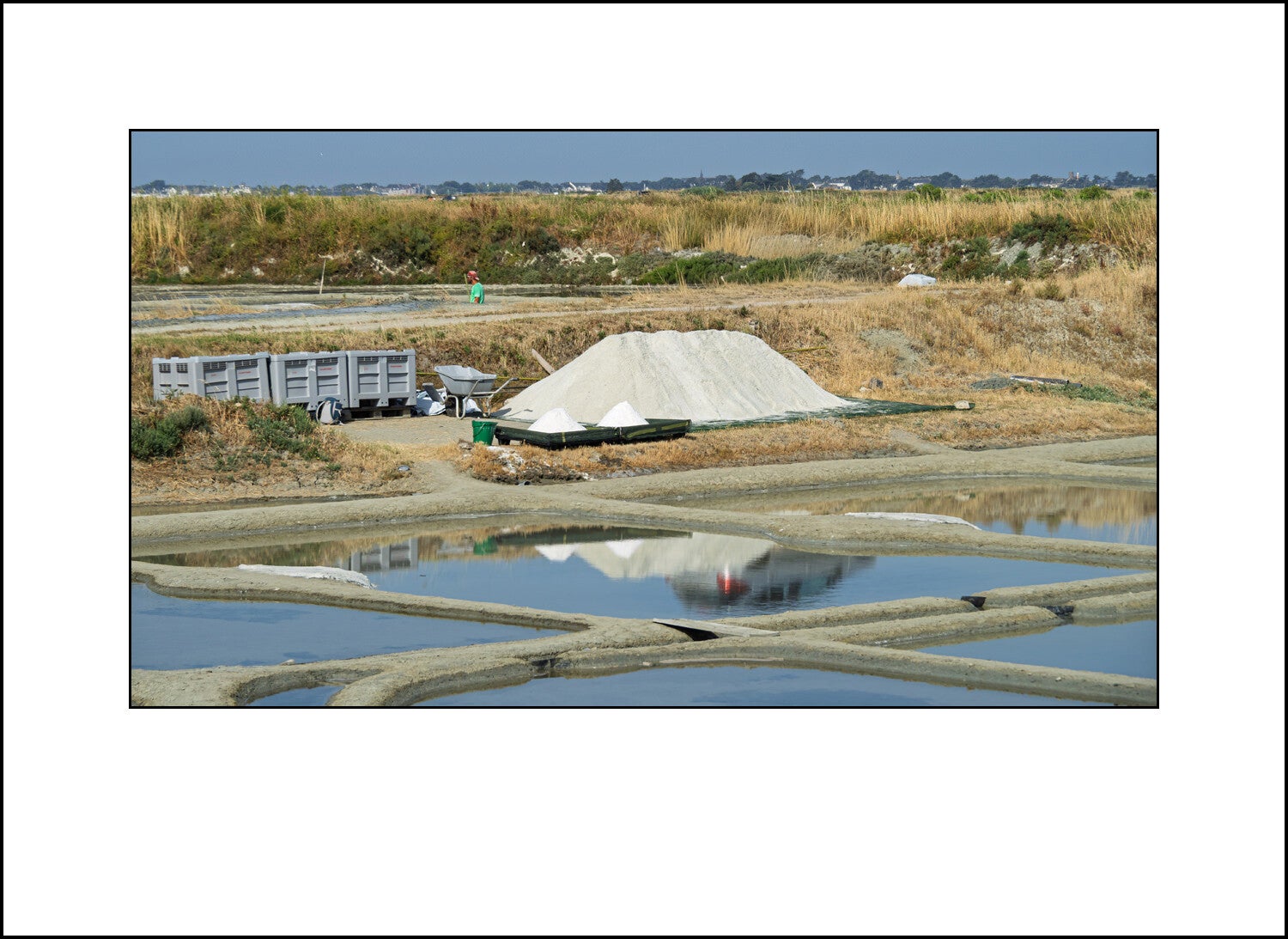
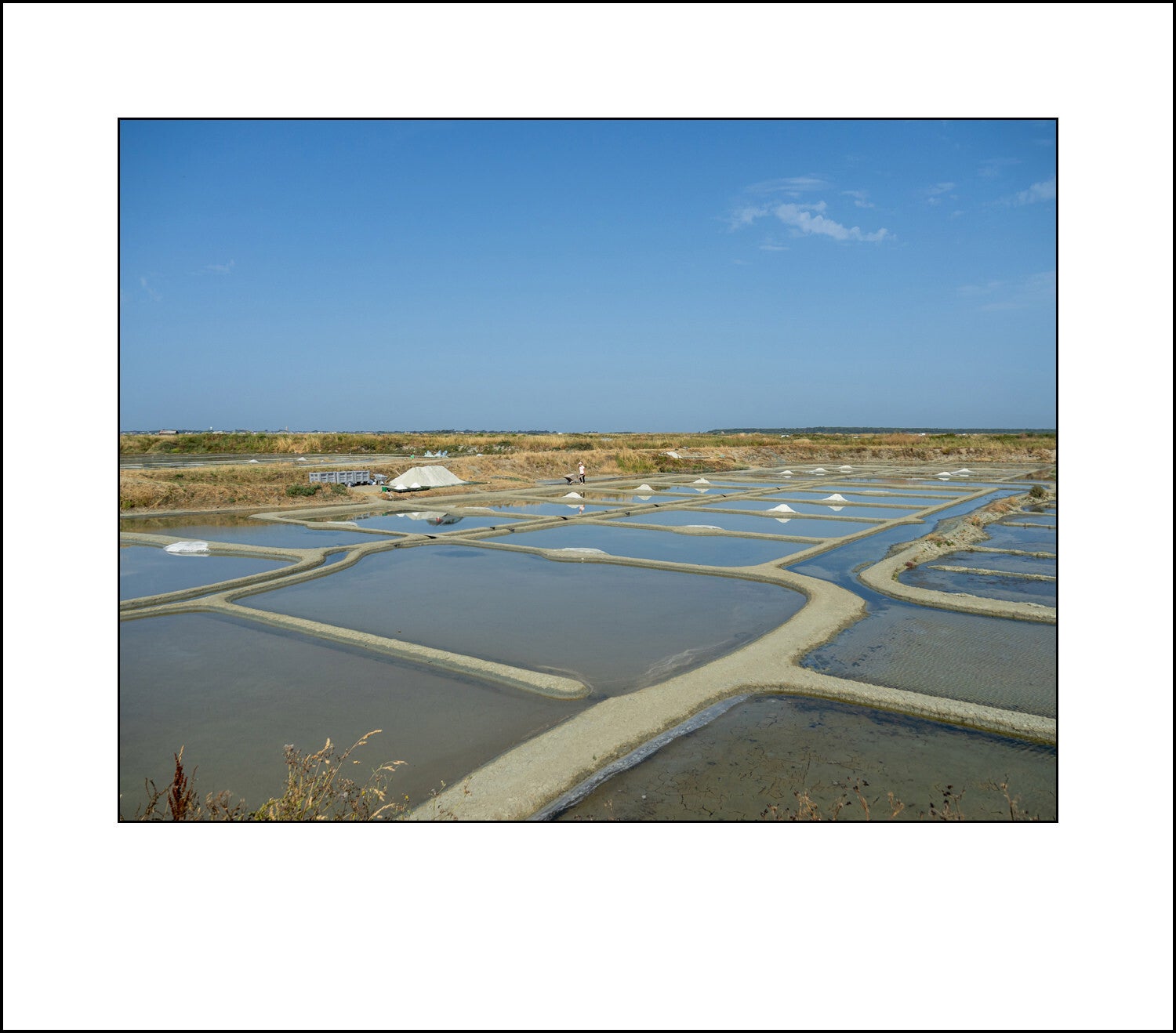
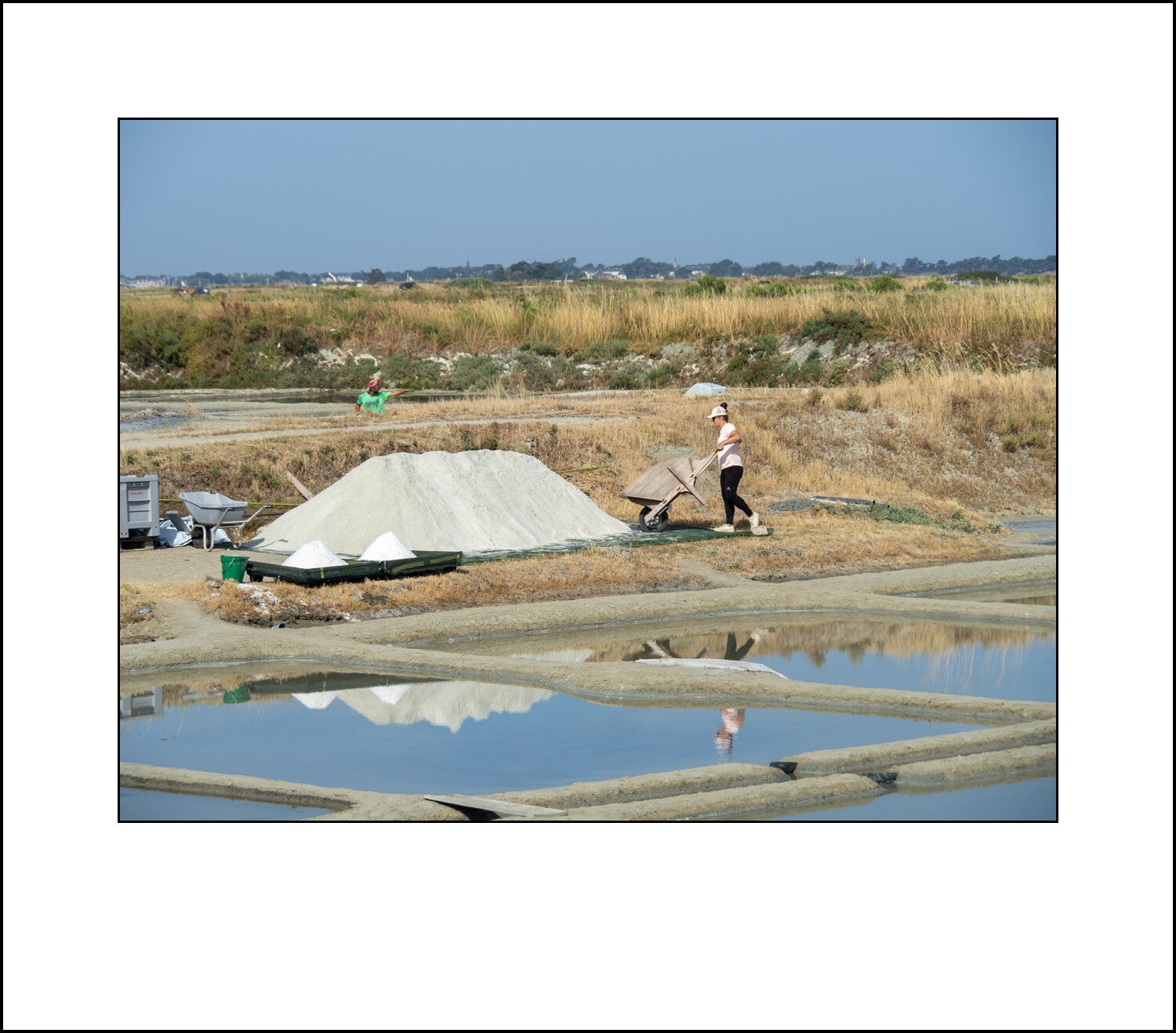
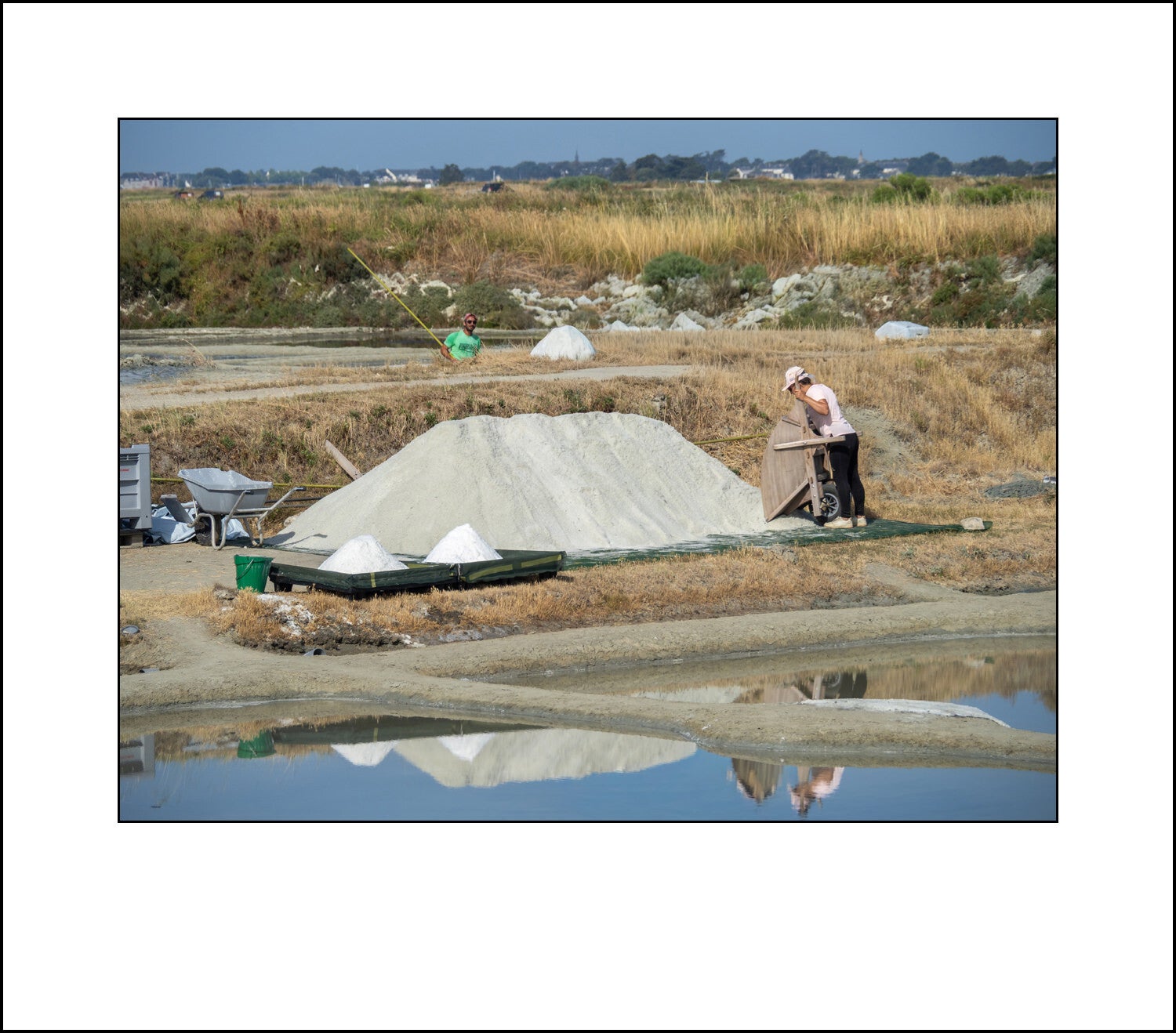
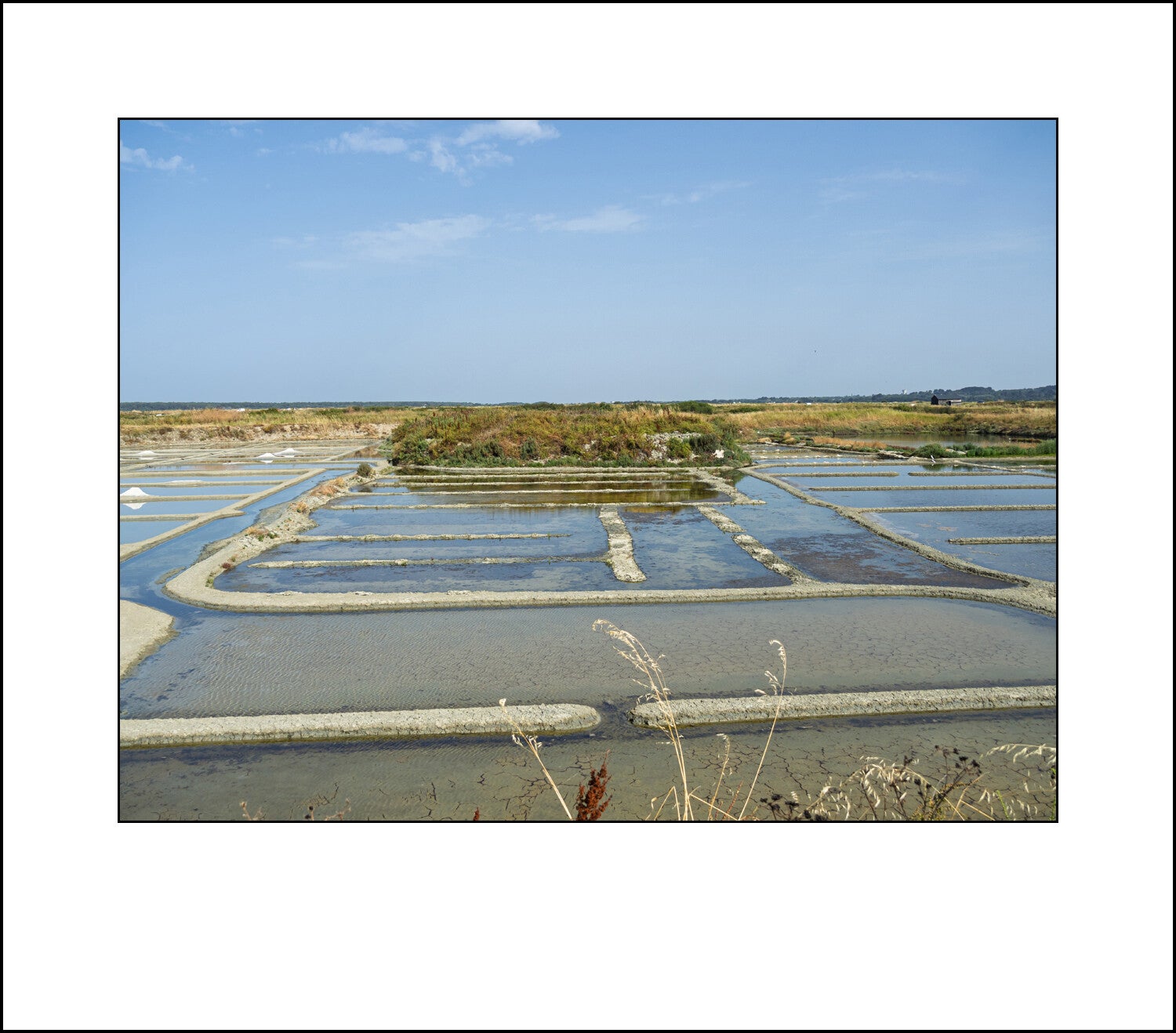
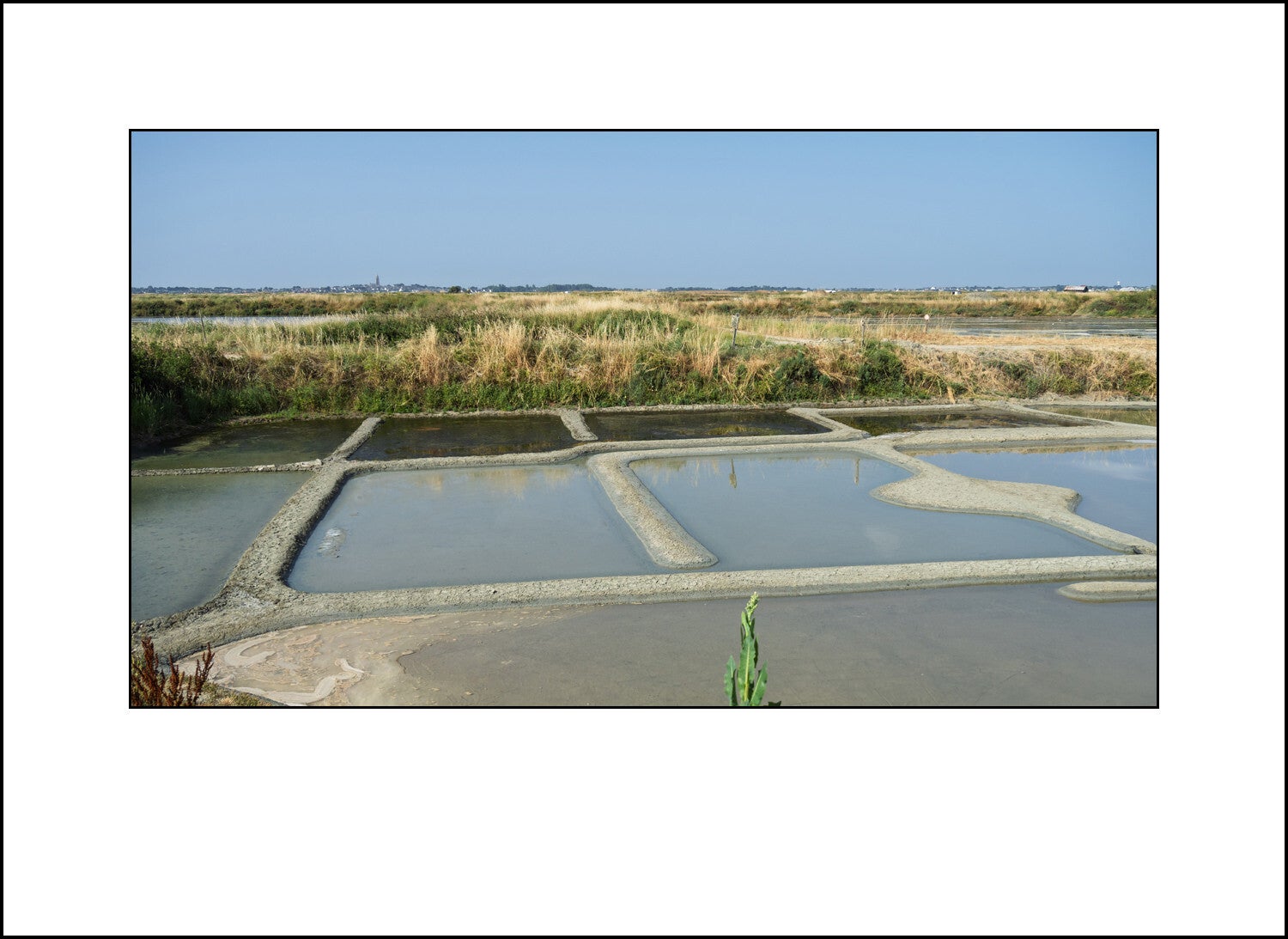
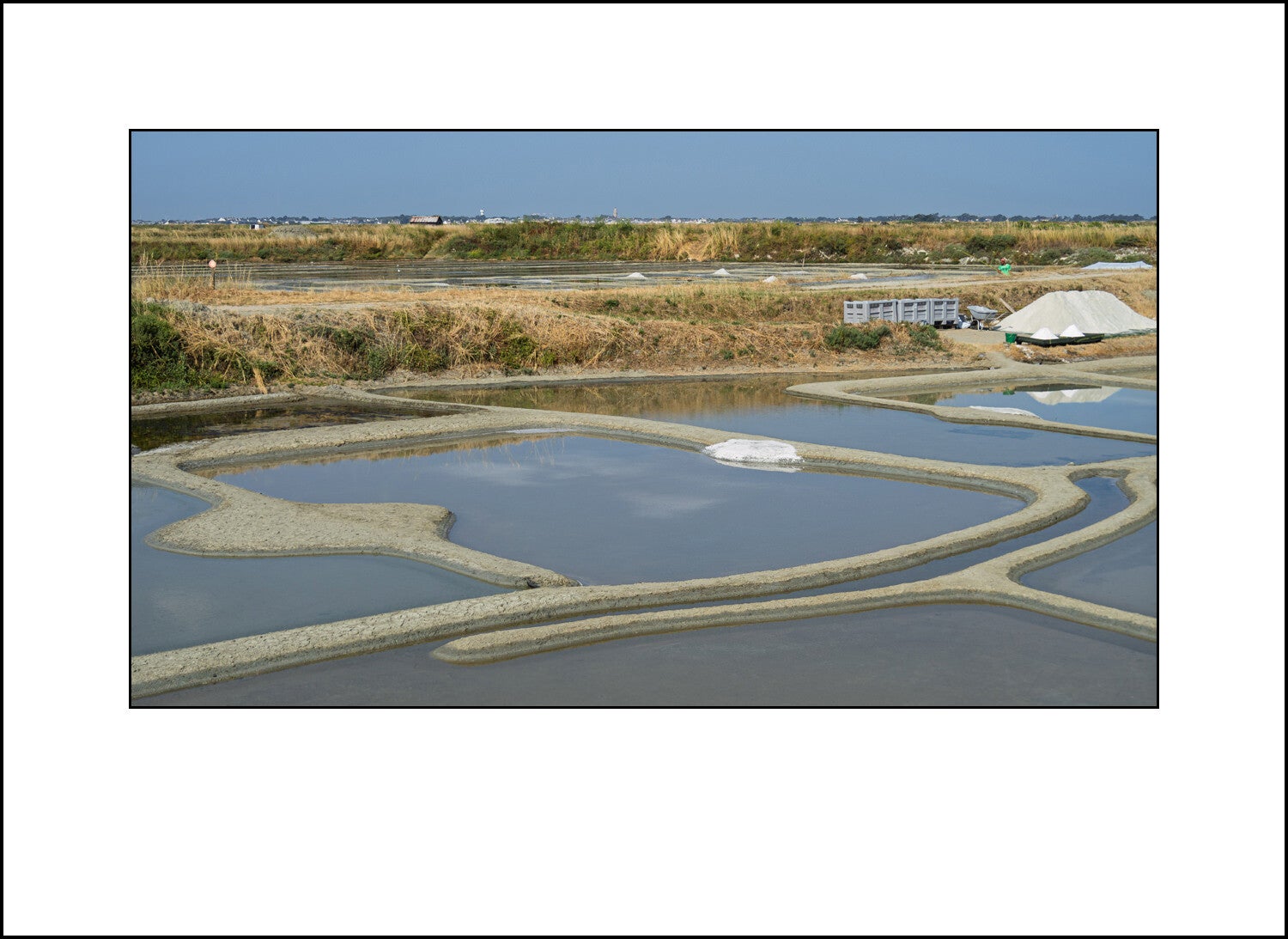
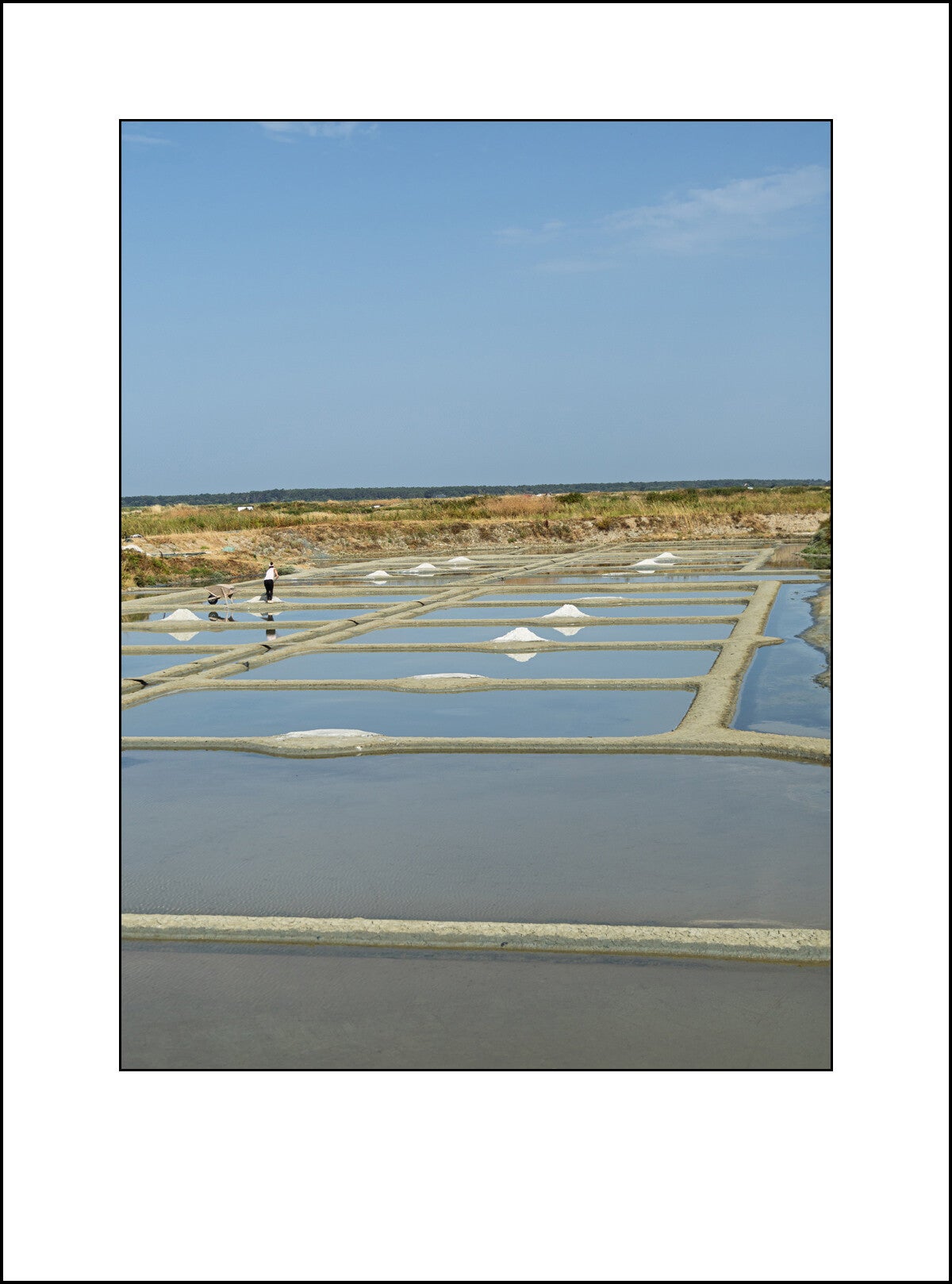
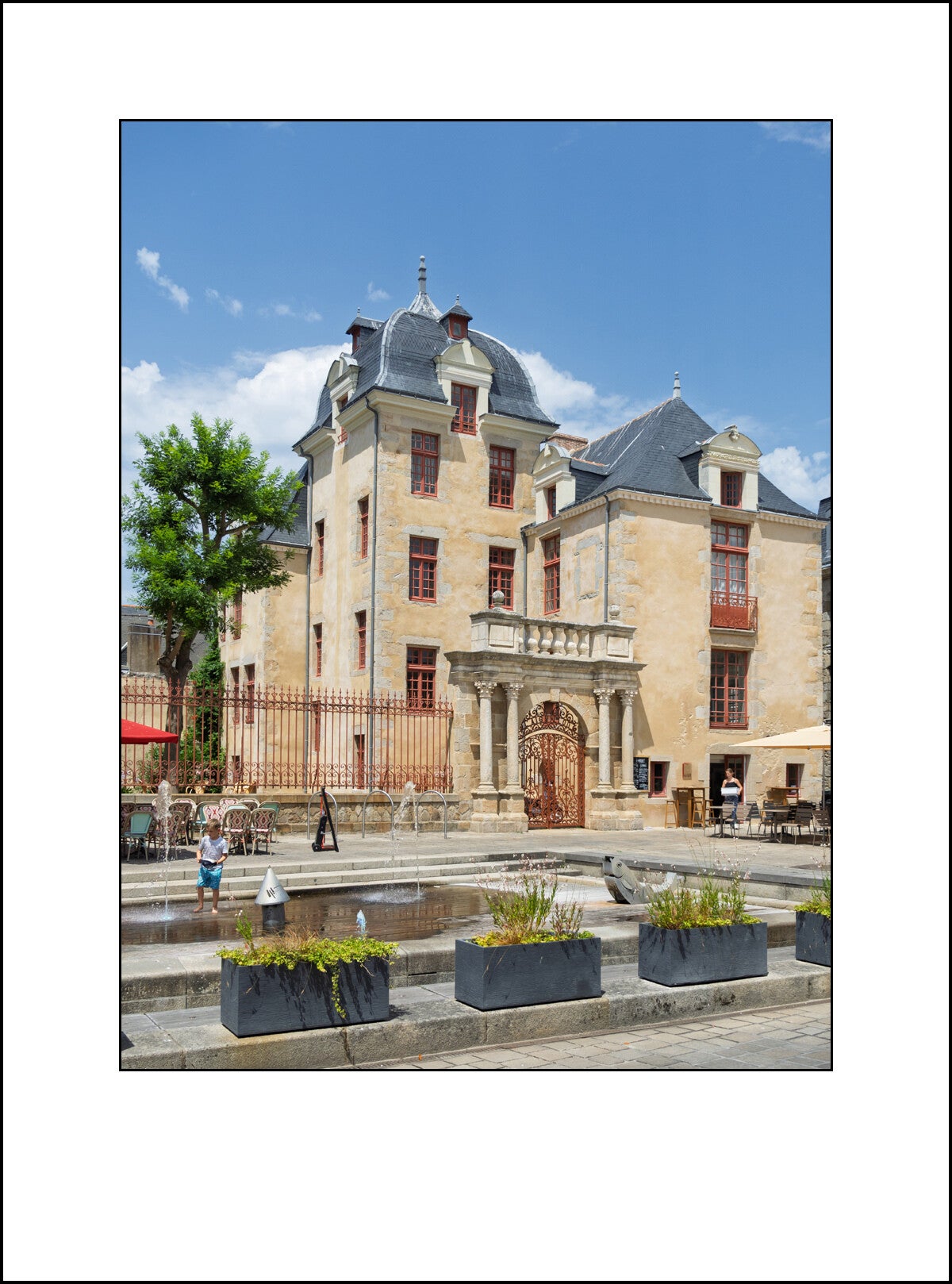
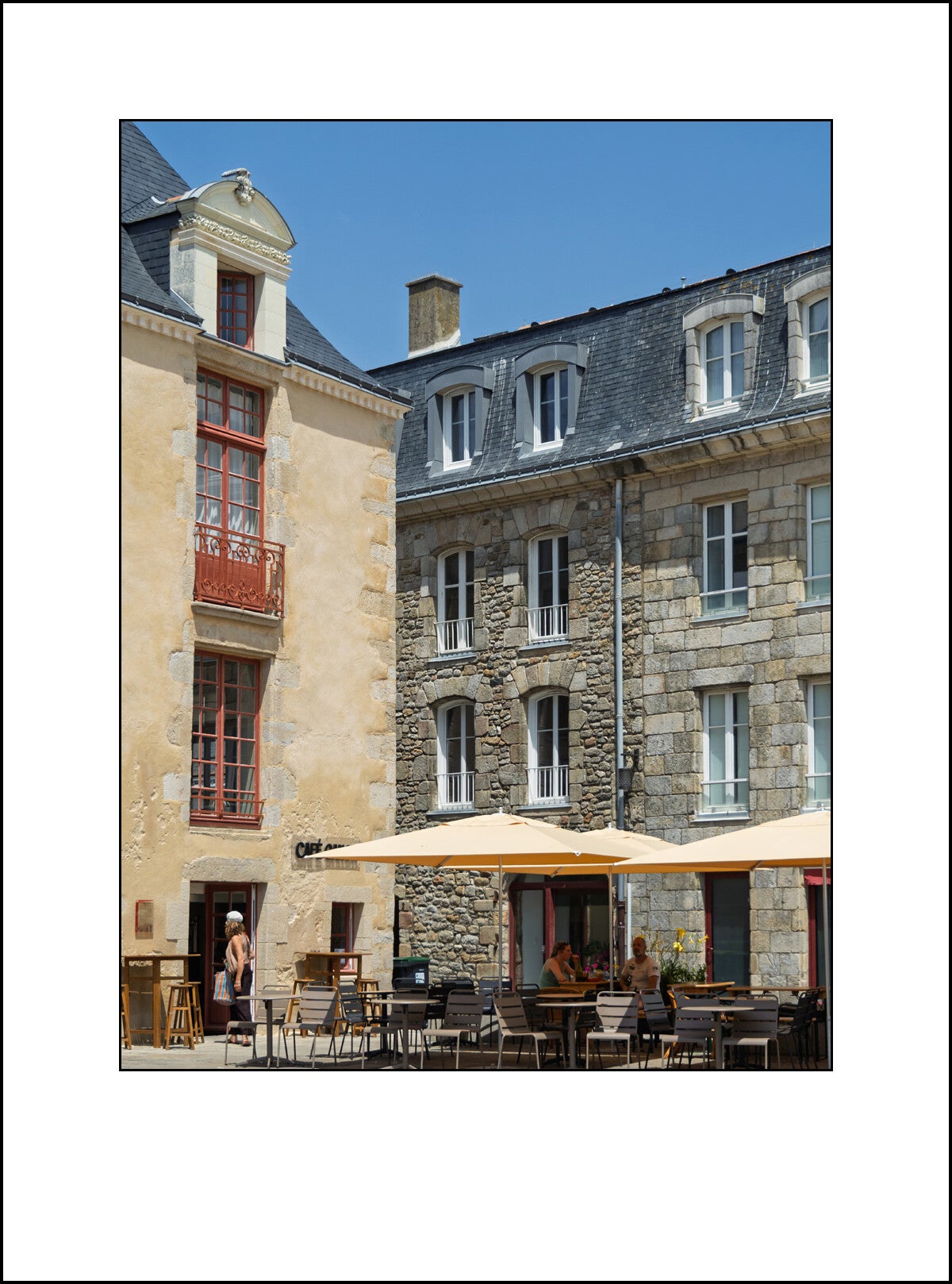
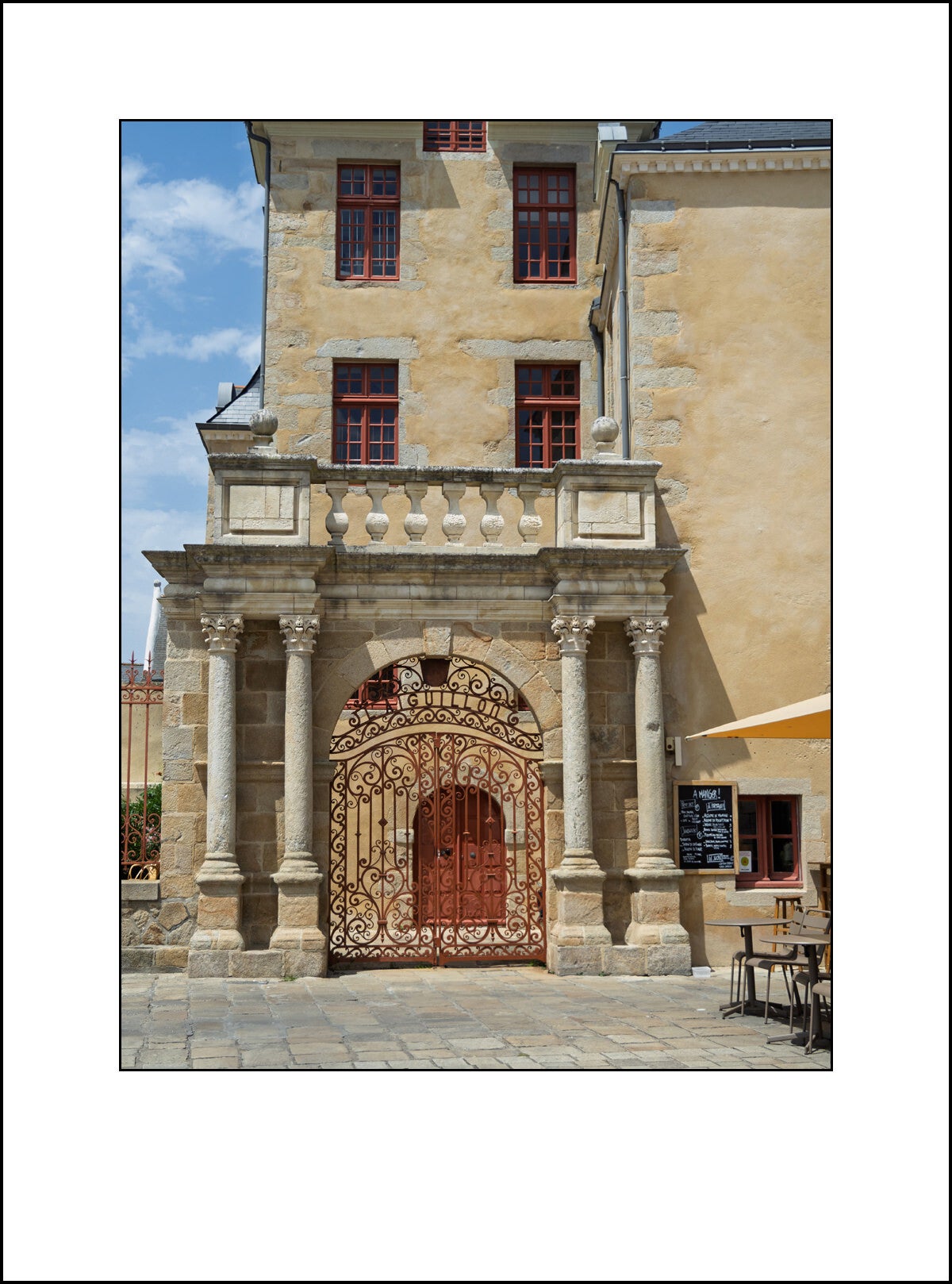
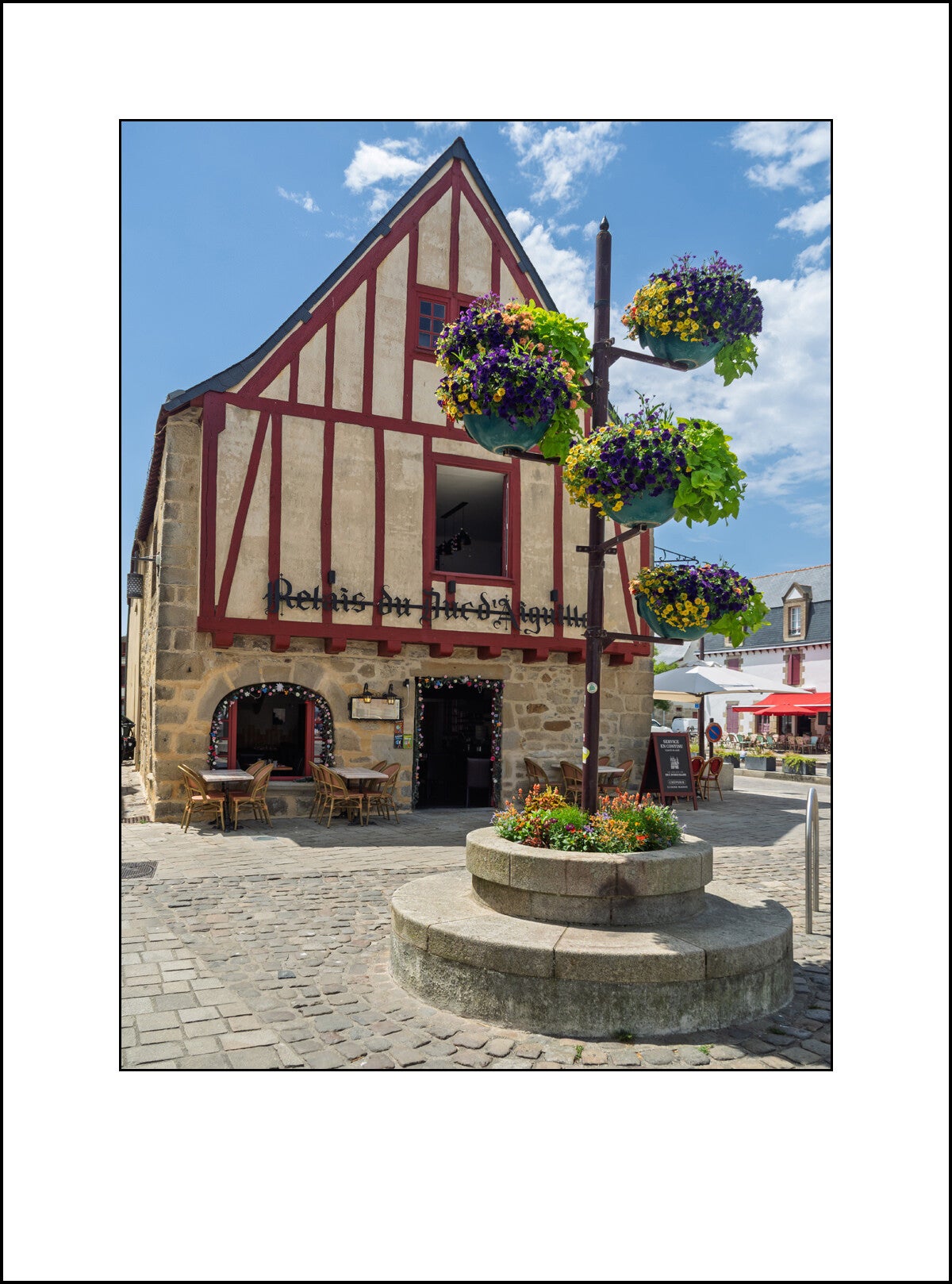
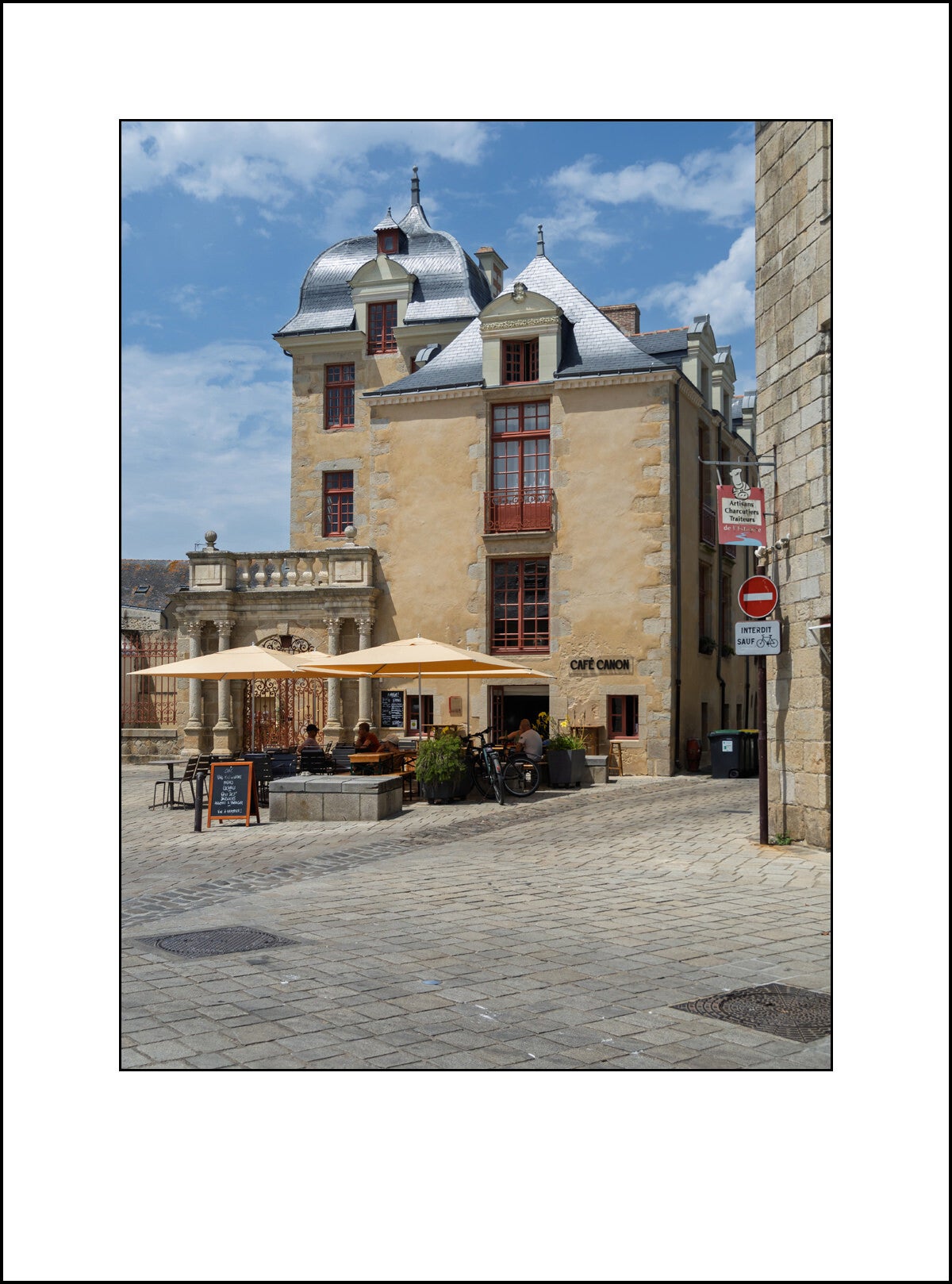
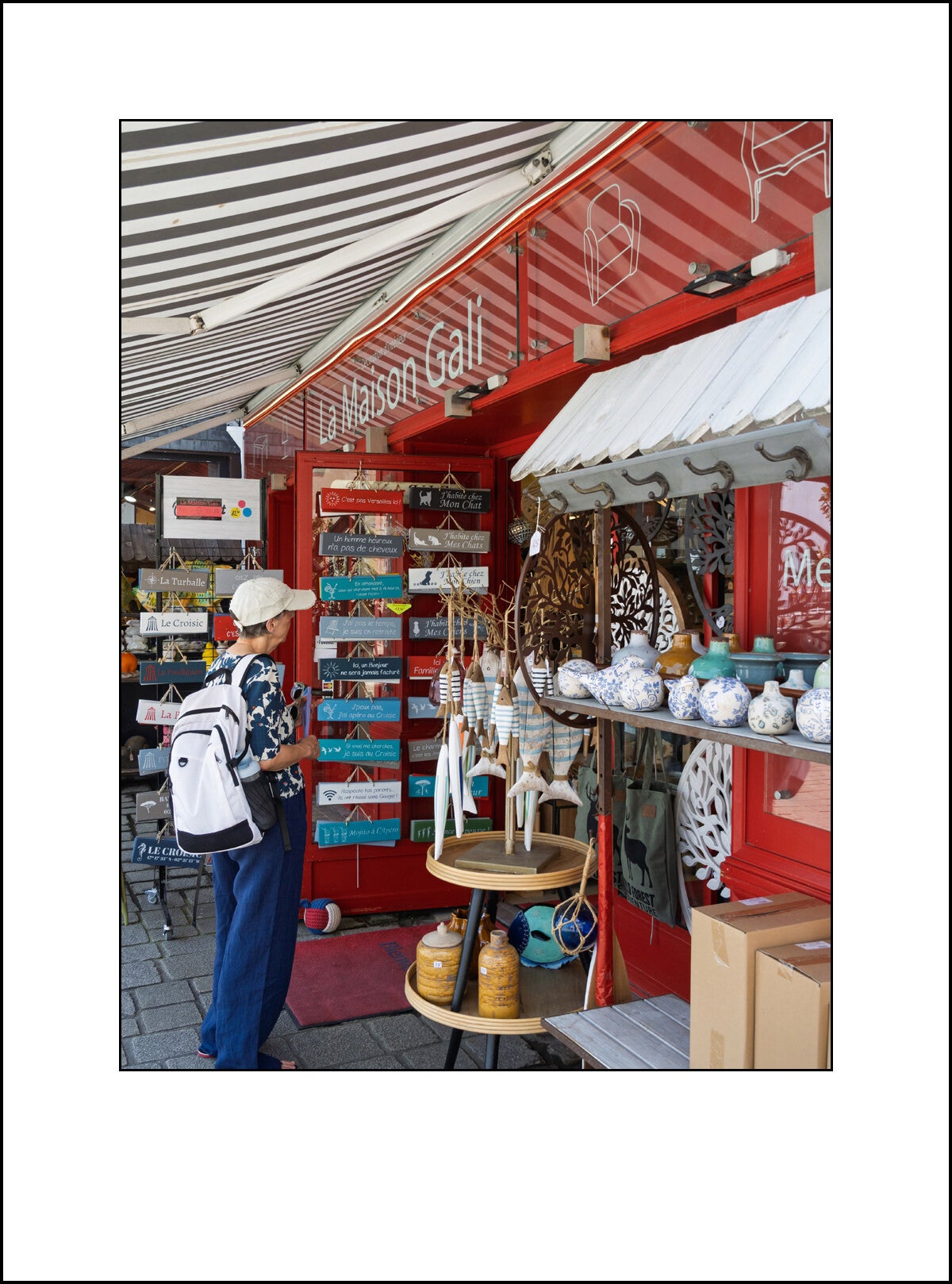
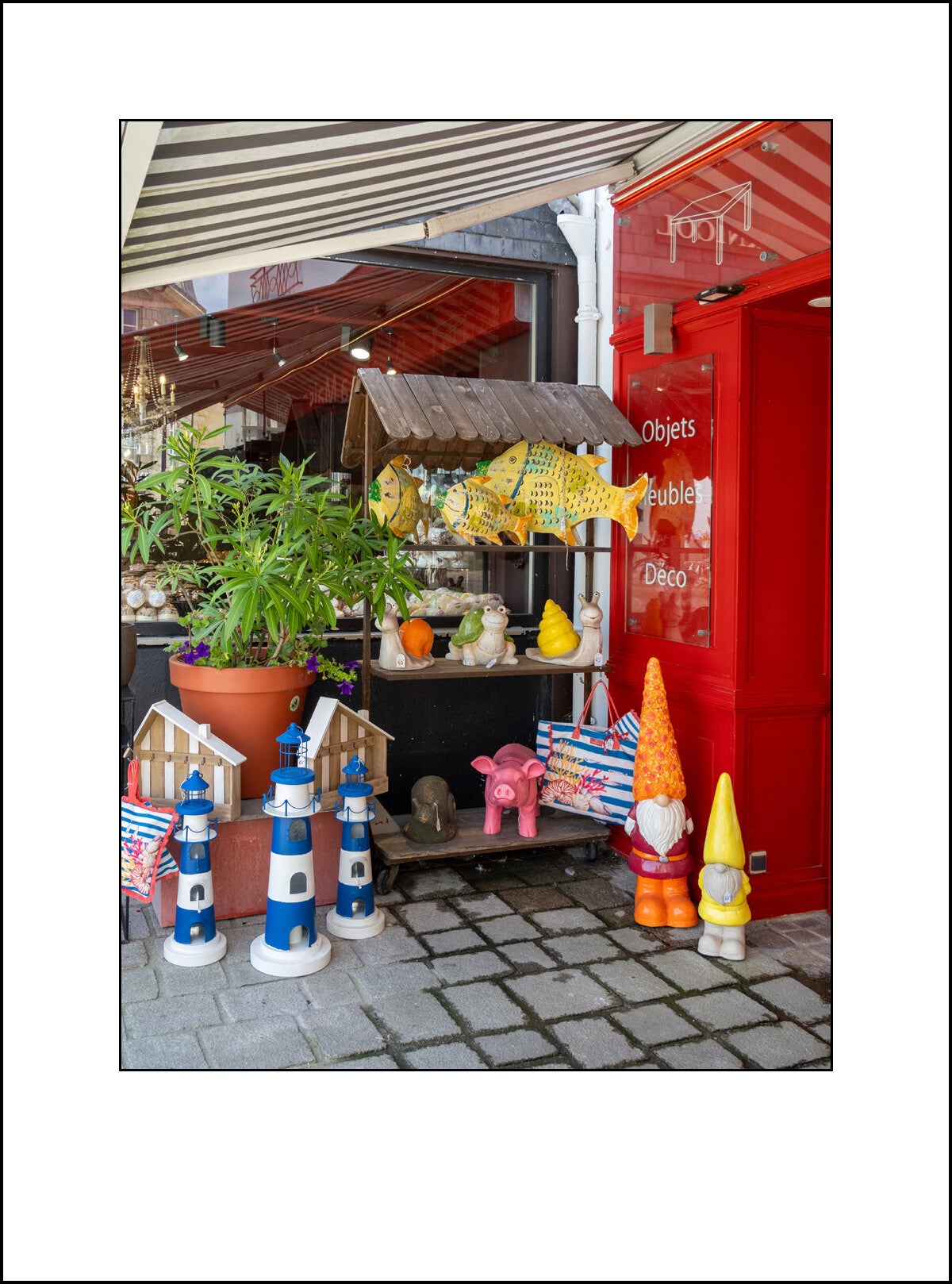
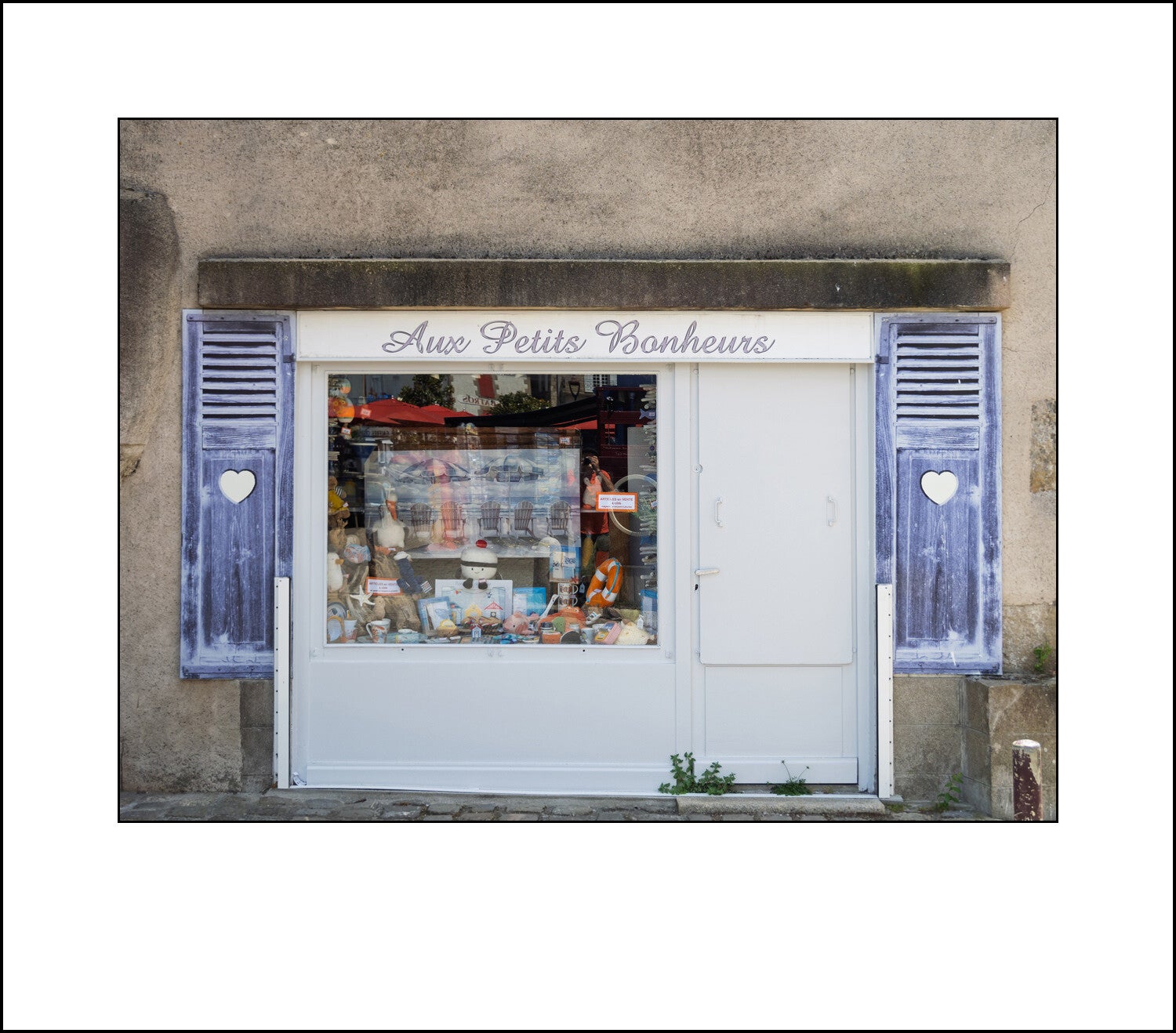
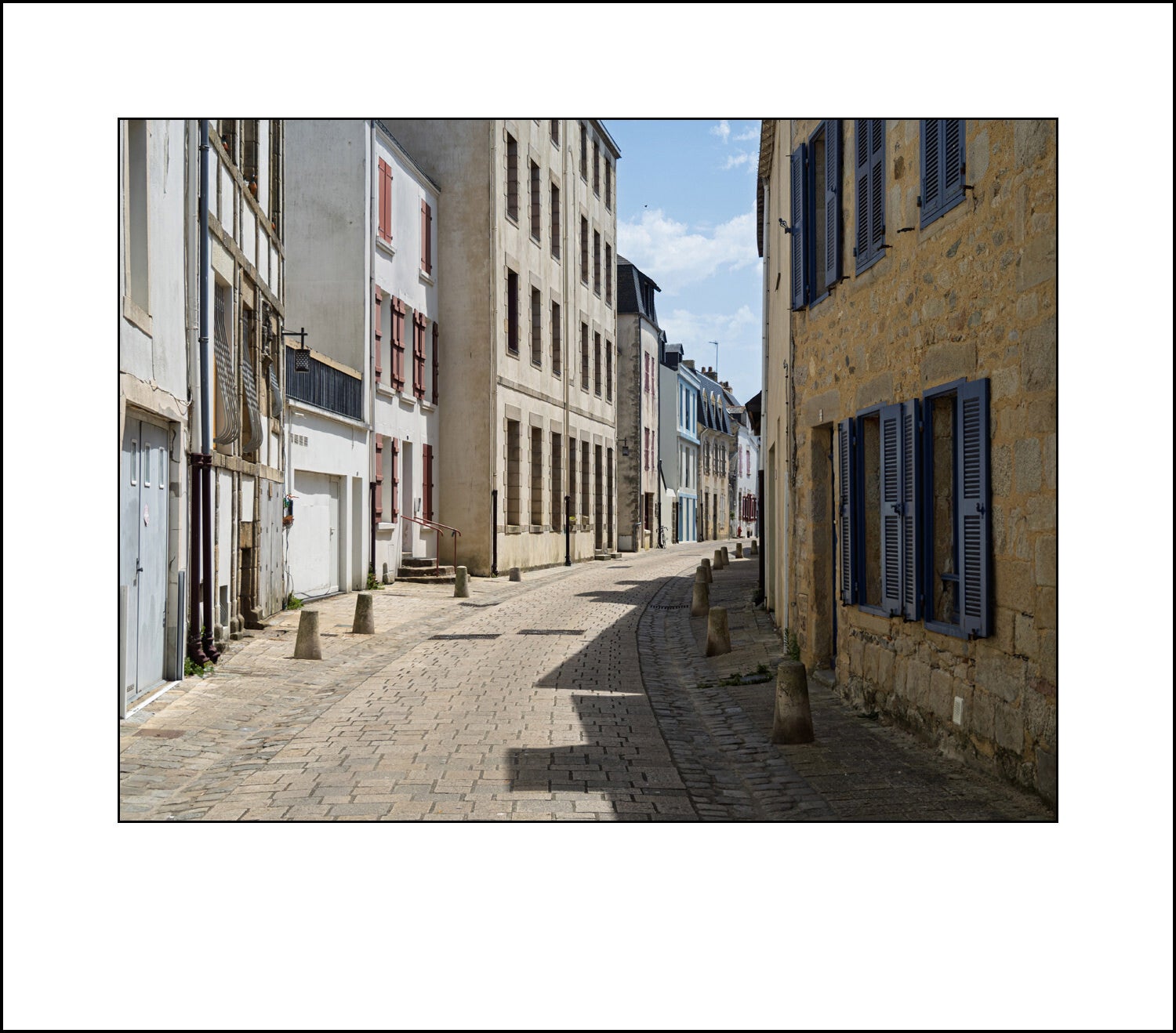
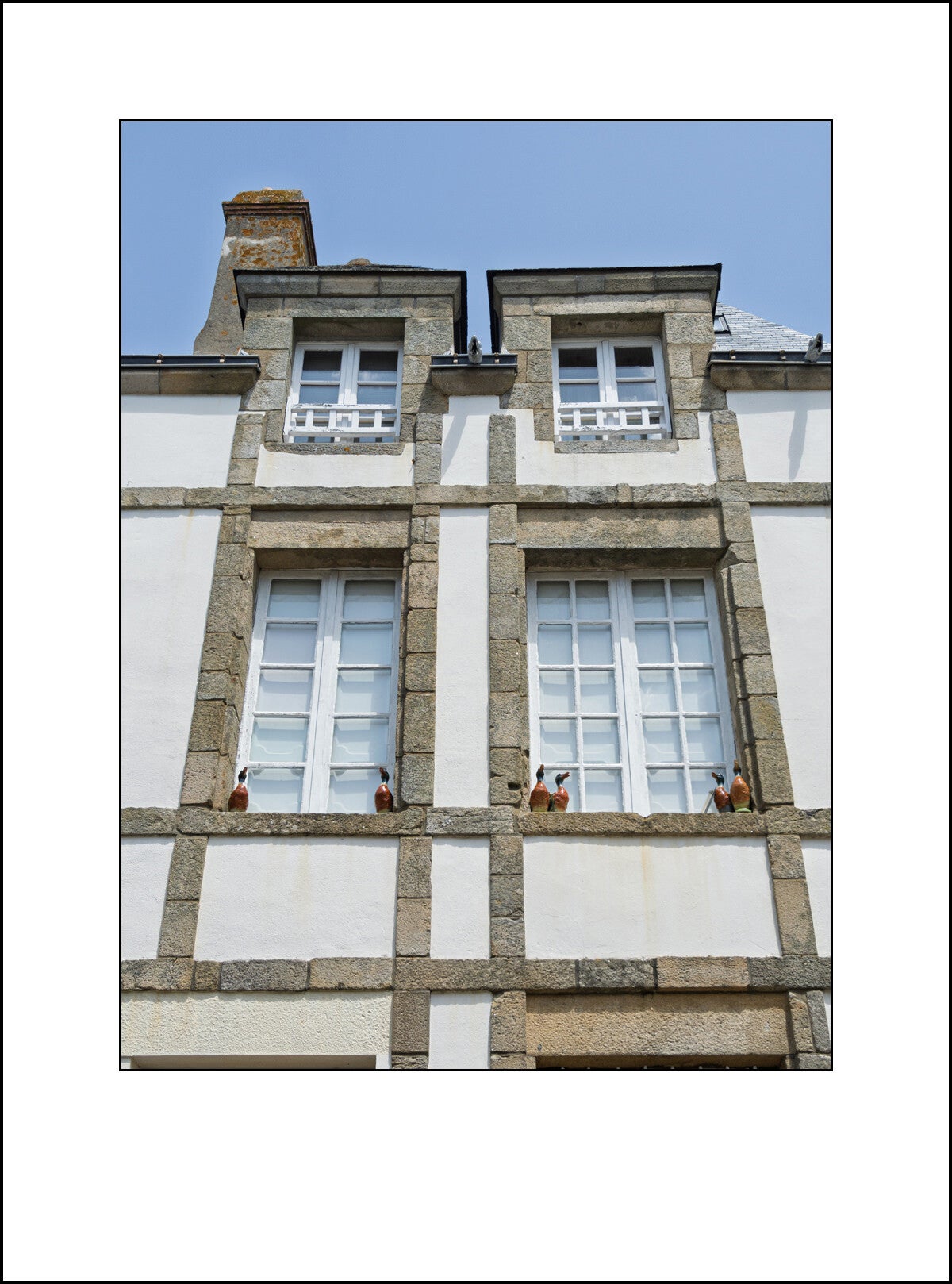
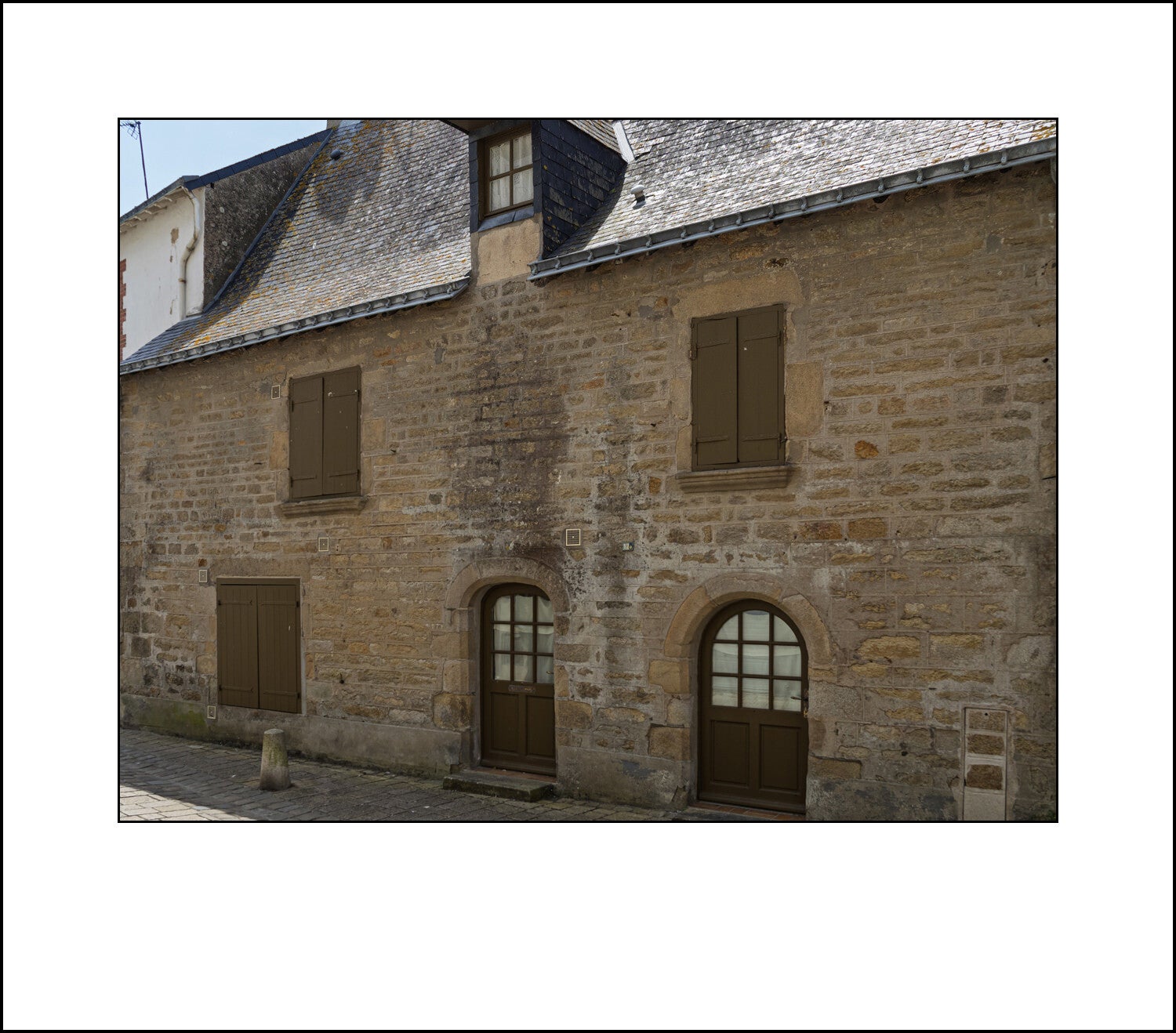
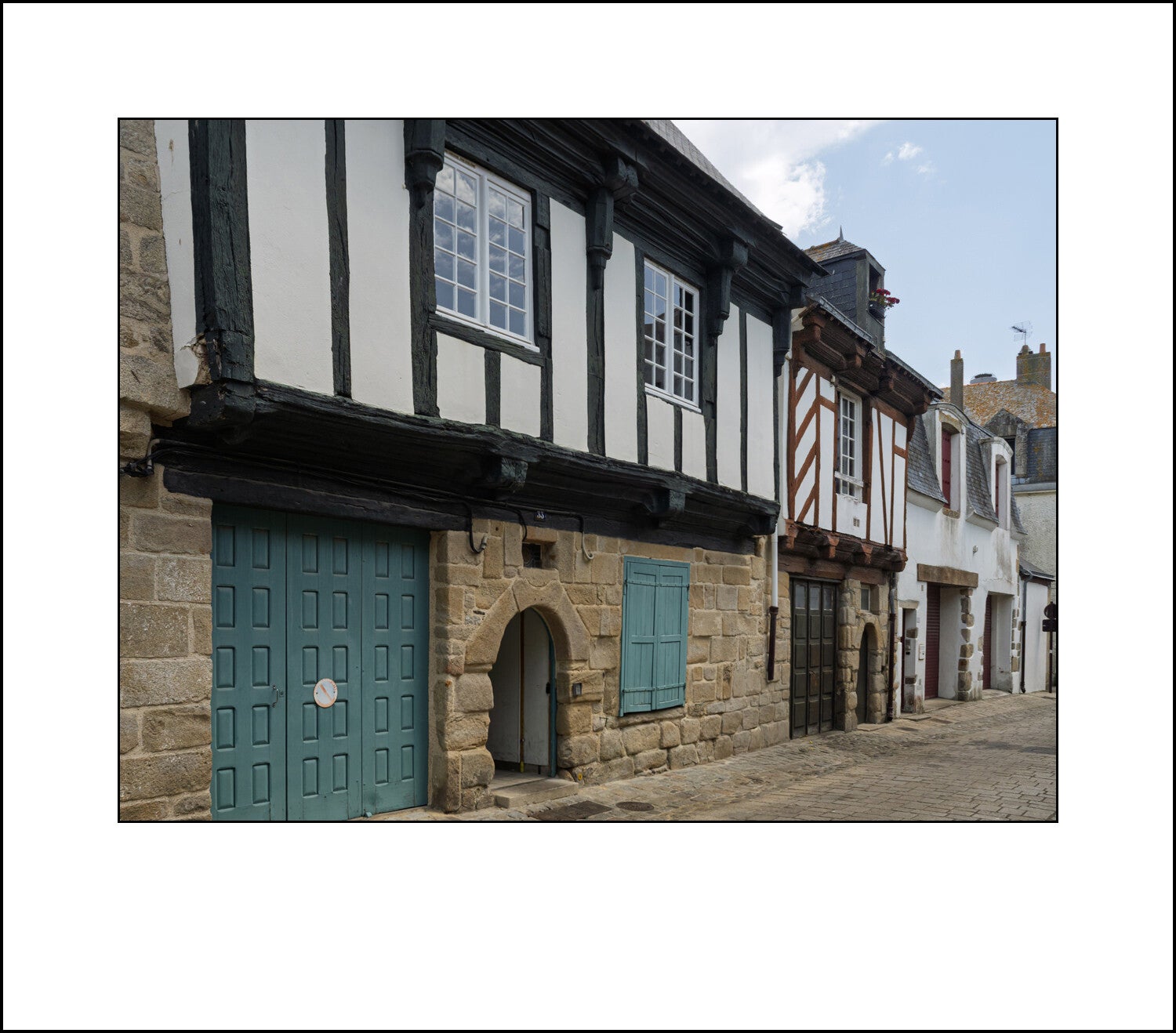
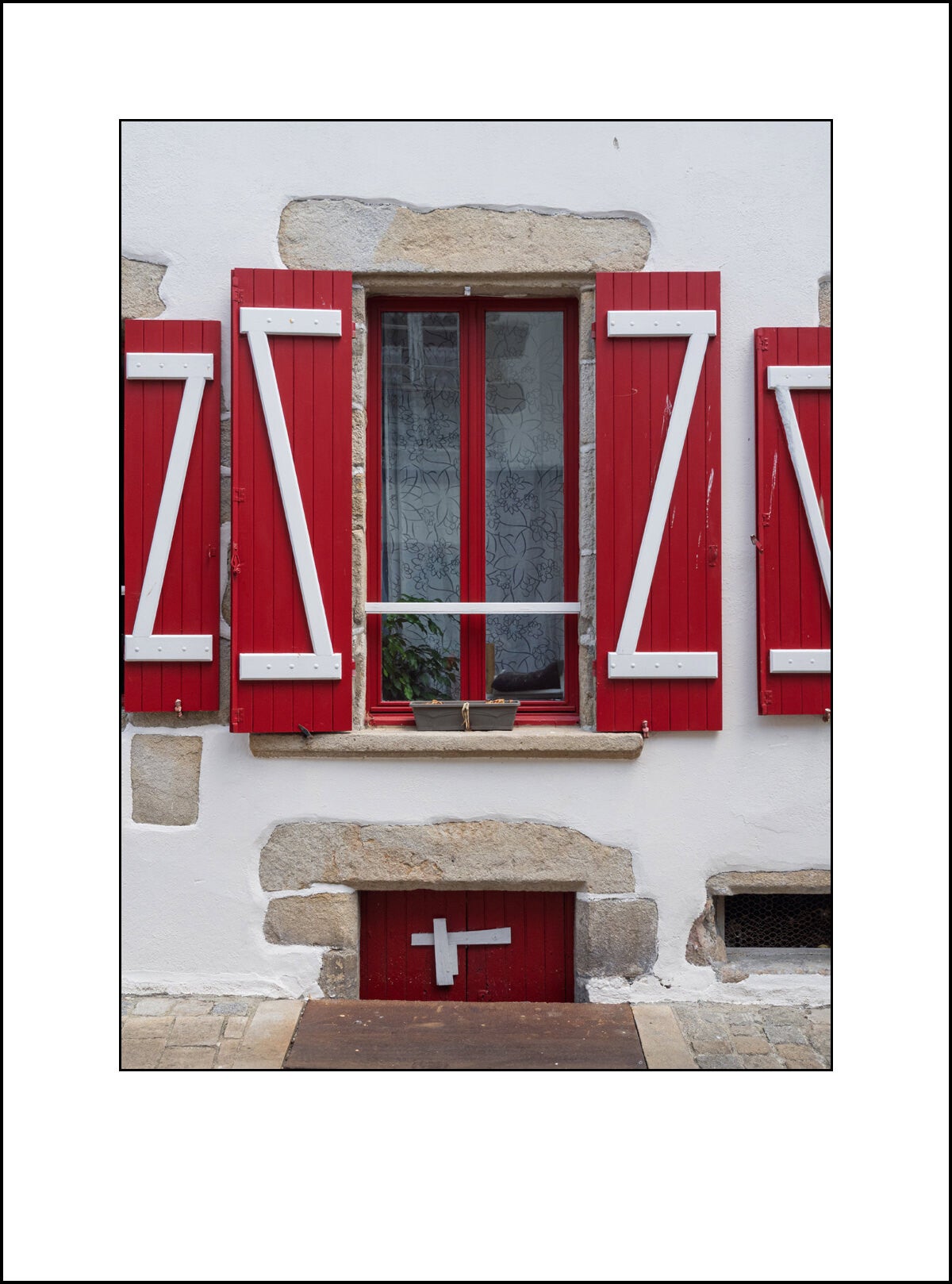
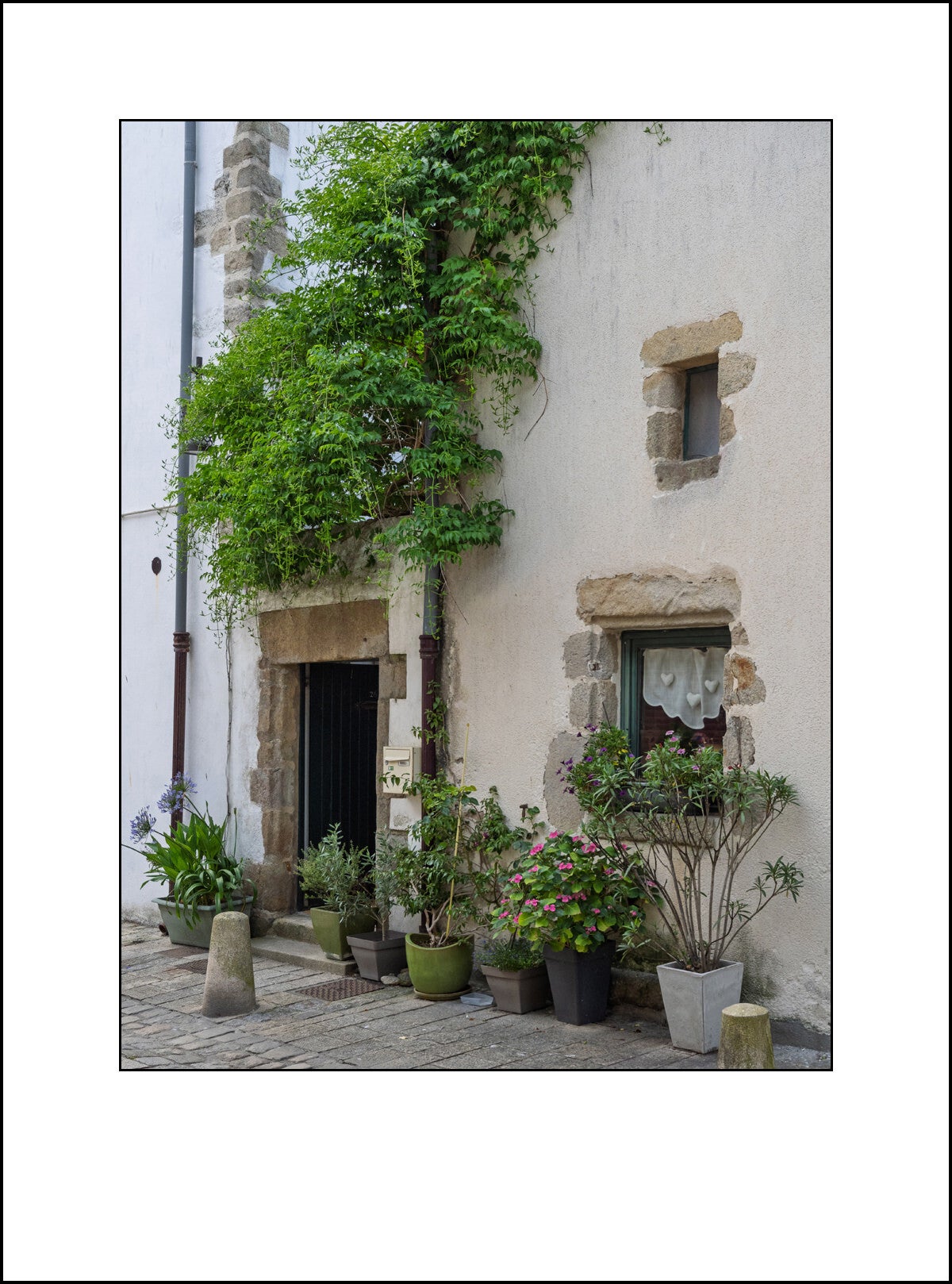
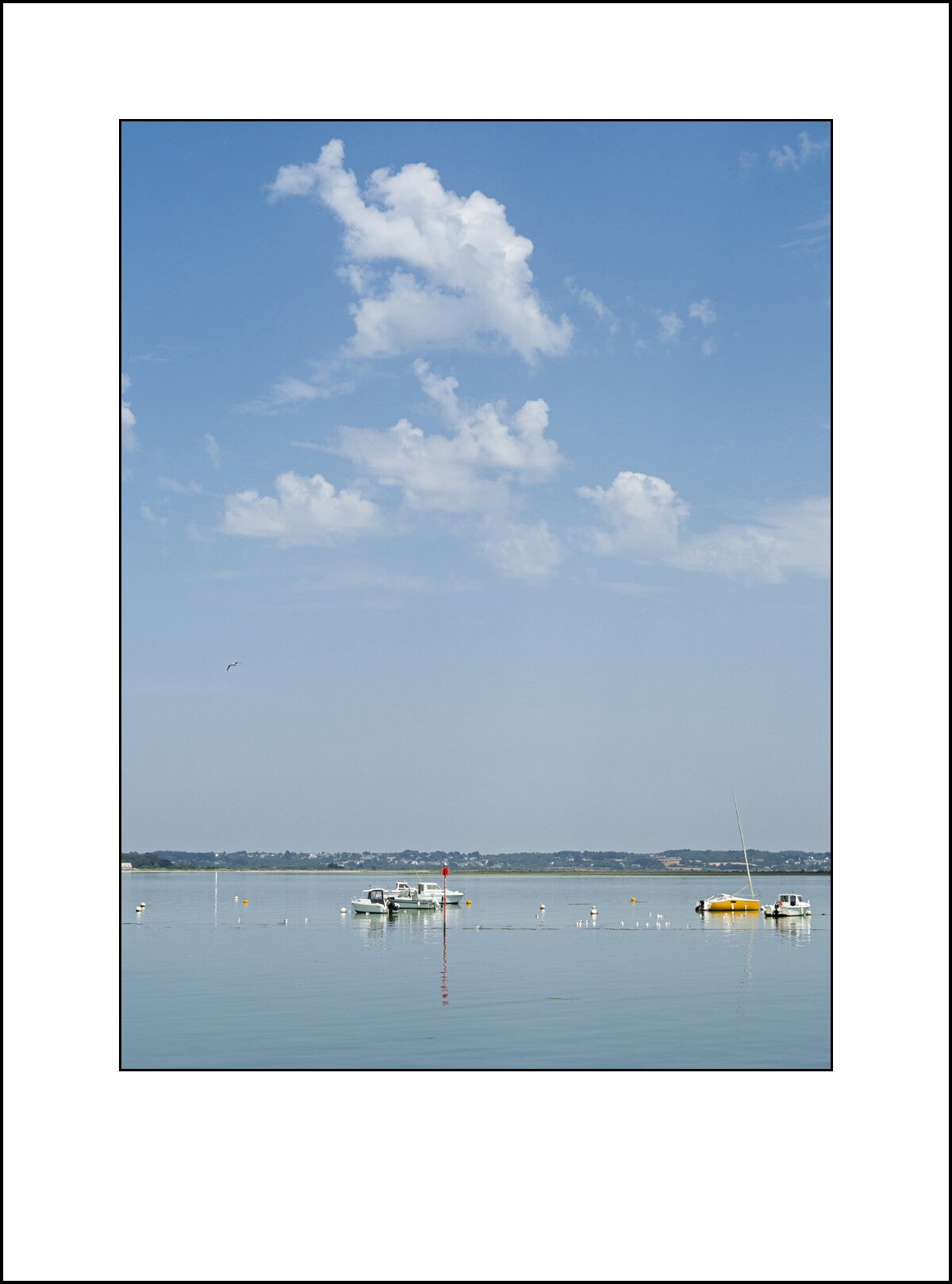
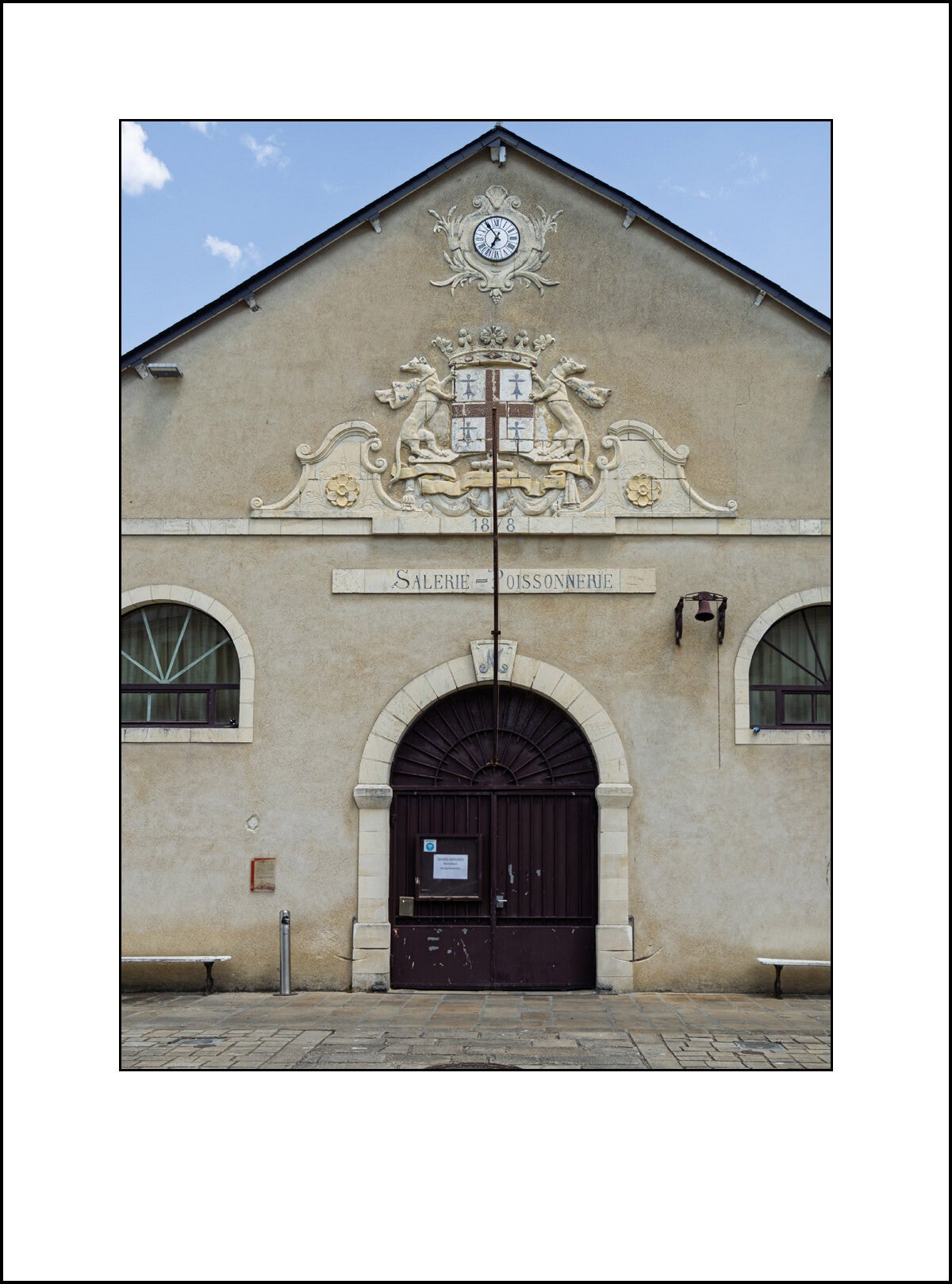
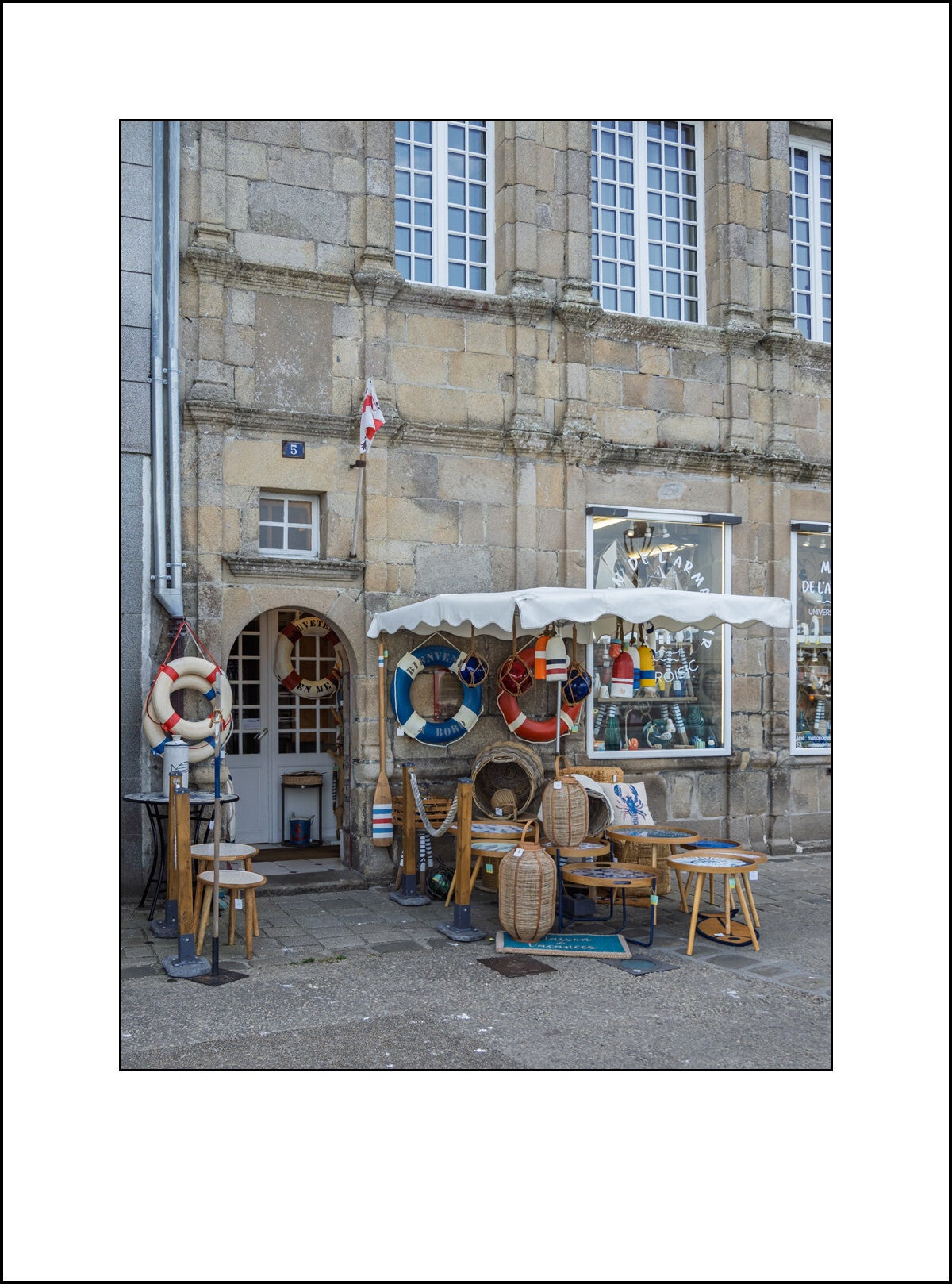
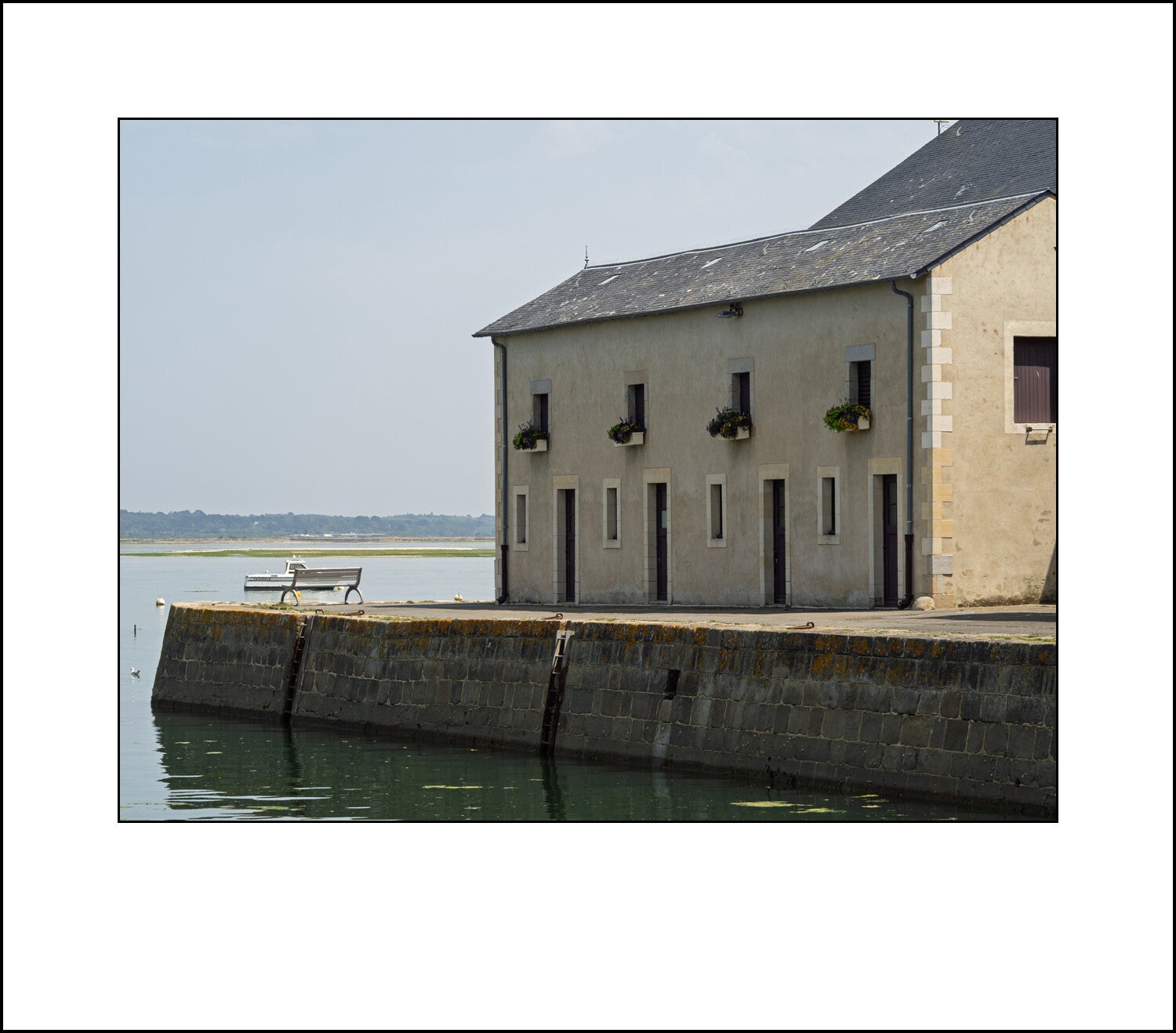
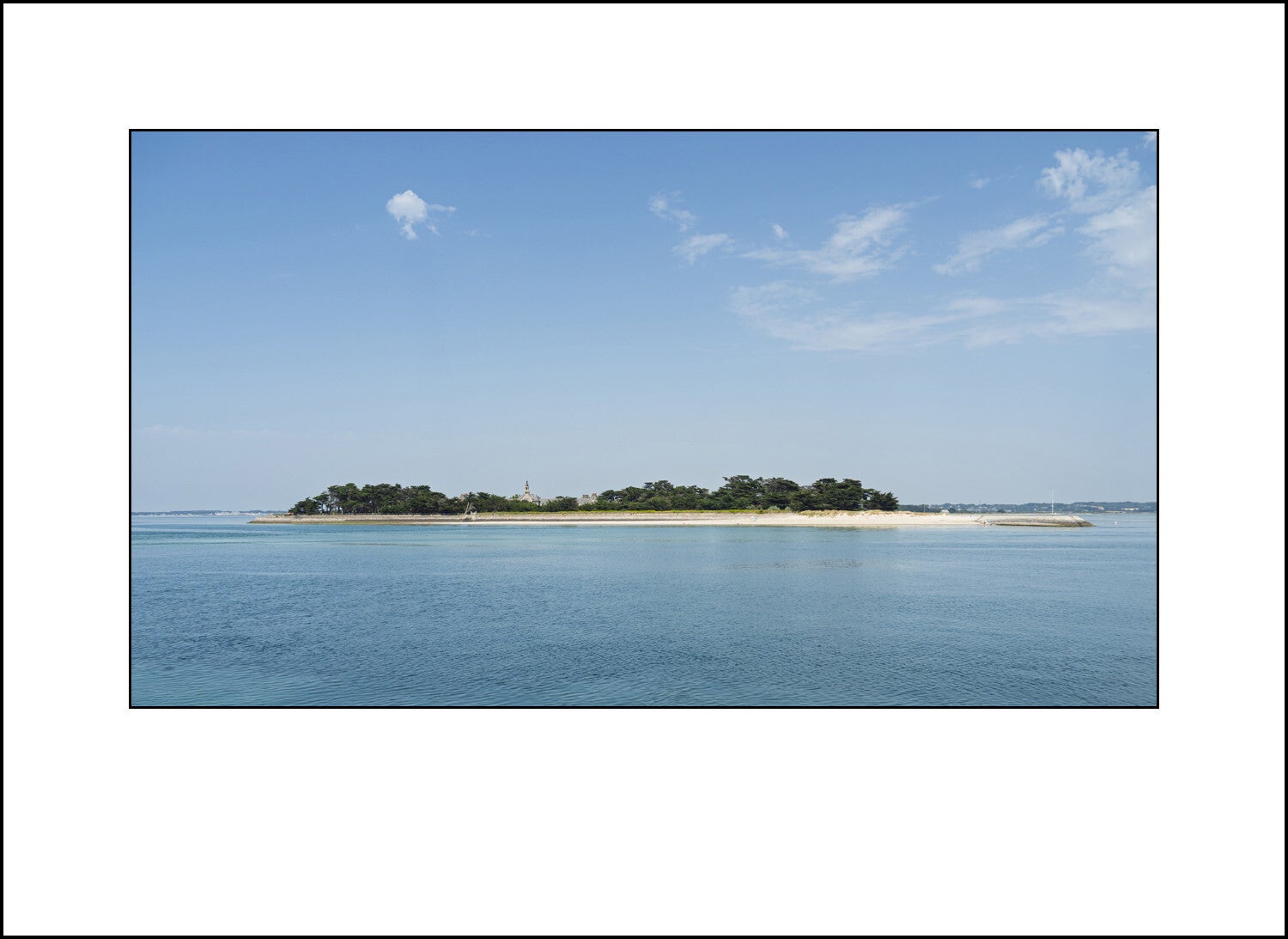
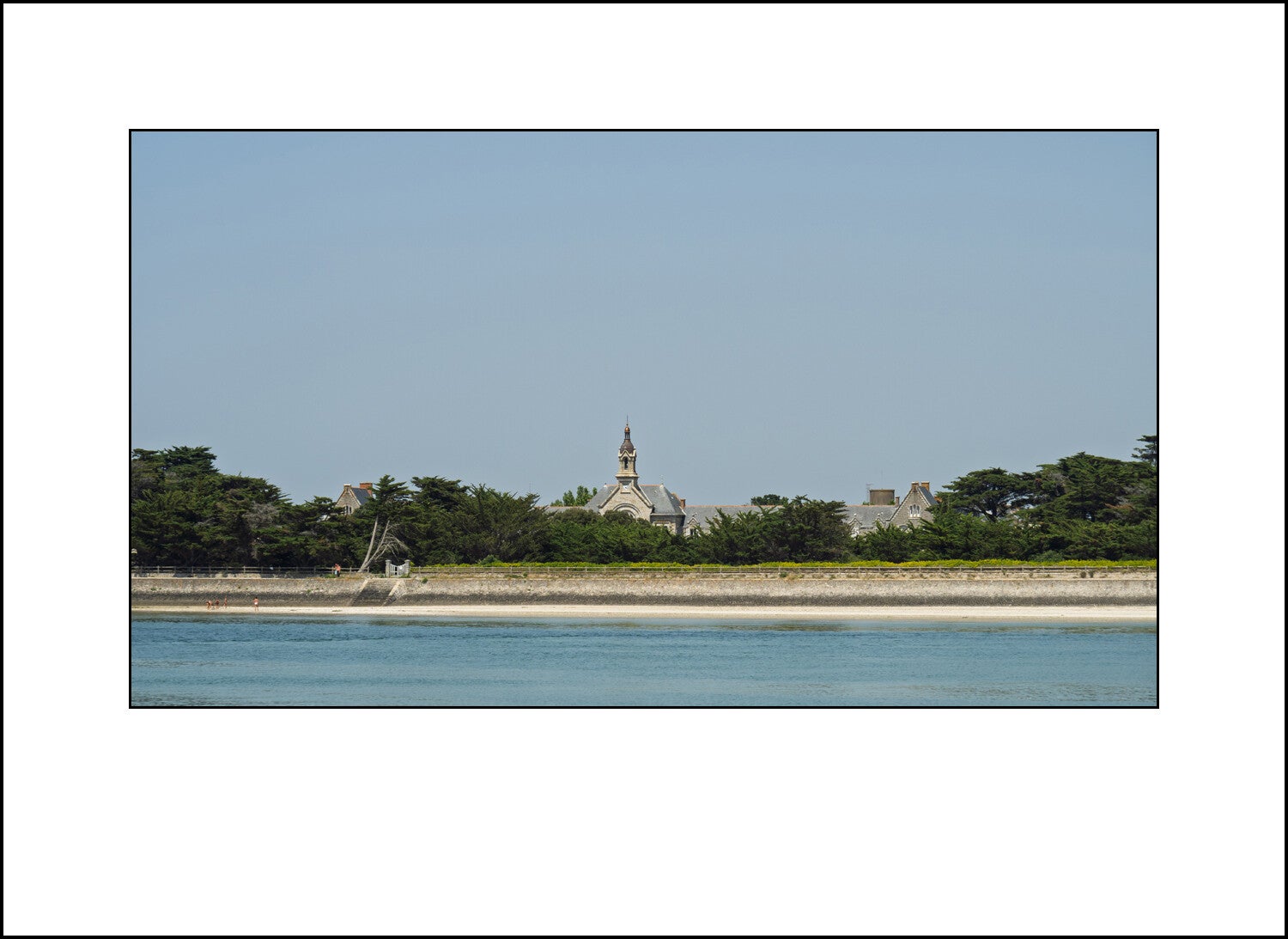
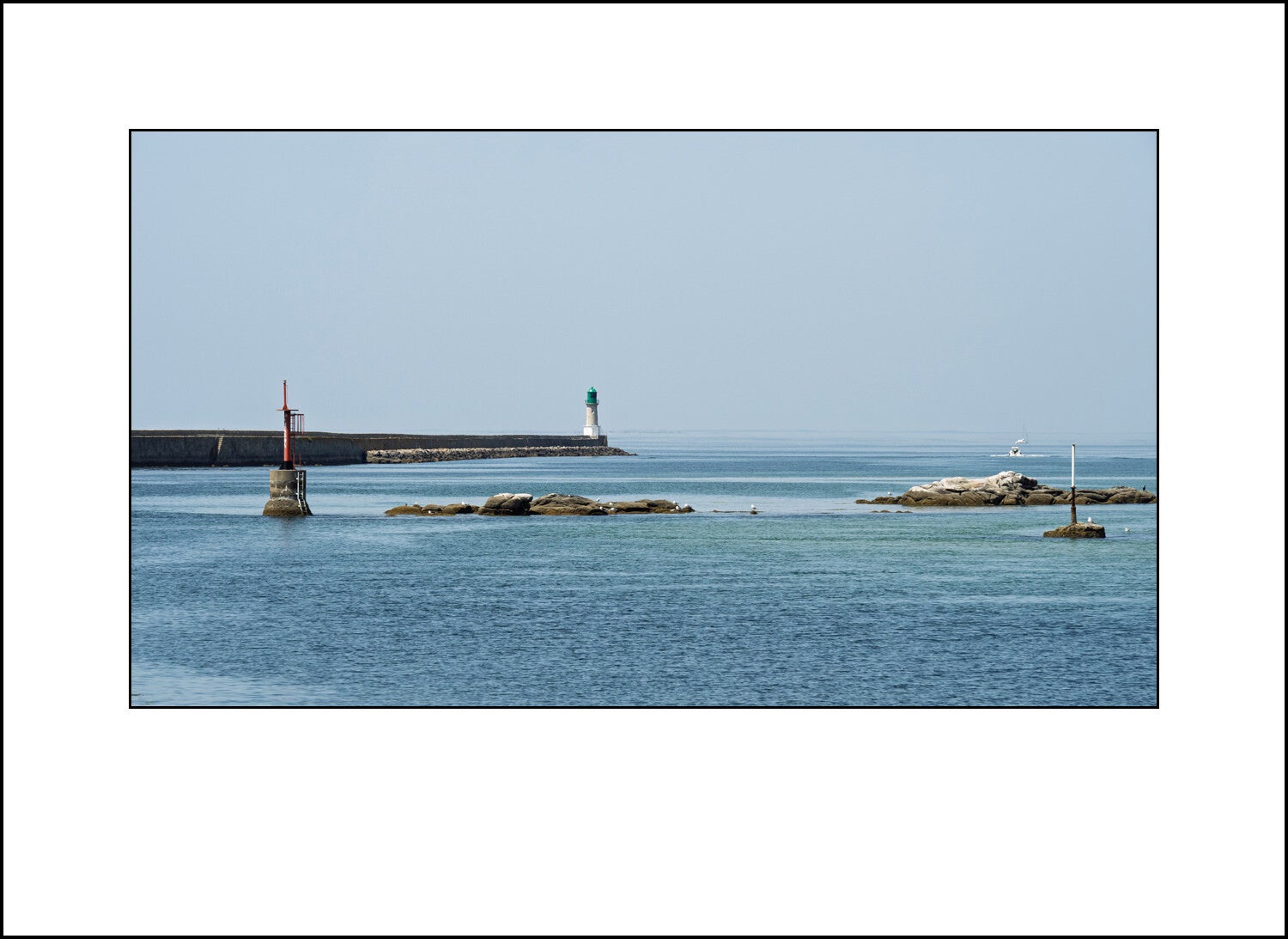
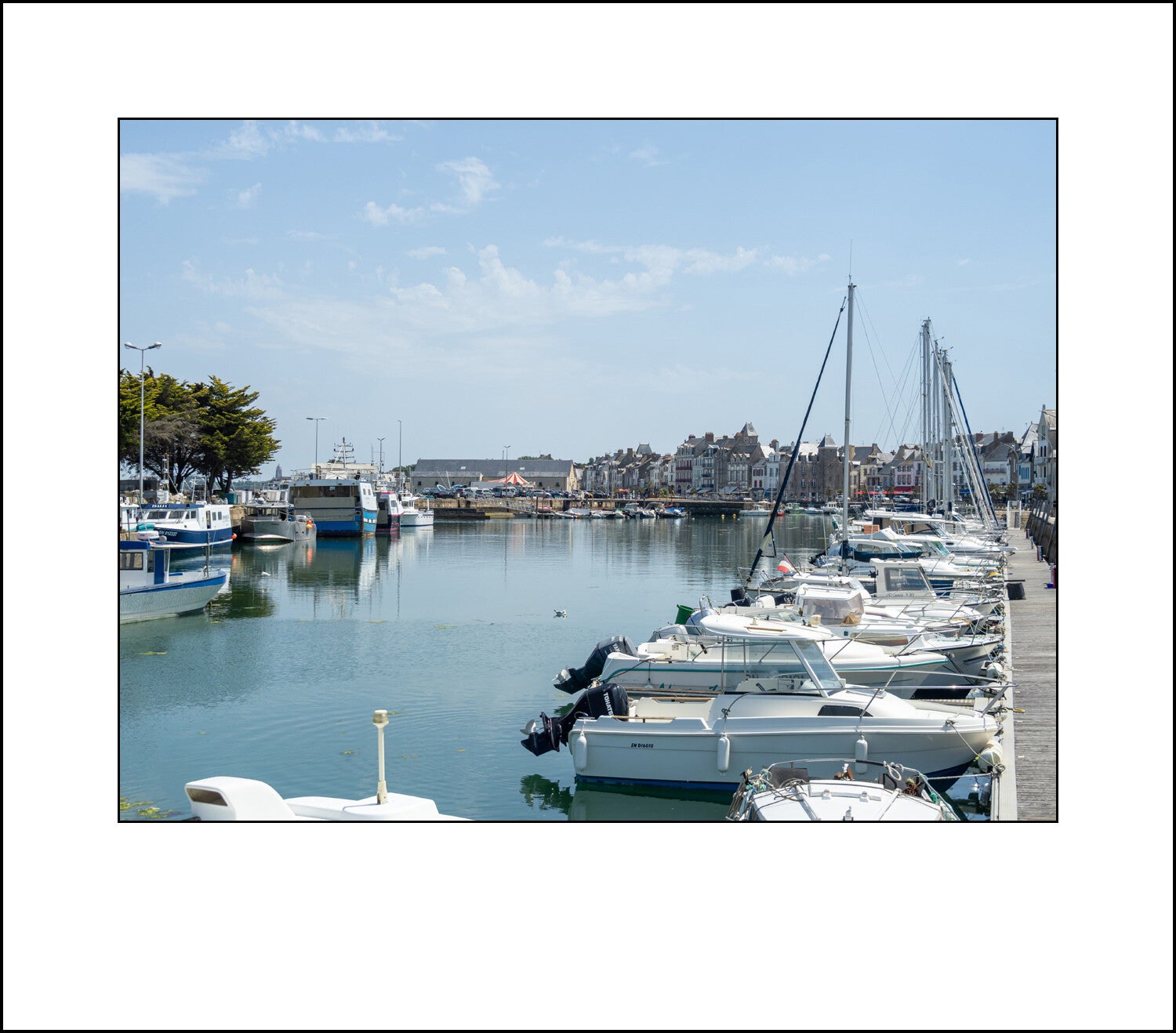
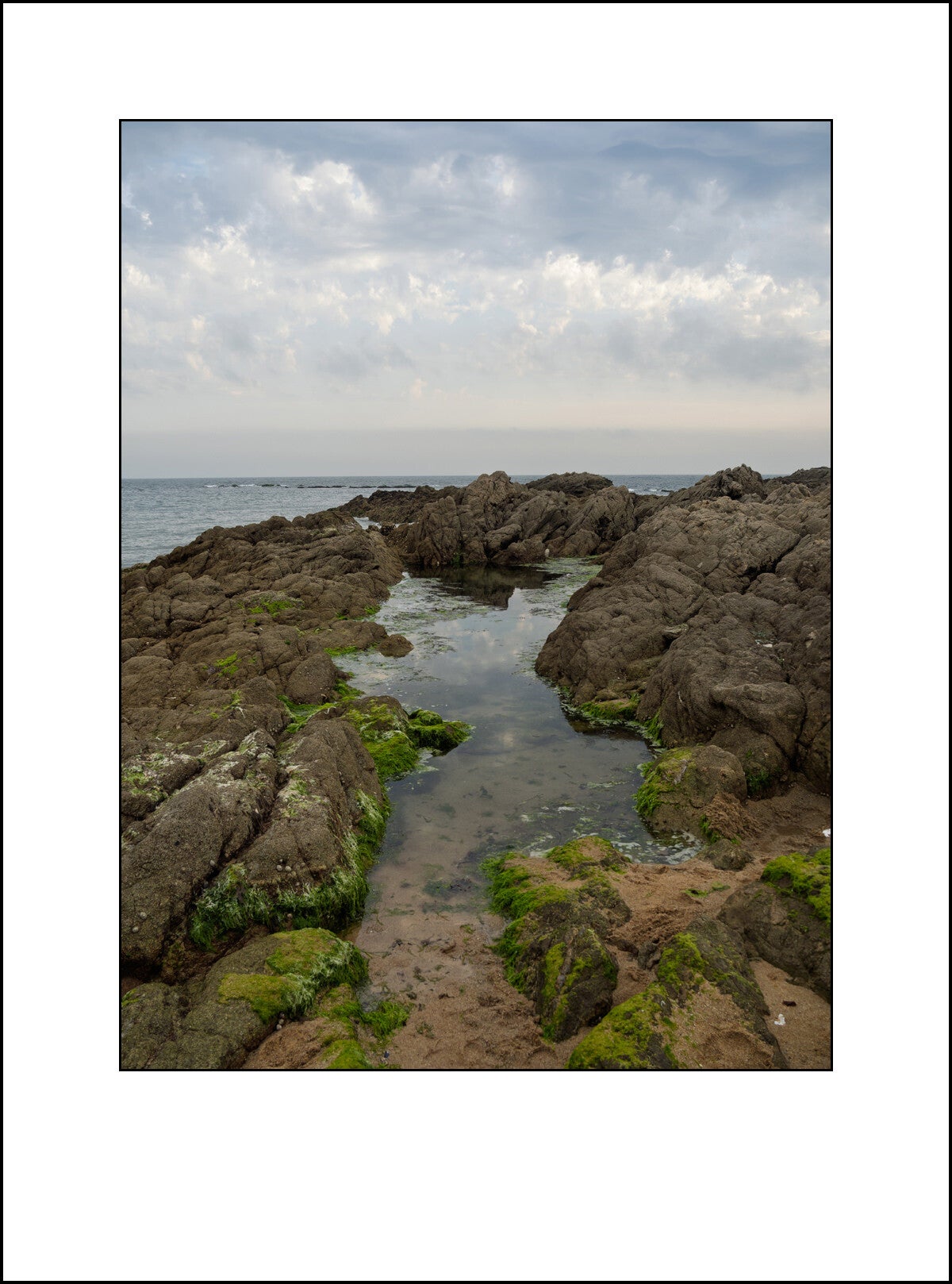
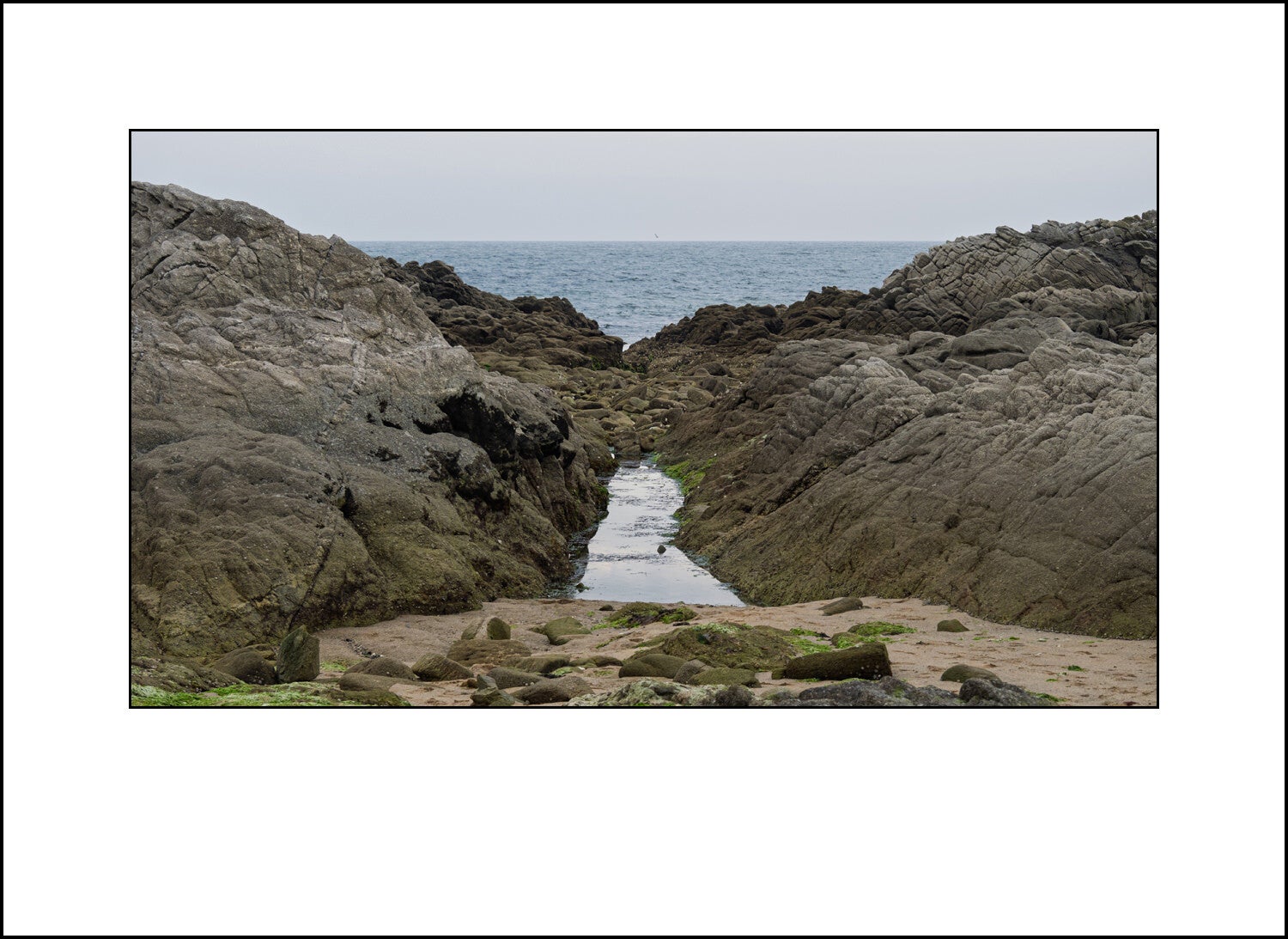
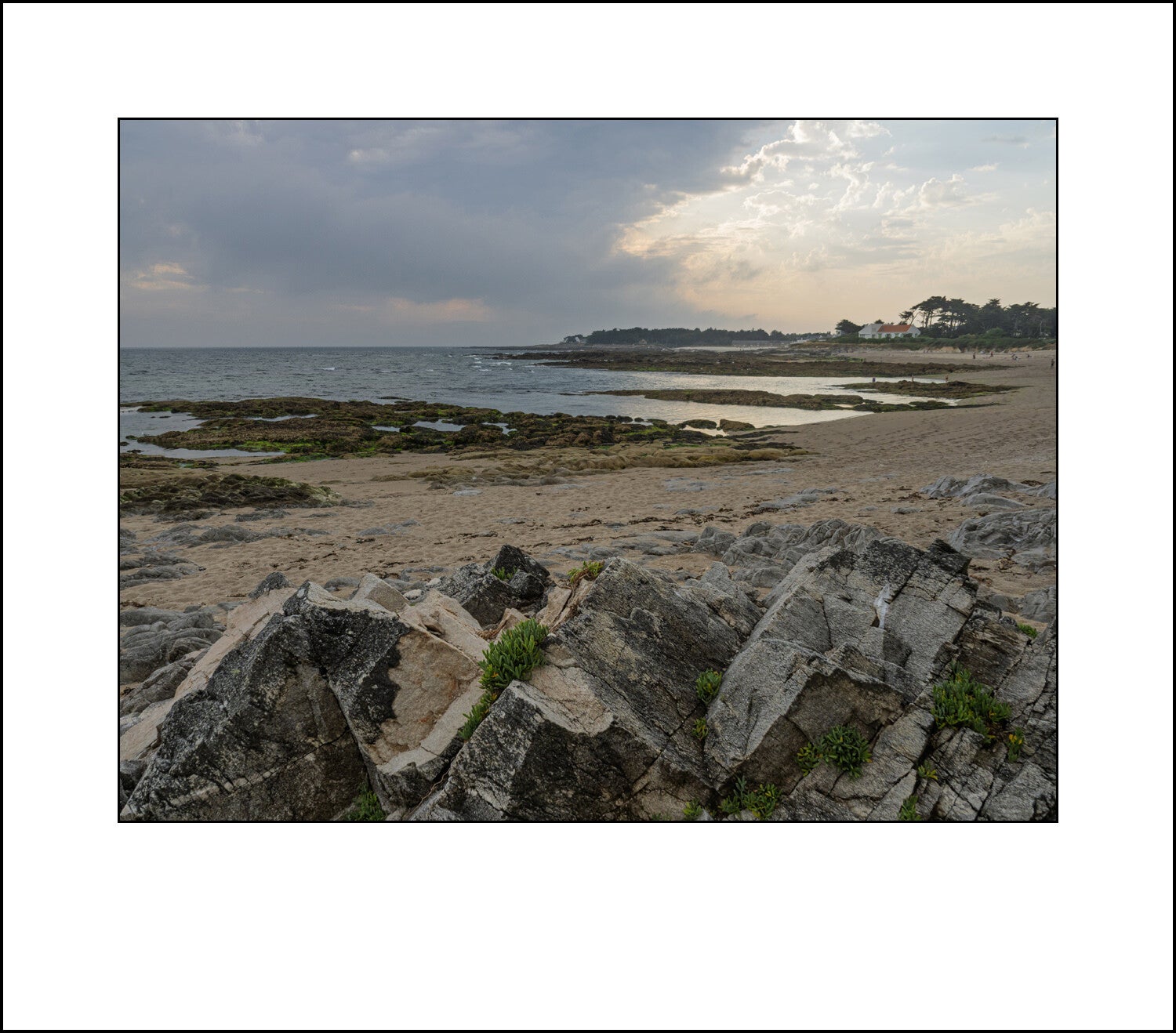
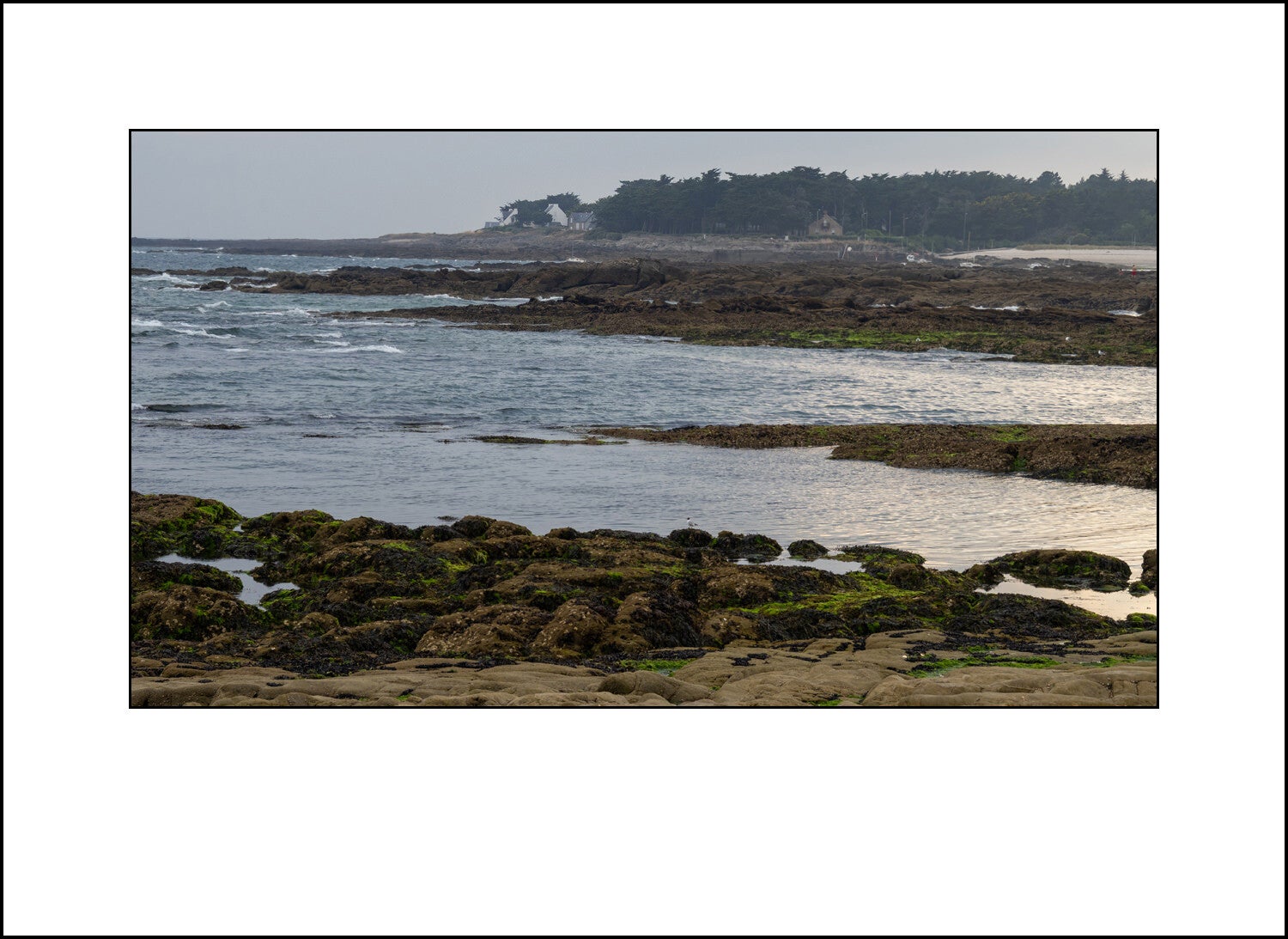
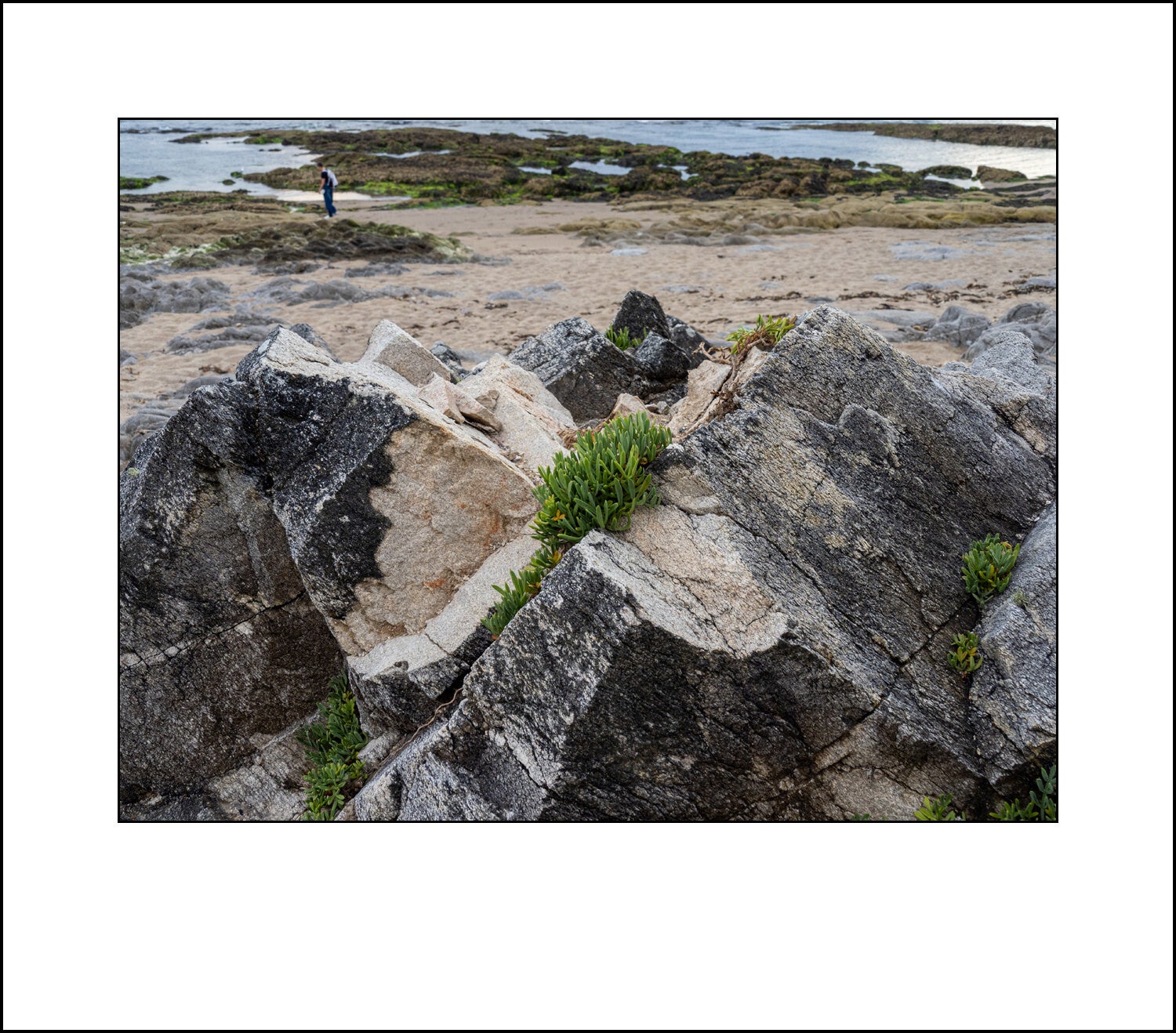
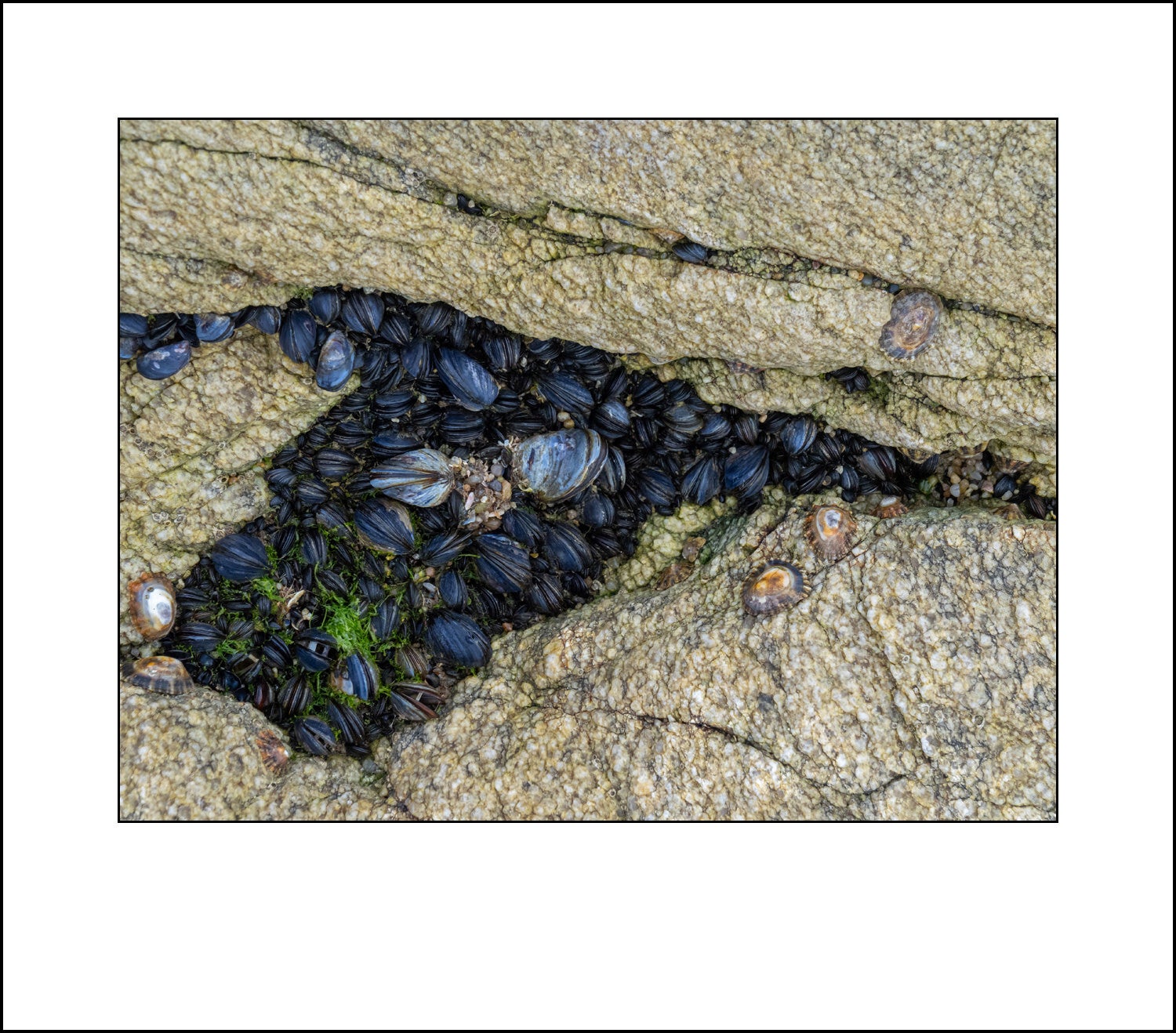
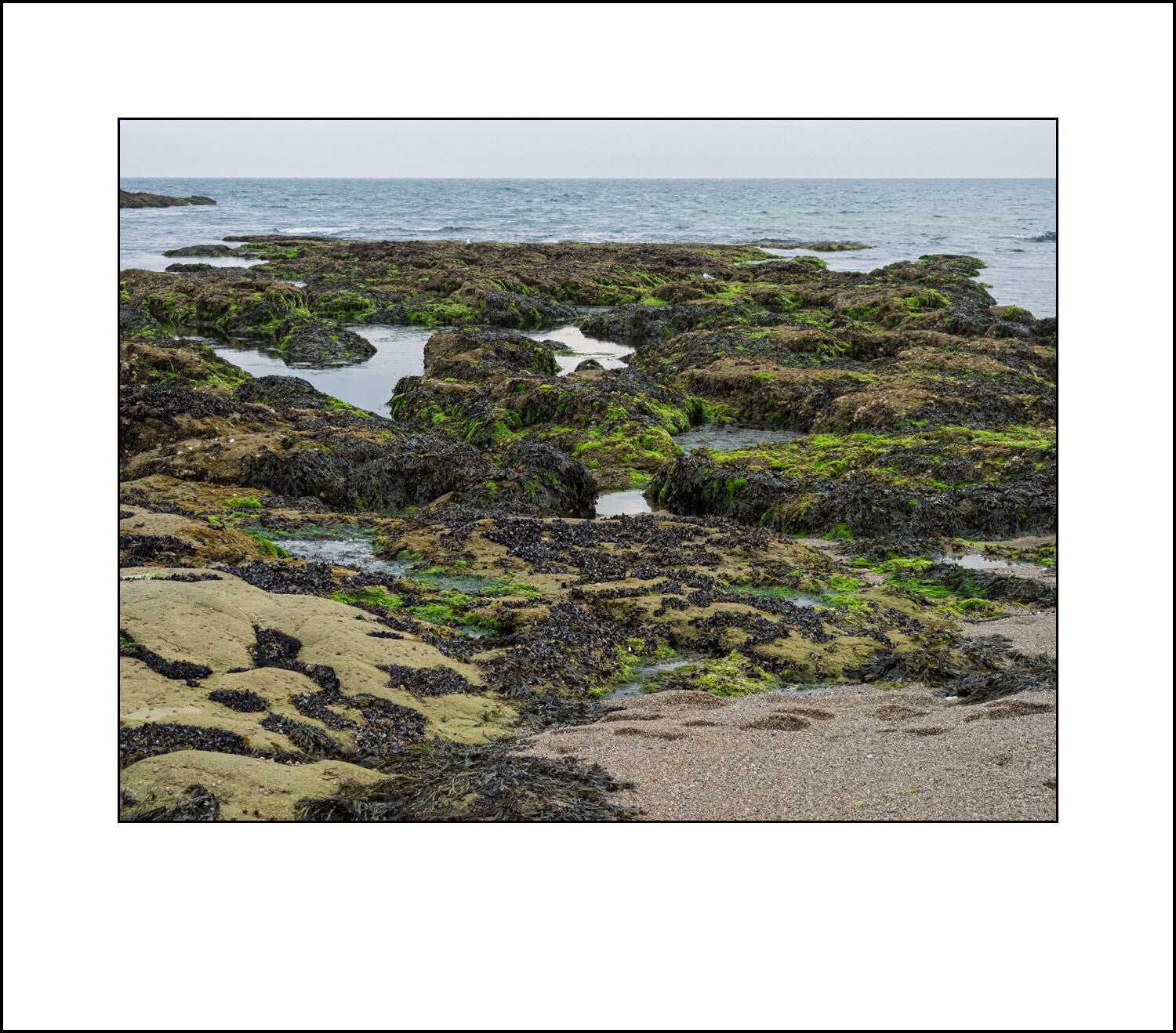
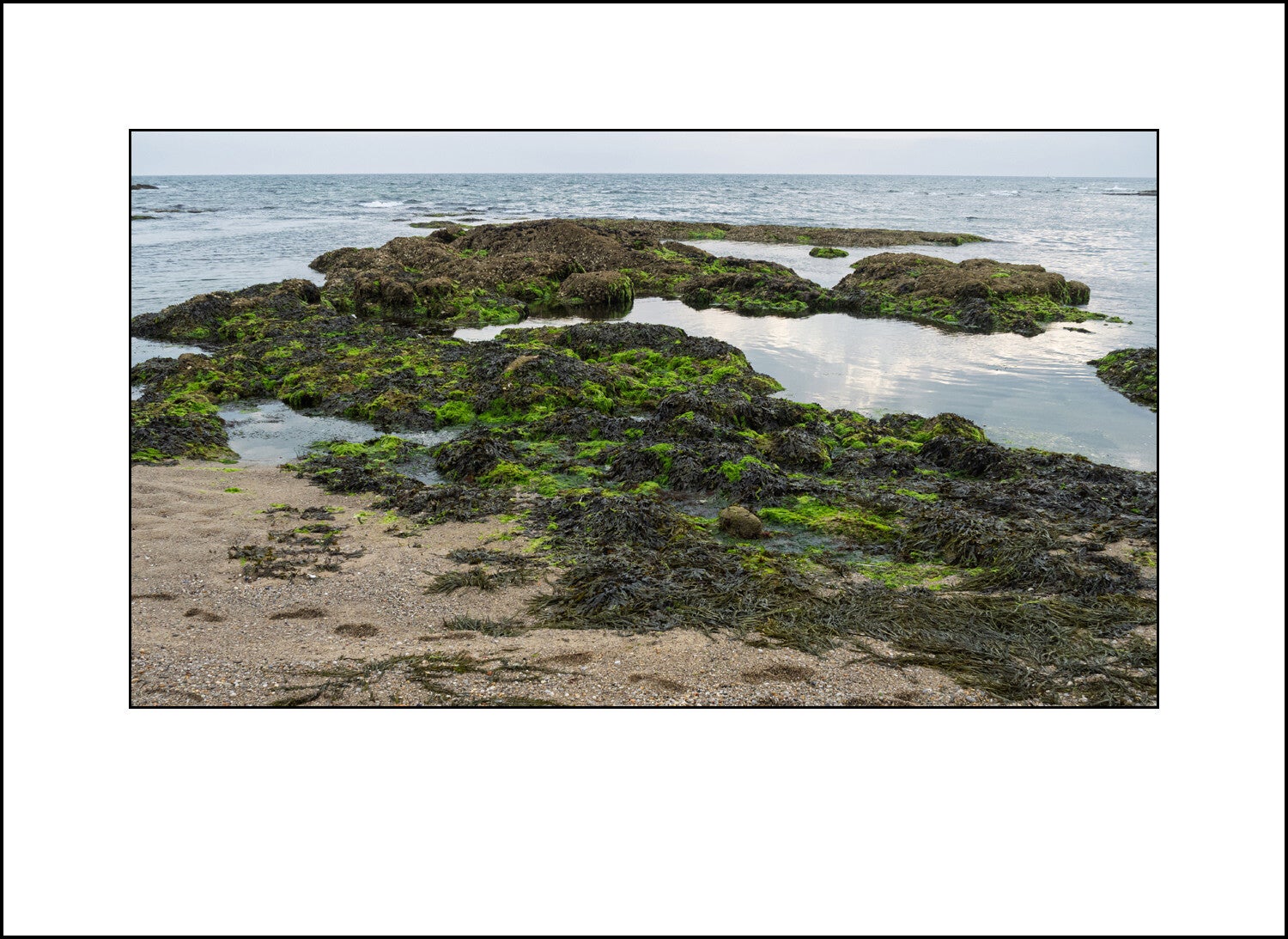
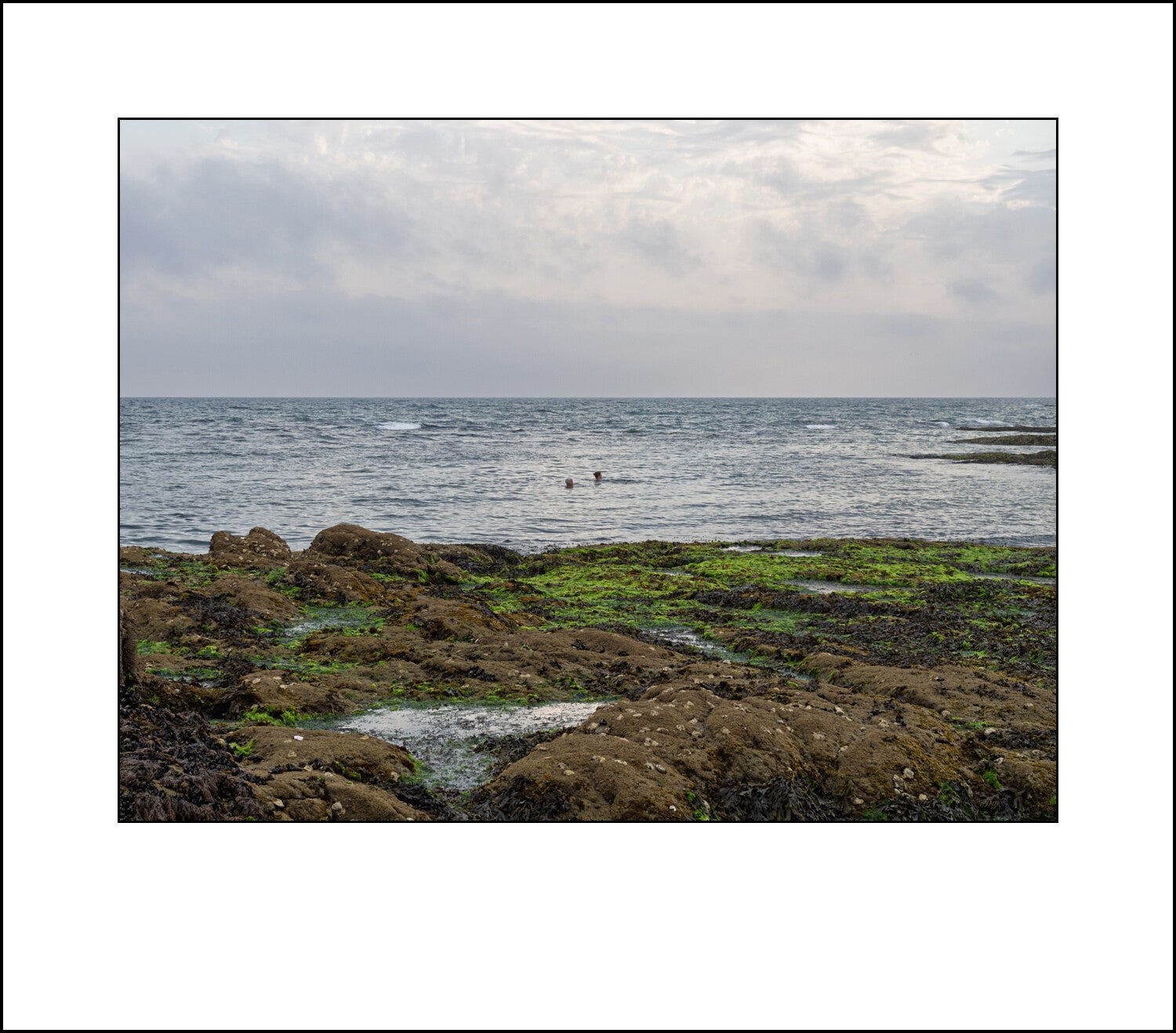
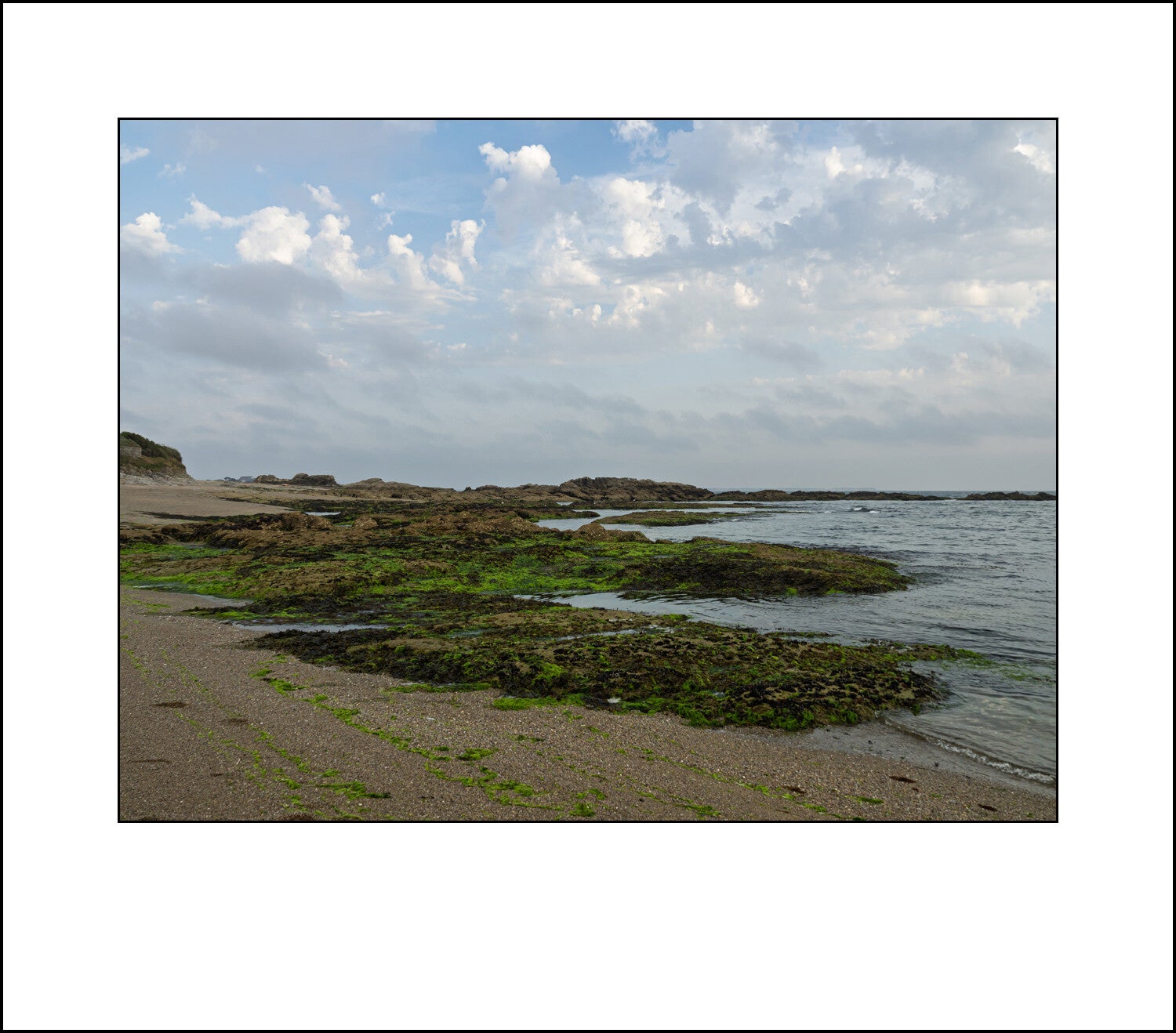
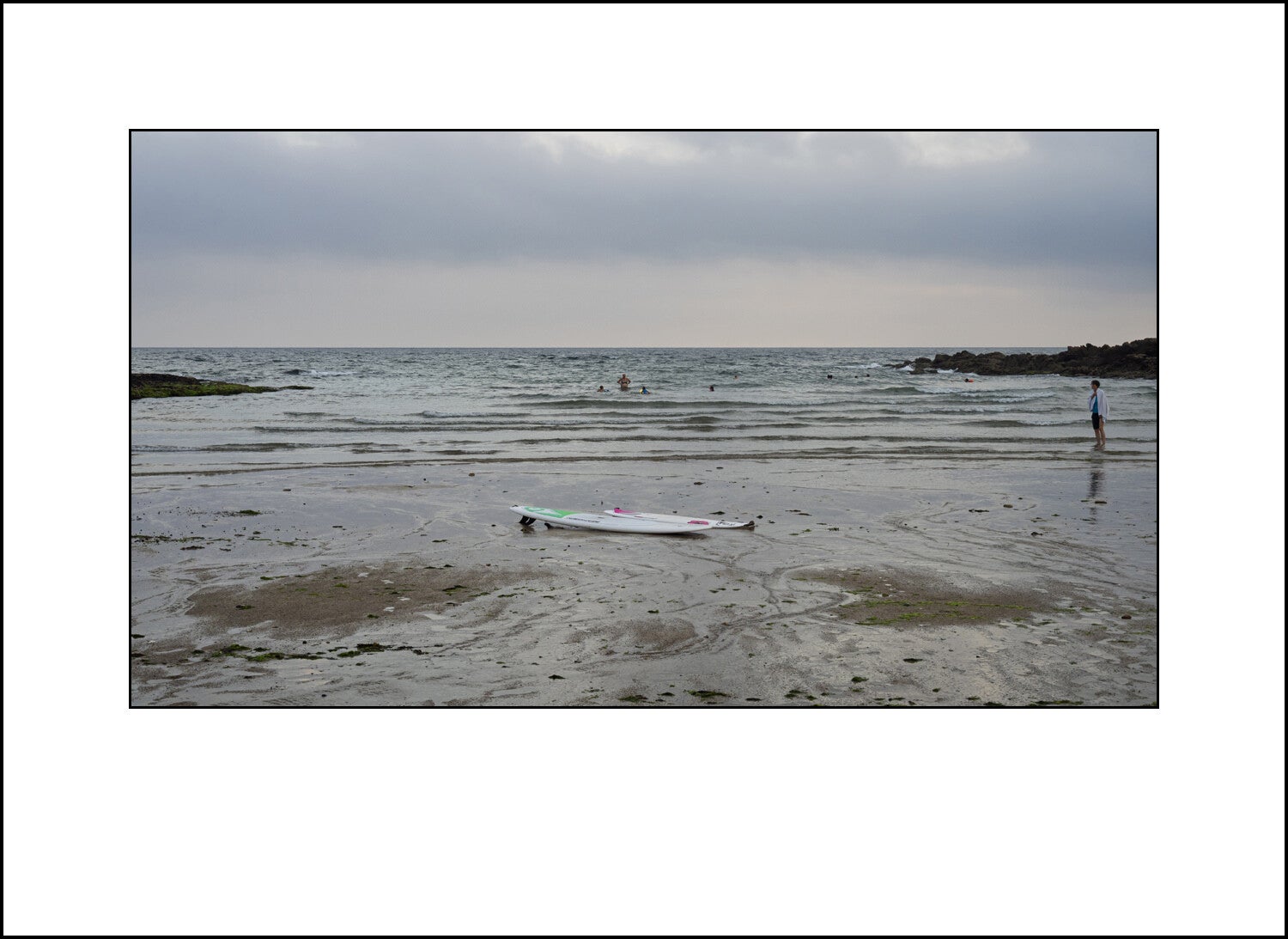
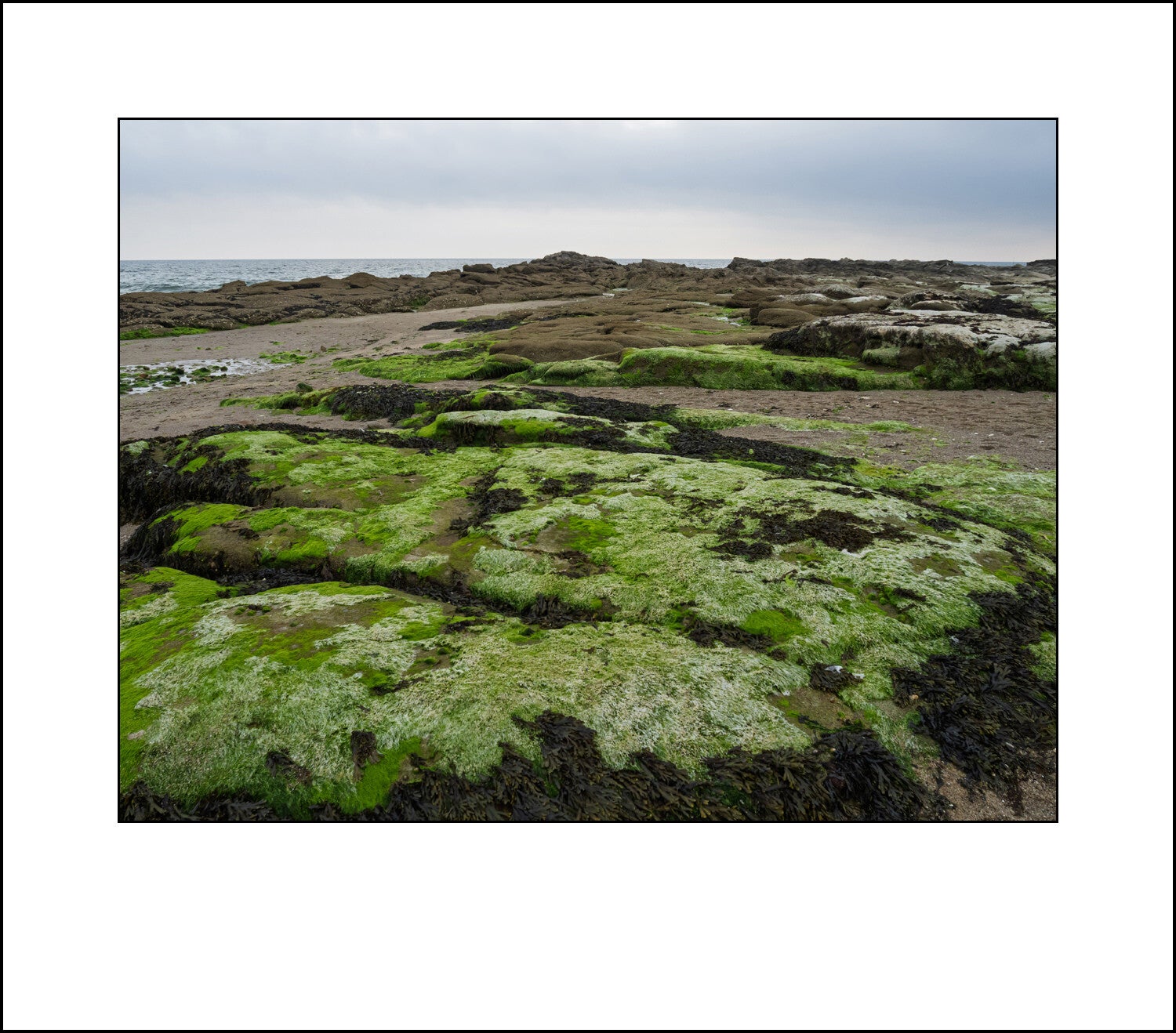
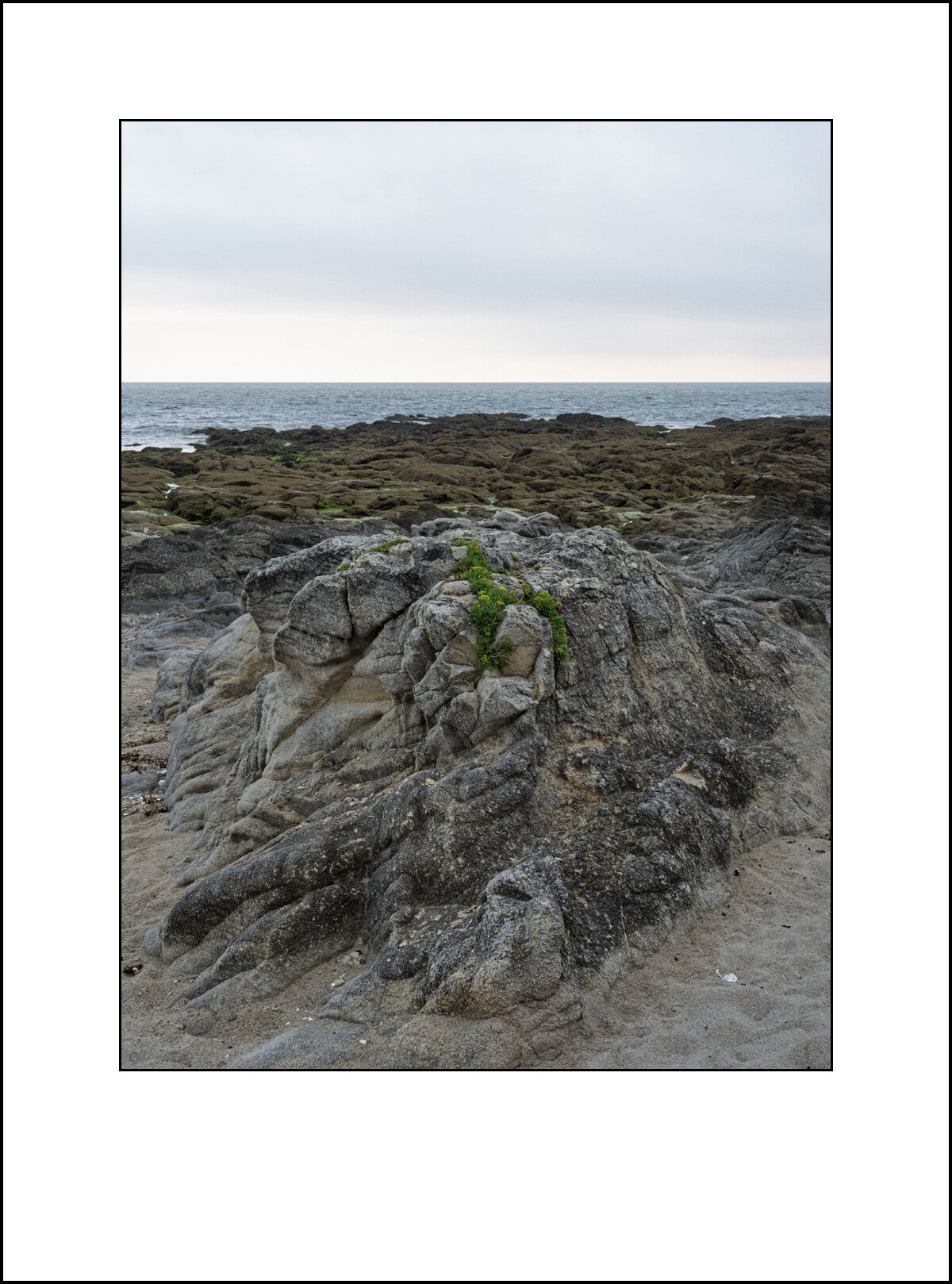
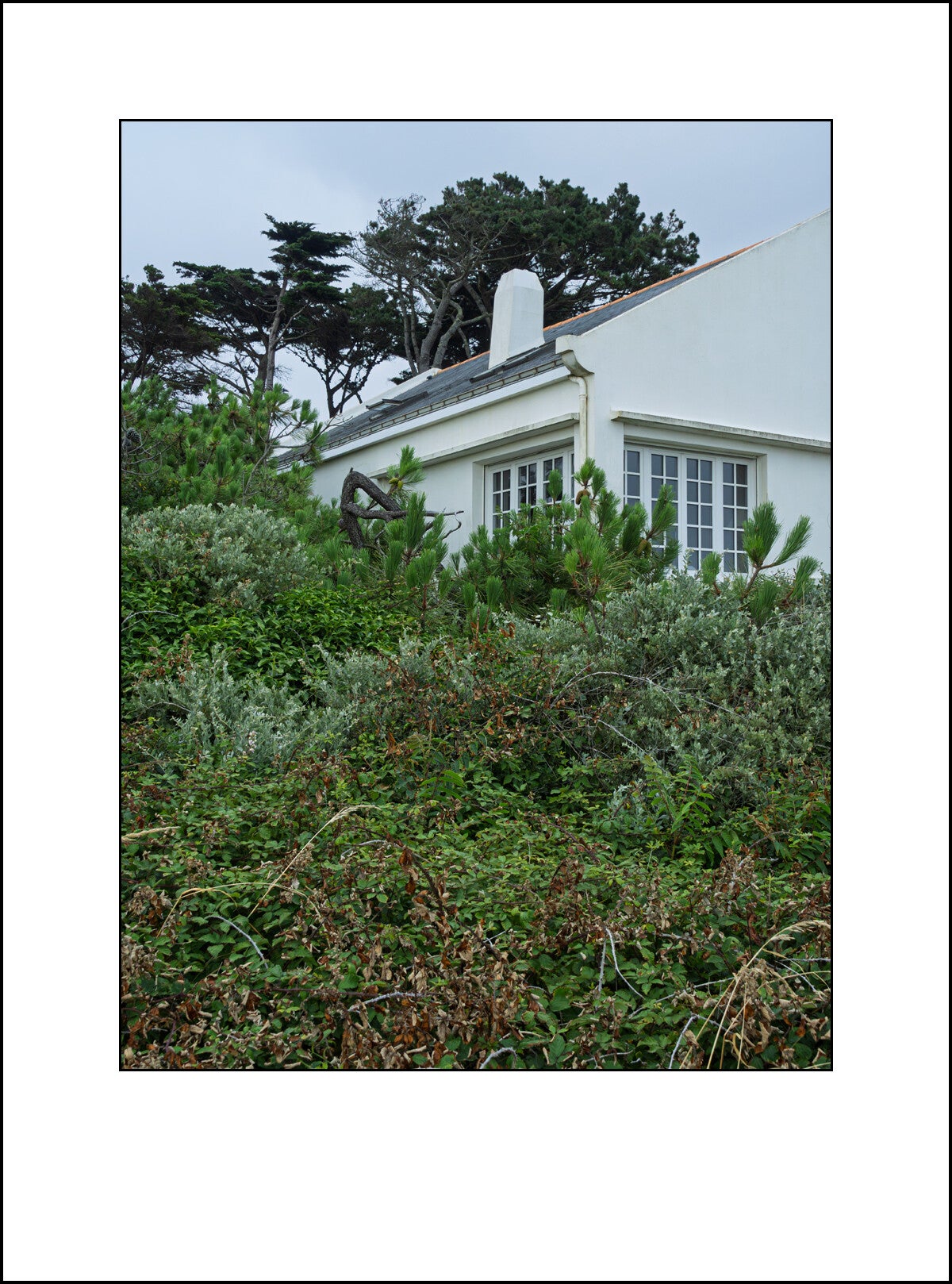
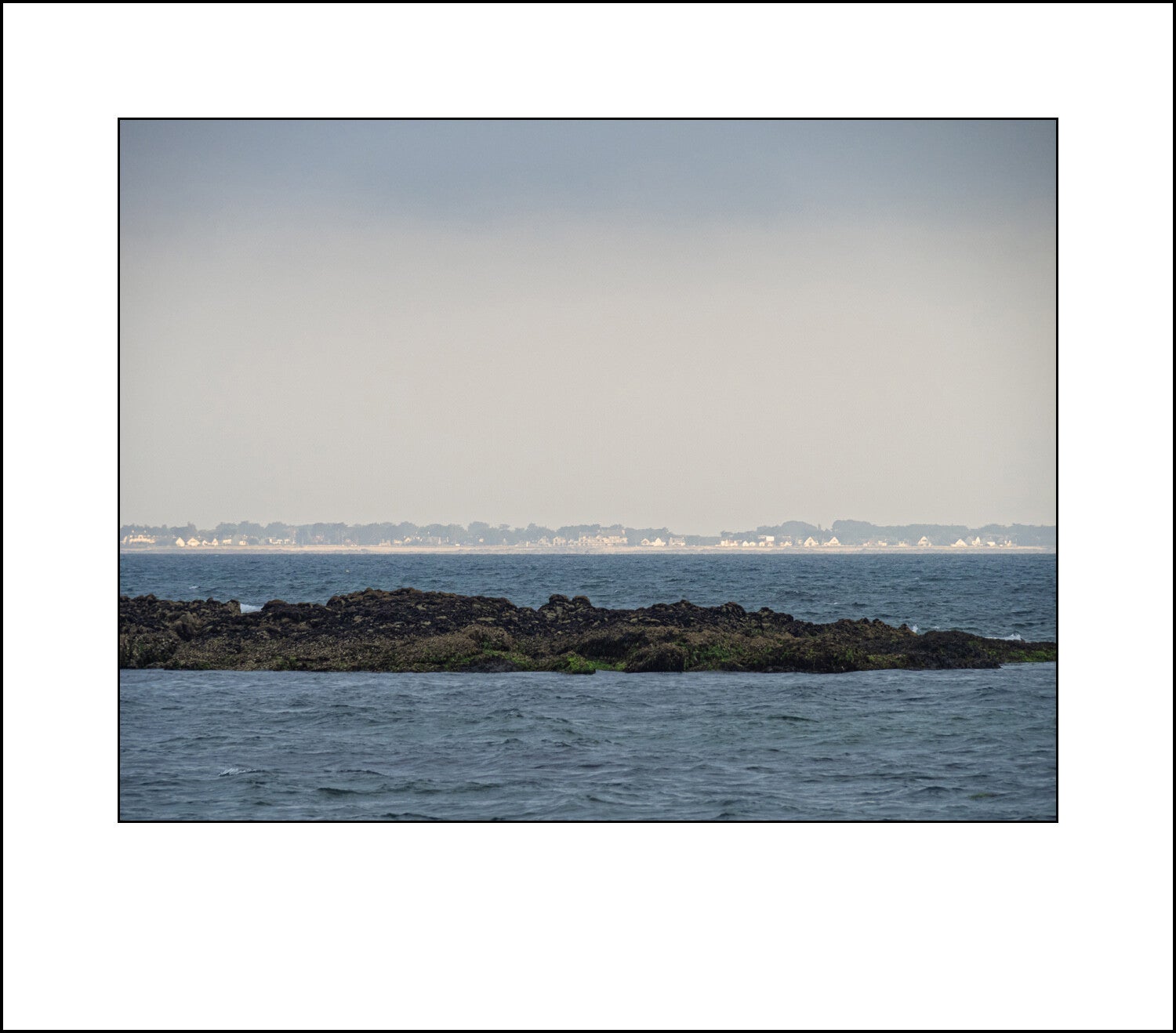
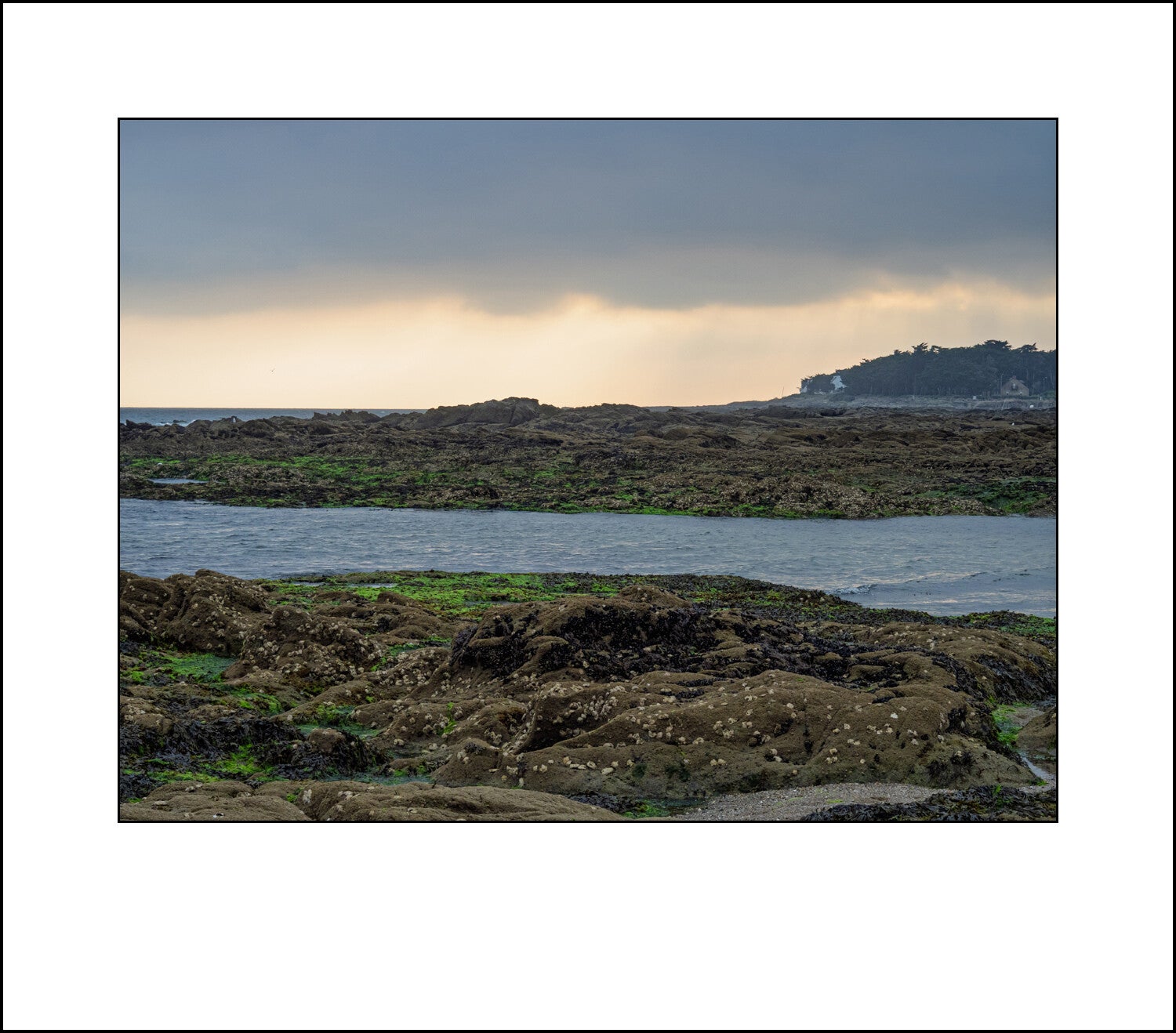
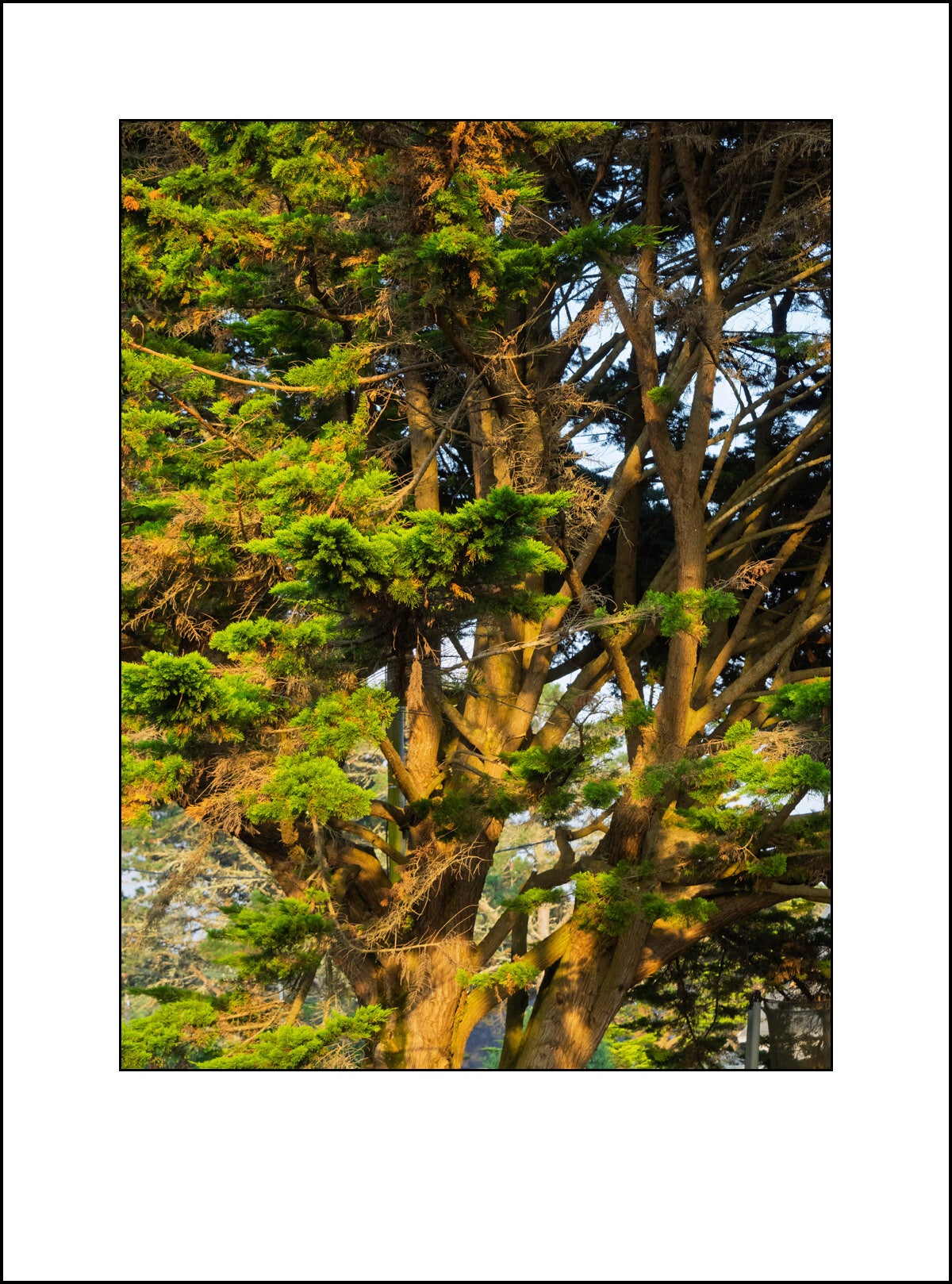
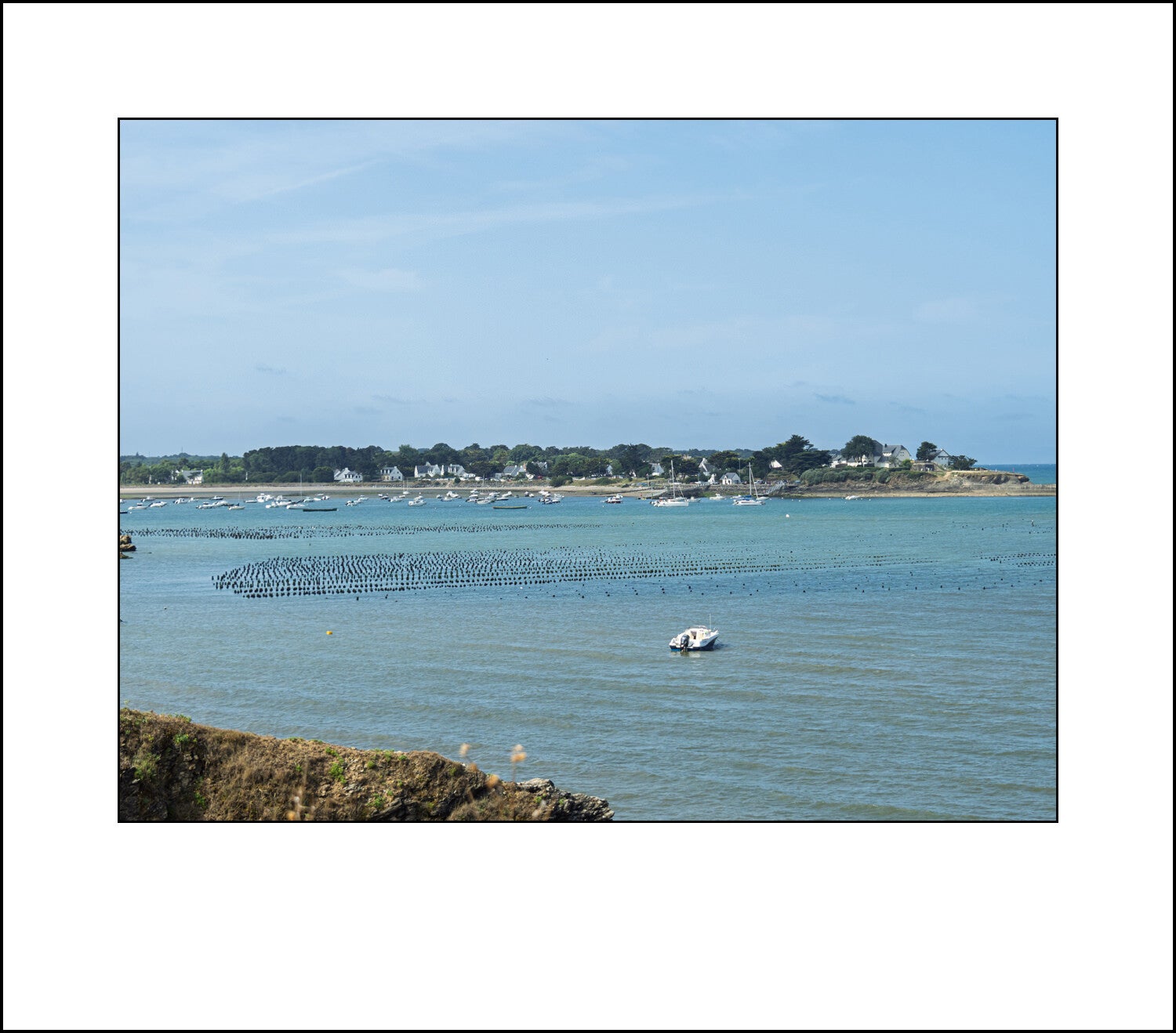
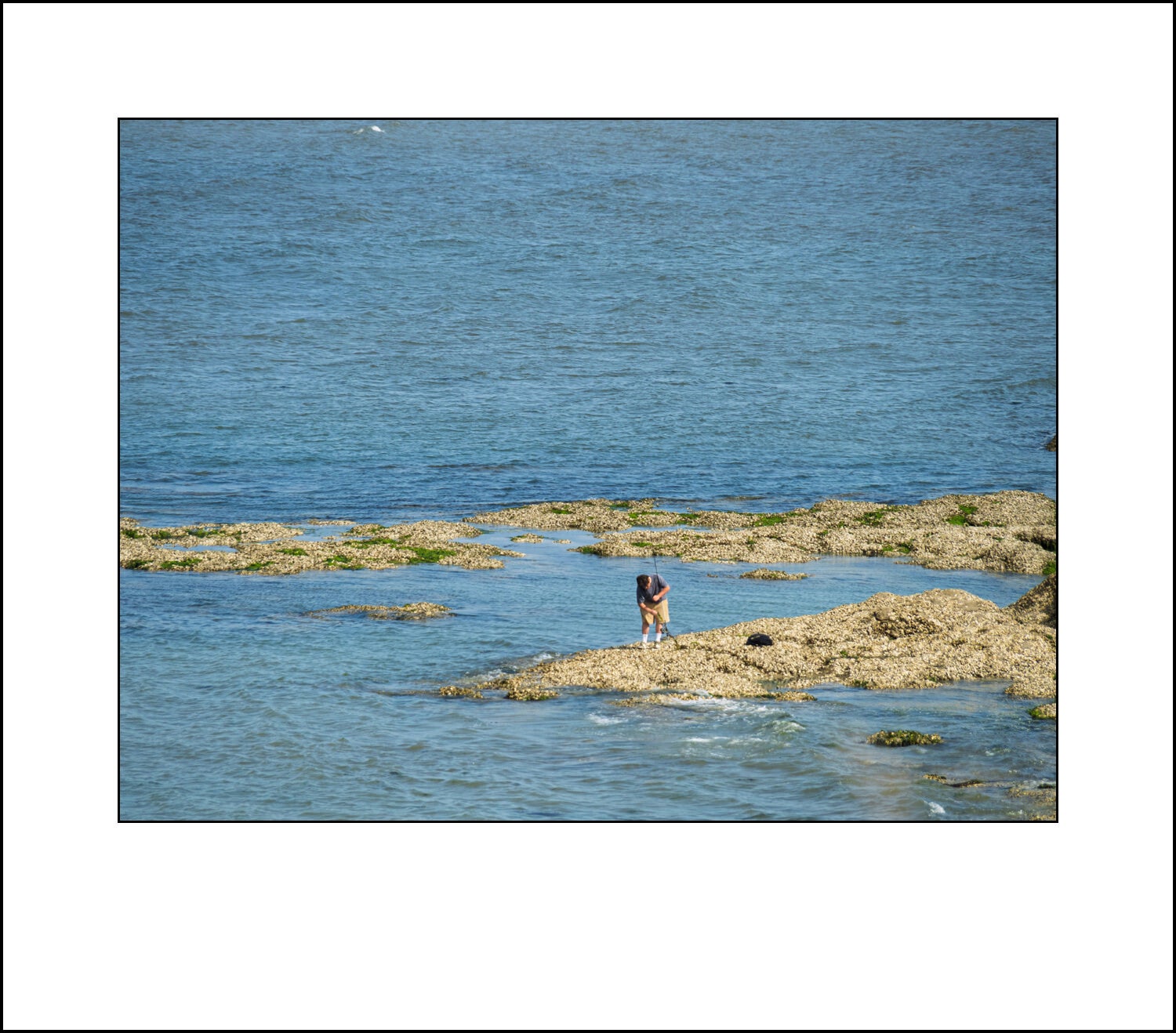
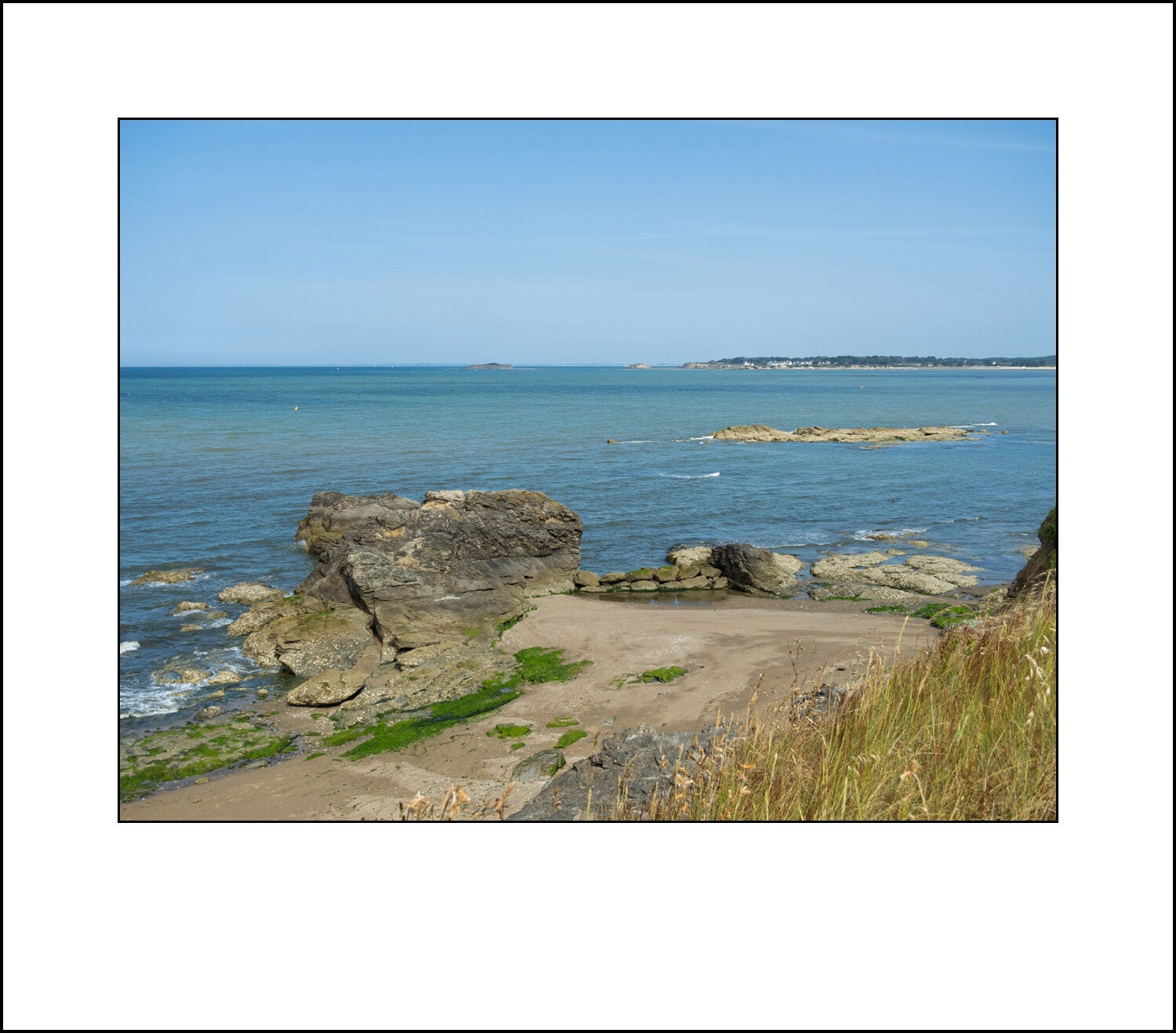
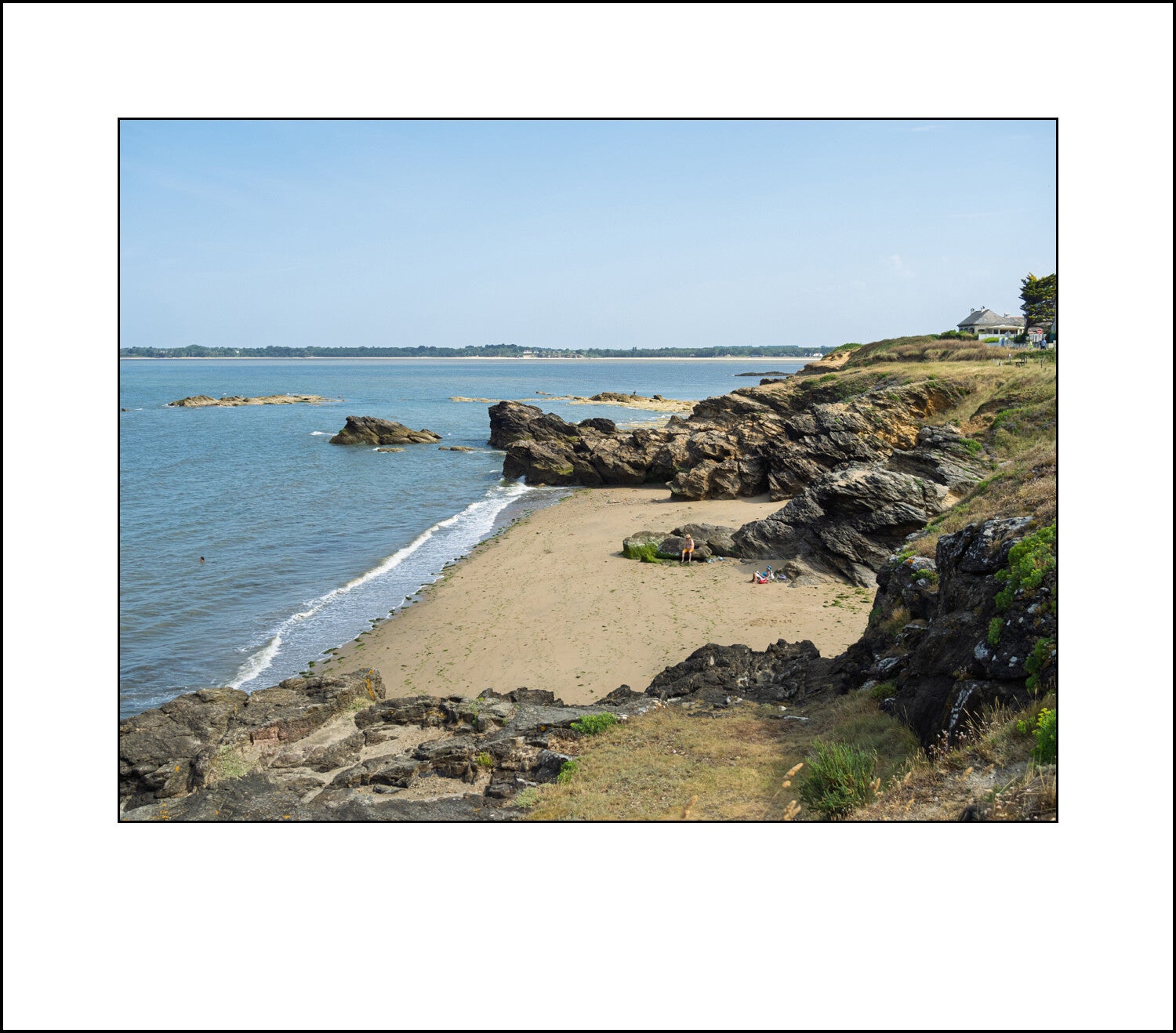
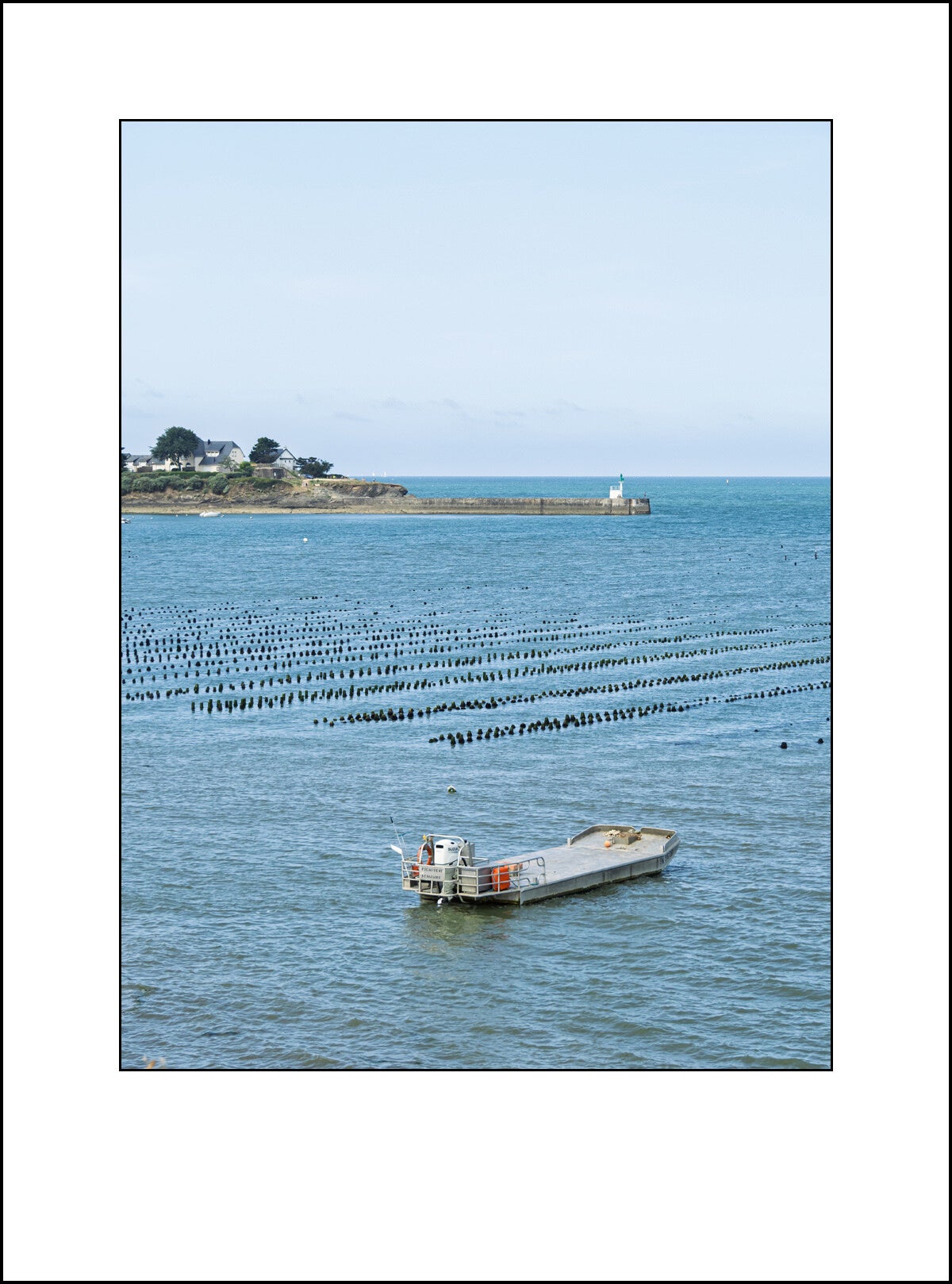
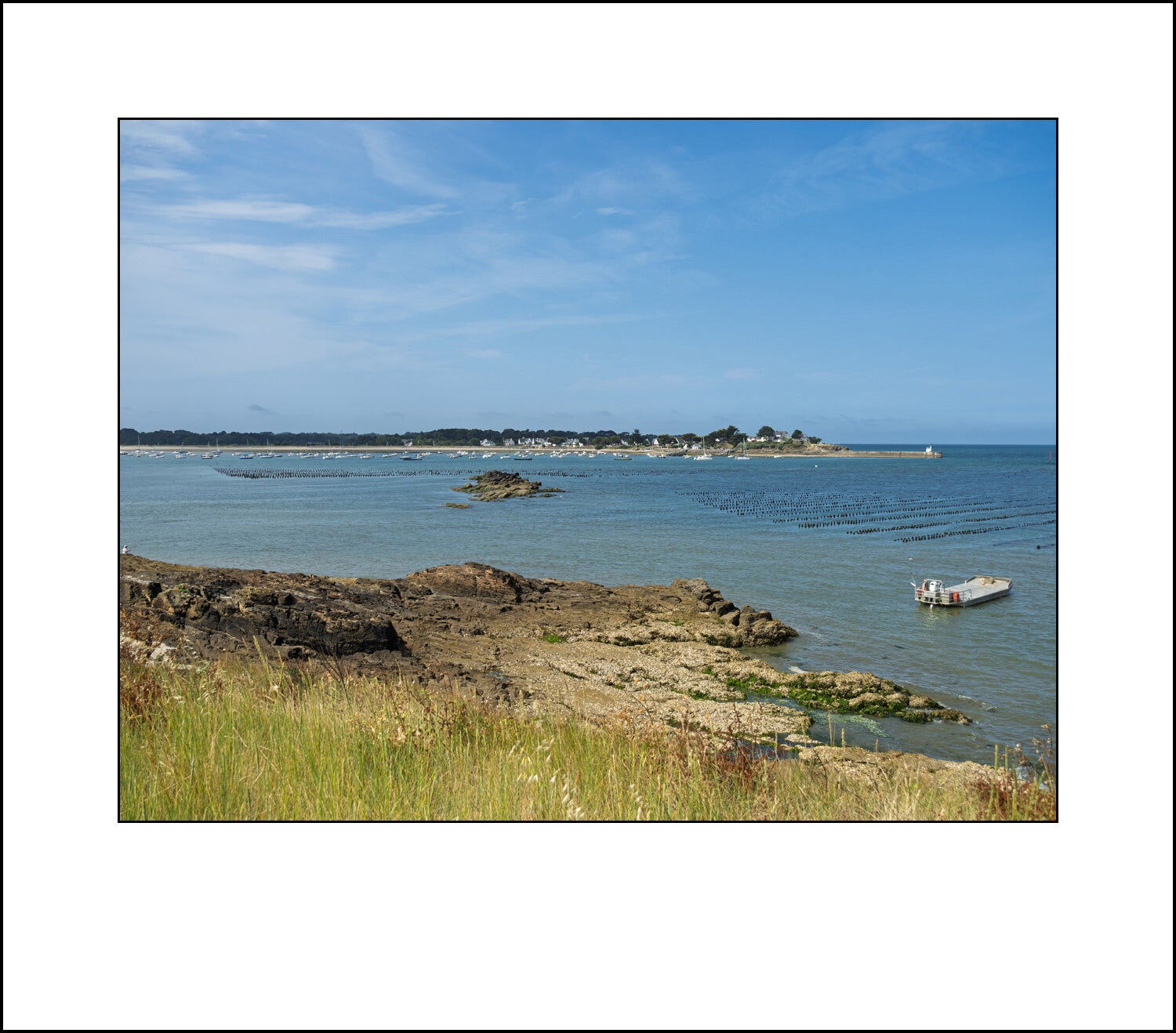
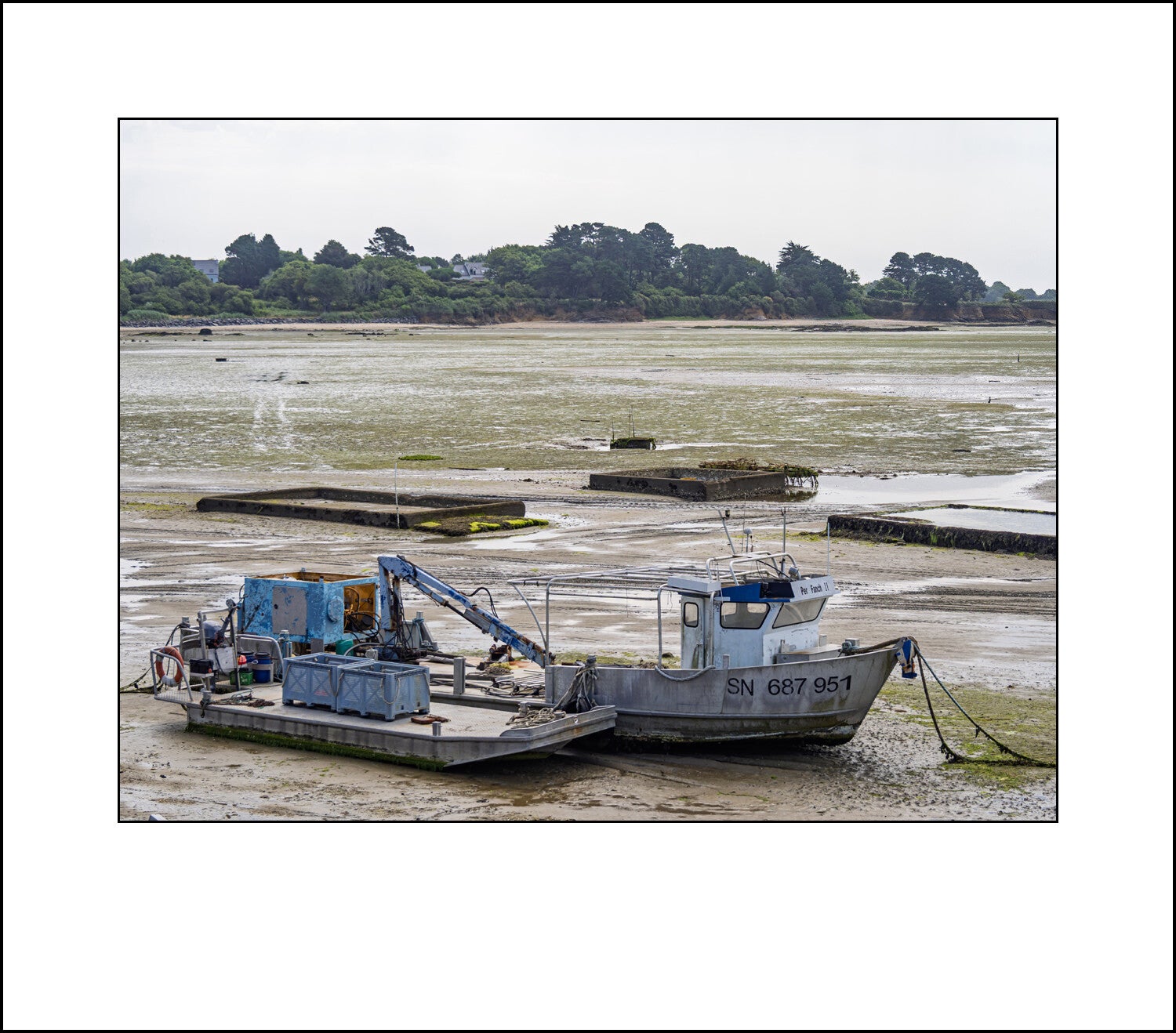
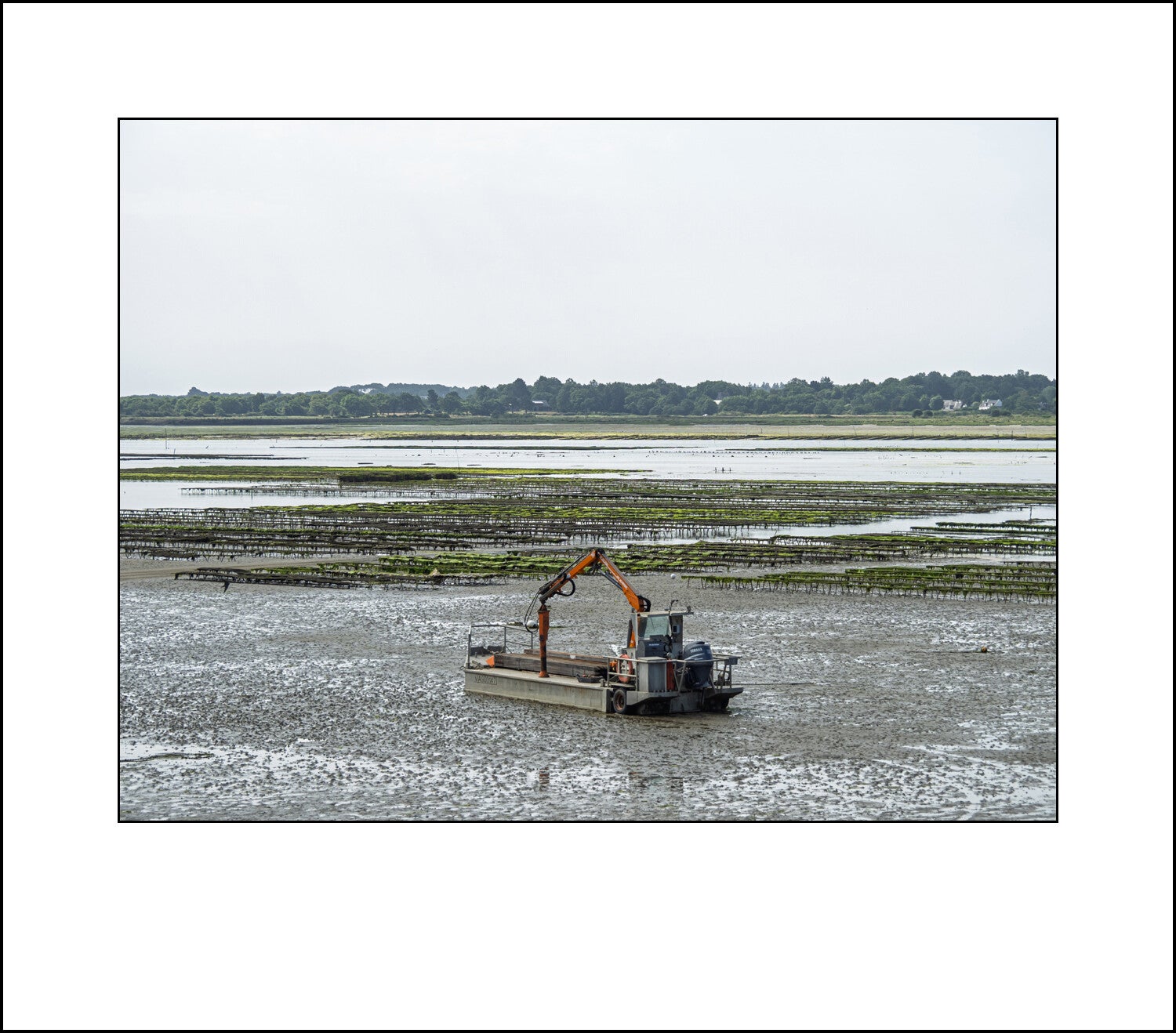
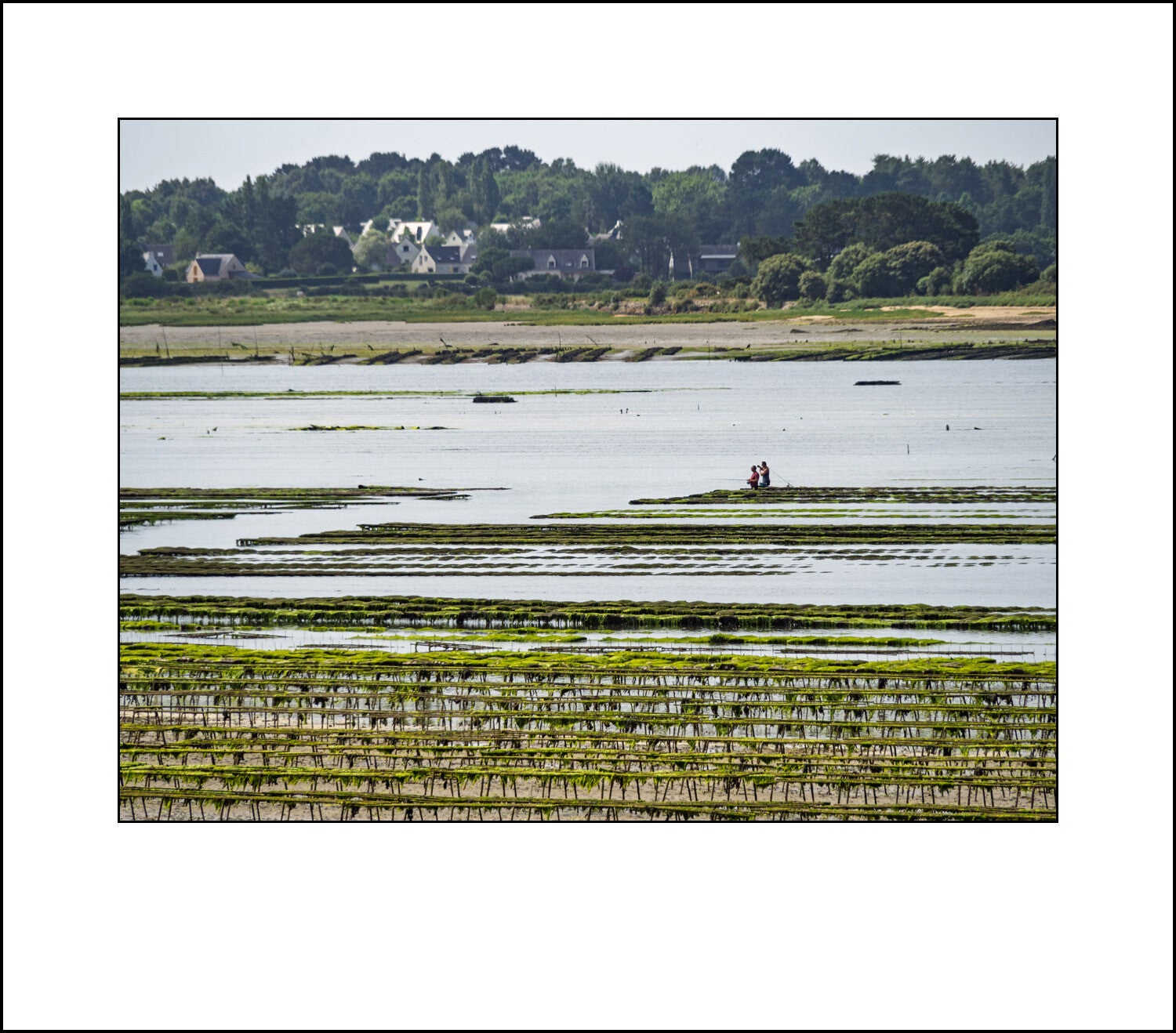
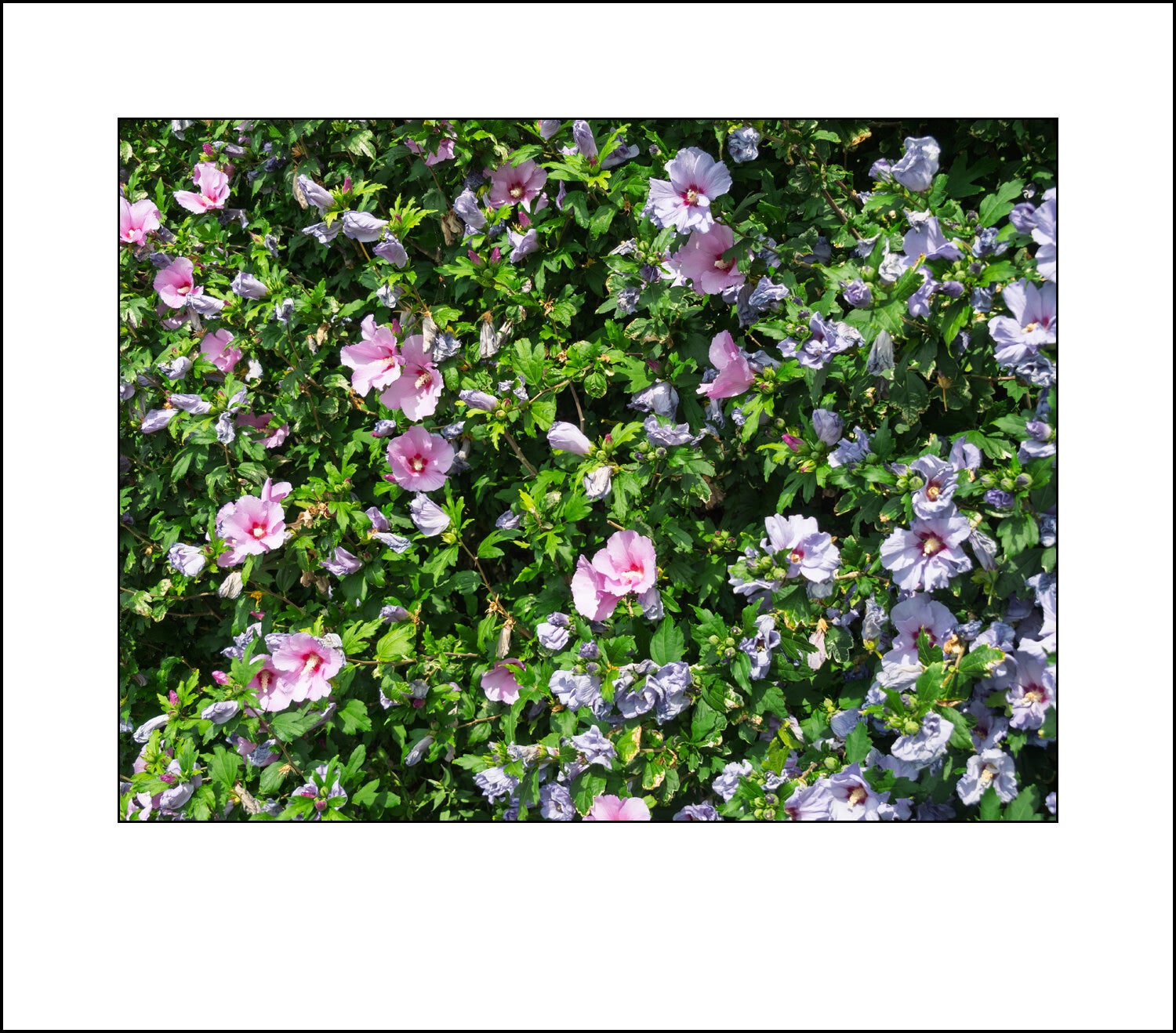
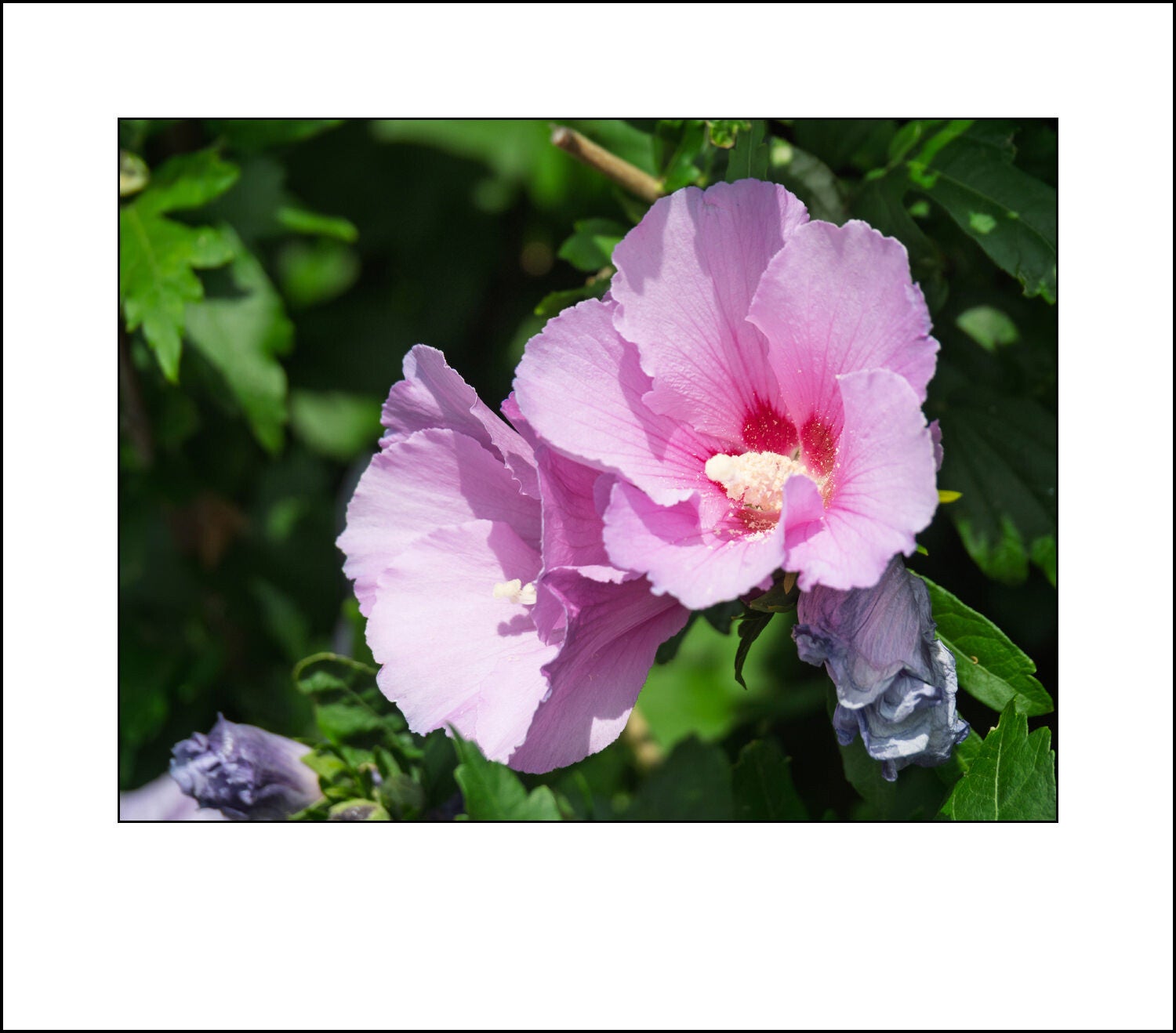
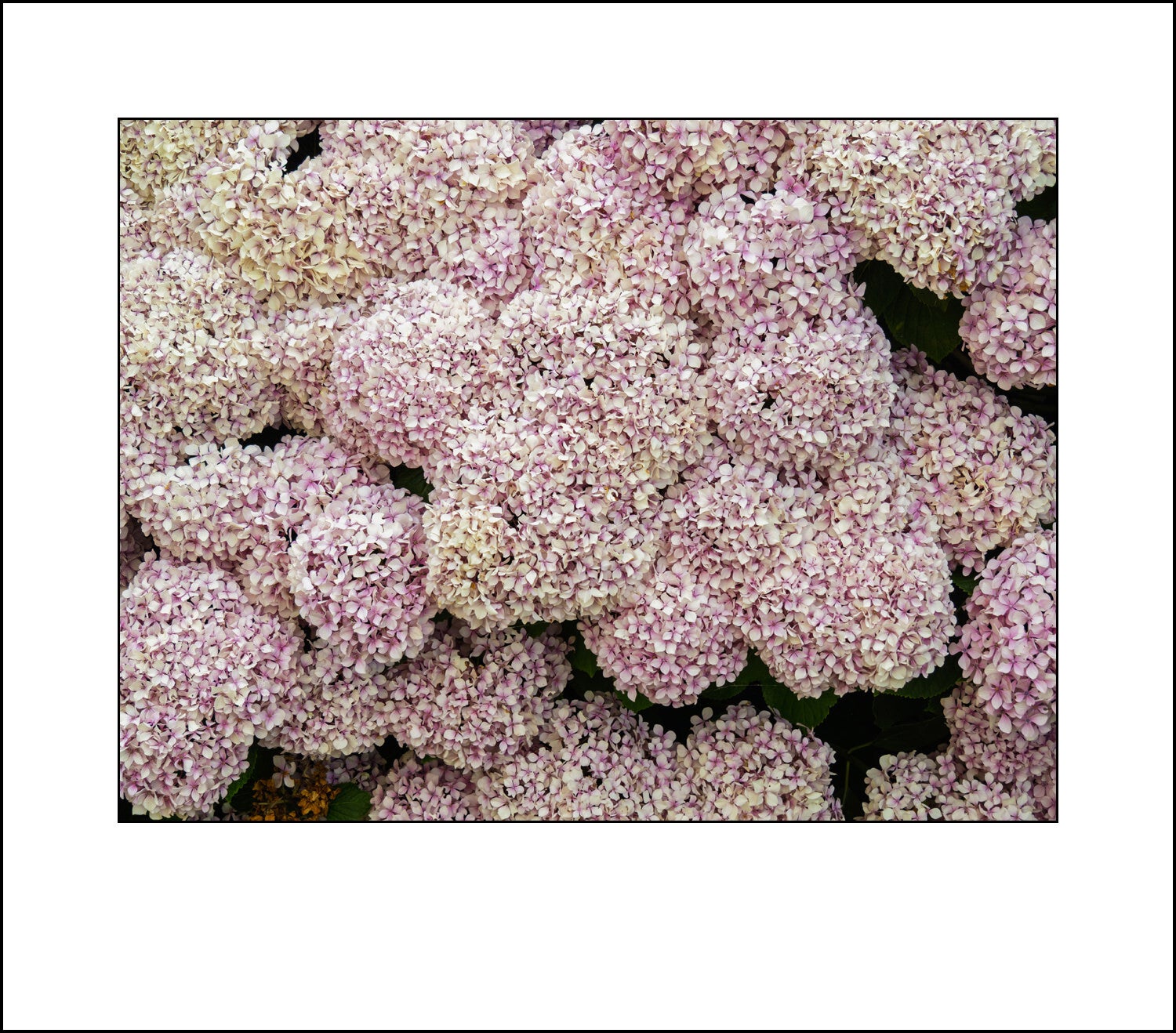
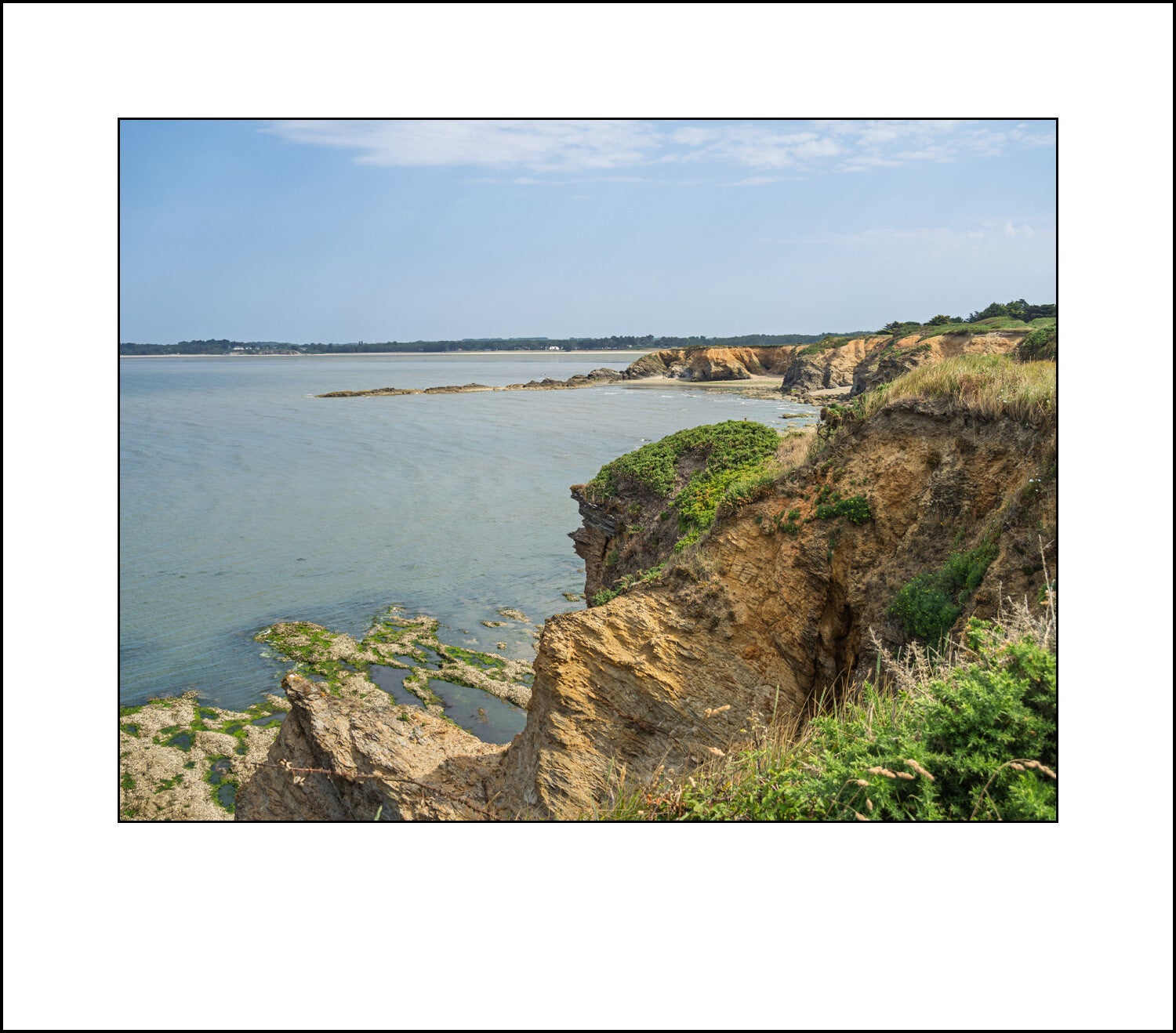
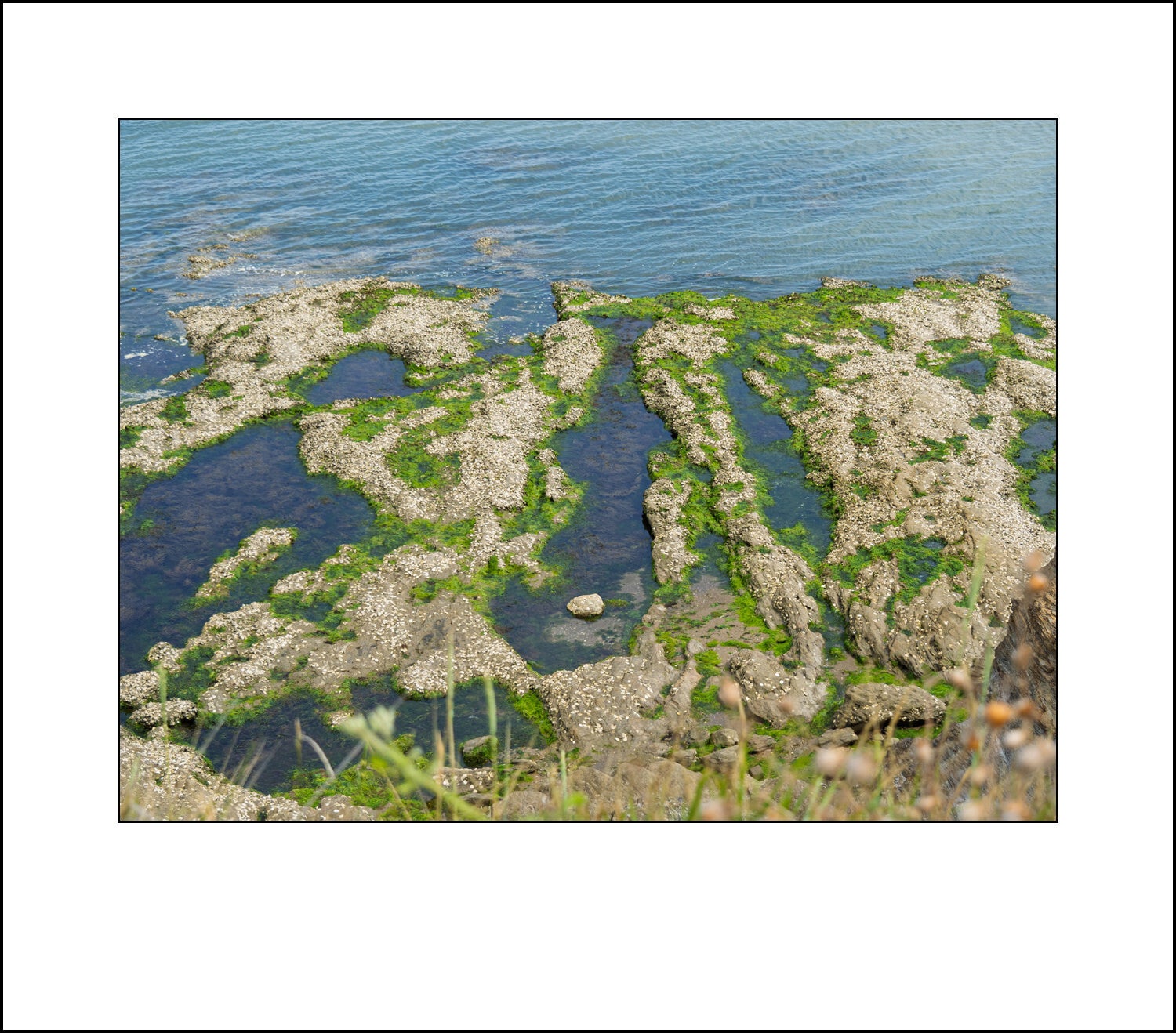
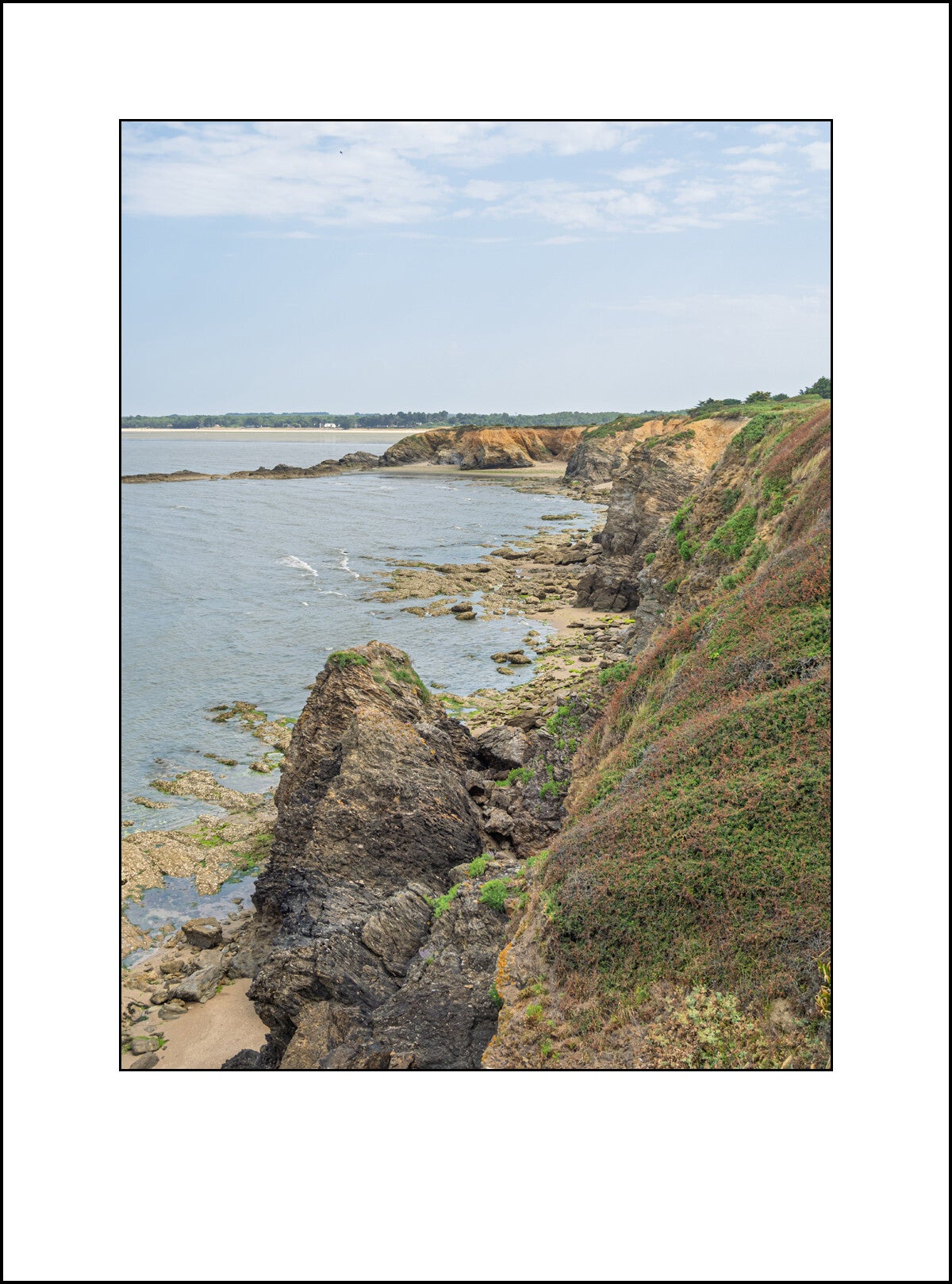
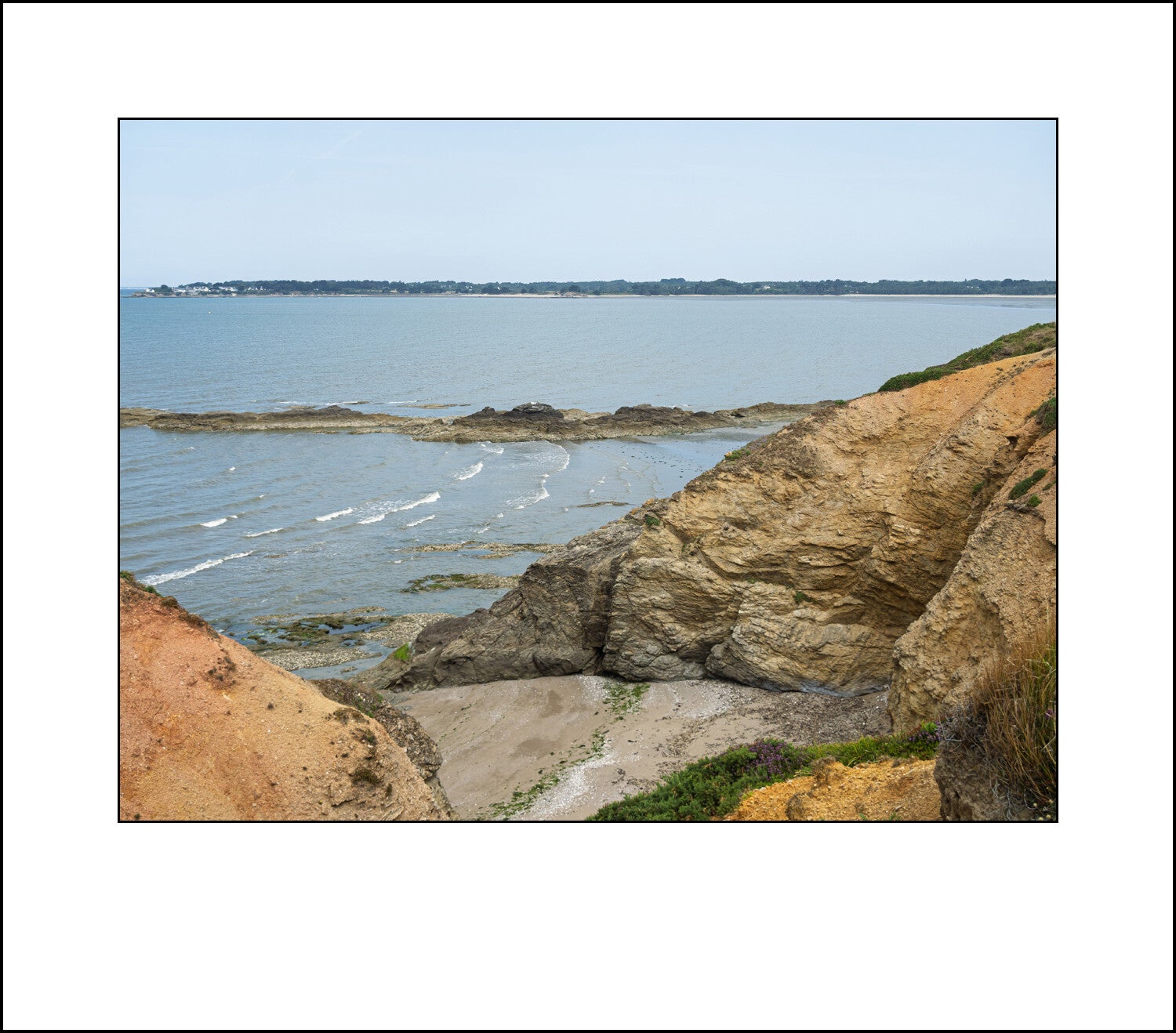
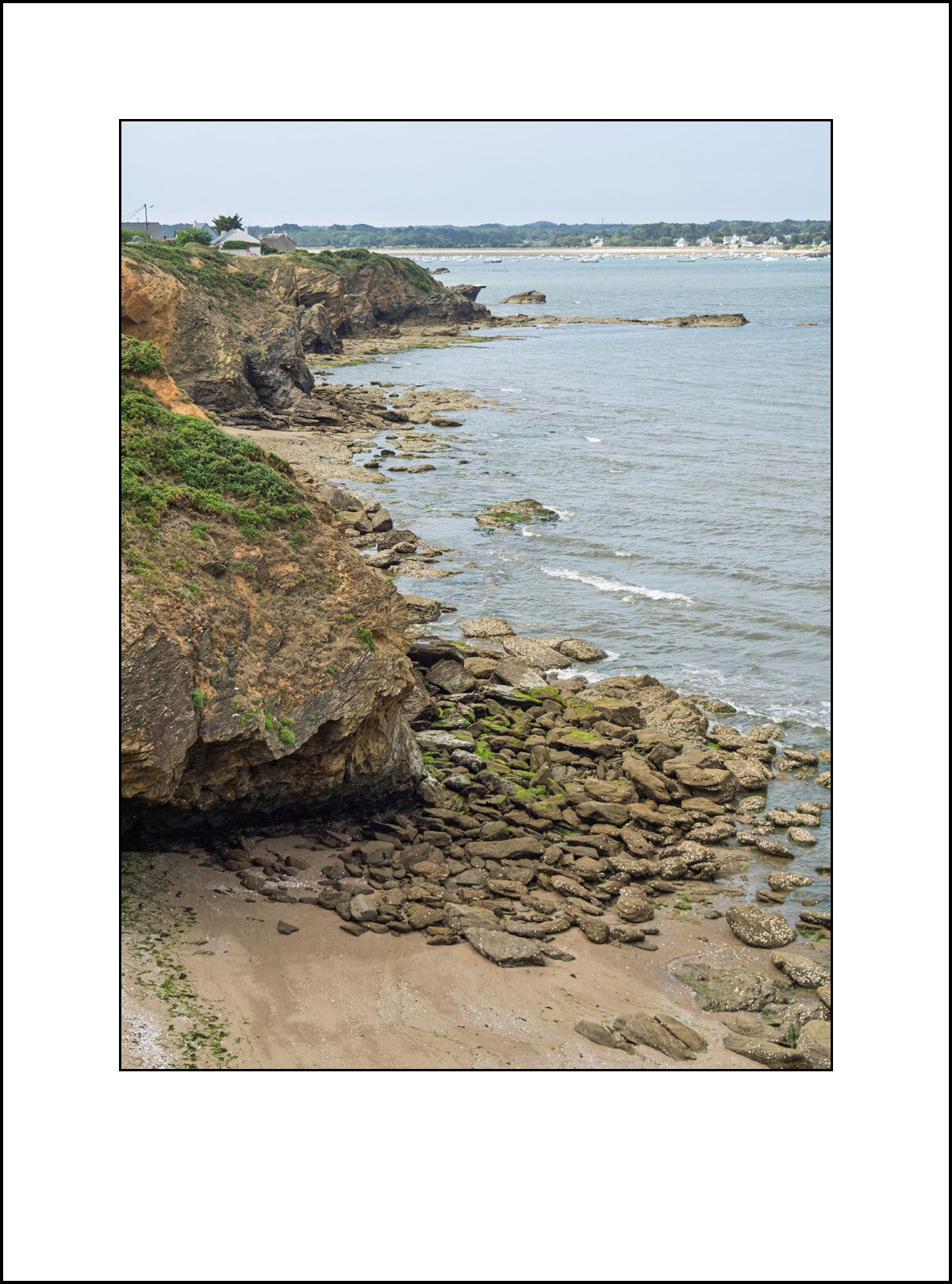
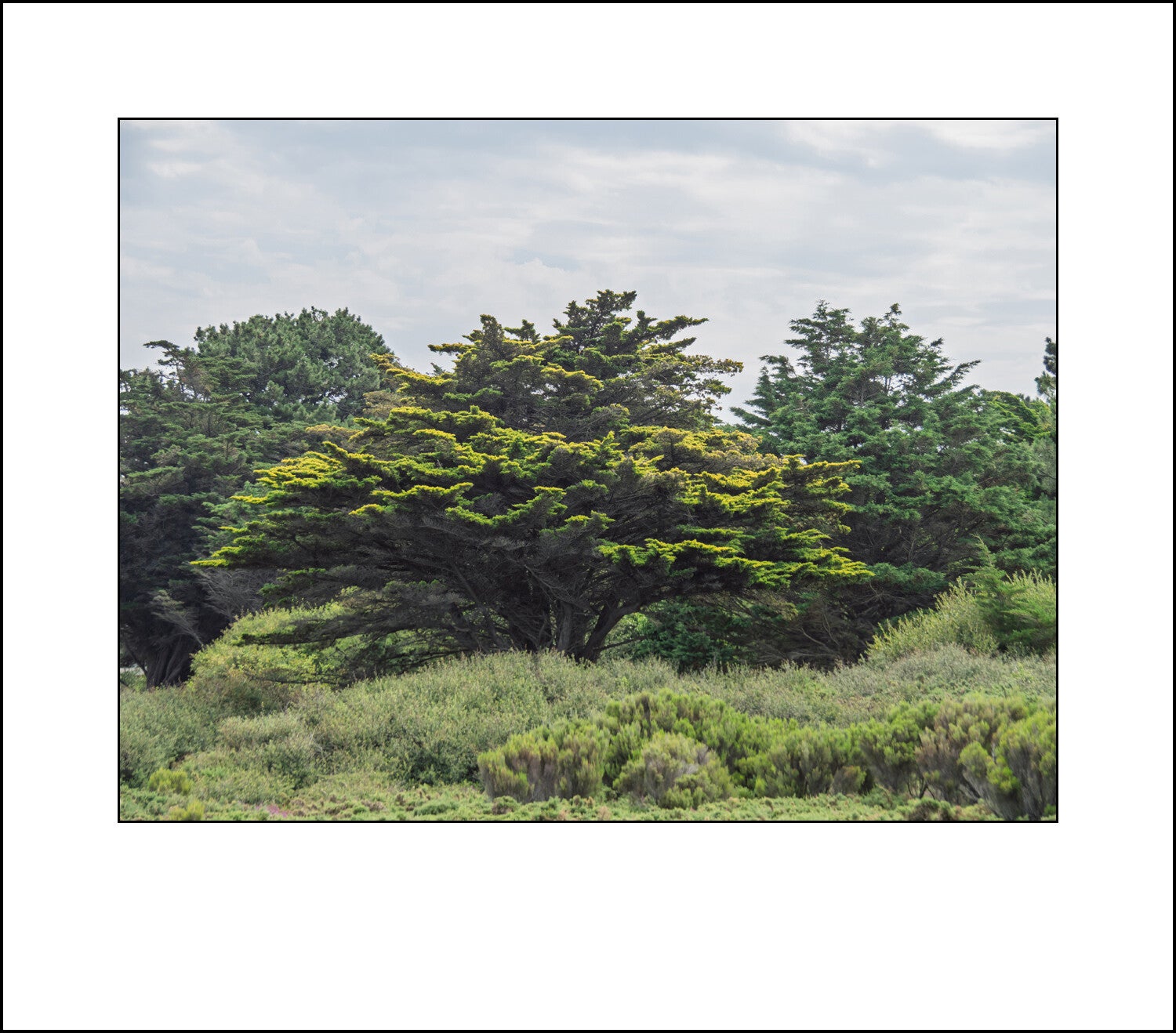
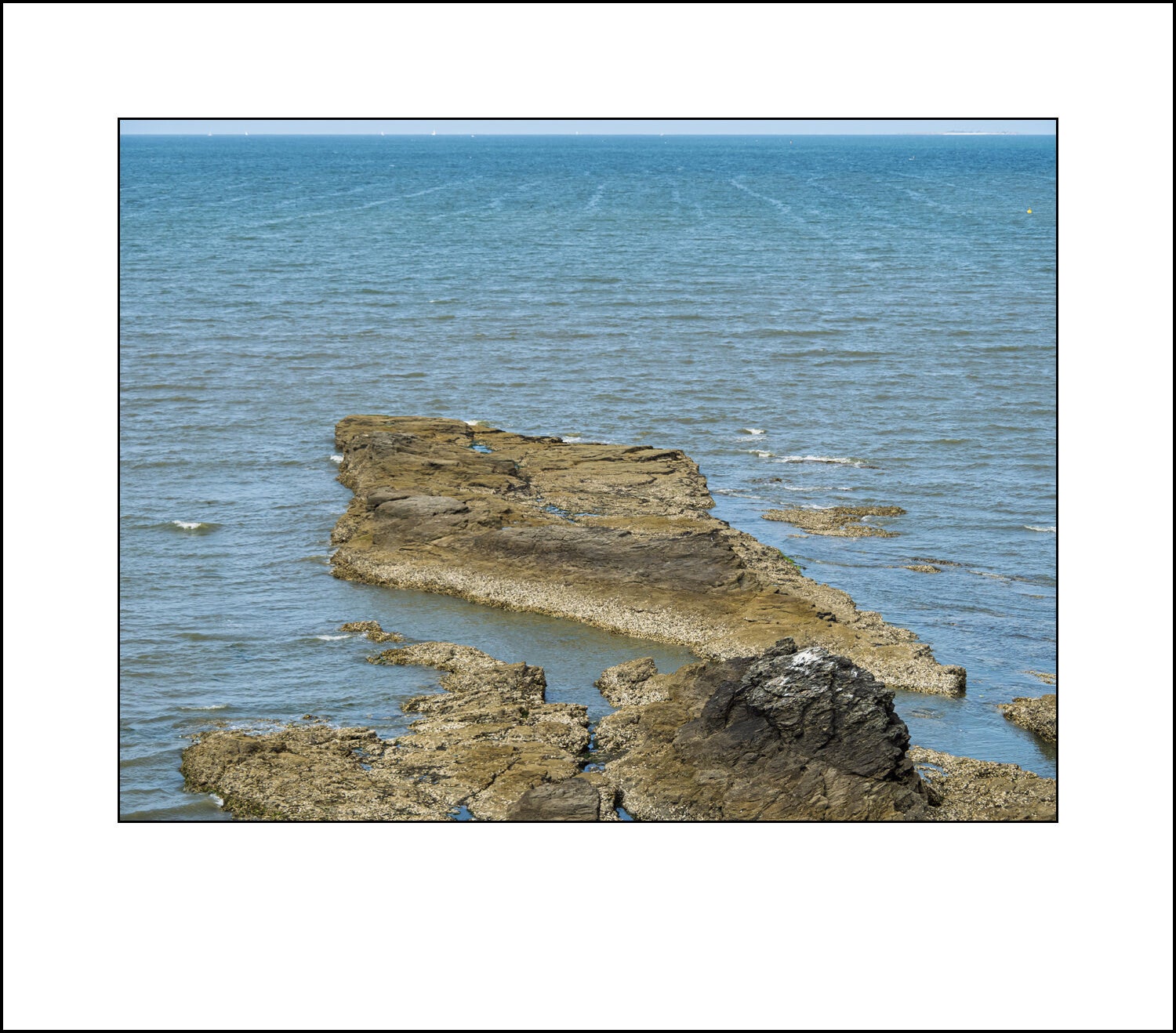
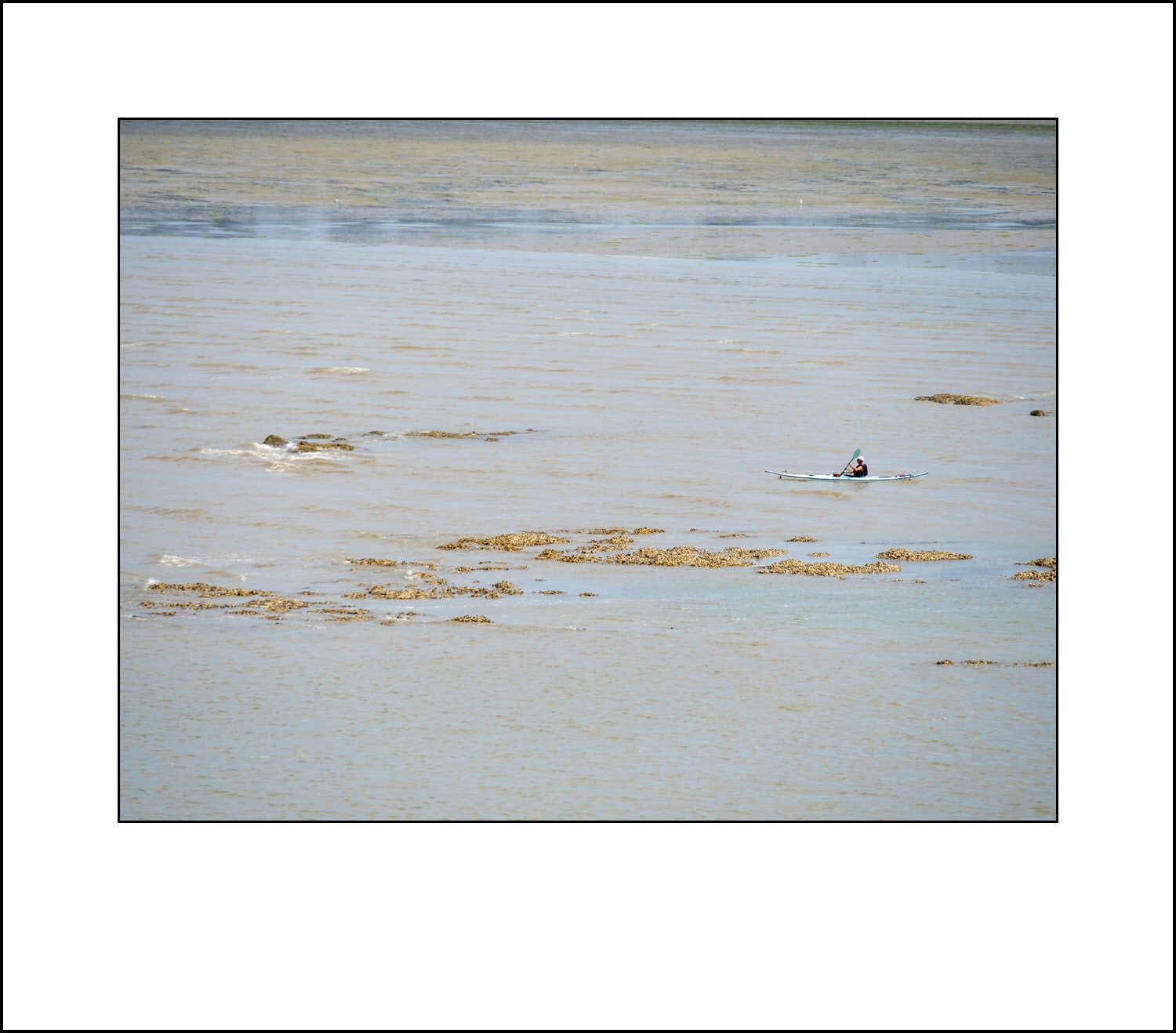
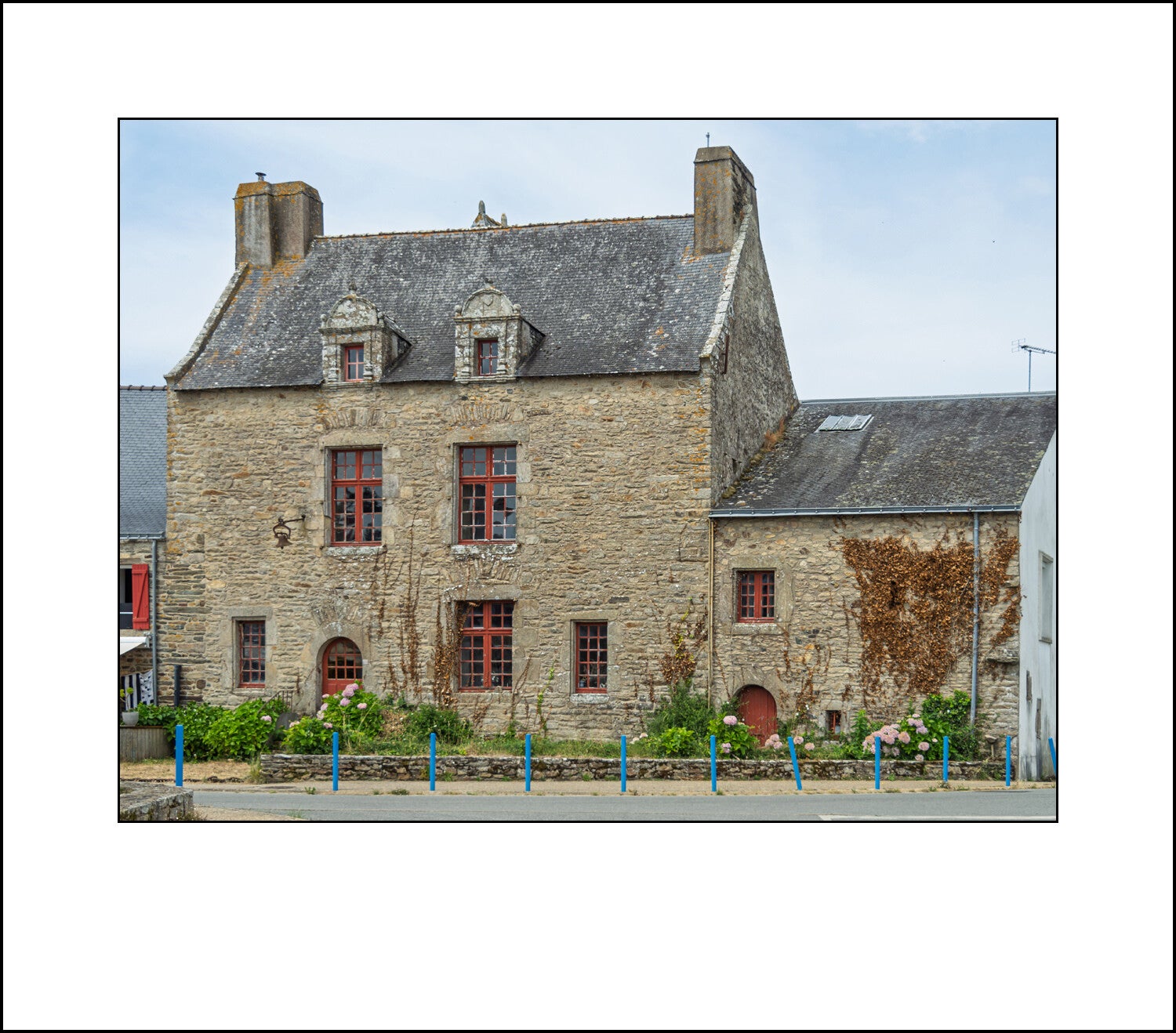
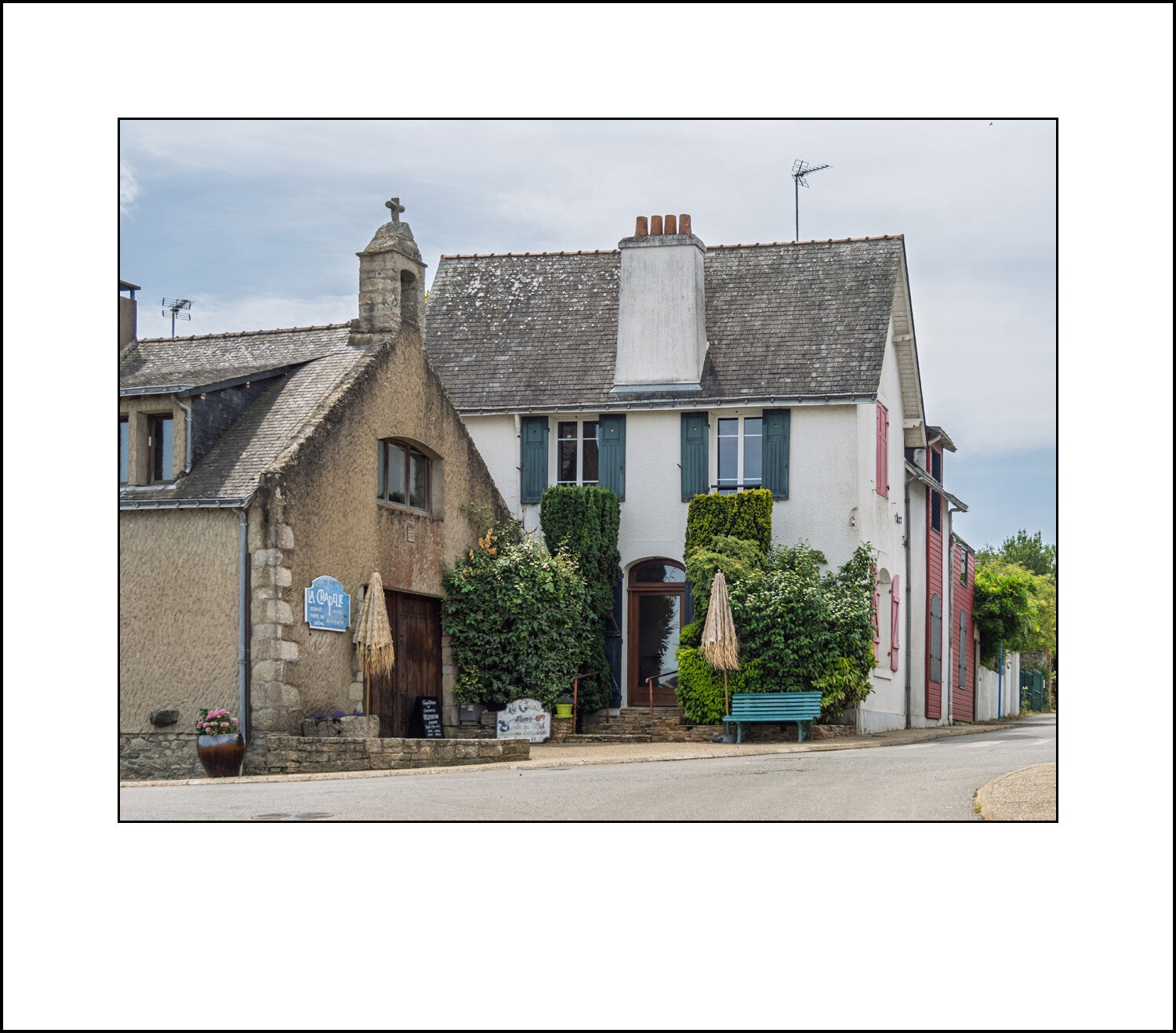
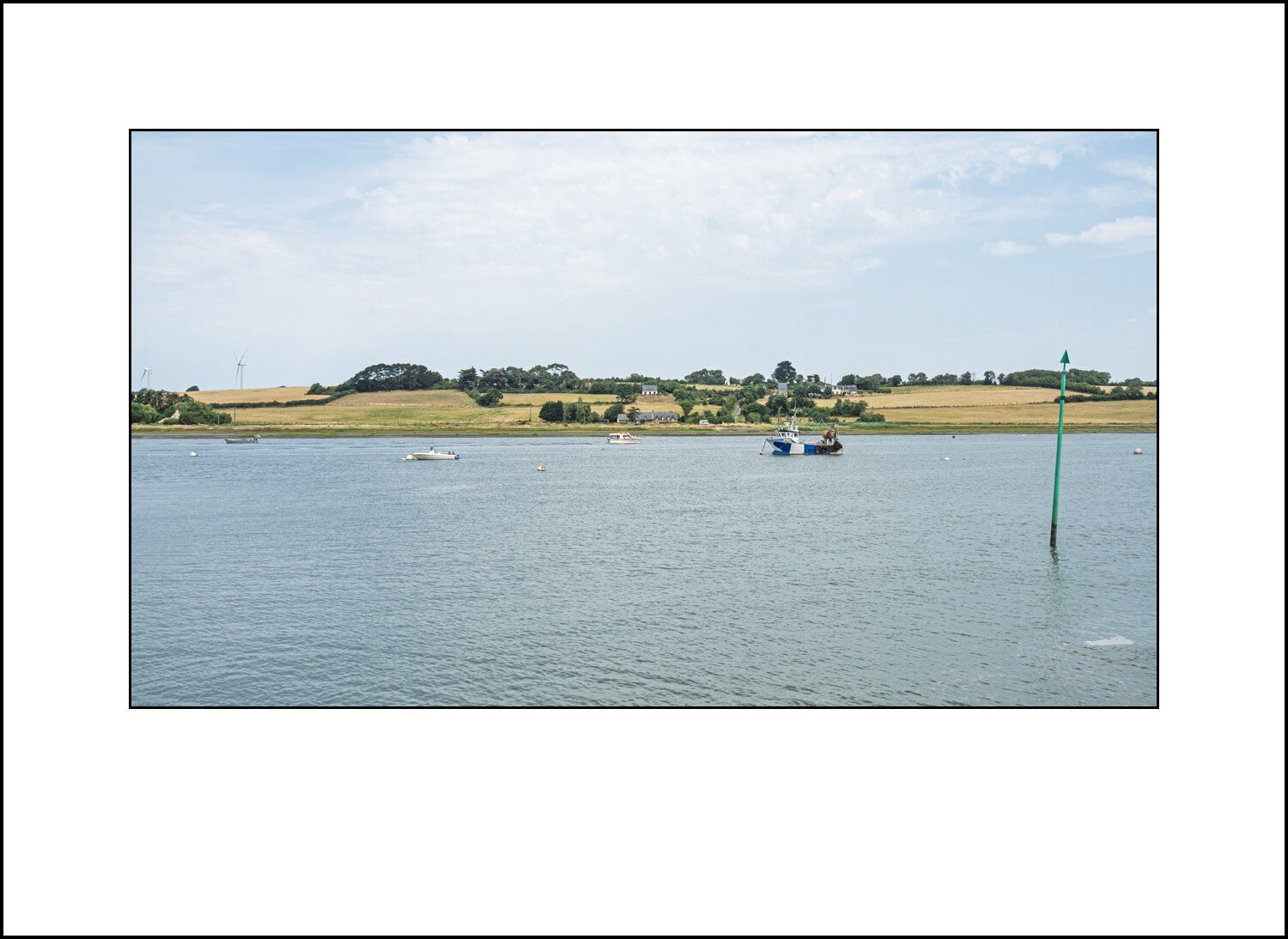
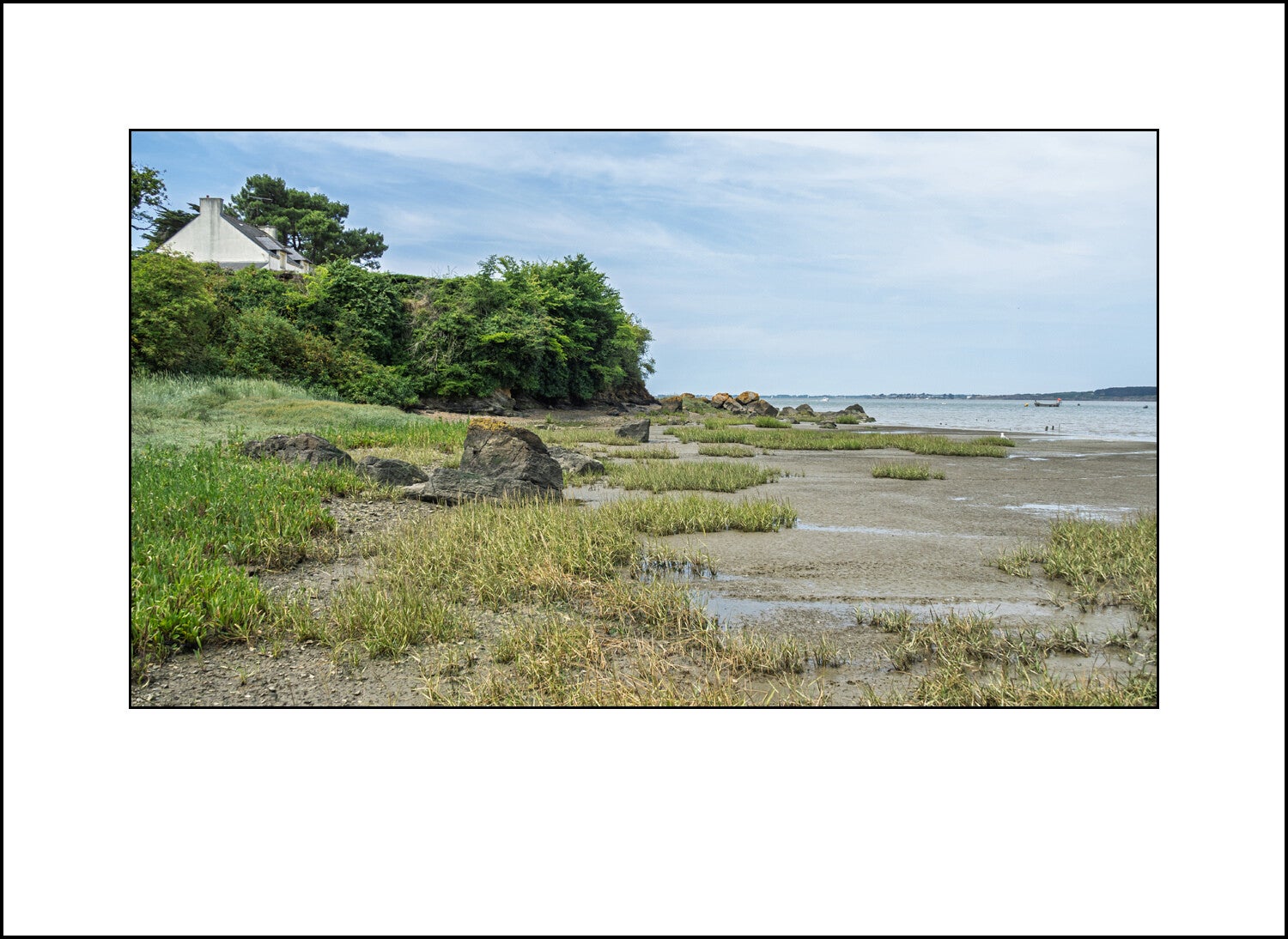
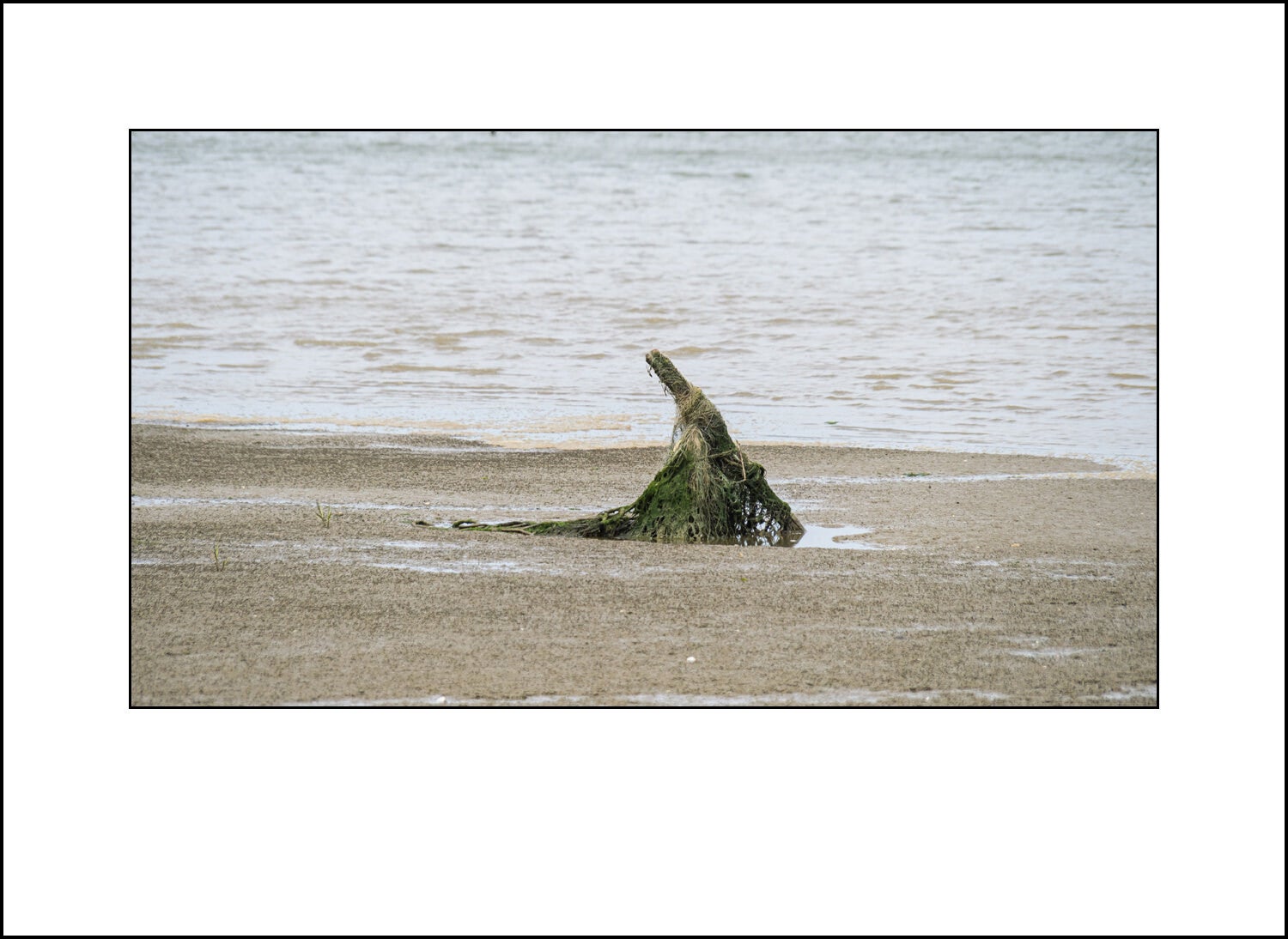
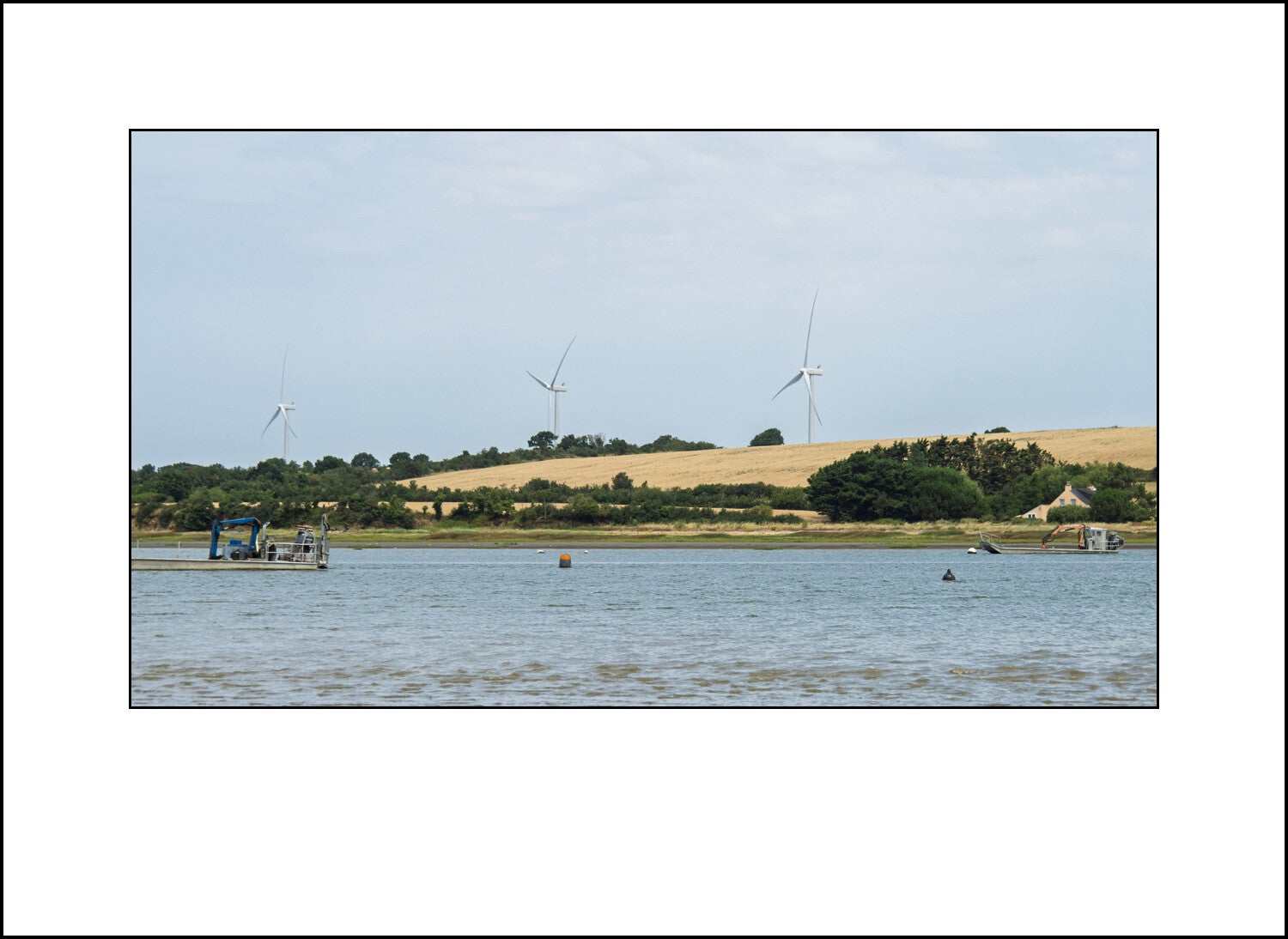
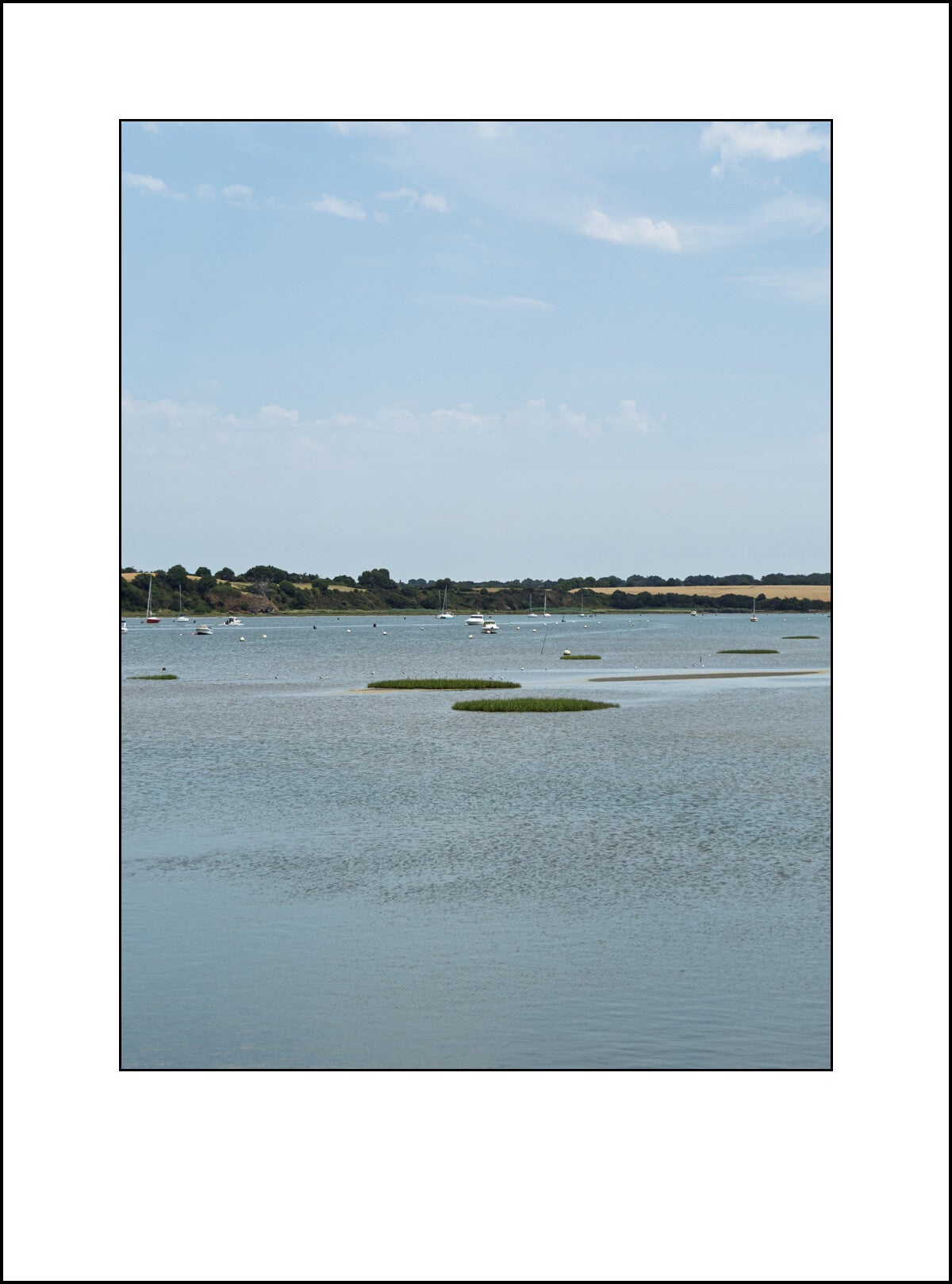
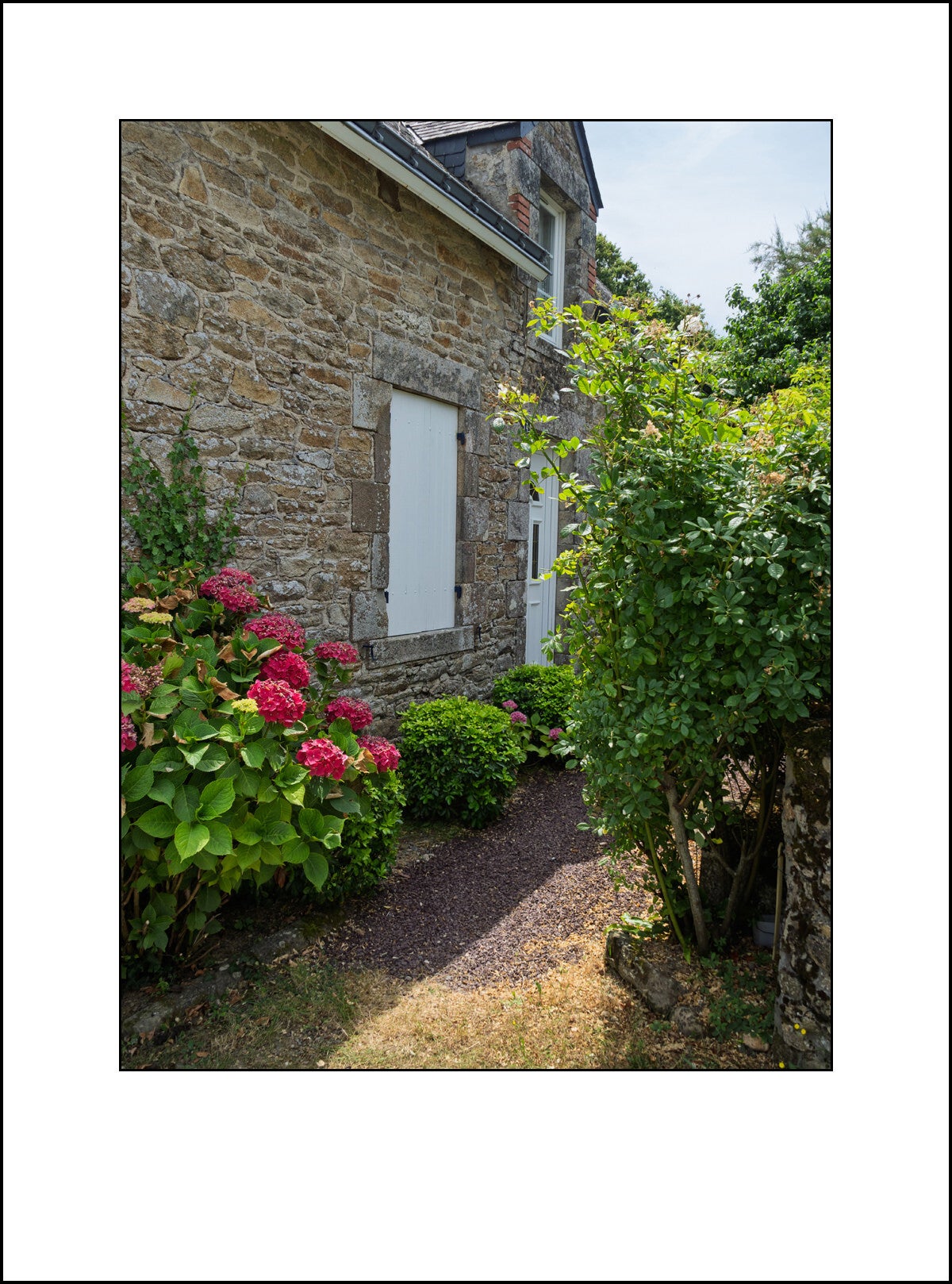
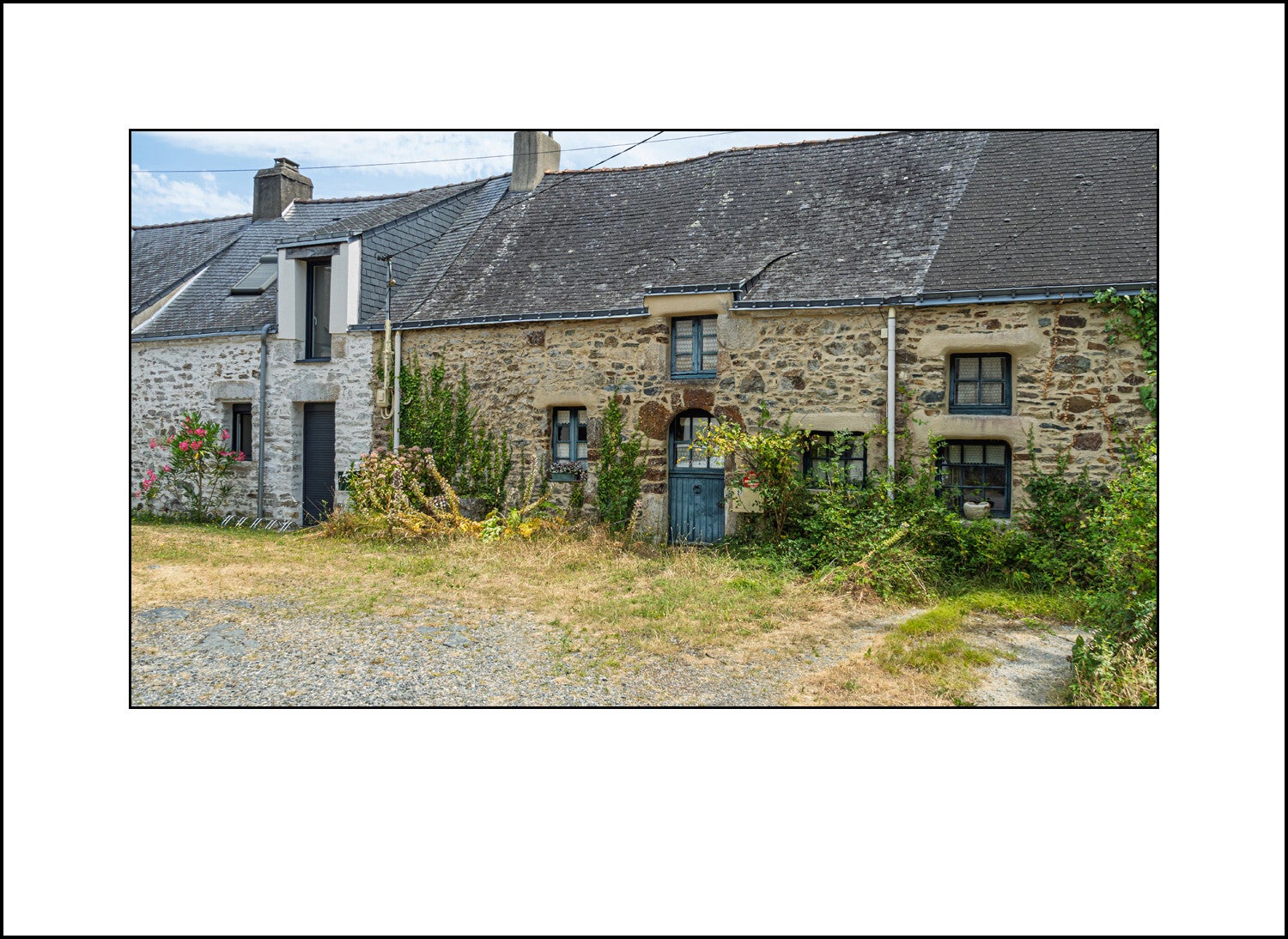

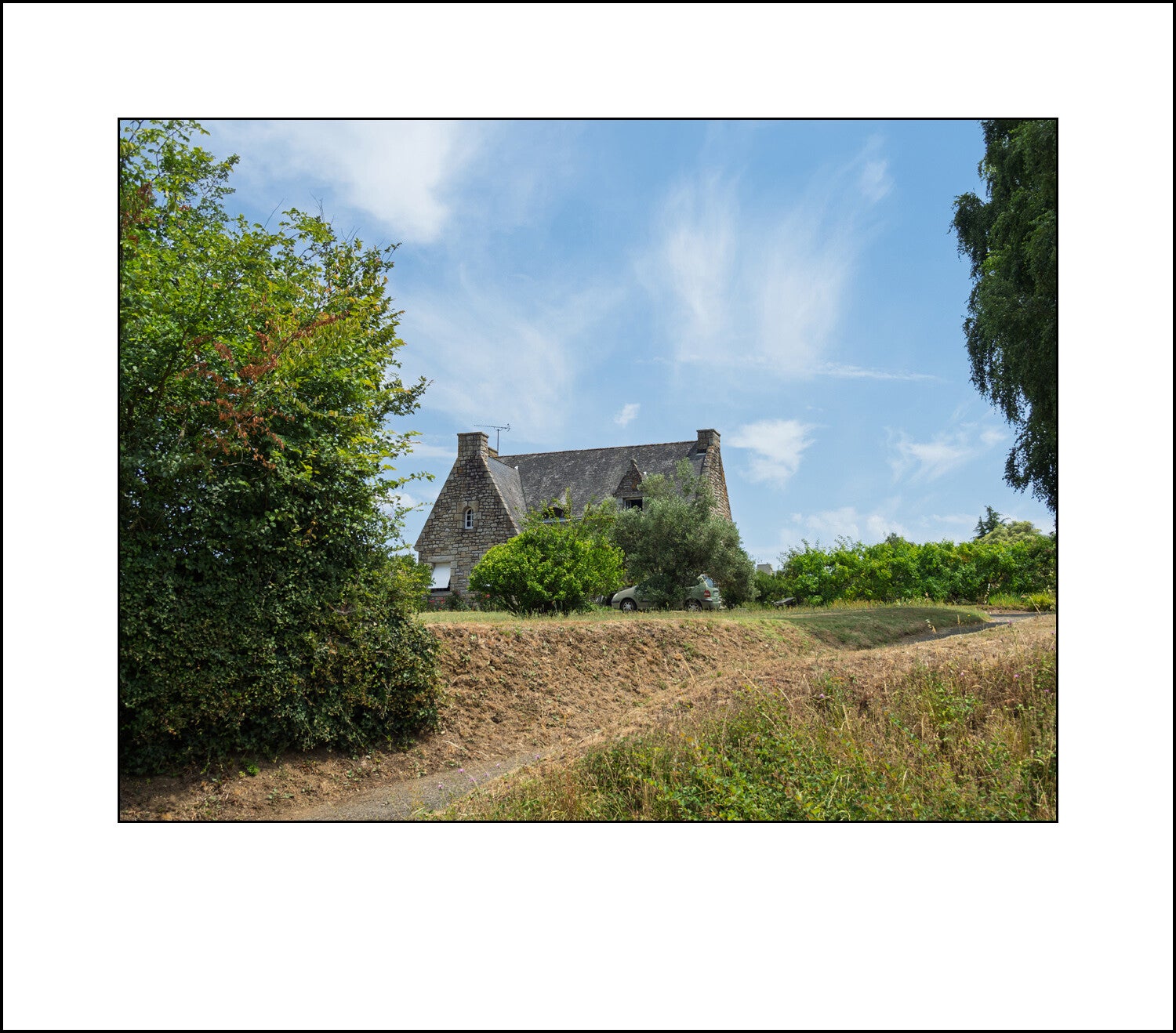
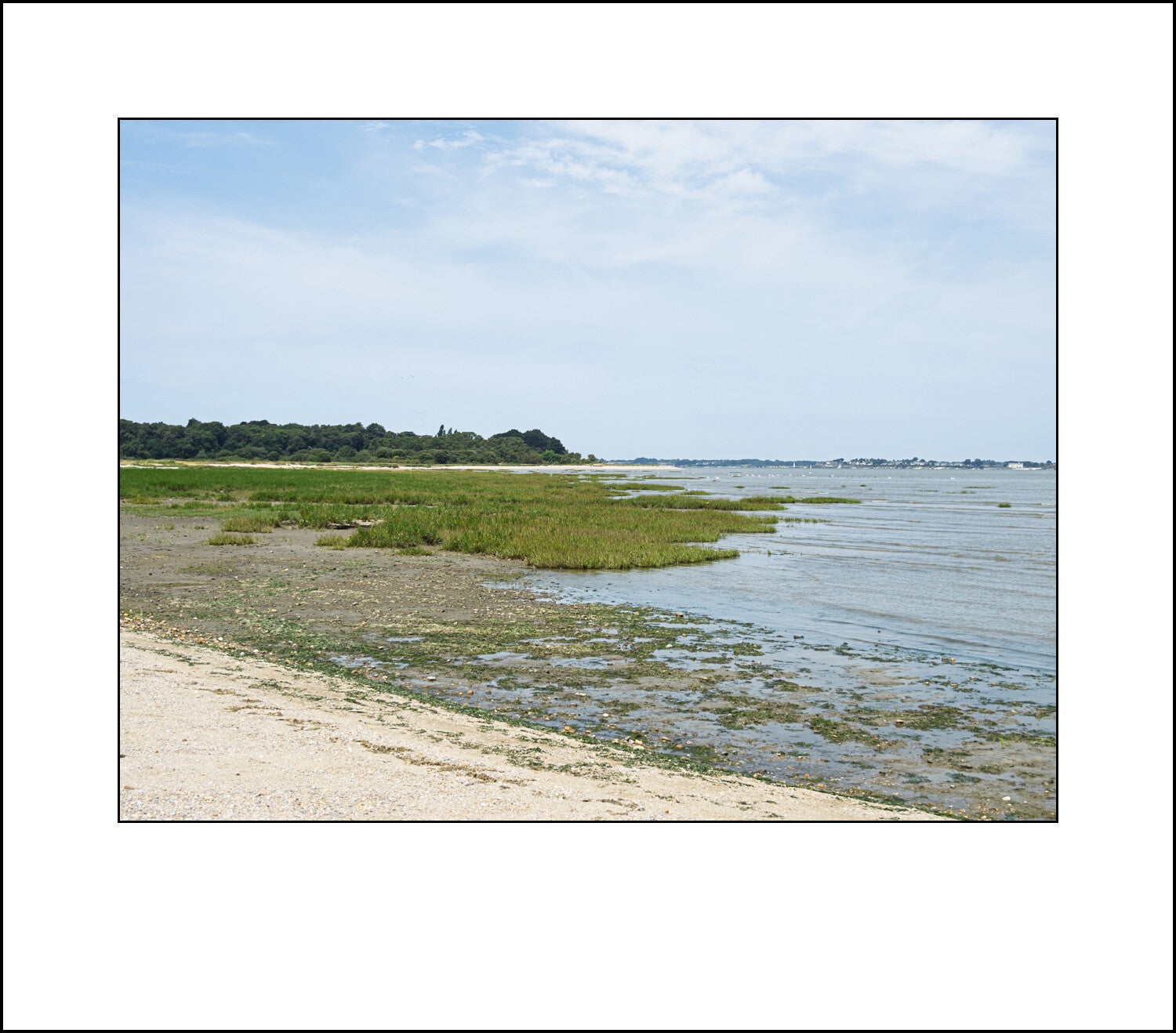
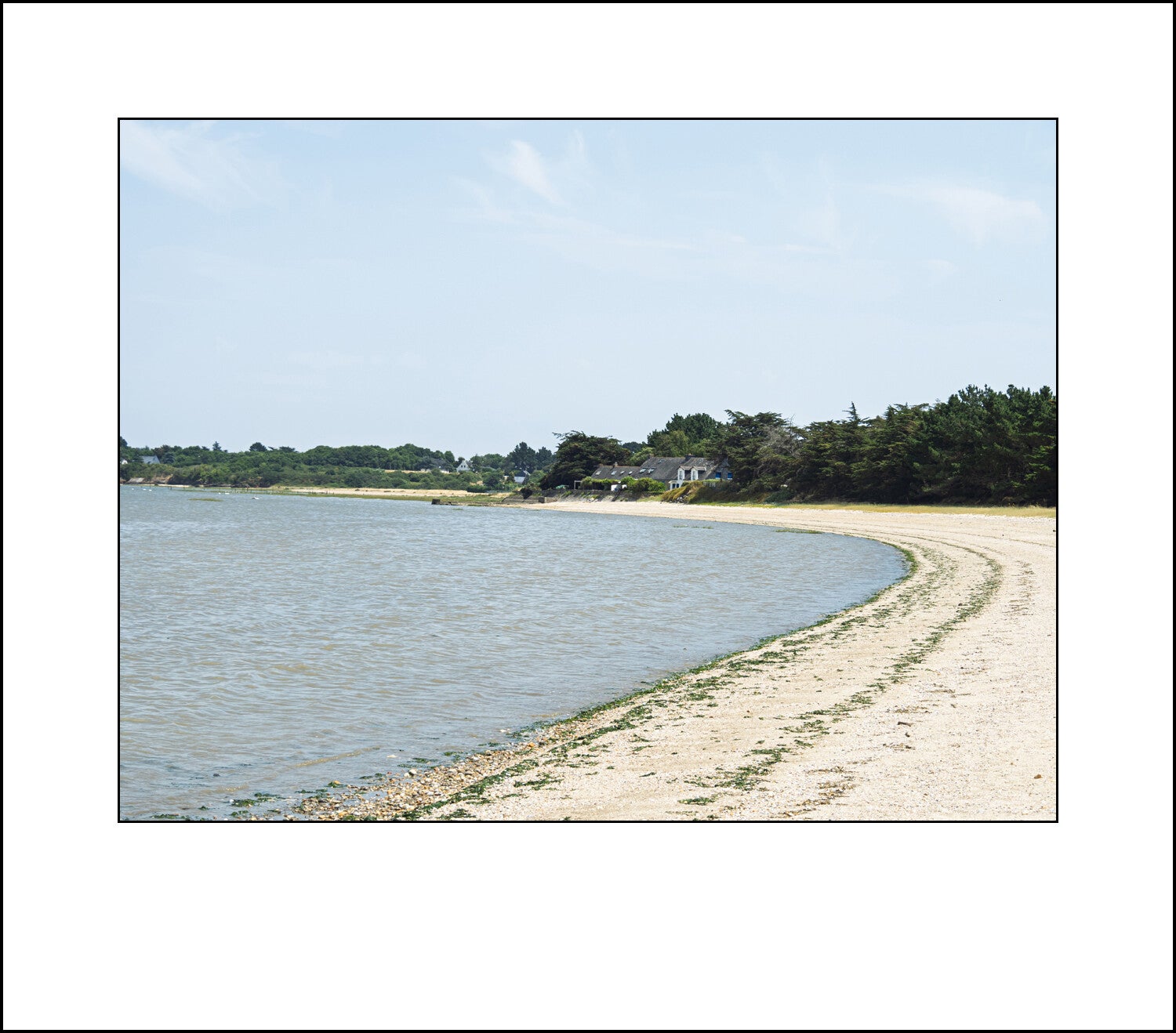
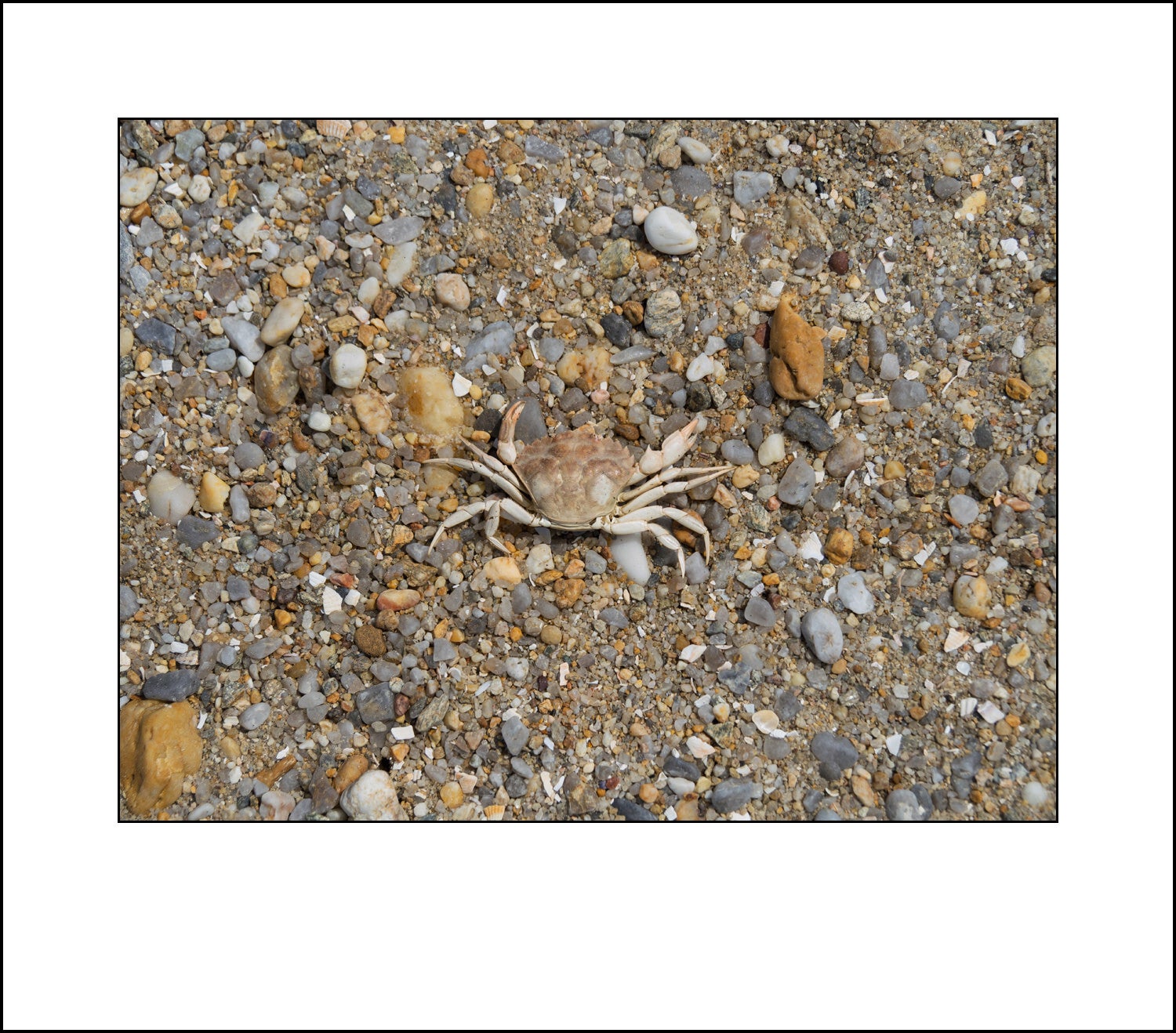
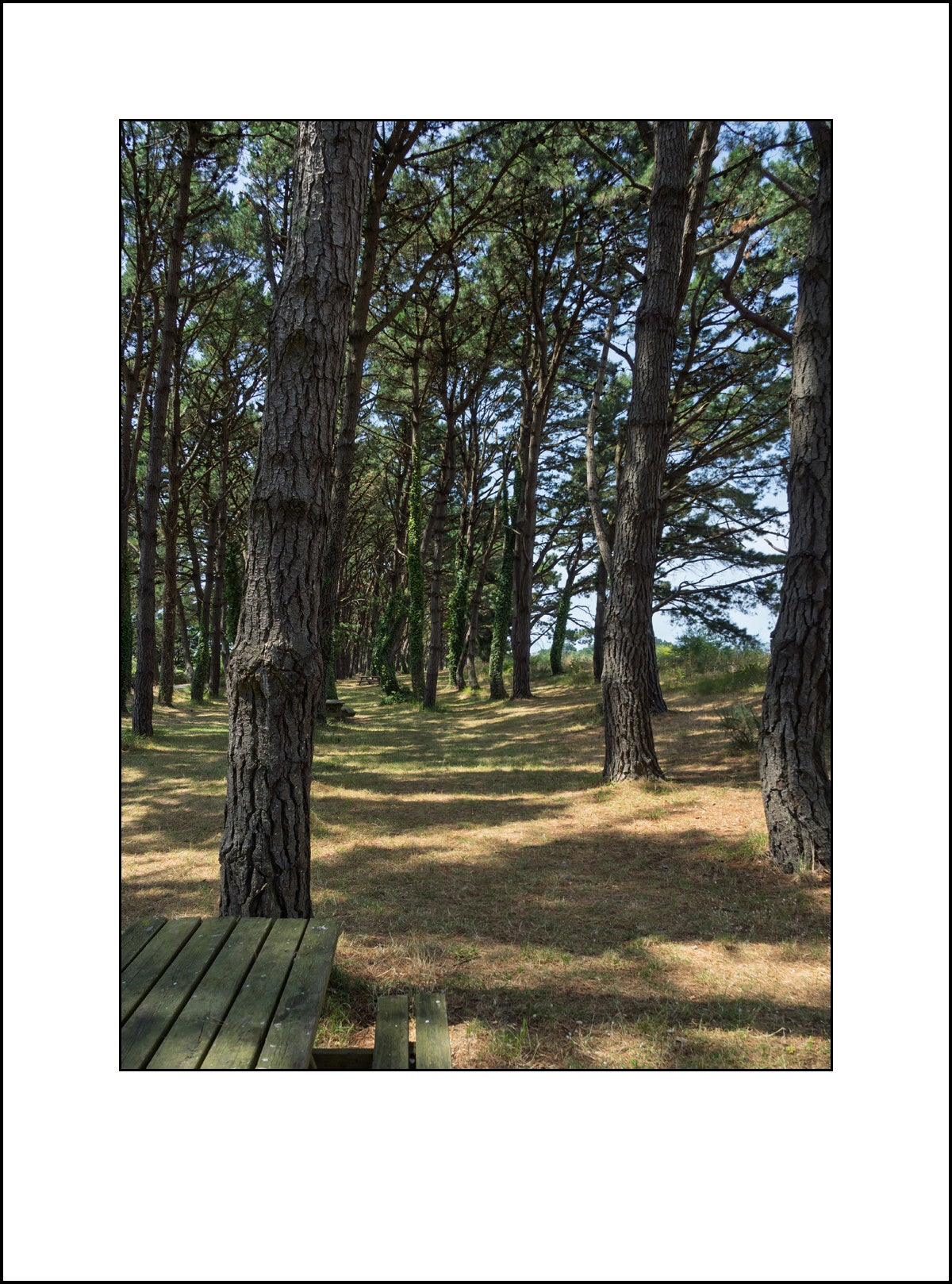
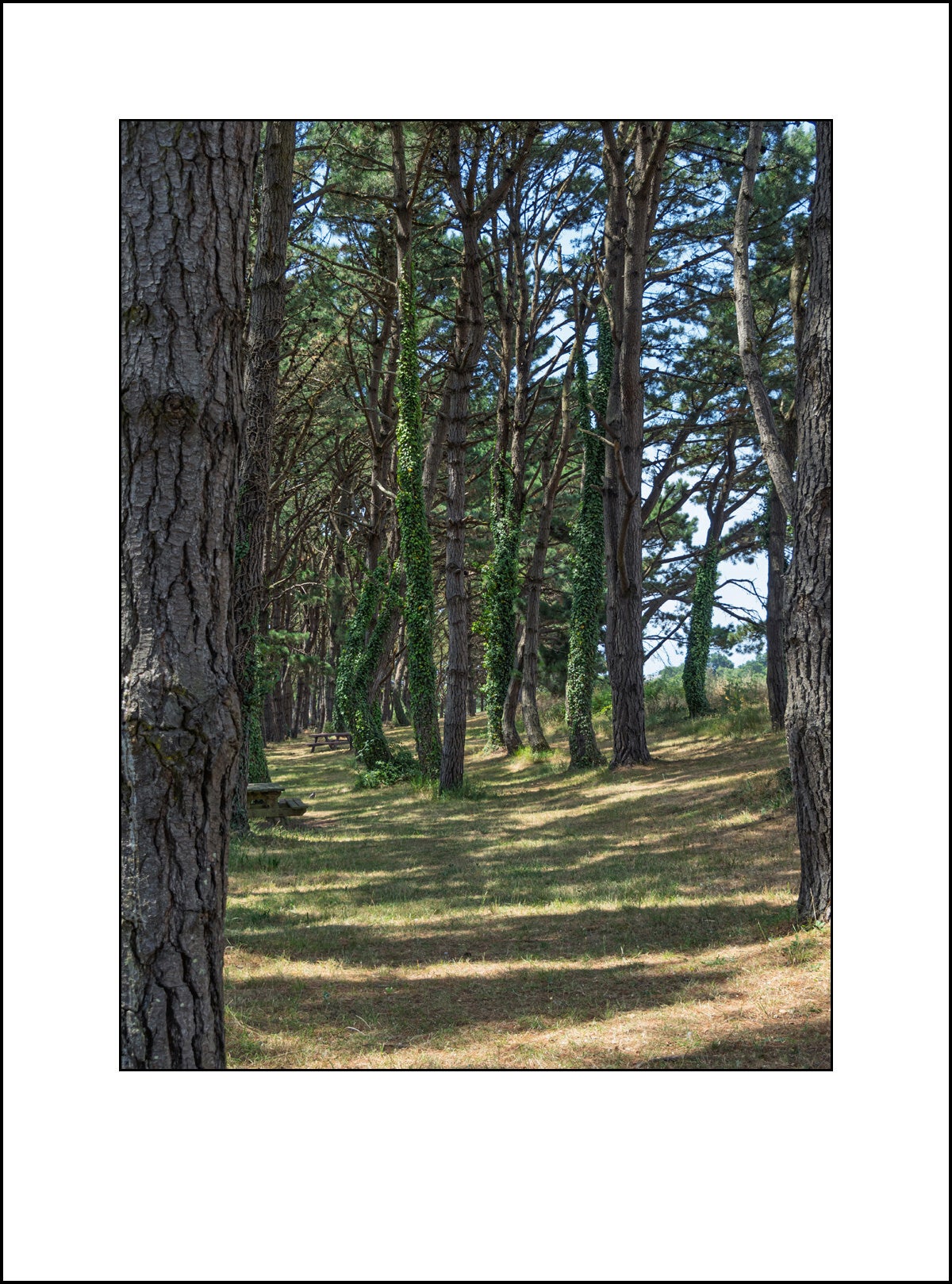
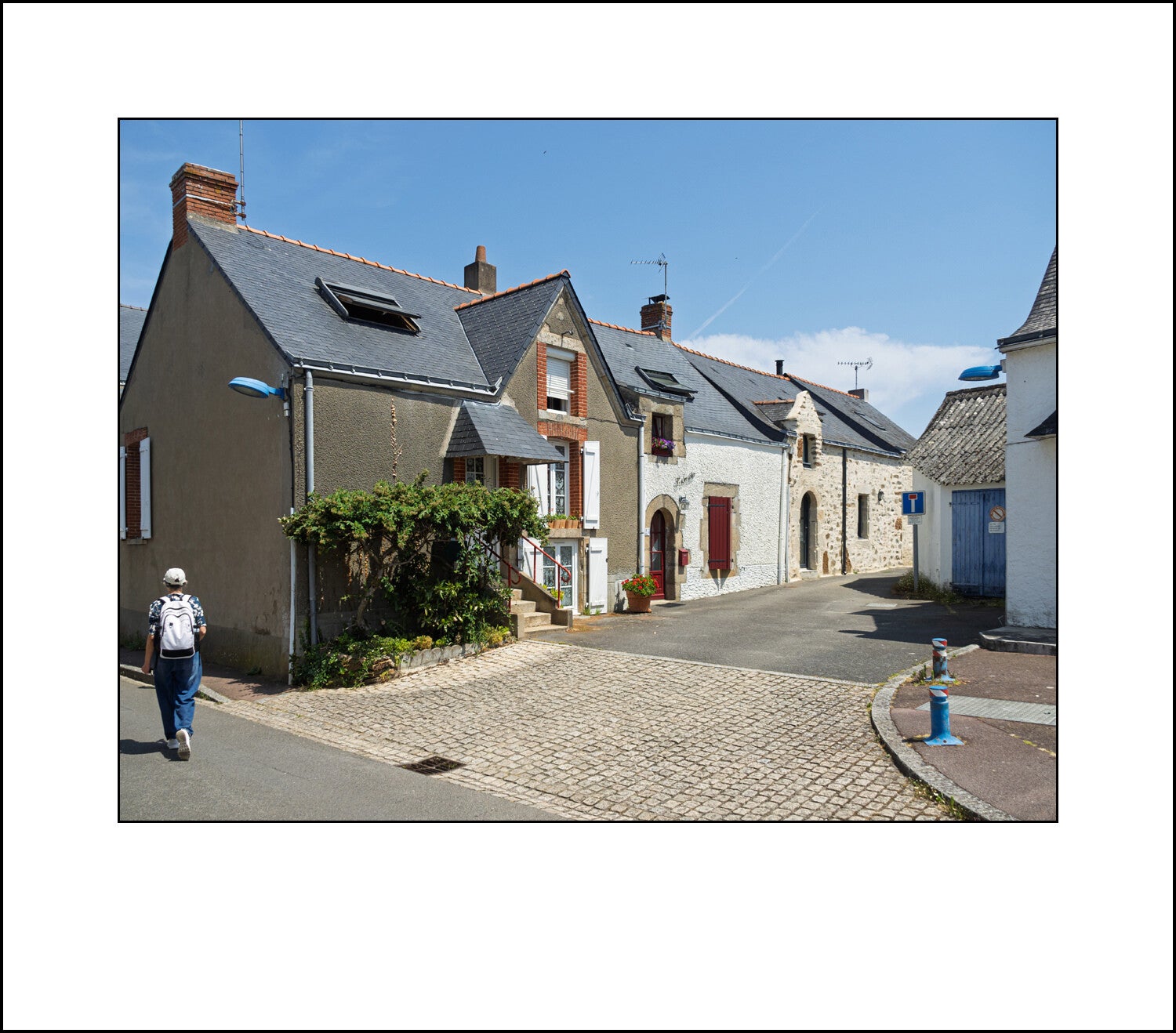
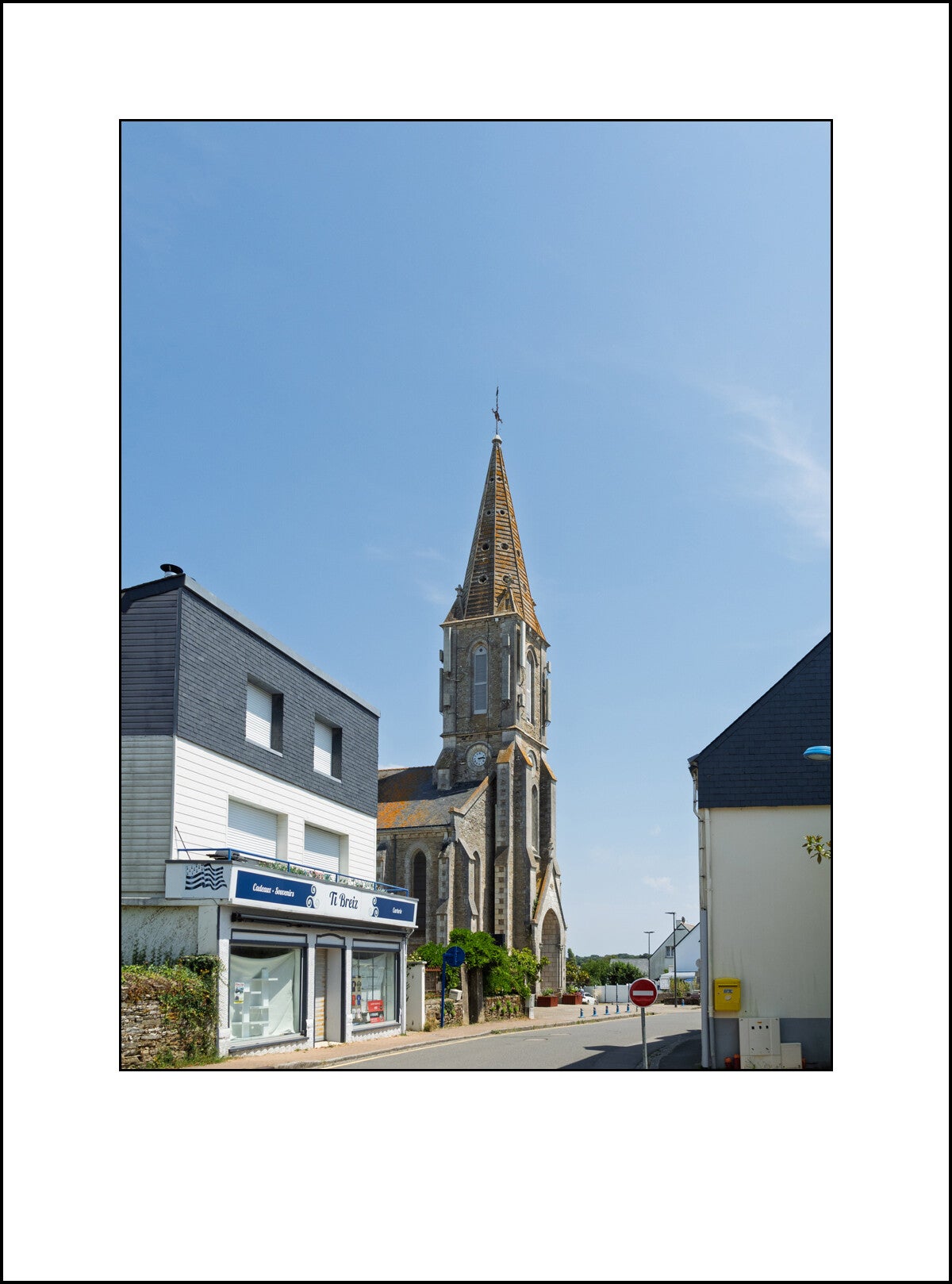
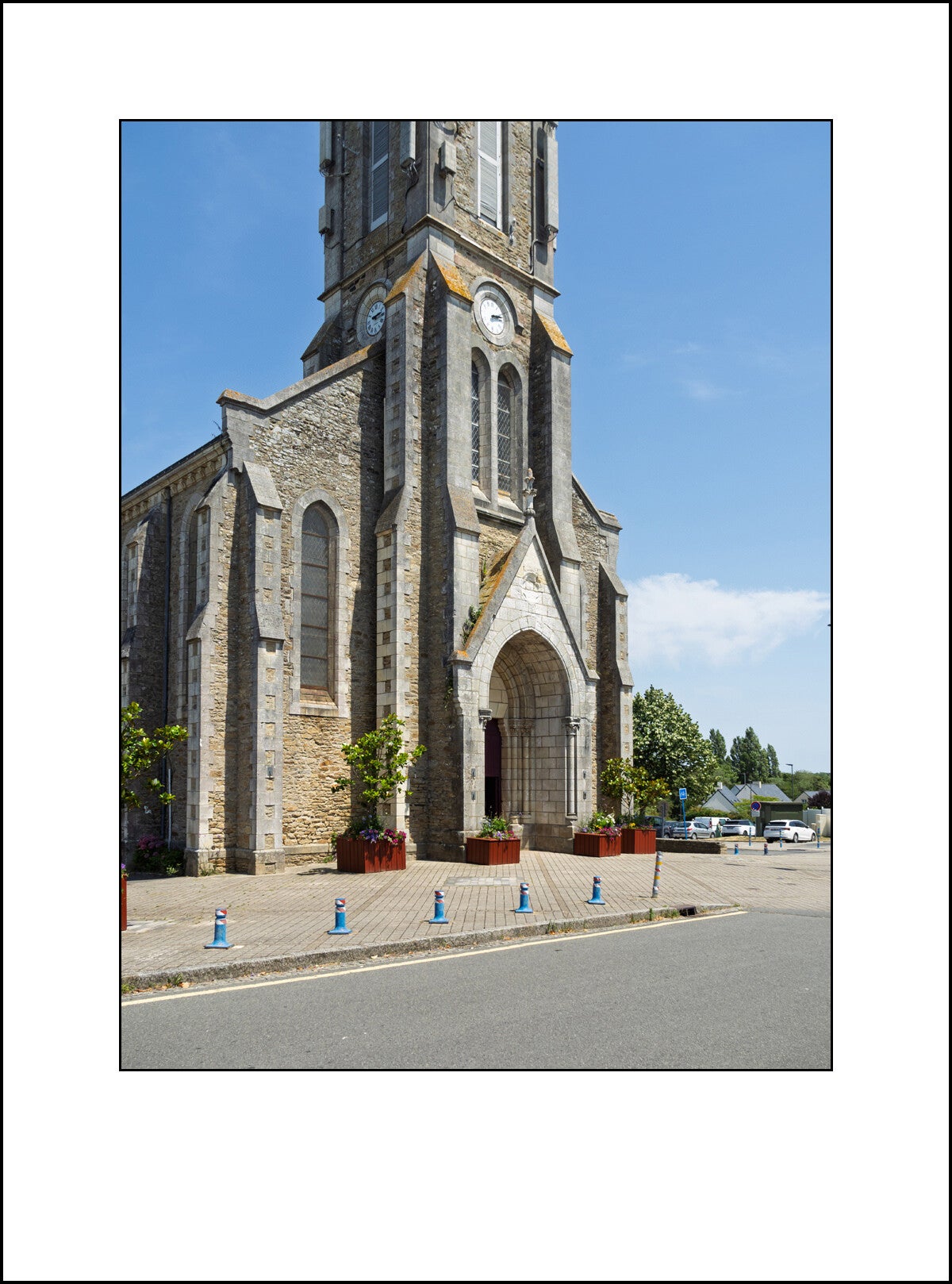
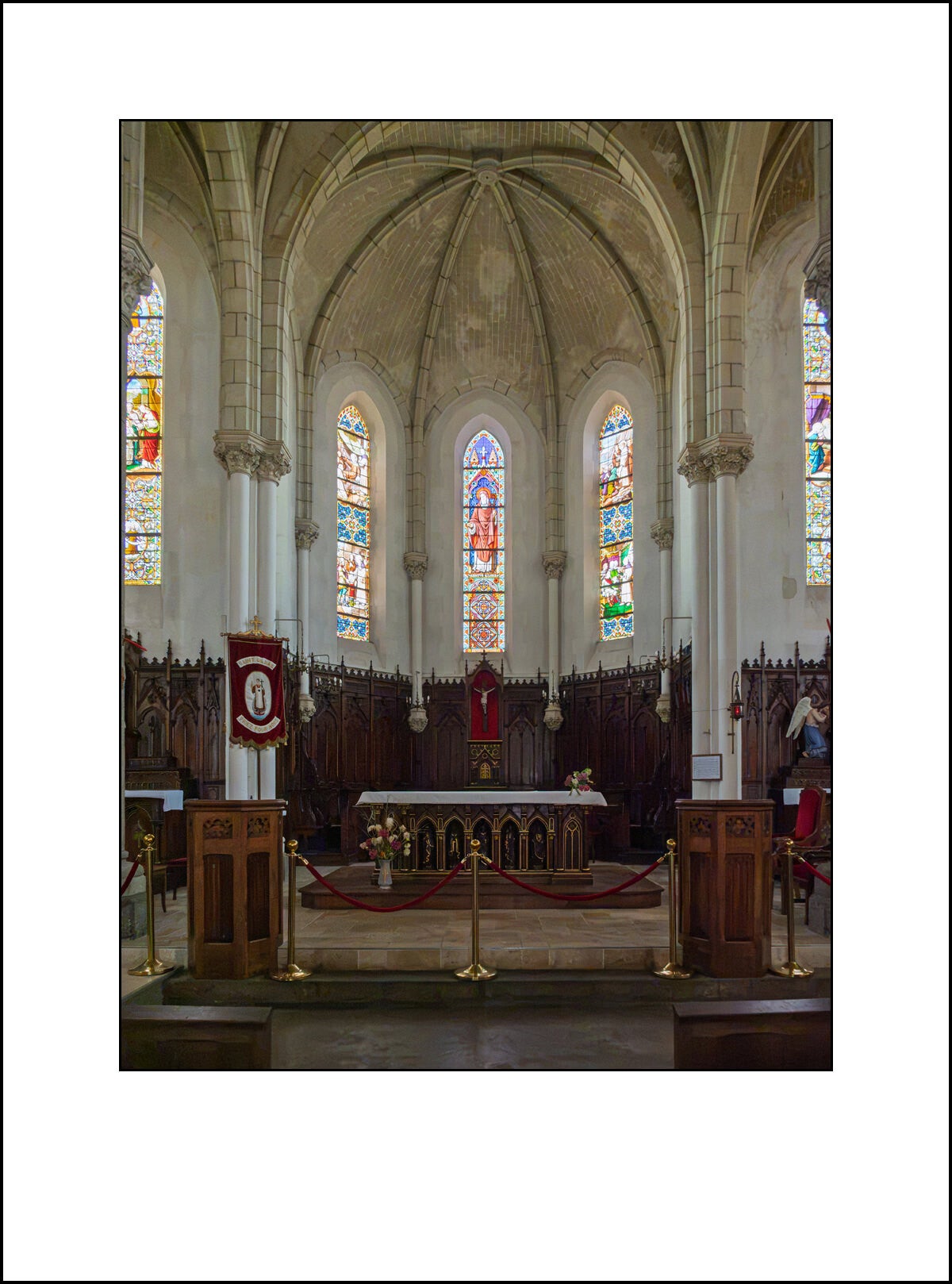
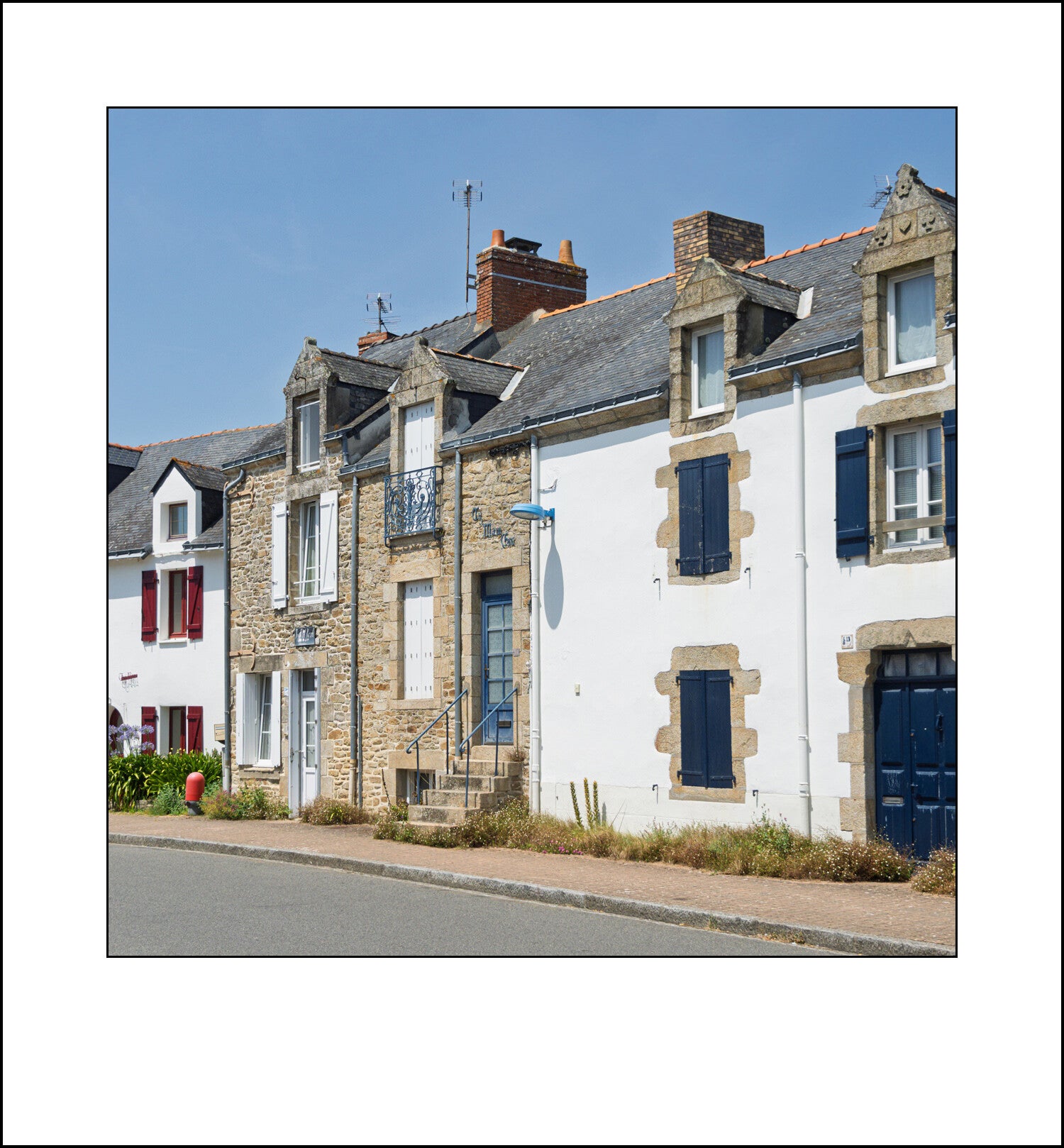
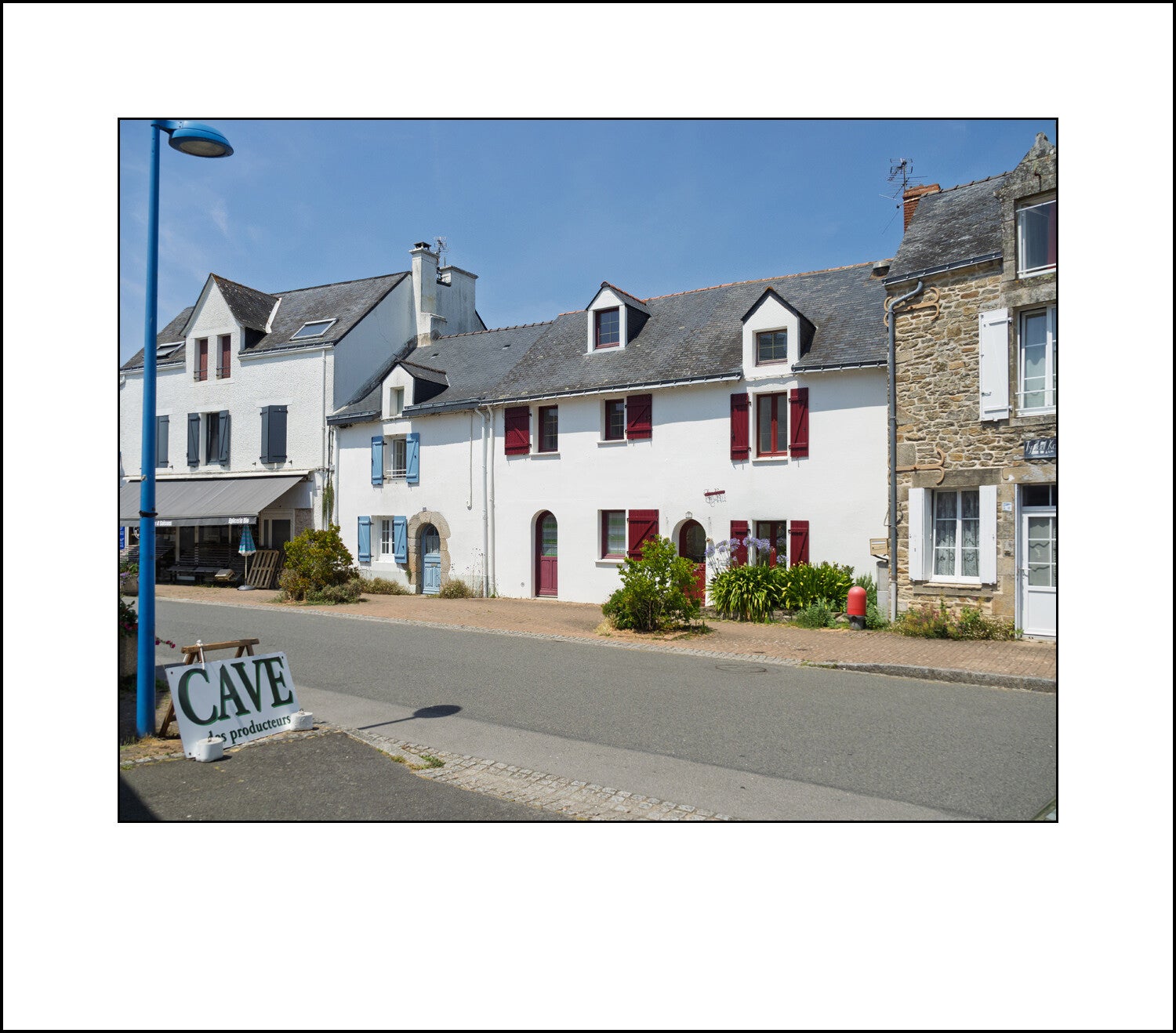
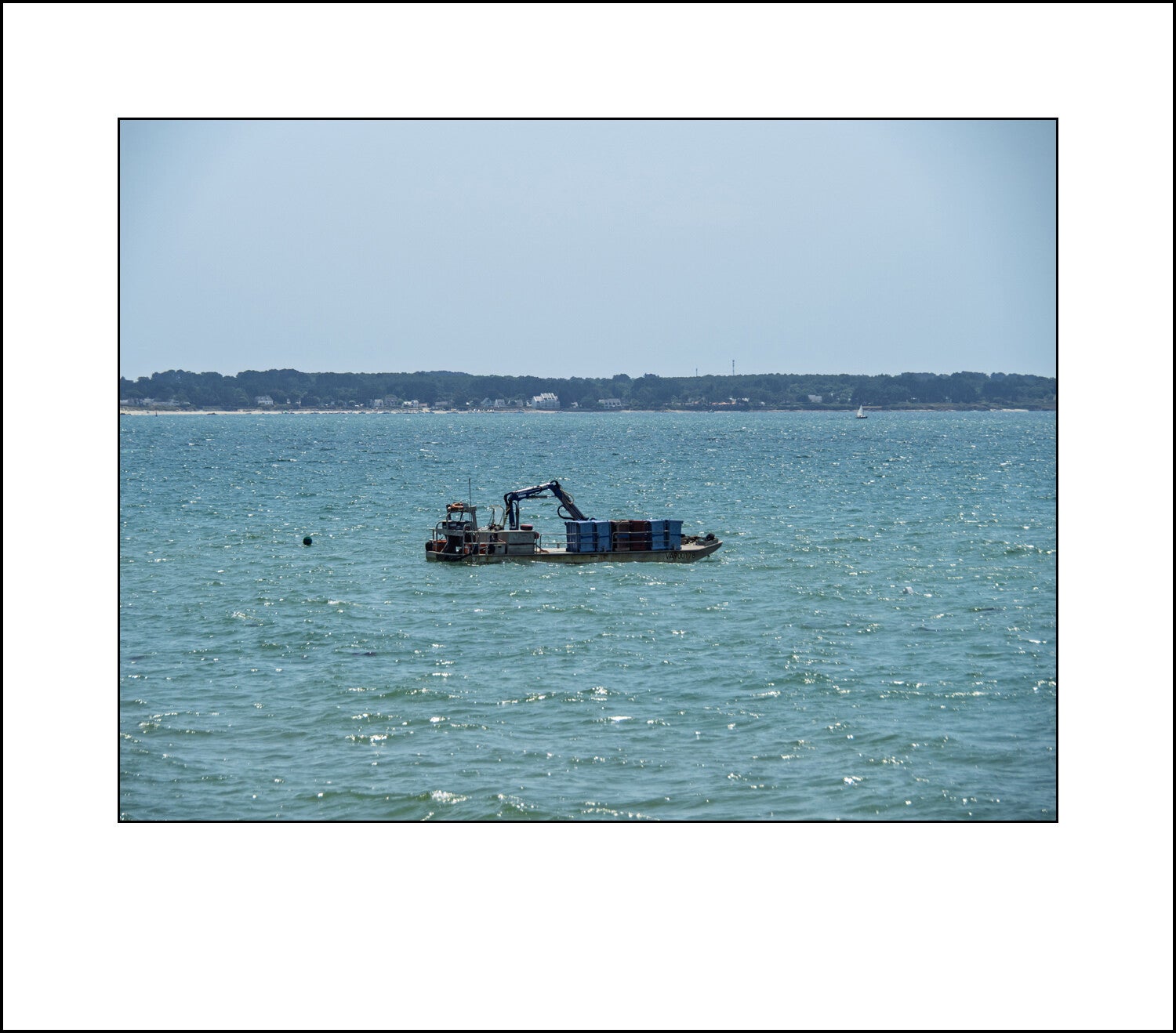
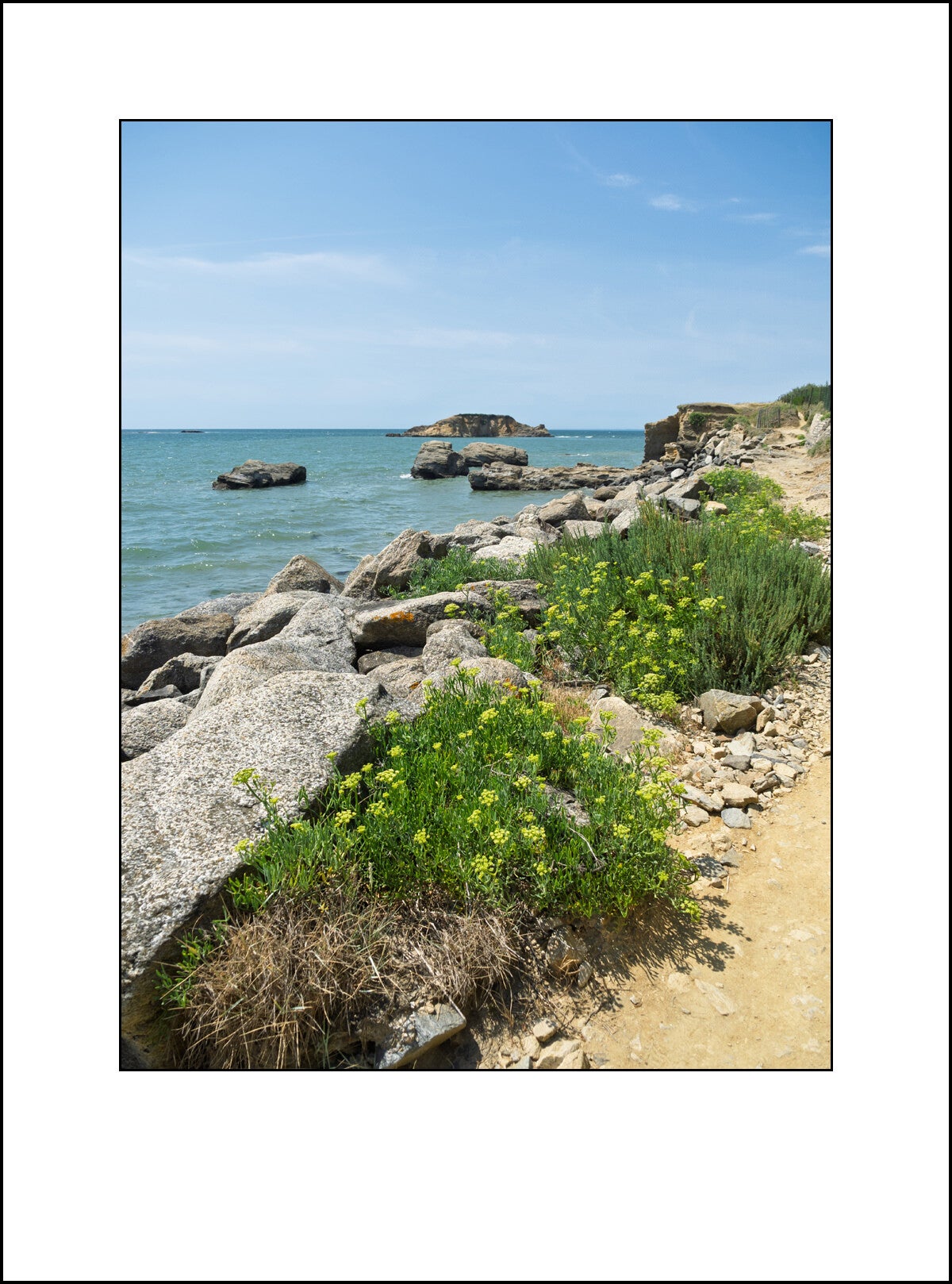
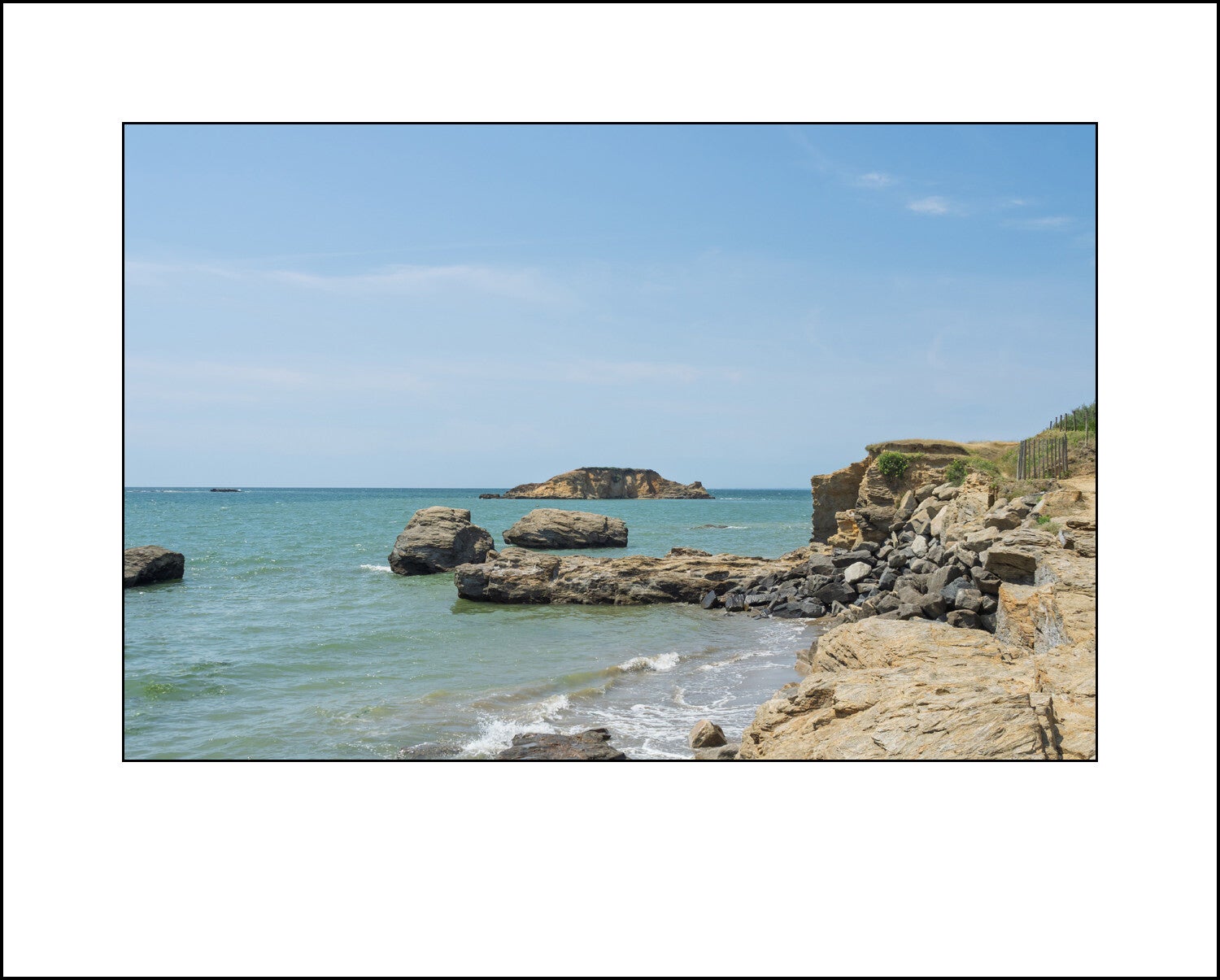
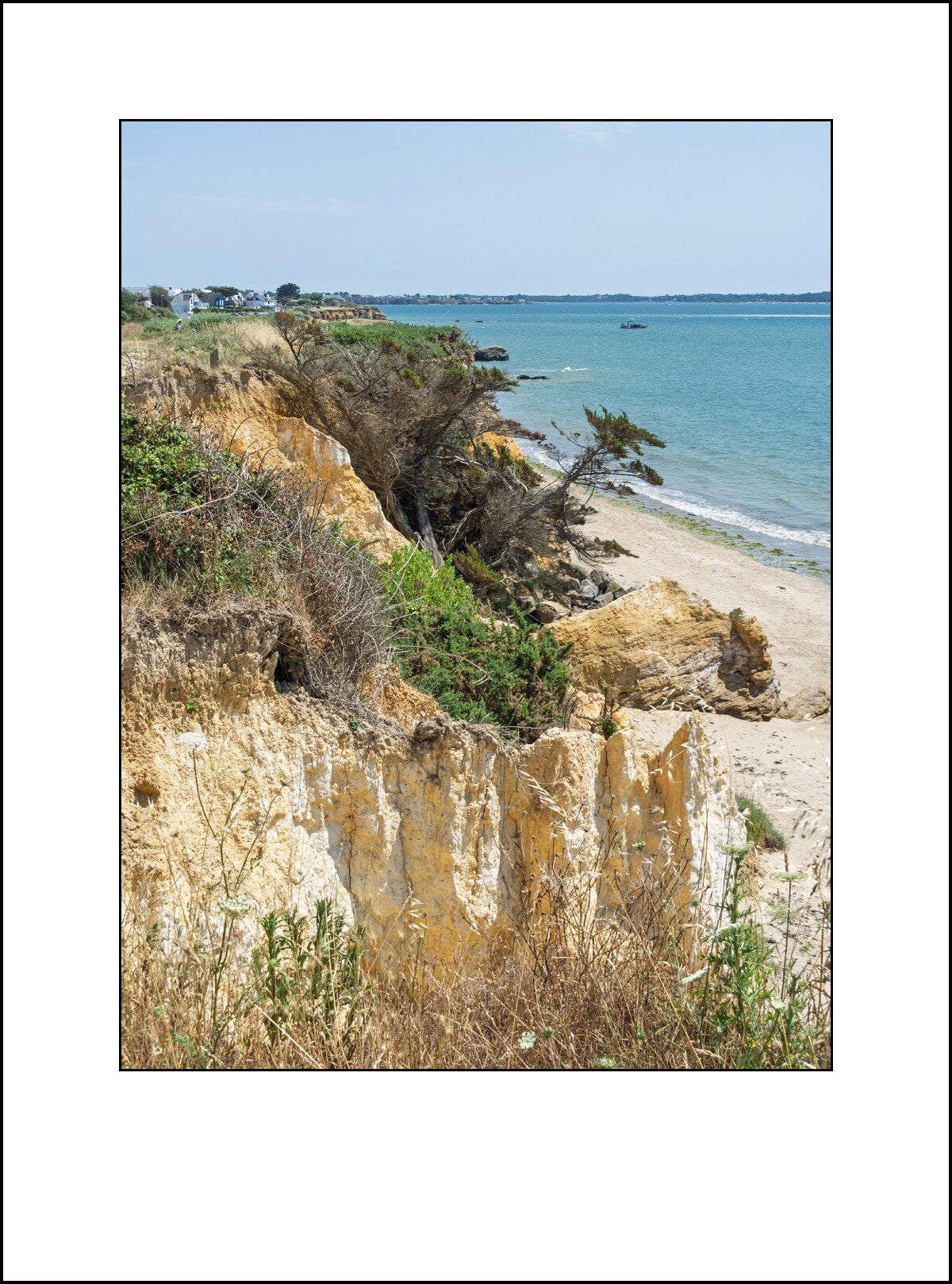
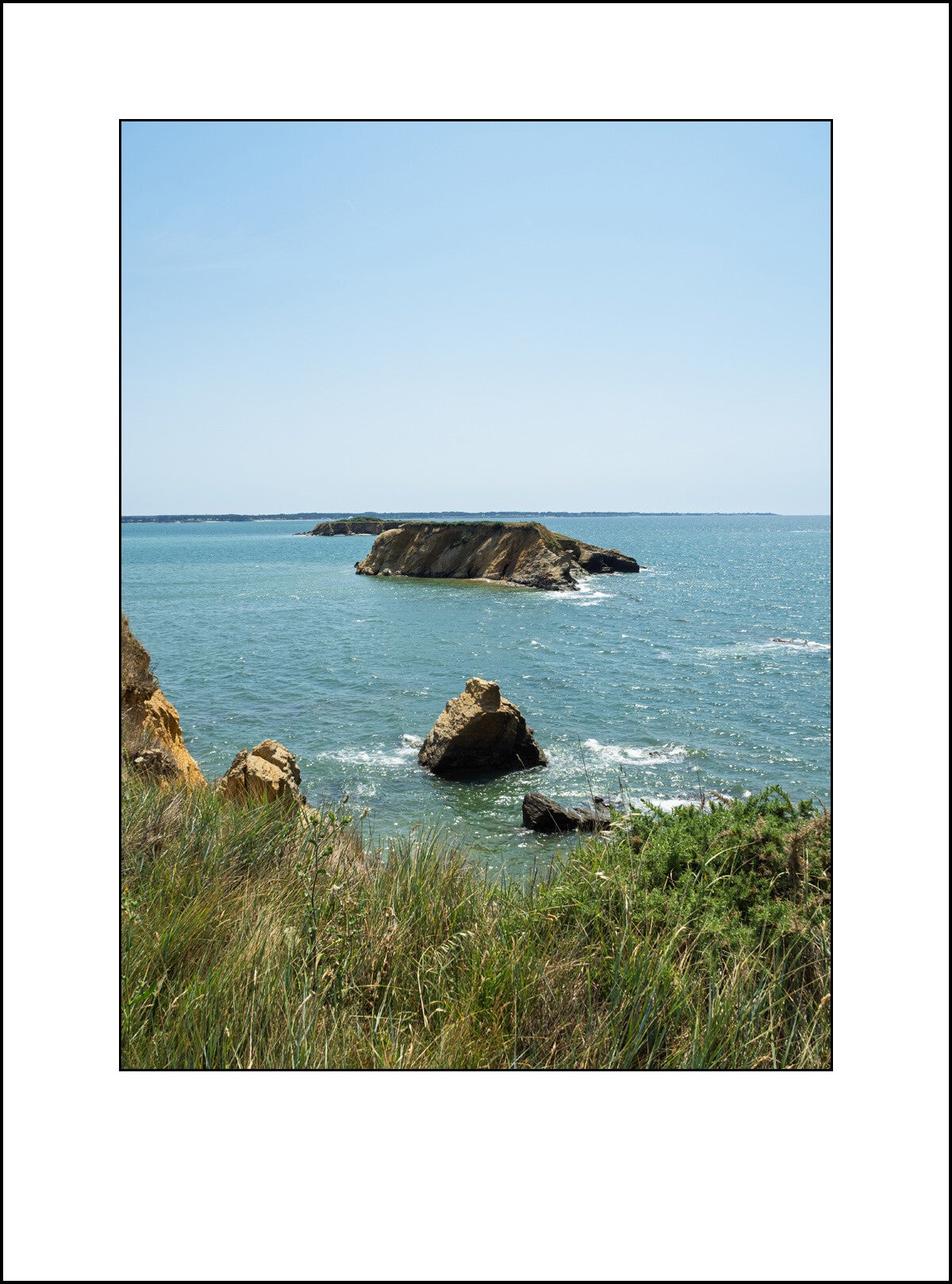
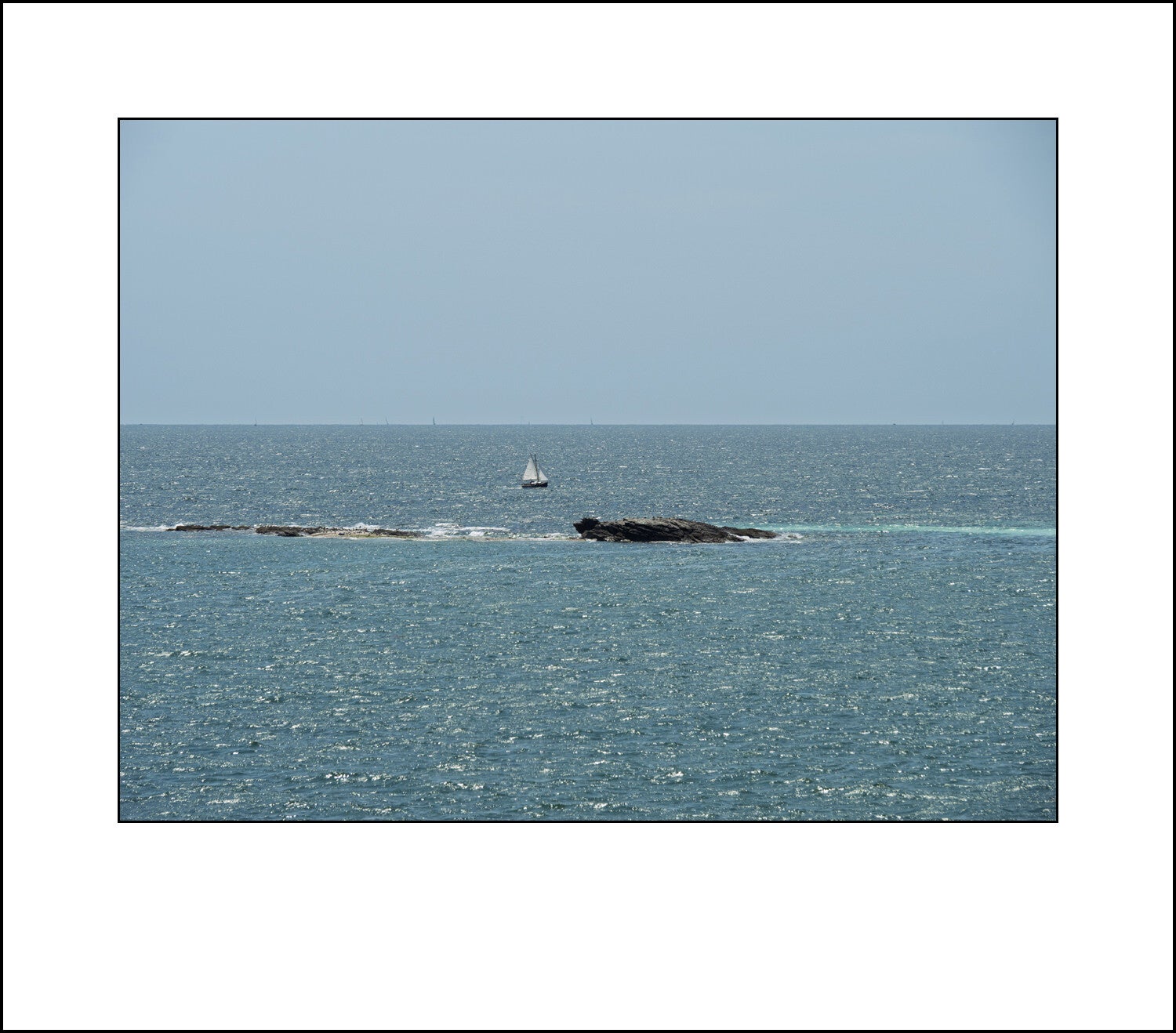
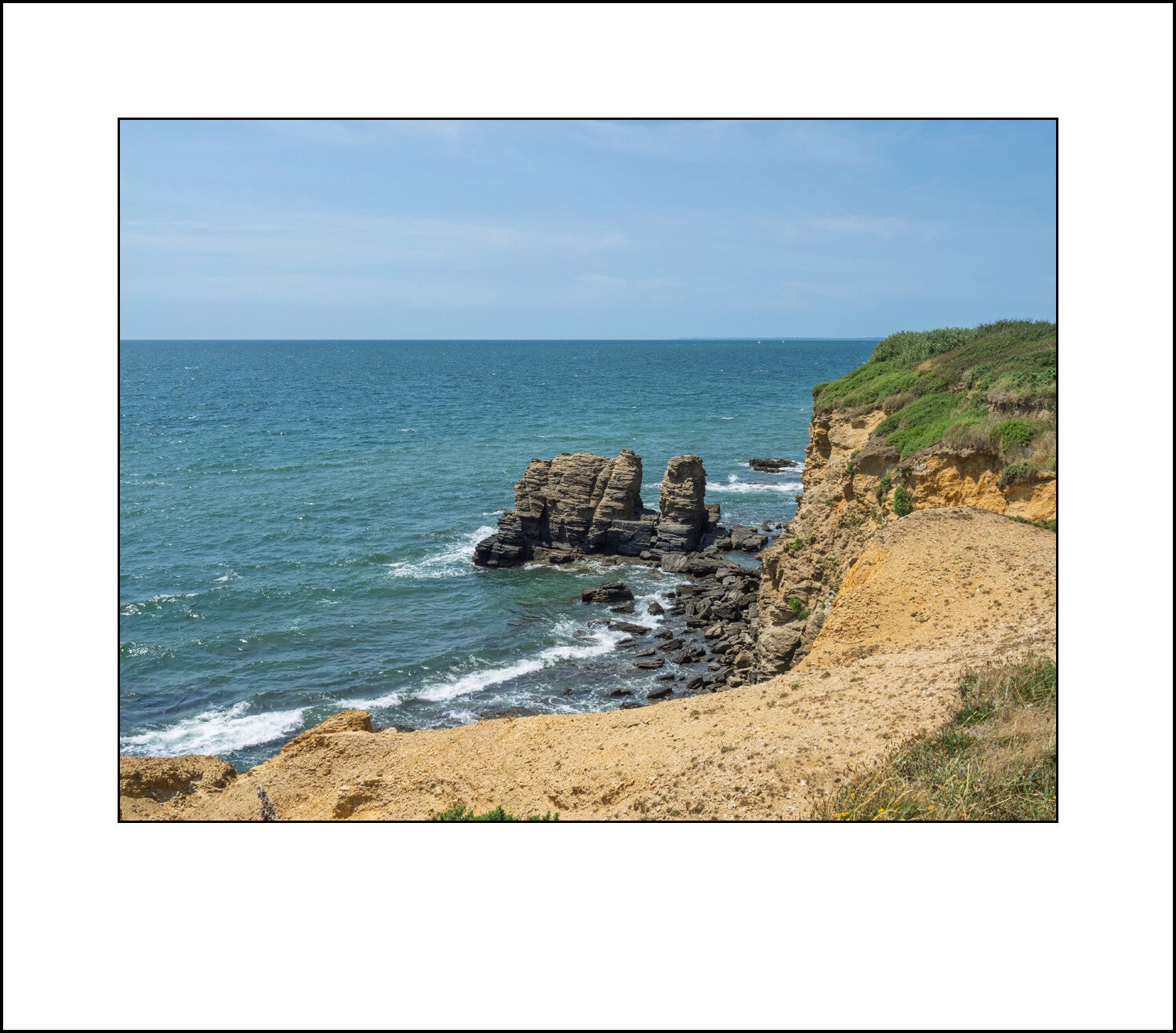
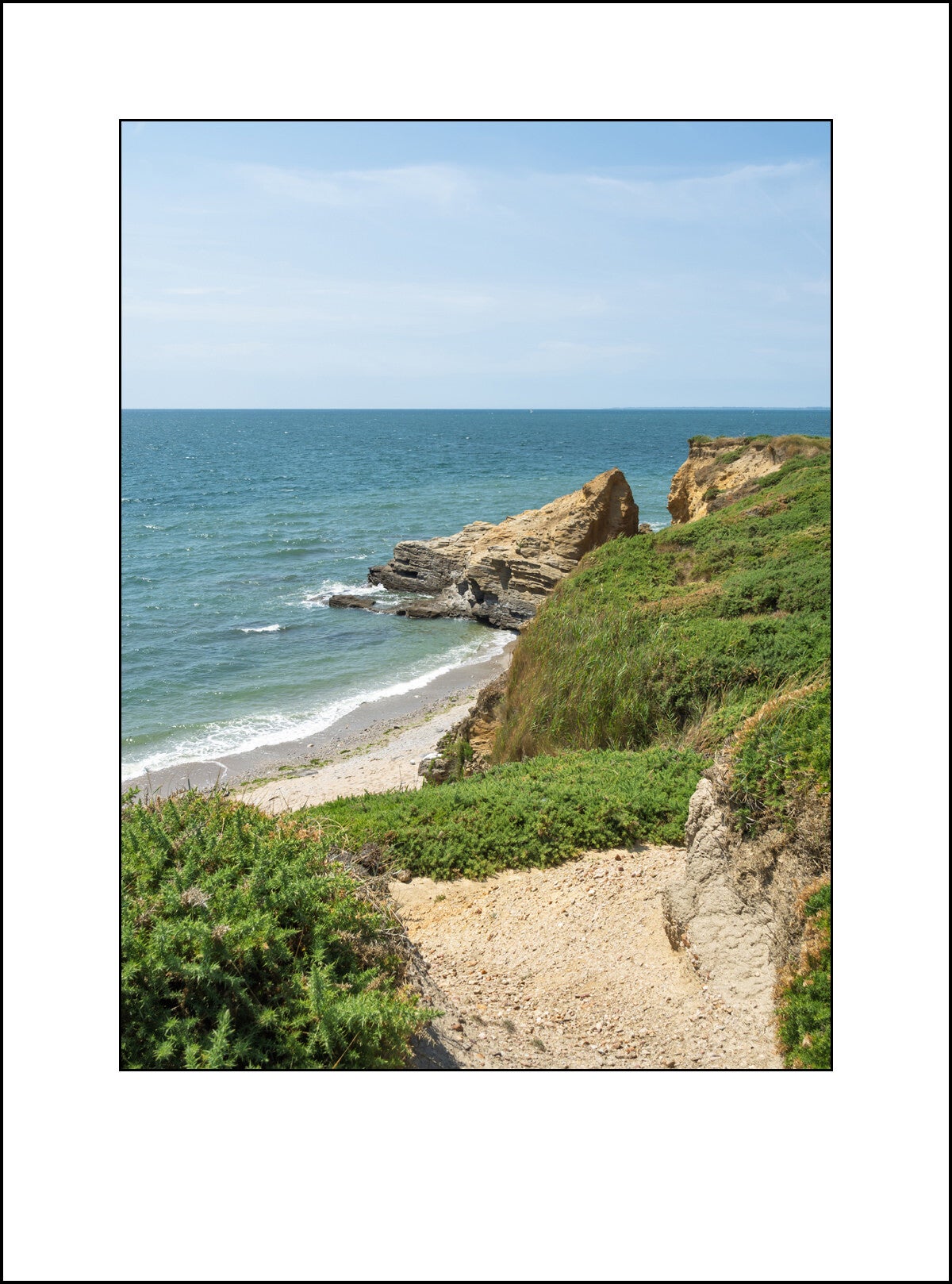
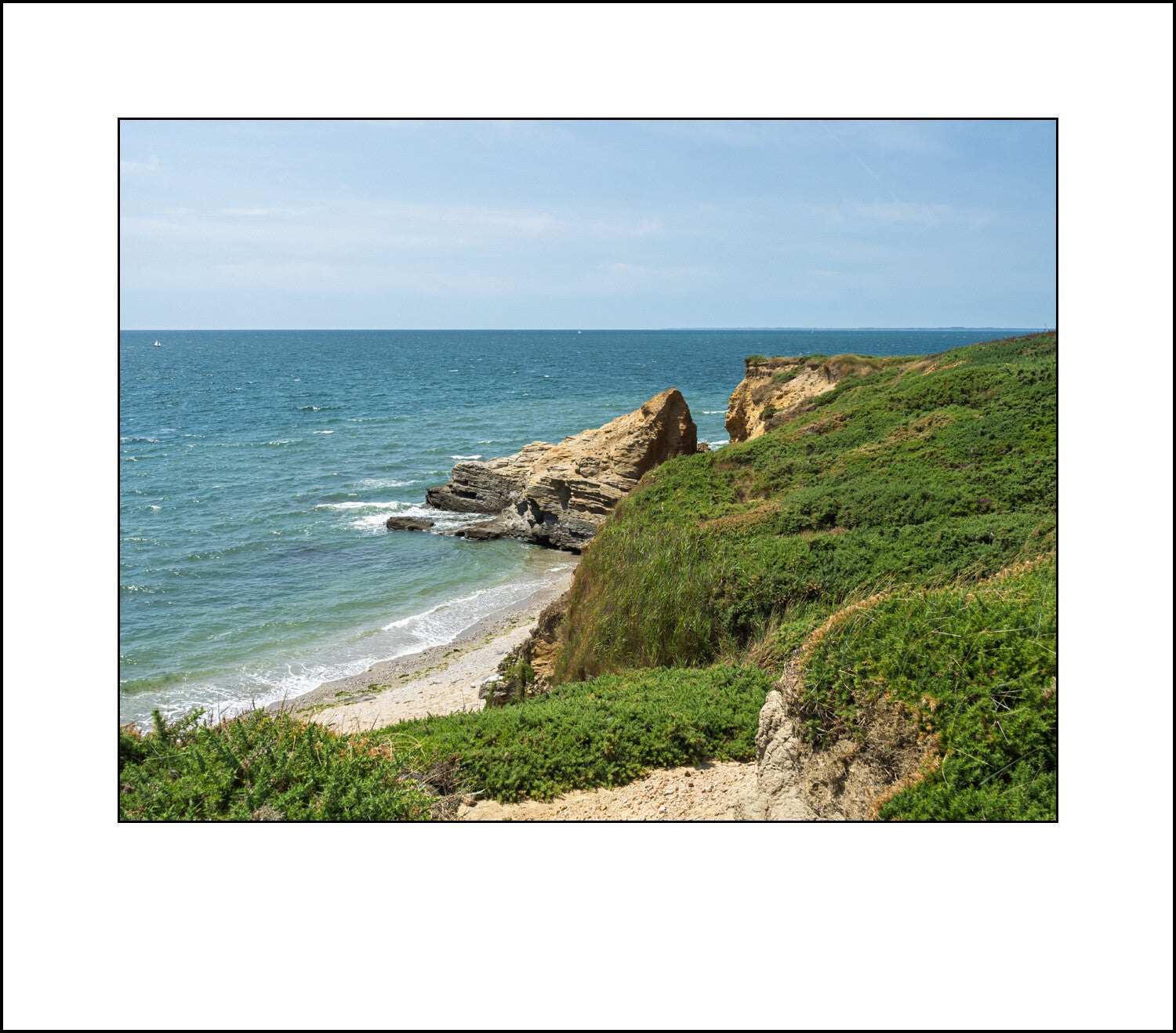
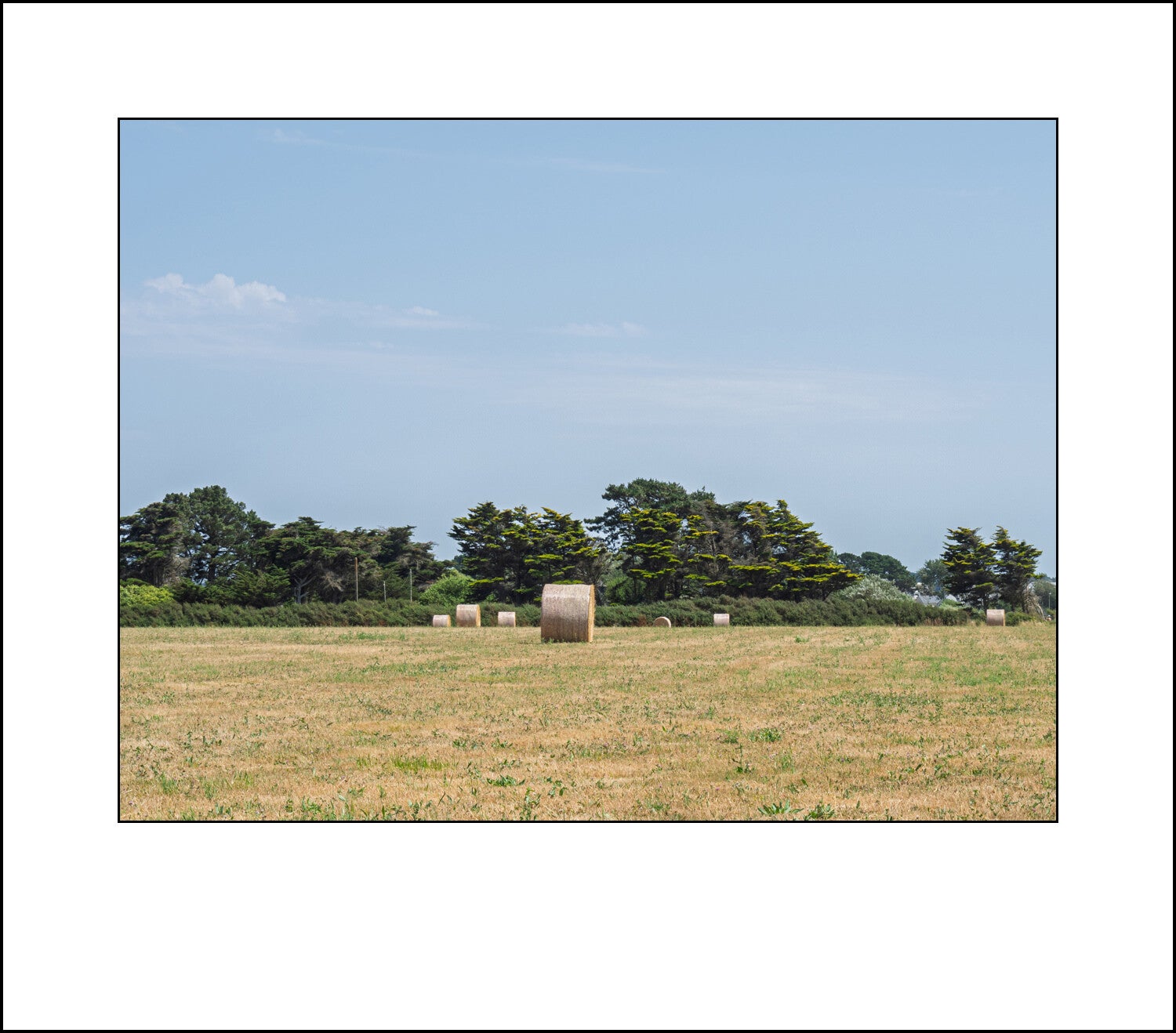
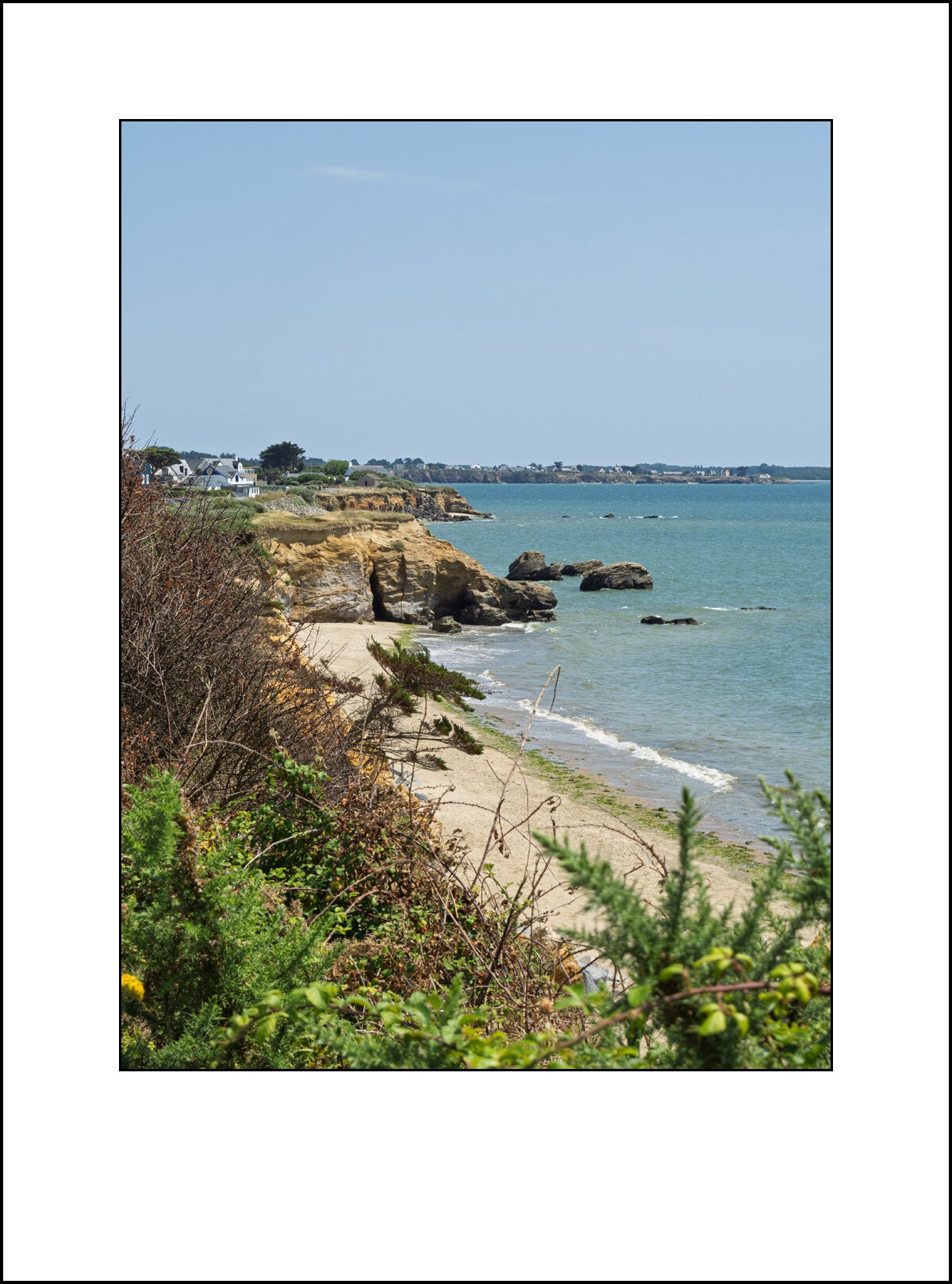
Images taken with the Fujifilm X-M1
Lenses mounted was either the 27 f2.8 Mk I or the XC 15-45 f3.5-5.6 lens. DO NOT underestimate these XC lenses. Just because they're cheap does not mean they don't perform. I own a couple of these CX lenses and ALL perform extremely well and image quality is second to none.
However, there is a little drawback to the type of lenses like the 15-45 and that, for me, is the power zoom (PZ). I much prefer the manual zoom lens as I feel it is a lot more precise. When I power zoom, I just cannot get the right focal length I need. It always seems to overshoot what I'm looking for or the other way around.