The classic Pentax 135mm f3.5 exists in several versions — mainly the M42-mount Takumar models and later K-mount SMC Pentax / Pentax-M versions — but they all share a similar reputation: compact, extremely well built, sharp for the money, and one of the best-value vintage 135mm lenses around.
Best-known versions
-
Super-Takumar 135mm f3.5 (M42)
-
S-M-C / Super-Multi-Coated Takumar 135mm f3.5
-
SMC Pentax 135mm f3.5 (K mount)
-
SMC Pentax-M 135mm f3.5
The later SMC-coated versions are generally the most desirable because of improved flare resistance and contrast. (Pentax Forums)
Optical performance
Sharpness
This lens is known for being surprisingly sharp even wide open at f3.5.
Review testing found:
-
good center sharpness at f3.5
-
very good to excellent performance from f5.6–f11
-
softer corners wide open, improving stopped down (pentaxuser.com)
A lot of vintage-lens users describe it as a “sleeper” lens because it performs better than its low market price suggests. Reddit users consistently praise its sharpness and contrast. (Reddit)
Rendering & character
The Pentax 135 f3.5 has a classic vintage rendering style:
-
warm color reproduction
-
smooth, calm bokeh
-
strong microcontrast
-
gentle highlight transitions
It is less “dreamy” than some old Soviet or Canon FD telephotos and more neutral/clean overall.
The SMC versions especially have strong color and contrast for a vintage lens. (Pentax Forums)
Build quality
This is one of the biggest strengths.
Most versions are:
-
all-metal construction
-
buttery smooth focus rings
-
long focus throw
-
compact for a 135mm lens
The Takumar versions in particular are famous for exceptional mechanical feel. (Pentax Forums)
Weaknesses
Slow aperture
At f3.5, it is not especially fast for a 135mm lens.
Compared with:
-
135mm f2.8
-
135mm f2.5
-
135mm f2 lenses
…it gives less subject separation and weaker low-light performance.
Chromatic aberration
Some versions show purple fringing and CA in harsh backlight, especially on modern high-resolution digital sensors. (pentaxuser.com)
Long minimum focus distance
Most versions only focus to about 1.5m–2m, which feels limiting today. (Pentax Forums)
Adapting to mirrorless
This lens adapts extremely well to:
-
Sony E
-
Canon RF
-
Nikon Z
-
Fuji X
-
Micro Four Thirds
Mirrorless is honestly the ideal way to use it today because focus peaking makes manual focusing easy.
On APS-C bodies, it behaves like roughly a 200mm equivalent field of view.
Best uses
The lens works especially well for:
-
portraits
-
compressed landscapes
-
street candids
-
nature detail shots
-
vintage film-style rendering
It is less ideal for:
-
sports
-
fast action
-
low-light handheld shooting
Which version should you buy?
Best value
Tiny, sharp, cheap, and easy to adapt.
Best rendering/coatings
Pentax SMC Takumar 135mm f3.5 M42
The SMC Takumar versions generally have the nicest contrast and flare control.
Collector favorite
Asahi Pentax Super-Takumar 3.5/135mm
Beautiful all-metal construction and classic Takumar handling.
Verdict
The Pentax 135mm f3.5 is one of the best low-cost vintage telephoto lenses you can buy.
It is:
-
sharp
-
compact
-
mechanically excellent
-
inexpensive
-
full of vintage character
Its biggest limitation is simply the relatively slow f3.5 aperture. But if you mostly shoot outdoors or don’t need ultra-shallow depth of field, it offers outstanding value — especially compared with much more expensive vintage 135mm lenses. (Pentax Forums)
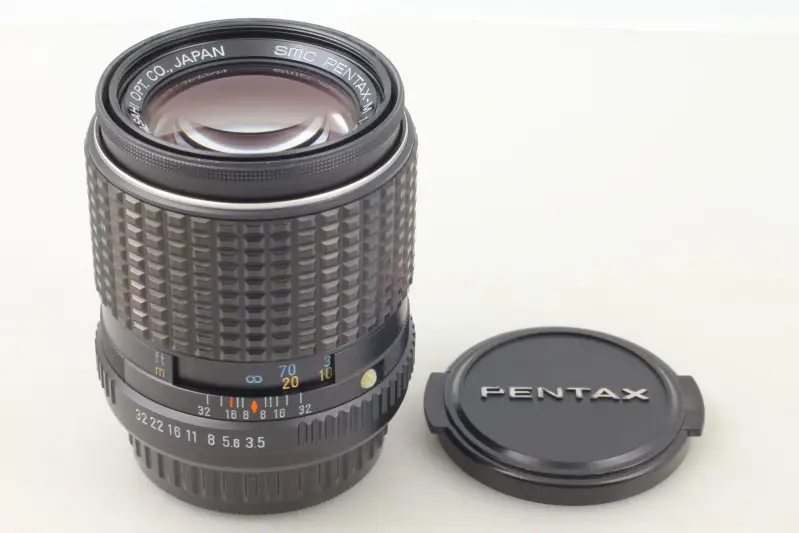
Pentax 135 f3.5
Size: 88 x 63 mm
Weight: 365 g
Aperture: f3.5 - f32
Filter: 52 mm
IBIS: No
Mfd: 1.5 m
Price: Used up to €135 for the better models
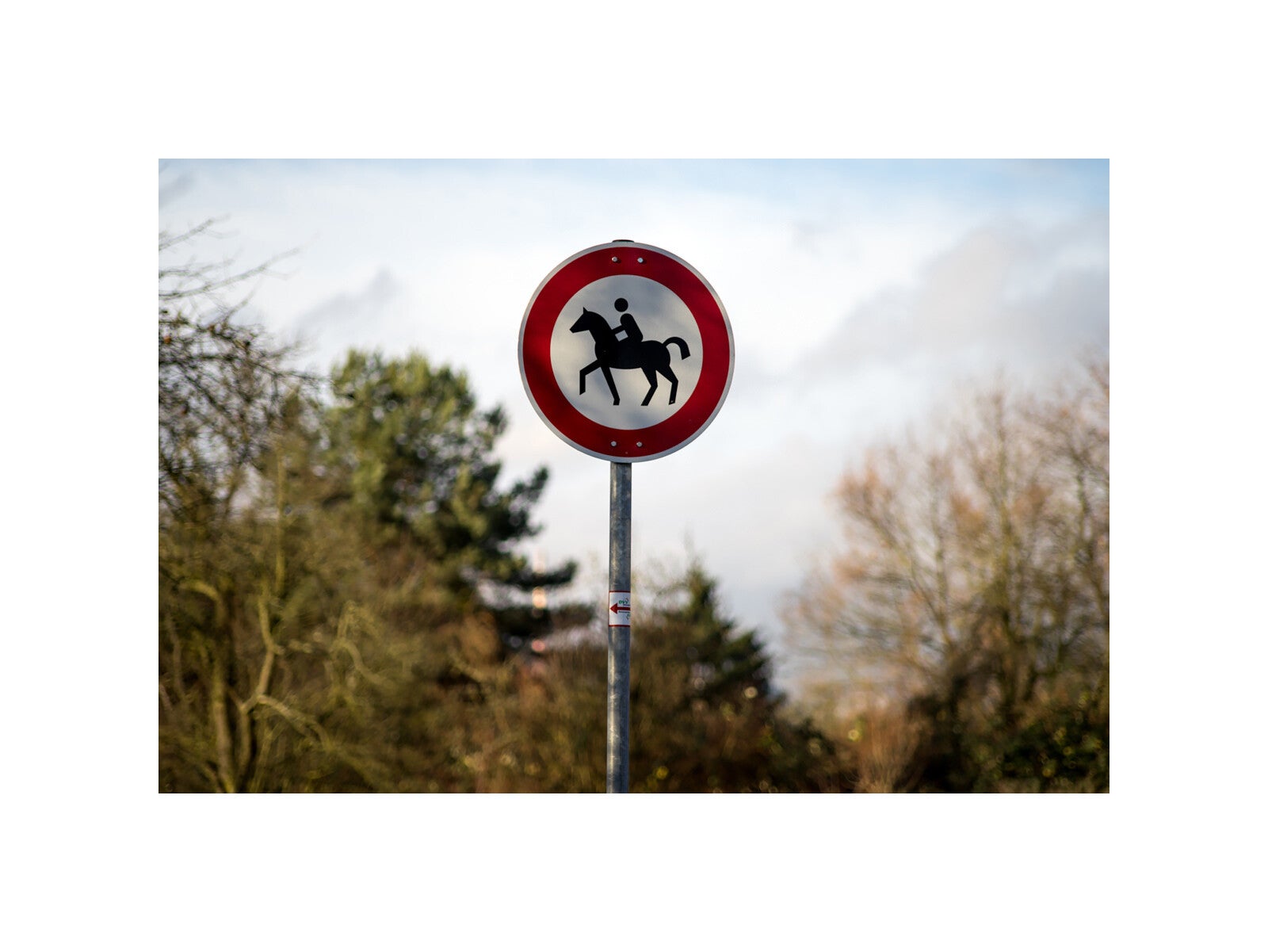
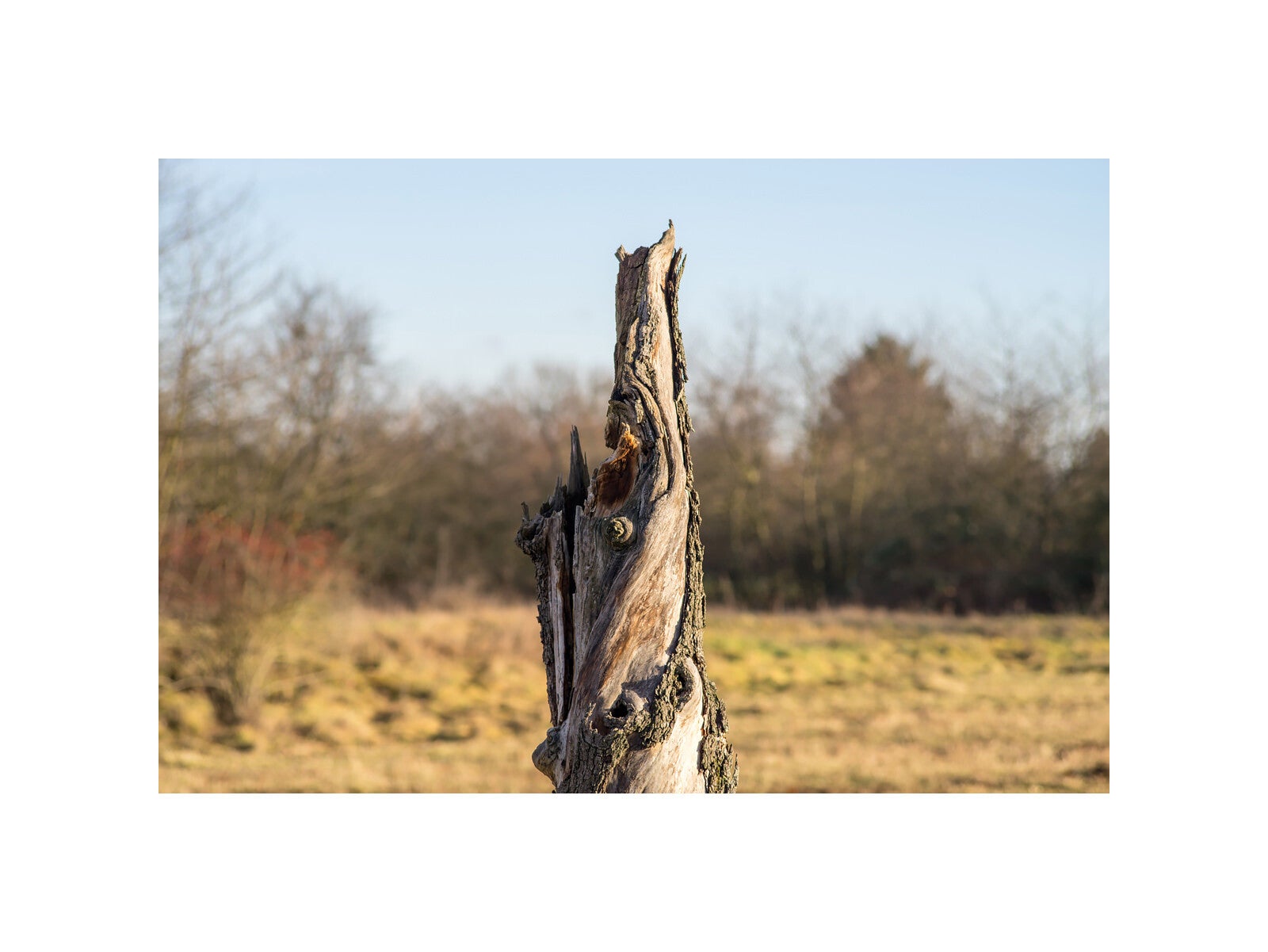
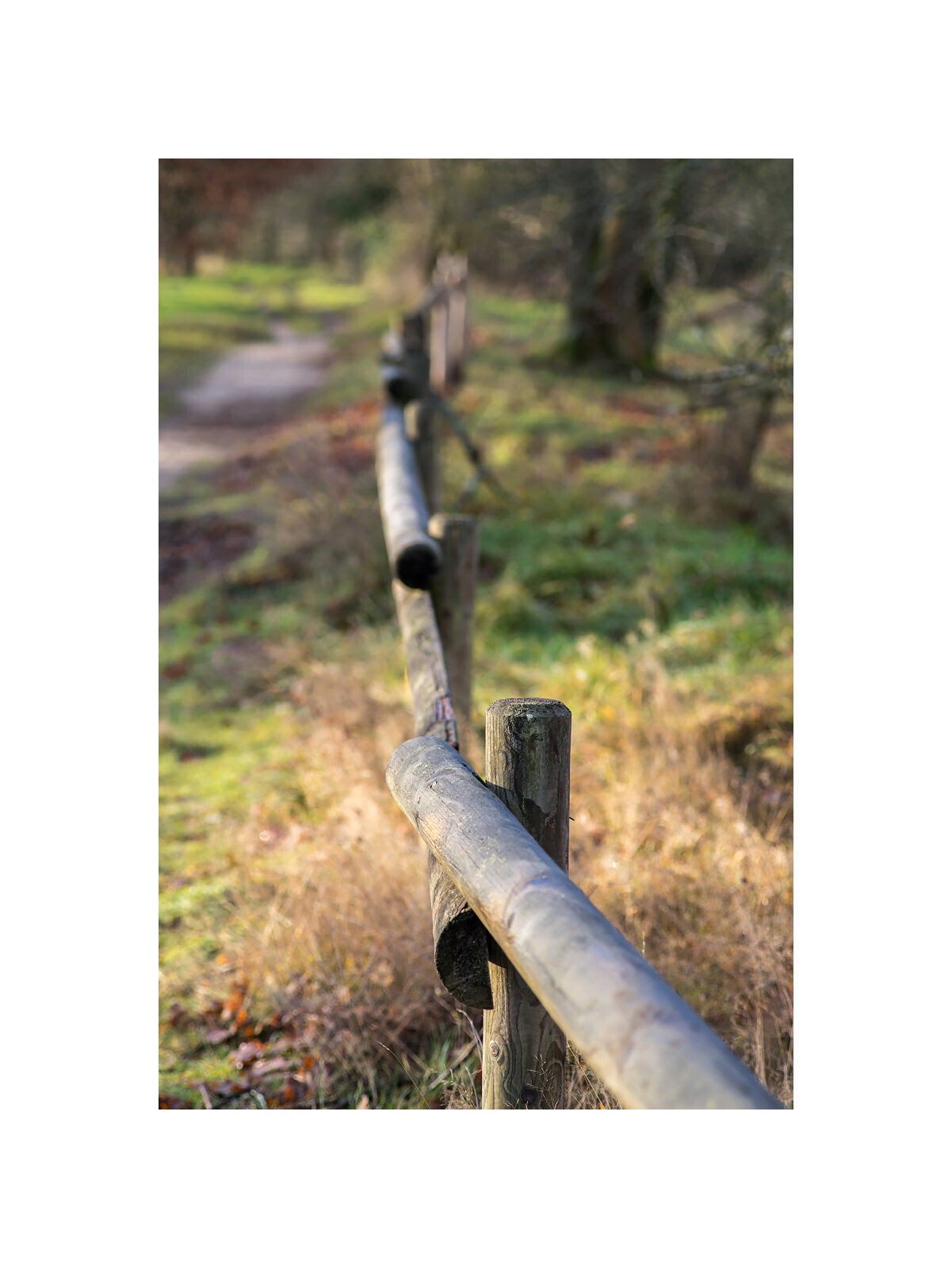
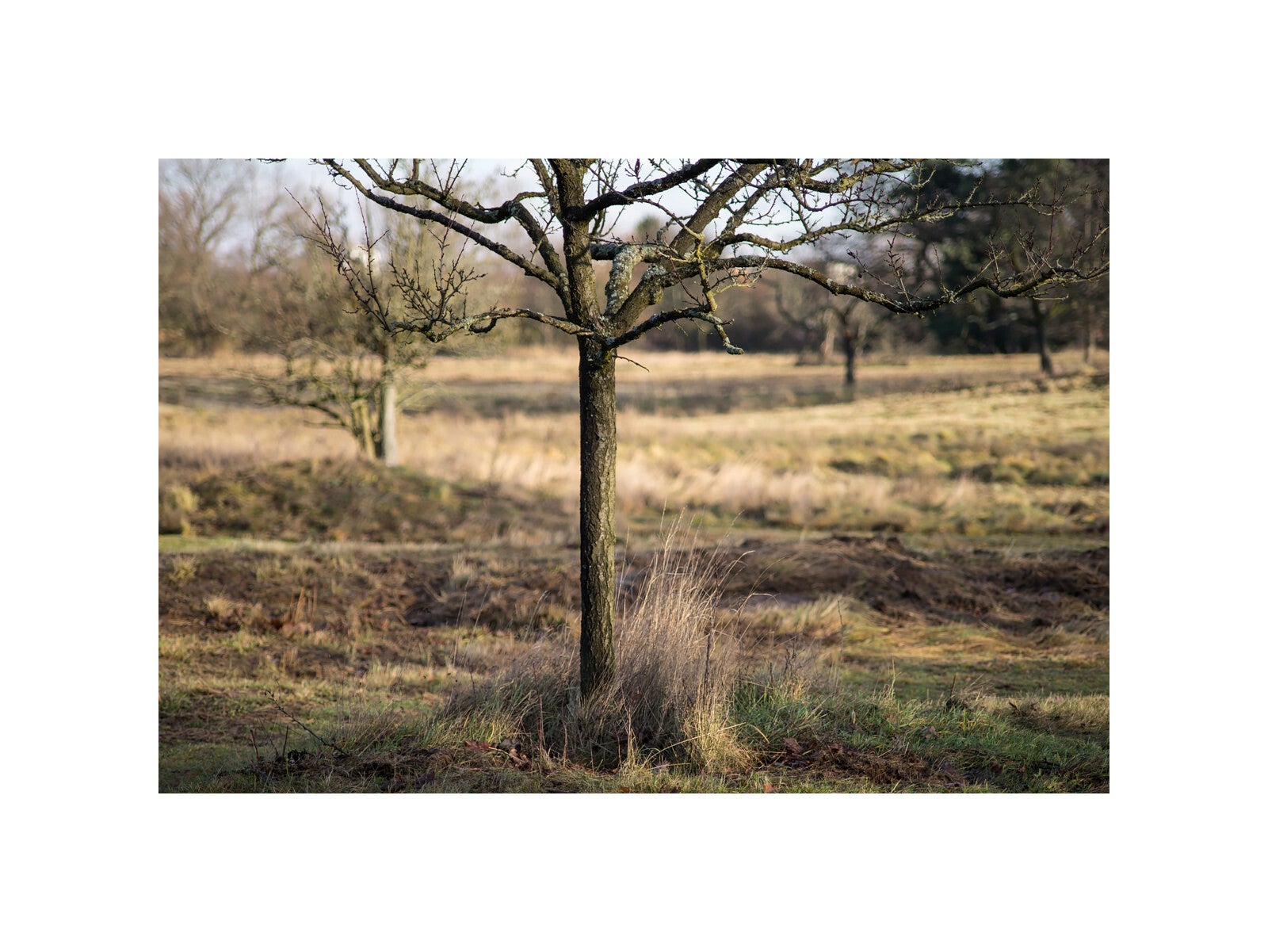
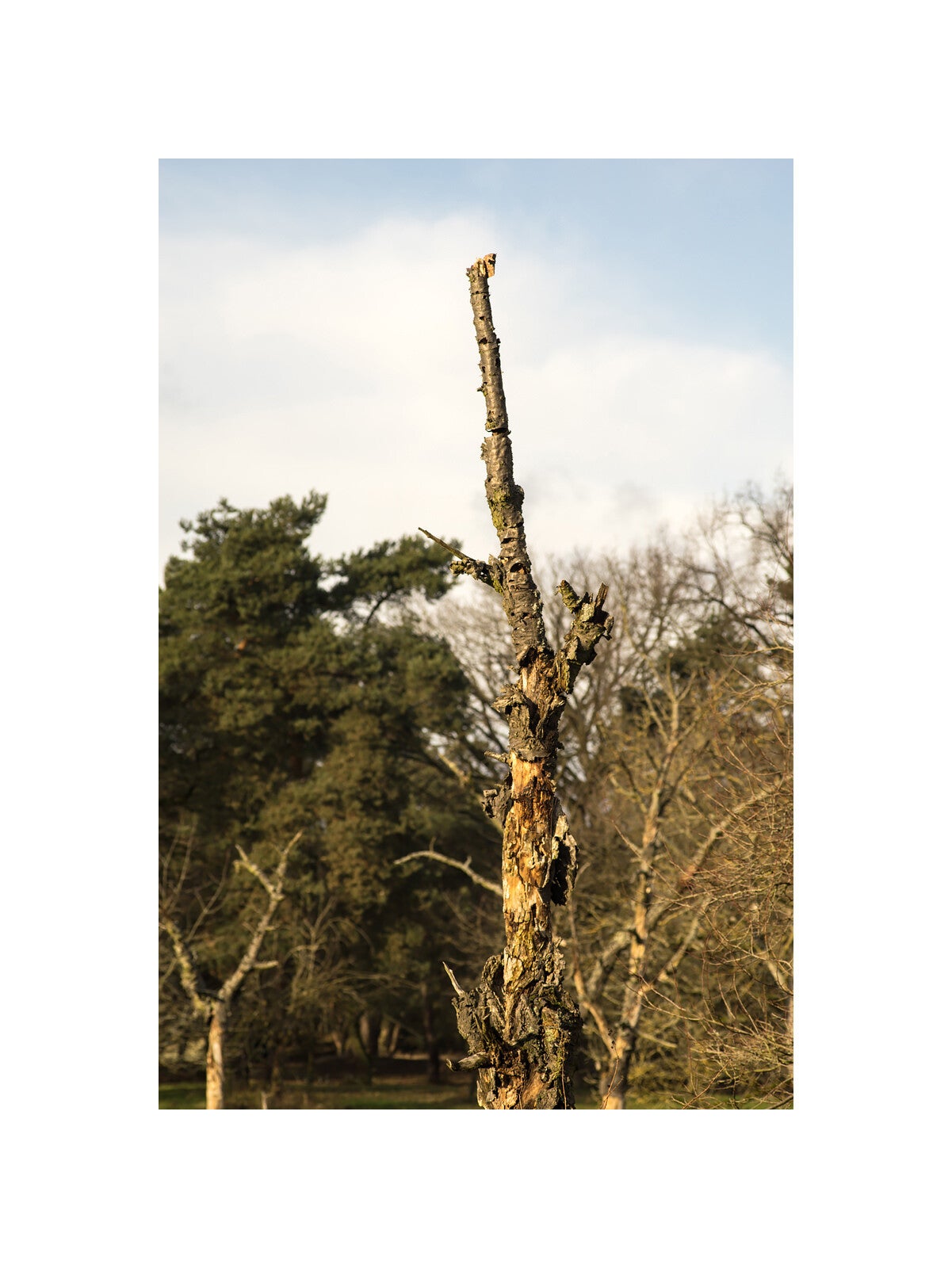
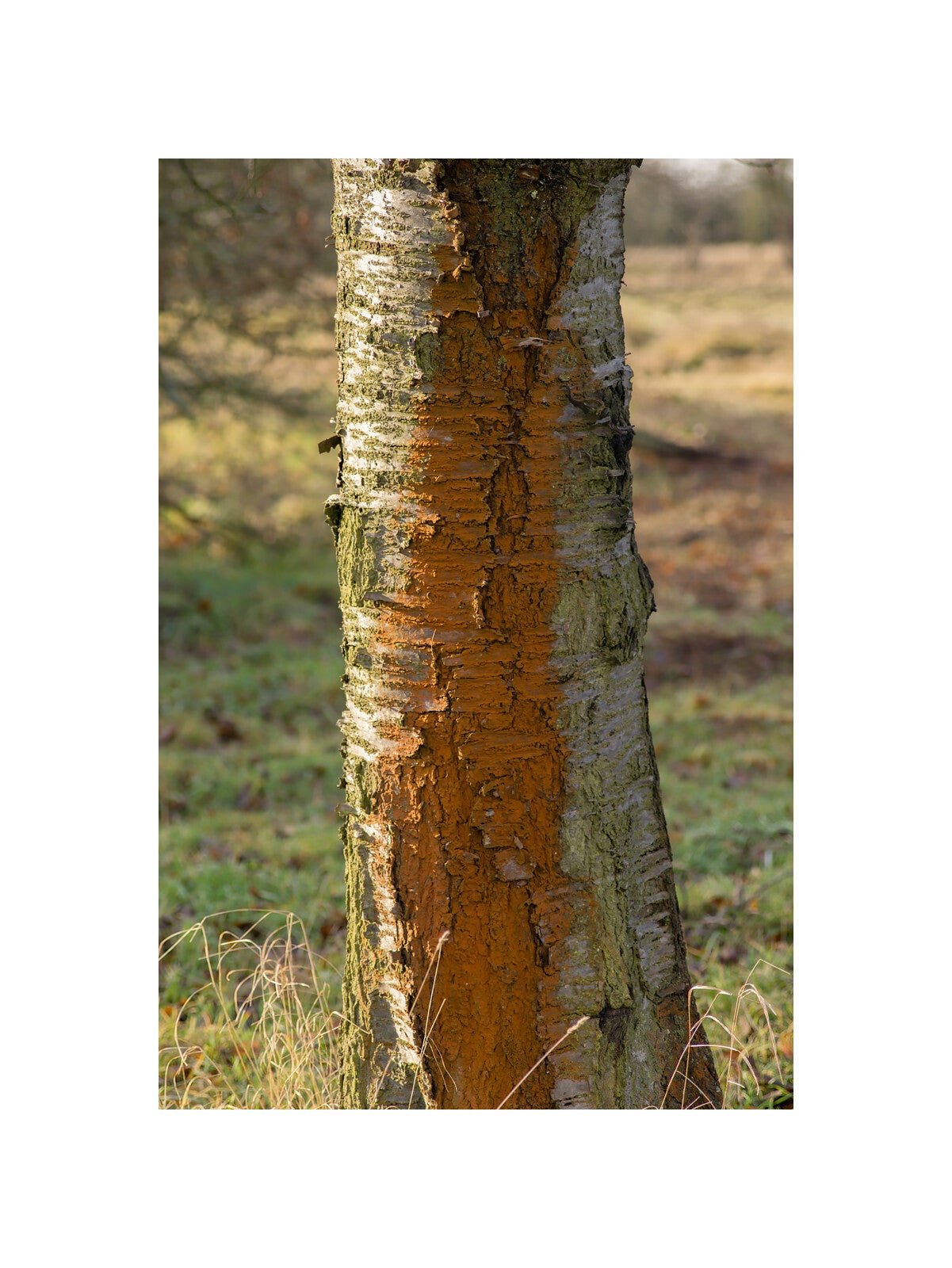
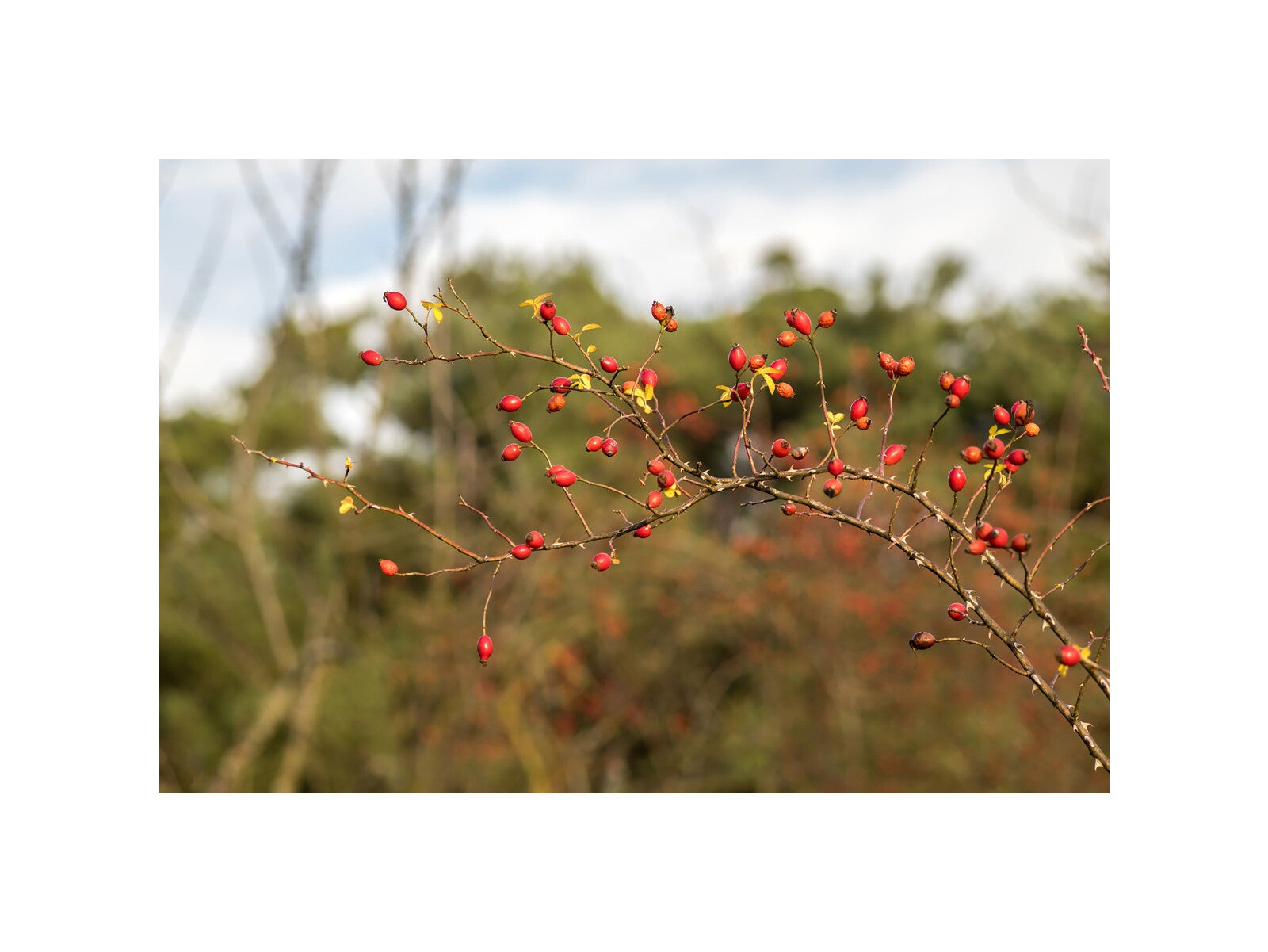
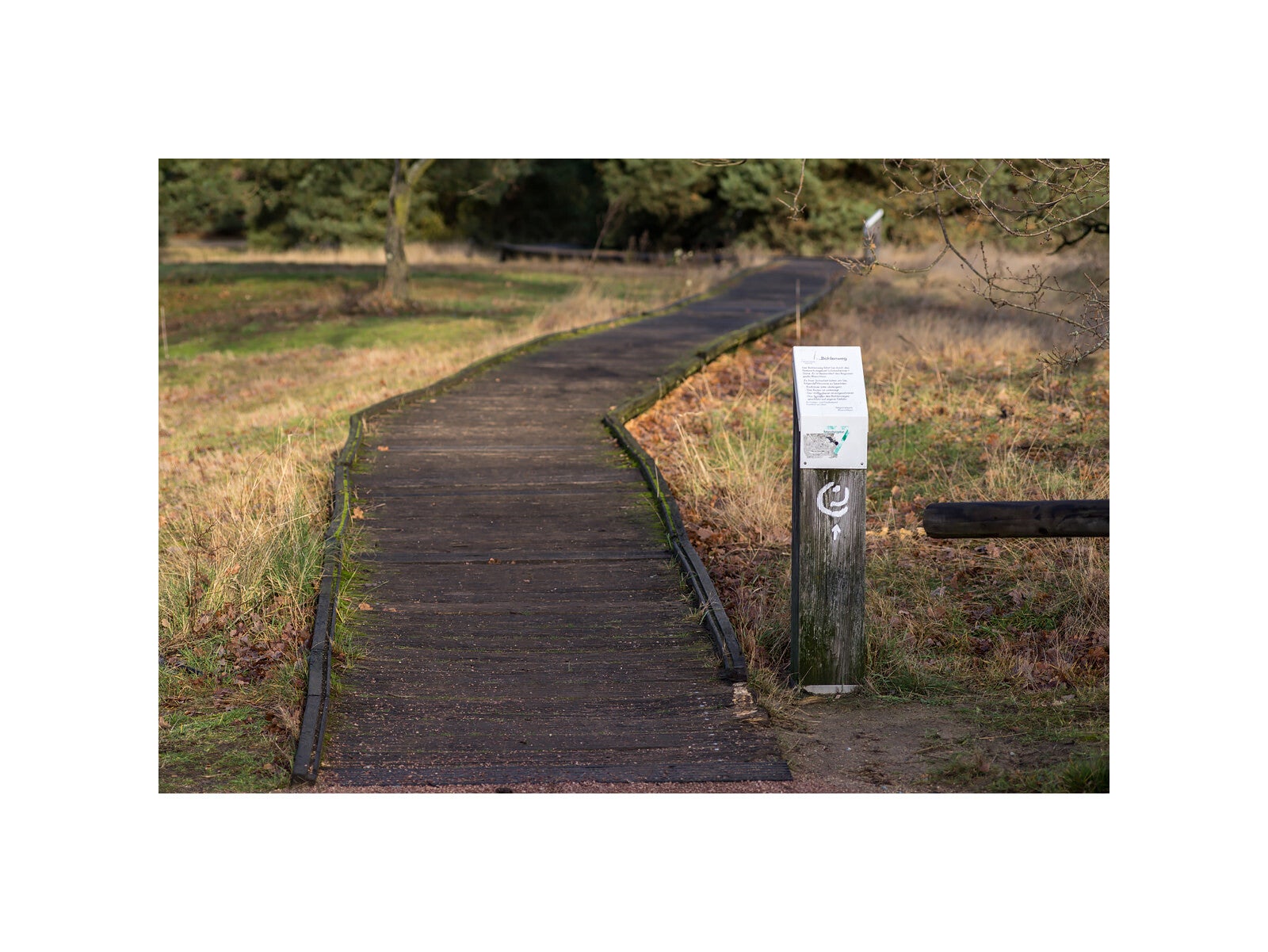
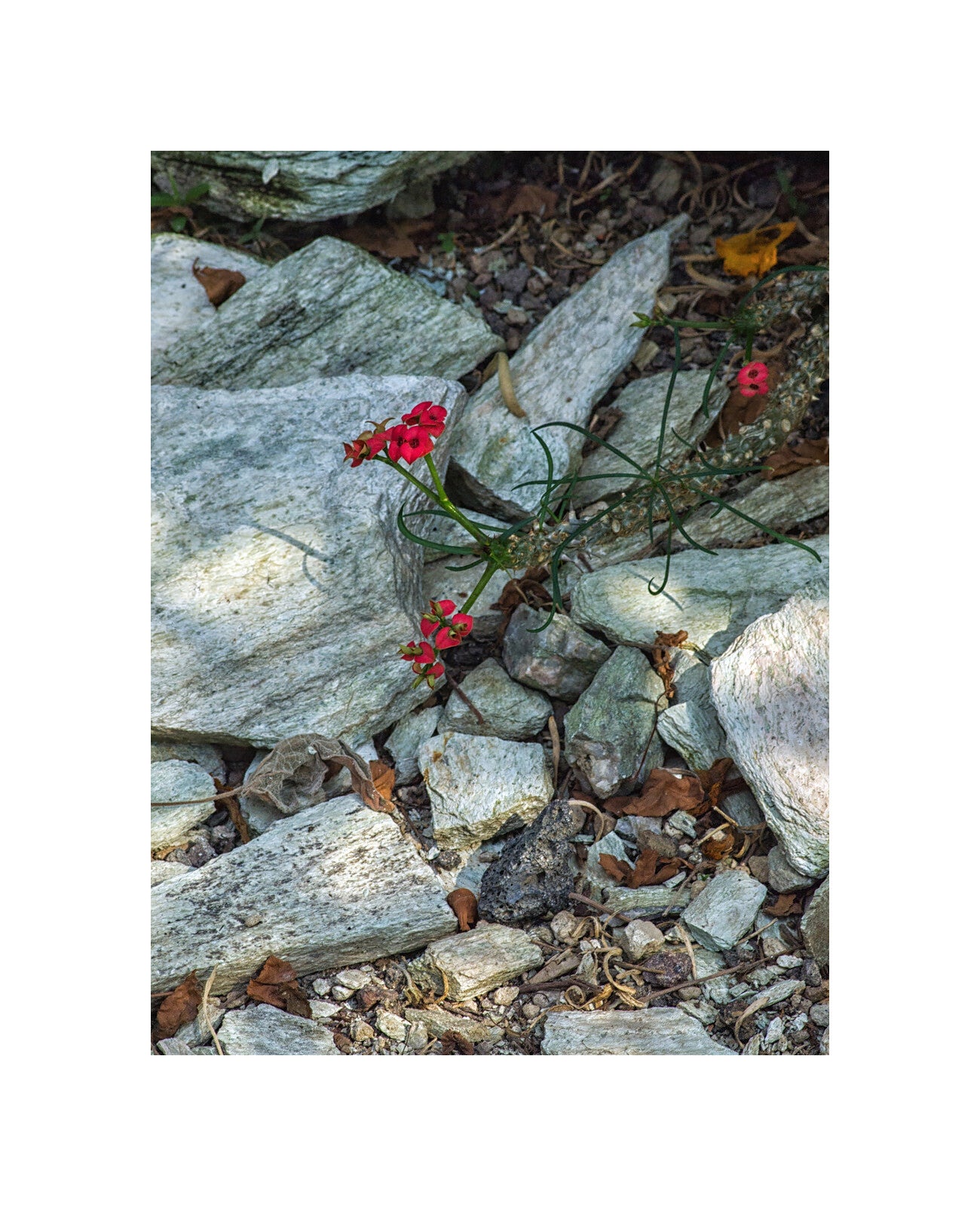
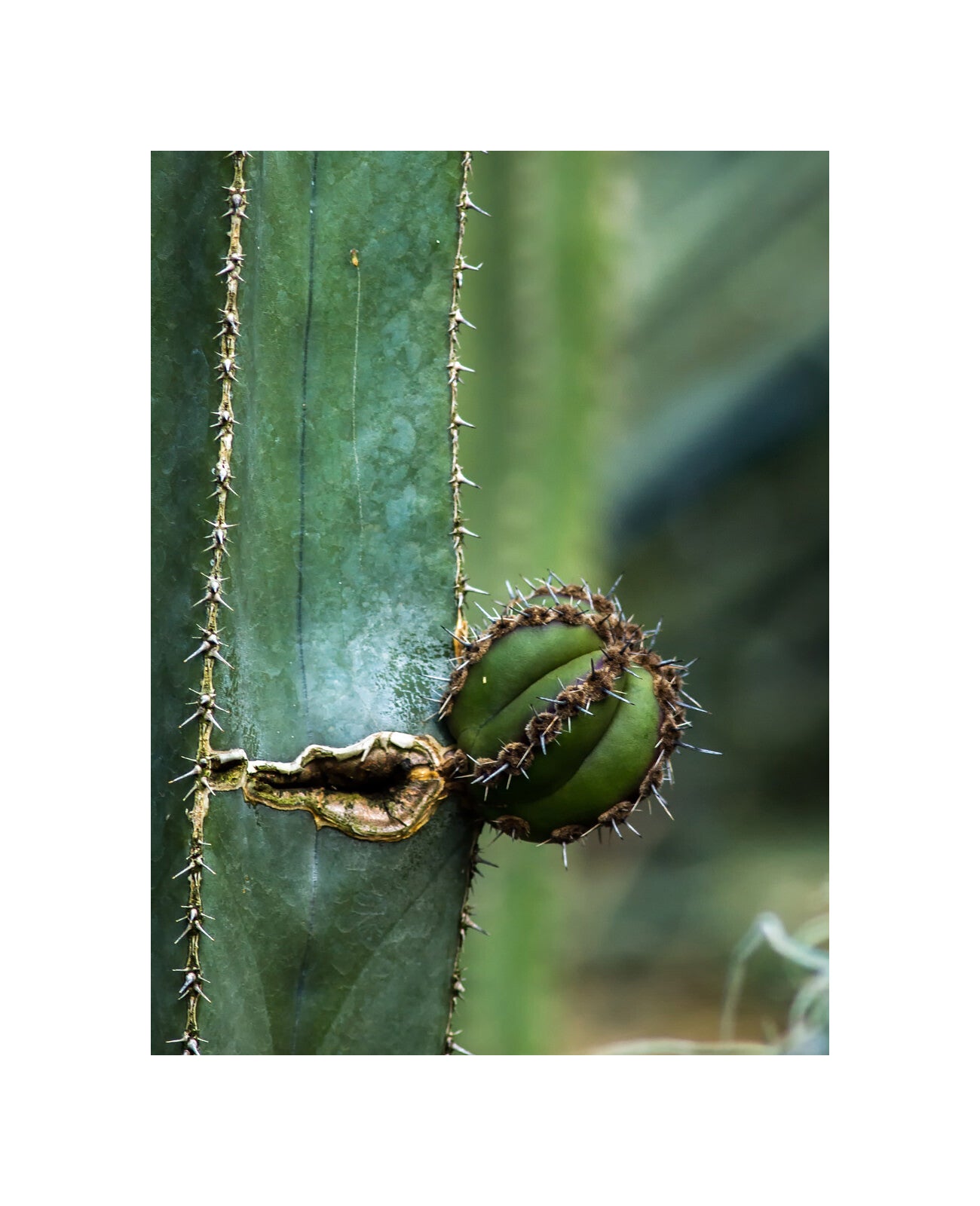
Images taken with the Pentax 135 f3.5 lens
The below images were used with the Olympus E-PL1 camera making the Pentax lens a long 270mm lens.


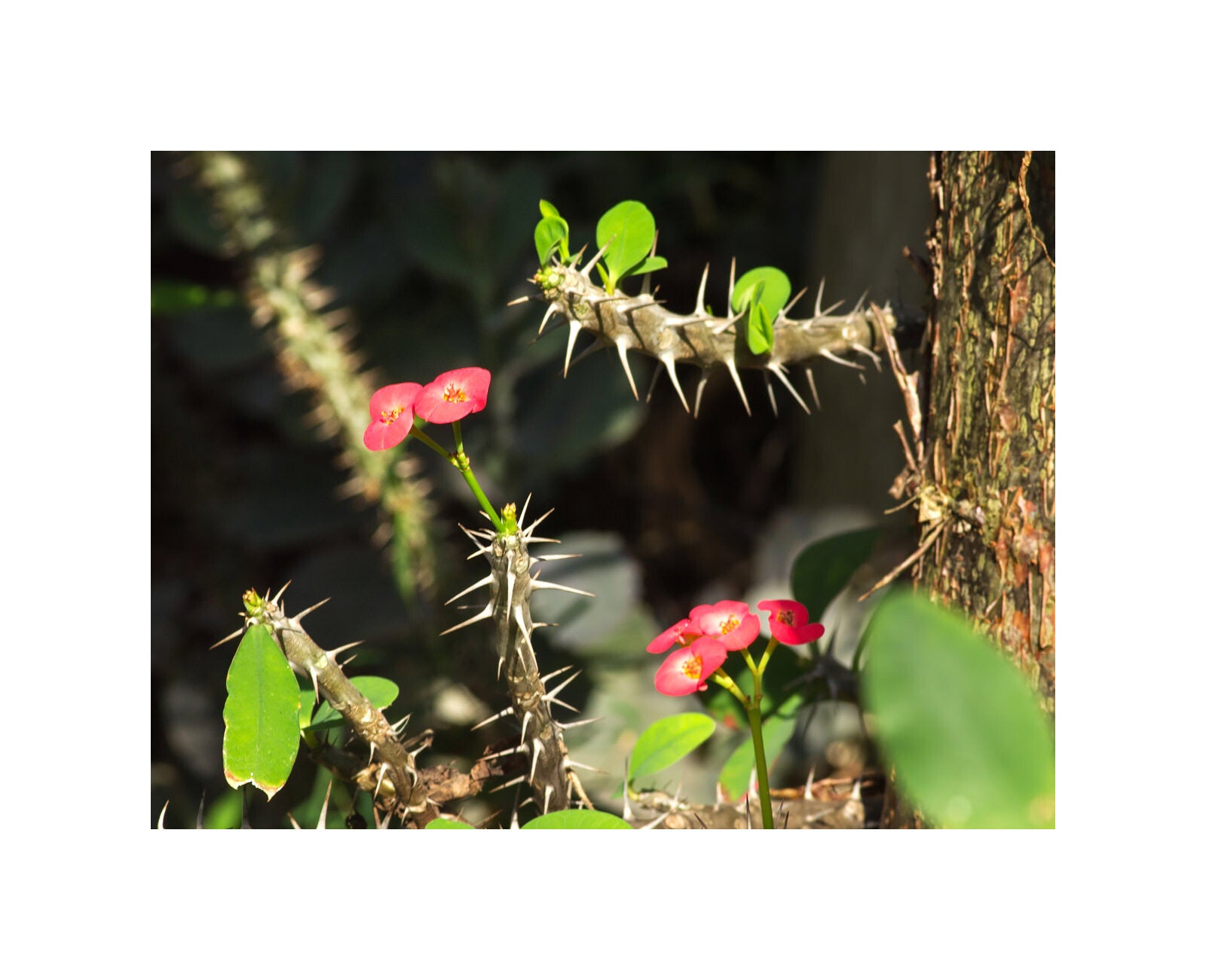


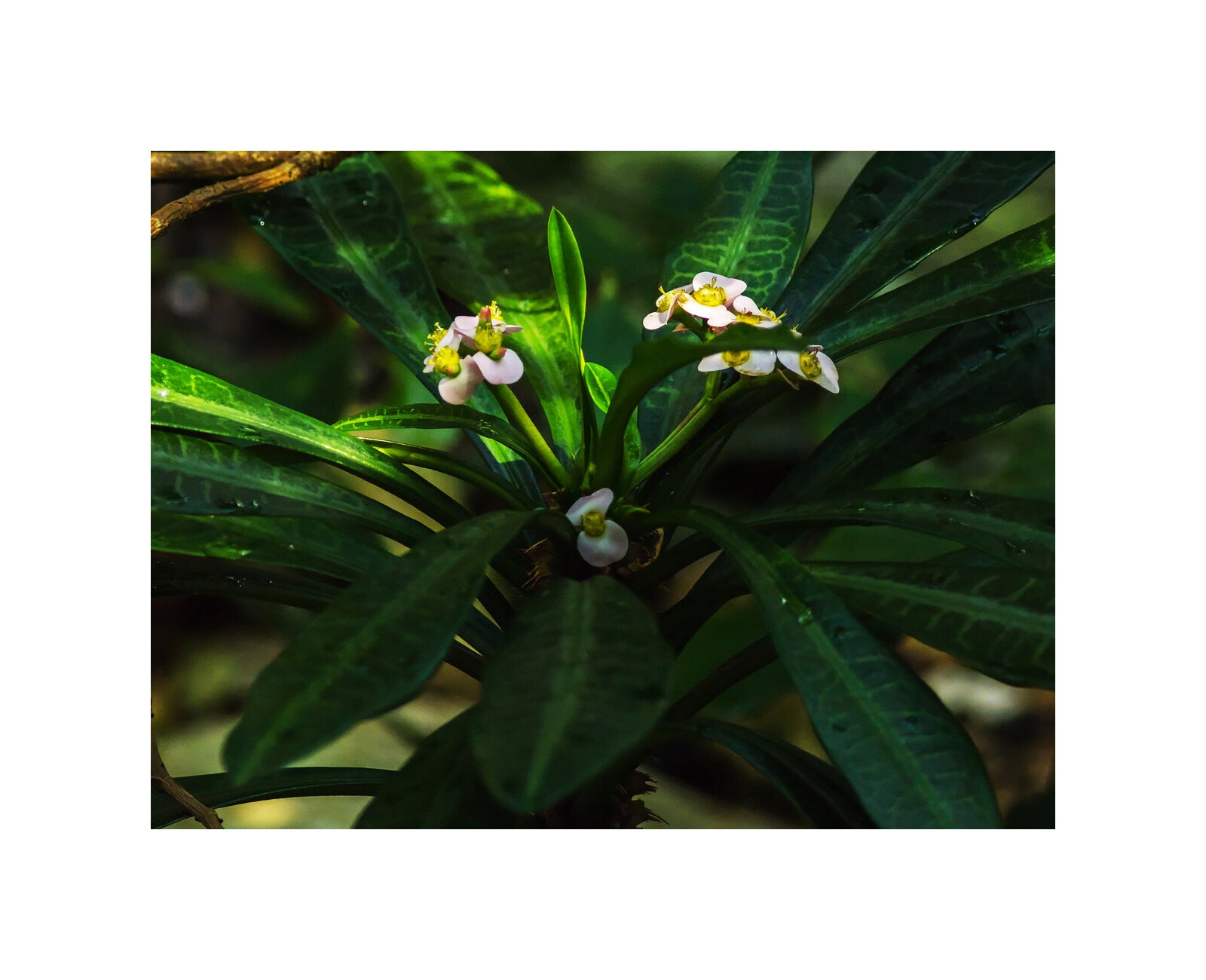
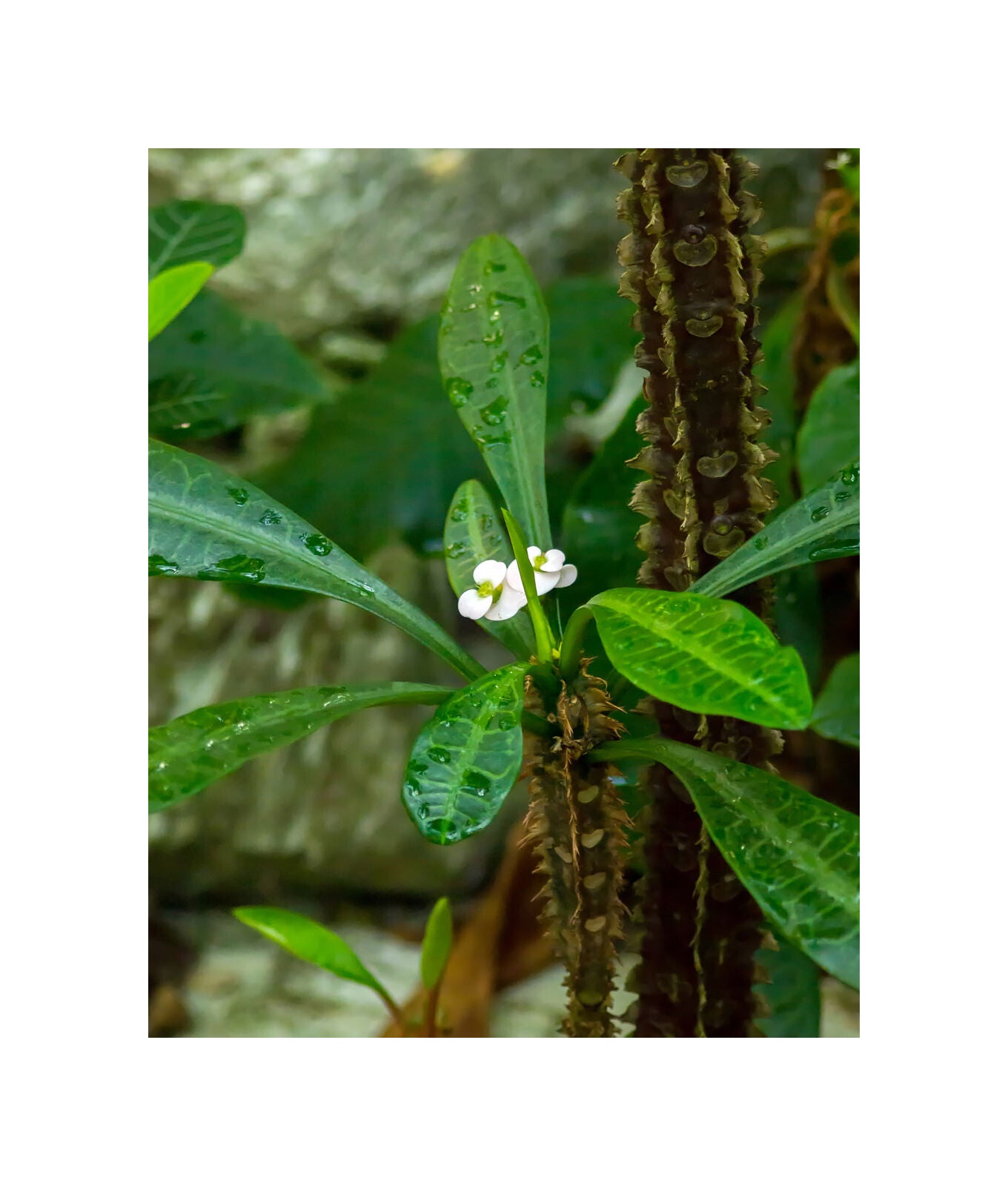
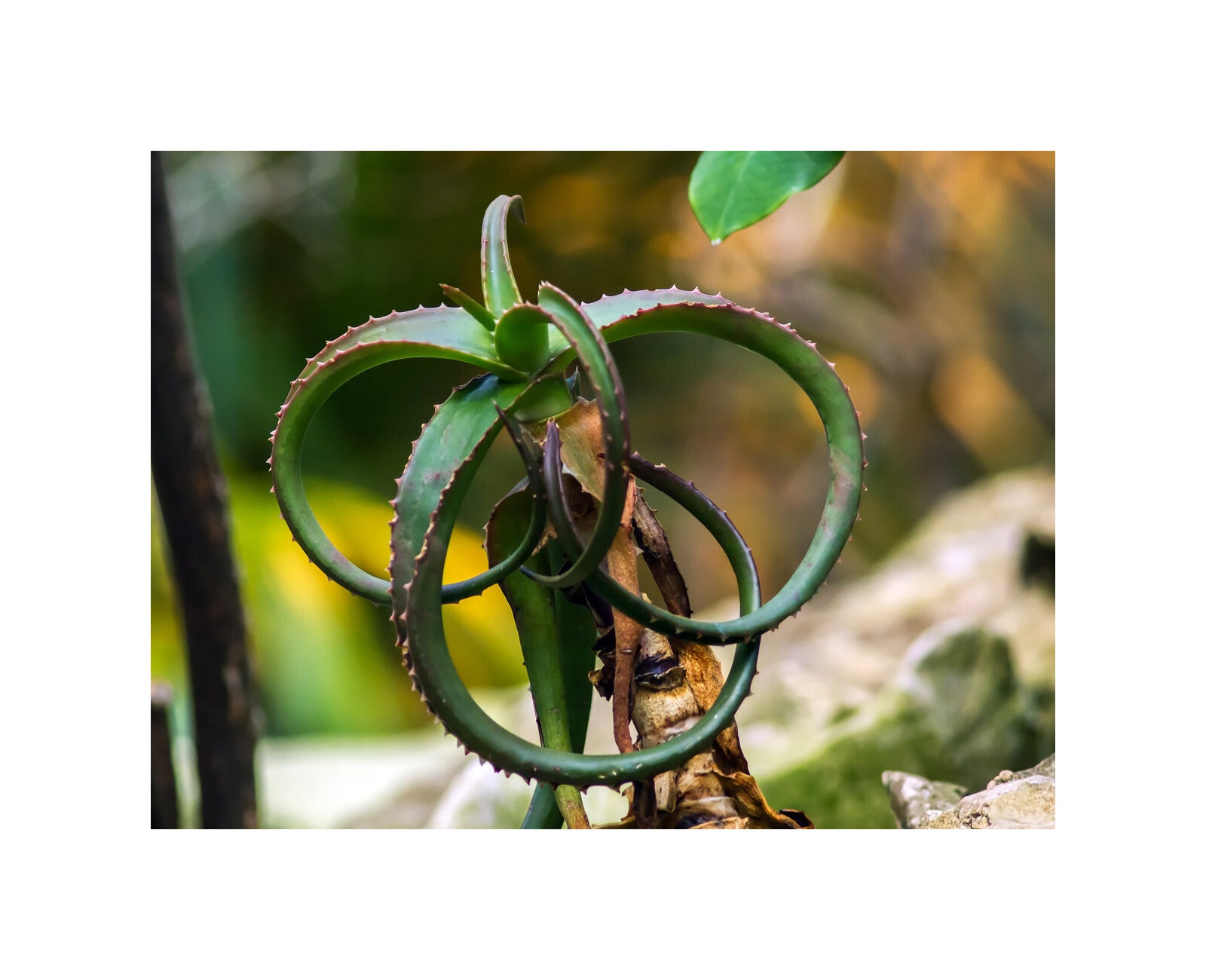
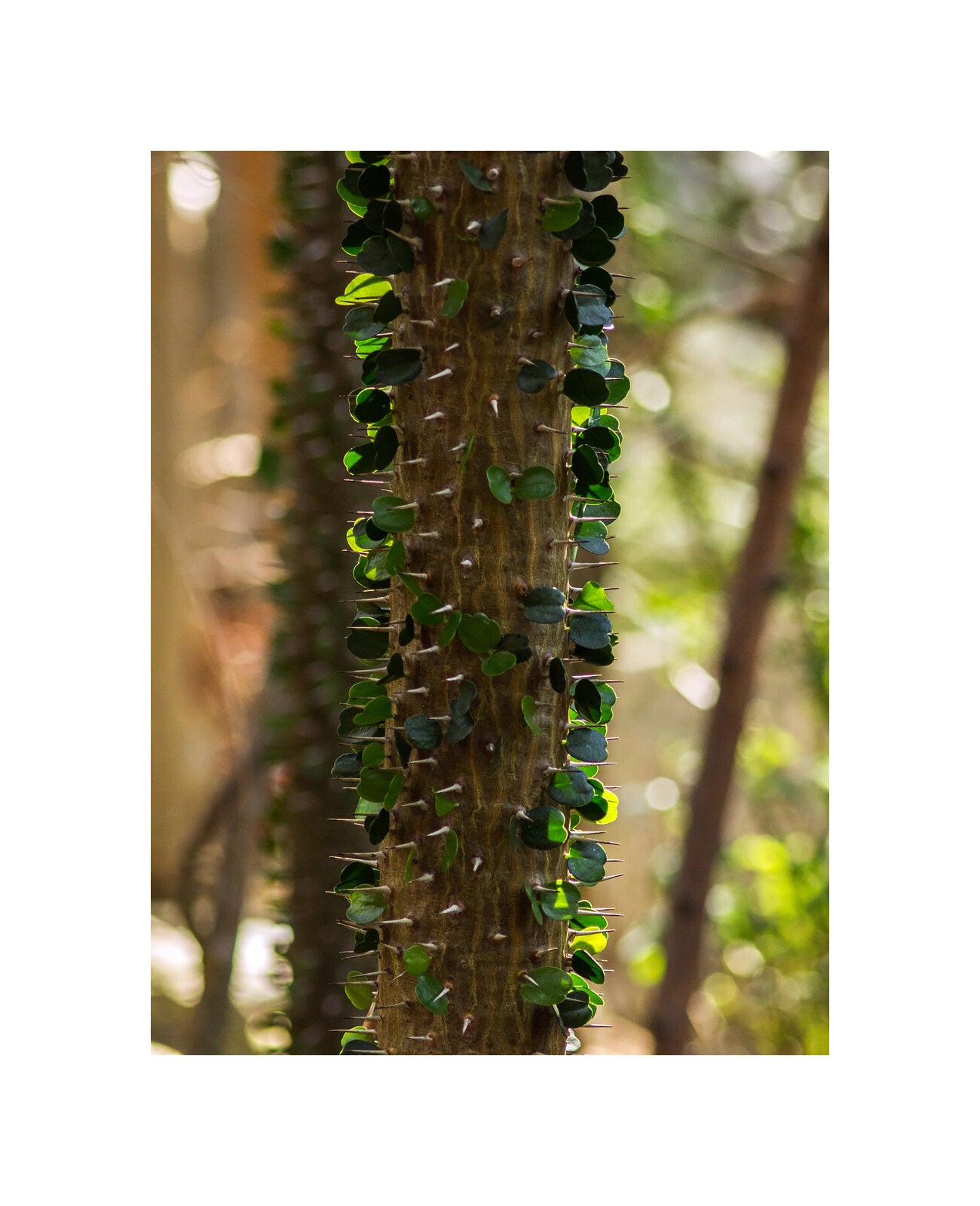
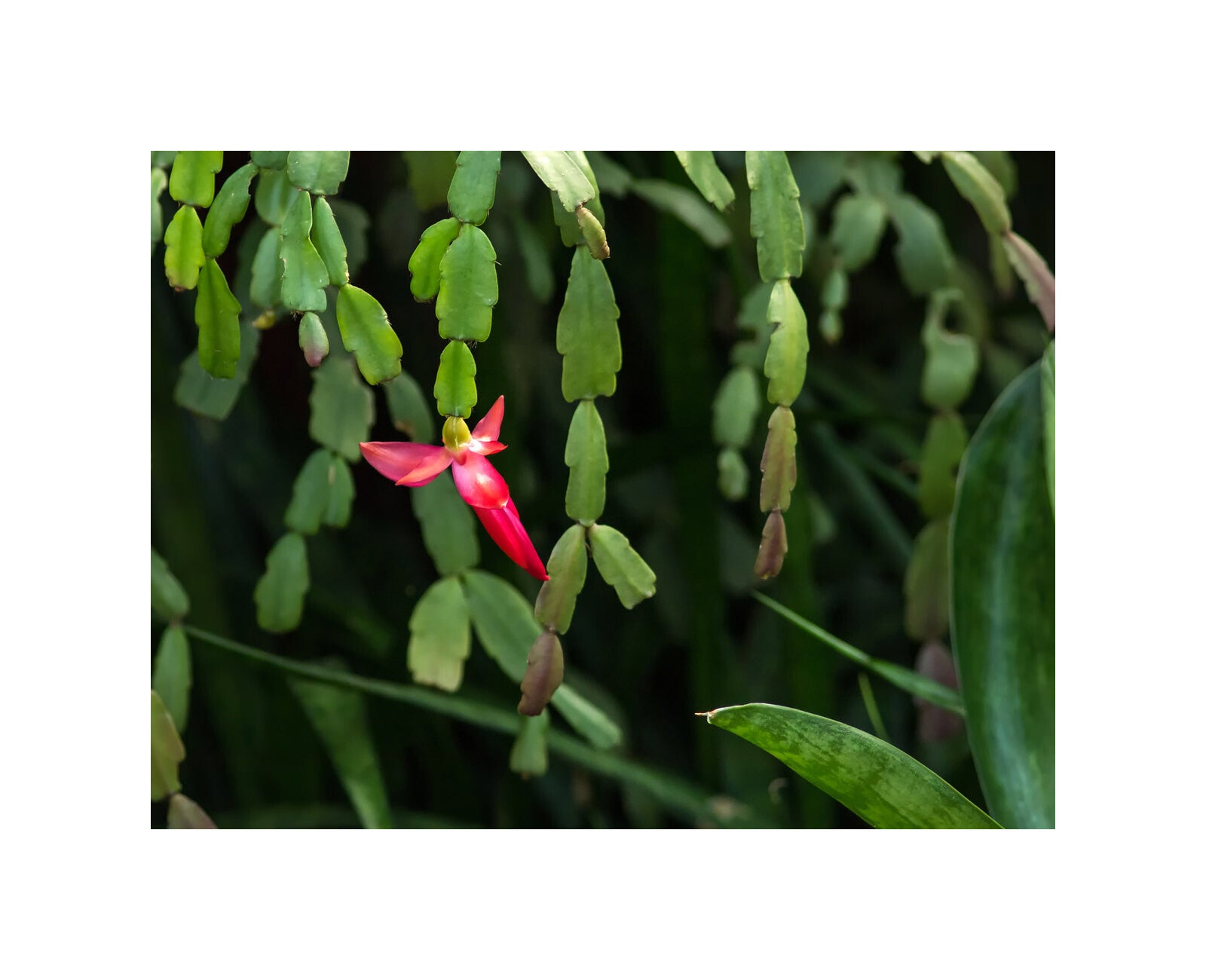
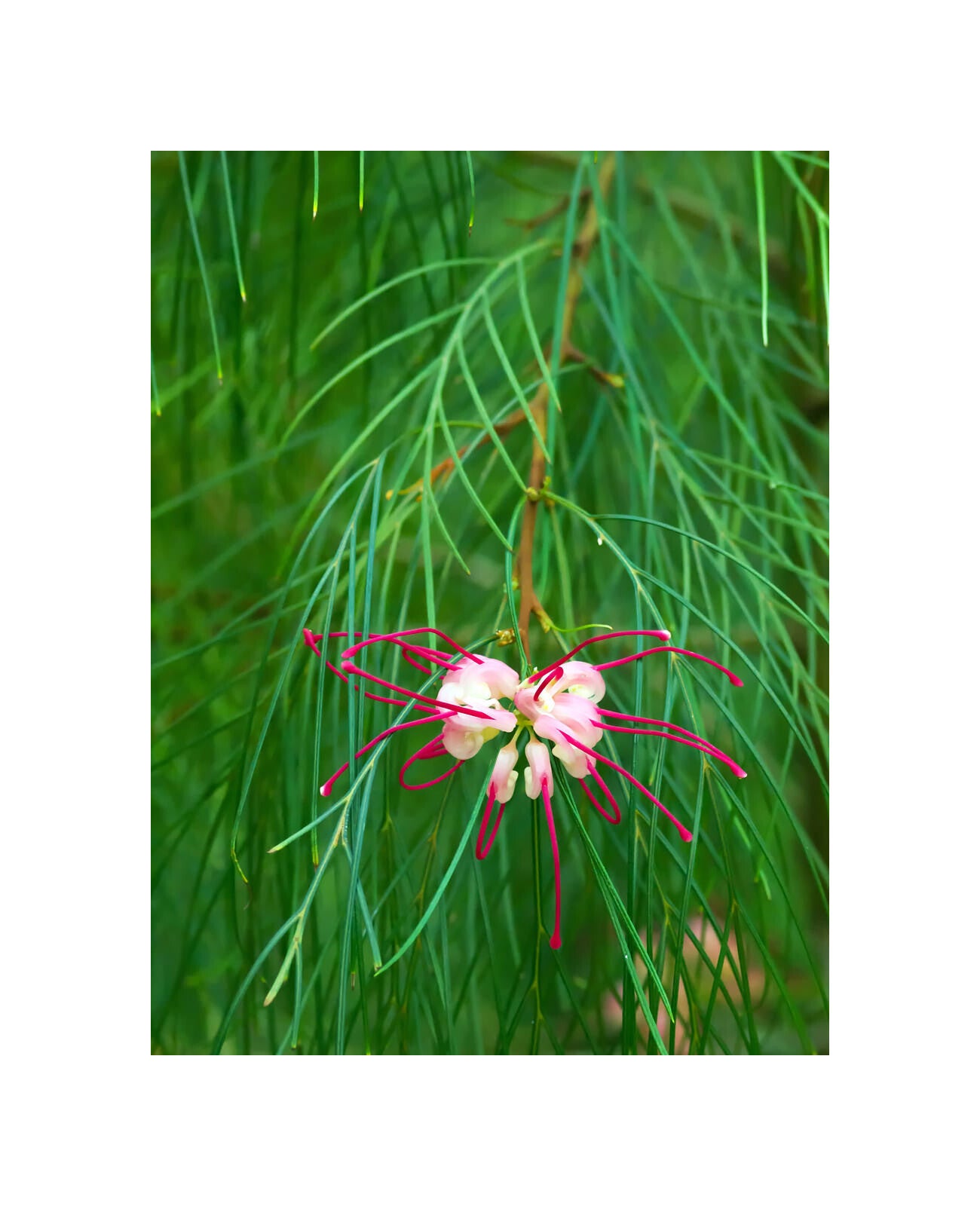



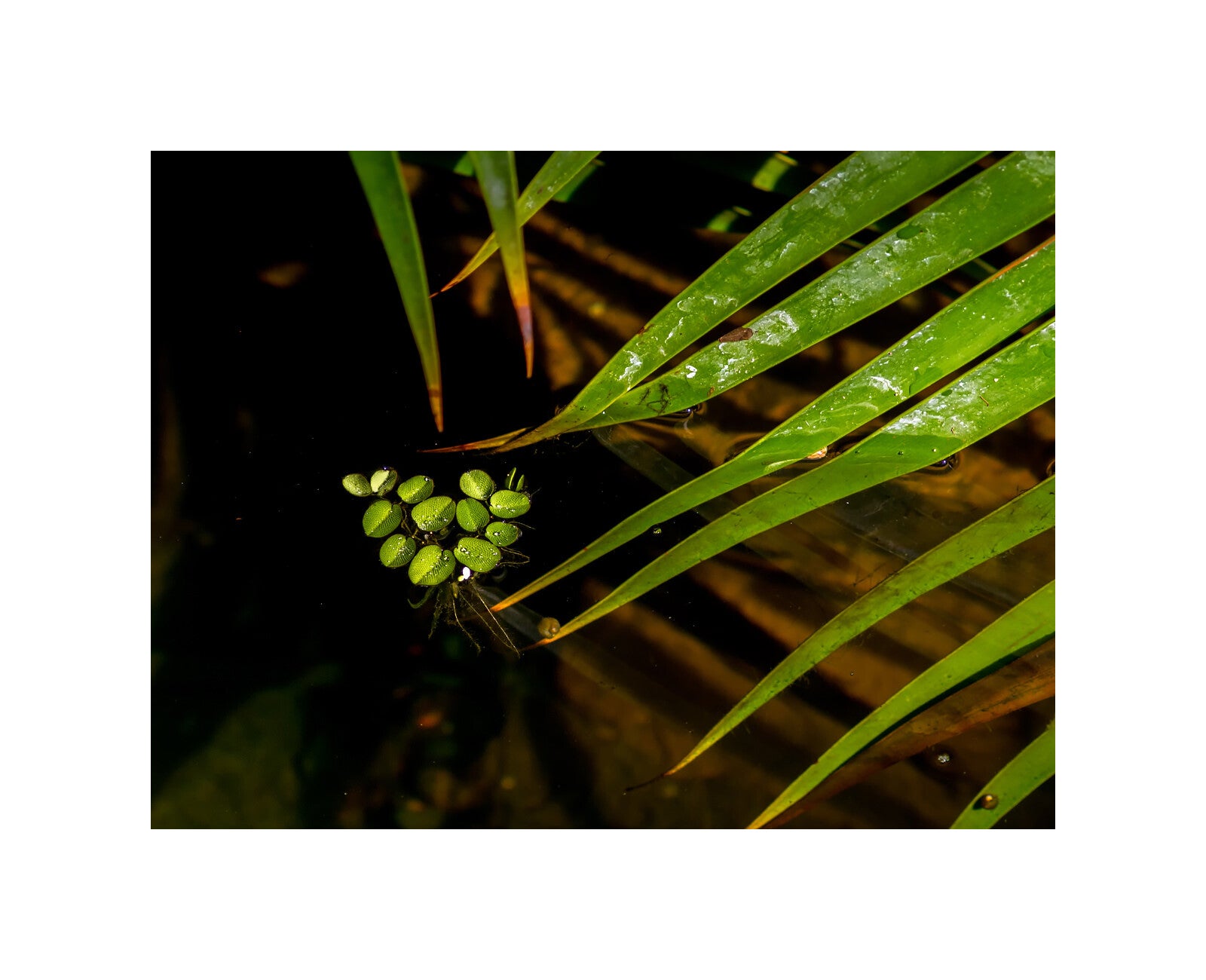


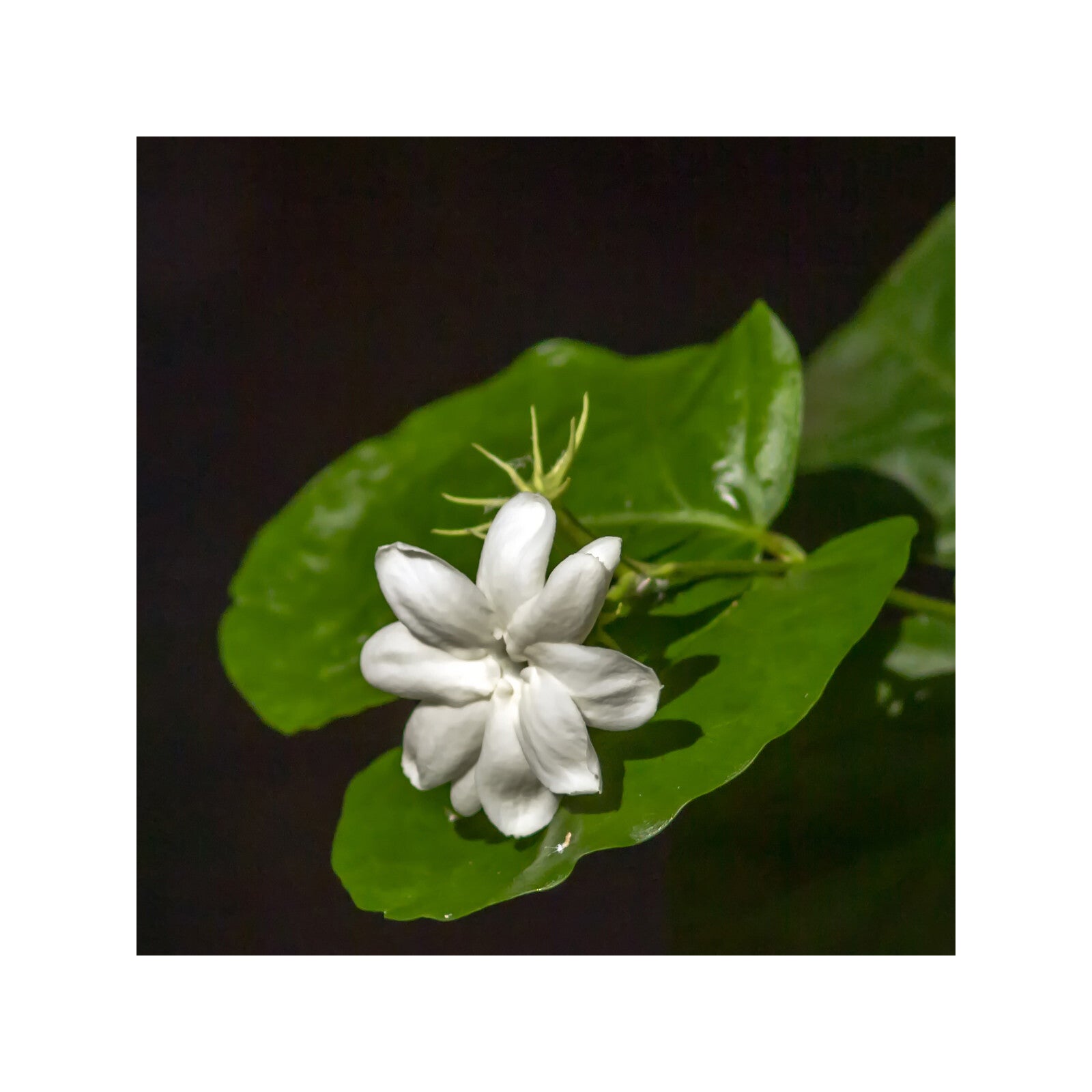
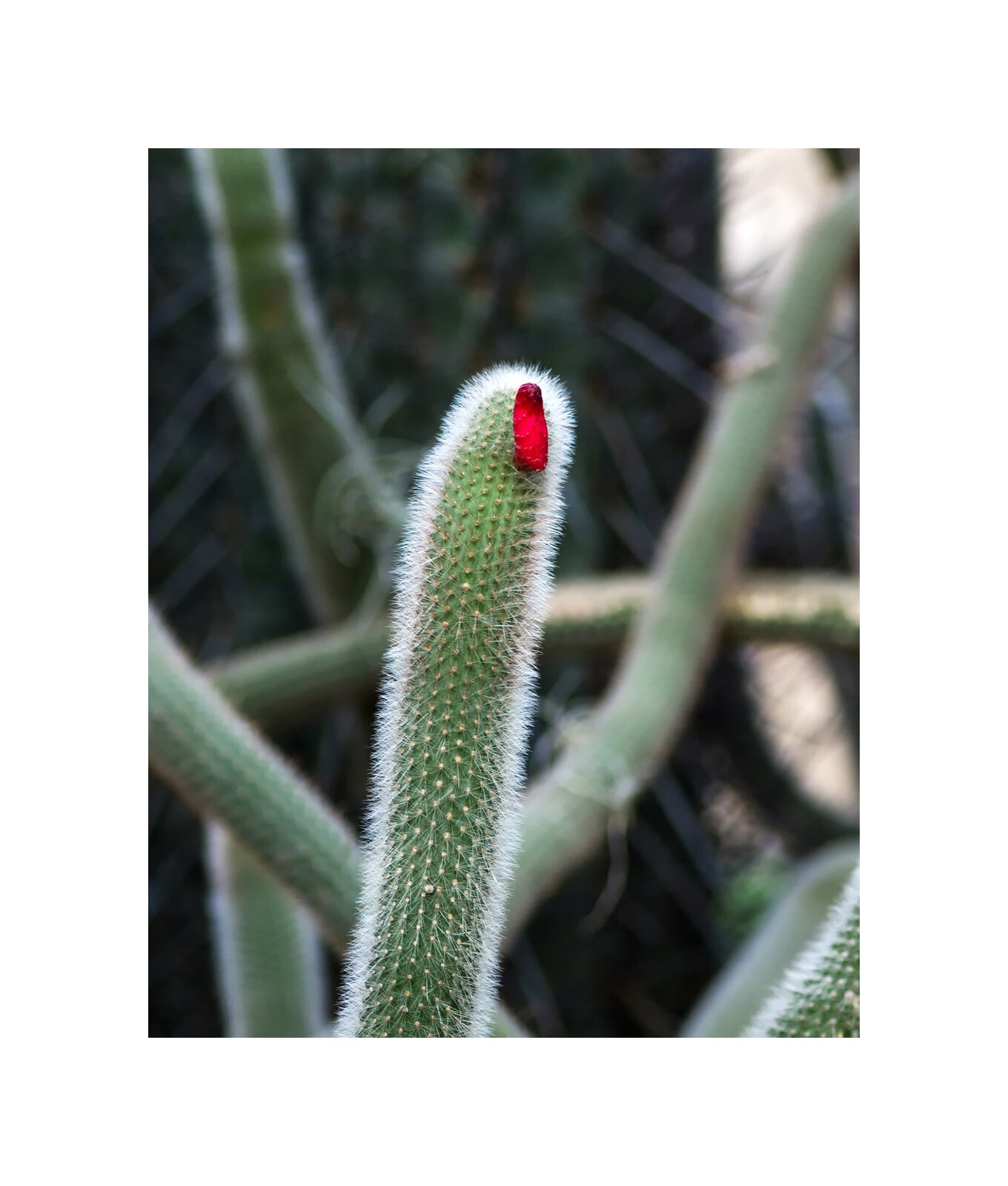
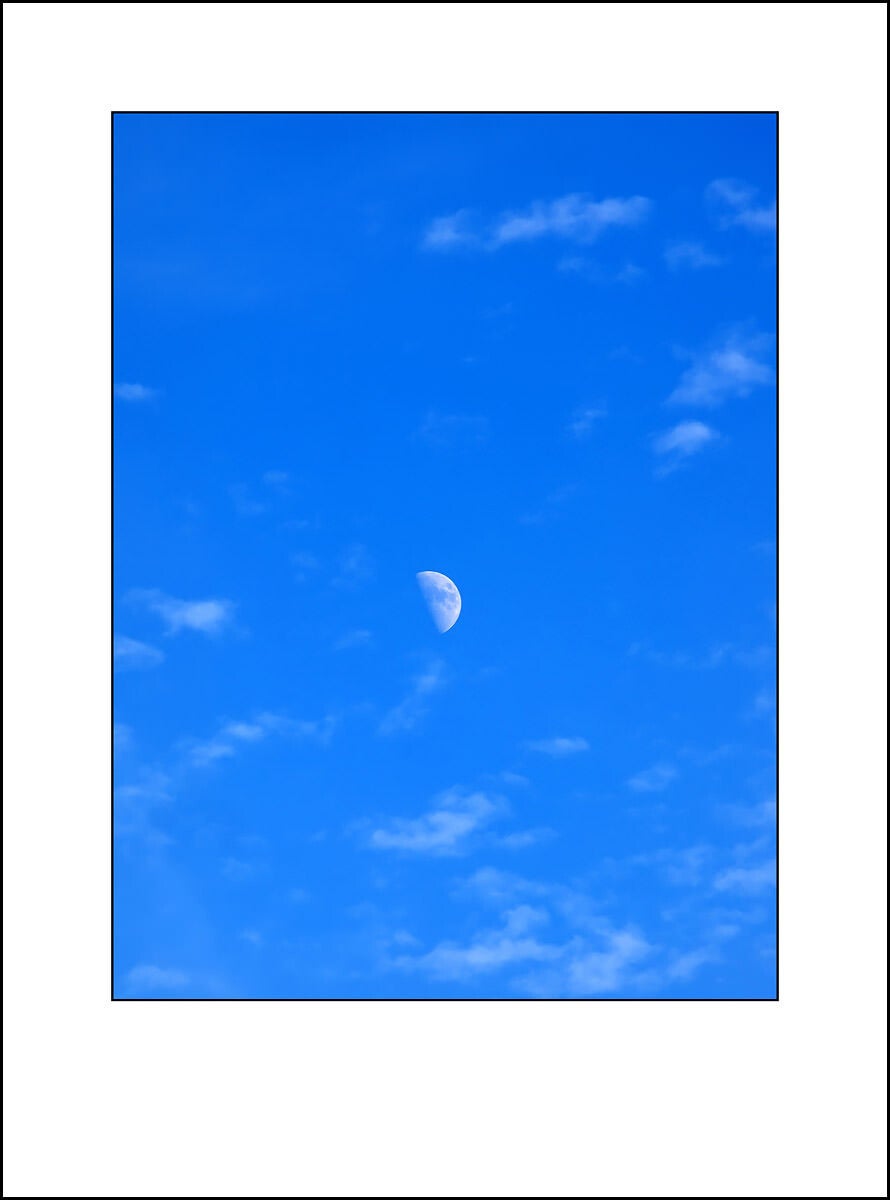

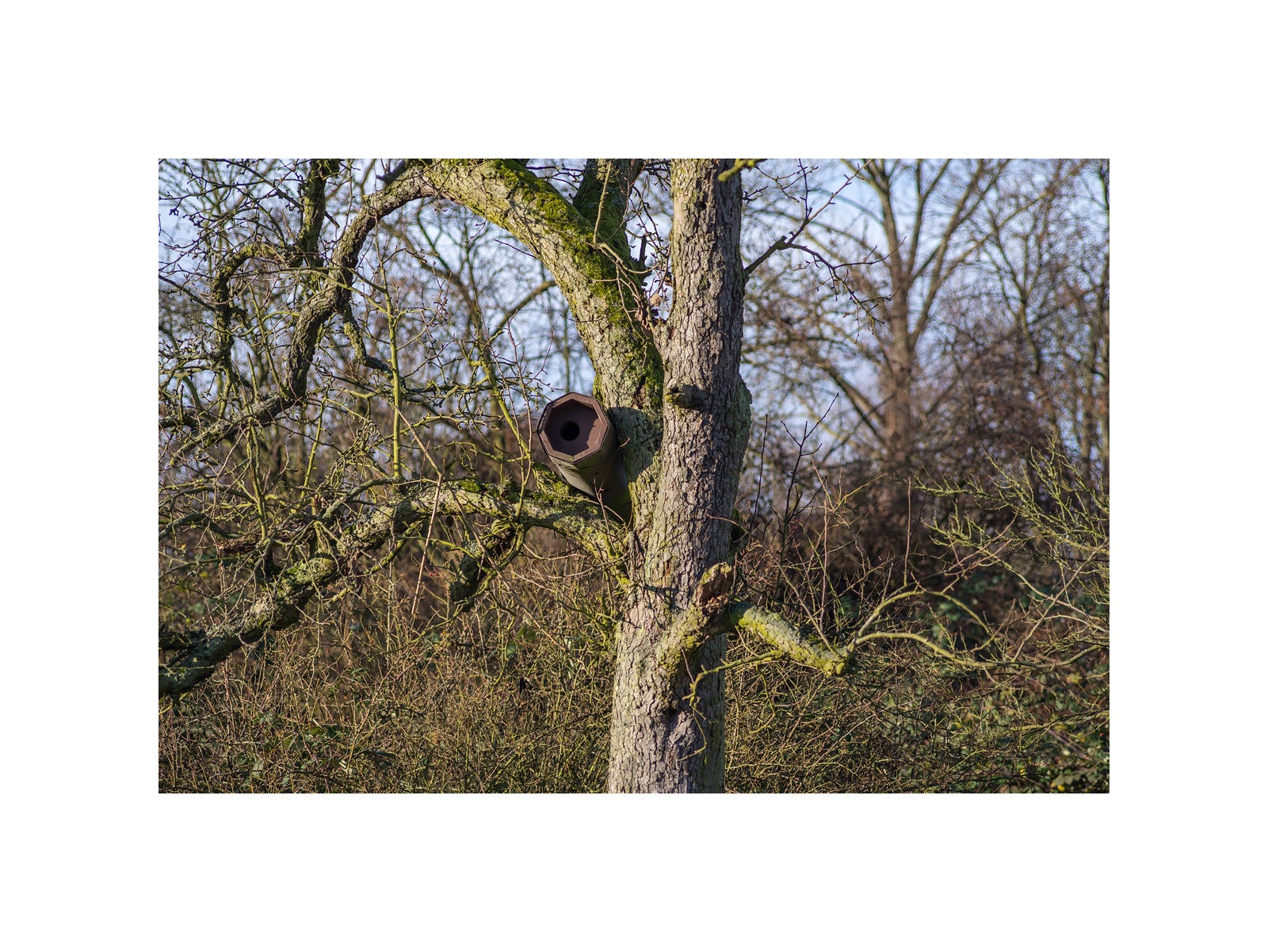
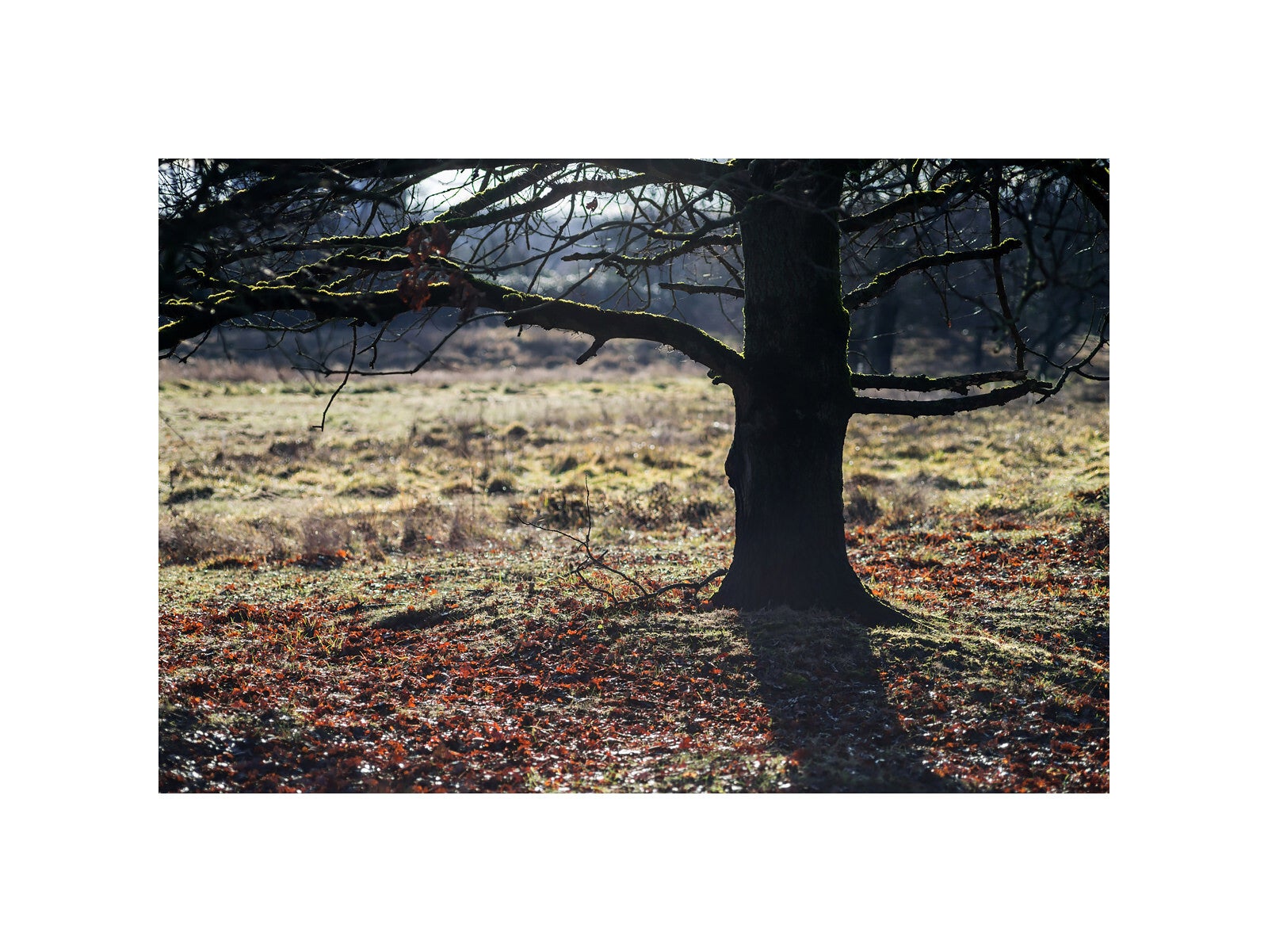
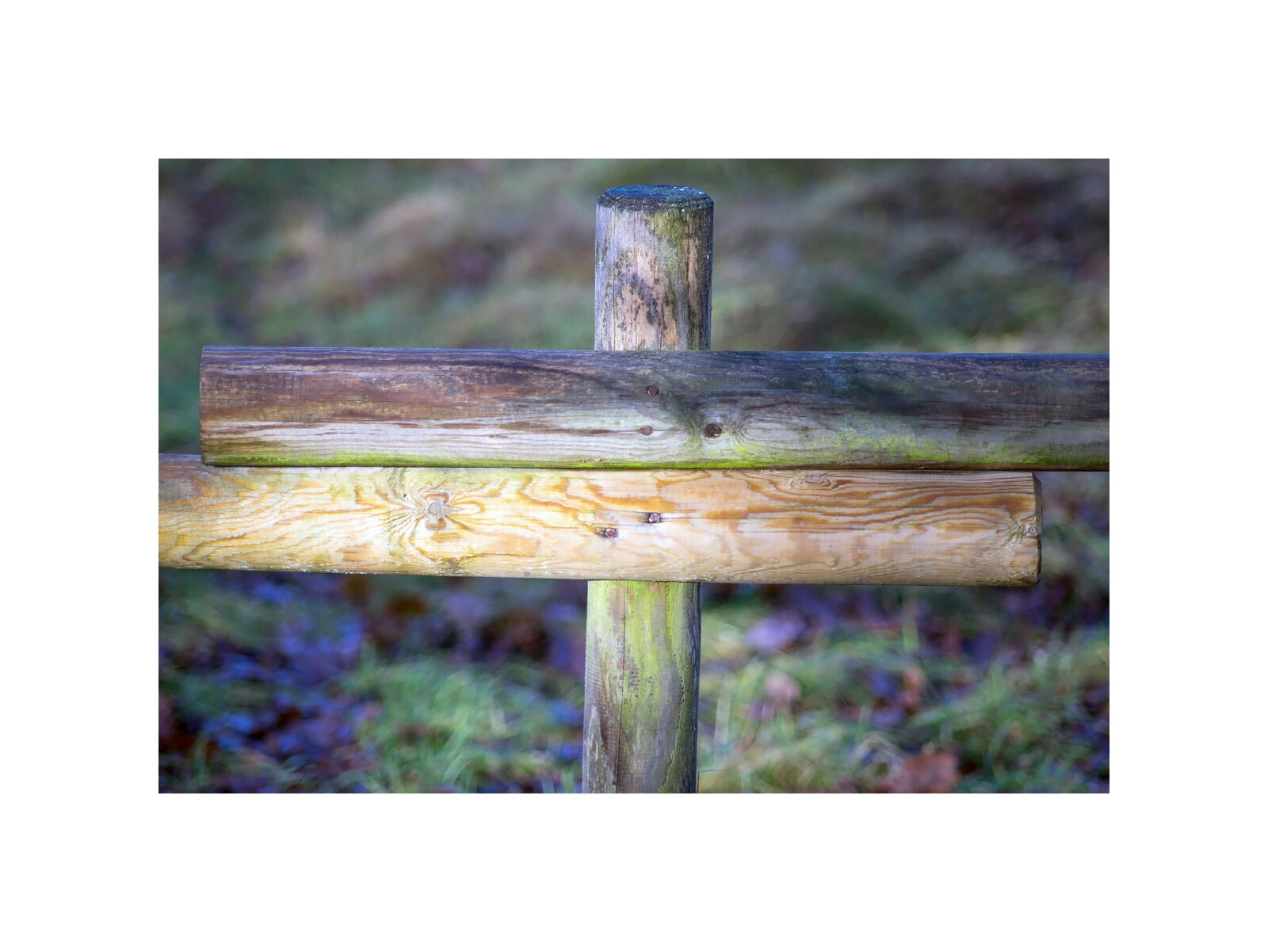
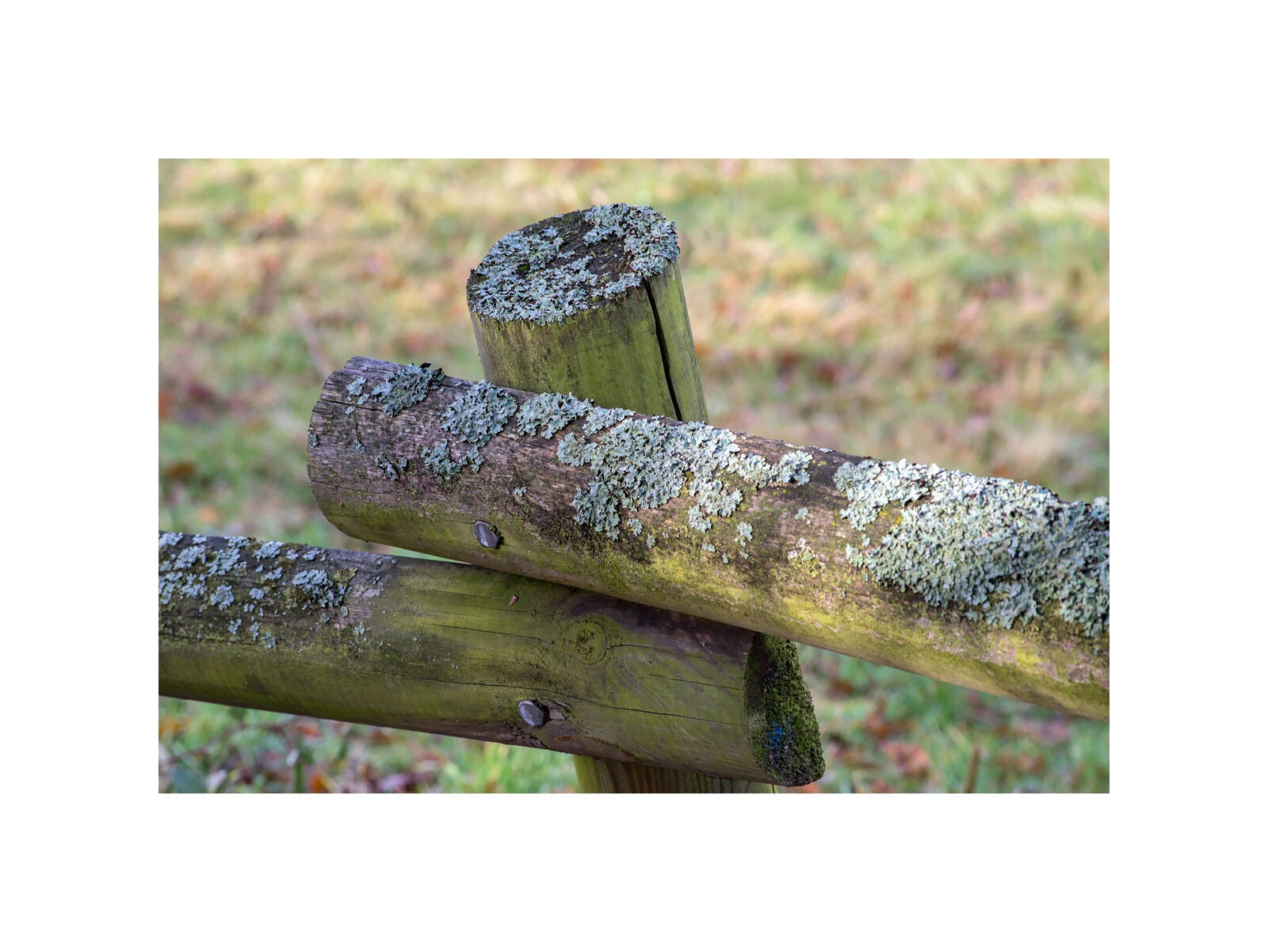
Images taken with the Pentax 135 f3.5 lens
Camera used for these images was the Sony A7R