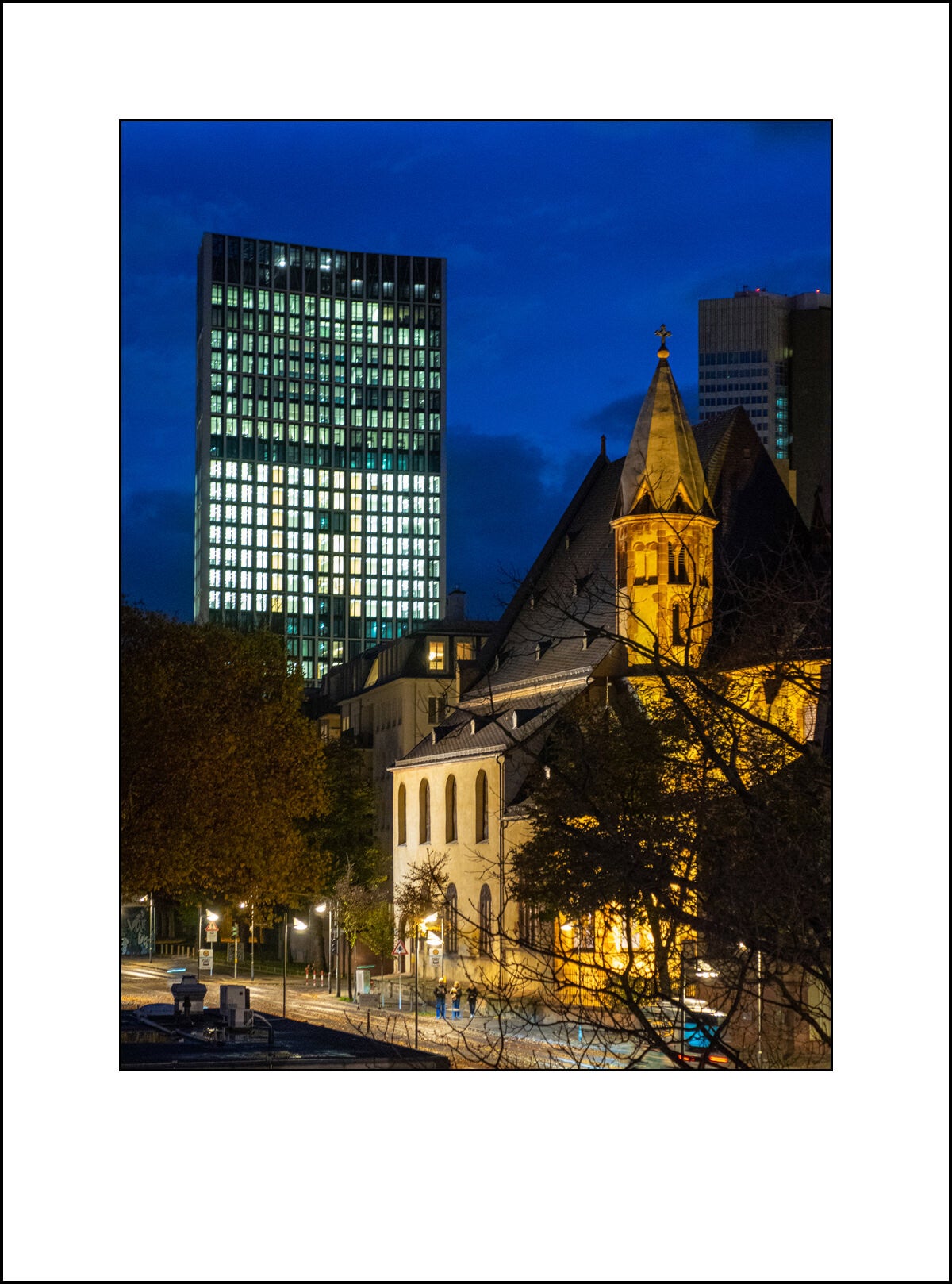
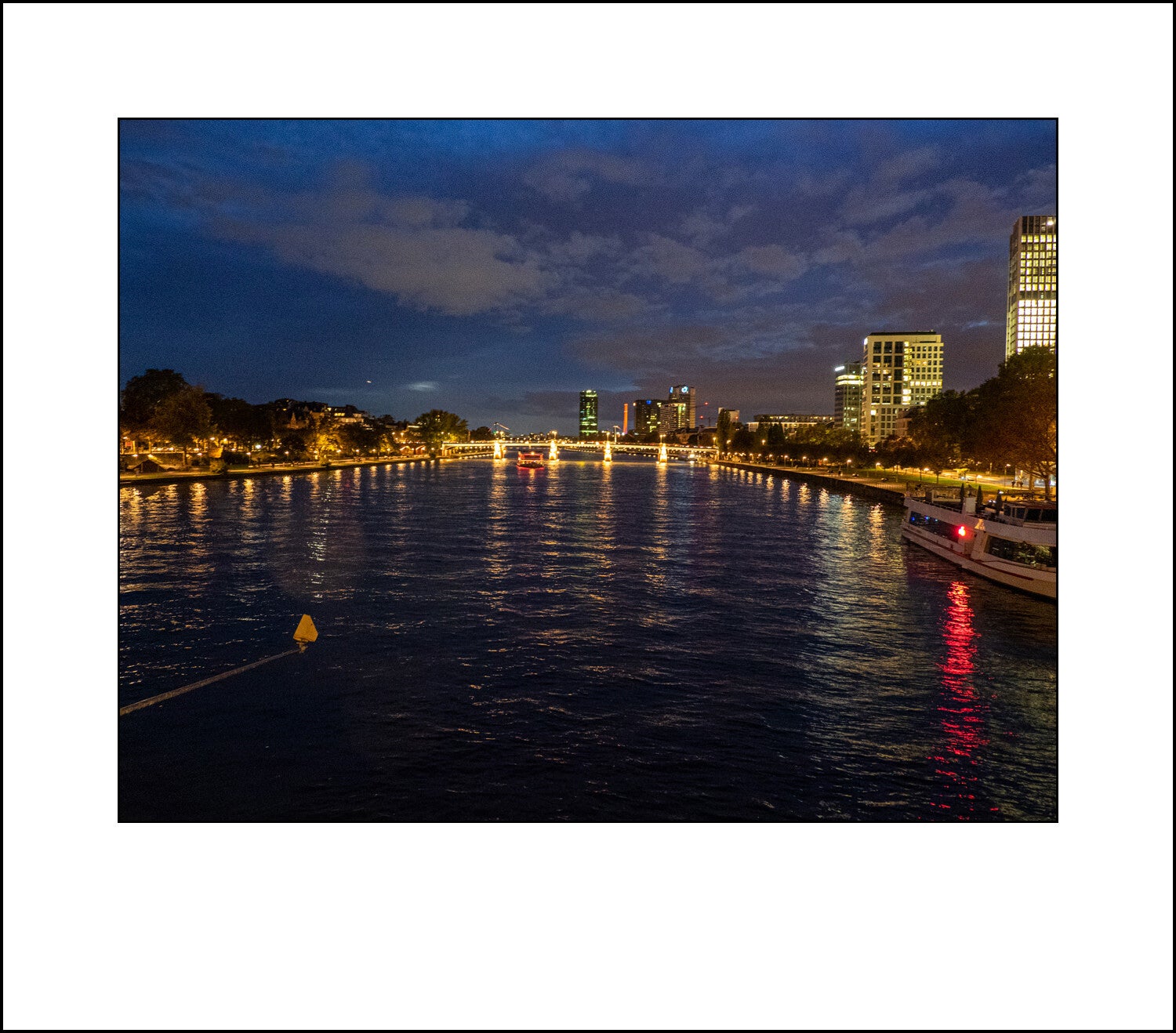
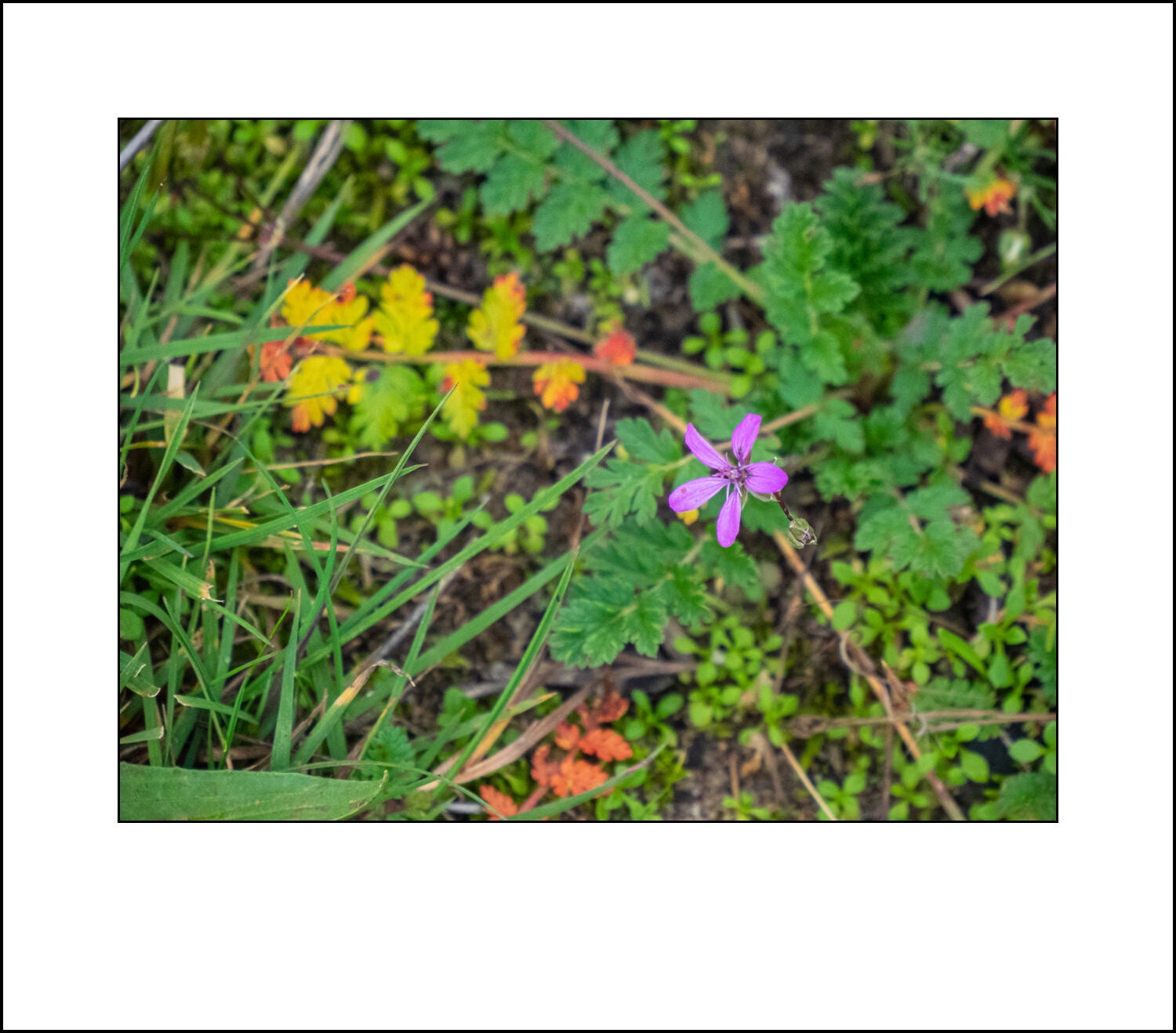
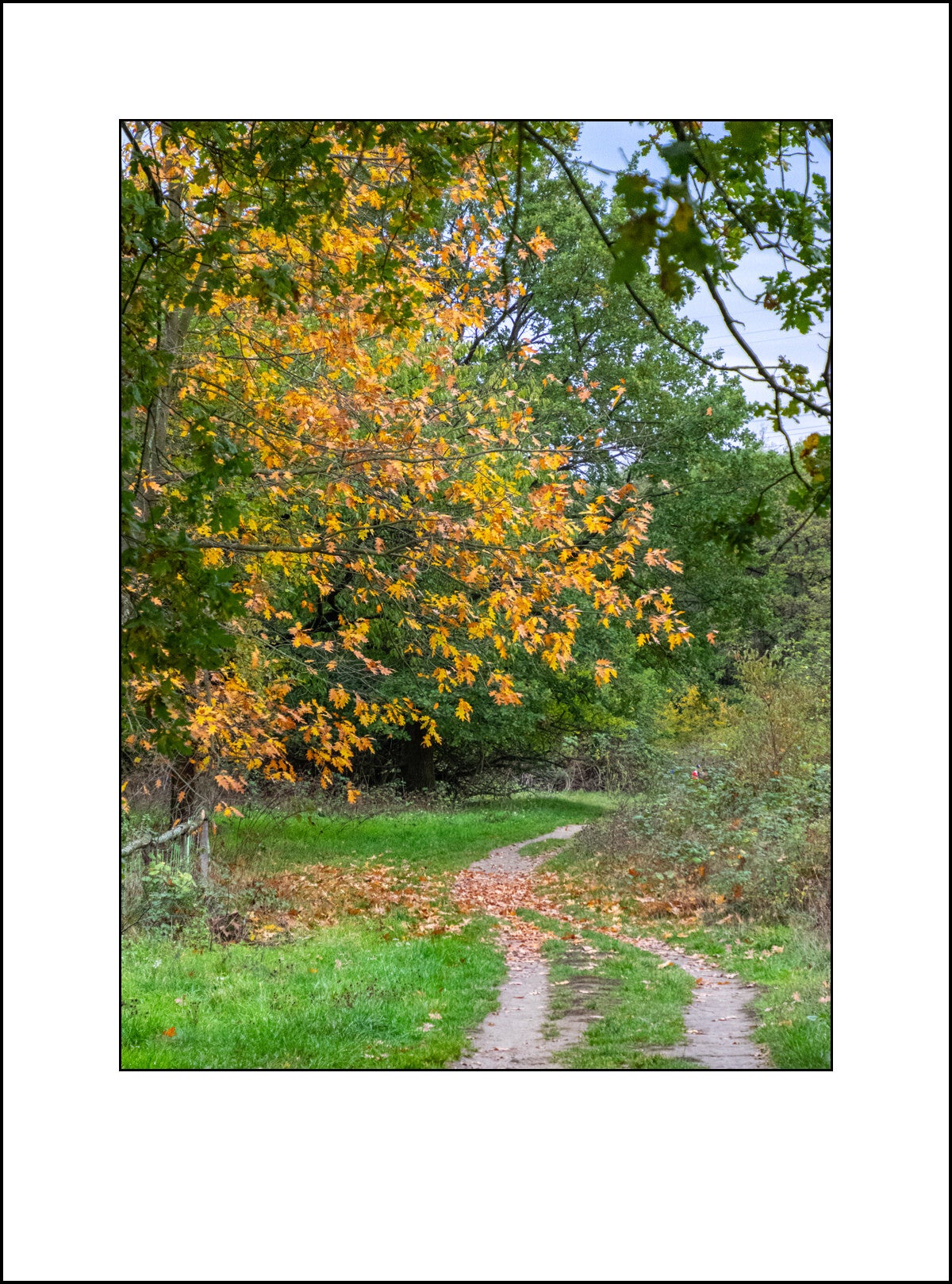
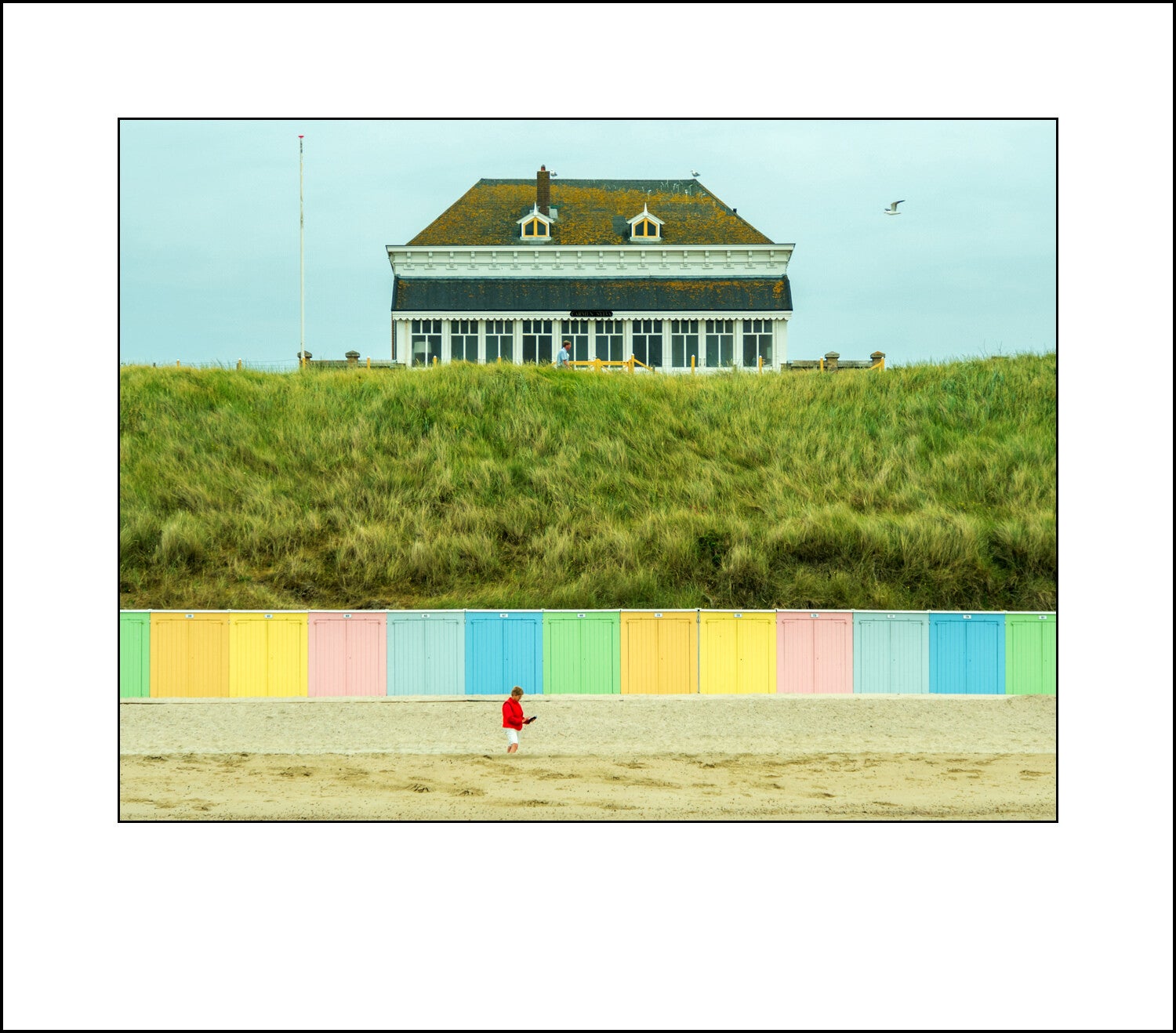
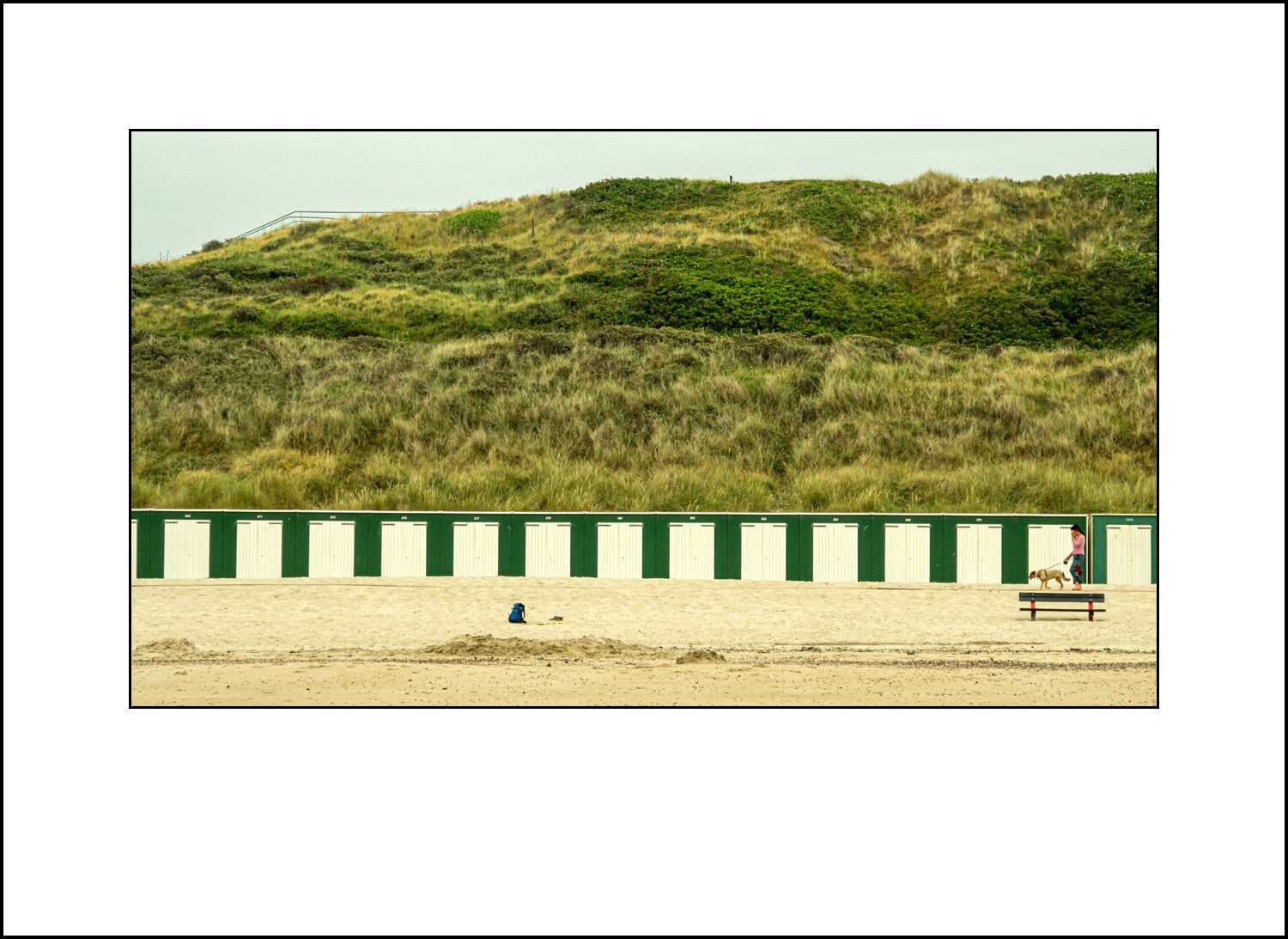
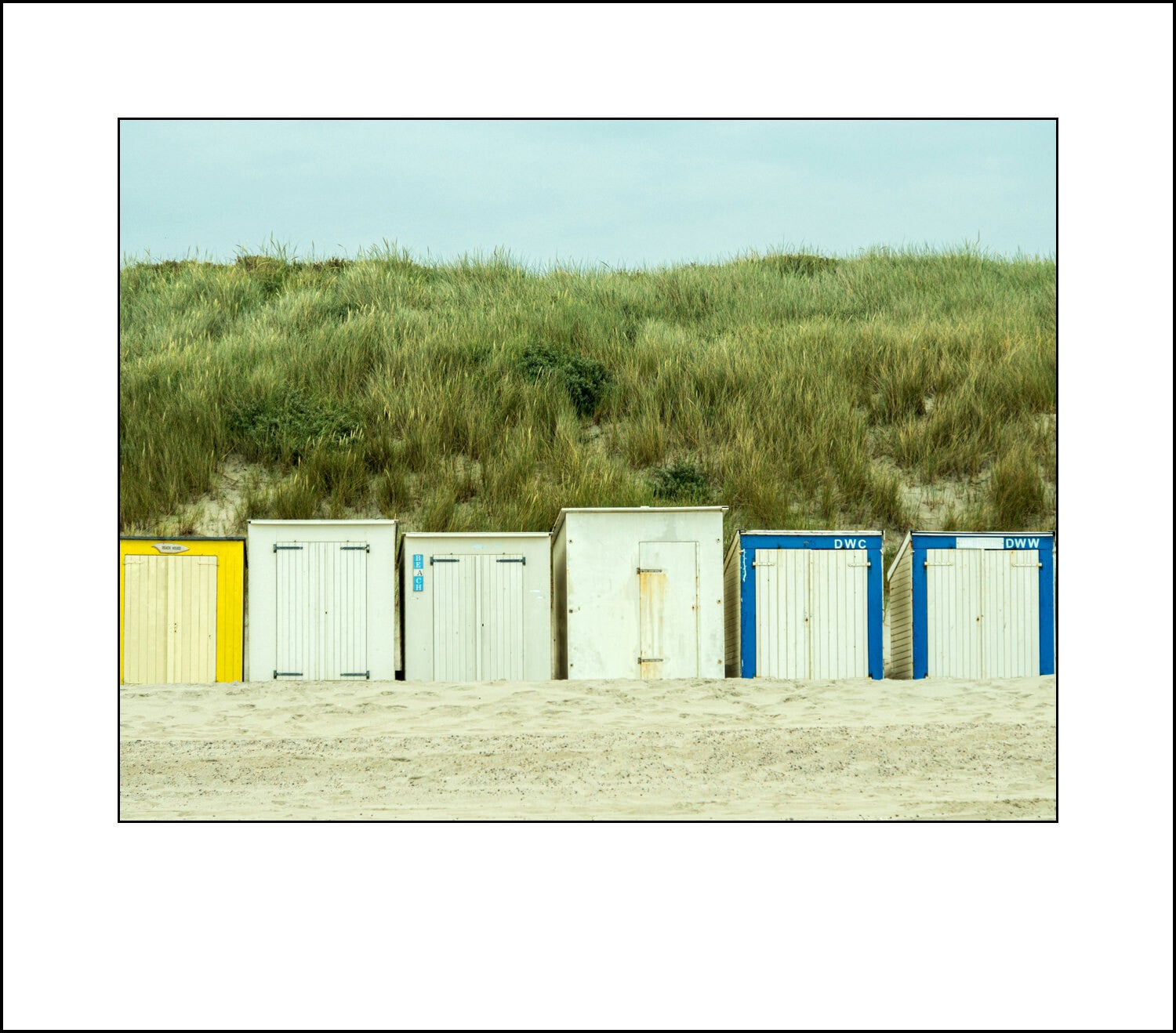
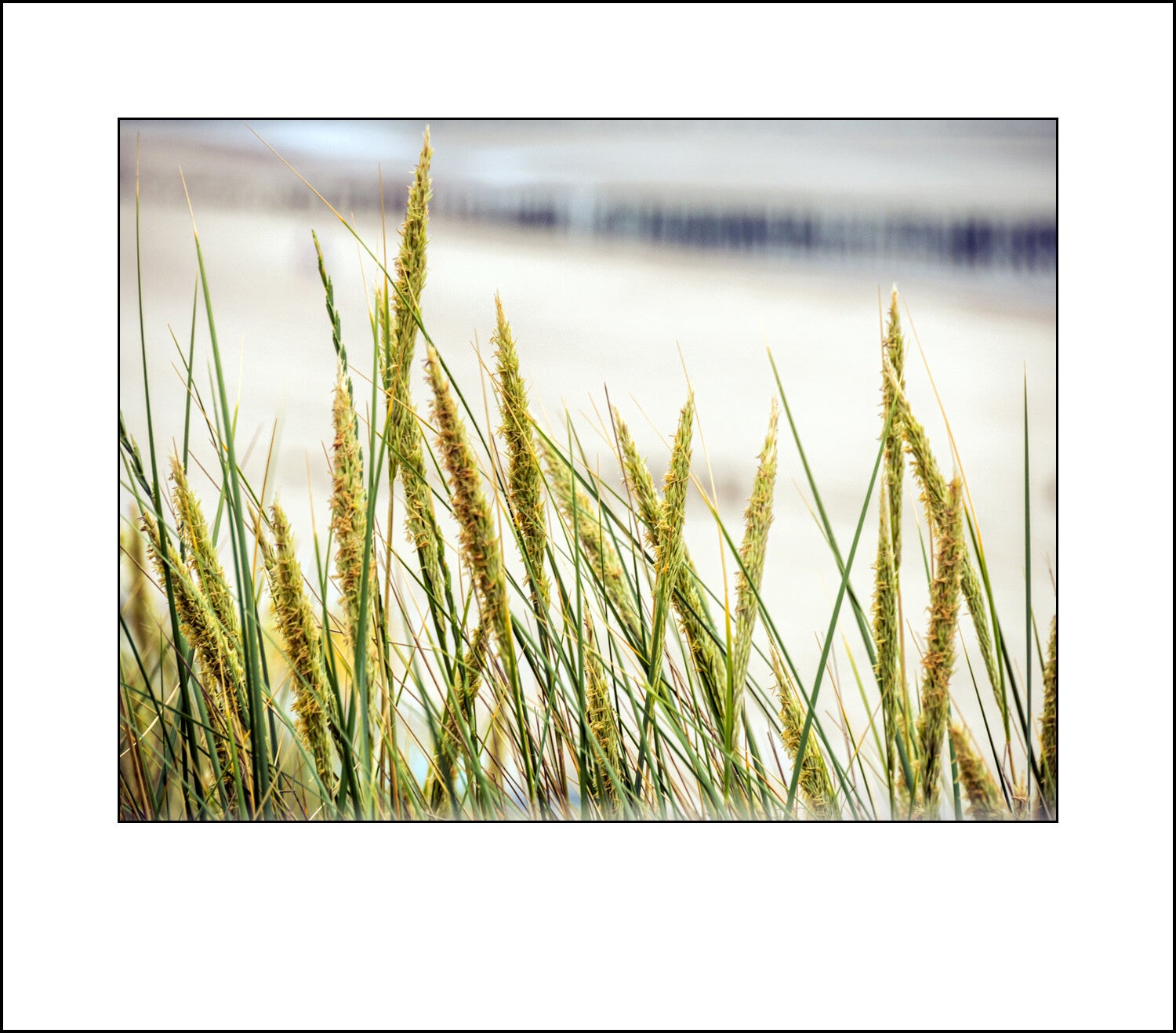
The Olympus M.Zuiko Digital ED 12-200mm F3.5-6.3 is one of the most versatile “one-lens travel solutions” ever made for the Micro Four Thirds system. Its biggest strengths are the enormous 24–400mm equivalent range, weather sealing, and relatively compact size for what it covers. The trade-off is predictable: image quality is good-to-very-good in the middle of the range, but softness appears toward the long end, especially at 200mm. If convenience matters more than ultimate sharpness, it’s an excellent lens.
Key Specs
-
Mount: Micro Four Thirds
-
Equivalent focal length: 24–400mm
-
Aperture: f/3.5–6.3
-
Weight: 455g
-
Weather sealed: Yes
-
Minimum focus distance: 22cm
-
No optical stabilization (relies on in-body stabilization)
What’s Great
1. Huge zoom range
The main attraction is the 16.6× zoom range. Going from wide landscapes to wildlife-level telephoto without changing lenses is genuinely useful for travel, hiking, street shooting, and casual wildlife photography.
2. Surprisingly compact for a 24–400mm equivalent
On Micro Four Thirds bodies like the OM System OM‑D E‑M10 Mark IV or Olympus OM‑D E‑M5 Mark III, it stays much smaller than equivalent full-frame superzooms. Reviewers consistently praise the portability.
3. Weather sealing
Olympus gave it strong dust and splash resistance similar to higher-end lenses. That makes it attractive for outdoor travel and hiking.
4. Good close-focus capability
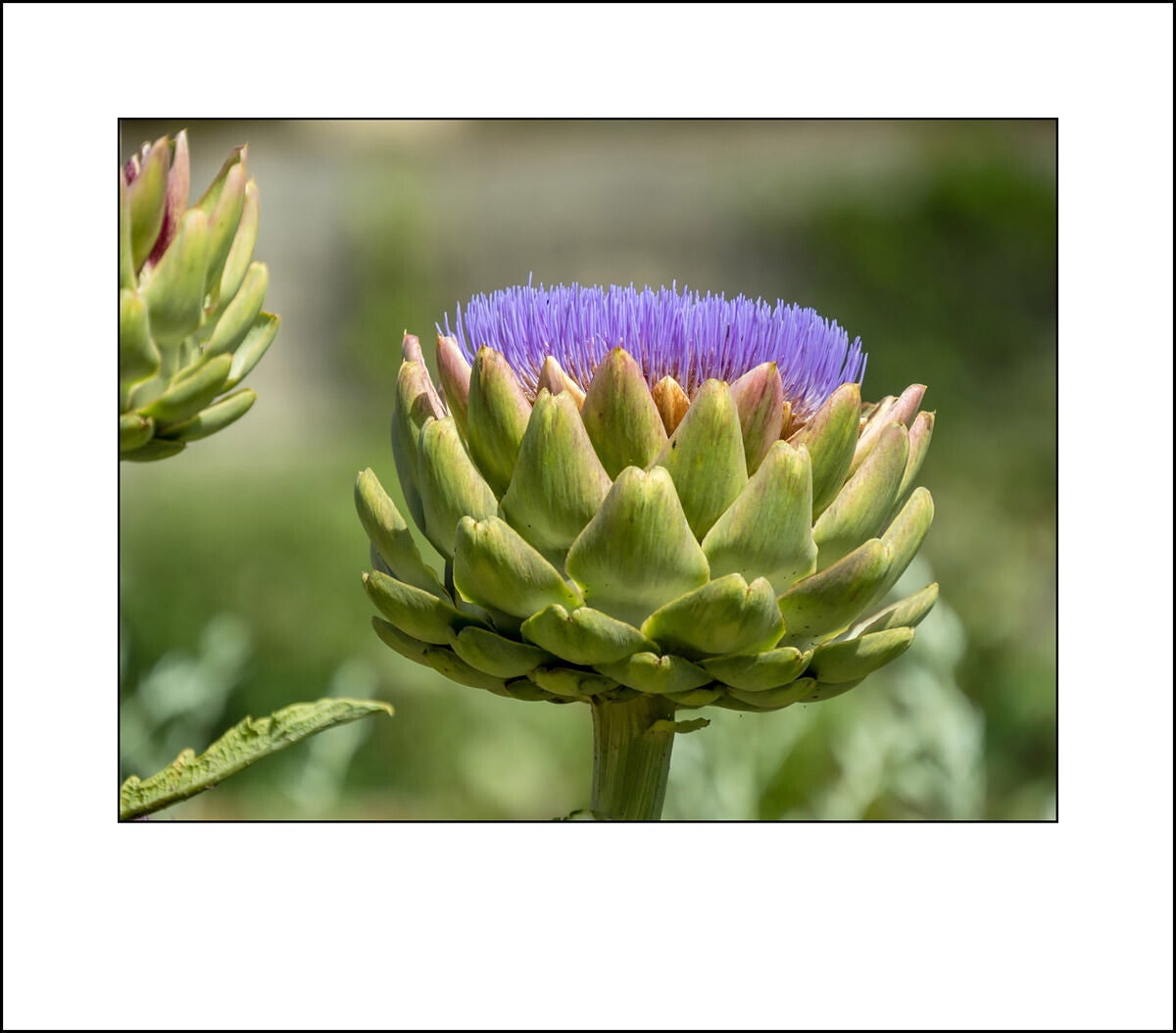
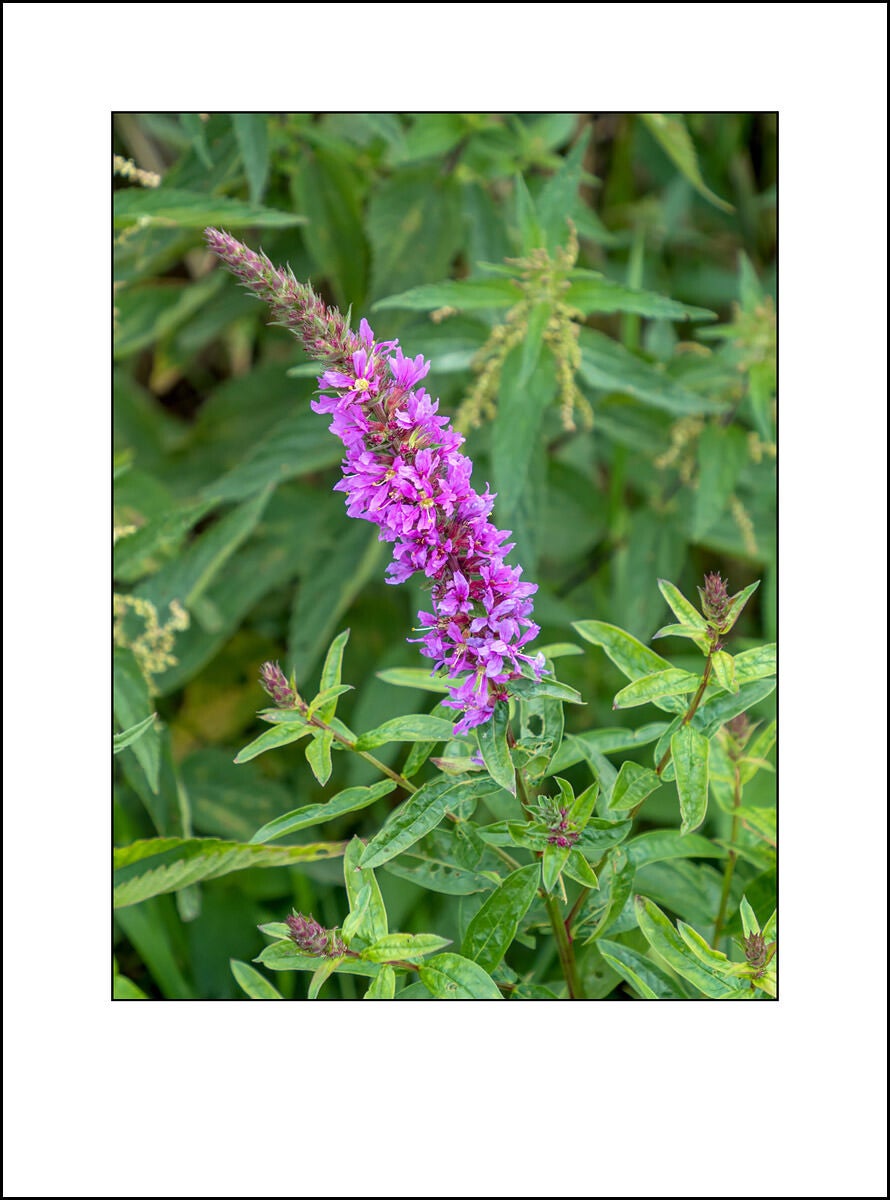
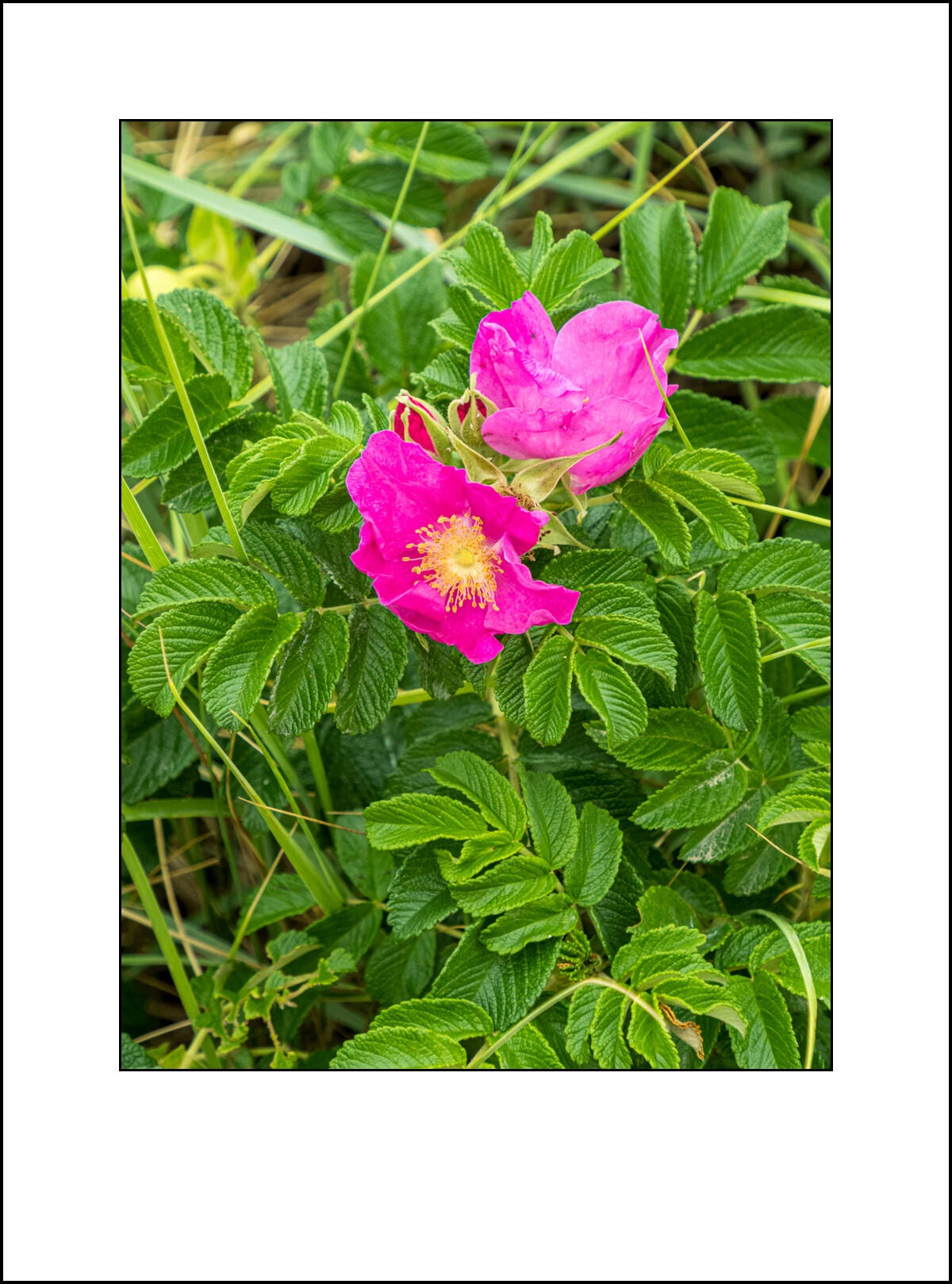
The lens focuses as close as 22cm and offers near-macro magnification, which is handy for flowers, food, and detail shots.
Weaknesses
1. Sharpness drops at long focal lengths
This is the biggest compromise. Reviews consistently report:
-
very good sharpness at 12mm,
-
decent mid-range performance,
-
softer detail above 100mm,
-
visibly weaker corners at 200mm.
If you pixel-peep or print large, you’ll notice the limits.
2. Slow aperture
At the long end you’re limited to f/6.3, so:
-
low-light performance suffers,
-
background blur is limited,
-
you’ll rely heavily on Olympus IBIS or higher ISO.
This is primarily a daylight/travel lens.
3. No optical stabilization
Olympus cameras with strong IBIS handle this well, but Panasonic users without advanced IBIS may notice more shake at 400mm equivalent.
Real-world opinion
Community feedback is actually fairly positive once expectations are realistic. Many users describe it as:
-
“acceptably sharp,”
-
“great walk-around lens,”
-
ideal for travel convenience.
The criticism mostly comes from photographers comparing it to premium lenses like the:
-
Olympus M.Zuiko 12-100mm f/4 PRO
-
Olympus M.Zuiko 12-40mm f/2.8 PRO
Those lenses are clearly sharper, brighter, and better optically — but they lose the extreme zoom range.
Who should buy it?
This lens is excellent for:
-
travel photographers,
-
hikers,
-
casual wildlife shooters,
-
family/documentary use,
-
people who hate changing lenses.
It is less ideal for:
-
professional work,
-
low-light shooting,
-
sports indoors,
-
maximum image quality,
-
heavy cropping.
Verdict
The Olympus 12-200mm is best understood as a convenience-first superzoom. It sacrifices some optical perfection in exchange for carrying one weather-sealed lens that can handle nearly anything.
If your priority is:
-
one-lens simplicity → it’s excellent.
-
best image quality → look elsewhere.
-
travel flexibility with low weight → one of the best MFT options available.
For many Micro Four Thirds users, it’s the lens that actually gets carried and used — and that matters more than lab-chart perfection.

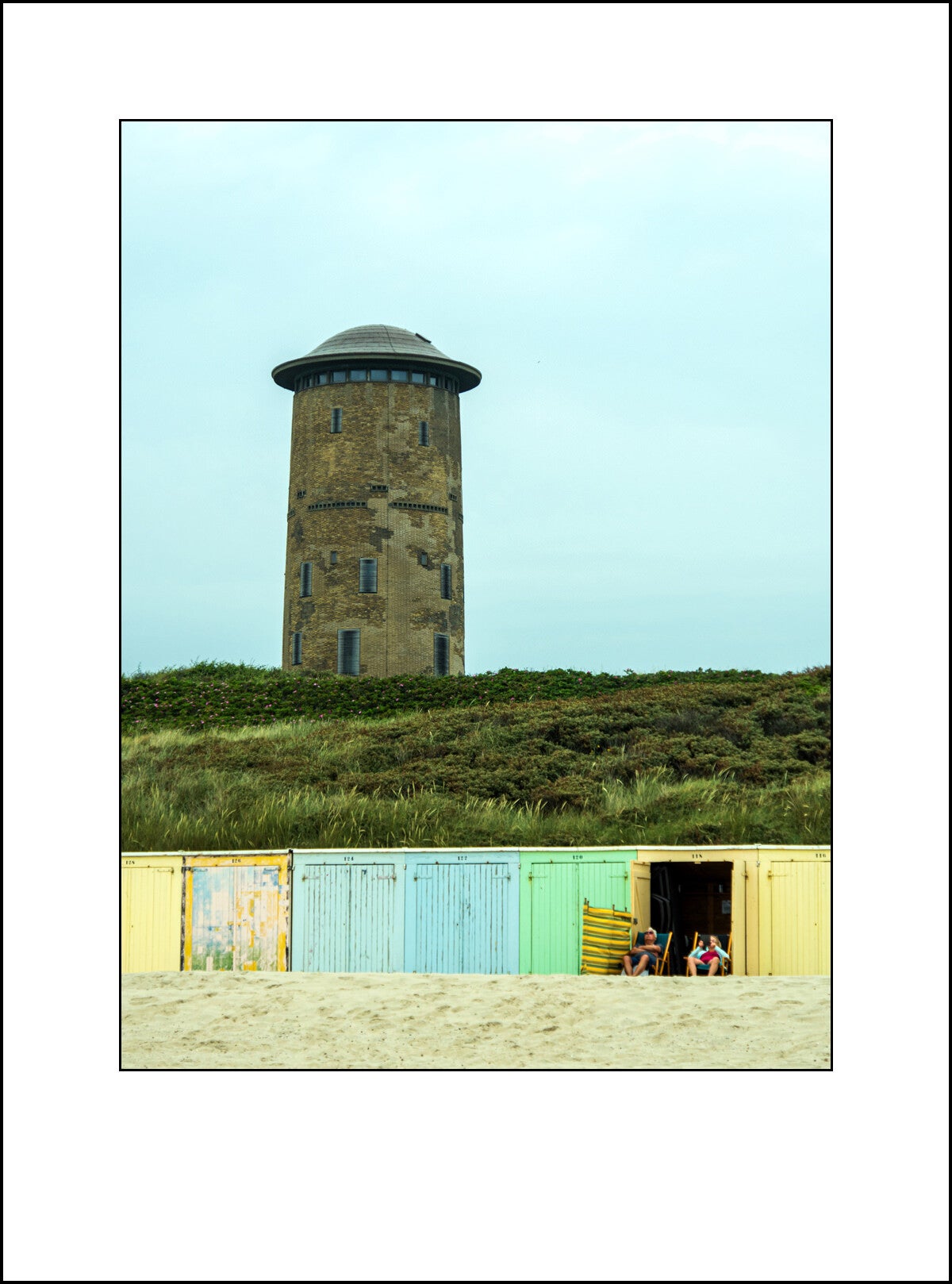
Olympus M.Zuiko Digital ED 12-200mm f3.5-6.3
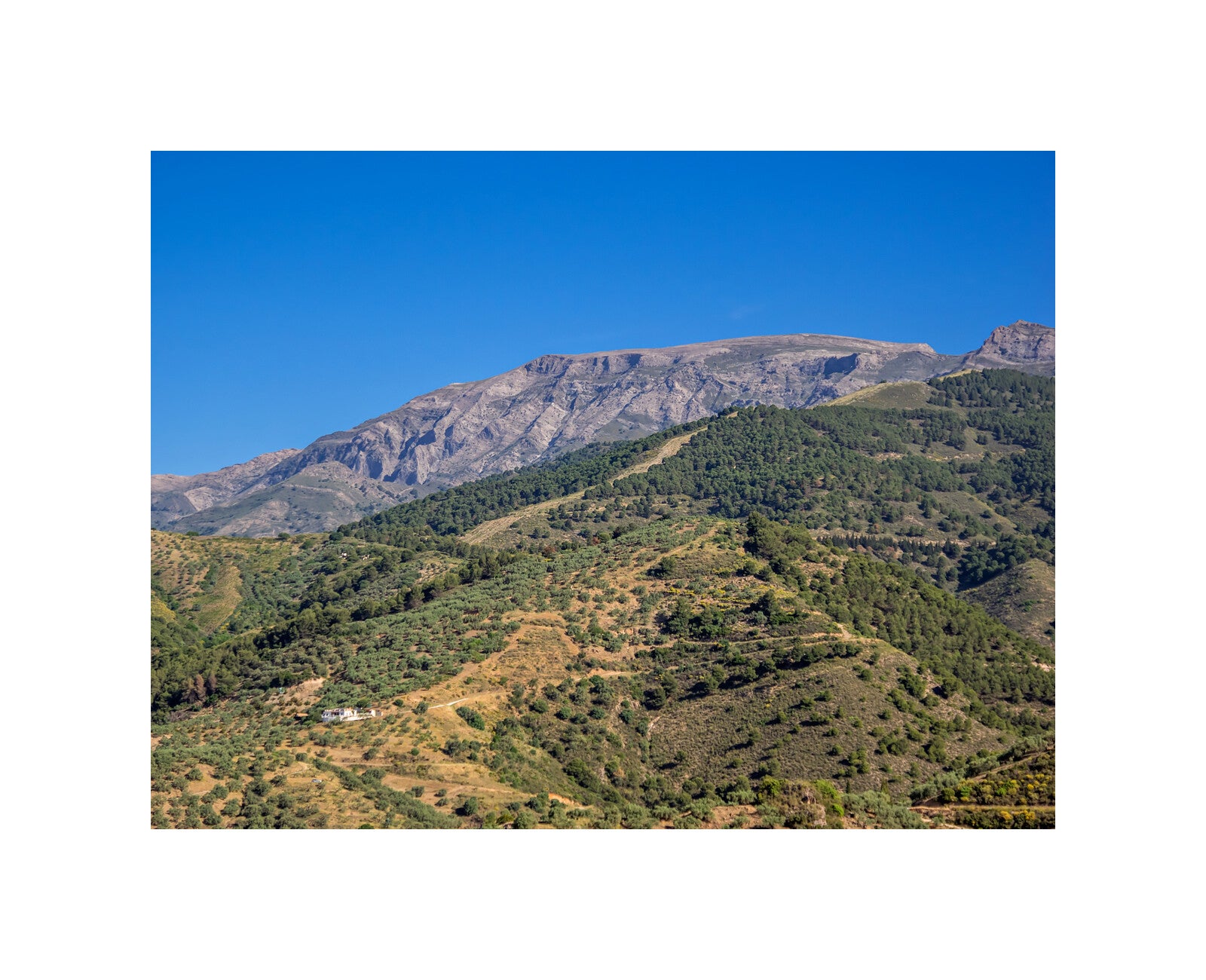
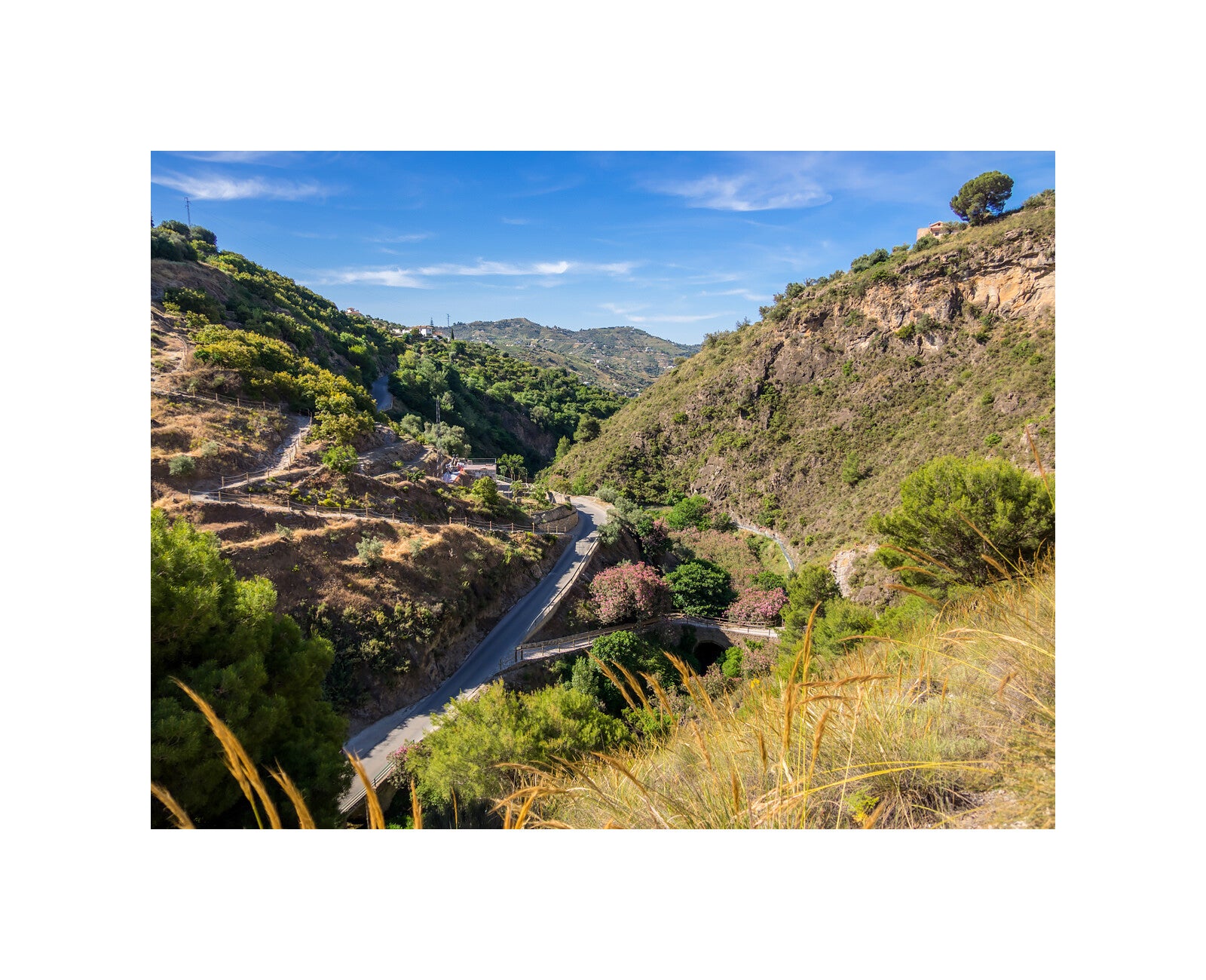
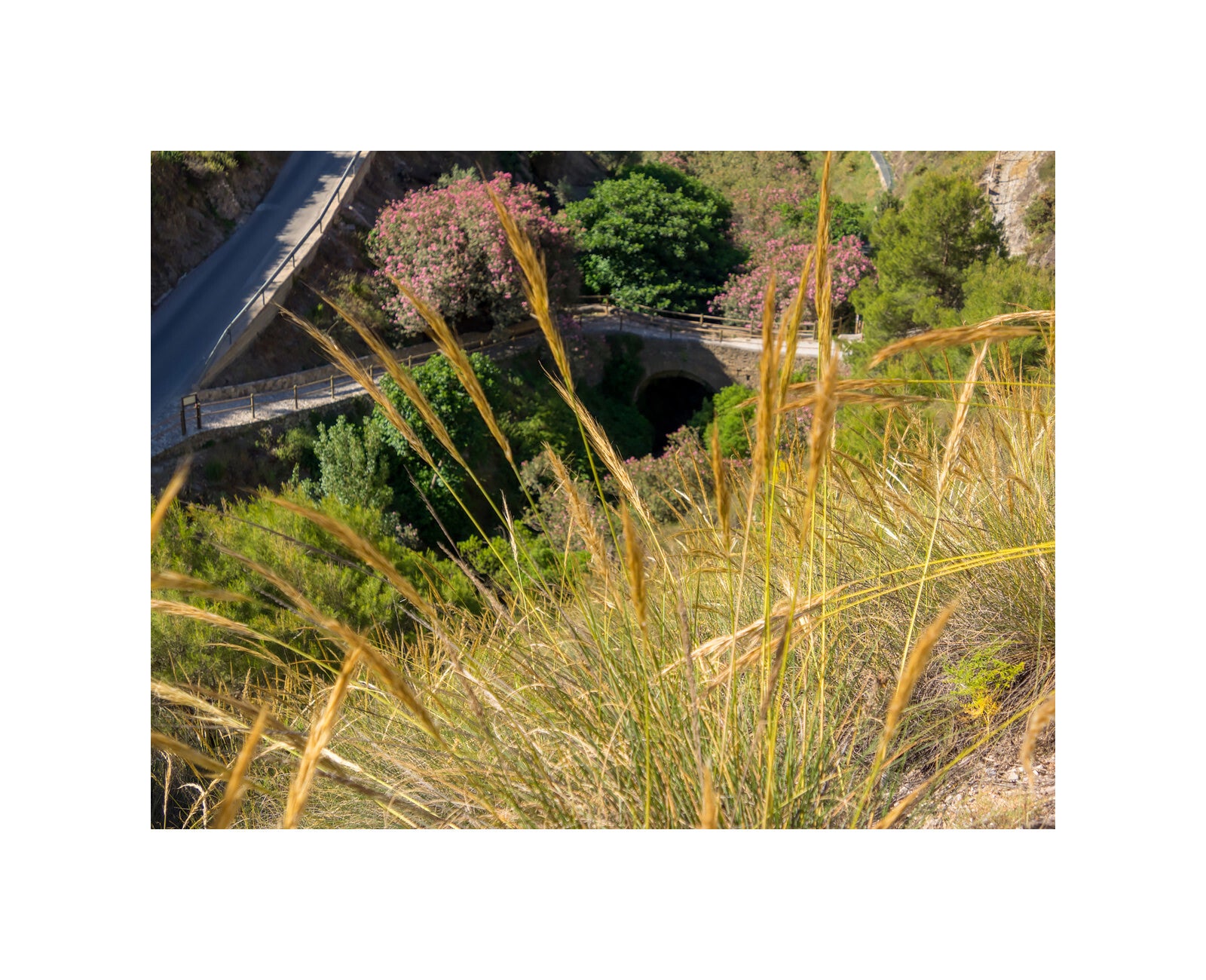
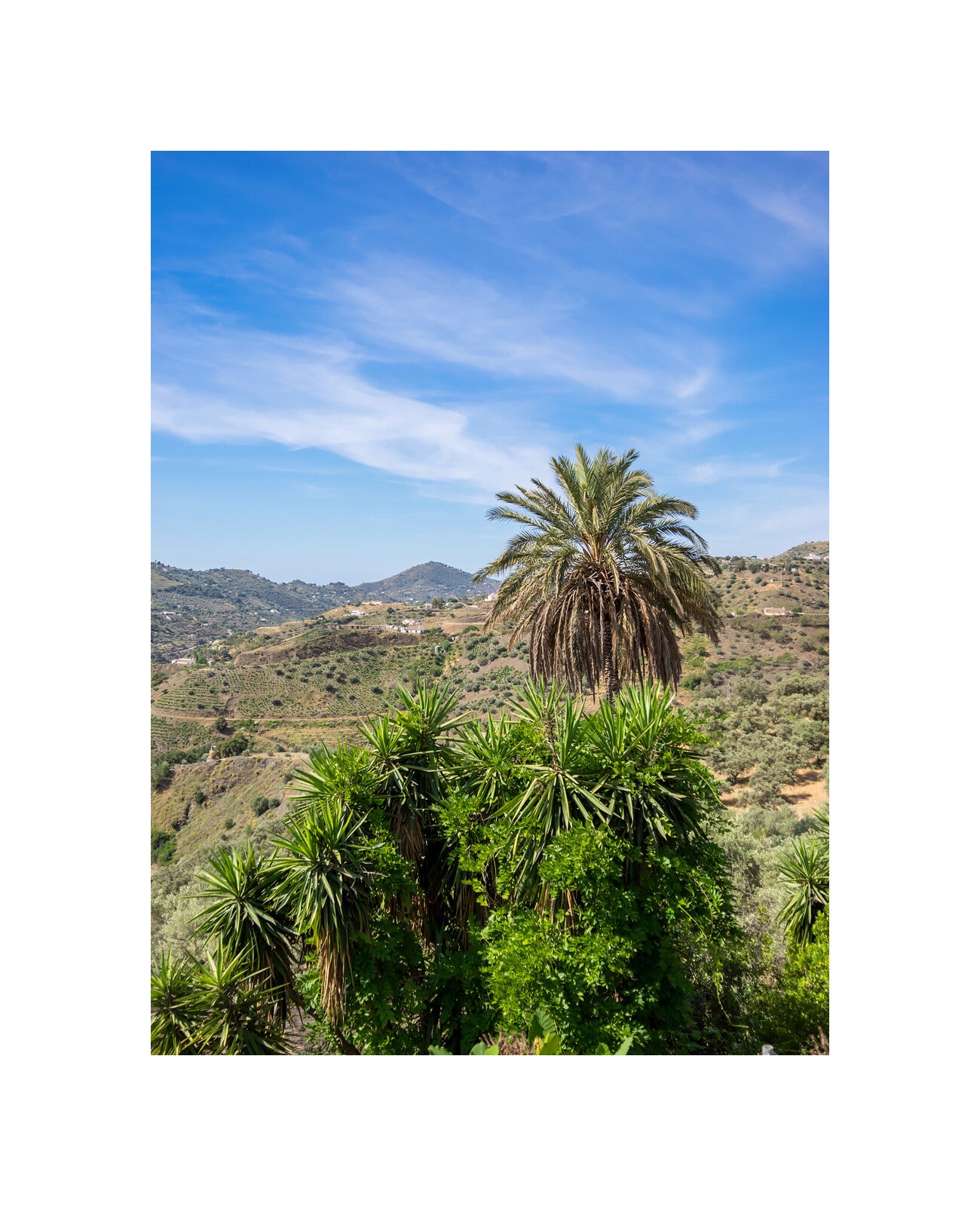
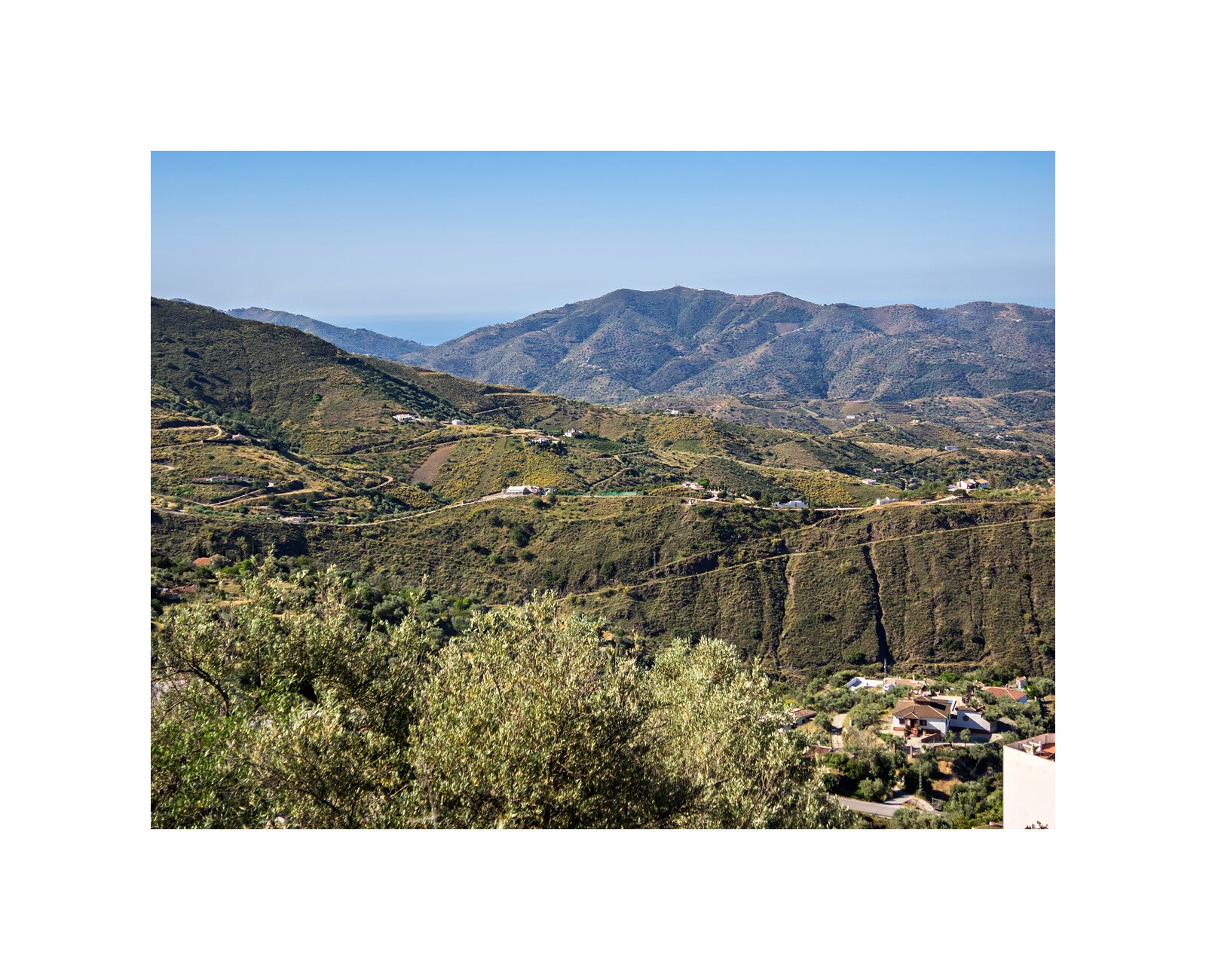
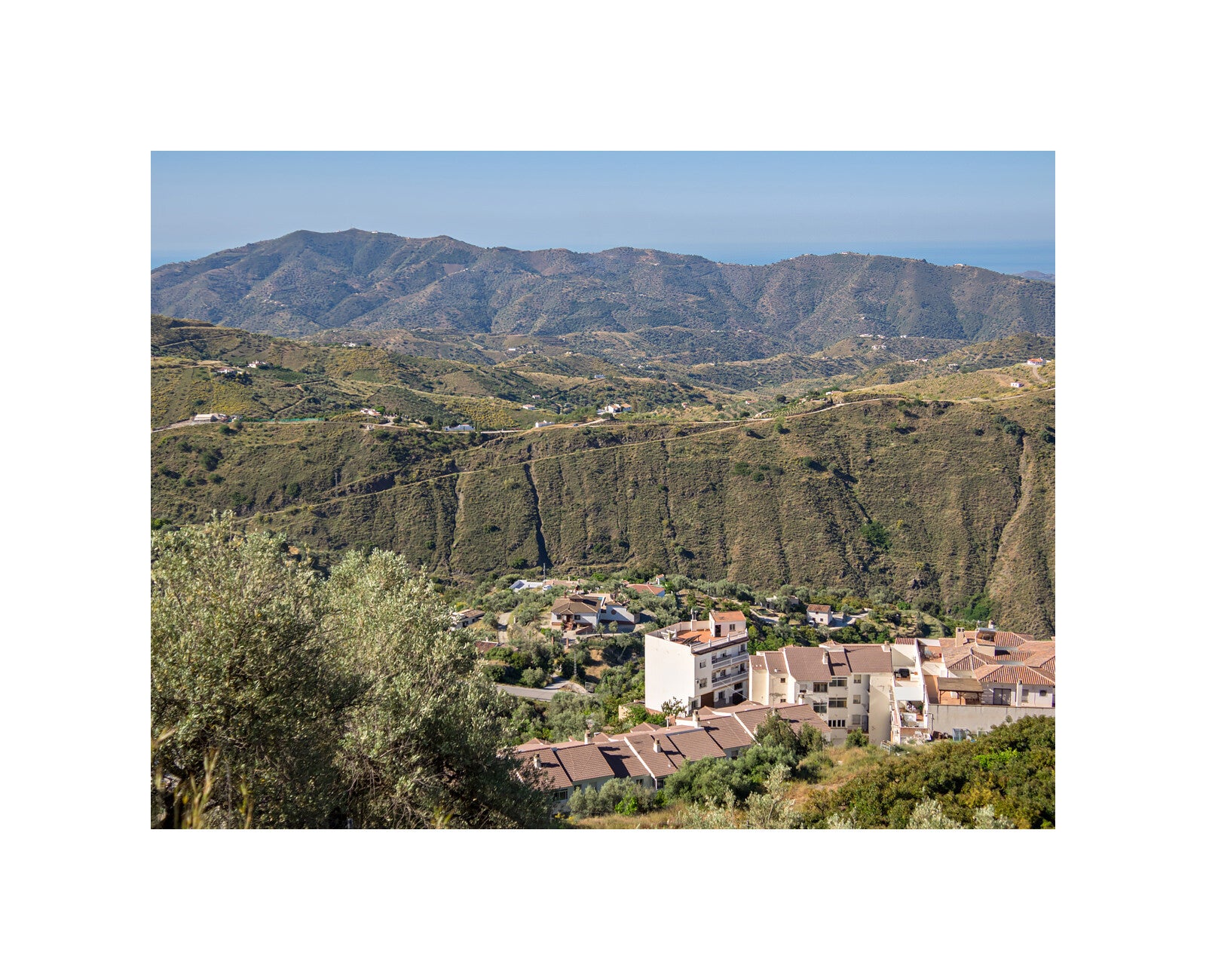
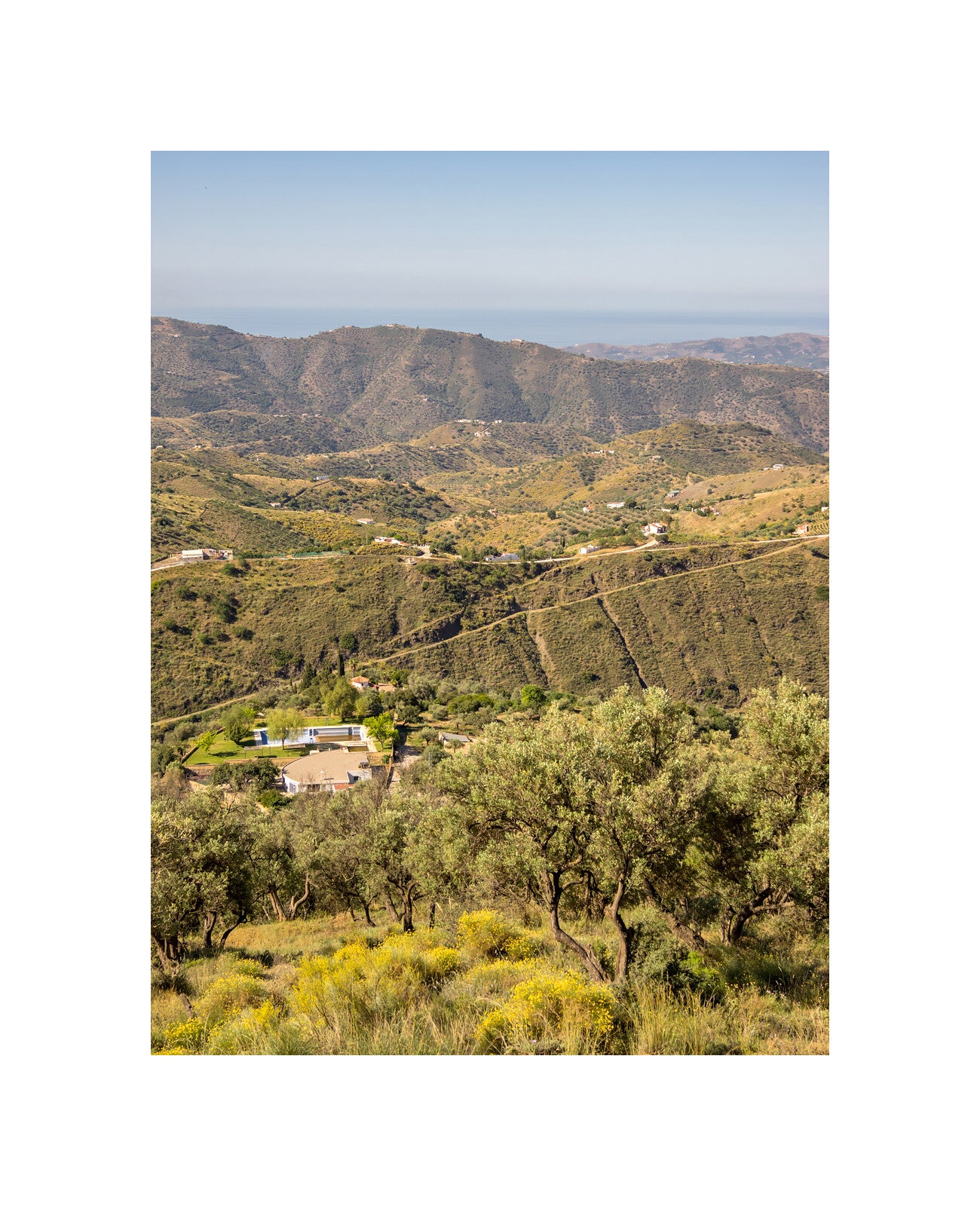
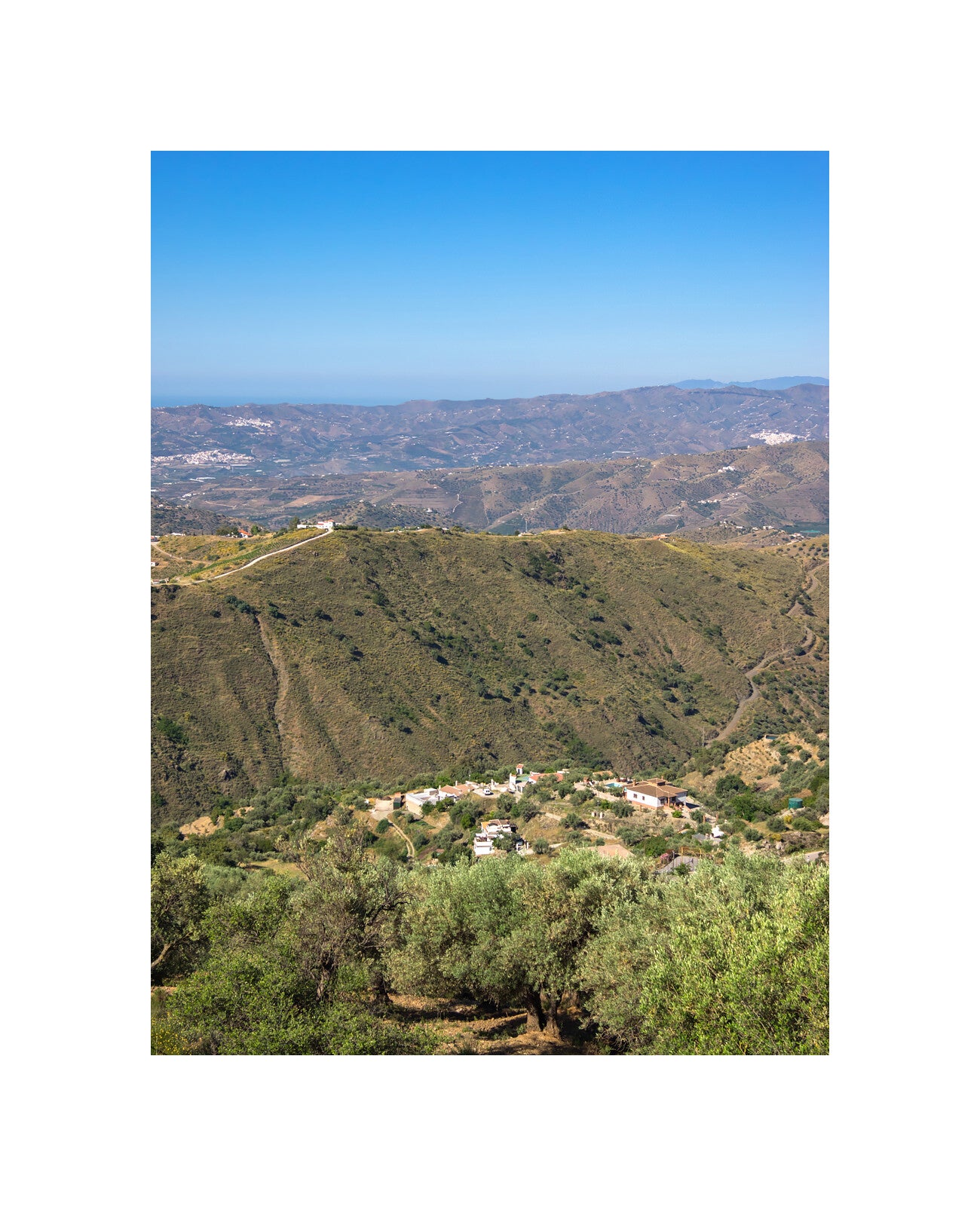
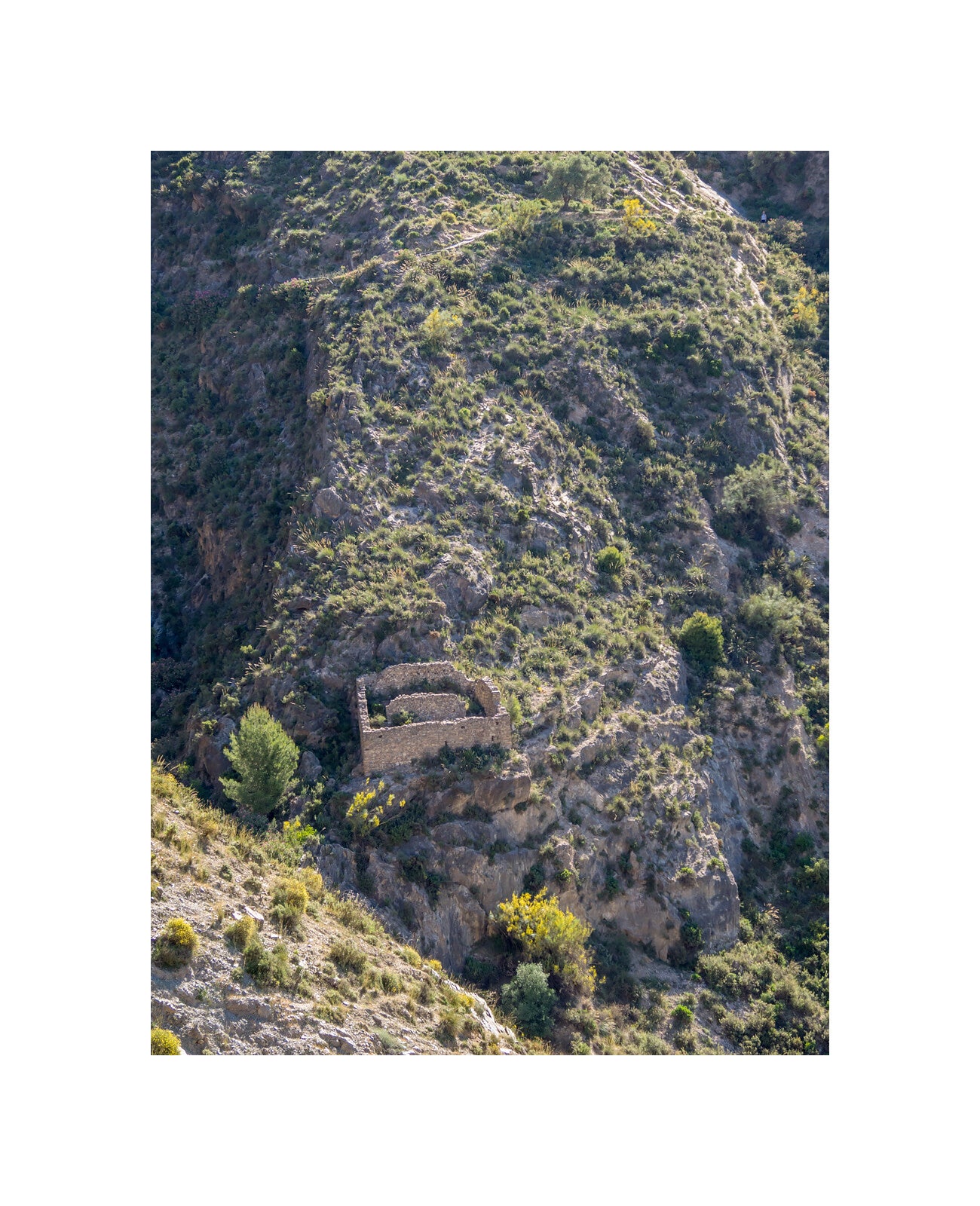
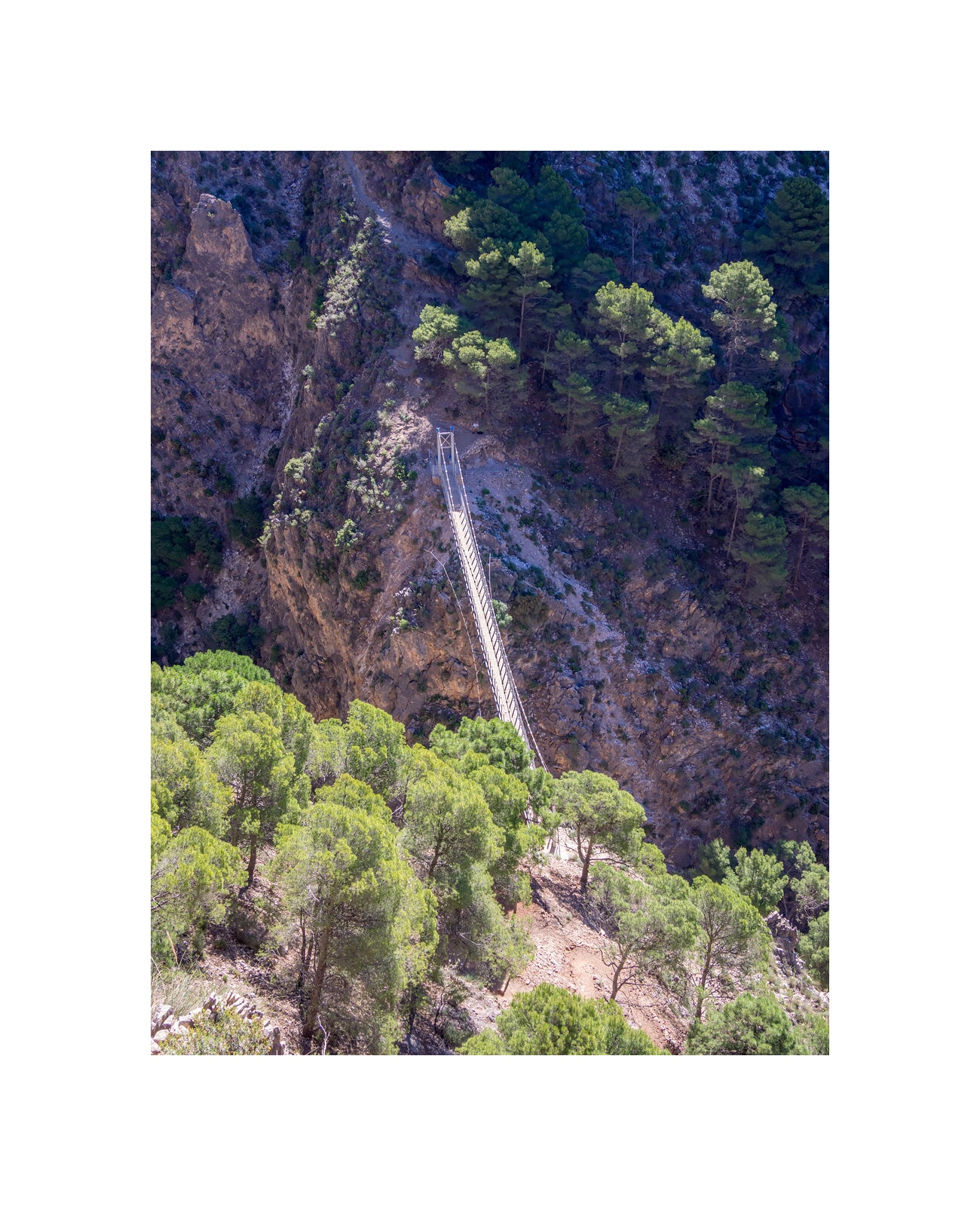
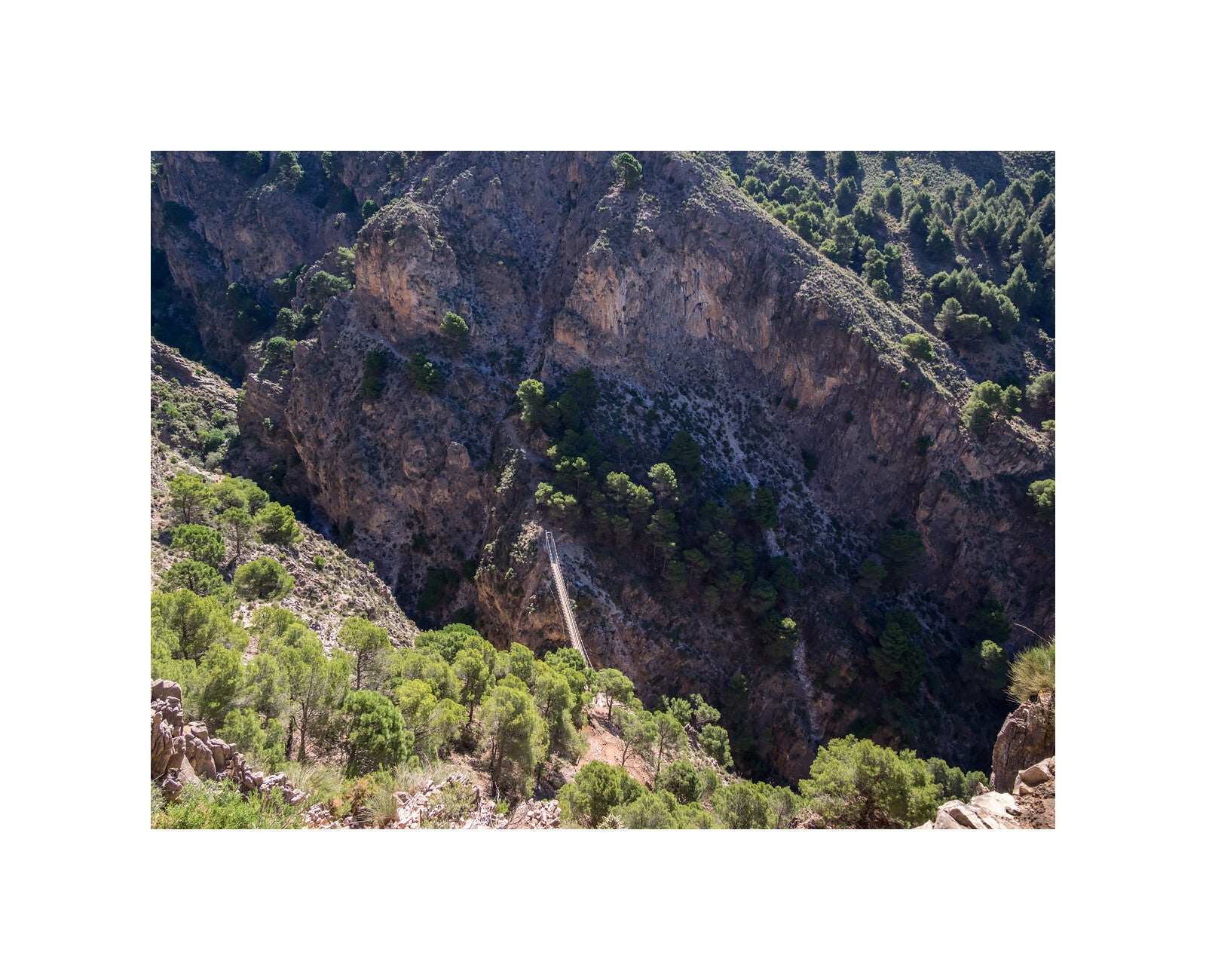
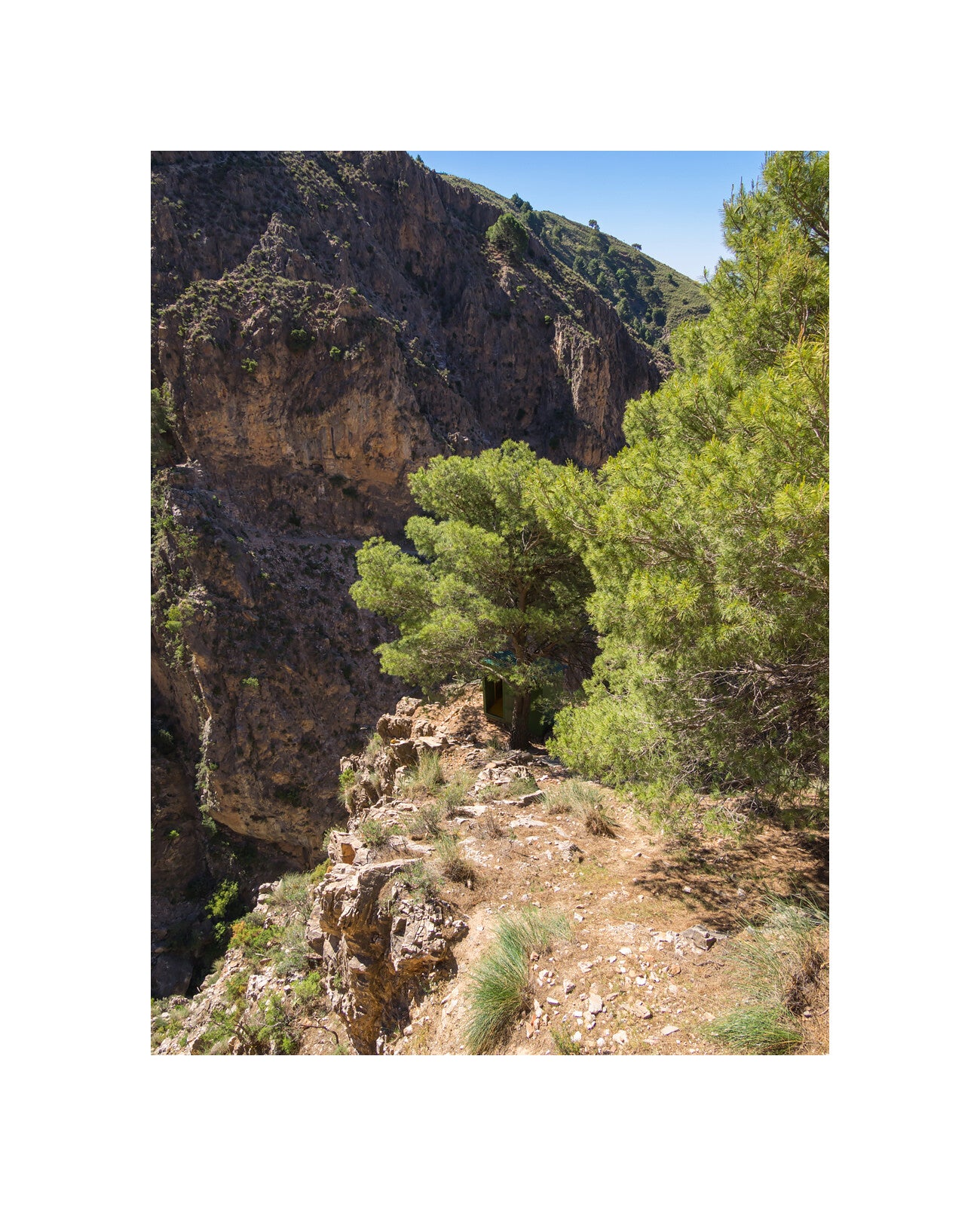
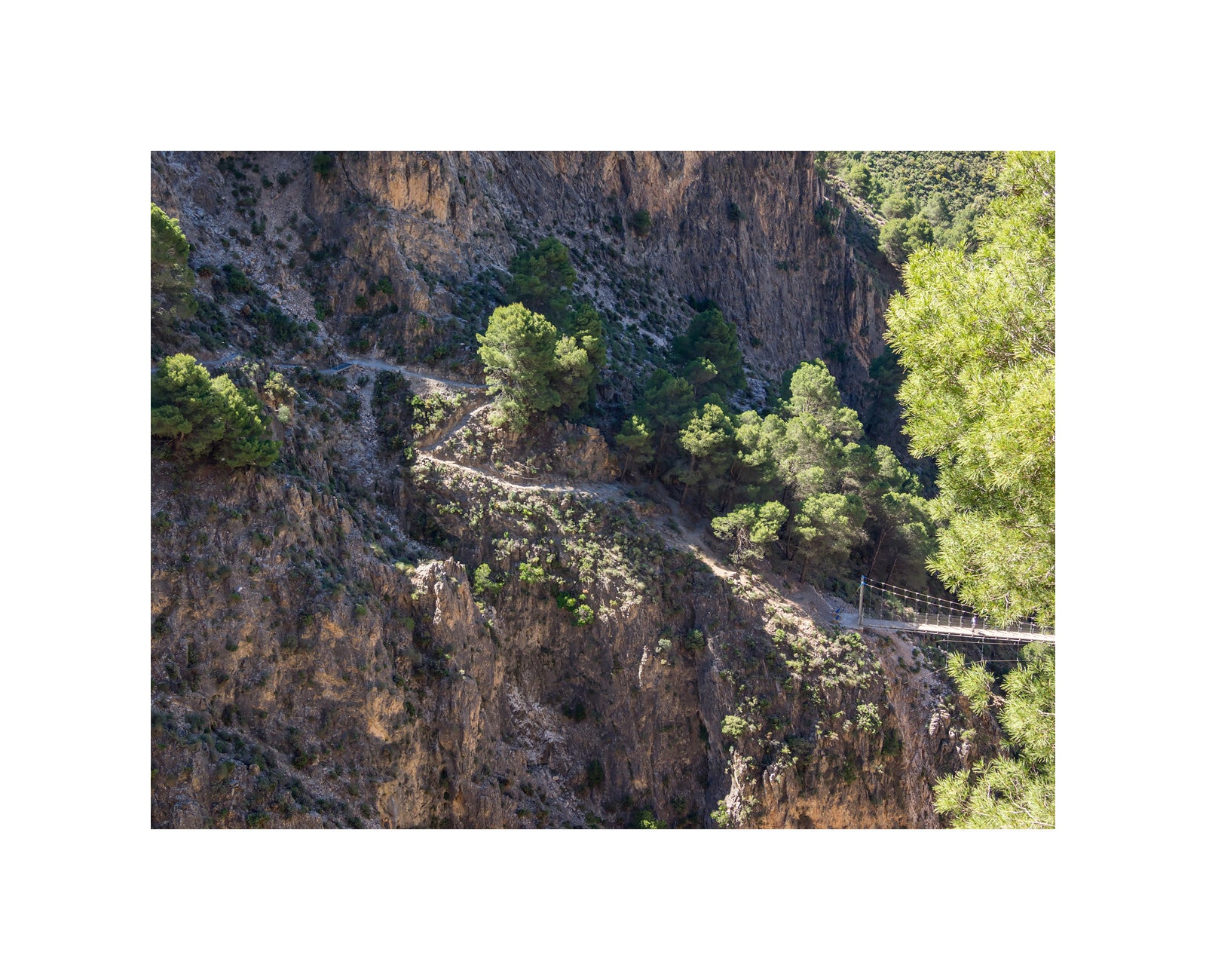
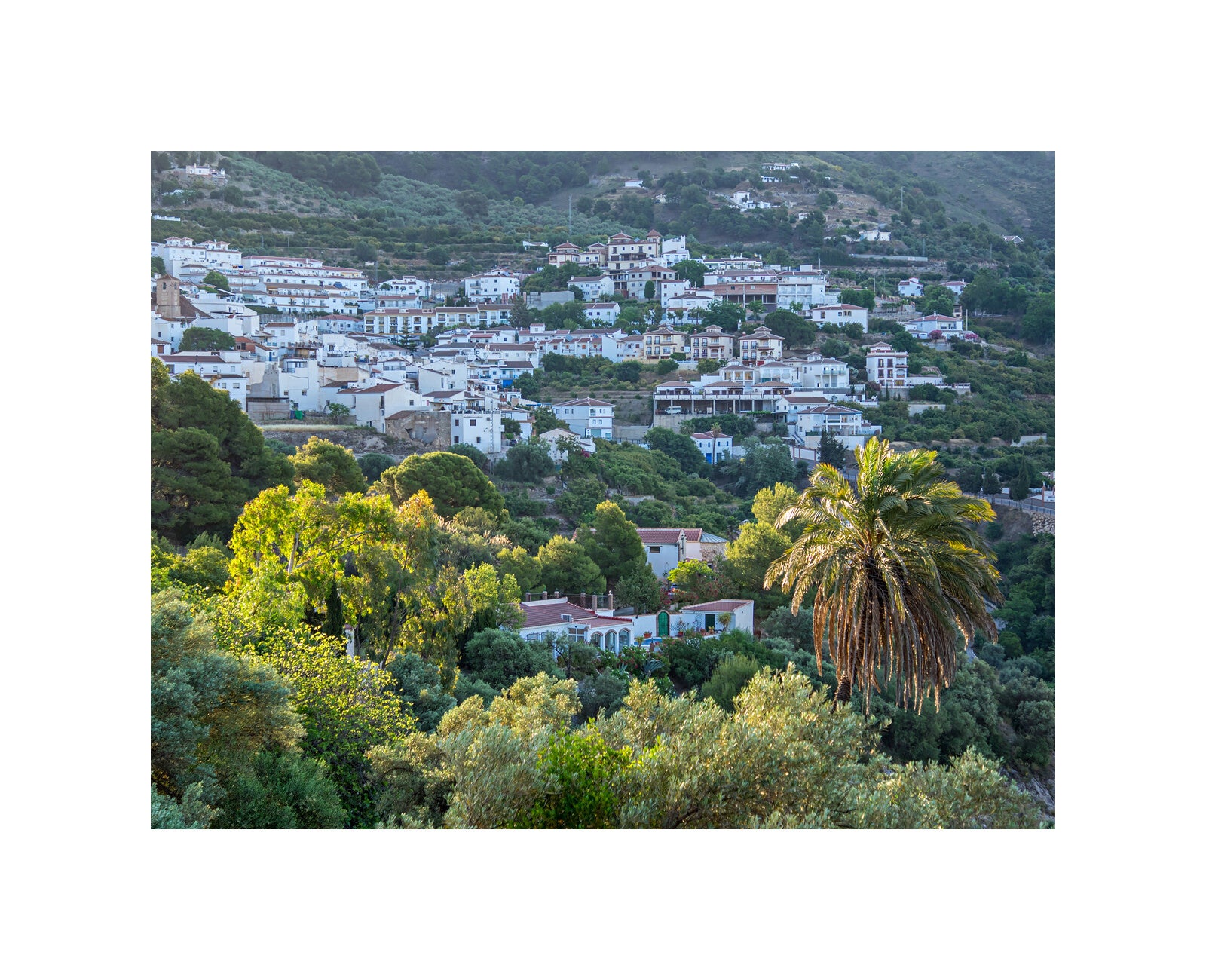
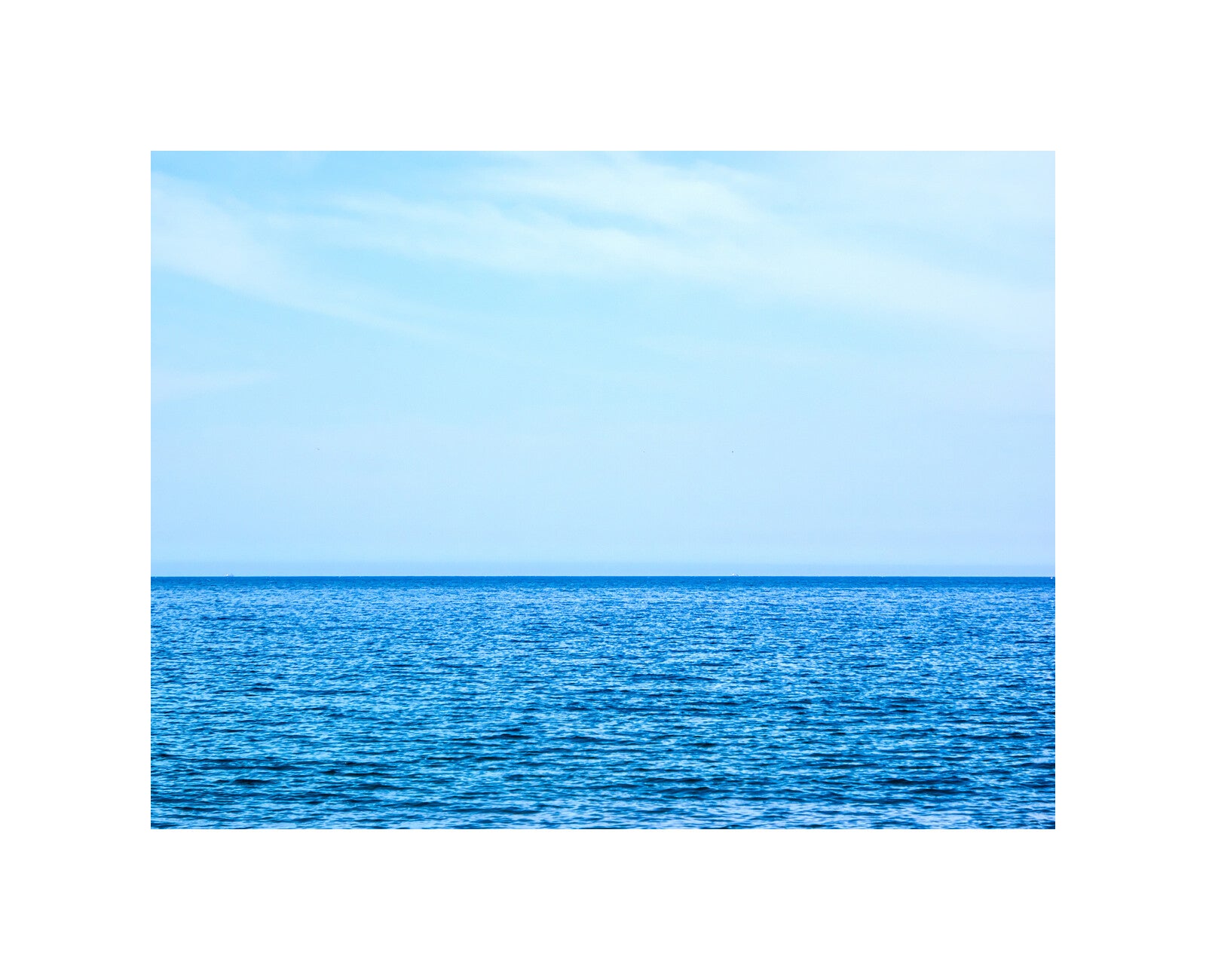
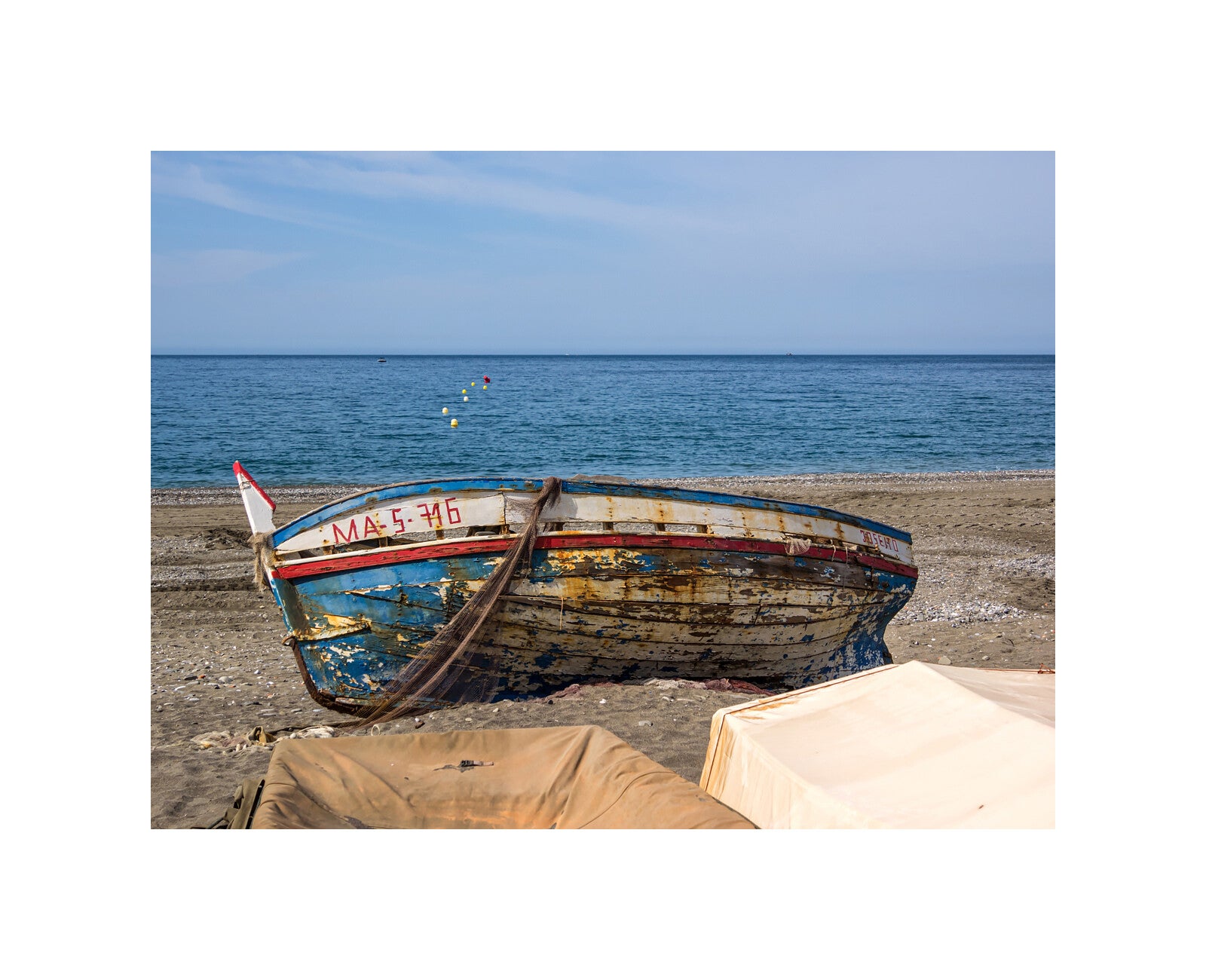
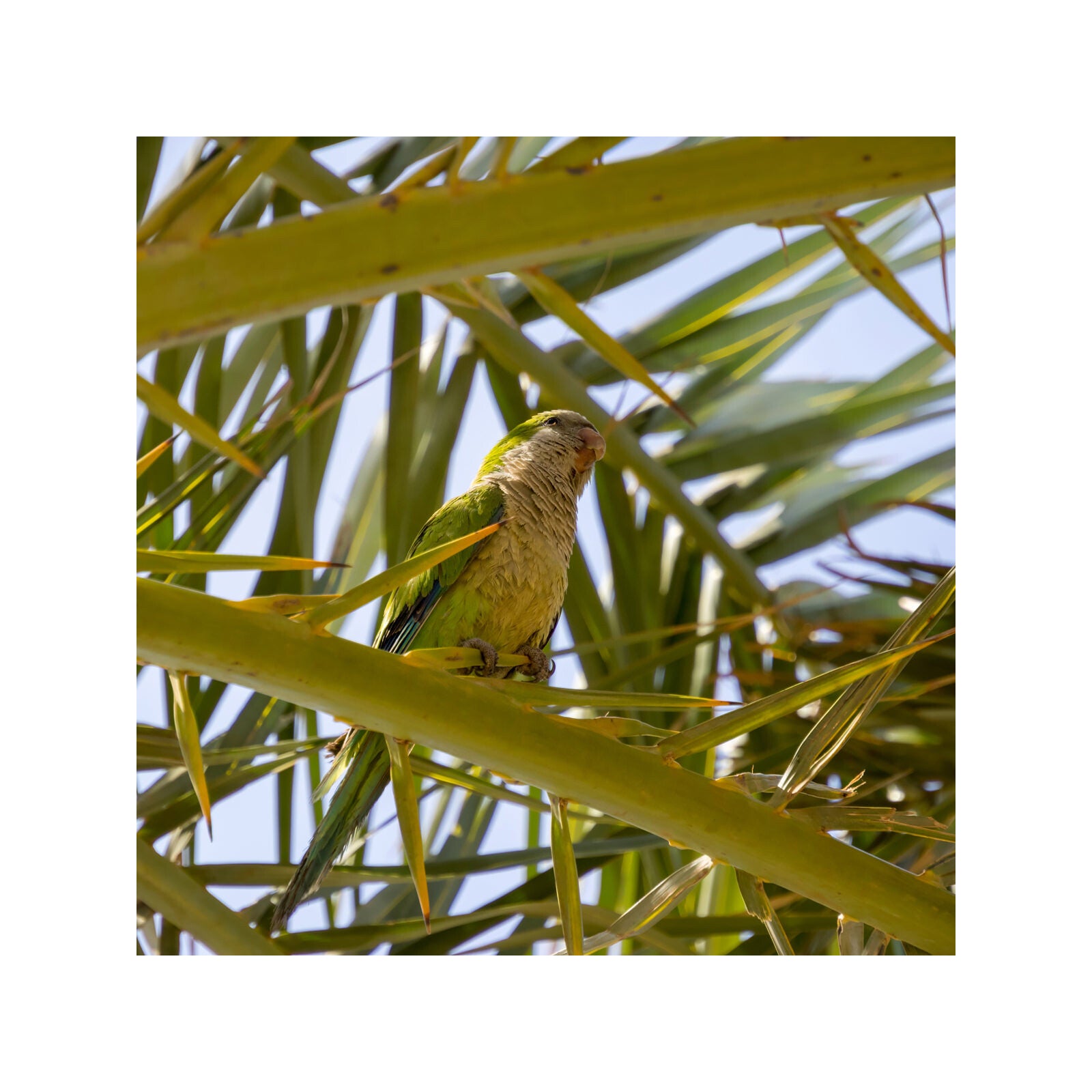
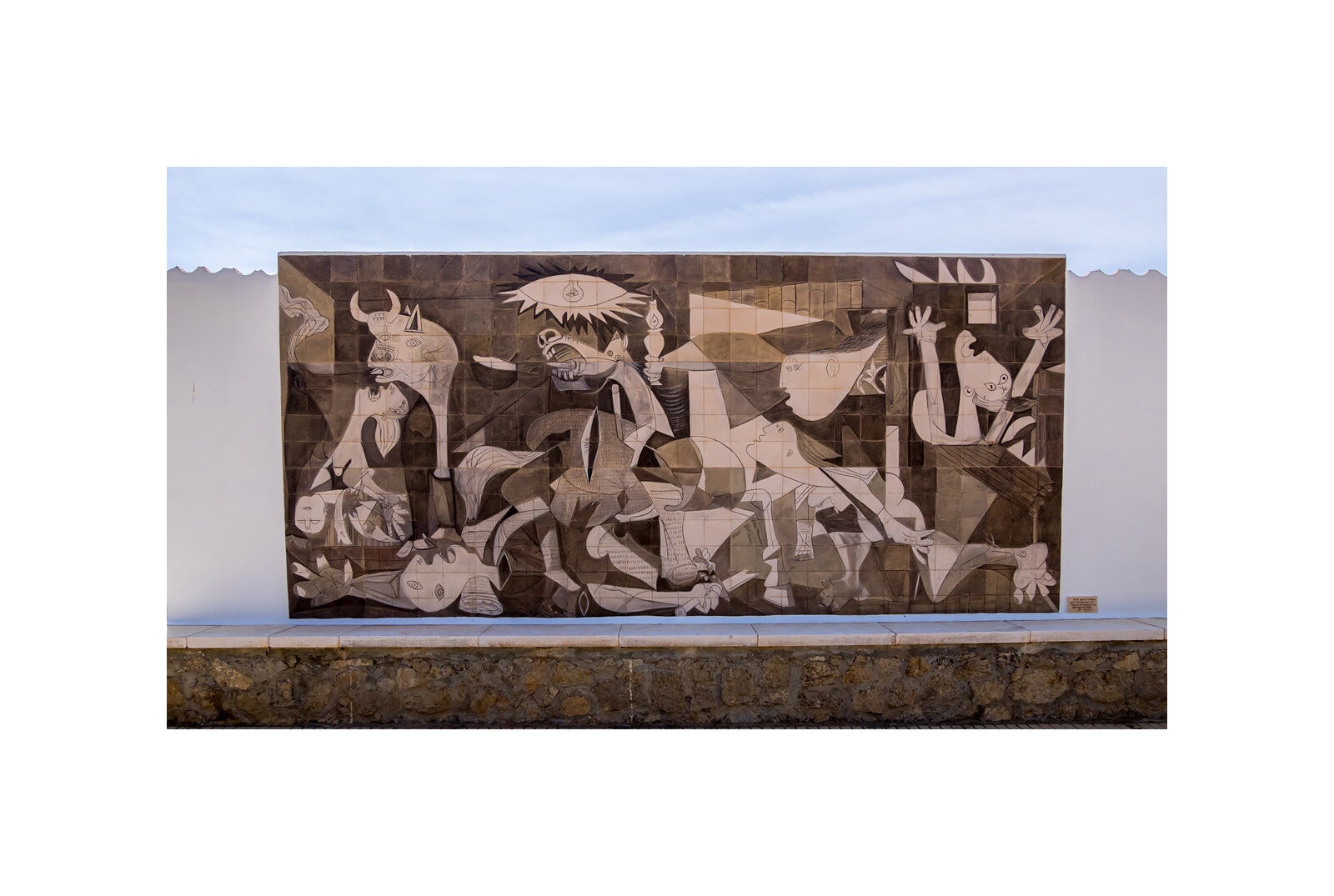
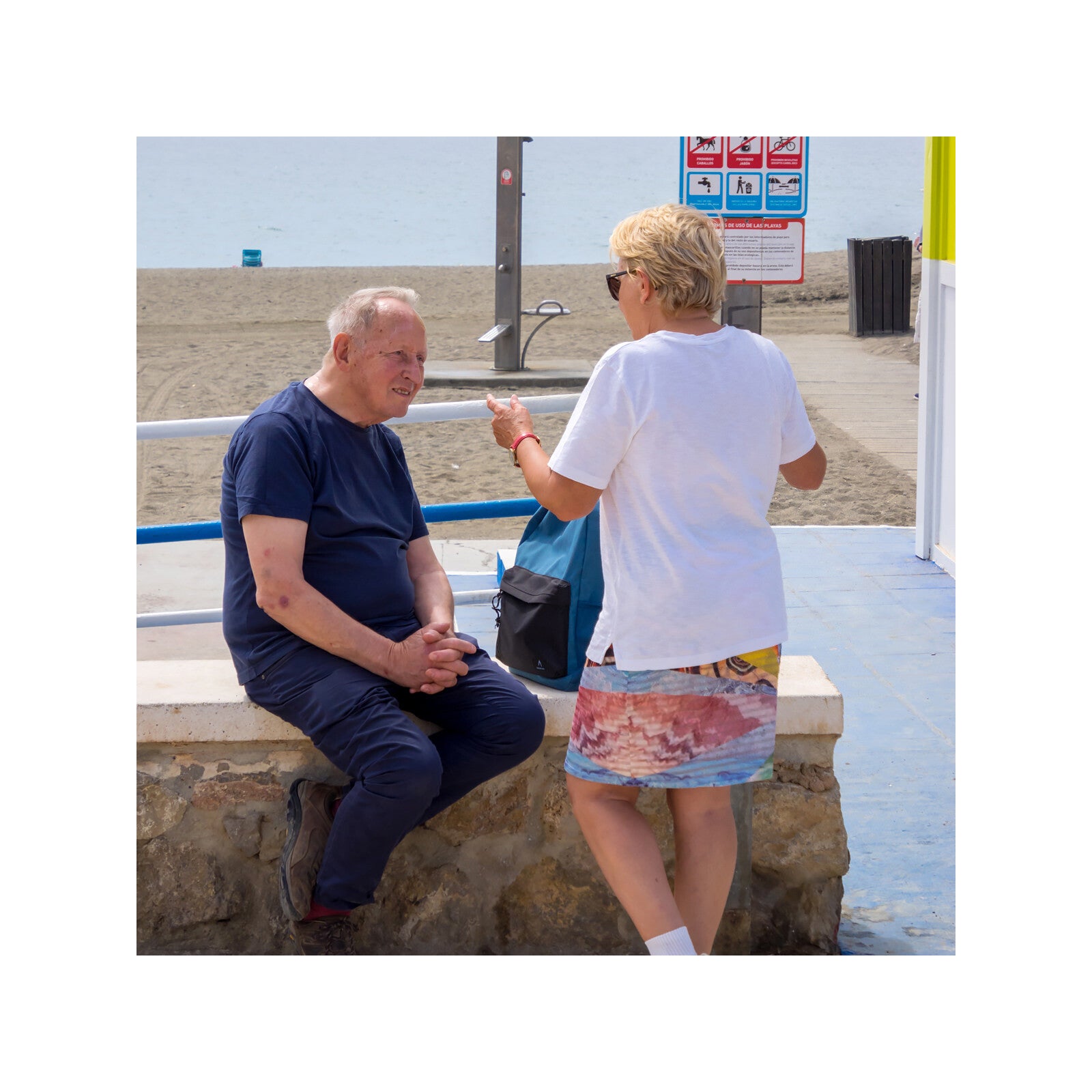
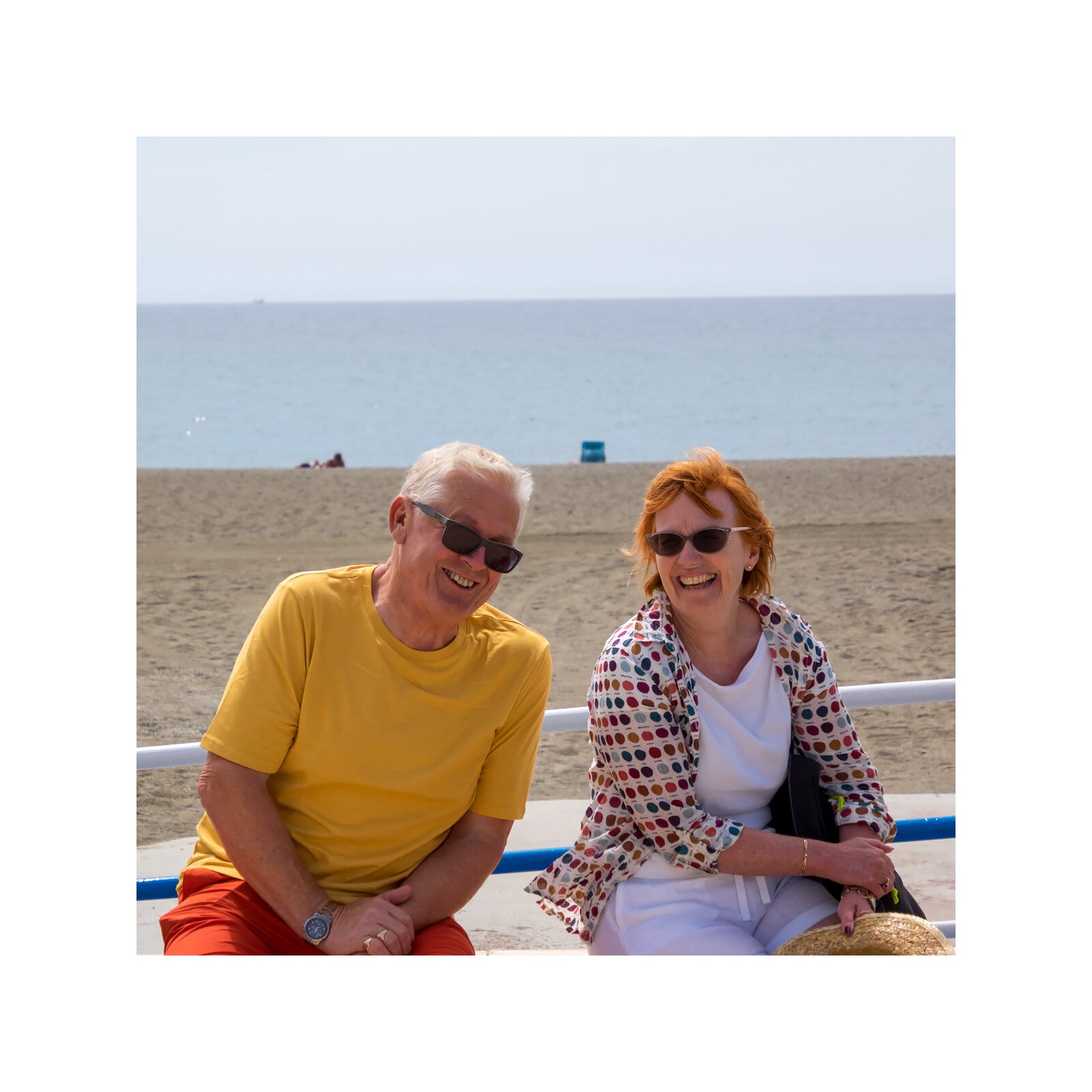
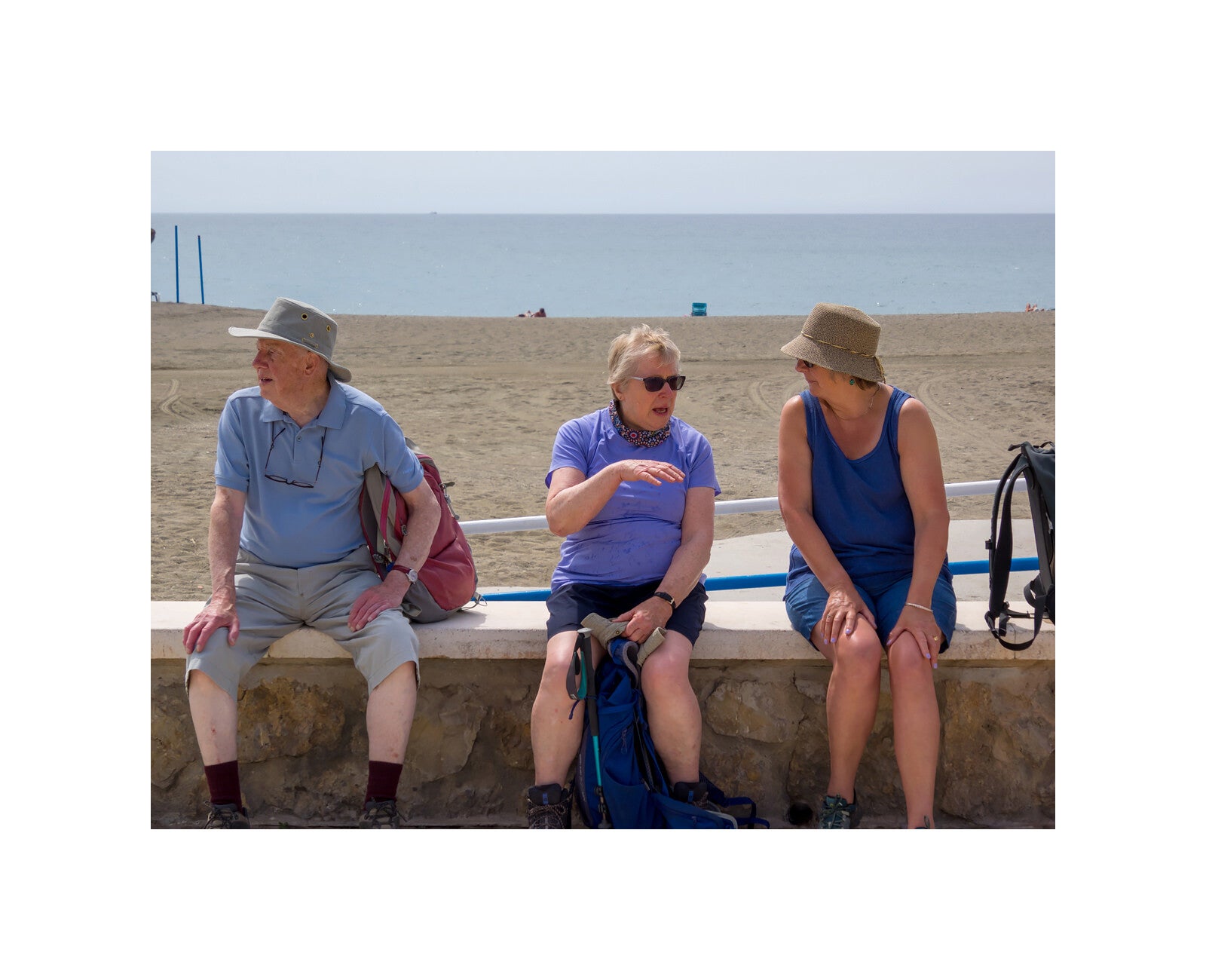
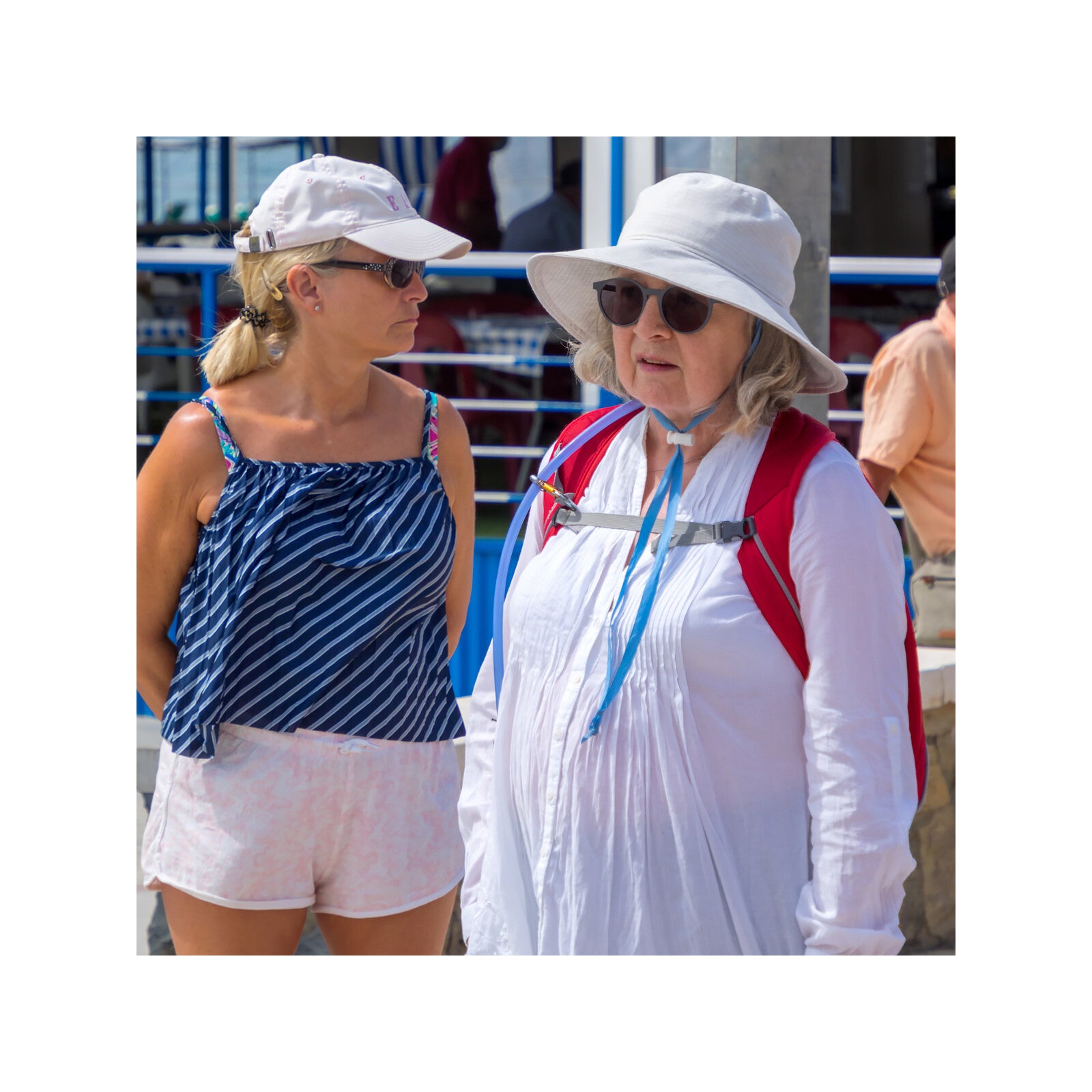
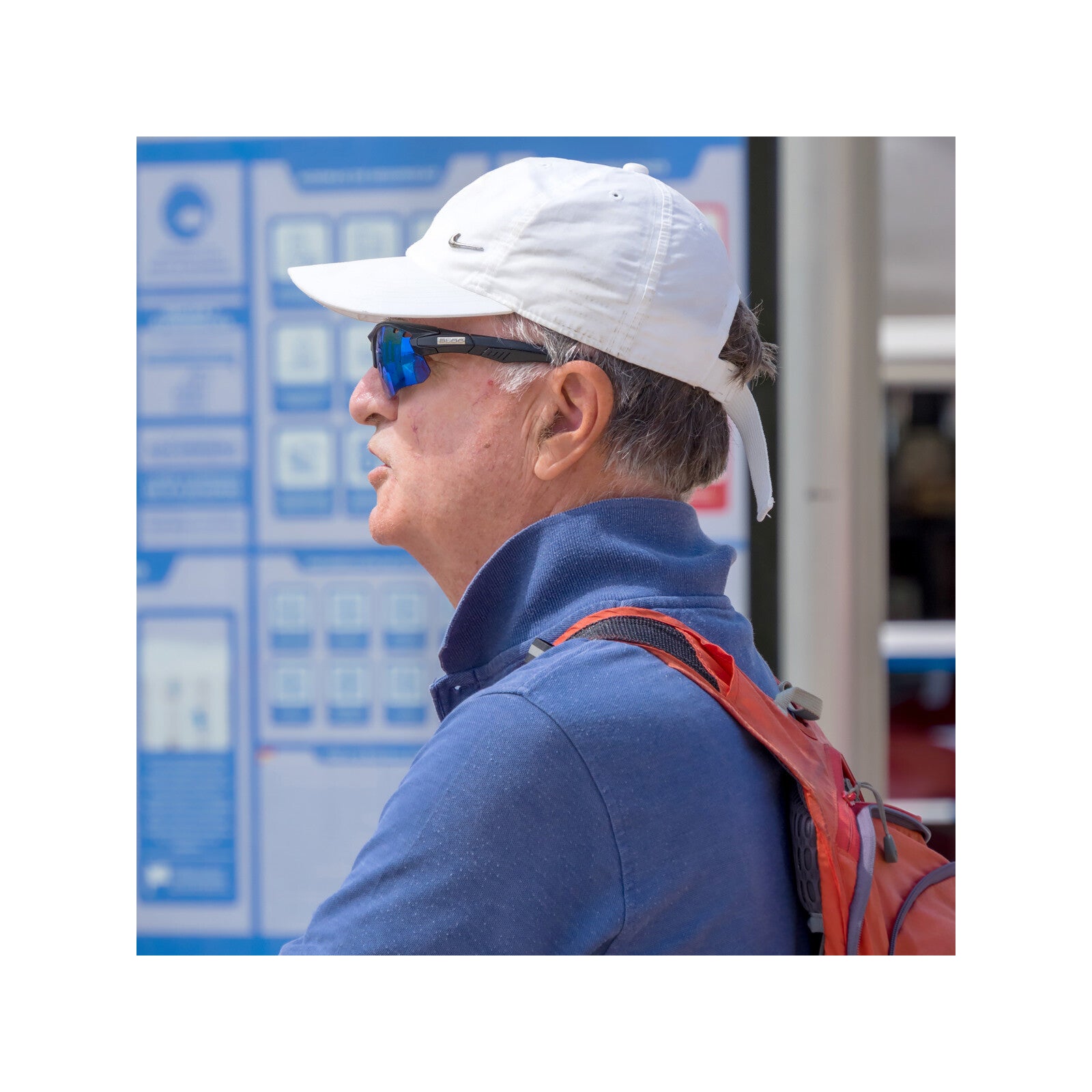
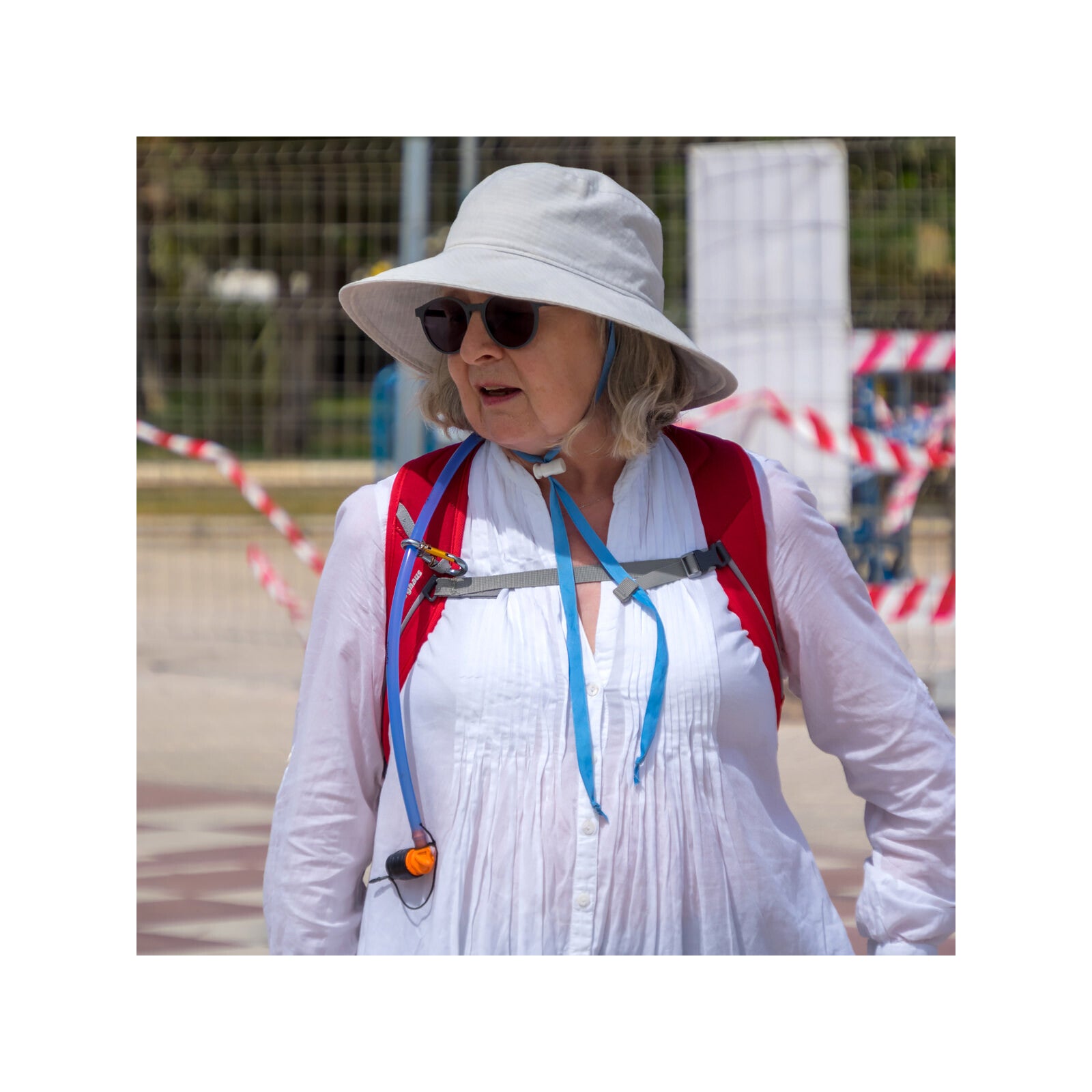
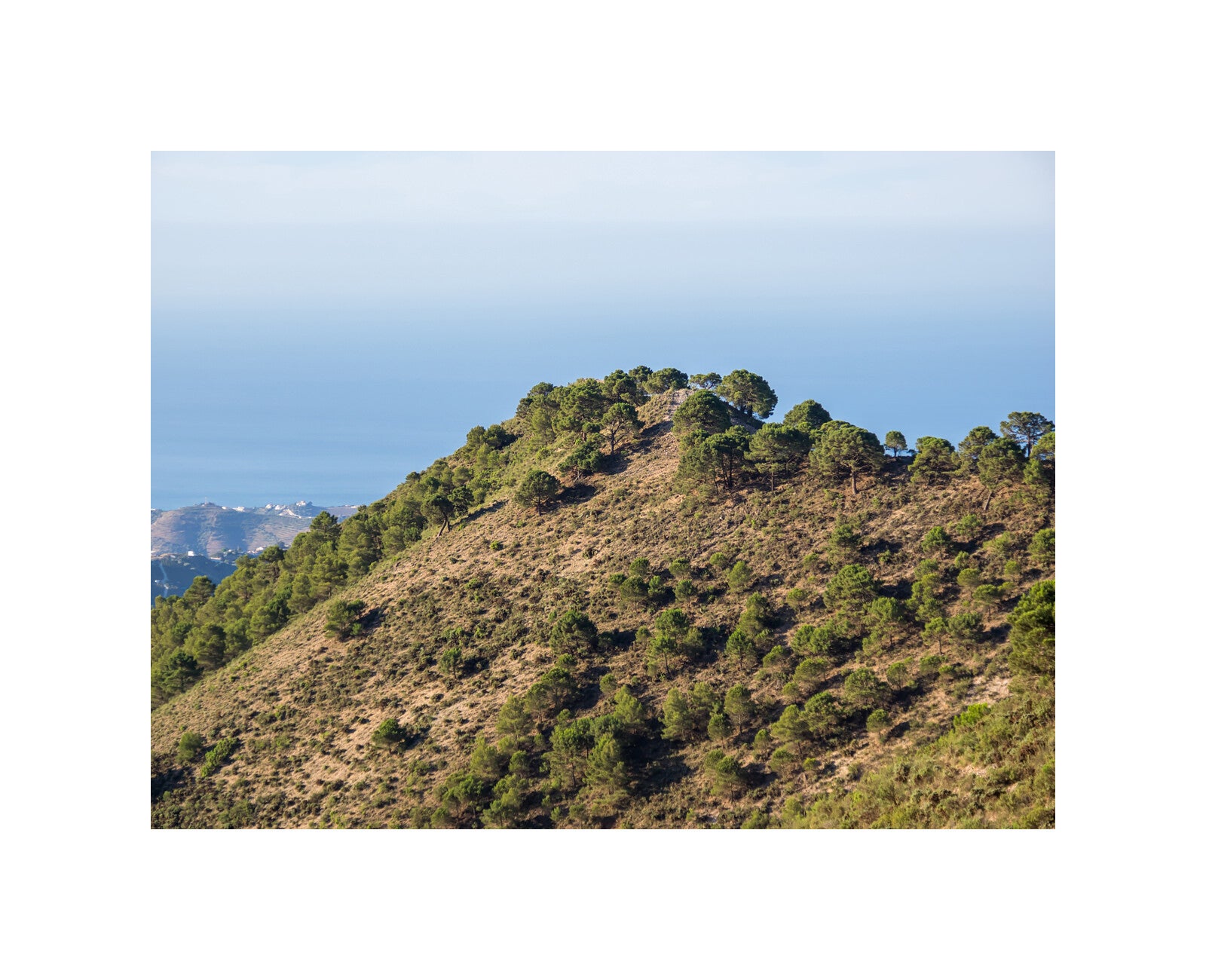
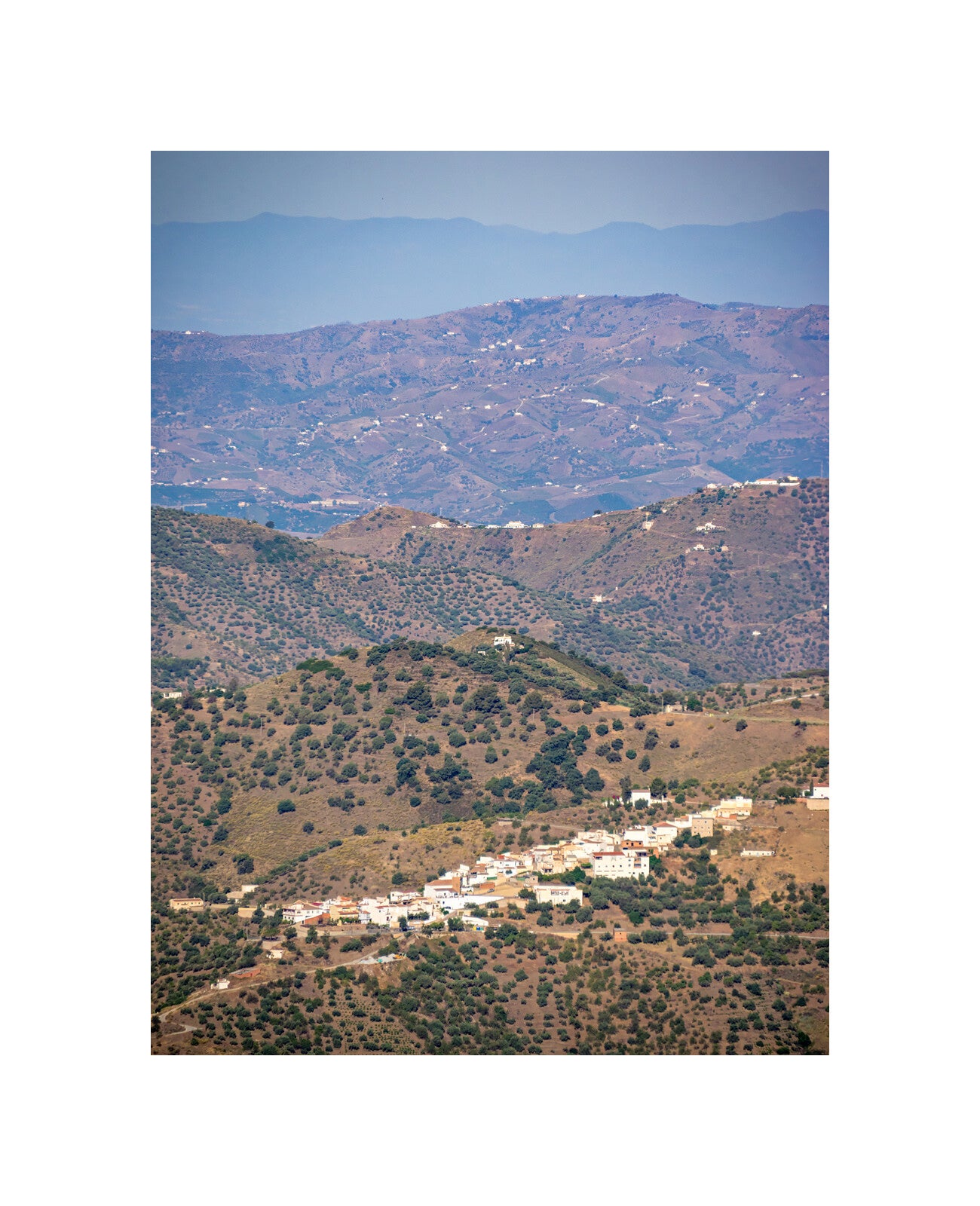
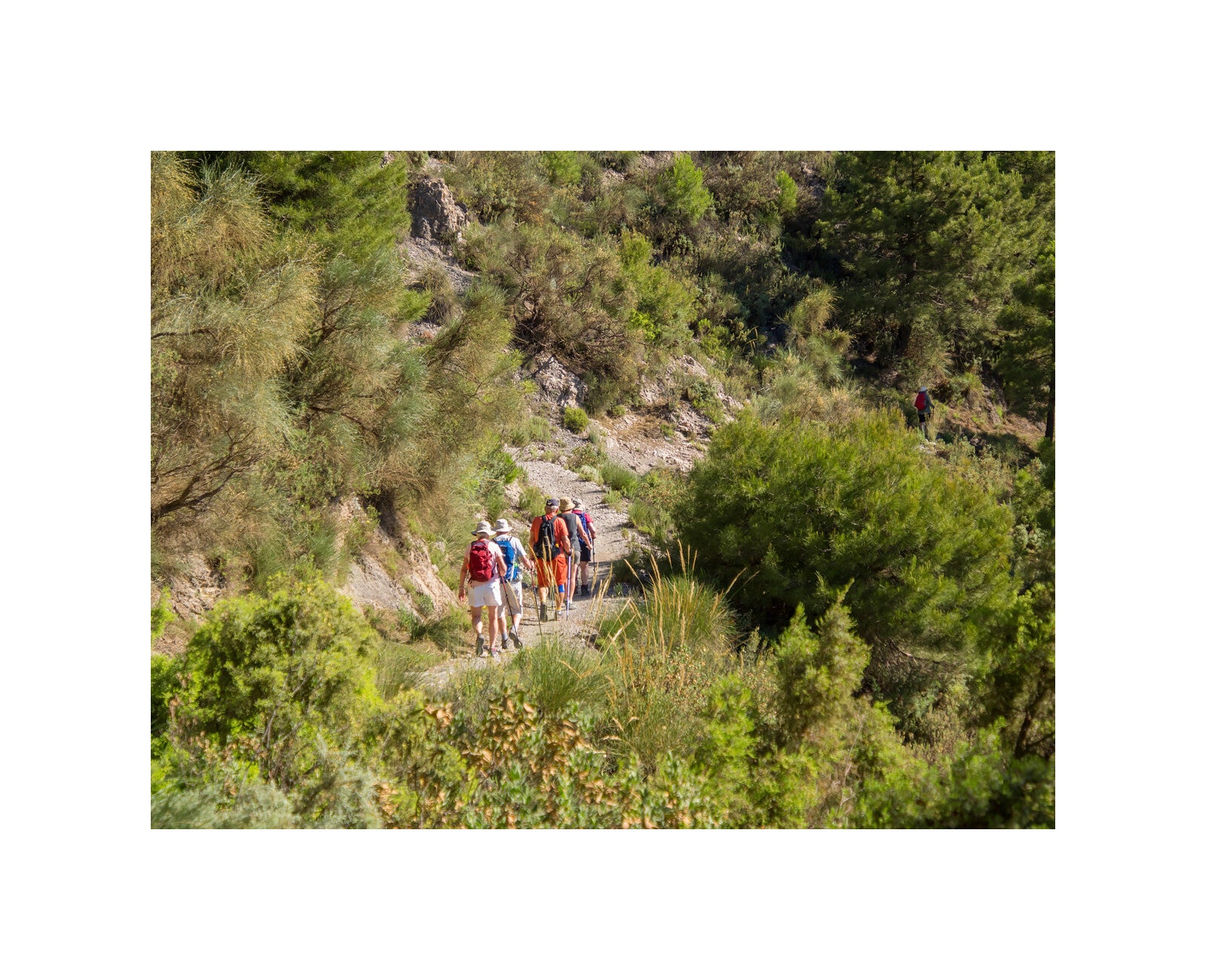
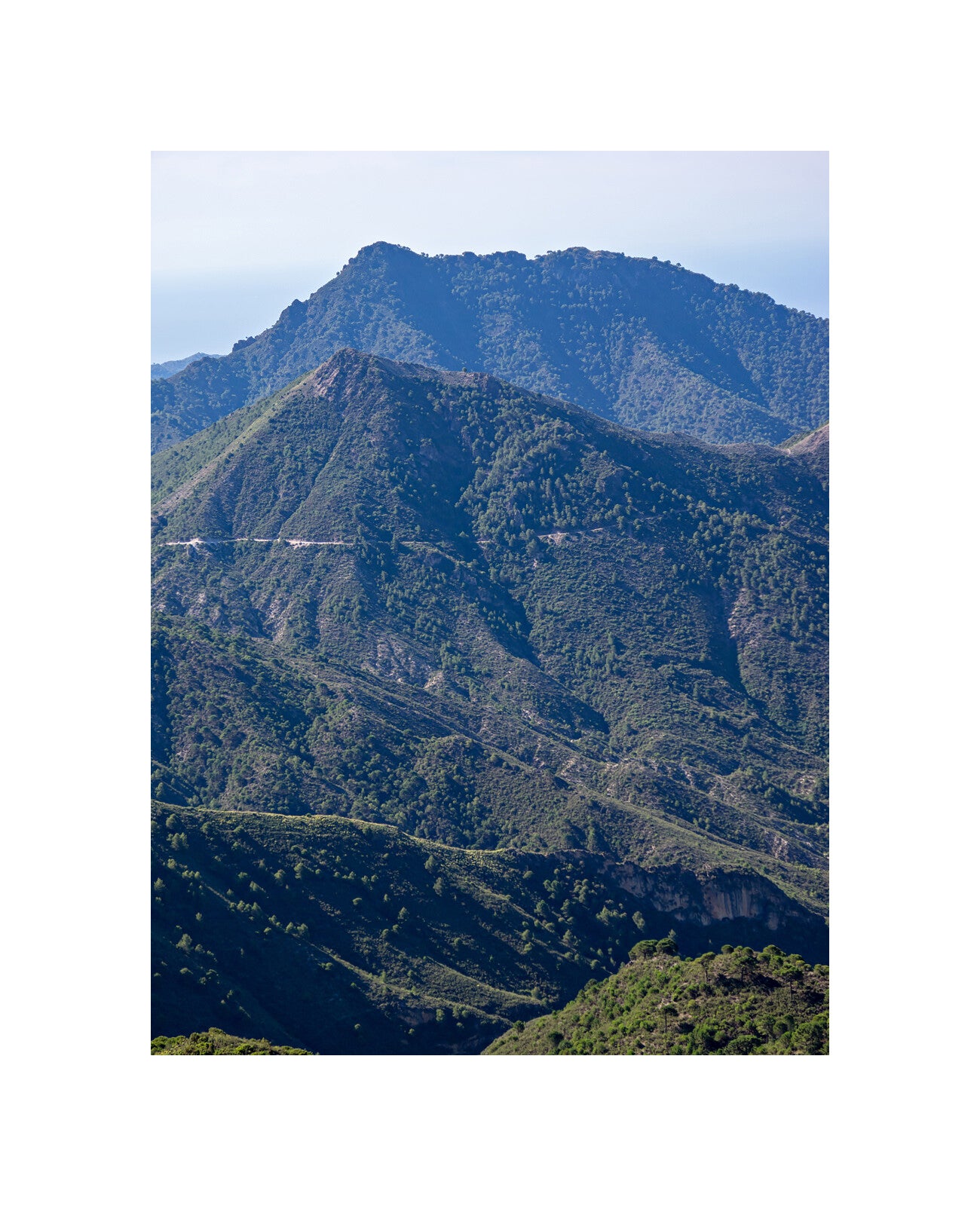
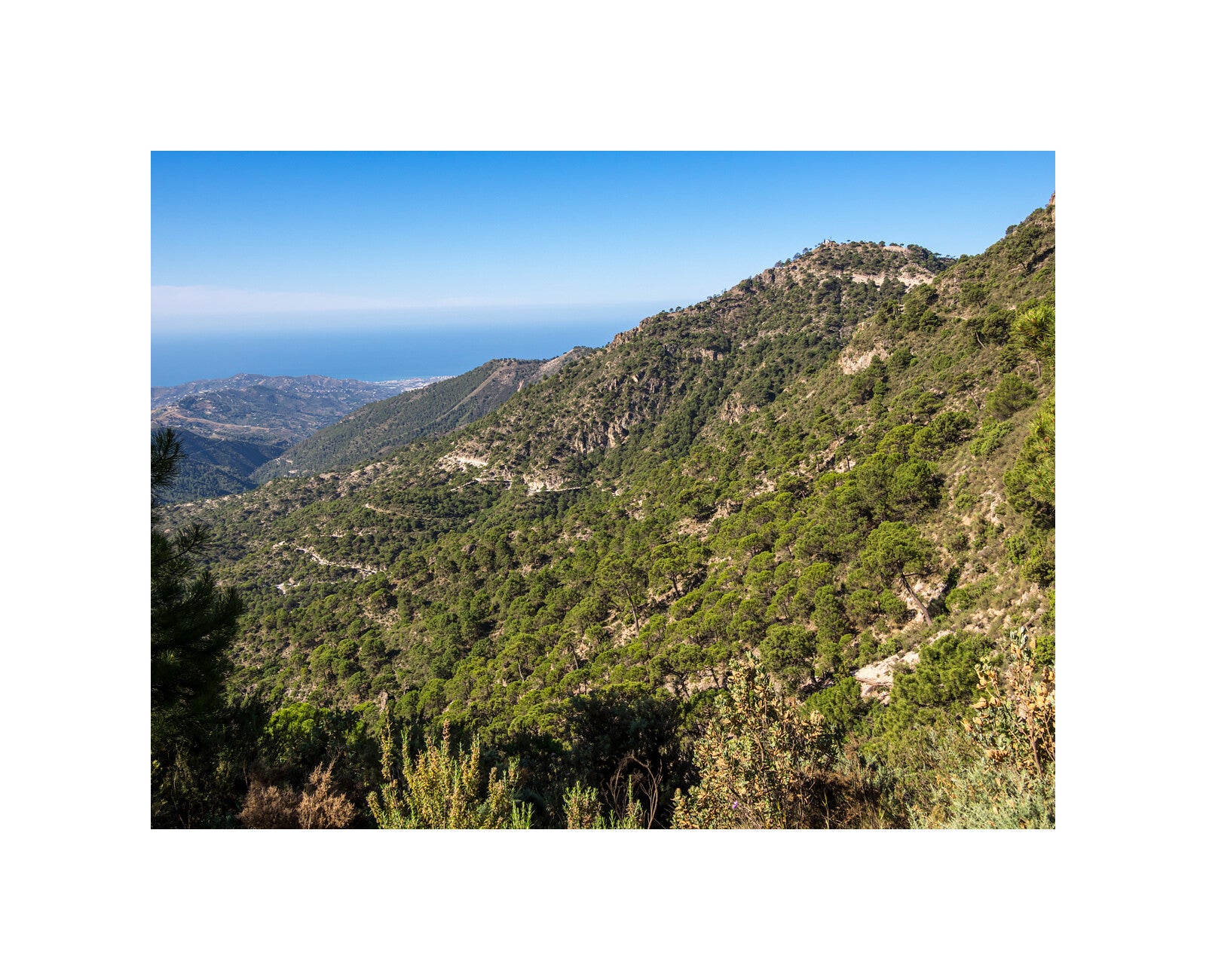
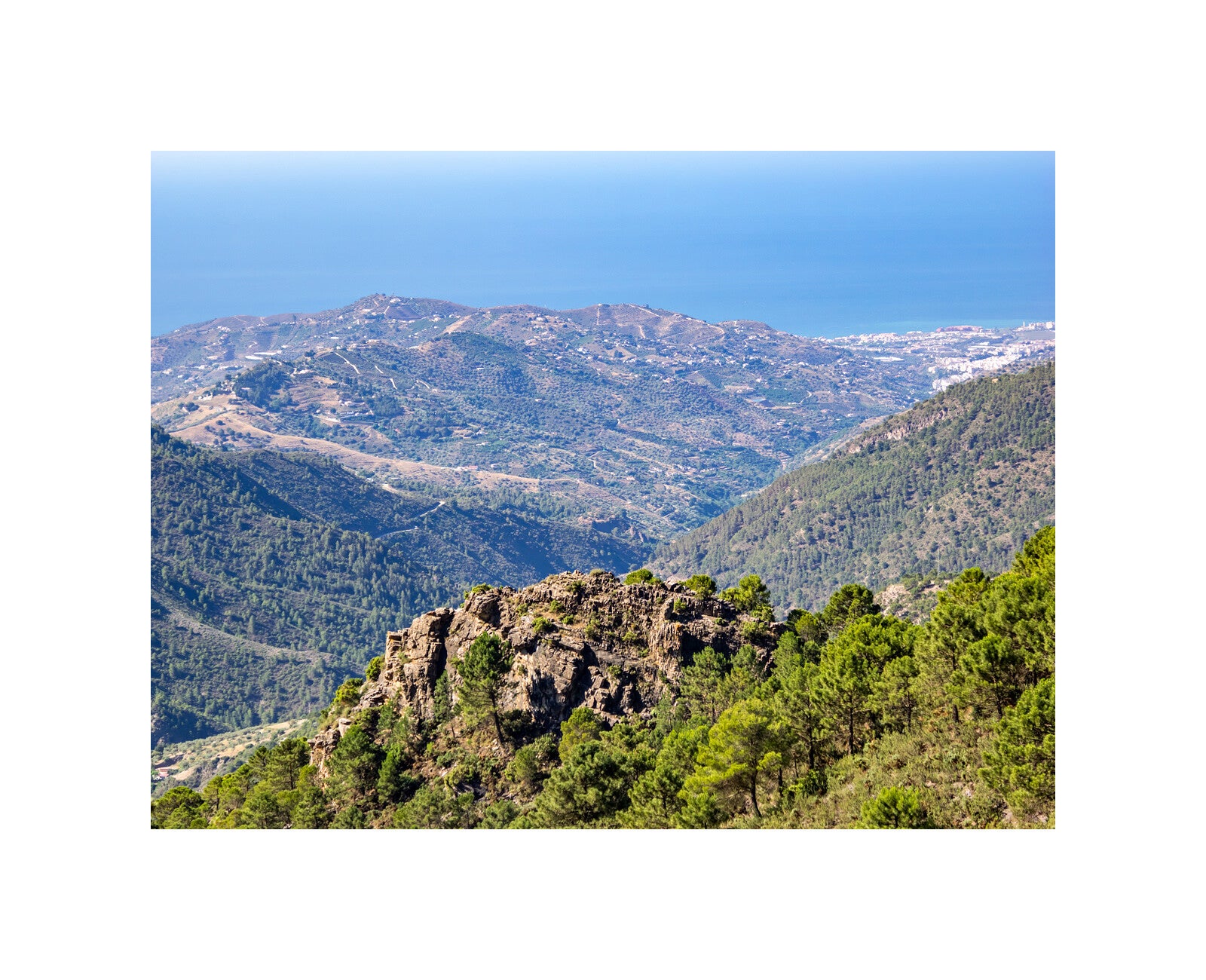
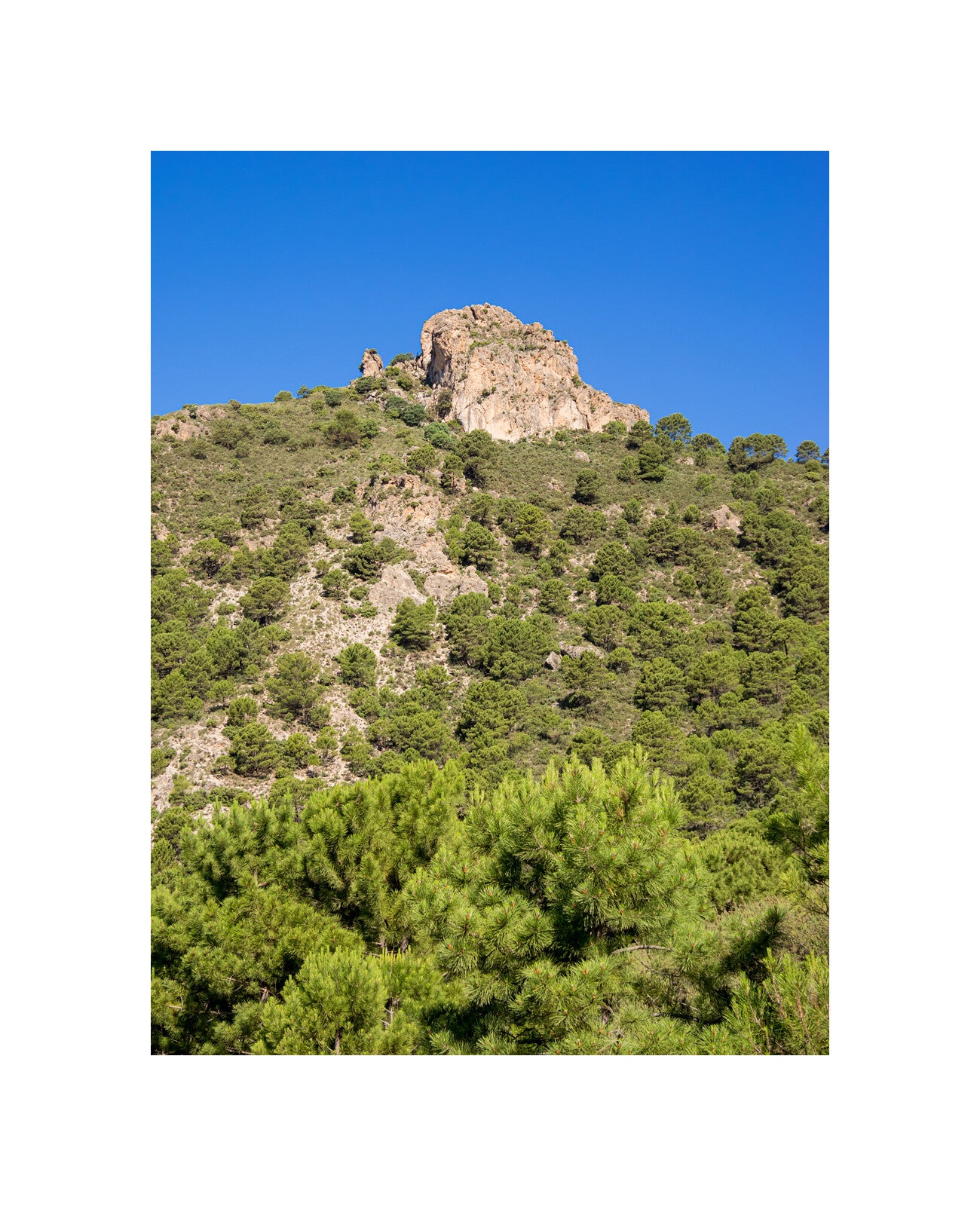
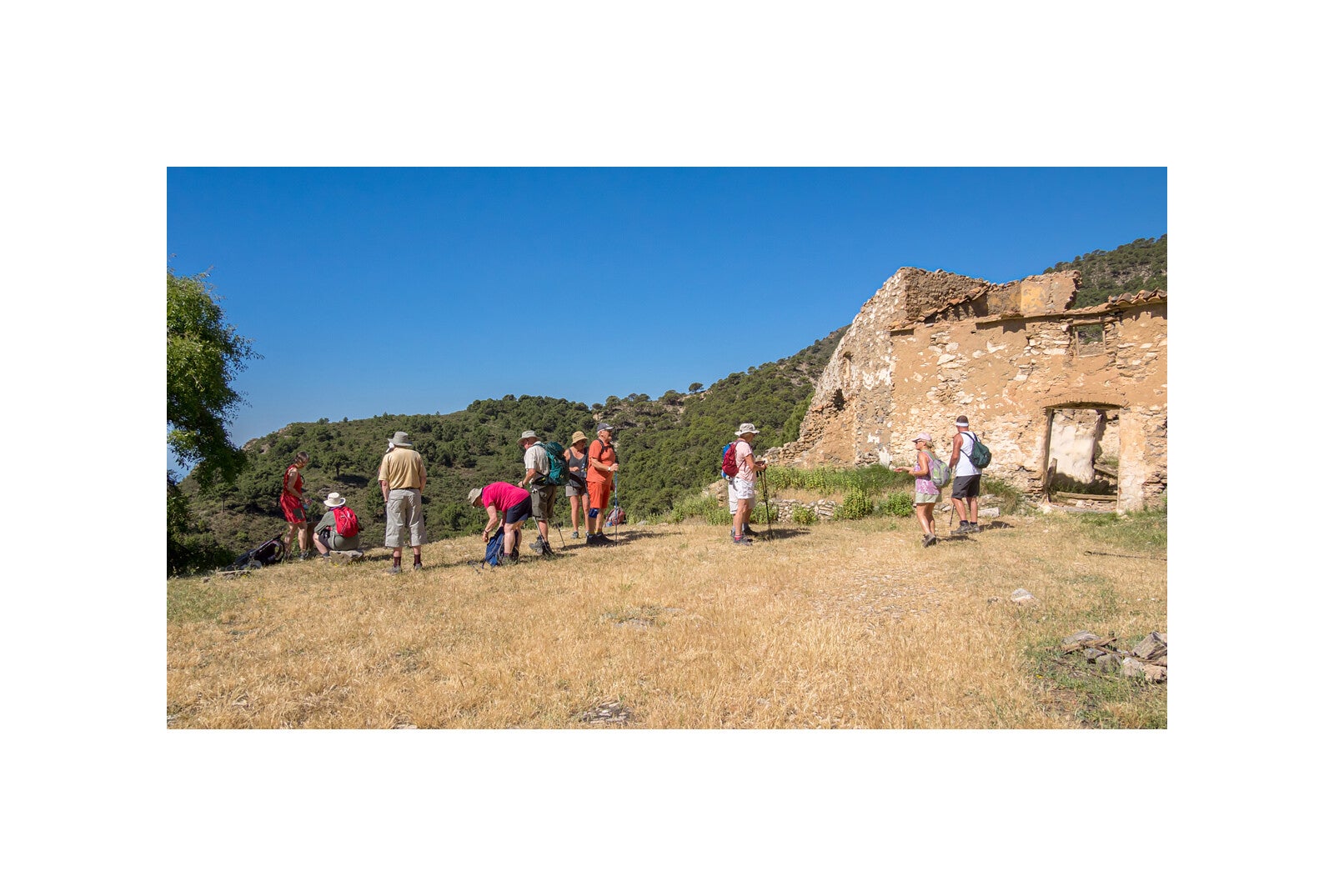
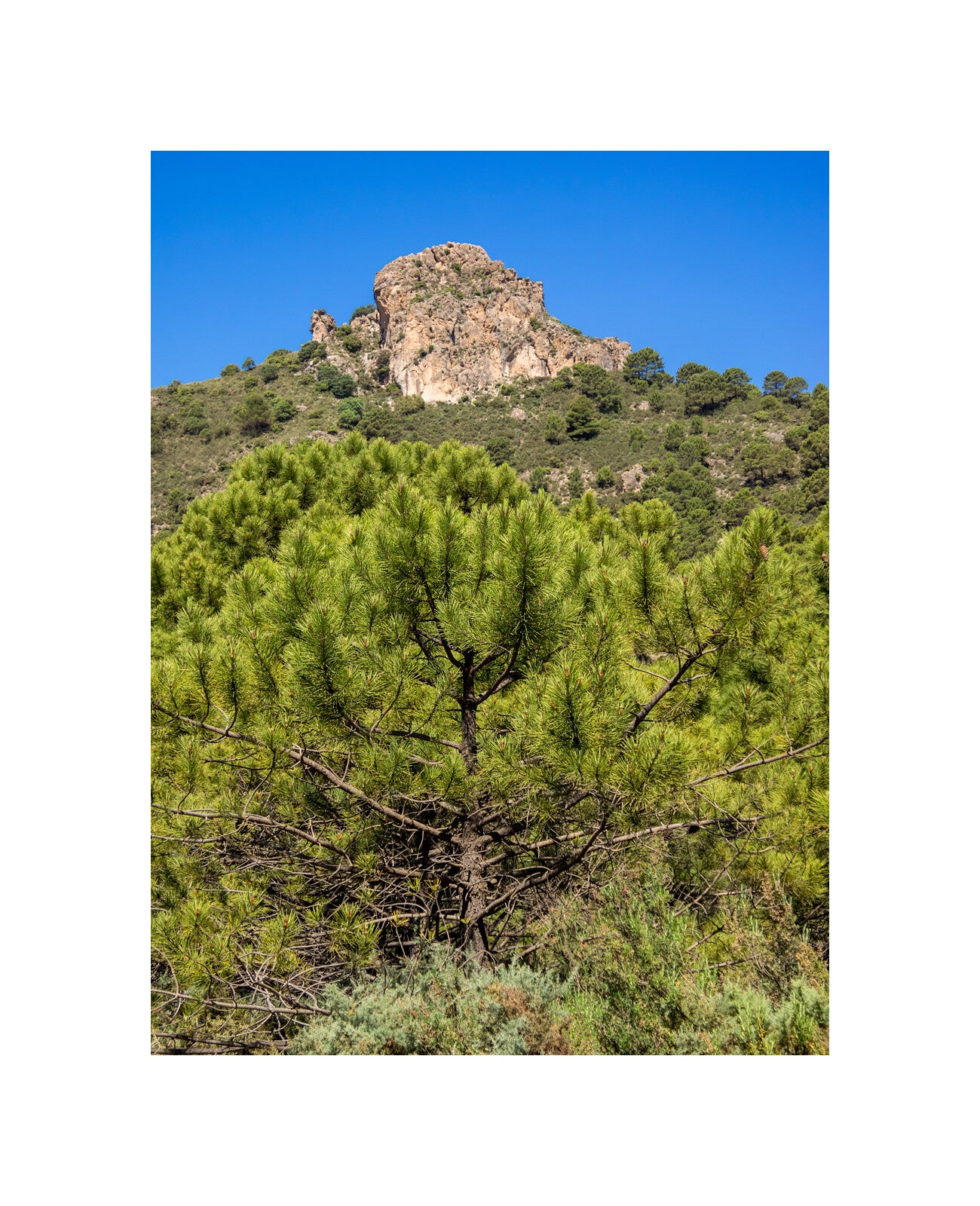
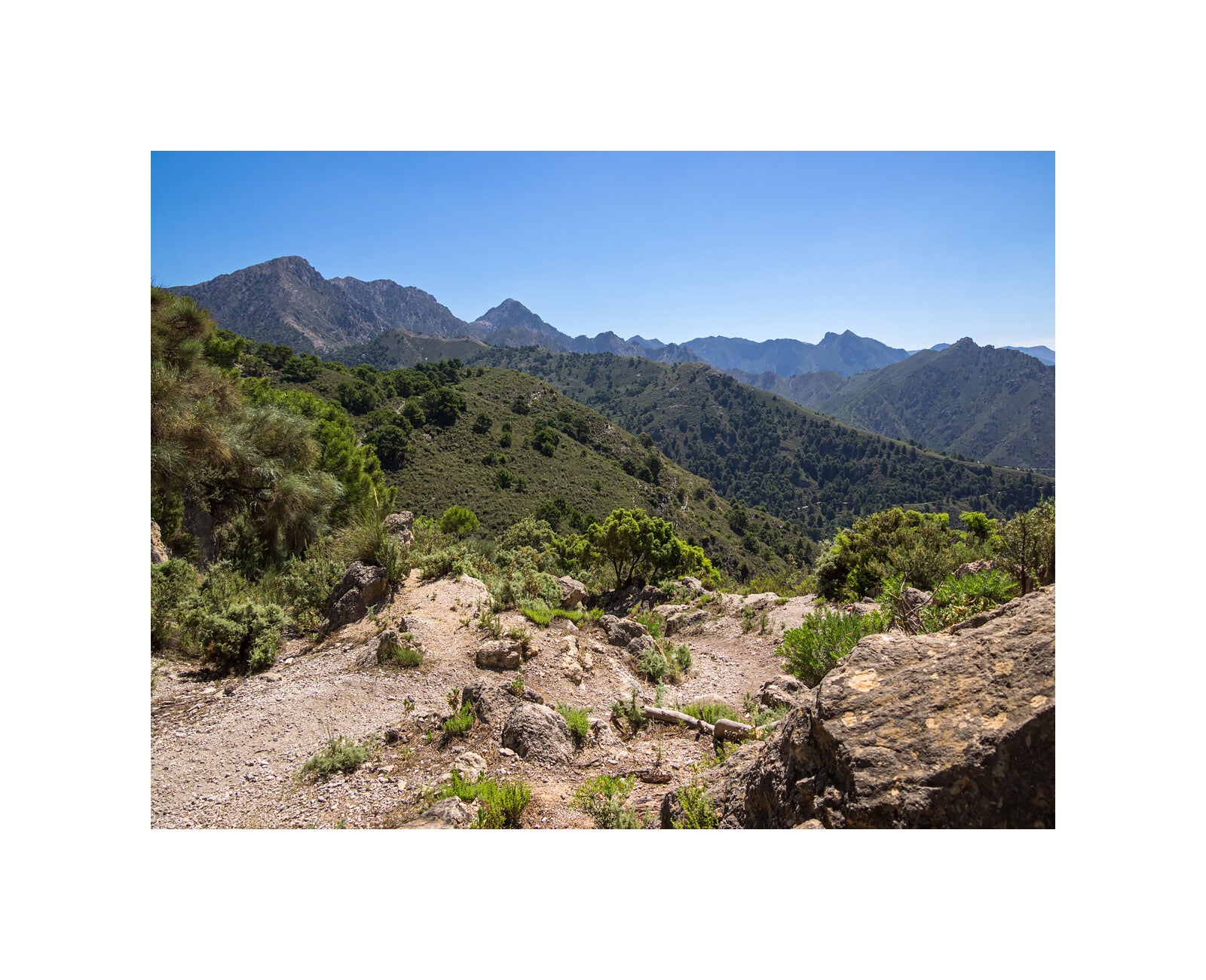
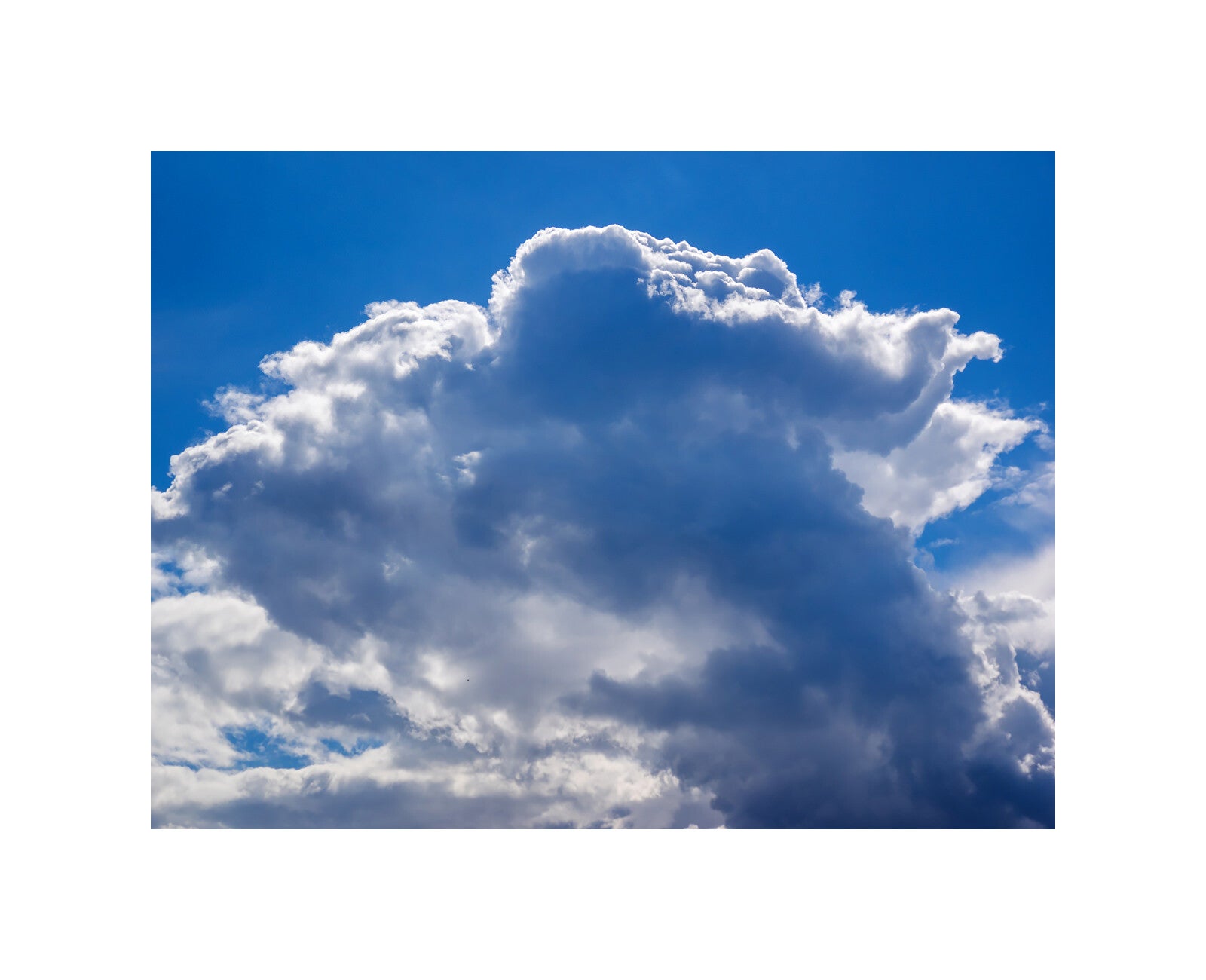
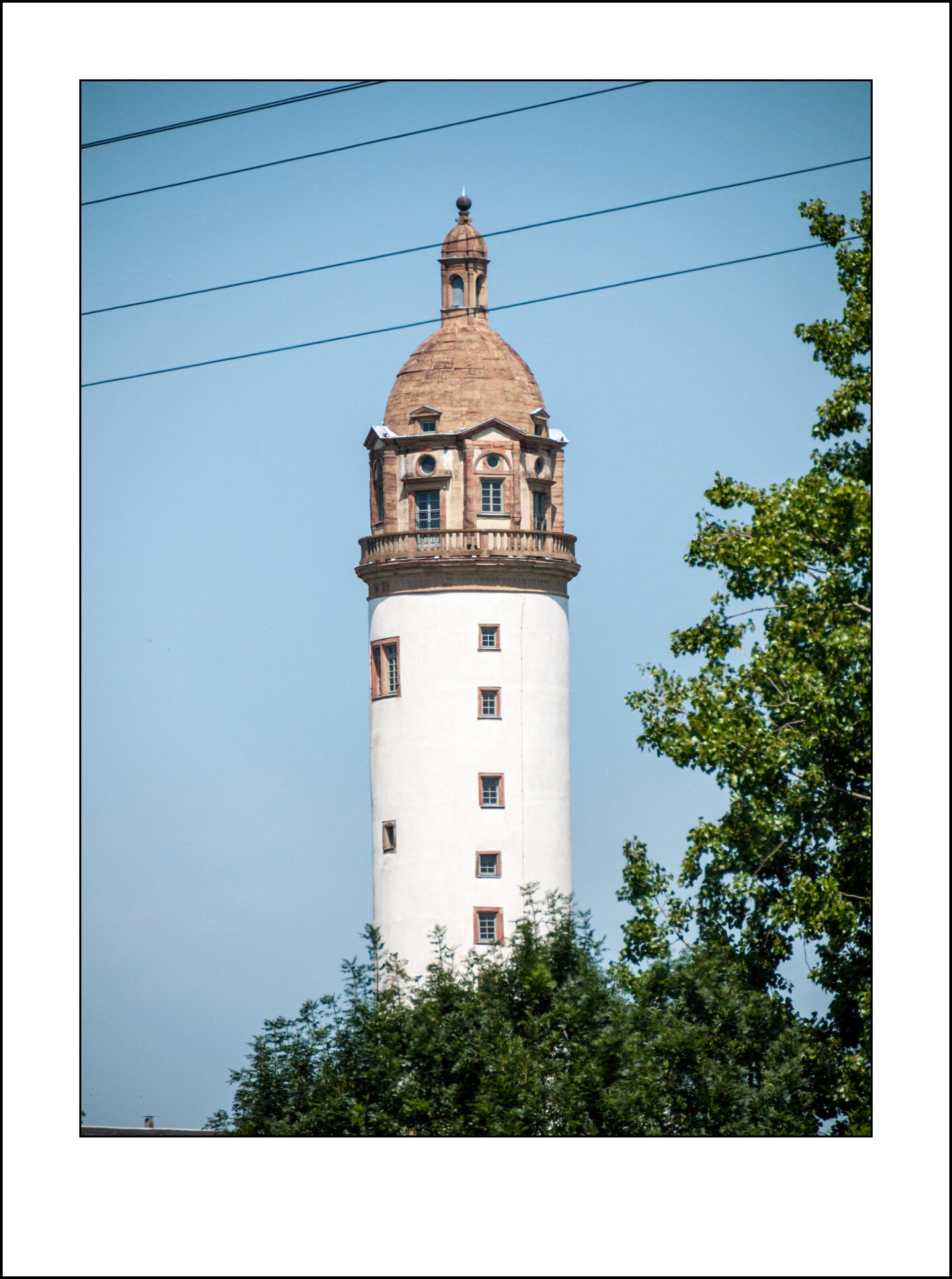
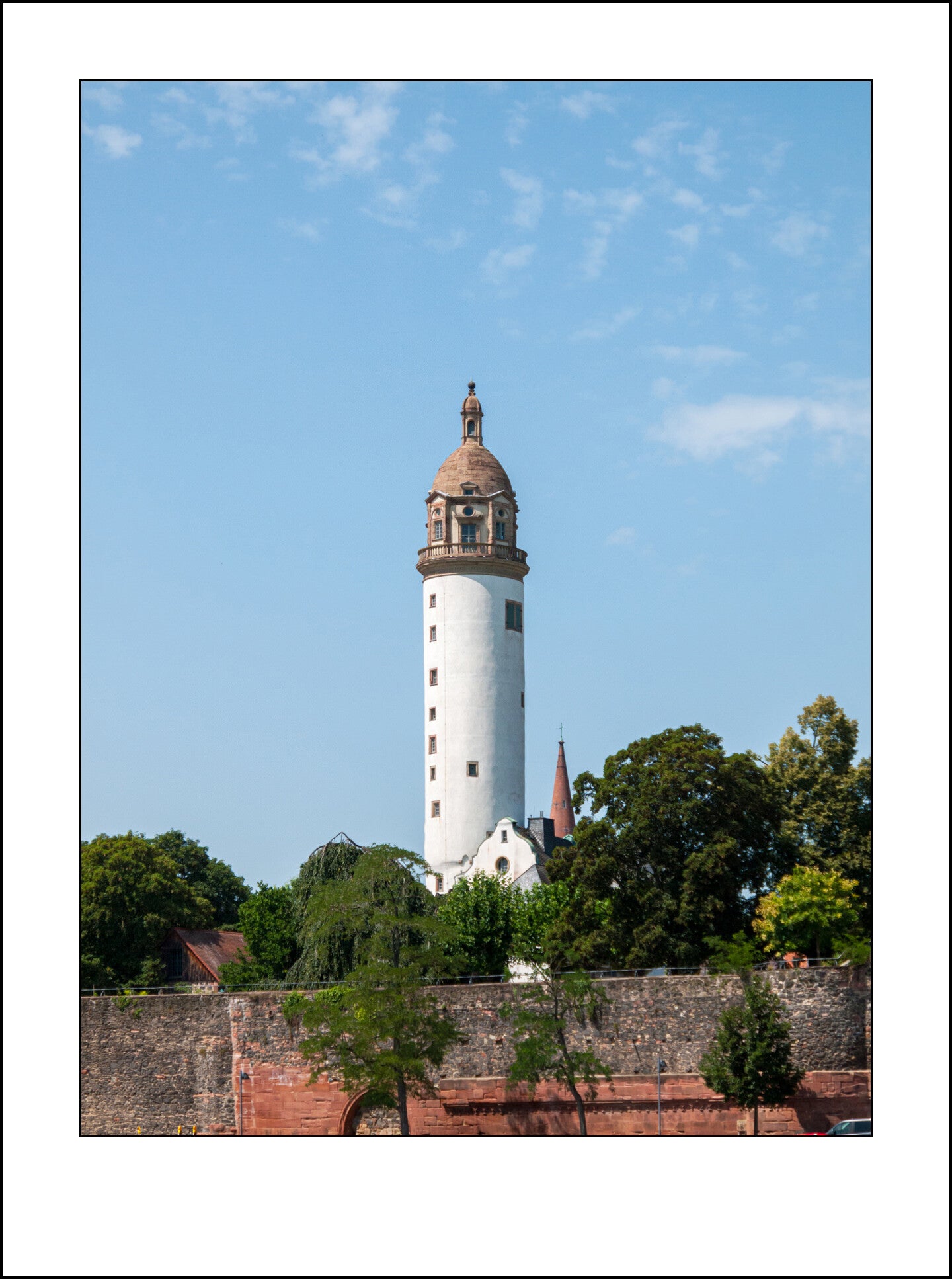
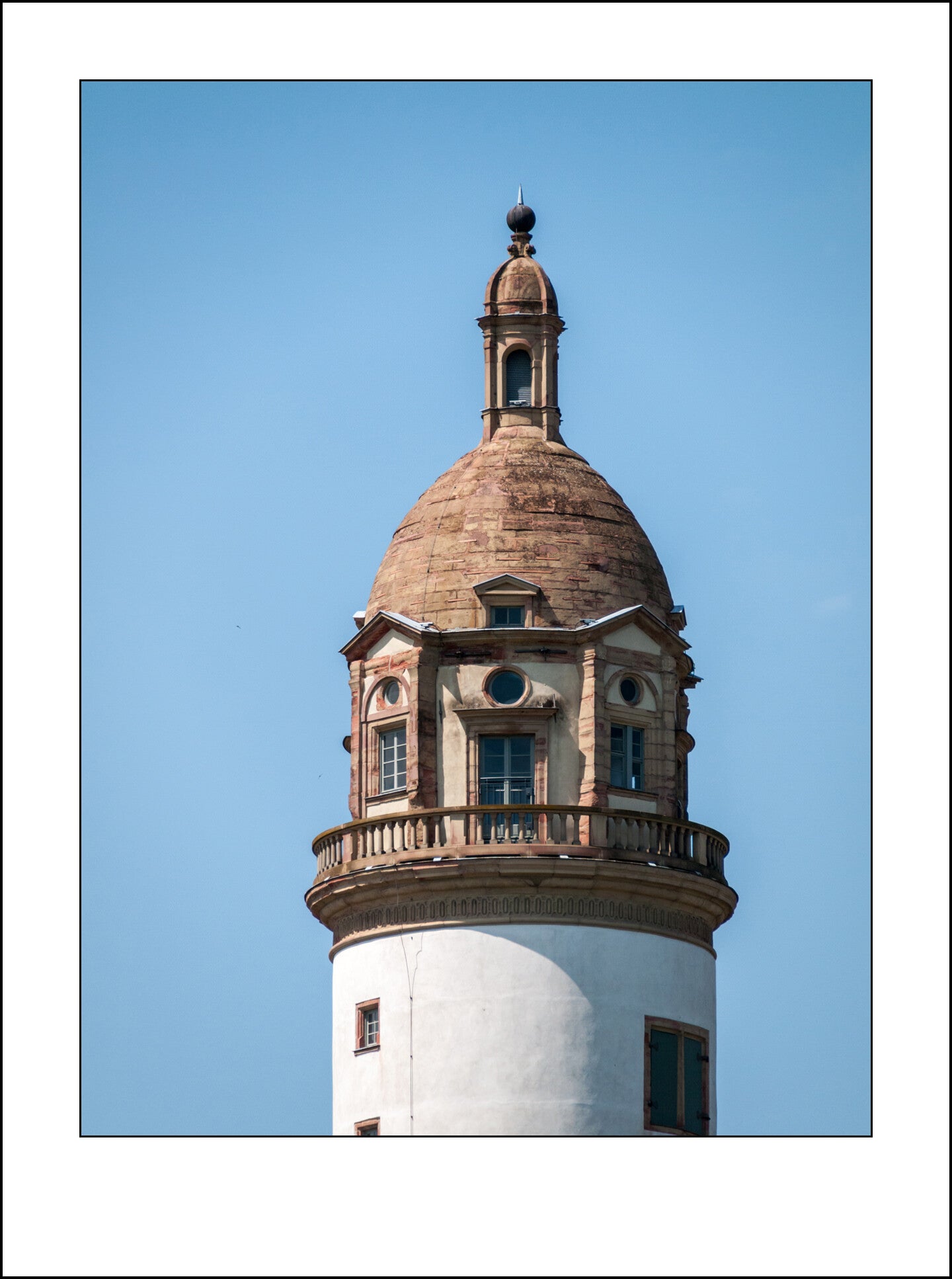
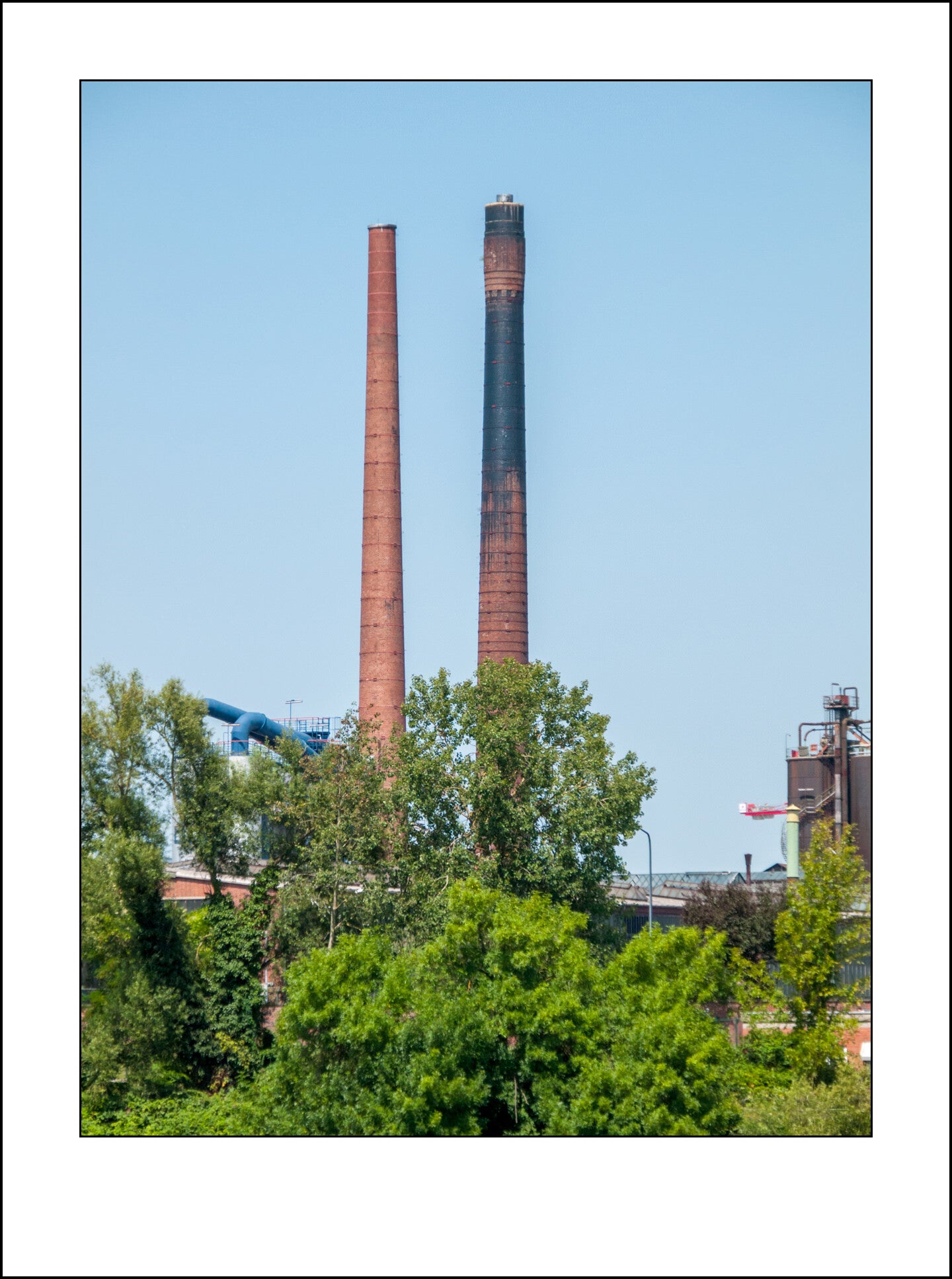
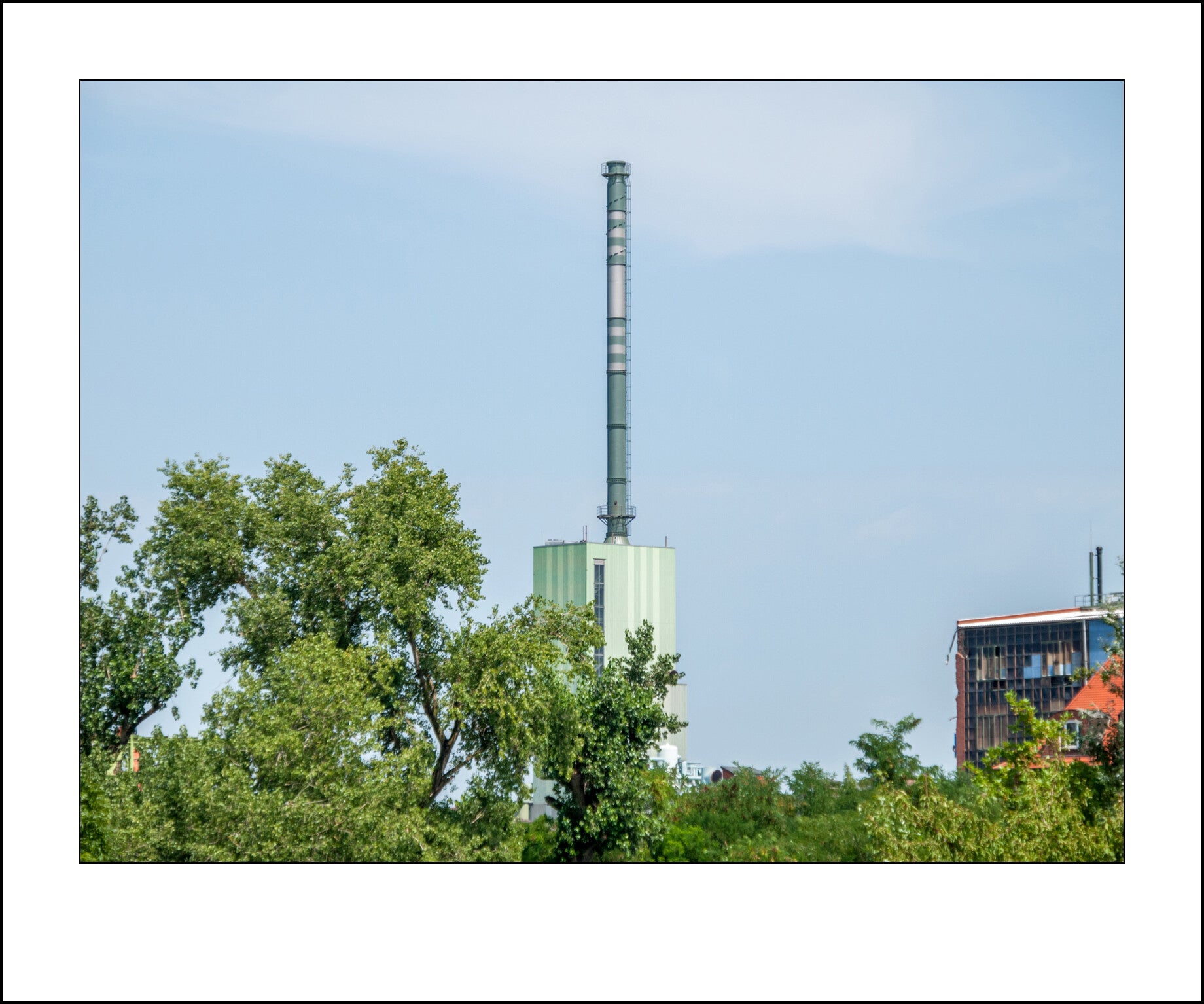
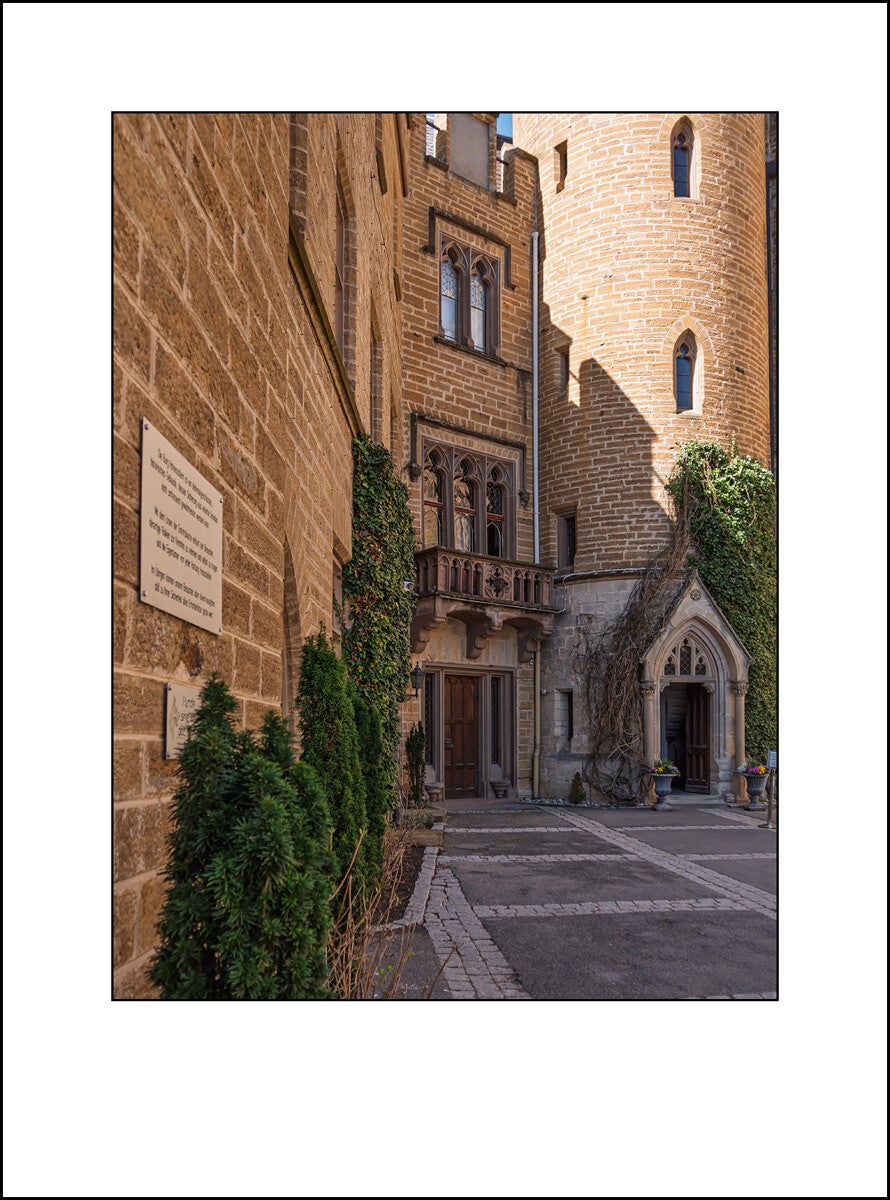
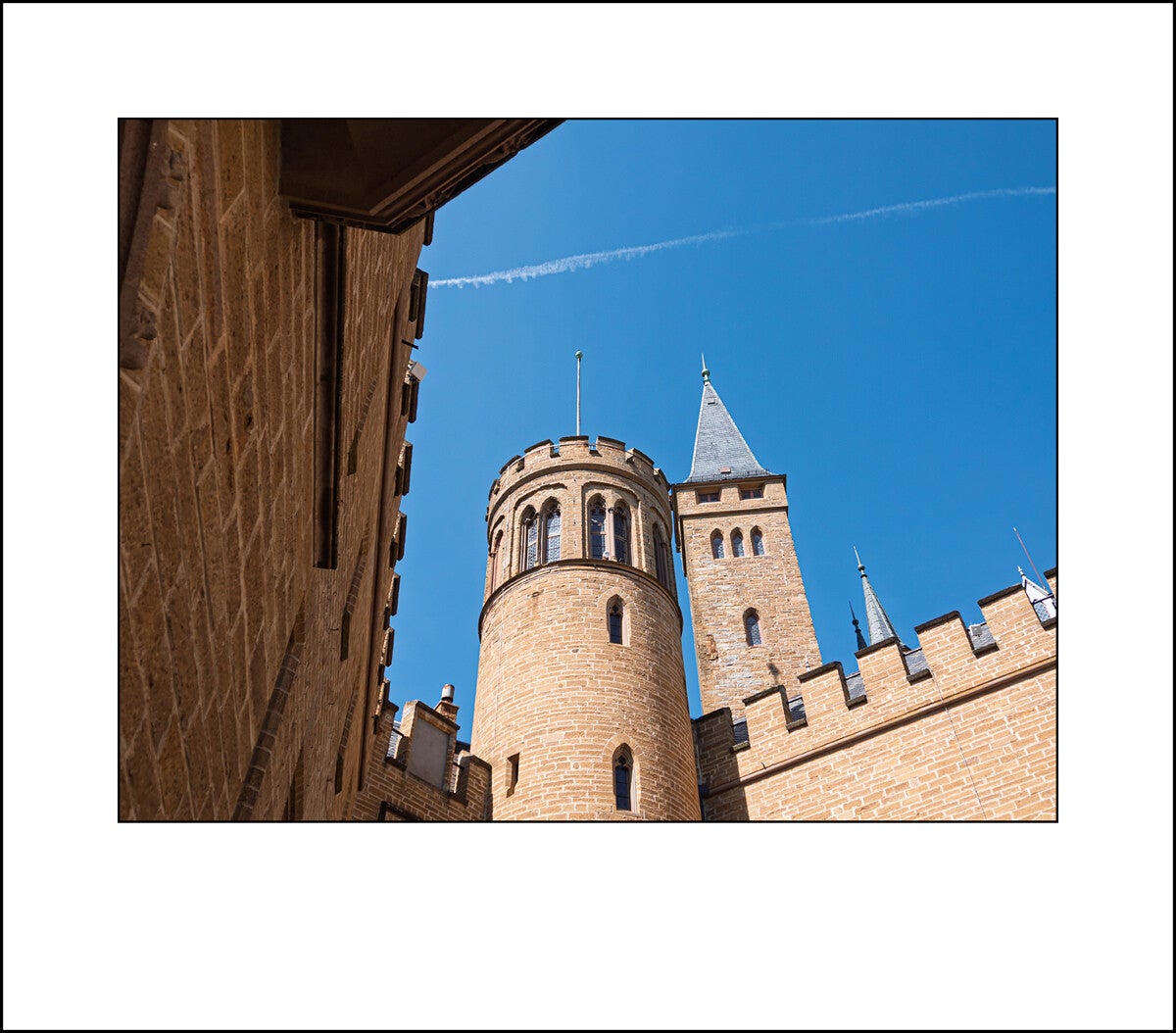
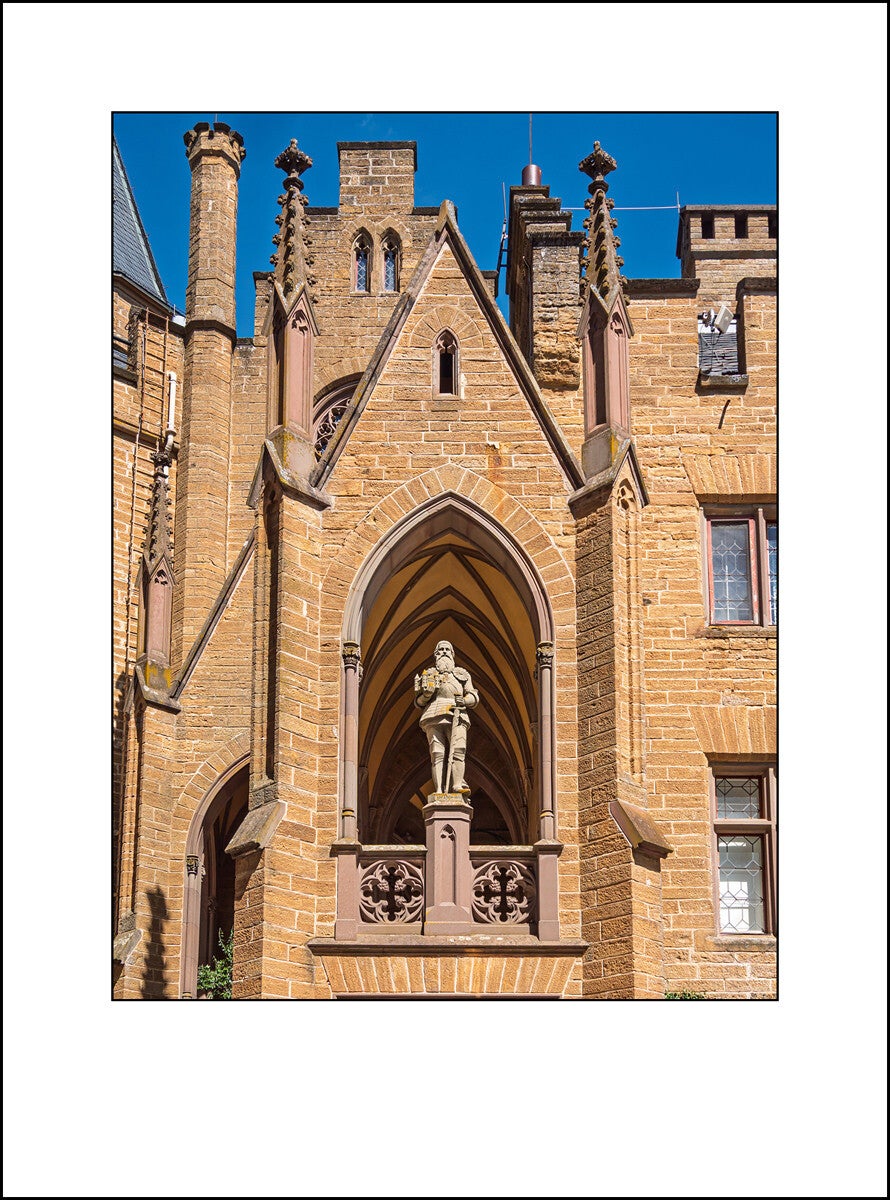
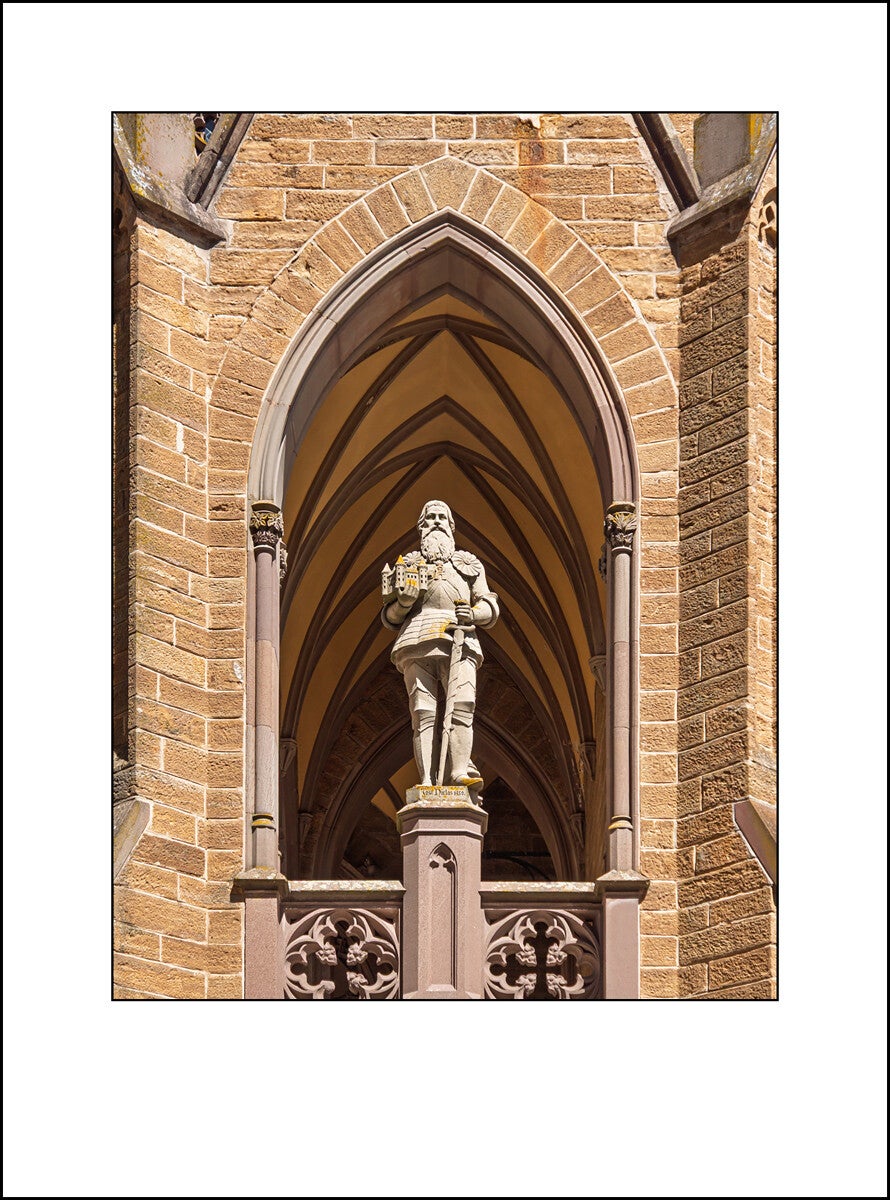
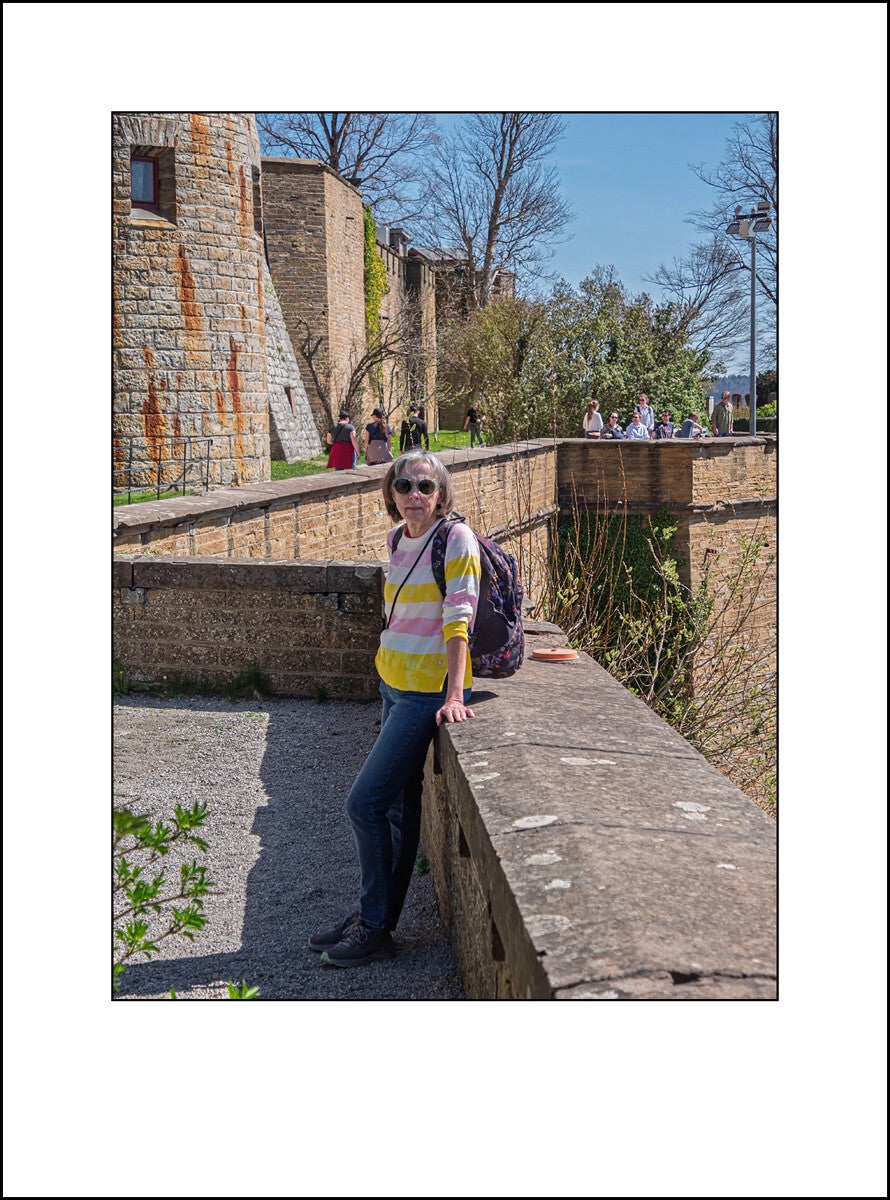
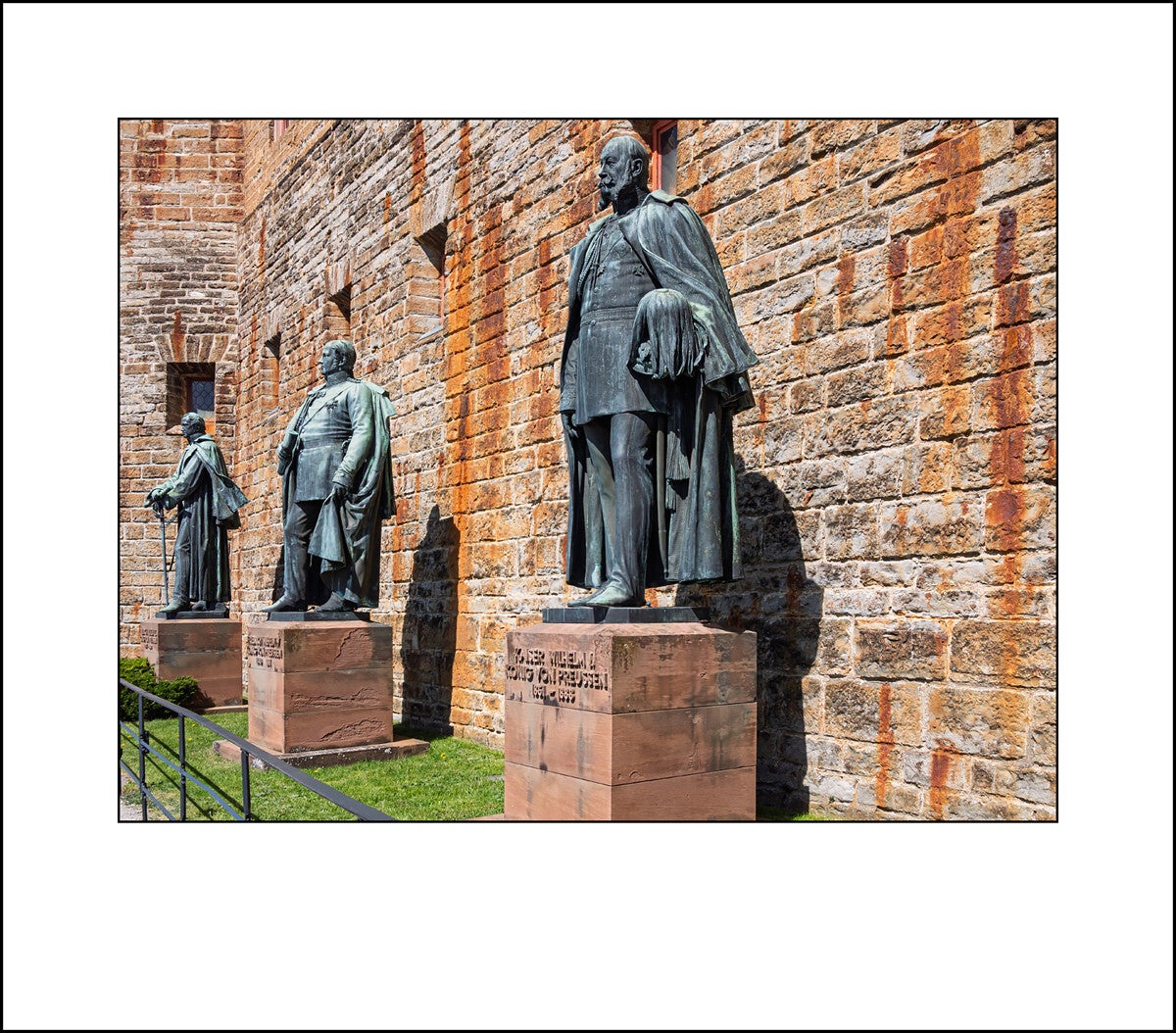
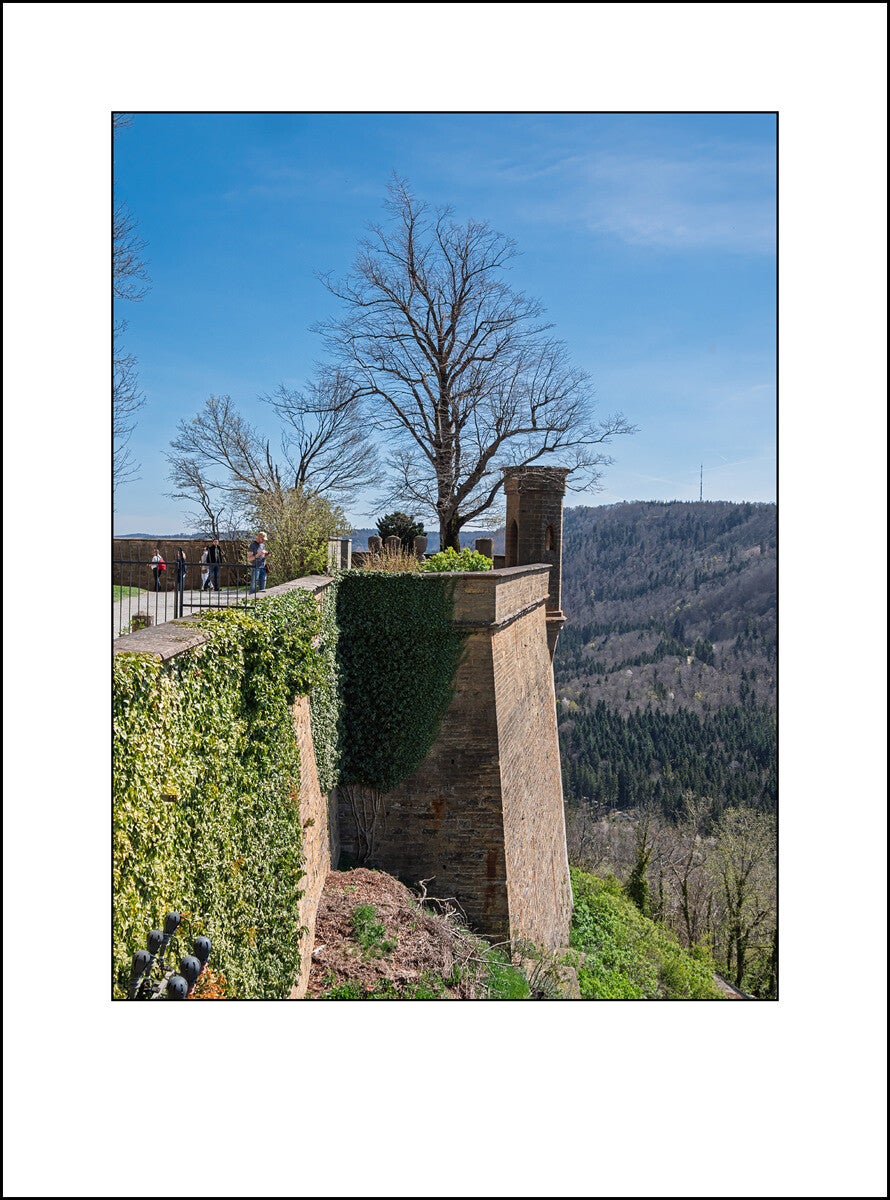
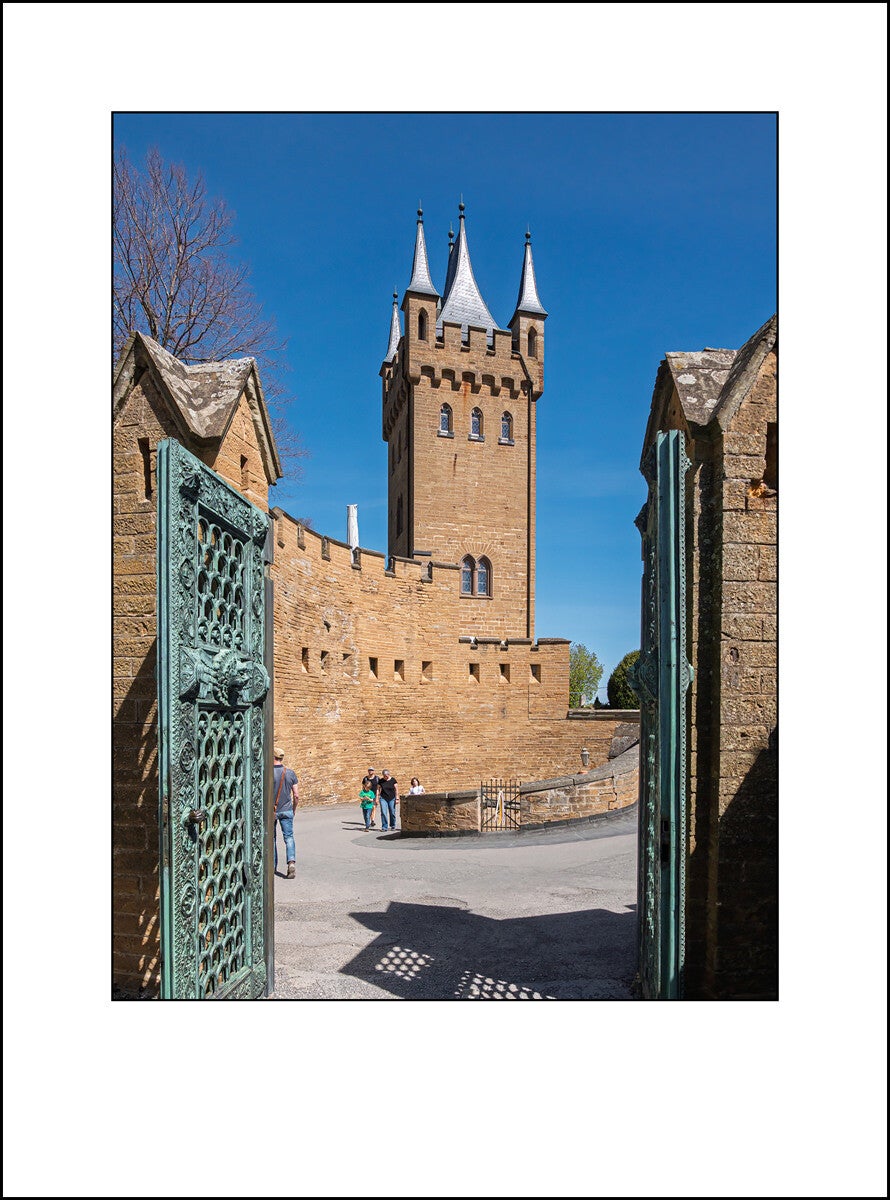
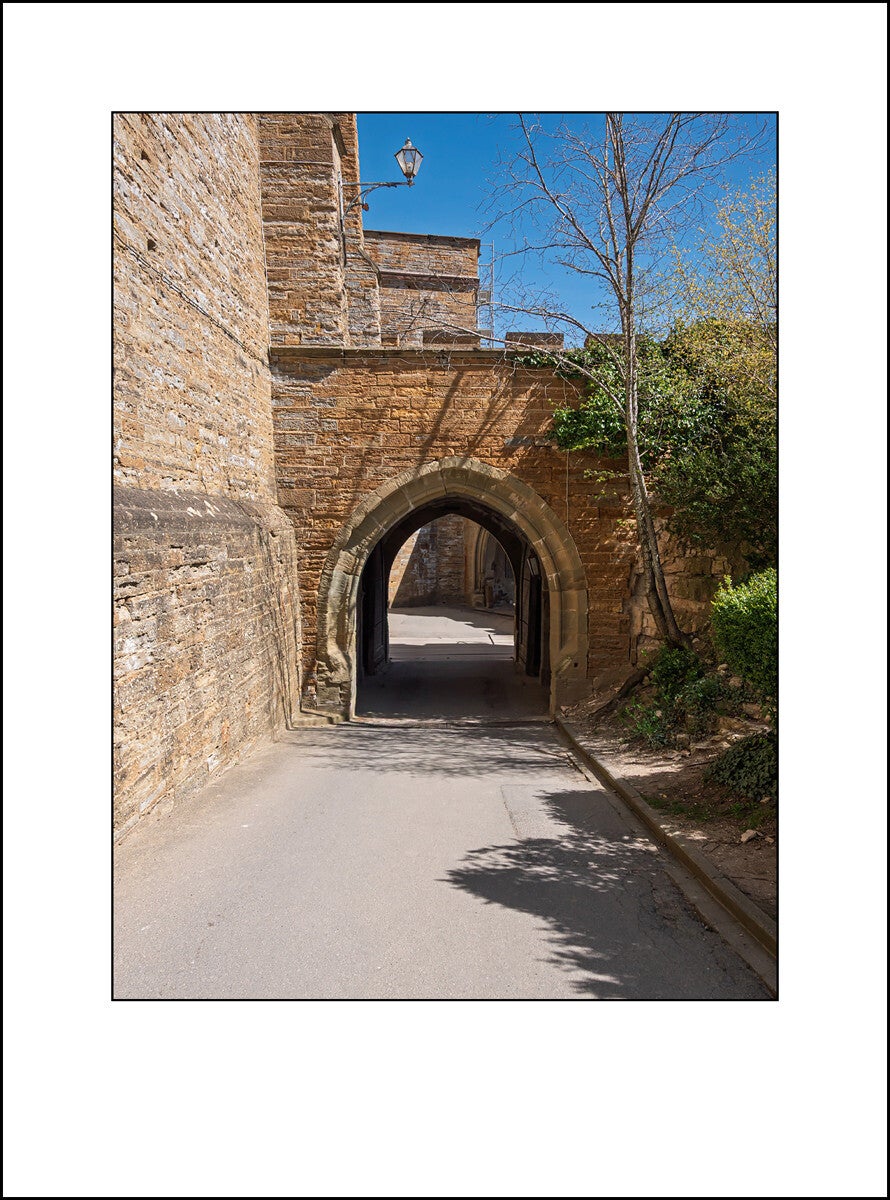
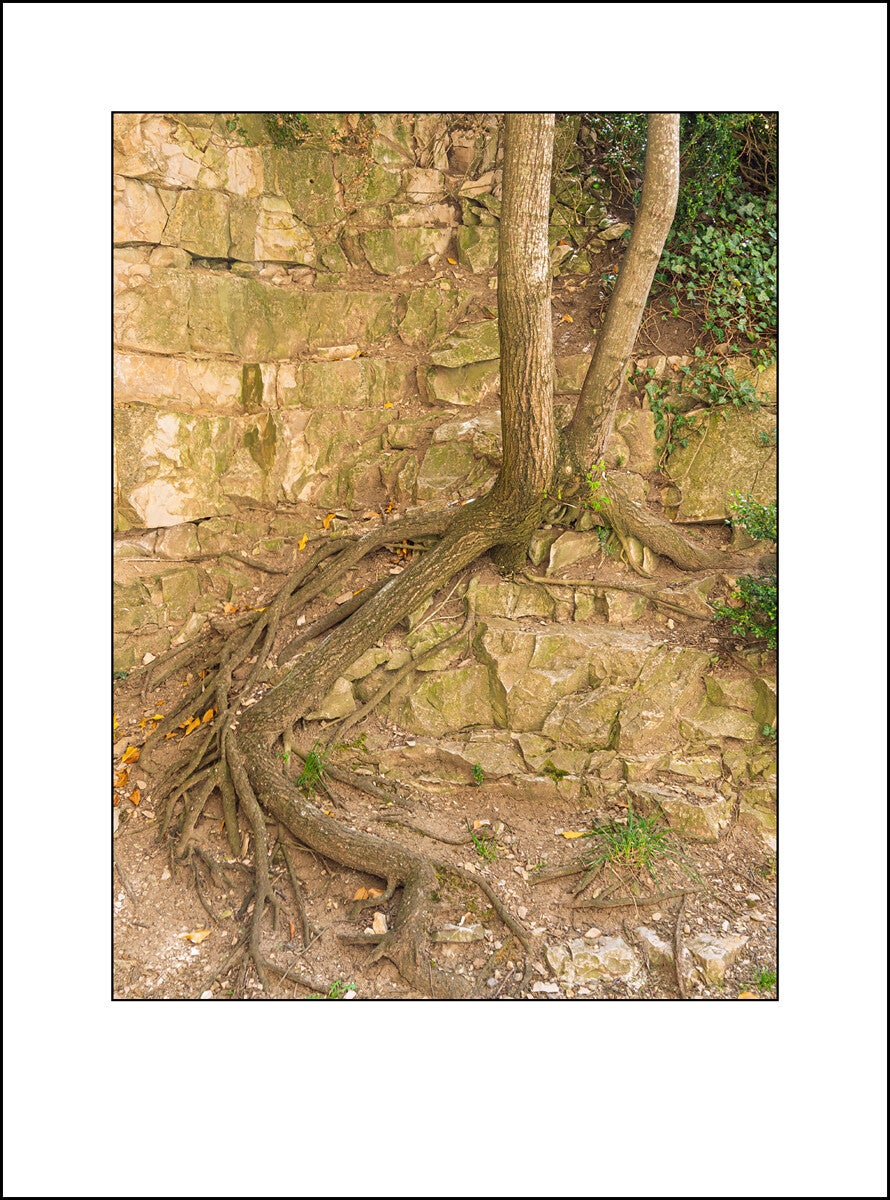
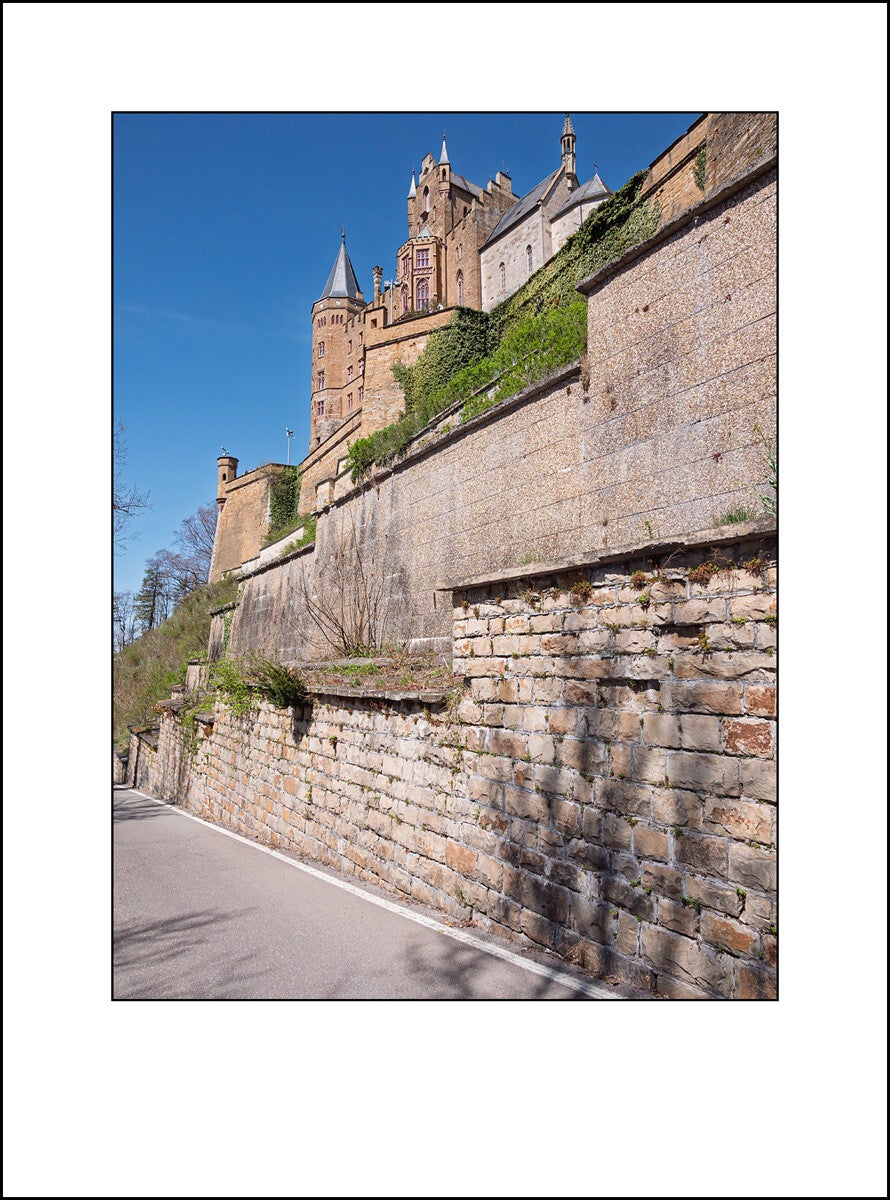
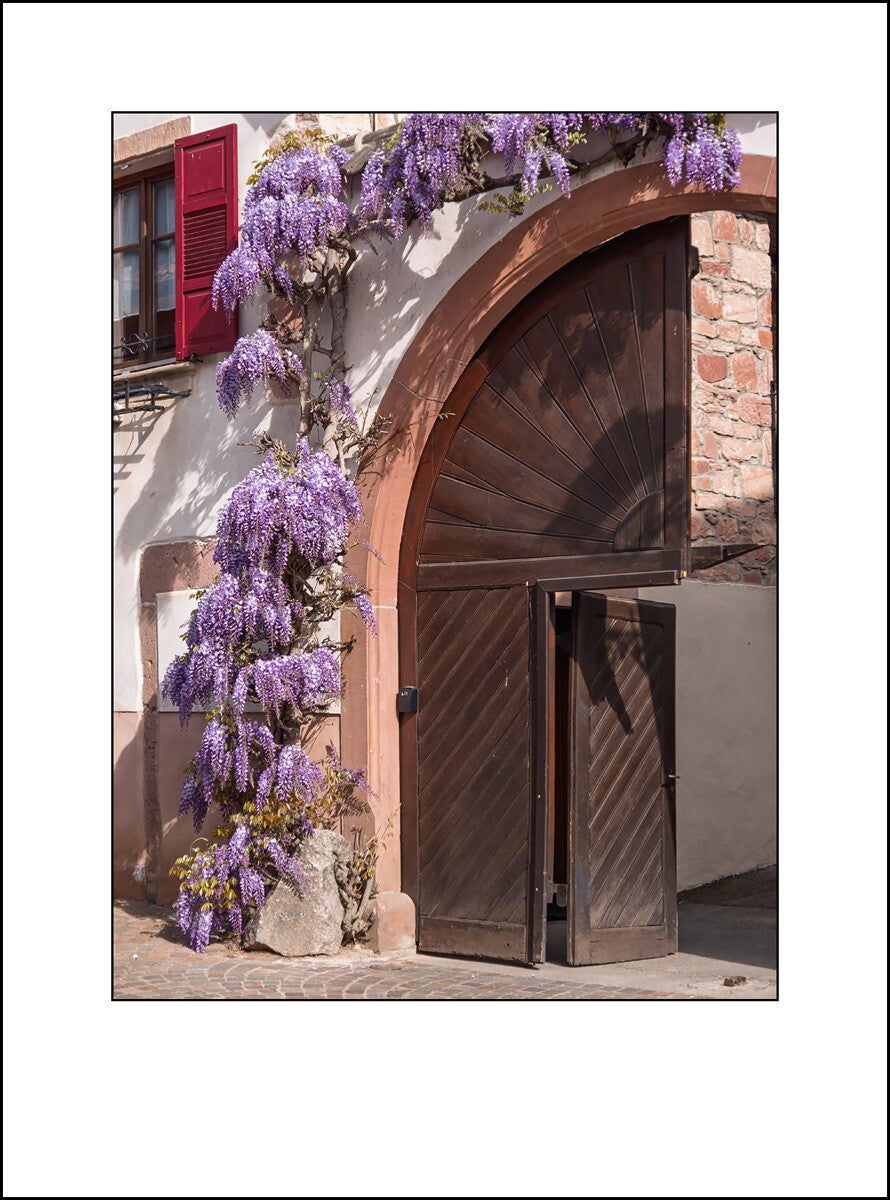
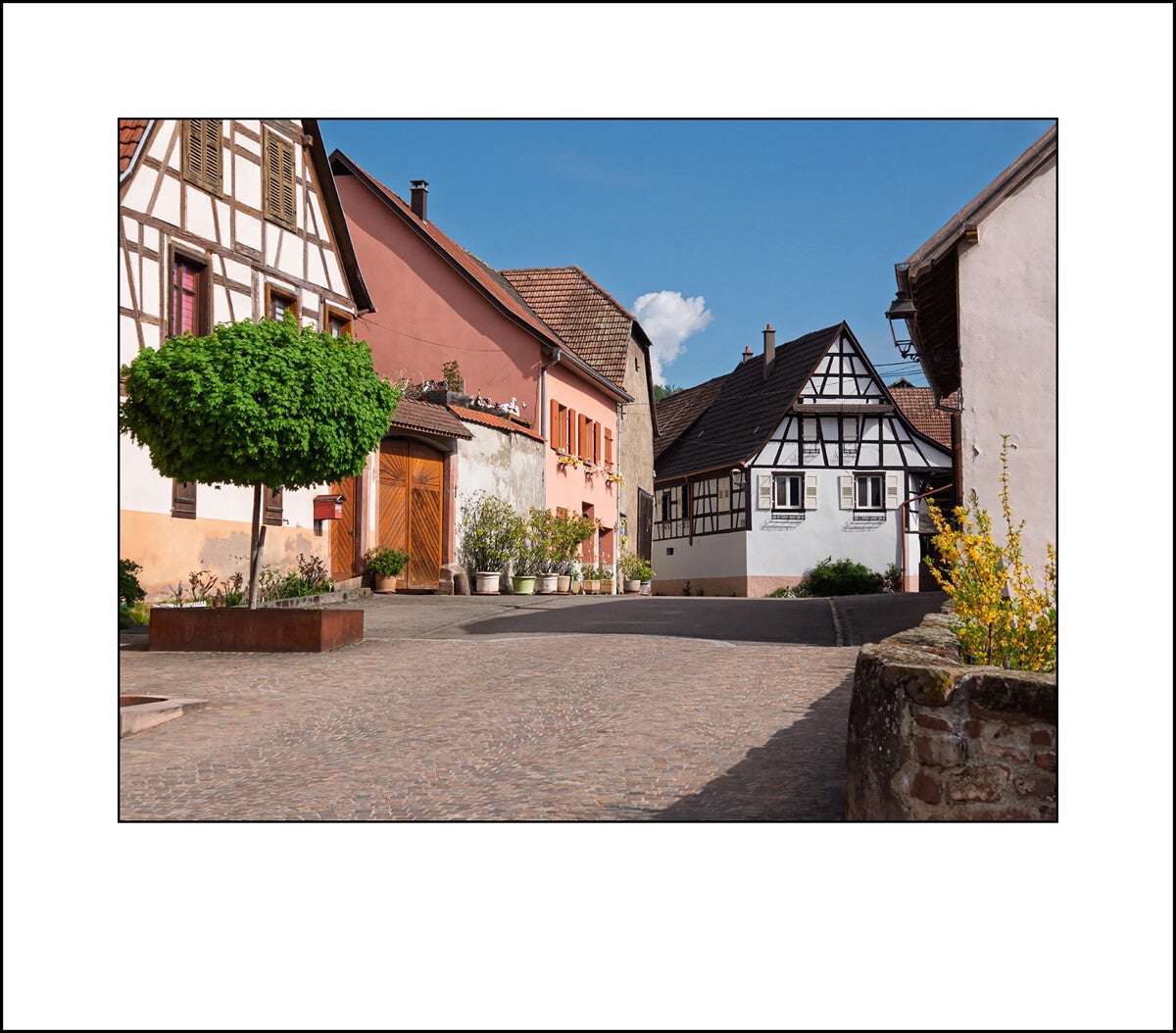
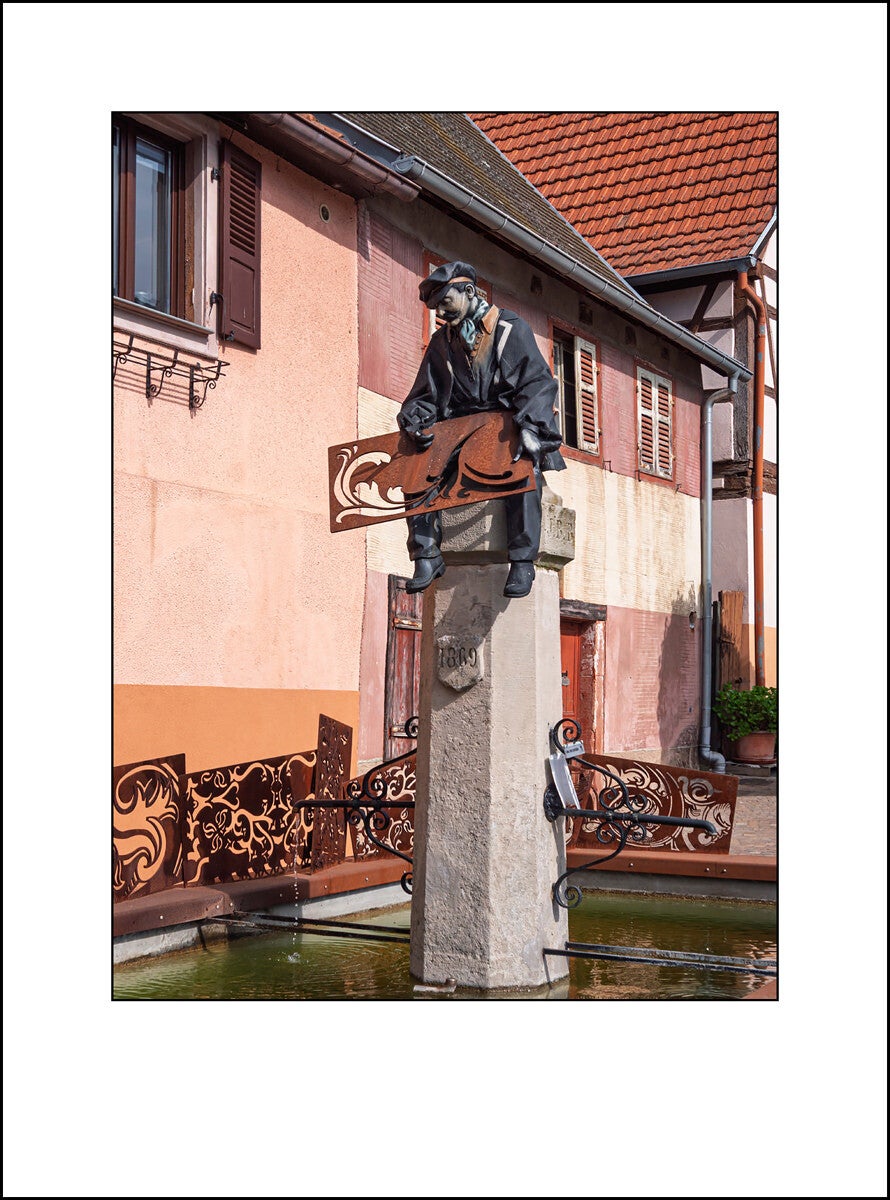
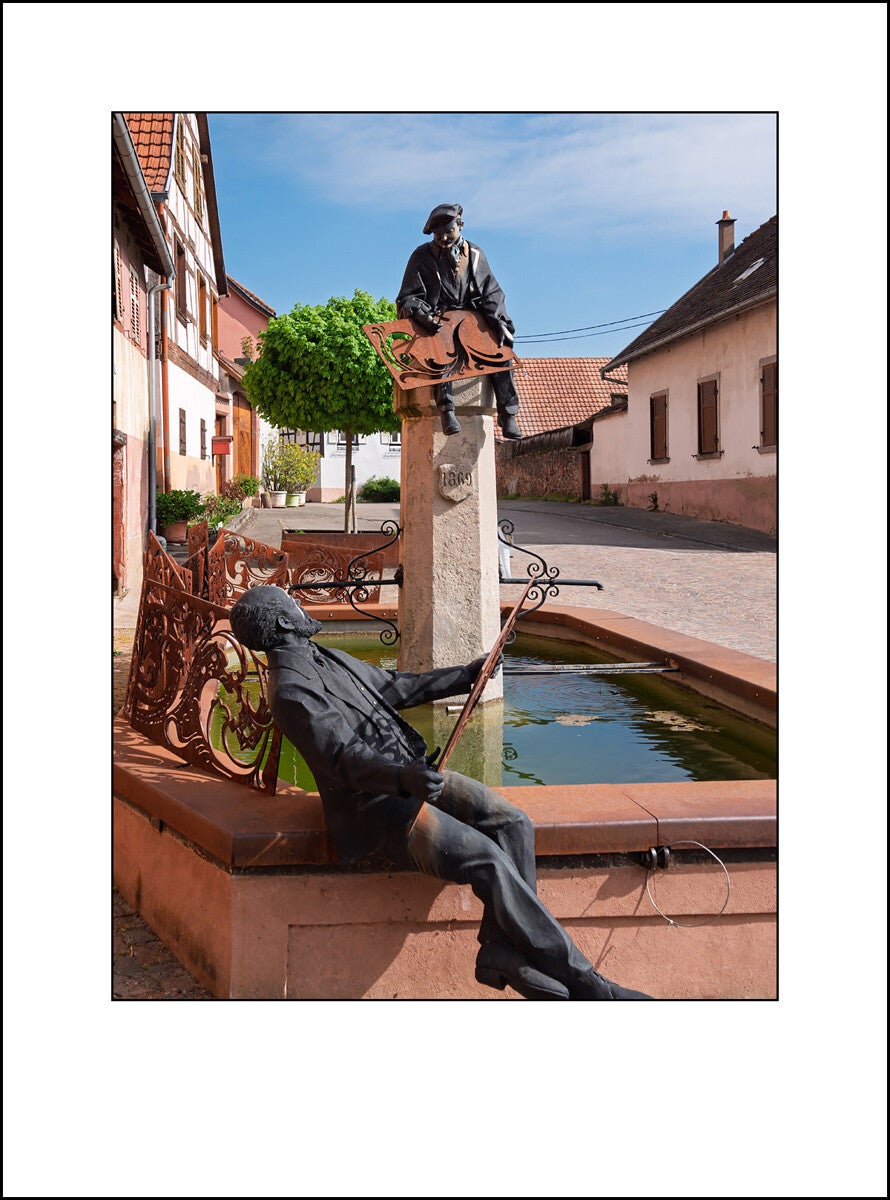
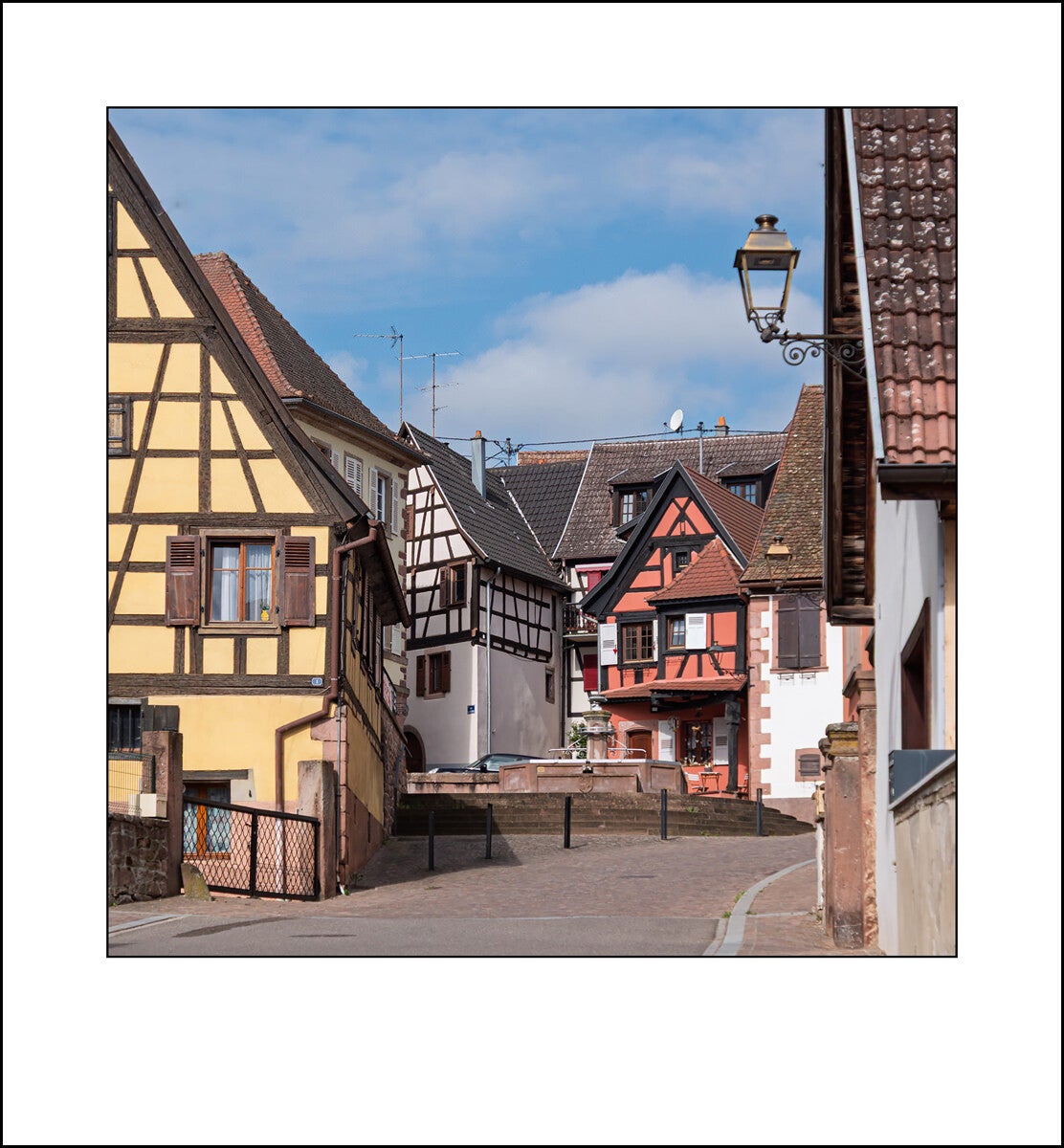
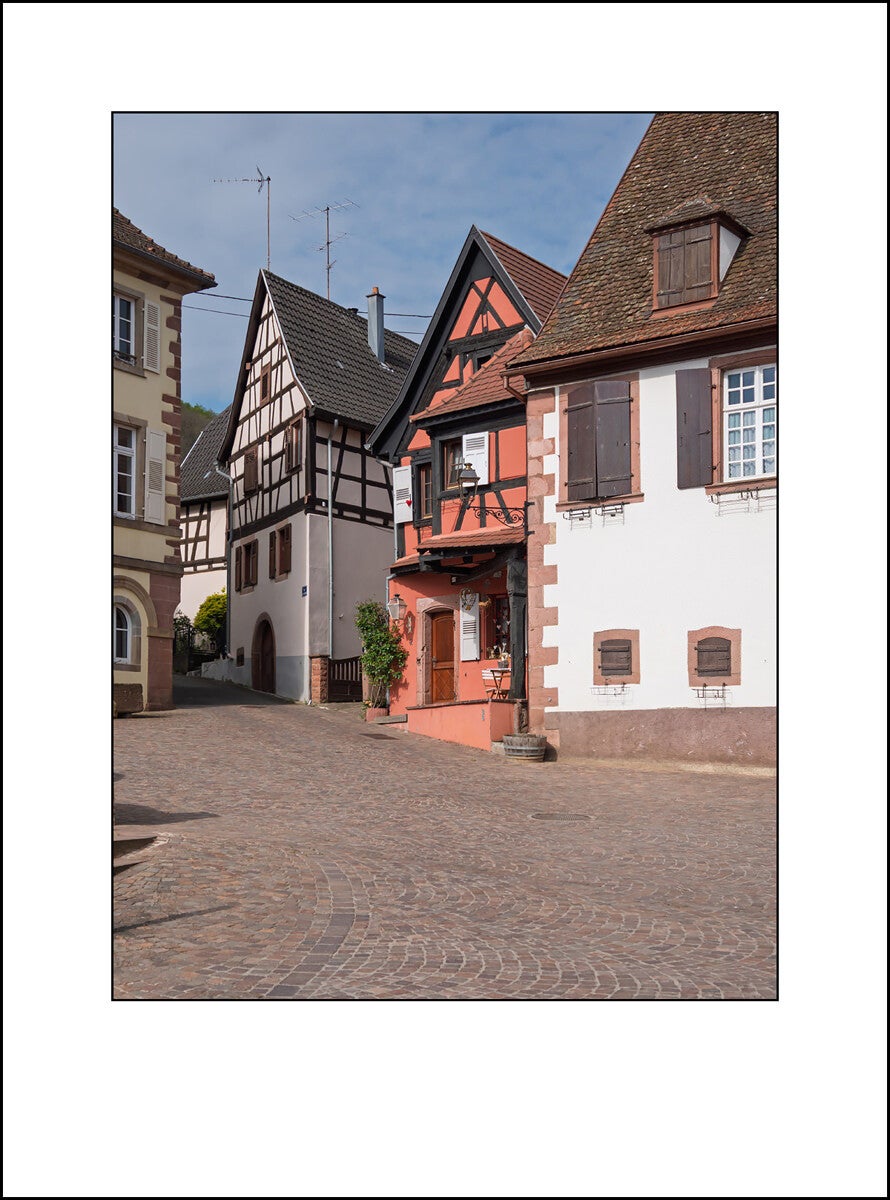
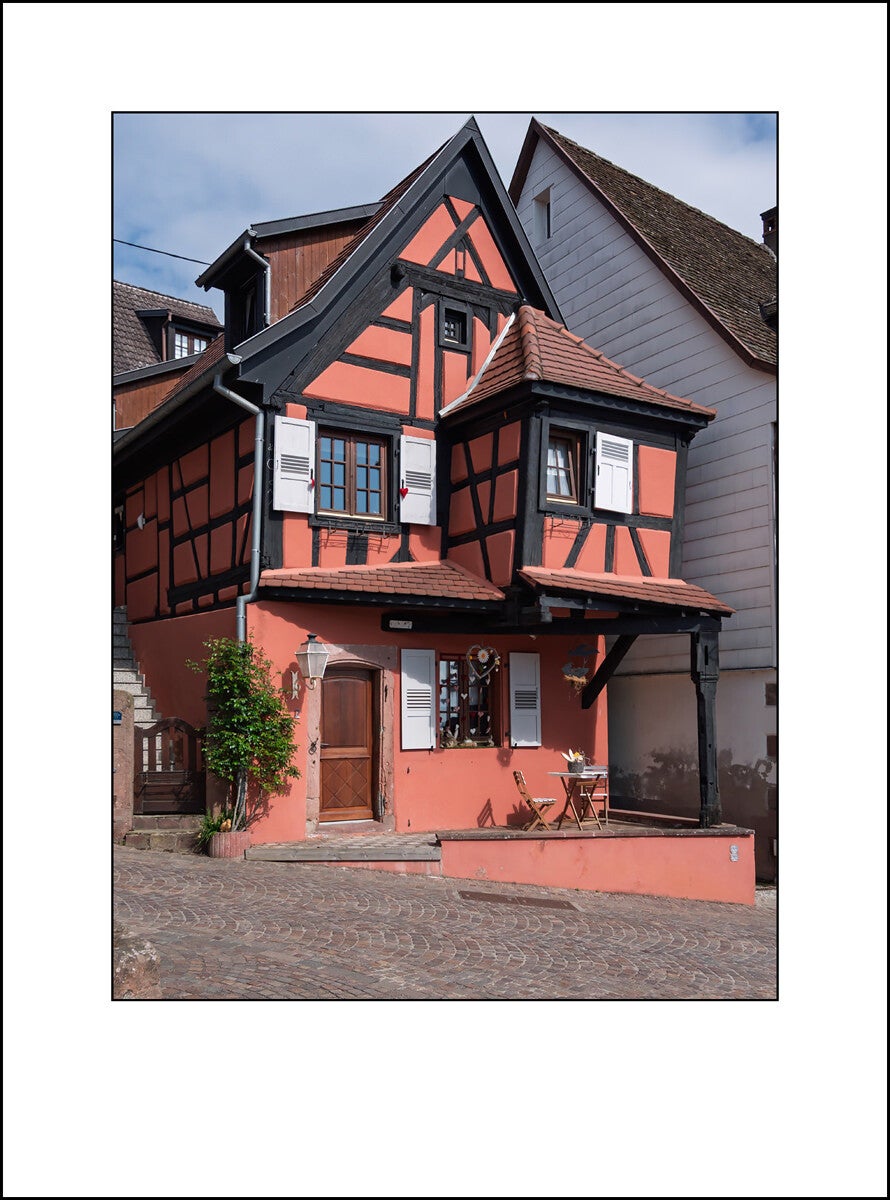
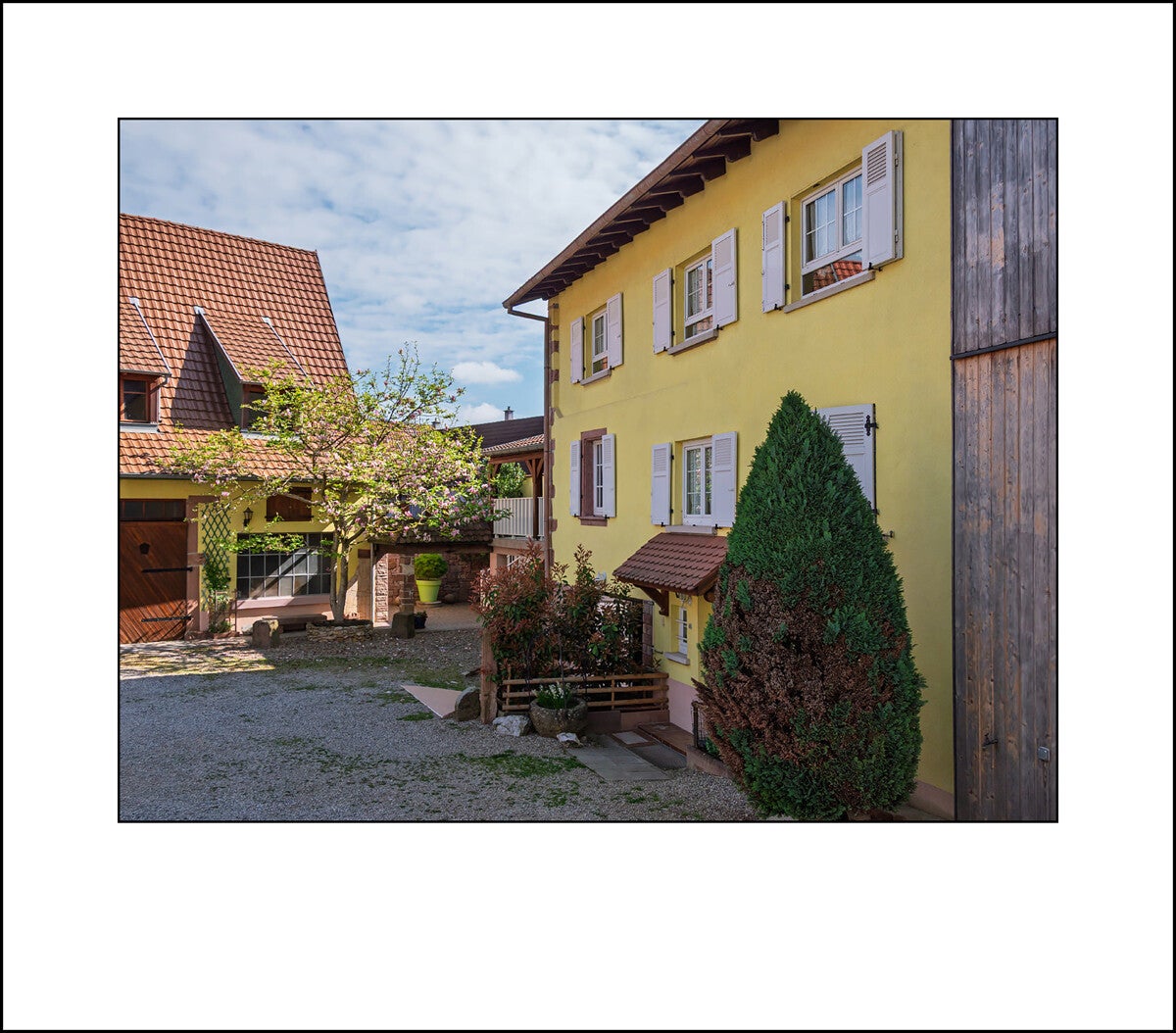
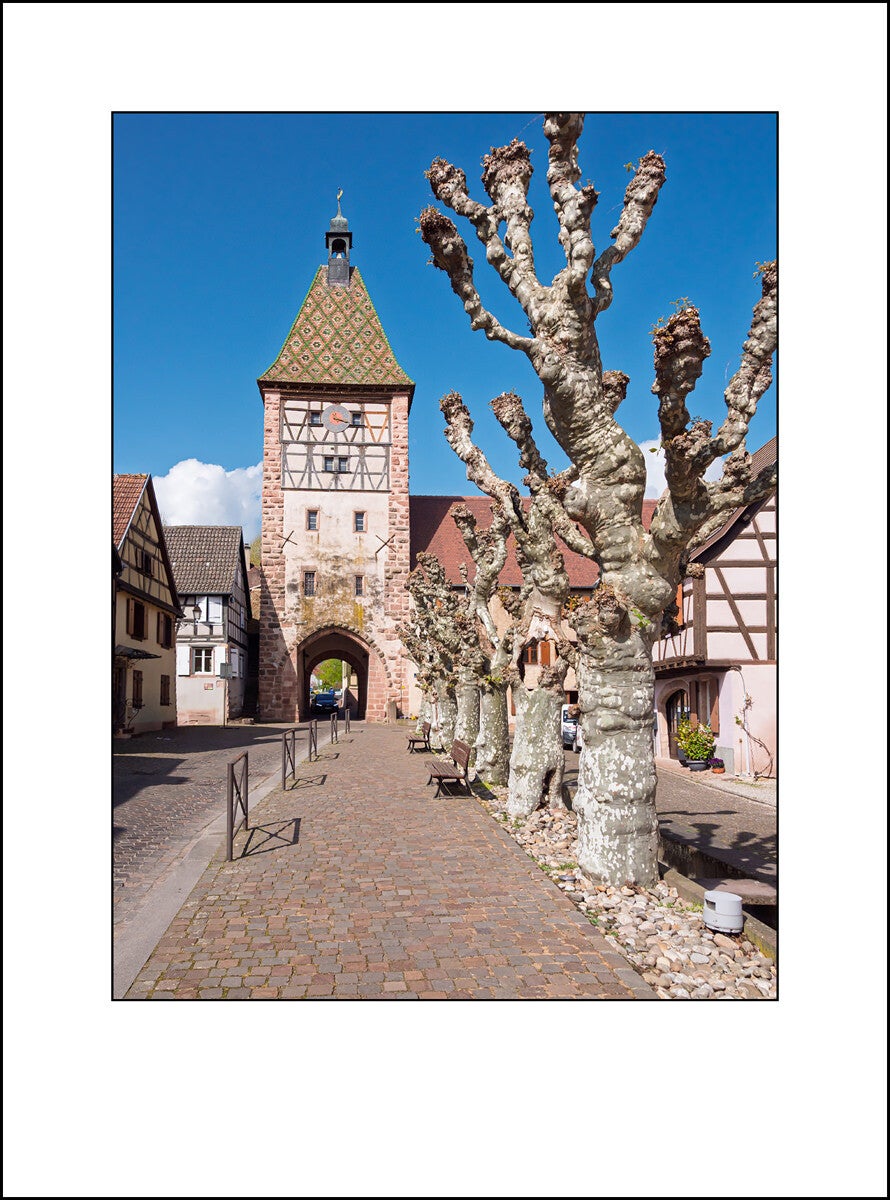
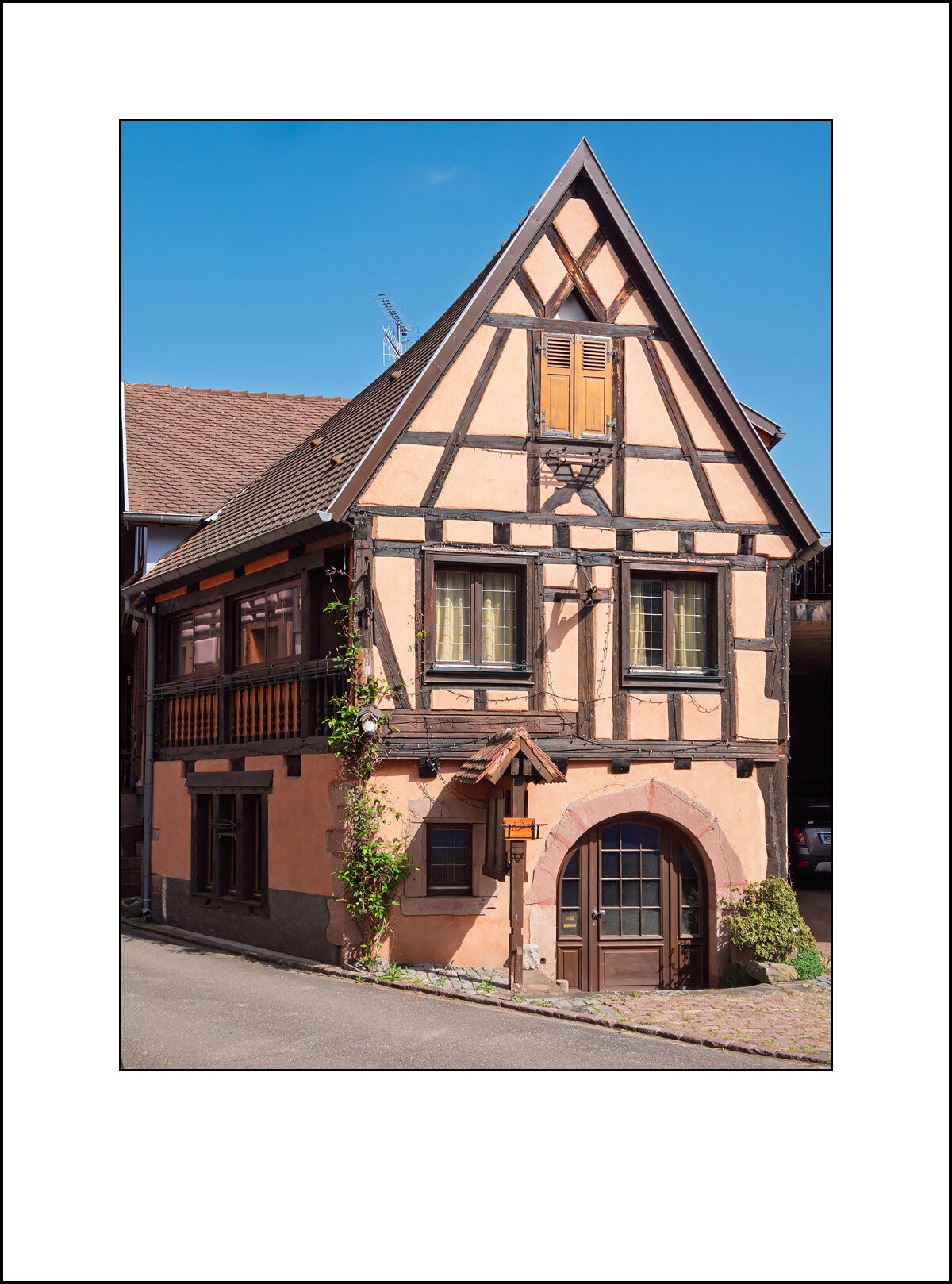
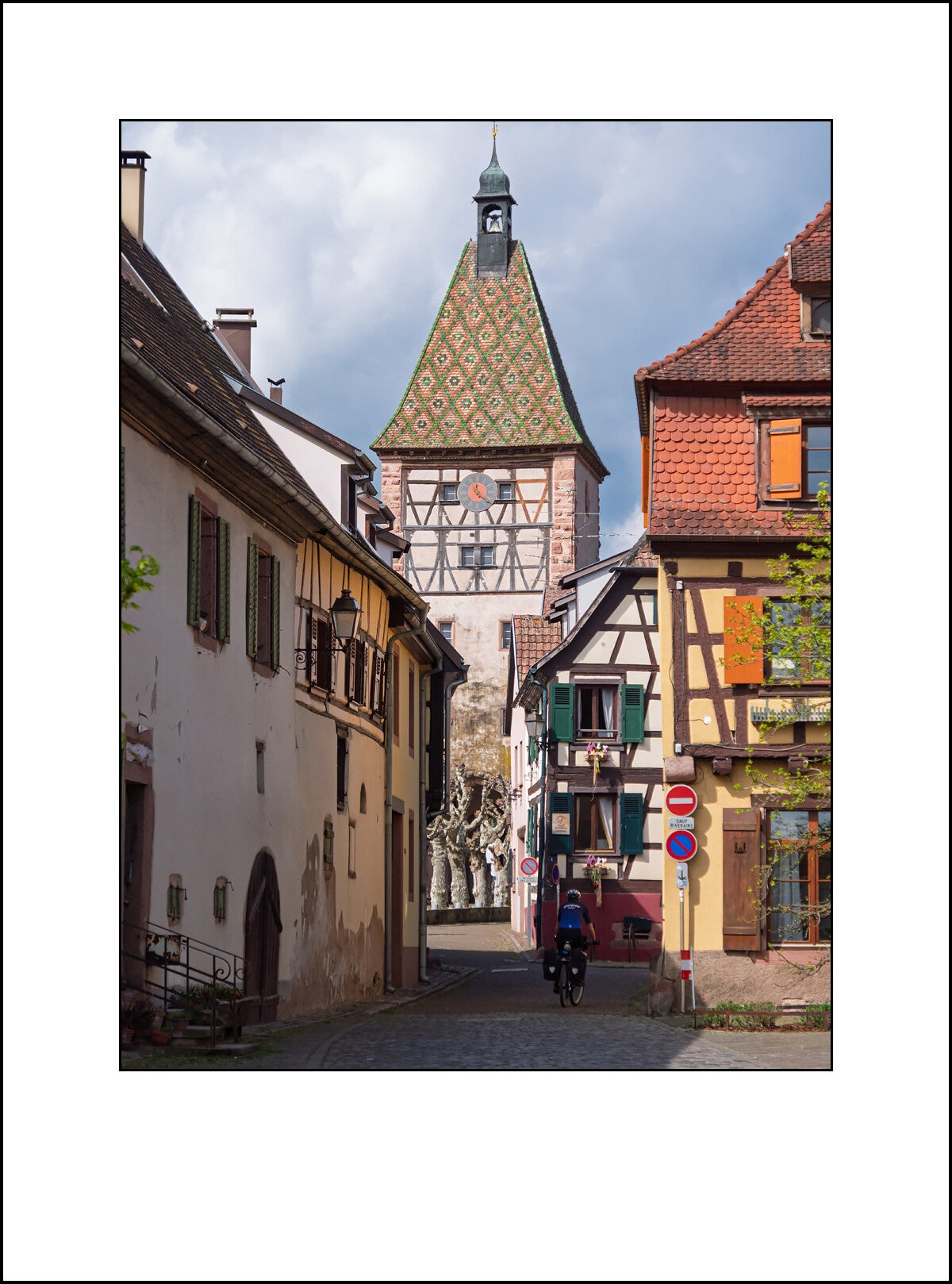
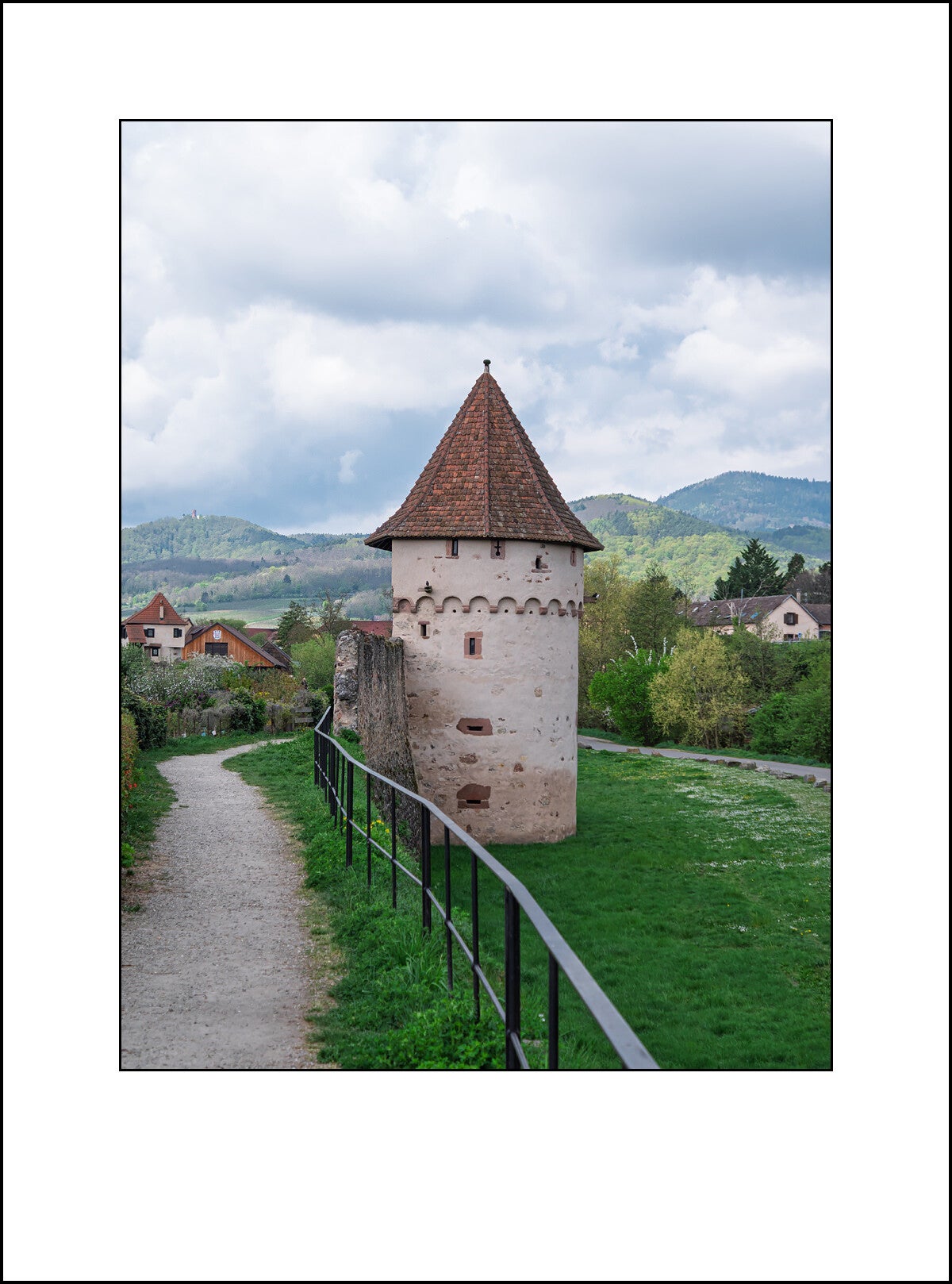
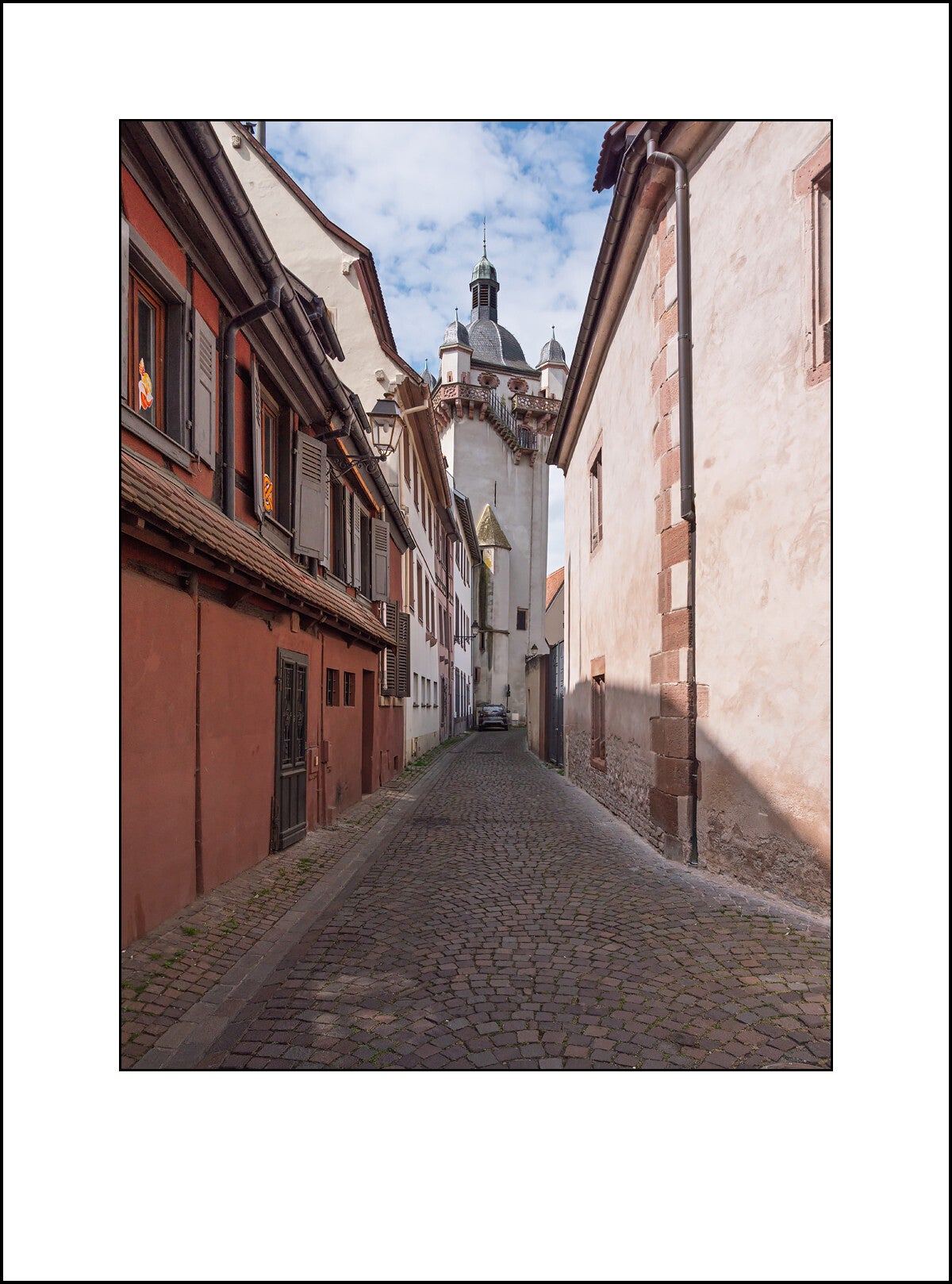
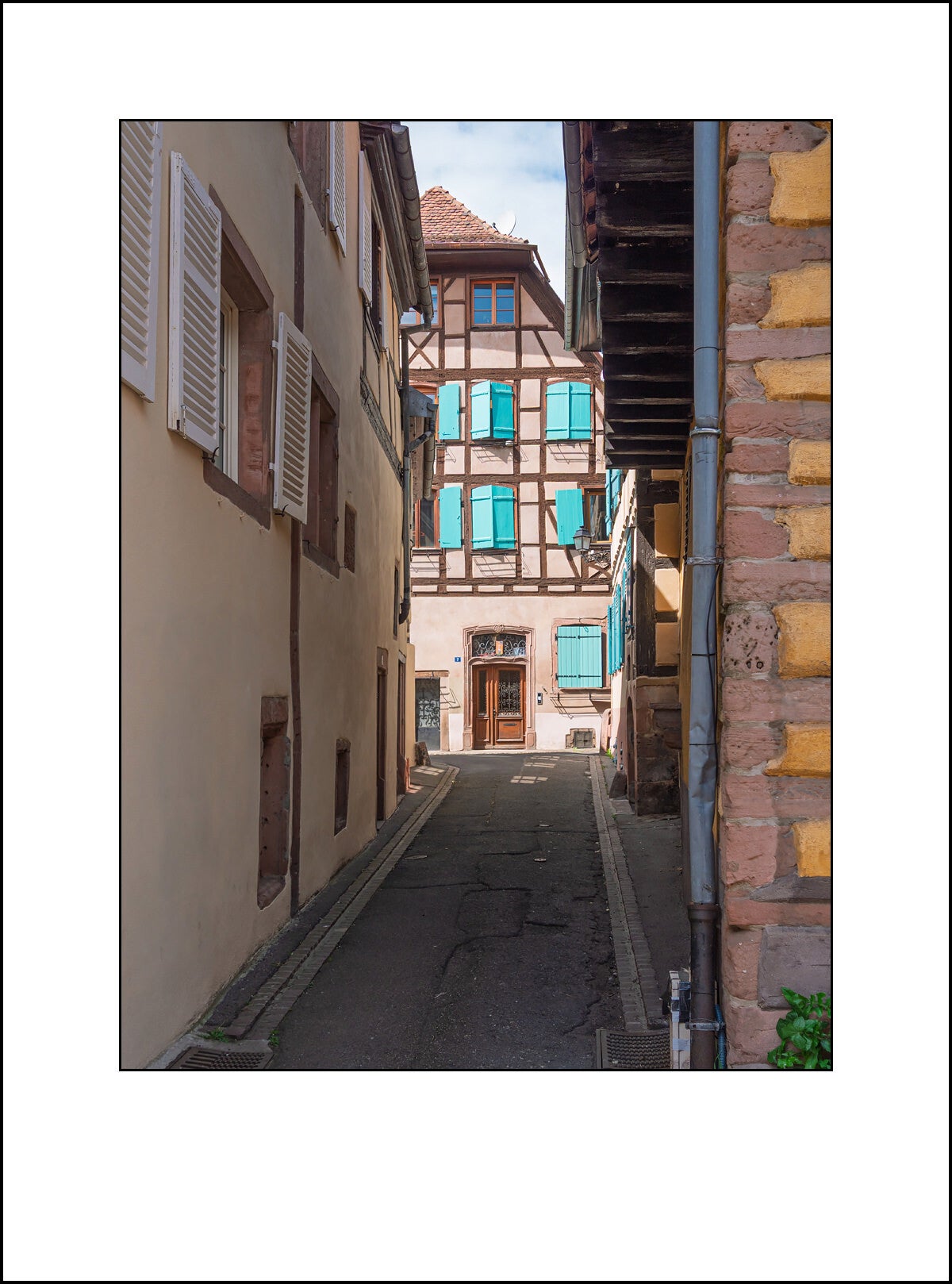
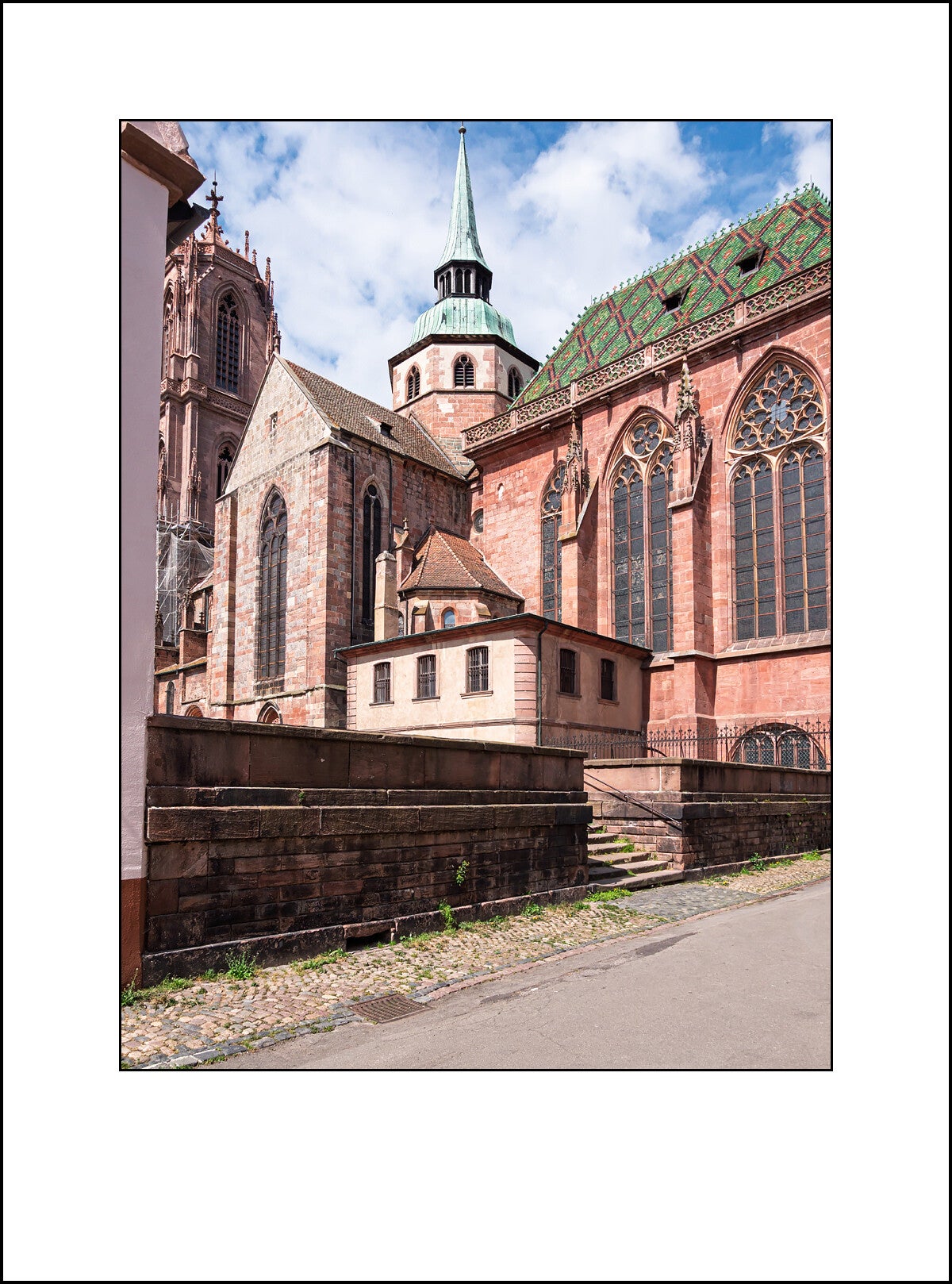
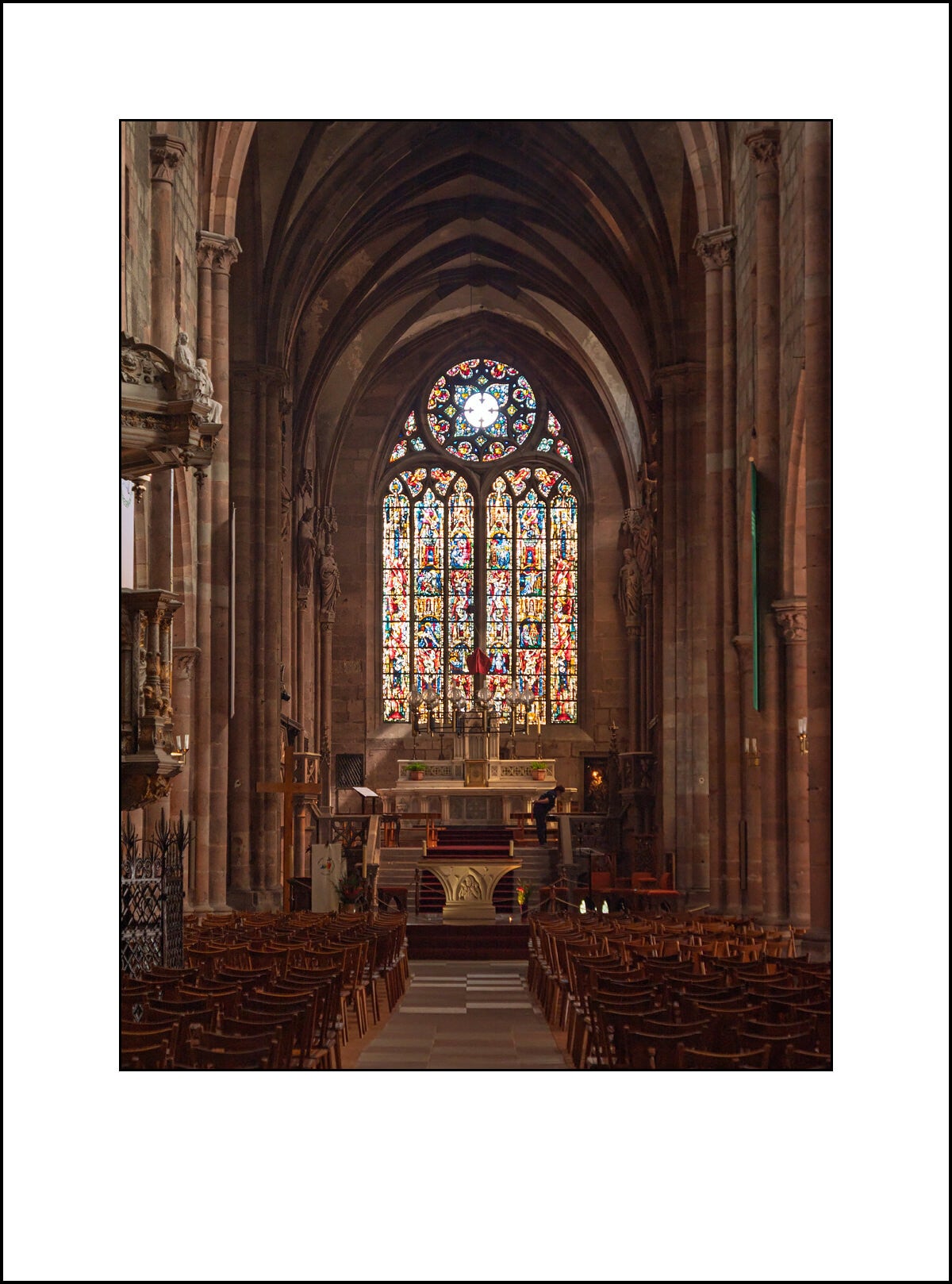
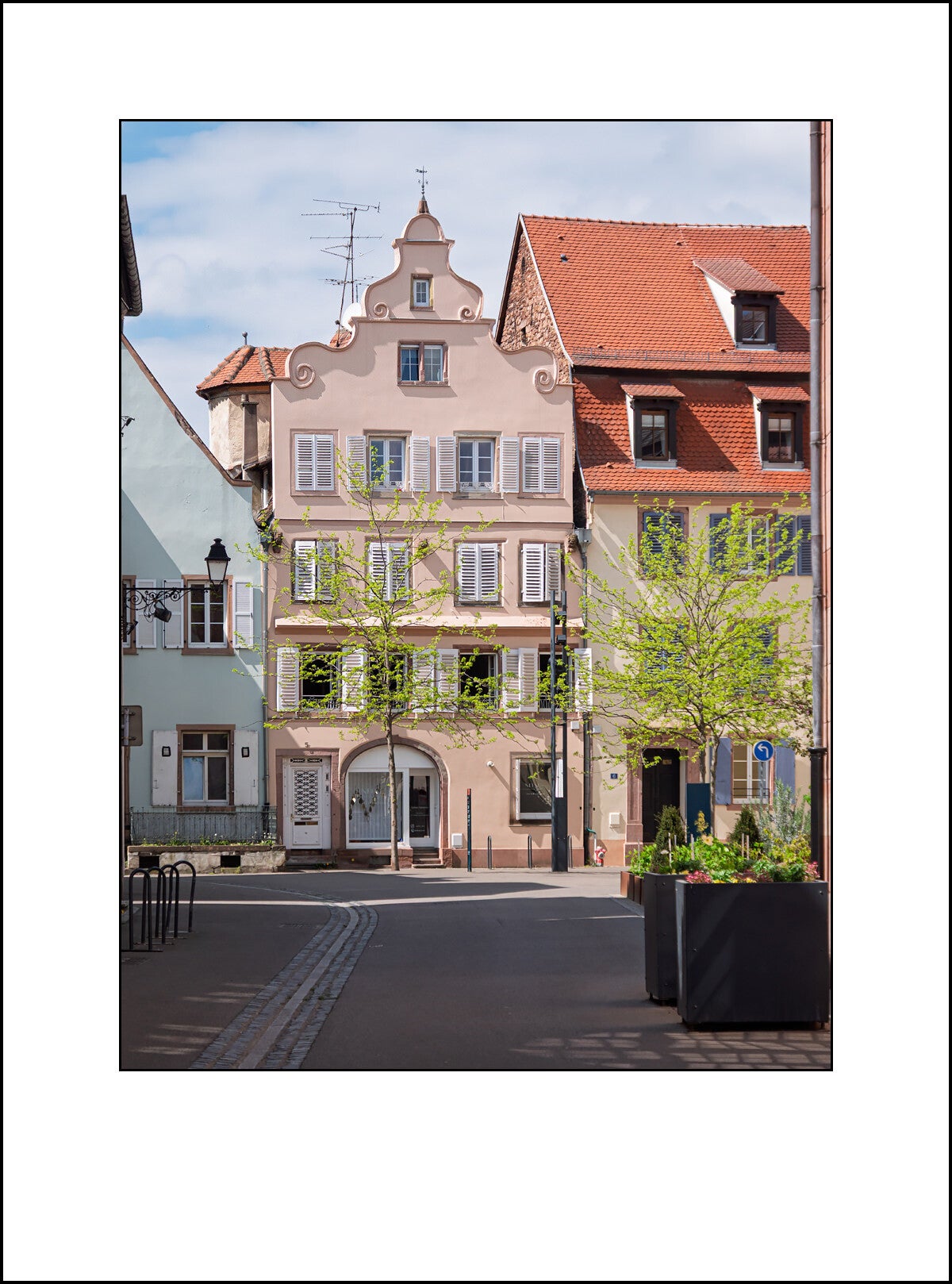
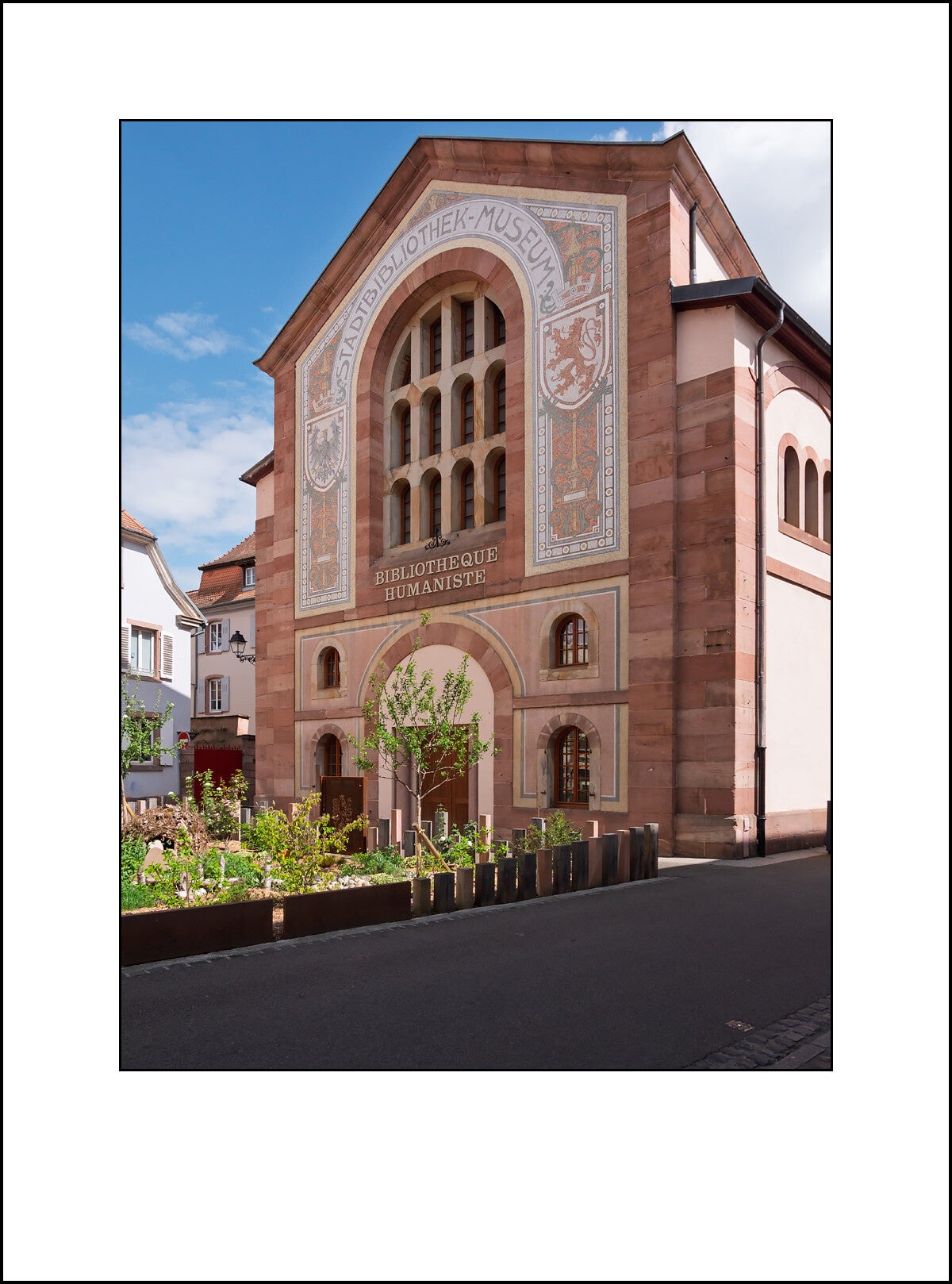
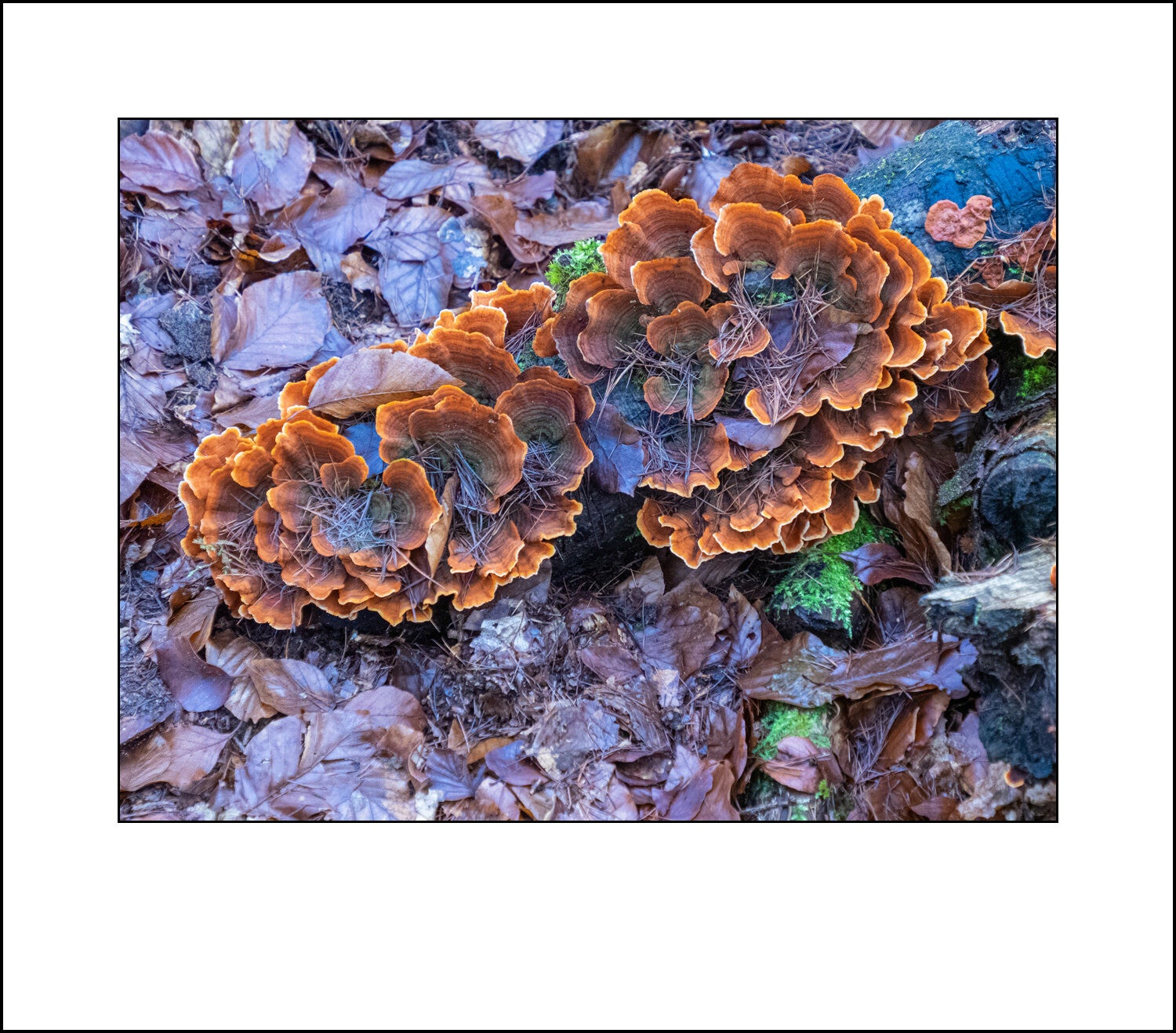
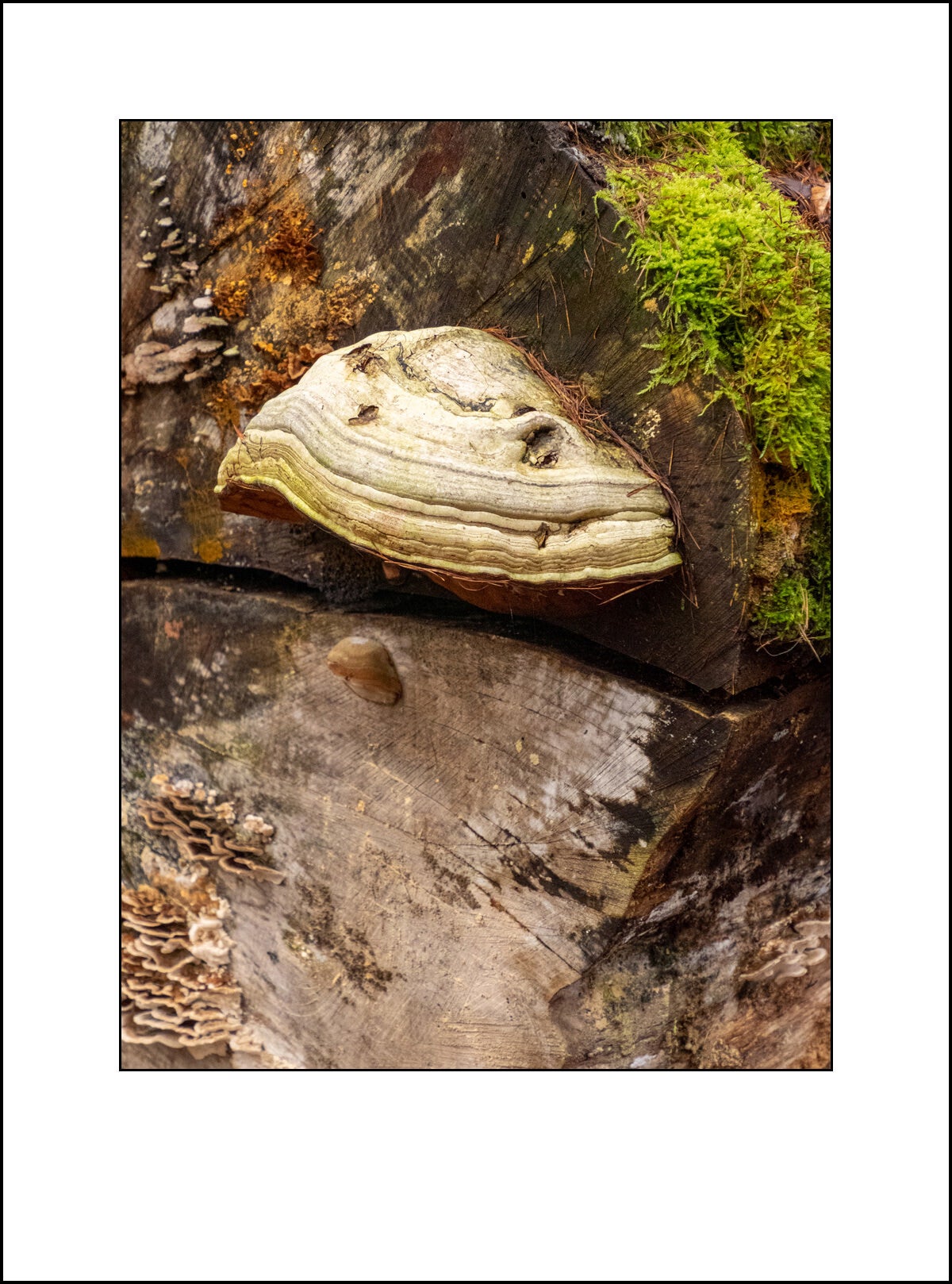
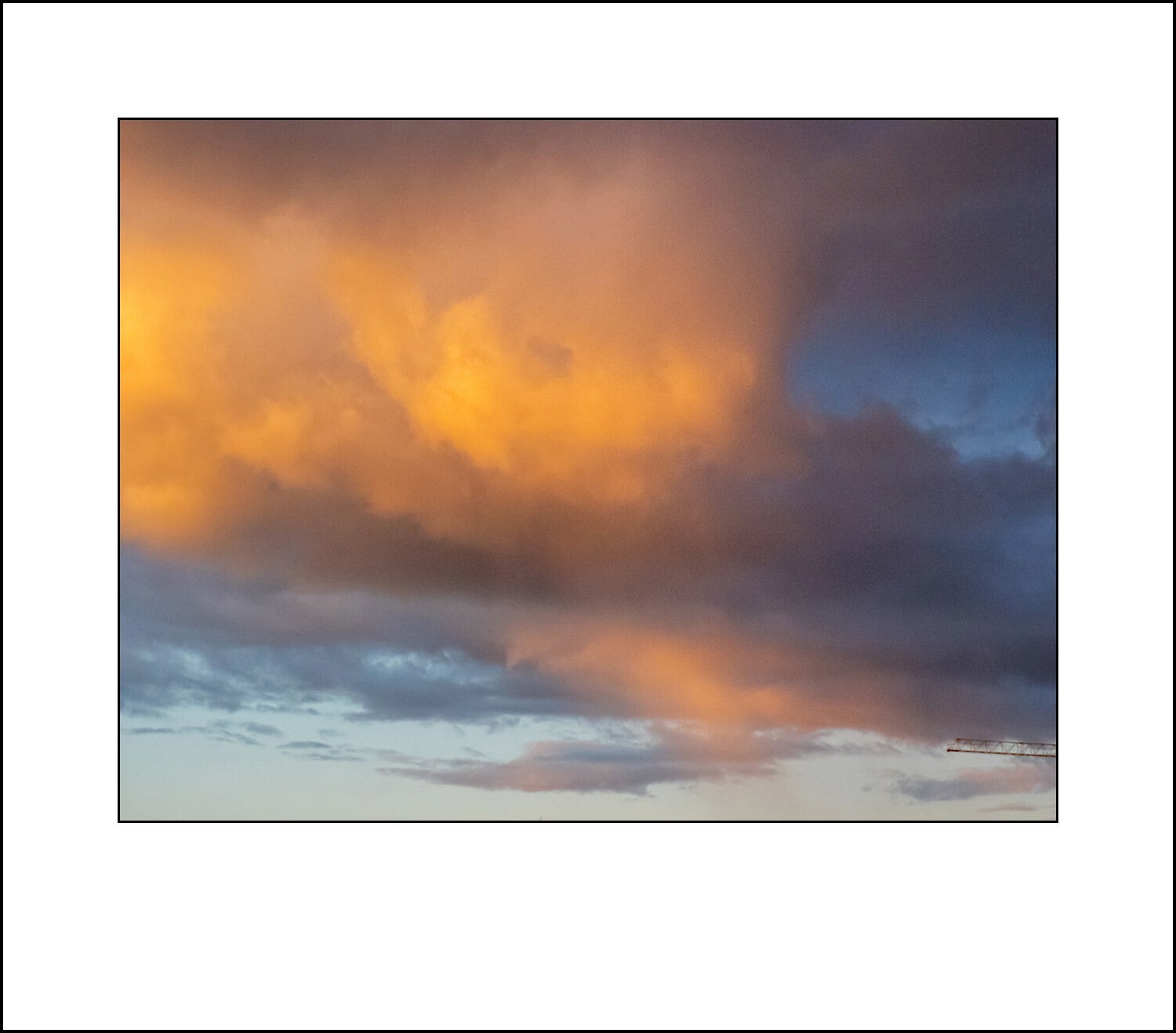
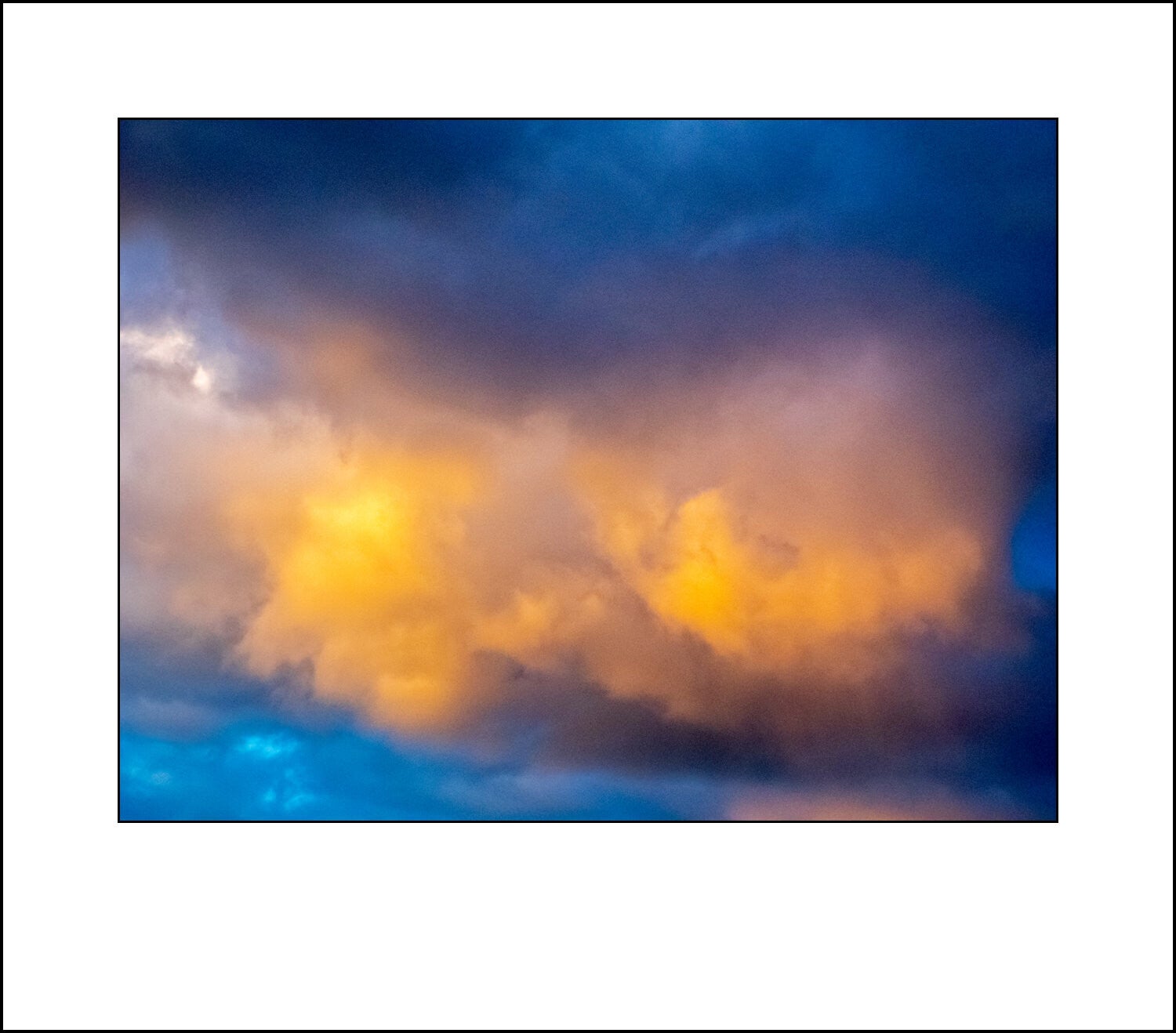
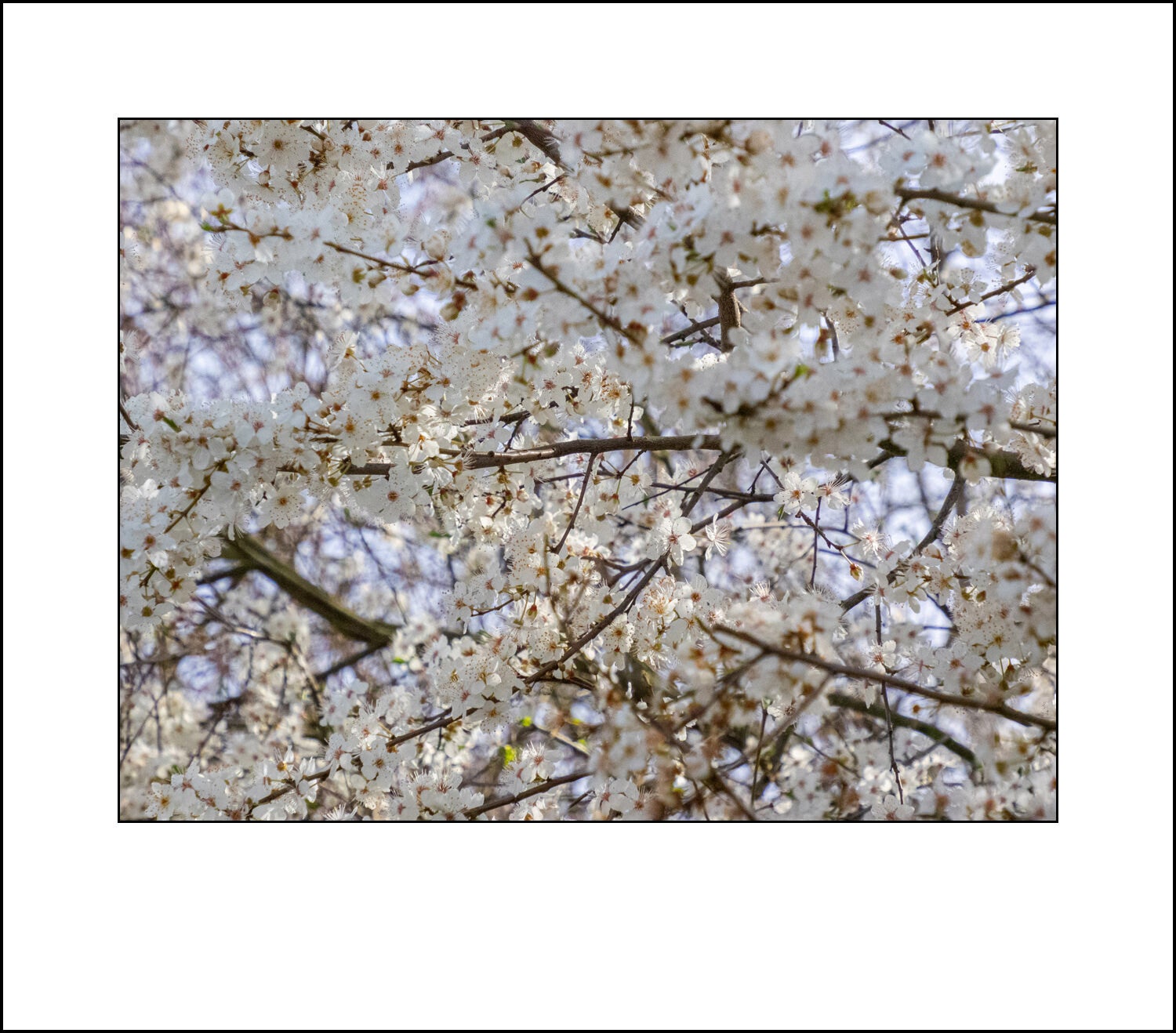
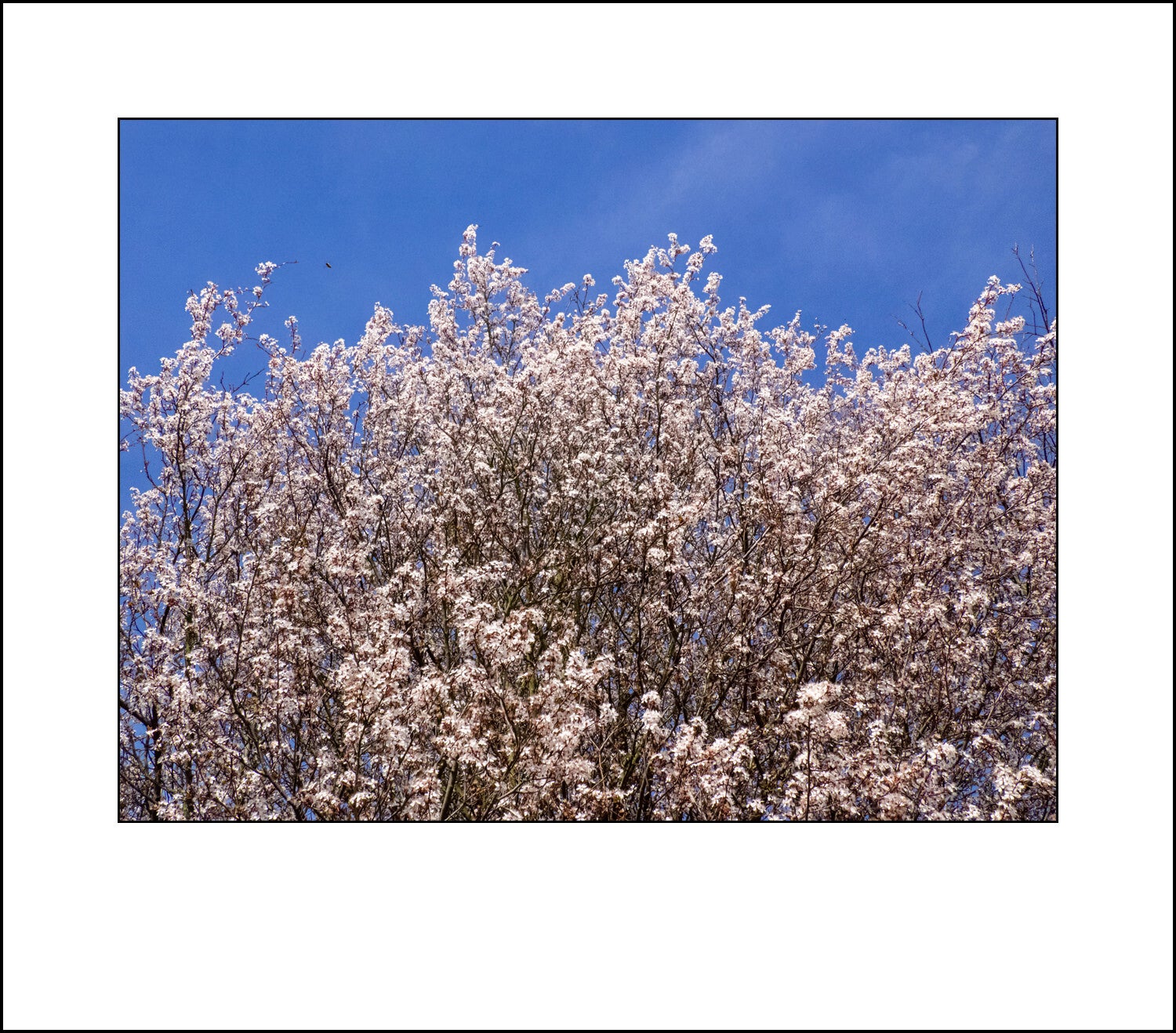
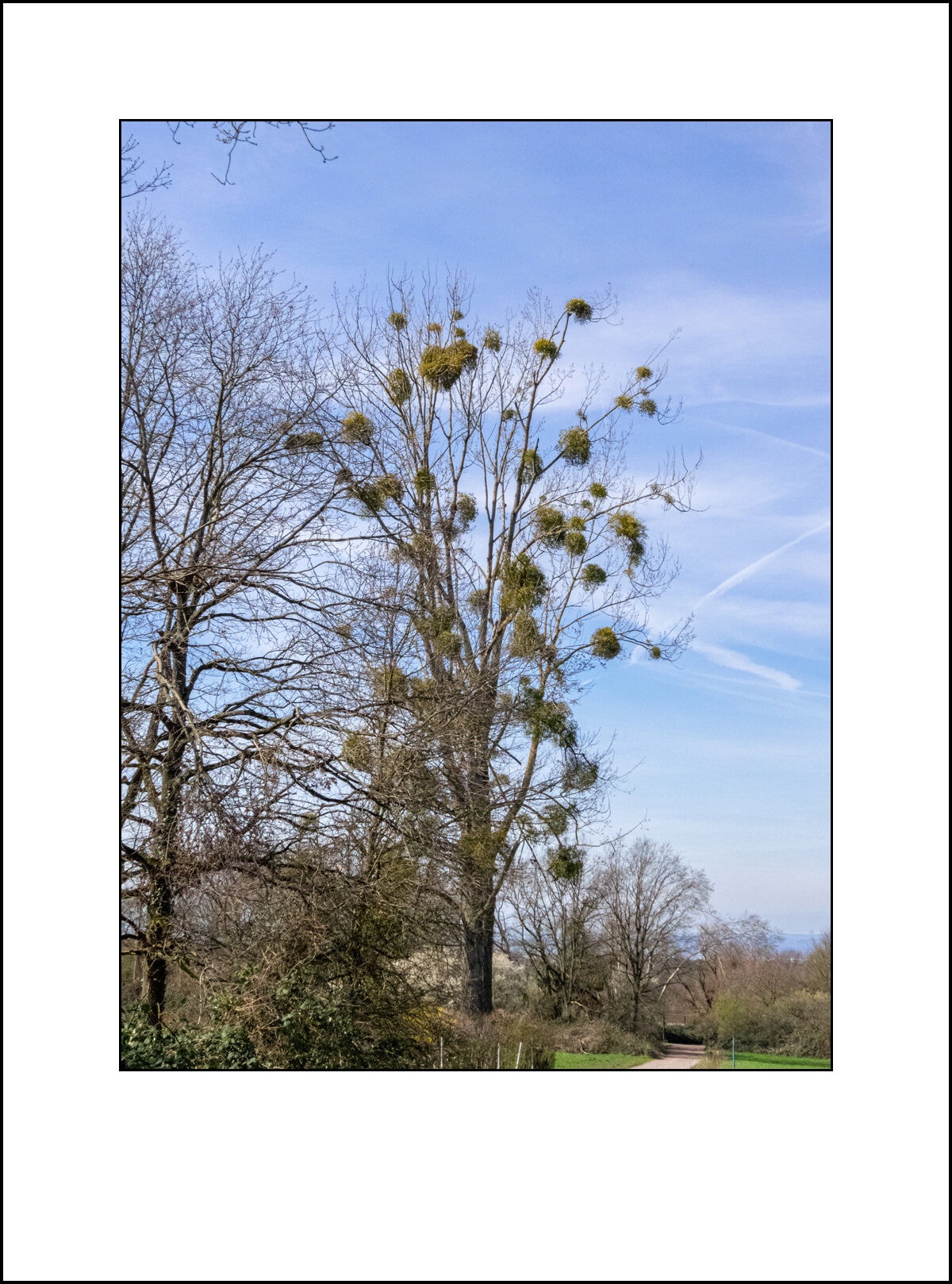
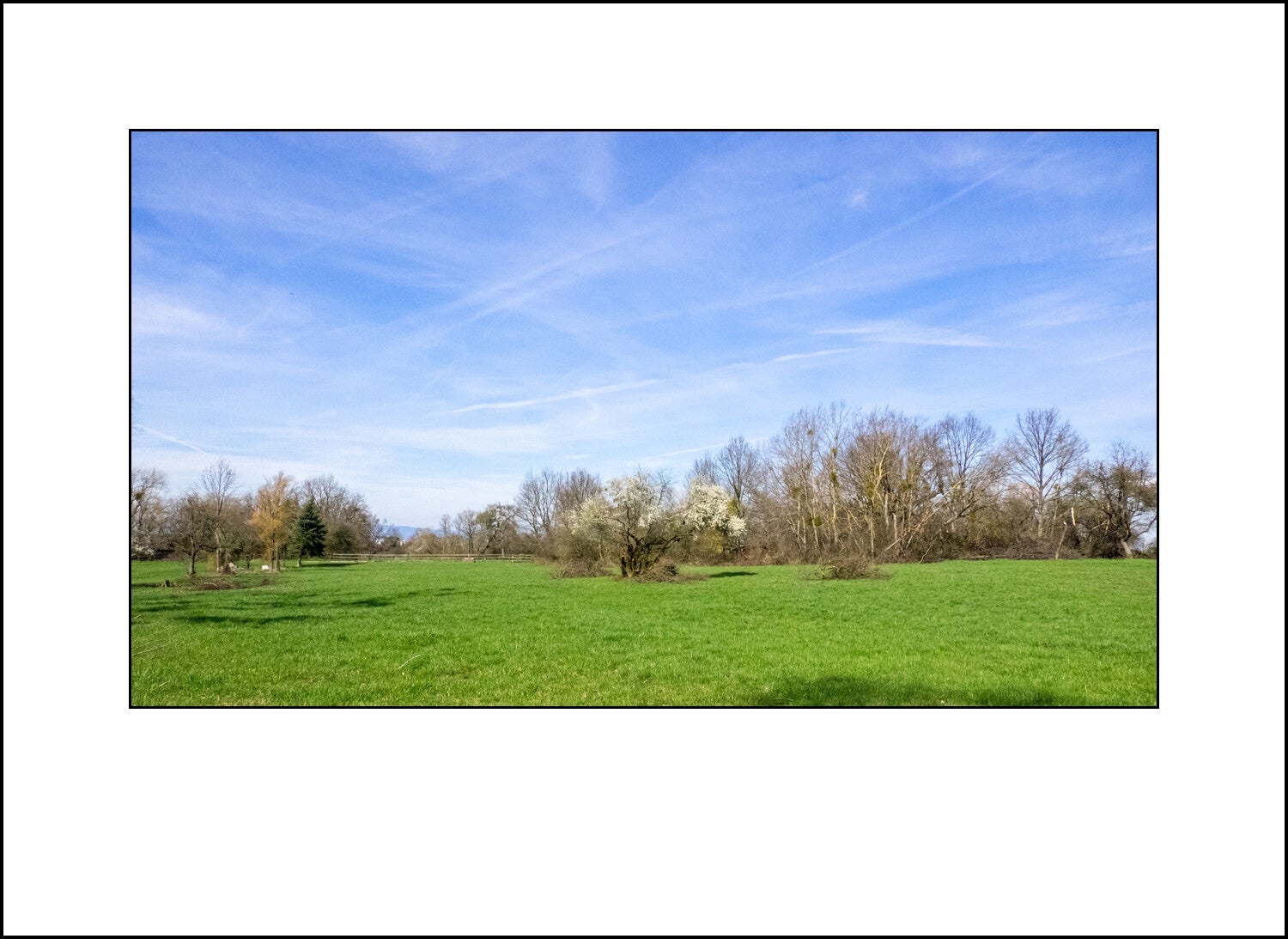
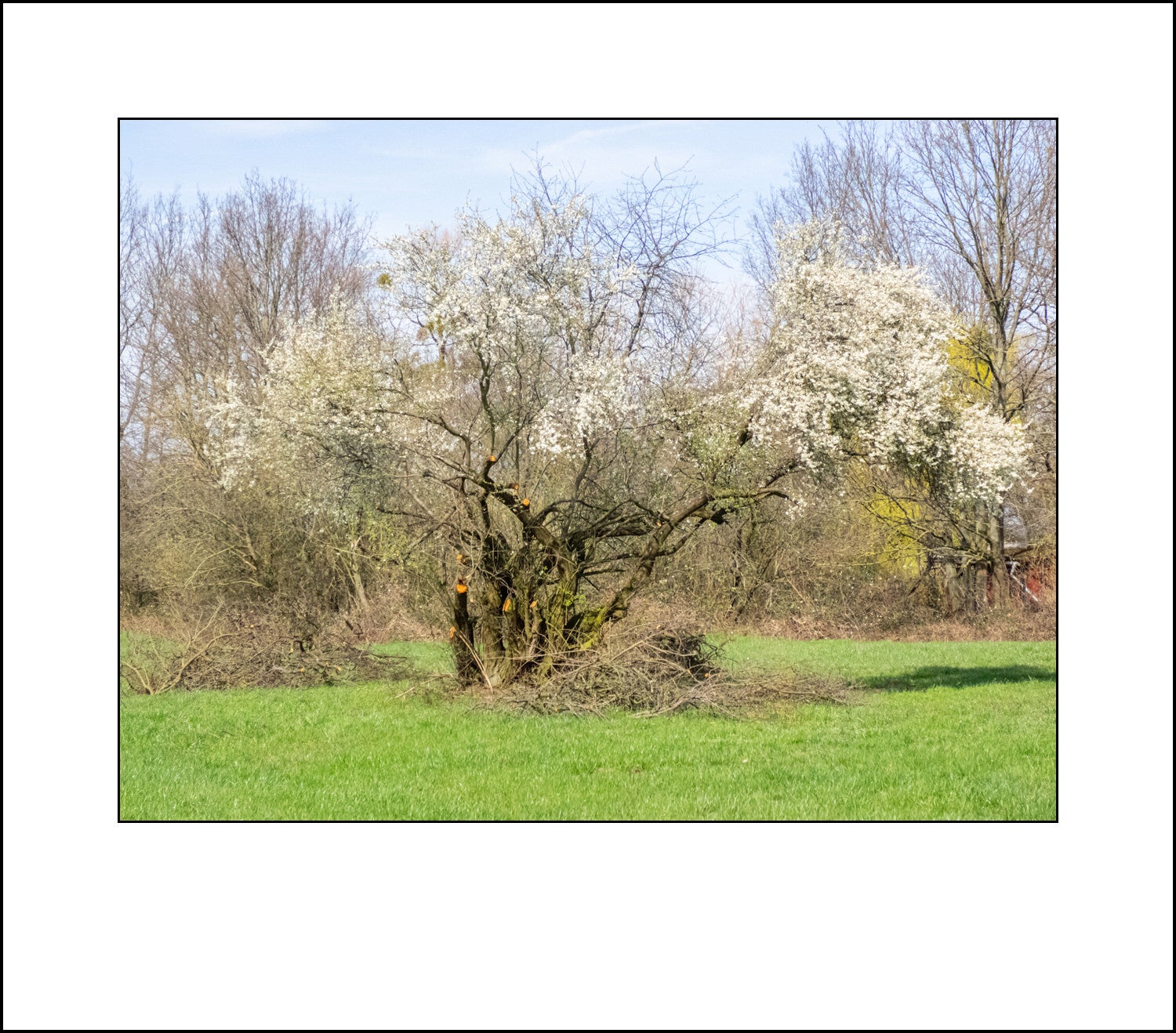
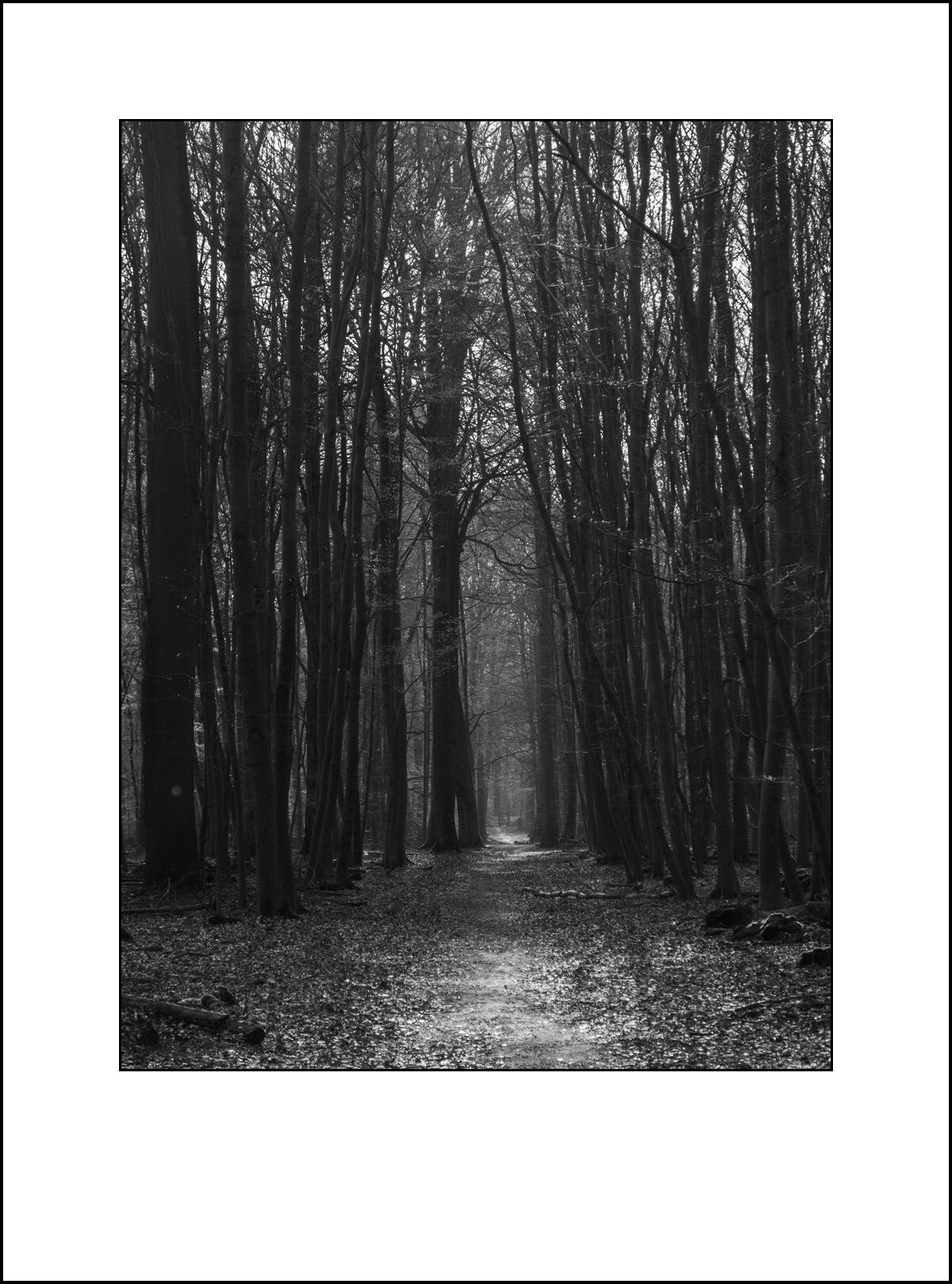
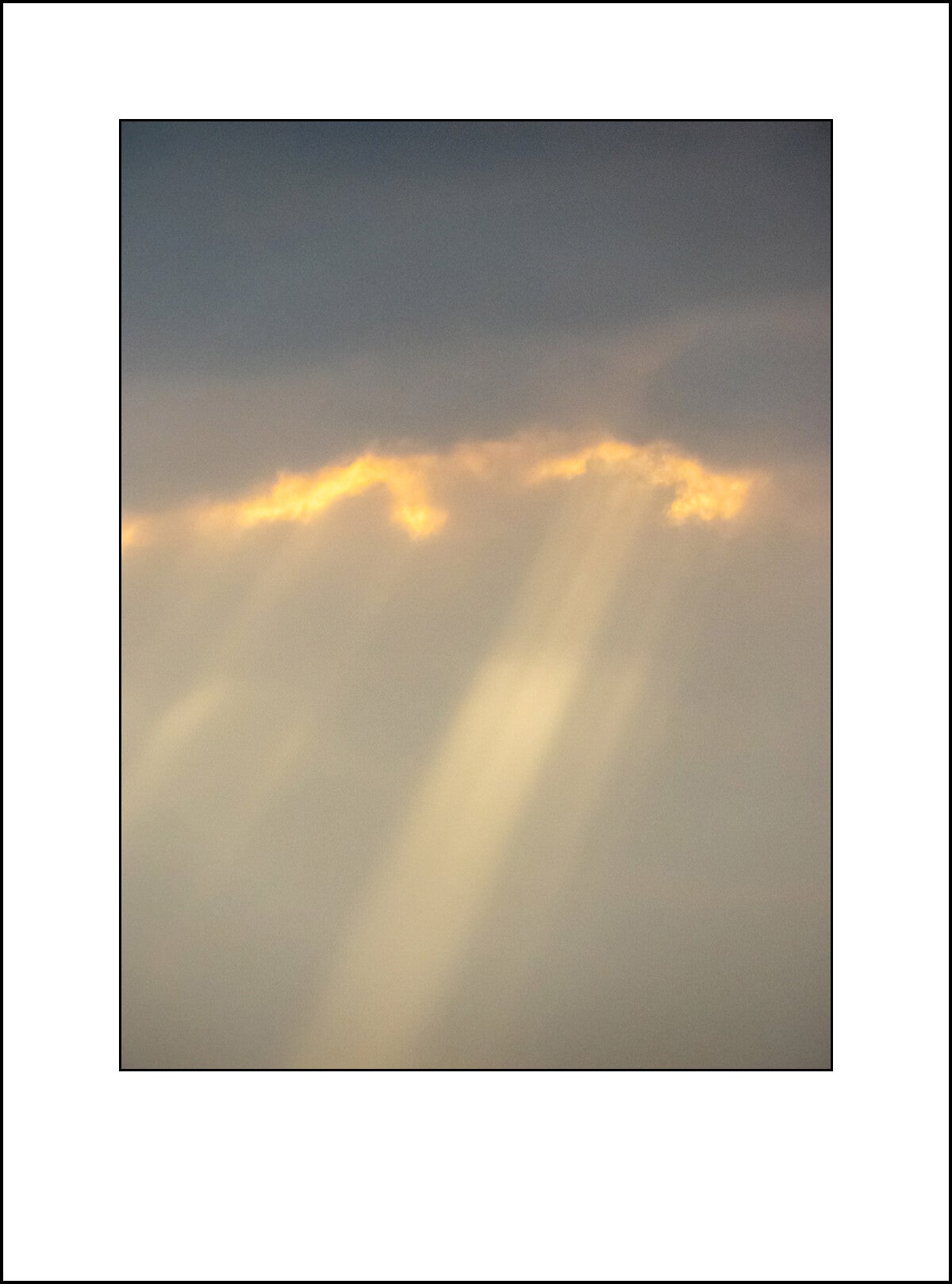
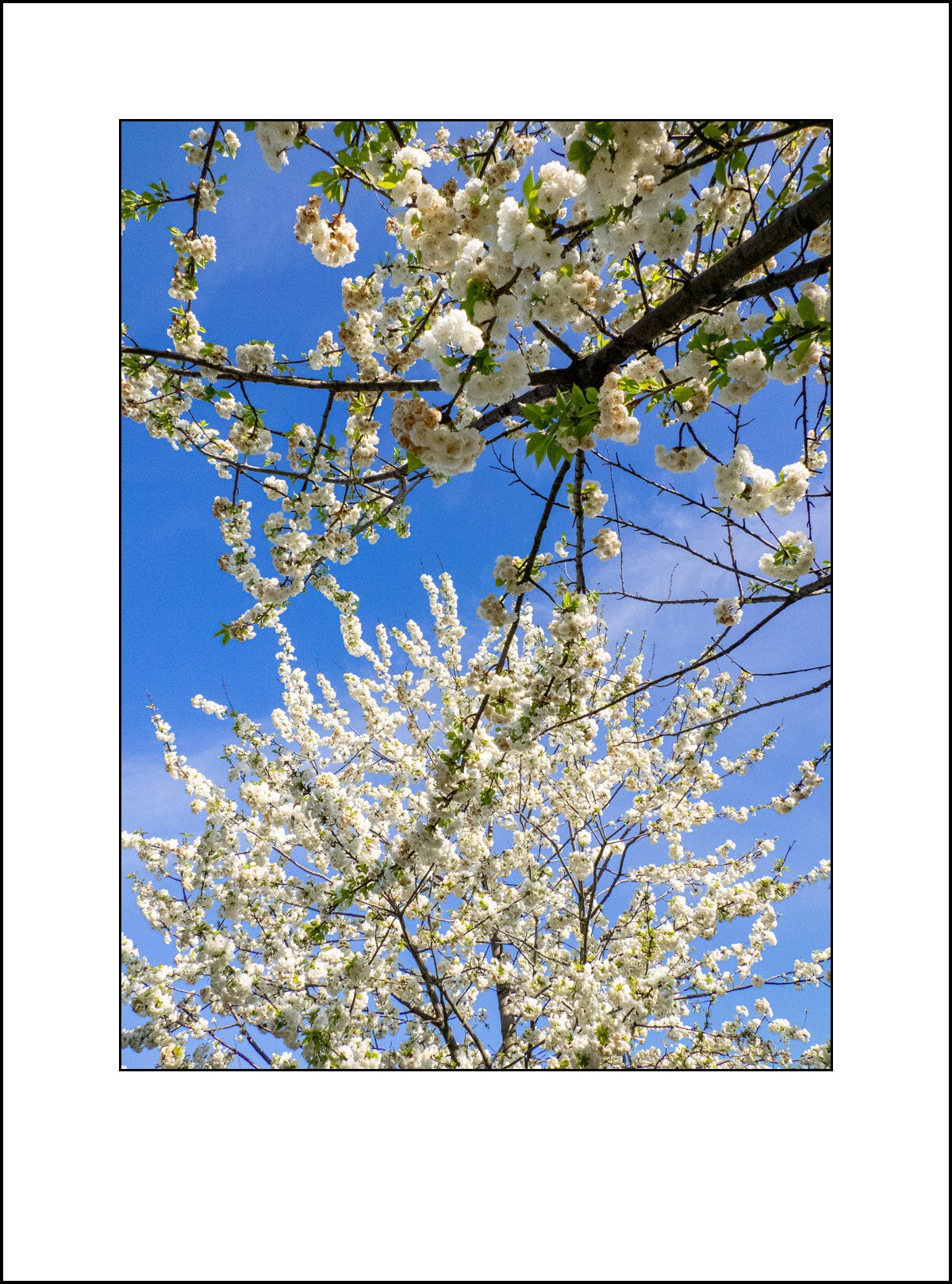
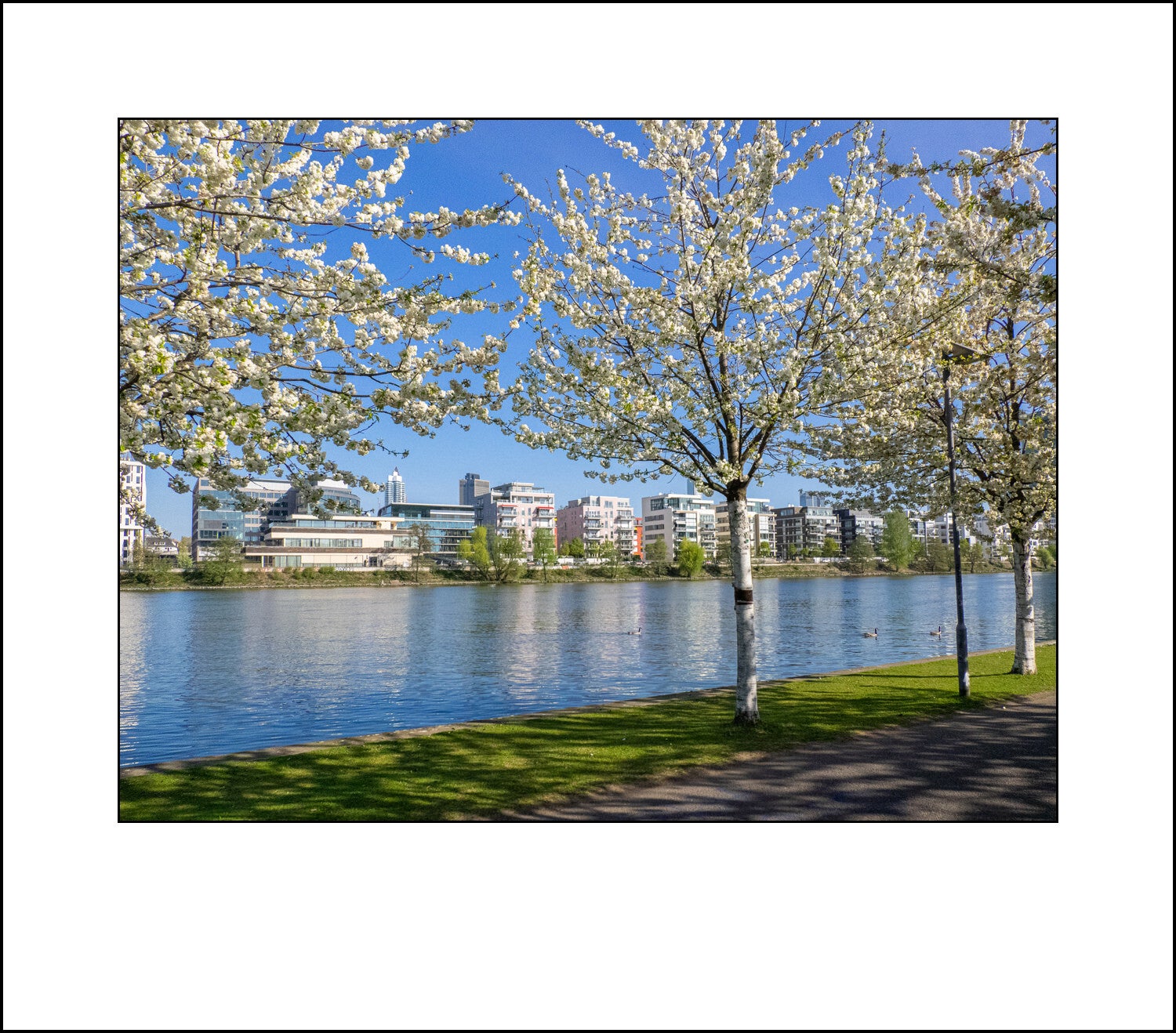
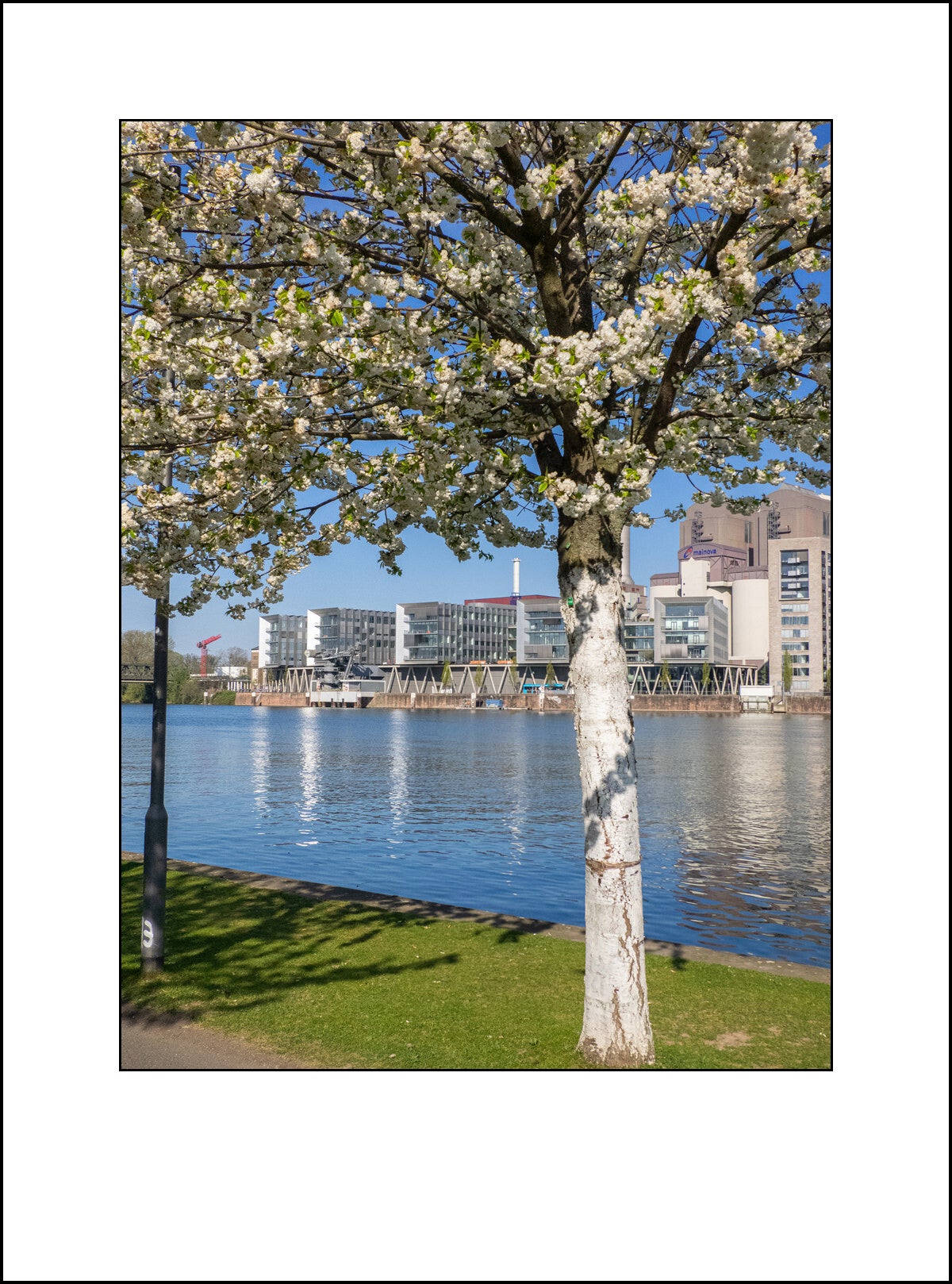
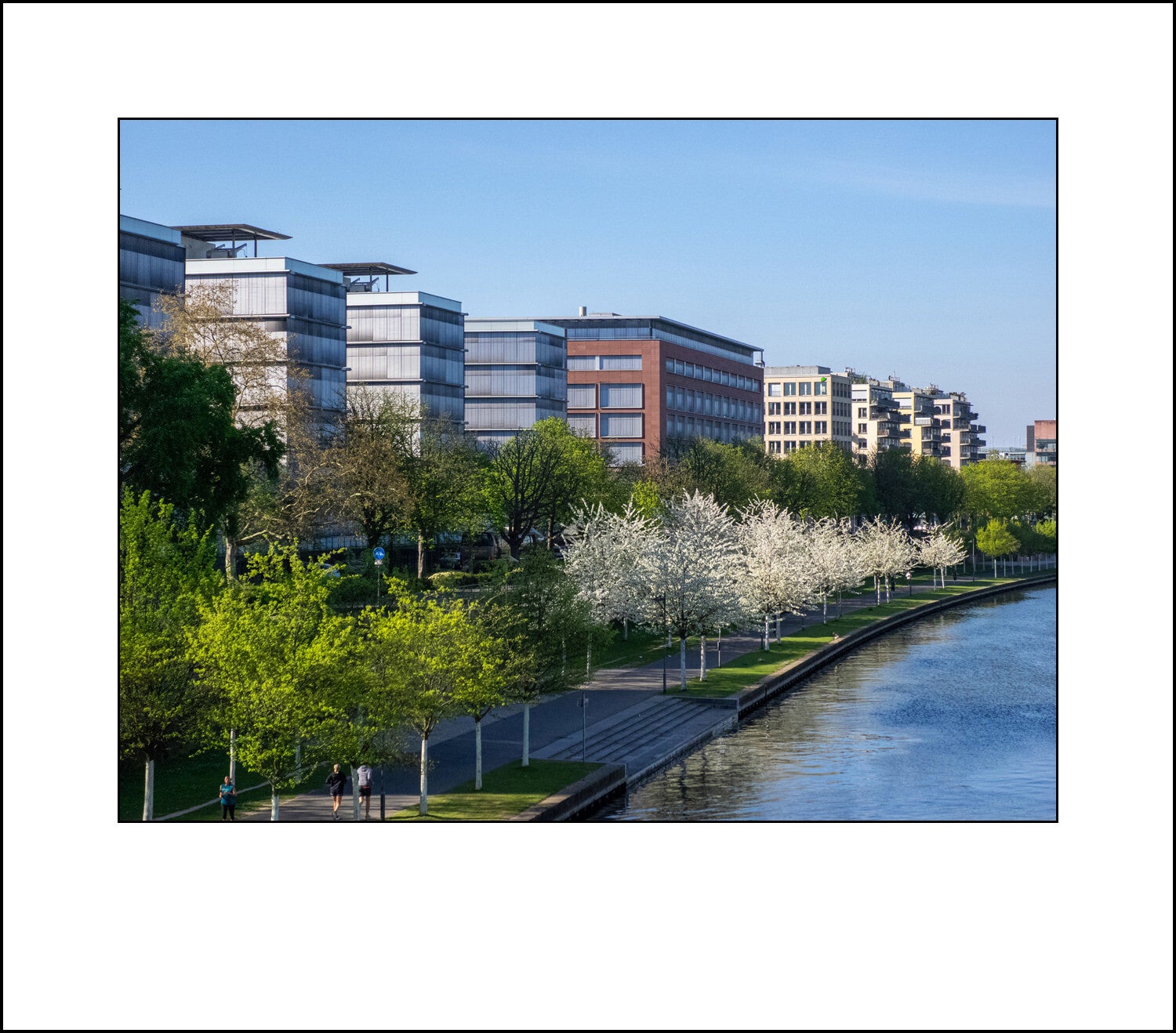
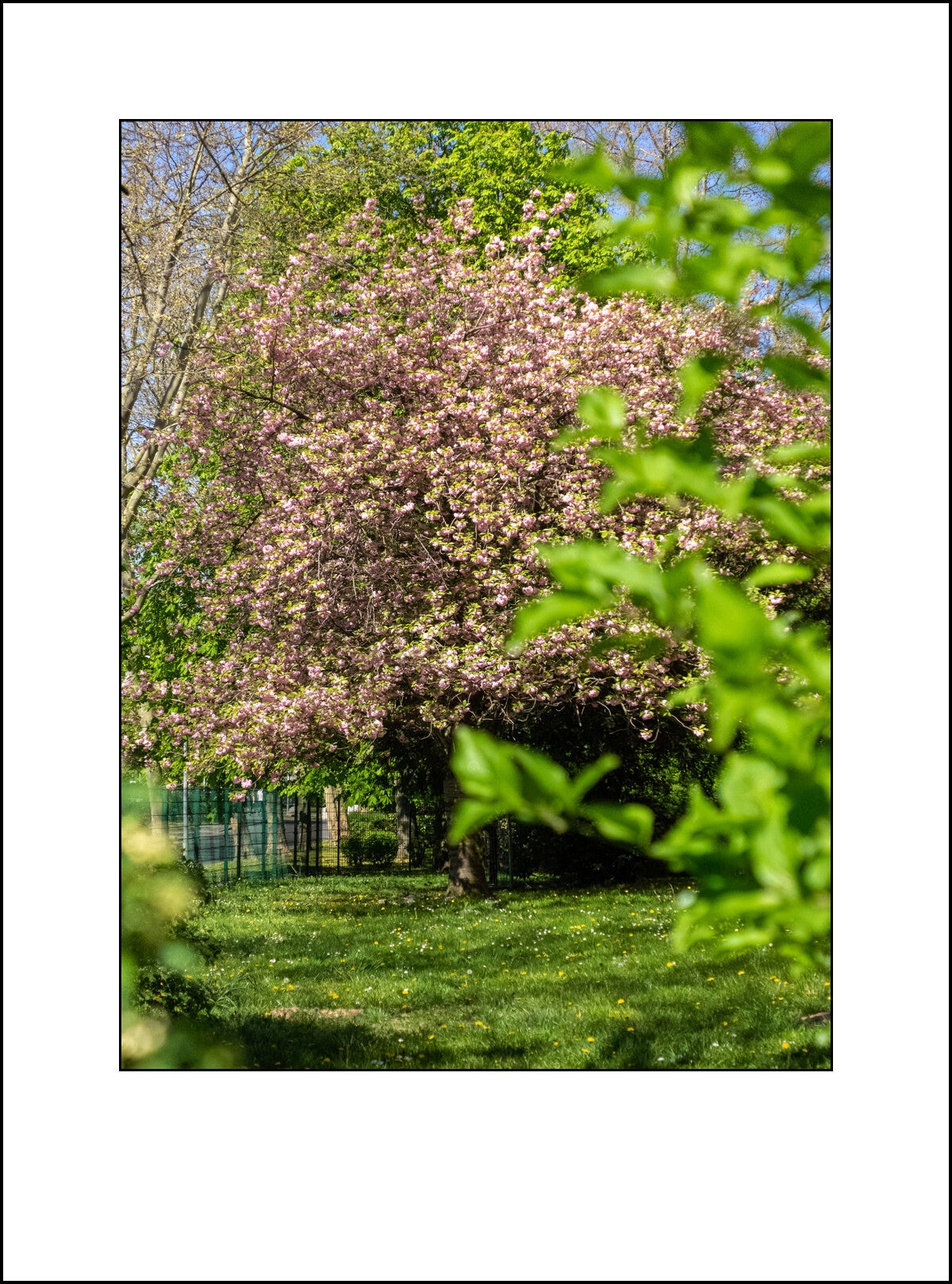
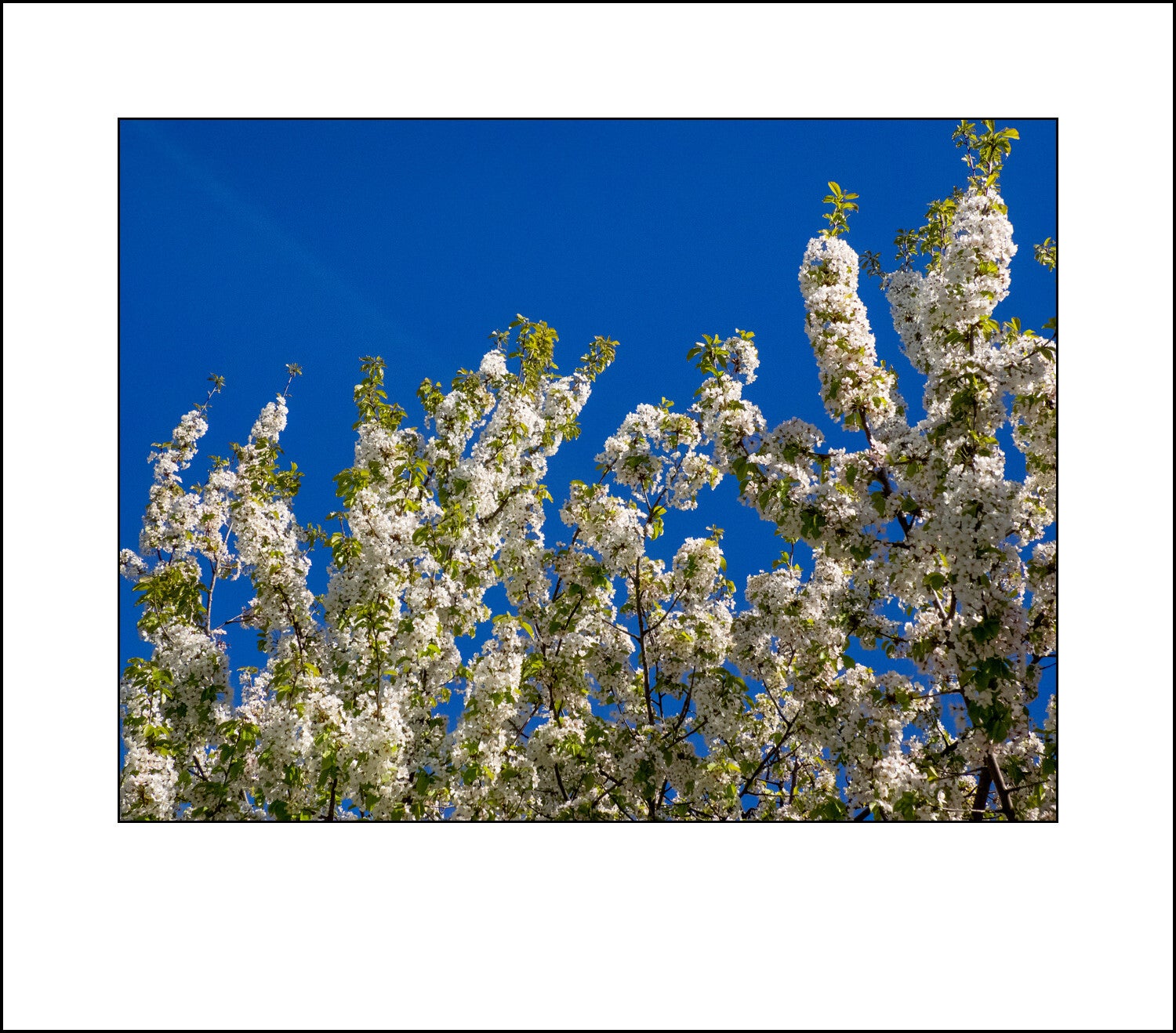
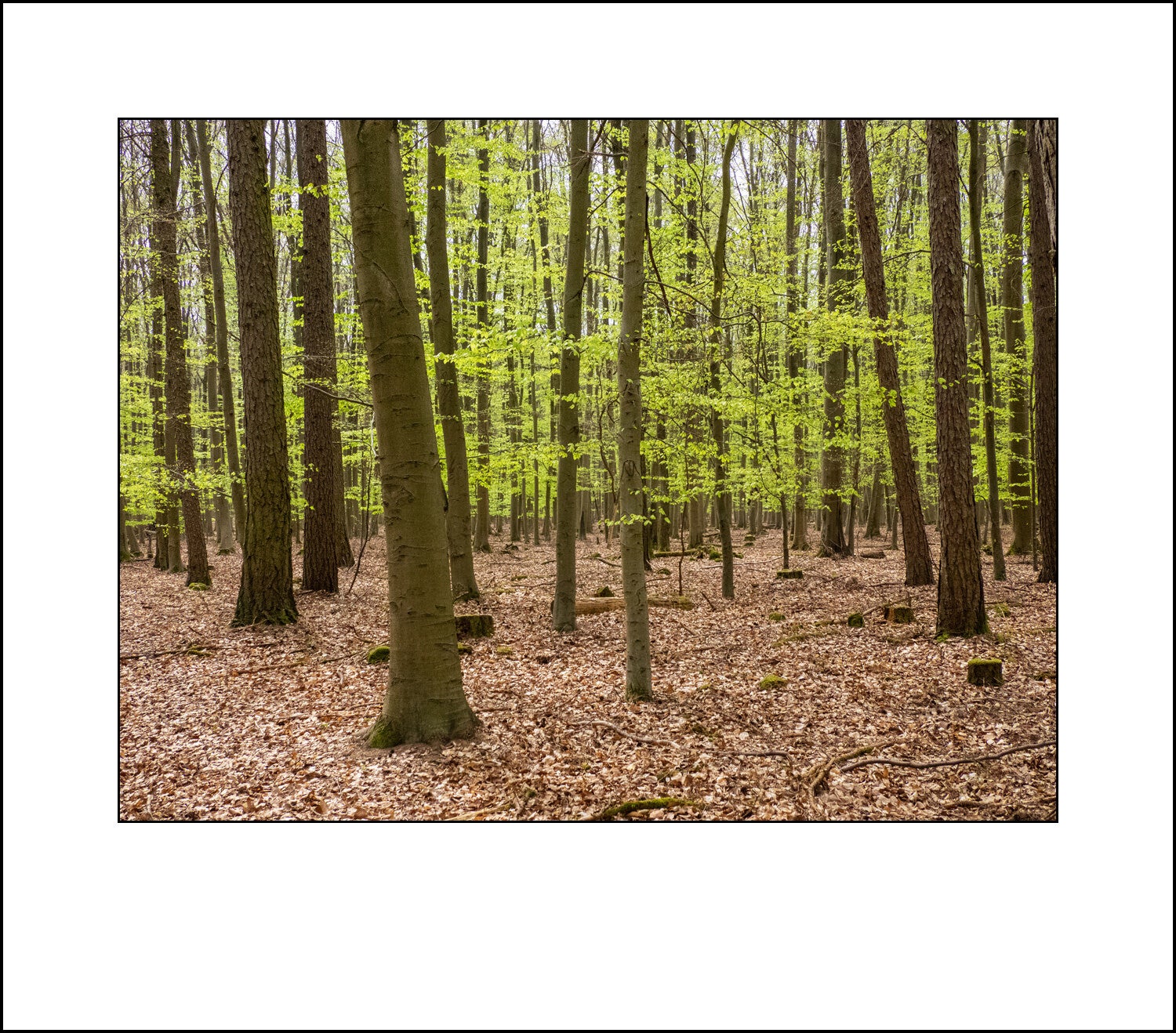
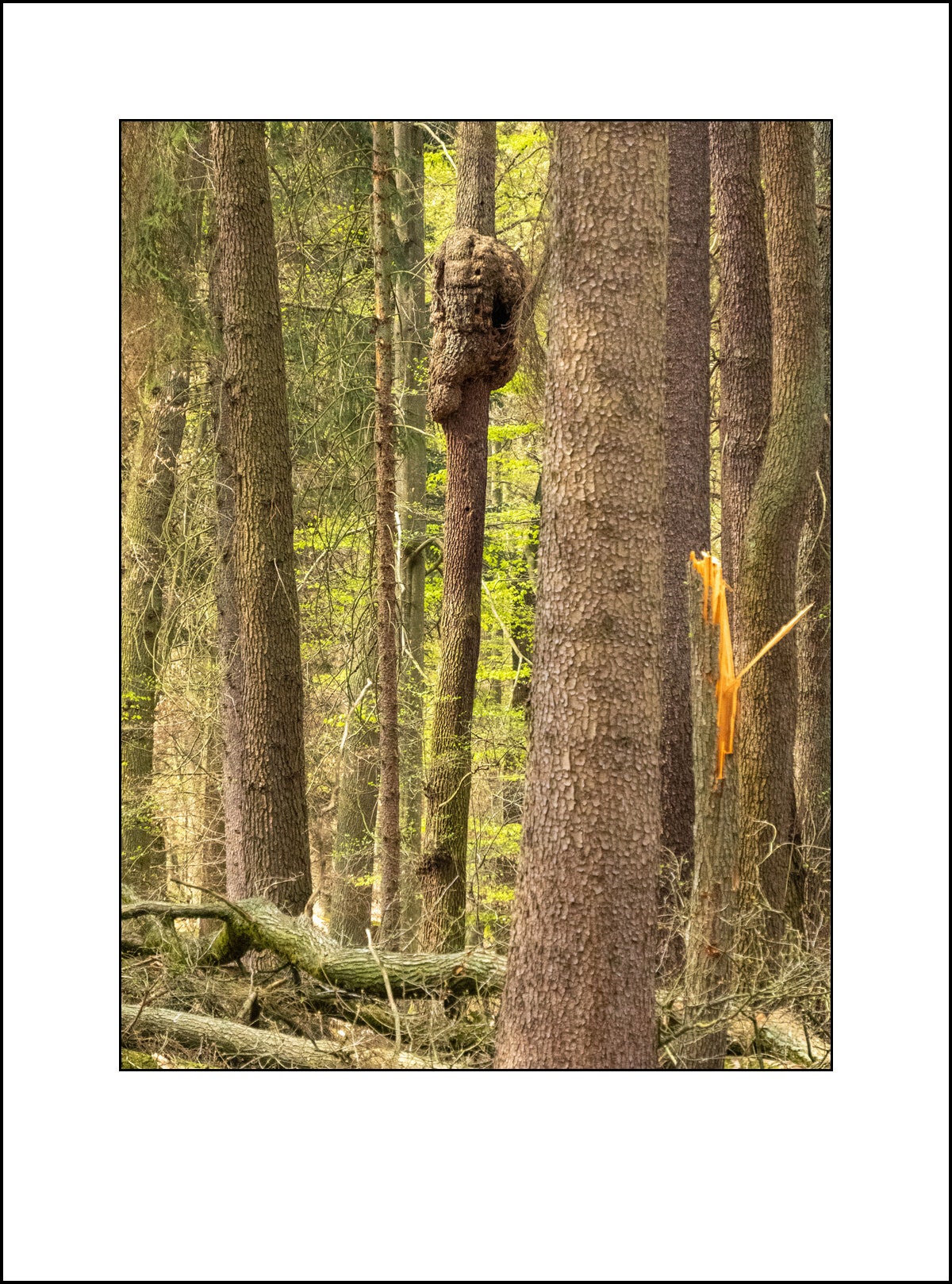
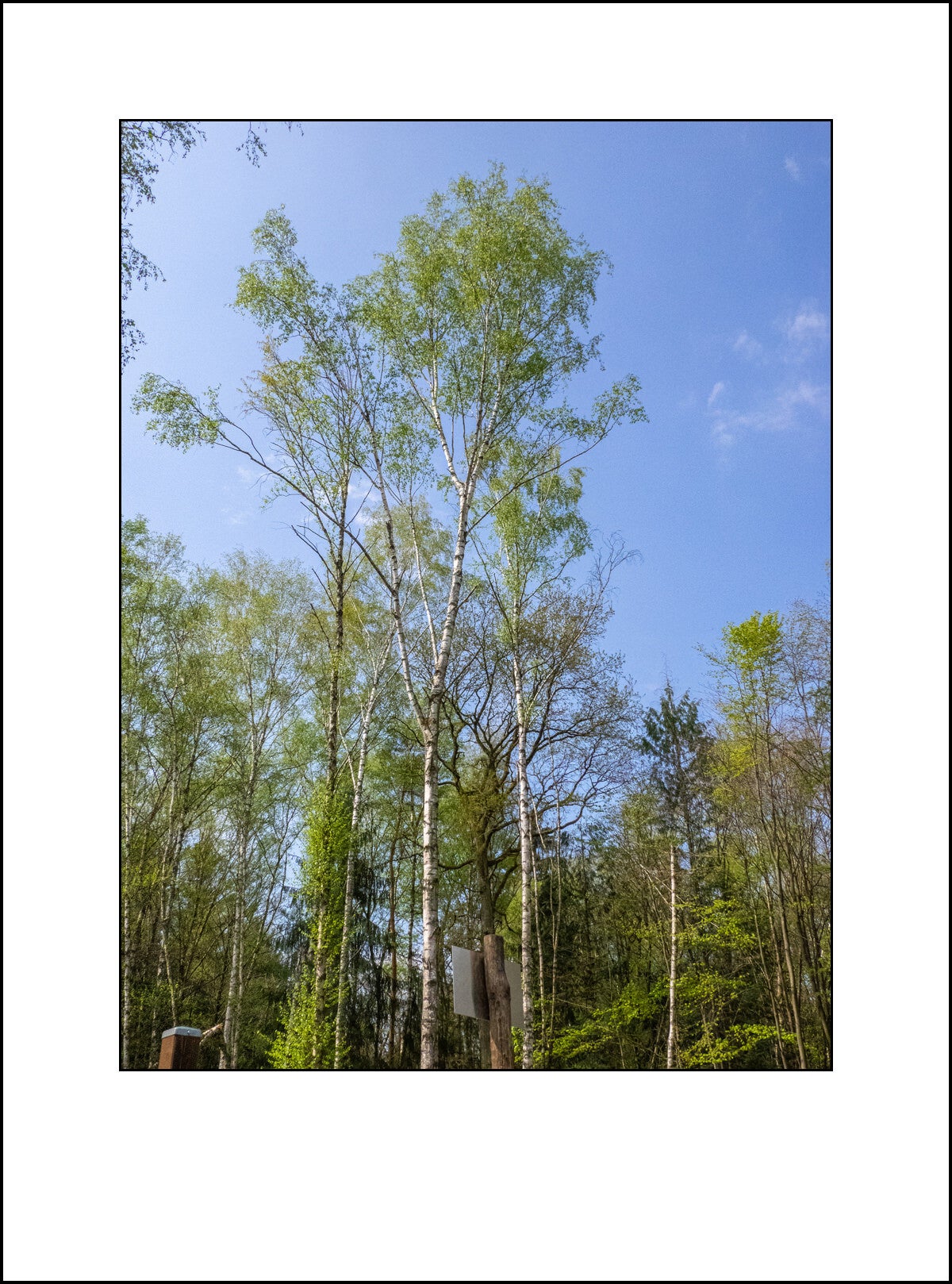
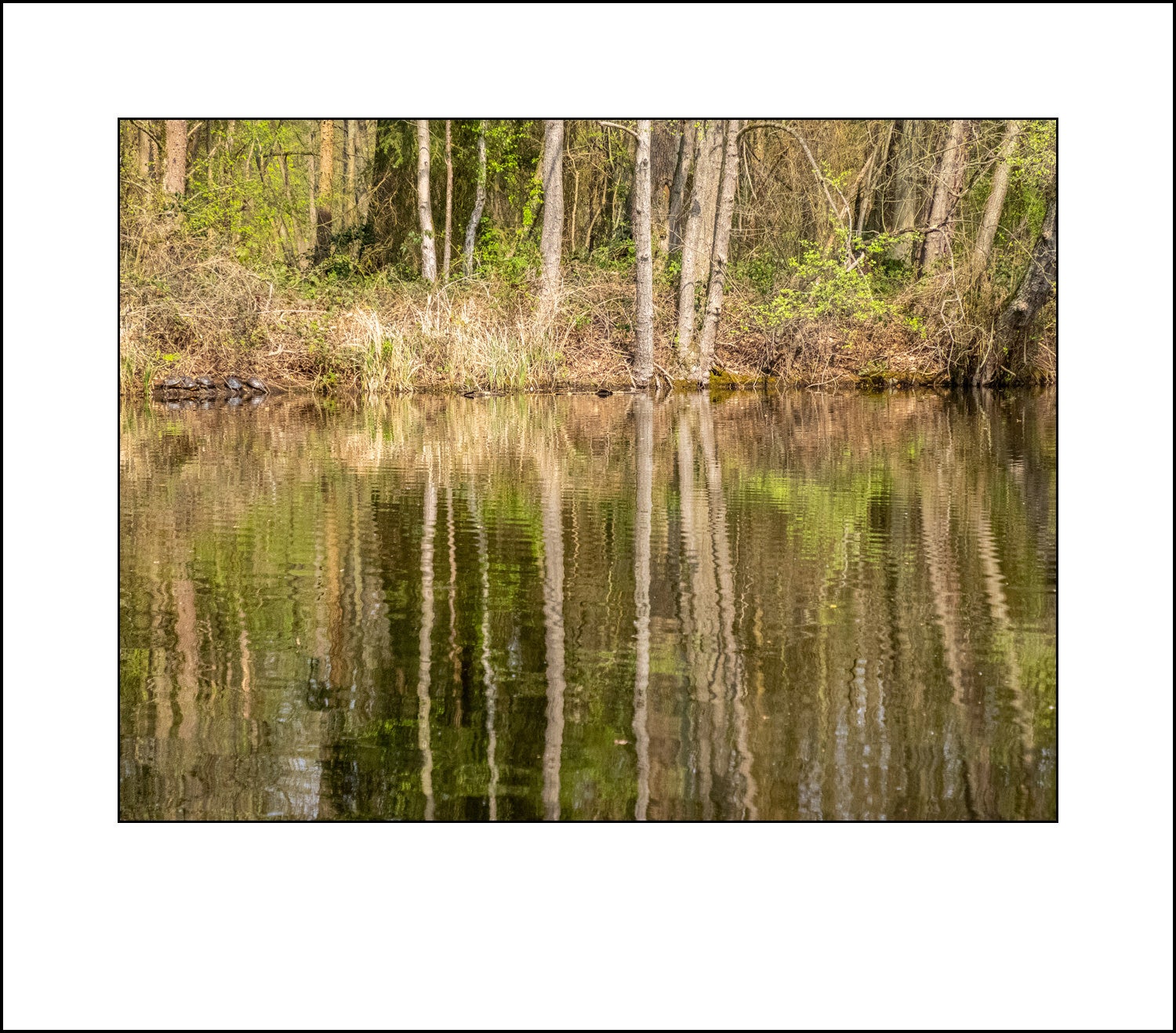
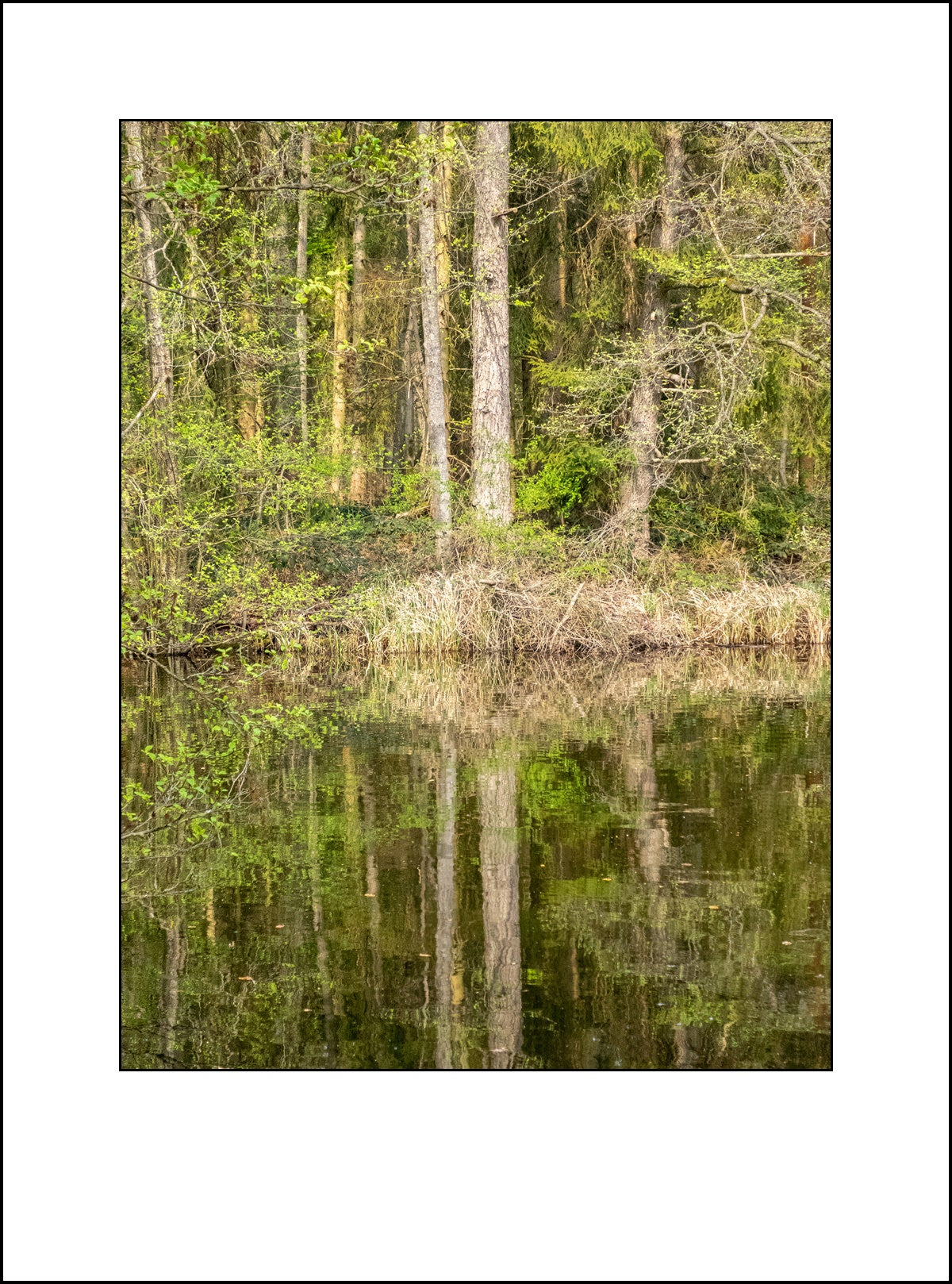
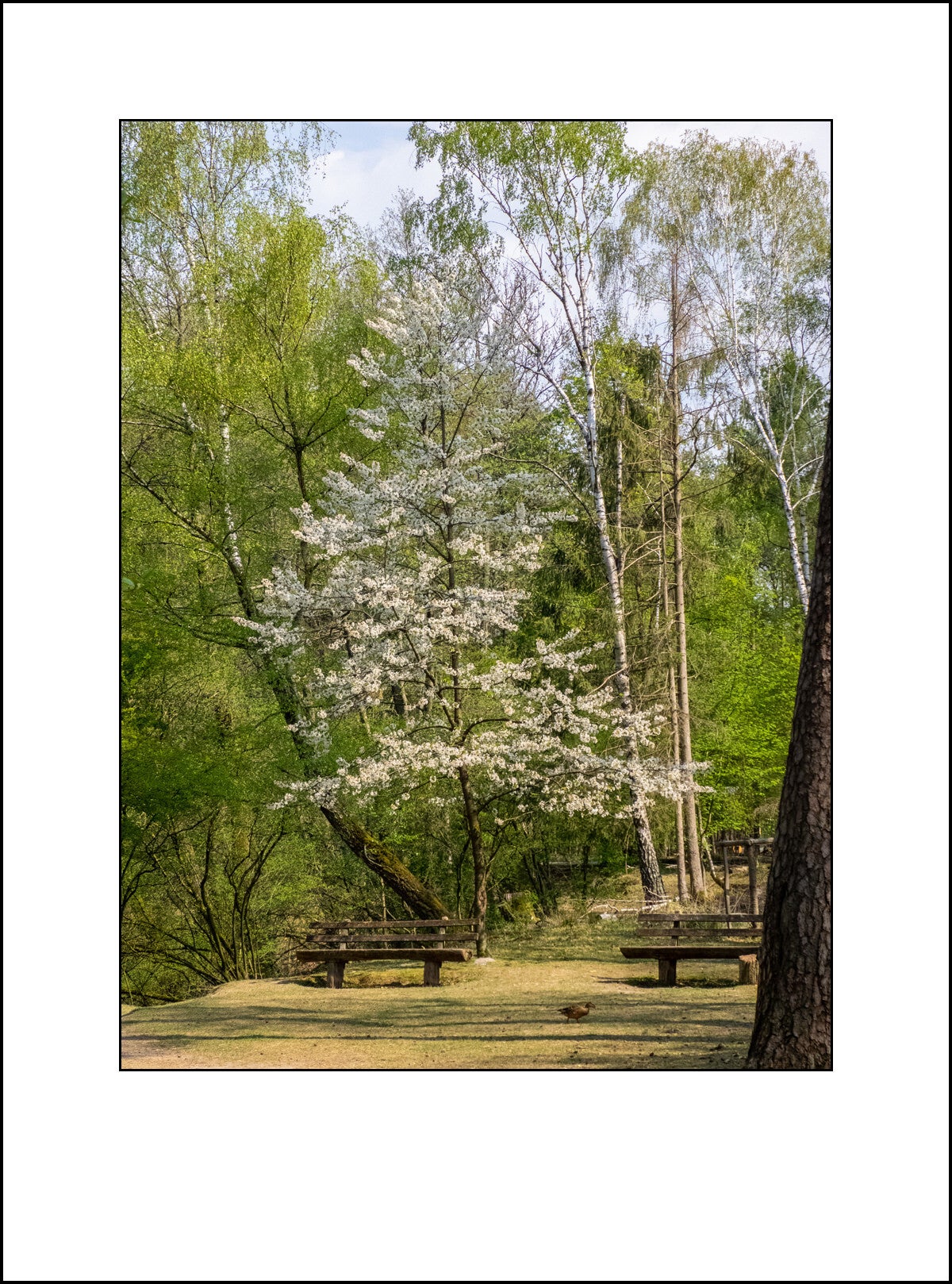
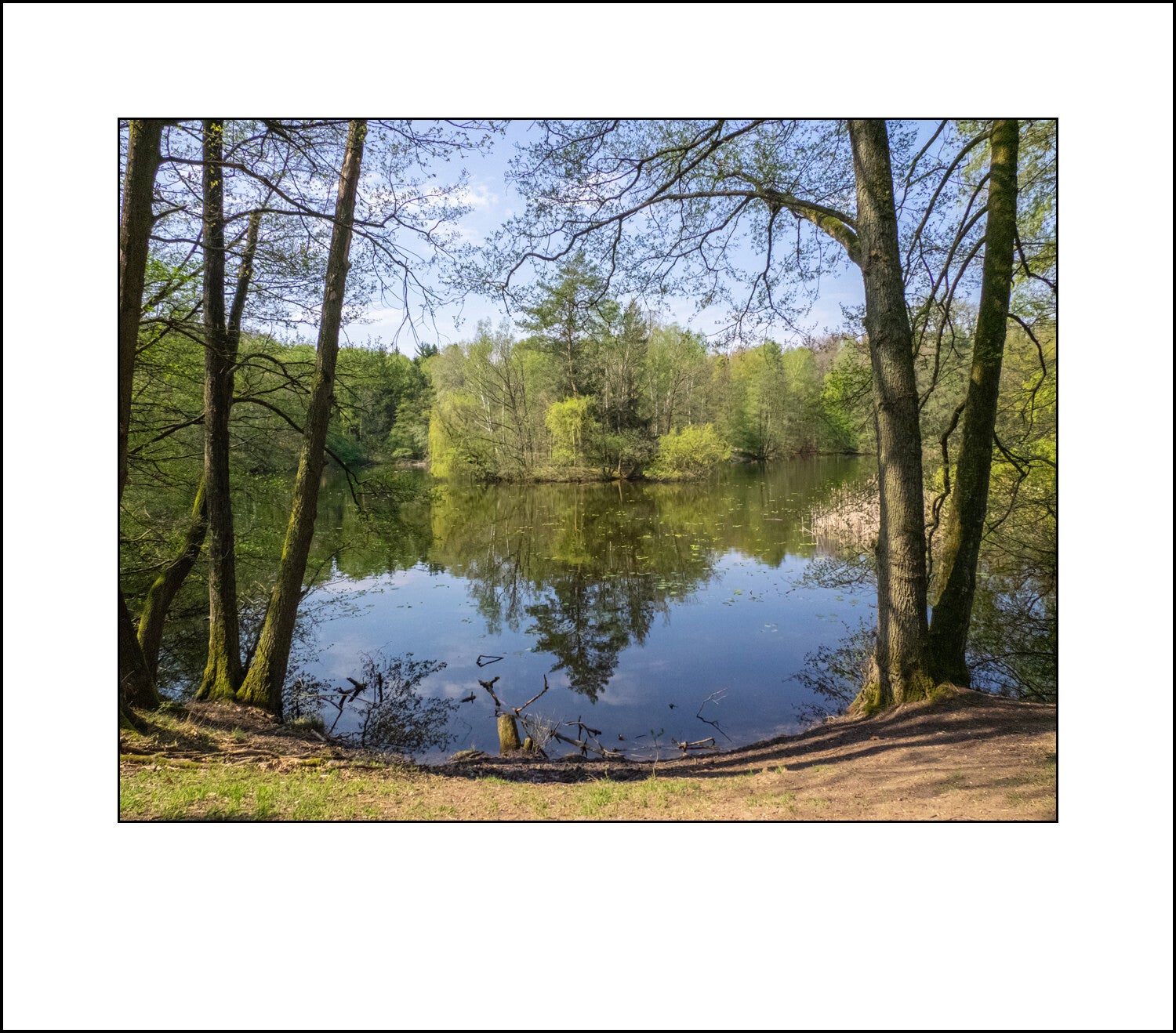
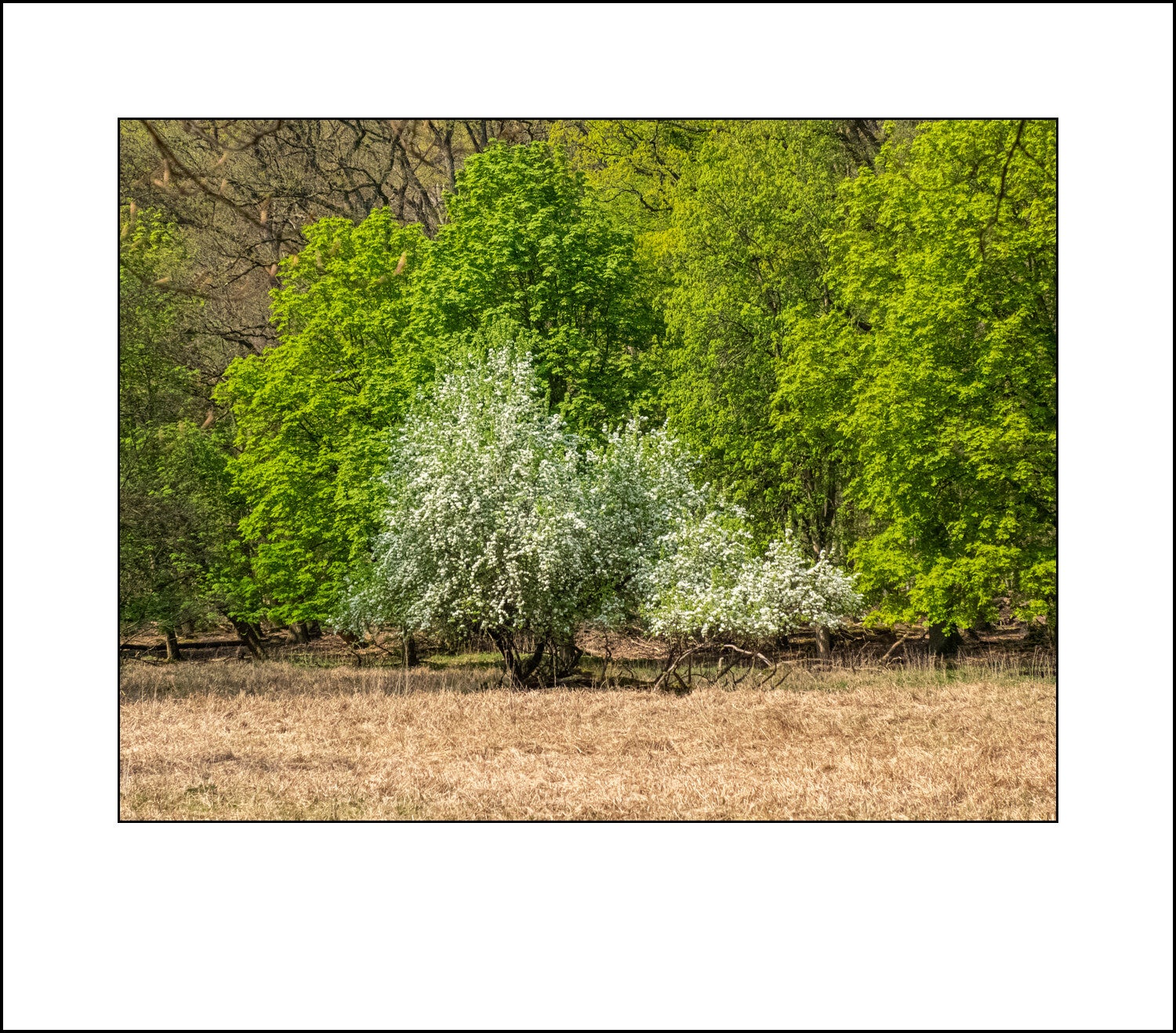
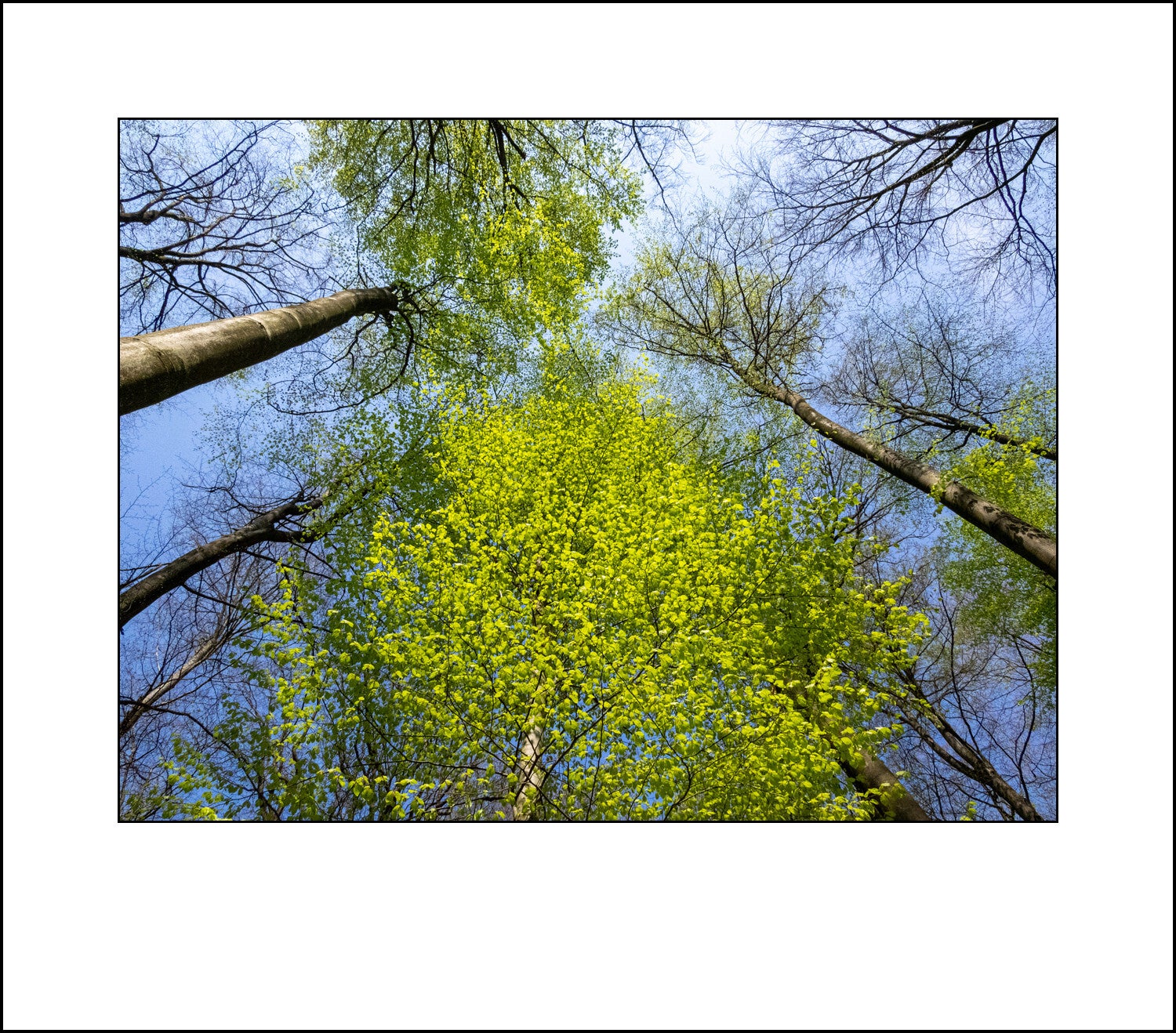
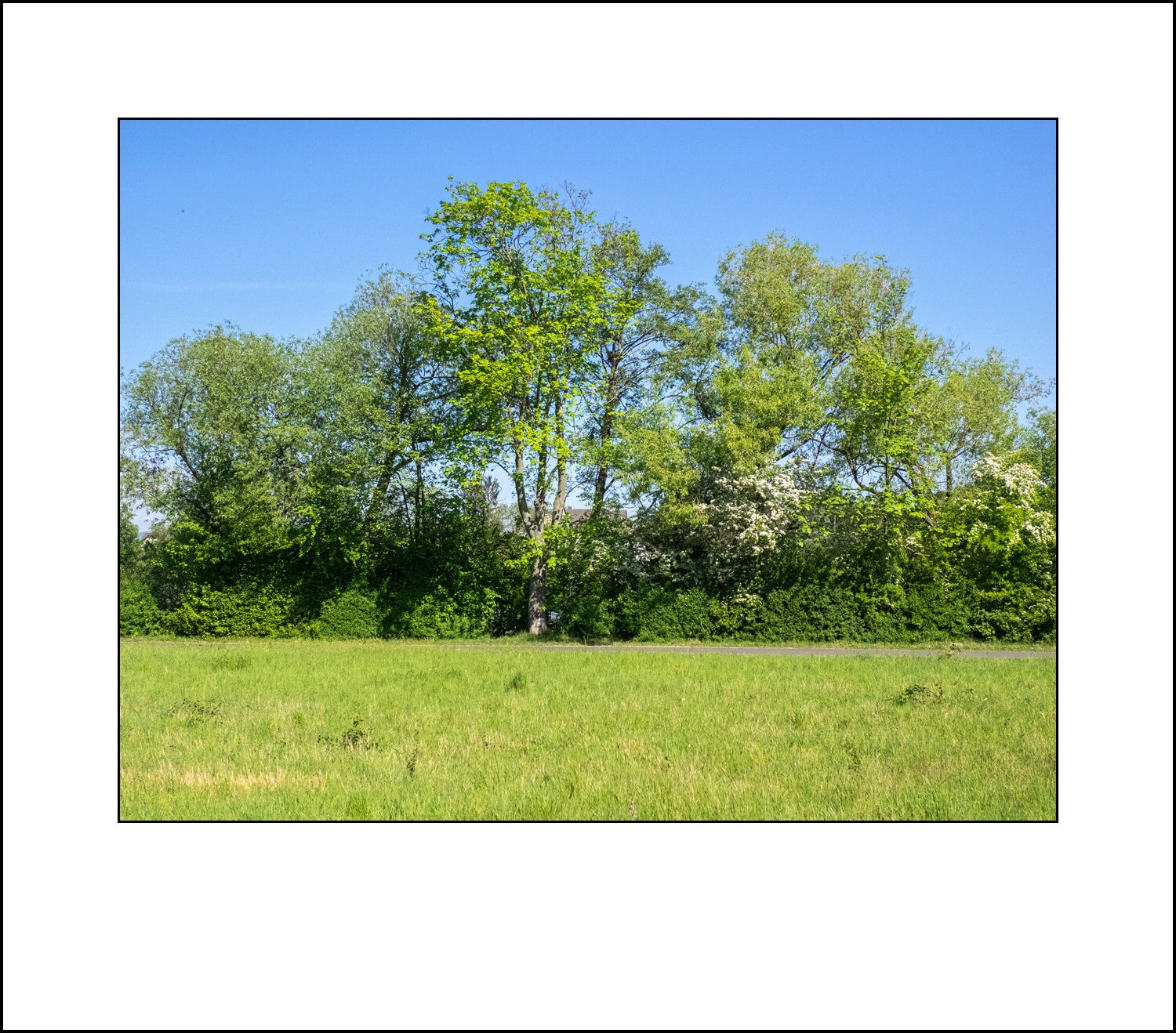
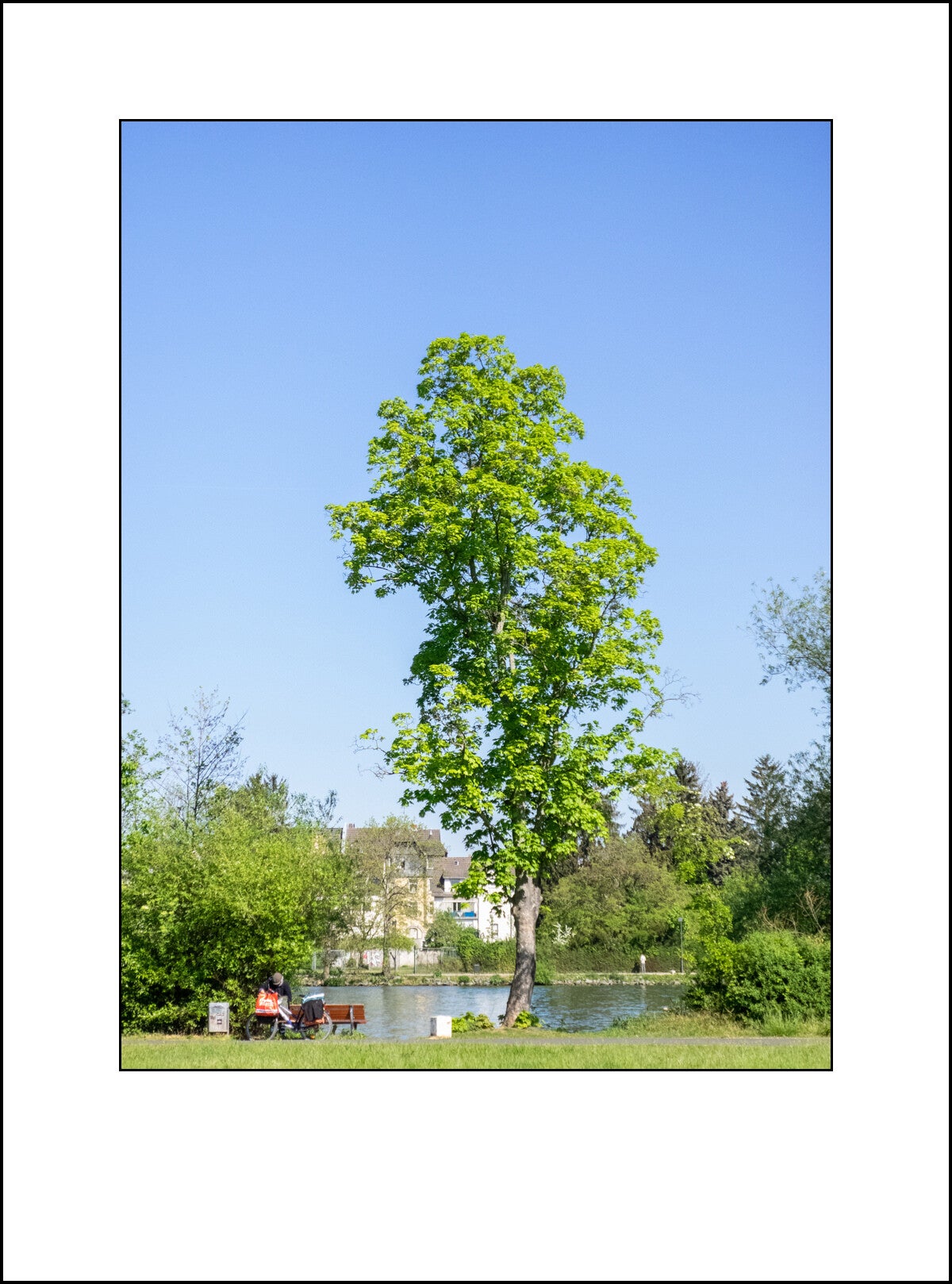
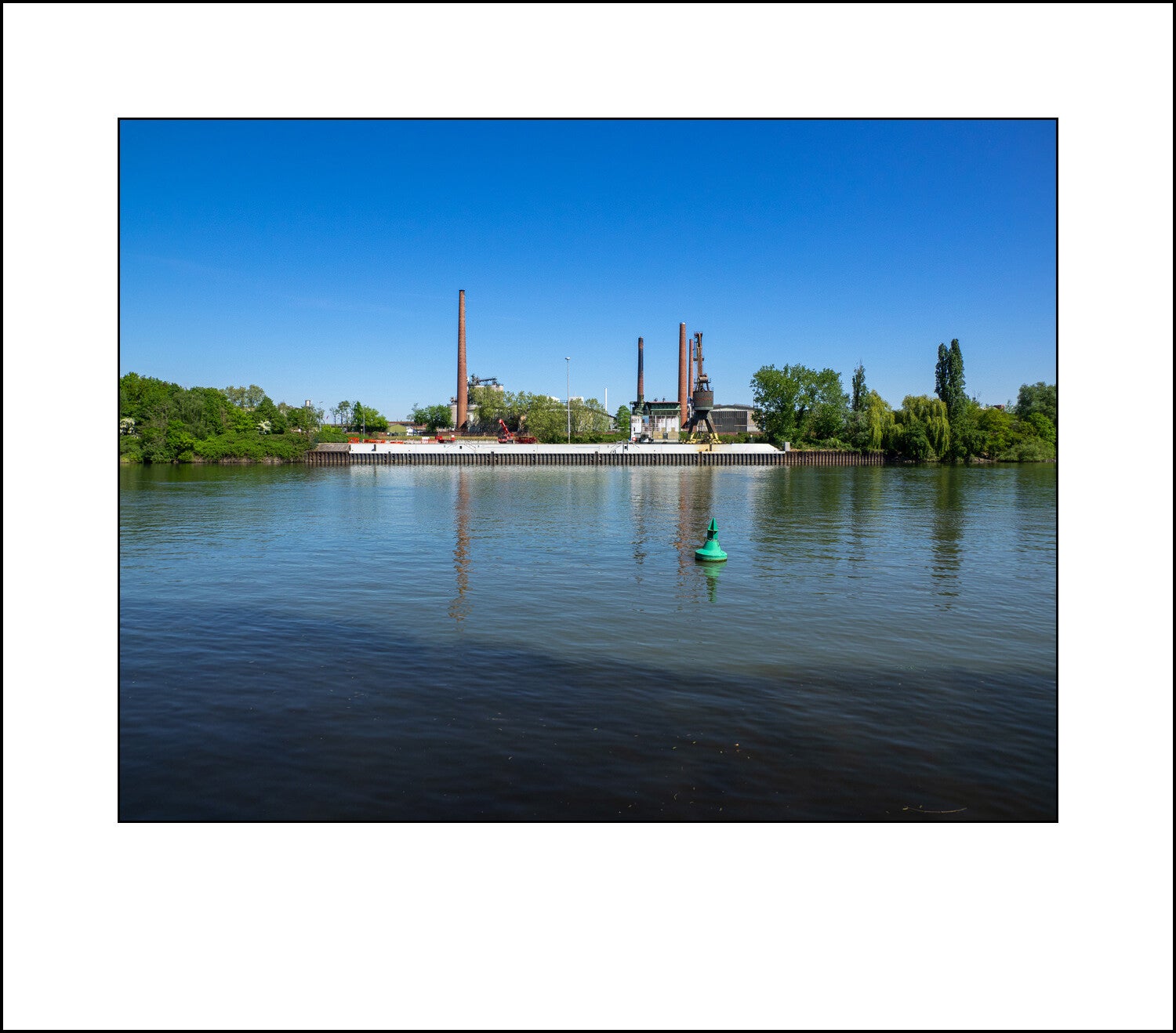
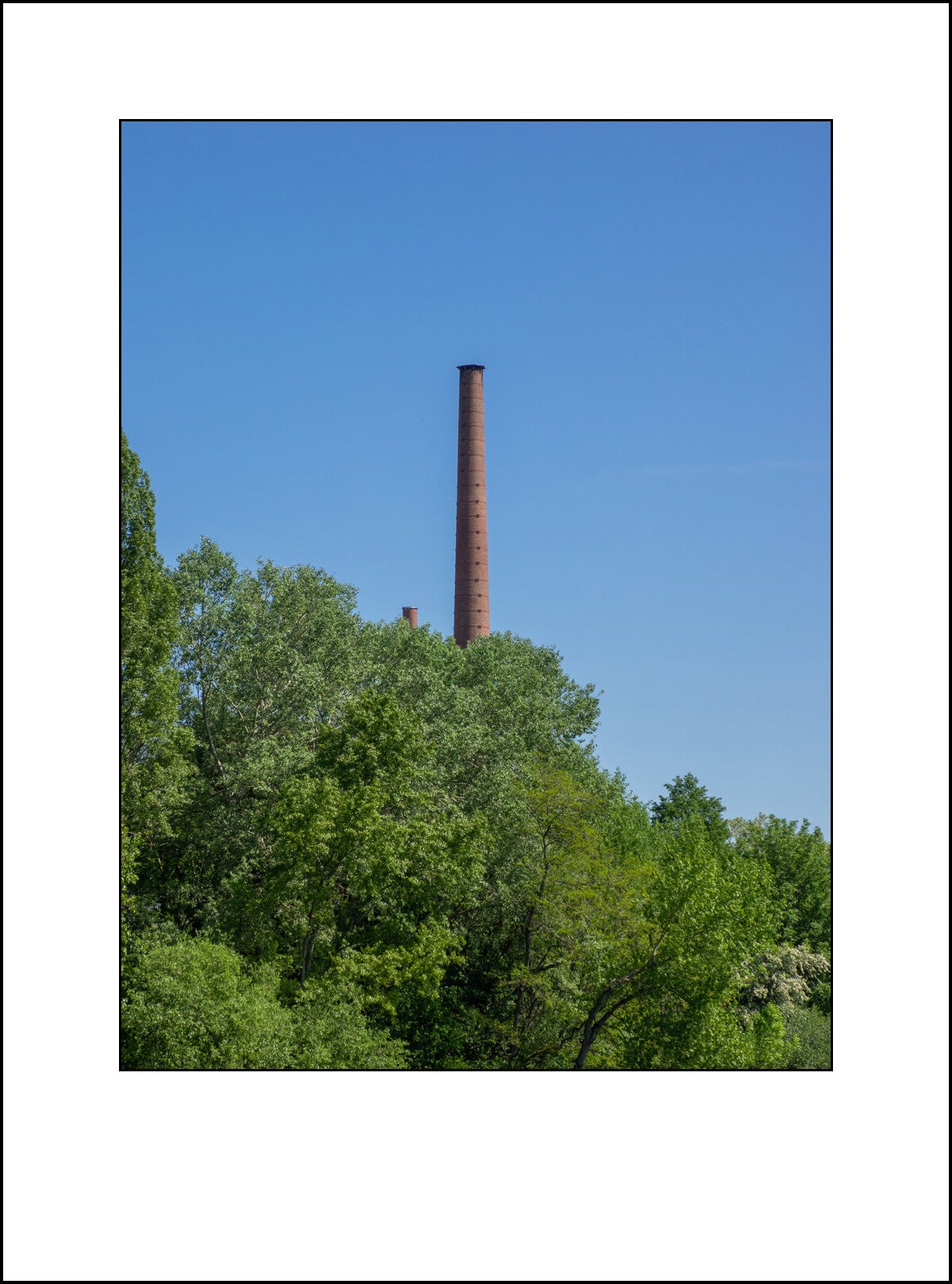
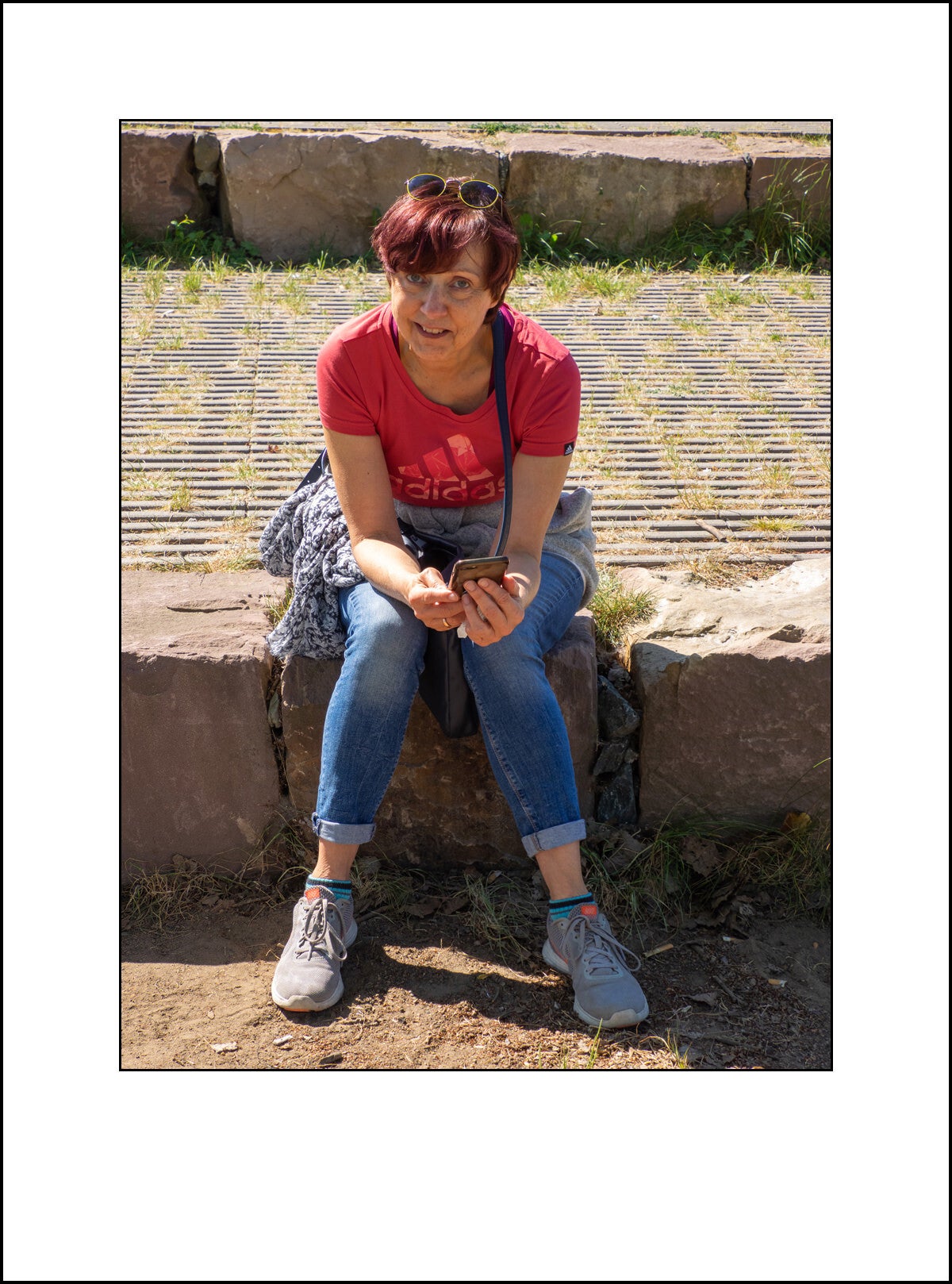
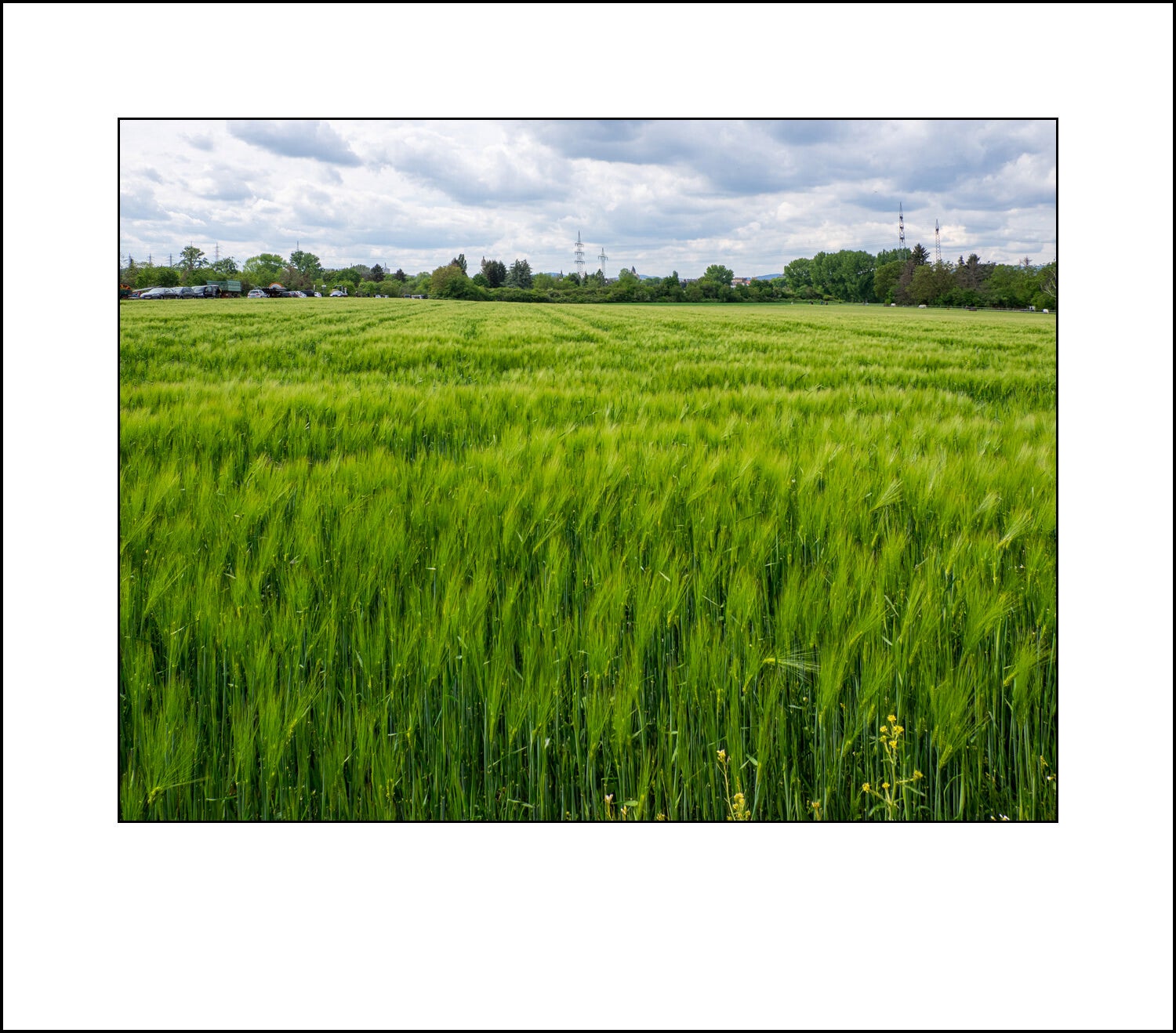
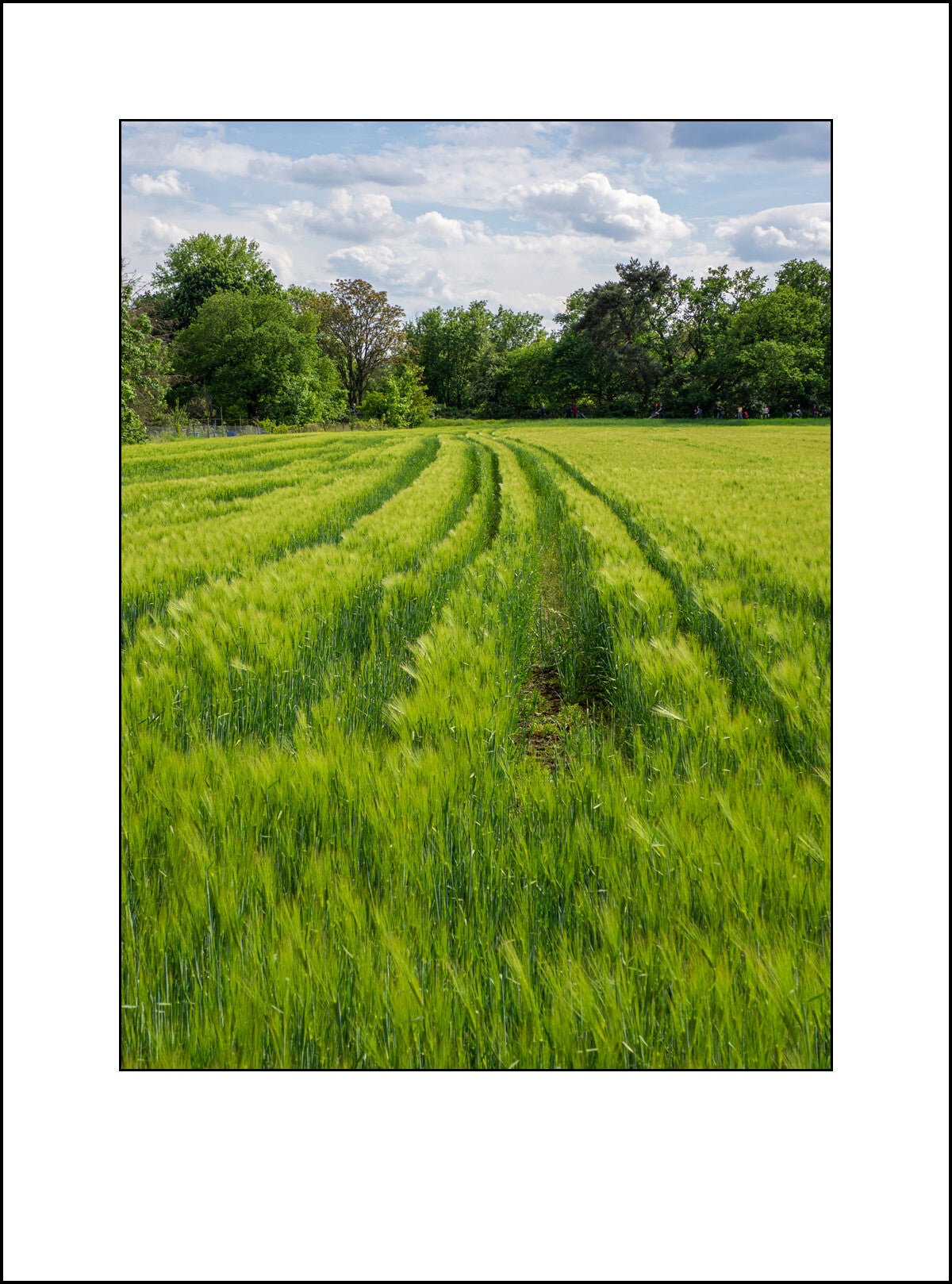
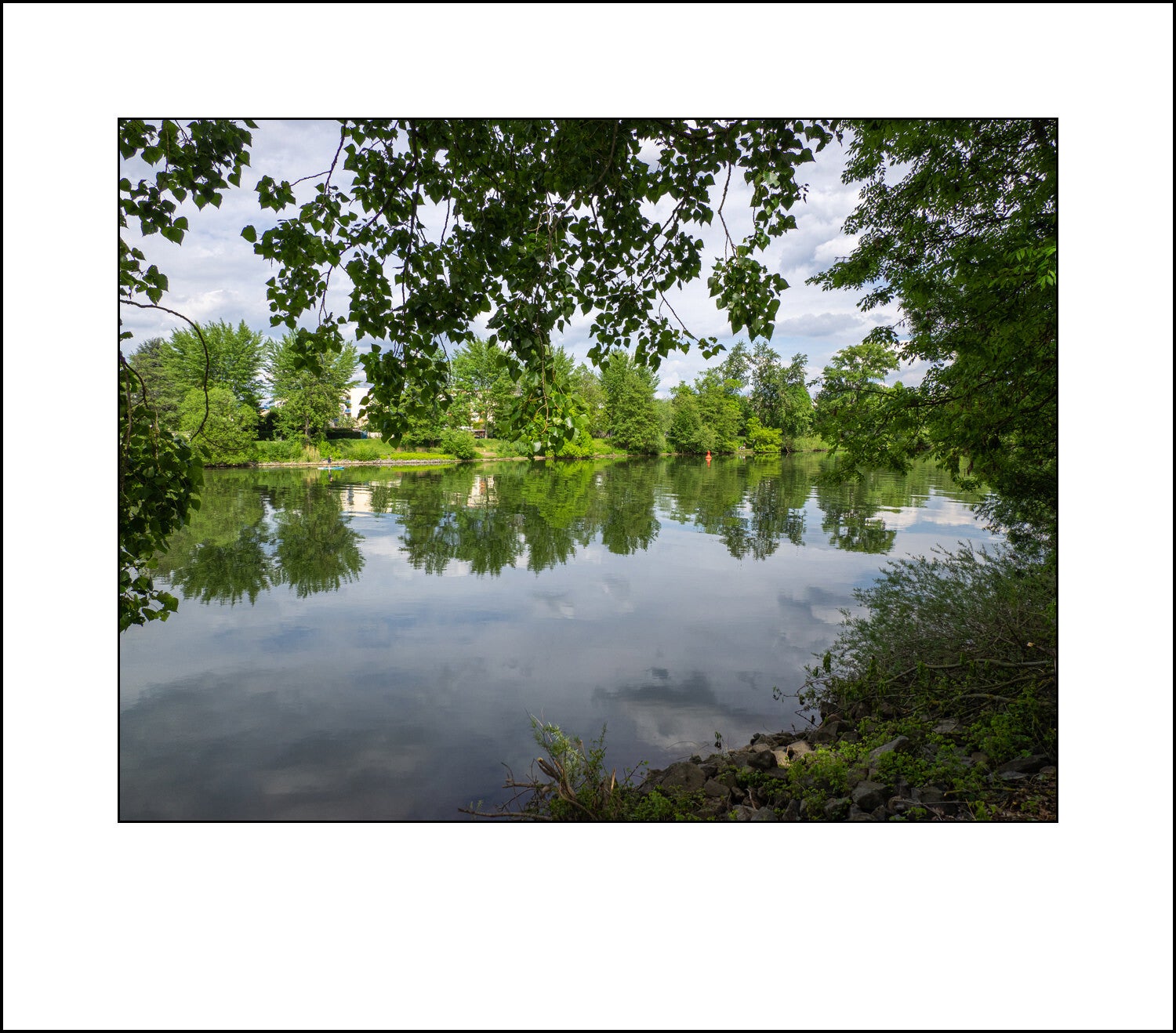
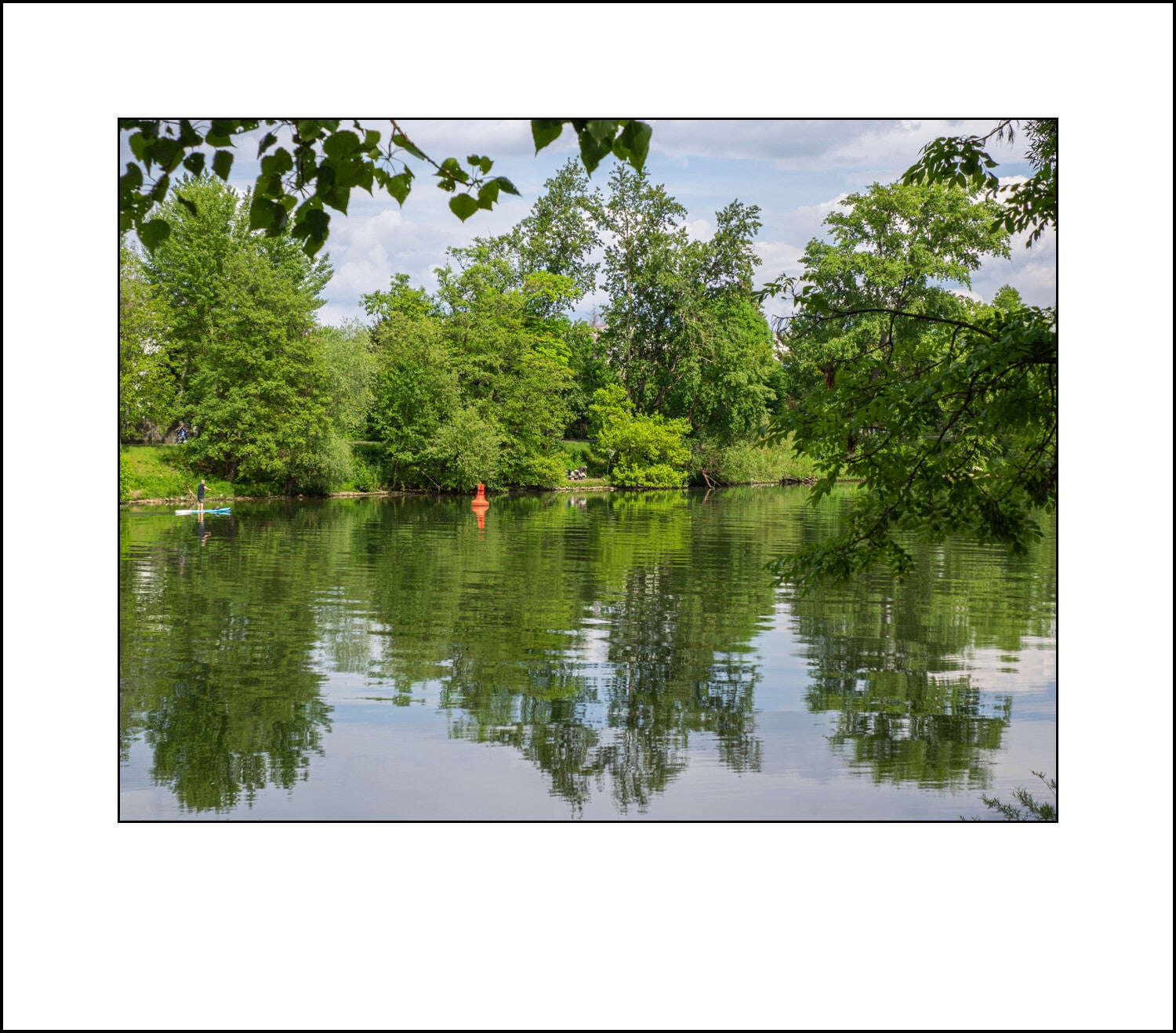
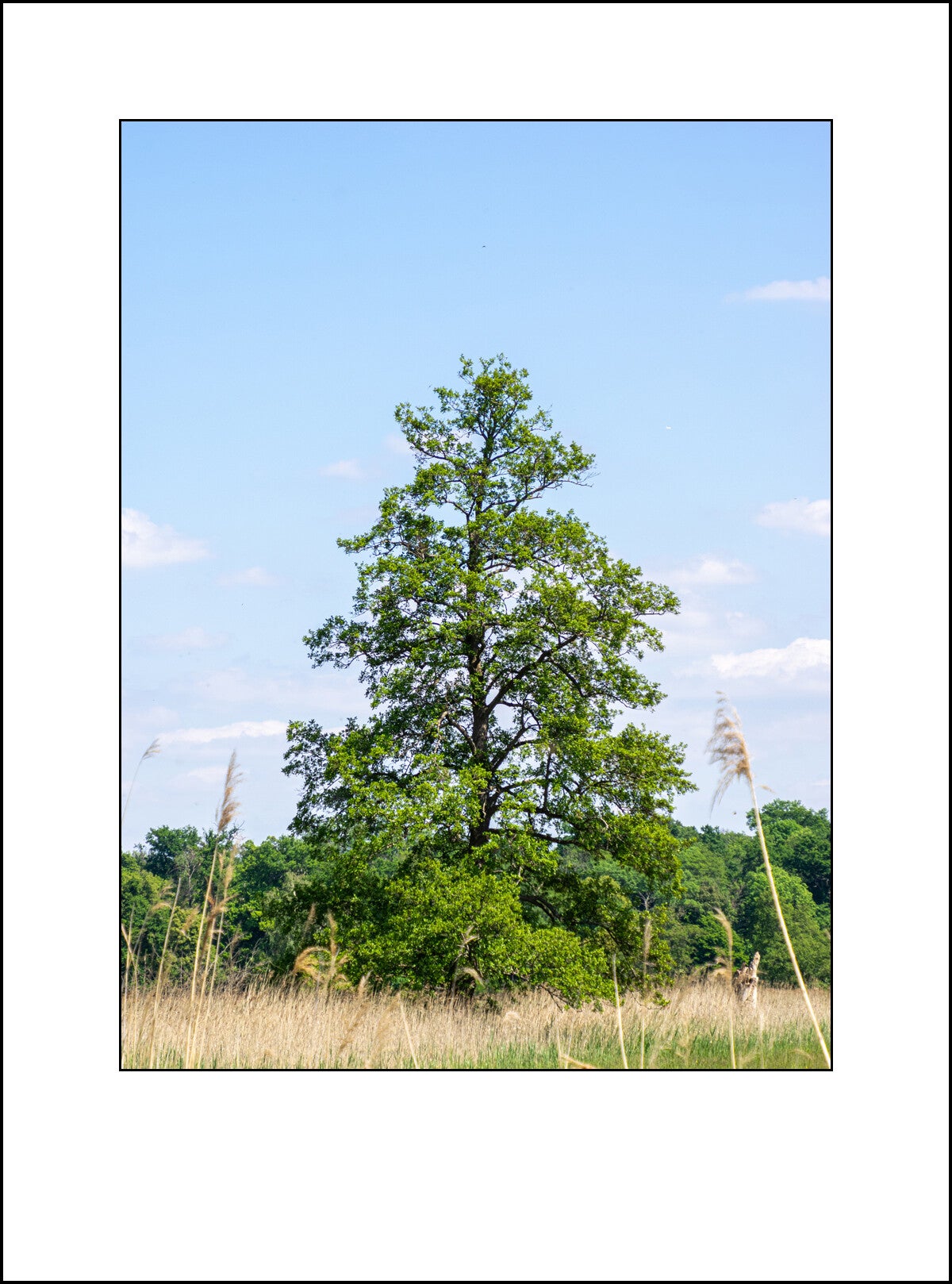
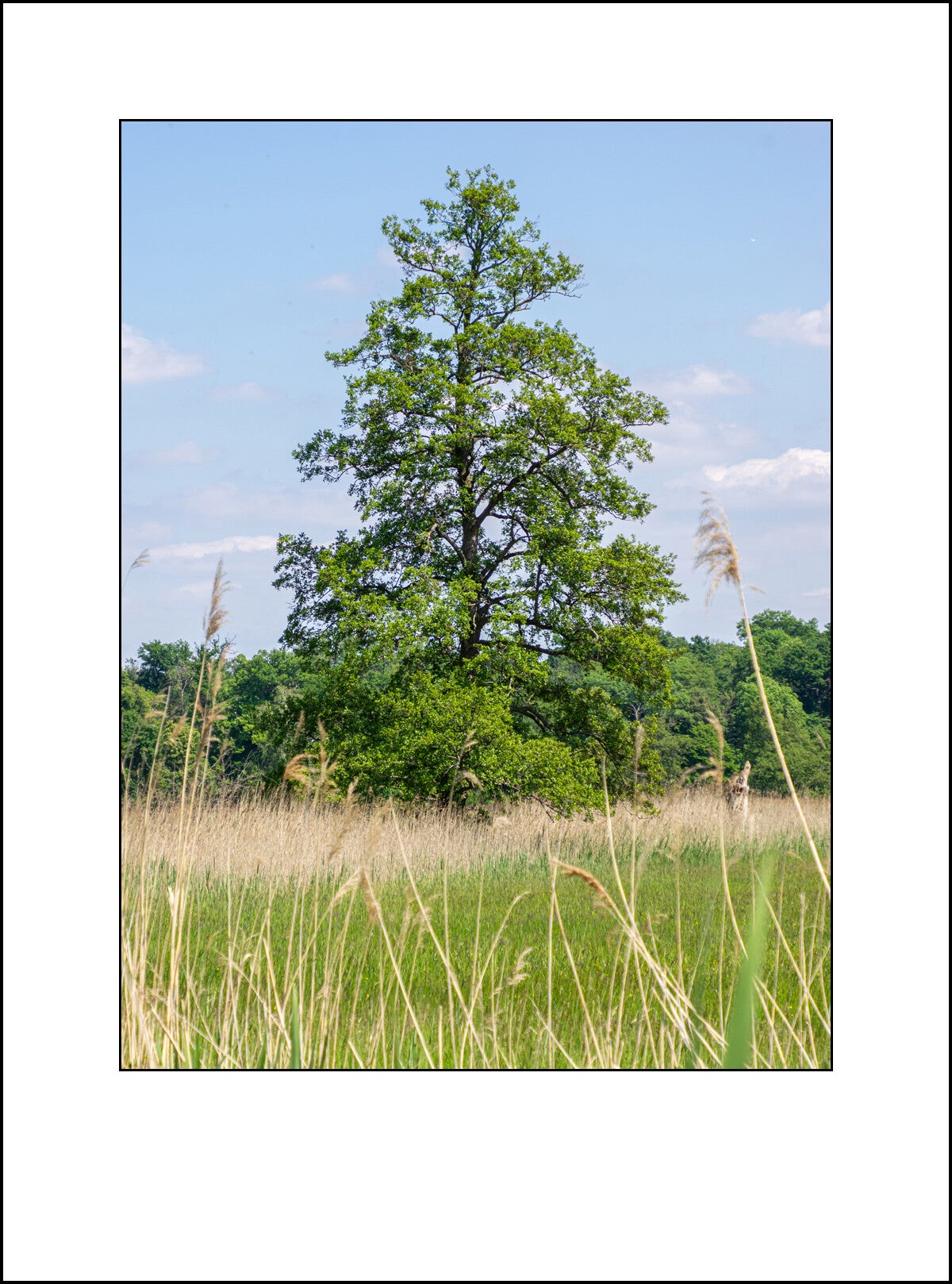
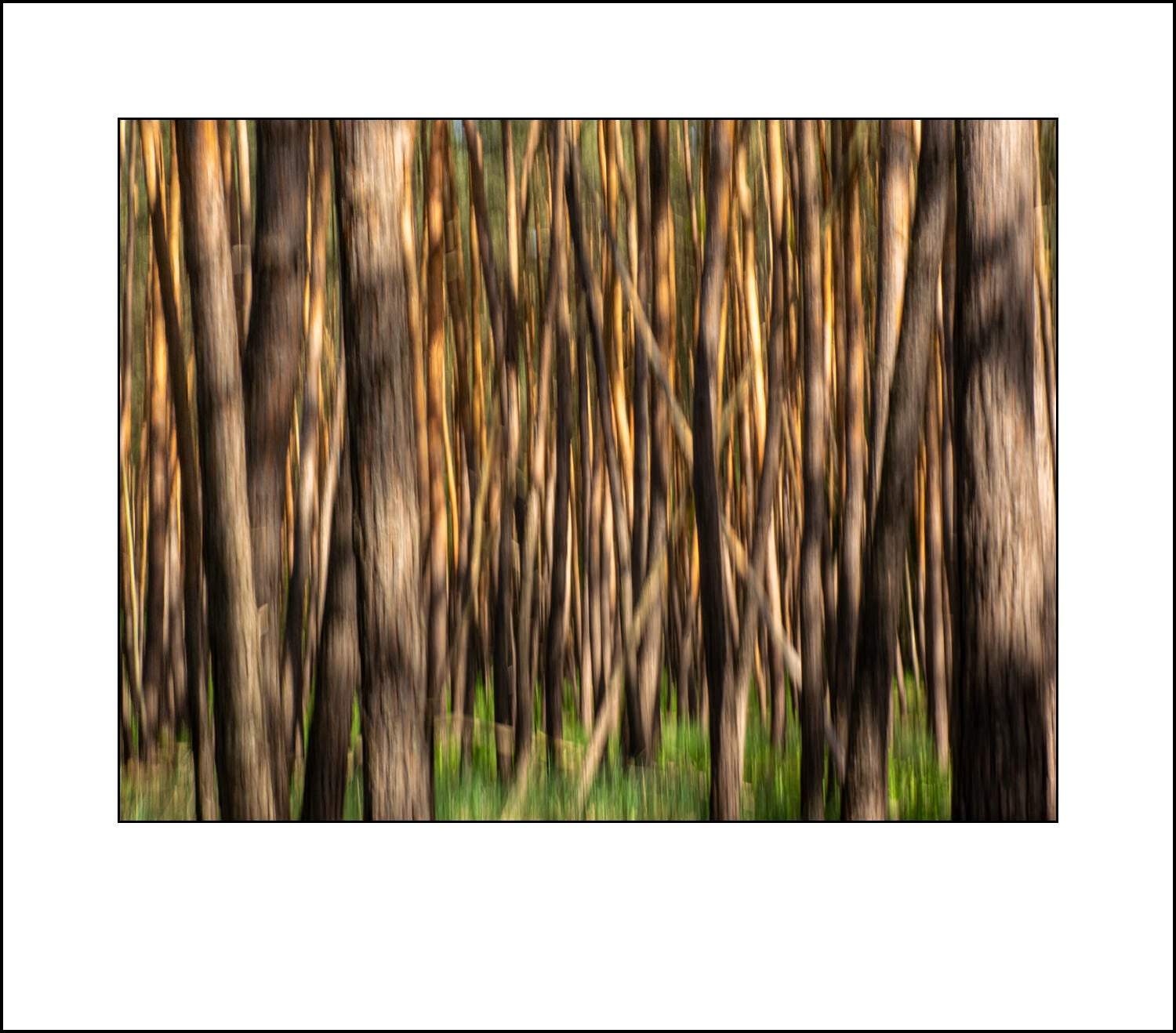
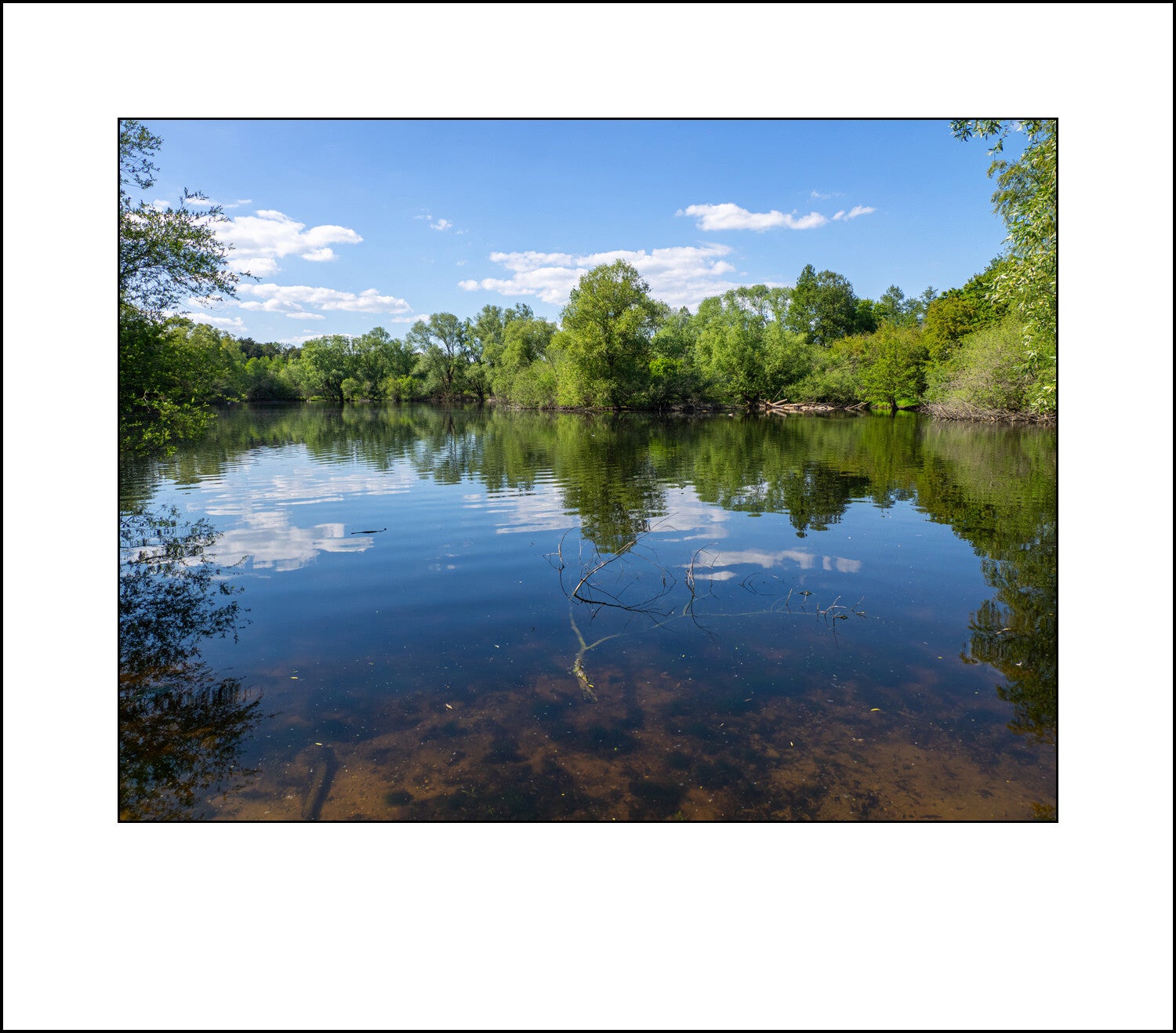
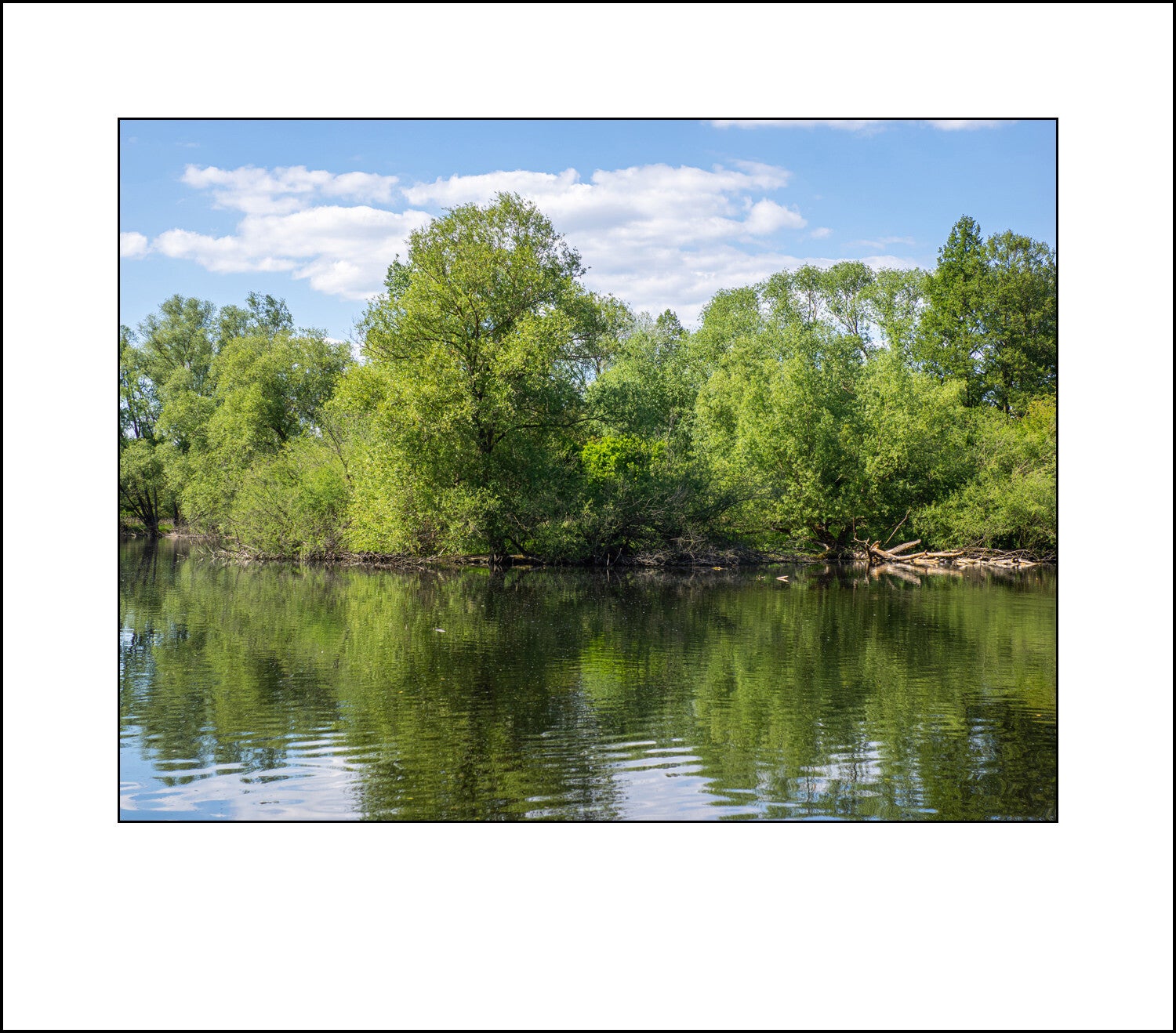
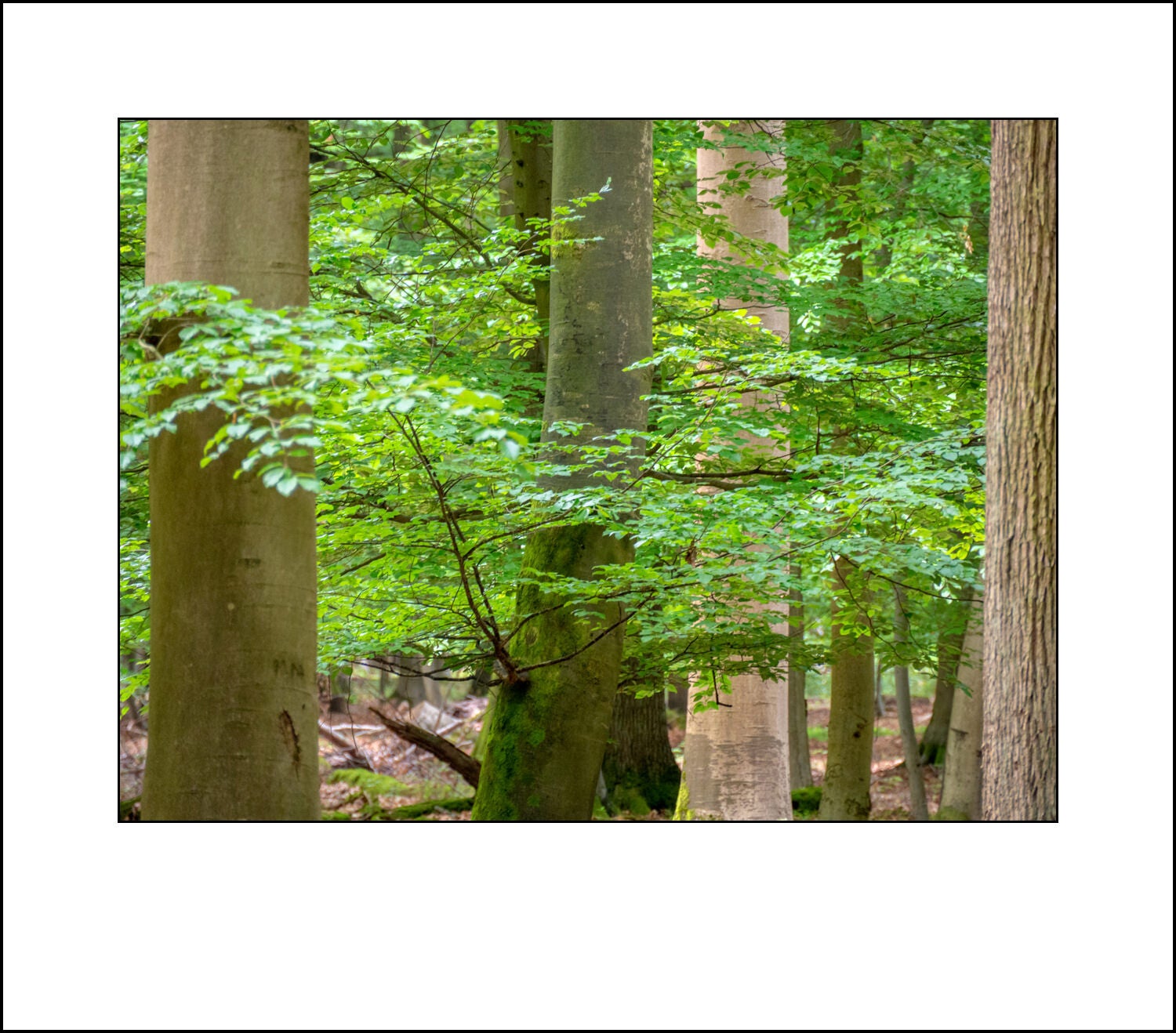
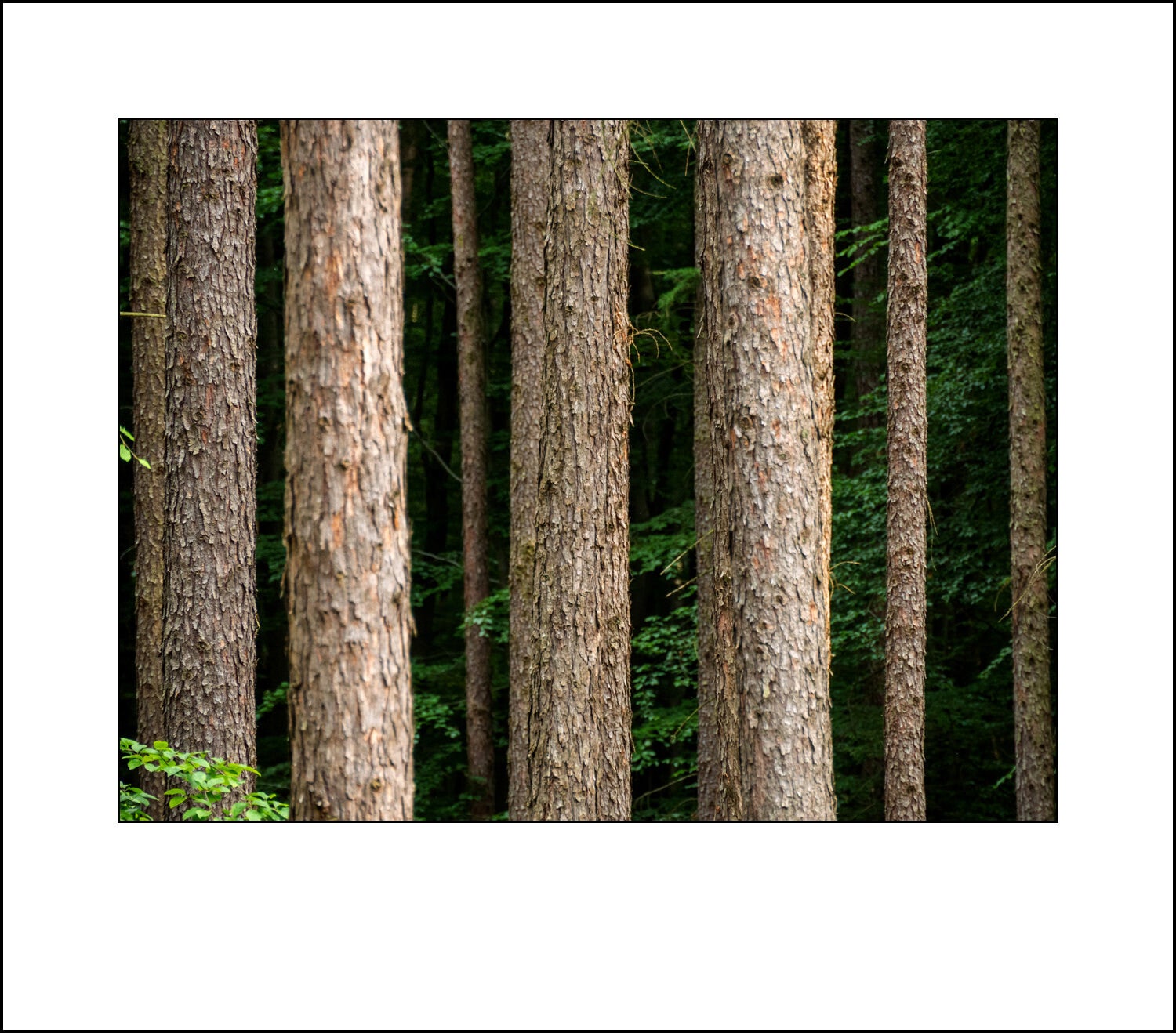
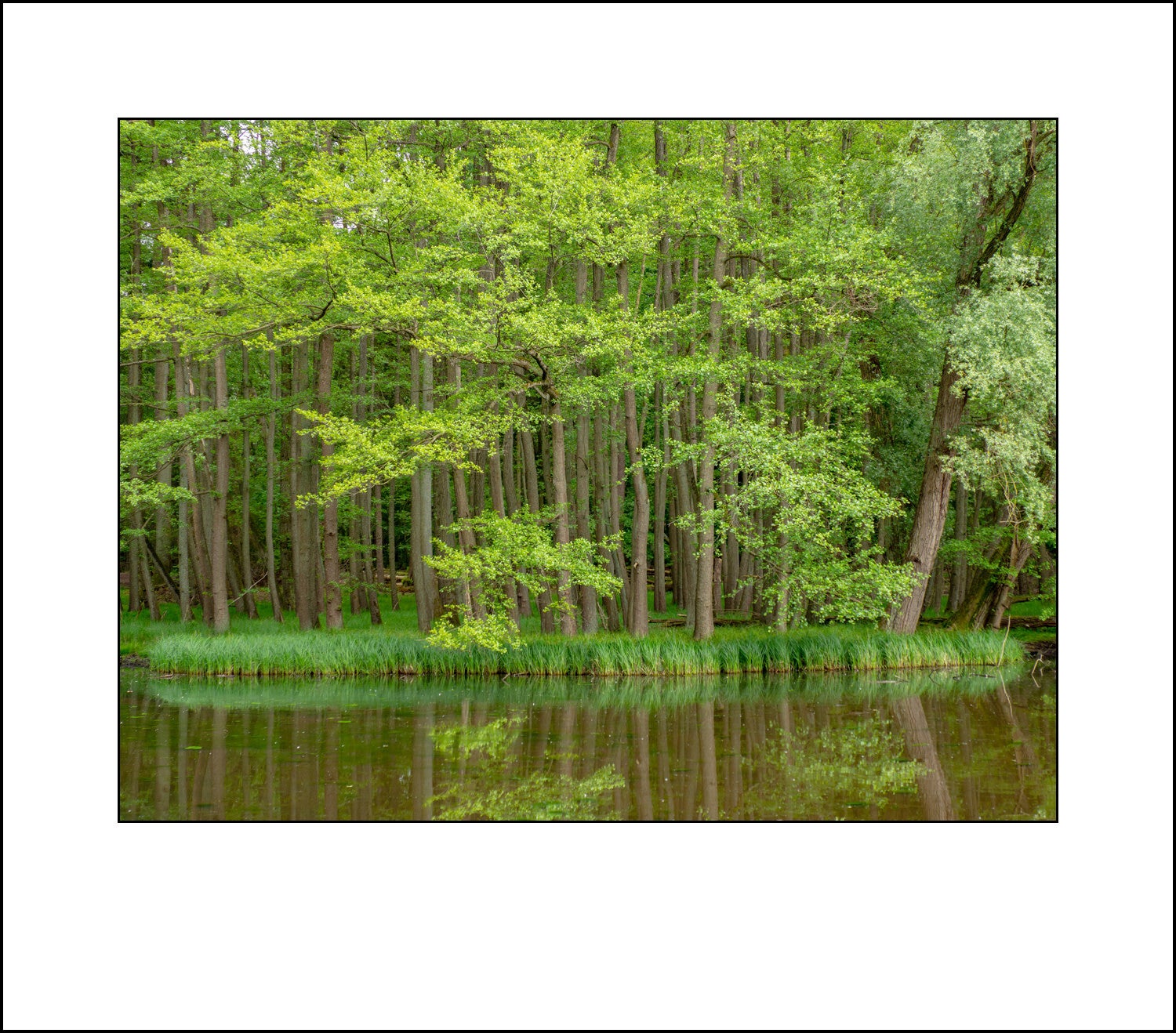
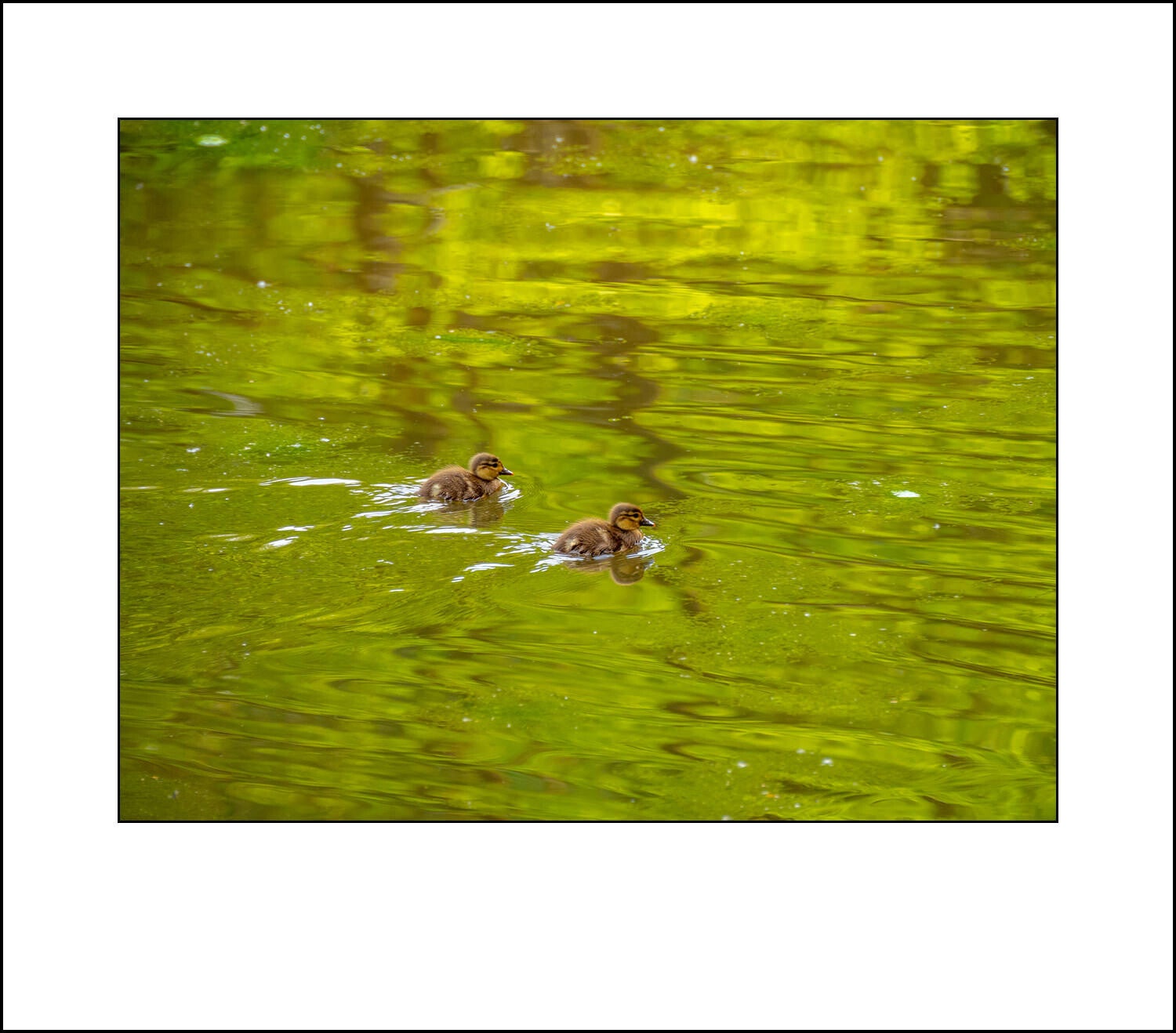
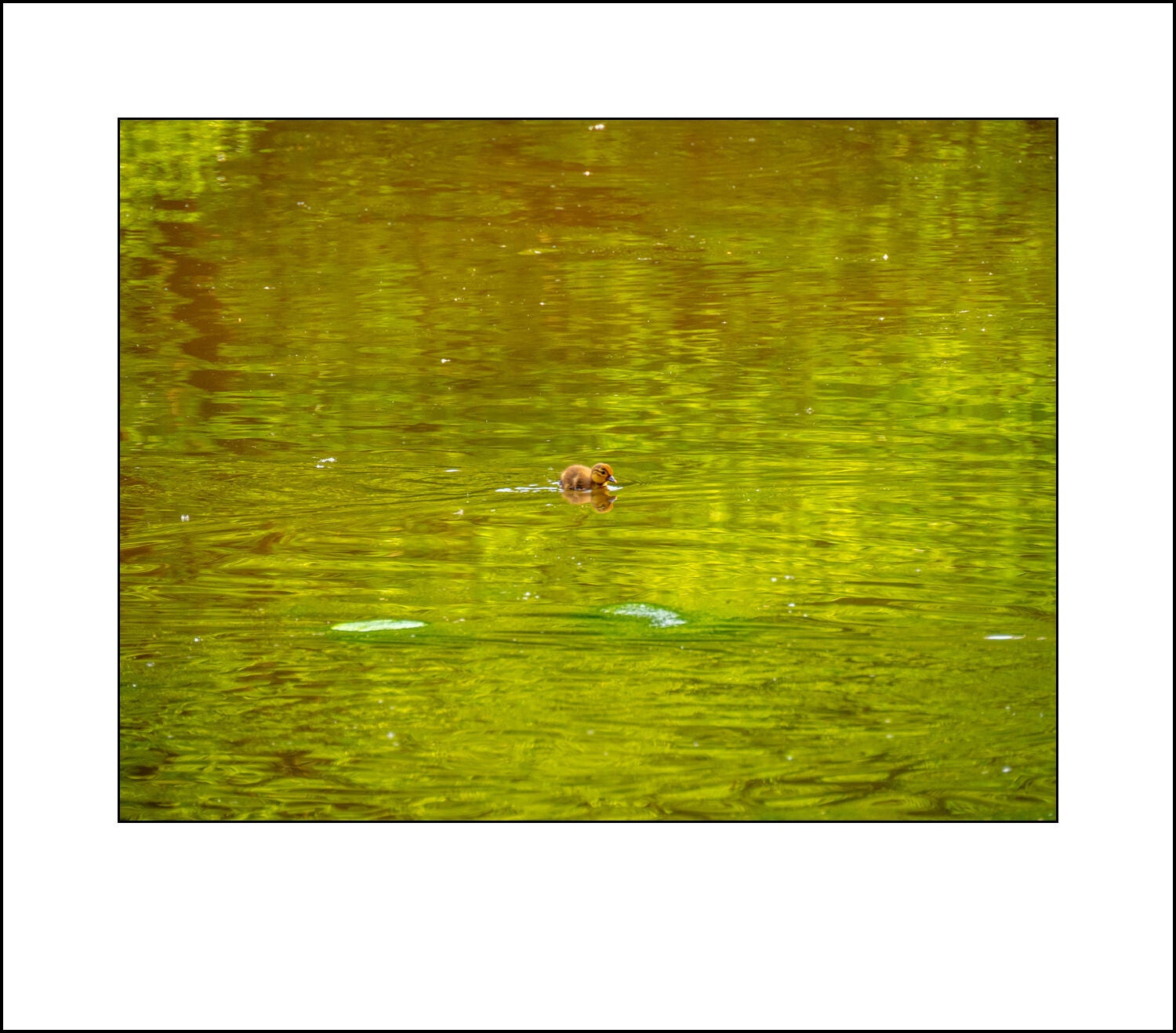
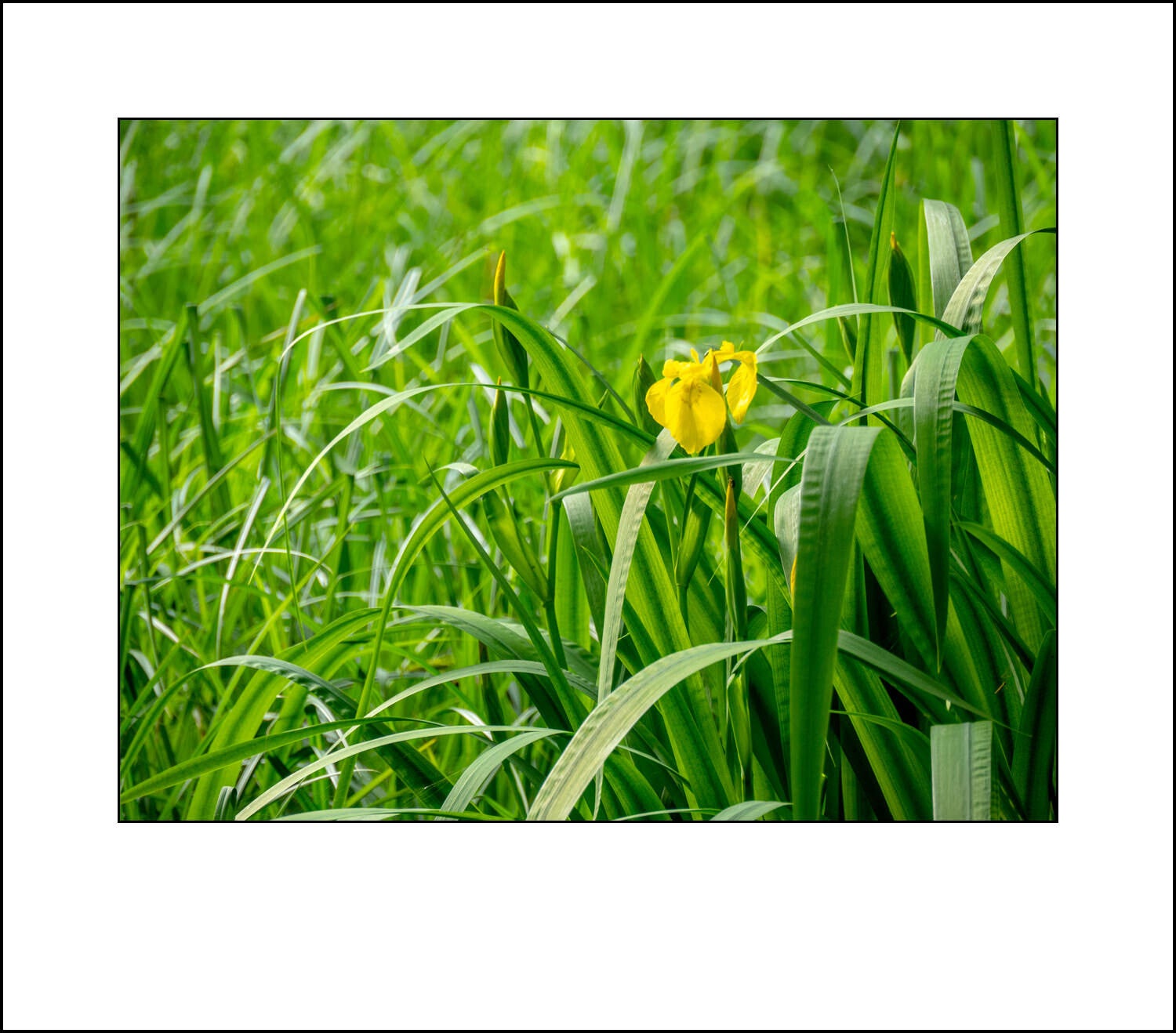
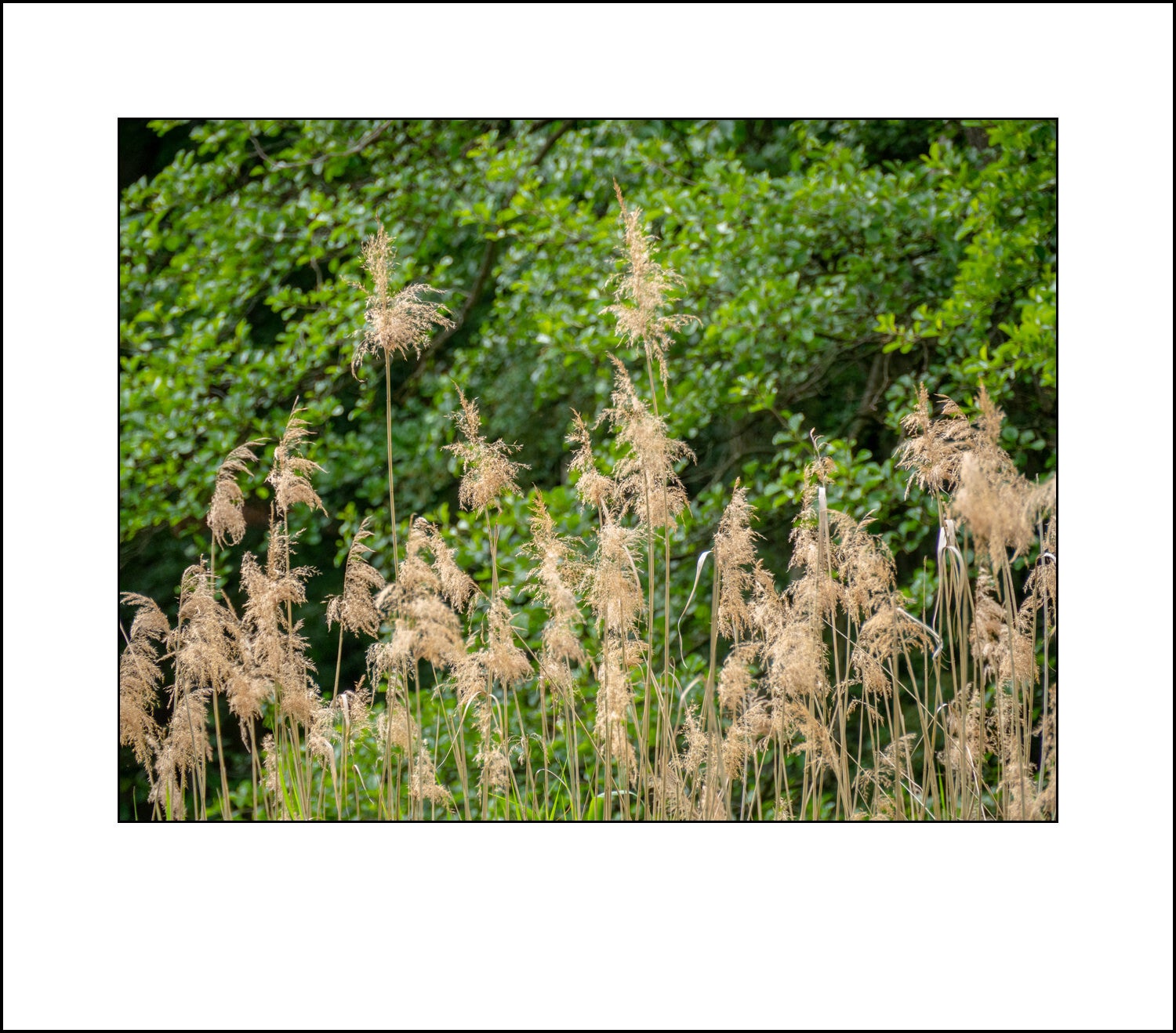
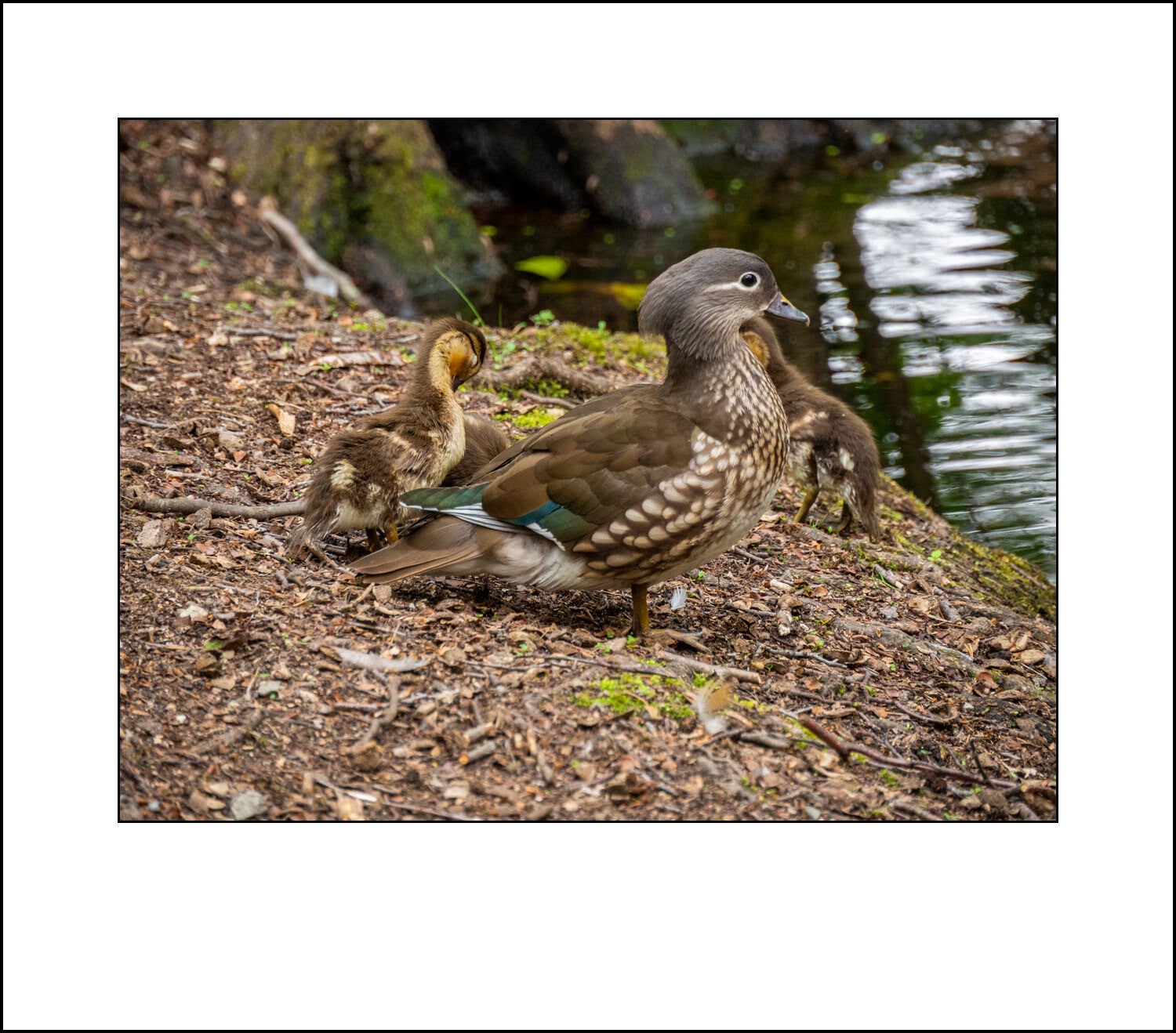
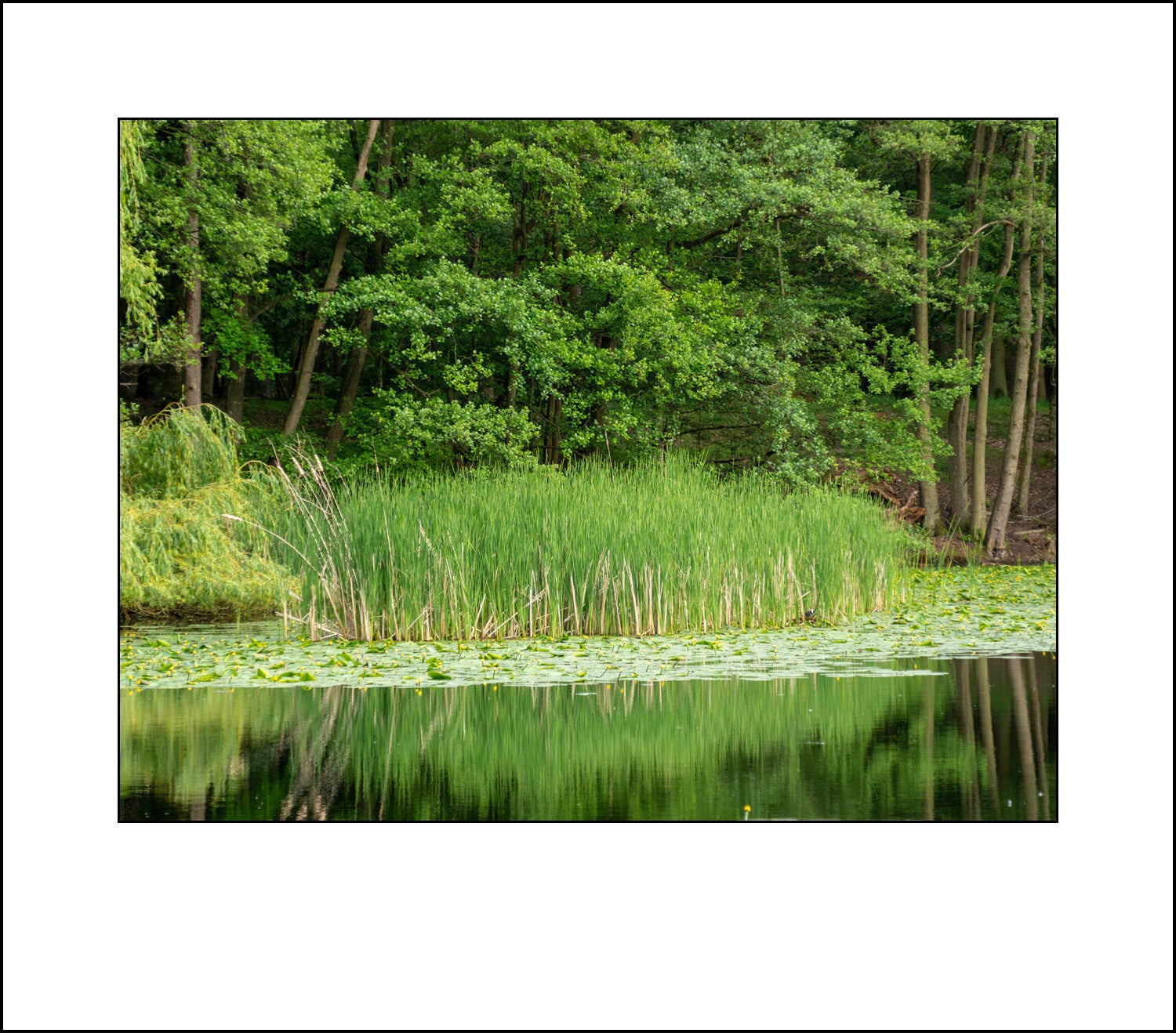
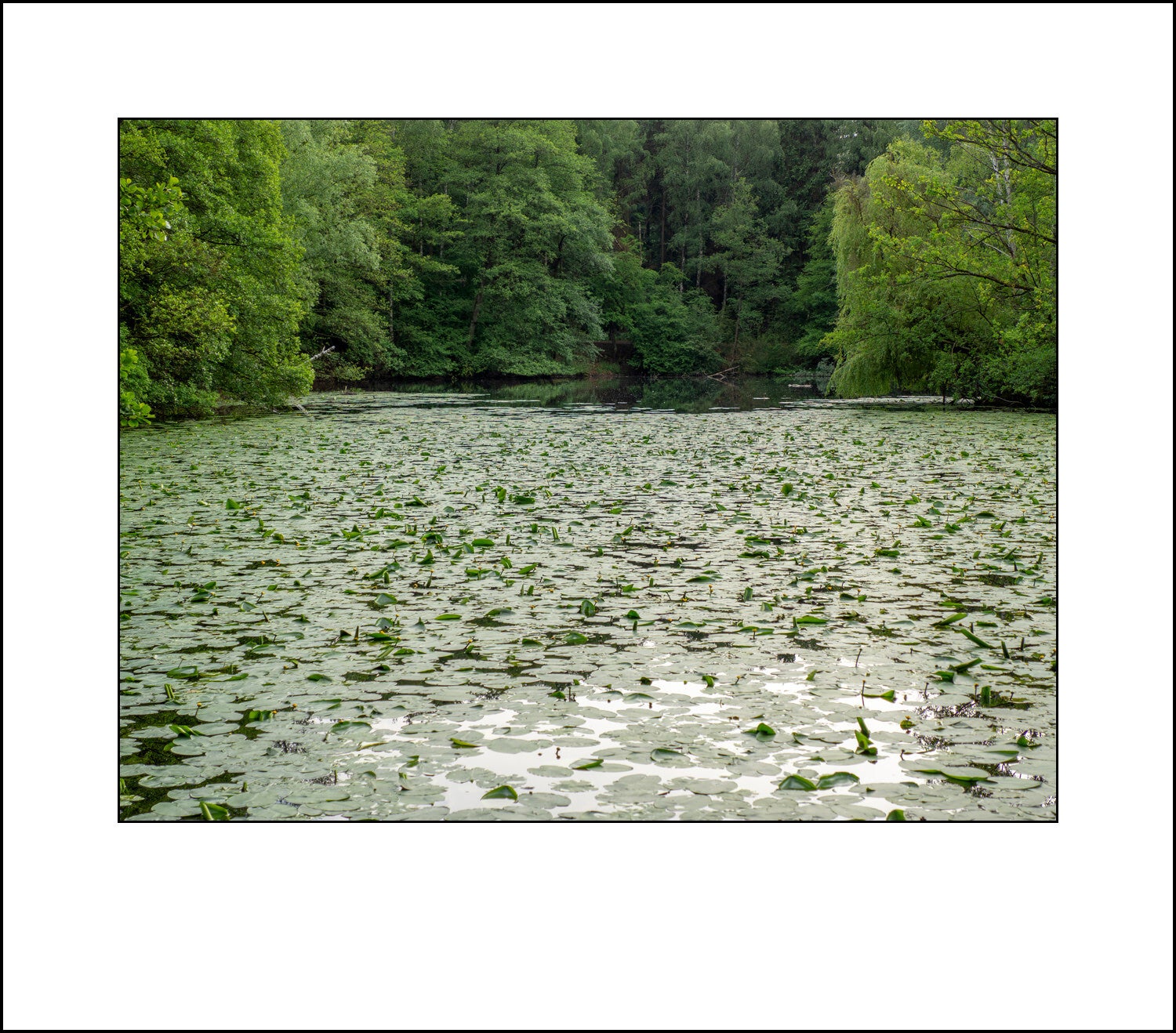
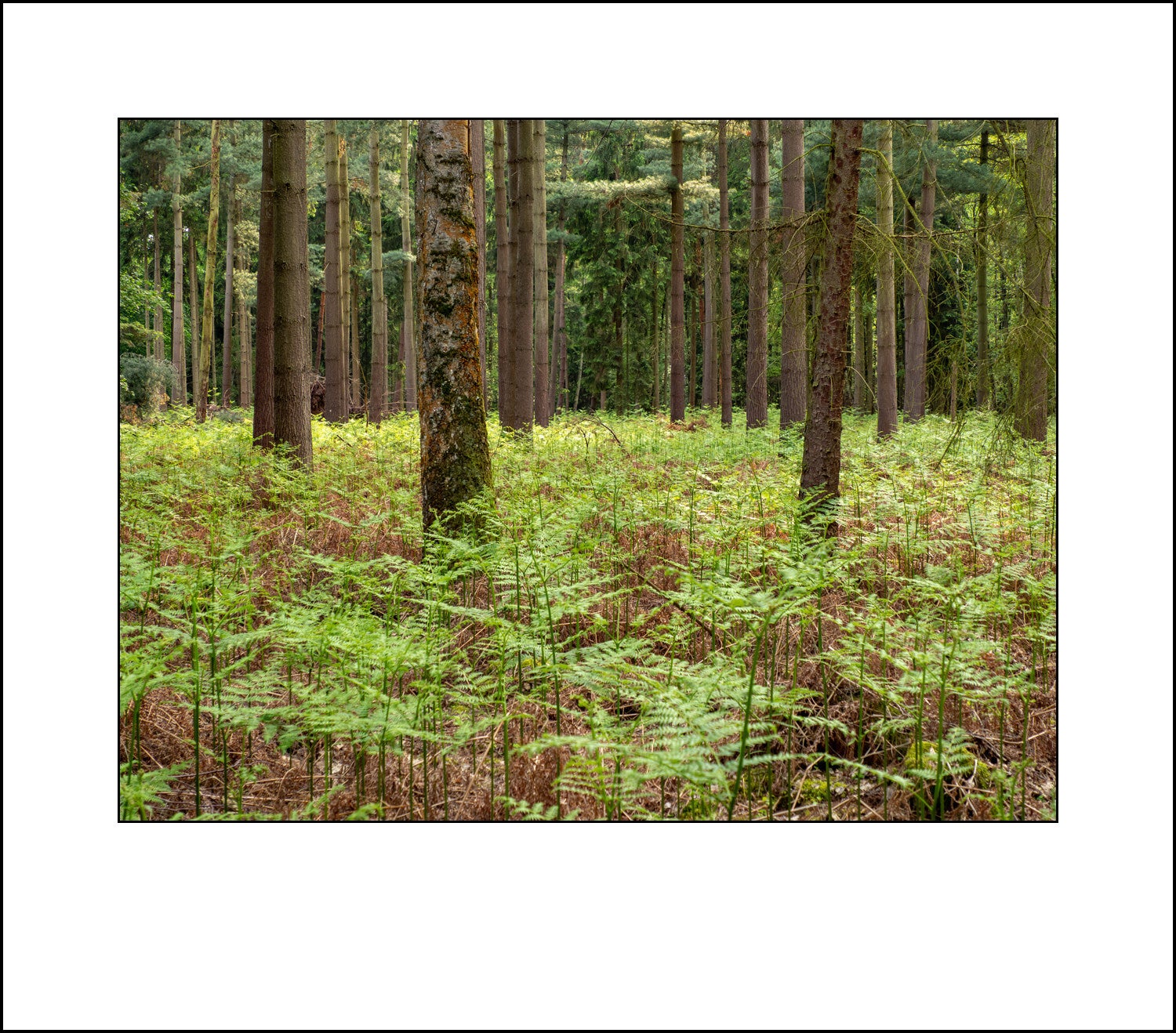
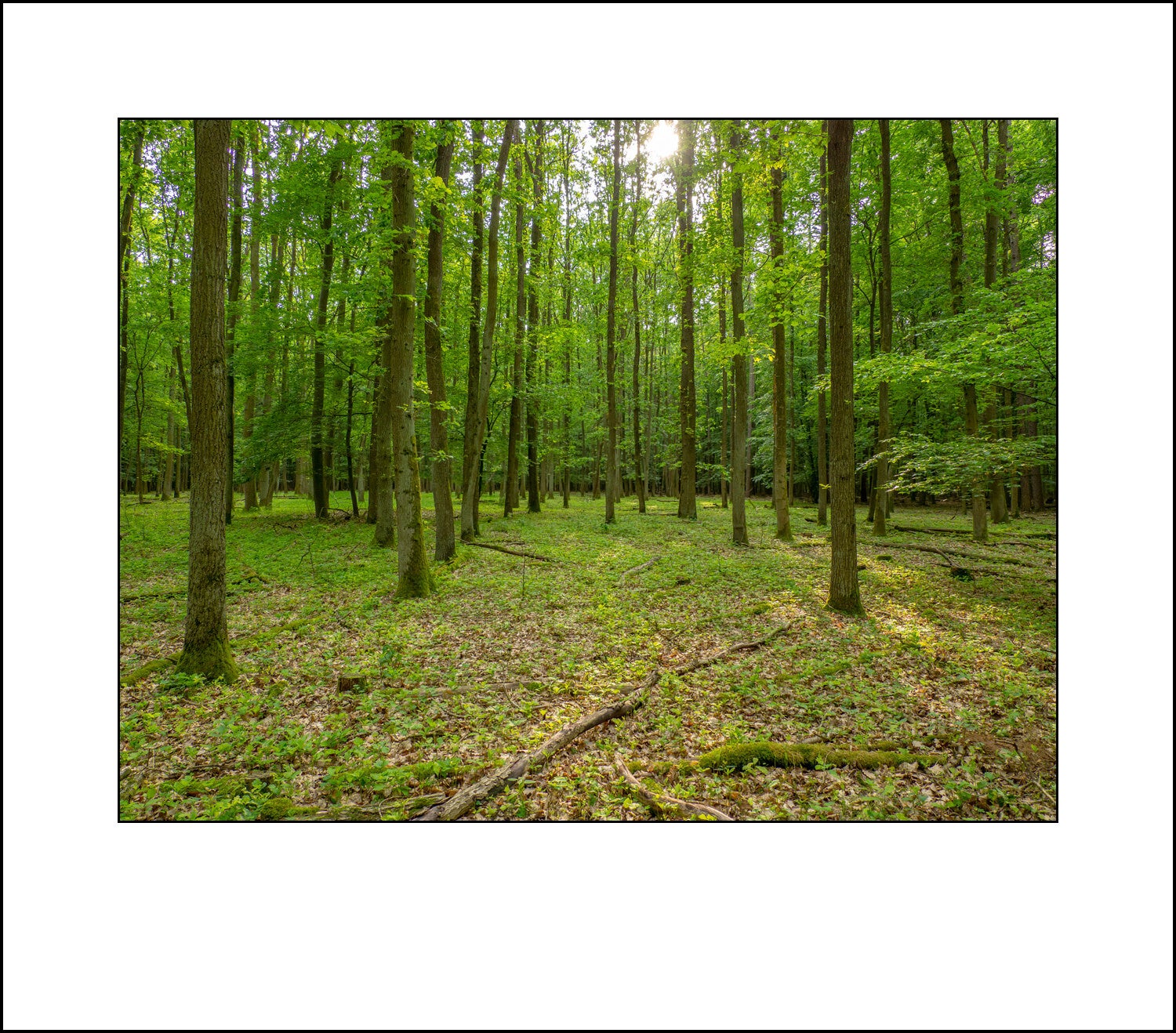
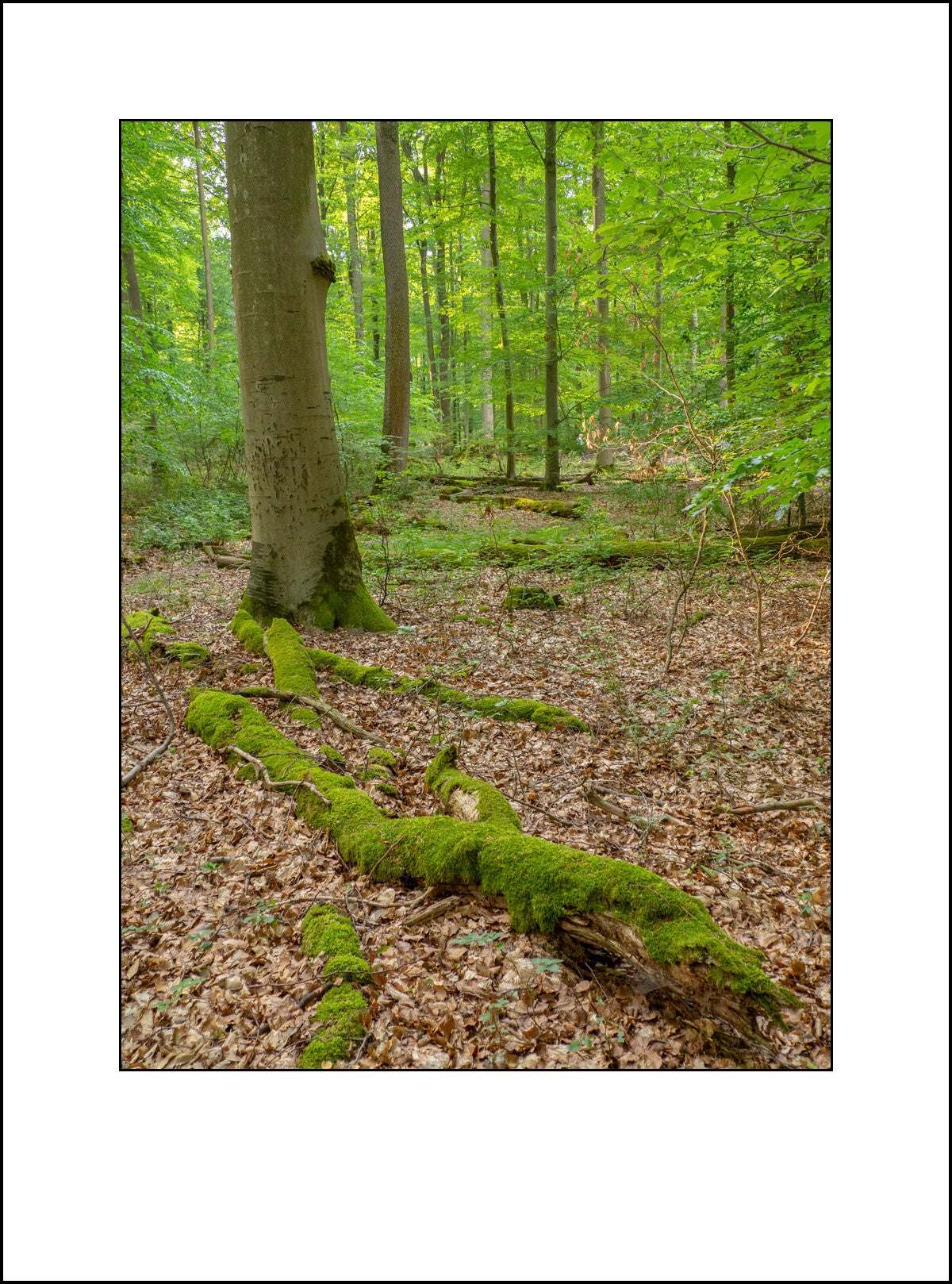
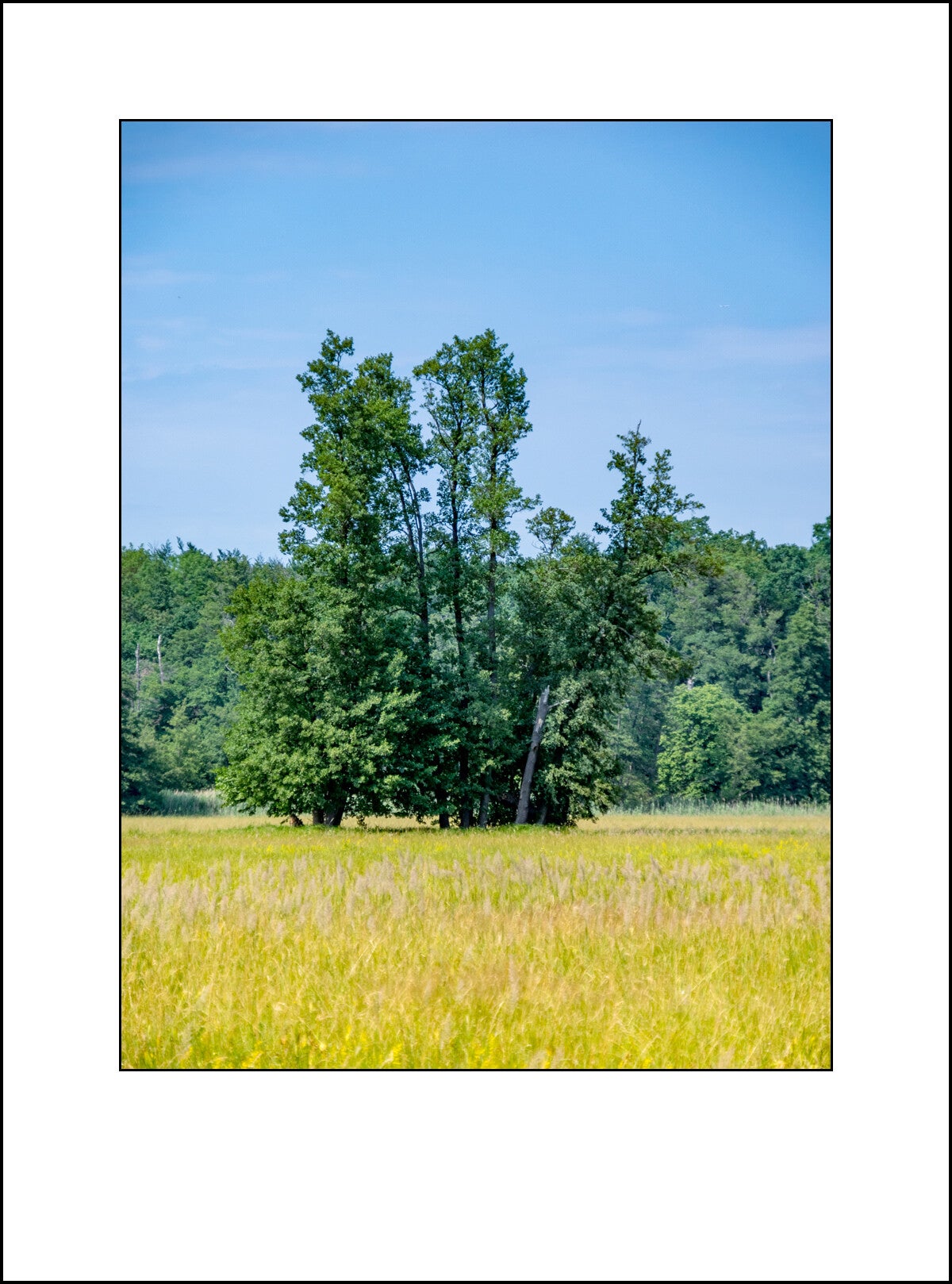
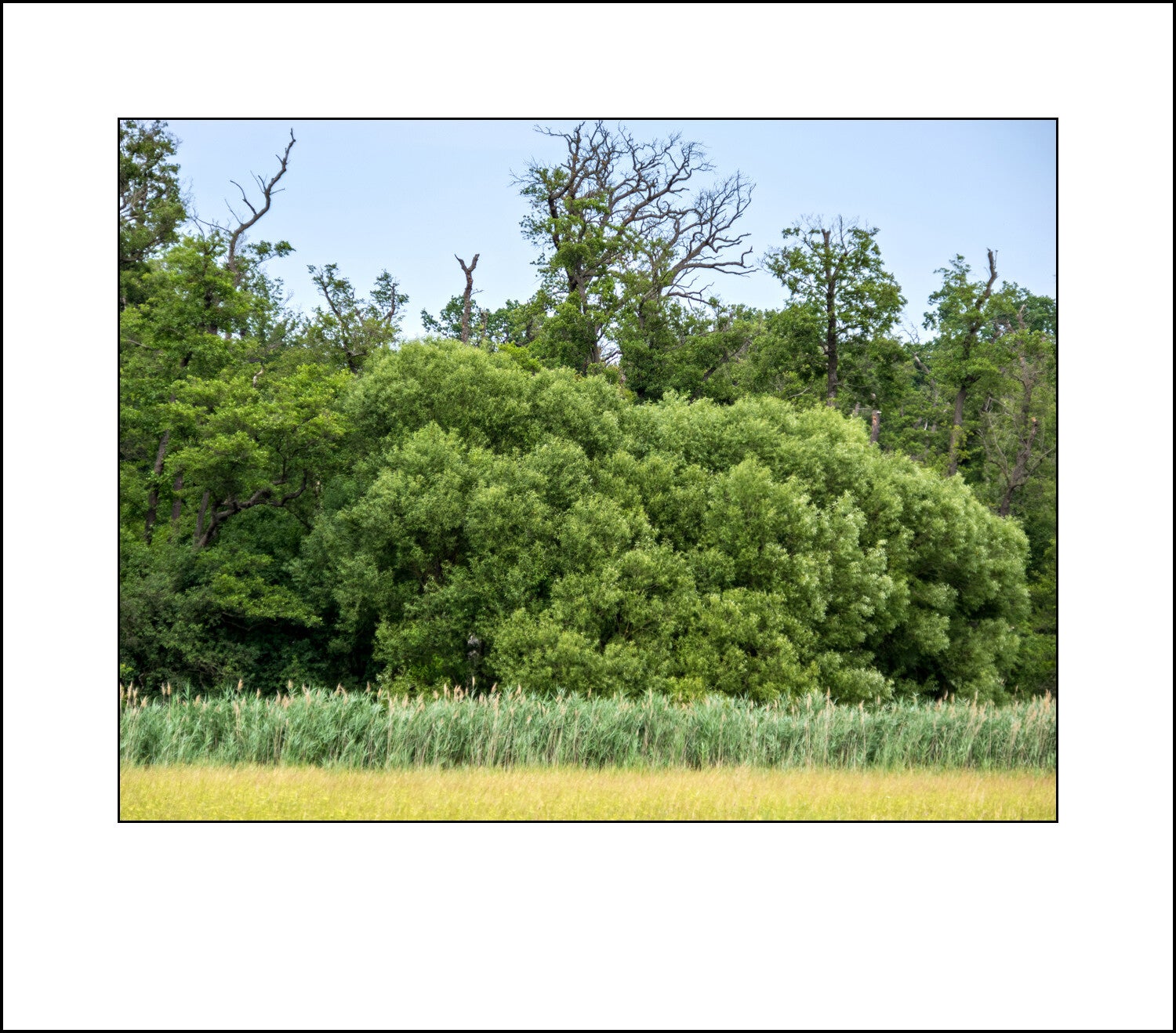
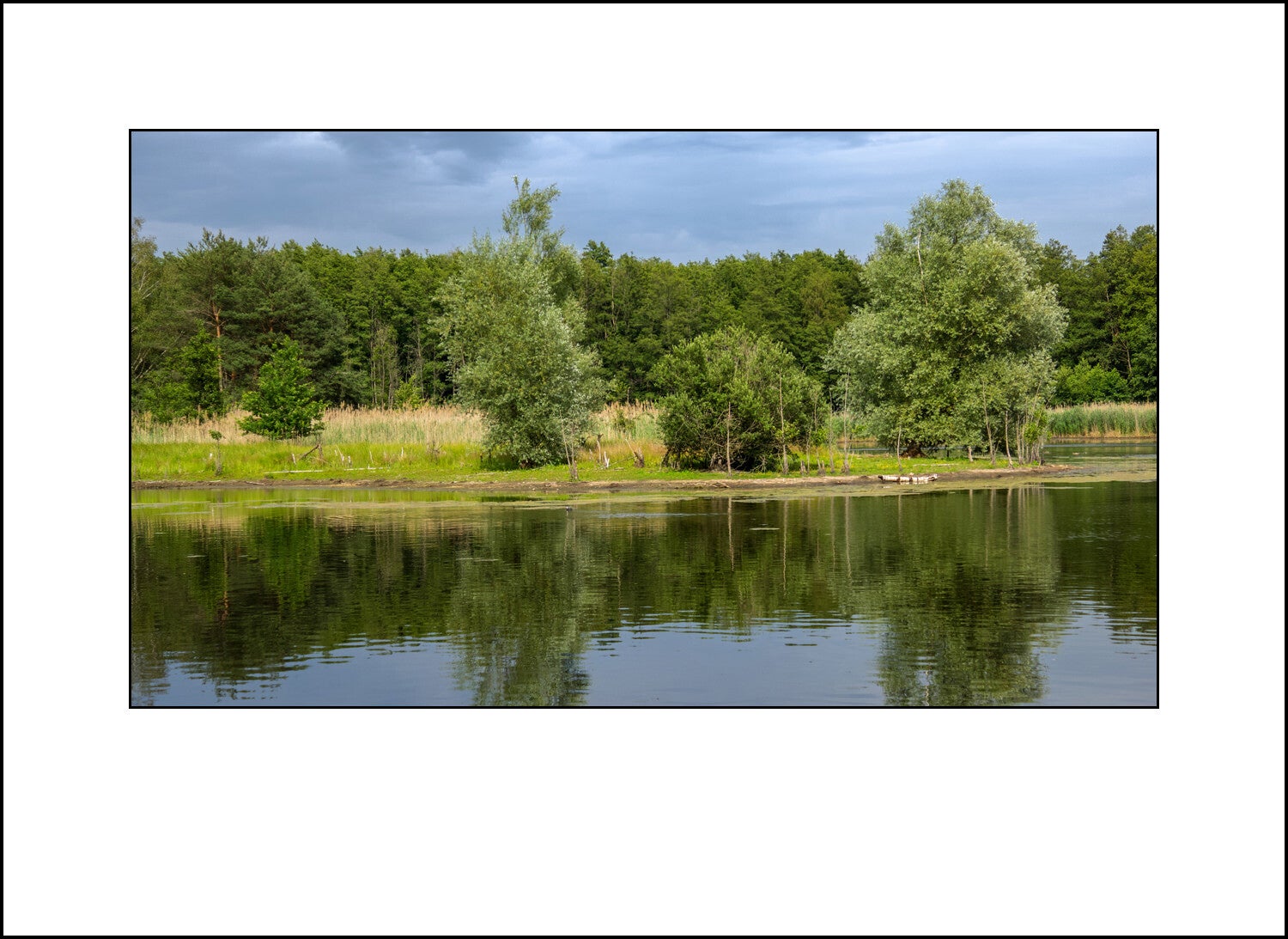
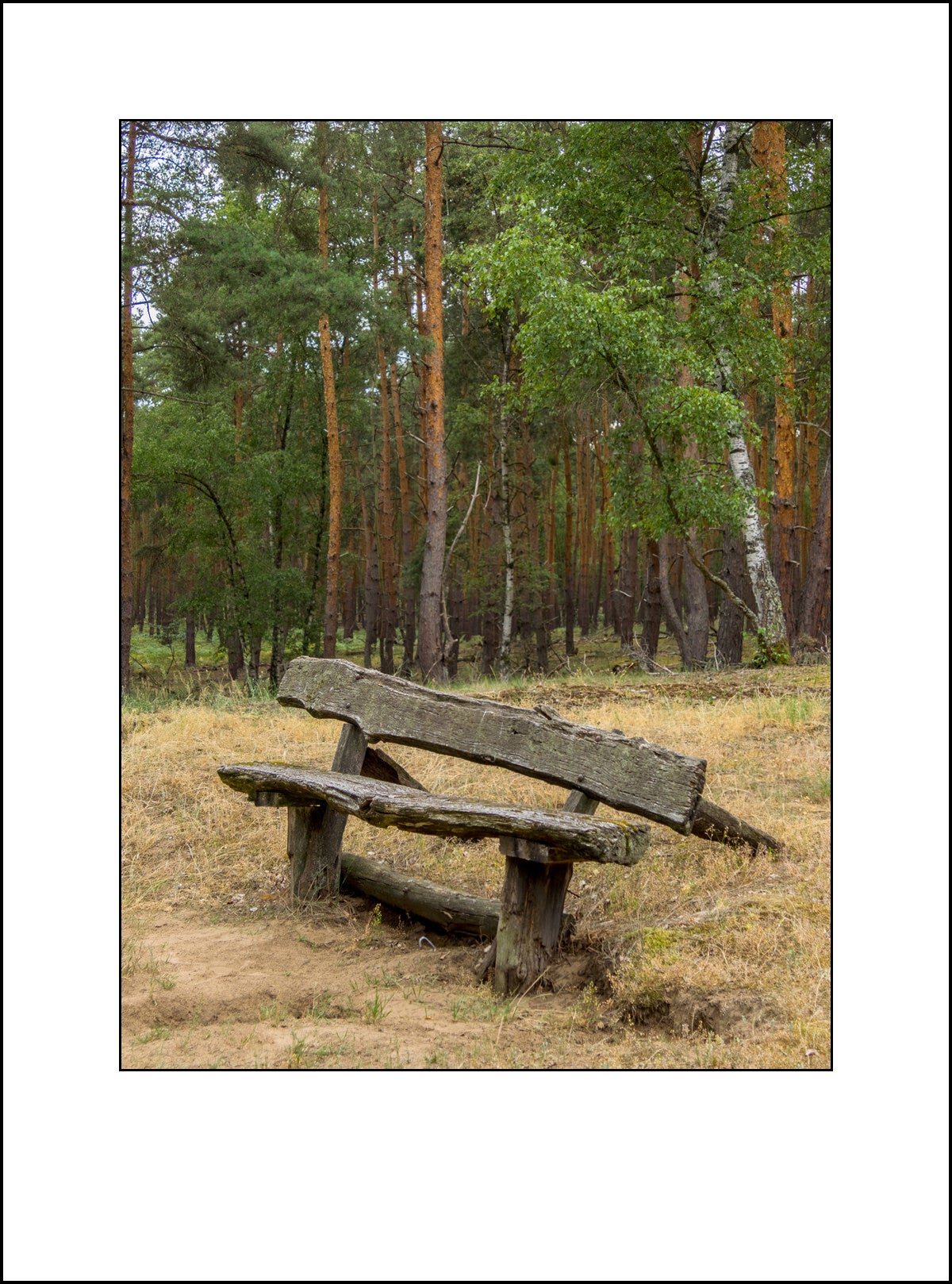
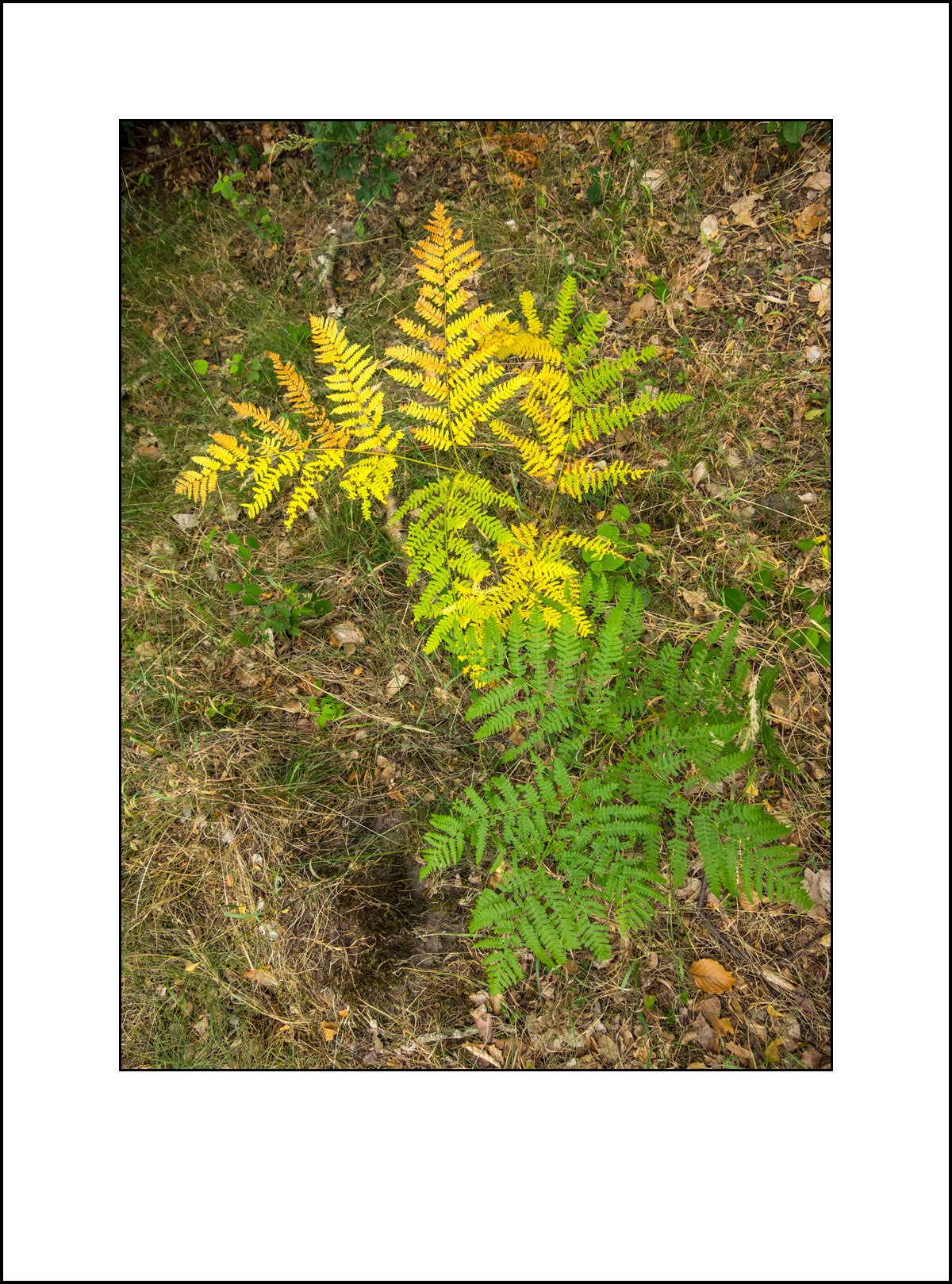
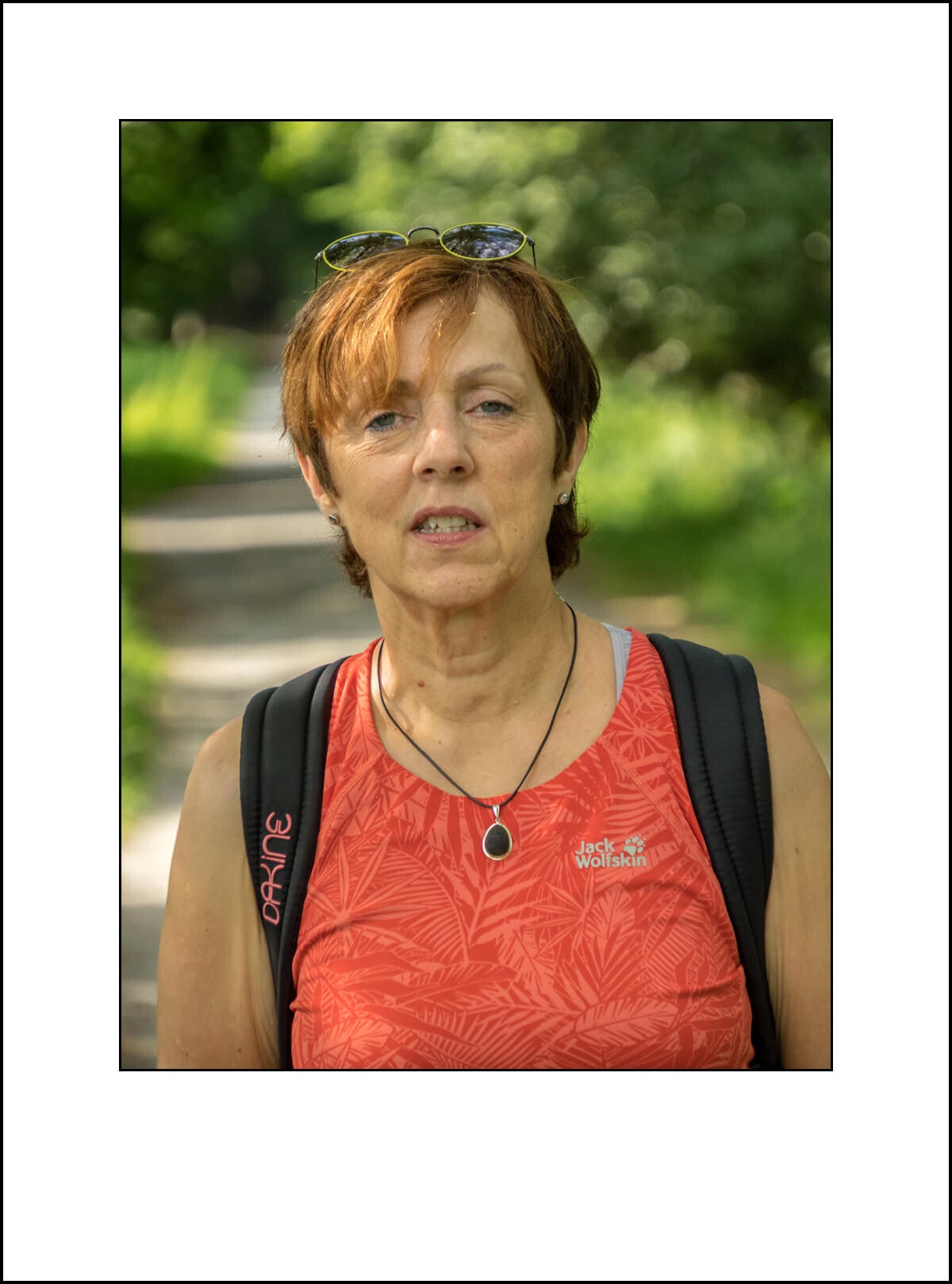
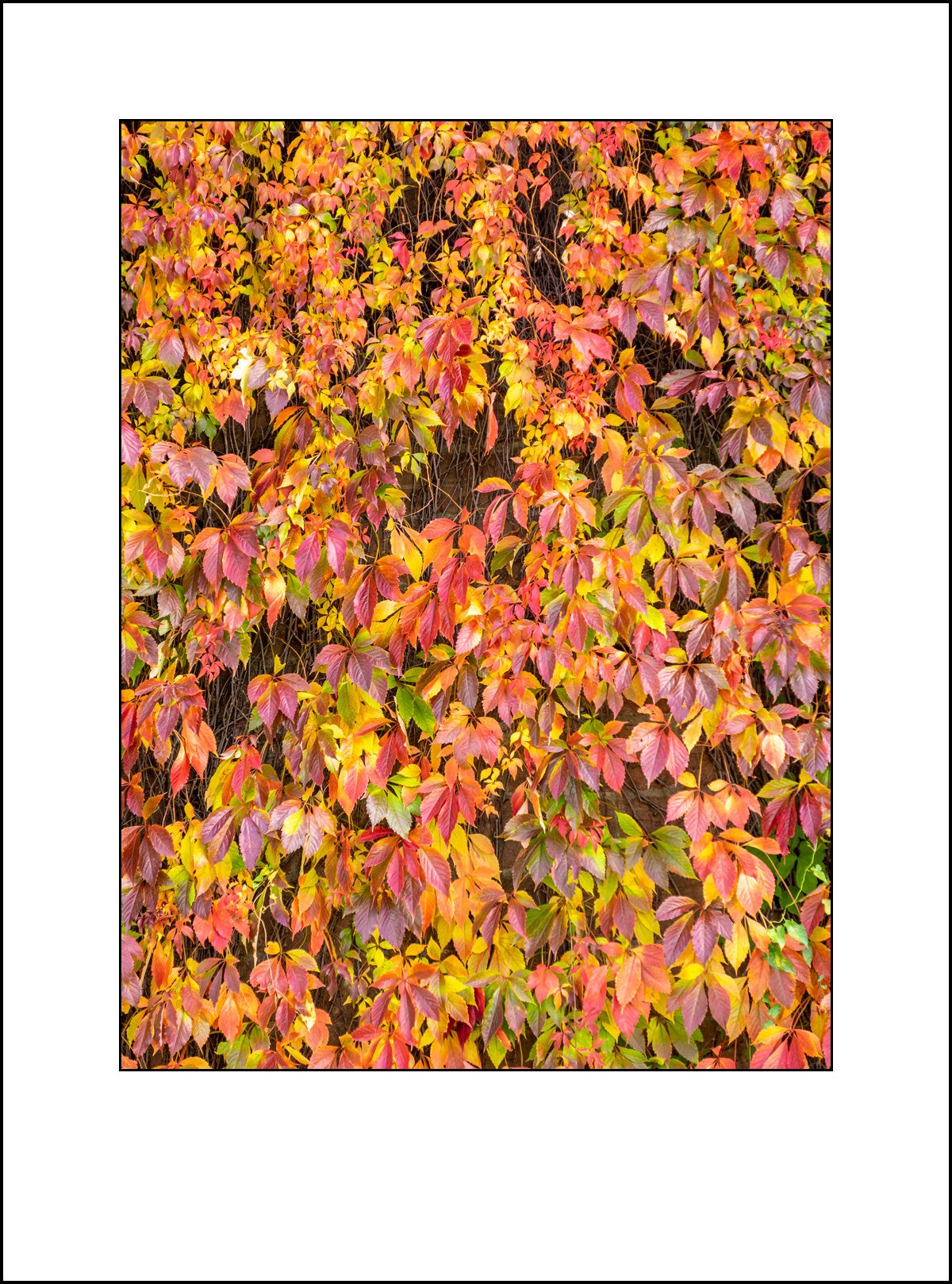
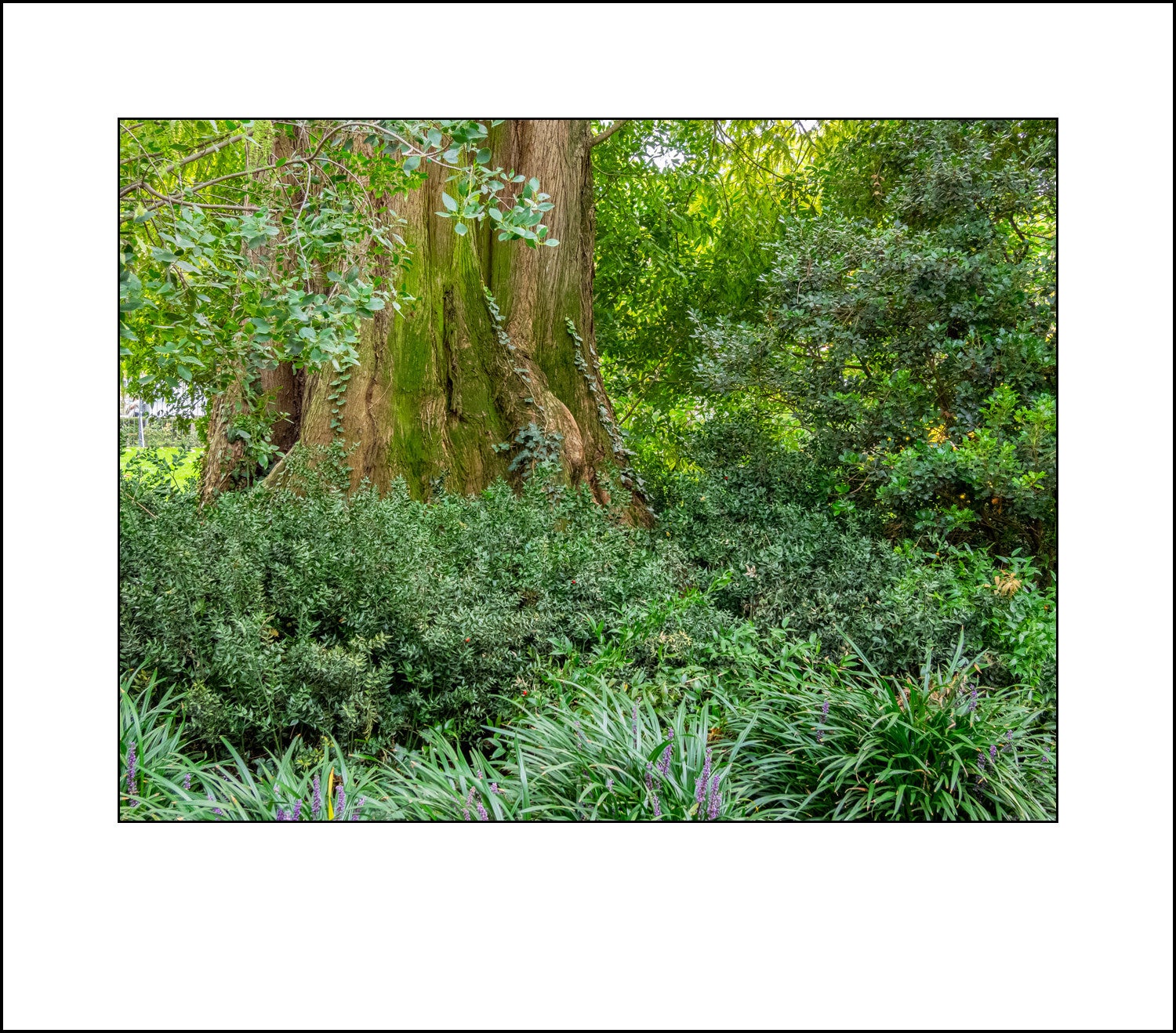
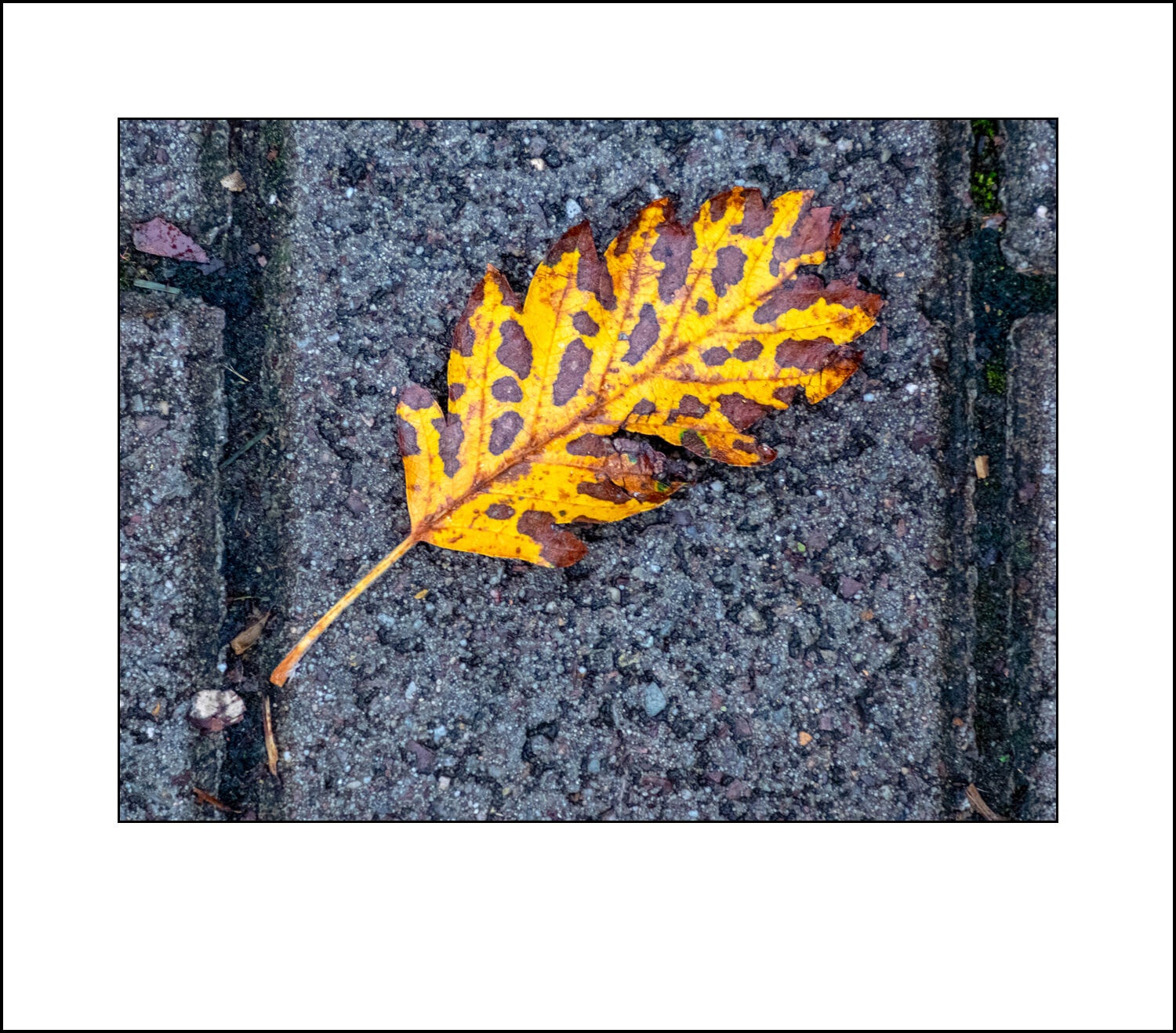
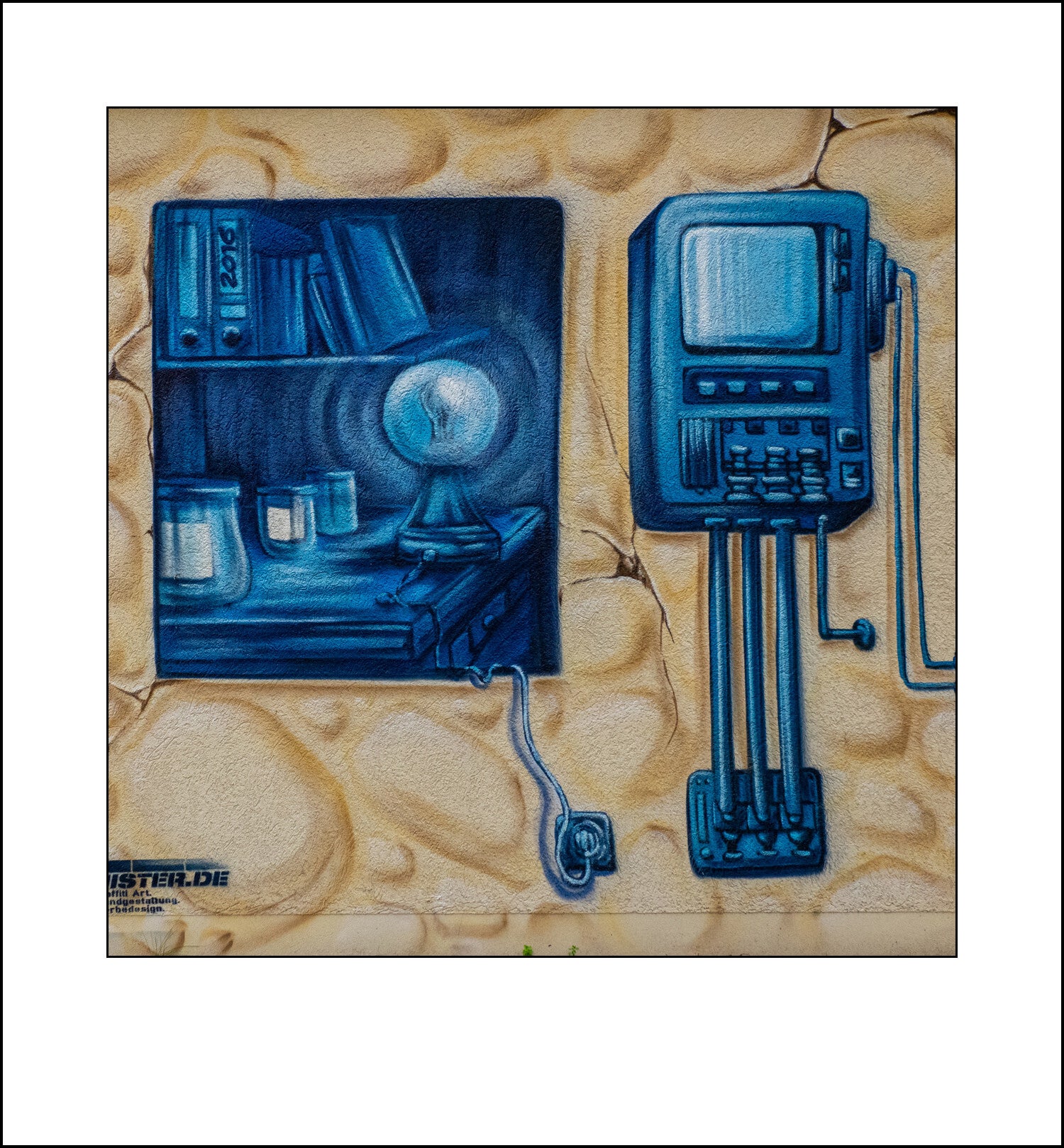
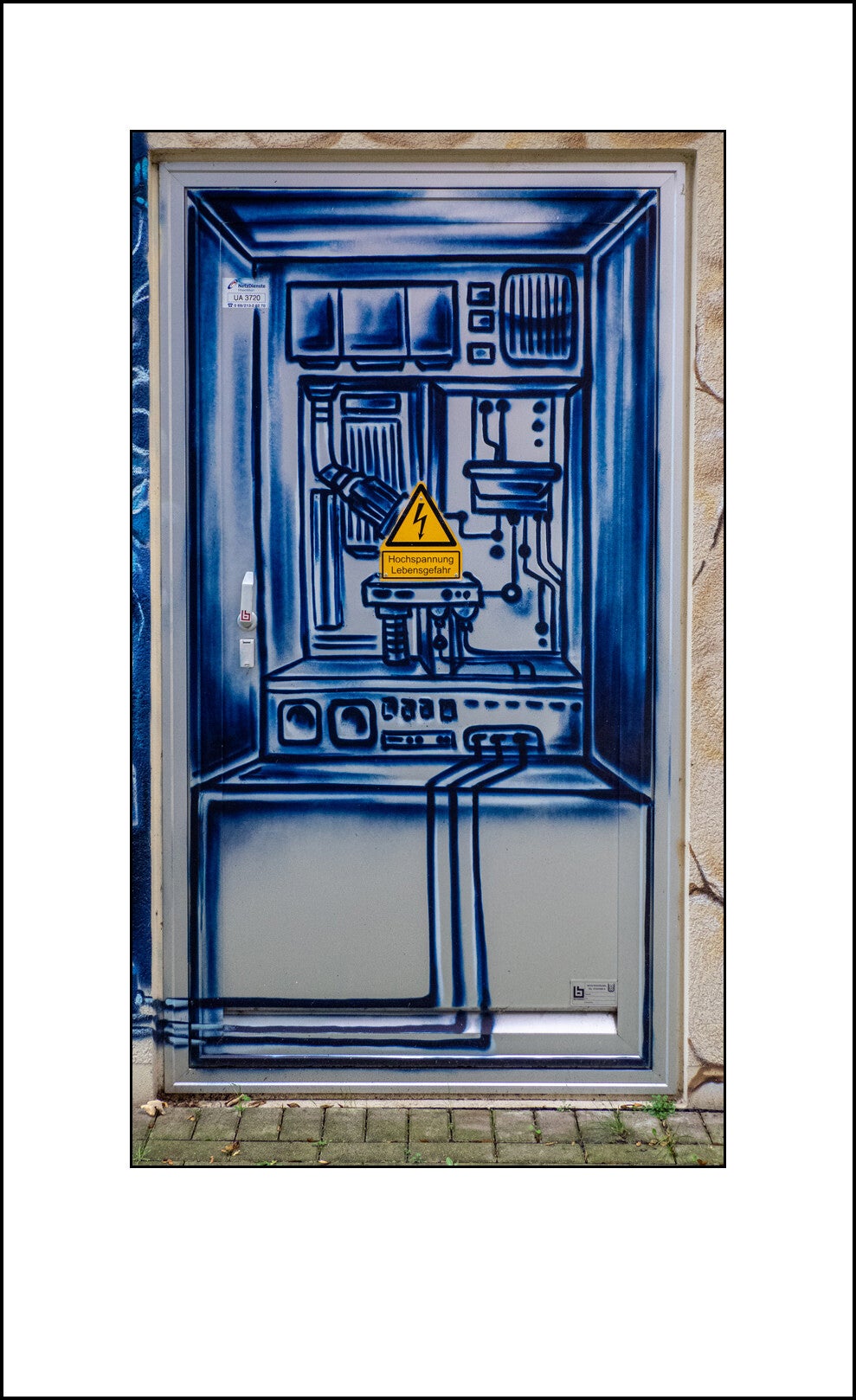
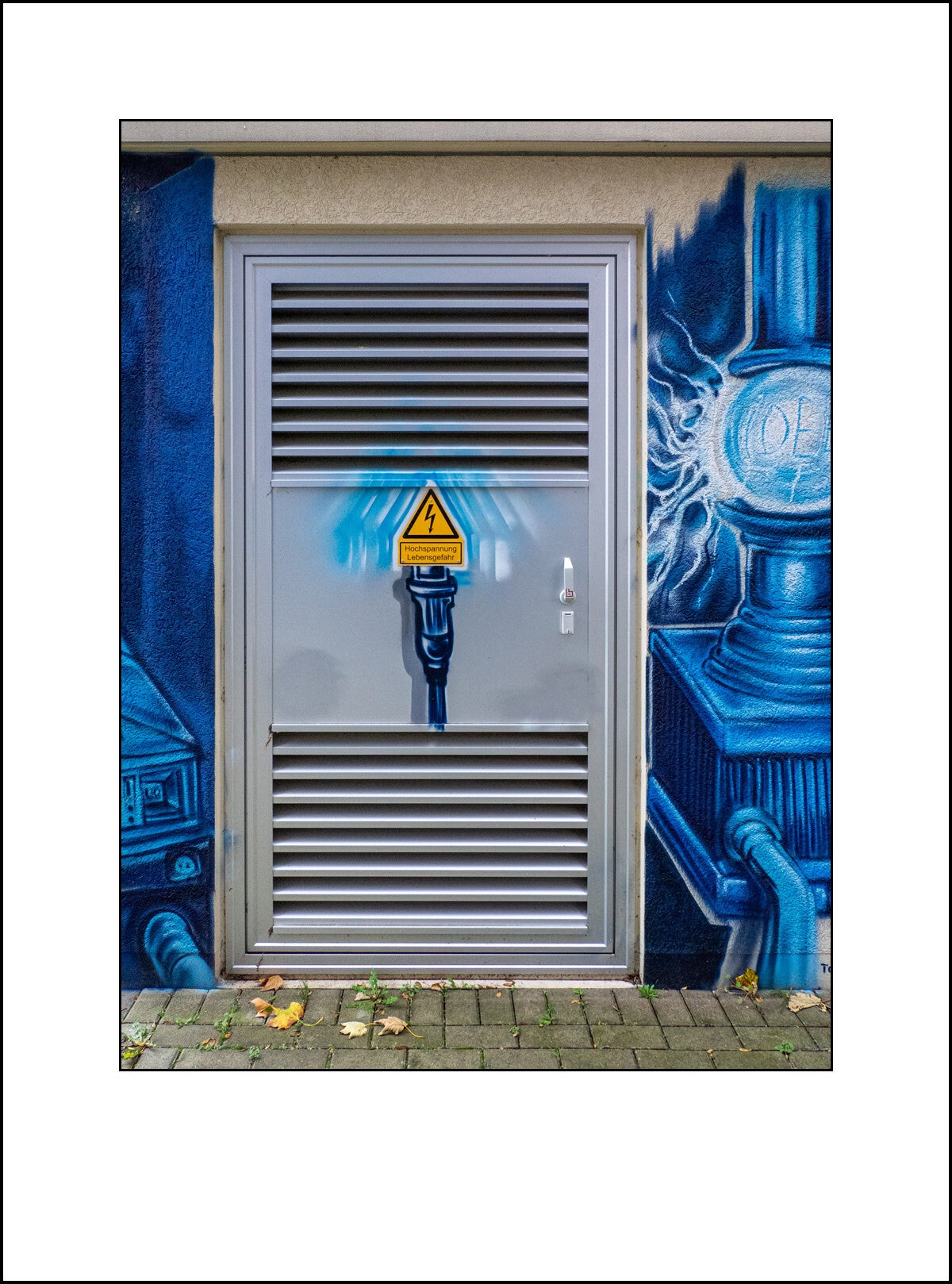
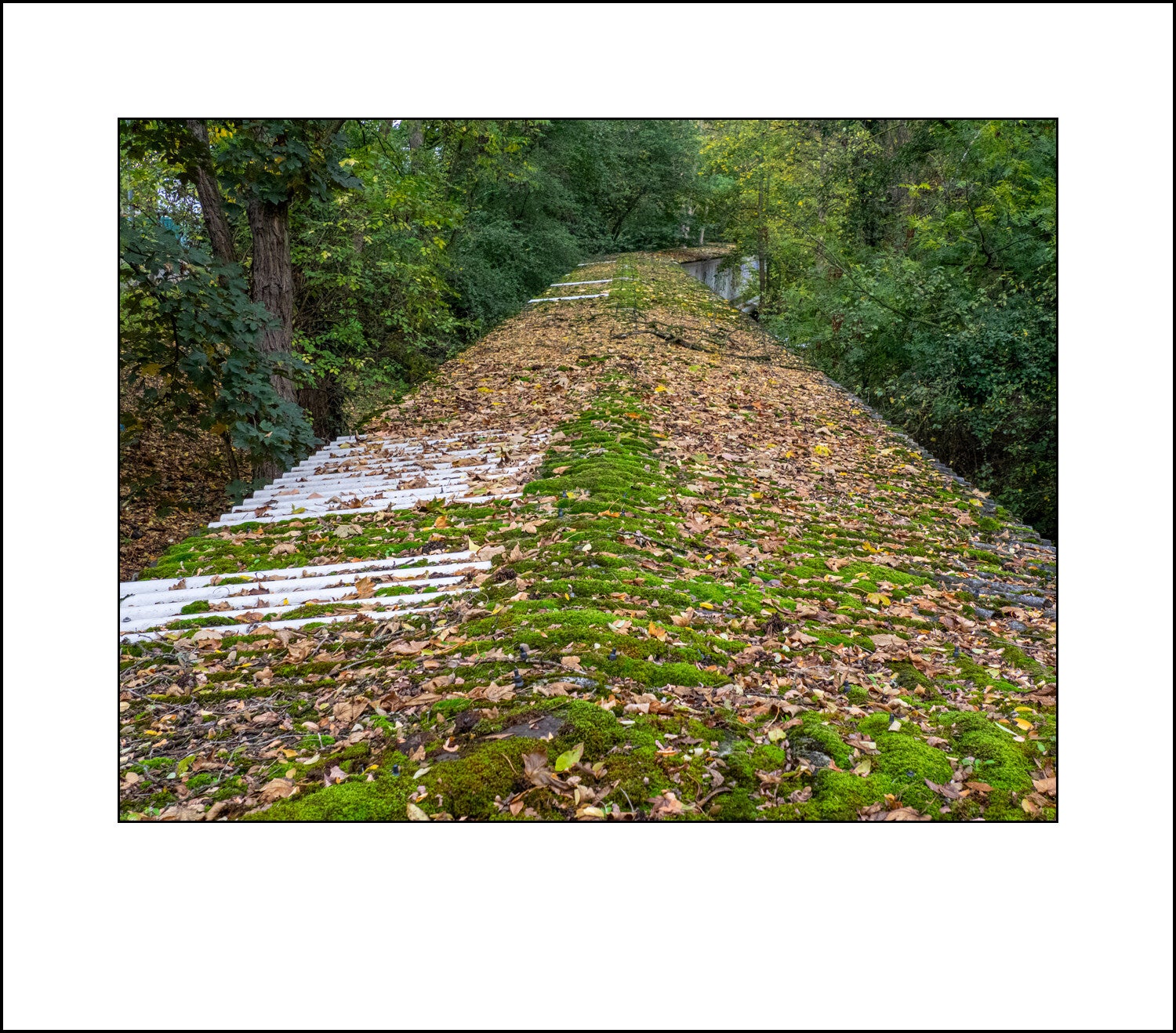
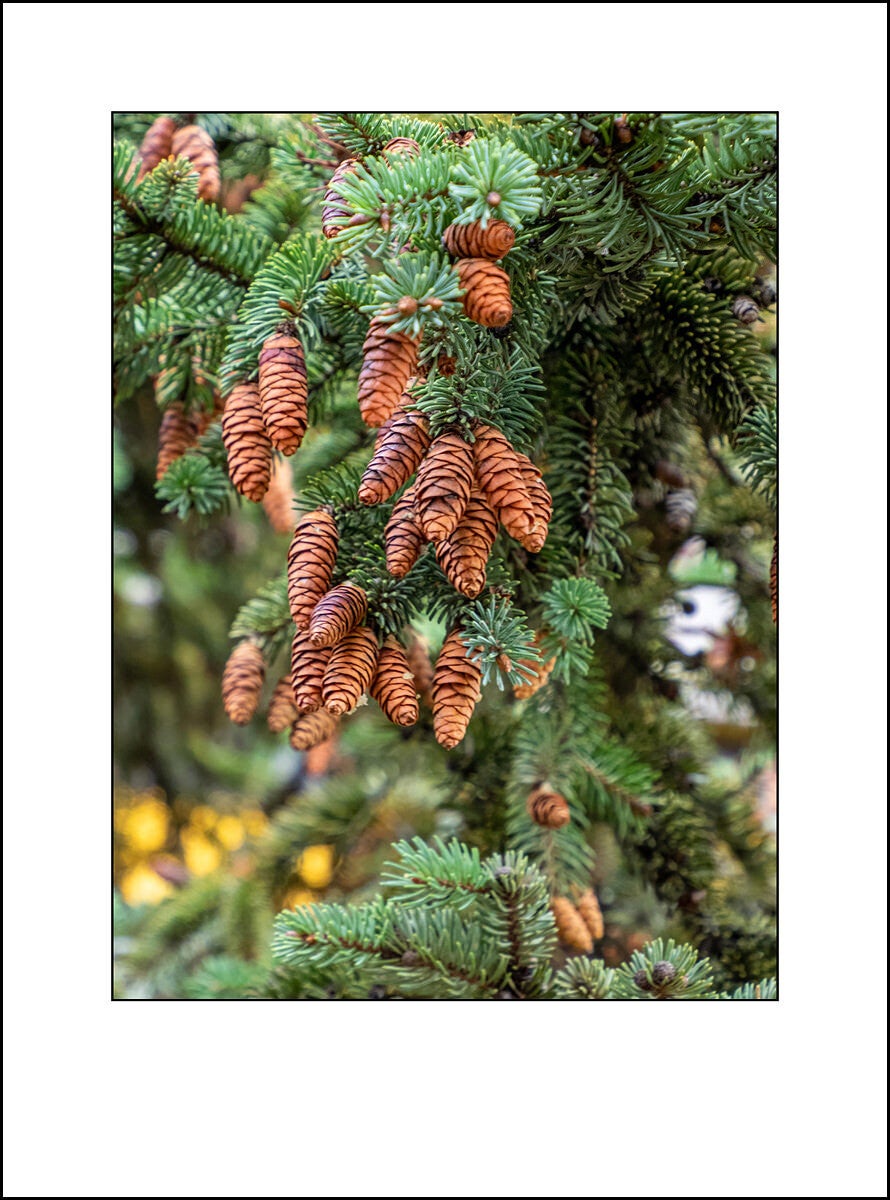
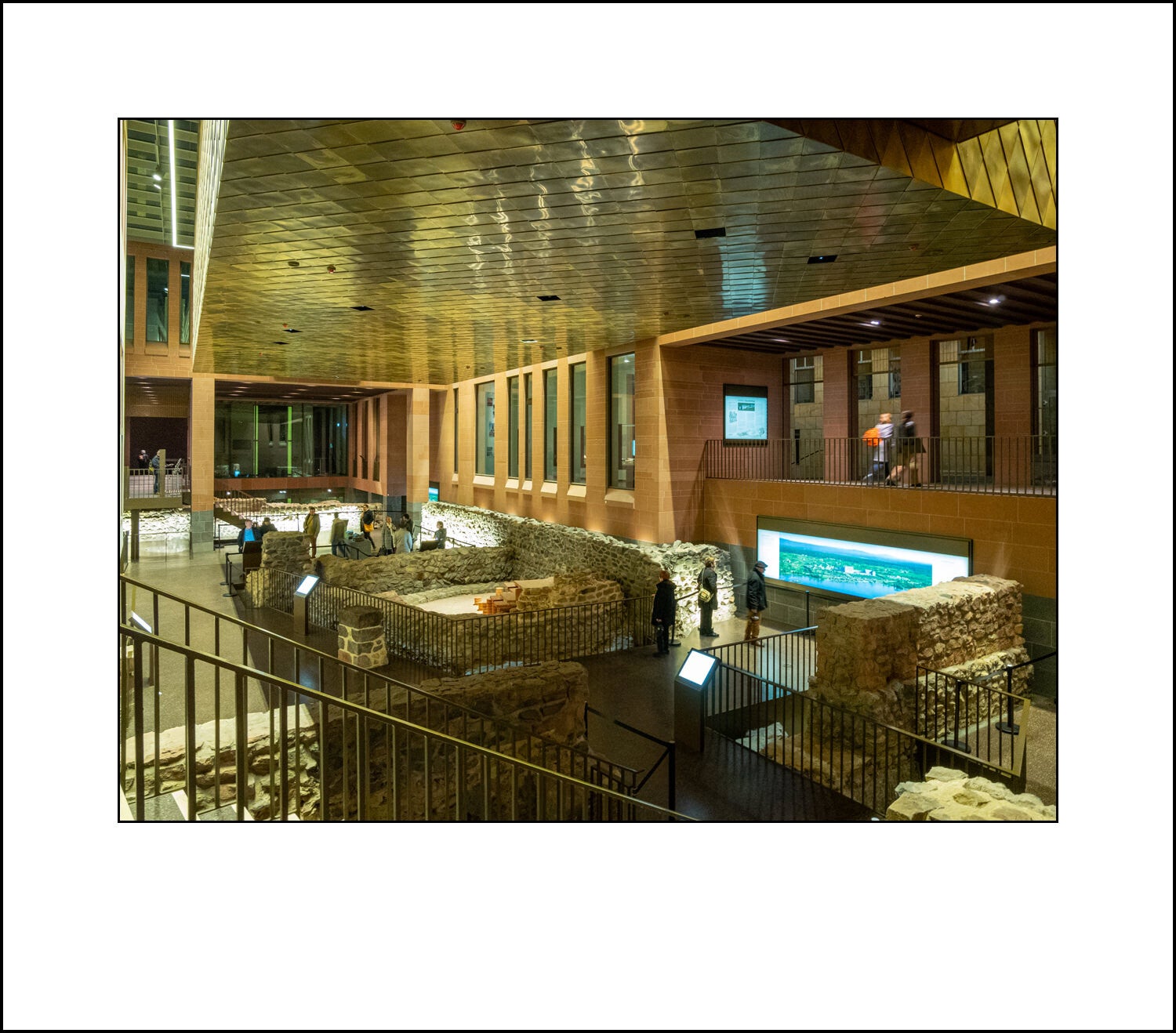
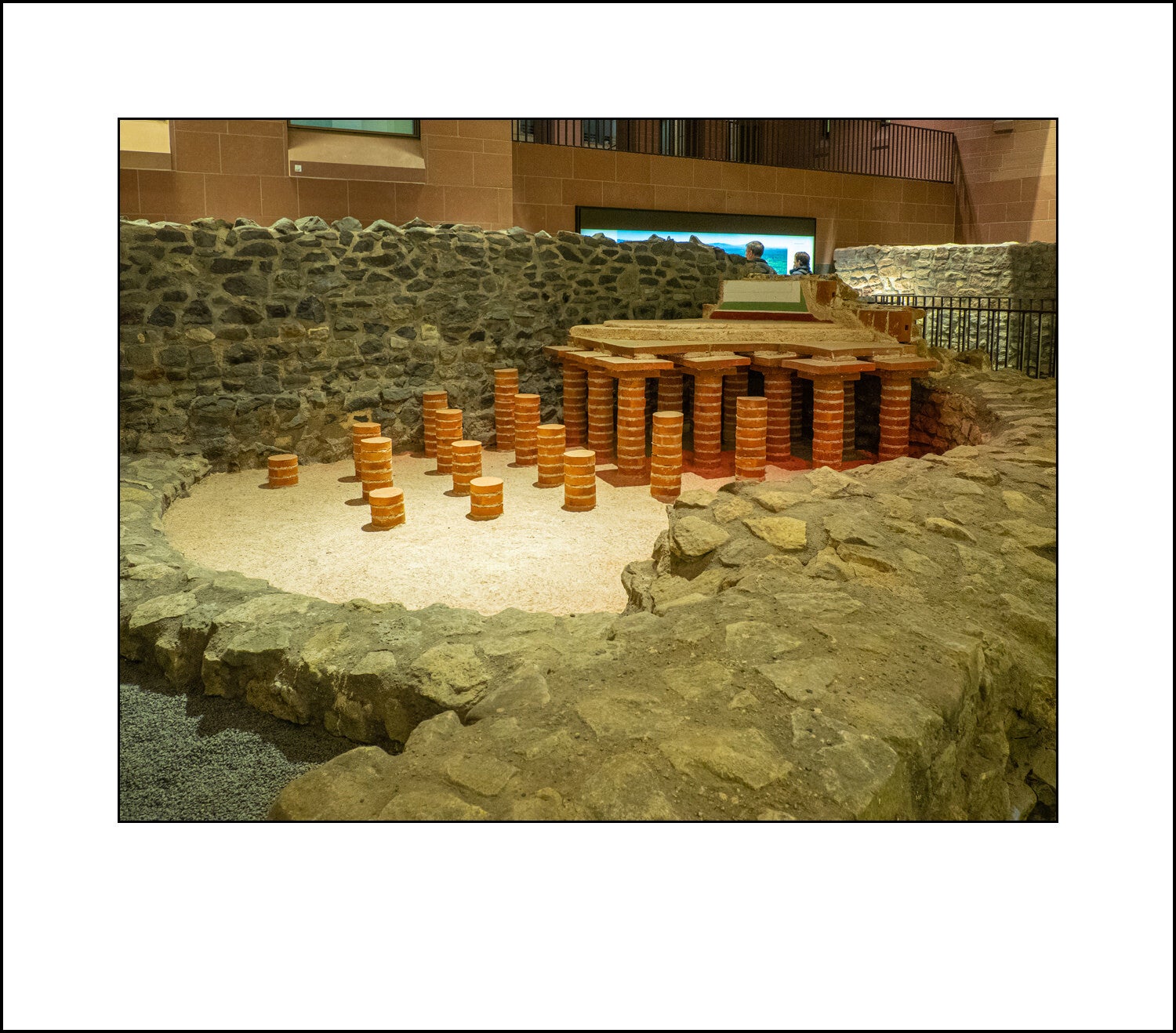
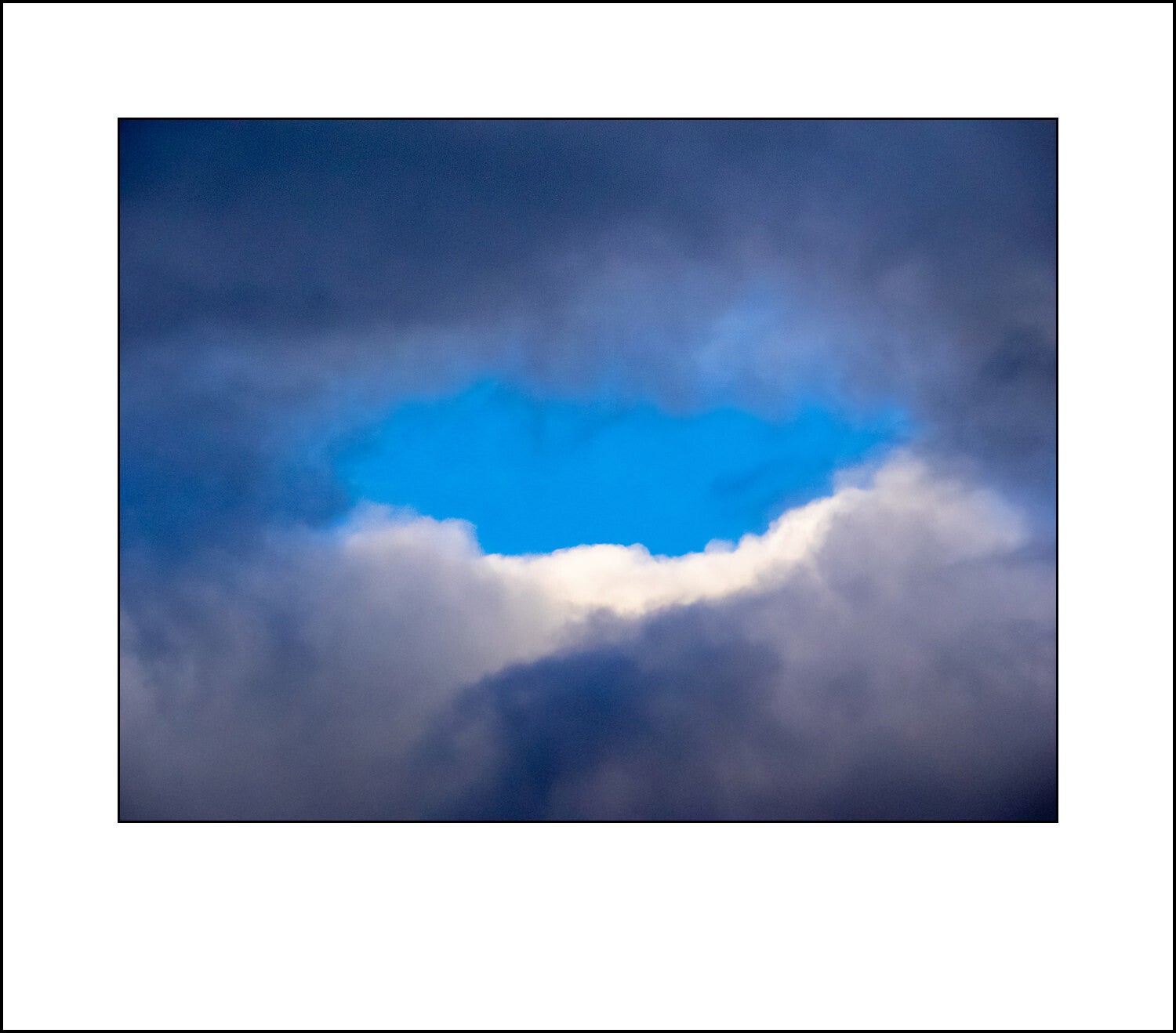
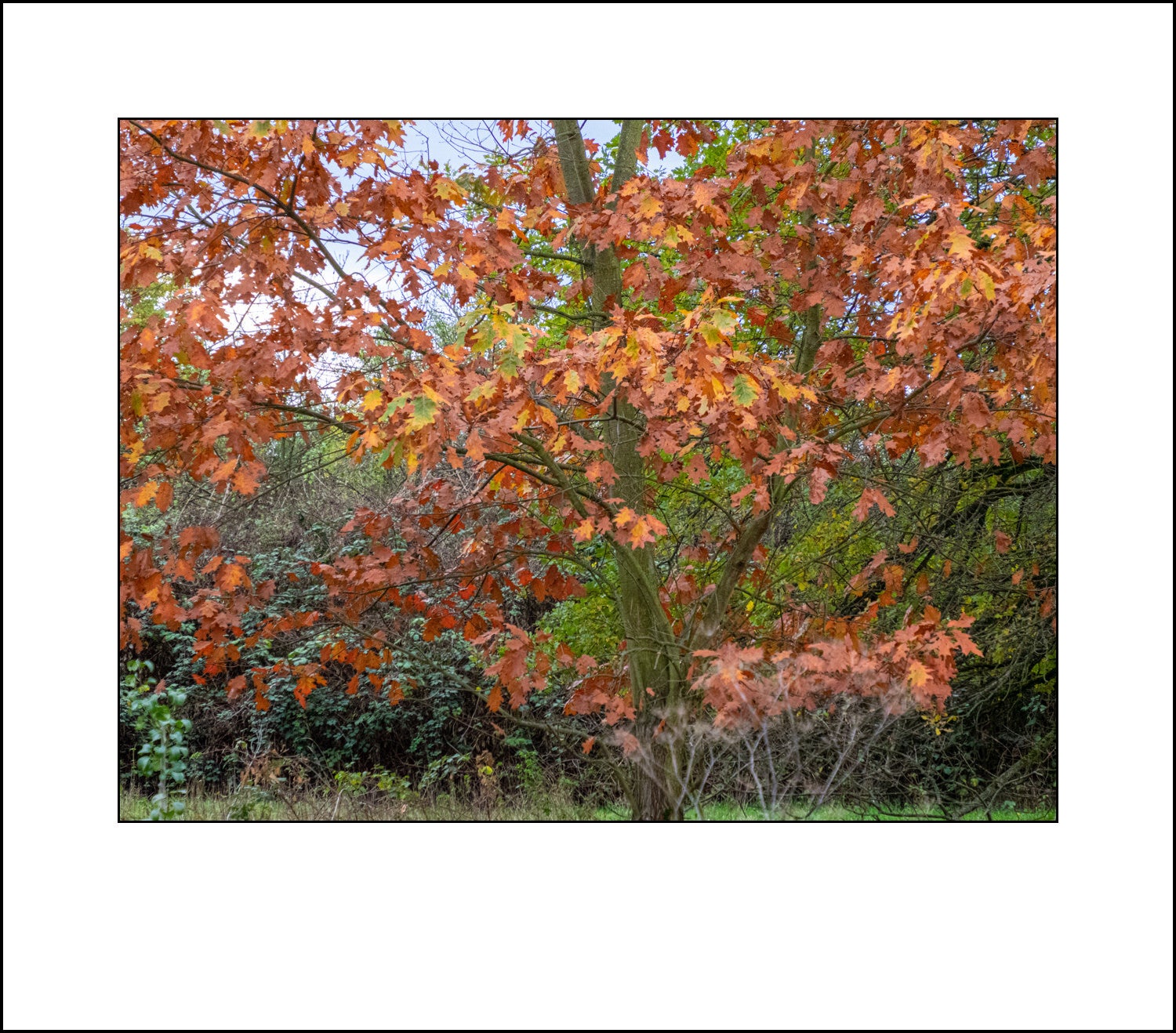
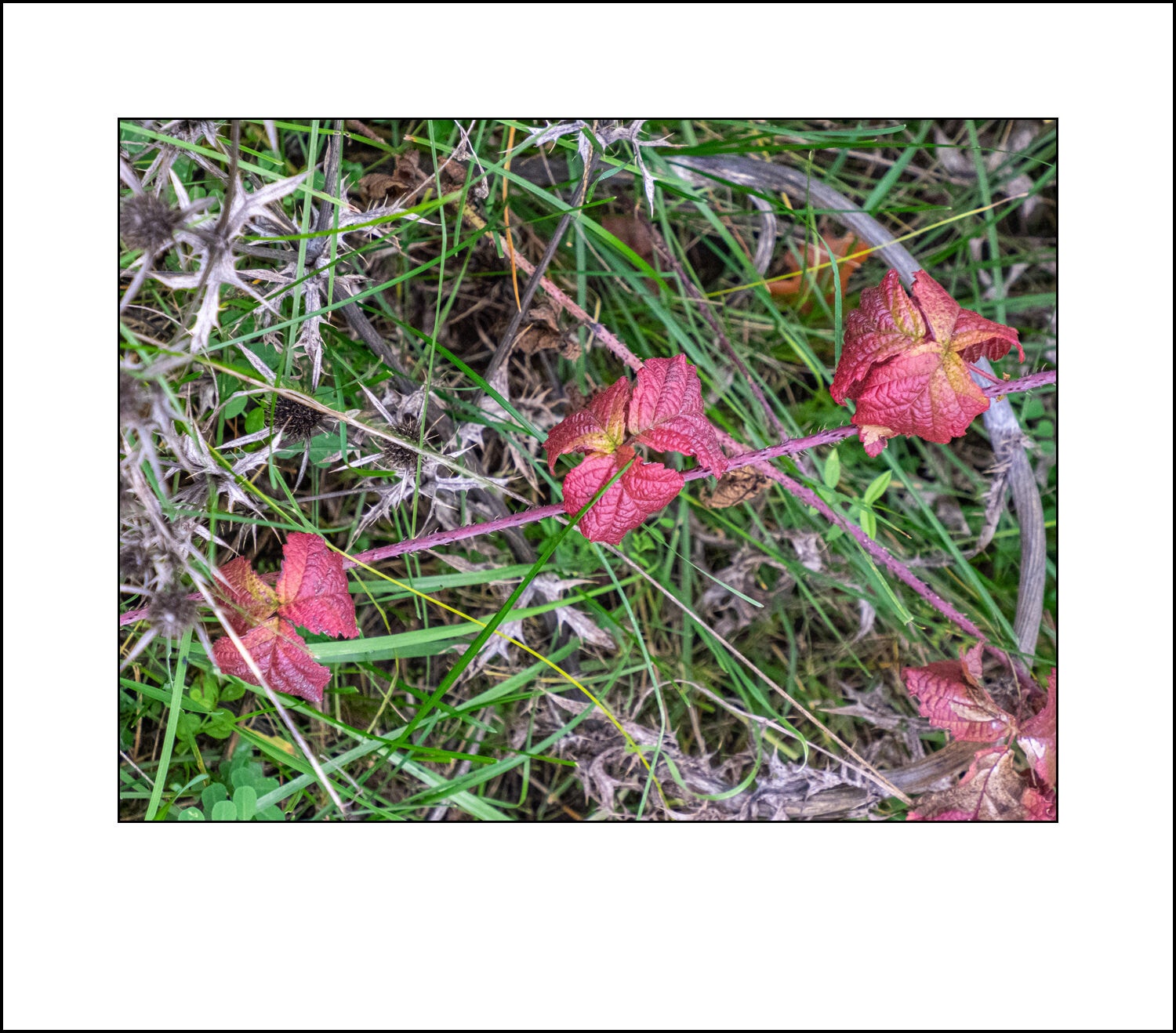
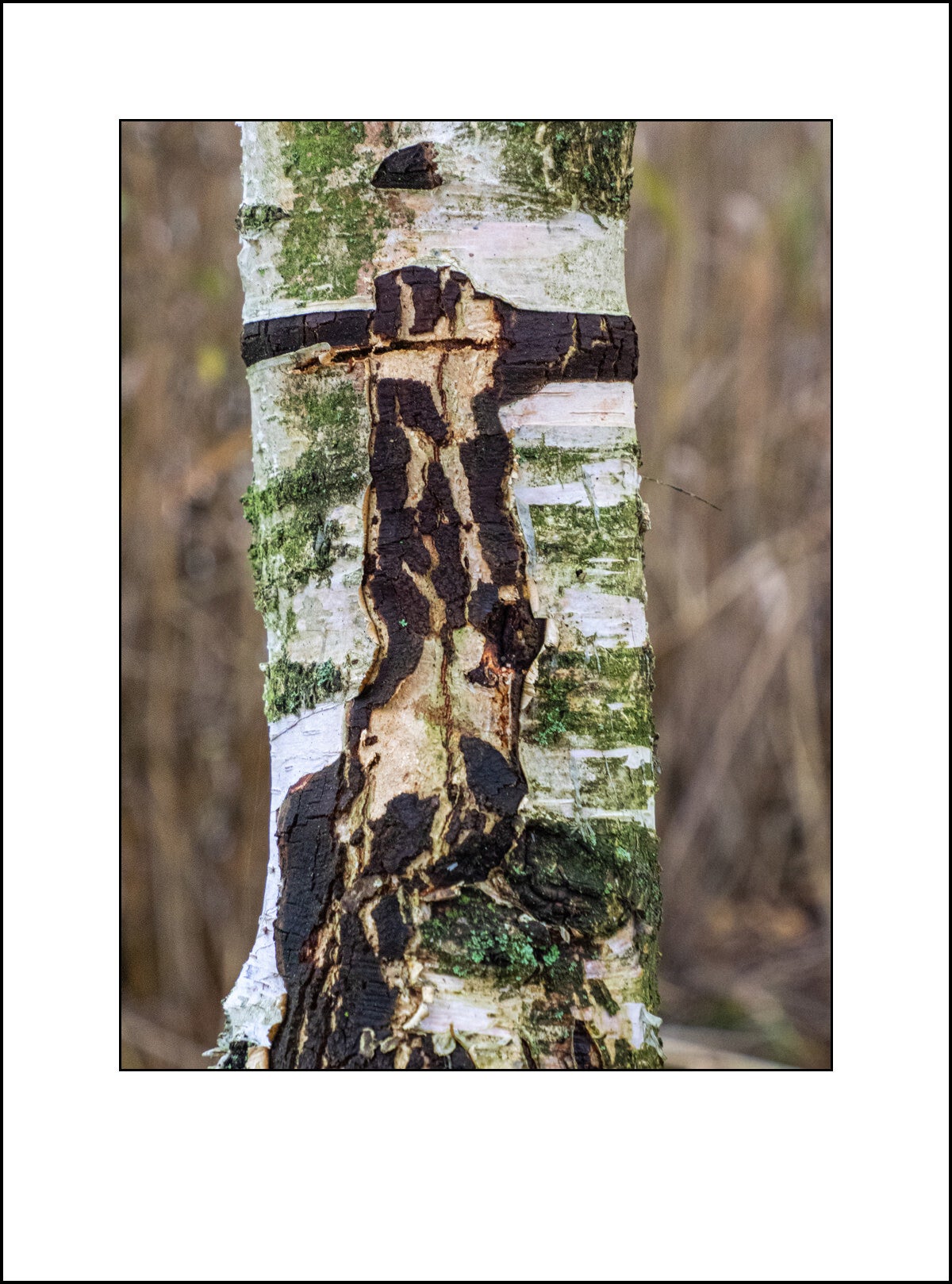
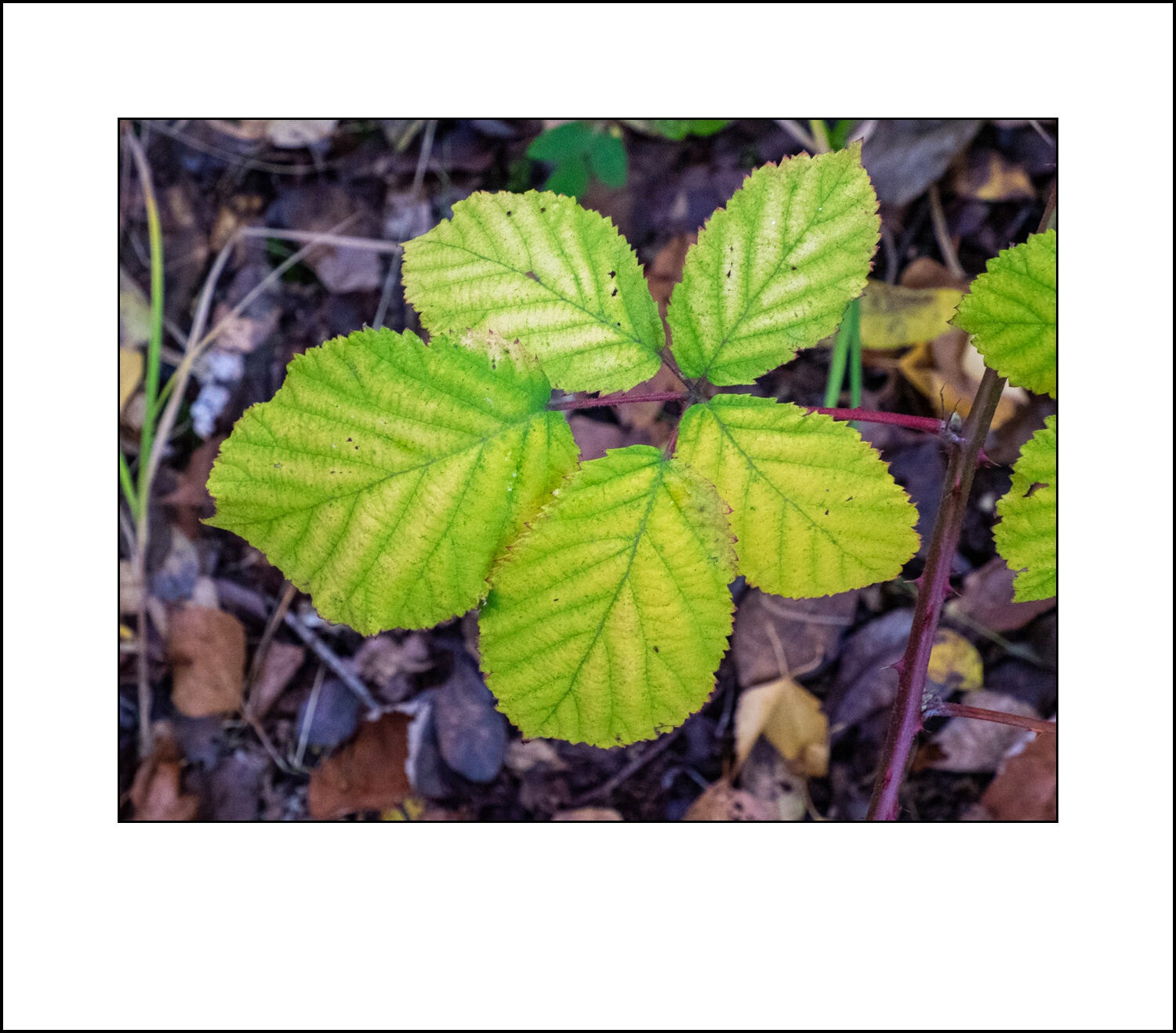
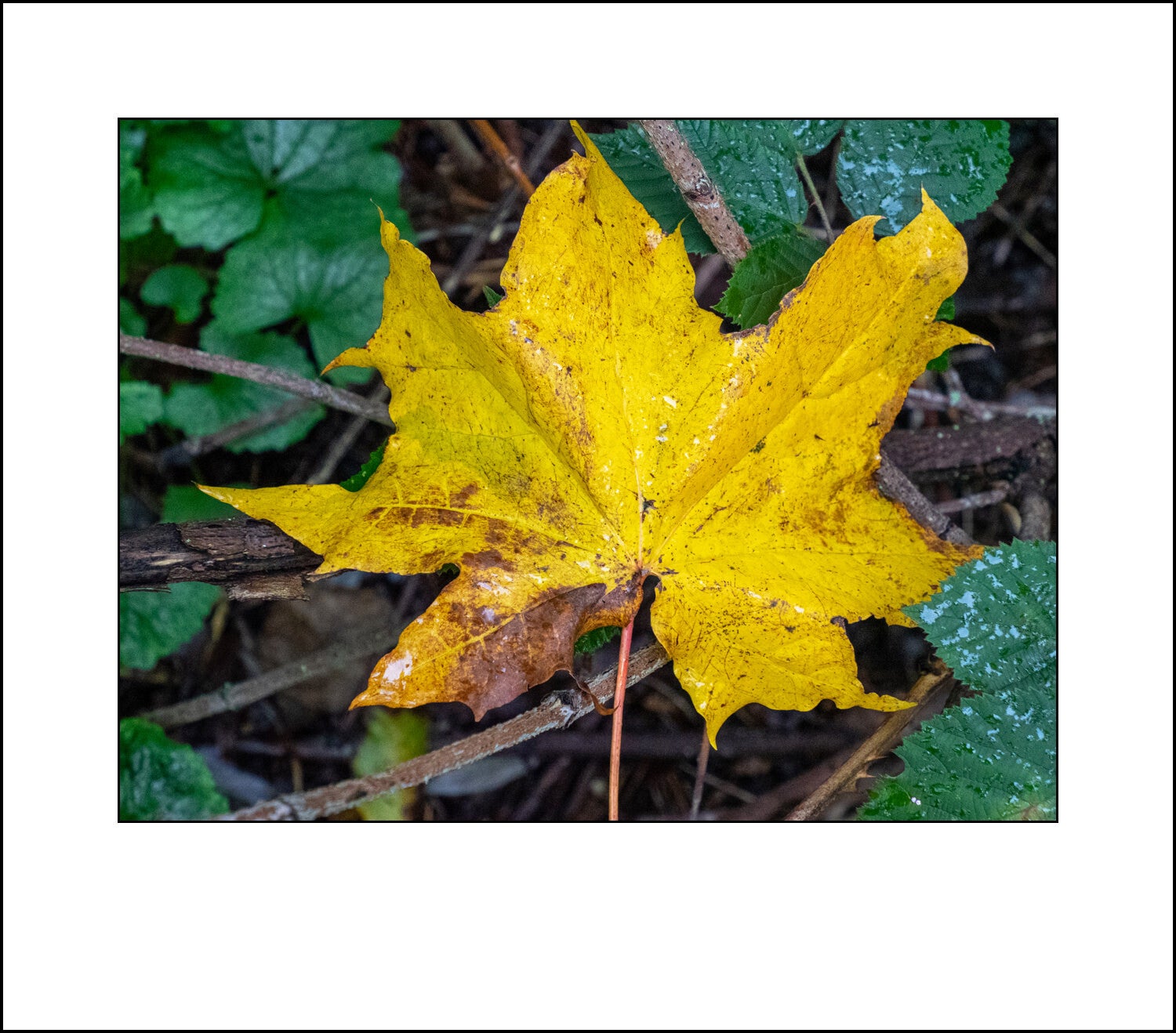
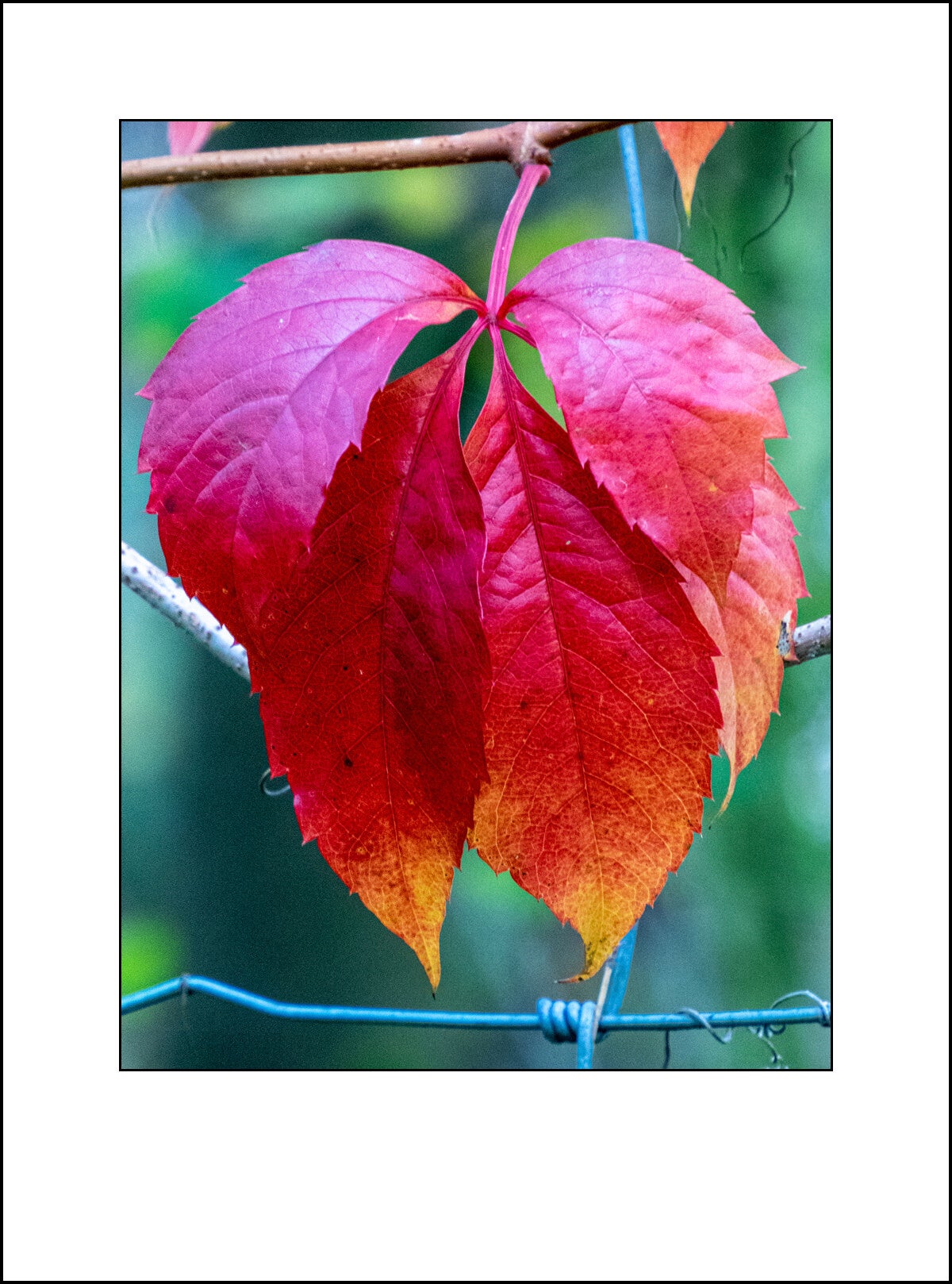
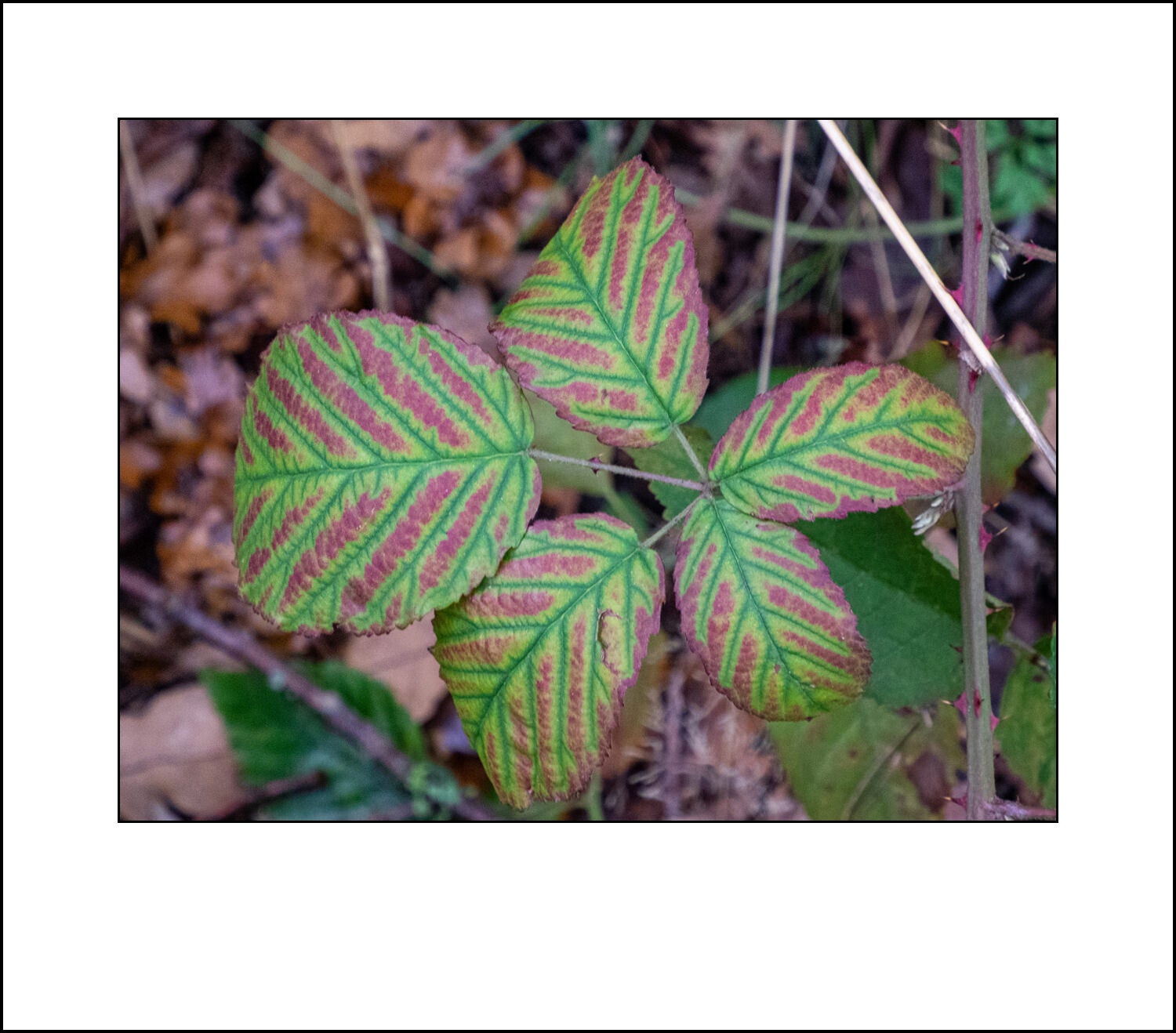
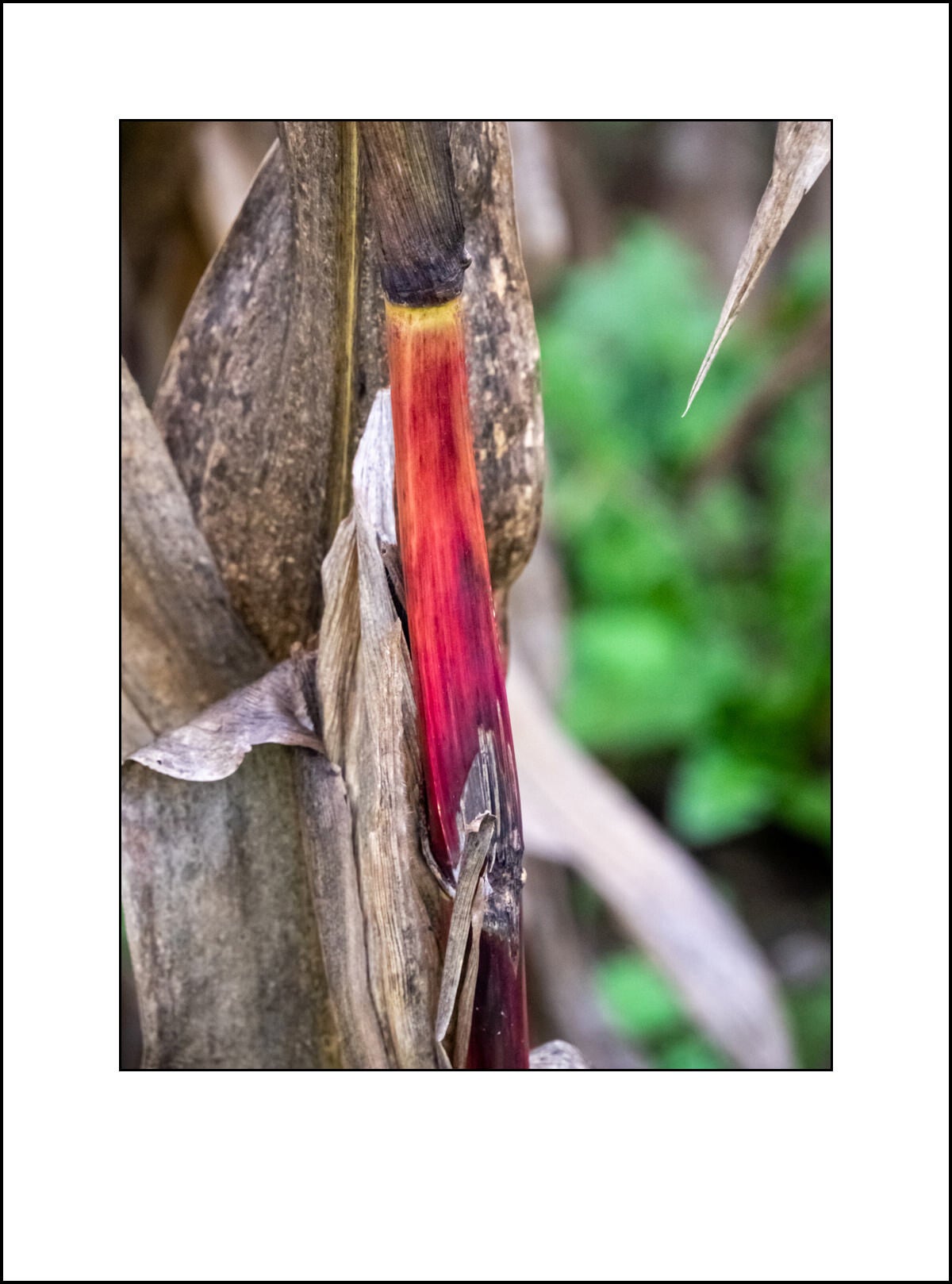
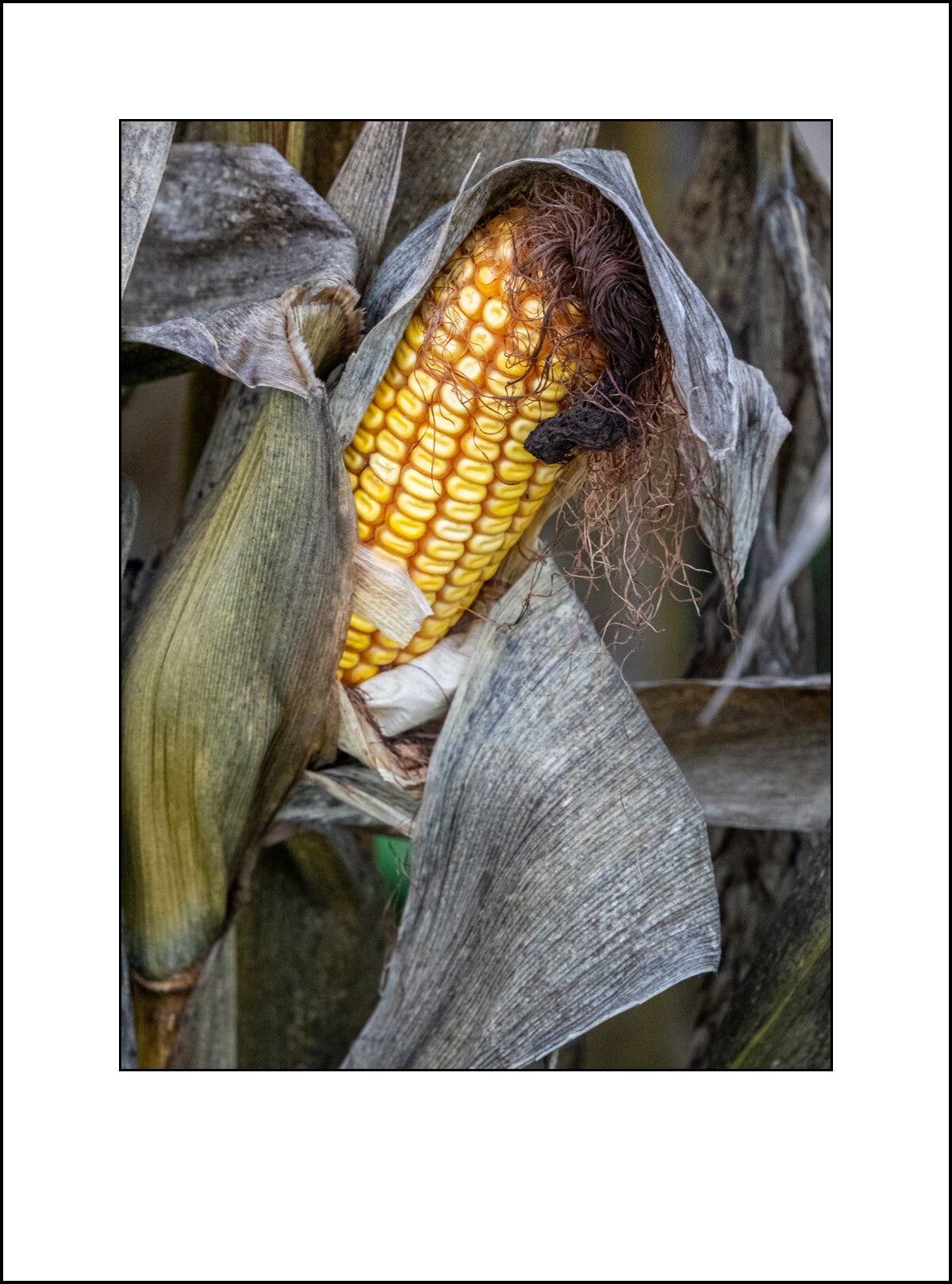
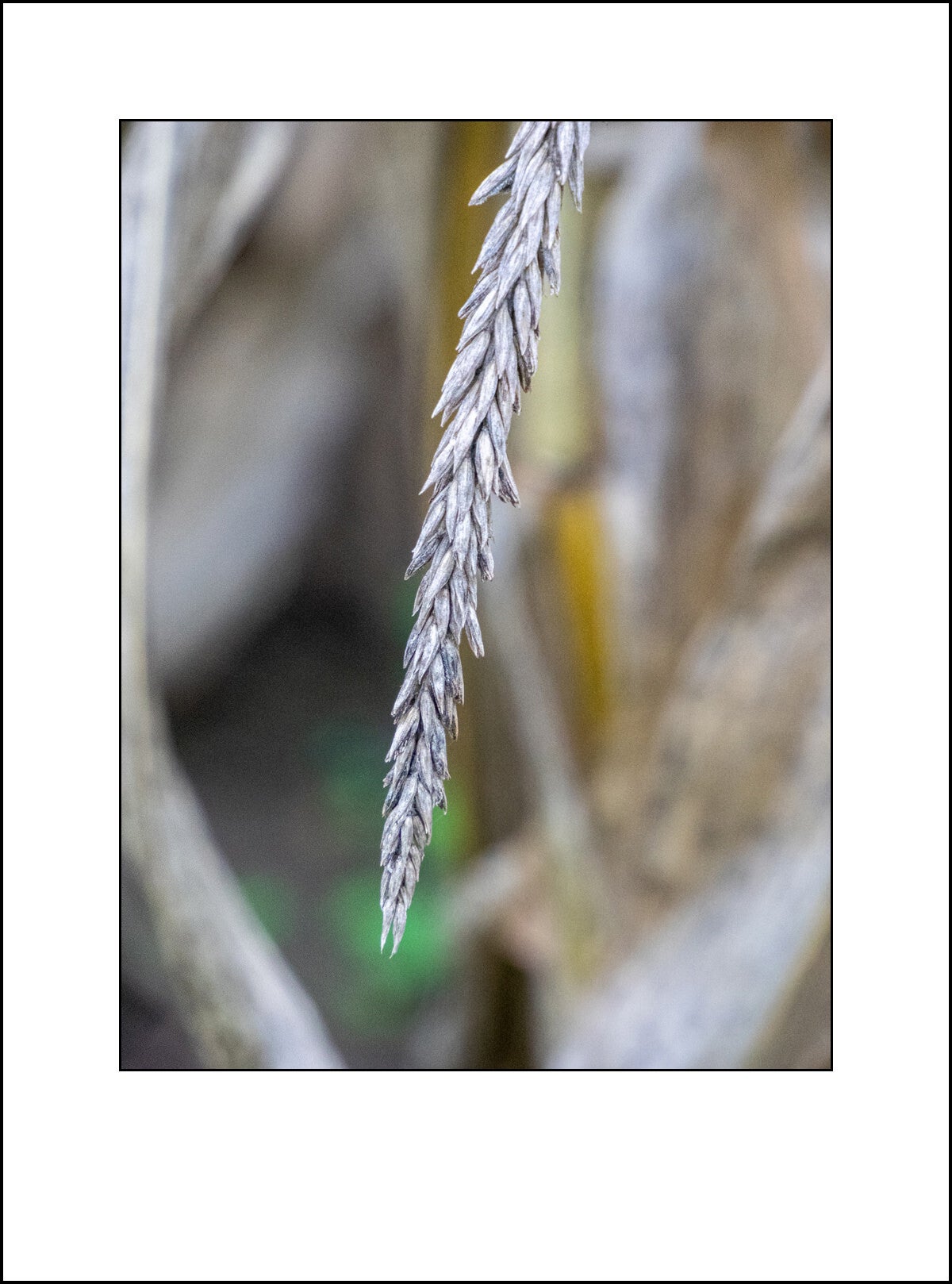
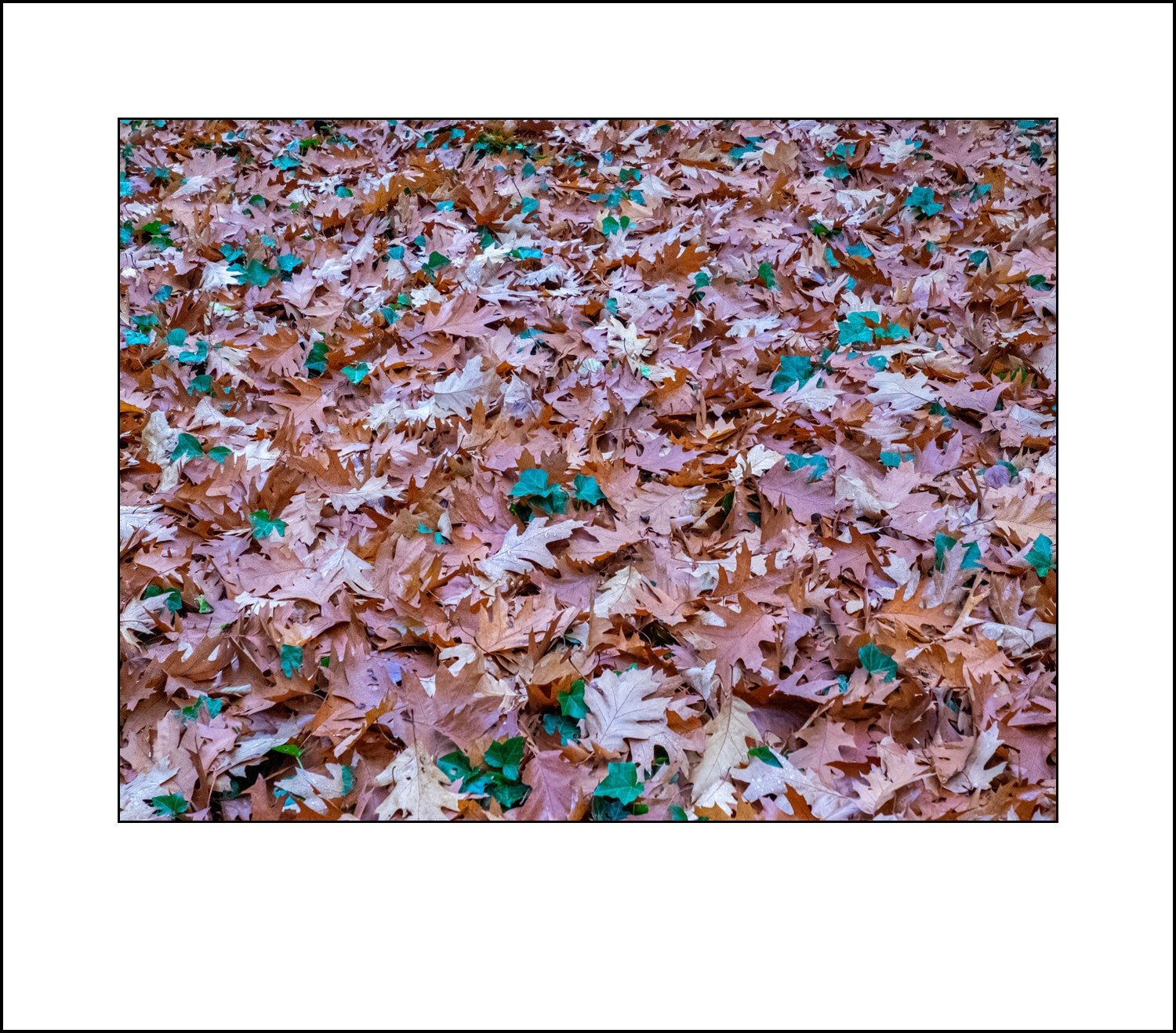
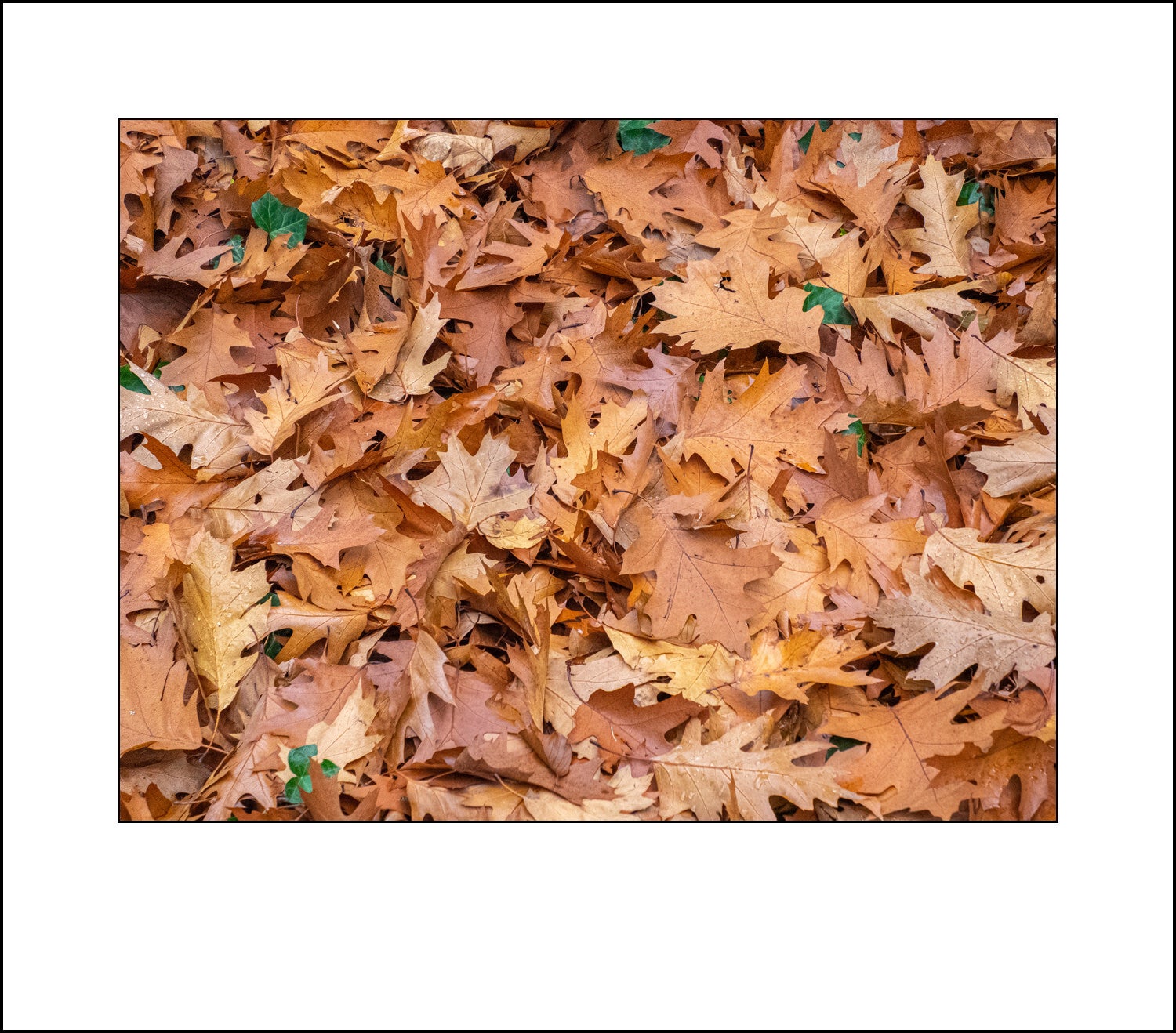
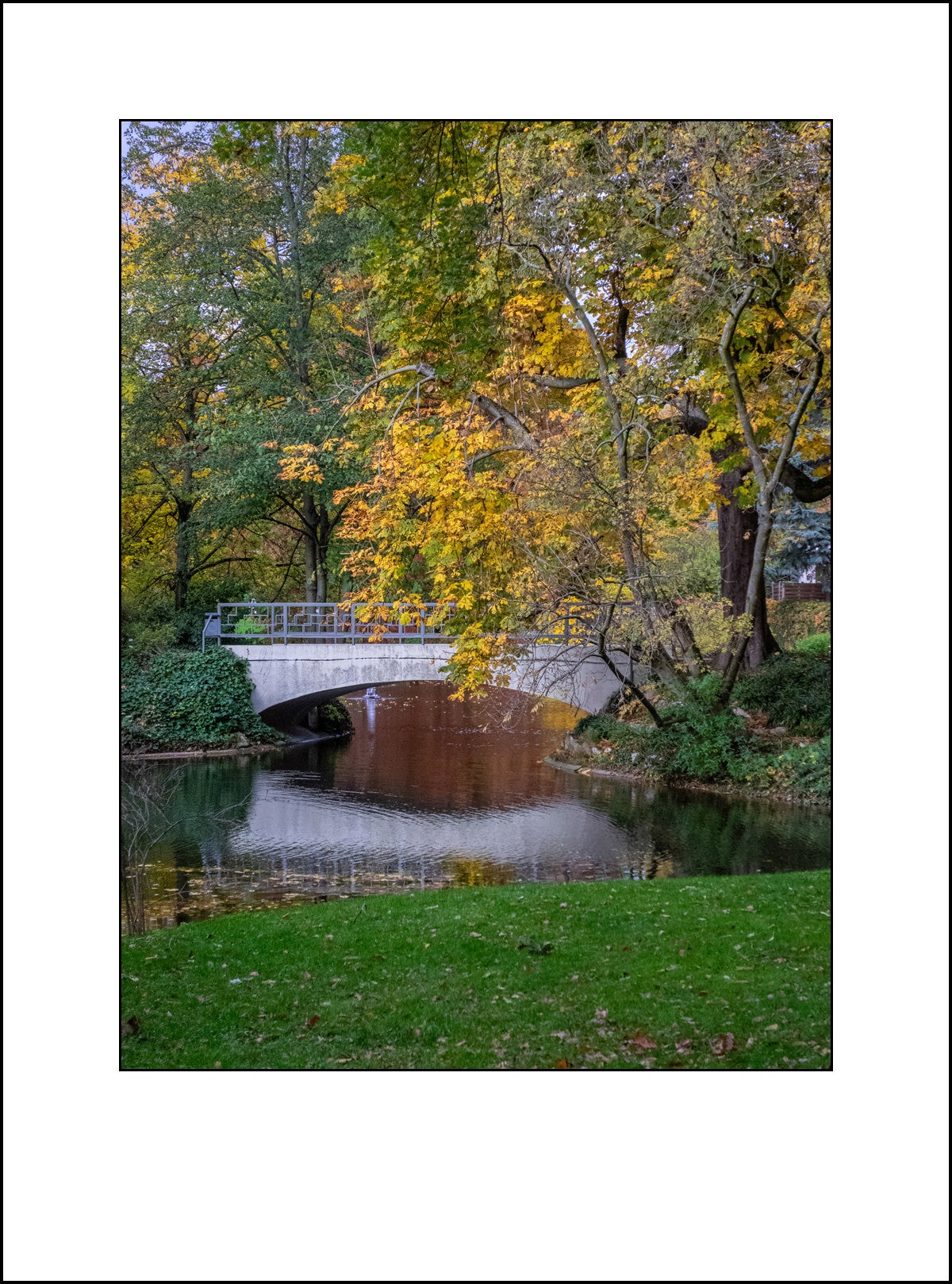
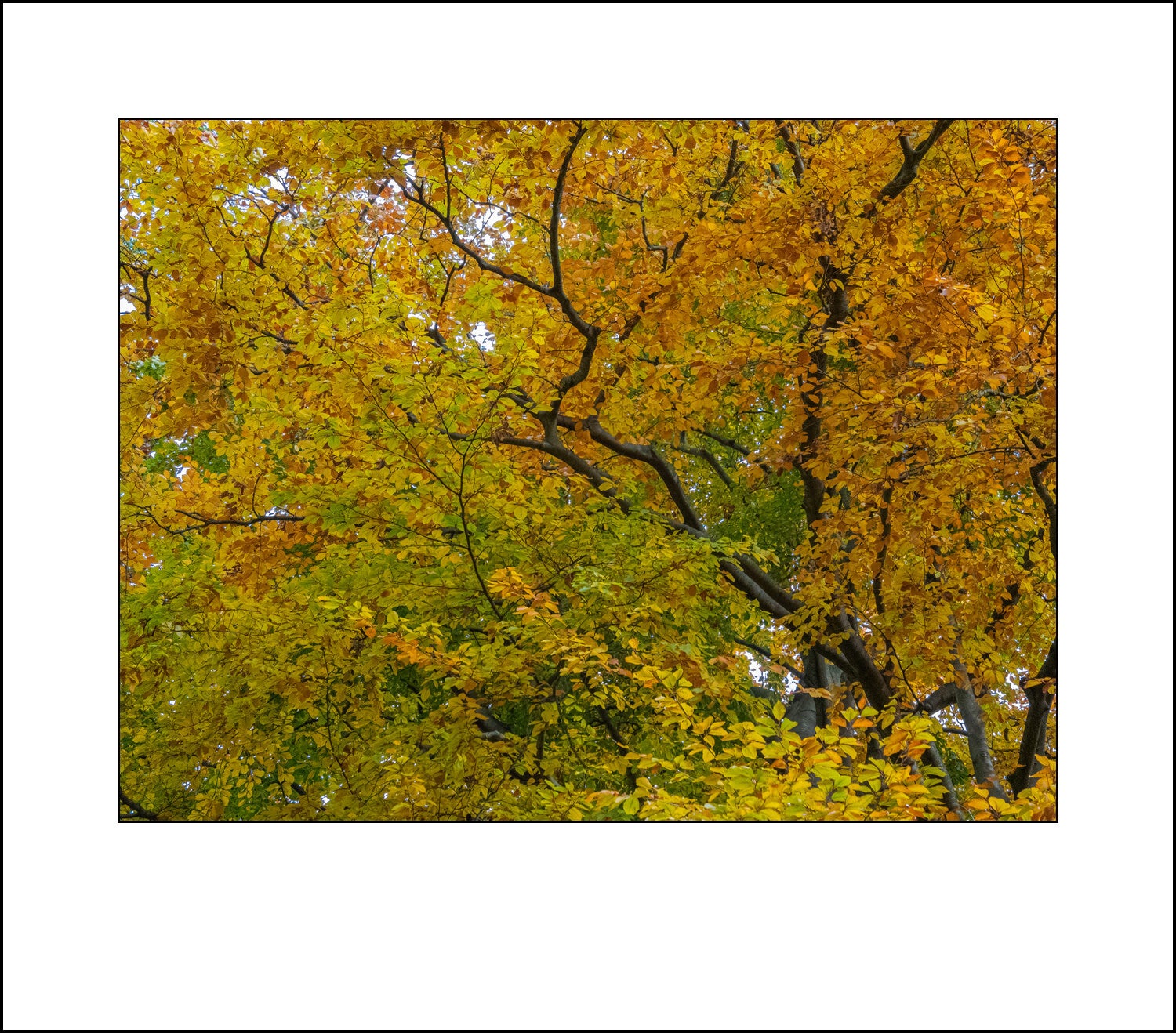
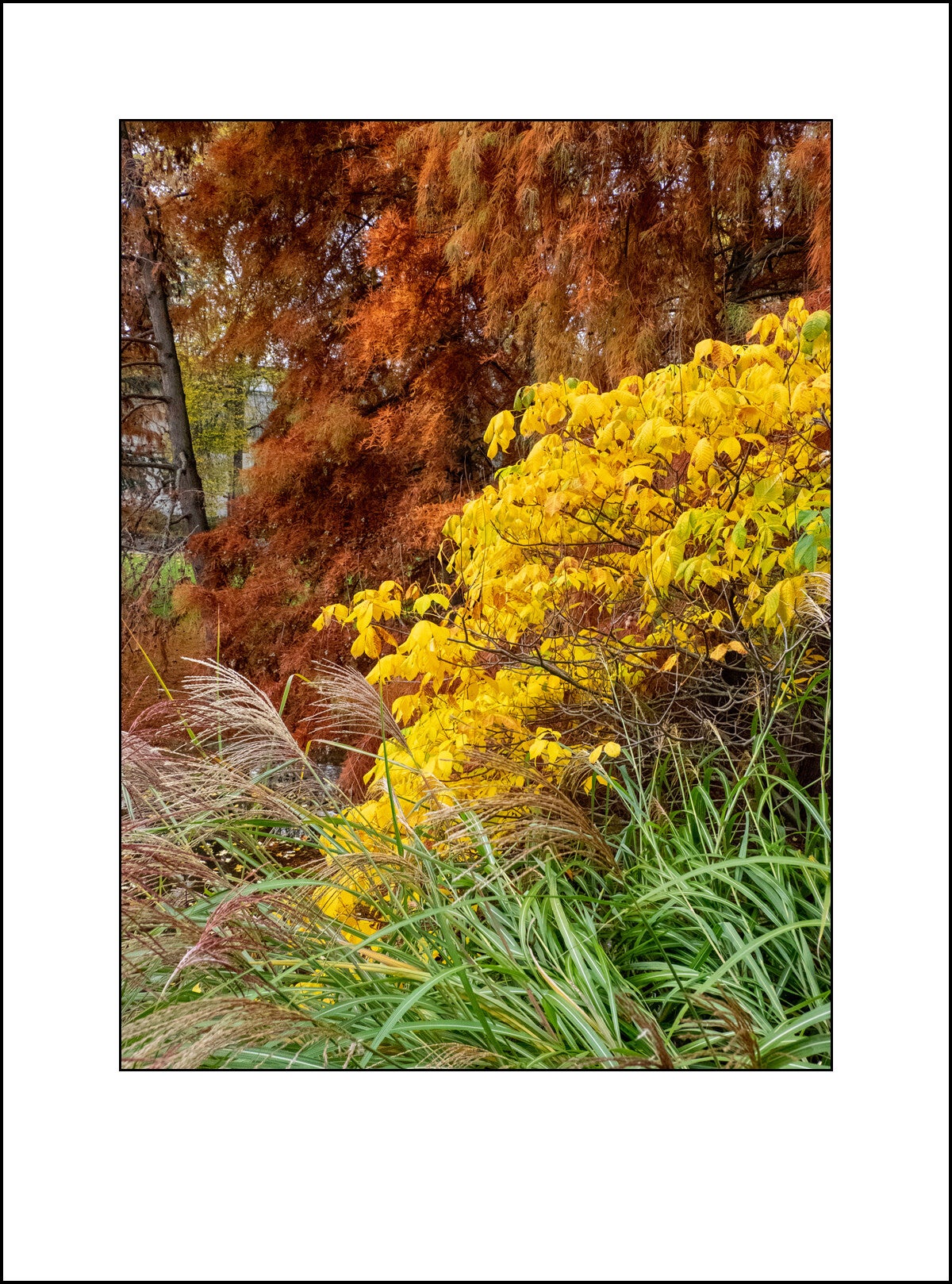
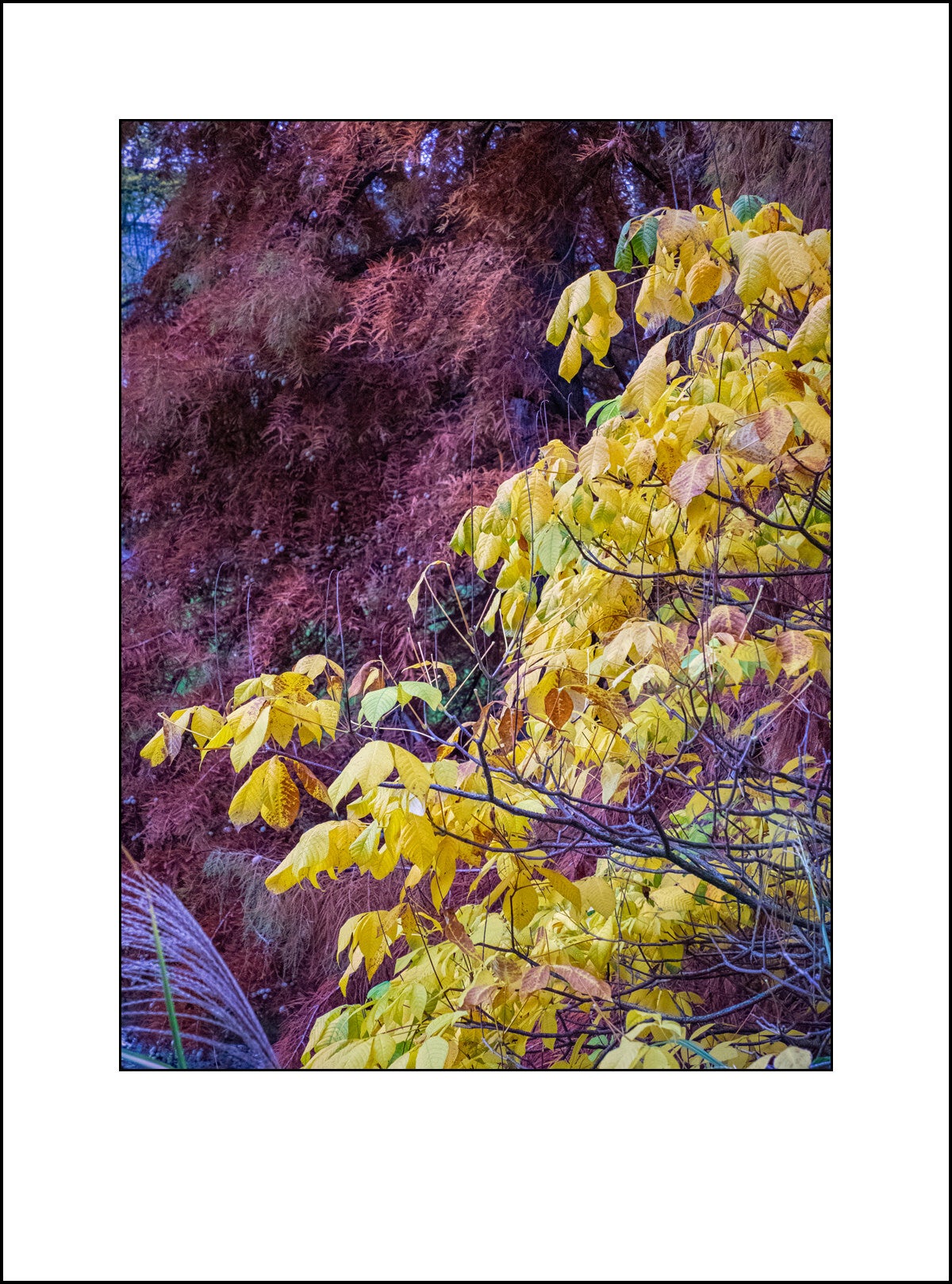
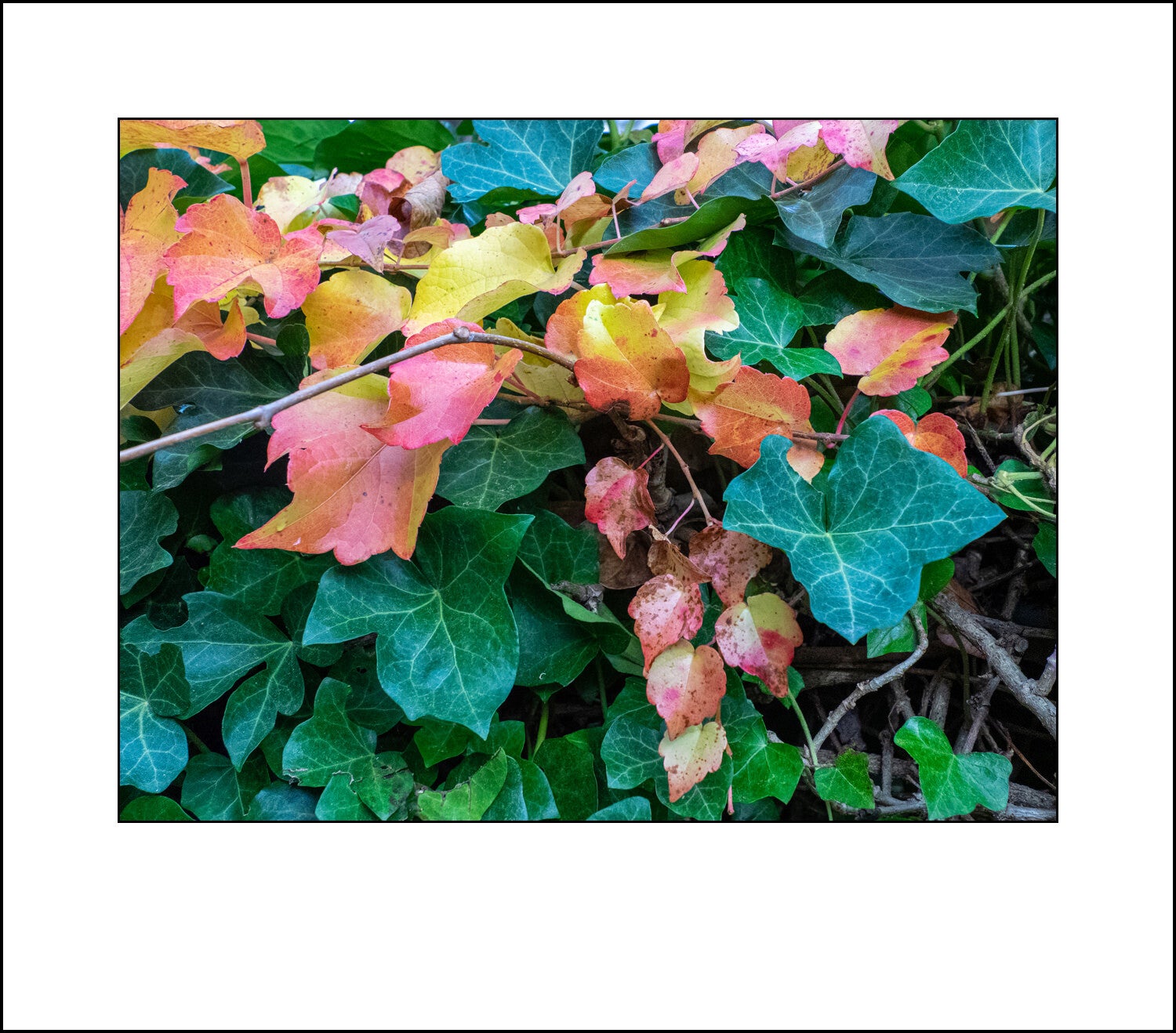
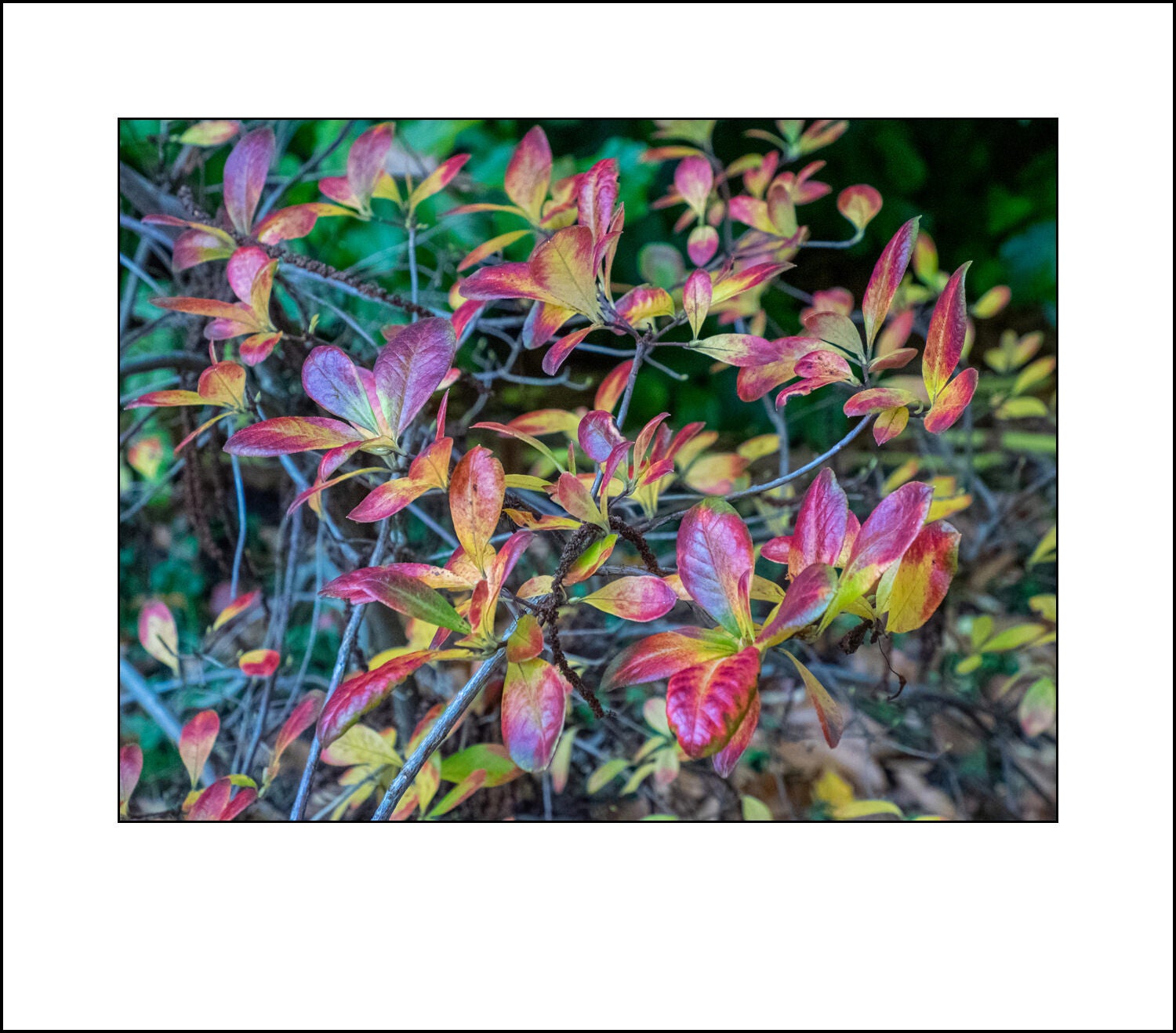
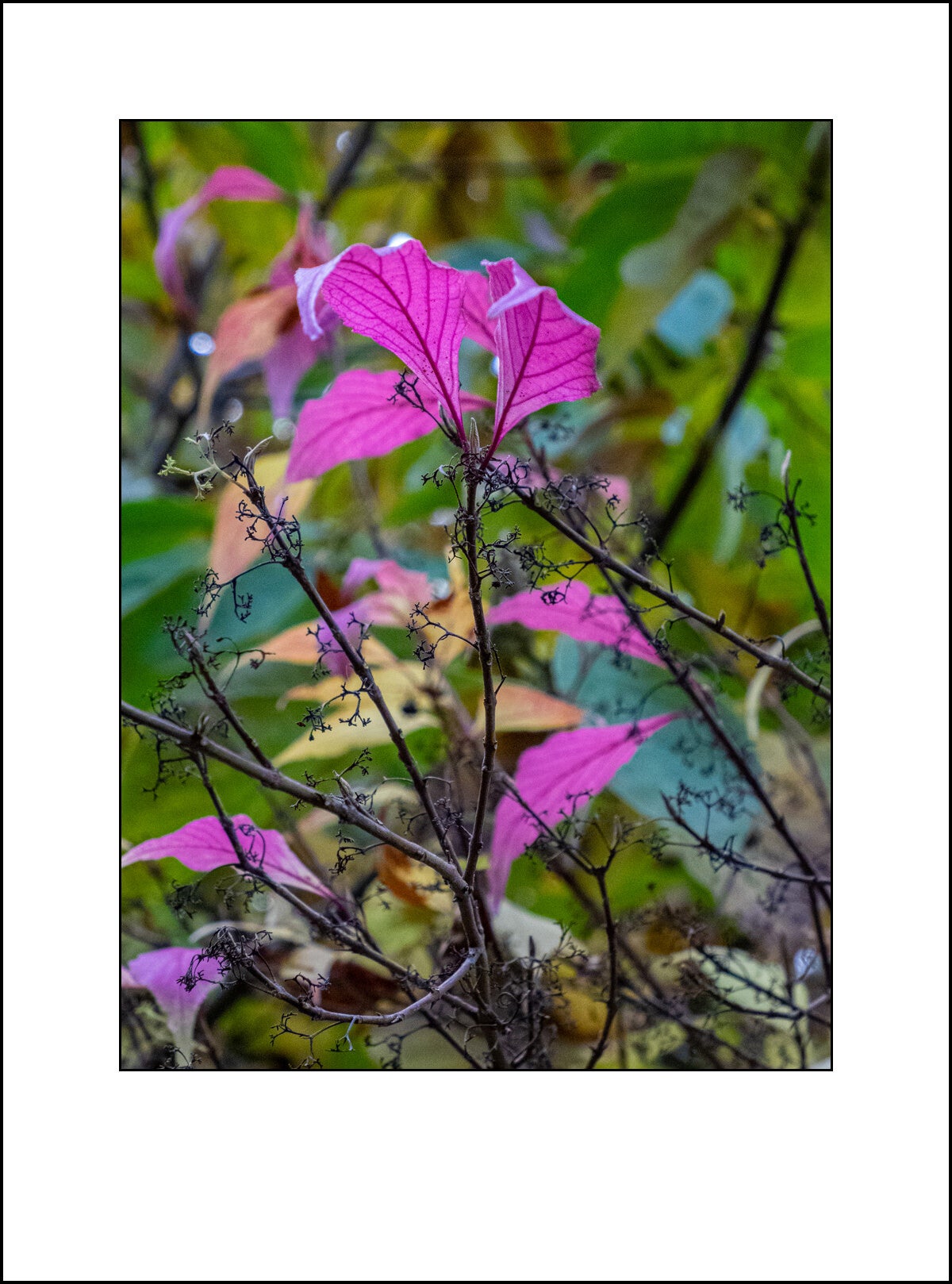
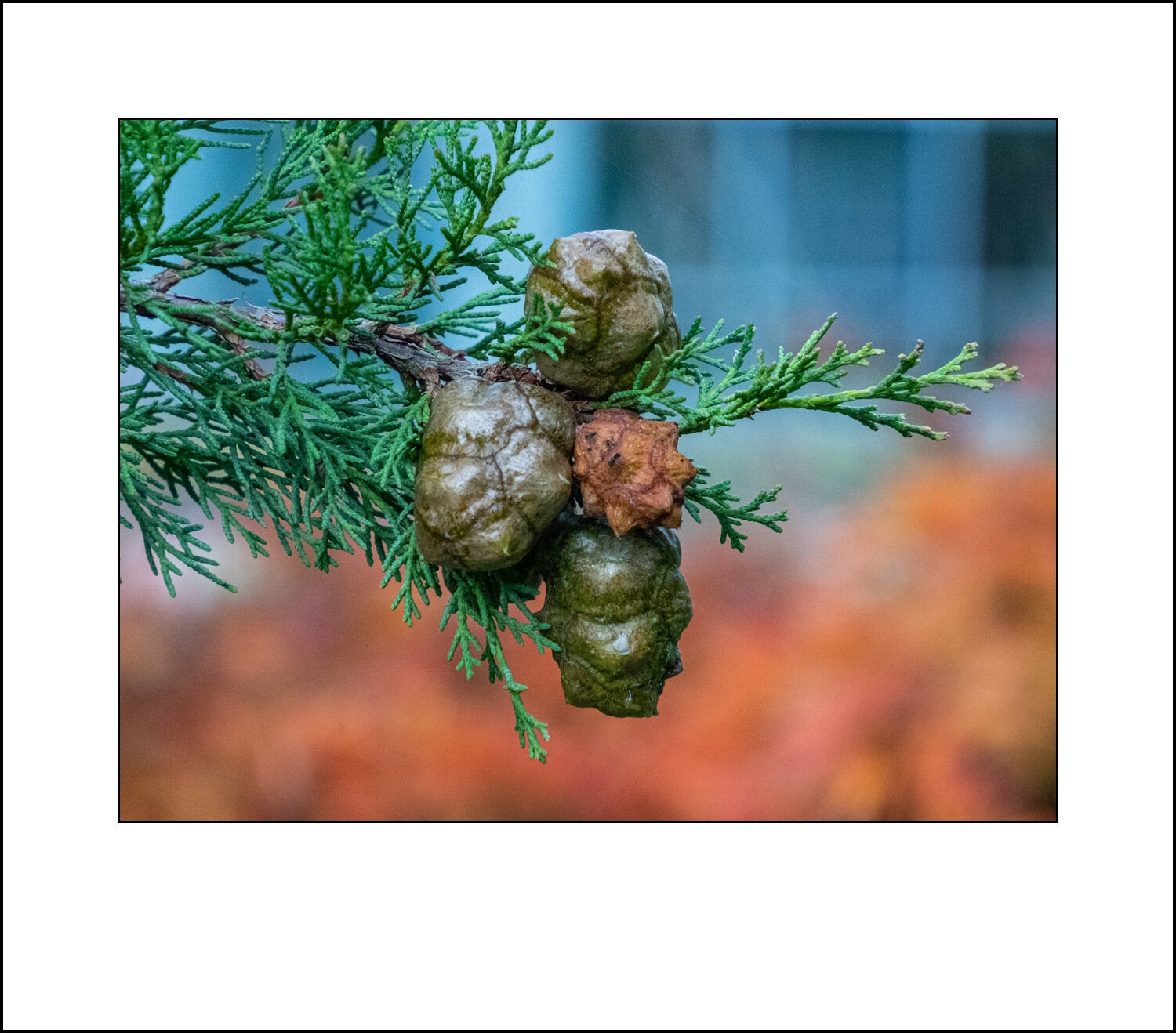
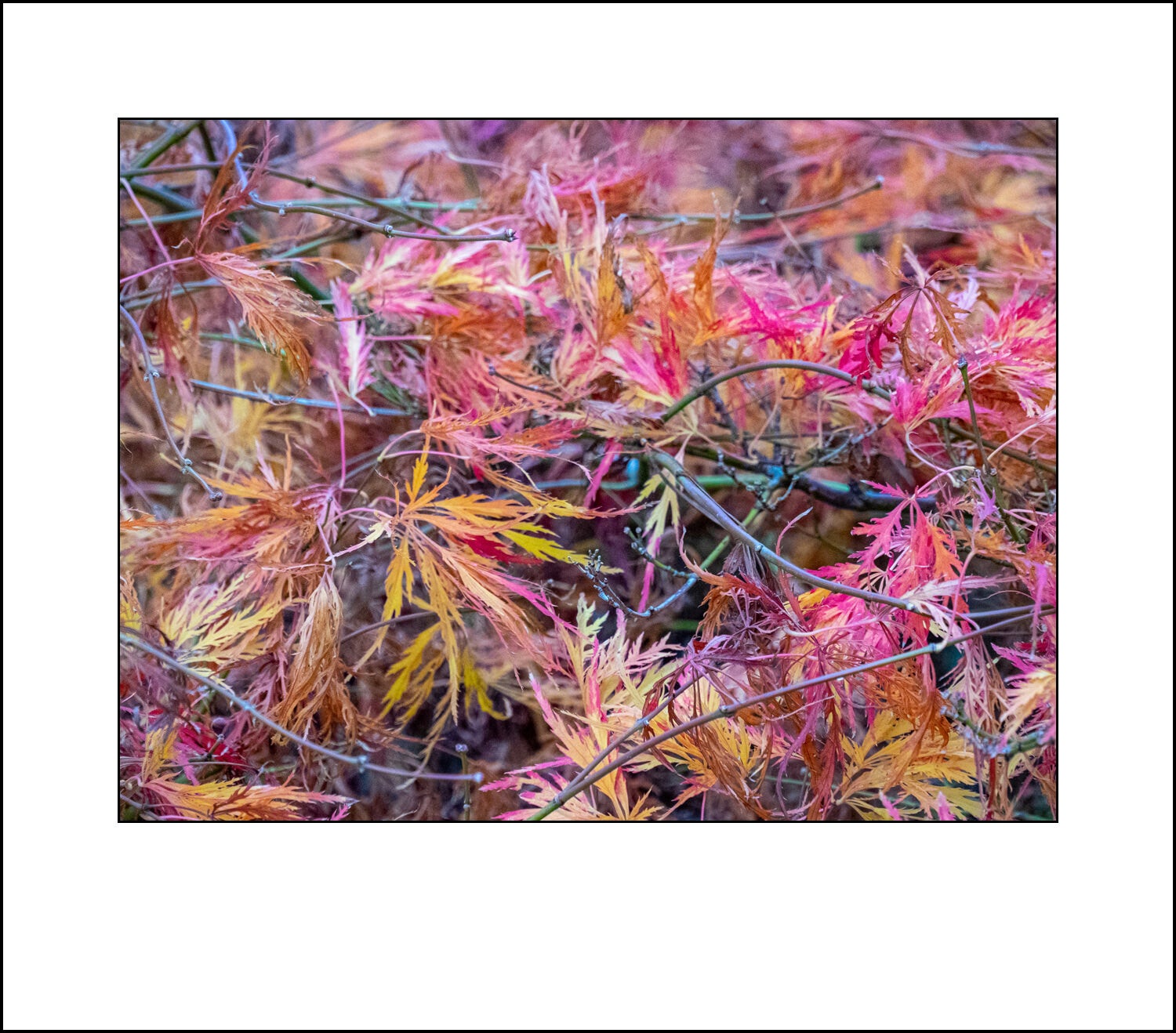
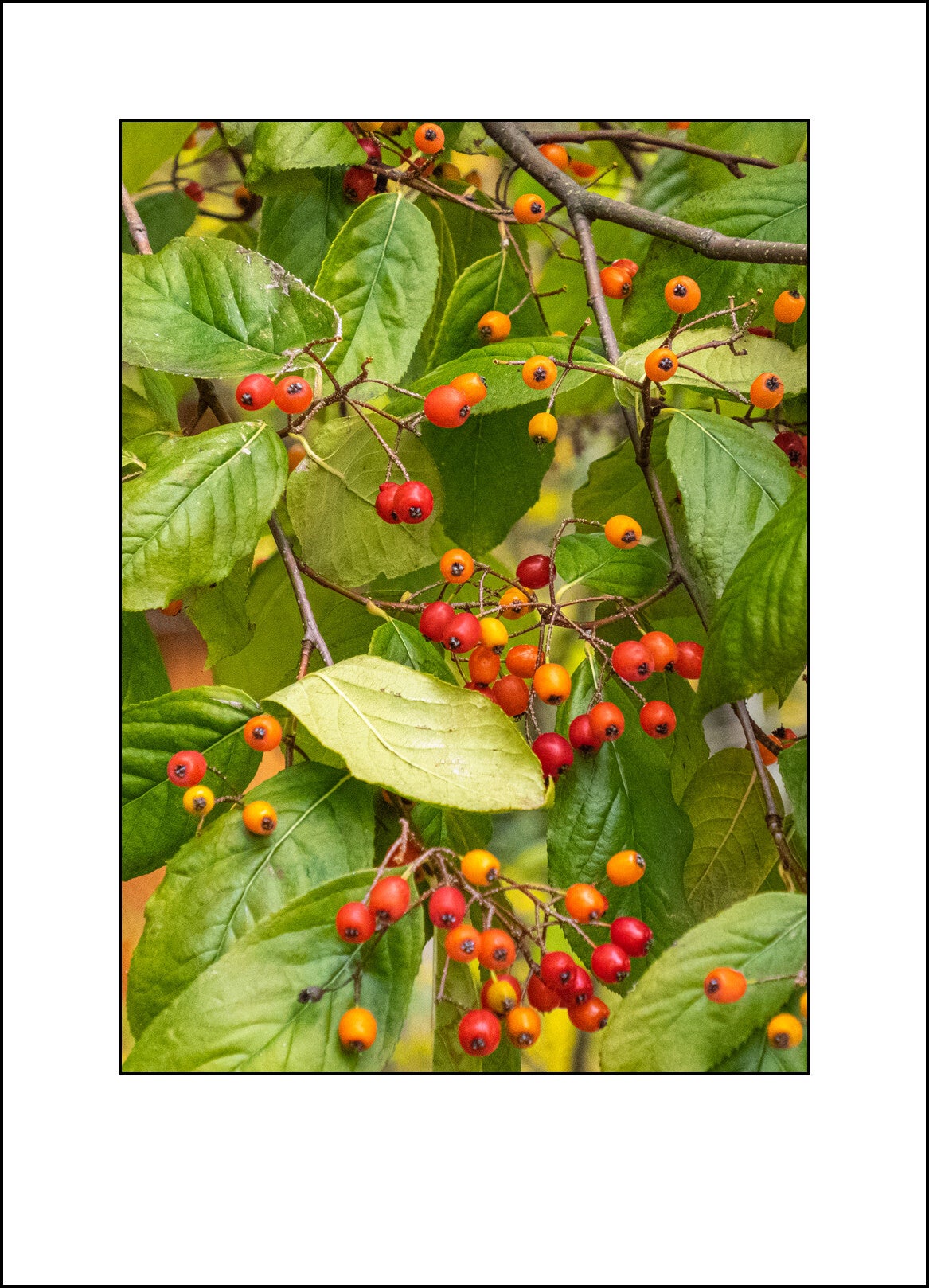
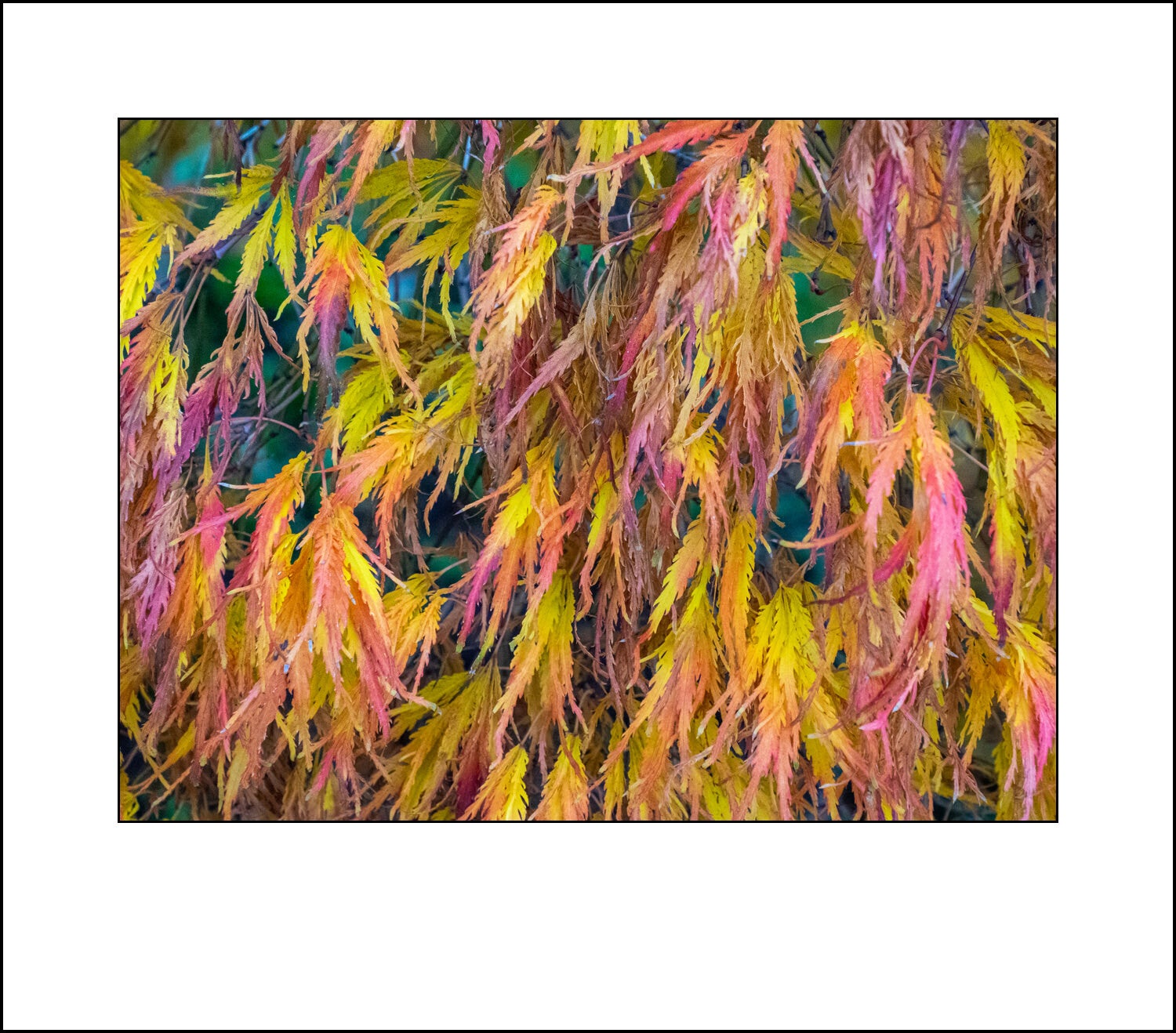
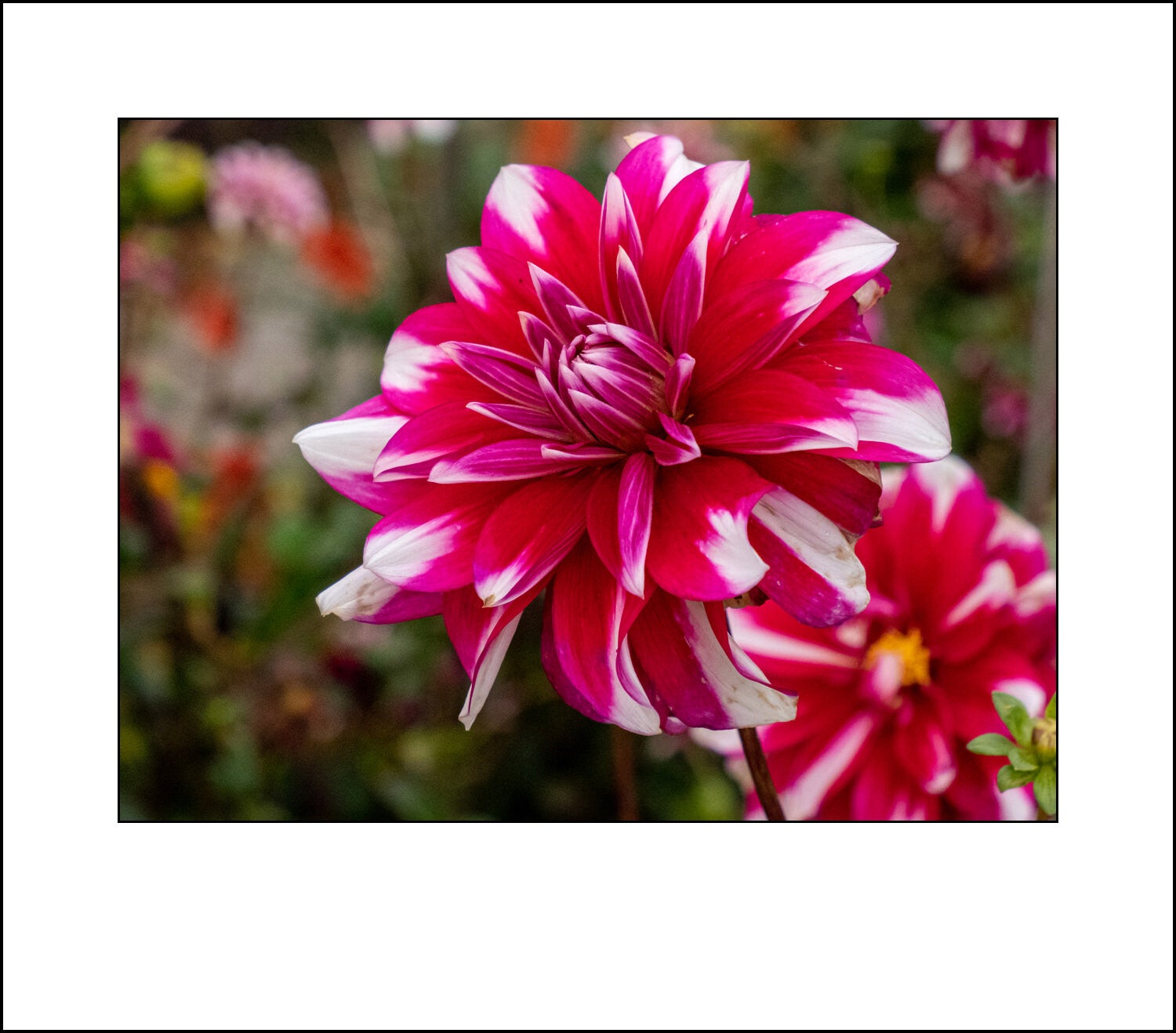
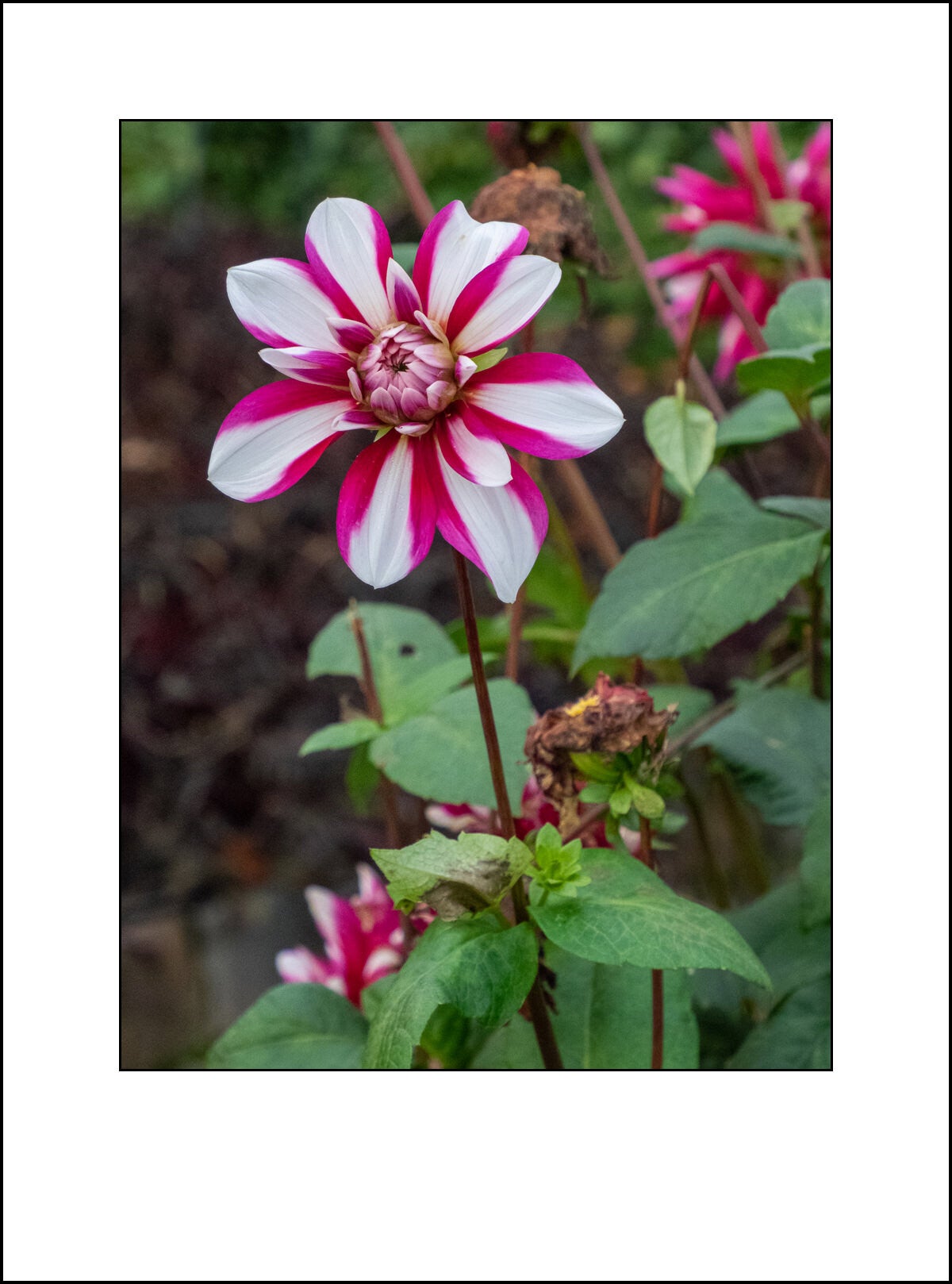
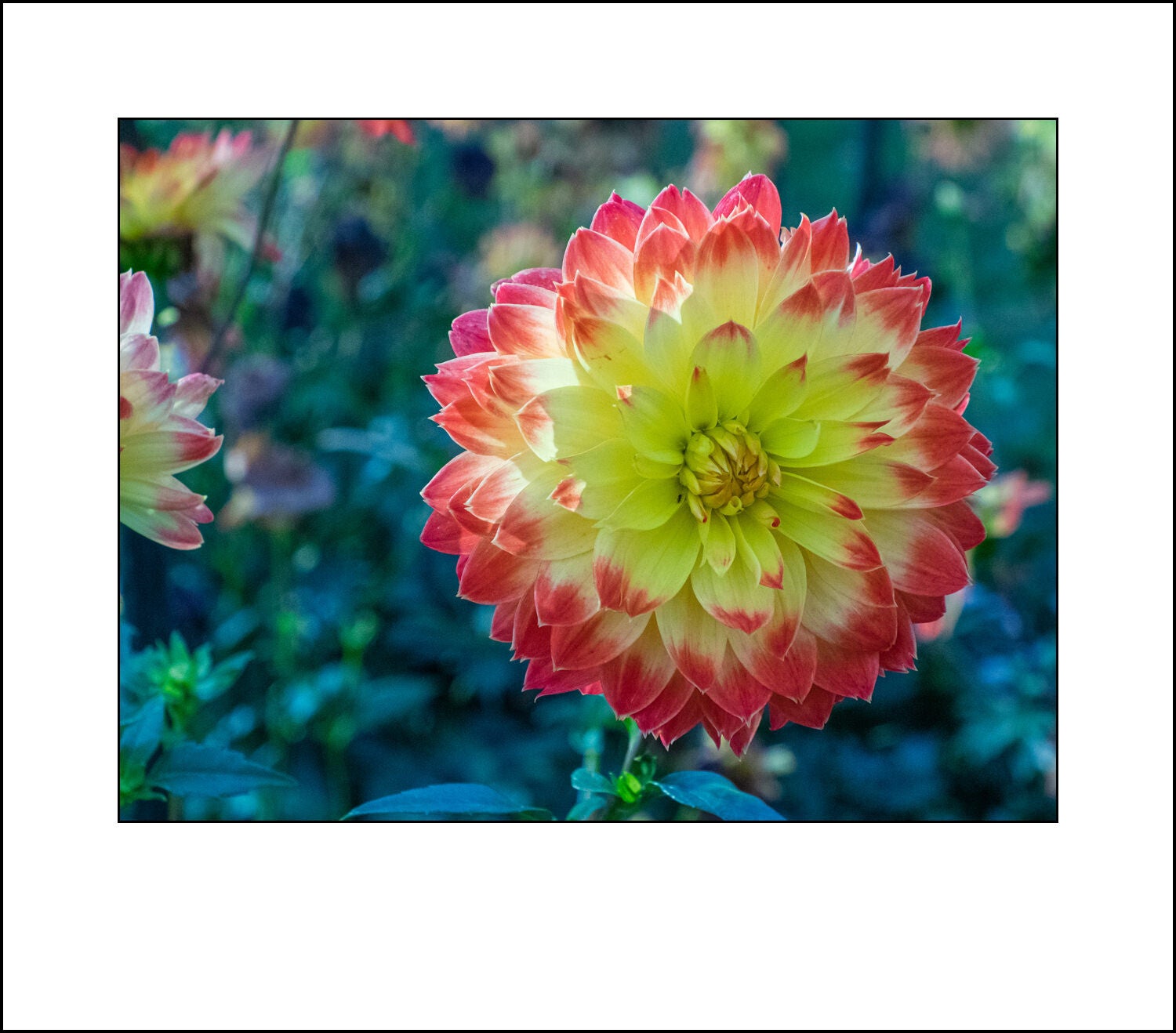
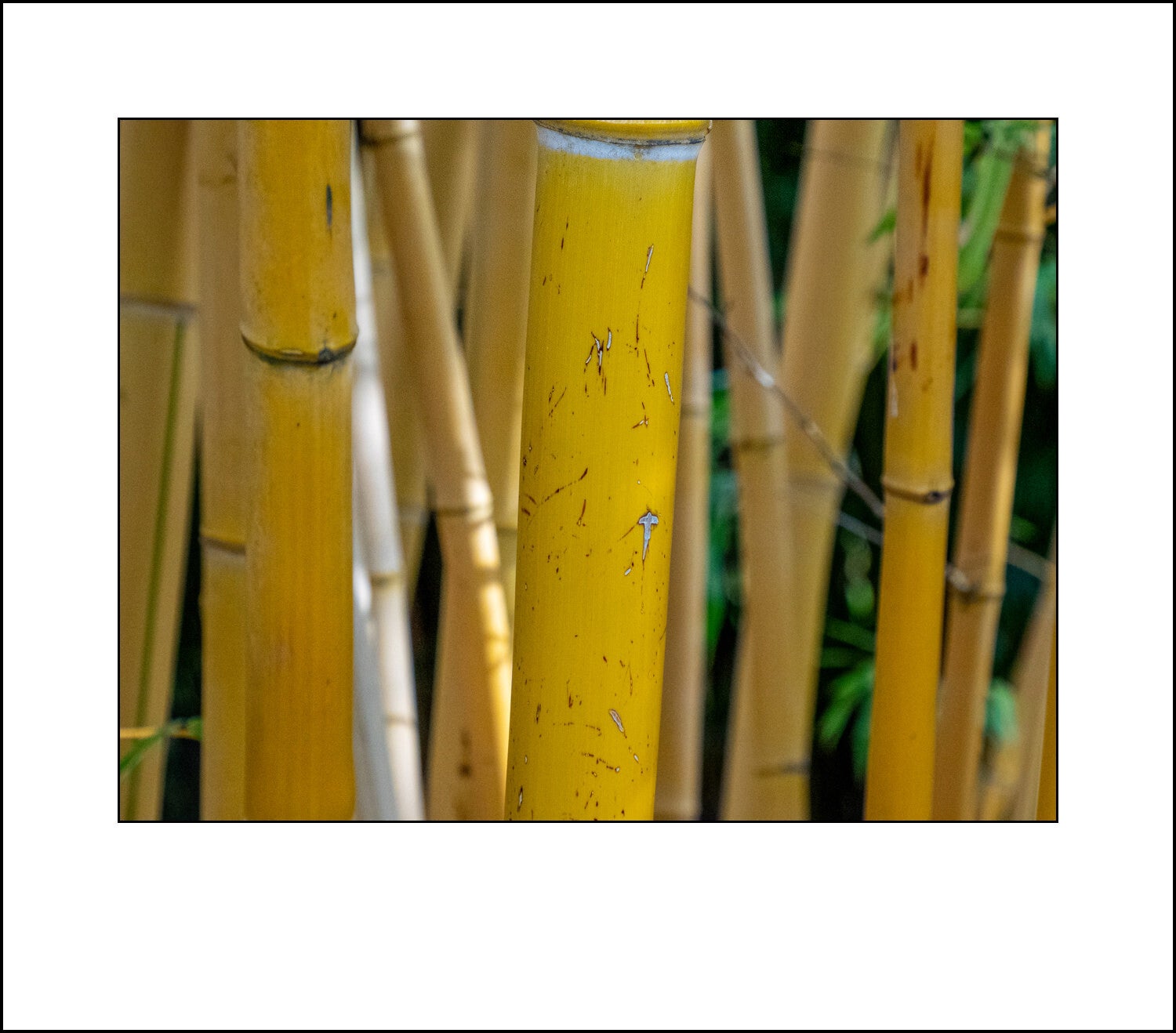
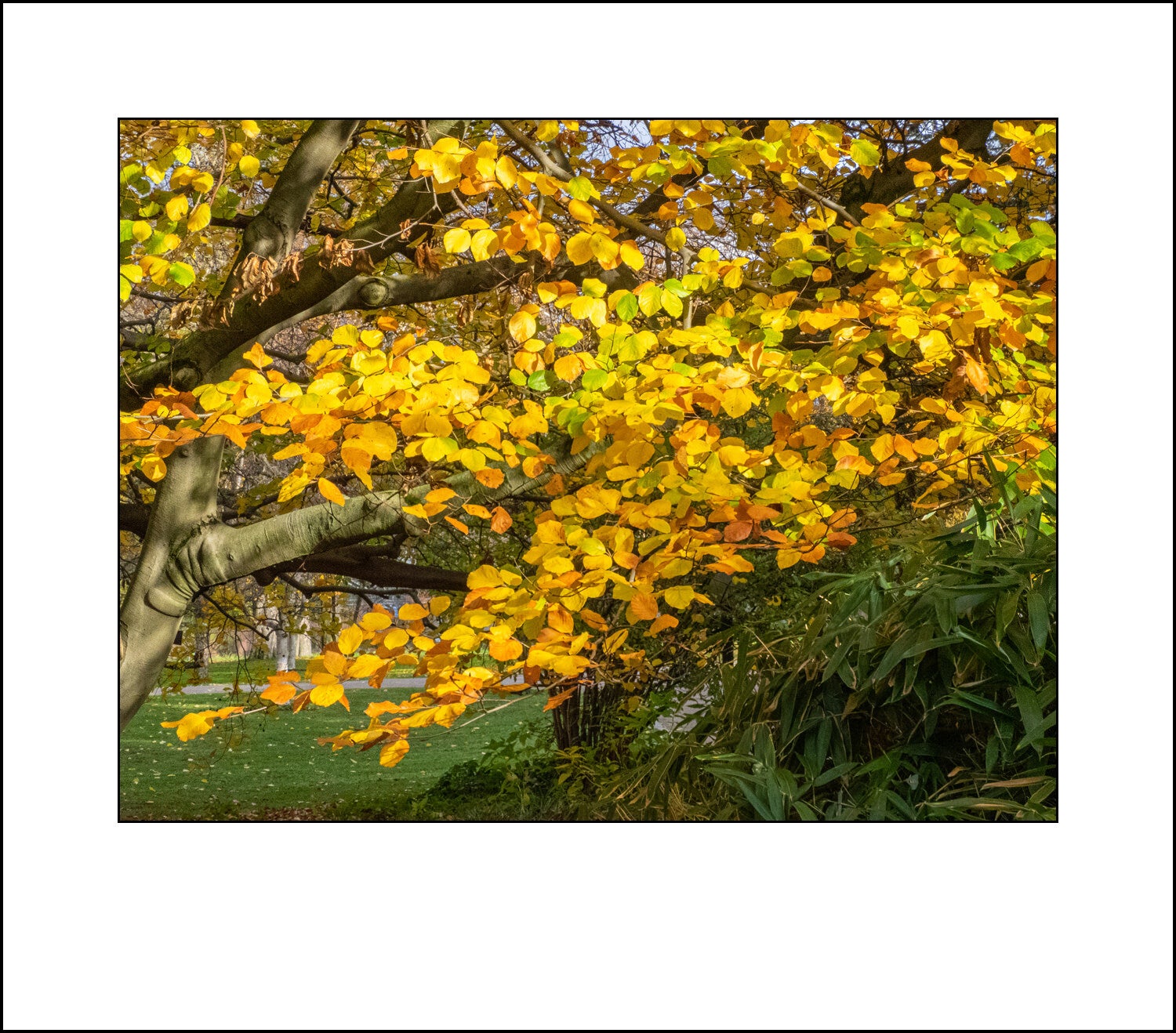
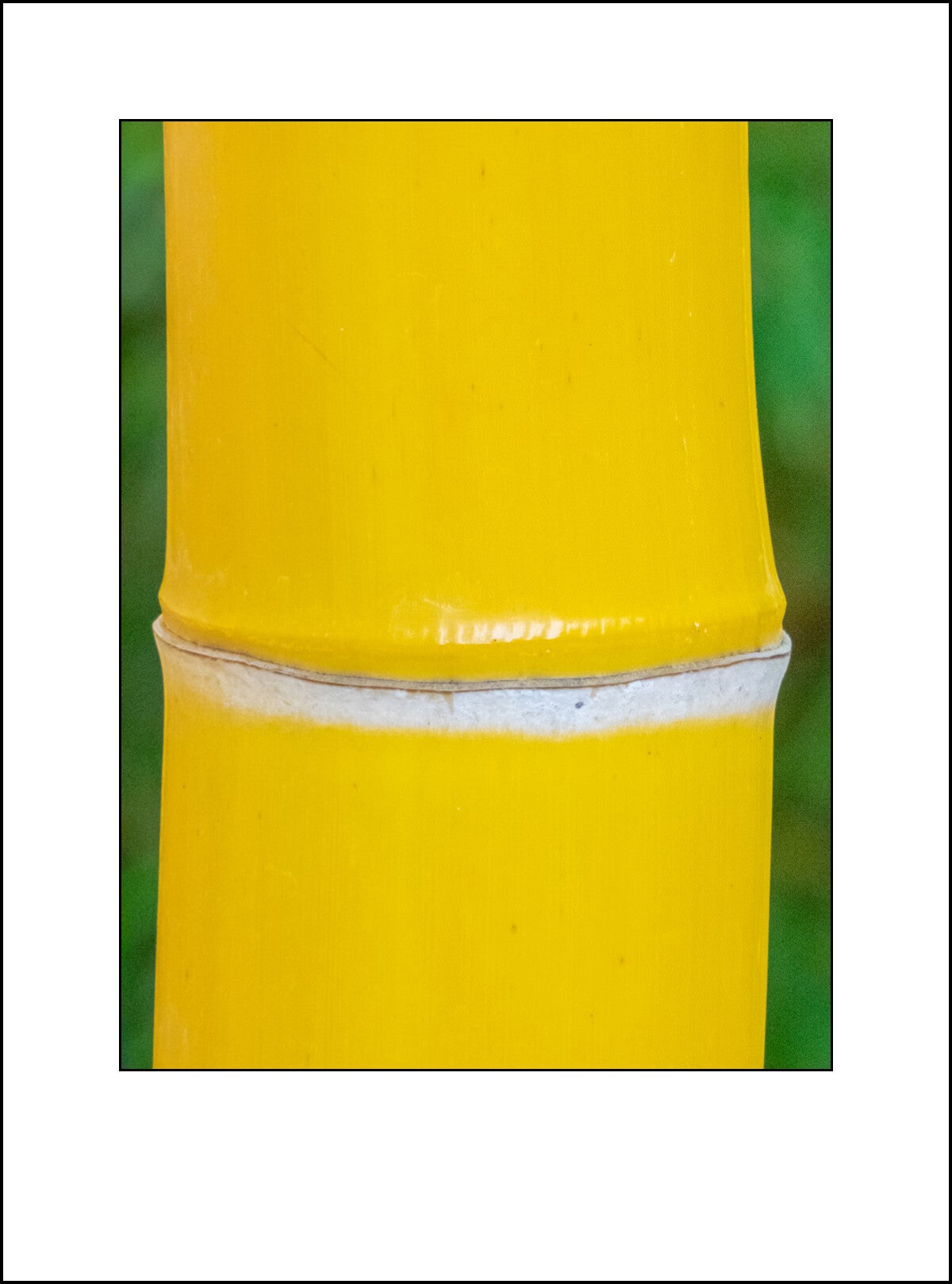
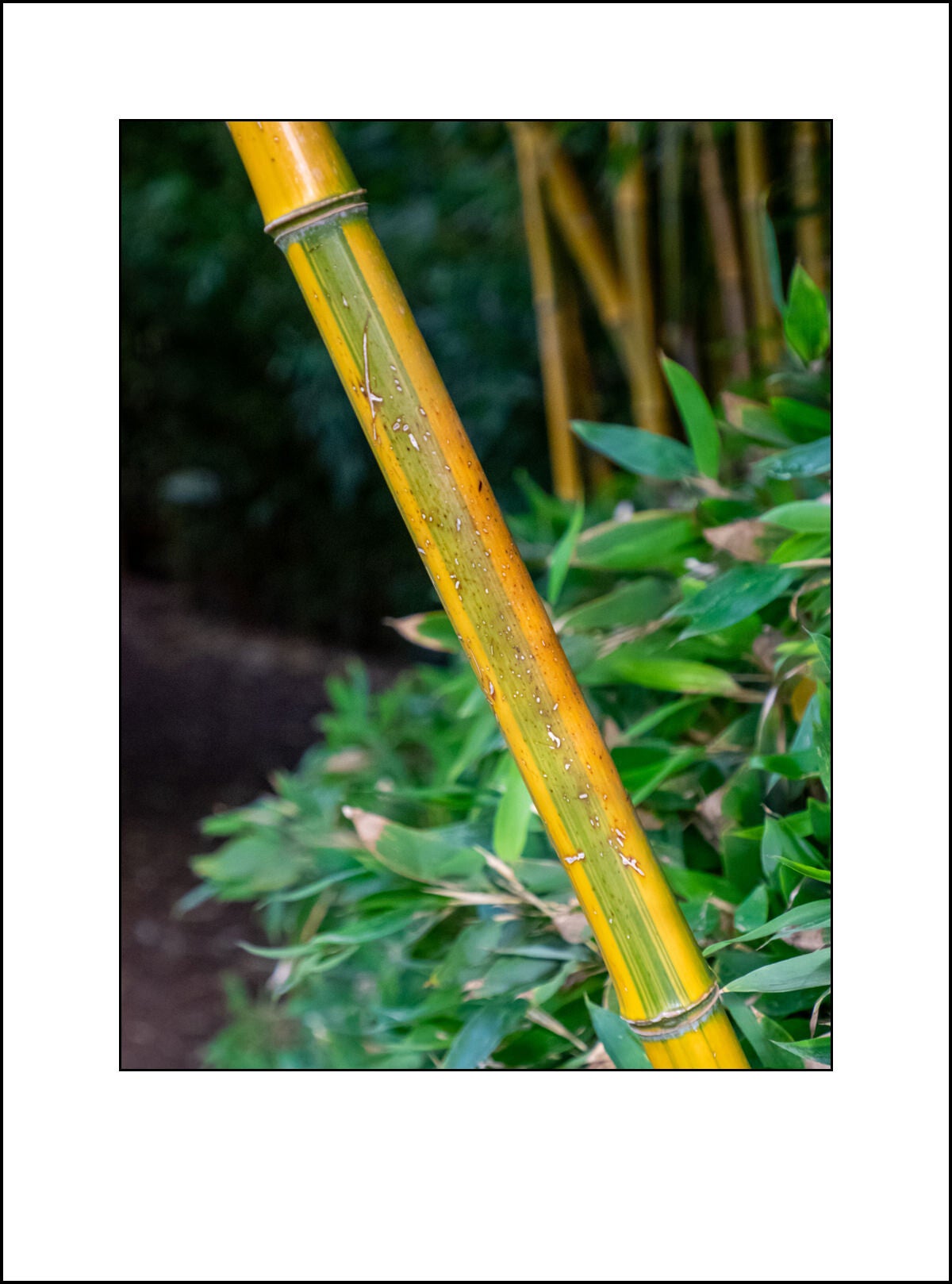
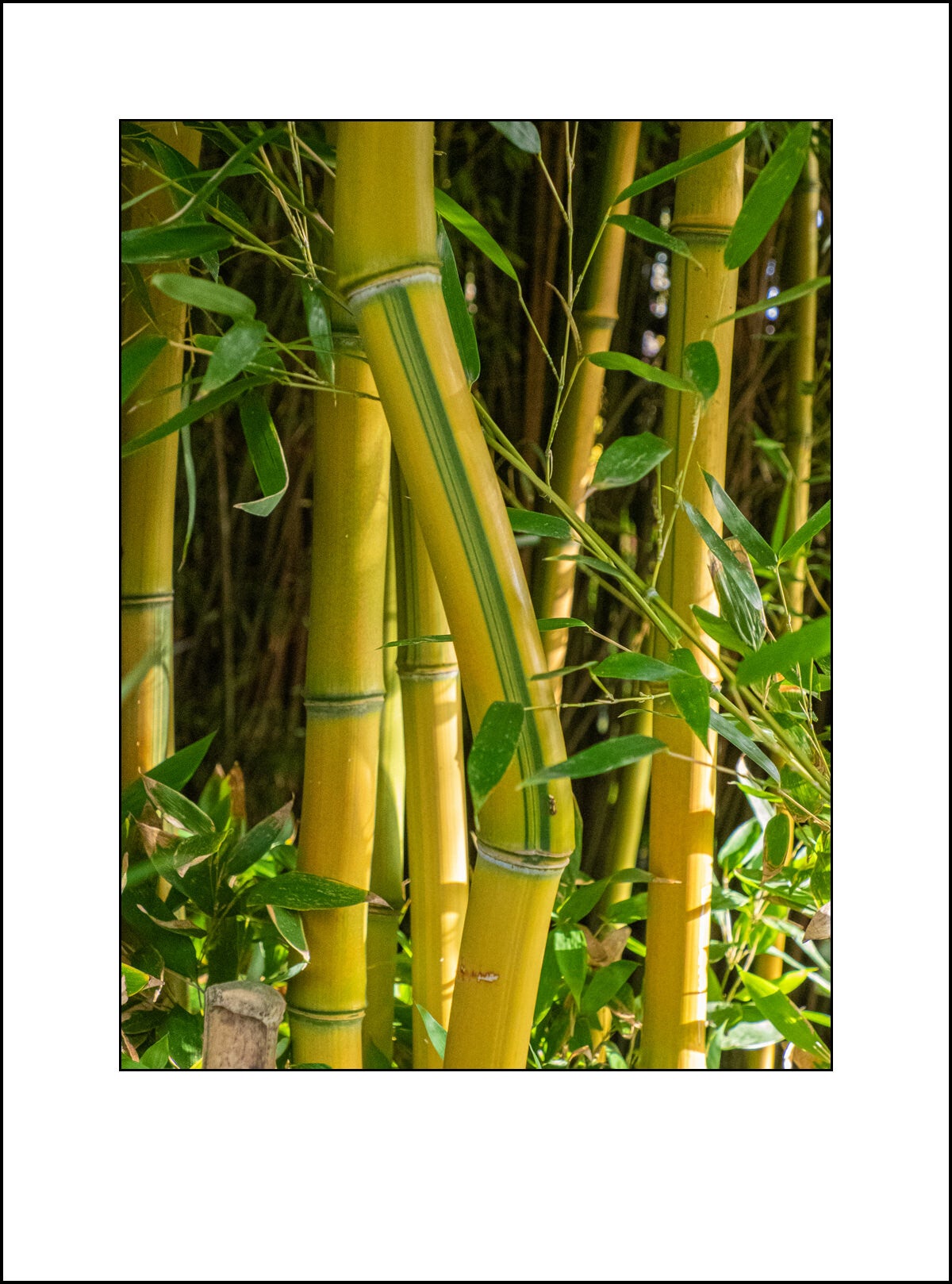
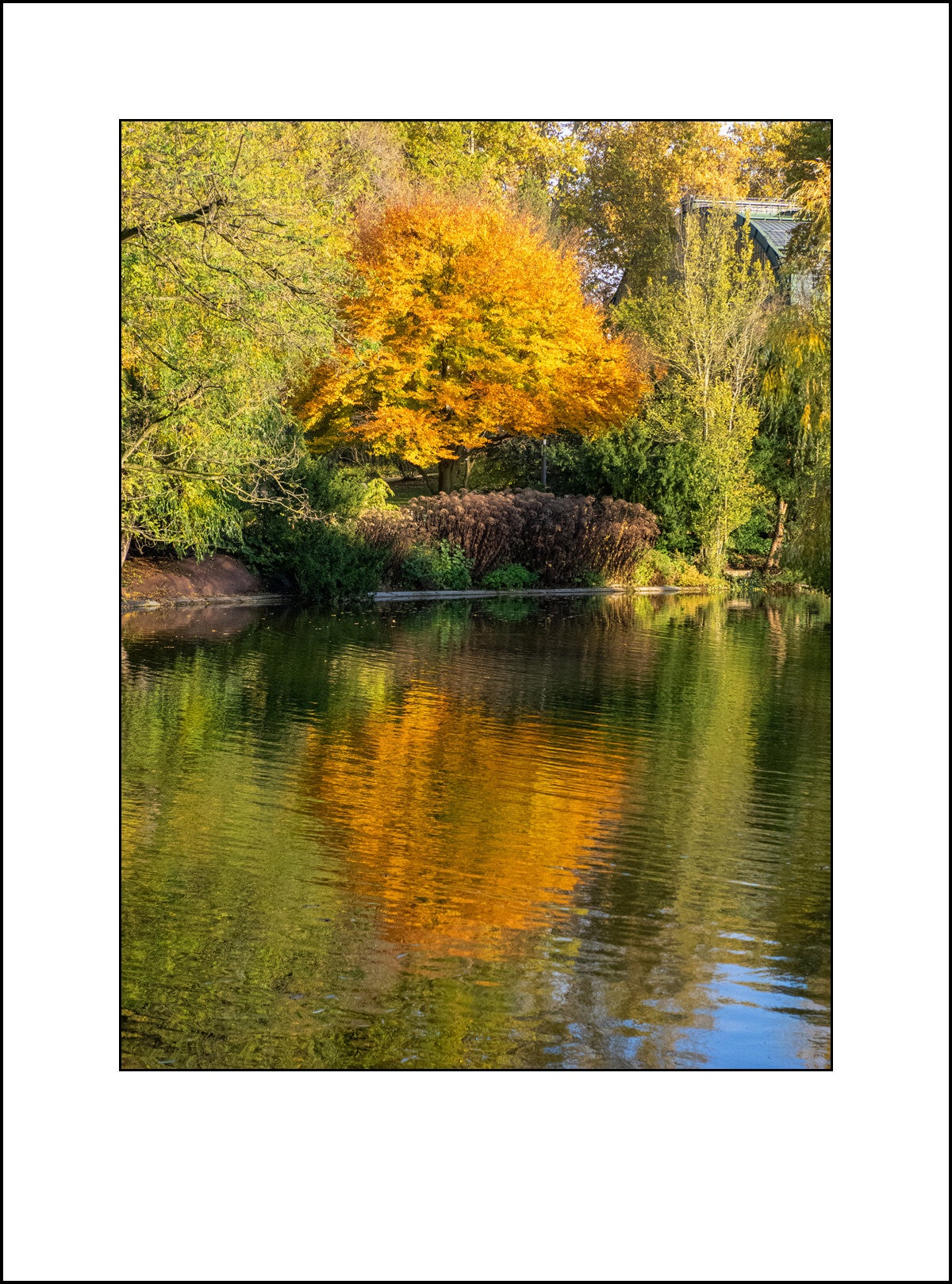
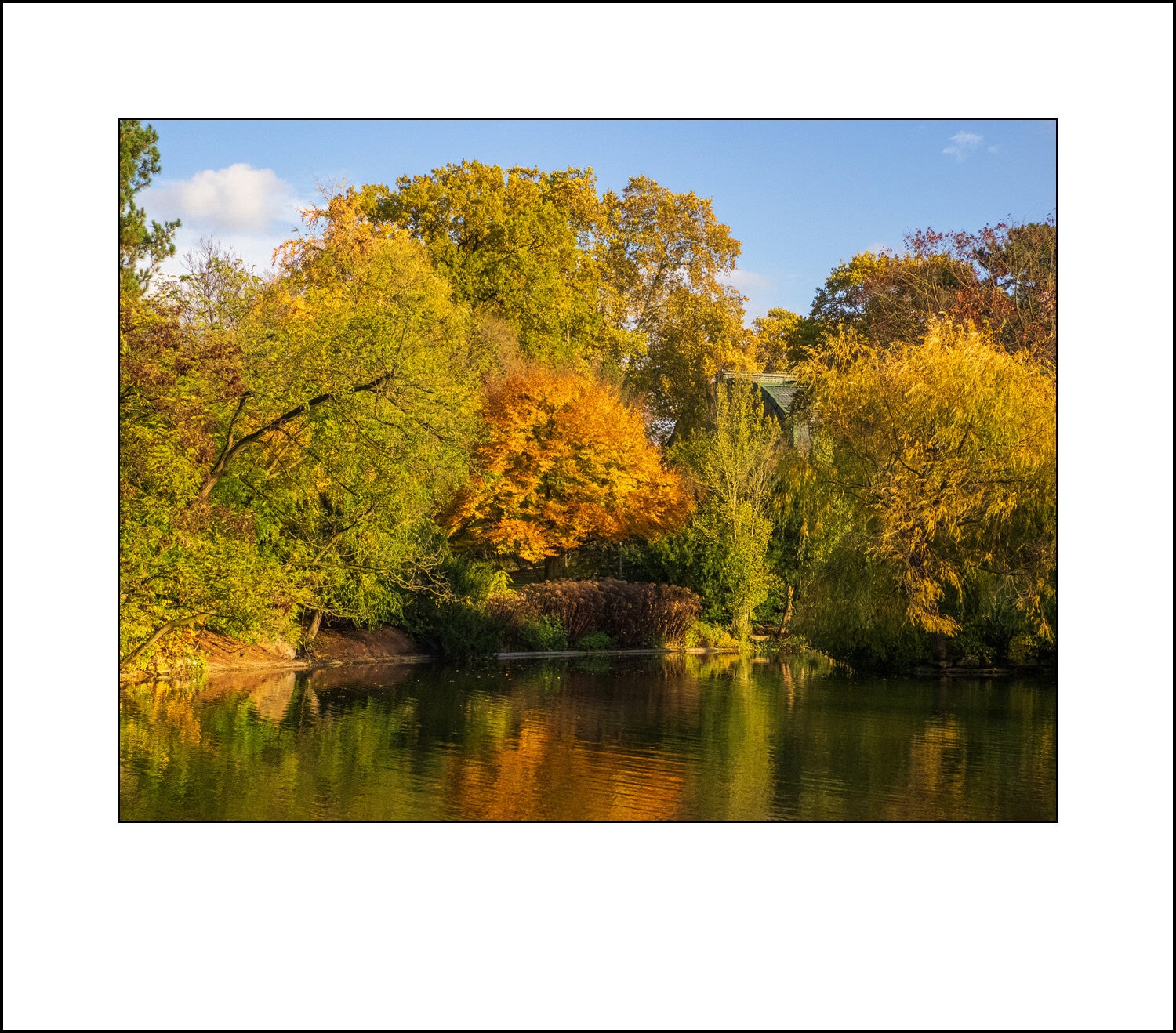
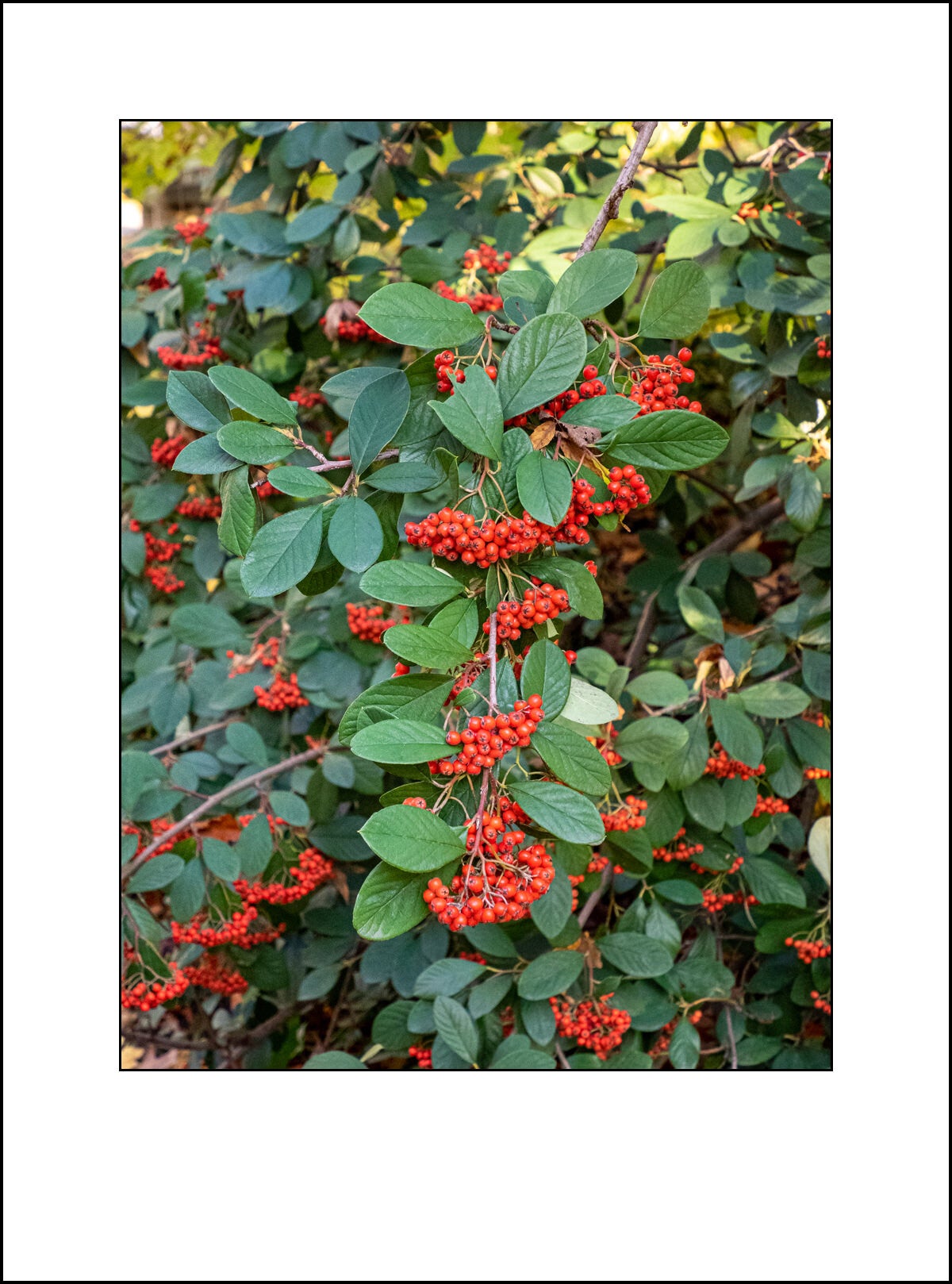
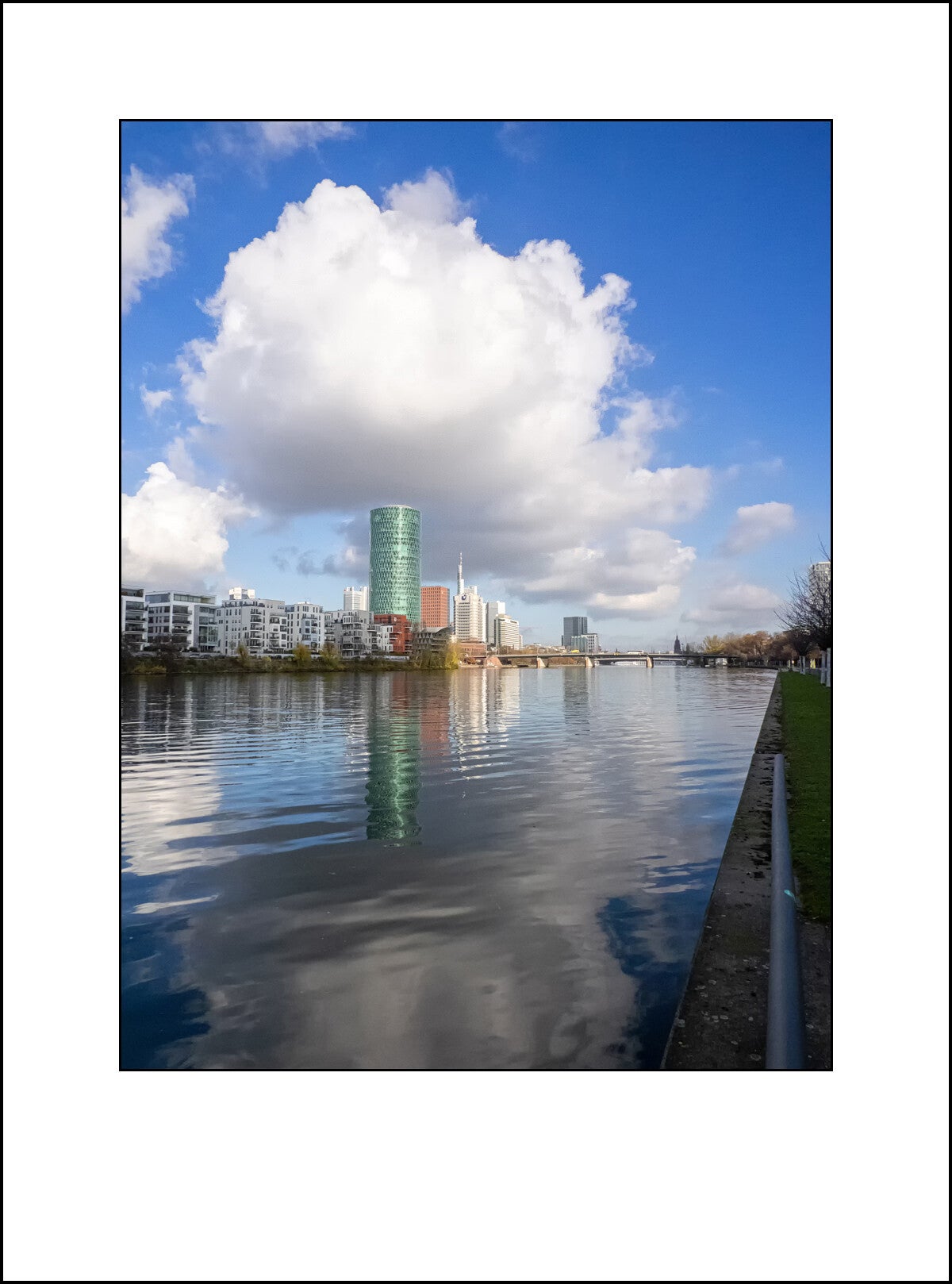
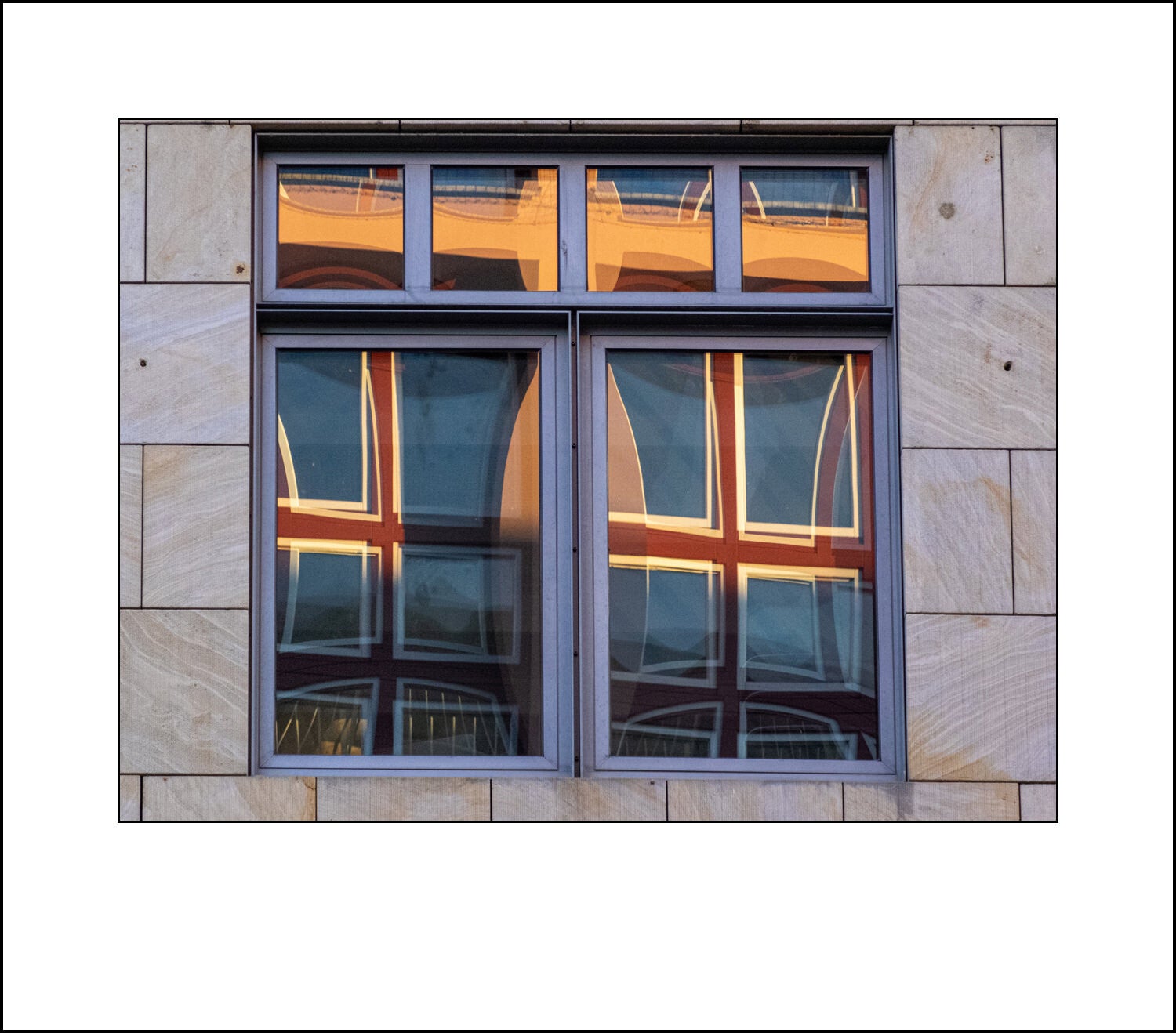
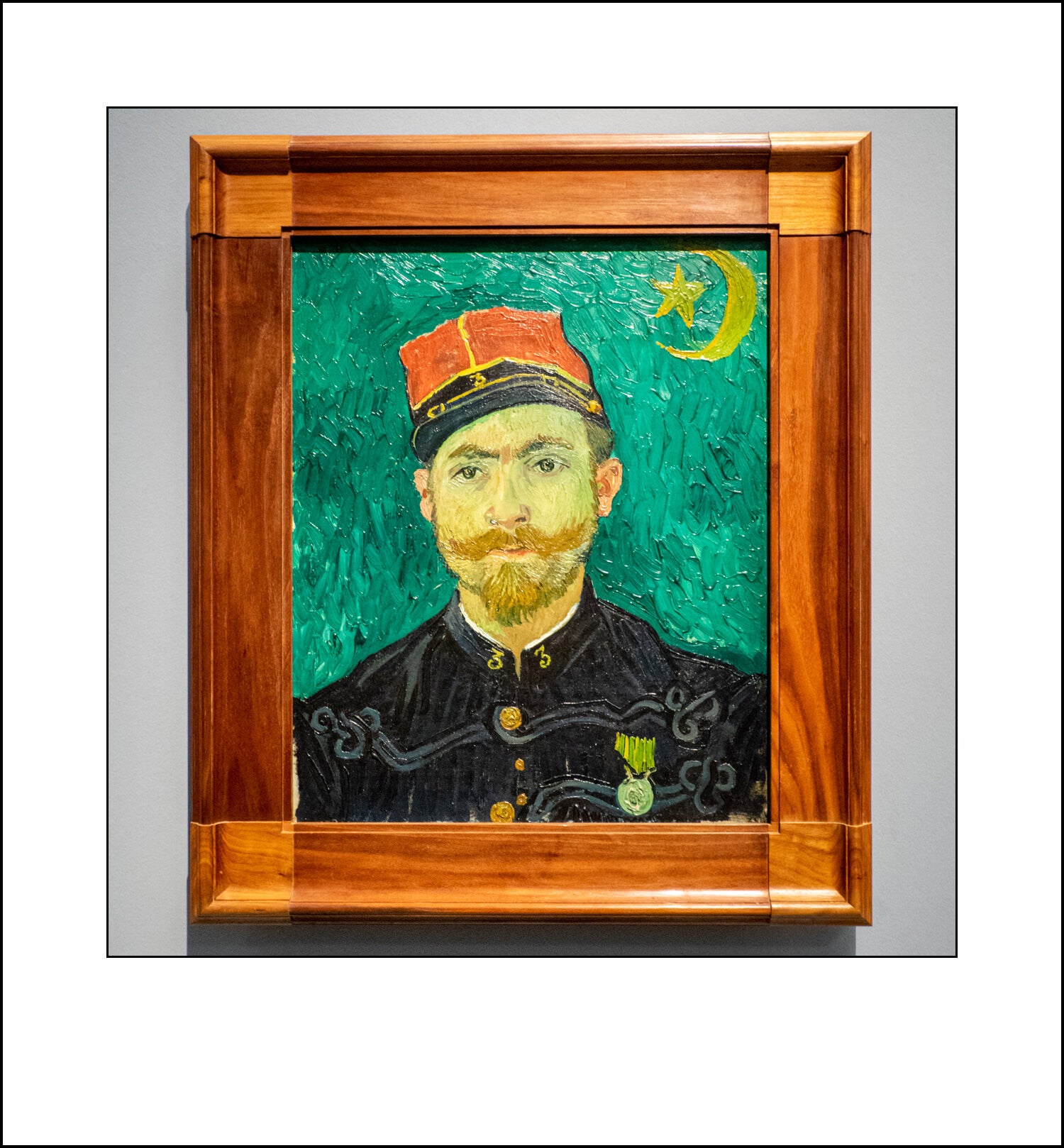
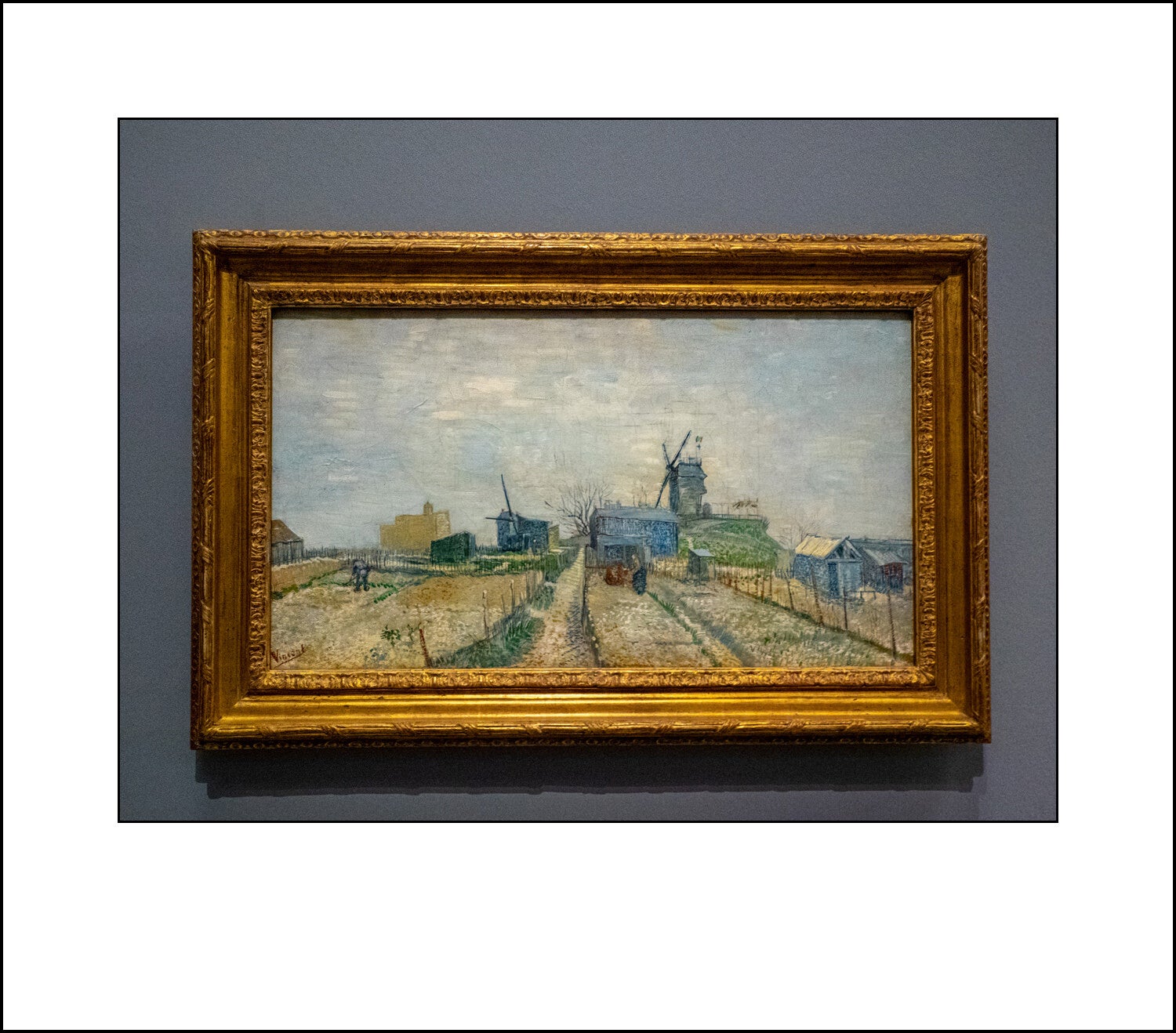
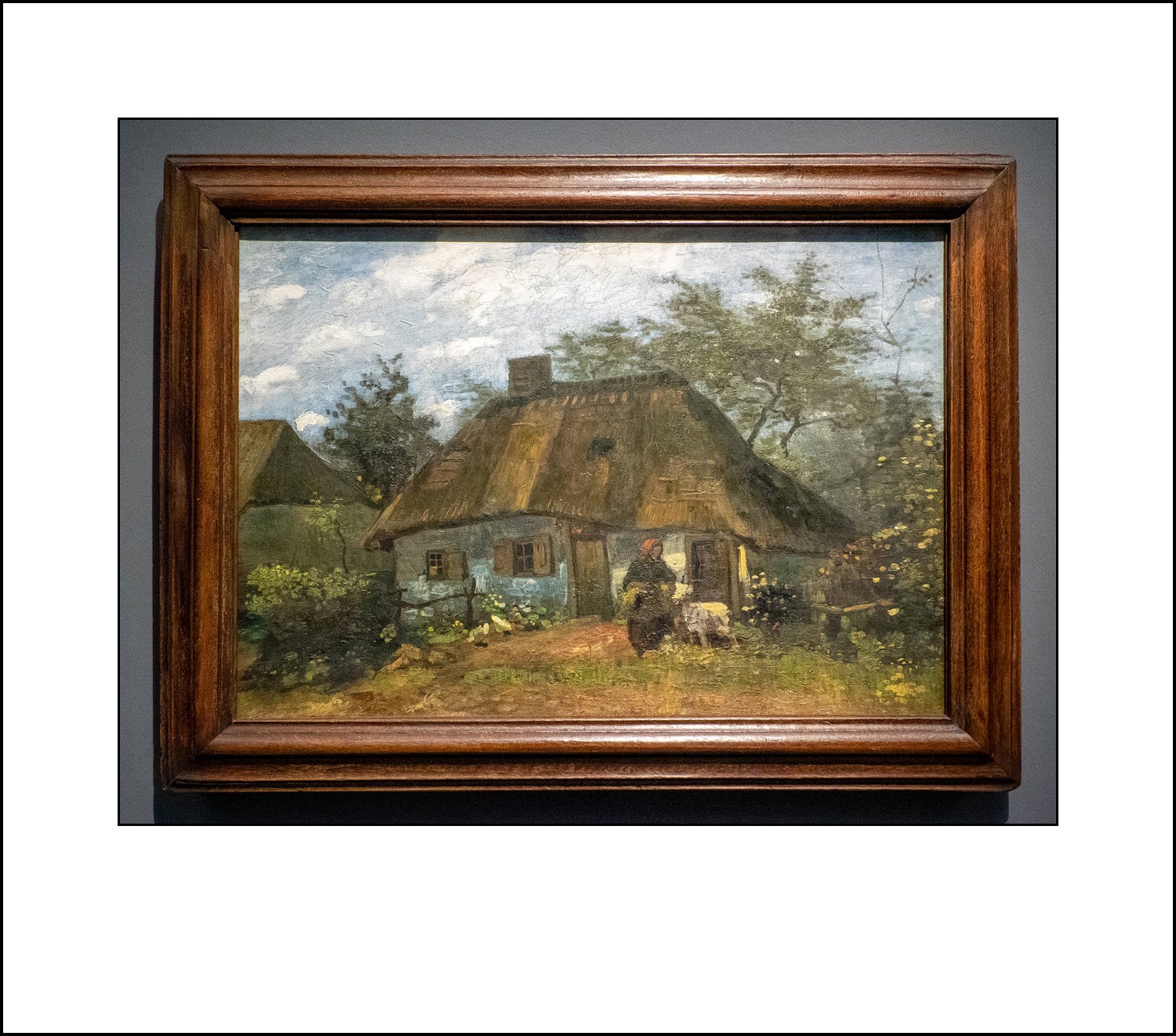
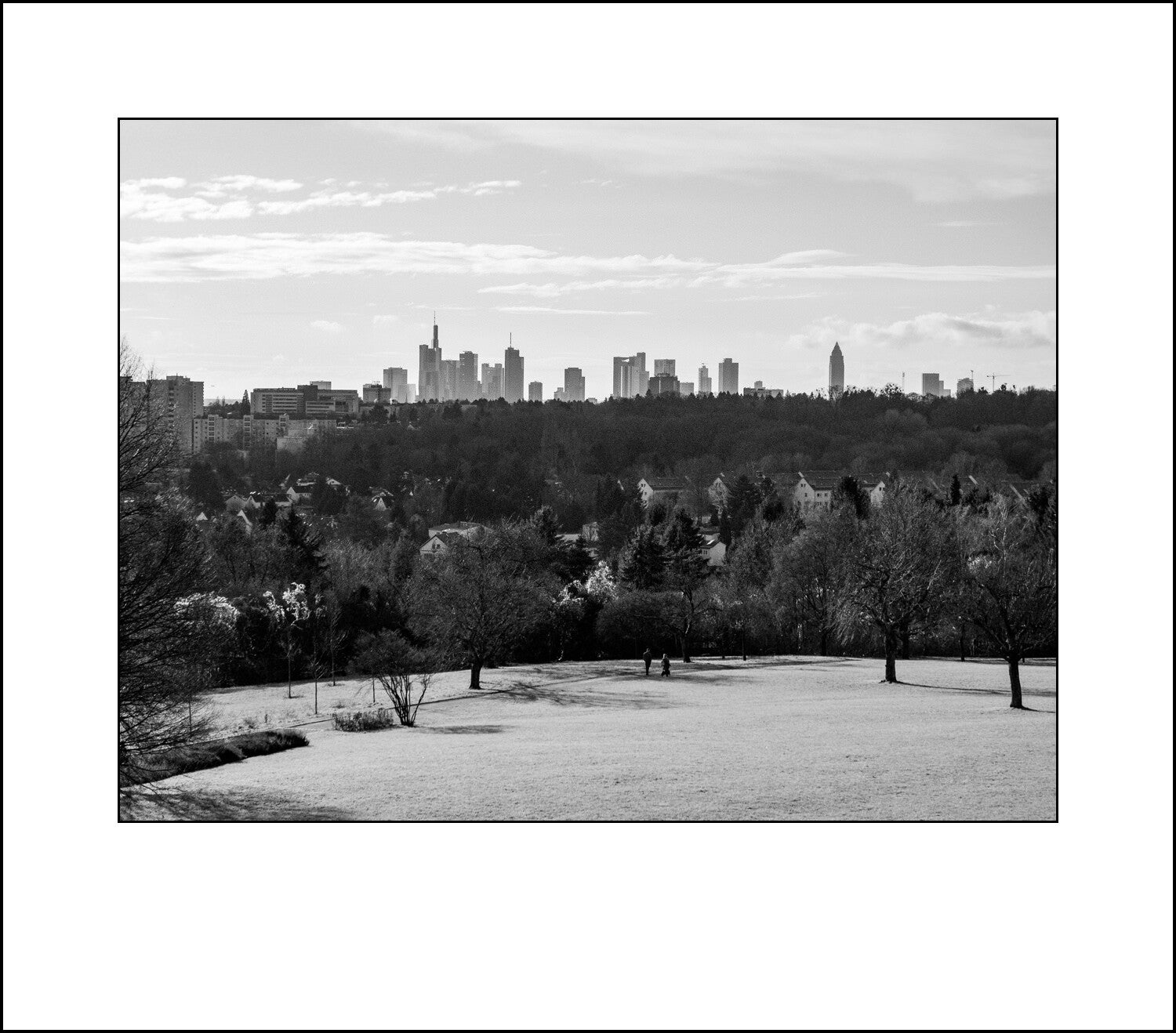
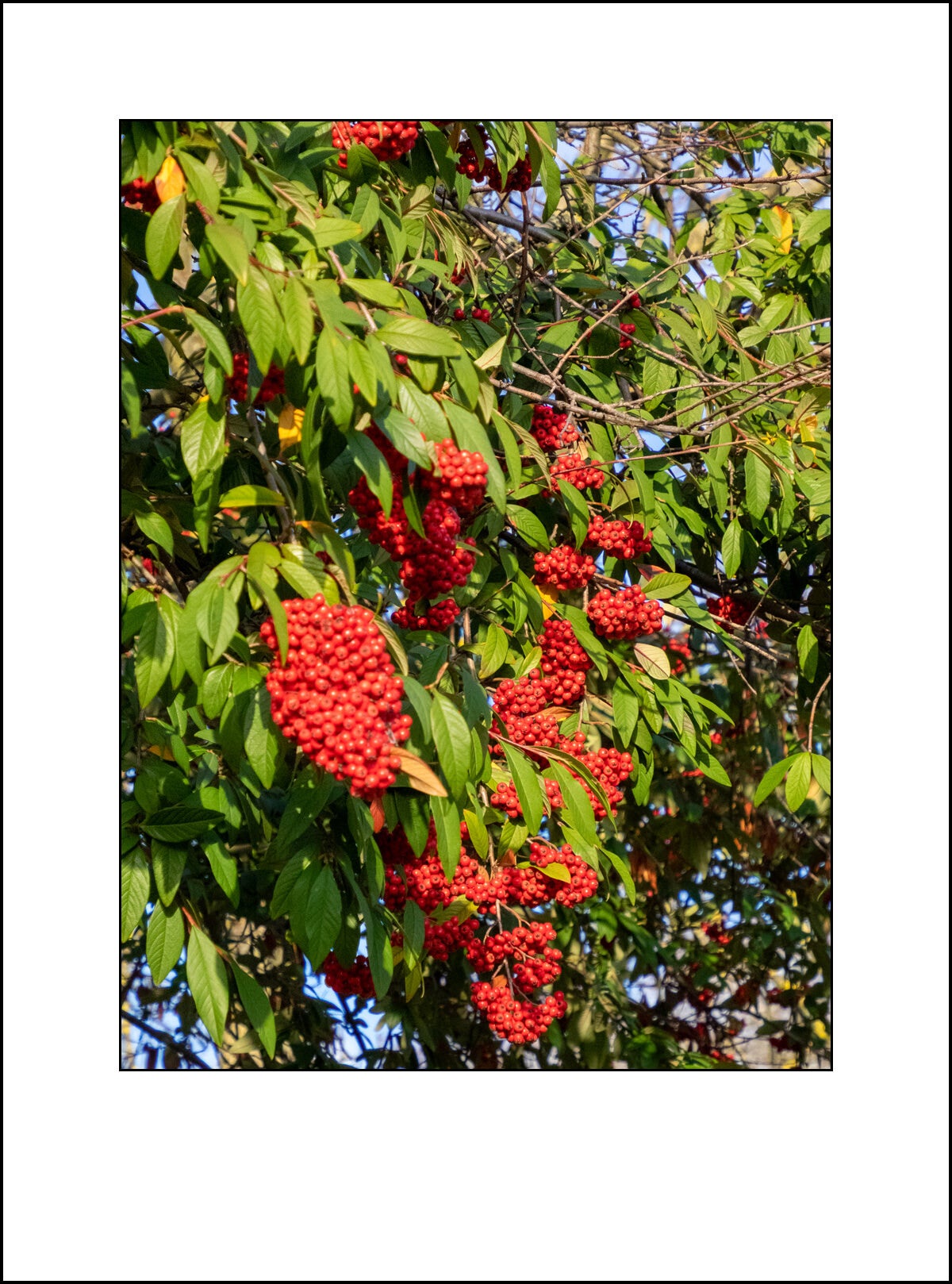
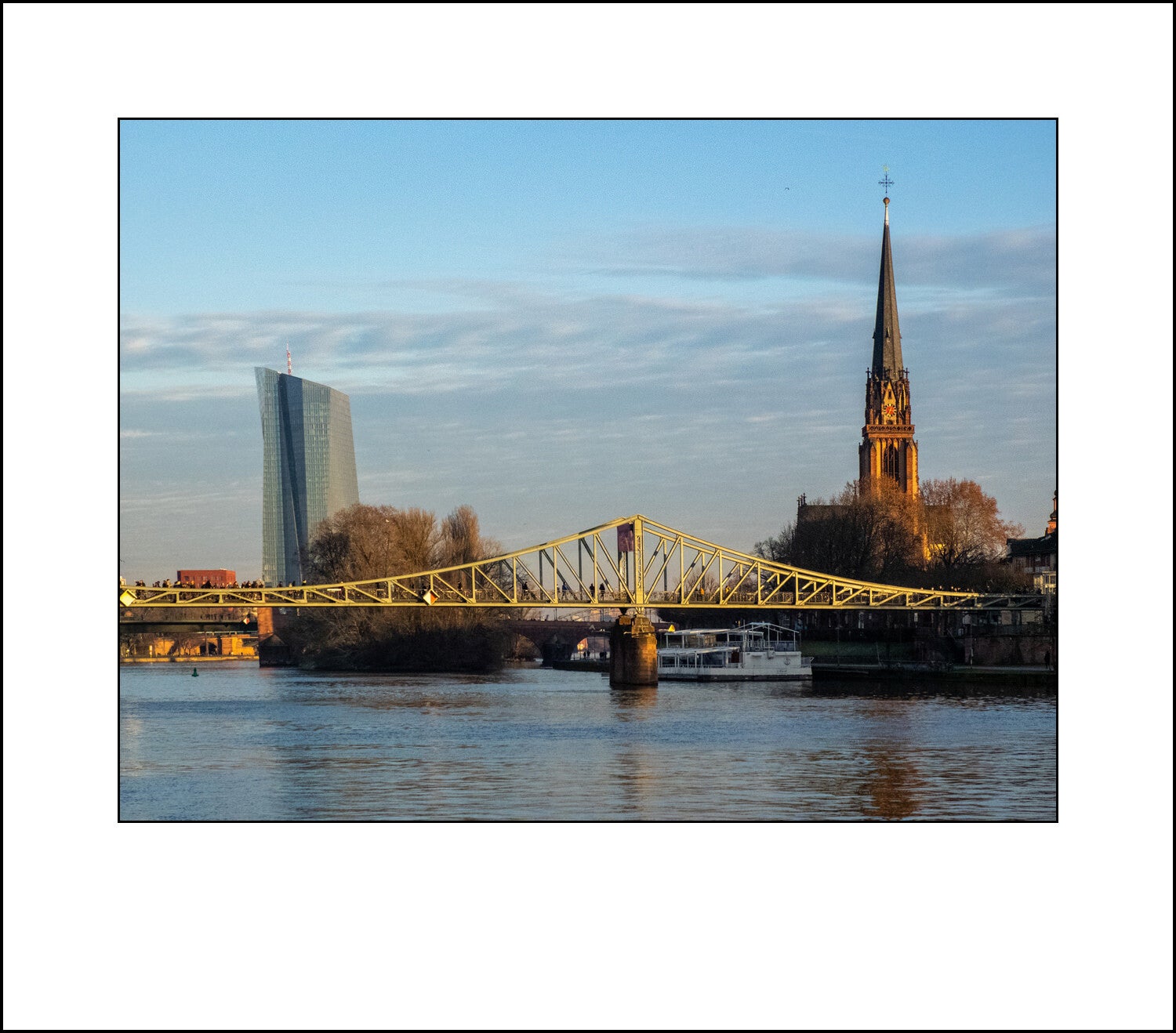
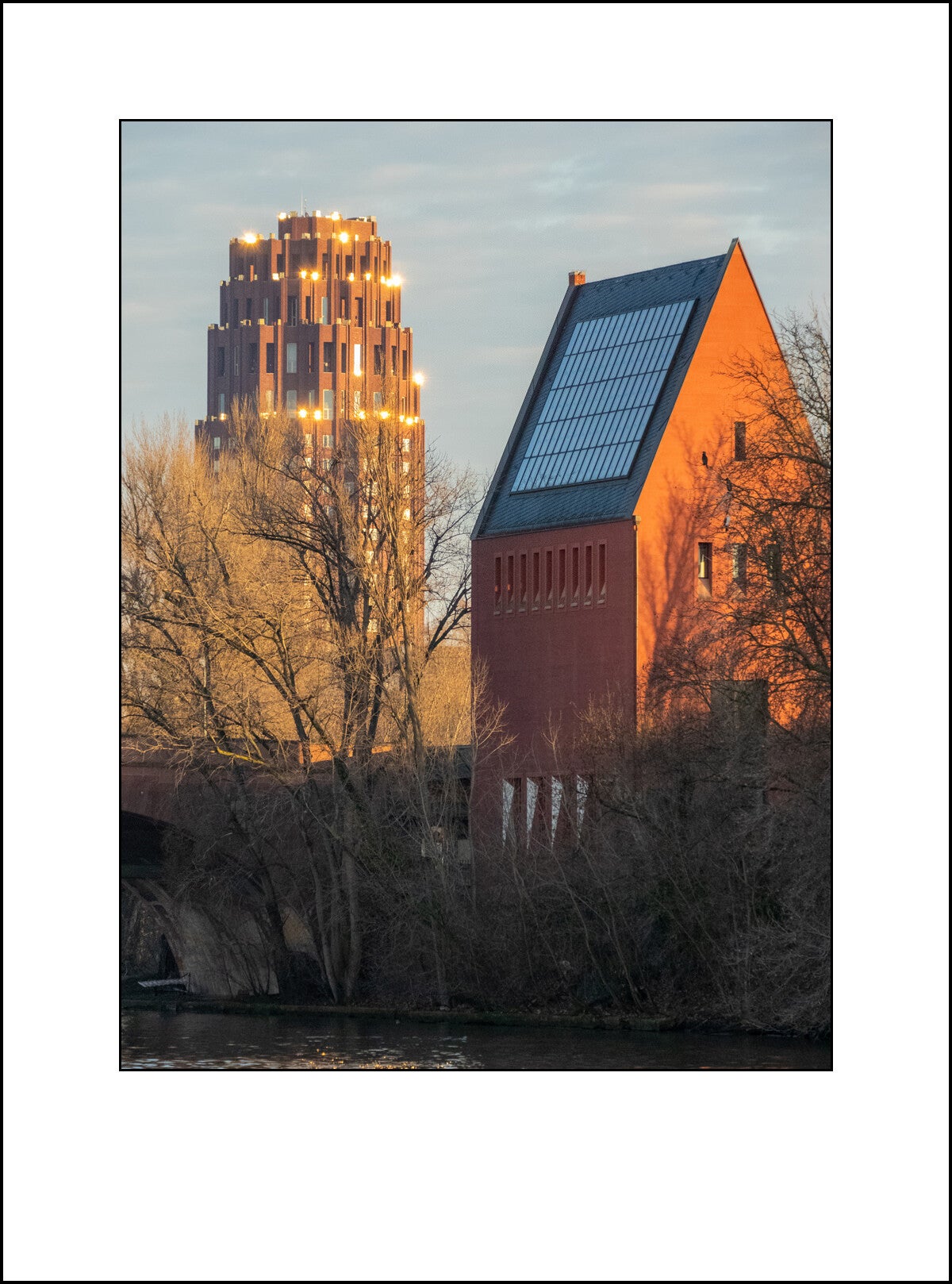
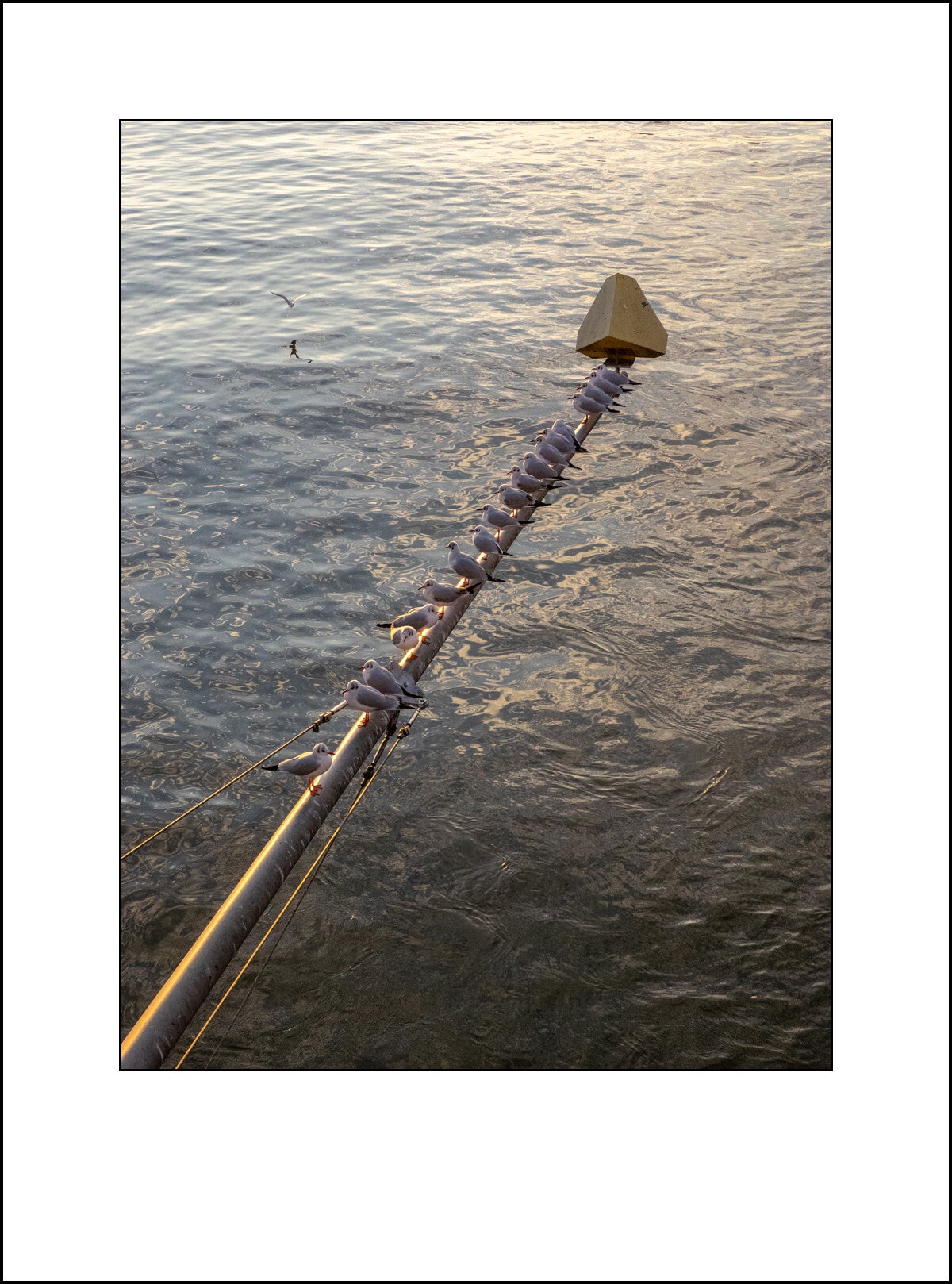
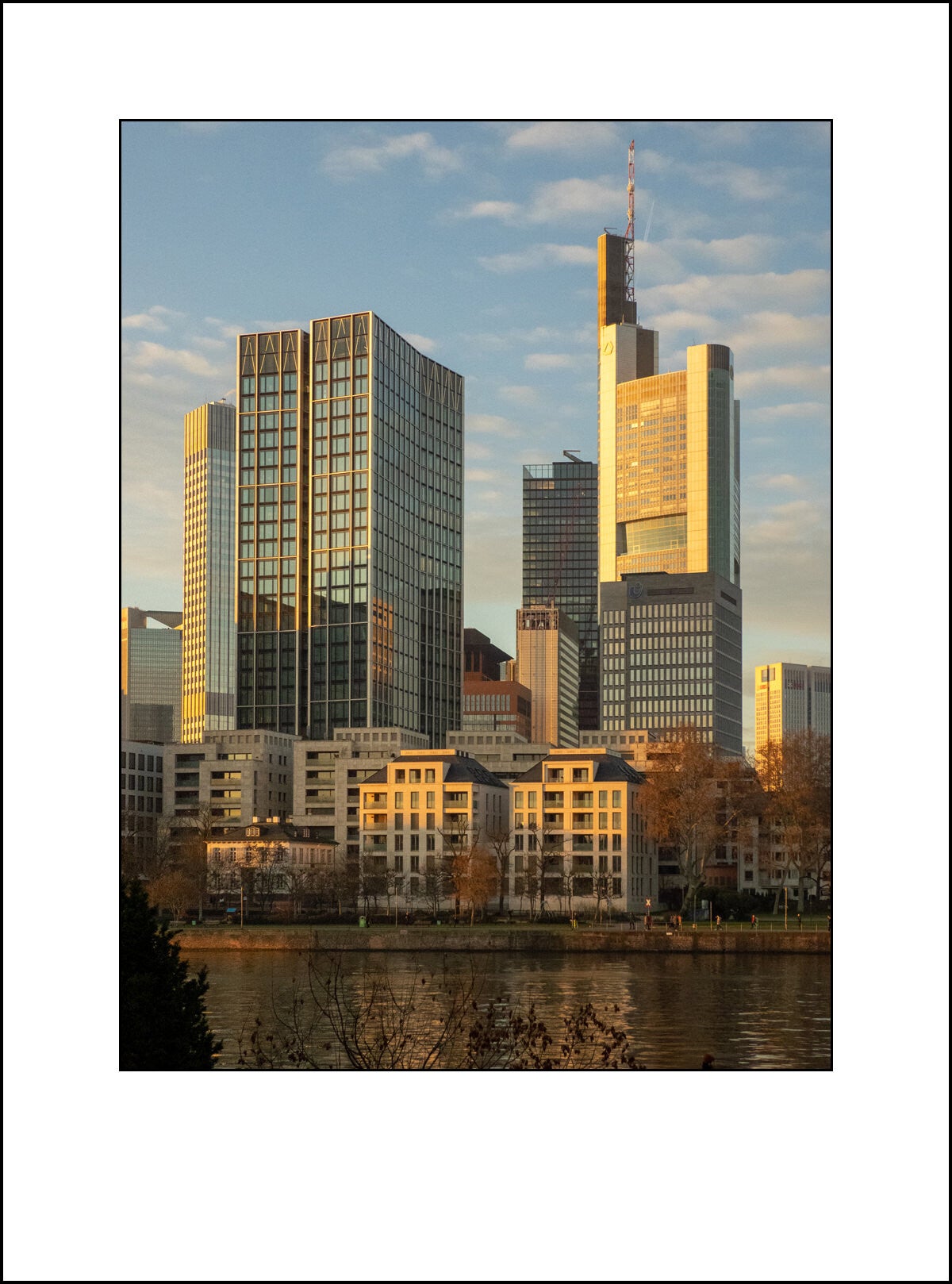
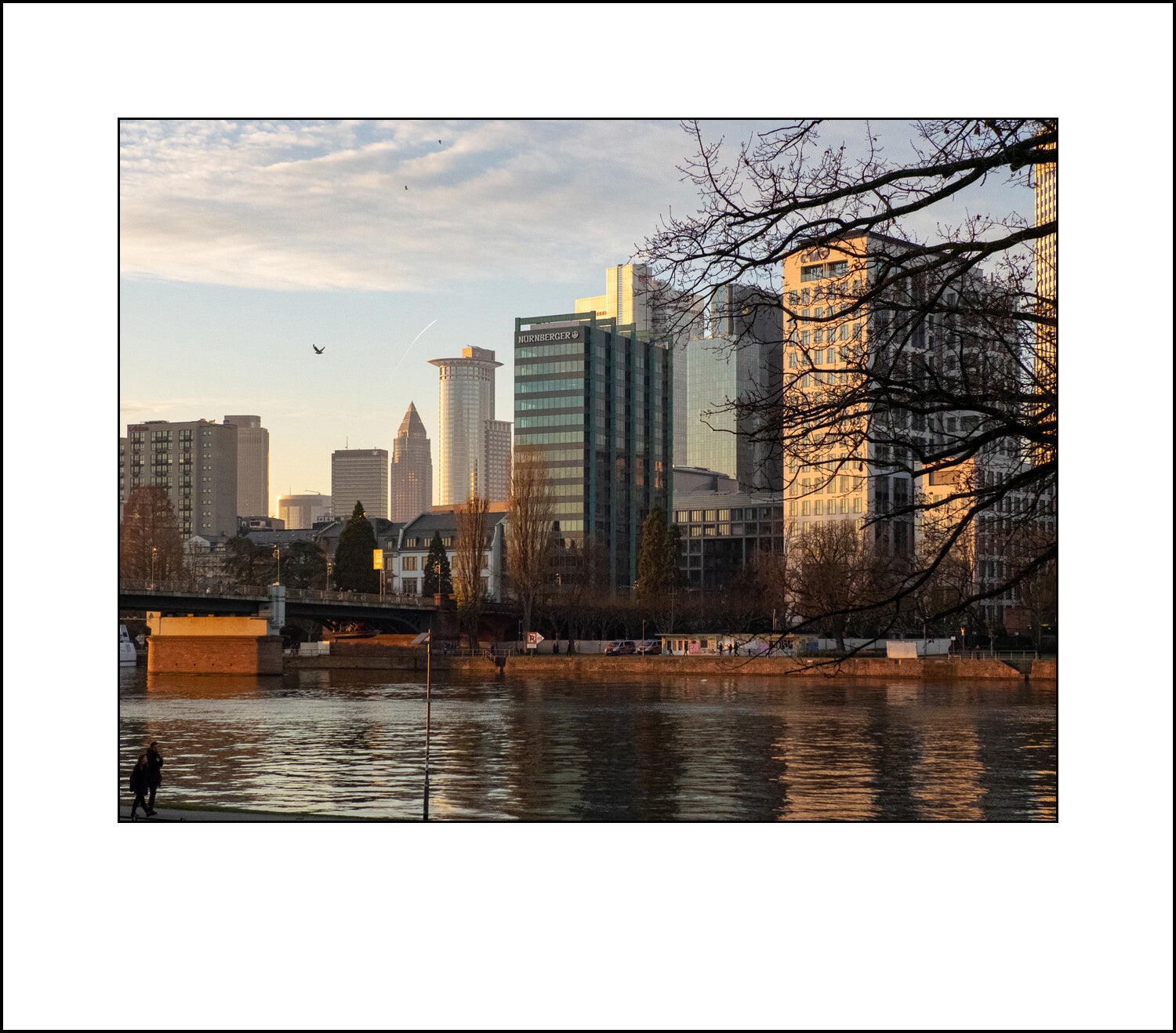
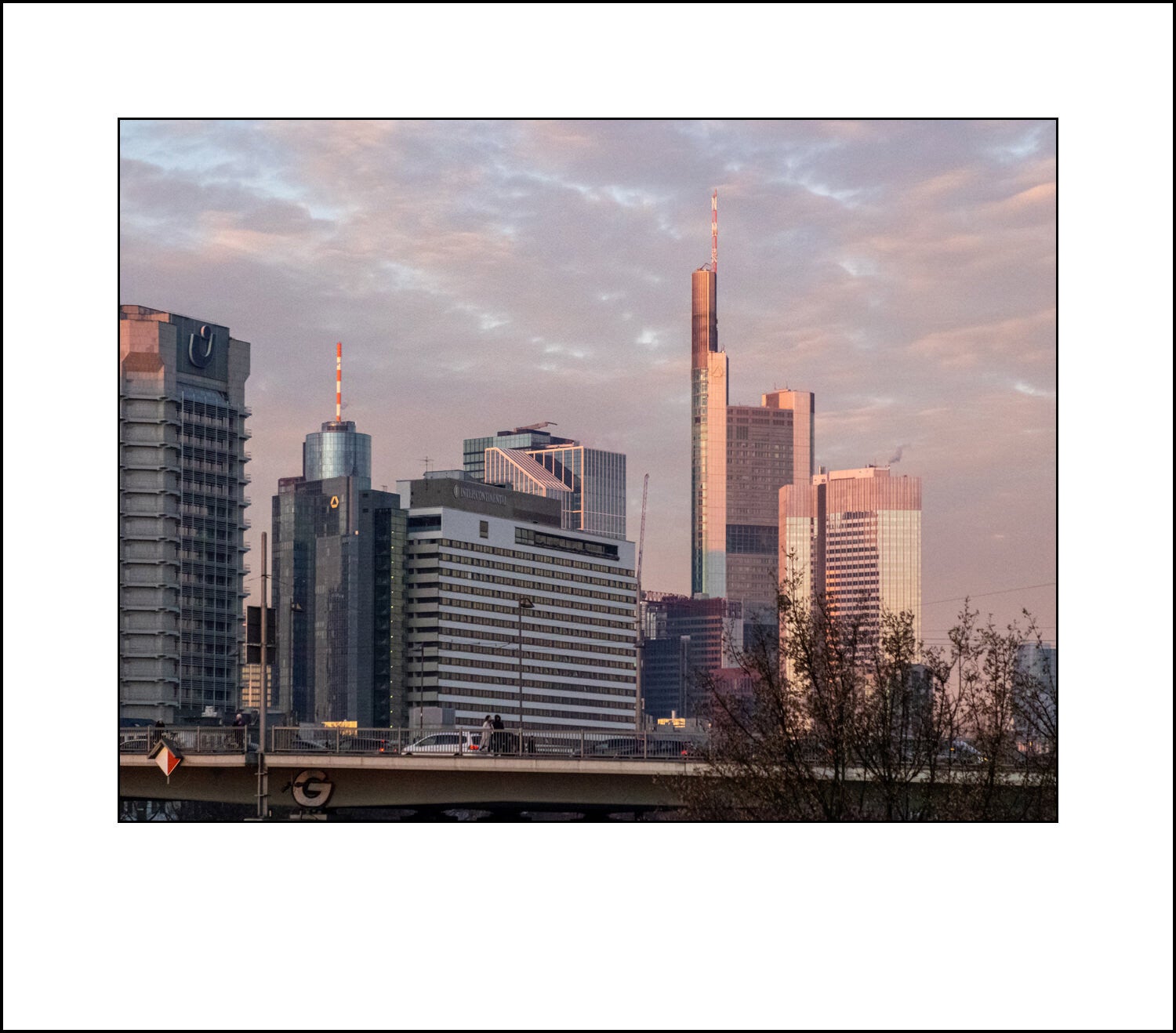
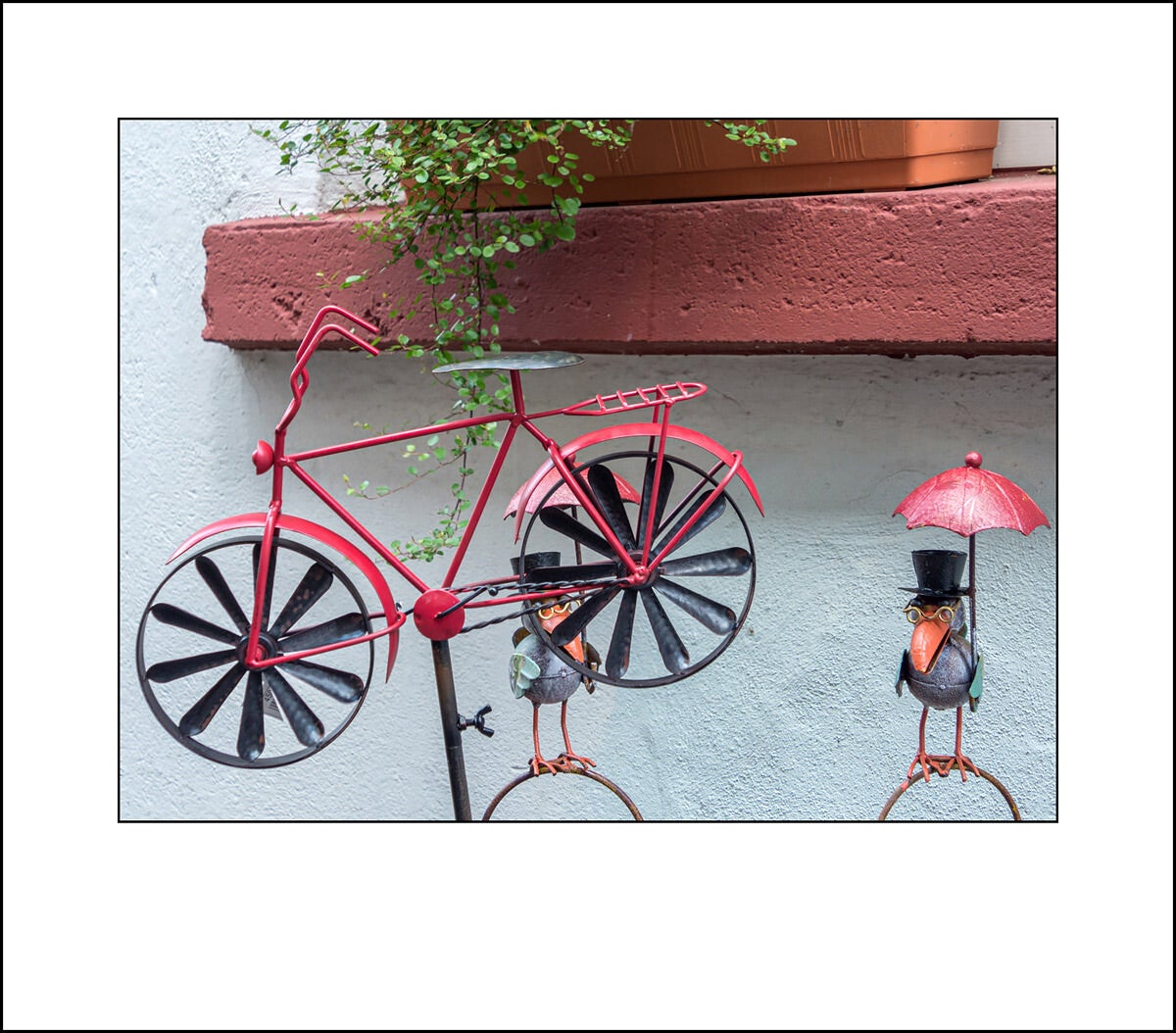
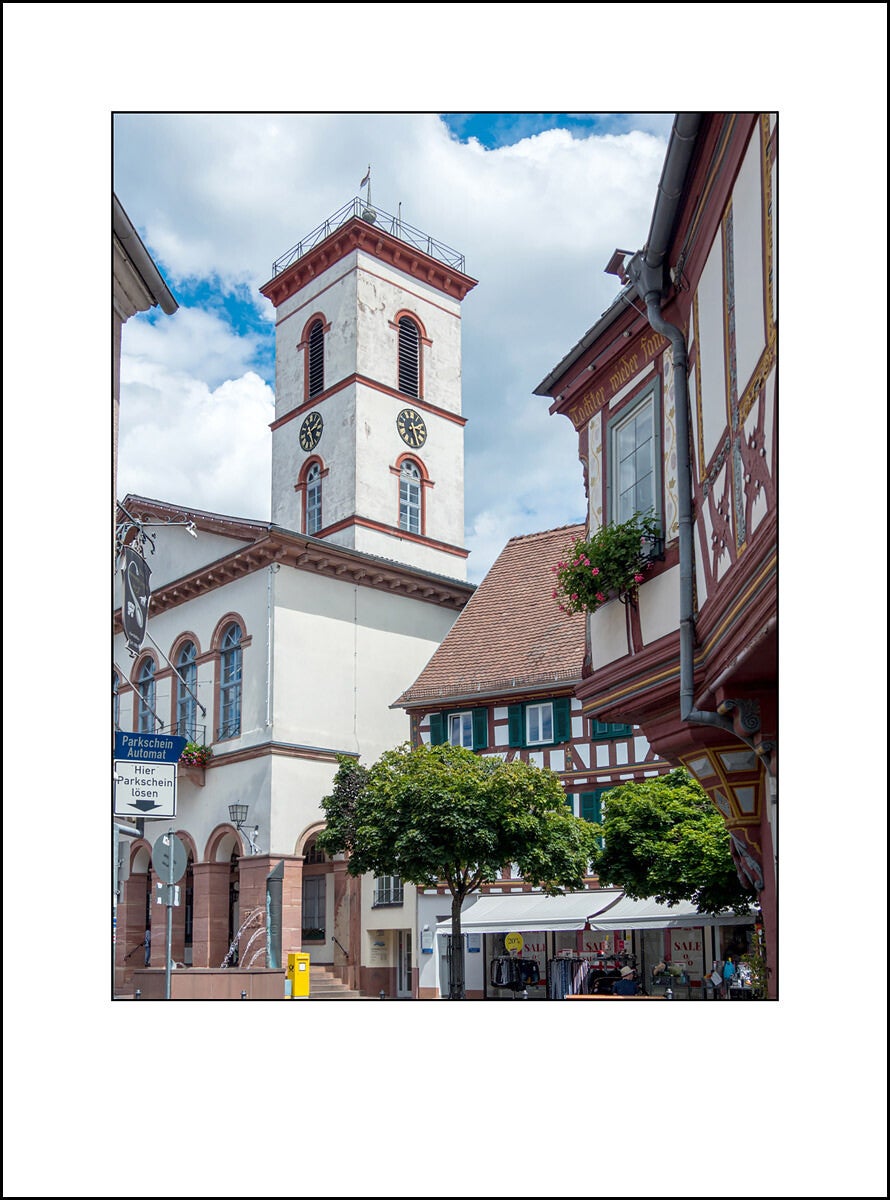
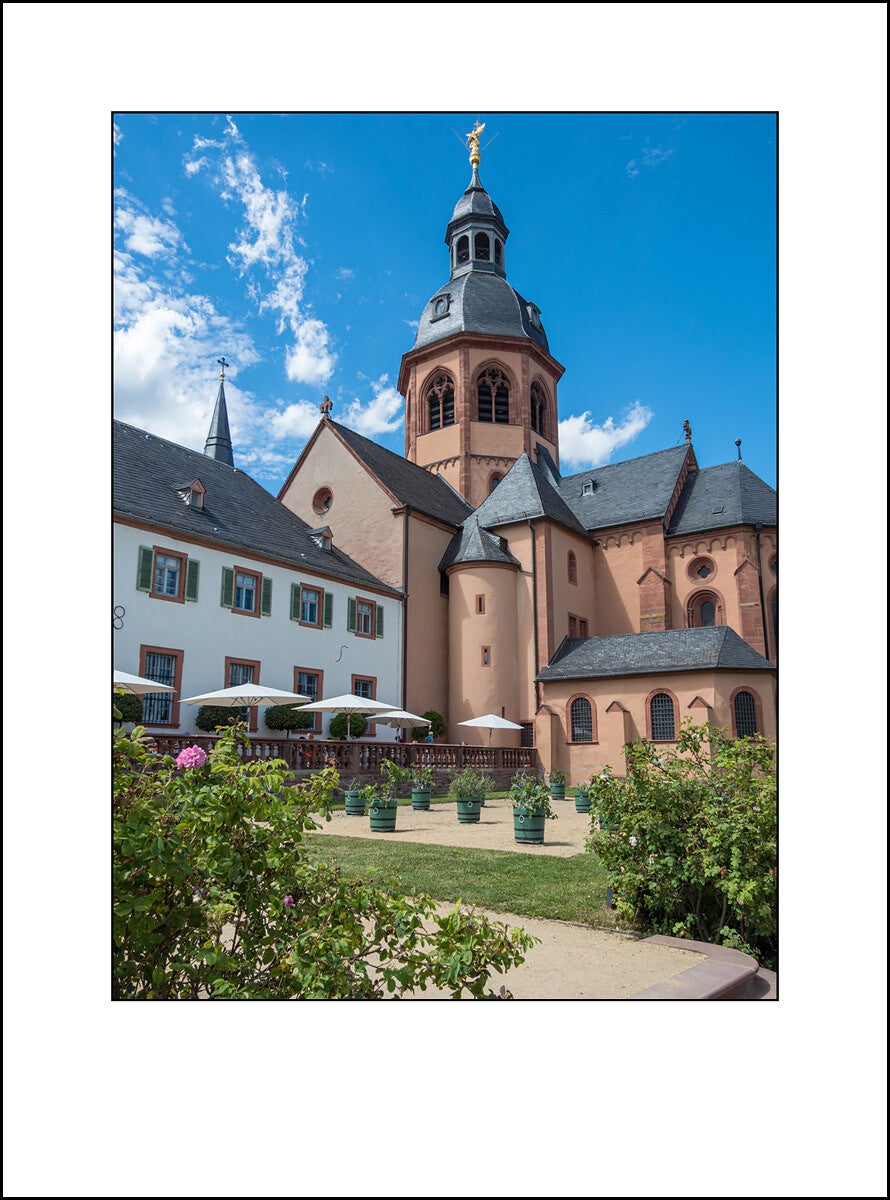
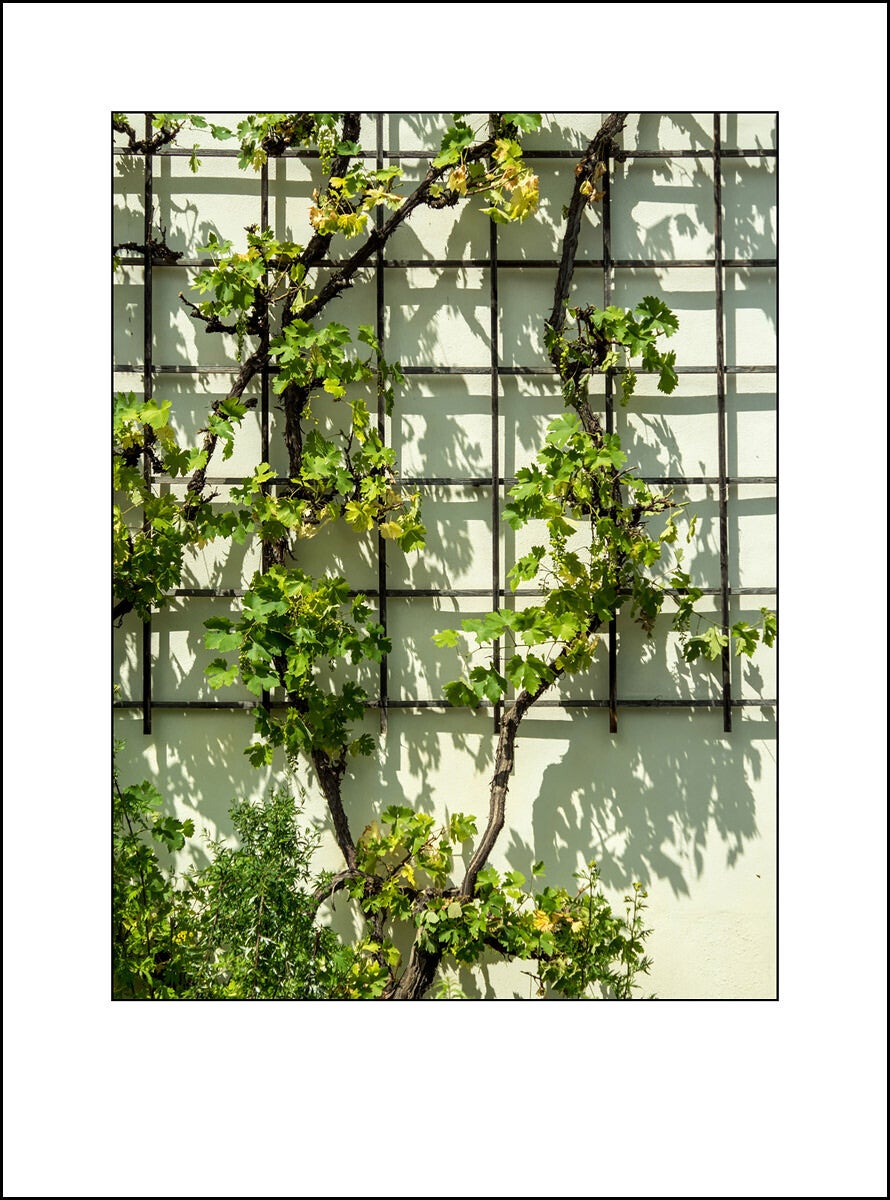
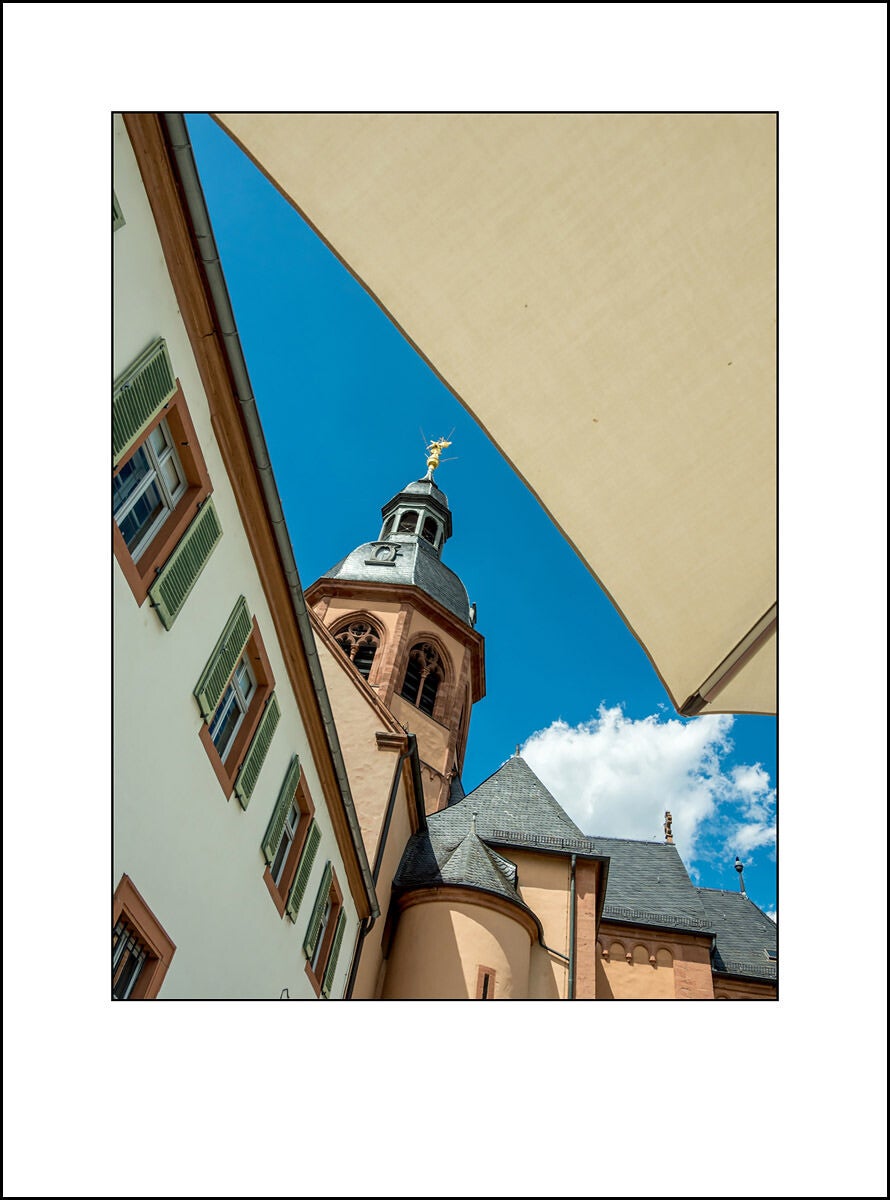
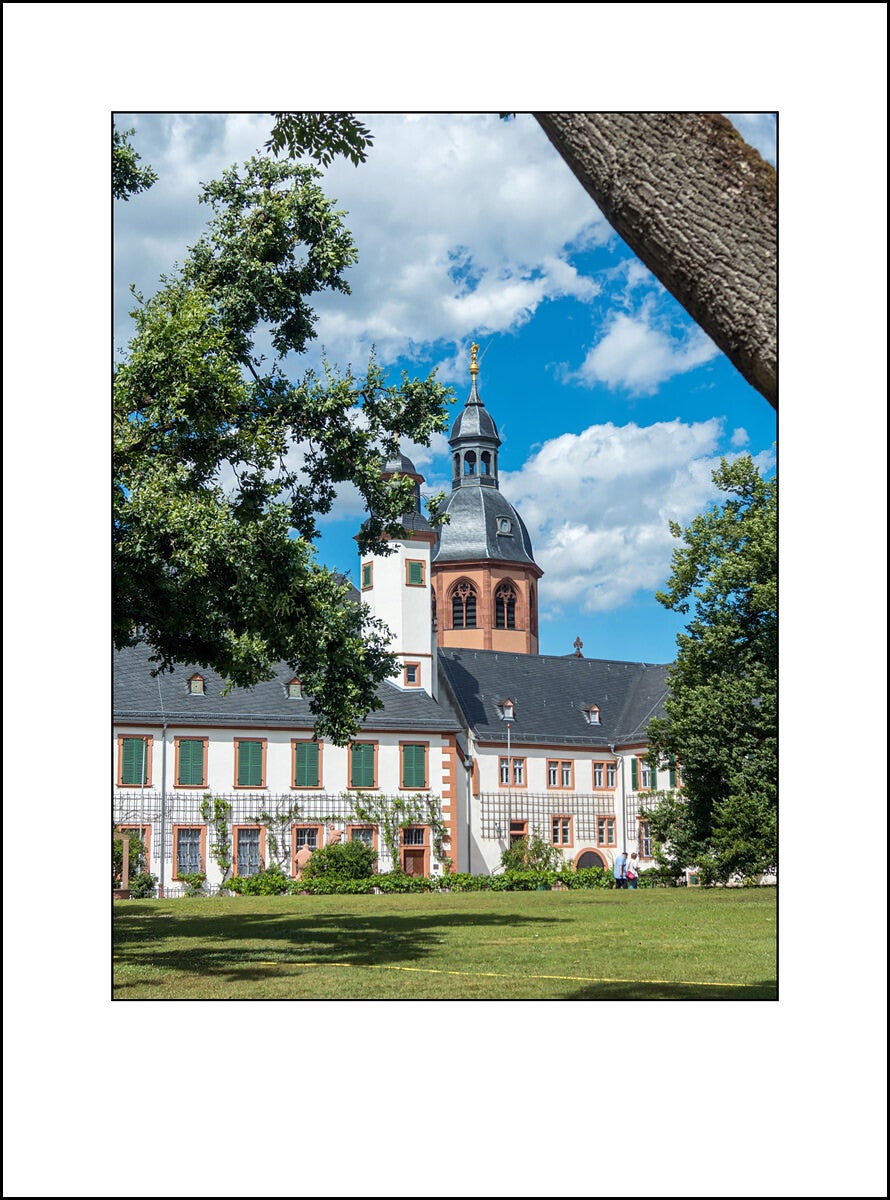
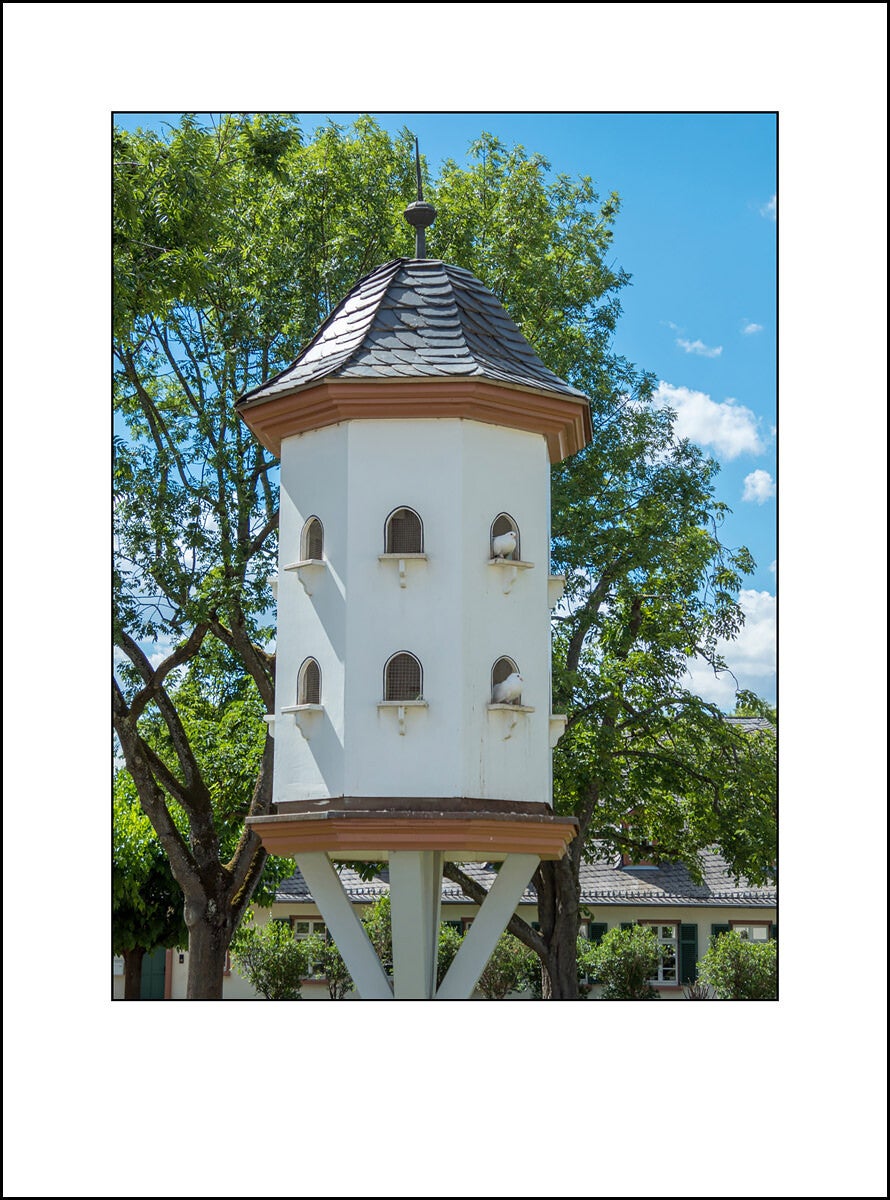
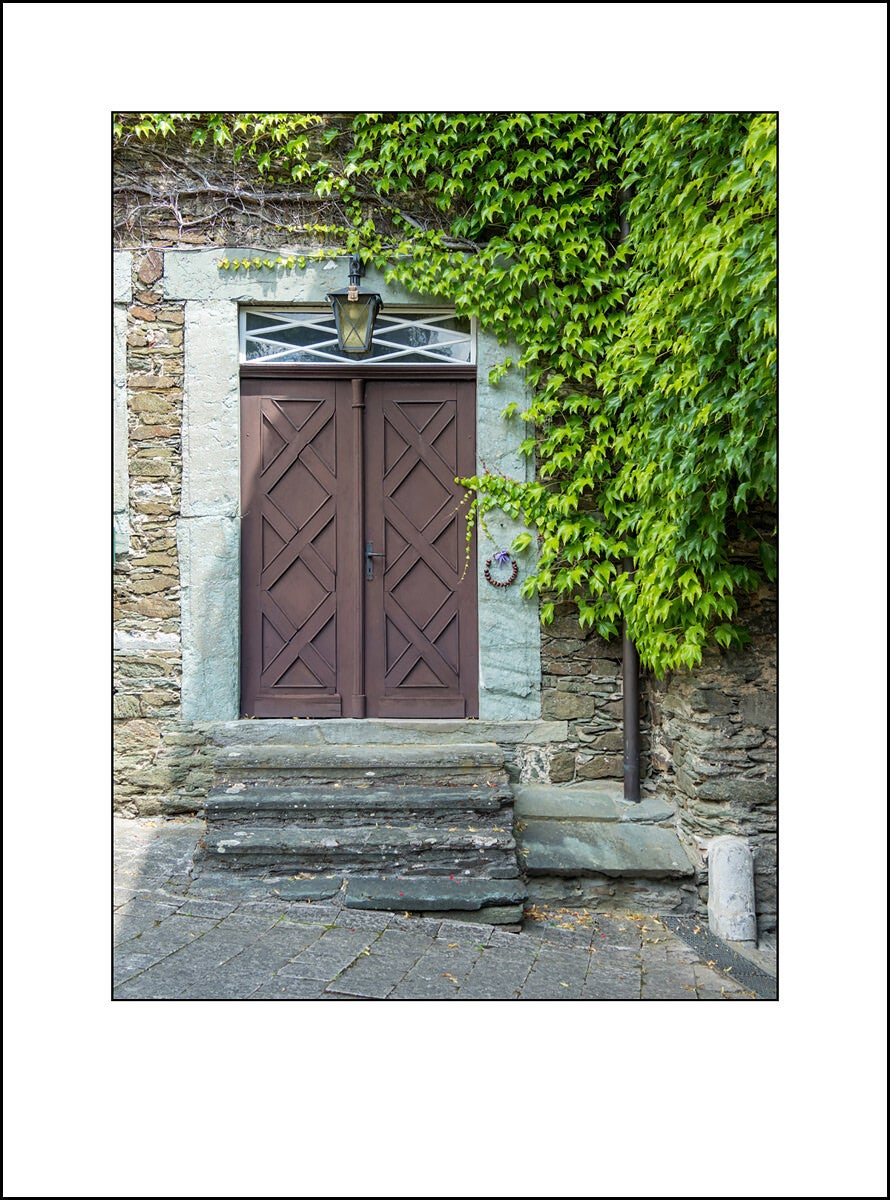
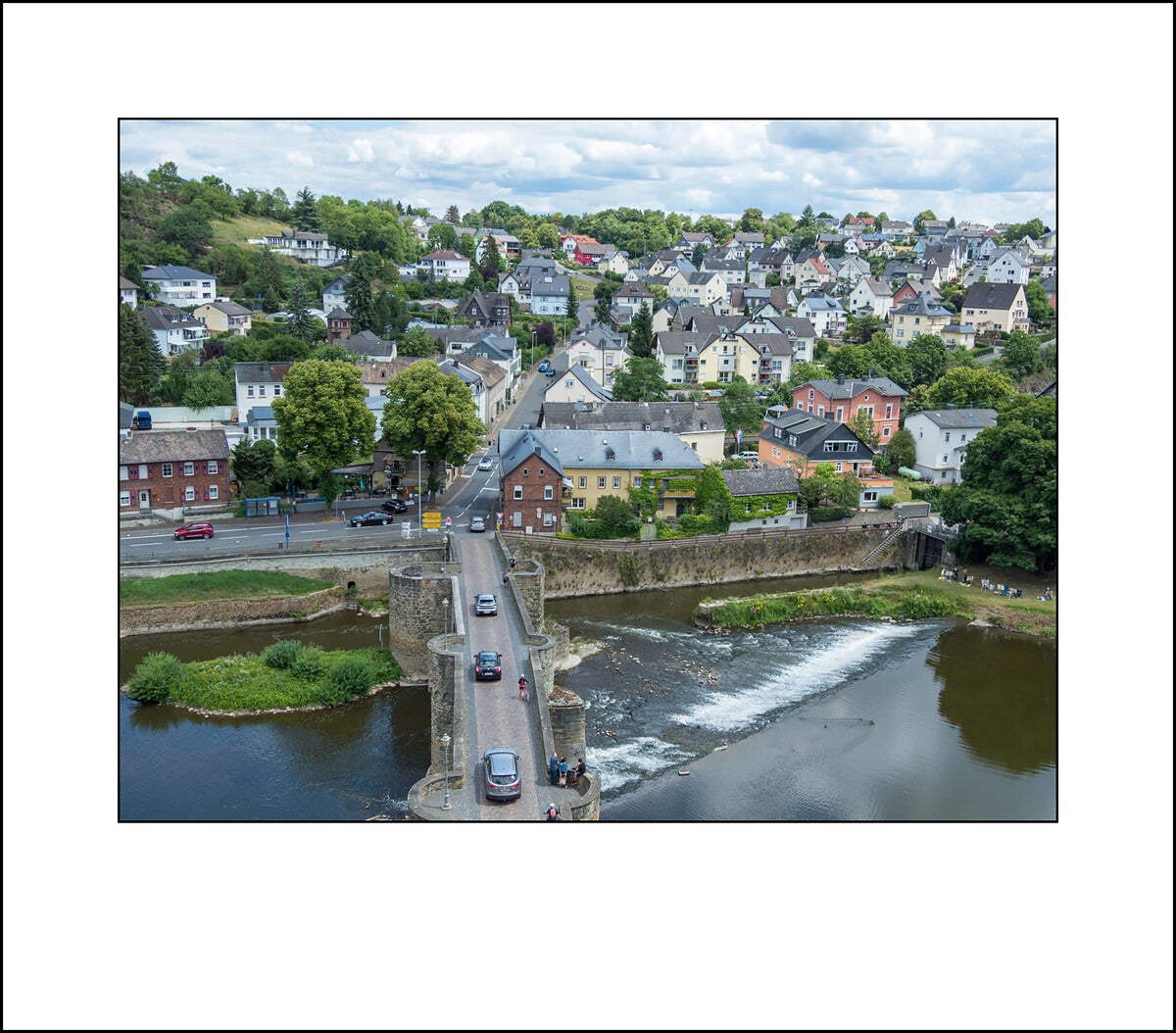
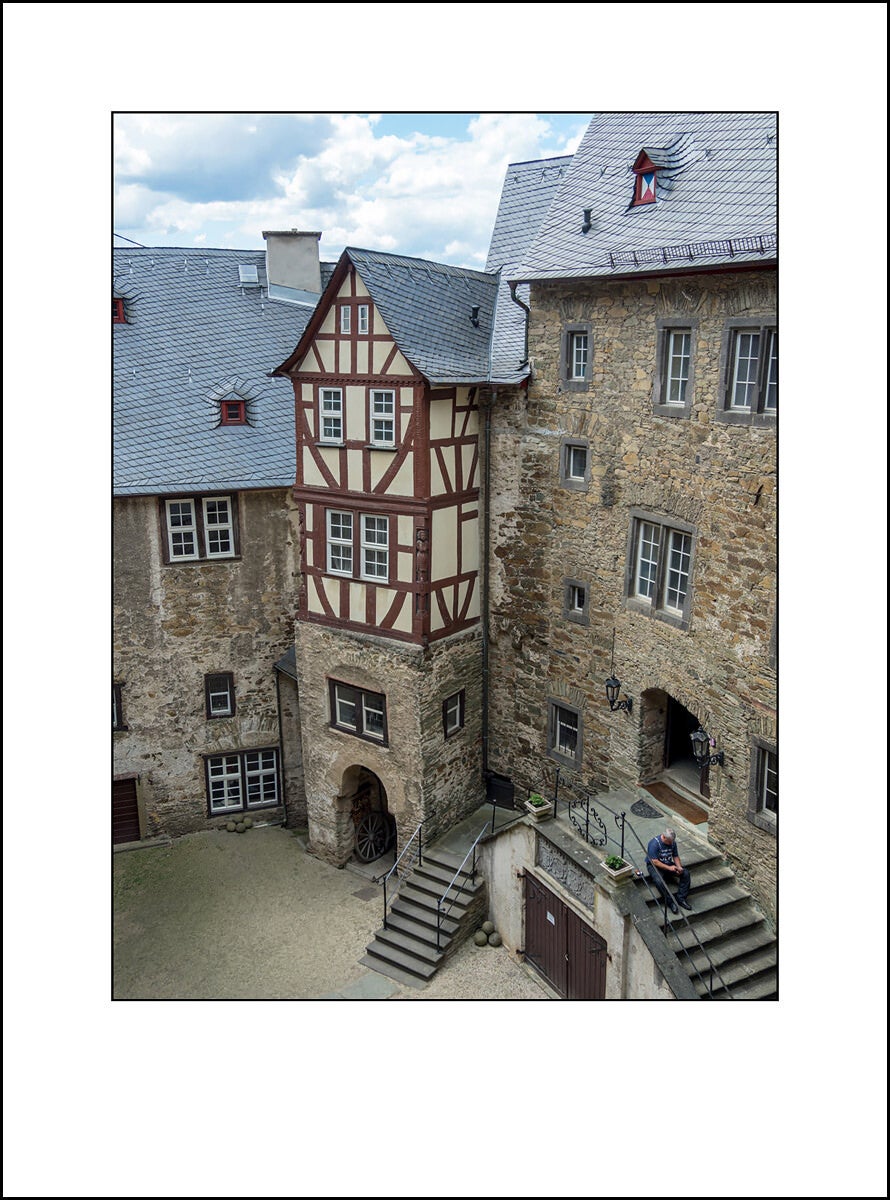
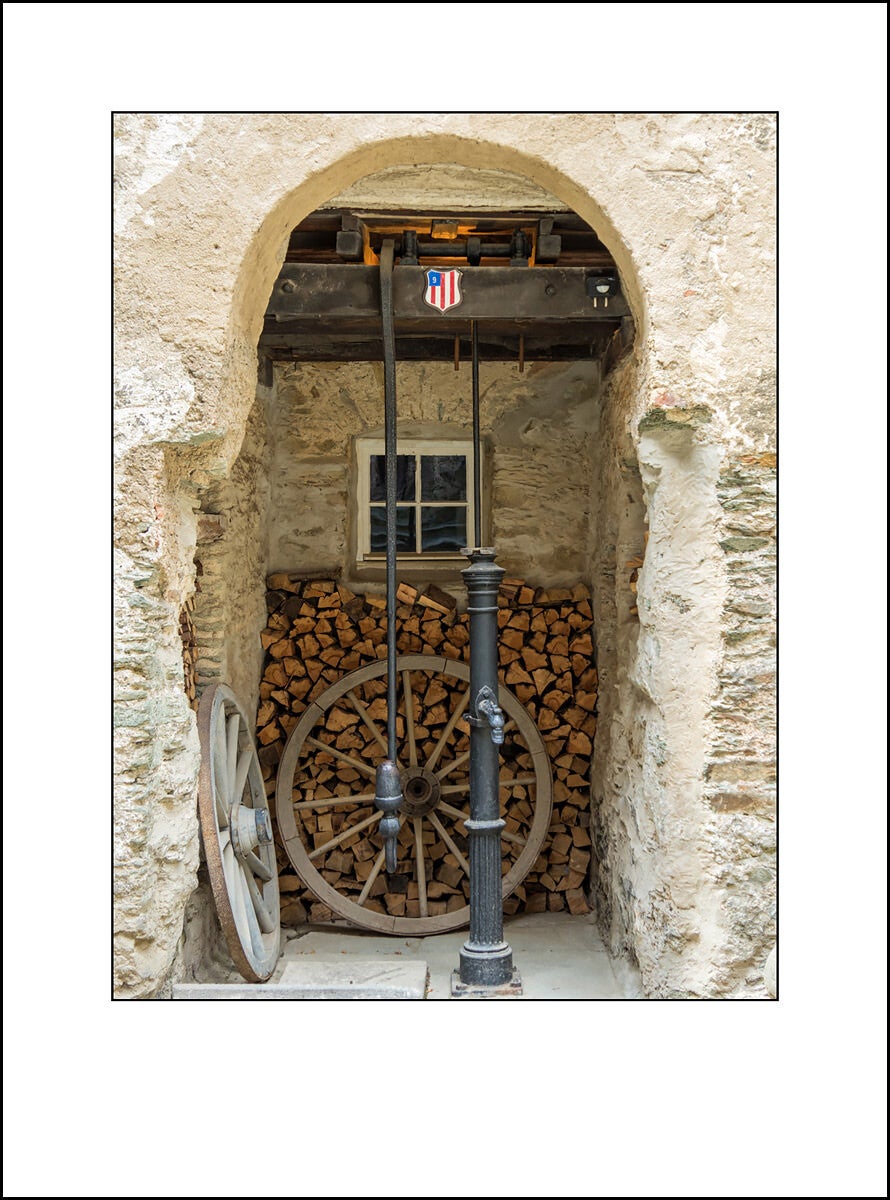
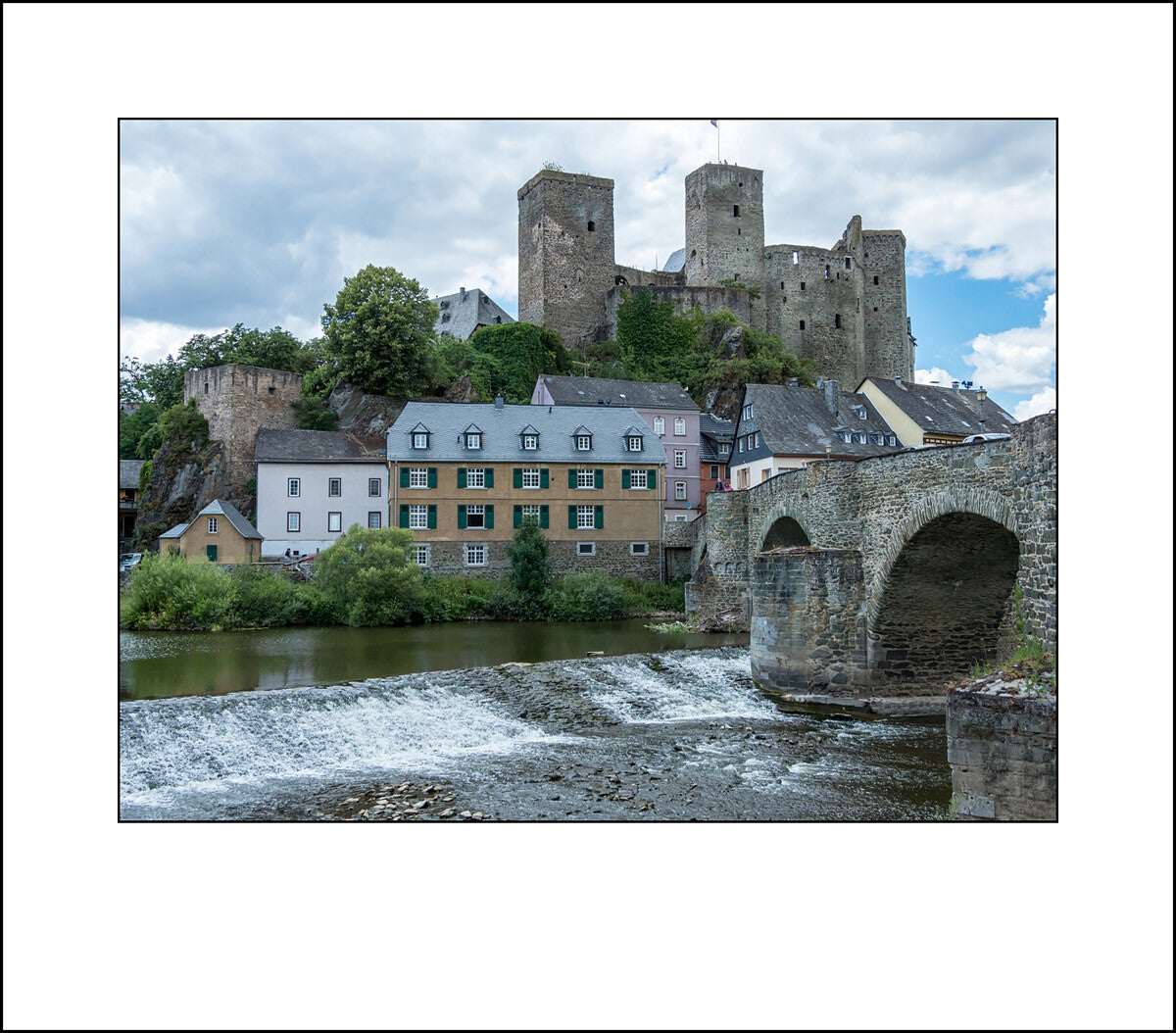
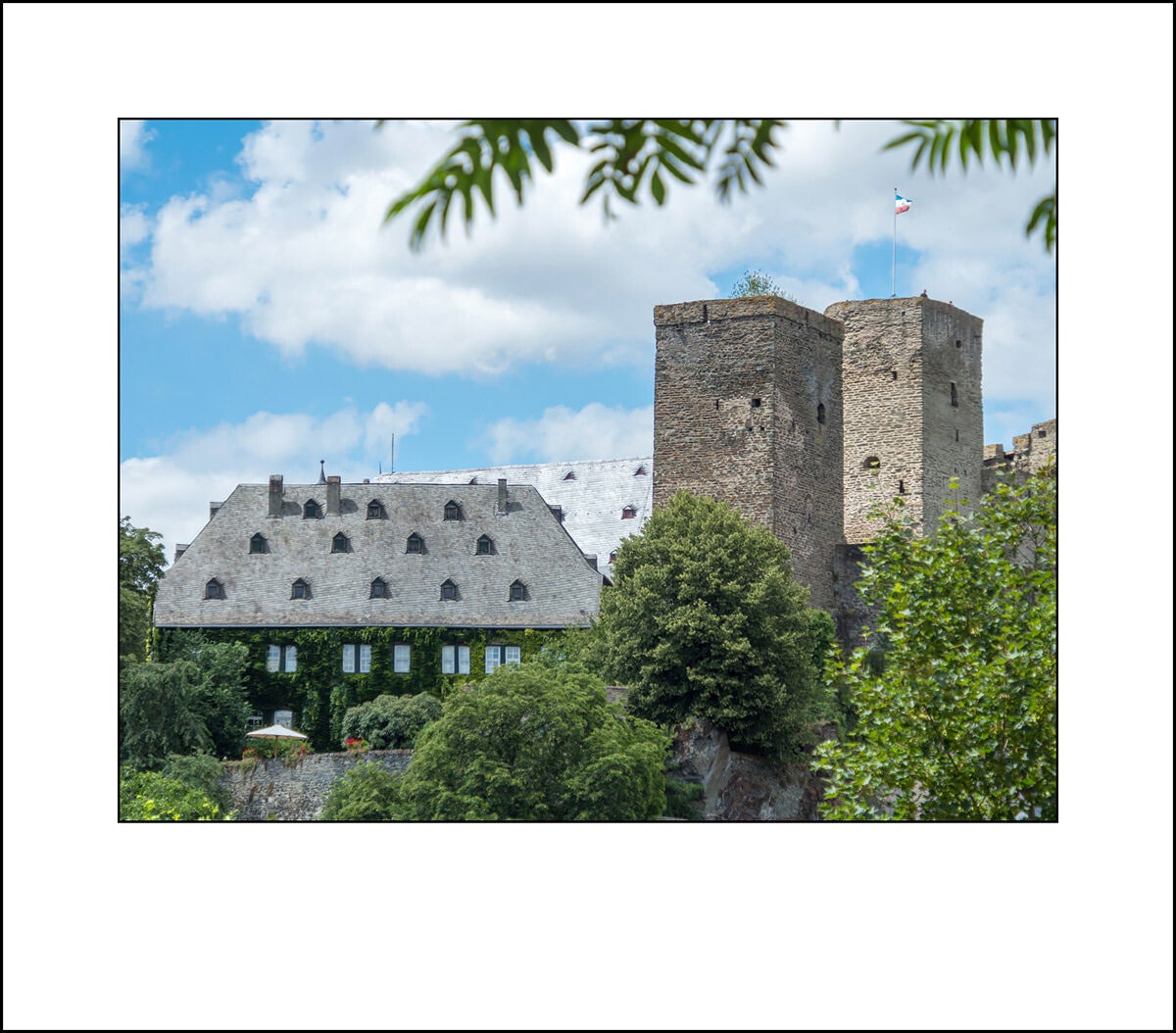
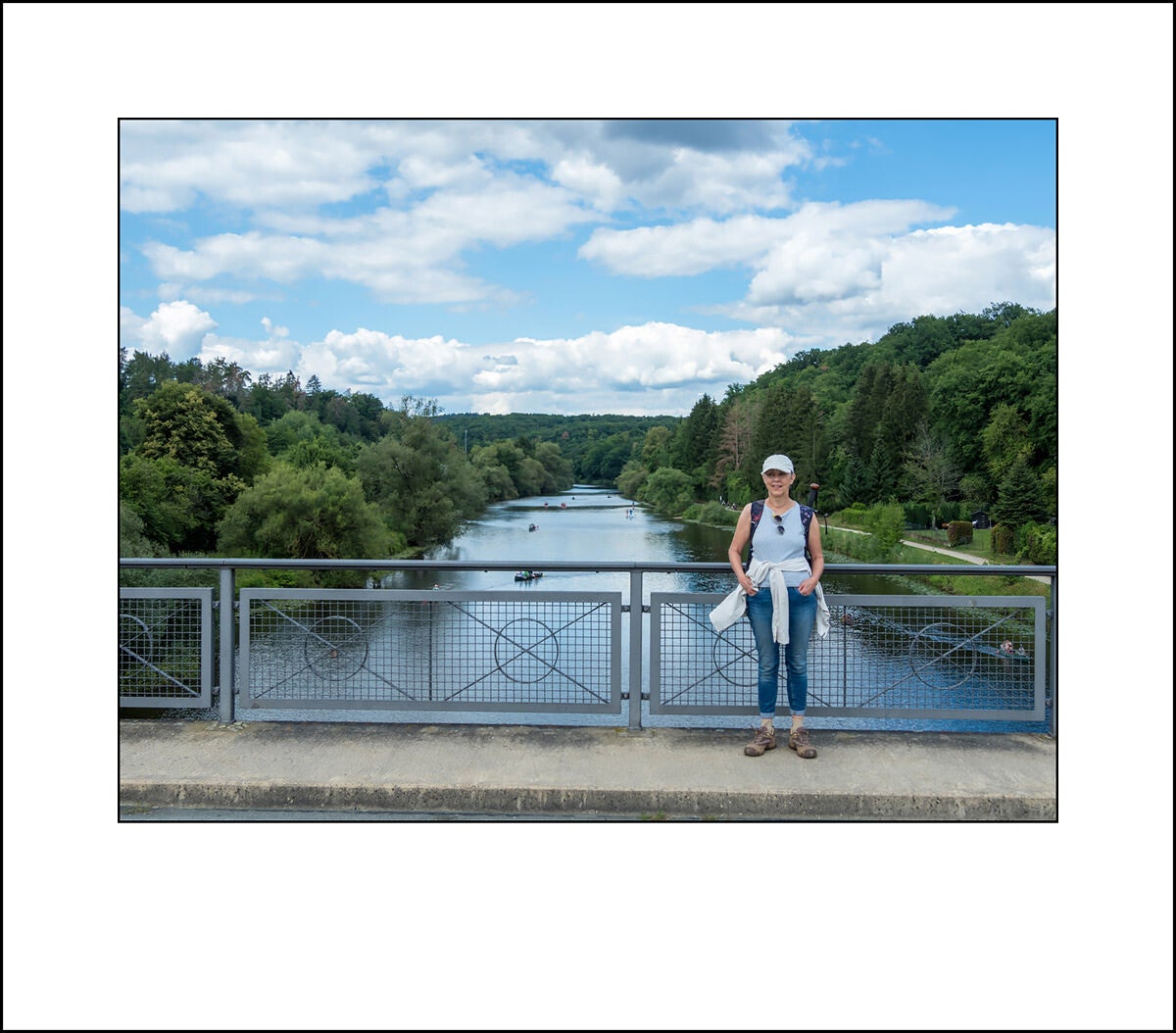
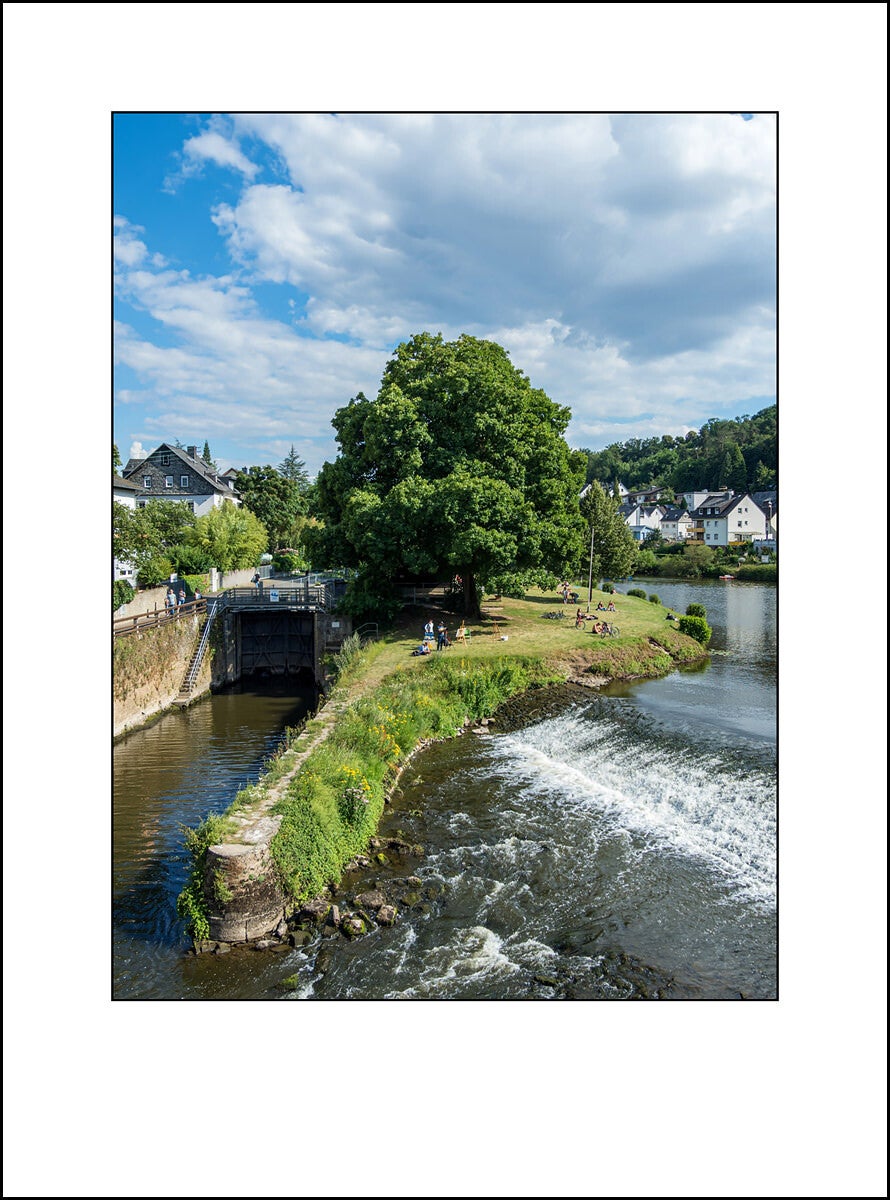
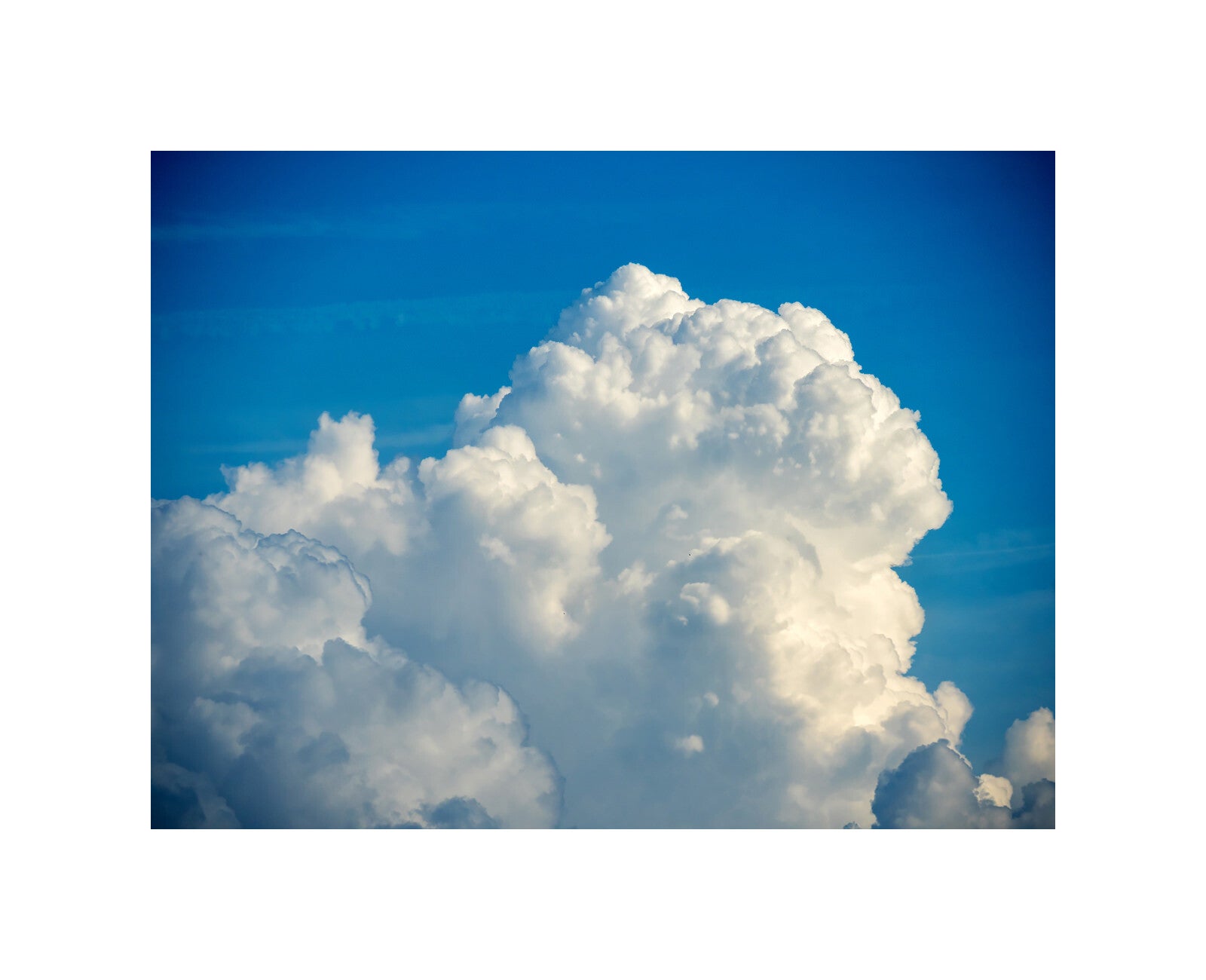
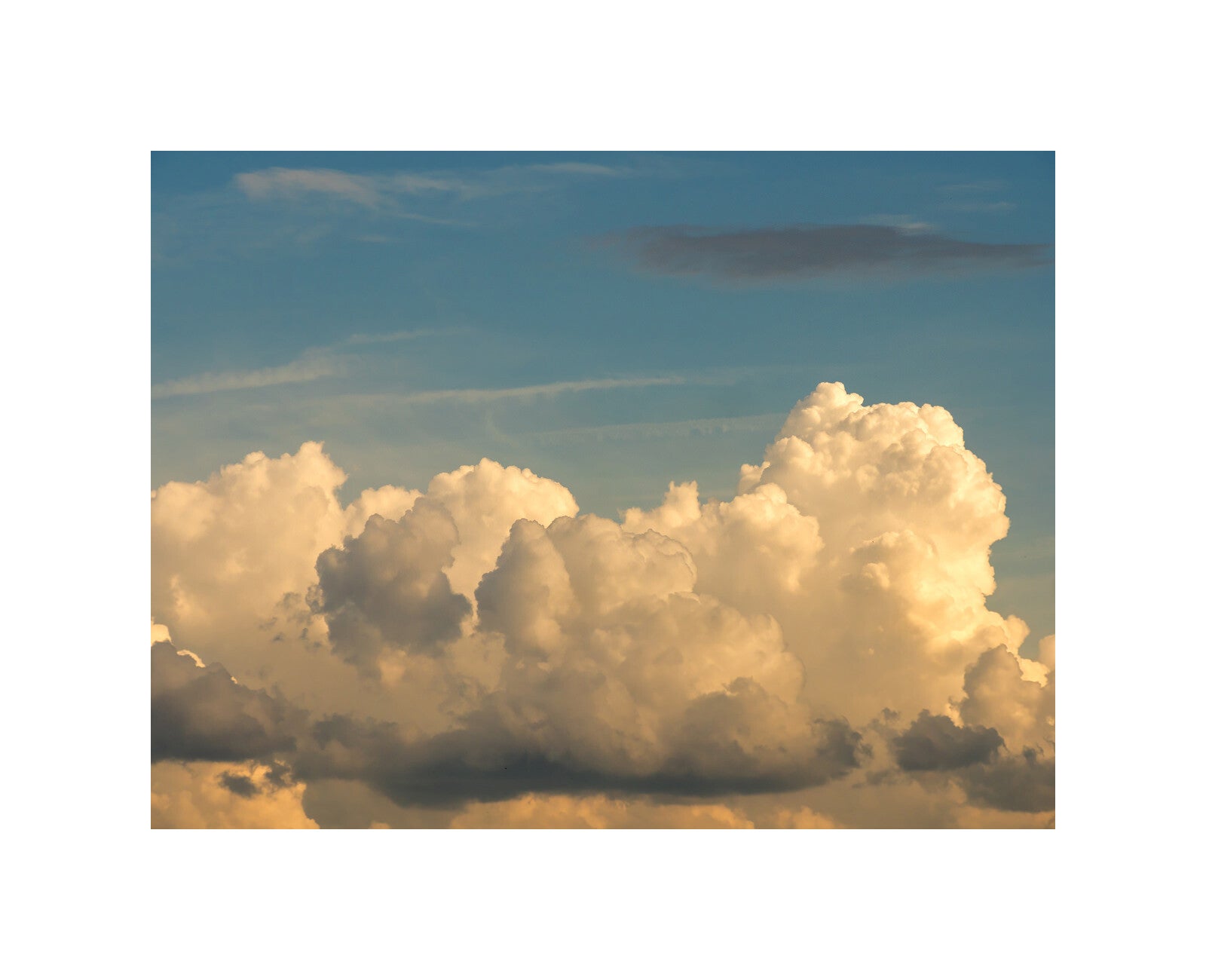
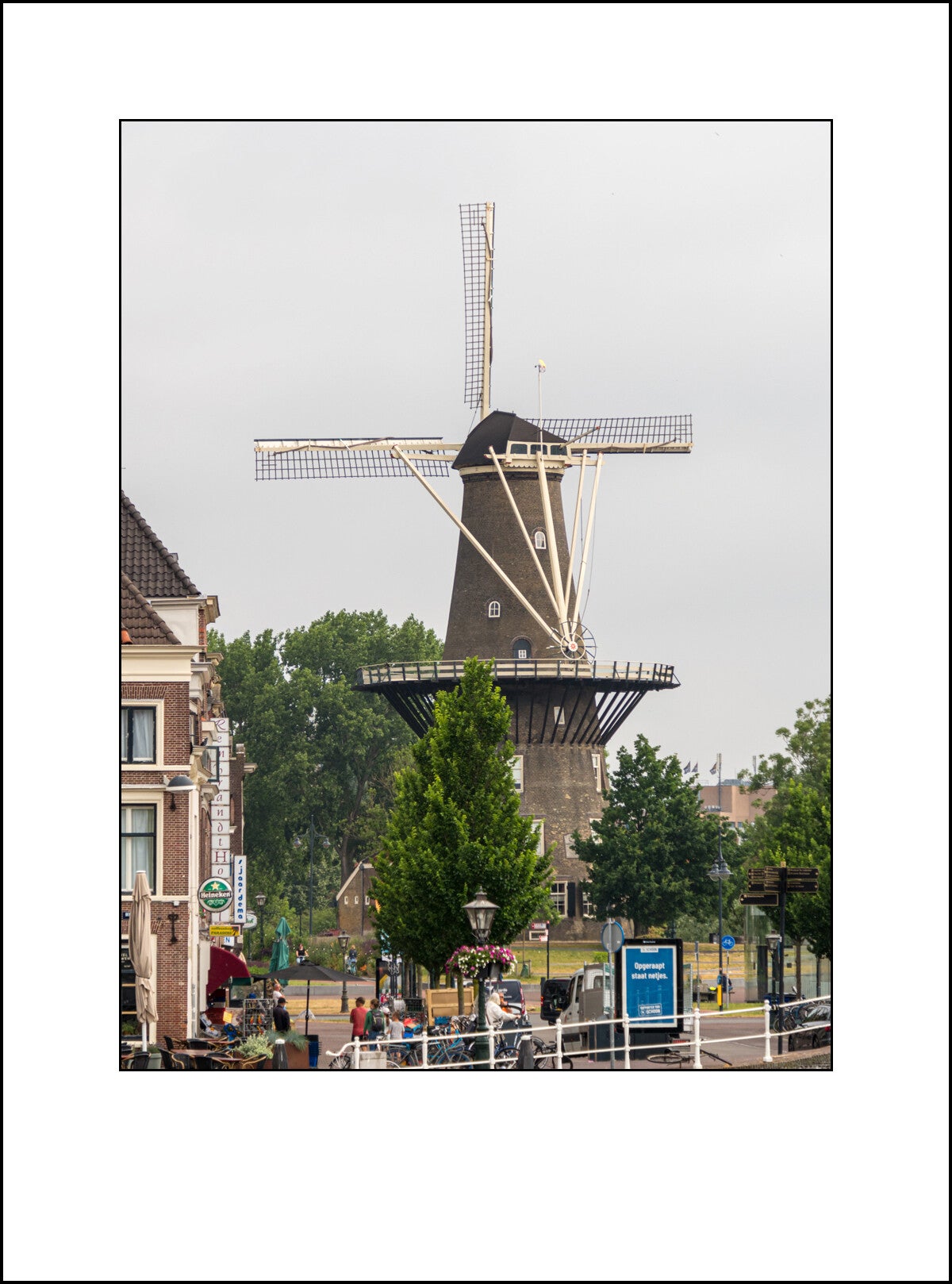
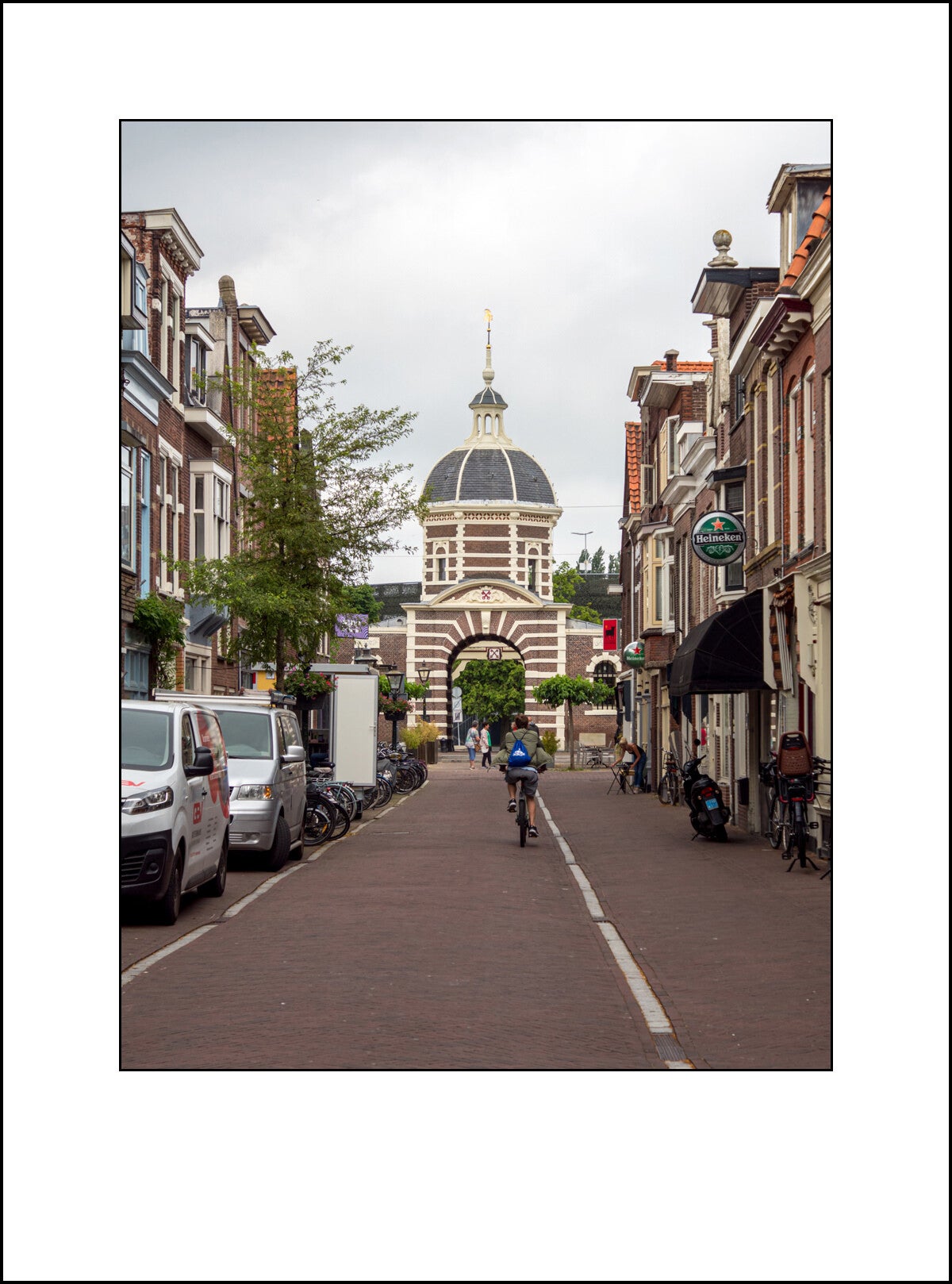
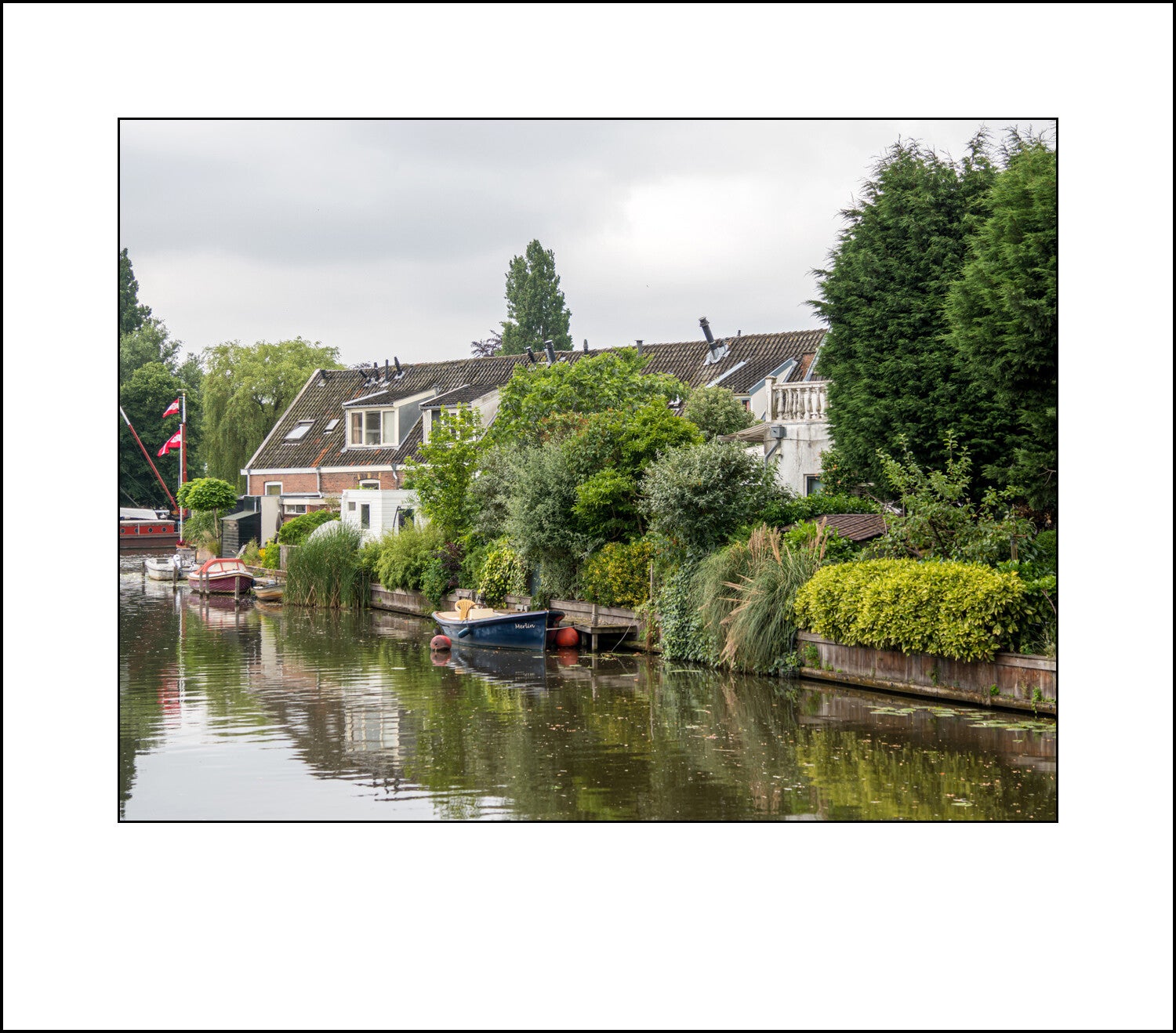
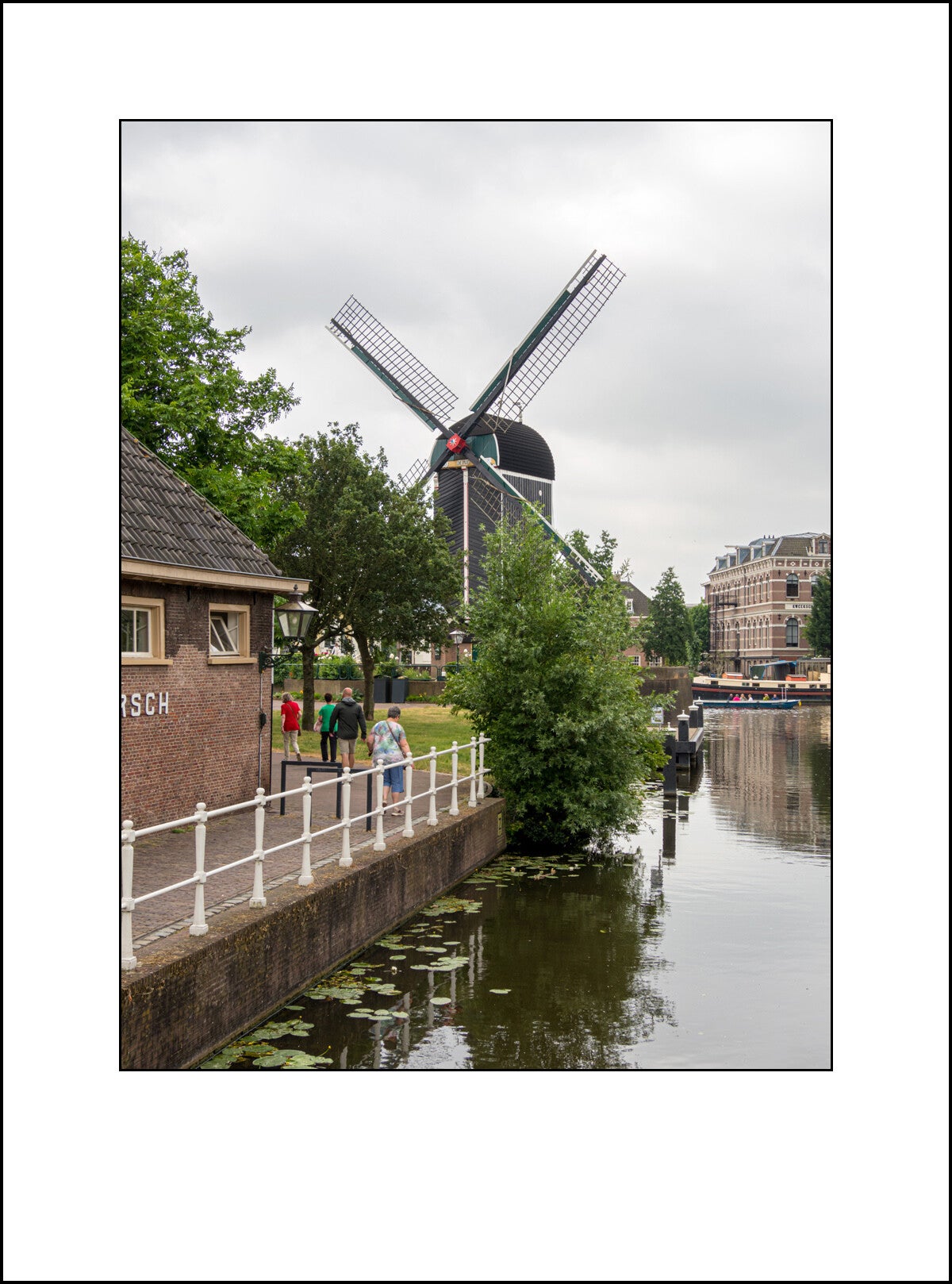
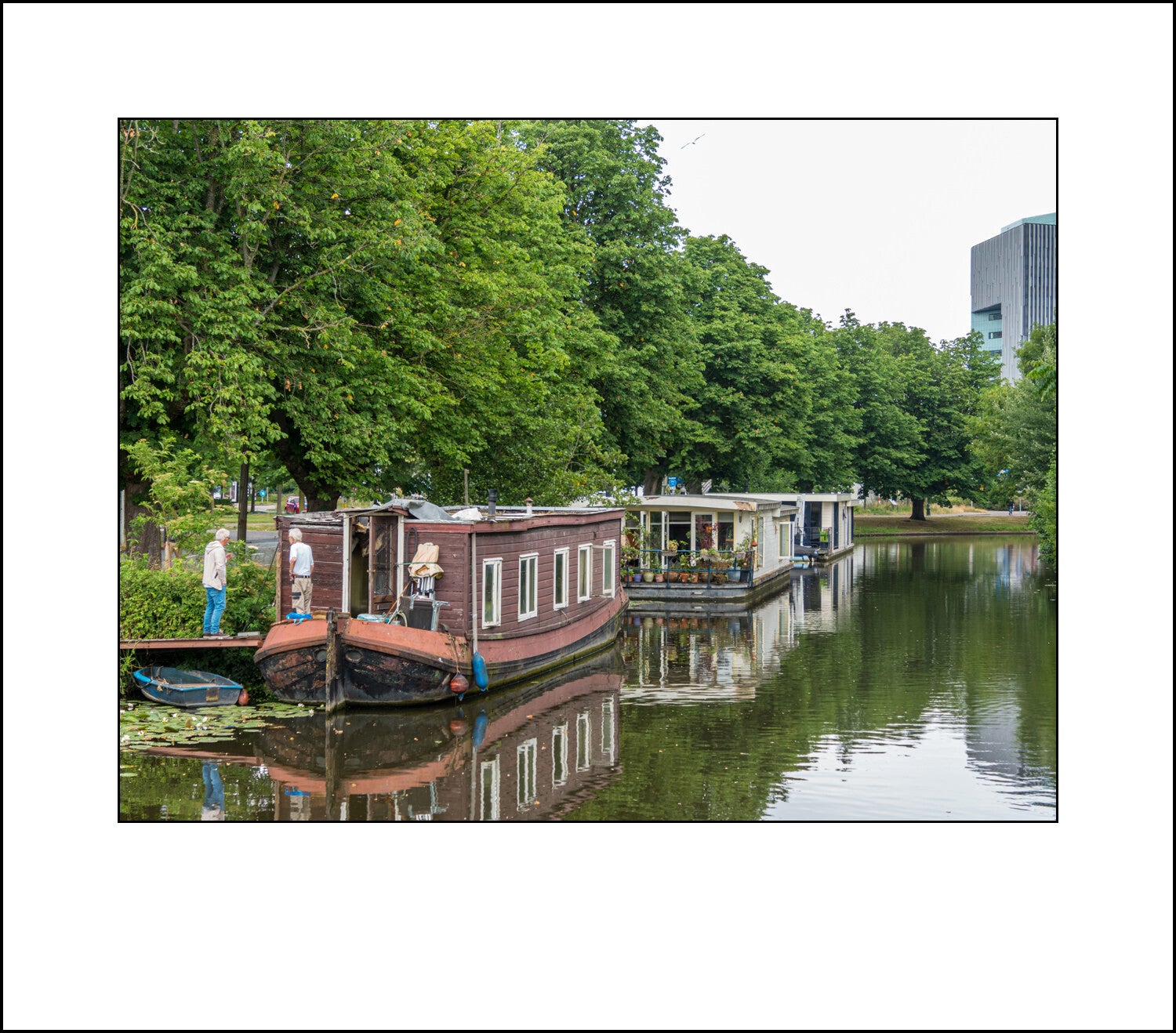
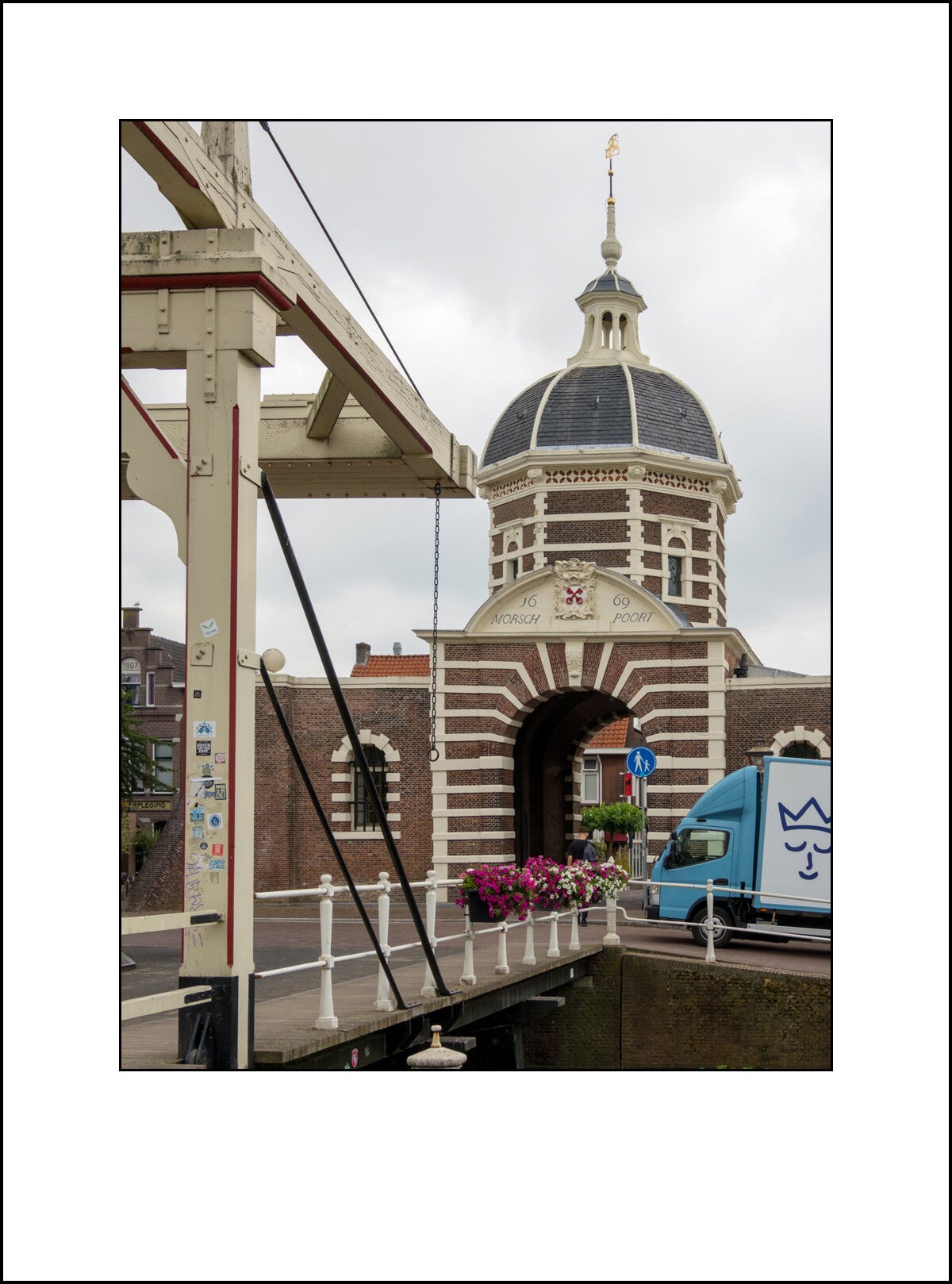
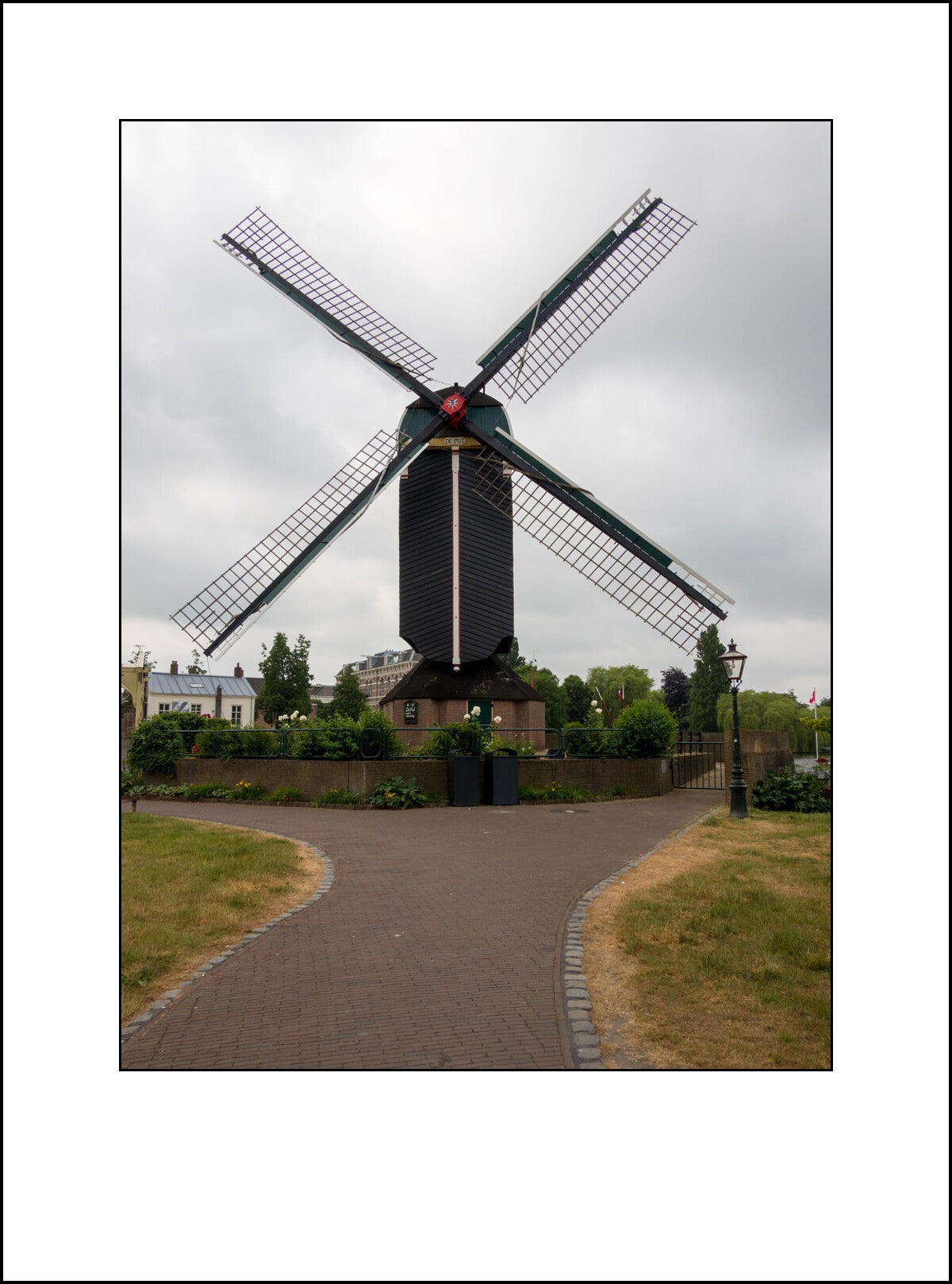
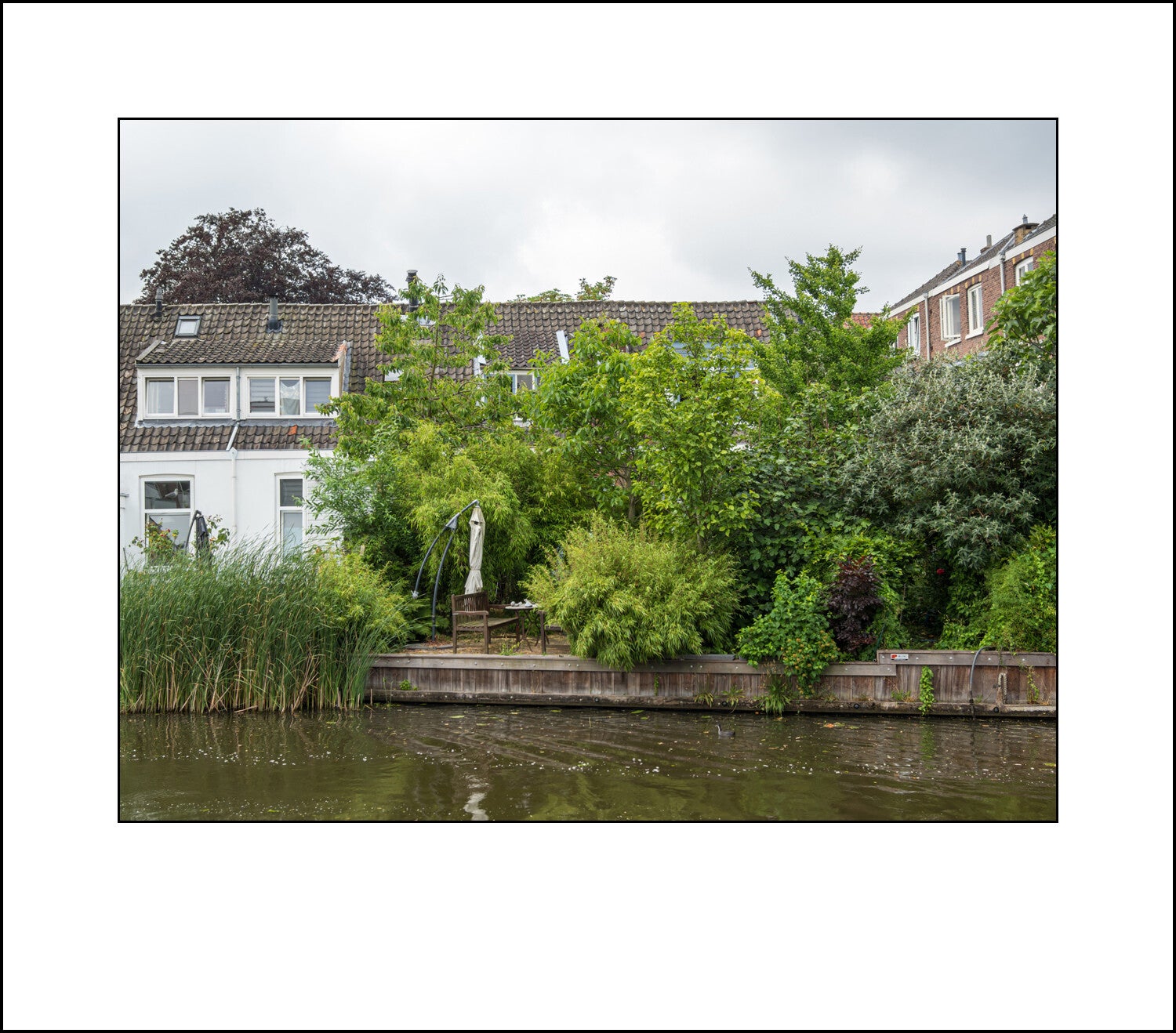
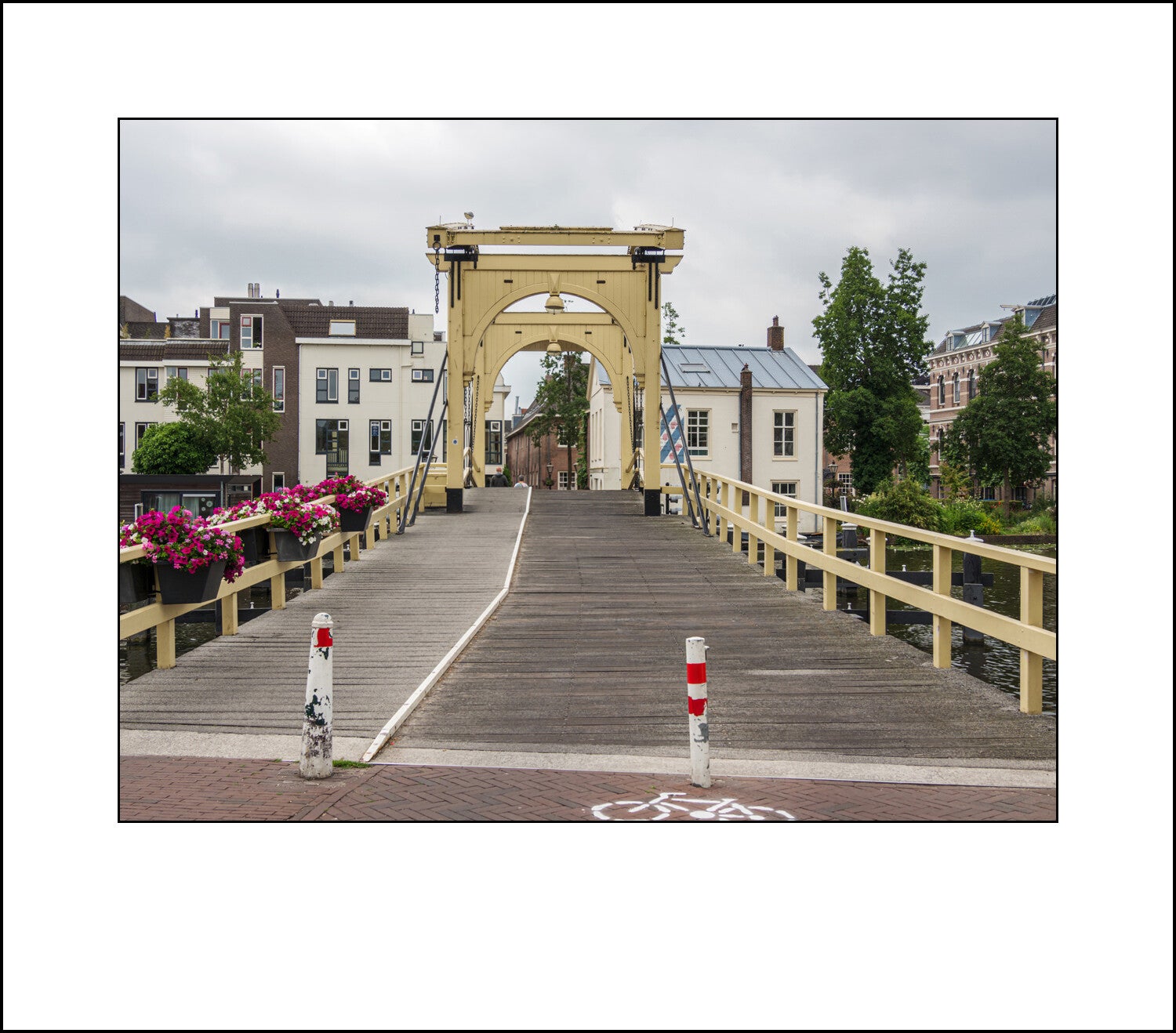
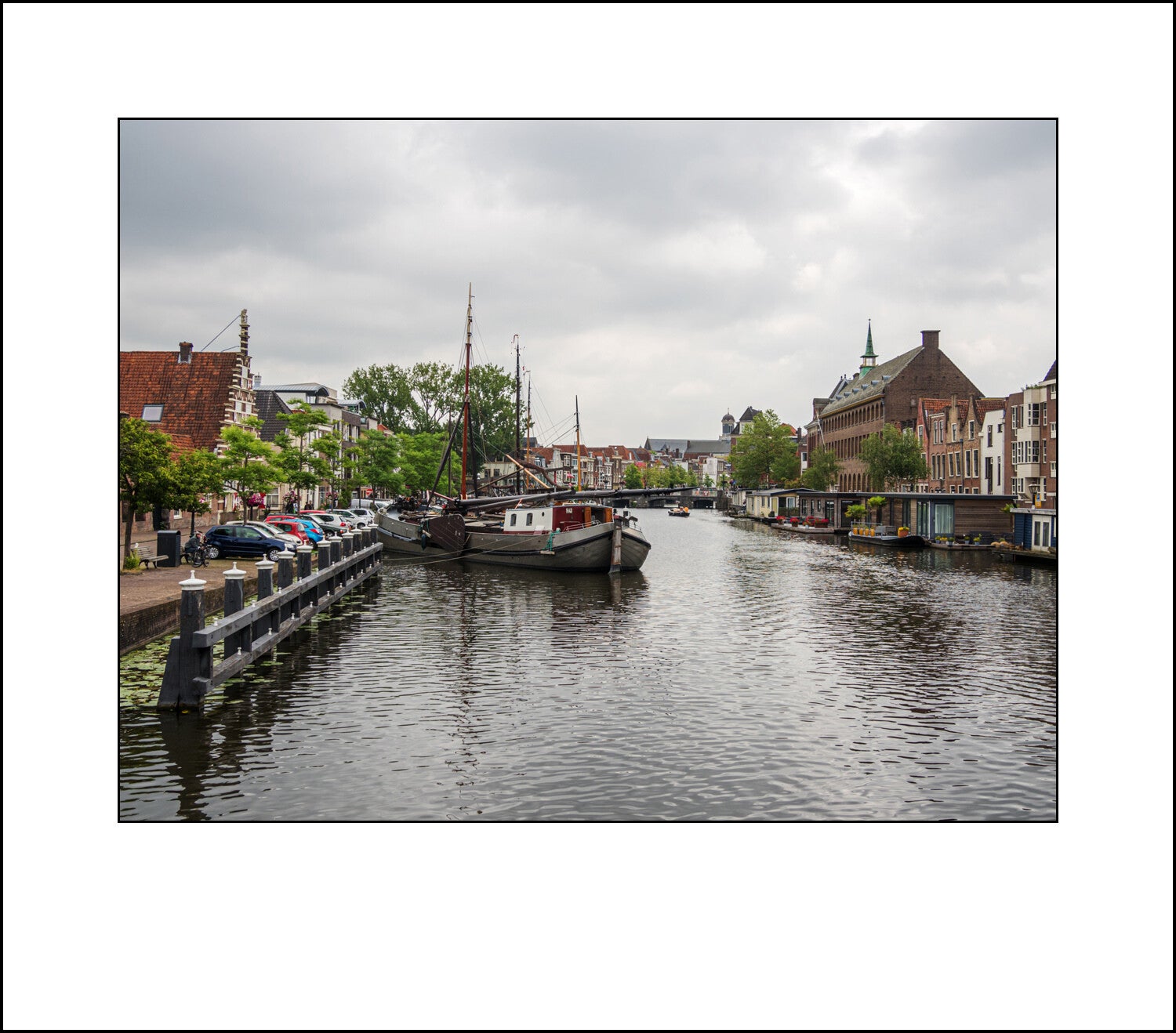
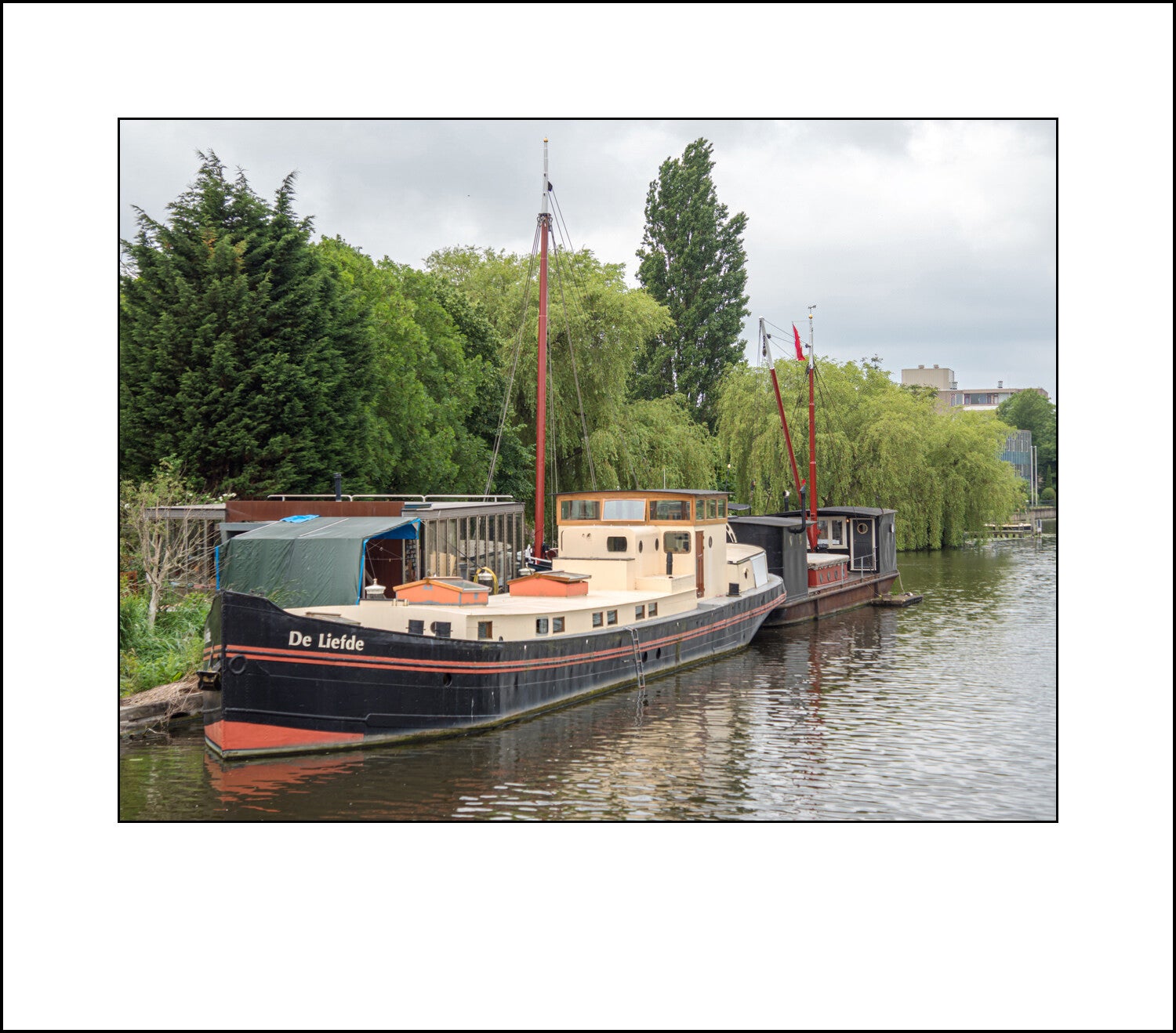
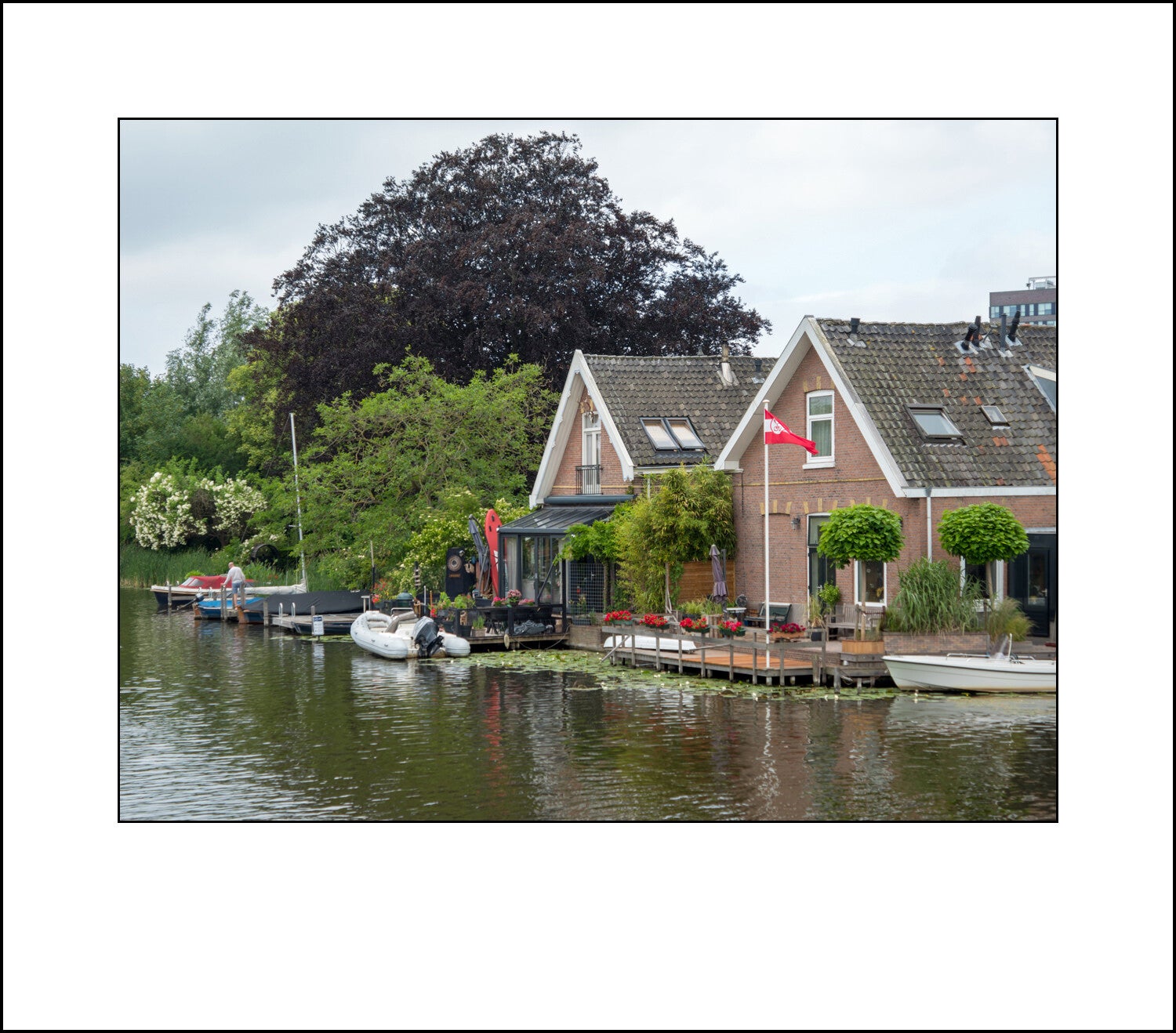
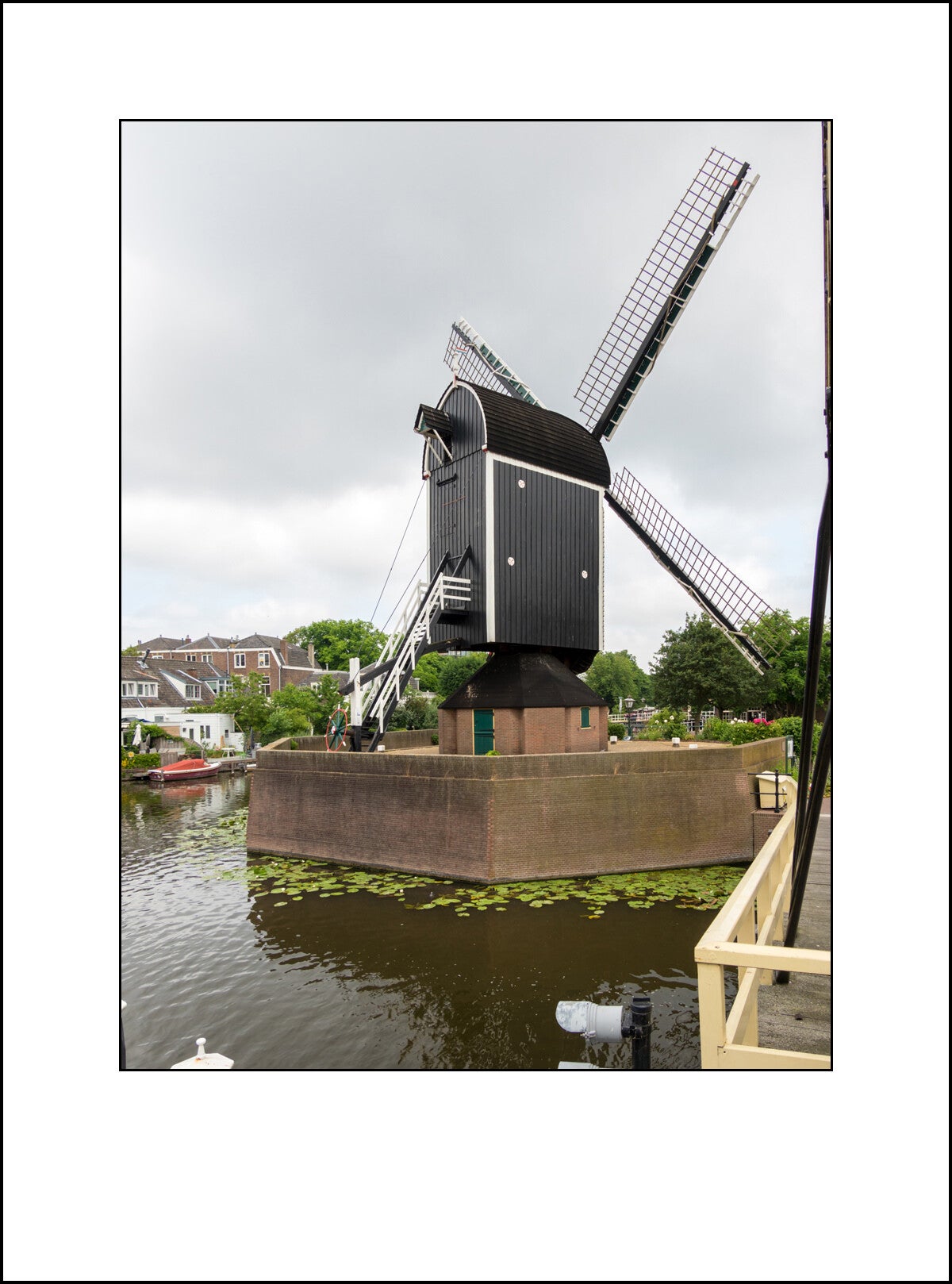
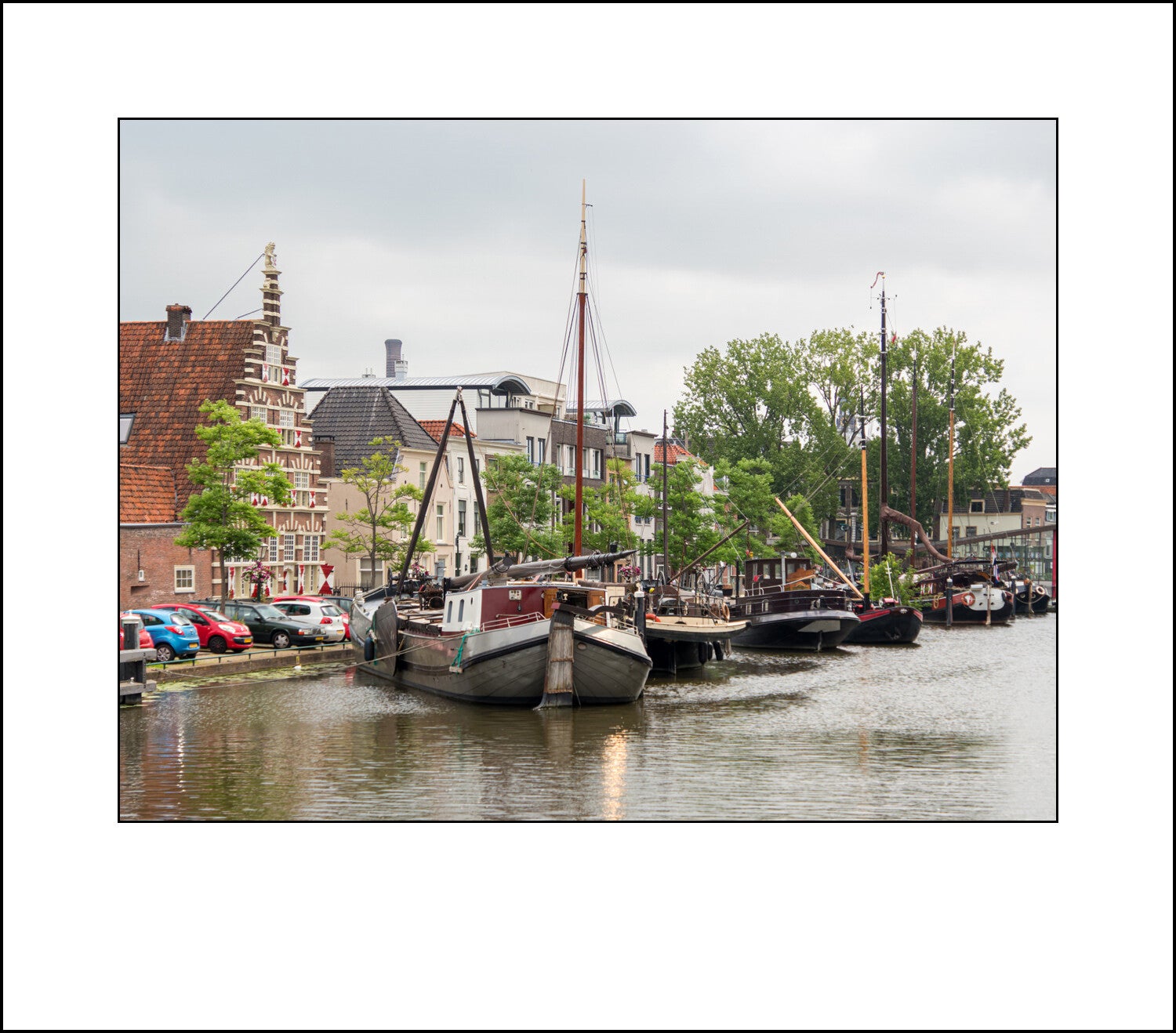
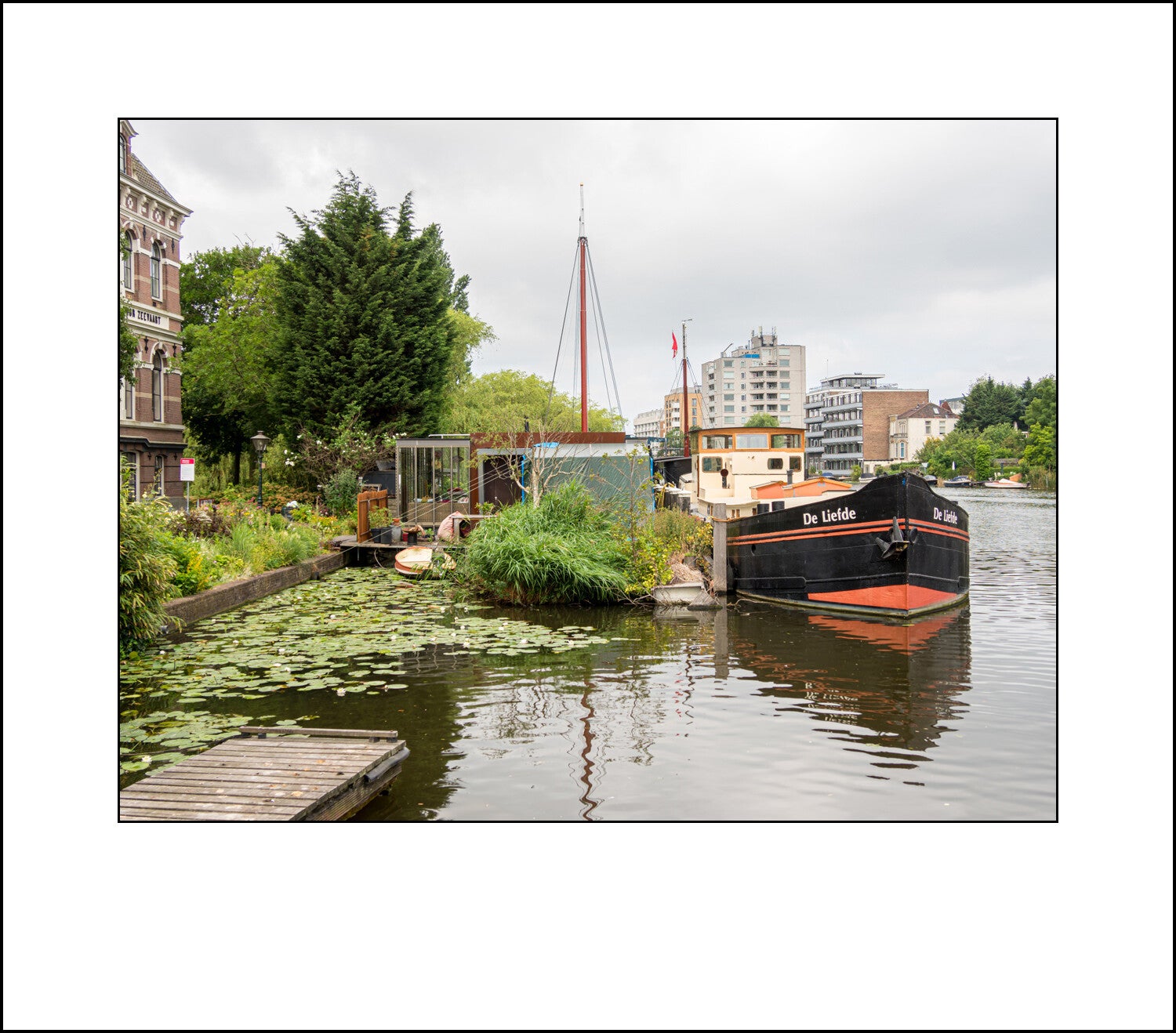
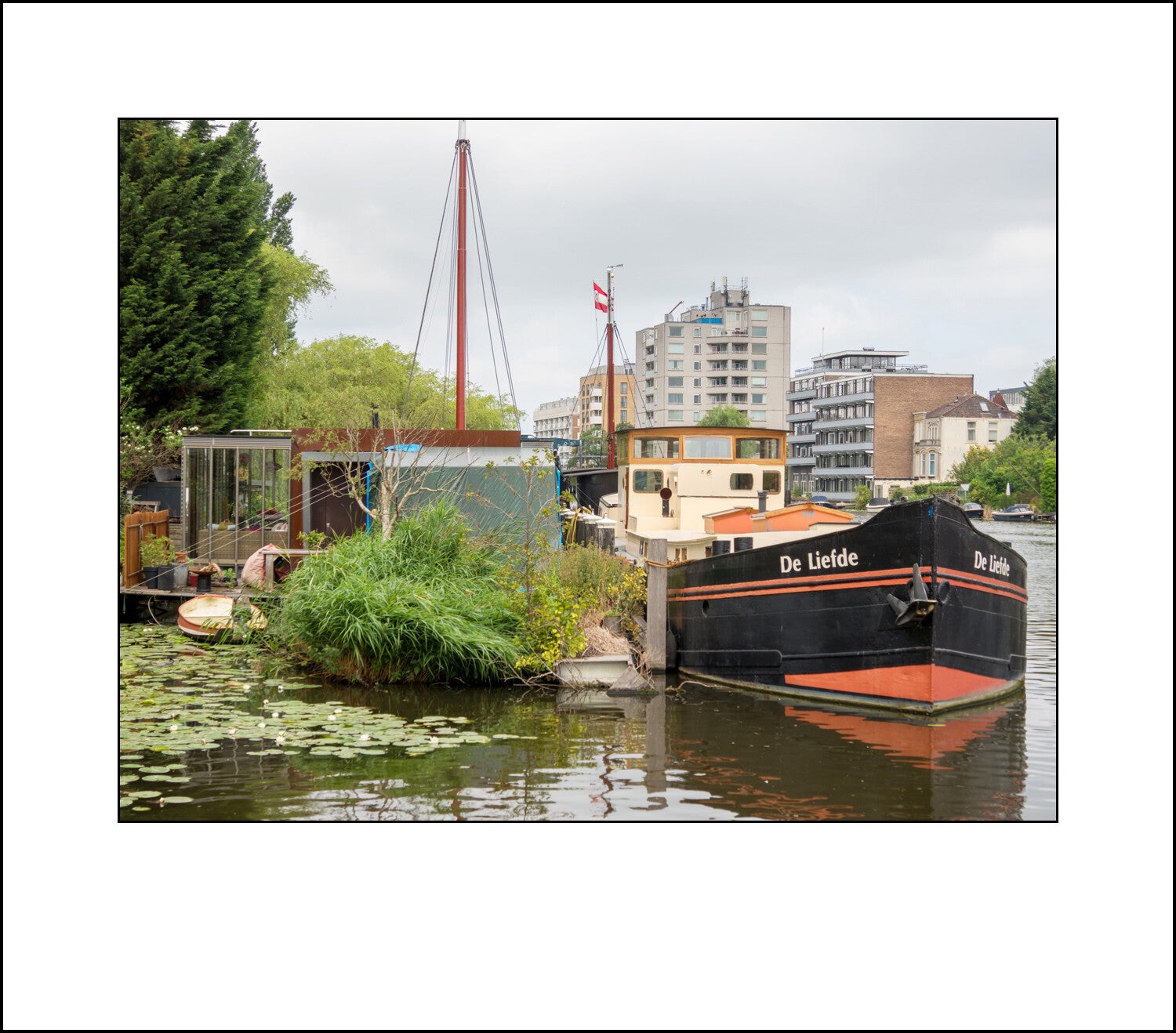
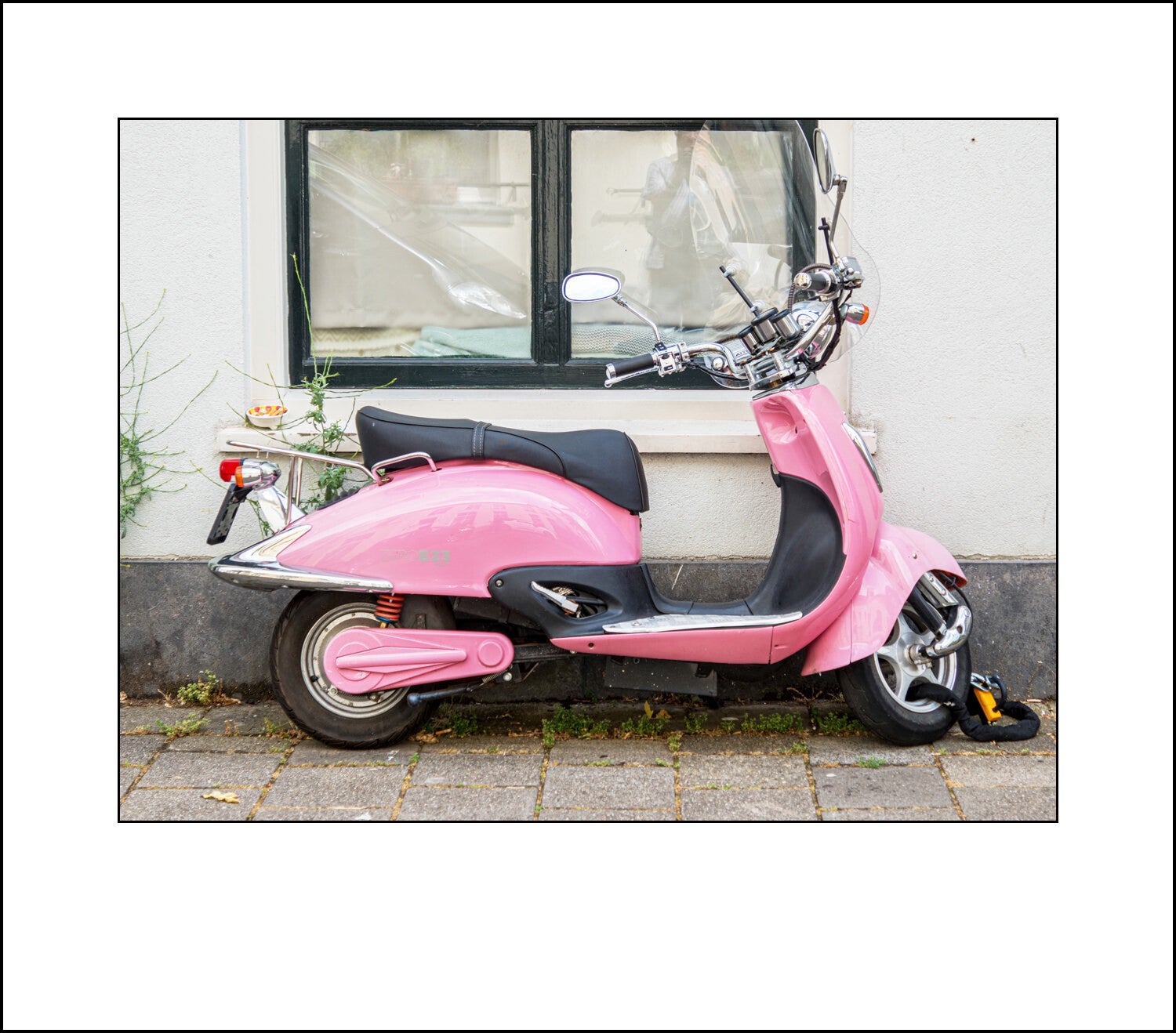
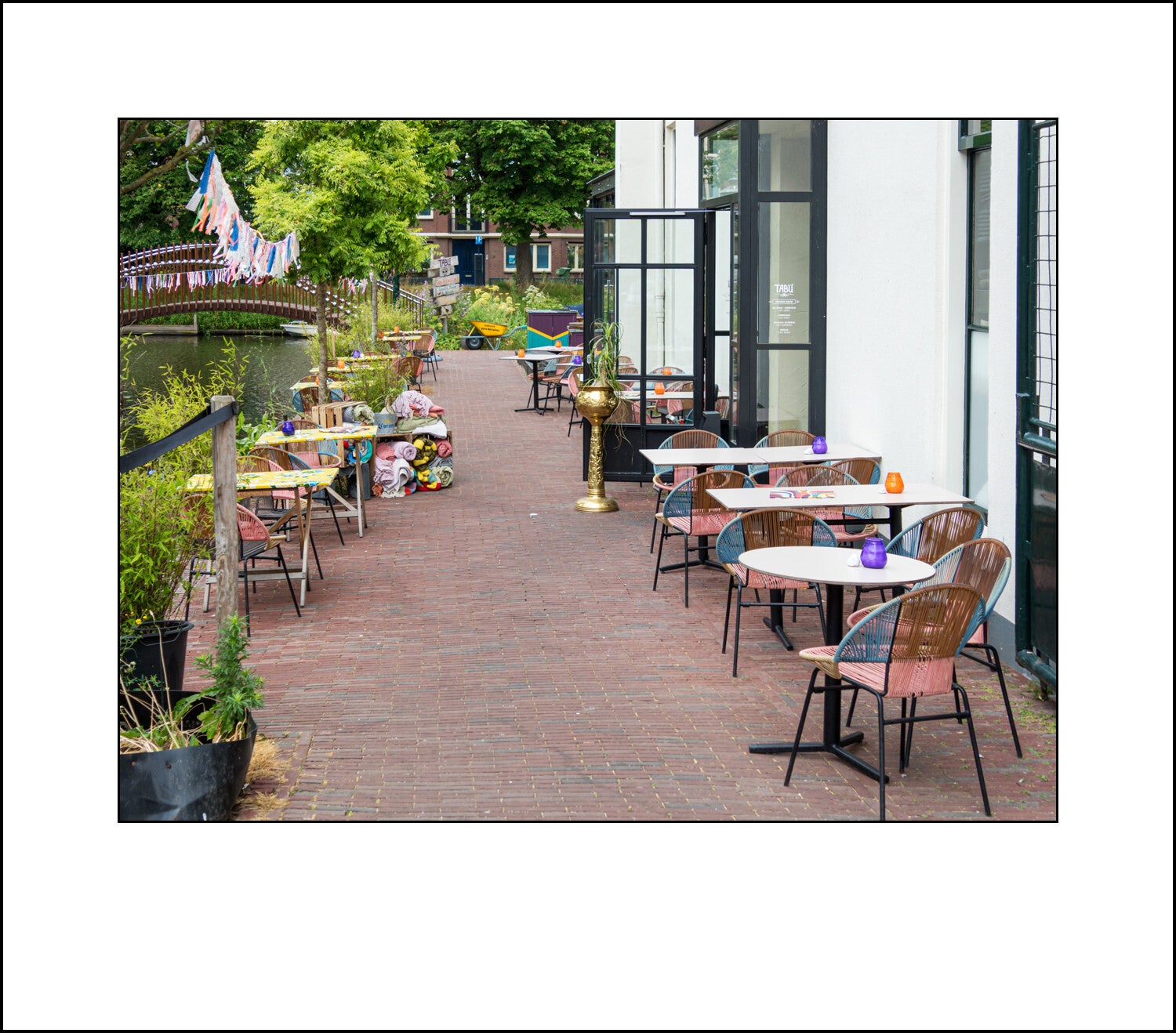
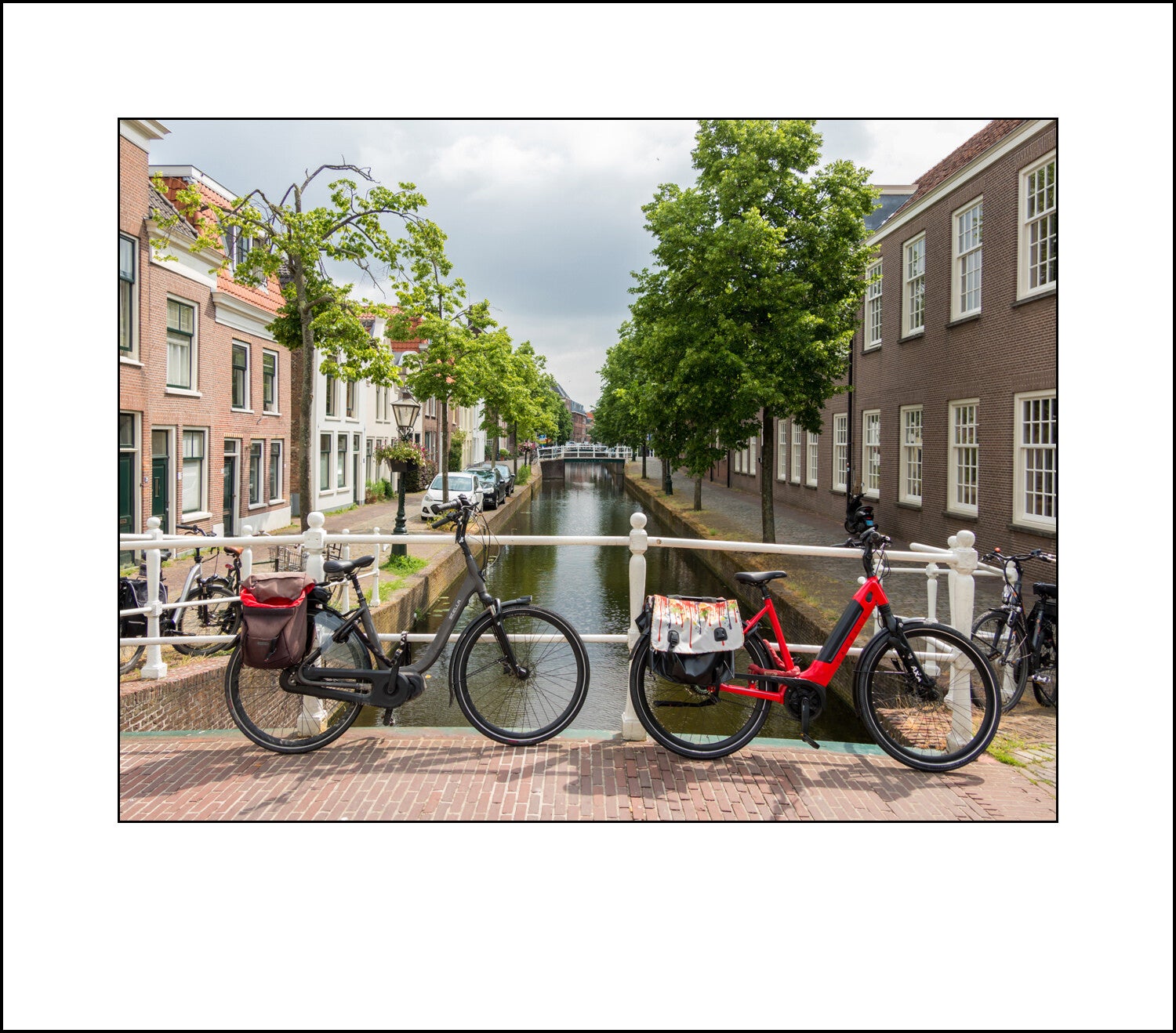
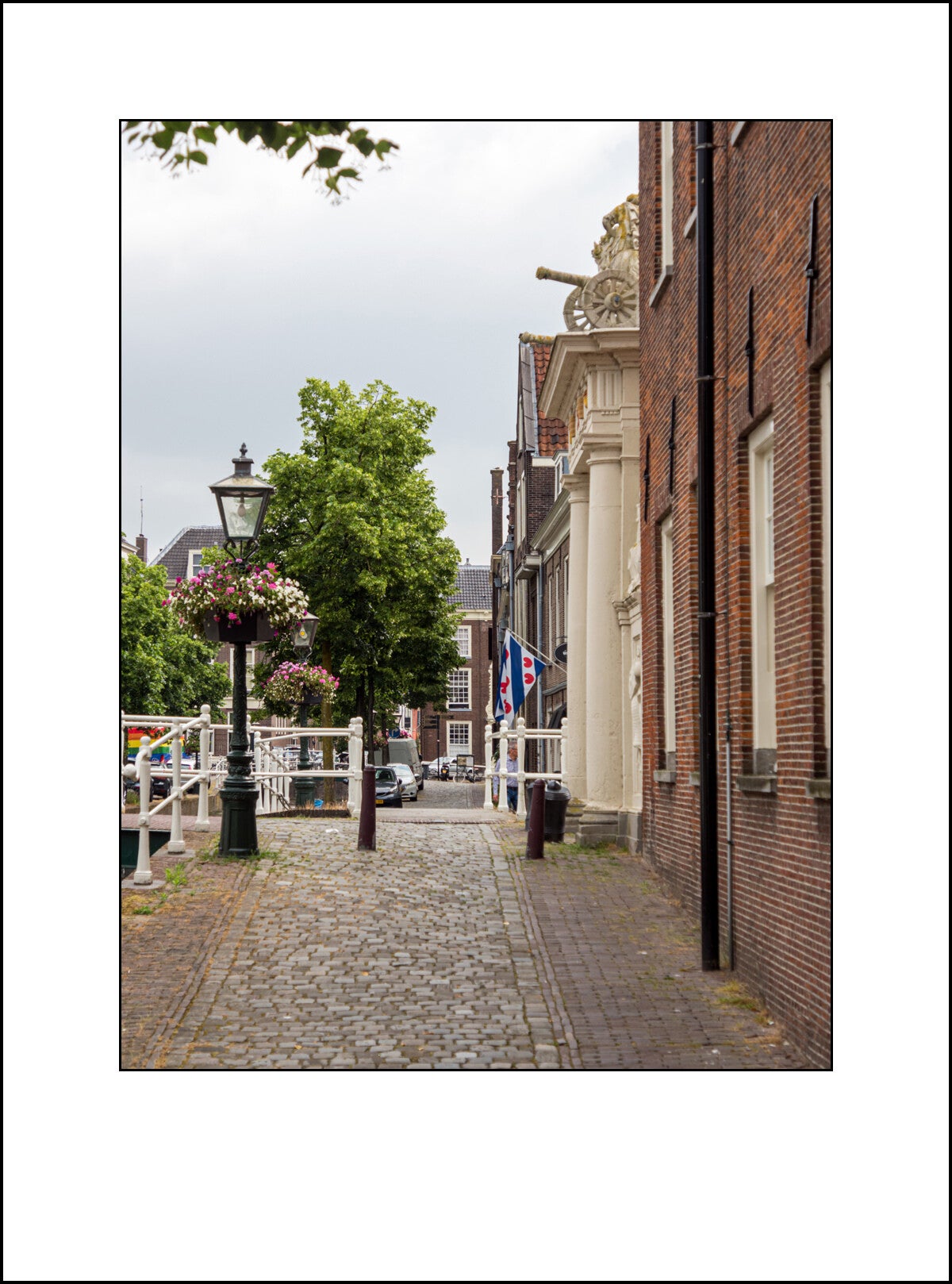
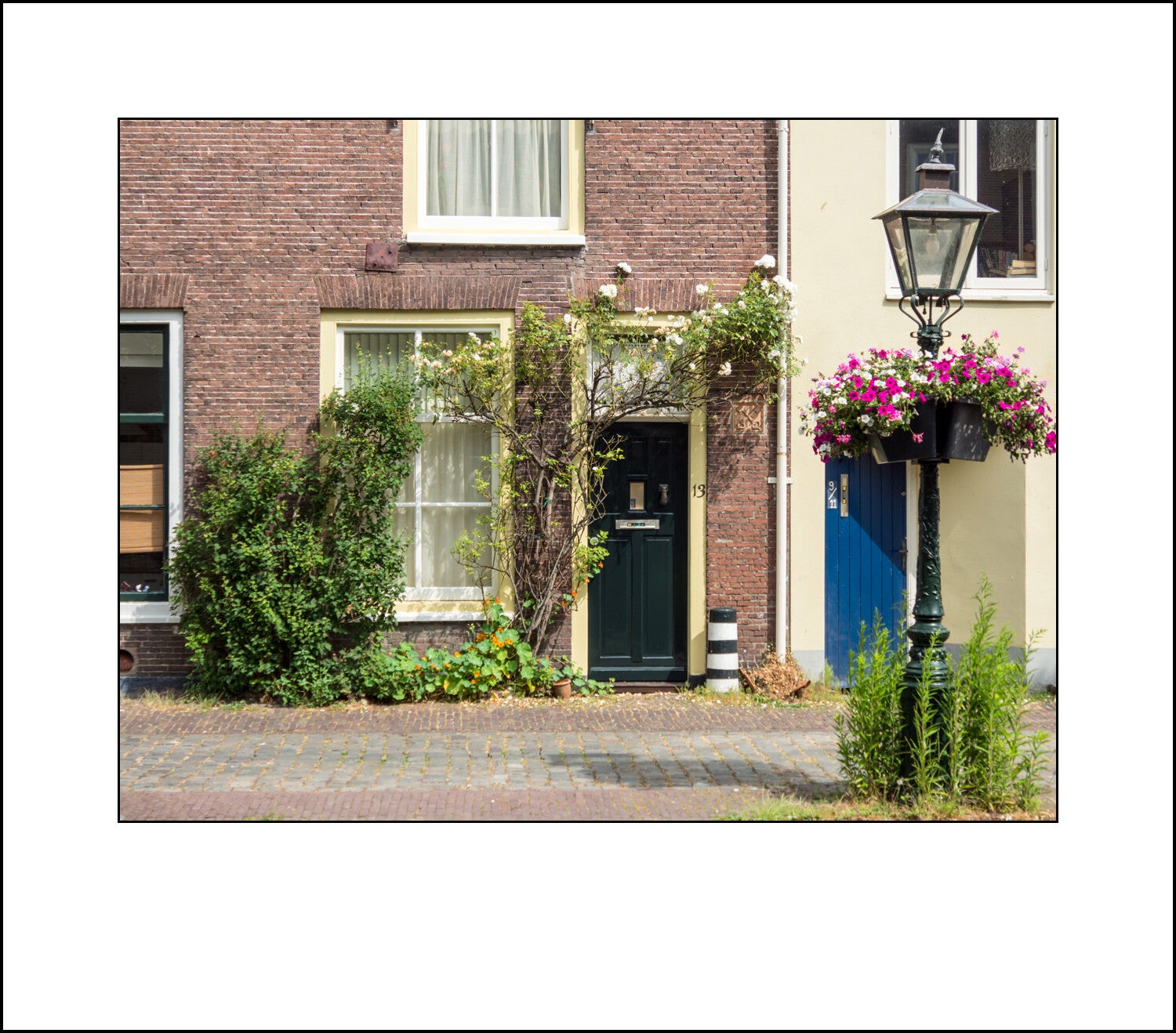
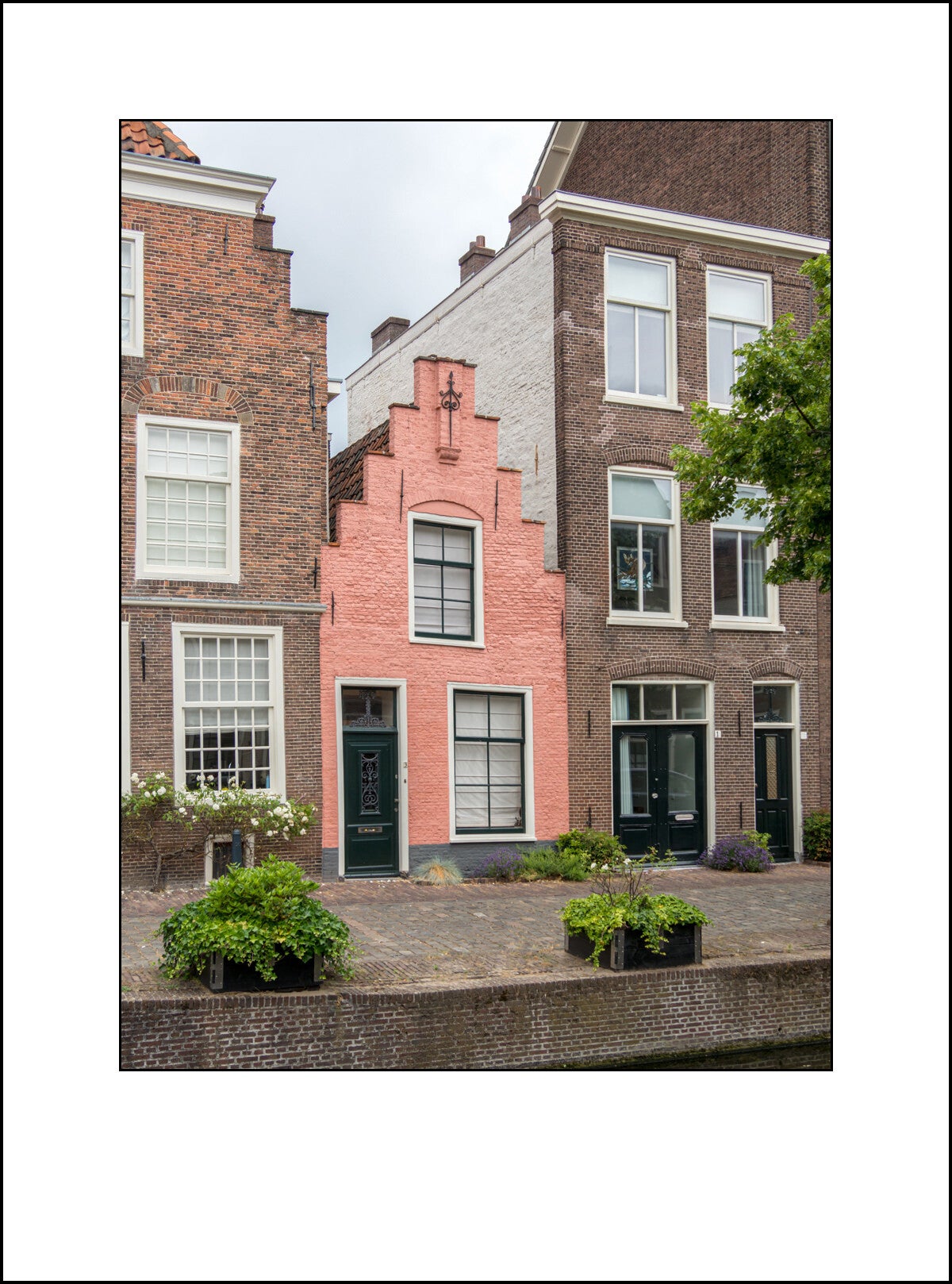
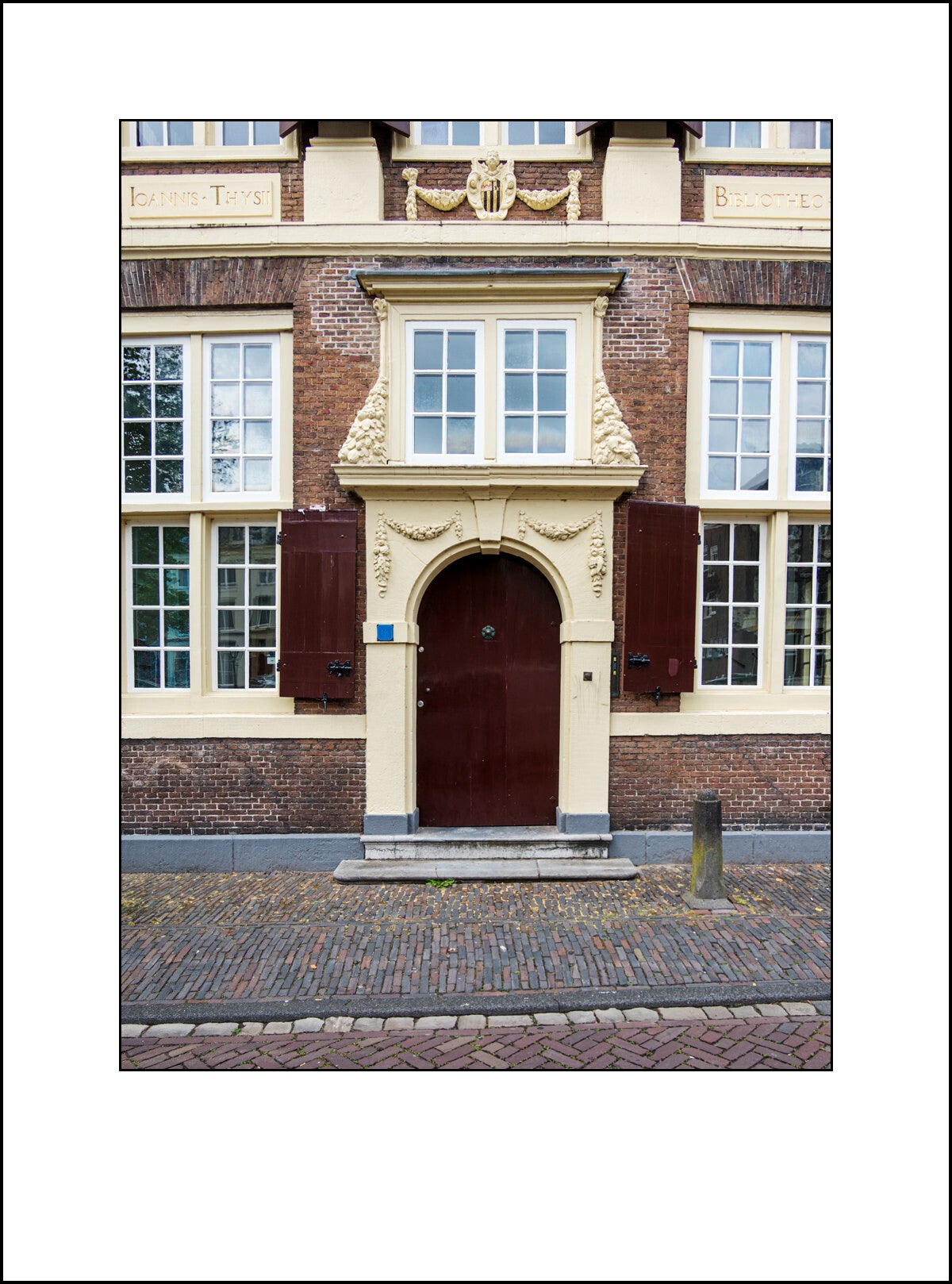
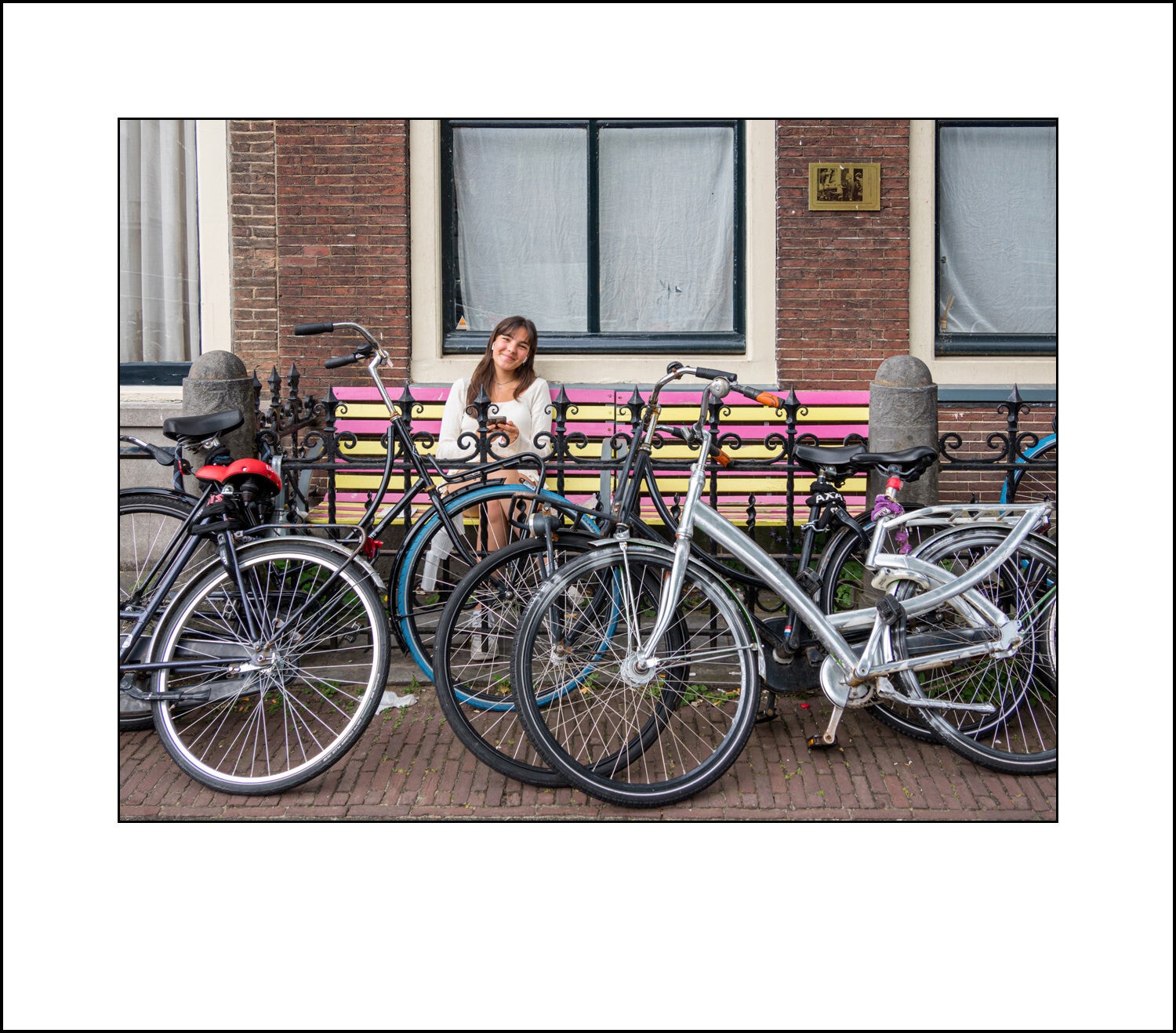
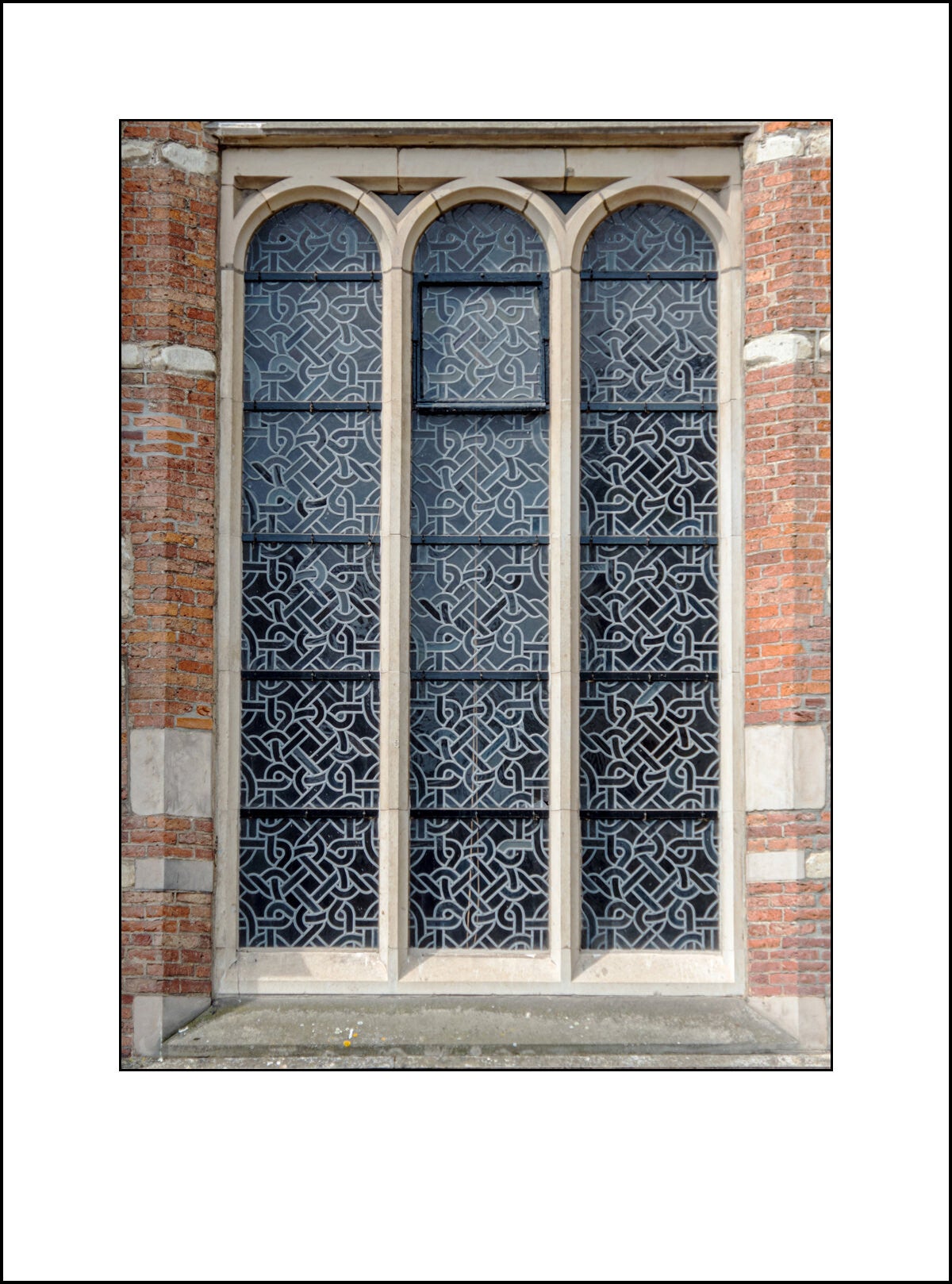
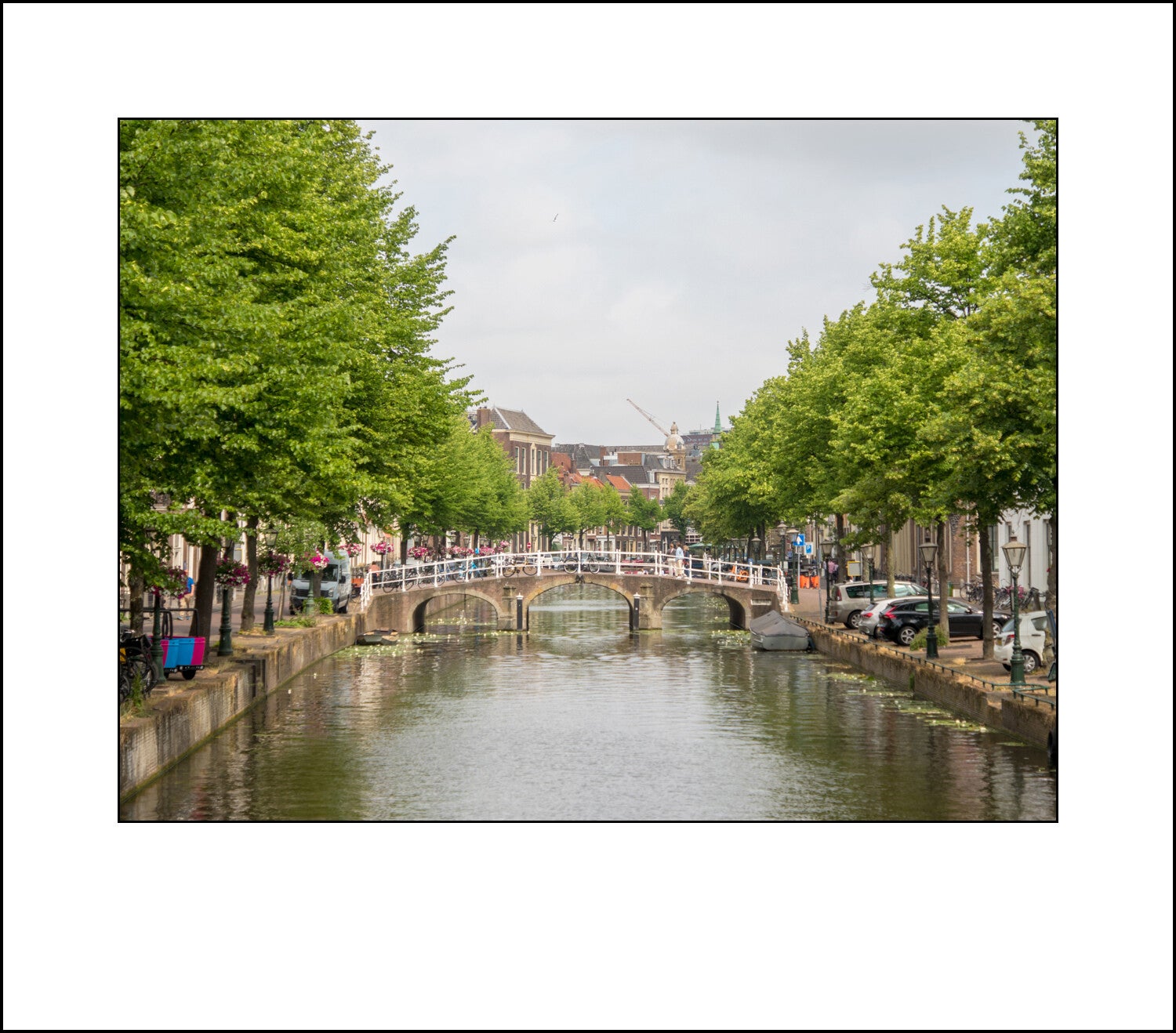
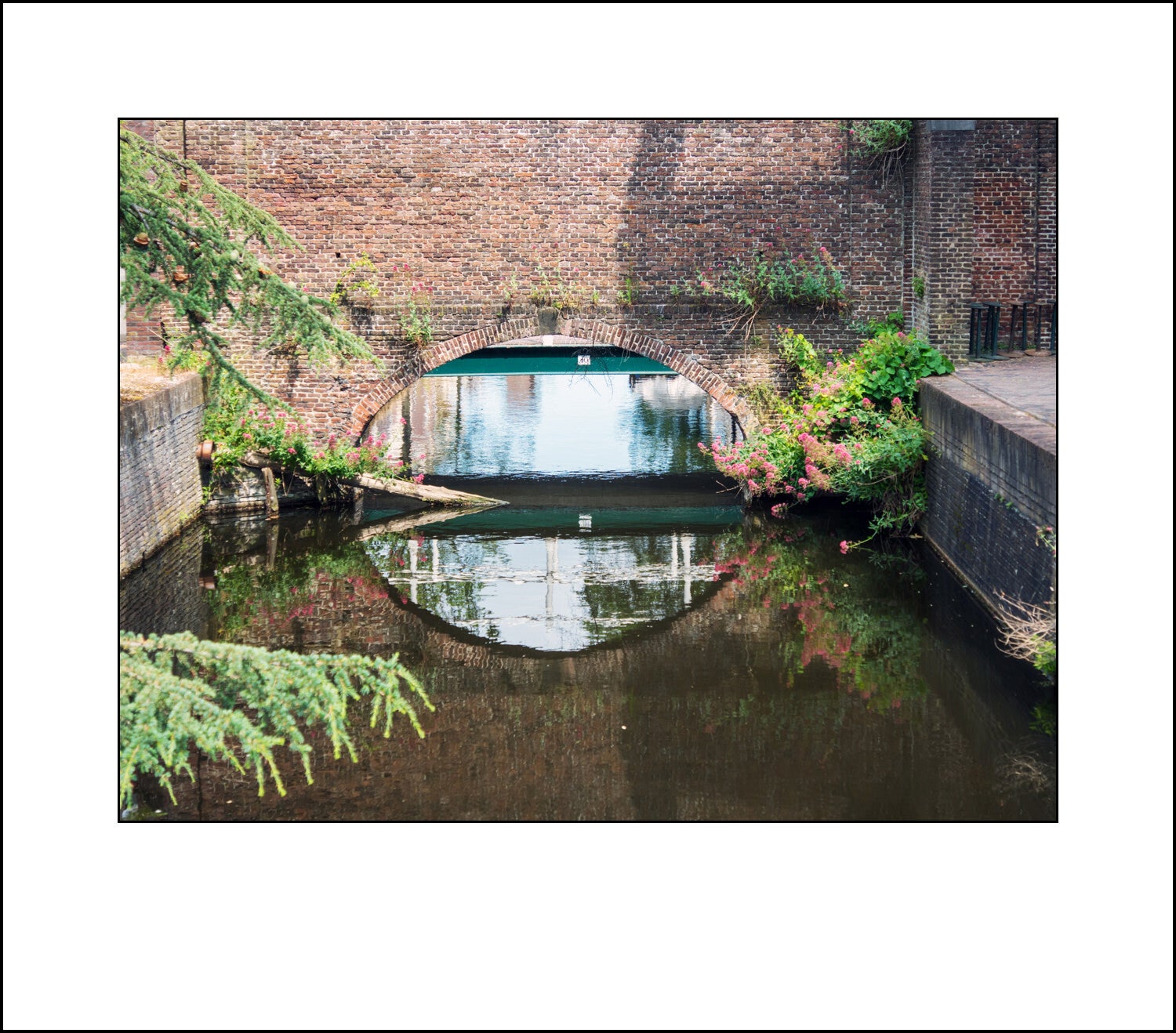
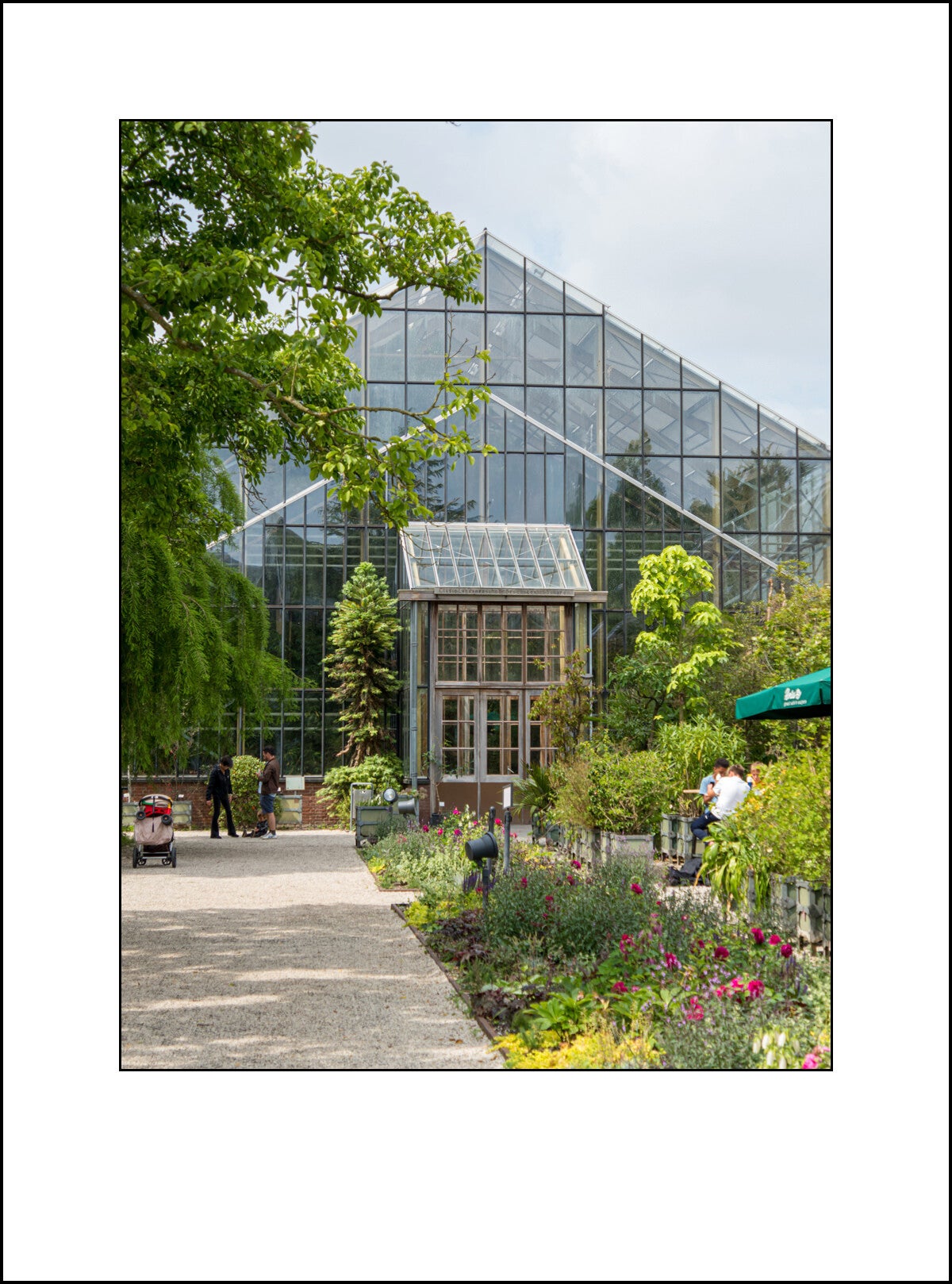
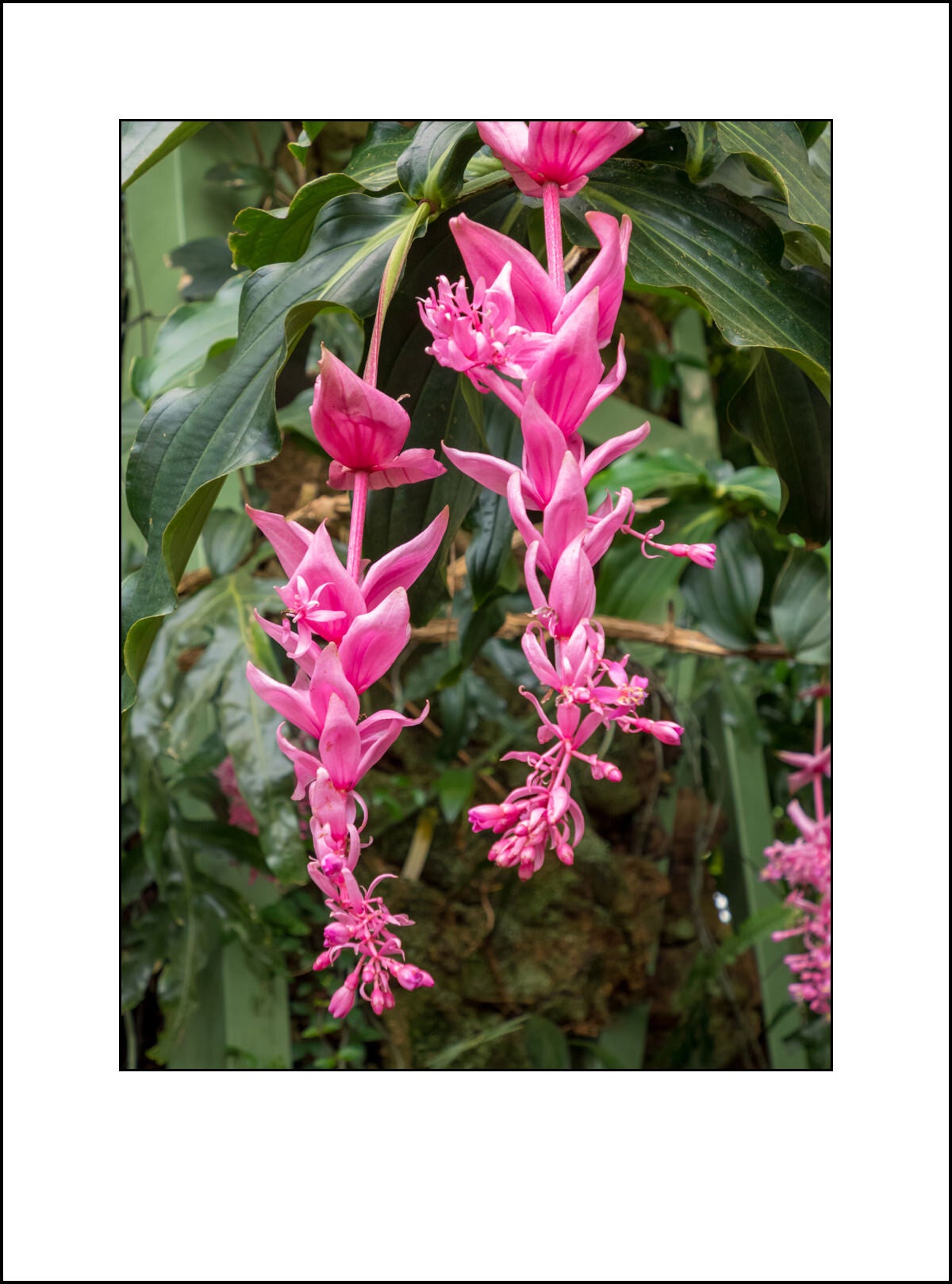
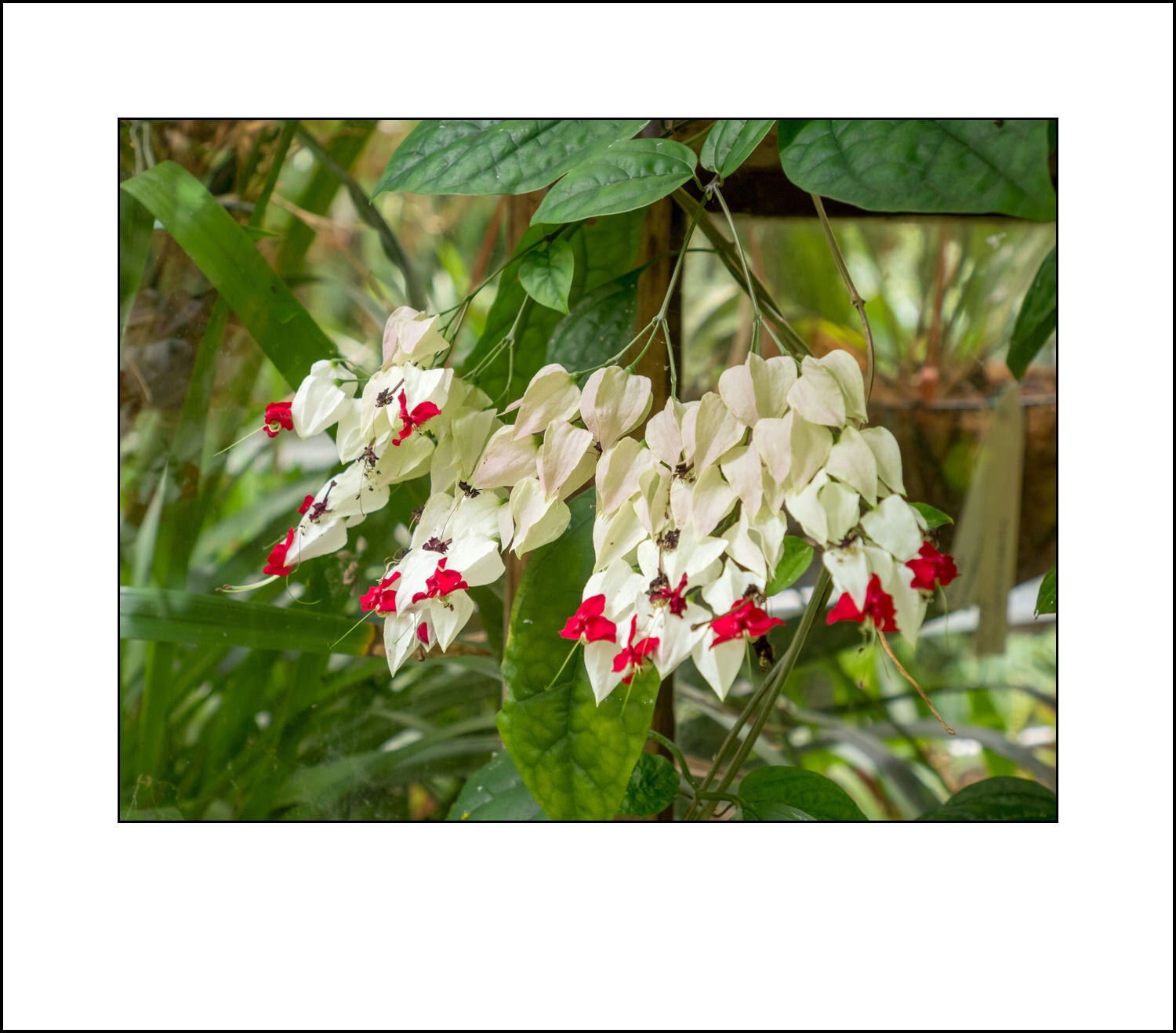
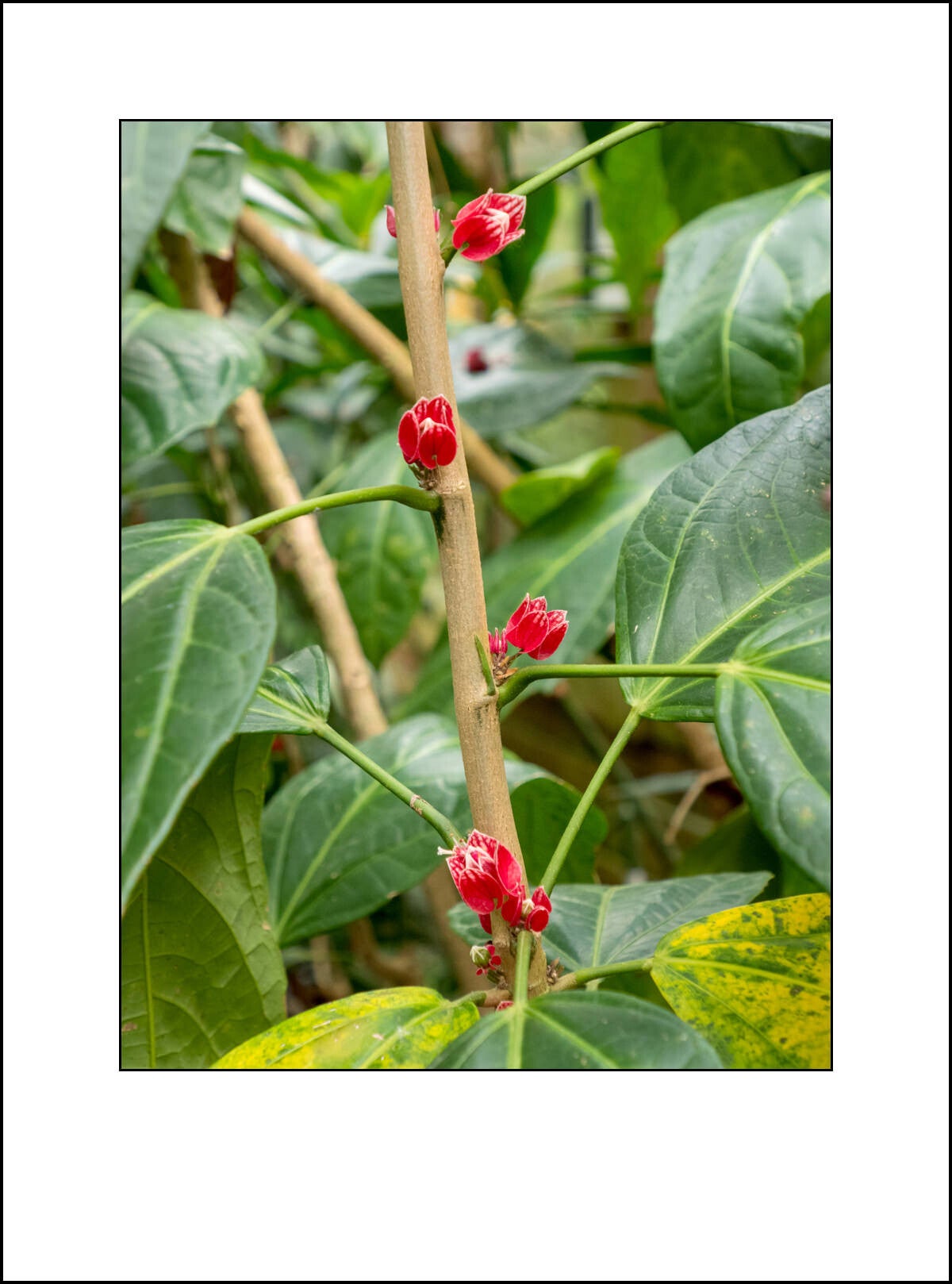
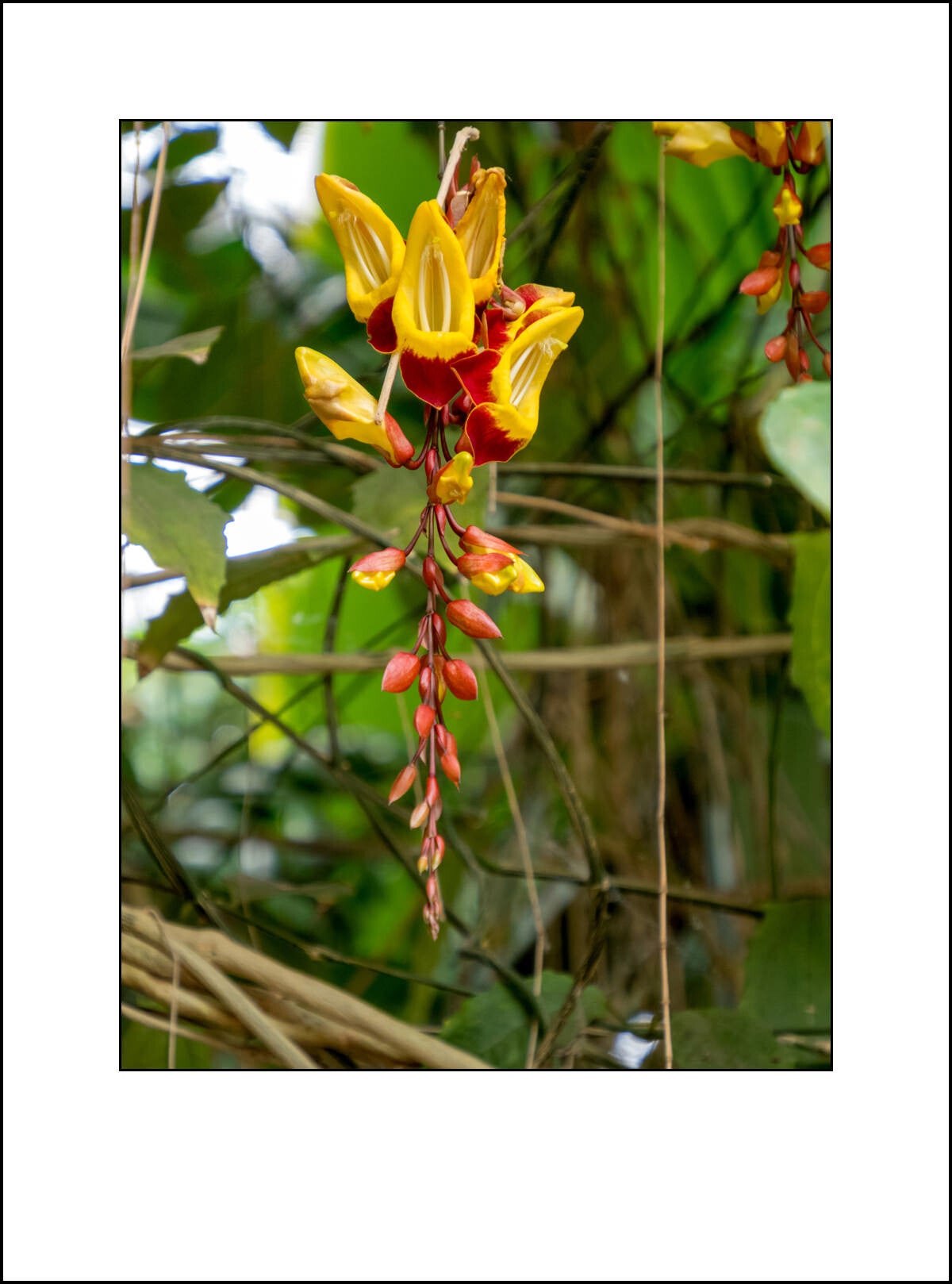
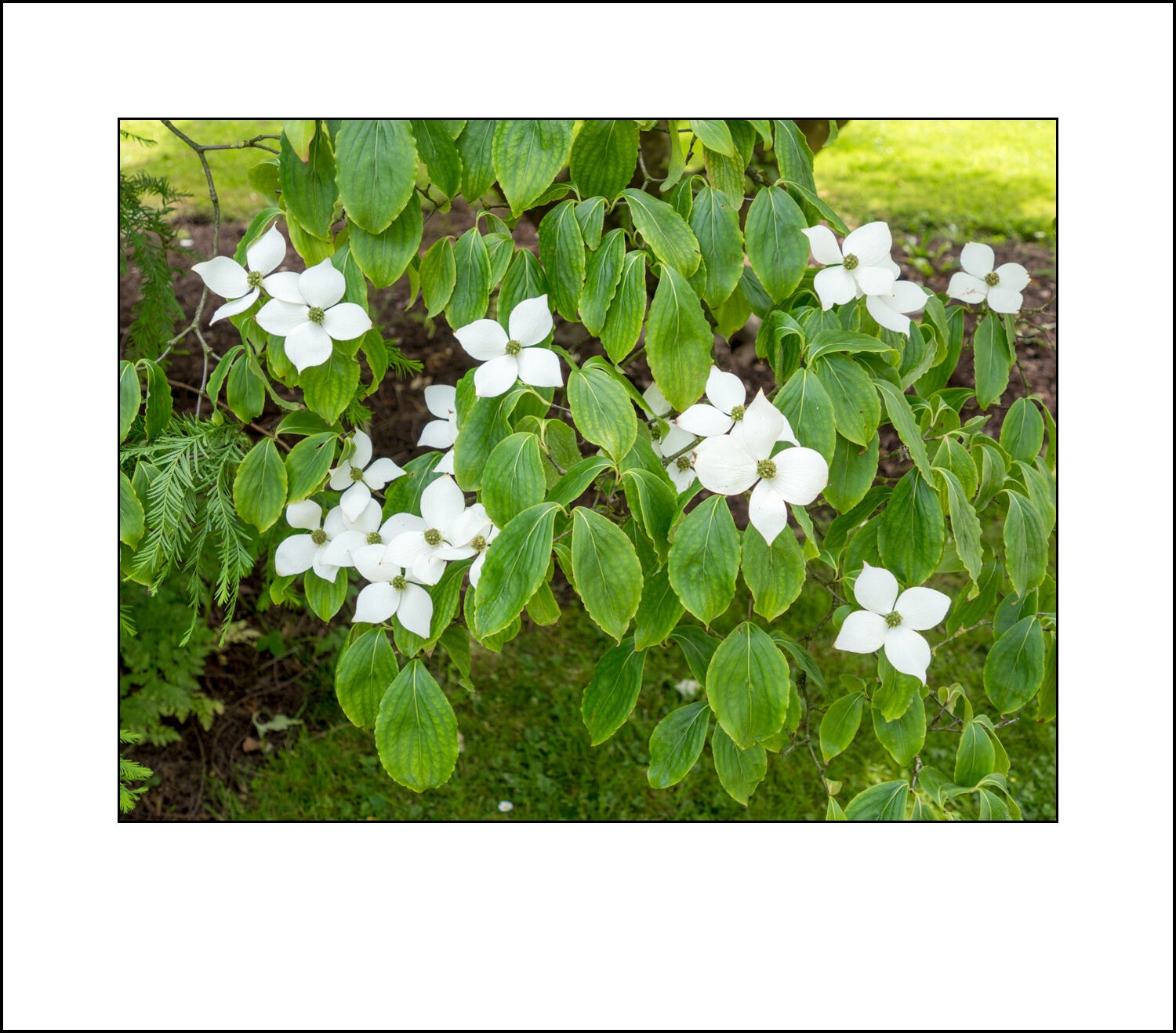
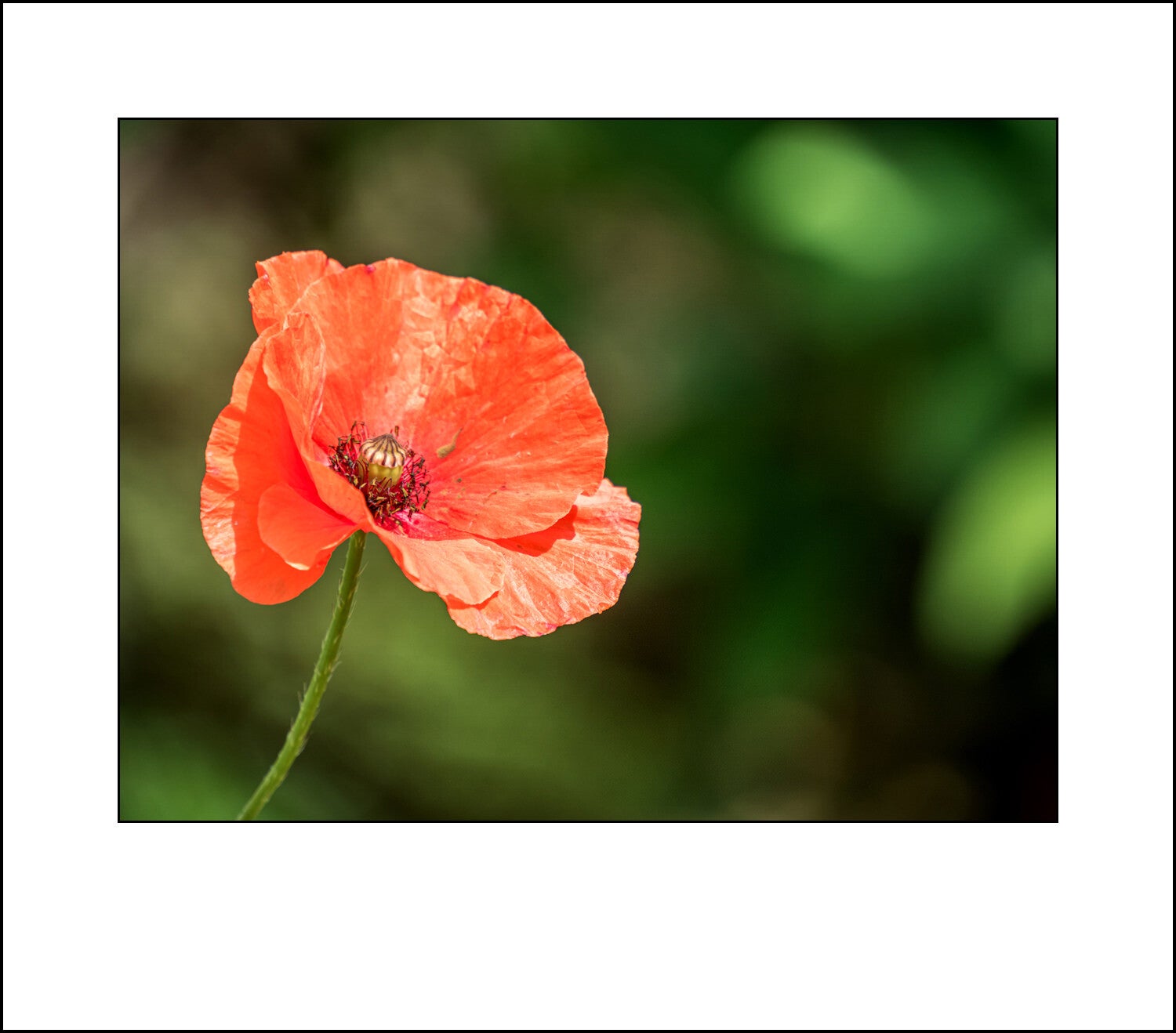
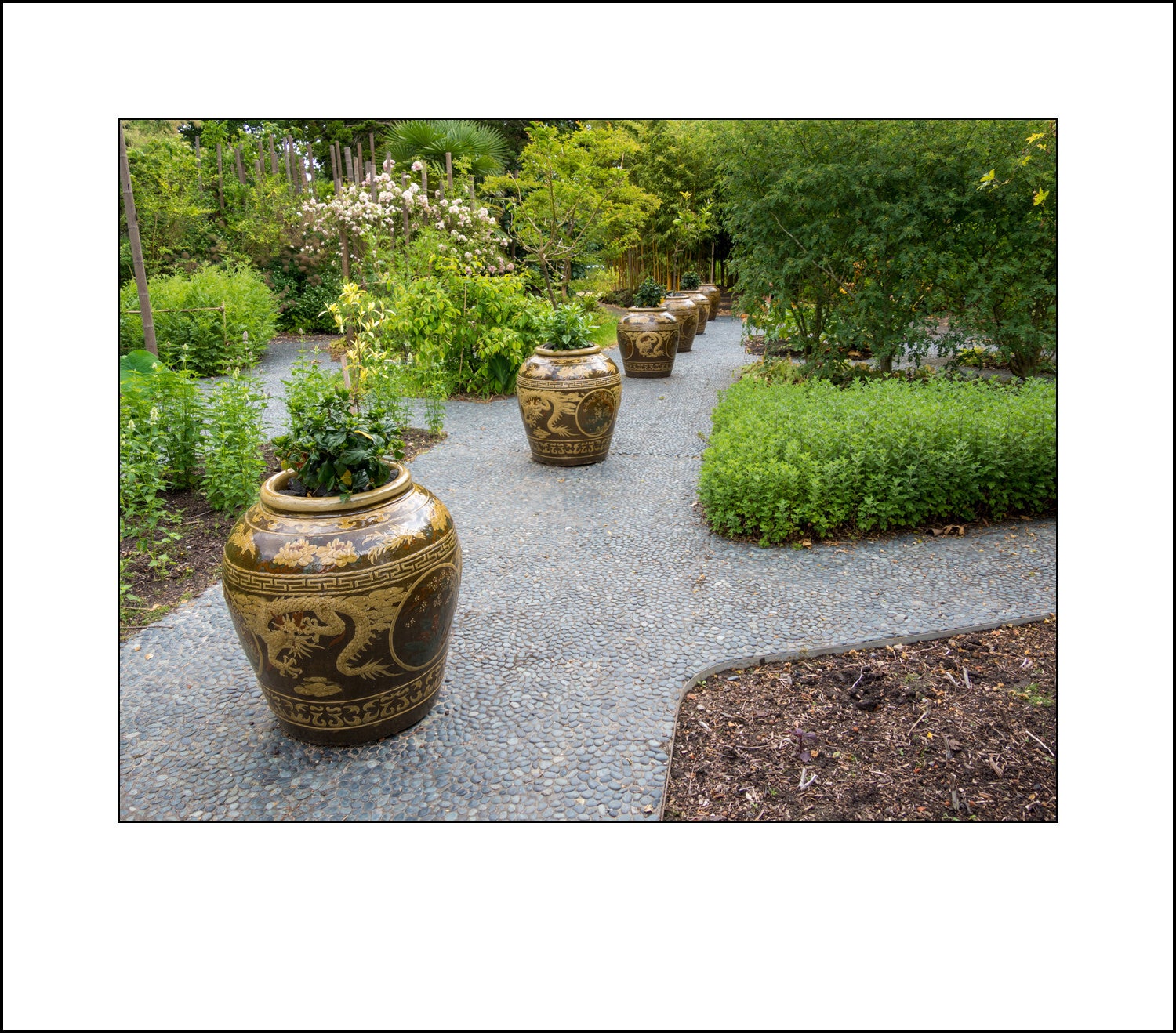
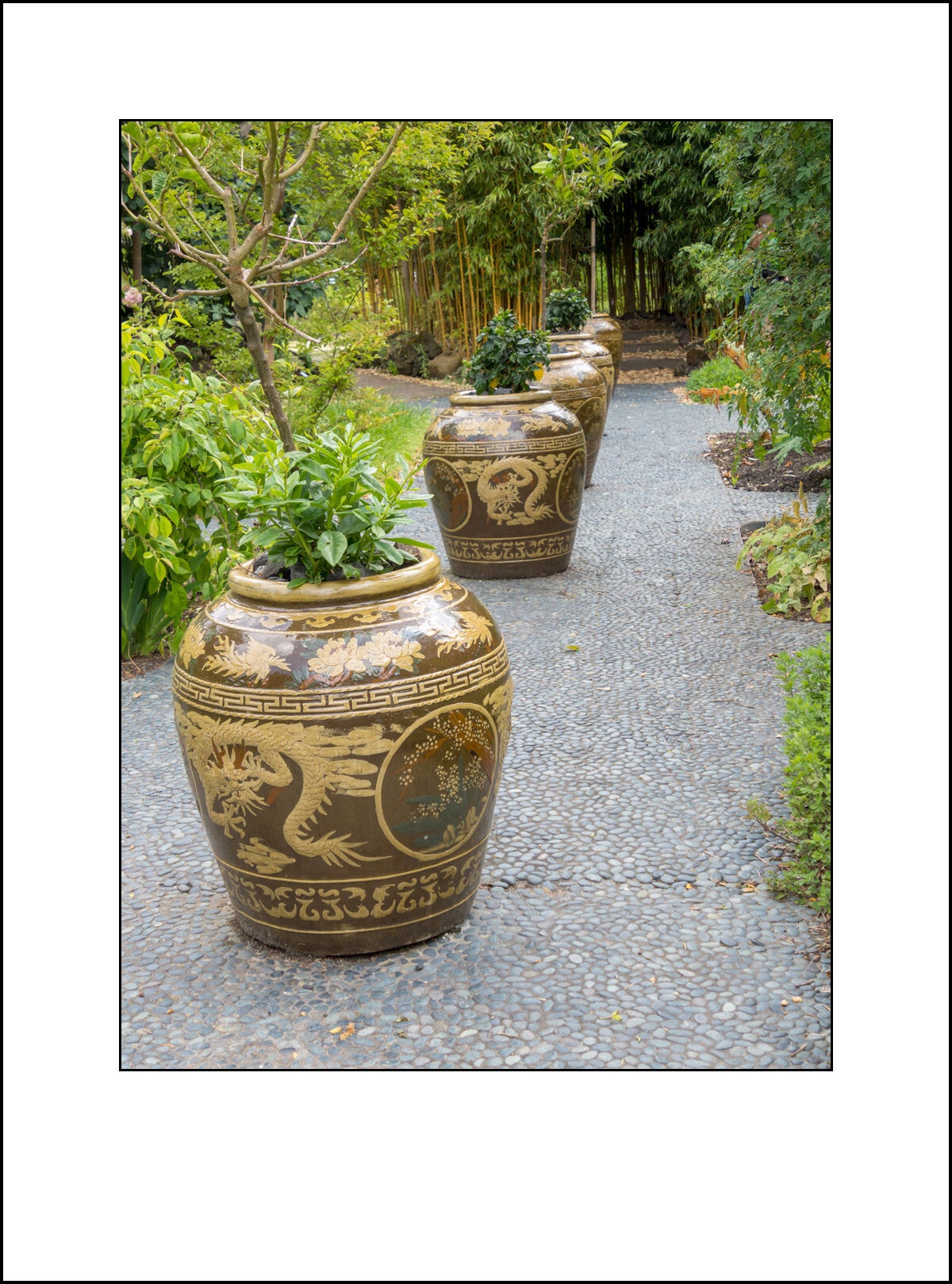
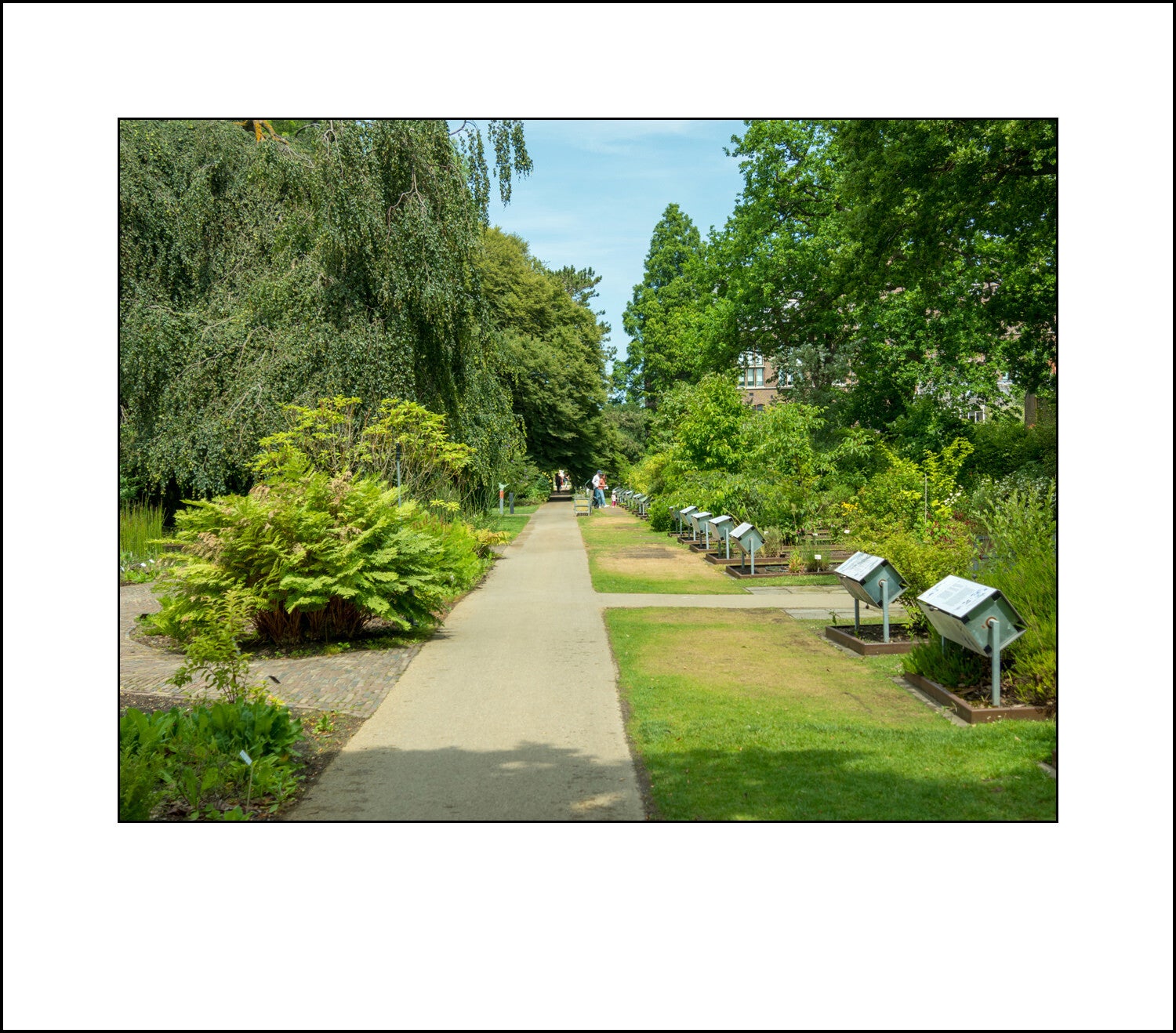
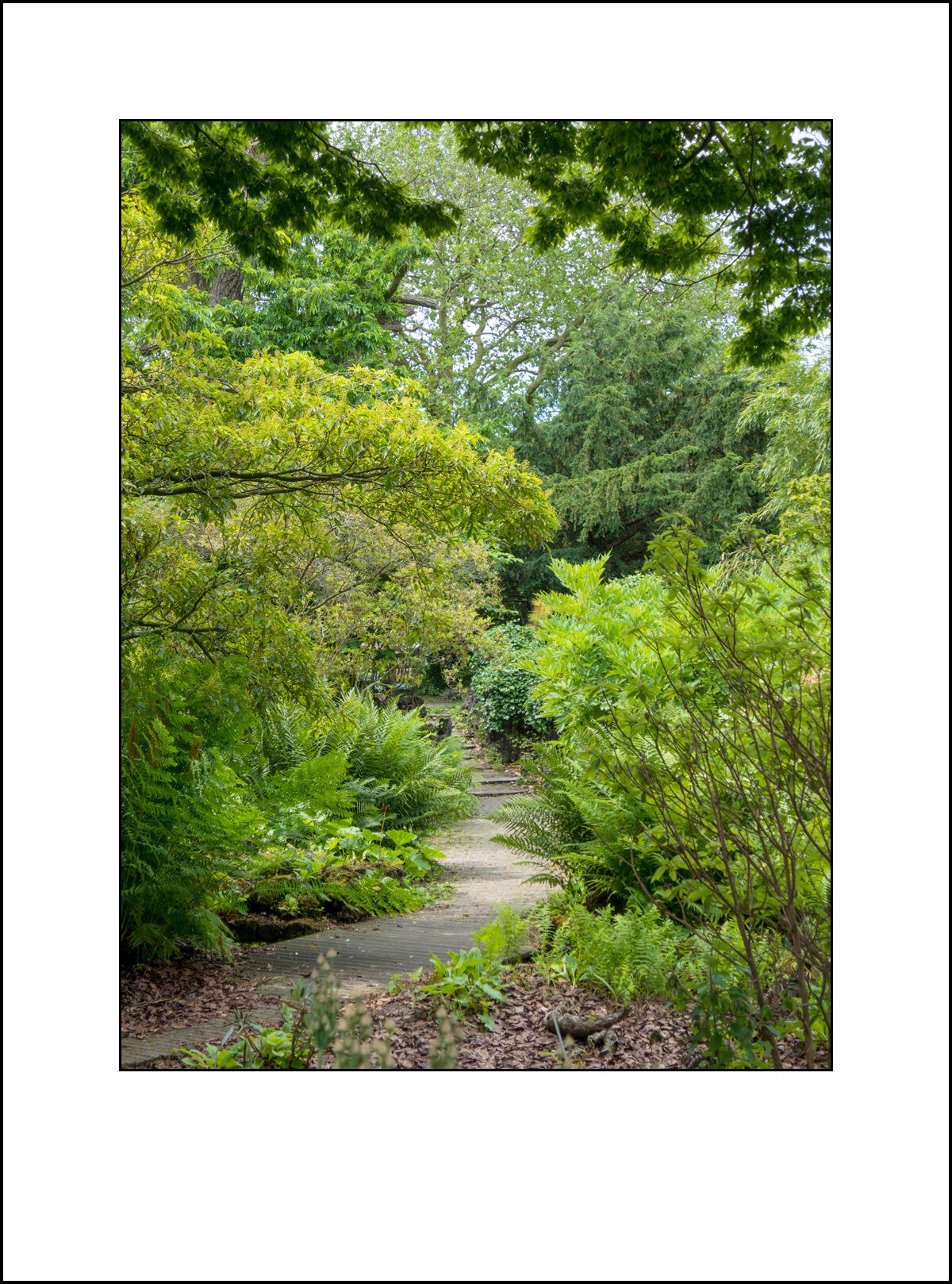
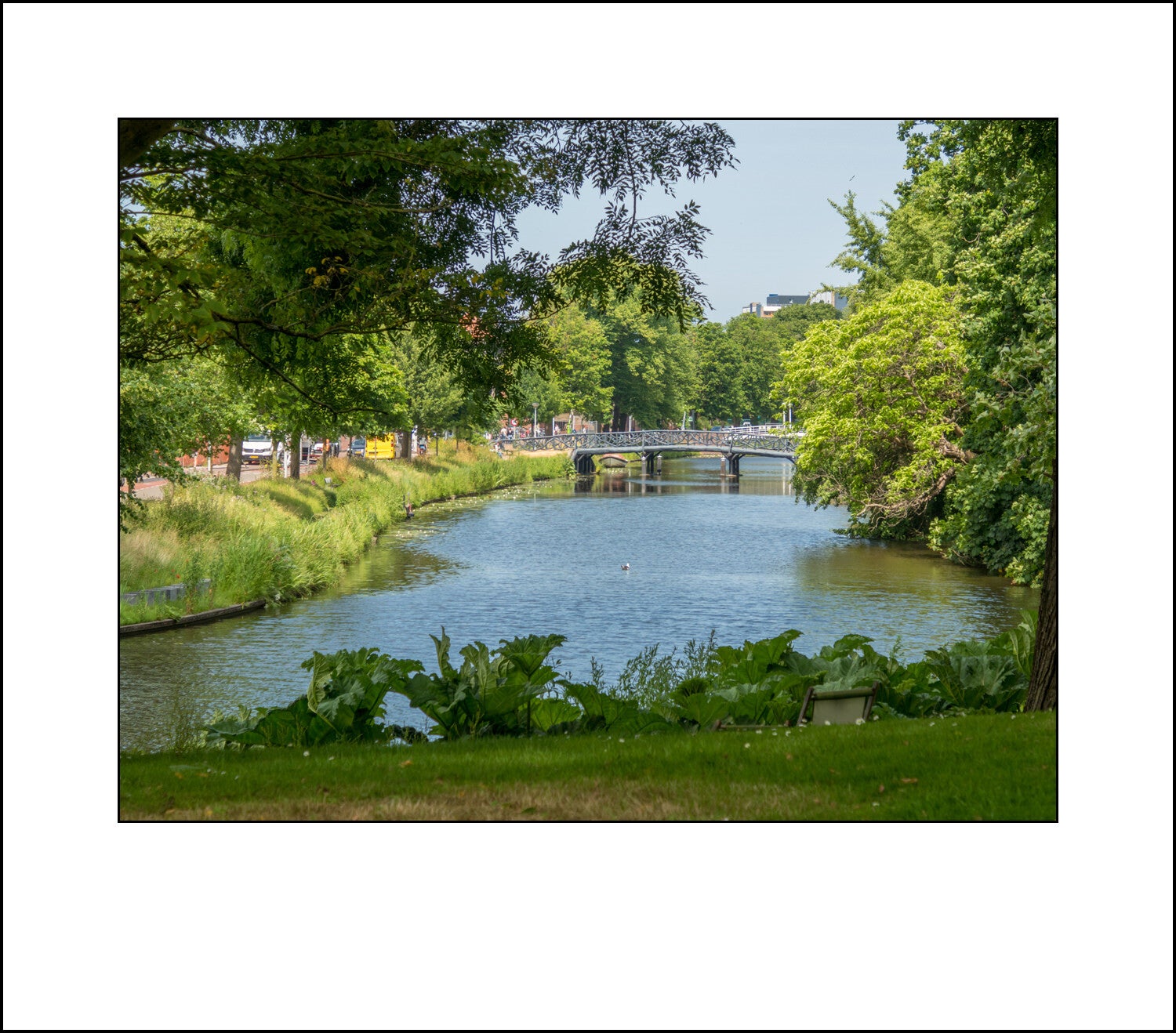
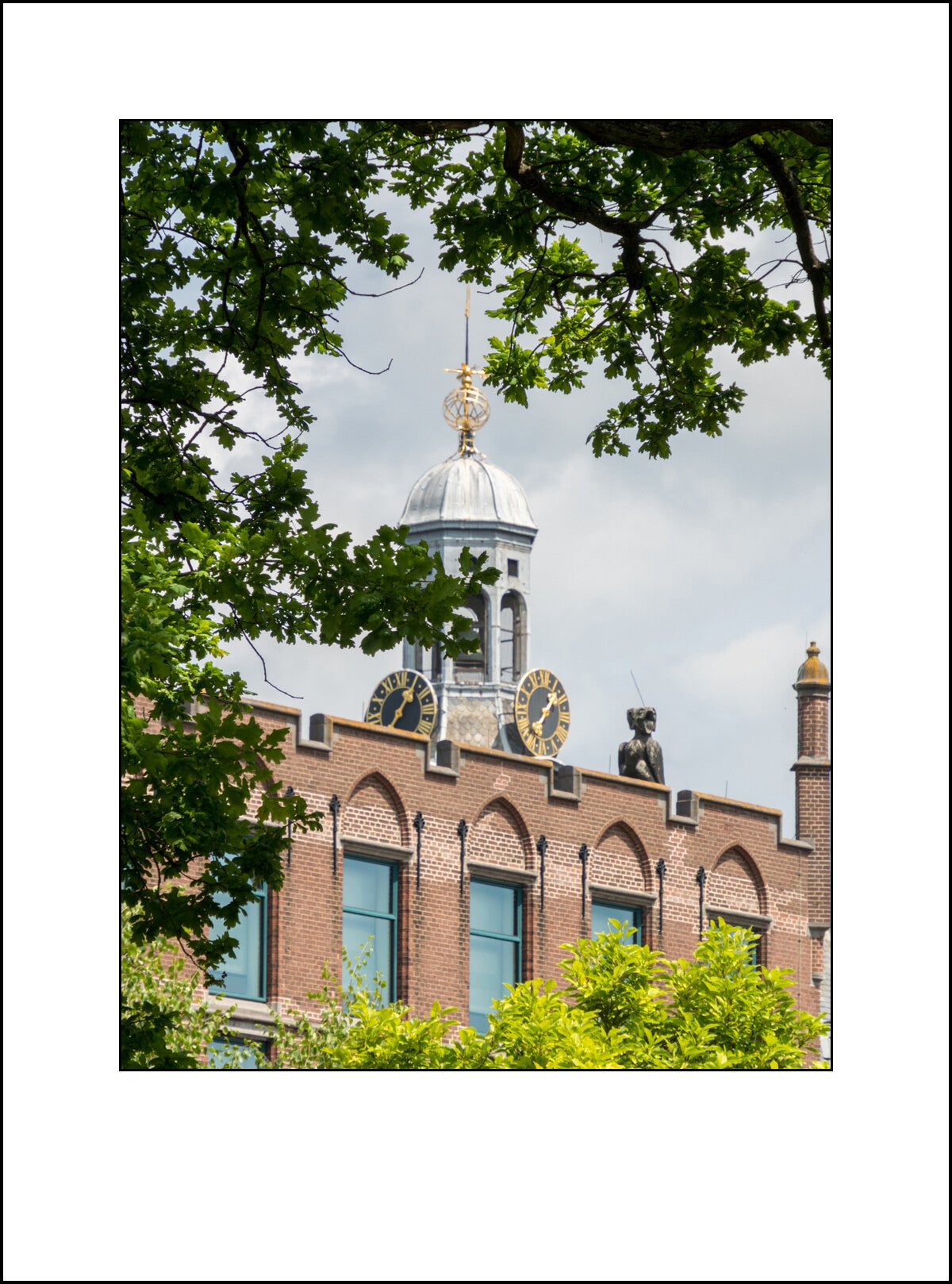
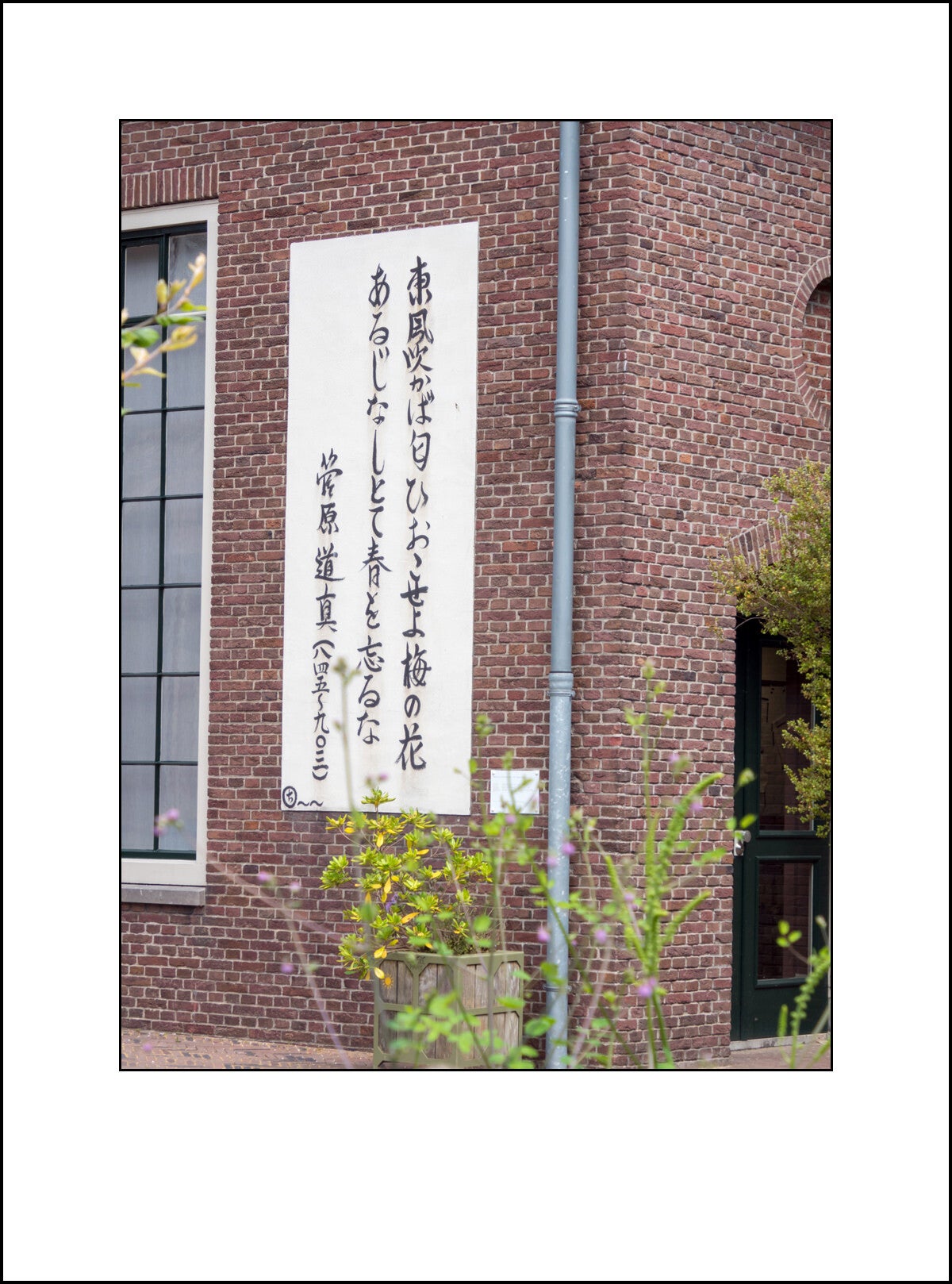
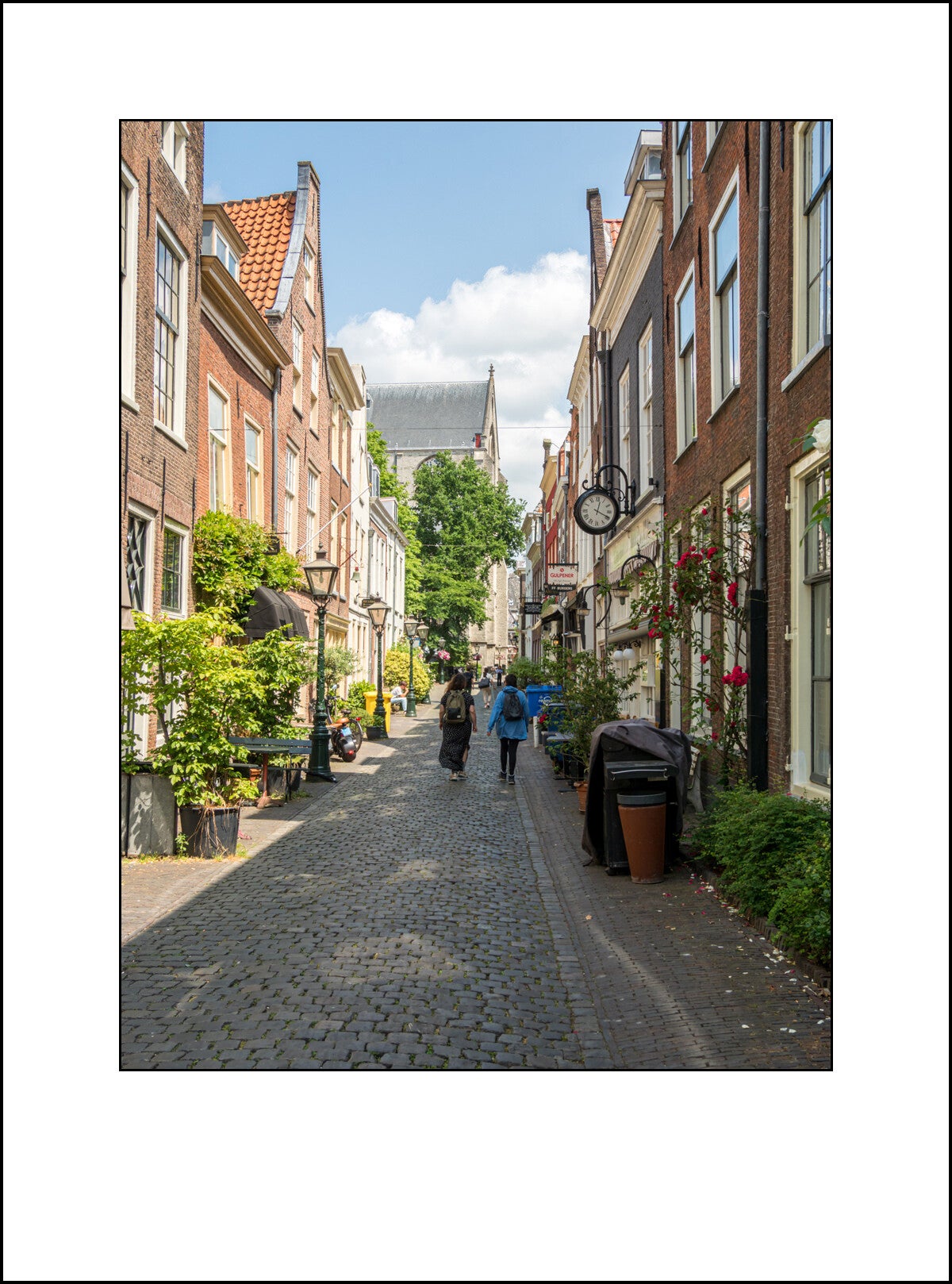
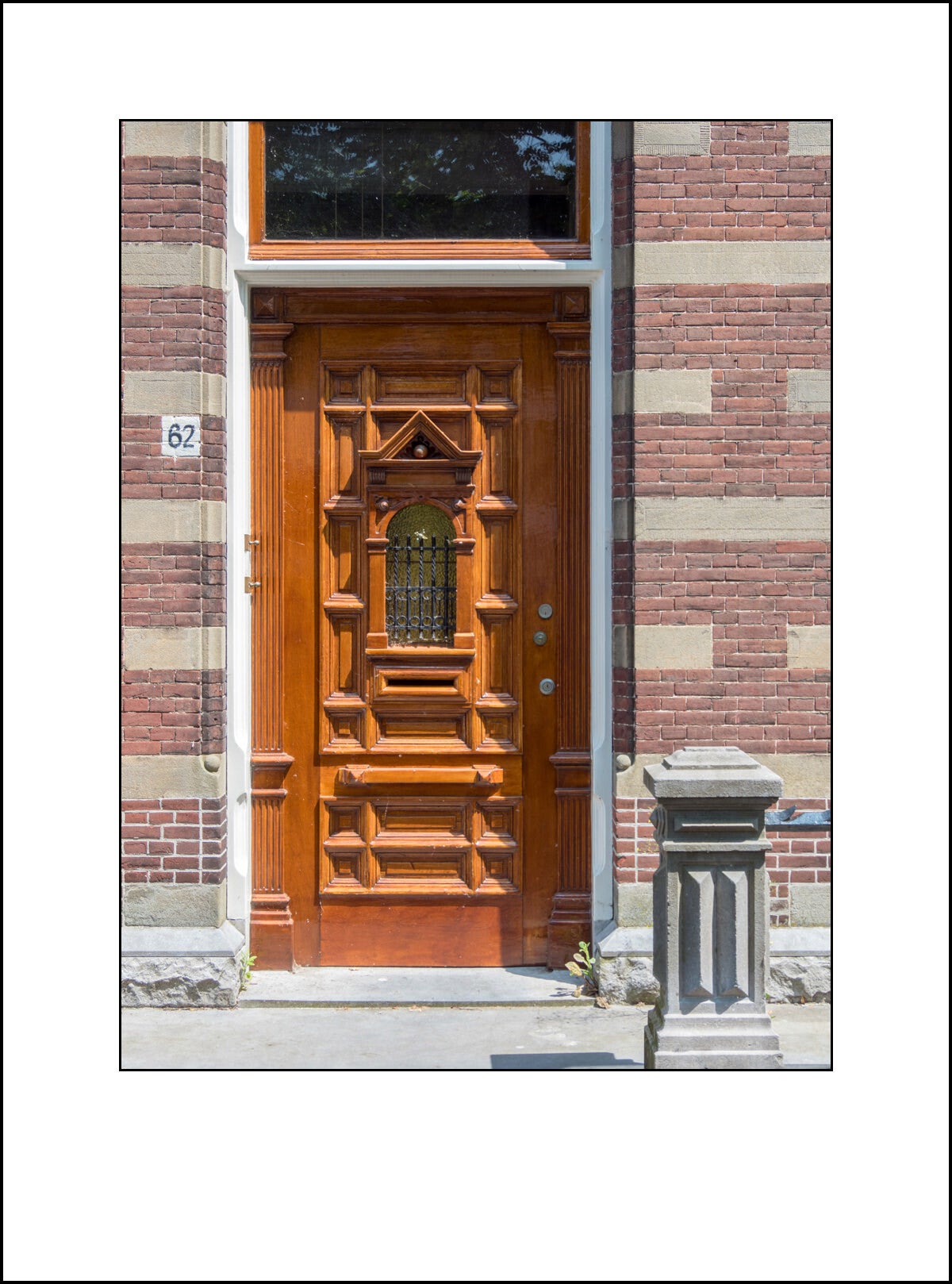
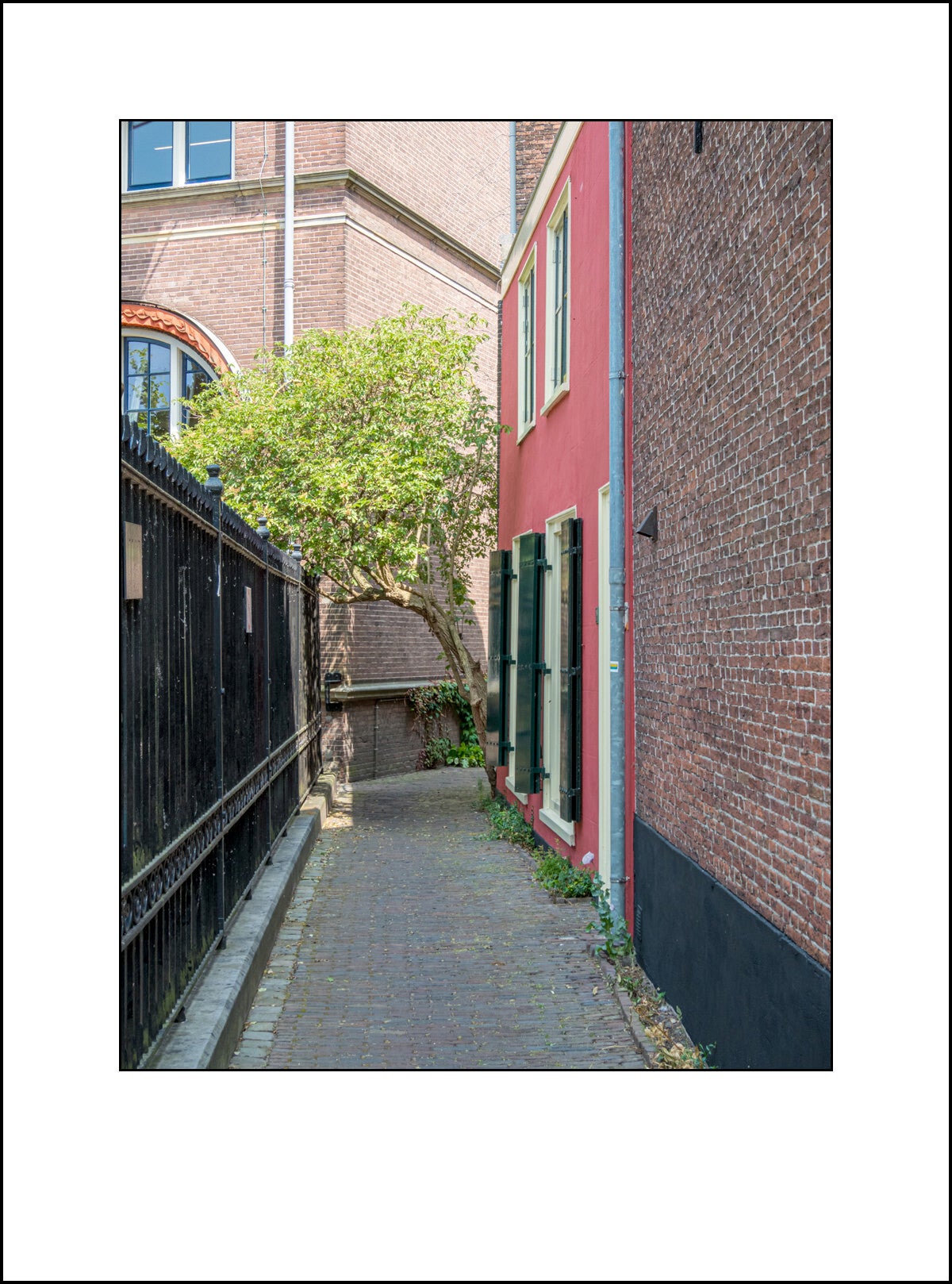
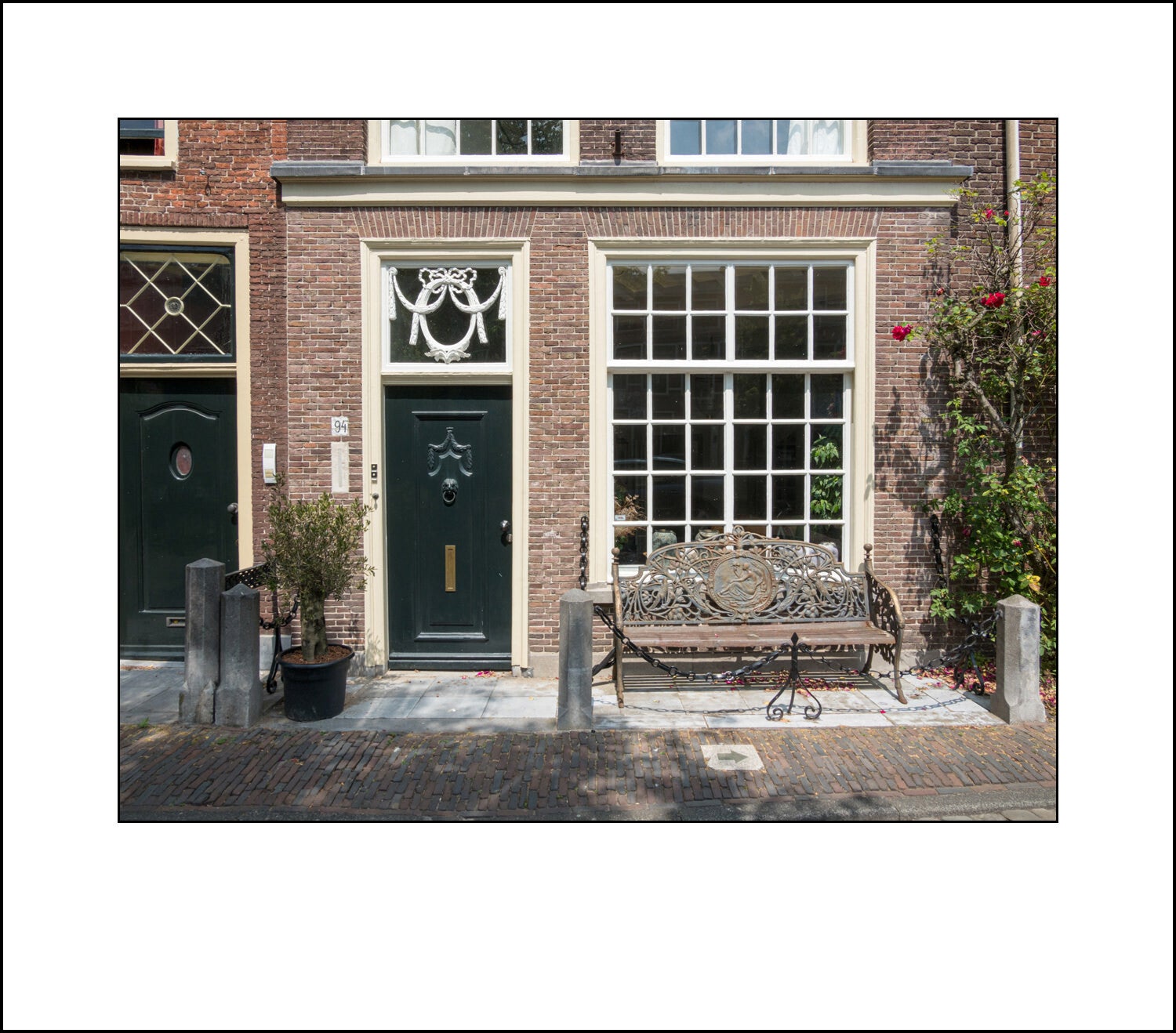
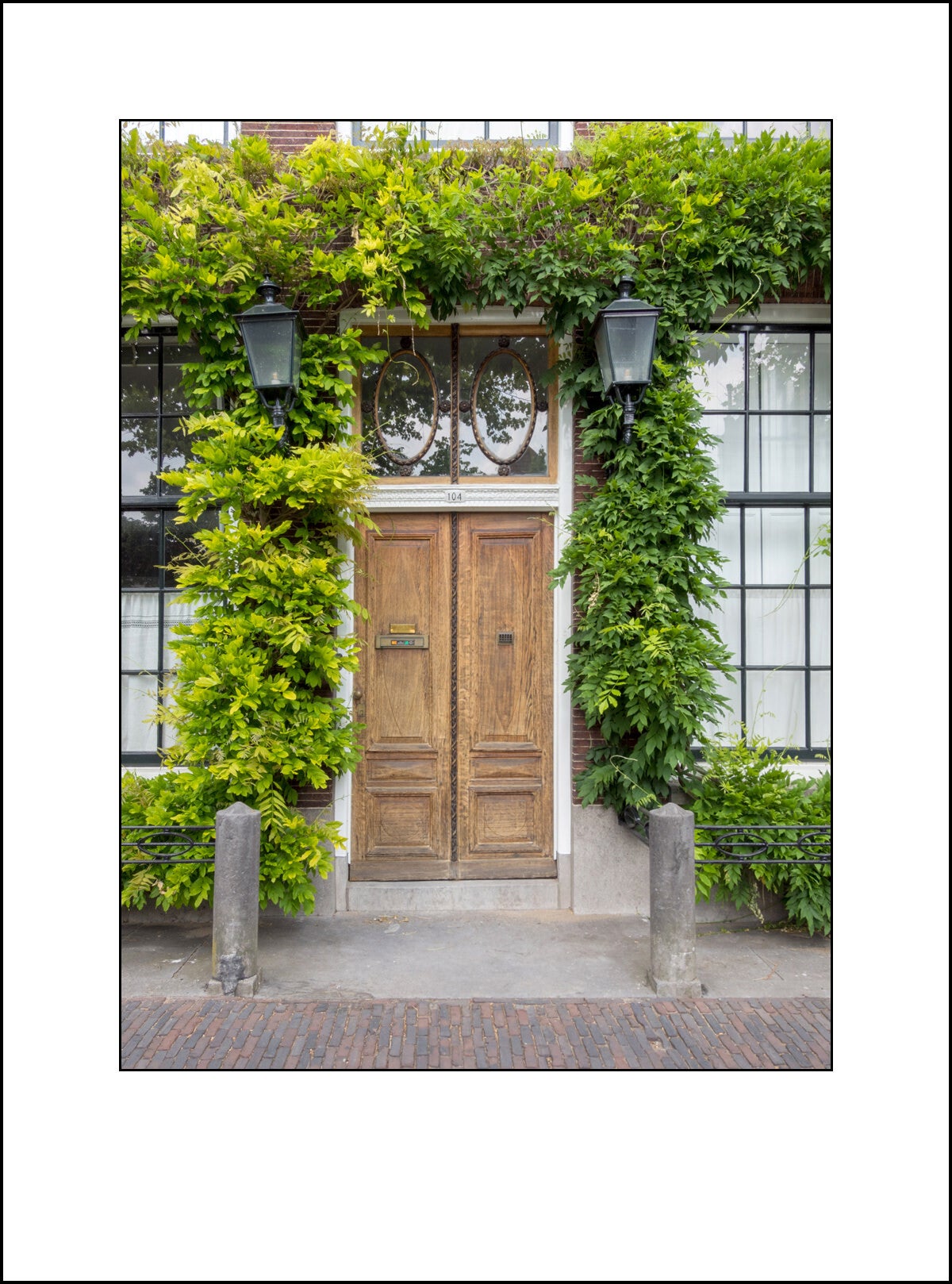
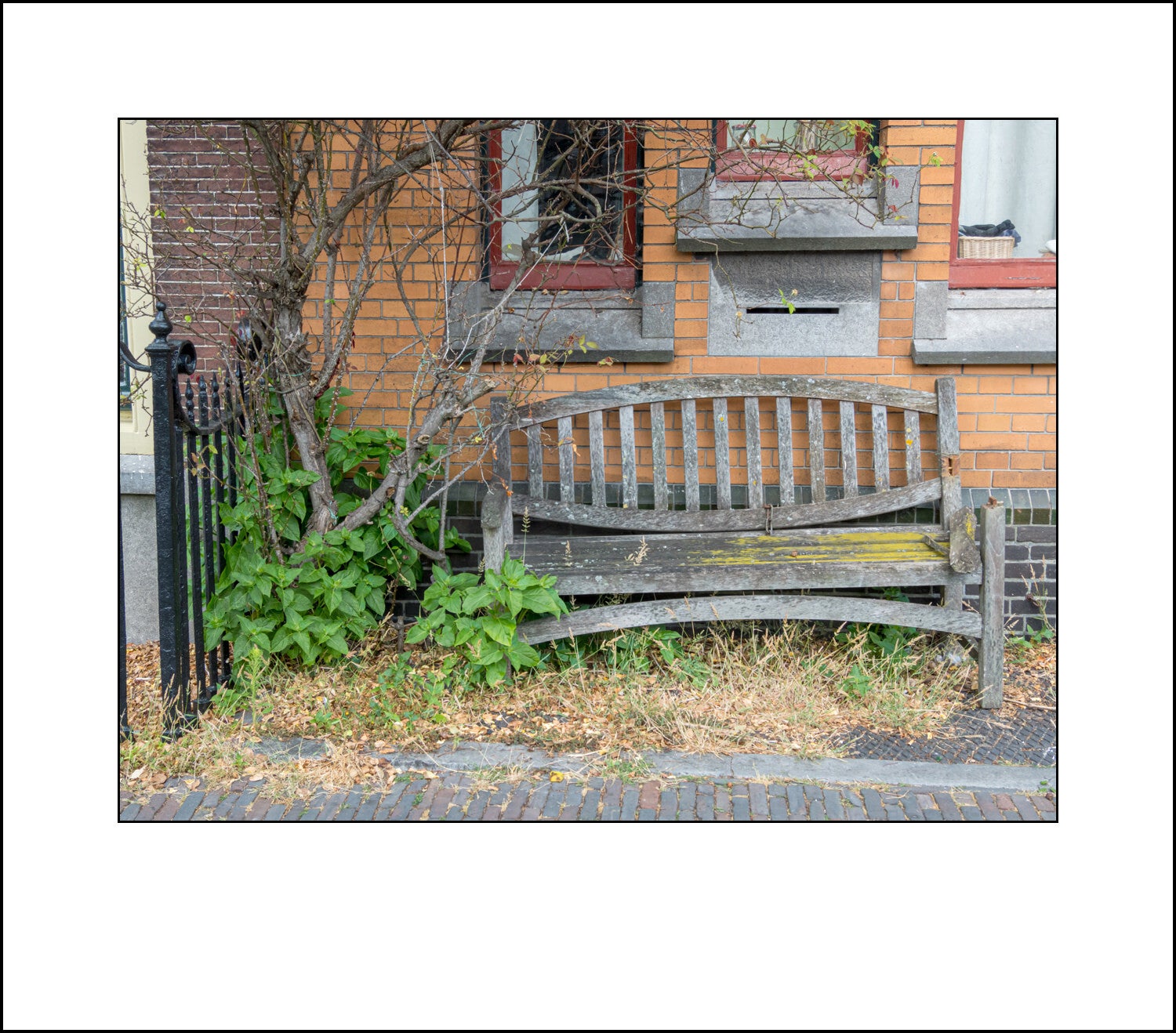
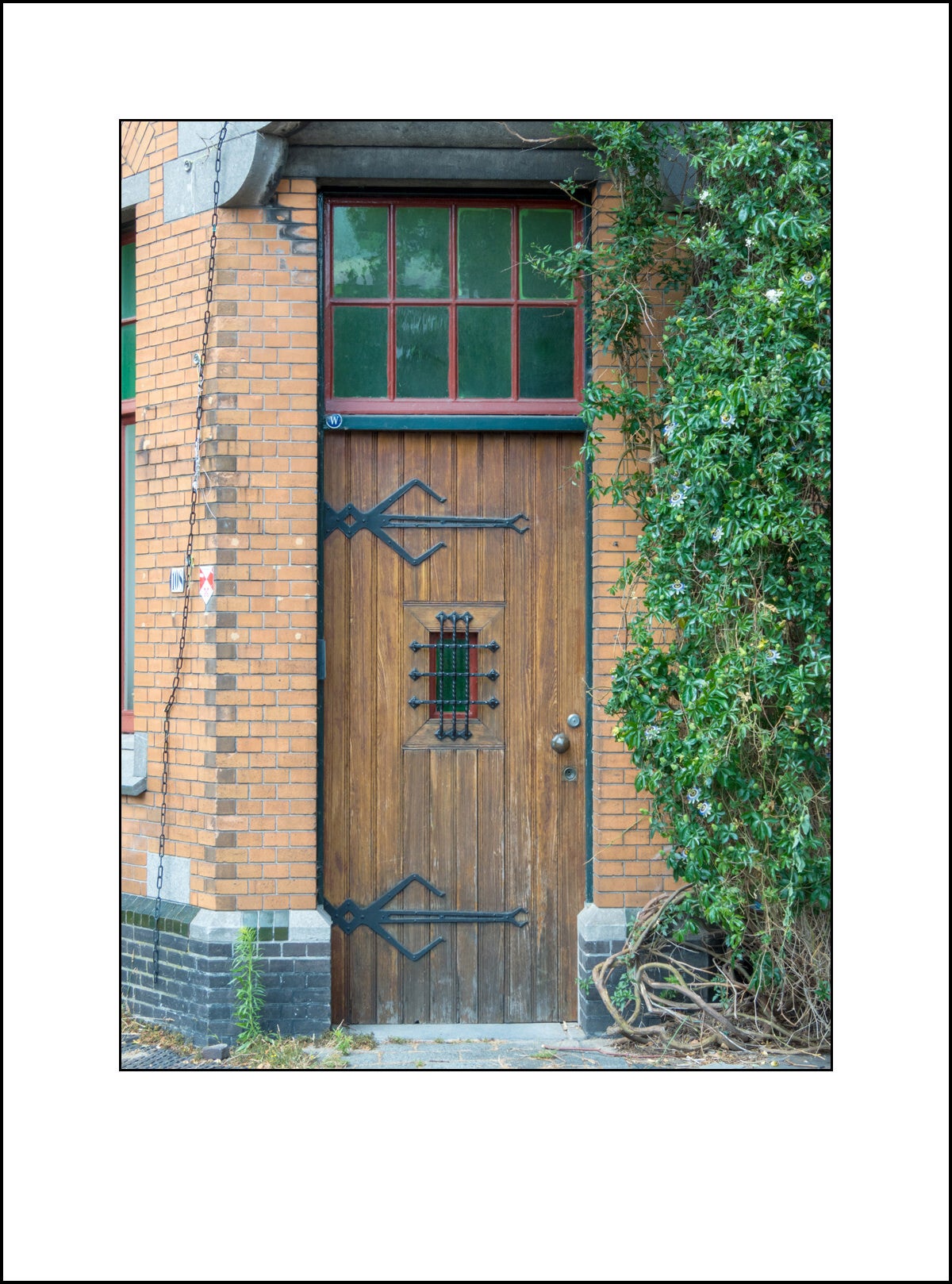
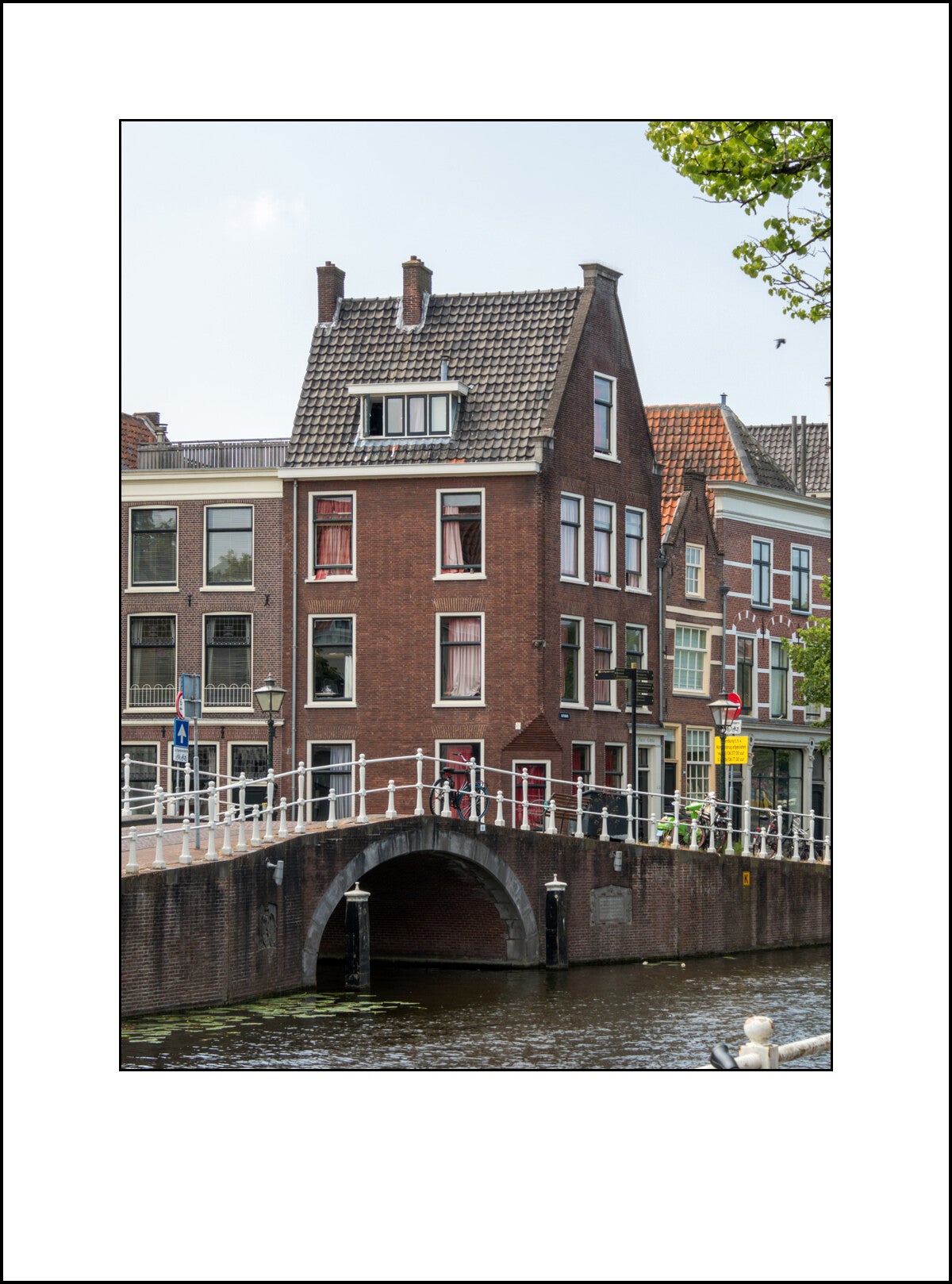
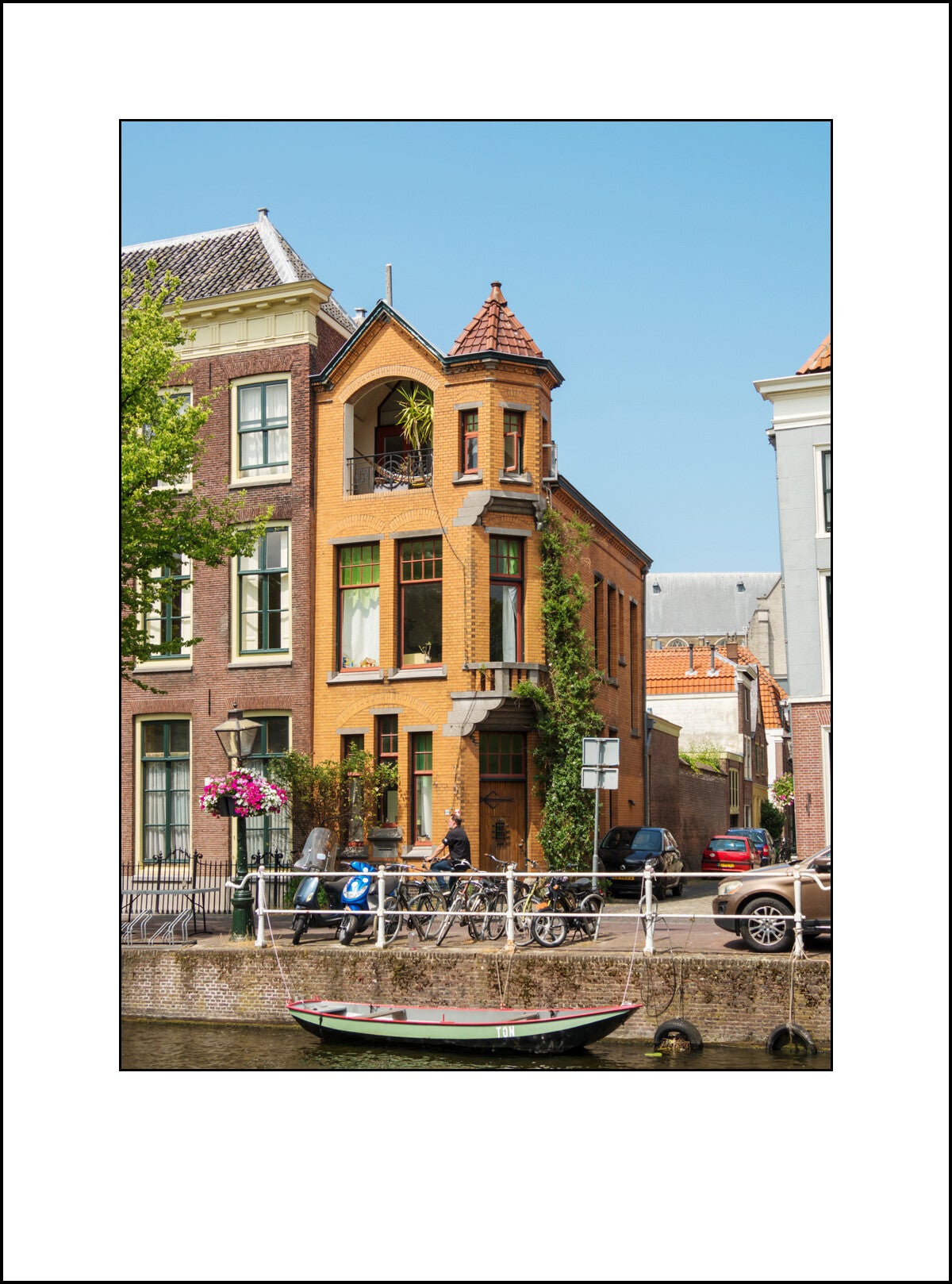
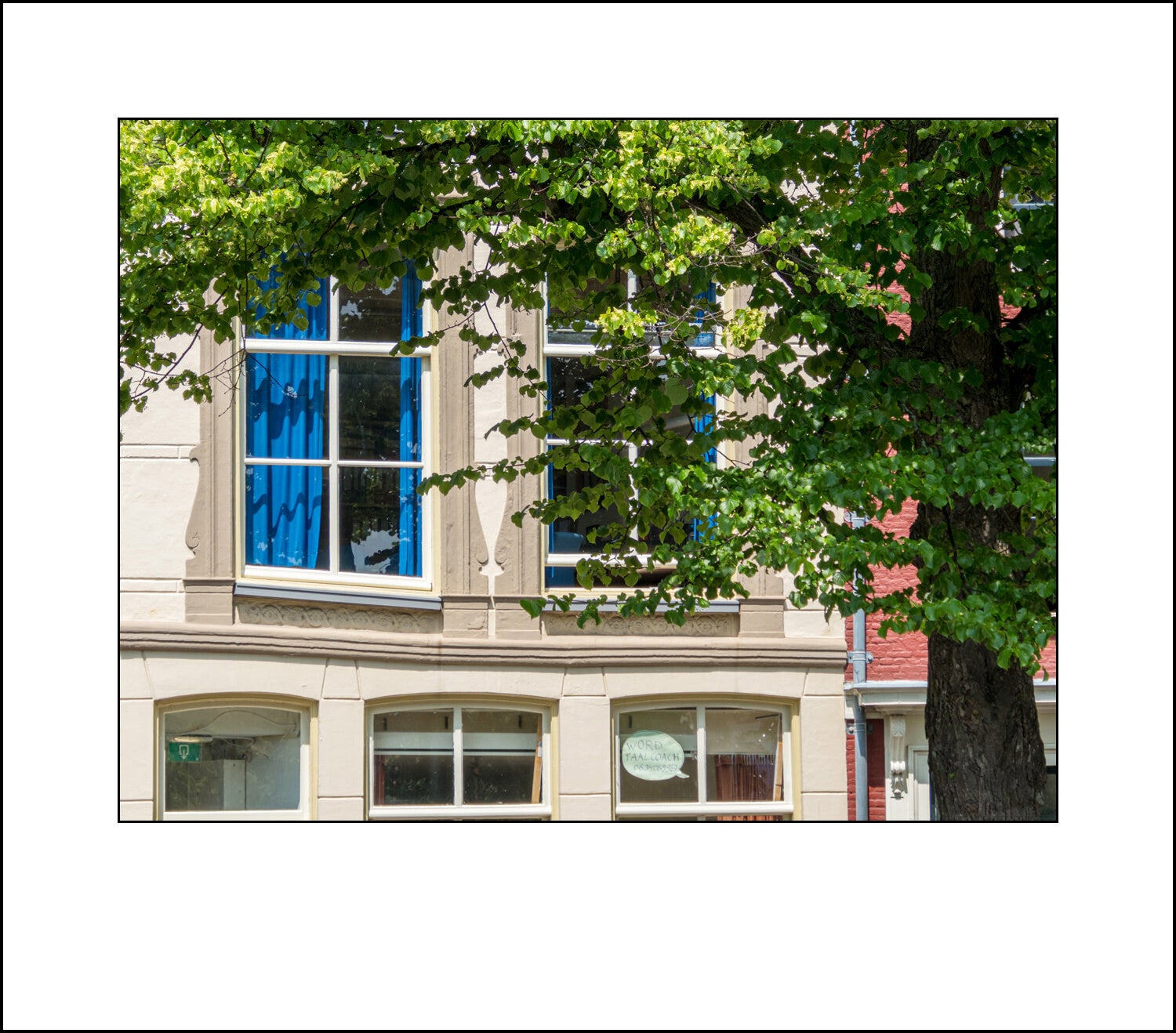
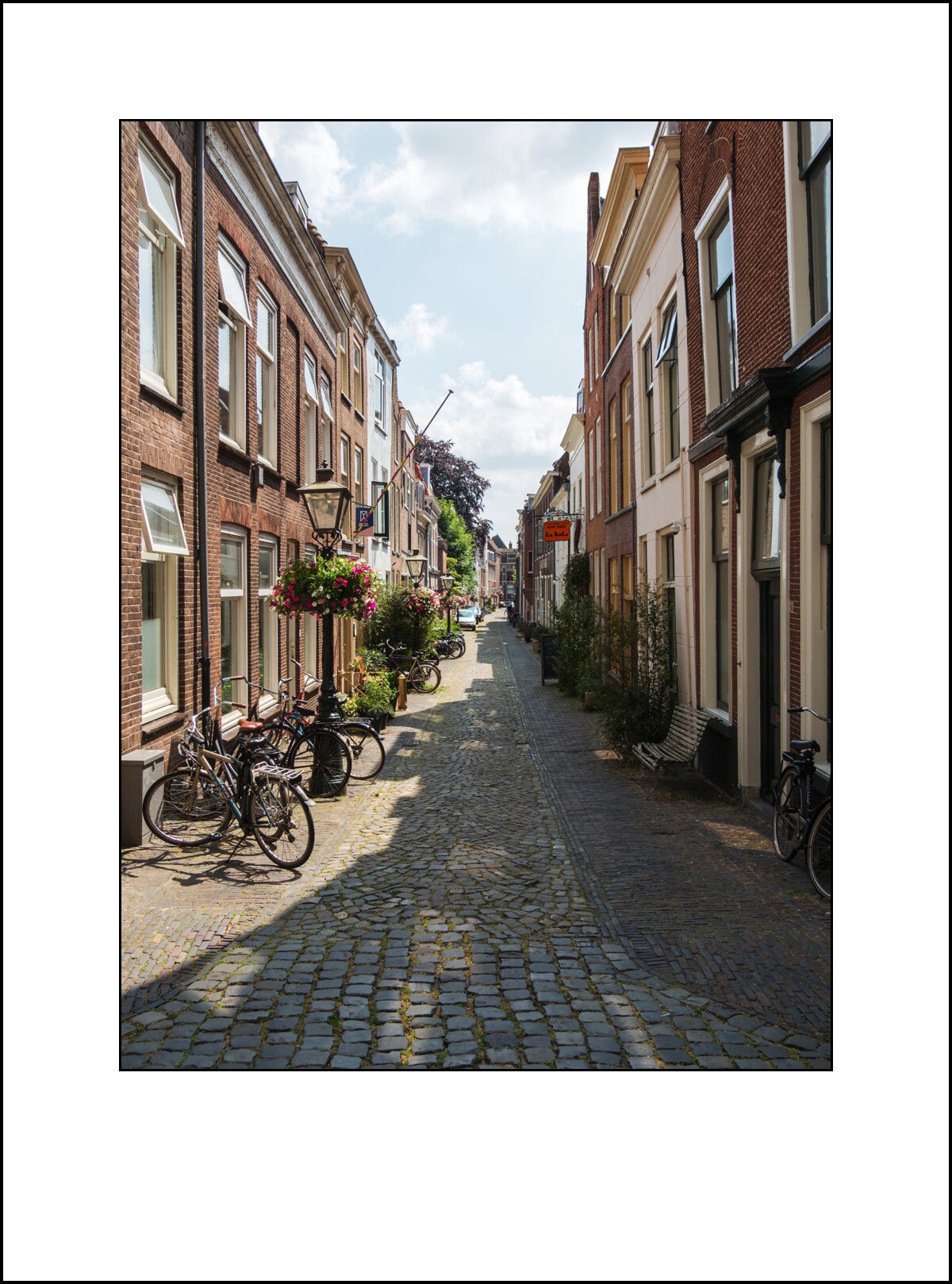
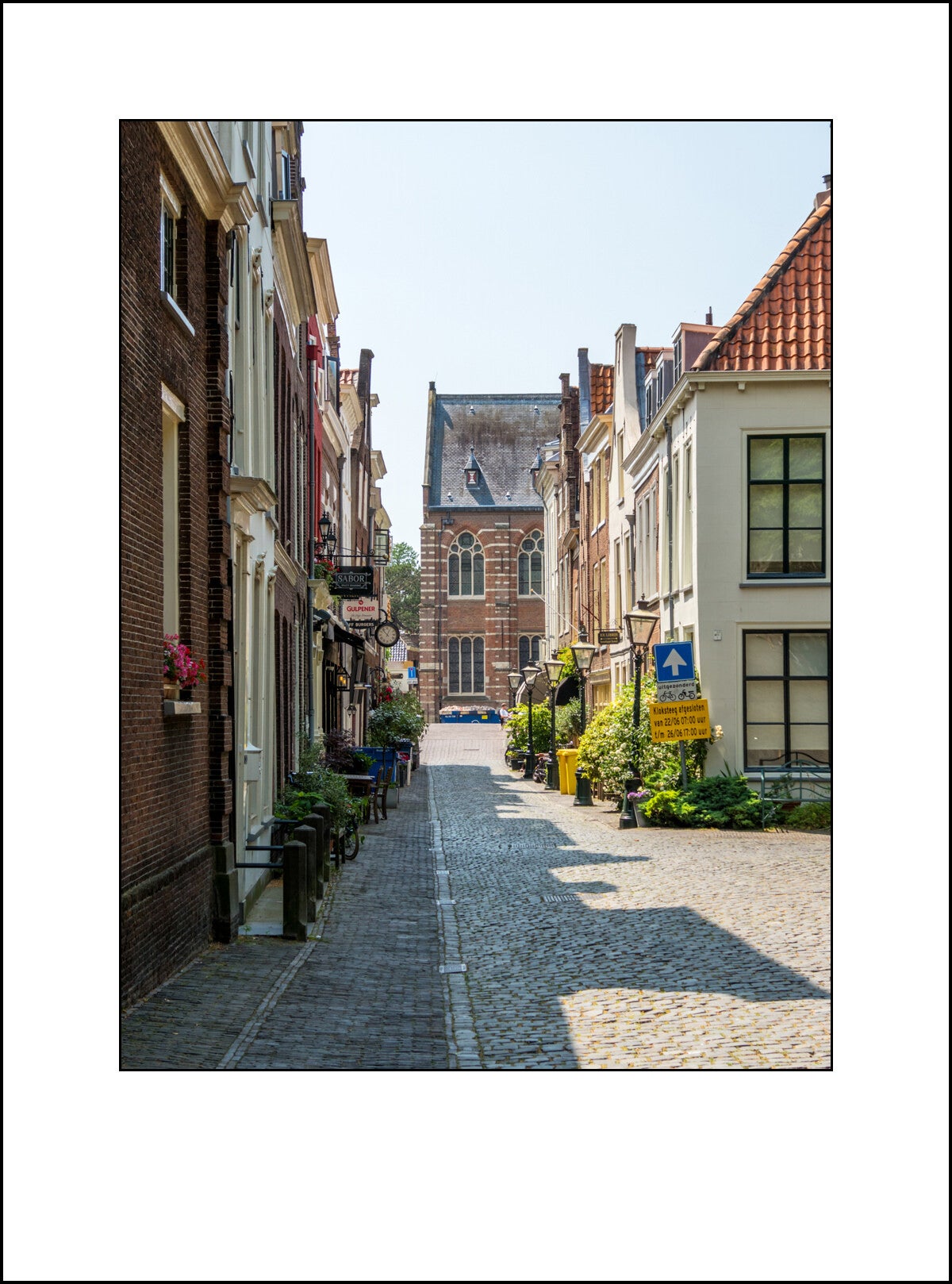
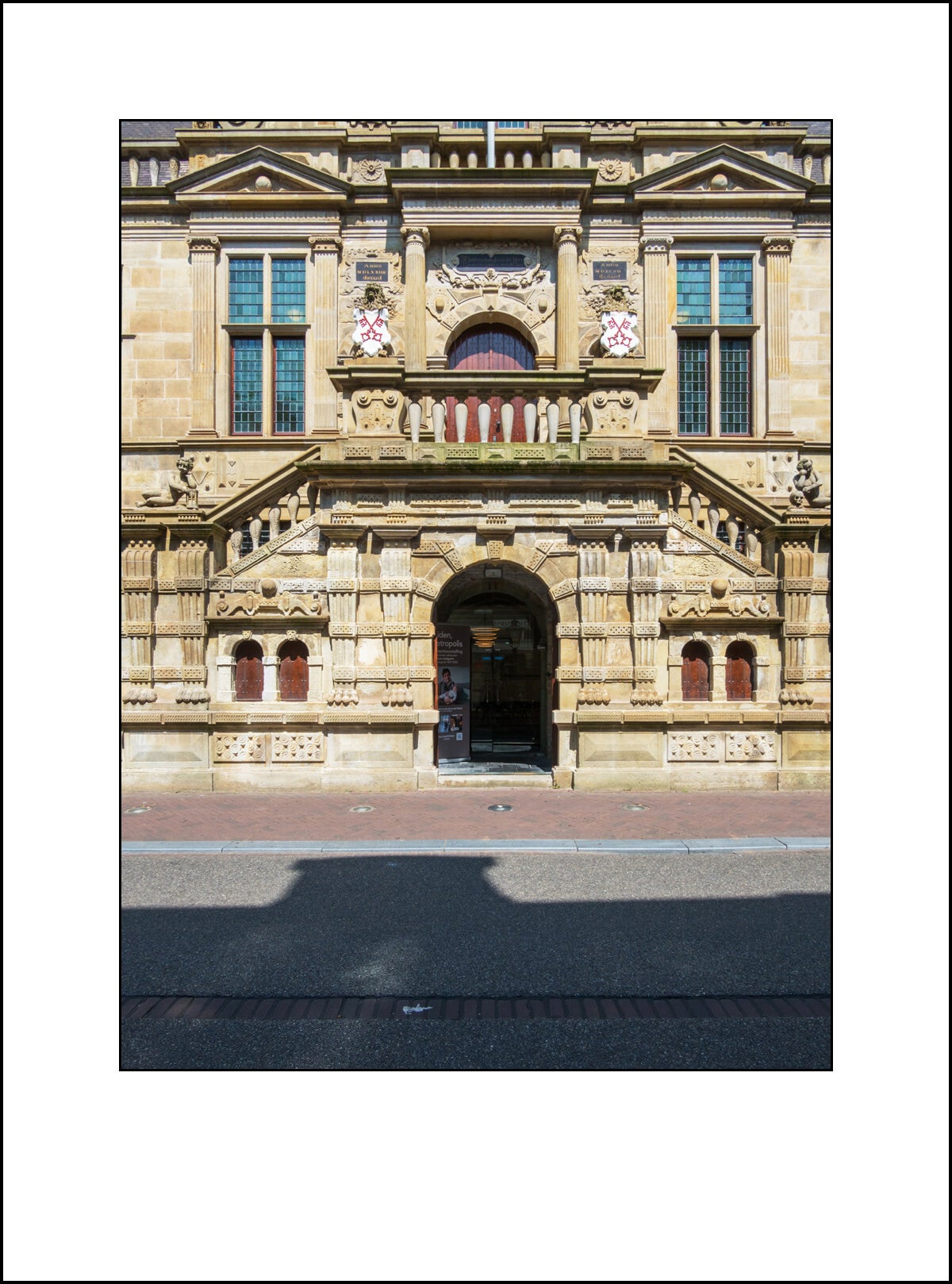
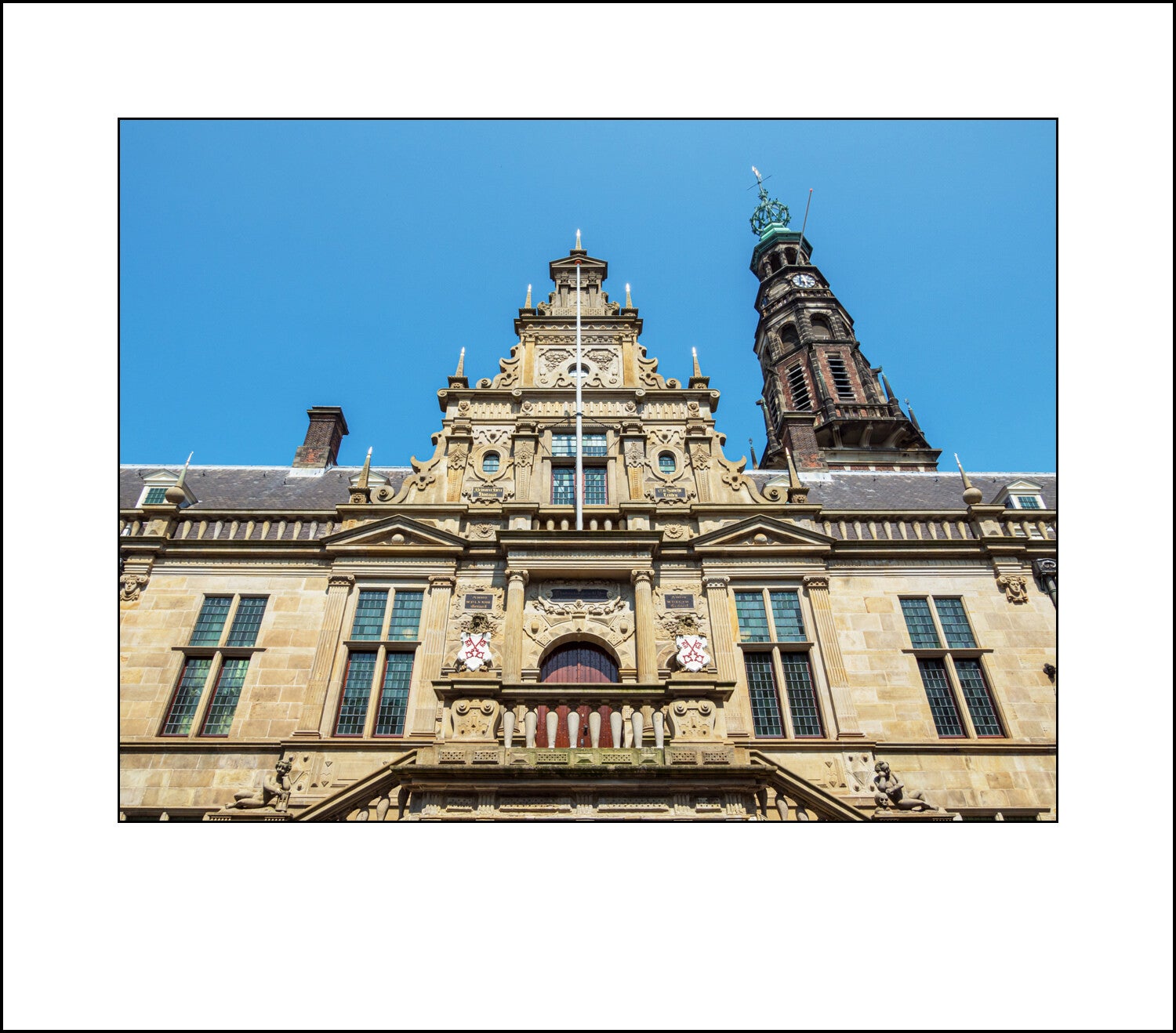
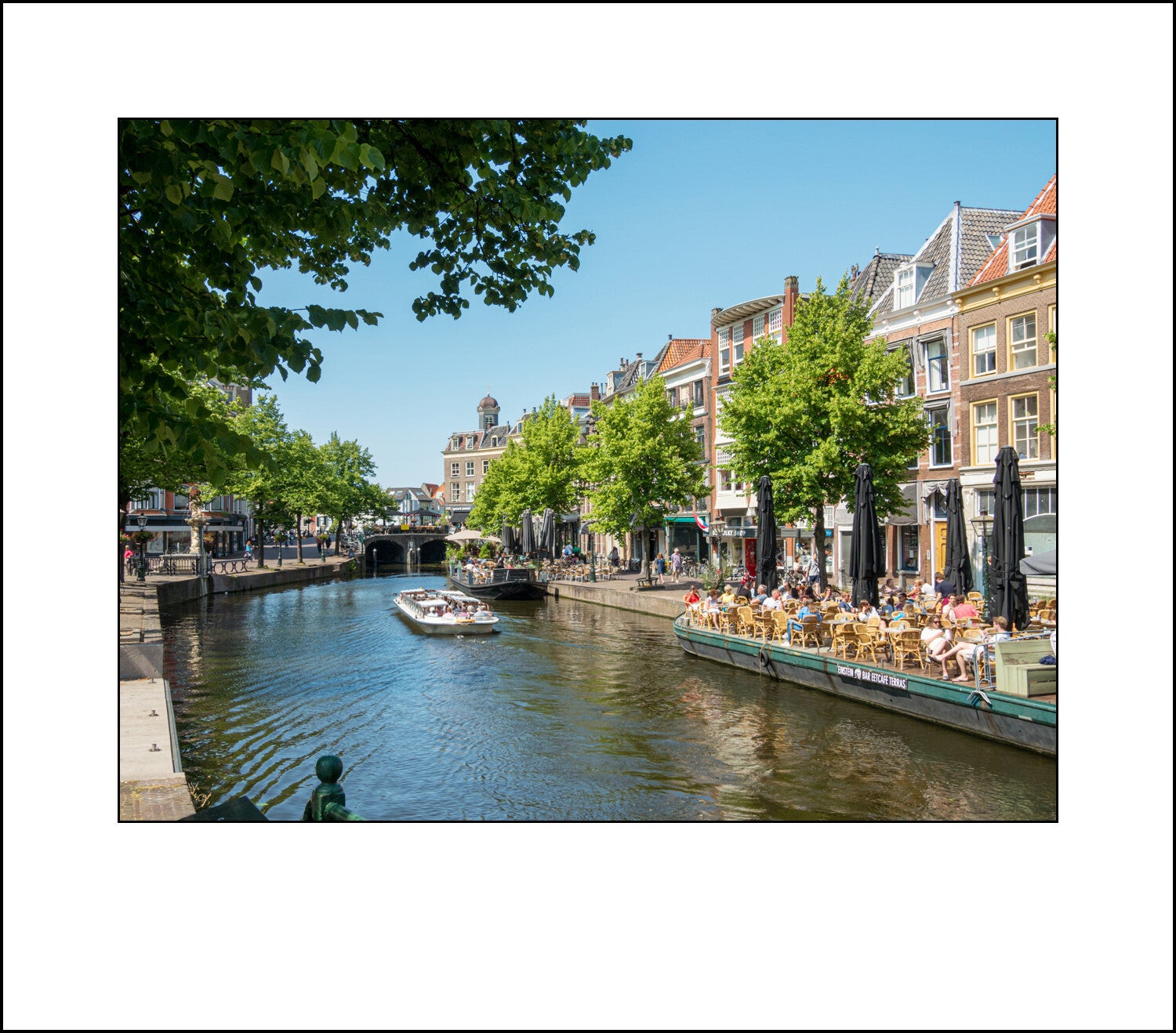
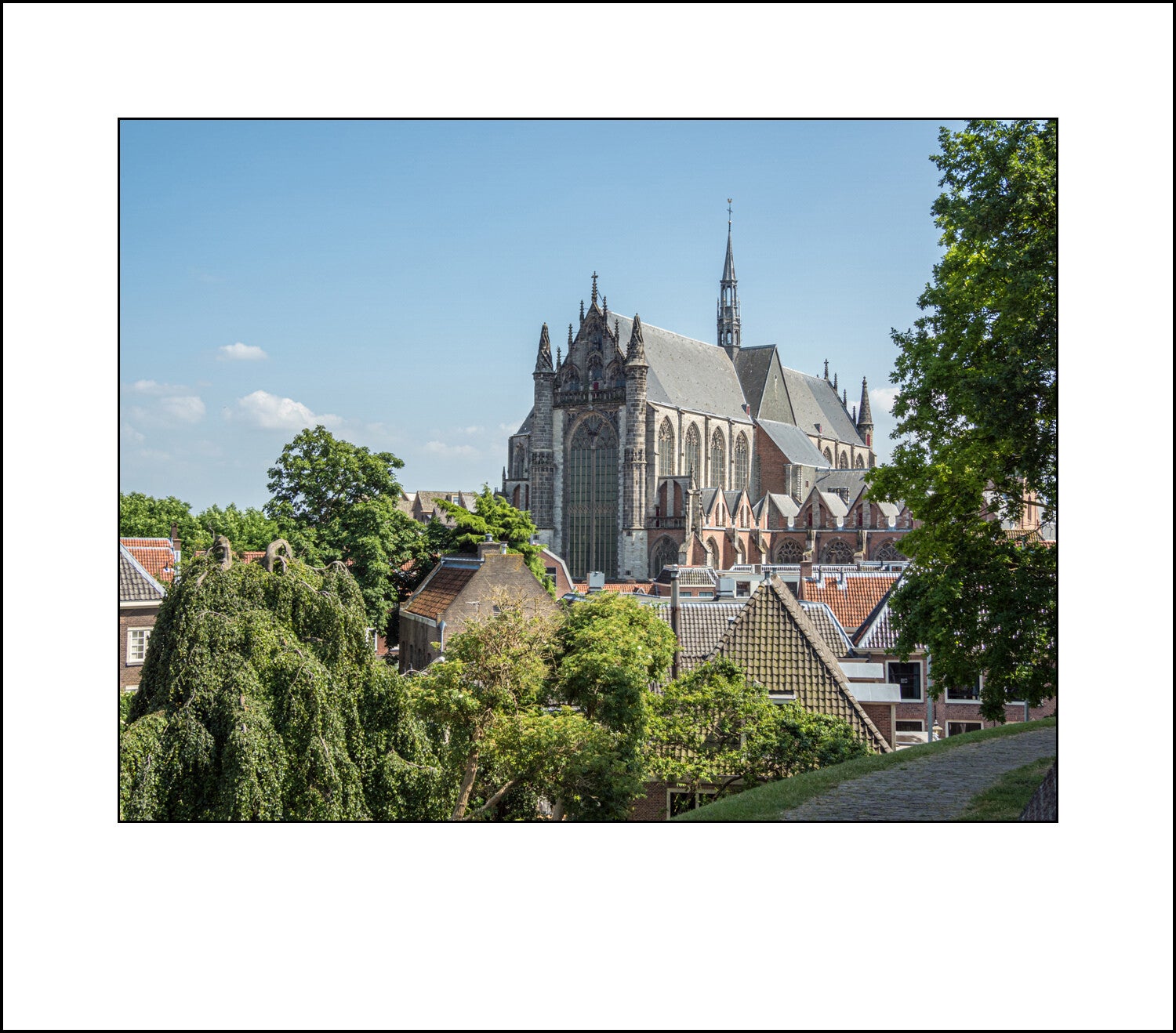
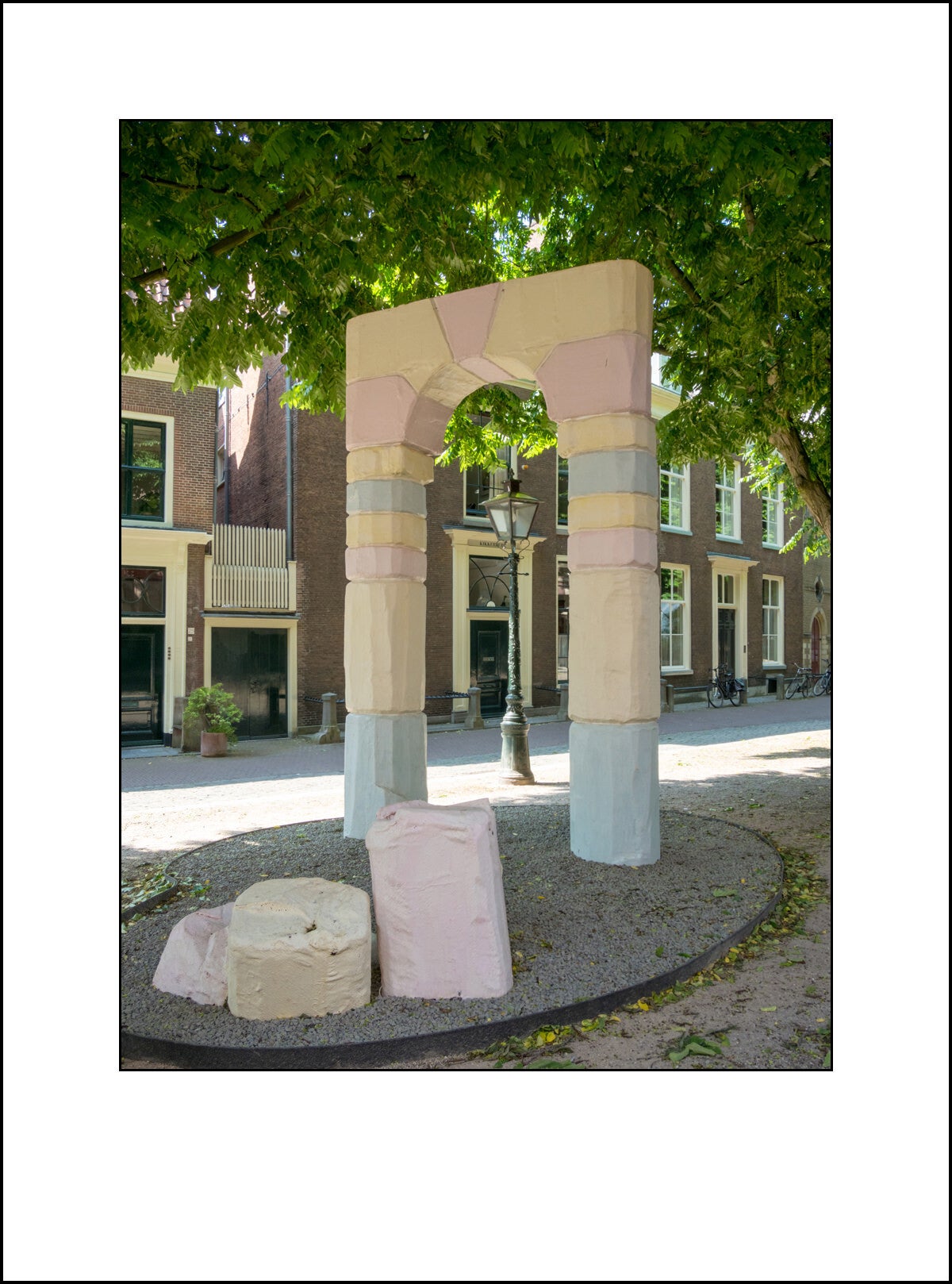
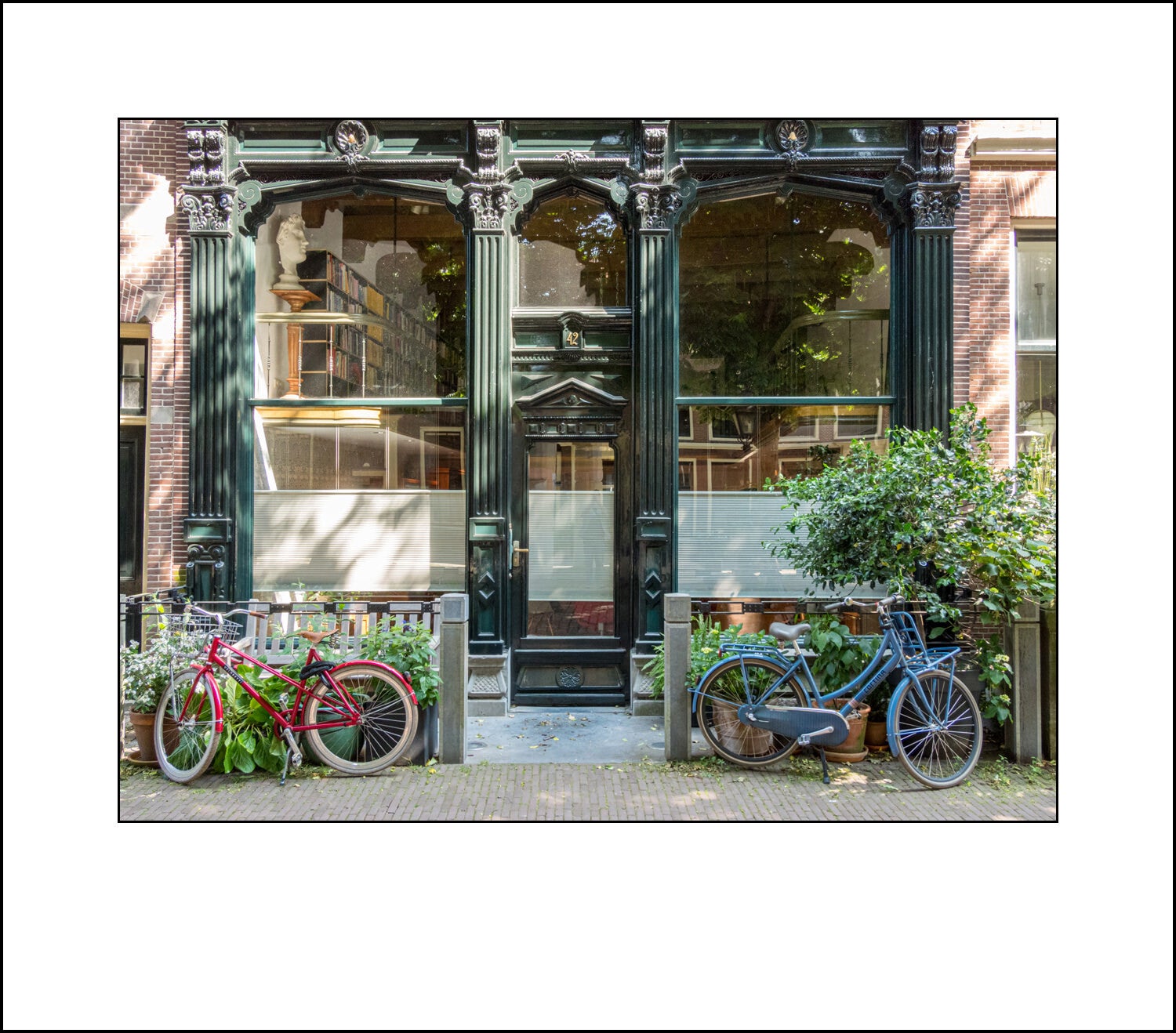
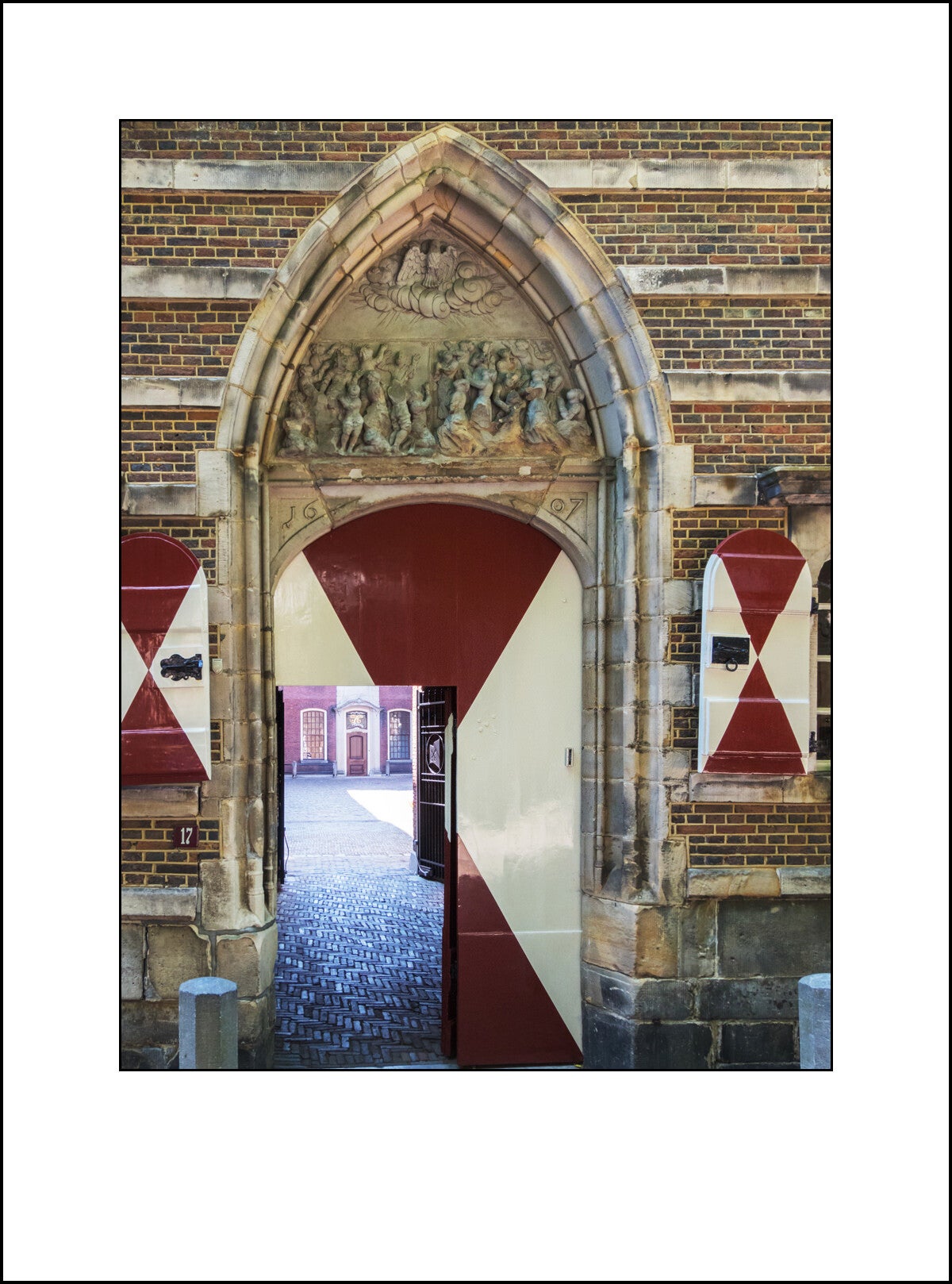
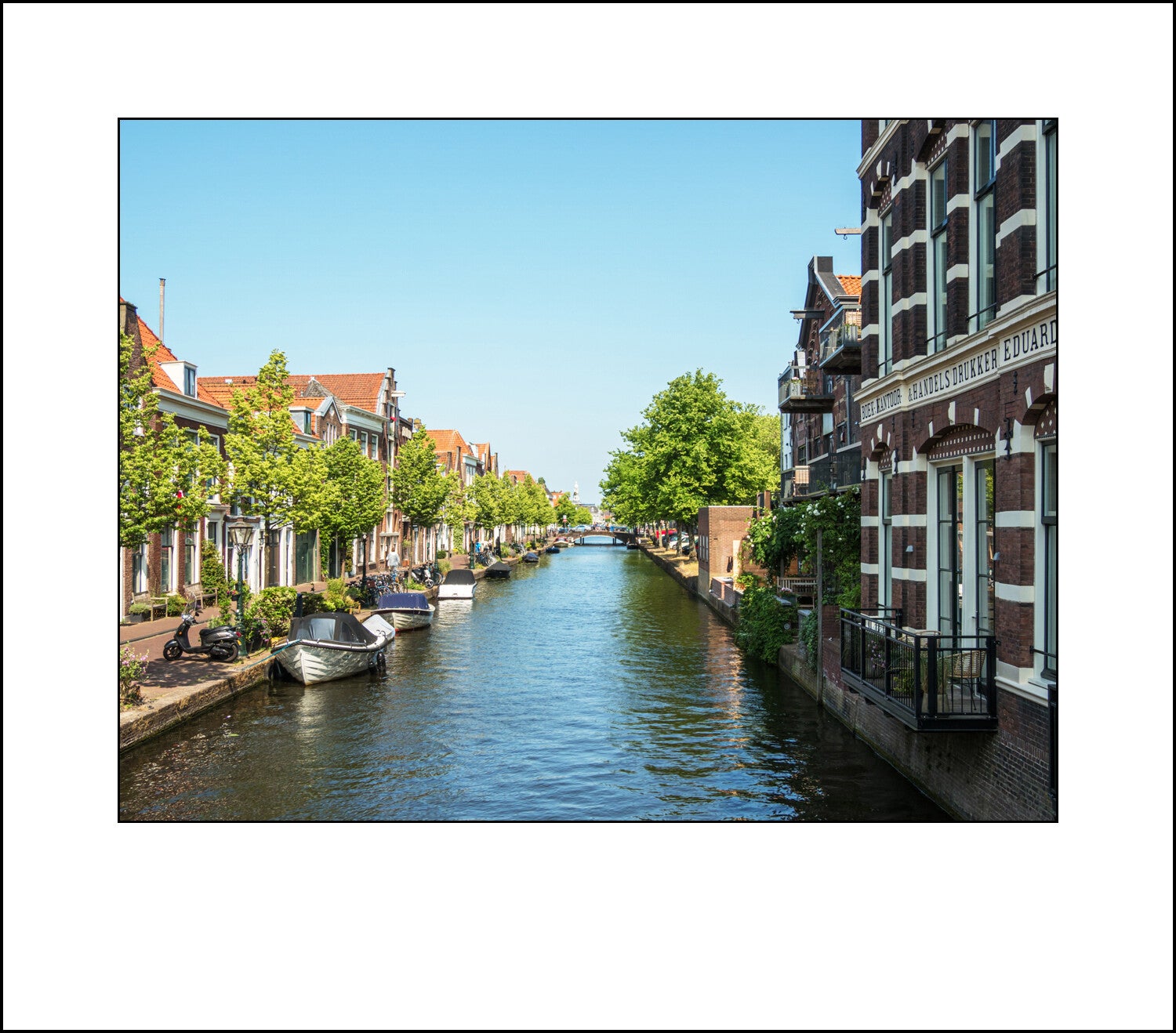
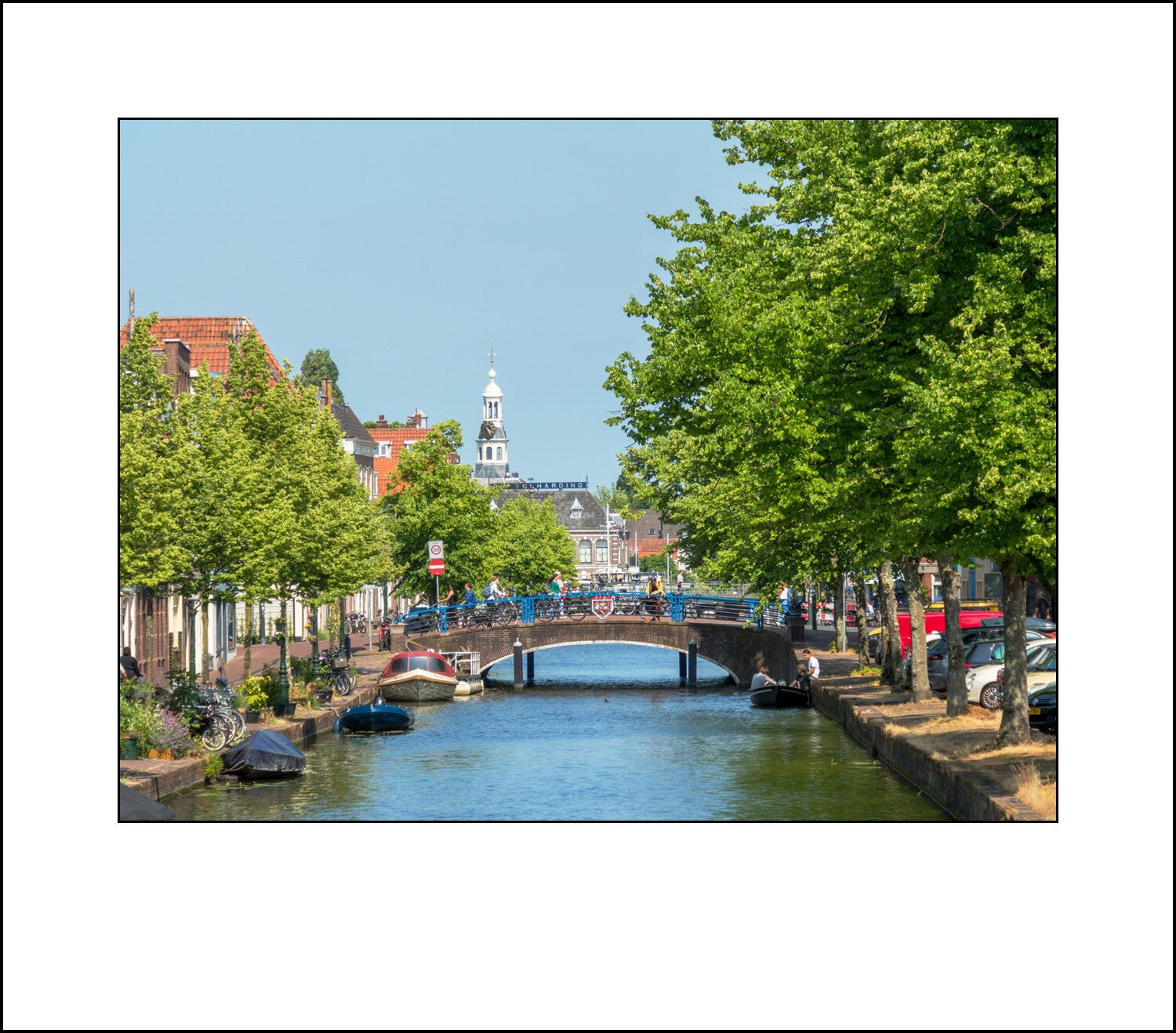
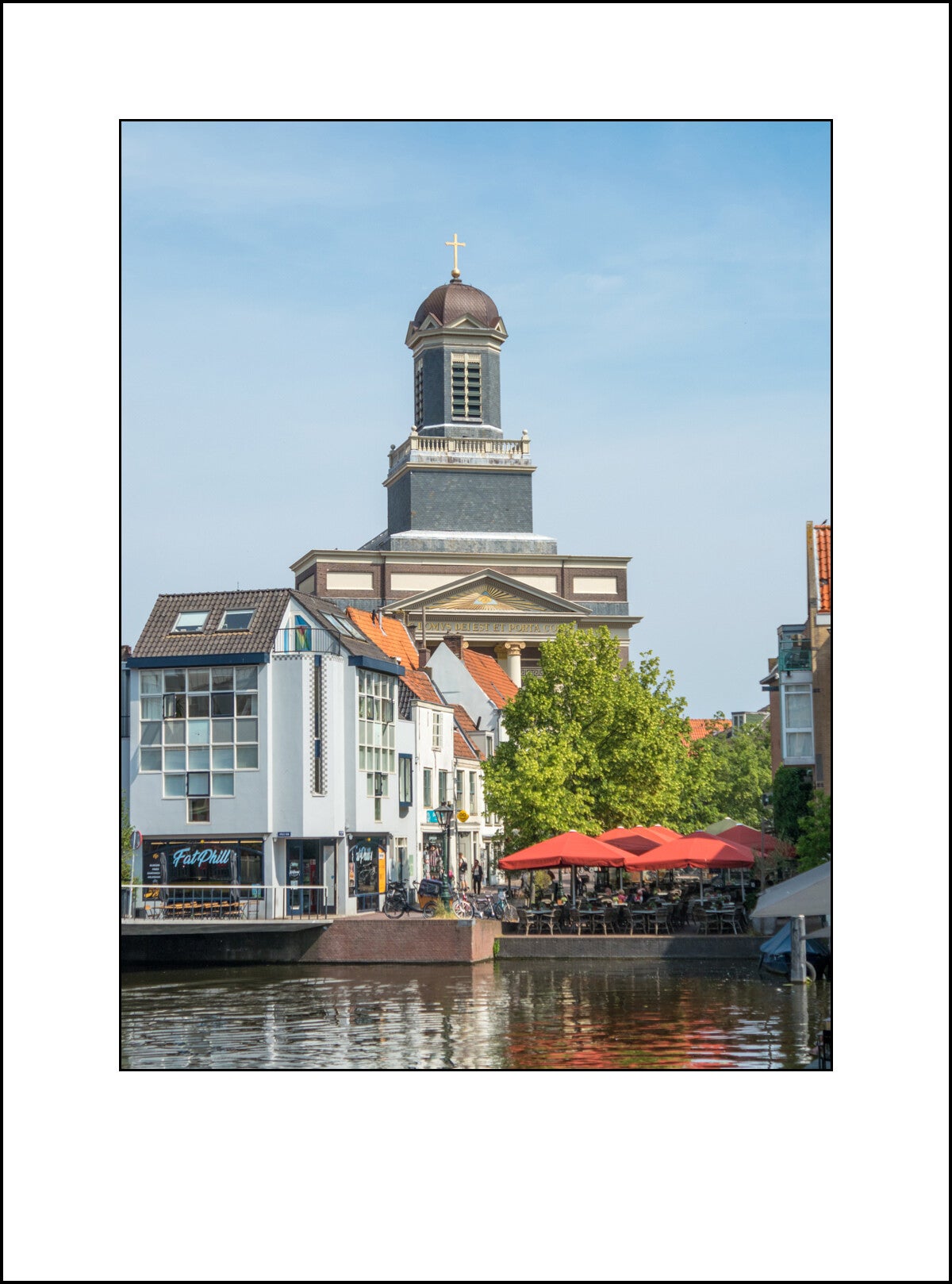
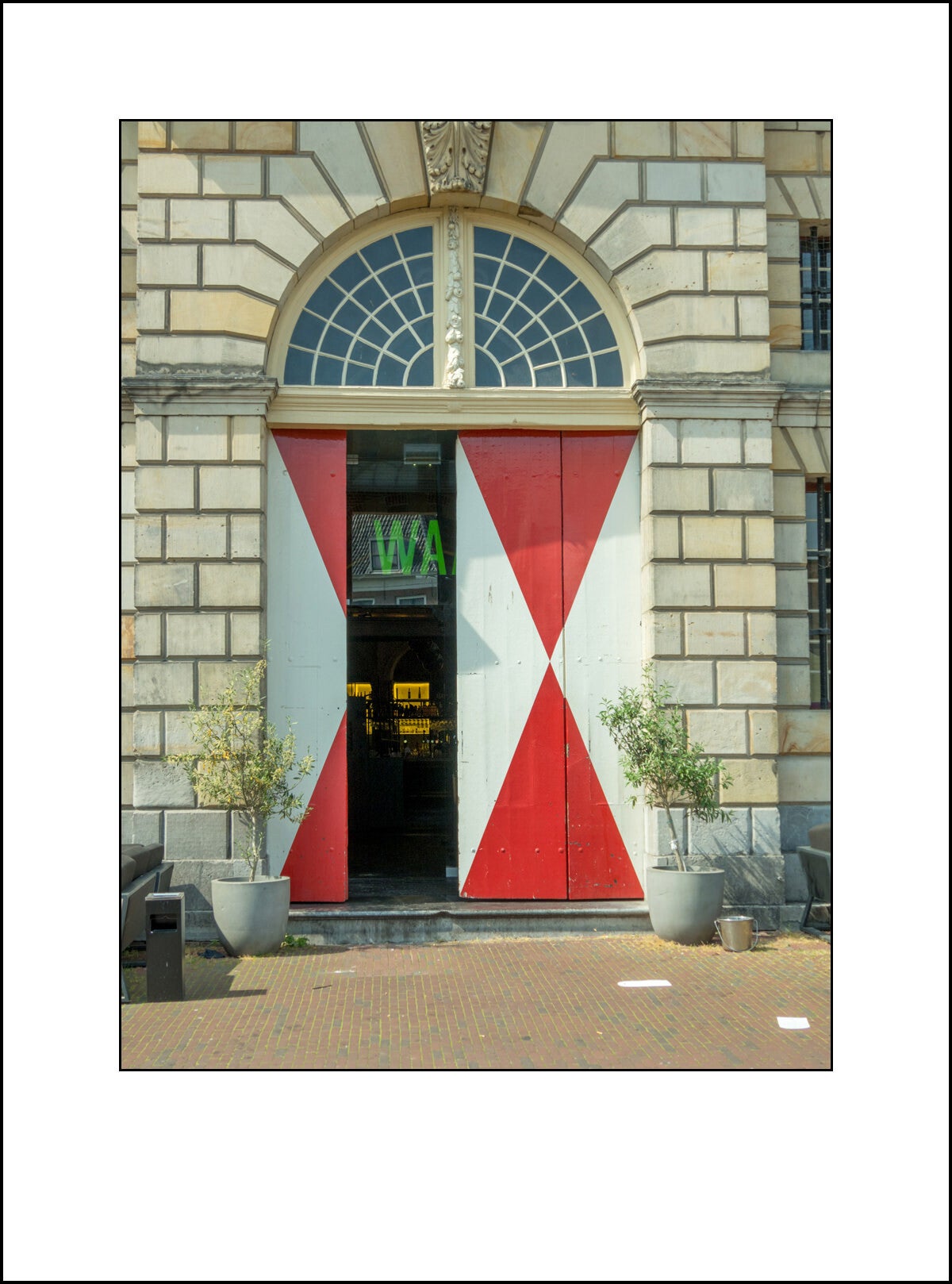
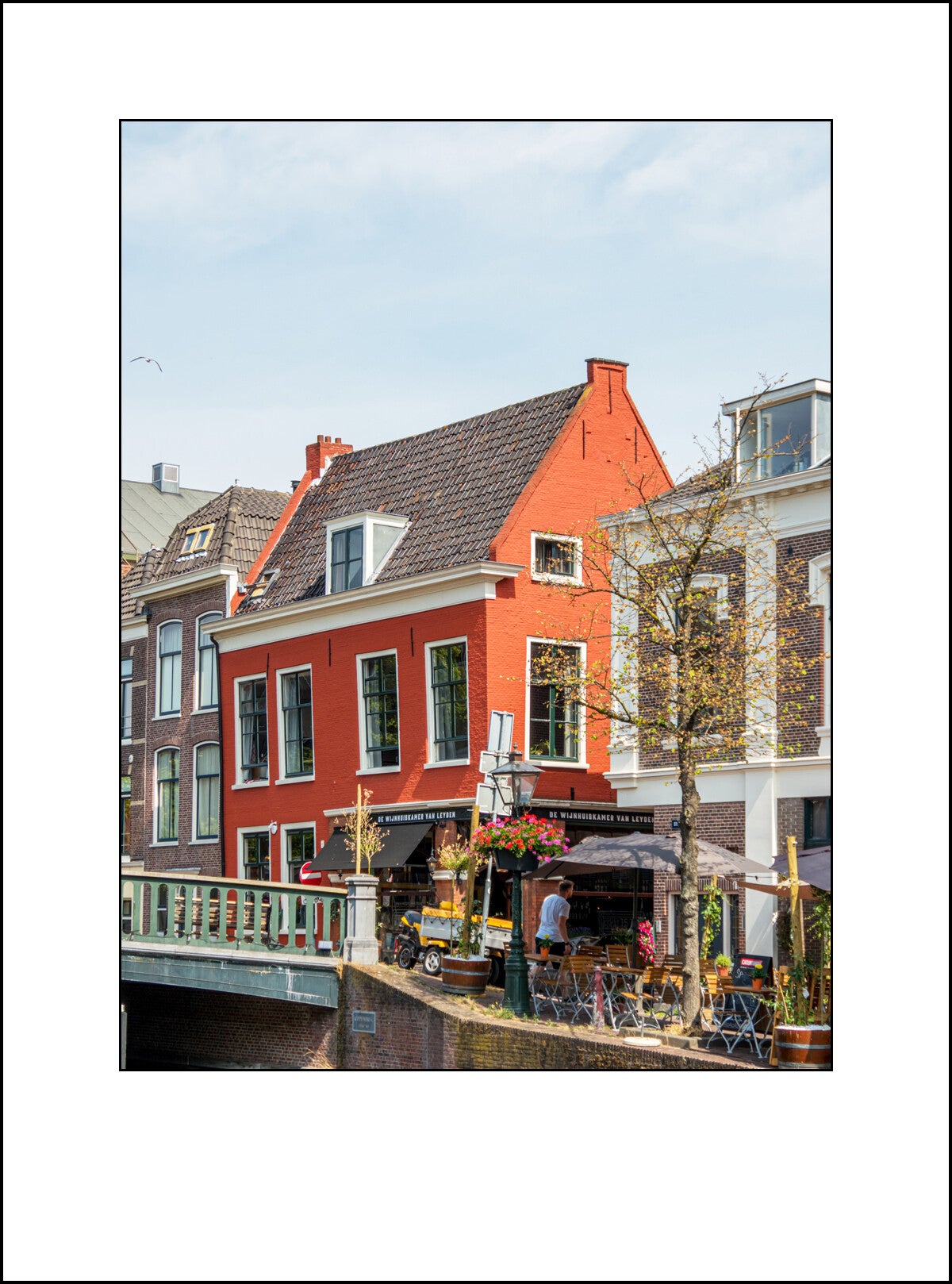
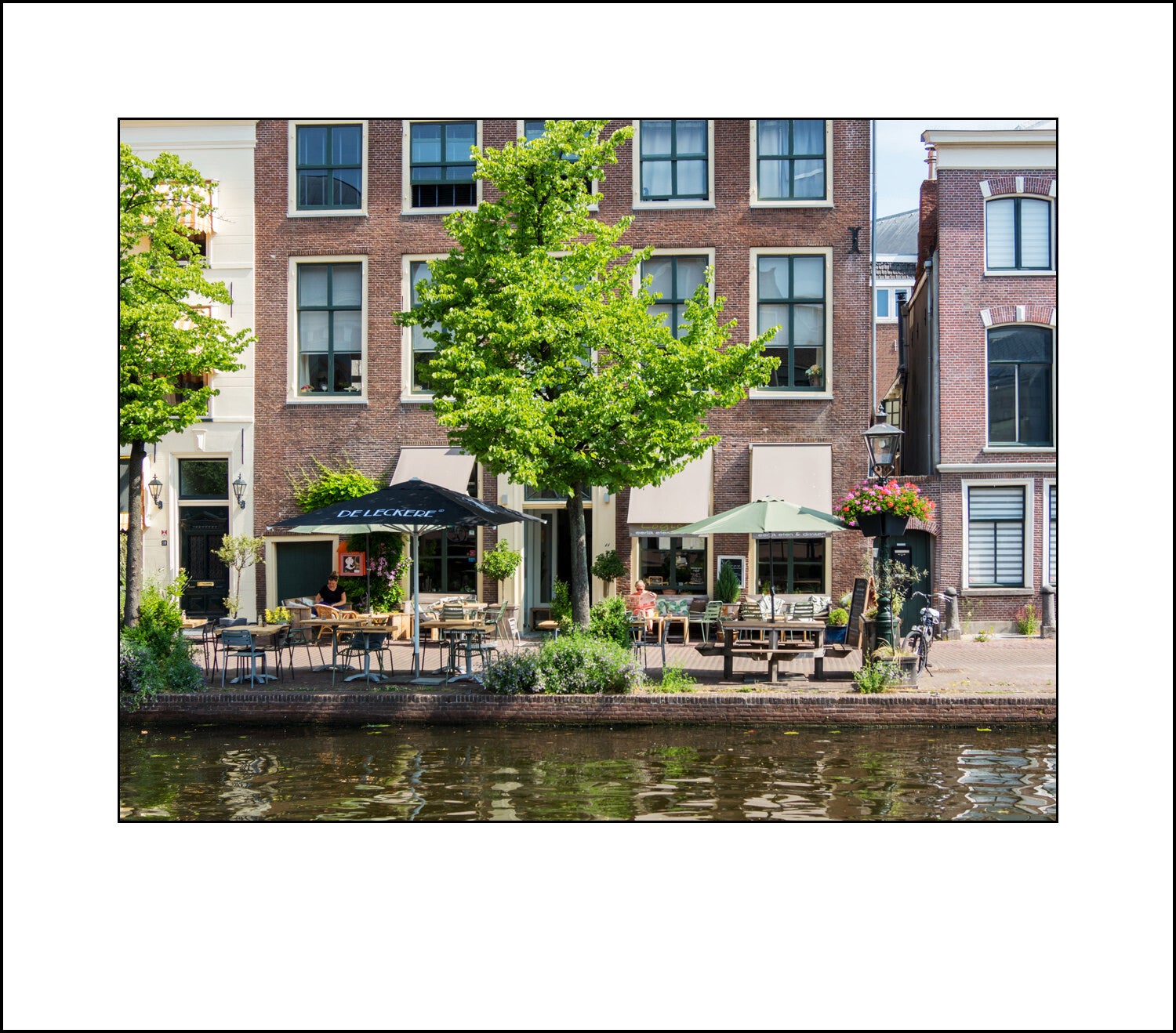
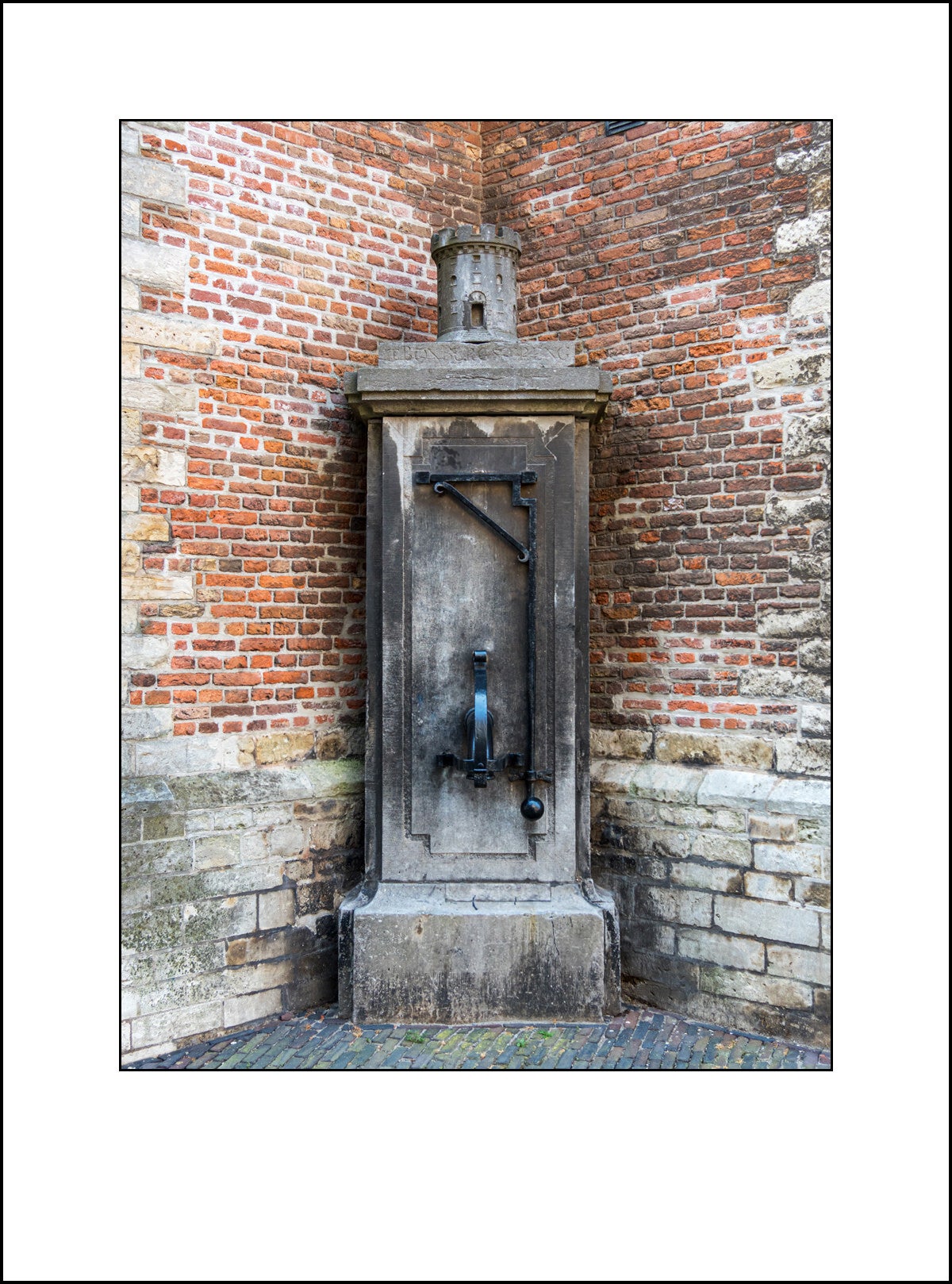
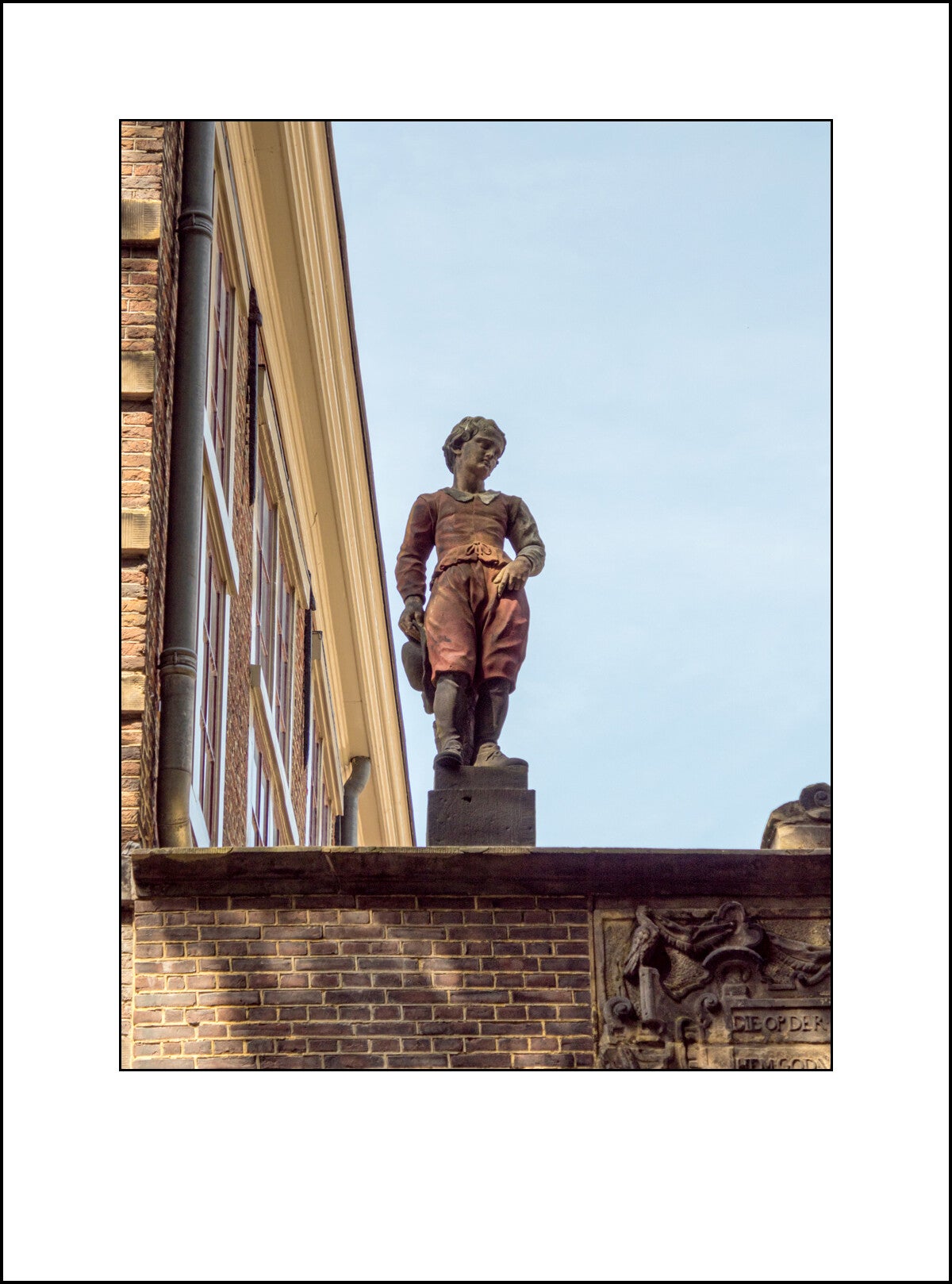
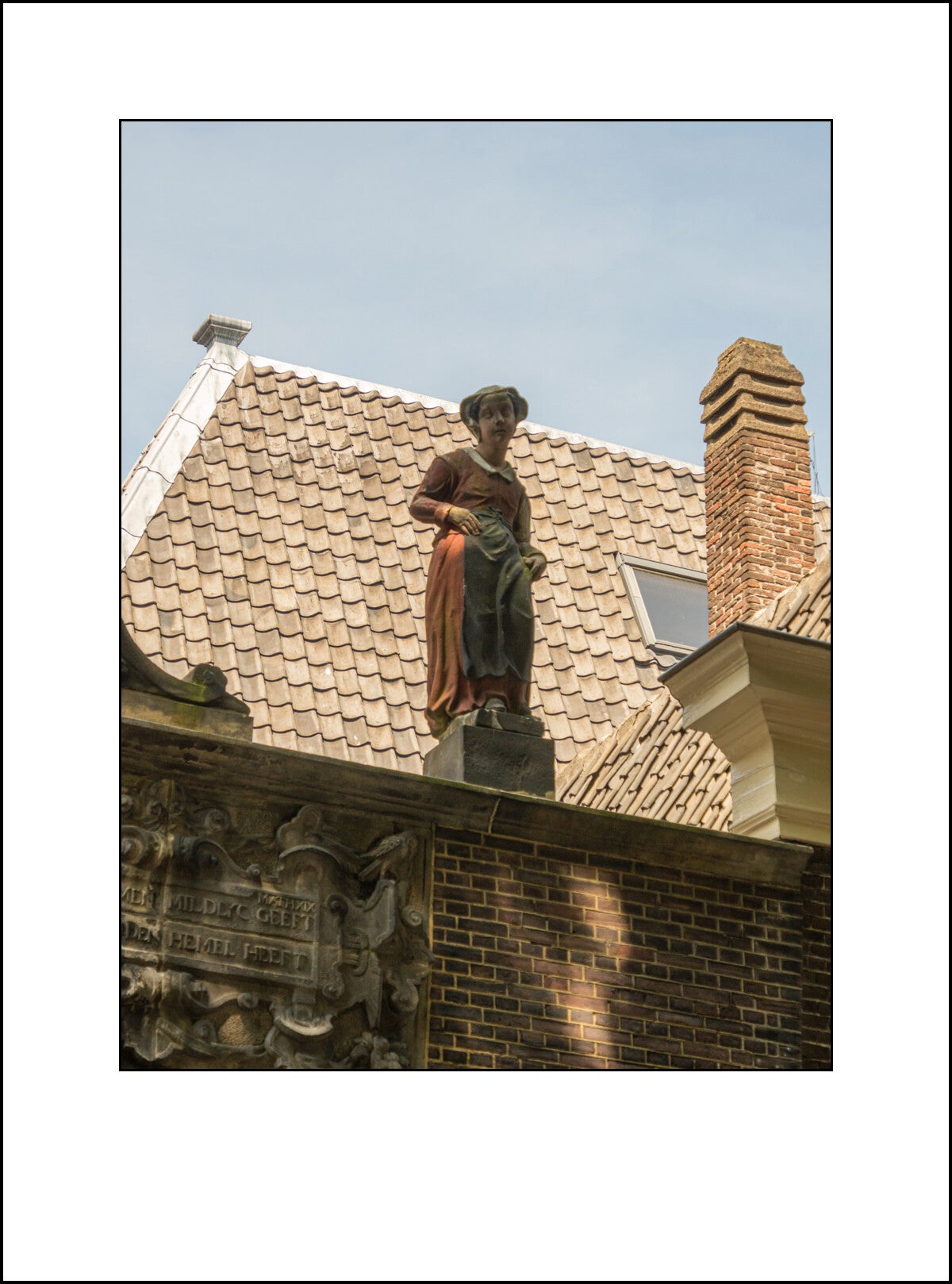
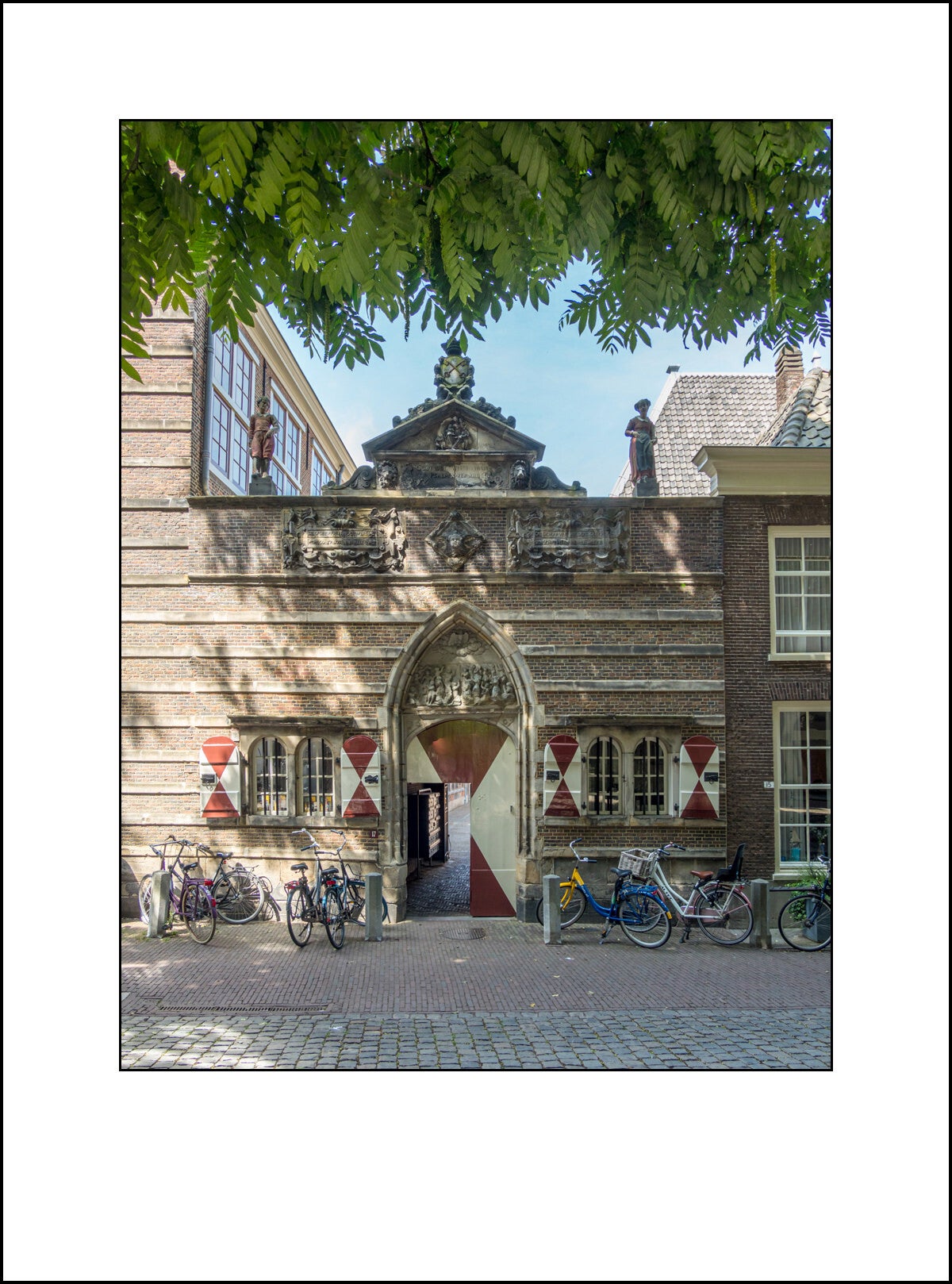
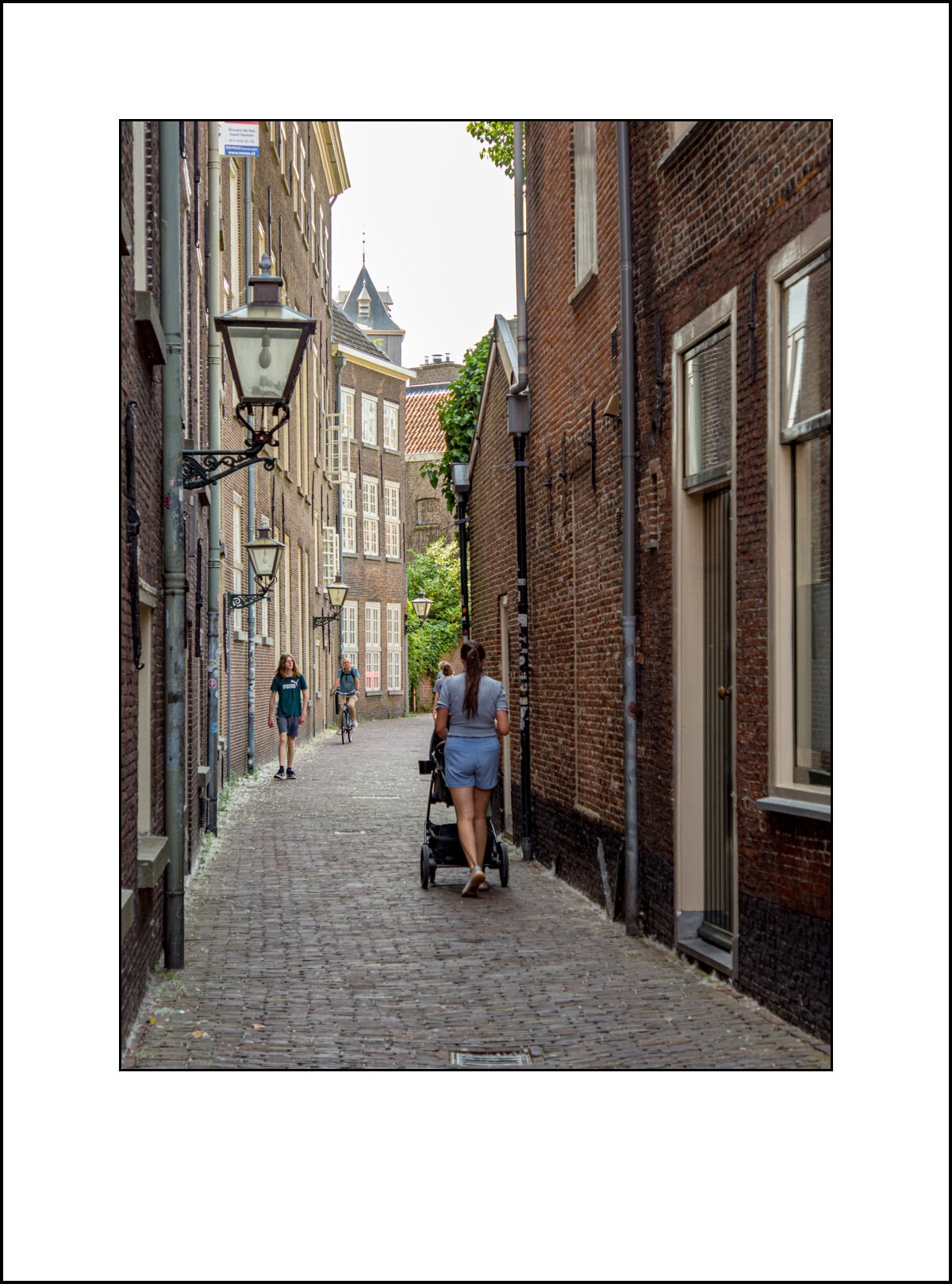
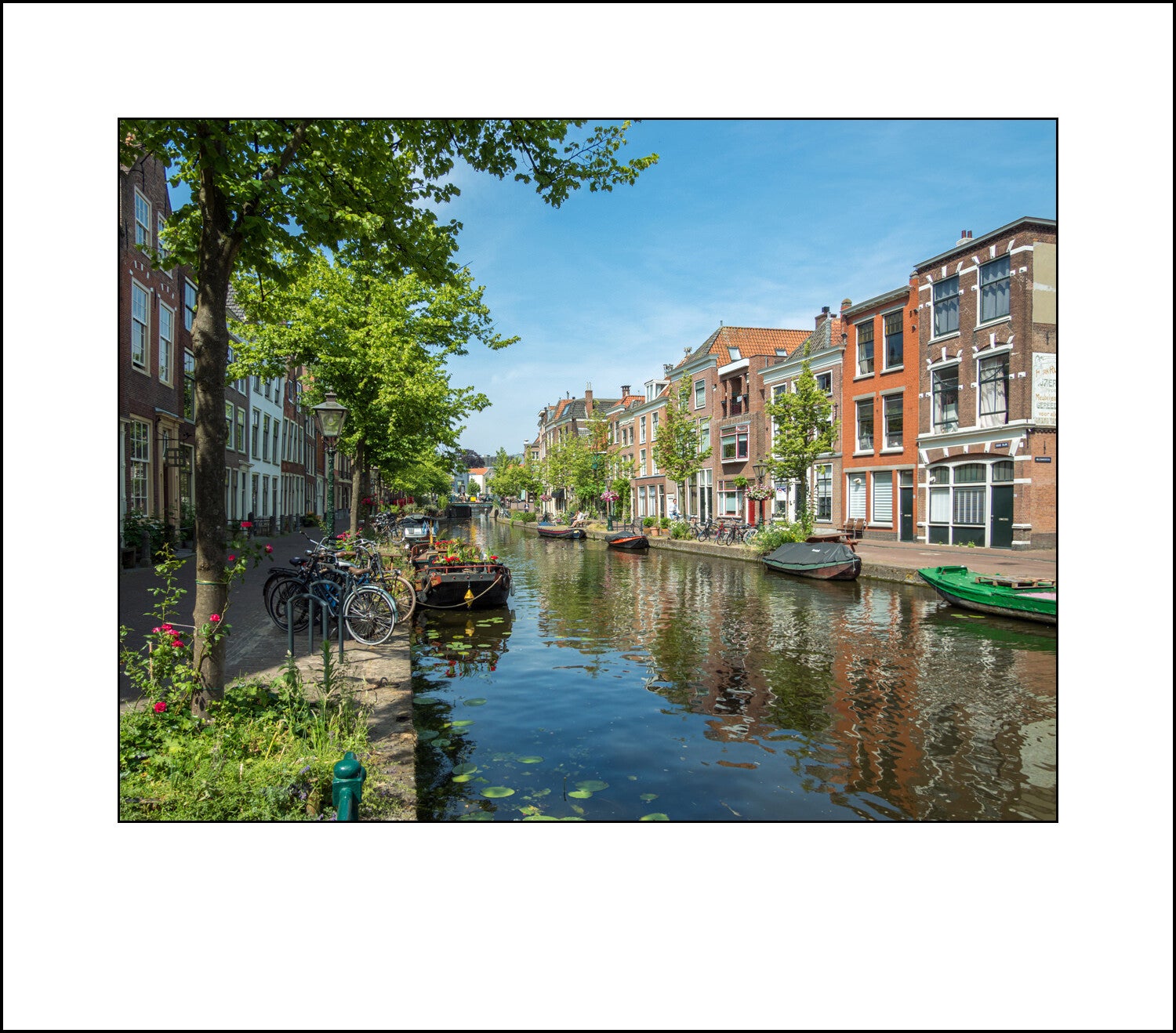
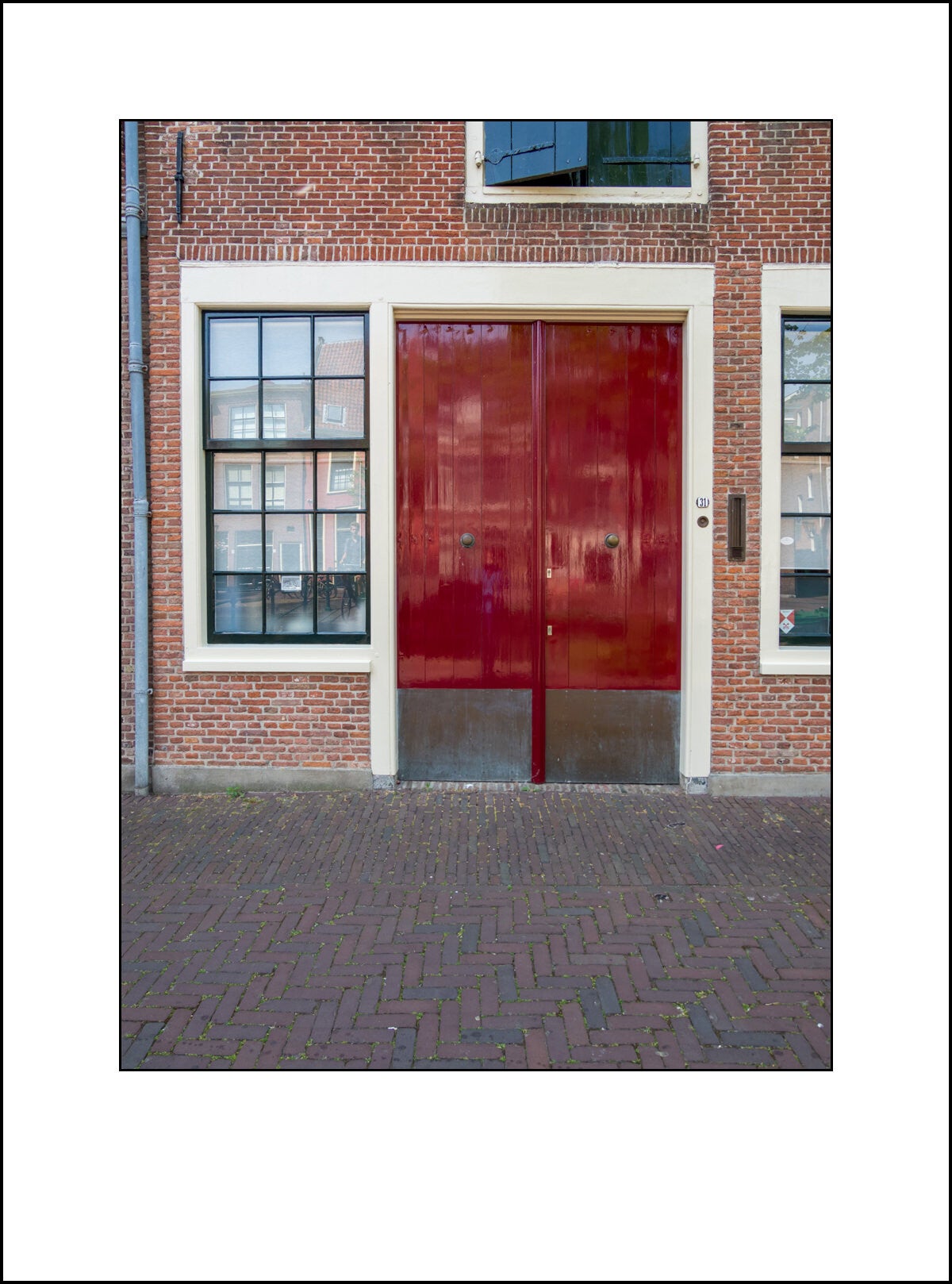
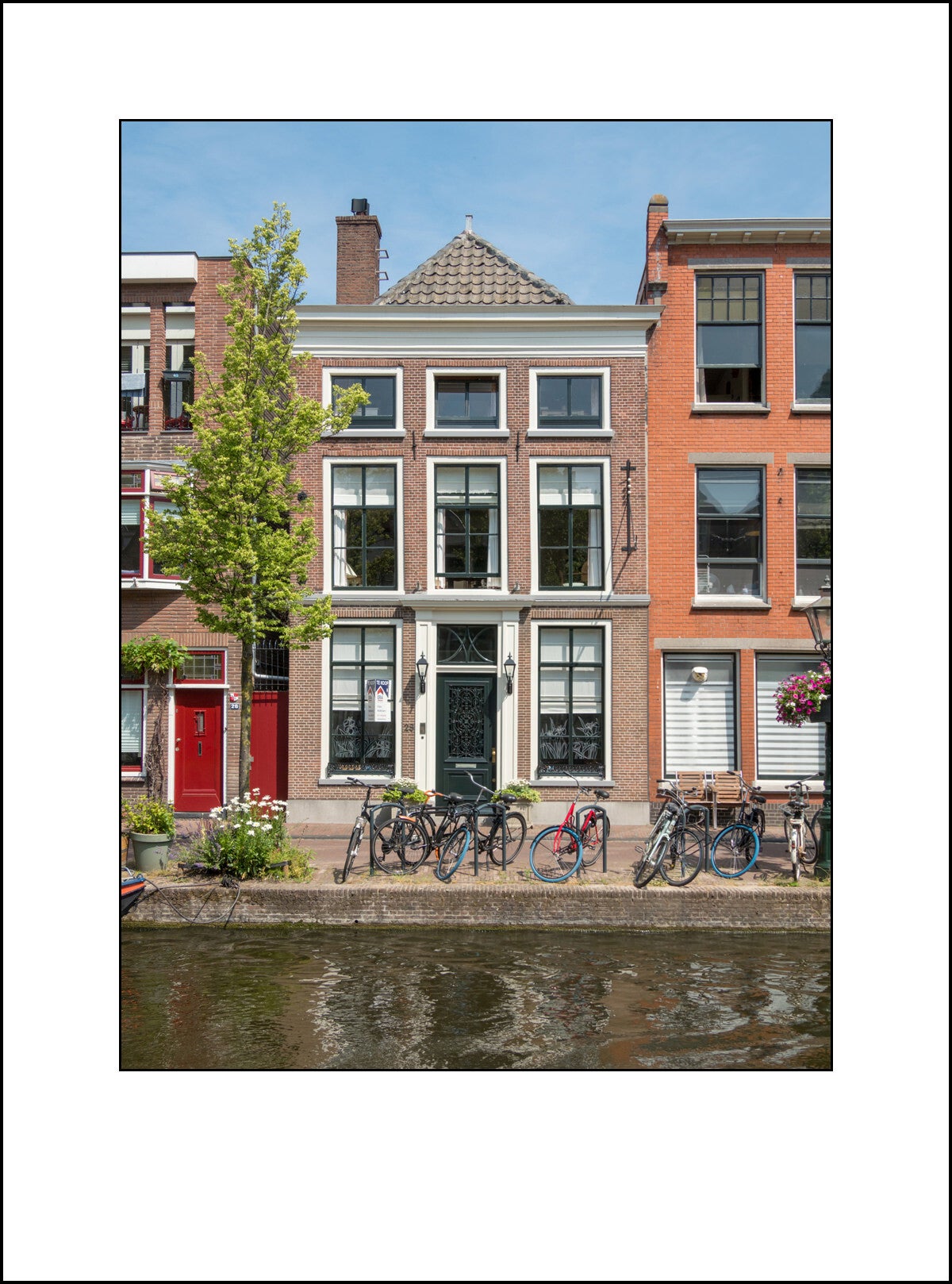
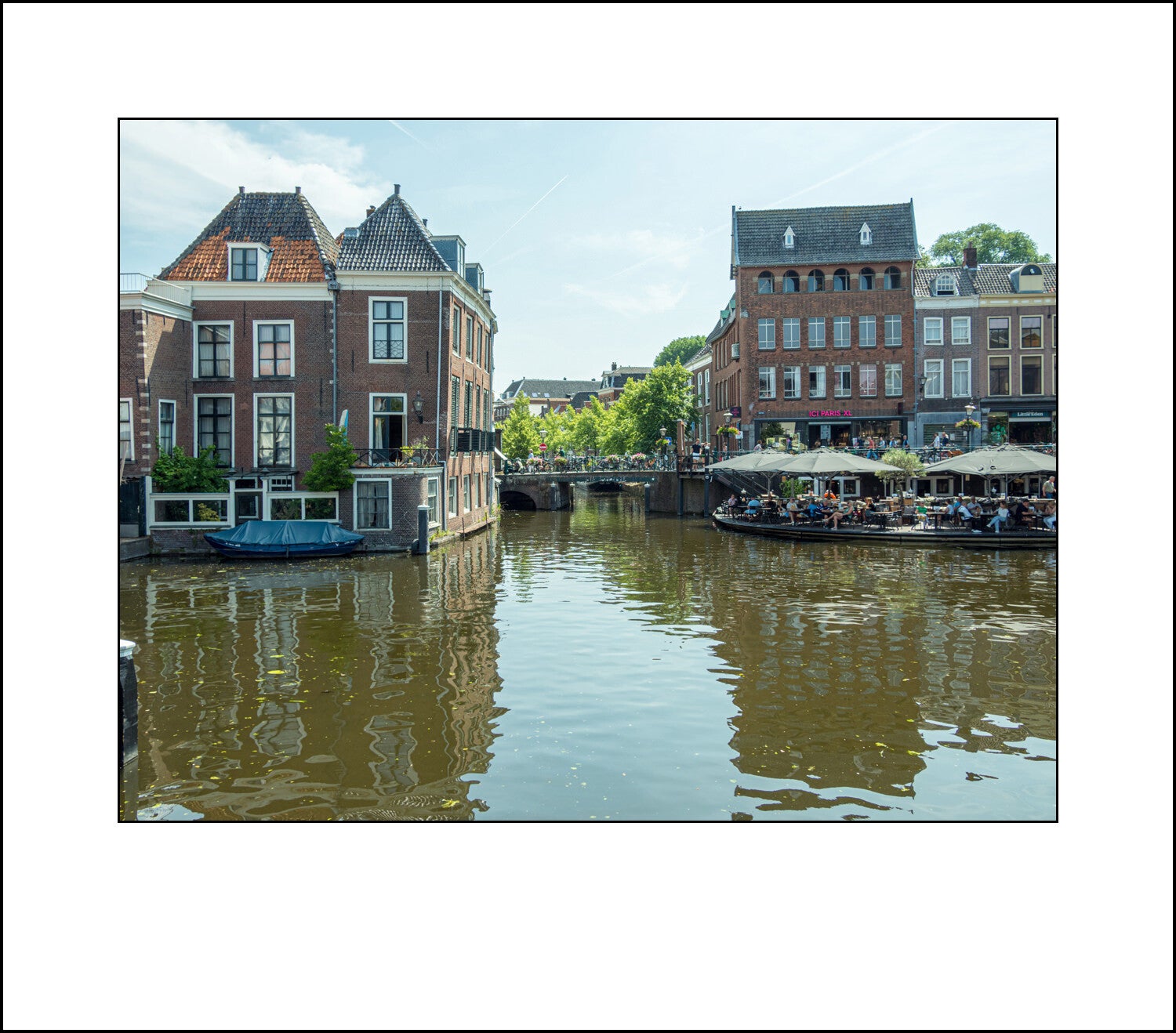
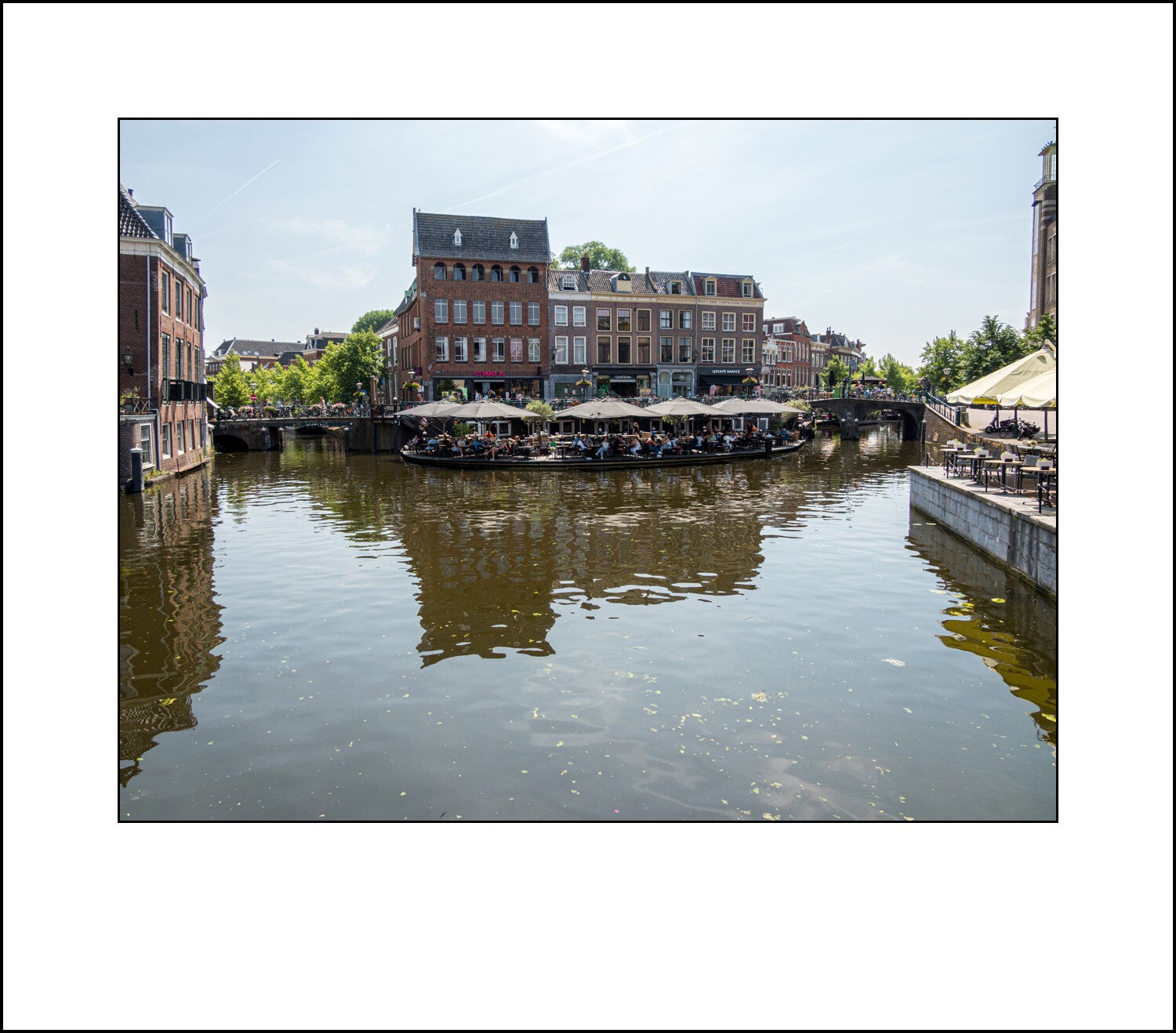
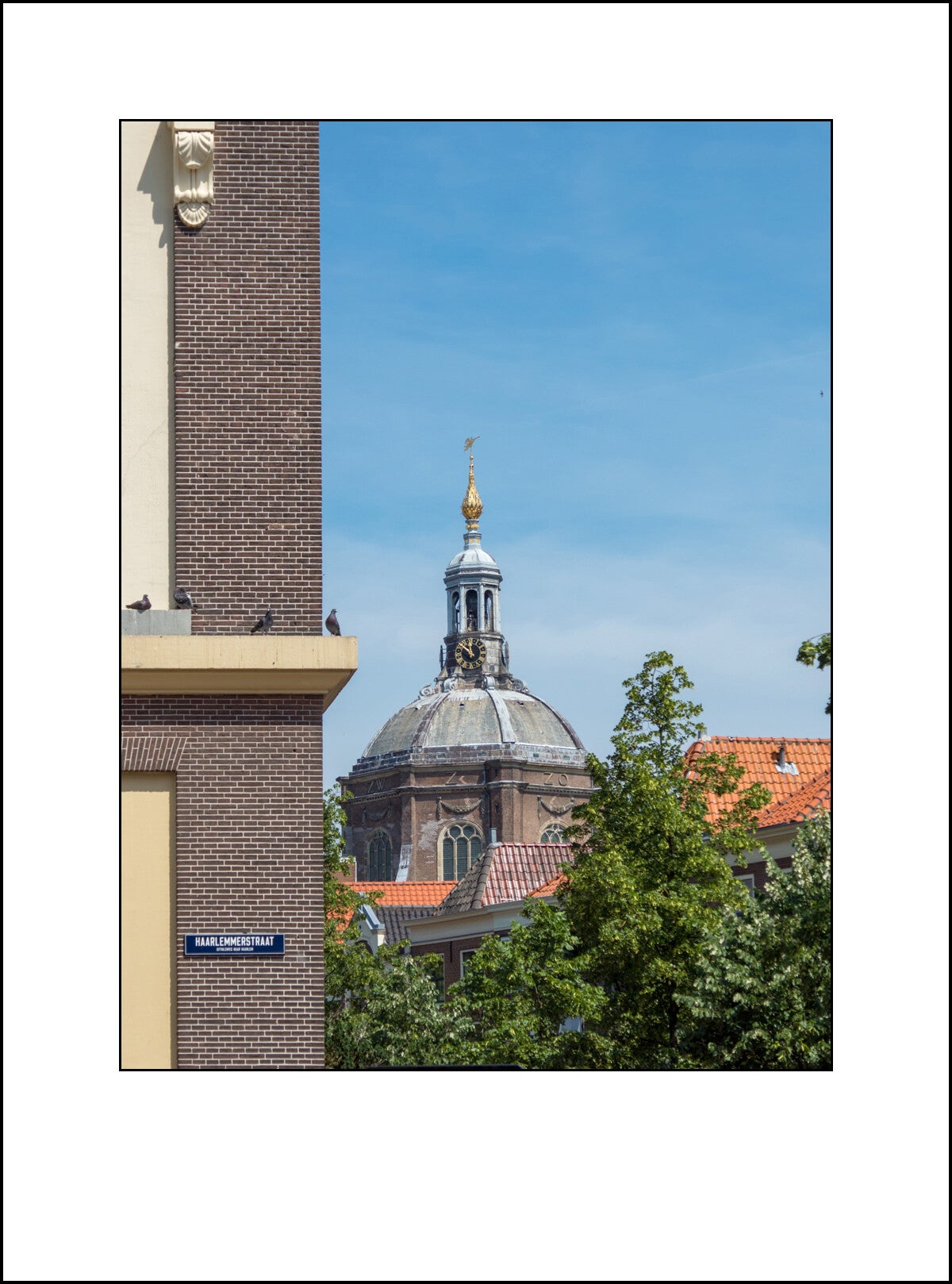
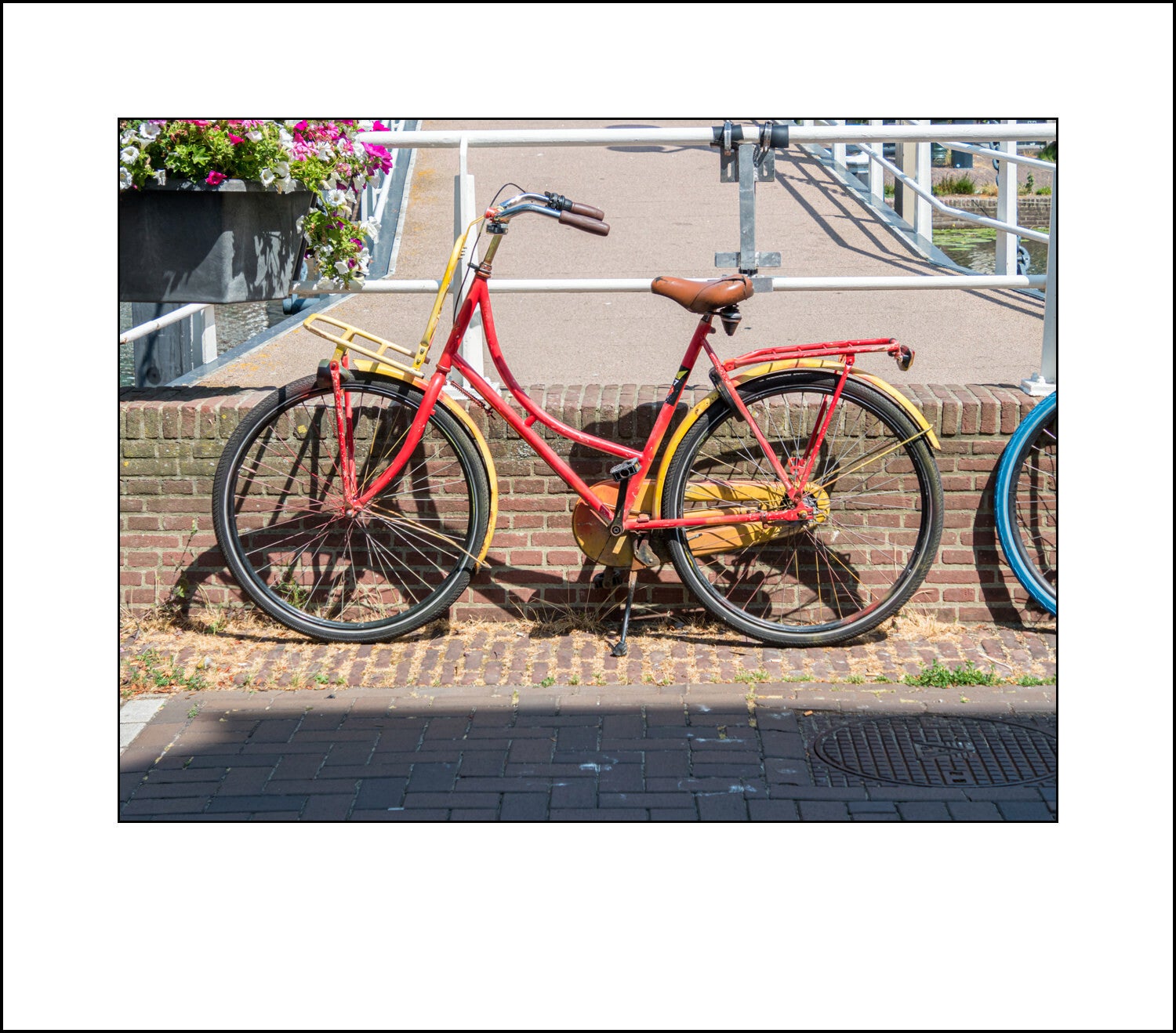
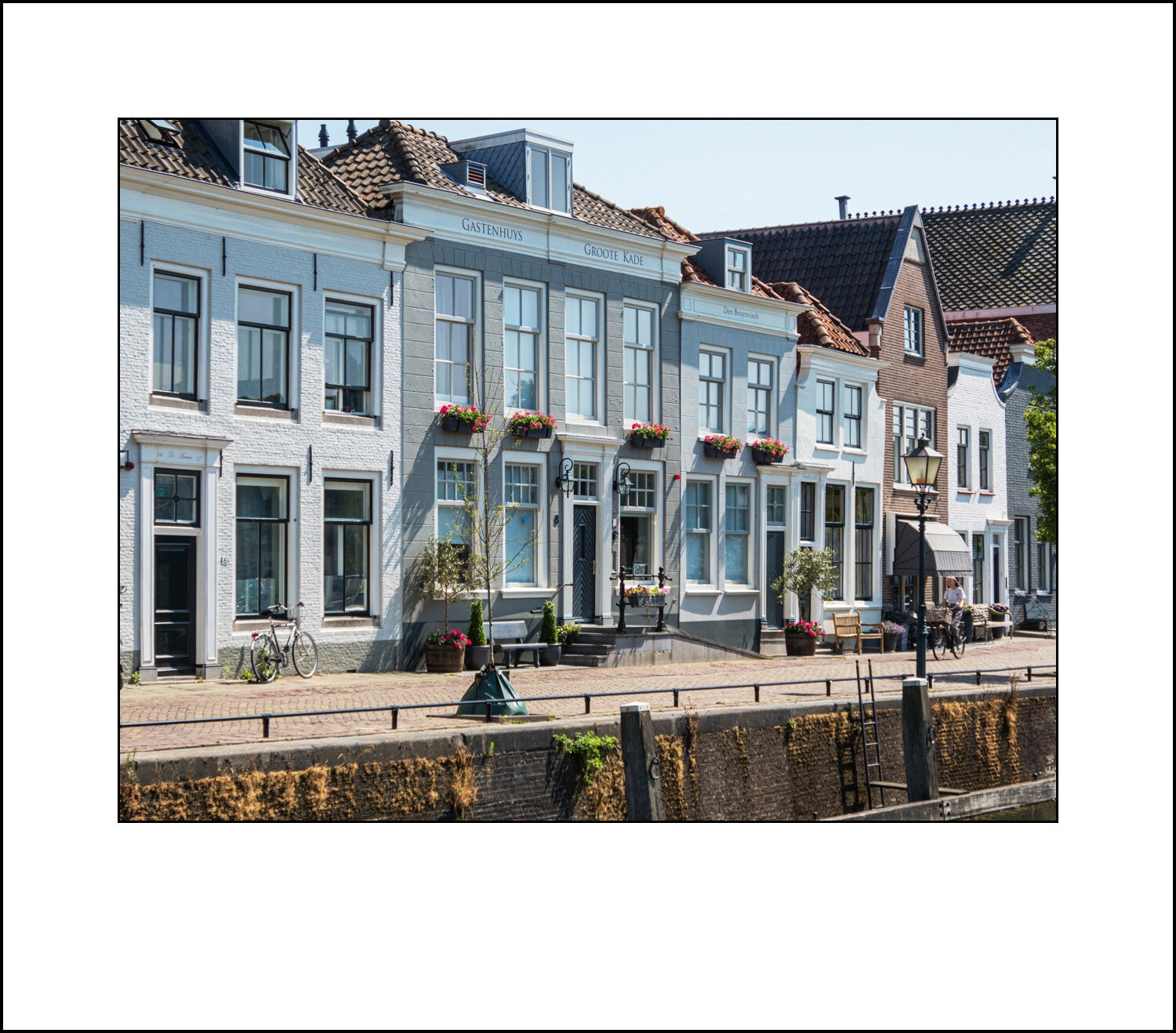
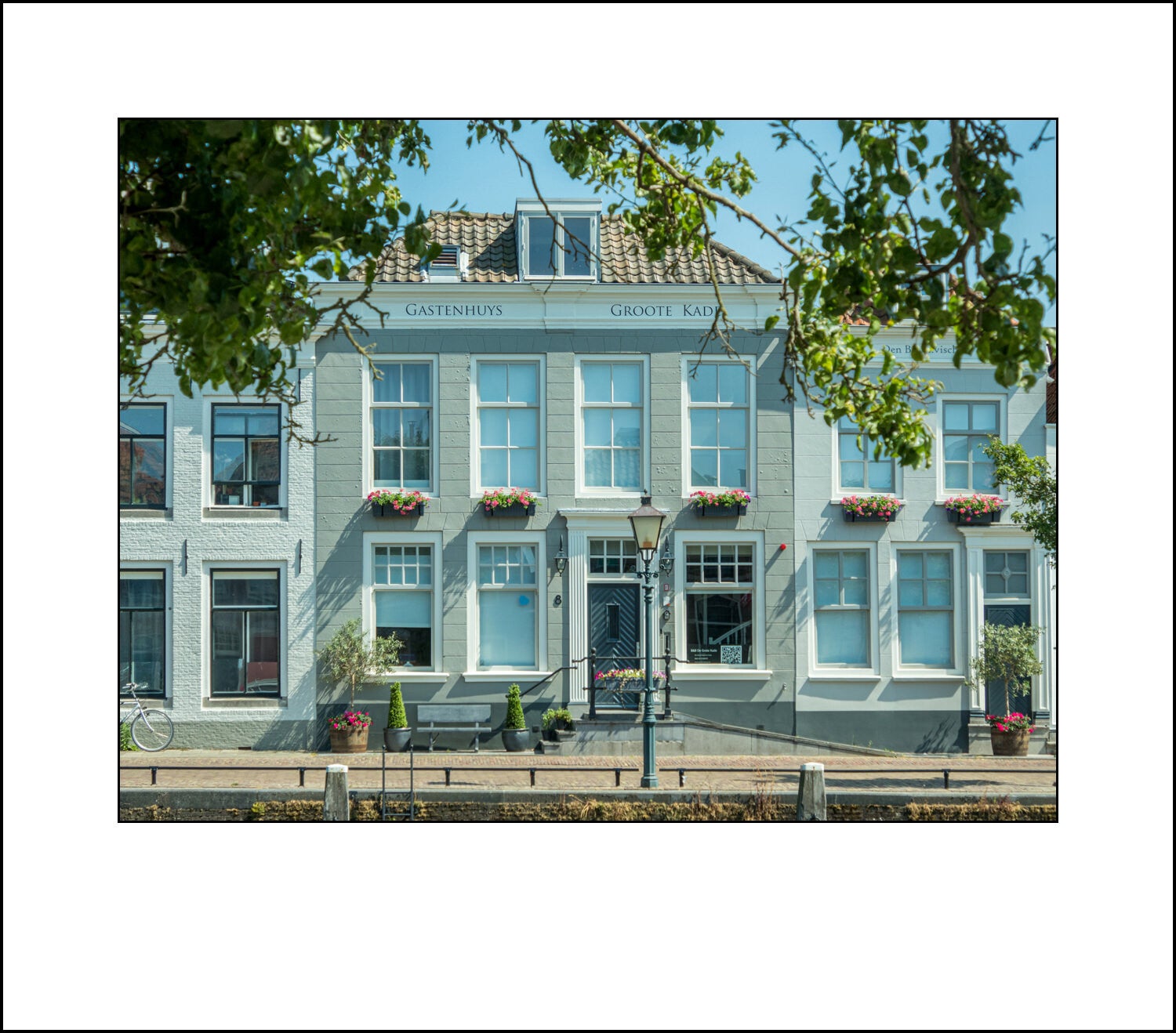
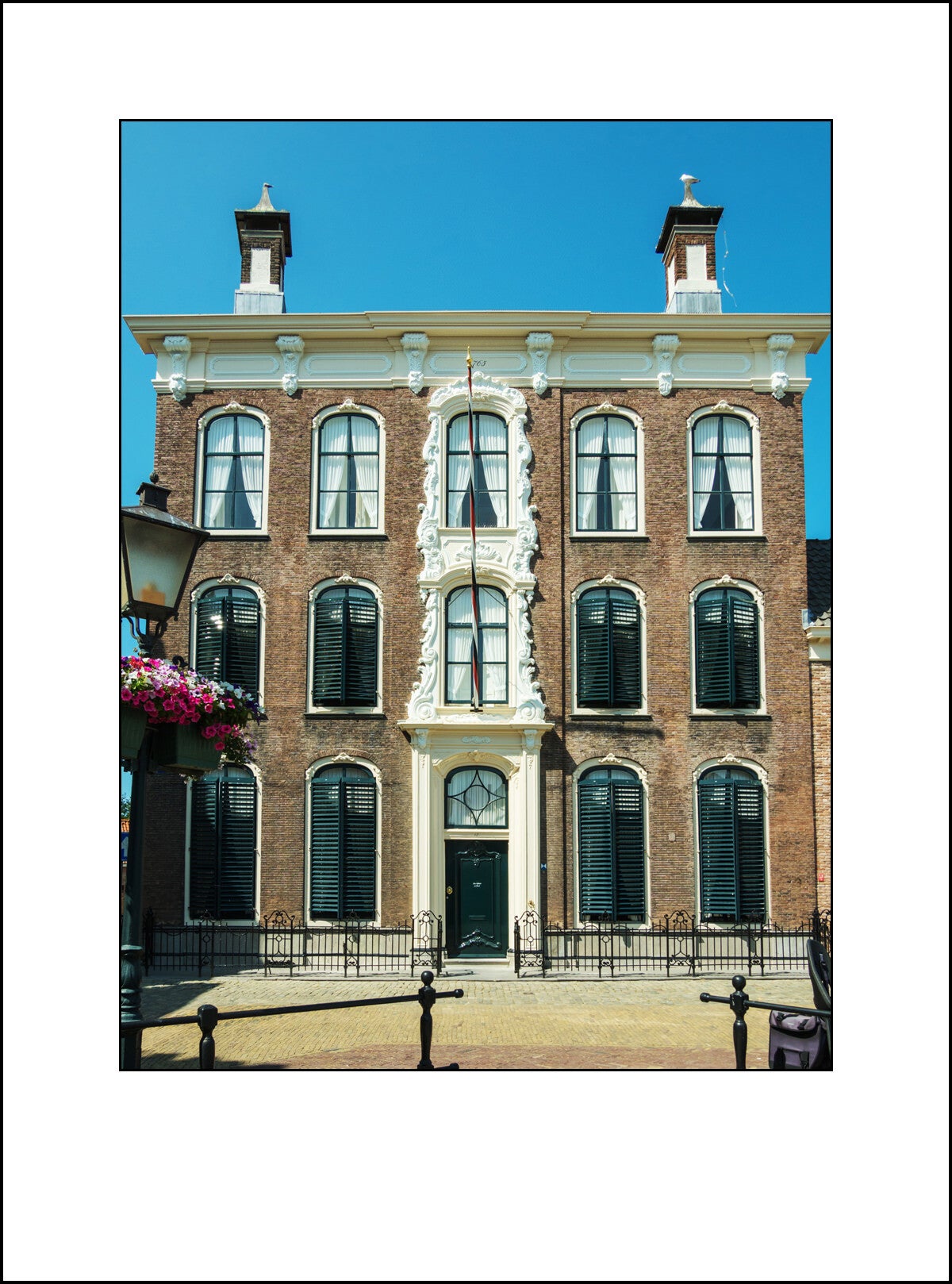
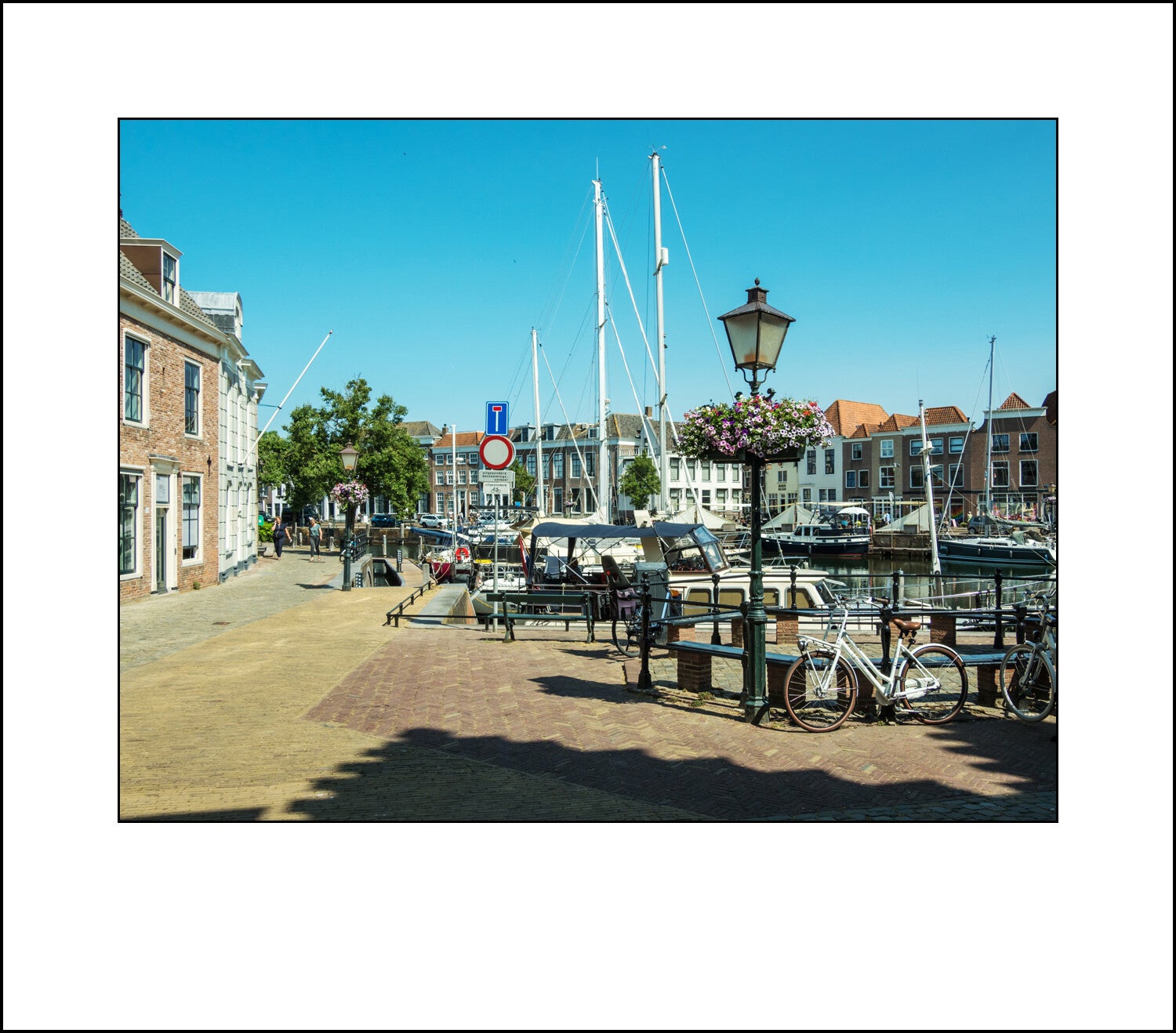
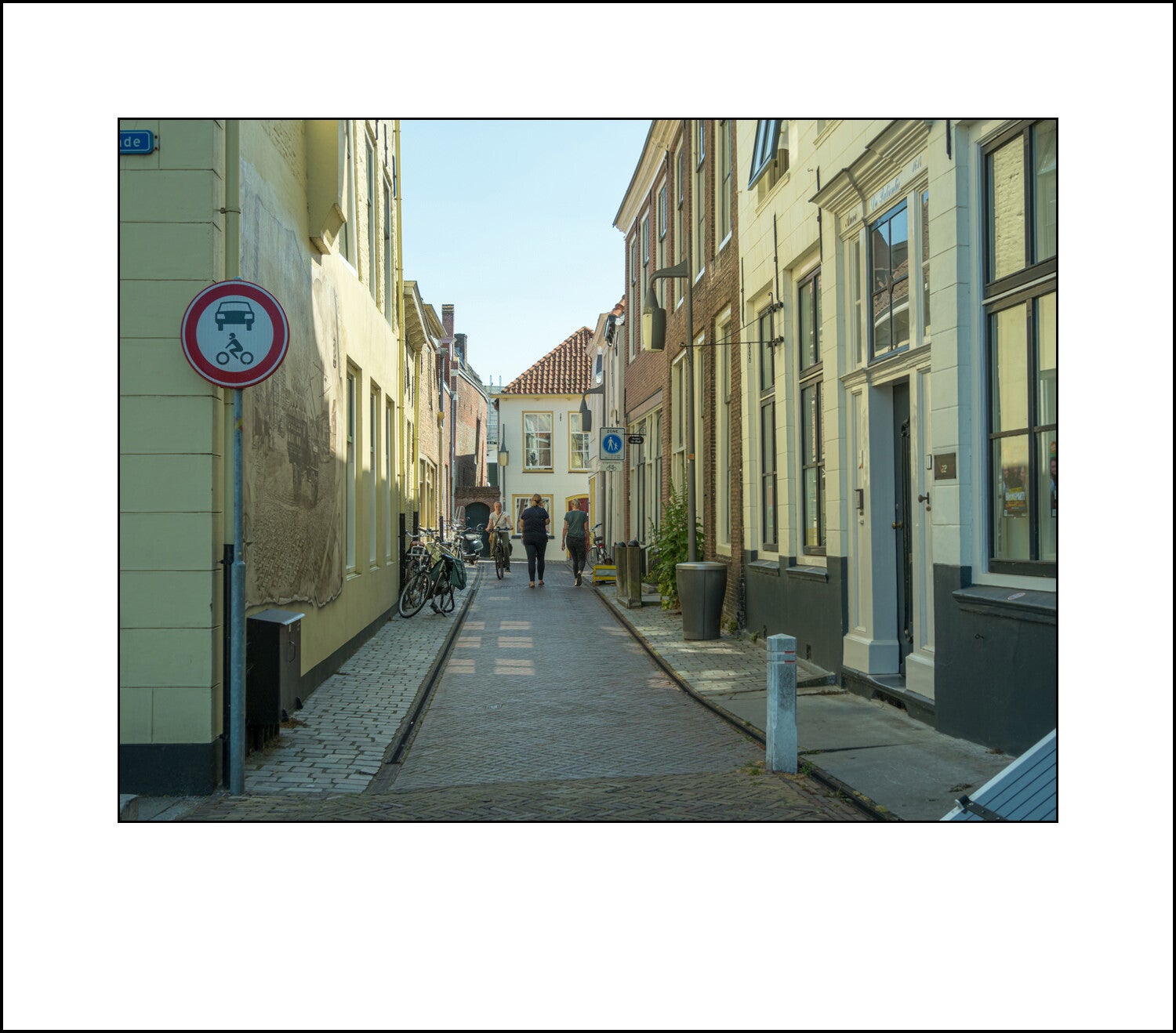
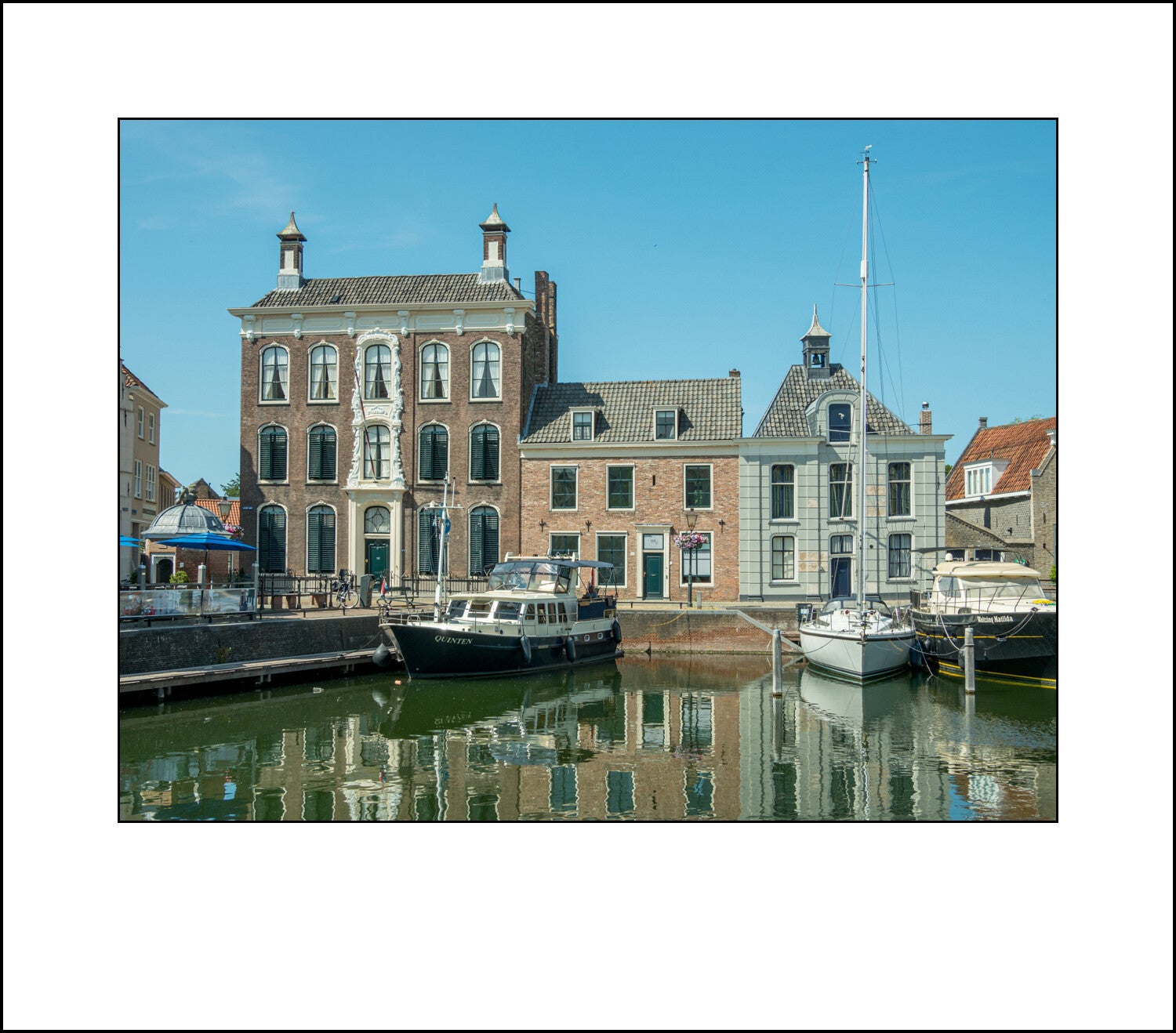
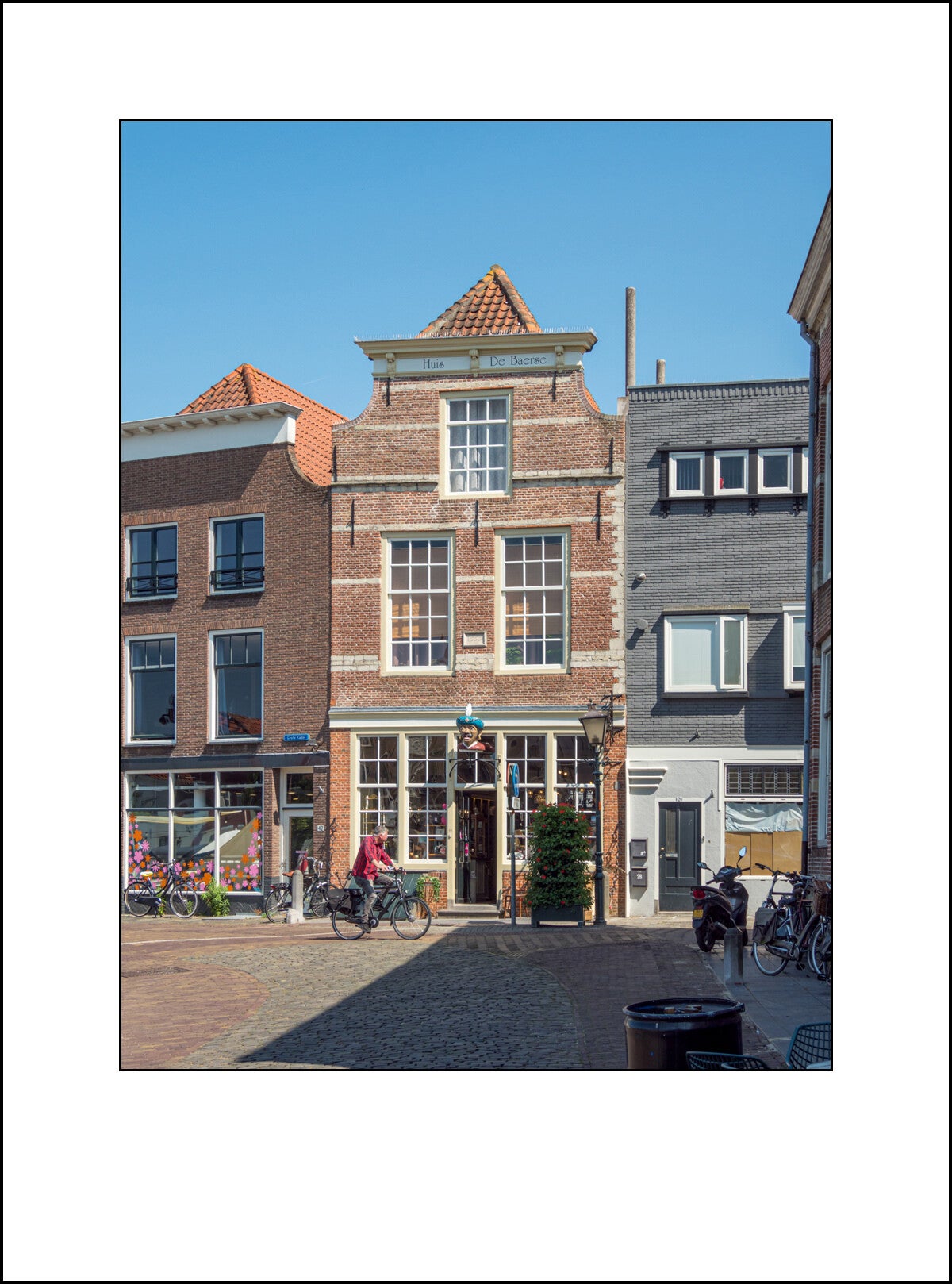
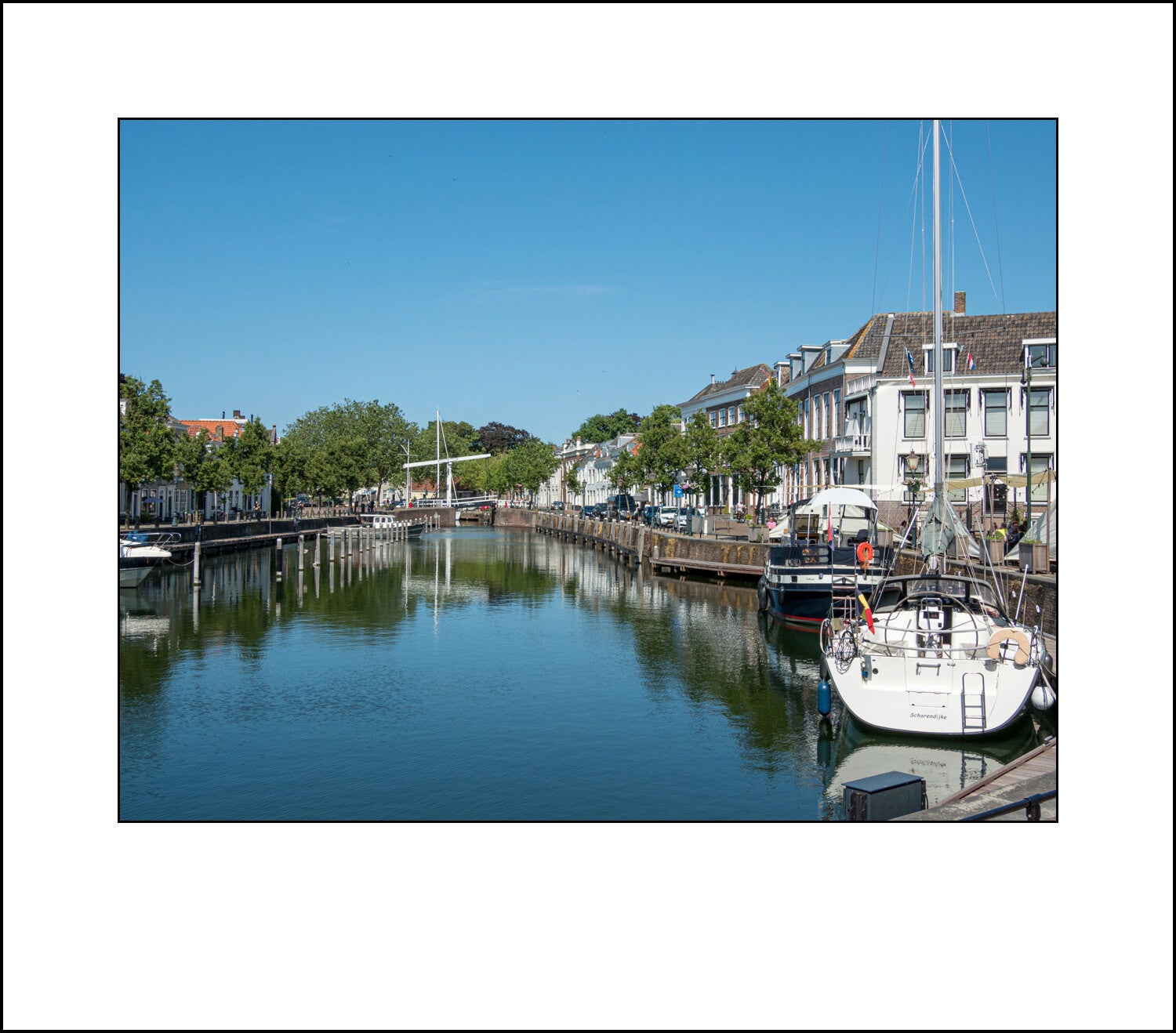
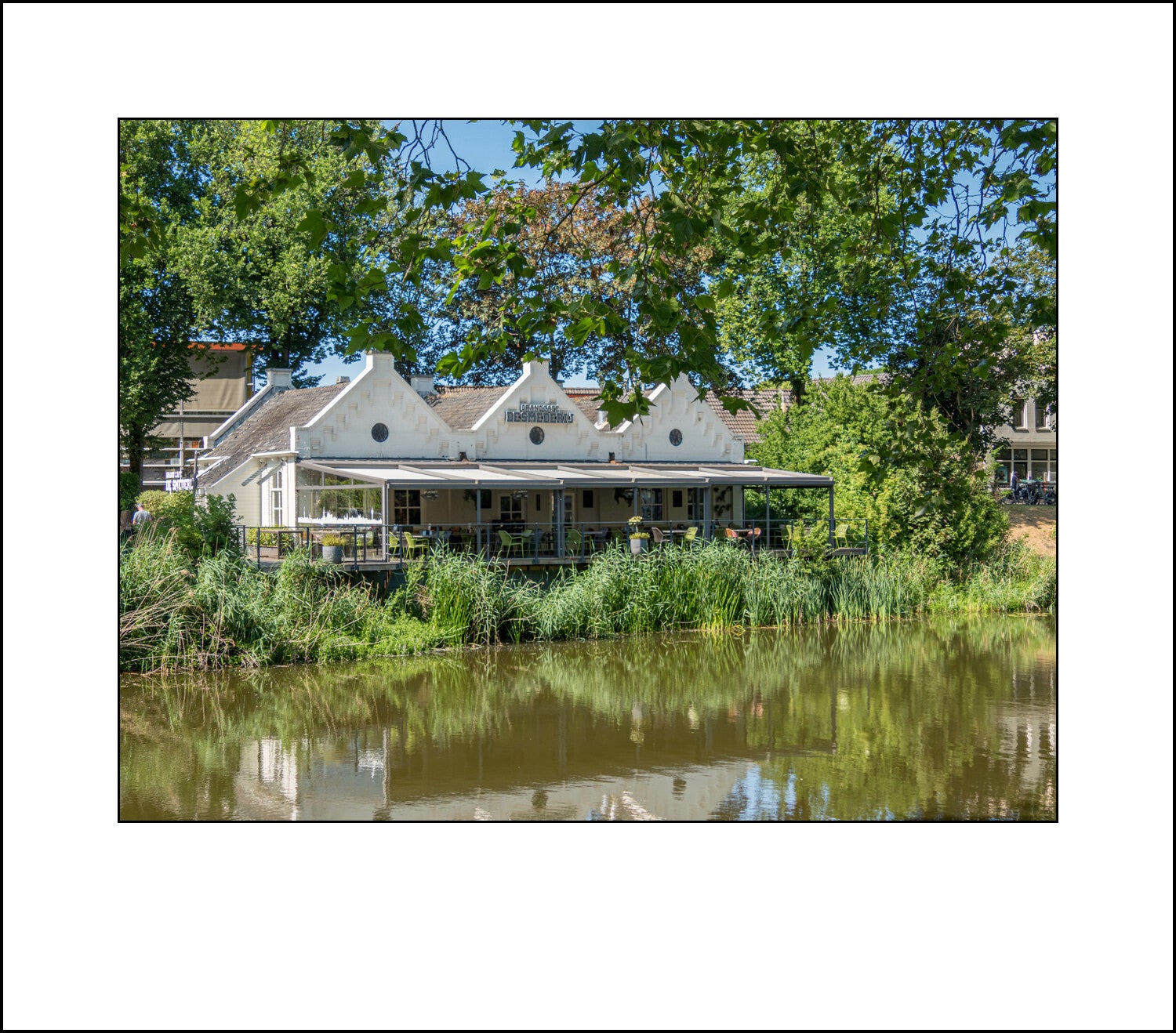
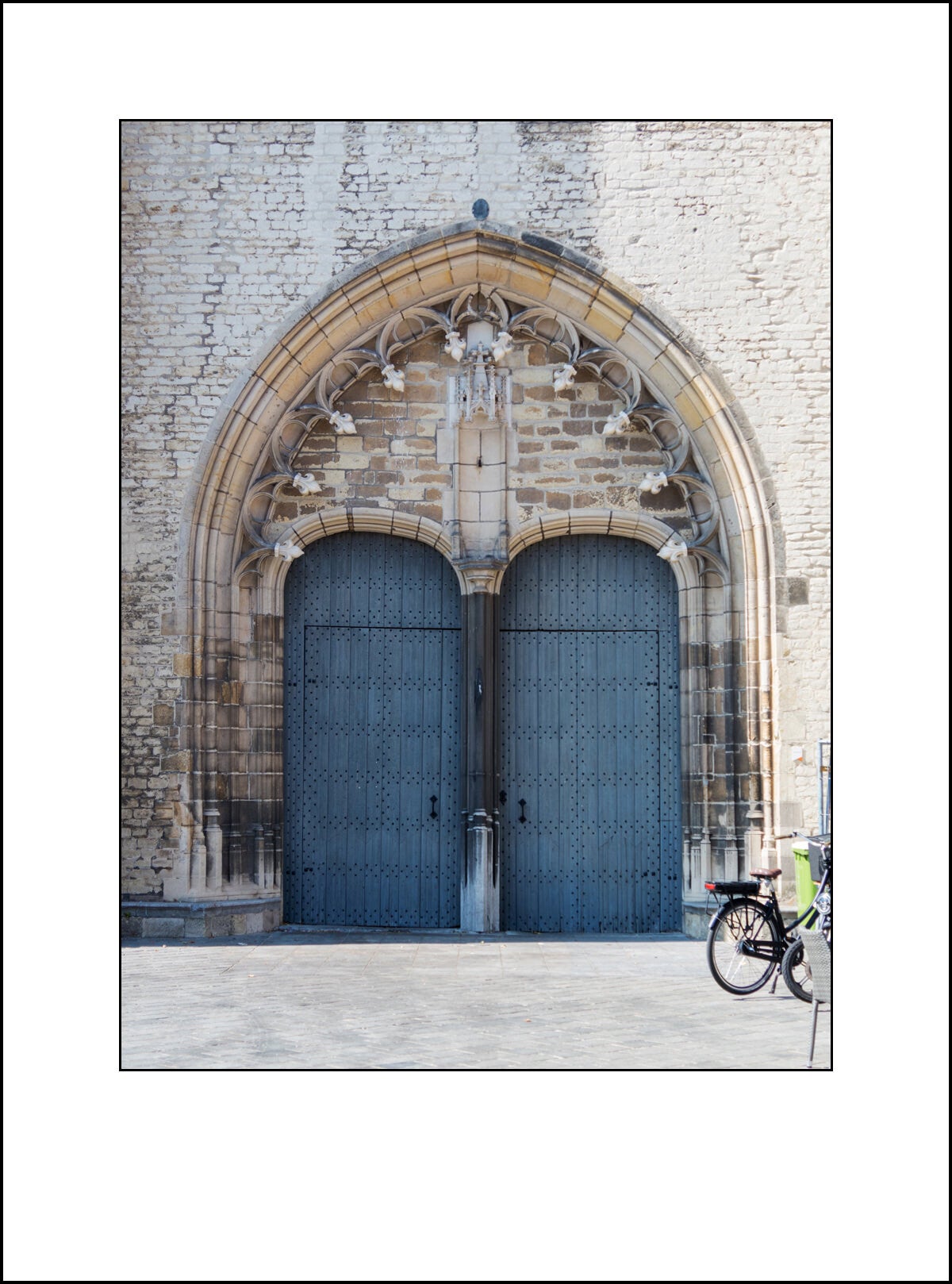
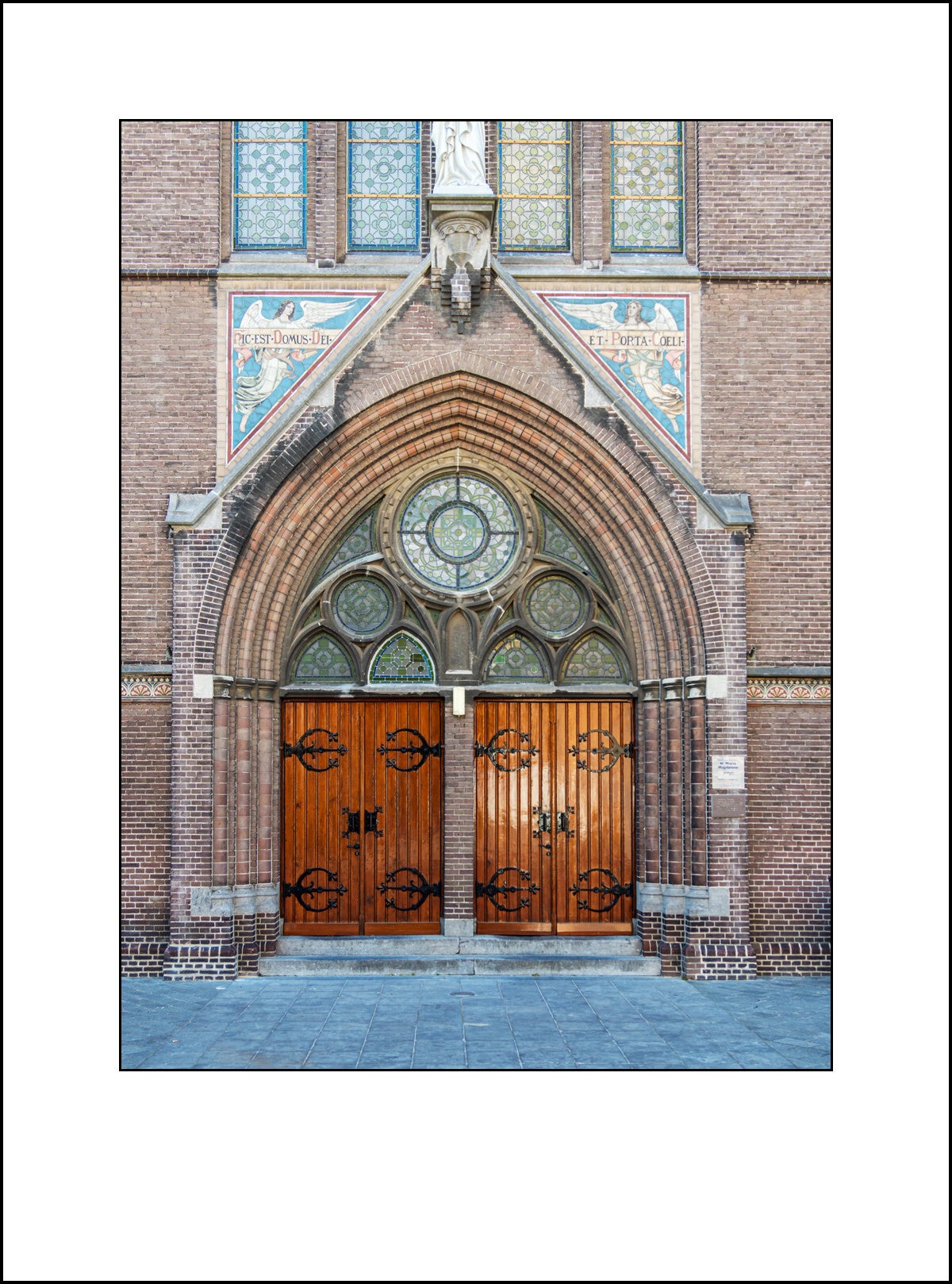
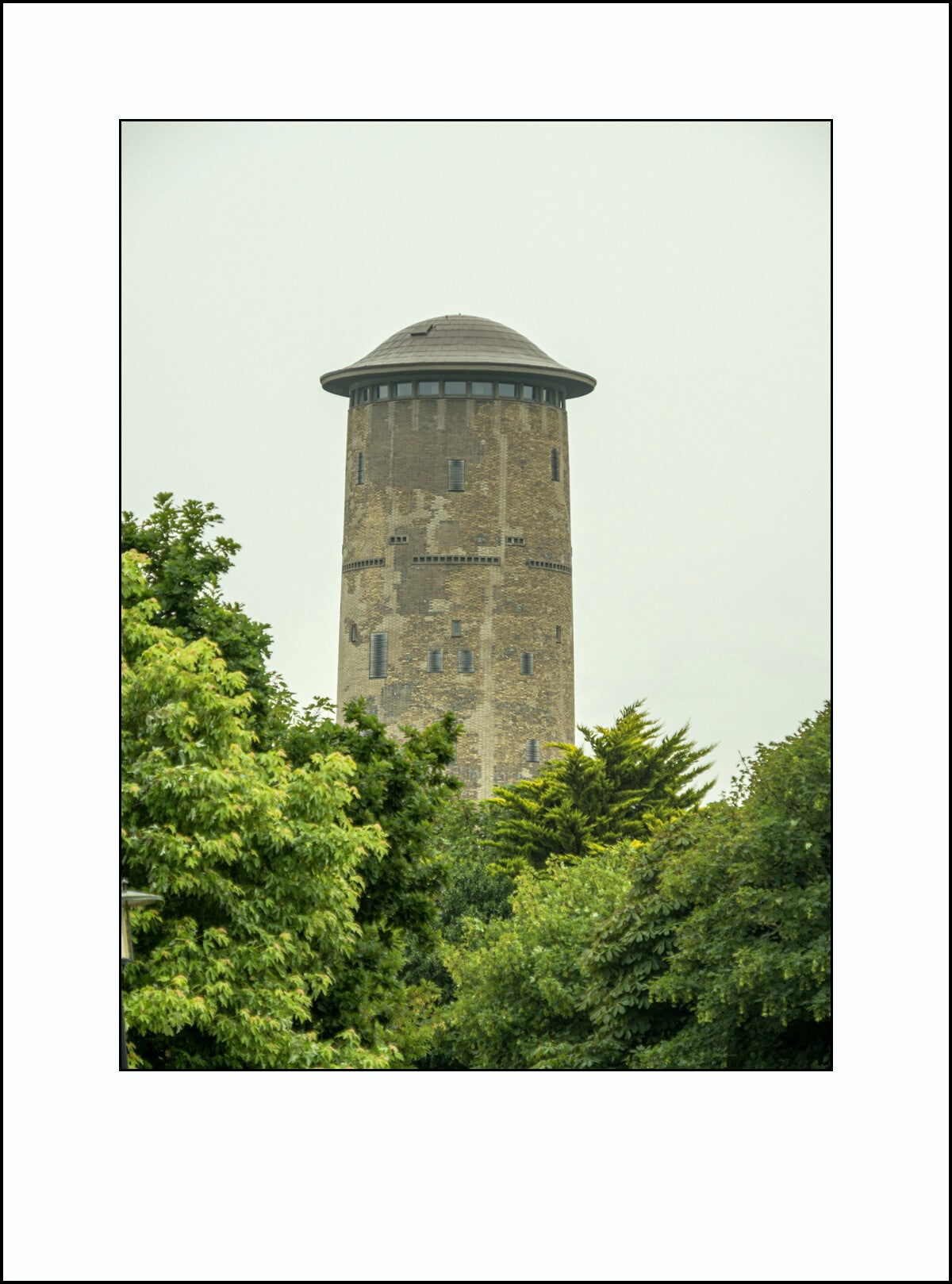
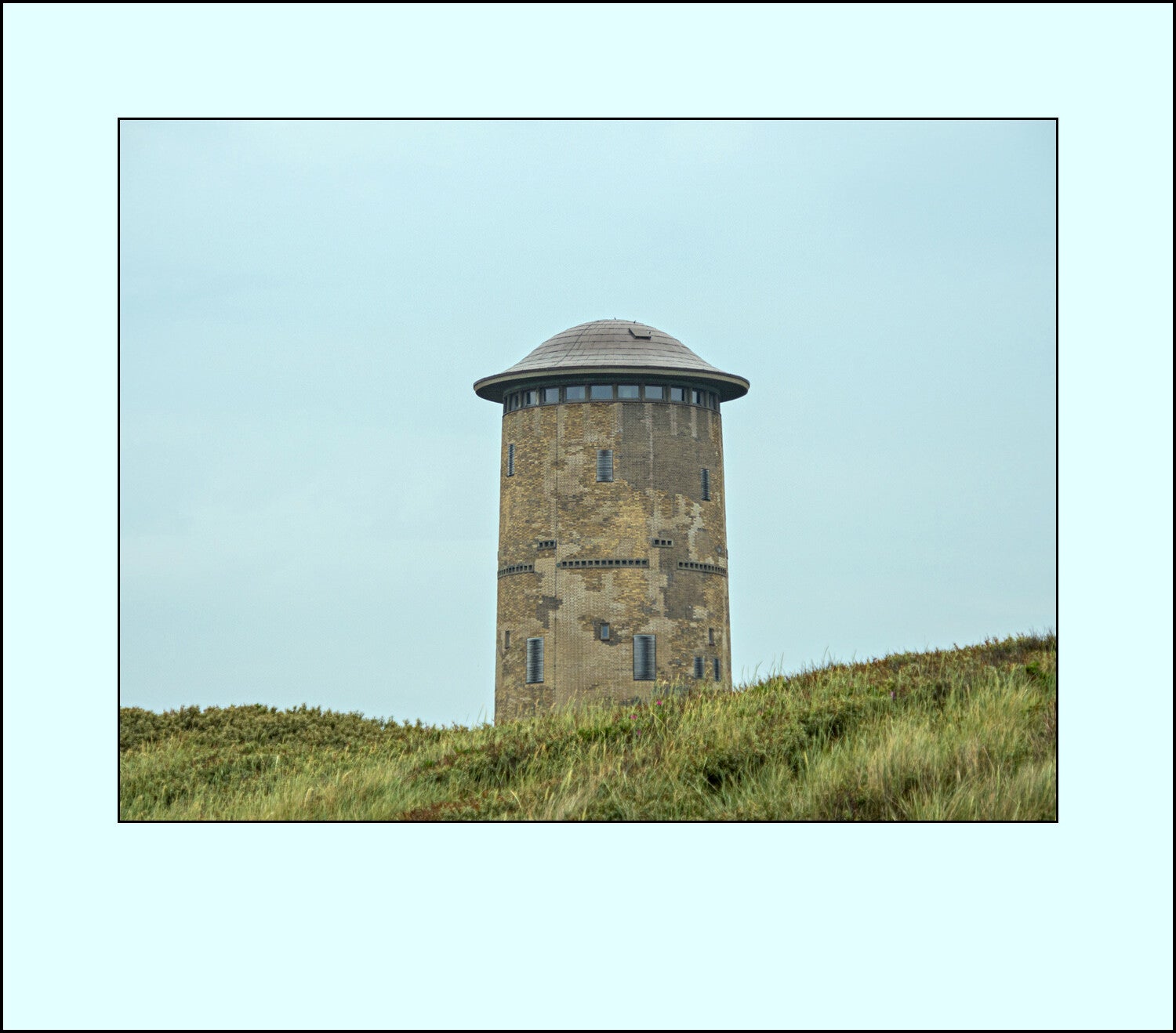
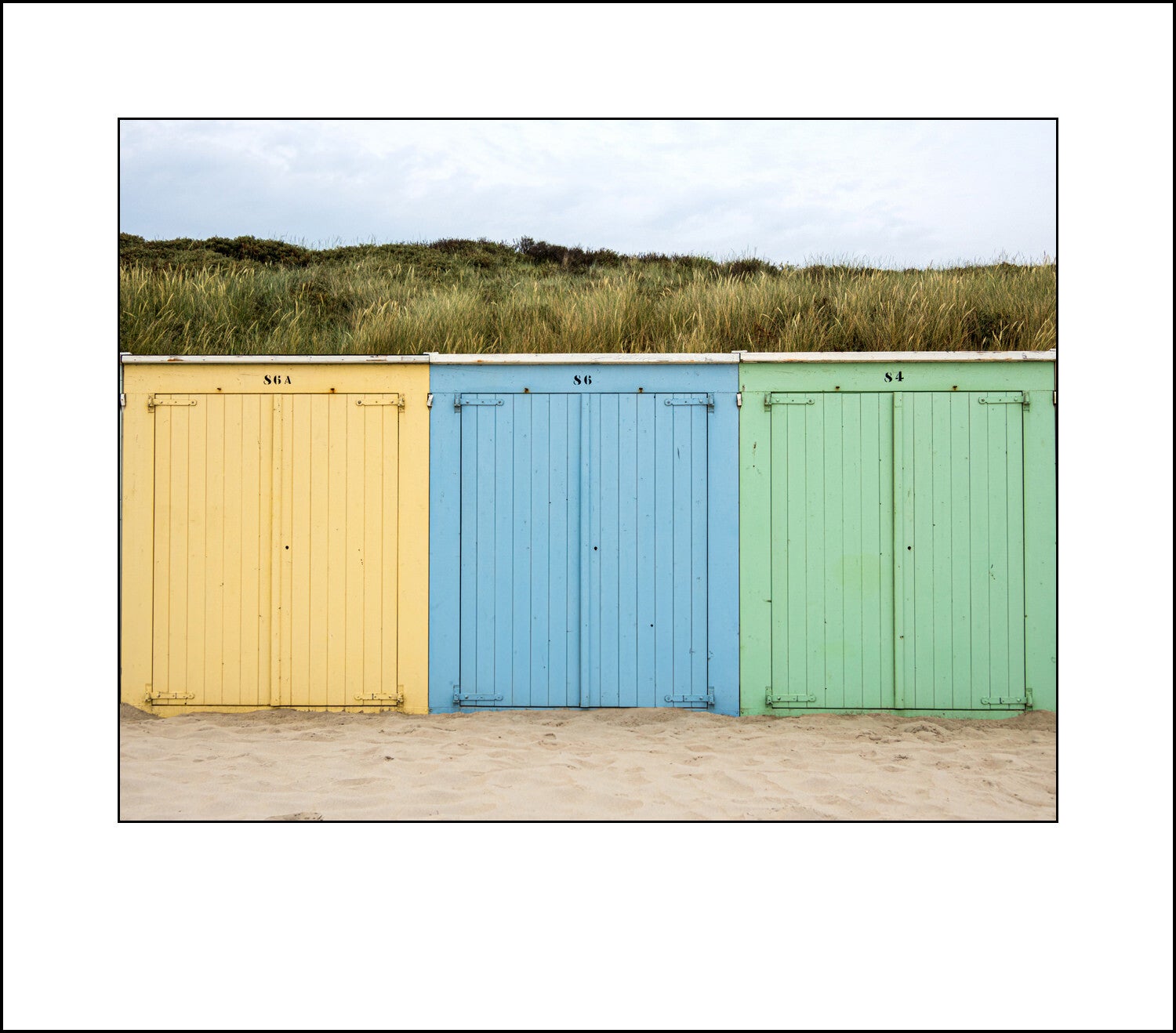
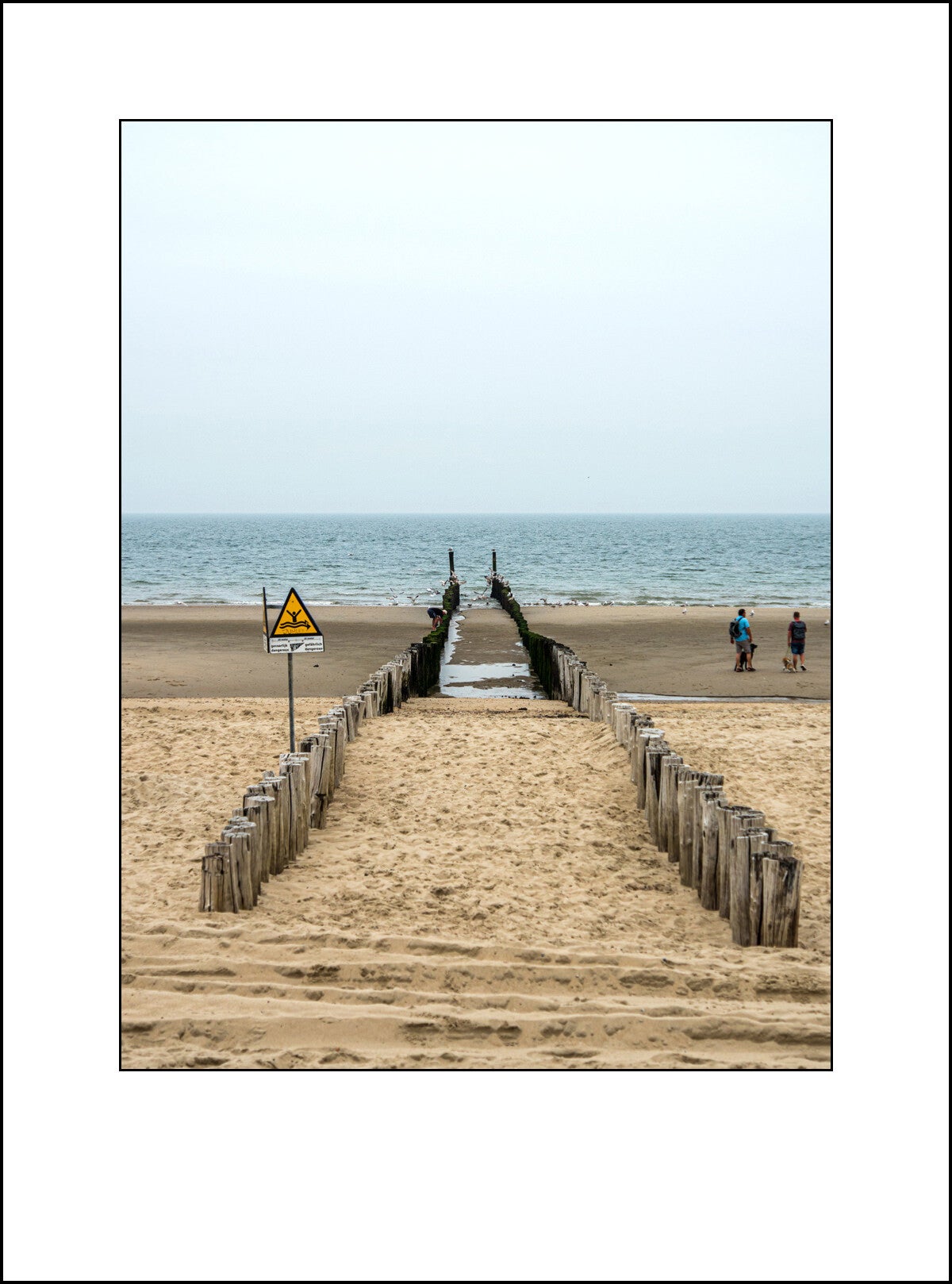
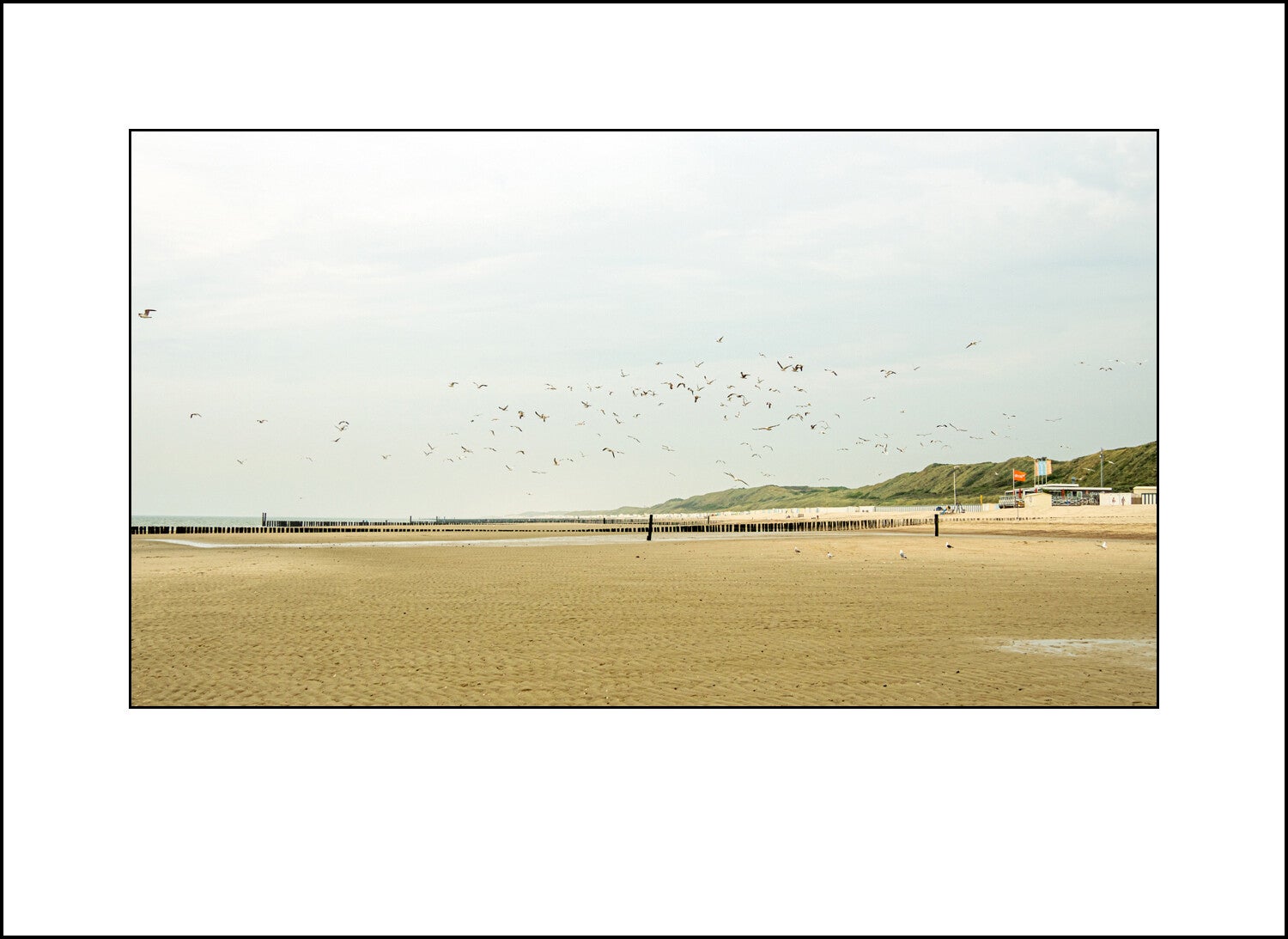
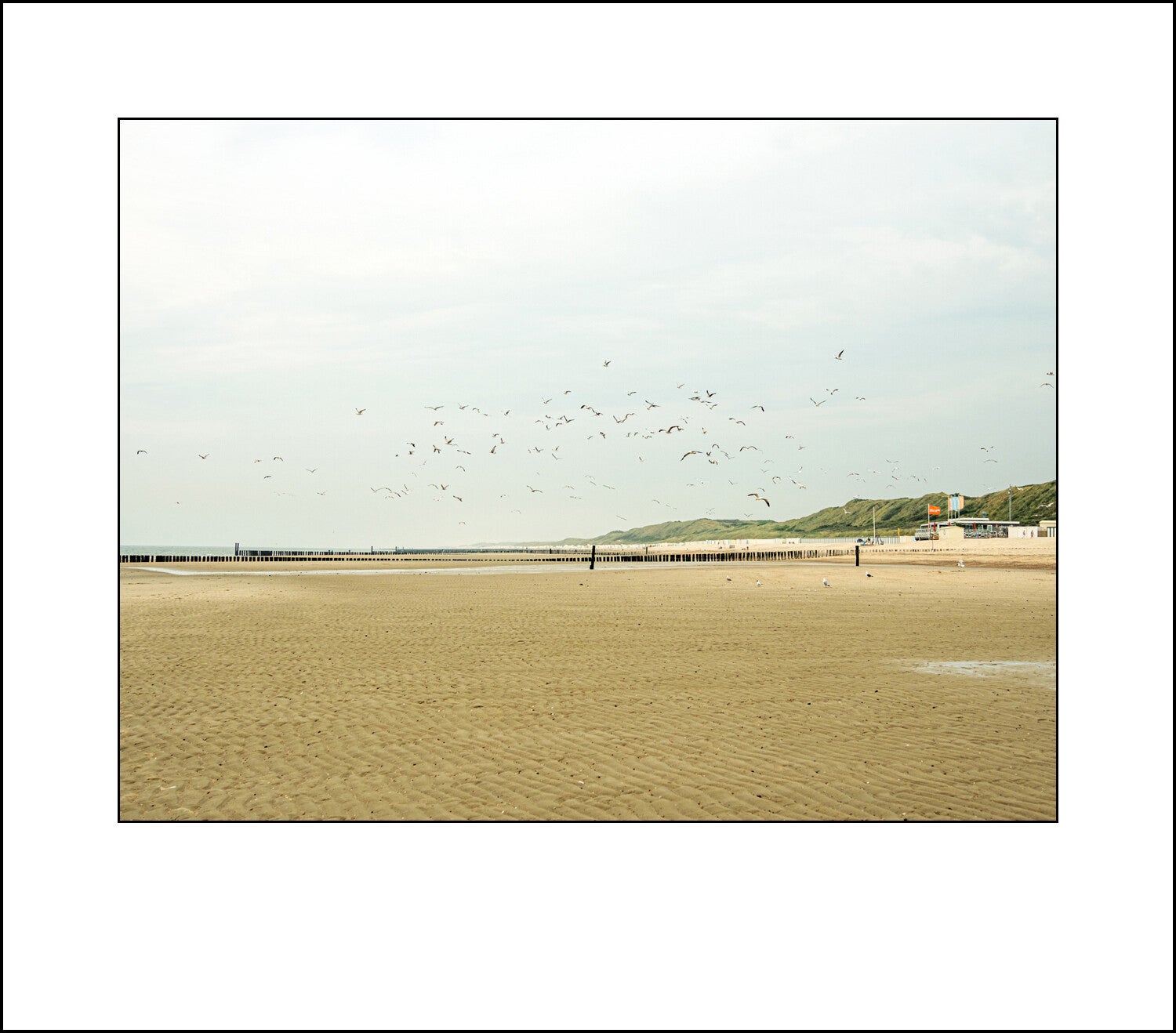
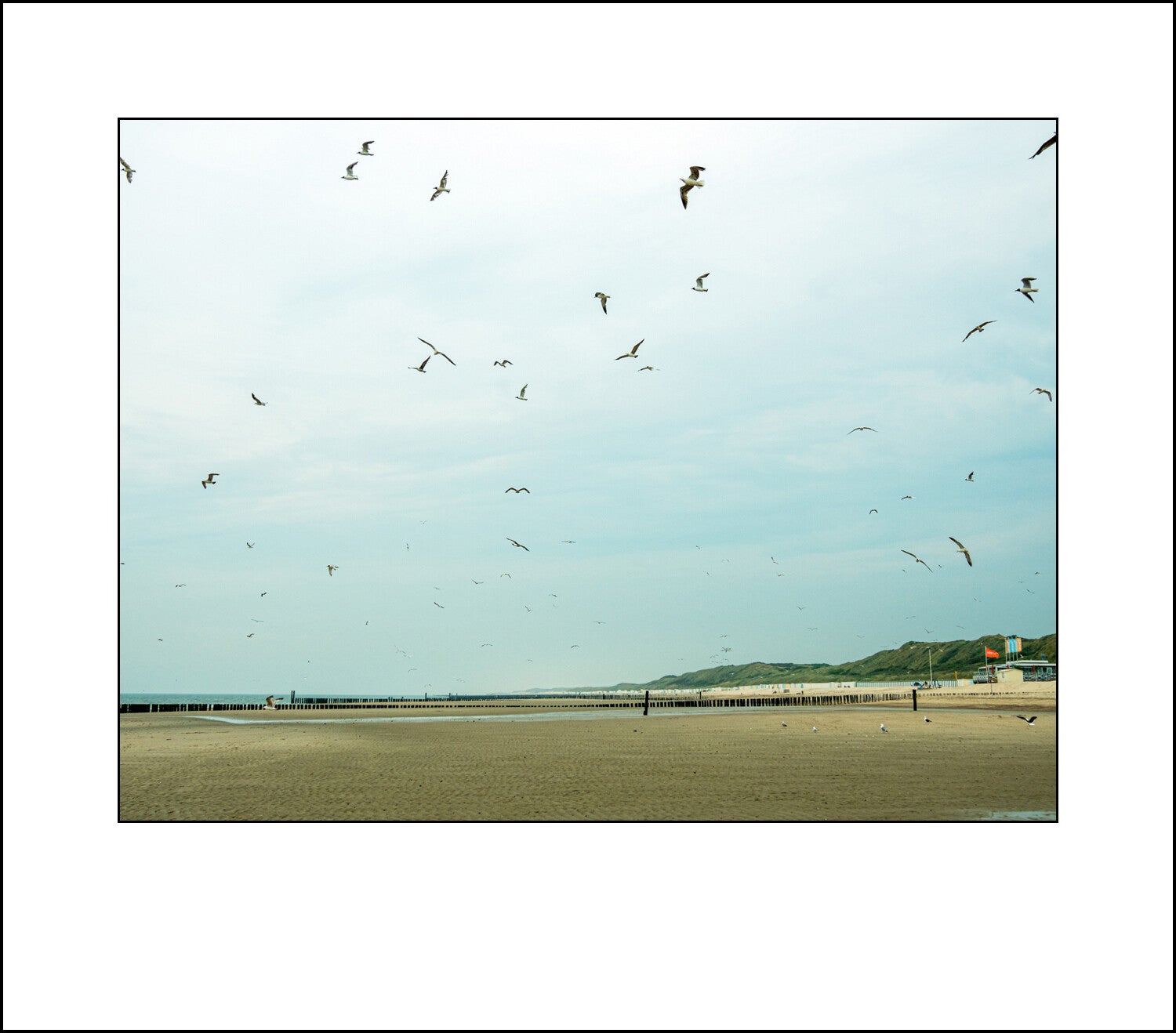
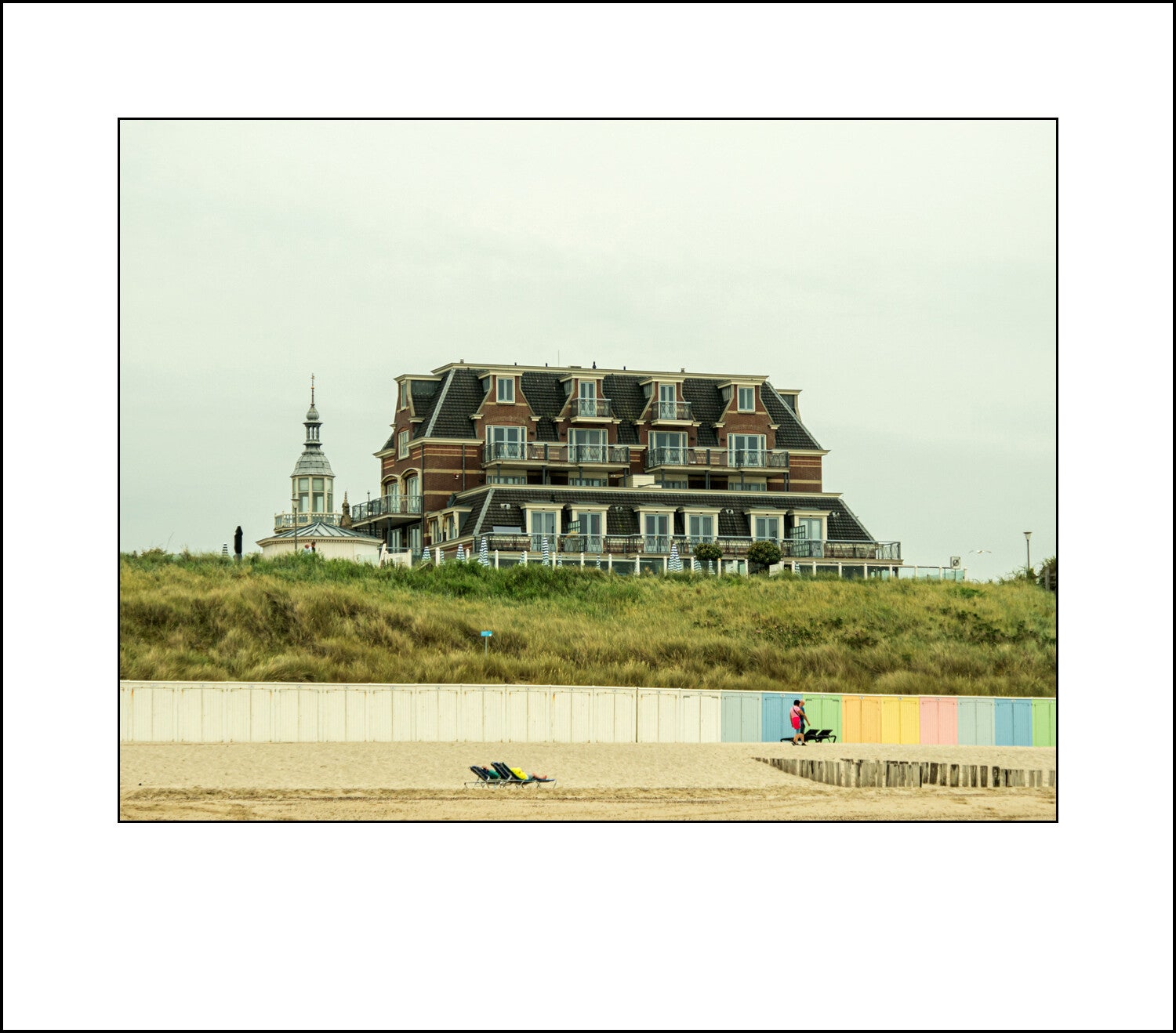
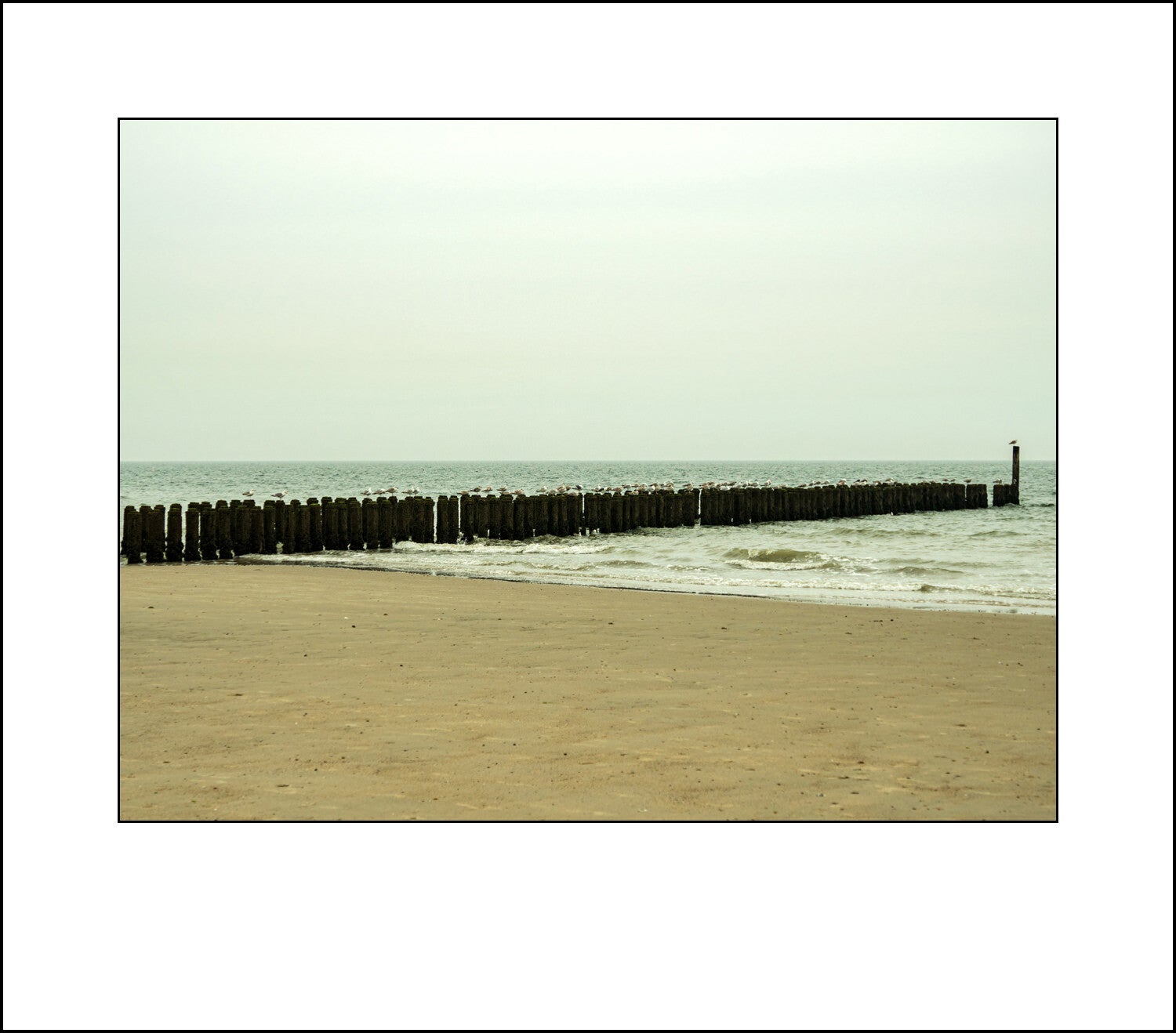
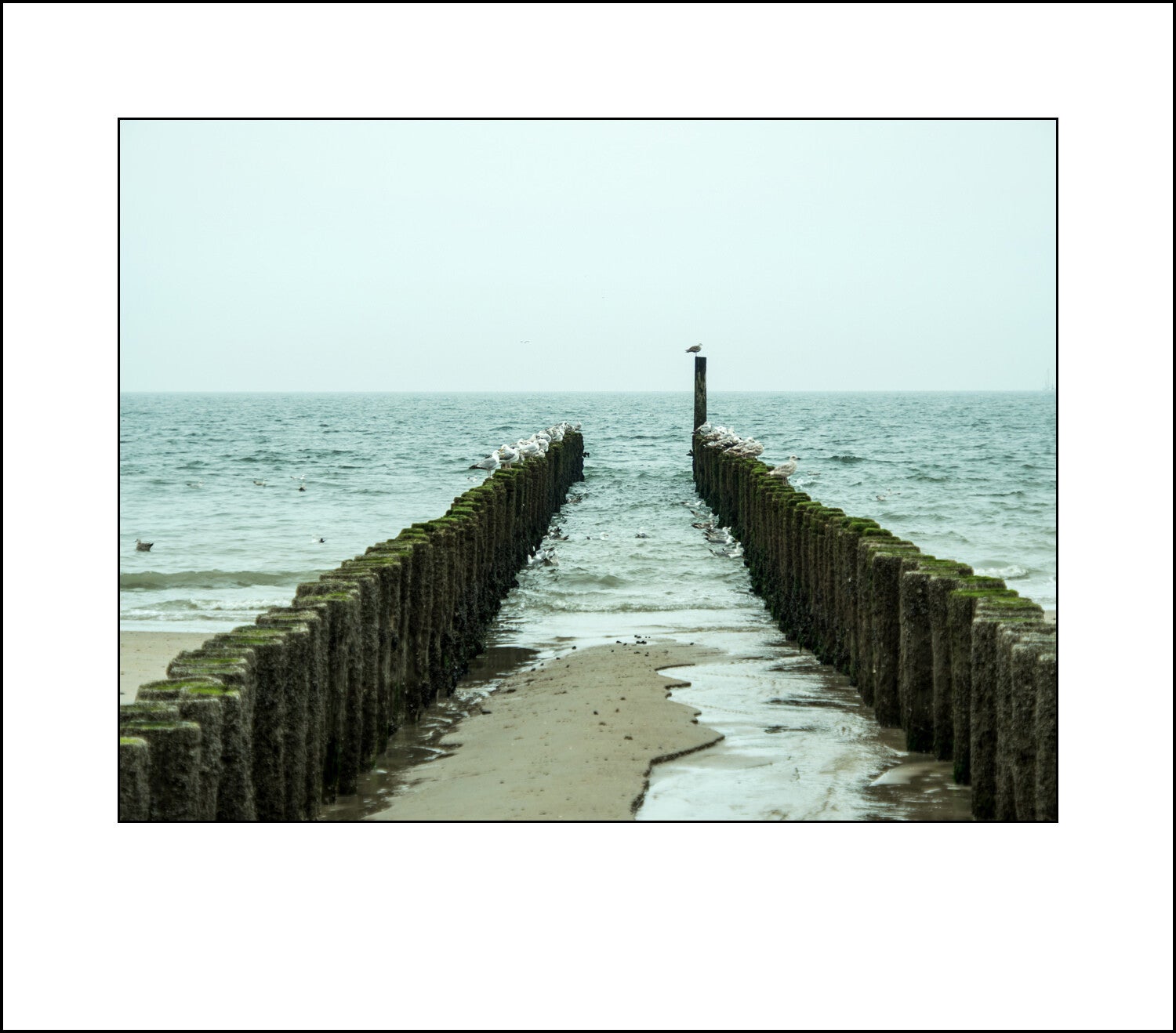
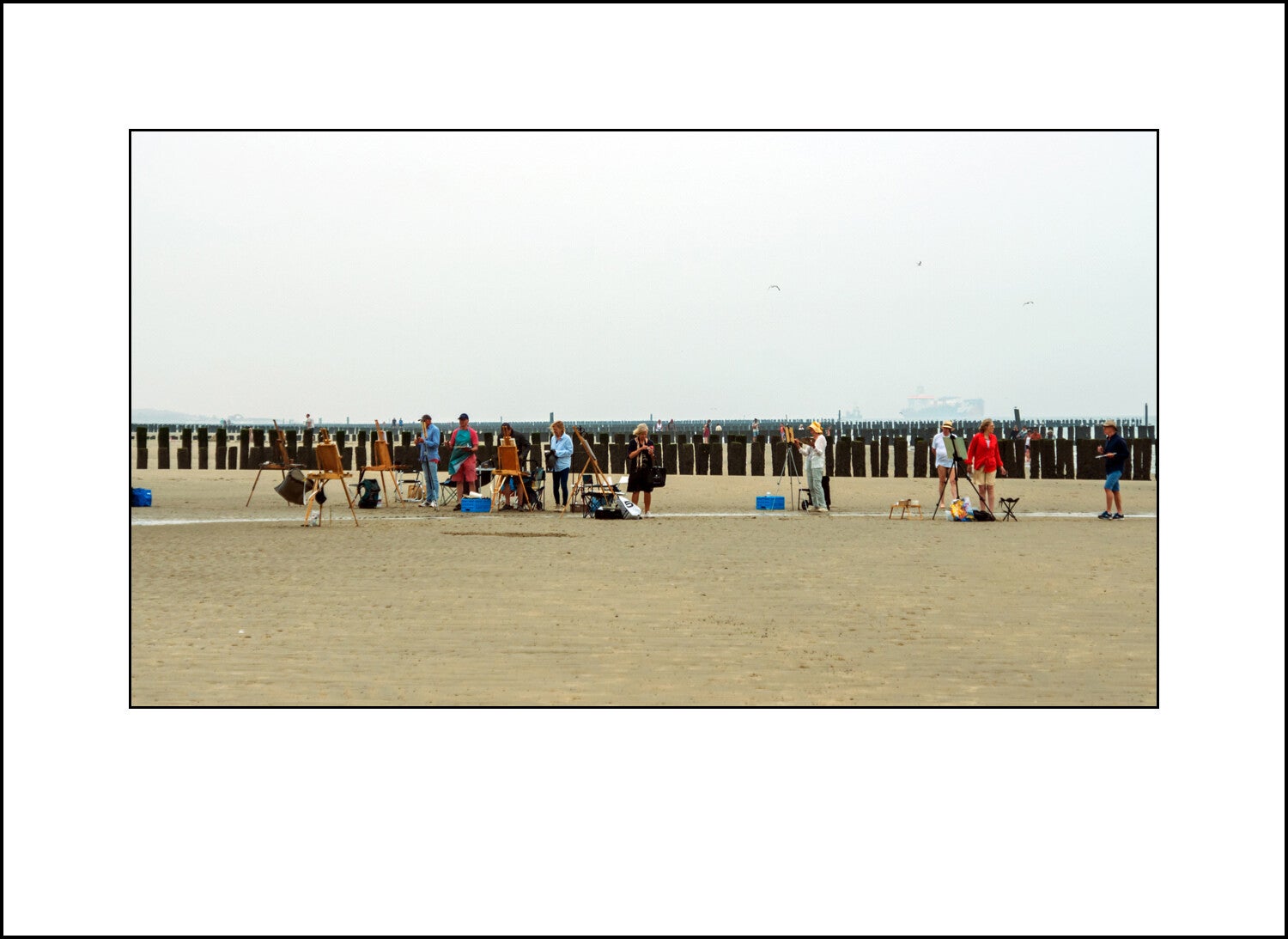
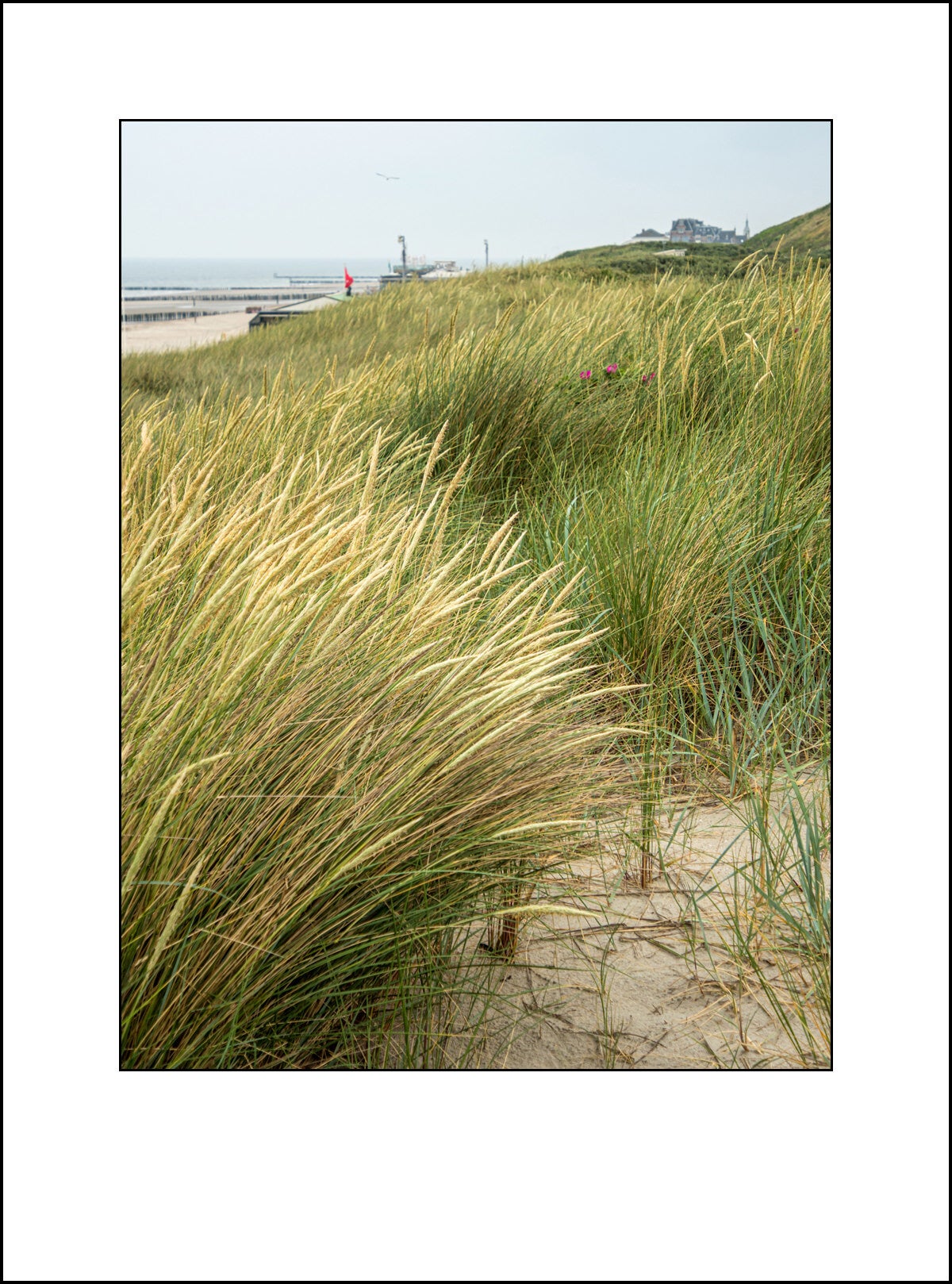
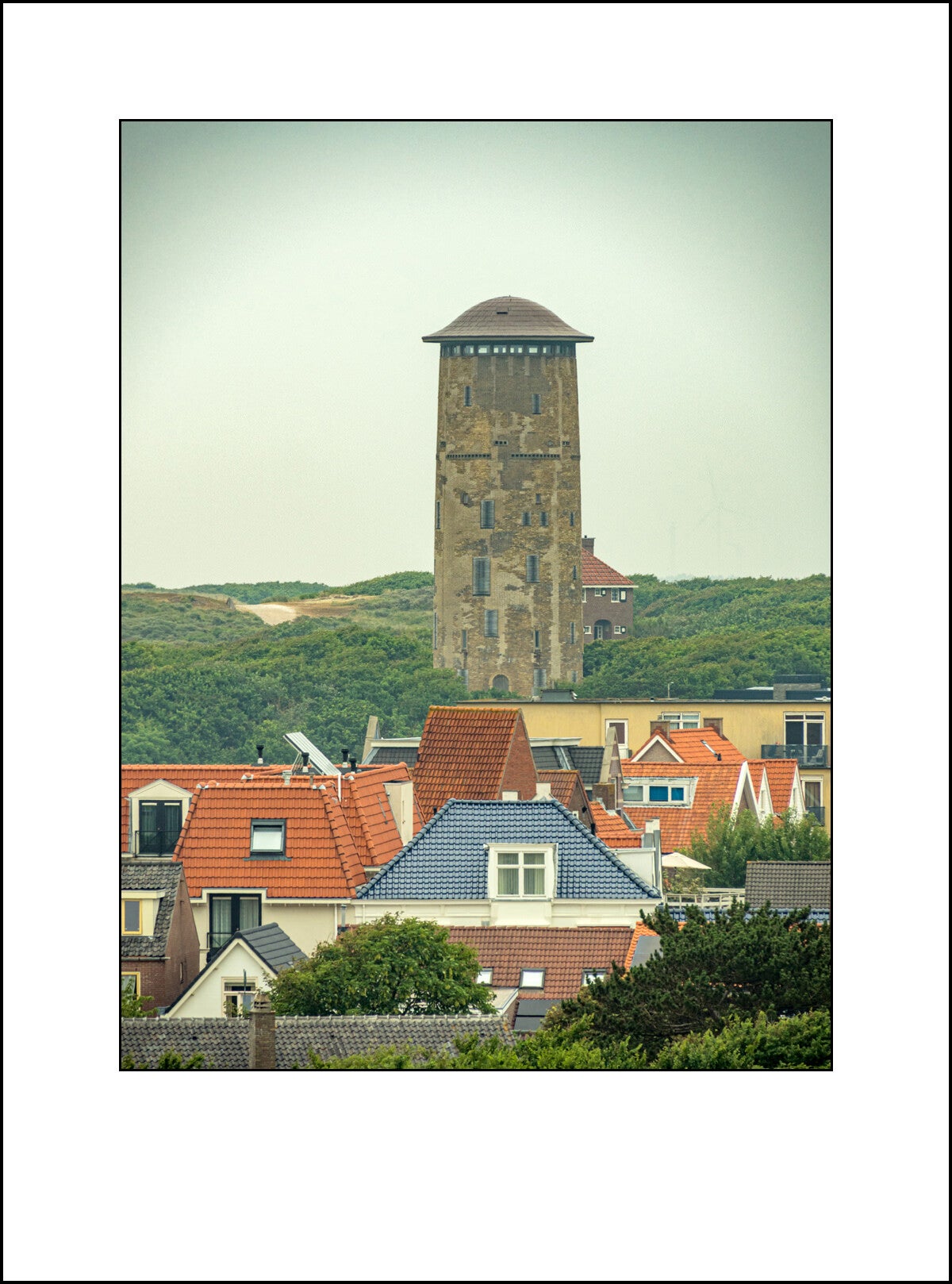
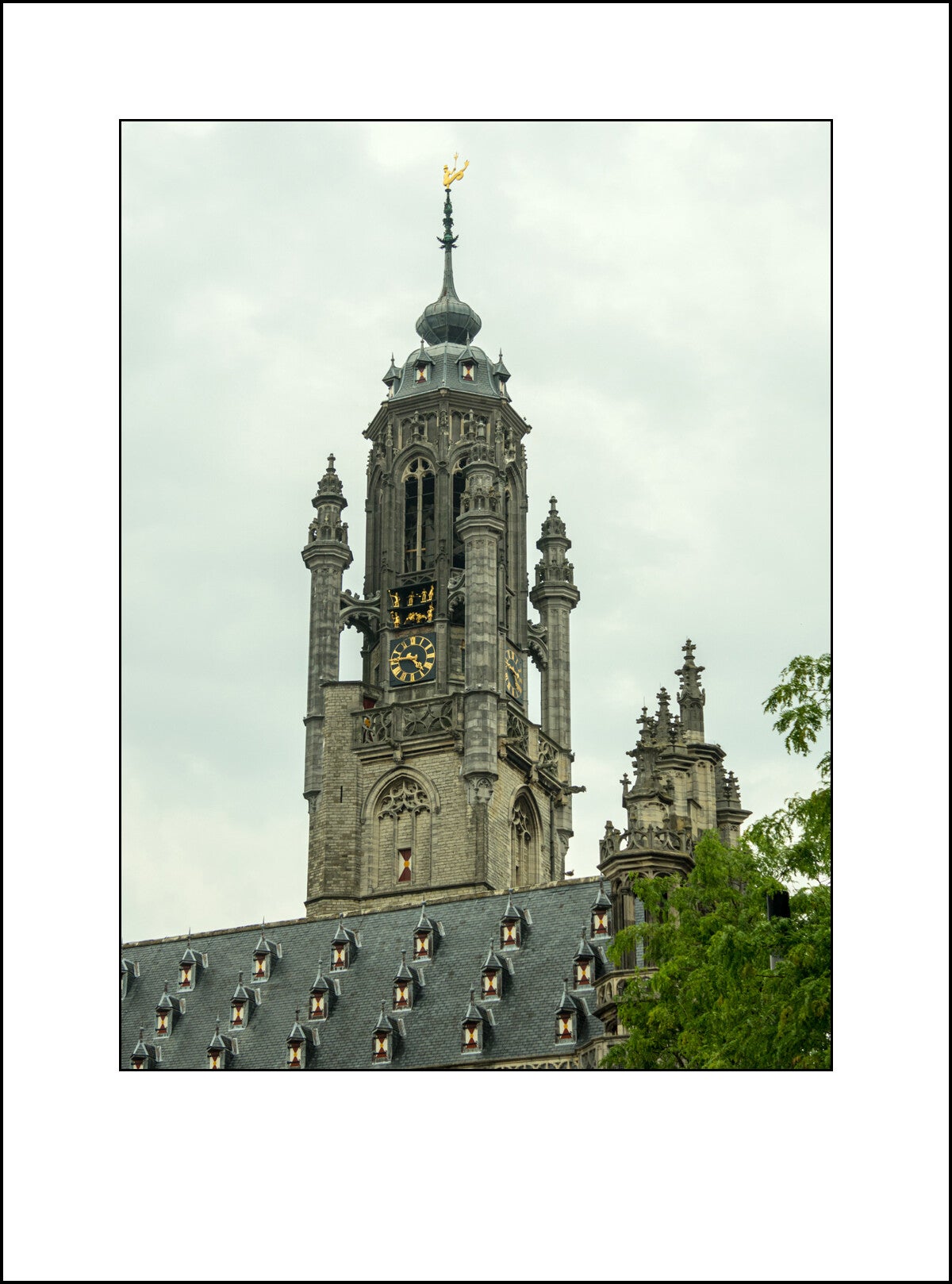
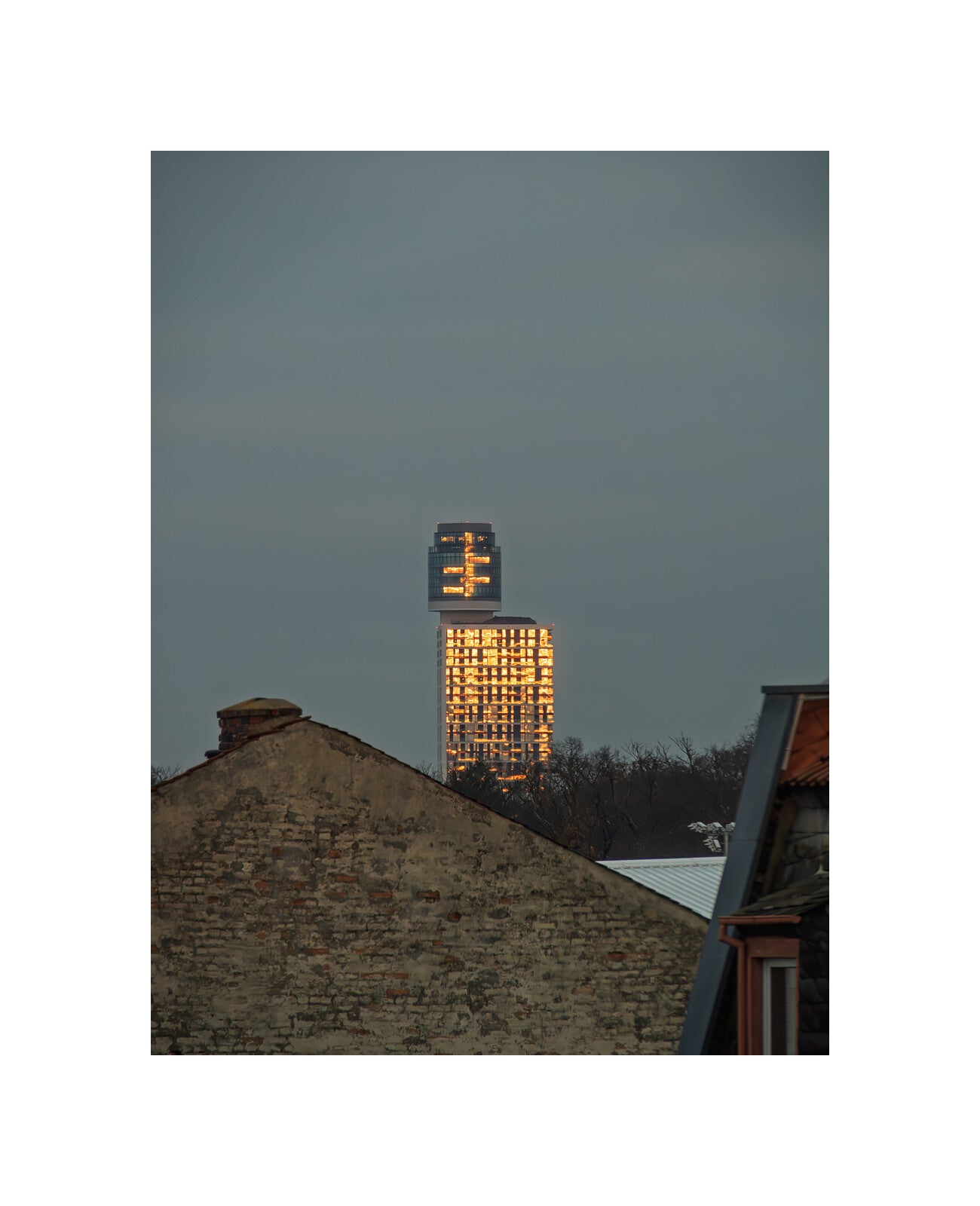
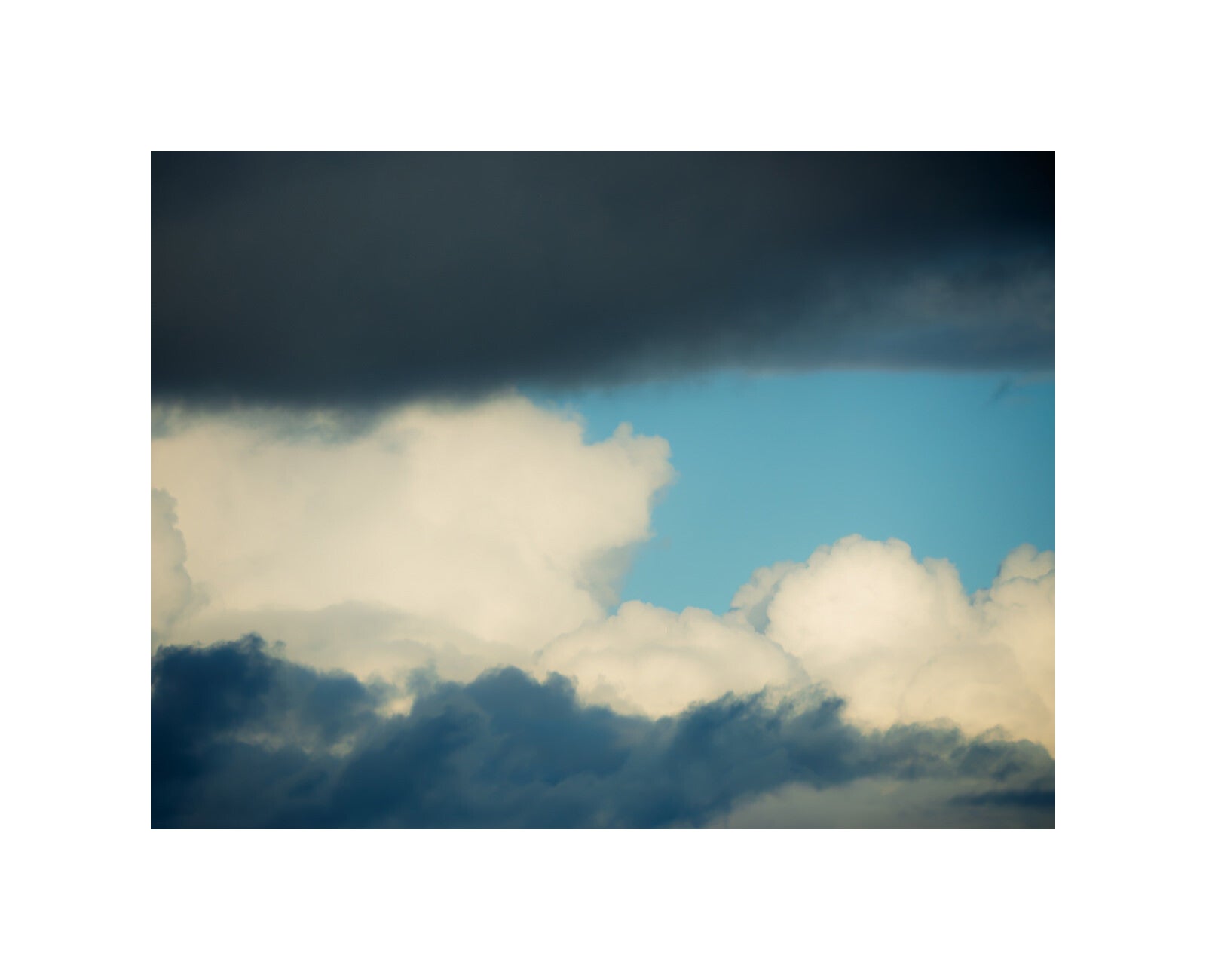
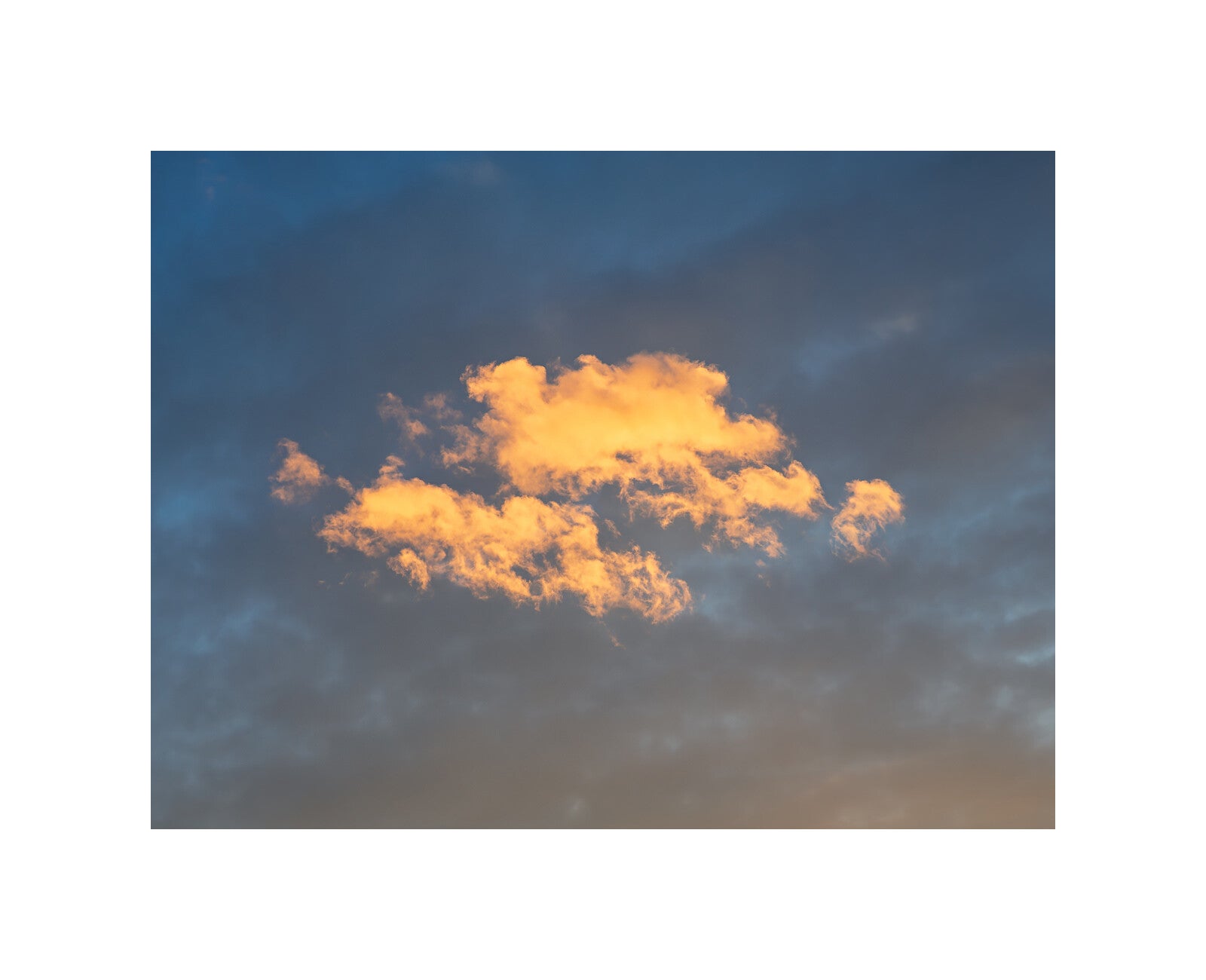
Test images using the 12-200 f3.5-6.3
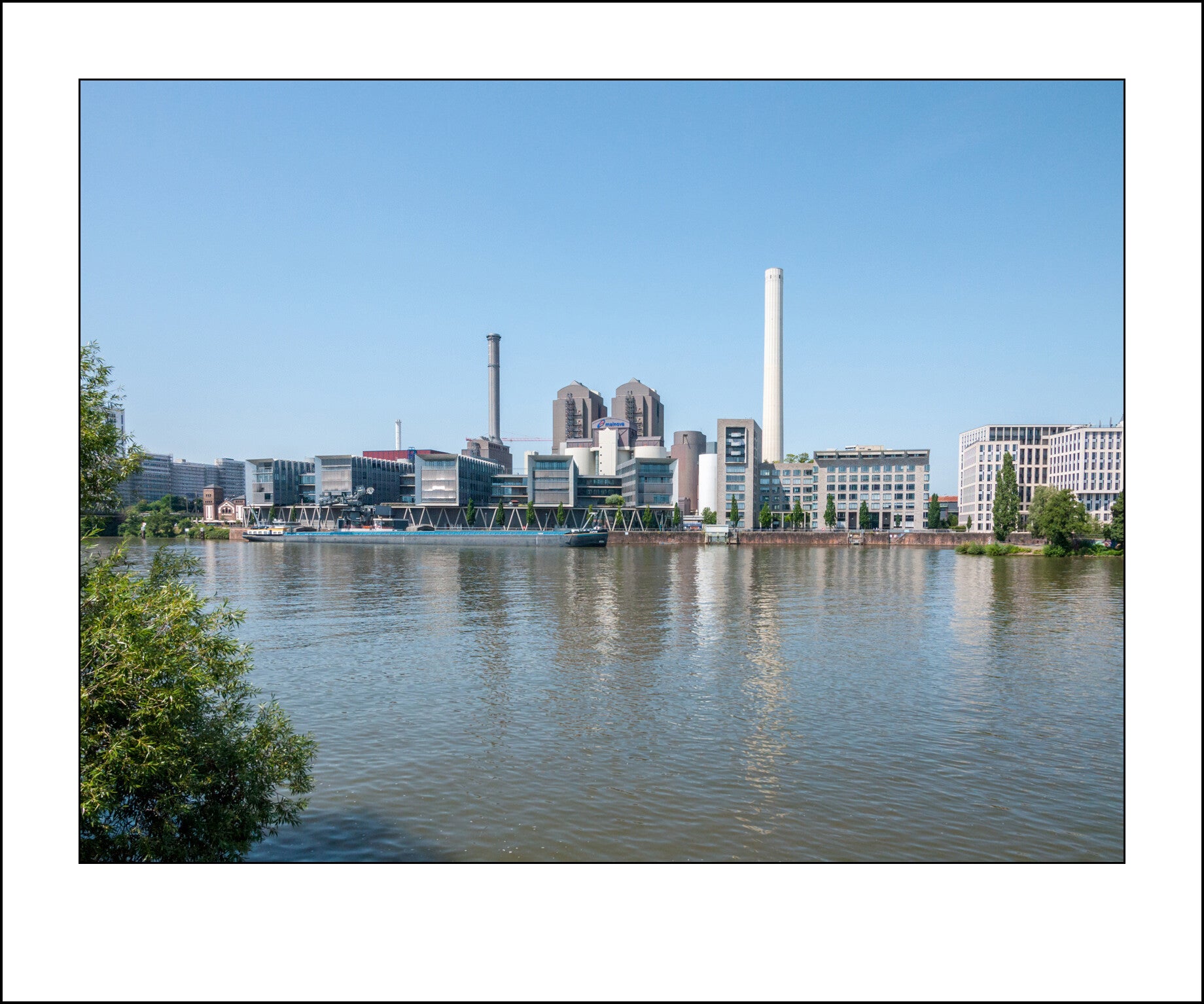
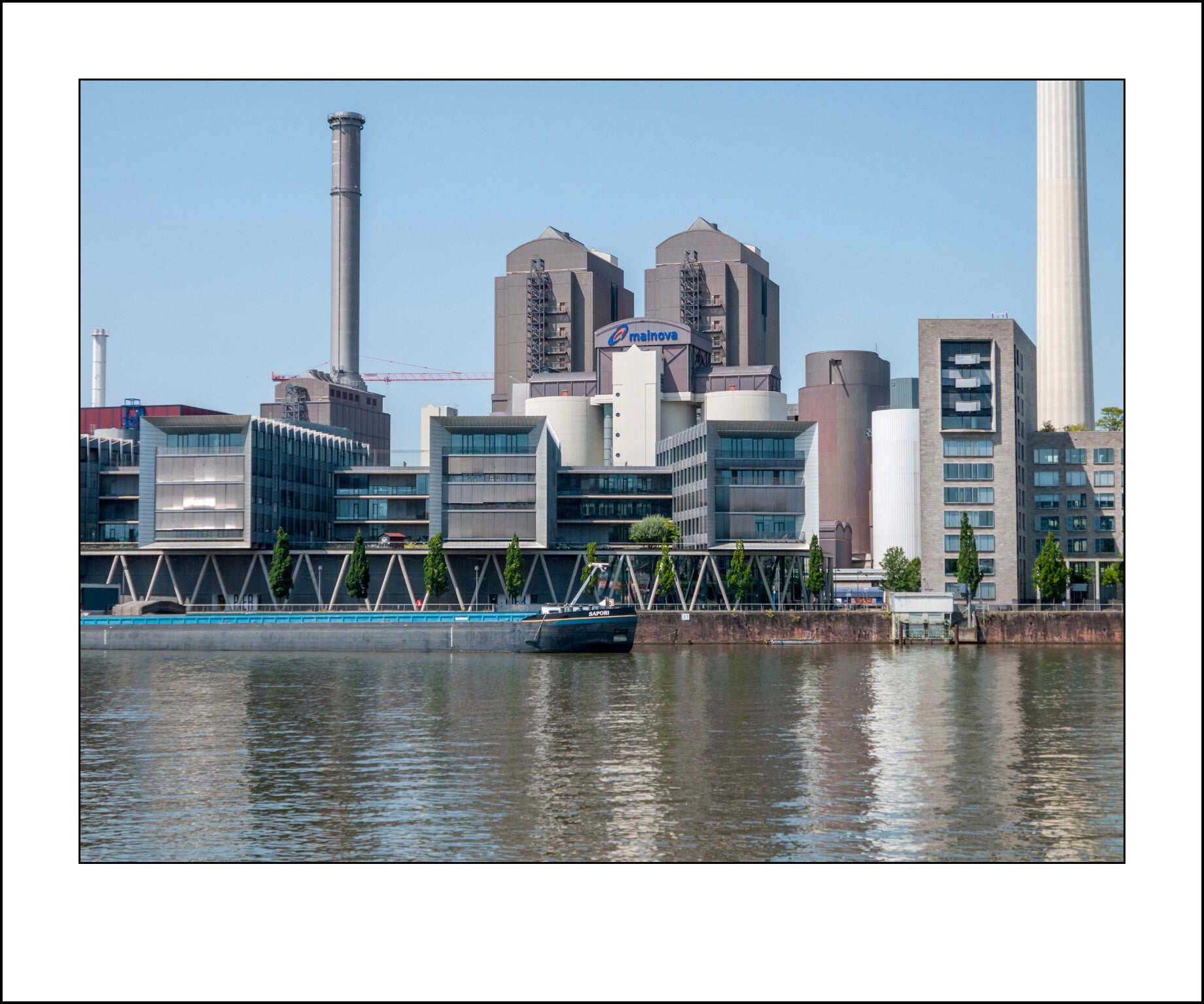
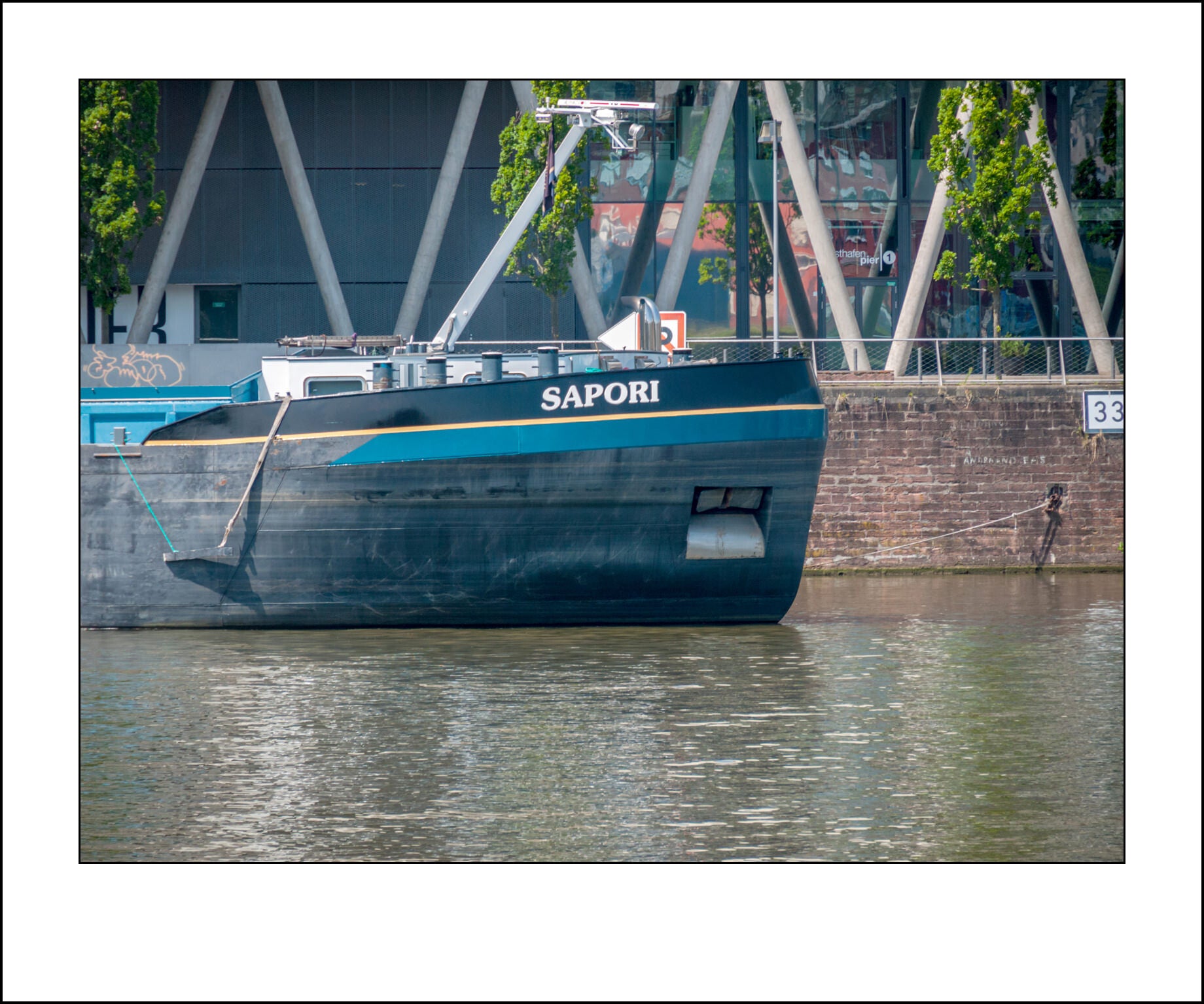
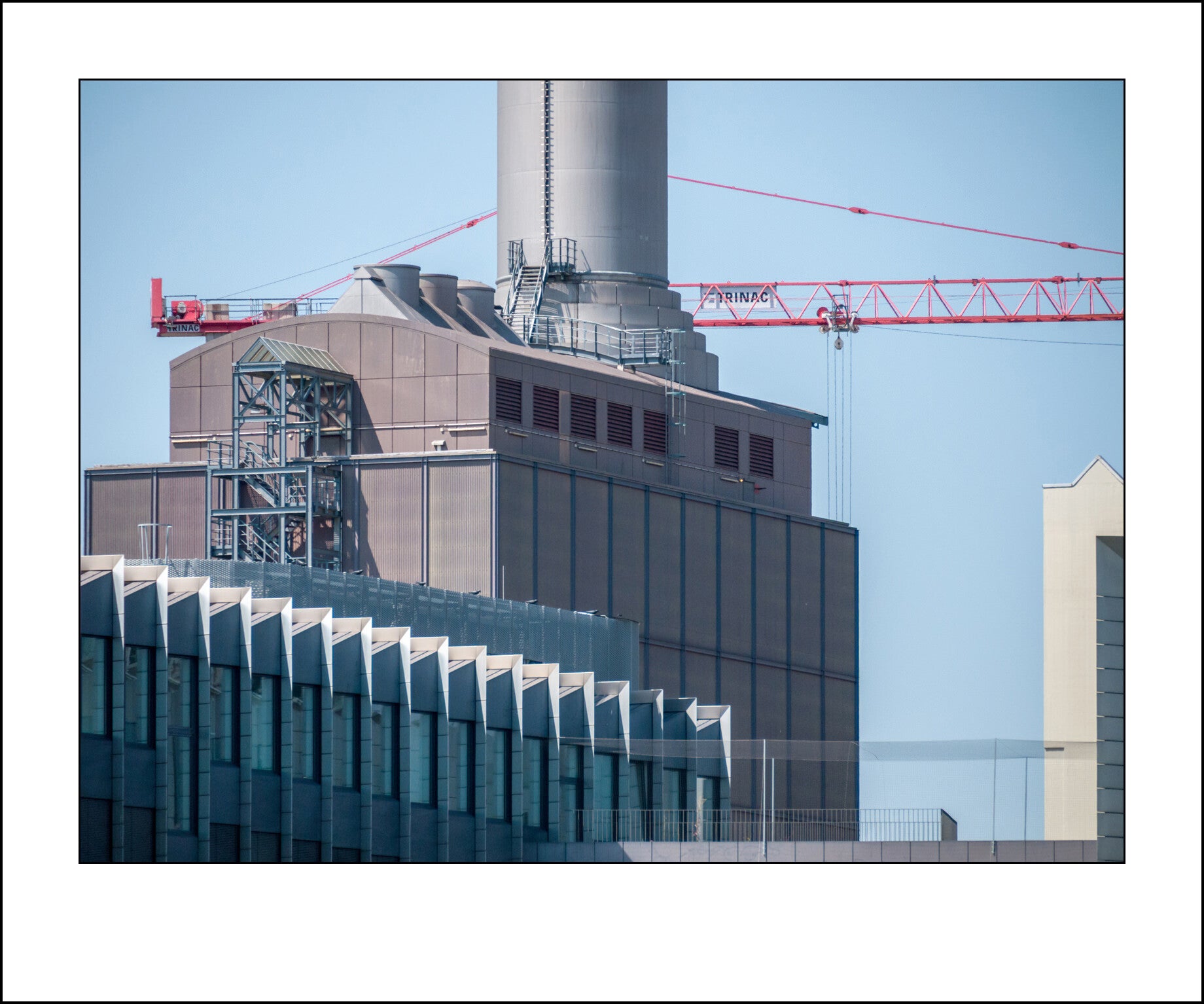
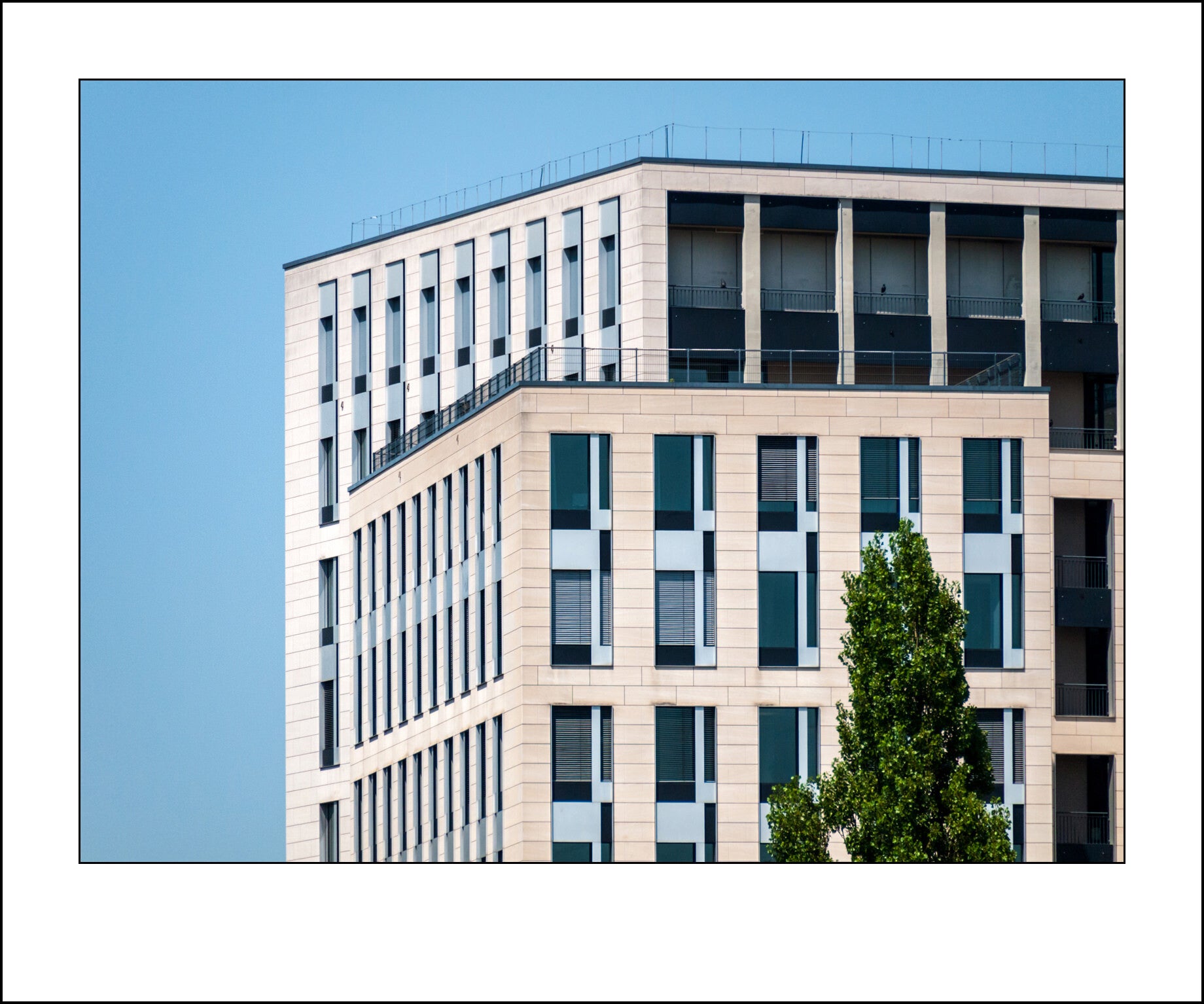
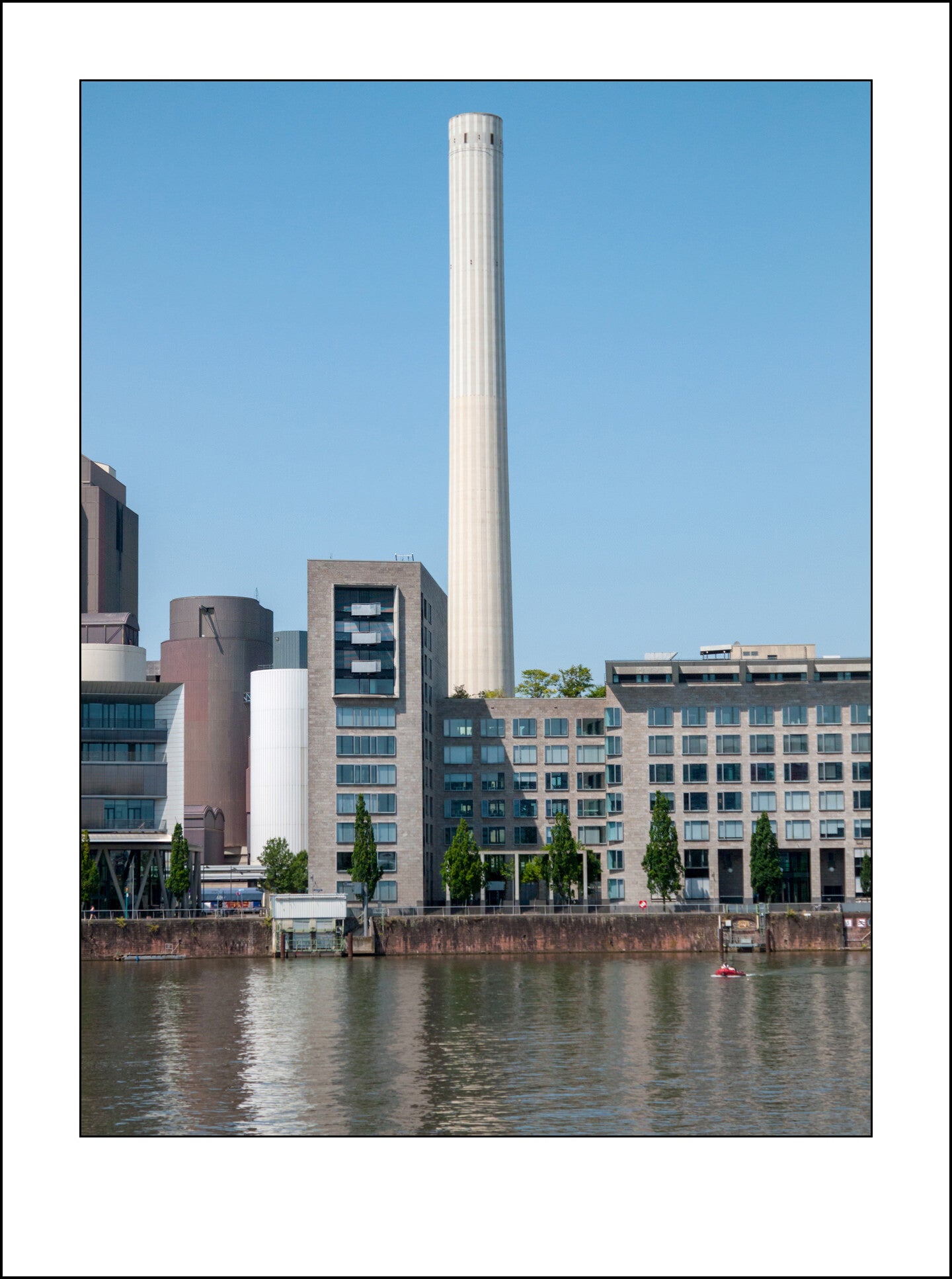
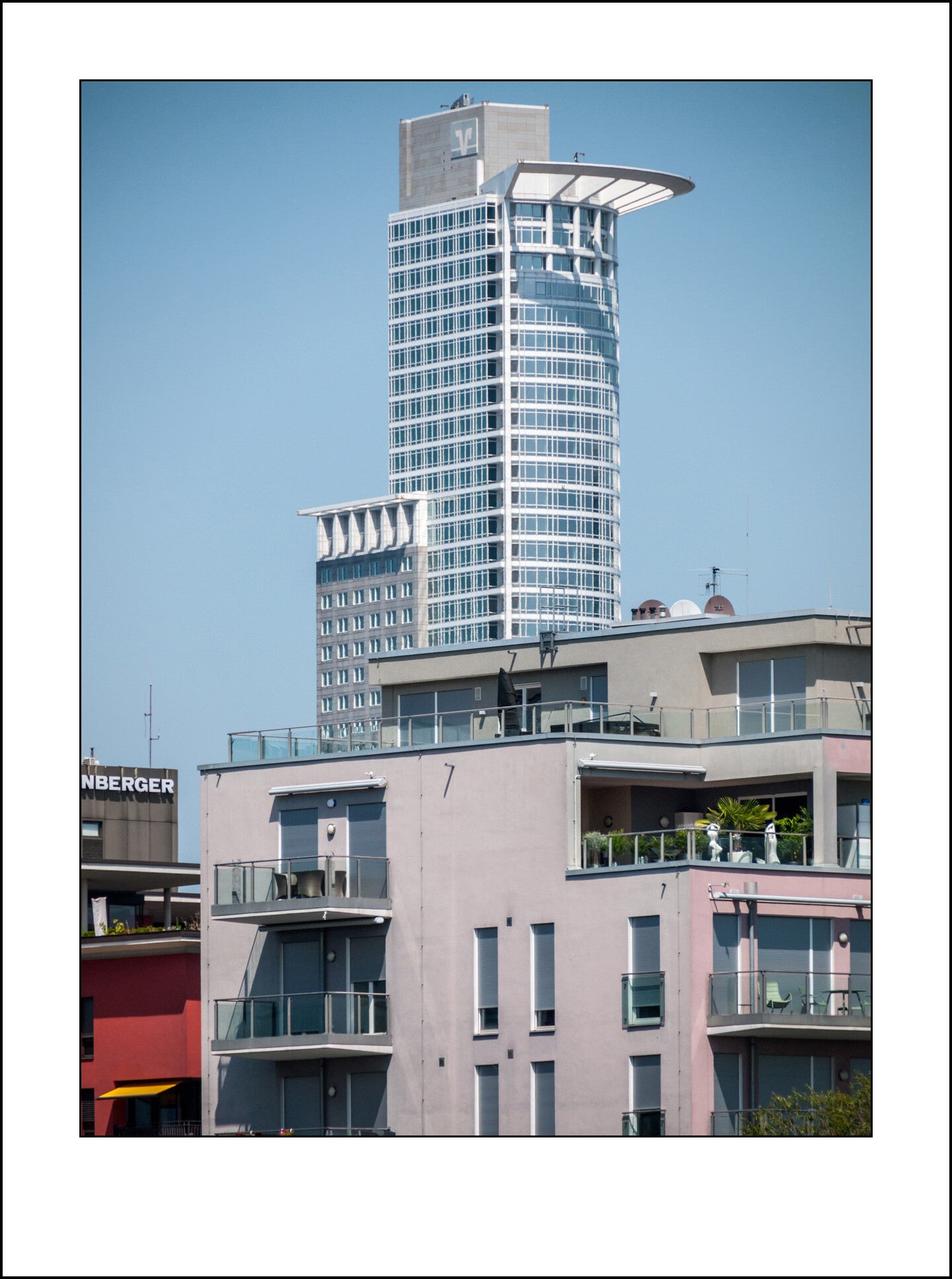
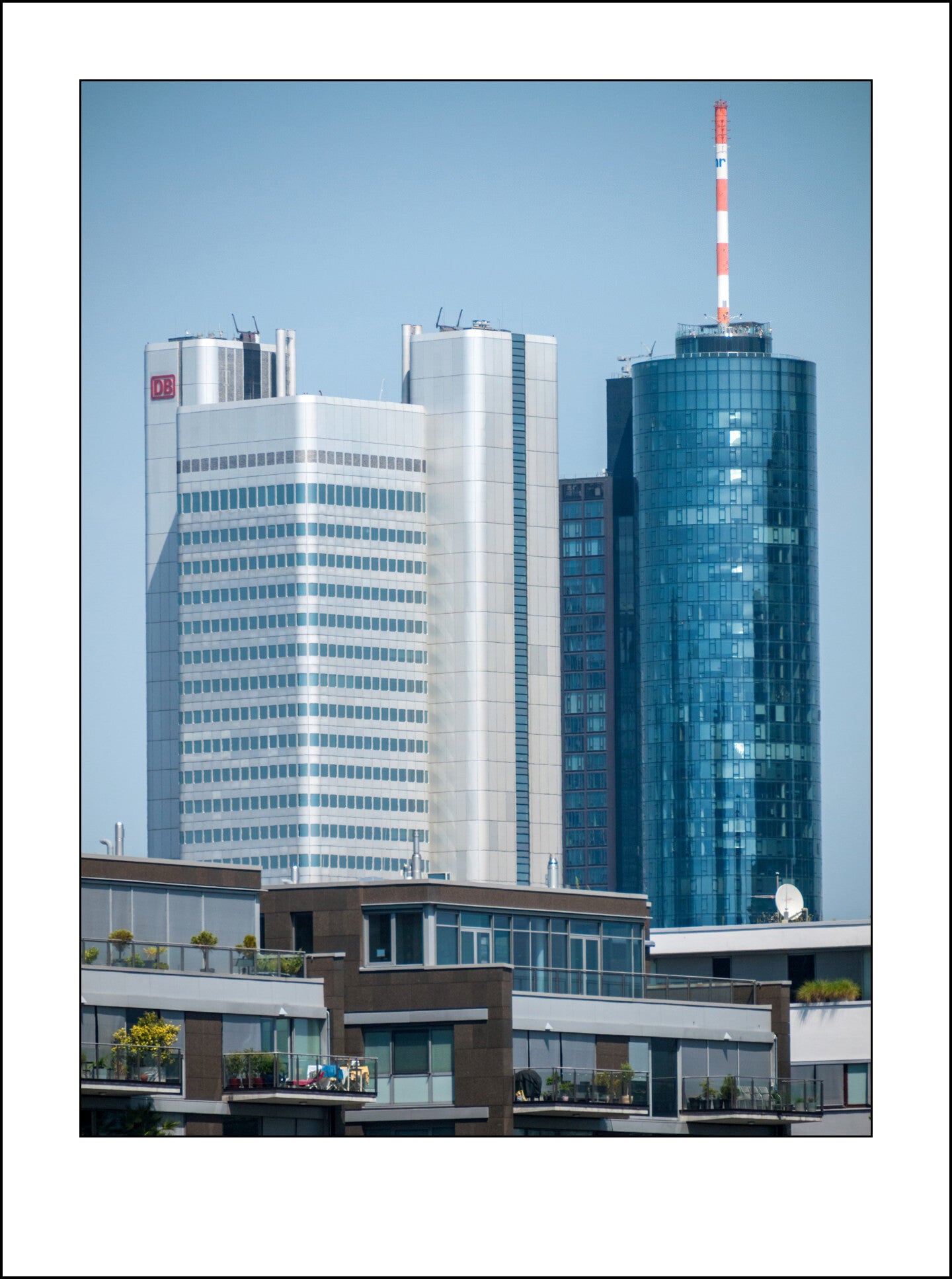

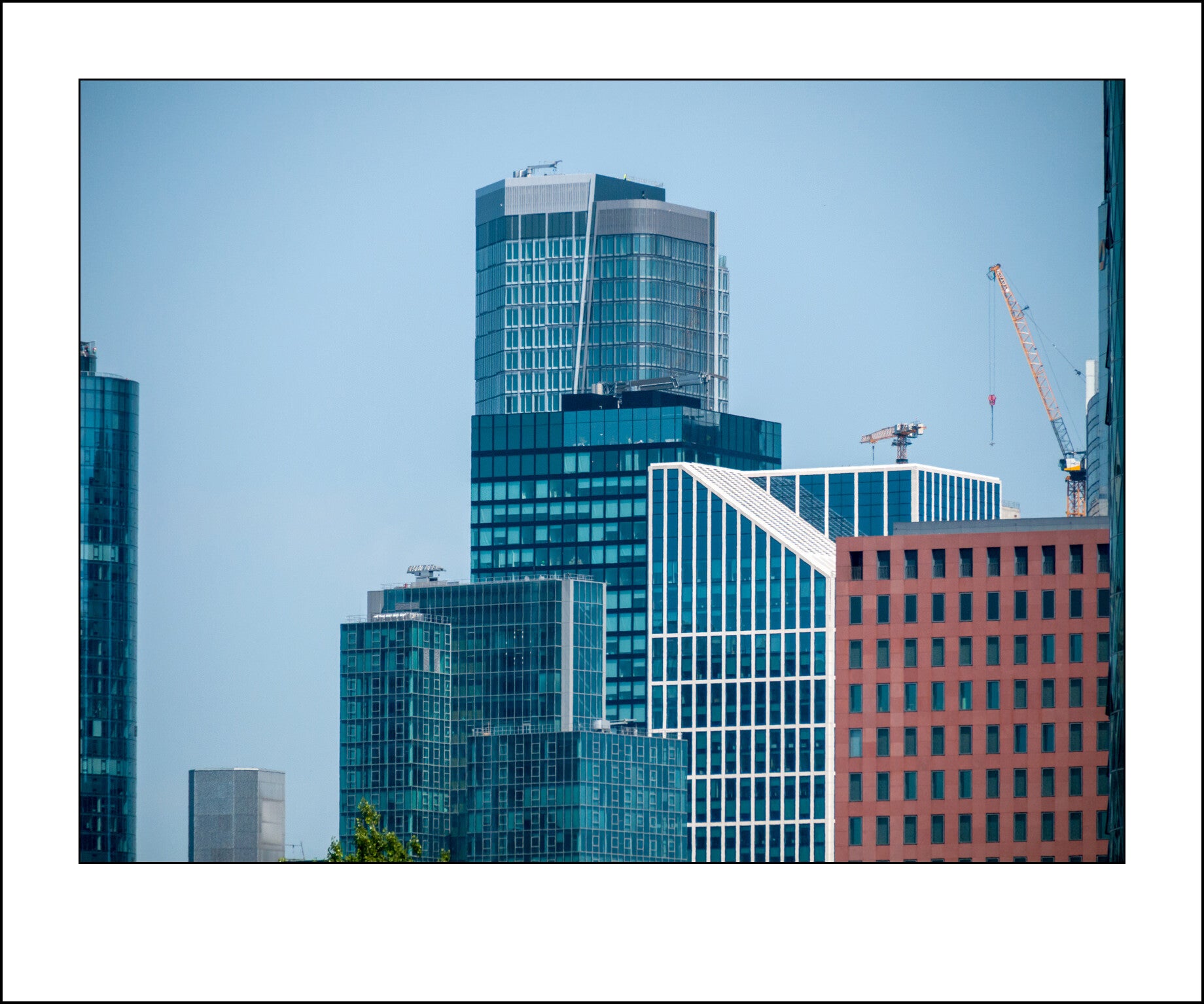
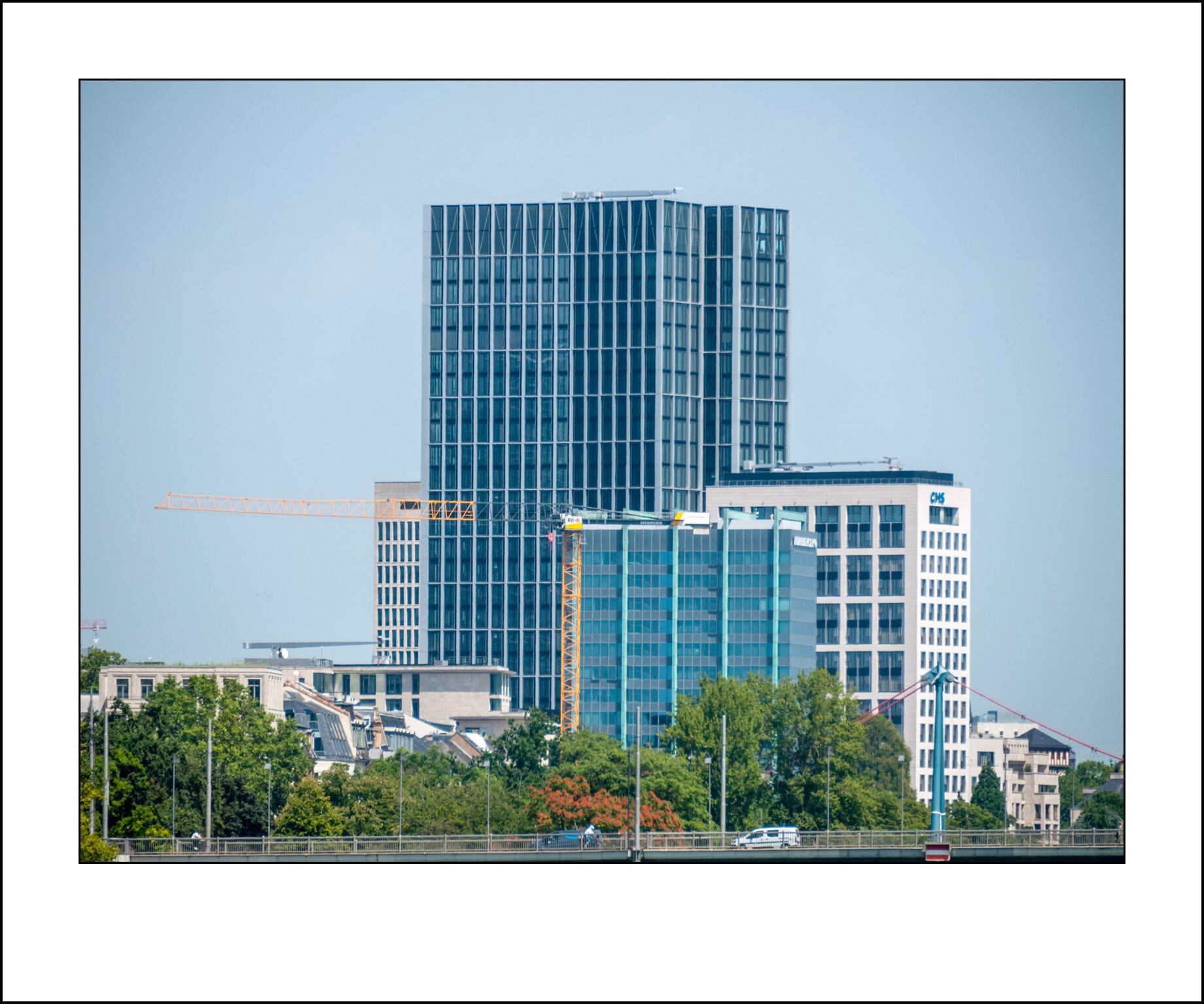
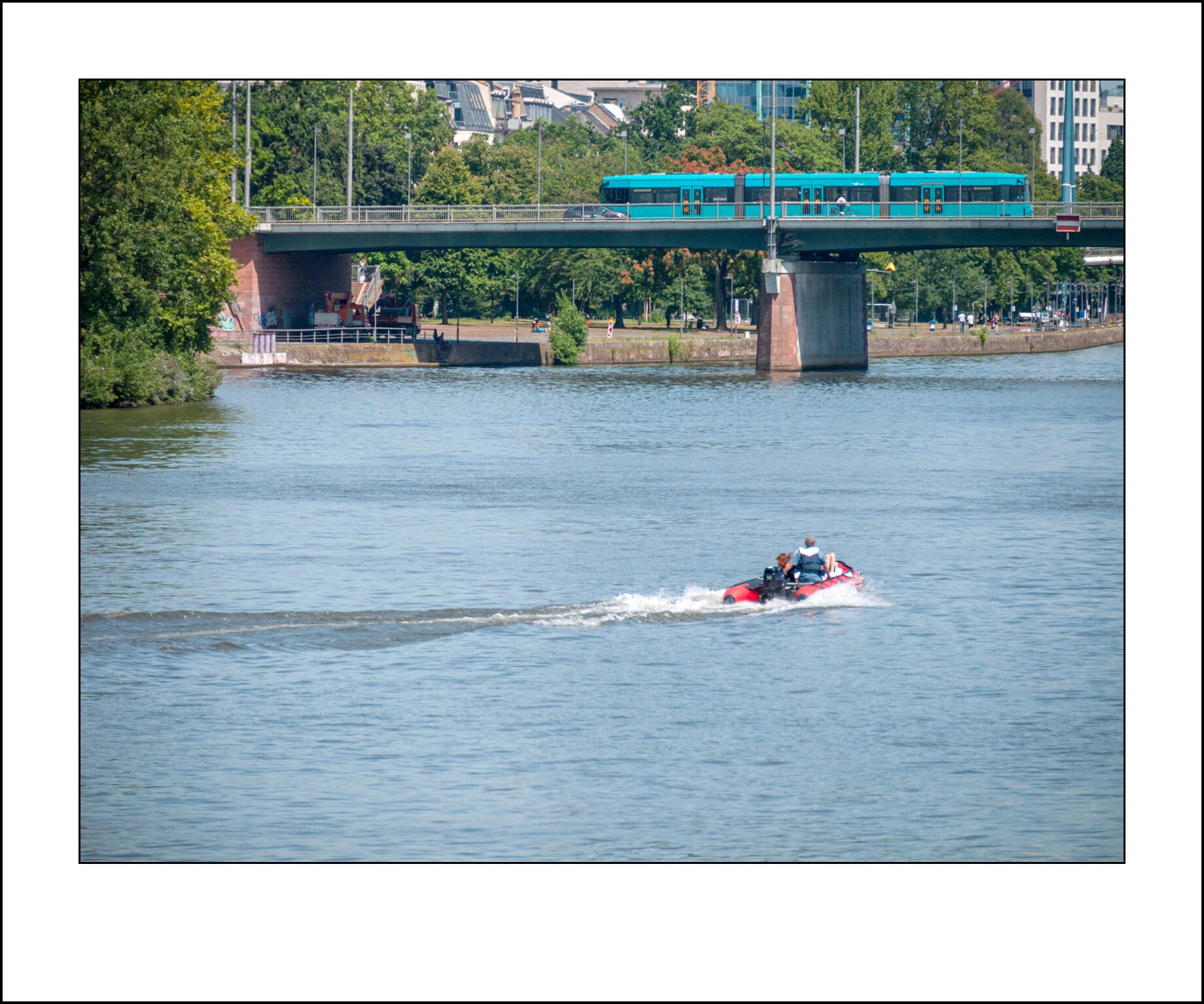
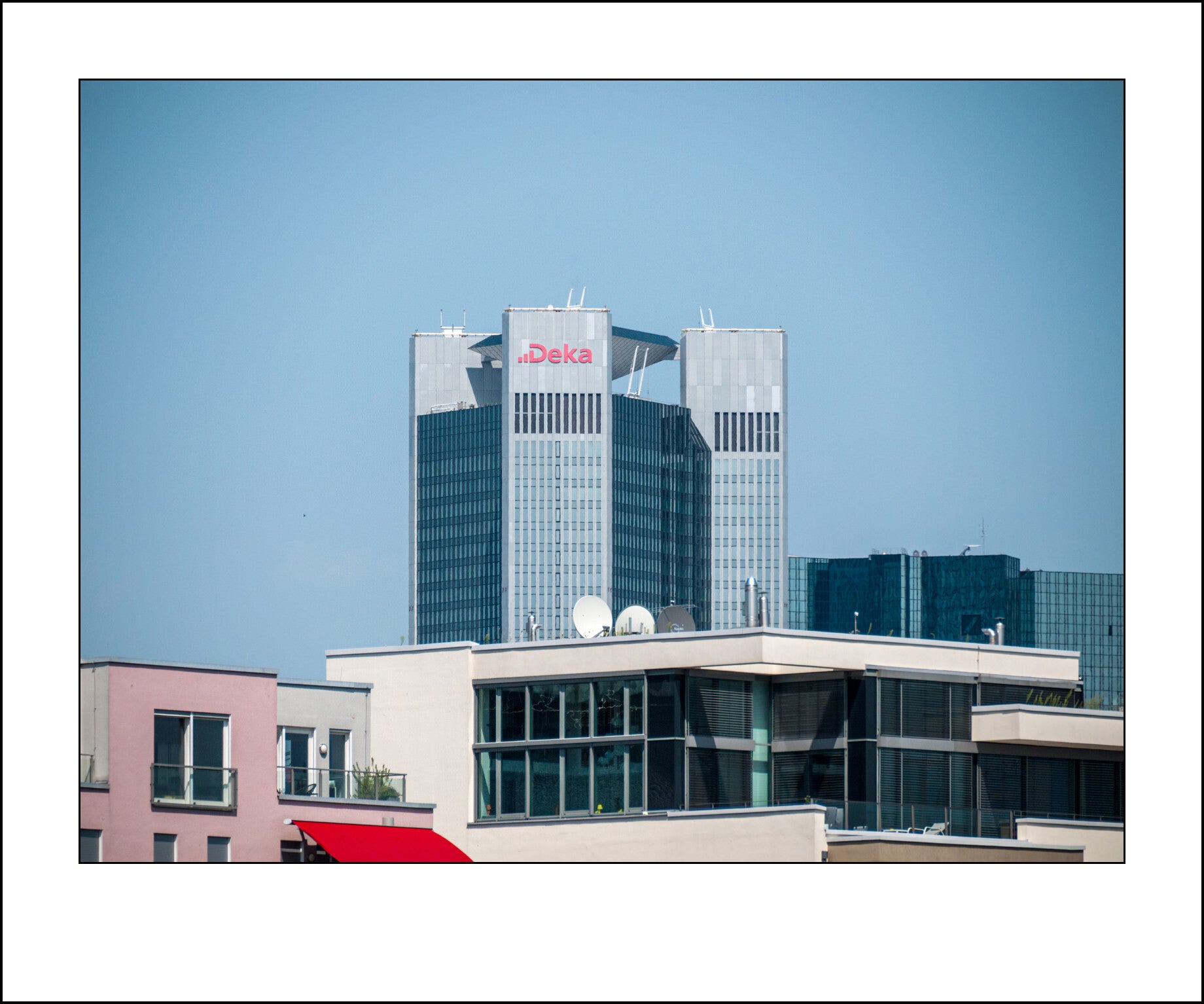
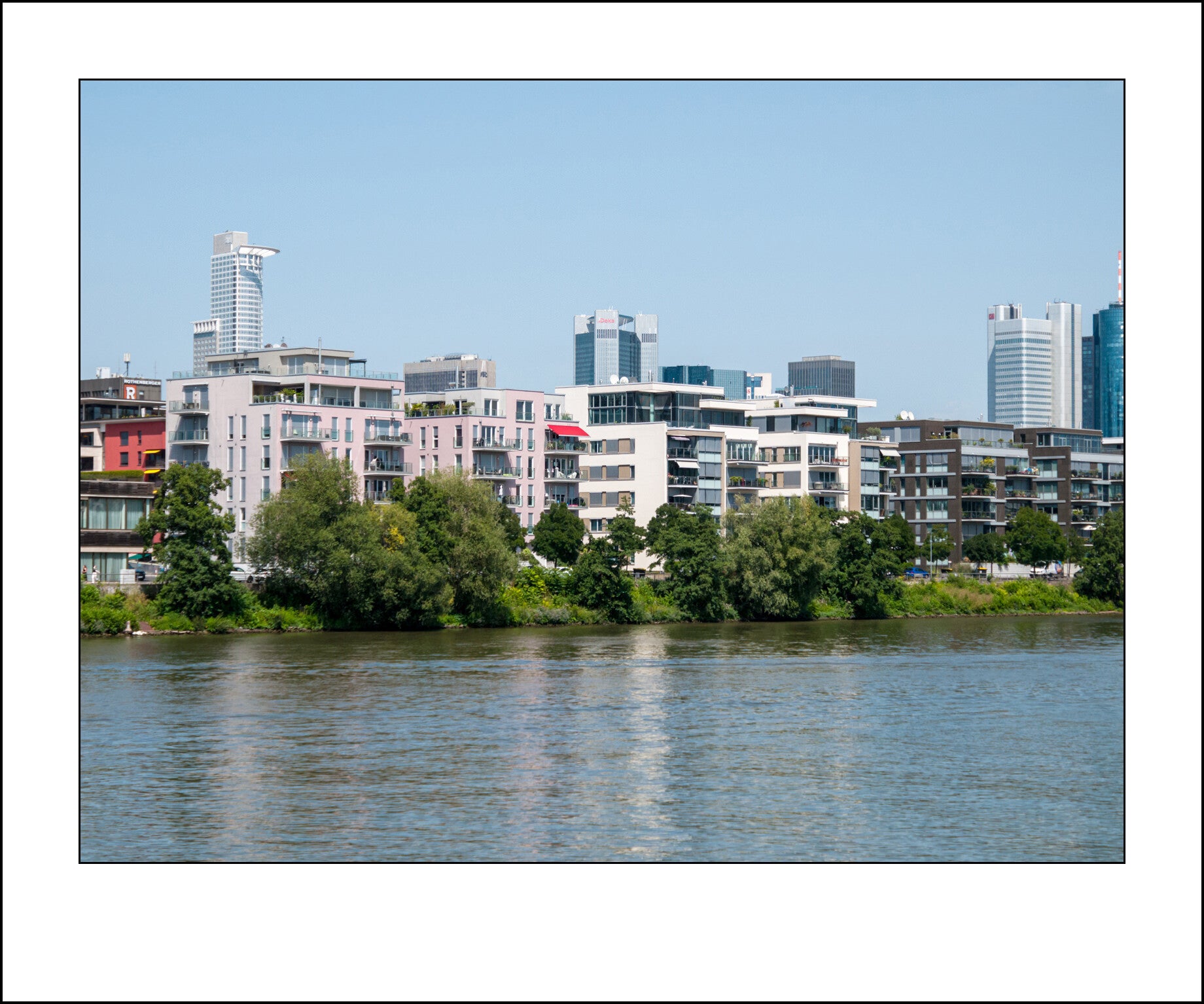
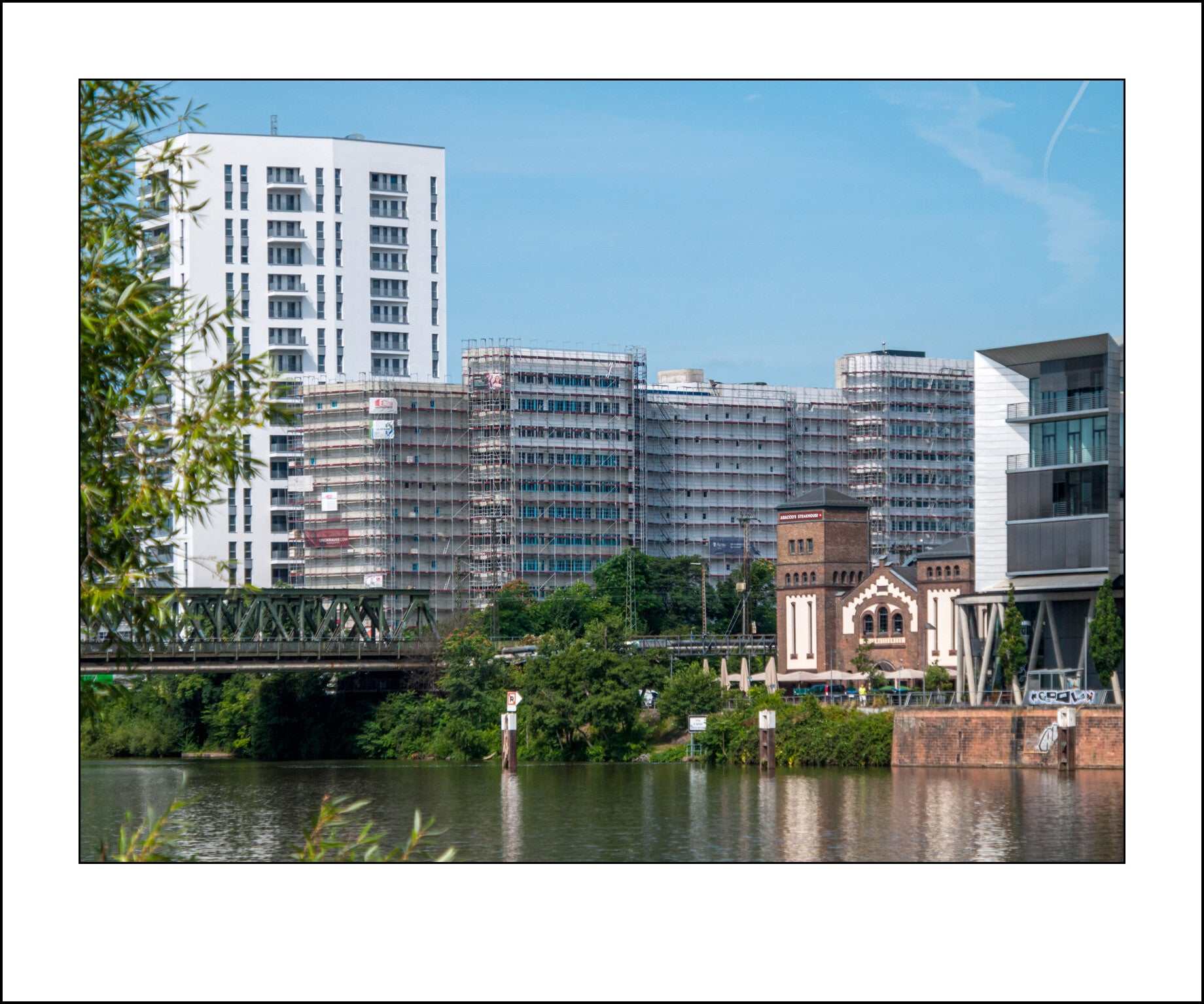
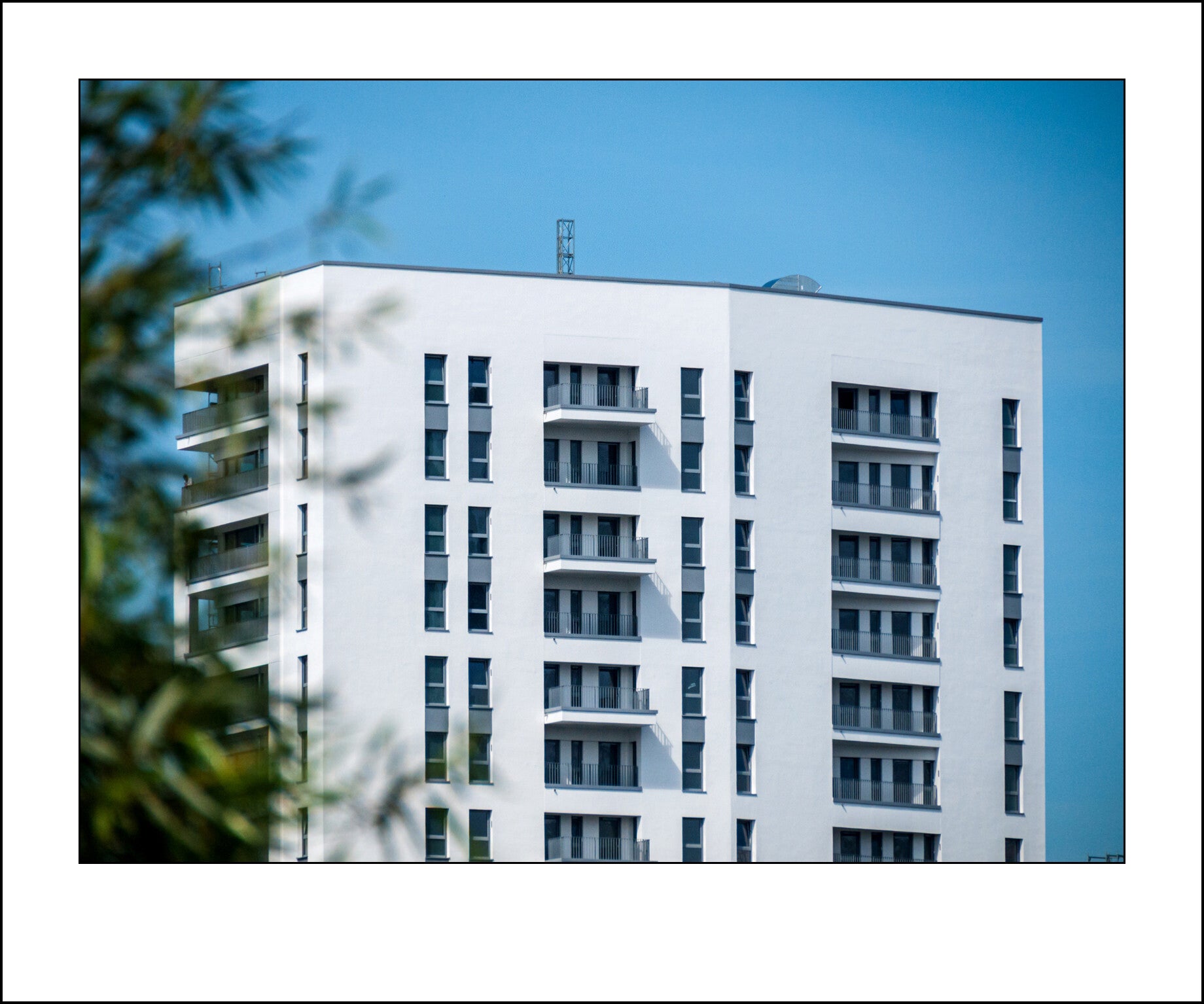
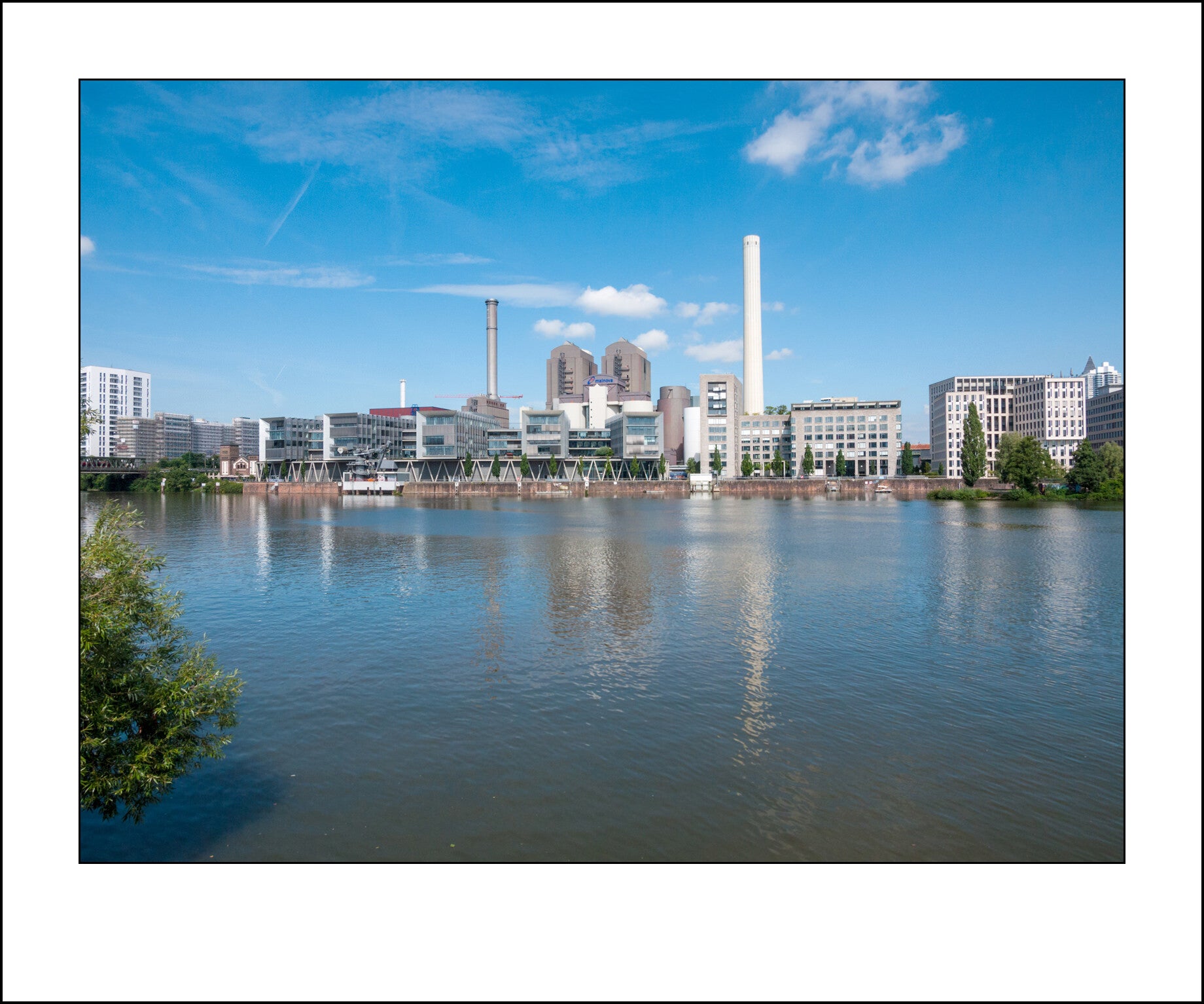
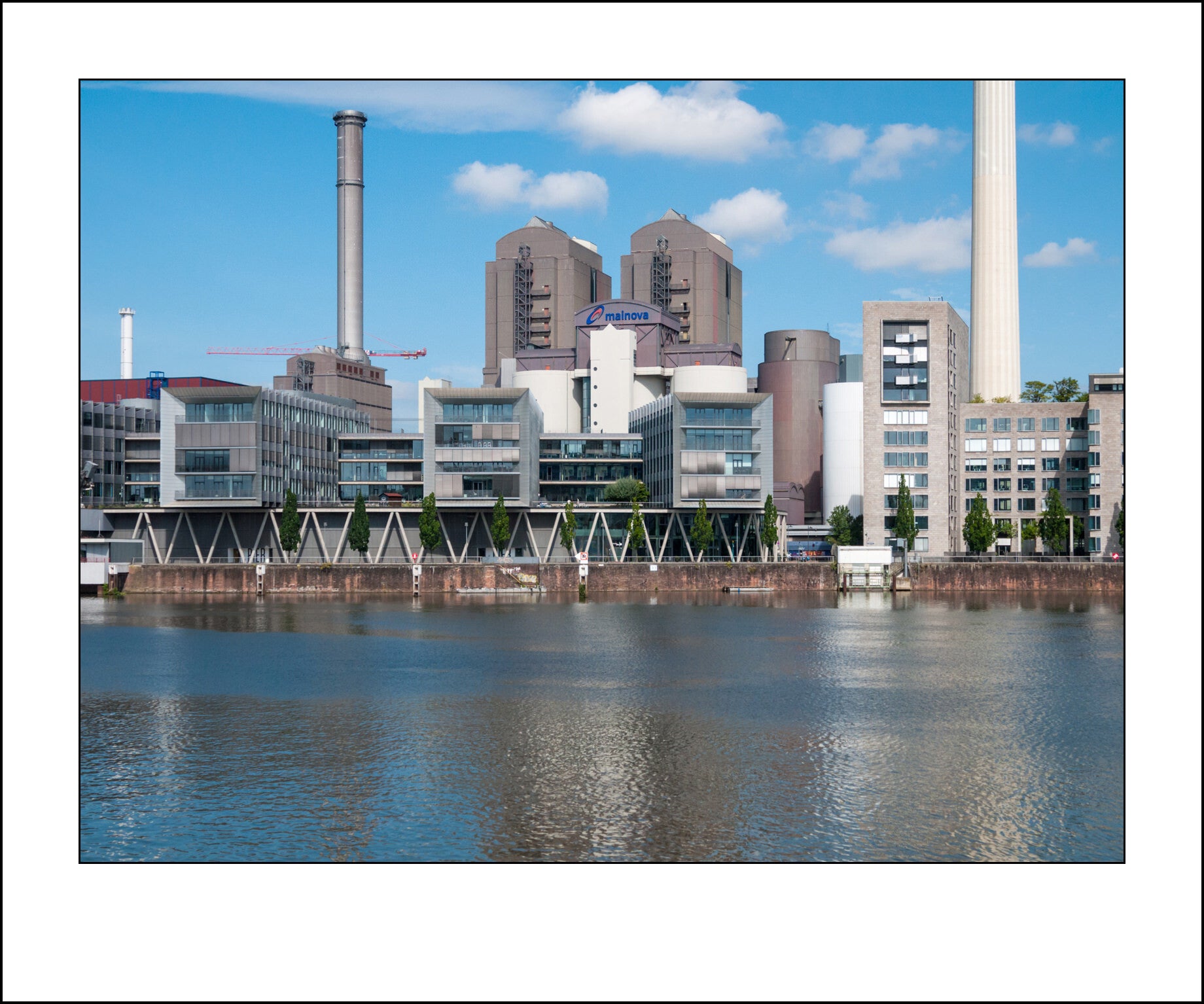
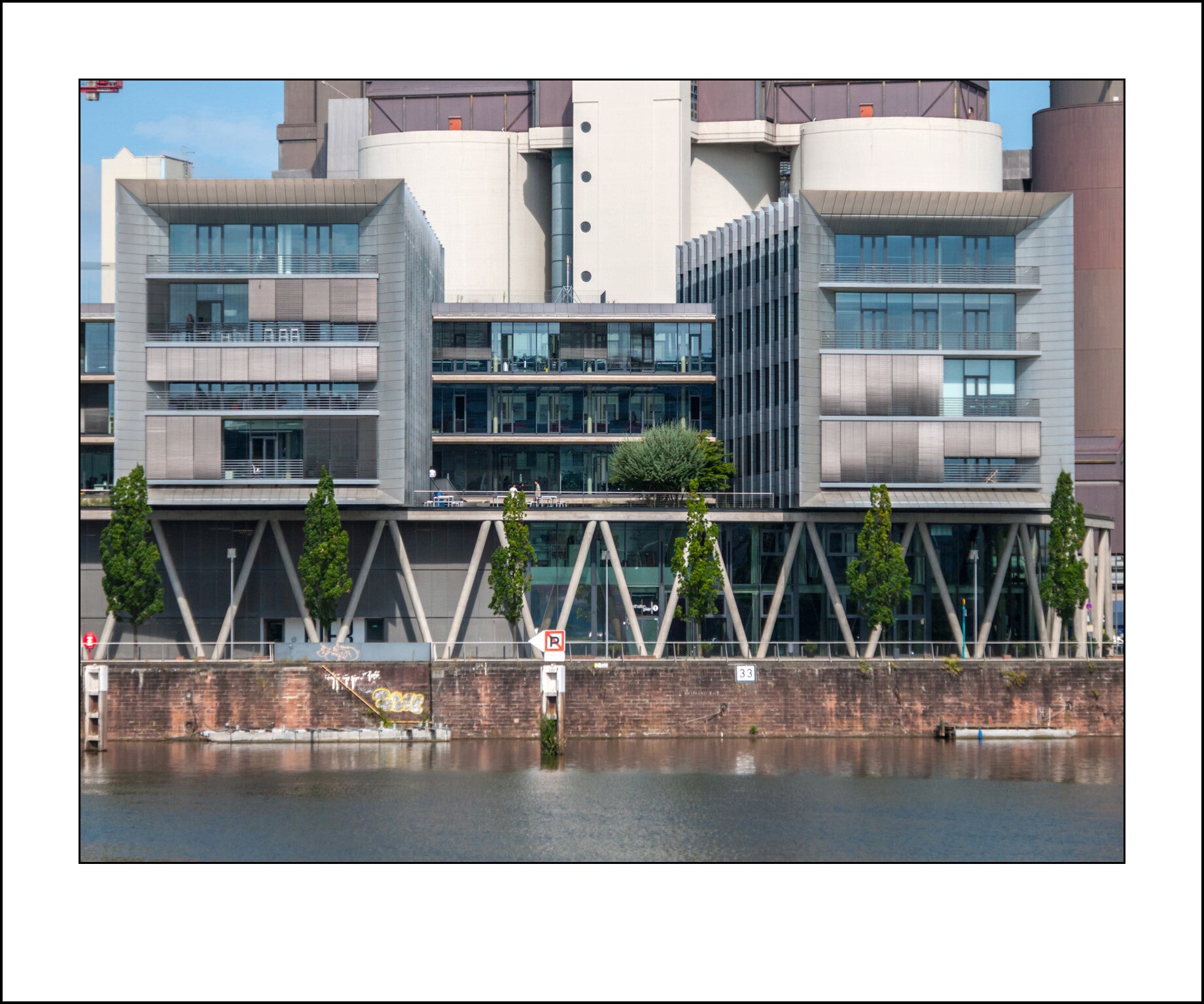
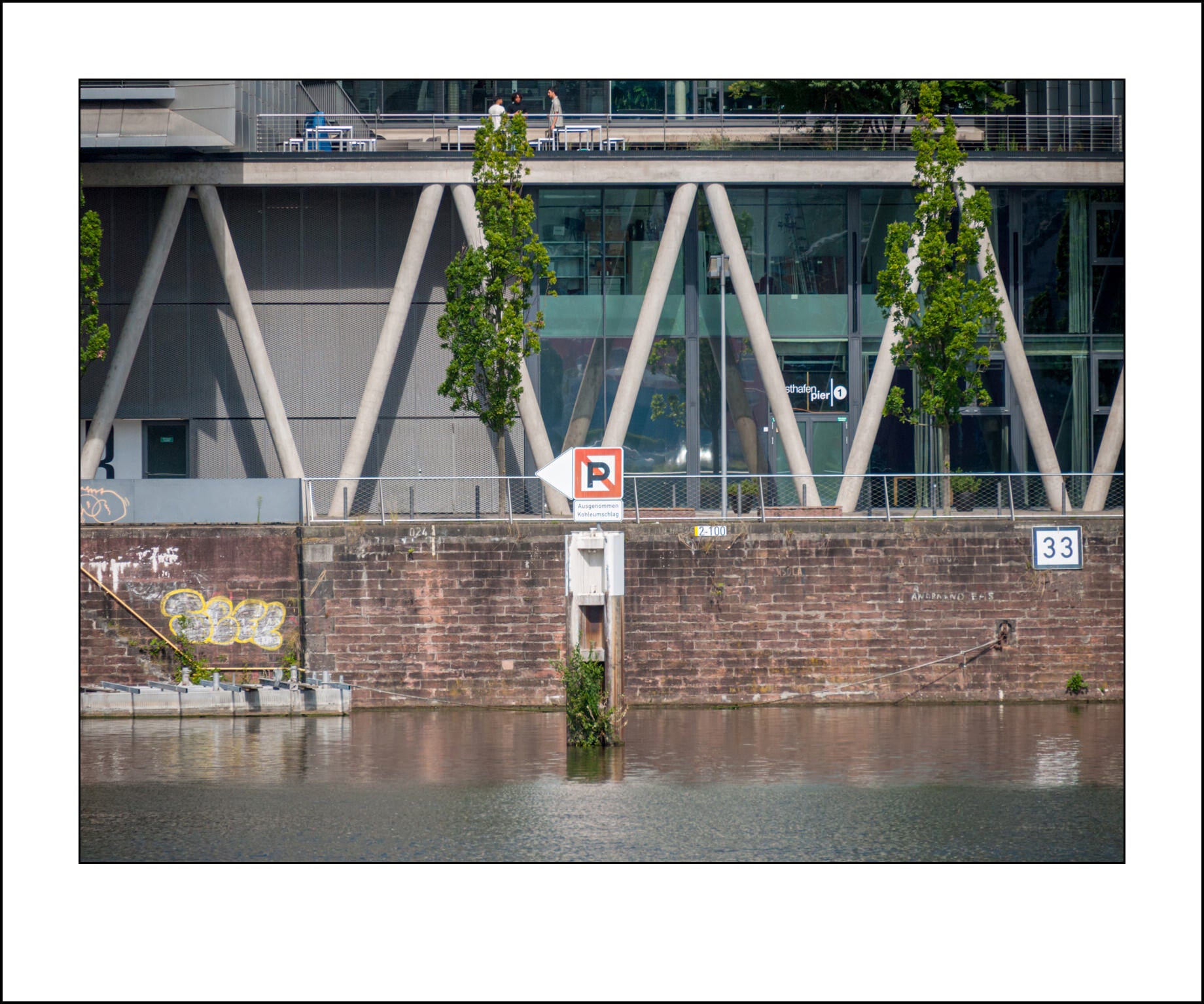
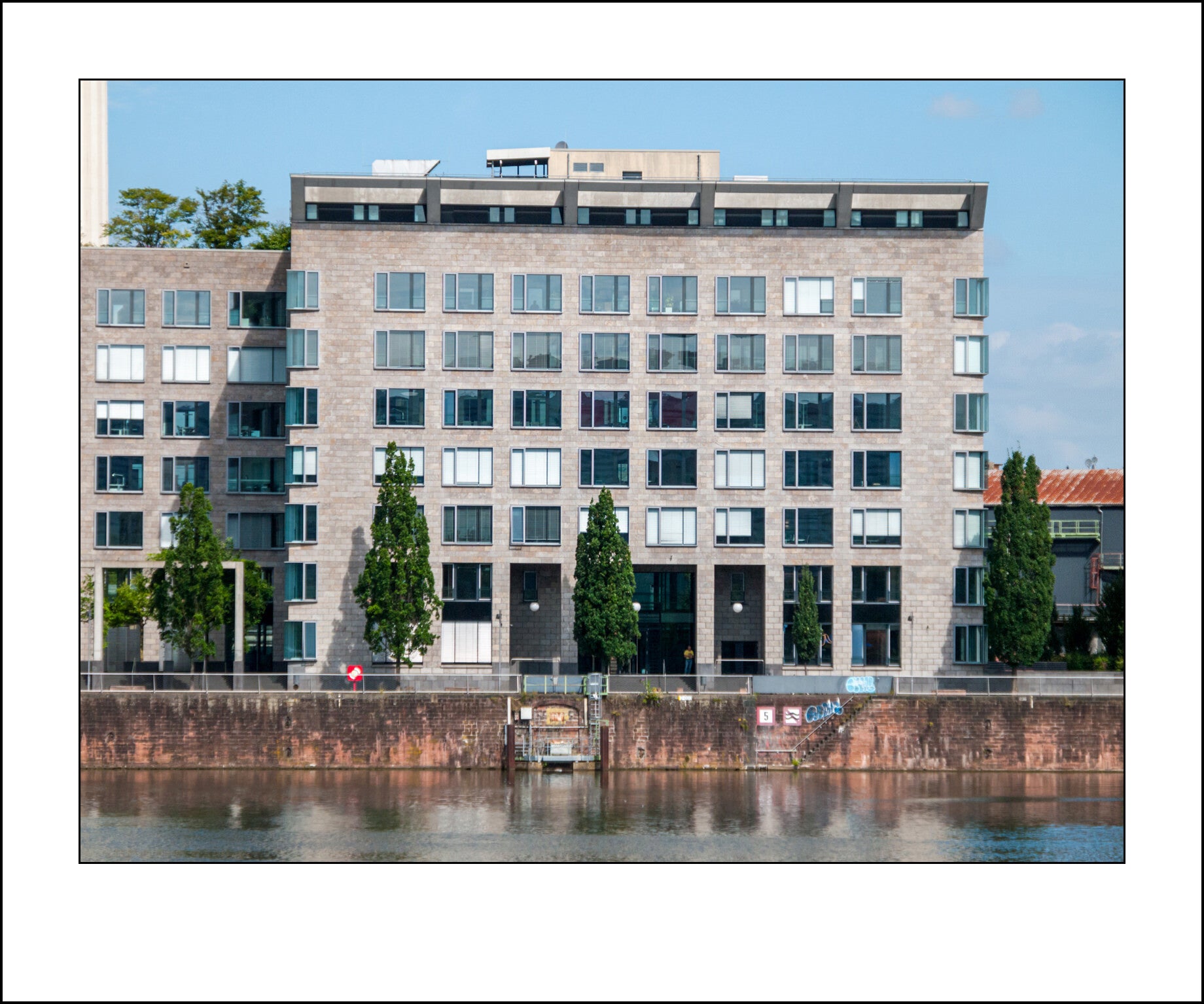
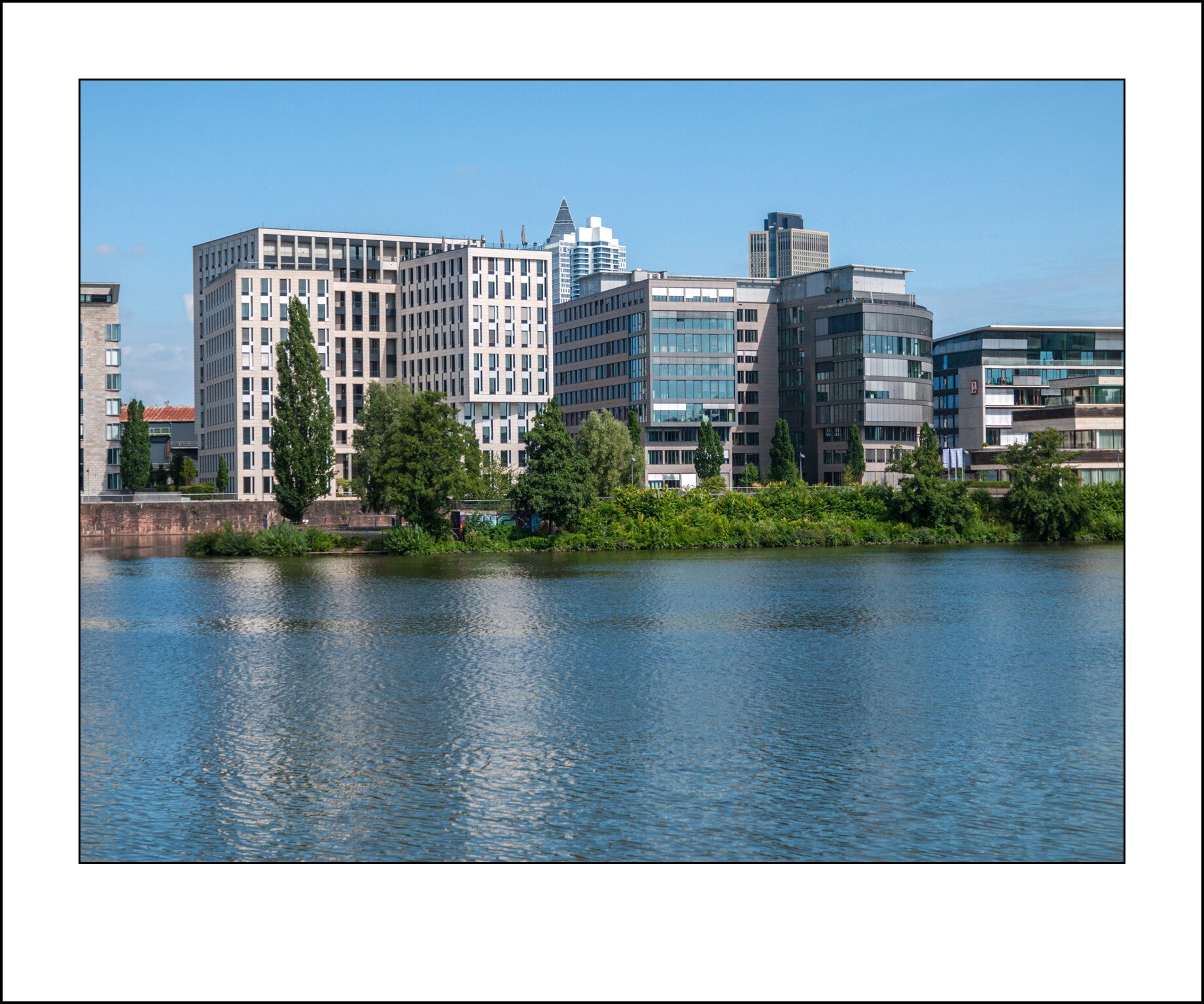
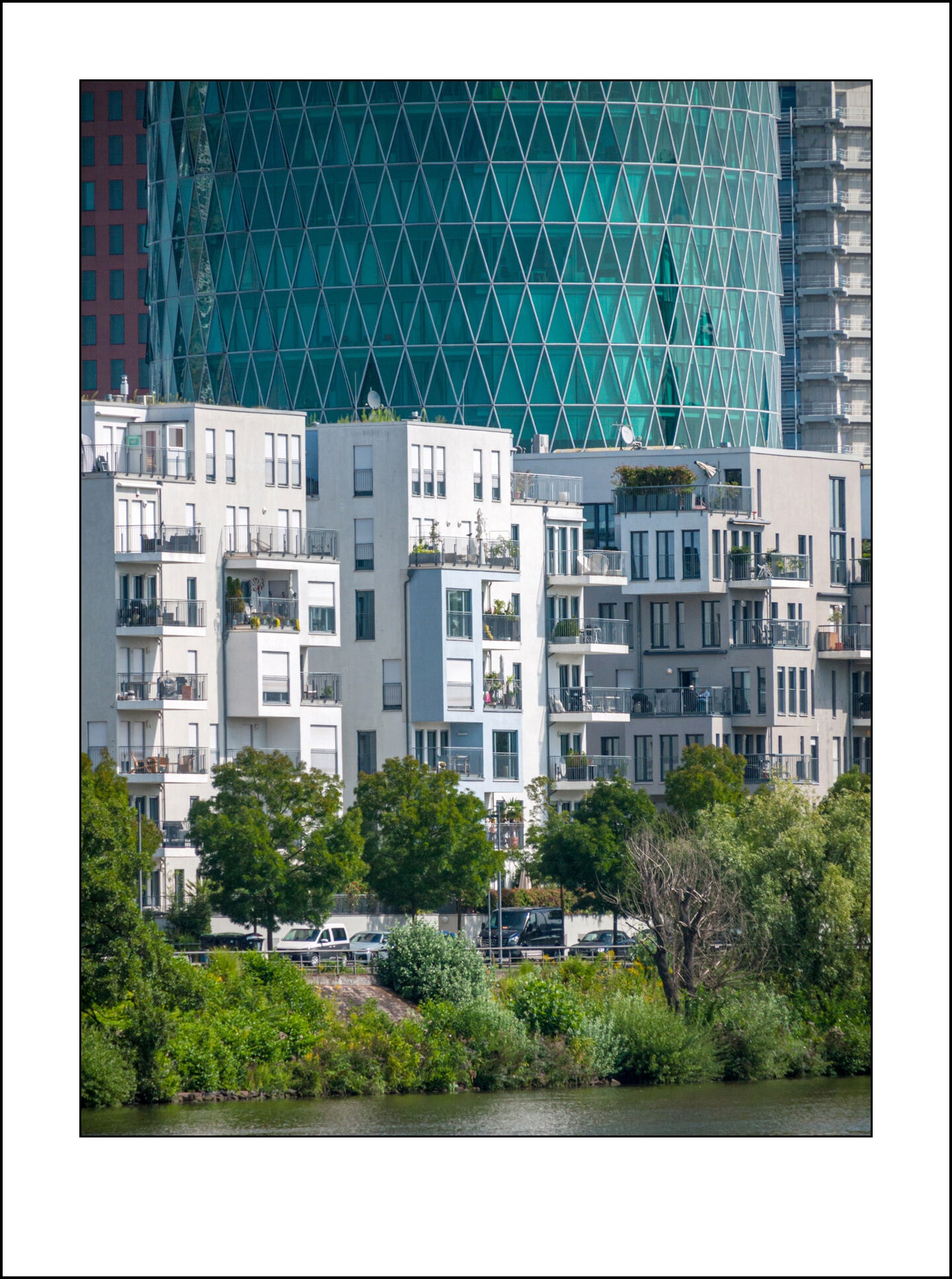
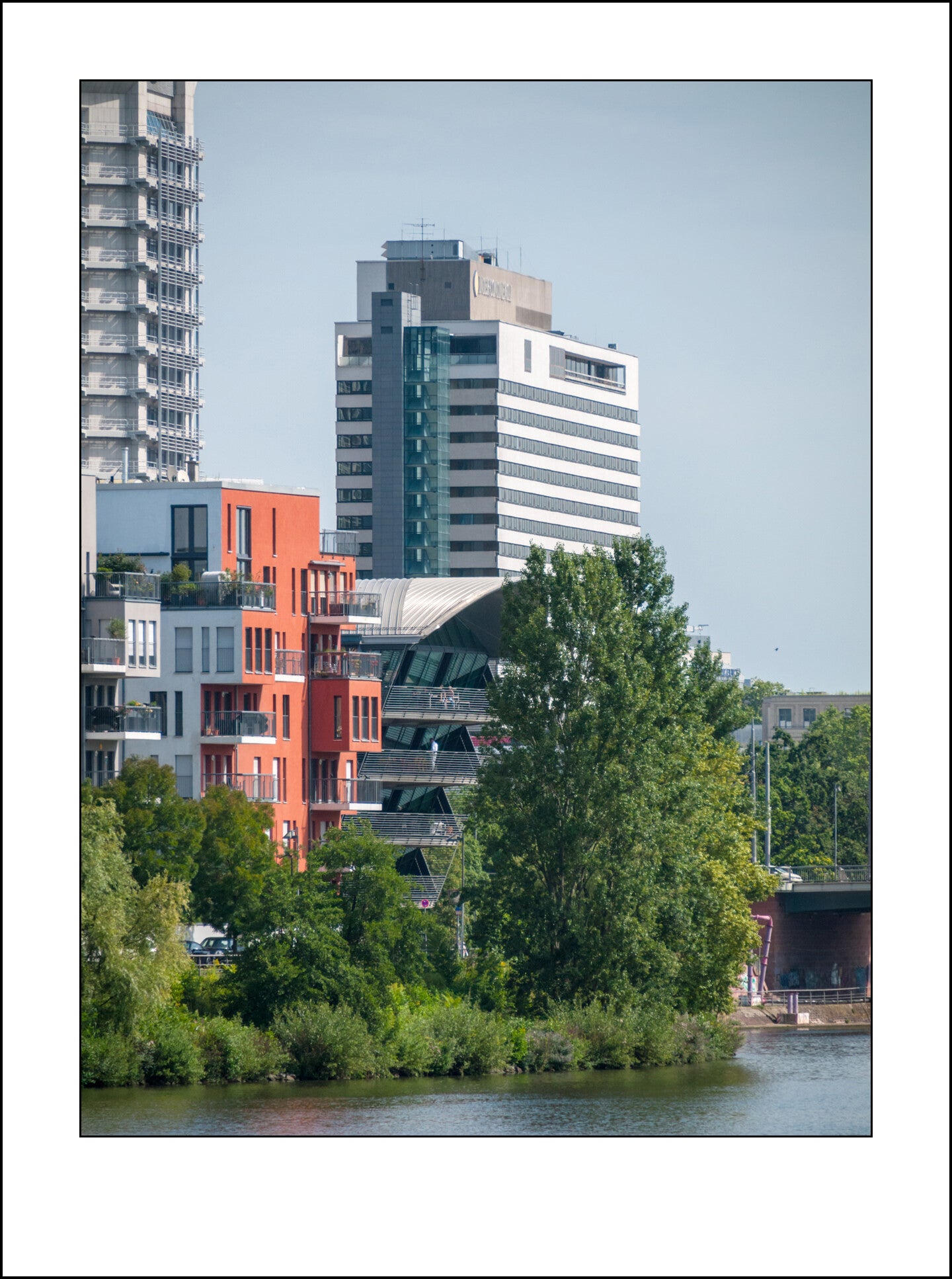
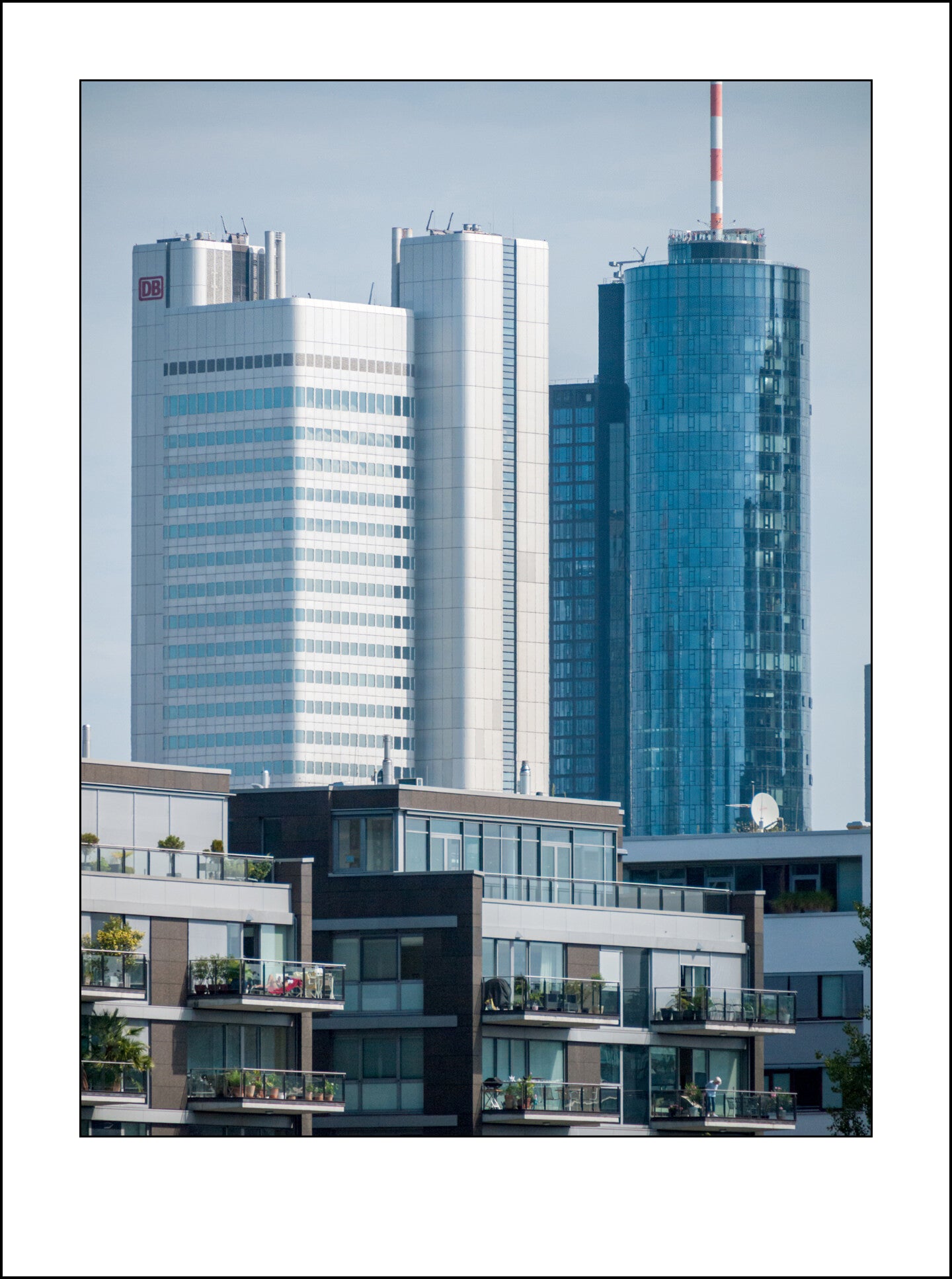
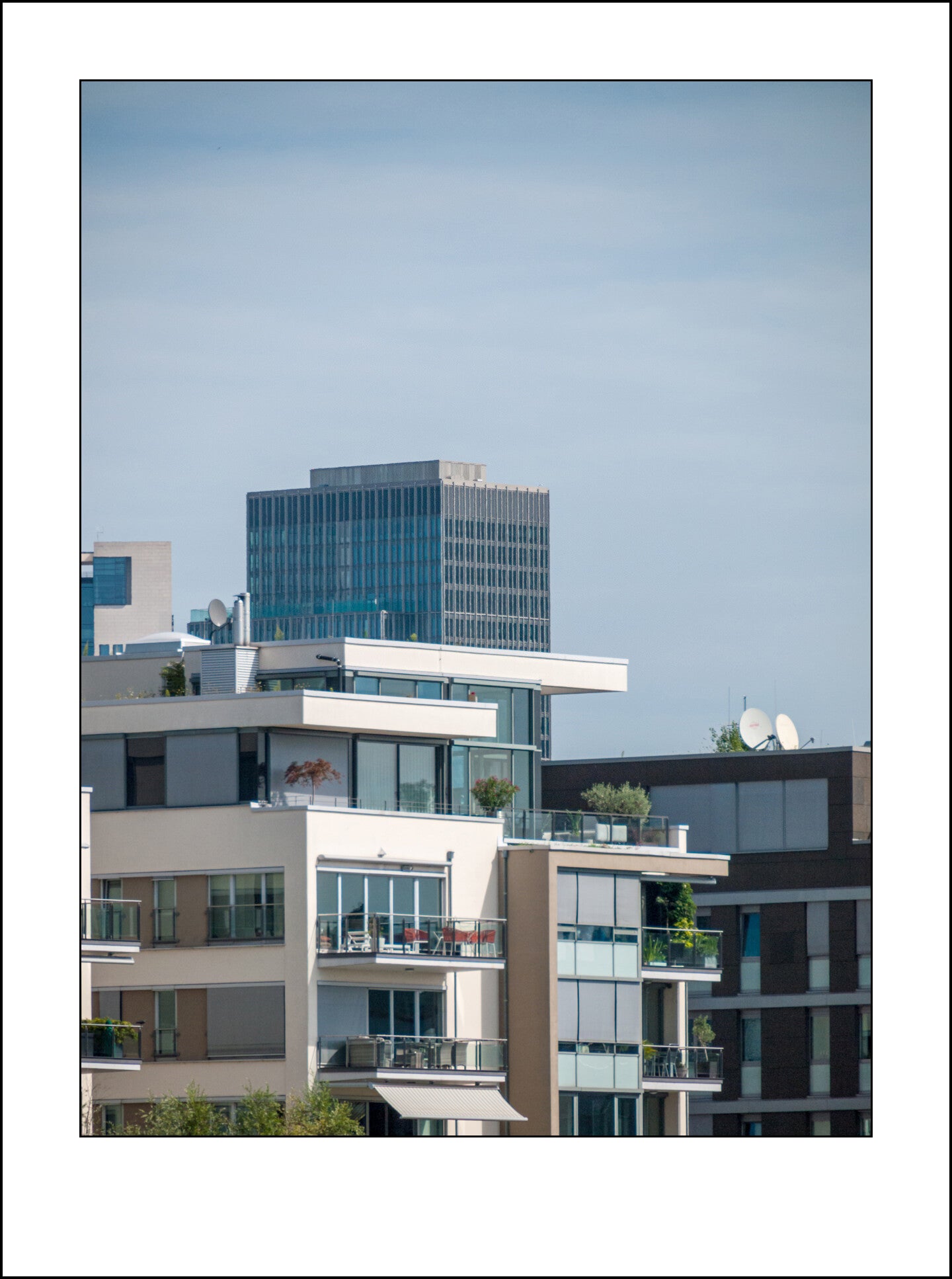
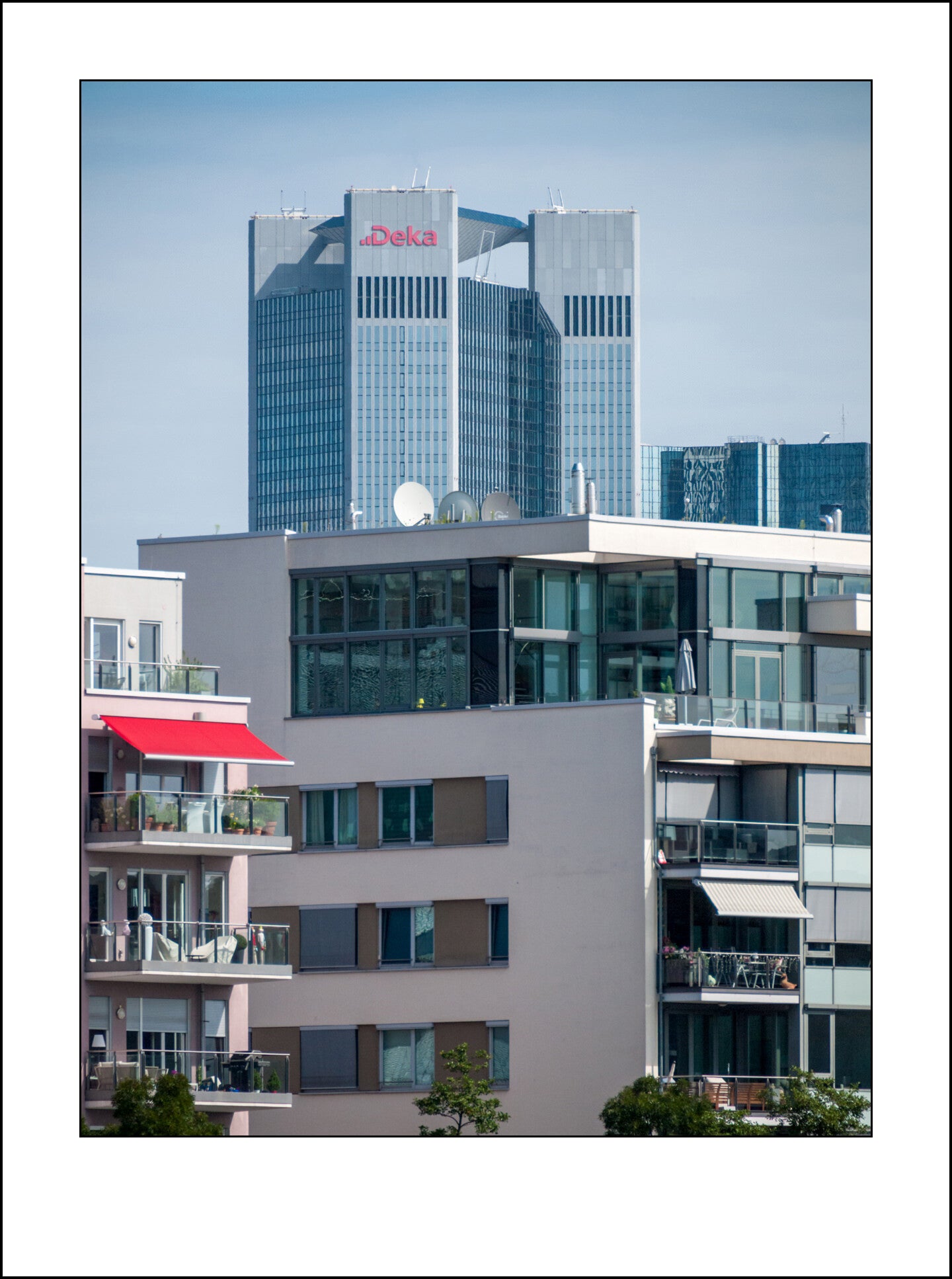
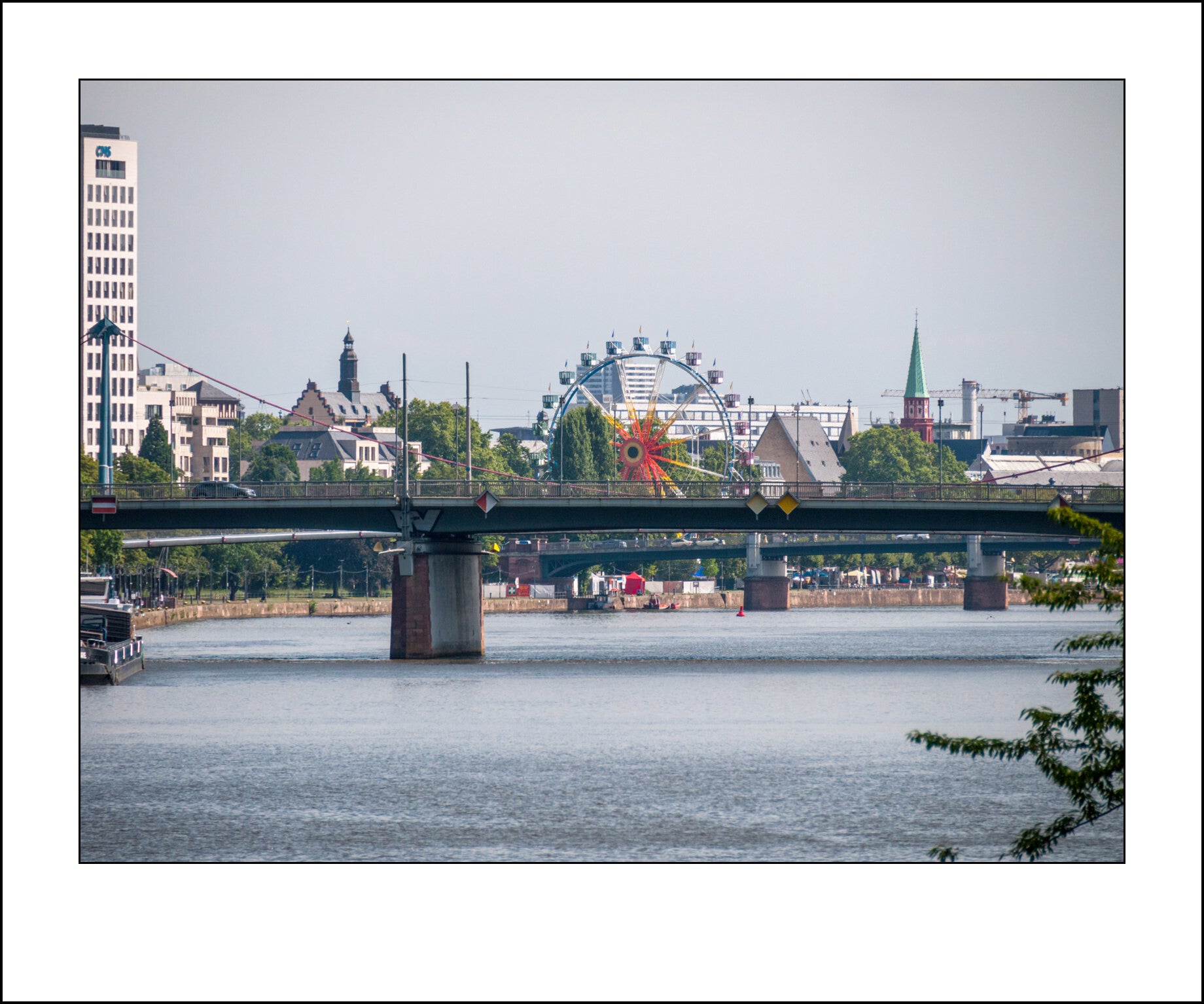
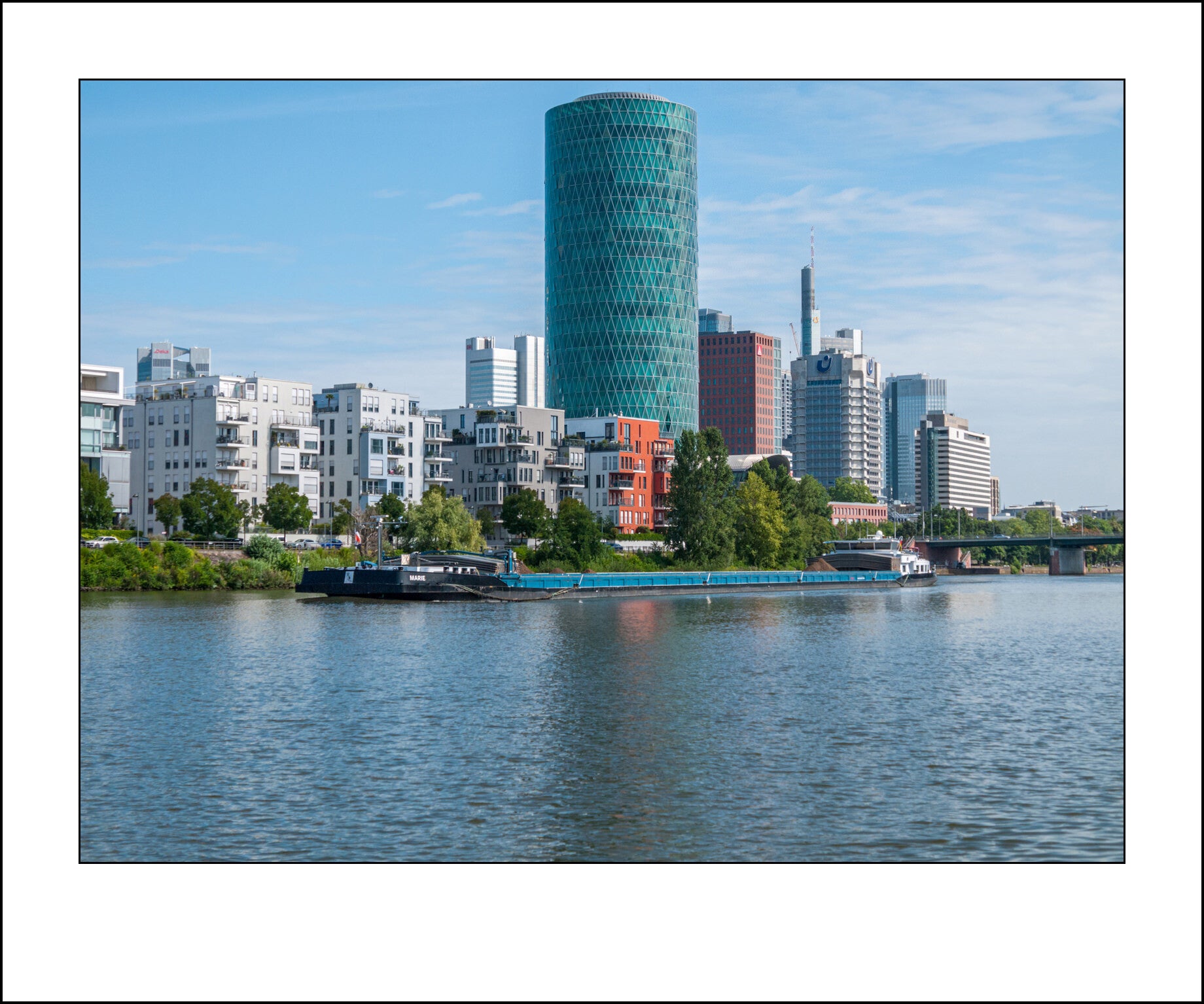
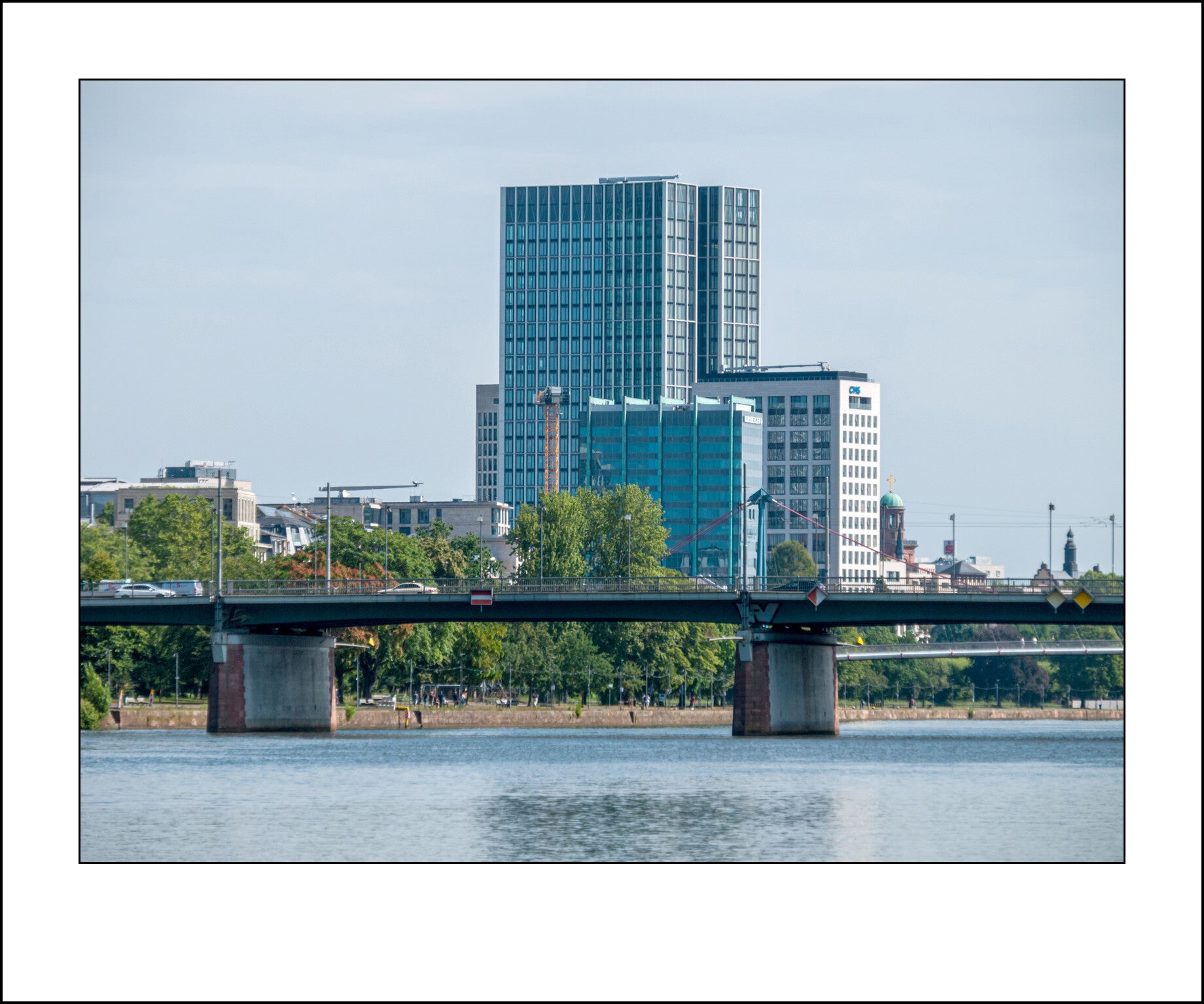
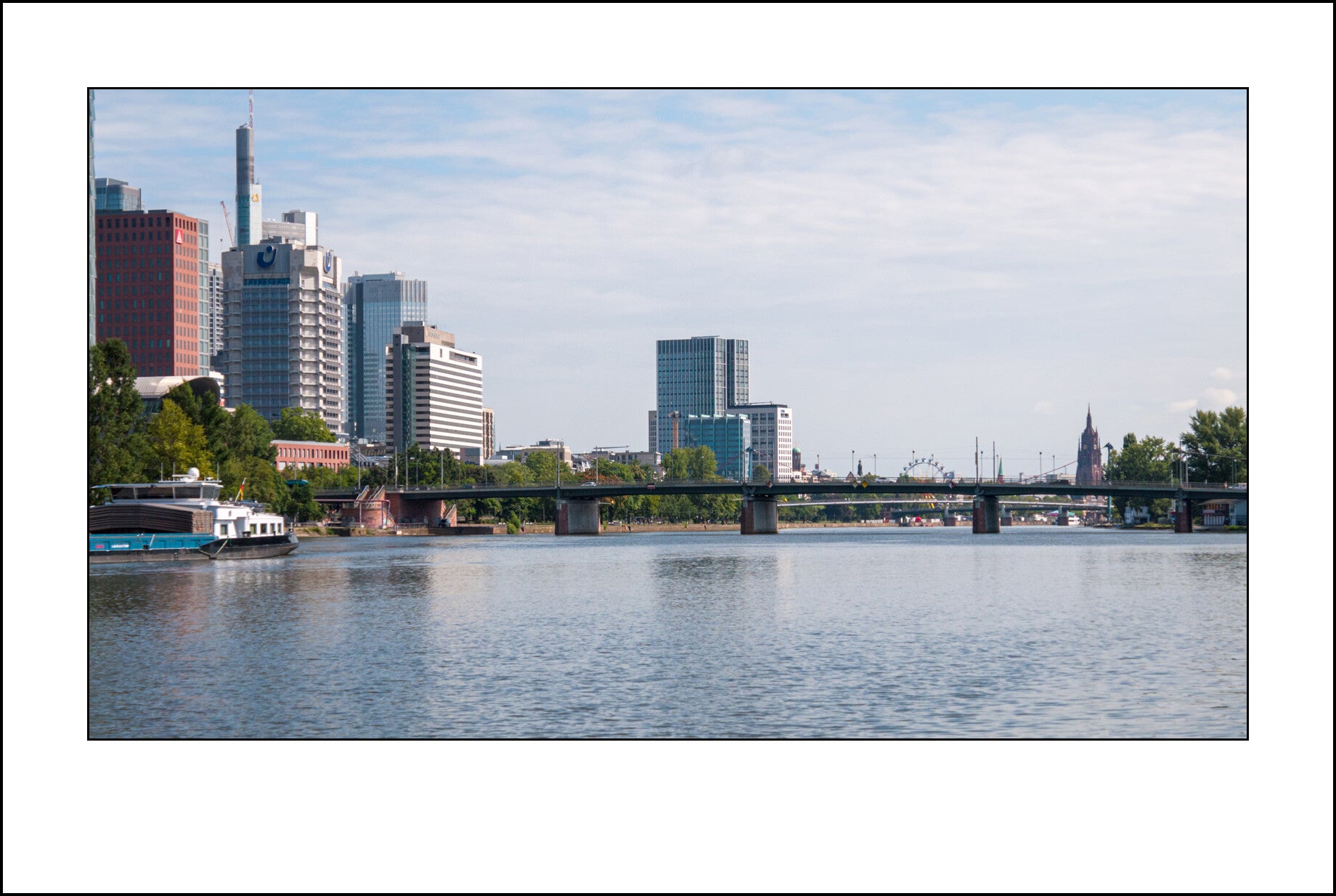
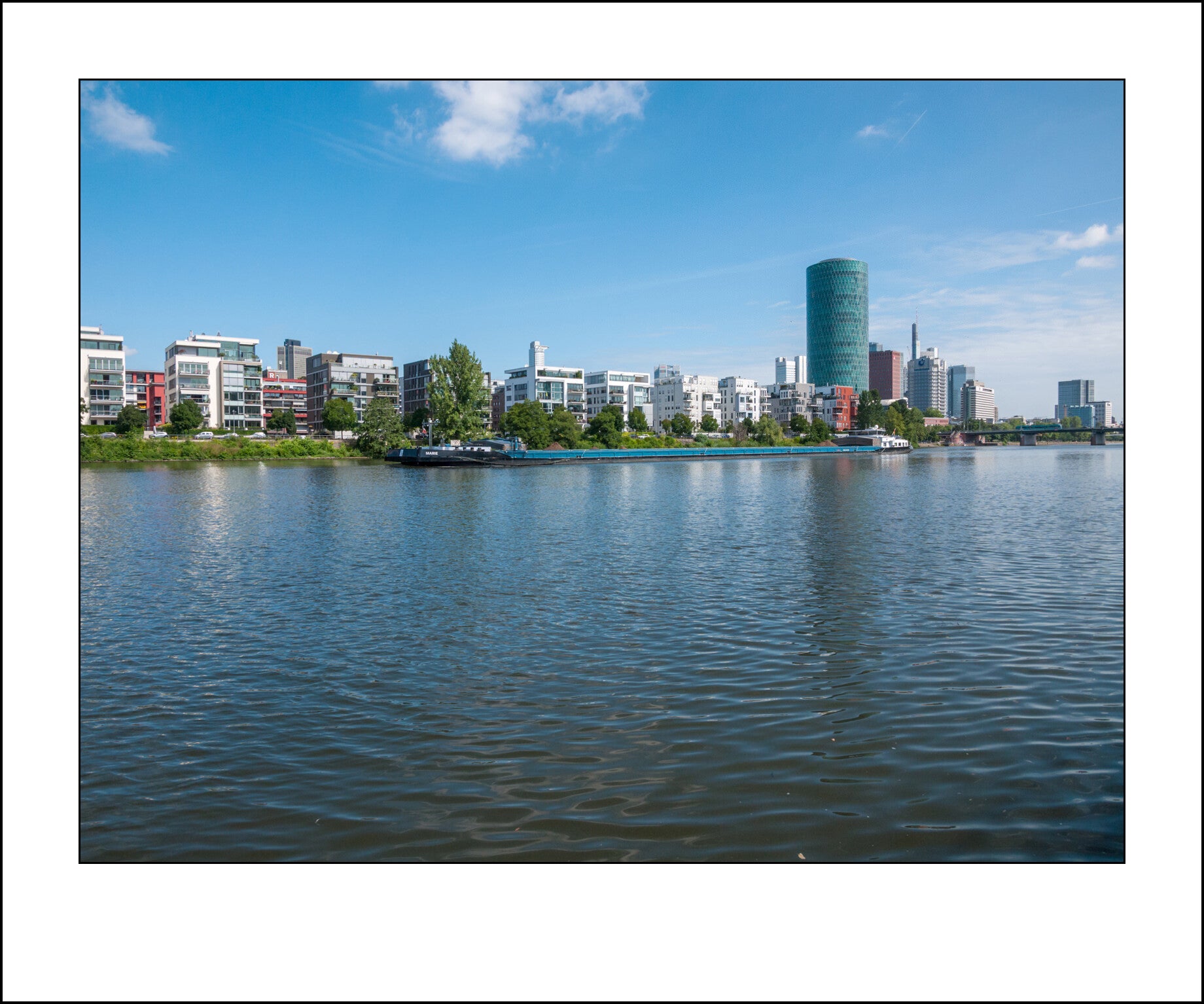
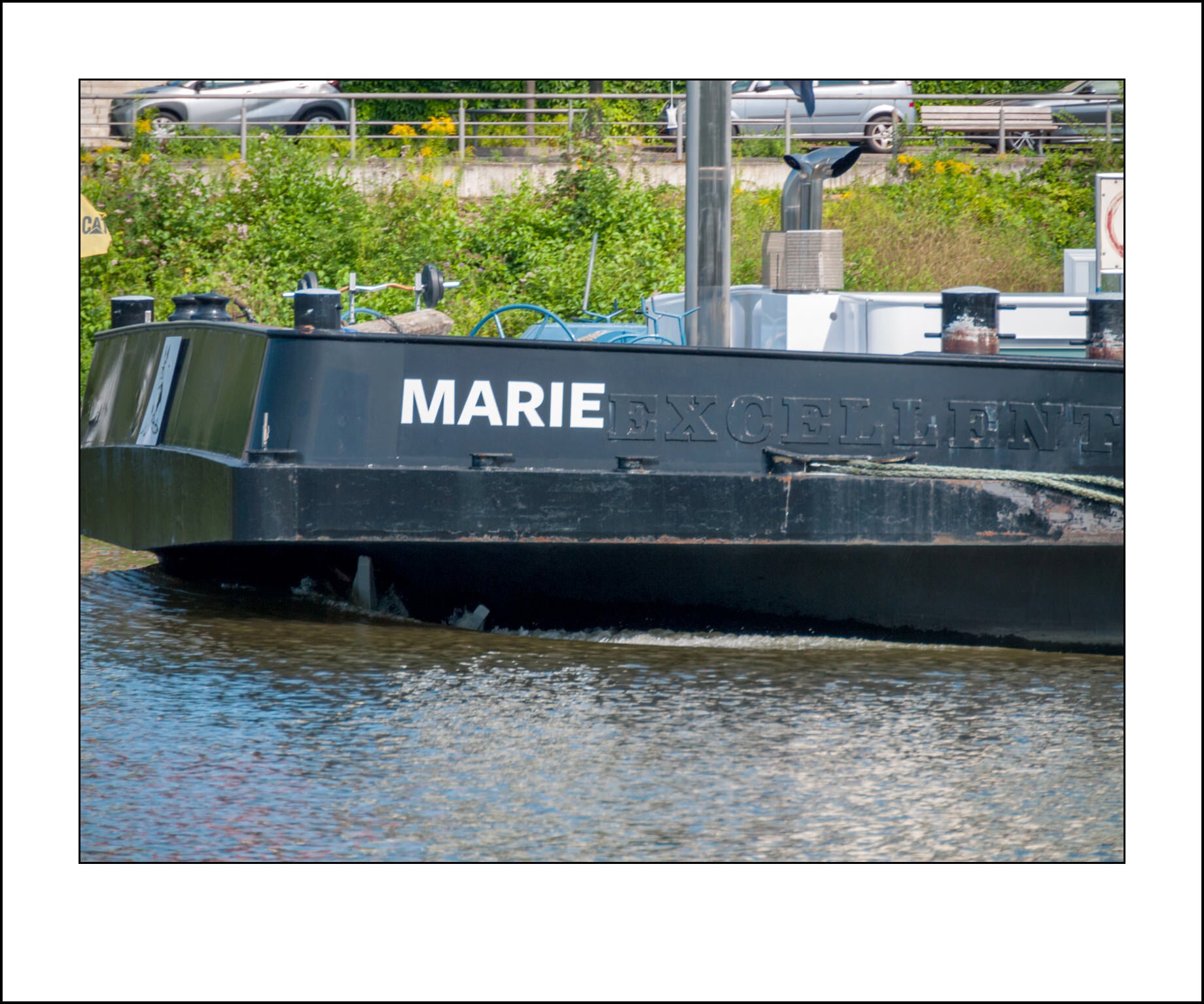
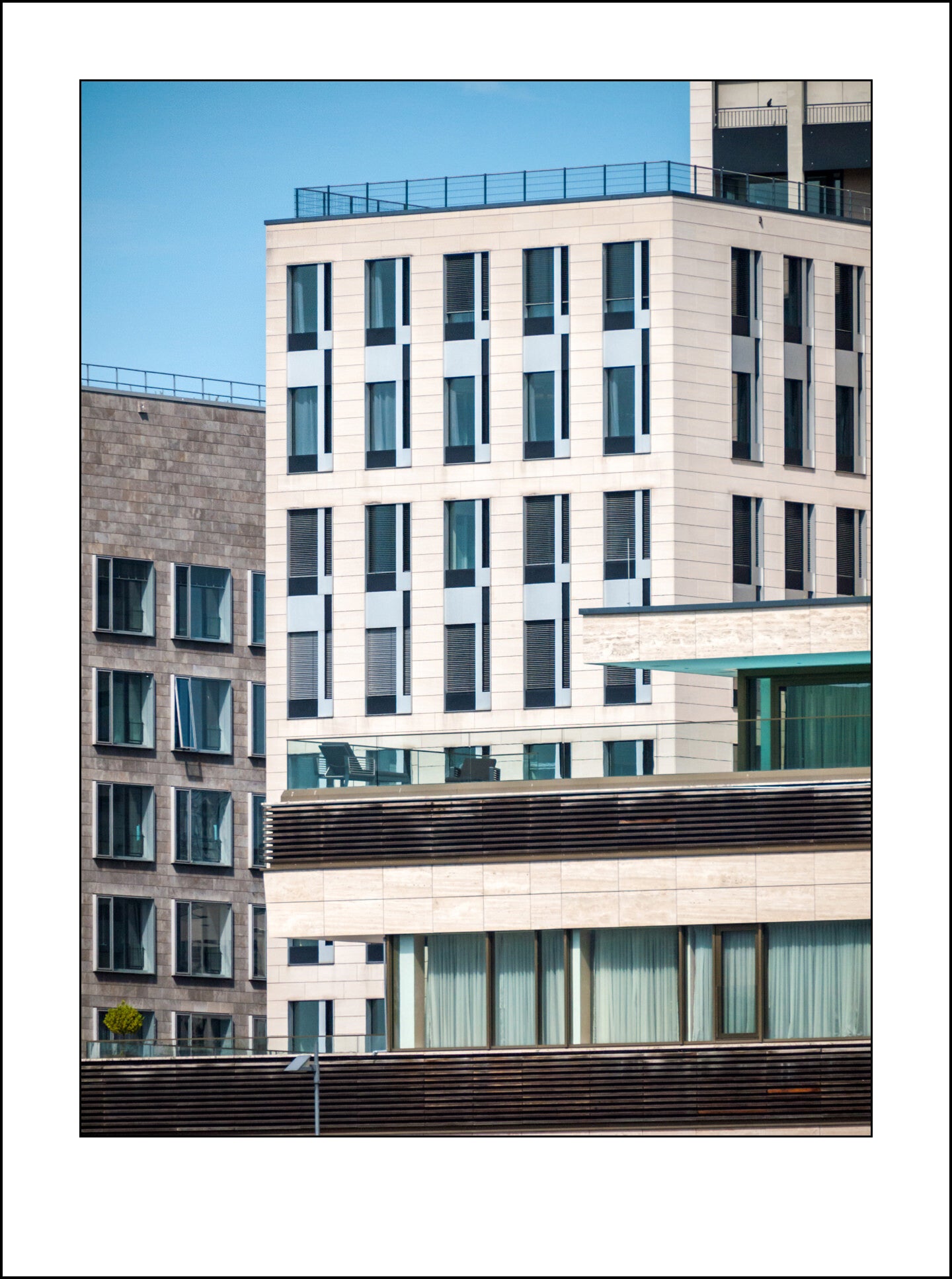
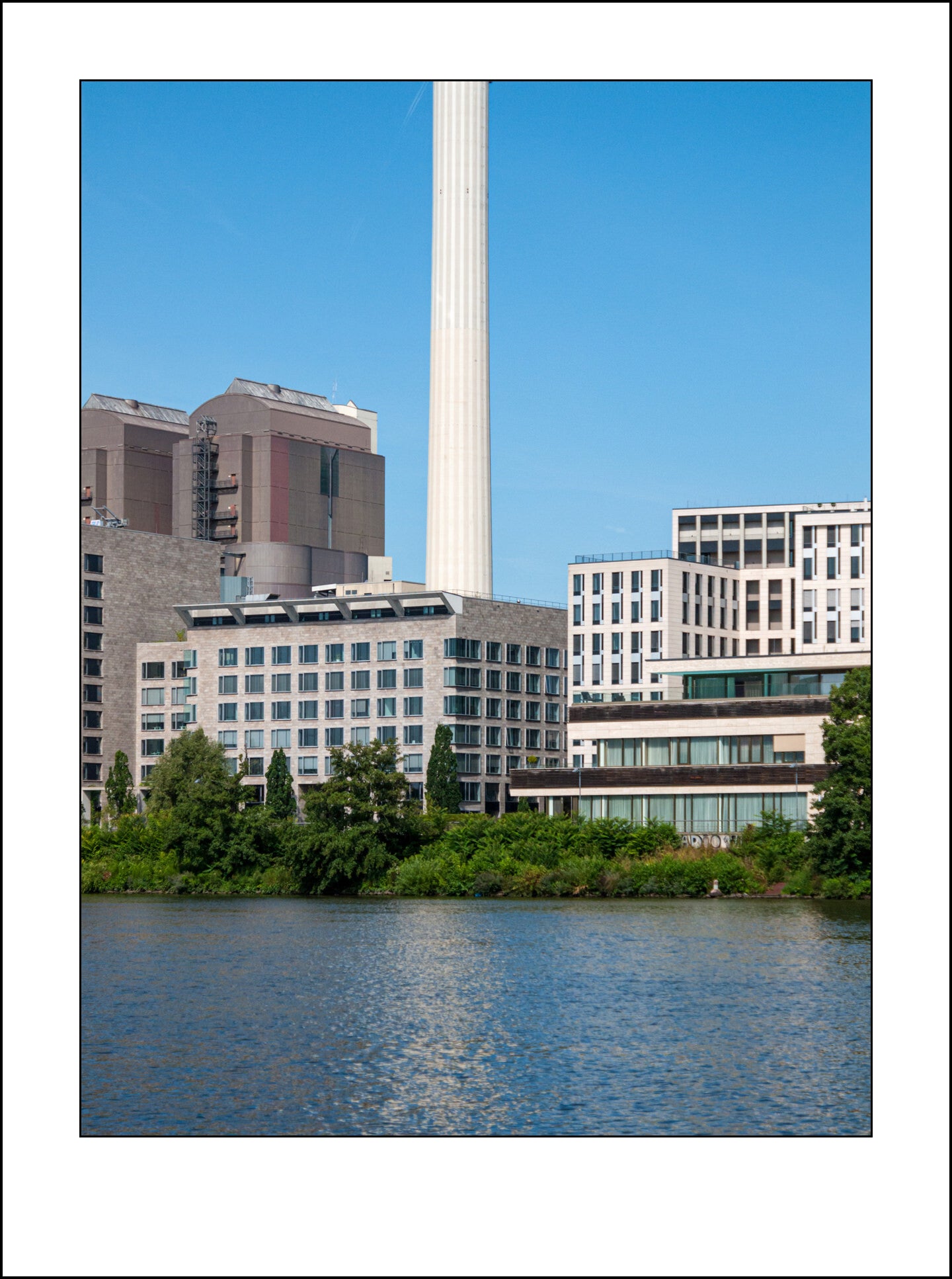
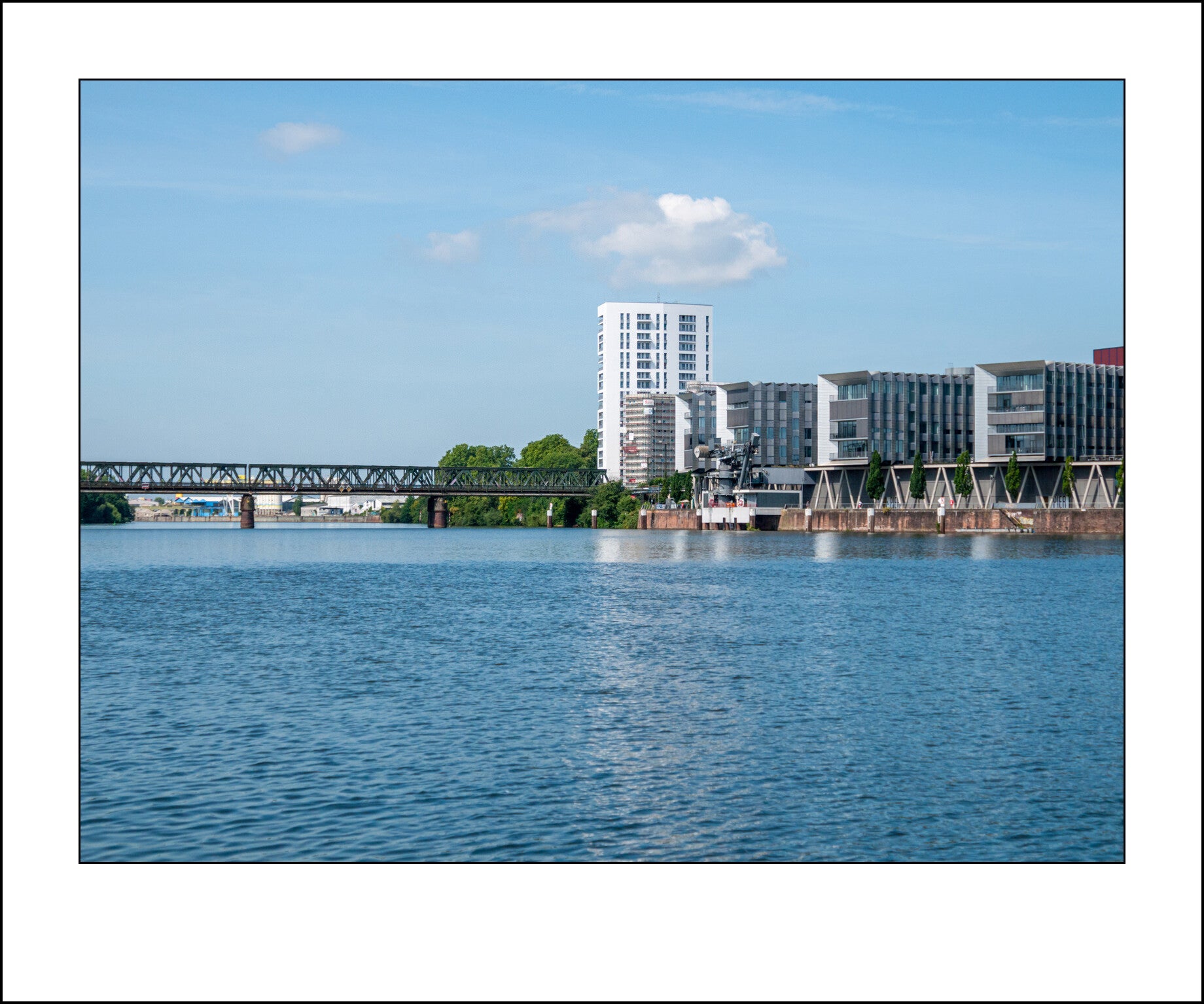
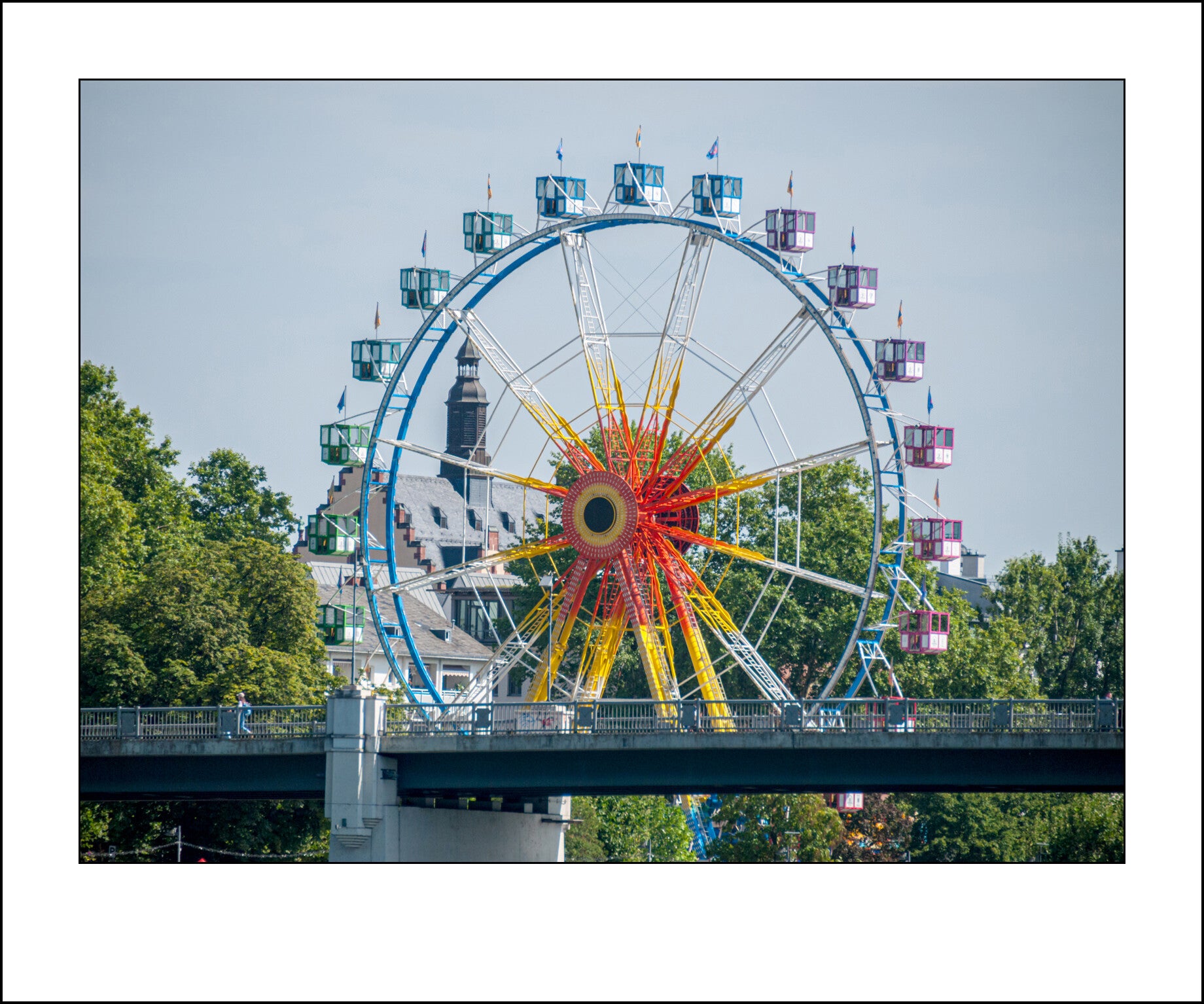
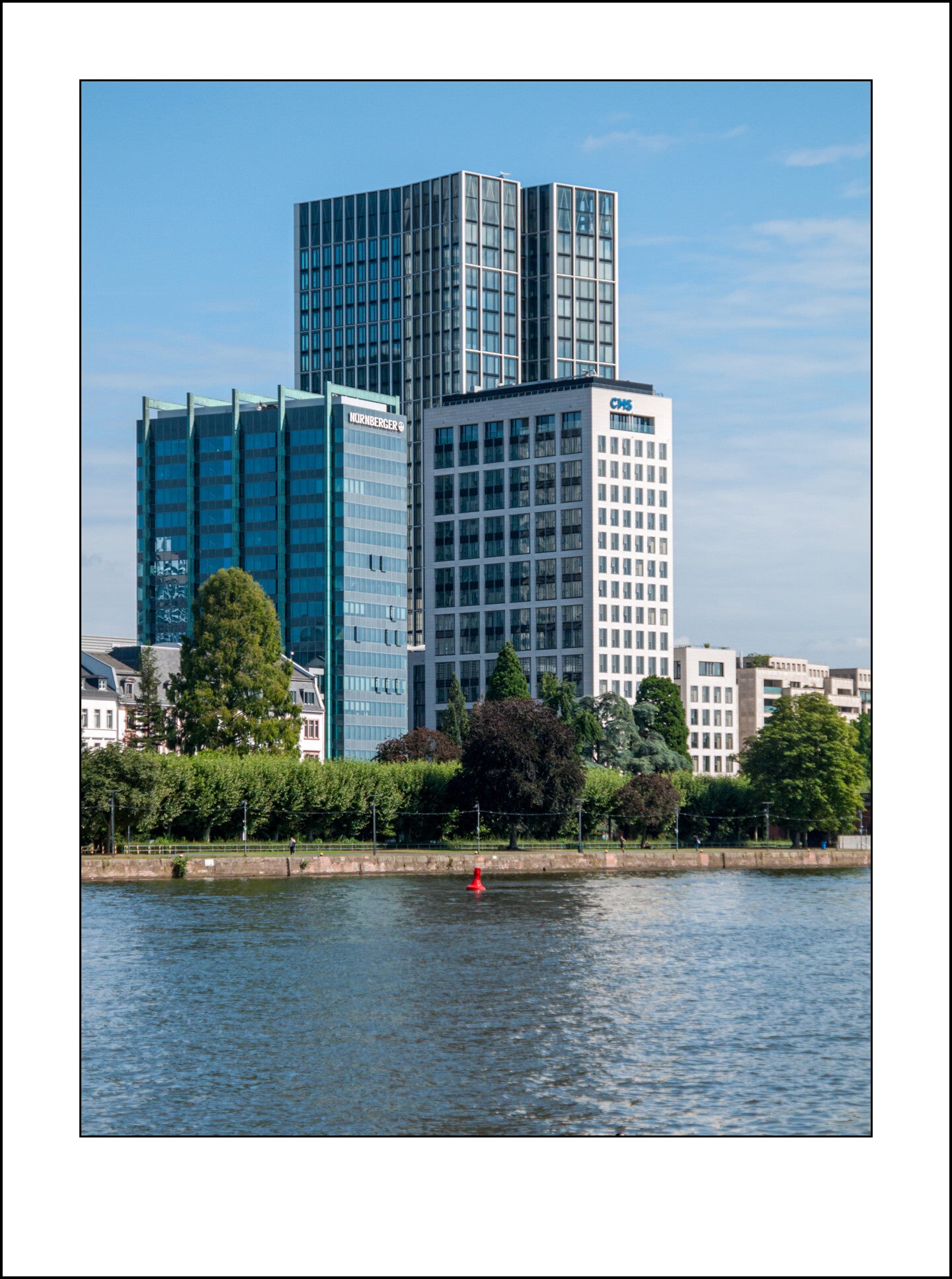
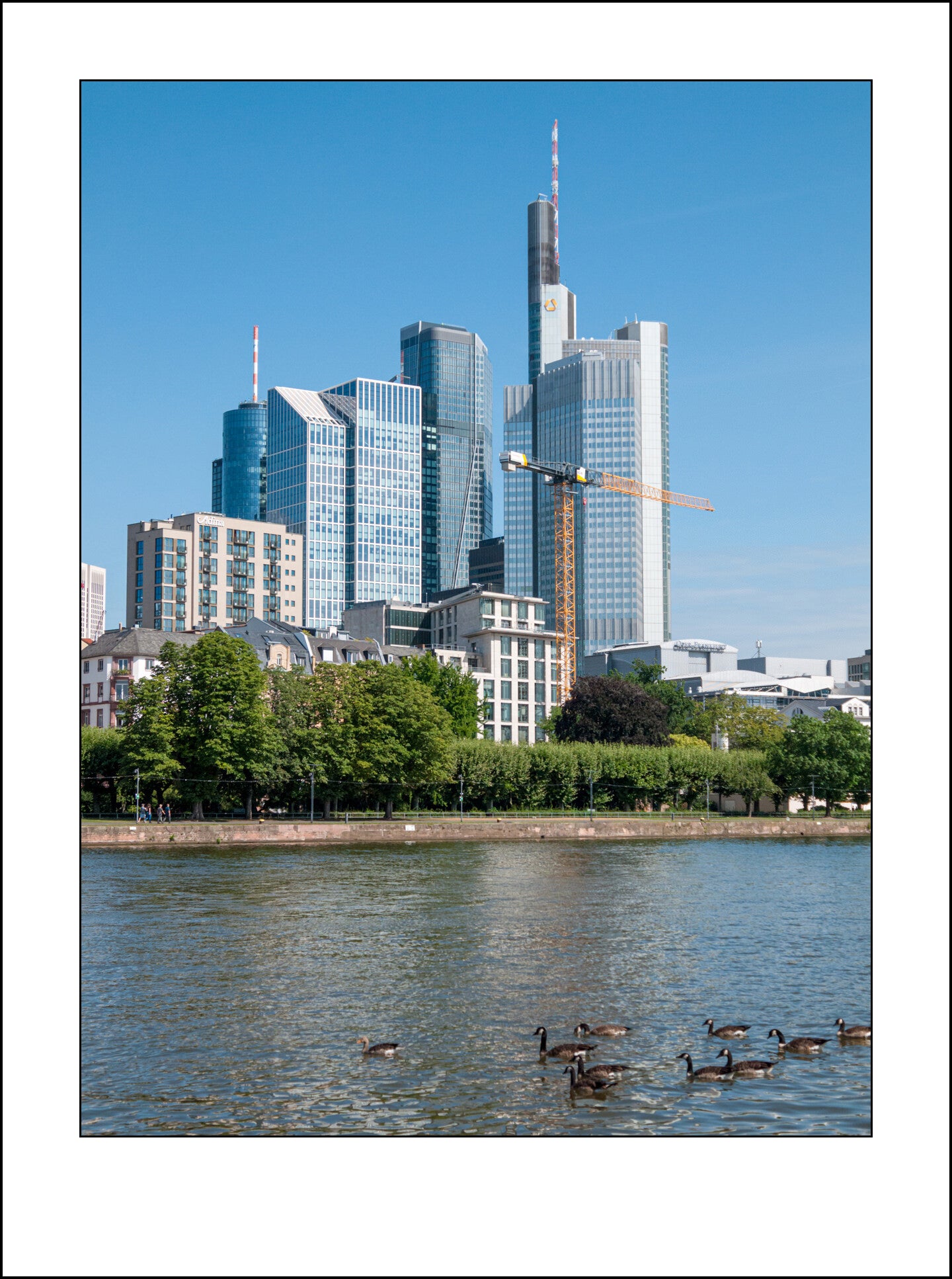
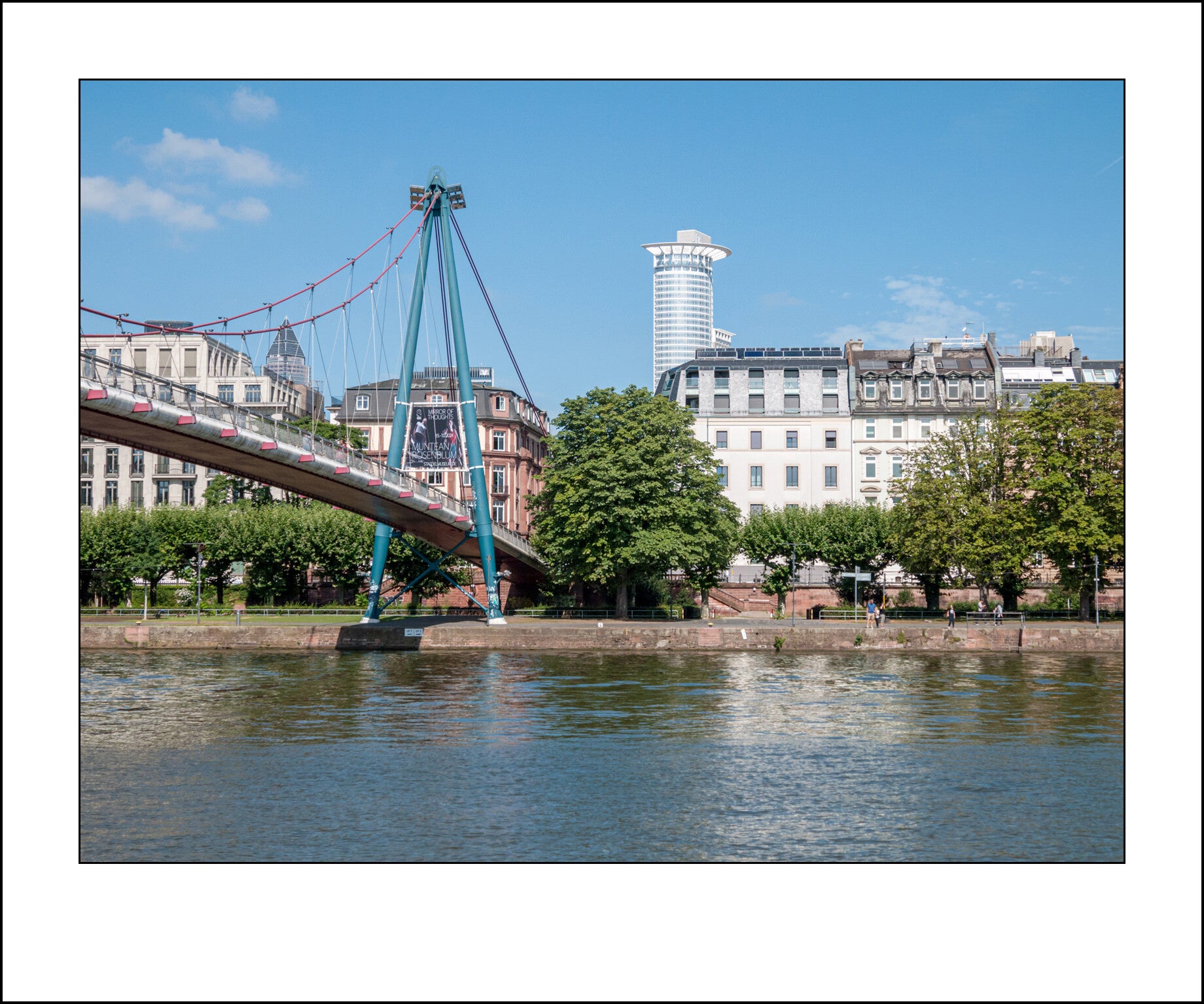
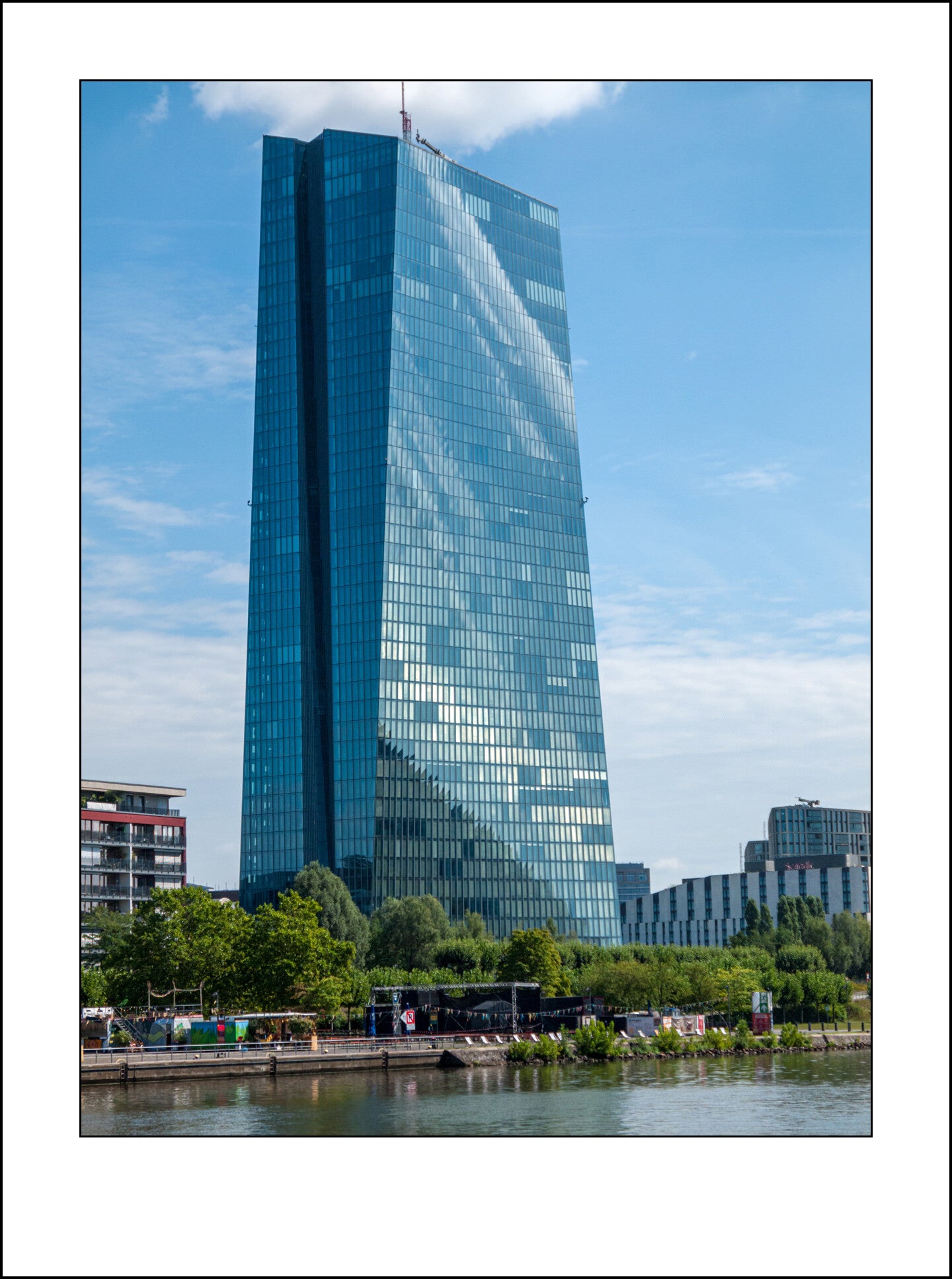
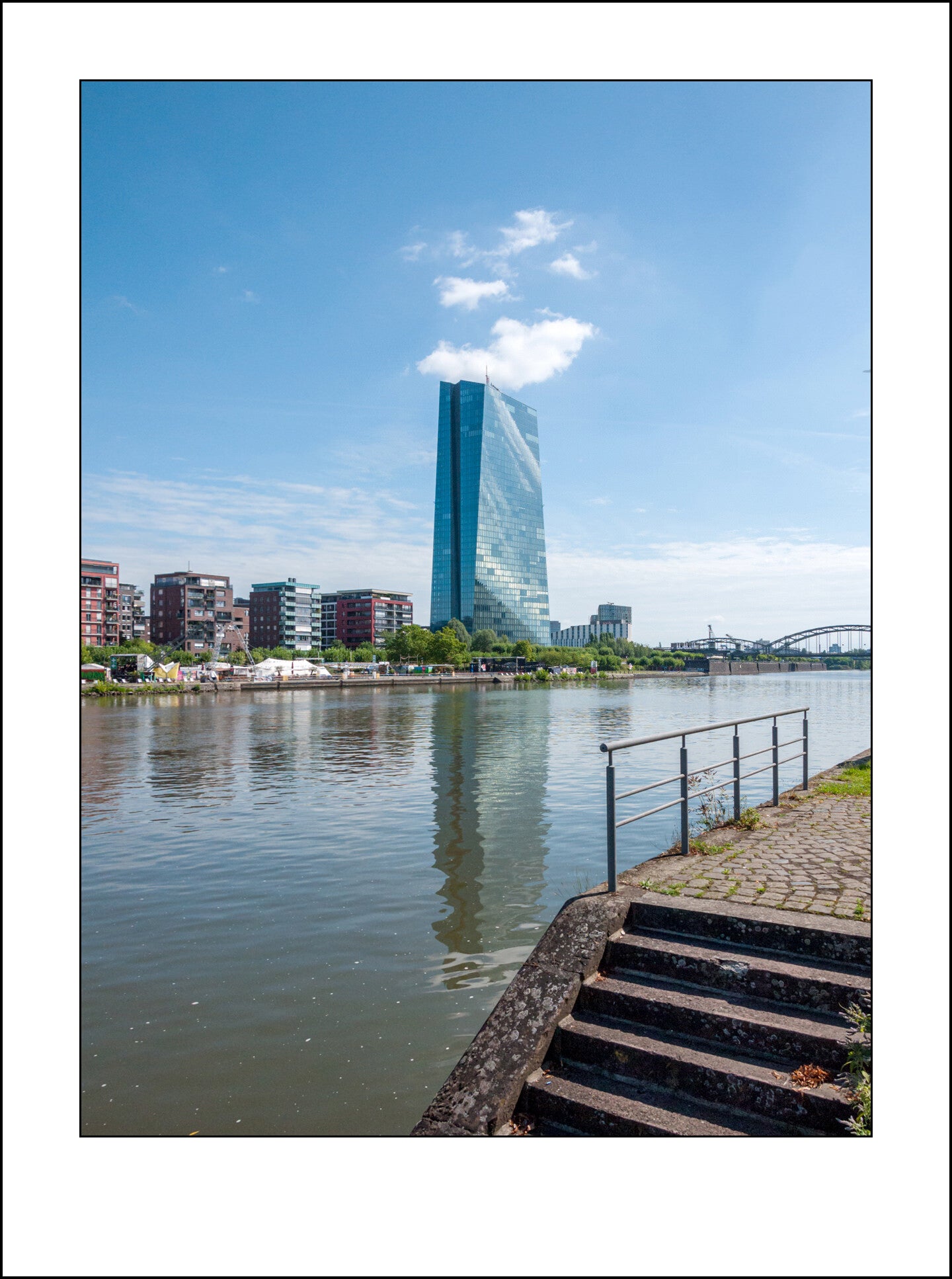
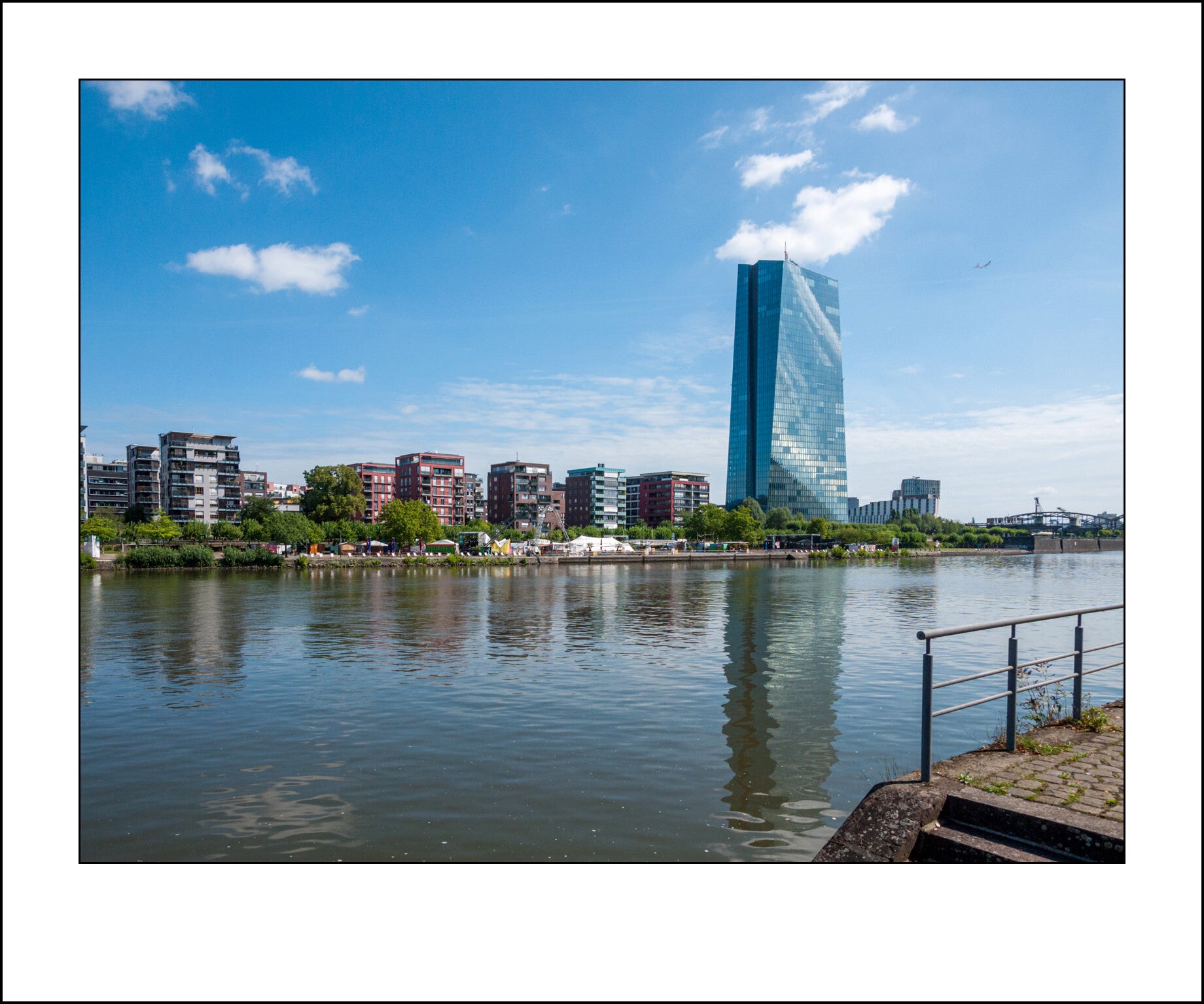
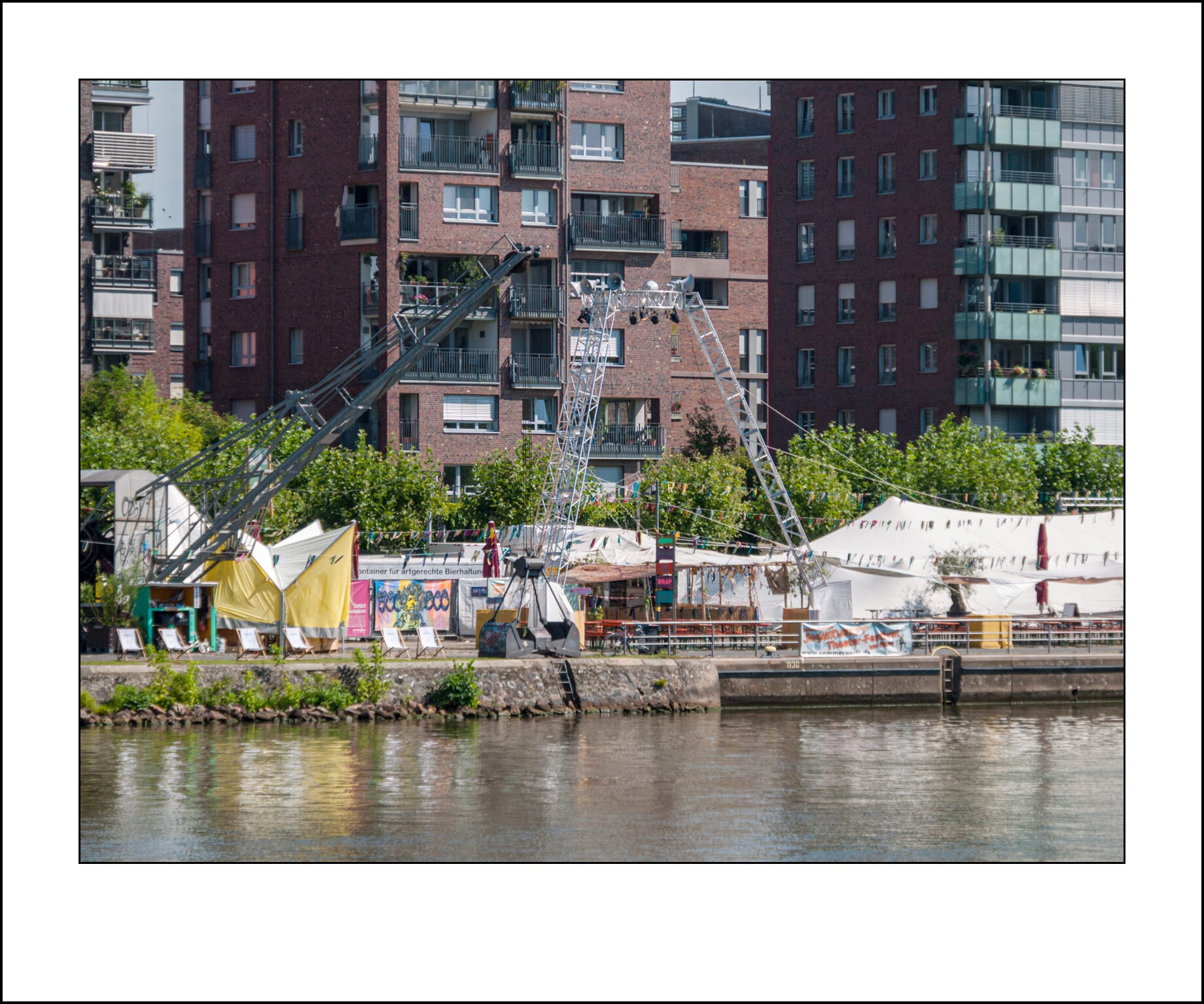
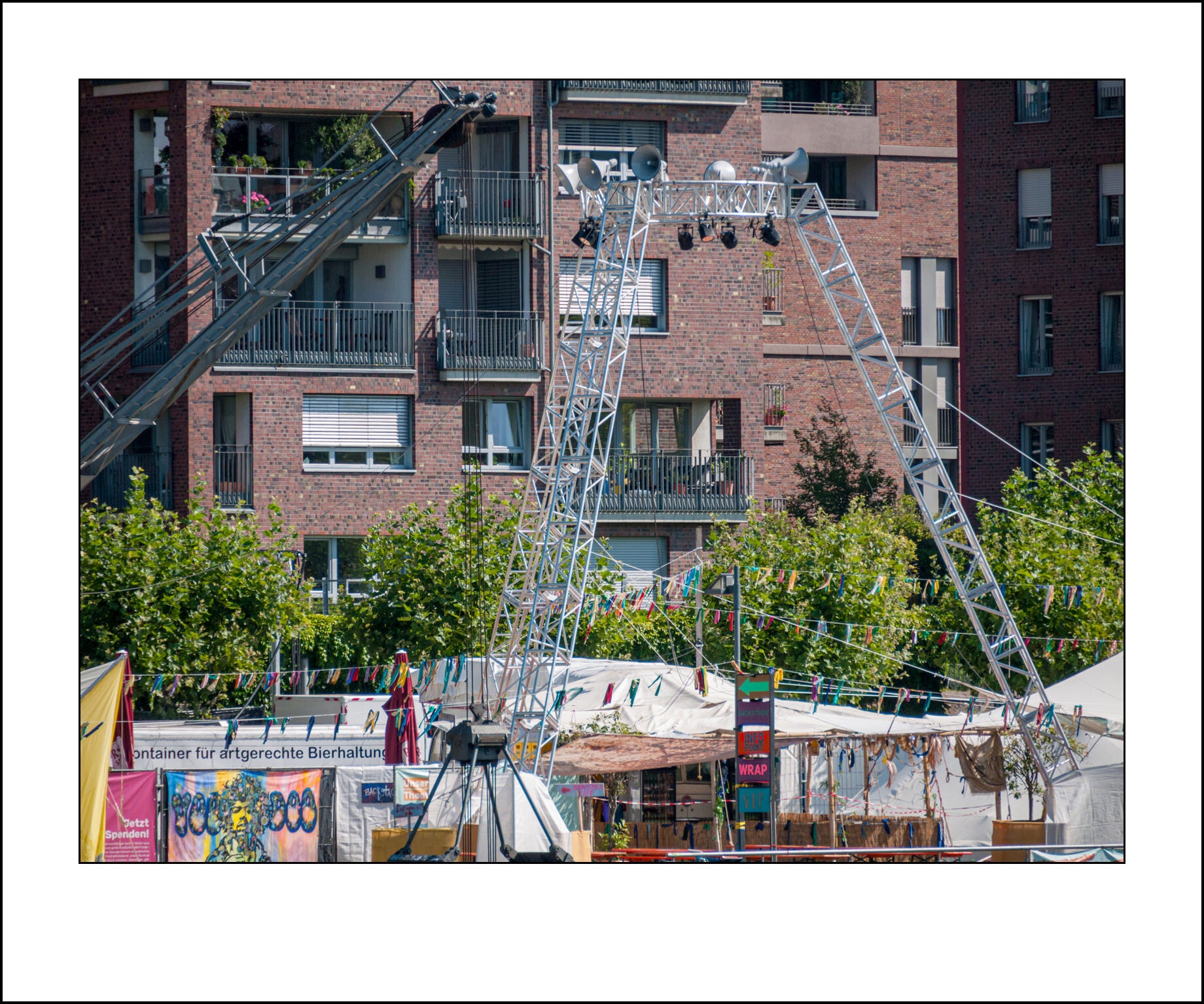
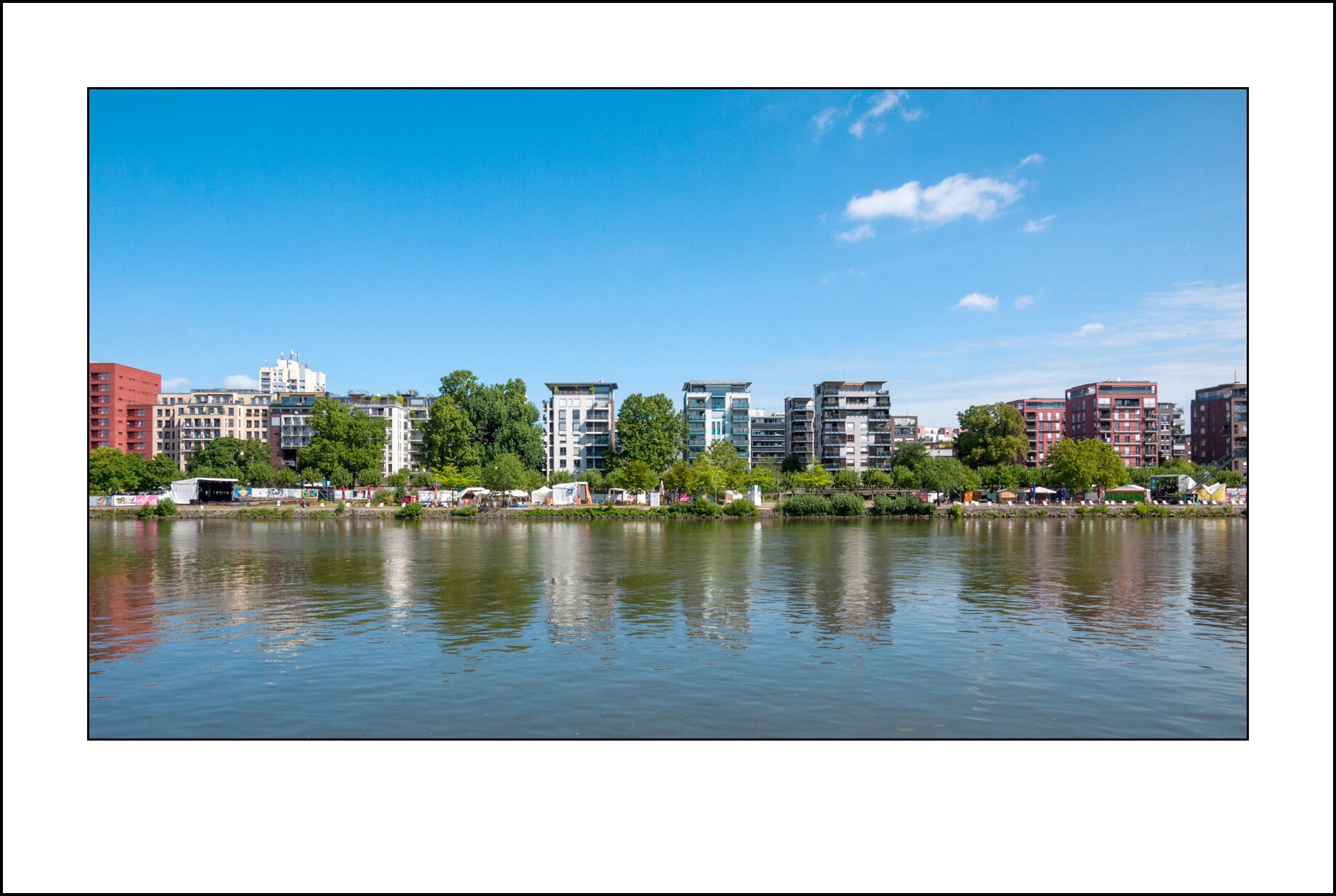
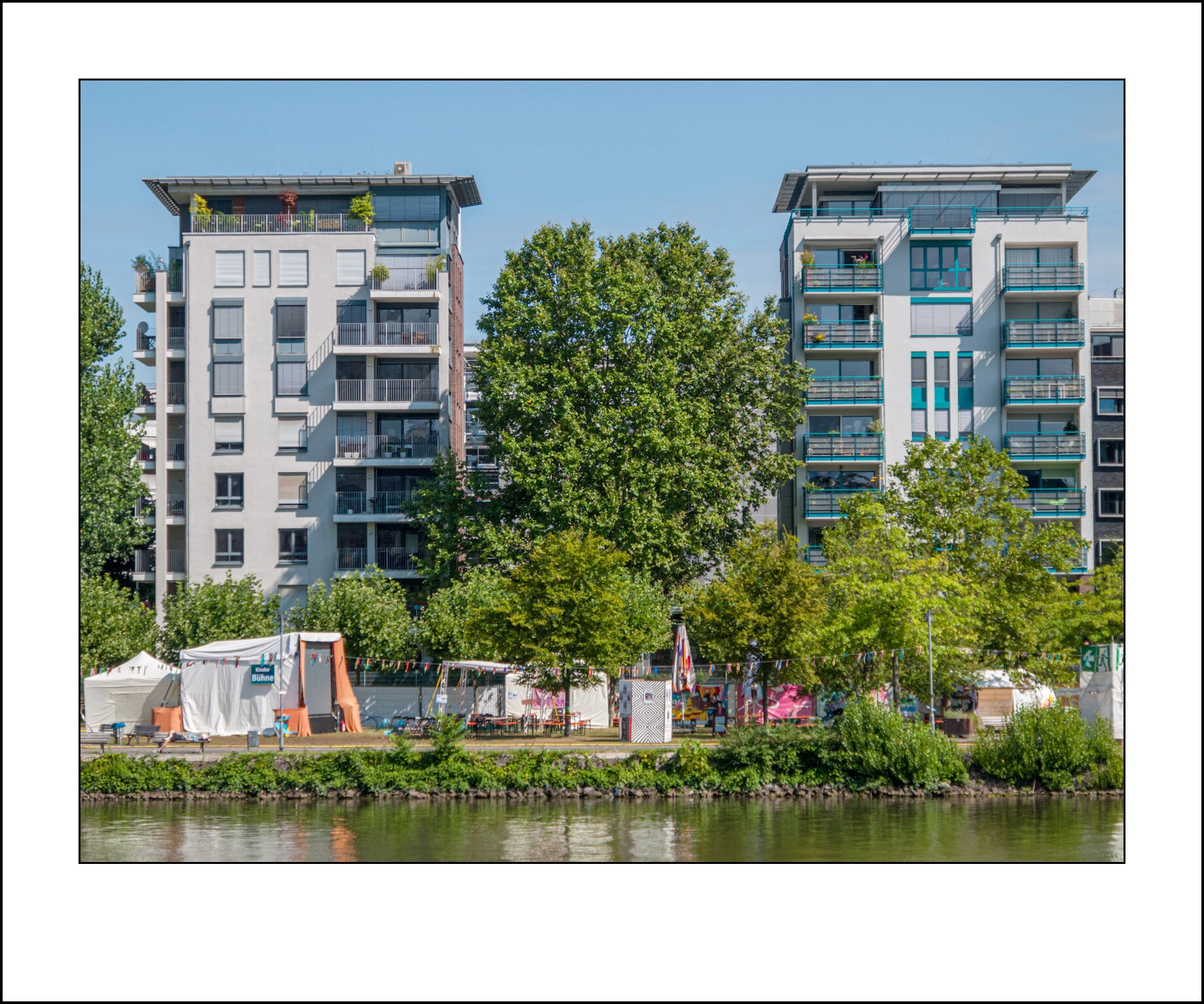
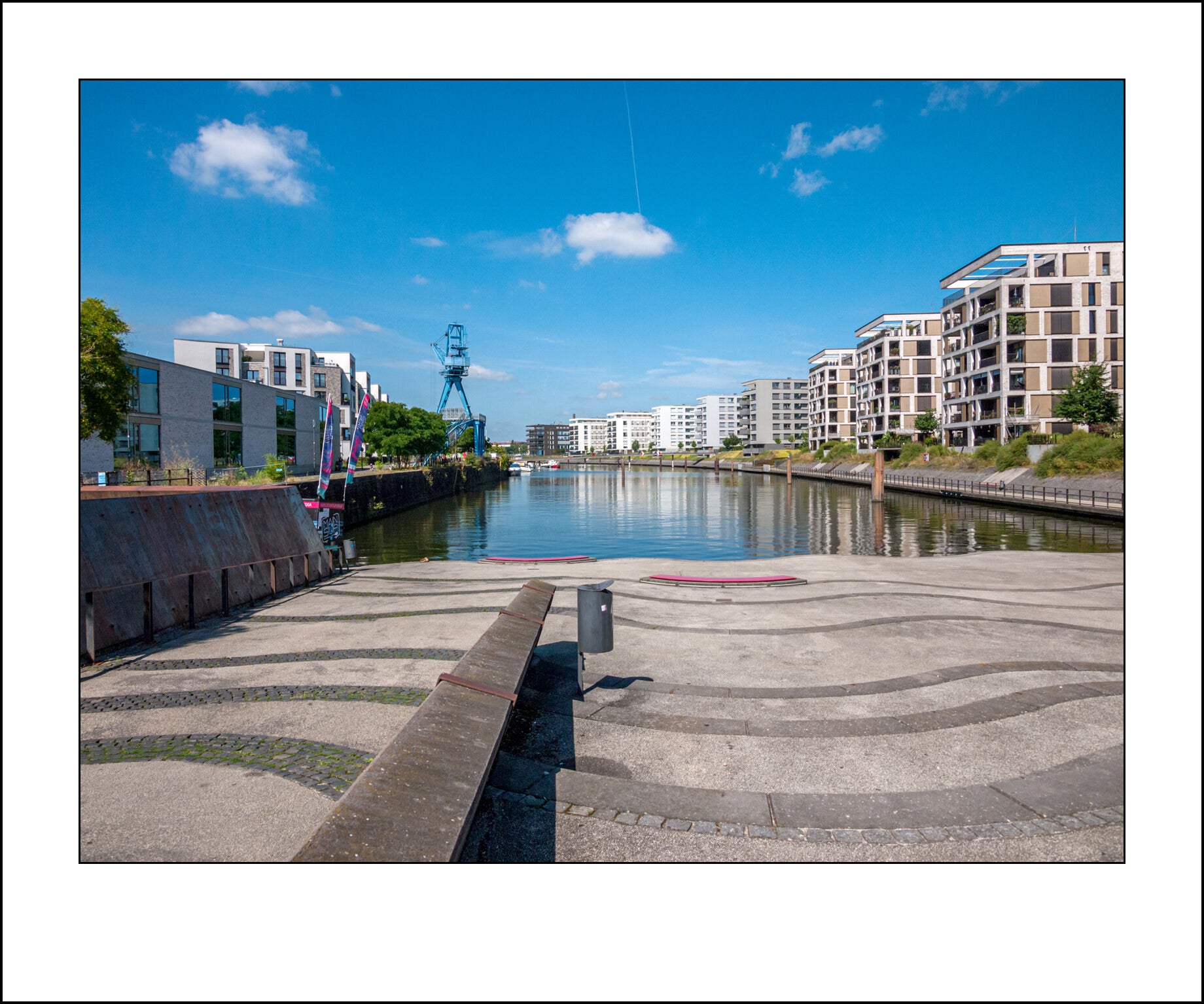
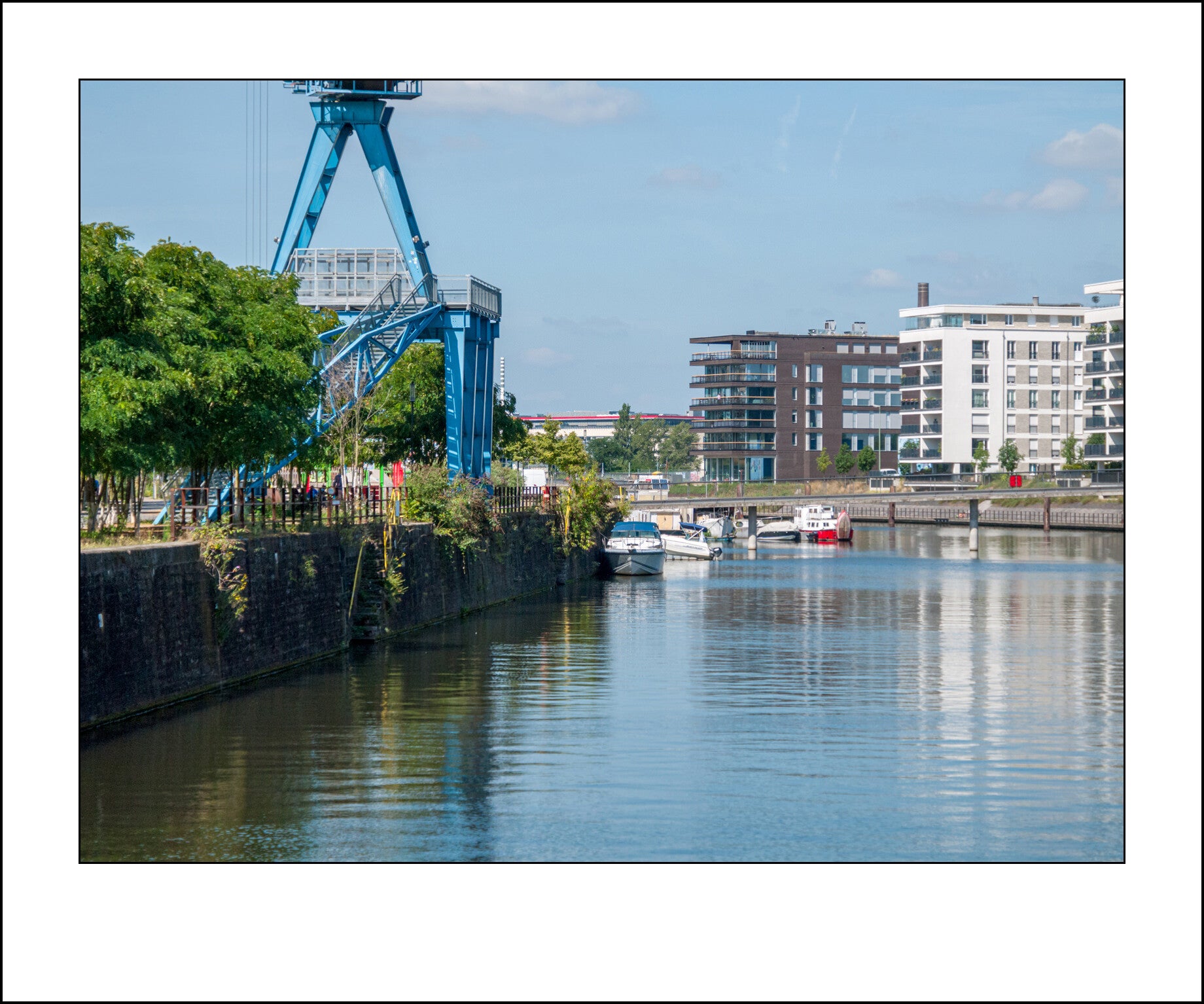
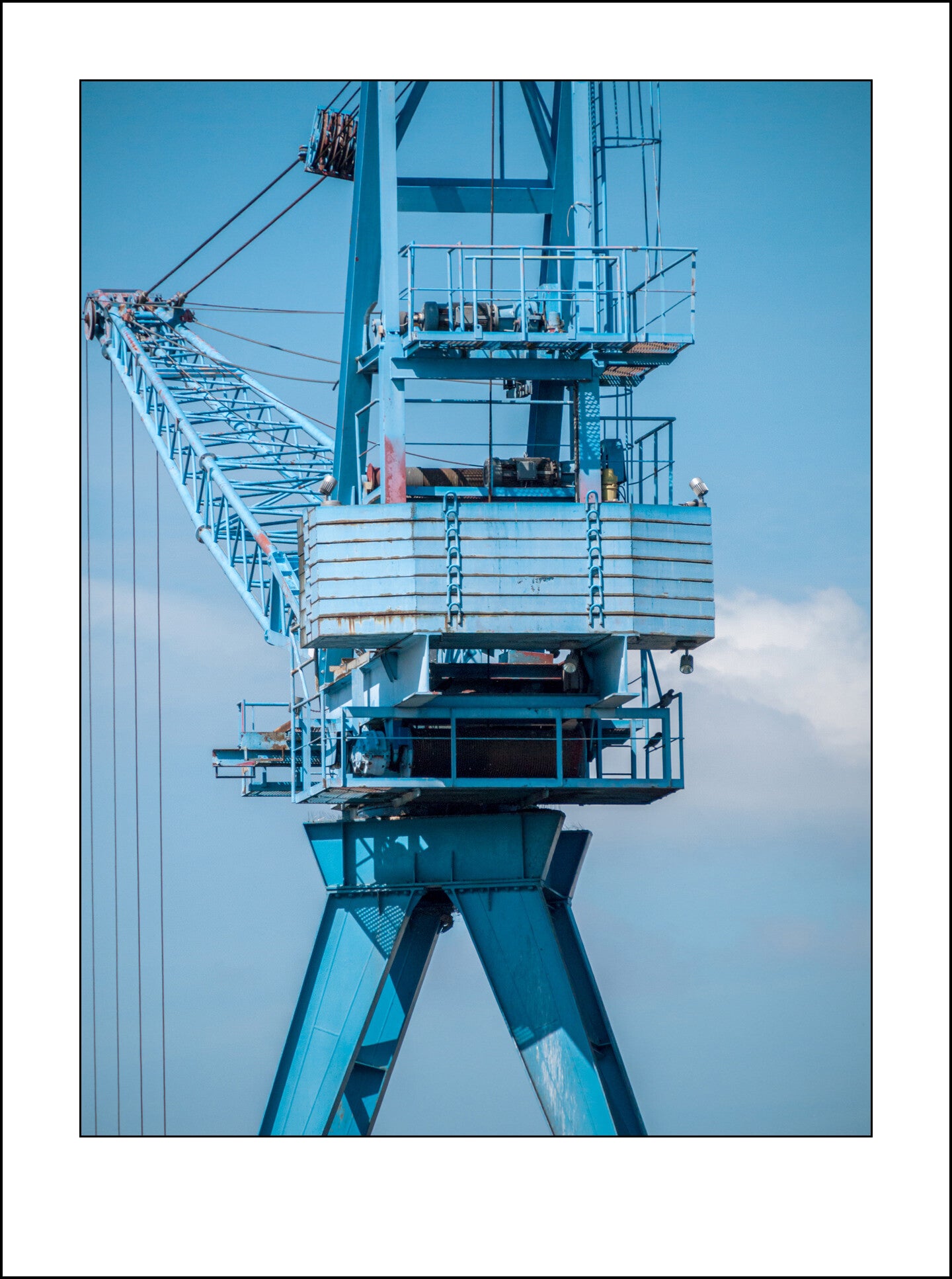
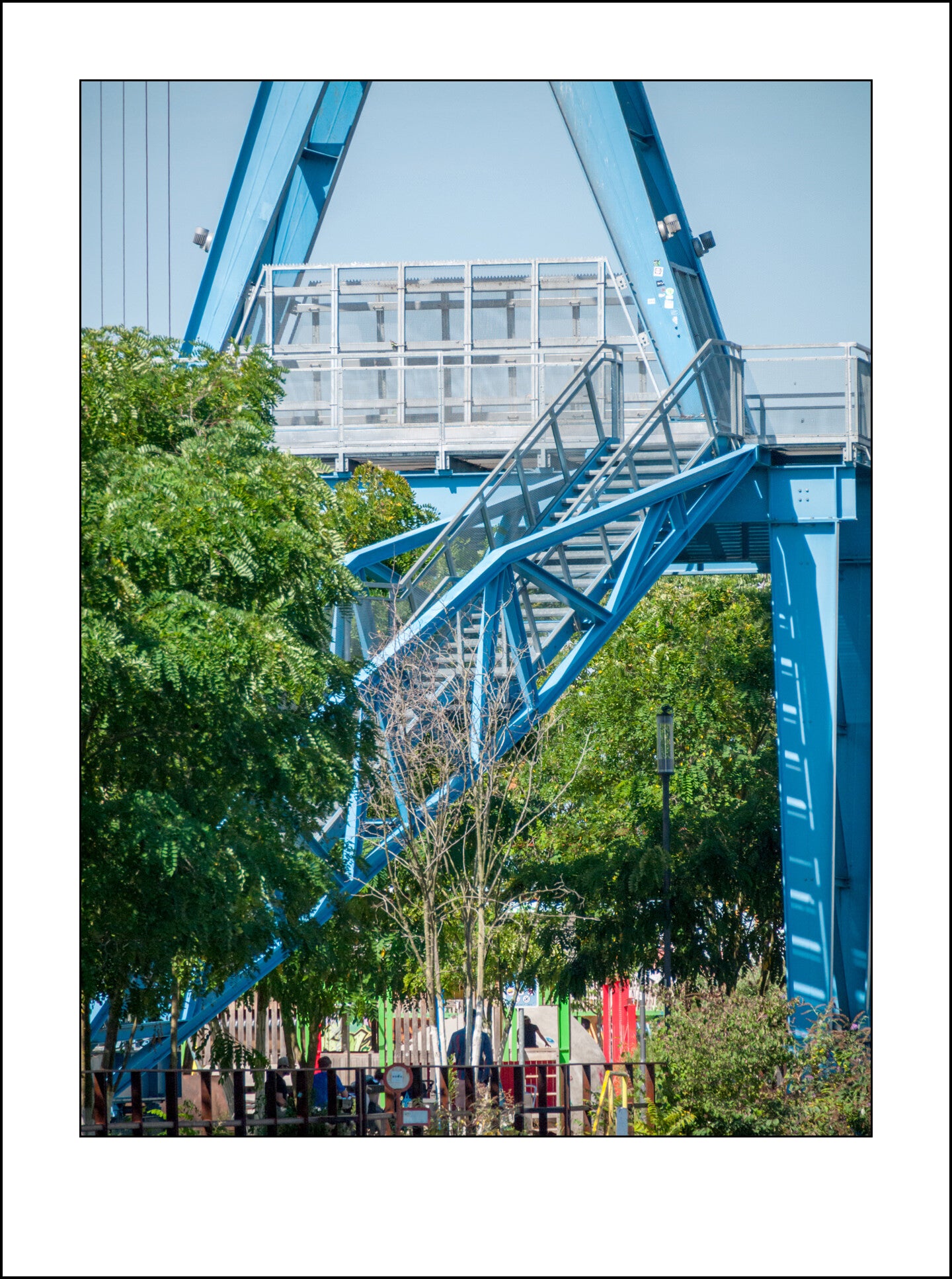

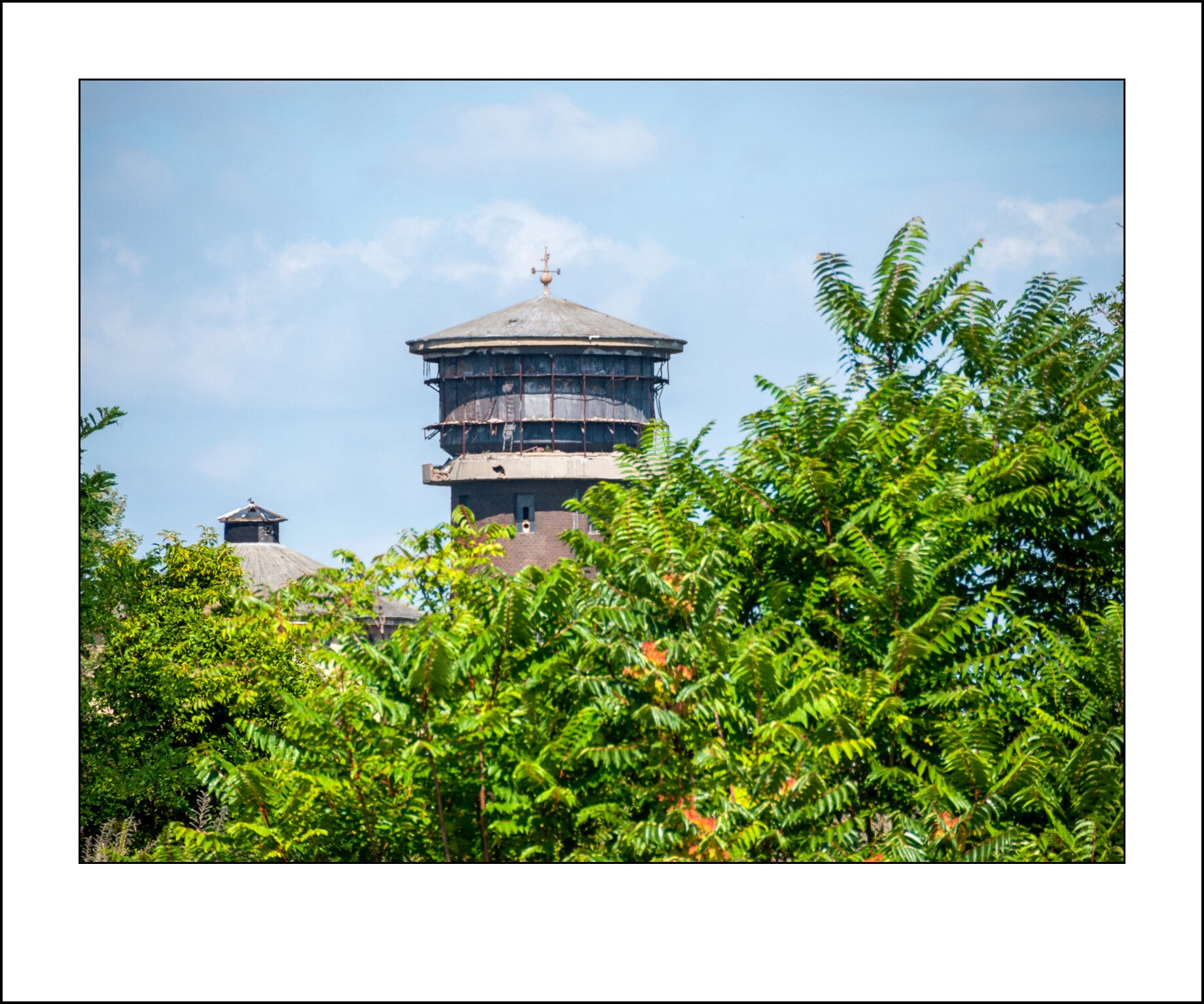

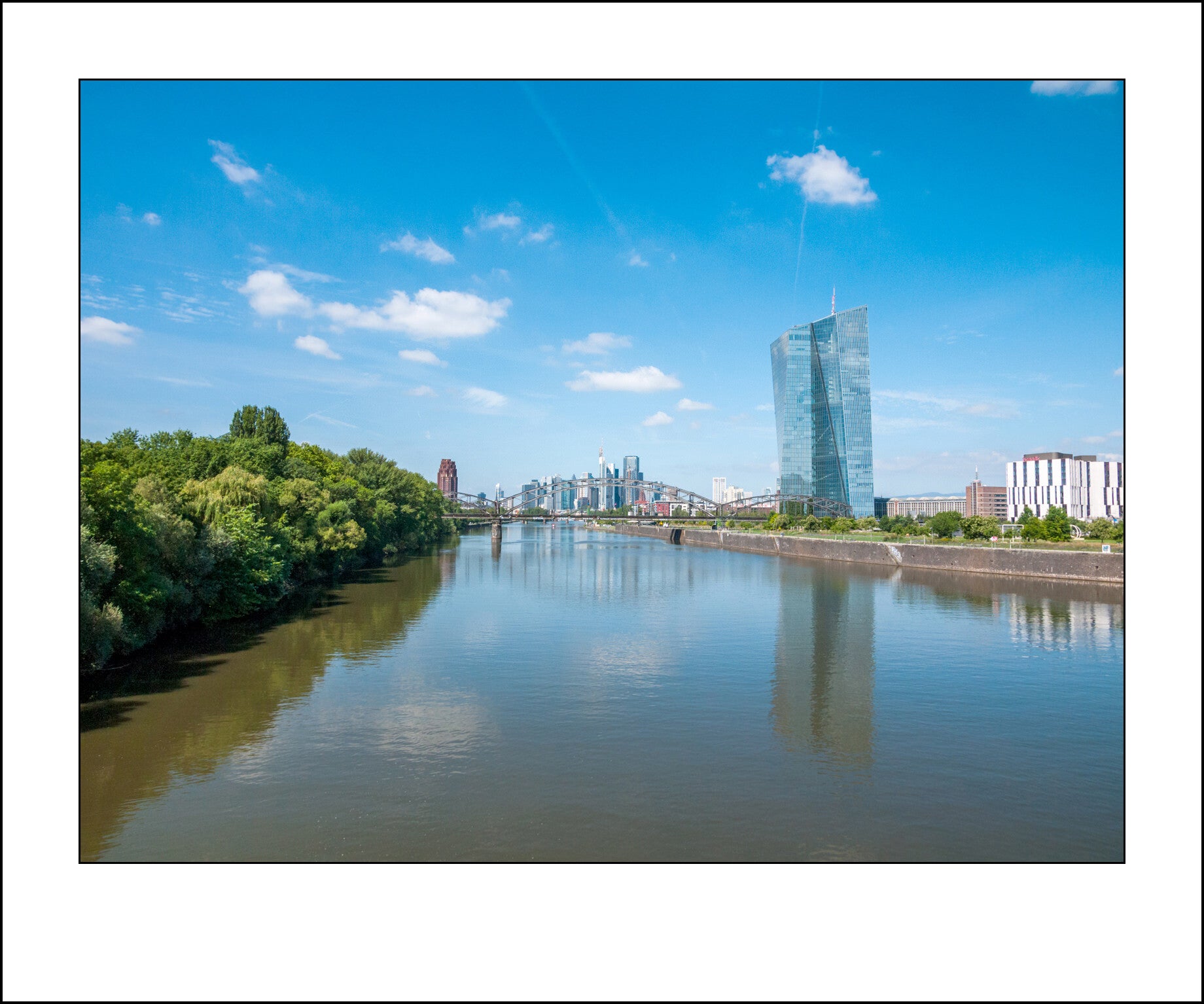

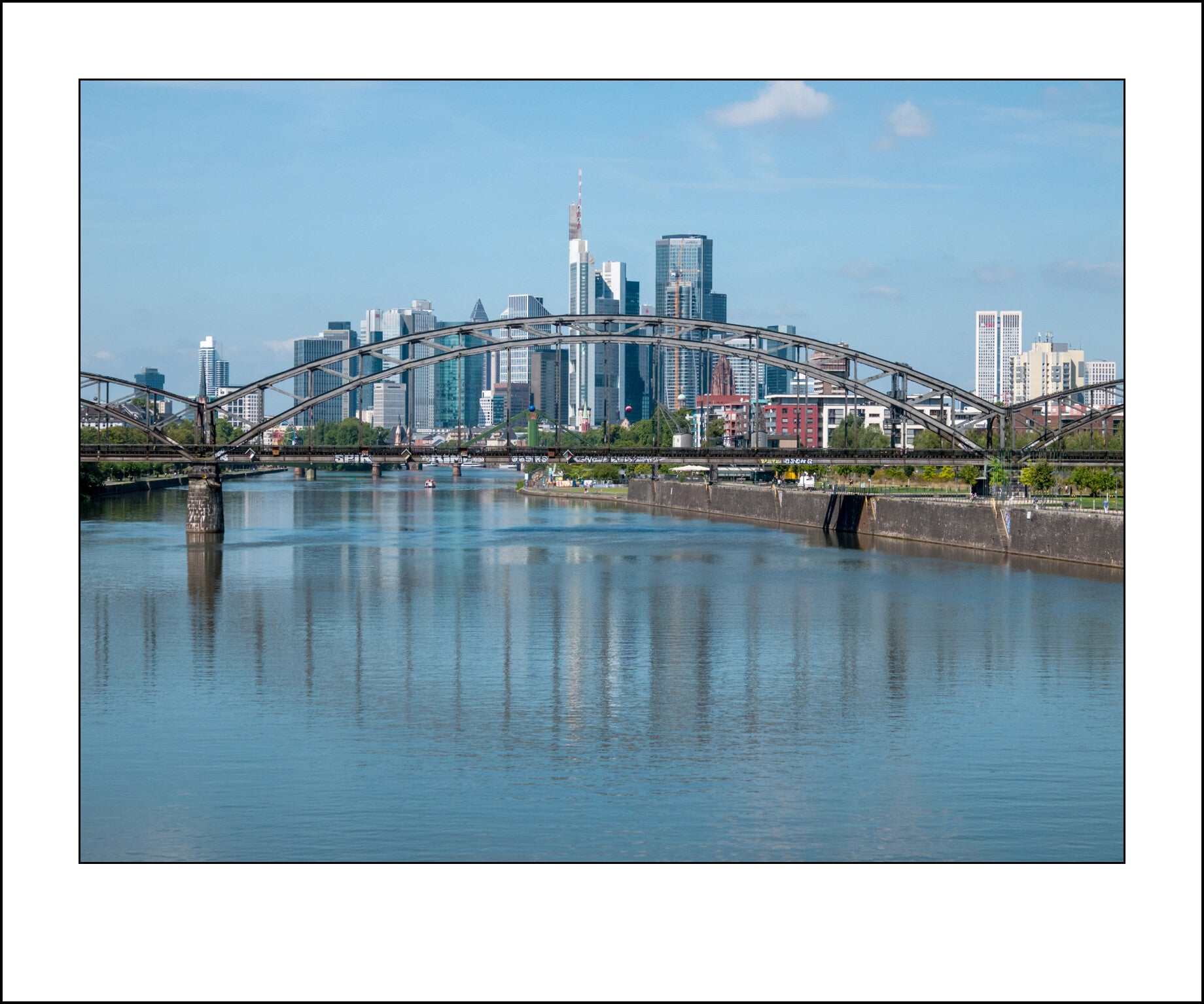
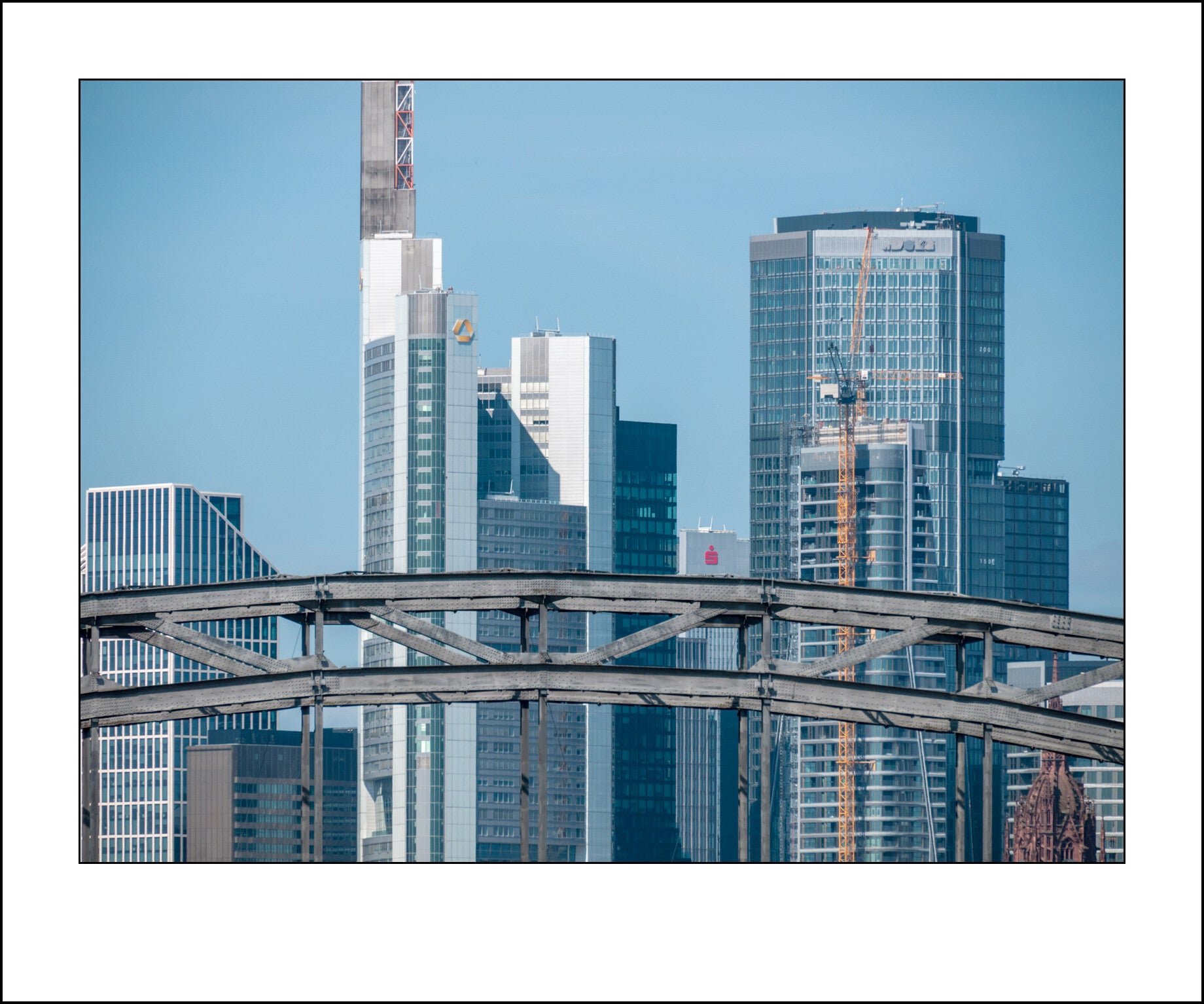
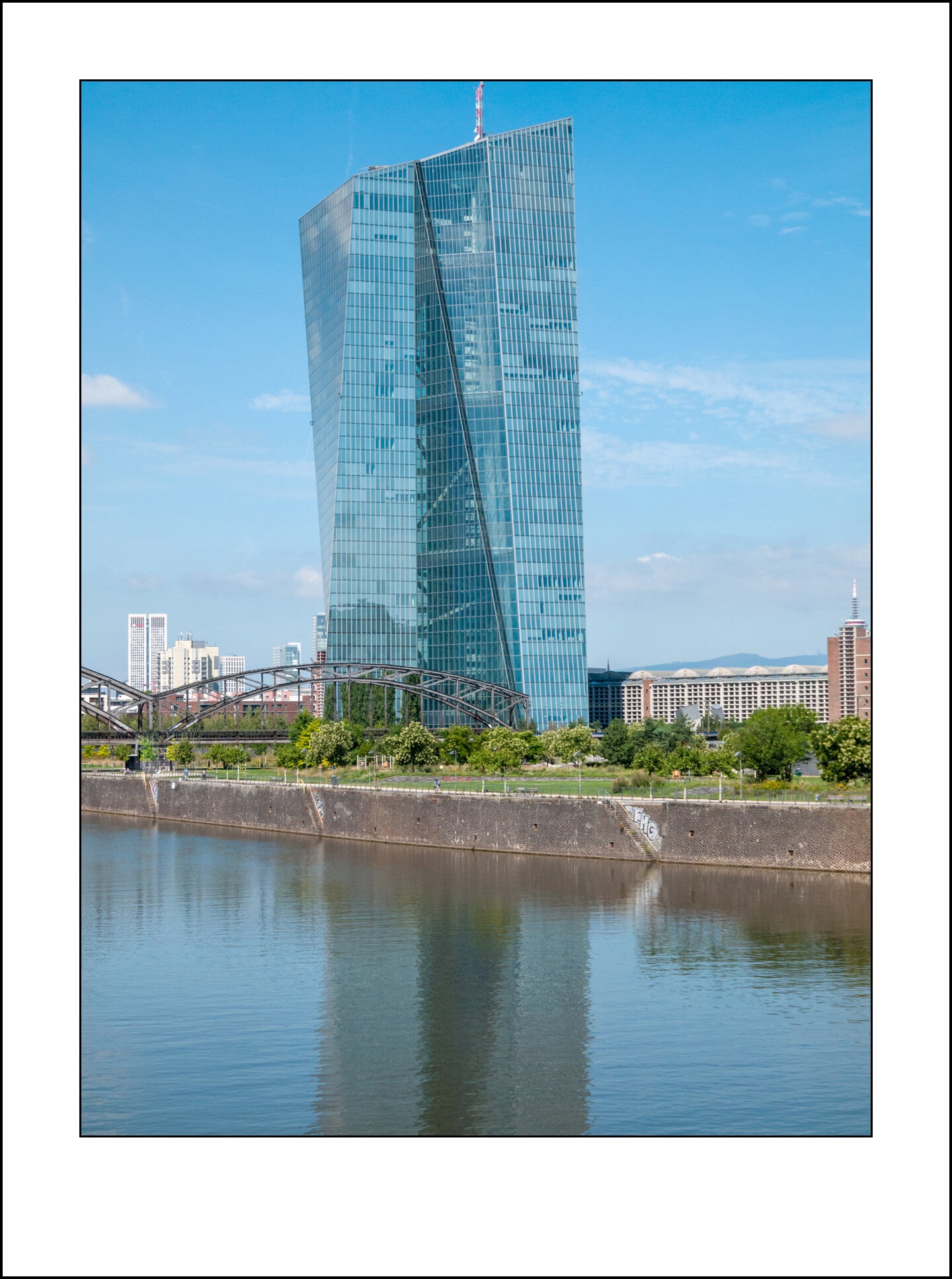
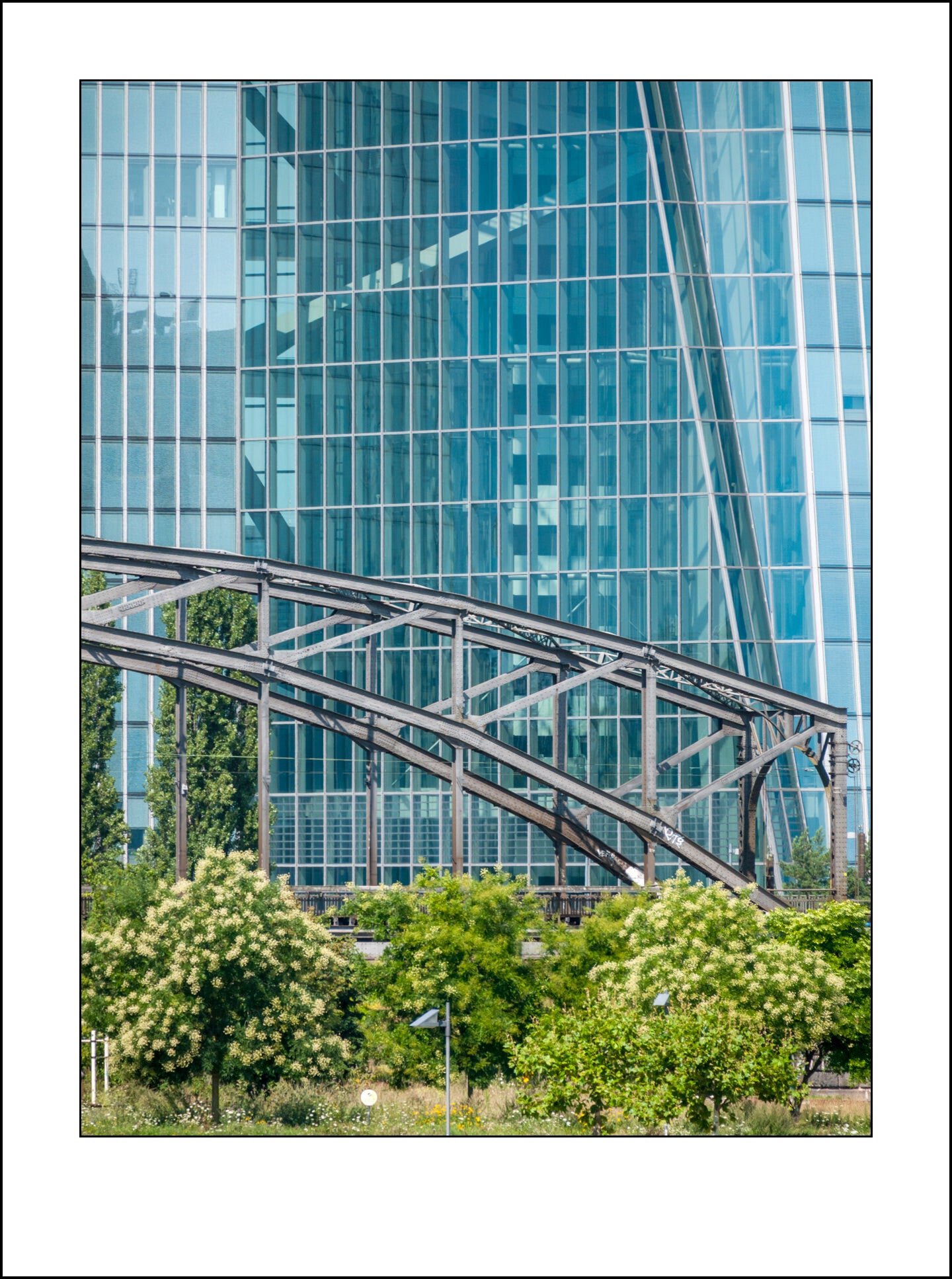
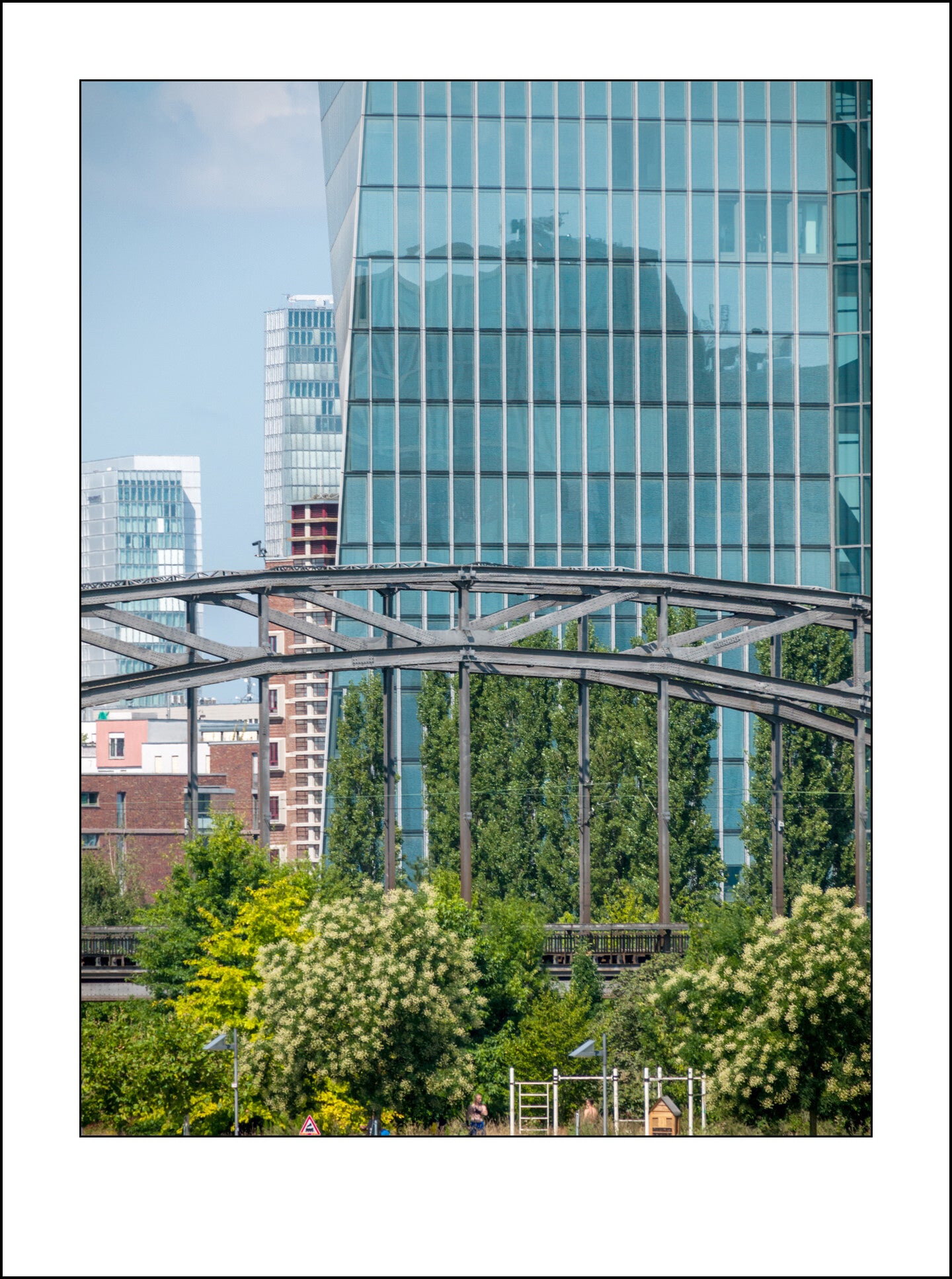
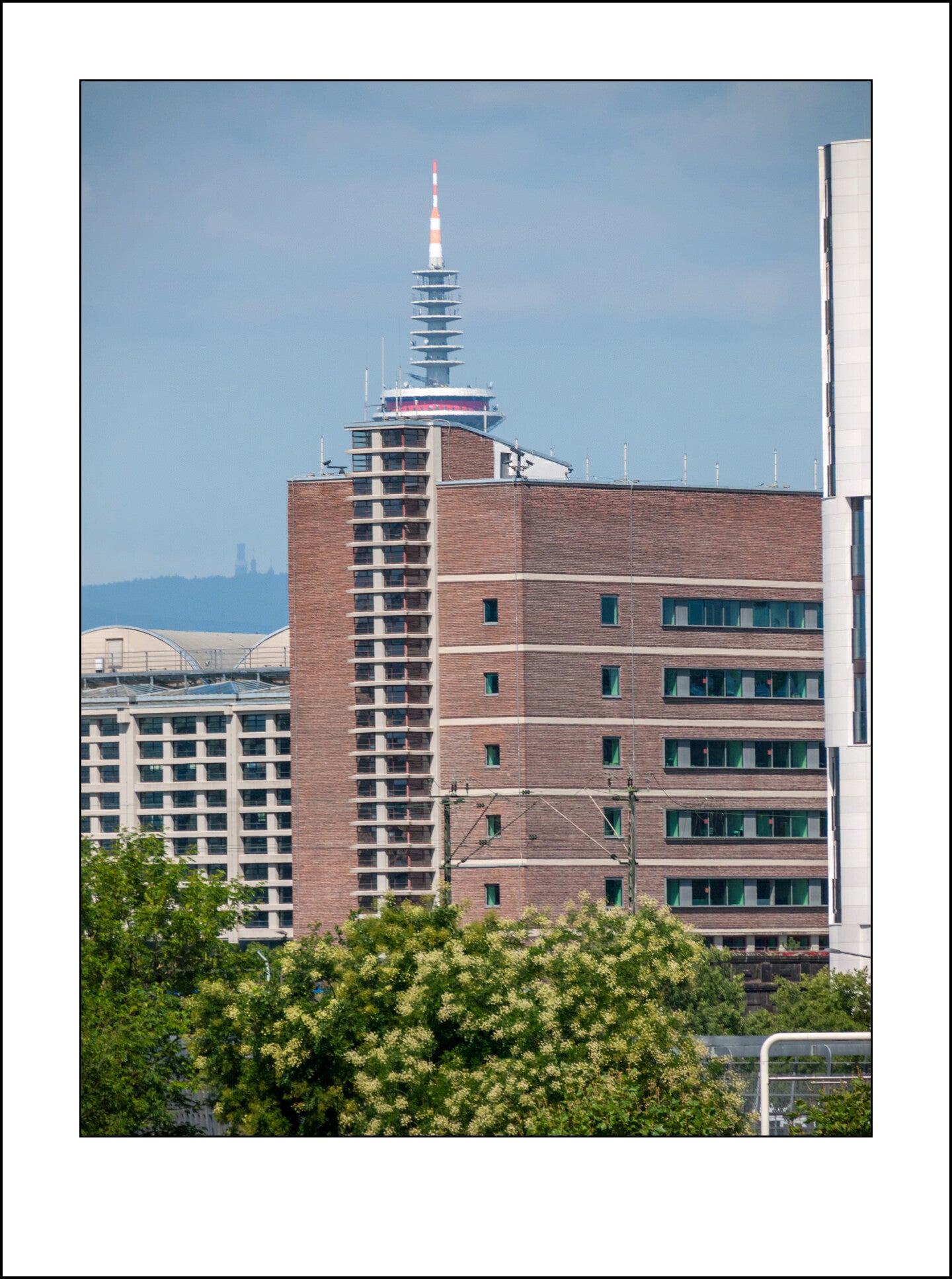

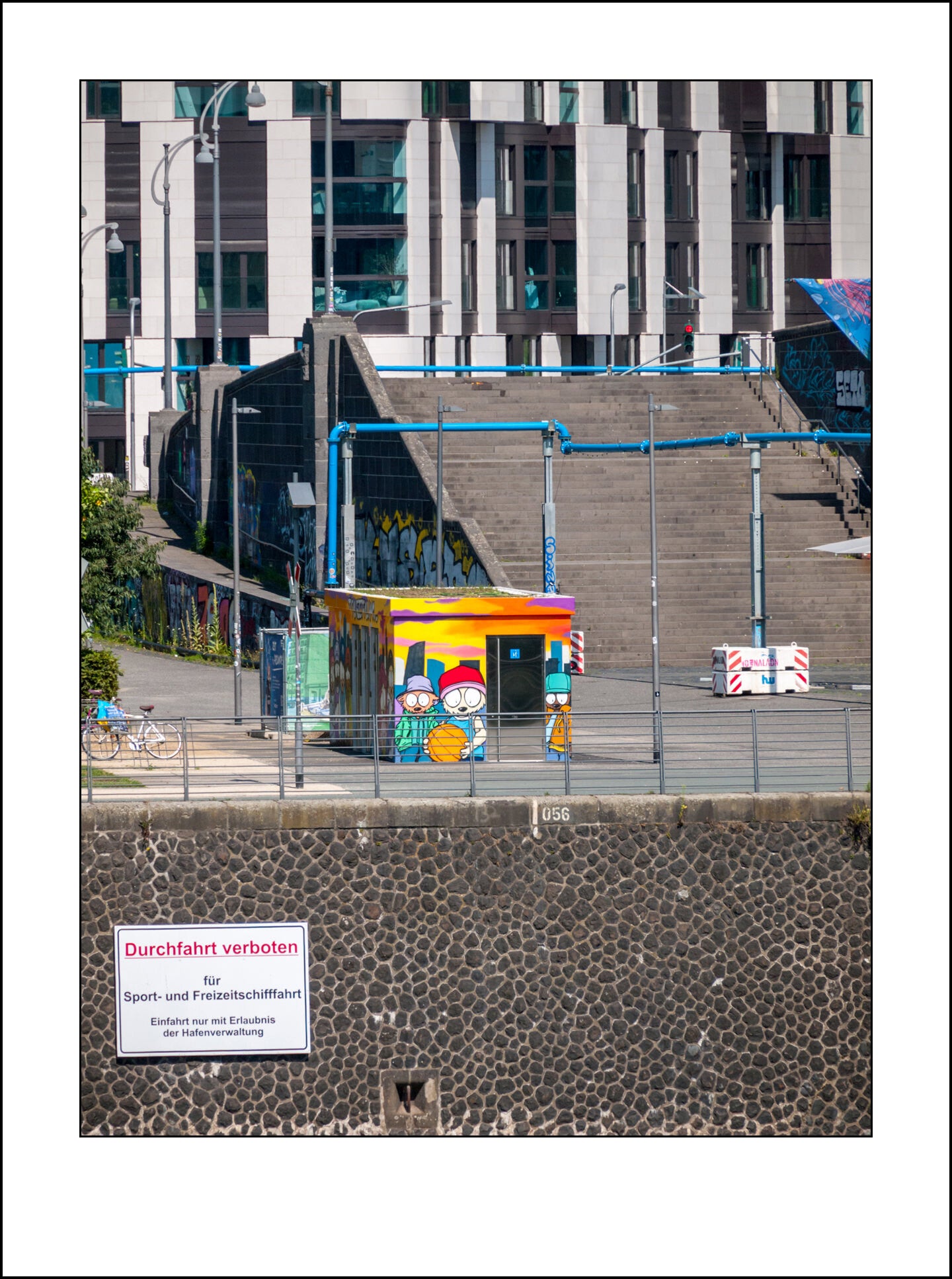

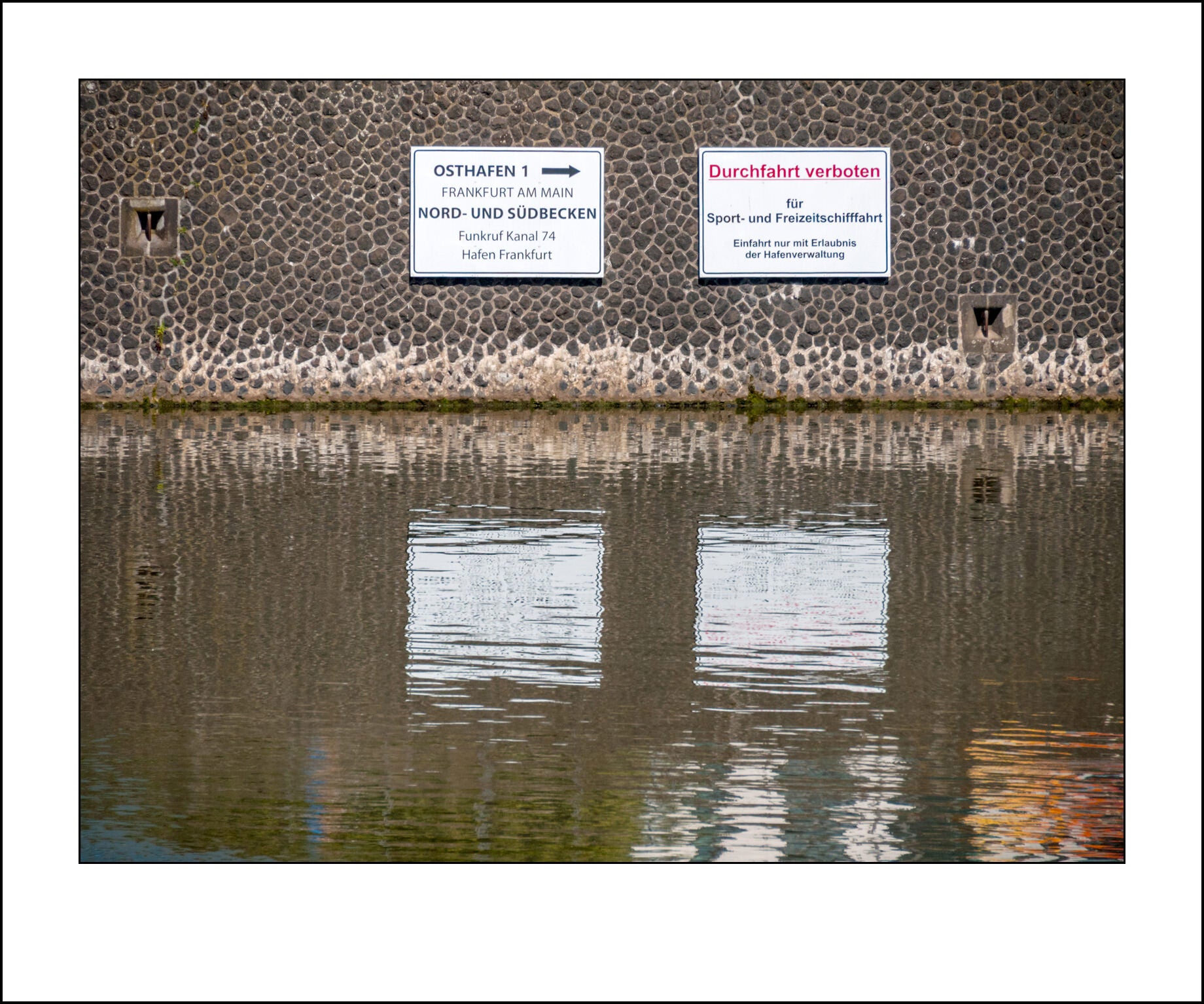
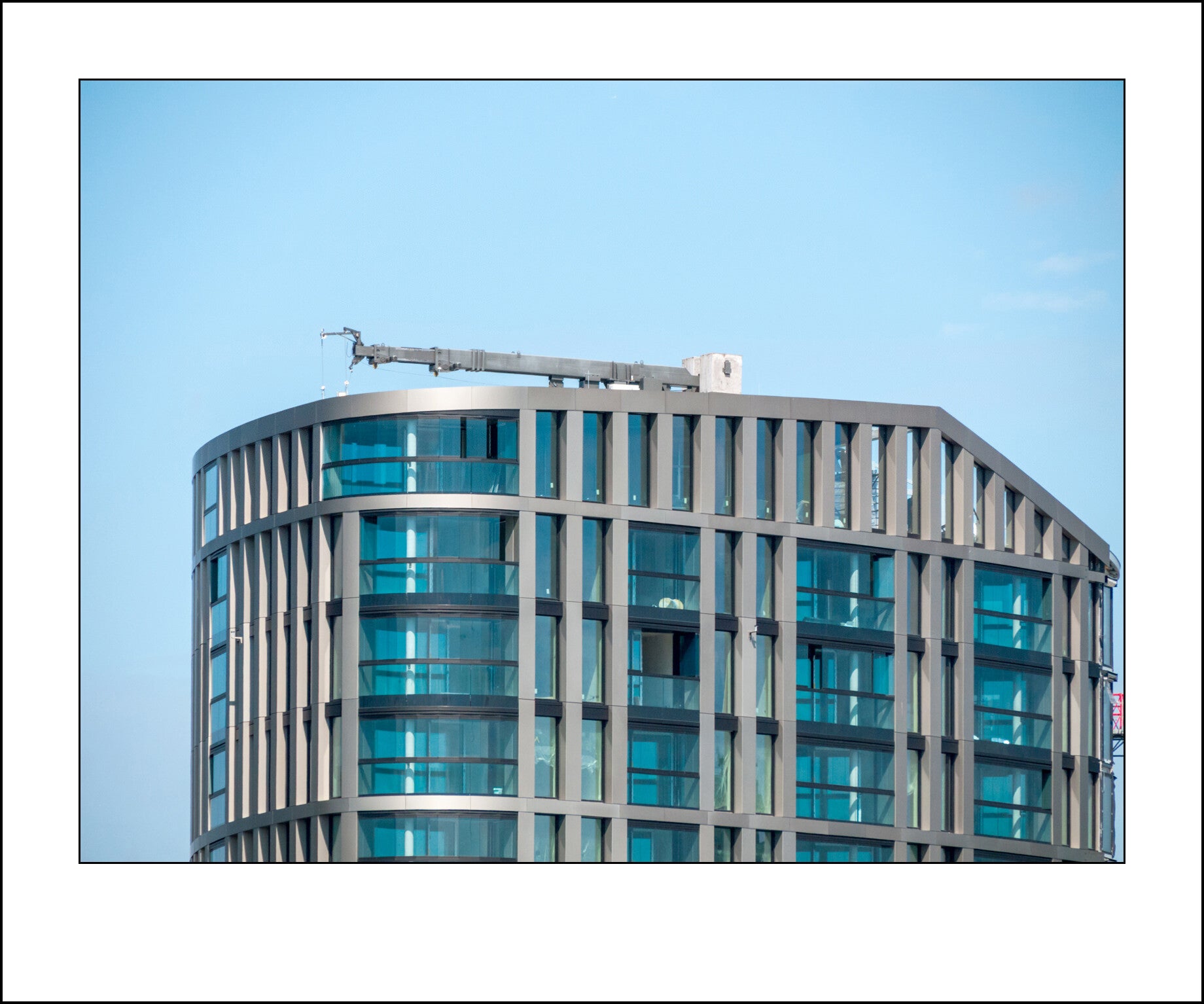
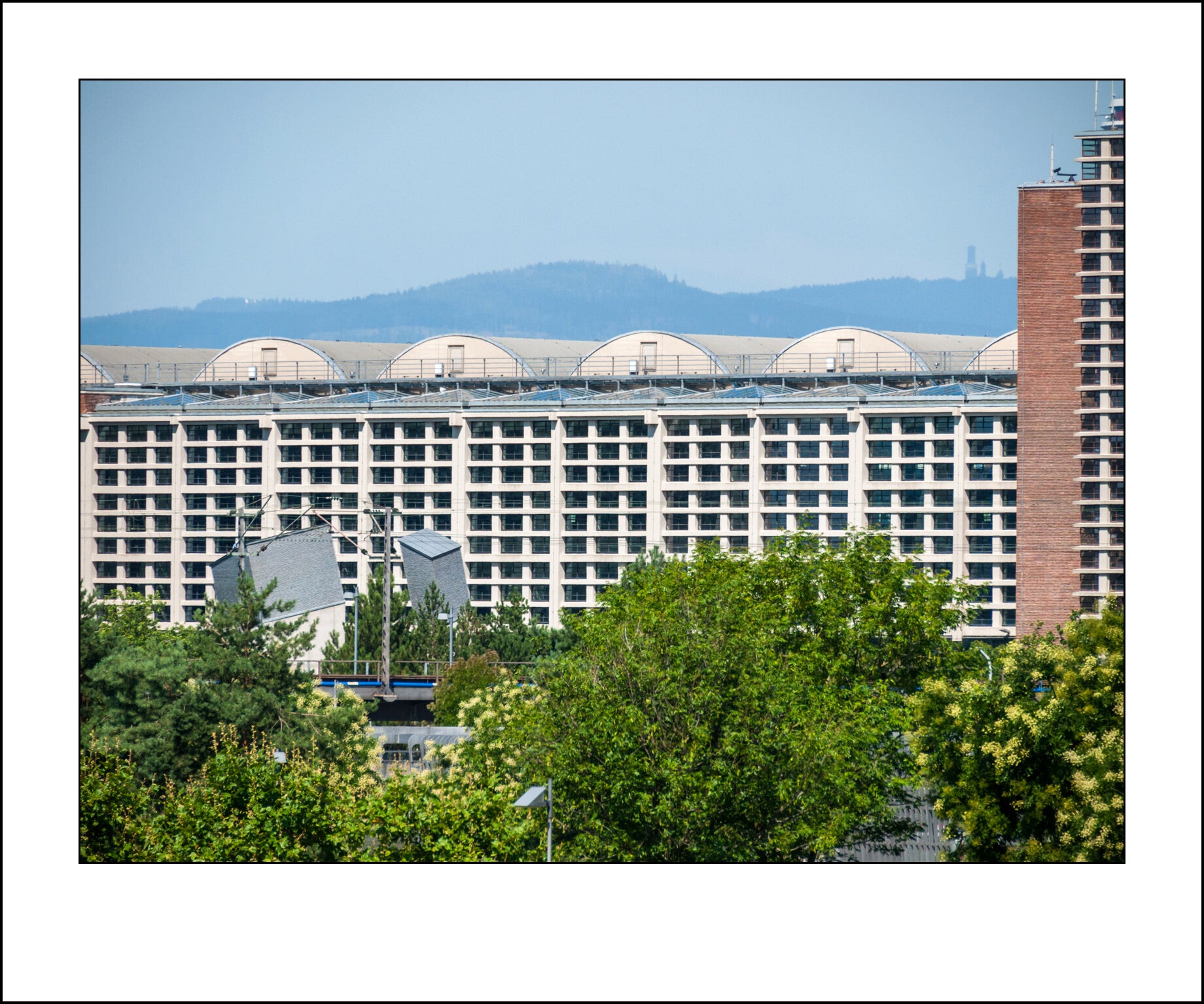
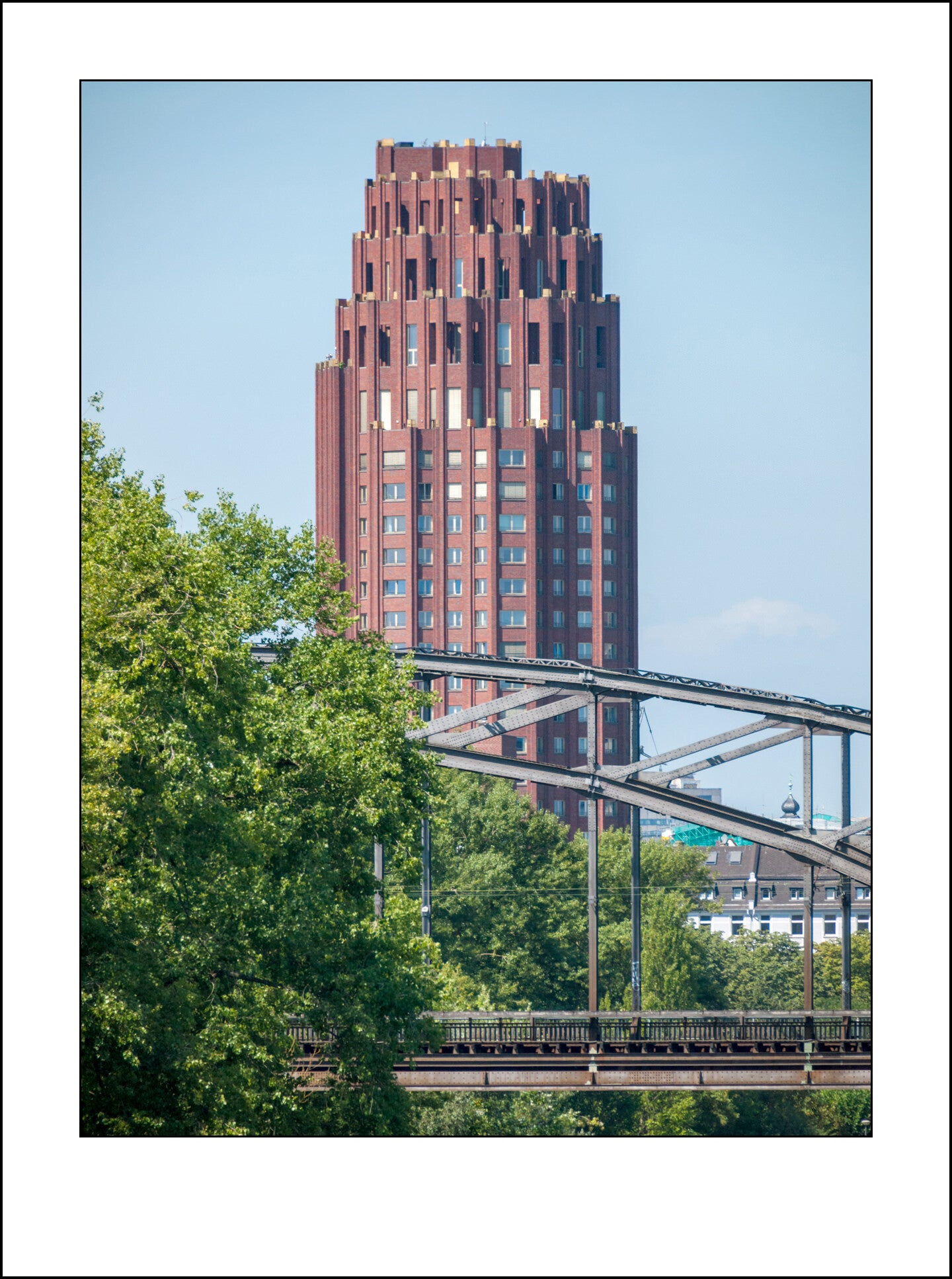
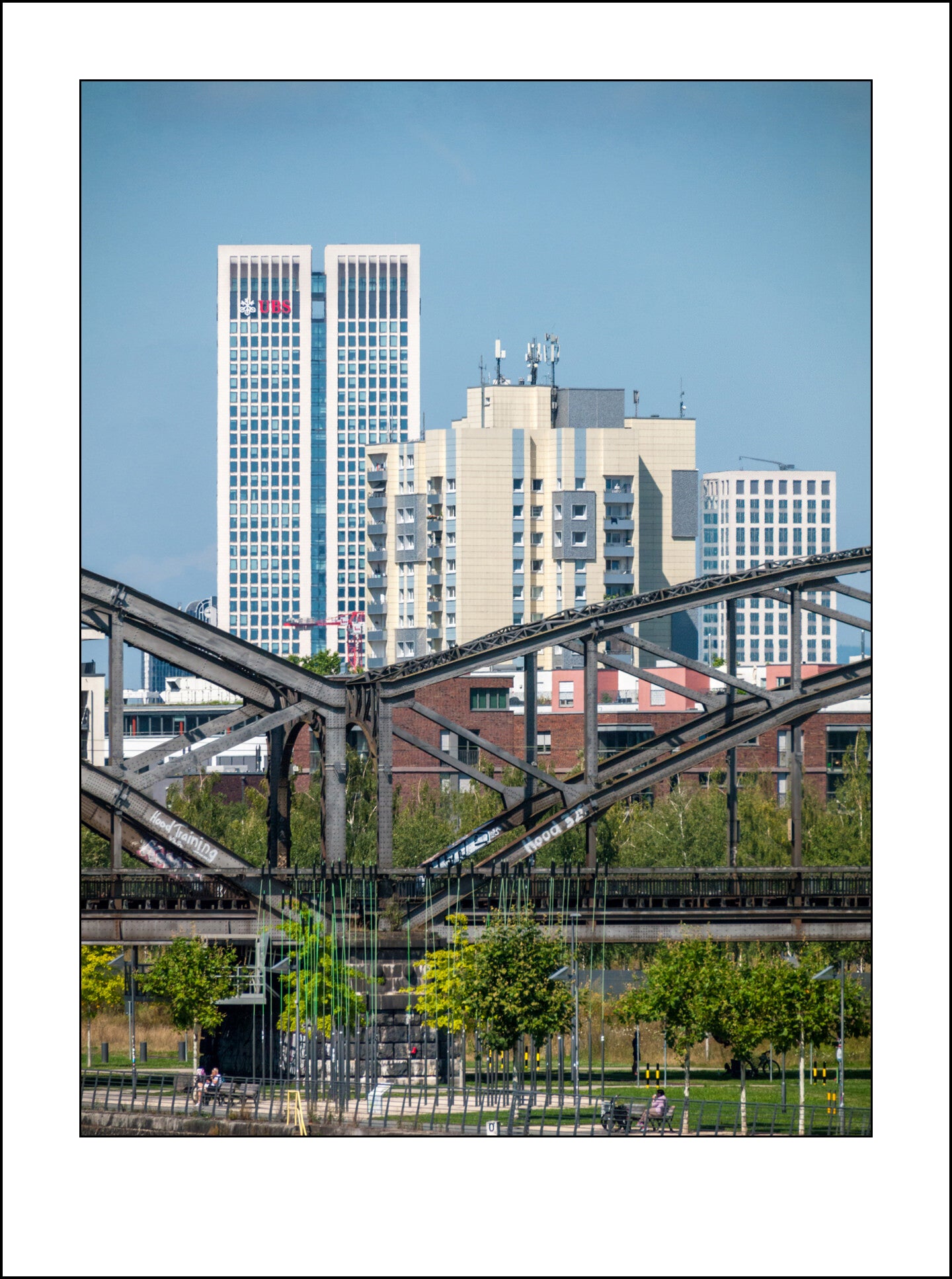
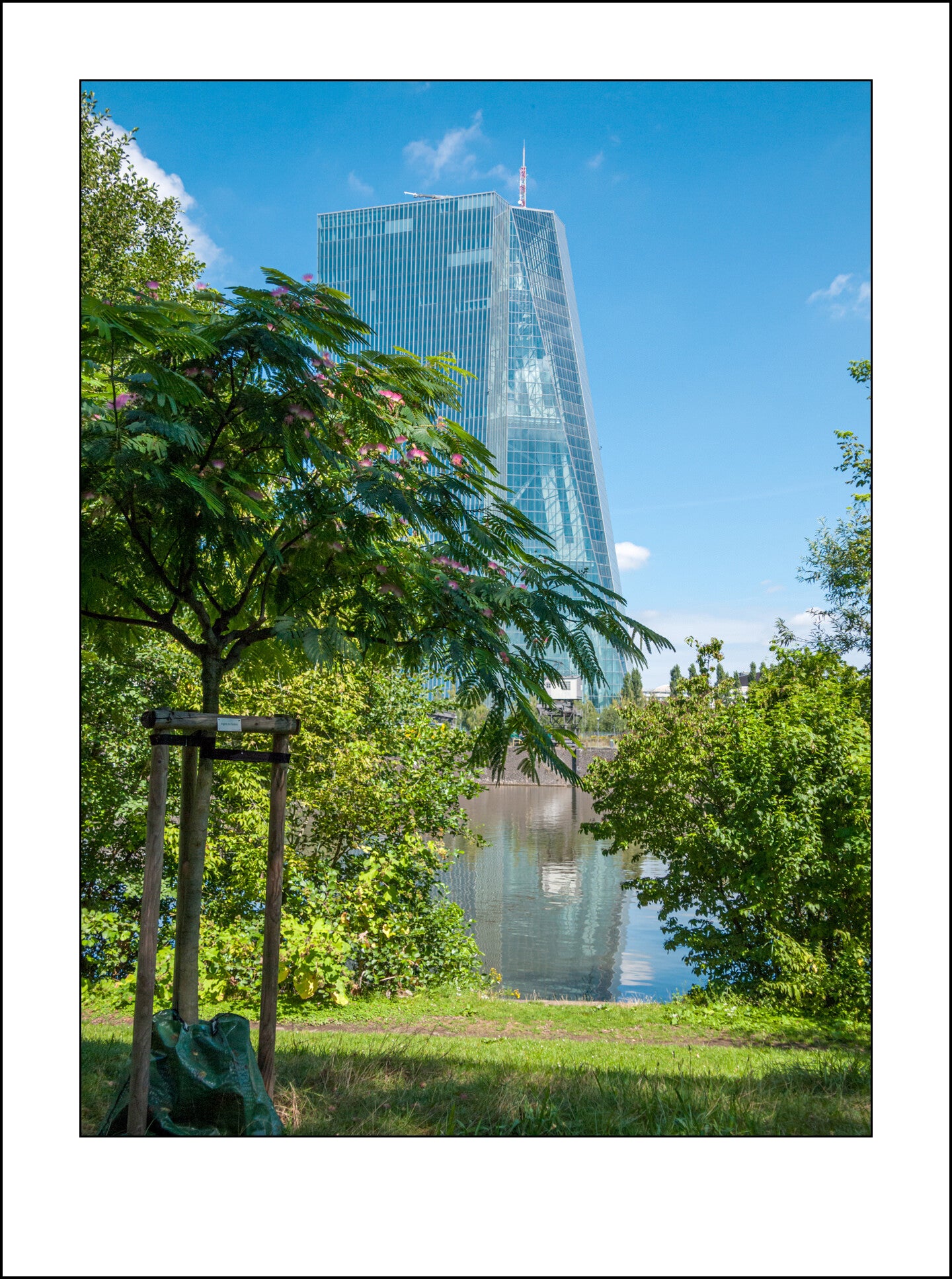

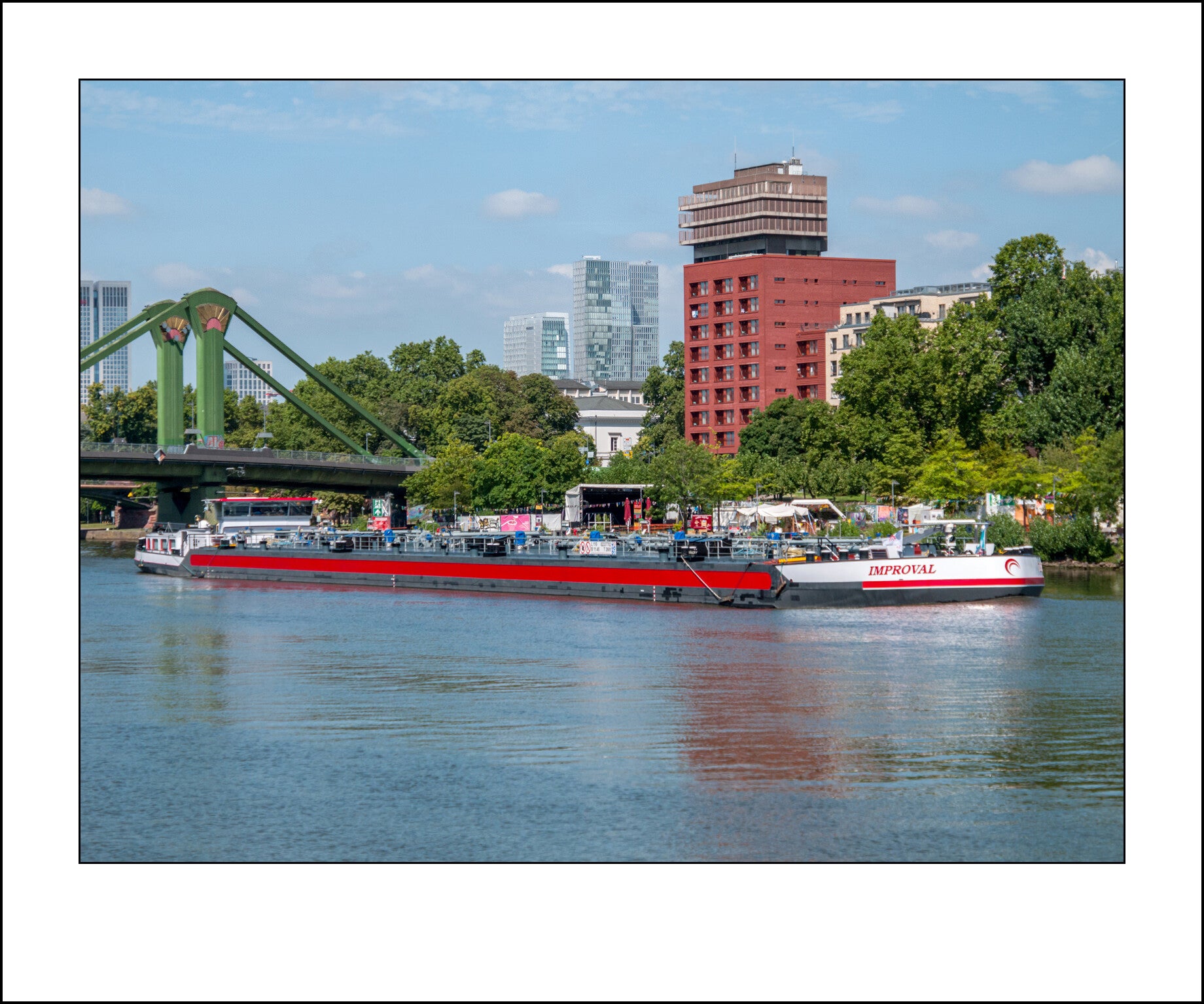
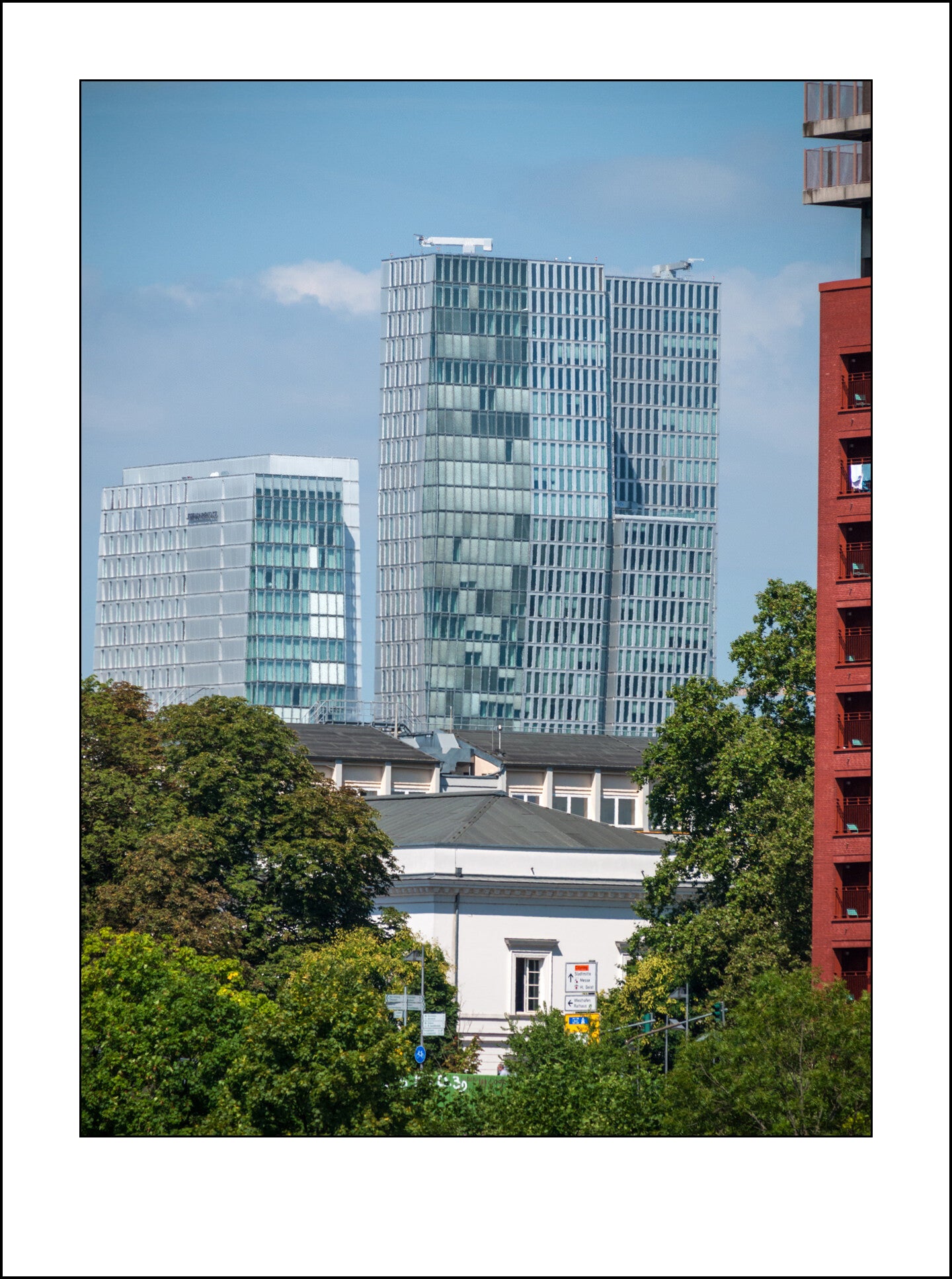
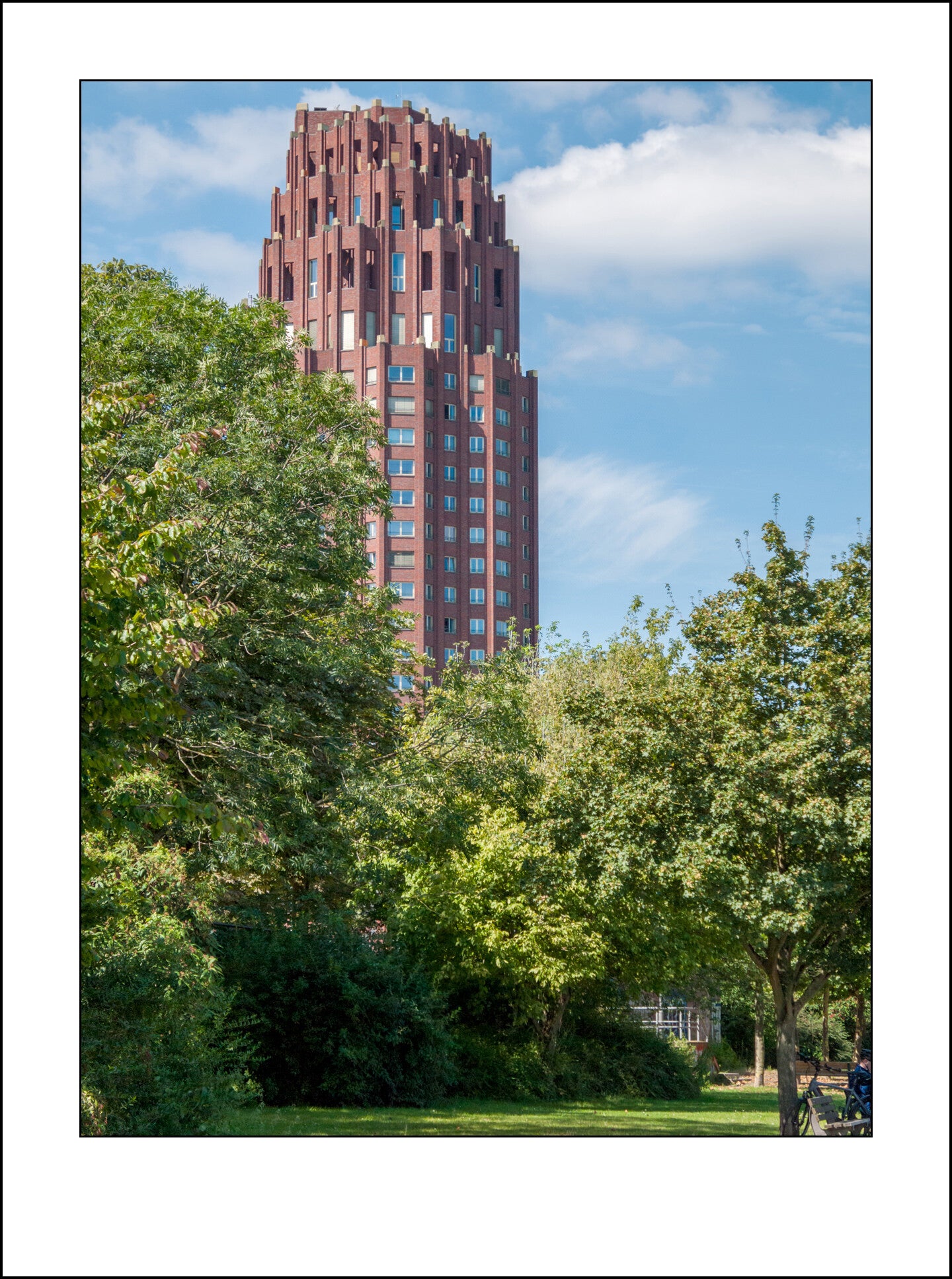
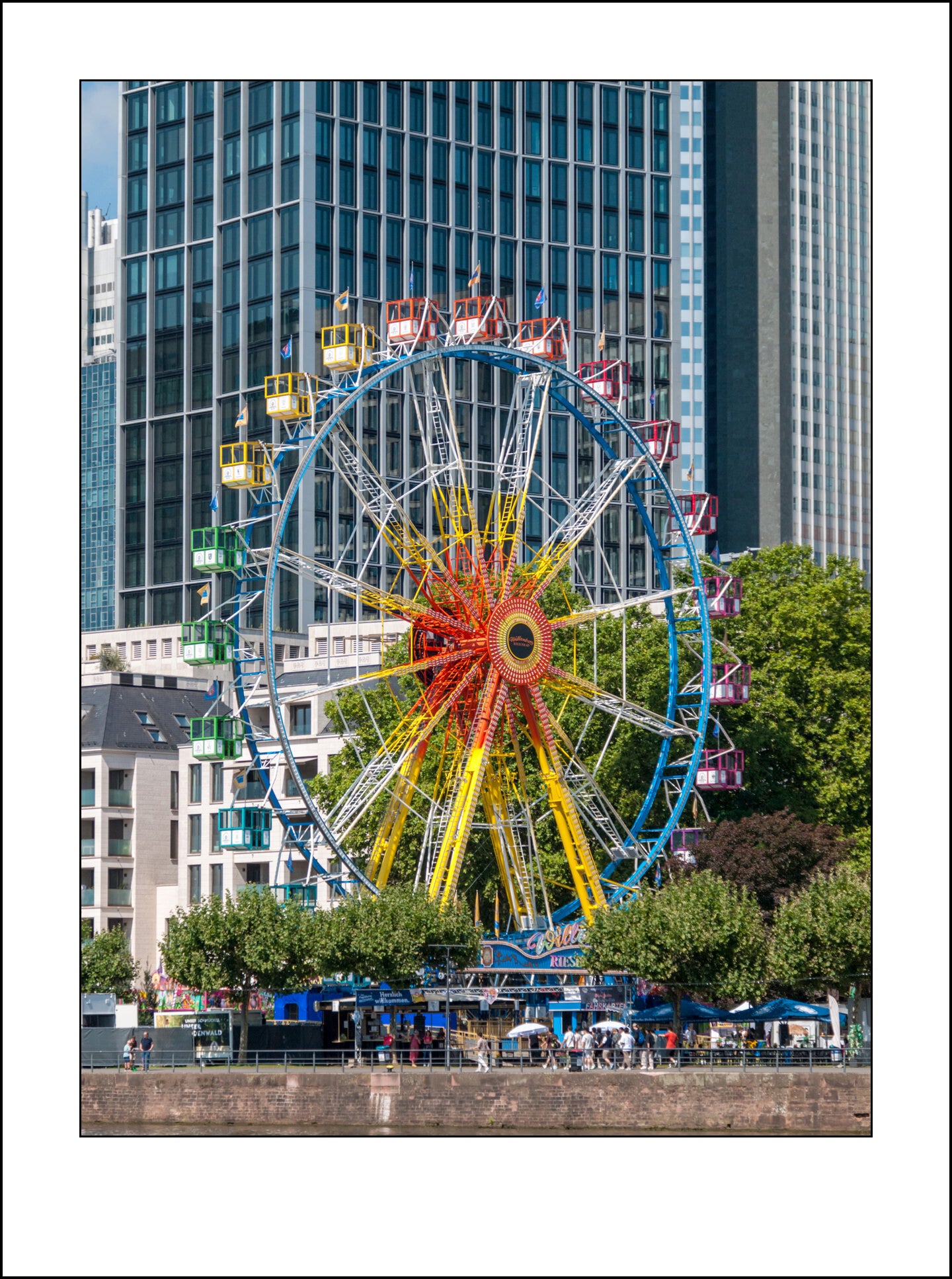
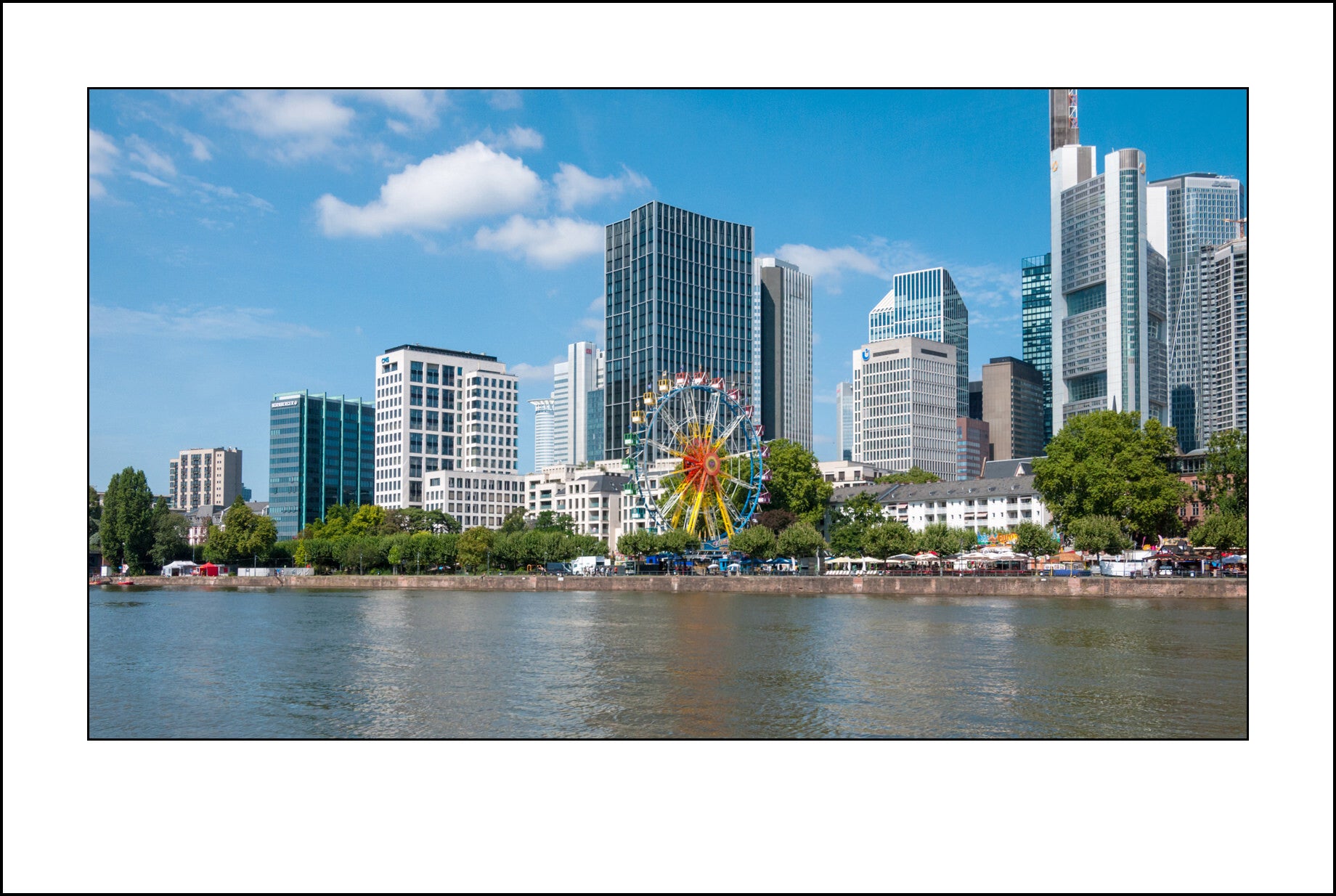
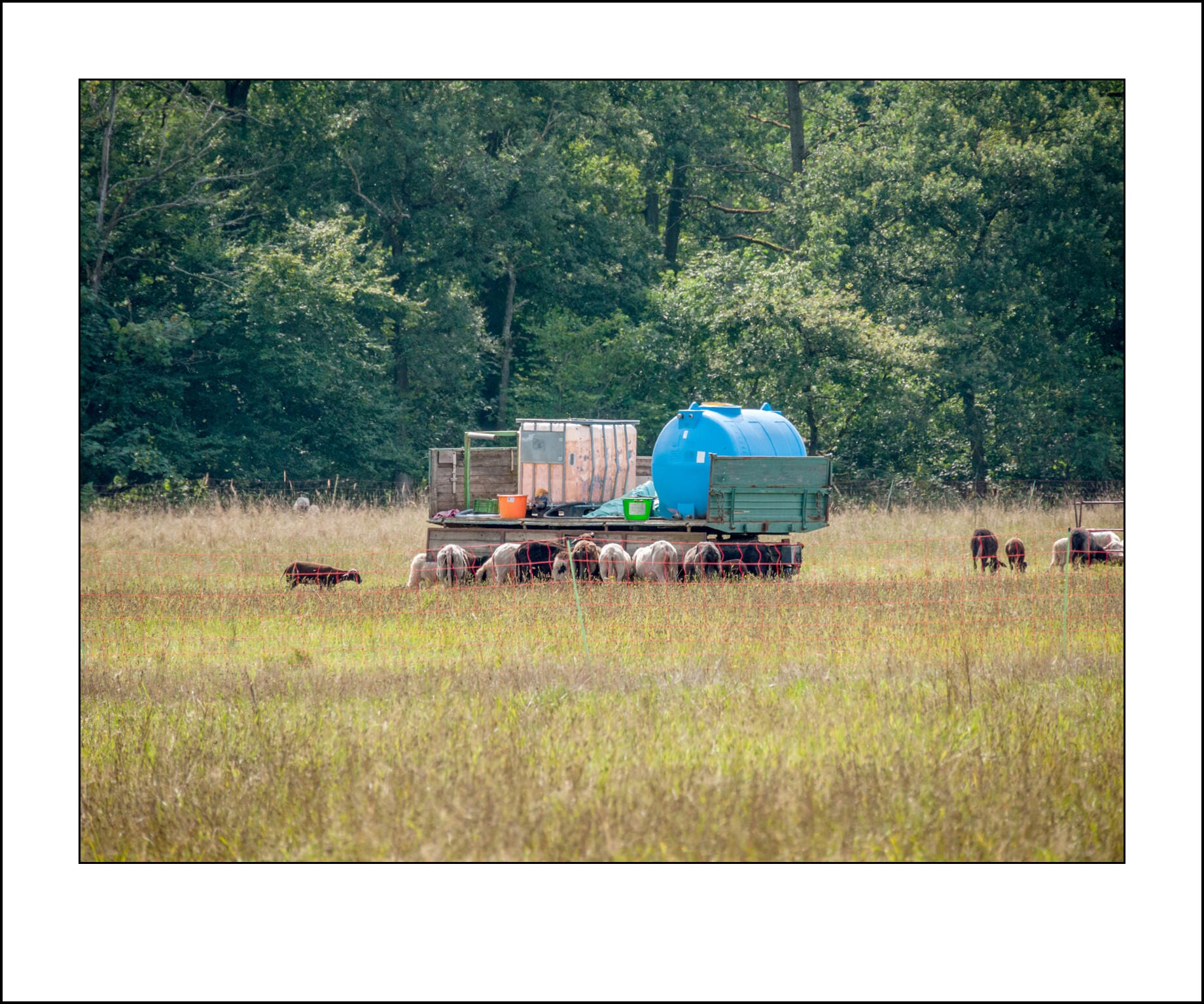
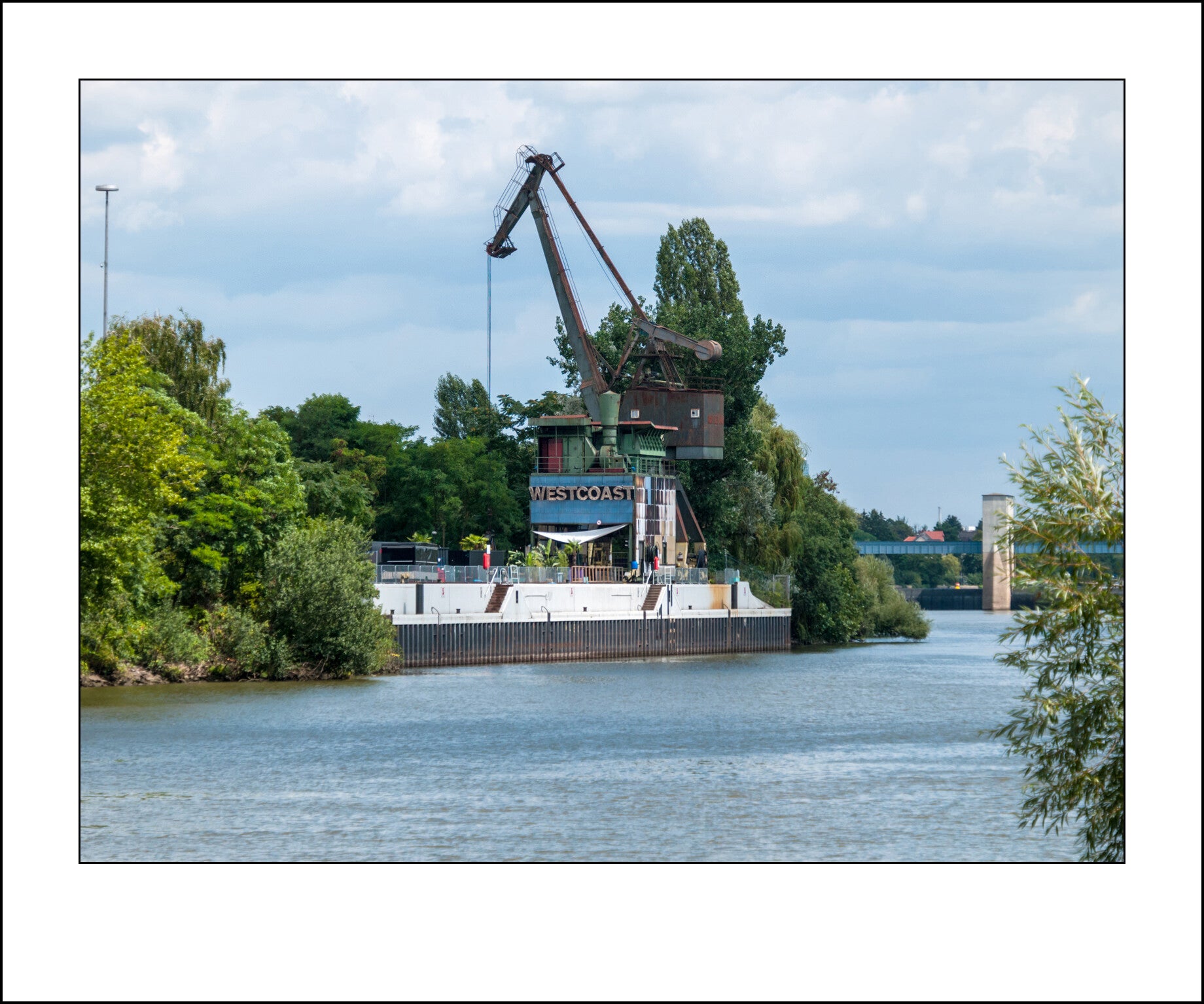
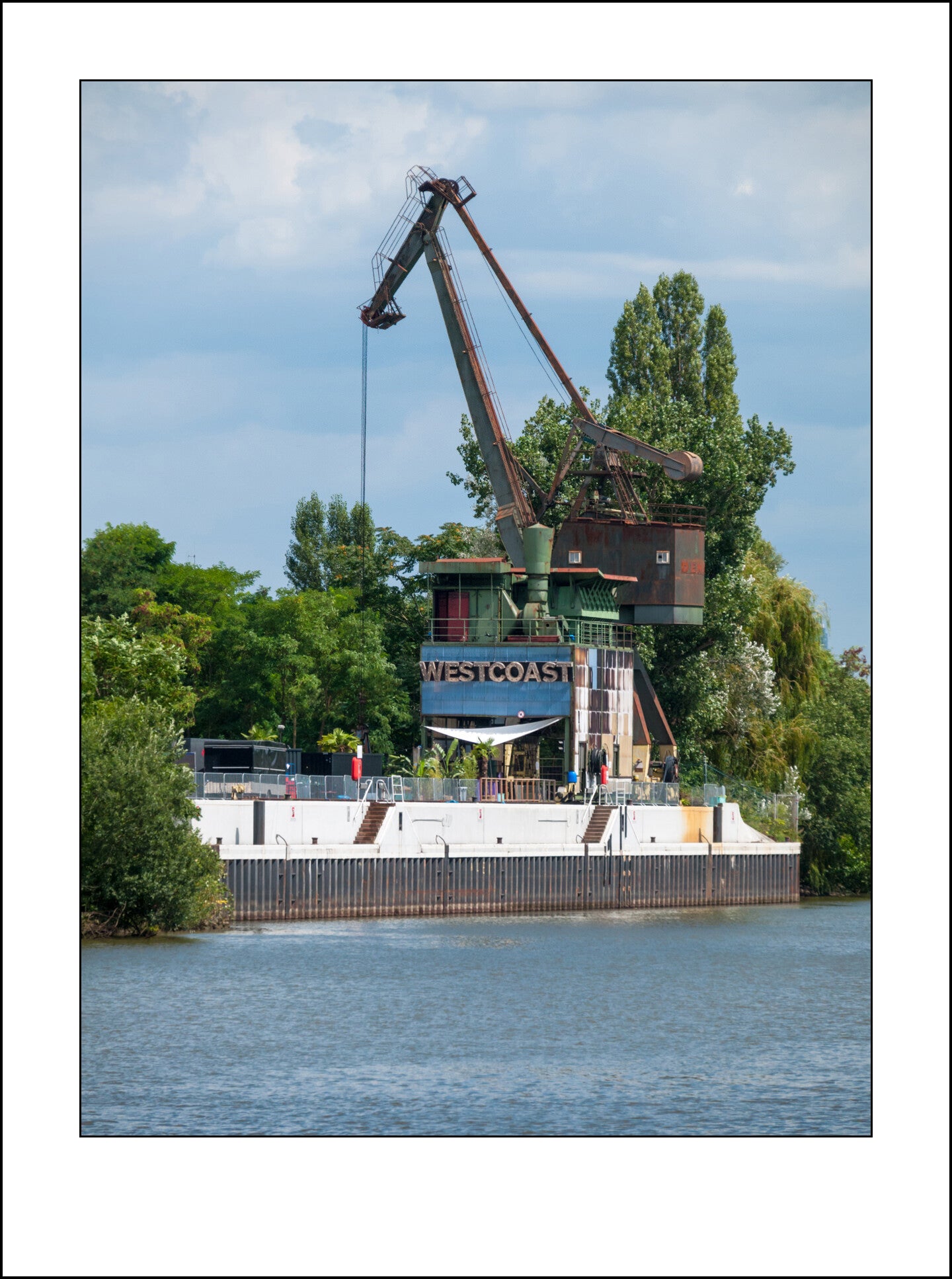
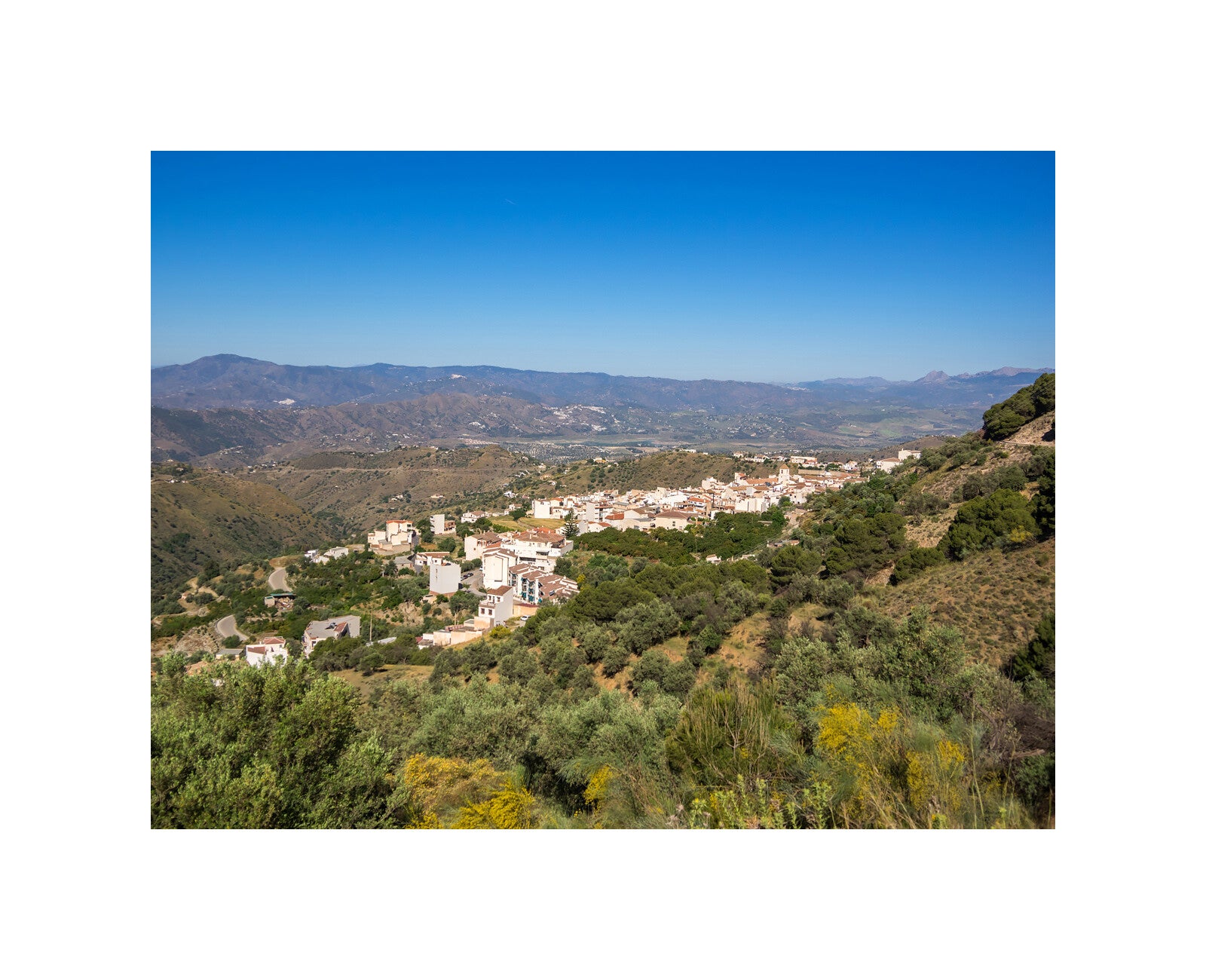
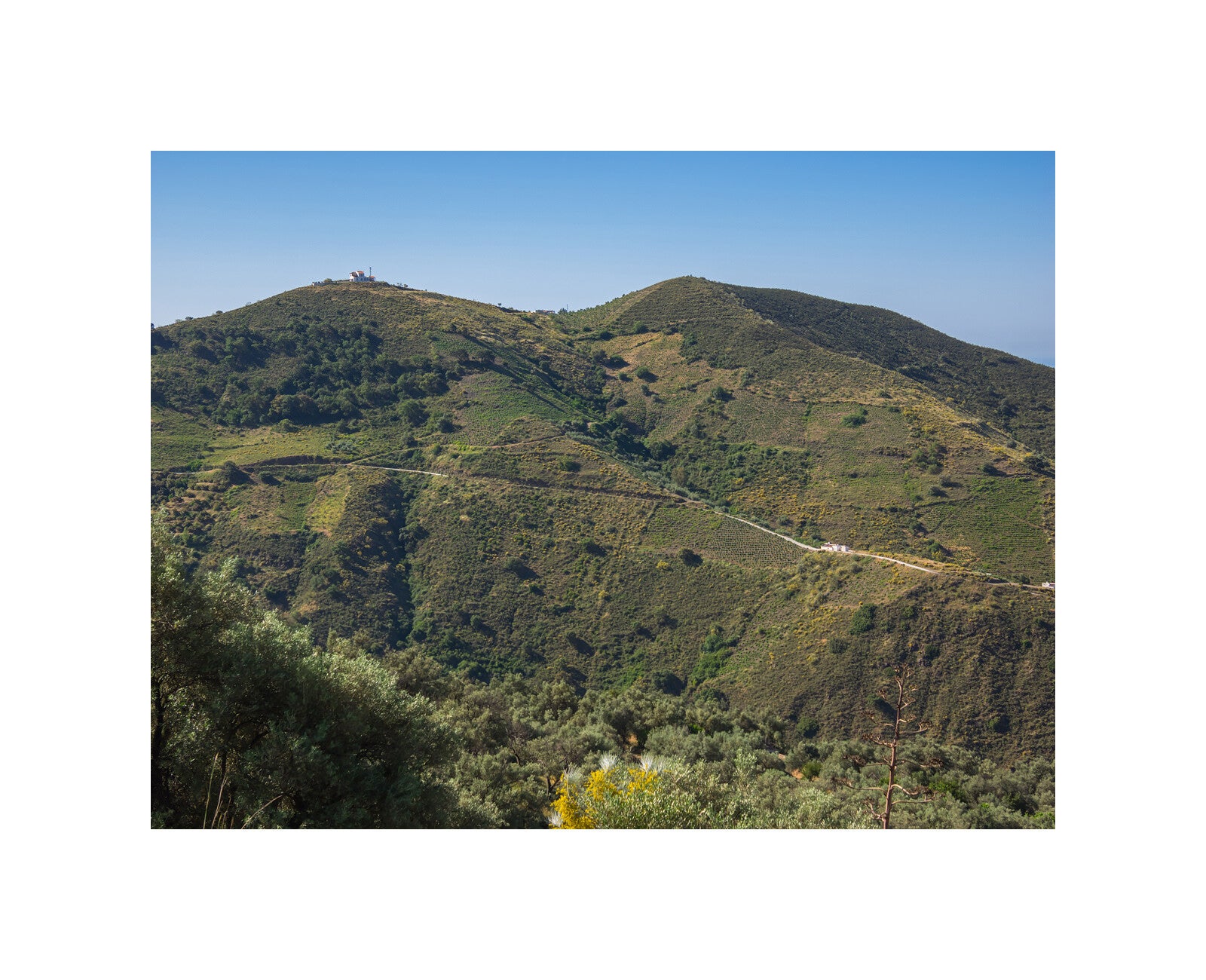
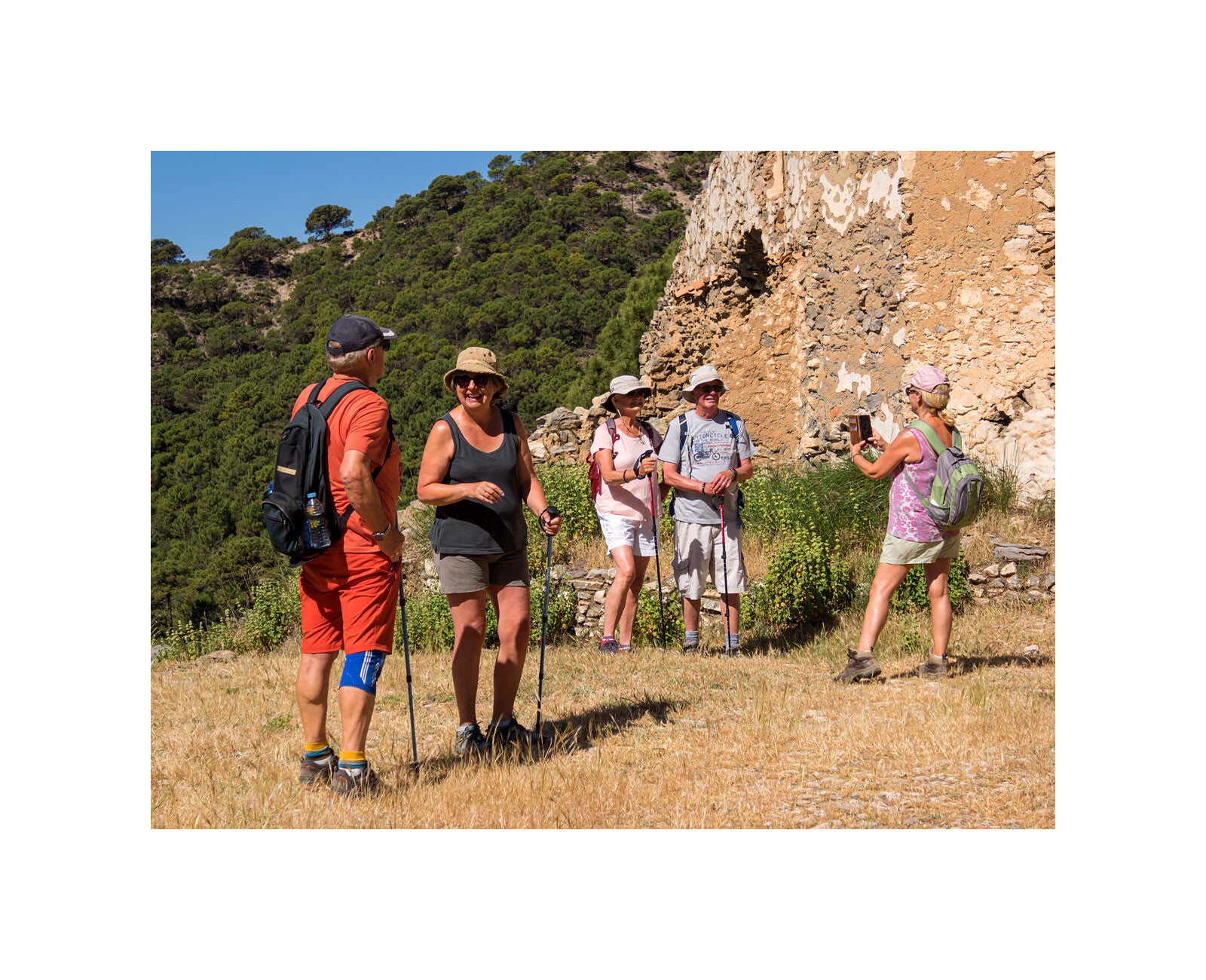
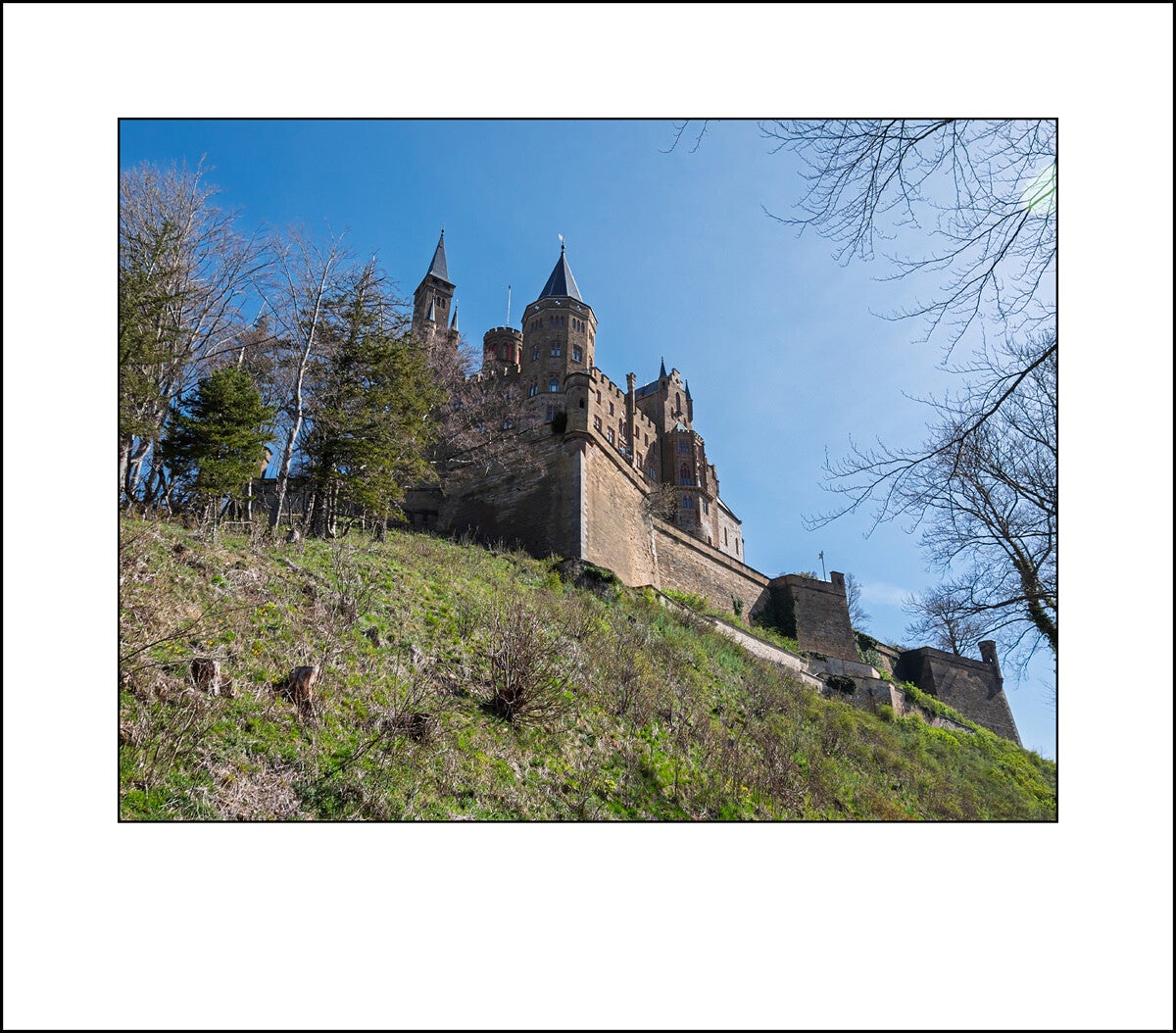
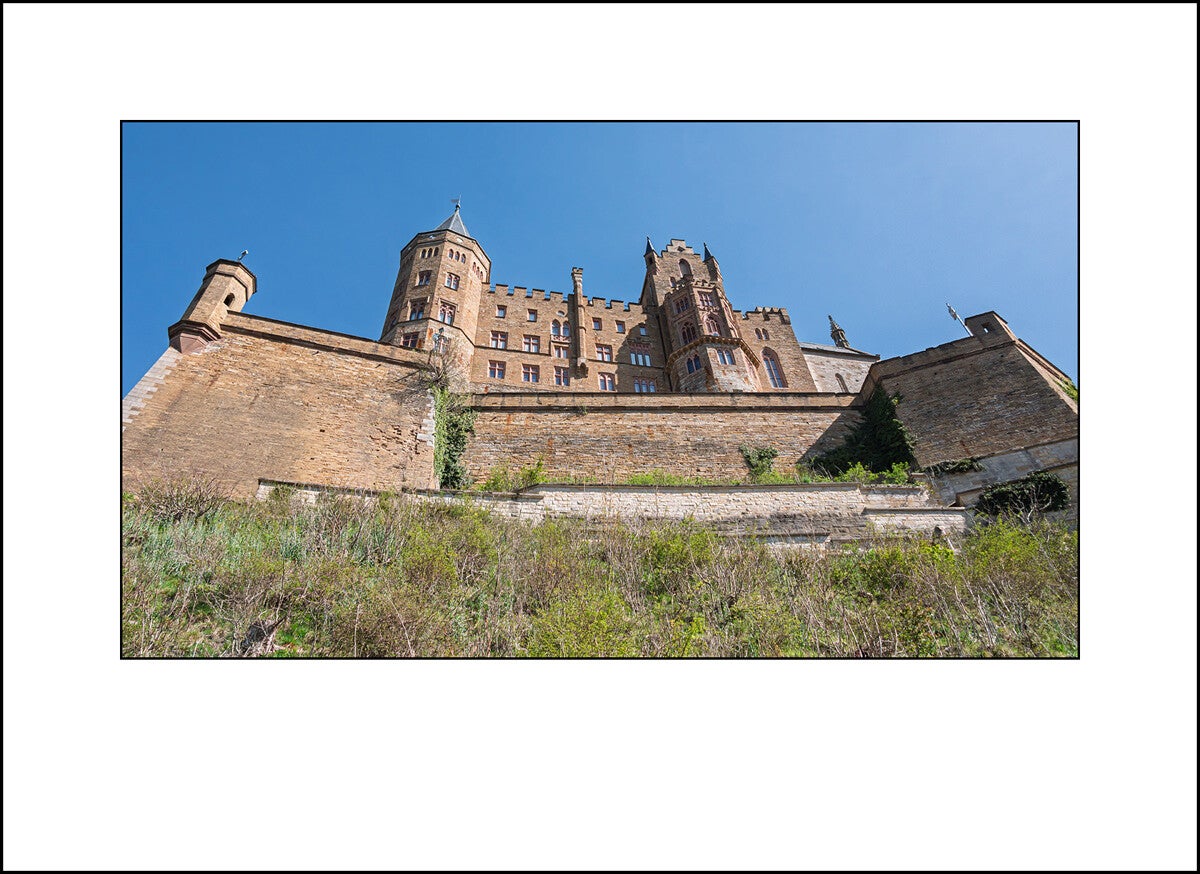
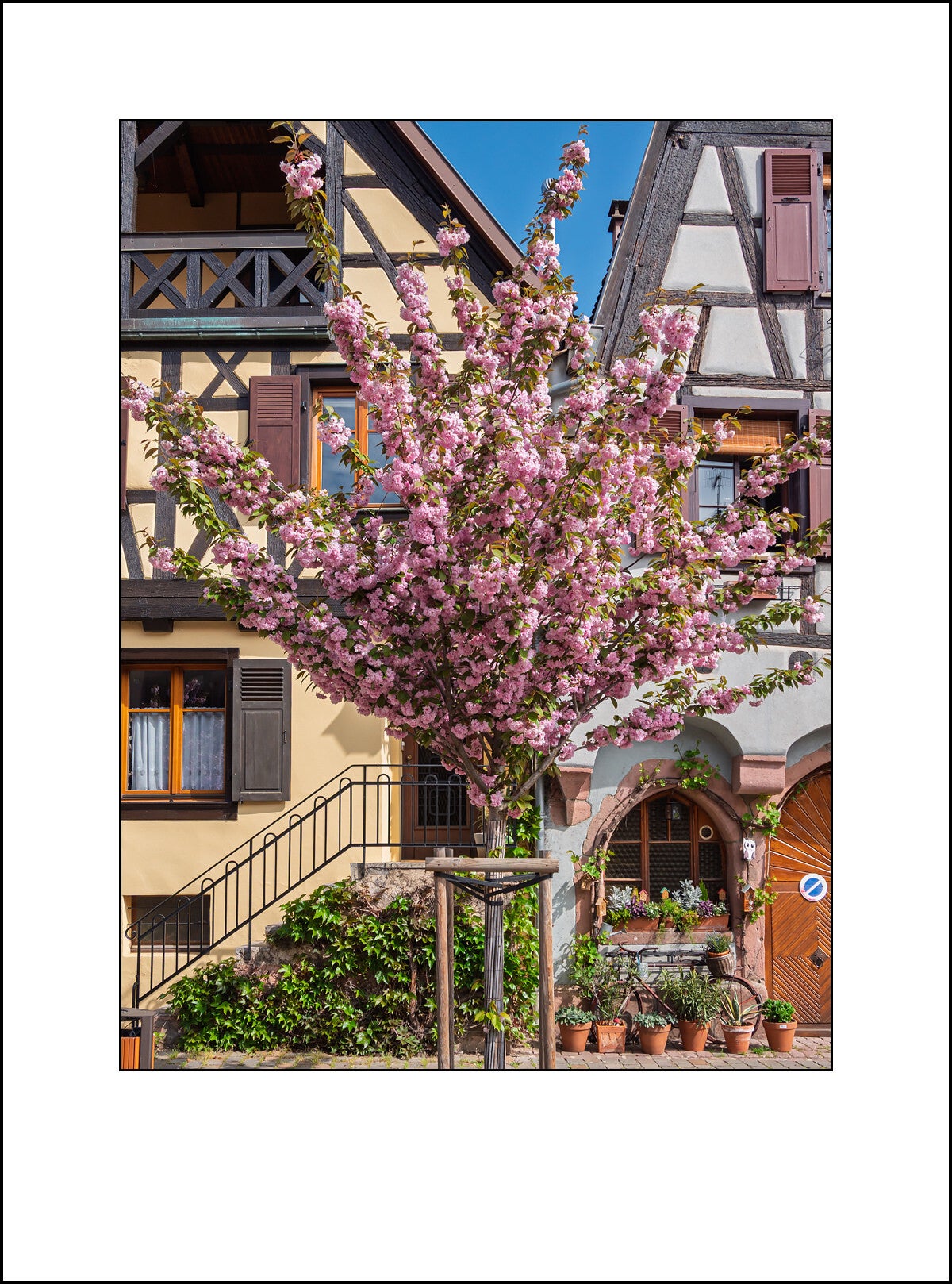
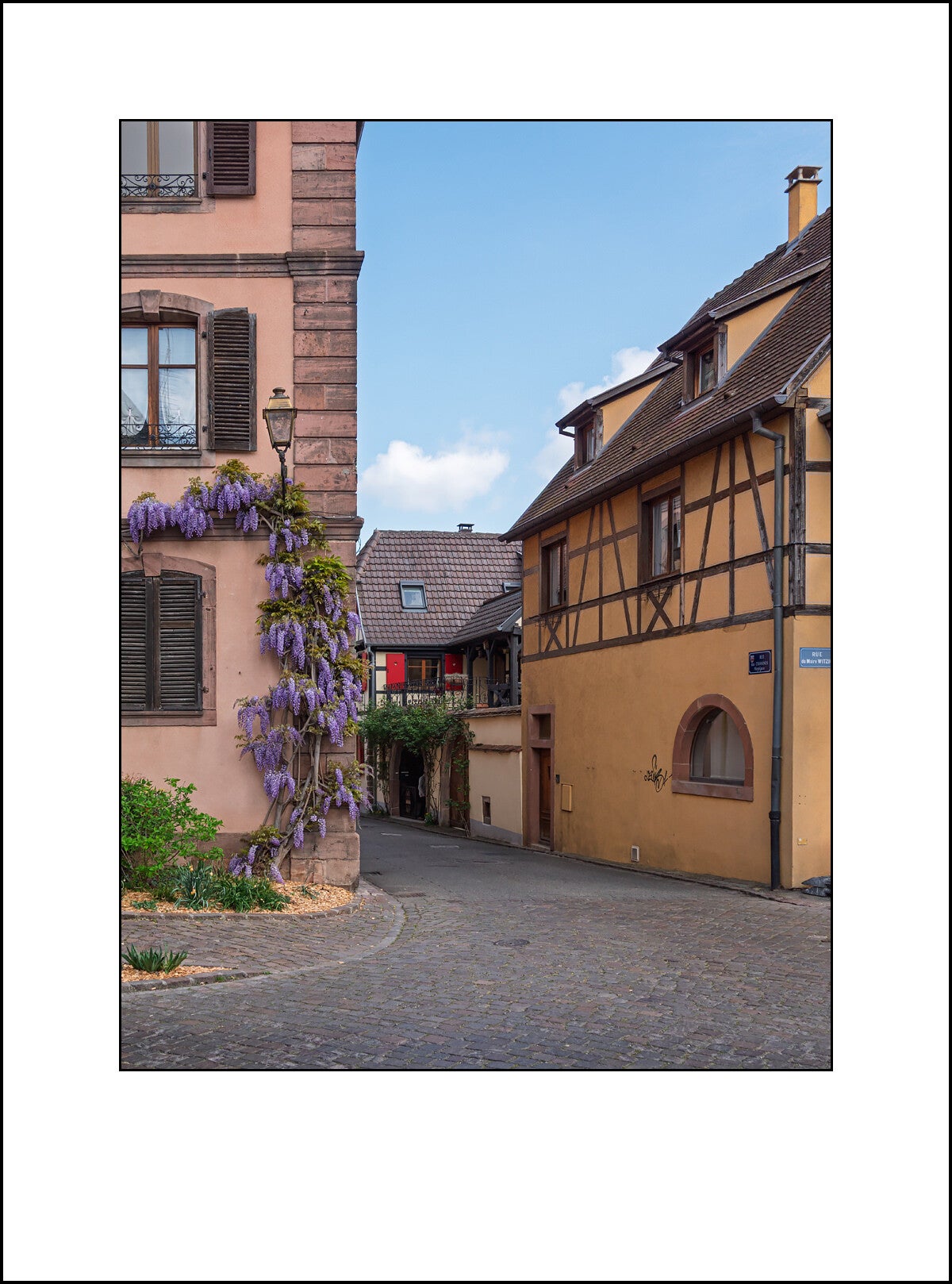
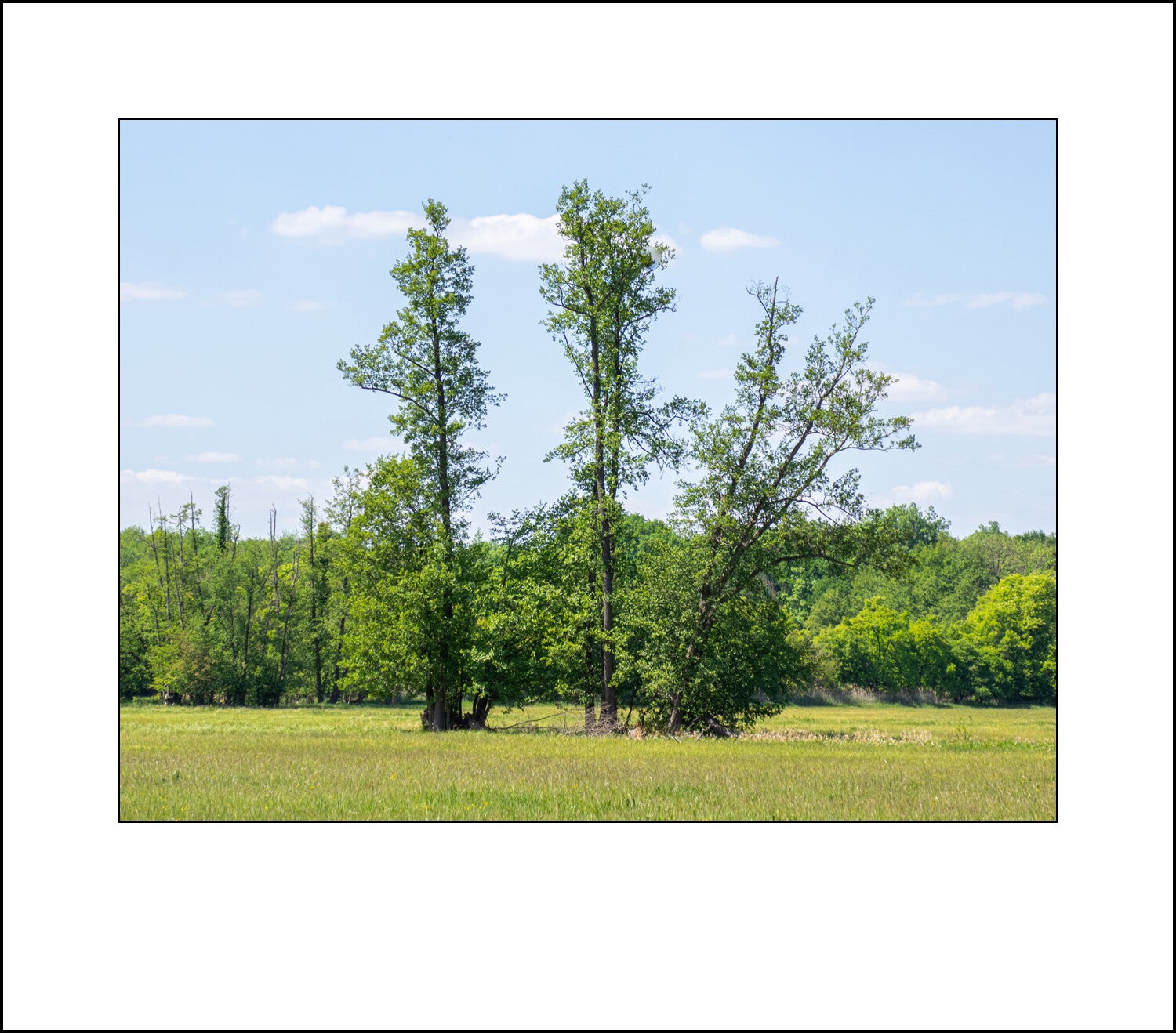
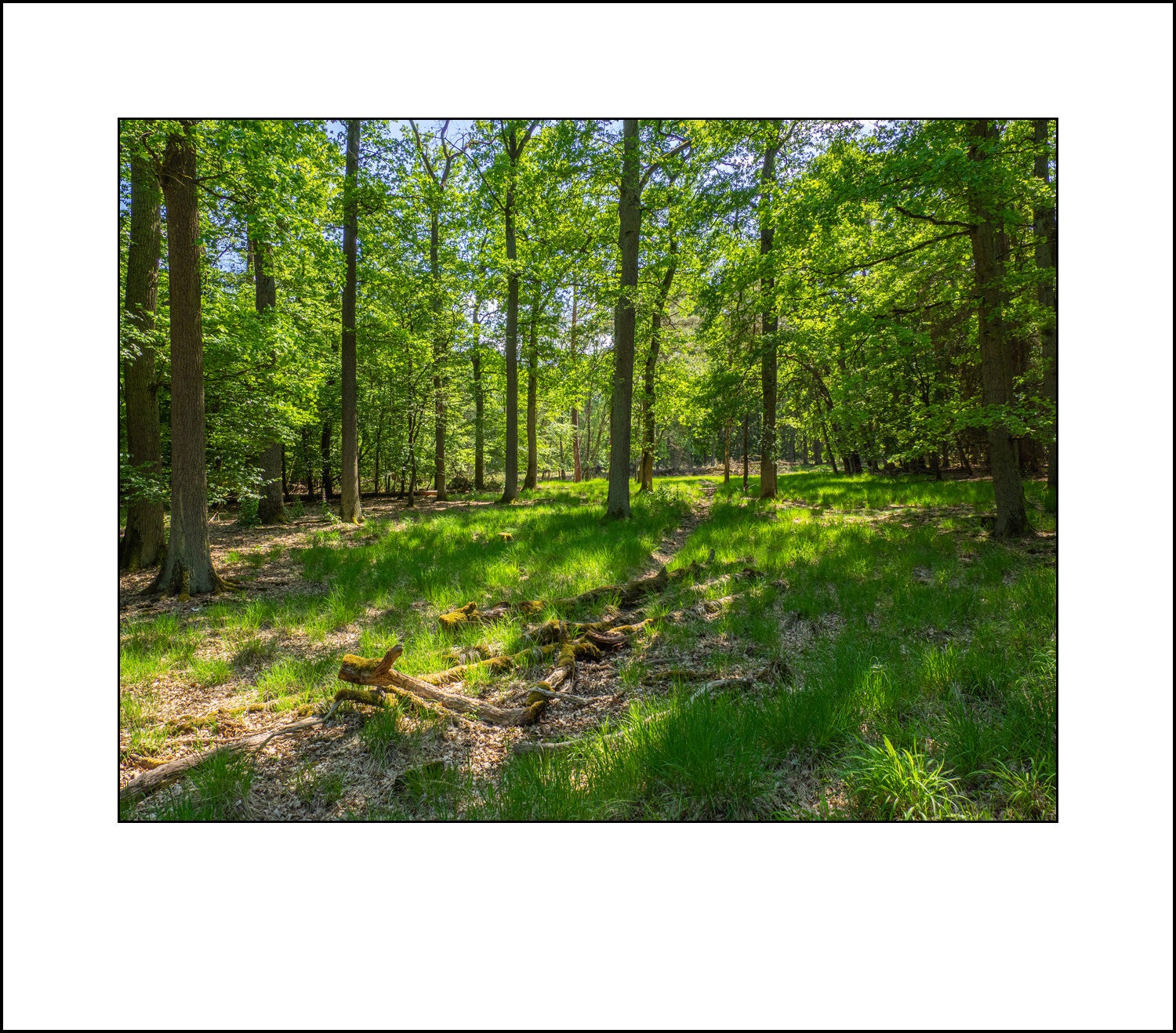
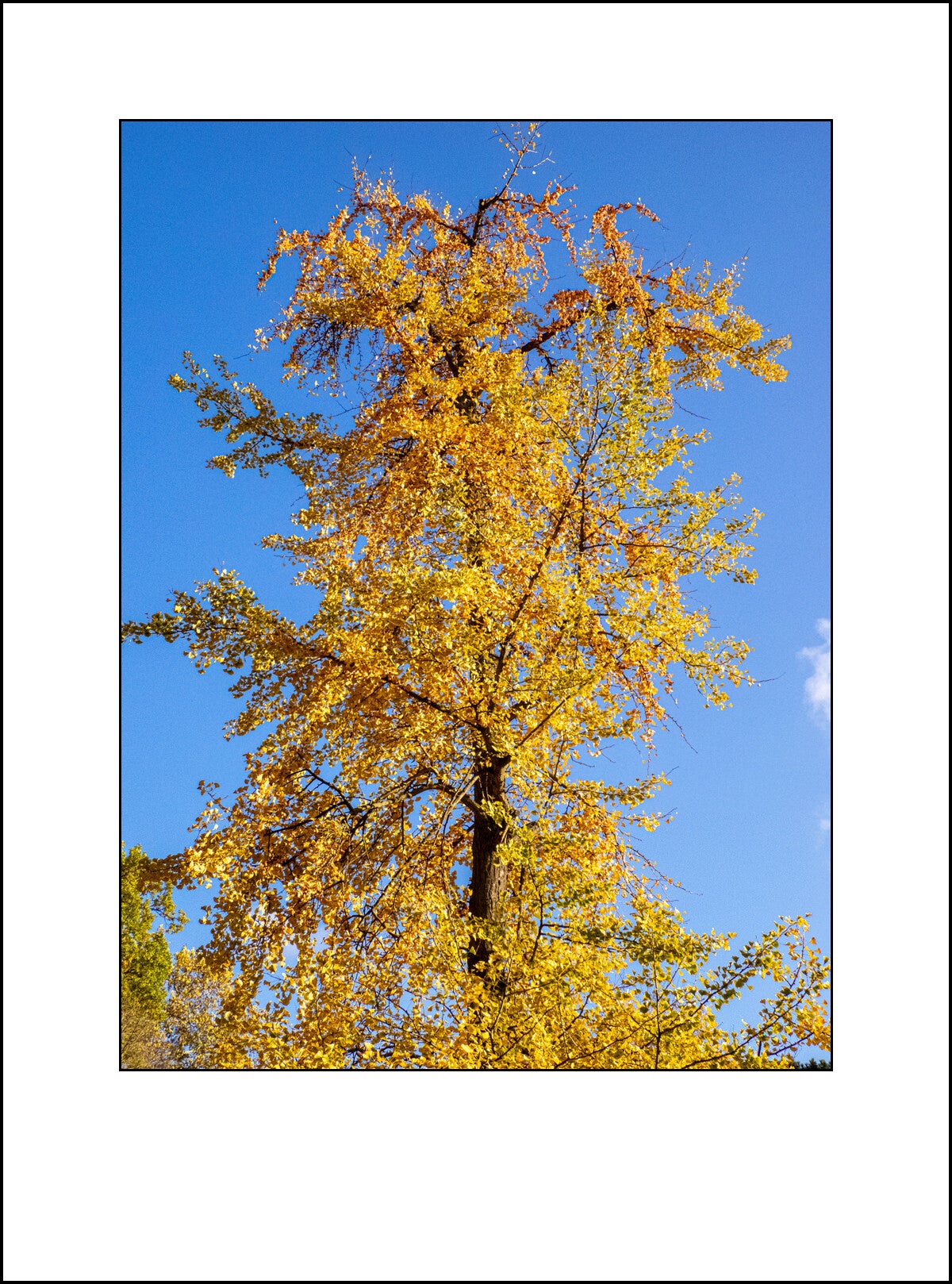
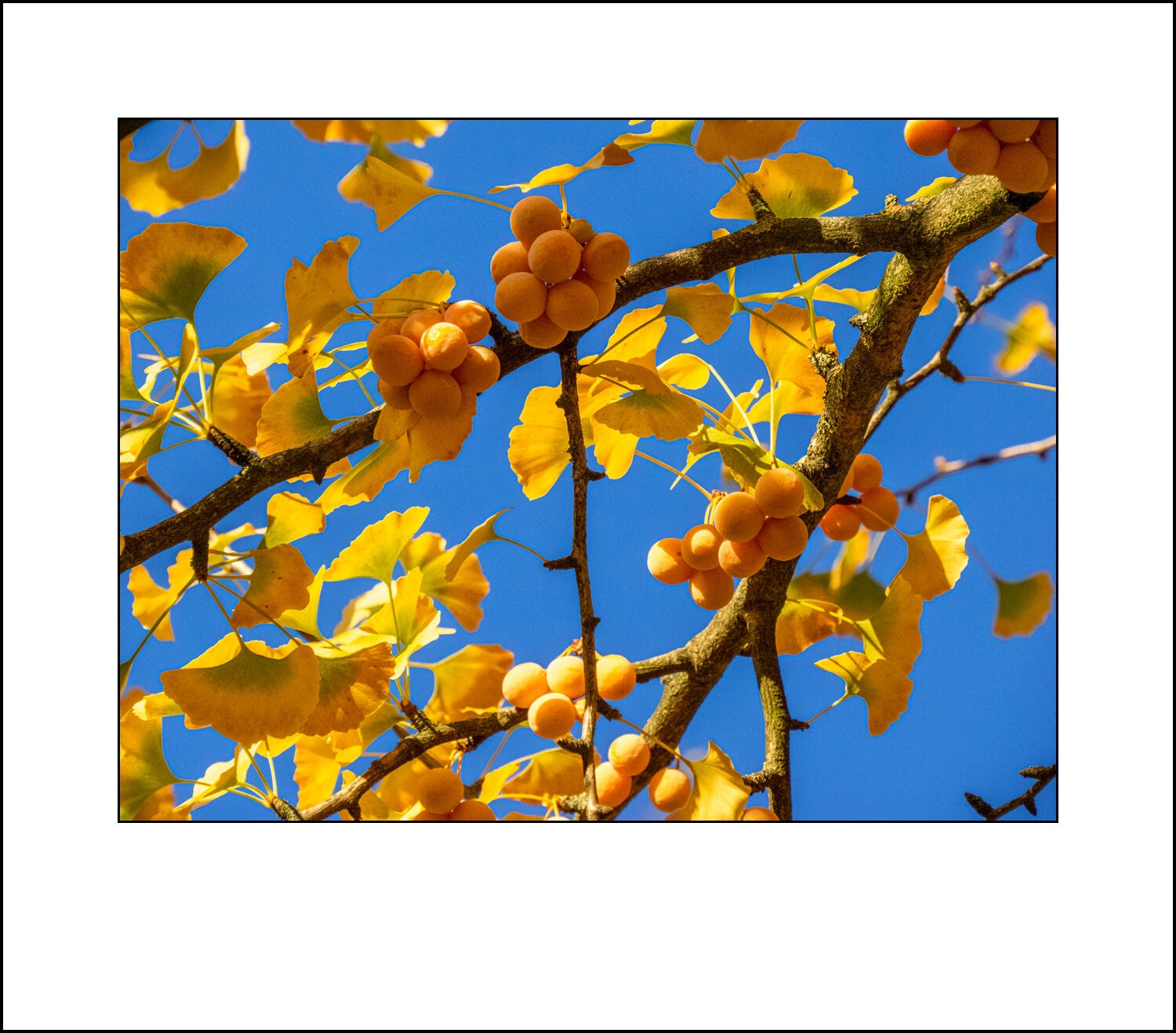
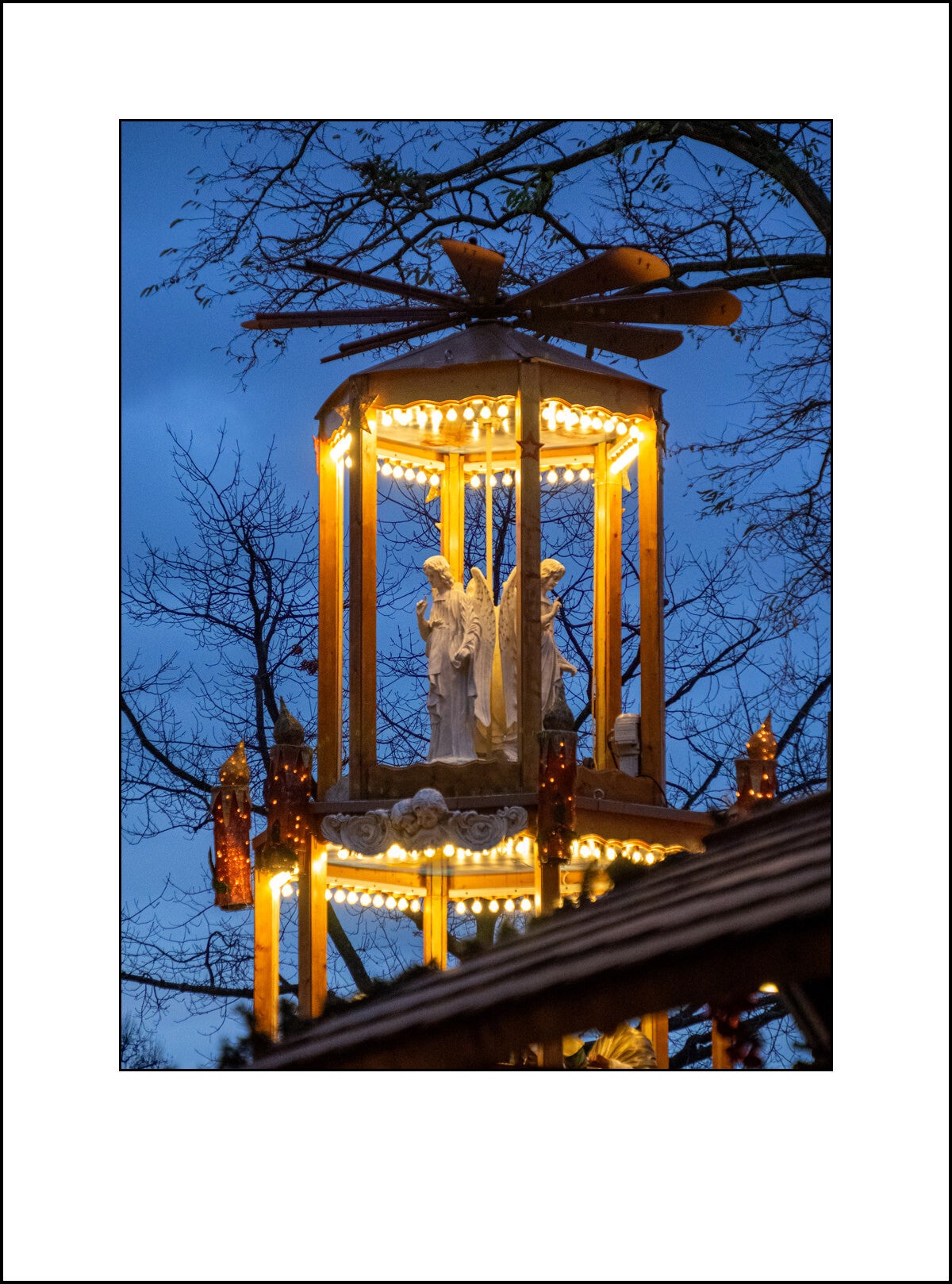
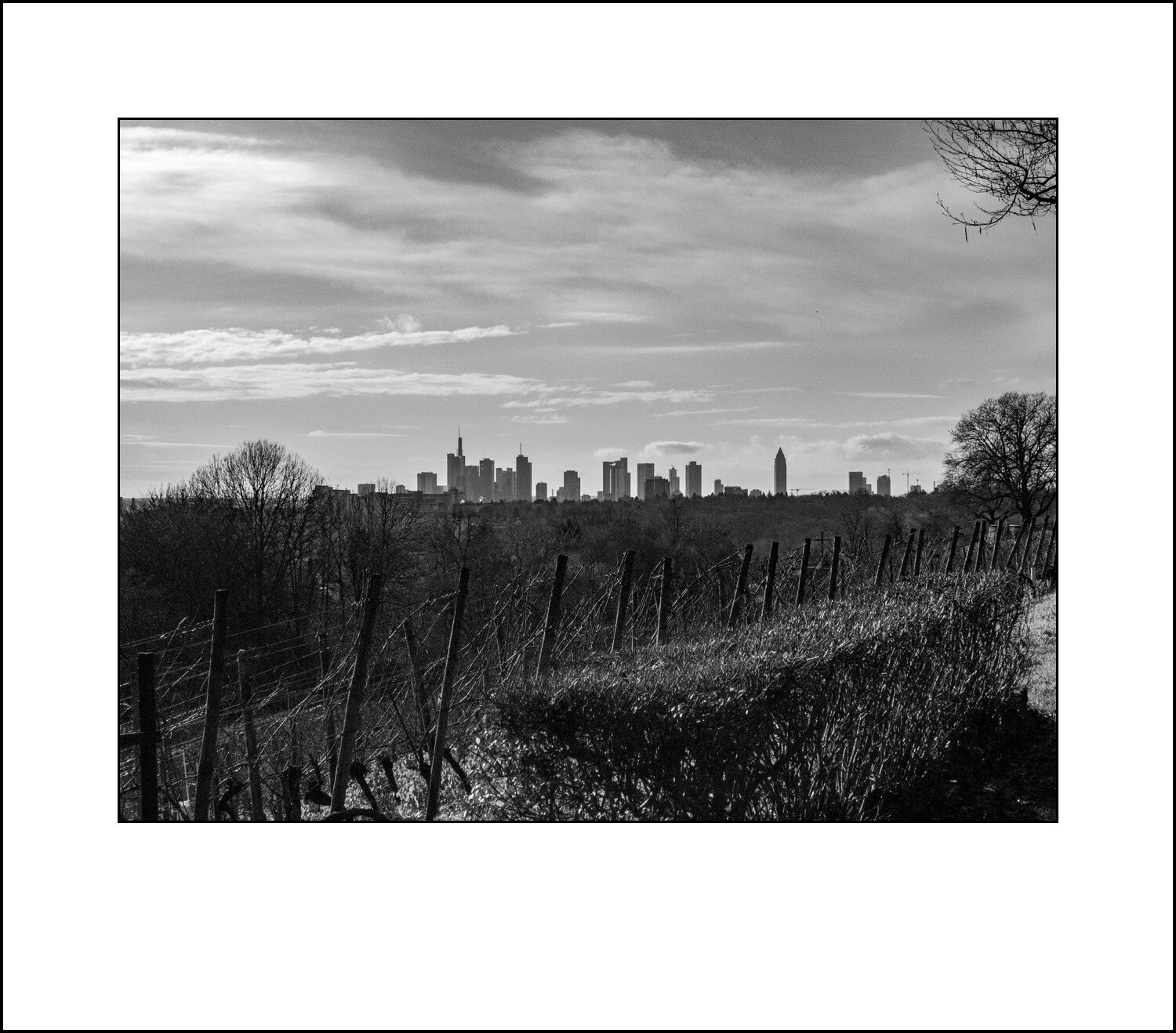
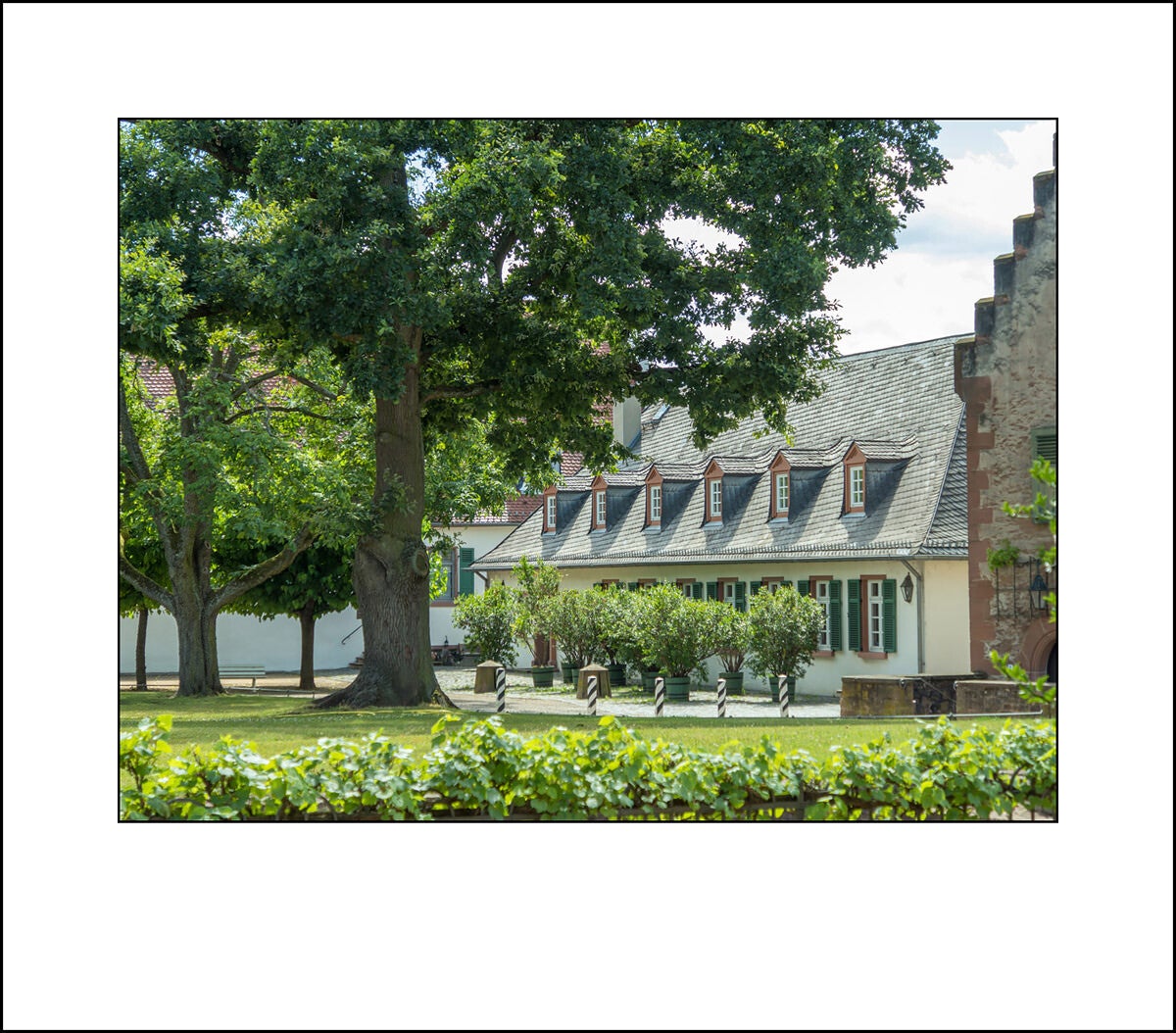
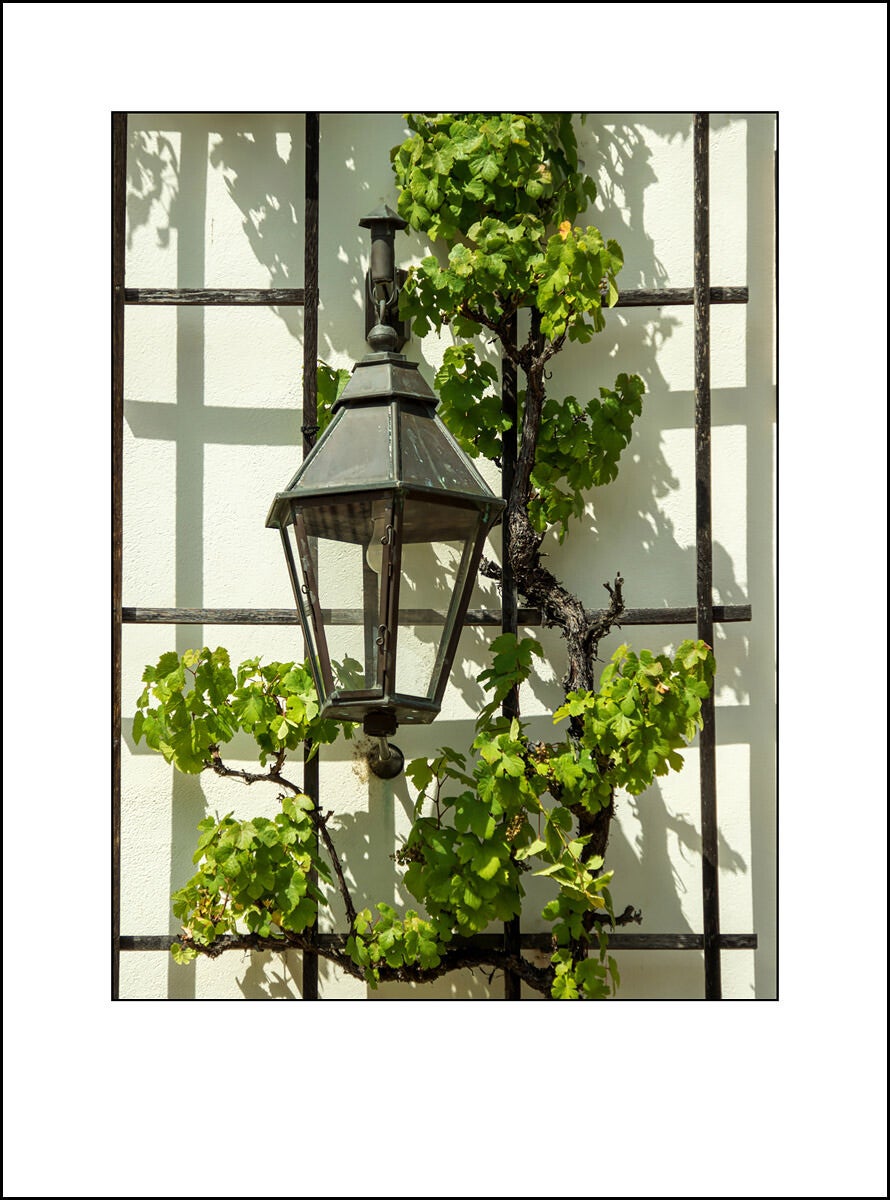
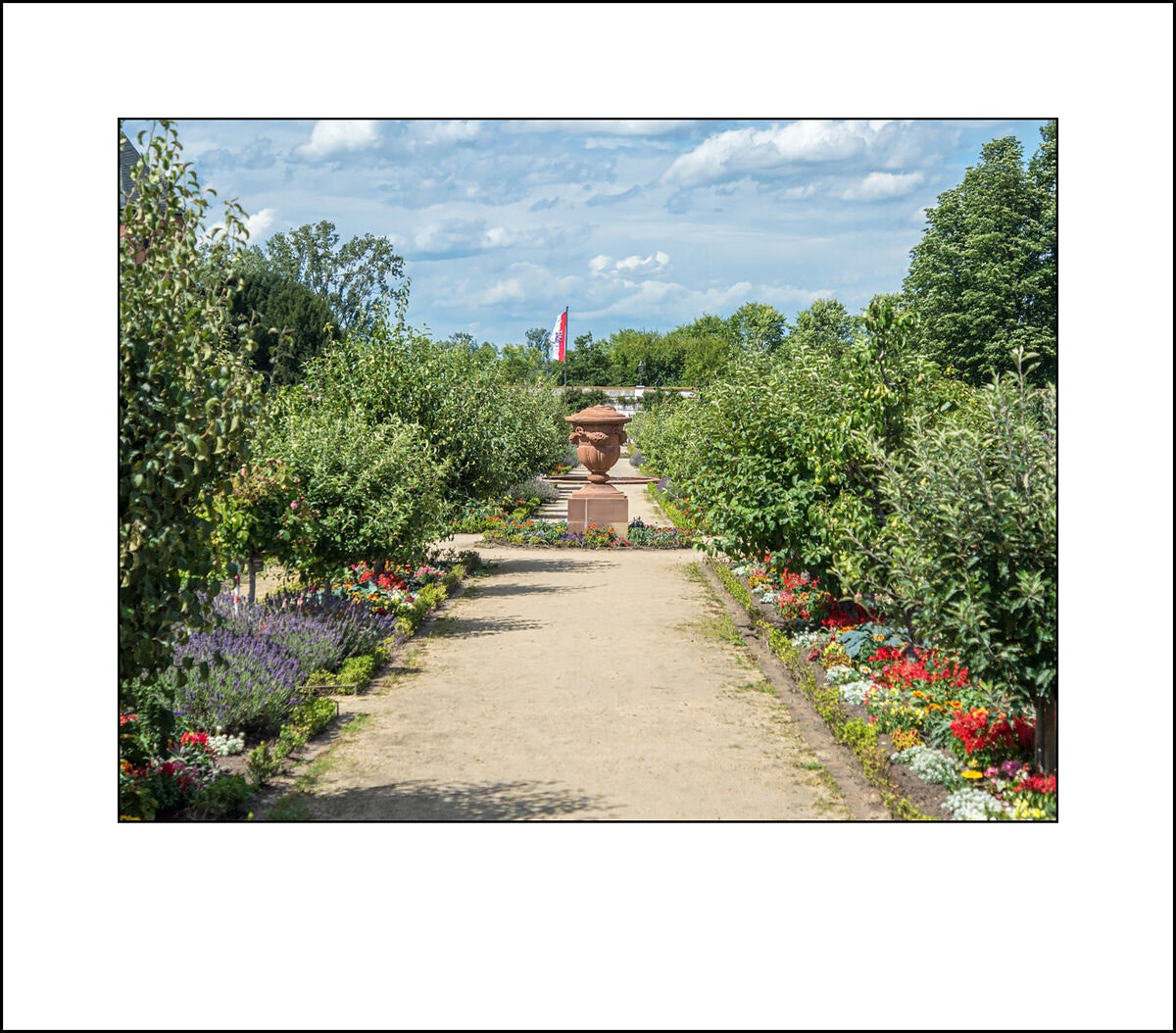
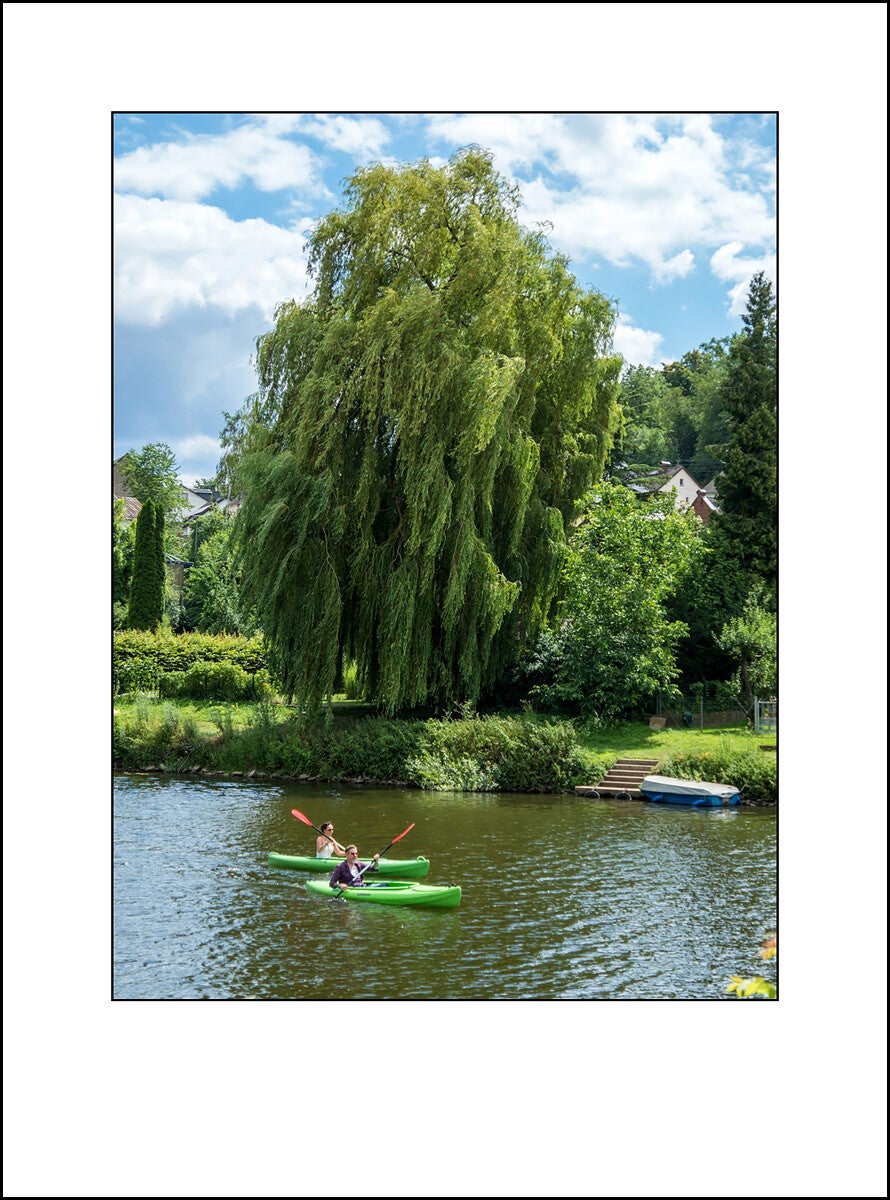
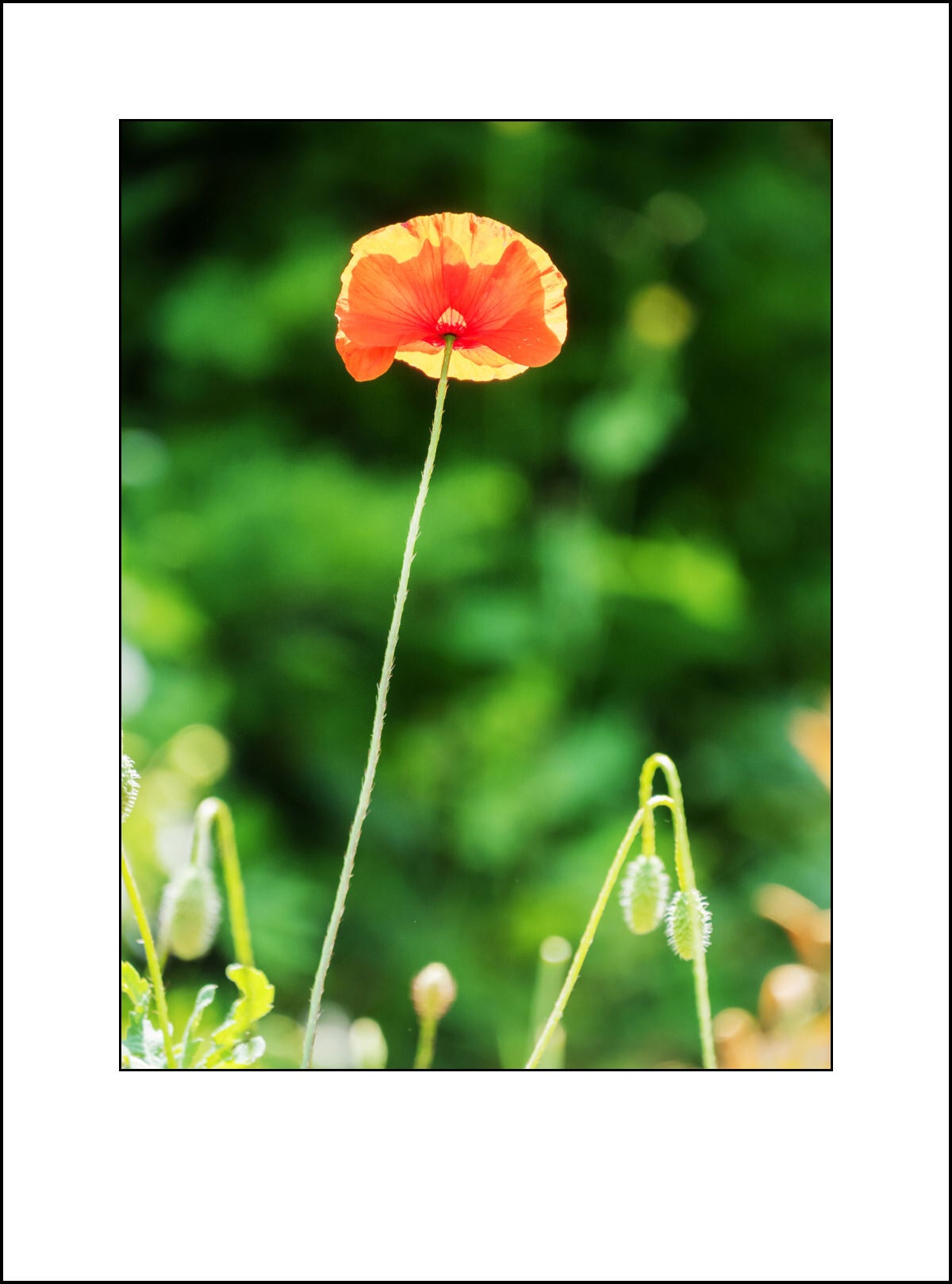
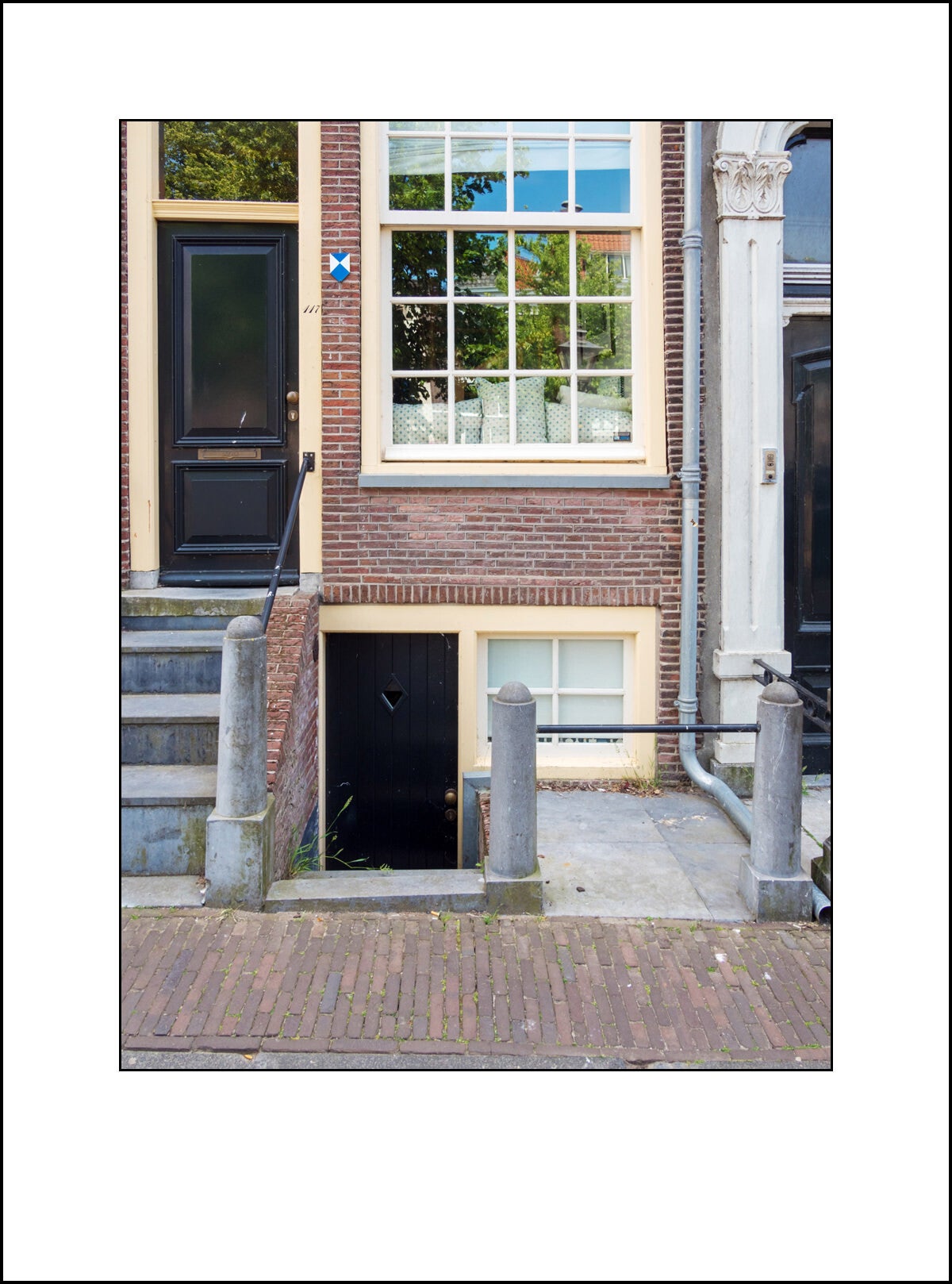
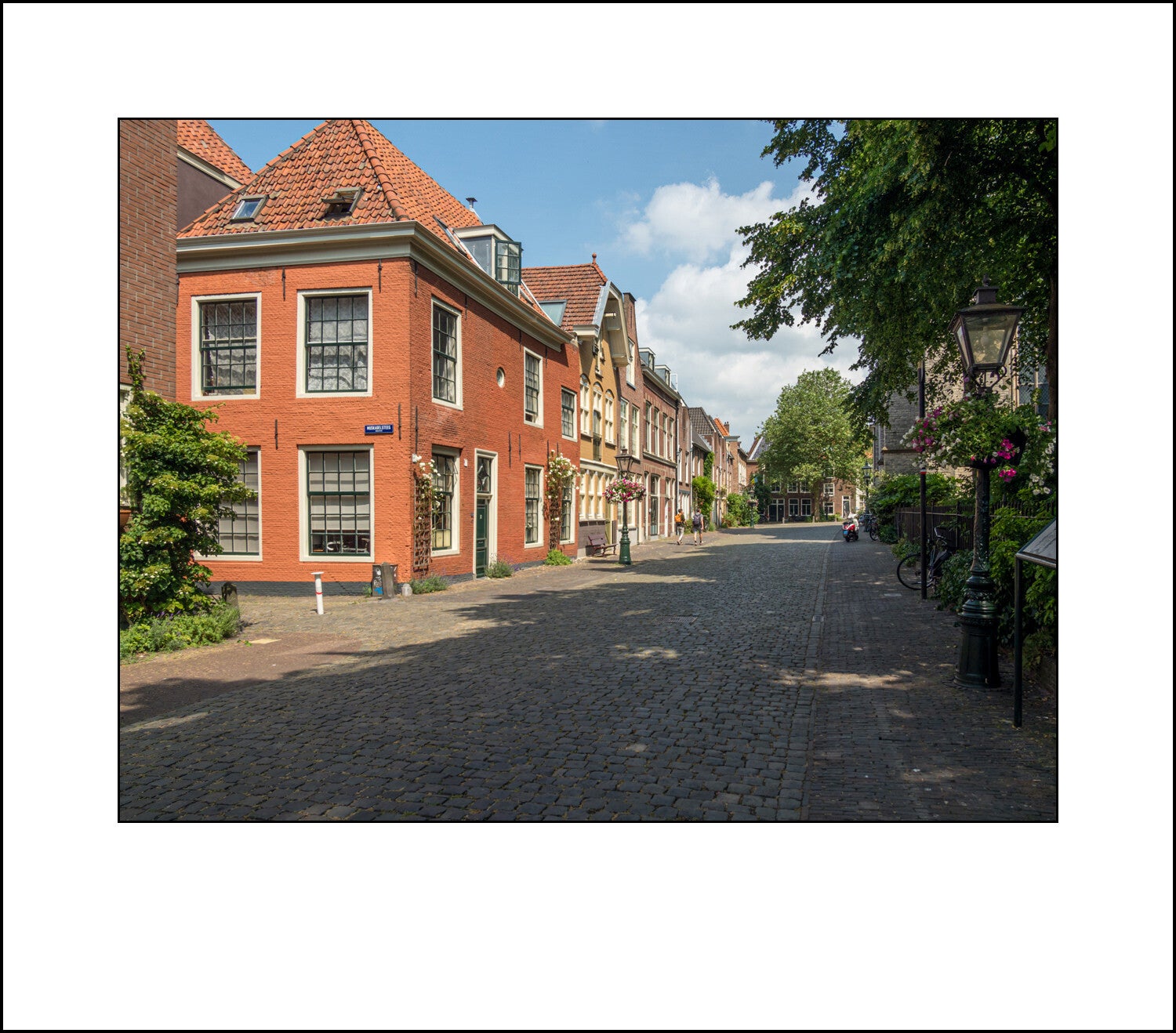
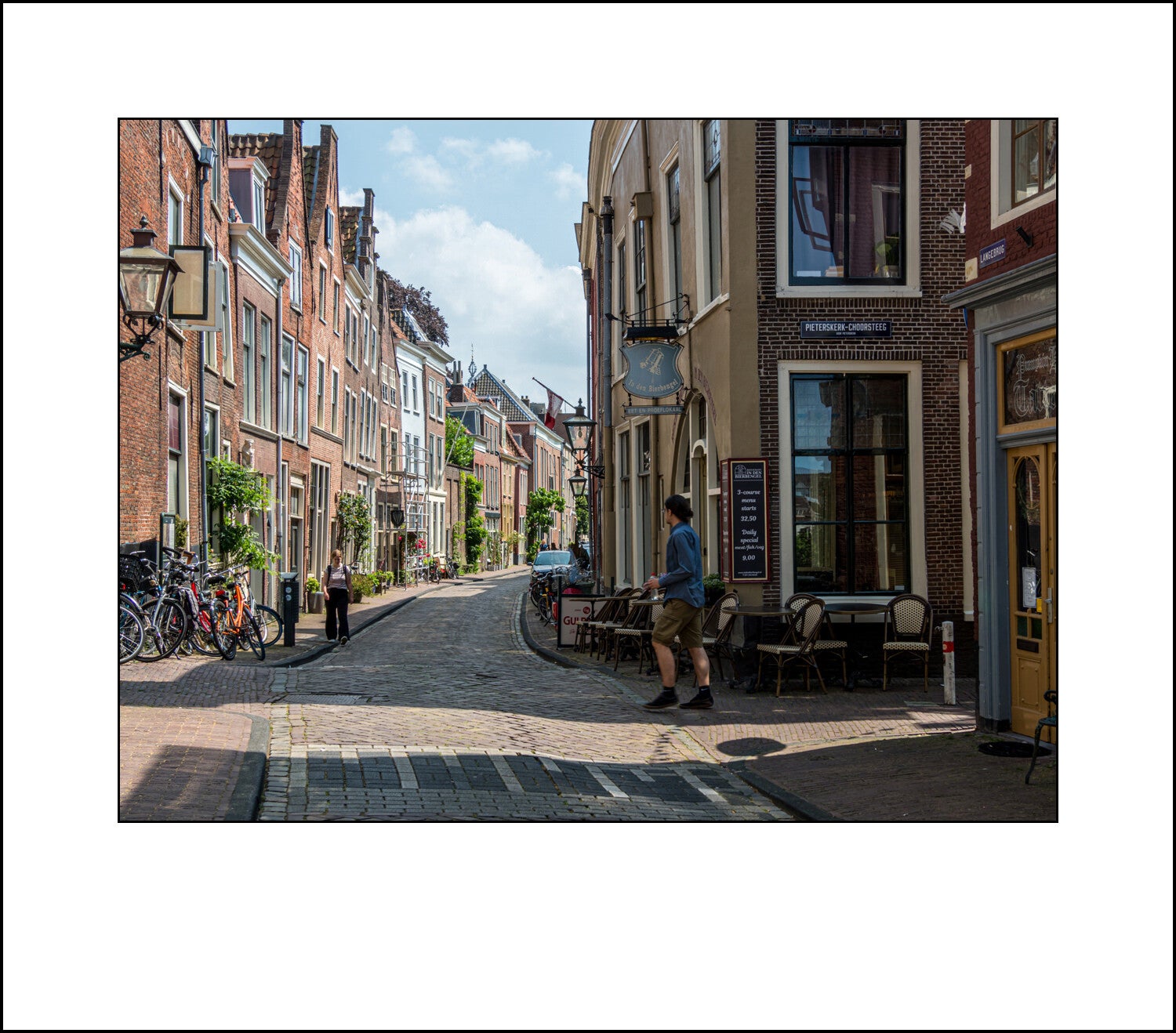
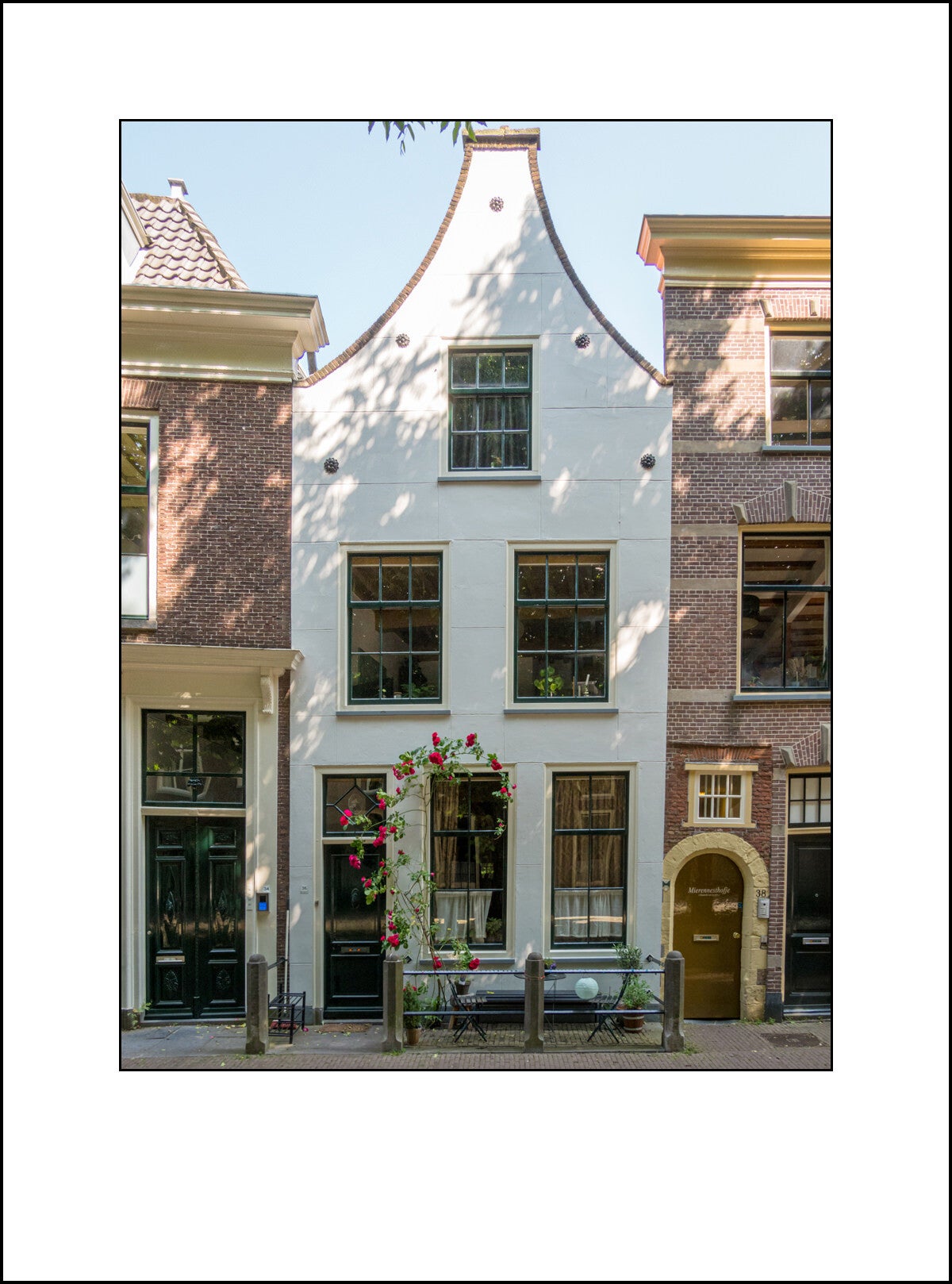
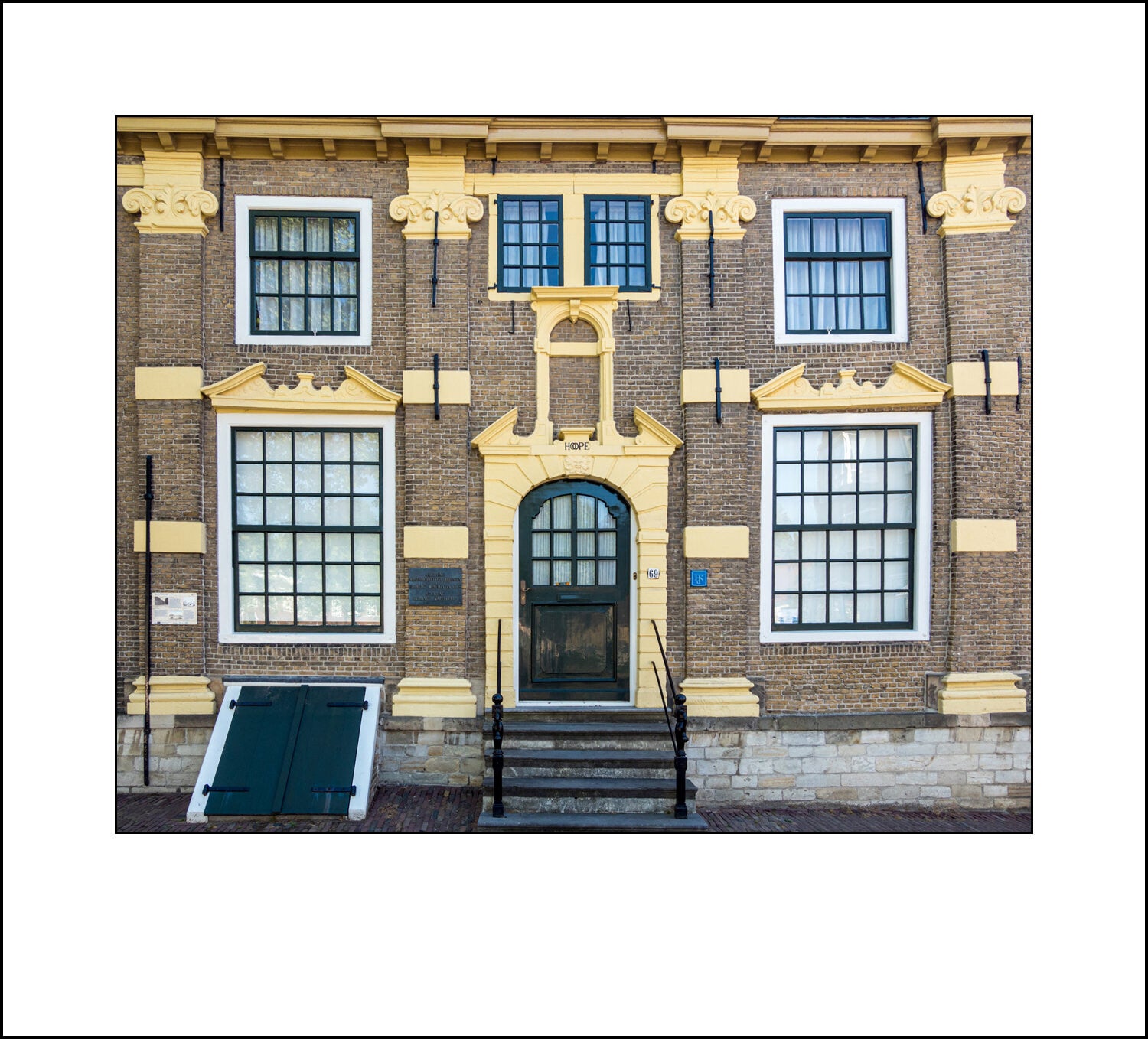
More test images taken on the OM-5 II
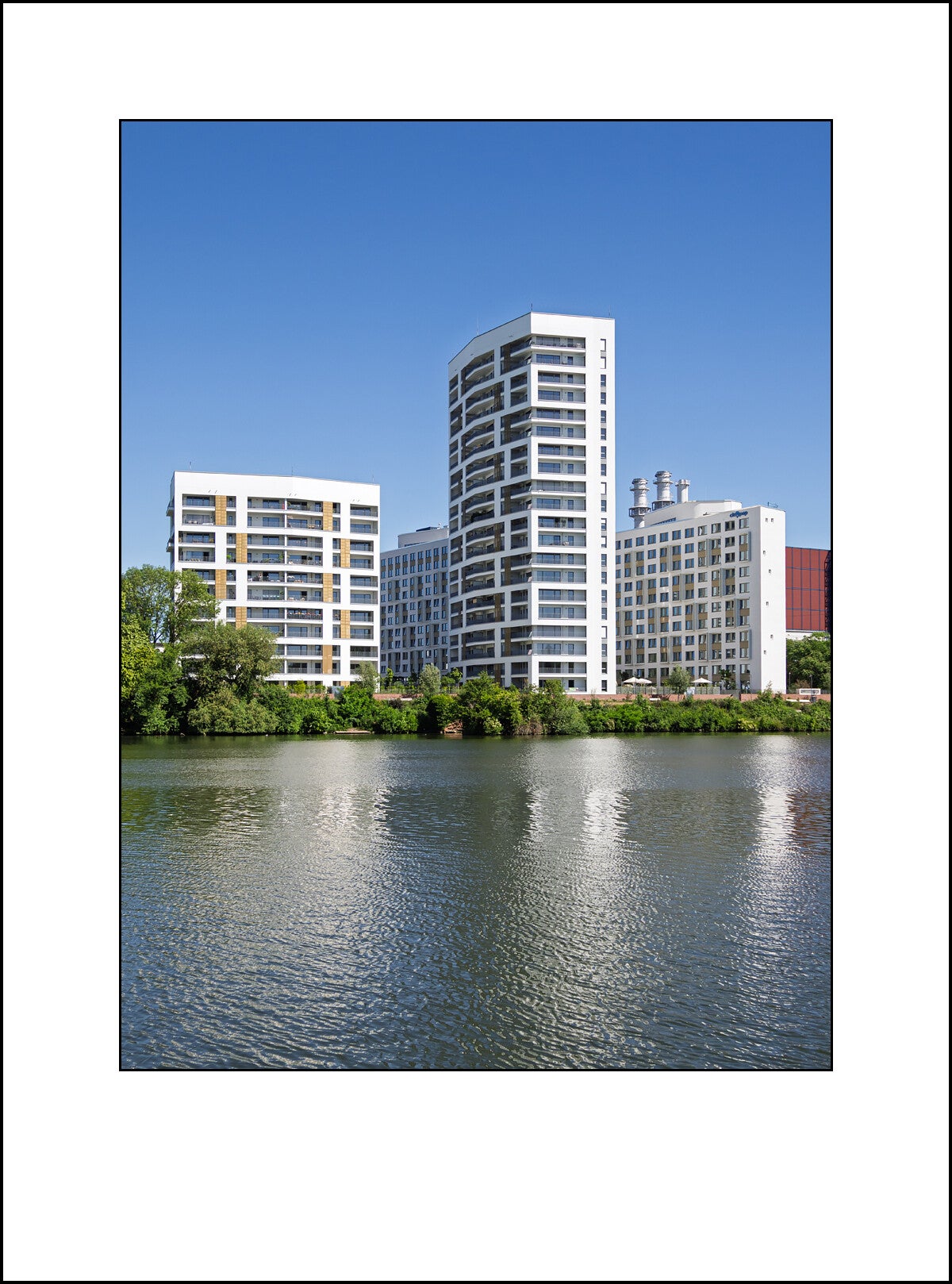
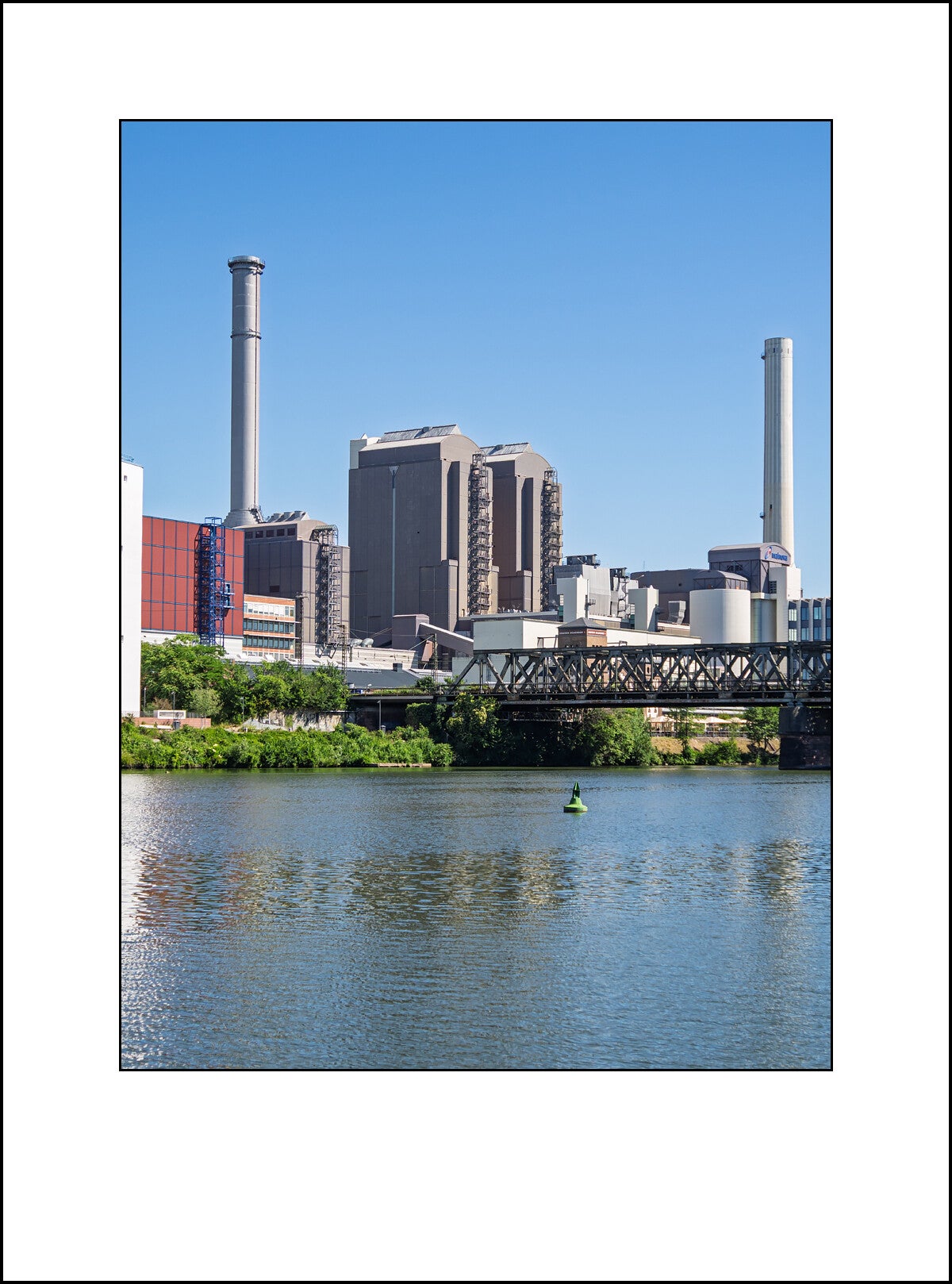
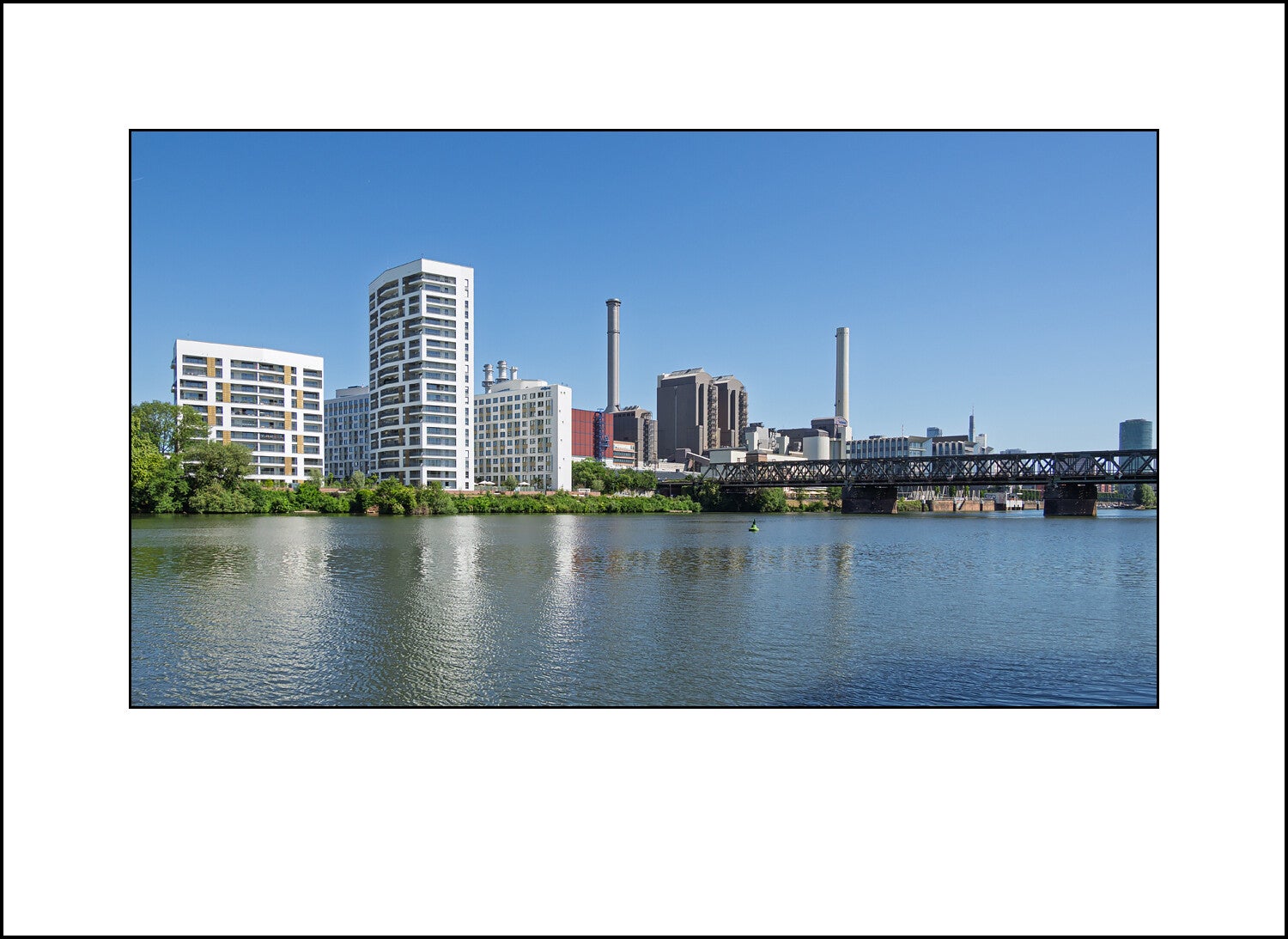
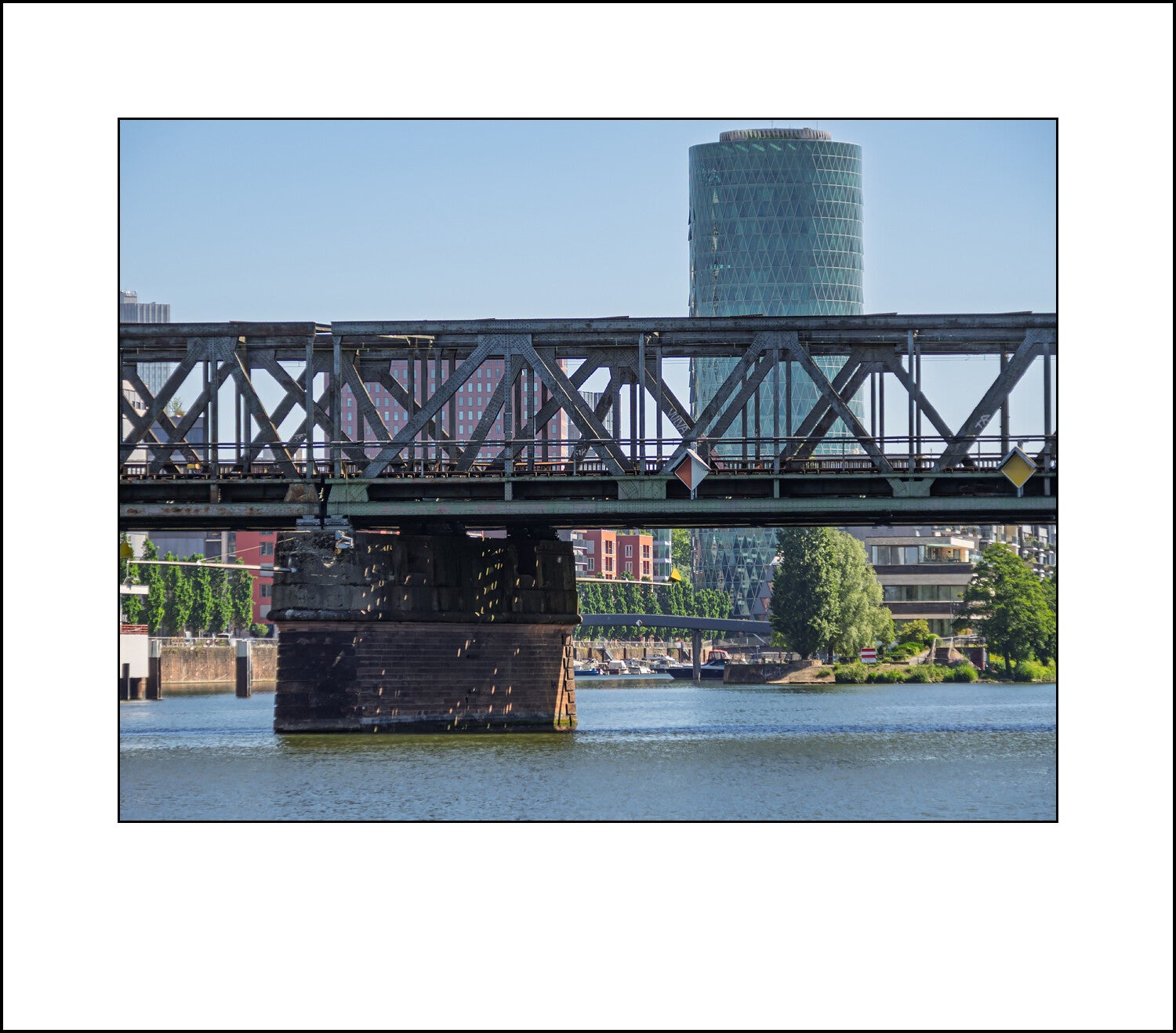
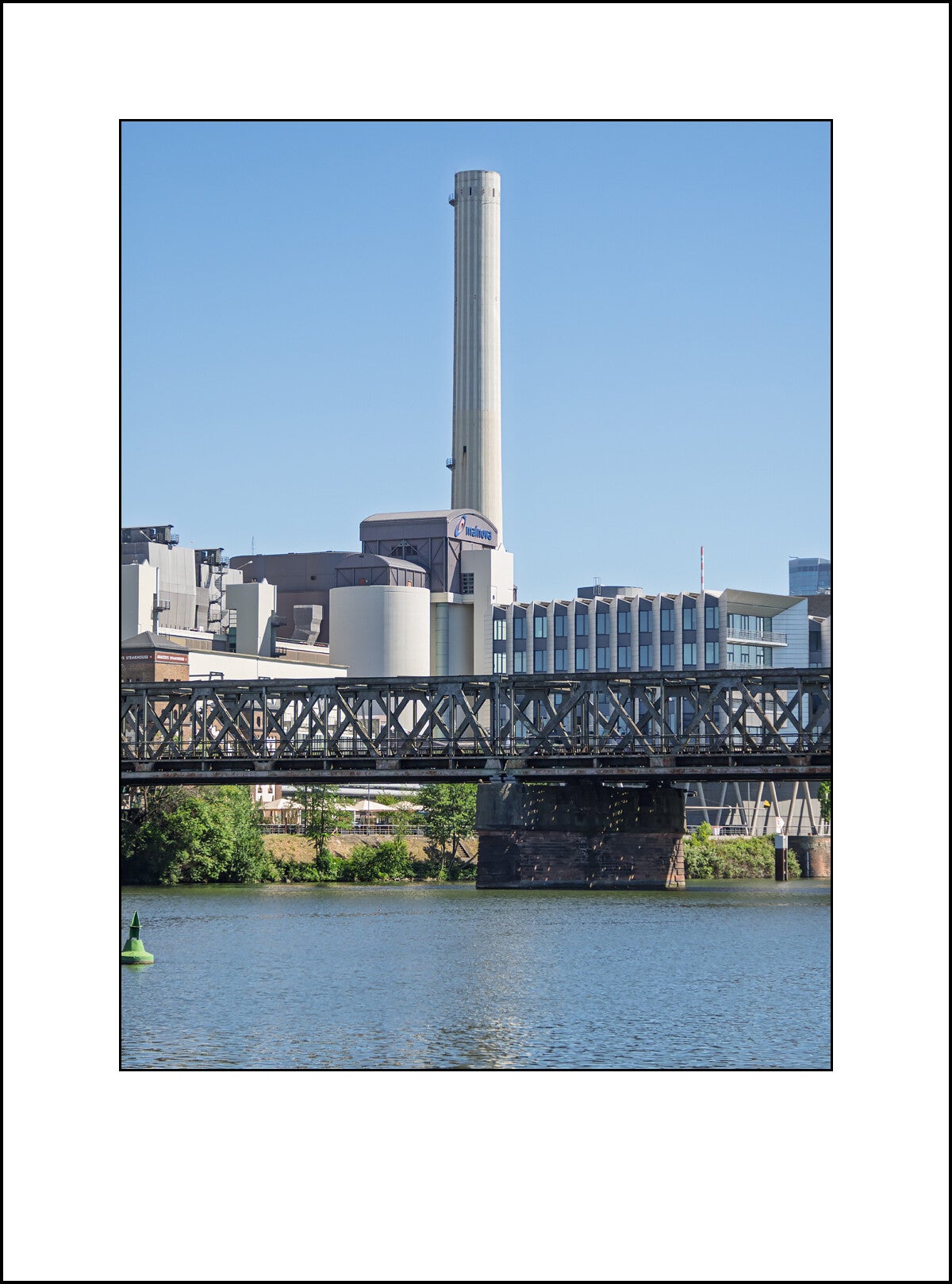
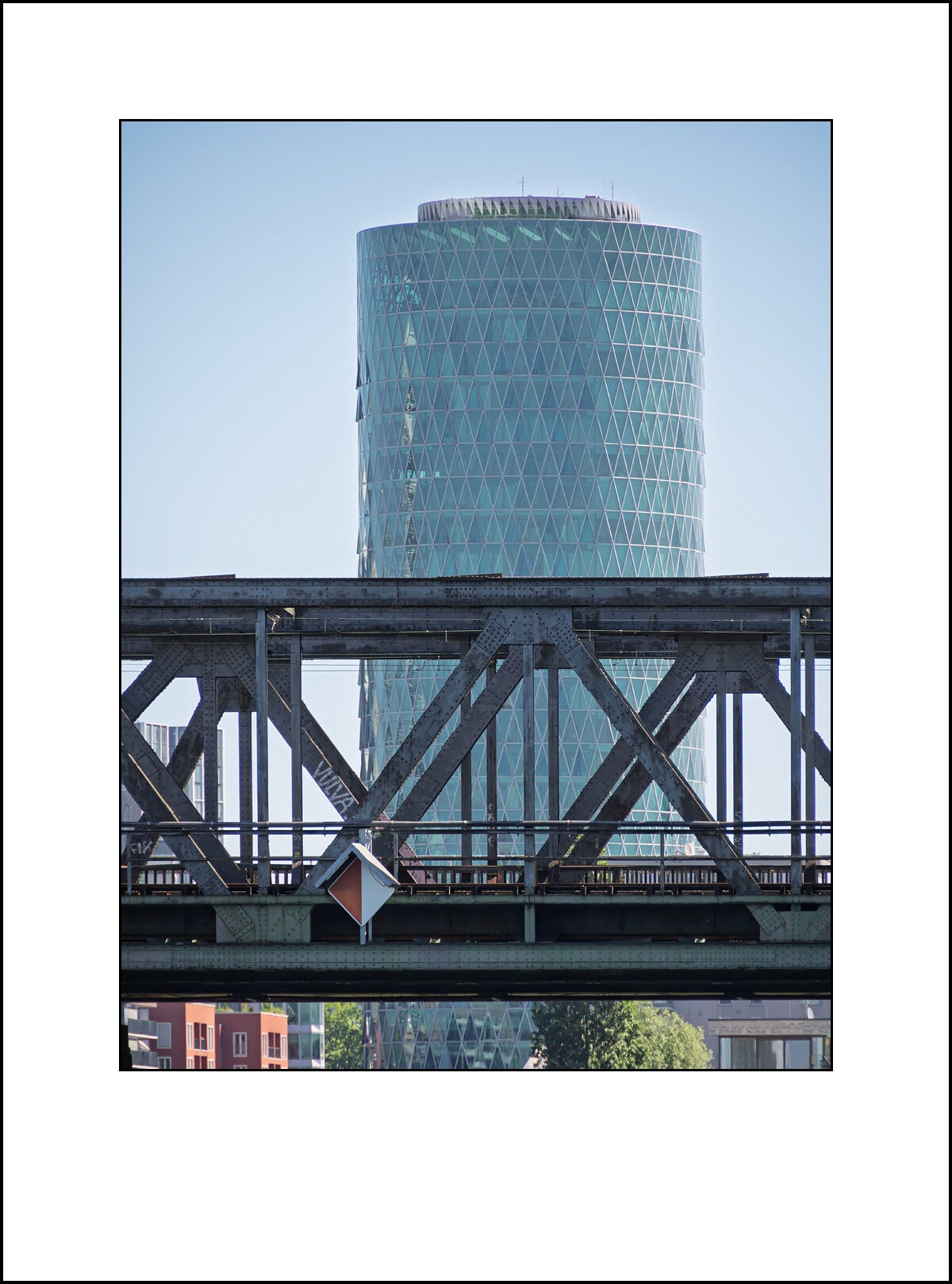
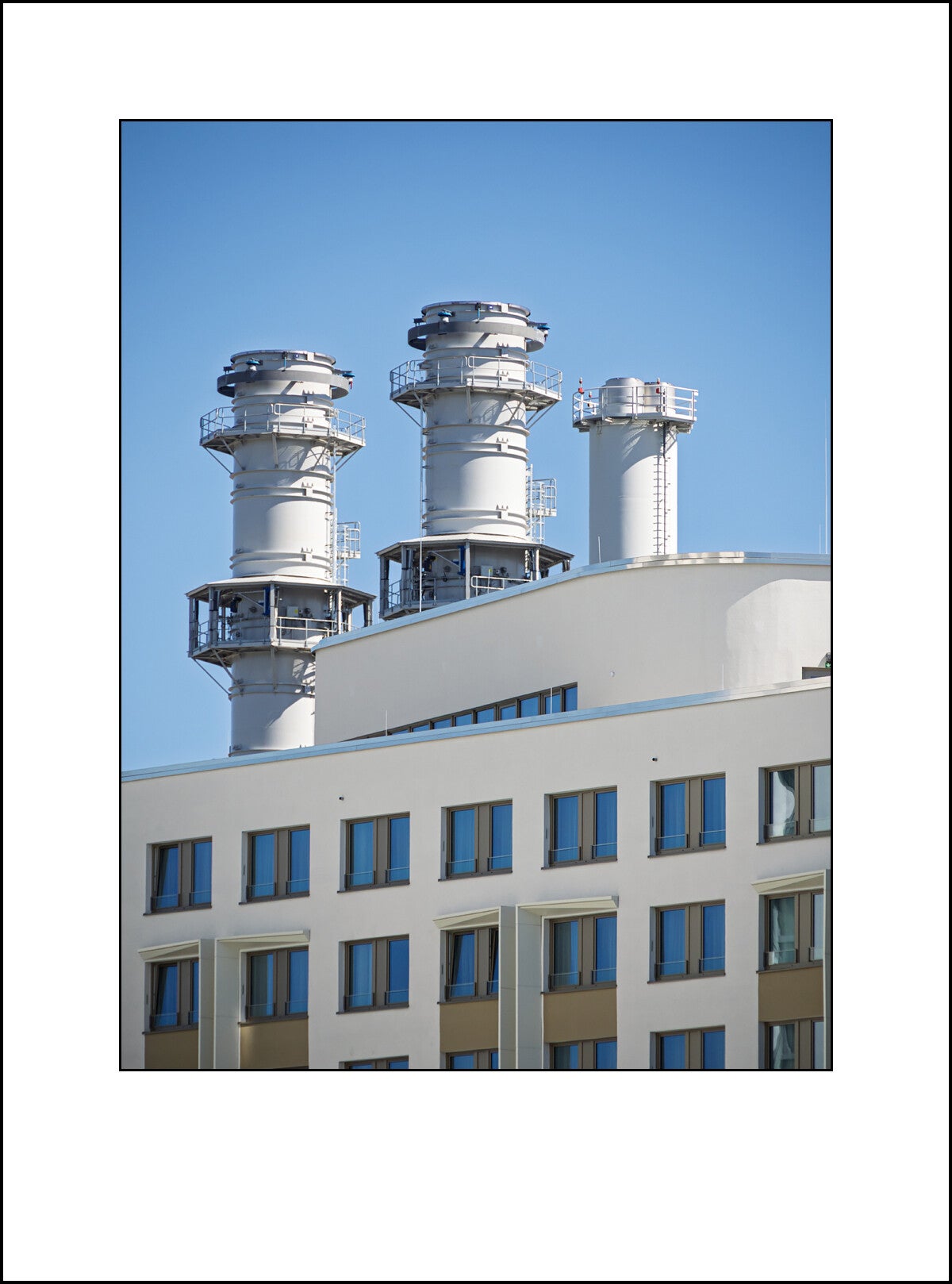
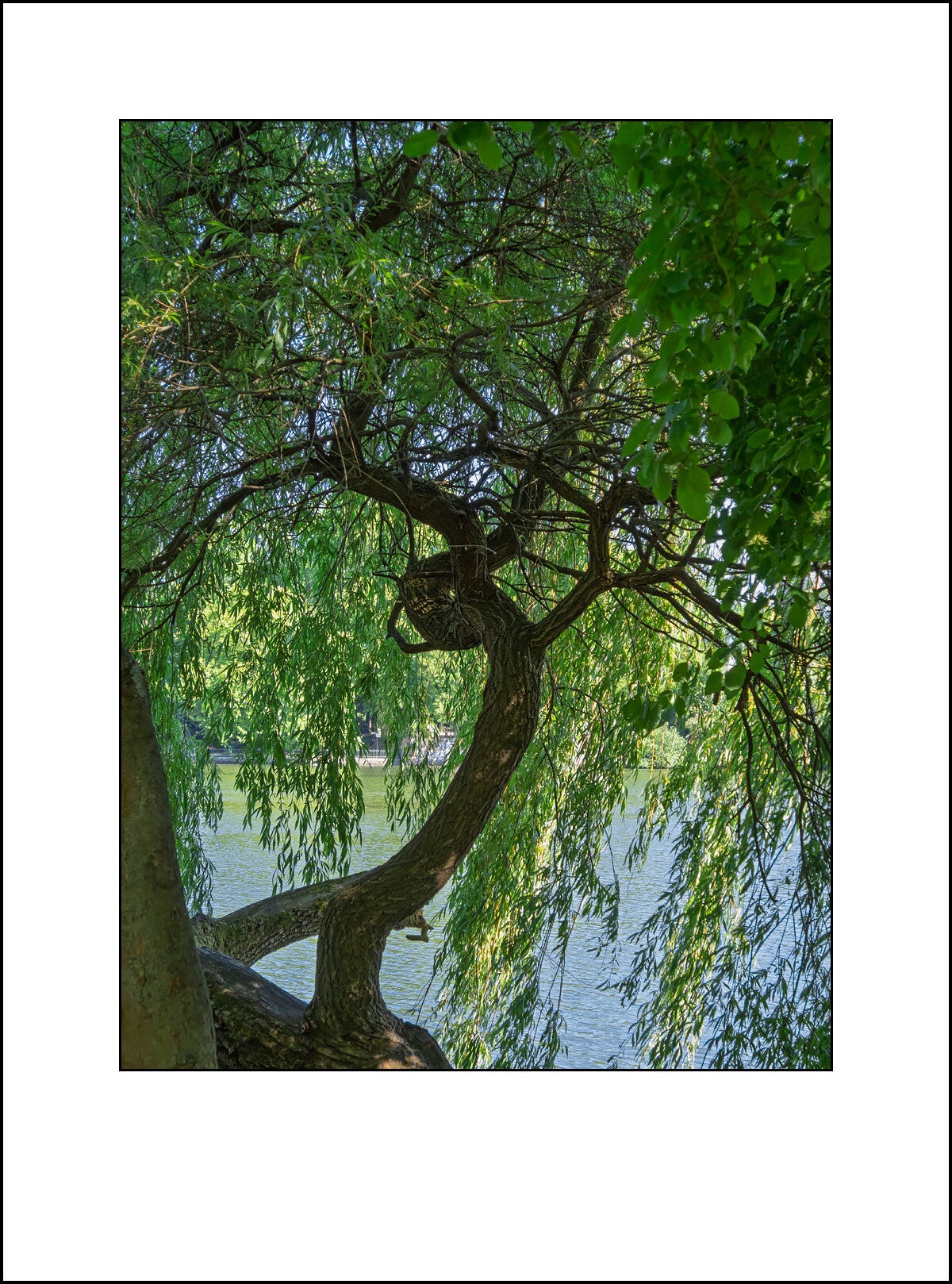
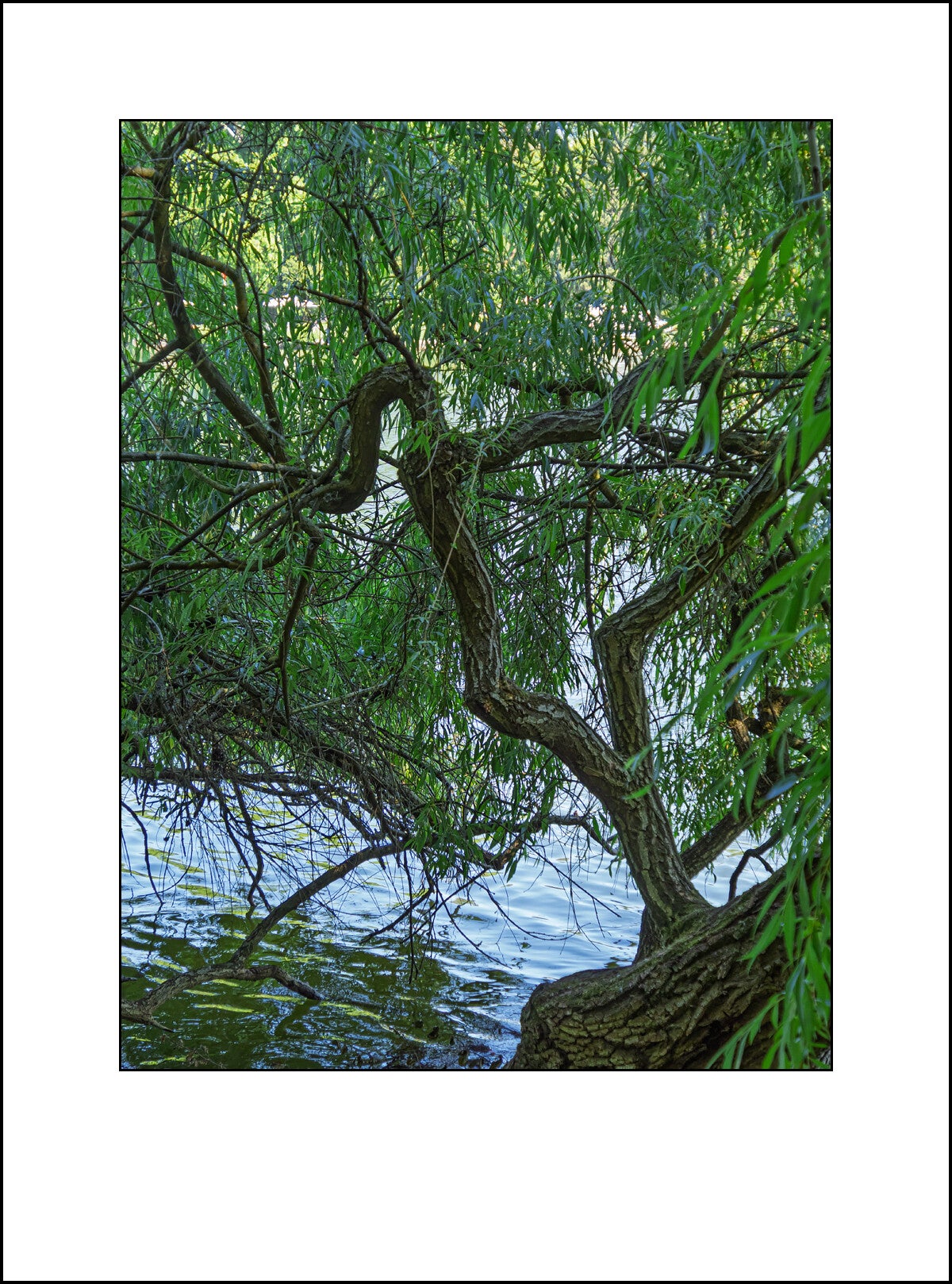
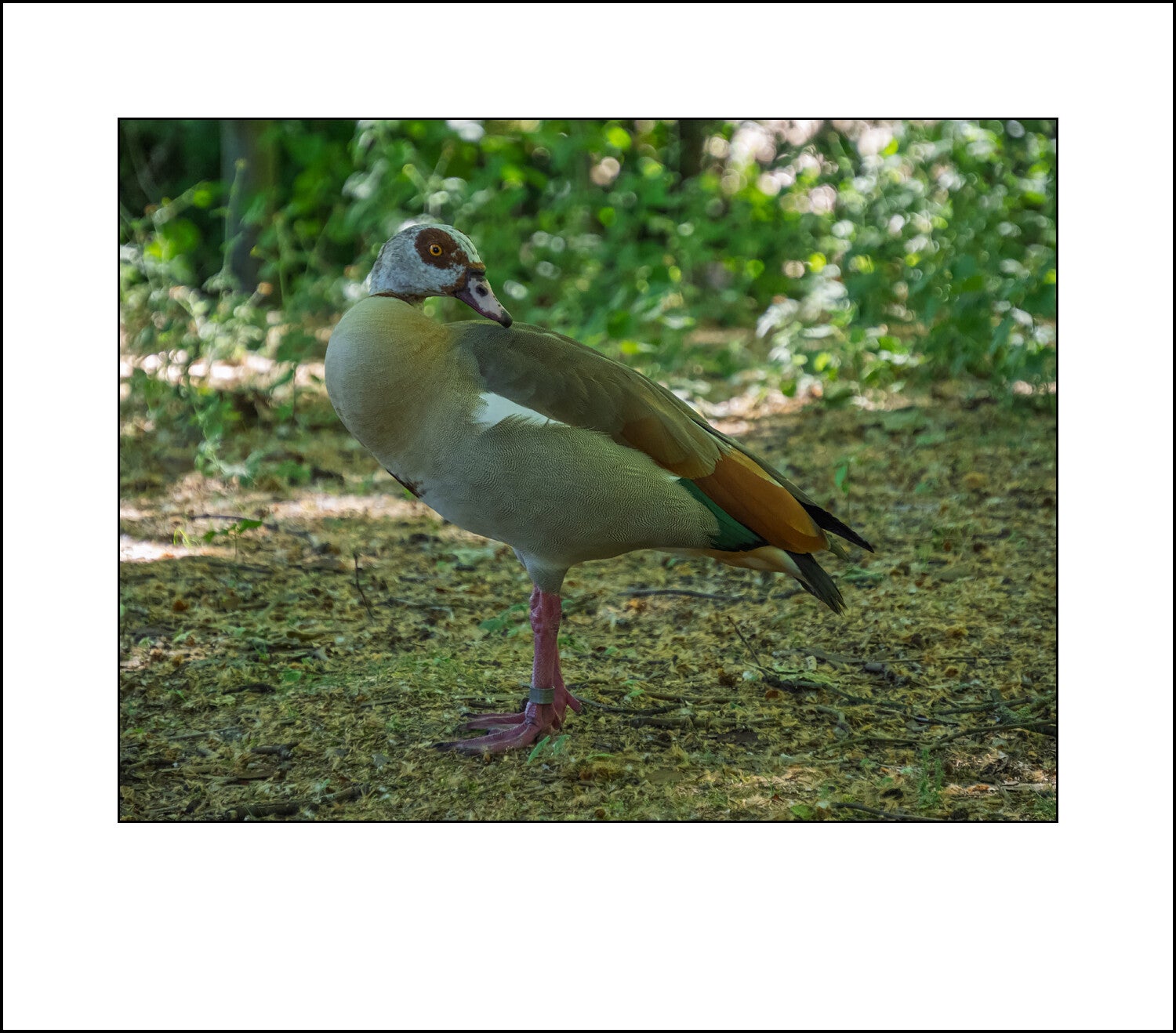
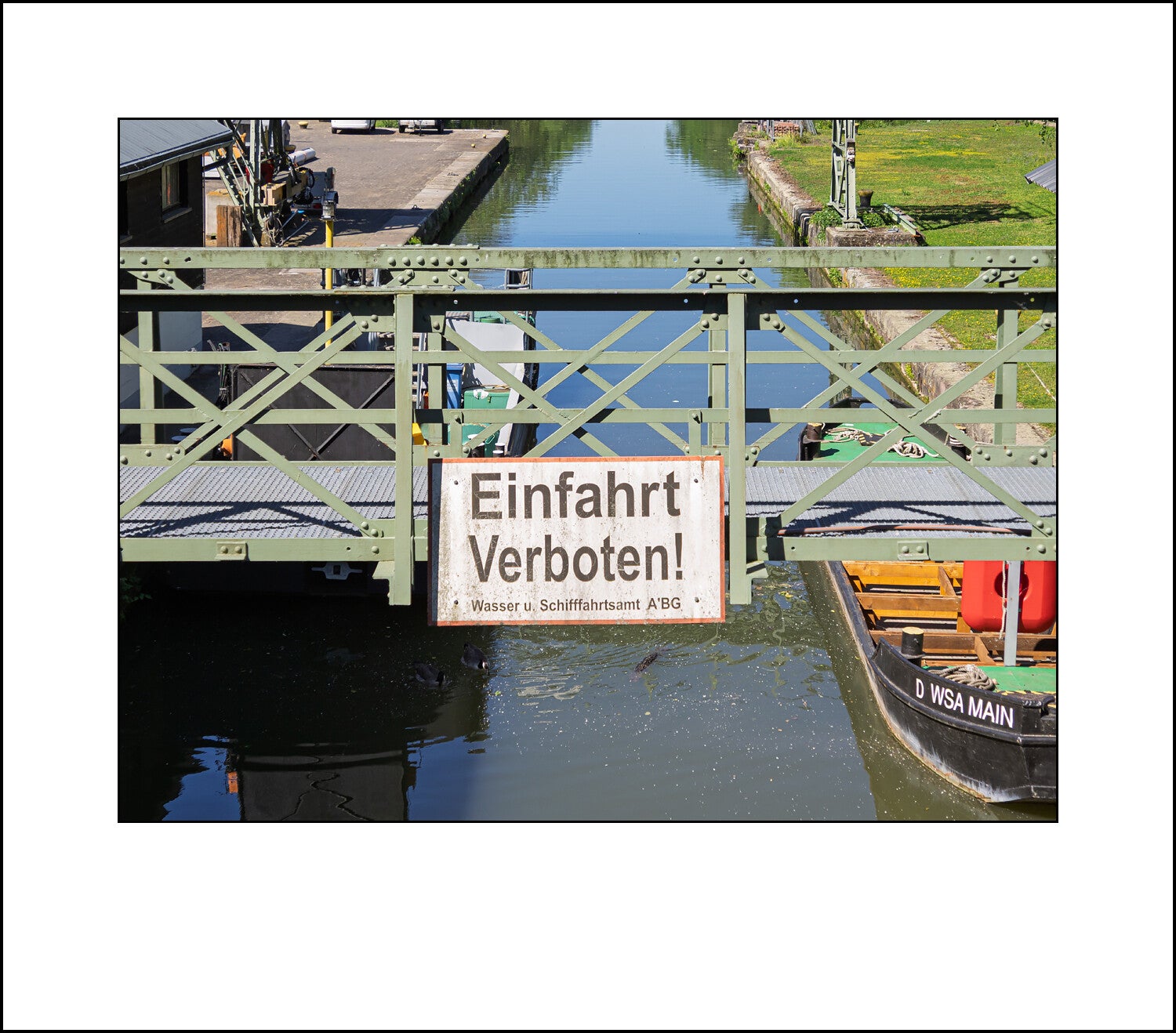
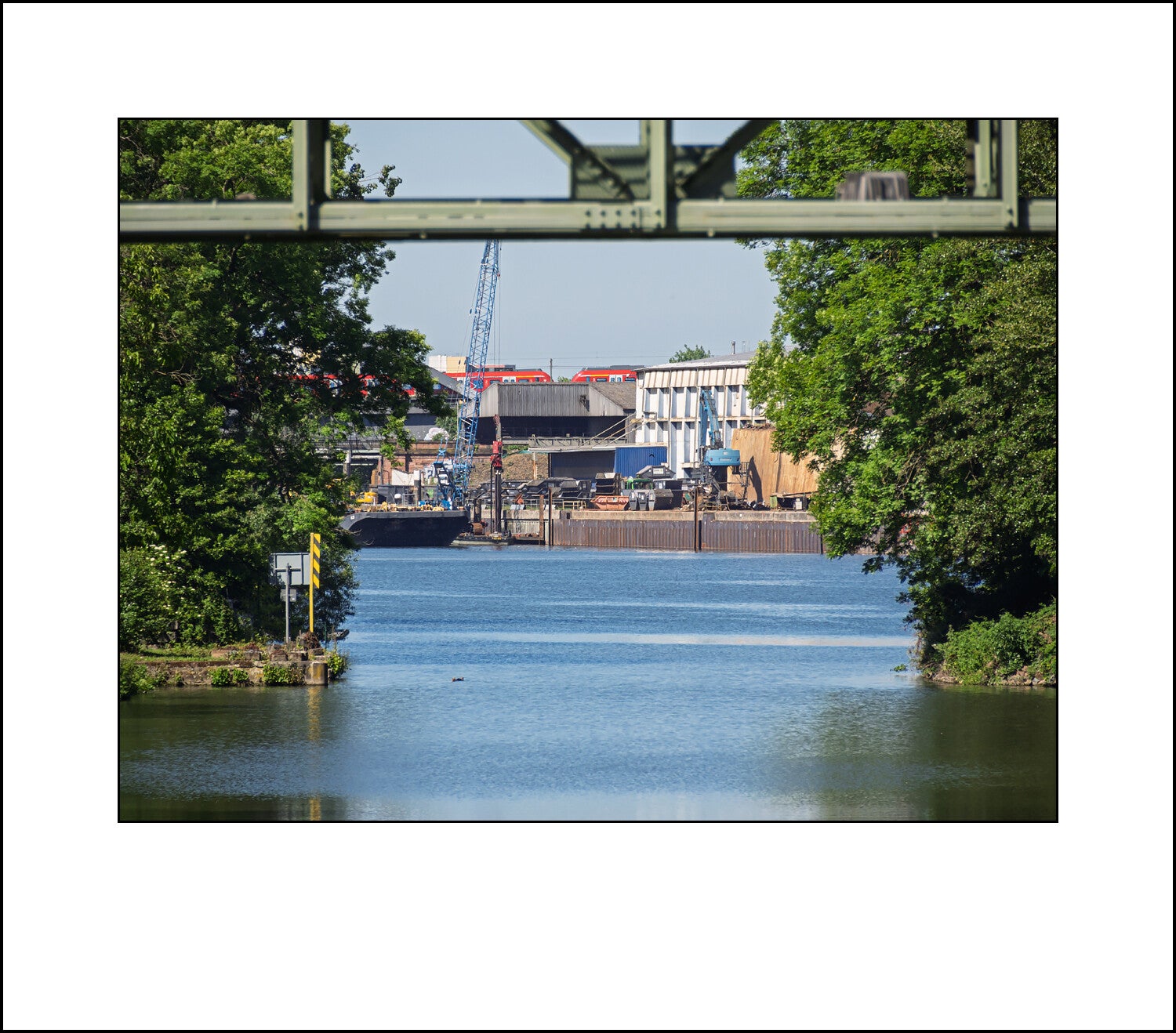

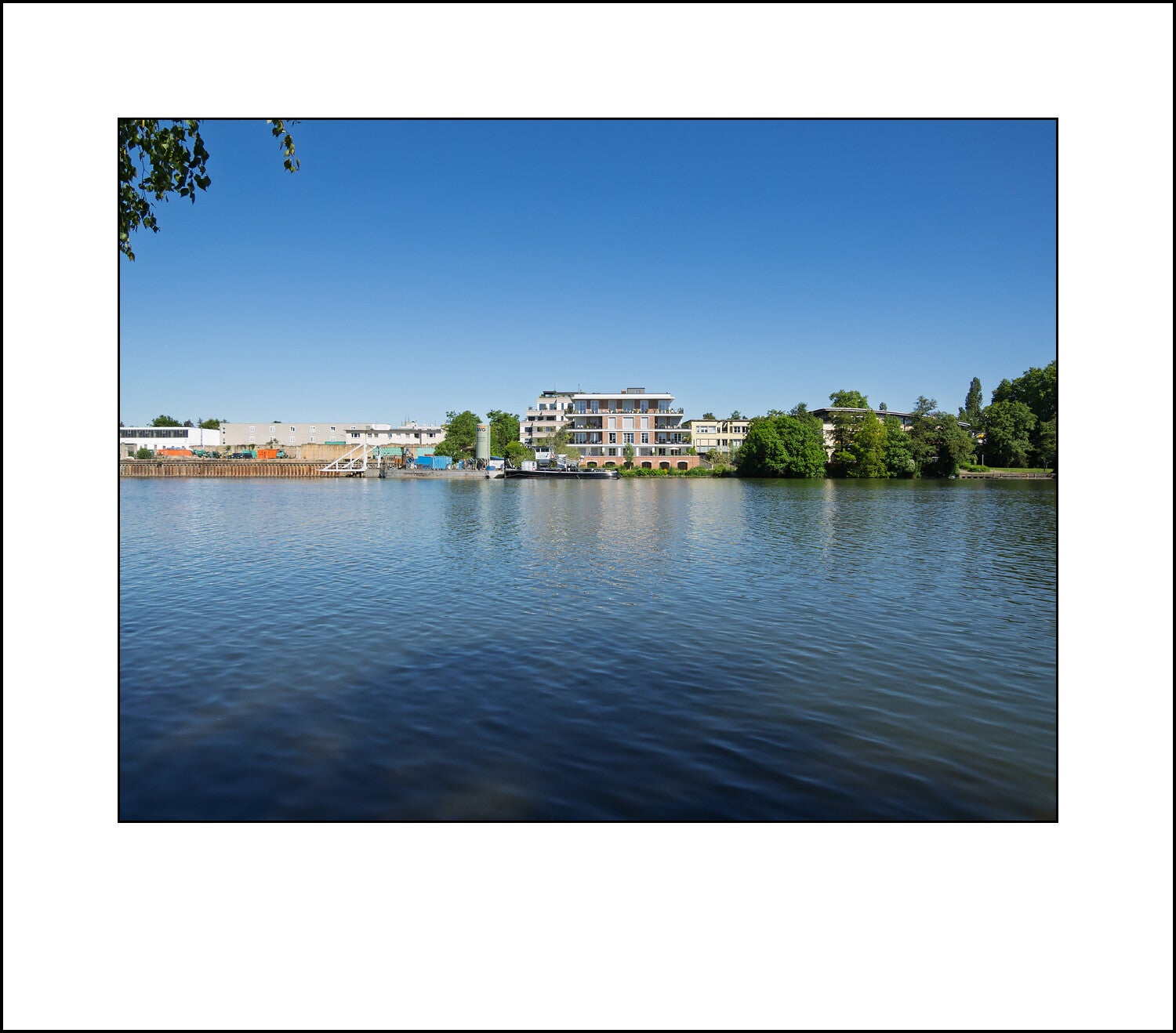
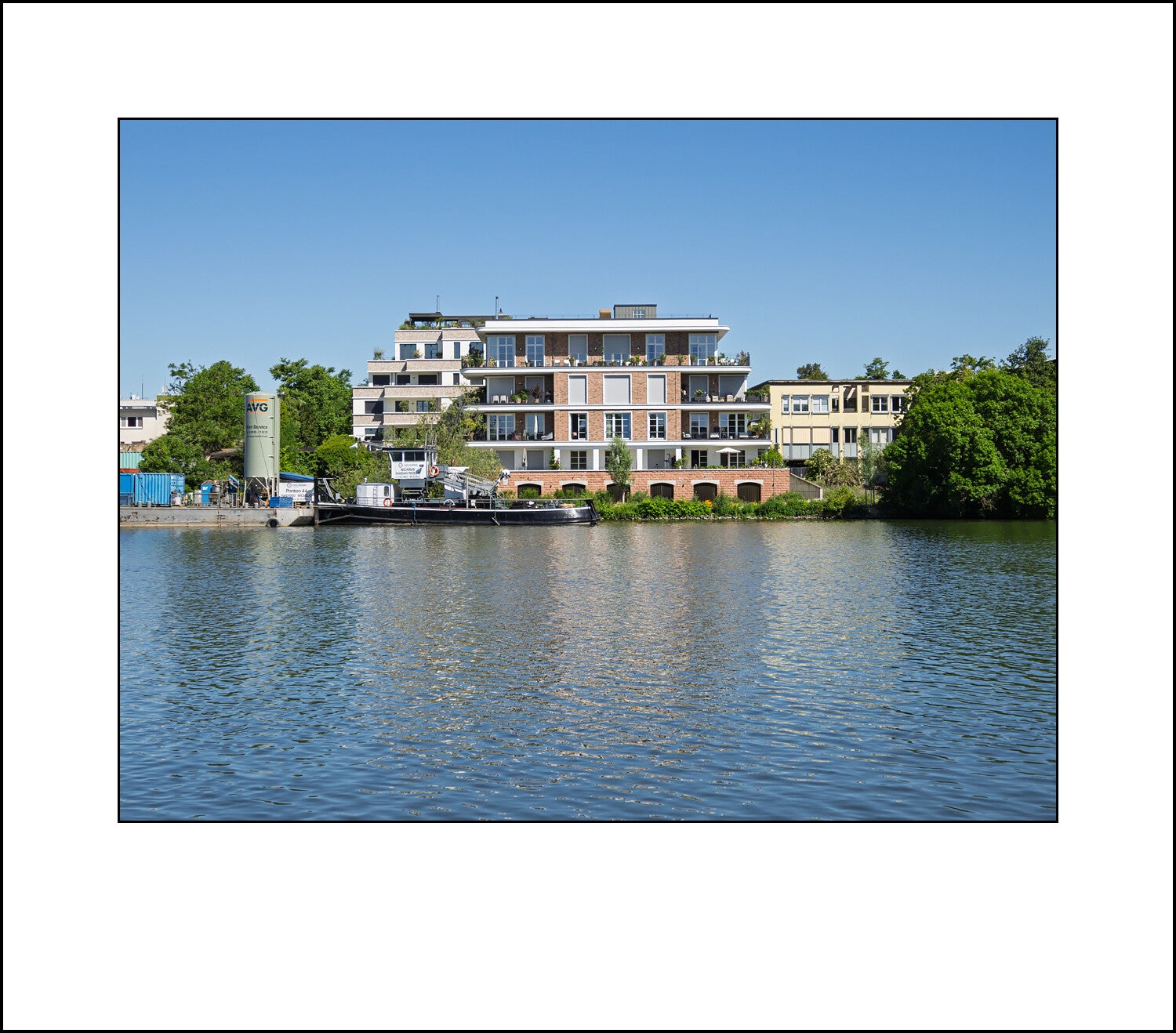
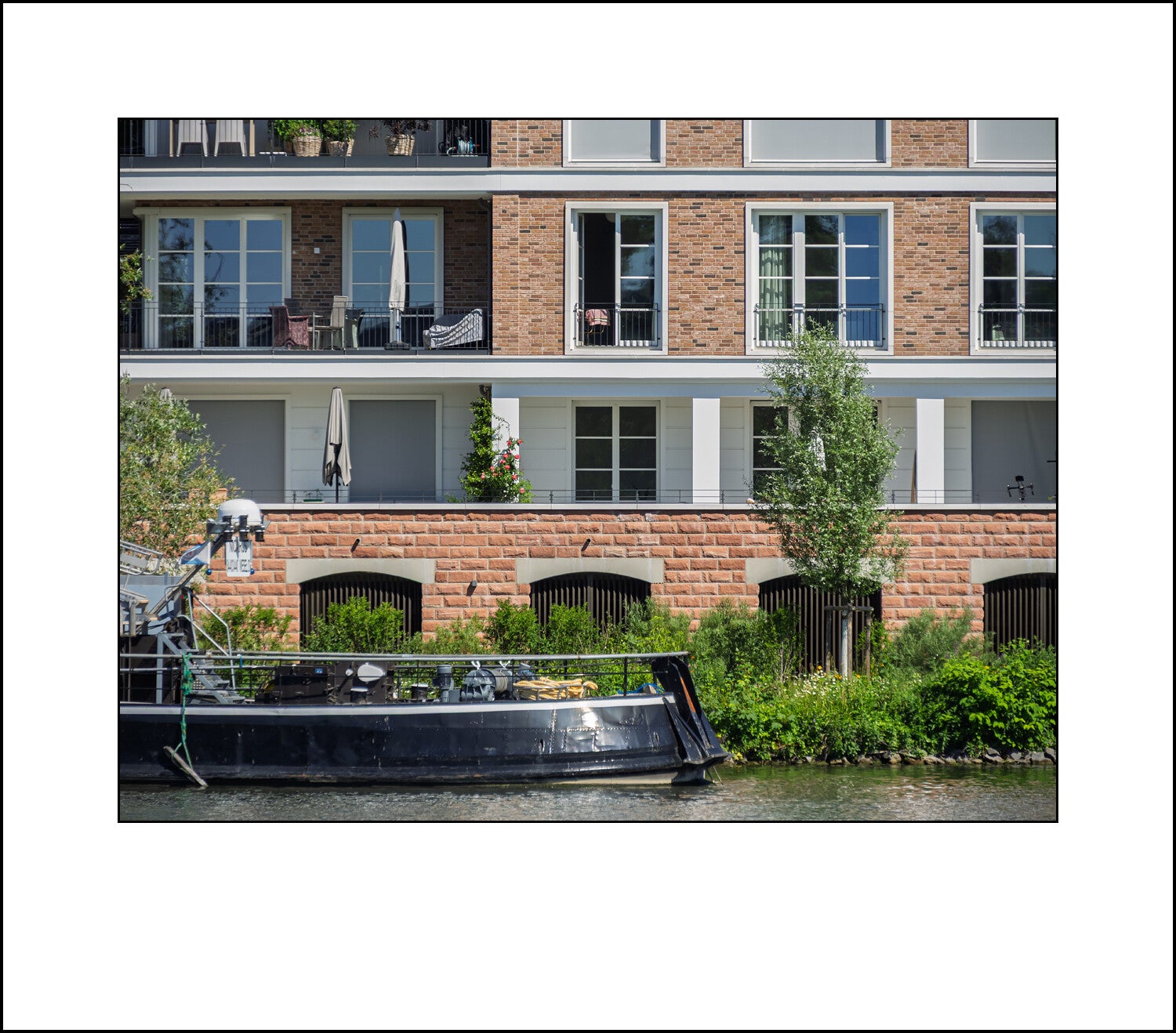
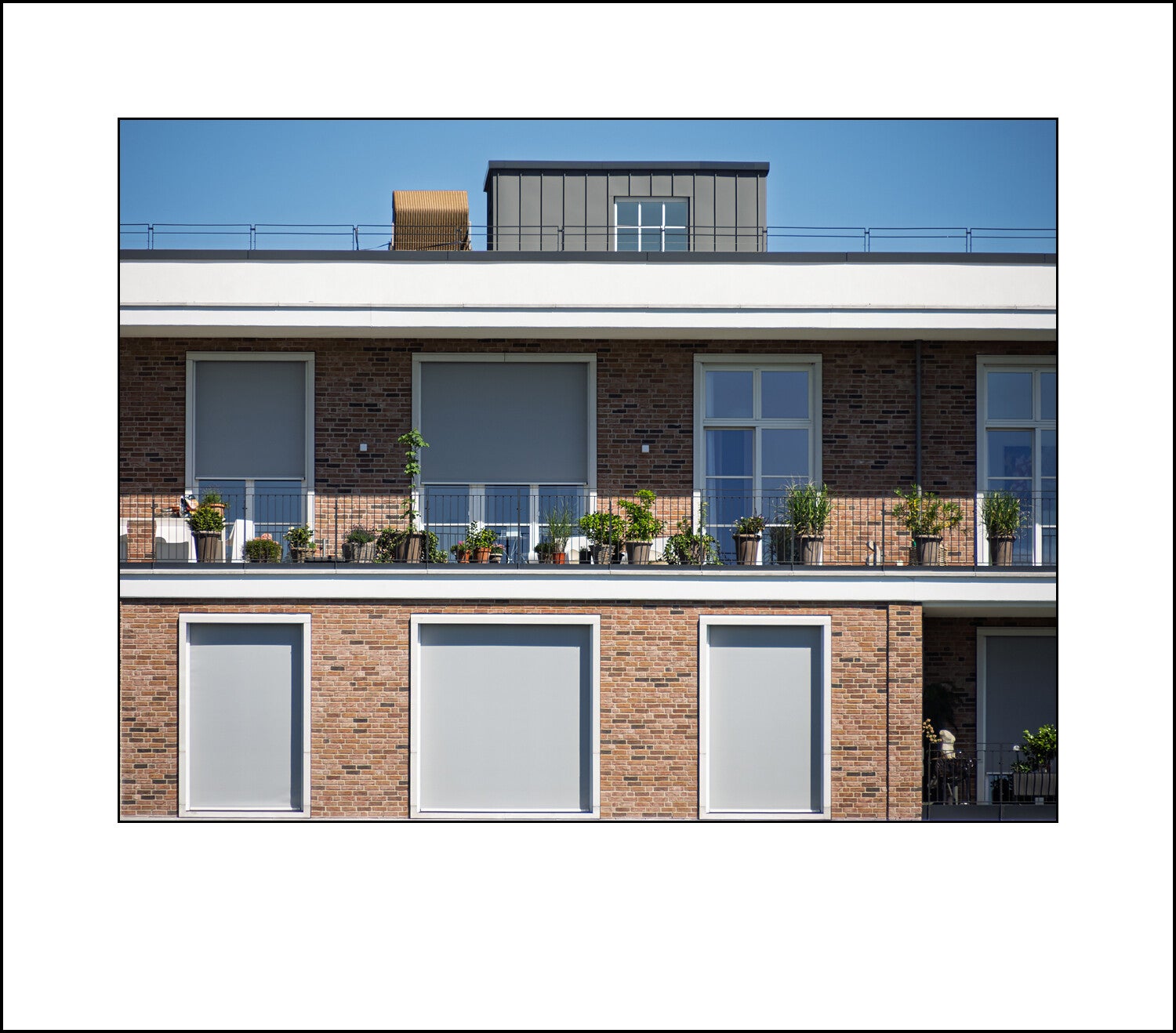
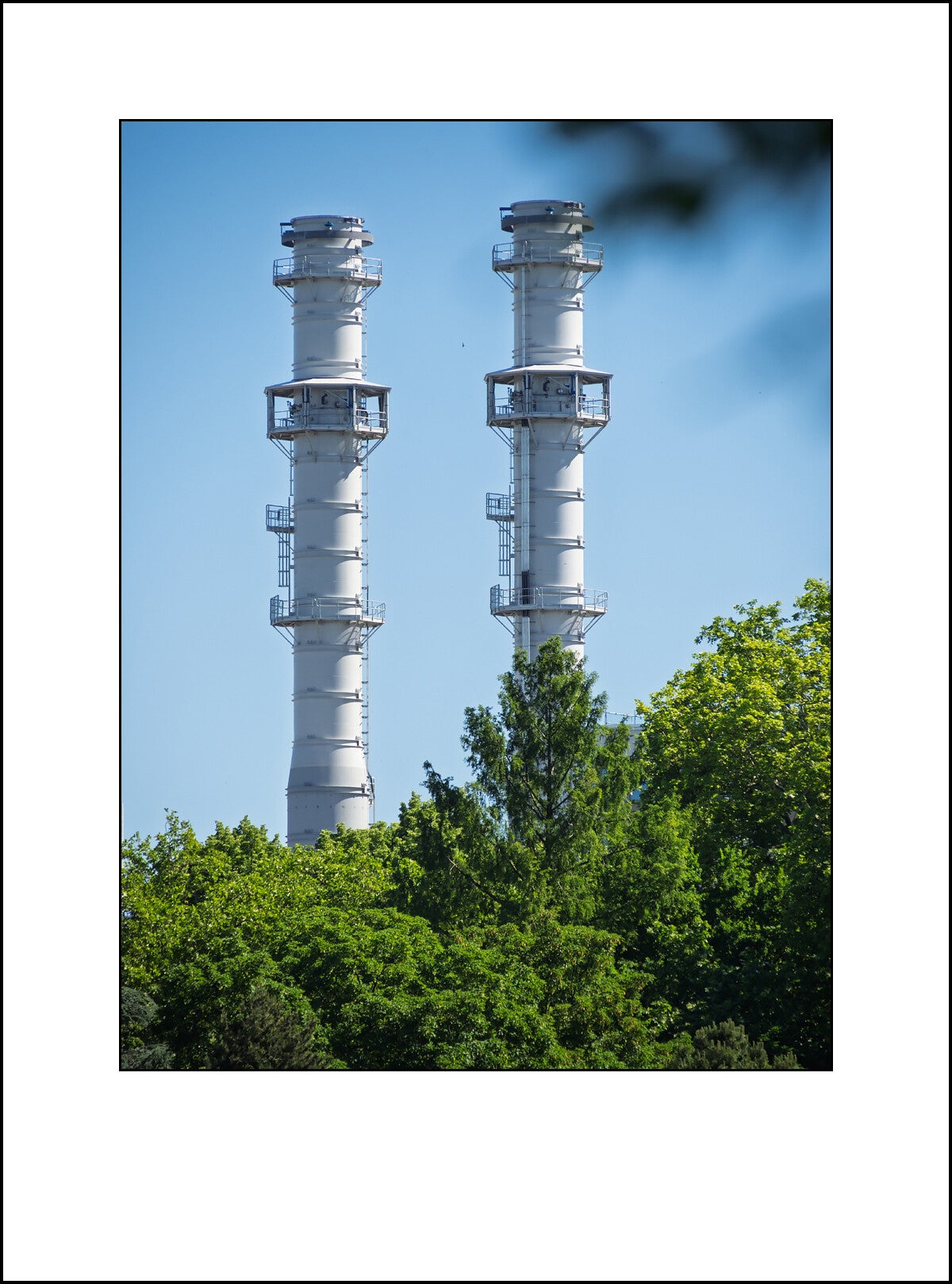
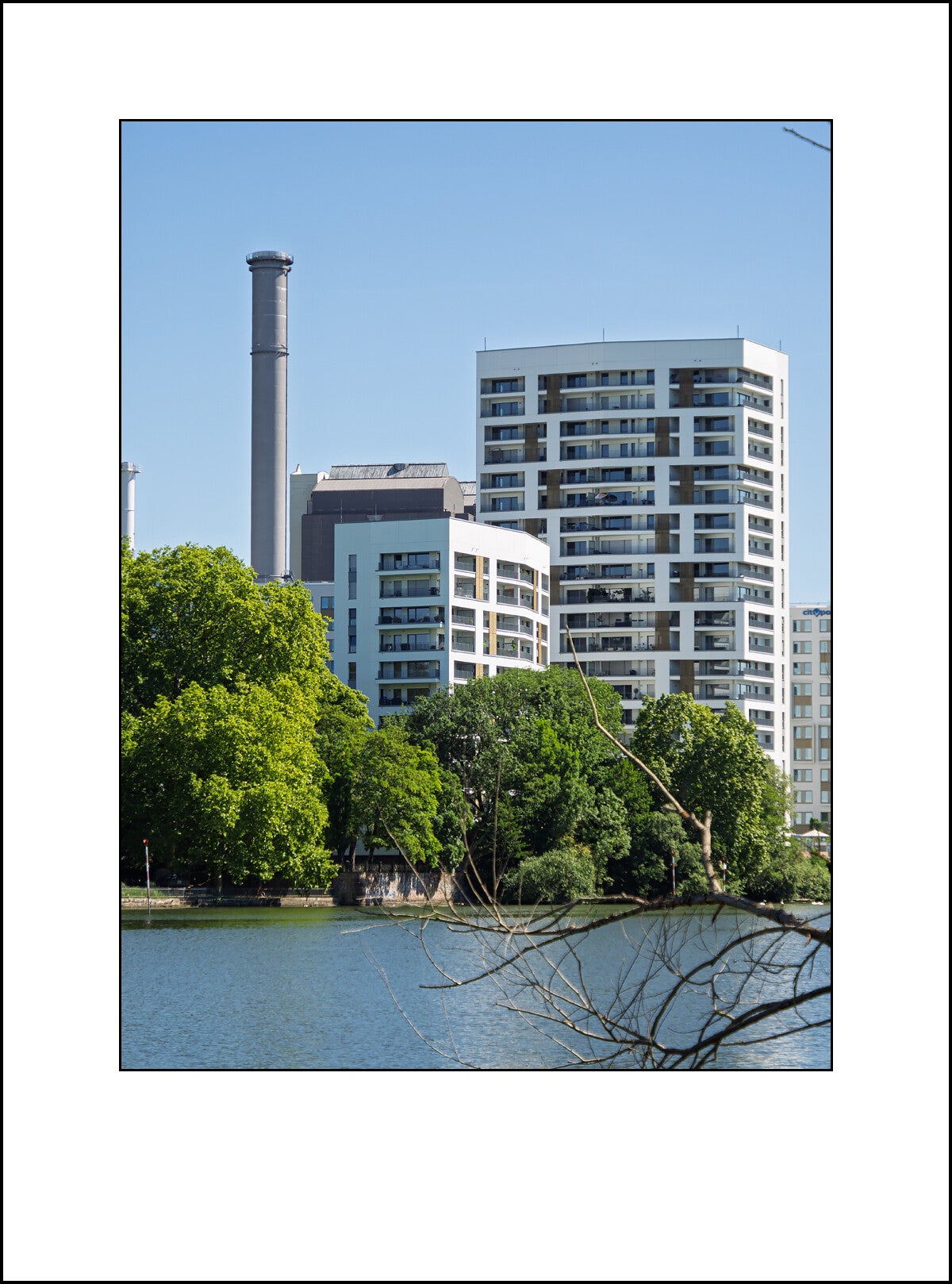
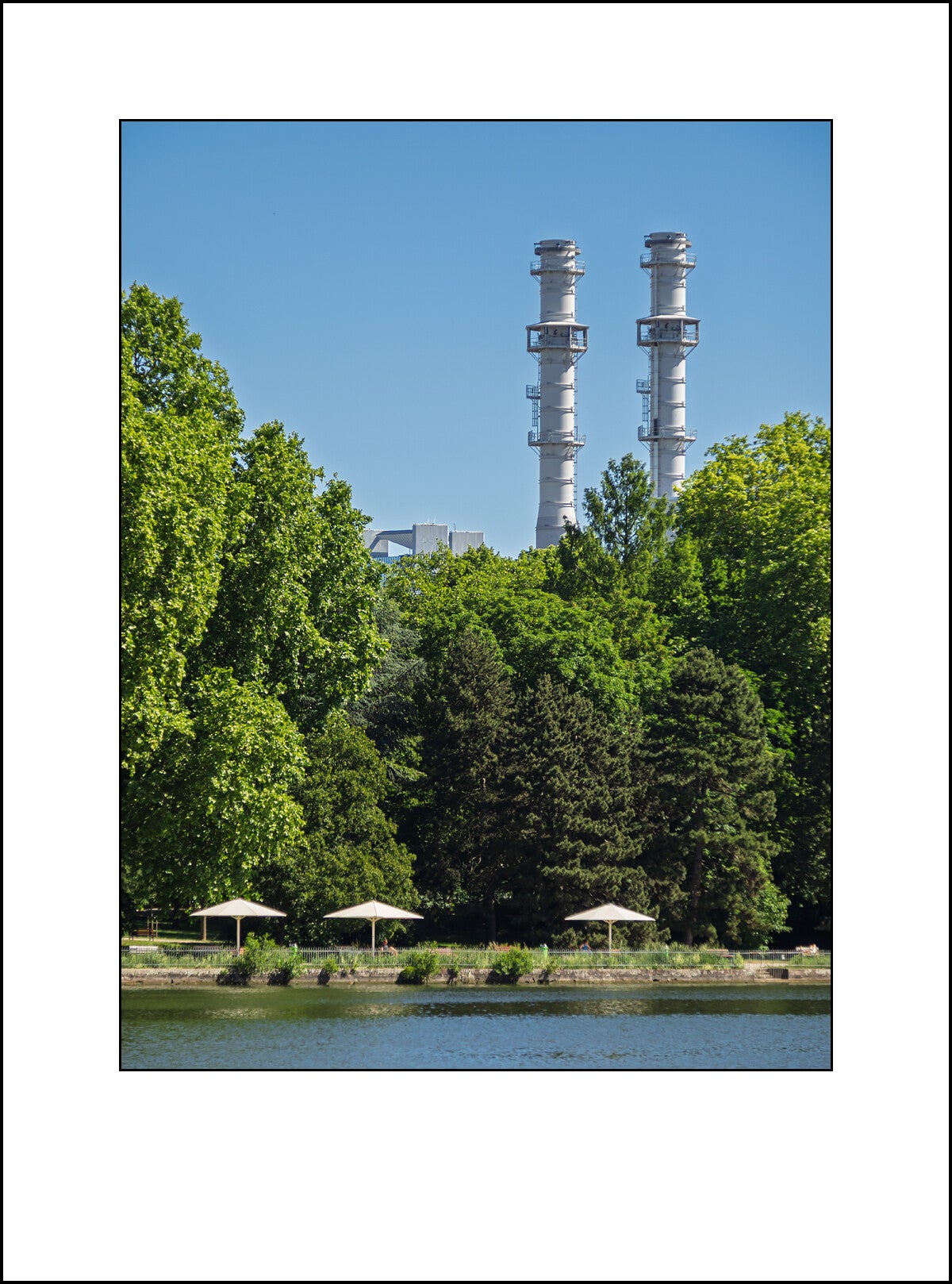
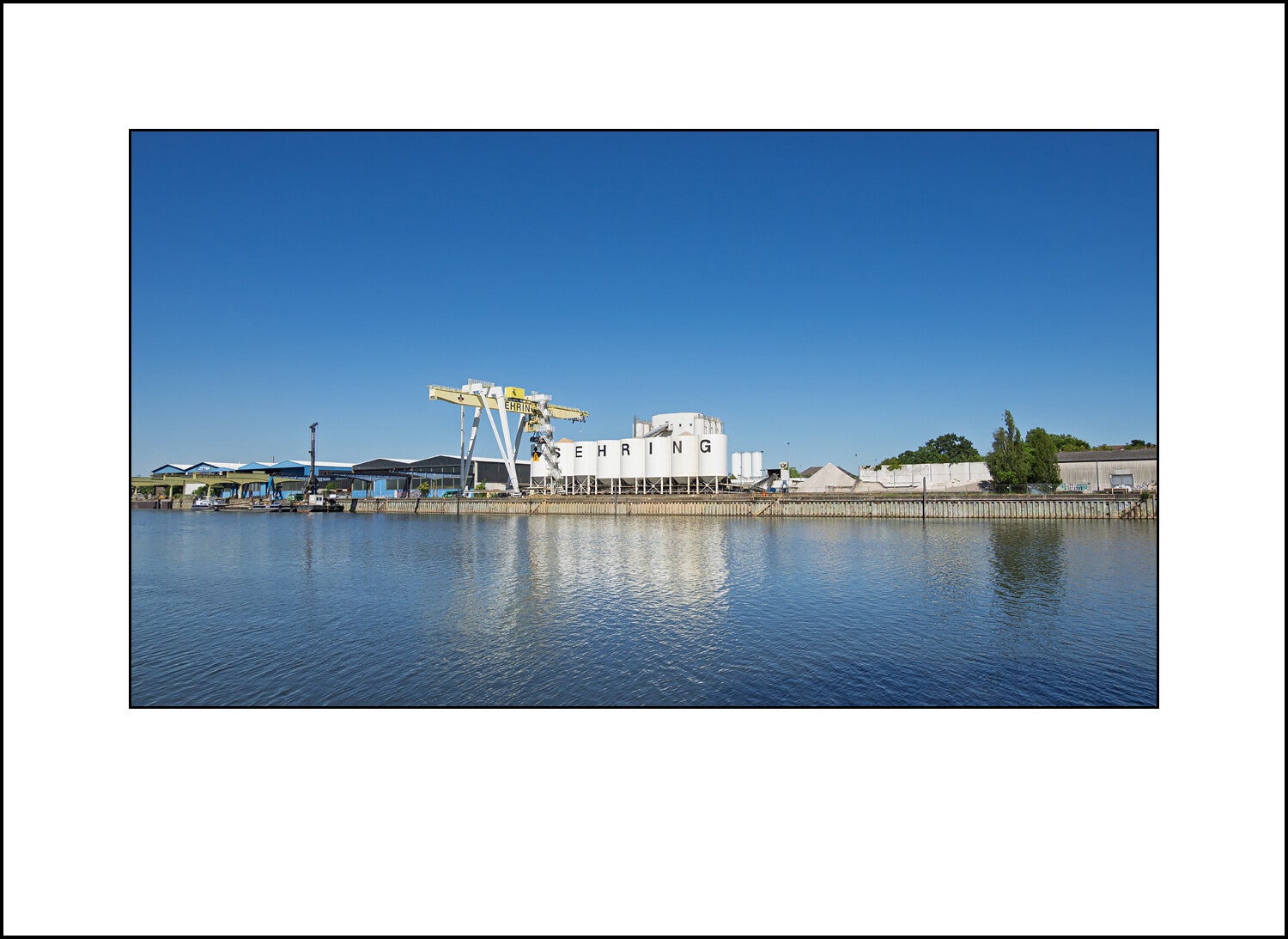


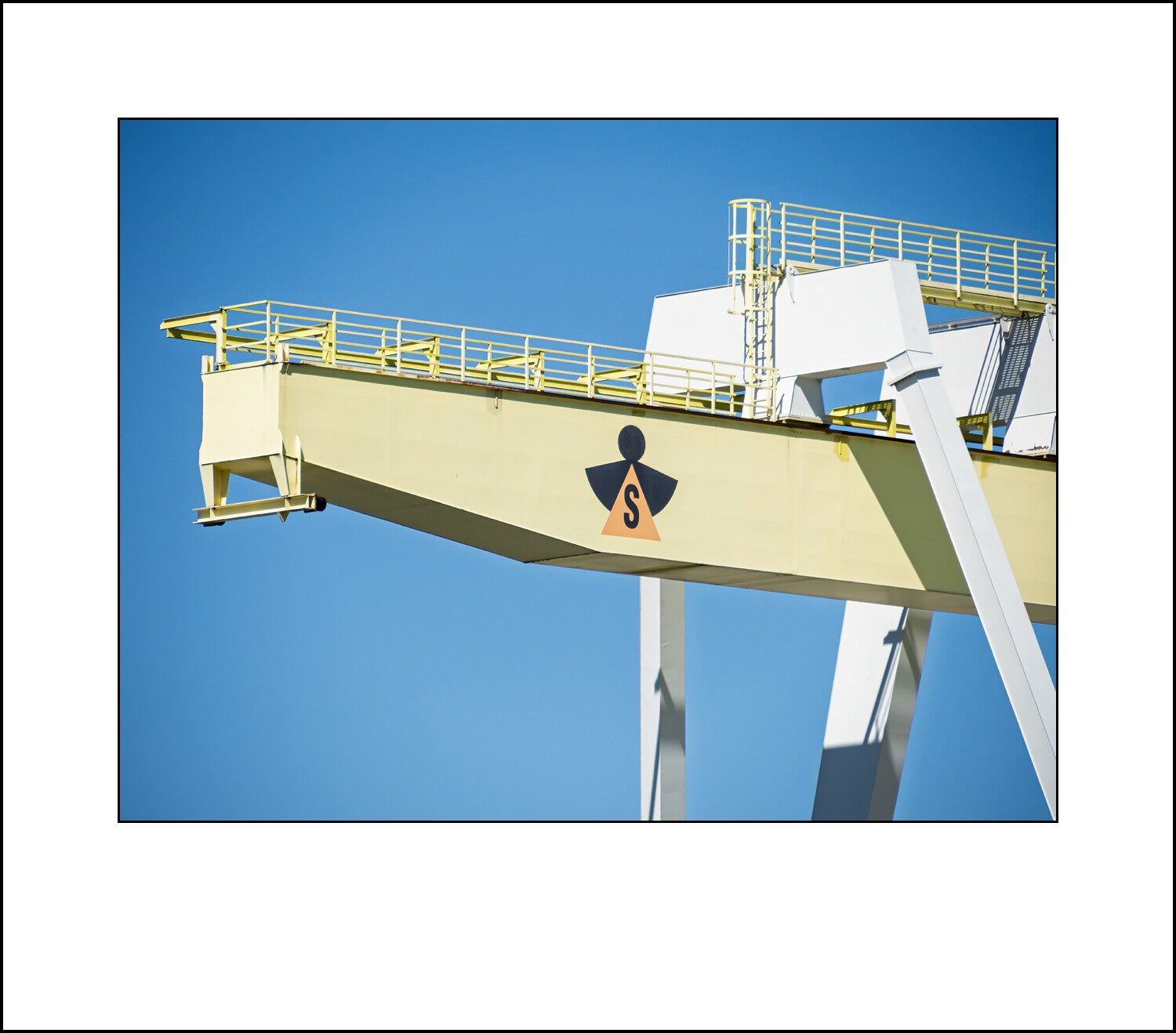
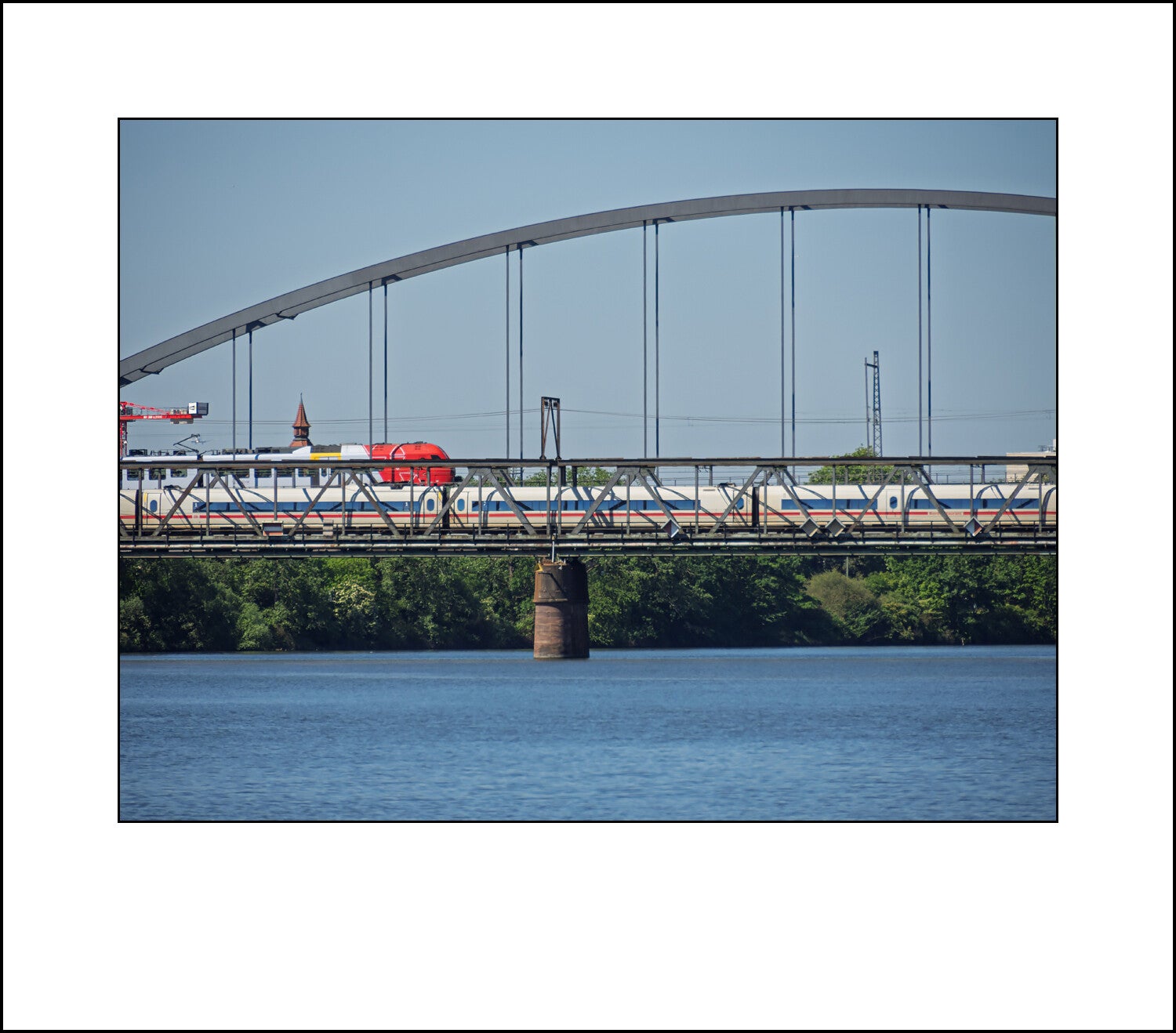
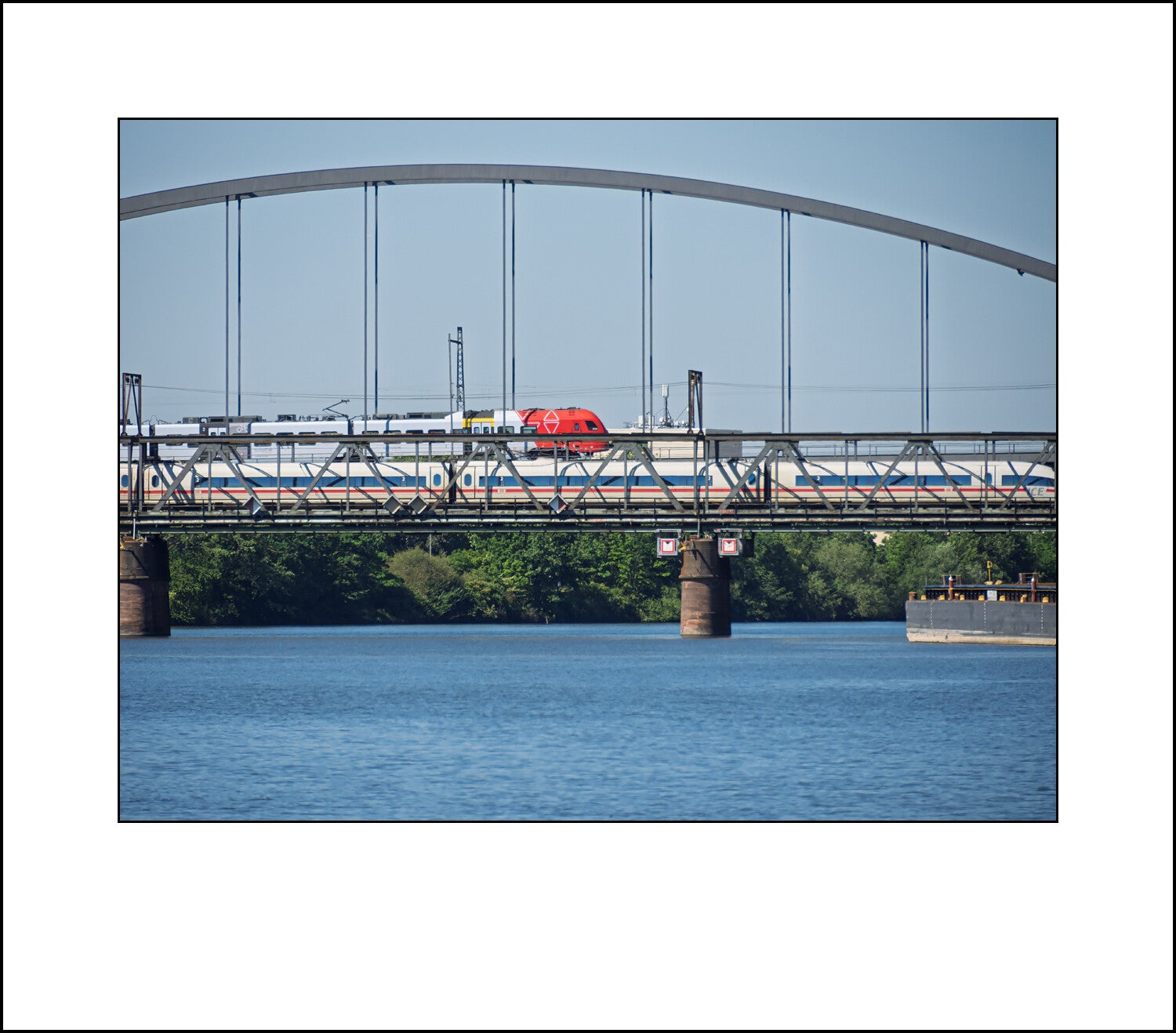
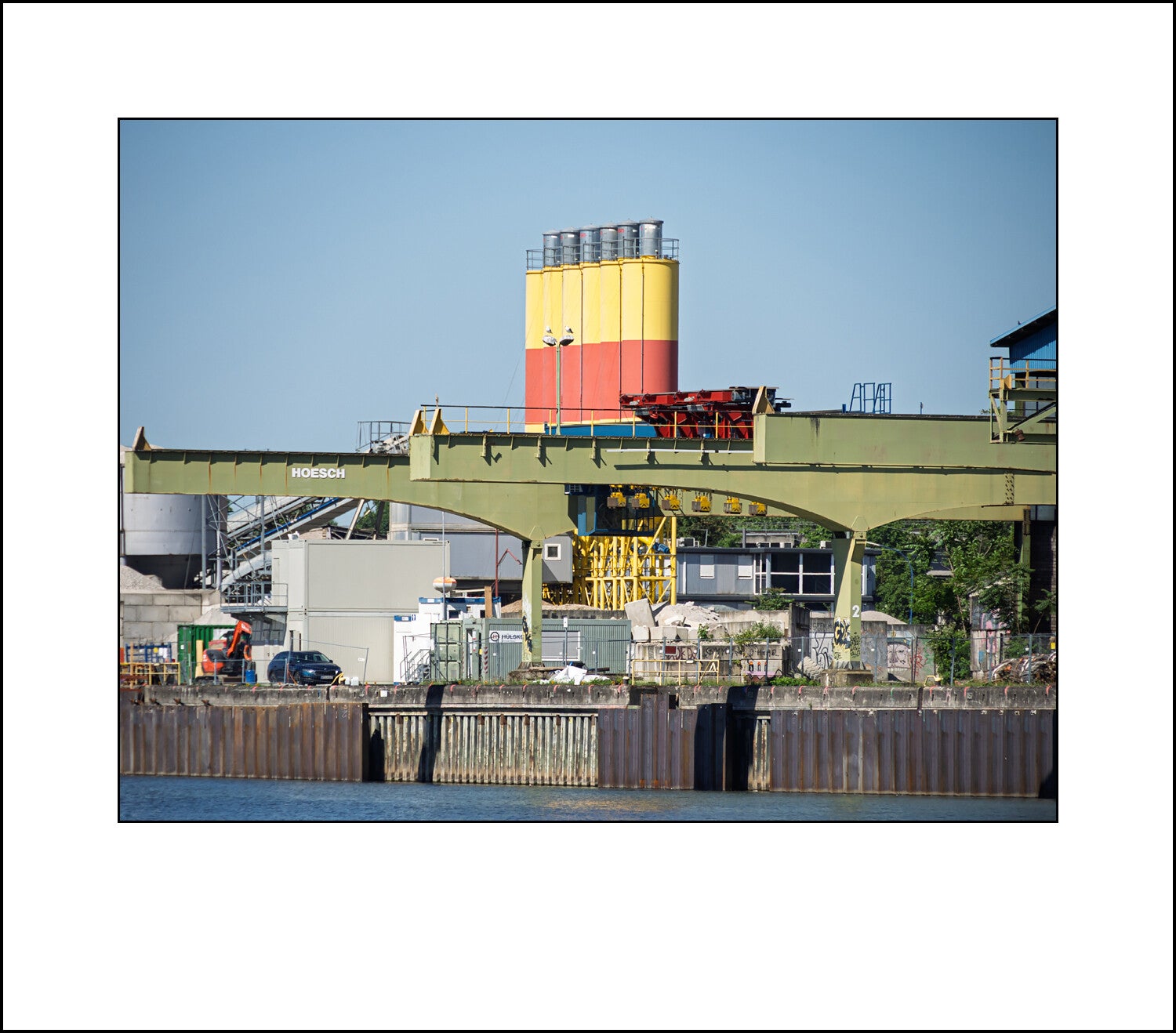
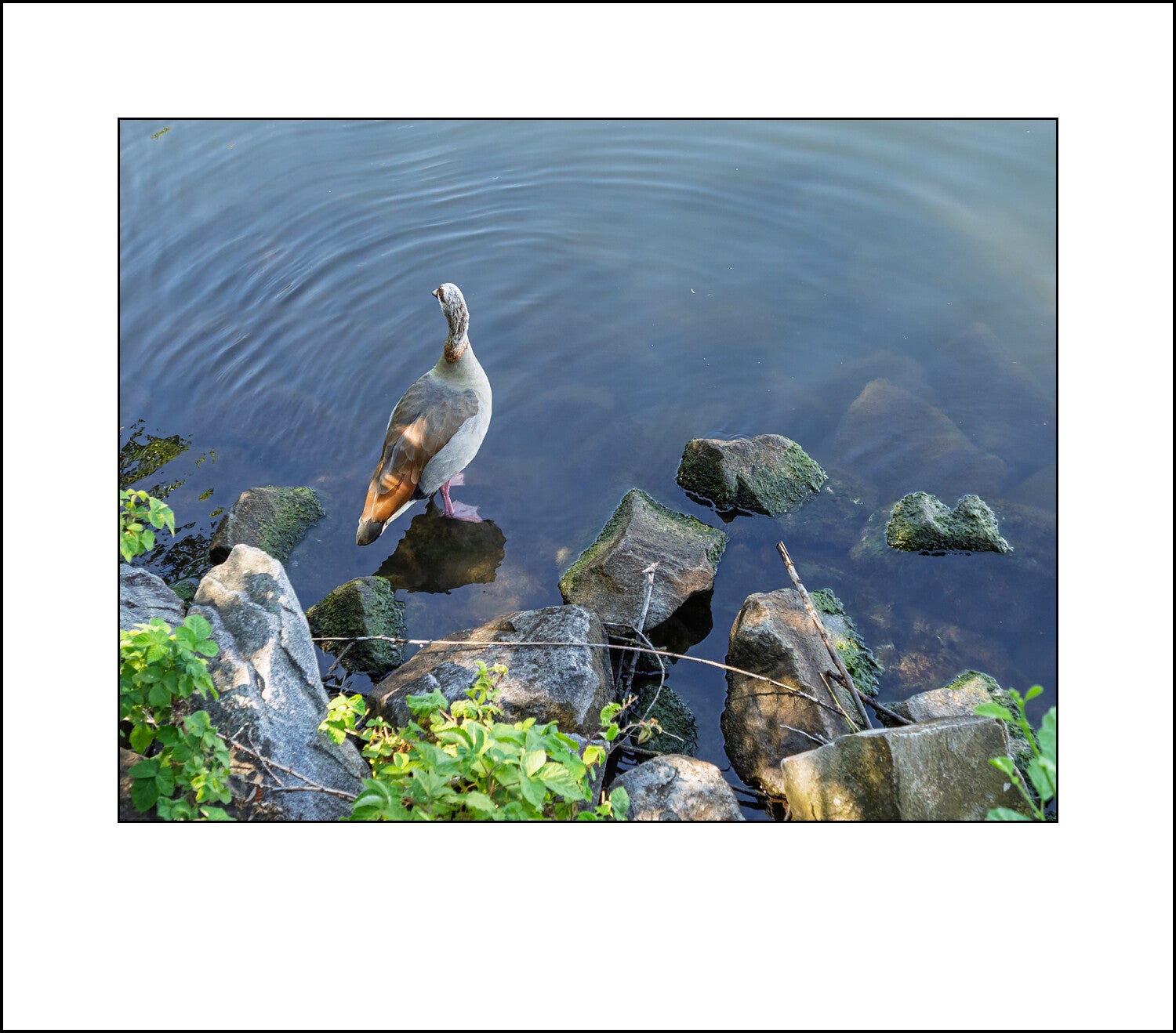
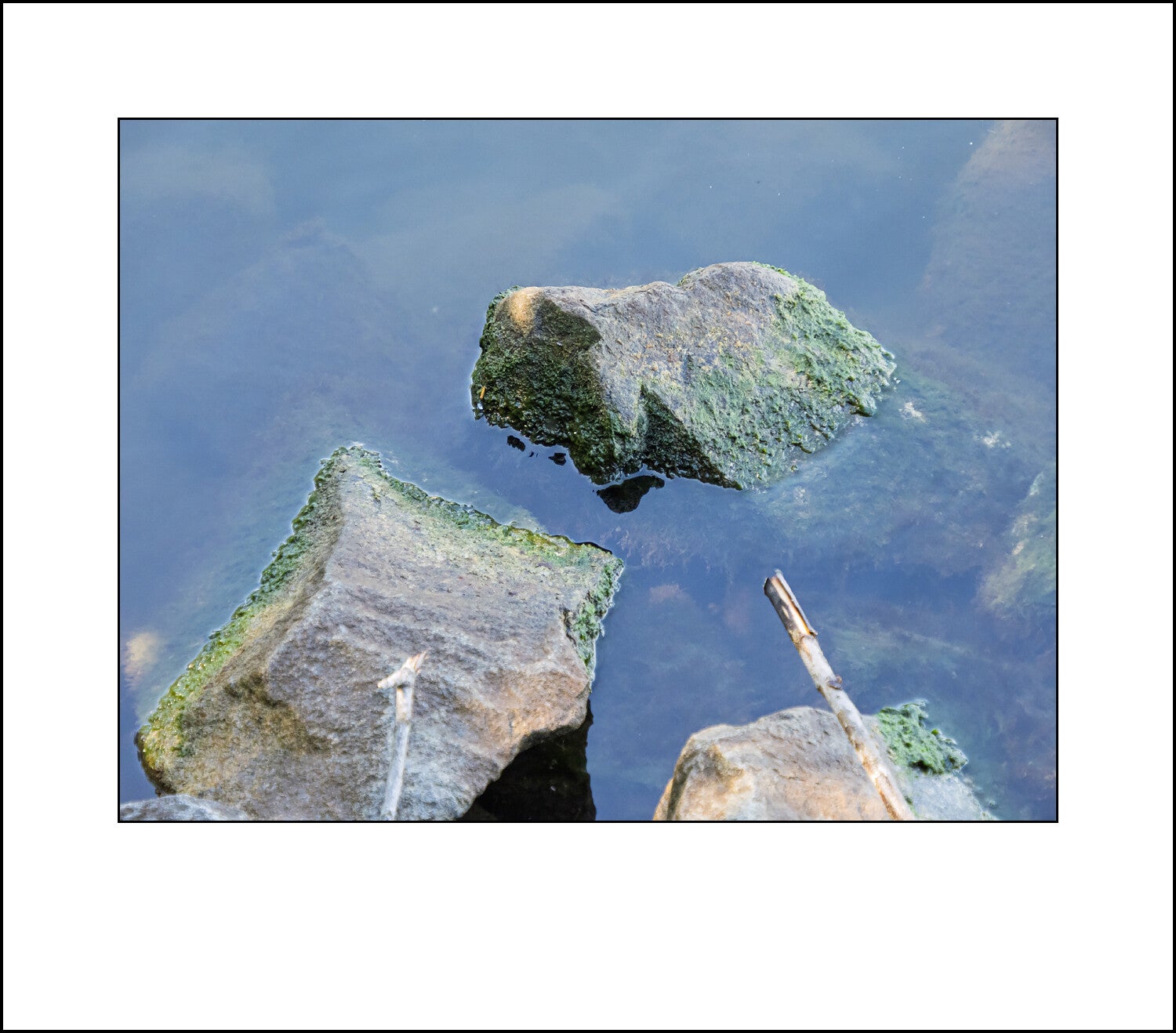
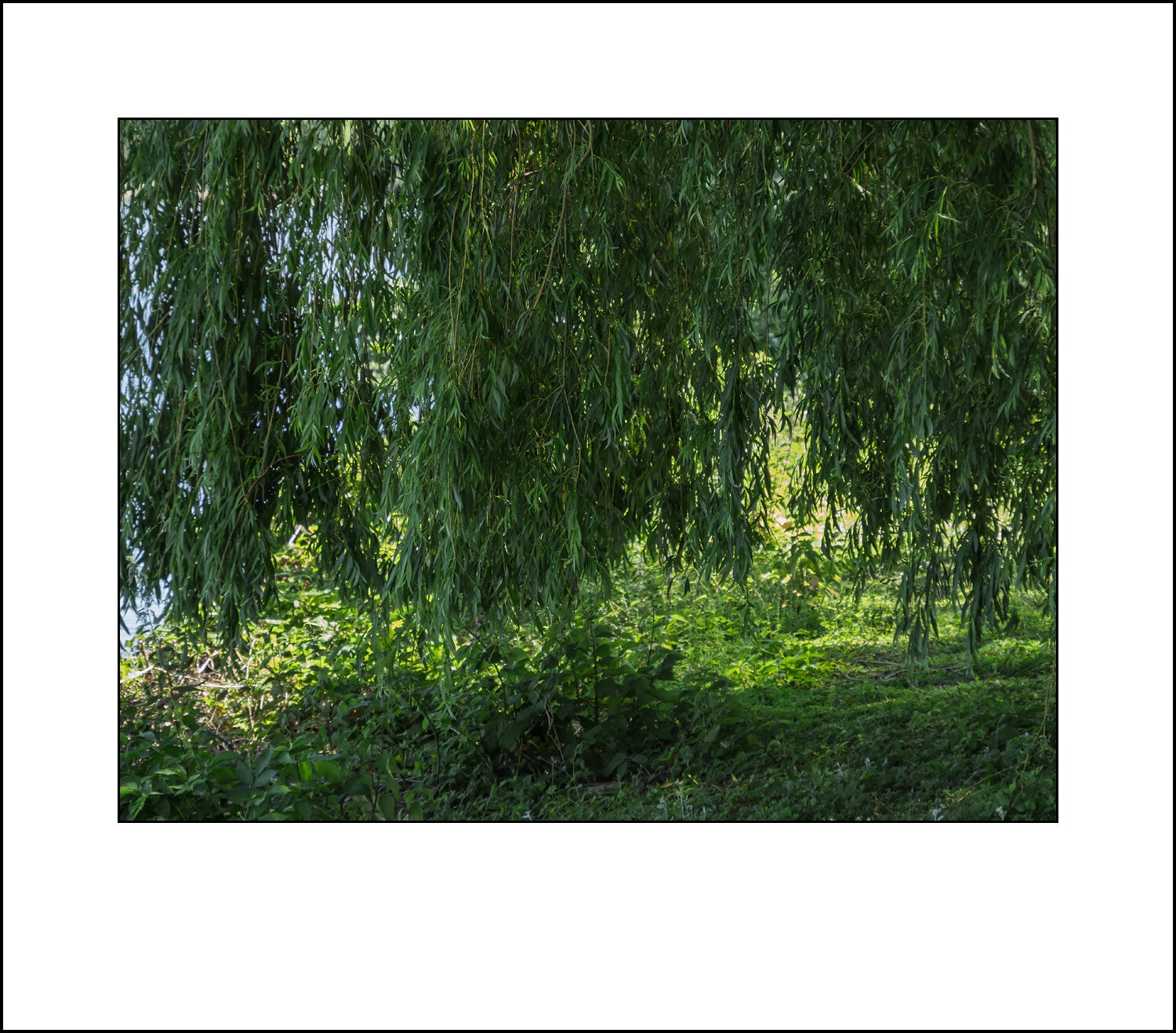
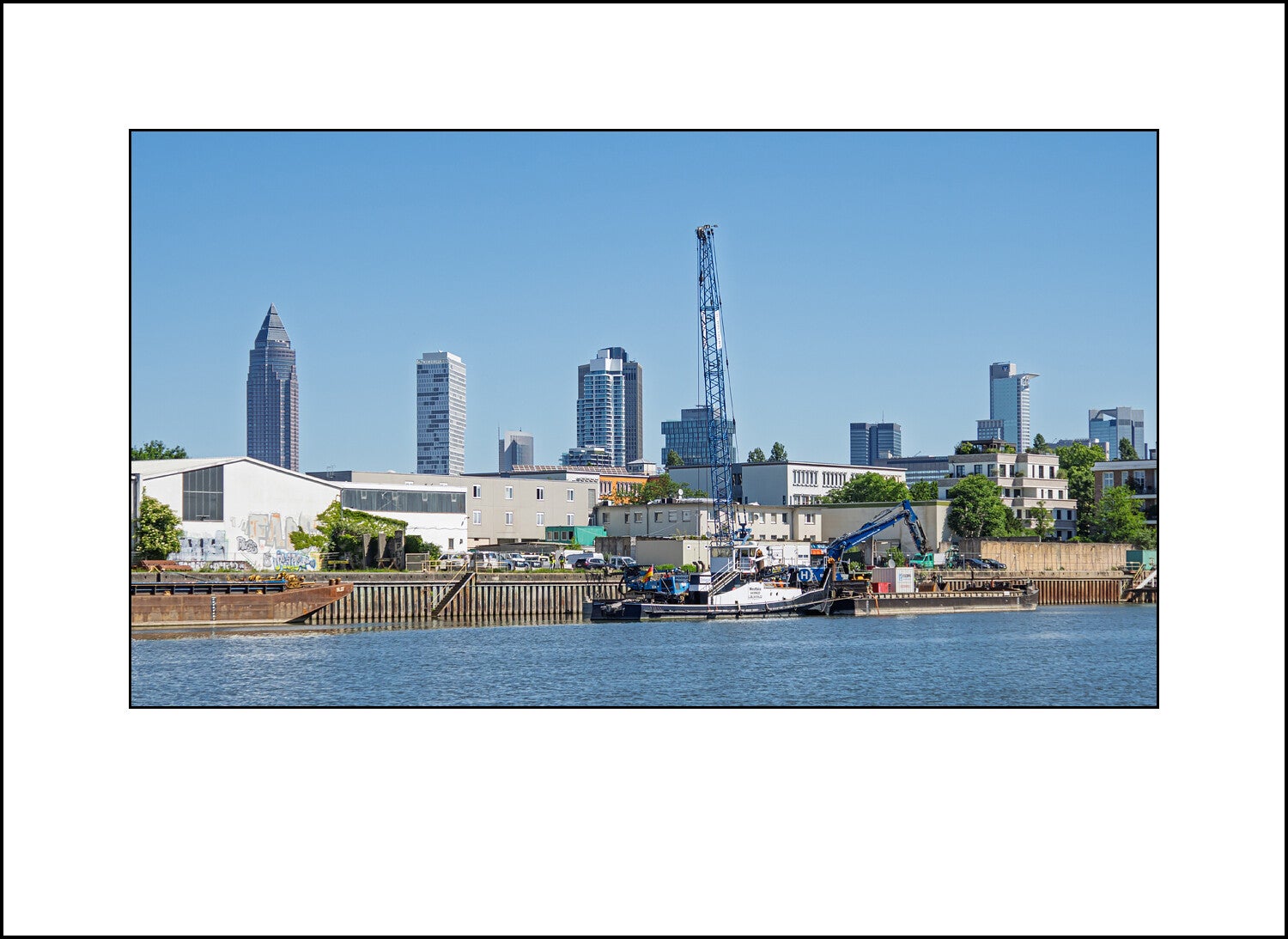
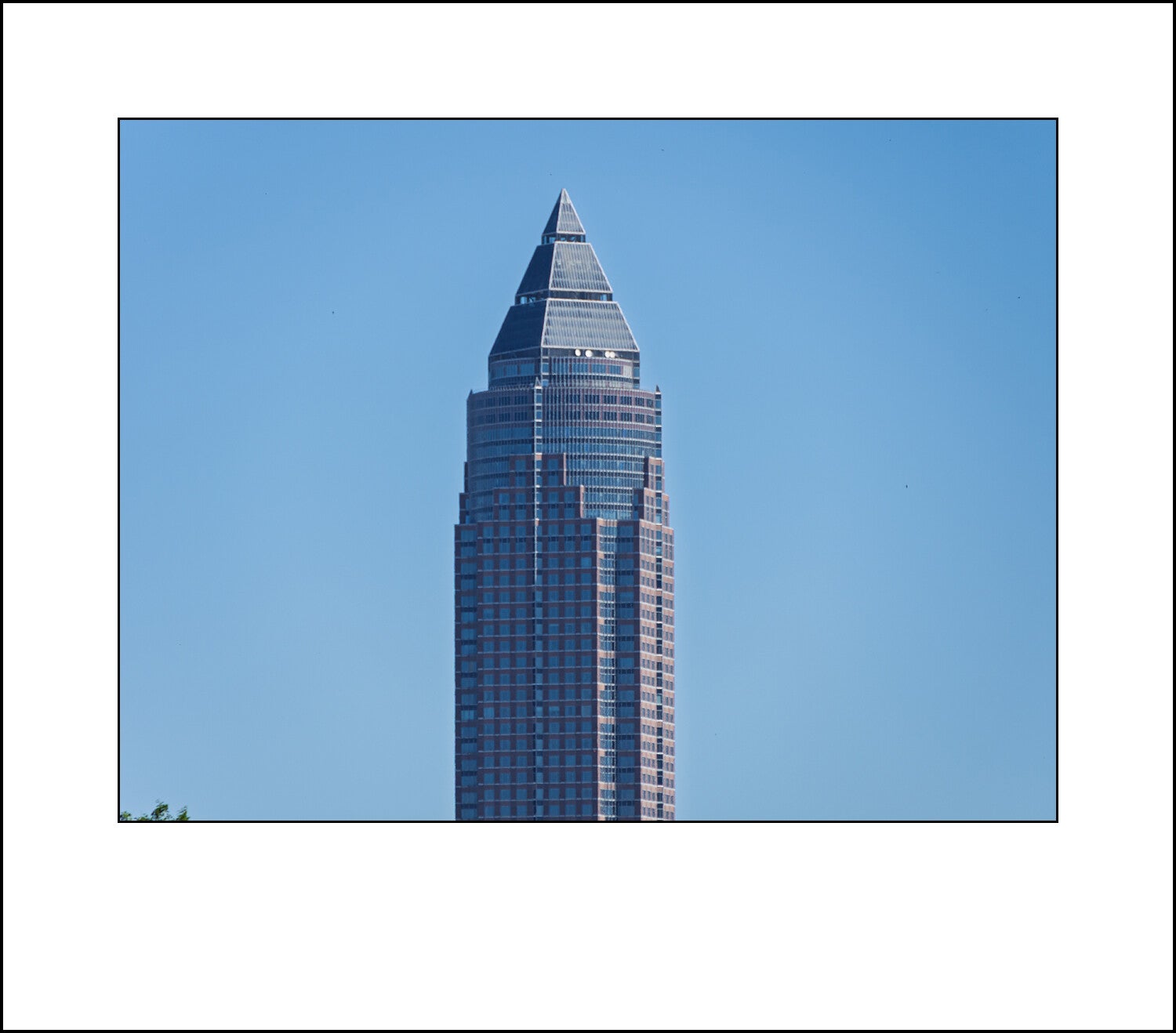
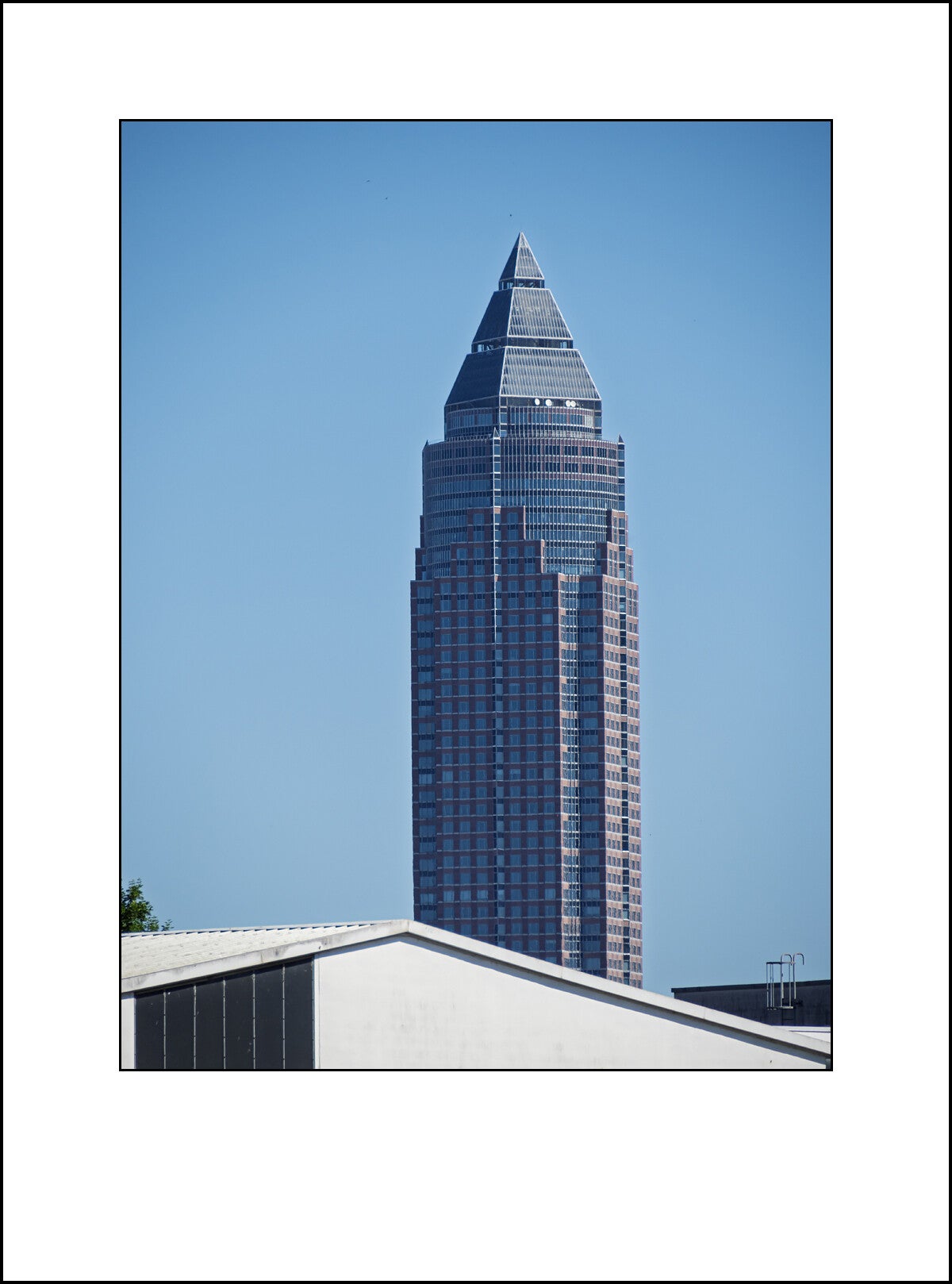
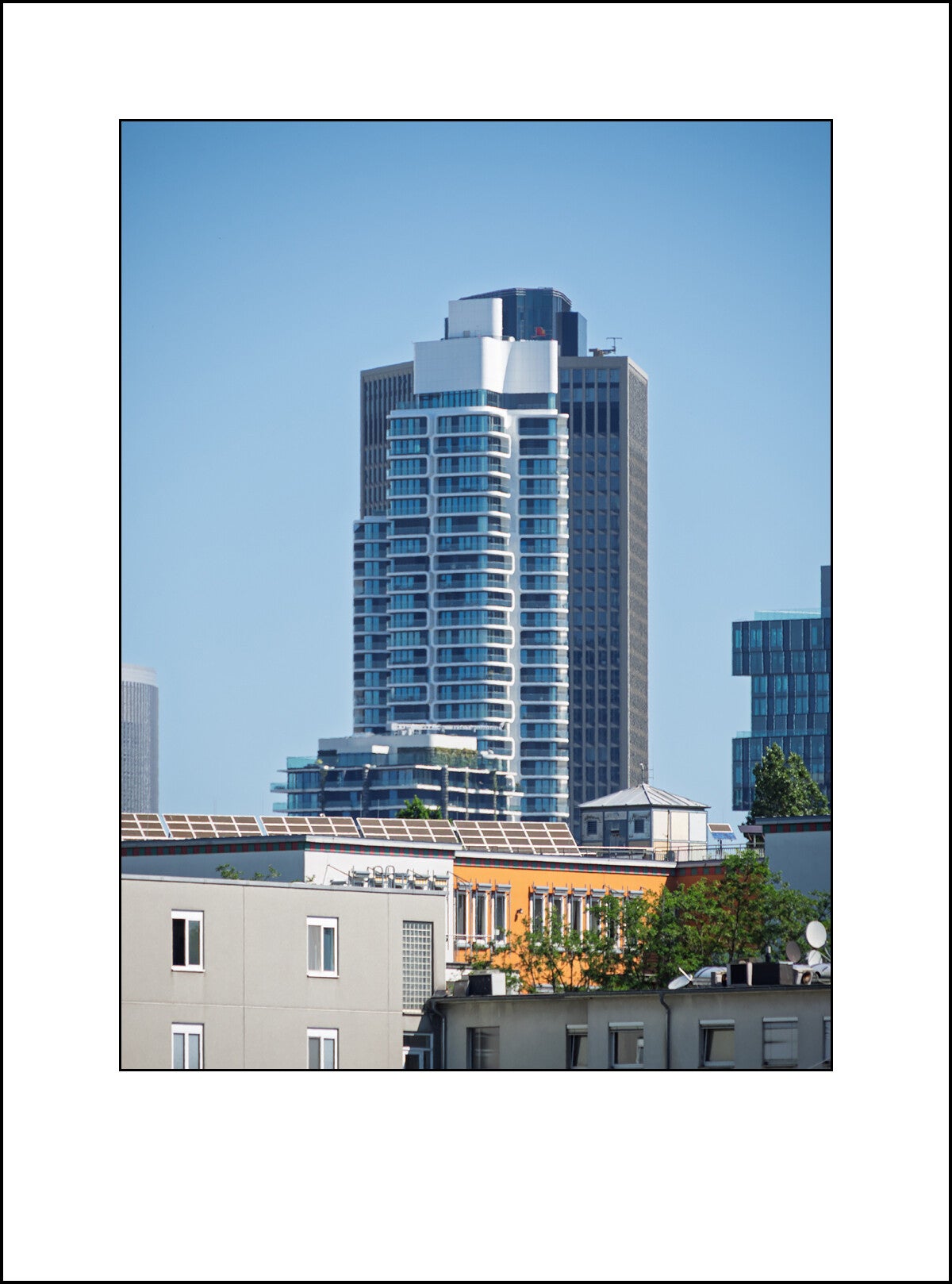
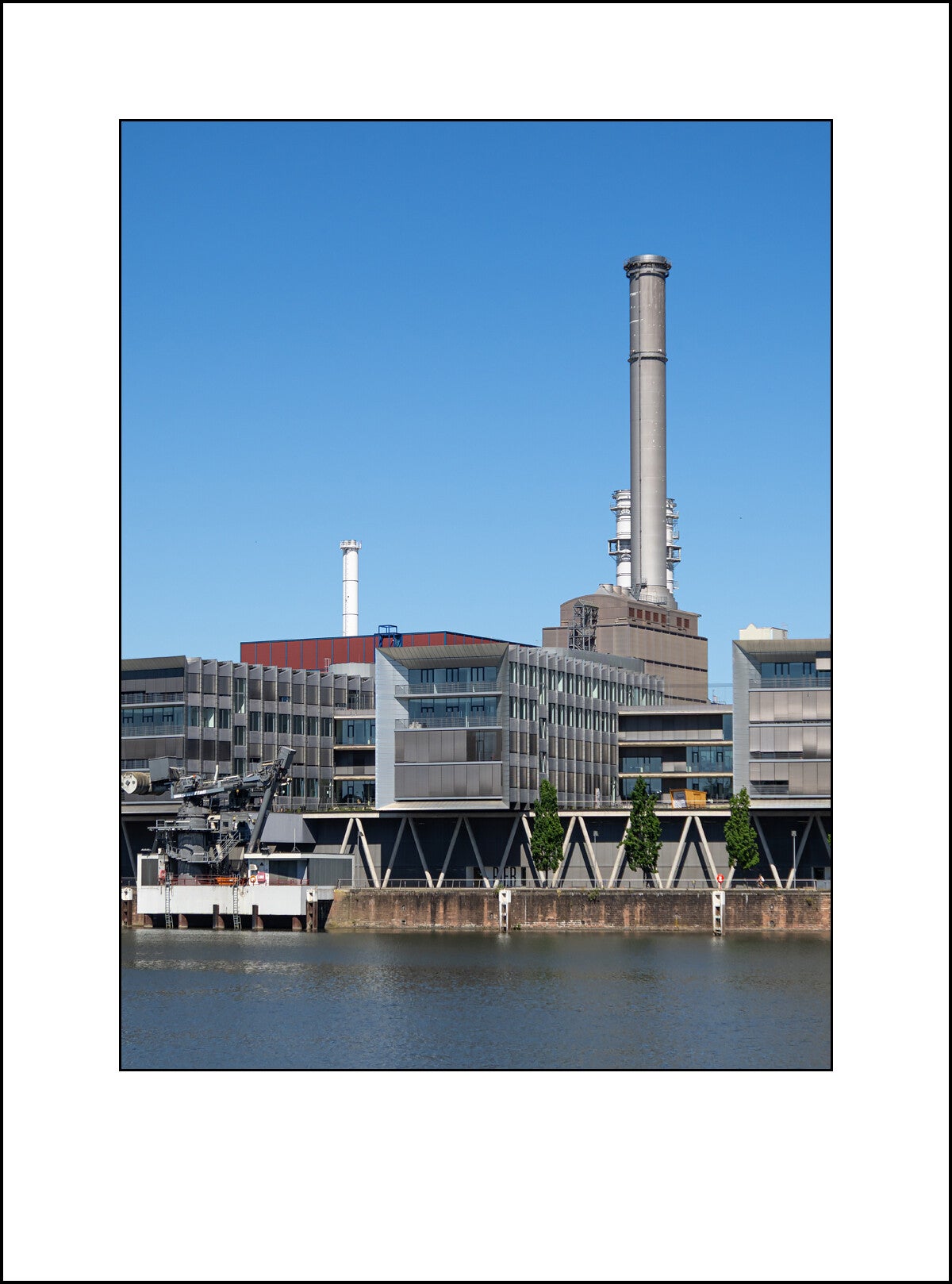
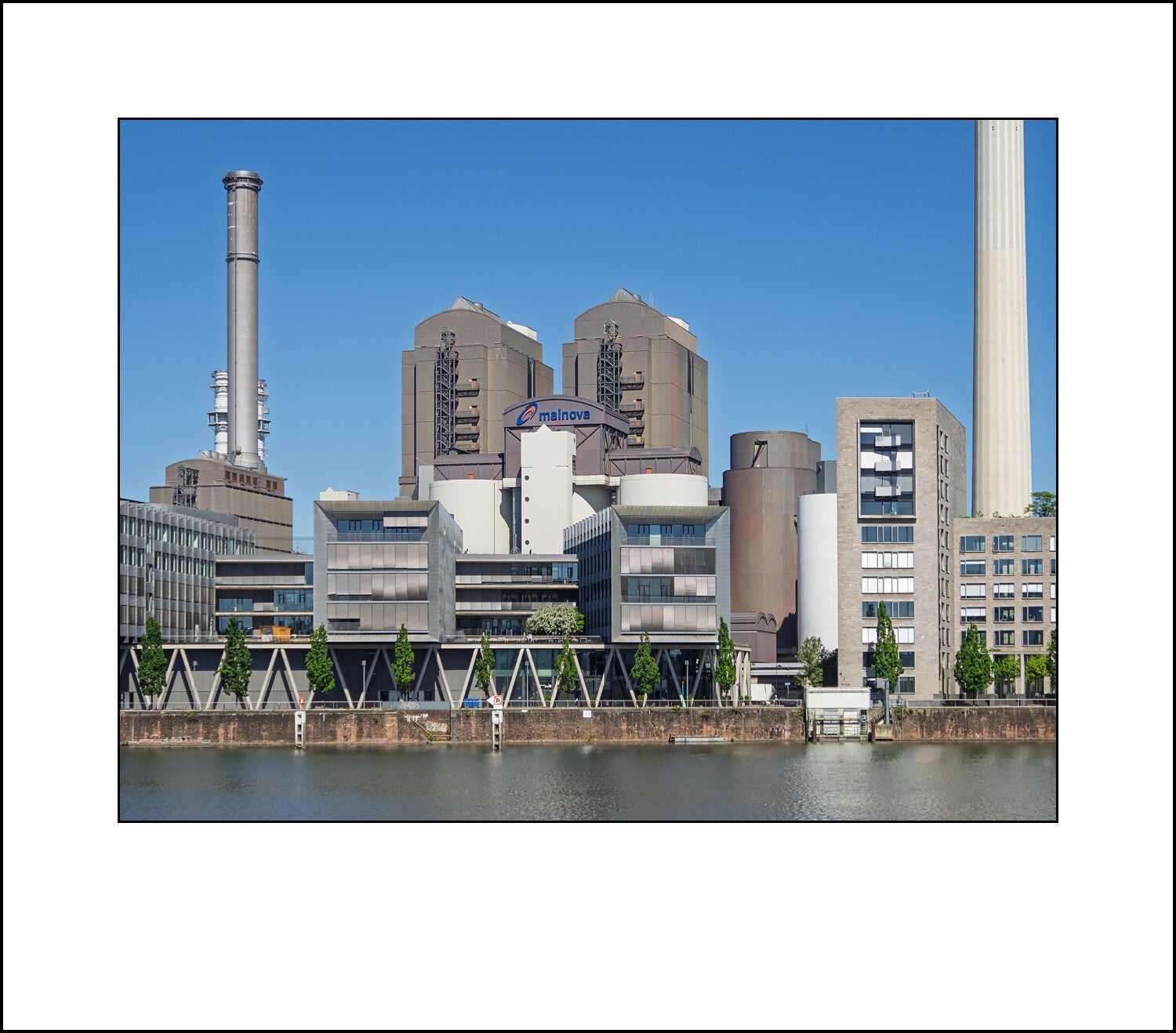
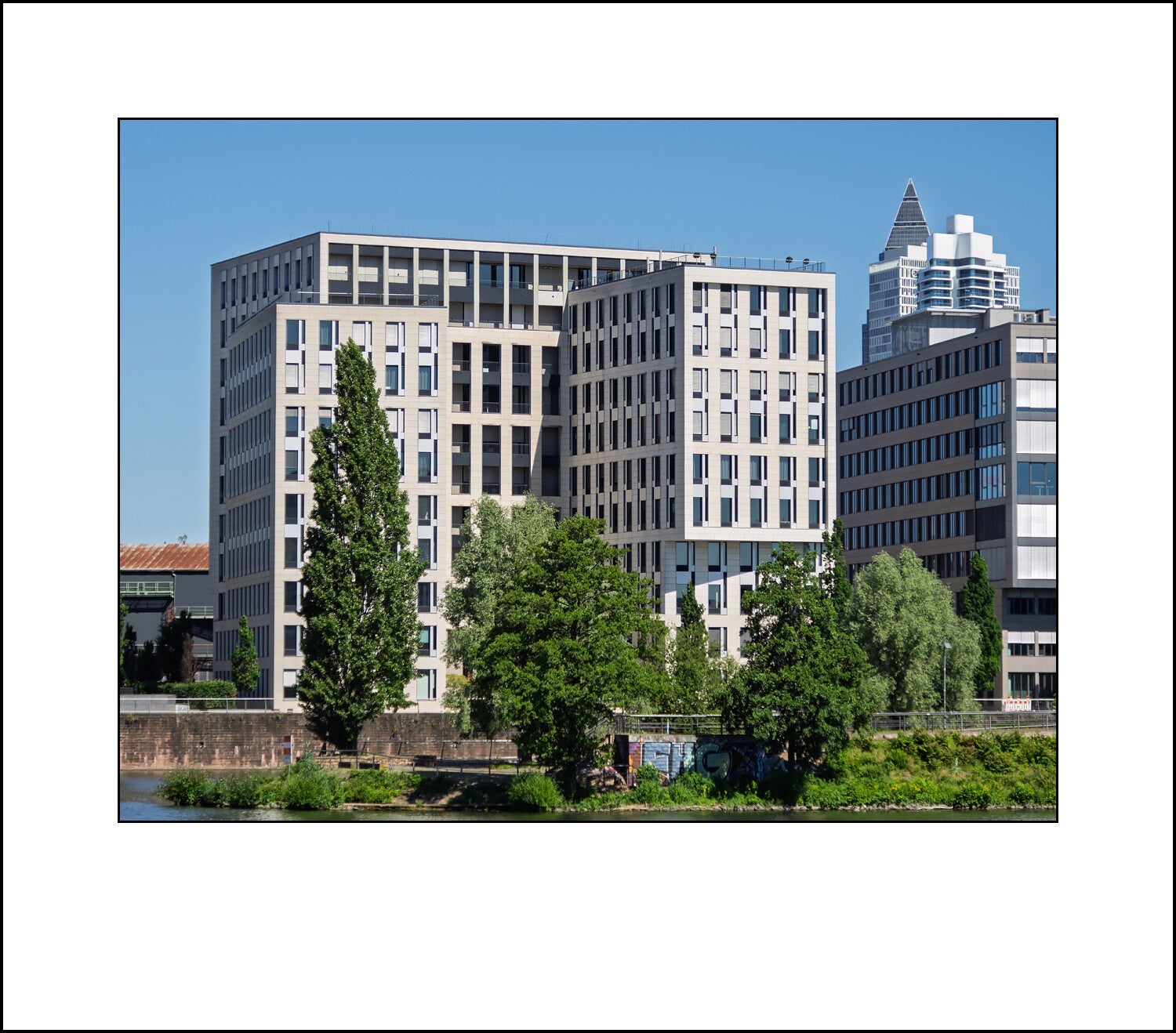
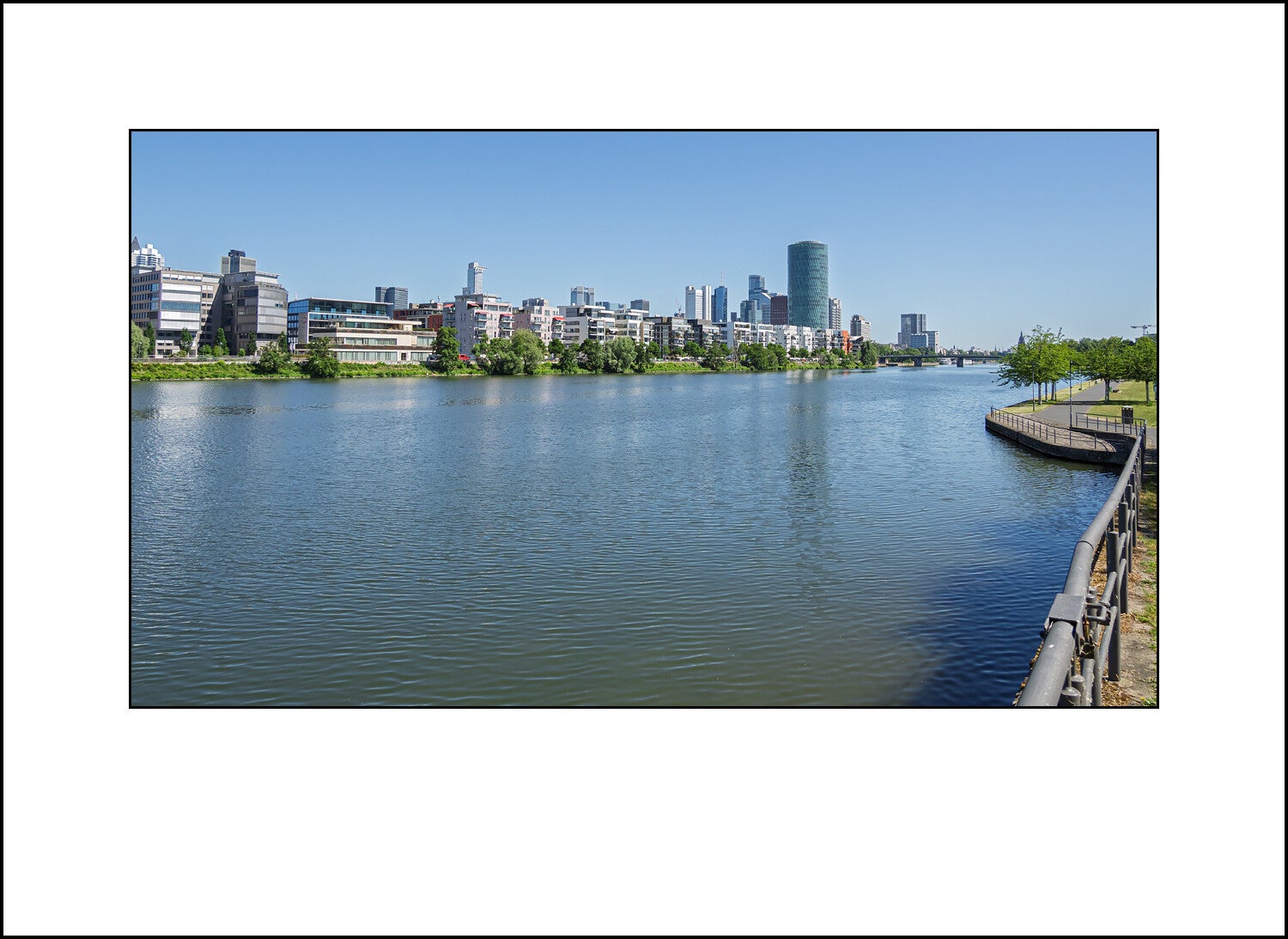
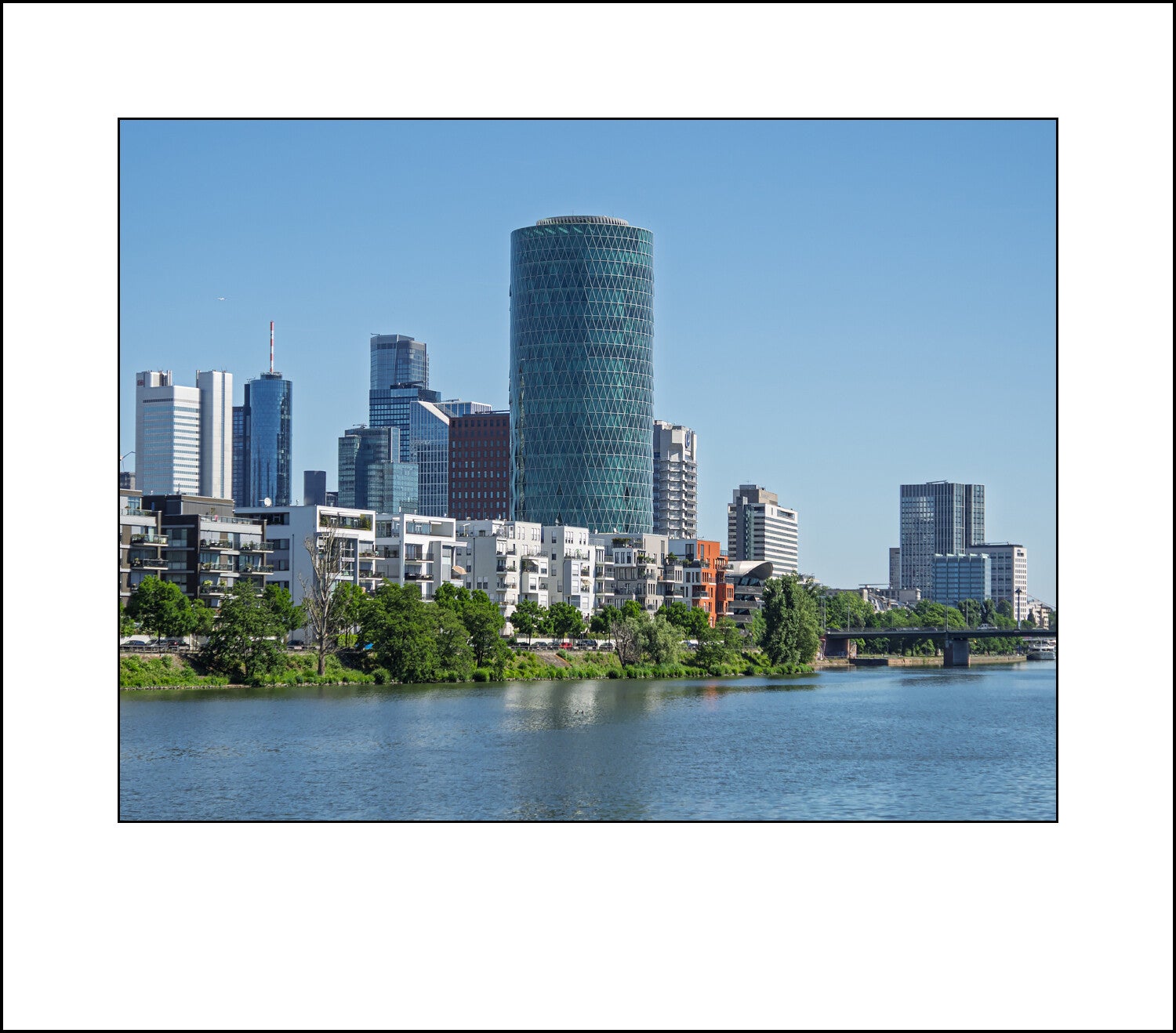
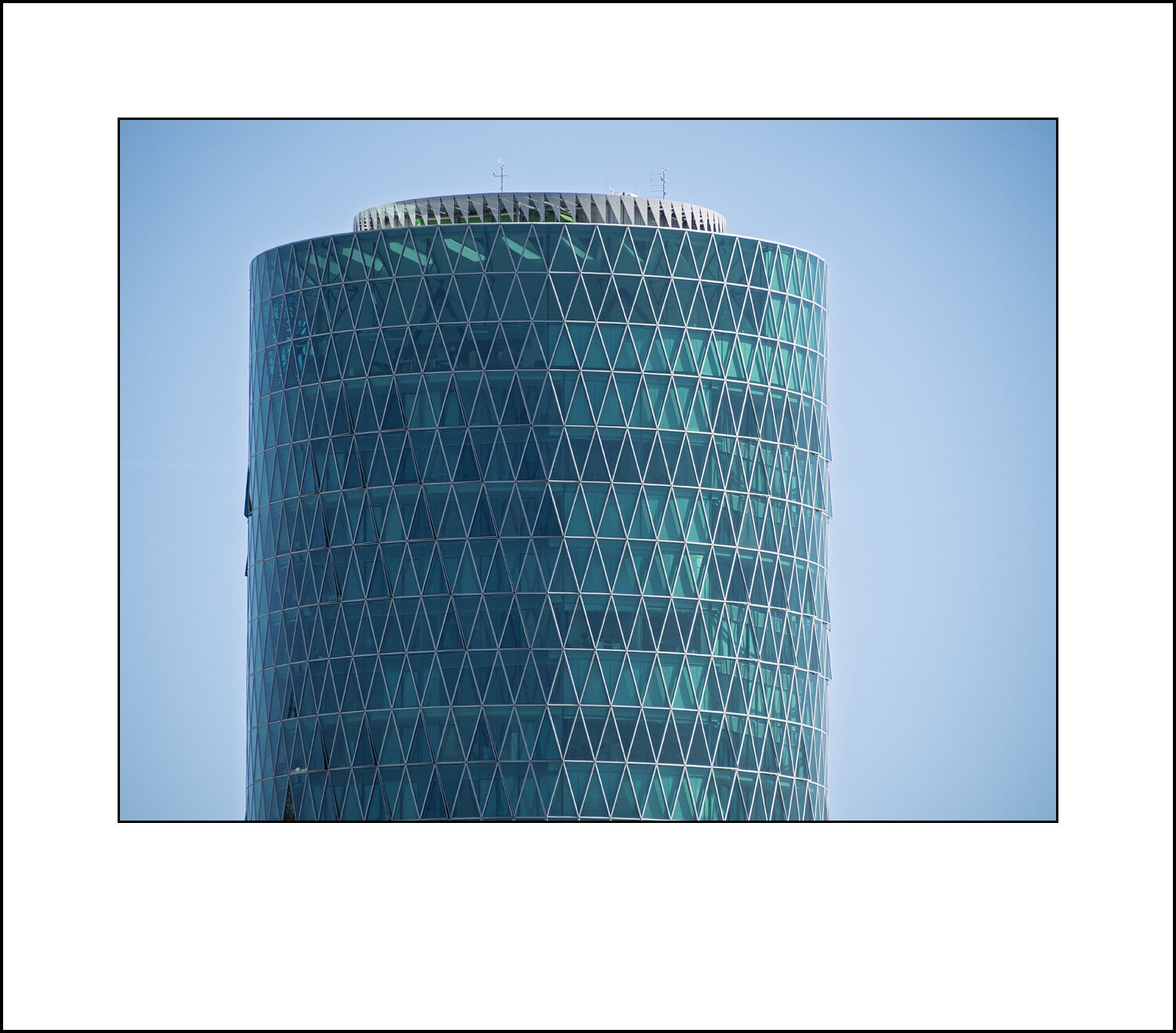
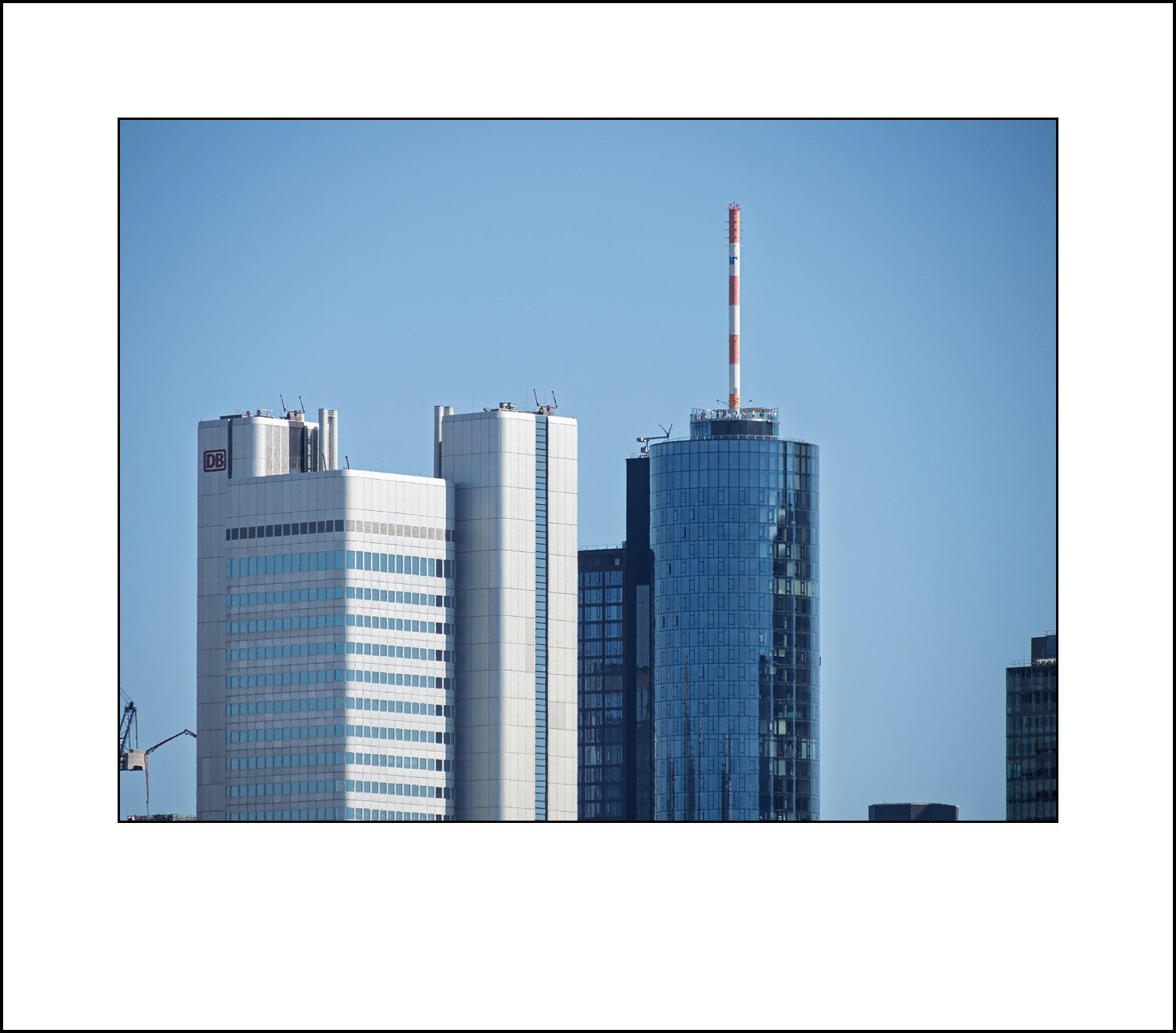
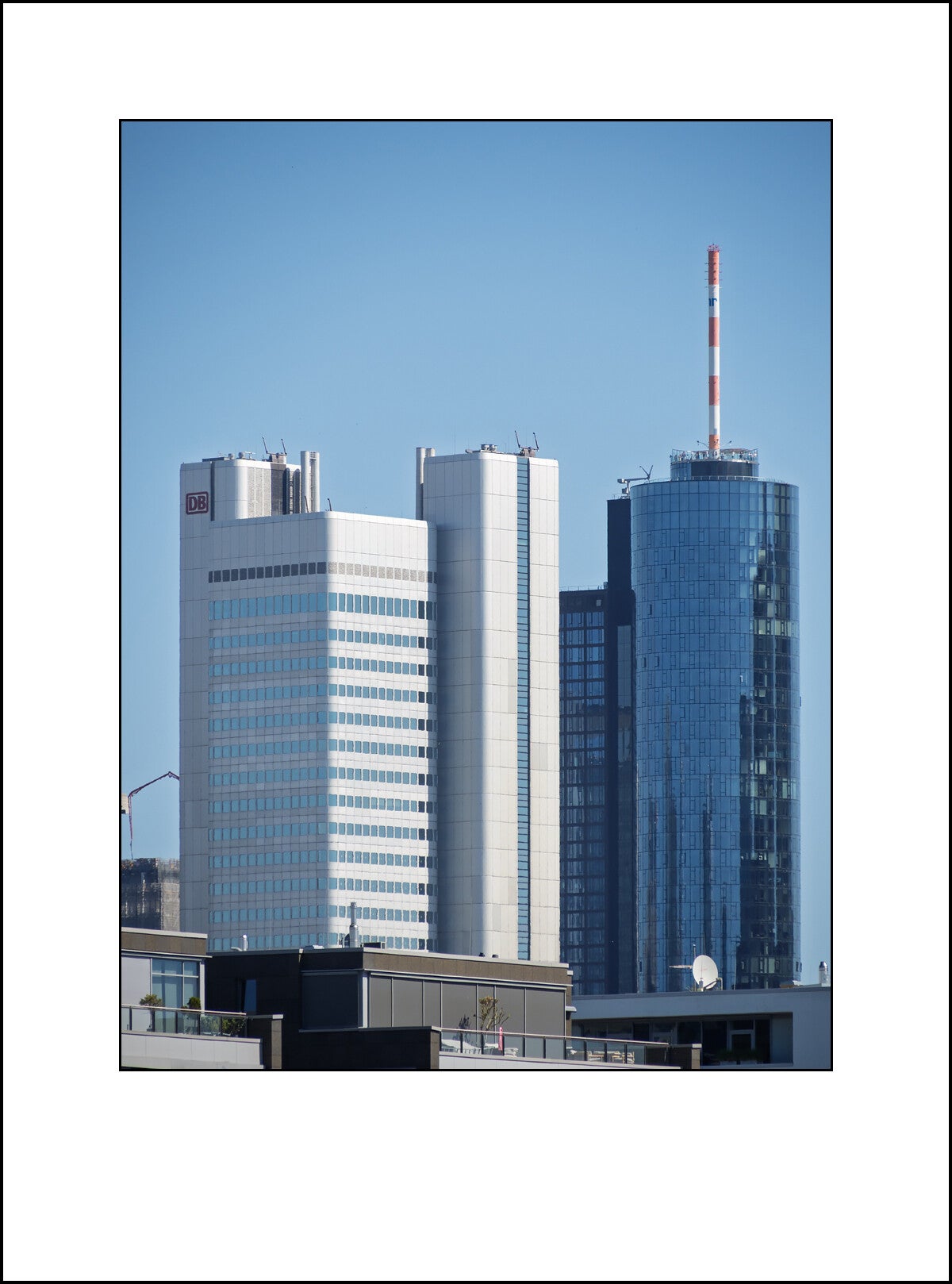
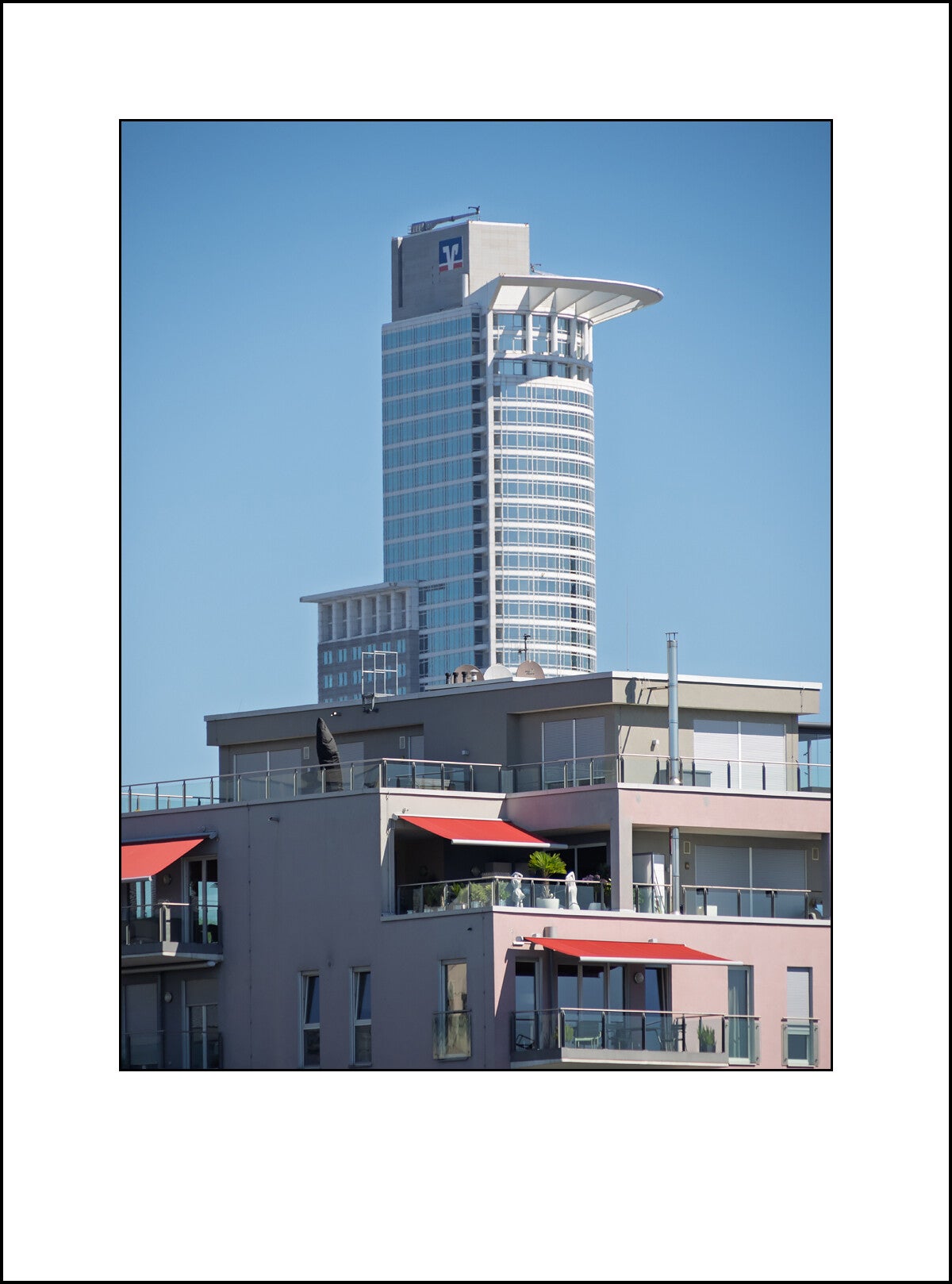
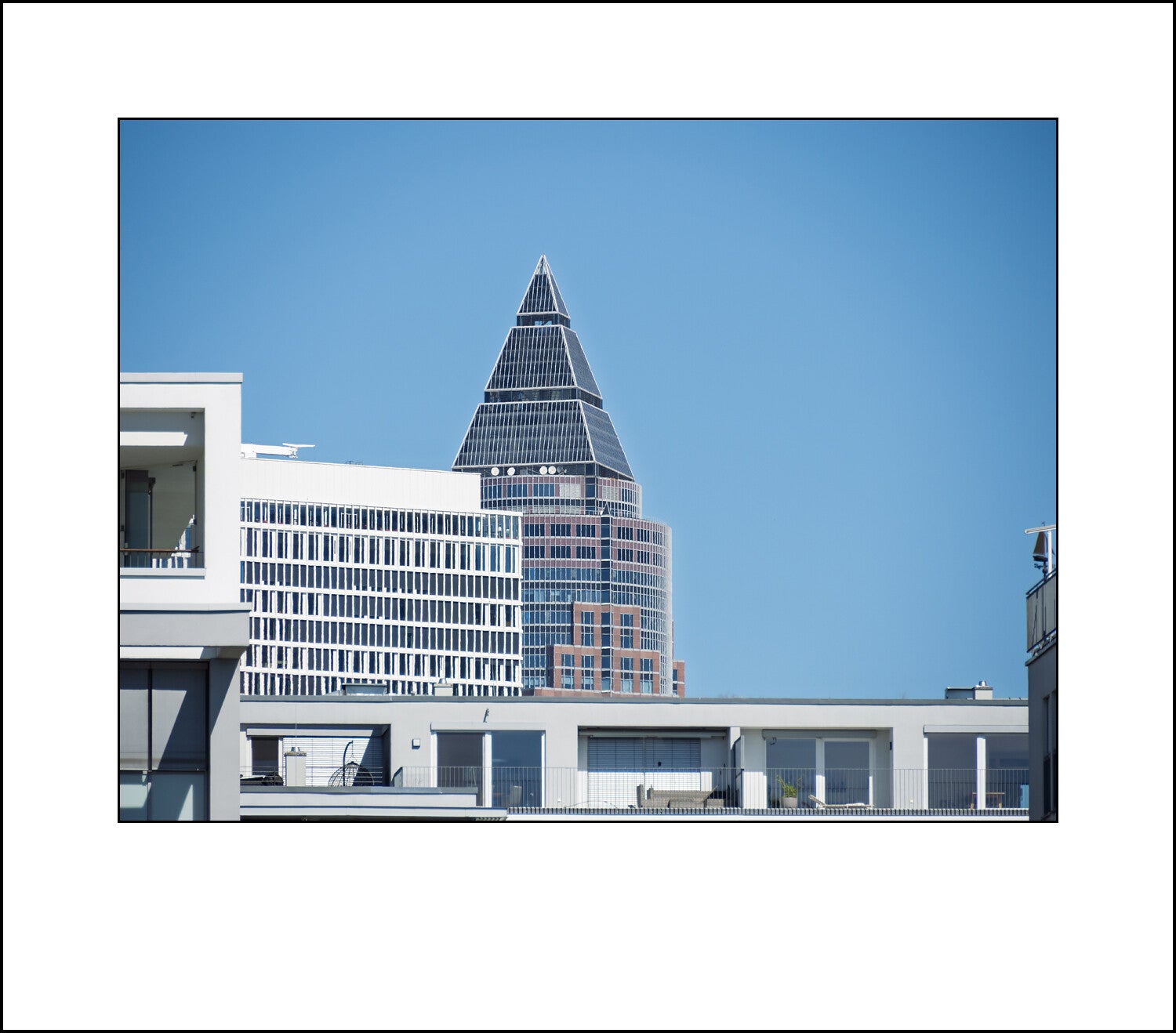
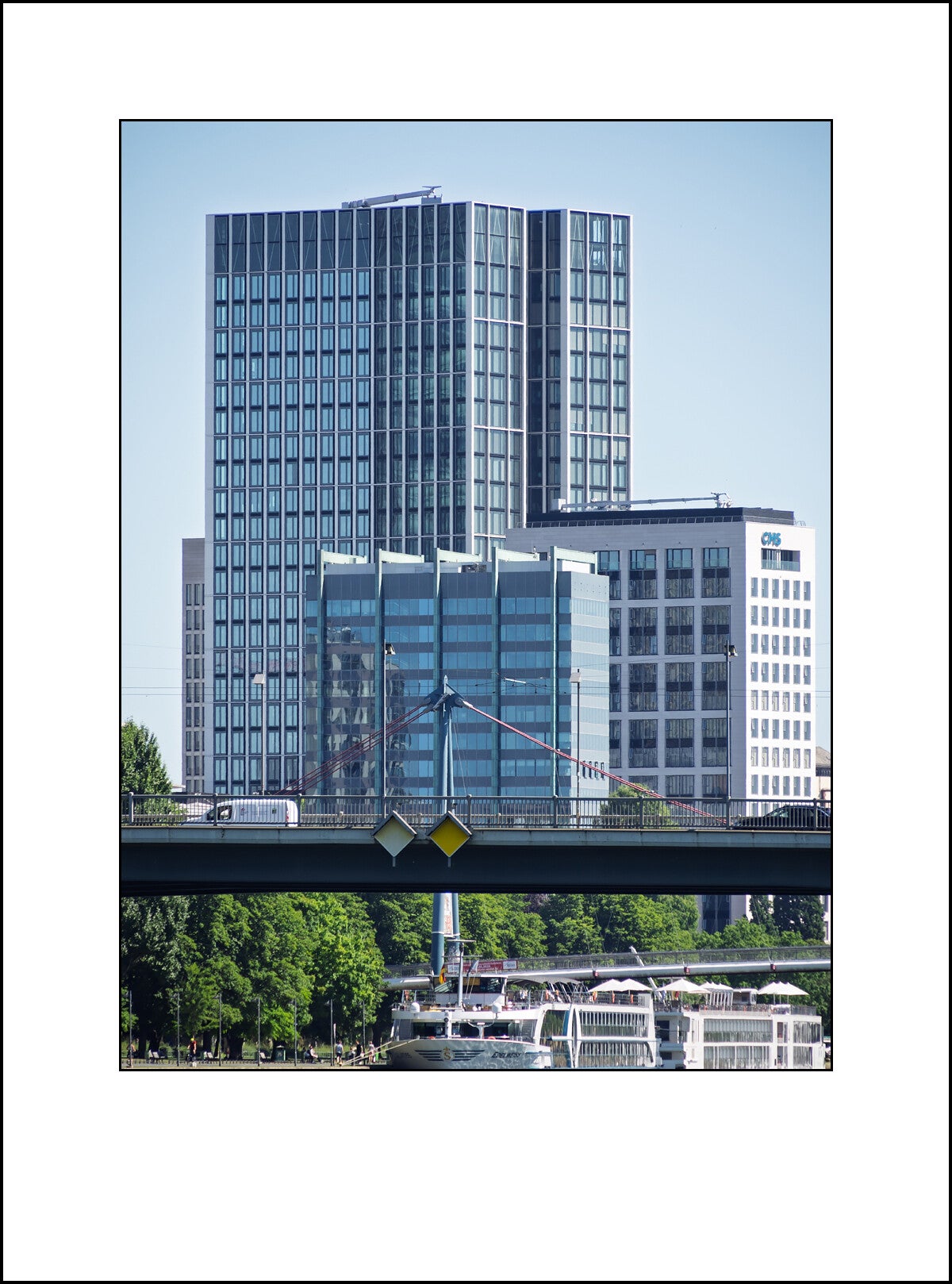
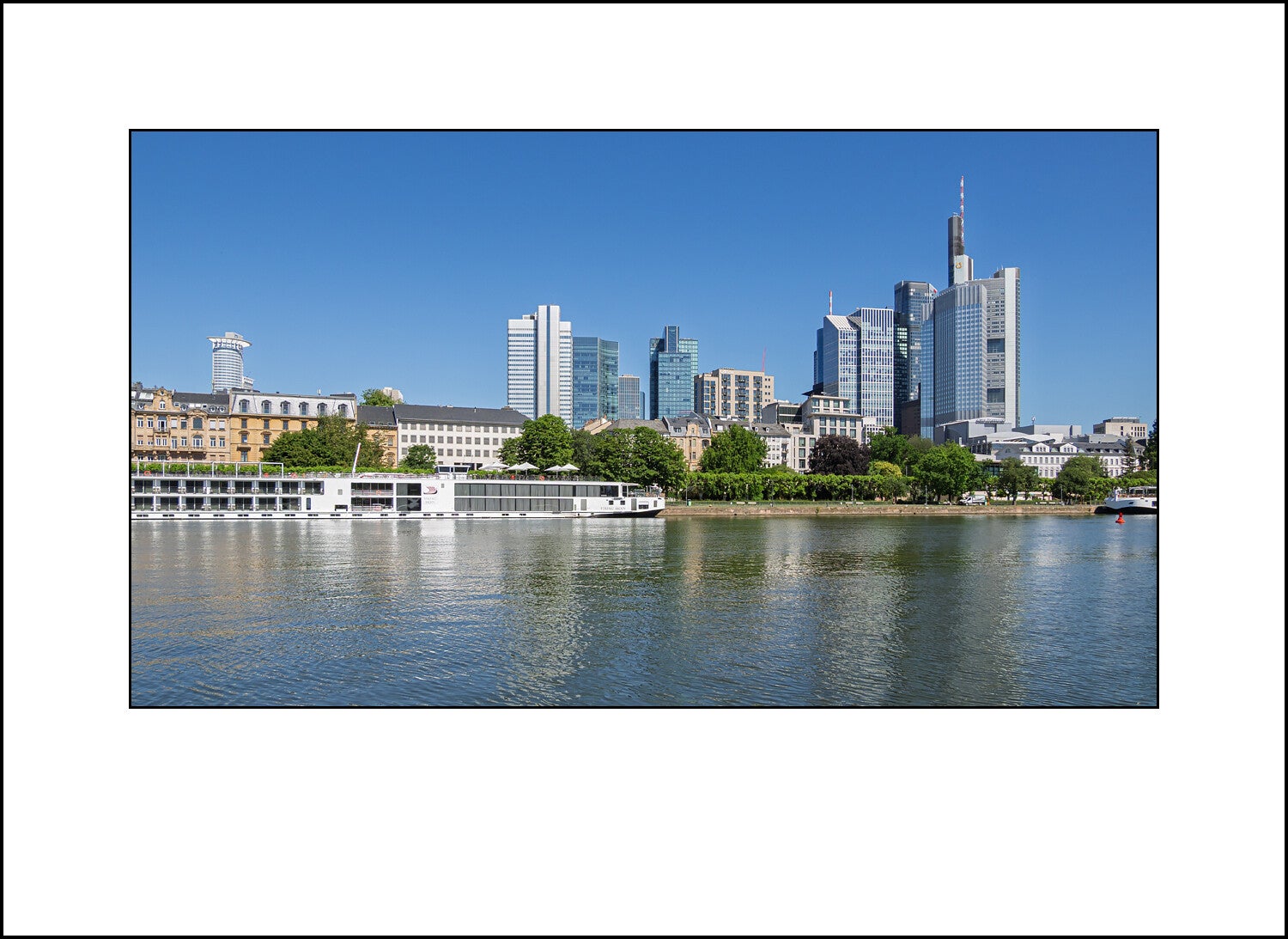
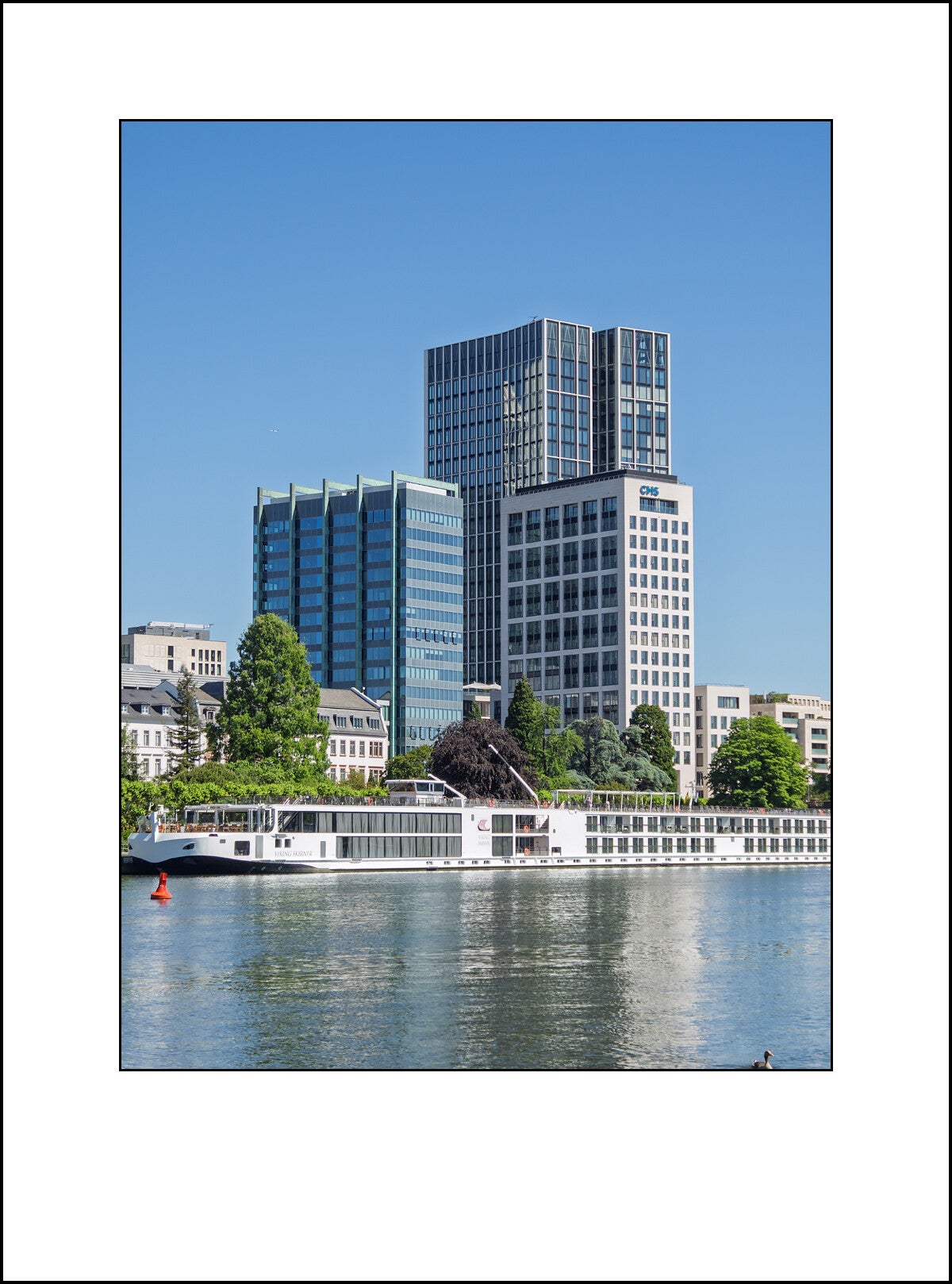
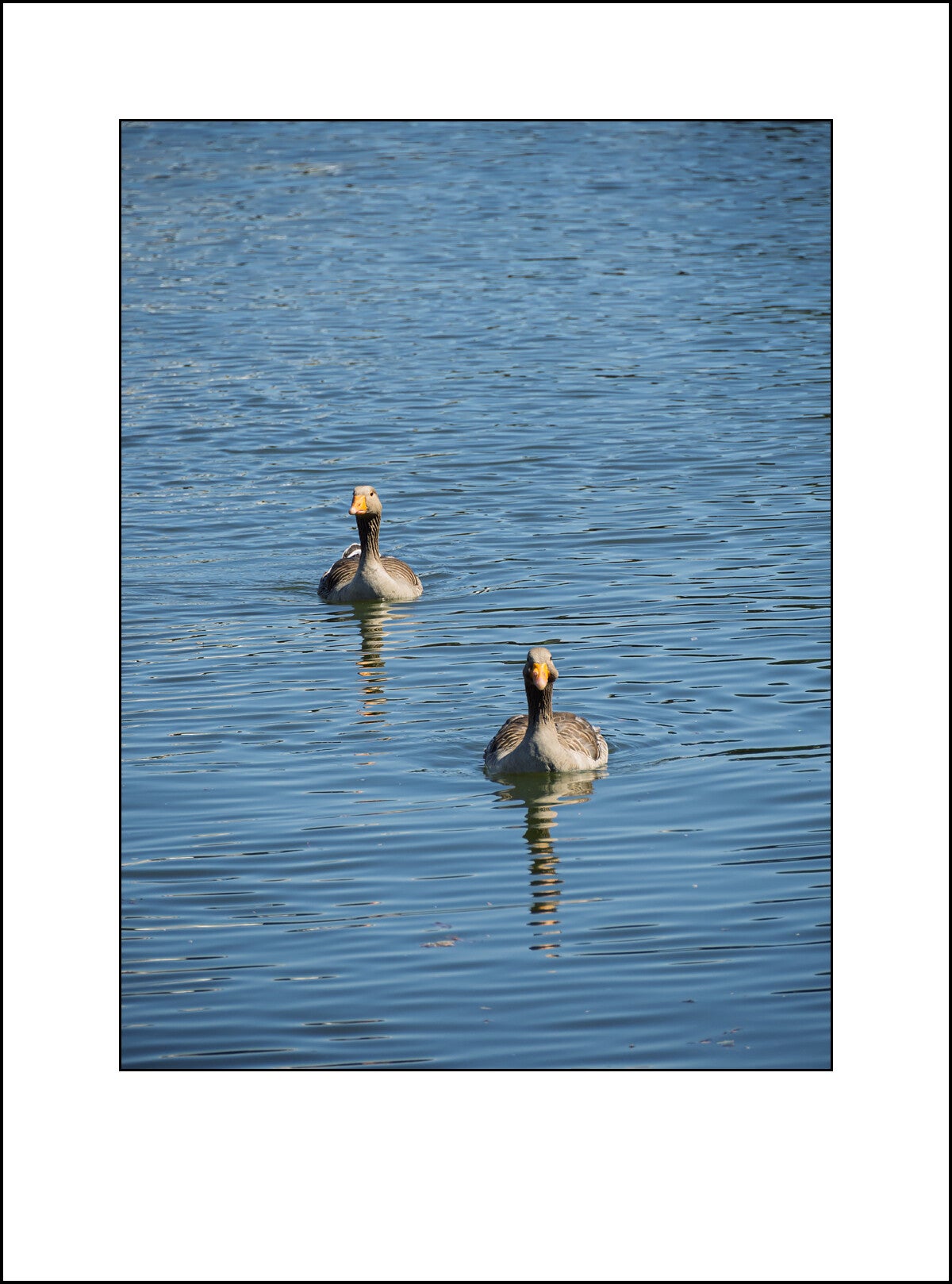
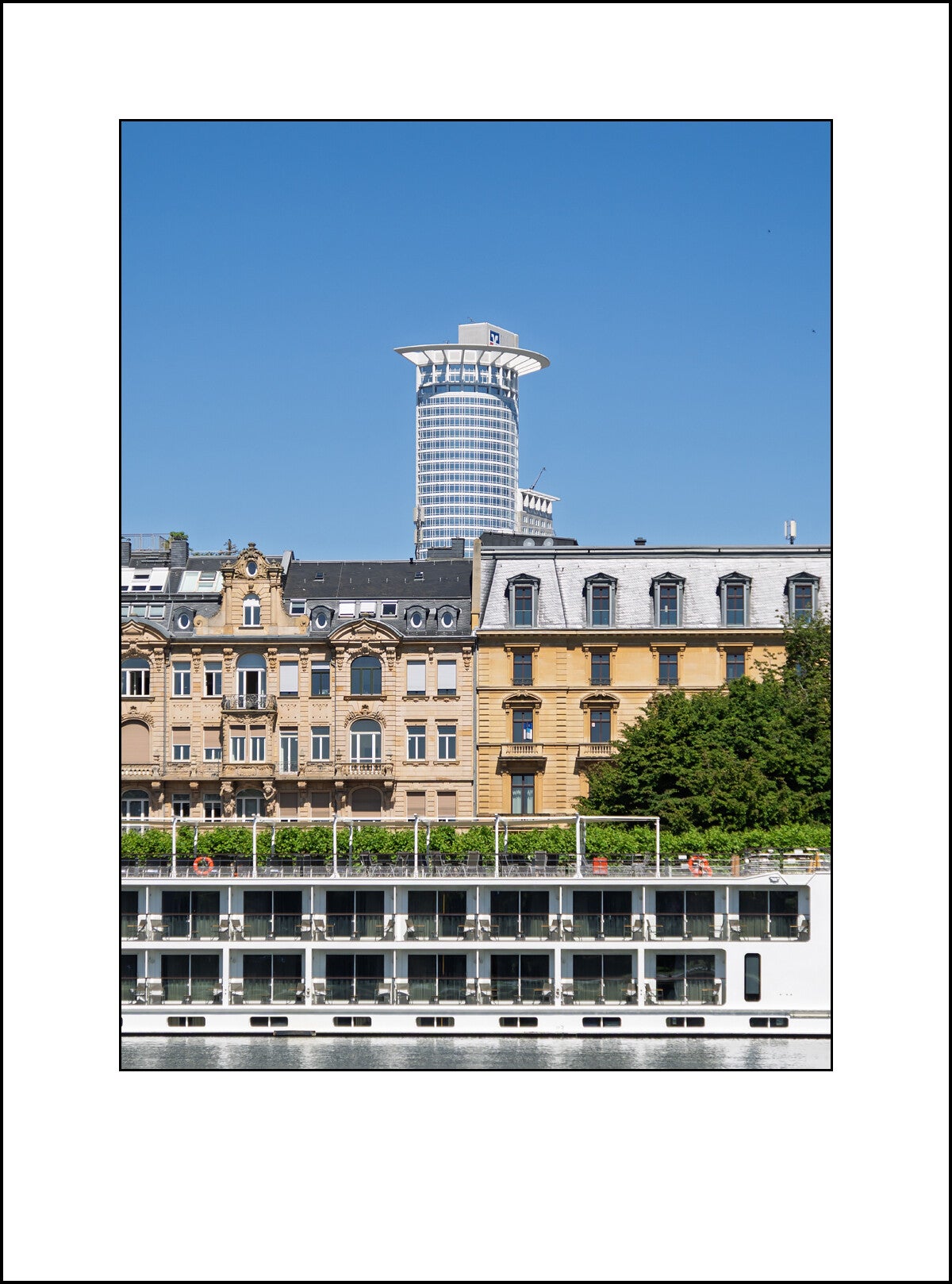
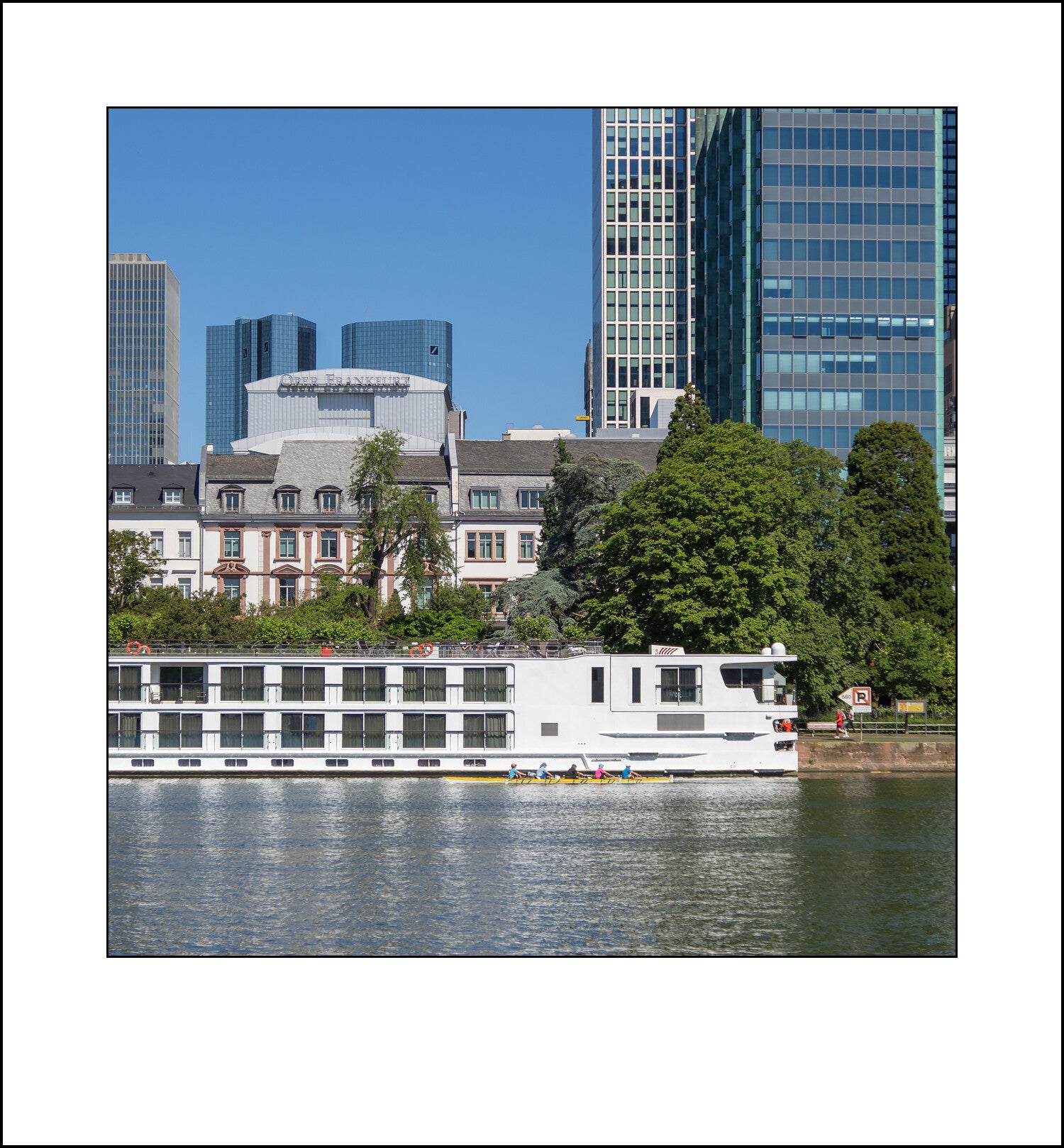
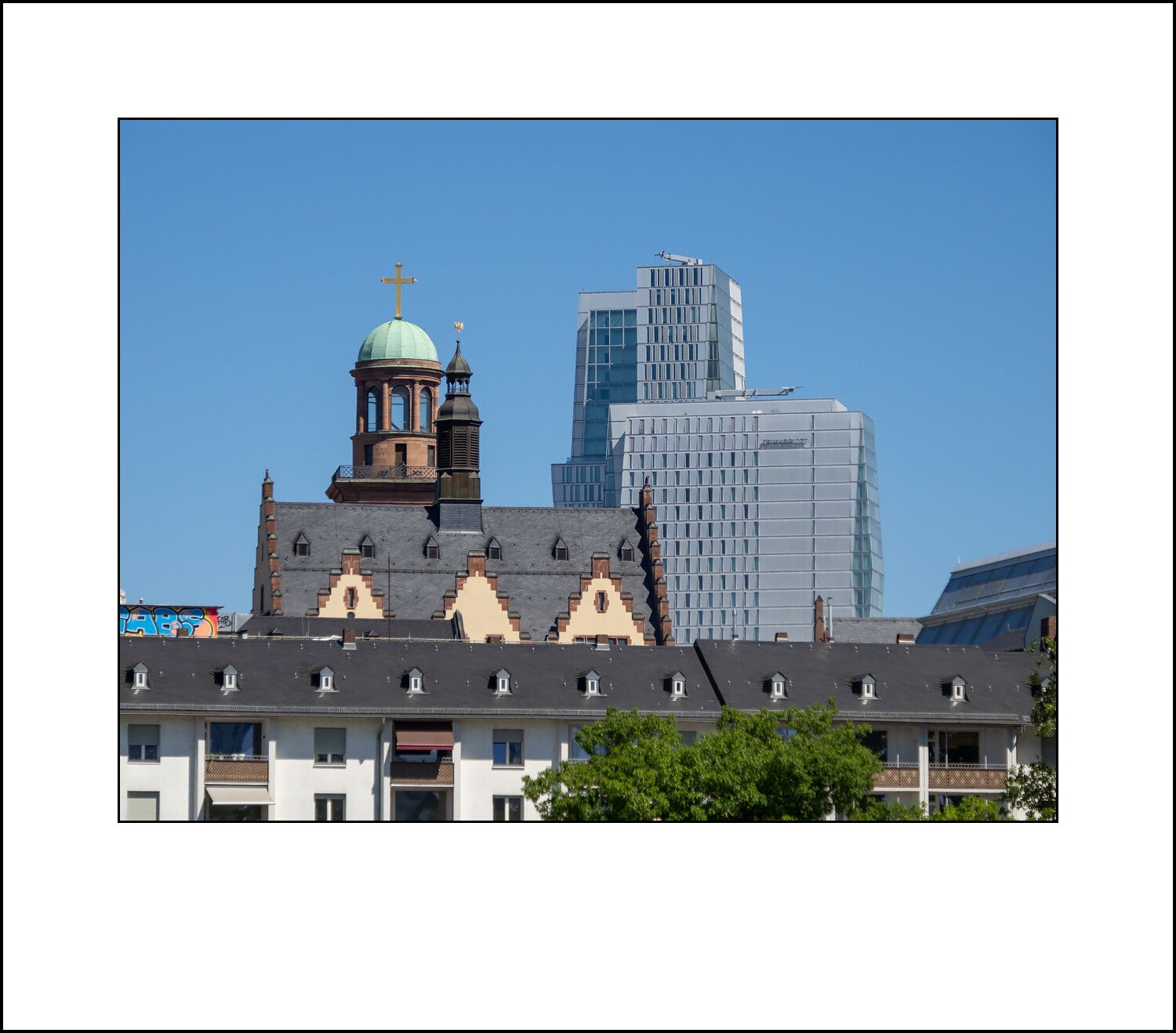
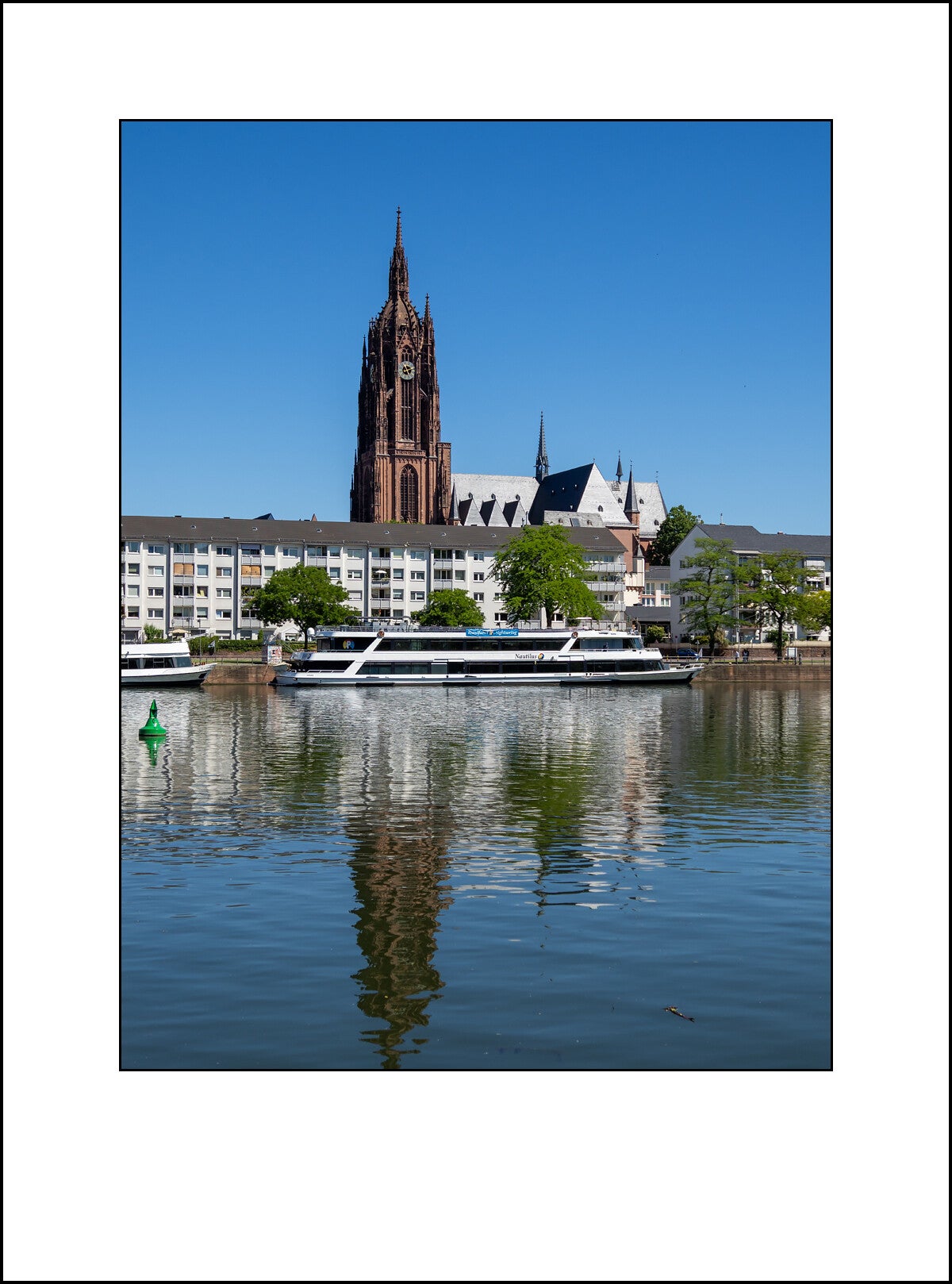
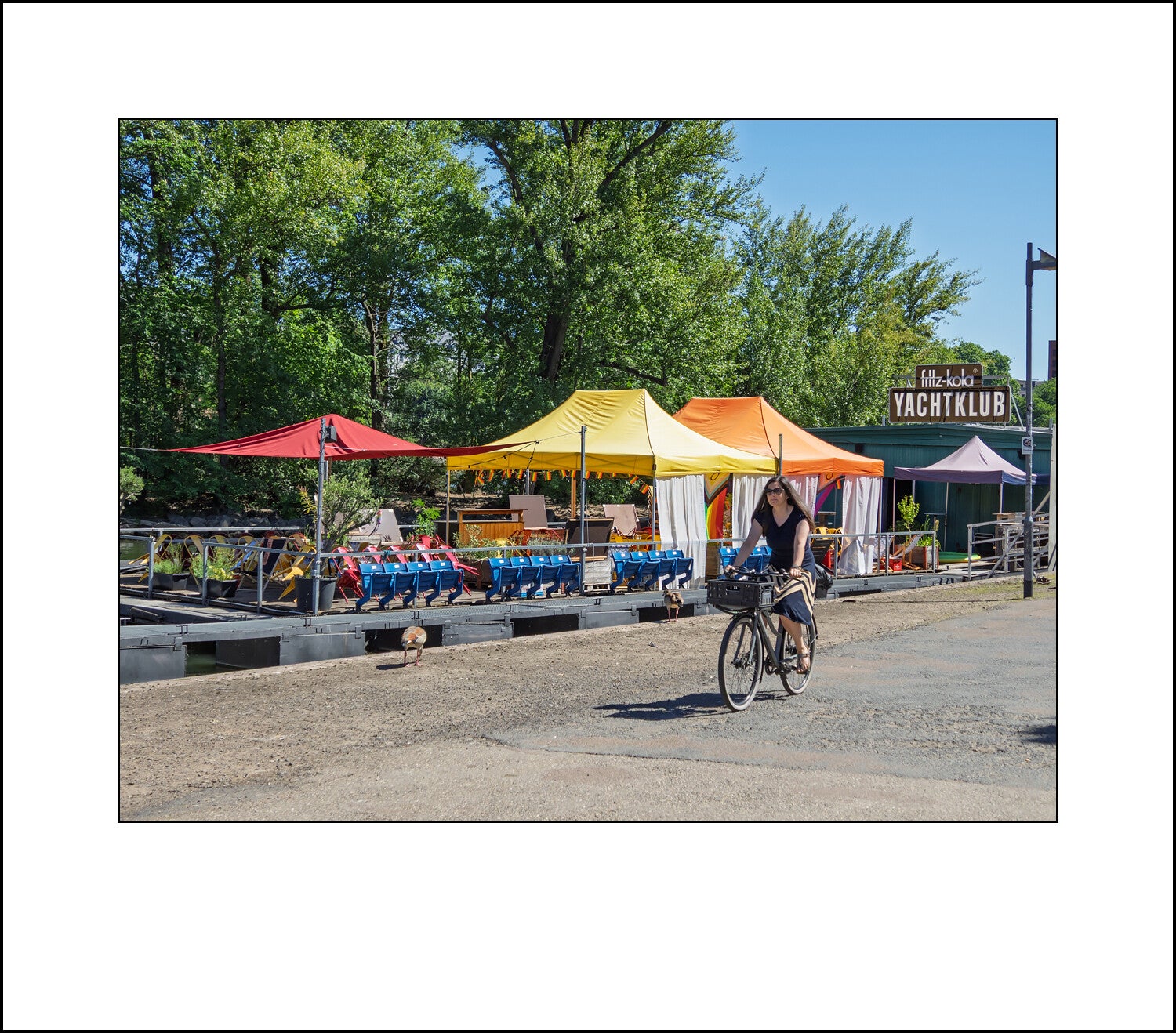
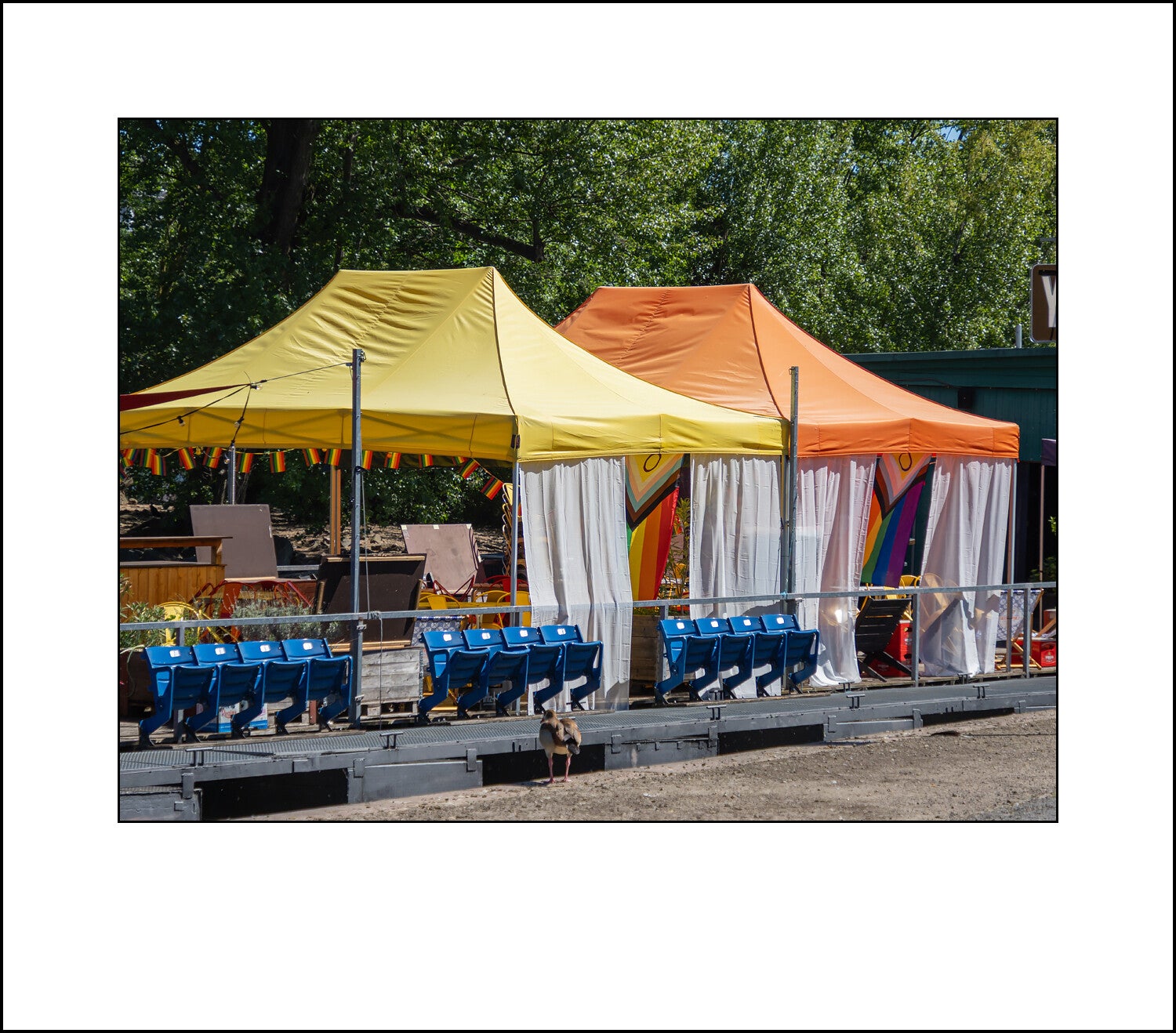
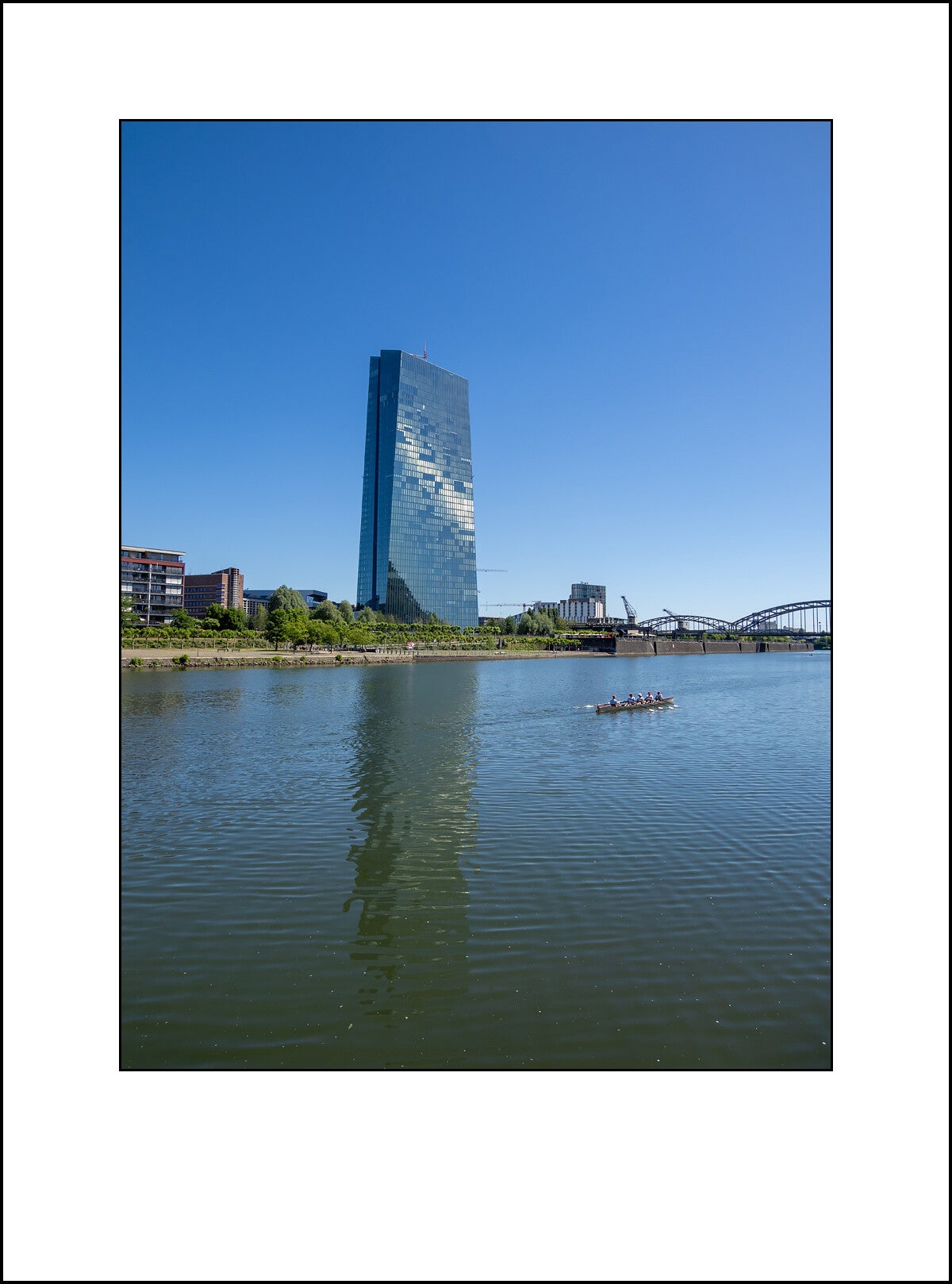
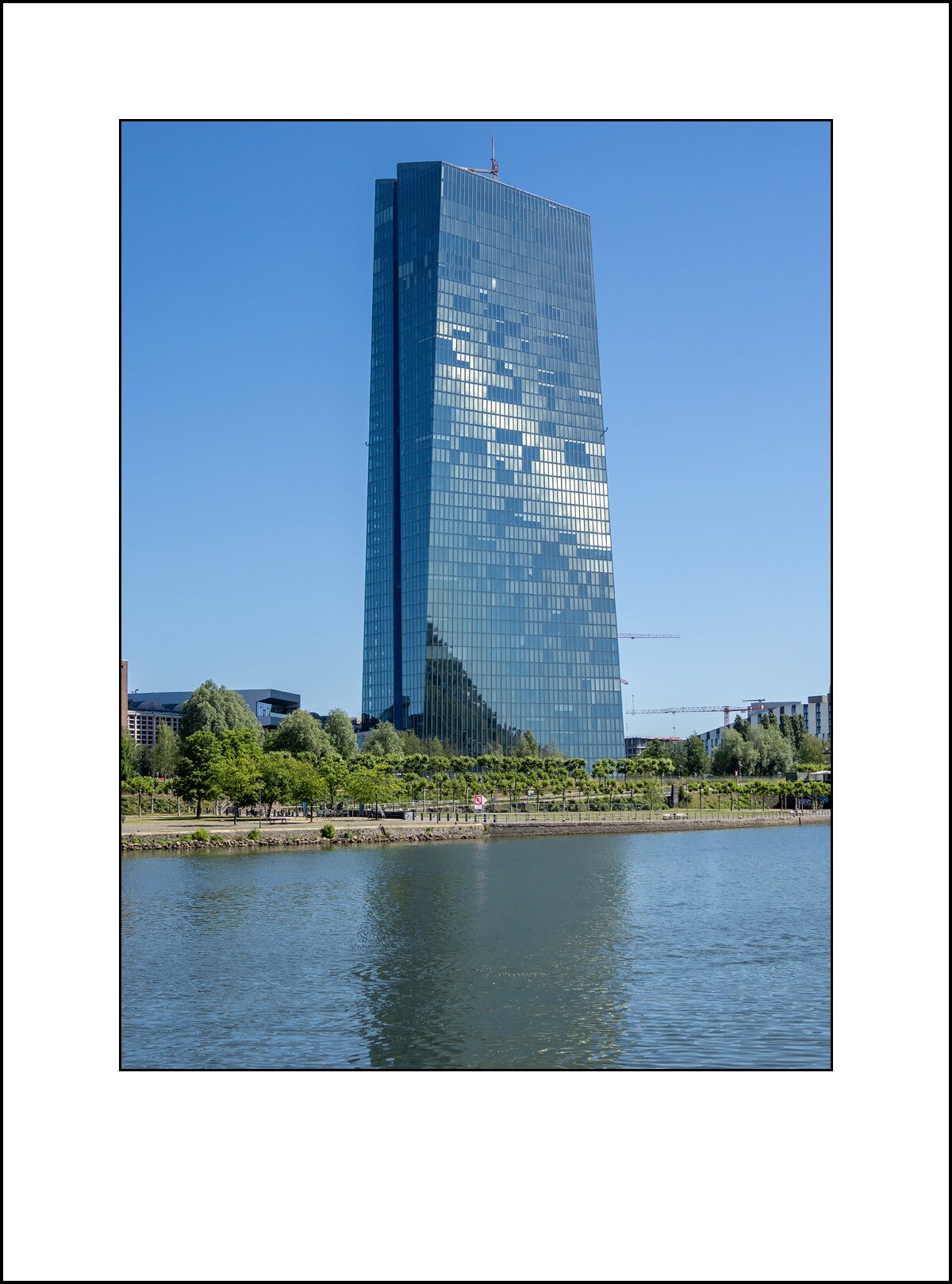
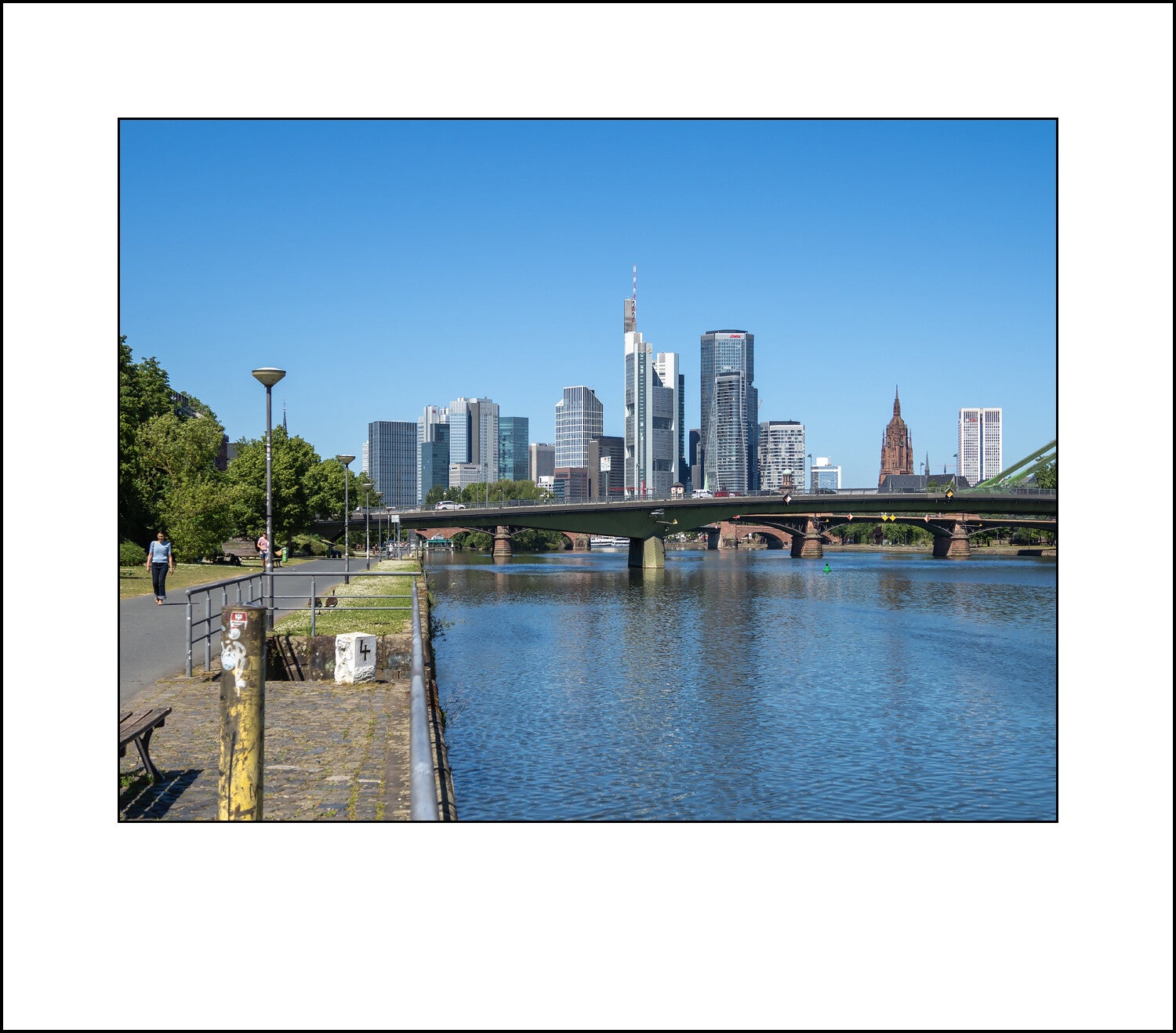
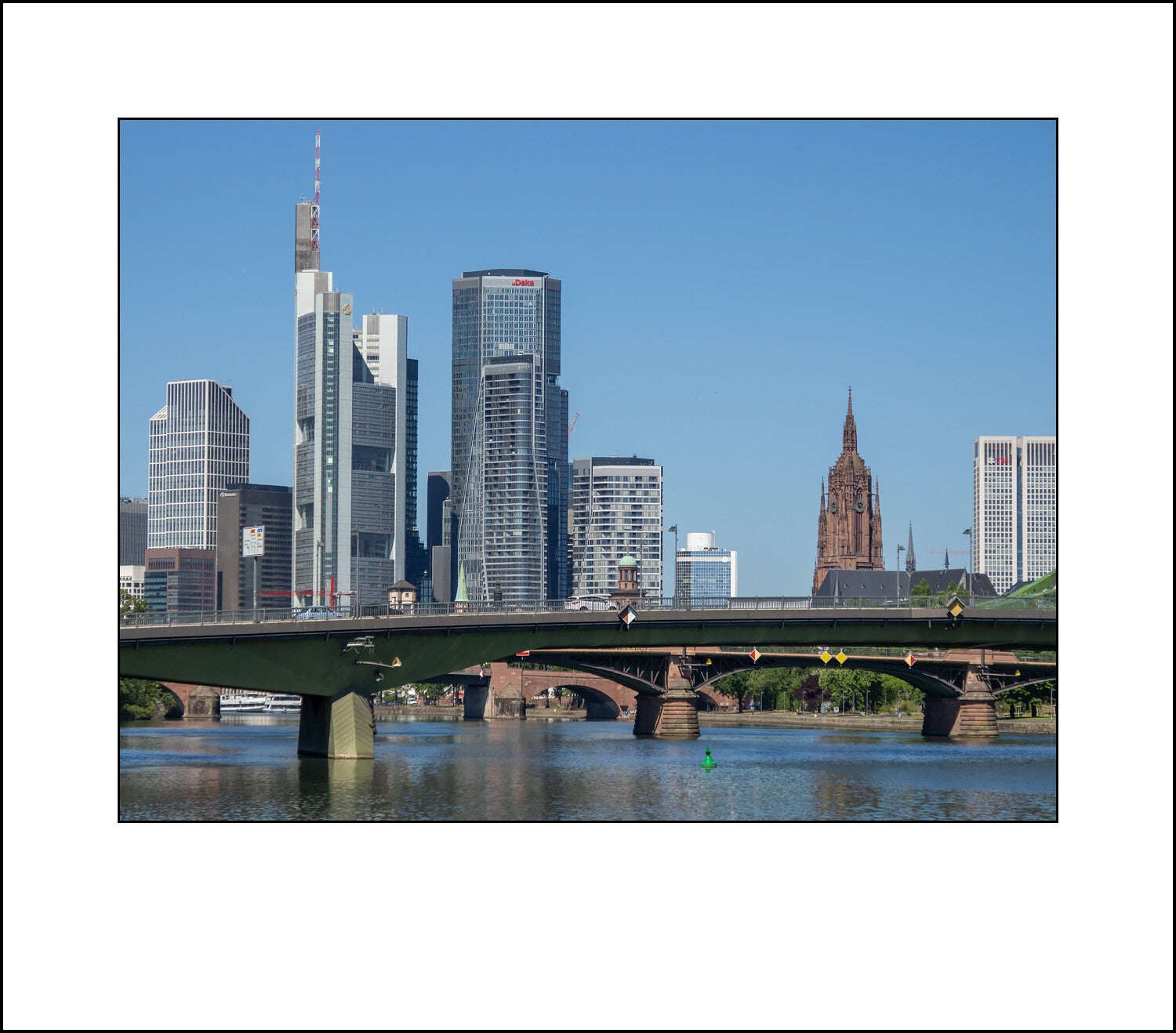
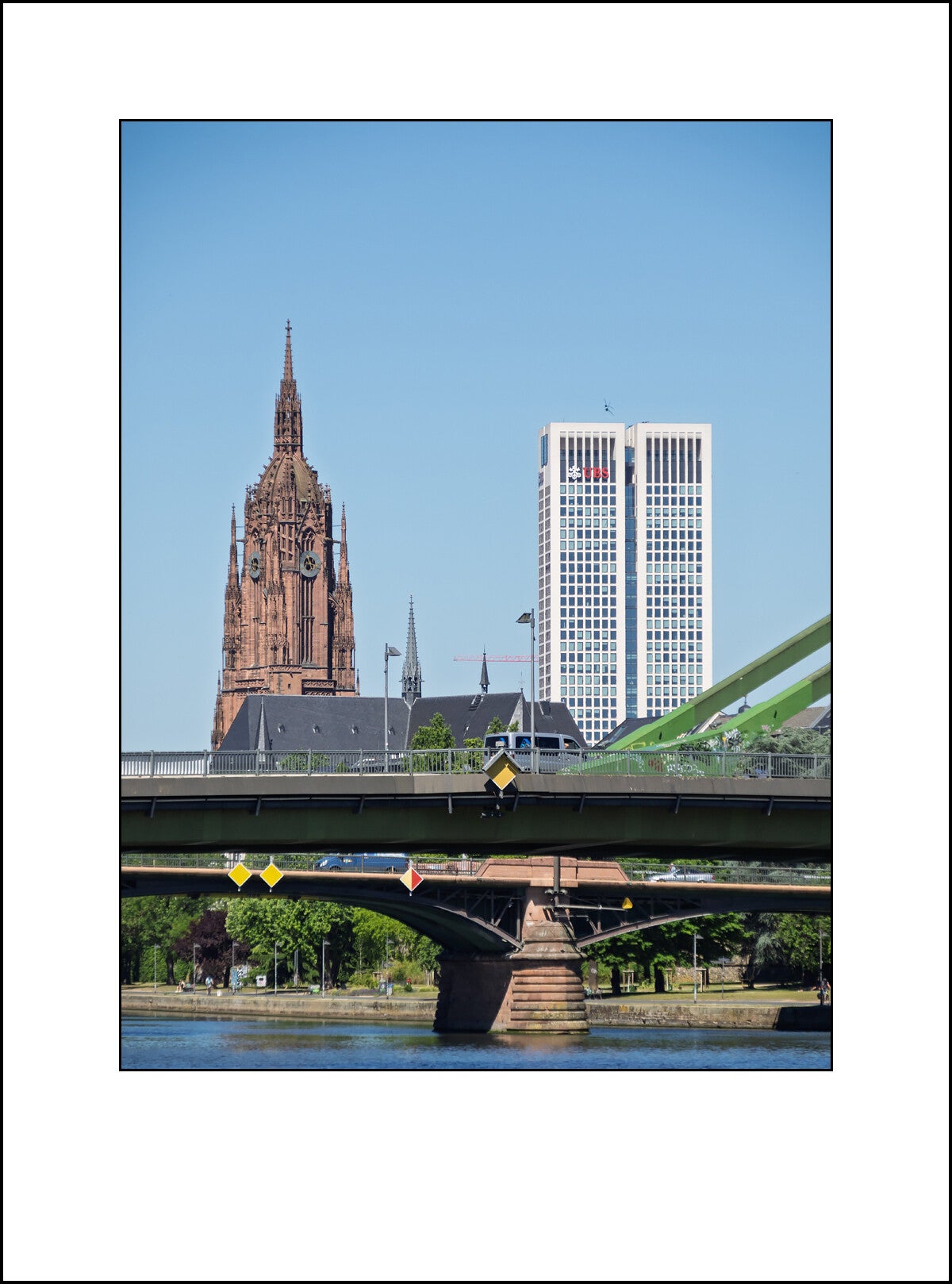
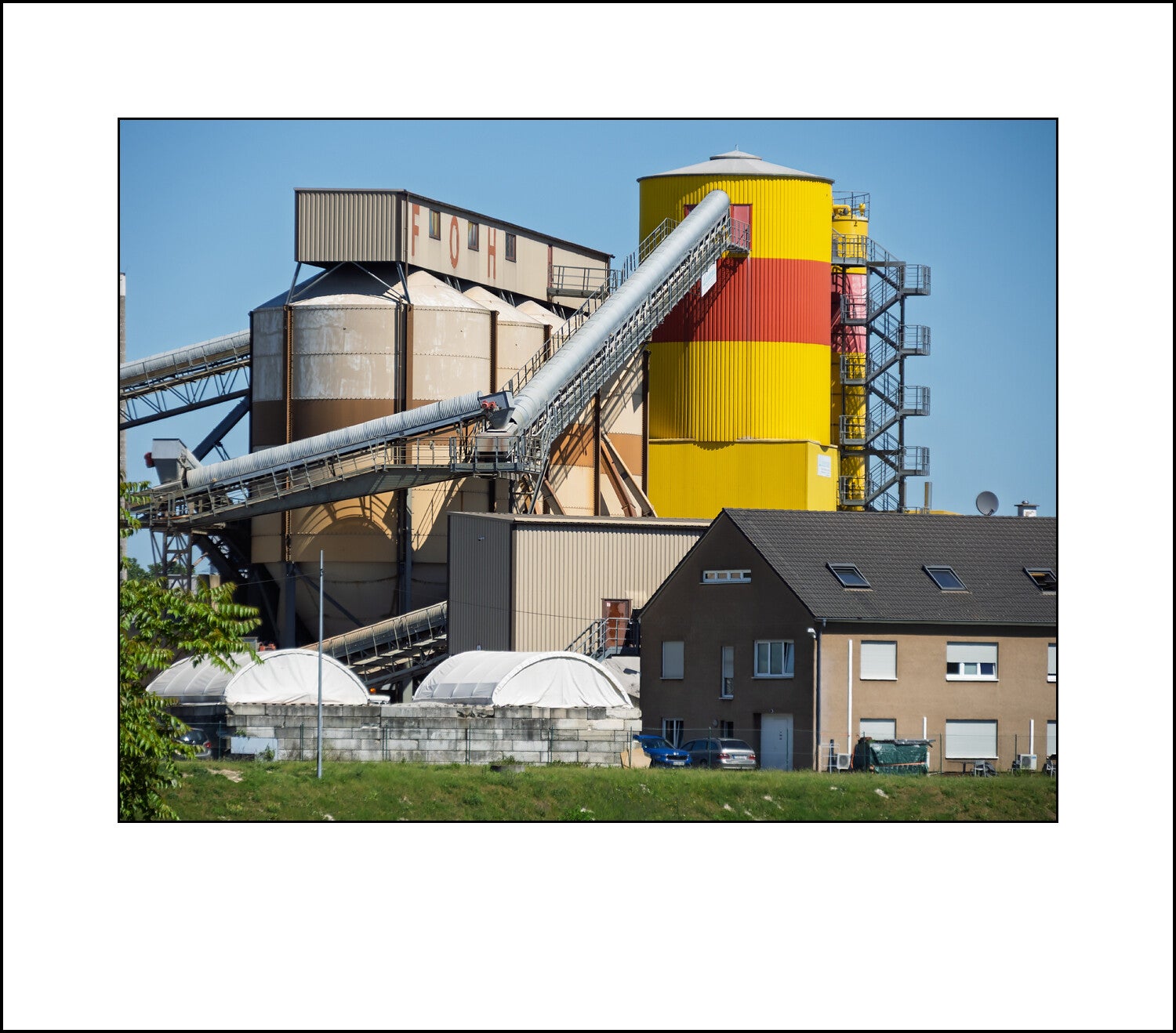
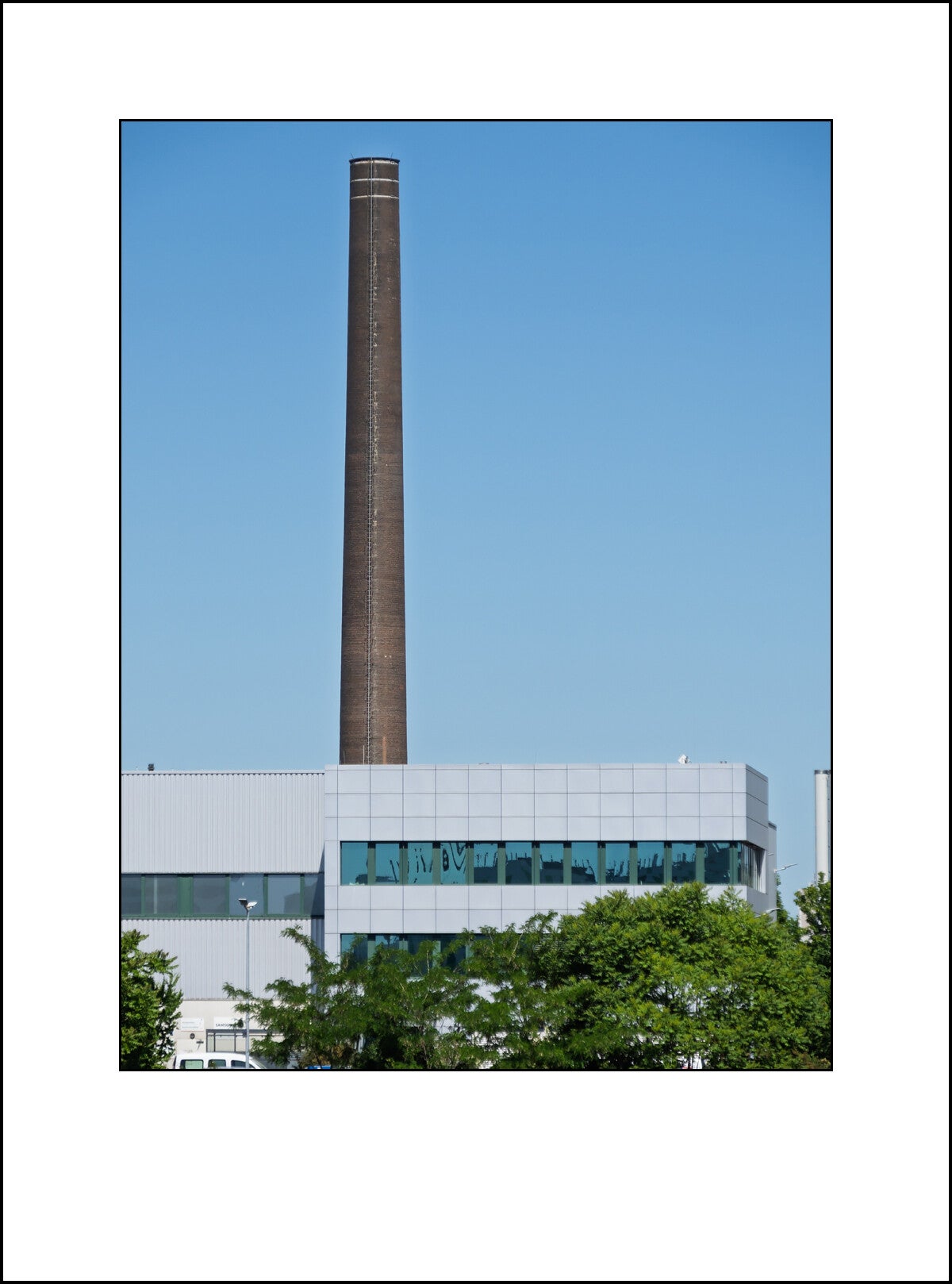
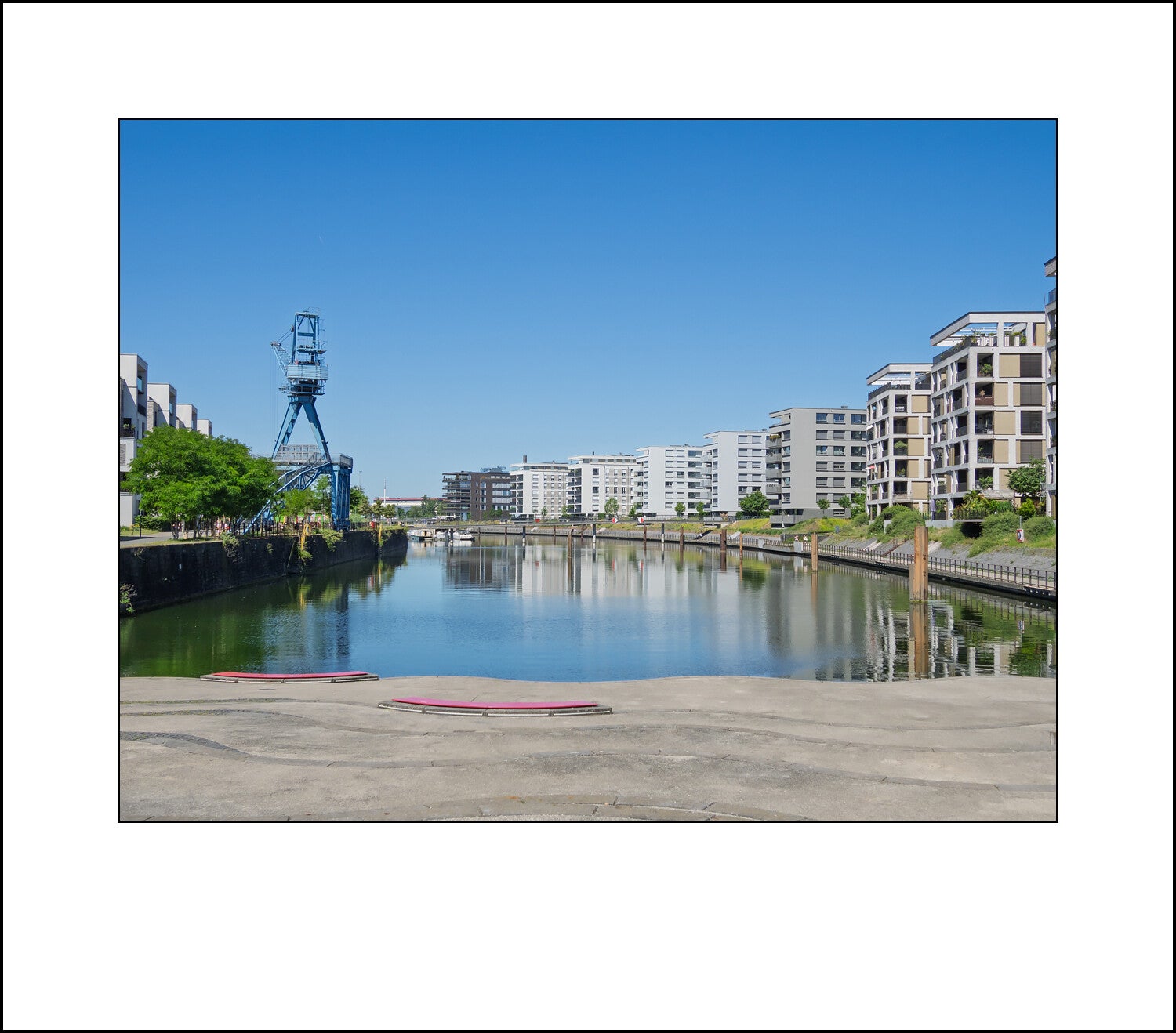
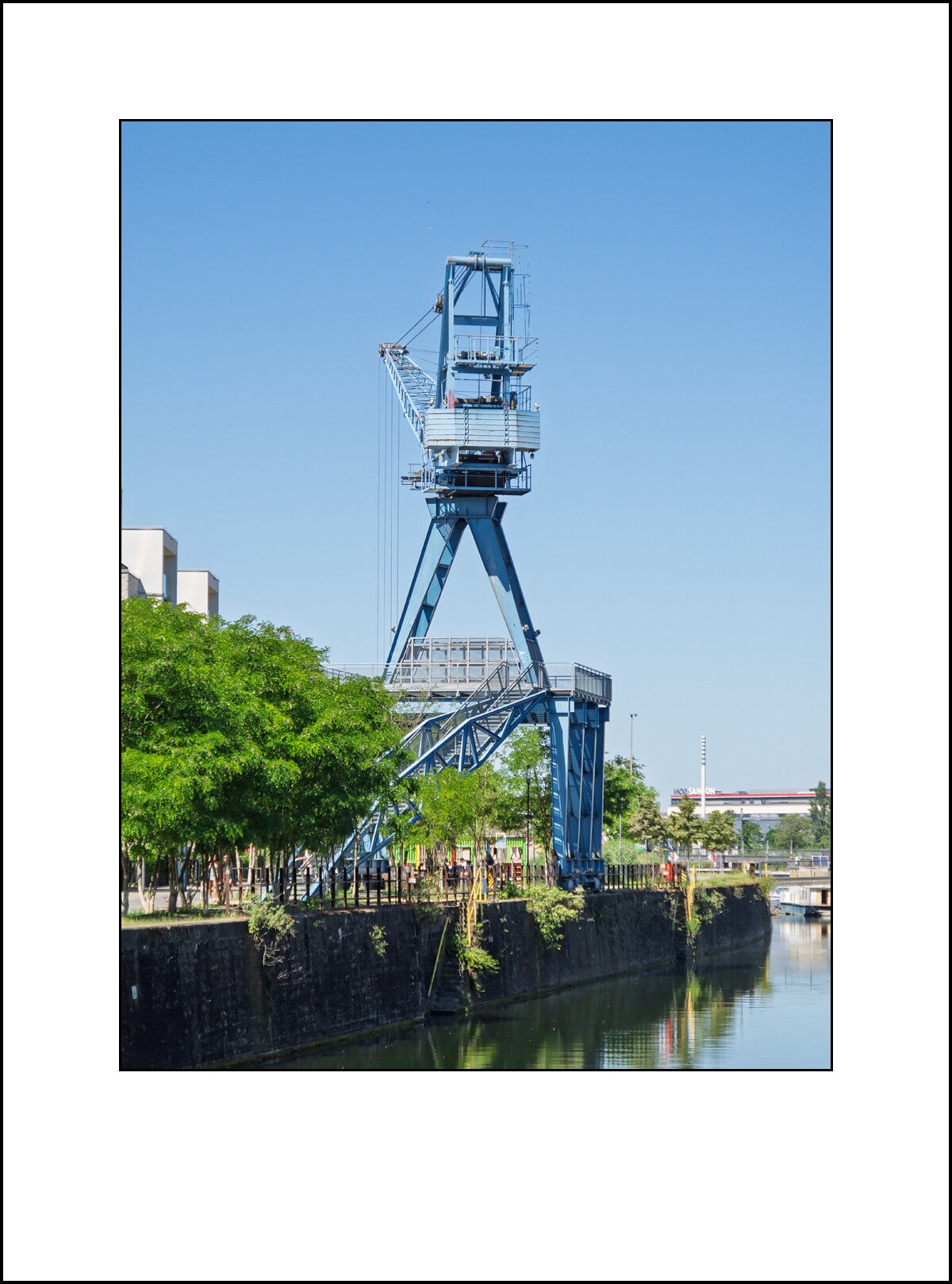
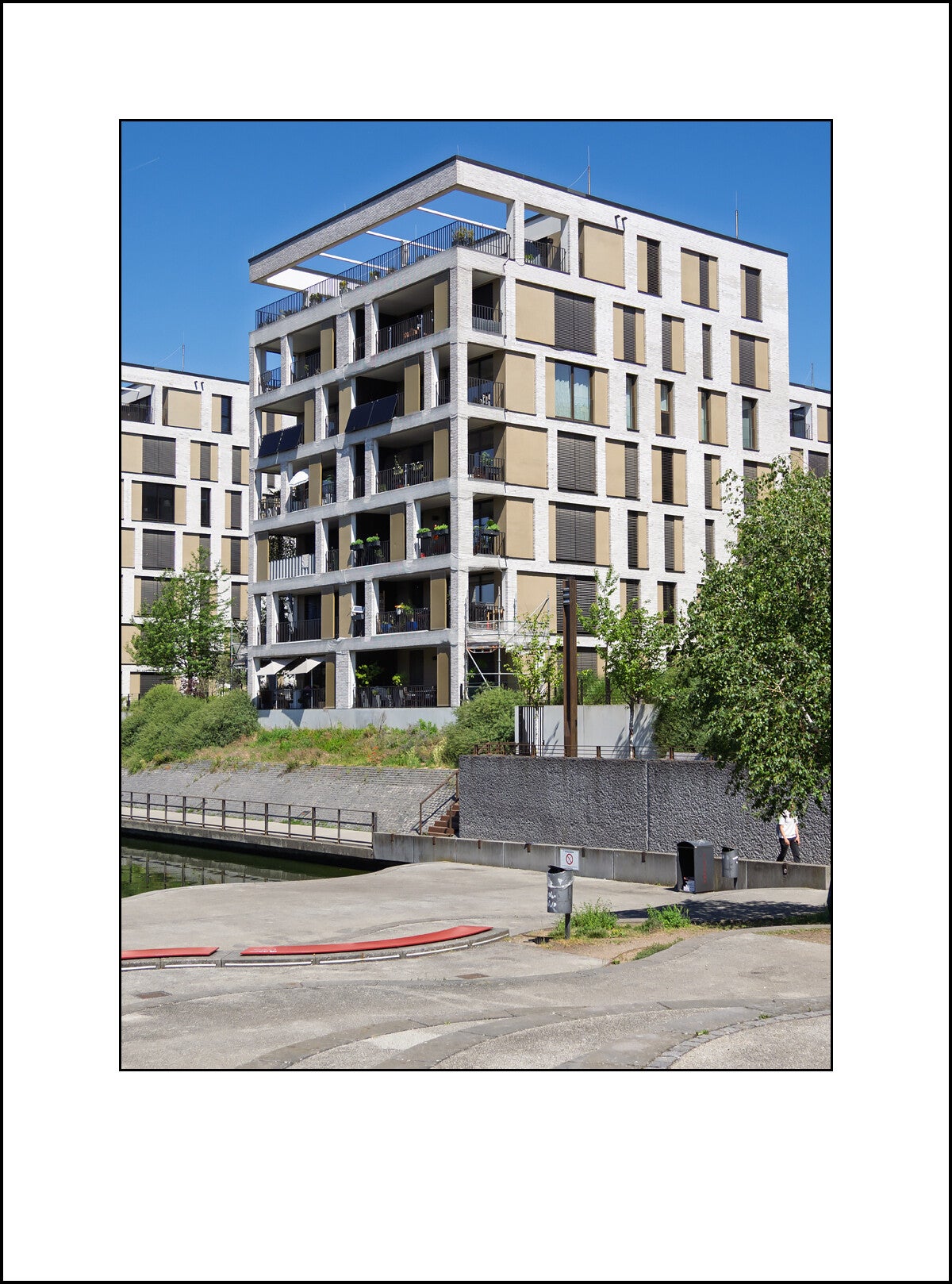
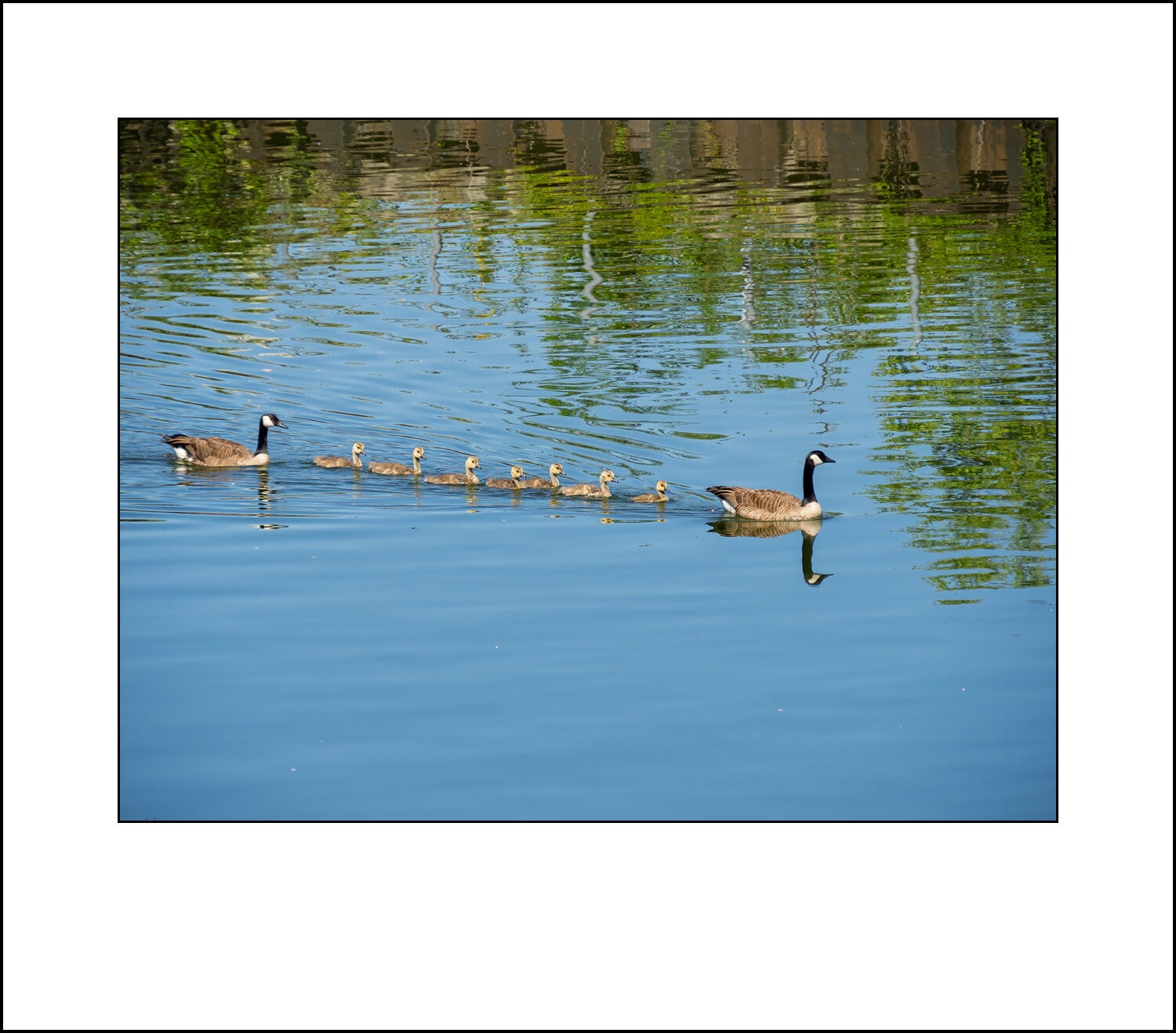
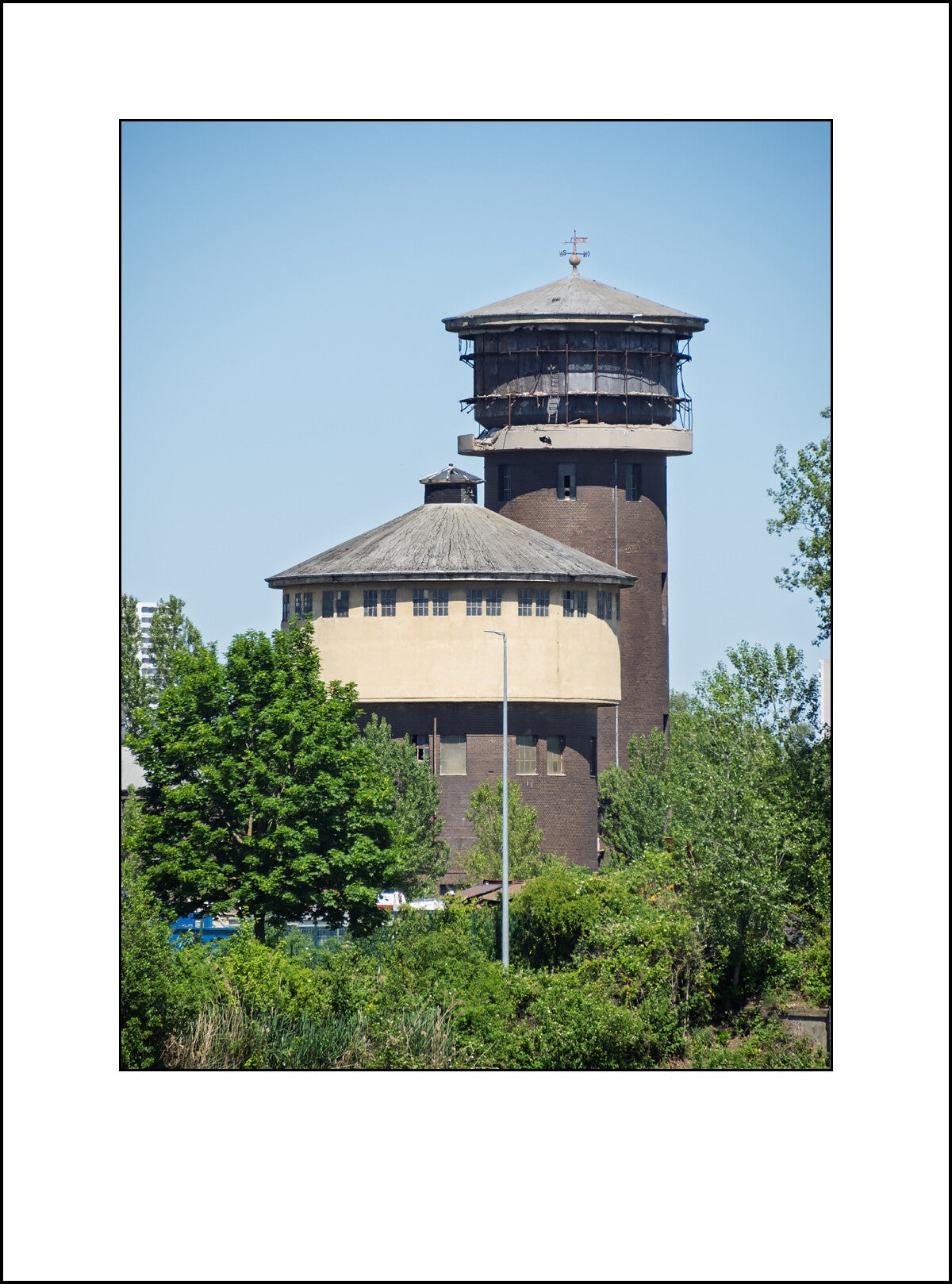
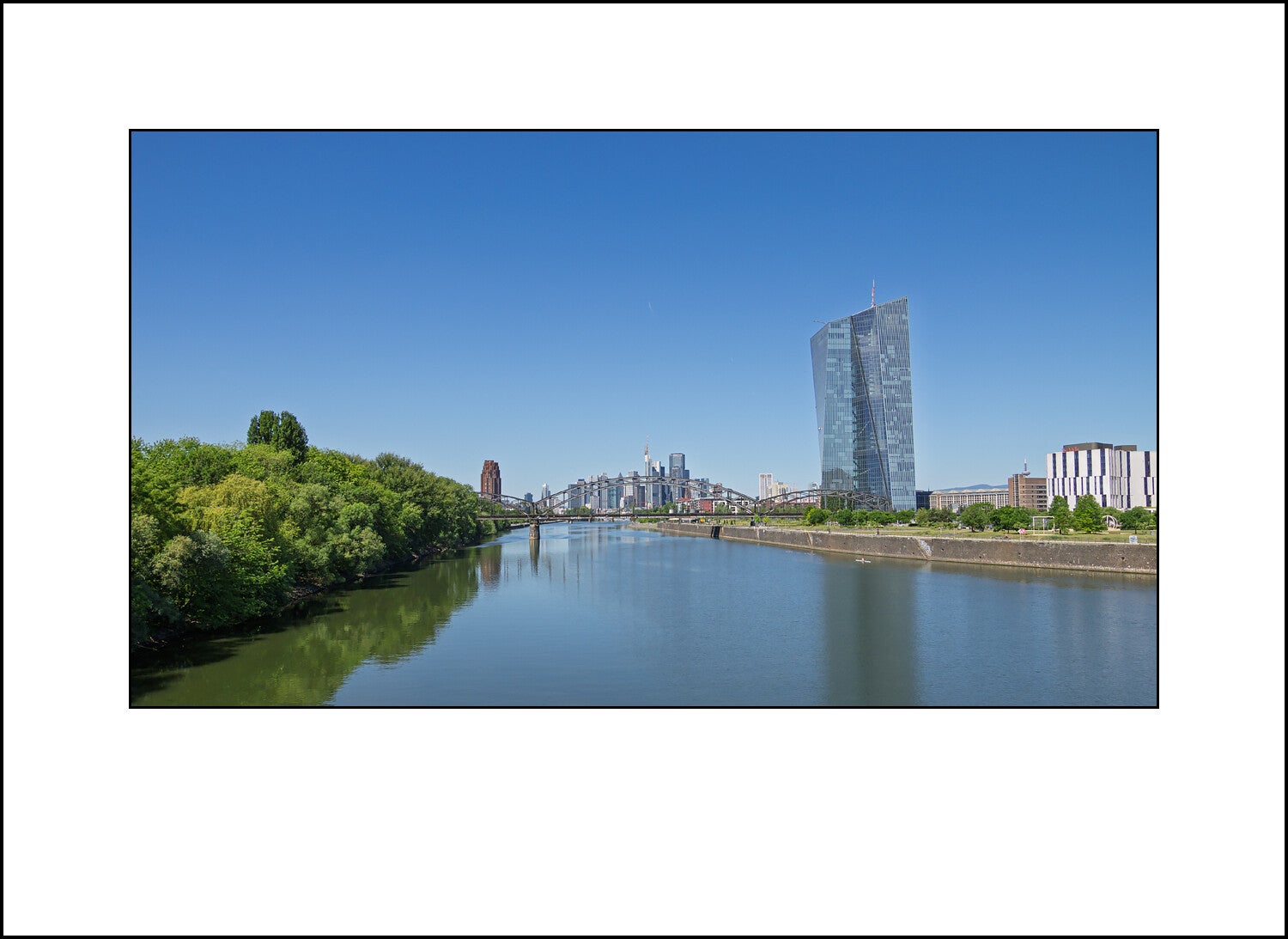
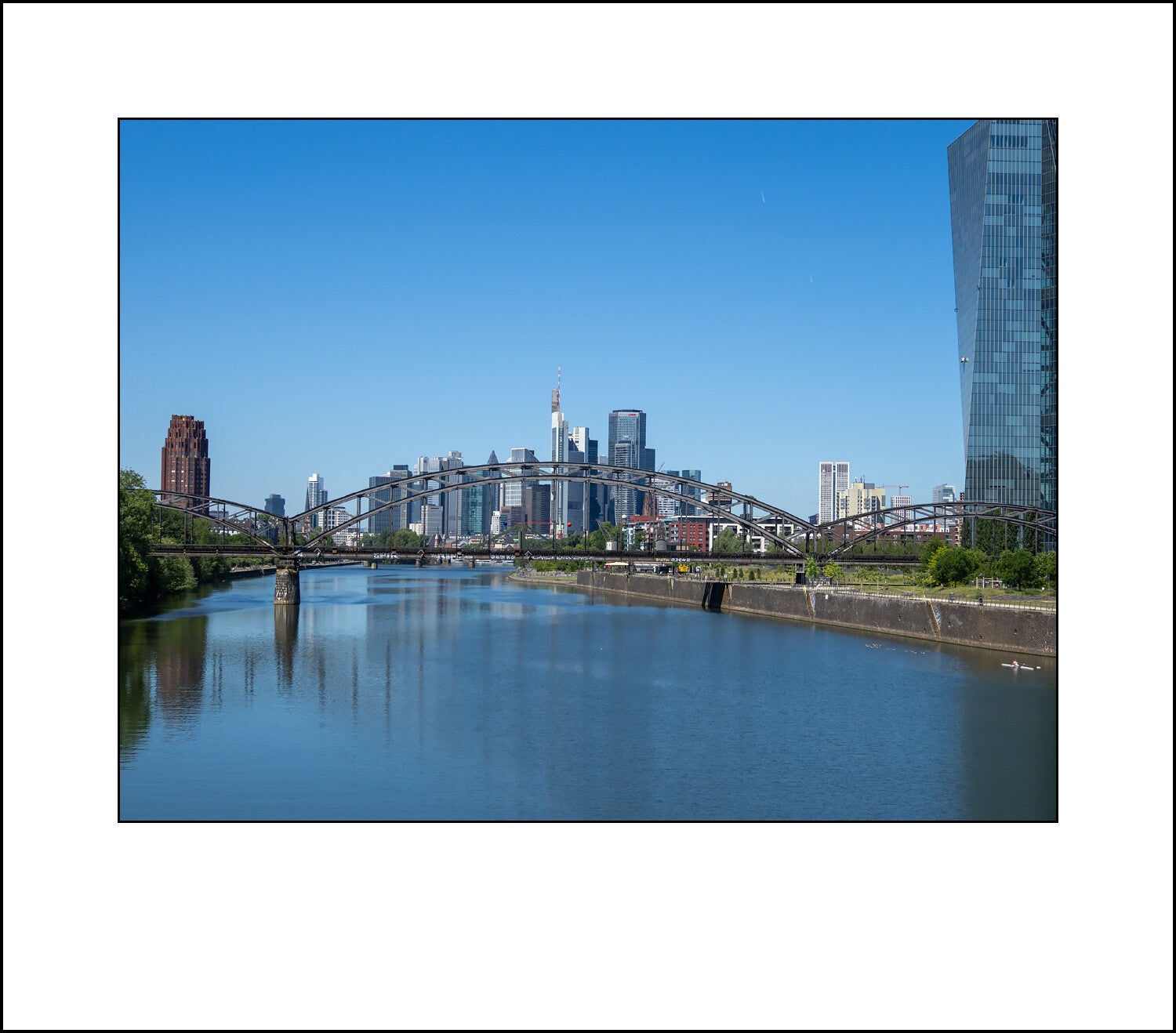
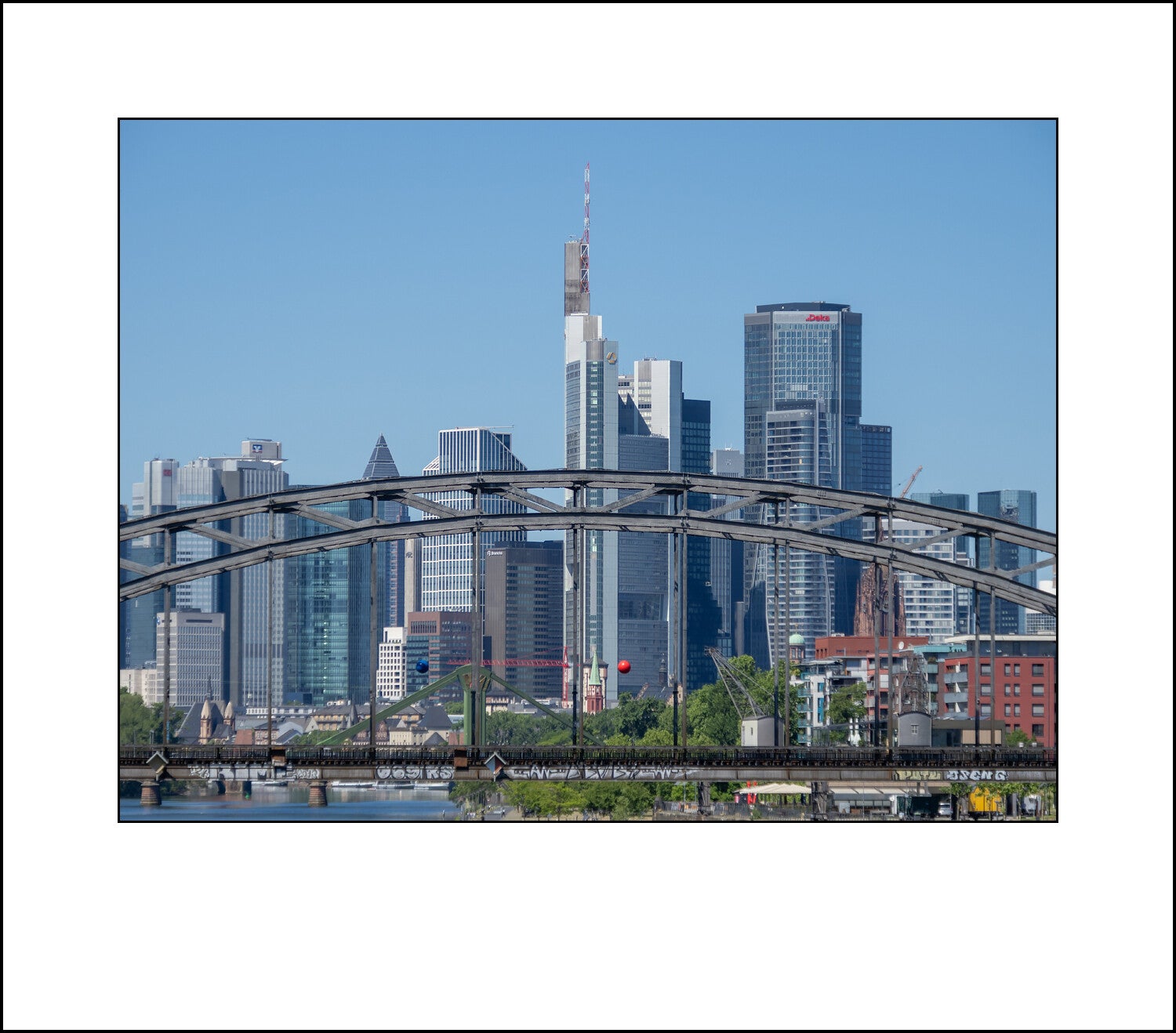
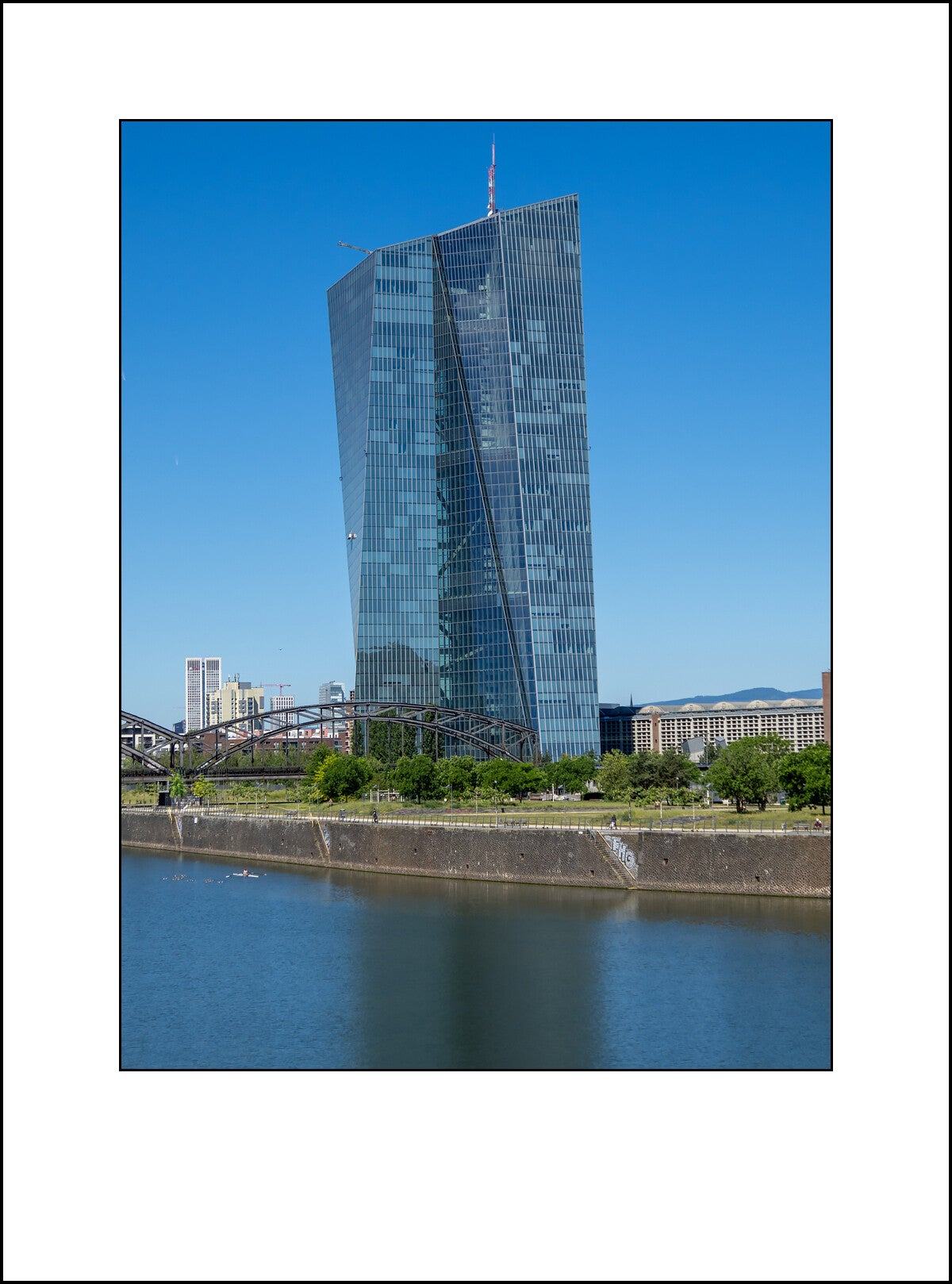
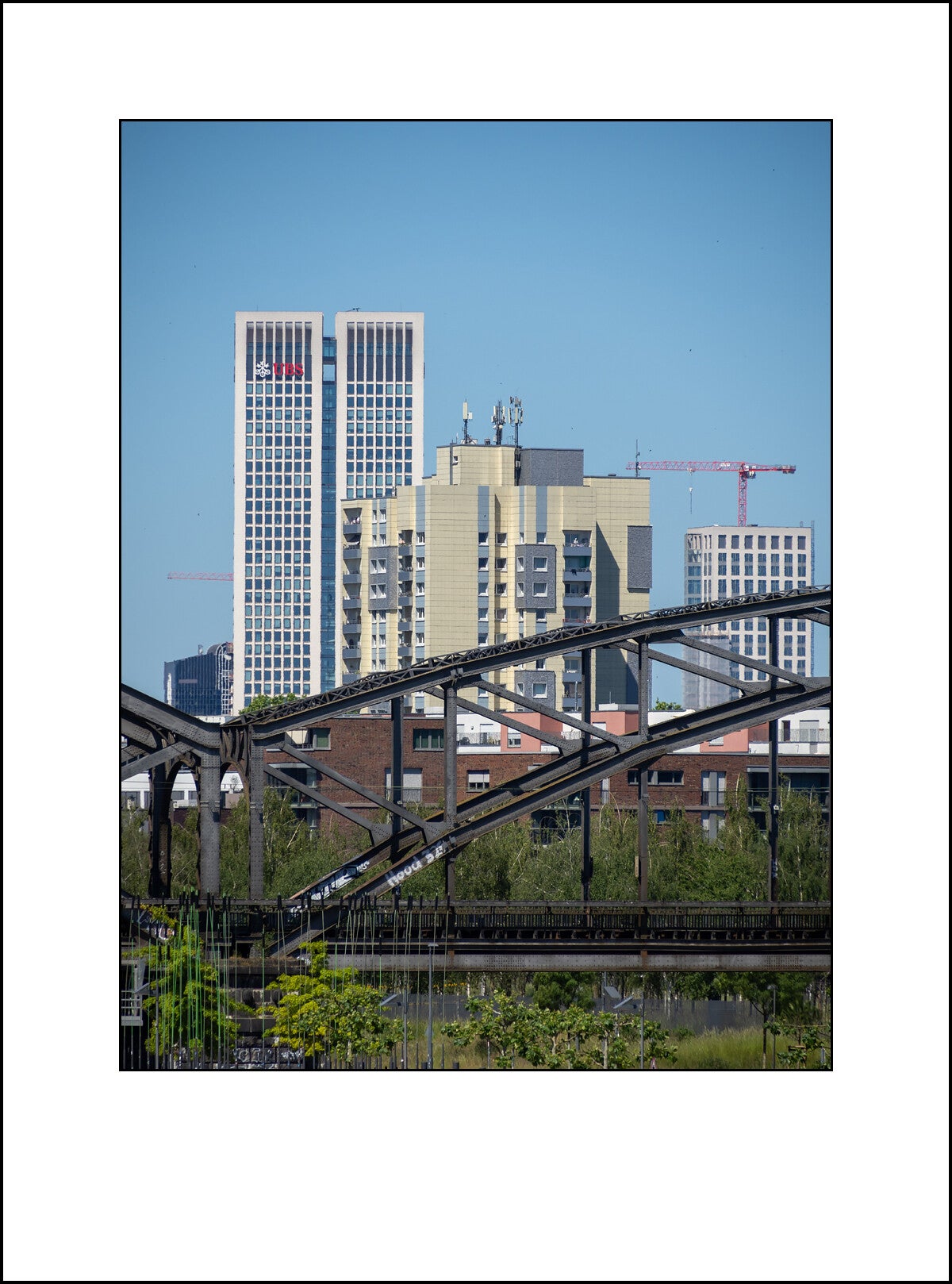
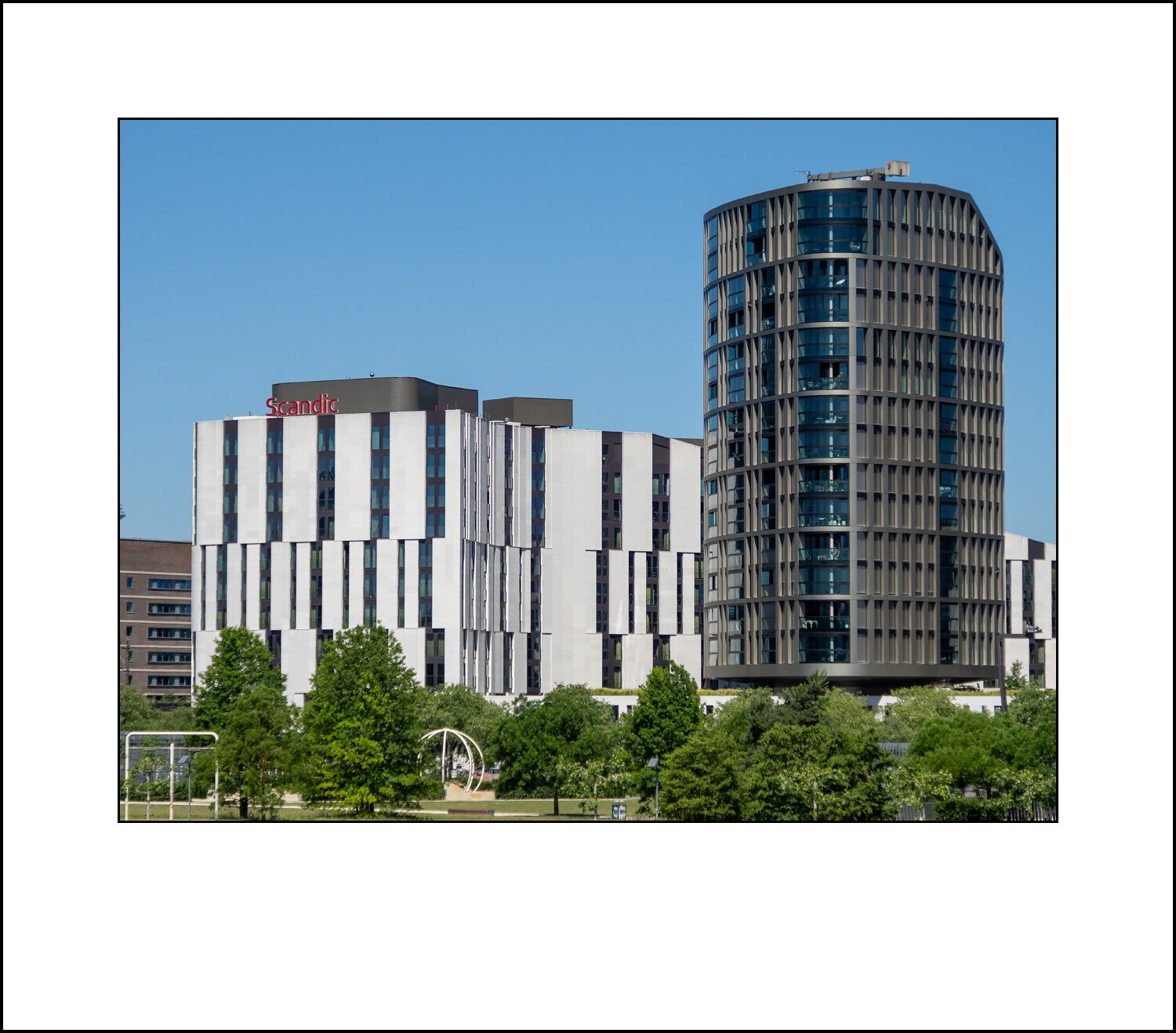
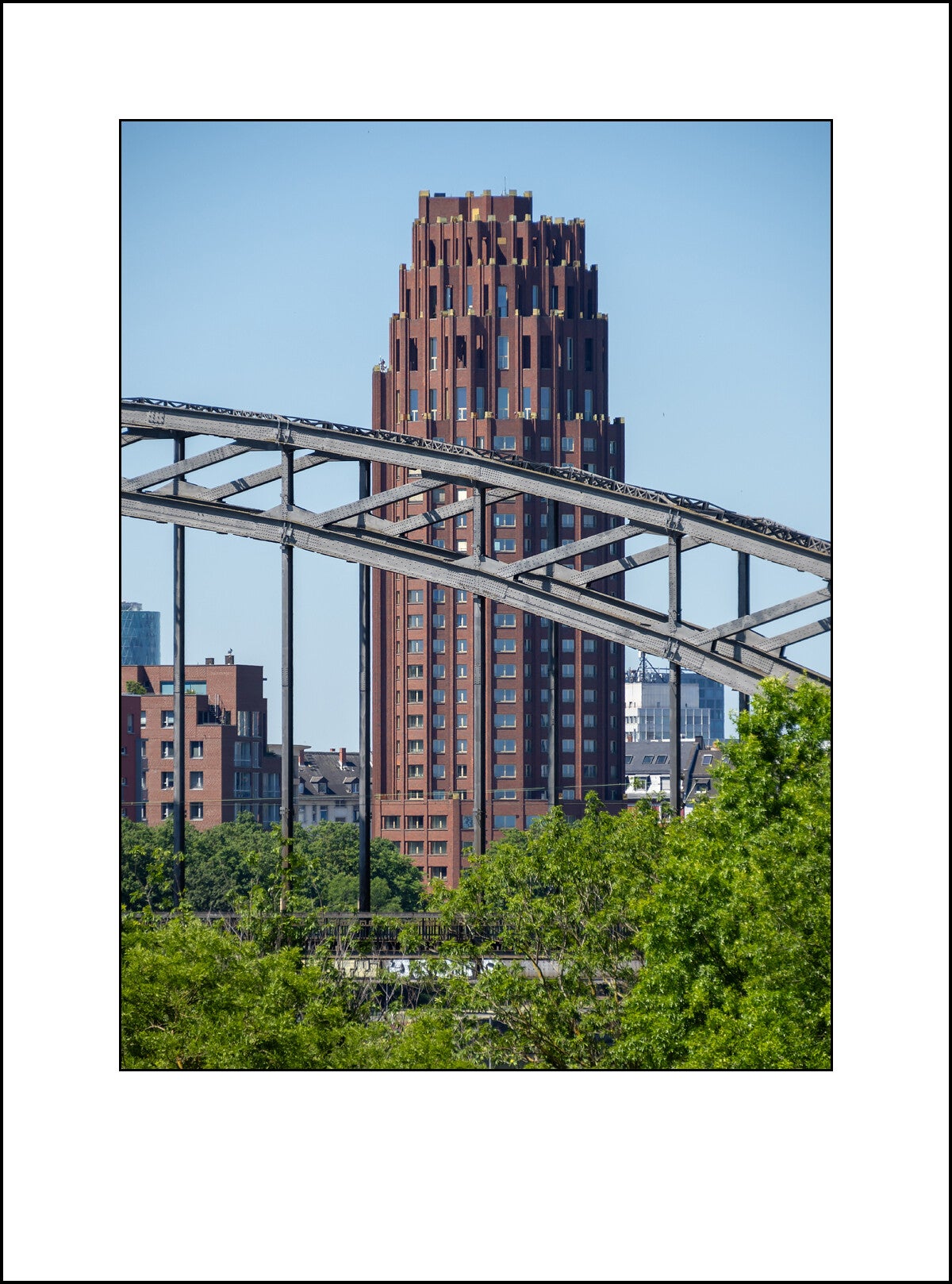
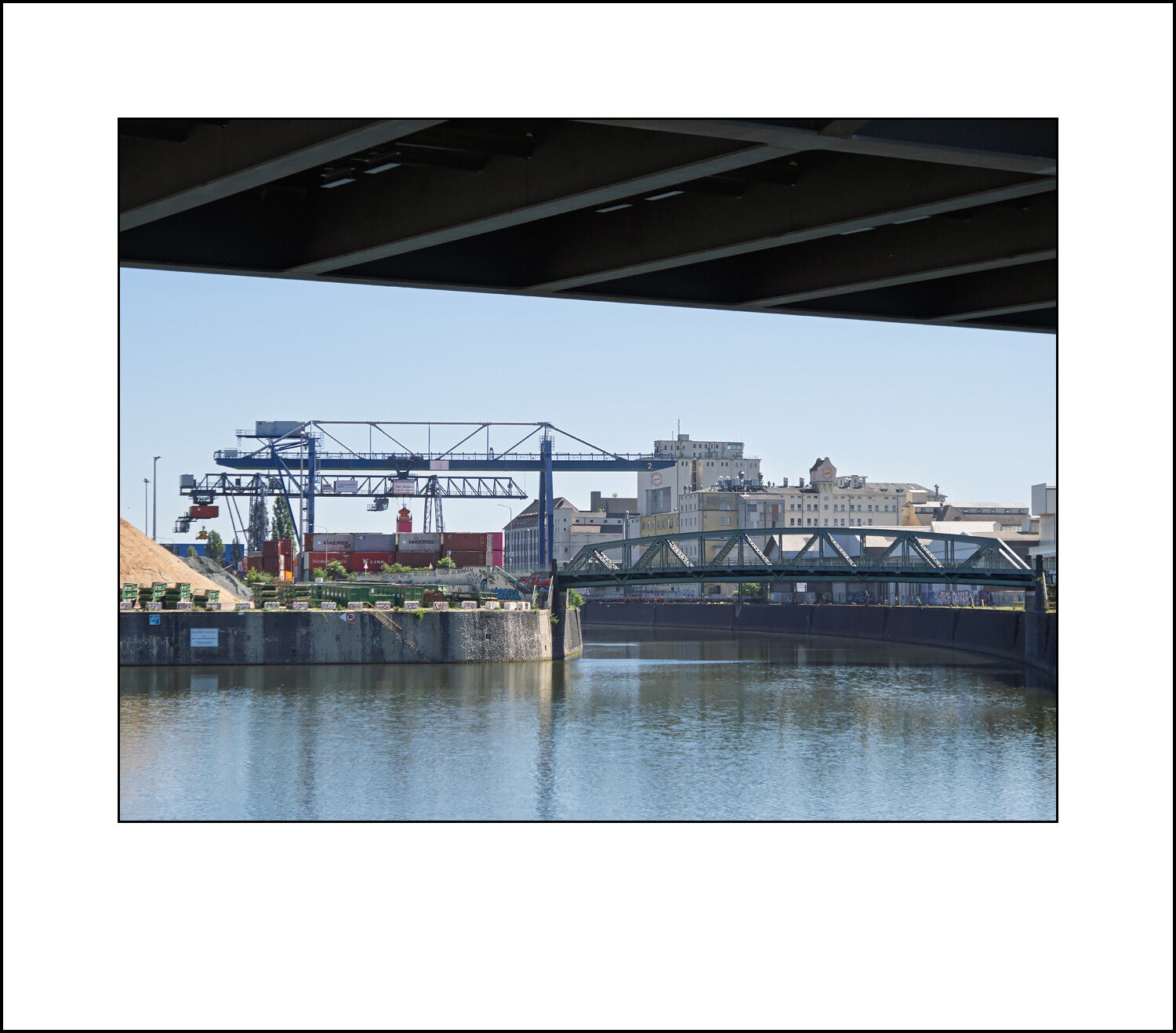
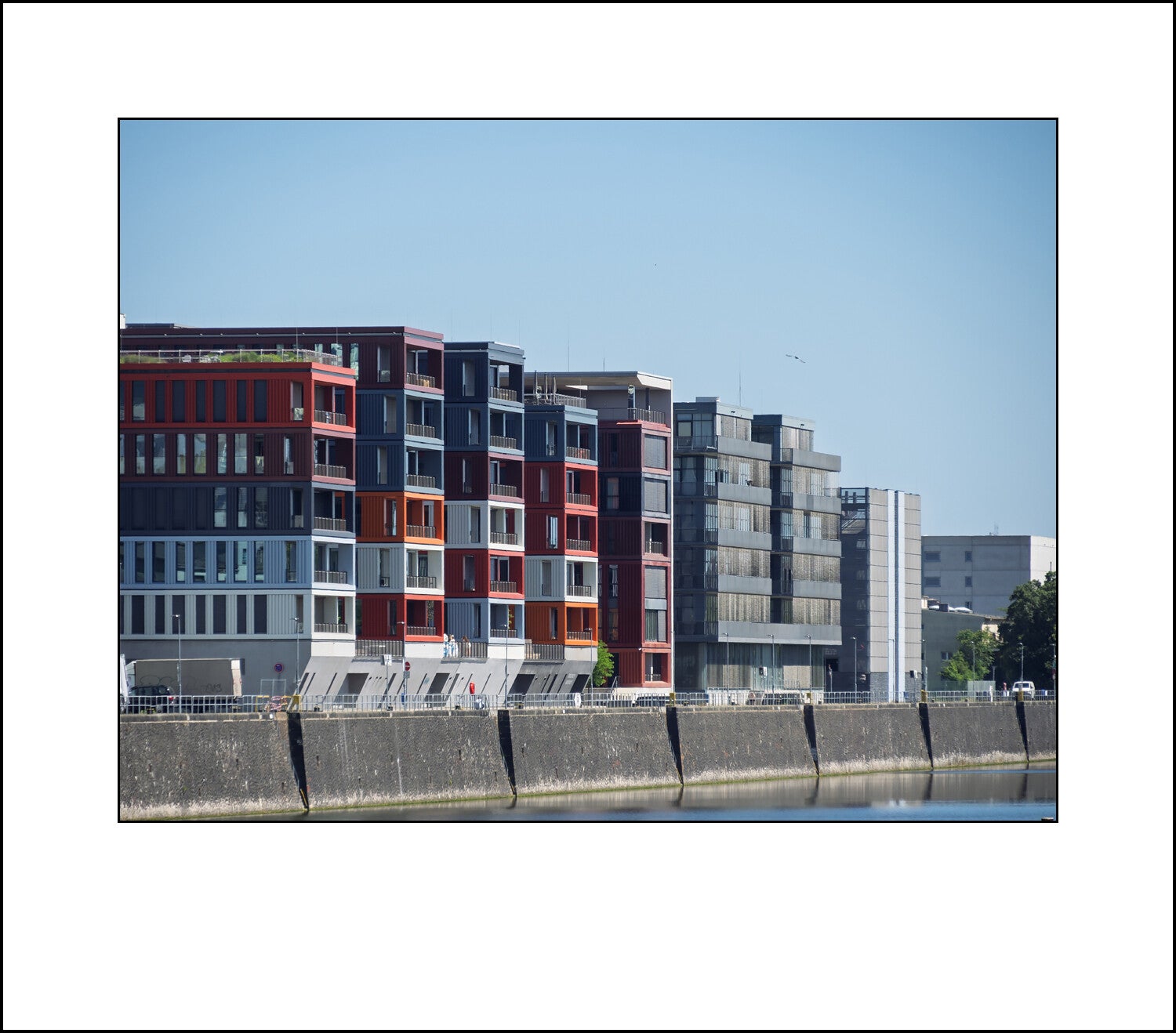
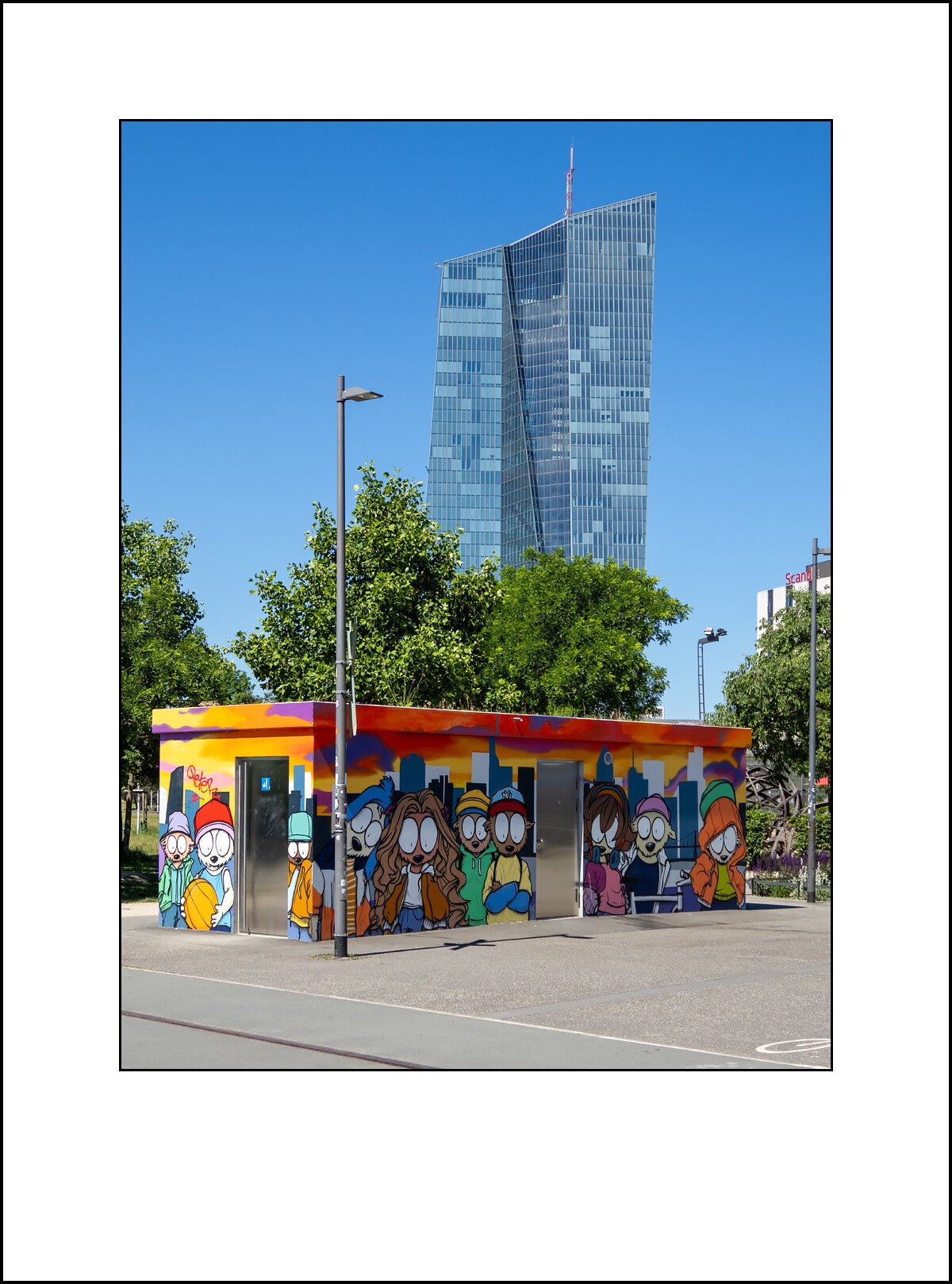
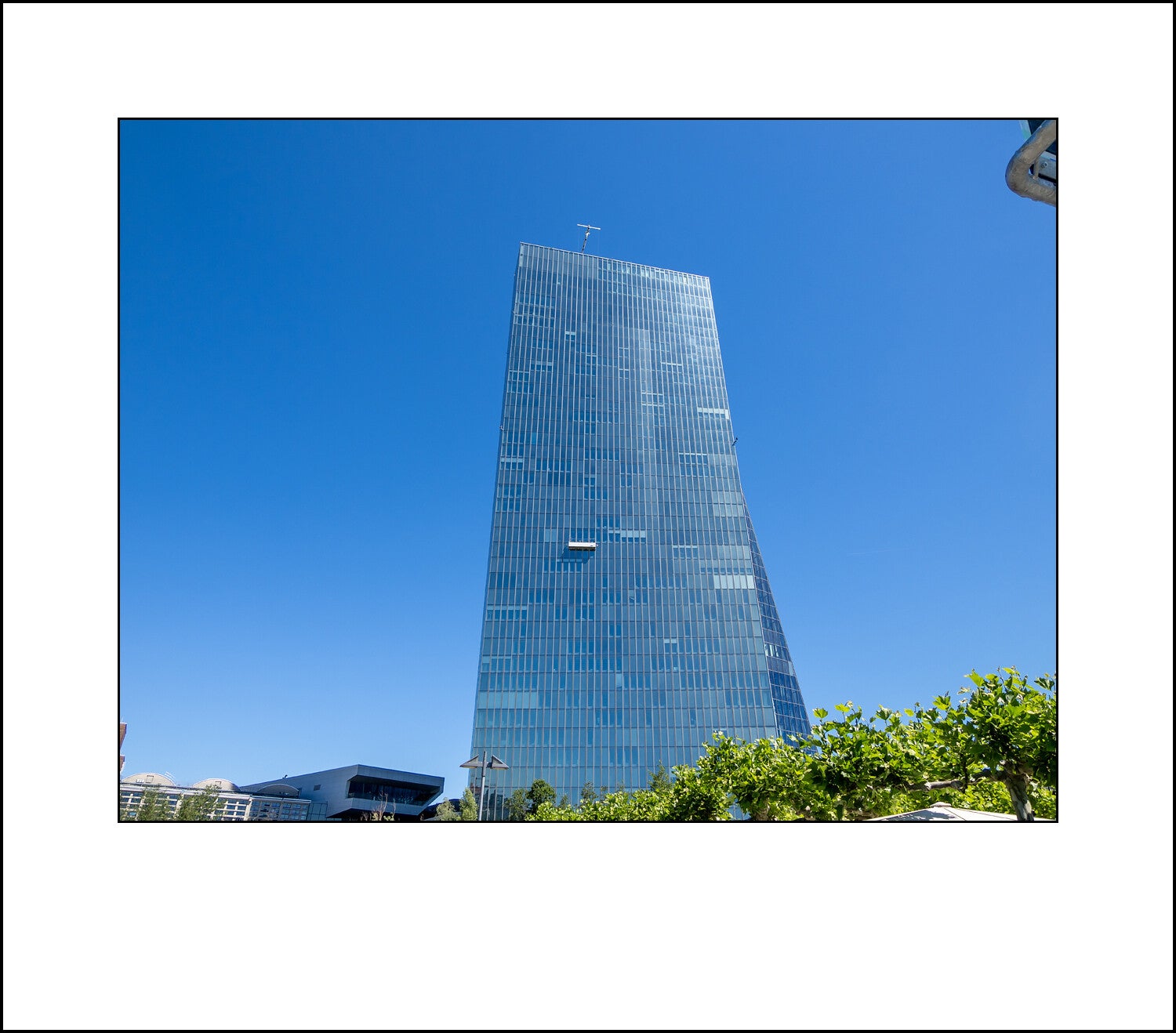
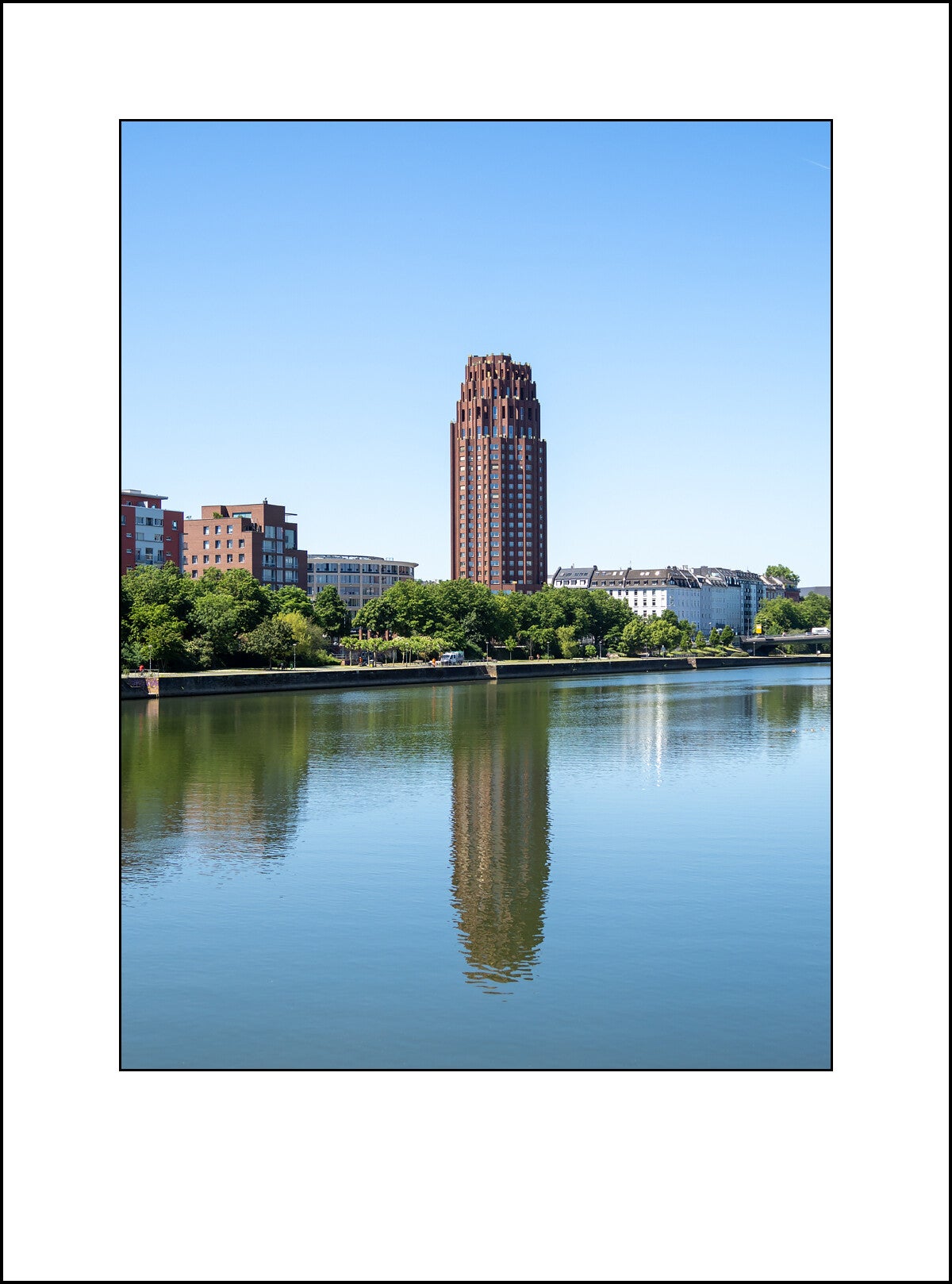
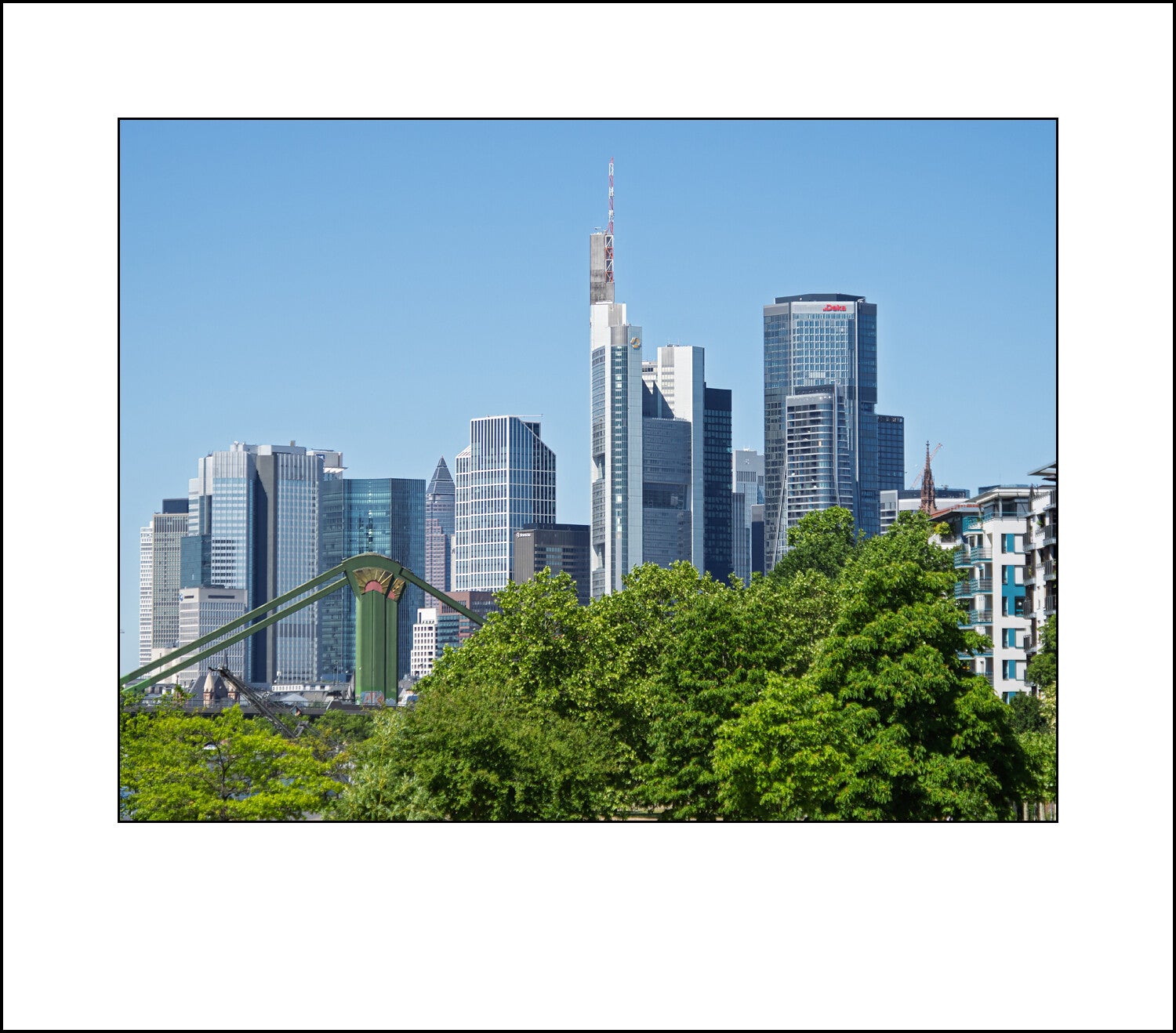
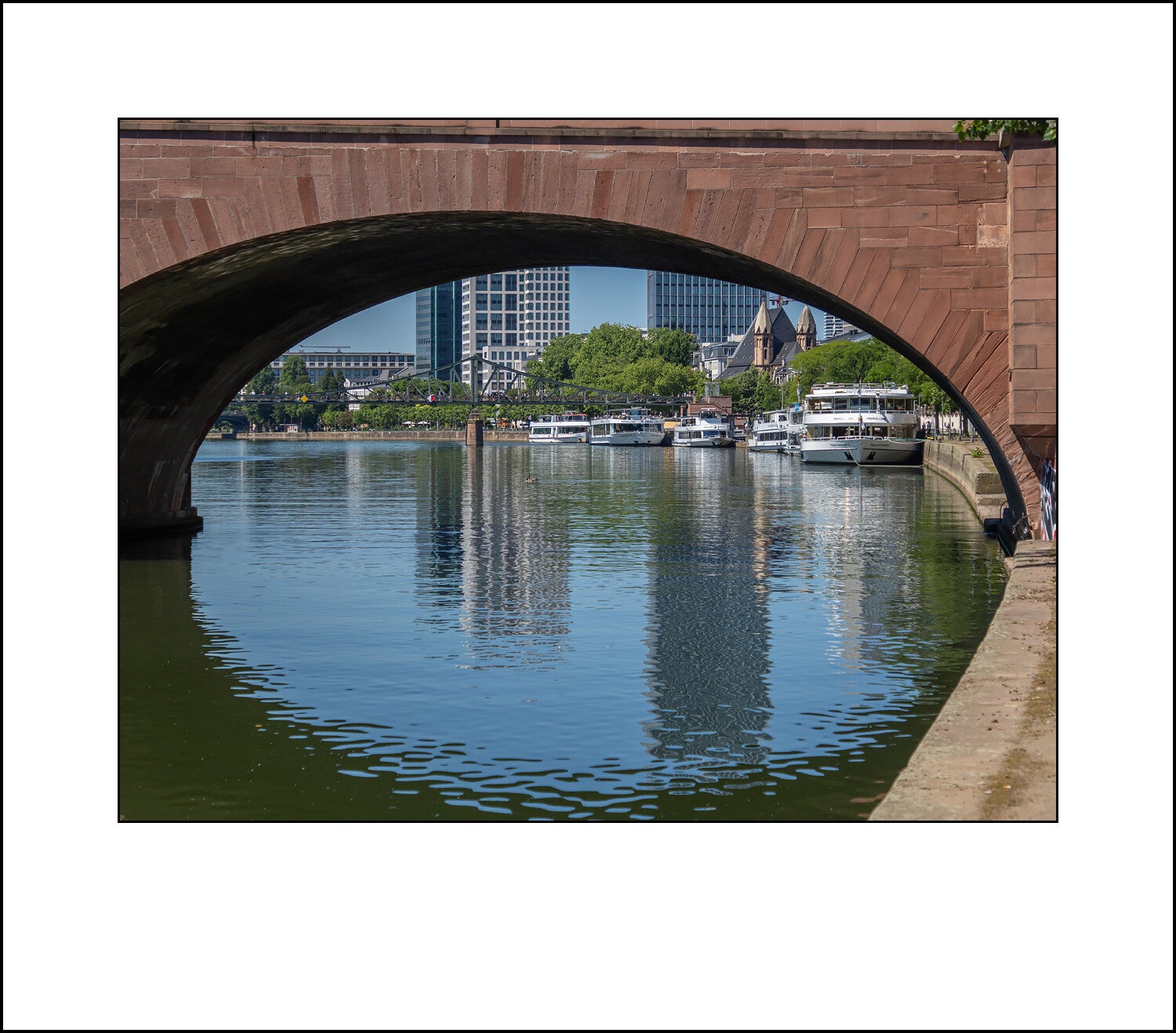
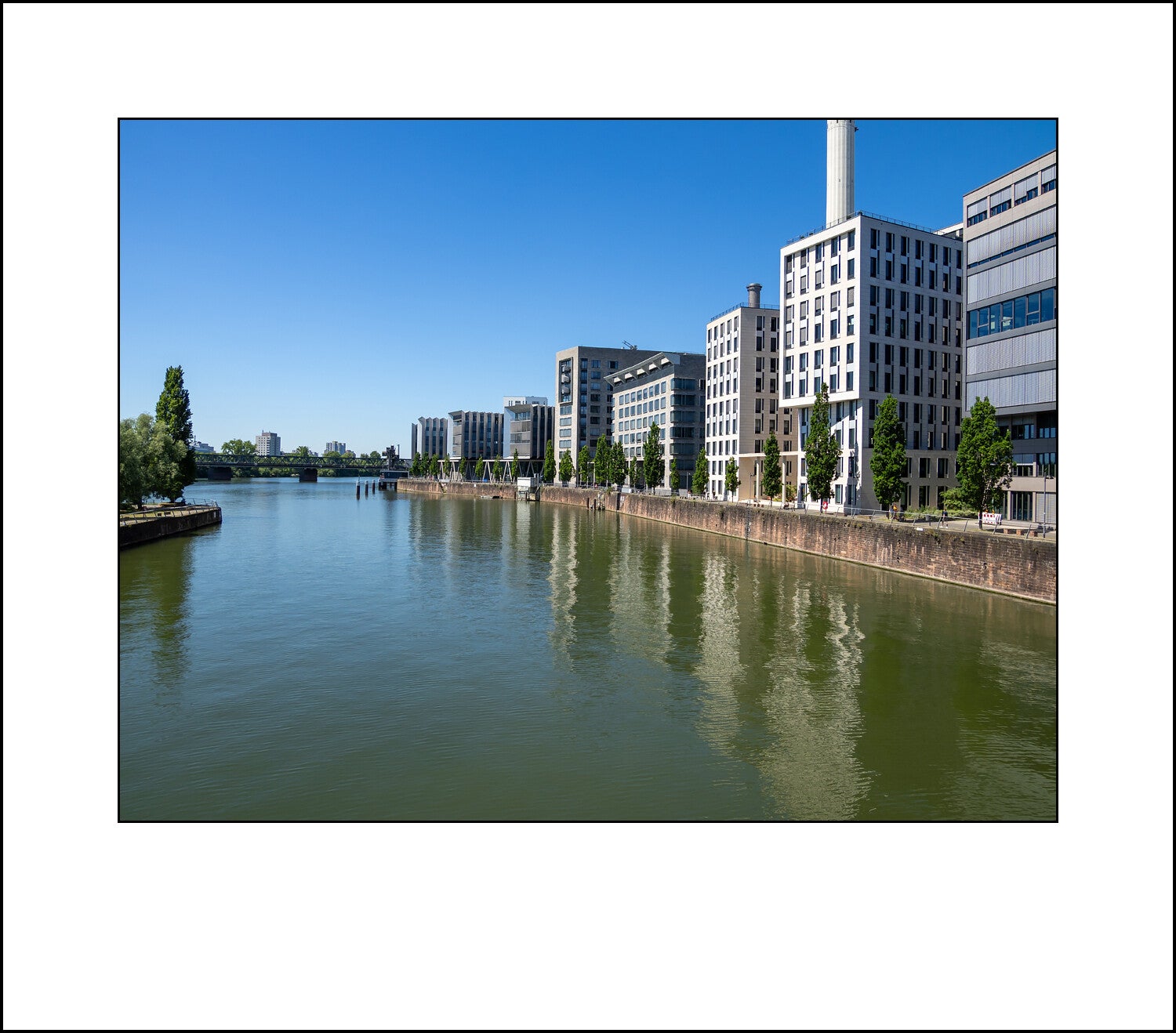
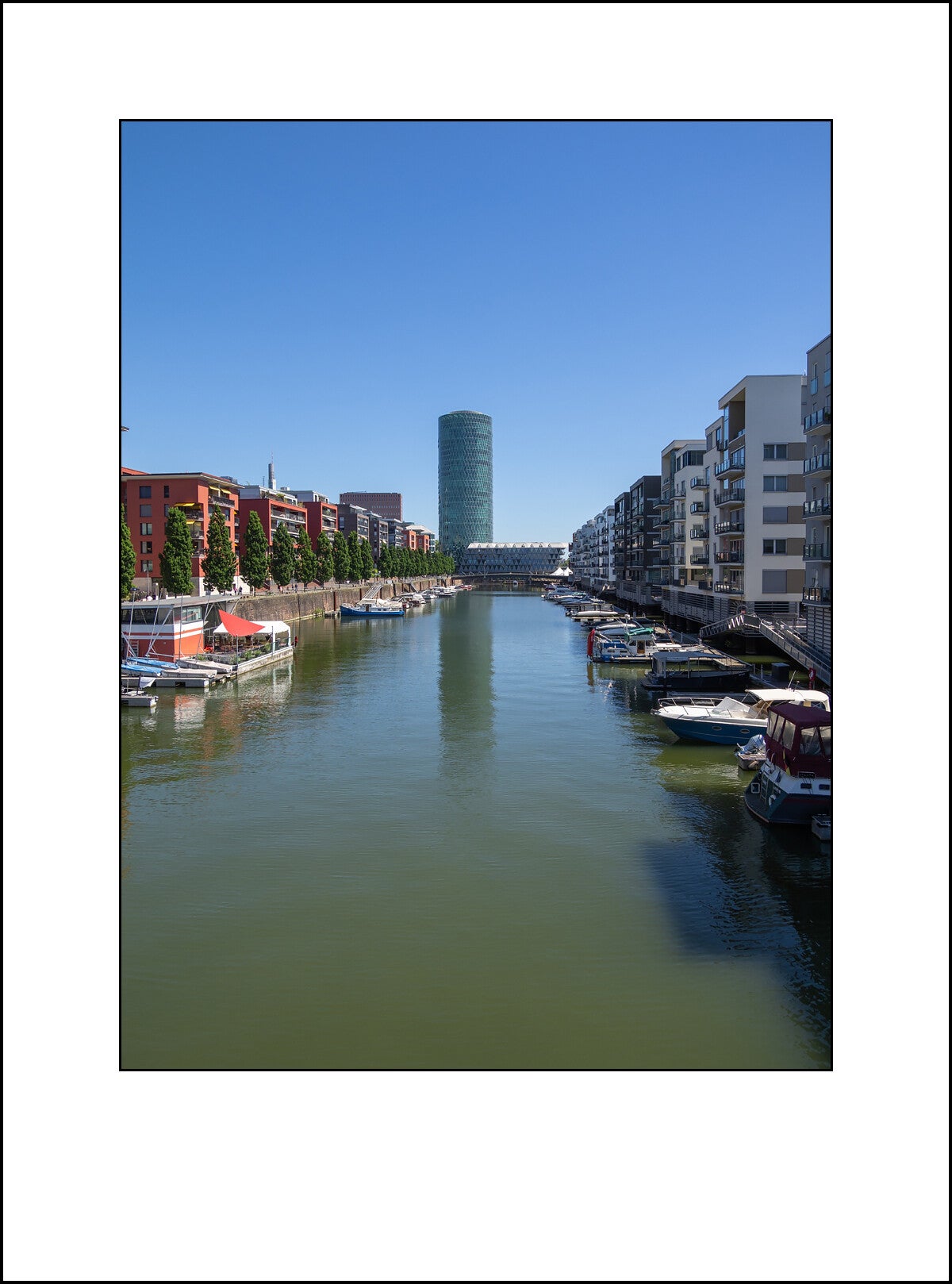
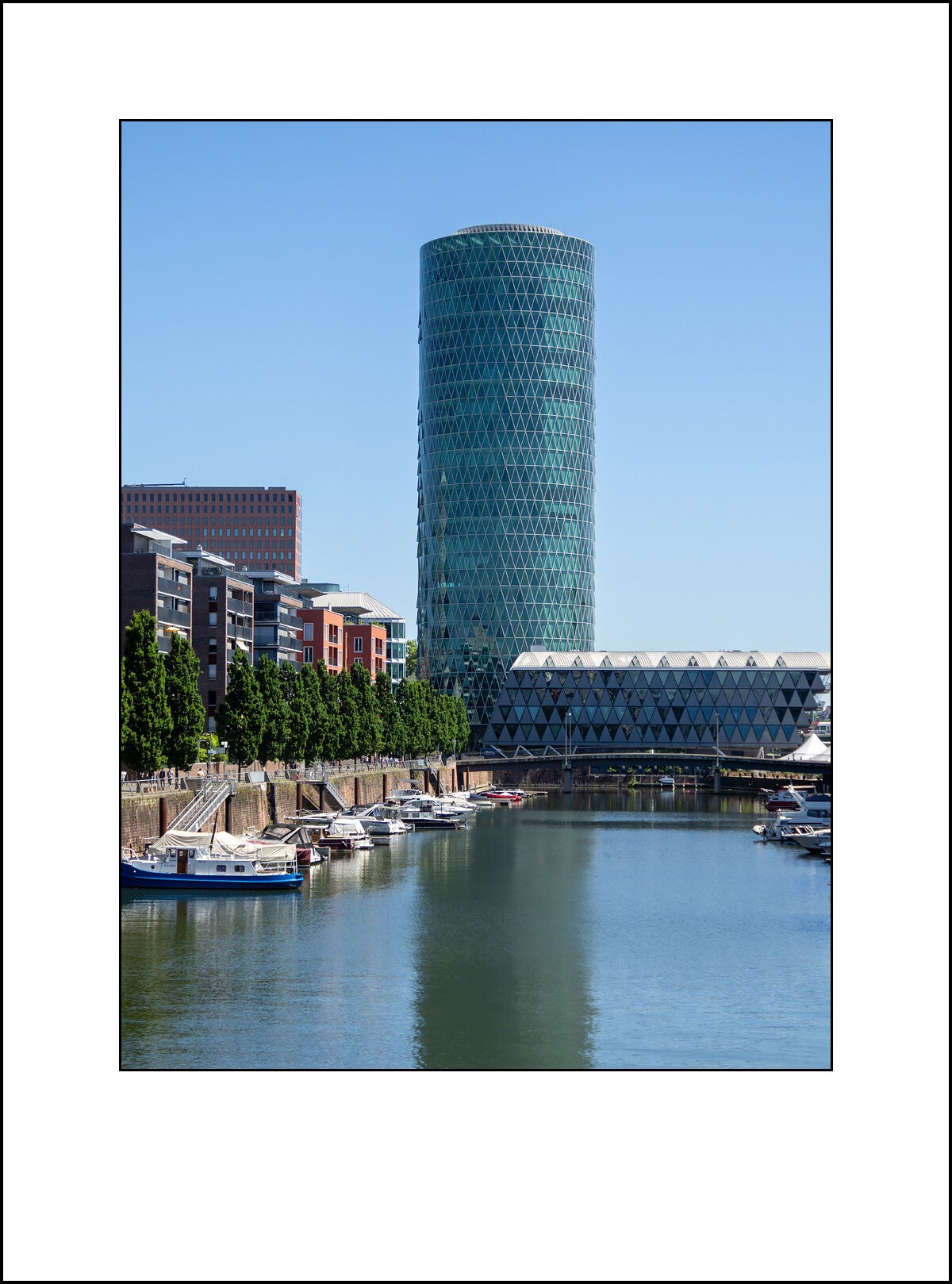
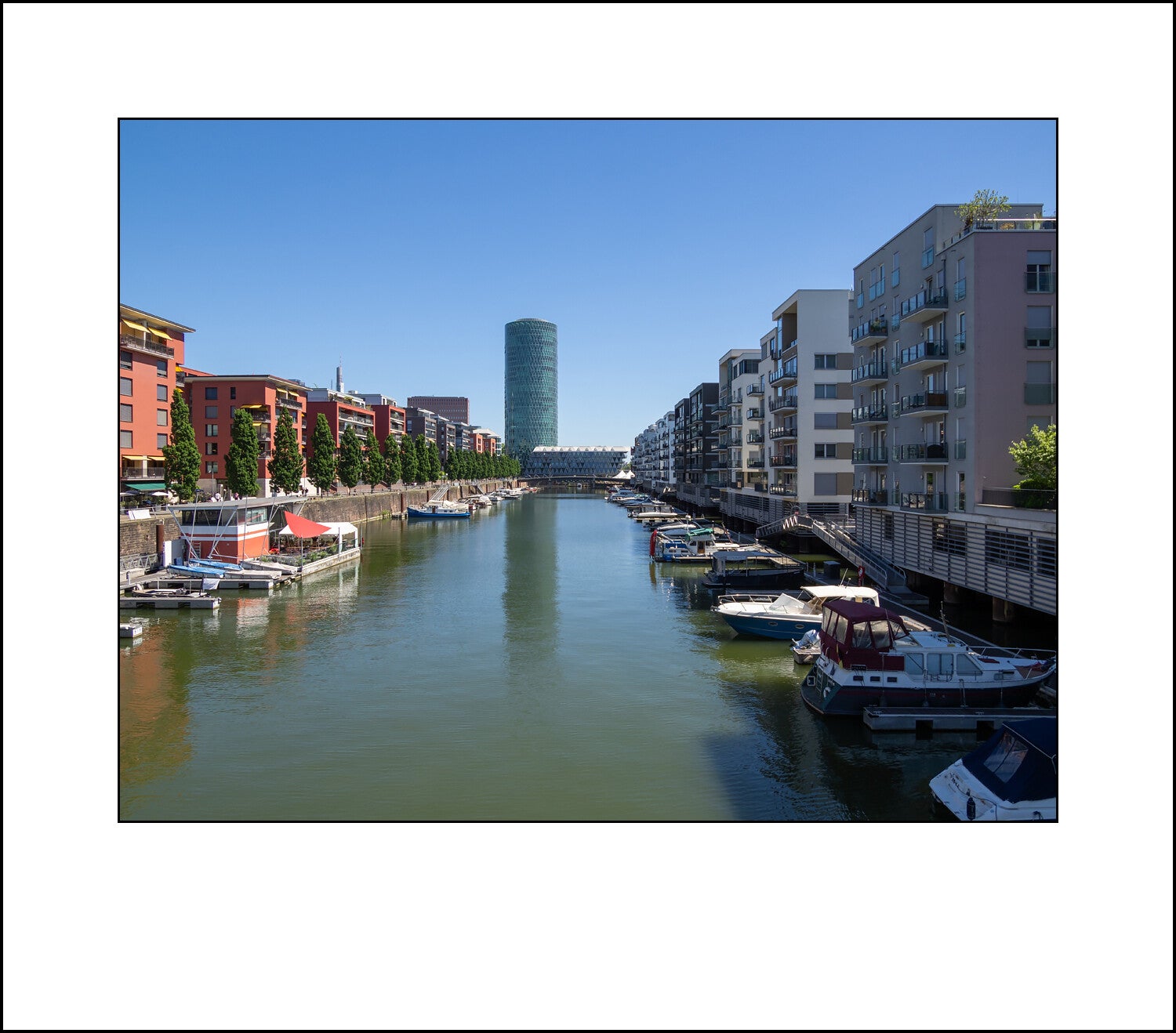
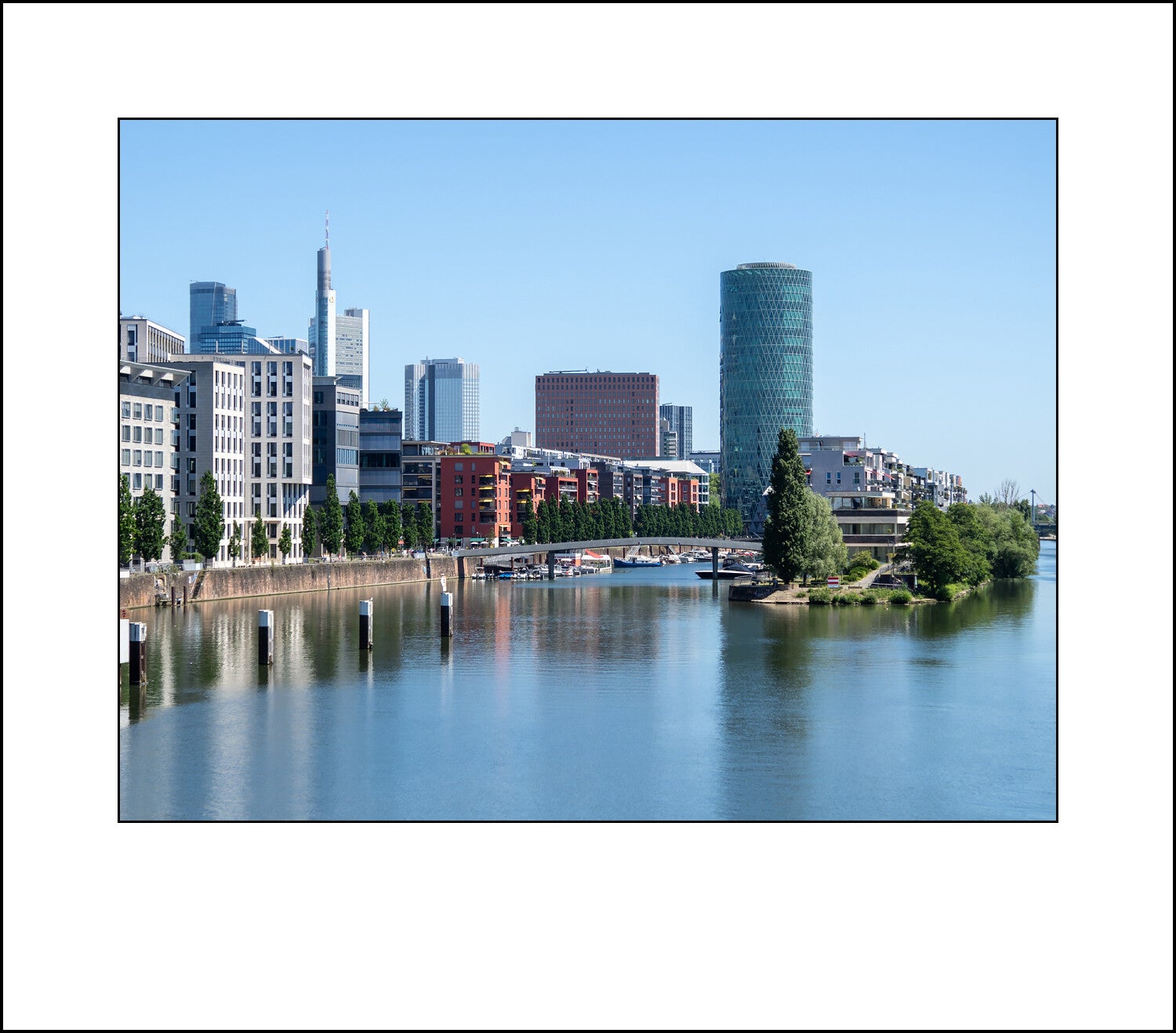
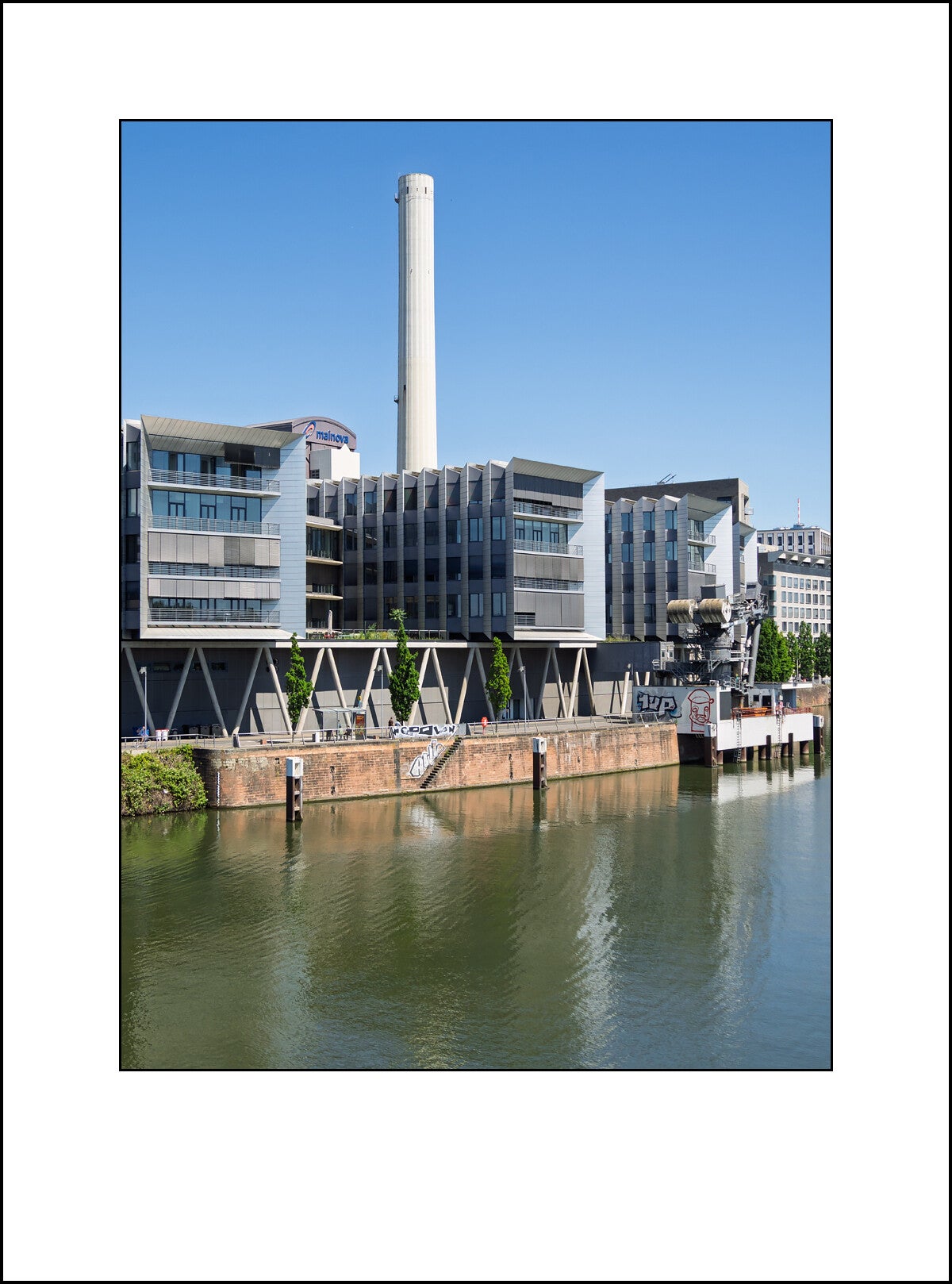
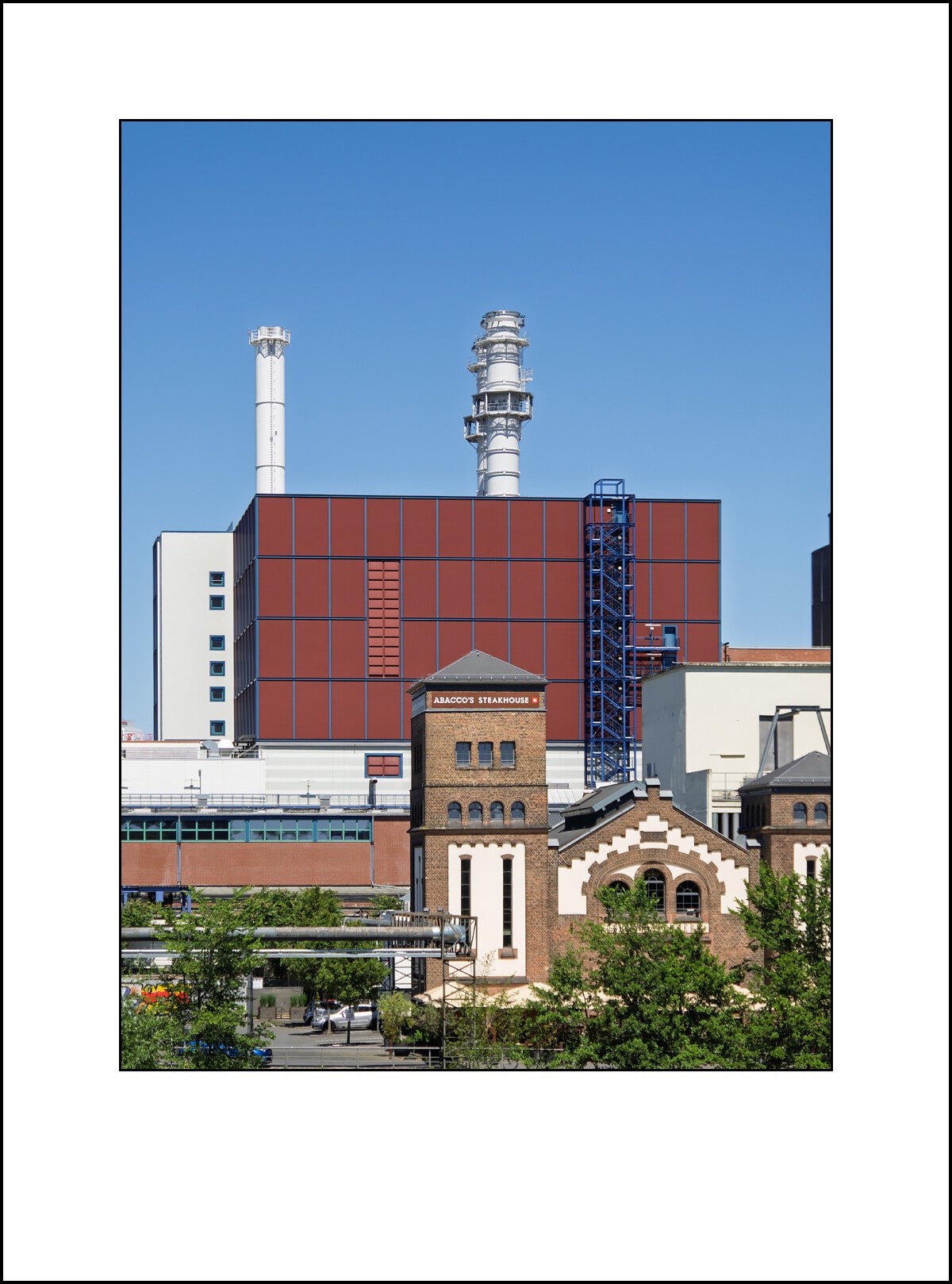
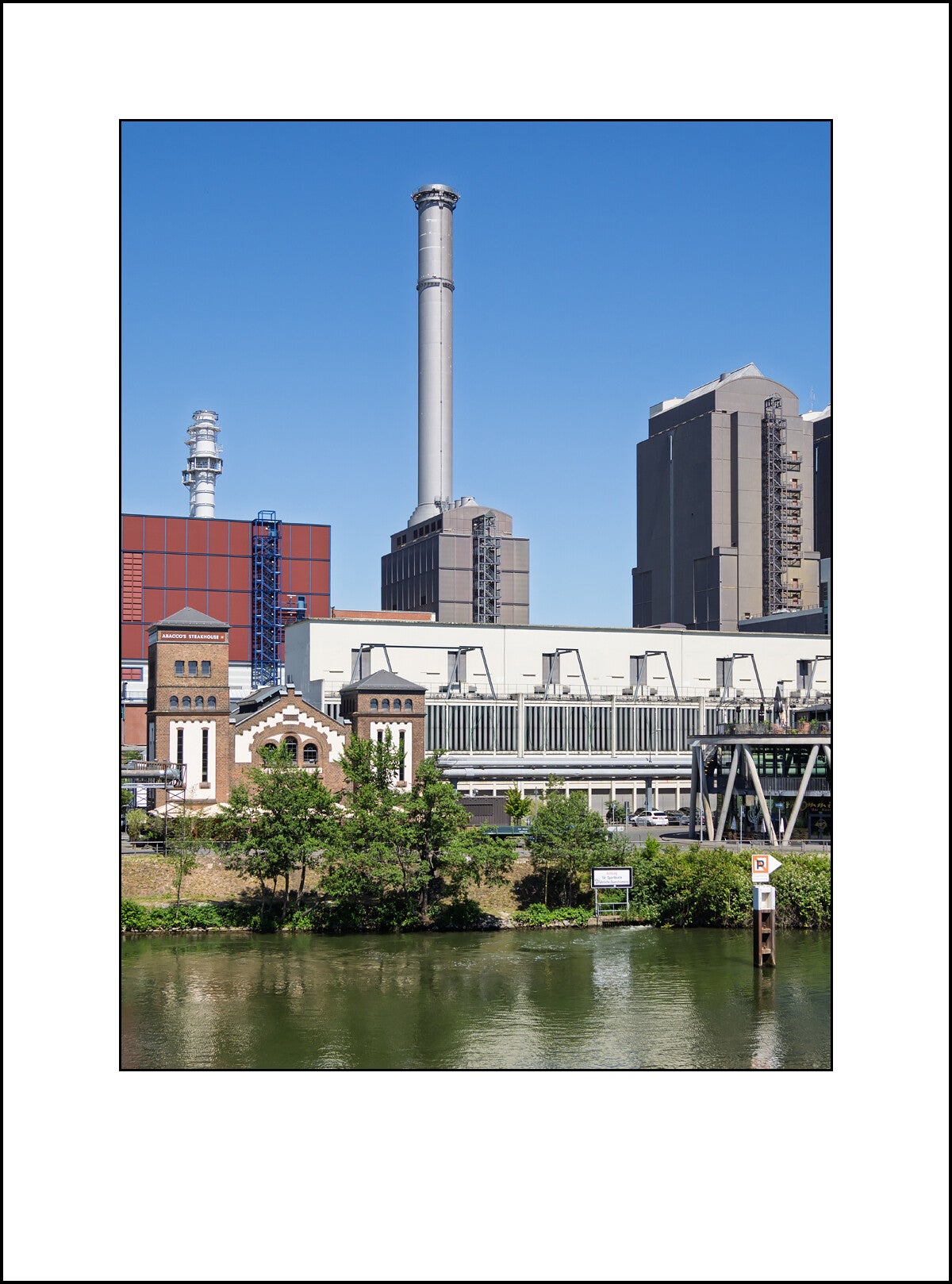
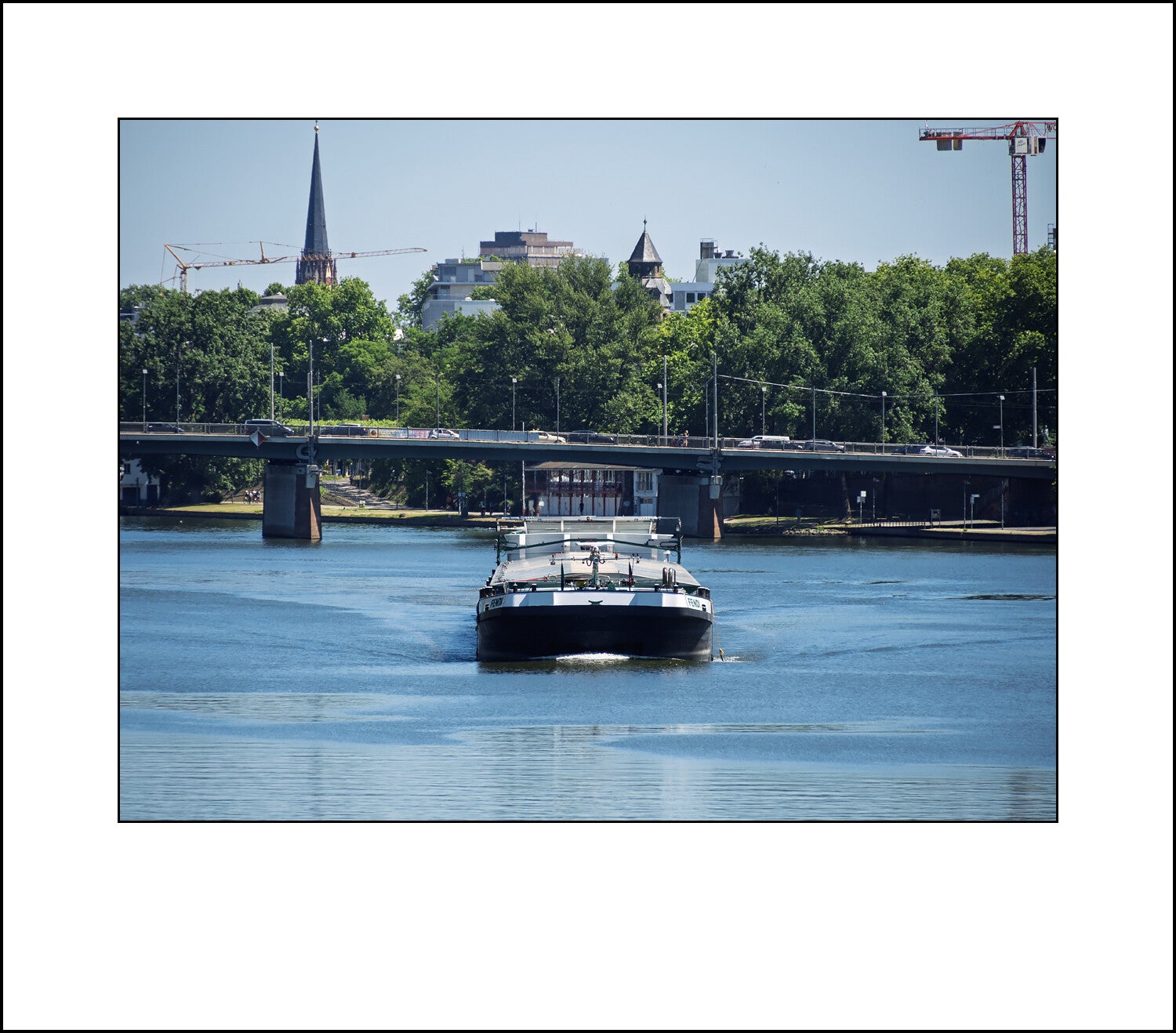
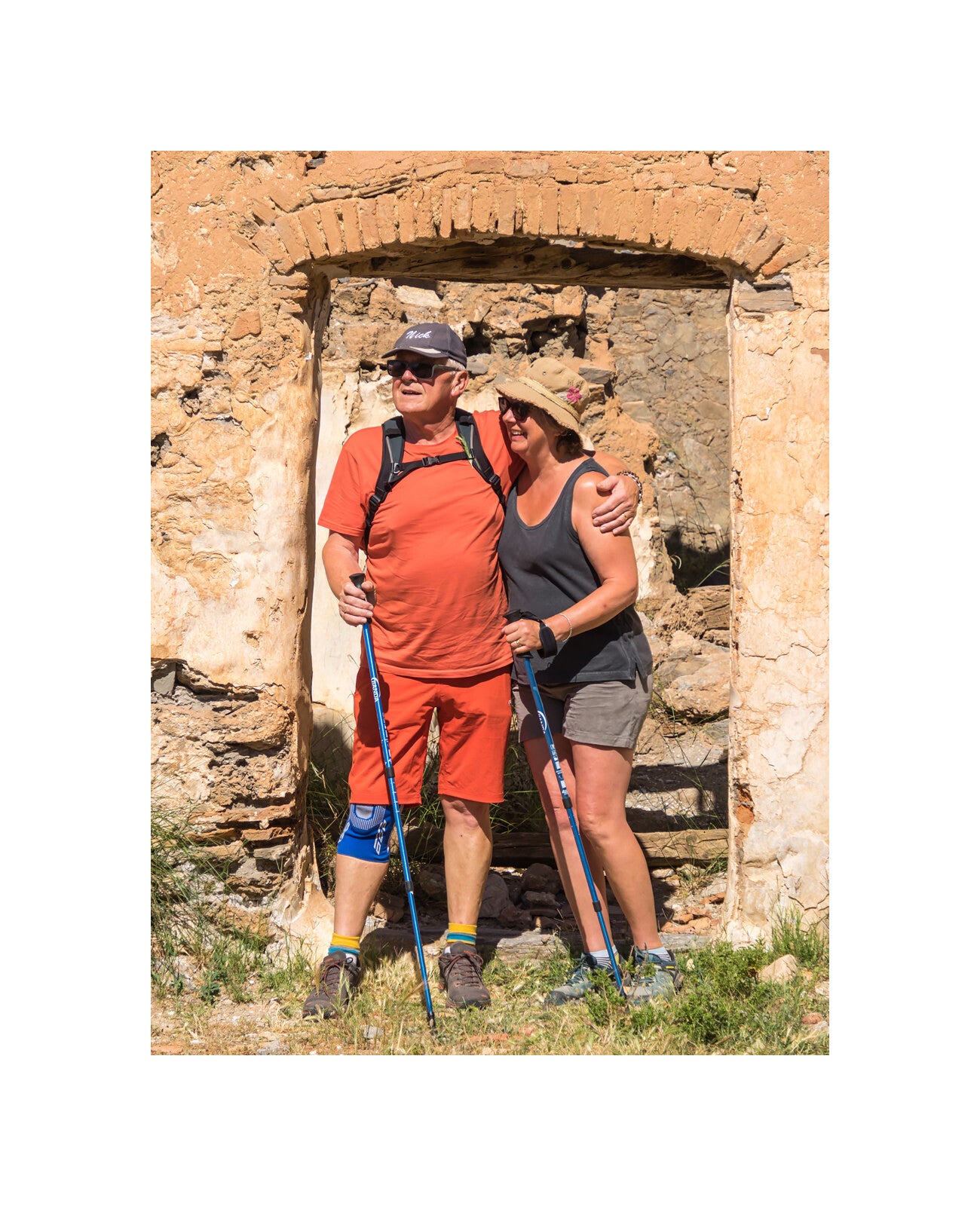
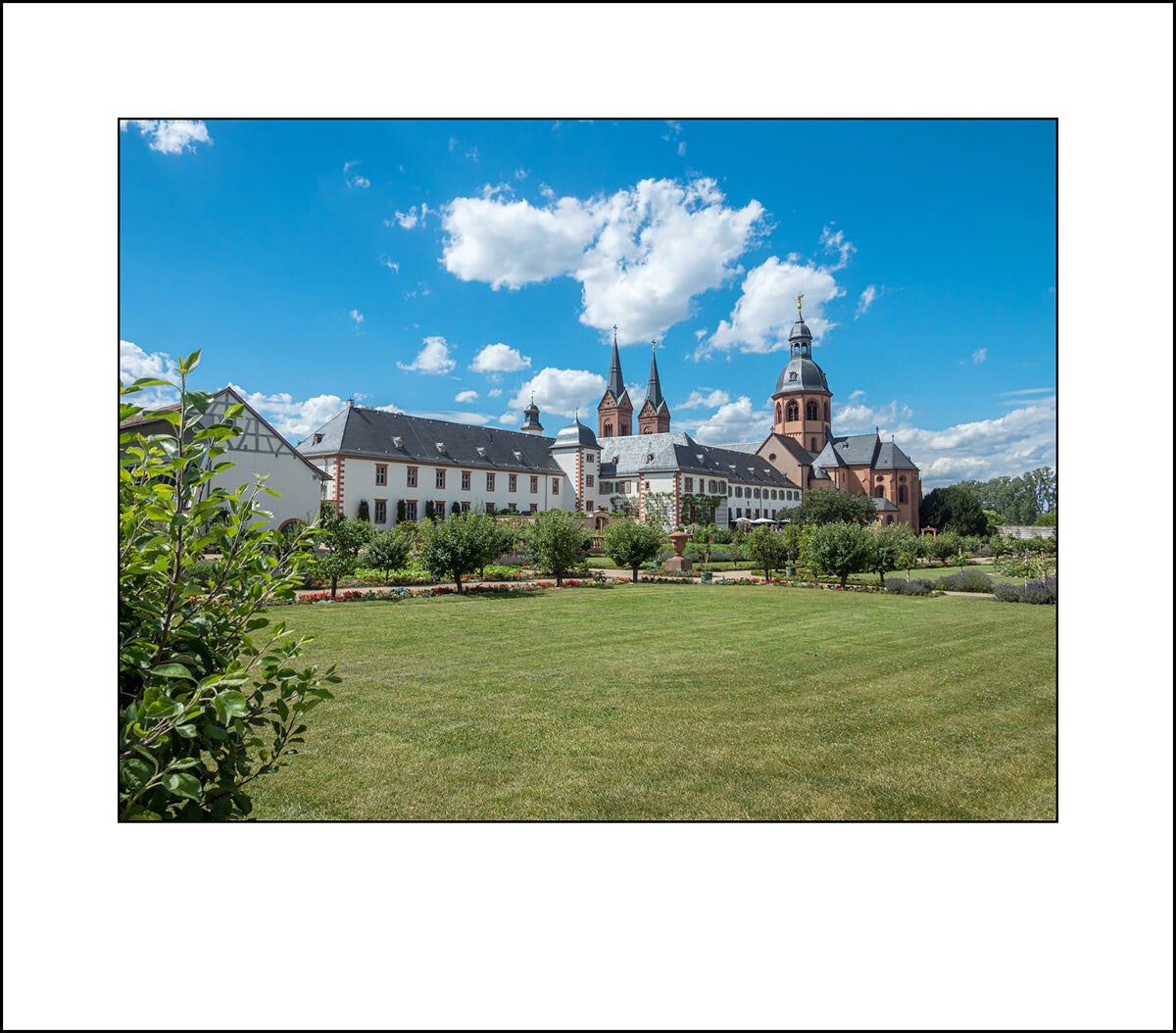
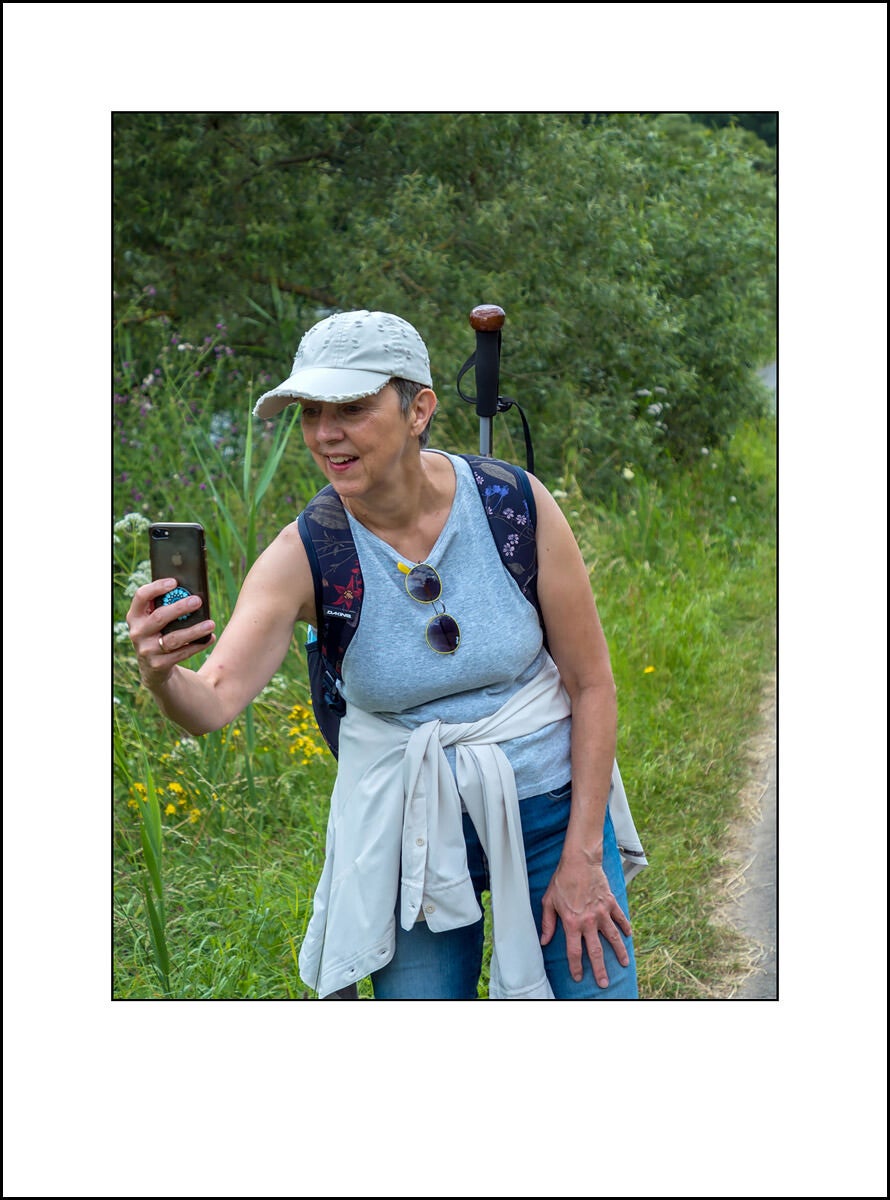
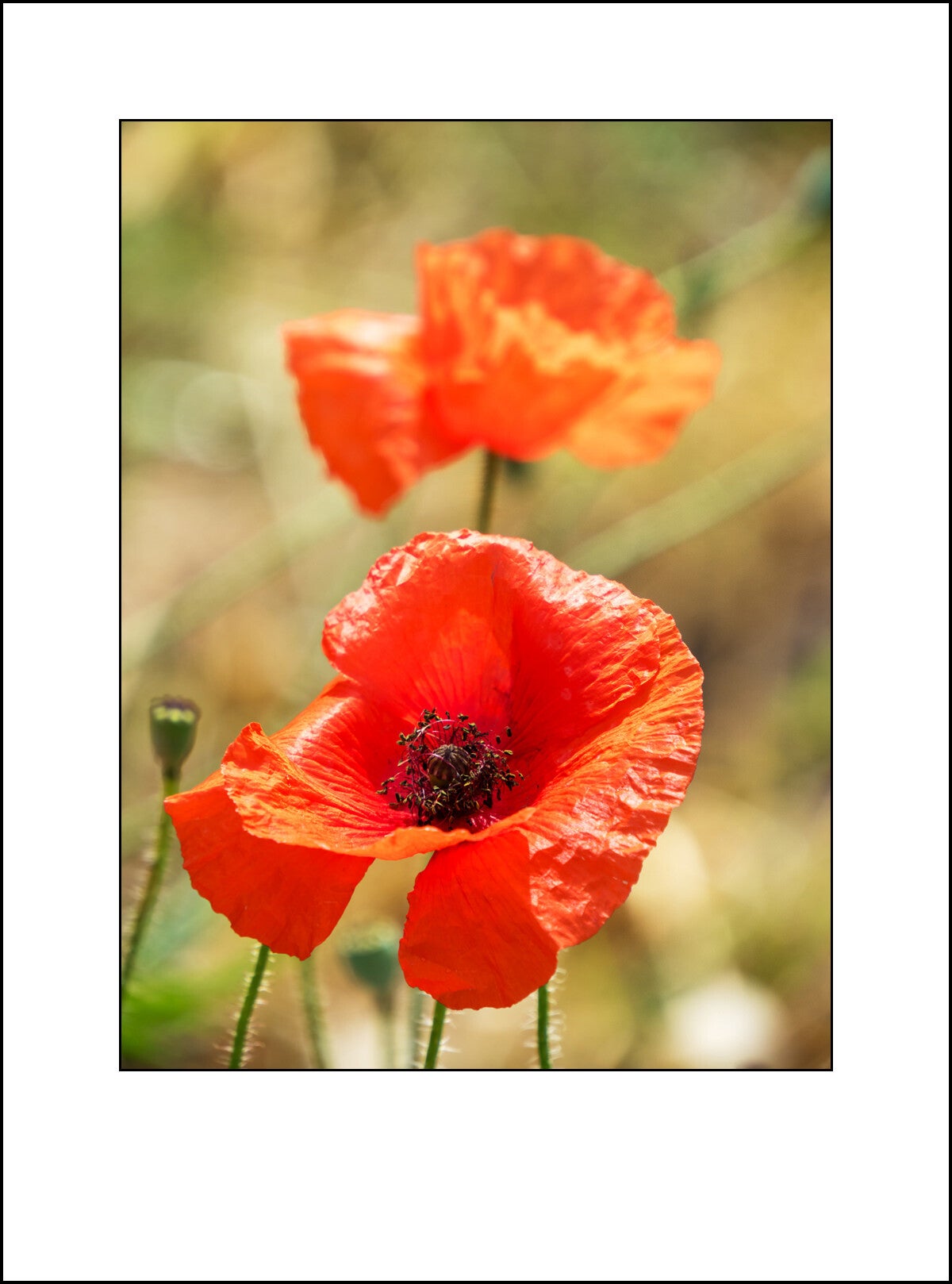
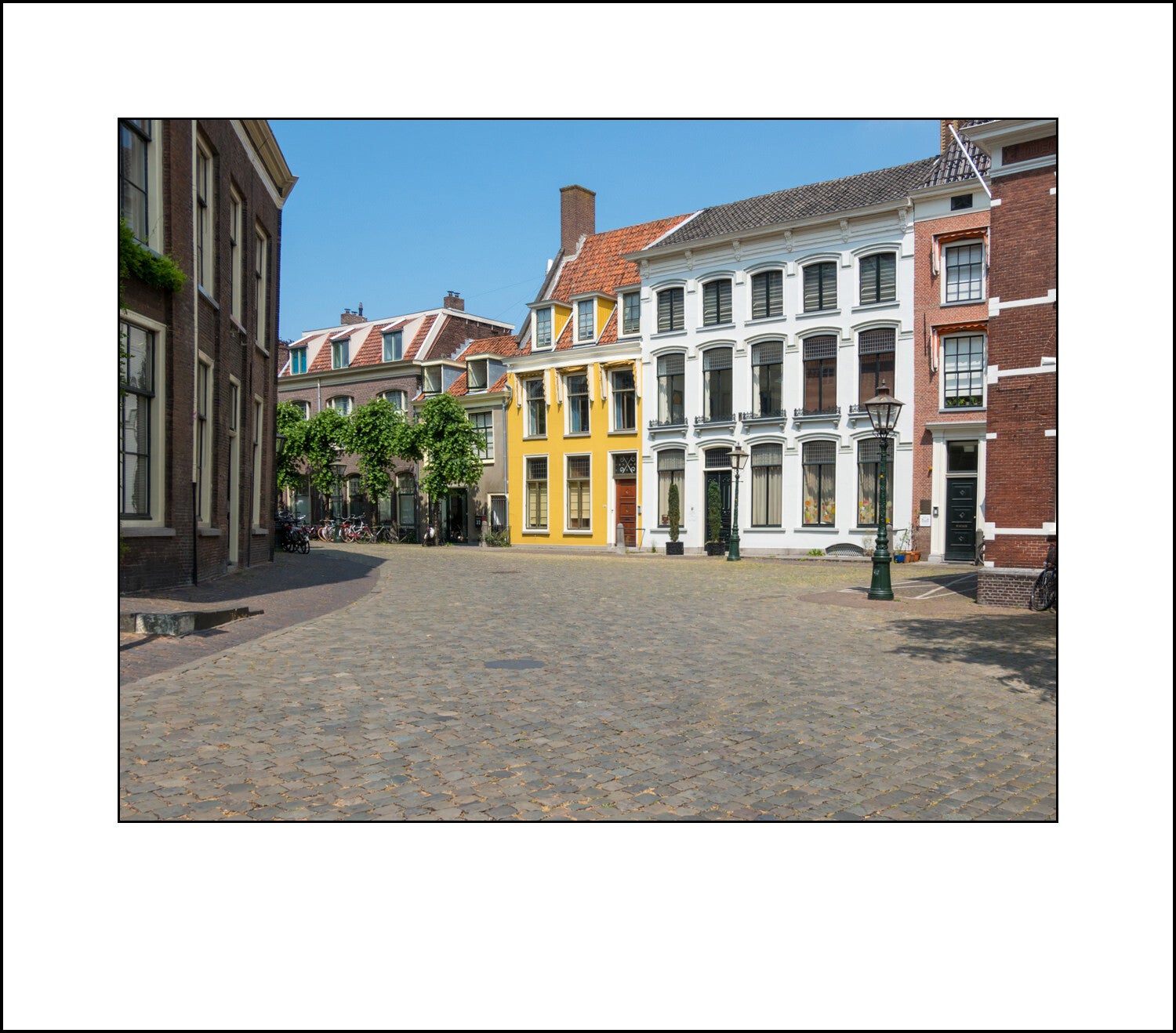
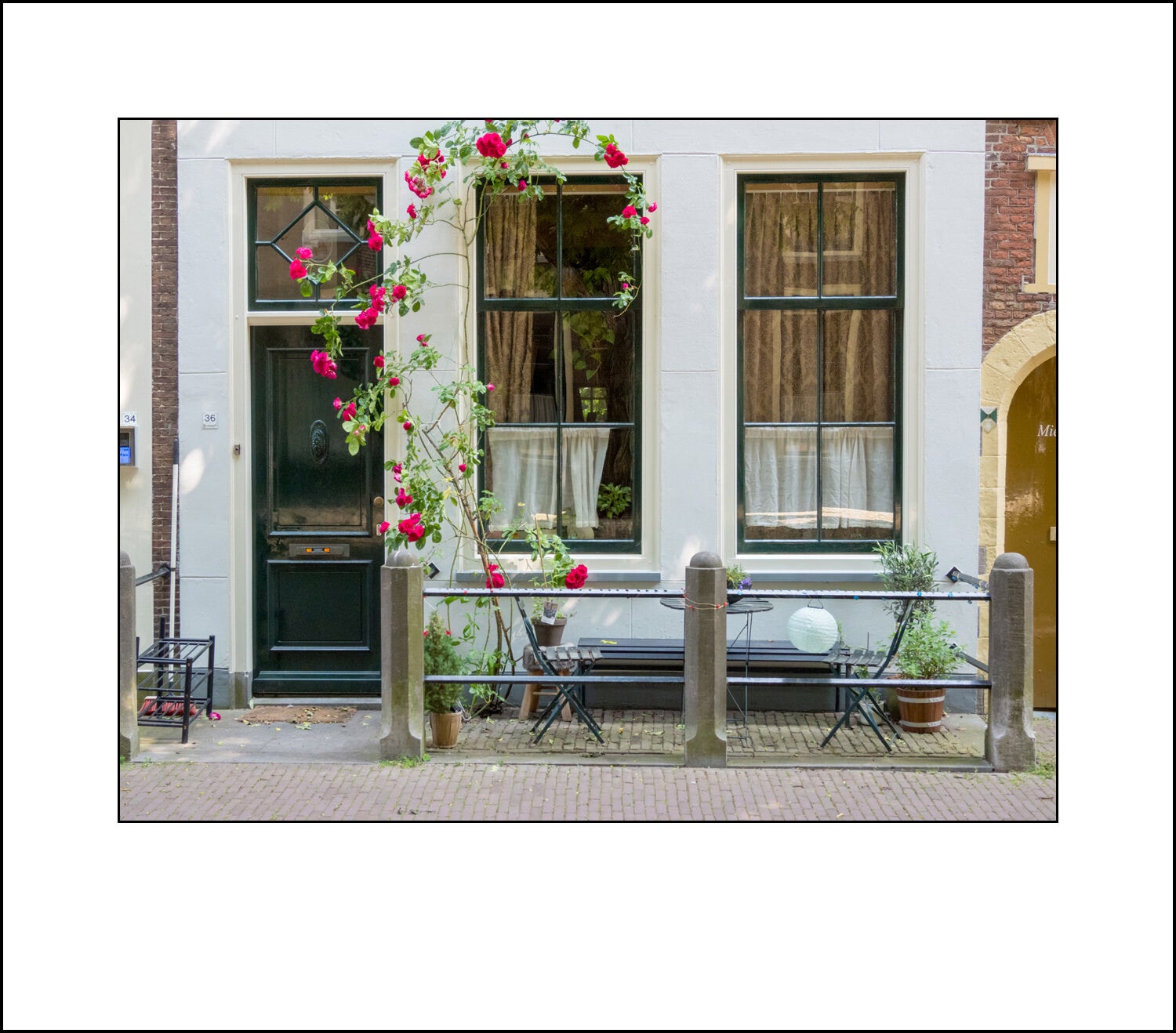
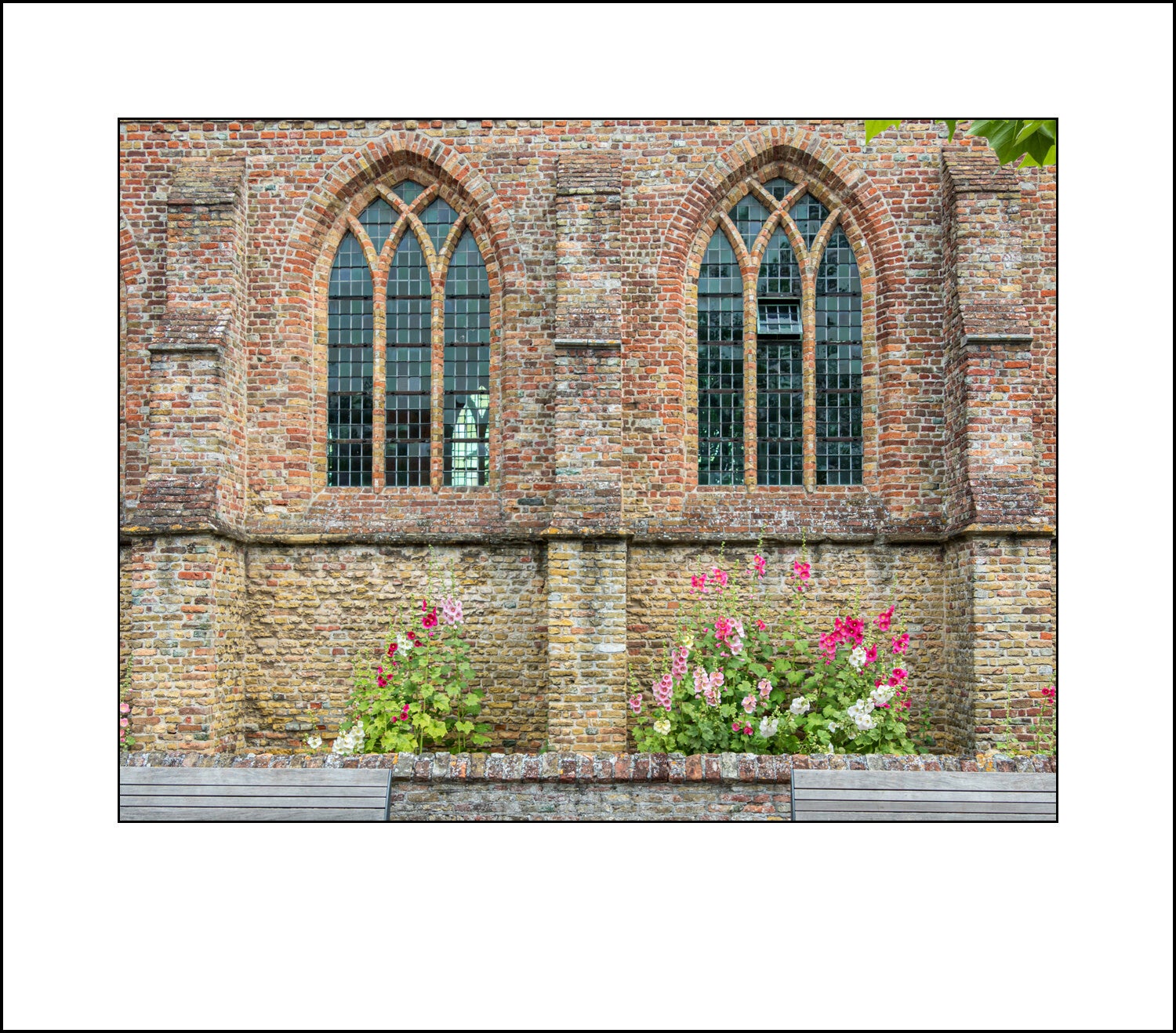
Images taken with the Olympus 12-200 f3.5-6.3