Landscape Photography: Capturing the Beauty of Nature
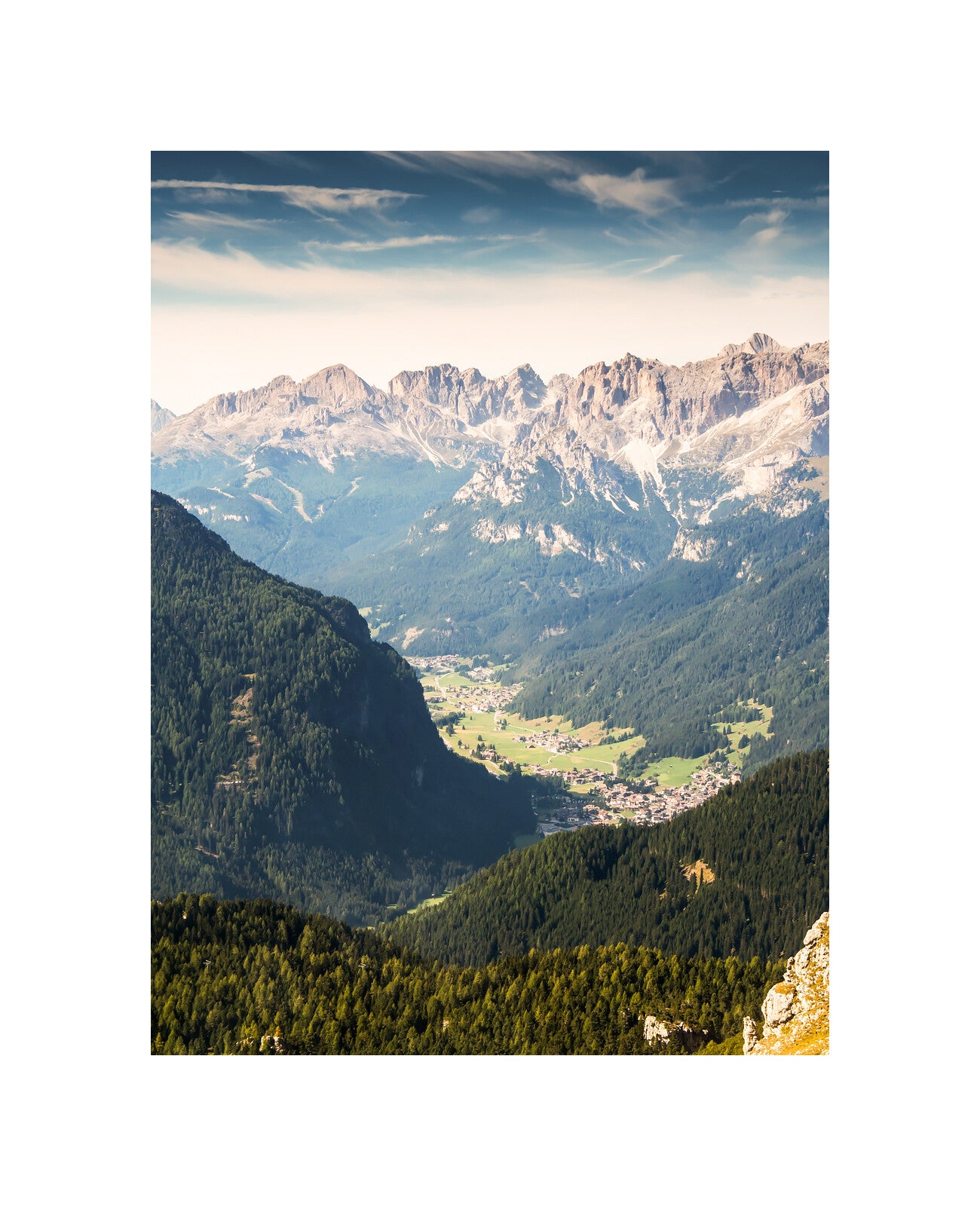
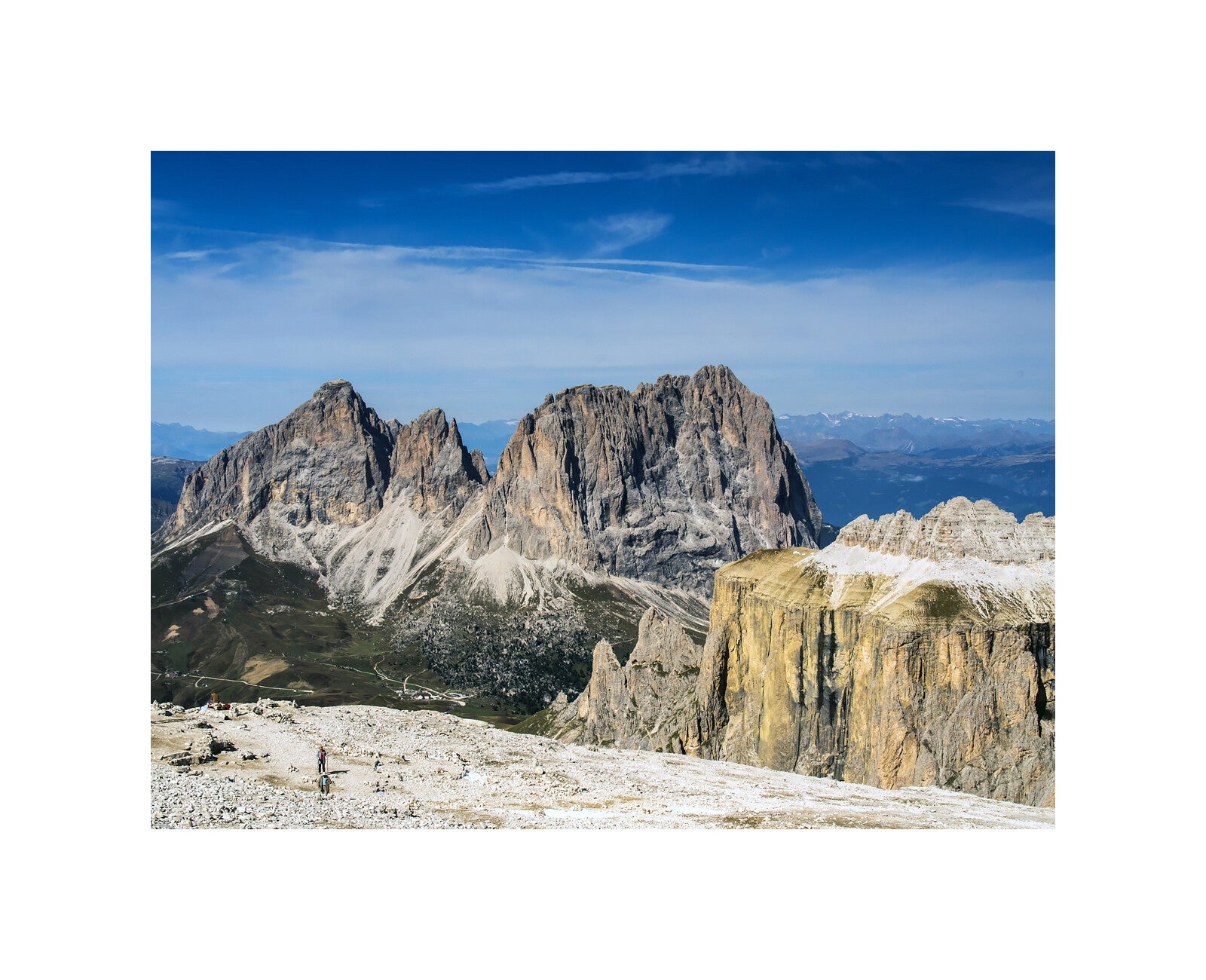
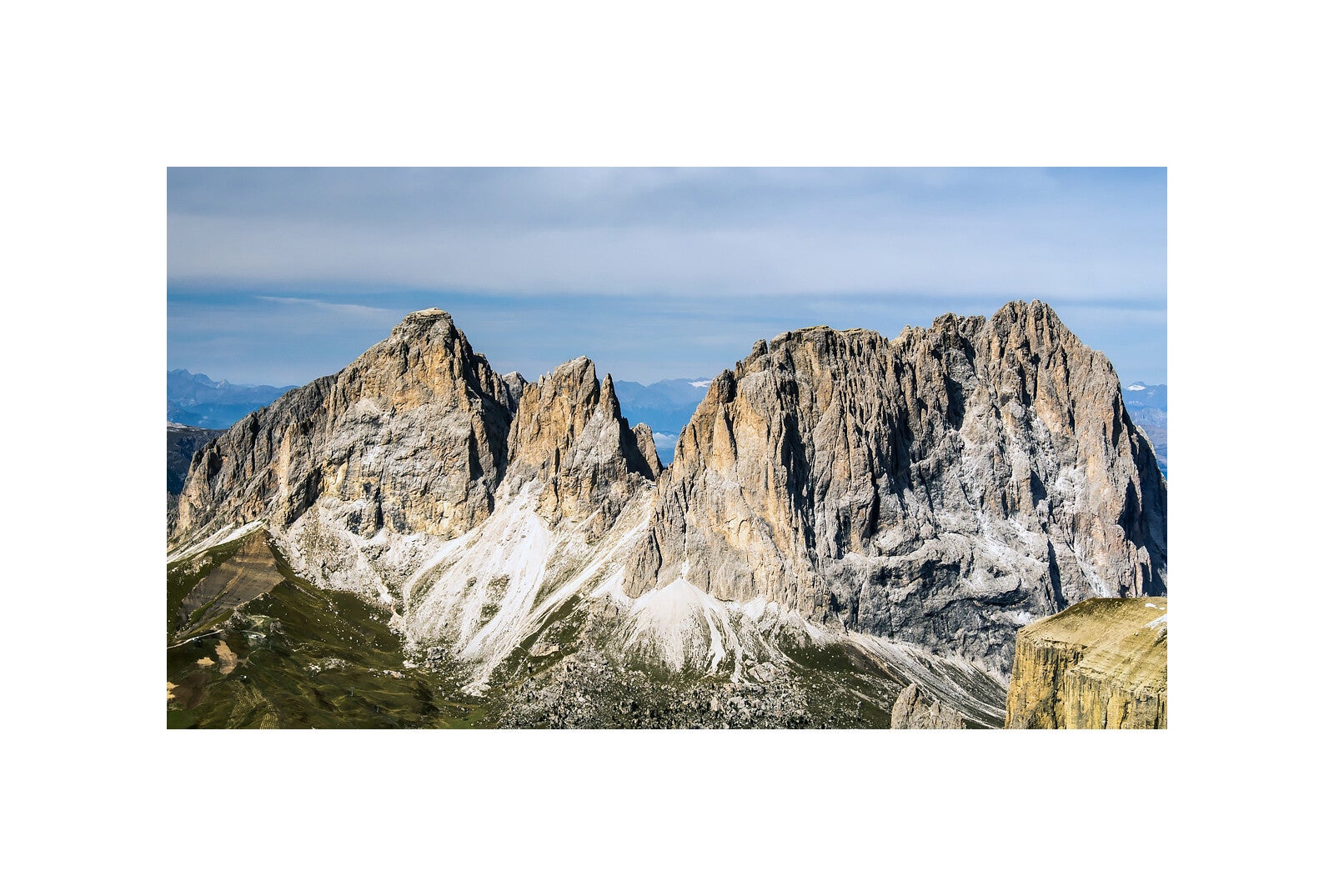
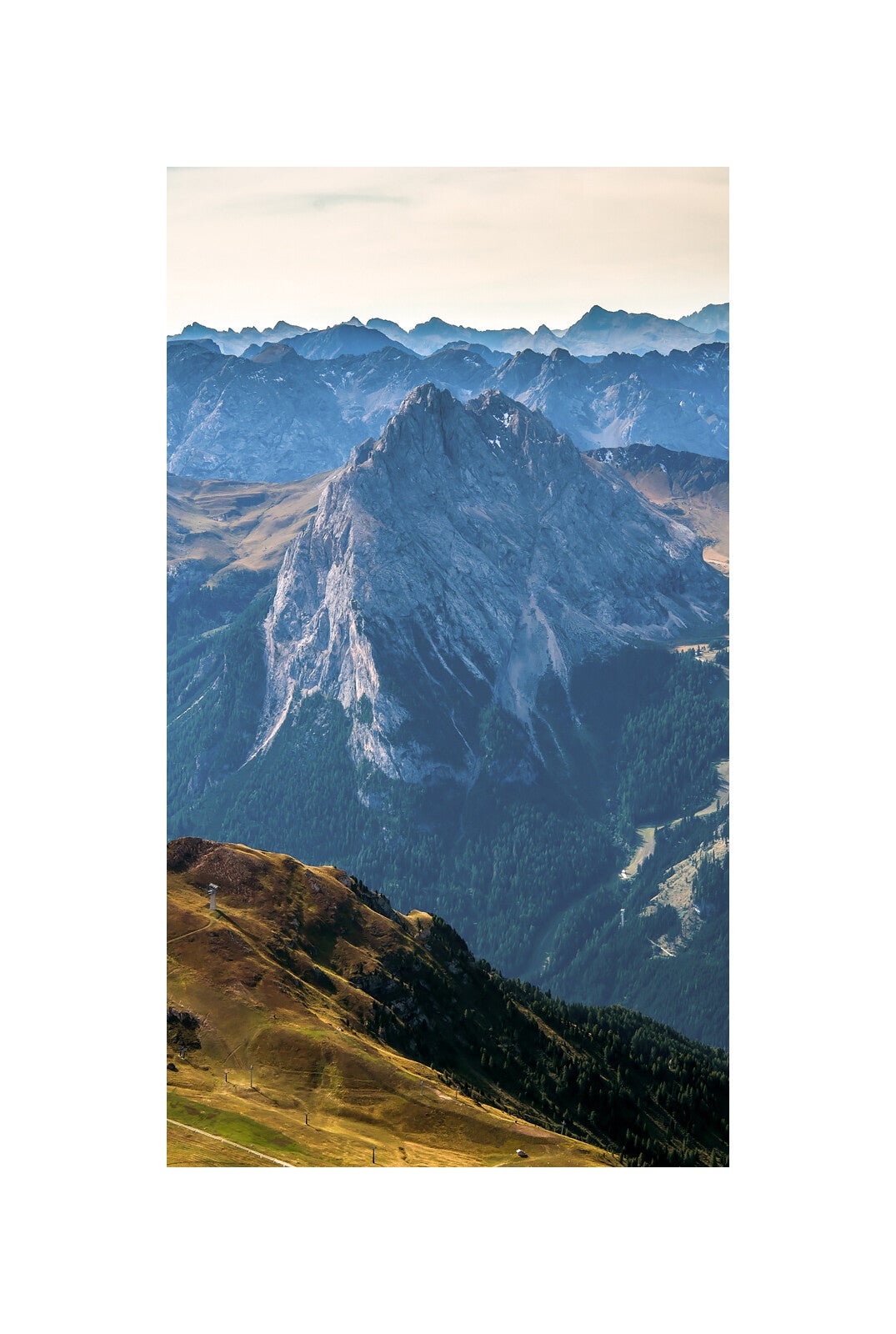
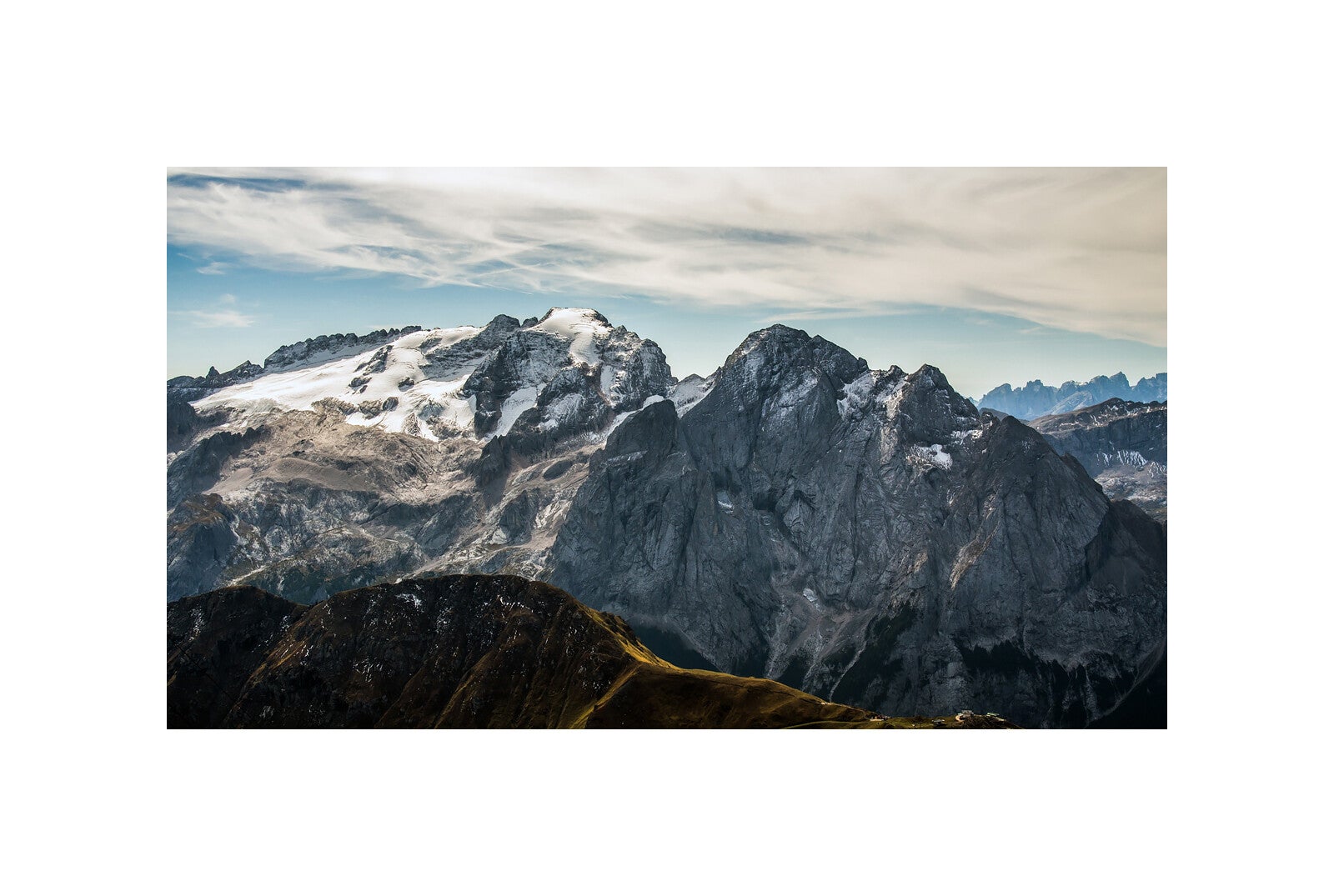
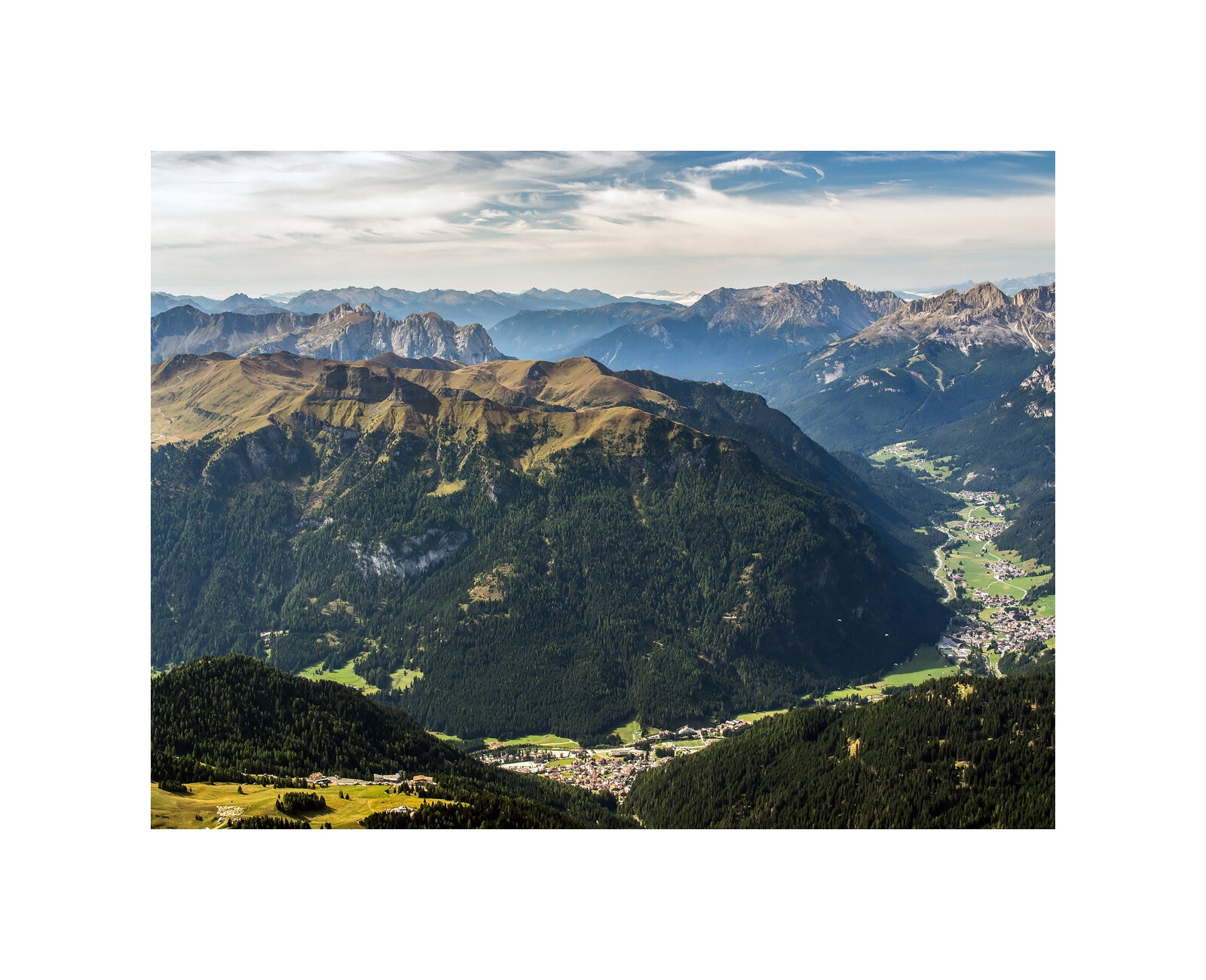
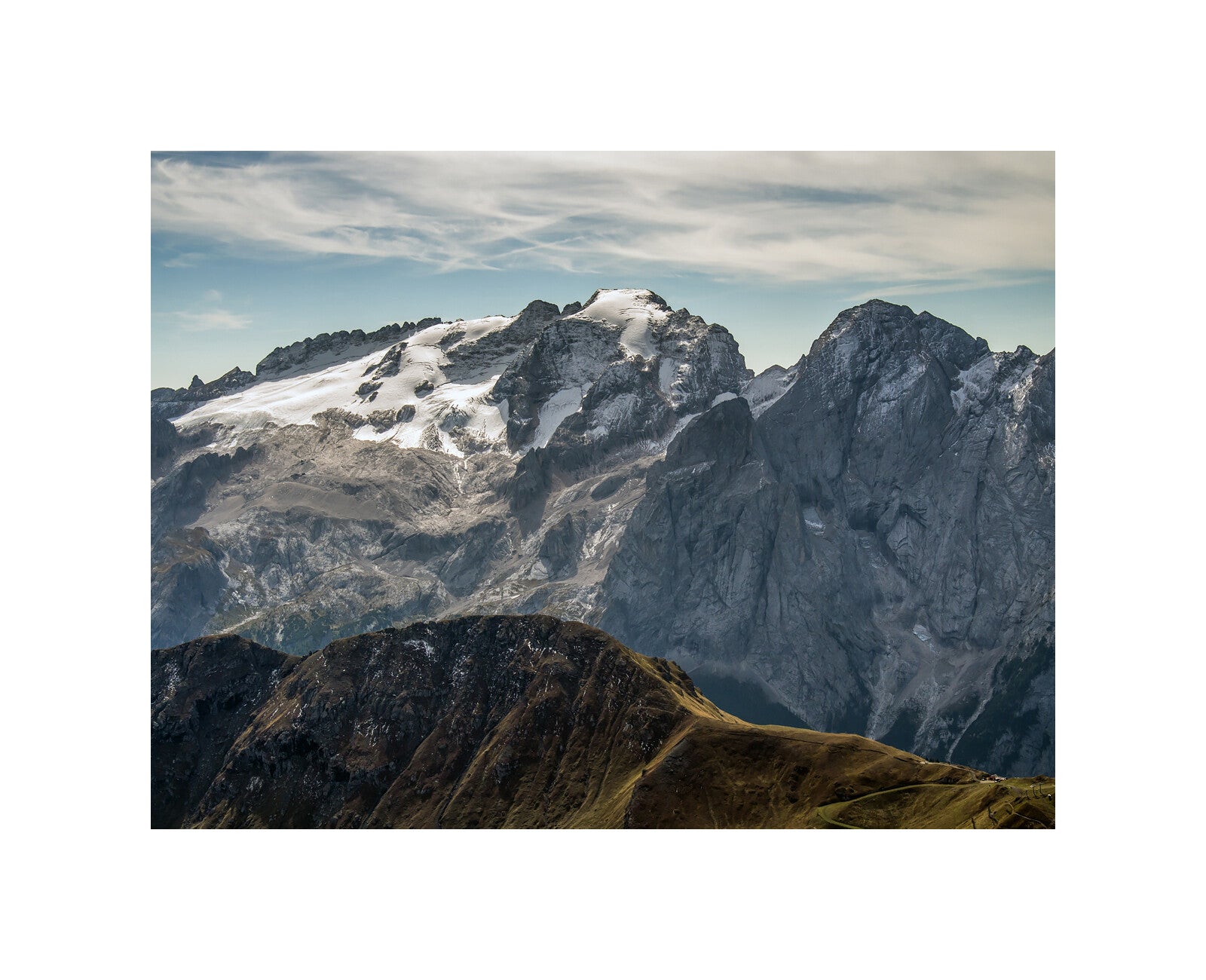
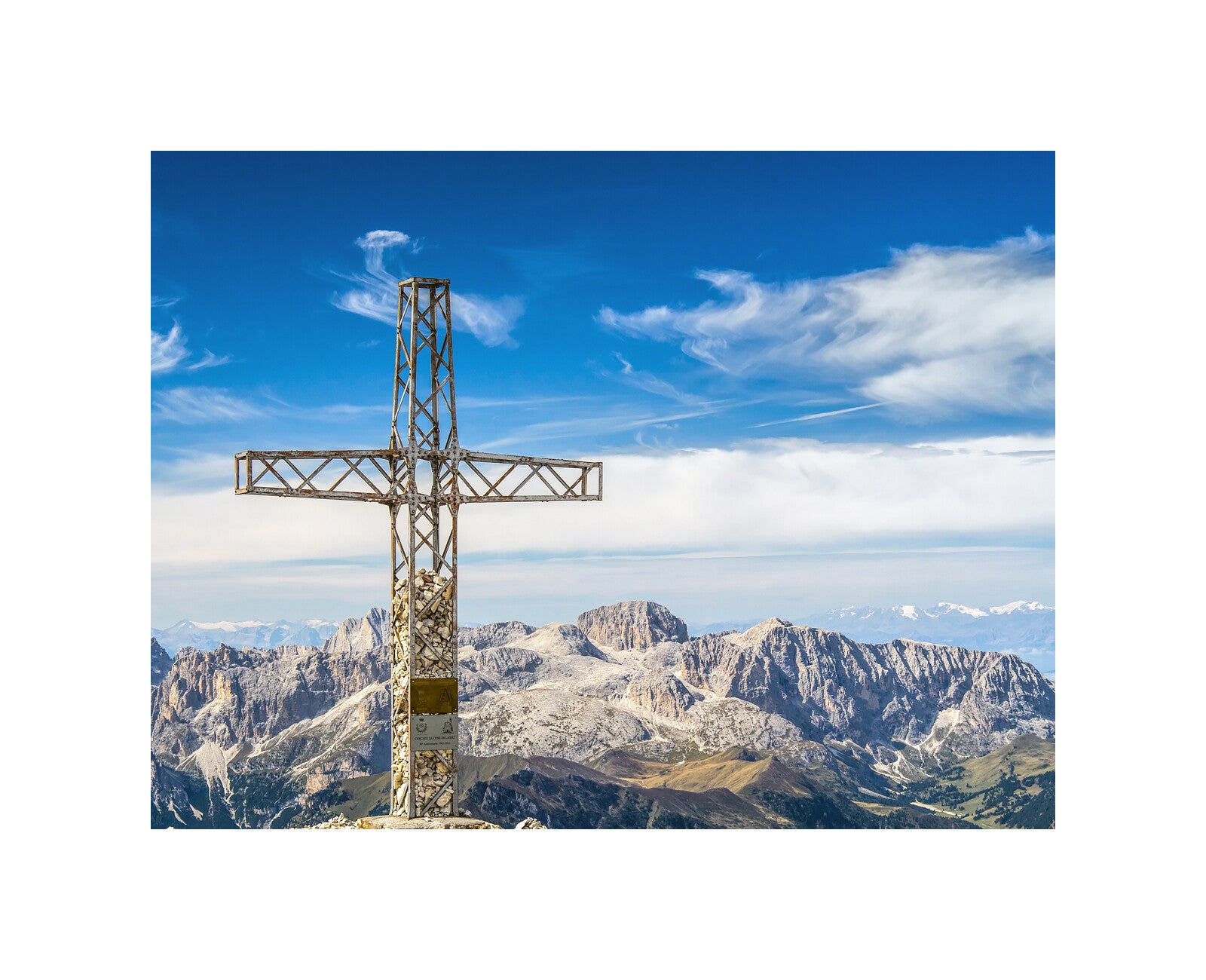
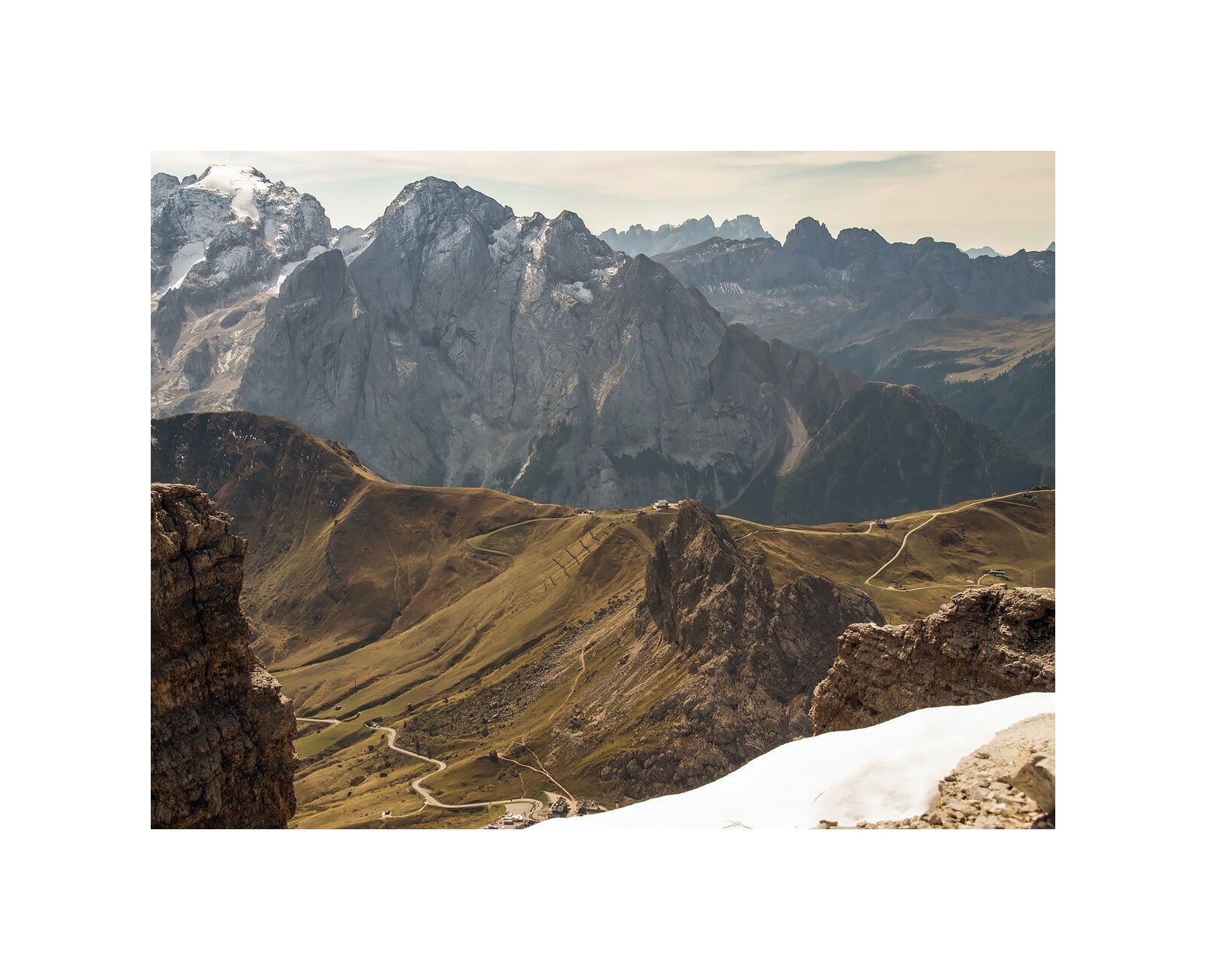
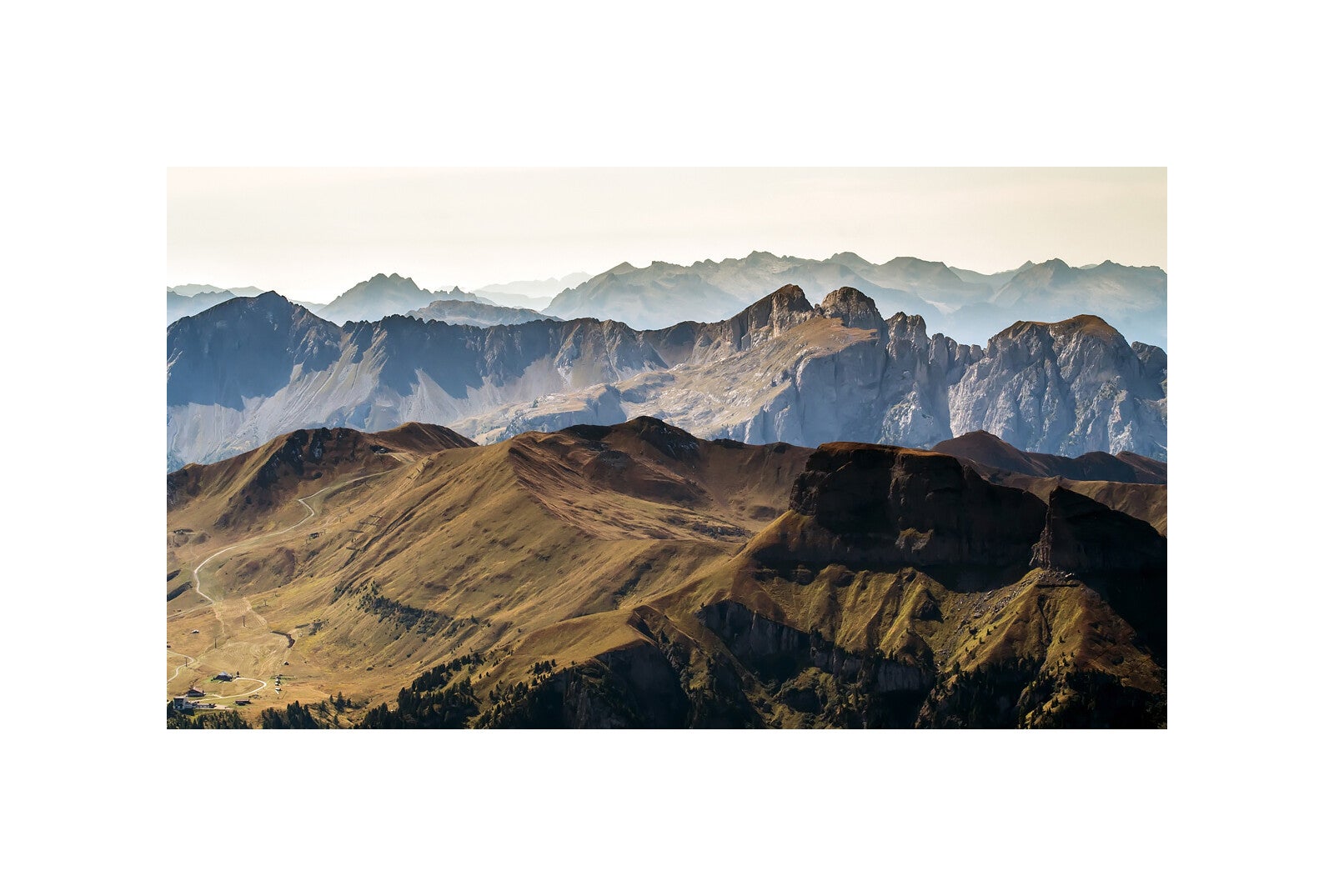
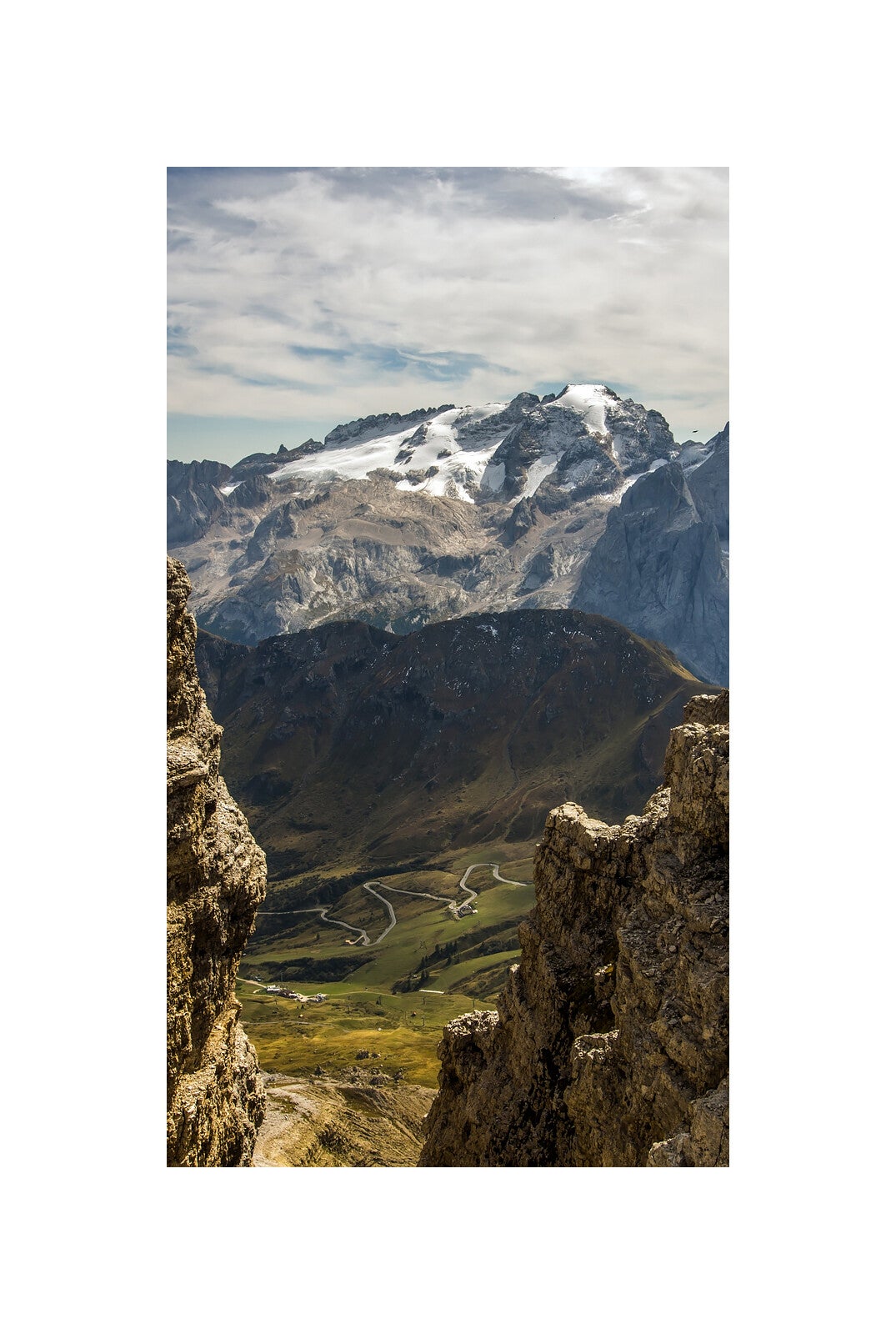
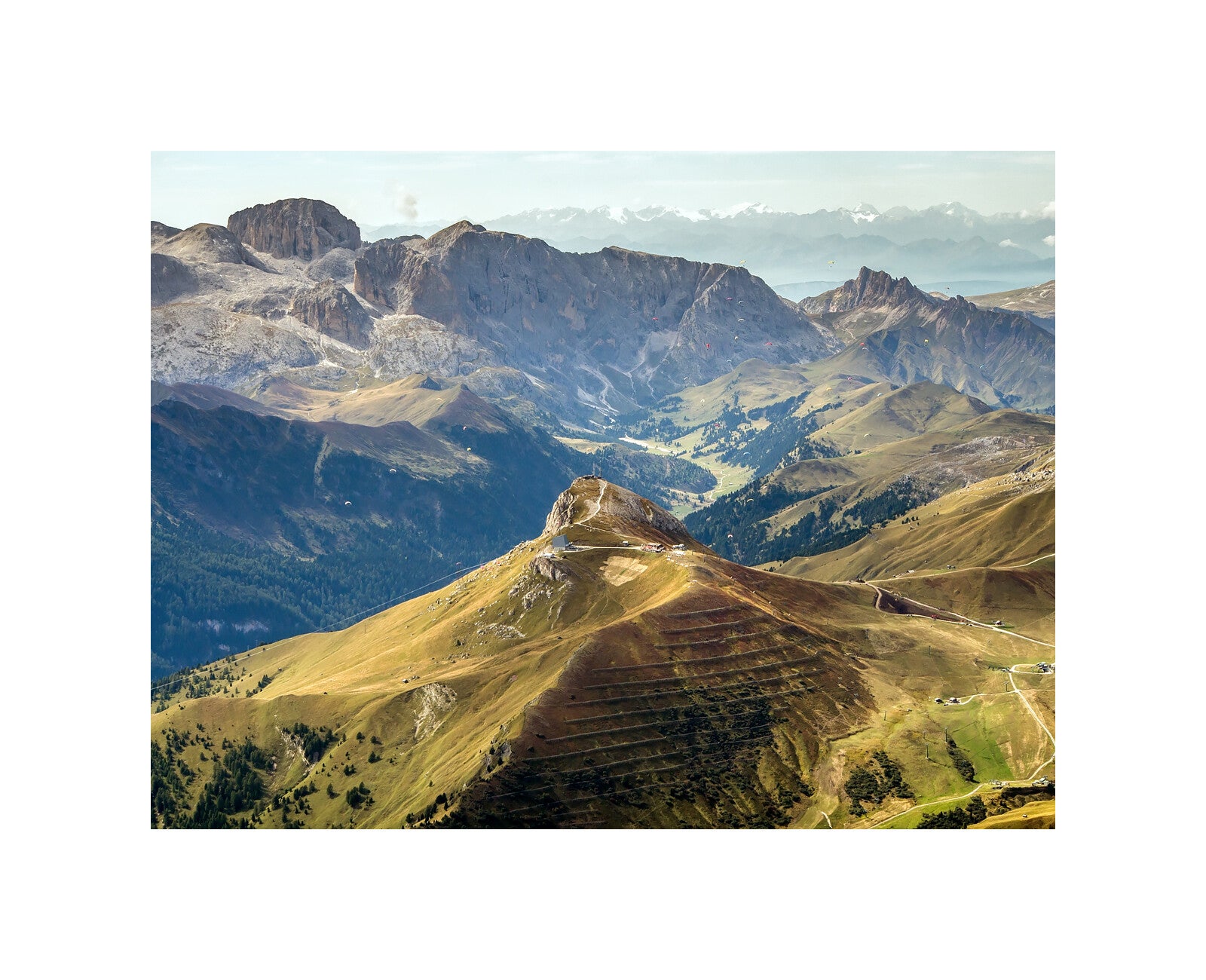
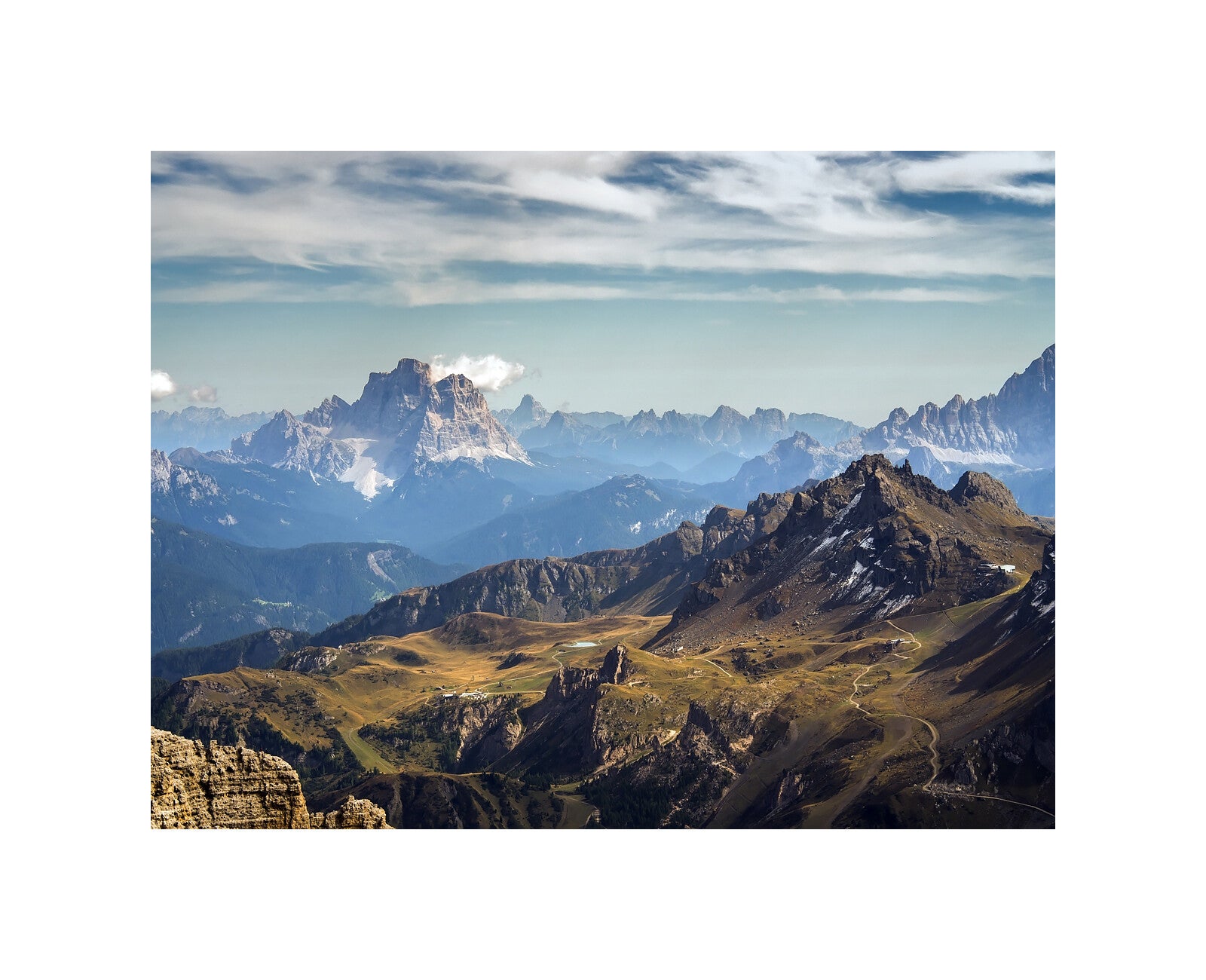
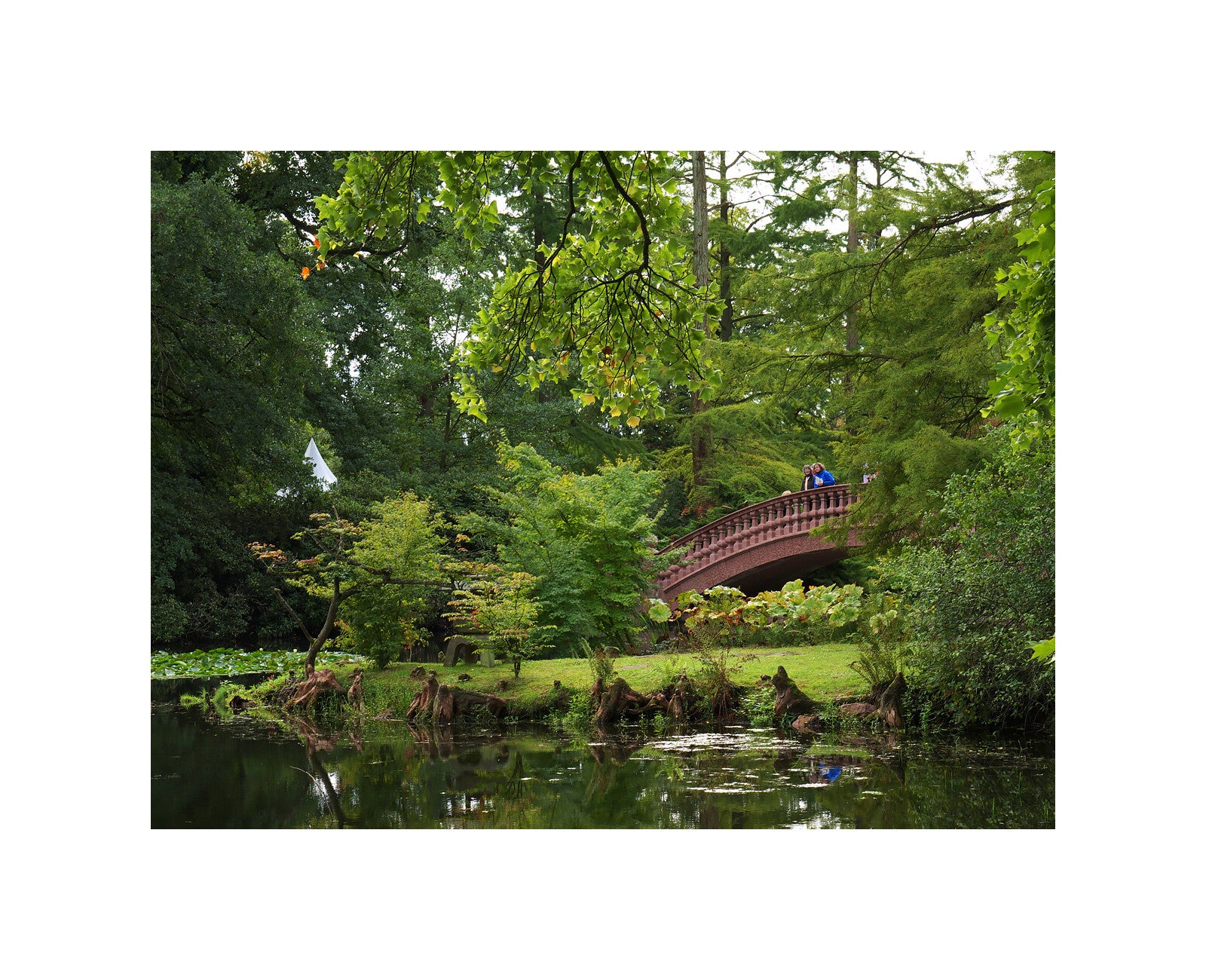
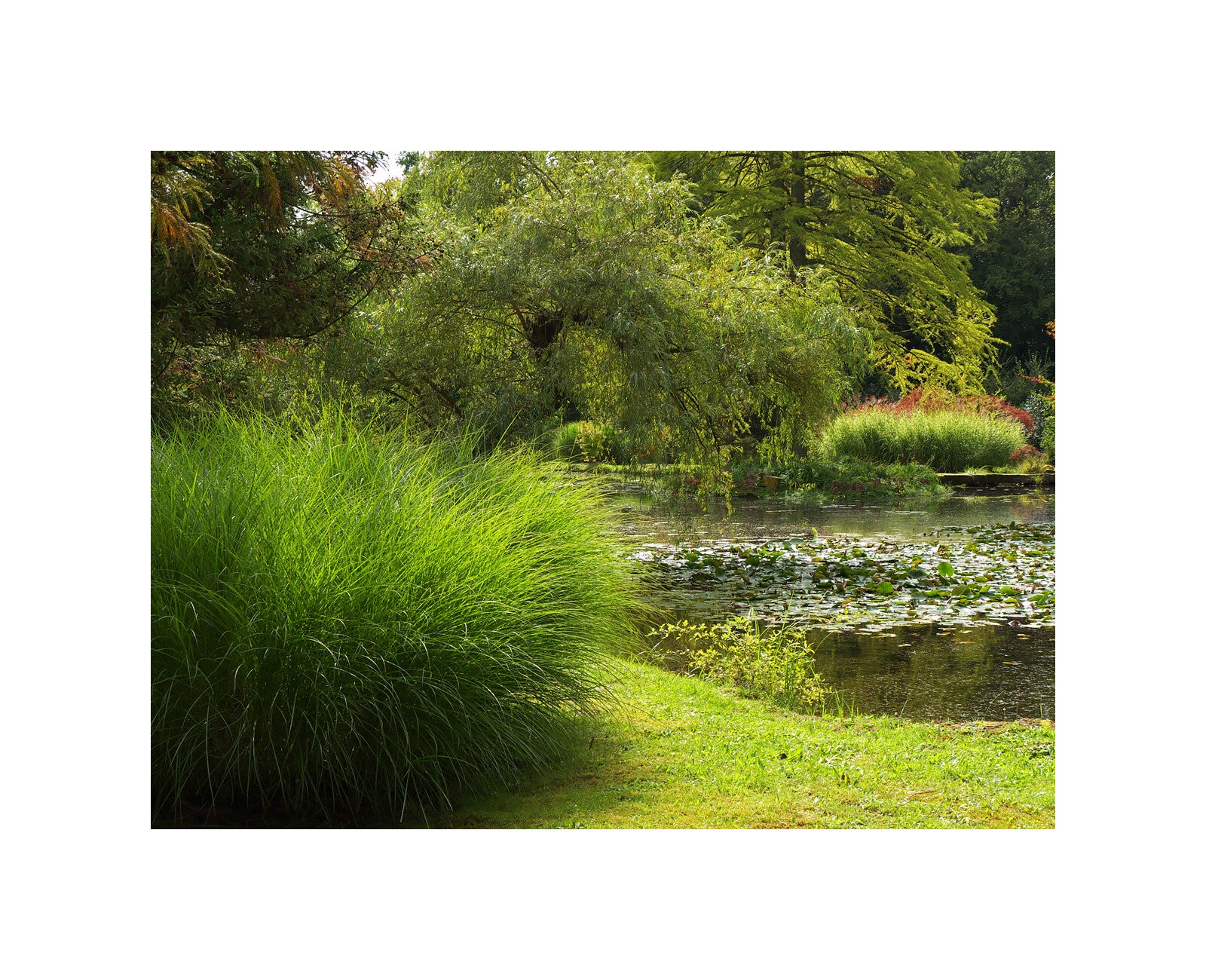
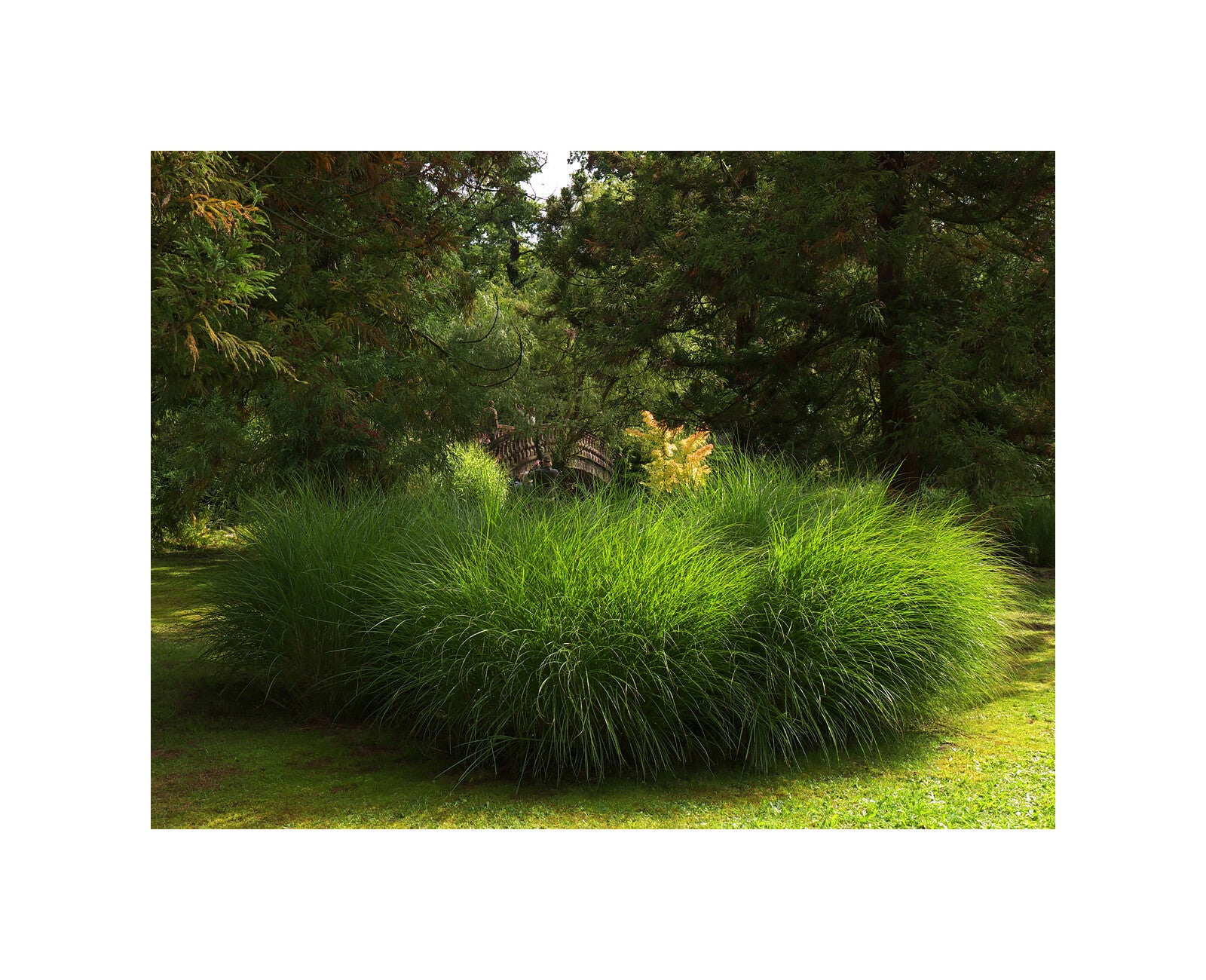
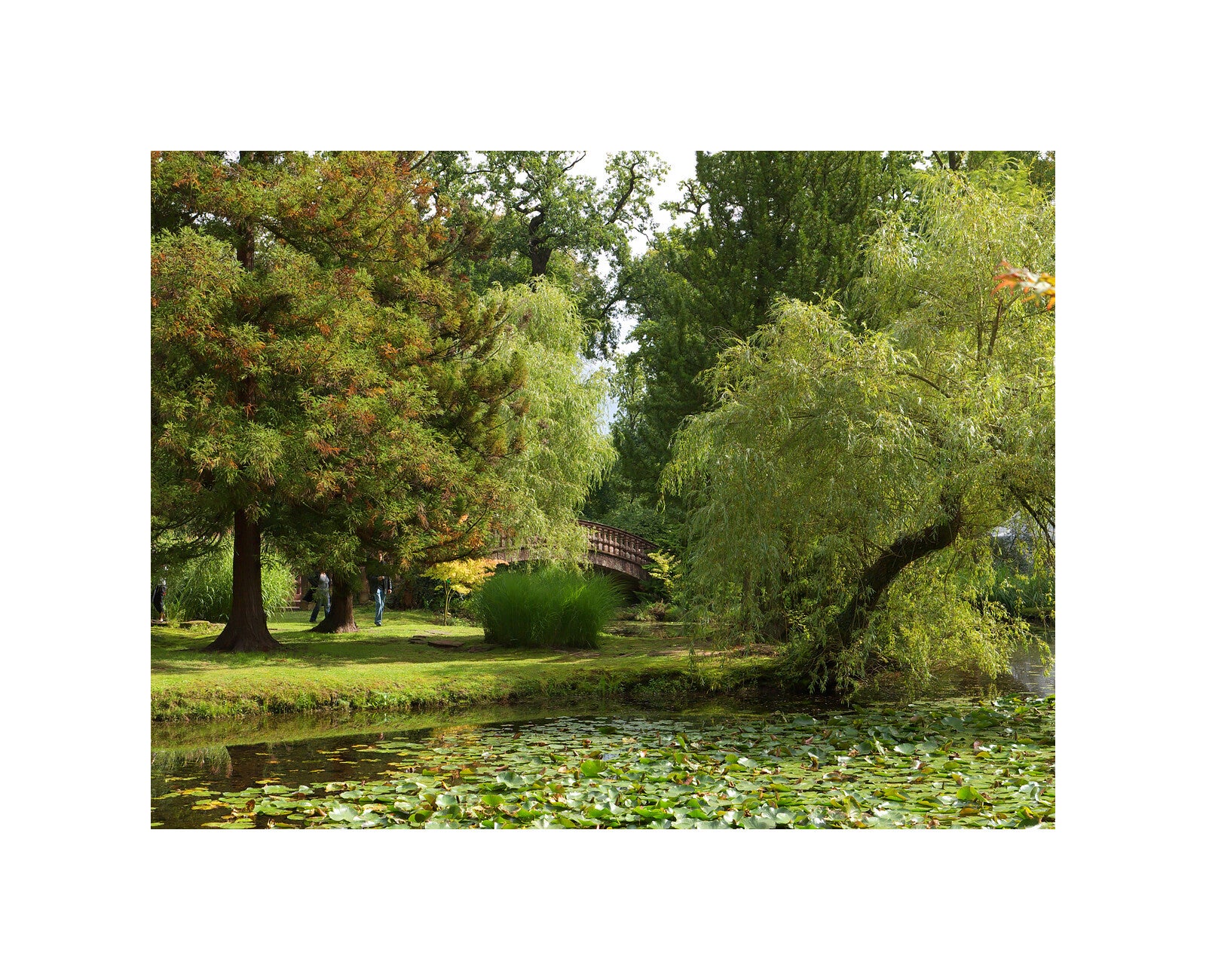
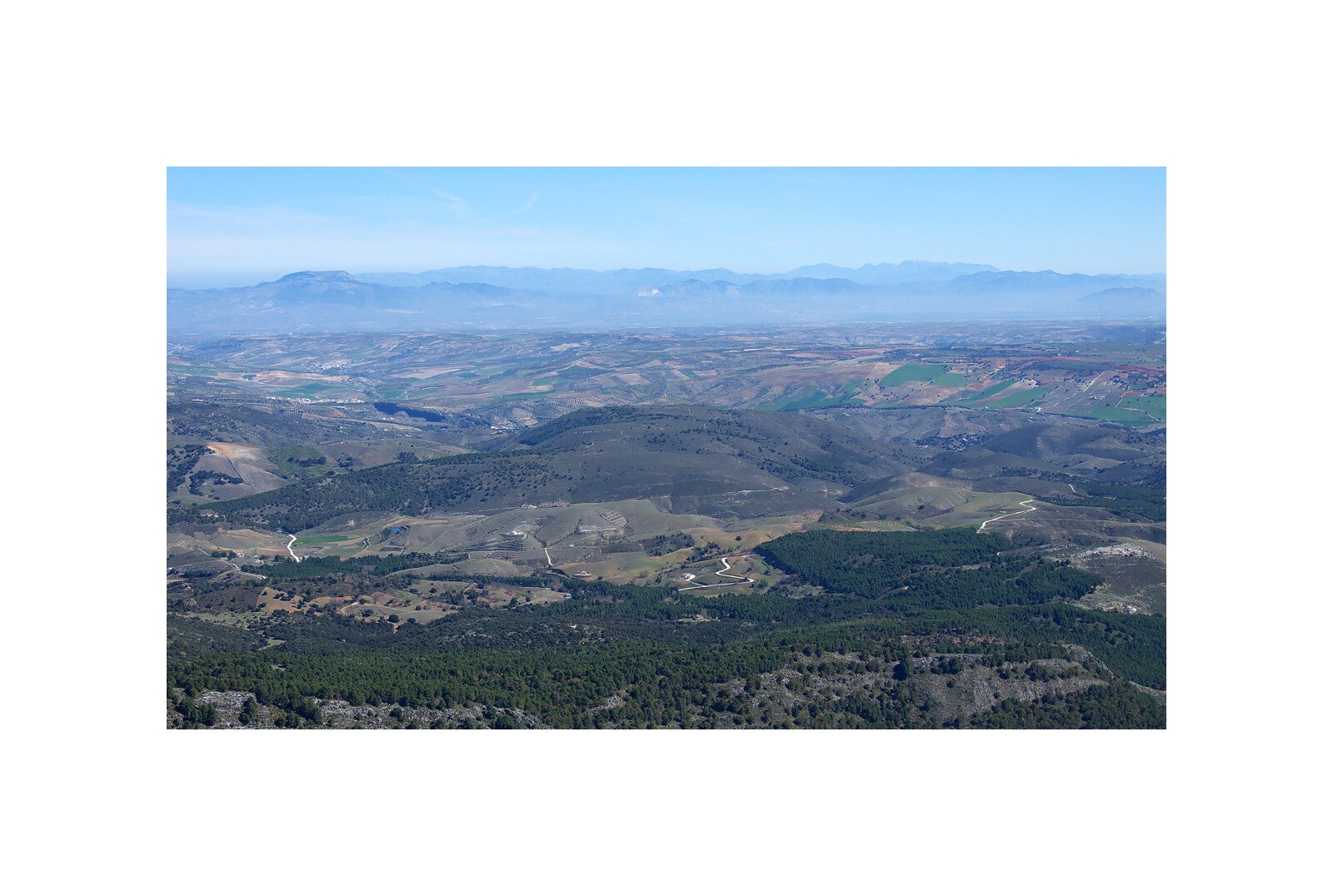
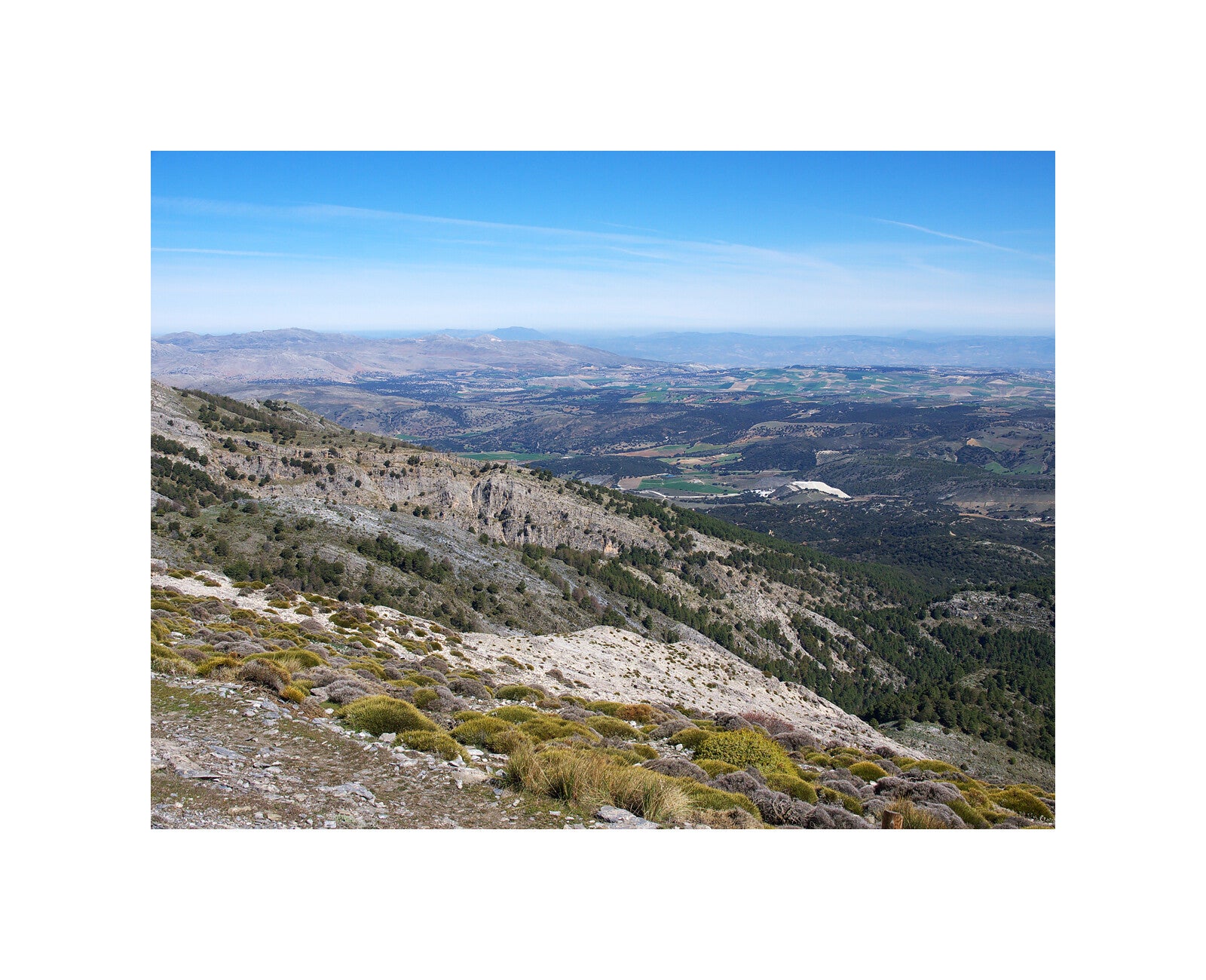
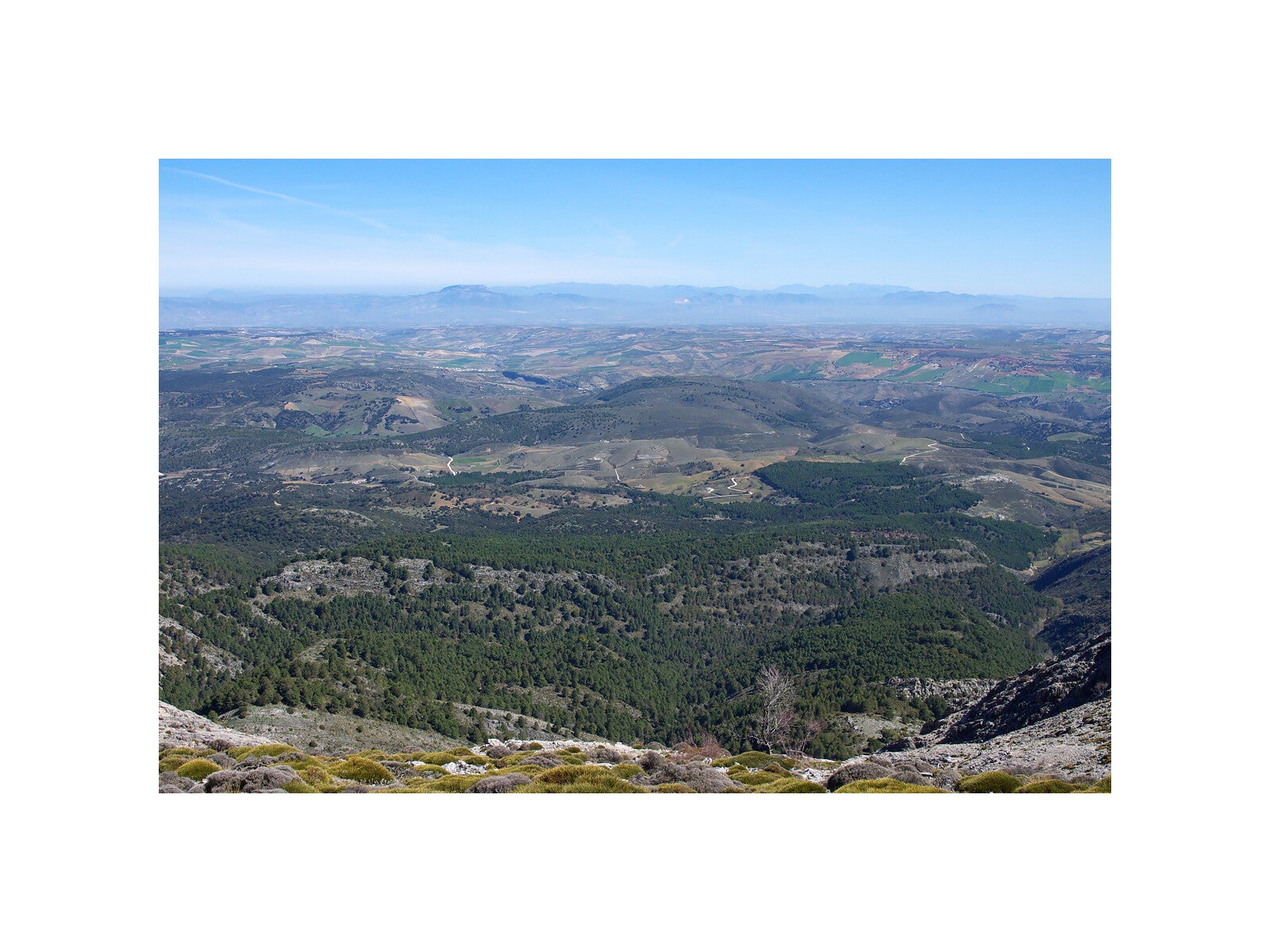
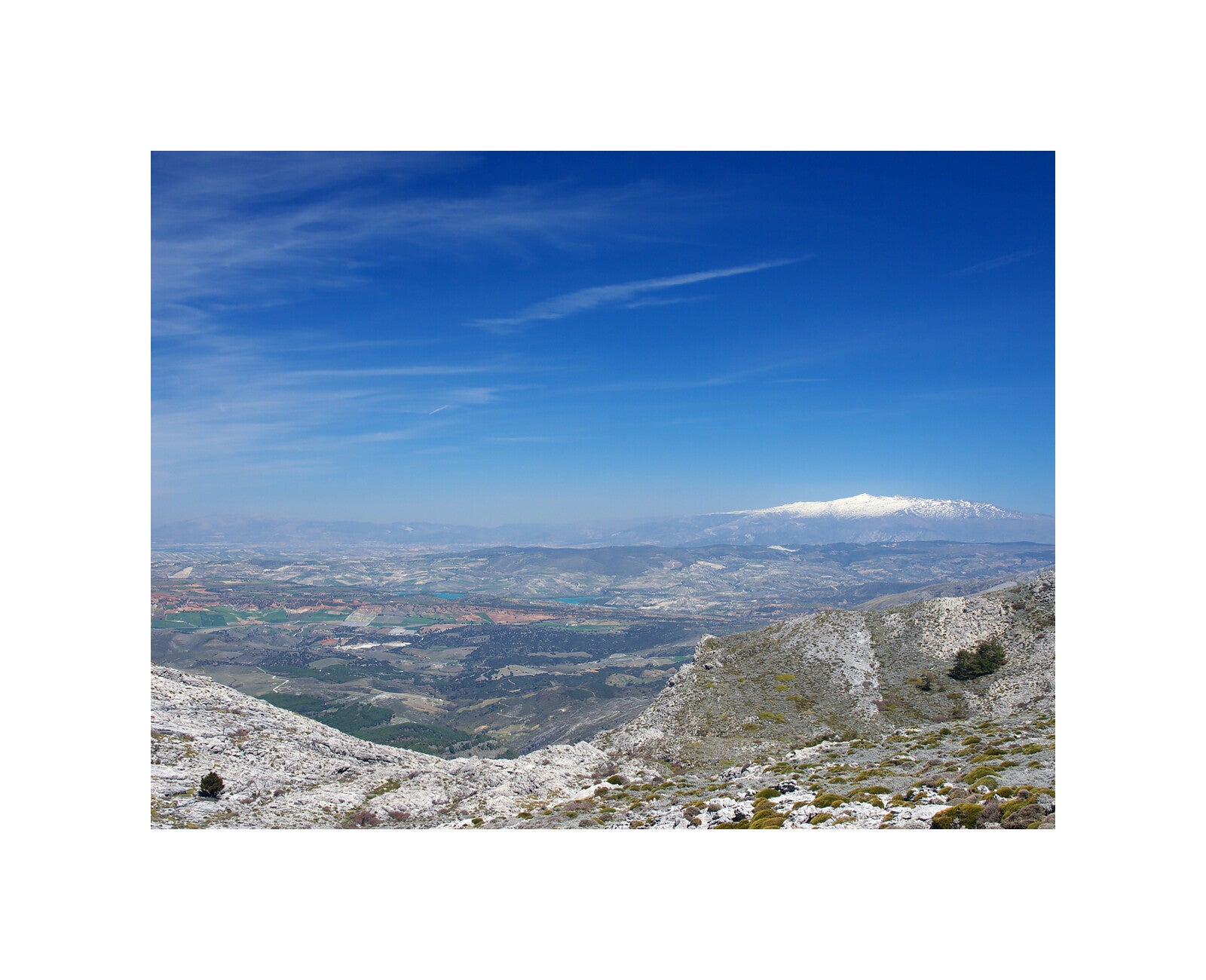
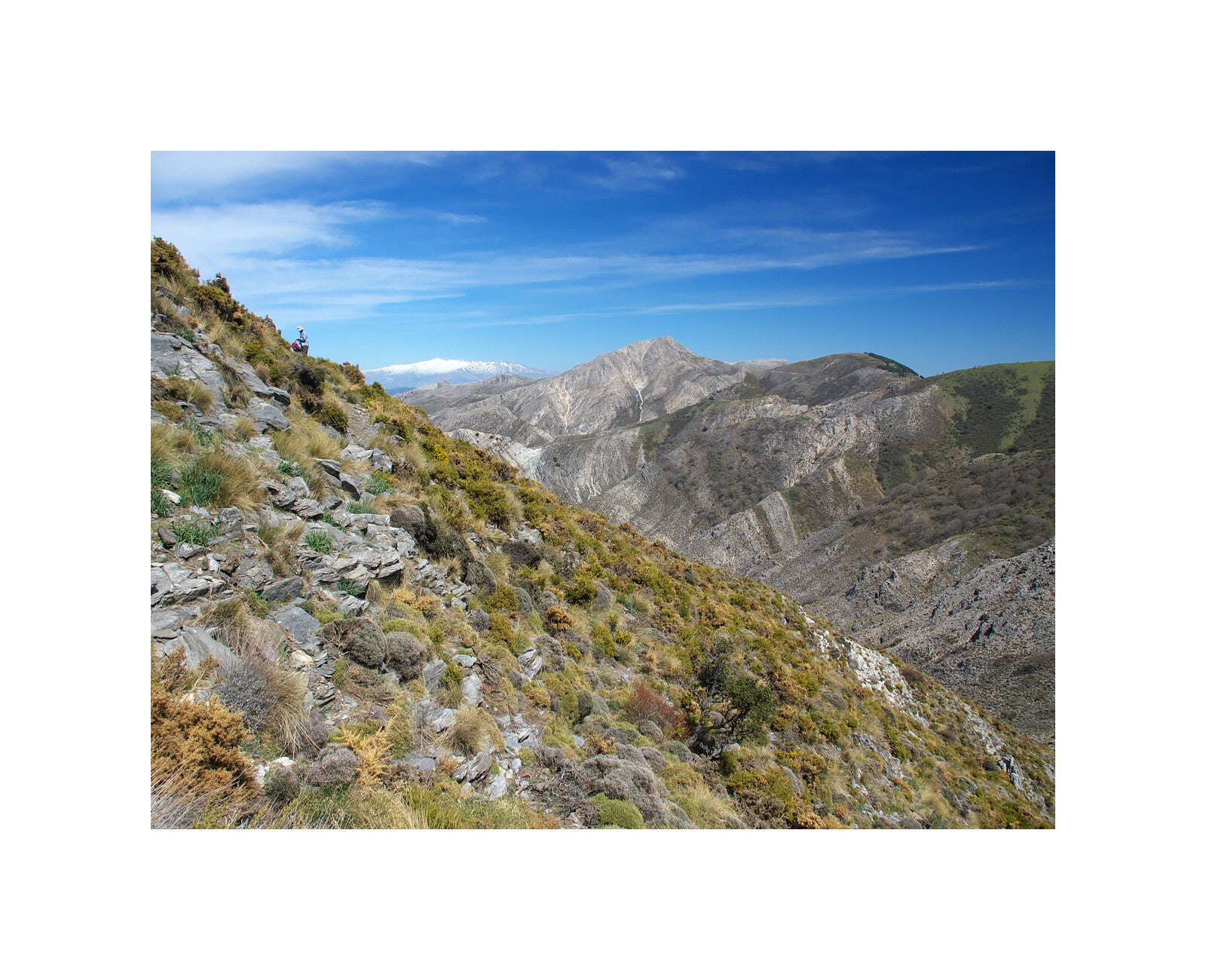
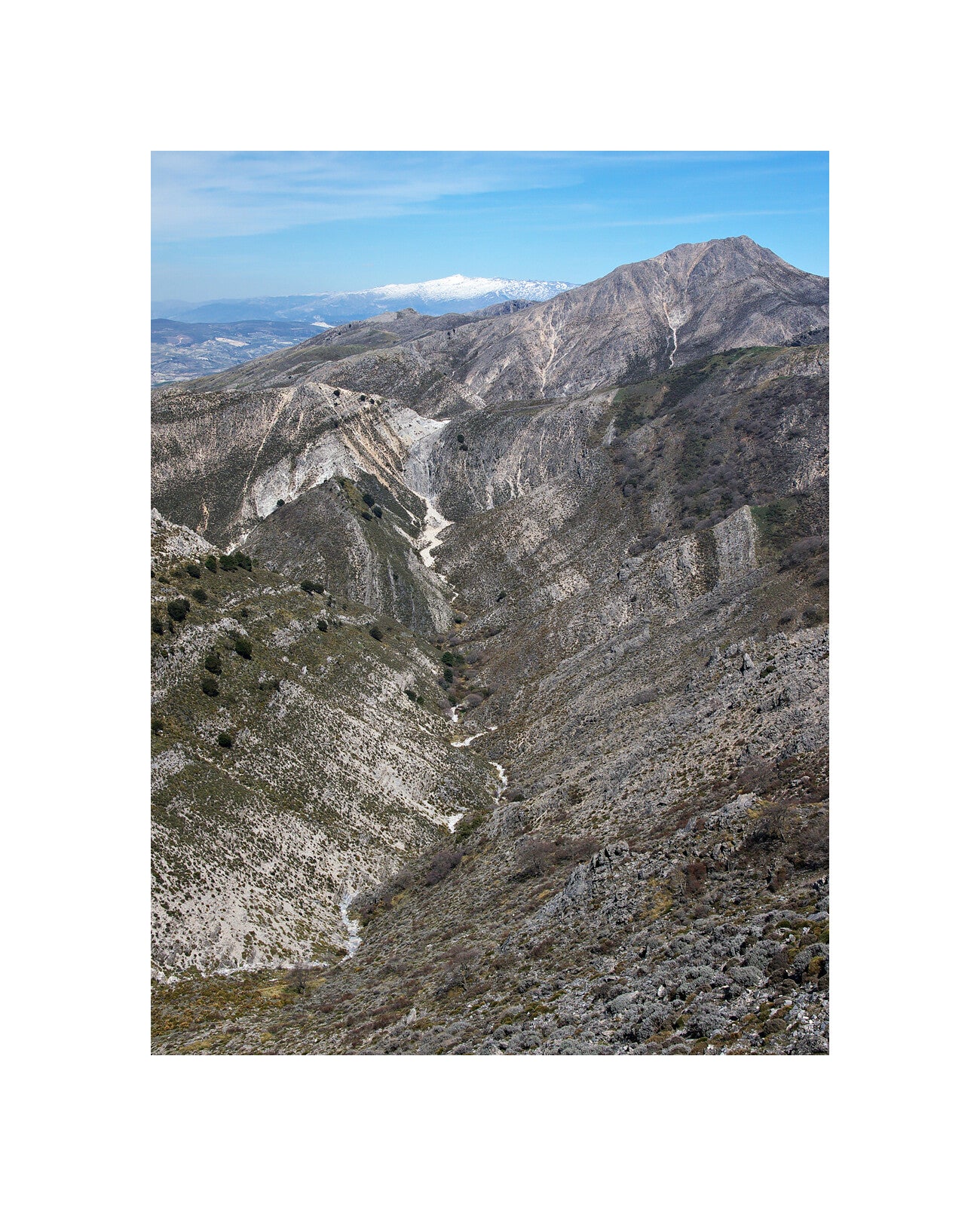
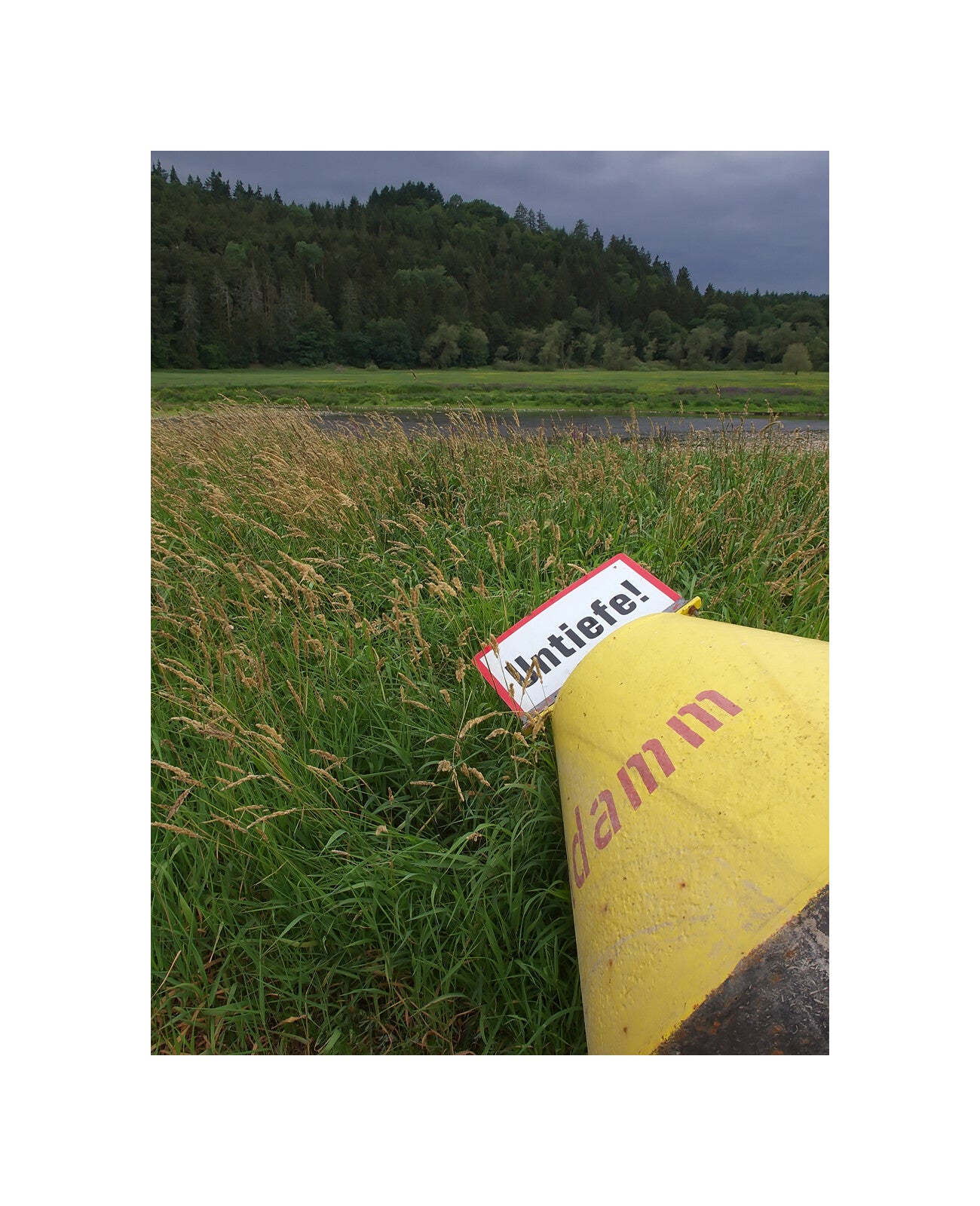
Landscape photography is a captivating genre that focuses on the portrayal of natural scenery. It encompasses a diverse range of subjects, from majestic mountains and serene lakes to sprawling forests and vast deserts. This form of photography aims to convey the grandeur and beauty of the environment while inviting viewers to immerse themselves in the tranquillity of nature.
To excel in landscape photography, several key techniques can enhance your skills. Firstly, understanding the importance of composition is crucial. The rule of thirds is a popular guideline that helps photographers create balanced and visually appealing images. By dividing the frame into a grid and placing key elements at the intersections or along the lines, you can lead the viewer's eye through the photograph.
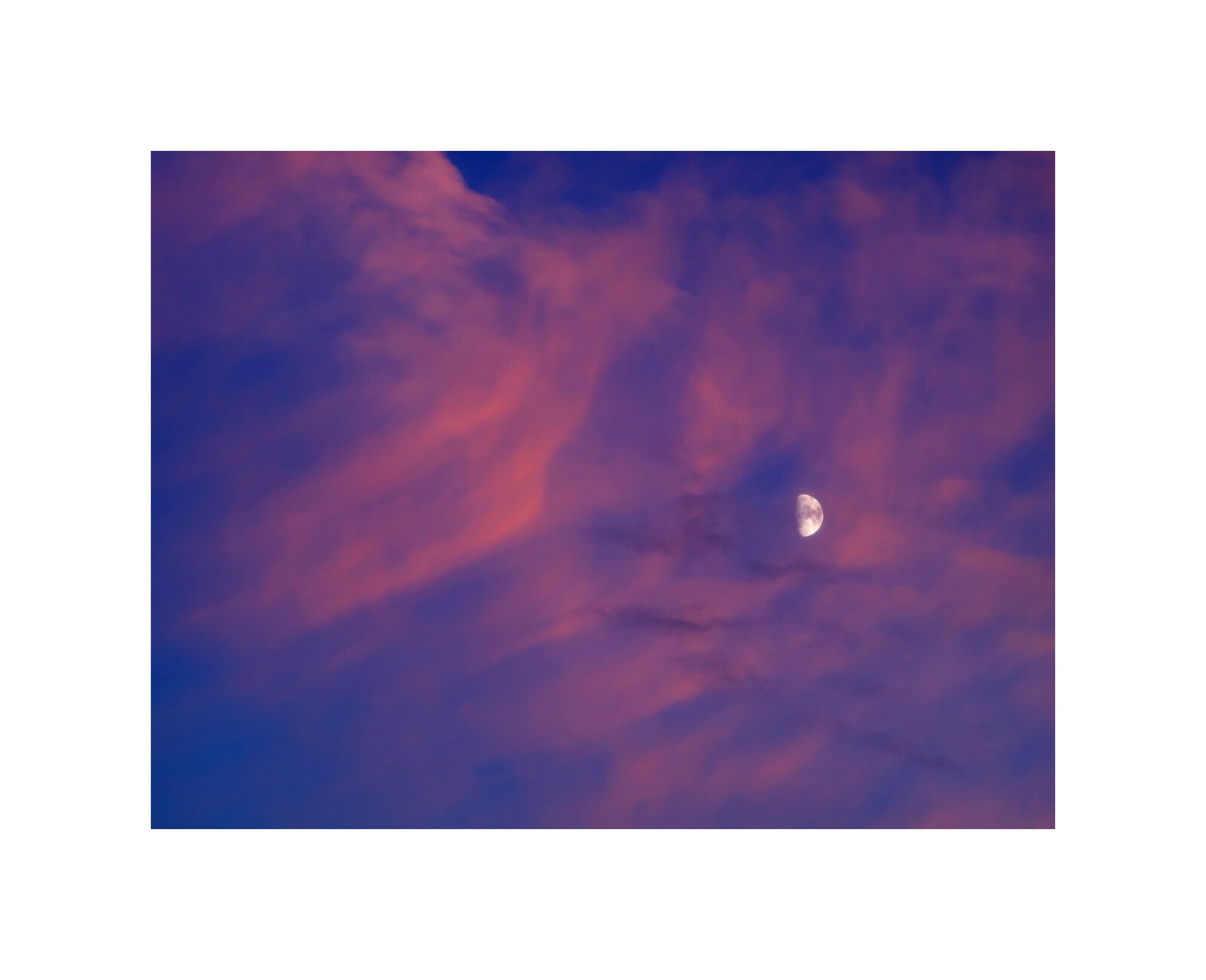
Lighting plays a significant role in landscape photography as well. The golden hour, shortly after sunrise or before sunset, is renowned for providing soft and warm light that enhances colours and creates dynamic shadows. Experimenting with different weather conditions can also yield dramatic effects, such as moody skies during storms or ethereal fog lingering in the hills.
Using a tripod is highly recommended for landscape photography, as it ensures stability and sharpness, particularly during long exposures. This is essential when capturing breathtaking sceneries in low light or when creating silky smooth water effects.
Post-processing is another vital aspect of landscape photography. While it’s important to capture a great shot in-camera, editing software can help fine-tune colours, contrast, and clarity, bringing your vision to life. Subtle adjustments to saturation, sharpness, and shadow details can transform good shots into stunning visuals.
Moreover, gear can also impact your landscape photography. While a high-end camera and lenses can certainly enhance quality, many stunning landscape shots have been taken with modest equipment. Understanding the capabilities of your camera and lenses will go a long way in achieving exceptional results. Additionally, filters, such as polarizers and neutral density filters, can help manage reflections and reduce light, allowing for creative control over exposure and depth of field.
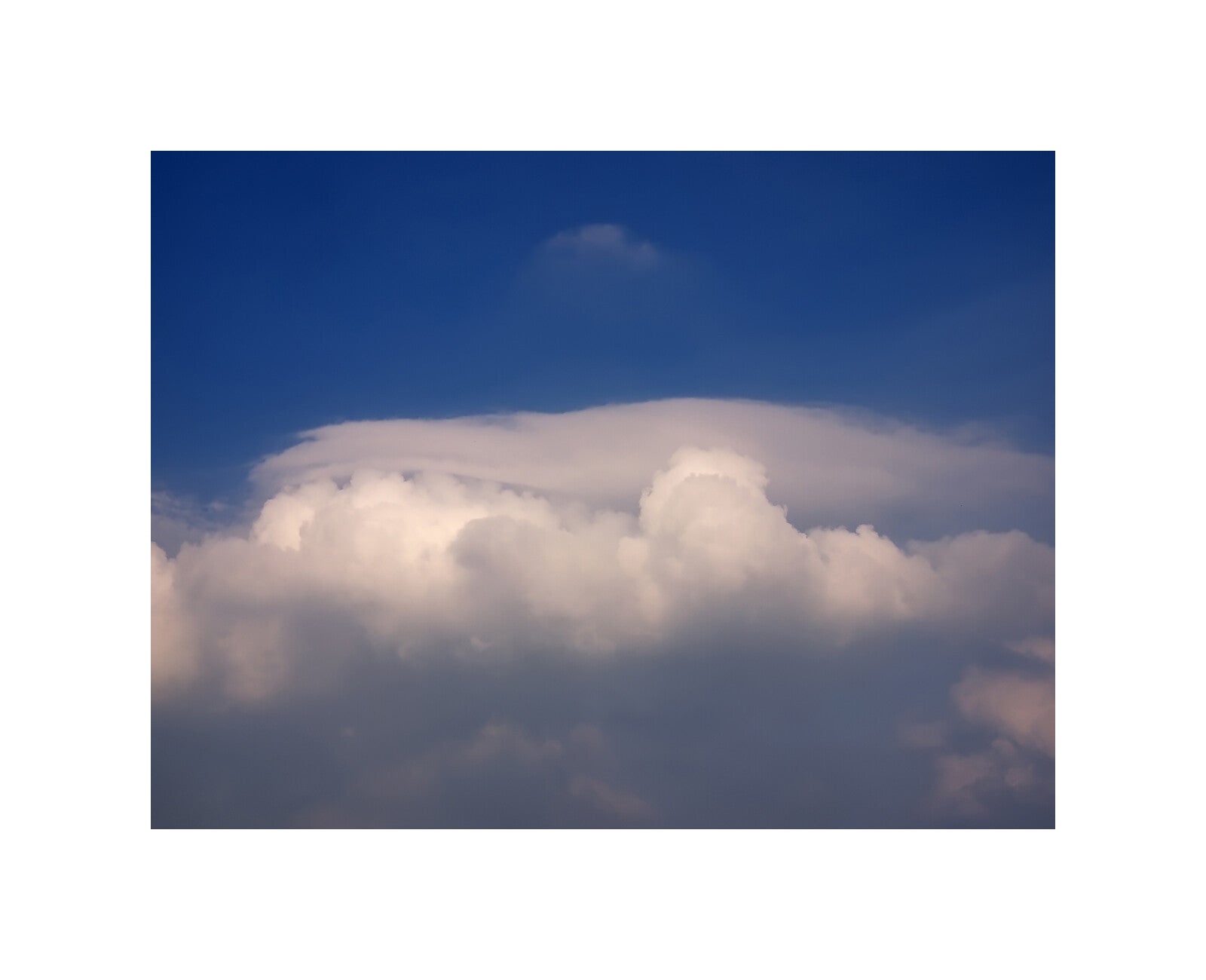
Lastly, patience is vital in landscape photography. Nature can be unpredictable, and sometimes the perfect shot requires waiting for the right moment. Whether it’s the right cloud formation or wildlife presence, taking the time to be attentive can yield rewarding results.
In conclusion, landscape photography offers a unique opportunity to capture the stunning beauty of the world around us. By mastering composition, lighting, and post-processing, along with a good understanding of your equipment, you can create captivating images that inspire and evoke emotion. So grab your camera, venture into nature, and let the landscape tell its story through your lens.
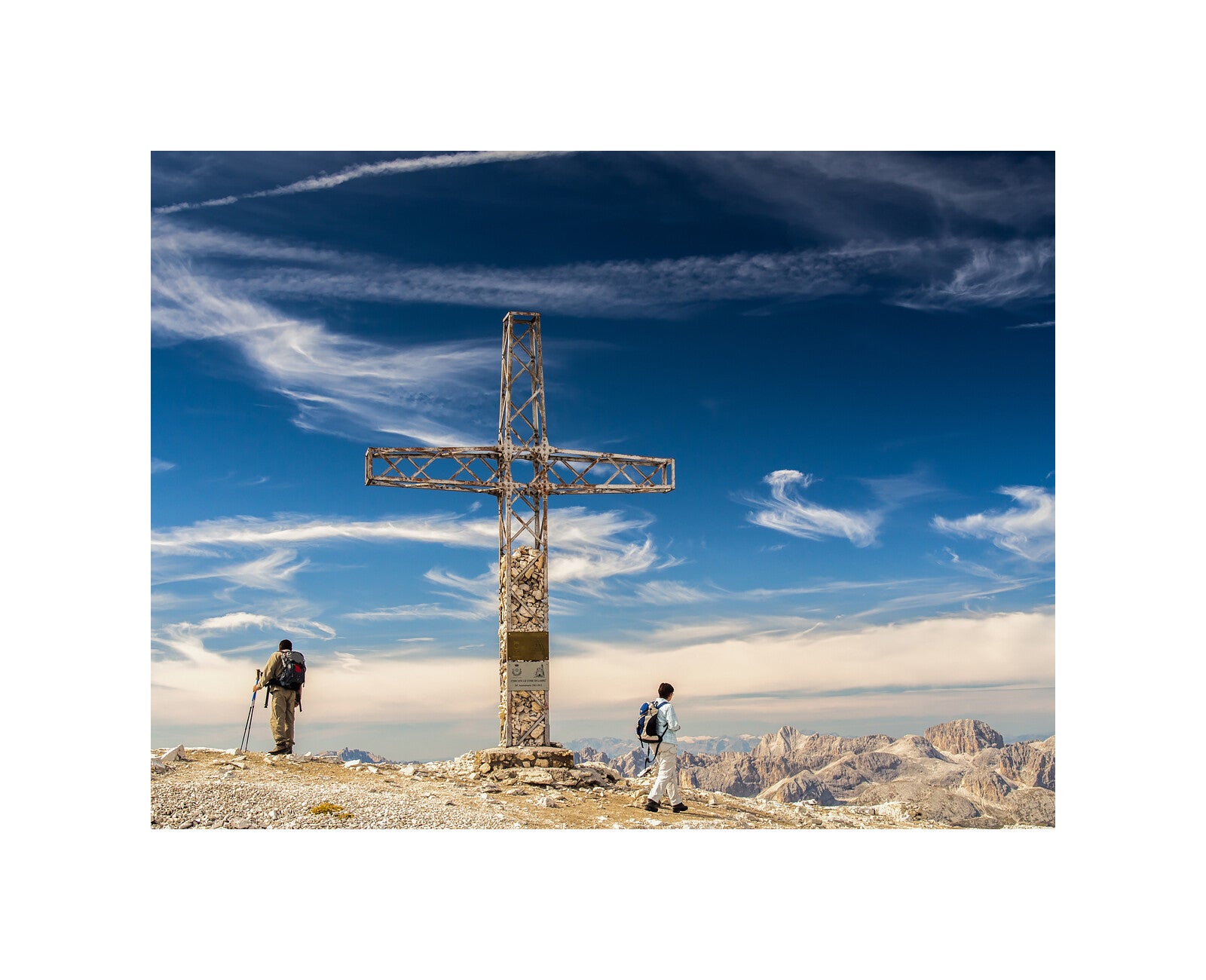
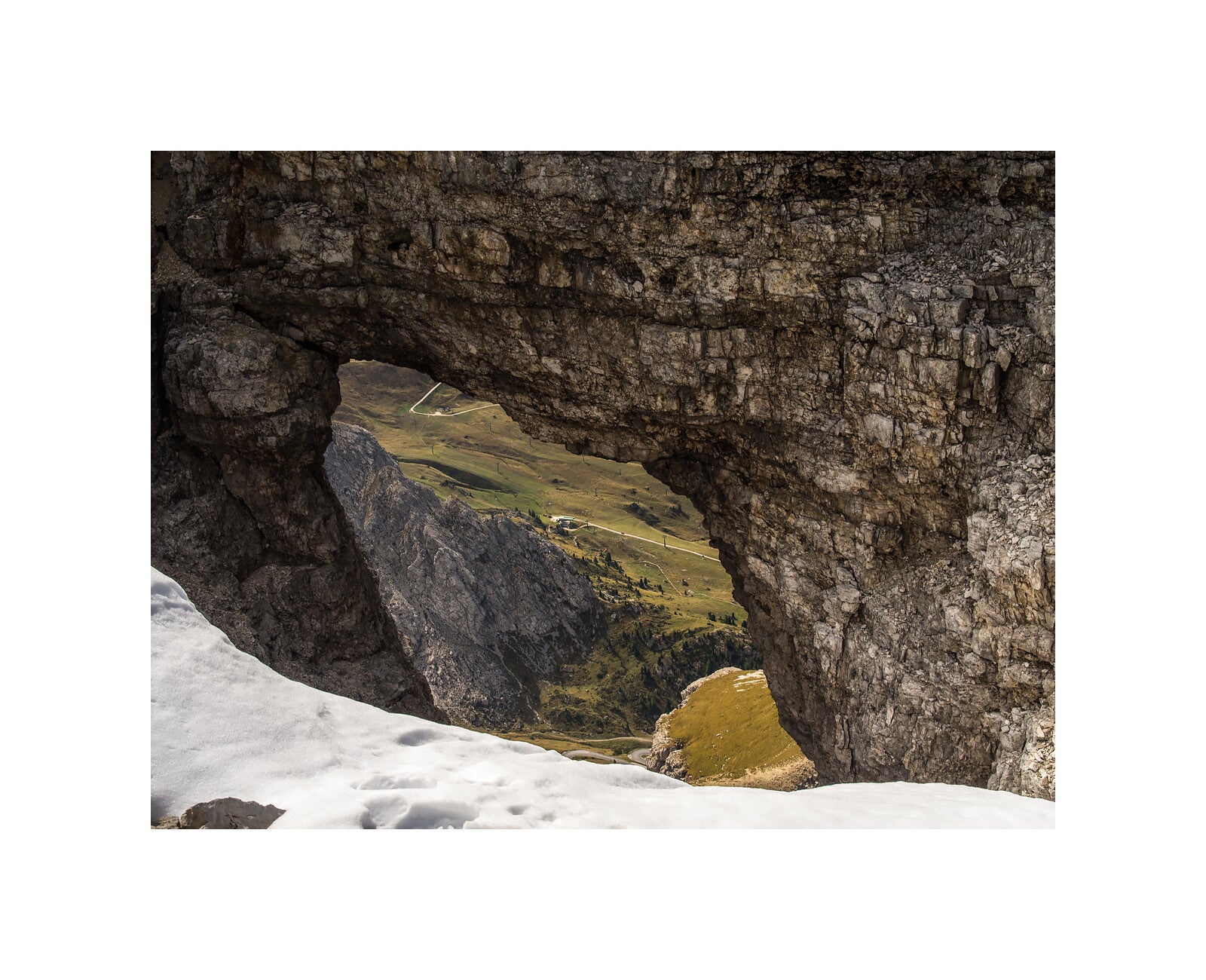
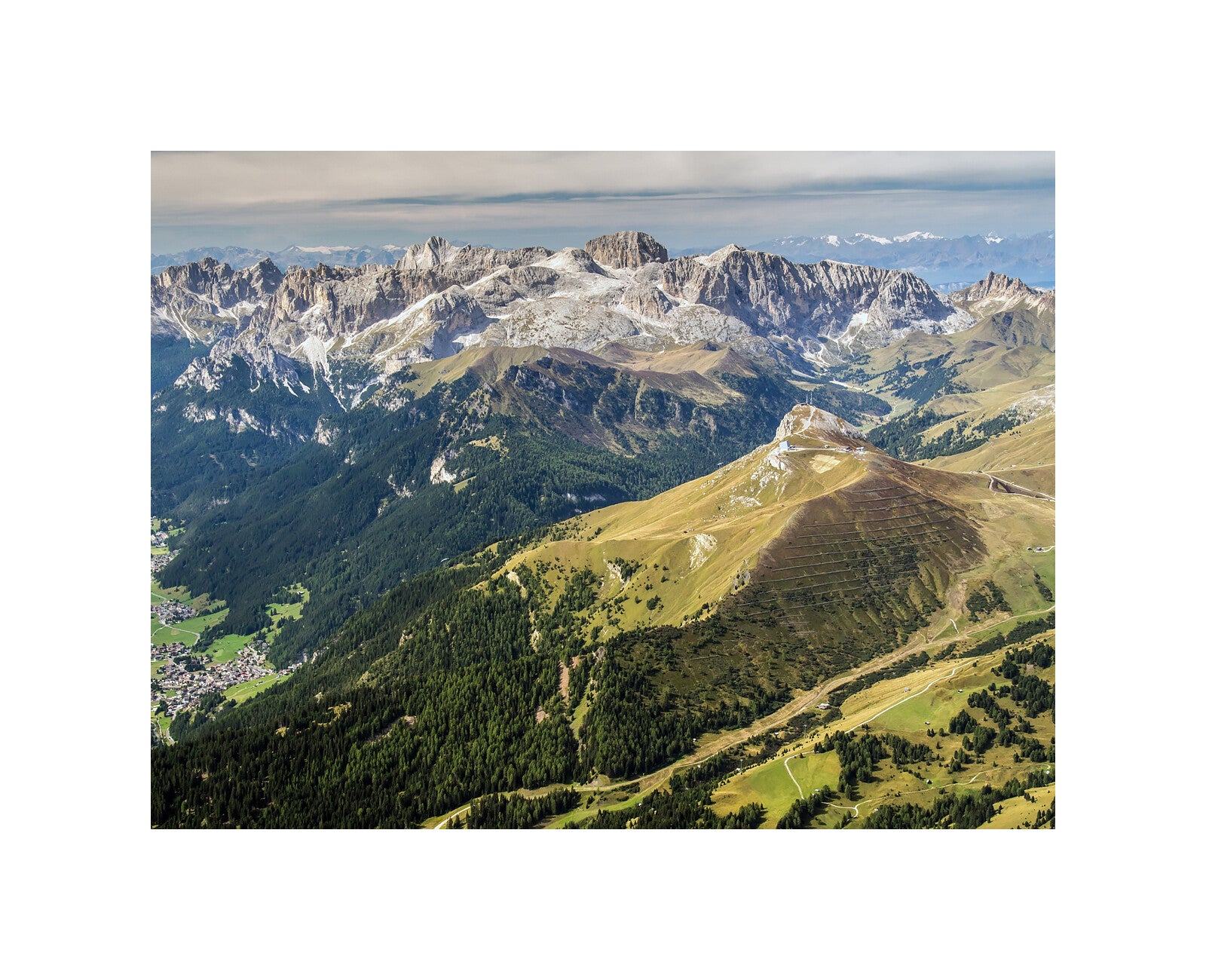
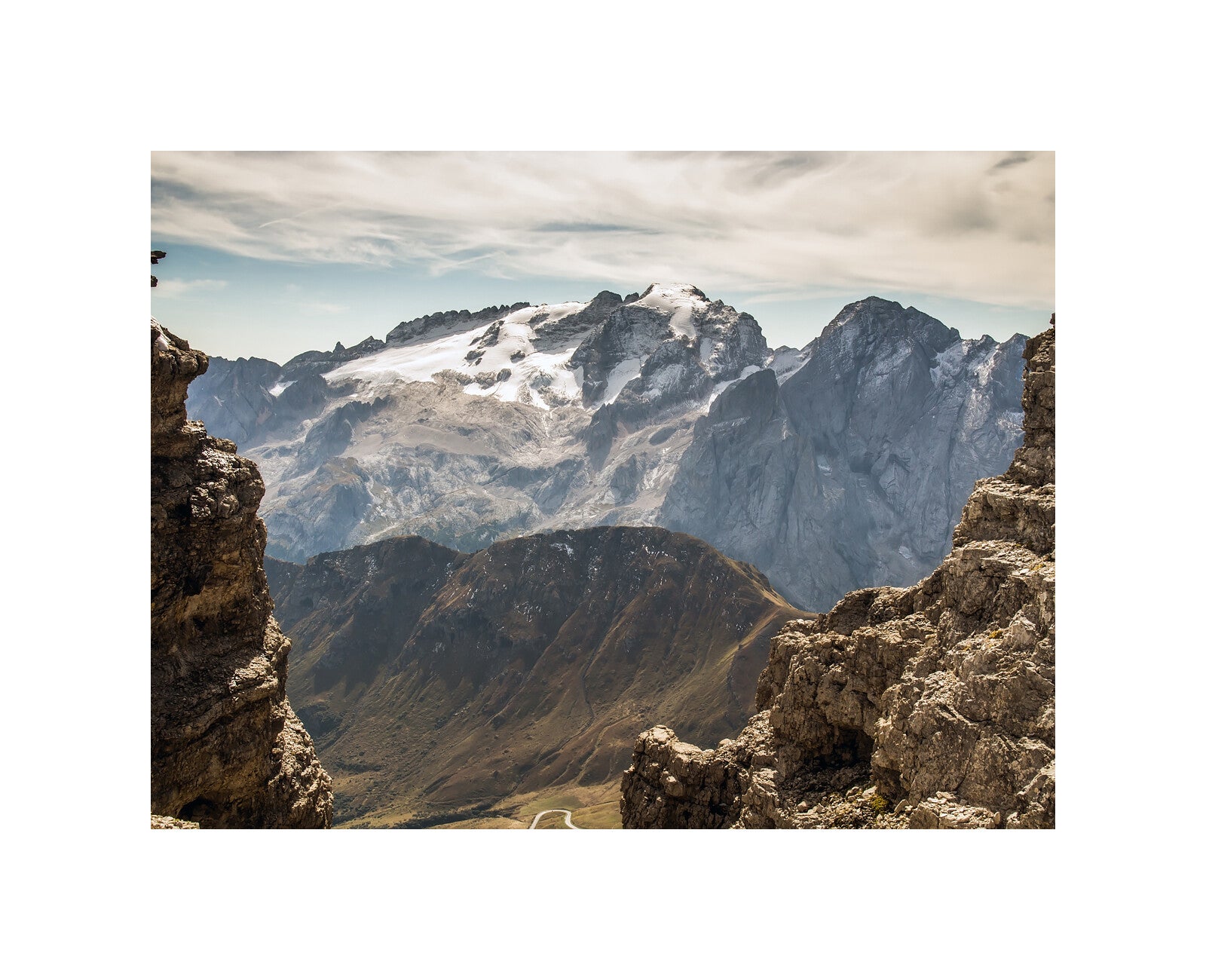
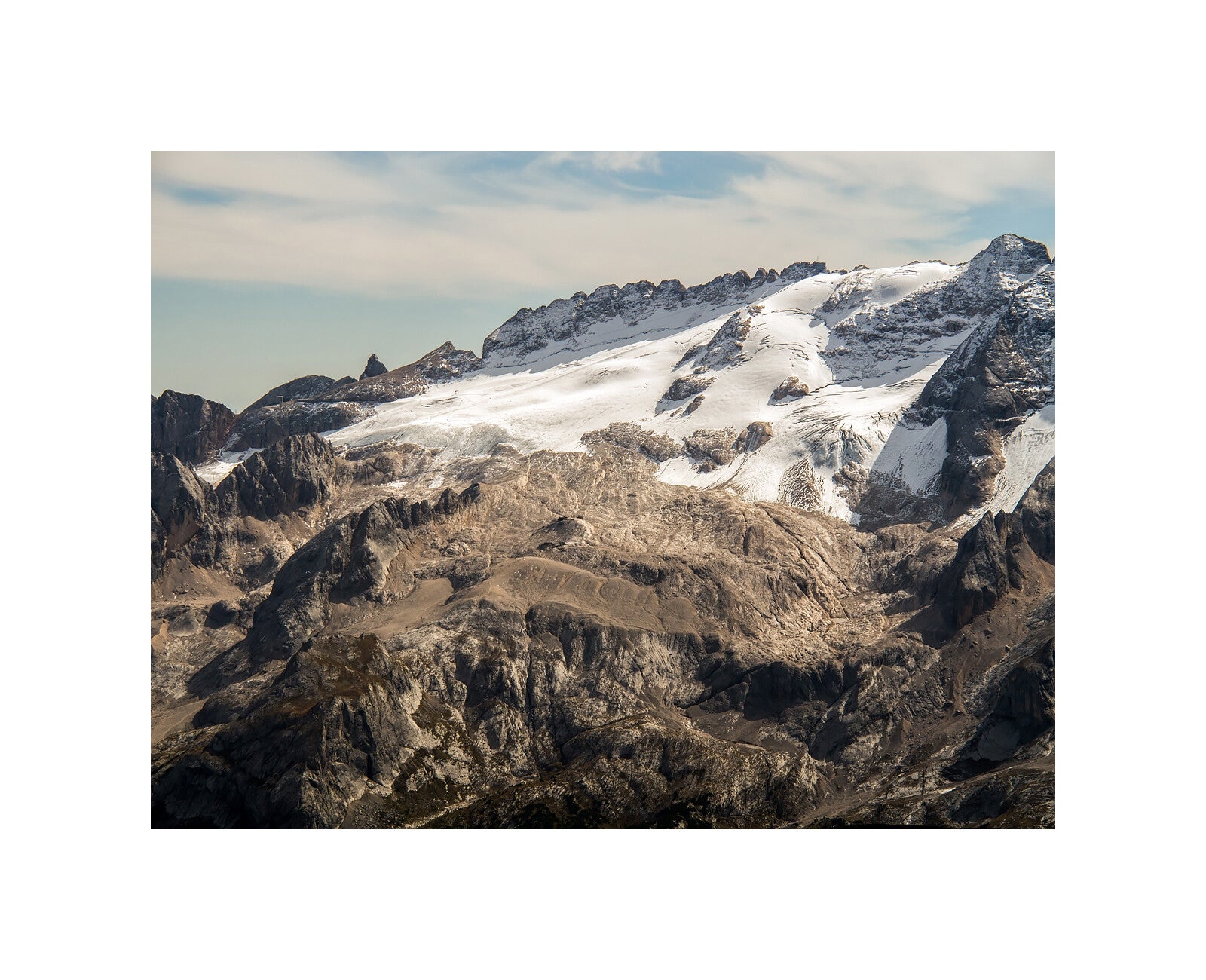
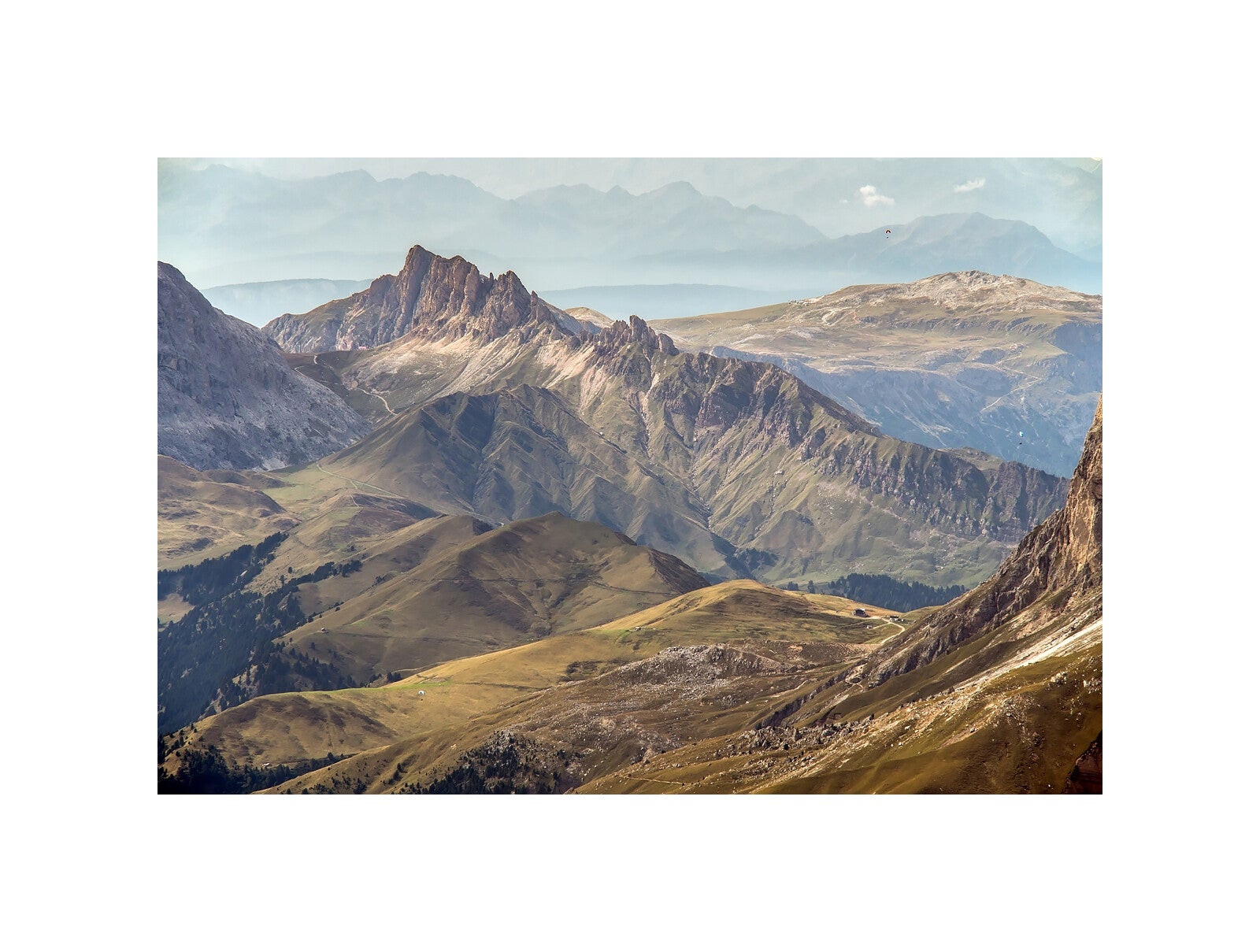
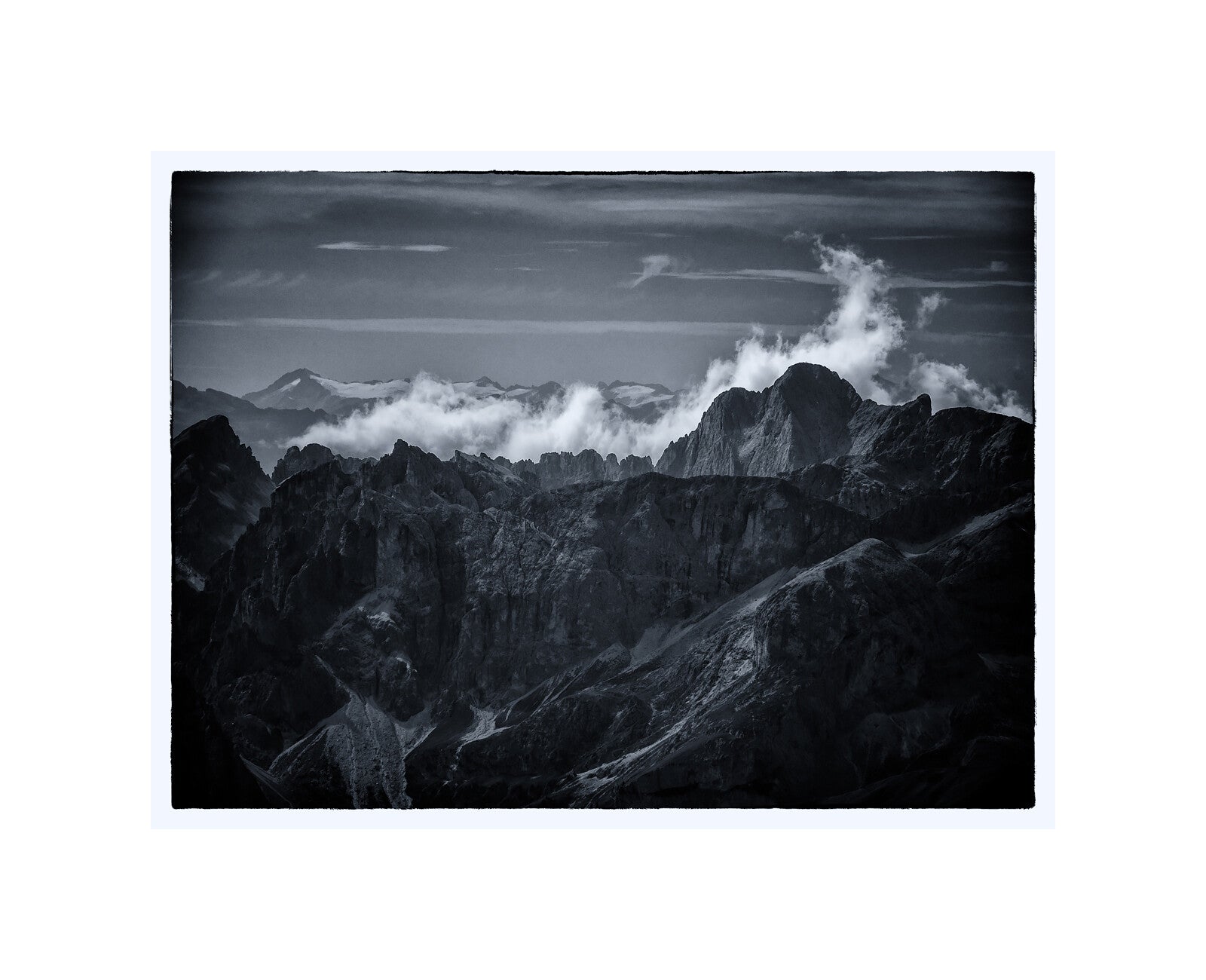
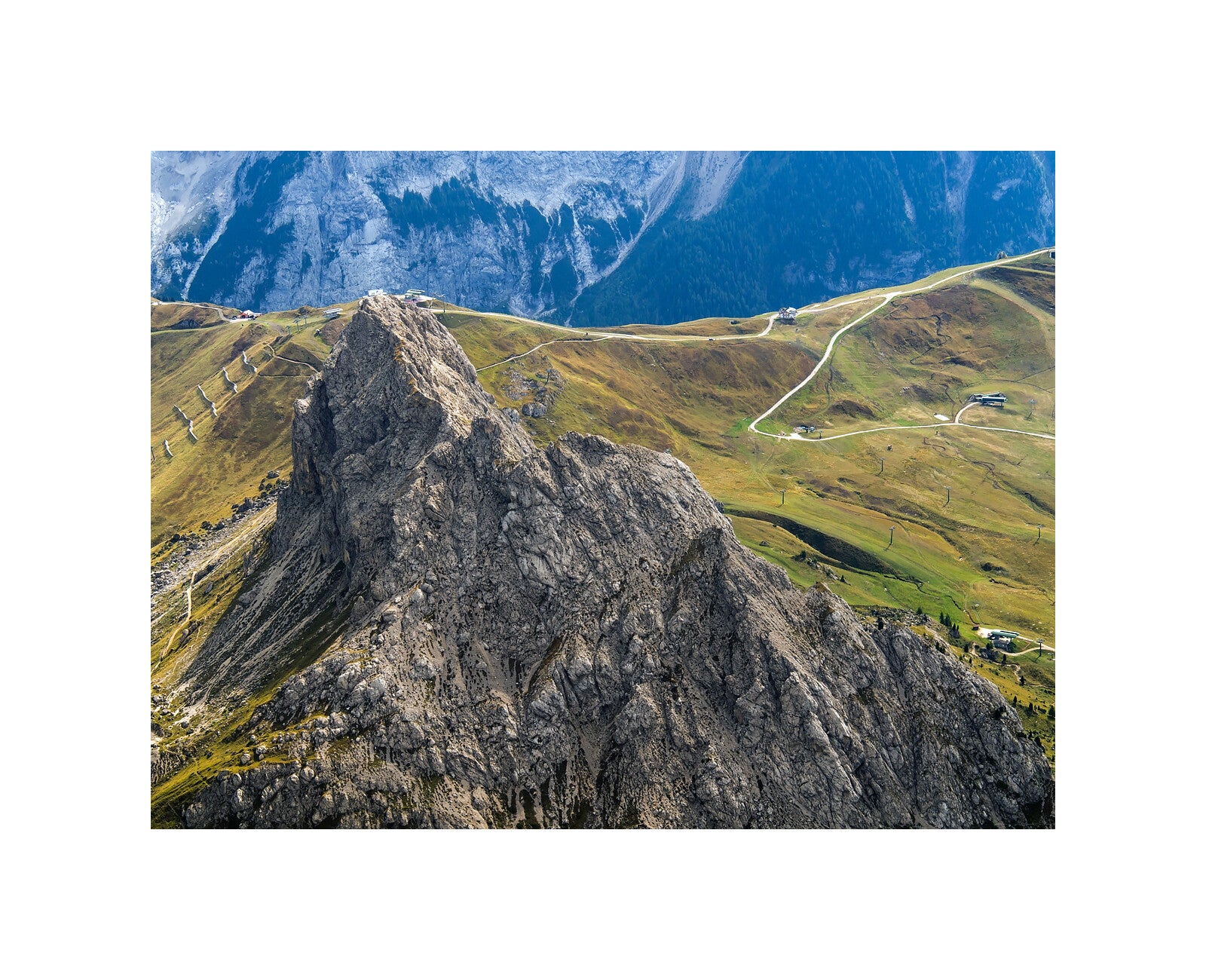
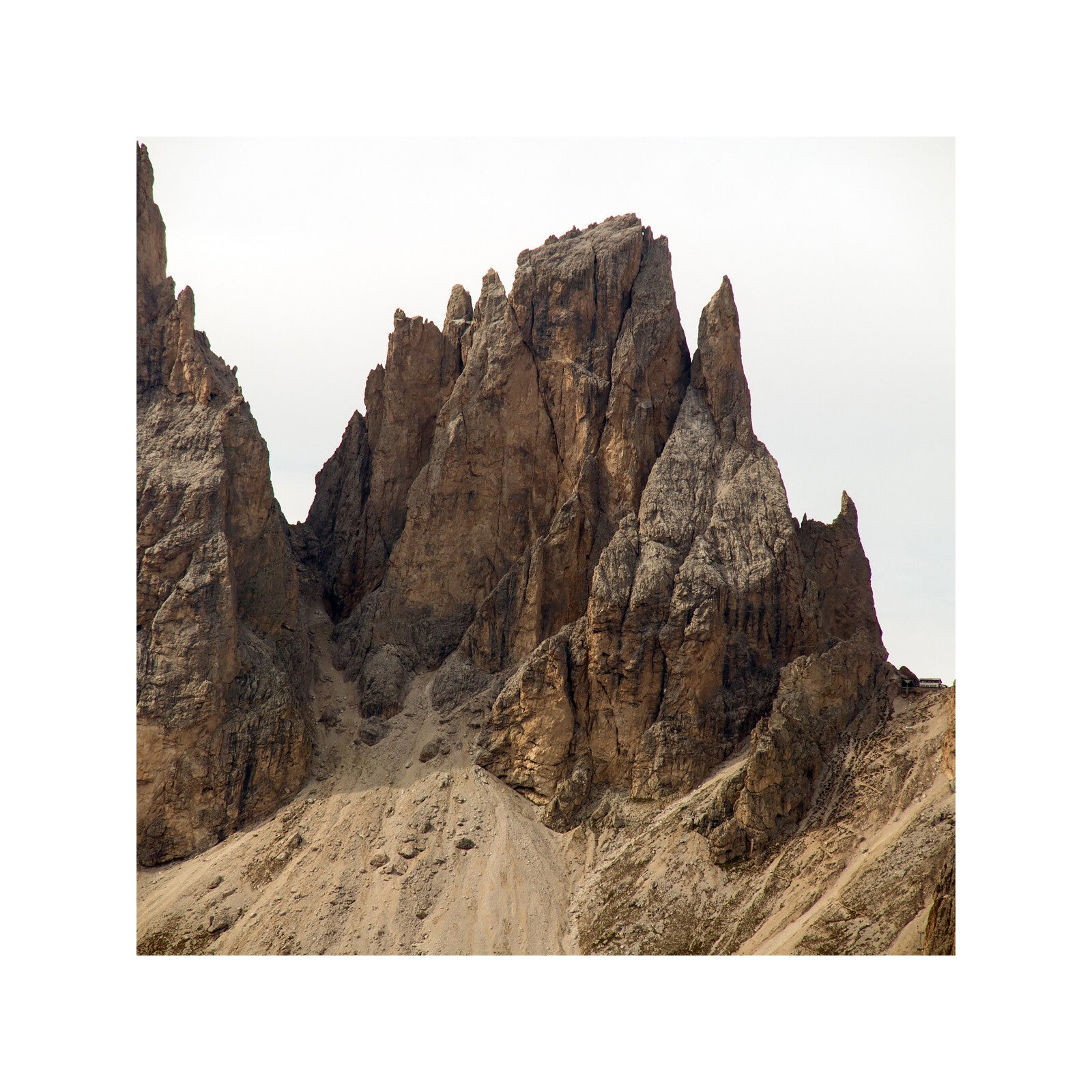
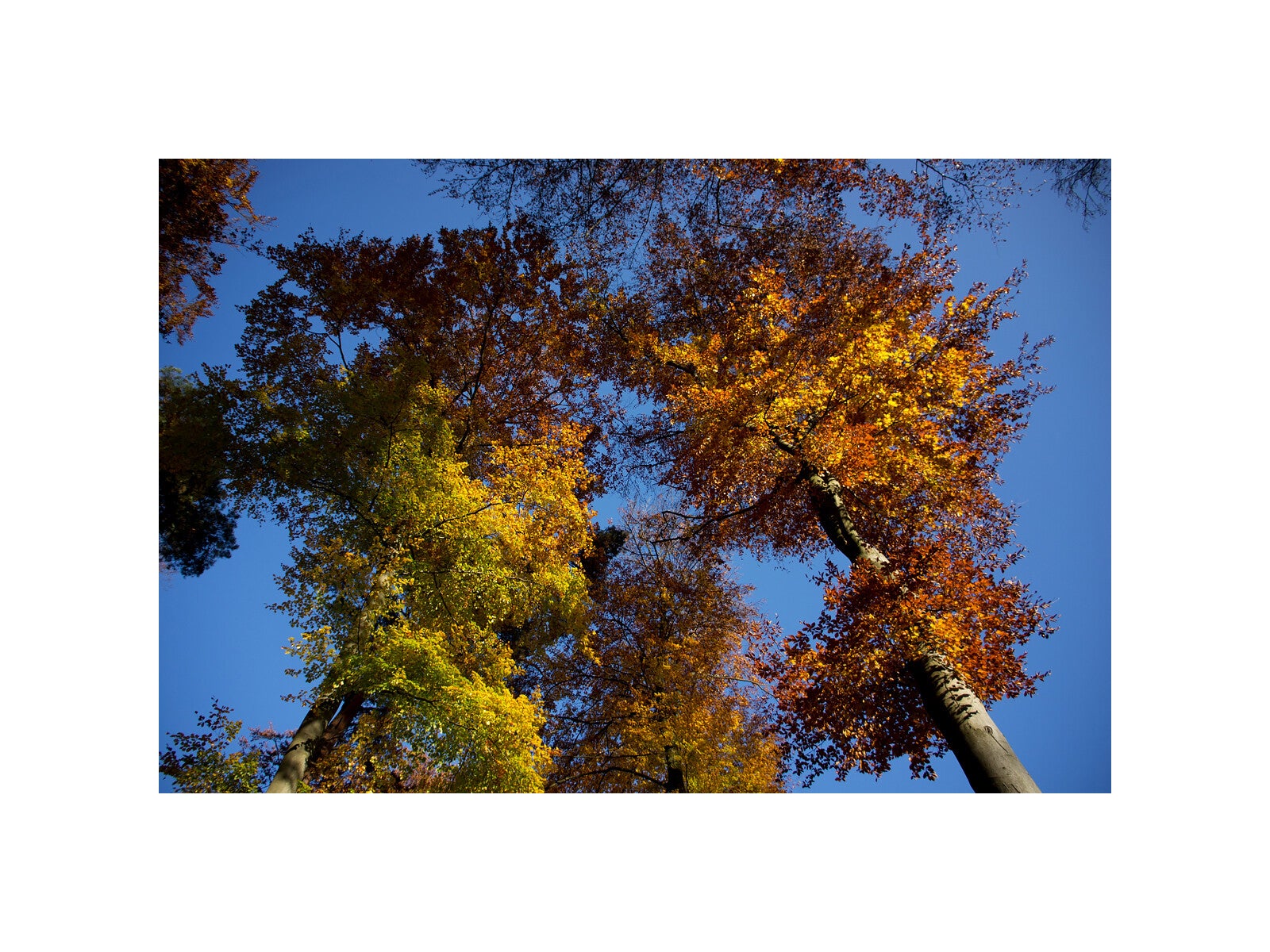
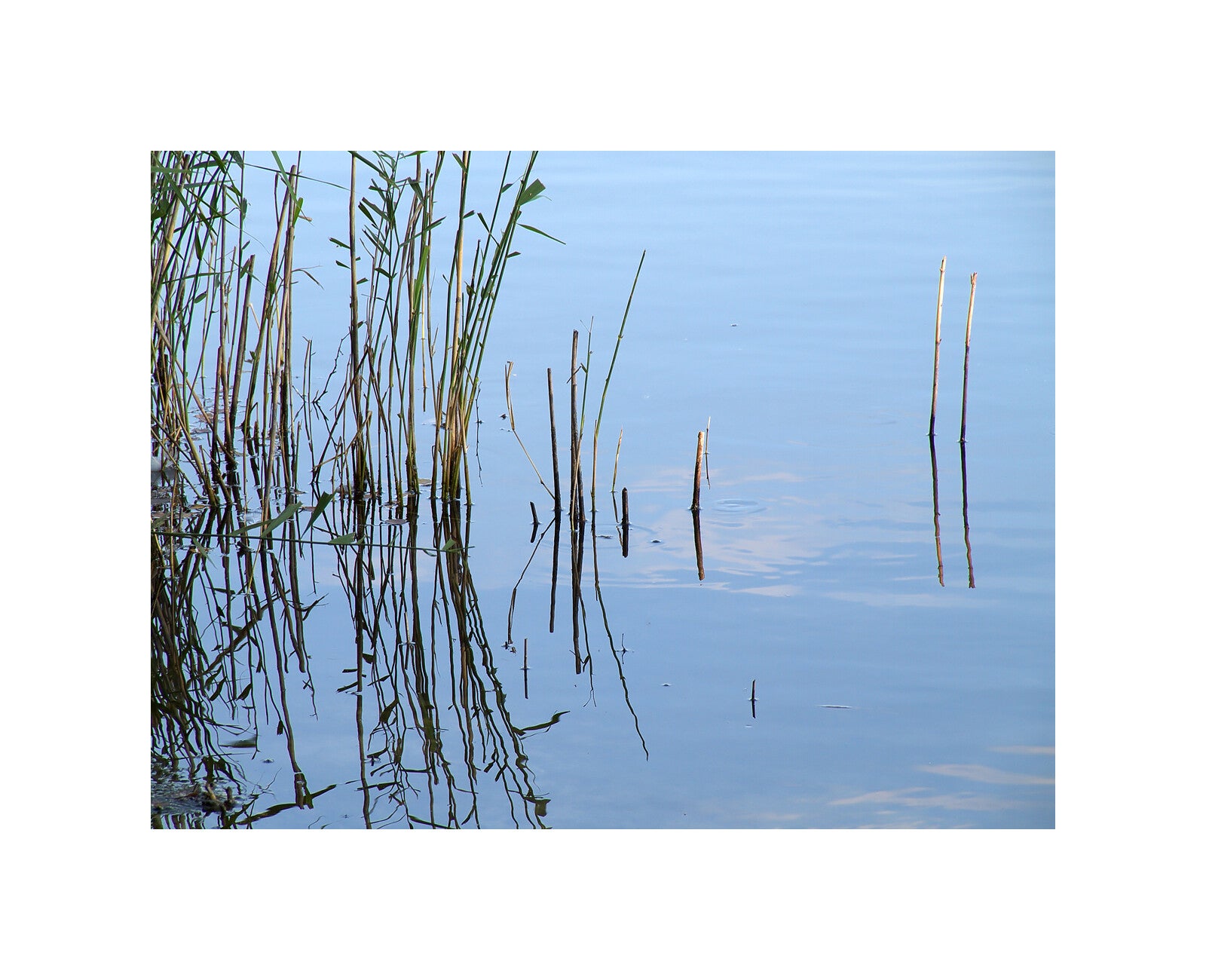
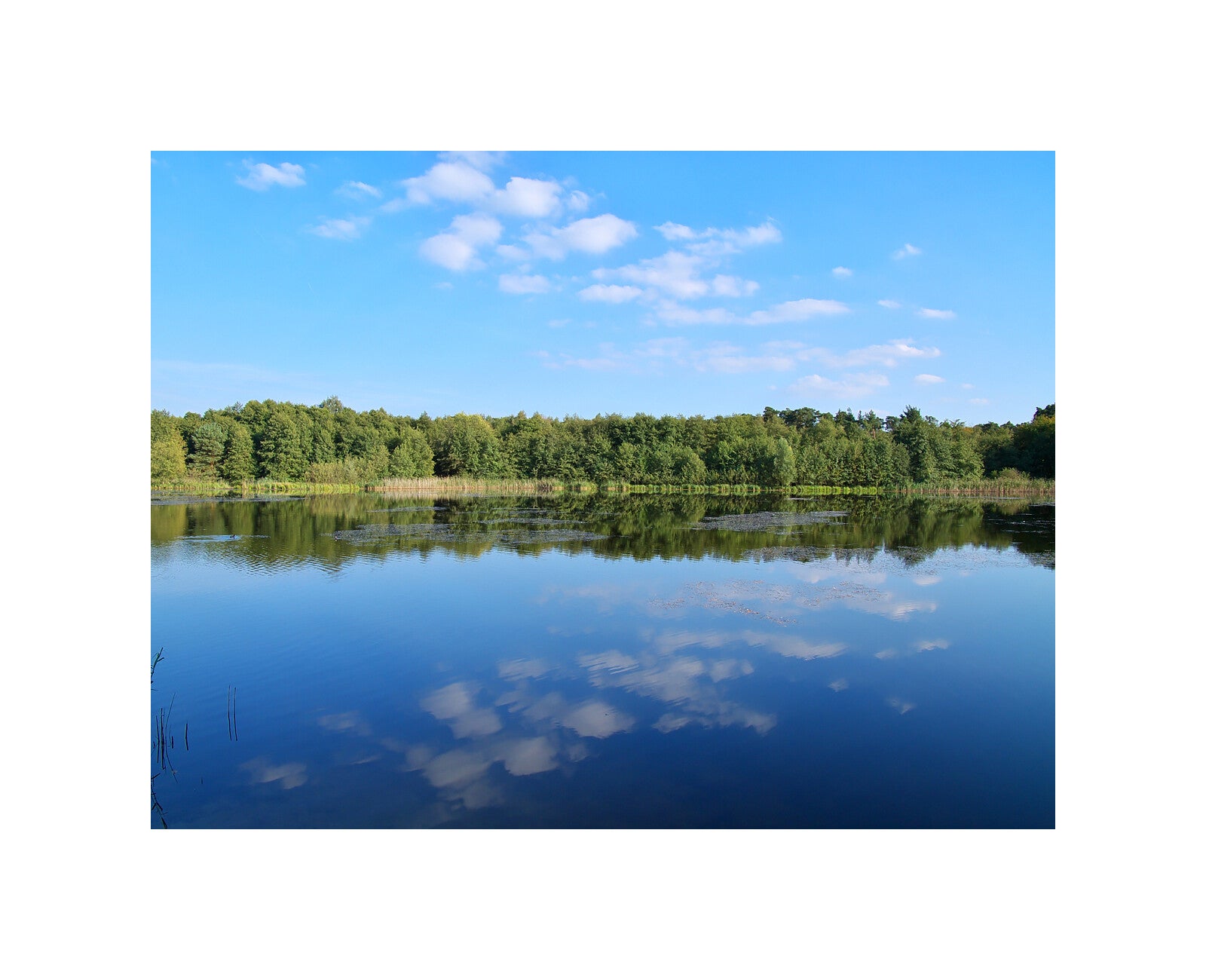
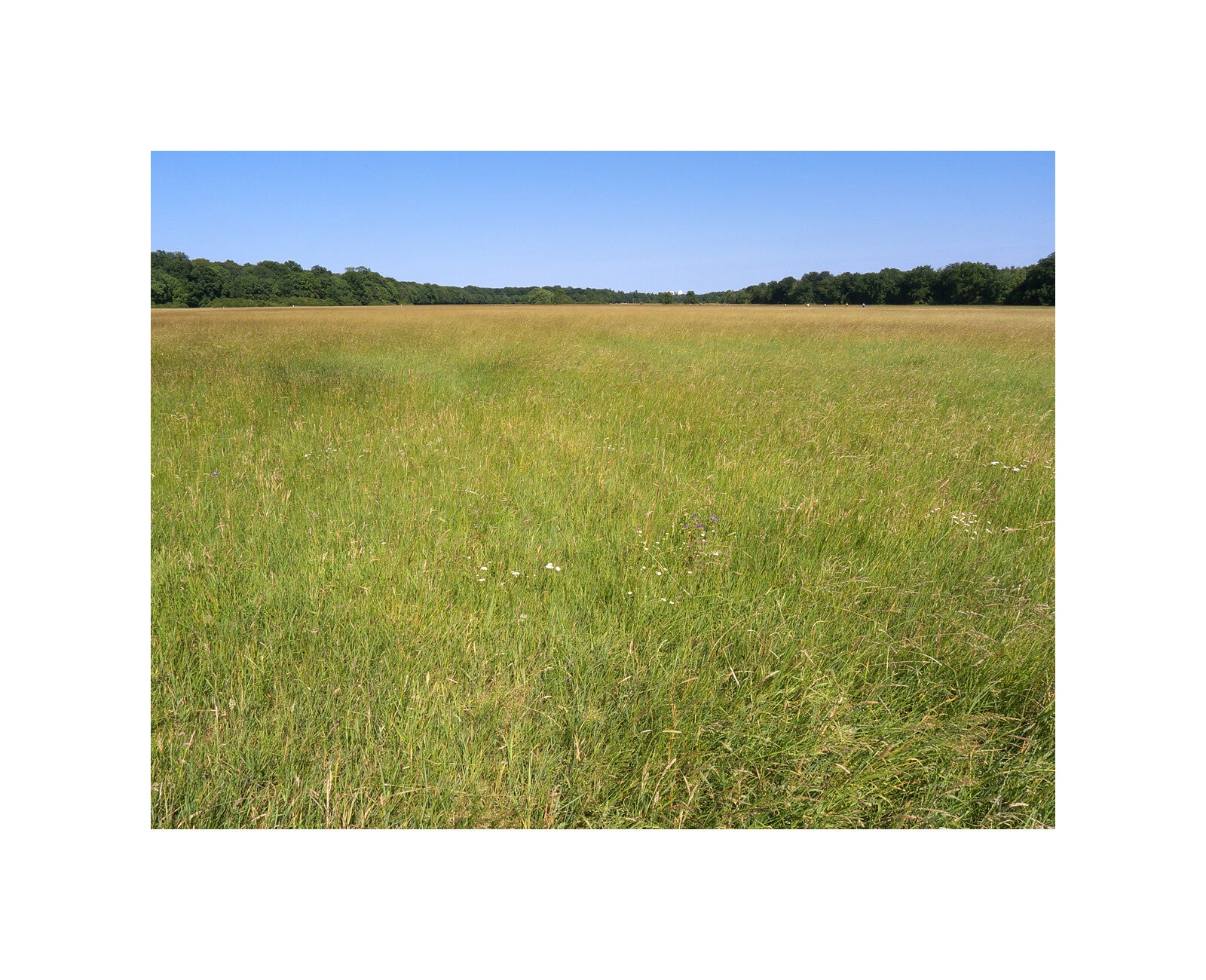
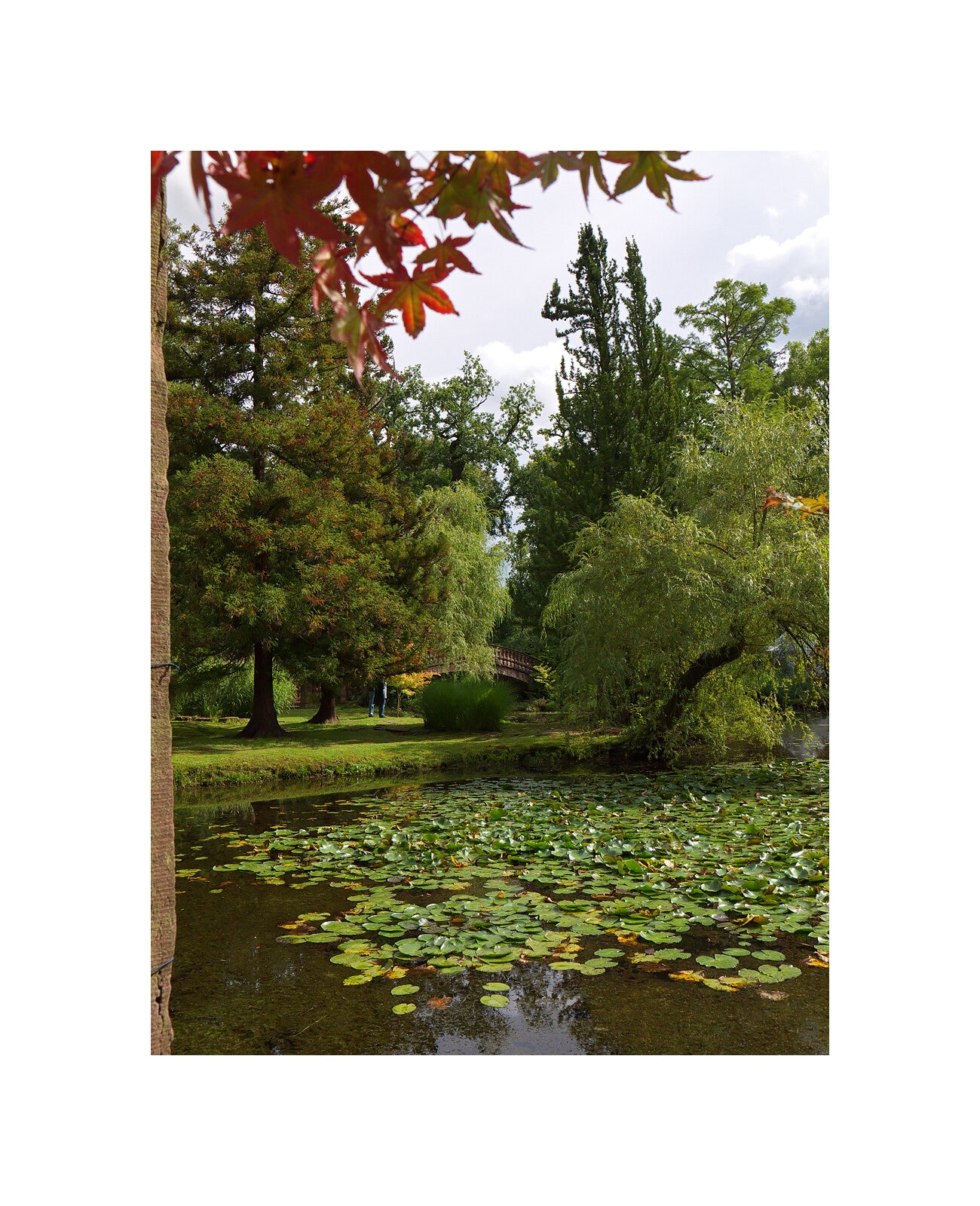
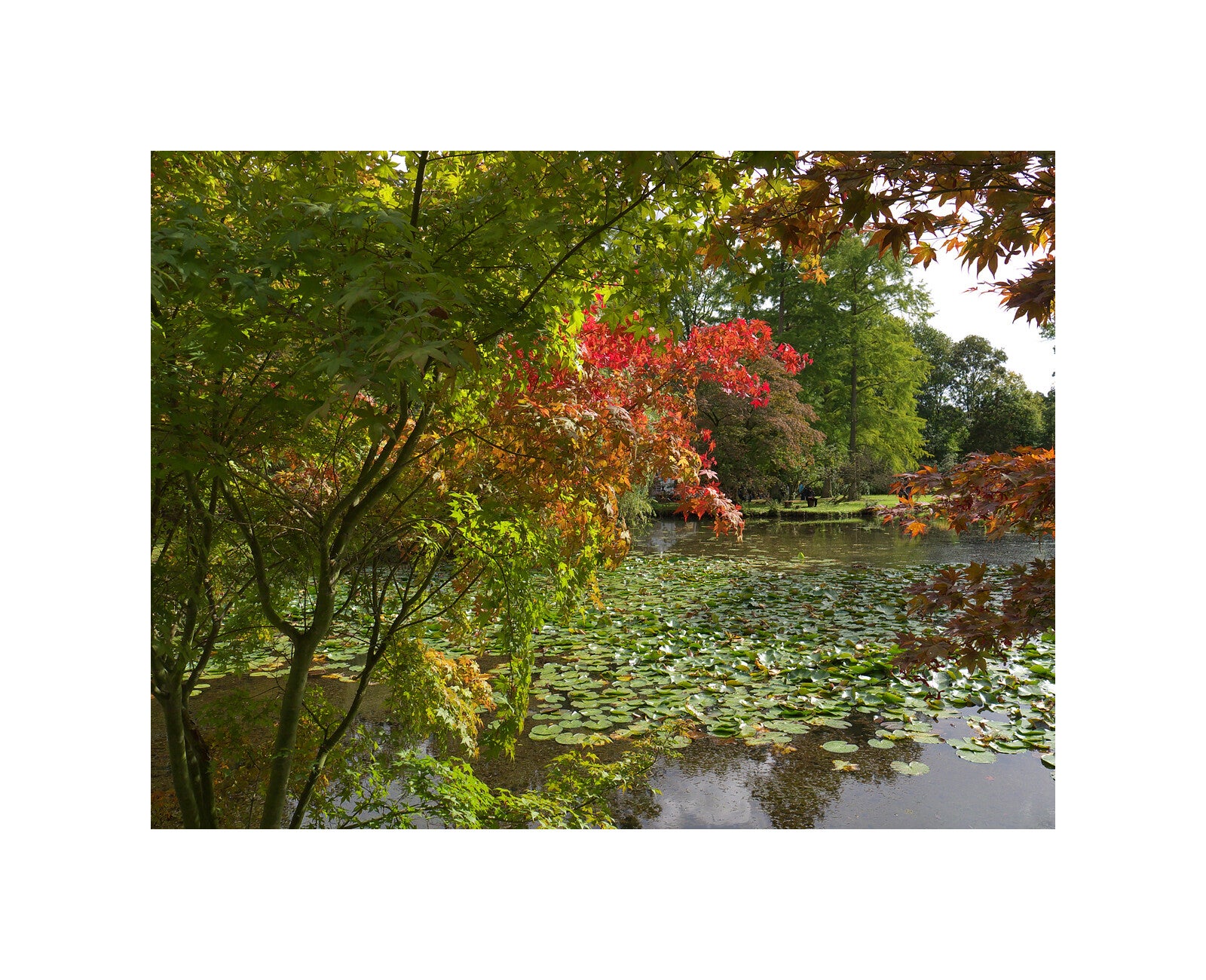
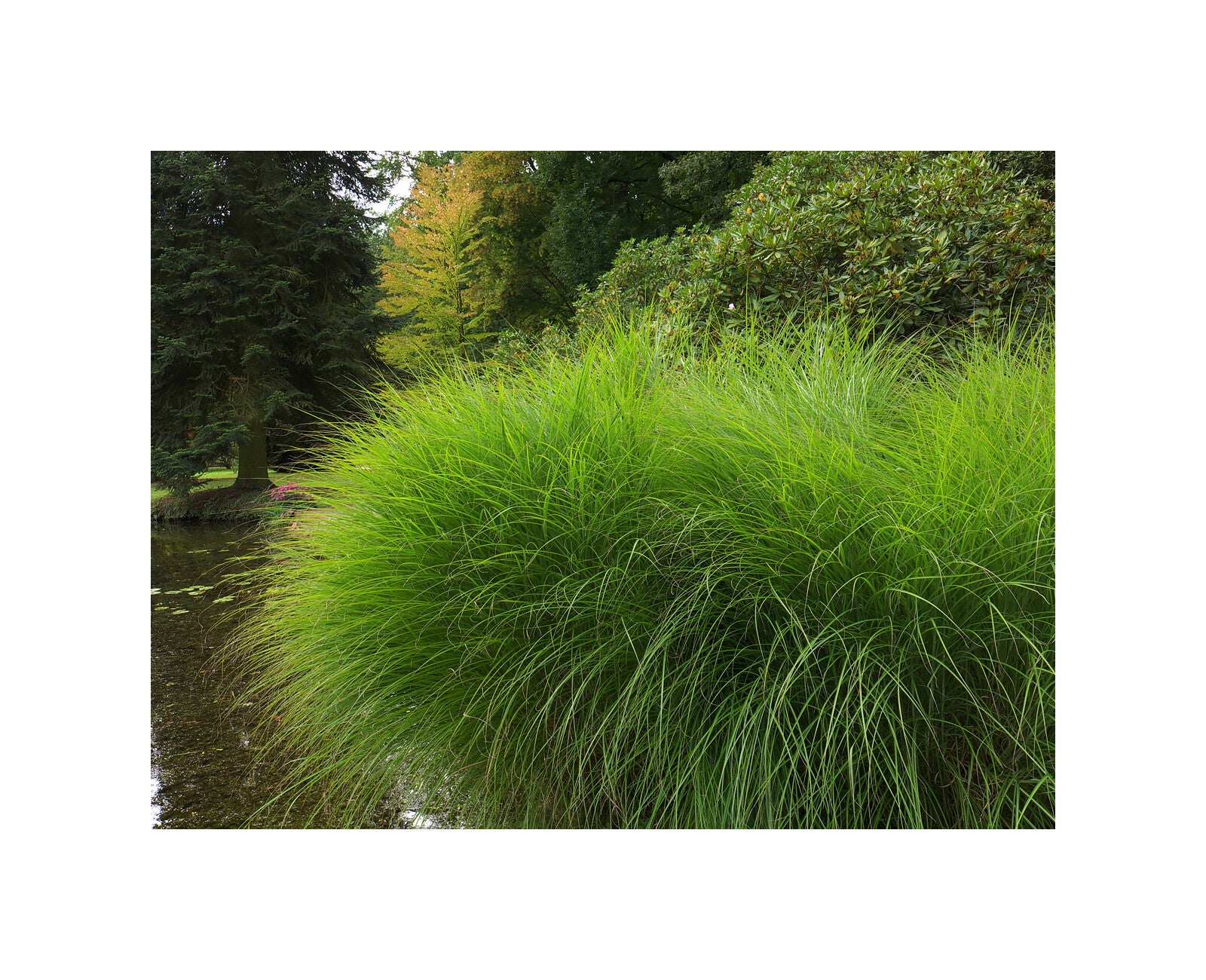
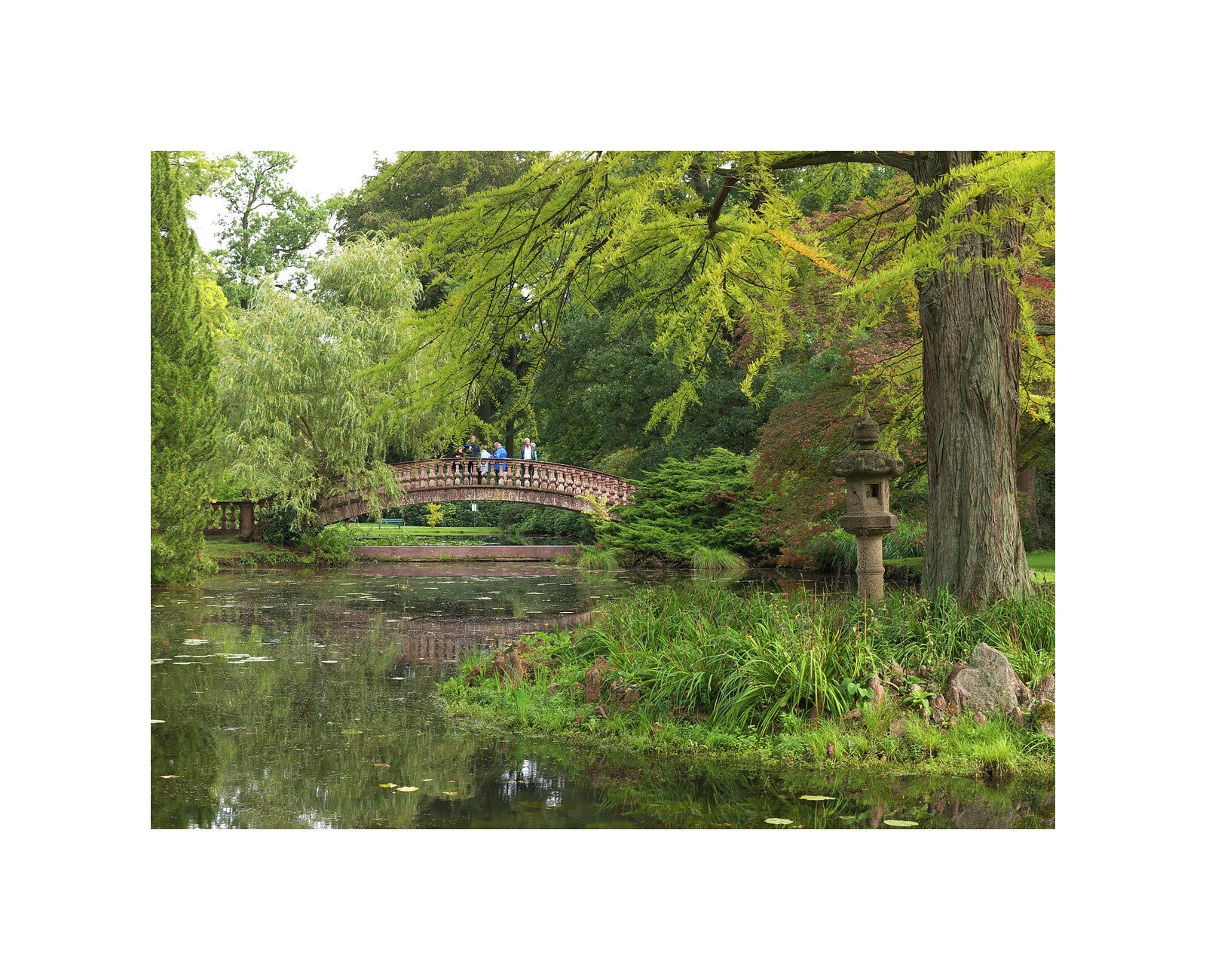
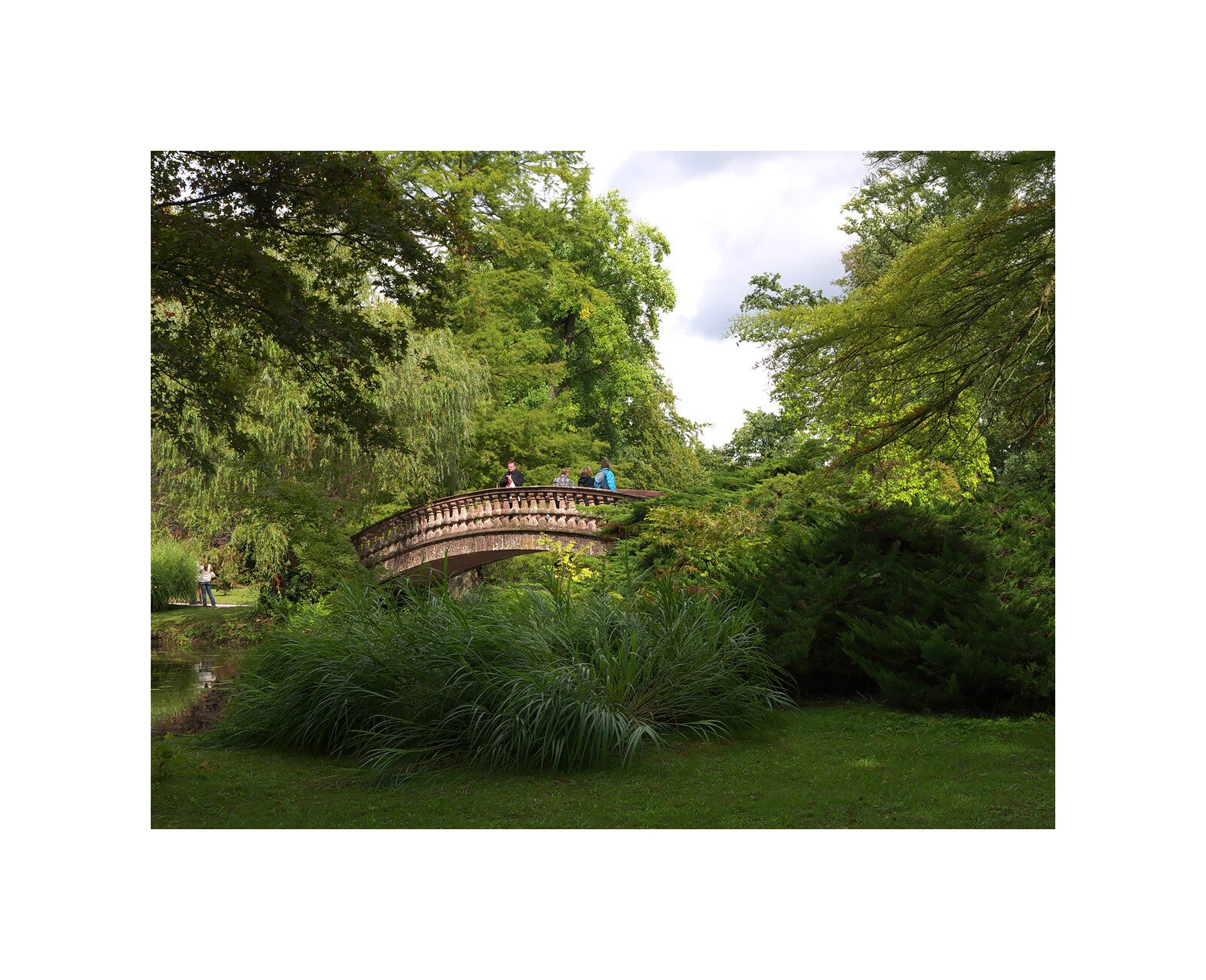
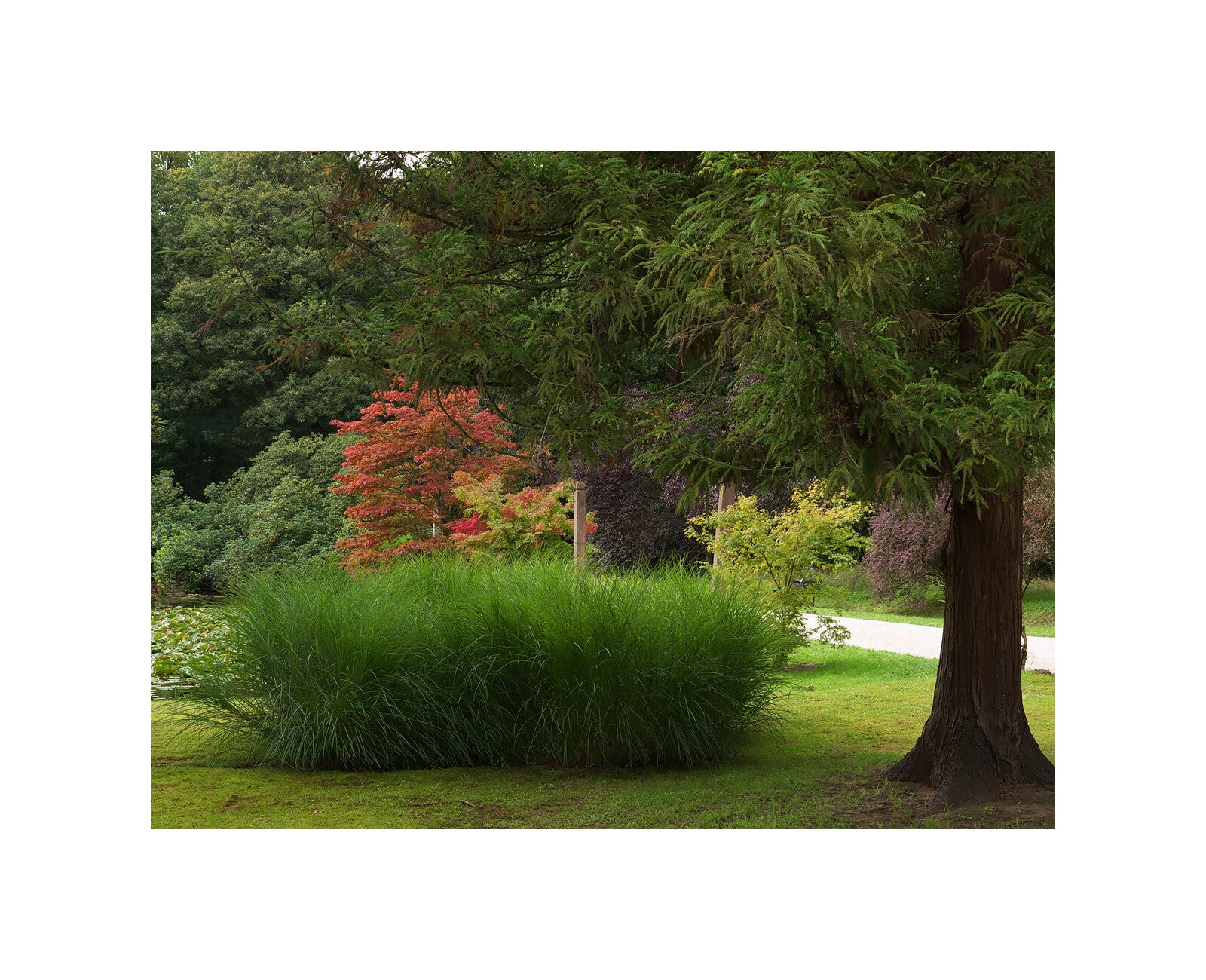
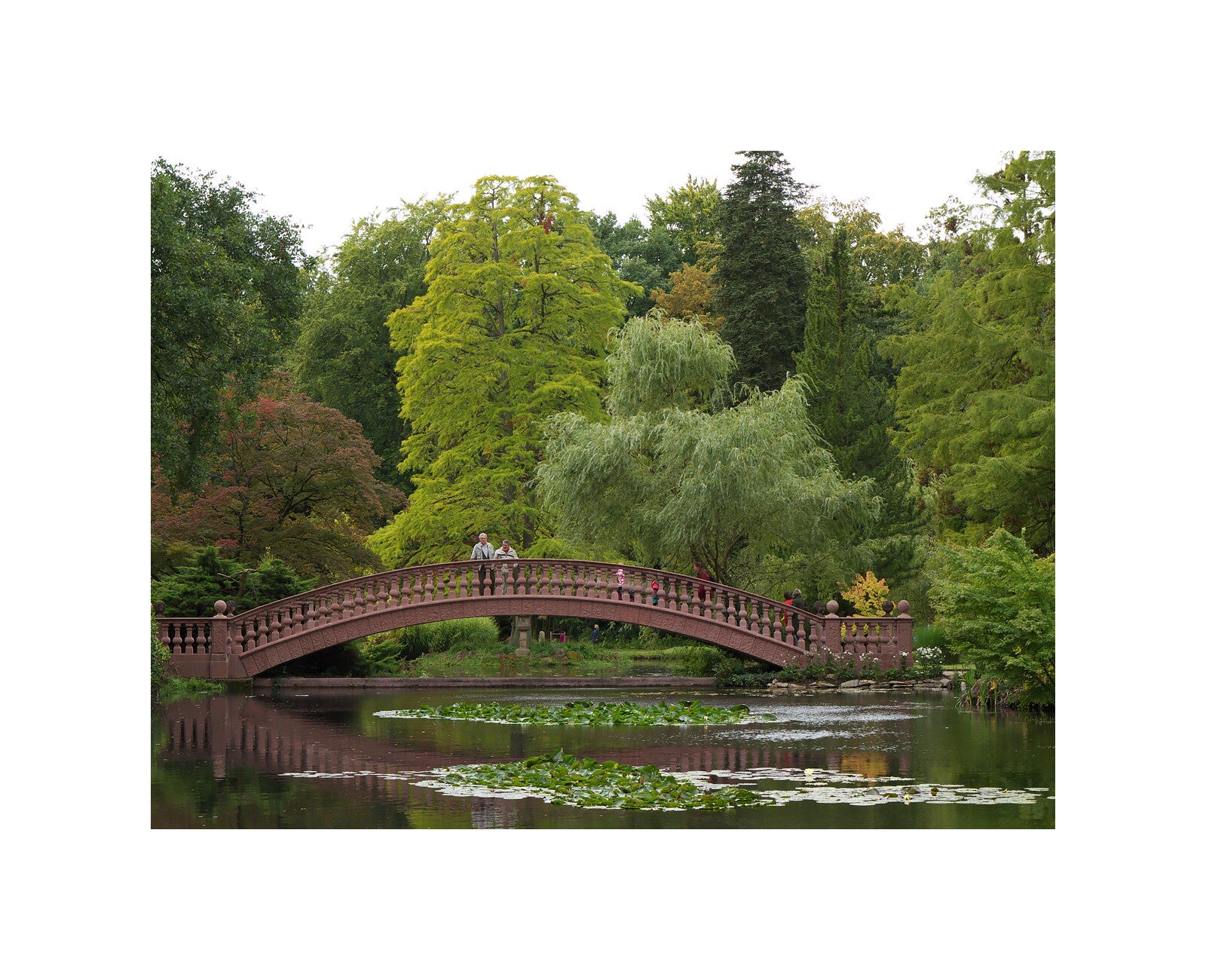
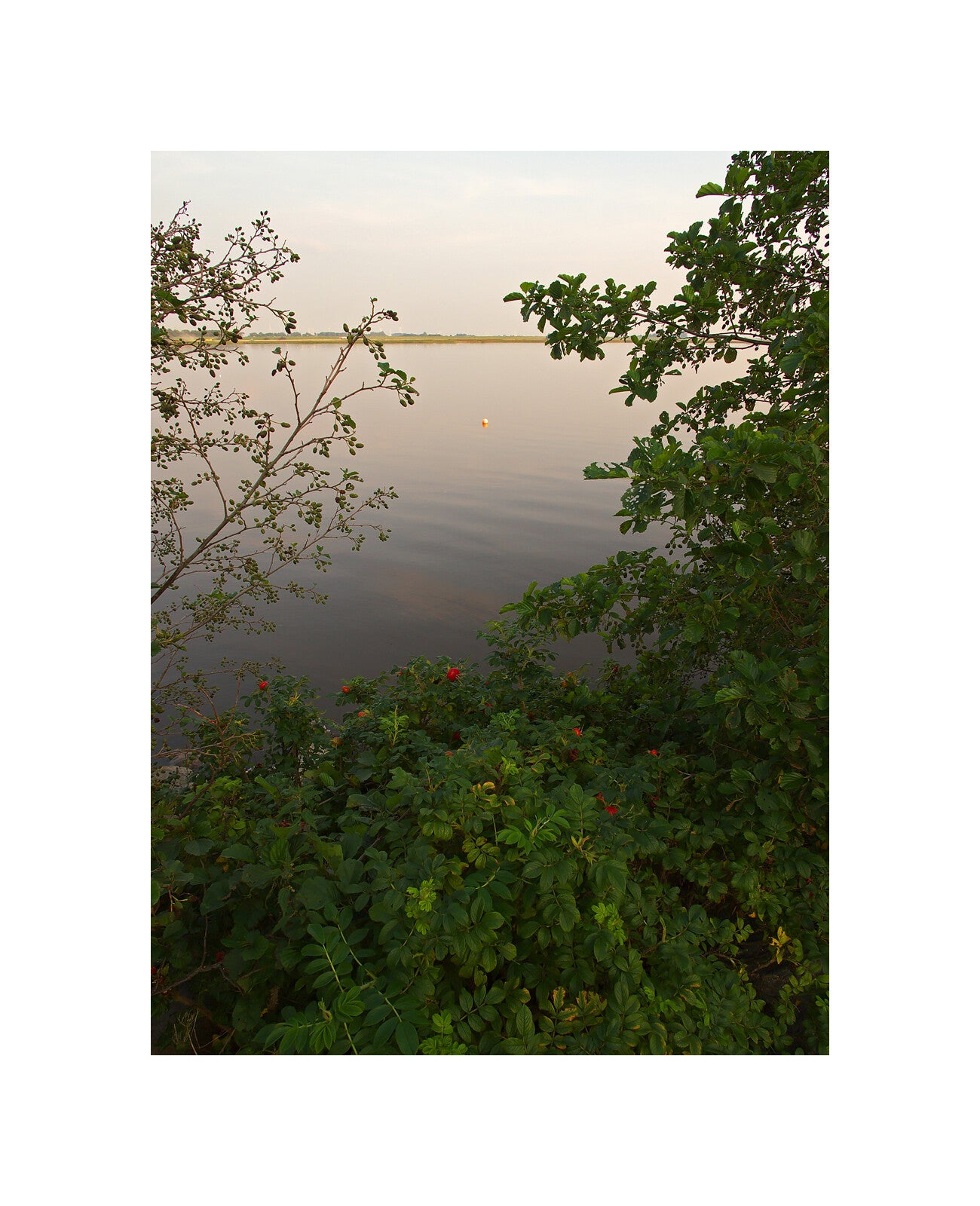
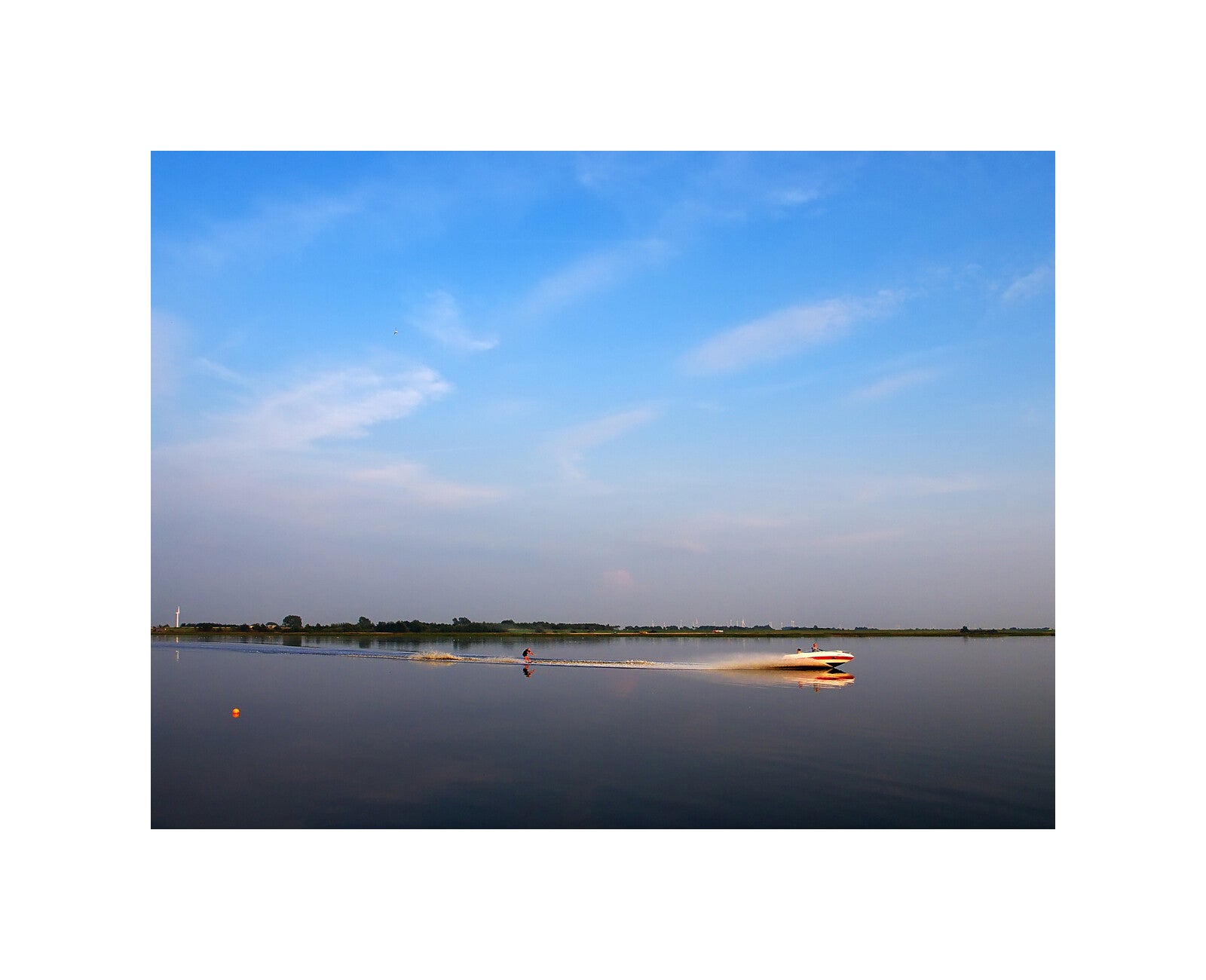
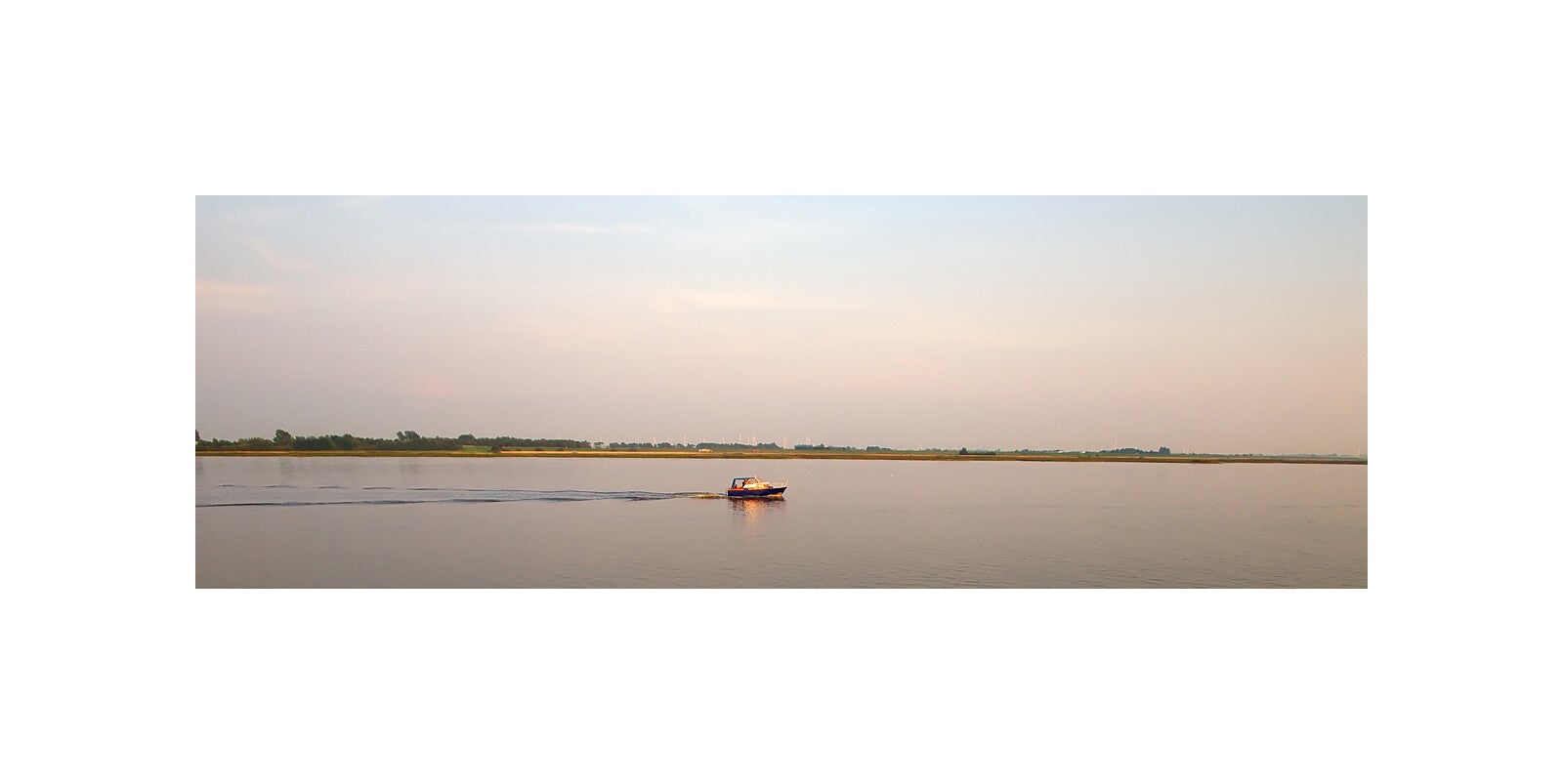
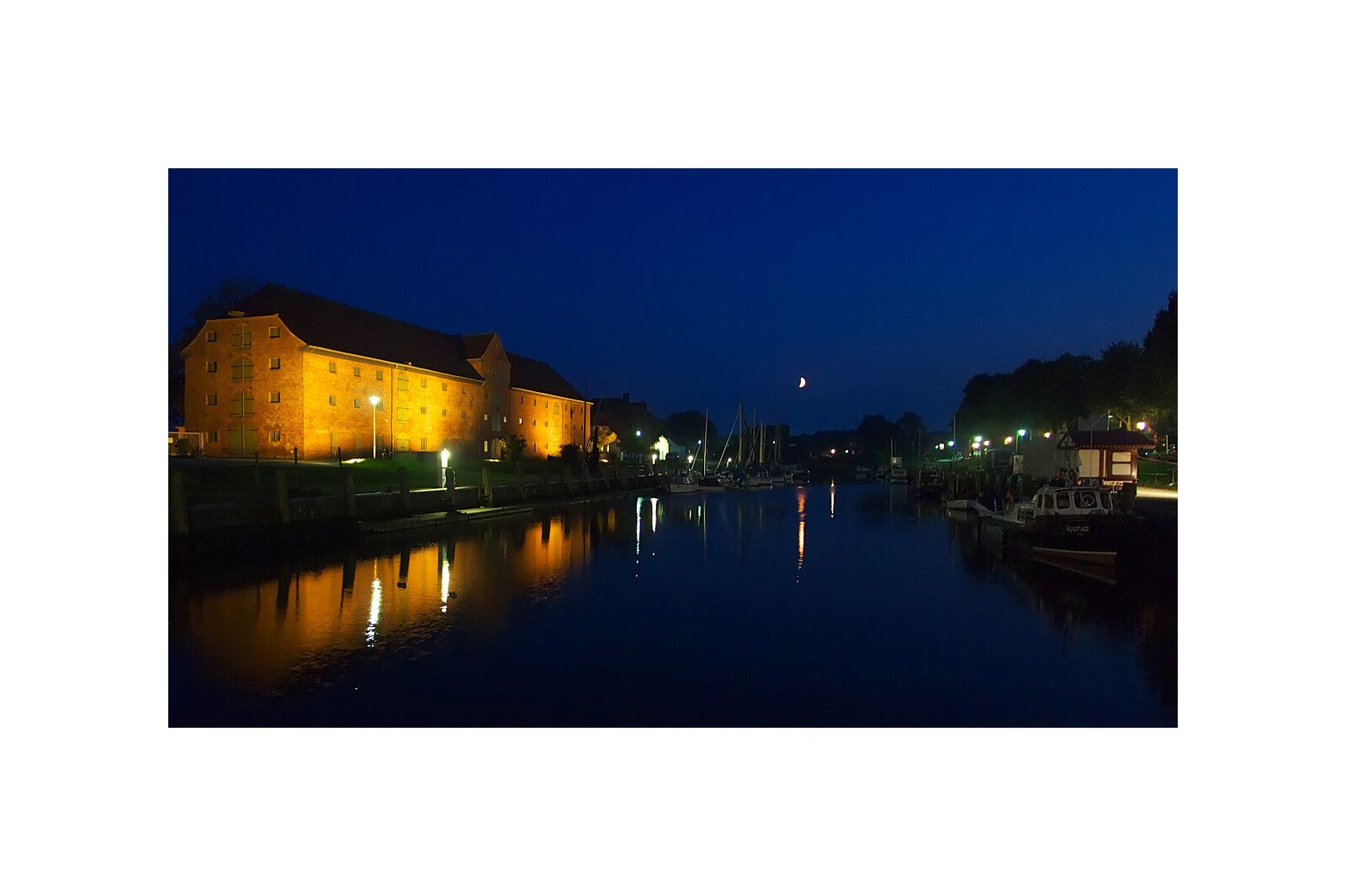
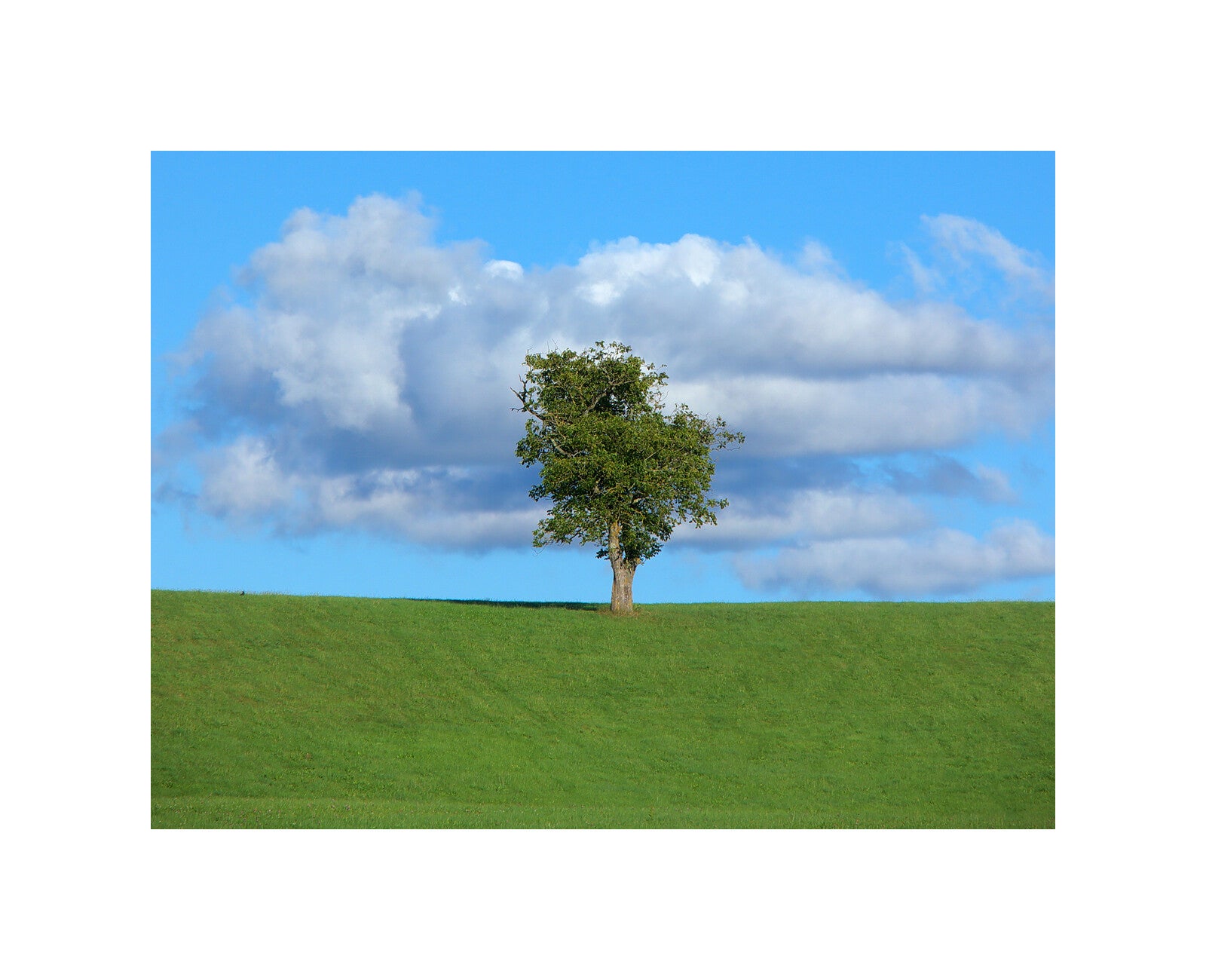
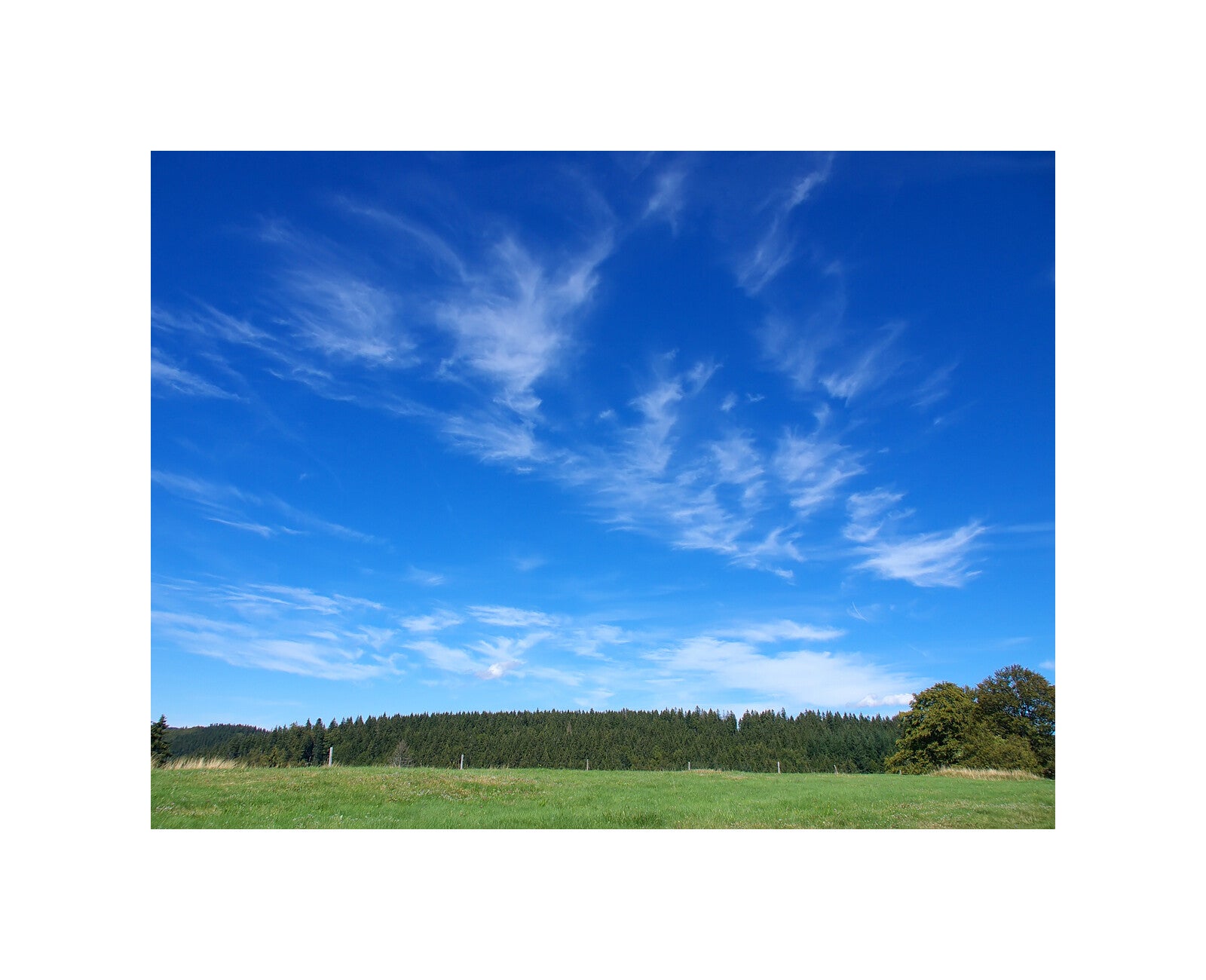
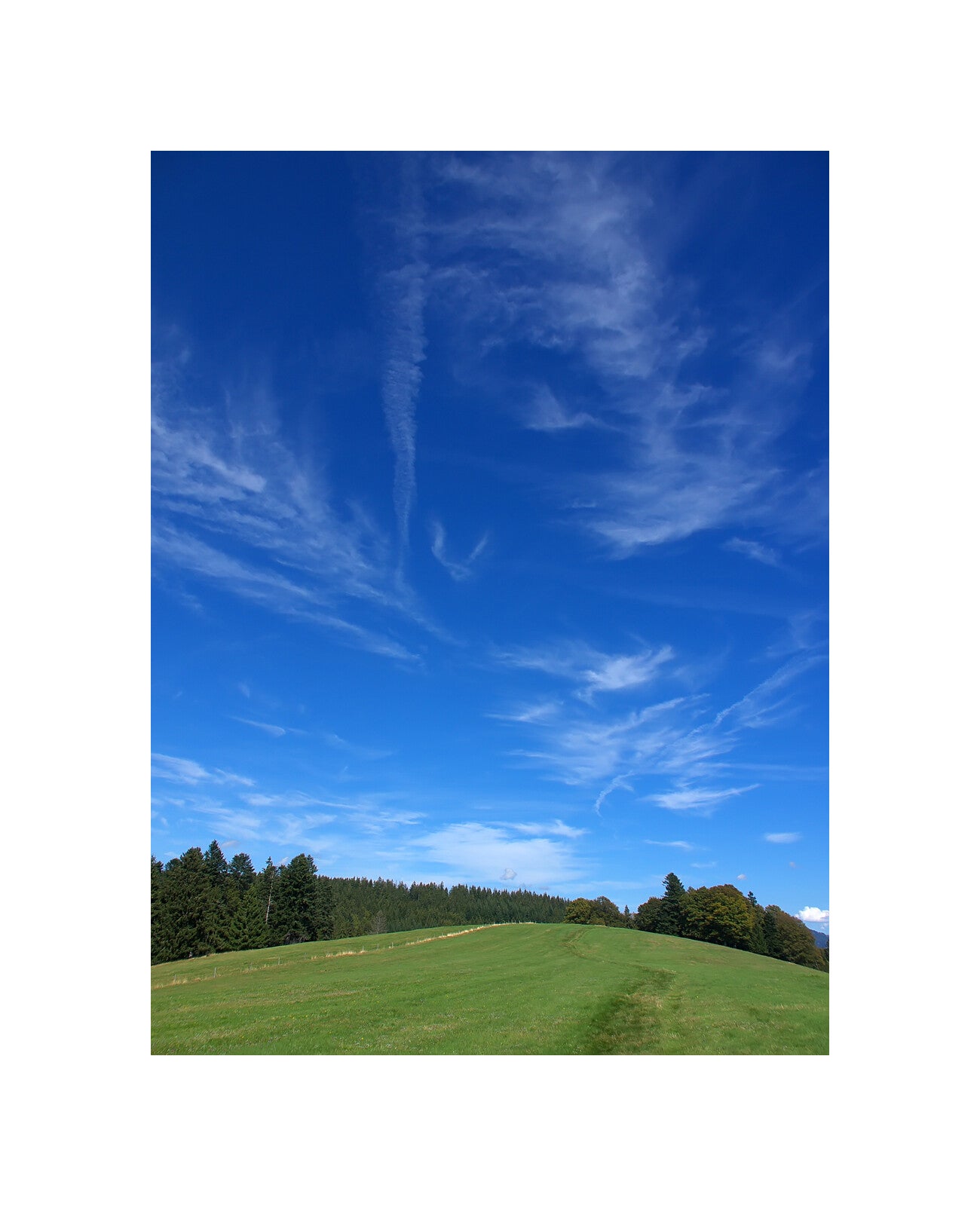
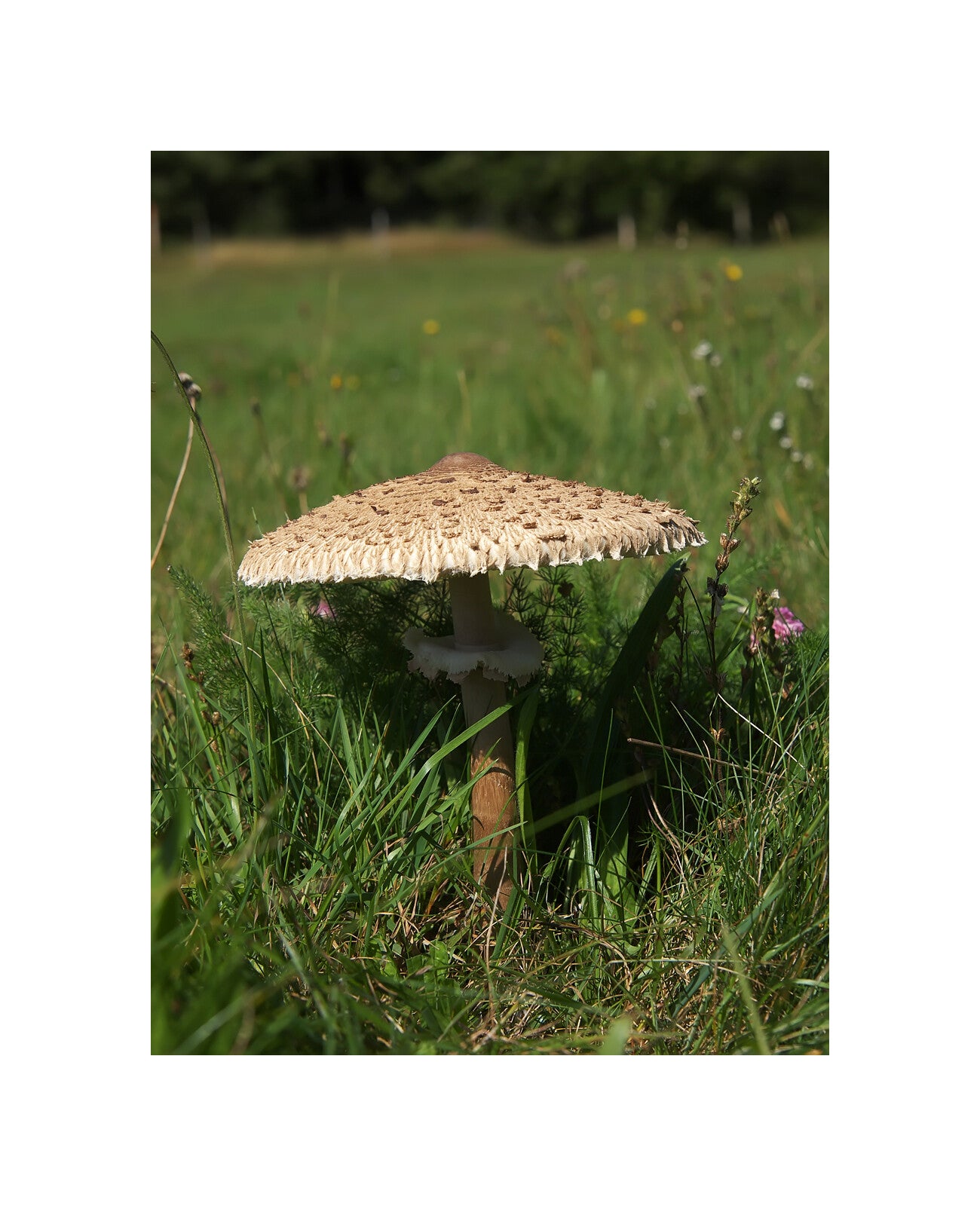
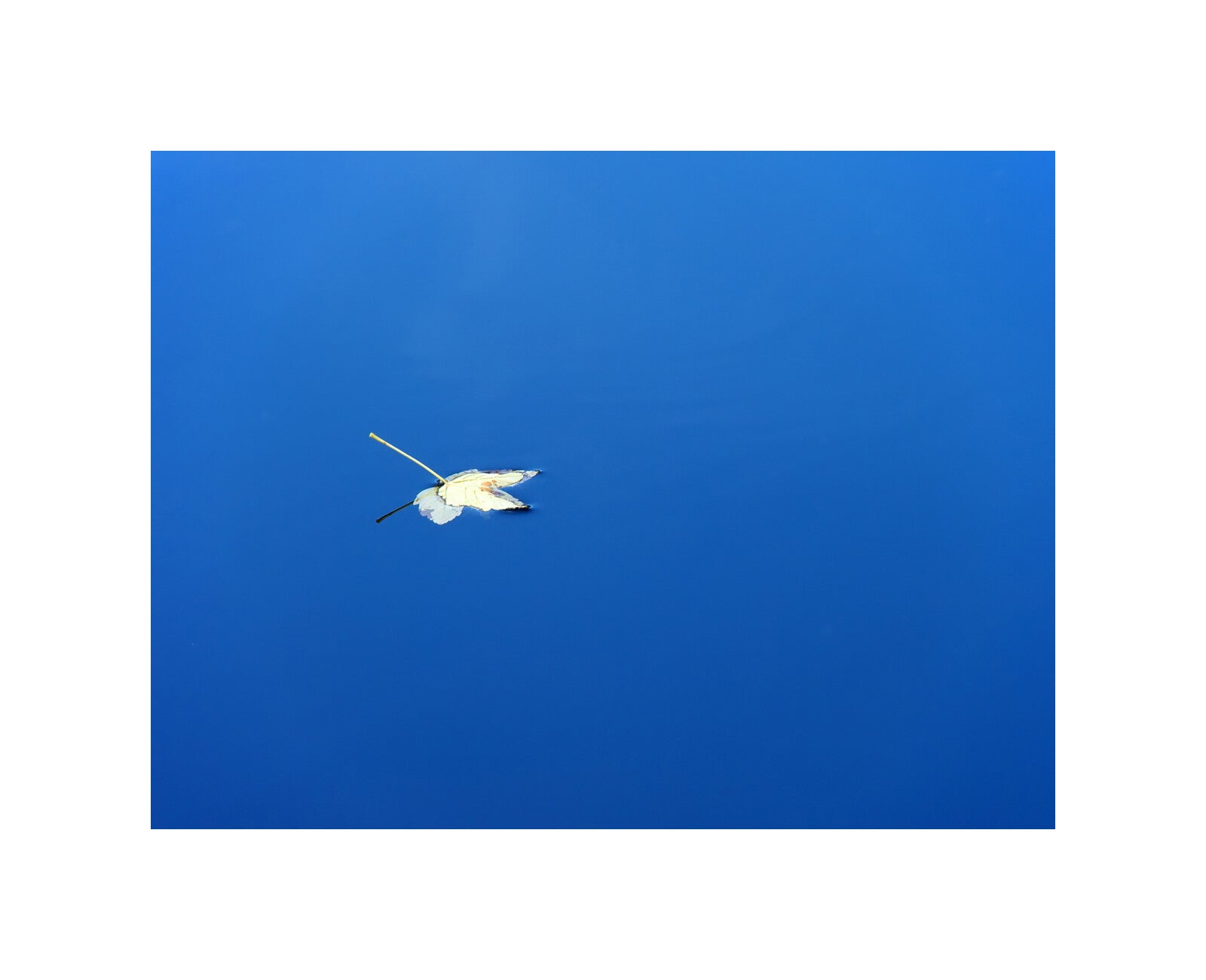
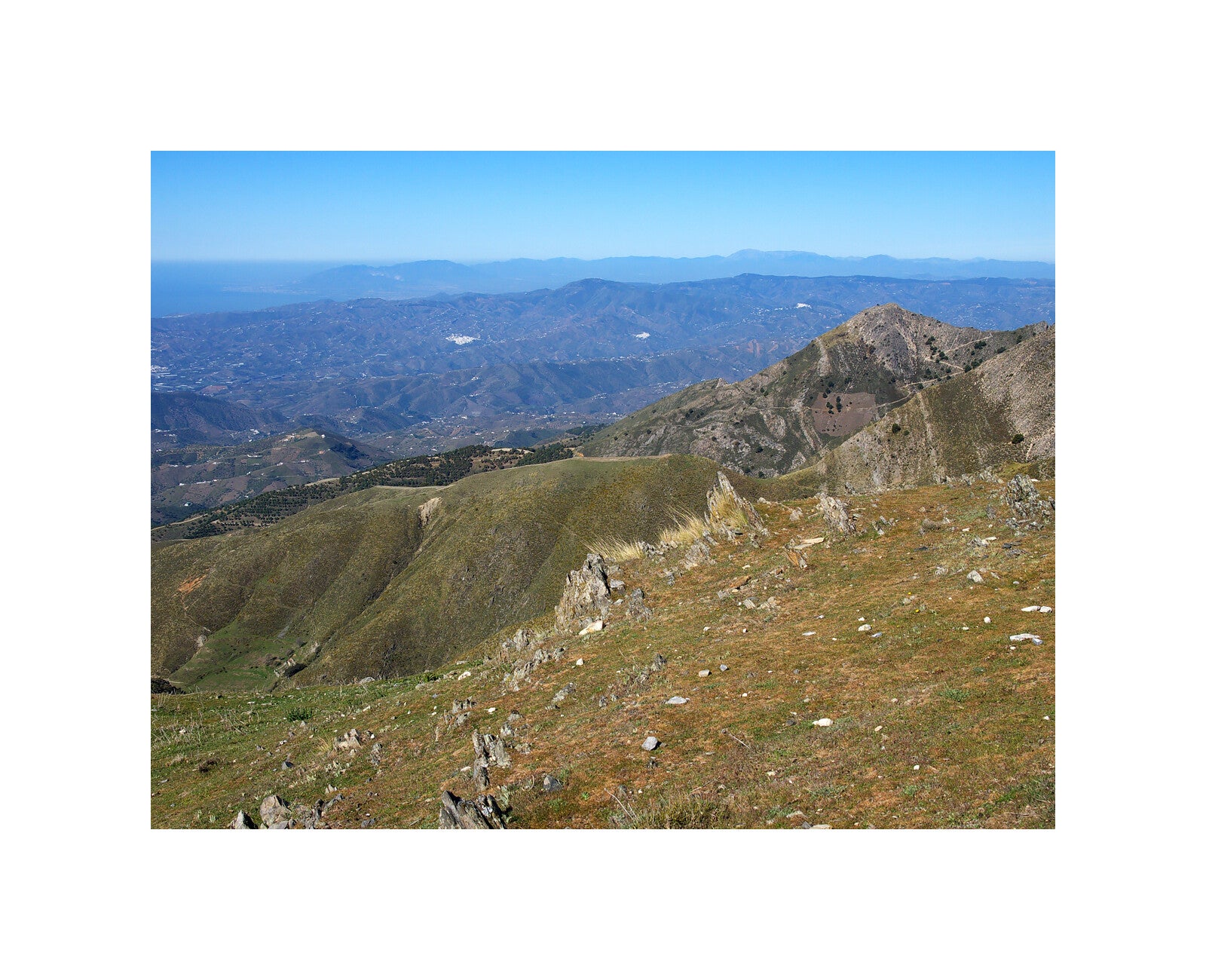
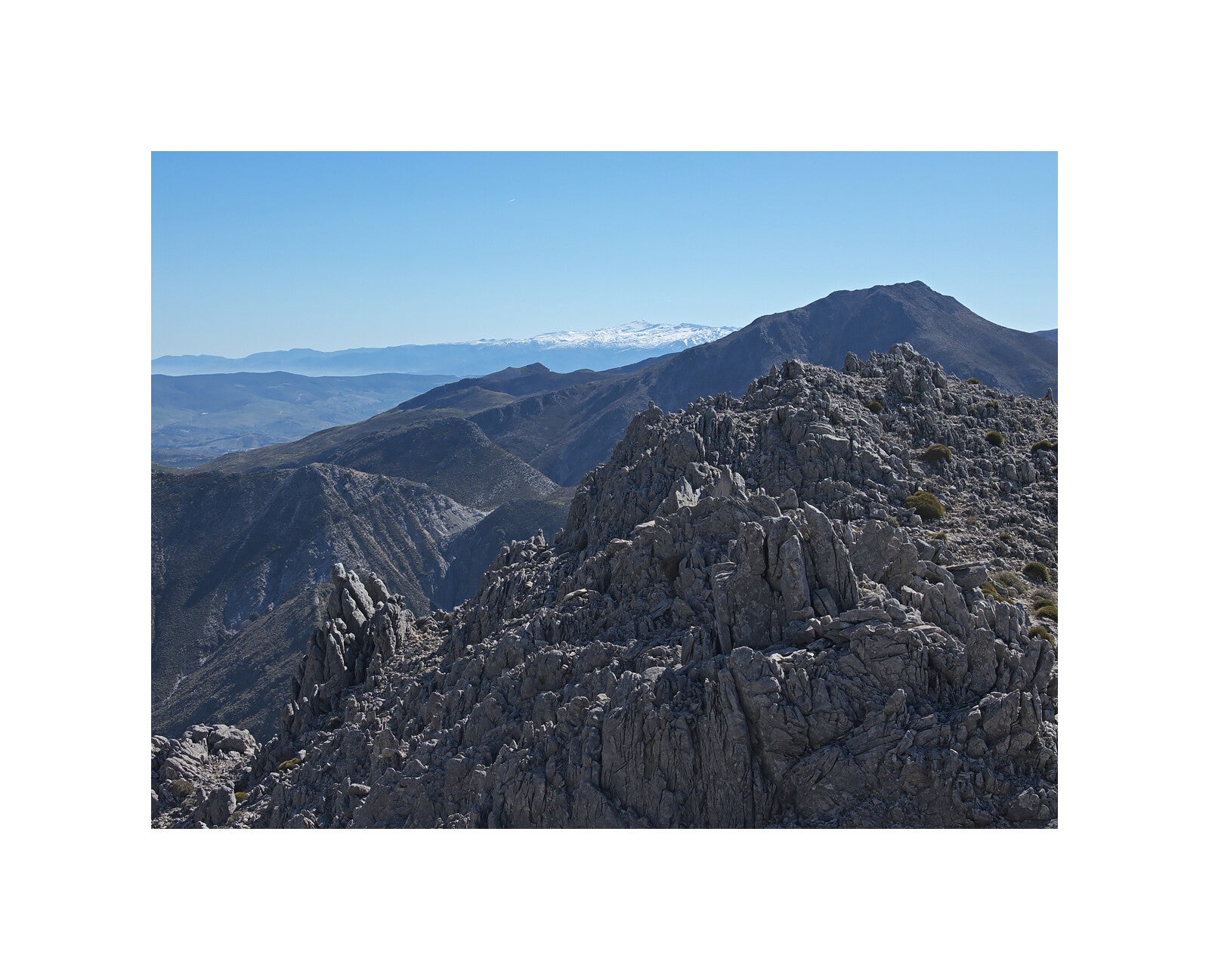
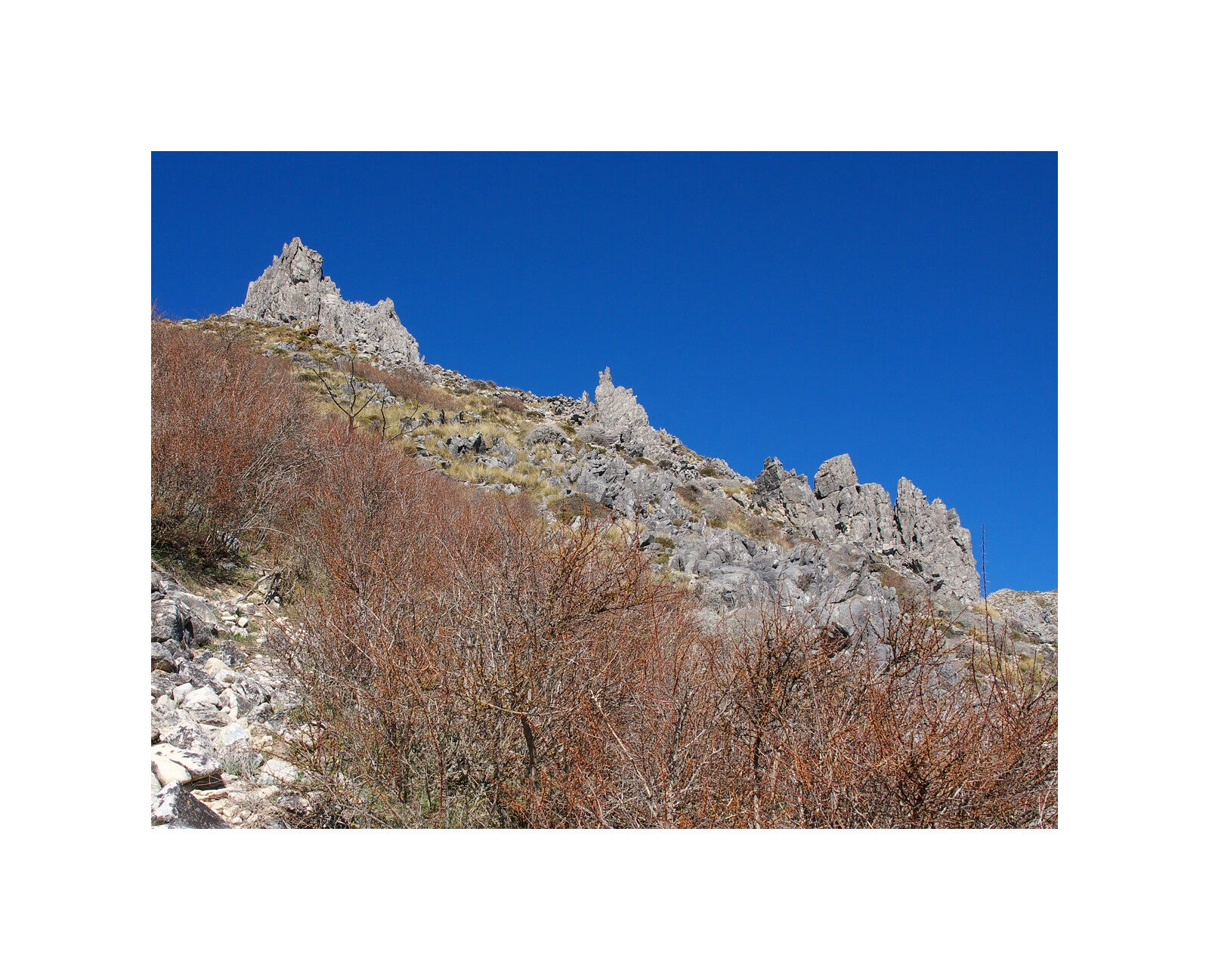
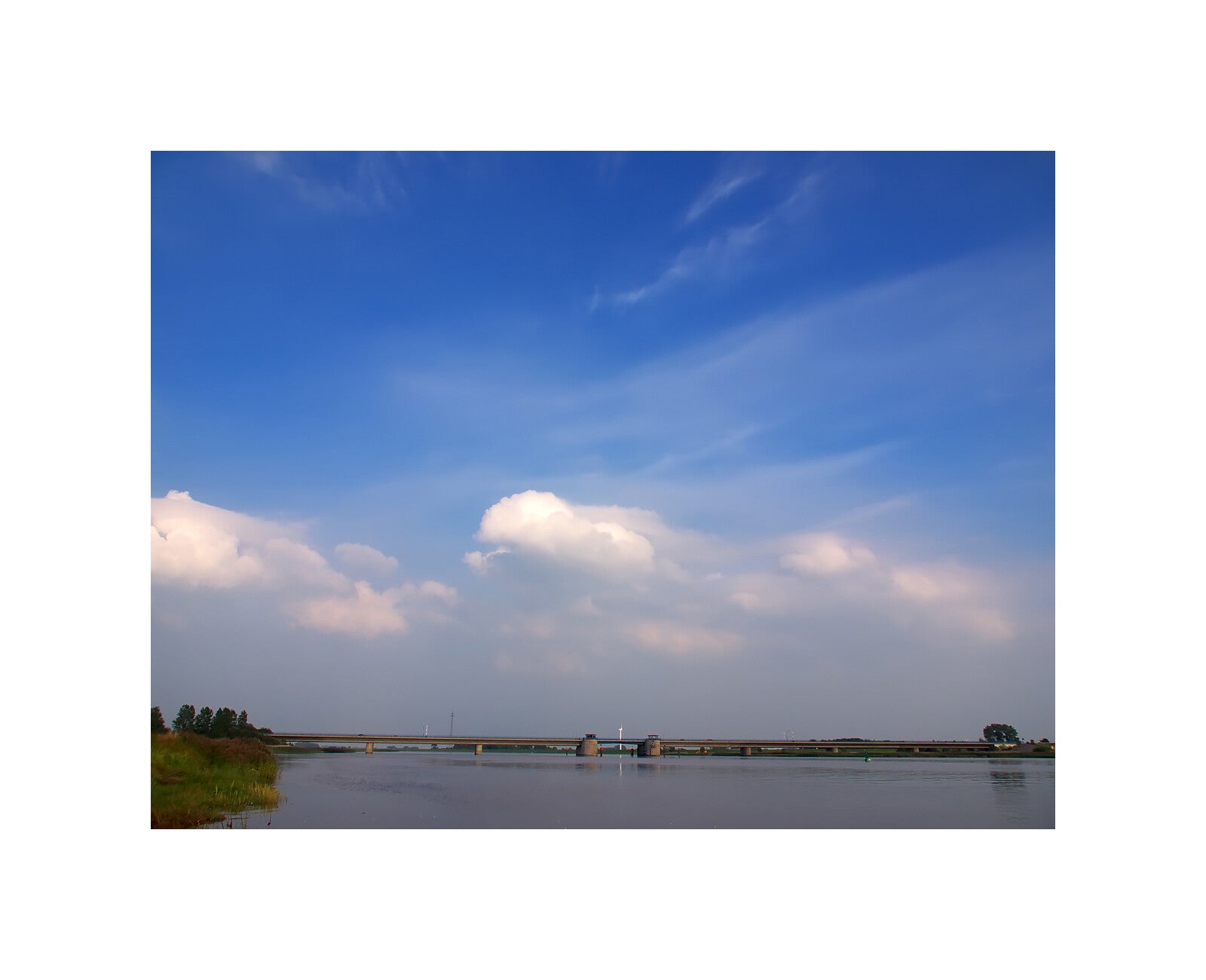
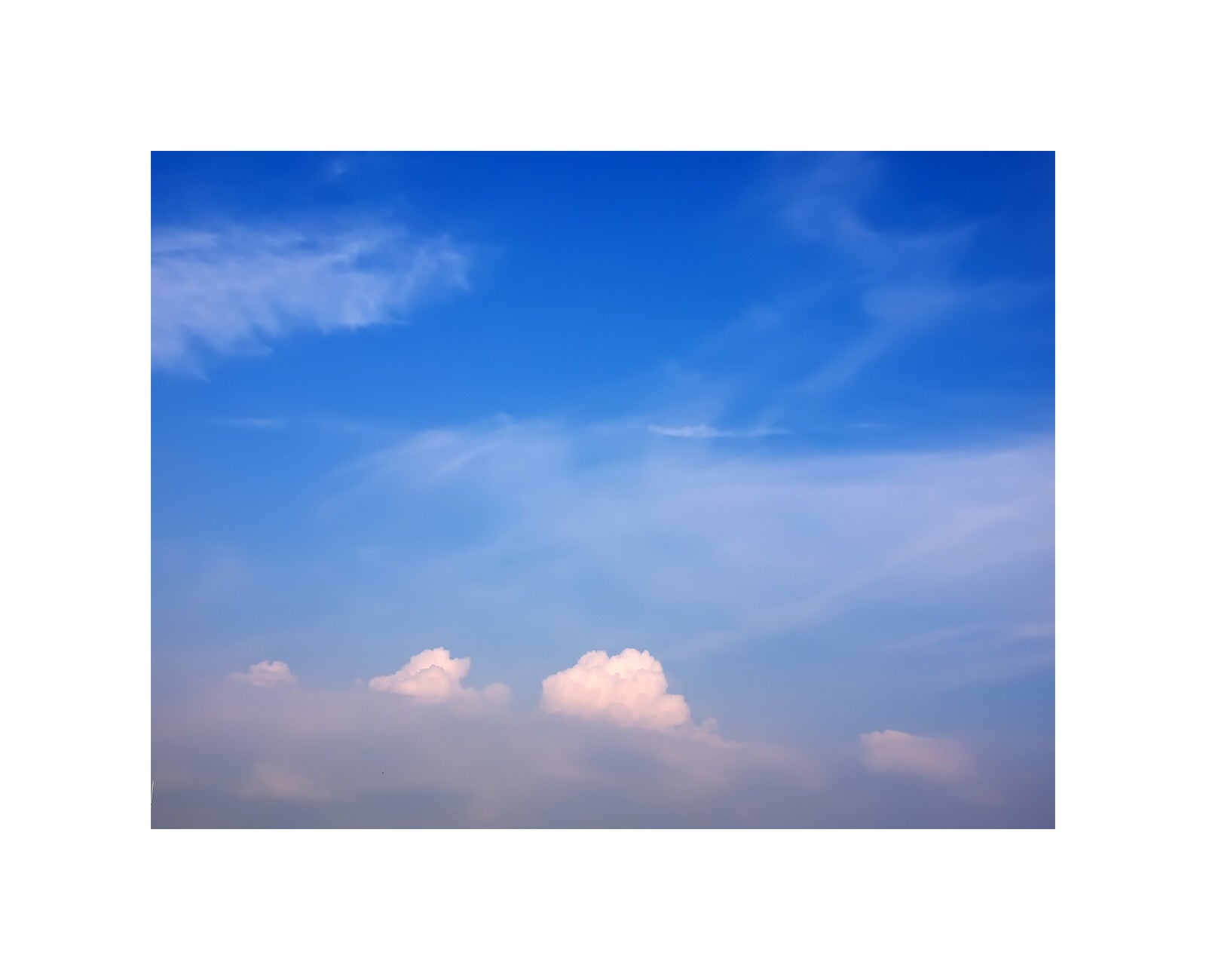
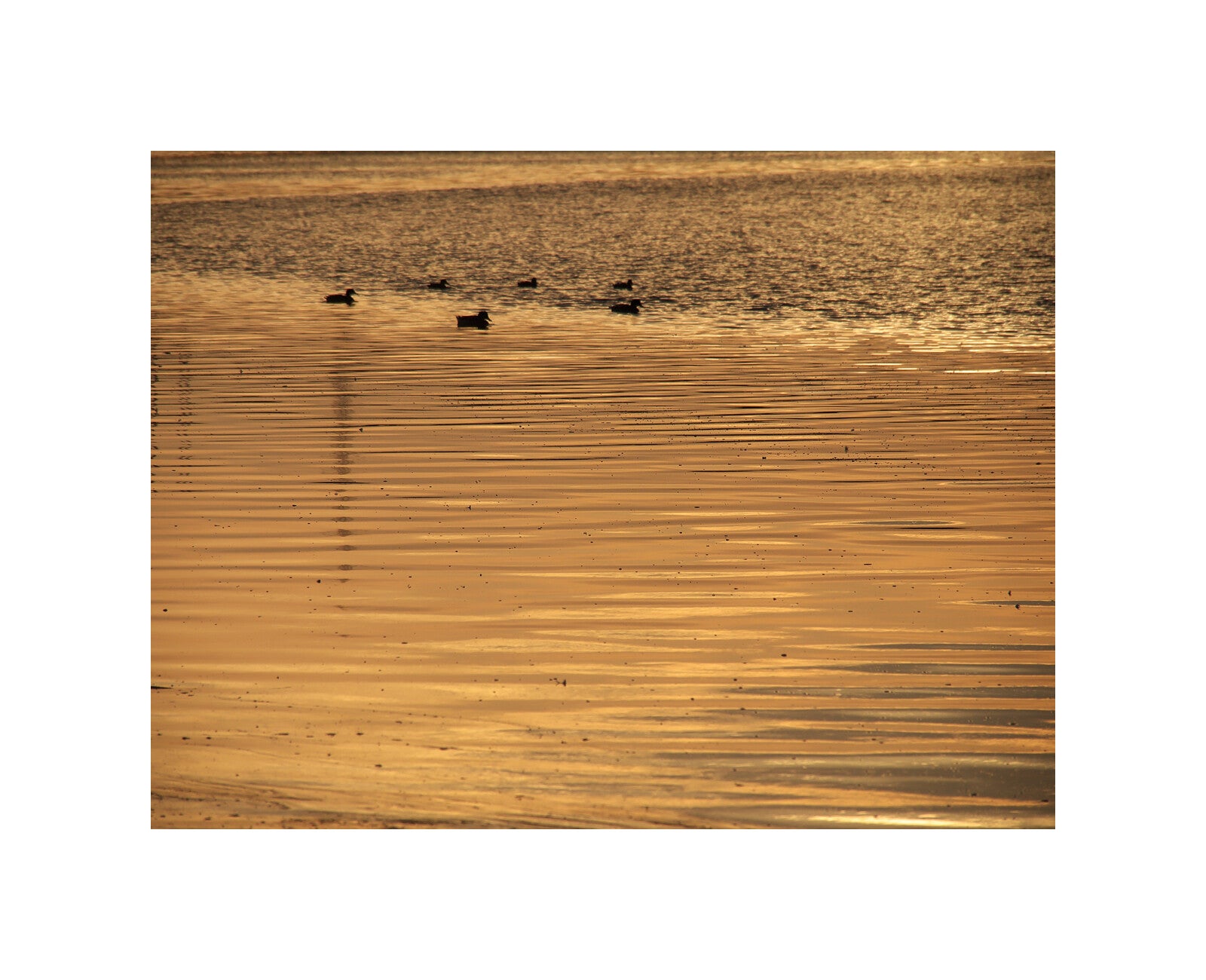
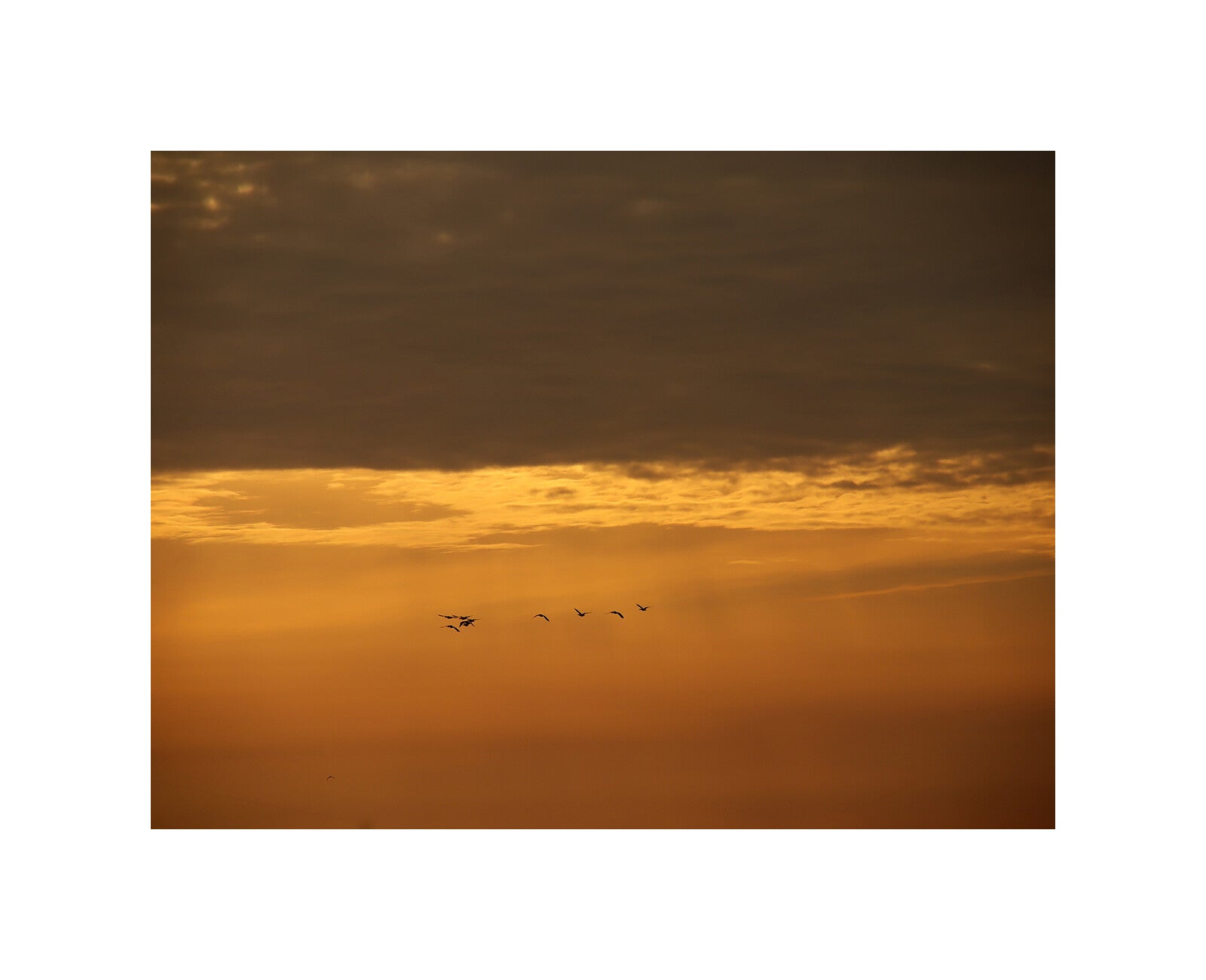
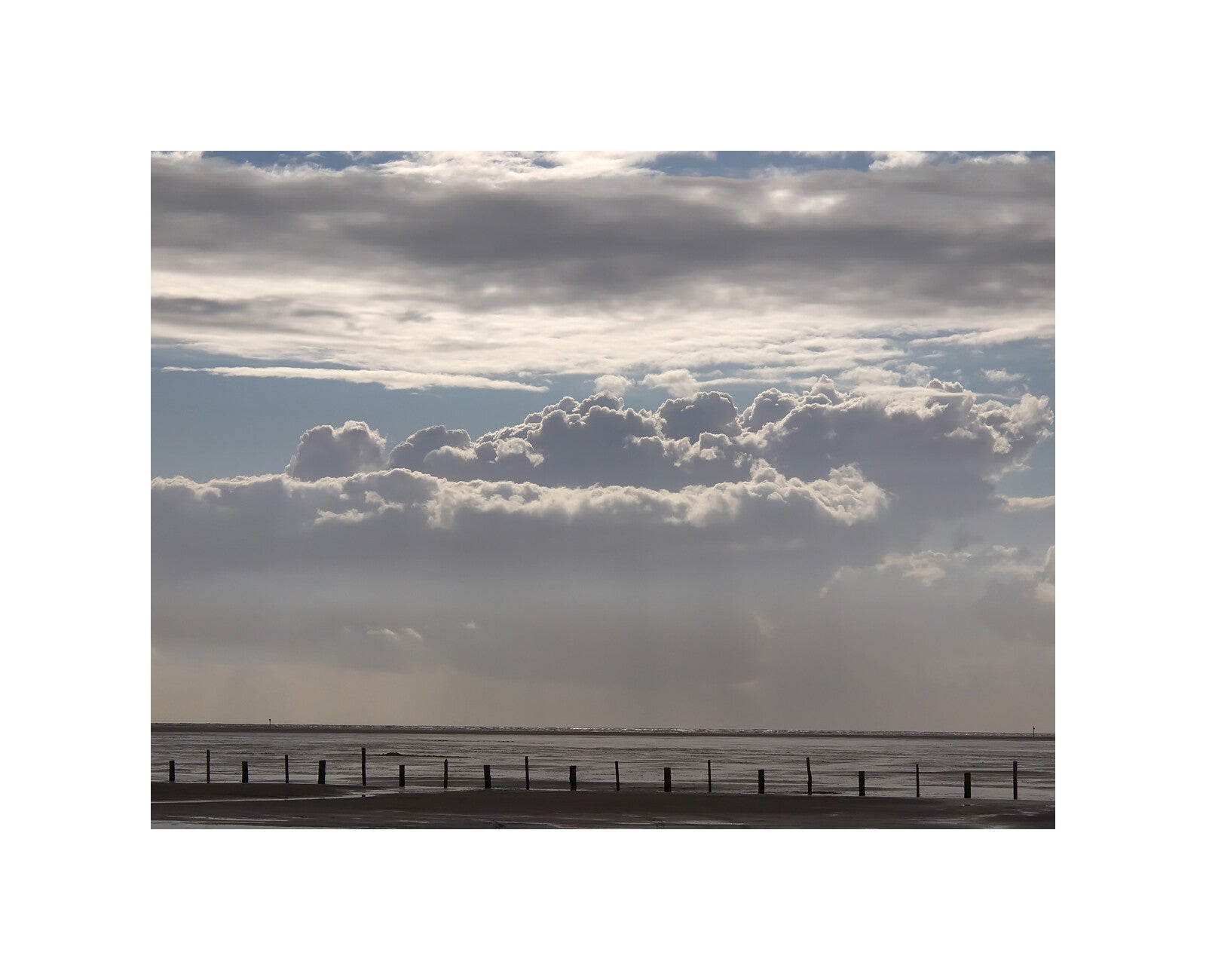
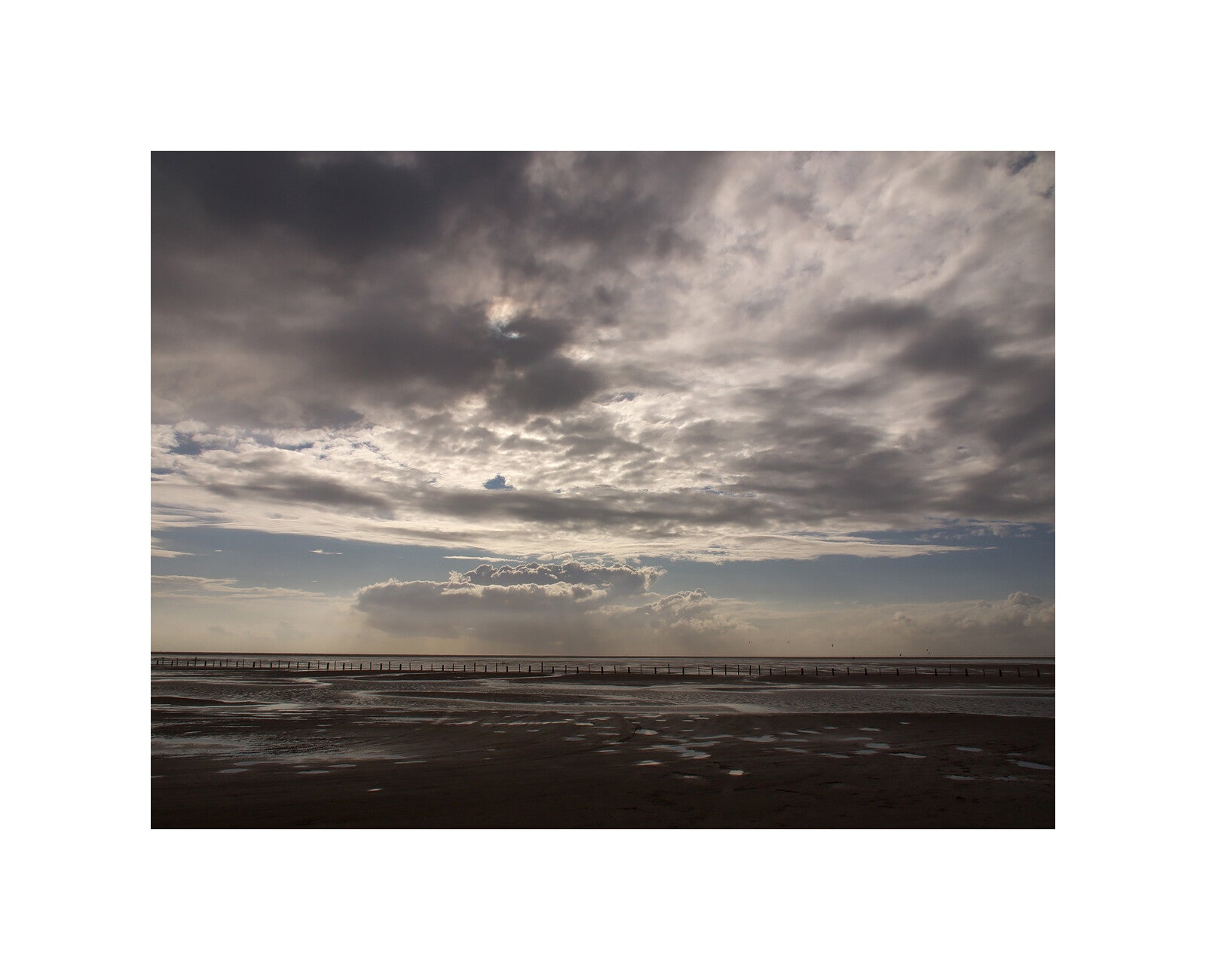
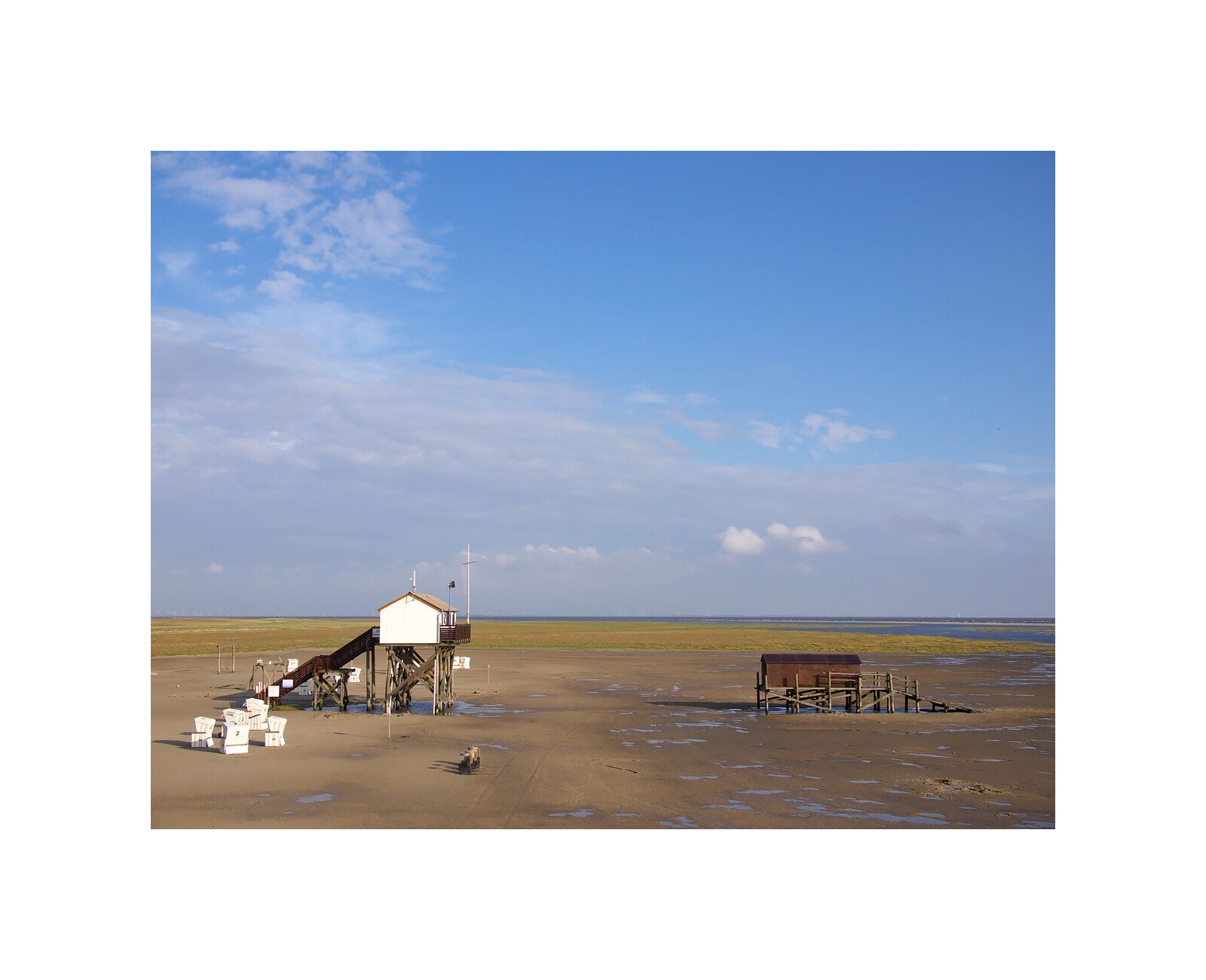
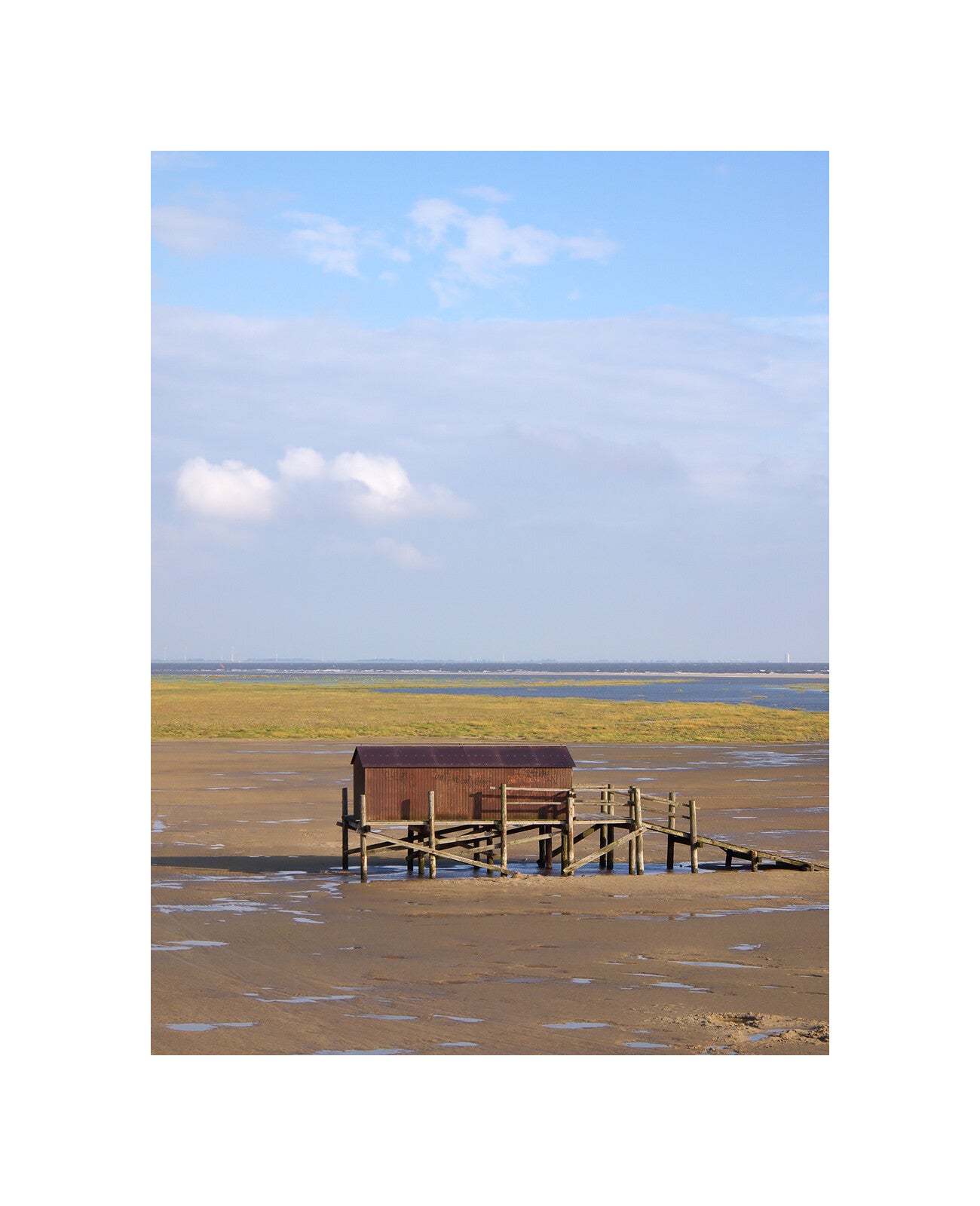
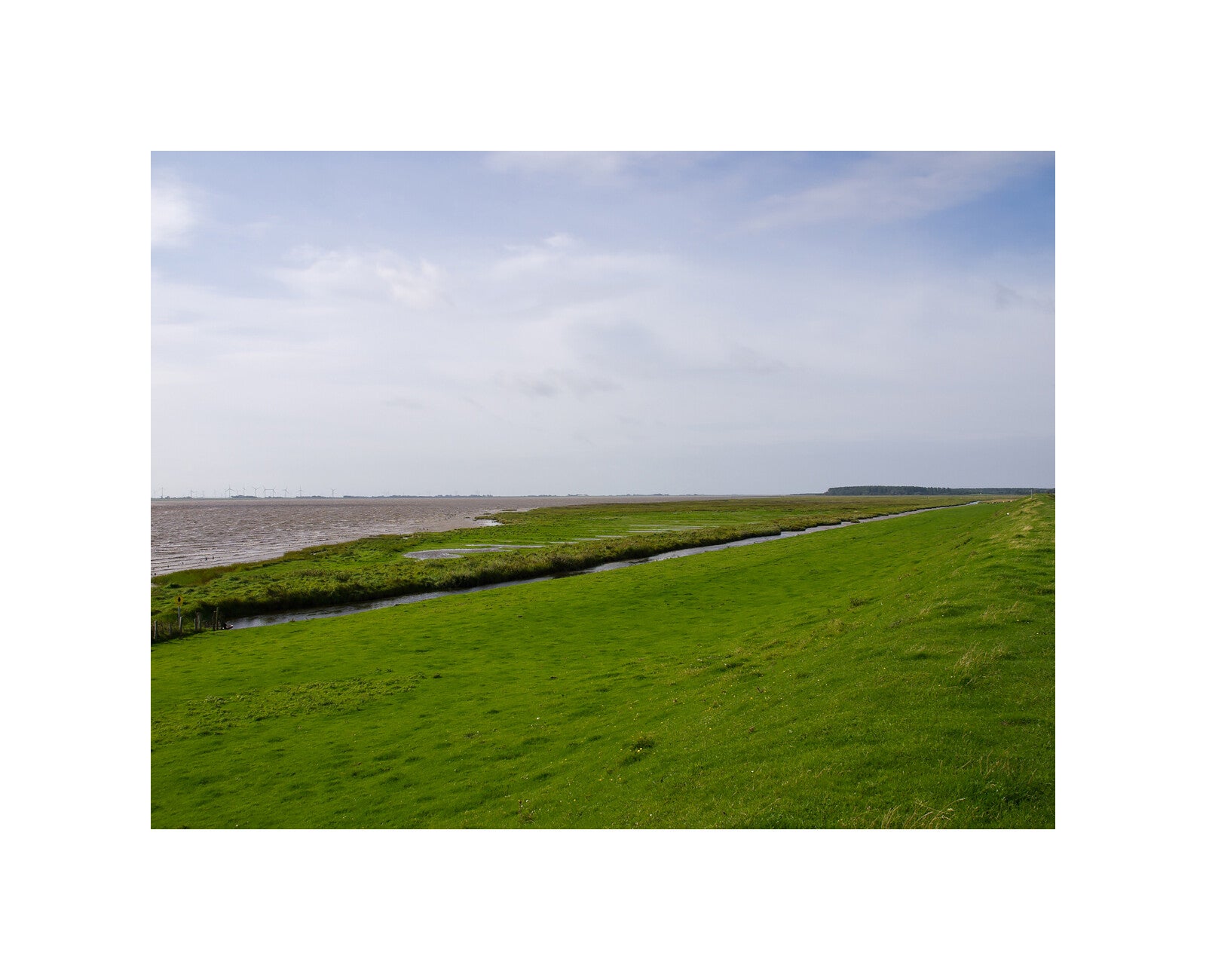
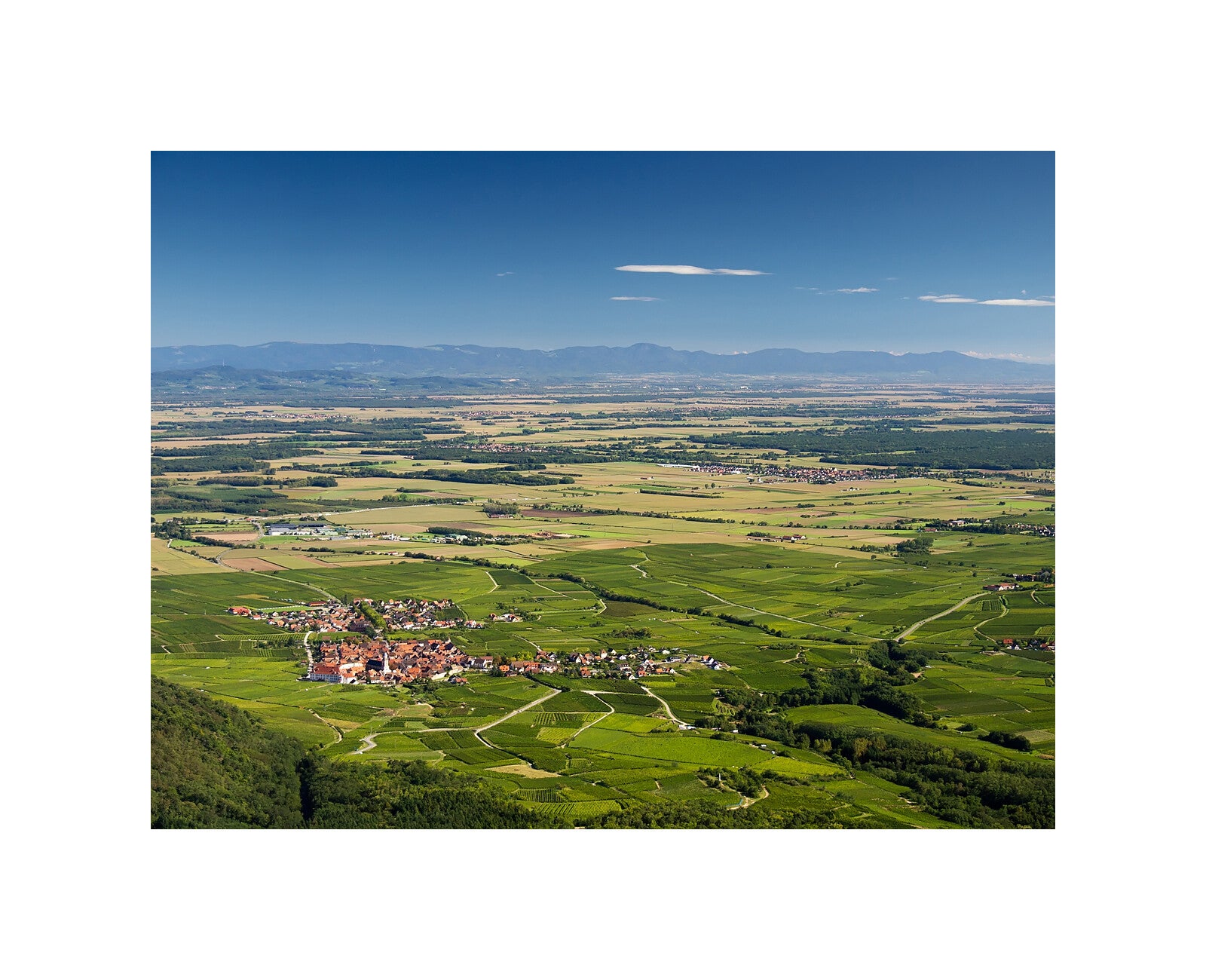
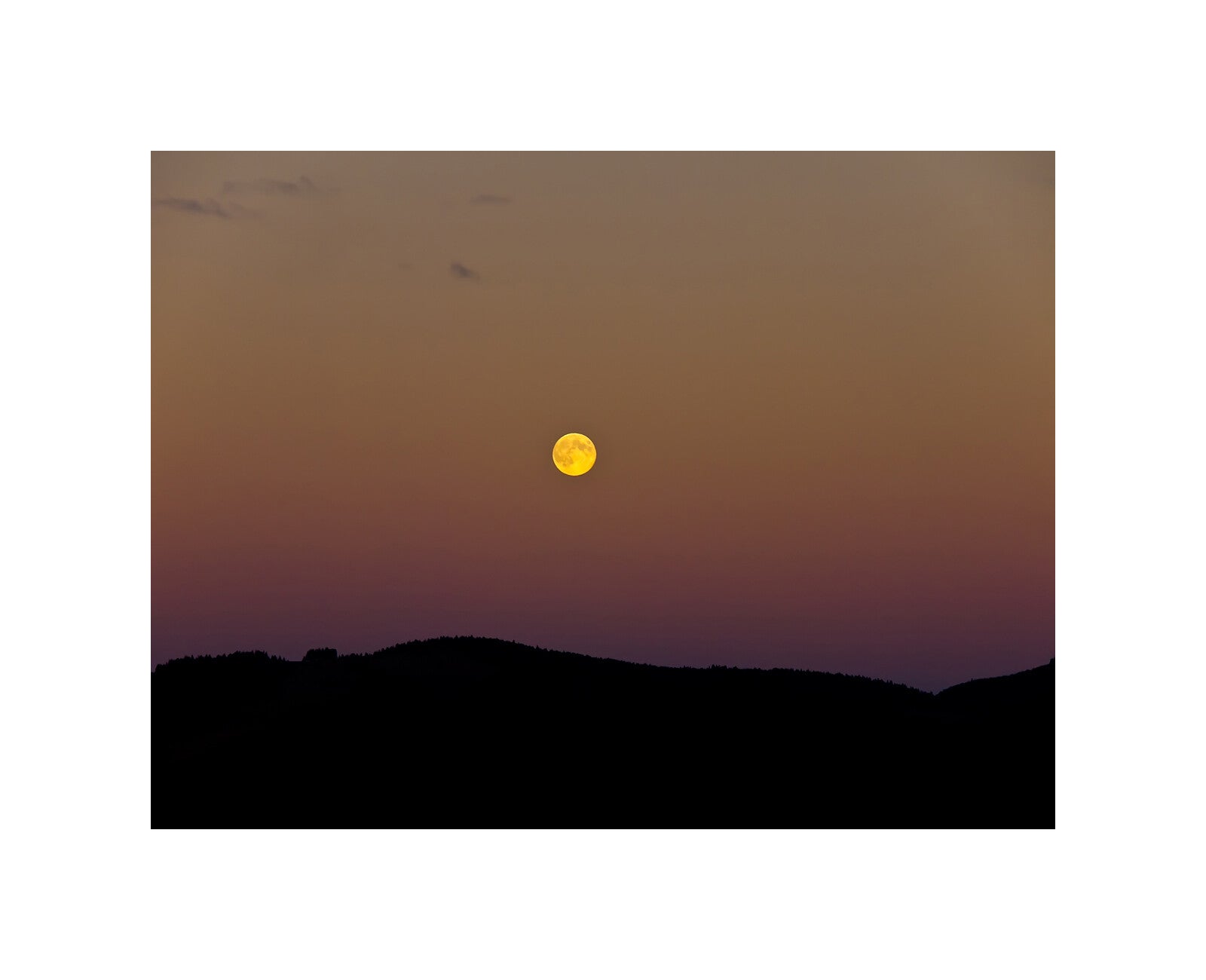
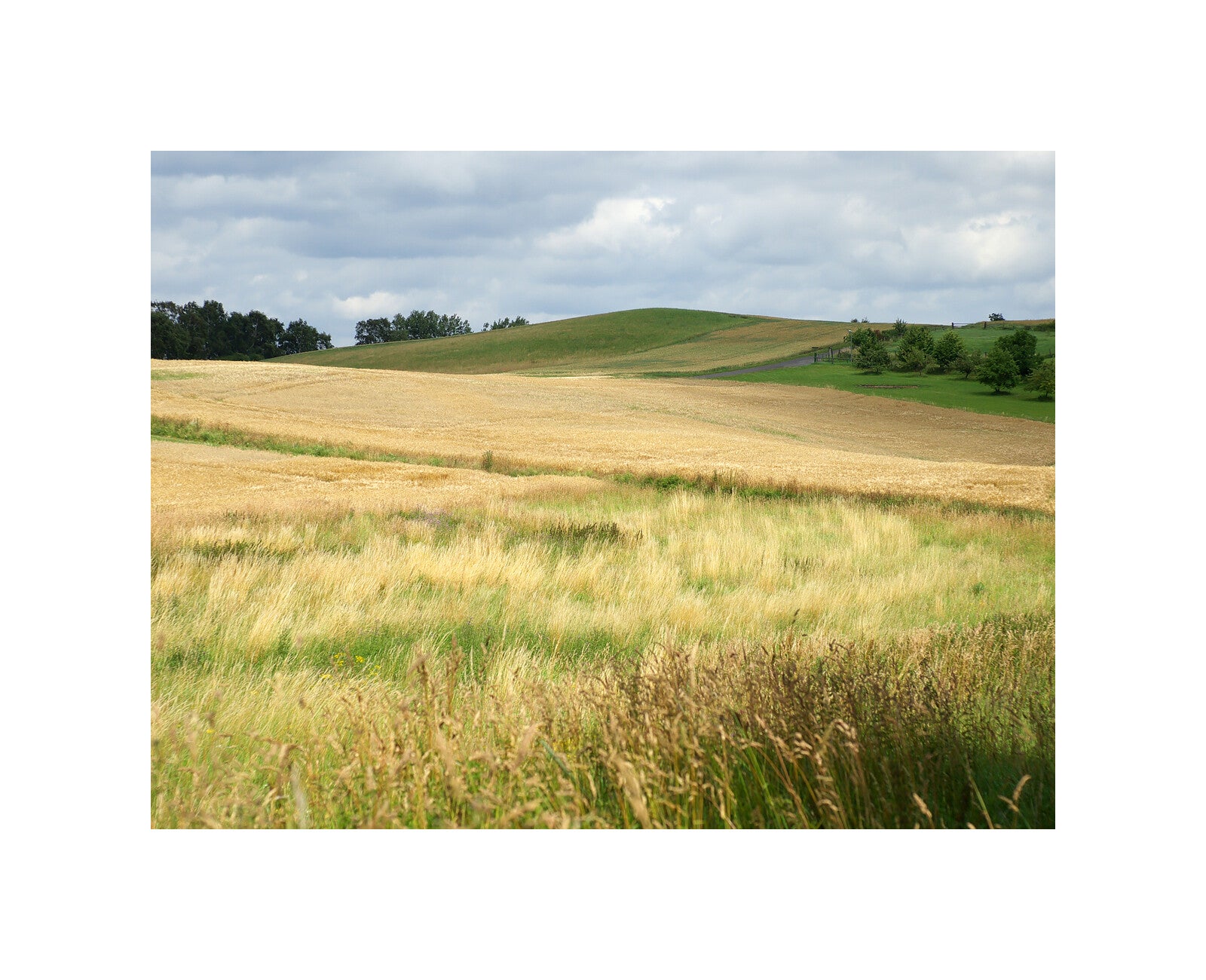
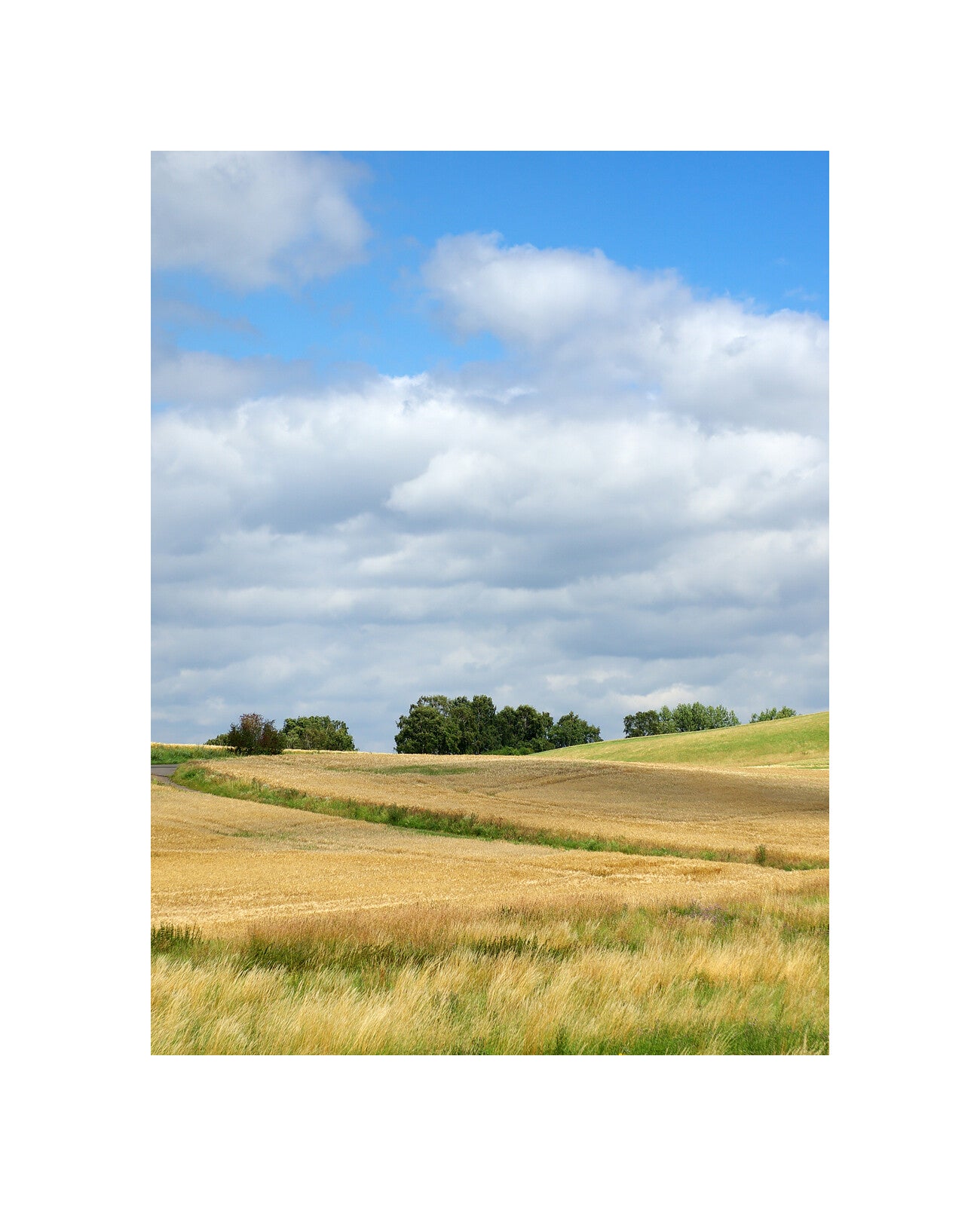
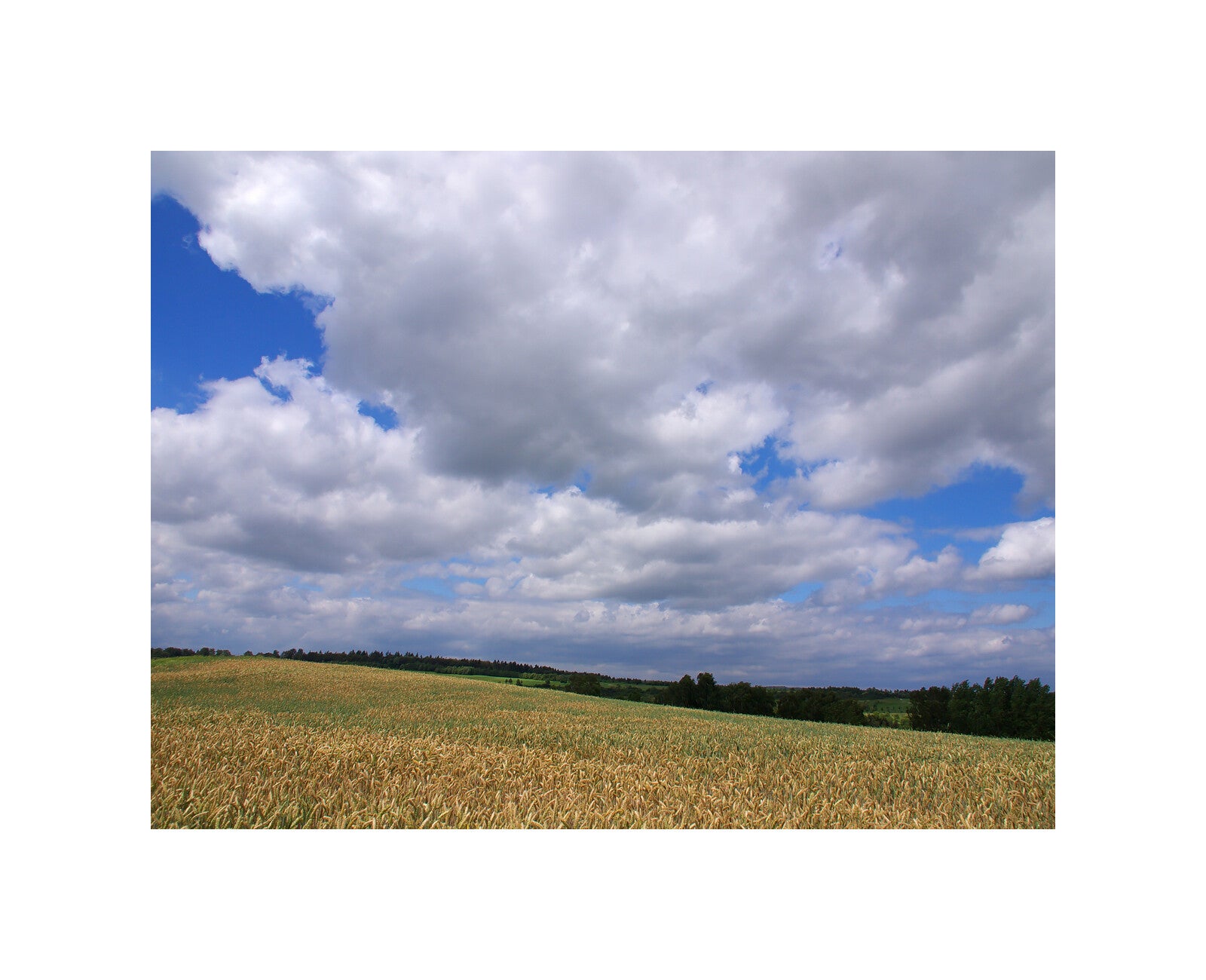
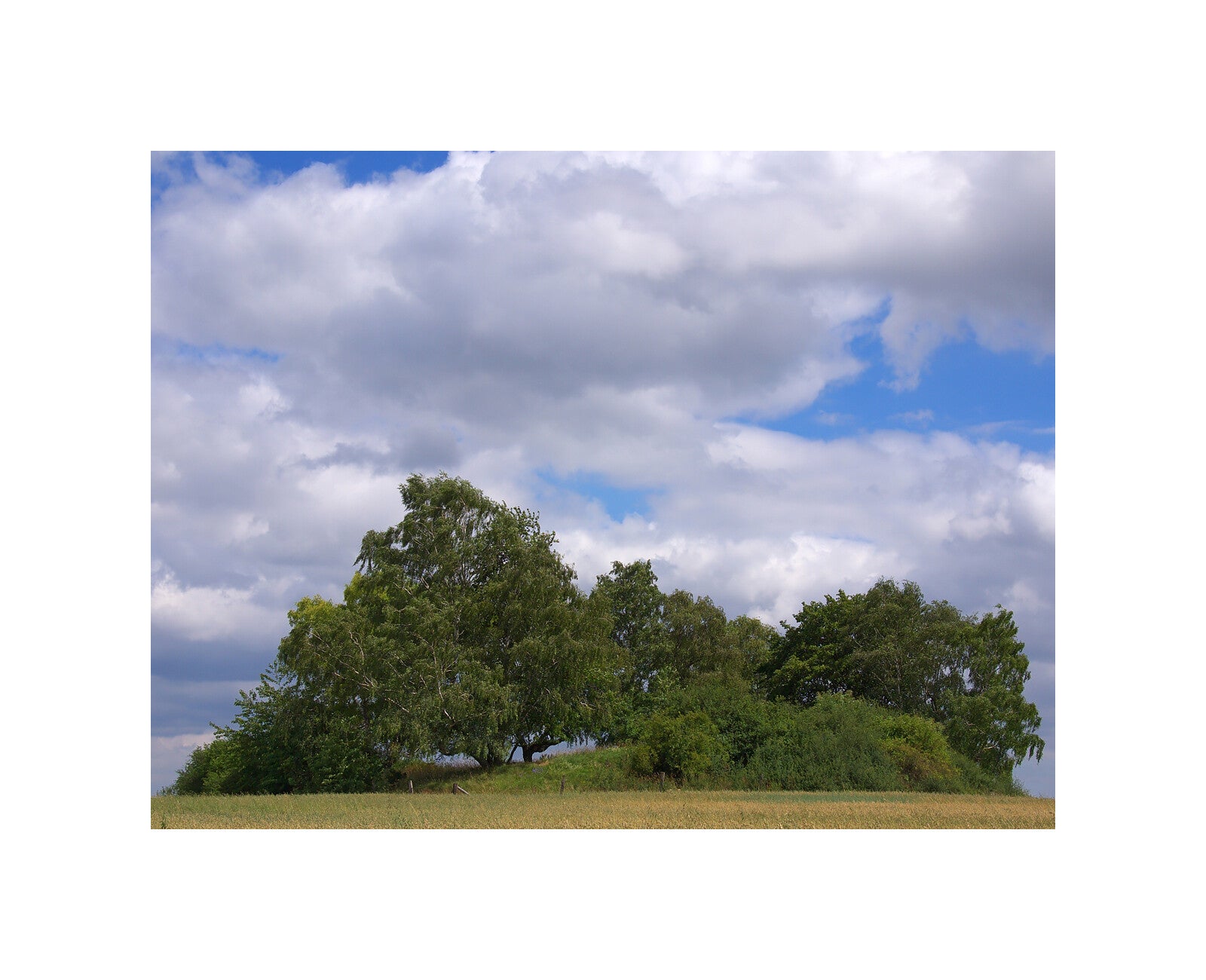
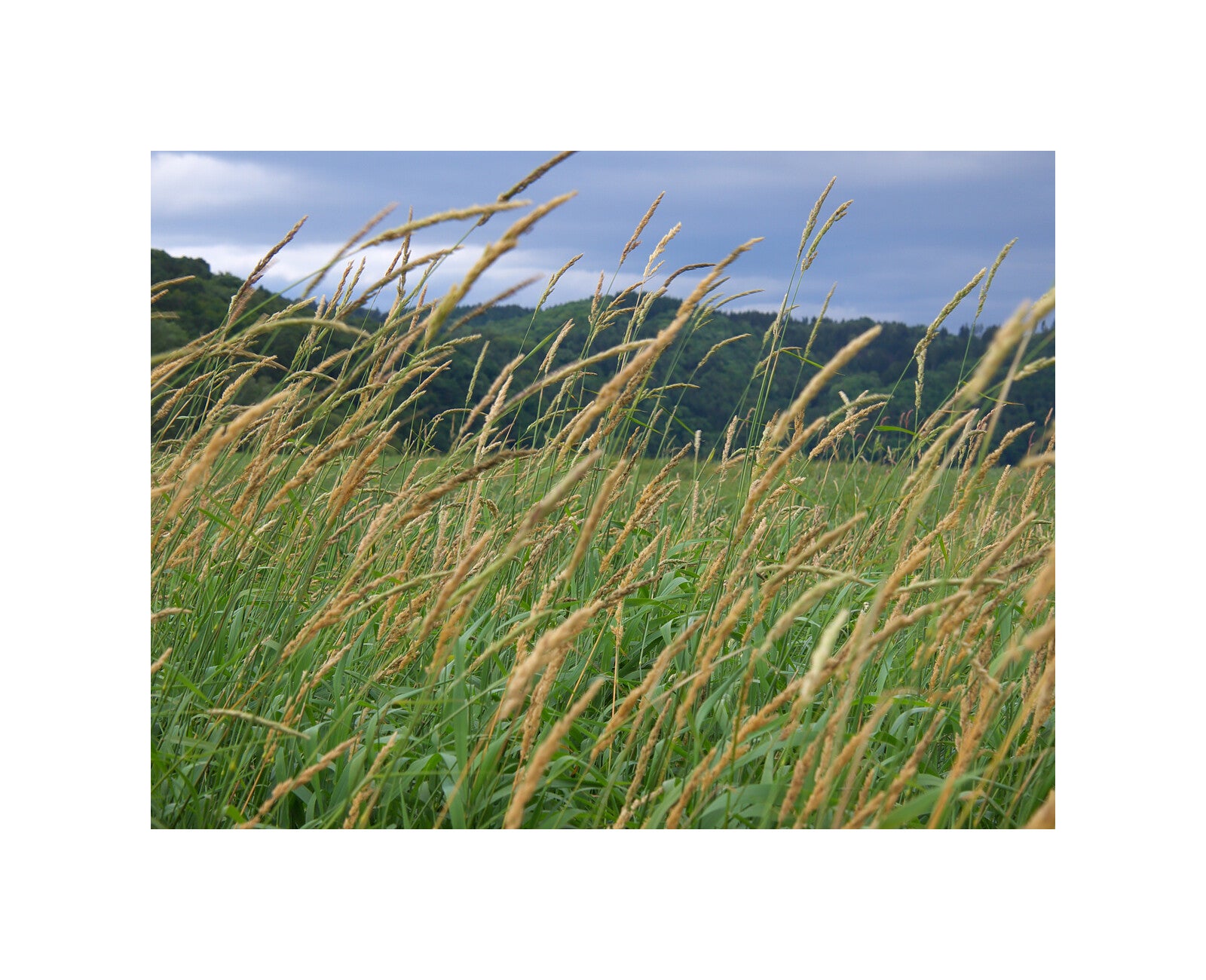
Photographs taken before 2010
Camera and lenses not recorded but a lot of both were used for these images.


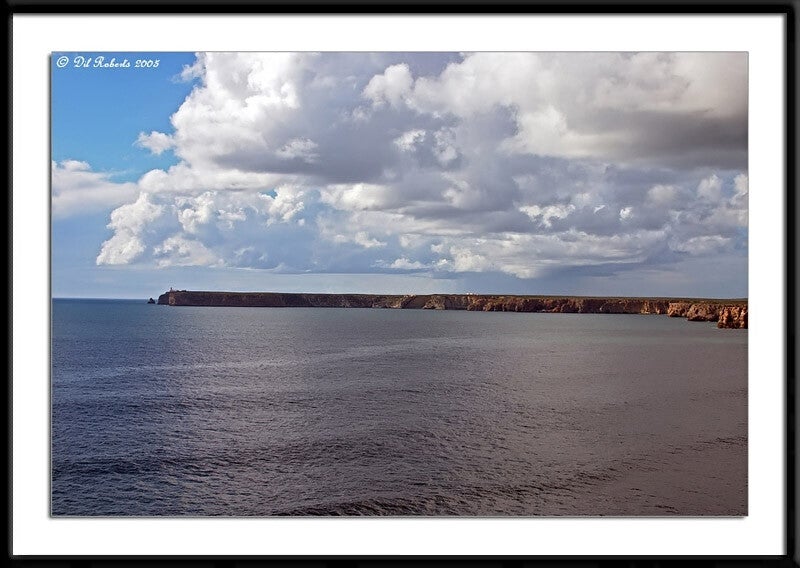

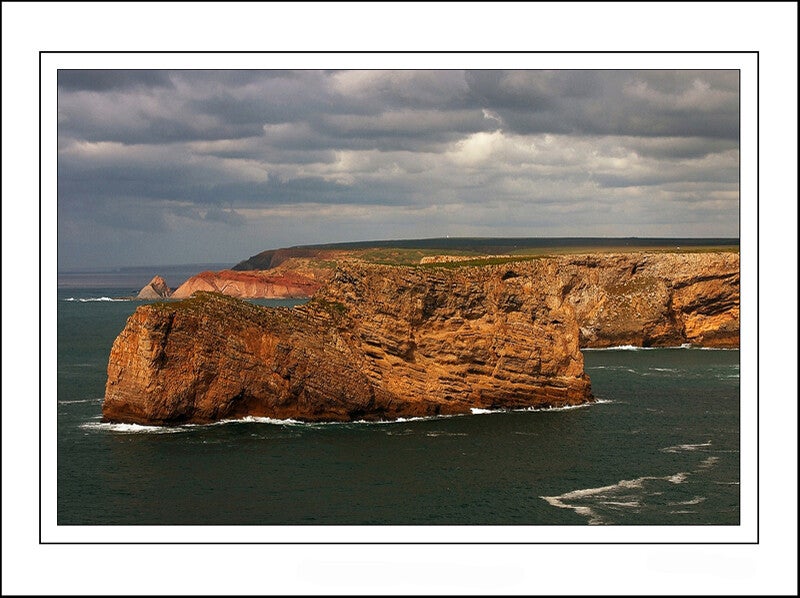

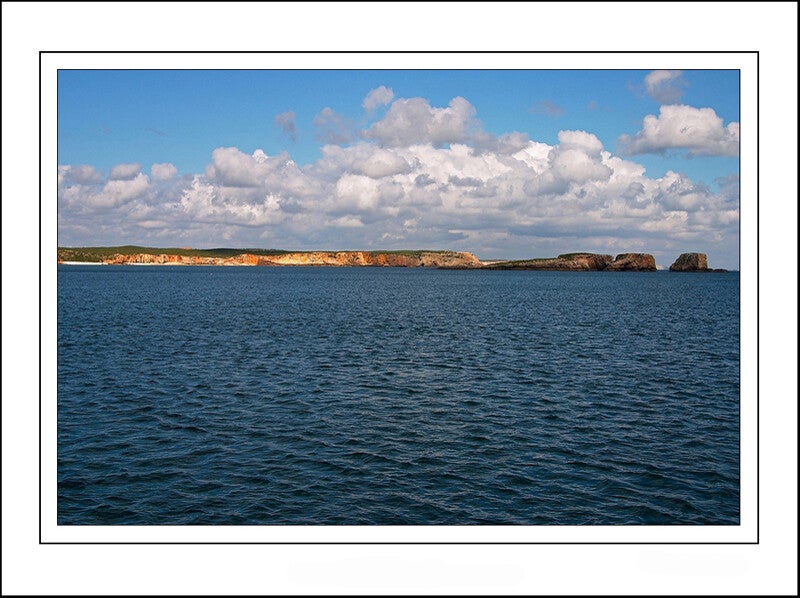
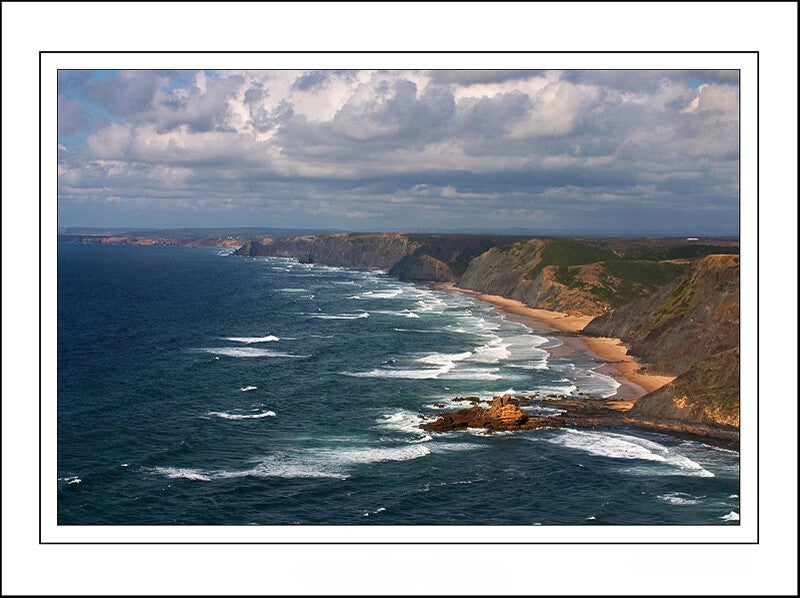
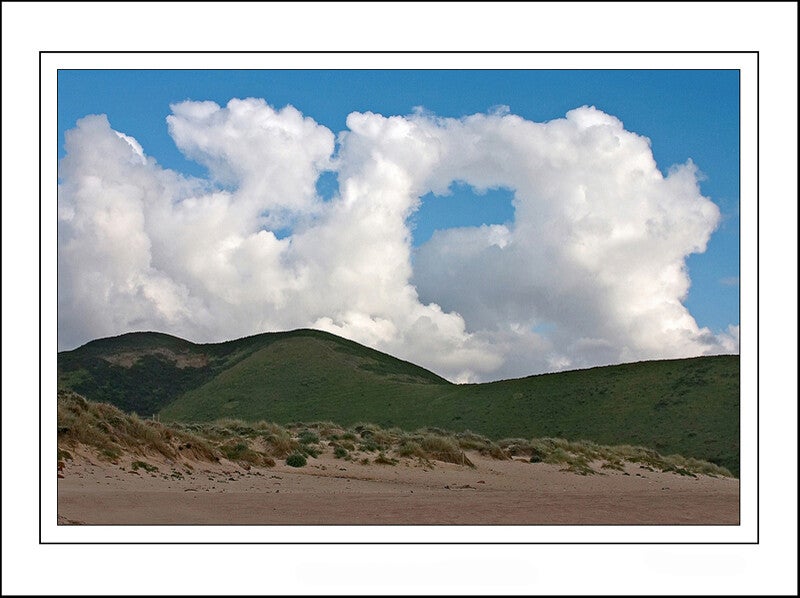
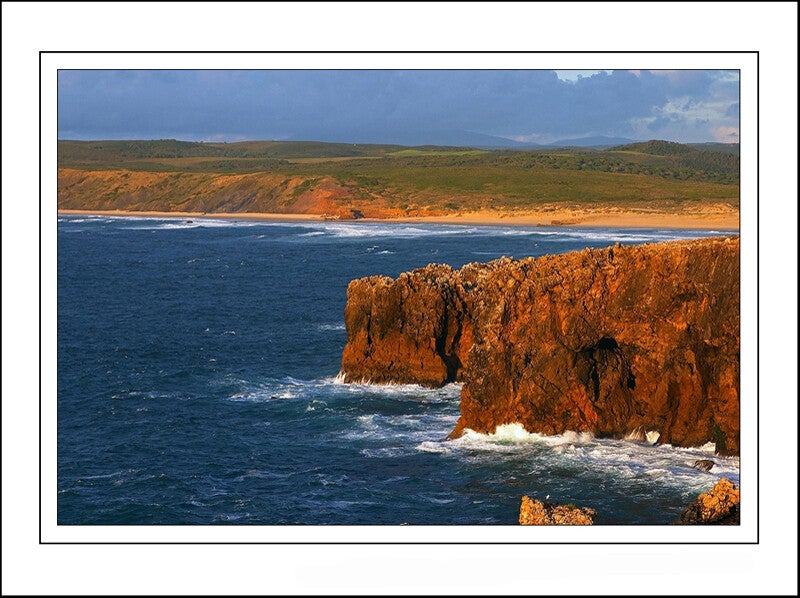

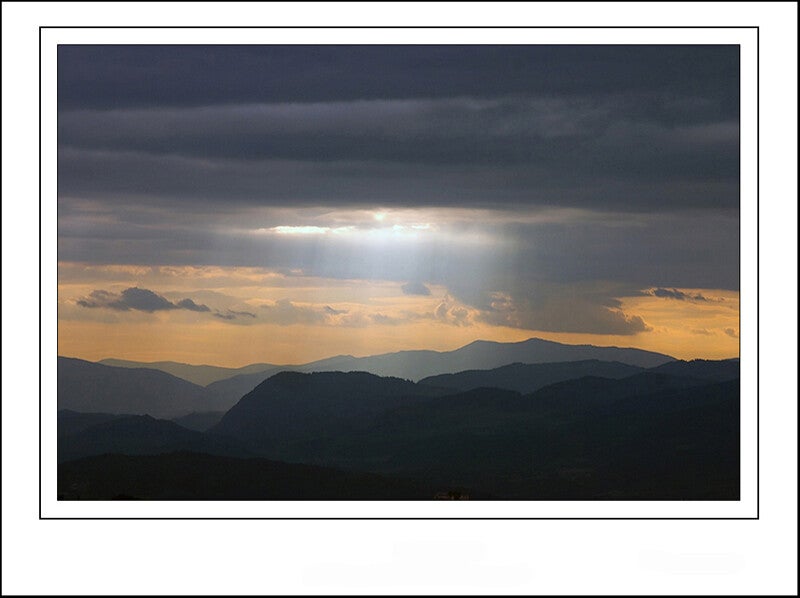
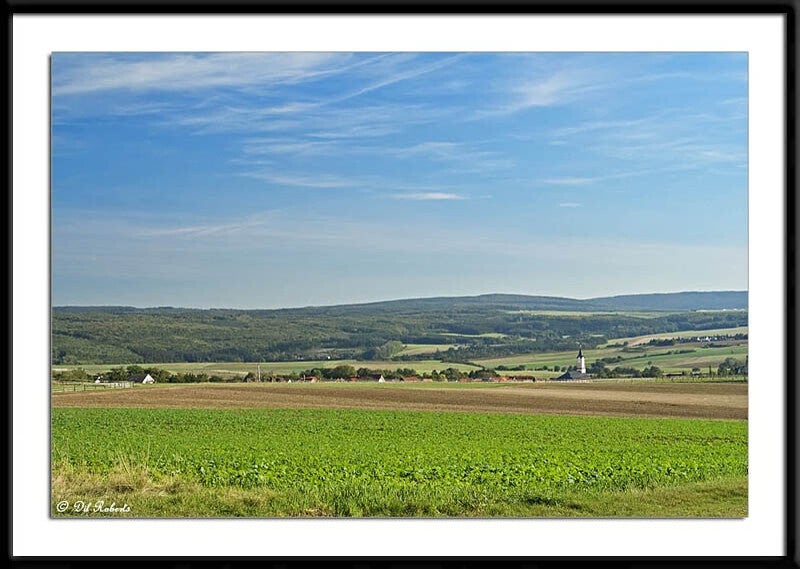



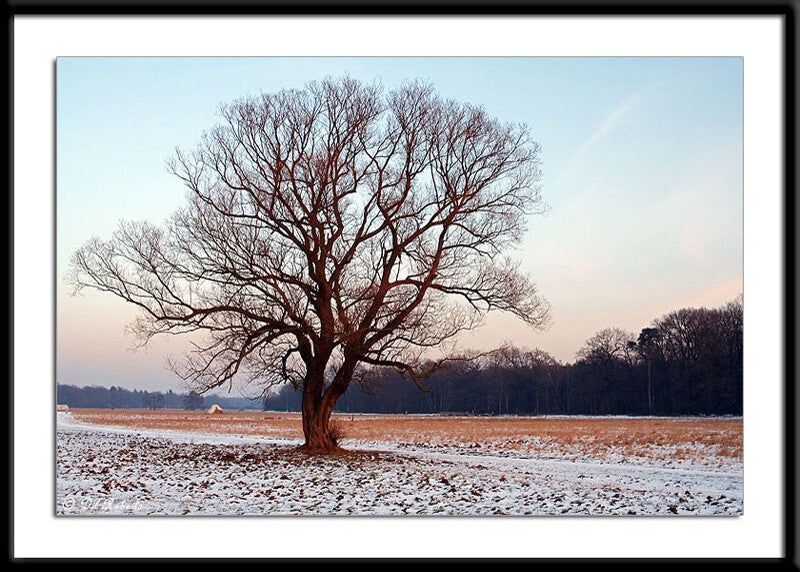
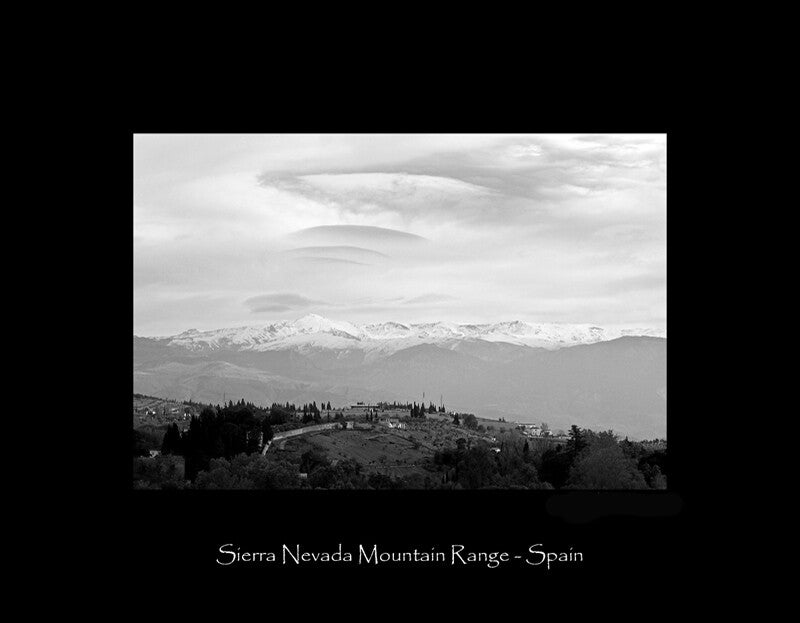


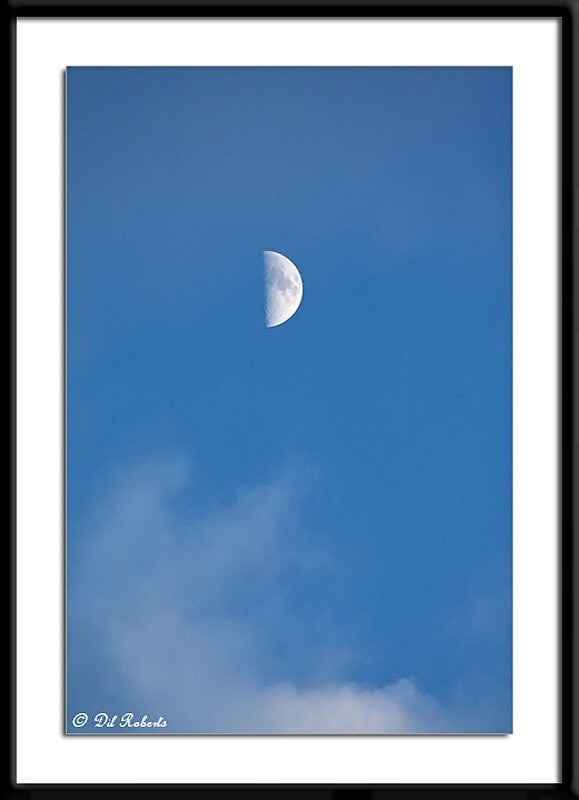
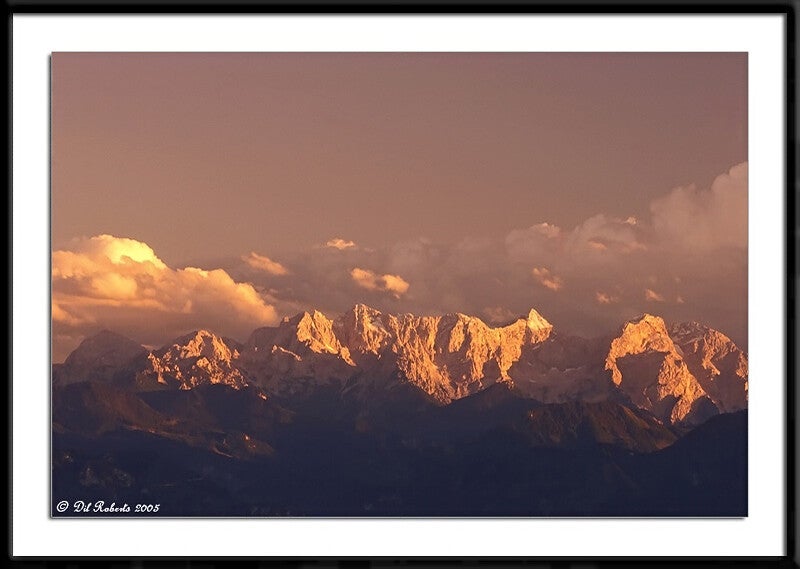

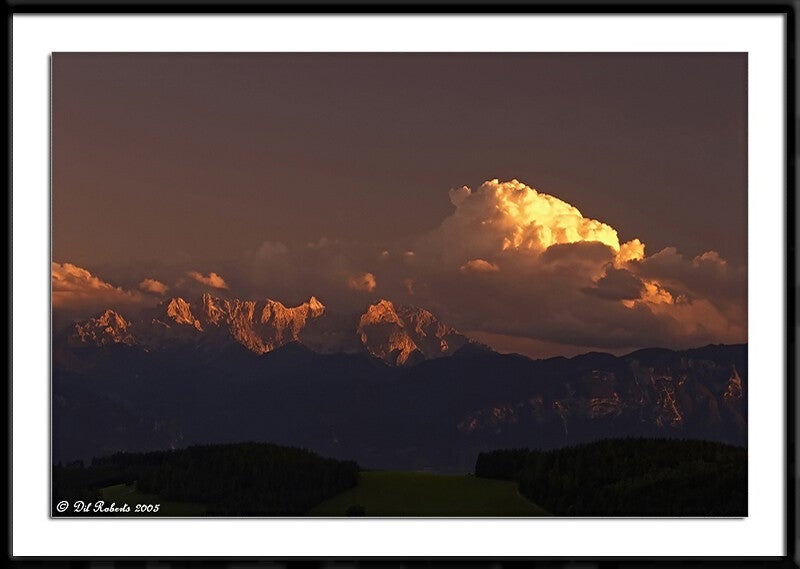
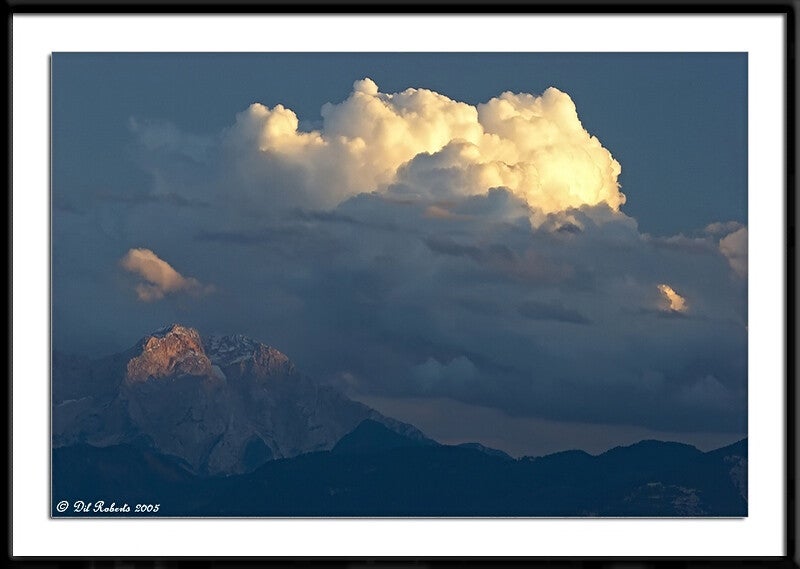
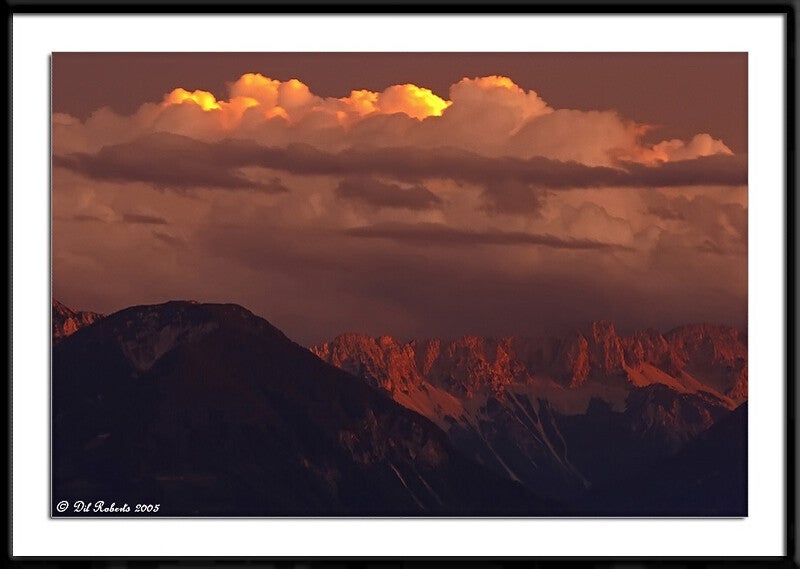
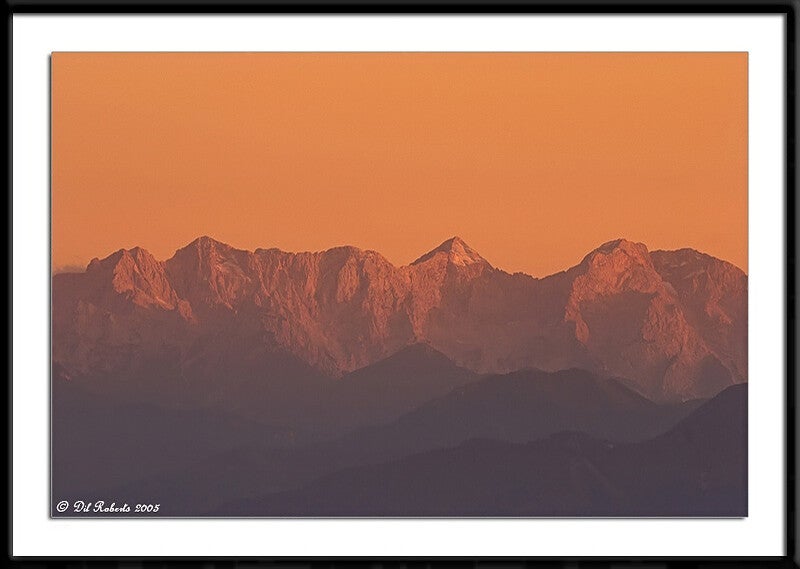
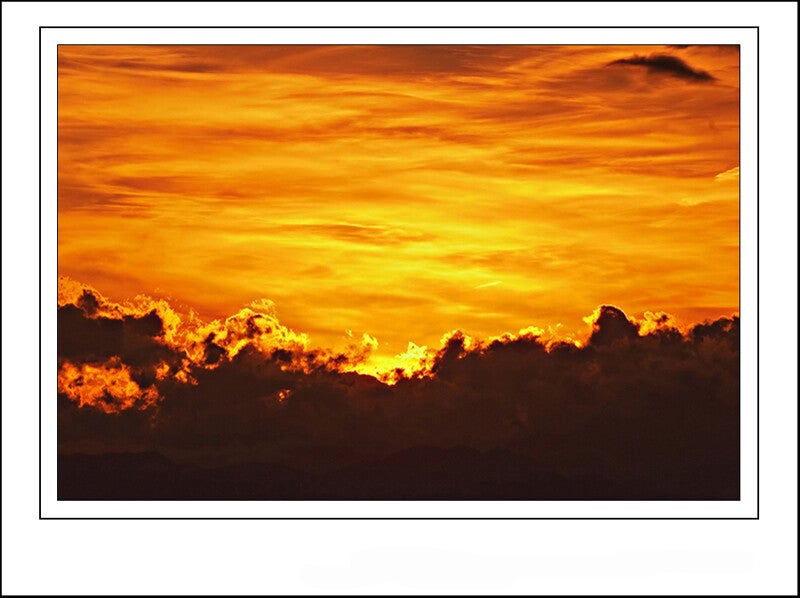


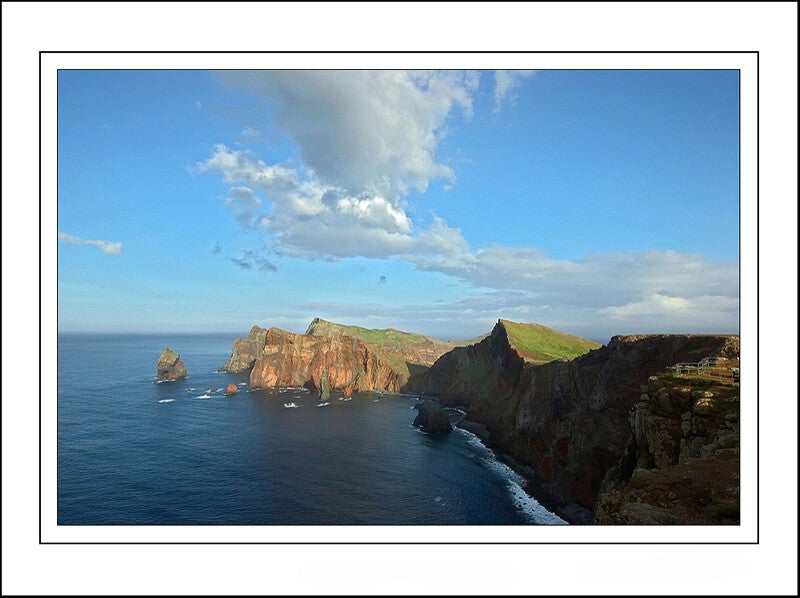

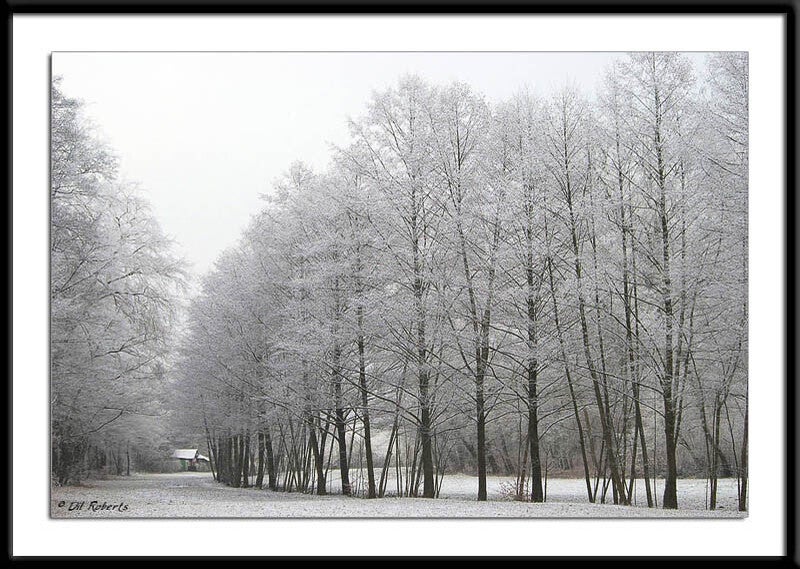
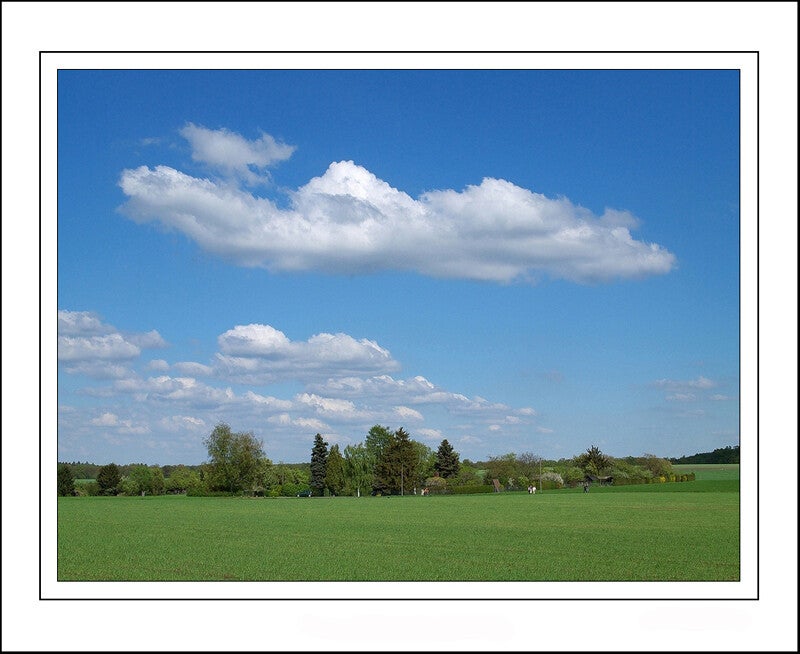
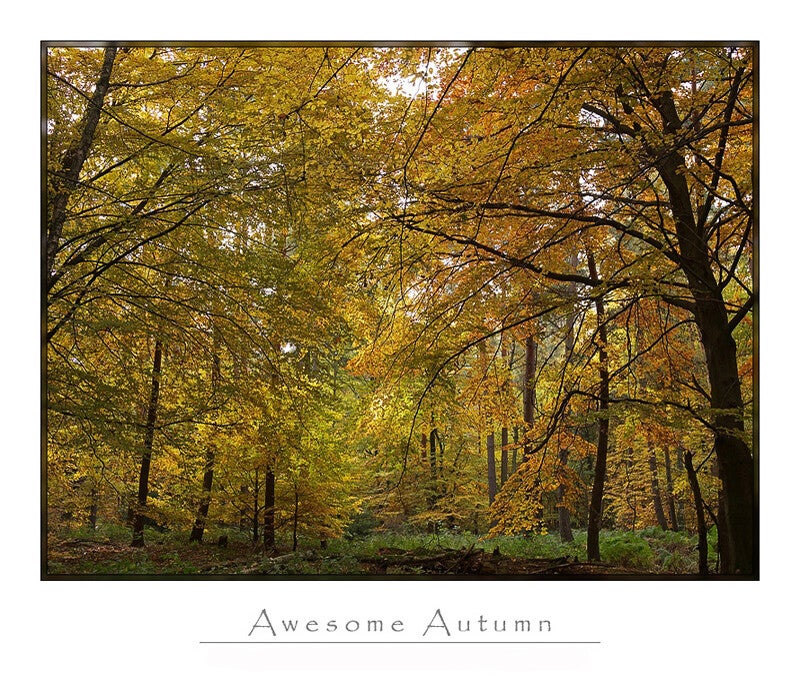
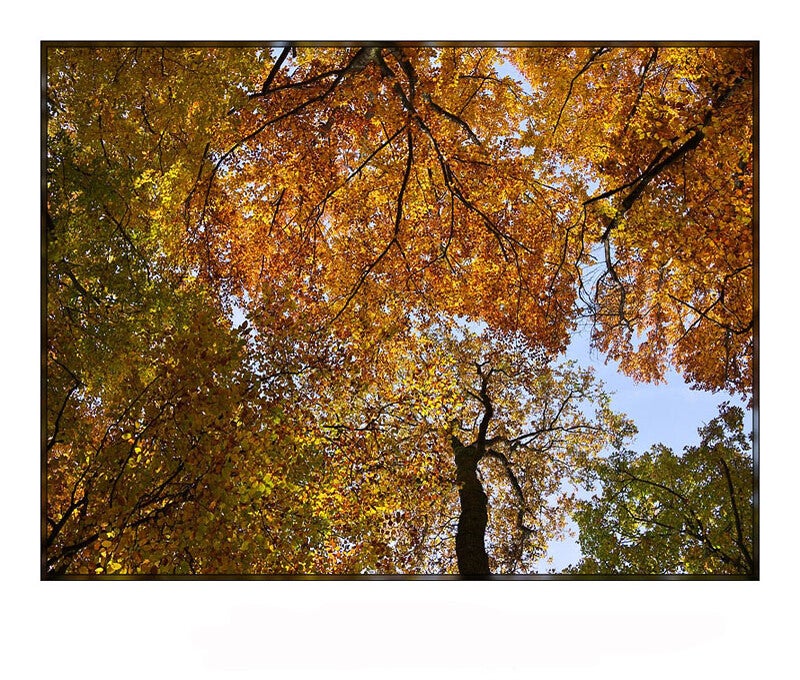

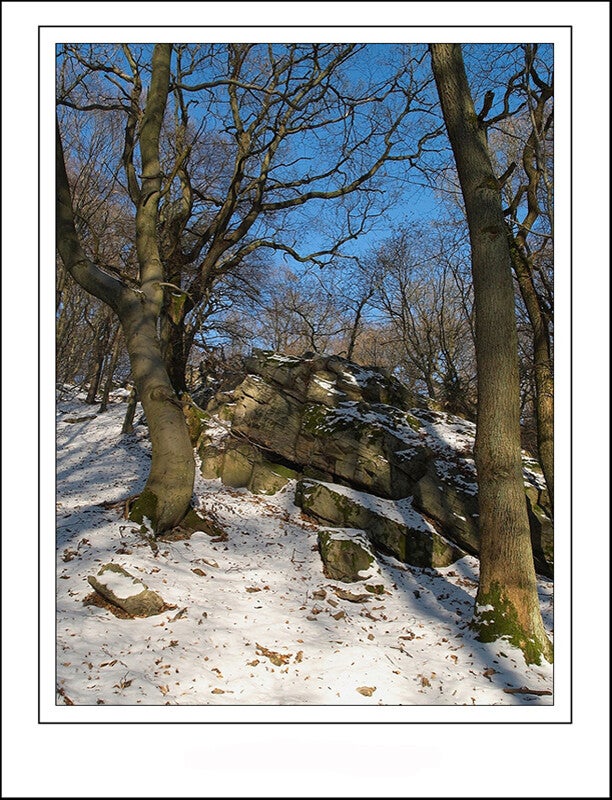

Nice text trying to explain what makes a good landscape photograph. Seems I haven't been taking advice. I'm nor a very good photographer, I like to photograph when the sun shines, and I photograph what my eye likes. Not very inspiring I know, but I enjoy it and I'm going to keep on doing it. I will never be a fine art photographer, or travel to end of the world to photograph the wonderful things one can find (can't afford it for a start).
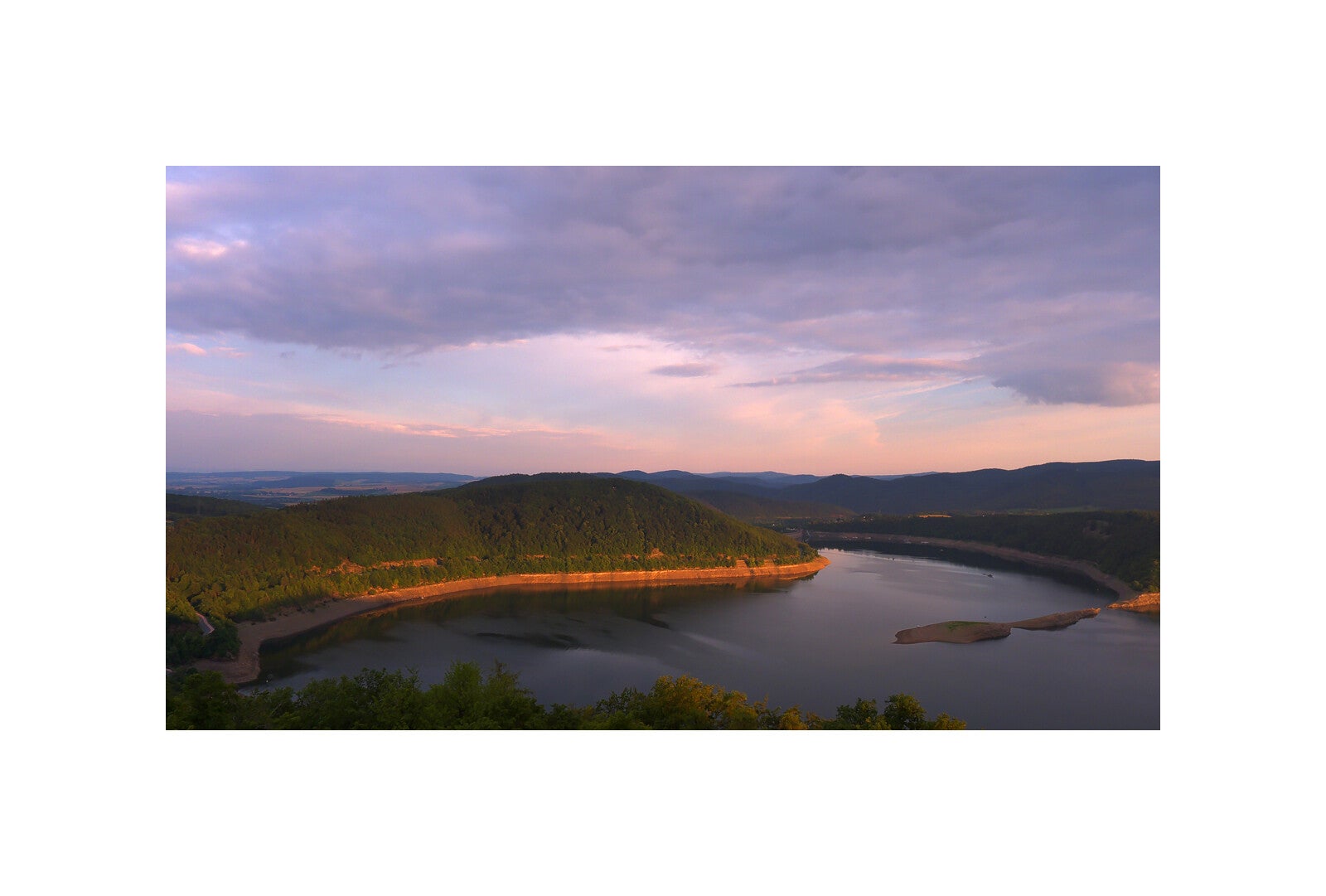
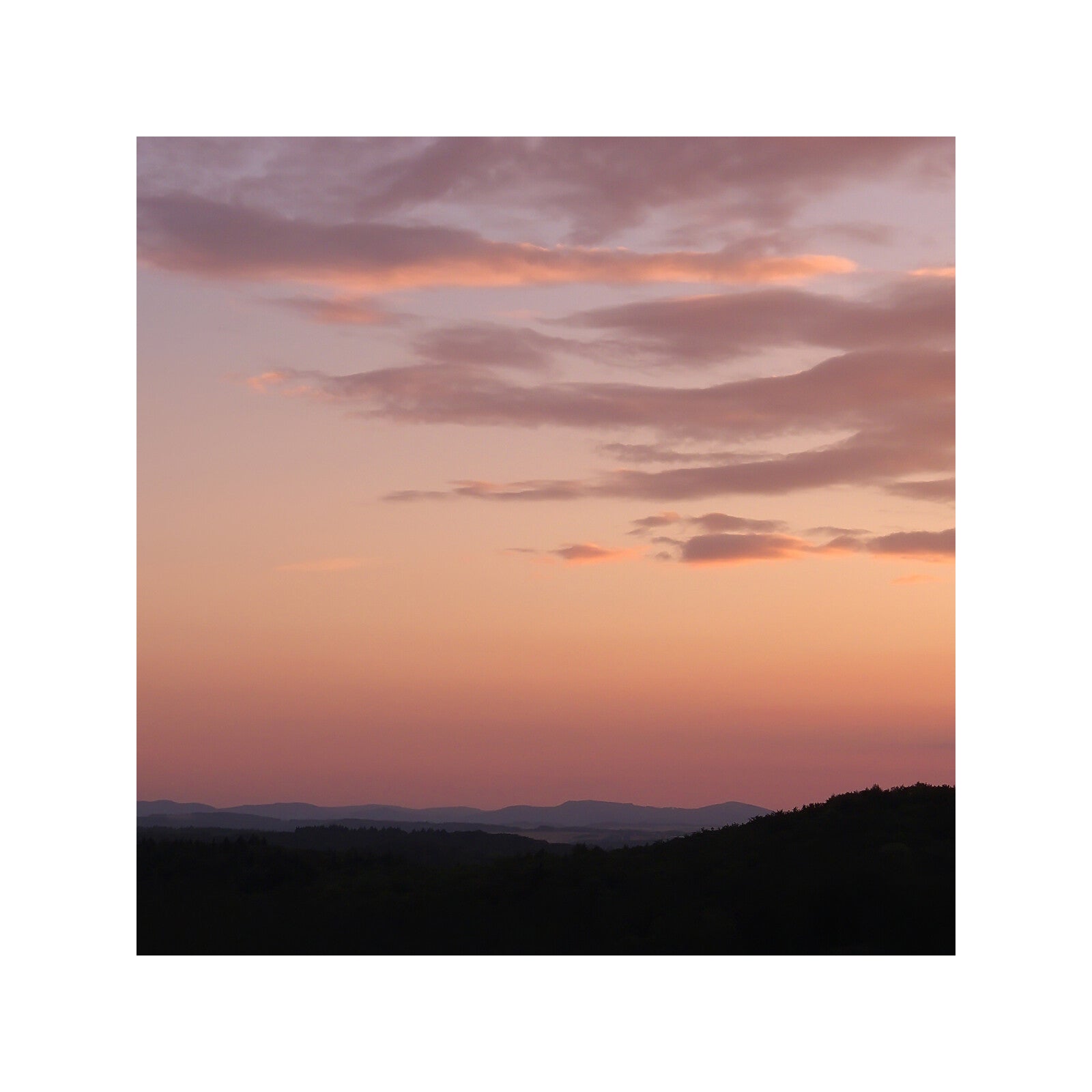
I just like to photograph the places I go to; what catches my eye really and I'm pleased if some people like some of the images I take.
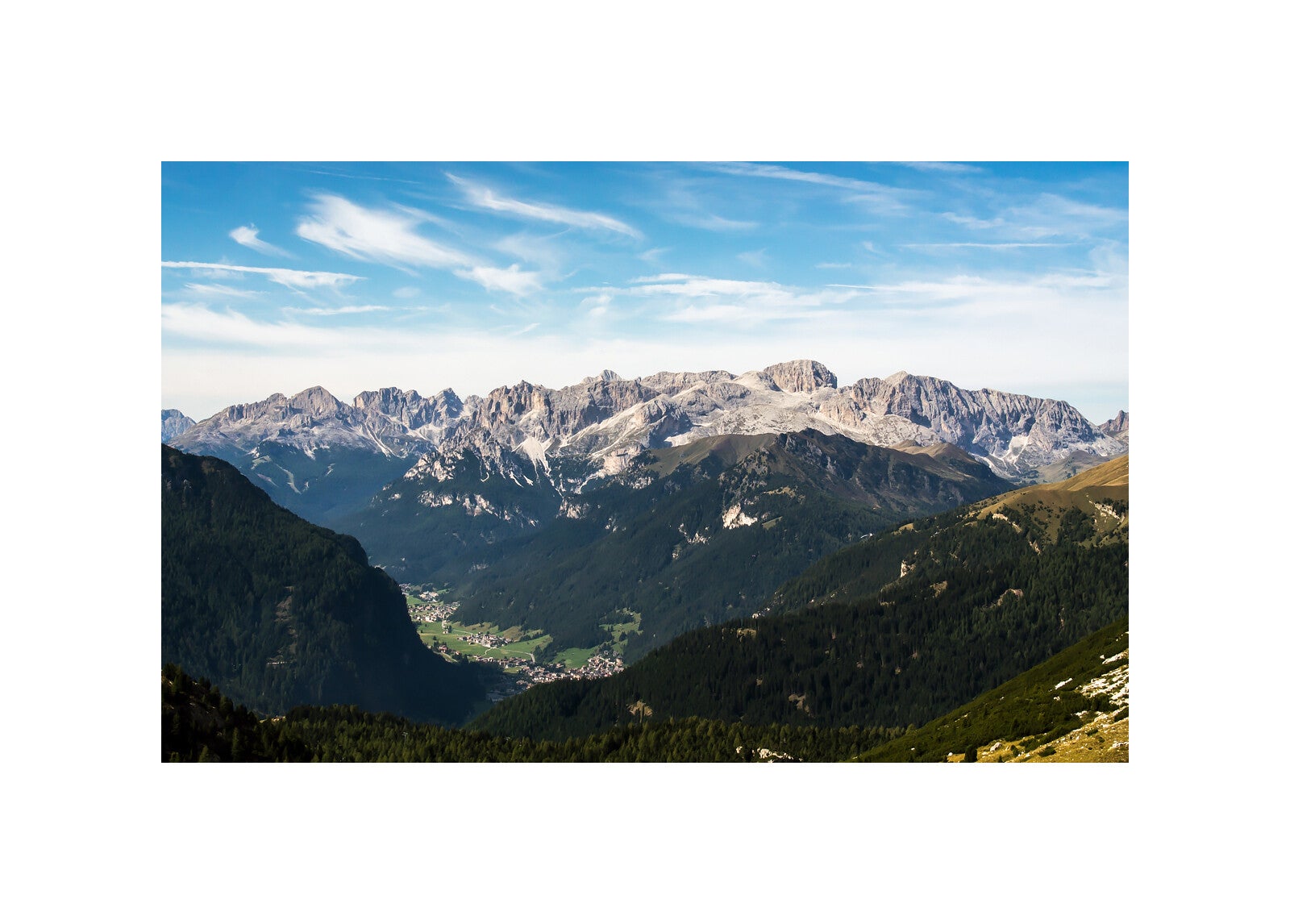
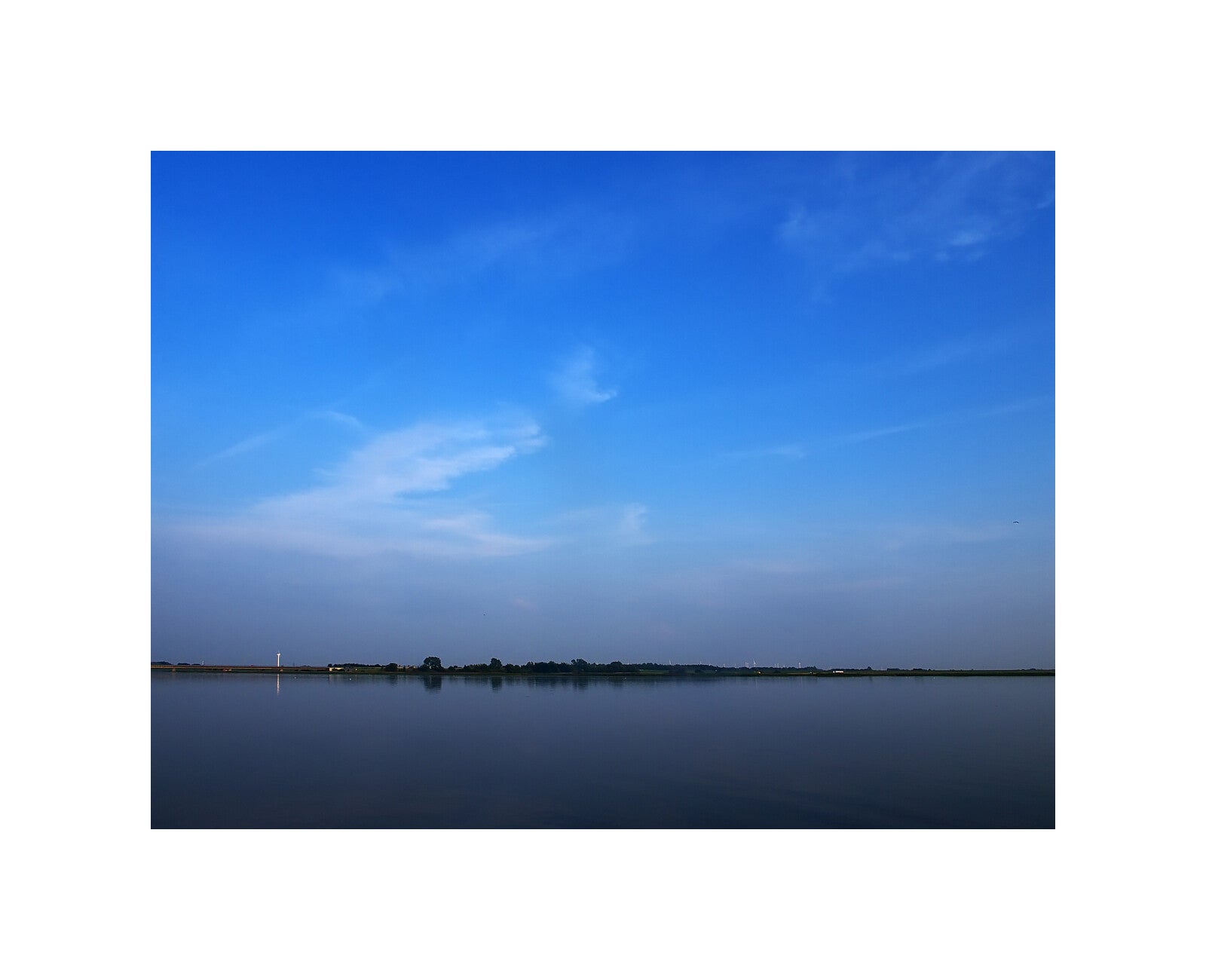
Images taken in 2010 and after.













































Comments
Add comment