Panasonic LX7 Camera: A Comprehensive Overview
The Panasonic LX7 is a compact digital camera that has been a favorite among photography enthusiasts for its exceptional features and performance. Whether you're a professional photographer looking for a handy backup or an amateur eager to explore the world of photography, the LX7 could be a perfect fit for you. Let's dive into what makes this camera stand out.
Key Features
Lens and Image Quality
The Panasonic LX7 is equipped with a Leica DC Vario-Summilux lens with a focal length of 4.7-17.7mm, equivalent to 24-90mm in 35mm terms. This lens offers a bright maximum aperture of f/1.4, which is ideal for low-light photography and creating beautiful bokeh effects. The camera’s 1/1.7-inch 10.1-megapixel MOS sensor ensures high-quality images with excellent detail and color accuracy.
Manual Controls and Flexibility
For those who love having control over their photography, the LX7 boasts a range of manual controls. It includes dedicated dials for aperture, shutter speed, and exposure compensation, which makes adjusting settings quick and intuitive. The camera also supports RAW shooting, giving photographers the flexibility to edit images extensively in post-processing.
Video Capabilities
The LX7 is not just about still photography; it also excels in video recording. It can capture Full HD 1080p video at 60 frames per second, ensuring smooth and high-quality footage. With stereo sound recording and manual video controls, it provides versatile options for video enthusiasts.
Design and Usability
Build and Ergonomics
The camera has a robust build with a classic design that appeals to many photography purists. Its compact size makes it portable and easy to carry around, while the ergonomic layout ensures comfortable handling during extended shooting sessions.
LCD and Viewfinder
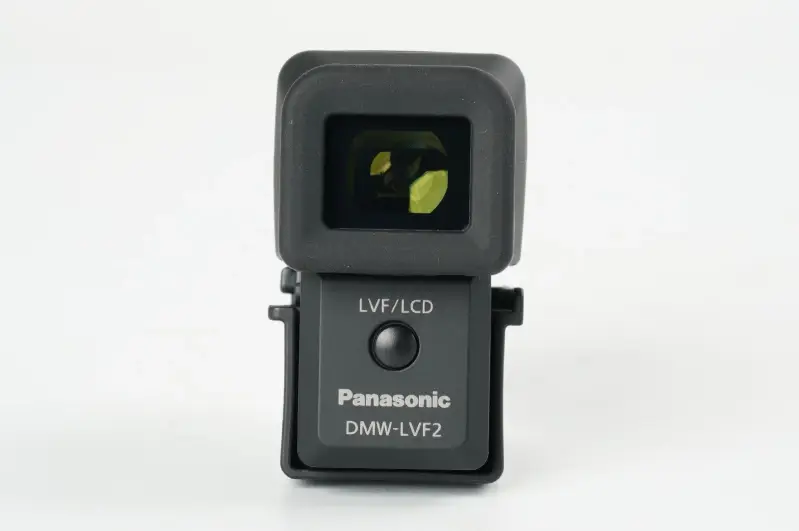
The LX7 features a 3.0-inch LCD screen with a resolution of 920,000 dots, offering clear and vivid image previews. Although it lacks a built-in viewfinder, Panasonic offers an external electronic viewfinder (DMW-LVF2) that can be attached for those who prefer composing shots with a viewfinder.
Additional Features
-
Creative Controls: The camera includes a variety of creative modes and filters, such as miniature effect, toy camera, and dynamic monochrome, allowing users to experiment with different artistic styles.
-
Built-in ND Filter: An integrated neutral density filter enables shooting in bright conditions with a wide aperture, perfect for achieving a shallow depth of field in daylight.
-
Fast Autofocus: The LX7's autofocus system is quick and reliable, ensuring you capture the moment with precision, whether photographing fast-moving subjects or spontaneous scenes.
Conclusion
The Panasonic LX7 stands out as a versatile, high-quality compact camera that caters to both novice and experienced photographers. With its outstanding lens, manual controls, and solid build, it remains a popular choice for those seeking a portable yet powerful photography tool. Whether capturing stunning landscapes, vibrant street scenes, or intricate close-ups, the LX7 offers the tools needed to bring your creative vision to life.
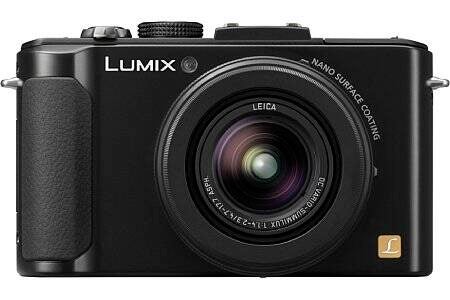

Panasonic LX7
Weight: 298g
Size: 110 x 67 x 47 mm
Sensor: 1/1.7" 10MP CMOS (4.6 crop)
Lens: 24-90 mm (35mm equiv.)
Mfd: 50 cm
Cards: 1 x SD slot
IBIS: No, only OIS
Price: €200 Used
Let's just take a quick look at the "improvements" made to the LX7 over the LX5. It's a different sensor completely in the LX7 being a CMOS where the LX5 is a CCD. Do I notice a difference in my type of photography? Actually "No I don't". The CCD is supposed to have different colours to the CMOS but I just don't see it myself.
The lens in the LX7 is a faster at f1.4 to f2.3 whereas the LX5 is f2 to f3.3. Do I notice a difference on a daily basis? No I don't. However you will notice a difference in low light where the f1.4 will gather more light especially with the CMOS sensor being better in low light.
One thing I do like about the LX7 is the fact I can change aperture with the aperture ring. I love it and this is how I change aperture on my Fujifilm system. I just love the fact I can quickly change aperture with a hand movement. Great idea! See second image above.
The screen resolution on the LX7 has been doubled to 920.000 pixels. There is a difference but it doesn't help you much on a very bright sunny day when you can't see the display. For me an EVF is a must at such times and the LVF2 is indispensable. Same goes for the LVF1 for the LX5.
Lastly the LX7 has an ND filter built in! A very good idea from Panasonic. Other companies, especially OM System have incorporated this function in all of their latest releases. The ND filter in the LX7 is not up that on the OM3 or OM1 but at least the LX7 has one.
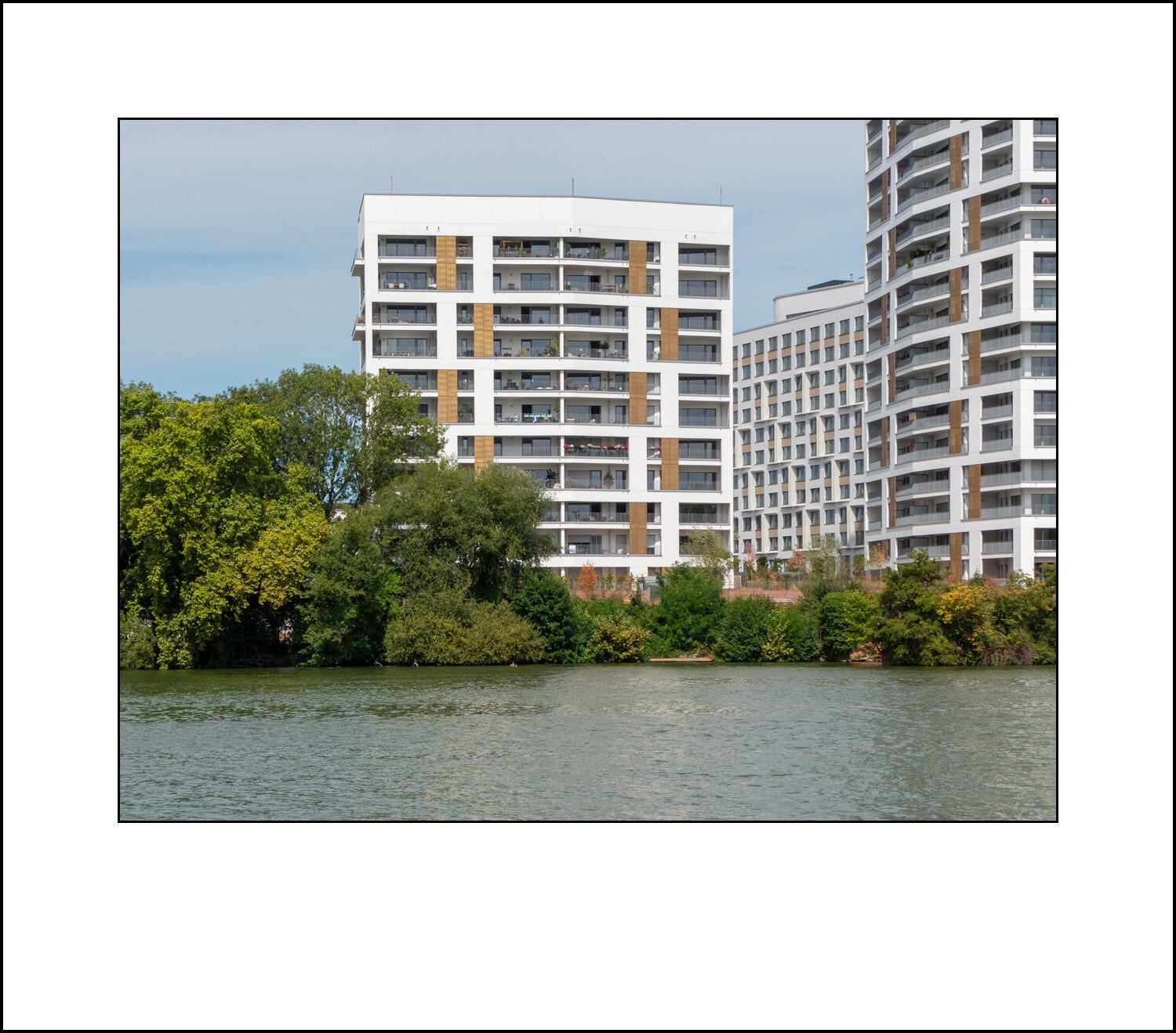
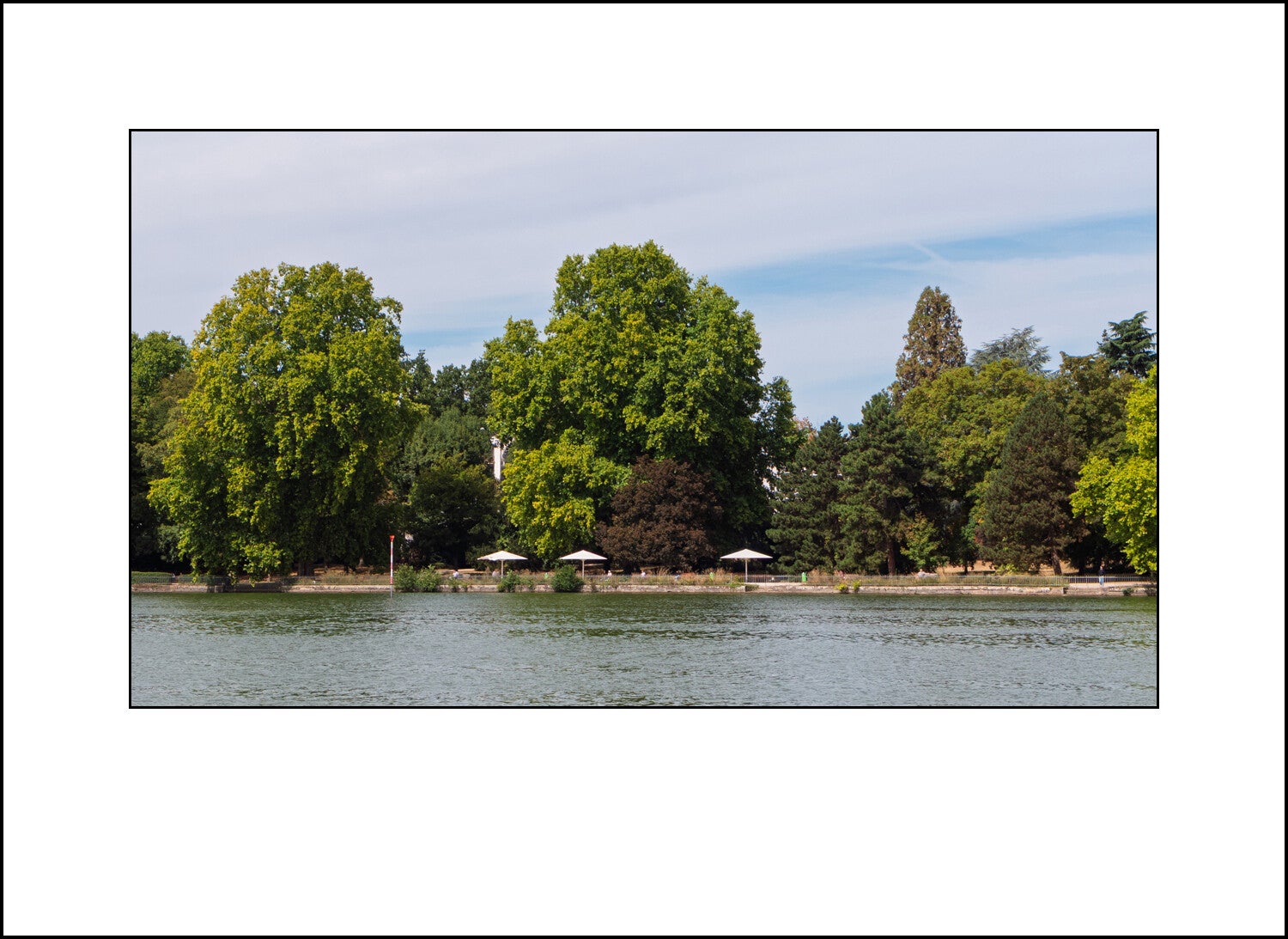
Test images taken with the Panasonic LX7 camera




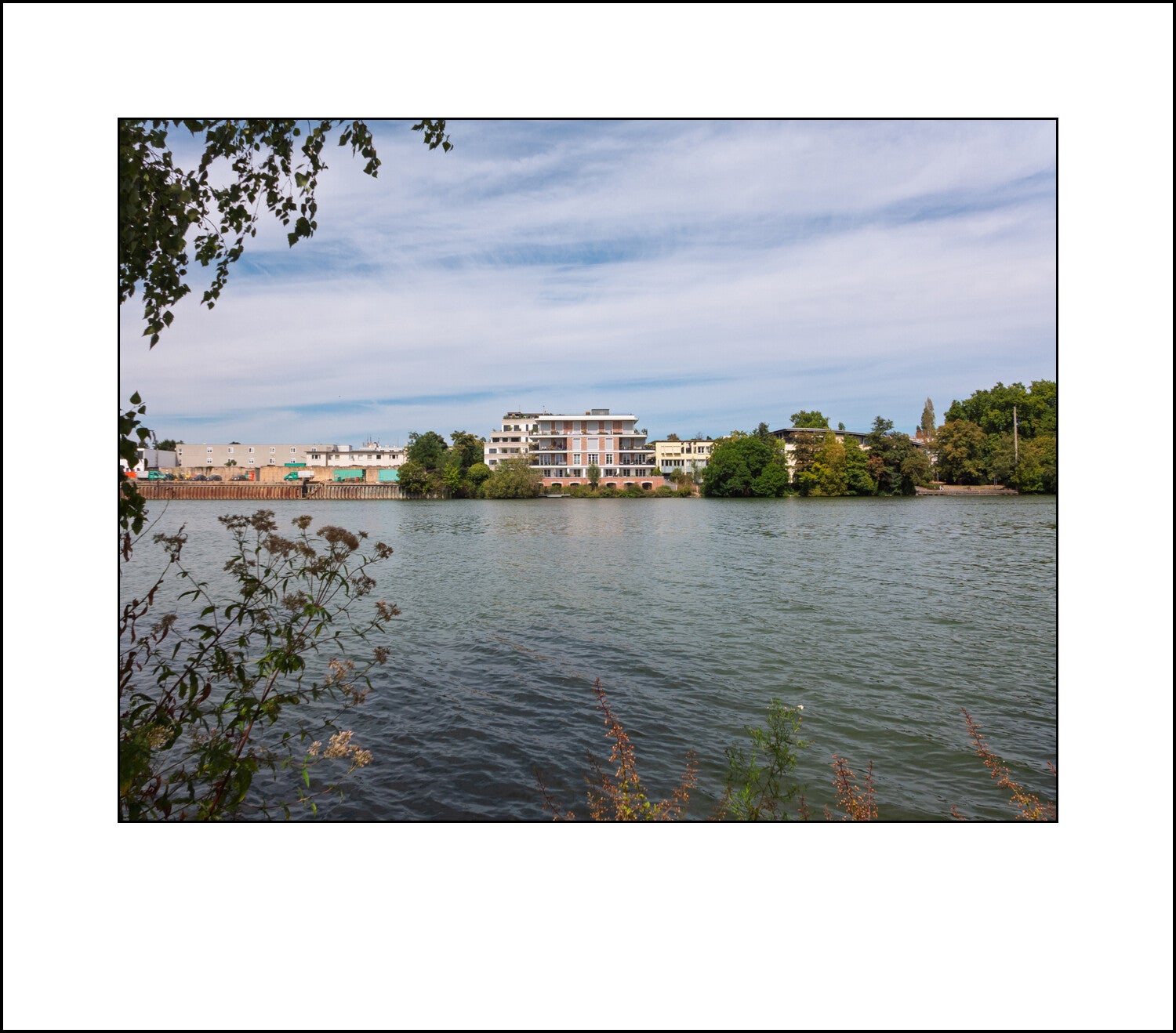
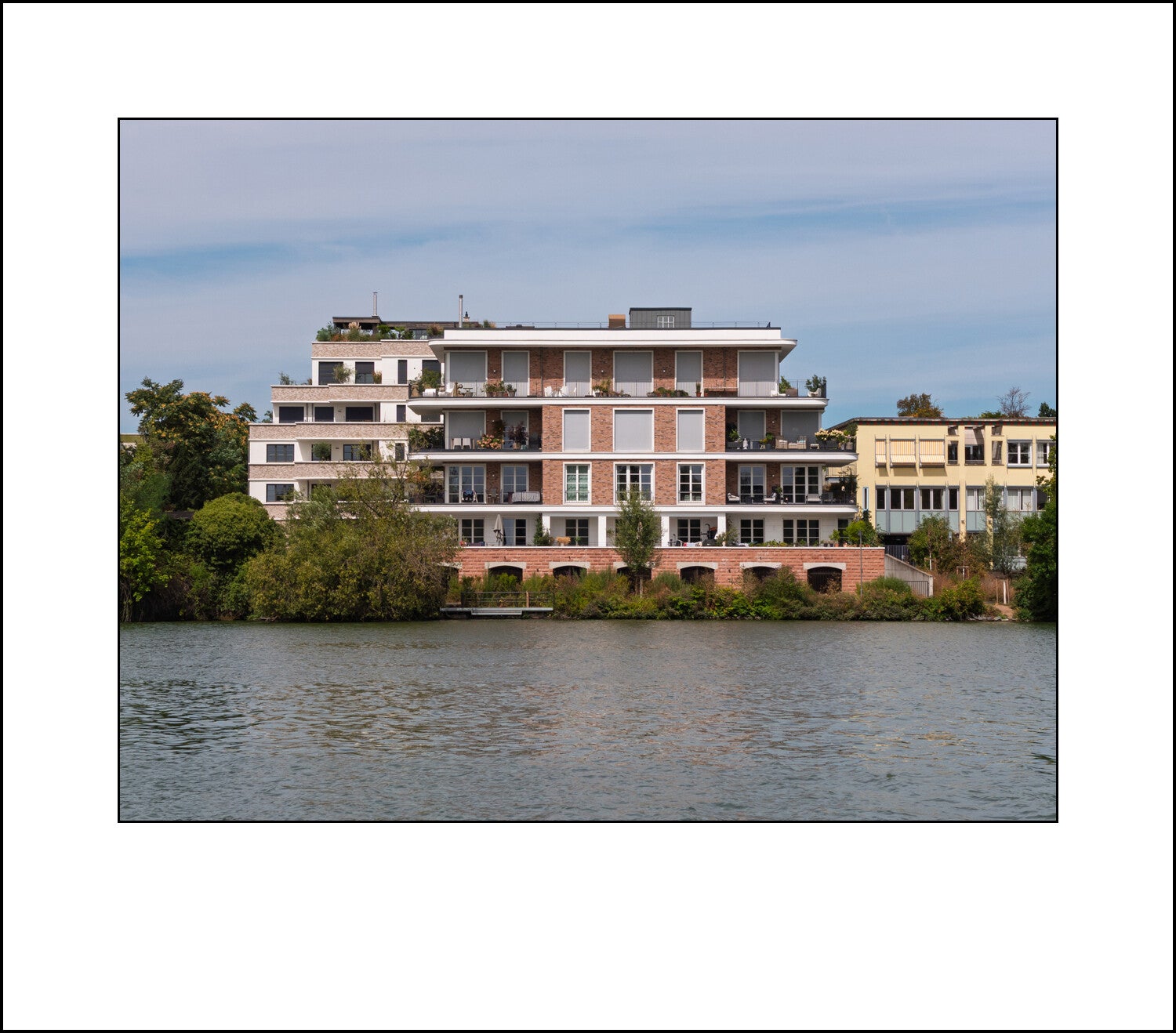

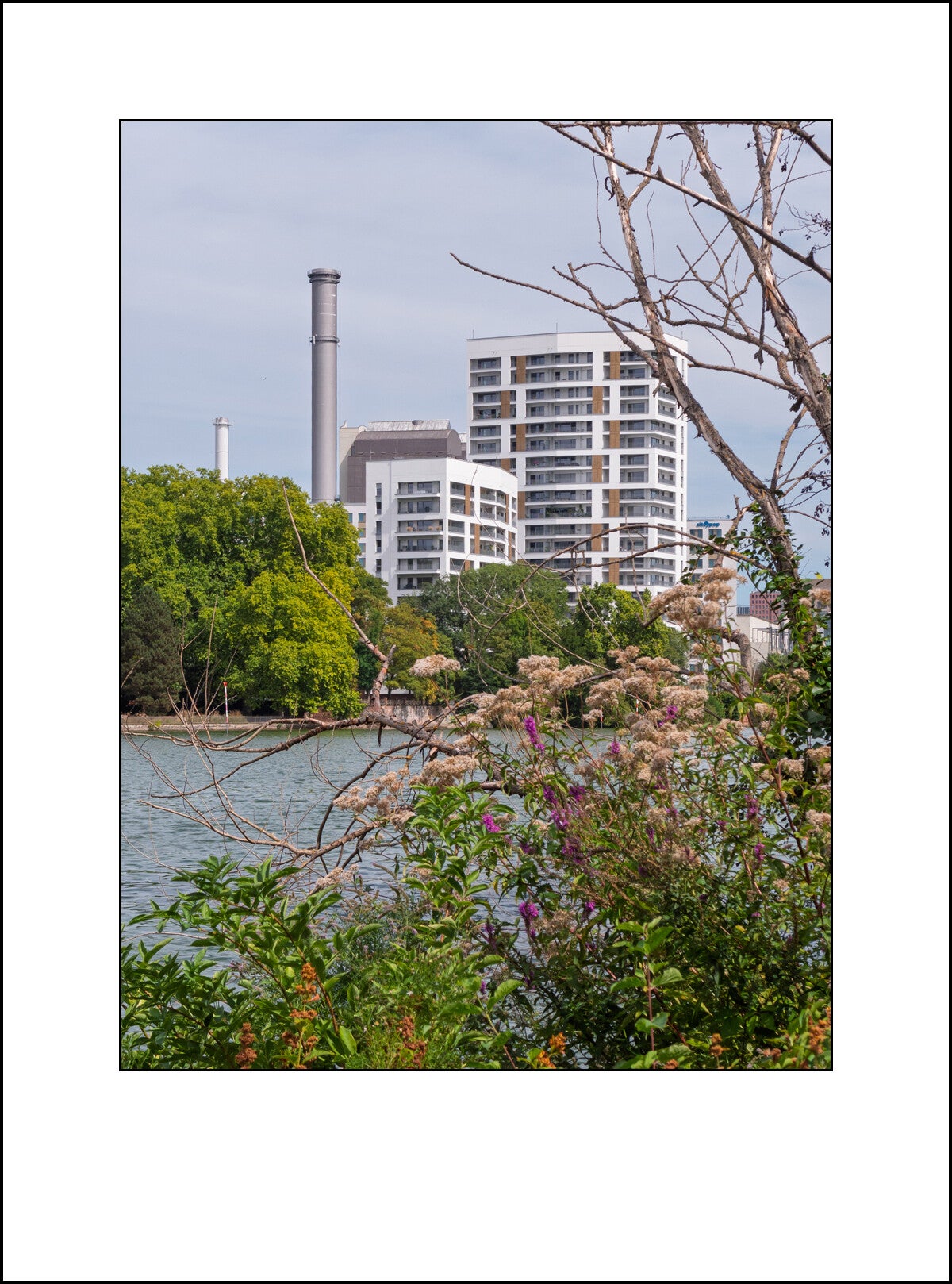


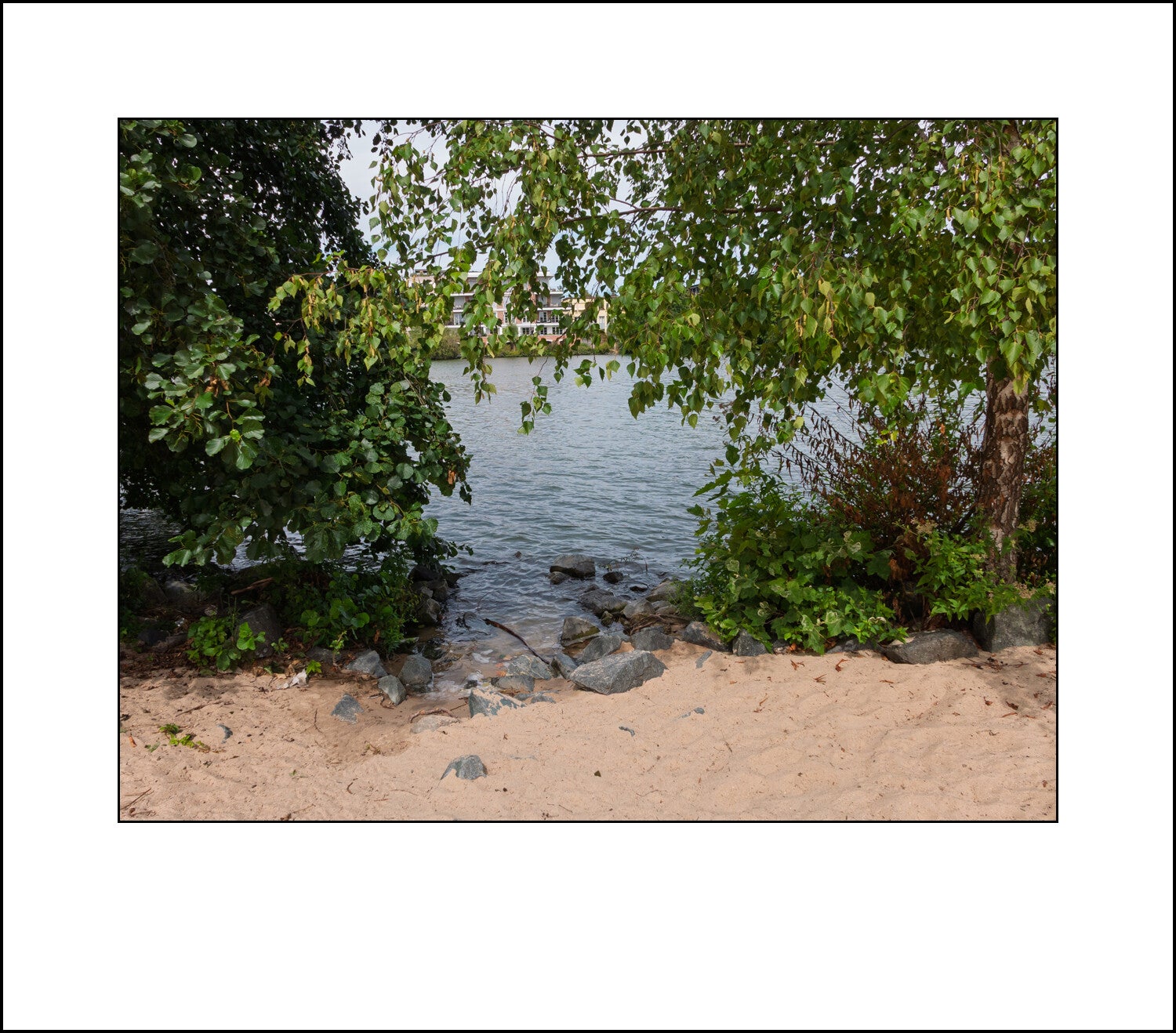
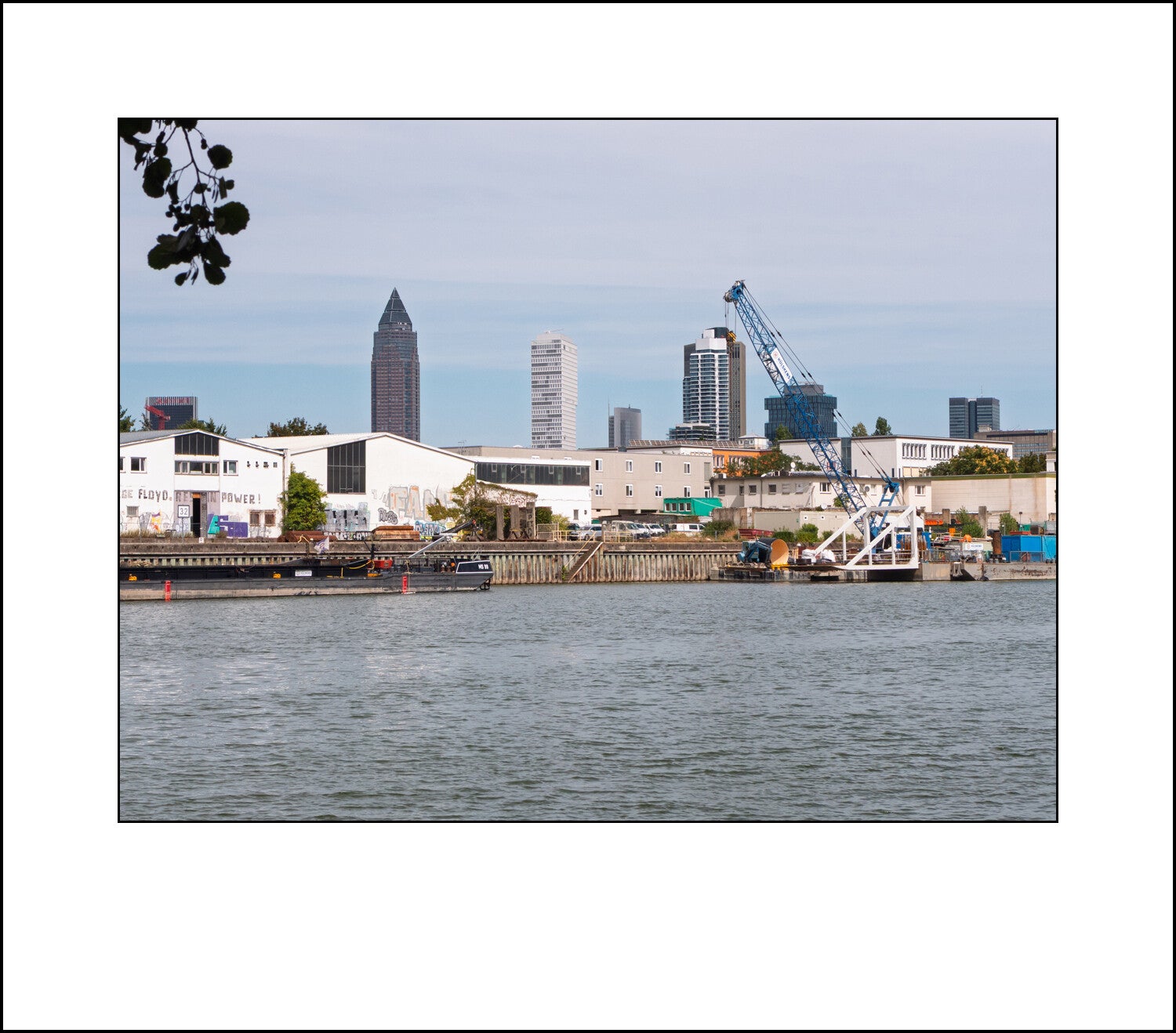



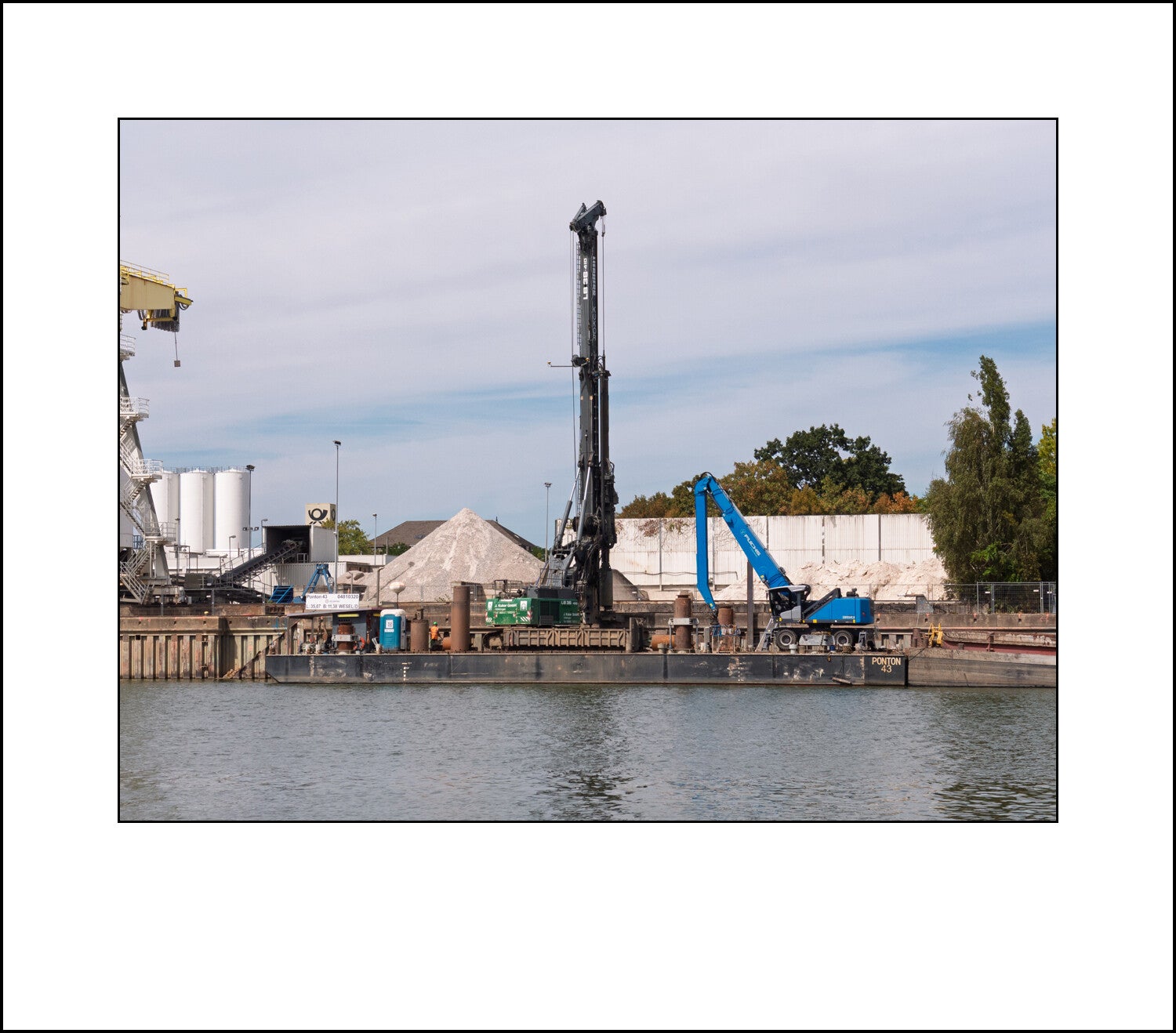
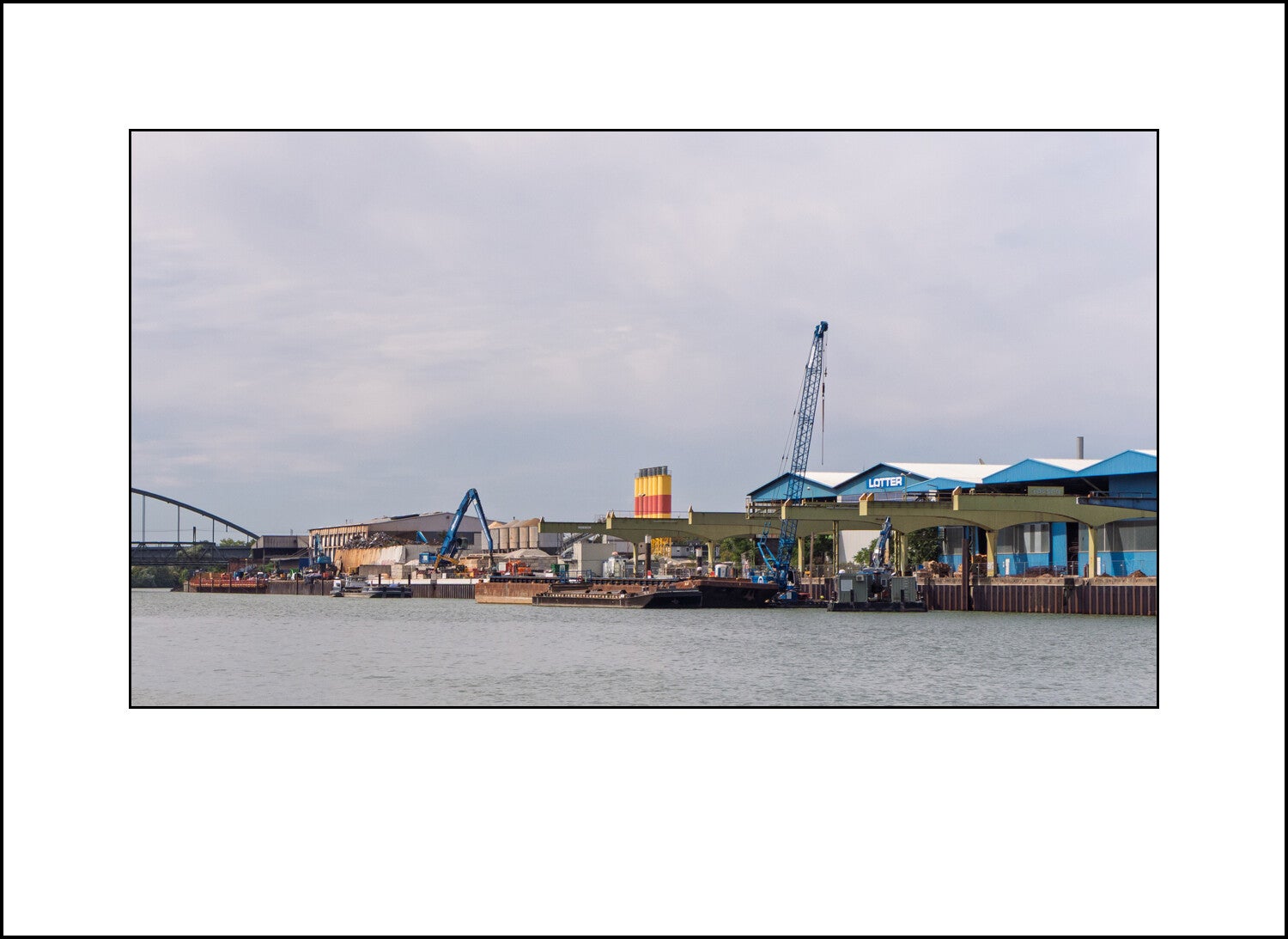

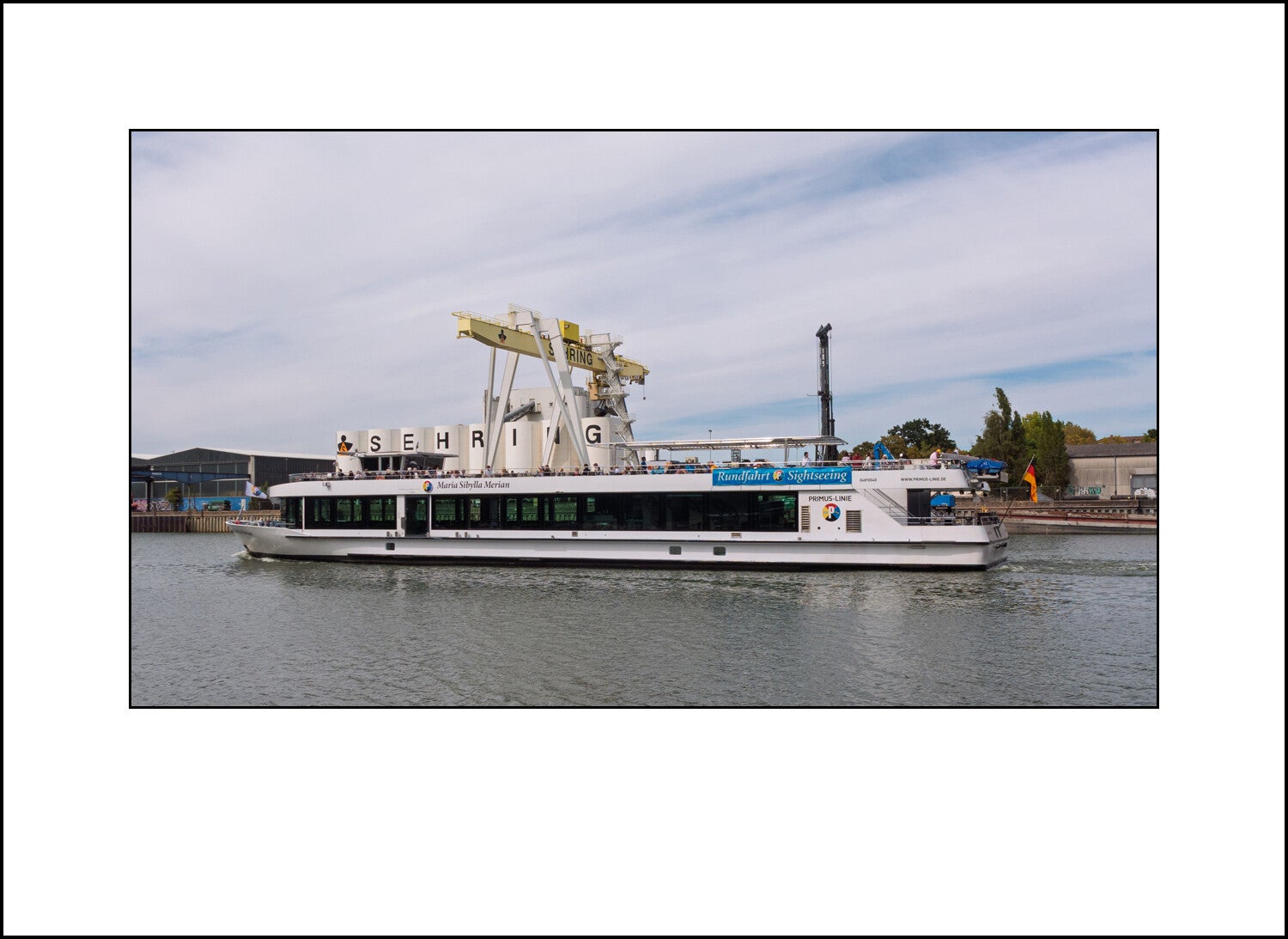
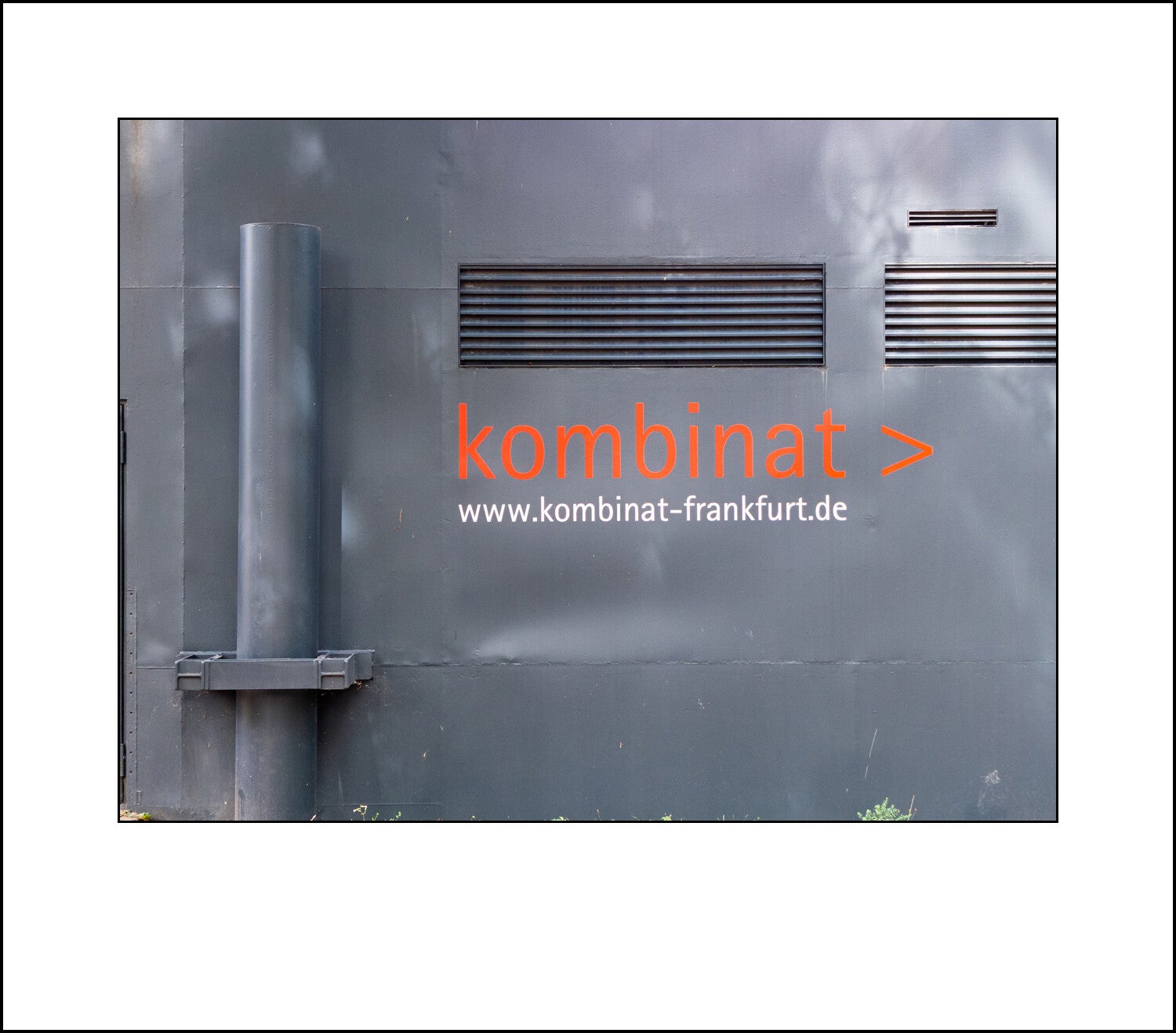
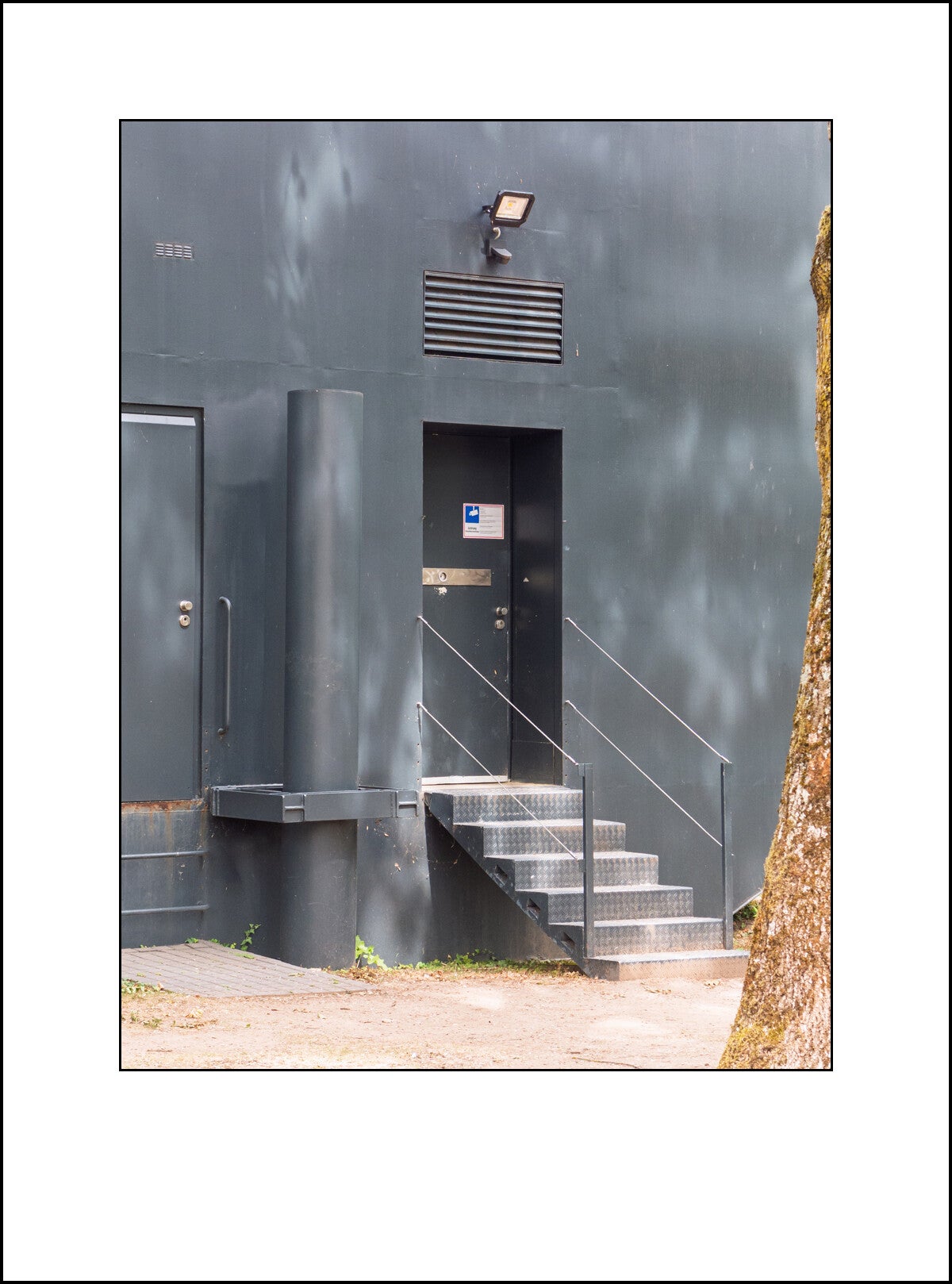
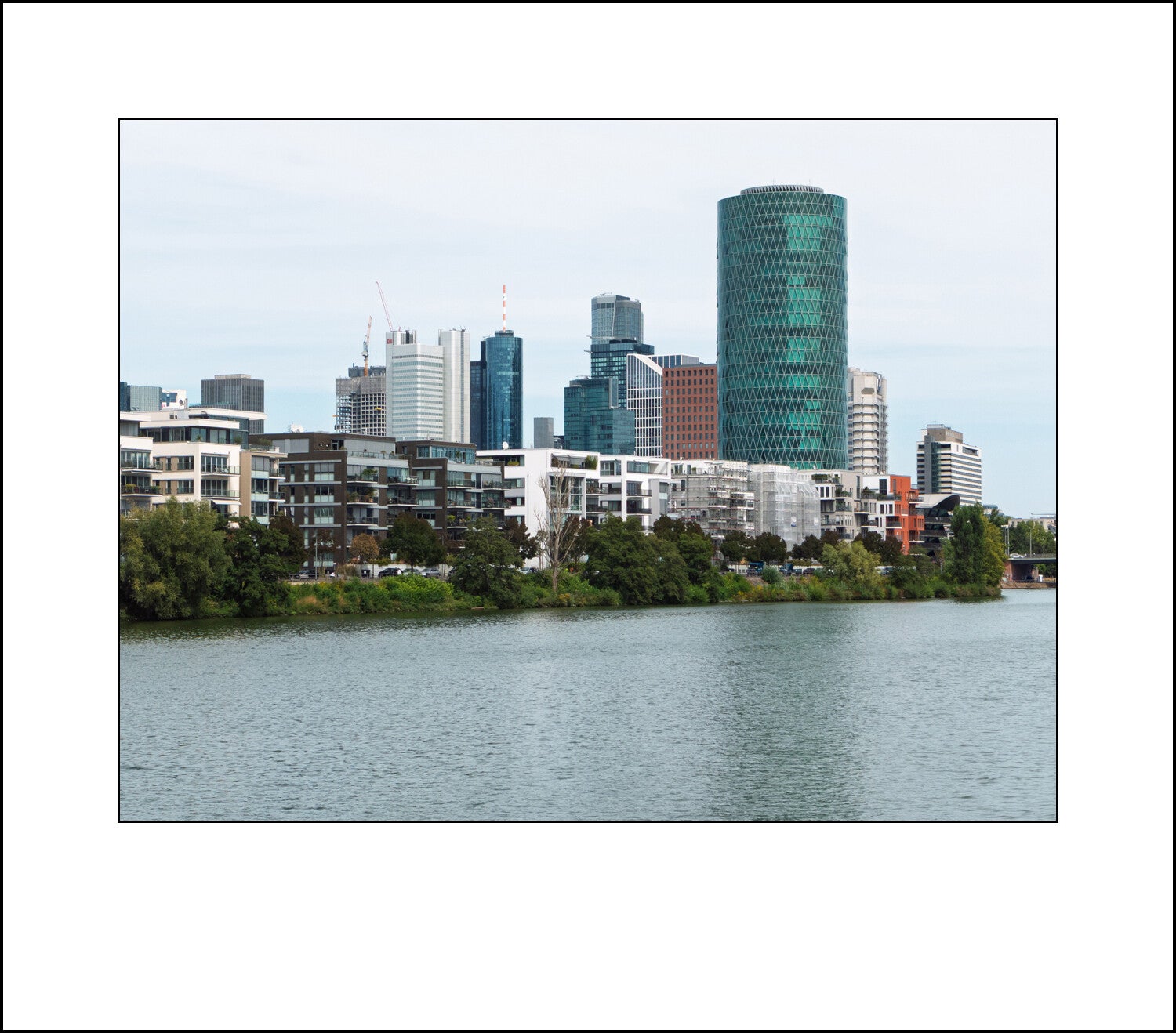
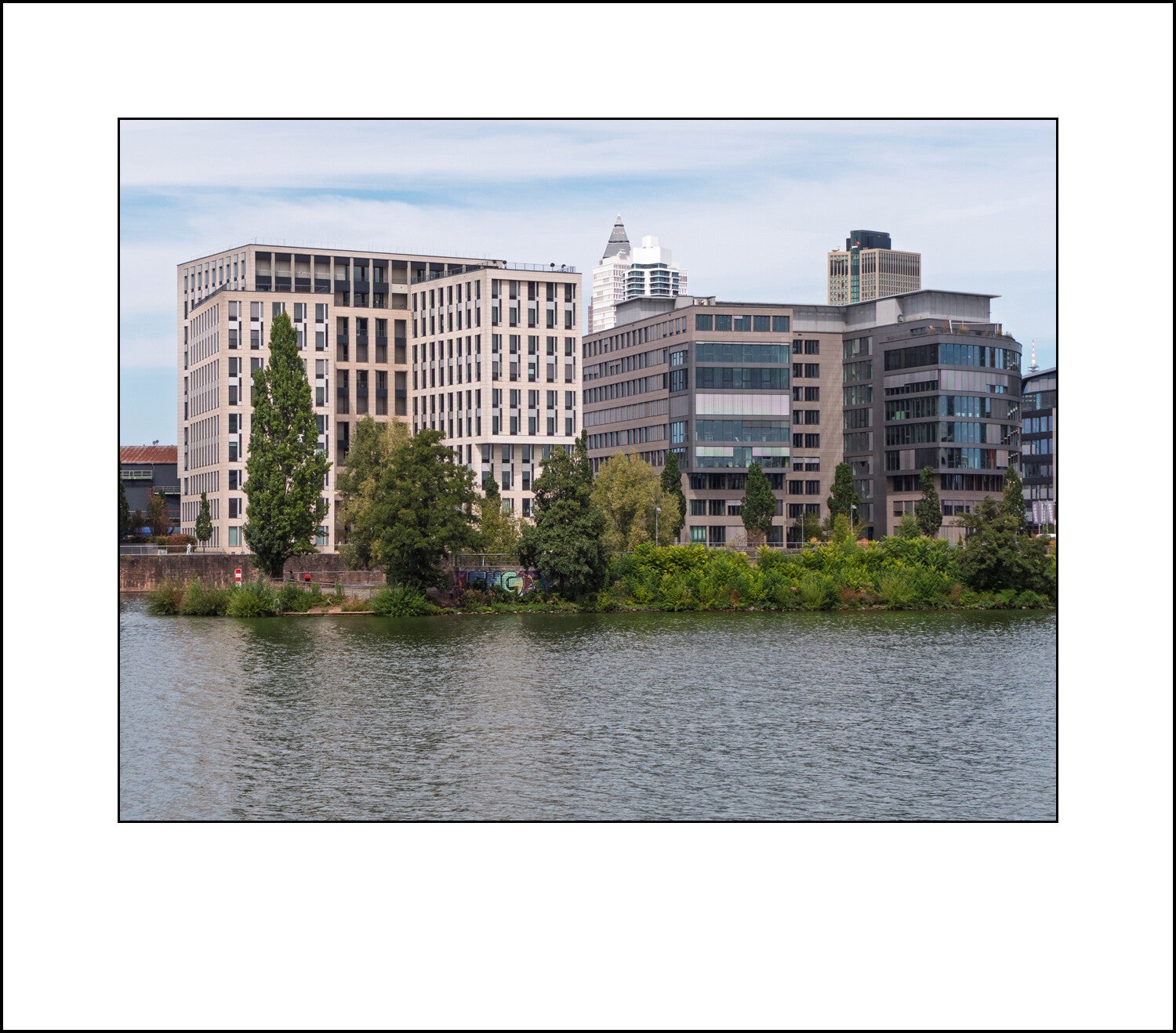
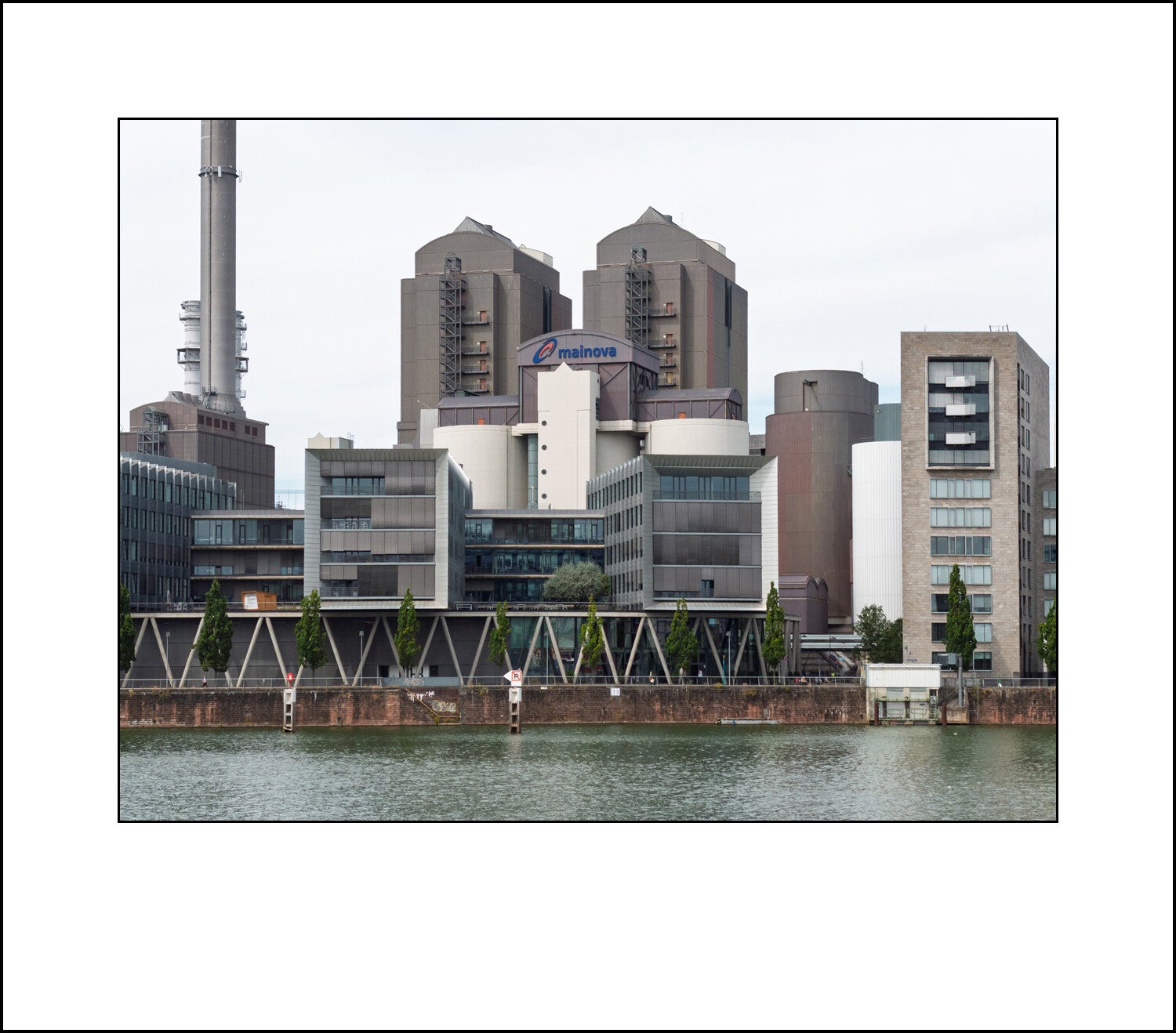

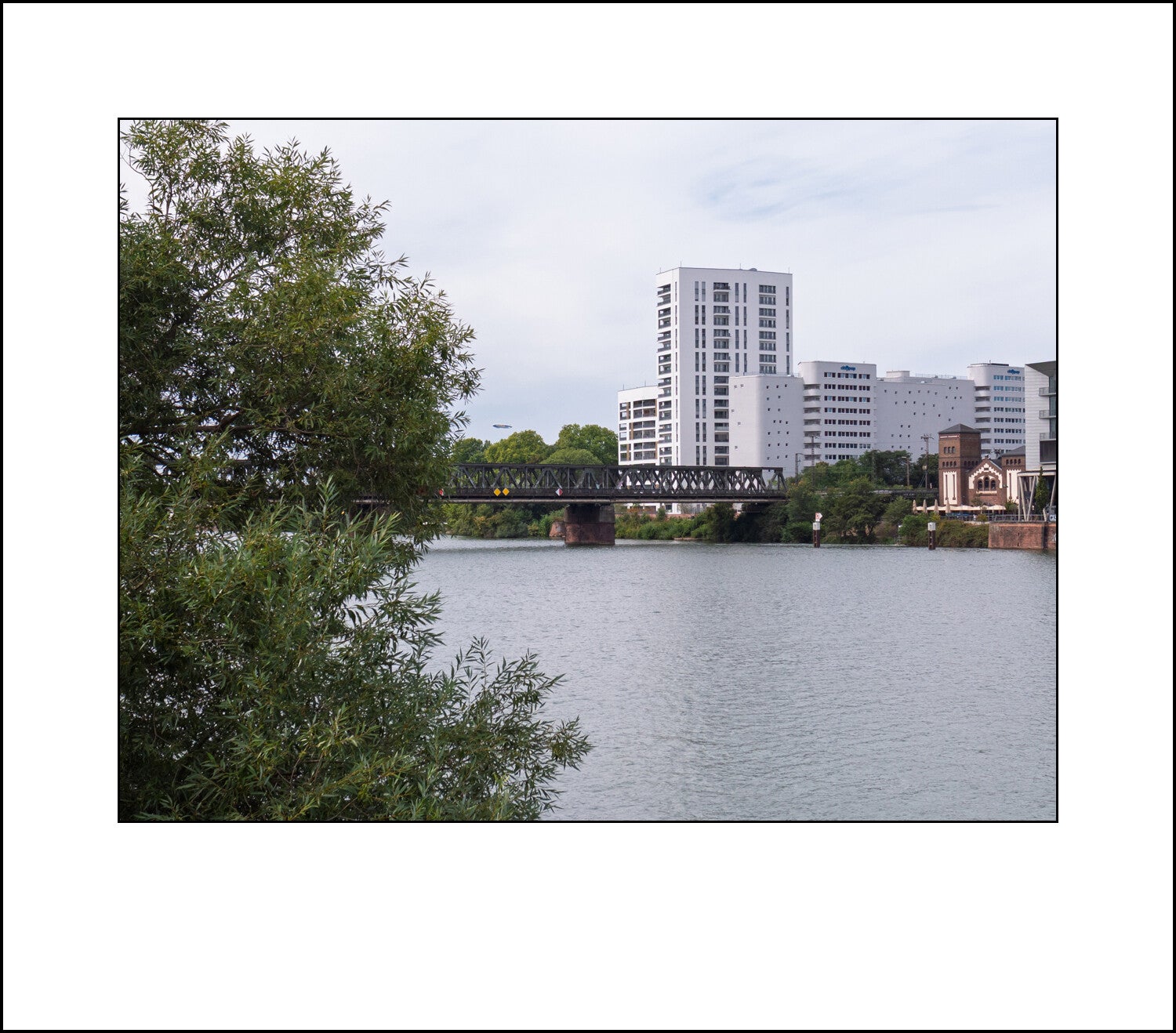

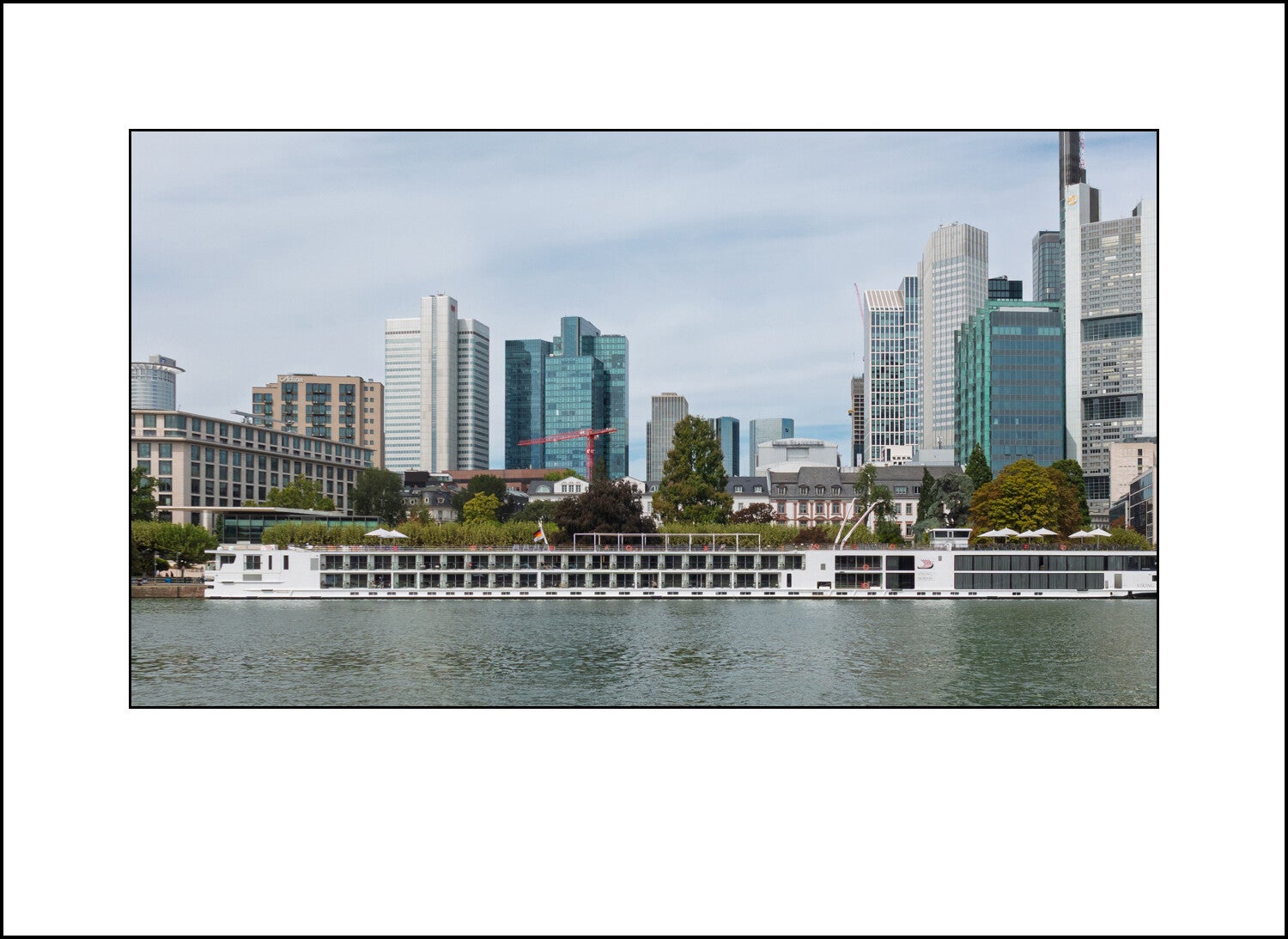

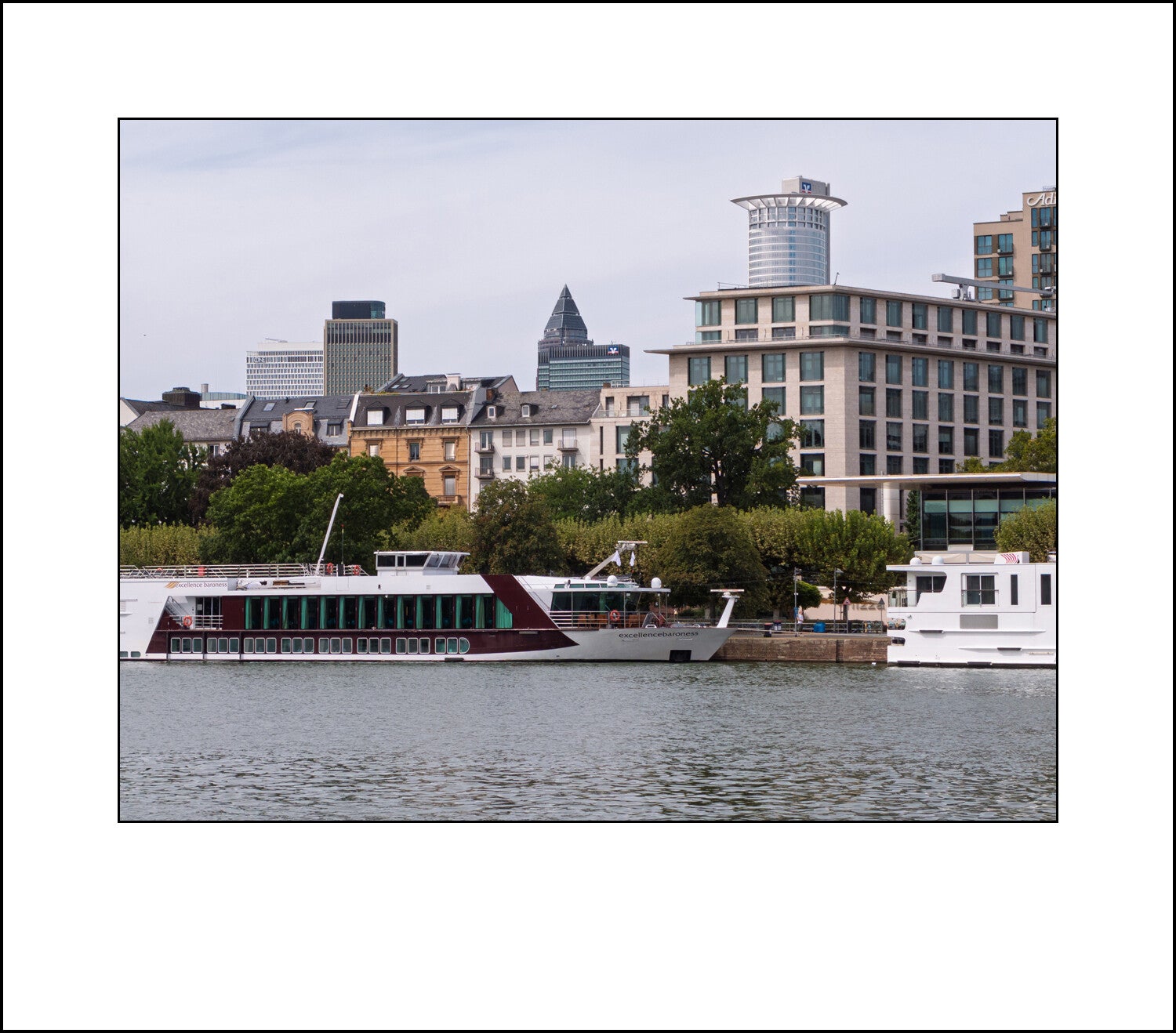

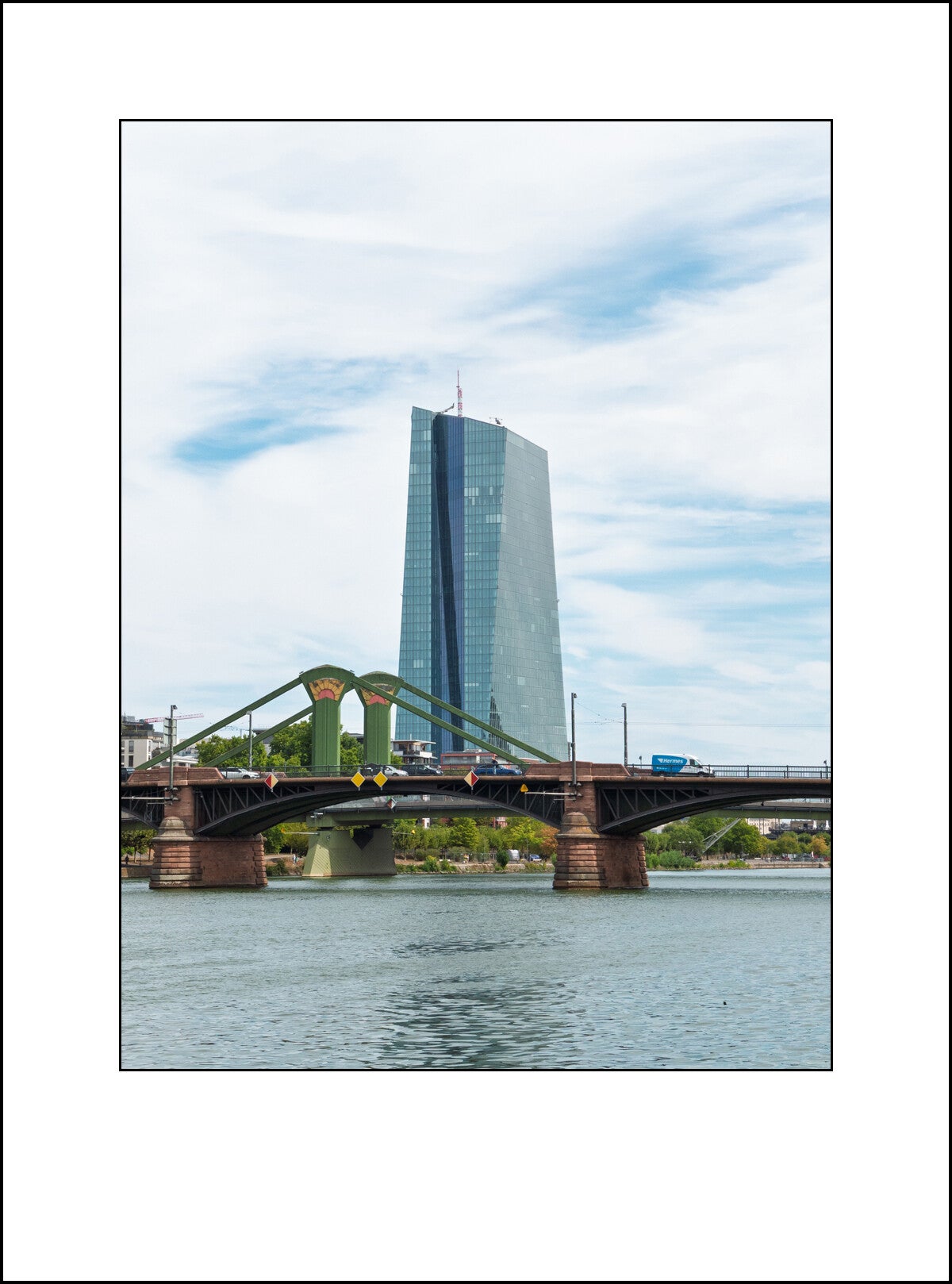
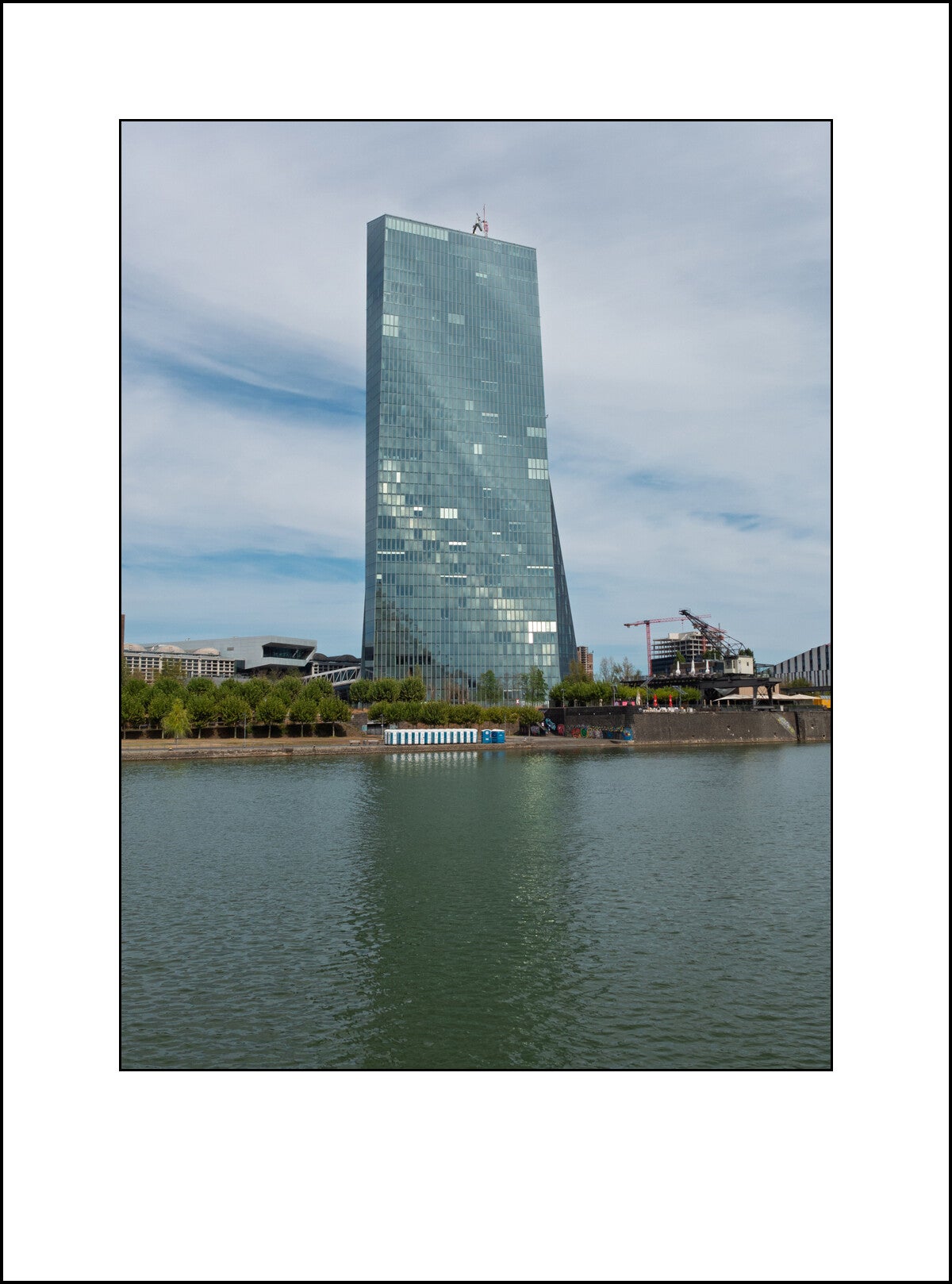
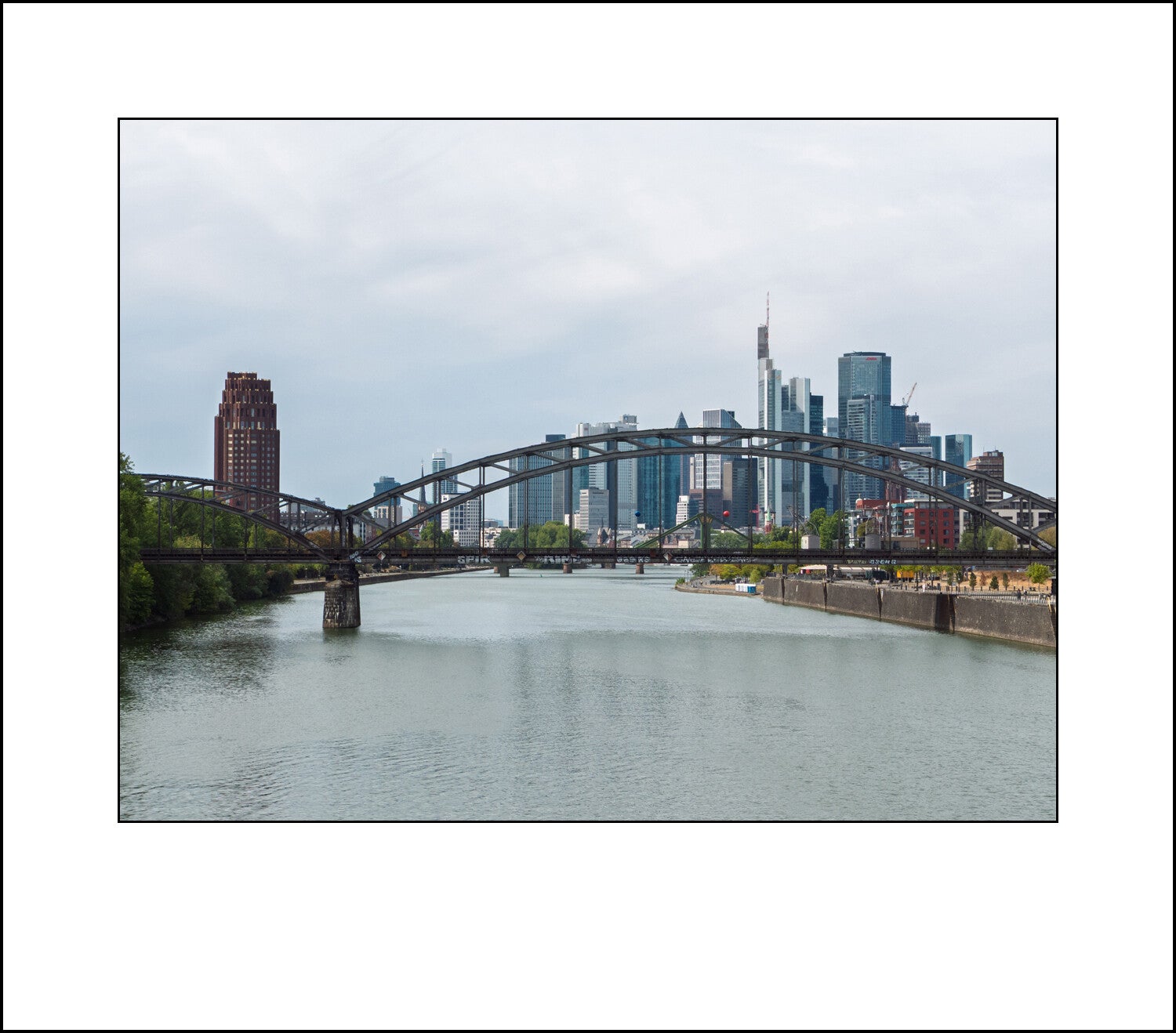

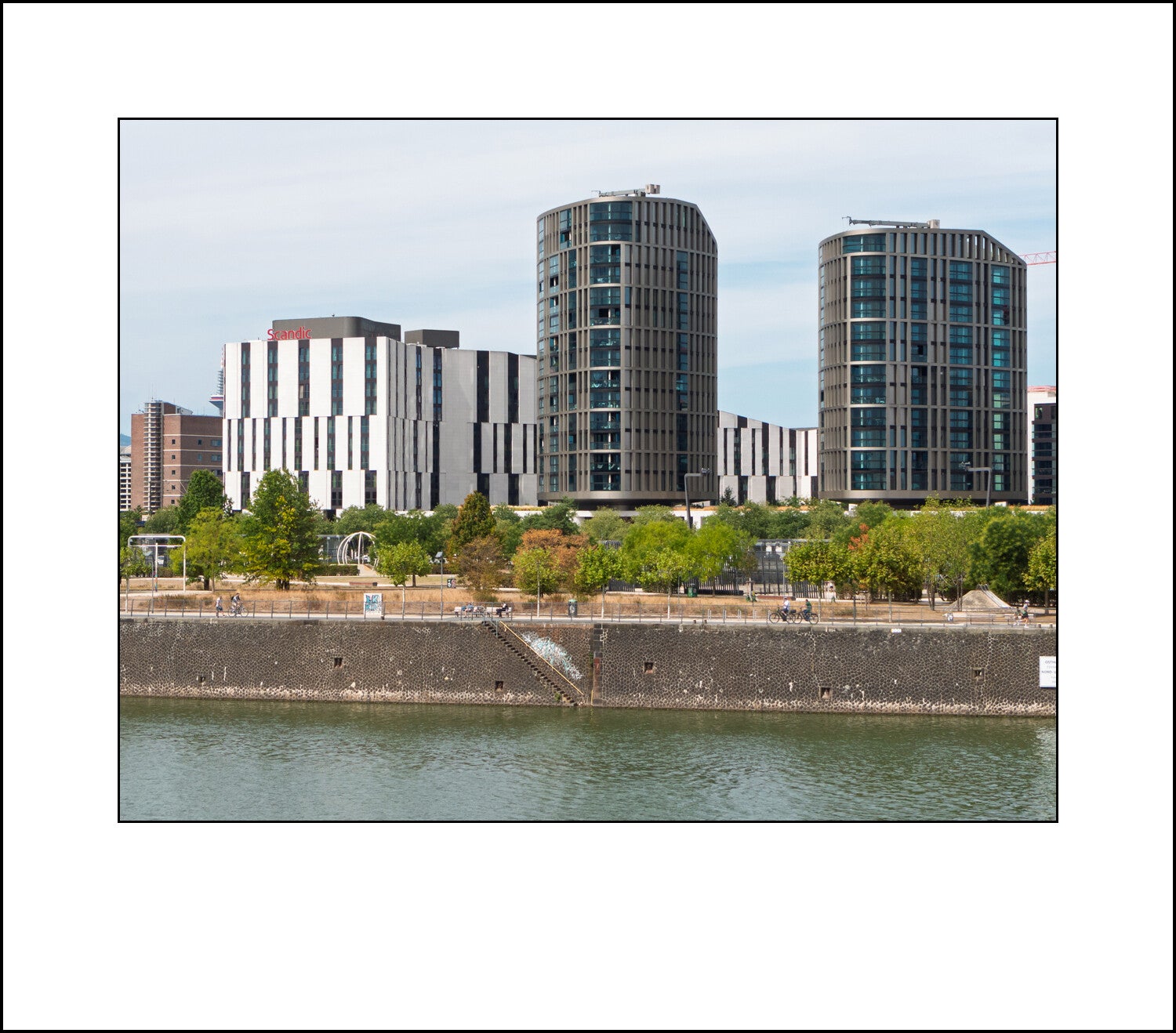
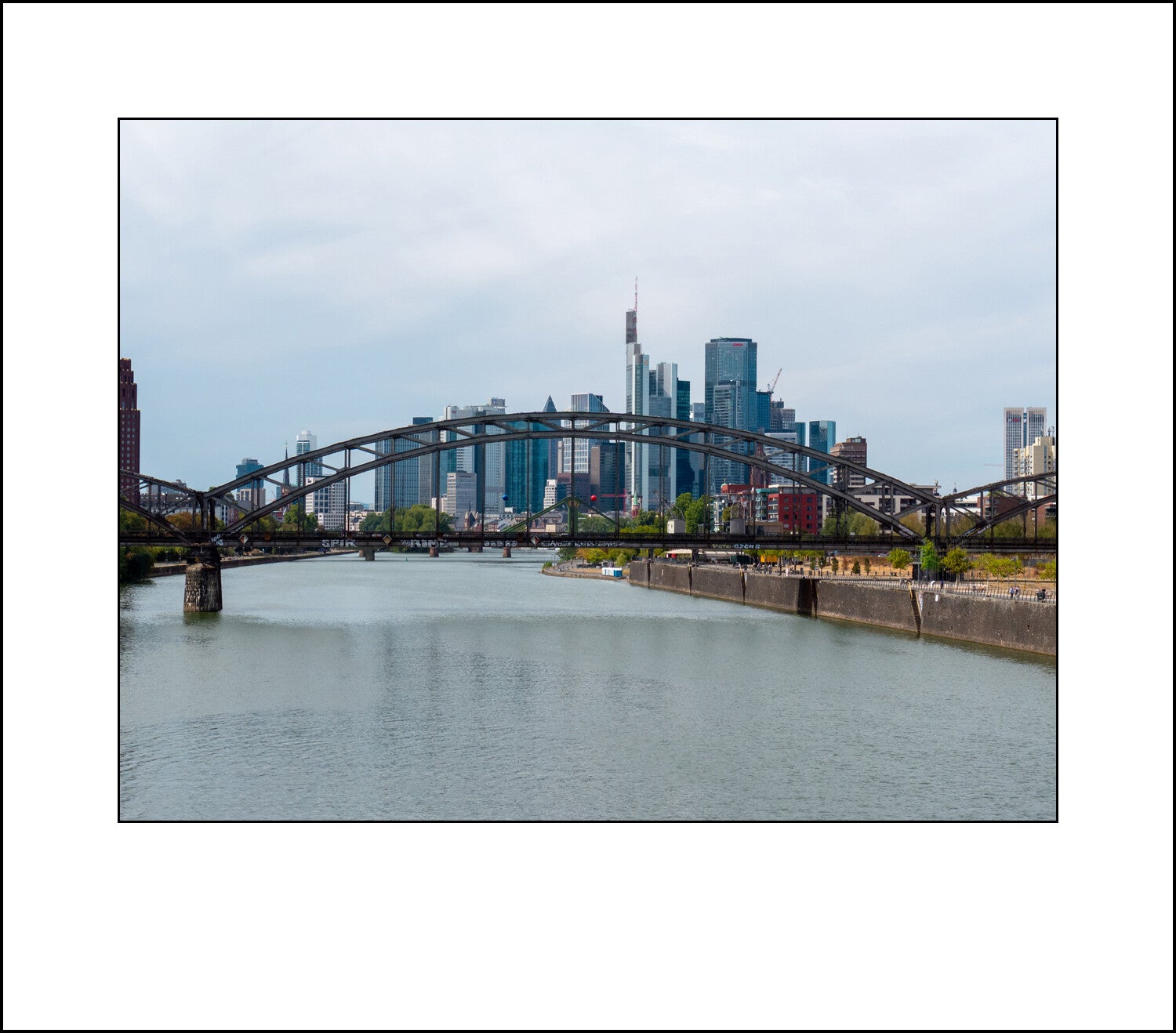
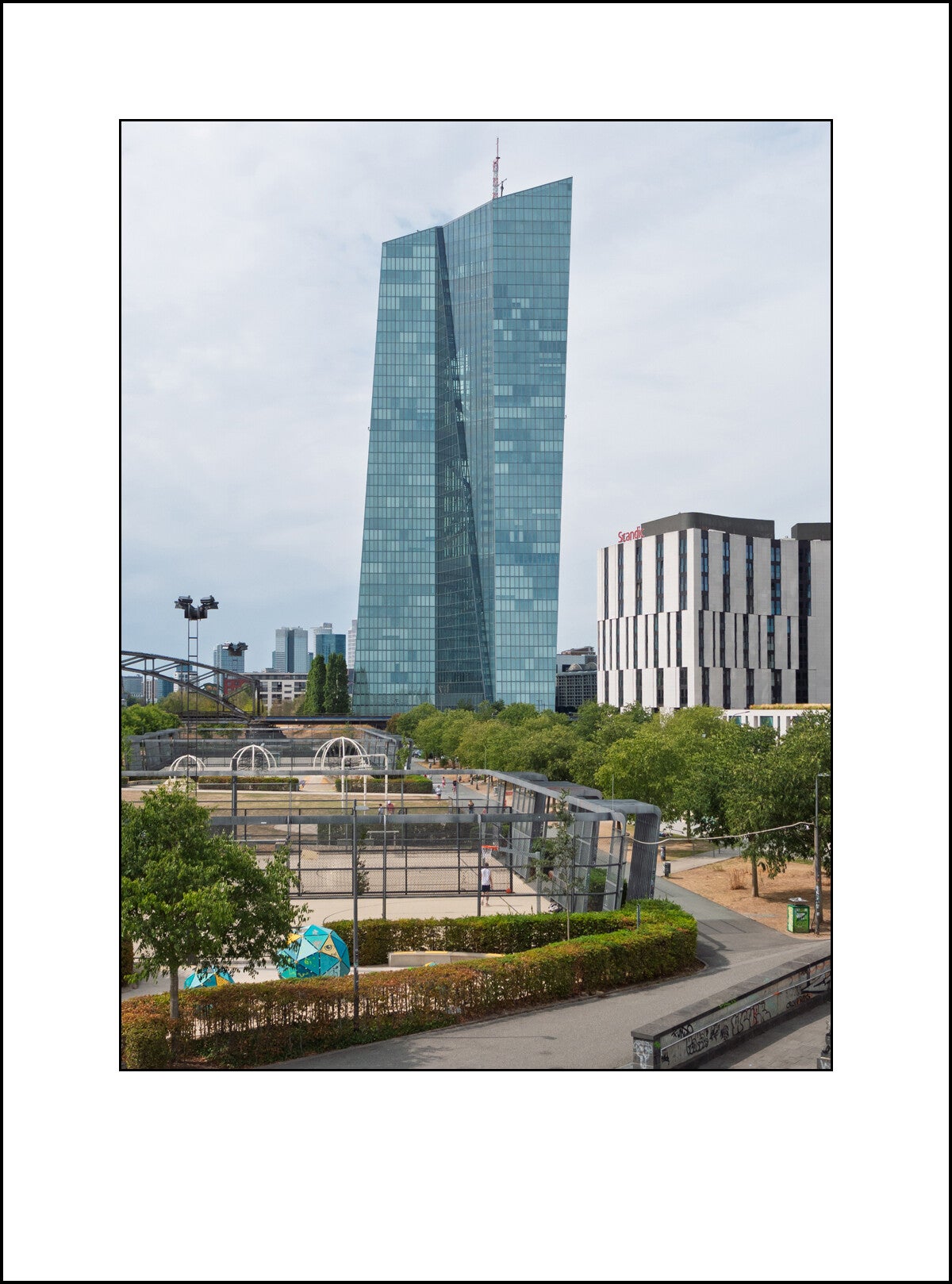

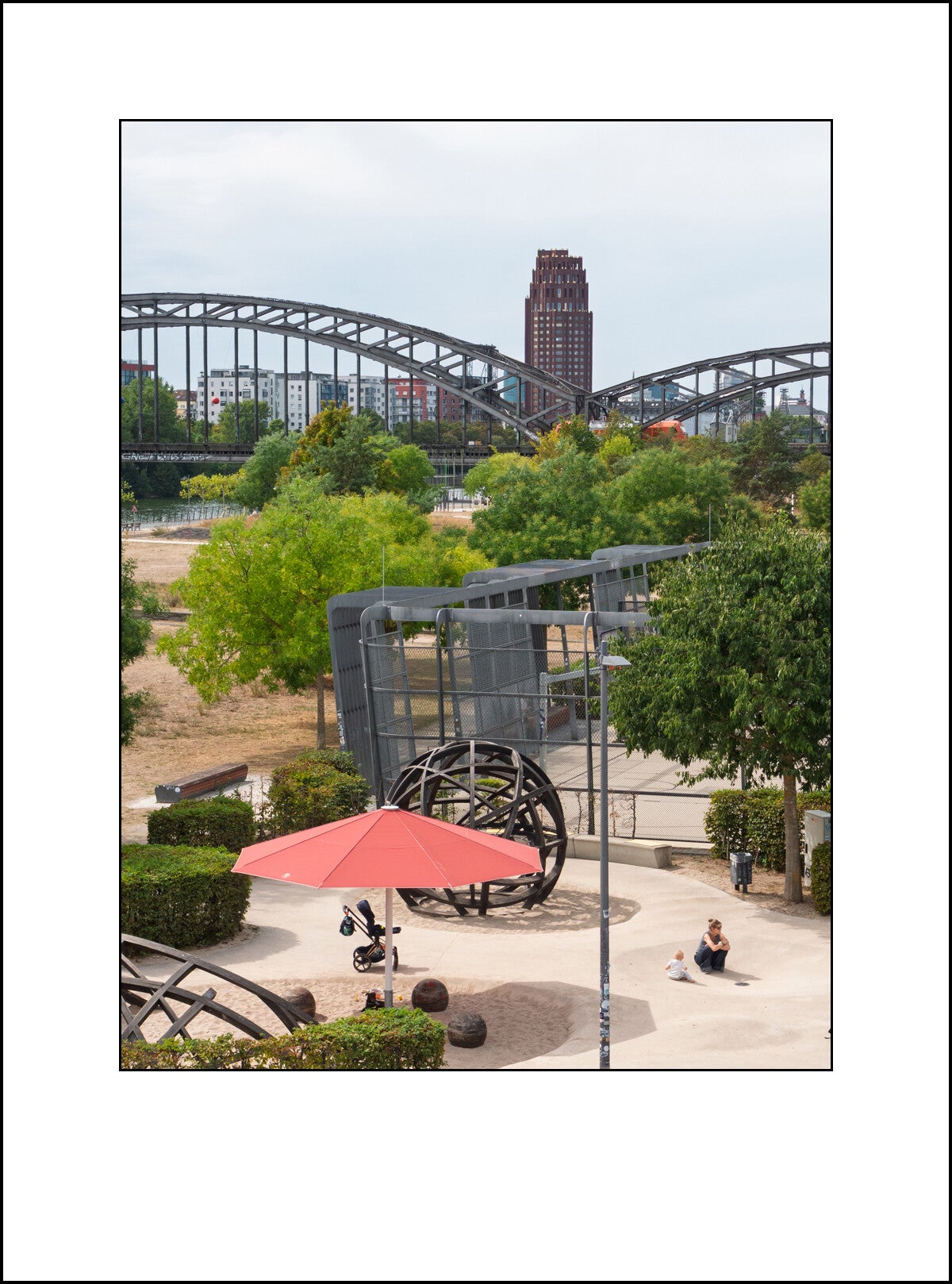
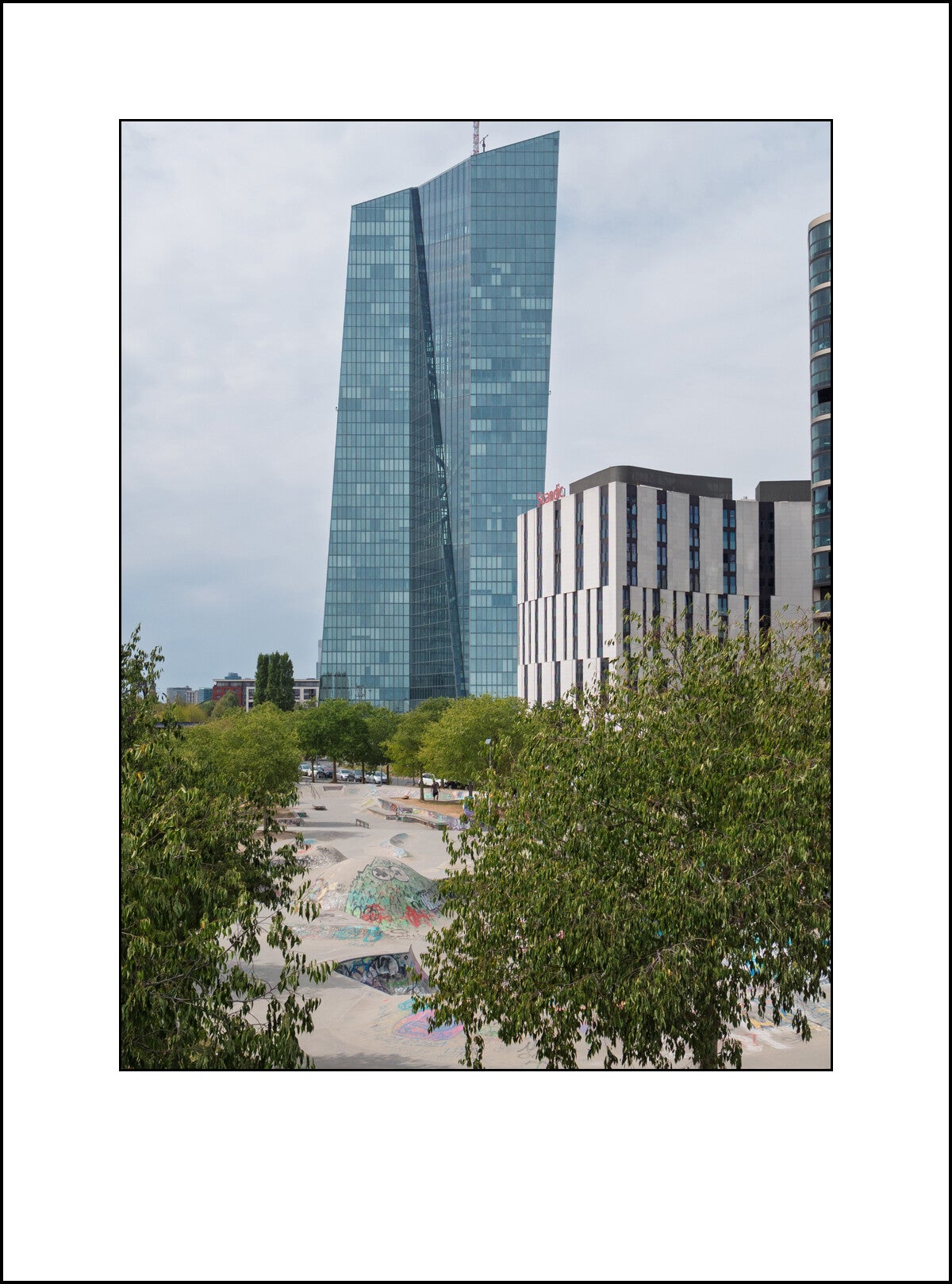
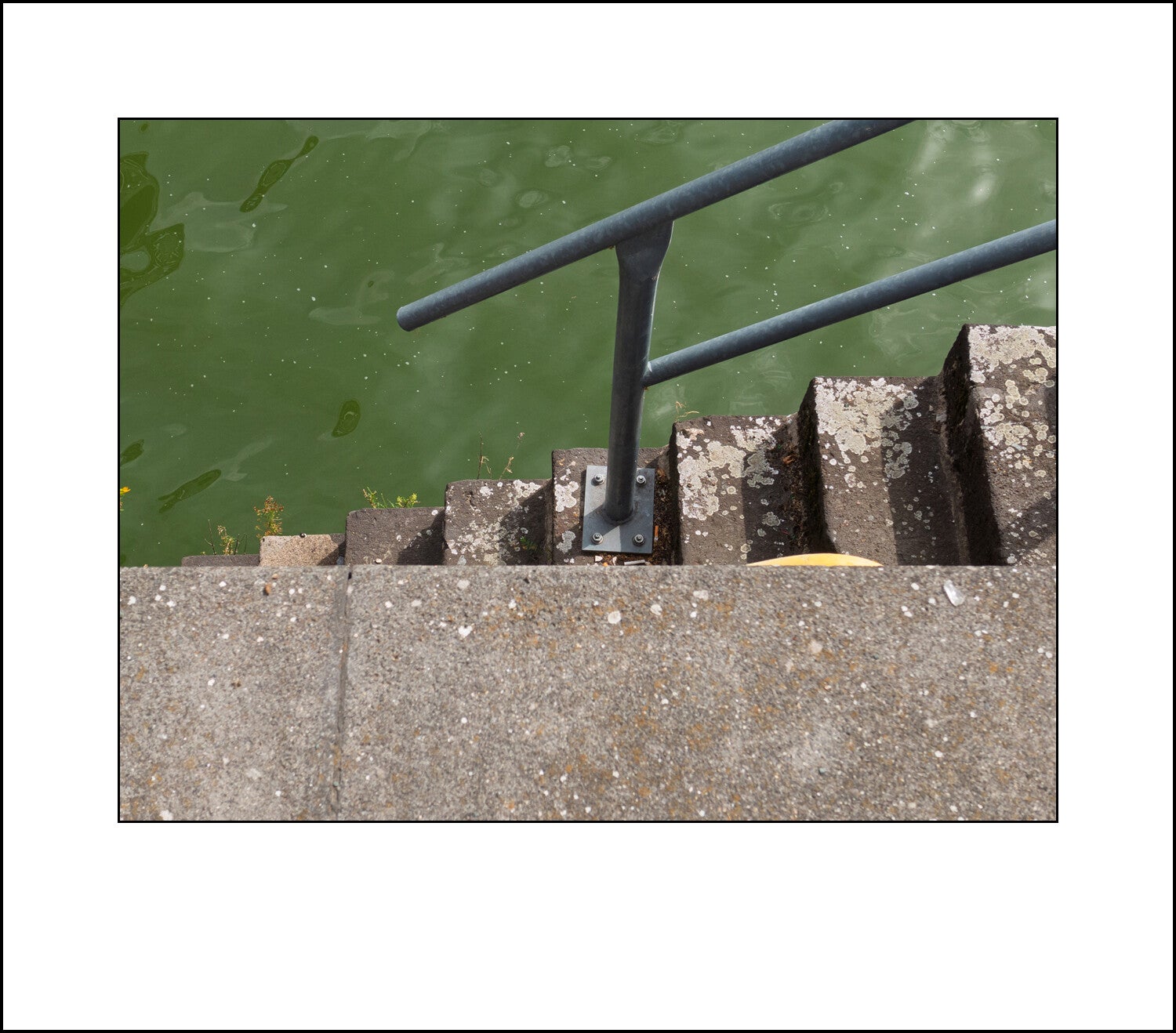
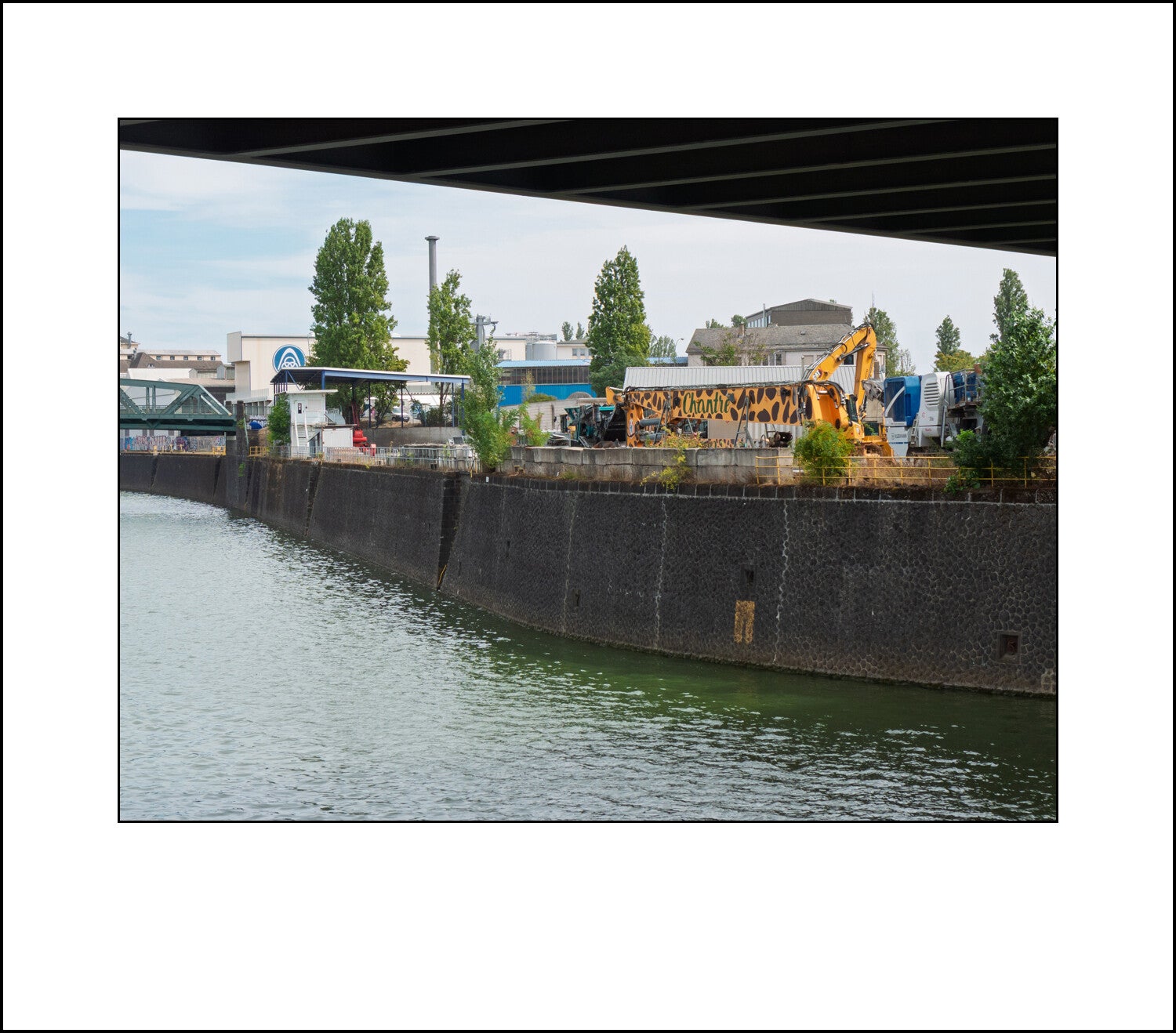
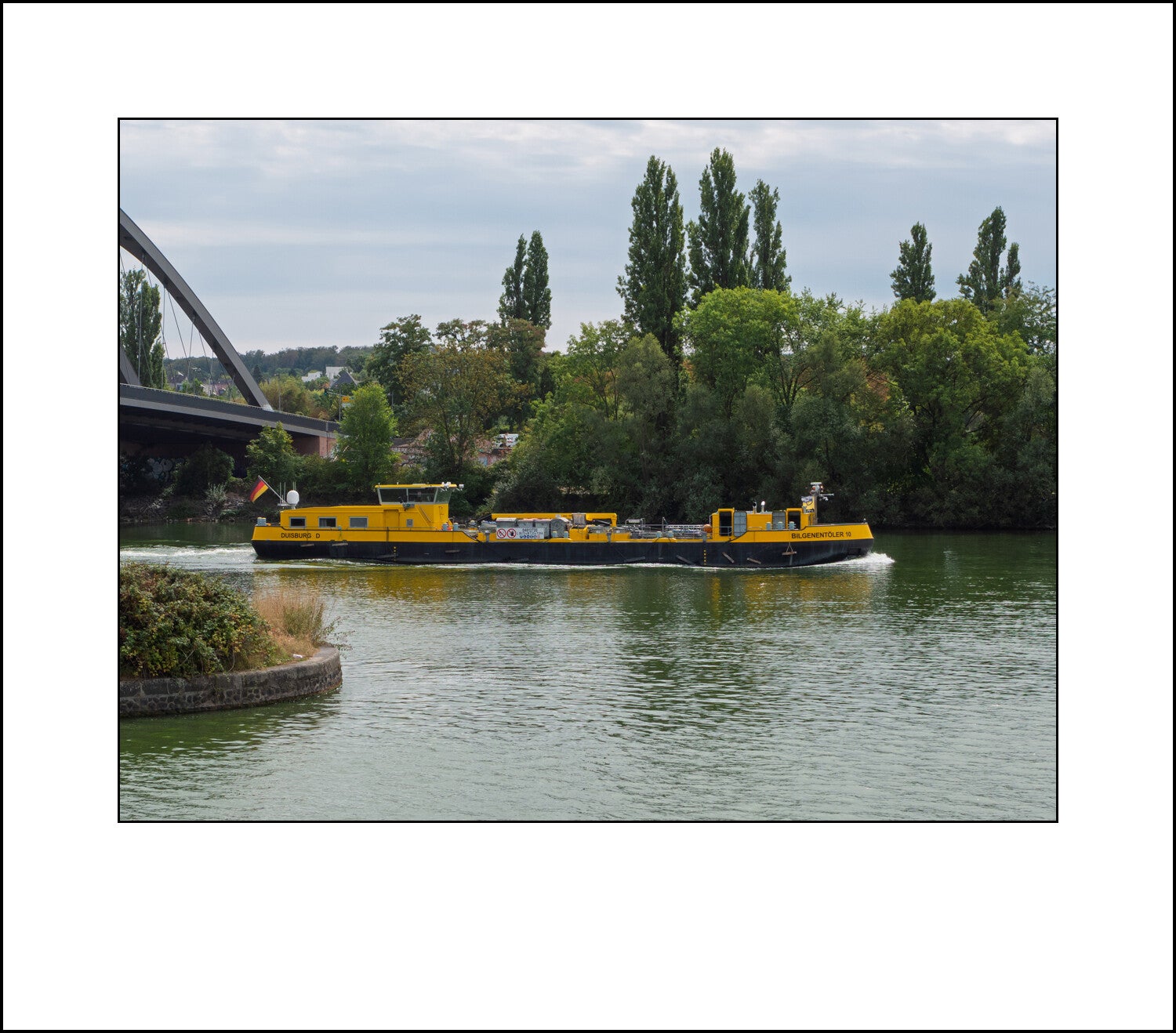
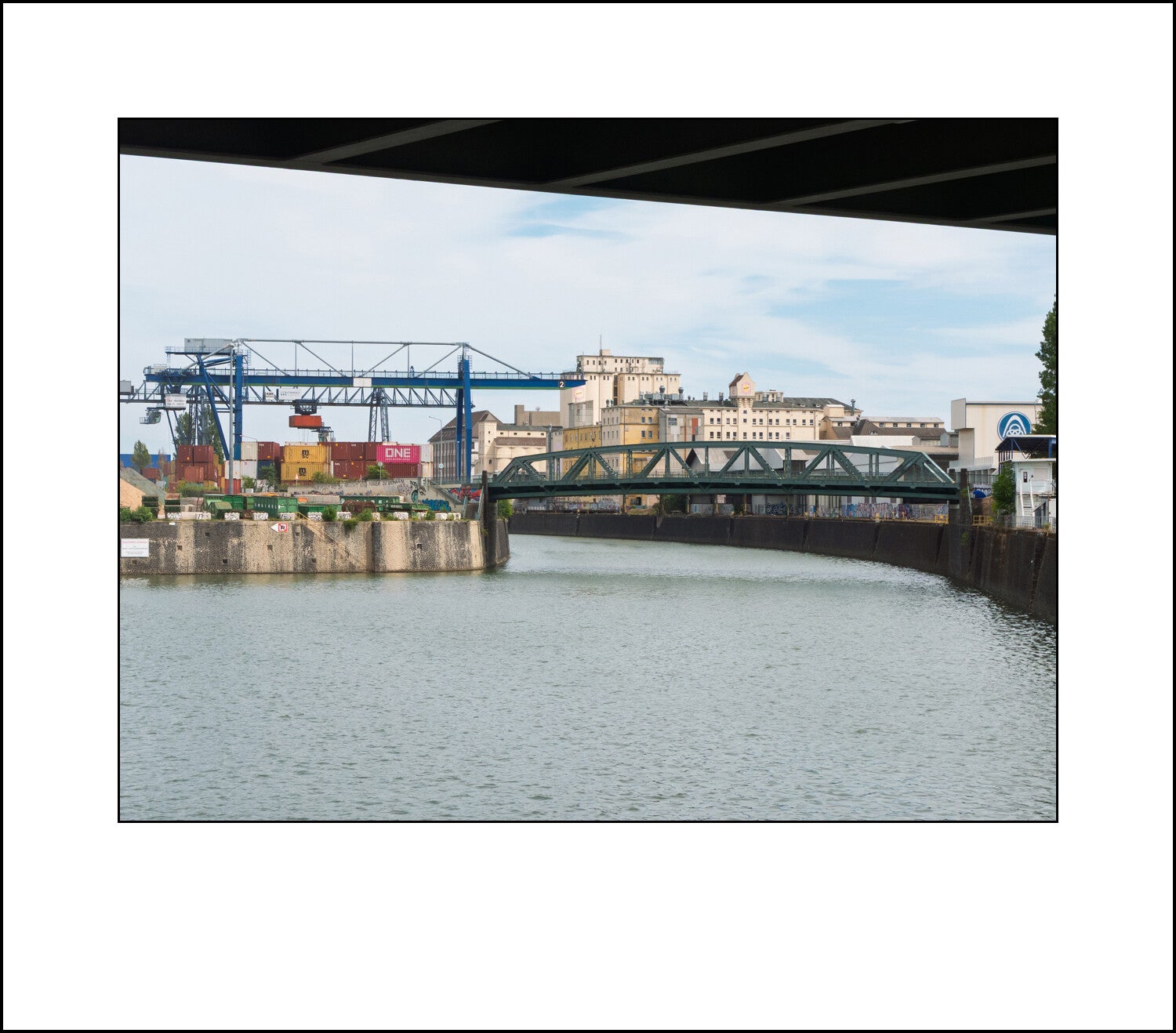

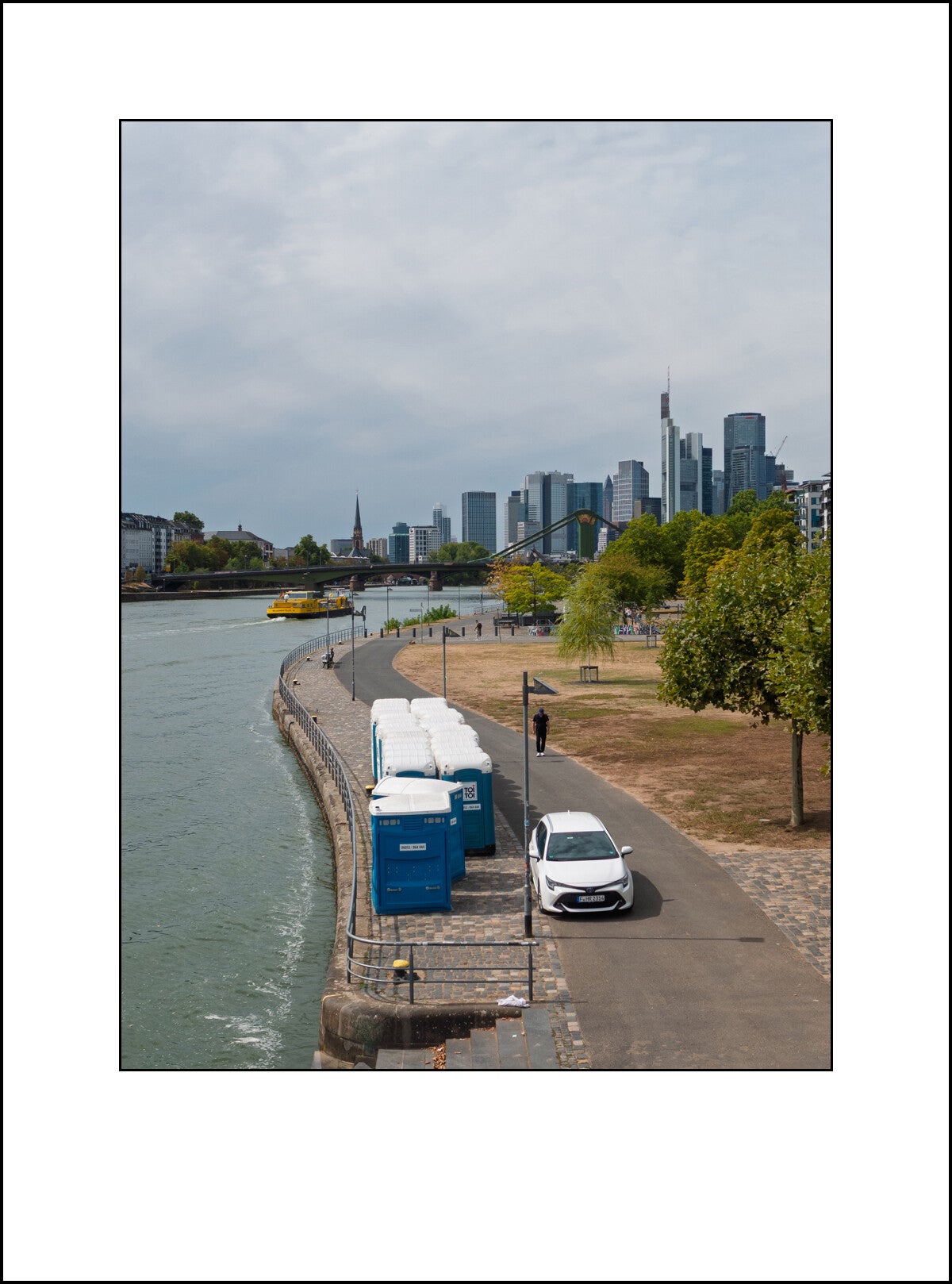
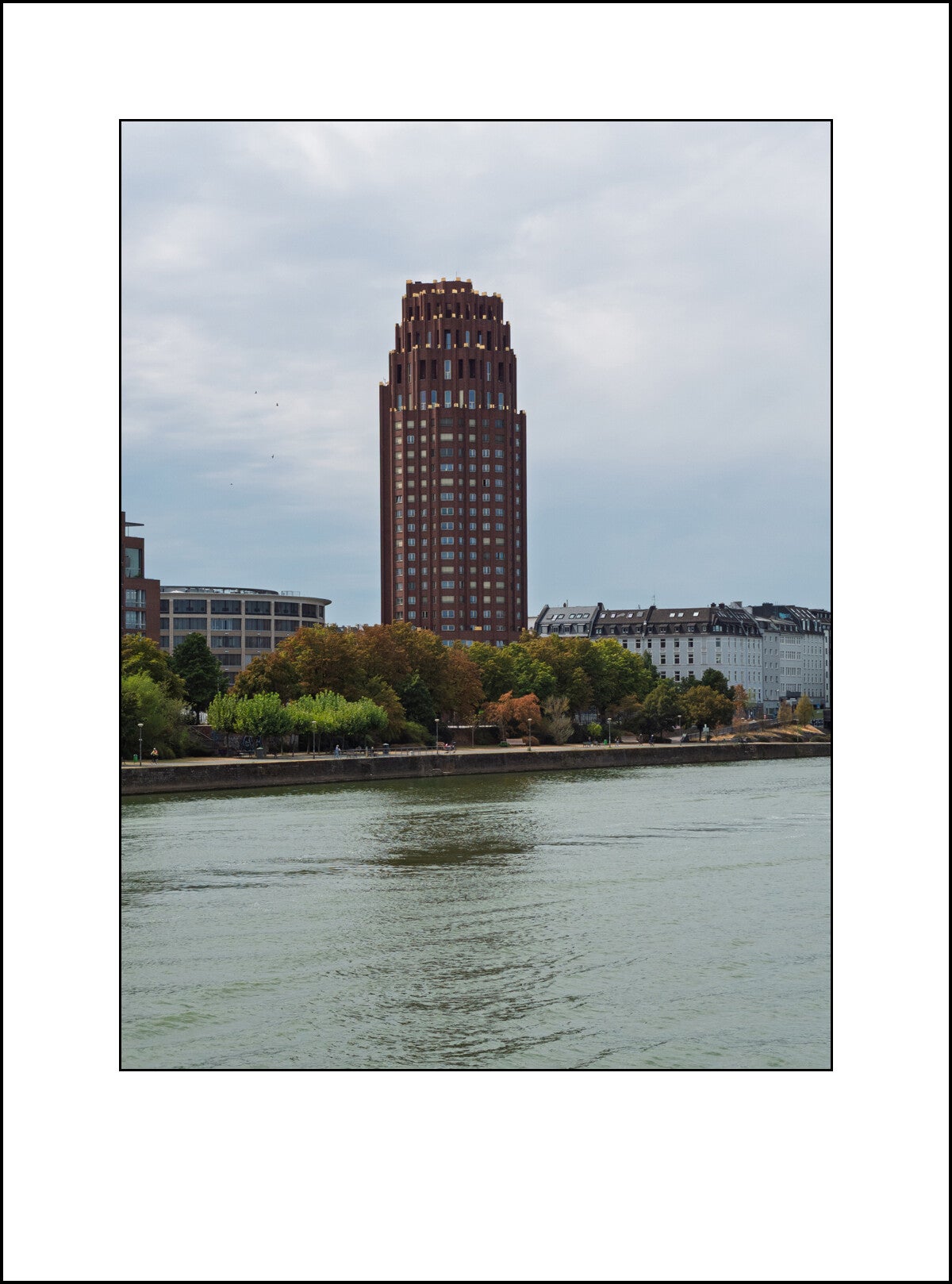

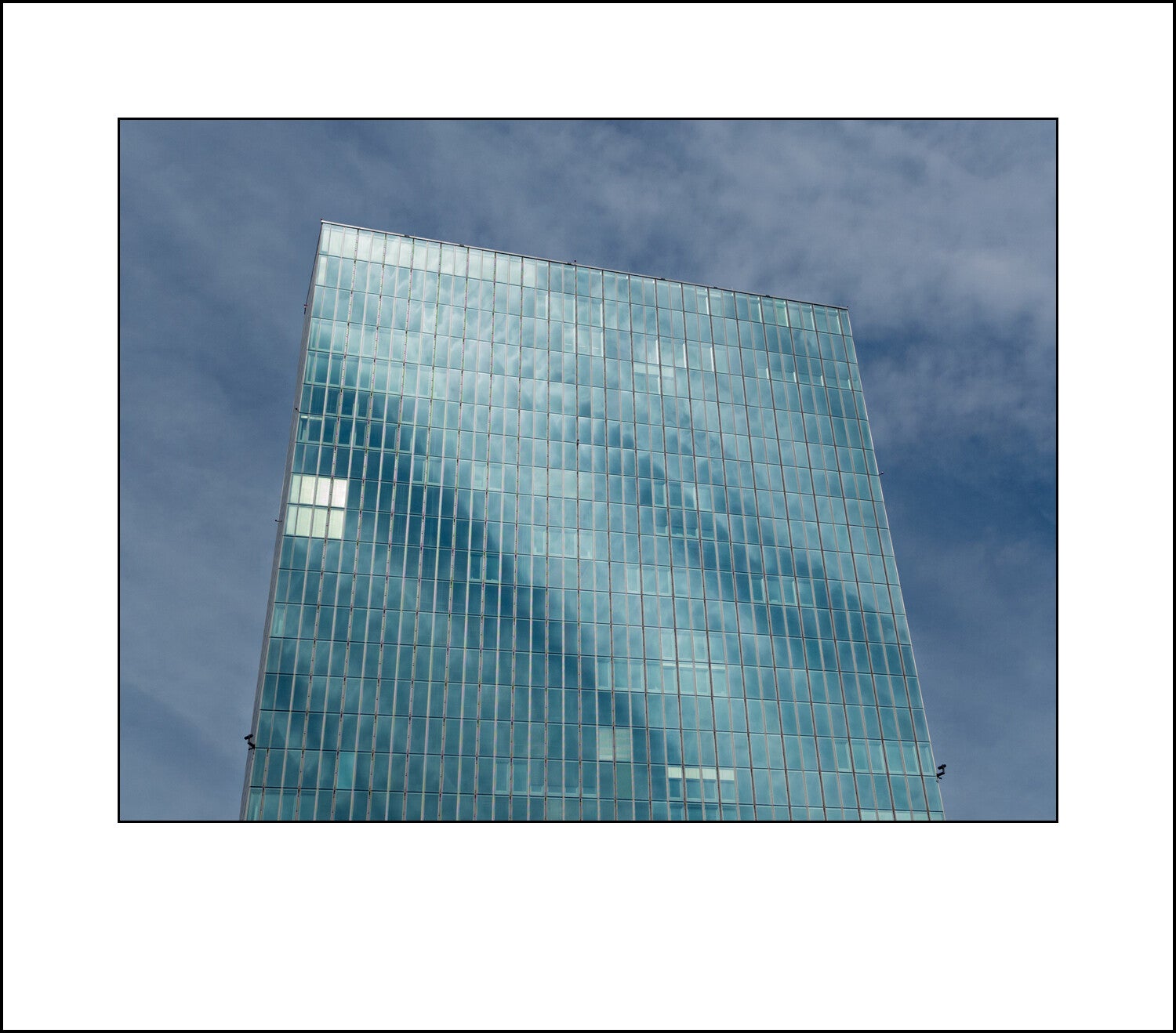


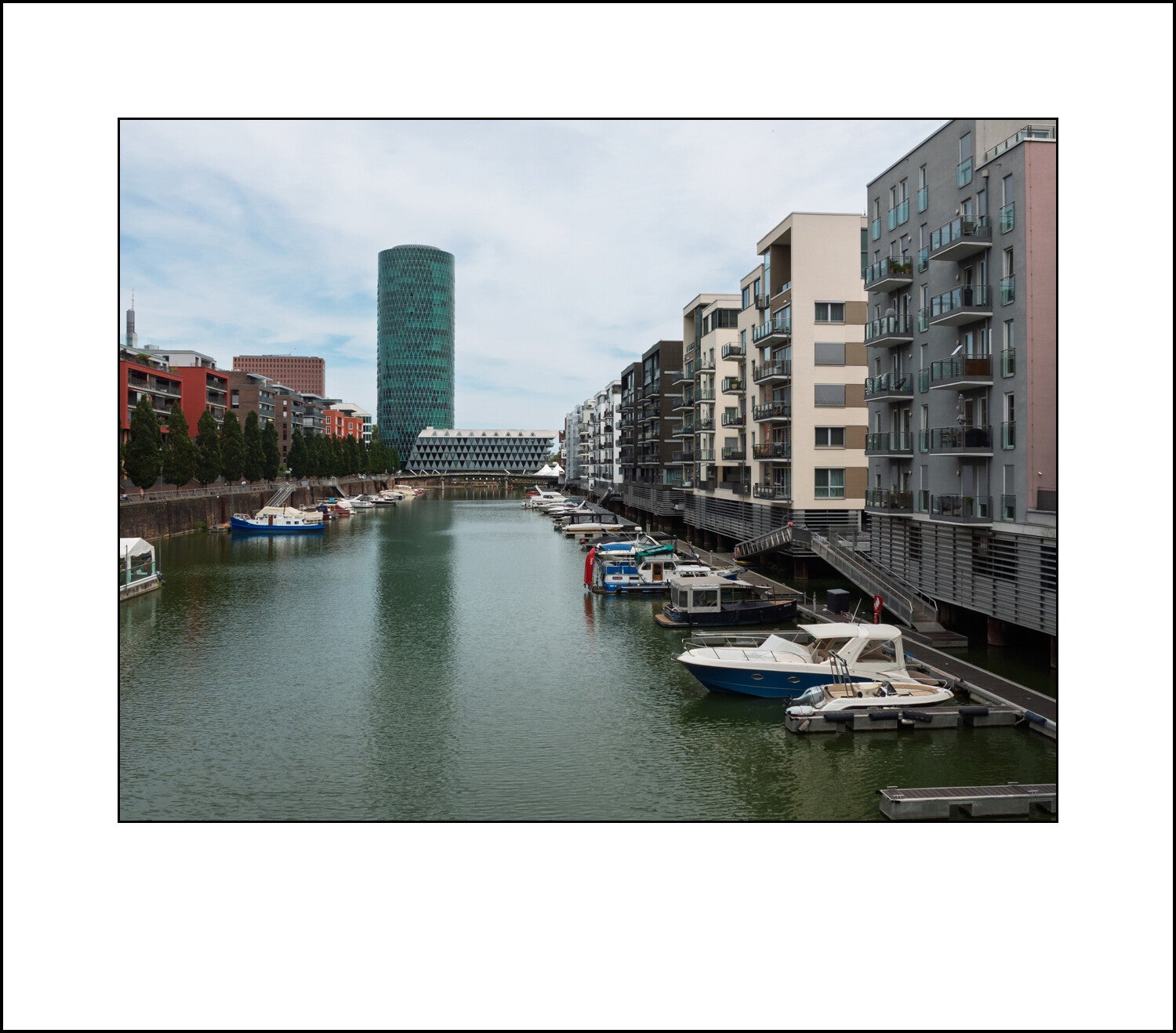
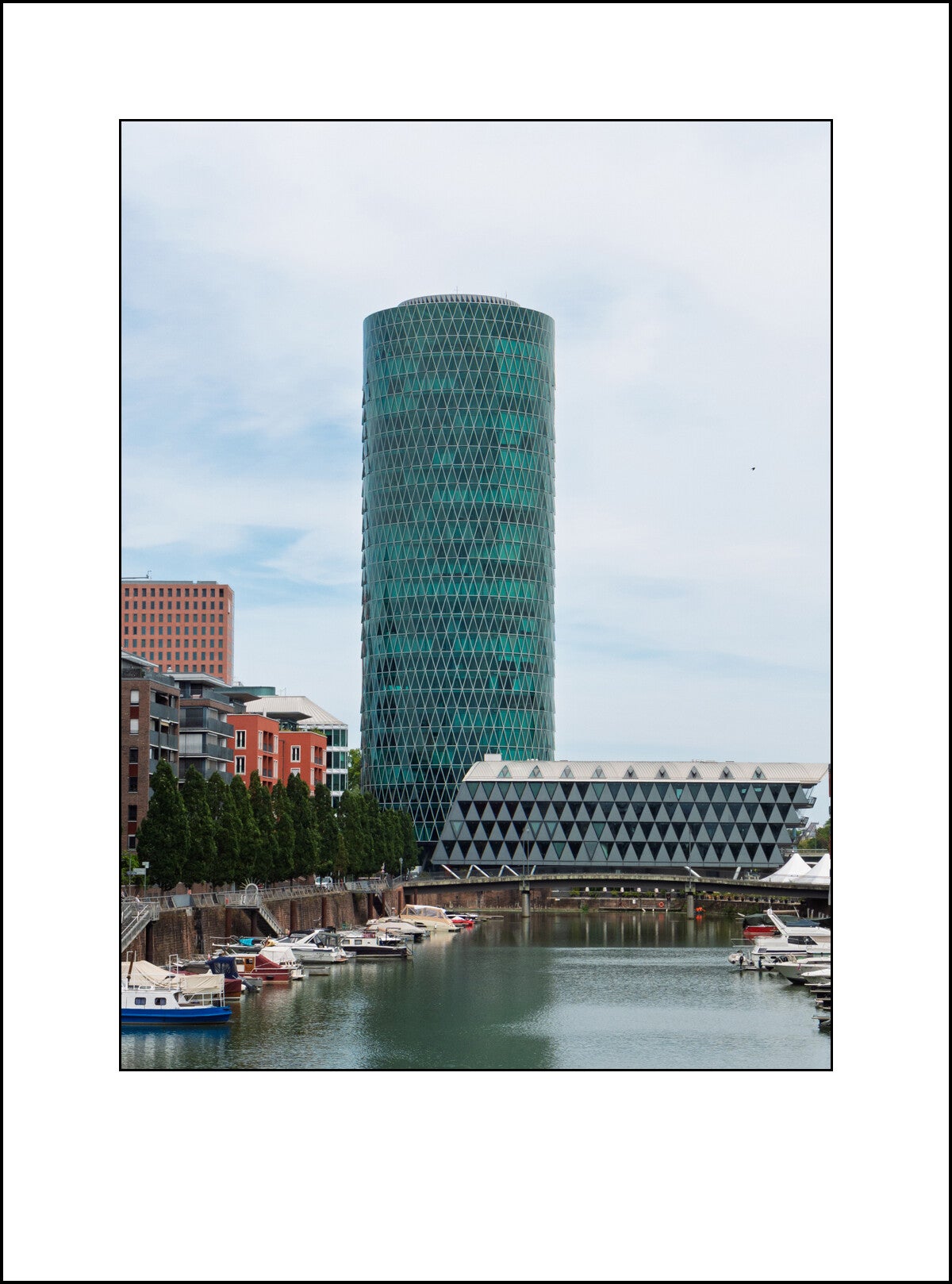

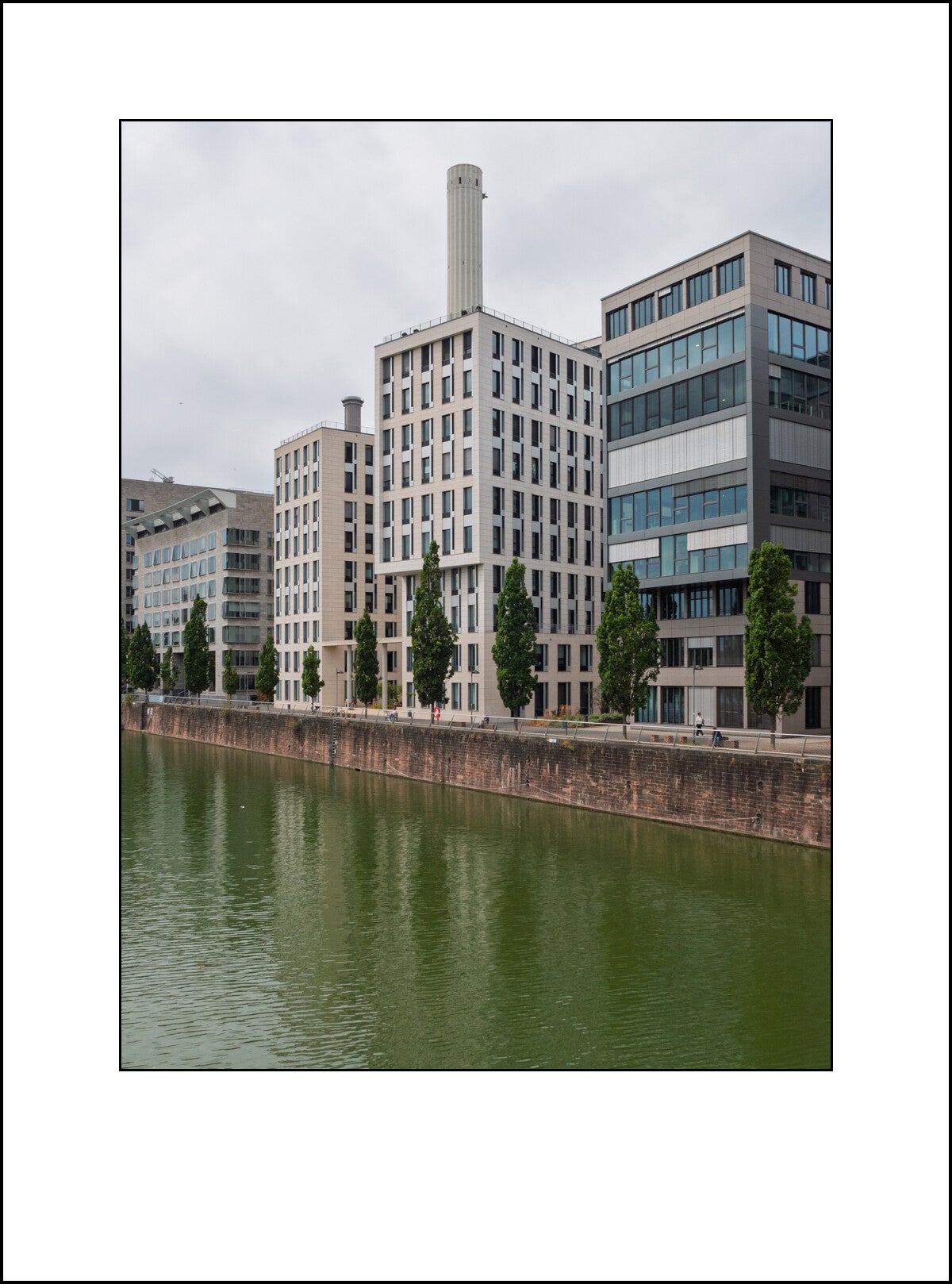
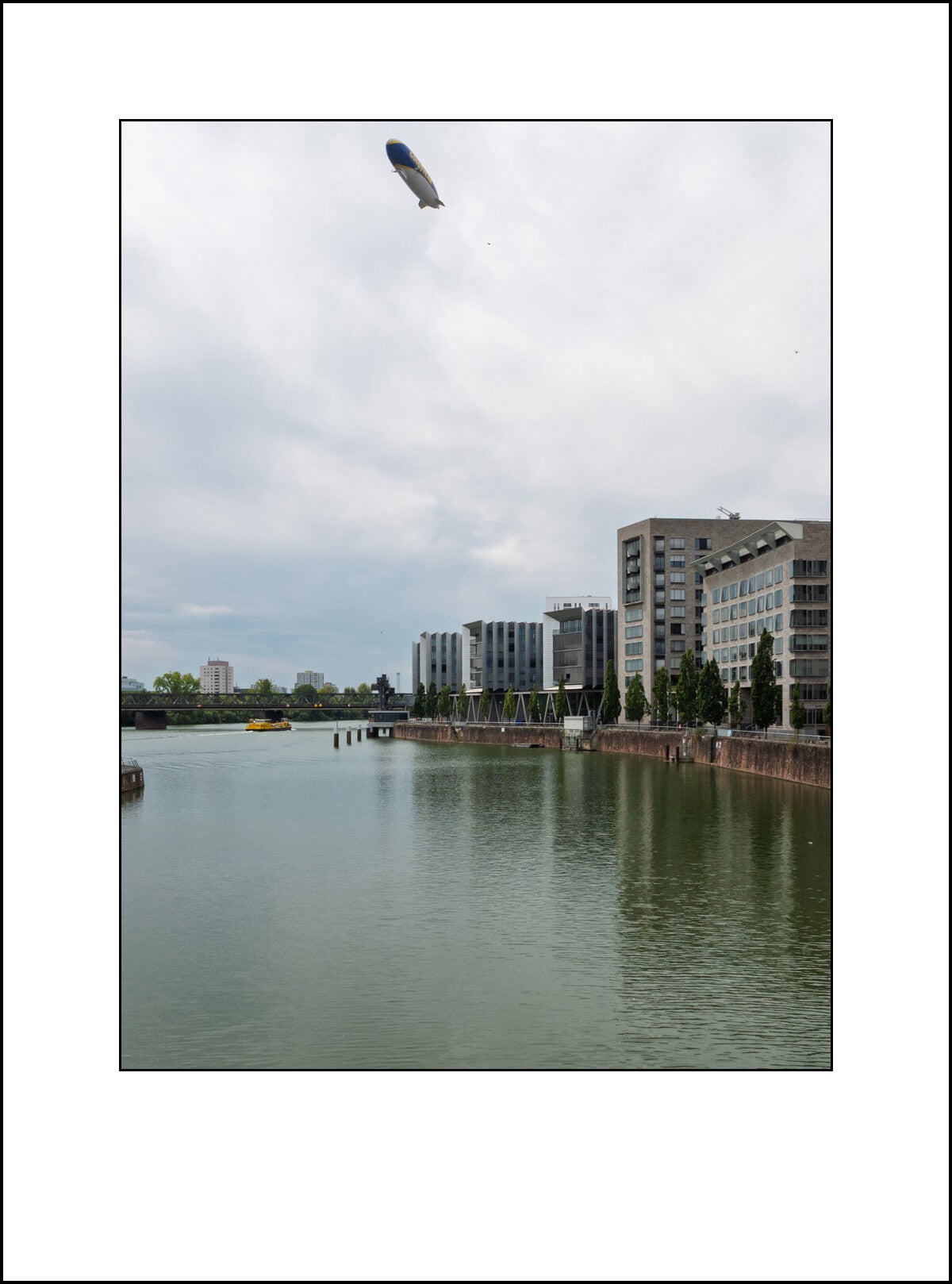
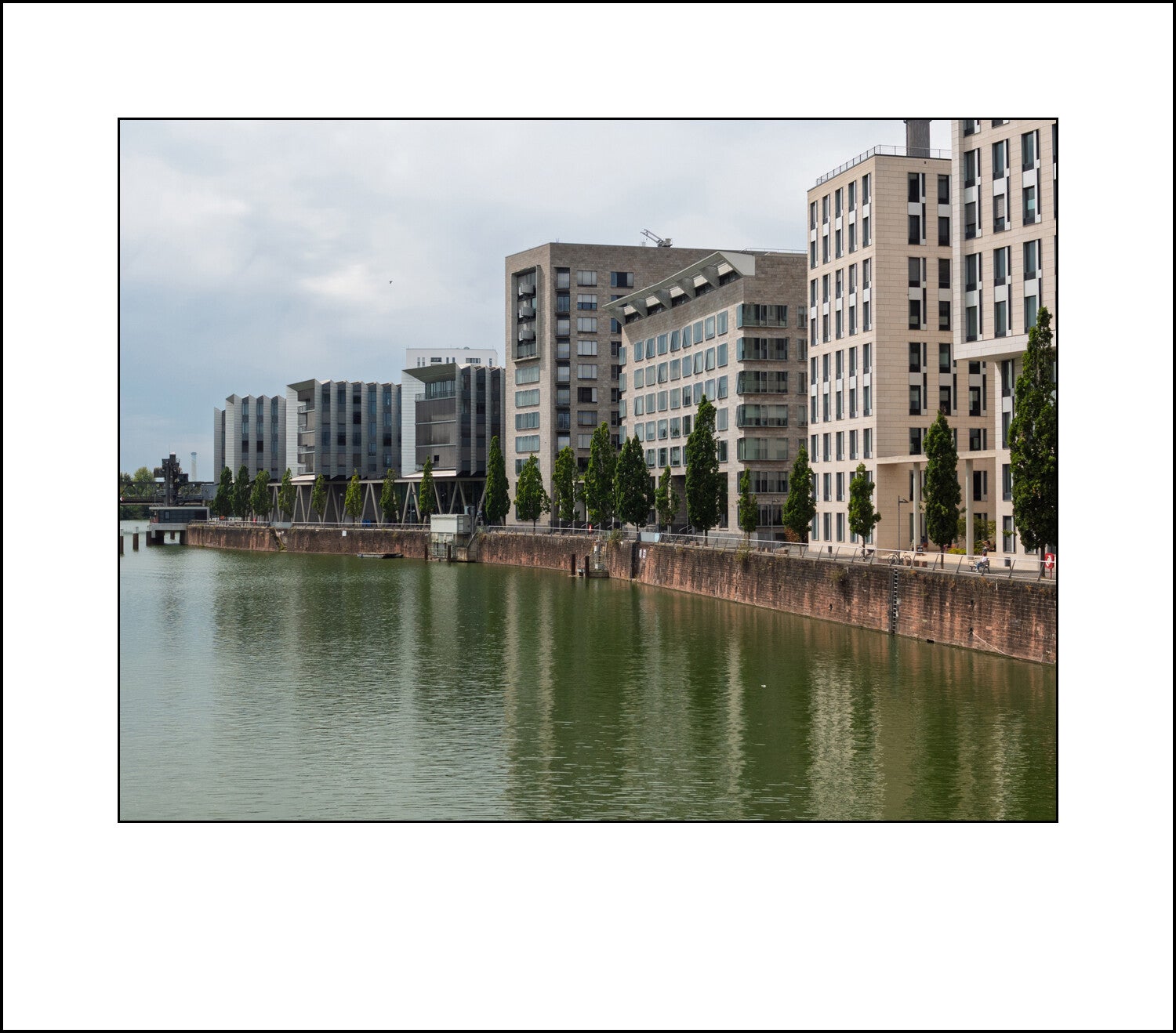
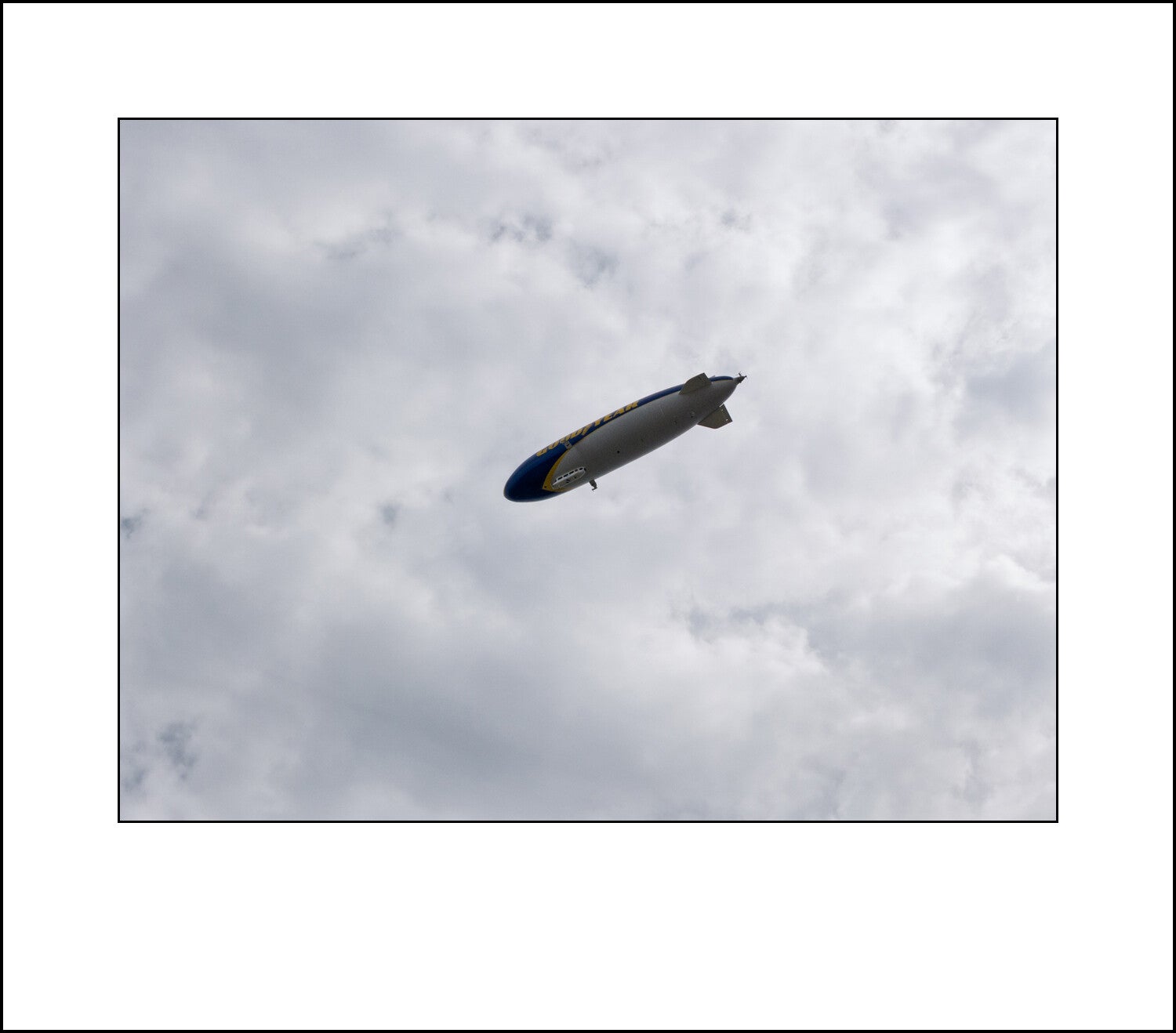
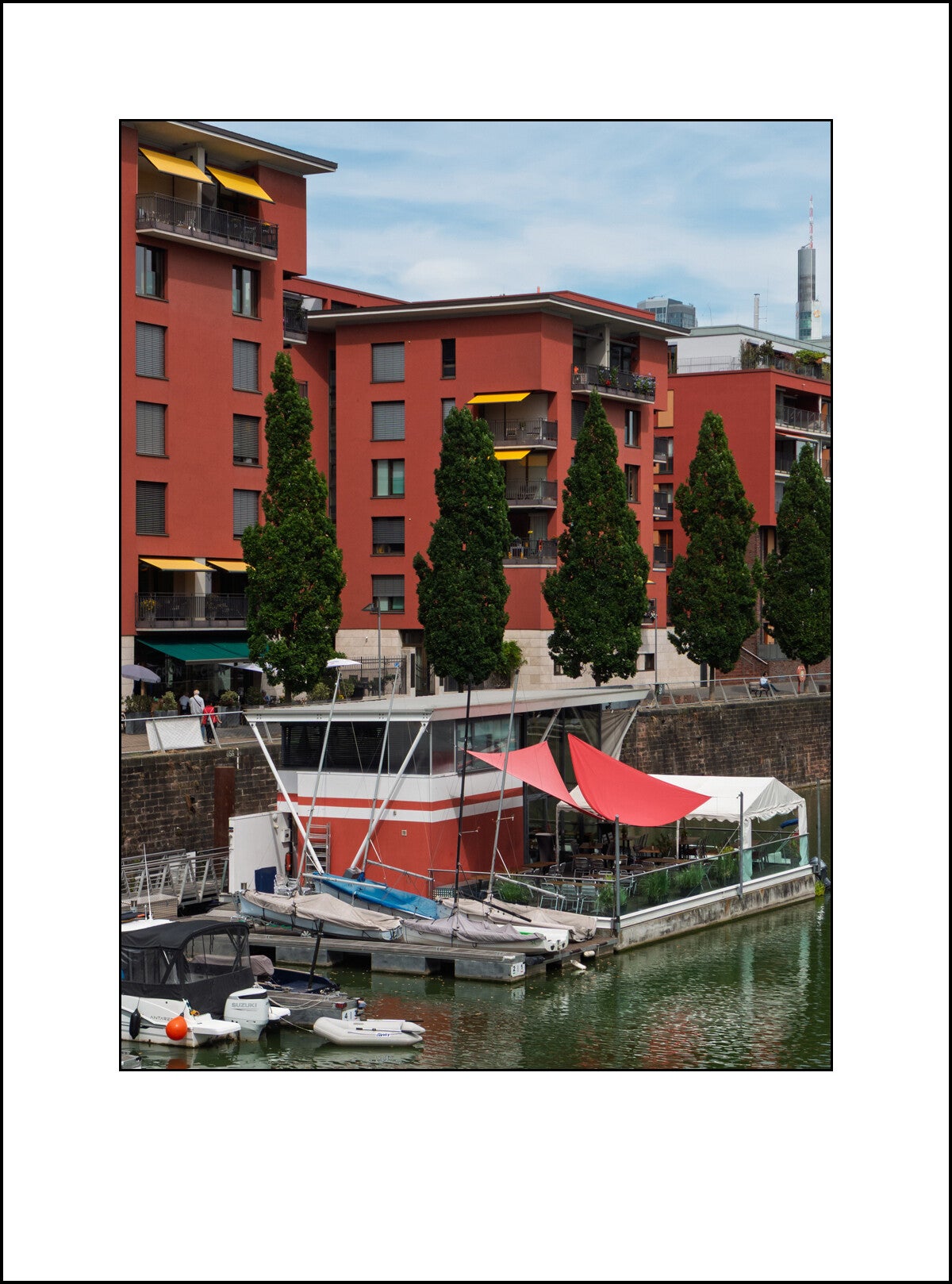


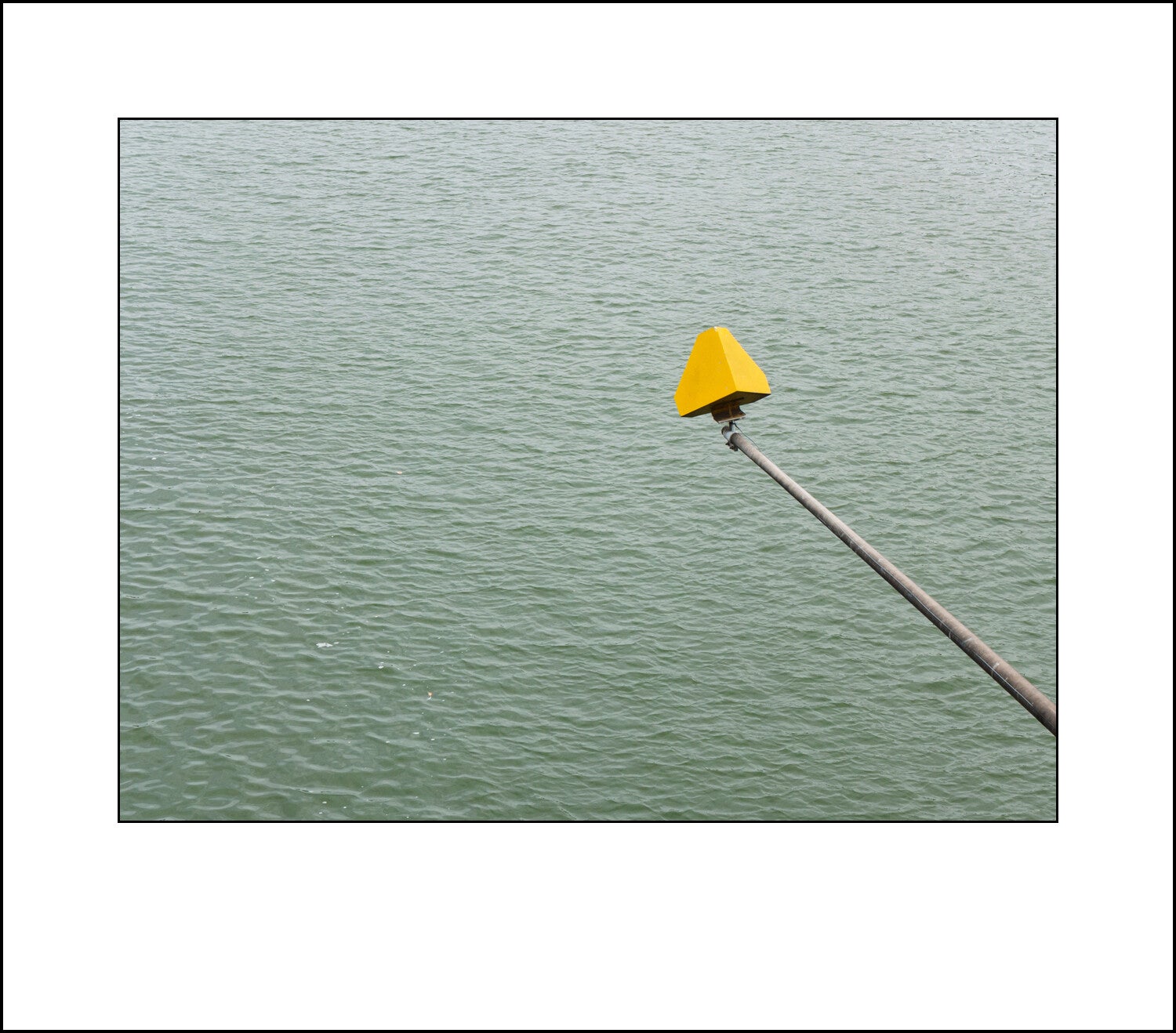
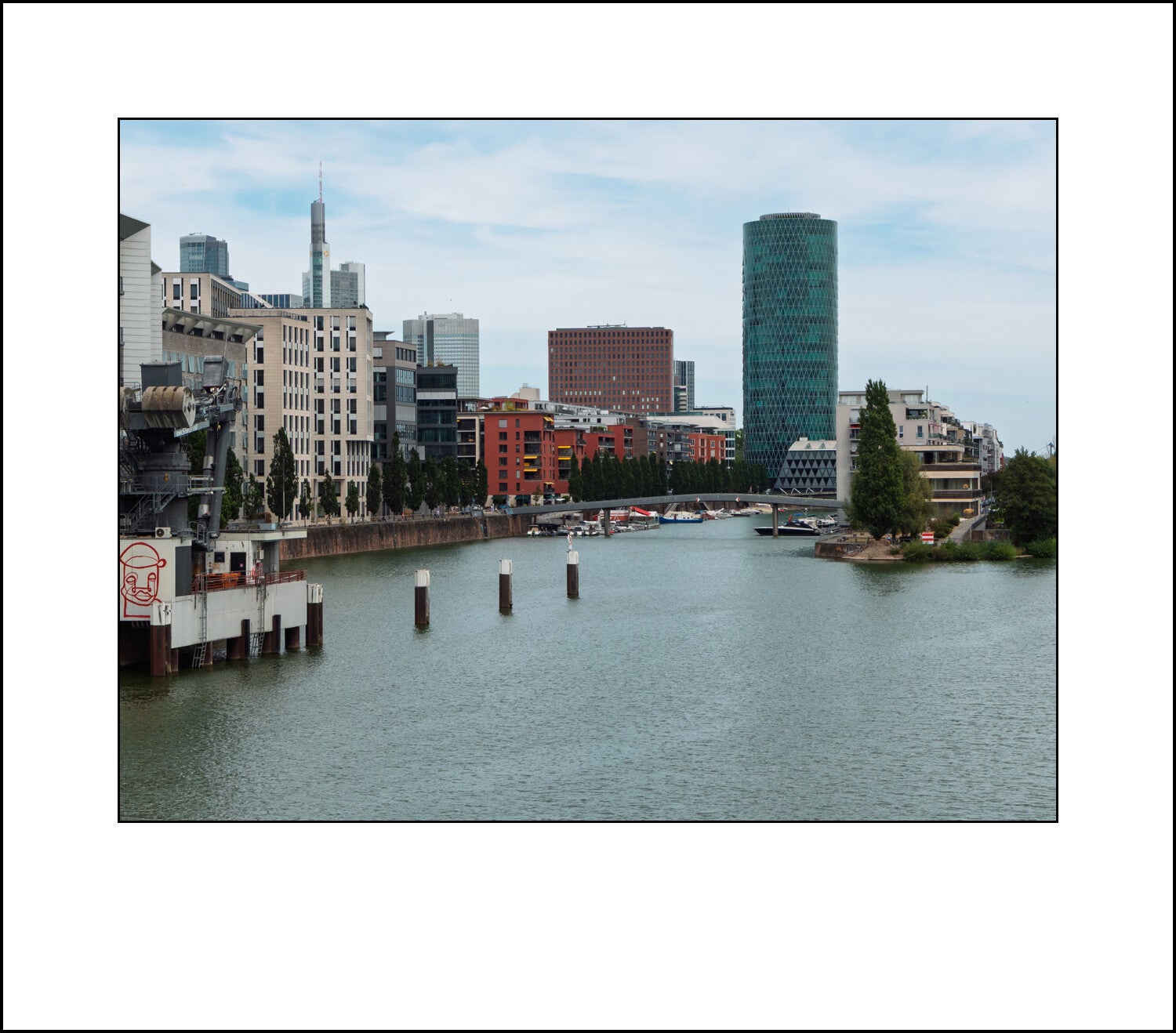
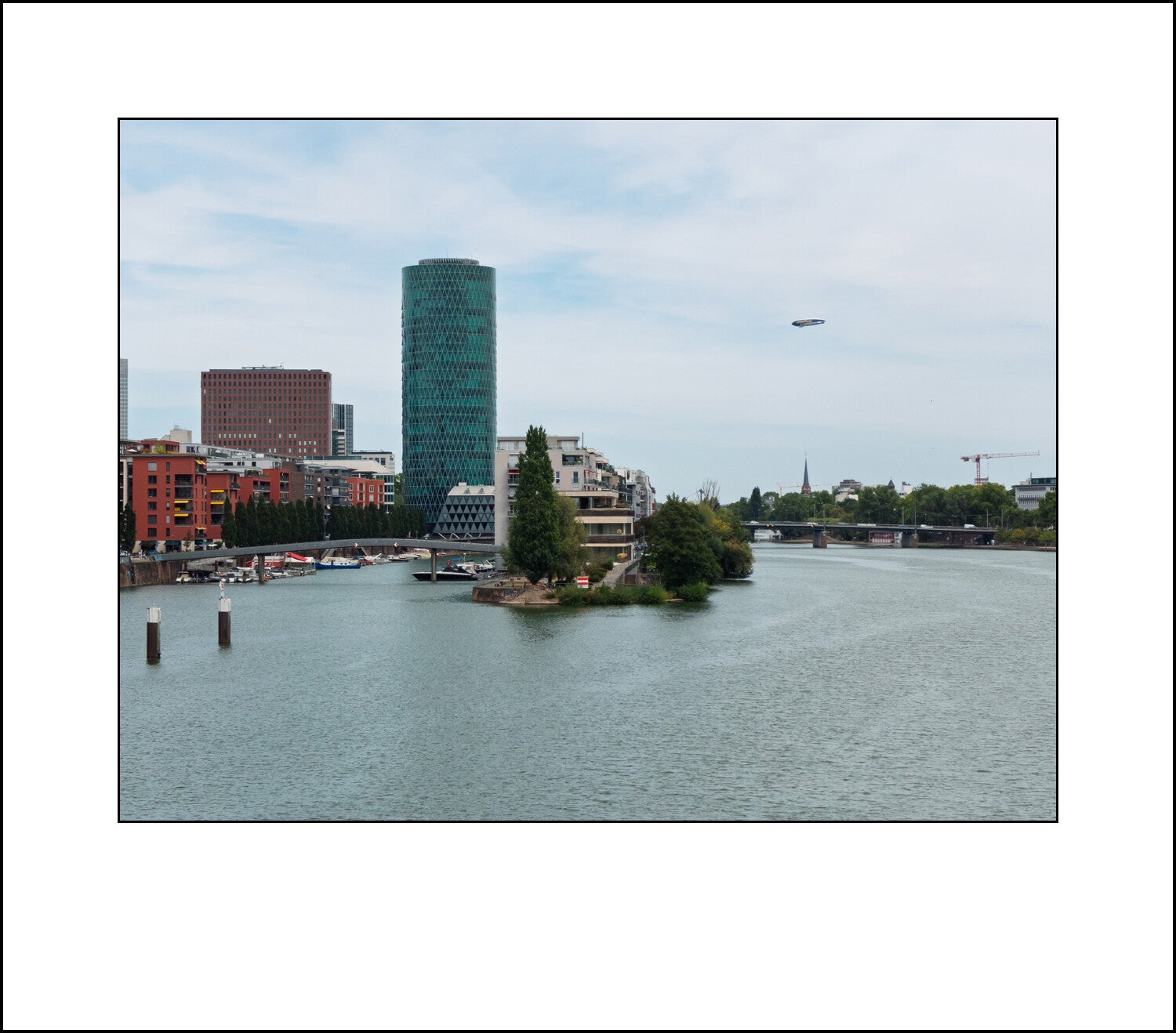
Having some real issues with the sun when shooting without an EVF with this camera I decided to purchase the LVF2, although it costs an arm and a leg if you ask me. Was it worth it? Absolutely. It's a very good EVF, much better than the LVF1 for the LX5 (it should be too having a higher resolution). If you do have the LX7 and think you can do without the LVF2 please think again. Just get one. Yes it is an external EVF which means when the sun isn't shining you can take it off if you think you don't need it and it makes the whole package much smaller; something that really does fit into a side pocket.
I do highly recommend it though.