Fujifilm X-E1: A Comprehensive Overview
The Fujifilm X-E1 is a mirrorless digital camera that appeals to both photography enthusiasts and professionals alike. Launched in 2012, it continues to be a popular choice due to its combination of retro aesthetics, high-quality image production, and user-friendly features. Here, we'll explore the key aspects that make the Fujifilm X-E1 noteworthy.
Design and Build
The Fujifilm X-E1 boasts a classic, rangefinder-style look that attracts those who appreciate a vintage aesthetic. The camera is compact and lightweight, making it ideal for travel and street photography. Its robust magnesium alloy body ensures durability while maintaining a sleek appearance. The tactile dials and buttons provide a satisfying user experience, allowing photographers to adjust settings with ease and precision.
Image Quality
At the heart of the X-E1 is a 16.3-megapixel APS-C X-Trans CMOS sensor, which is renowned for its ability to produce stunning images with excellent color reproduction and detail. The lack of an optical low-pass filter enhances sharpness, making it a great choice for landscape and portrait photography. Additionally, the camera's ISO range of 200-6400 (expandable to 100-25600) ensures impressive low-light performance.
Lens Compatibility
The X-E1 is compatible with Fujifilm's X-mount lenses, offering photographers a wide selection of high-quality optics. From versatile zooms to fast primes, the X-mount lineup caters to various shooting styles and preferences. Fujifilm's lens technology is celebrated for its sharpness and vibrant color rendition, further contributing to the X-E1's appeal.
Electronic Viewfinder and LCD
Equipped with a high-resolution 2.36-million-dot OLED electronic viewfinder (EVF), the X-E1 provides a clear and accurate representation of the scene. The EVF is particularly beneficial in bright conditions where an LCD screen might struggle. Complementing the EVF, the 2.8-inch LCD screen offers a bright and sharp display for reviewing images and navigating menus.
Performance and Features
The X-E1 features a fast and accurate autofocus system, which is essential for capturing moving subjects with precision. The camera's continuous shooting speed of 6 frames per second allows photographers to capture action-packed moments effortlessly. Additionally, the X-E1 includes several film simulation modes, enabling users to replicate the look of classic Fujifilm film stocks, such as Velvia and Astia.
Video Capabilities
While primarily designed for still photography, the Fujifilm X-E1 also offers Full HD video recording at 24 frames per second. This feature is suitable for casual videography, although it may not meet the demands of professional video production. The camera includes a microphone input, allowing users to attach an external microphone for improved audio quality.
Conclusion
The Fujifilm X-E1 combines classic design with modern technology, making it a compelling choice for photographers who prioritize image quality and aesthetics. Its impressive performance, coupled with a diverse range of compatible lenses, ensures that the X-E1 remains a relevant and popular option in the world of mirrorless cameras. Whether you're an aspiring photographer or a seasoned professional, the Fujifilm X-E1 offers a blend of style and substance that is hard to resist.
A main factor that people purchase this camera is for the sensor, i.e. The X-Trans I. Today of course there are much better cameras out there, especially in the focusing department. It is not, and has never been, a sports or birding camera. Most of the photographs I take aren't moving so focusing speed has no relevance really. Lately I have gone back to using really old cameras (not film though) because of the enjoyment I get out of it. There are quite a few out there that really deserve a second or even a third look. I doubt that I will ever purchase a new camera again. The ones I have presently outmatch my photographic skills.
So, is this camera worth getting in 2026? Only if you have the money to spare as there are better cameras out there for the same price or maybe €50 dearer. One thing you can do well with the Fuji cameras and that is adapt older manual lenses to them. I do it all the time. Works well and is a lot of fun.
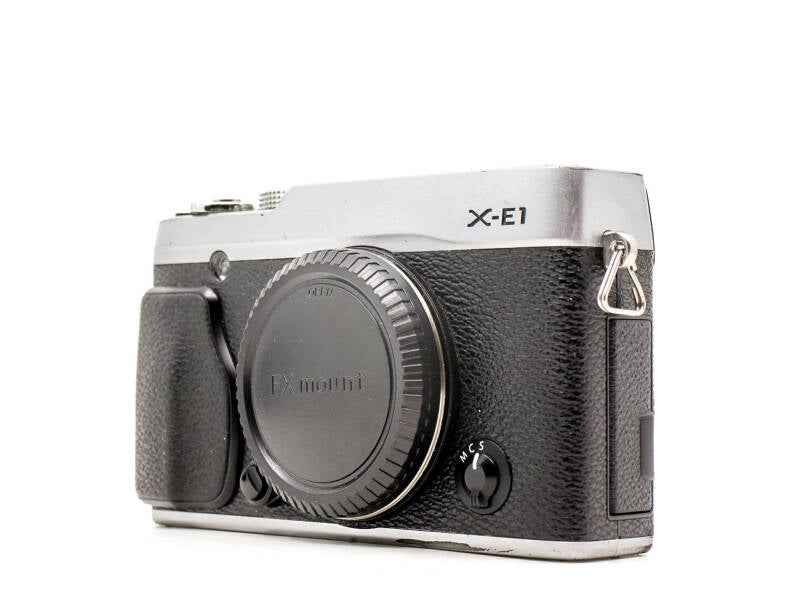
Fujifilm X-E1
Weight: 350g
Size: 129 x 75 x 38 mm
Sensor: 16MP X-Trans I APSC (1.5 crop)
Lens: Interchangeable
Cards: 1 x SD slot
IBIS:
Price: €350 Used
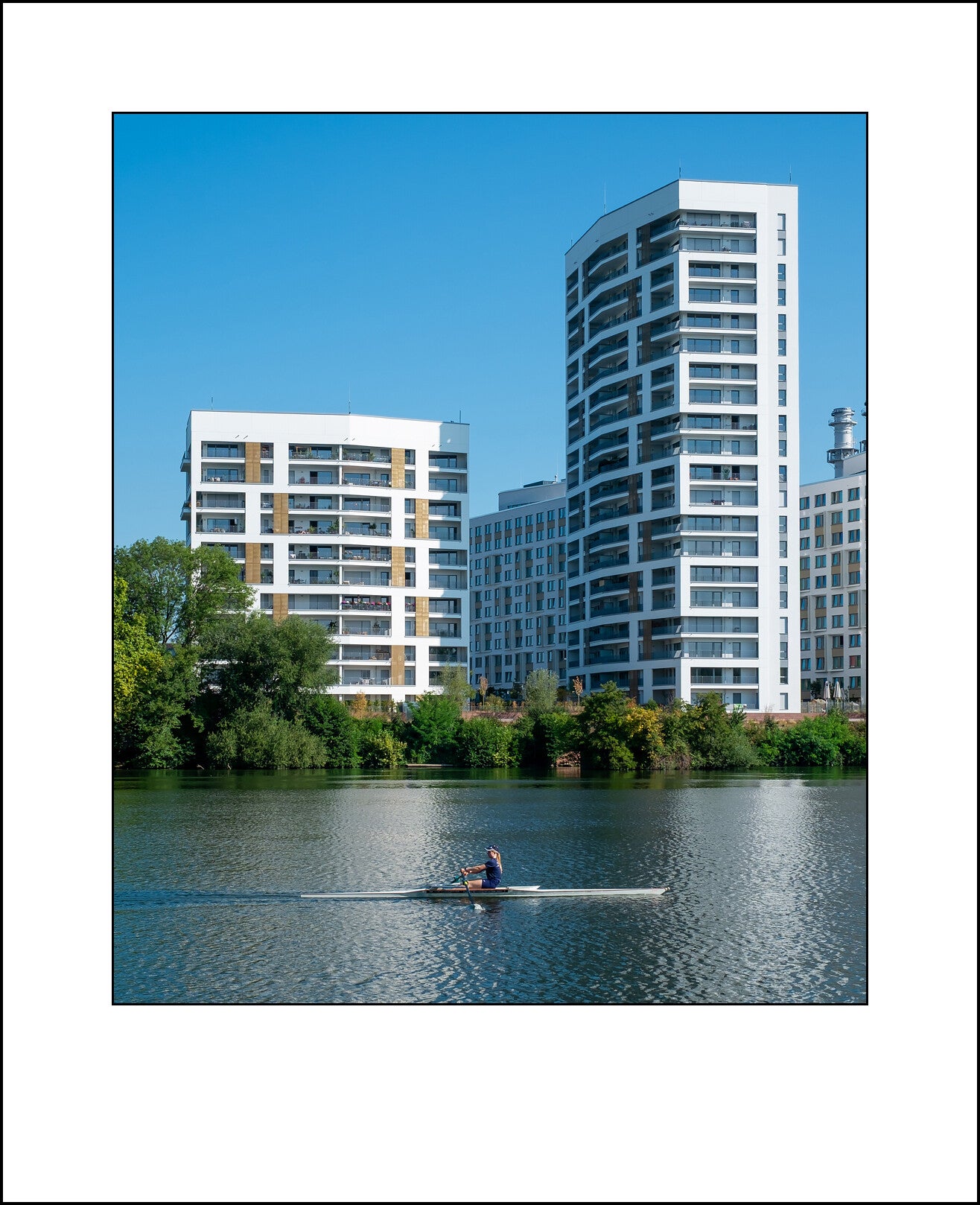
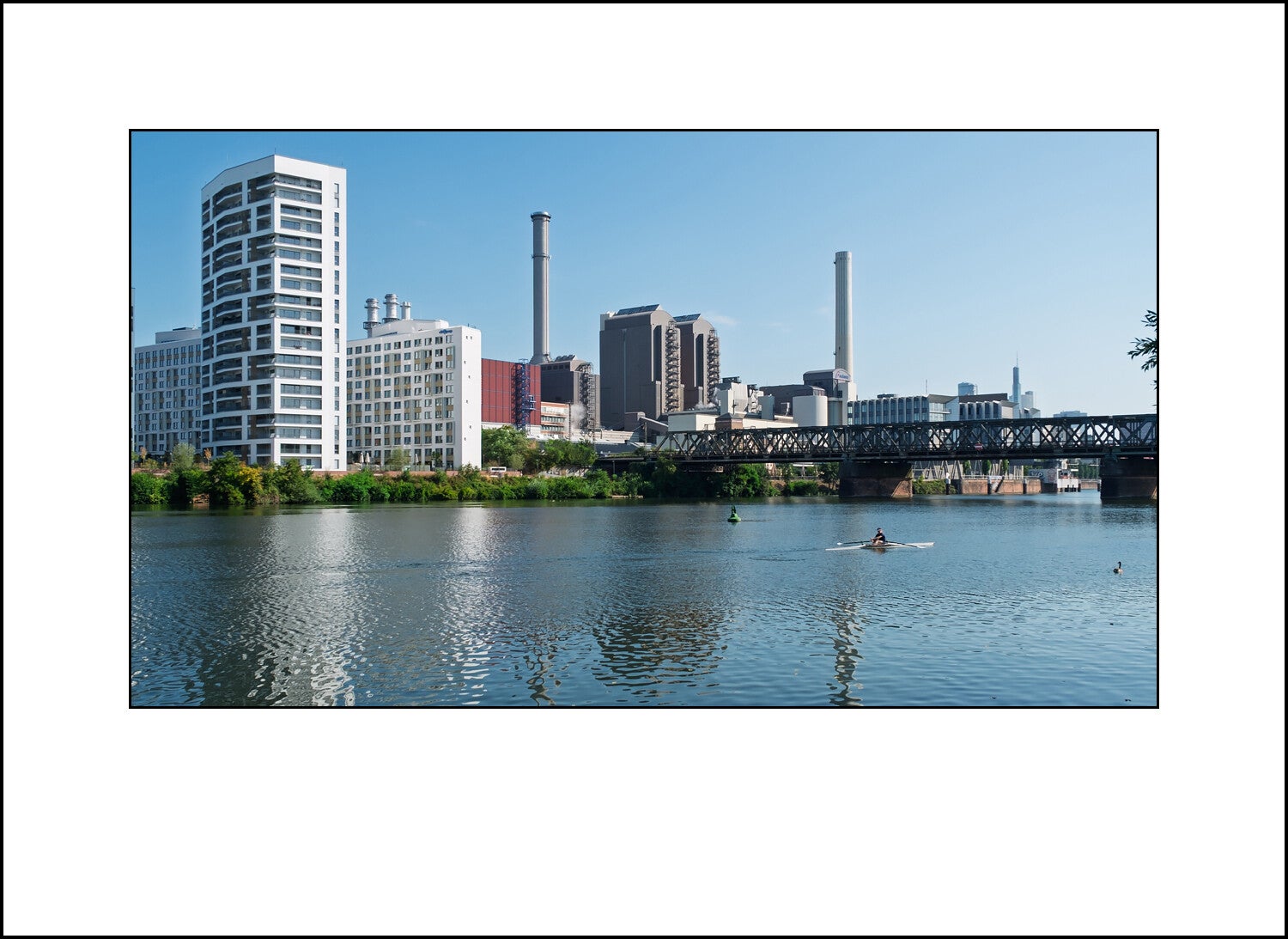
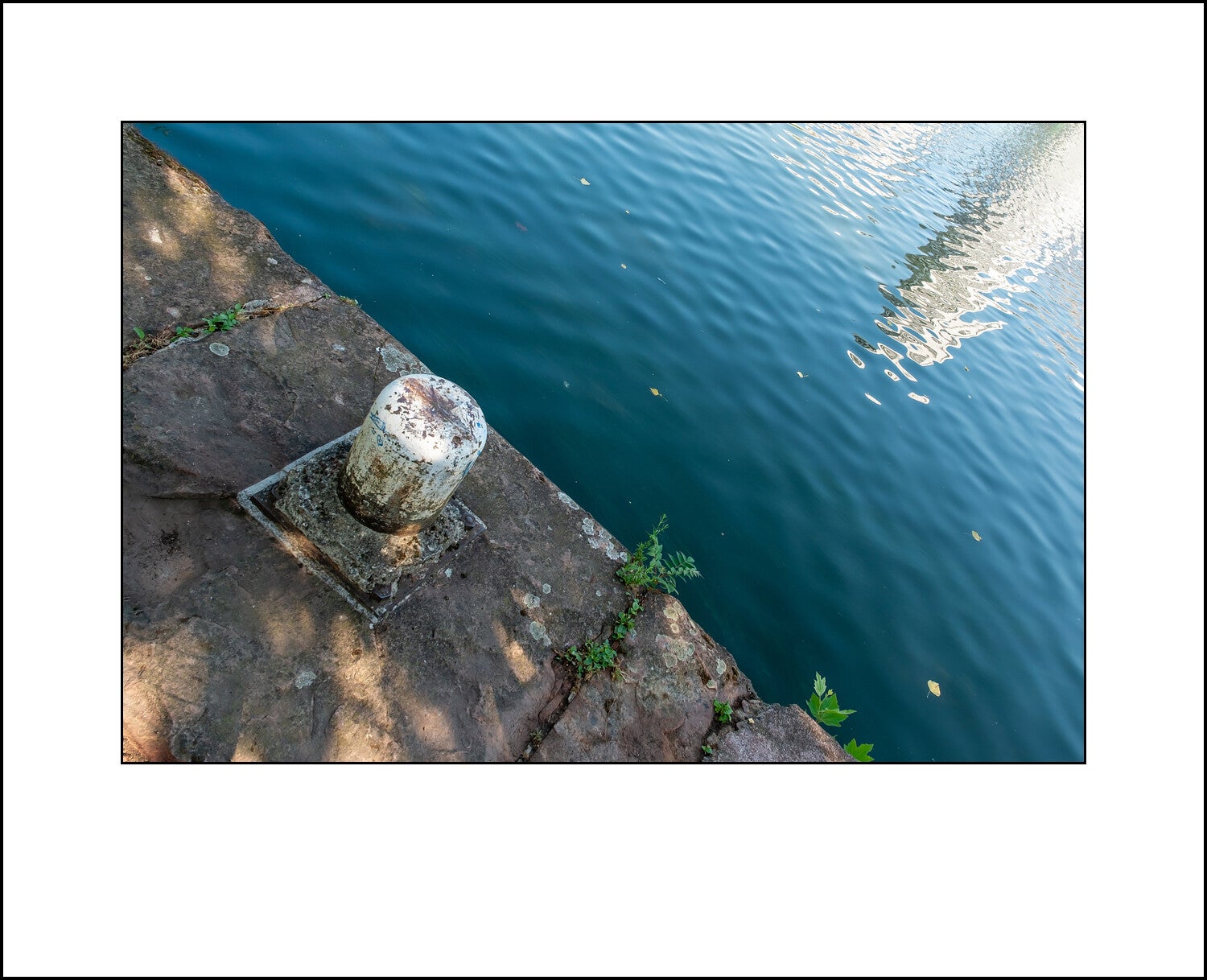
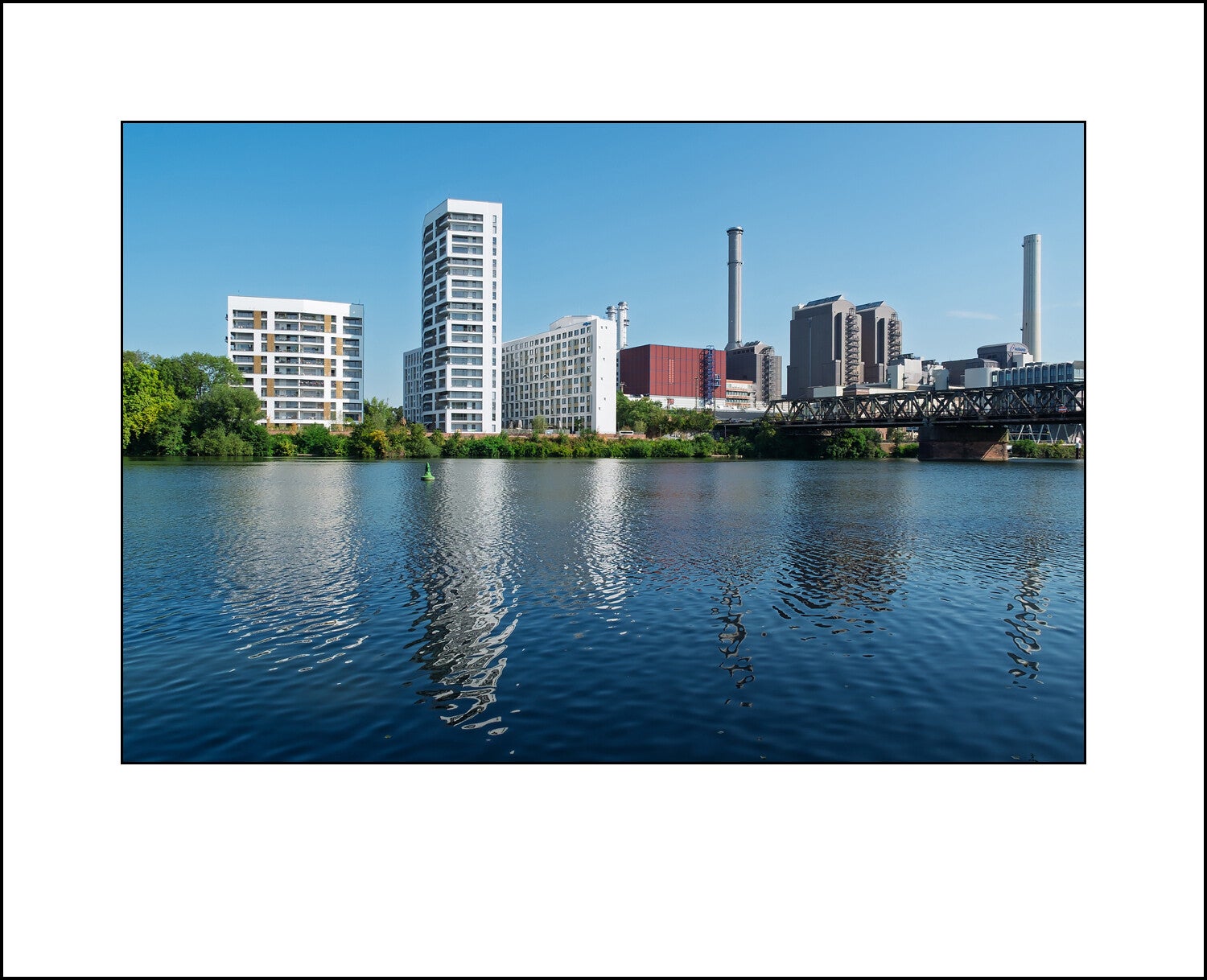
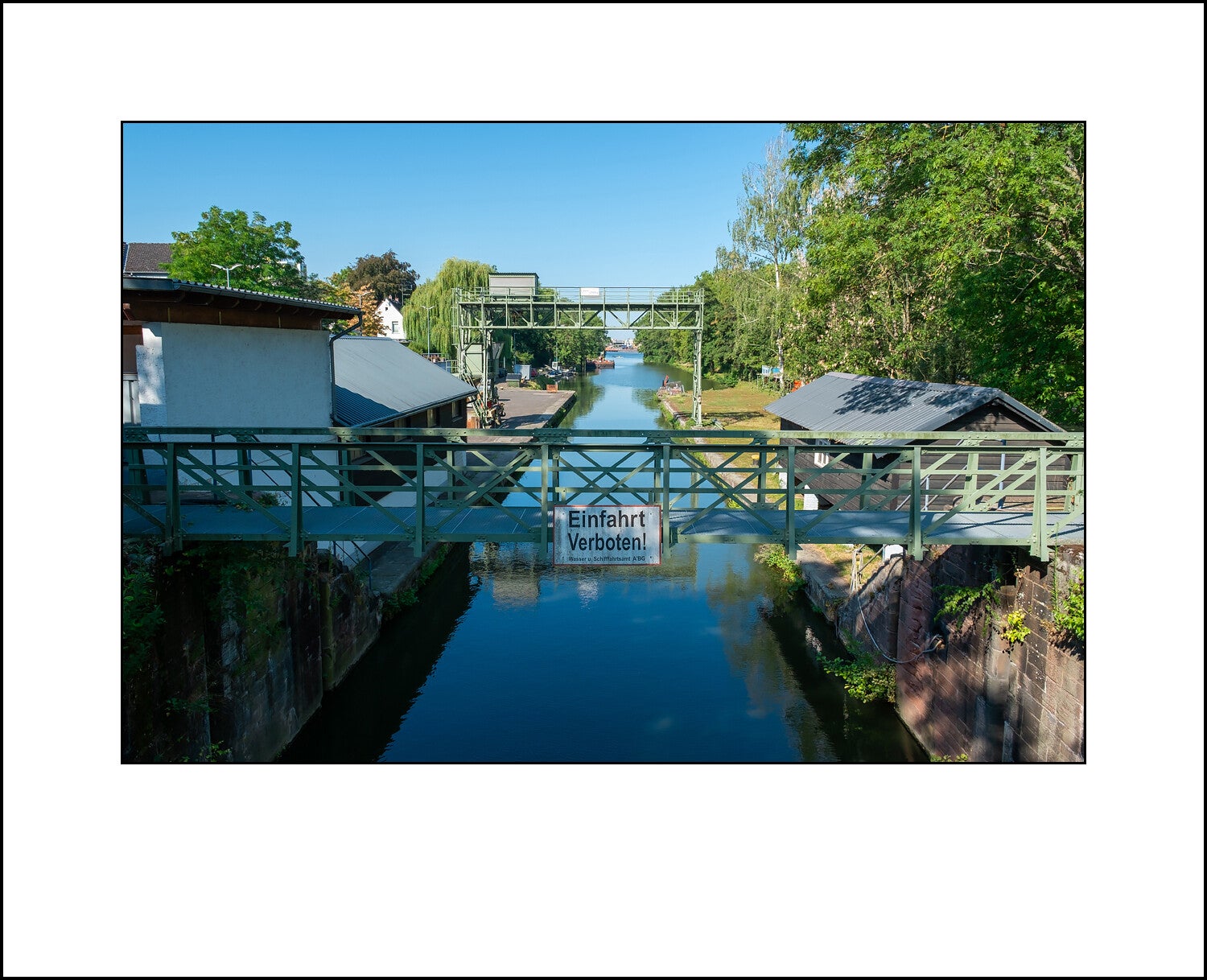
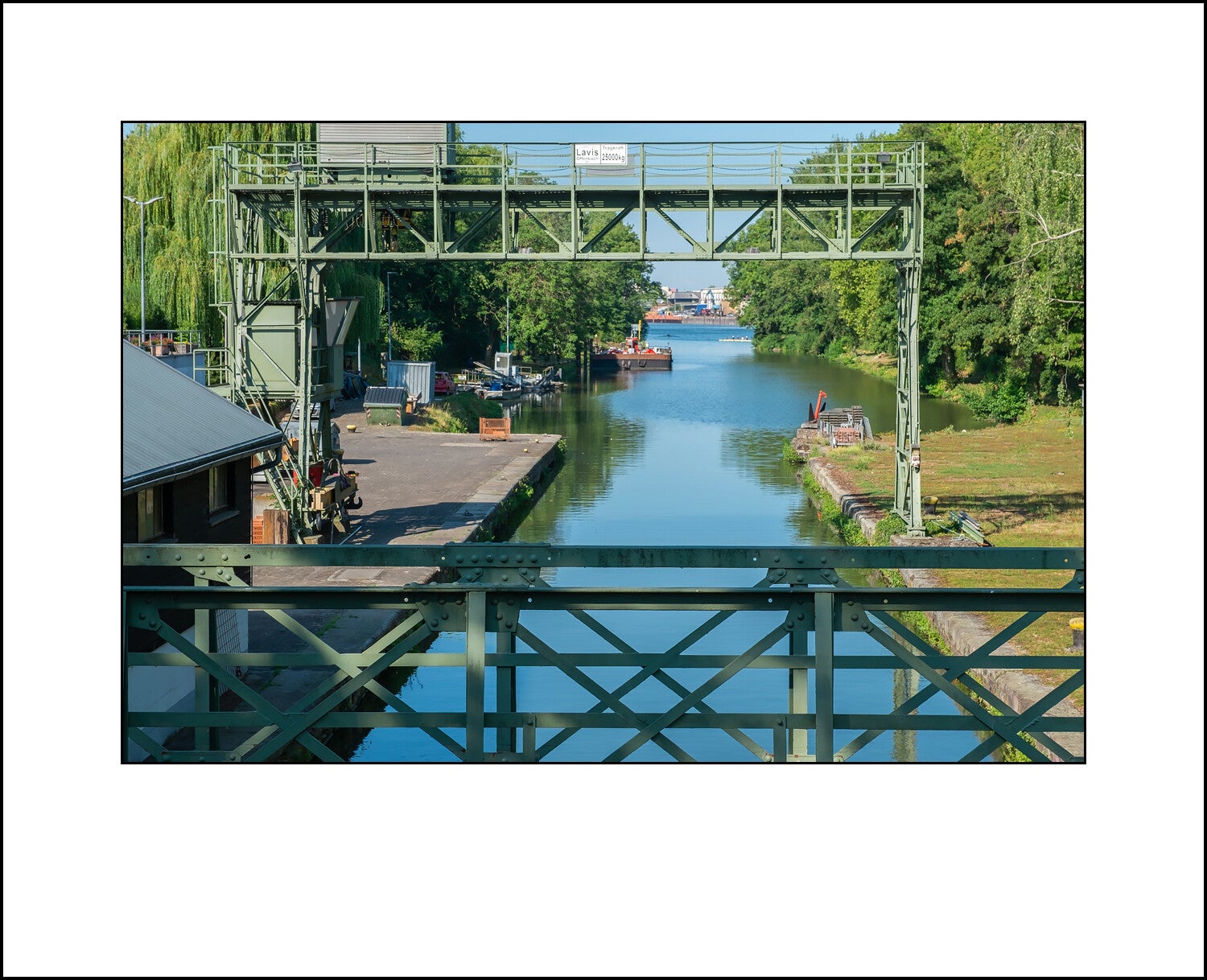
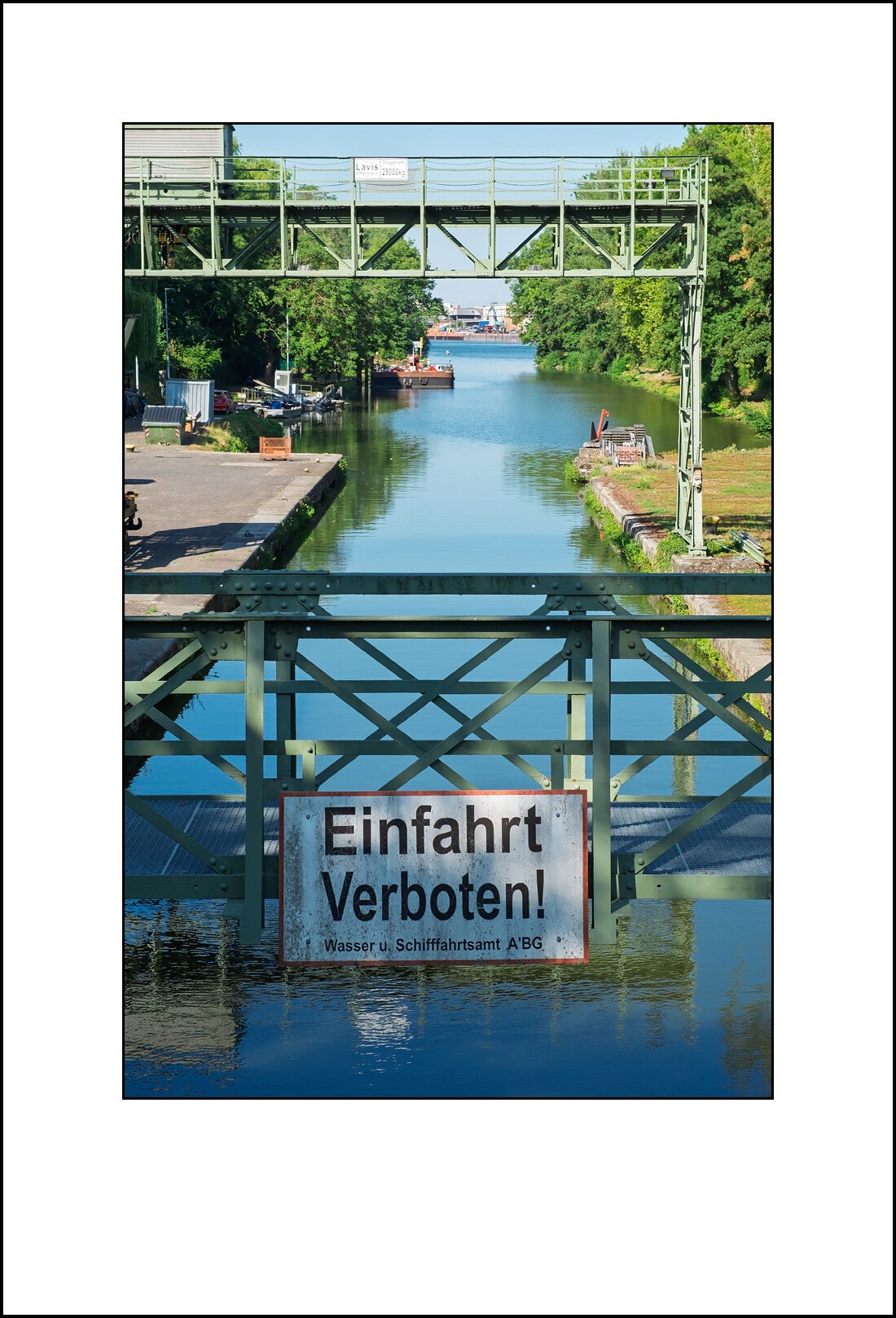
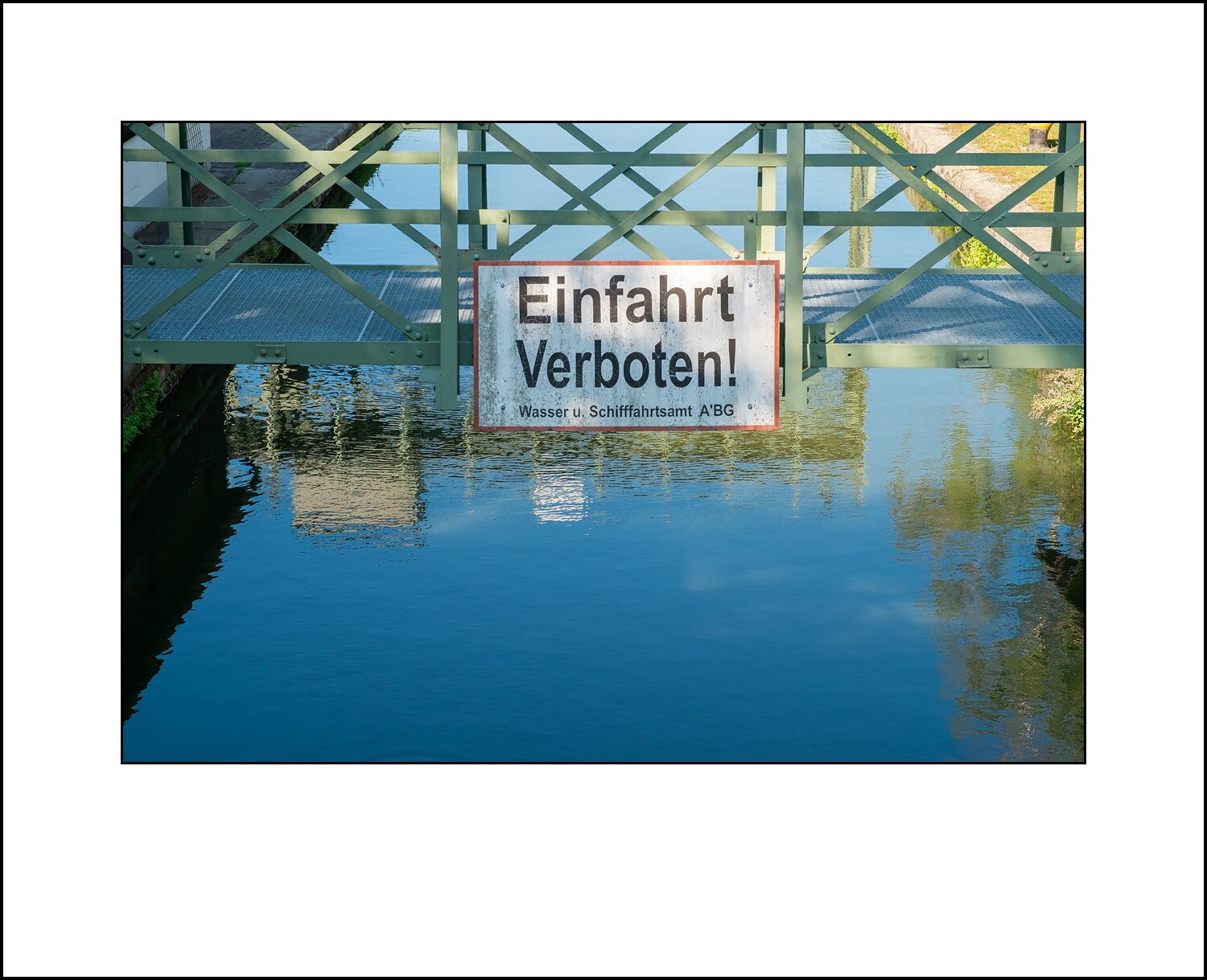
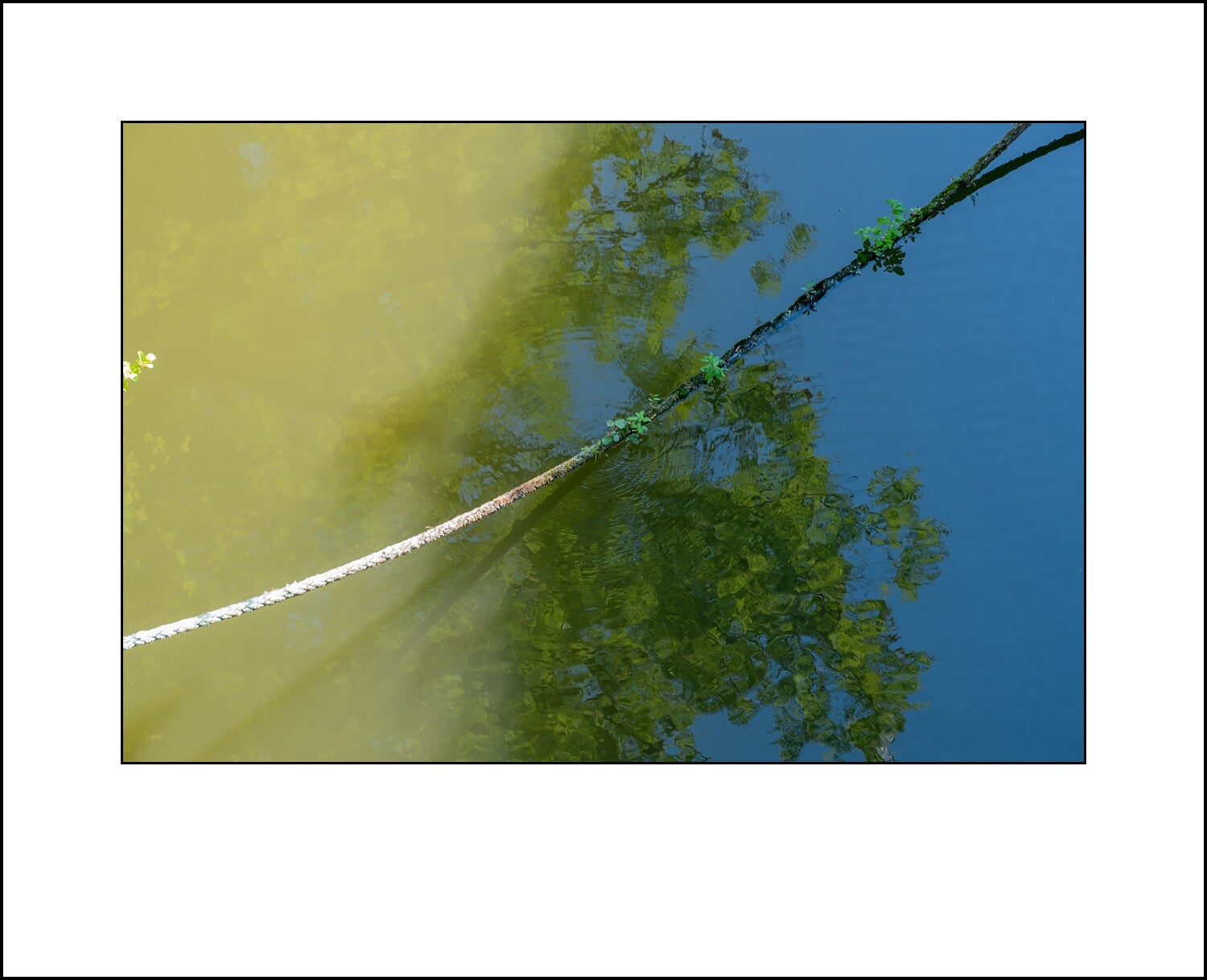
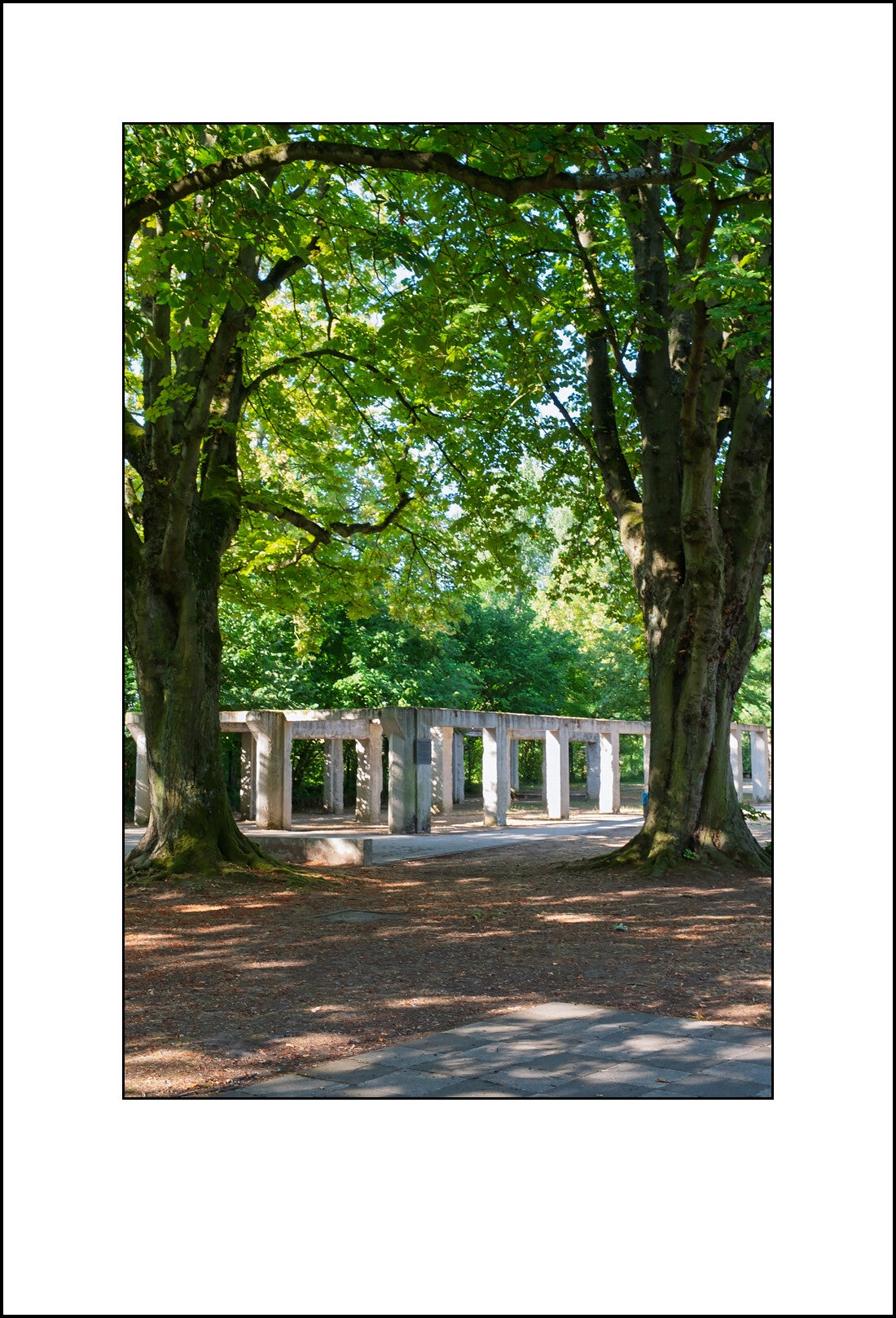
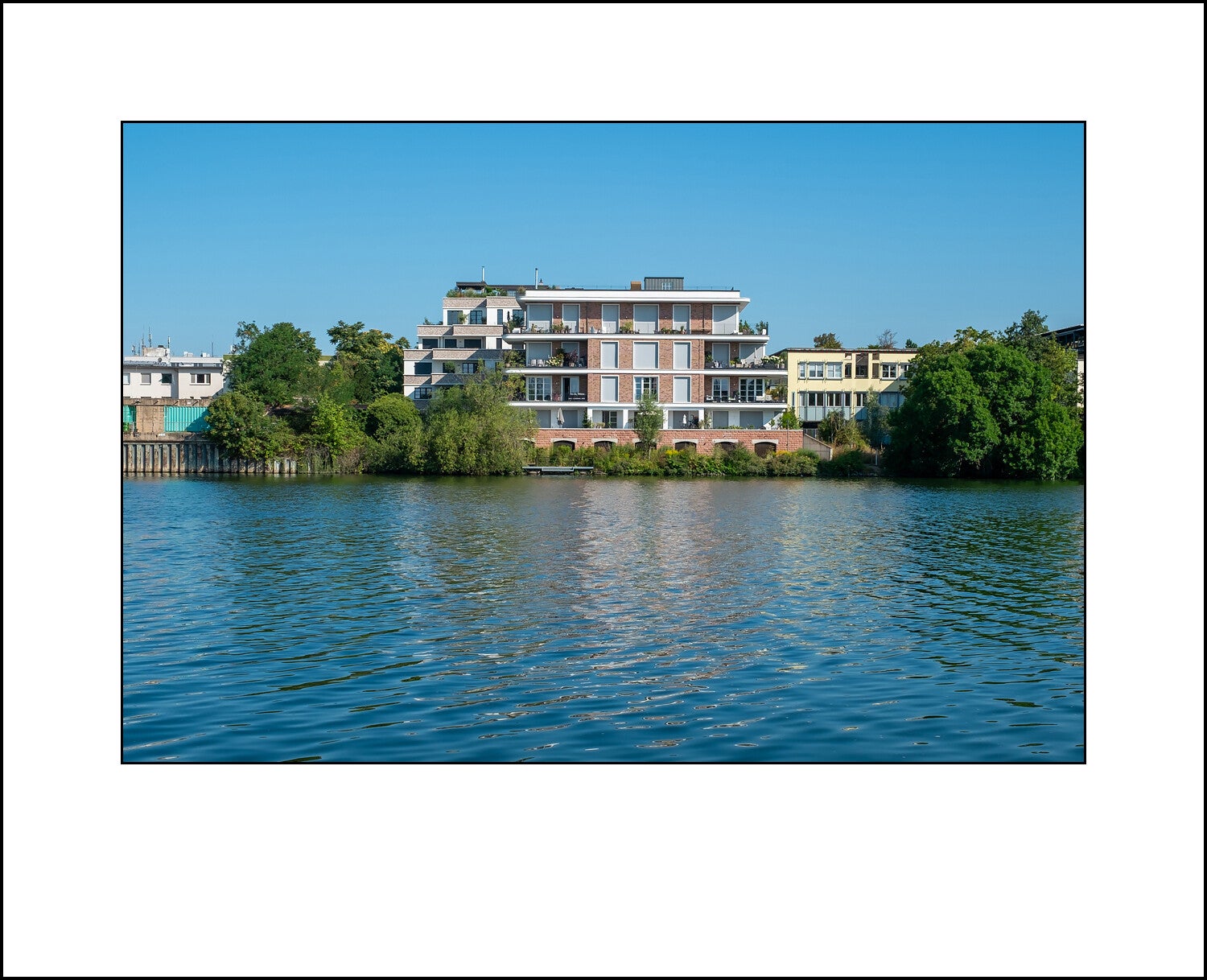
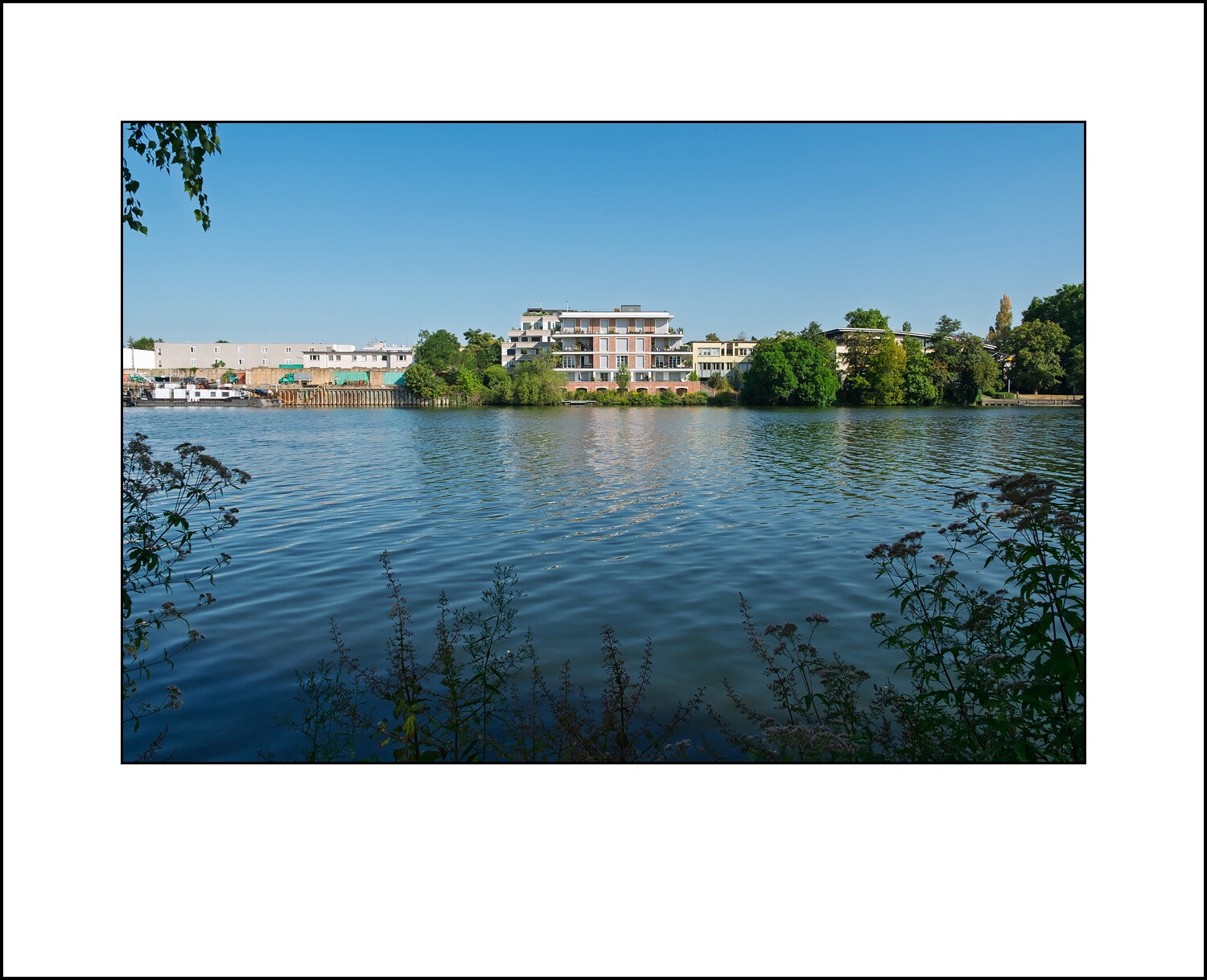
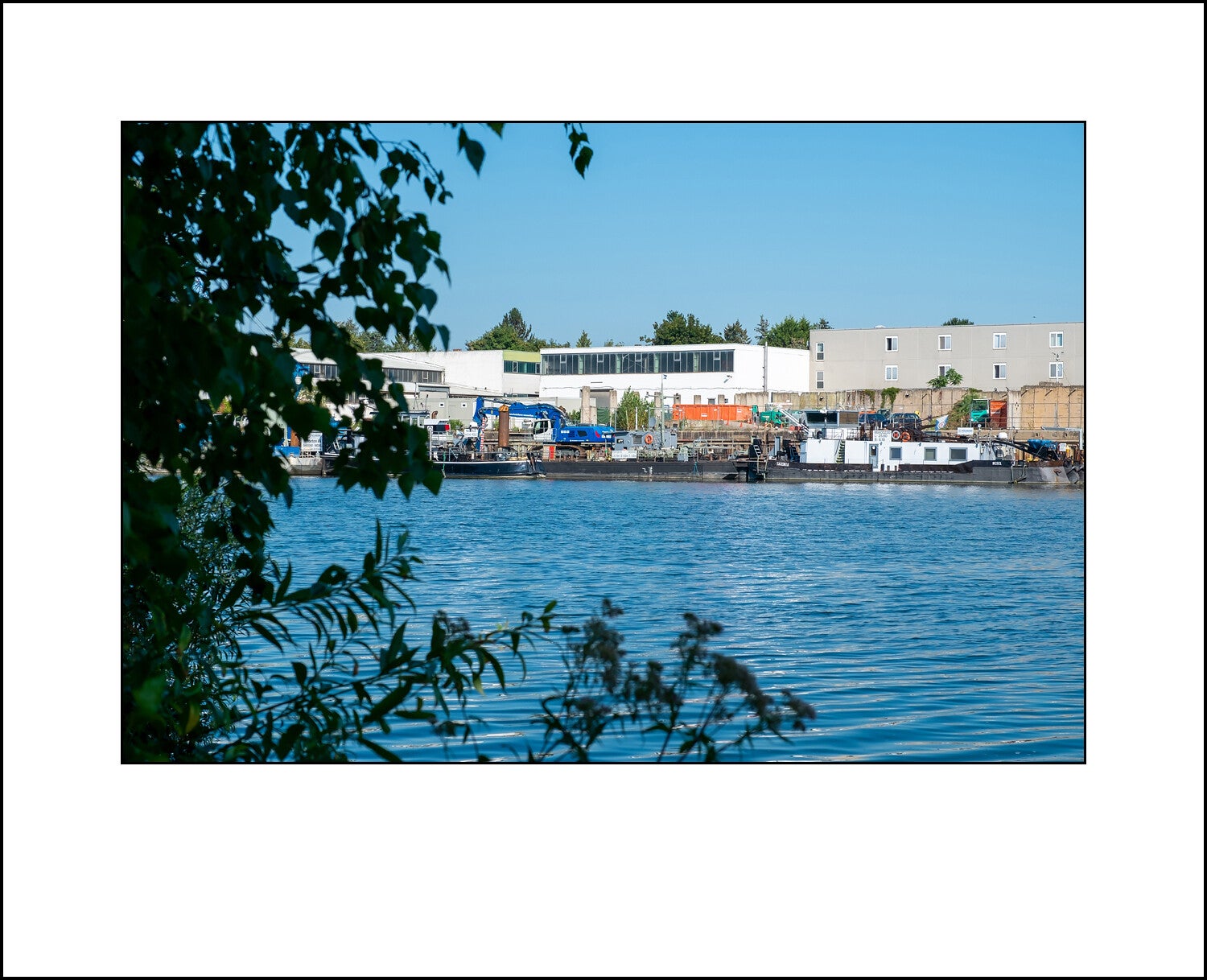
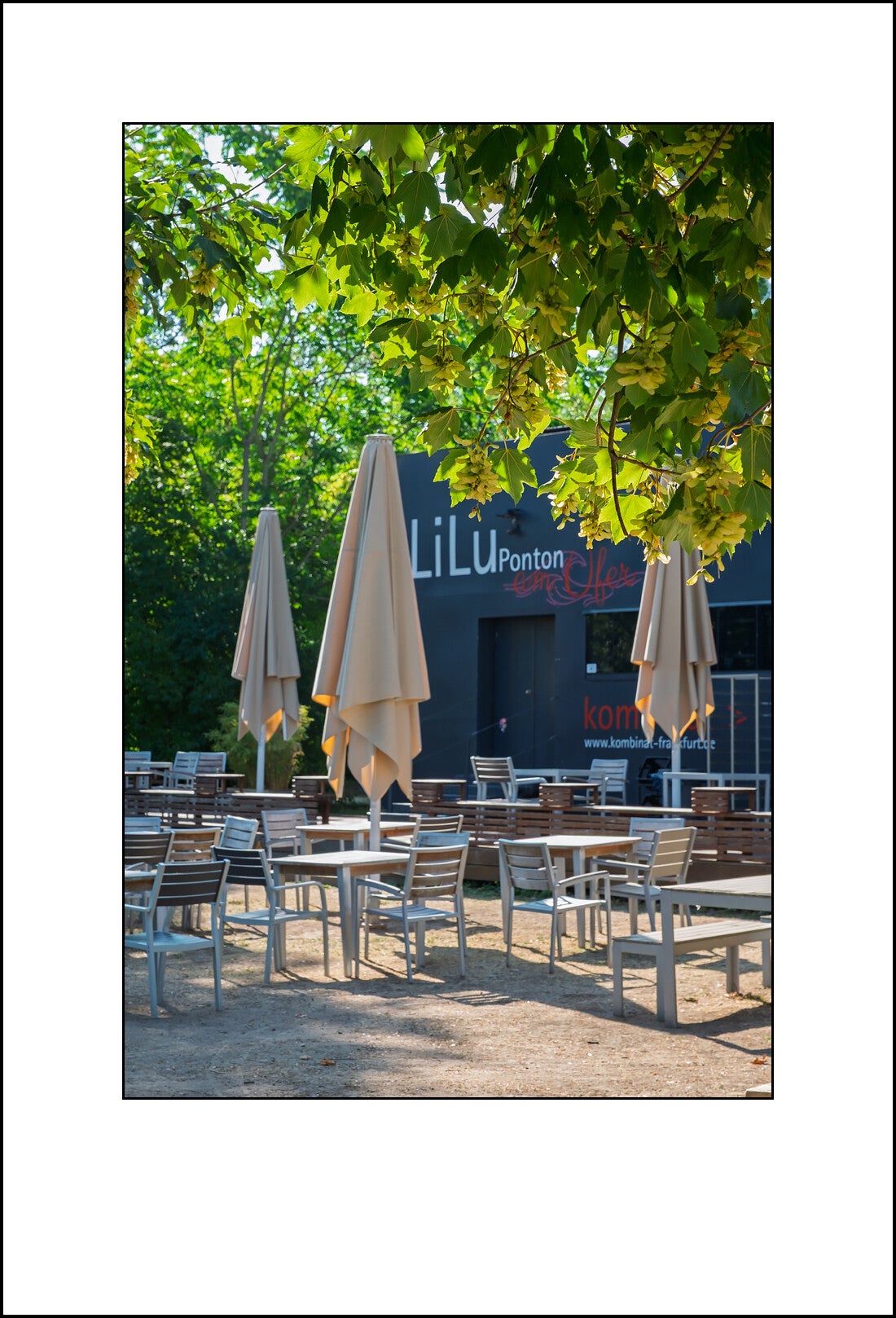
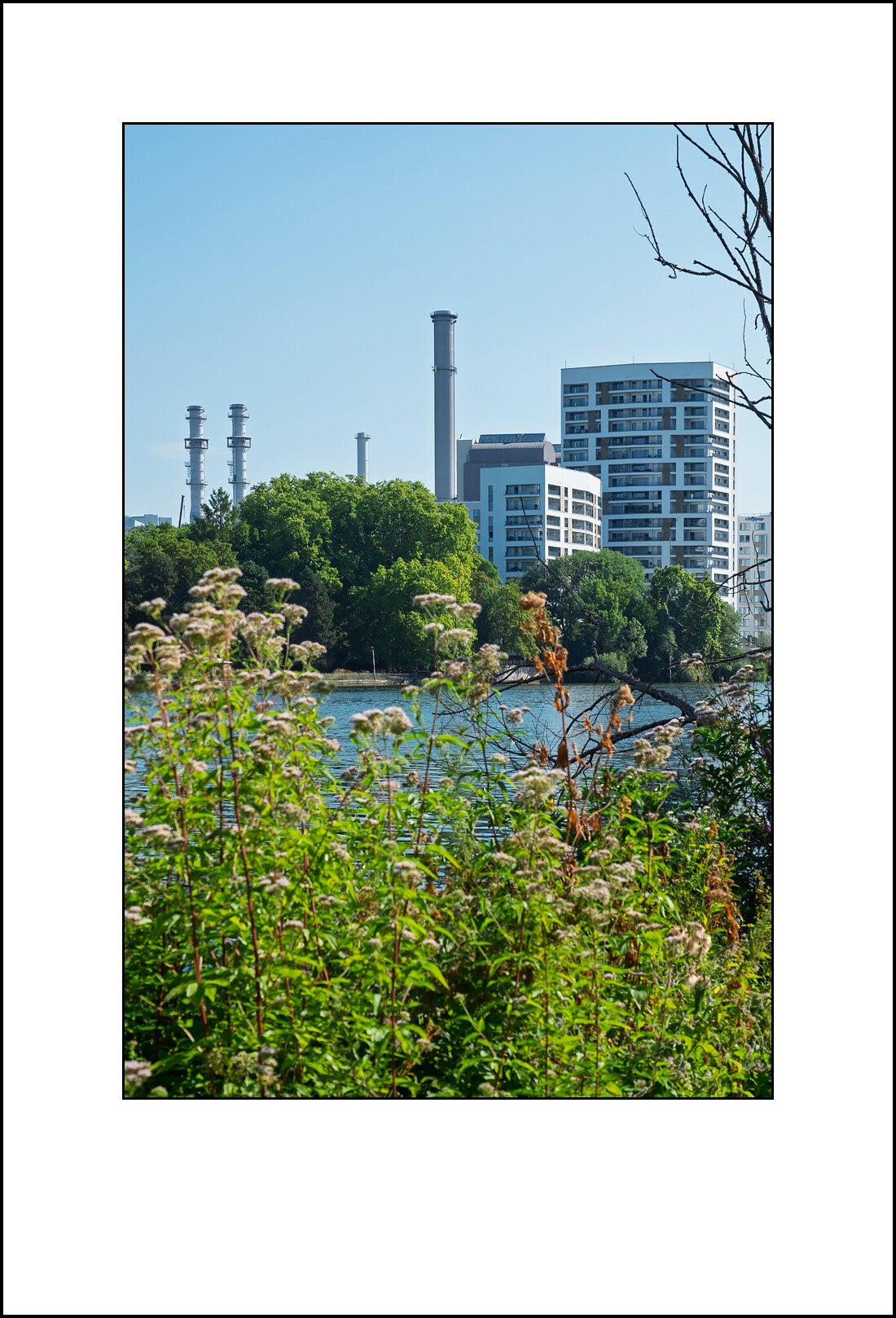
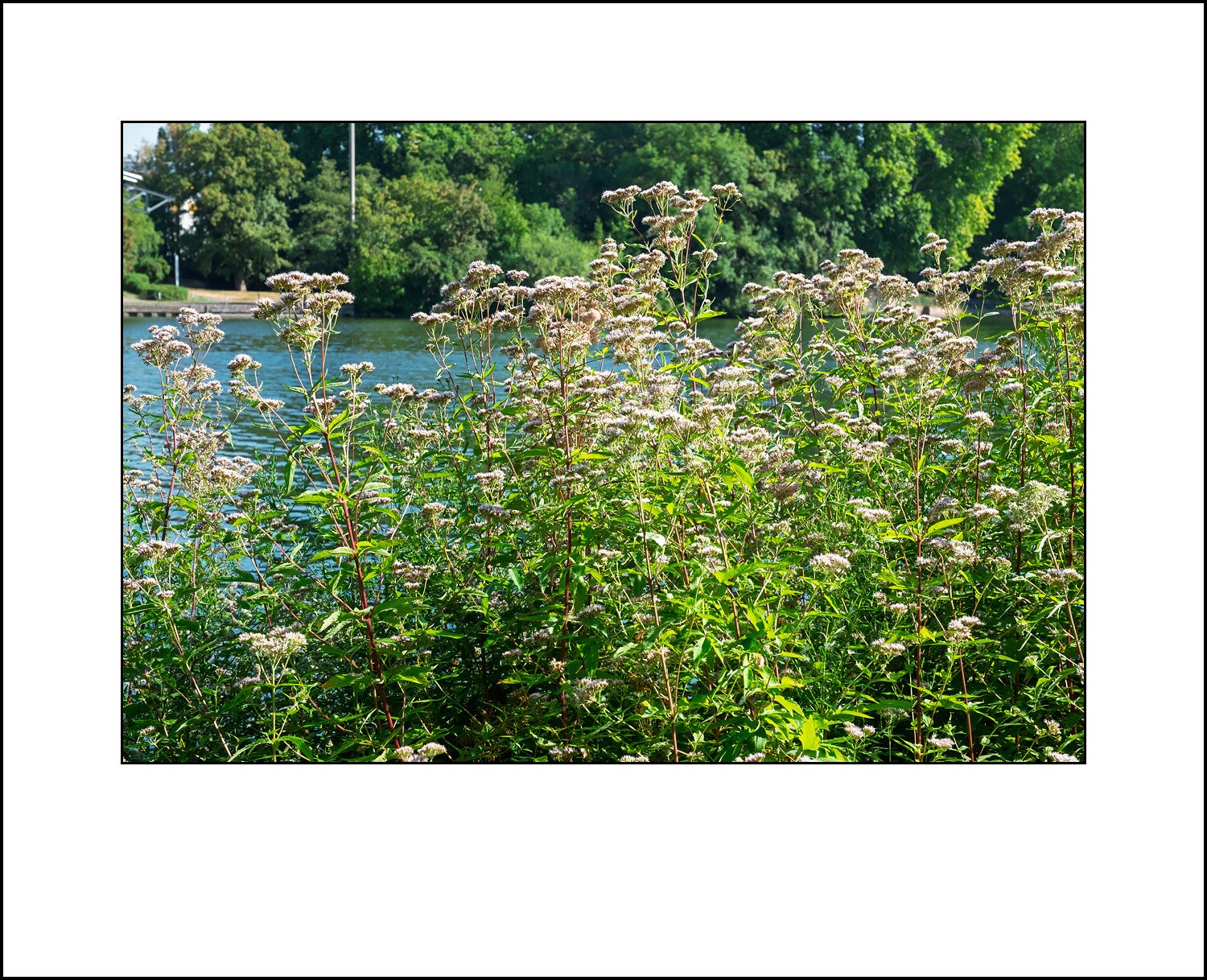
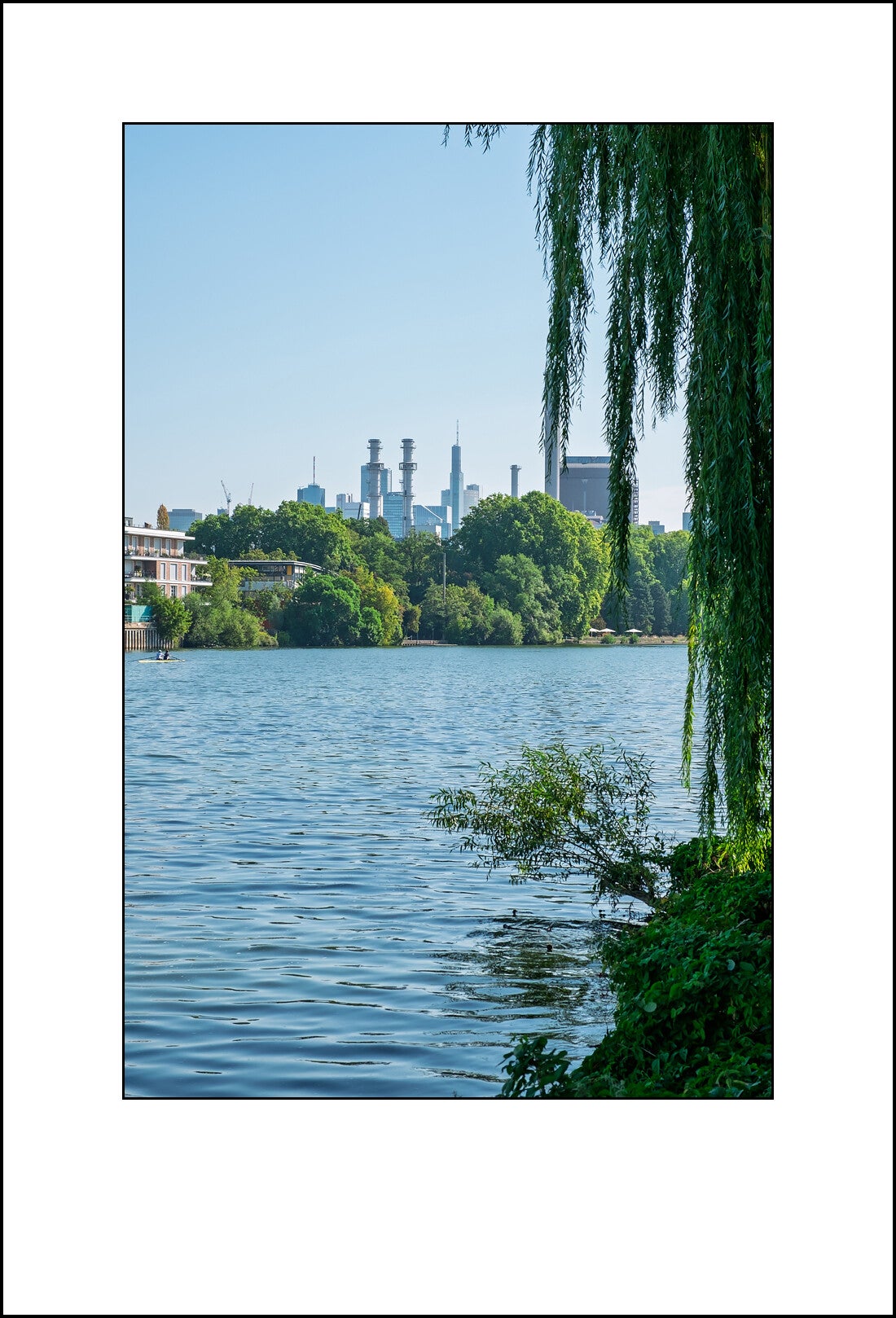
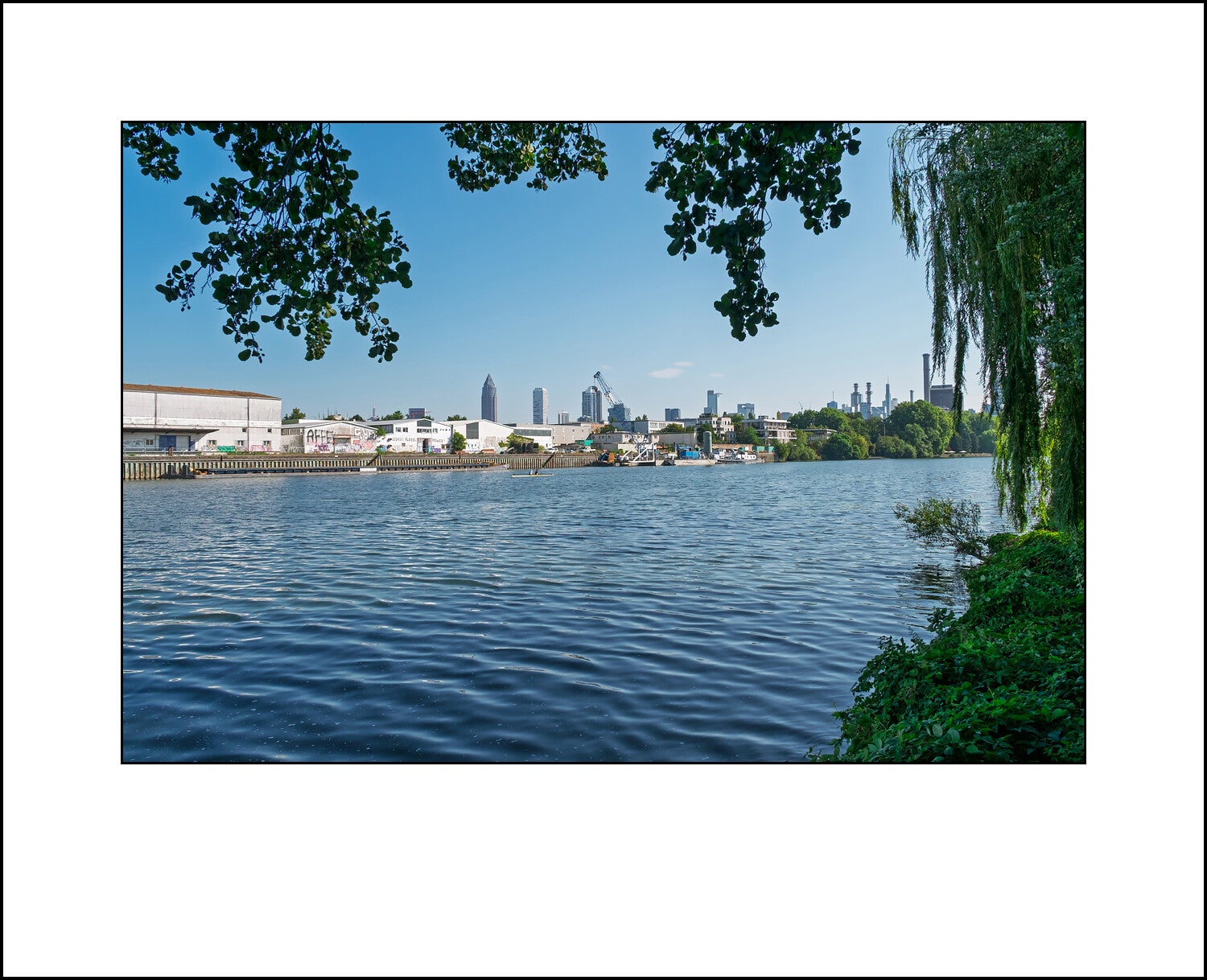
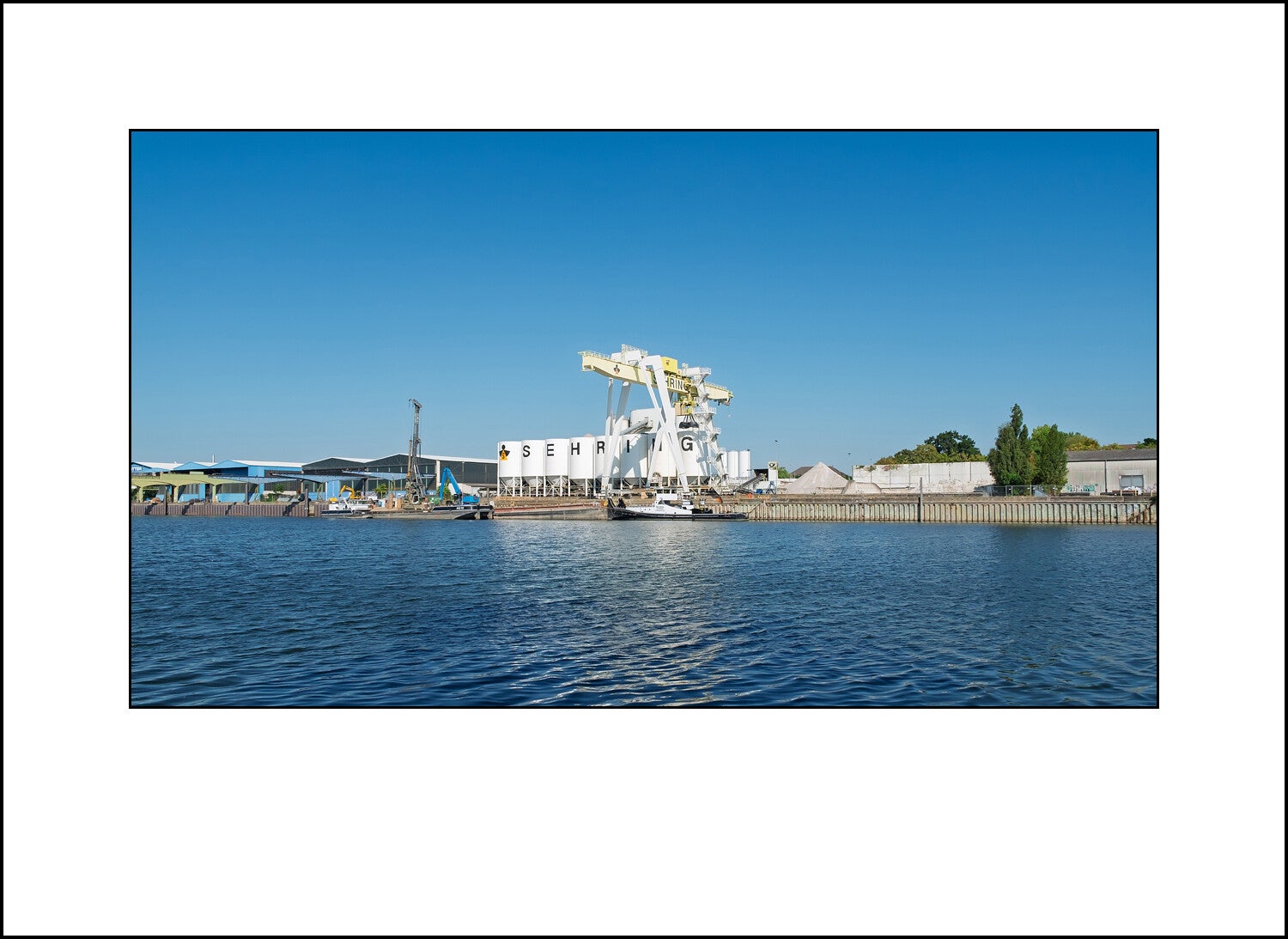
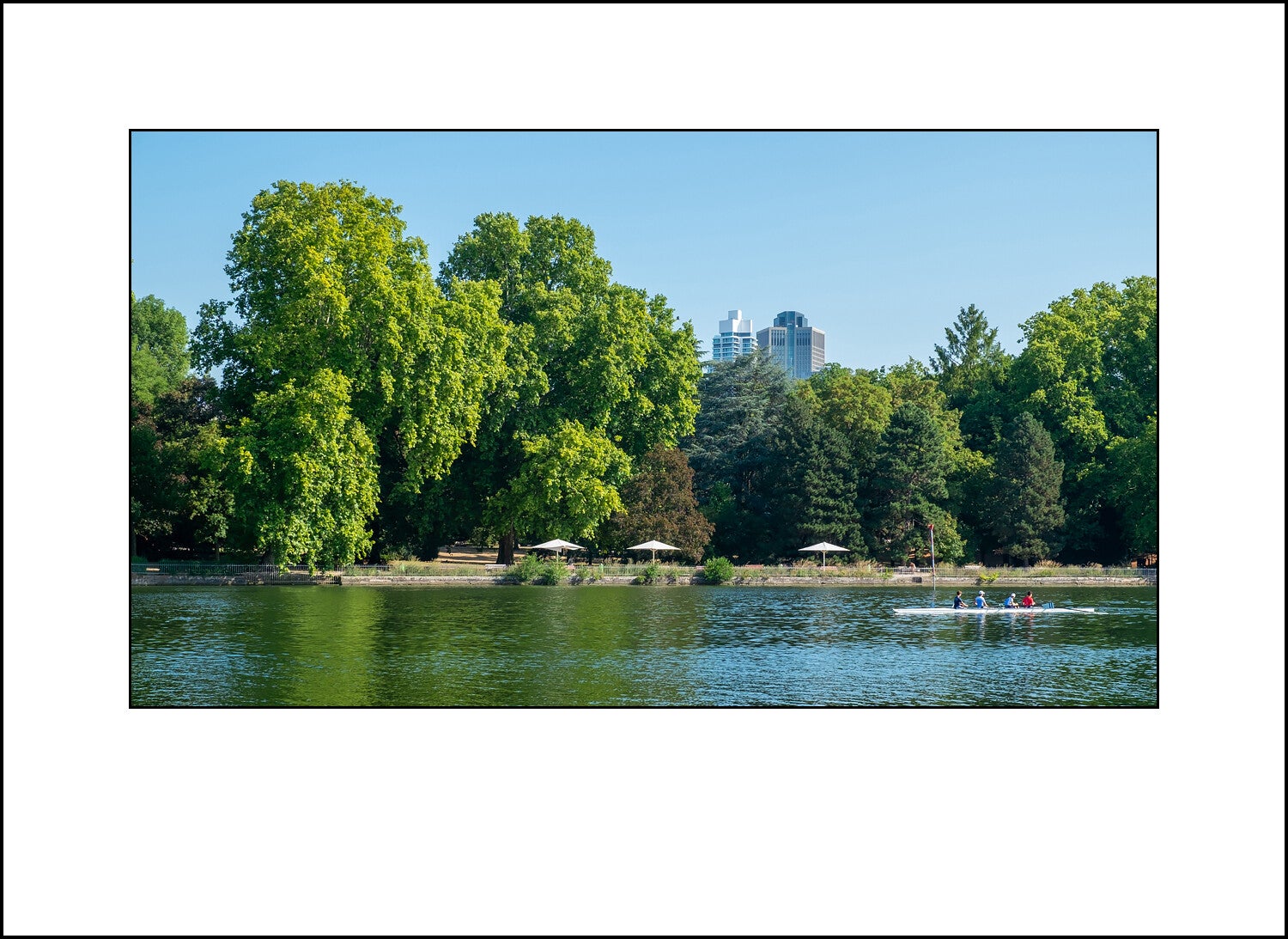
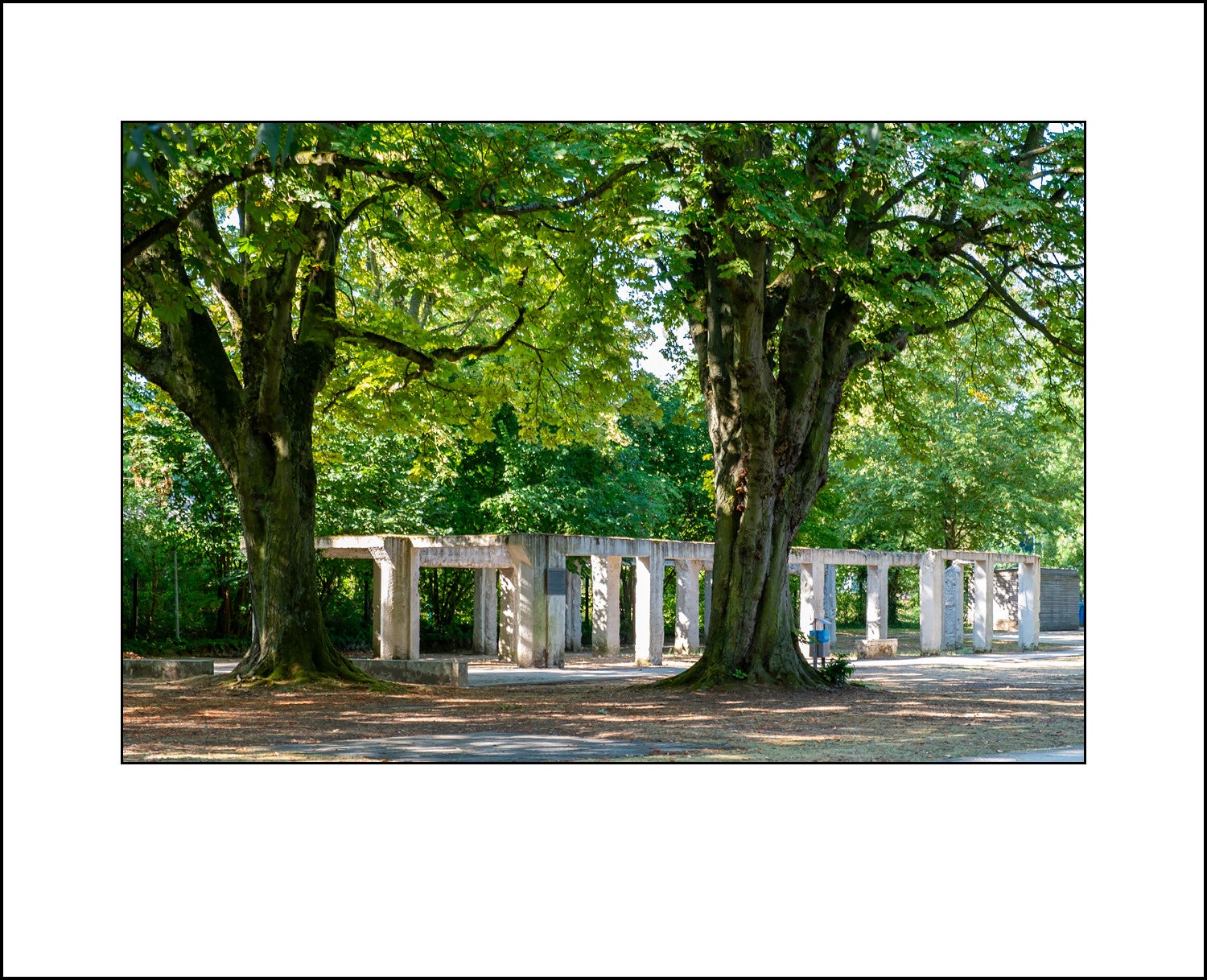
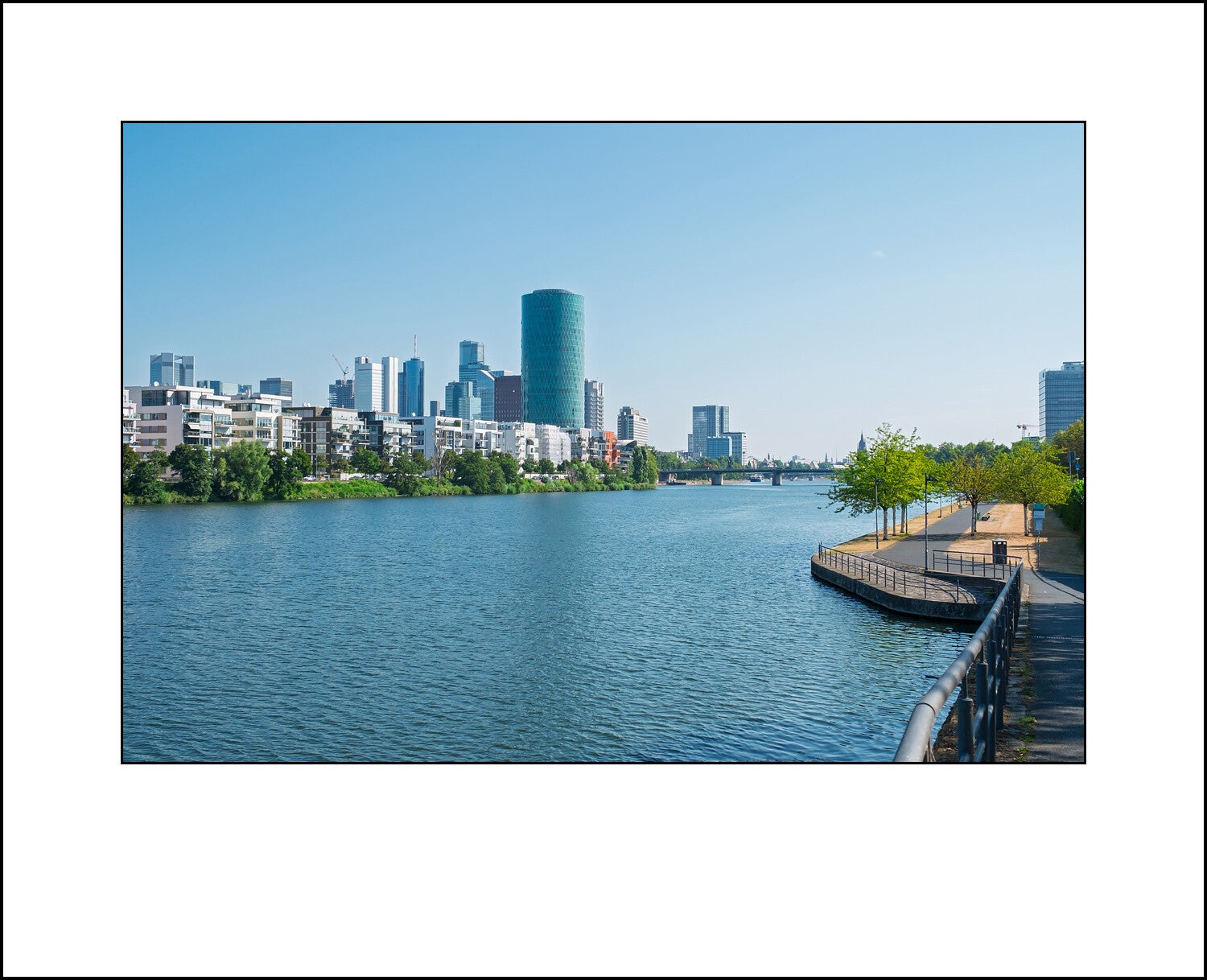
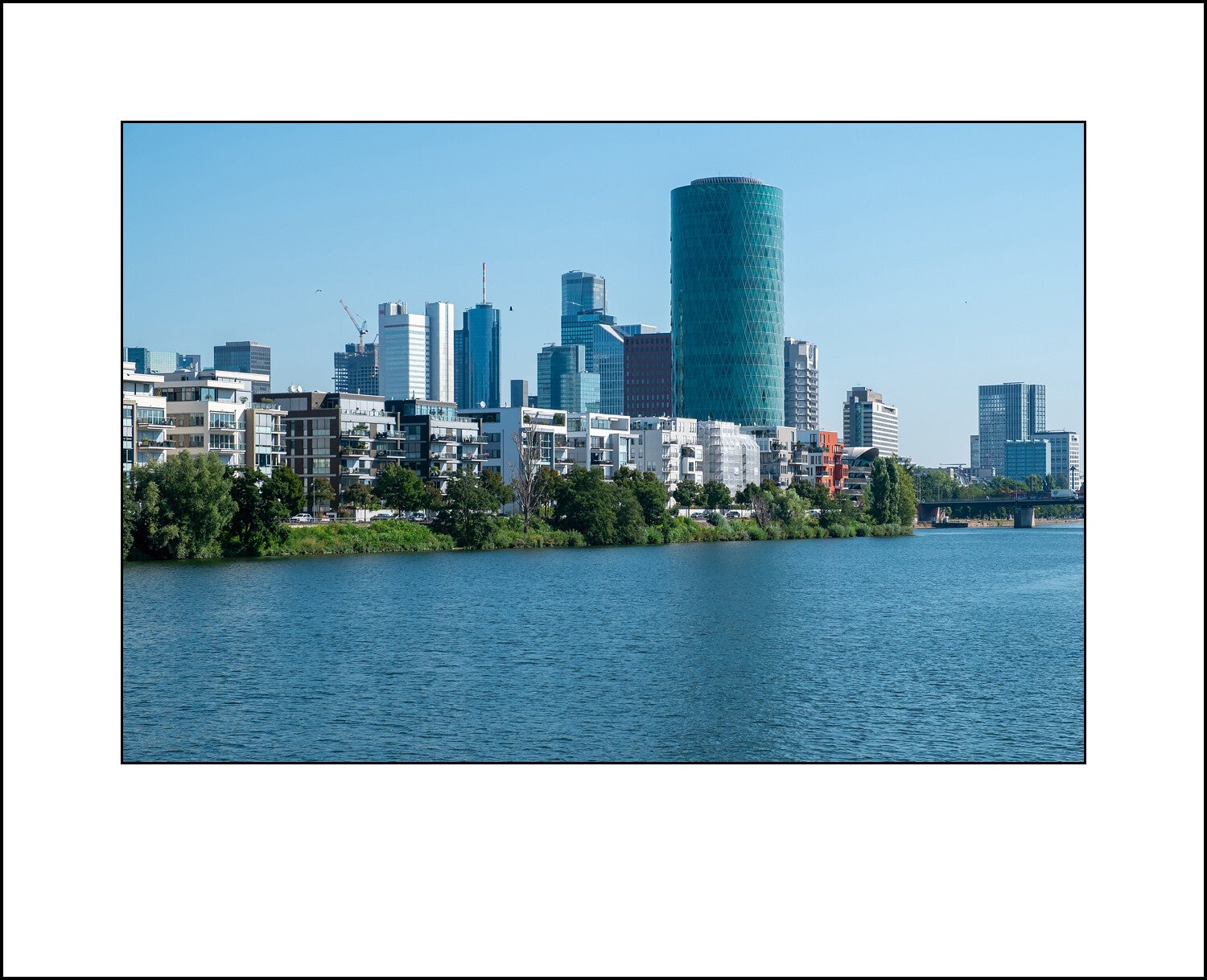
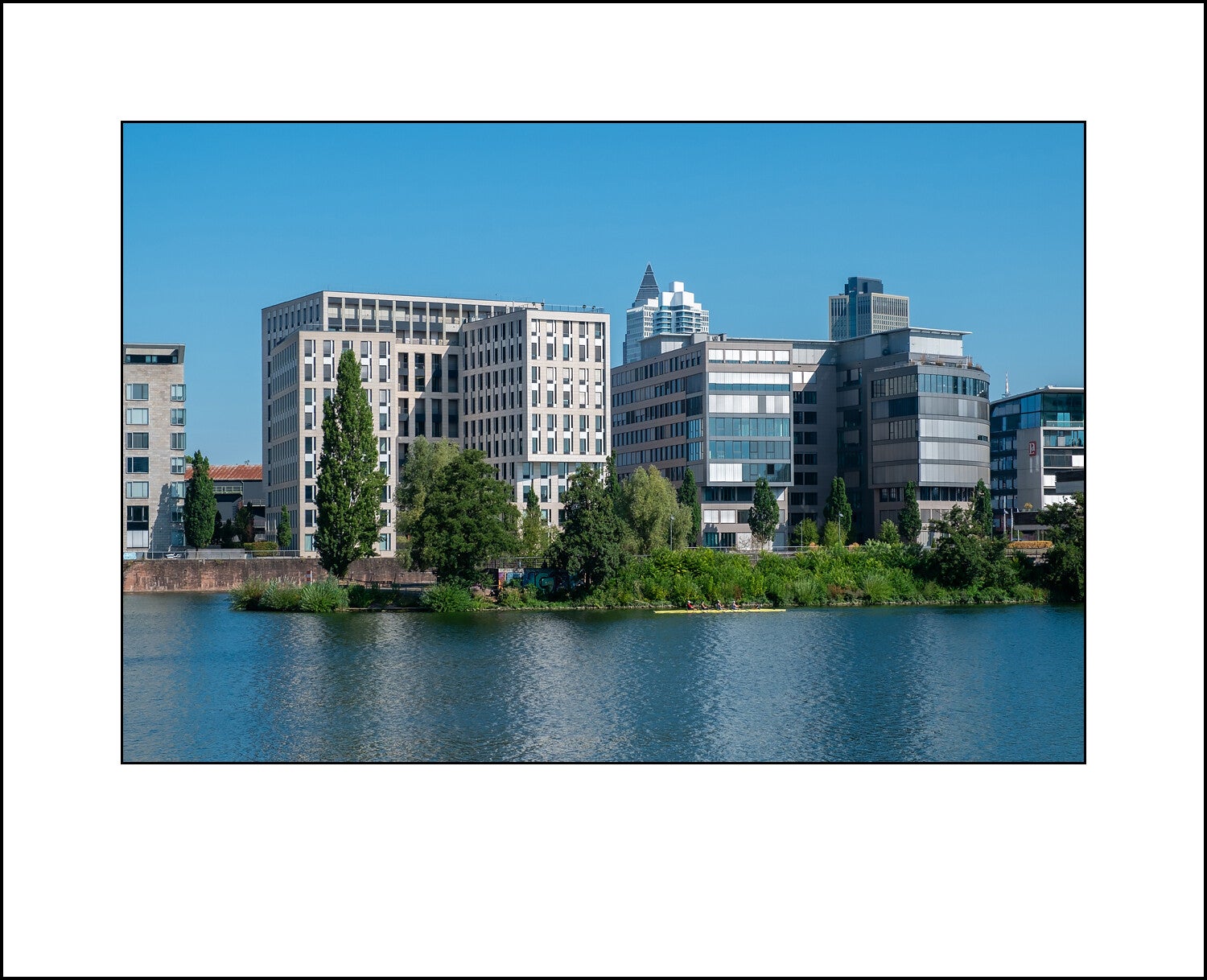
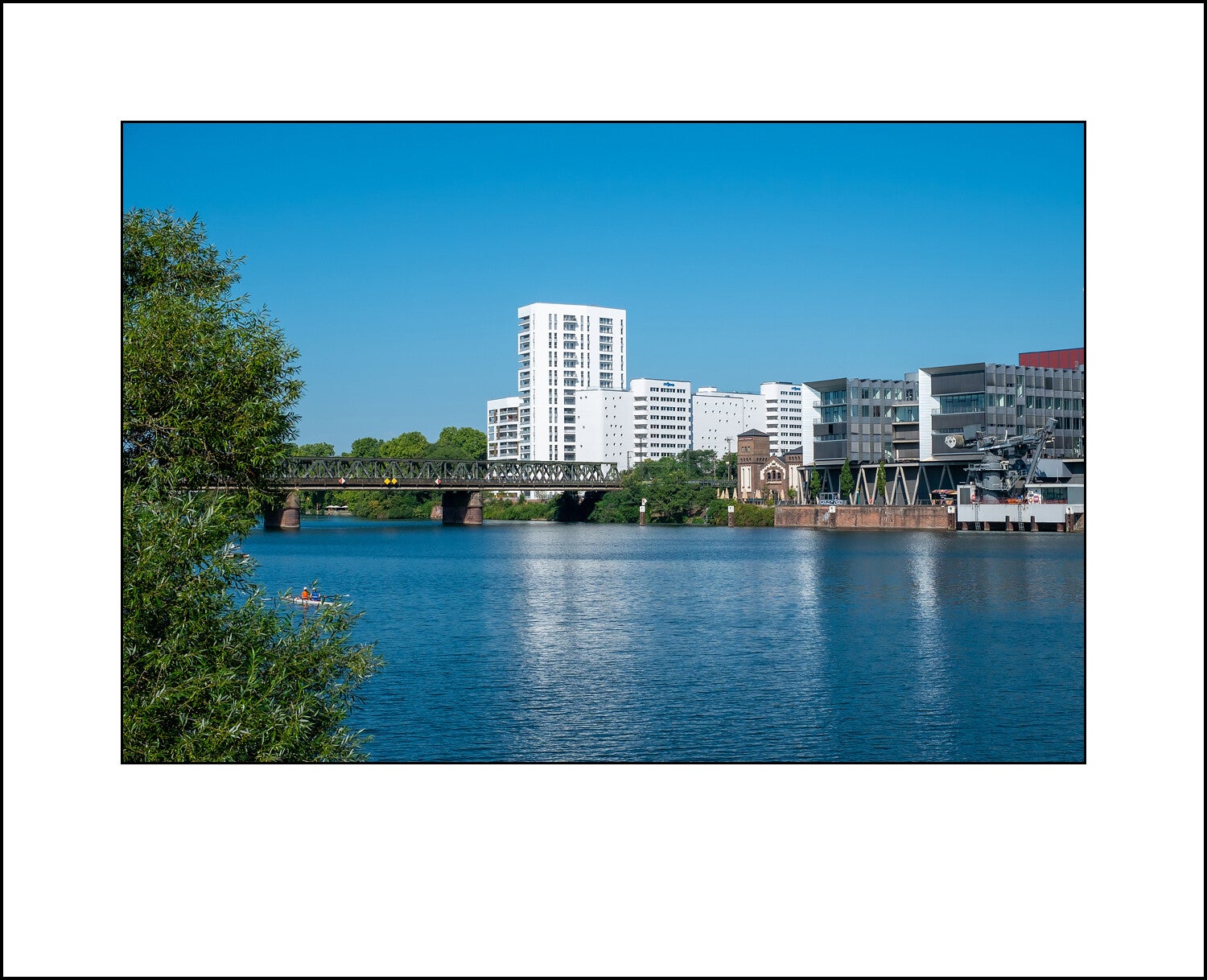
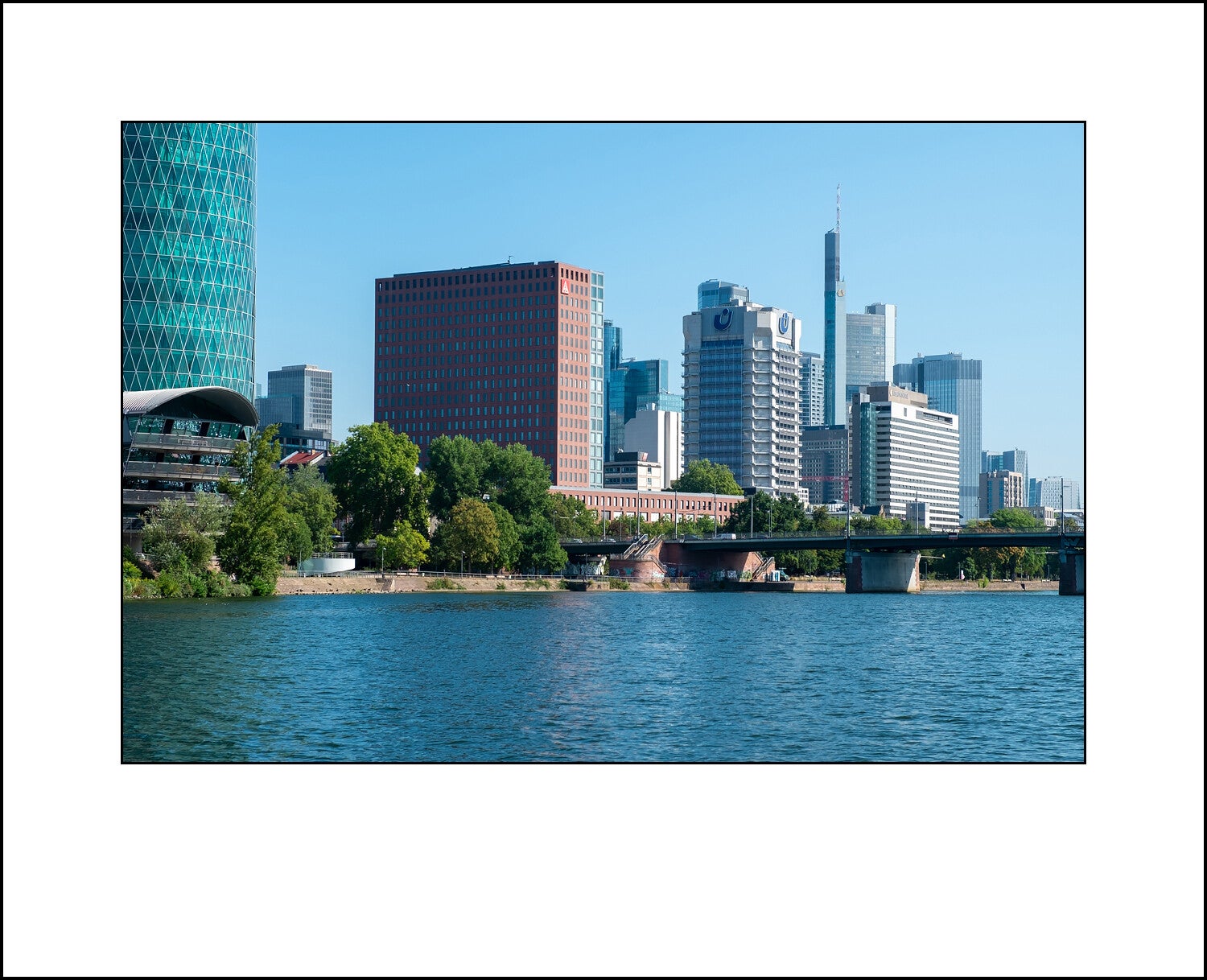
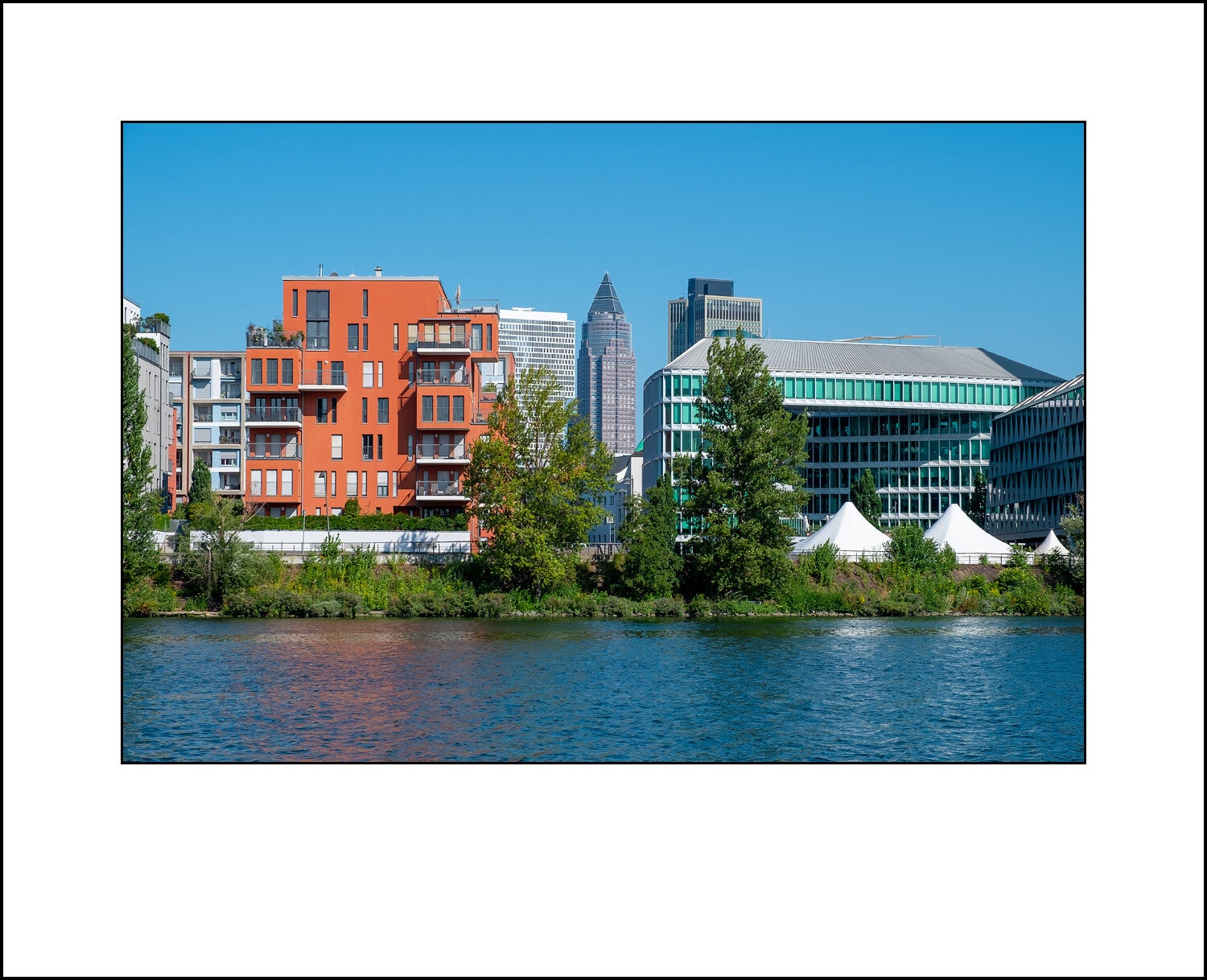
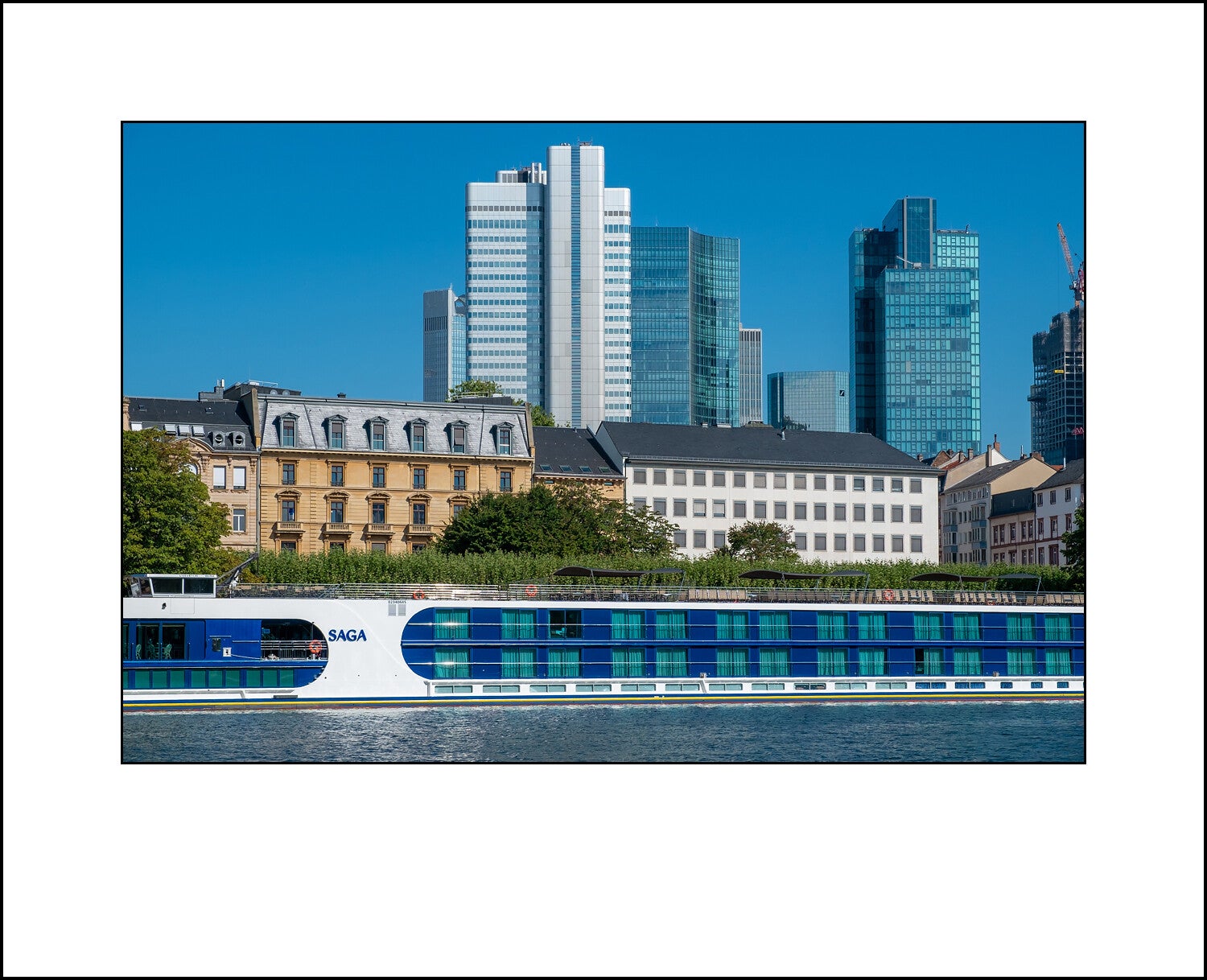
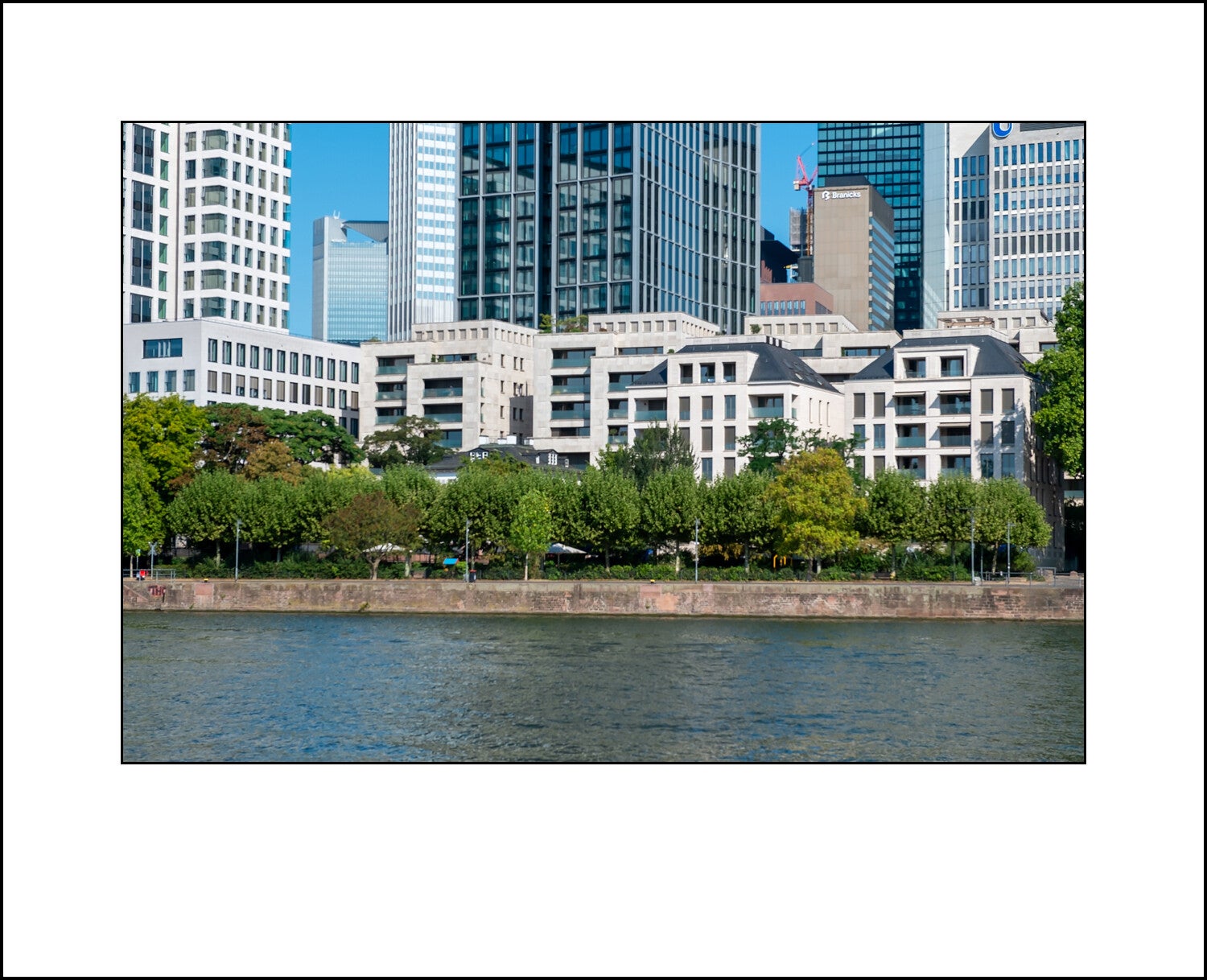
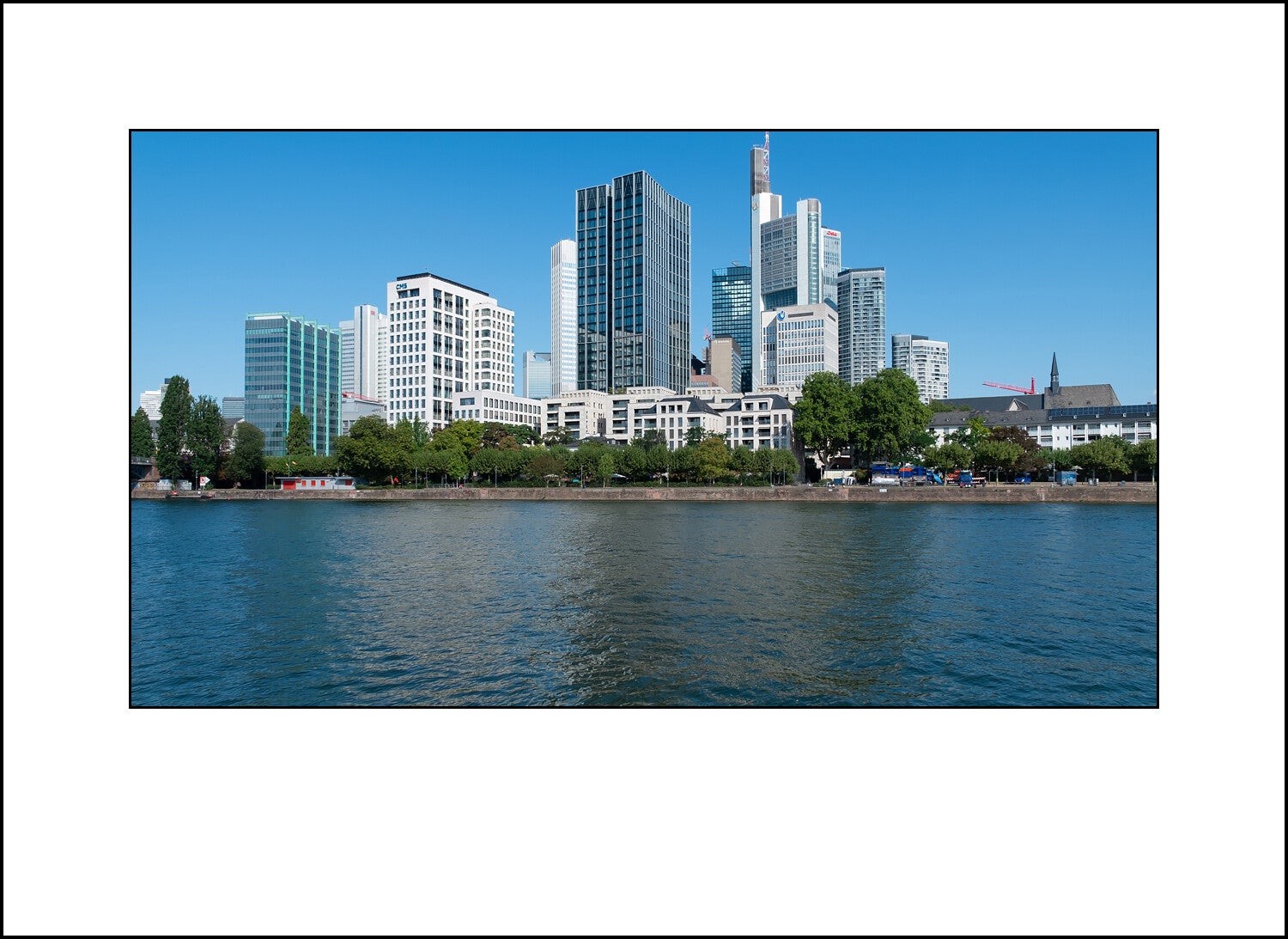
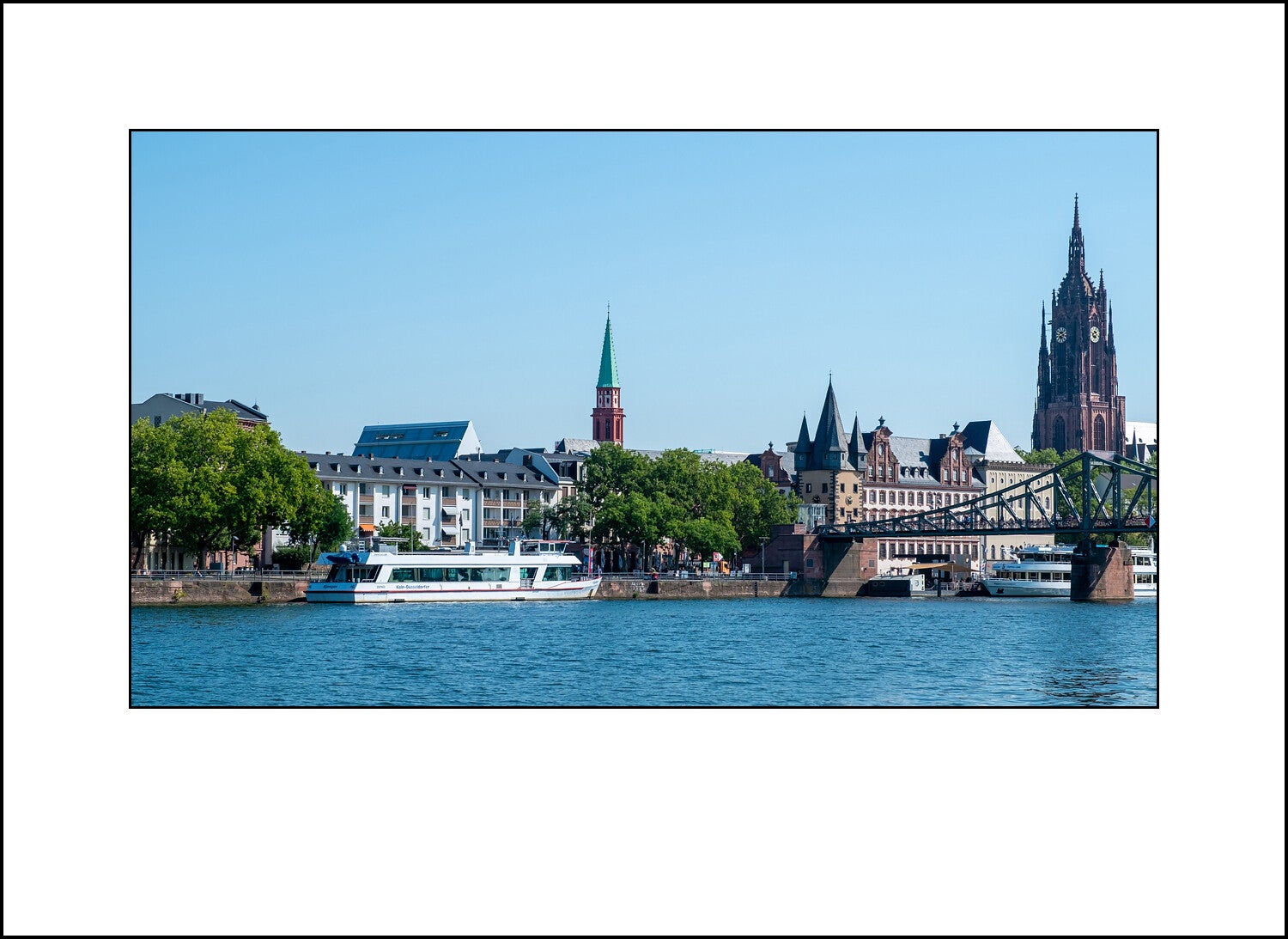
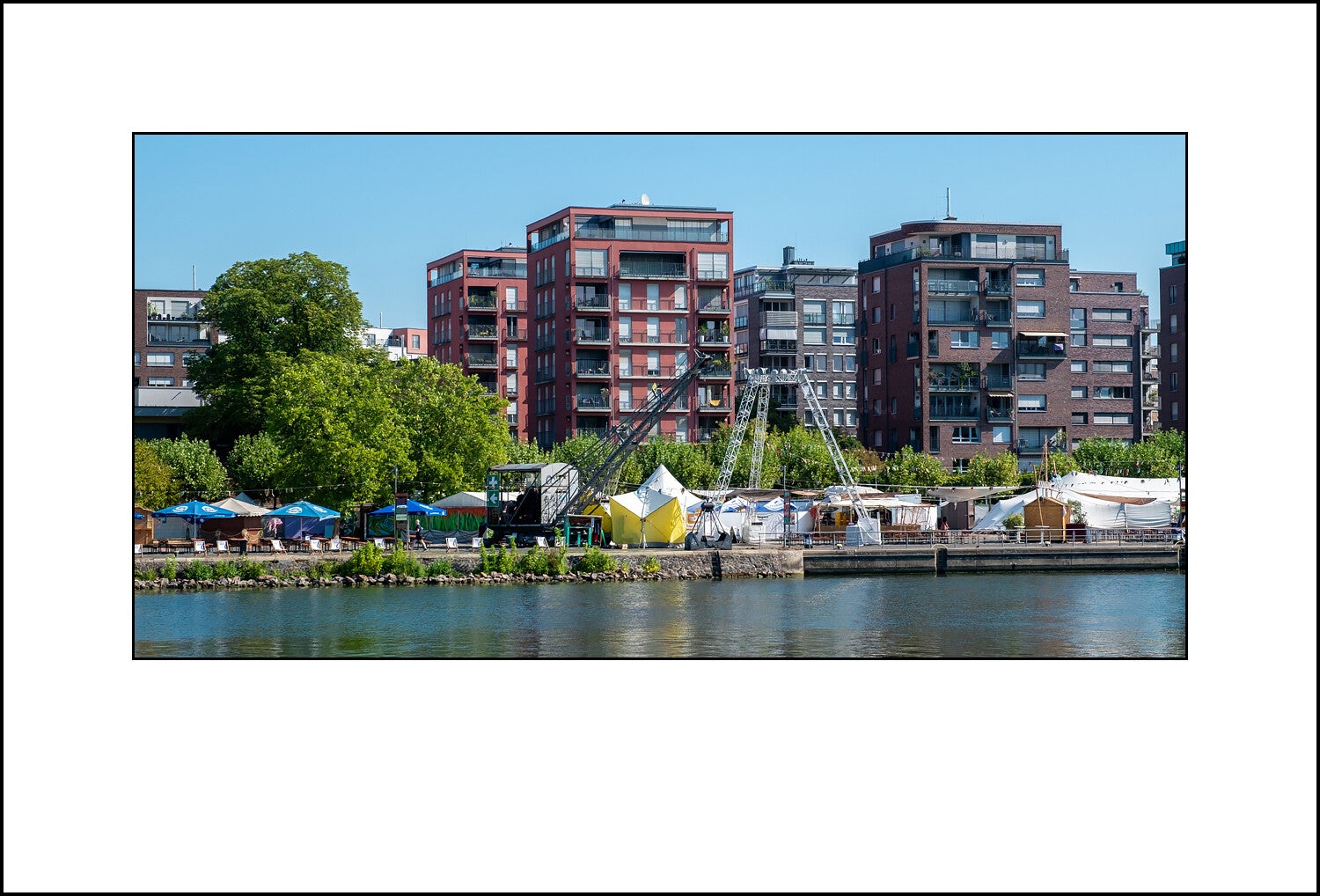
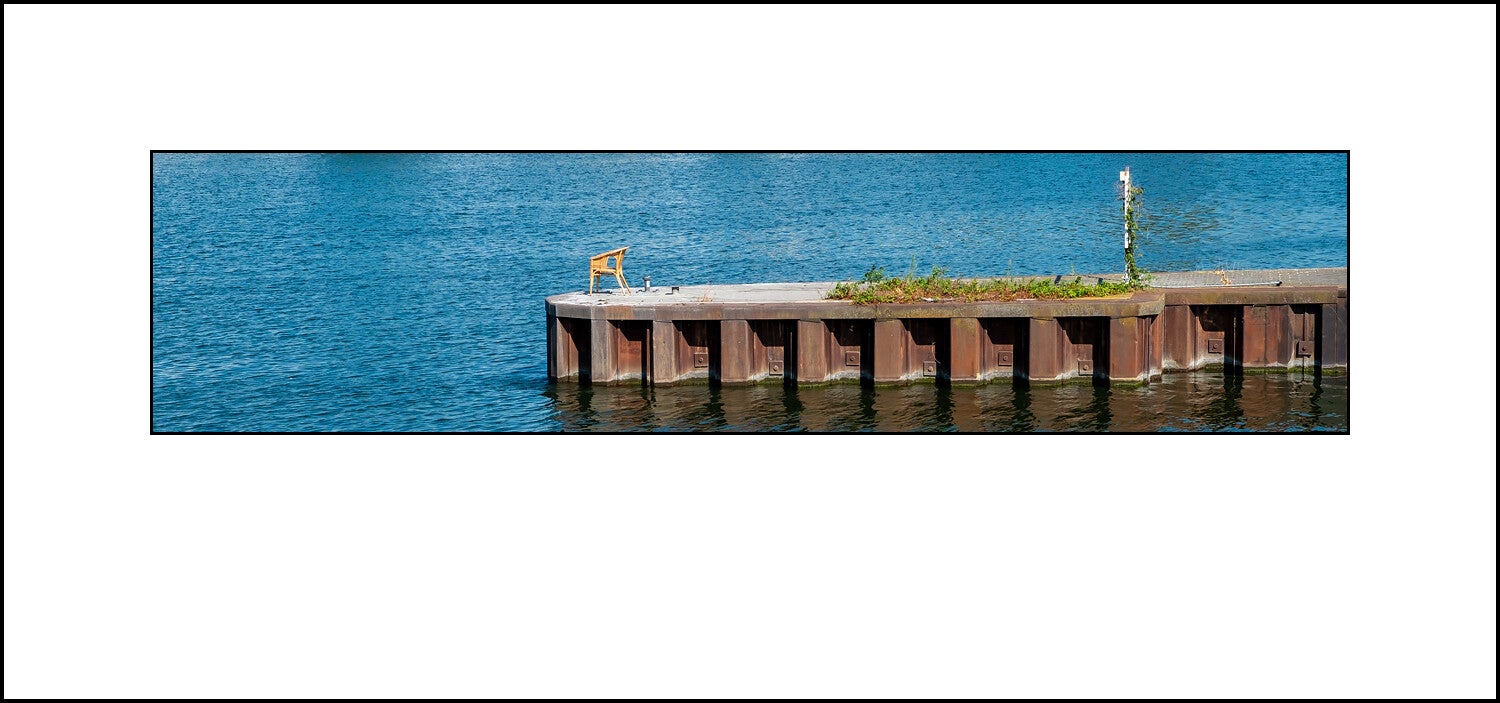
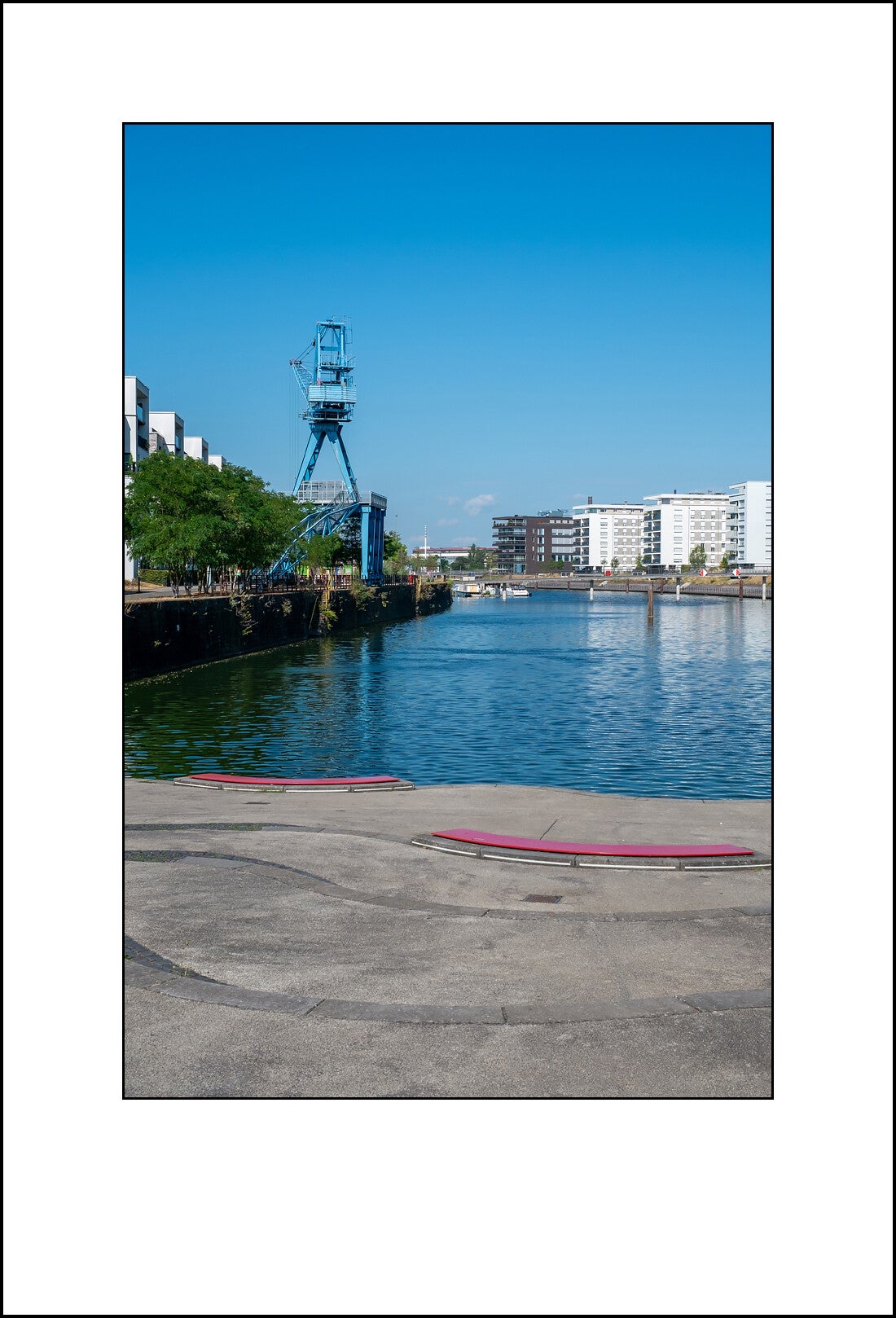
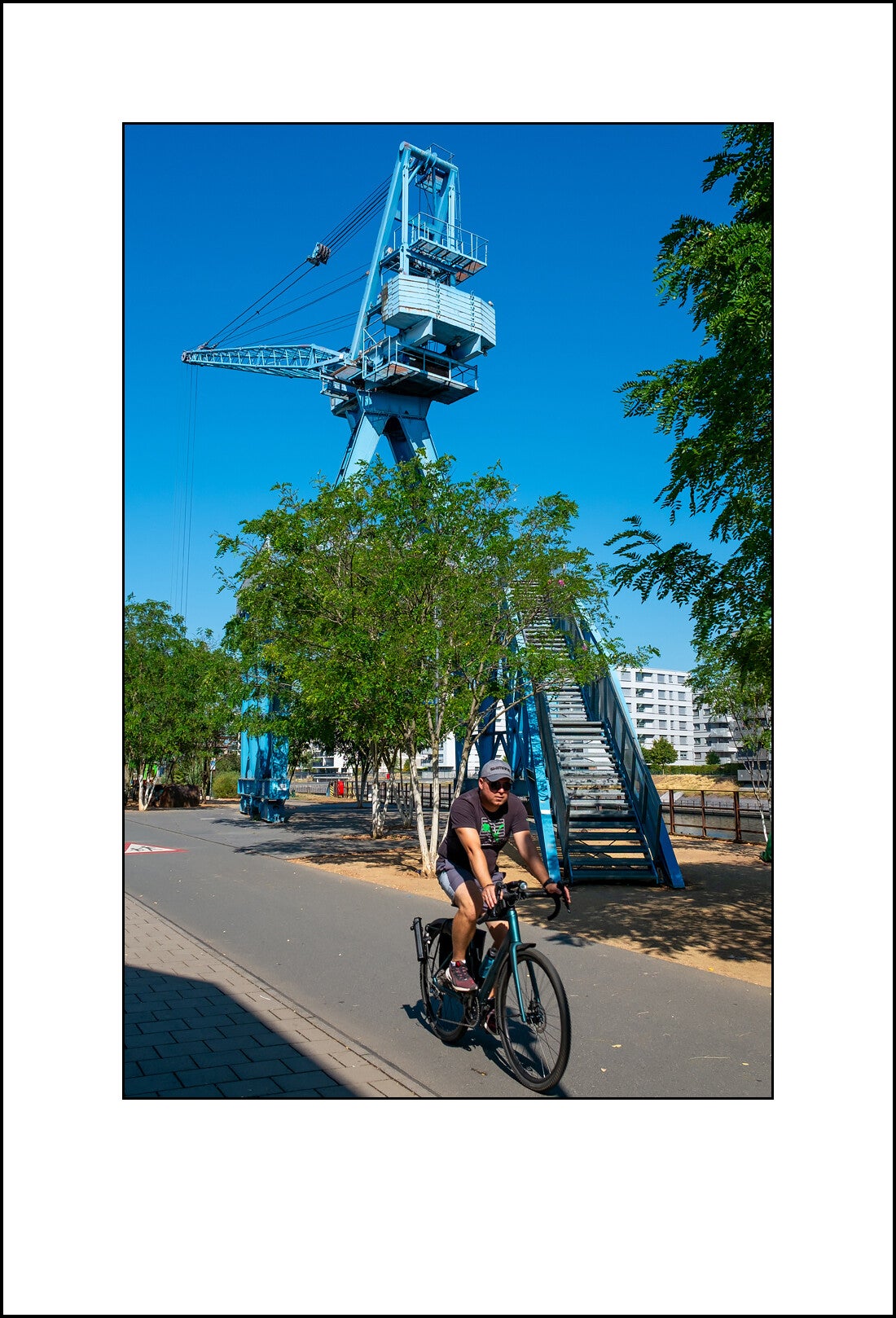
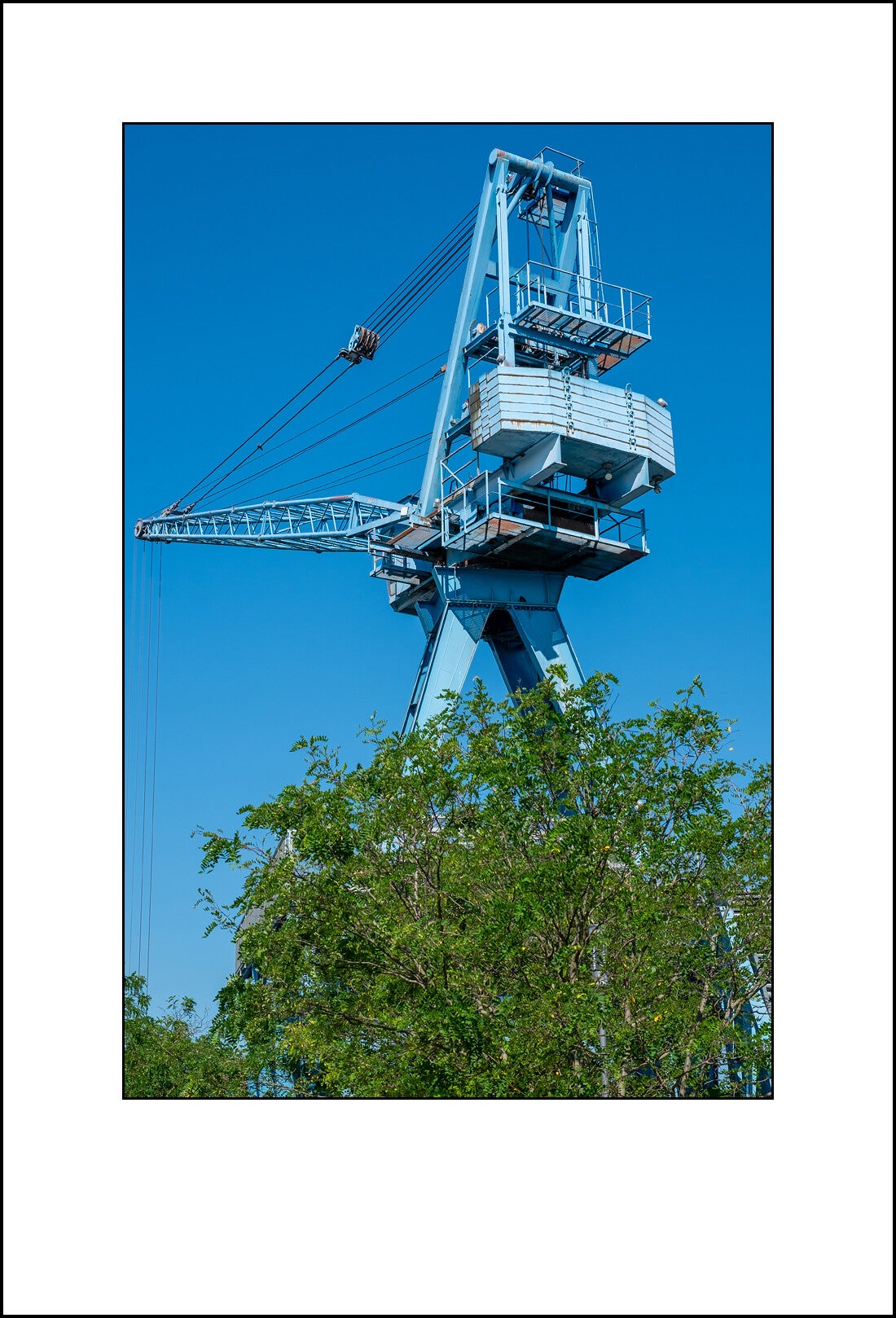
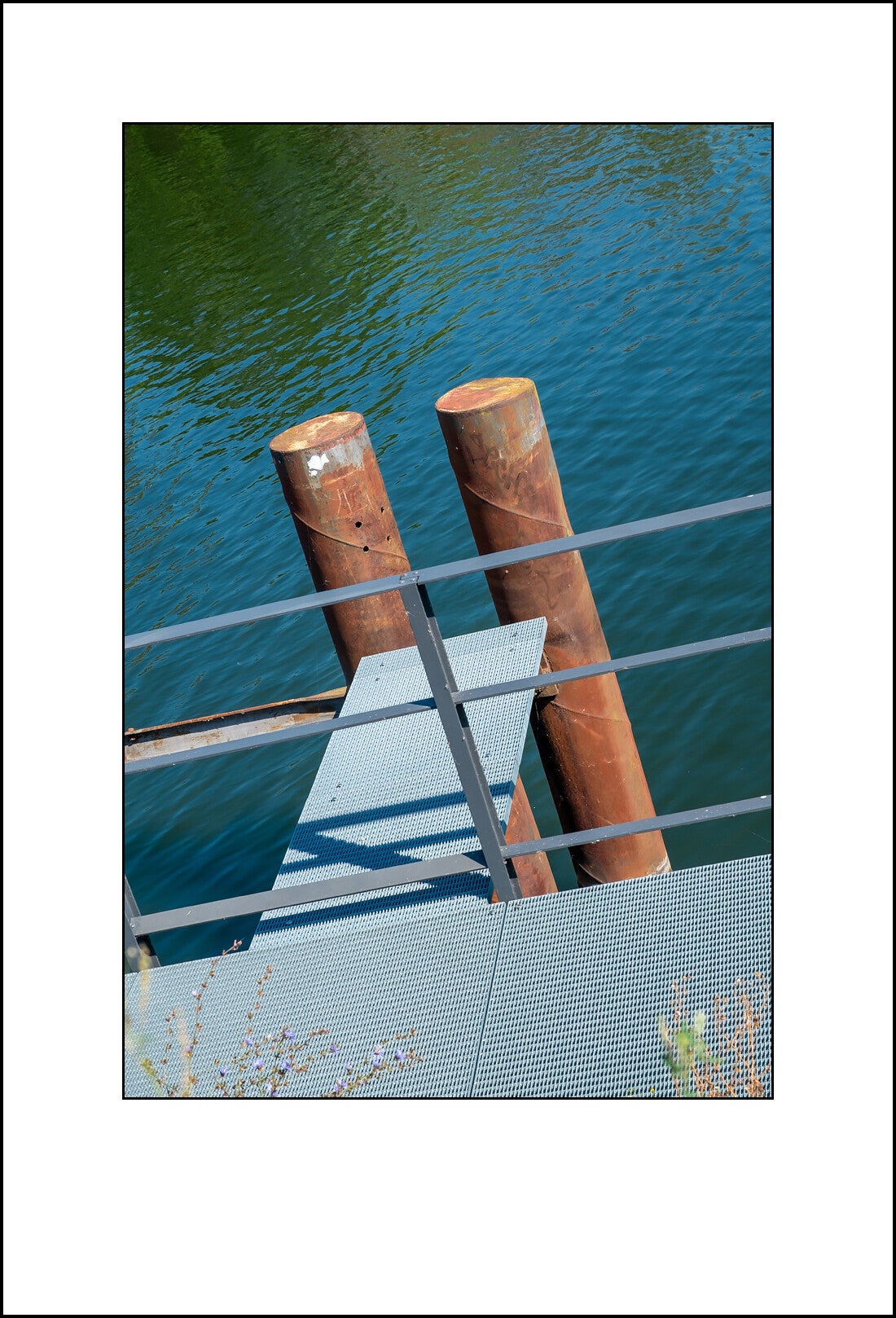
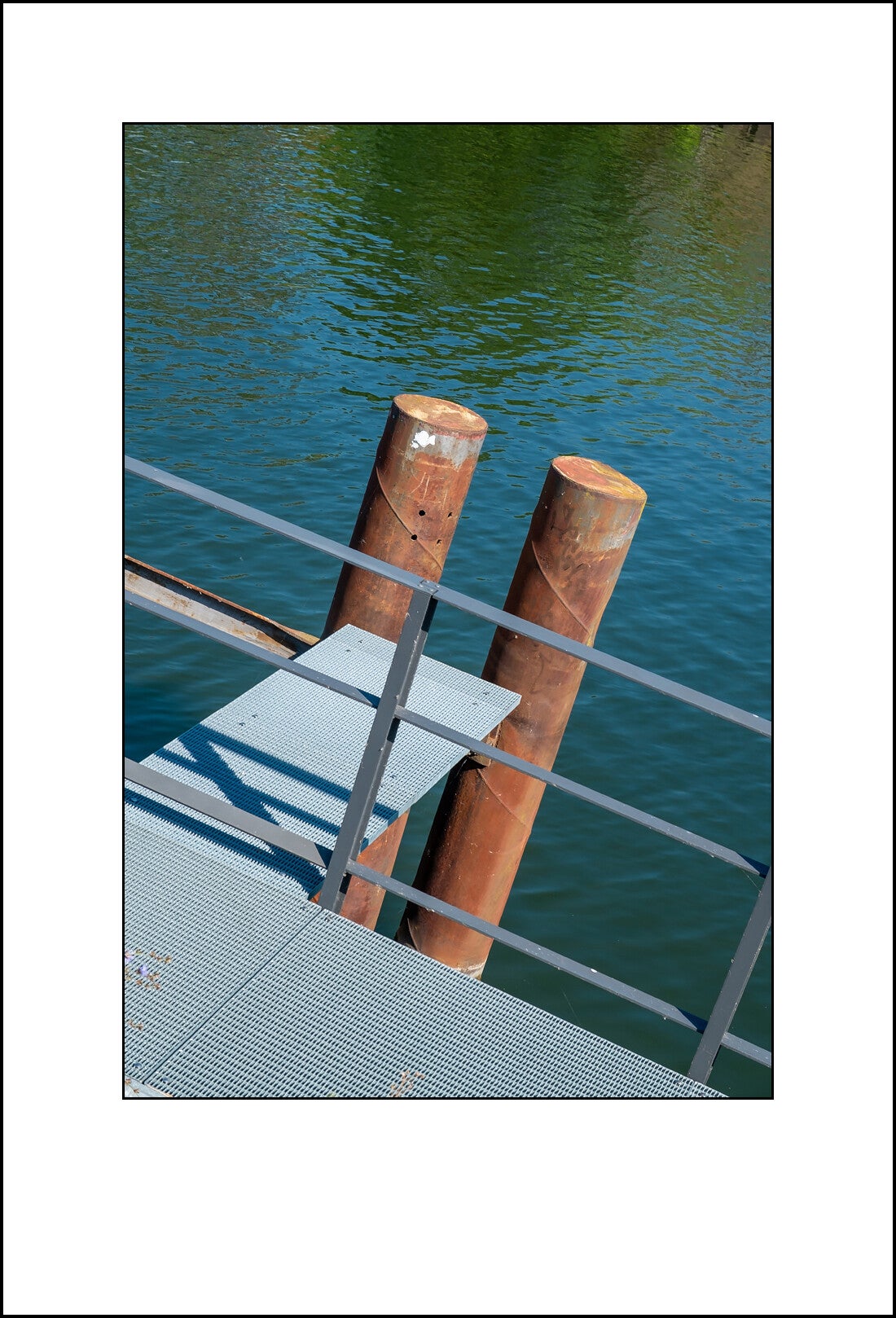
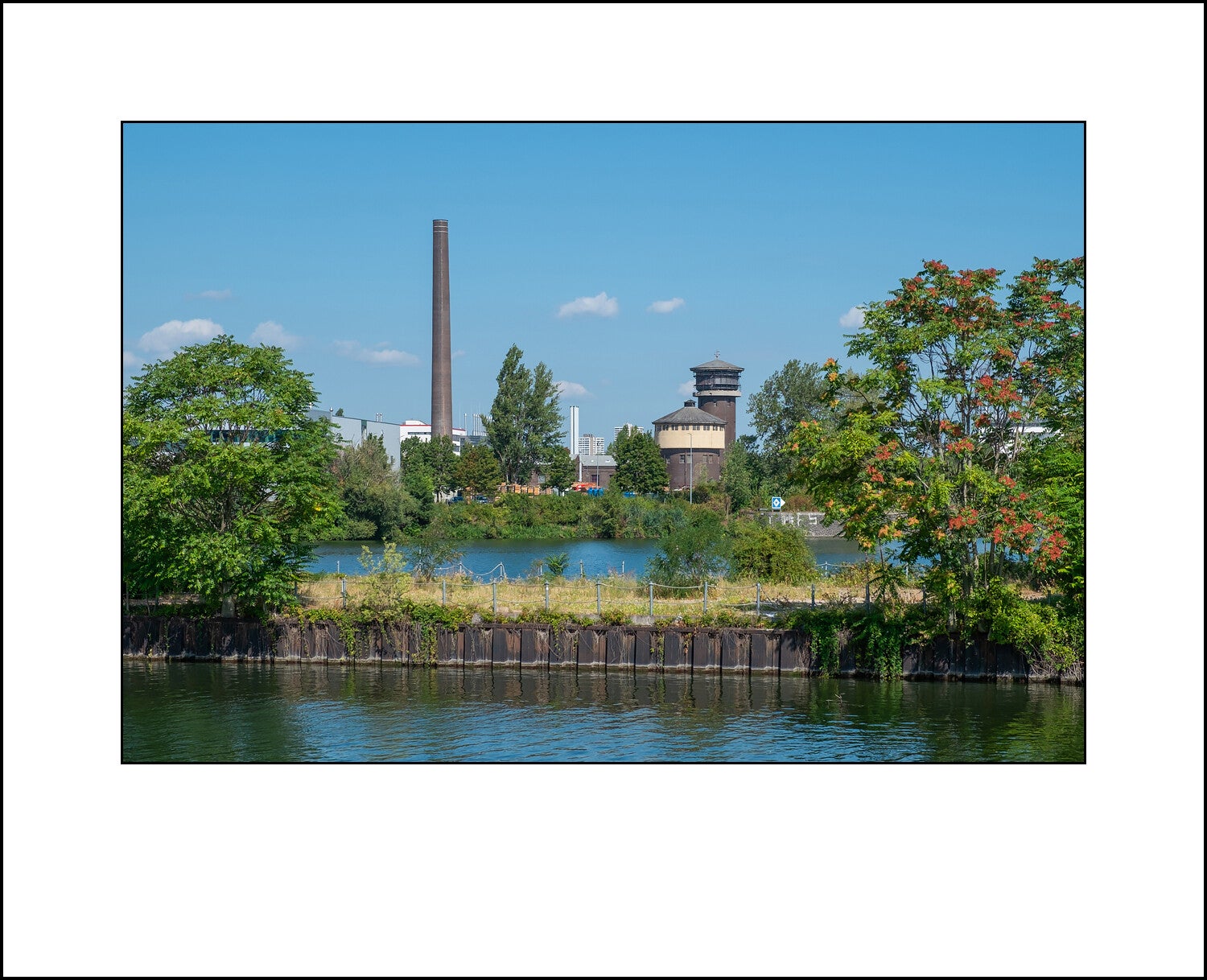
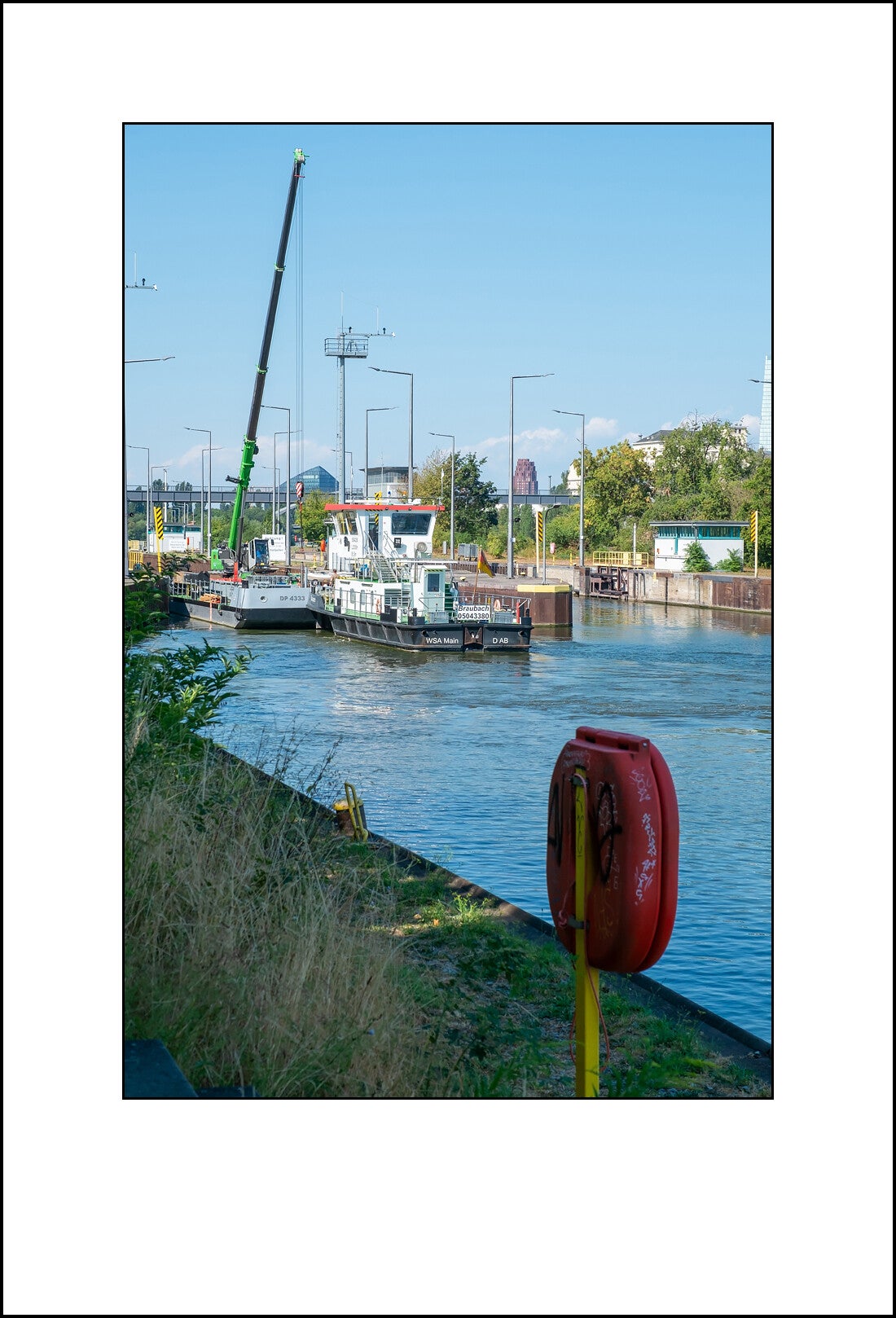
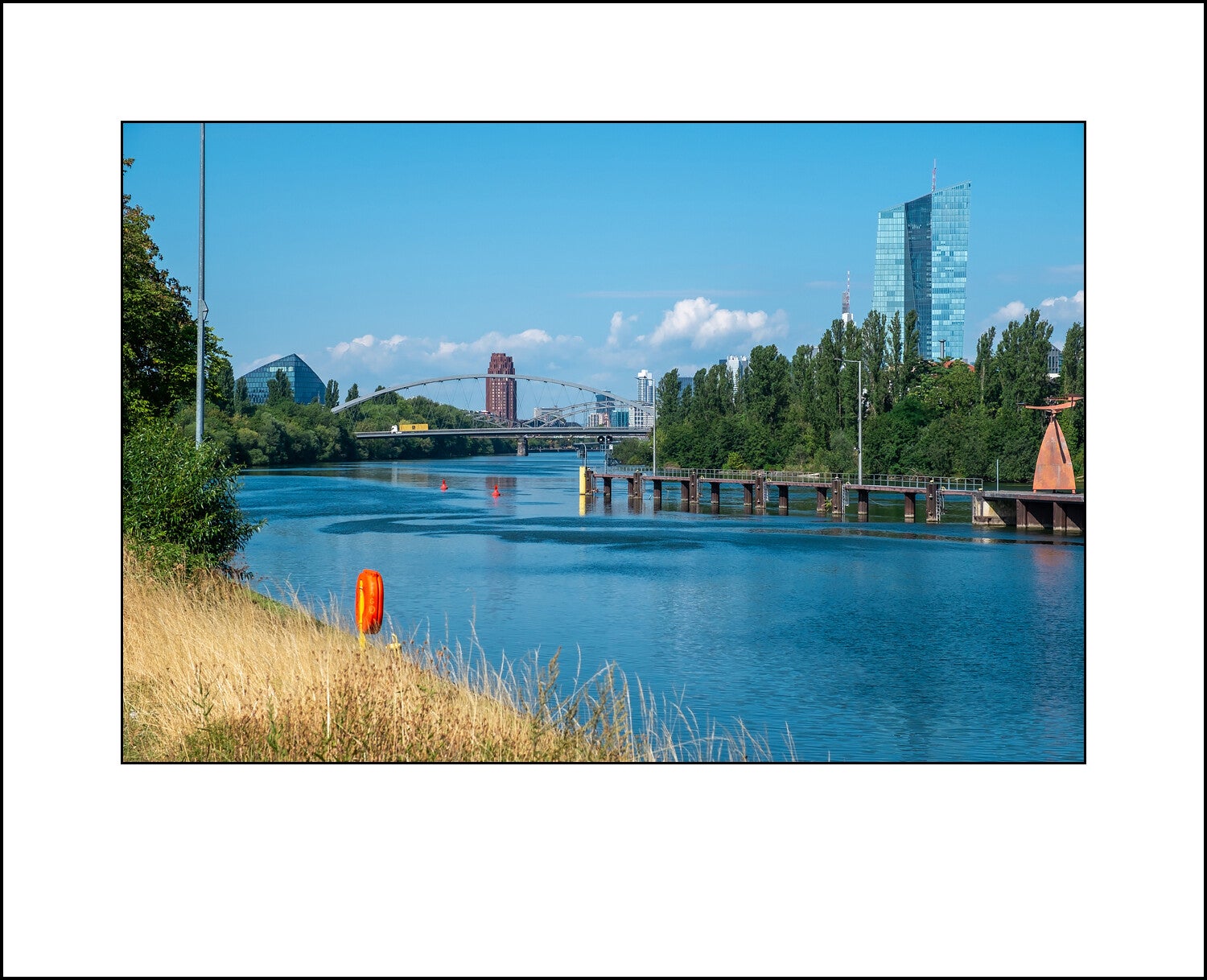
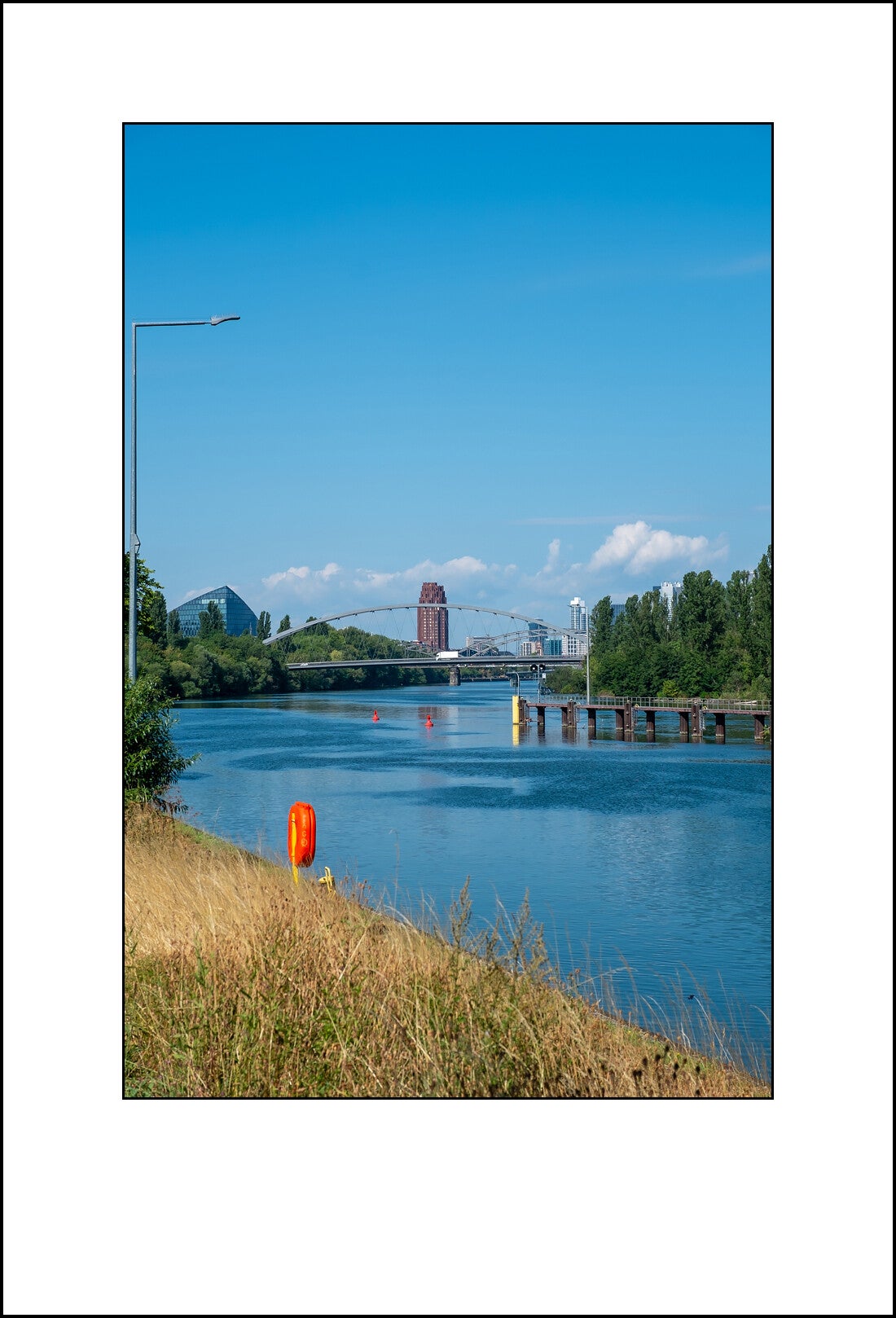
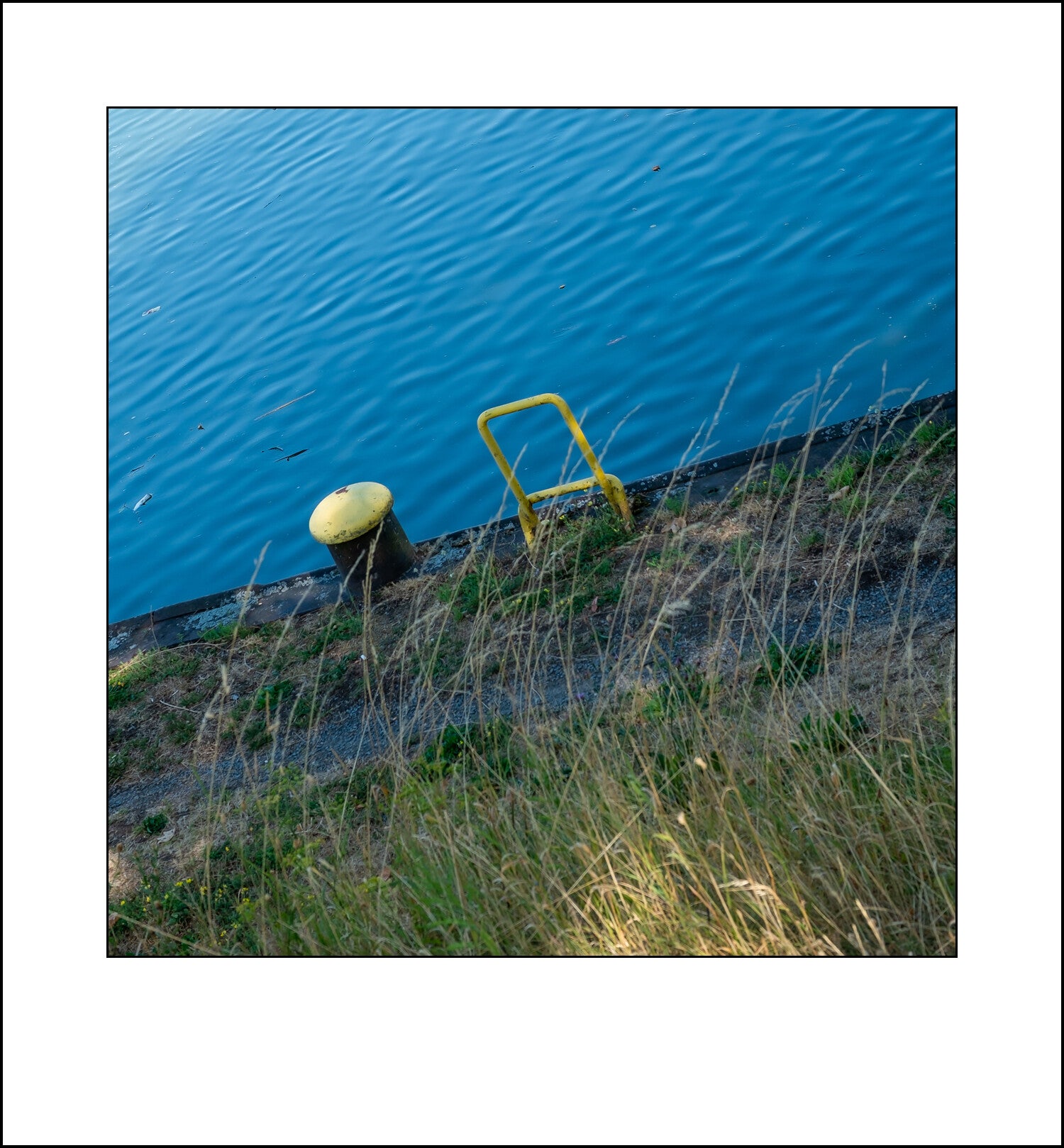
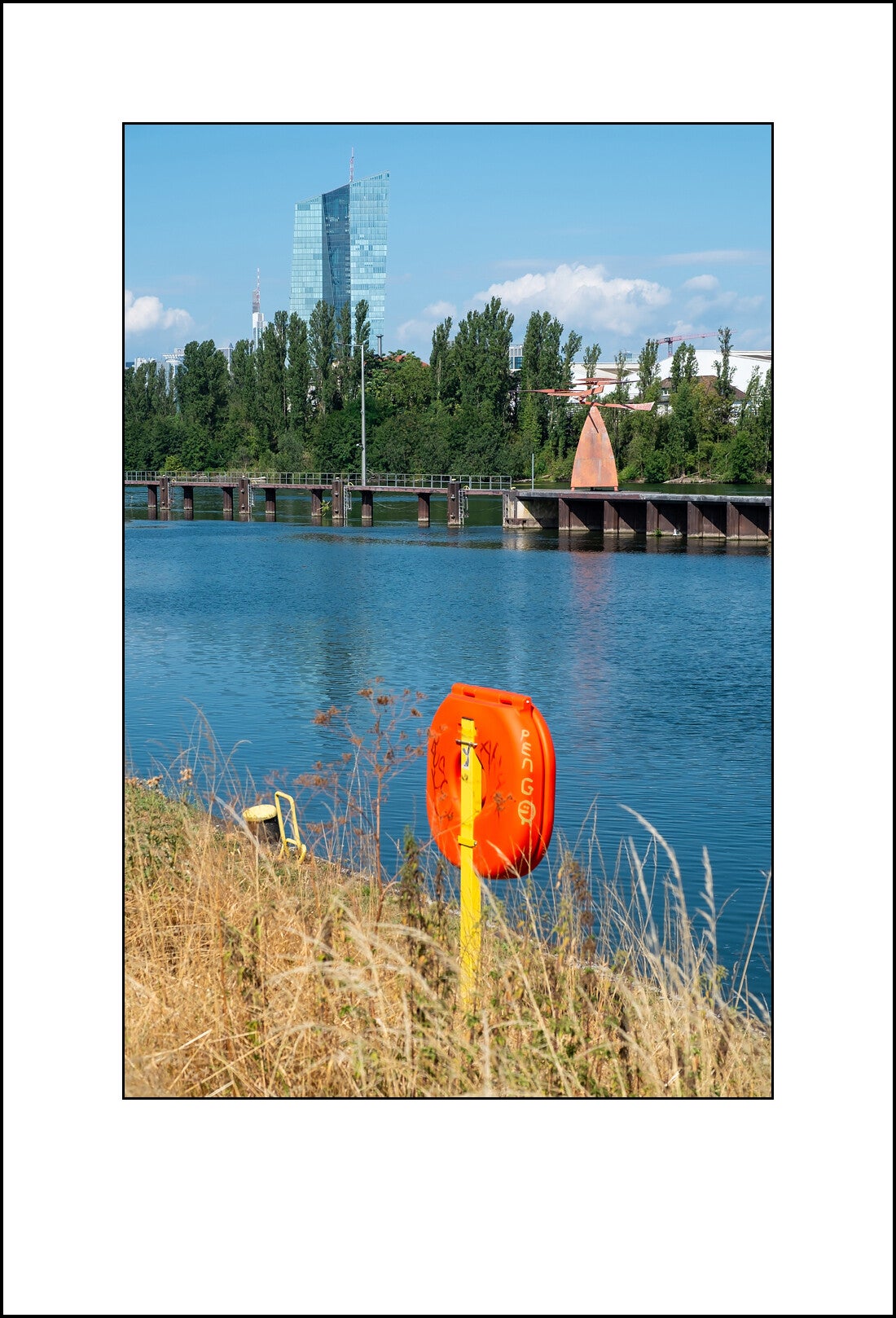
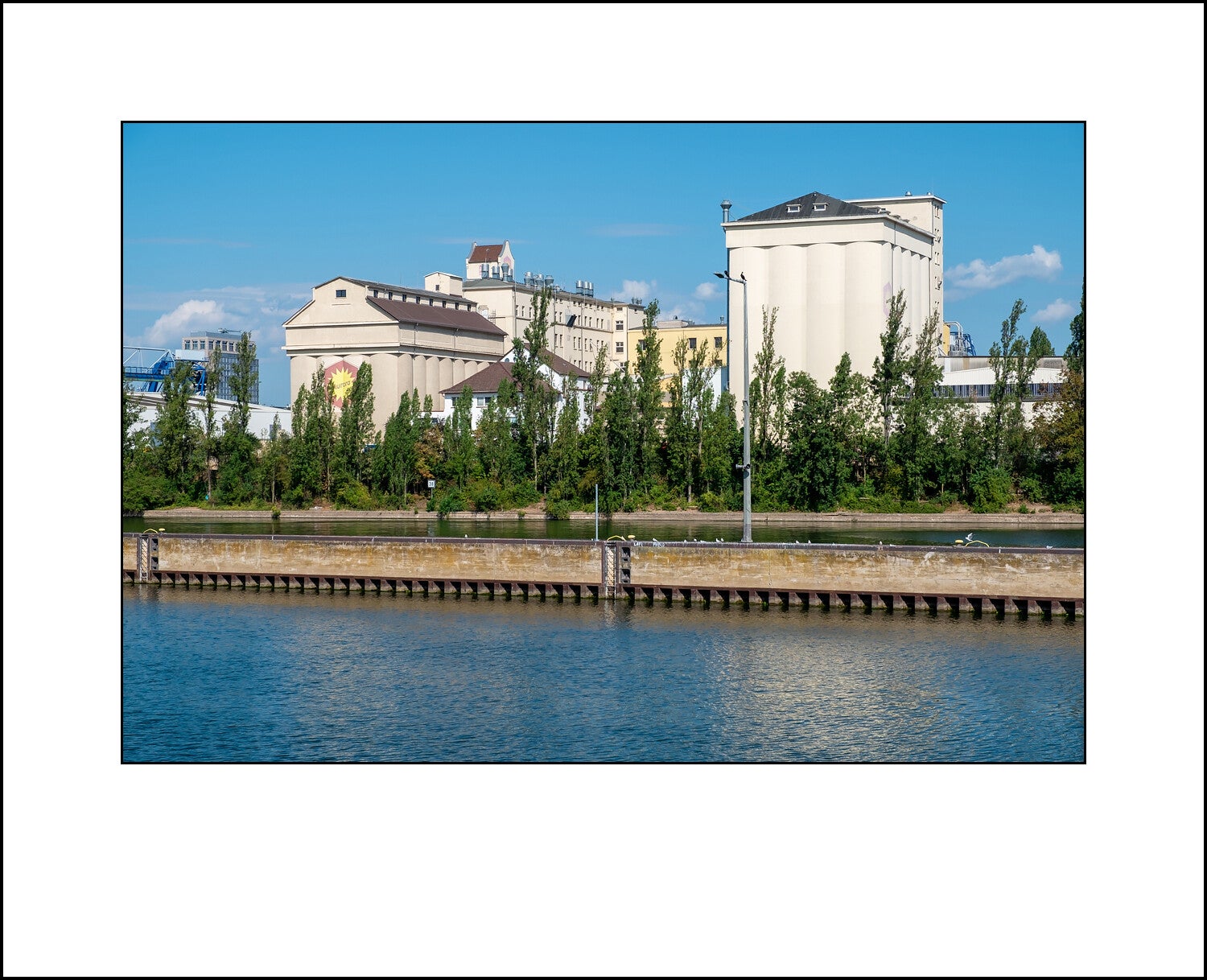
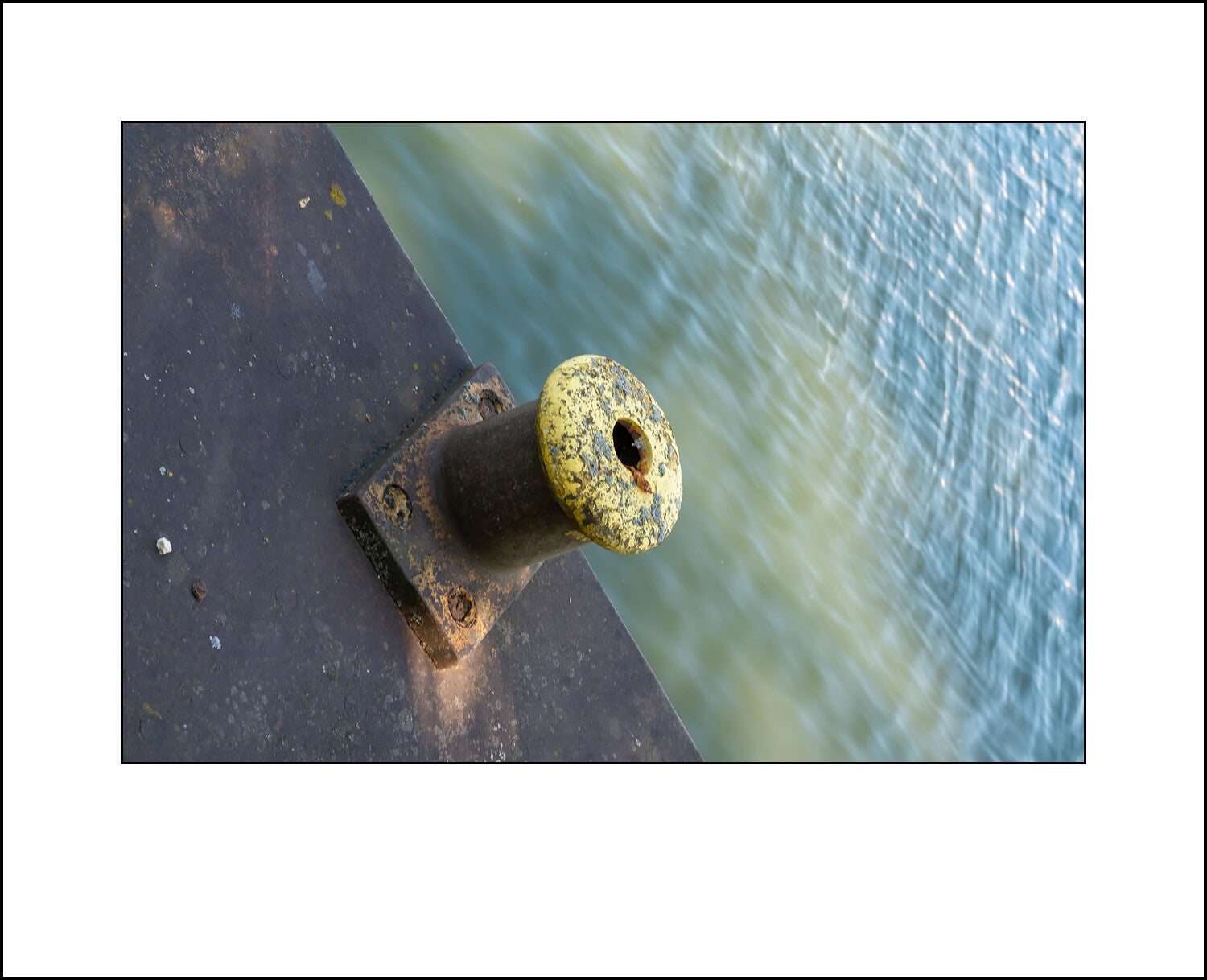
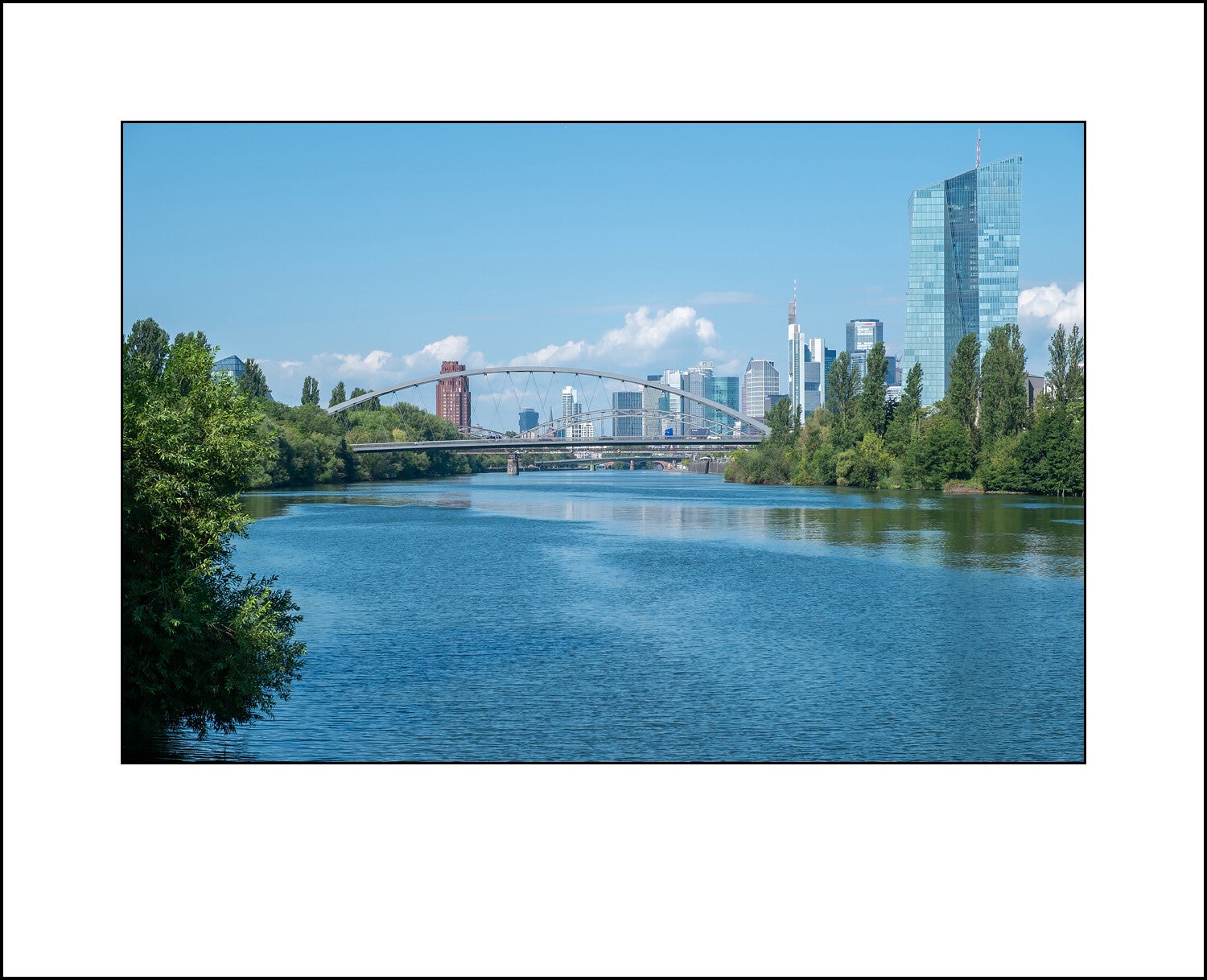
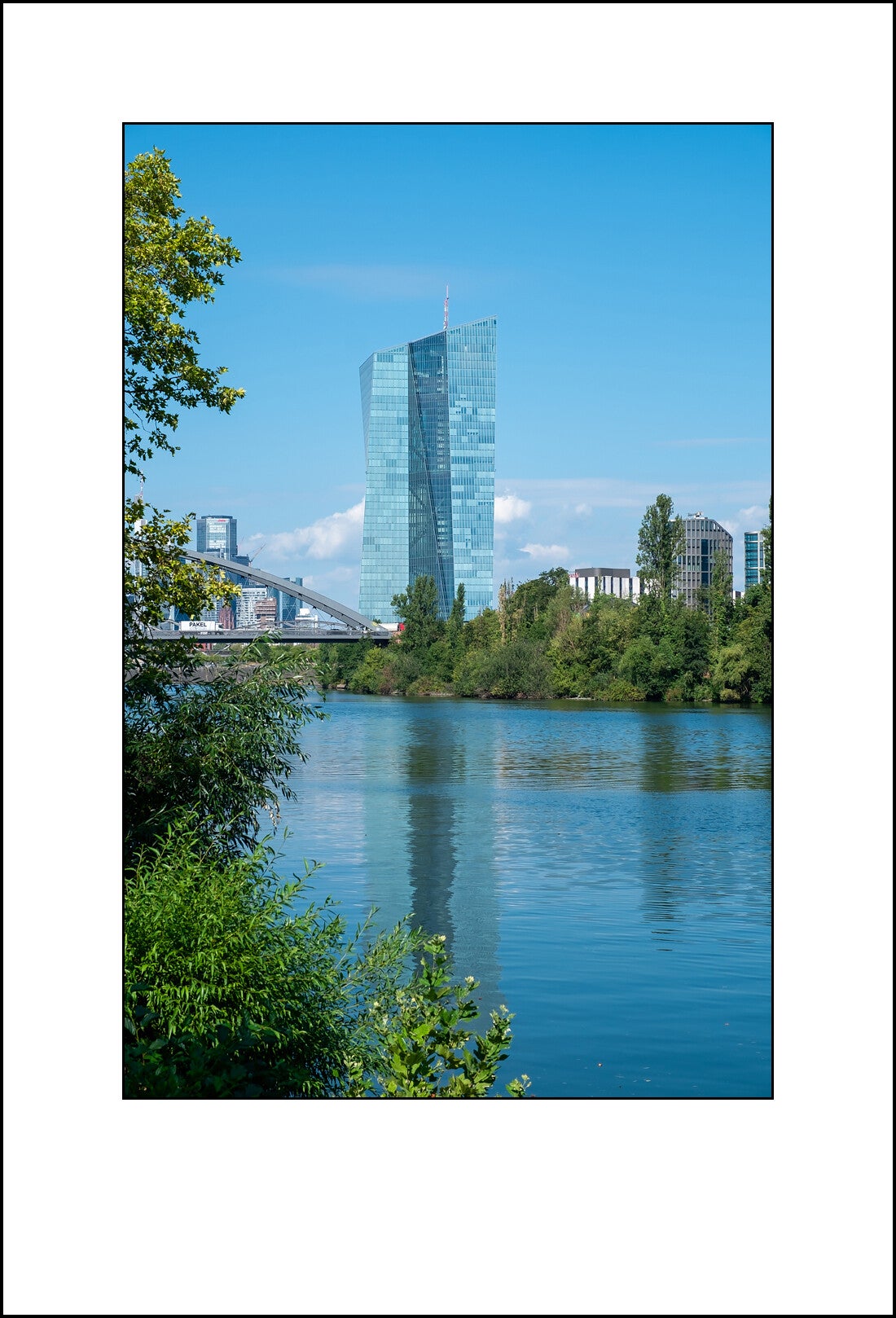
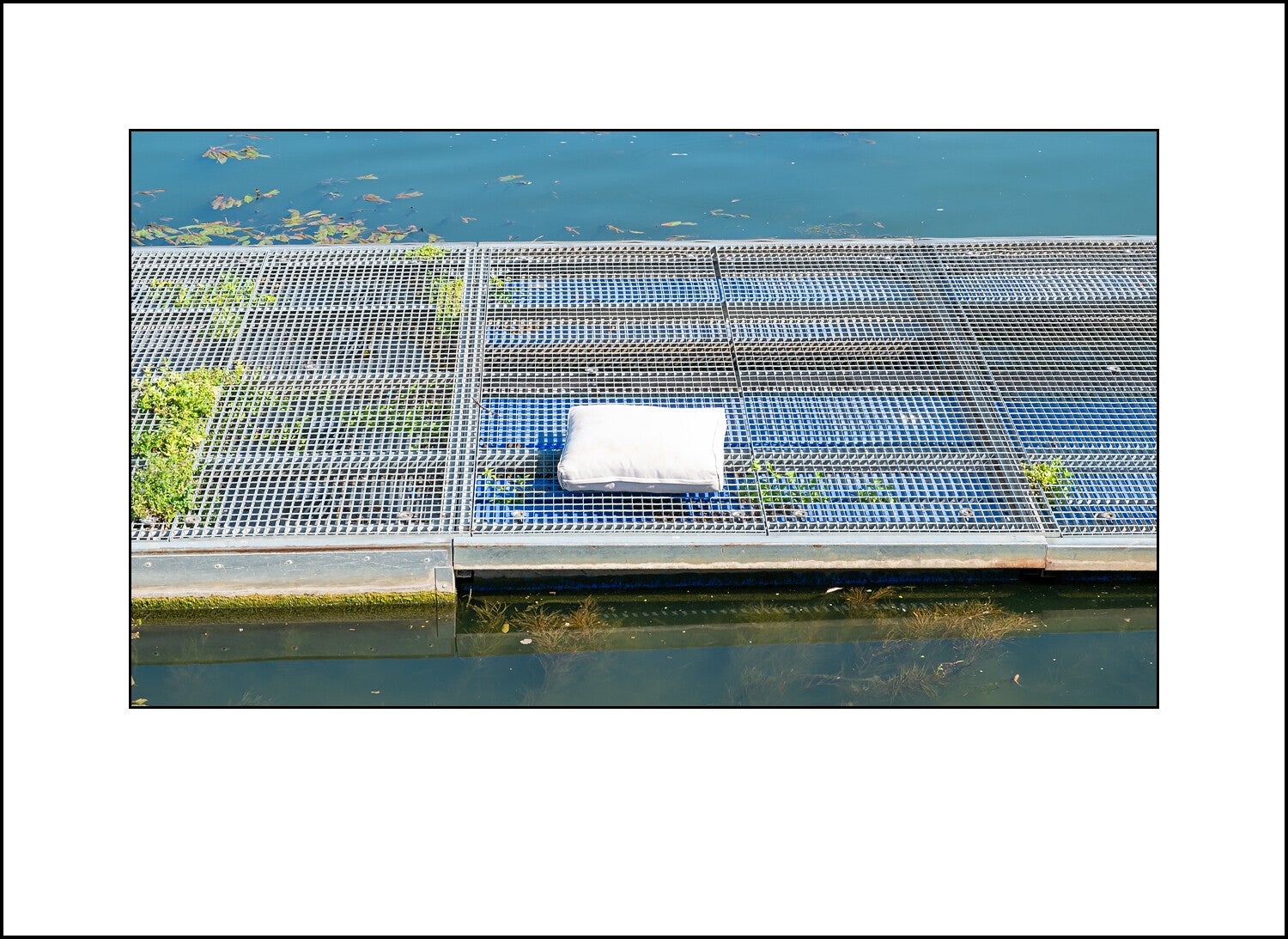
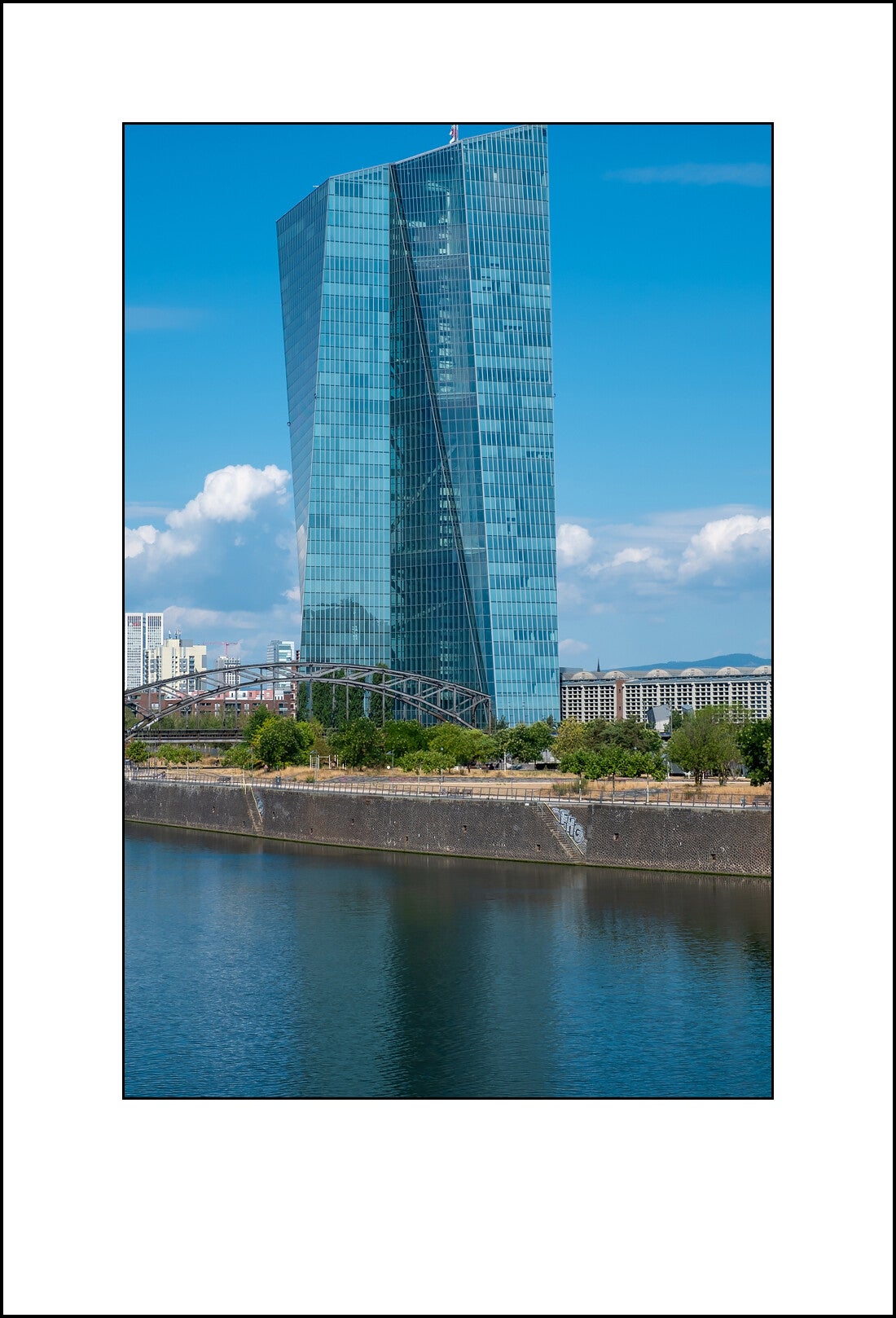
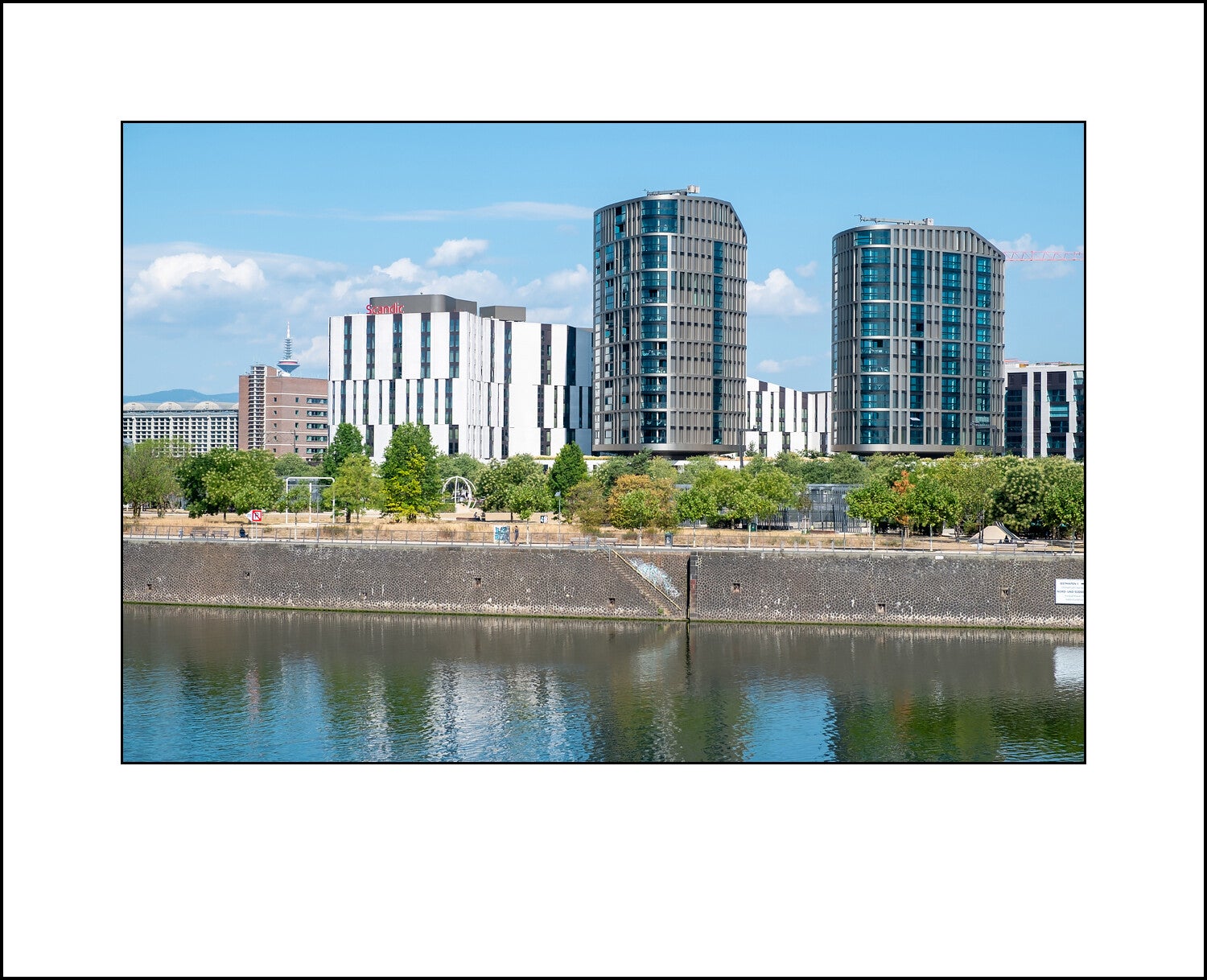
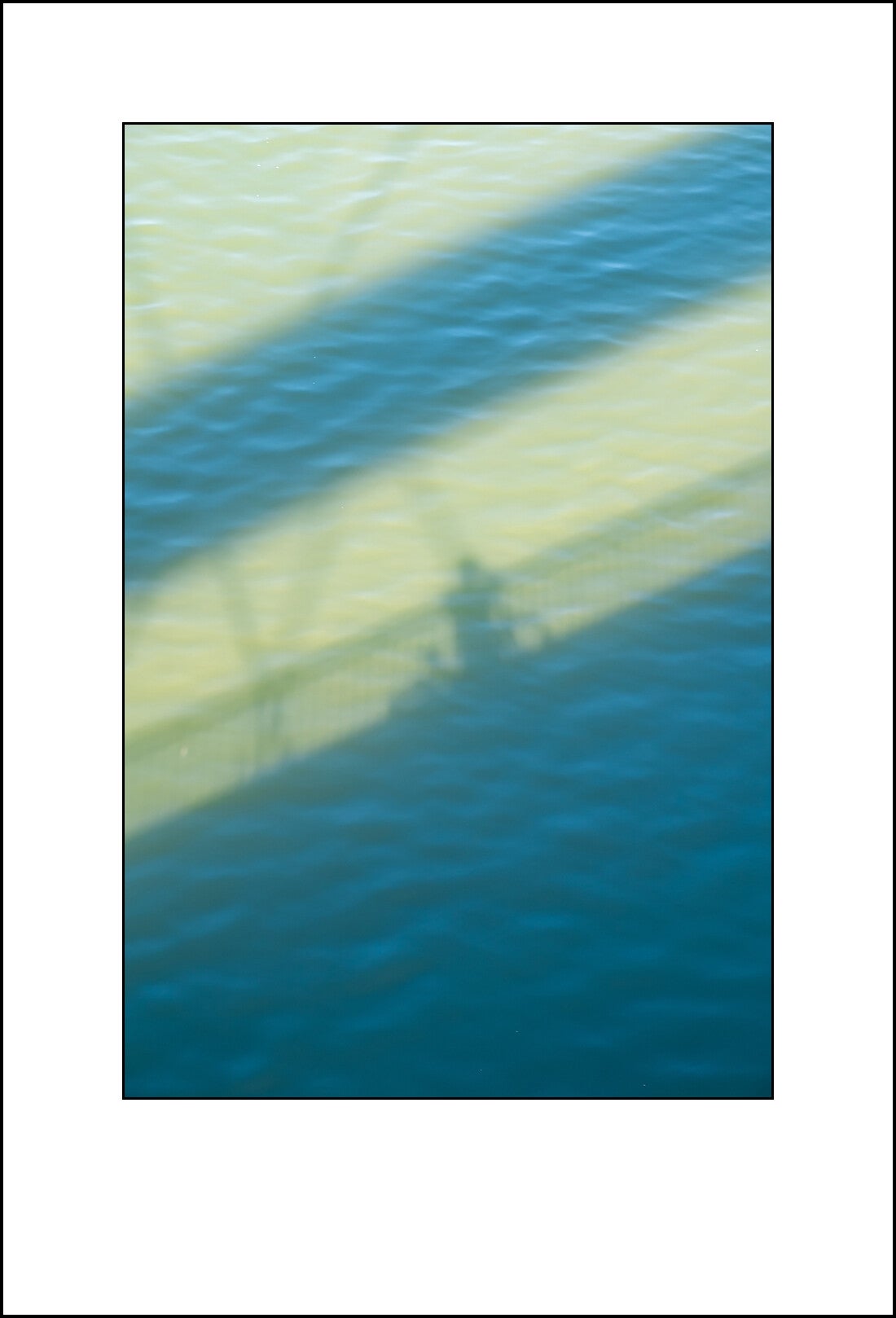
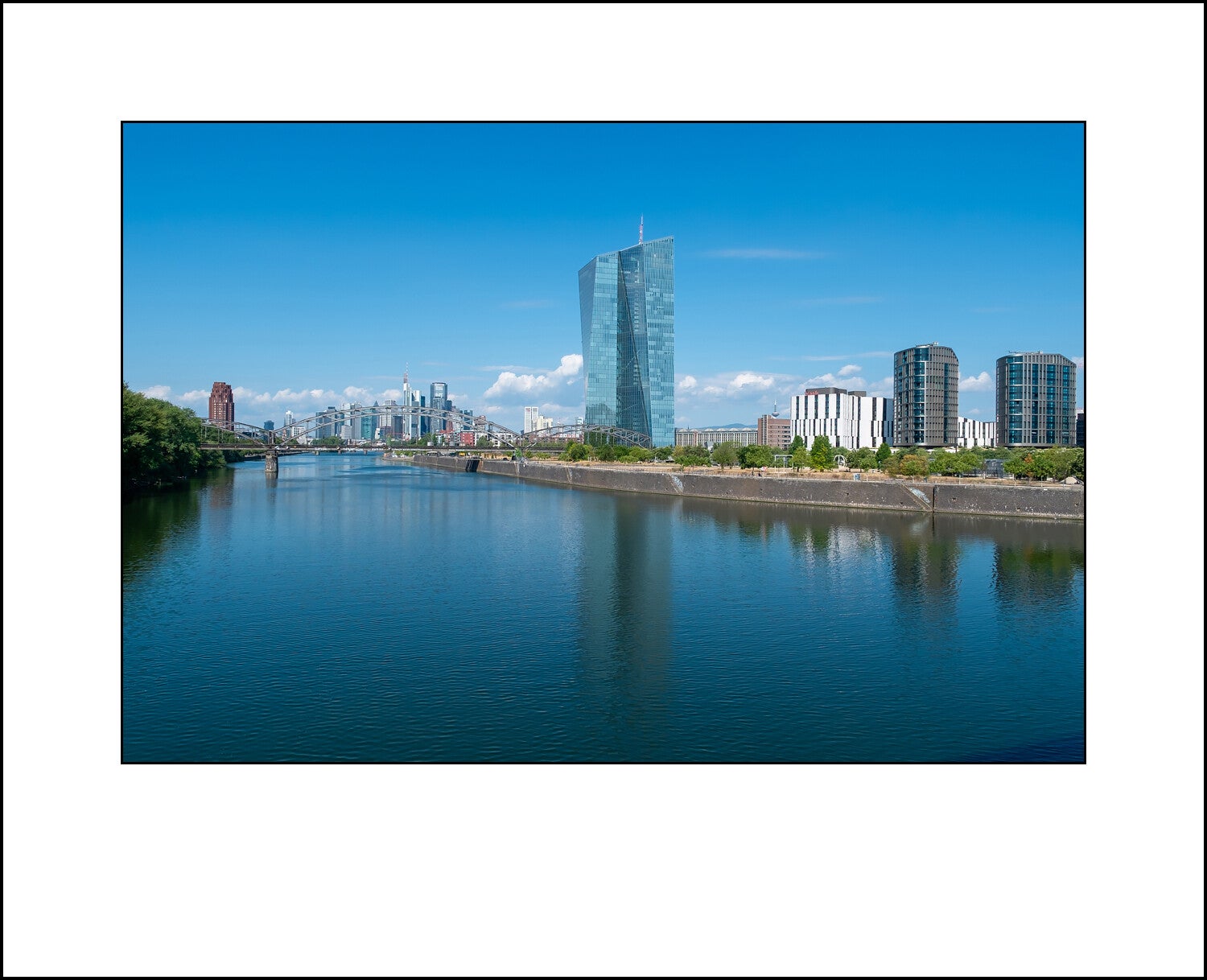
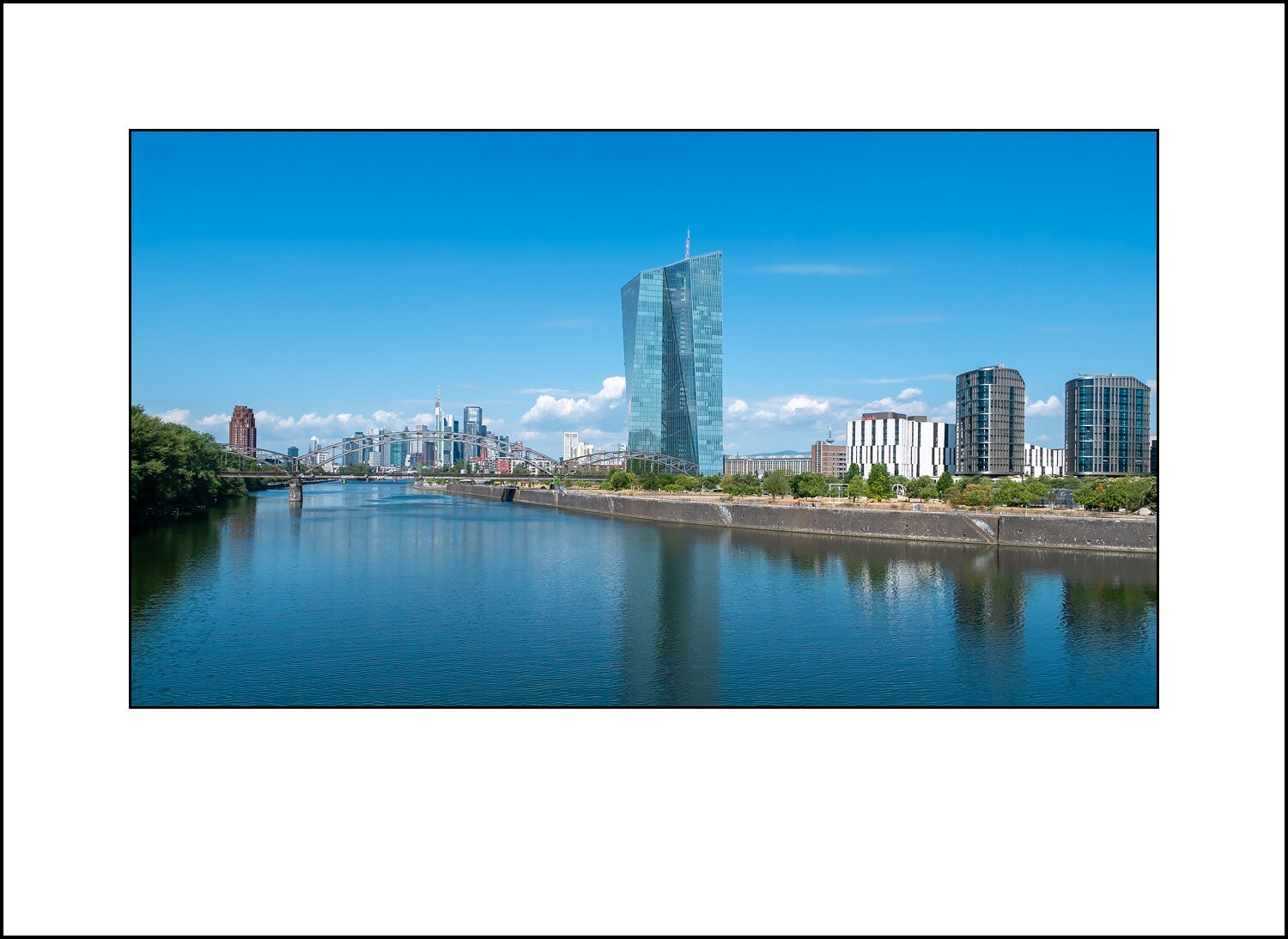
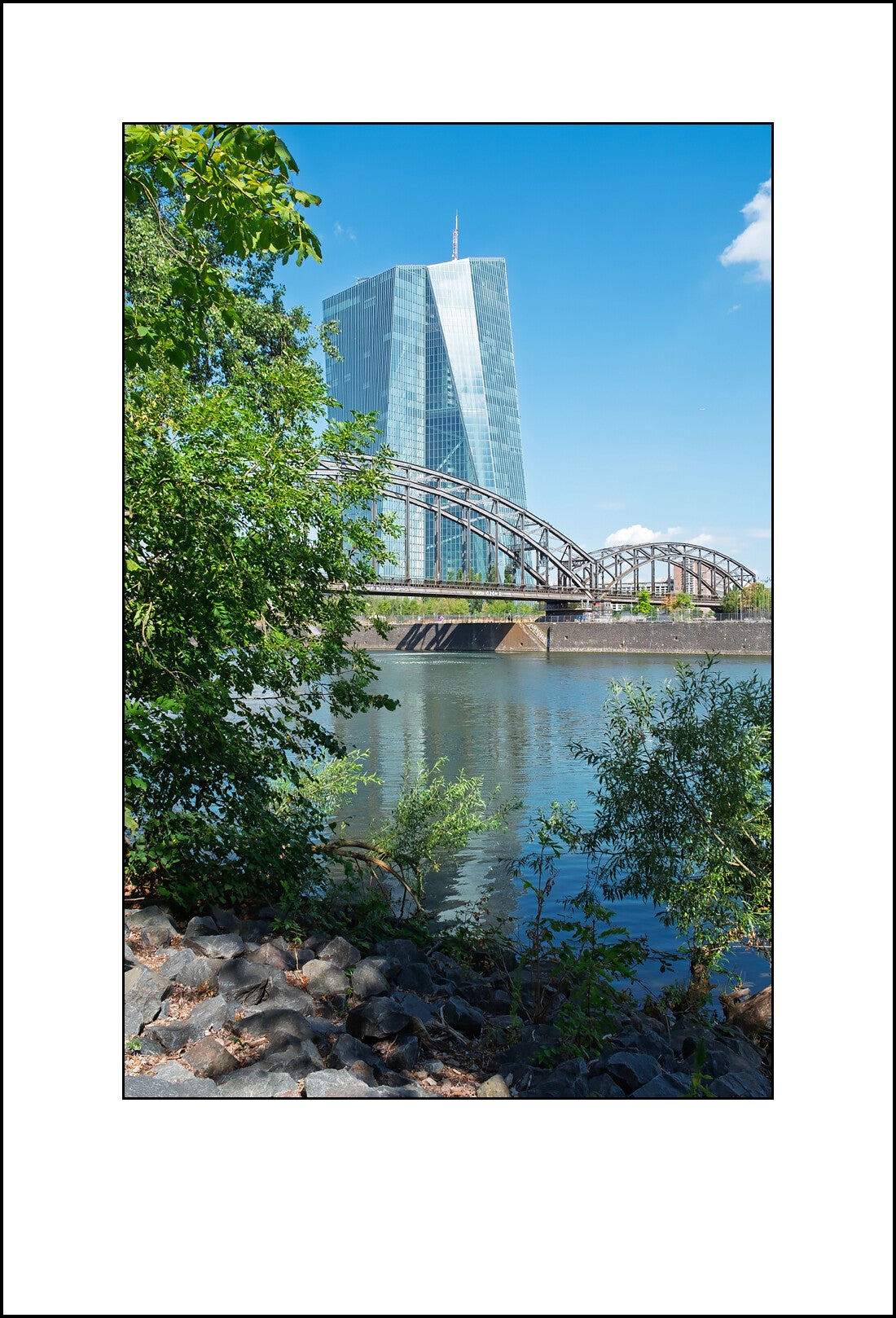
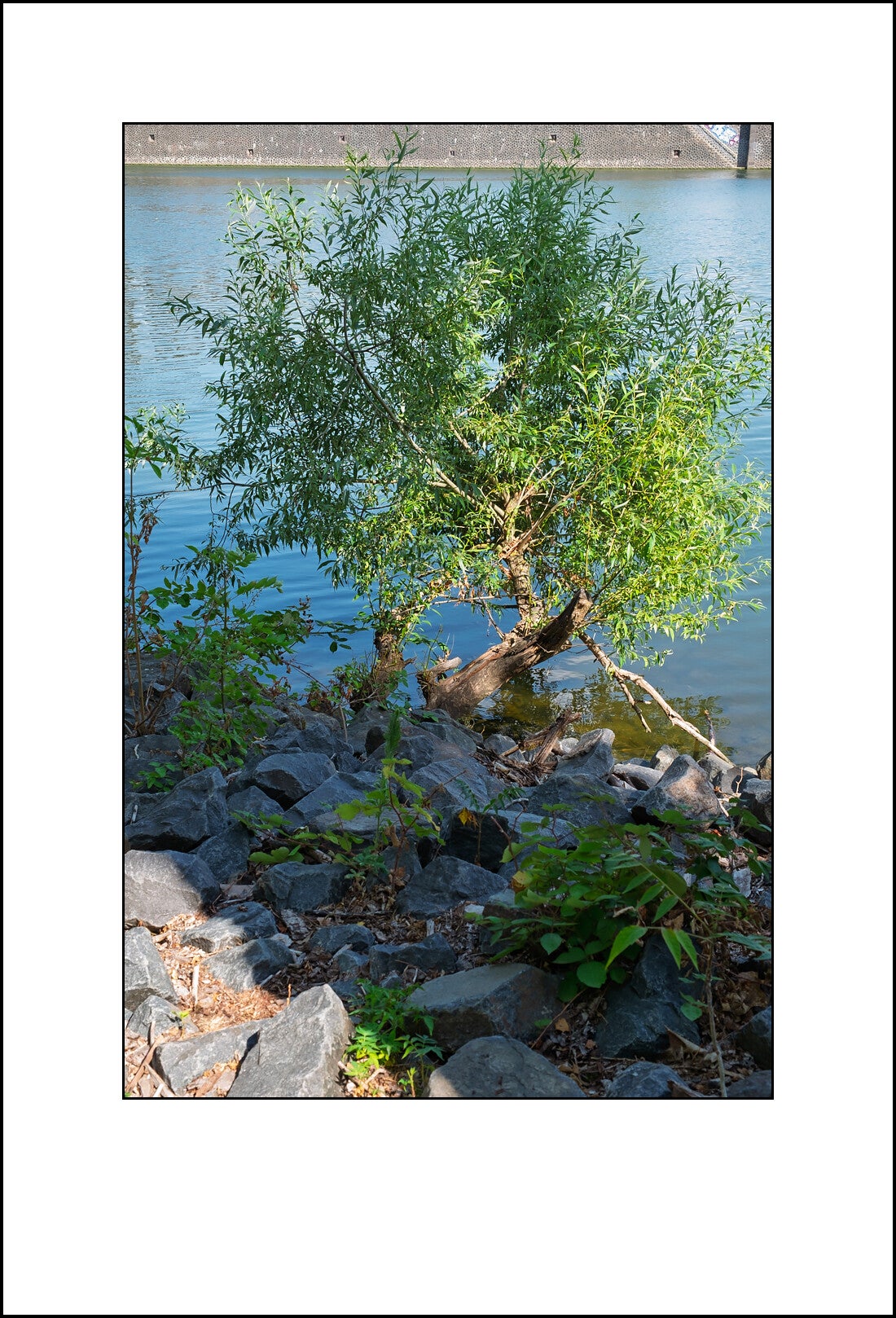
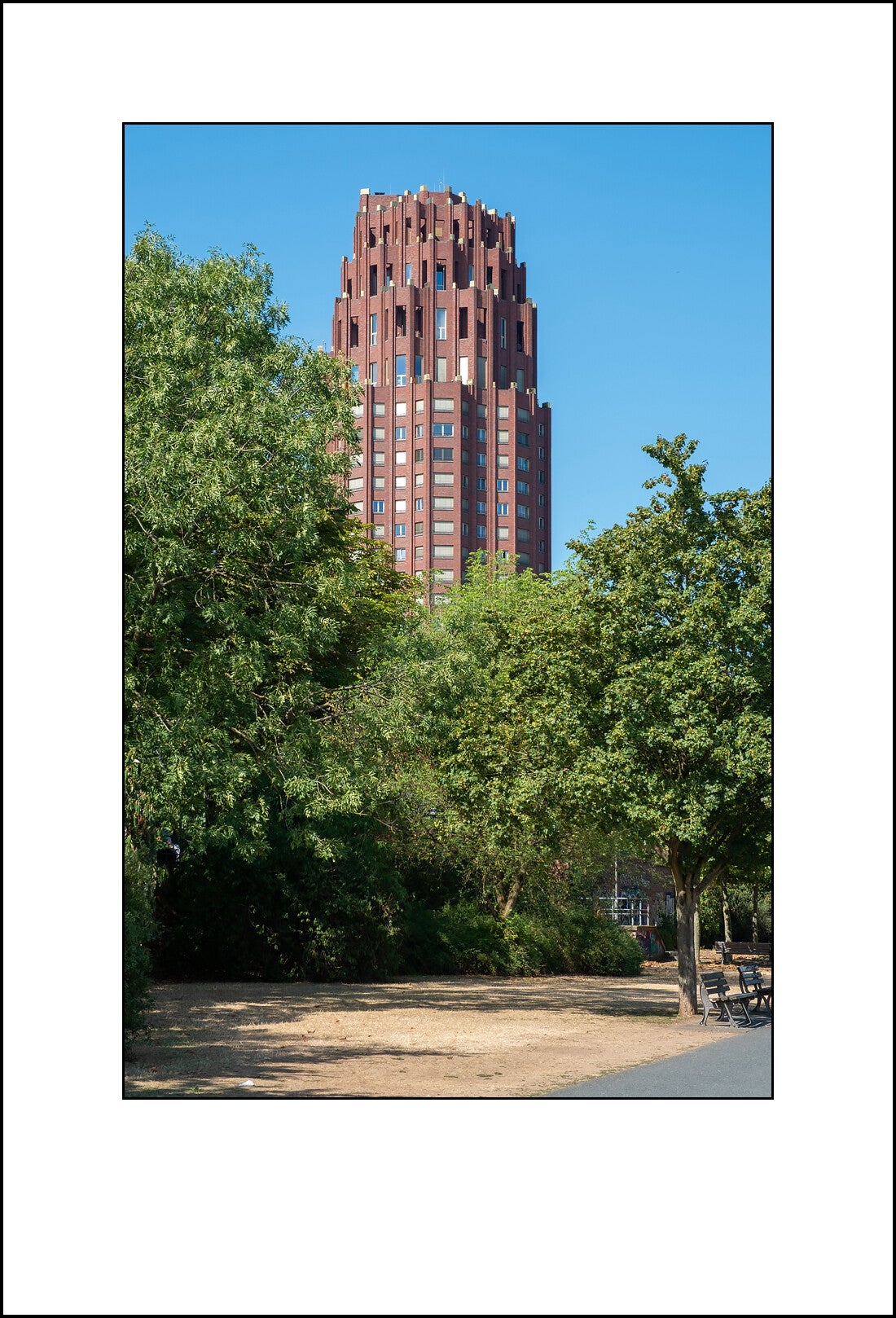
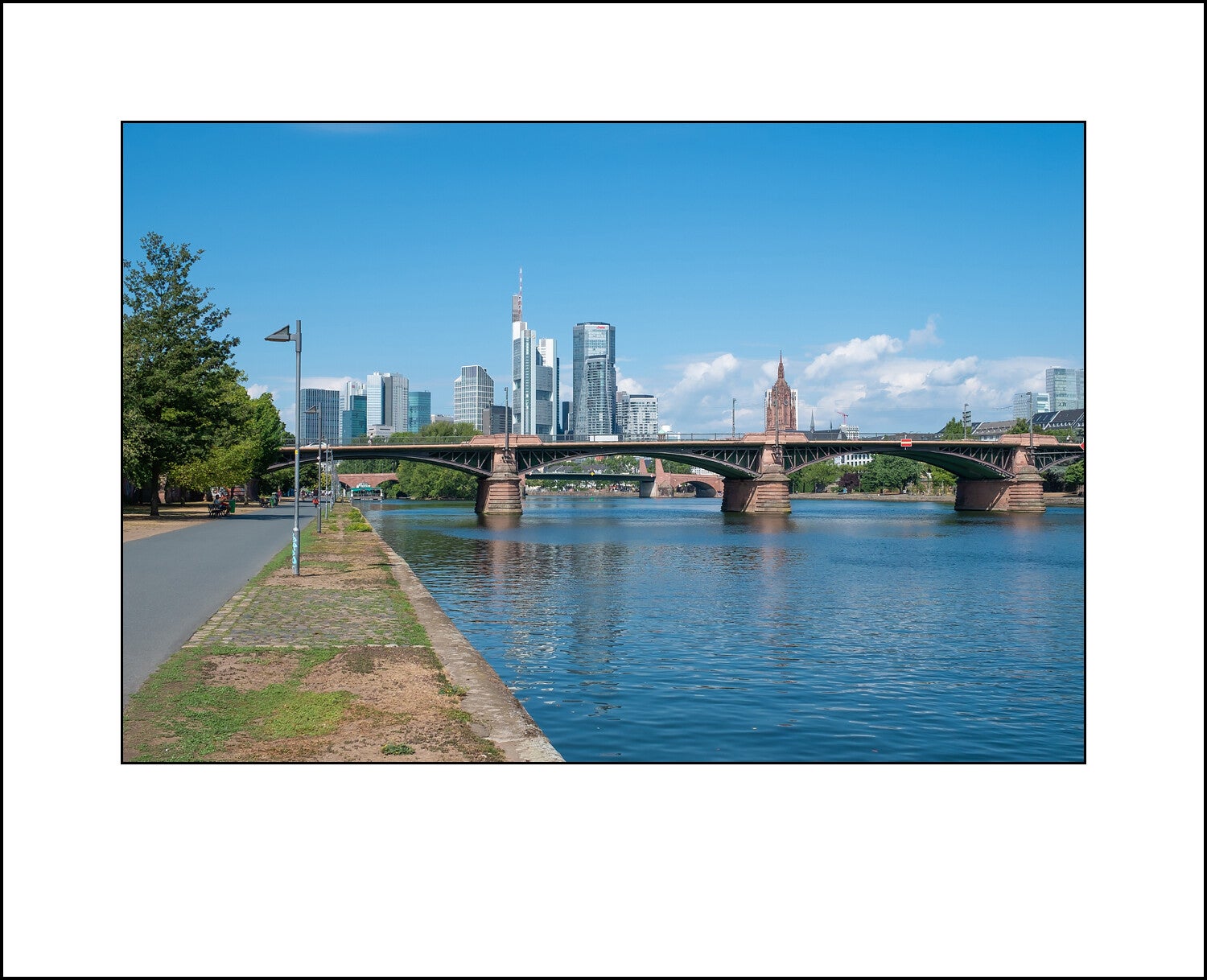
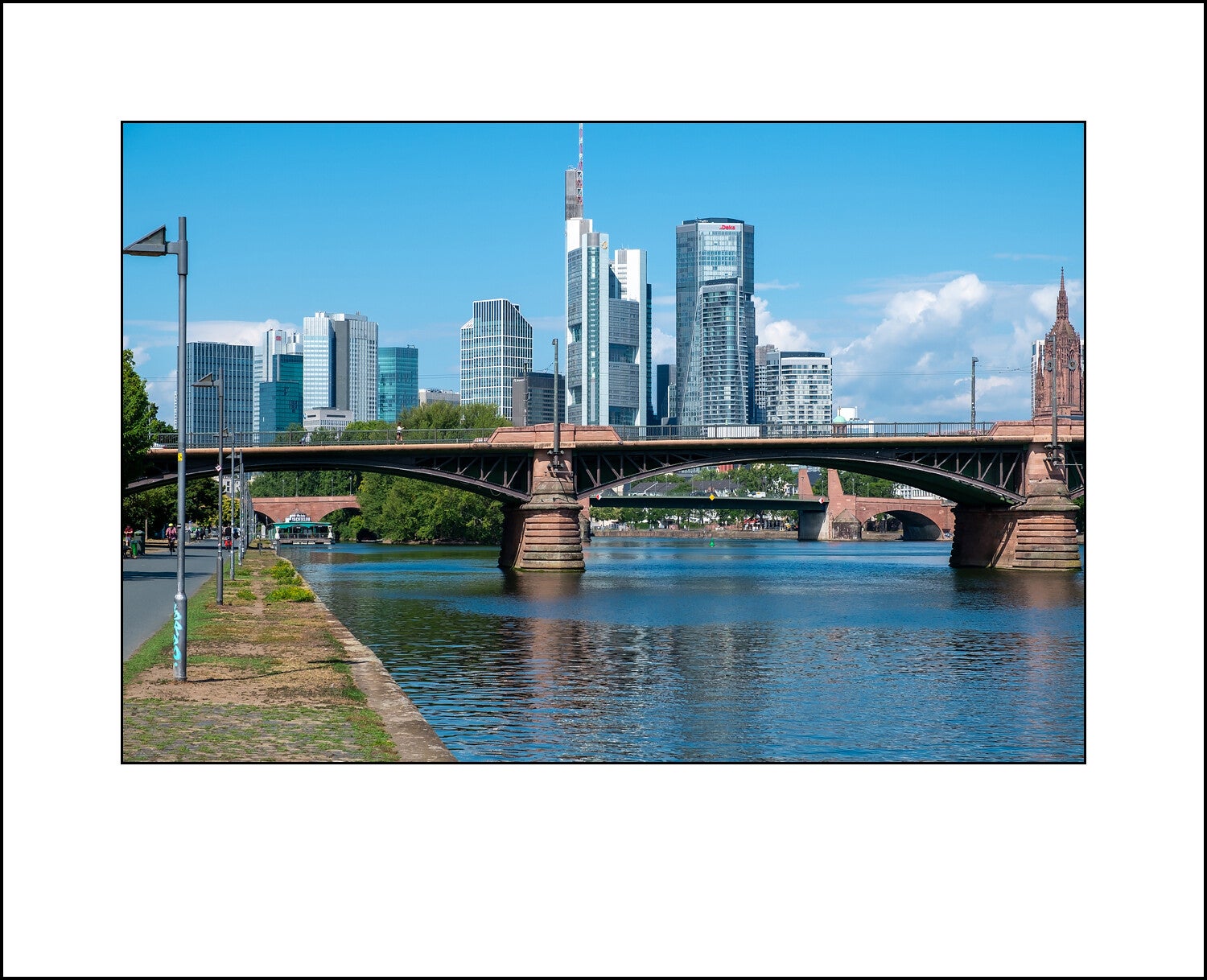
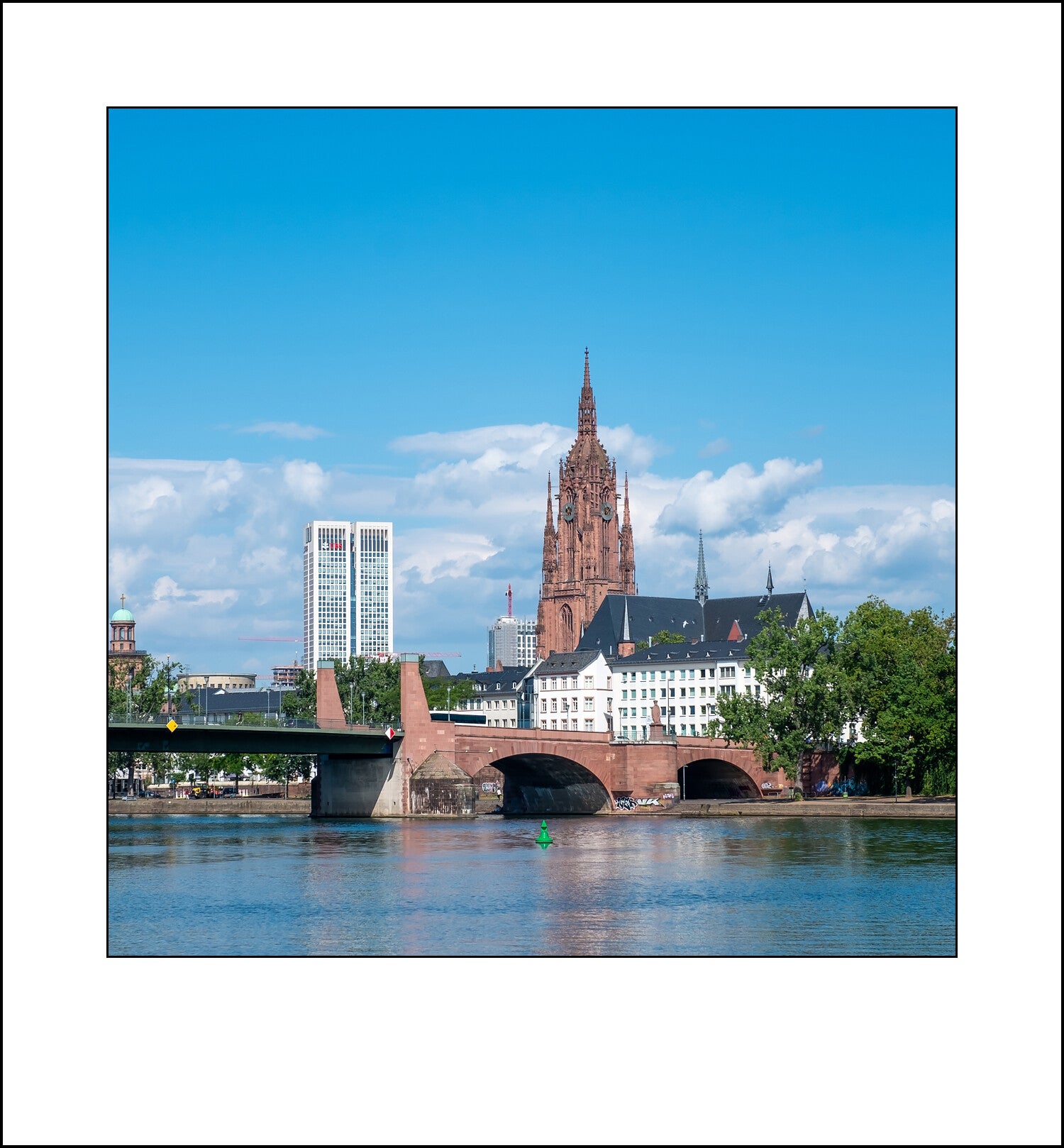
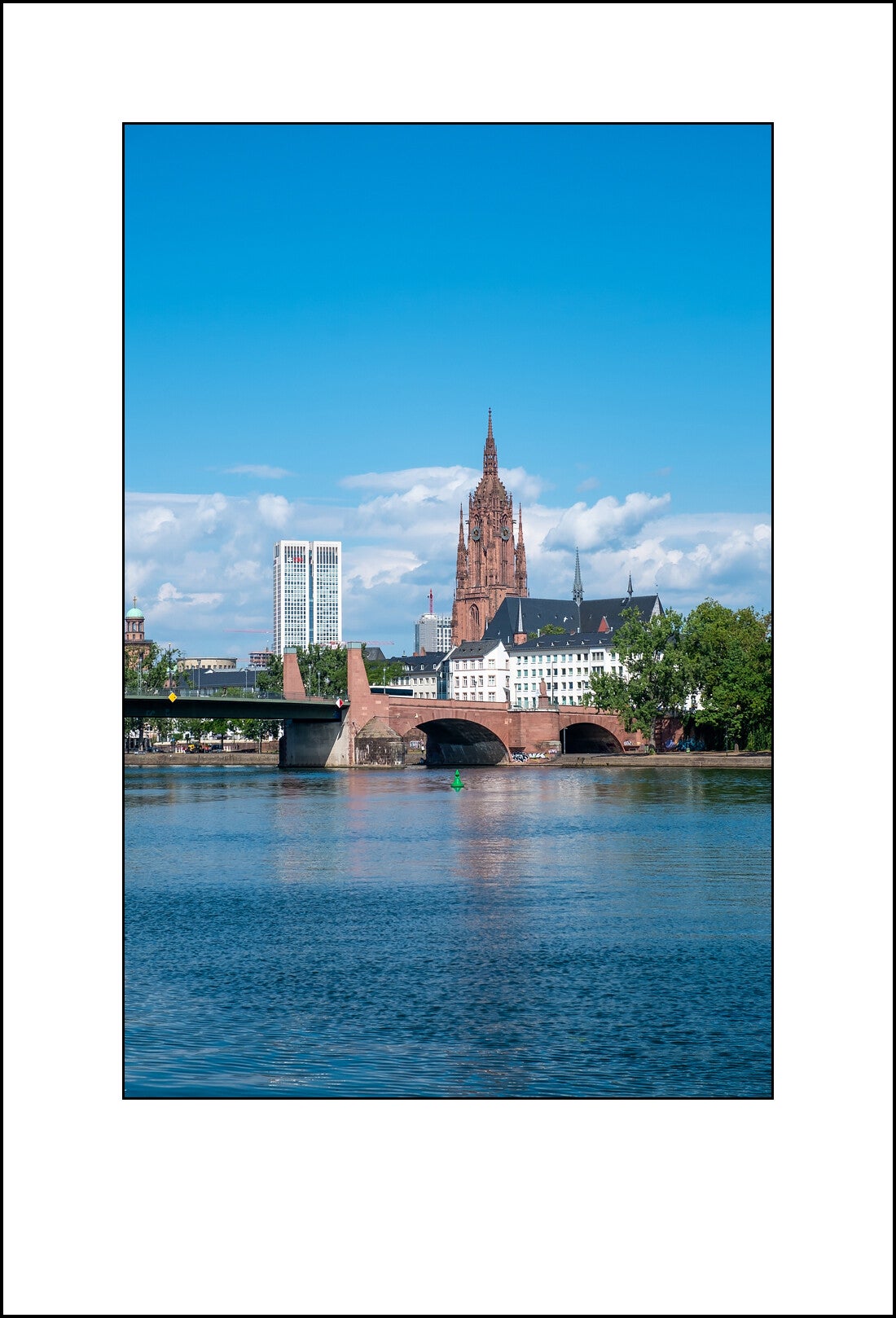
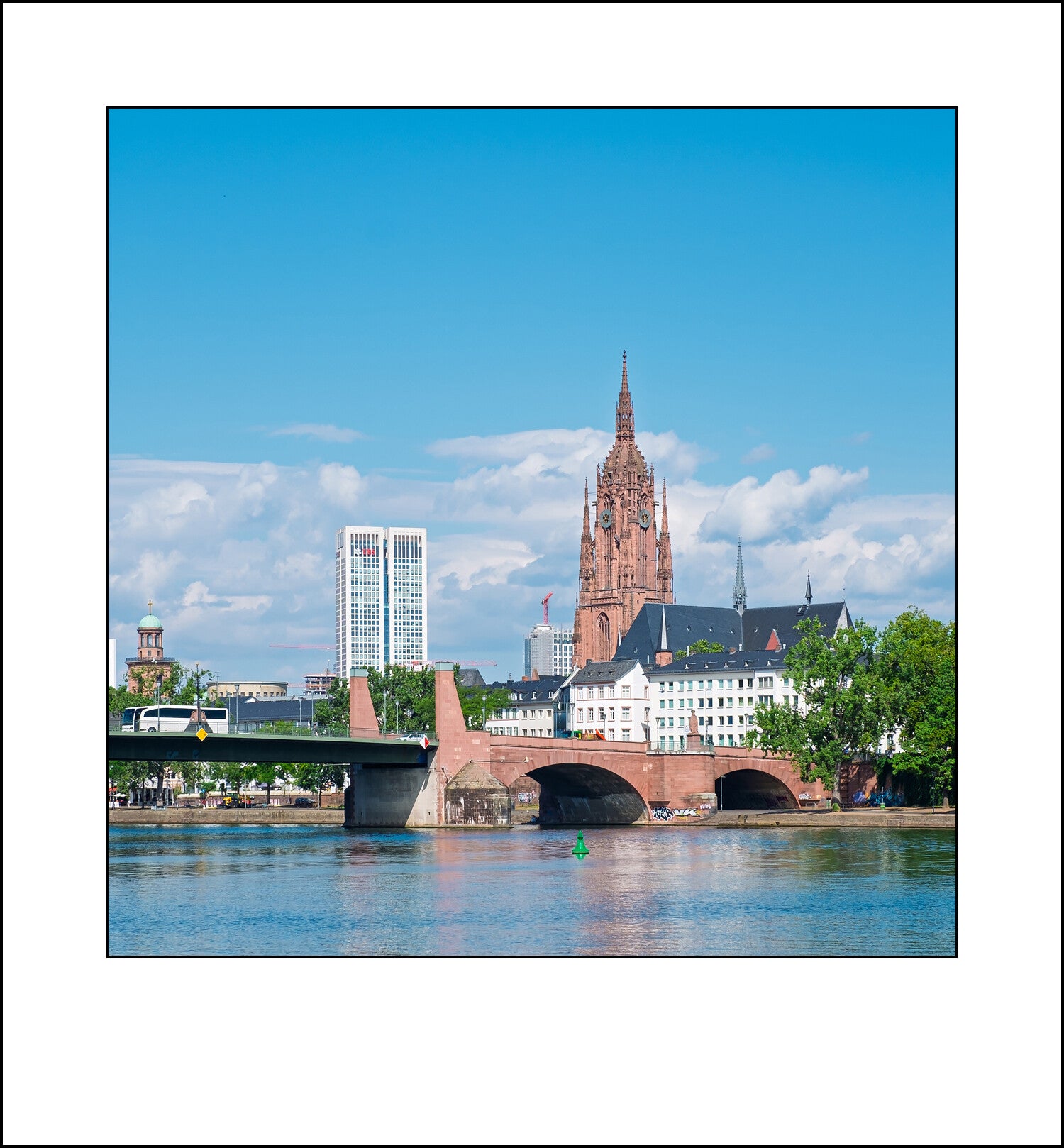
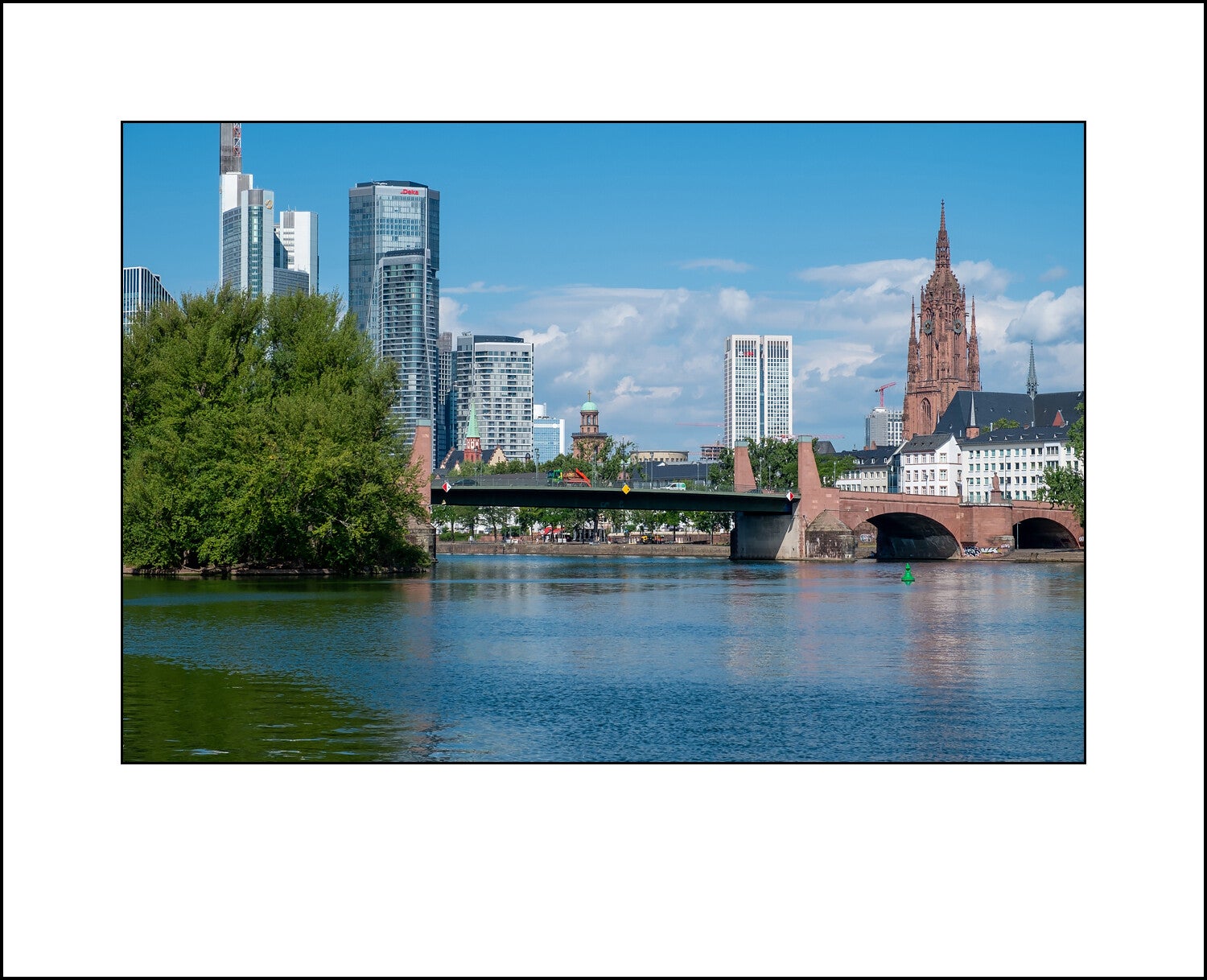
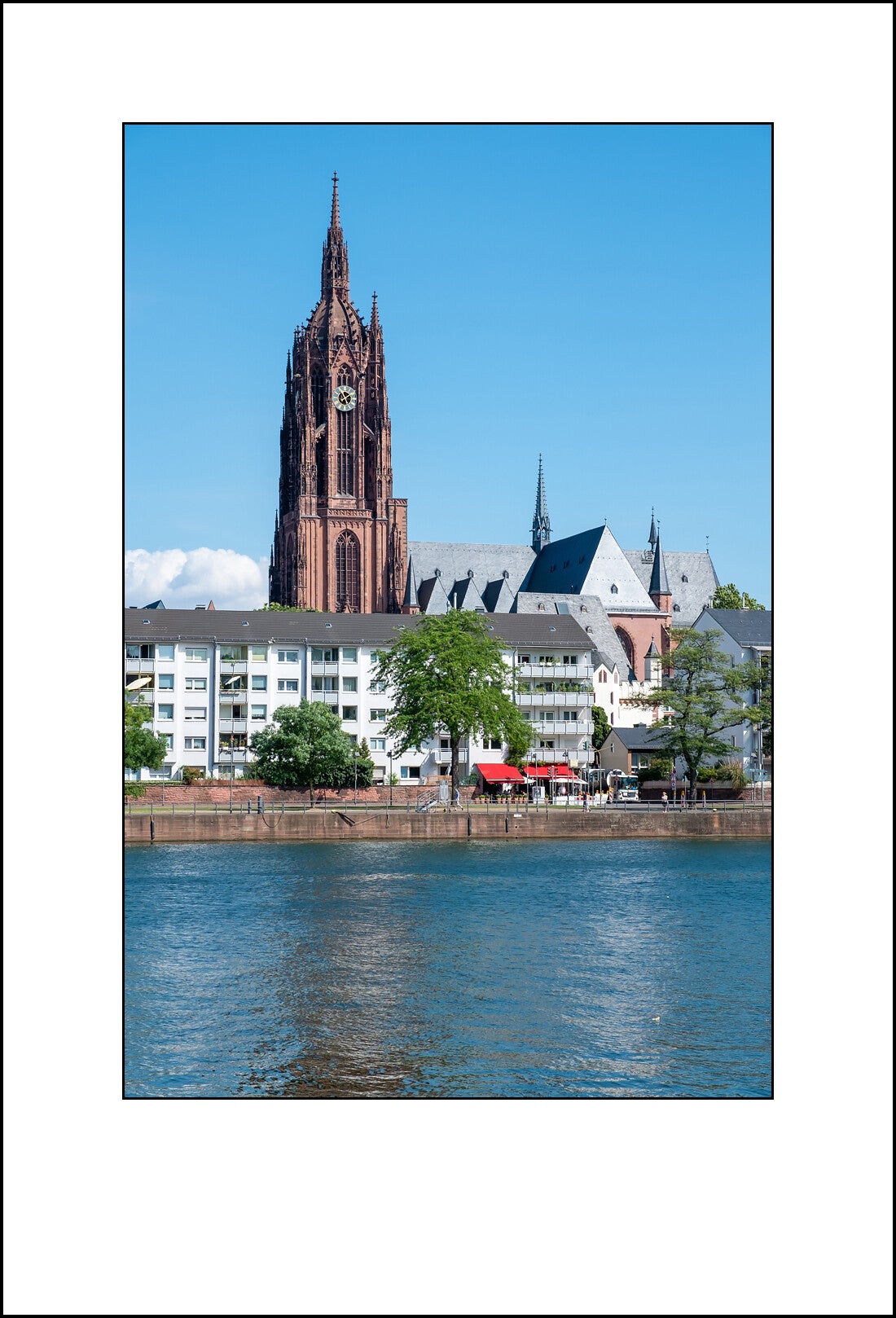
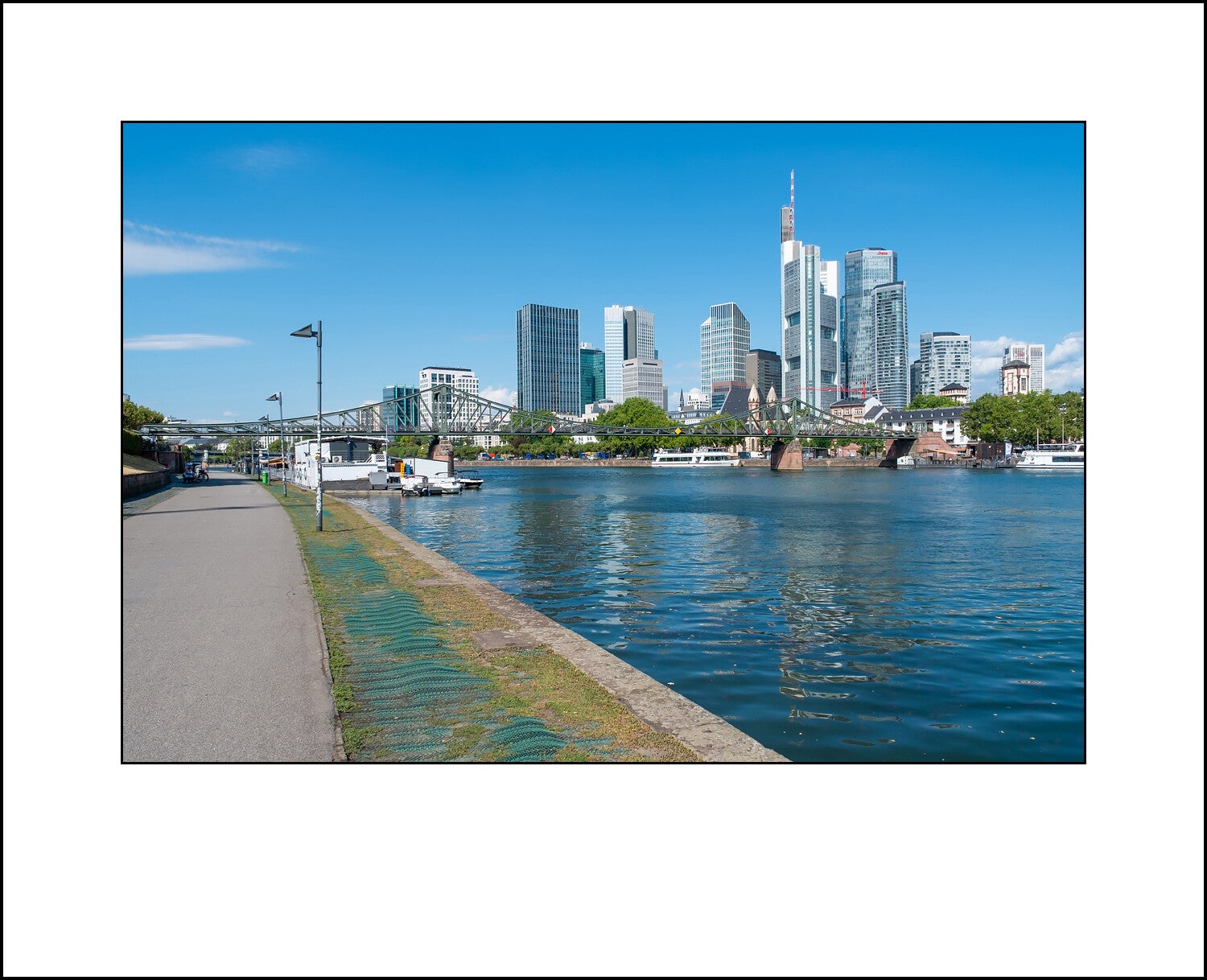
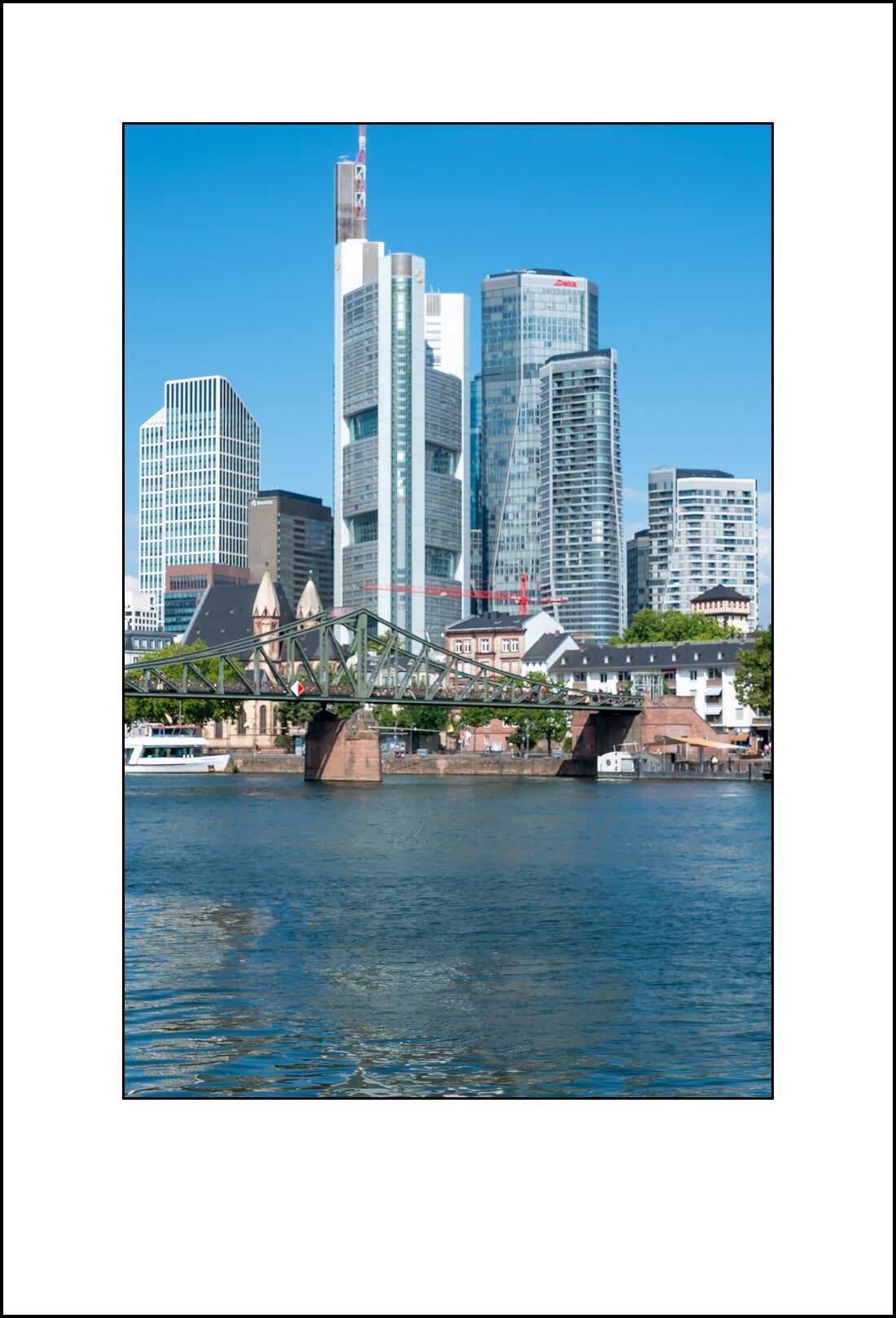
Test images taken with the Fujifilm X-E1 camera
All images taken with the super Sigma 18-50 f2.8 lens.