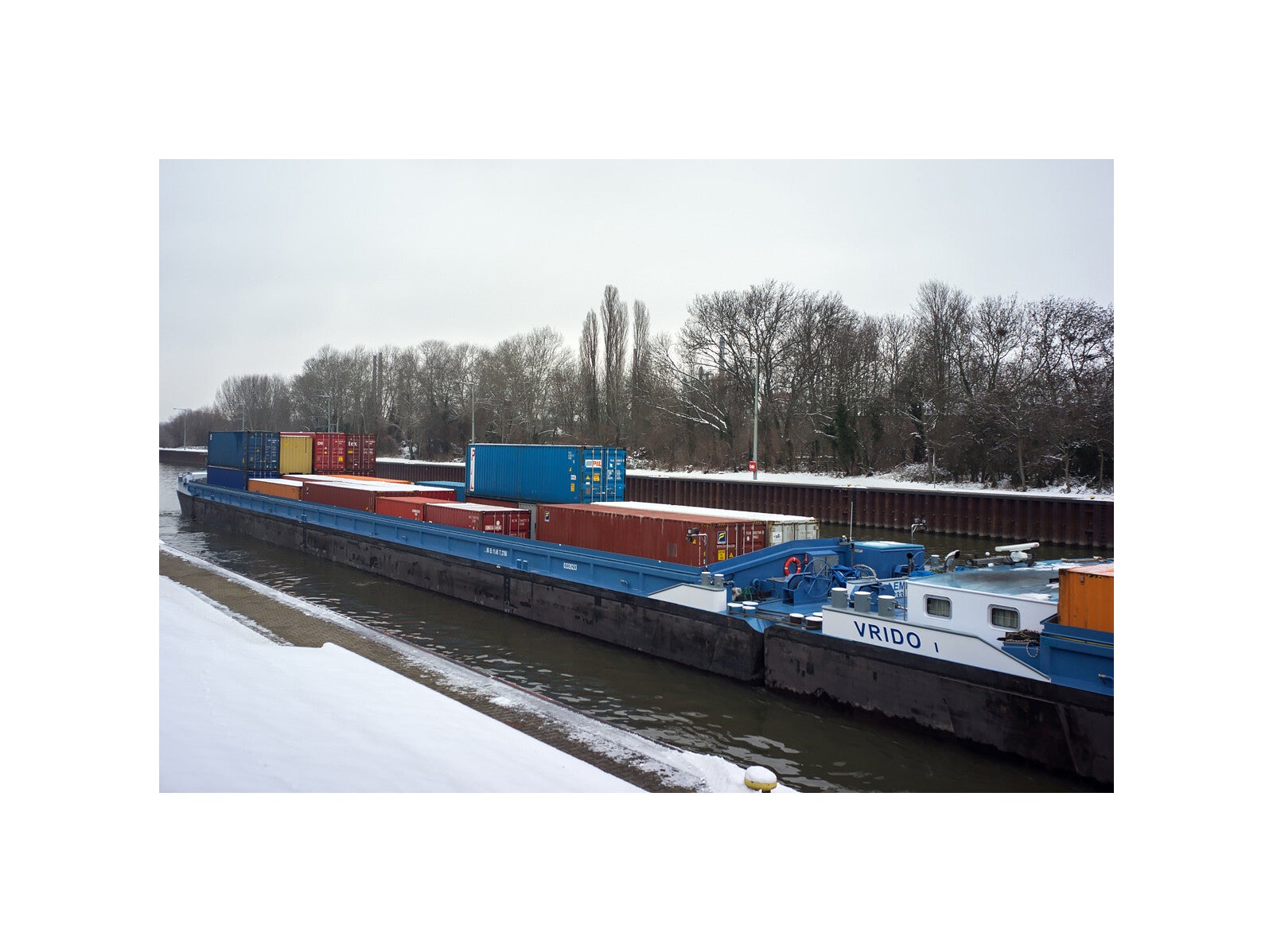
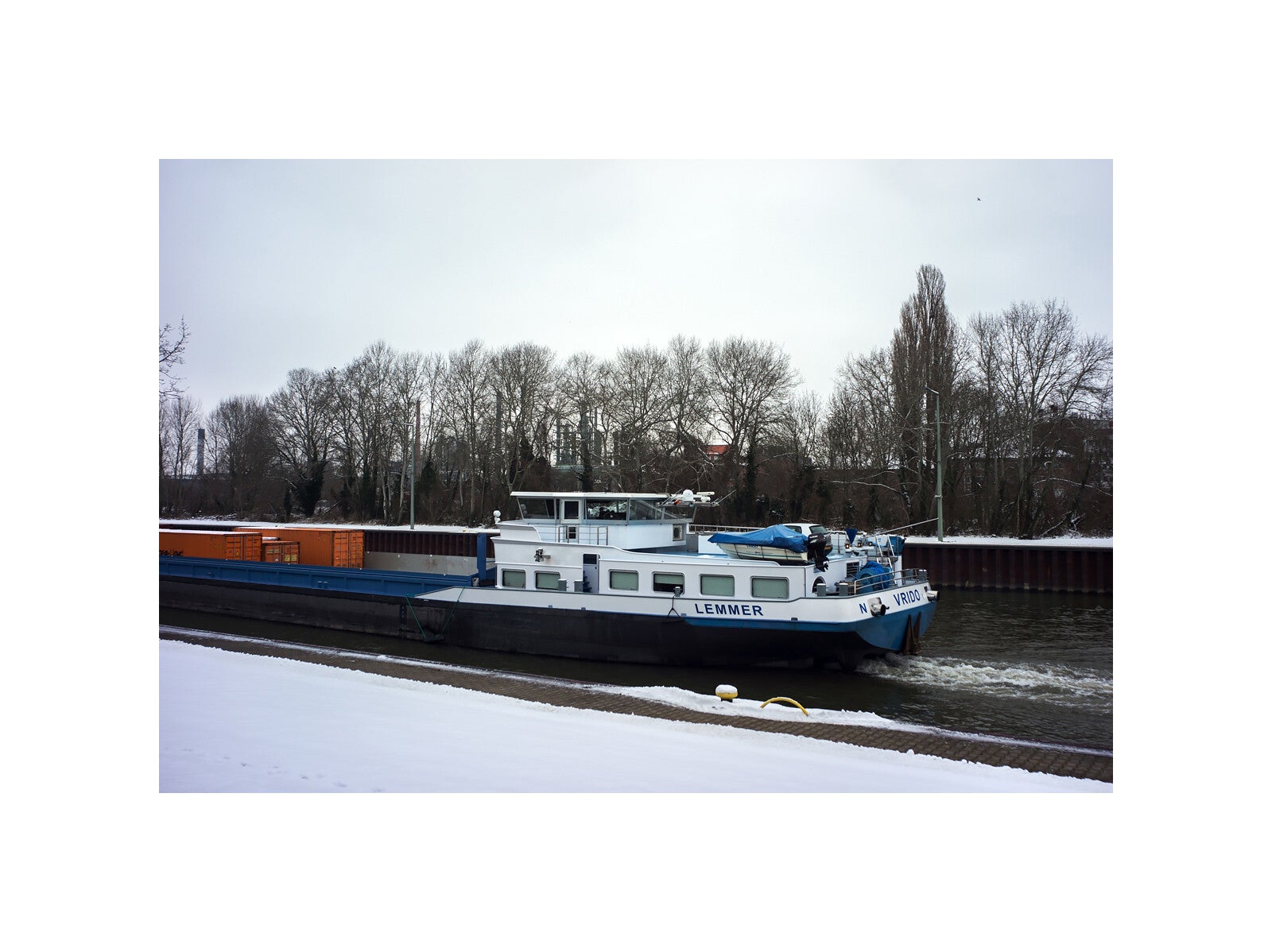
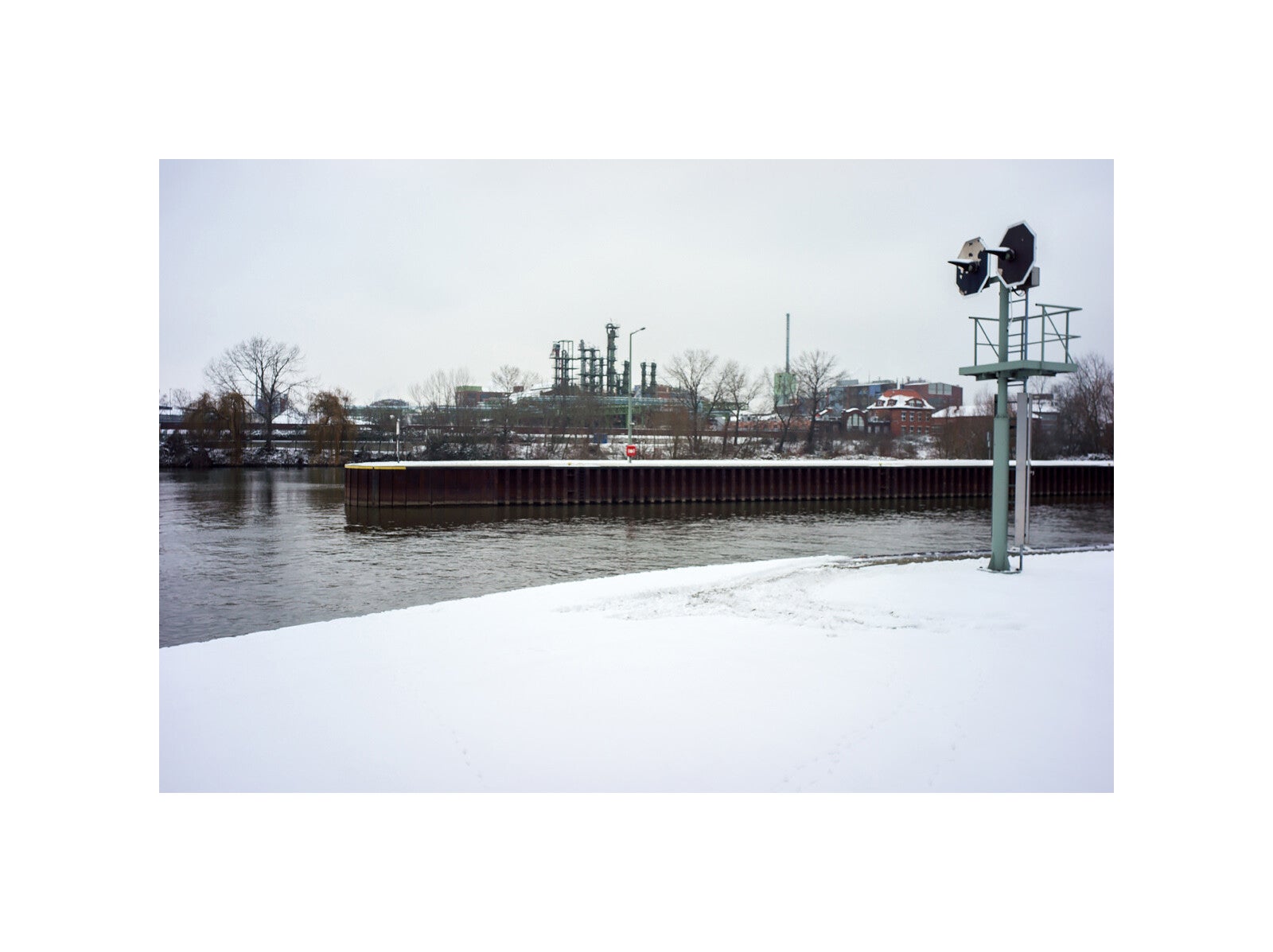
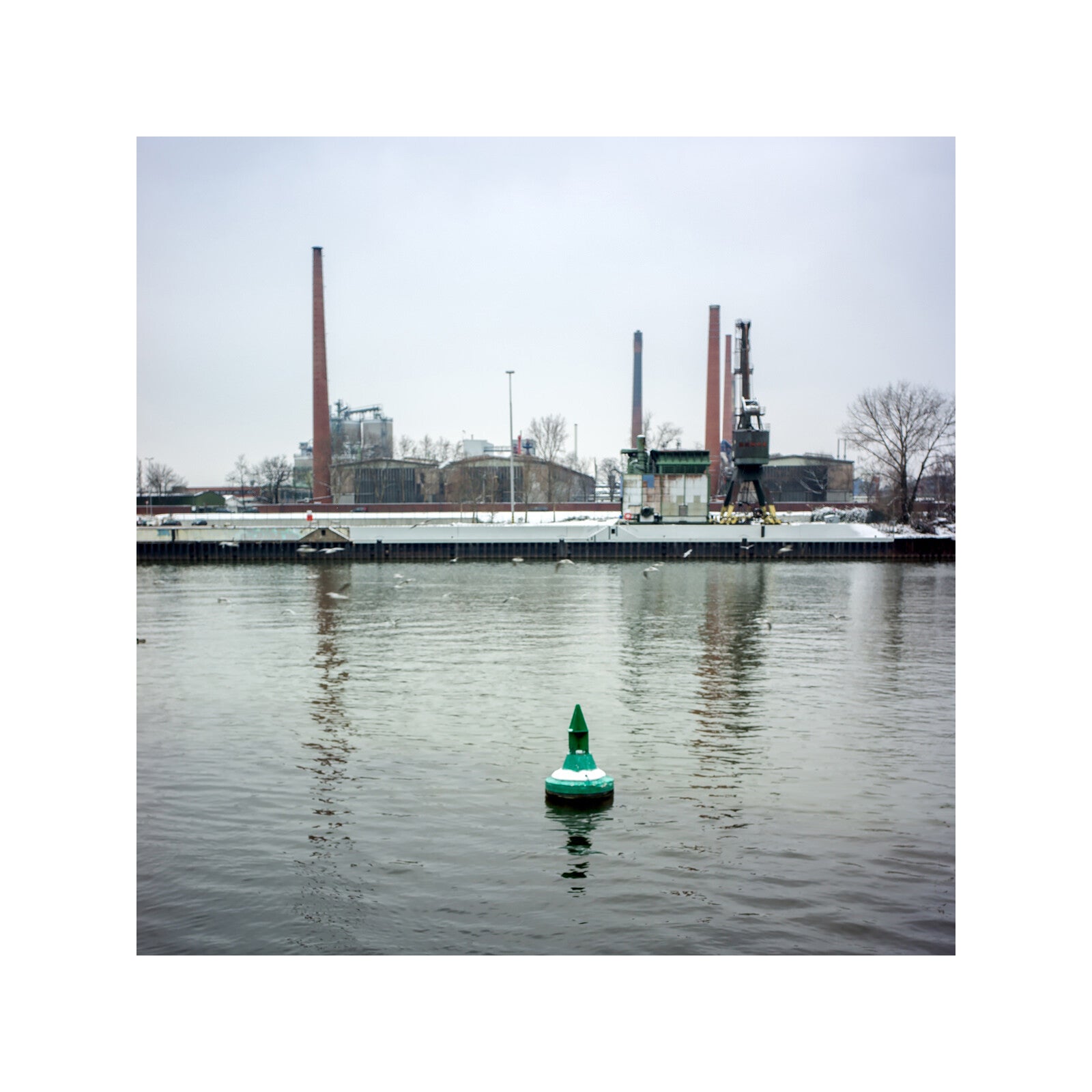
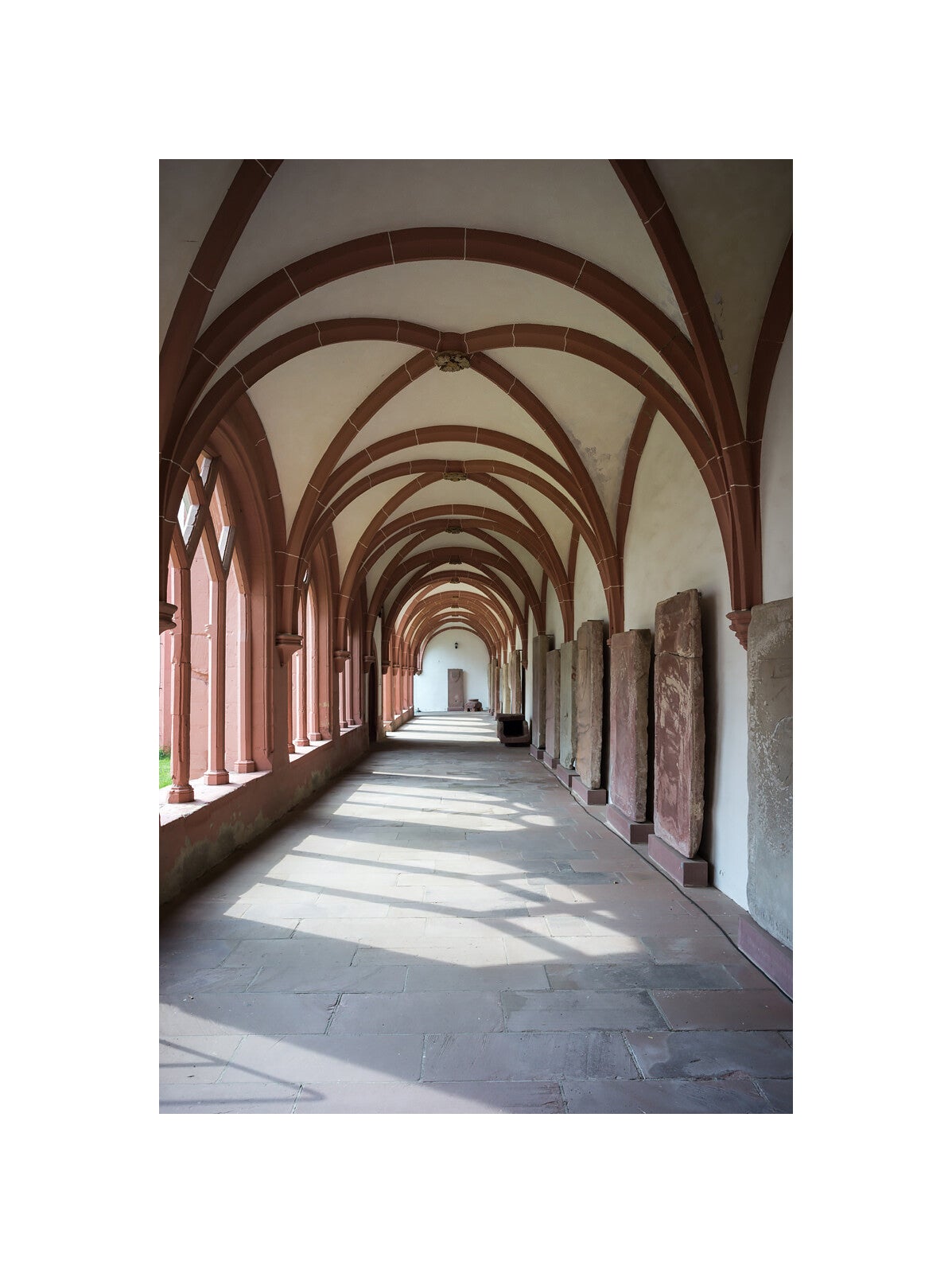
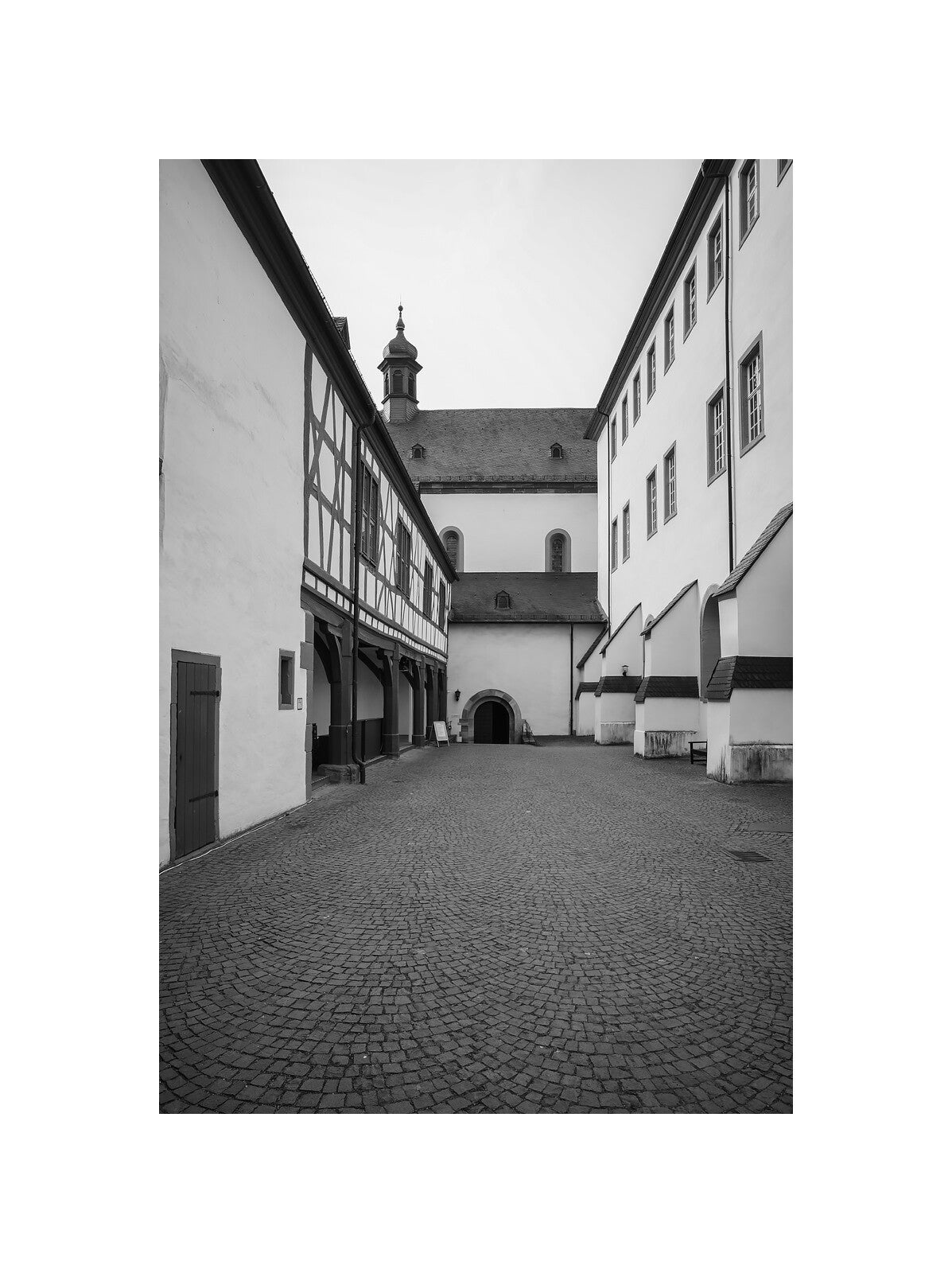
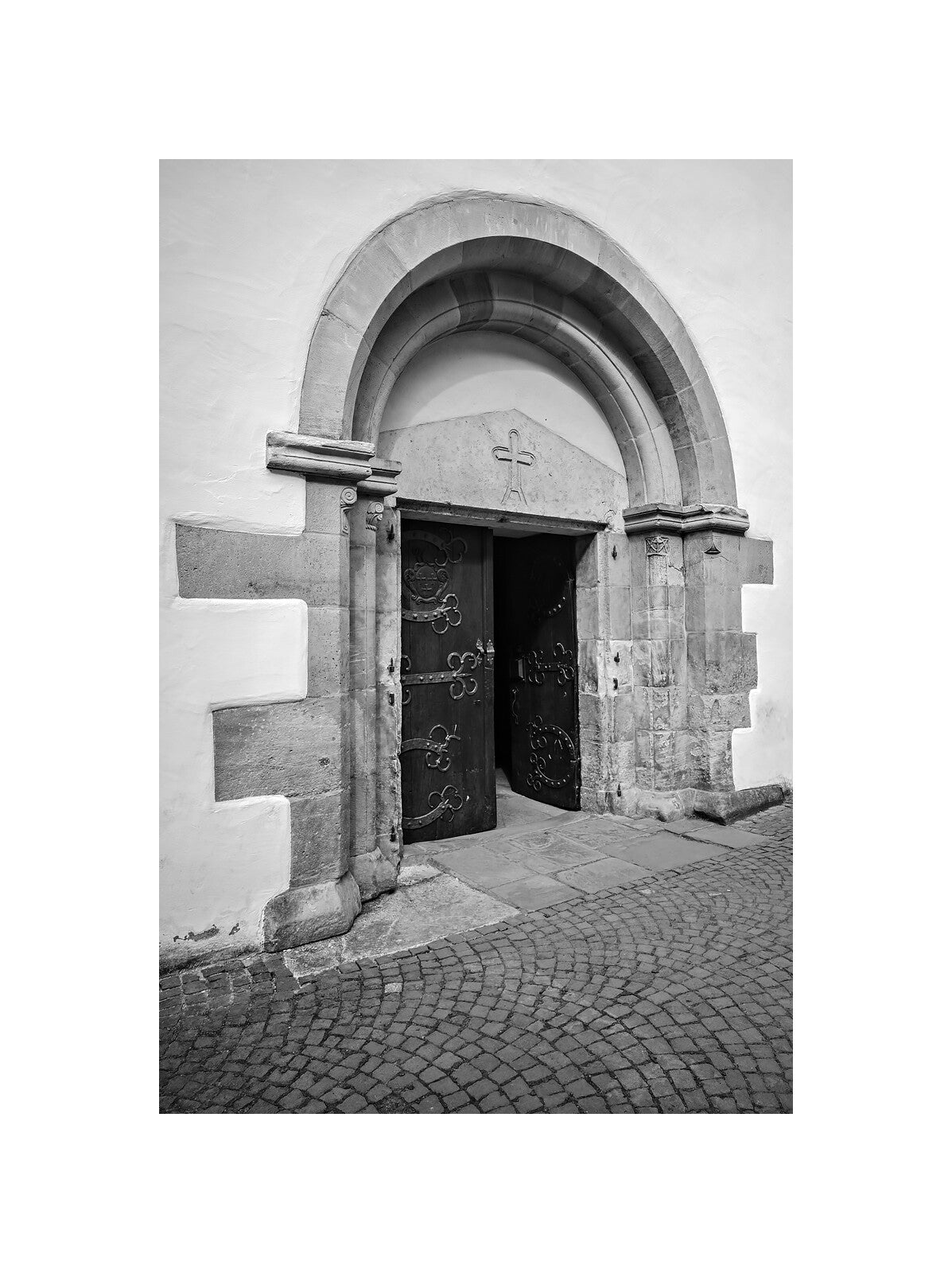
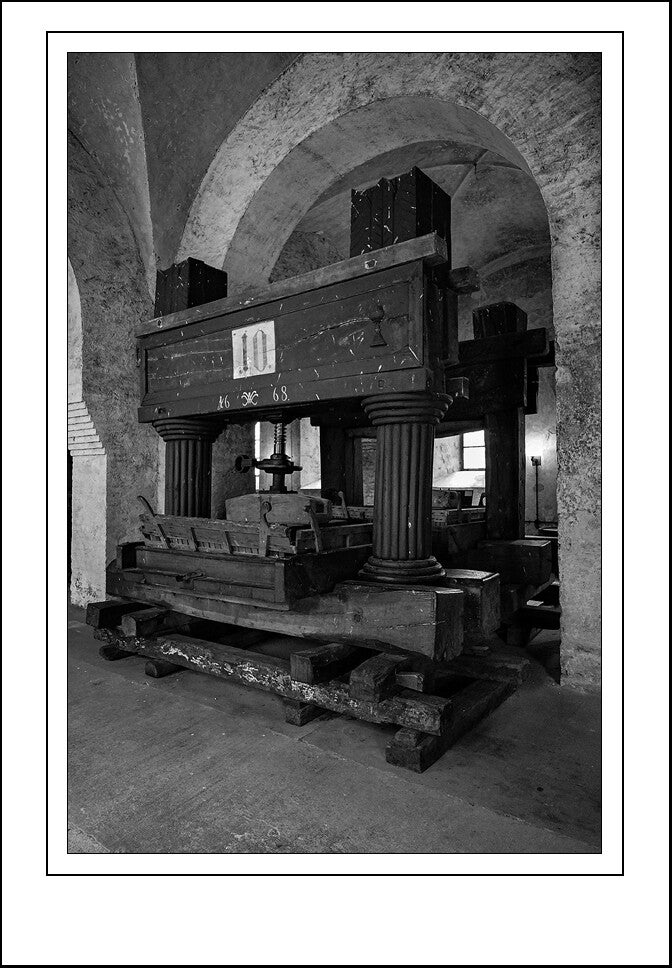
The Voigtländer Color-Skopar 21mm f/4 P has become something of a cult lens among Leica M shooters because it delivers surprisingly strong optical quality in an extremely tiny package. If your priorities are compactness, sharpness, low weight, and value, it’s still one of the best ultra-wide options for M-mount.
What makes it special
The standout feature is the size. At roughly 25mm long and about 136g, it’s genuinely pocketable on an M body. Many reviewers describe it as the smallest practical 21mm for Leica M systems. (MrLeica.com (Matt Osborne))
It’s especially popular for:
-
Travel photography
-
Architecture/interiors
-
Environmental portraits
-
Film Leica setups
-
Lightweight everyday carry
Users consistently praise the lens for:
-
Excellent center sharpness even wide open
-
Strong contrast
-
Minimal distortion for a 21mm
-
Beautiful mechanical feel
-
Classic Voigtländer rendering
Matt Osborne’s long-term Leica-focused review even says he “bought it twice” because of how useful and compact it is. (MrLeica.com (Matt Osborne))
Optical performance
Sharpness
The lens is very sharp across most of the frame, especially stopped down to f/5.6–f/8. Corner performance is strong for such a tiny lens. (MrLeica.com (Matt Osborne))
Distortion
Distortion is impressively controlled for an ultra-wide. This makes it excellent for architecture and street scenes.
Color & rendering
The rendering leans toward a classic high-contrast Leica-style look rather than clinical perfection. Colors are punchy and blacks are deep.
Flare
Generally well controlled, though not at modern APO-level standards.
Weak points
f/4 maximum aperture
This is the main compromise. It’s not ideal for:
-
Low-light shooting
-
Night street photography
-
Subject isolation
Compared with faster 21mm lenses like the Zeiss Biogon 21mm f/2.8 or Leica Super-Elmar variants, you lose flexibility indoors. (MrLeica.com (Matt Osborne))
Digital sensor color shift
Older digital Leica bodies (especially M8/M9 era) can show:
-
Magenta edge shift
-
Corner color casts
-
Vignetting
The newer 21mm f/3.5 Color-Skopar was designed partly to solve this. (MrLeica.com (Matt Osborne))
On newer M10/M11 bodies, users report the issue is much less noticeable or easily corrected in Lightroom. (Reddit)
External finder needed
Most Leica M bodies lack native 21mm framelines, so you’ll usually want an external viewfinder.
Film vs Digital
This lens arguably shines brightest on film cameras:
-
Leica M2/M3/M4/M6
-
Bessa bodies
-
Zone-focus street shooting
The compactness and deep depth of field make it almost effortless for documentary work.
On digital M cameras:
-
Still excellent
-
But sensor edge behavior matters more
-
Lens corrections may be needed
Comparison vs newer 21mm f/3.5
The newer f/3.5 version is technically better on digital bodies, but many people still prefer the f/4 because it’s dramatically smaller and cheaper.
Verdict
The Voigtländer 21mm f/4 Color-Skopar is still one of the best “small Leica lens” experiences you can buy.
You should consider it if you want:
-
A tiny ultra-wide
-
A travel lens
-
A film-friendly 21mm
-
Excellent value for money
-
A lightweight Leica M setup
You may want something else if:
-
You shoot mostly in low light
-
You need perfect digital edge performance
-
You want modern APO-style rendering
For many Leica shooters, though, this lens hits a sweet spot that few modern lenses do: small, sharp, affordable, and genuinely fun to carry. (MrLeica.com (Matt Osborne))
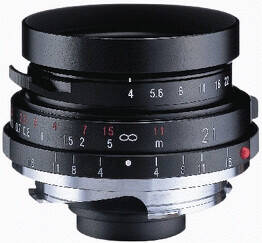
Voigtländer Color-Skopar 21 f4
Size: 25.4 x 55 mm
Weight: 136 g
Aperture: f4 - f22
Filter: 39 mm
IBIS: No
Mfd: 50 cm
Price: New: Version II €500 / Used €350 Original version
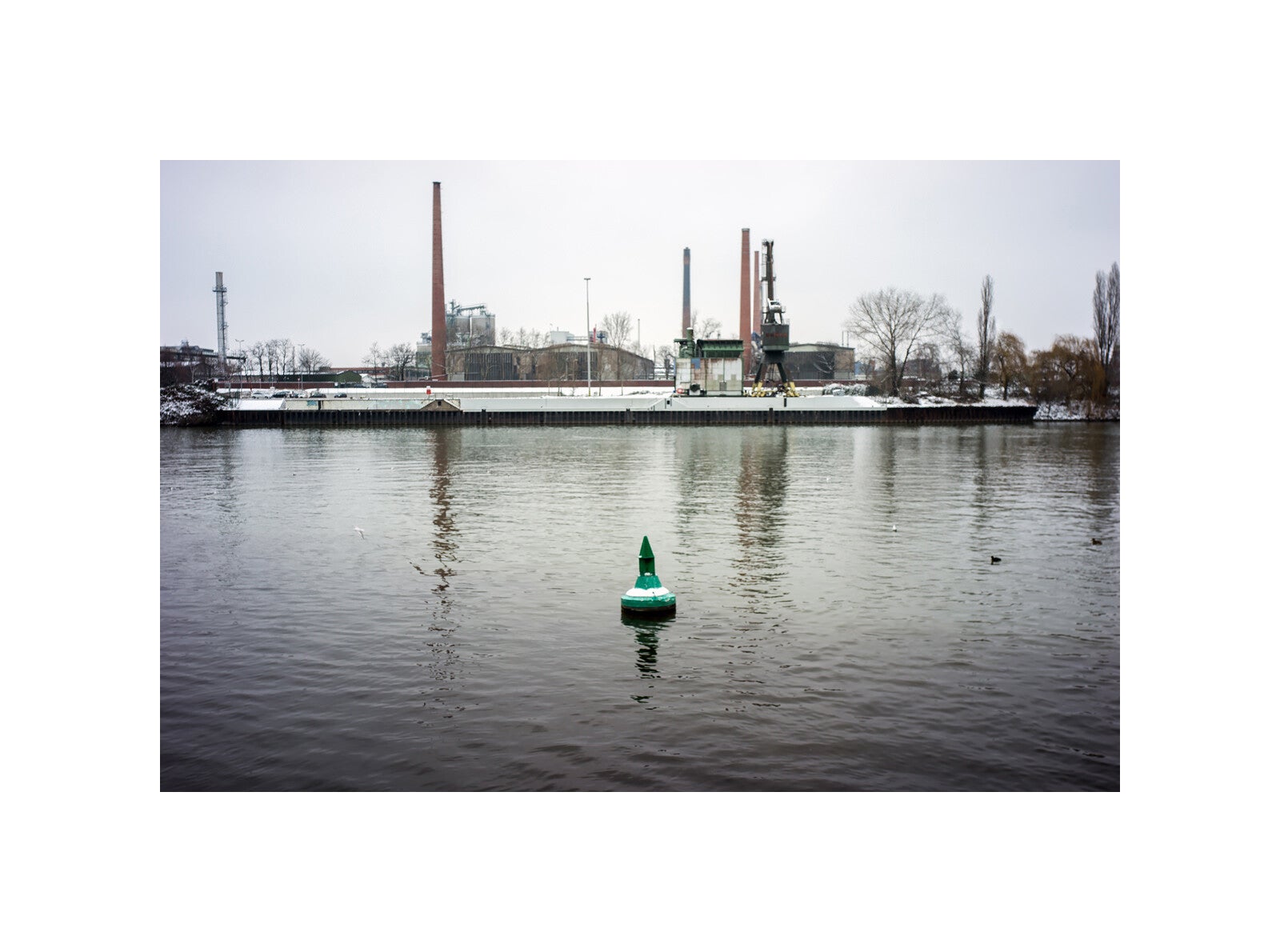
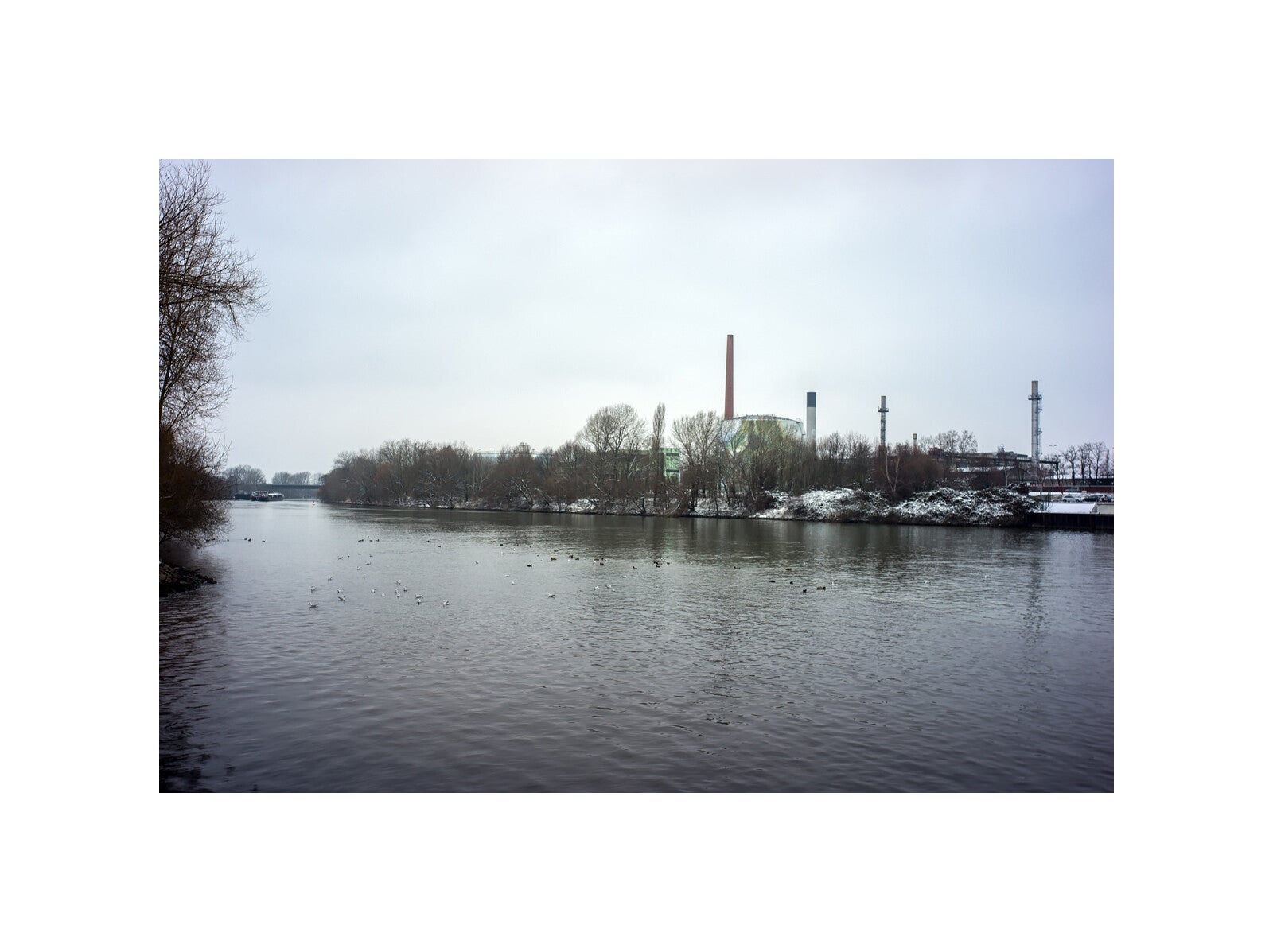
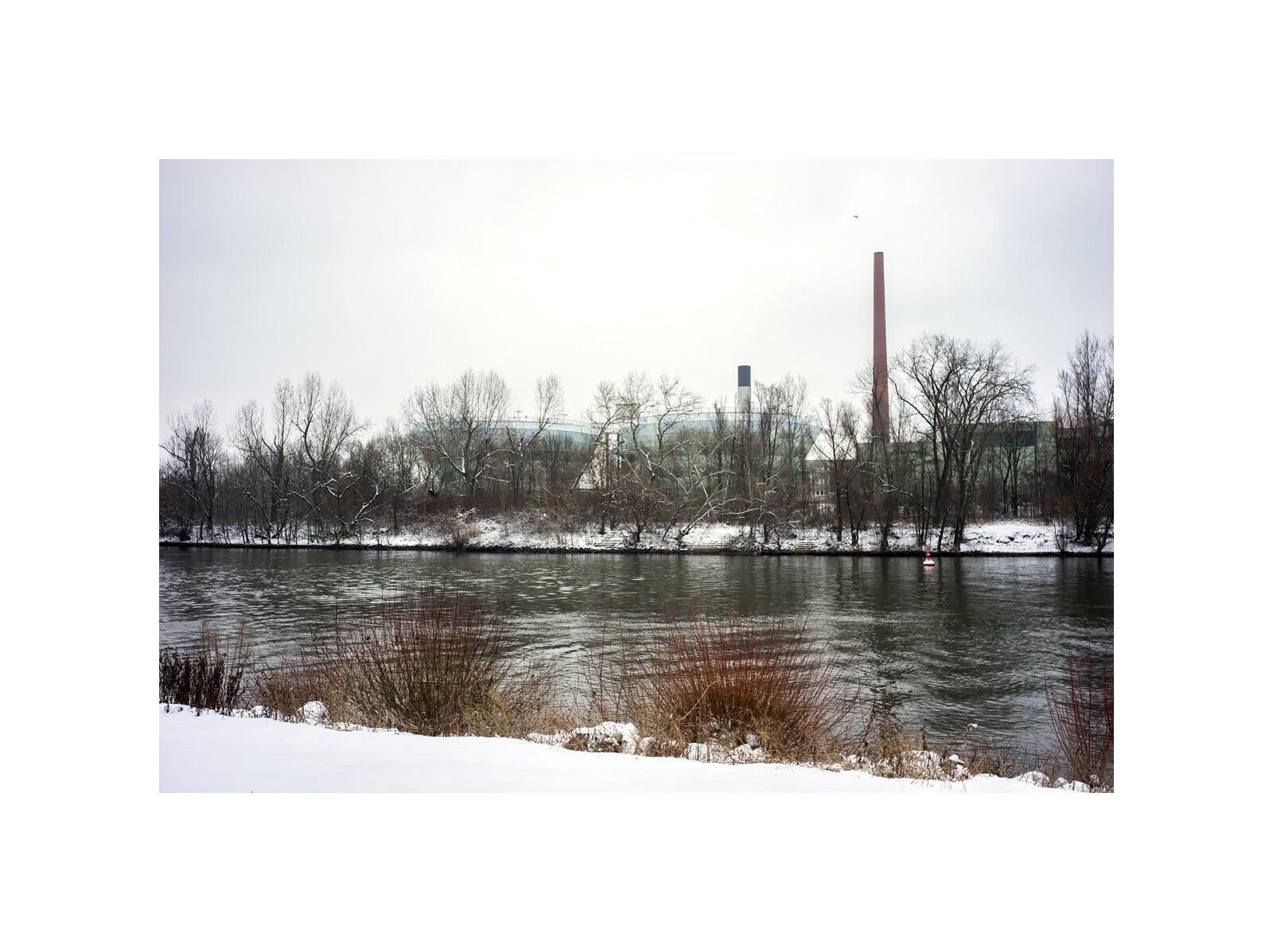
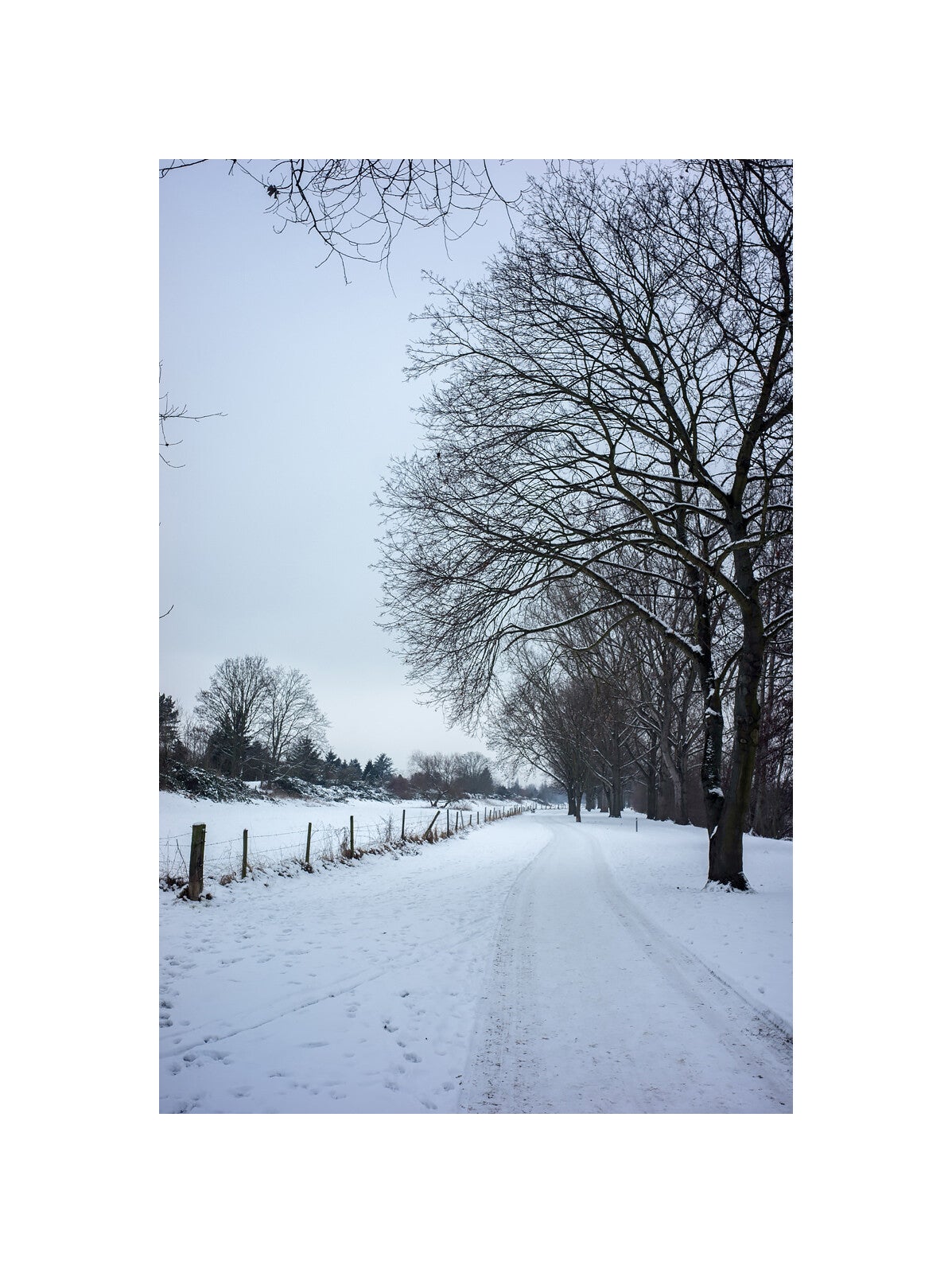
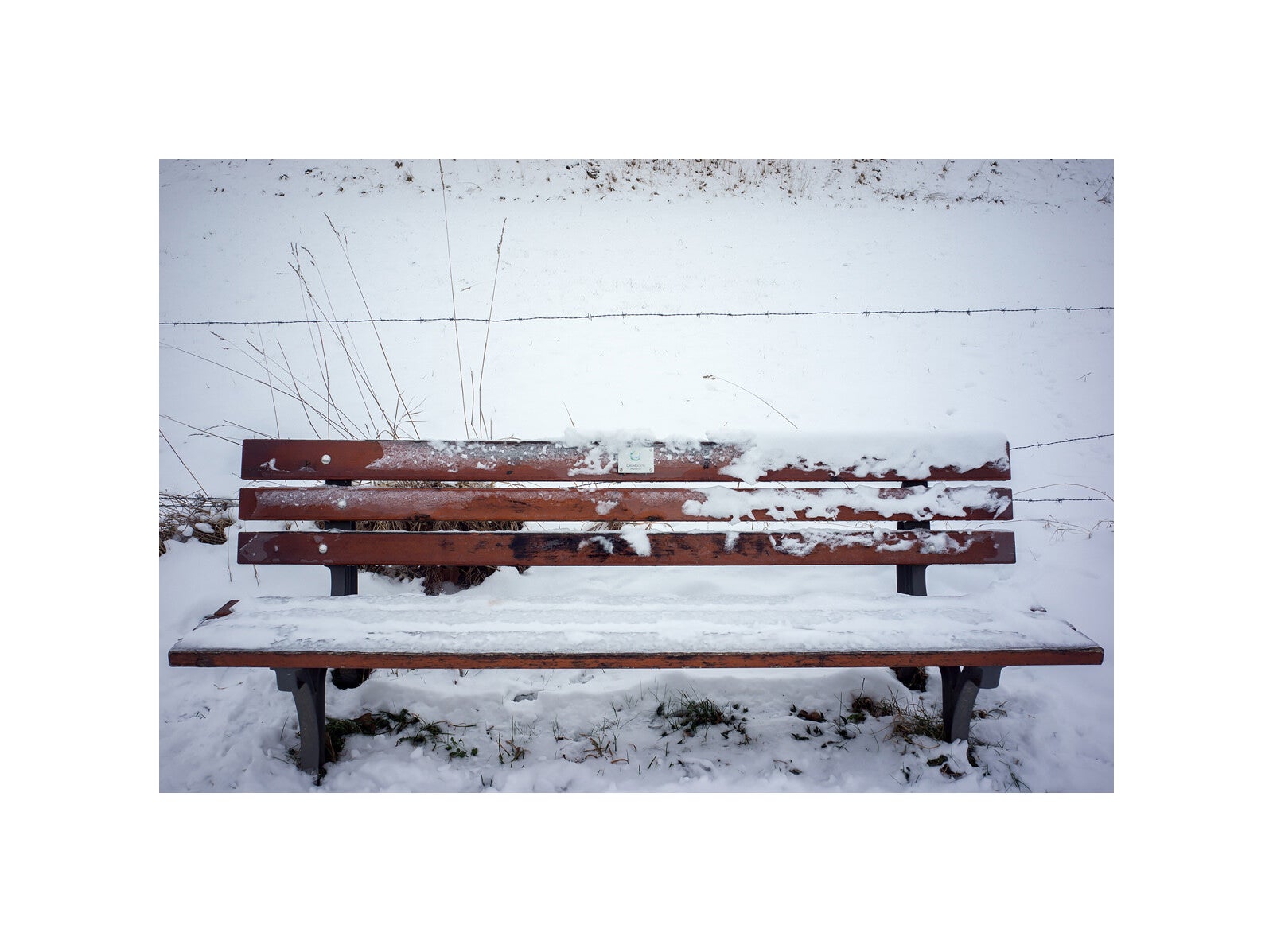
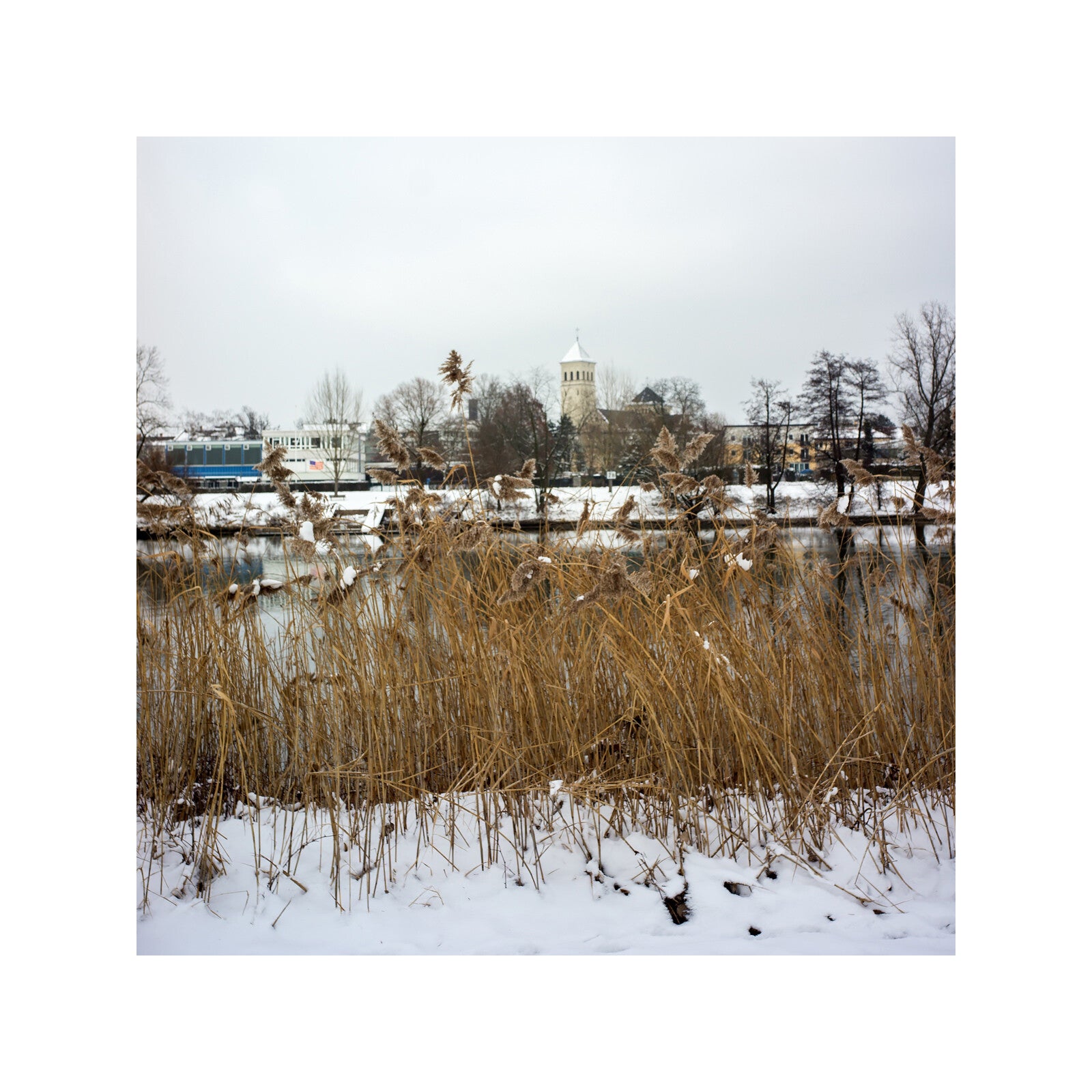
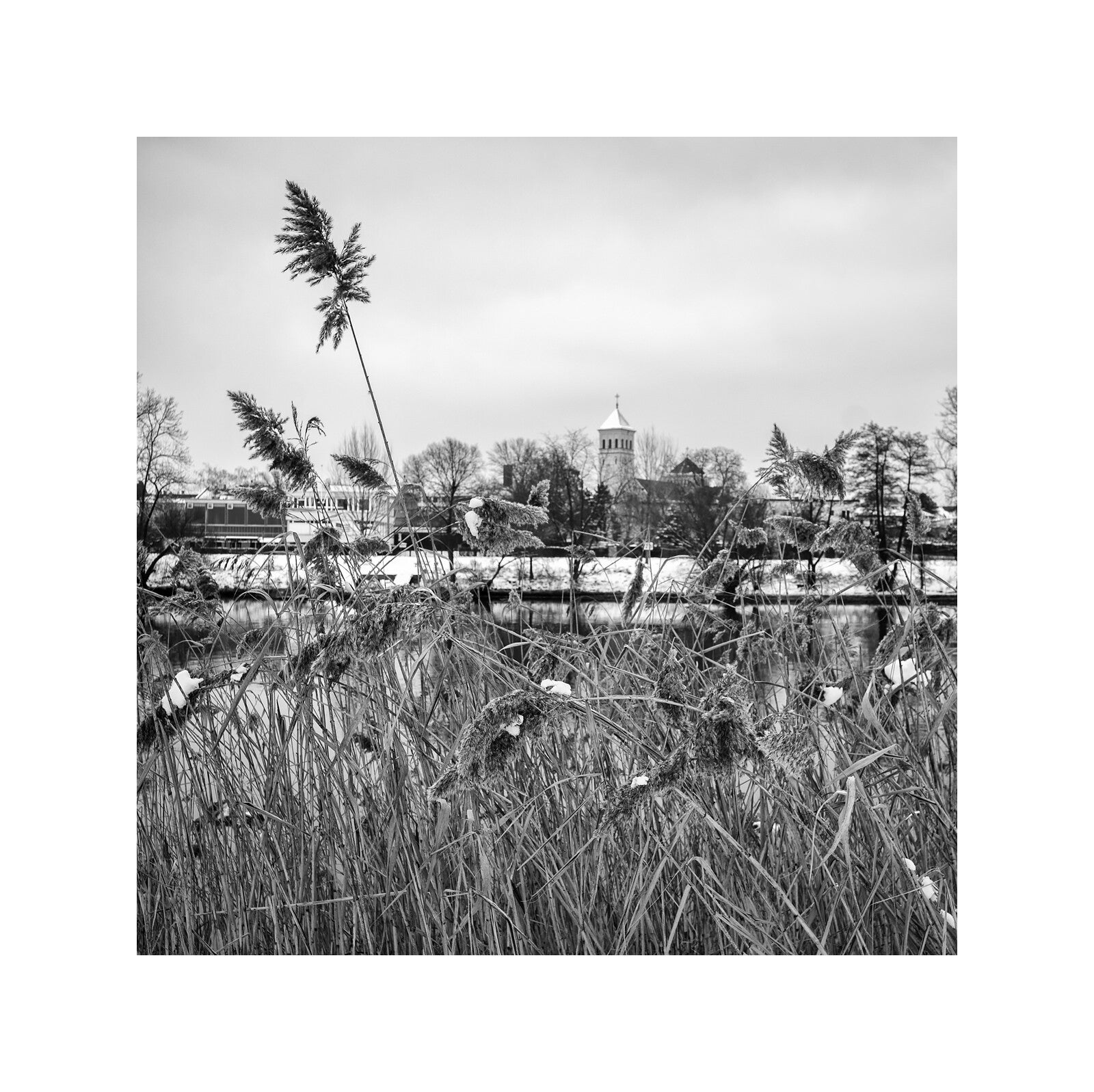
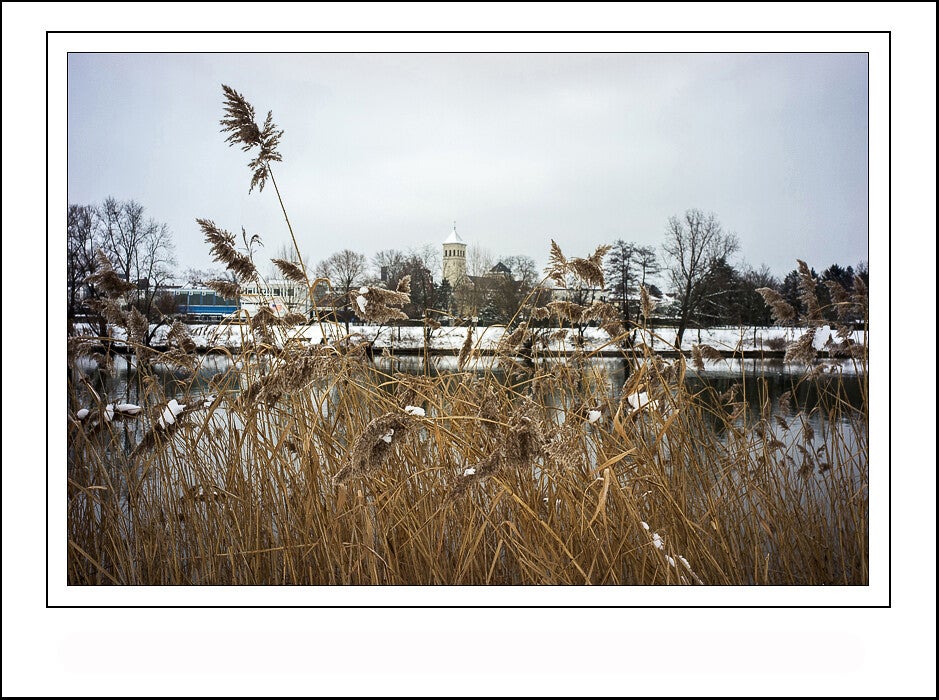
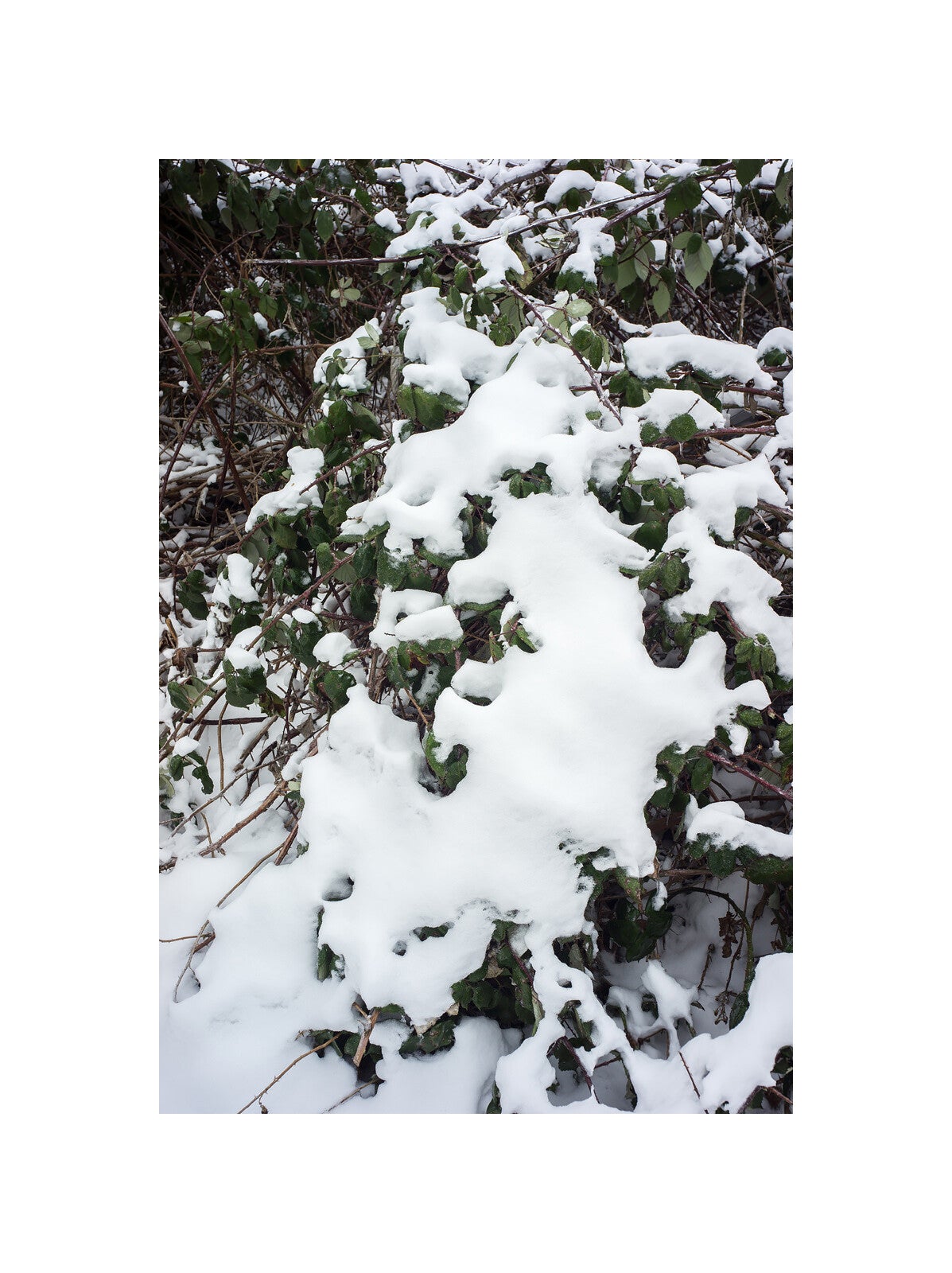
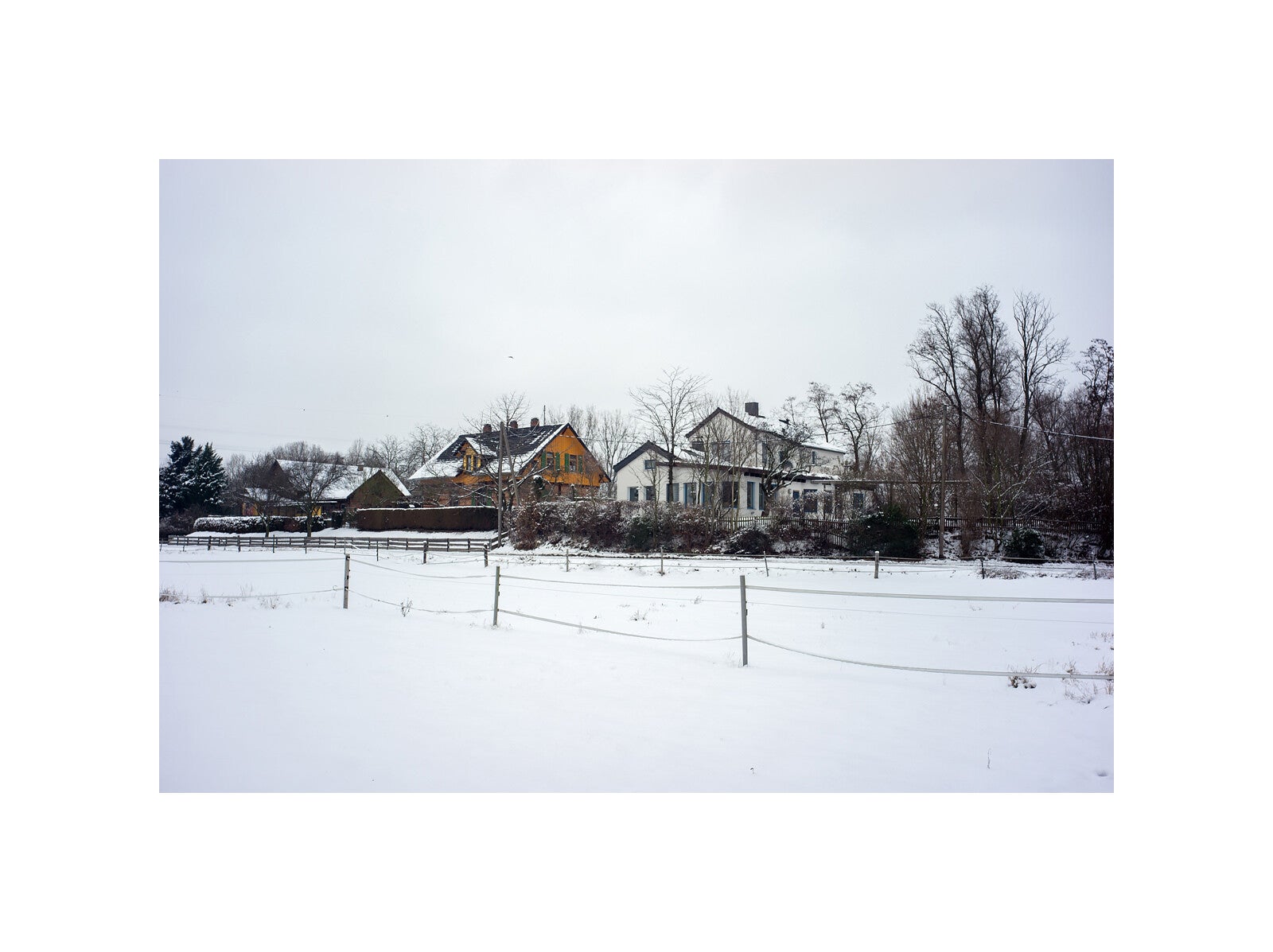
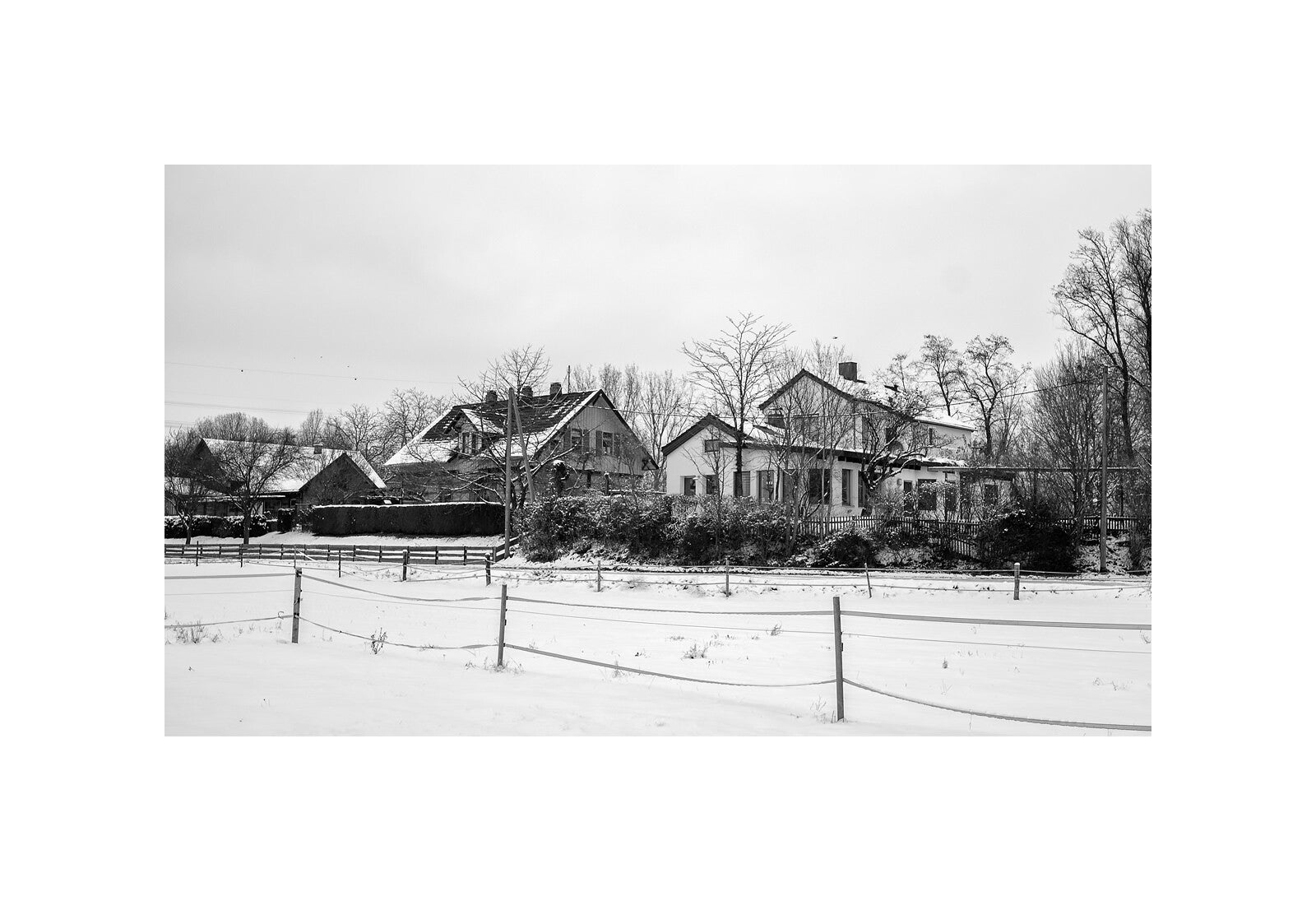
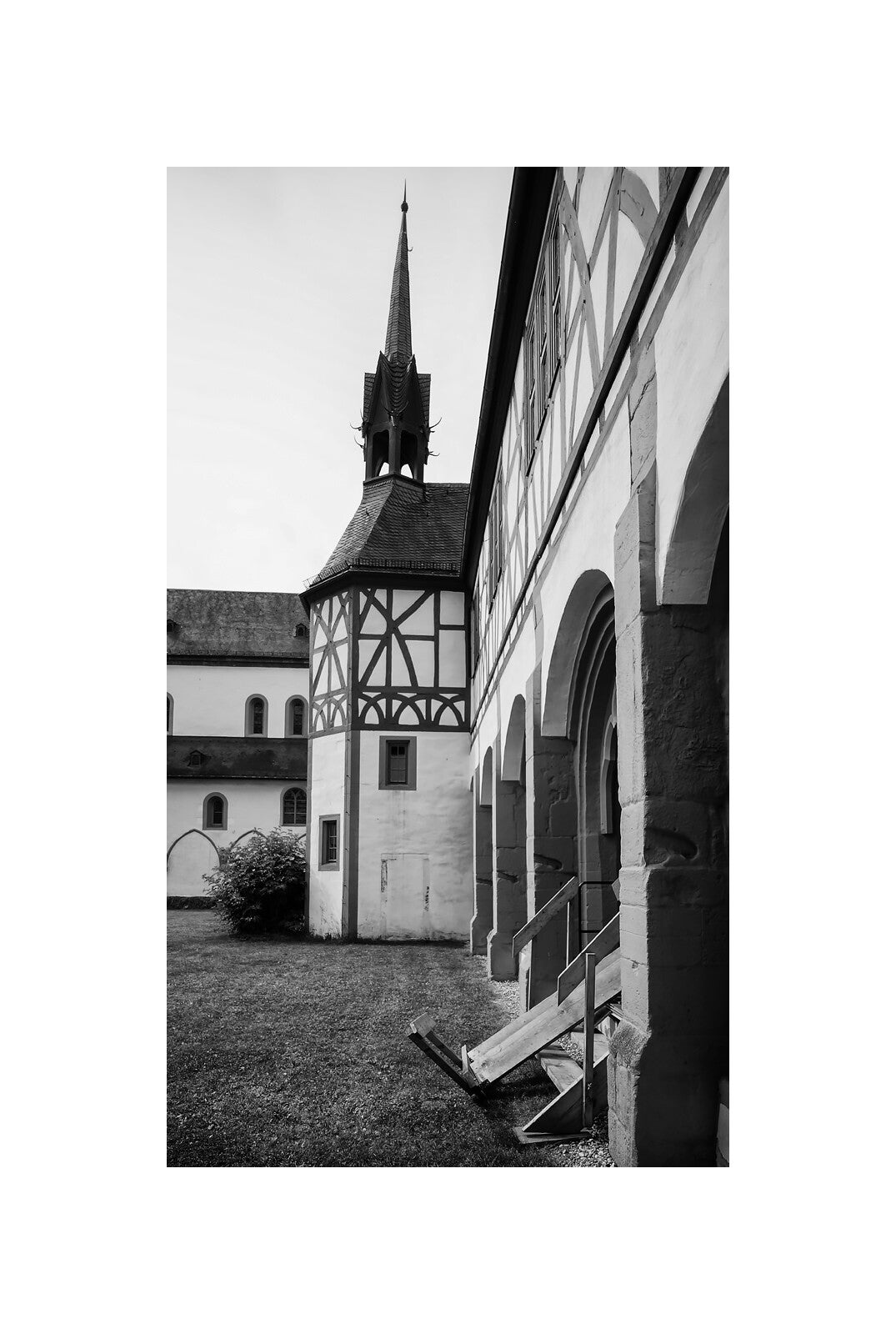
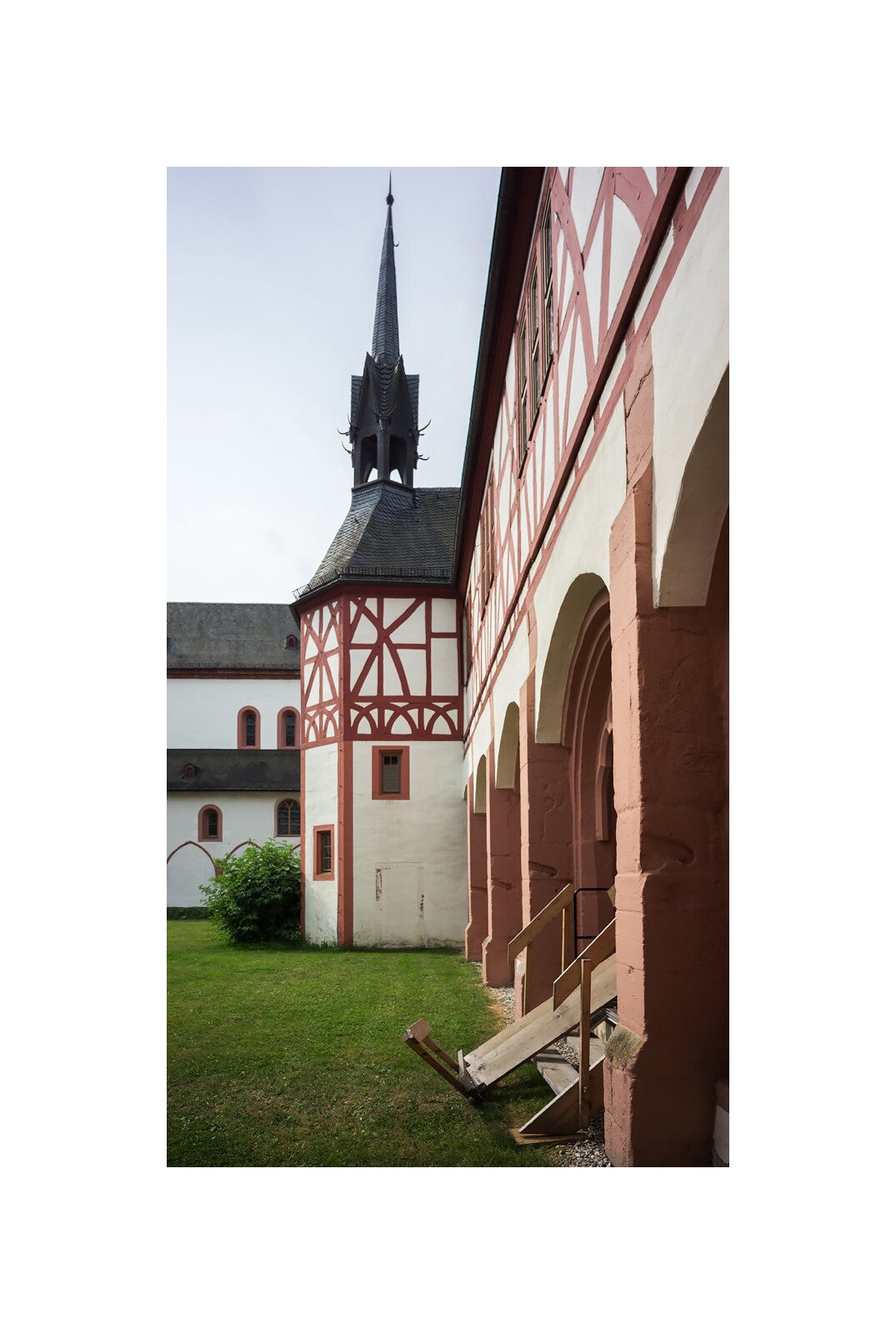
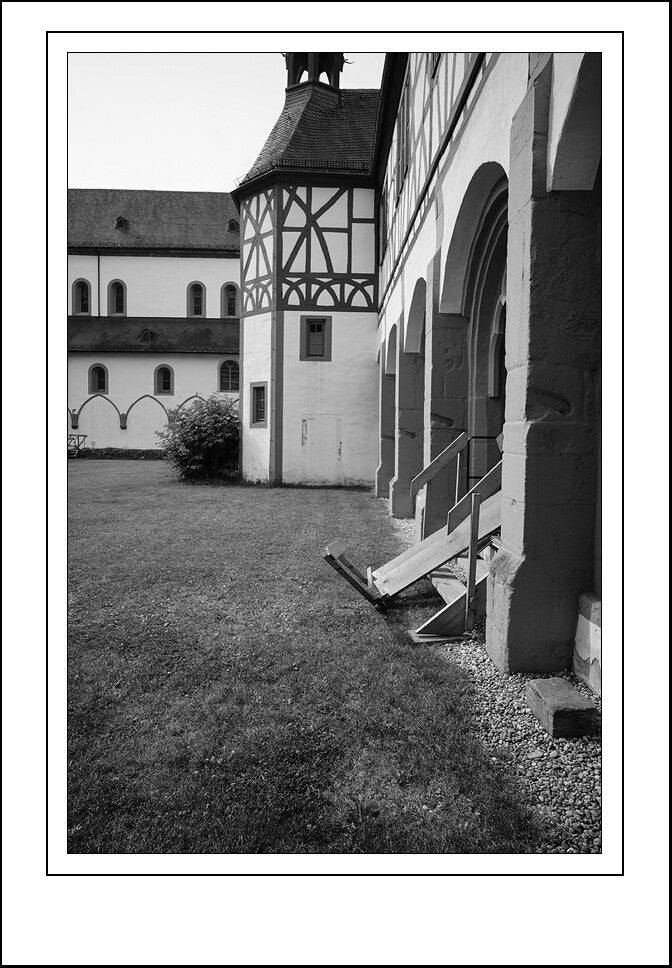
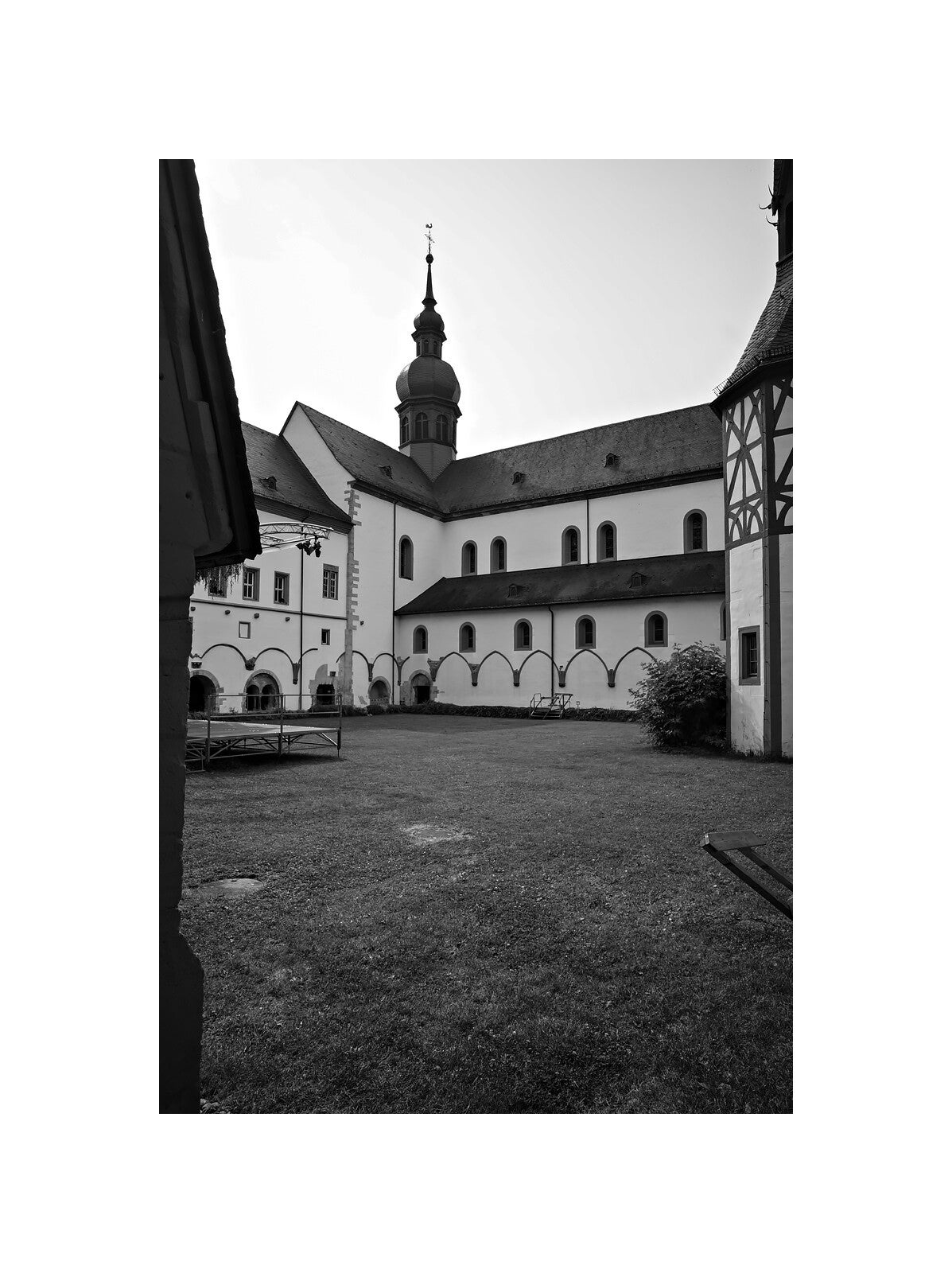
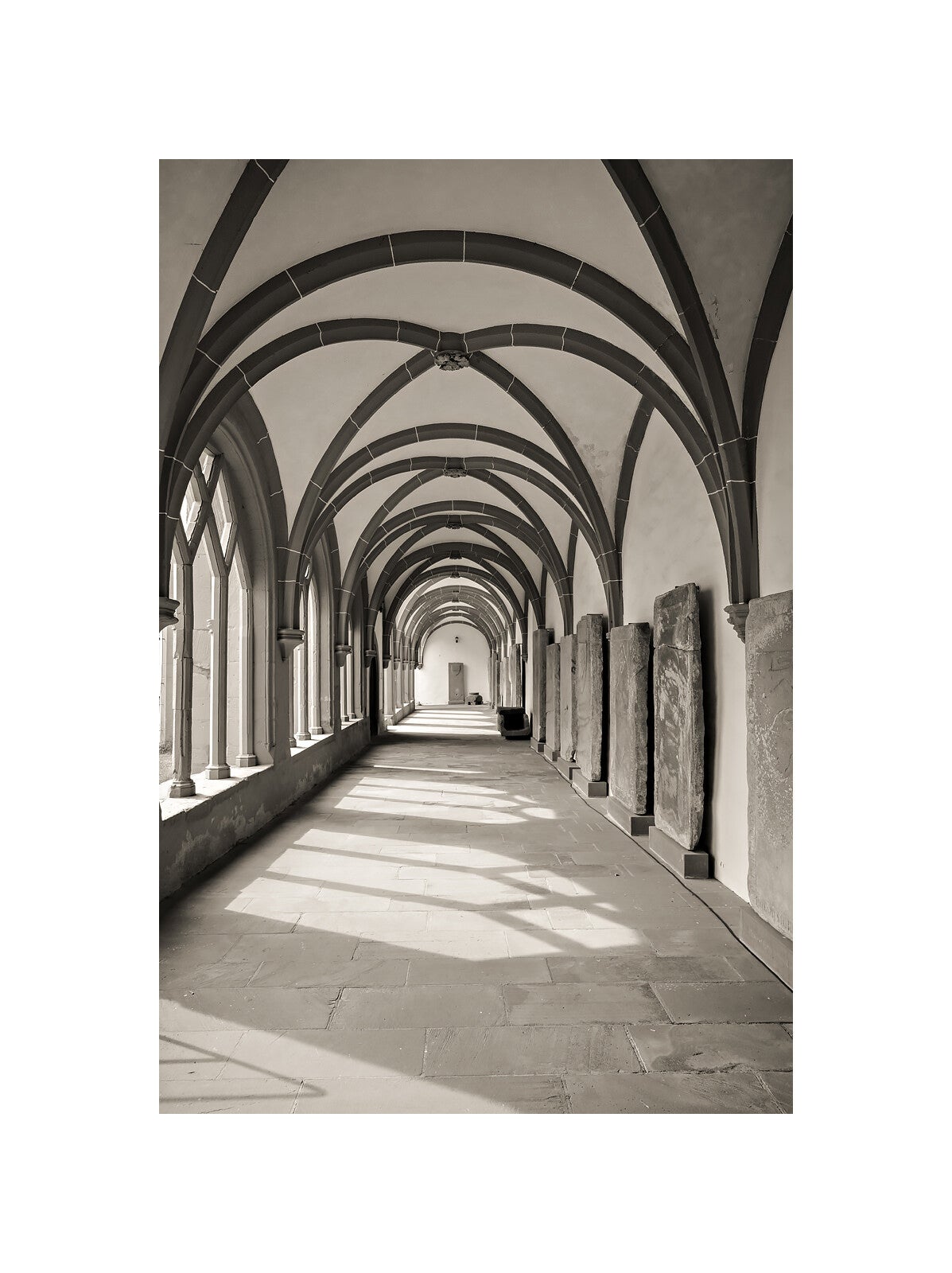
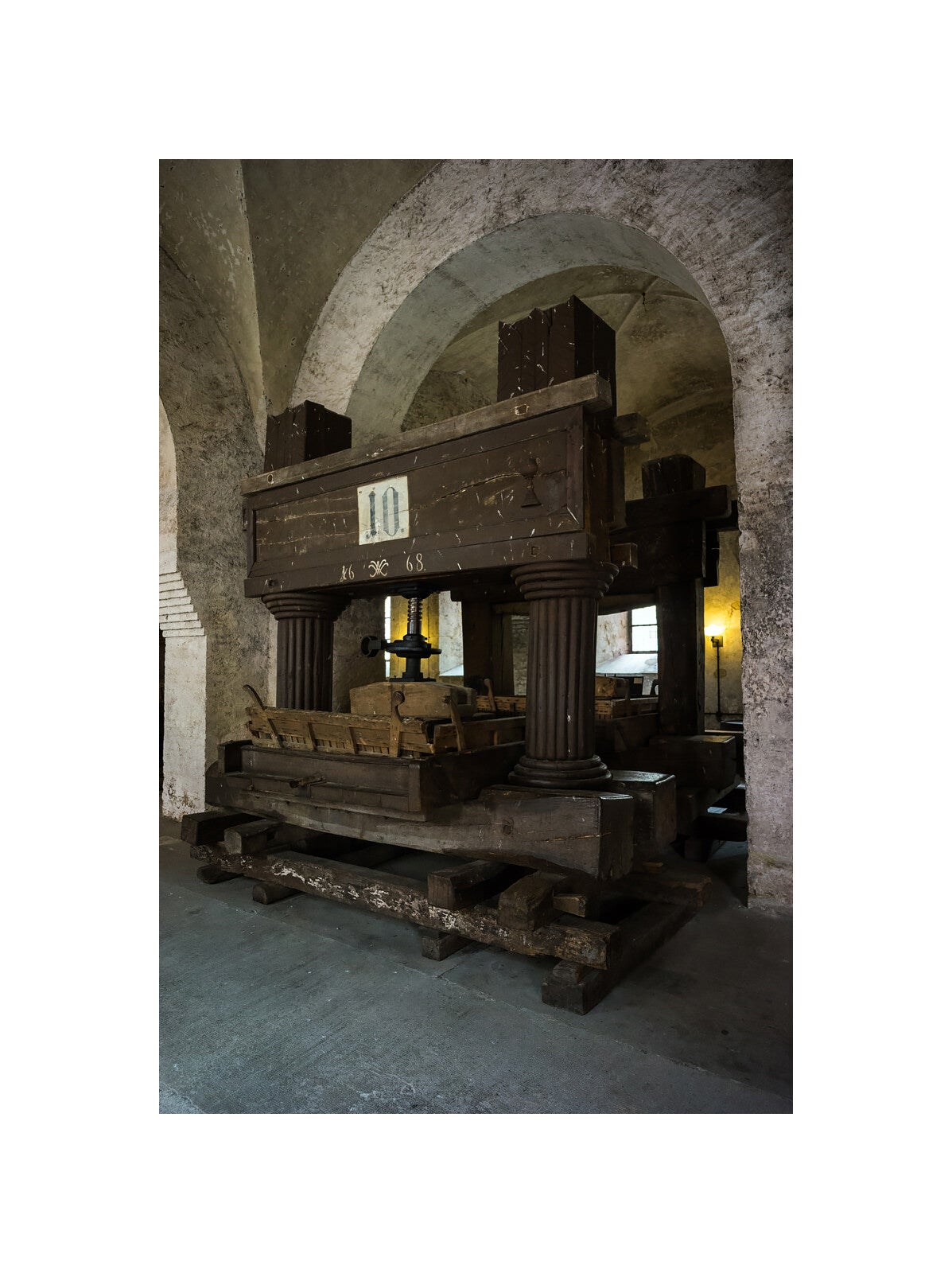
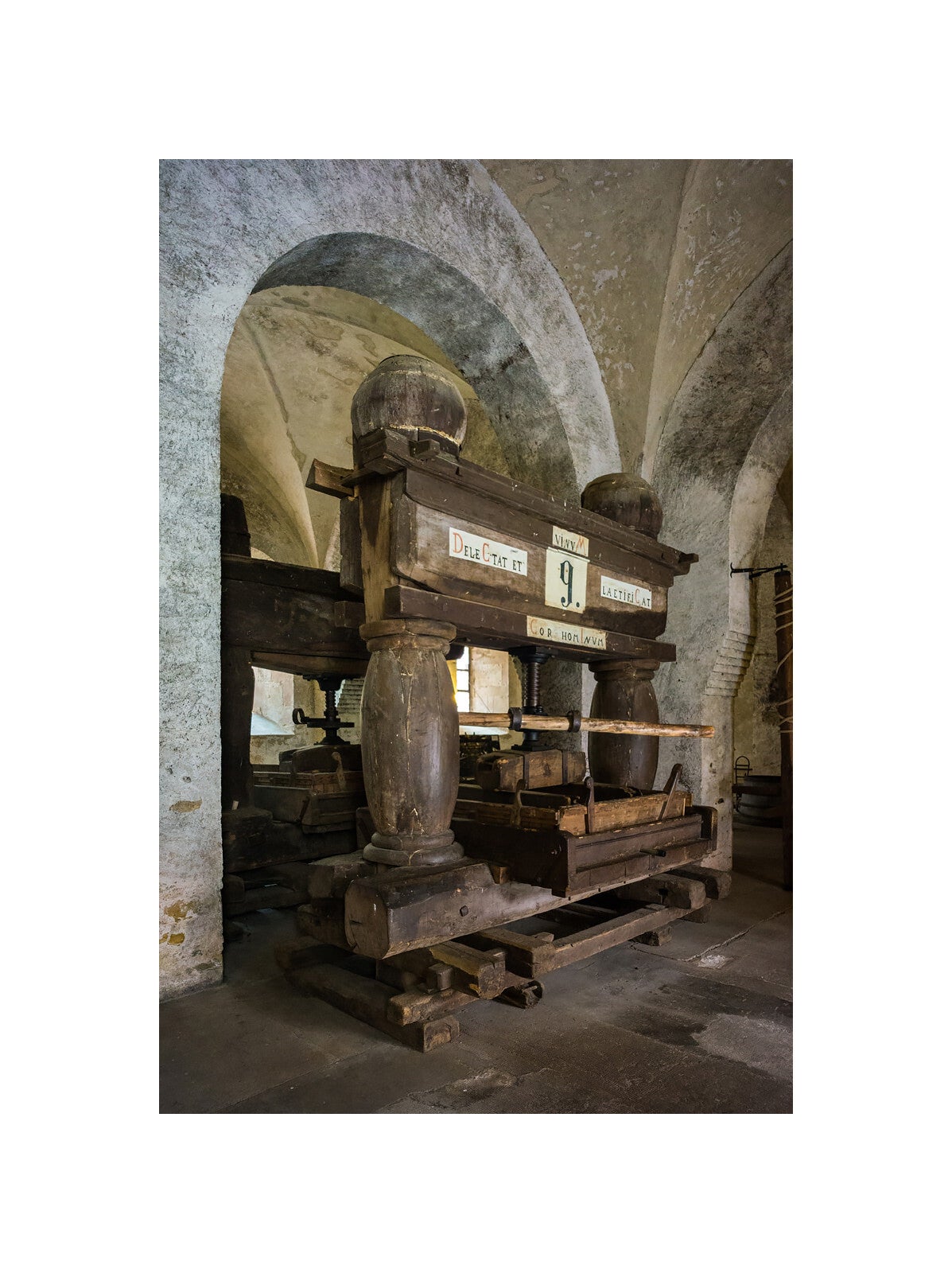
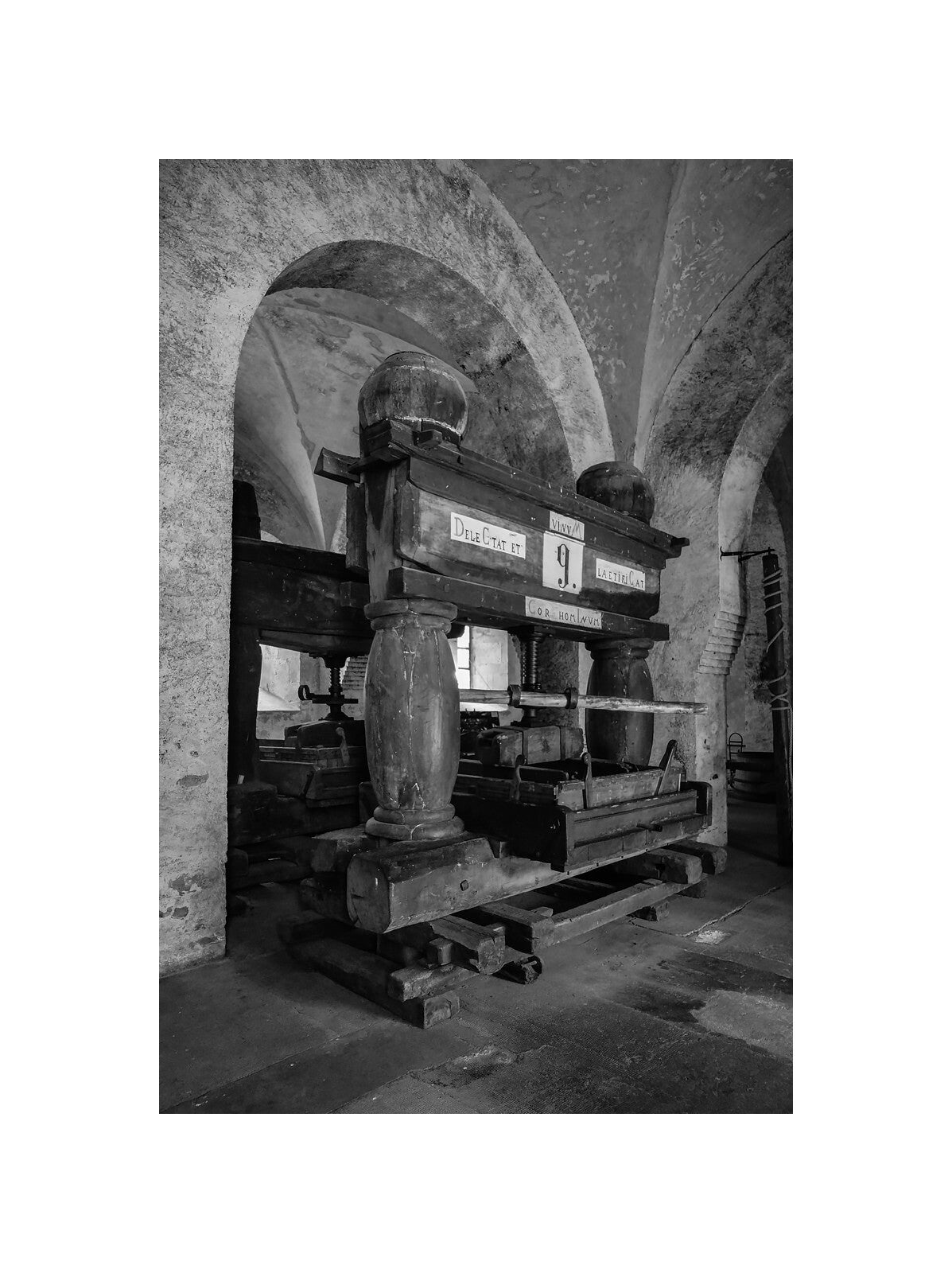
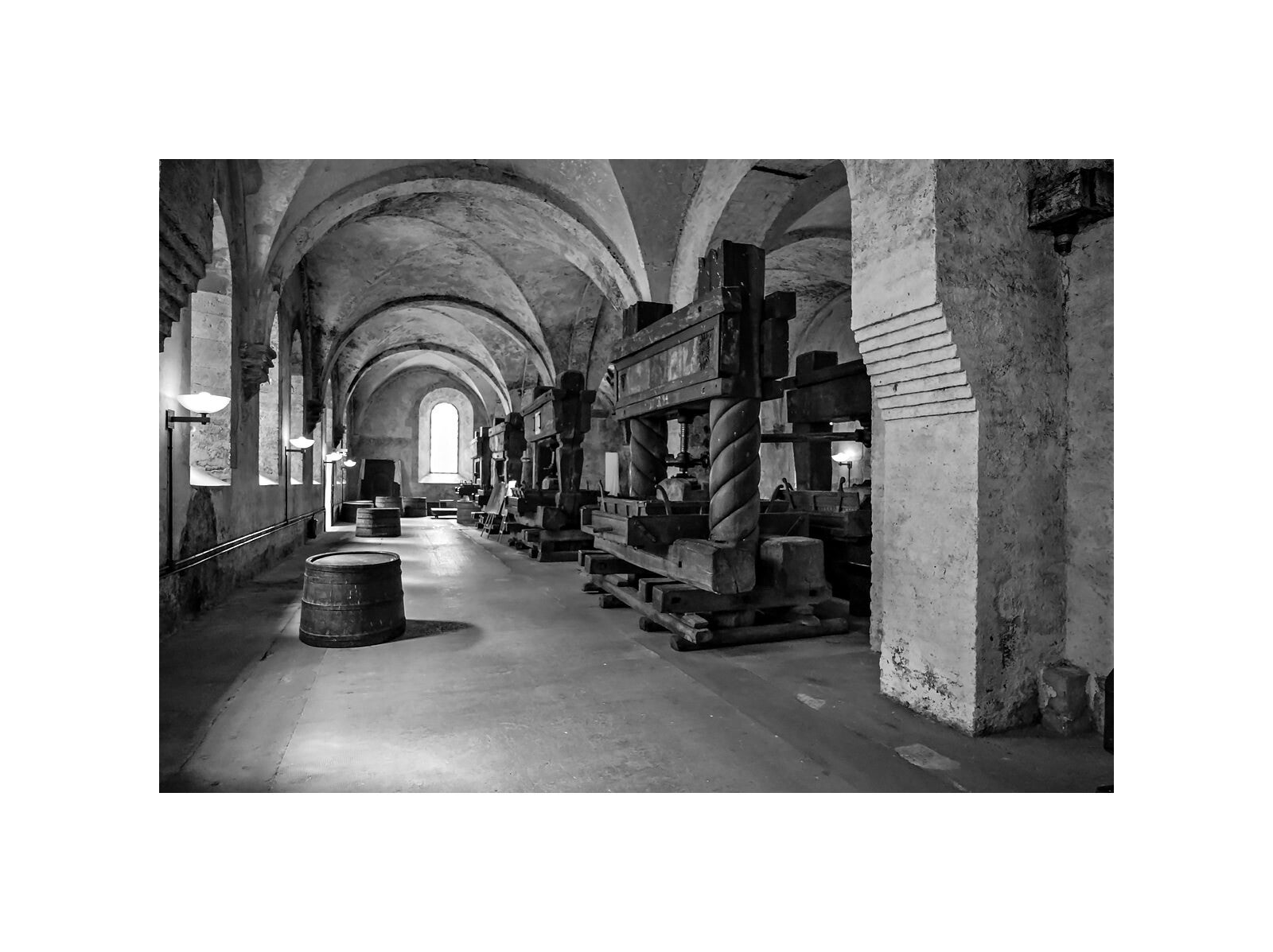
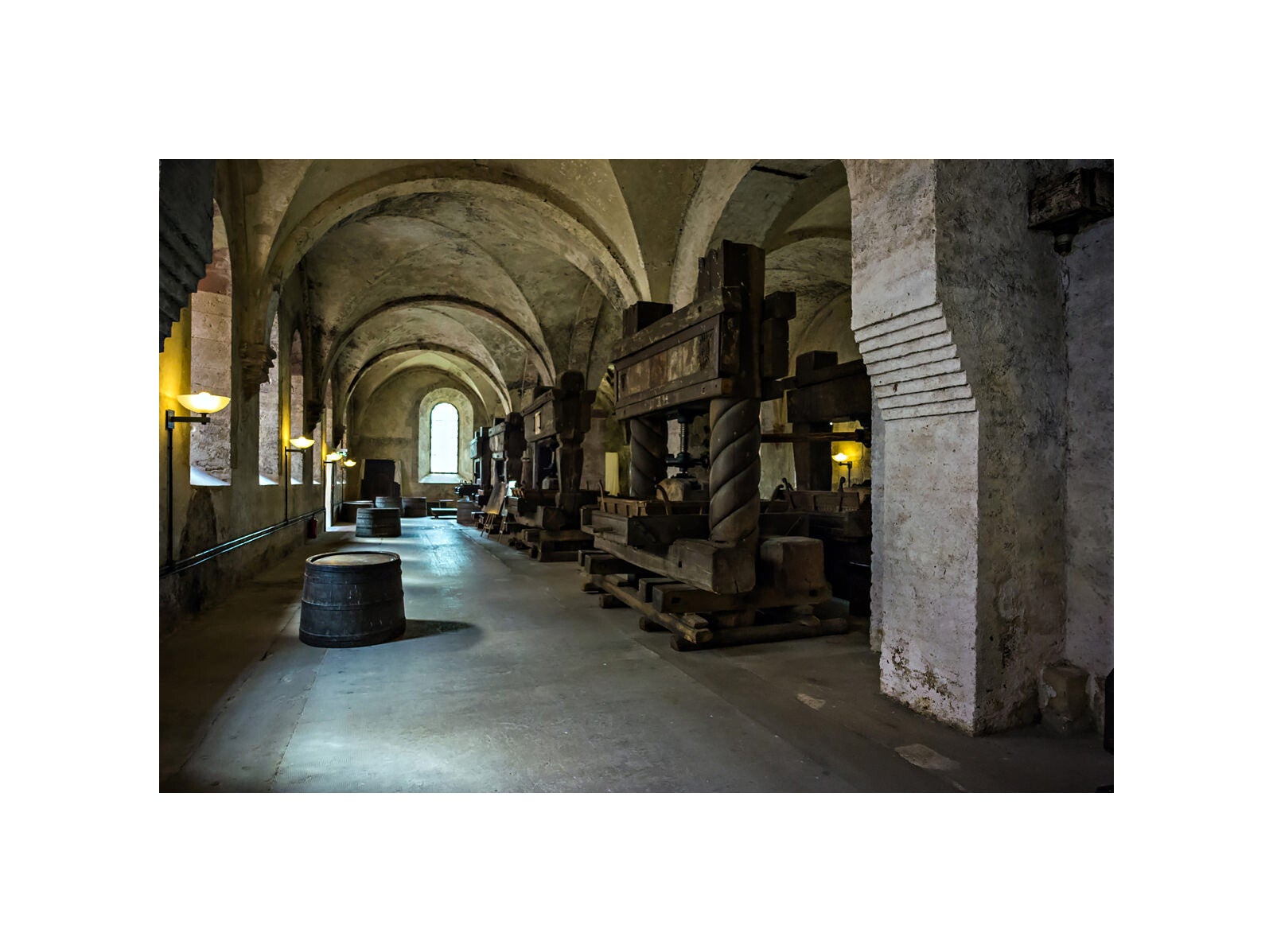
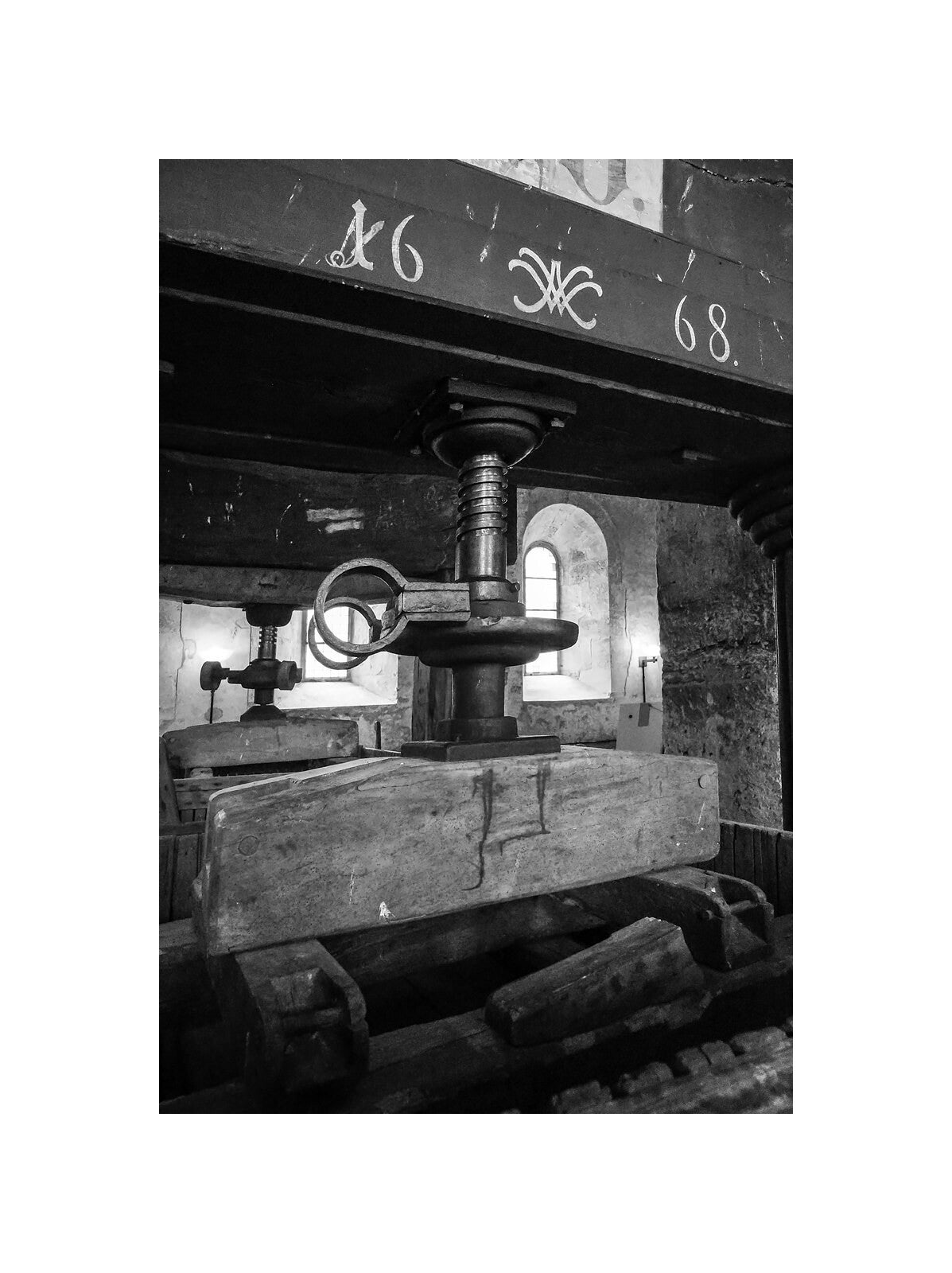
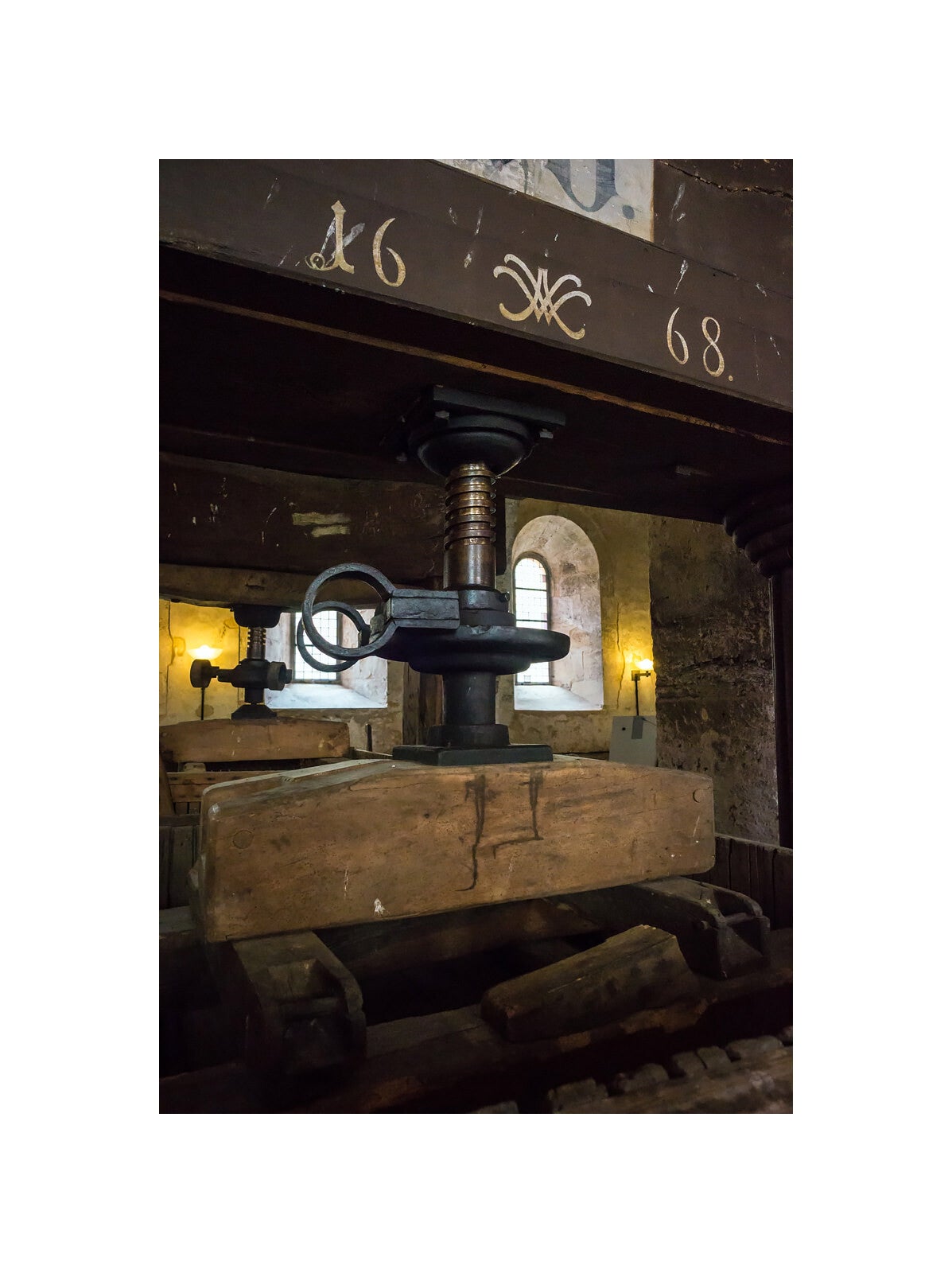
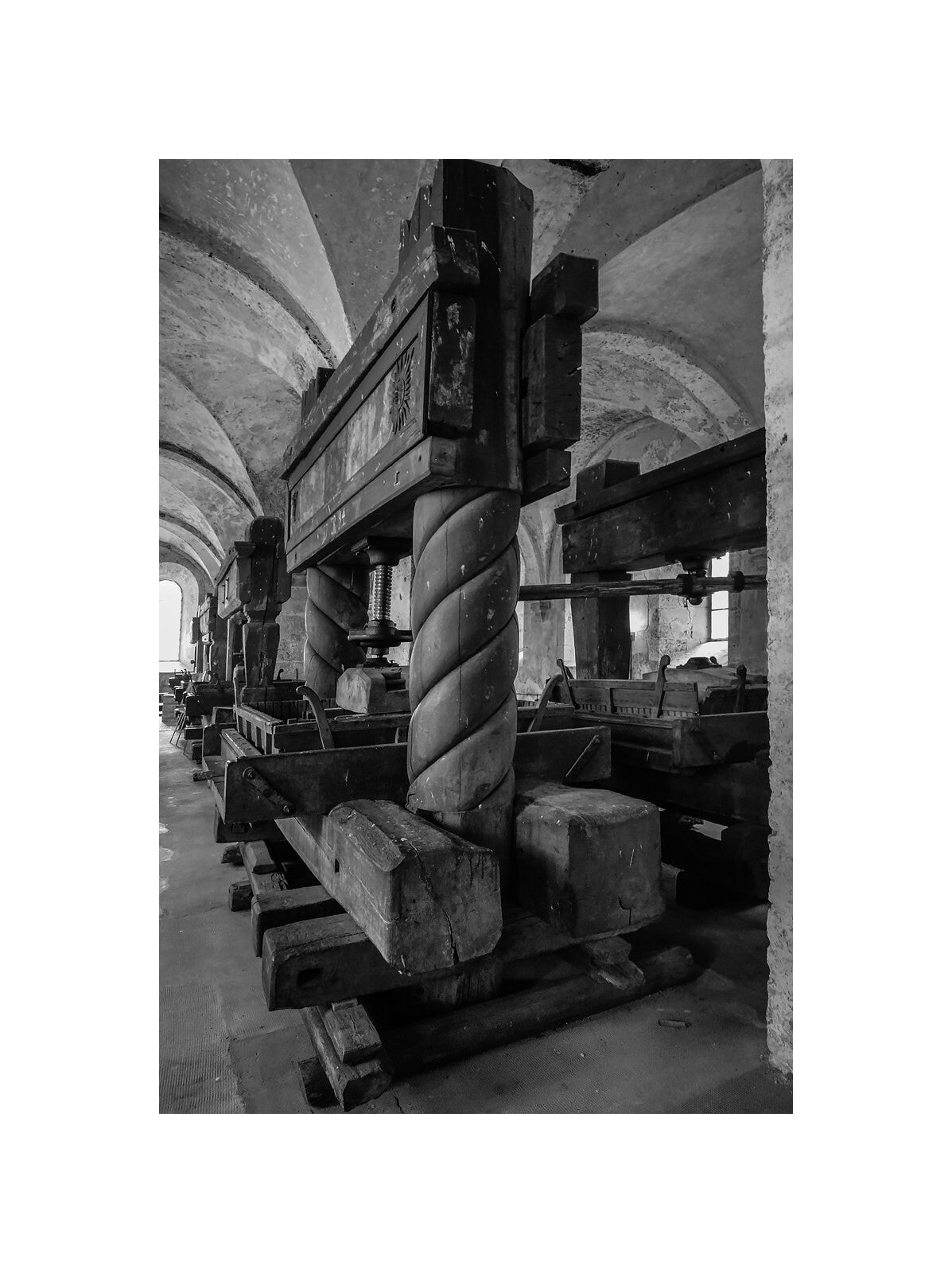
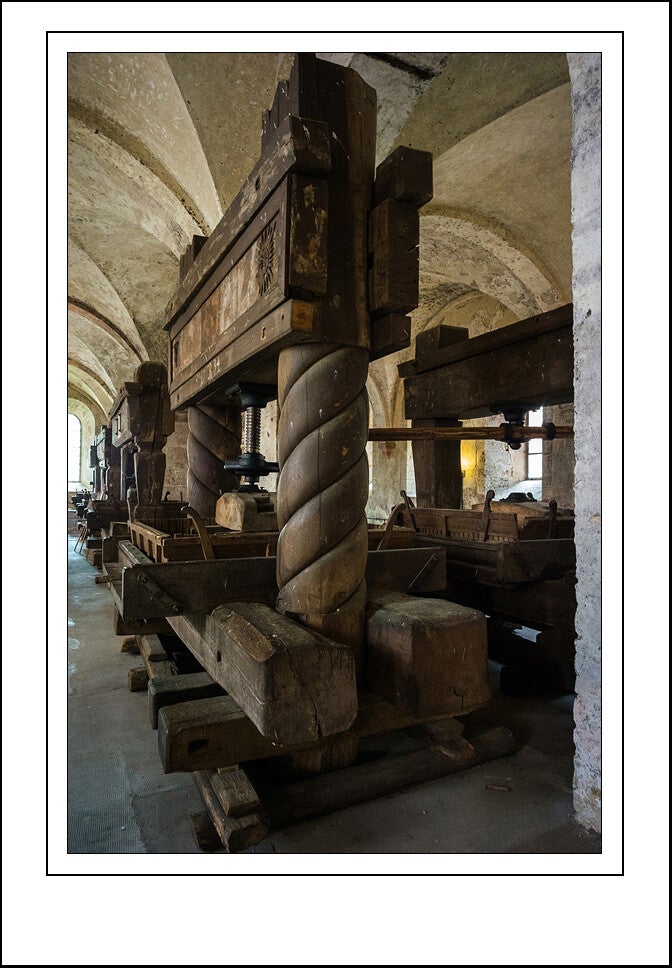
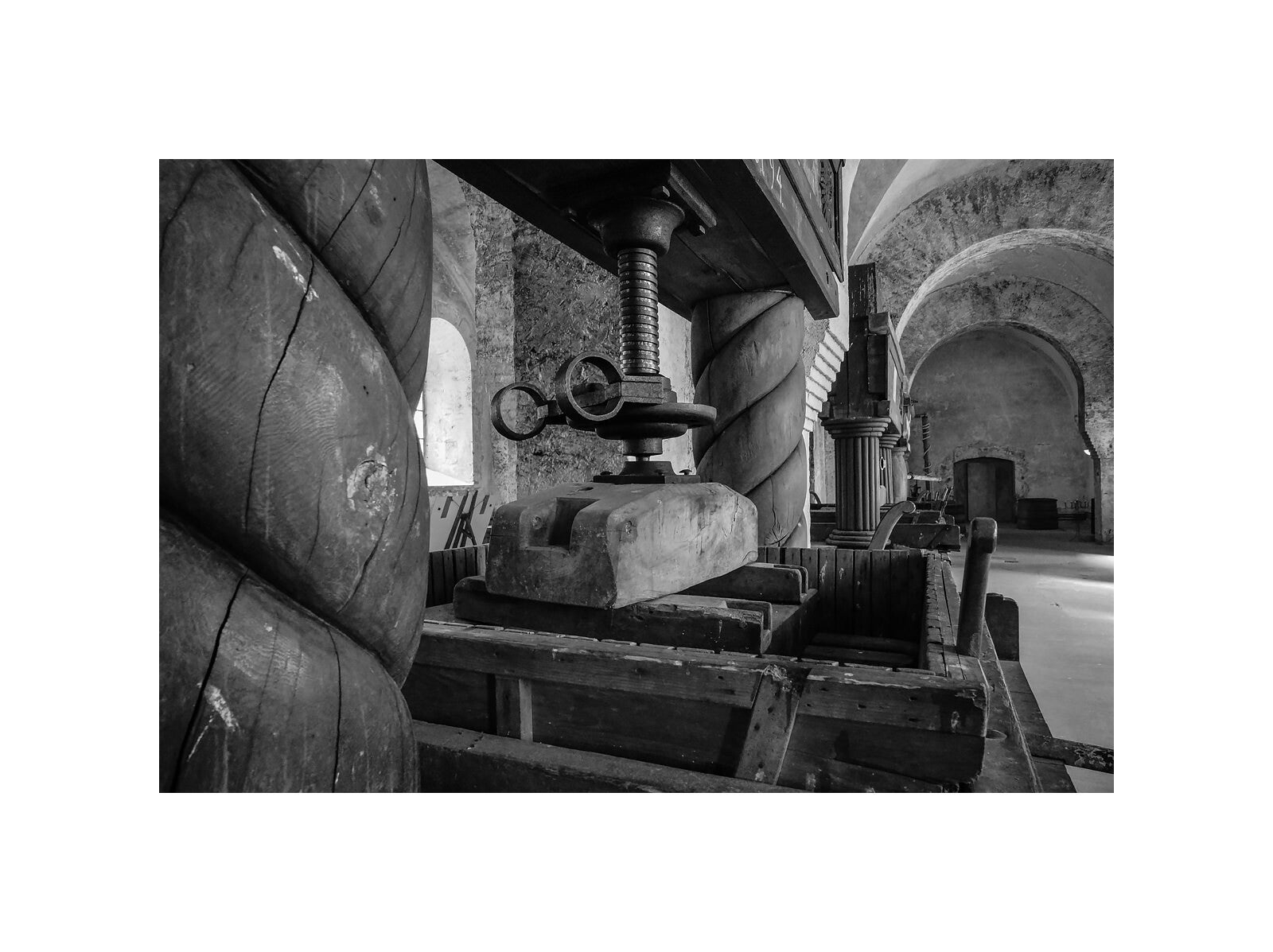
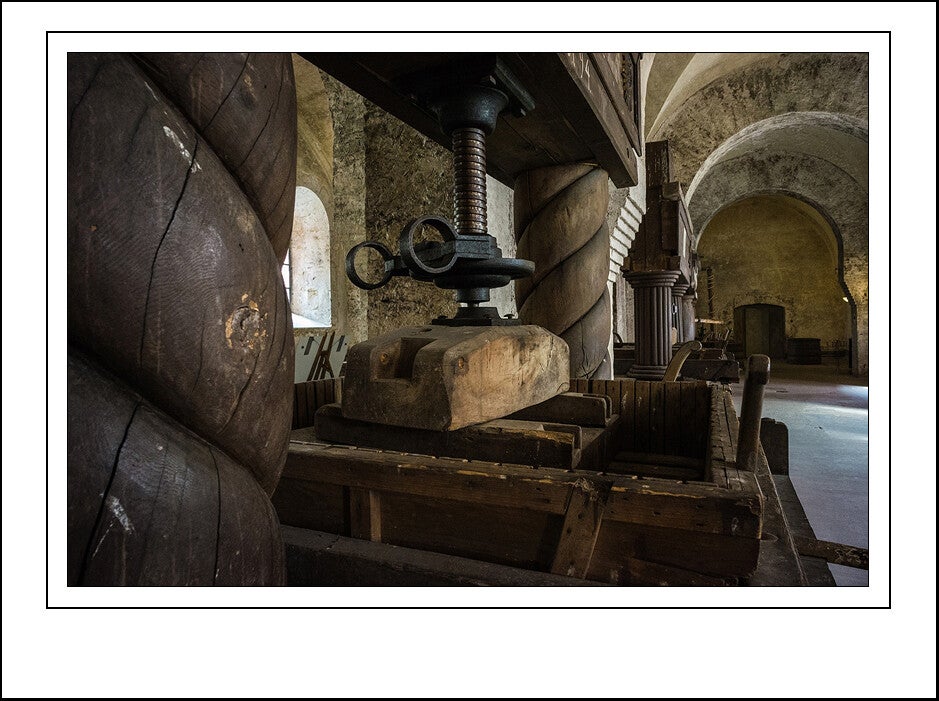
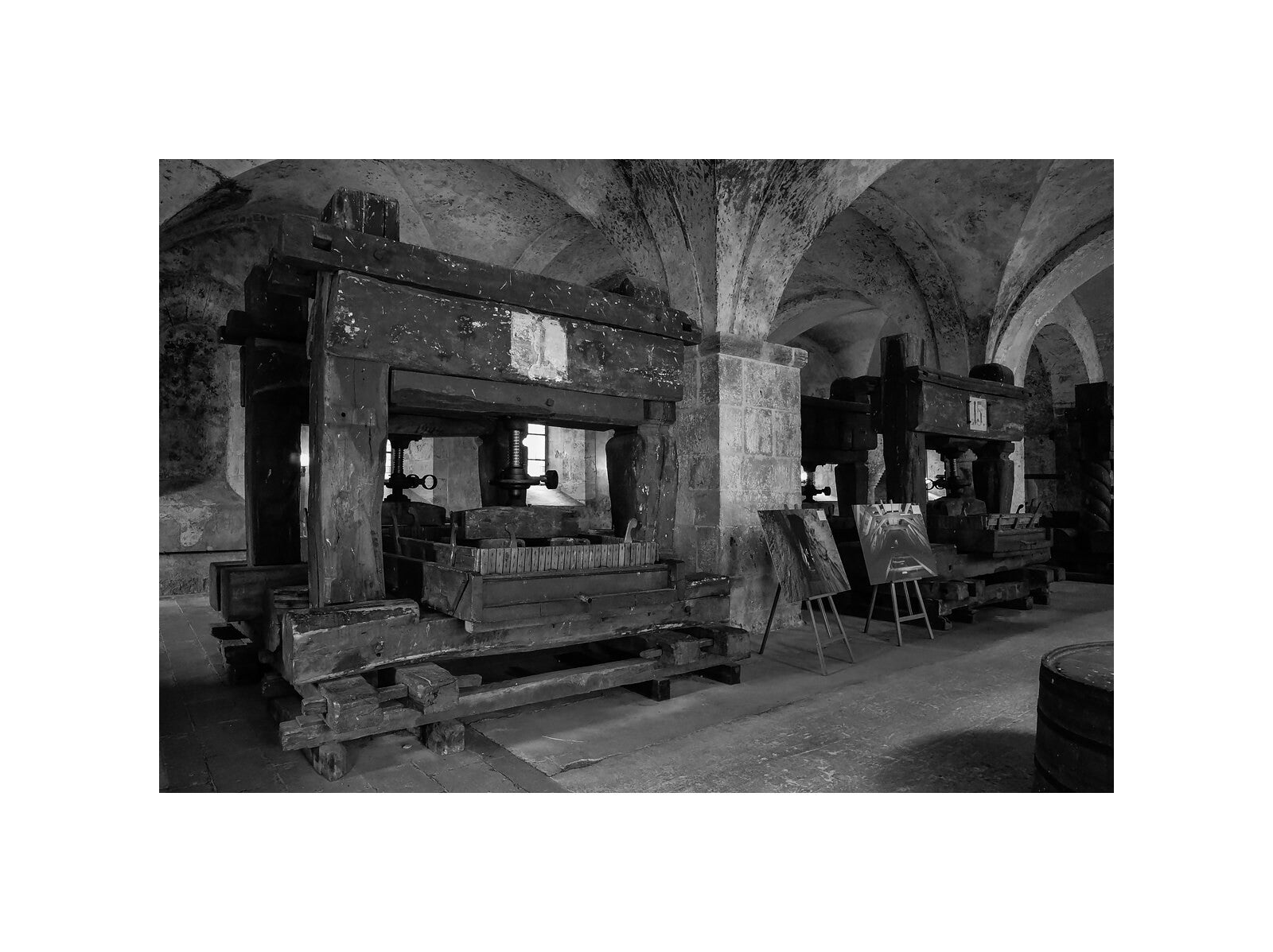
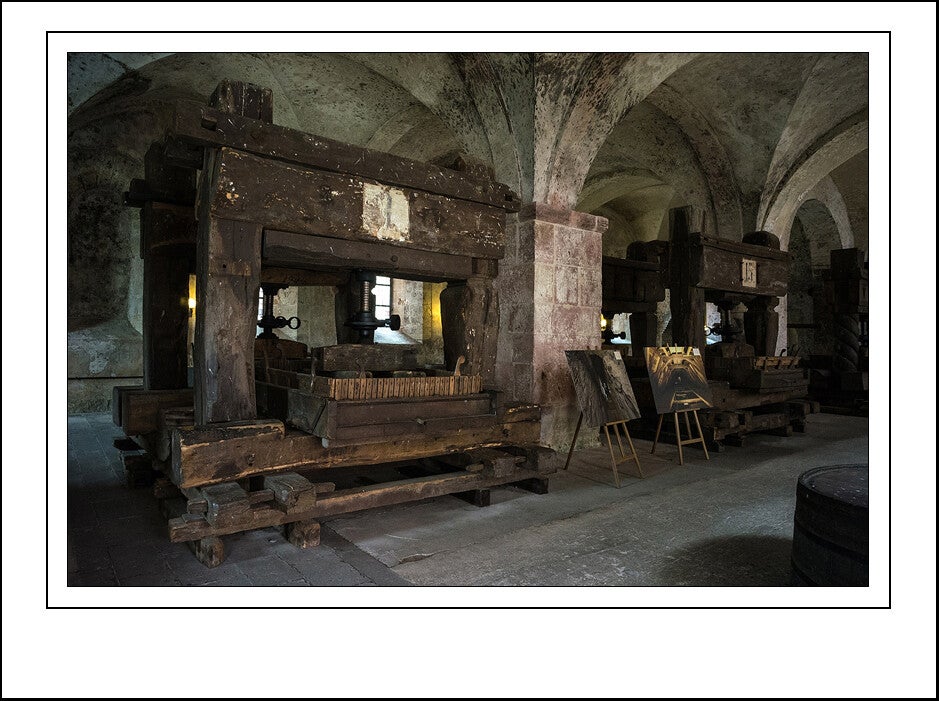
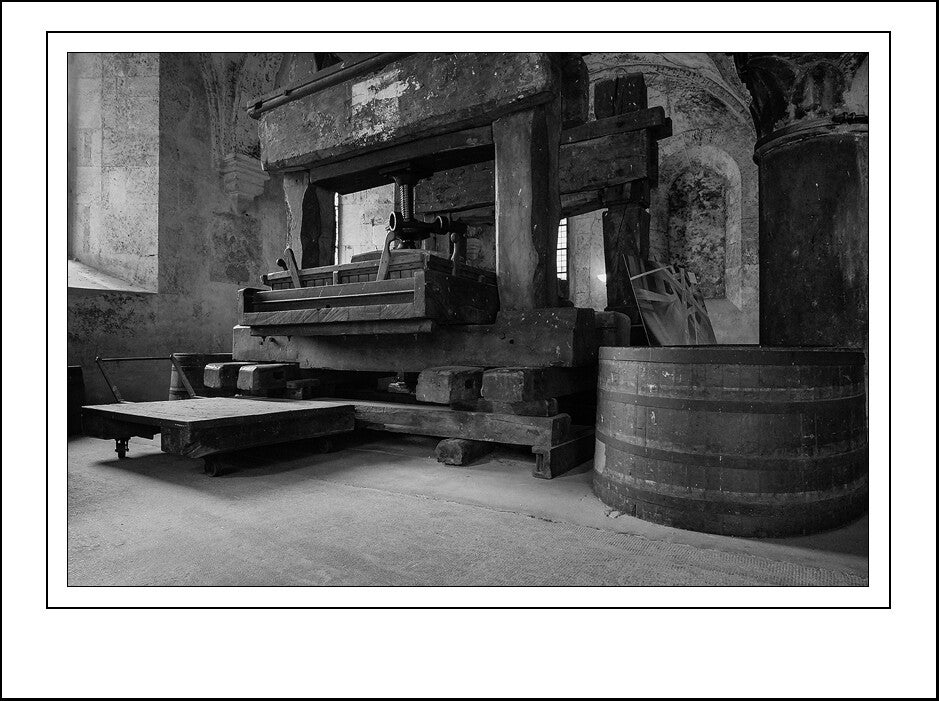
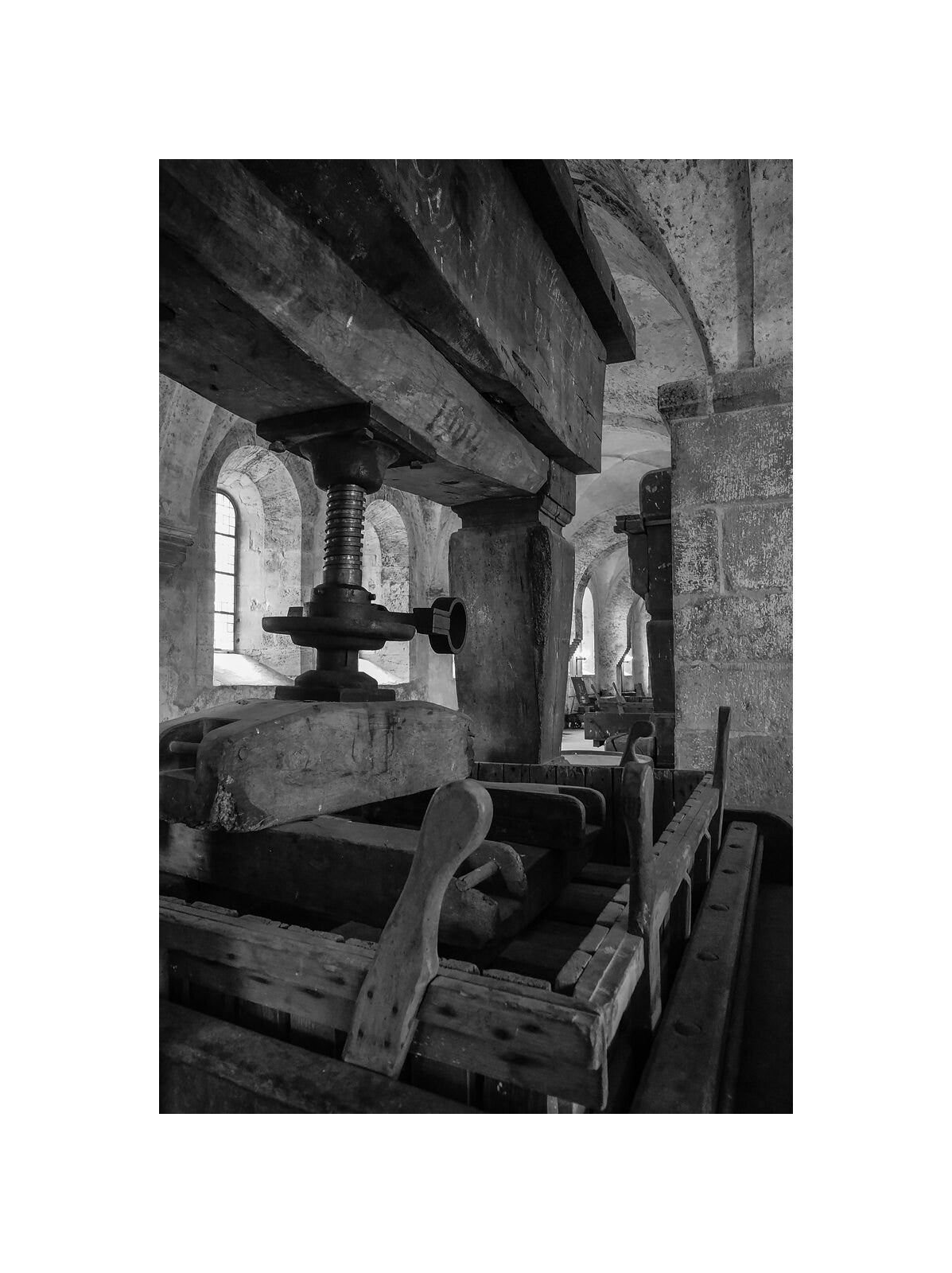
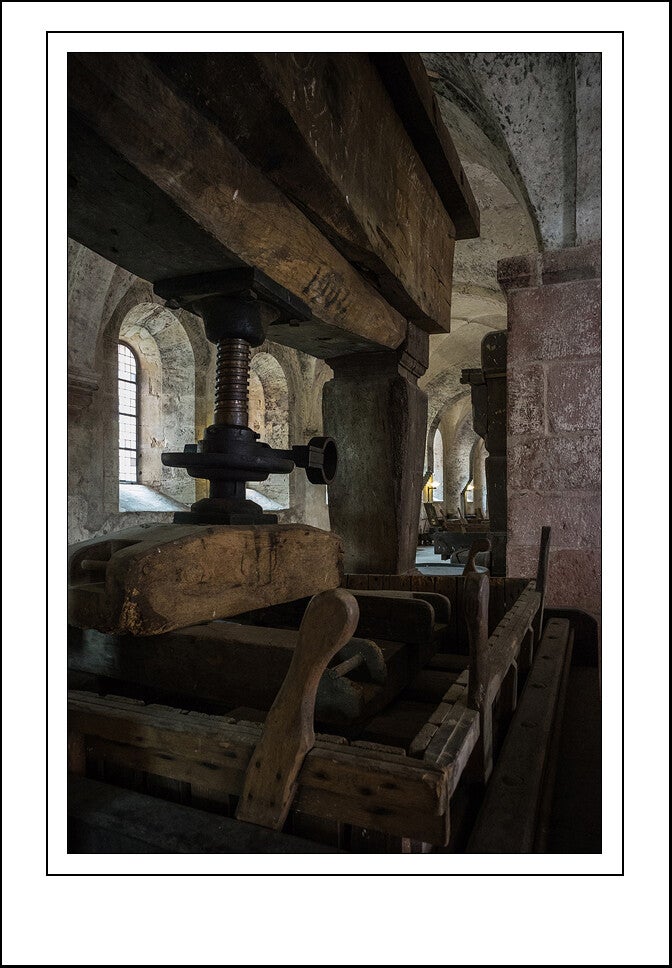
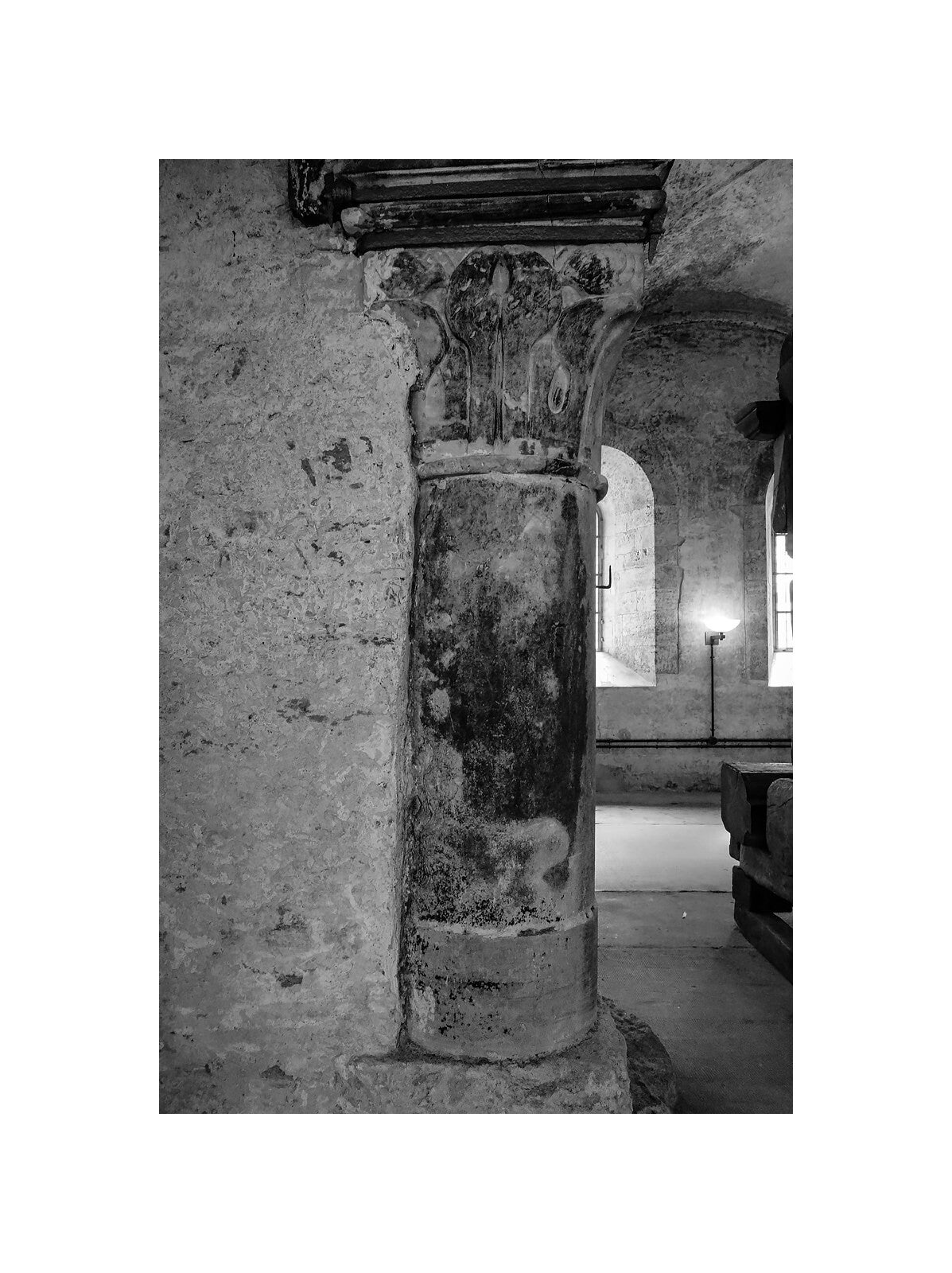
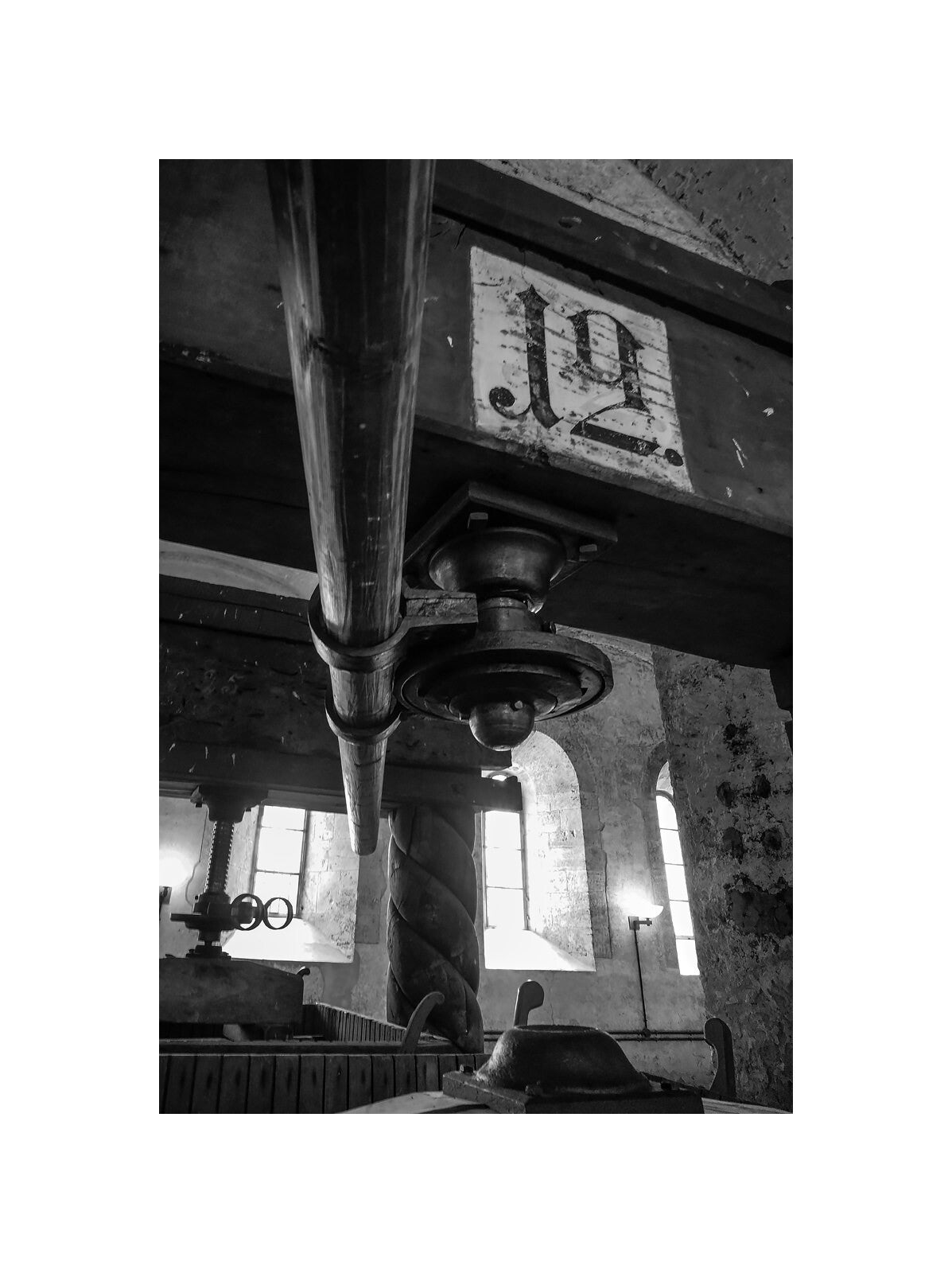
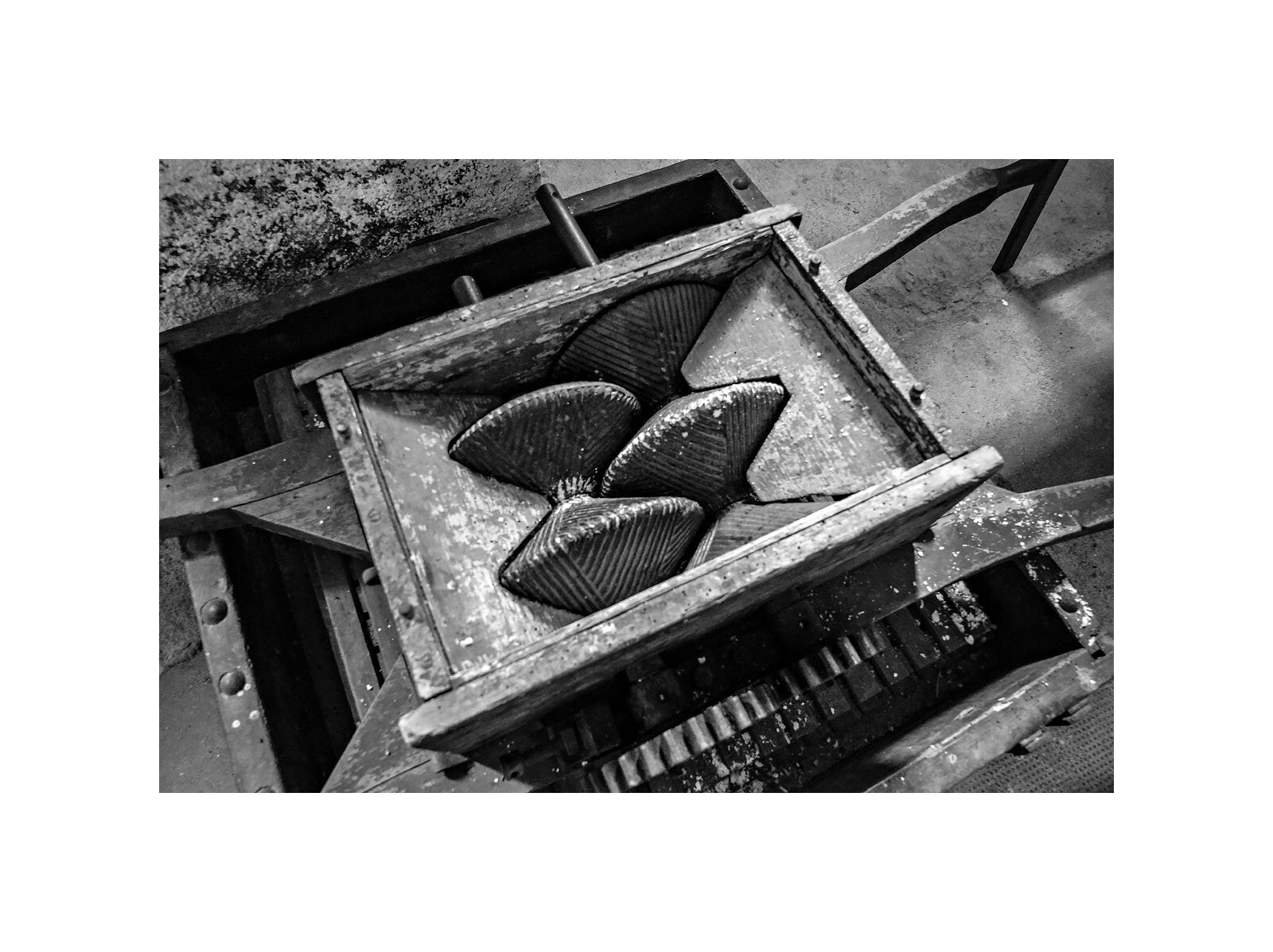
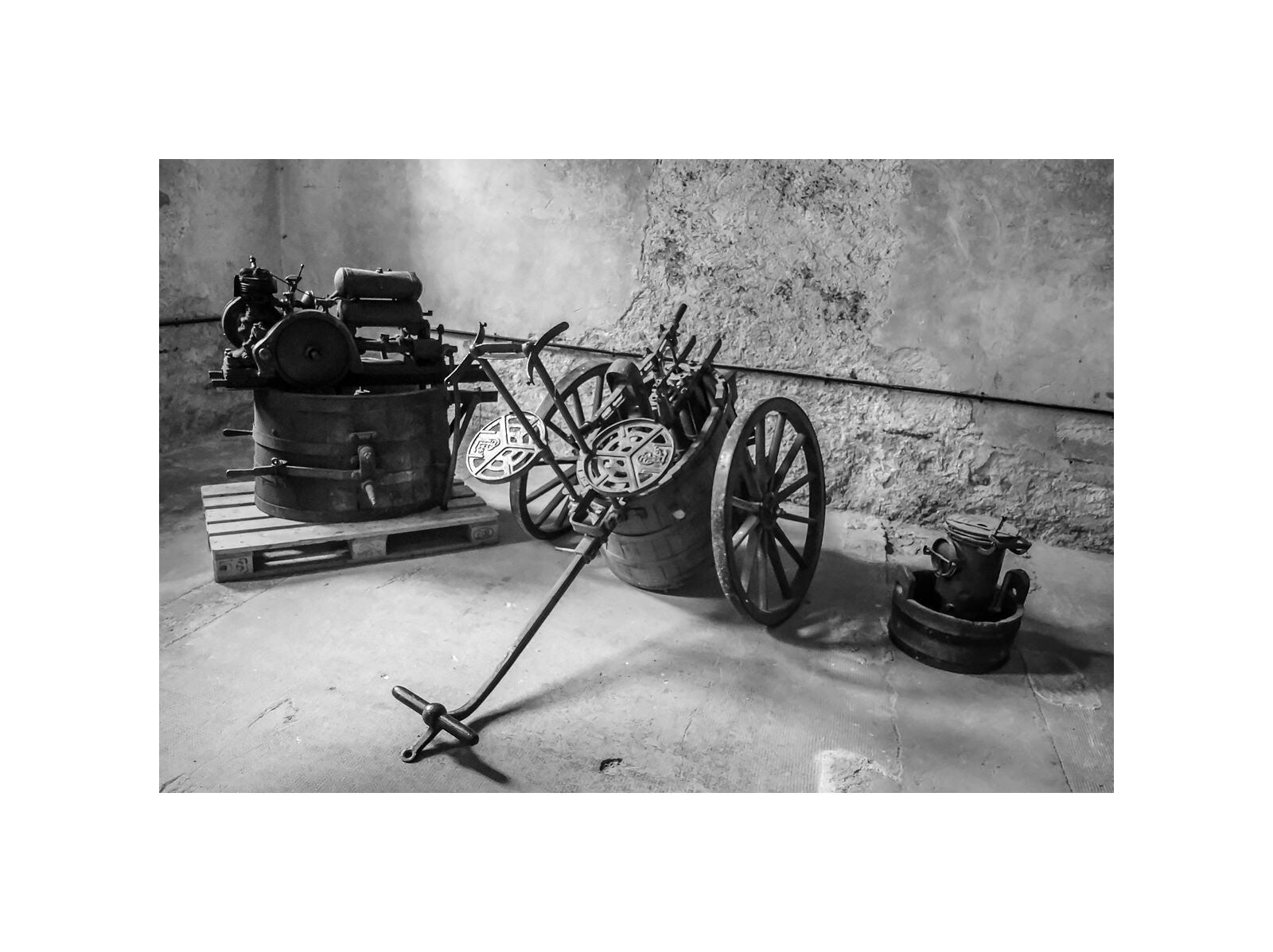
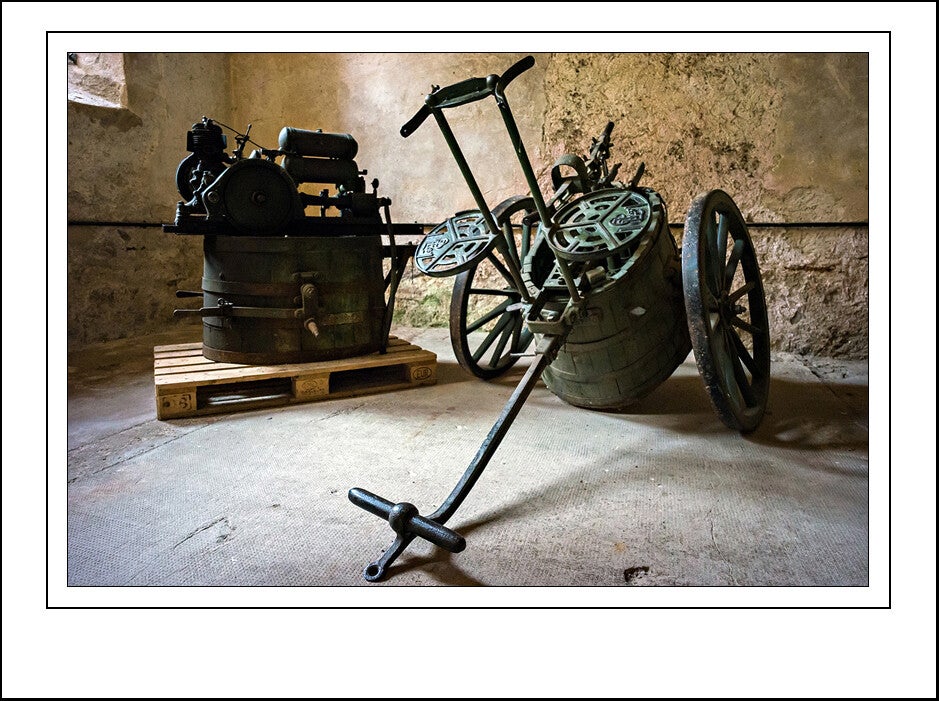
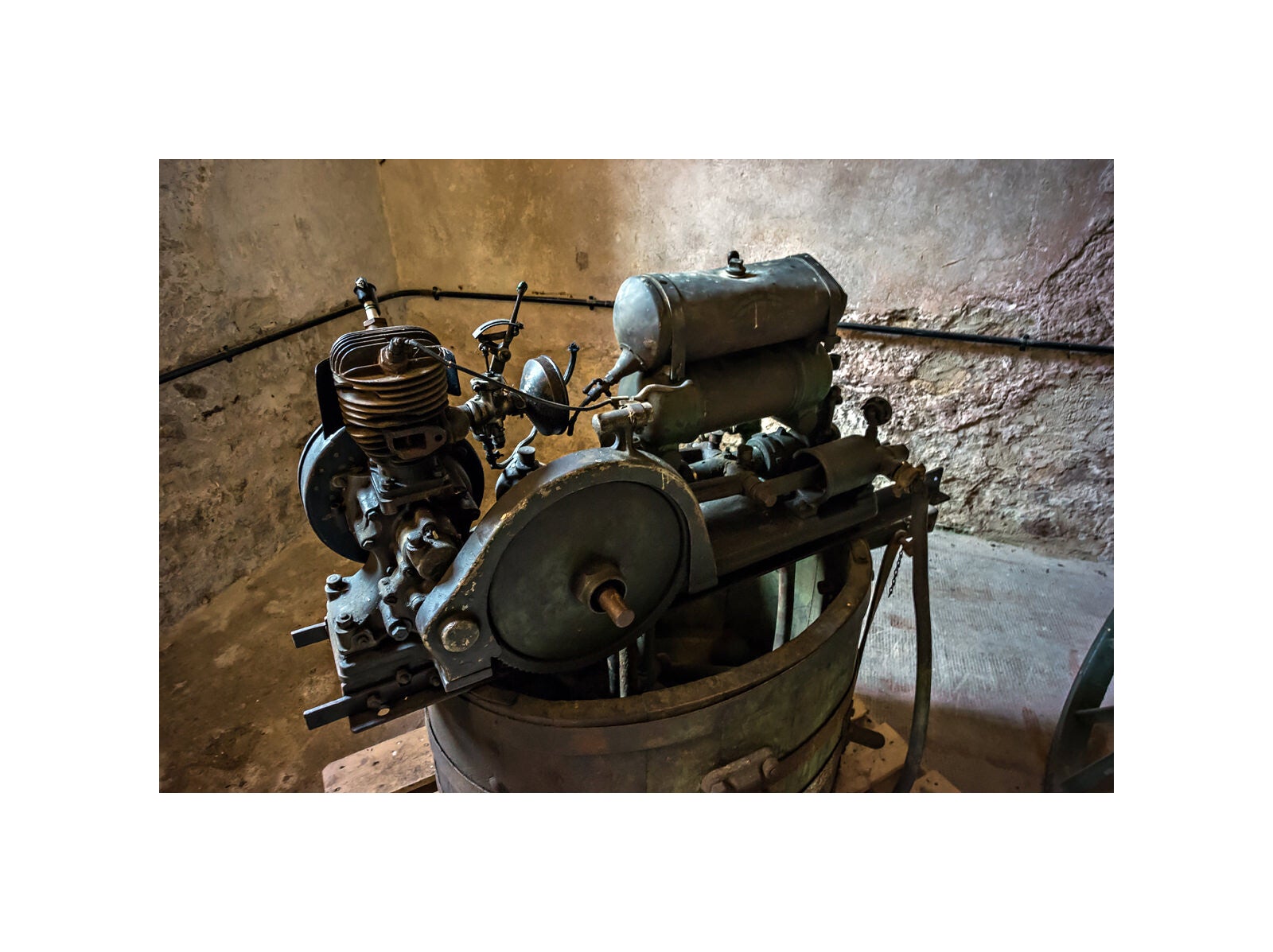
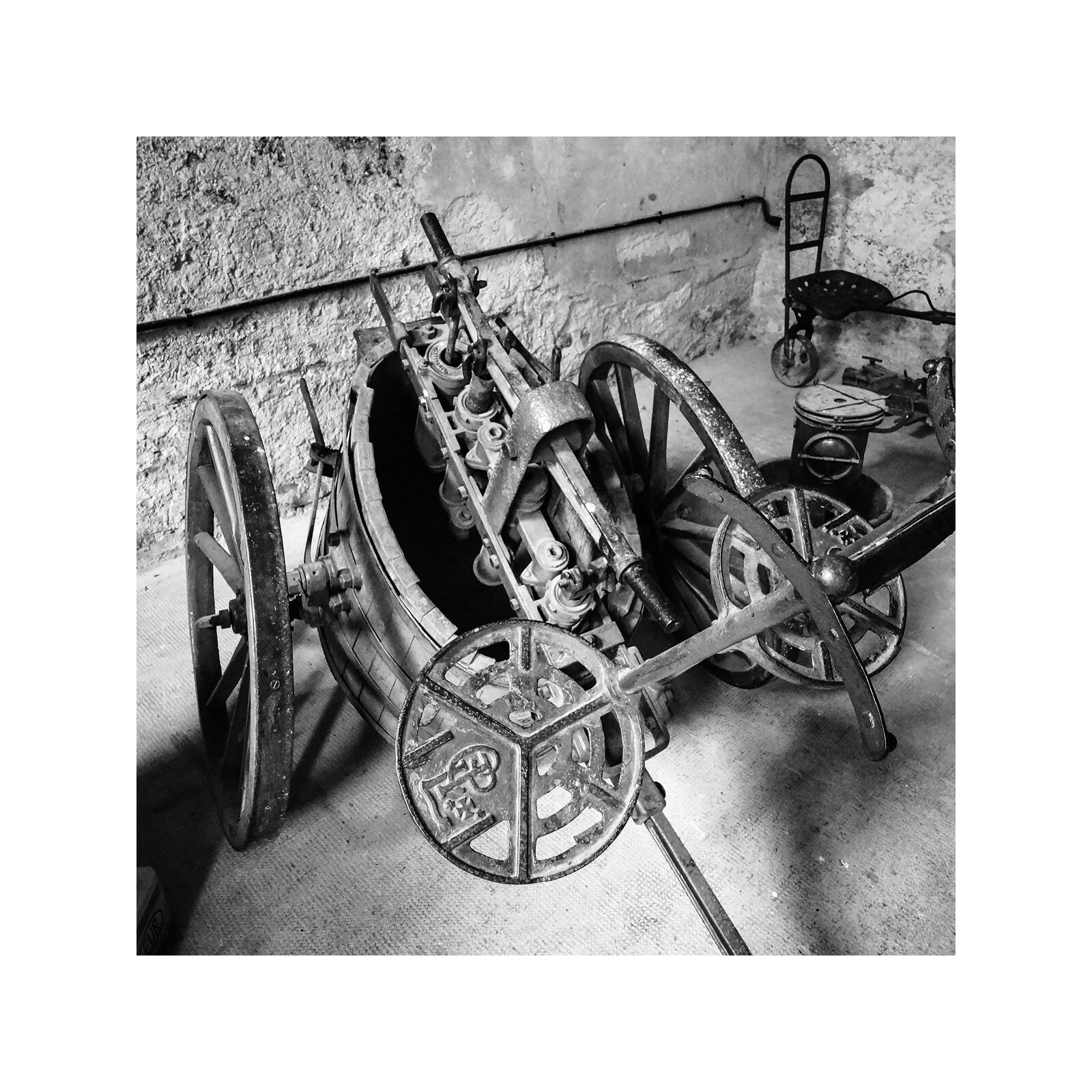
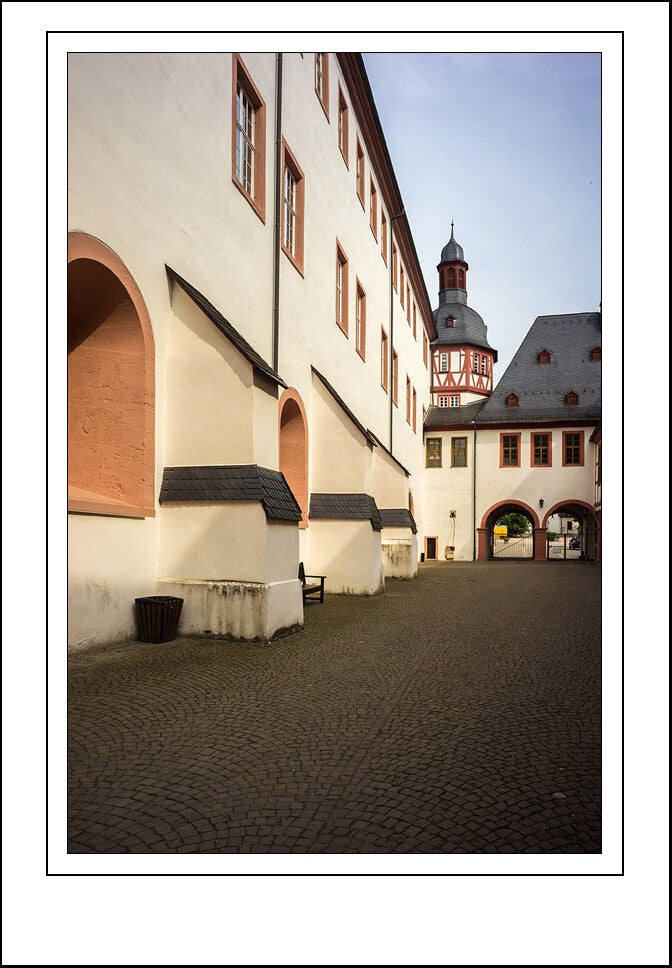
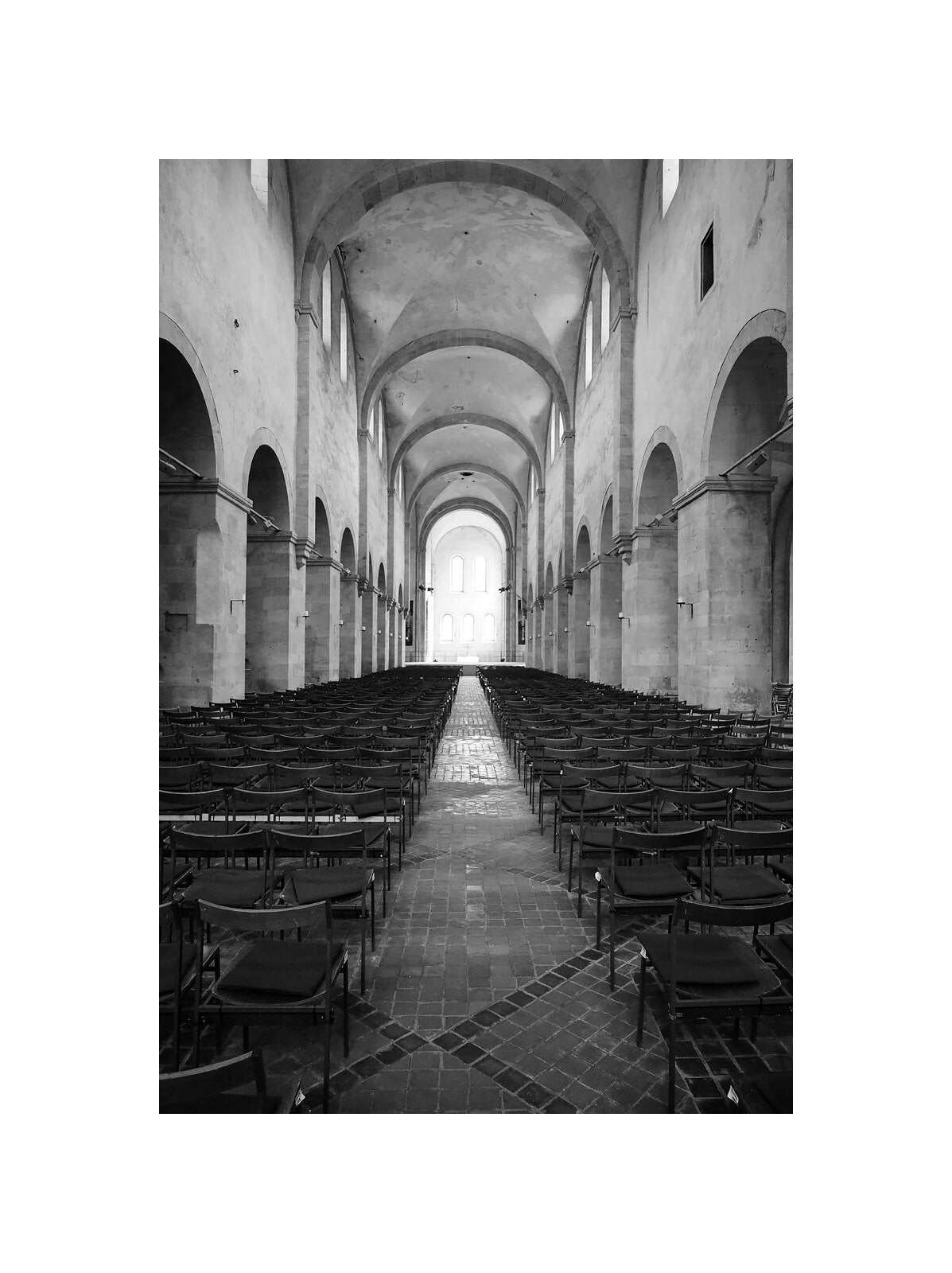
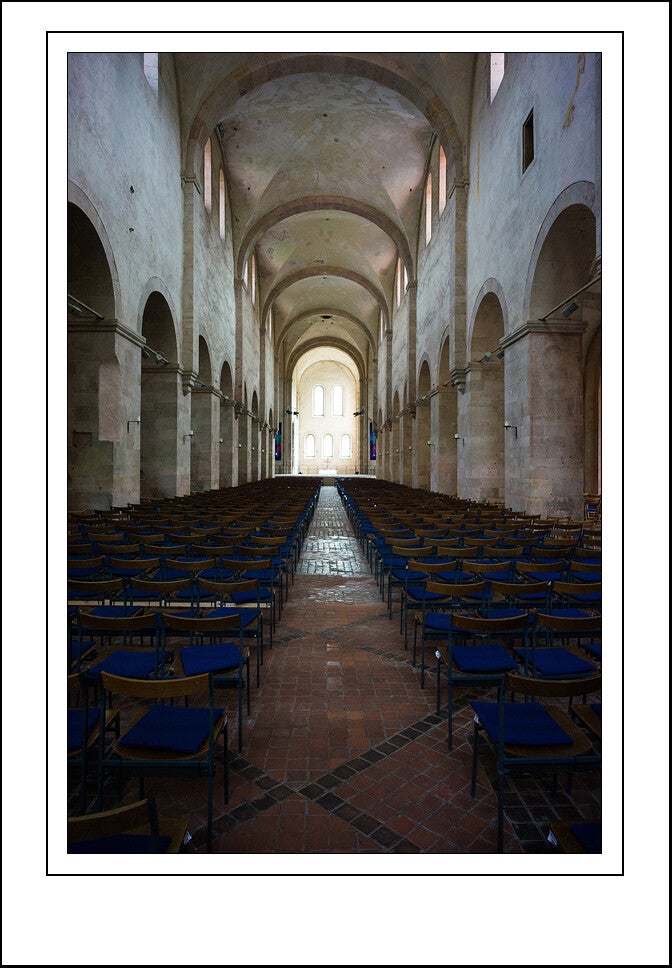
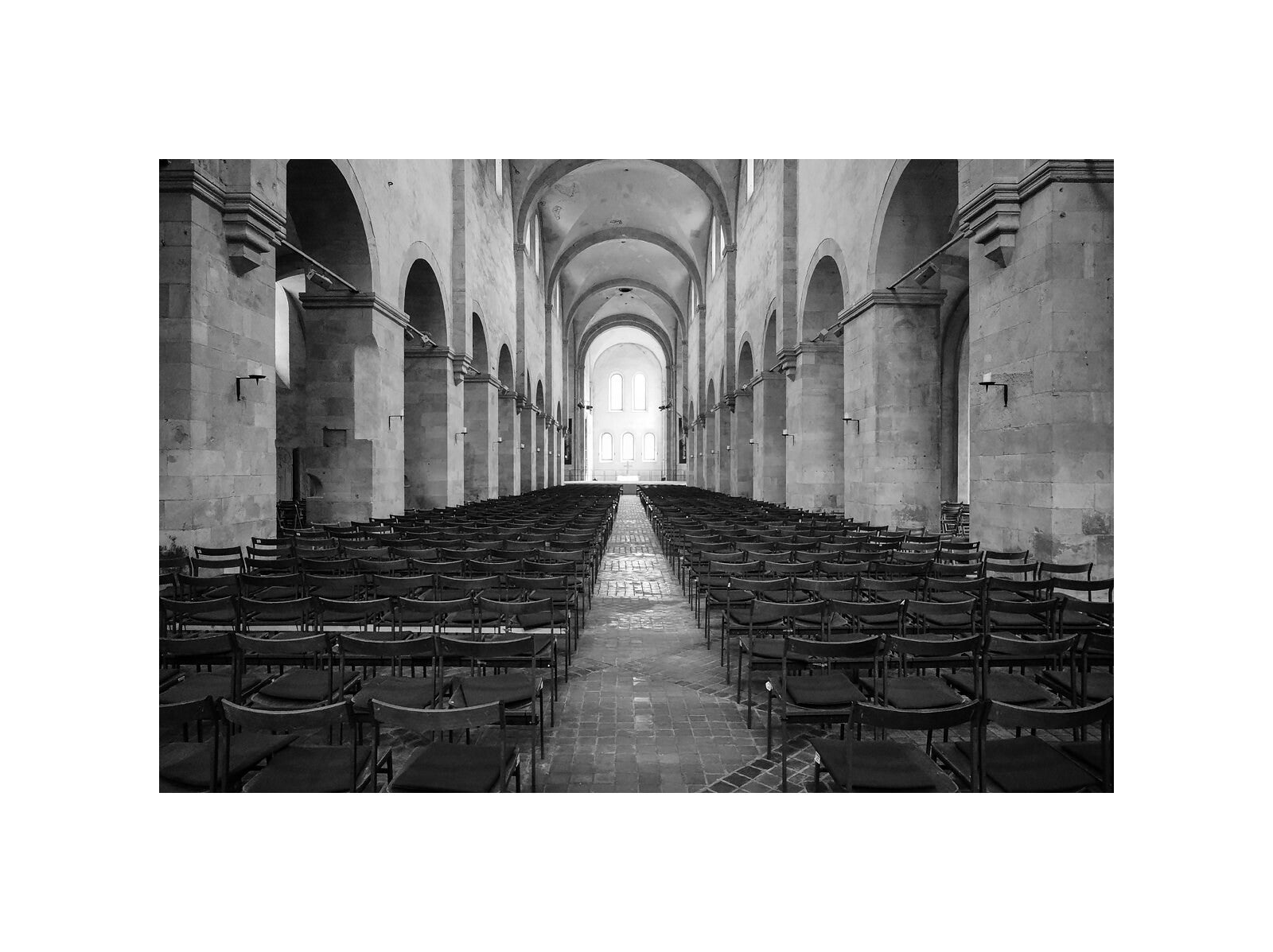
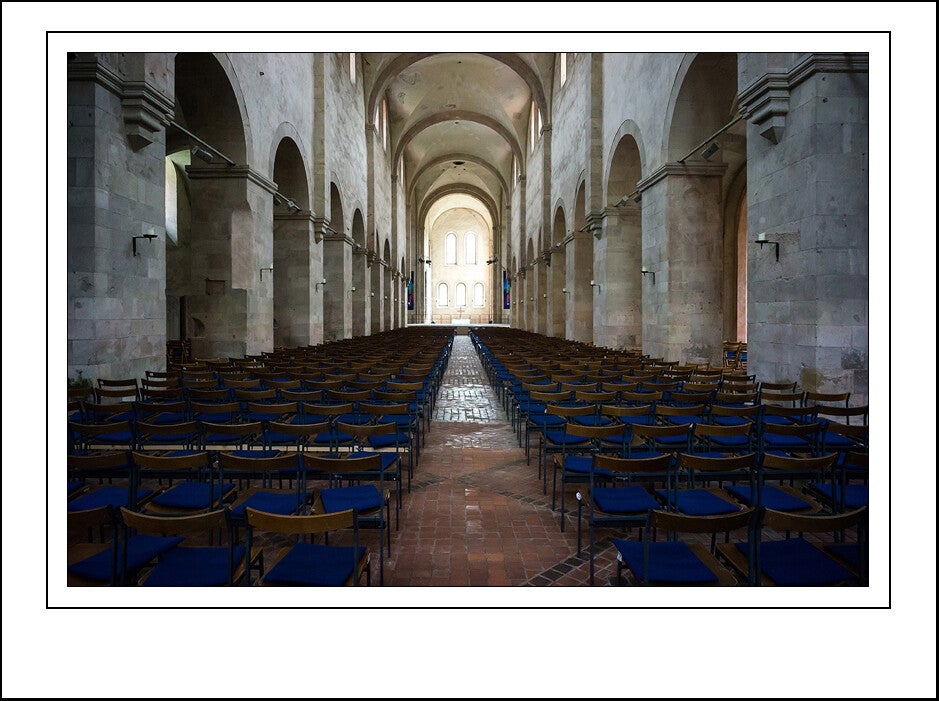
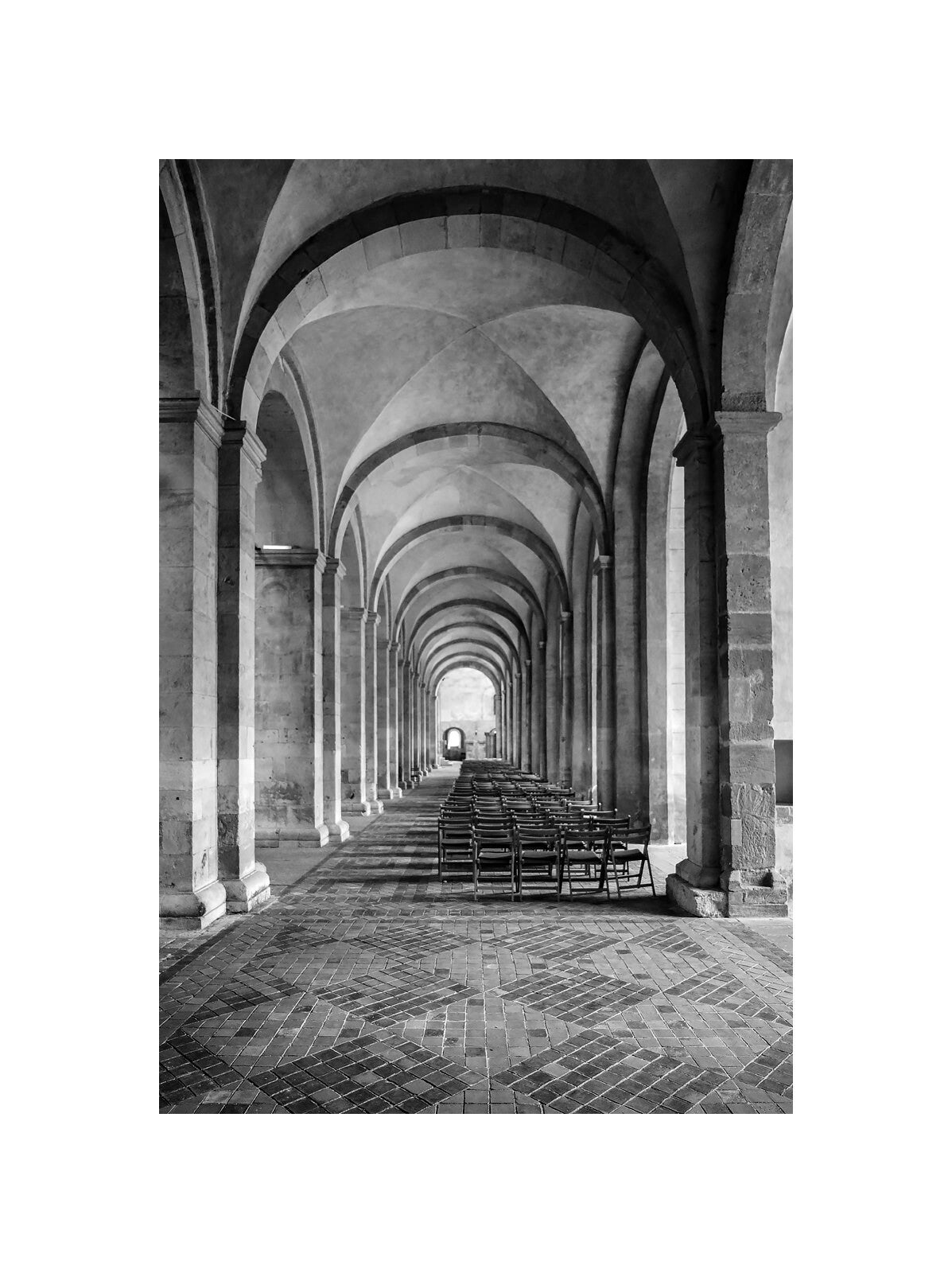
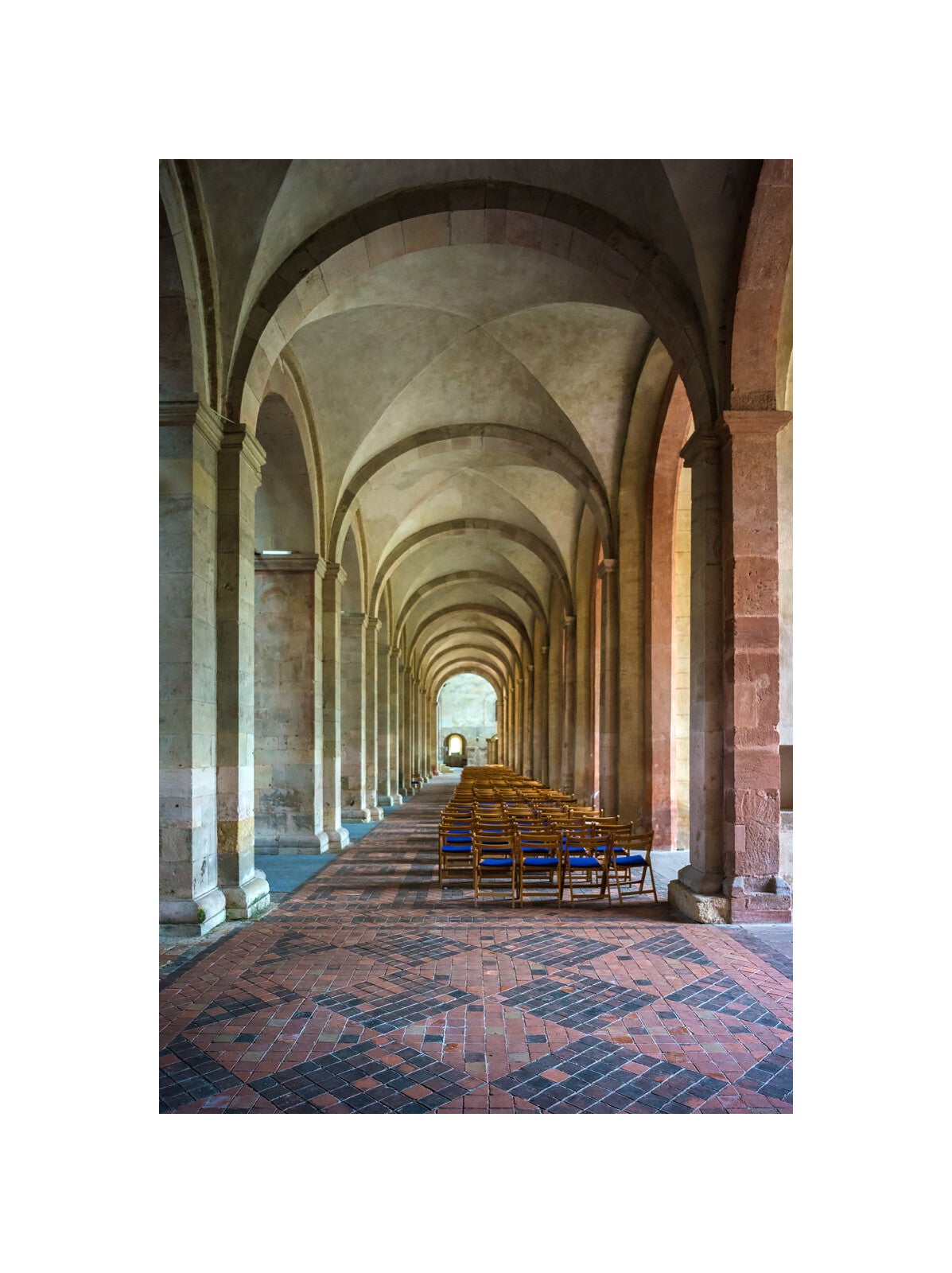
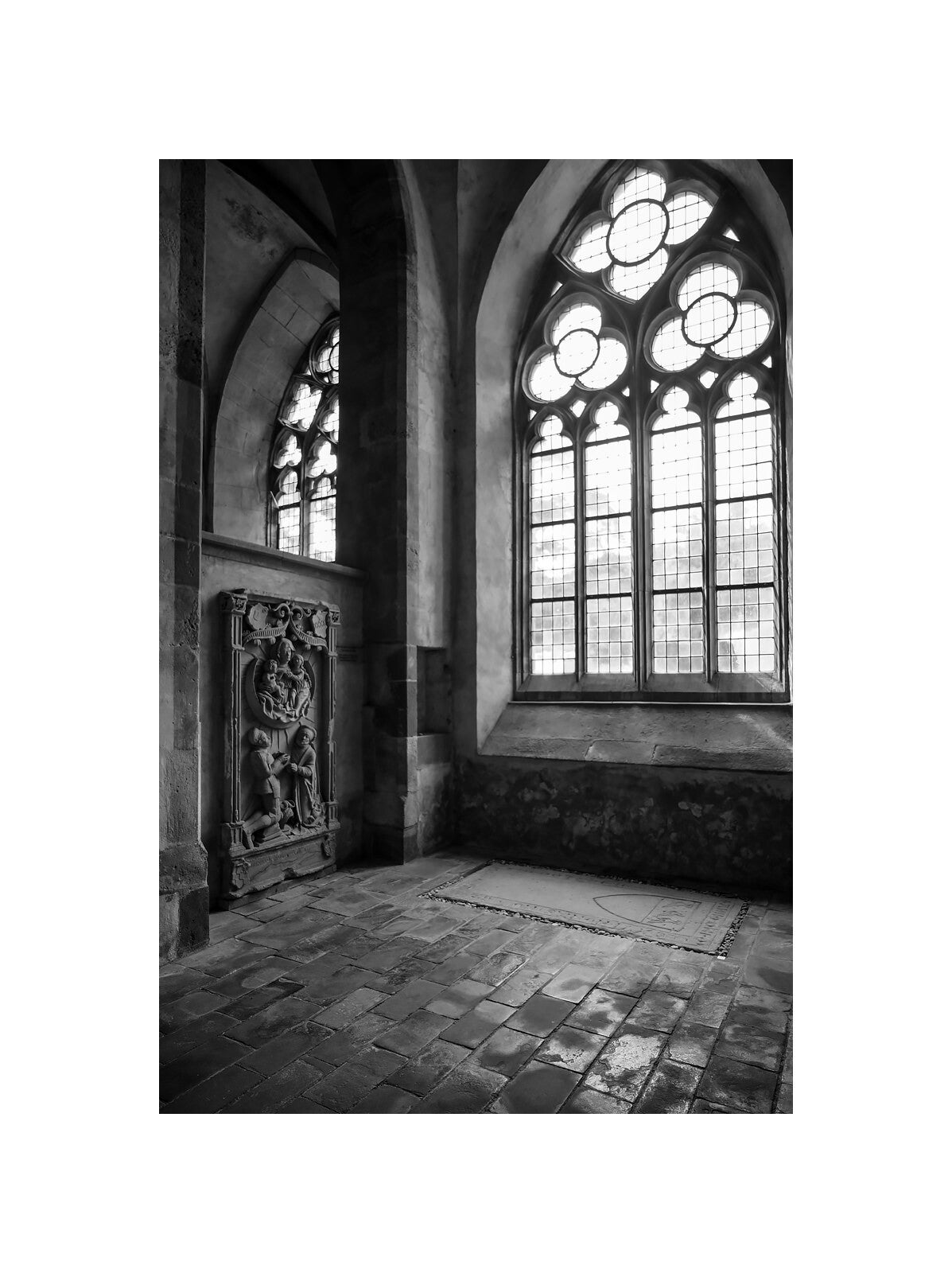
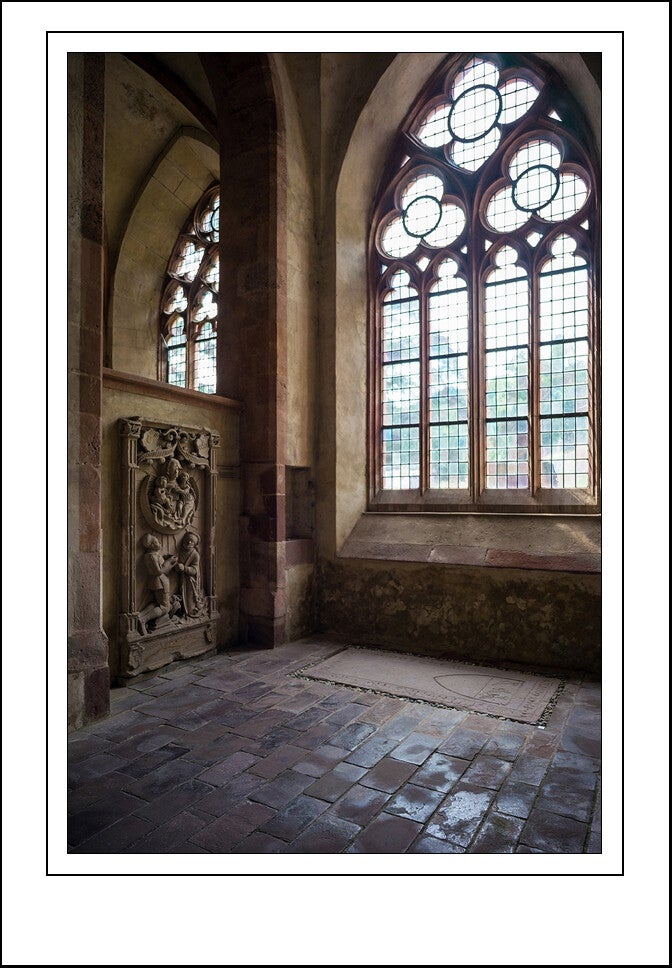
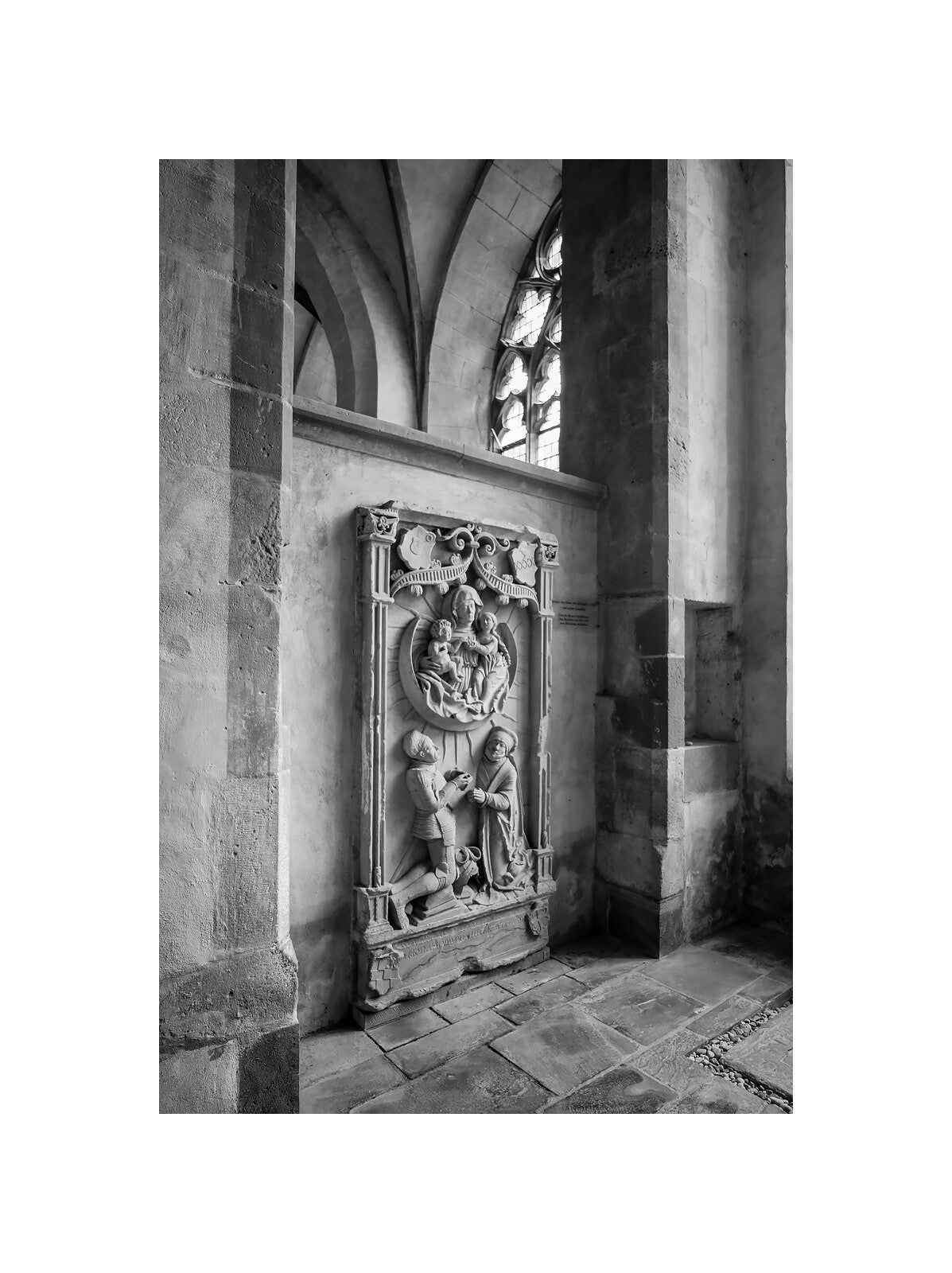
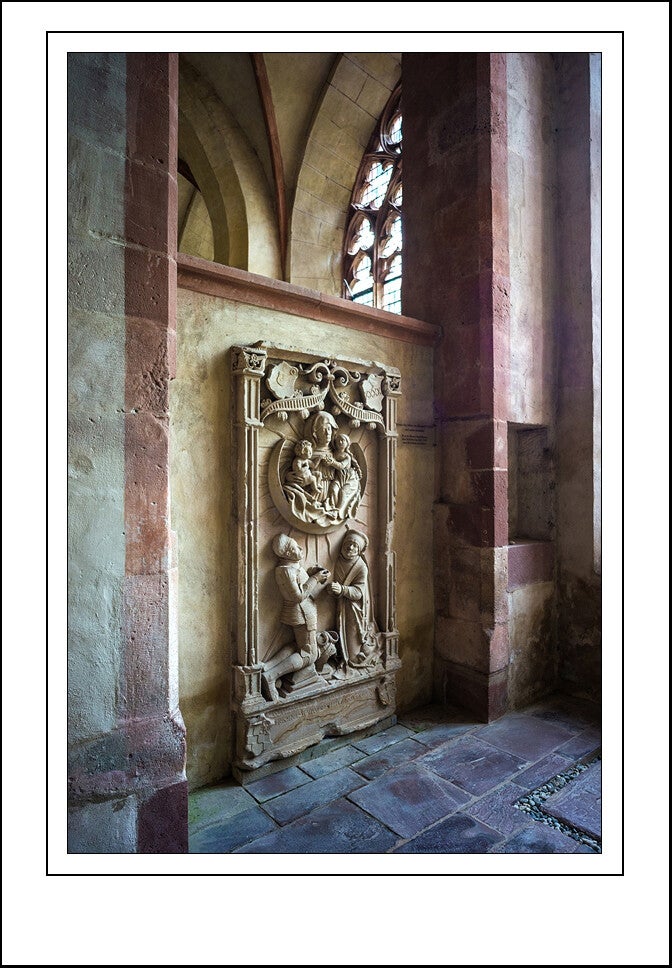
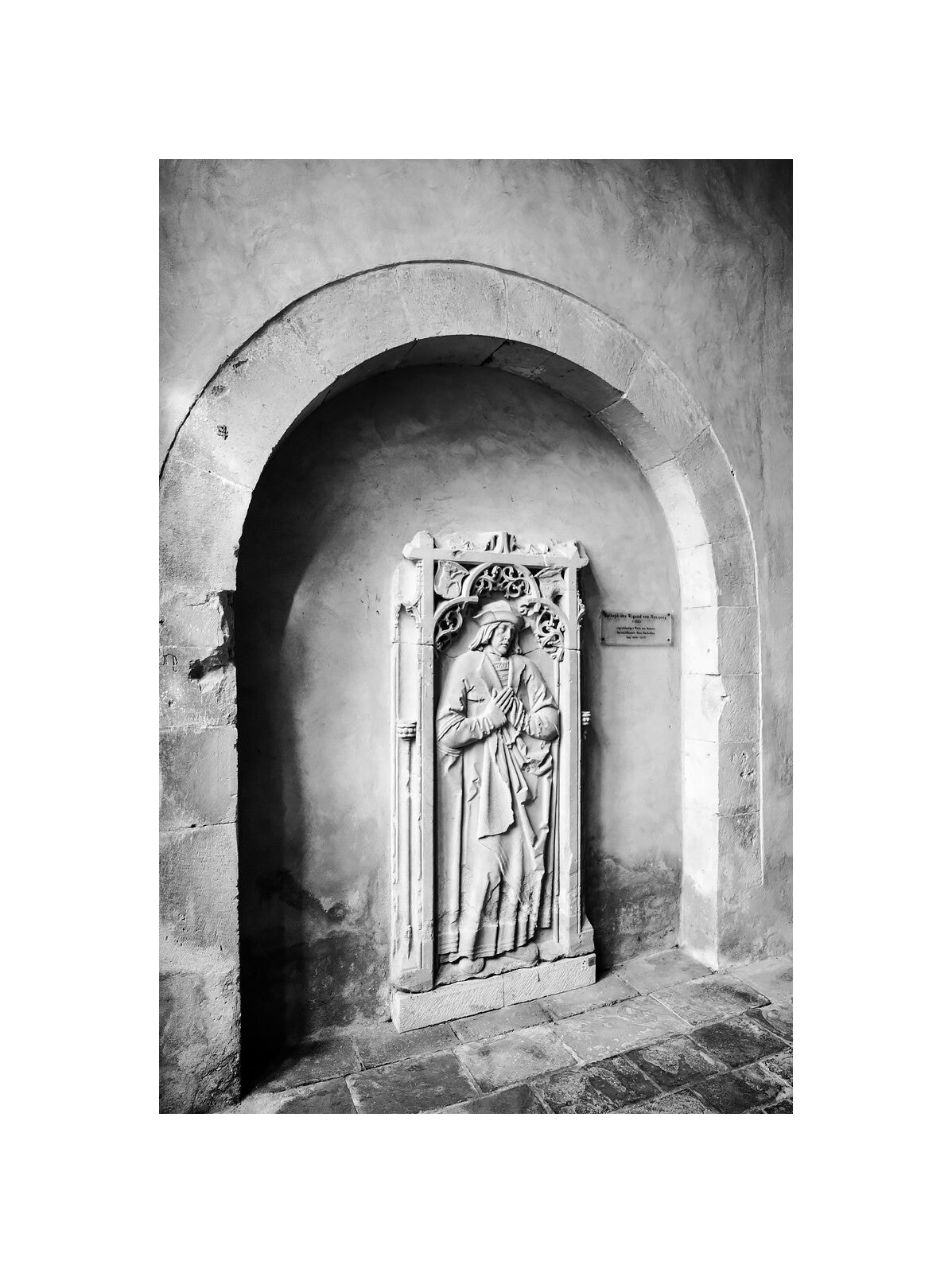
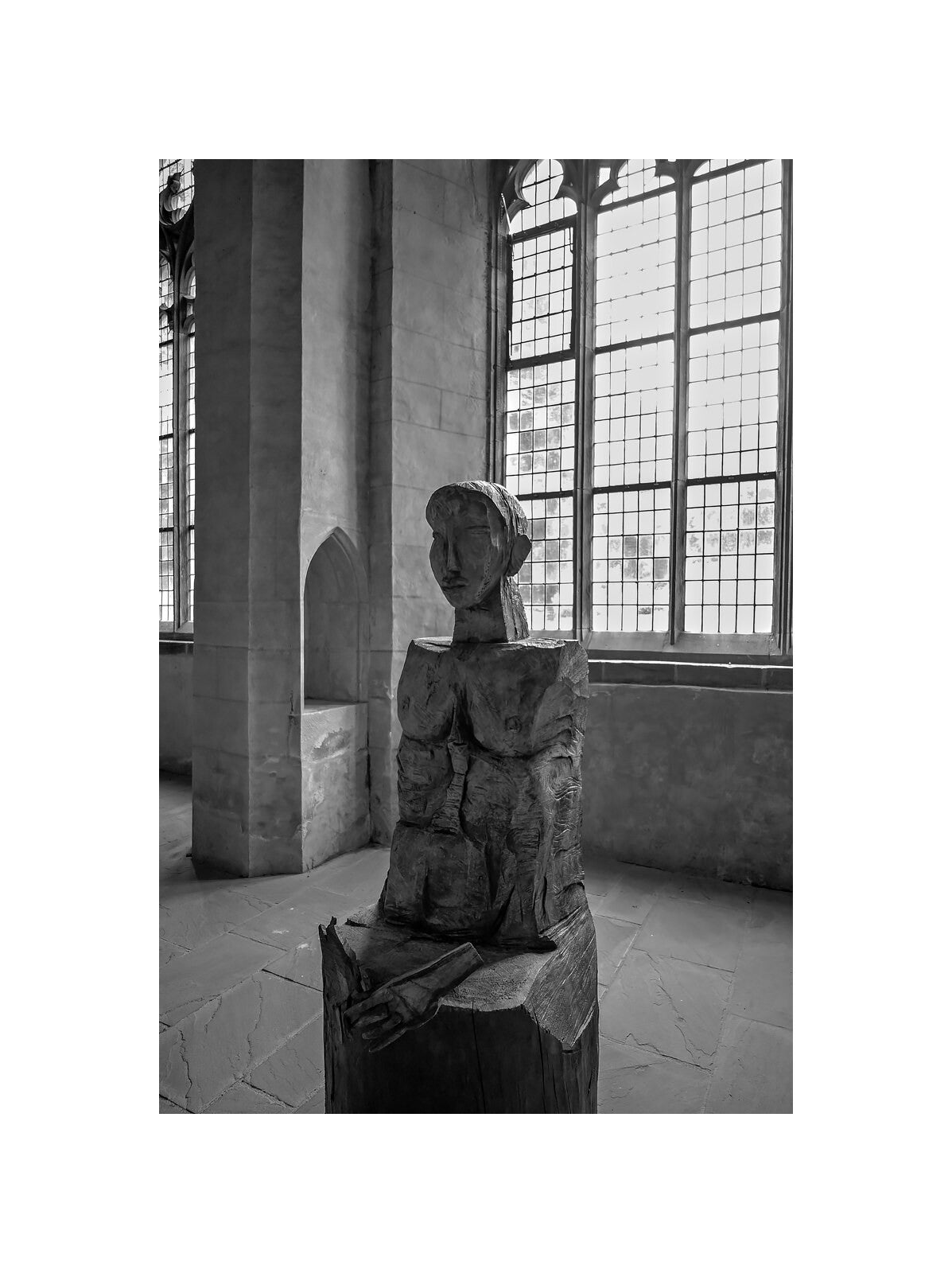
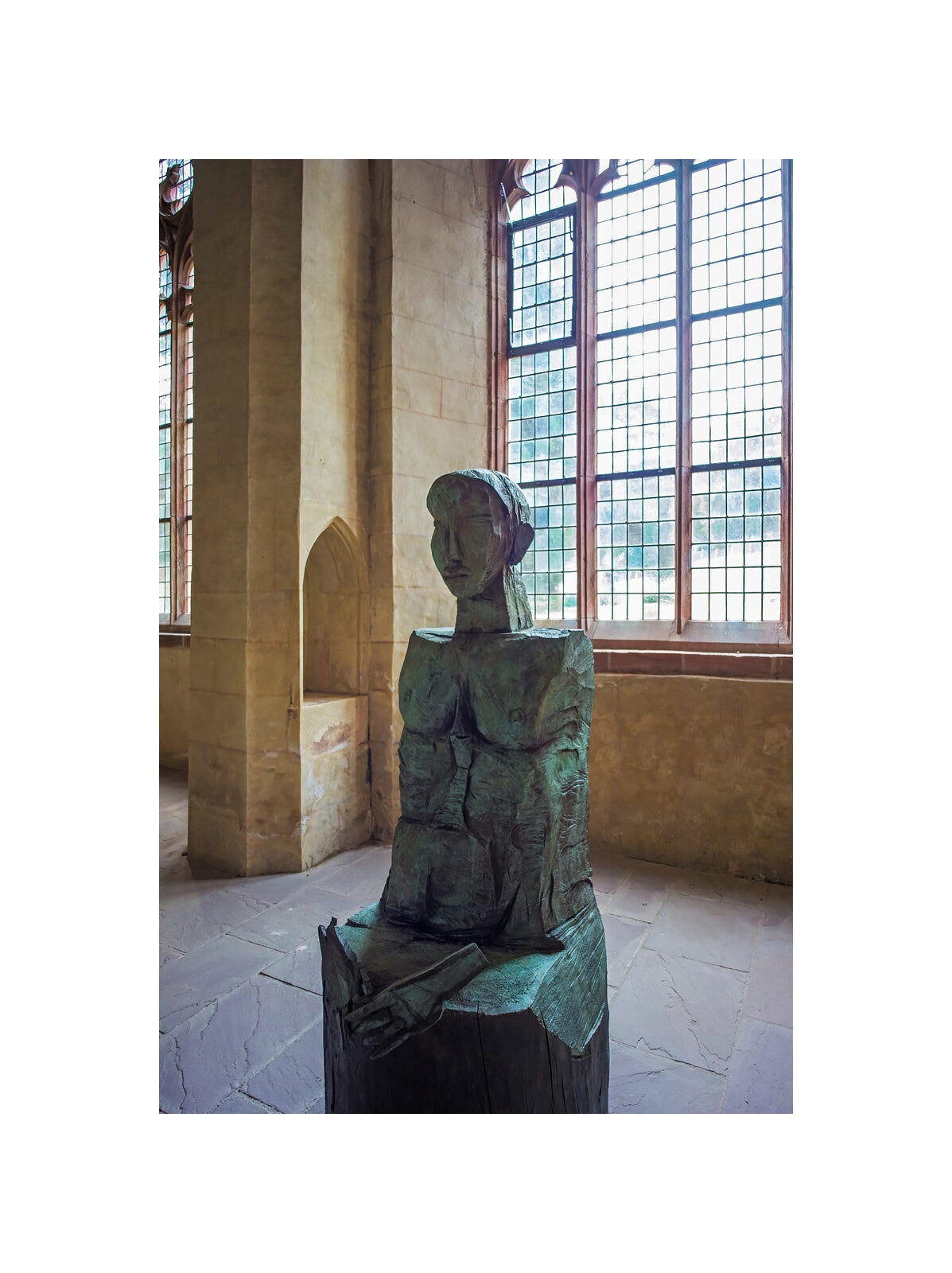
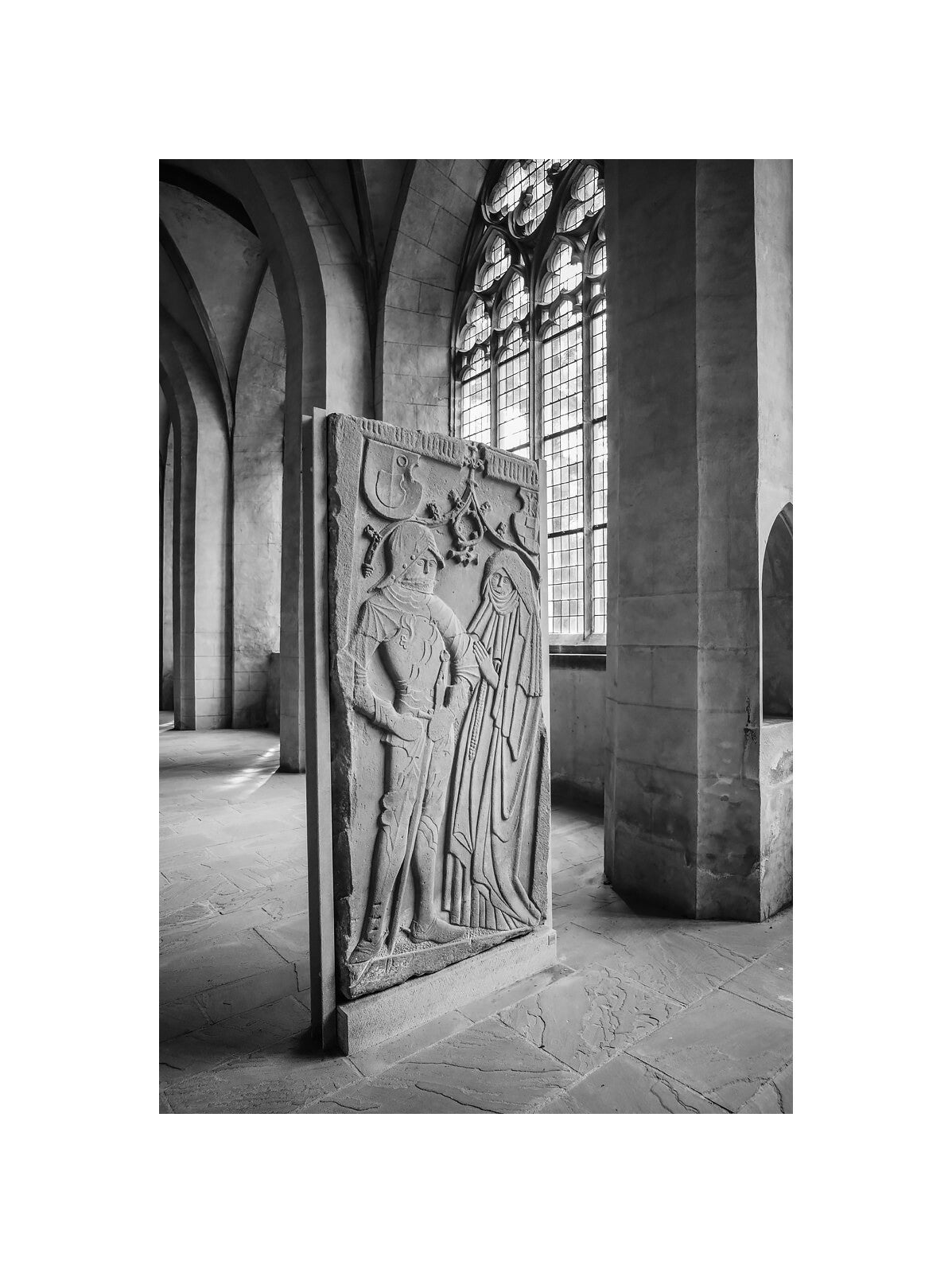
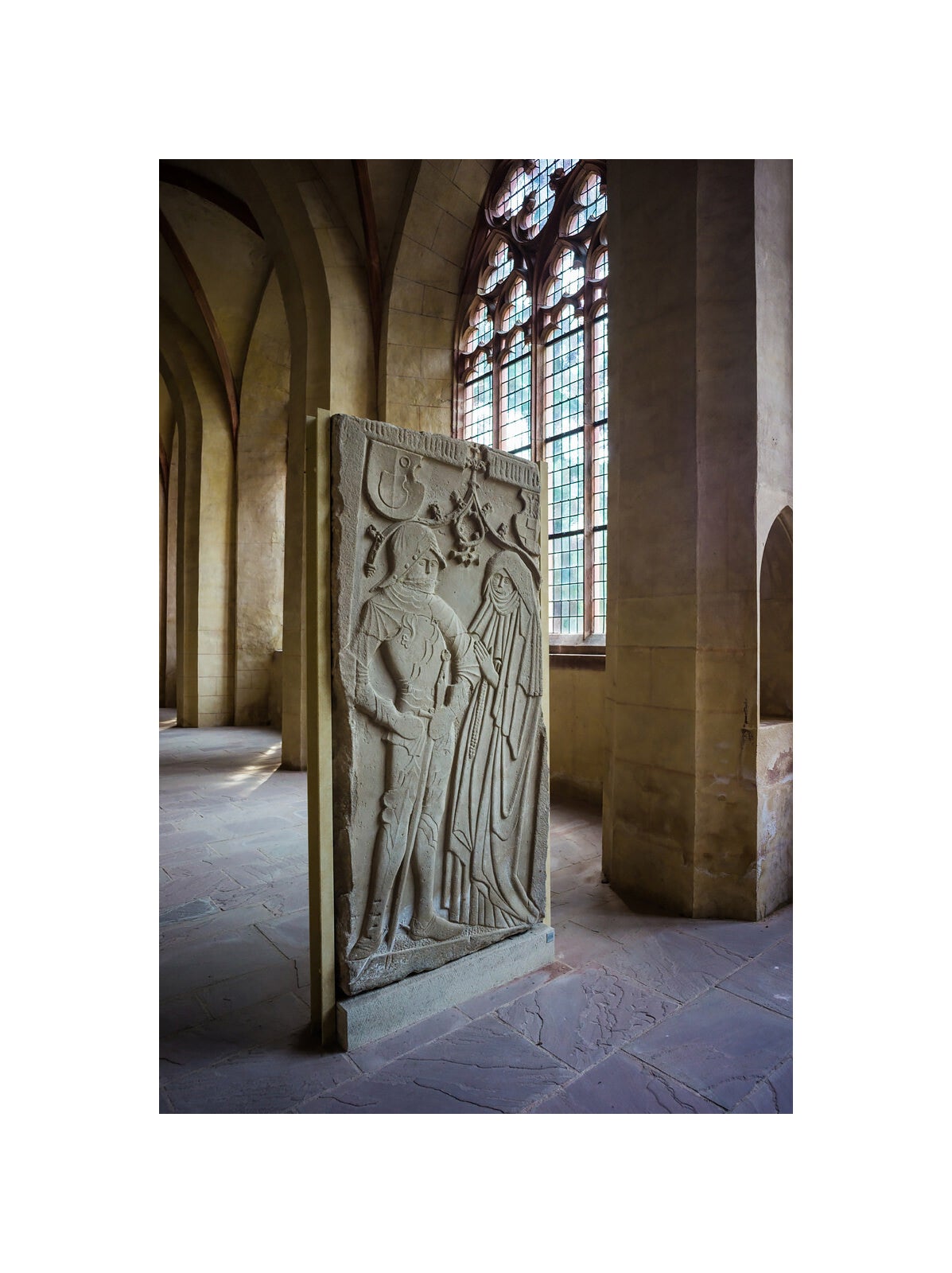
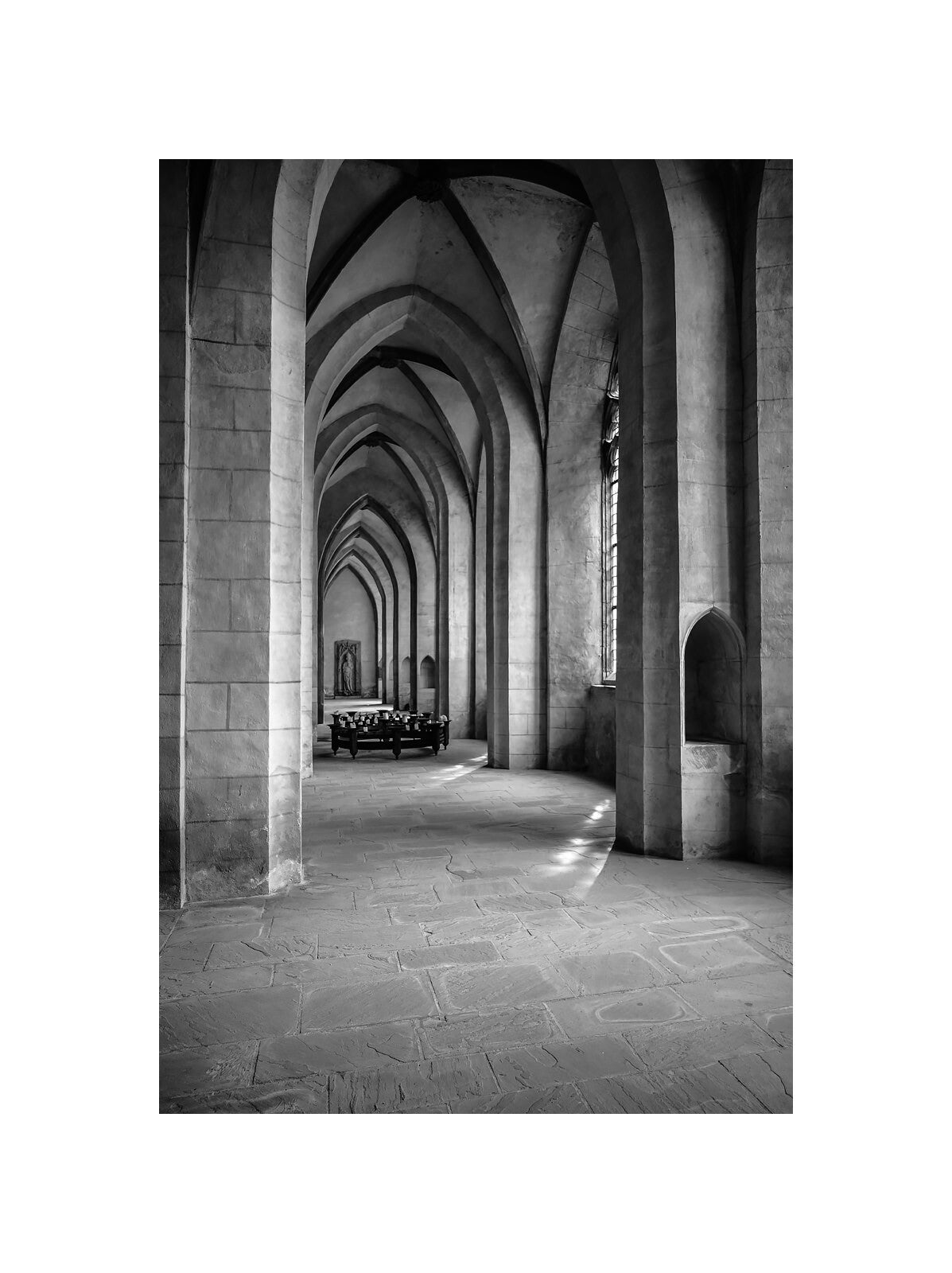
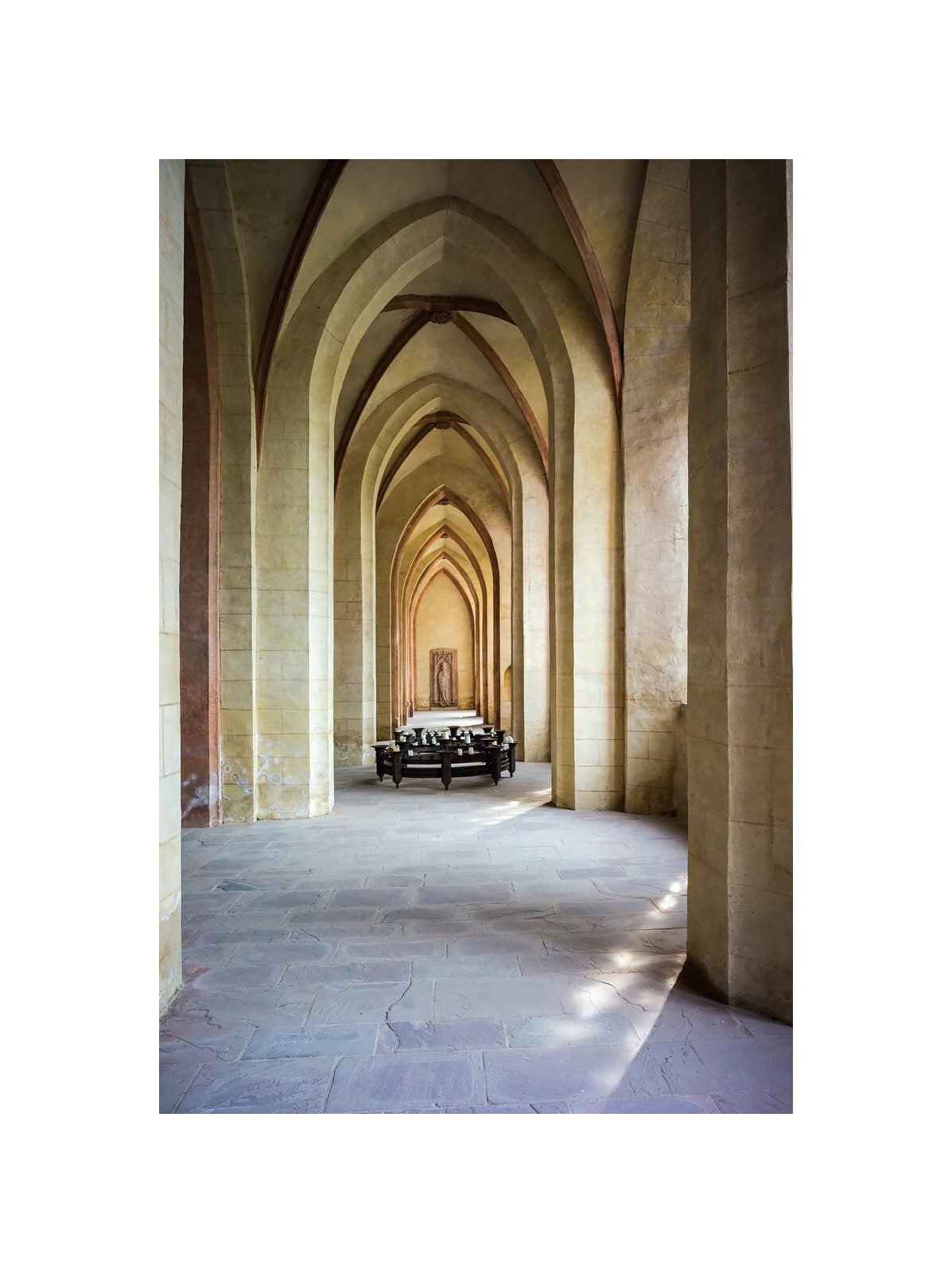
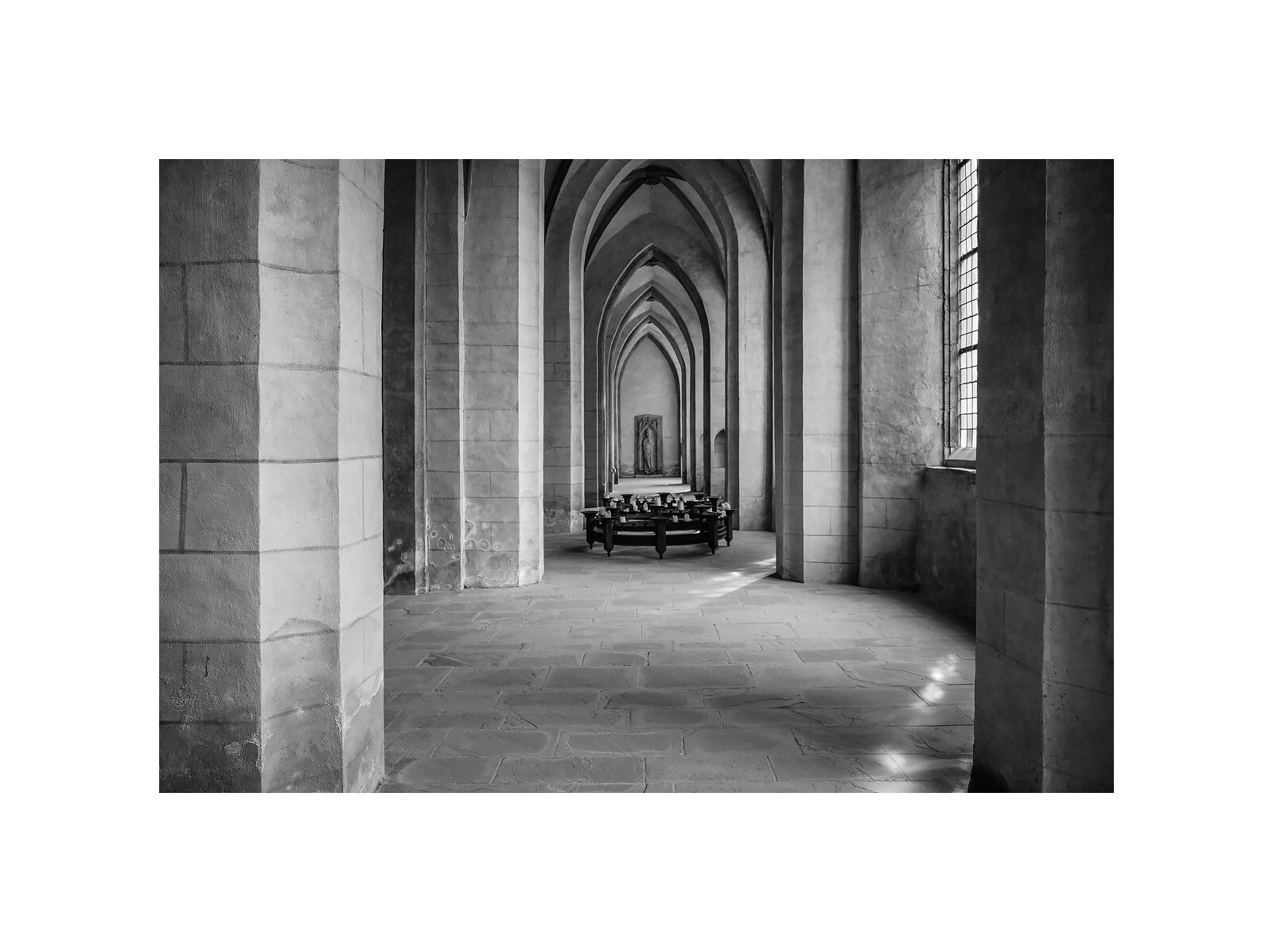
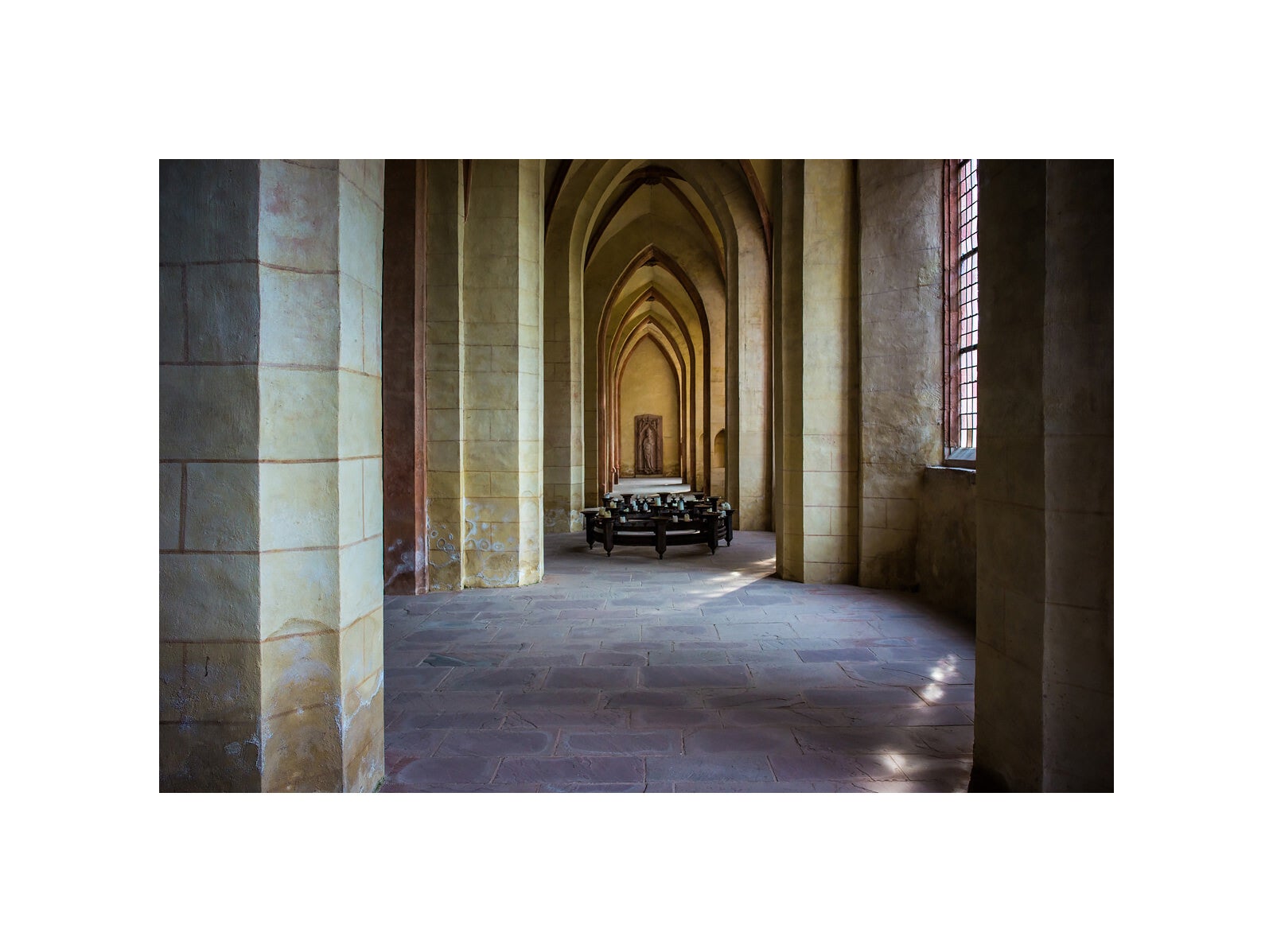
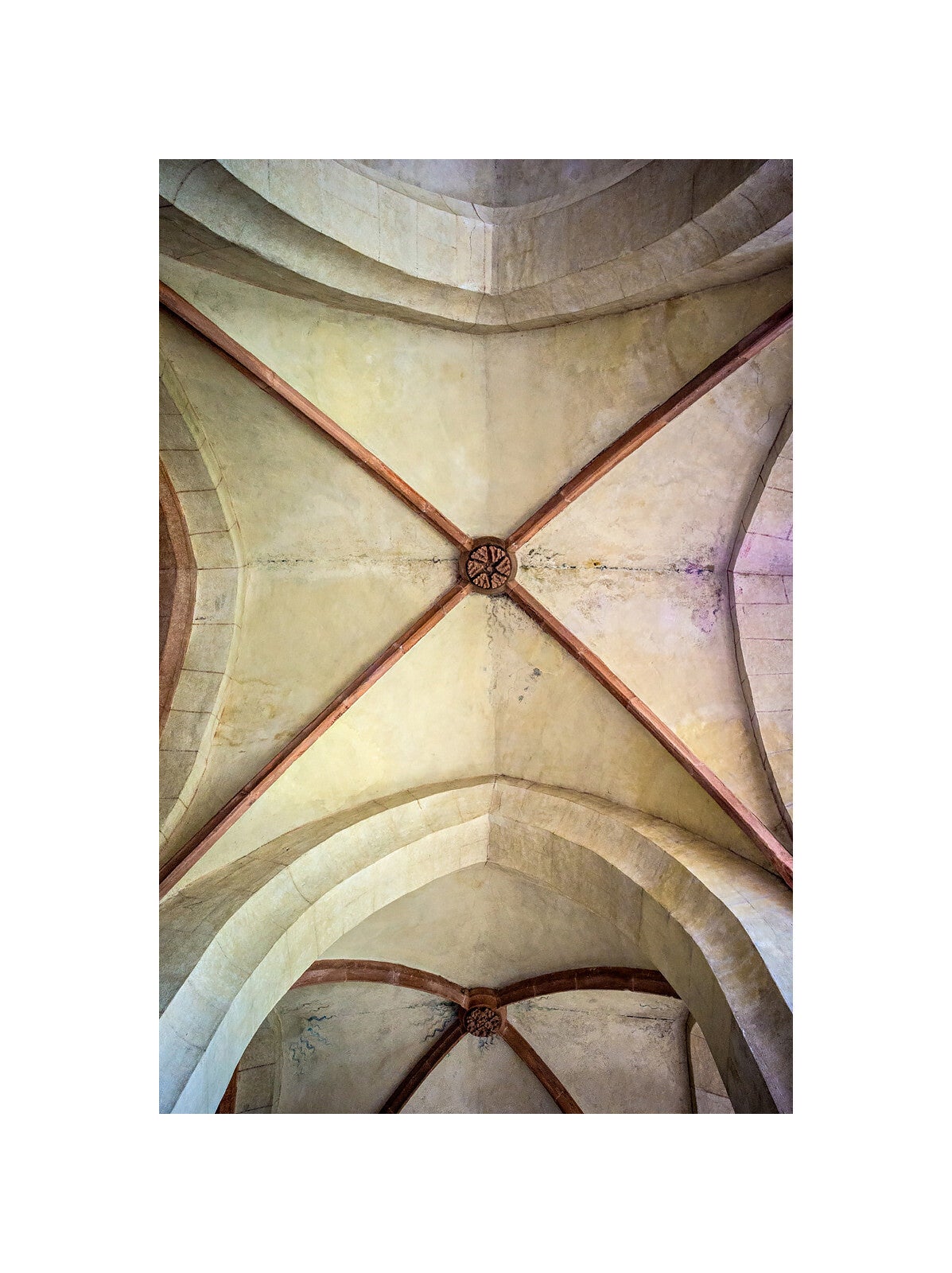
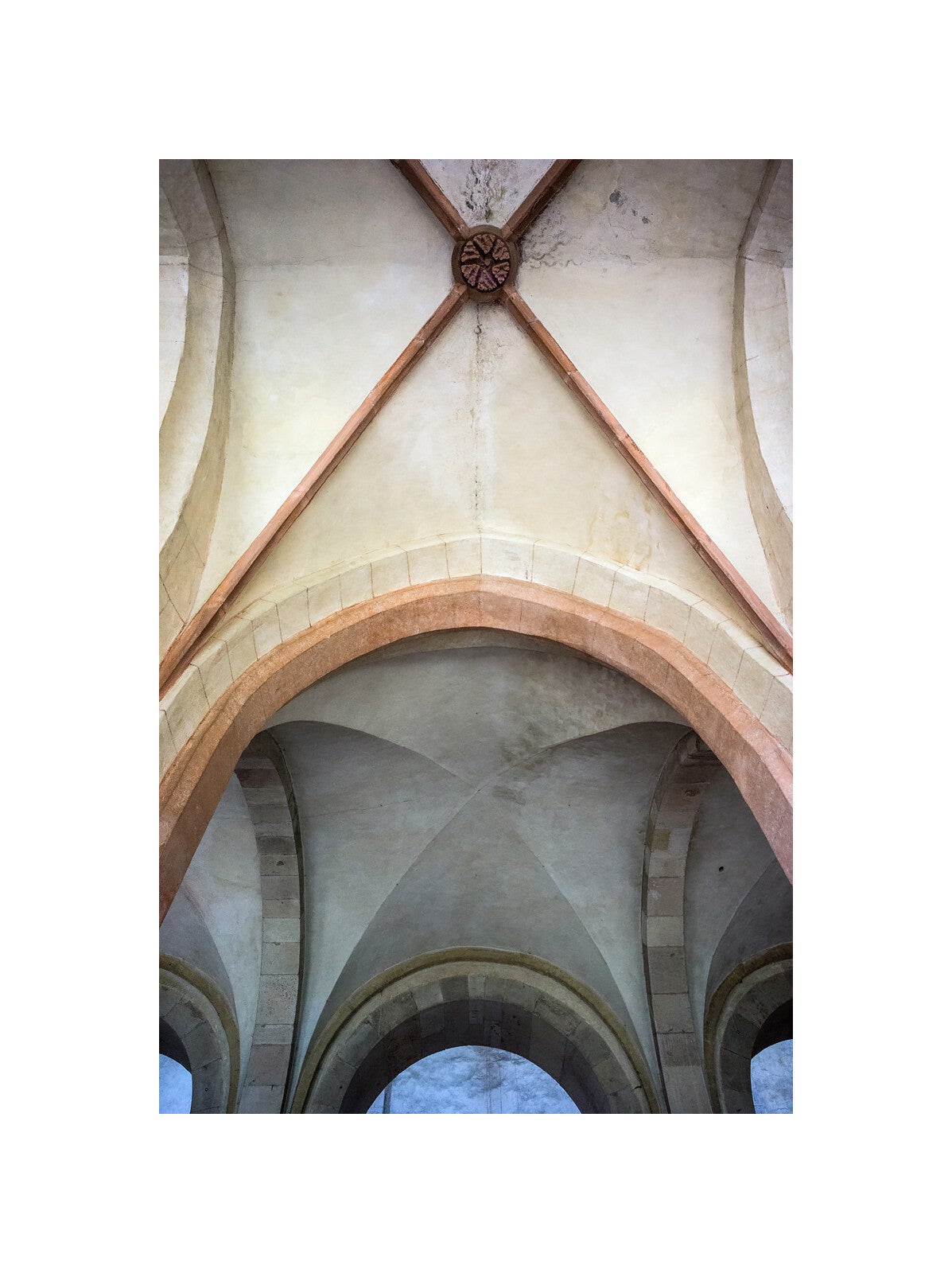
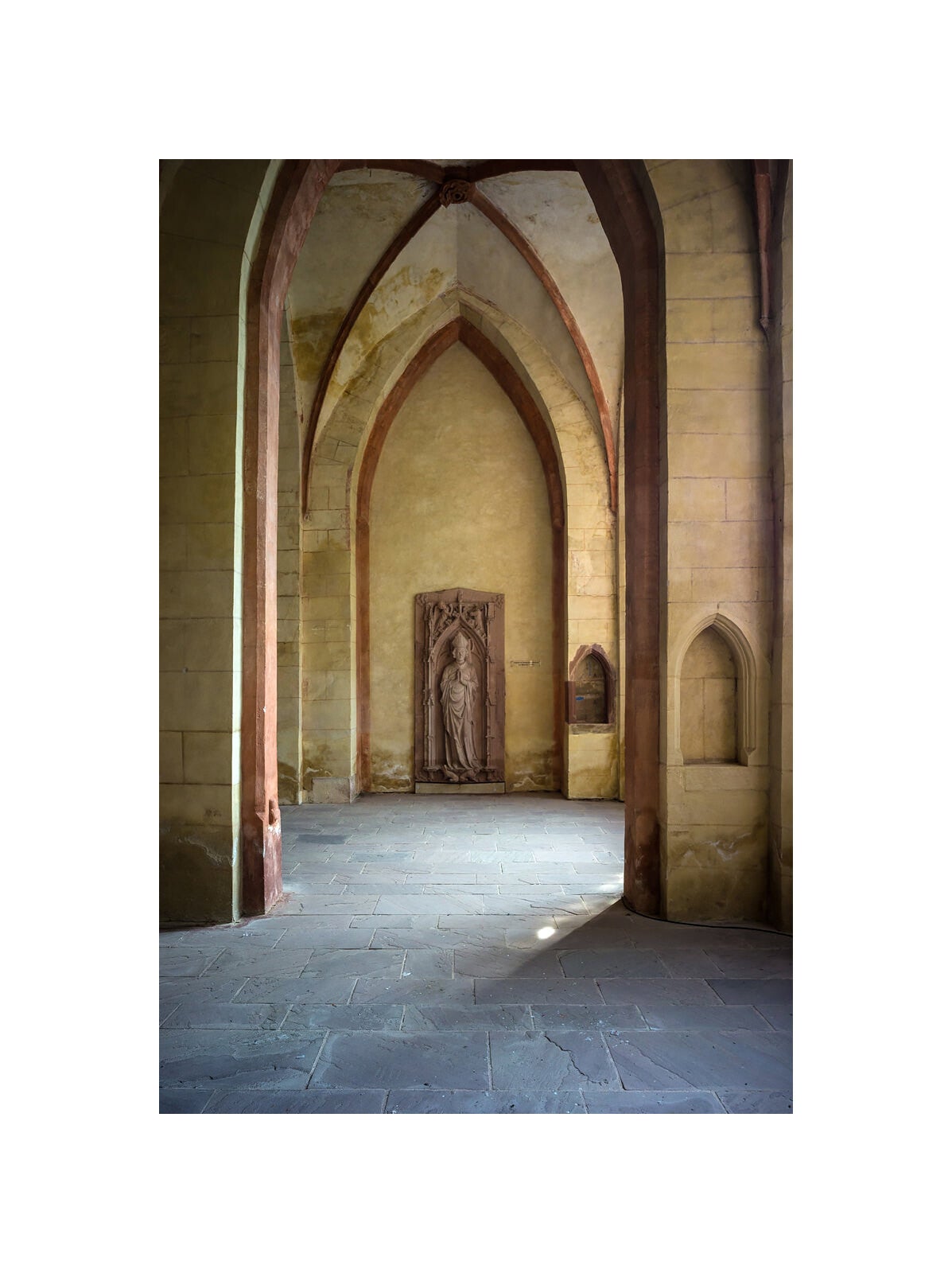
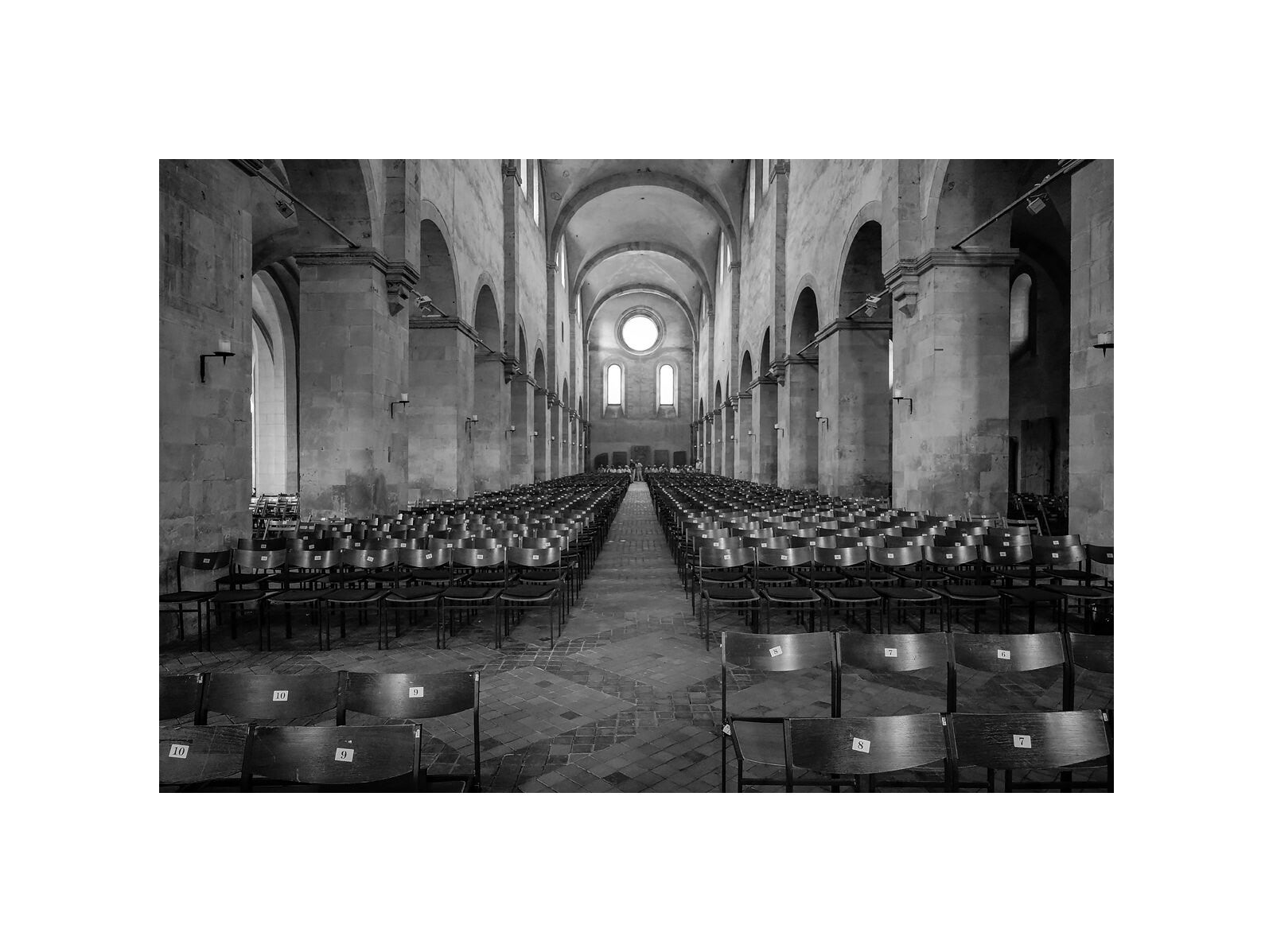
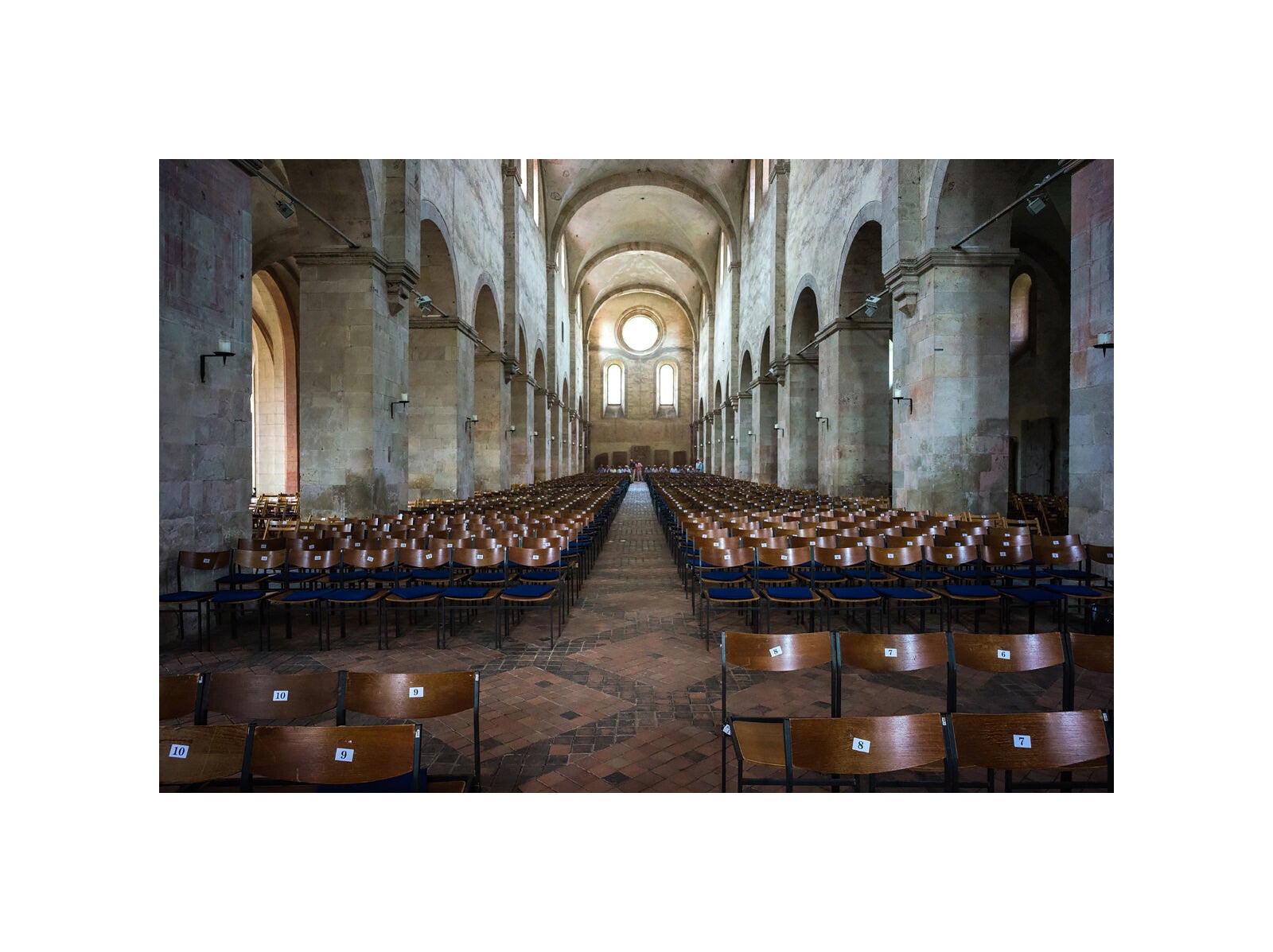
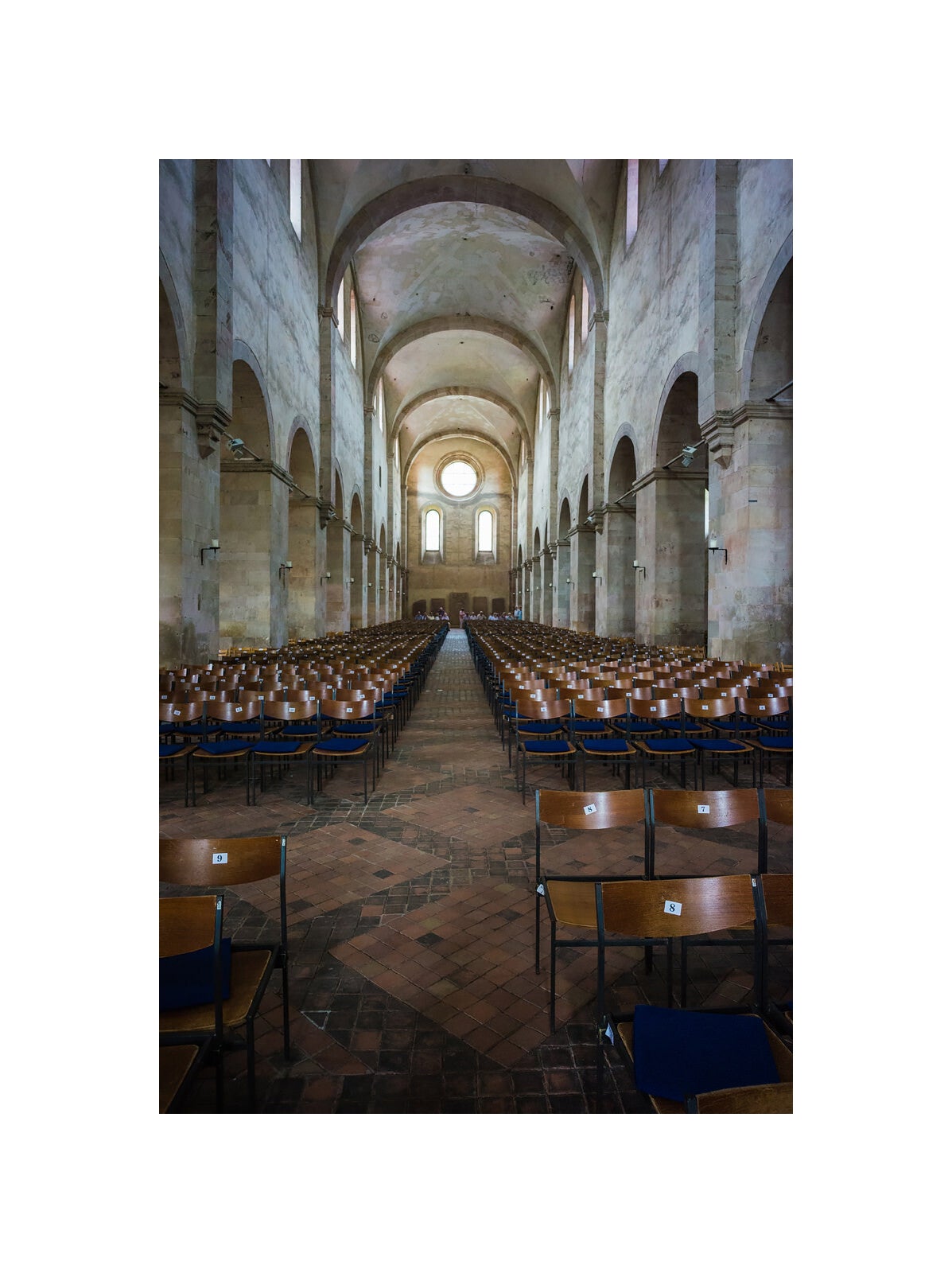
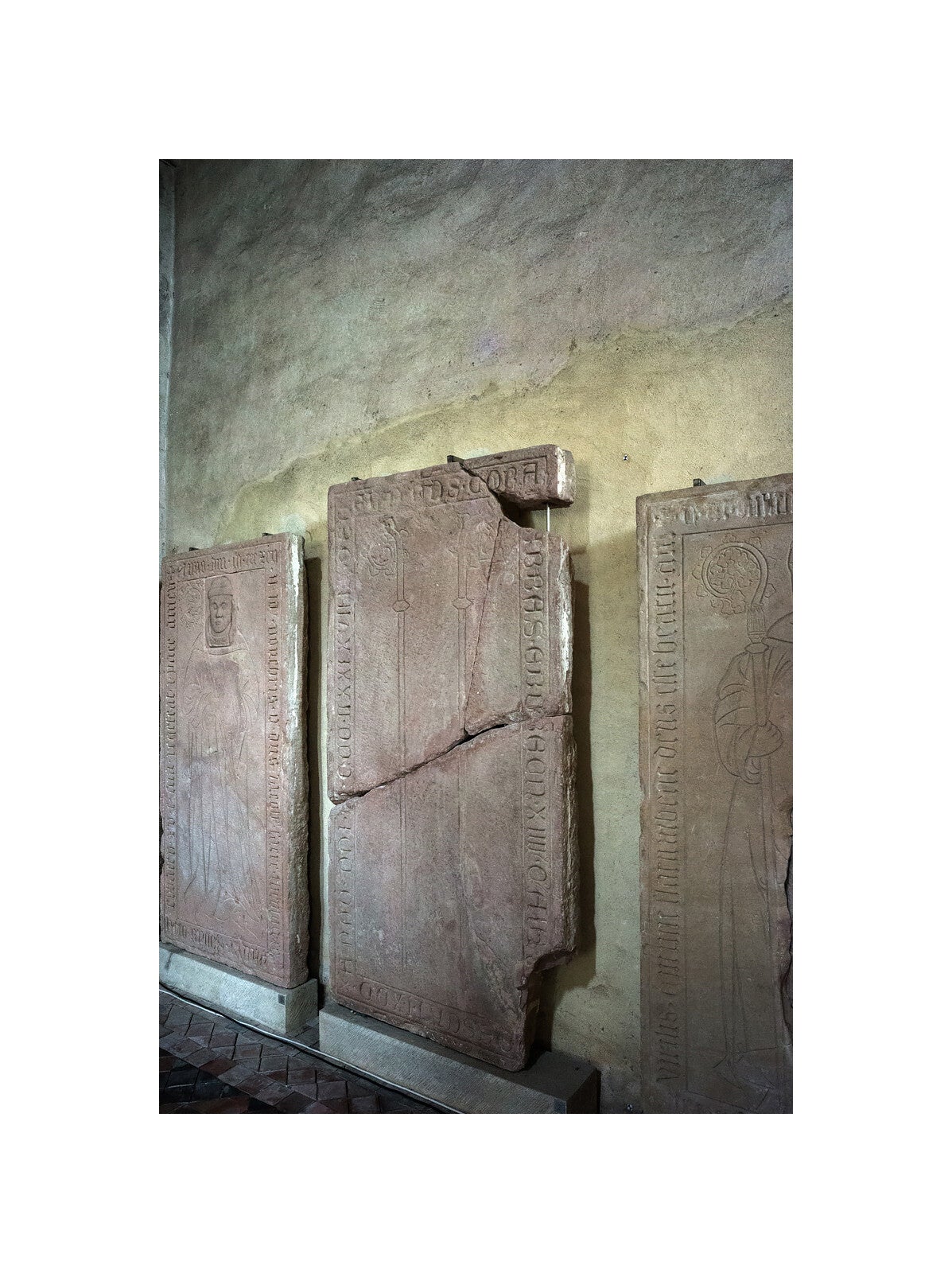
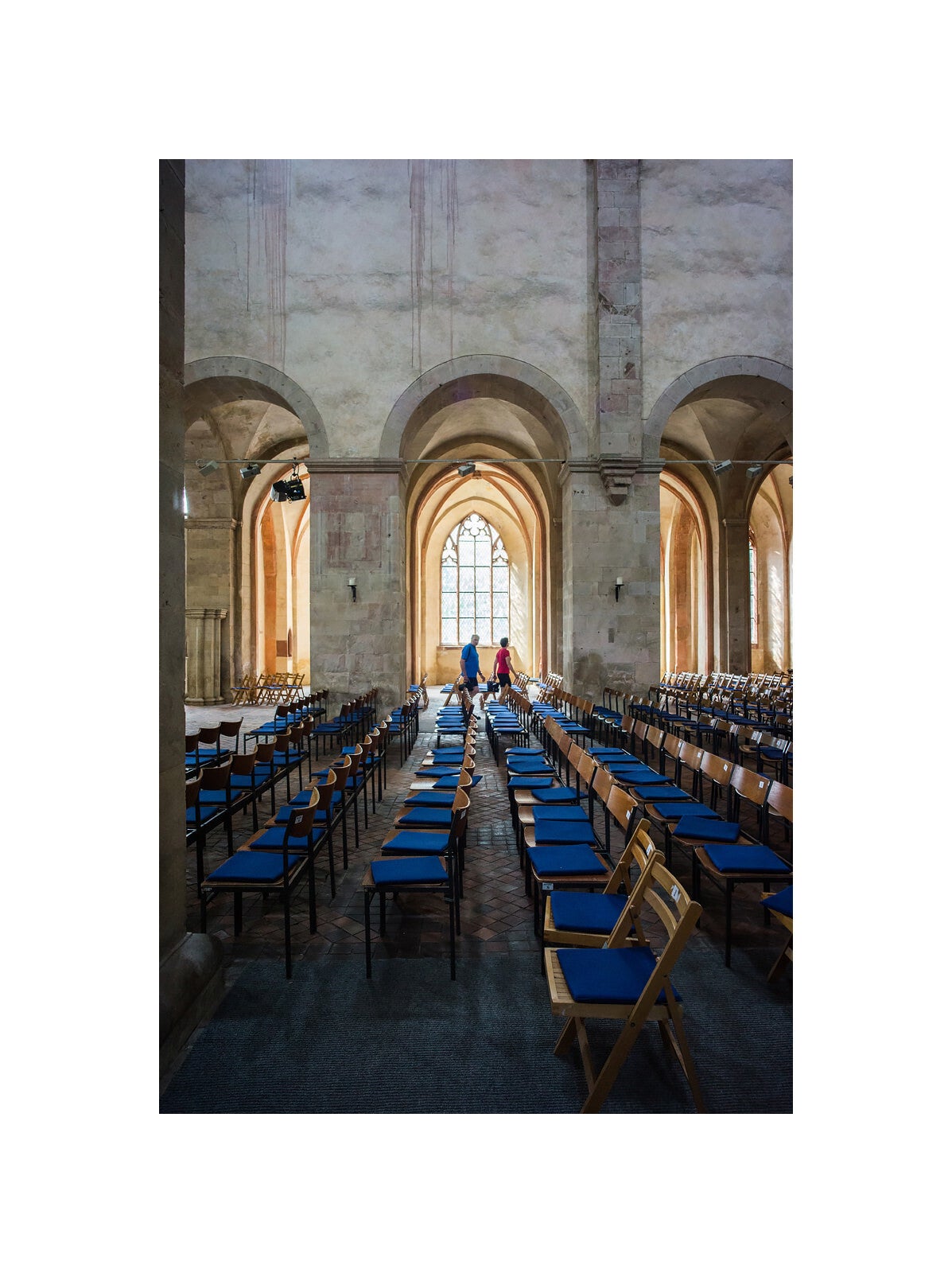
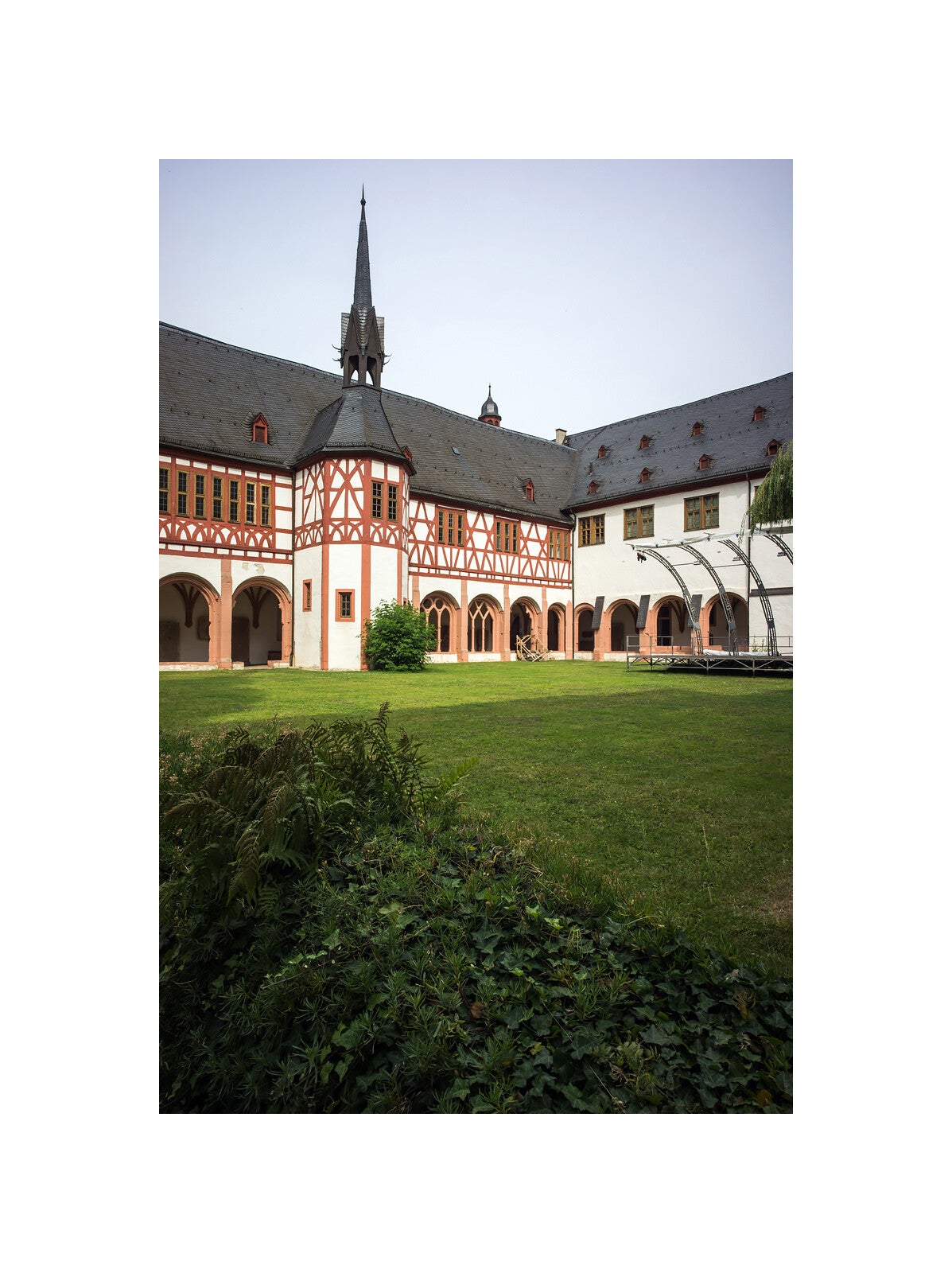
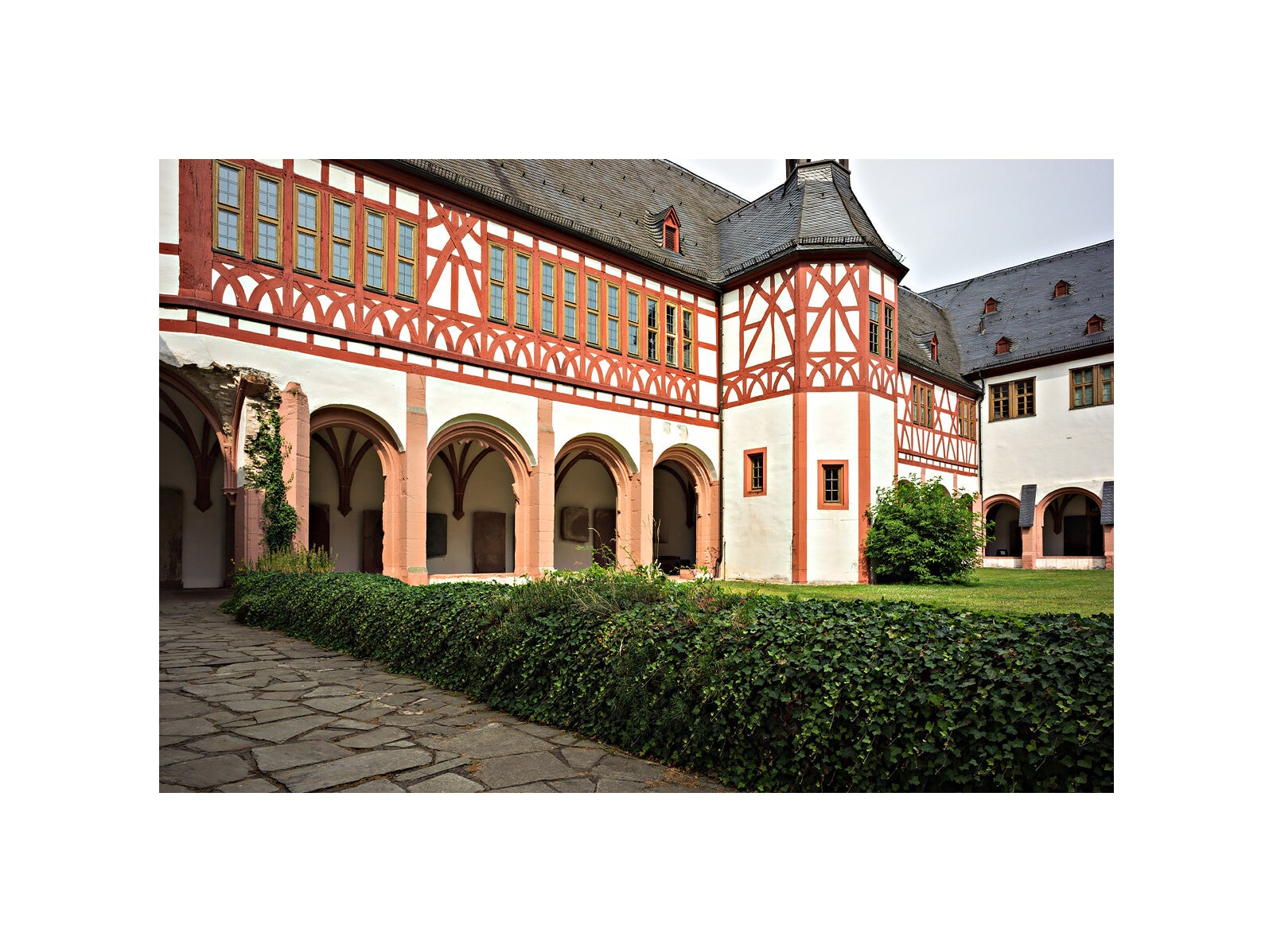
Images taken with the Voigtländer Color-Skopar 21 f4 lens
Camera used for these images was the Sony Nex-5N
I have left the monochrome conversions together with the original to show how well these images convert.