Zeiss Tessar 85mm f/4 ZM Lens Overview
The Zeiss Tessar 85mm f/4 lens is a classic choice for photographers who appreciate the blend of historical craftsmanship and optical performance. Known for its sharpness and unique rendering, this lens has a storied history and remains a popular choice among photography enthusiasts, particularly those who enjoy the qualities of vintage lenses.
Historical Background
The Zeiss Tessar design dates back to 1902, when it was first developed by Paul Rudolph at Carl Zeiss. The Tessar formula is renowned for its simplicity, consisting of four elements in three groups. This design has been adapted and refined over the years, leading to the creation of the 85mm f/4 variant, which is prized for its compact size and excellent image quality.
Optical Features
-
Focal Length: The 85mm focal length is ideal for portrait photography, providing a flattering perspective and allowing for comfortable working distances between the photographer and the subject.
-
Aperture: With a maximum aperture of f/4, the Tessar 85mm lens offers a balance between sharpness and depth of field control. While it may not provide the extreme bokeh of faster lenses, it delivers excellent clarity and detail.
-
Sharpness and Clarity: The Tessar design is celebrated for its sharpness, especially in the center of the frame. It provides crisp, clear images with minimal distortion, making it suitable for a variety of photographic applications.
Build and Handling
-
Construction: The lens is noted for its robust build quality, typical of Zeiss's meticulous engineering standards. It features a metal barrel and a precise, smooth focusing ring, which enhances the shooting experience.
-
Size and Weight: One of the Tessar's advantages is its compact form factor. It is lightweight and easy to carry, making it an excellent choice for photographers who prioritize portability.
Usage and Applications
-
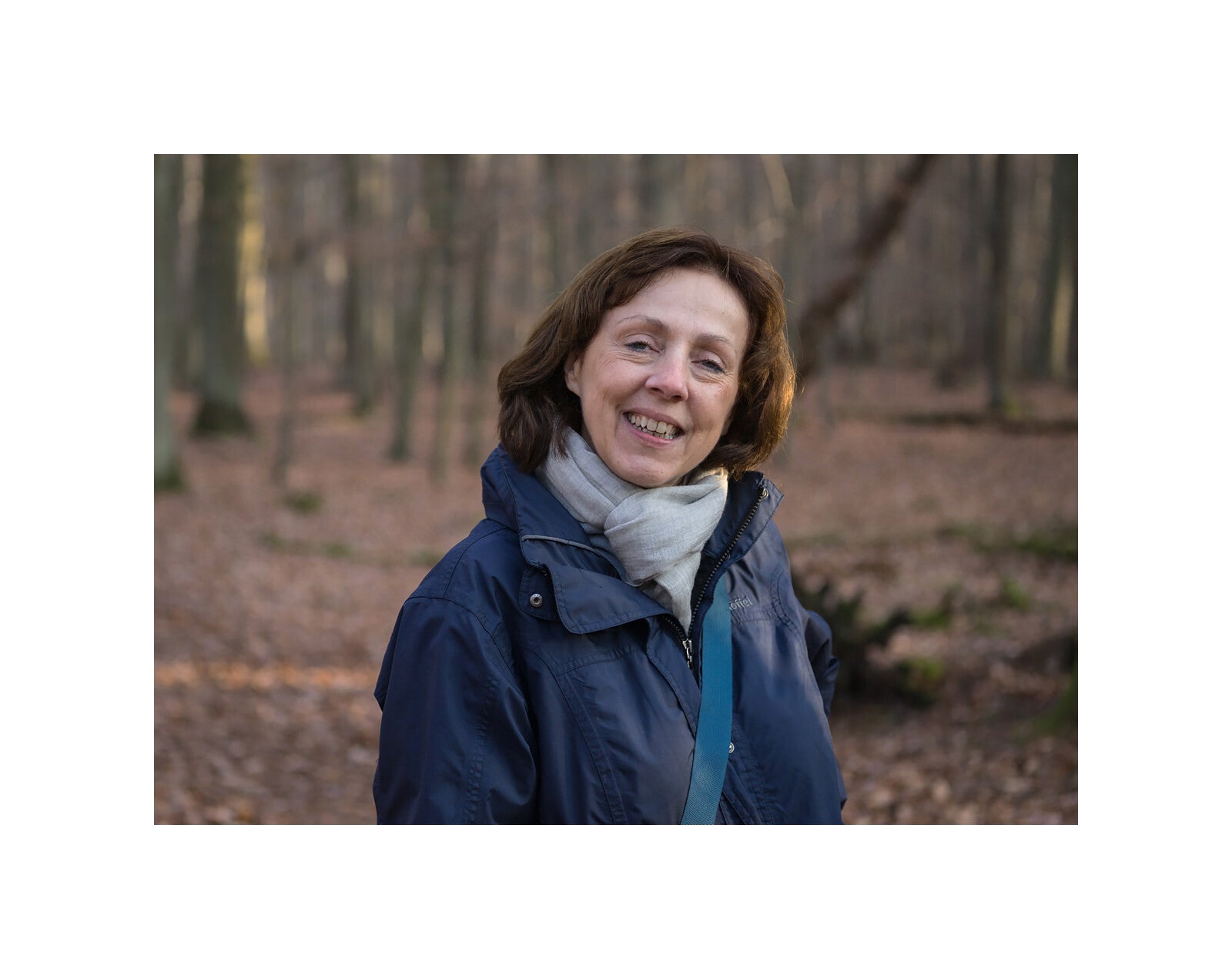
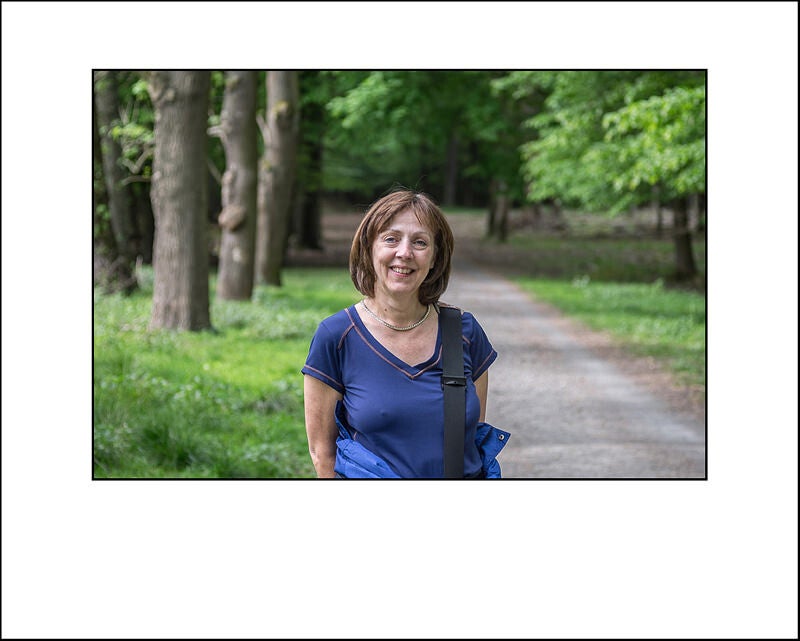
Portraits: The 85mm f/4 is particularly well-suited for portraiture, where its focal length and sharpness can highlight facial features beautifully while gently blurring the background.
-
Travel and Street Photography: Its compact size makes it a convenient choice for travel and street photography, allowing photographers to capture candid moments discreetly.
-
Vintage Photography: For those who seek a vintage aesthetic, the Tessar's distinctive rendering adds character and charm to images, offering a different look compared to modern lenses.
Conclusion
The Zeiss Tessar 85mm f/4 lens remains a beloved option for photographers who value its historical significance, optical quality, and distinctive character. It serves as a testament to the enduring legacy of Zeiss's lens design, providing a unique tool for creating stunning images with a touch of vintage flair. Whether you're a collector, a portrait enthusiast, or simply someone who appreciates the art of photography, the Tessar 85mm f/4 is a lens that continues to captivate and inspire.
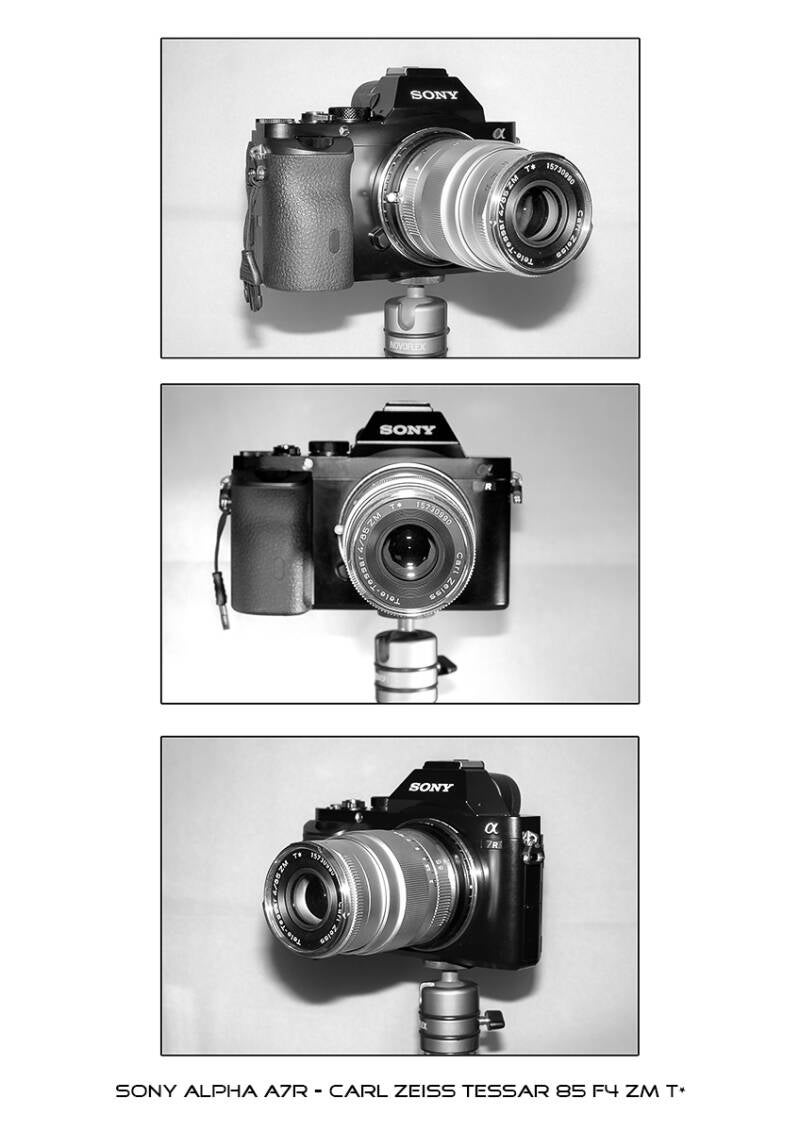
Zeiss Tessar 85 f4 ZM
Size: 95 x 54 mm
Weight: 310 g
Aperture: f4 - f22
IBIS: No
Filter: 43 mm
Mfd: 90 cm
Price: € 550 used
My take on this lens - a little more waffle
Sometimes, just sometimes you purchase a new piece of equipment and you just fall in love with it. This is the experience I had after purchasing the Zeiss Tessar 85 f4 lens. It's just a wonderful piece of engineering. It's actually quite compact at 95mm with a diameter of 54mm but I class it as being quite hefty weighing in at 310g. As a matter of fact I wanted to know what a whole package would weigh (i.e. Camera and lens). Having used this on different systems I weighed the lens on them and I got the following results:
⦁ Panasonic GX8 + Tessar 85 f4 = 849g
⦁ Sony A7R + Tessar 85 f4 = 739g
⦁ Fuji X-T1 + Tessar 85 f4 = 802g
Now, if you put the Zeiss Planar T* 50 f2 ZM on the A7R it actually weighs more at 821g. That surprised me actually but the Planar is also a nicely built lens. More on that one in another post.
Take those figures above and think on it for a minute. M4/3 cameras are supposed to be lighter right? Well this just shows that the GX8 is quite a solid camera. I also like the fact that it takes 43mm filters; granted I don't use a lot of them these days but a pol and ND filters are still part of the game and do get used very often. Looking at prices for new large filters has me wondering if they don't make them of gold these days. Very expensive.
I wouldn't call the lens cheap, coming in at a price point of around €800 new but worth every penny. And that's for a manual focus lens. You won't hear any complaints from me though. I own a couple of Leica lenses (the Elmarit 90 f2.8 for instance), because I really like this focal length. That lens, used, will cost you some €900 in good condition of a well known auction site. It's been discontinued and I just can't afford these new Leica lenses. However, I prefer the Zeiss rendition to that of the Leica. Maybe it's just my lens however but I'm not prepared to test with a second Elmarit. Too rich for my blood. Focusing with the Zeiss is easier and the whole experience and handling is a pleasure. If you have to make a choice between these two, I personally would go for the Zeiss.
Having used this lens on Sony FE, Fuji X mount and M4/3 cameras, it hasn't made a difference in the pleasure it gives despite in lens characteristics each system gives you. I prefer the longer lenses anyway. The Sony gives you an 85mm obviously, the Fuji 128mm (approximately) and M4/3 170mm.
I've mentioned before that I'm a telephoto lens photographer rather than a wide angle kind of guy. I think that's the reason I have so many lenses with a focal length between 85mm and 135mm. Of course, the angle of view changes depending on what system I use them on, but that doesn't seem to matter. I can adjust easily with these focal lengths. Stick a wide angle lens on my camera for me and I'm a little lost. I can't seem to take good image. A few would say I can't take a good shot anyway :-)
I digress so back we go to the 85mm f4 Tessar. Being an f4 lens, you can guess I don't do much low light photography; well not hand held anyway. However I haven't tried this lens on the A7s whose output is something dreams are made of in low light surroundings. One day I'll get around to it. Because the lens is a little hefty at 310g you have the feeling of having something in your hand when you have the camera up to your eye. I find a lot of present day lenses too light, being made up mostly of plastic parts. Doesn't make less durable however, just a lot lighter. I like to rest the camera in the palm of my hand and when doing that a little weight goes a long way. Gives me more stability (and more confidence) to get the shot.
The lens aperture goes from f4 down to f22 and focuses down to 90cms, which agreed, is not ideal but with this focal length my shots are mostly long anyway. The focus throw is very short, about 3/4 of a turn which for my taste is ideal. That's how I want all my lenses to be but unfortunately they're not. Some of my older 135mm lenses leaves me wondering if there's an end because the throw is very long. A real turn-off for me personally but these lenses have been around a lot longer than the Tessar.
Focusing really is a dream with this lens, really accurate and smooth. There are no sticky points as I've had with some other lenses and you just have confidence on the lens. There's not a lot of difference between f4 and f11. It fits nicely on the Sony Alpha series cameras with nice balance and couple that with the focus peaking function available on all Sony cameras, it sounds like a match made in heaven...and it very nearly is. There's always points that could be improved upon, but when using the Tessar on any of the cameras I've just mentioned I really am in heaven.
Conclusion:
If you haven't guessed by now I'm a real fan of Zeiss lenses. They're very well built, delivers sharp images and the colours really do pop. It's an 85mm lens that will stay with me for ever because these are made to last. Cameras come and go but these lenses stay. Don't think twice about acquiring this lens if you're after a great portrait lens. The only drawback for a lot of people will be that the maximum aperture is f4.
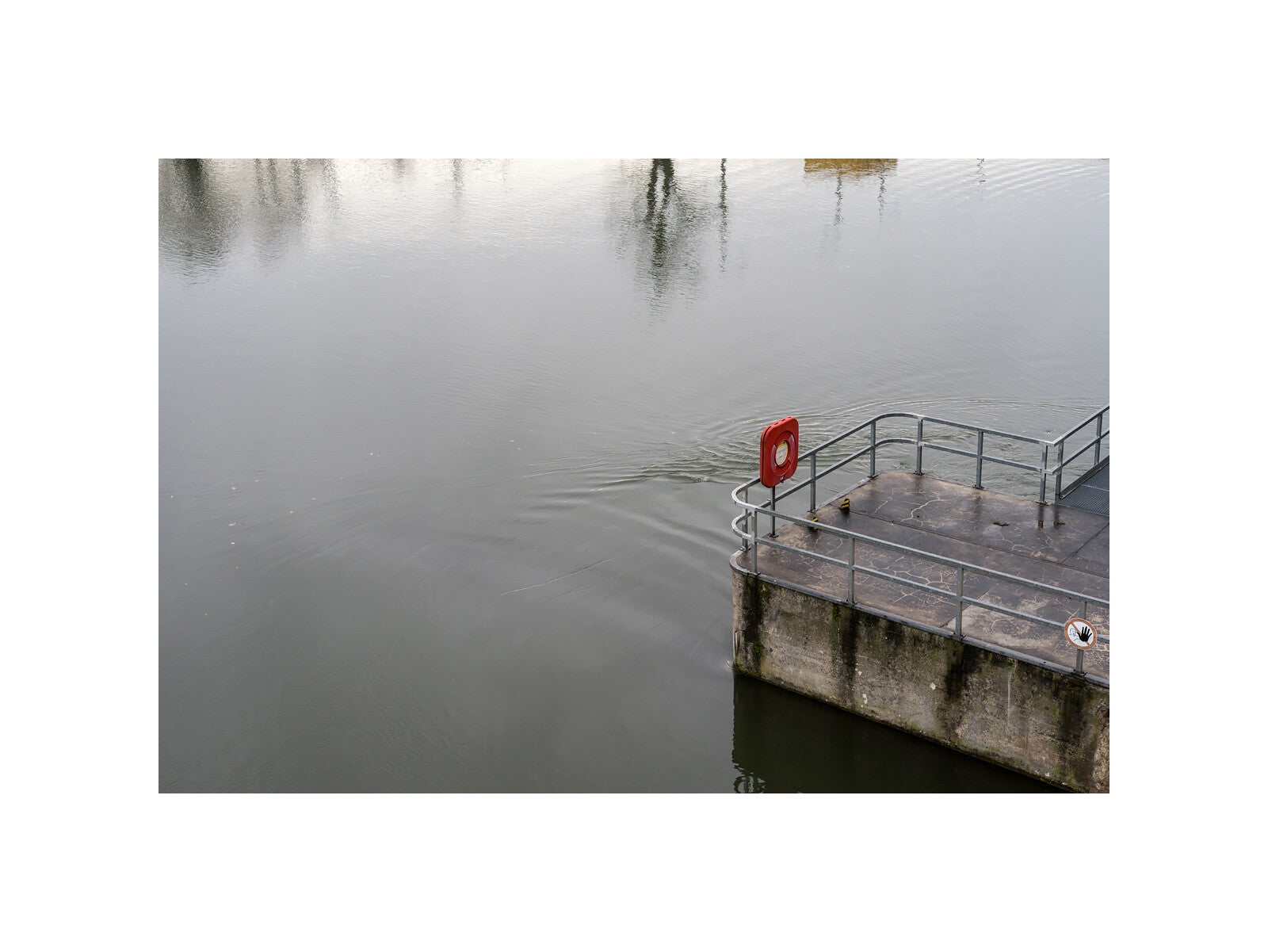
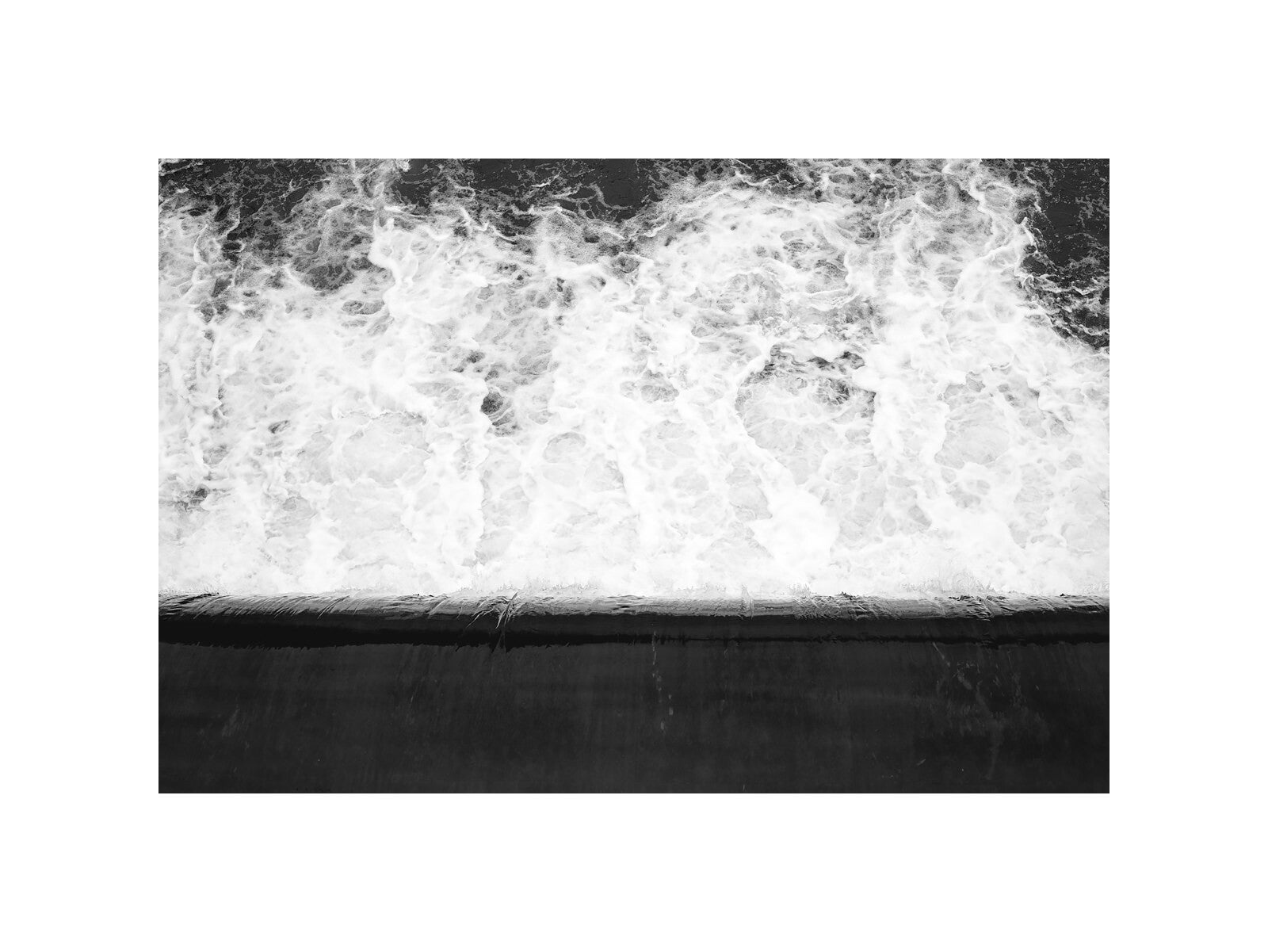
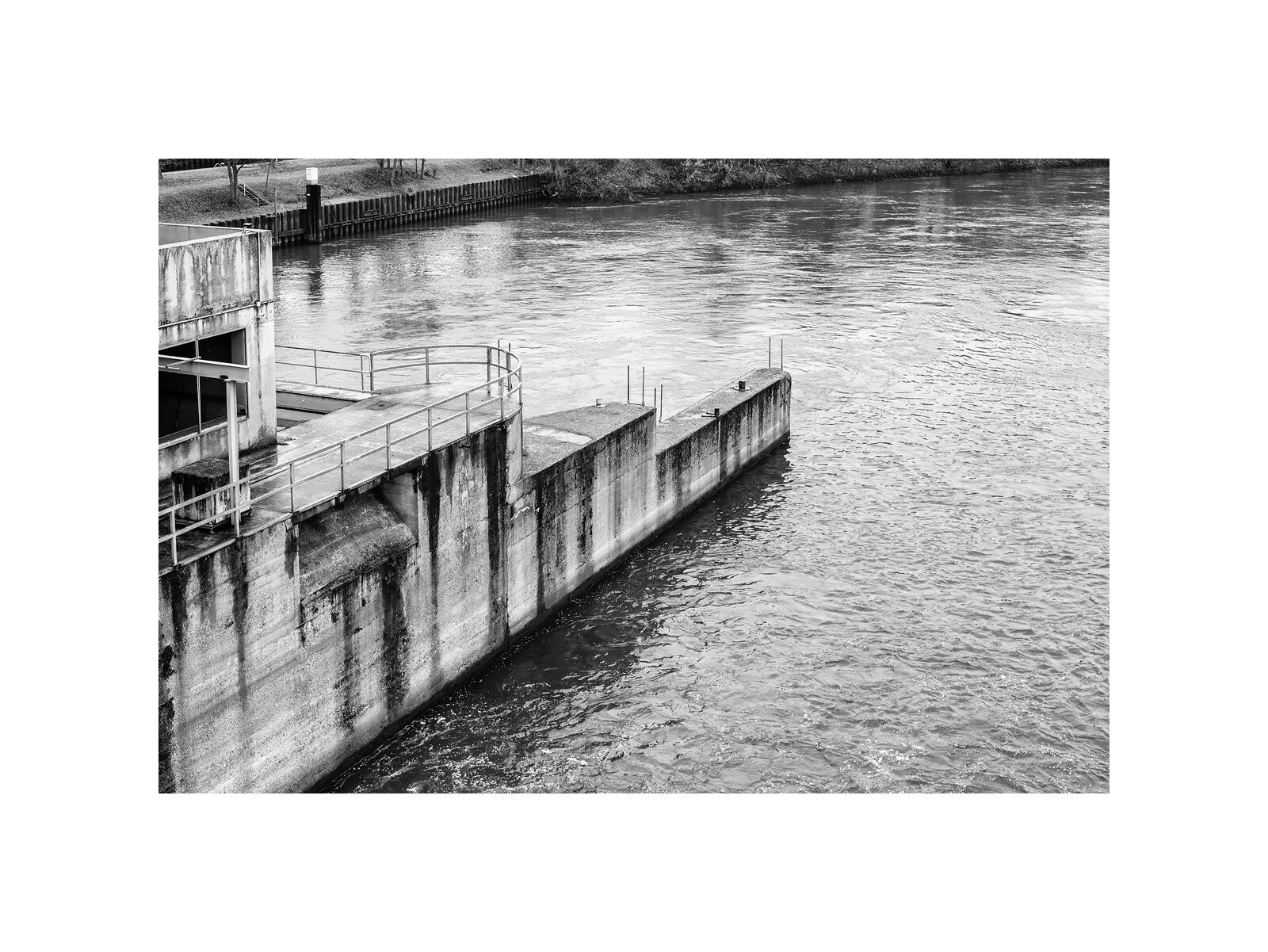
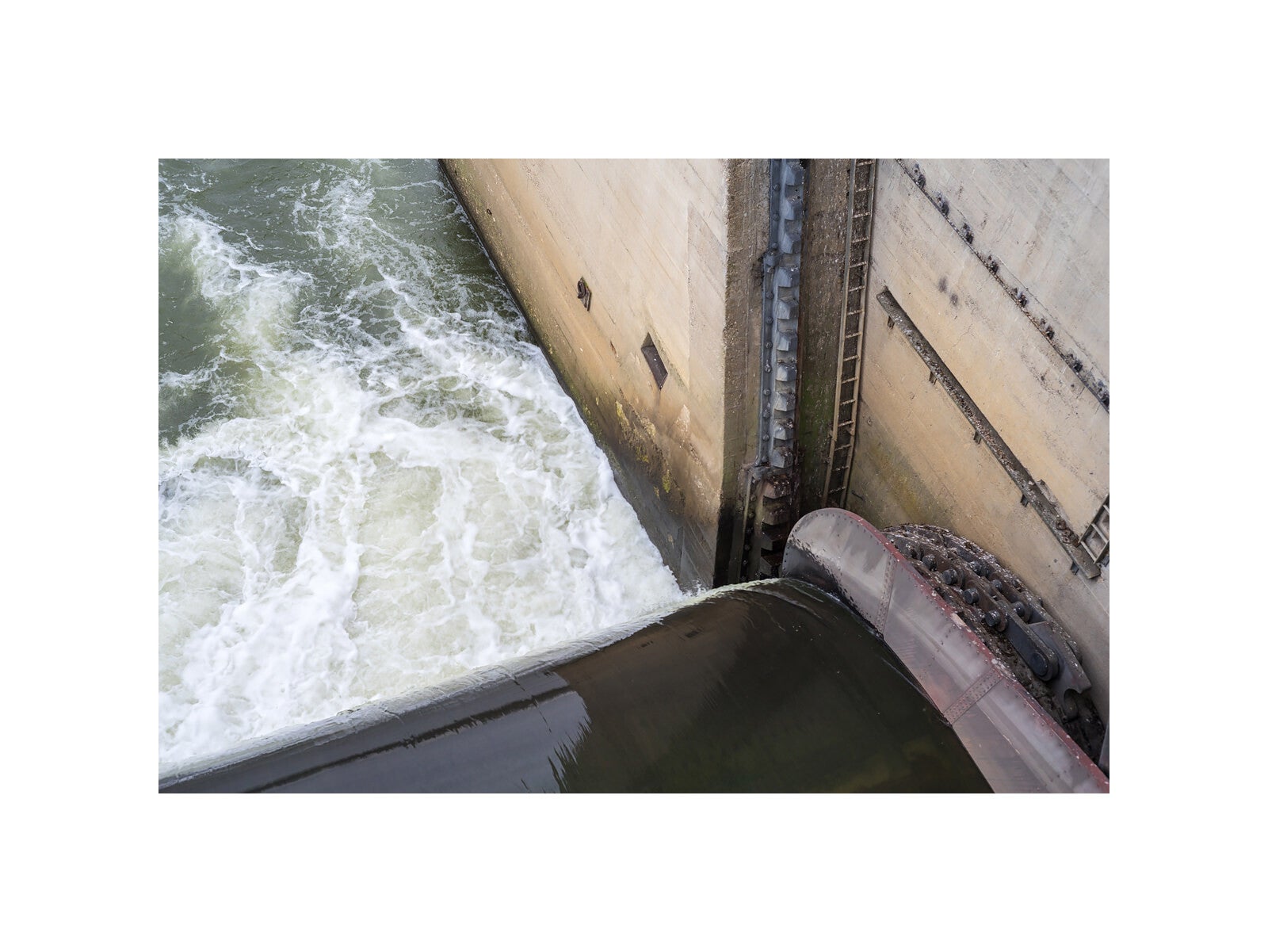
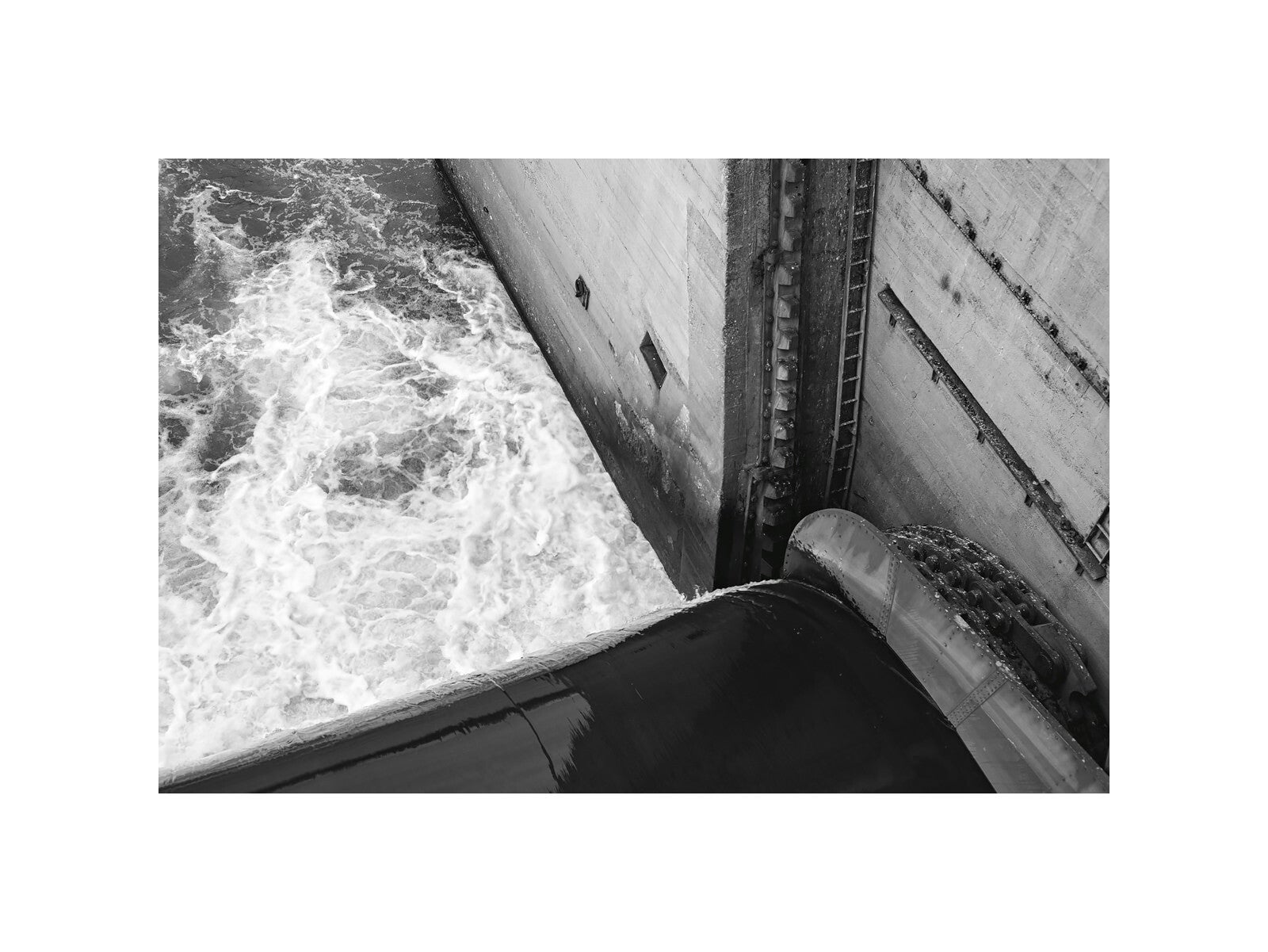
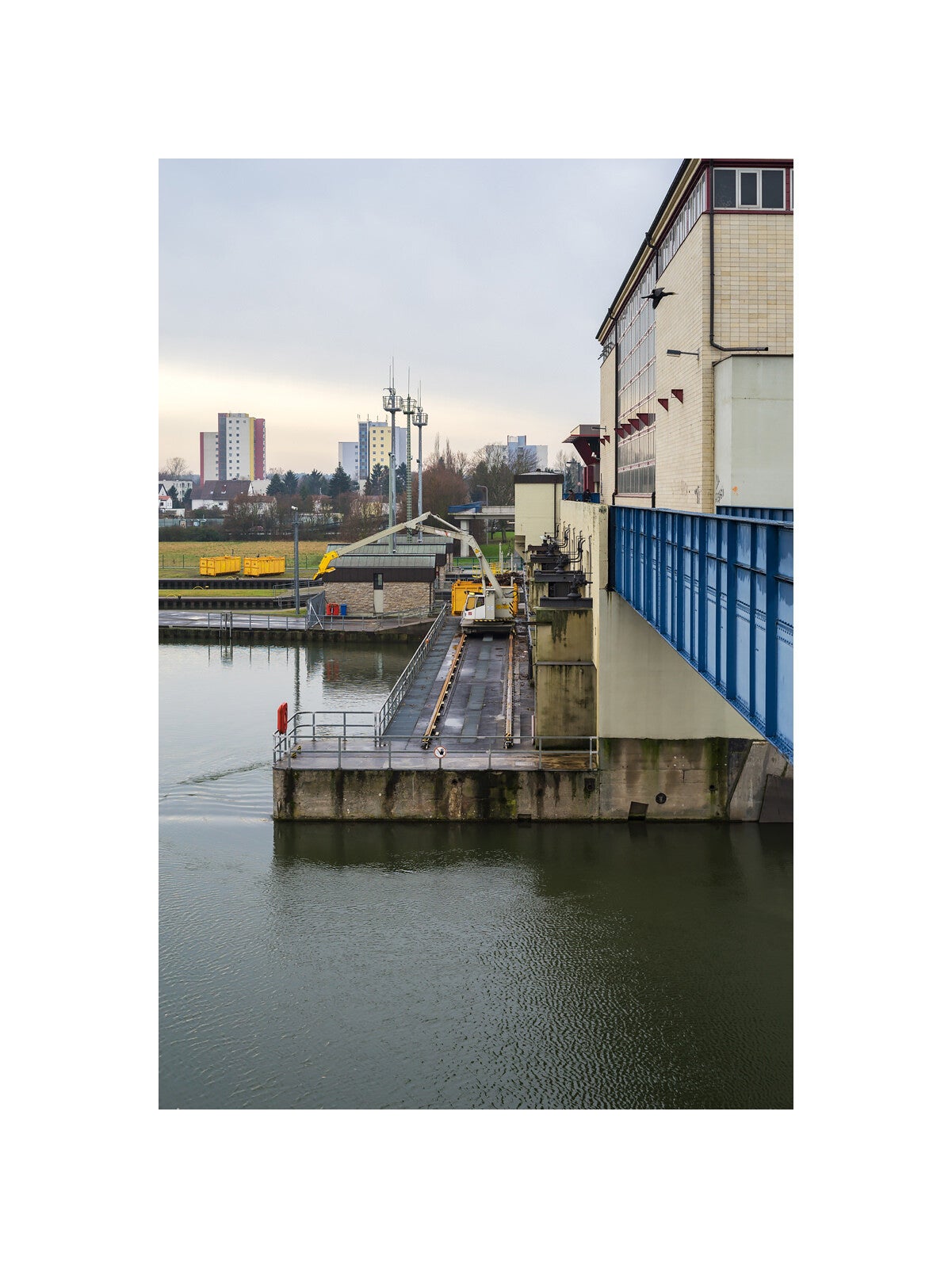
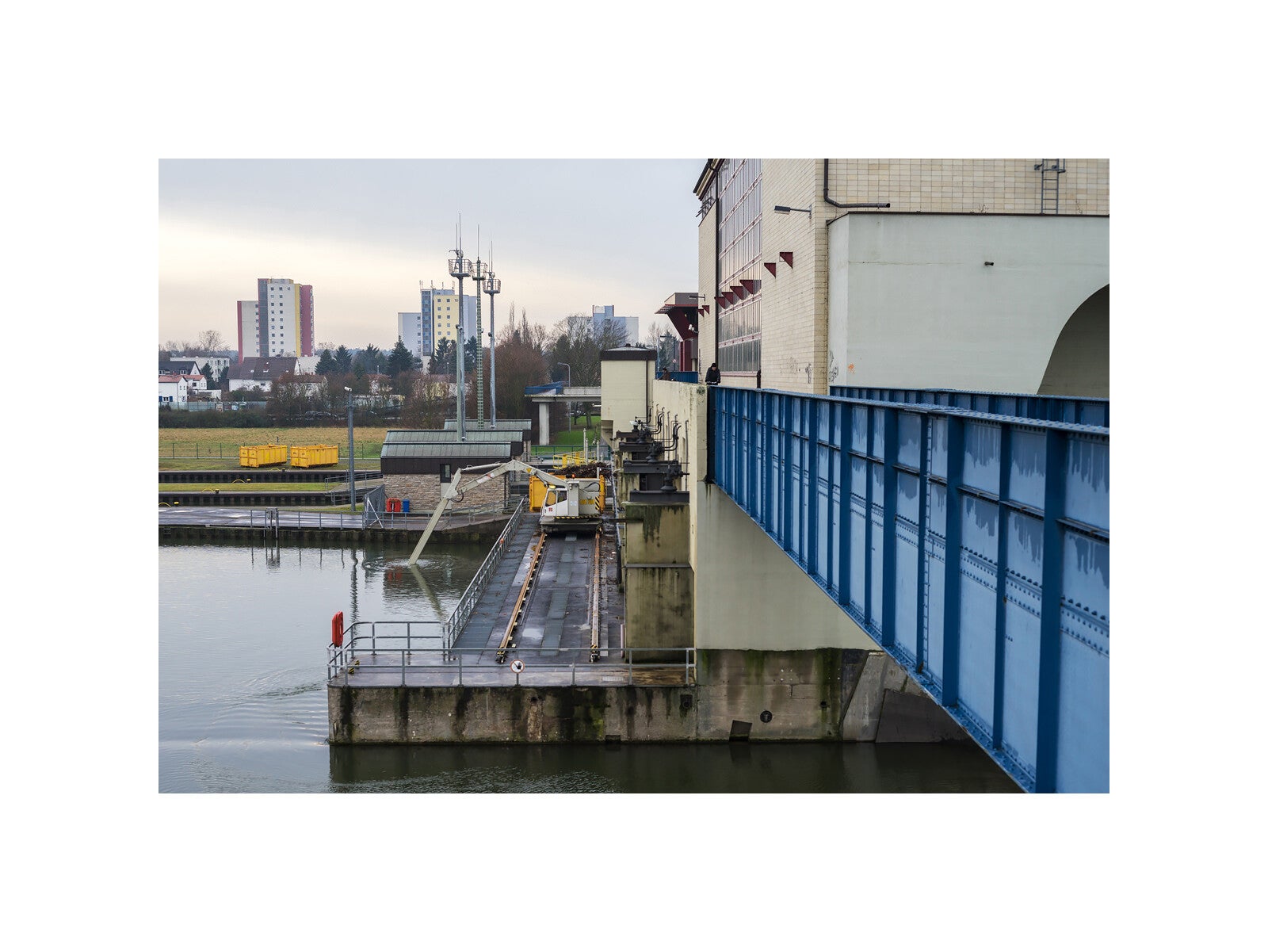
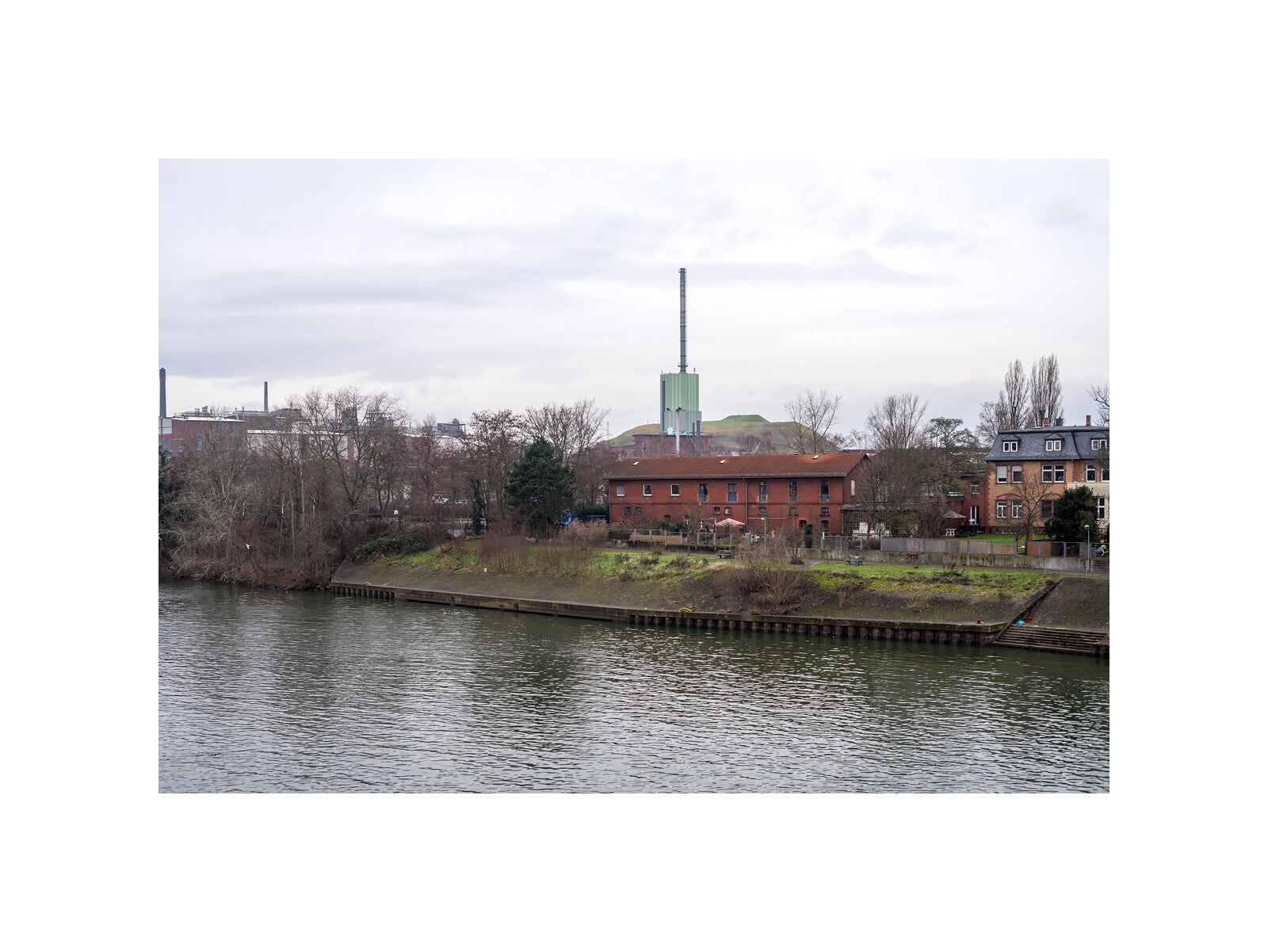
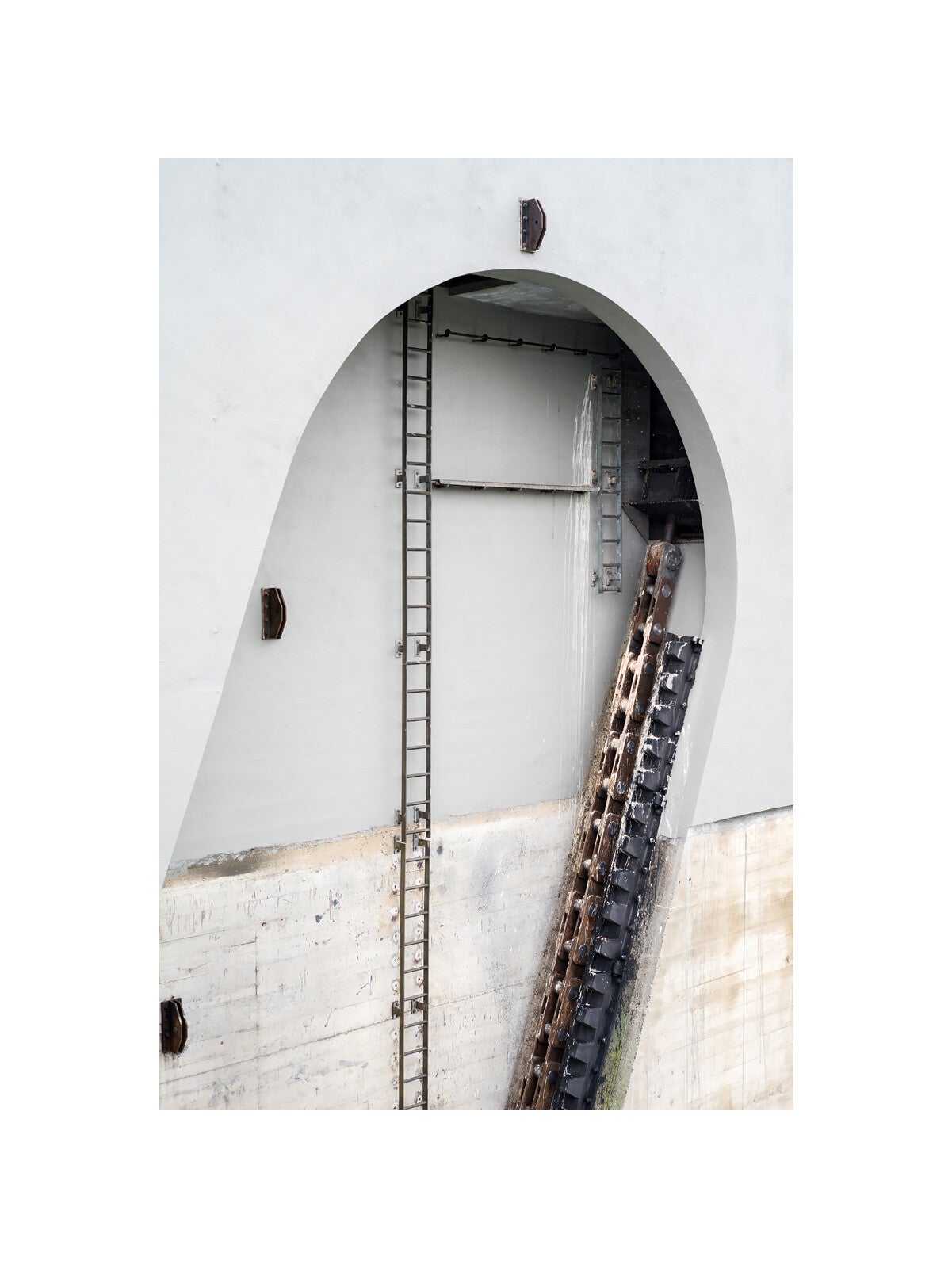
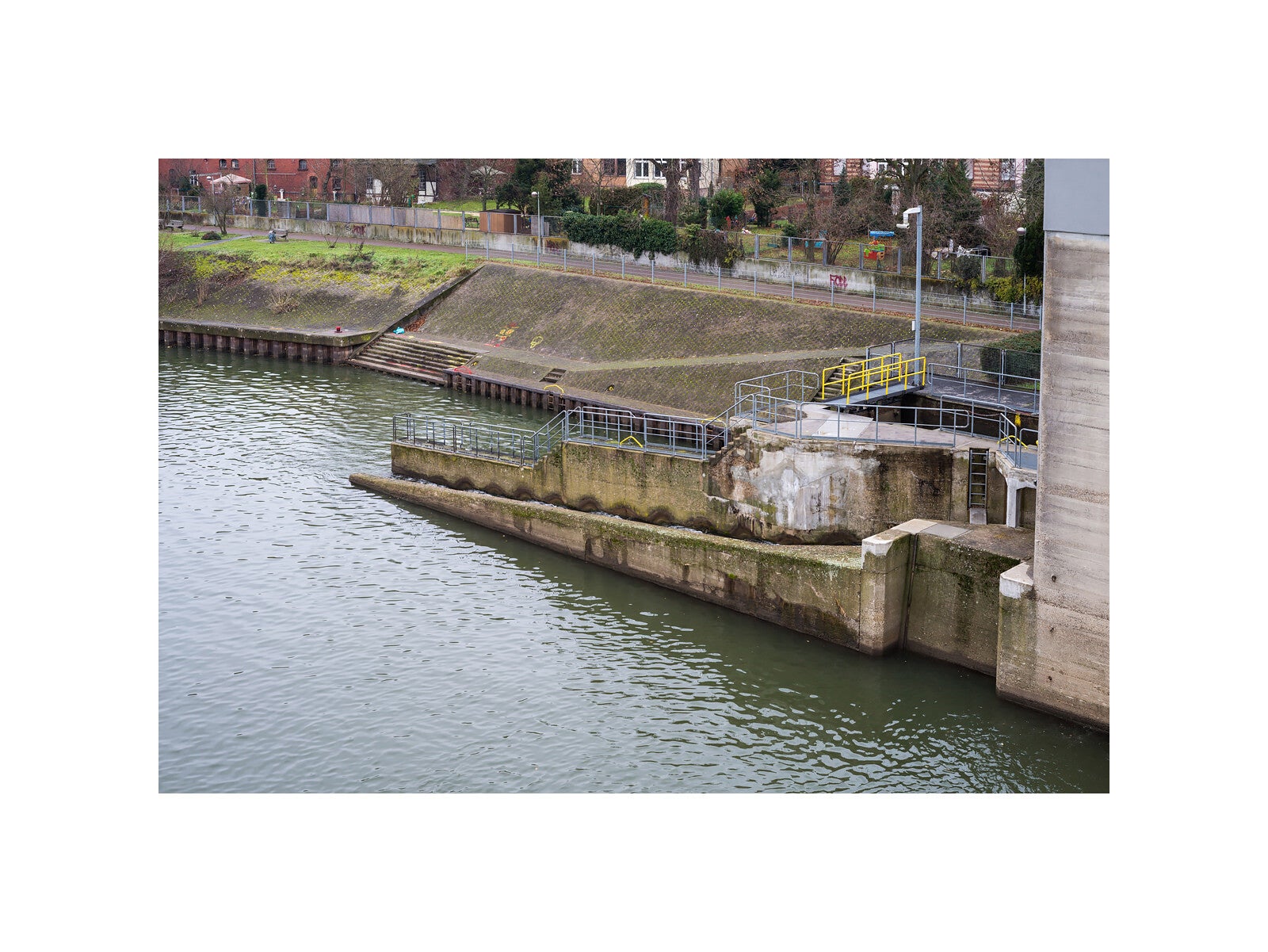
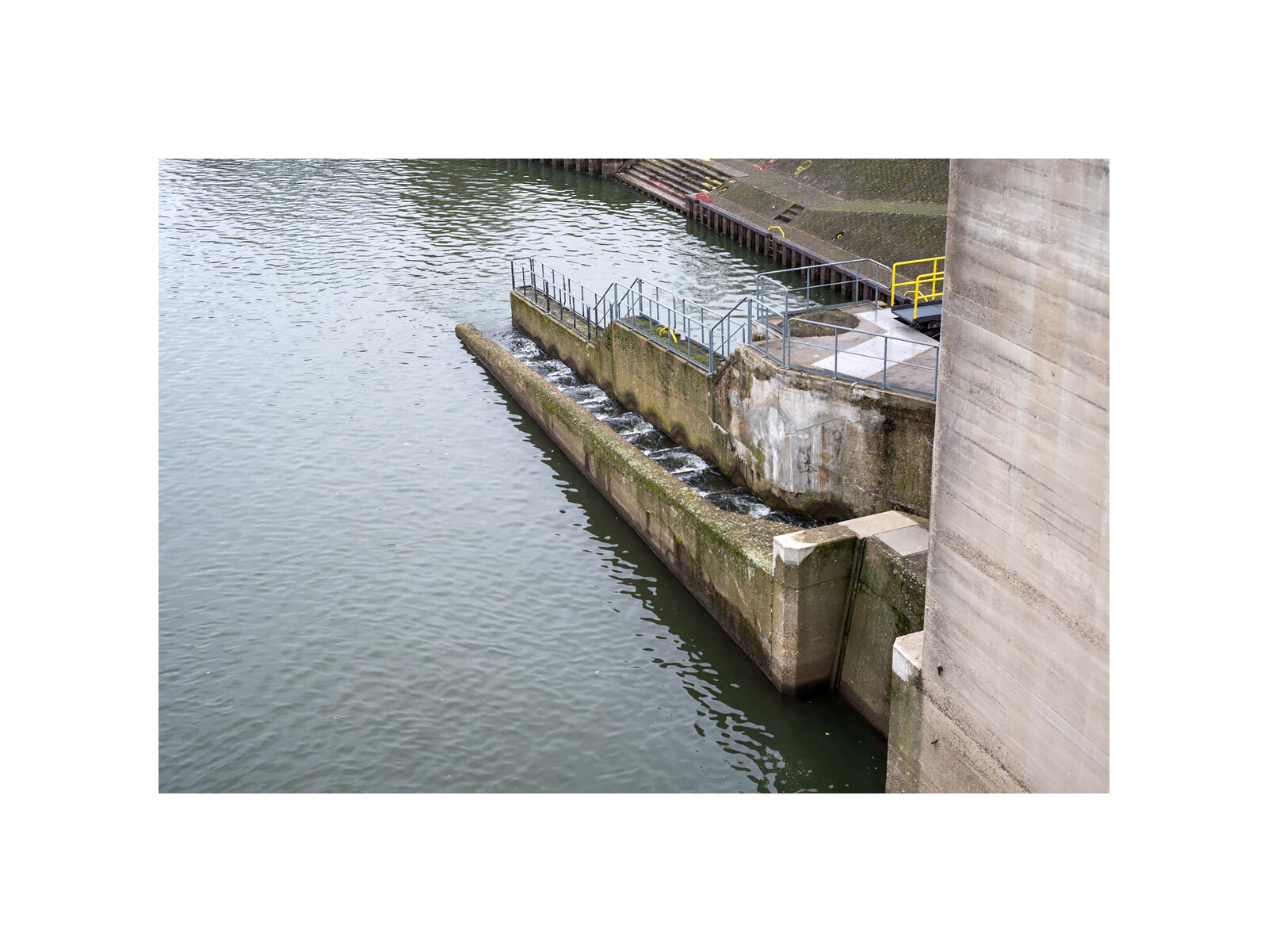
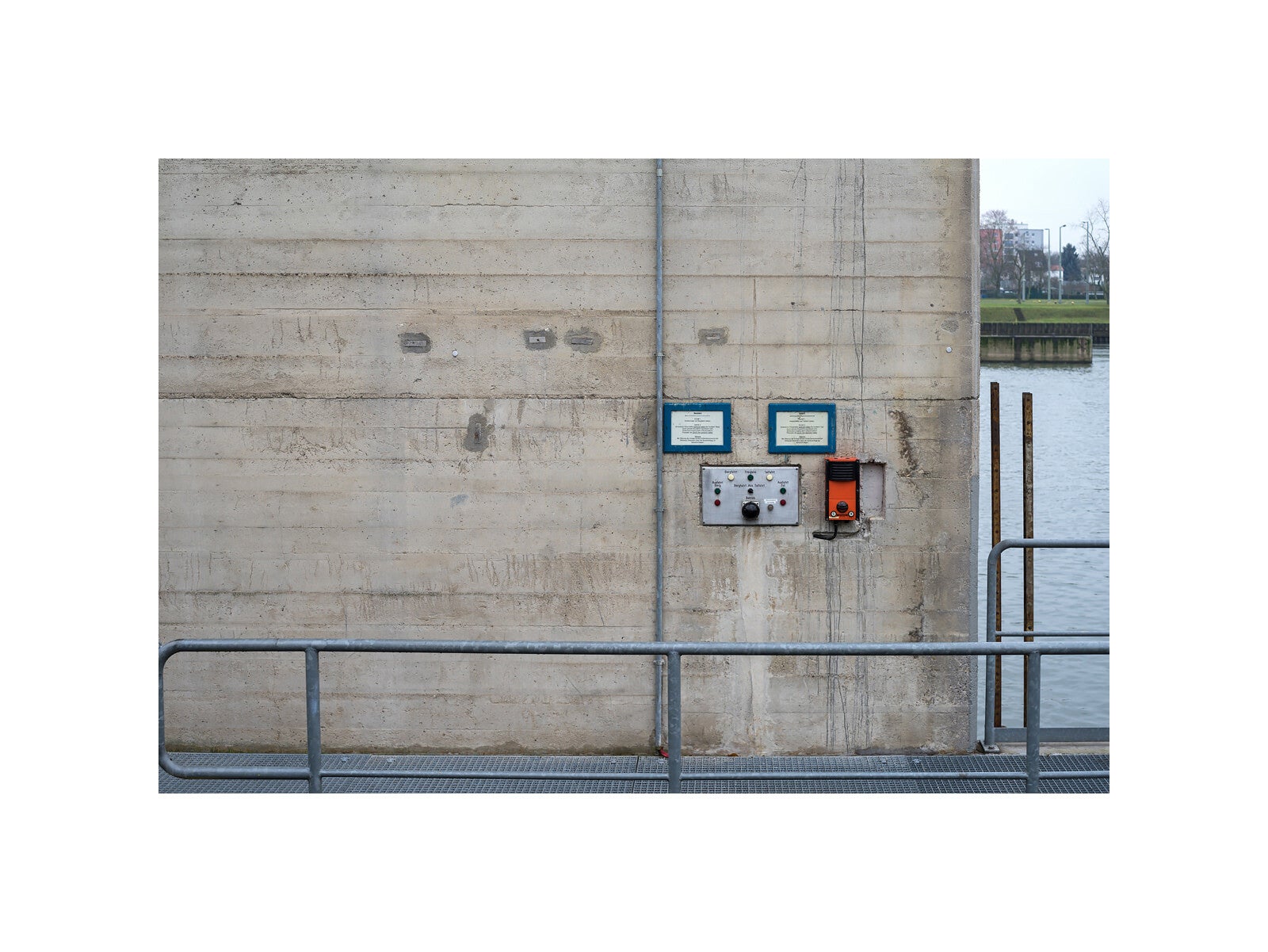
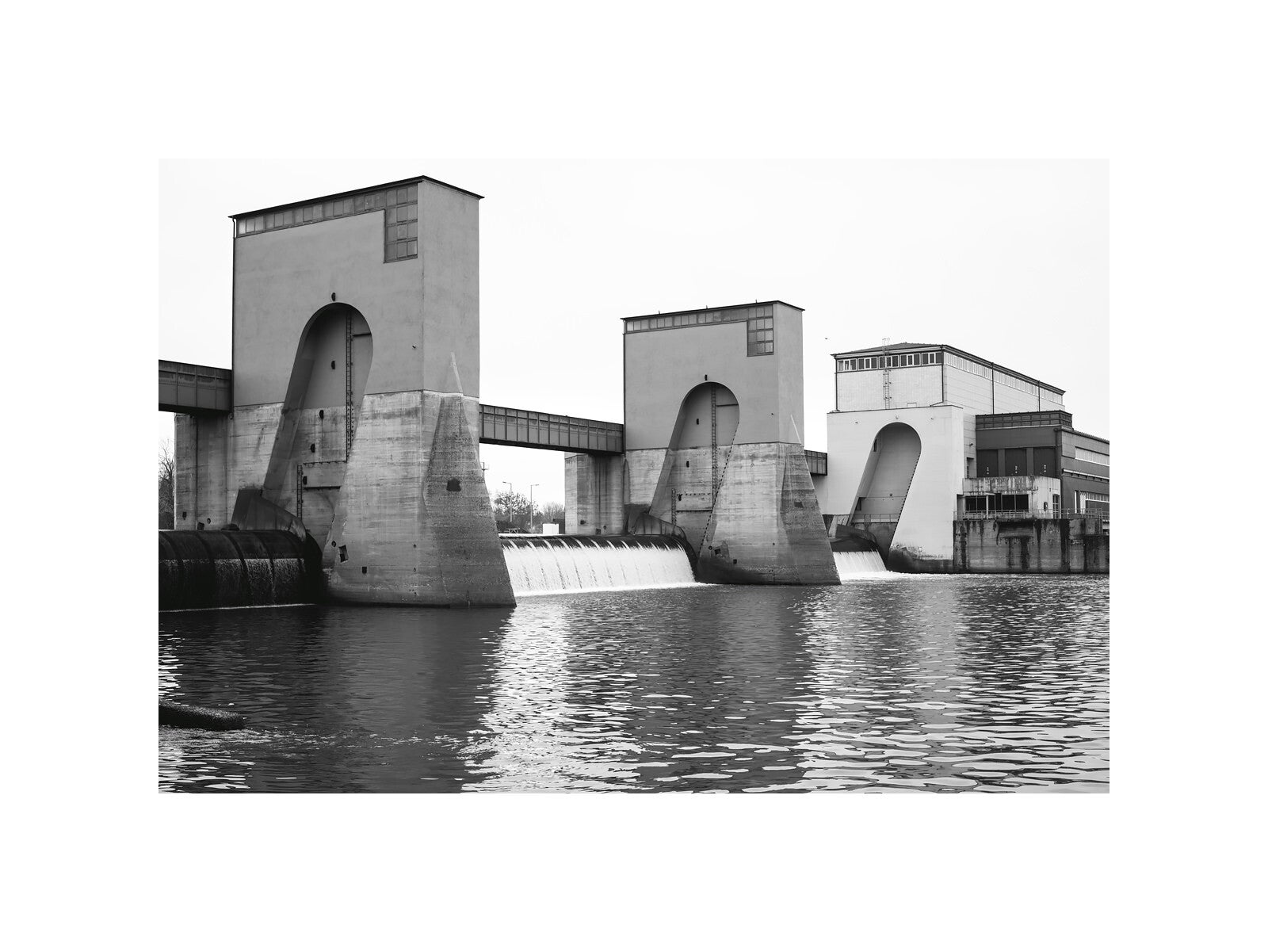
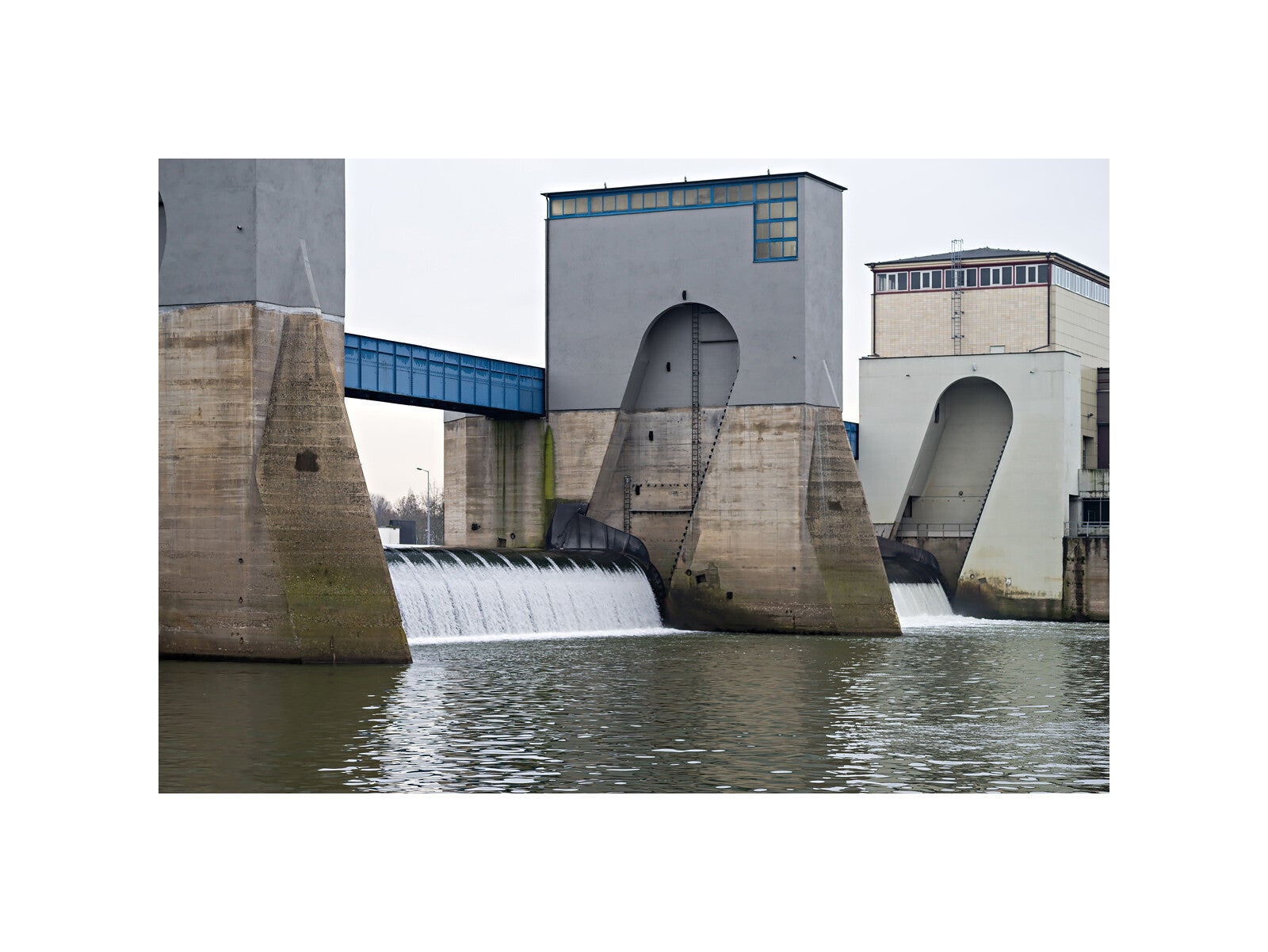
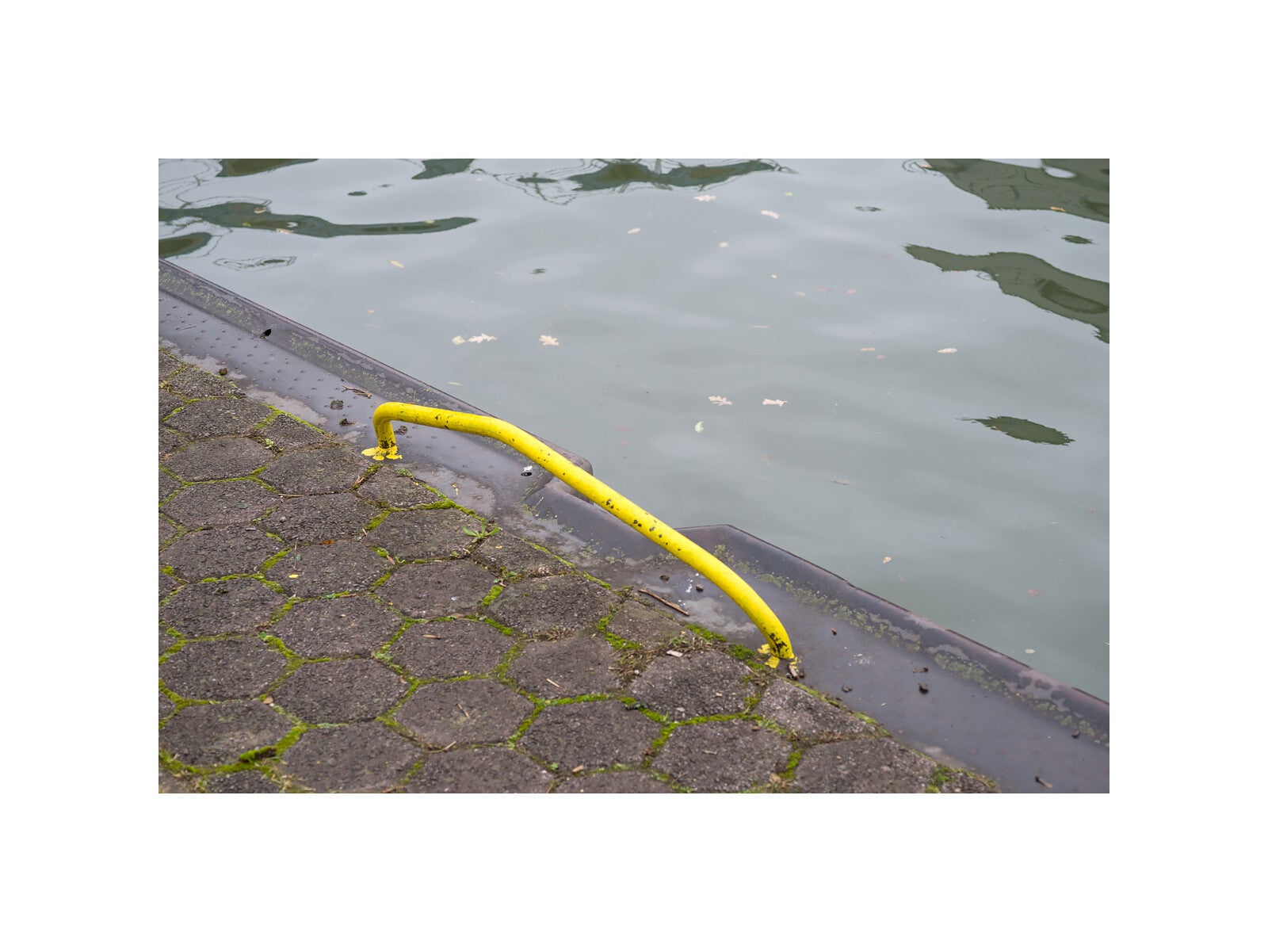
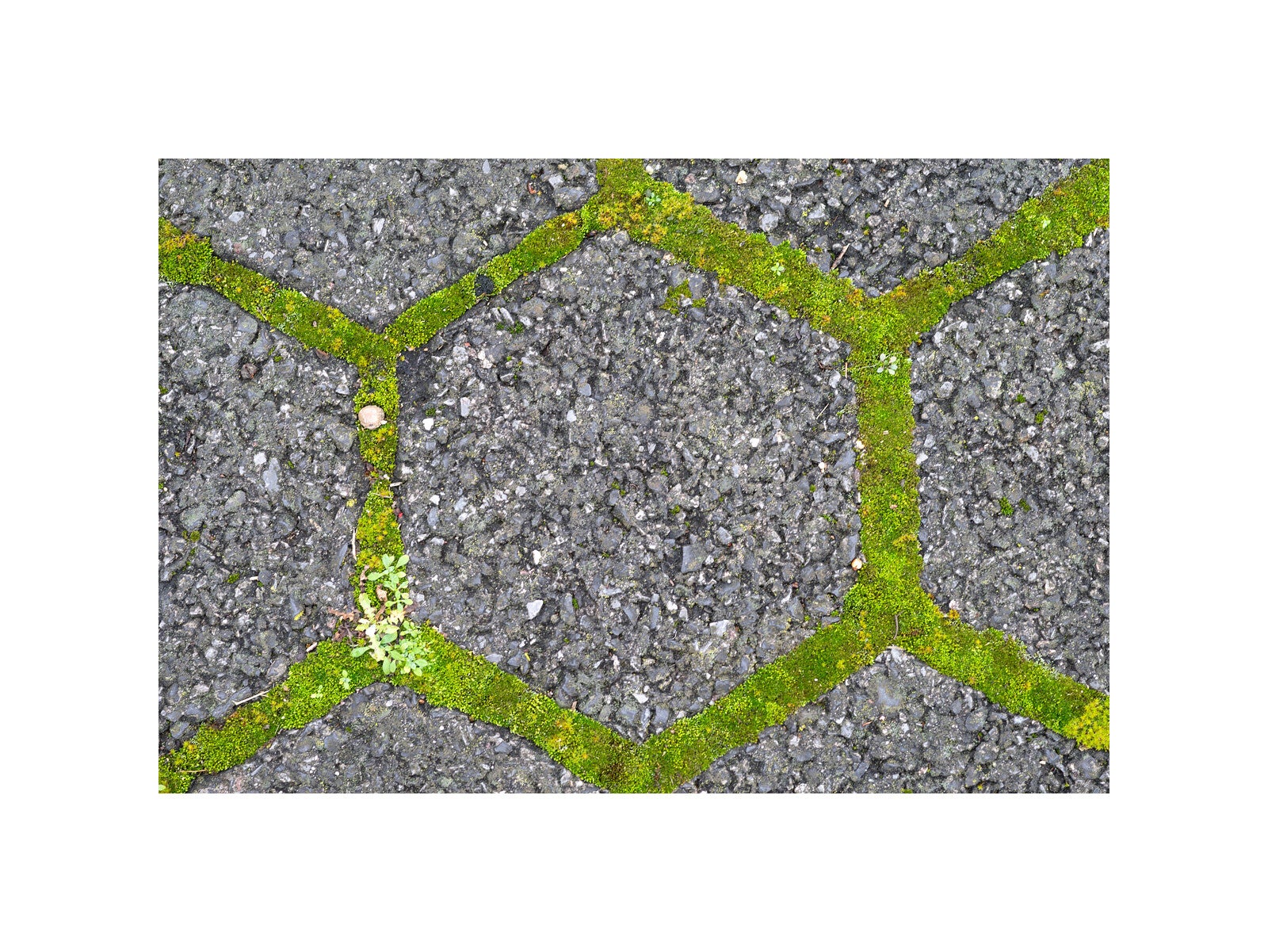
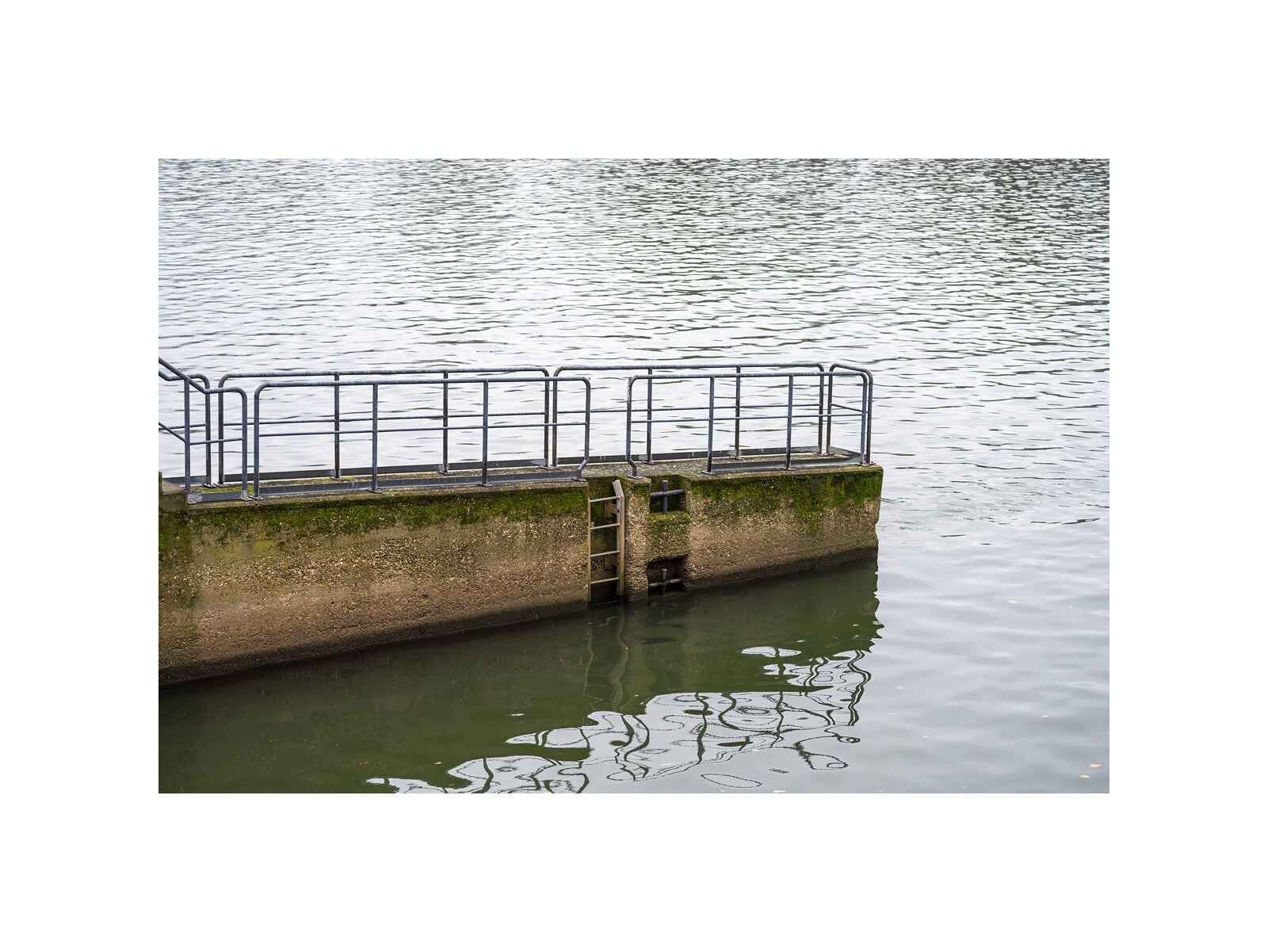
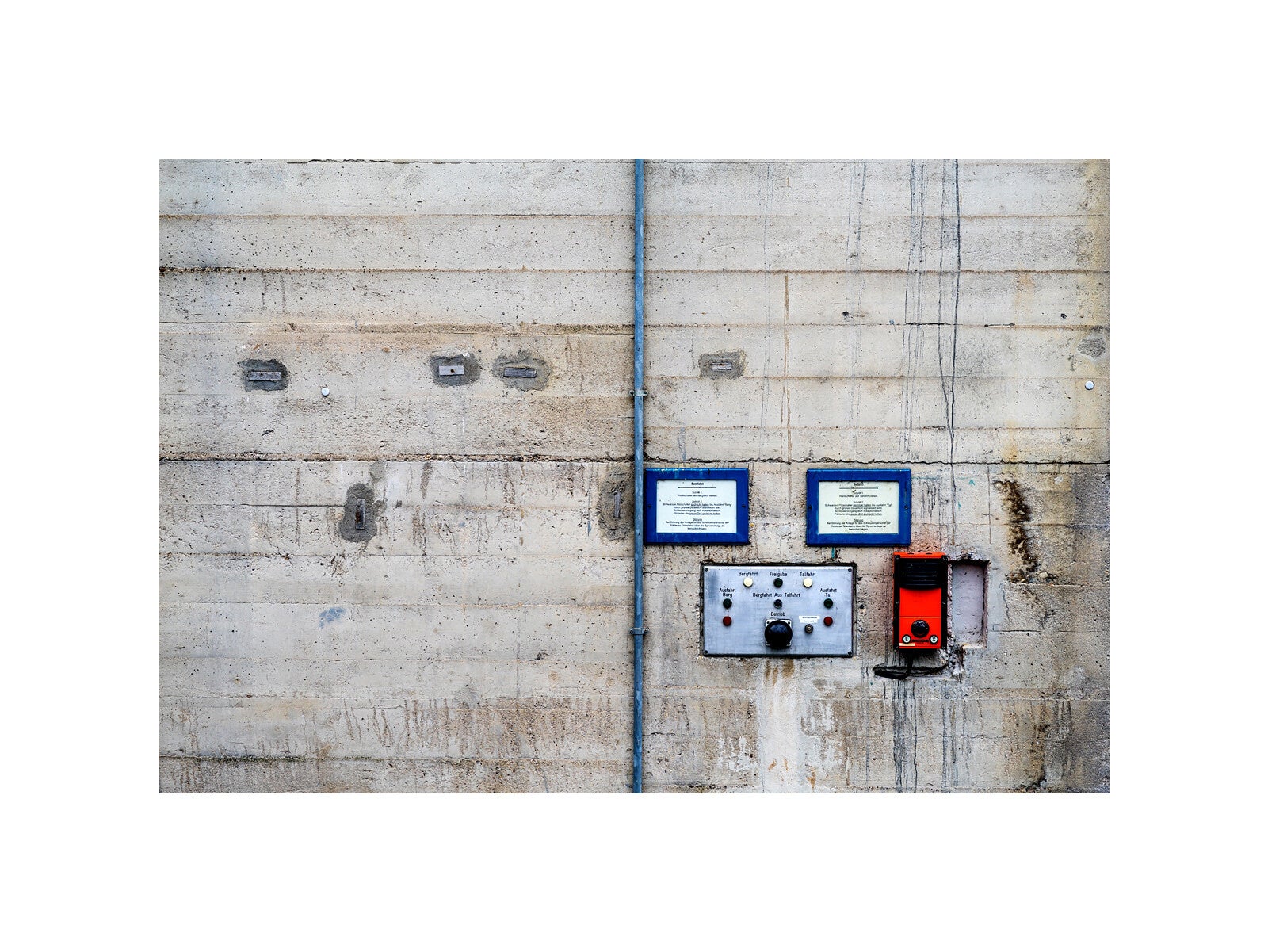
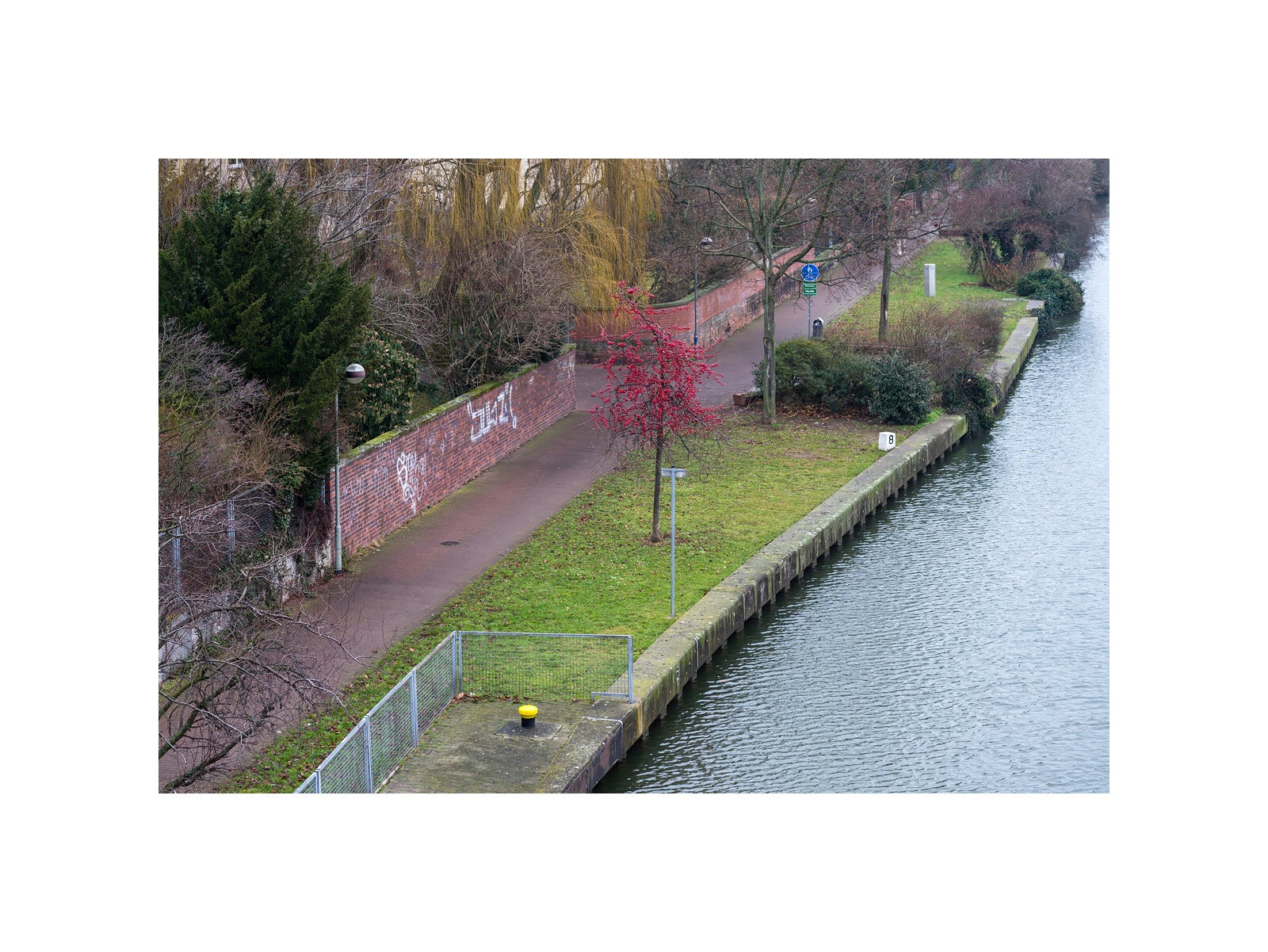
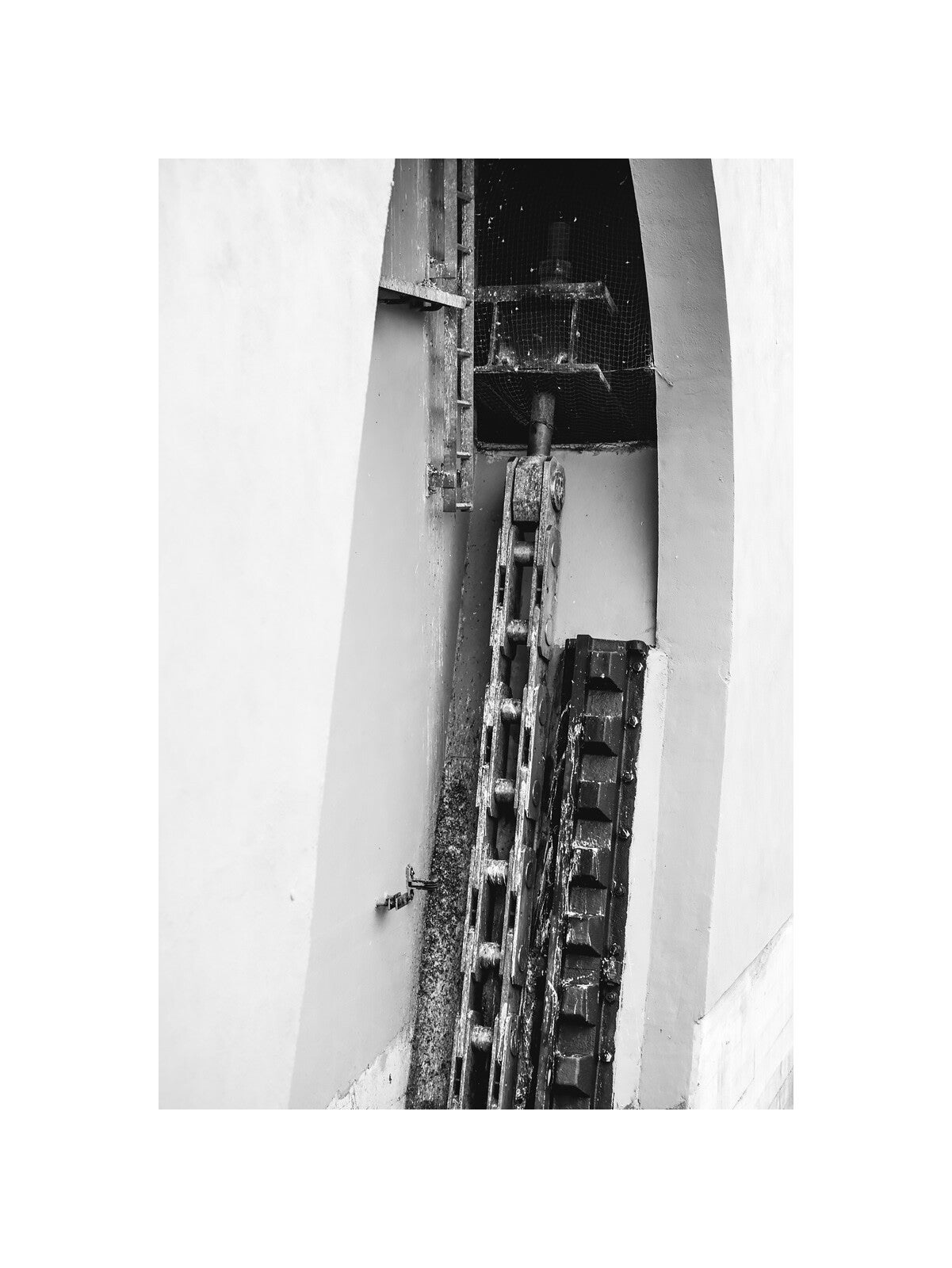
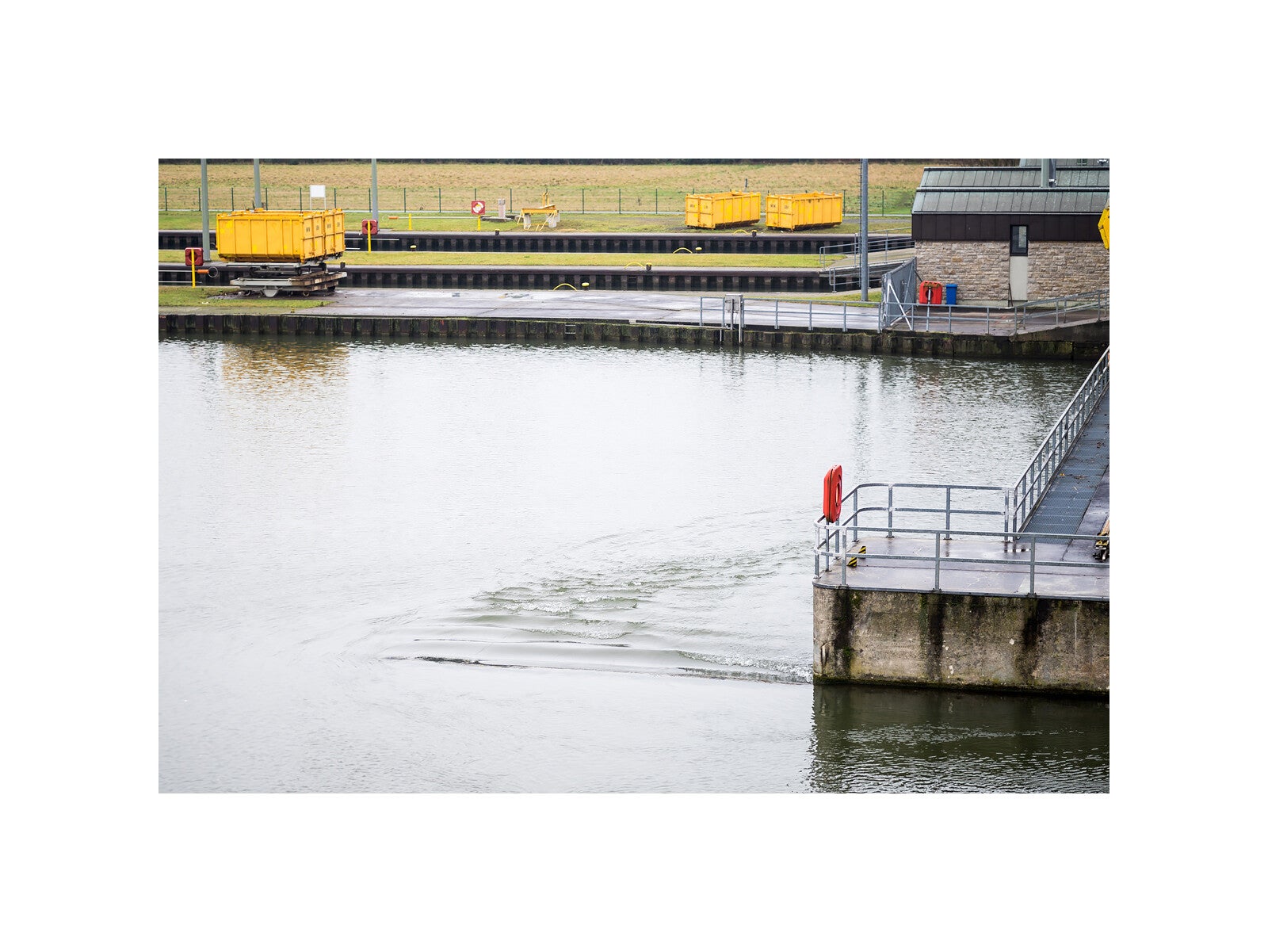
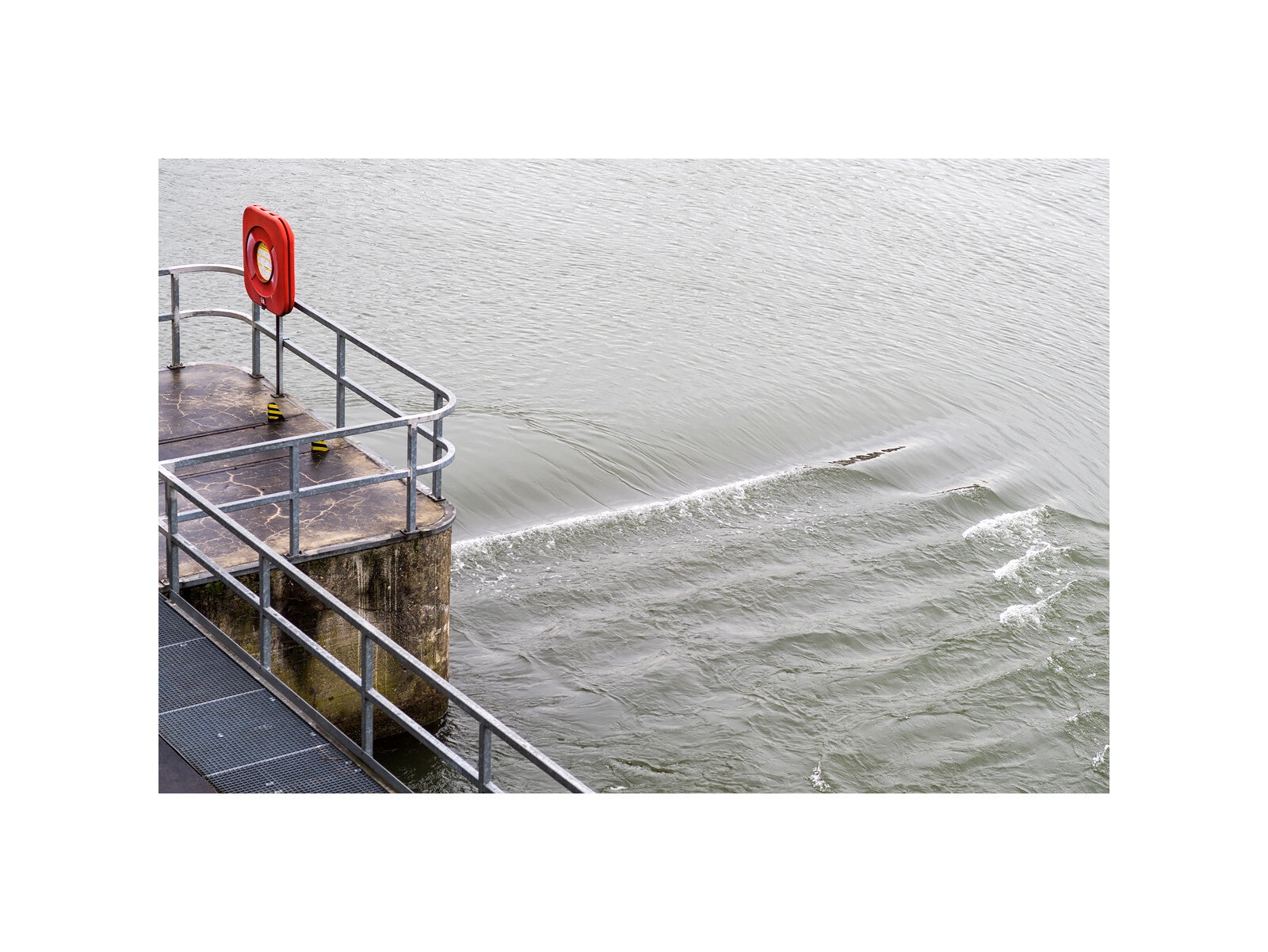
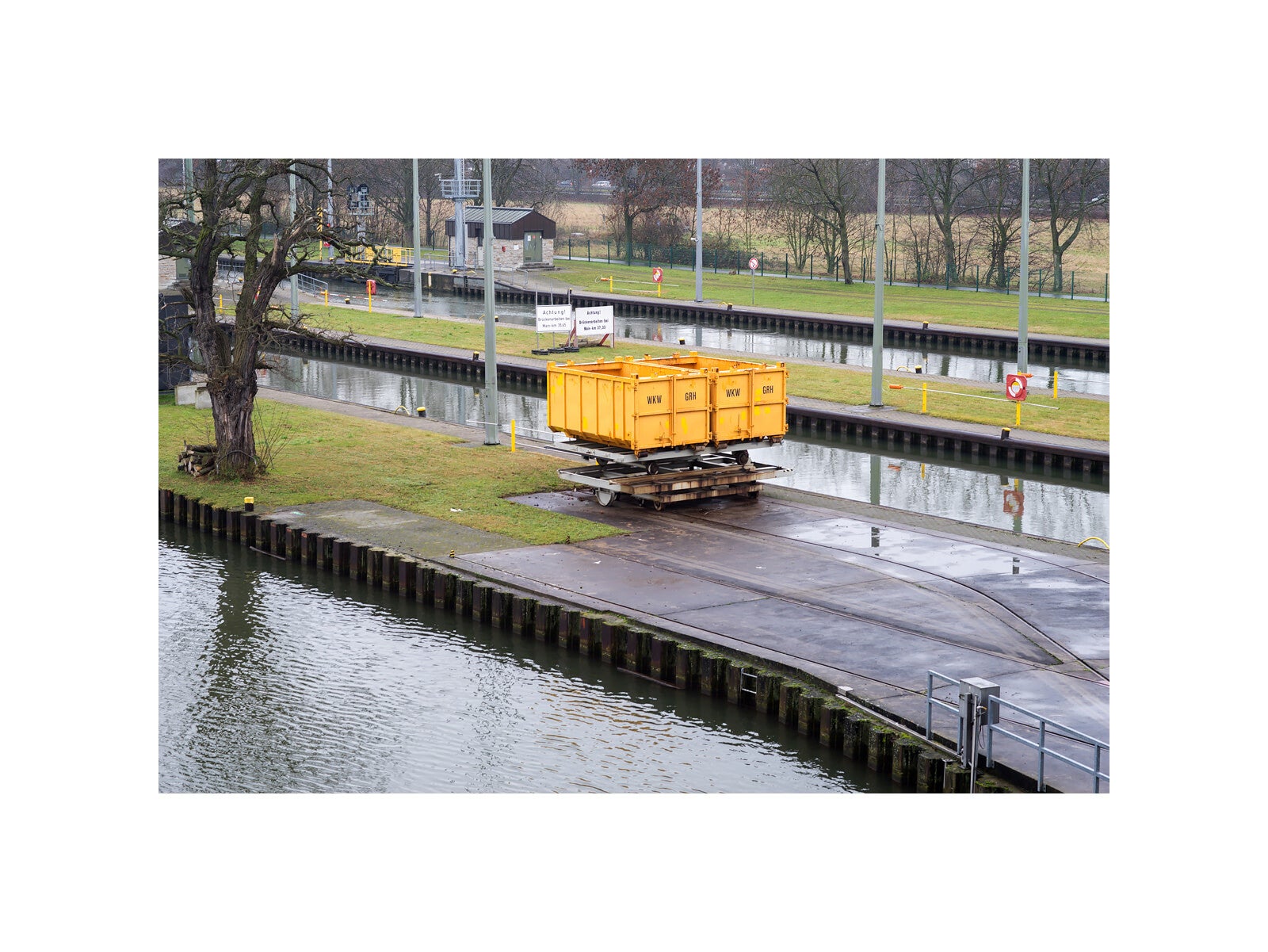
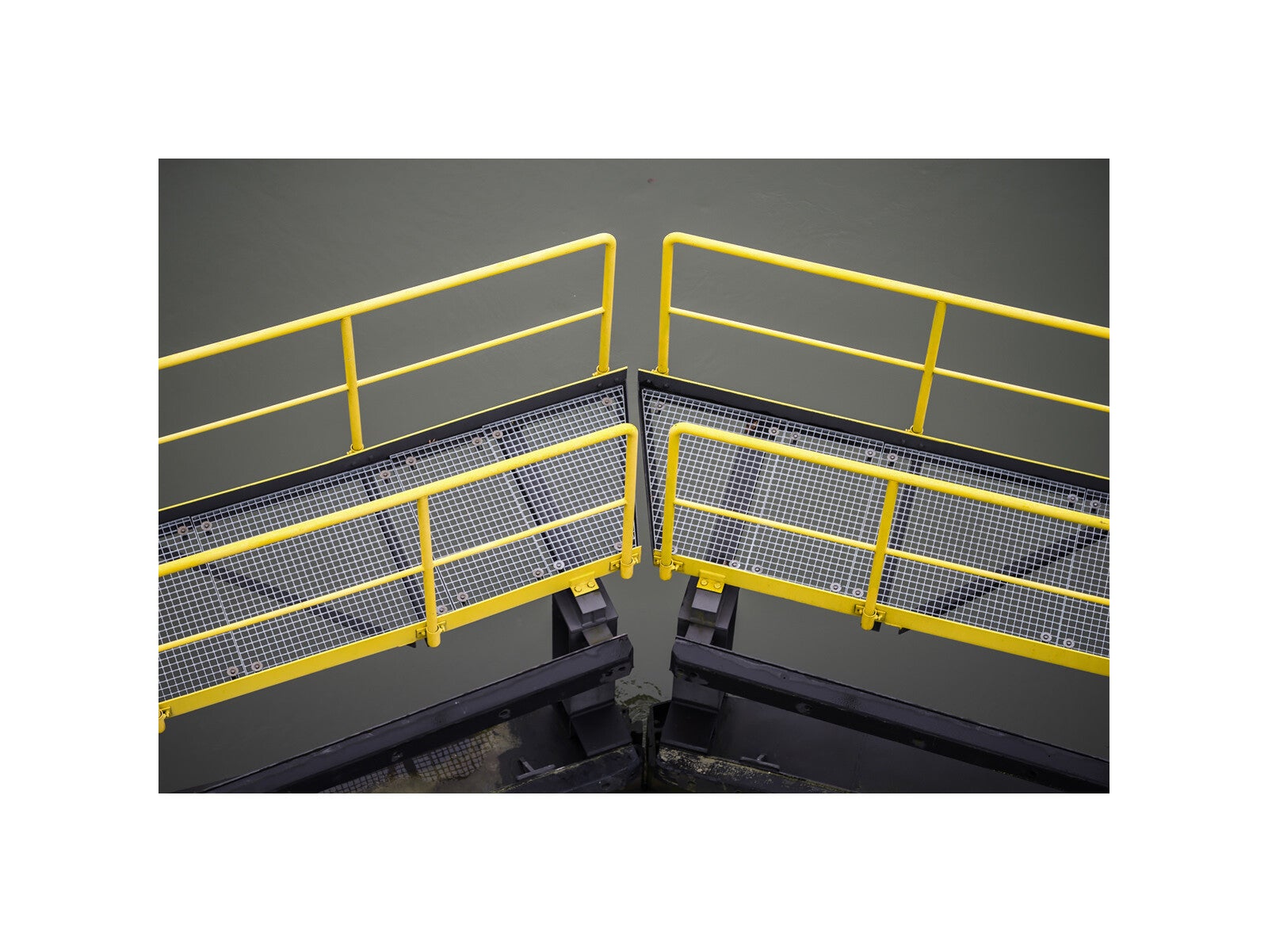
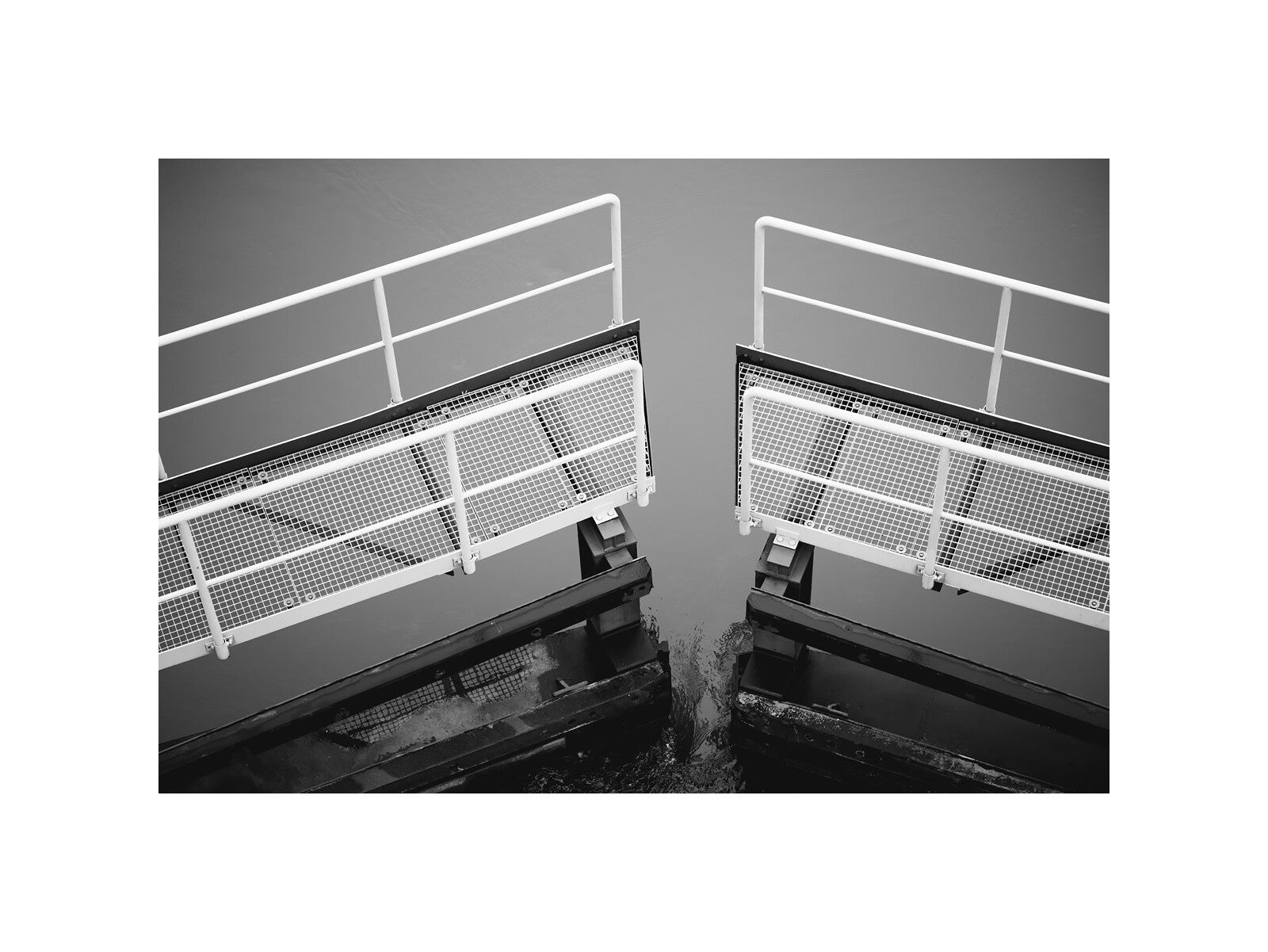
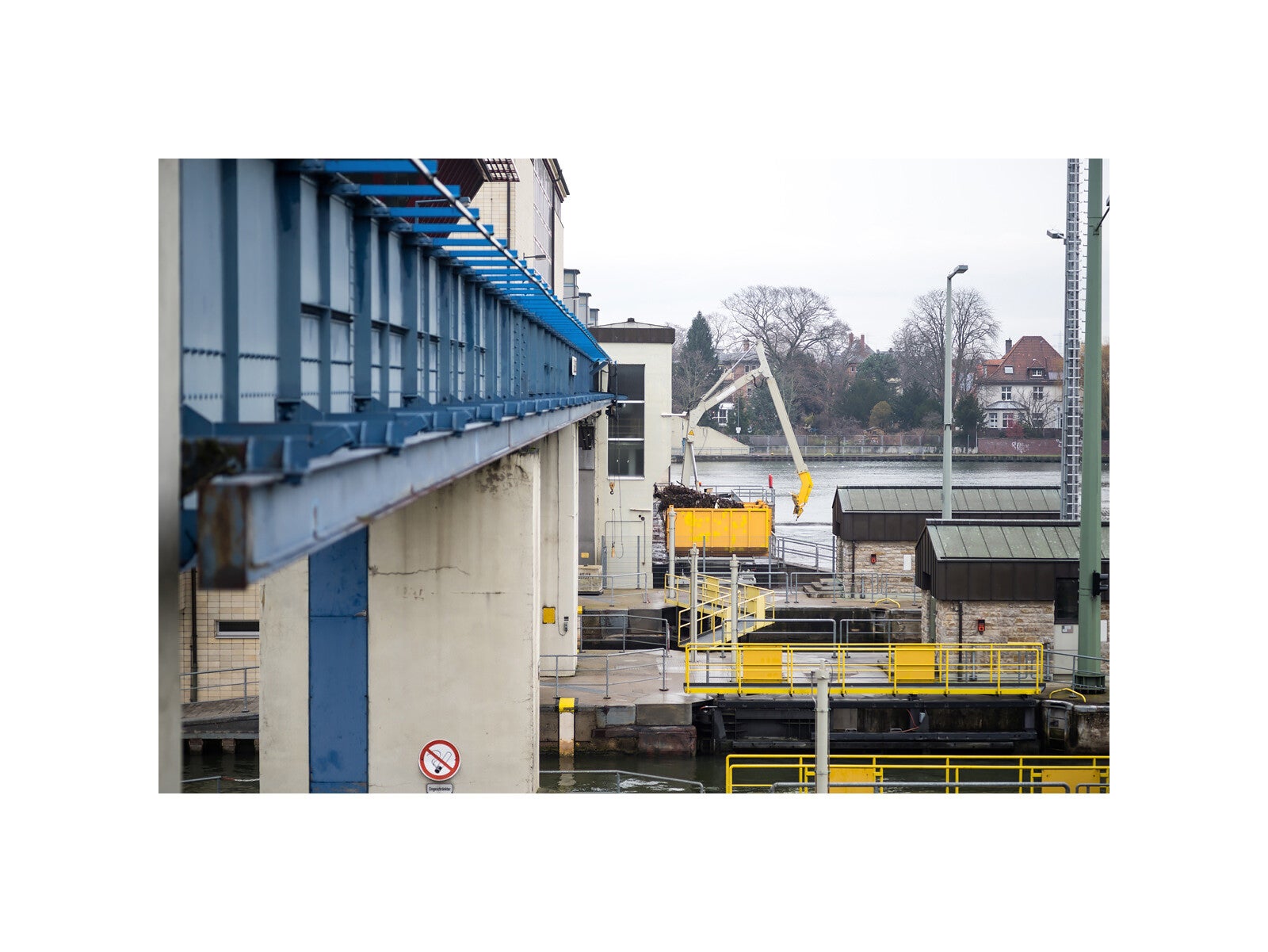
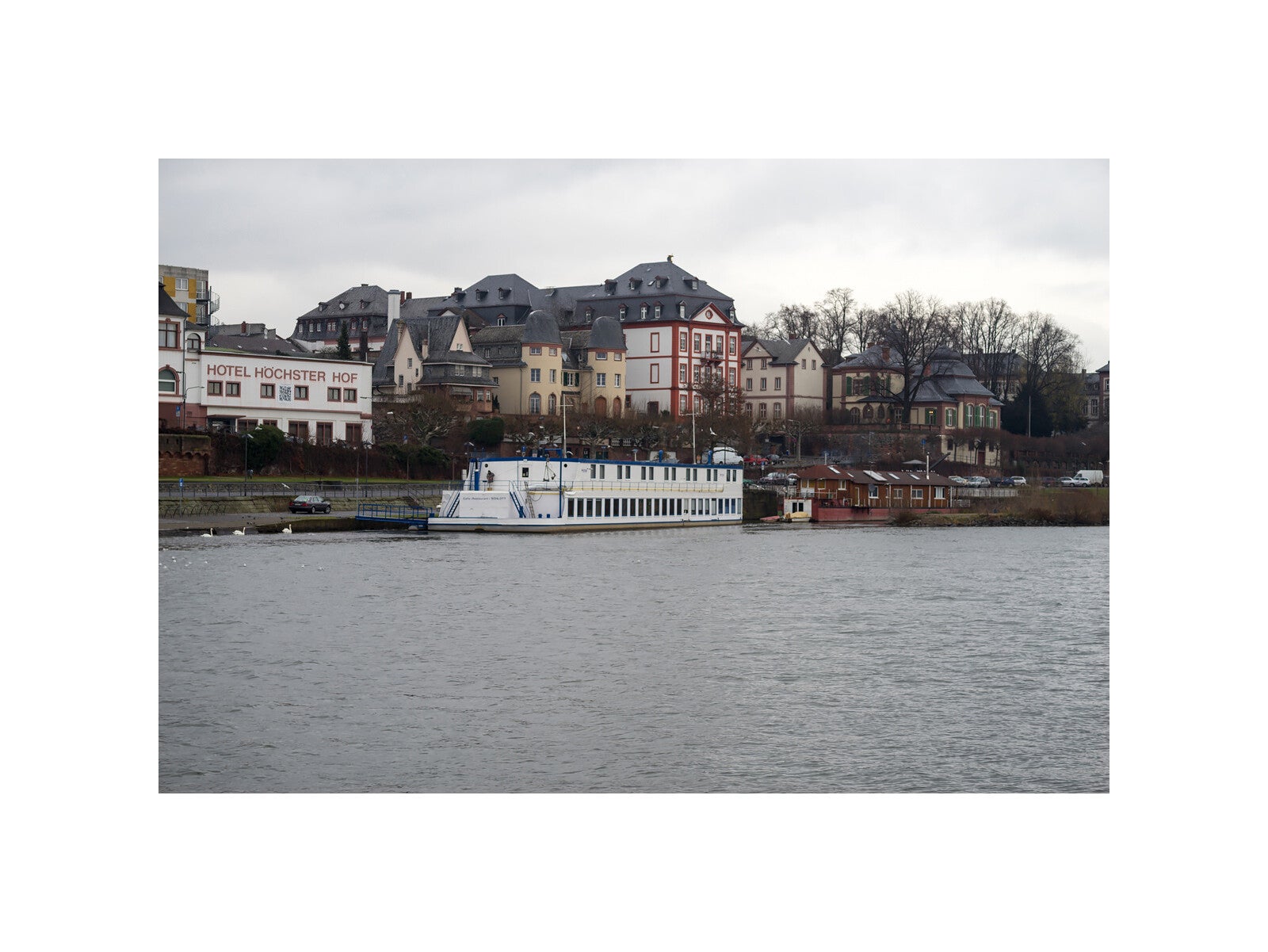
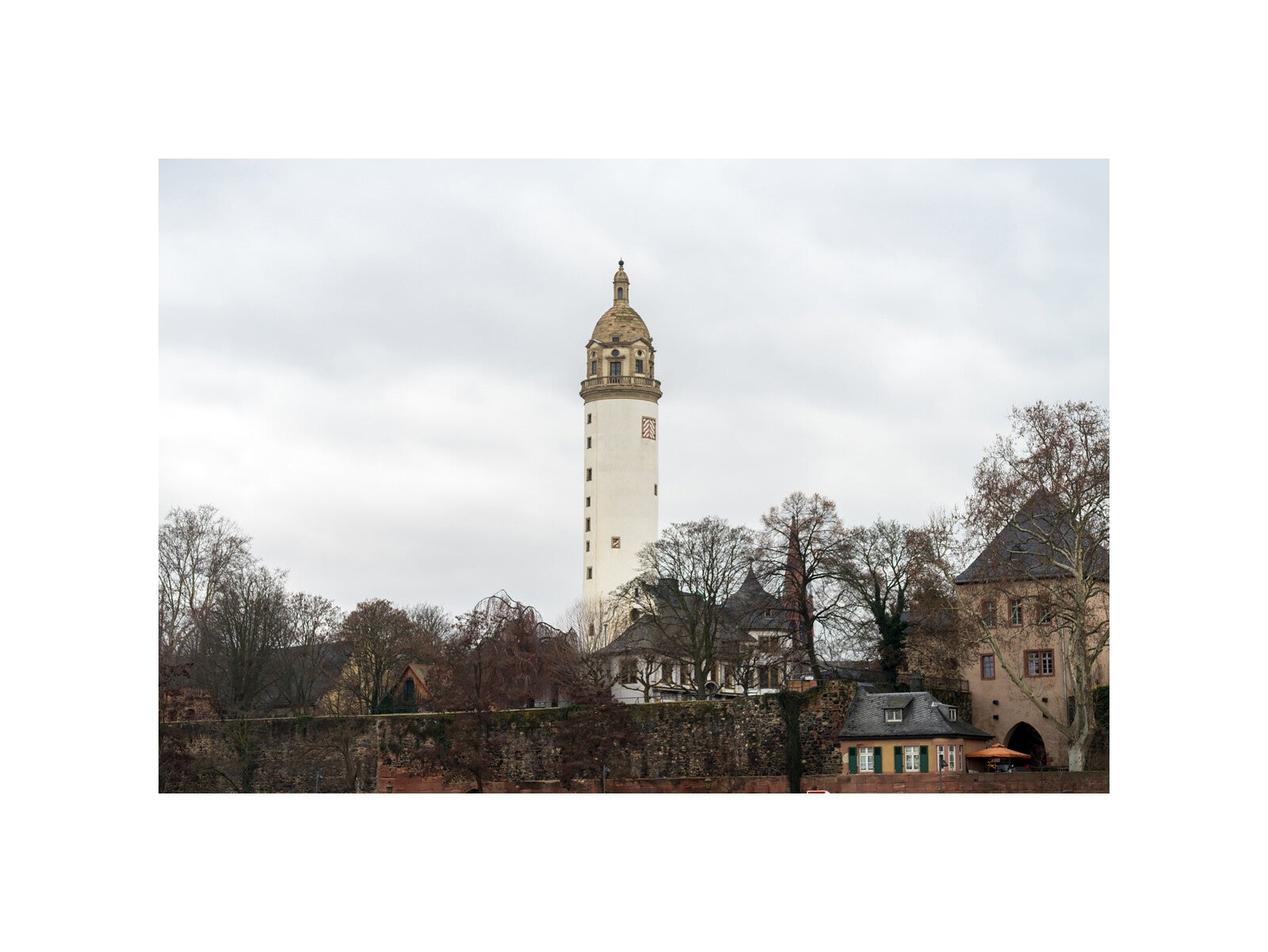
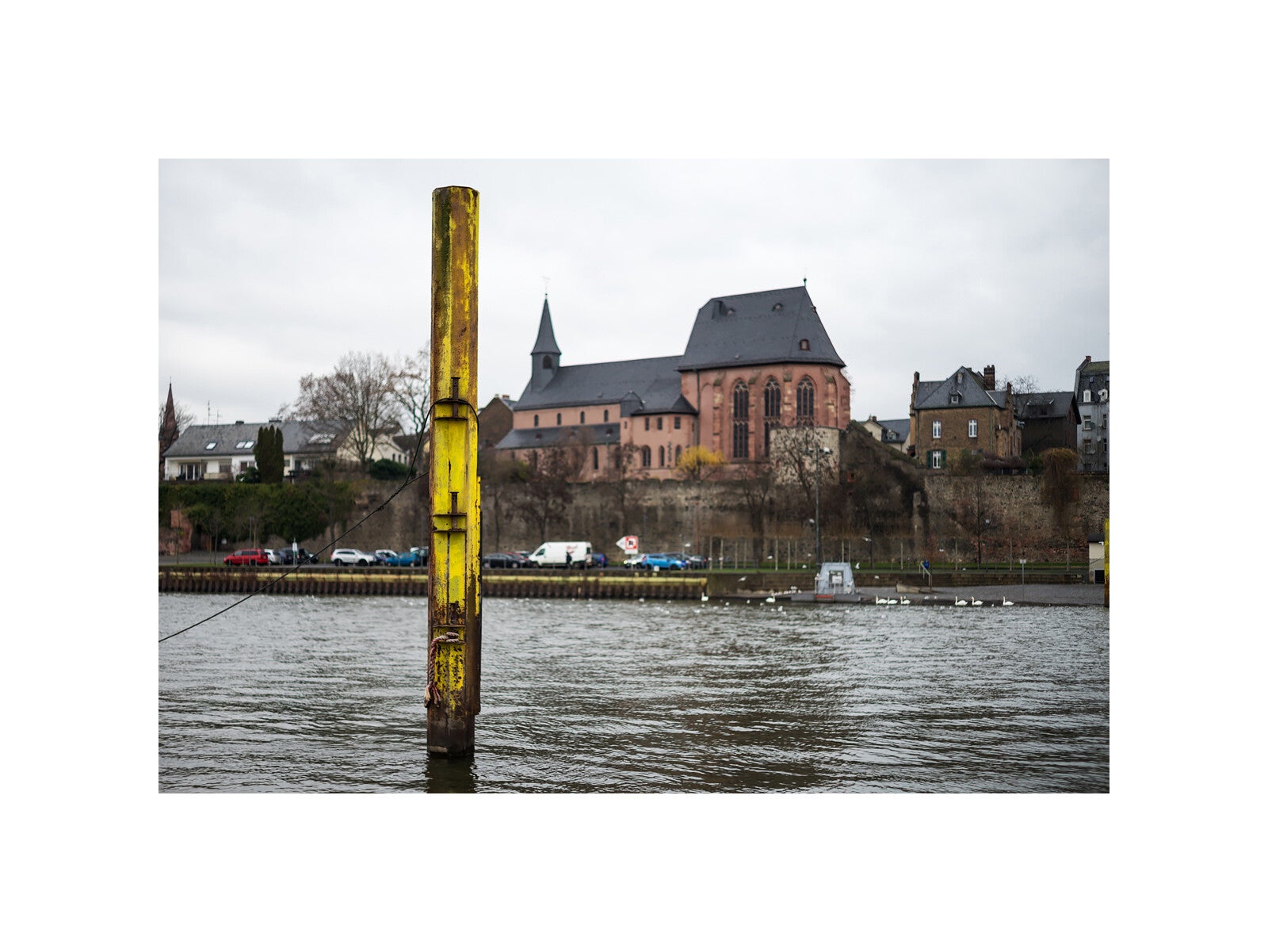
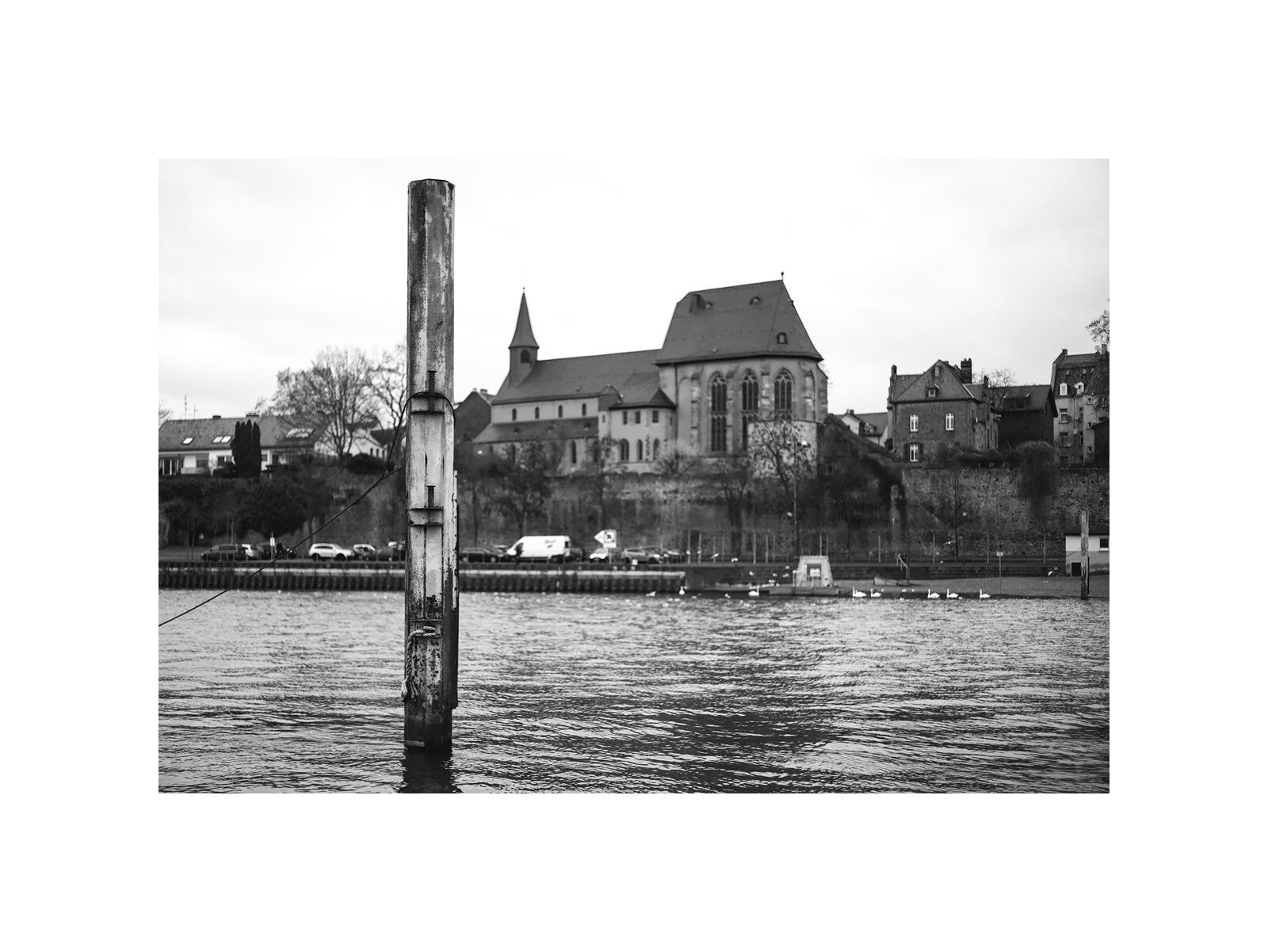
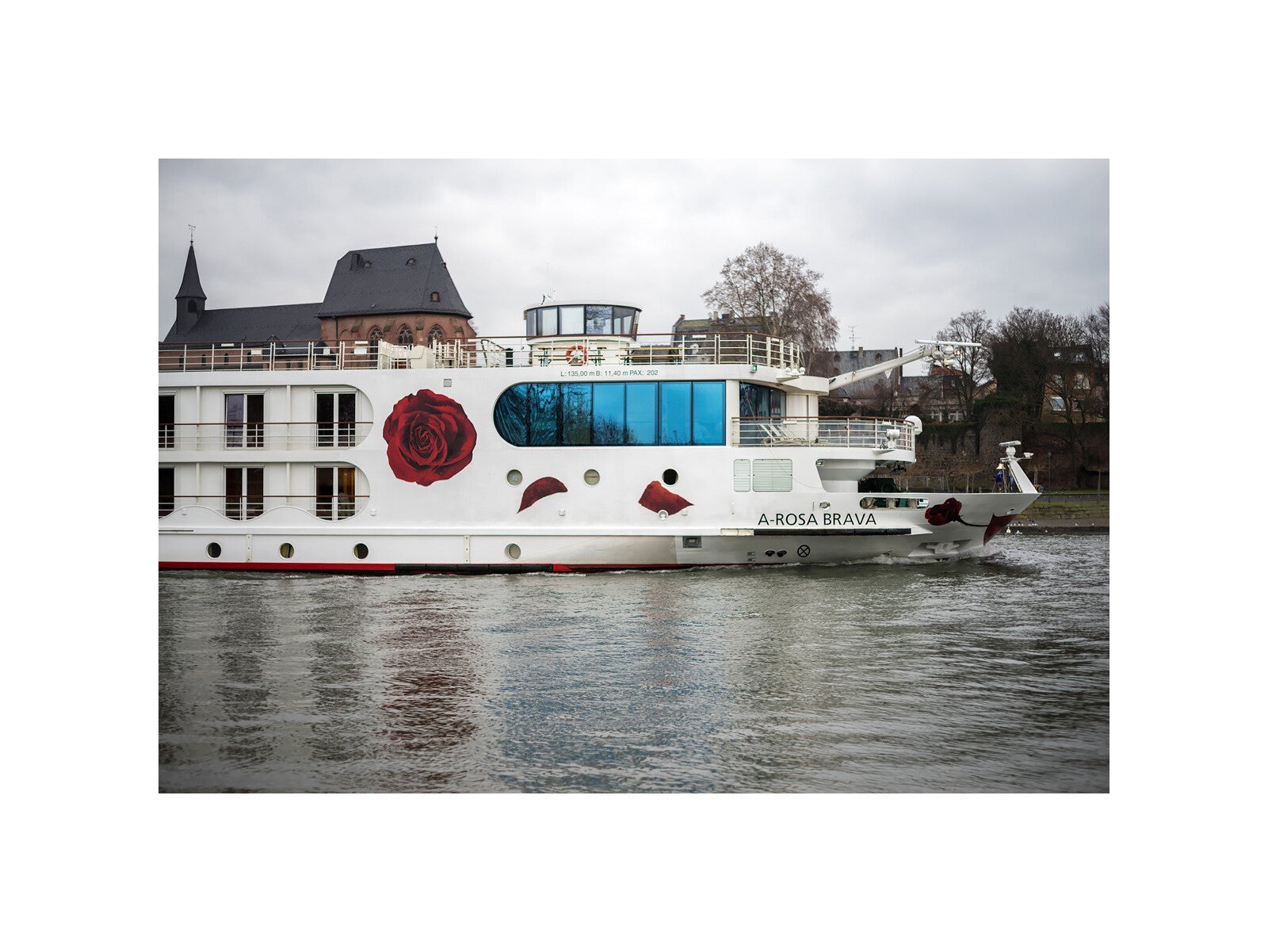
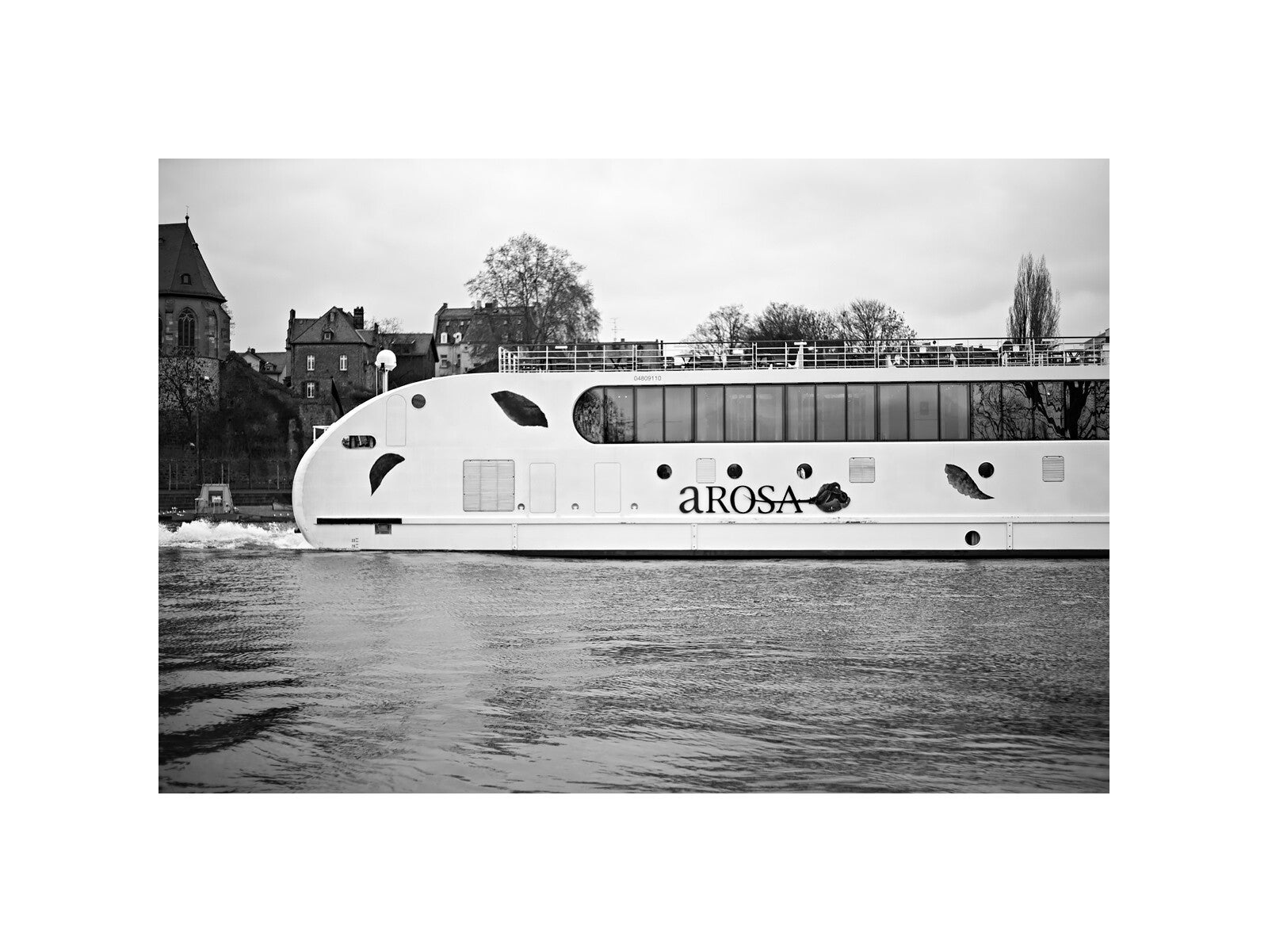
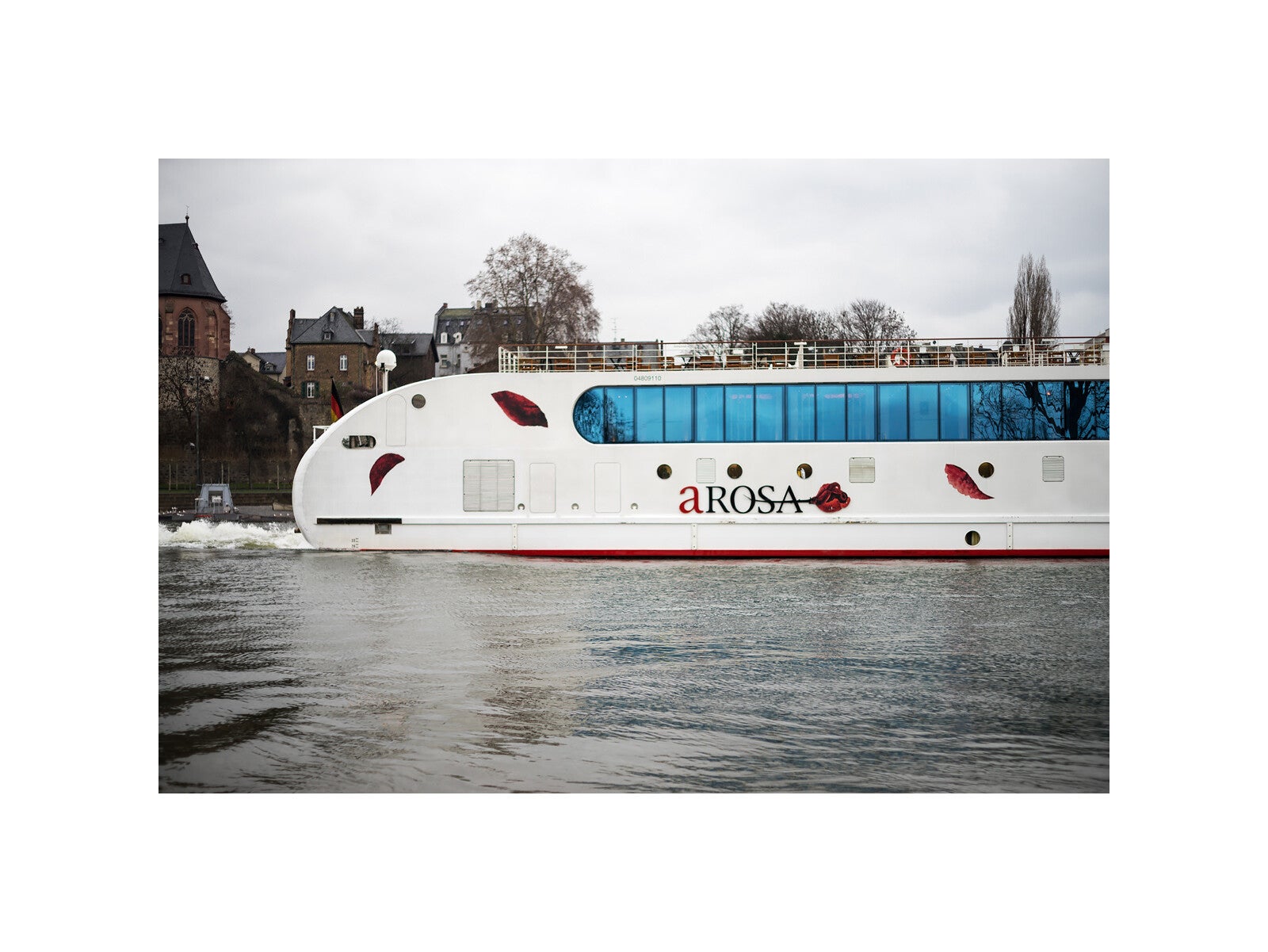
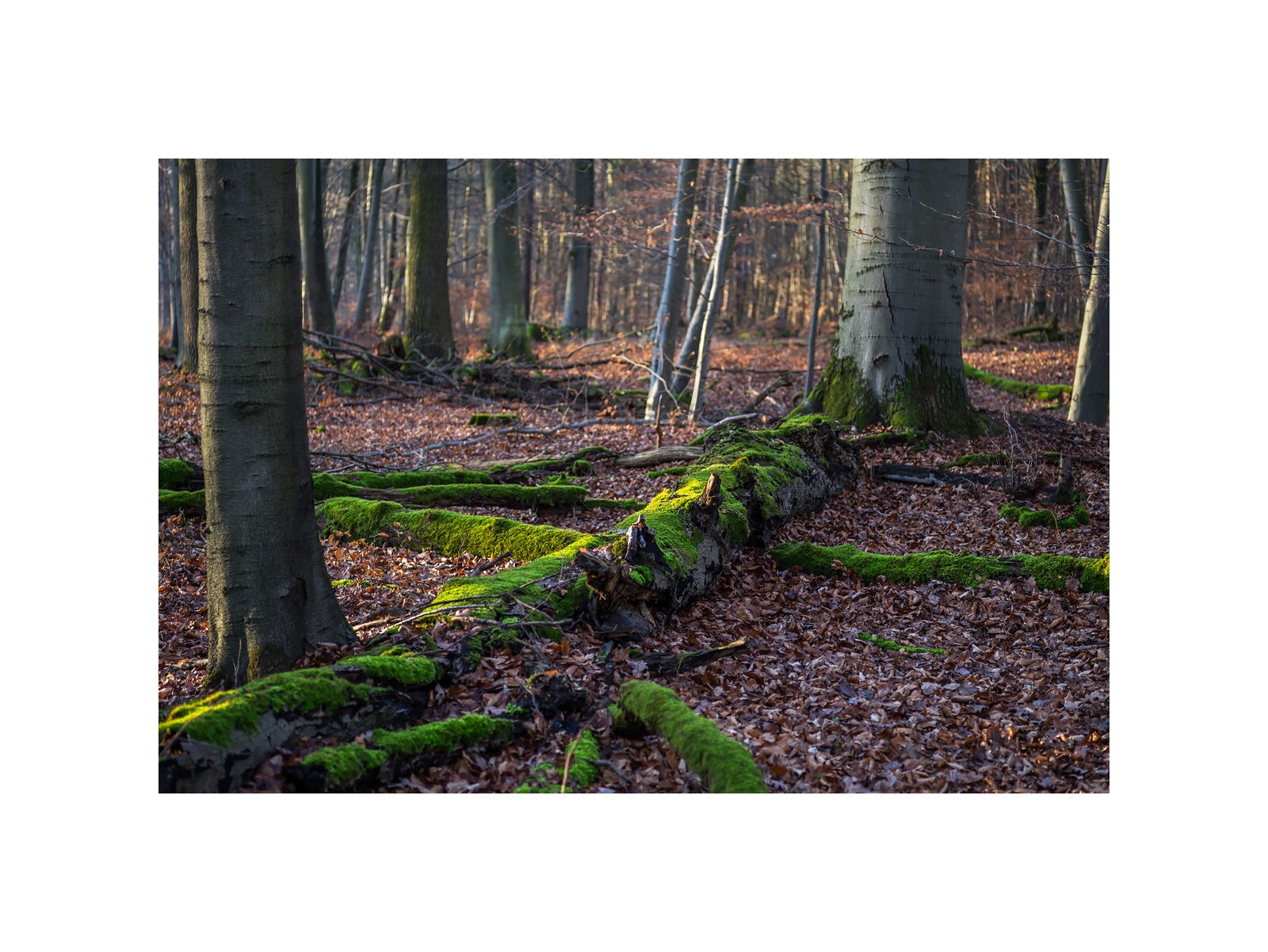
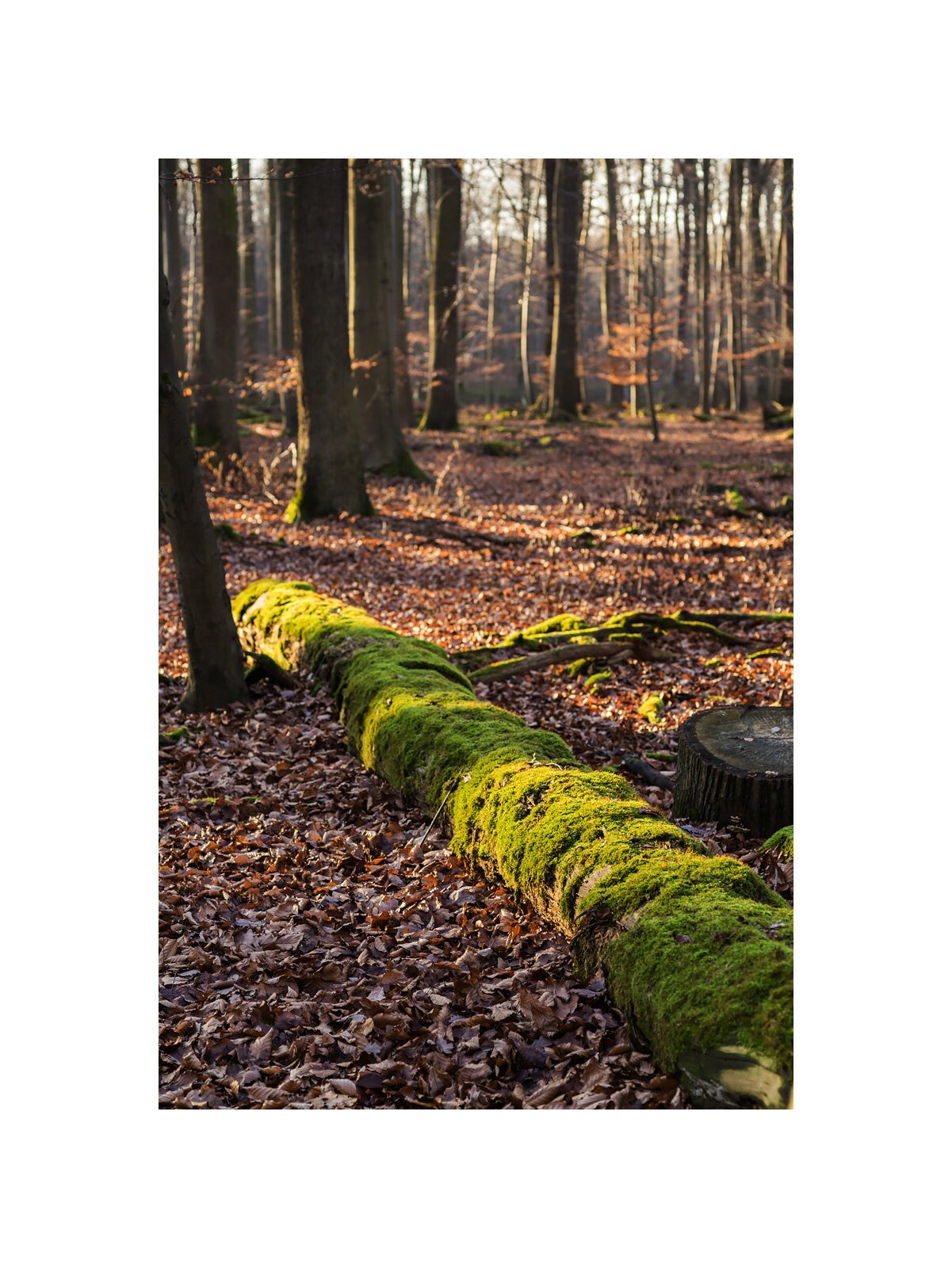
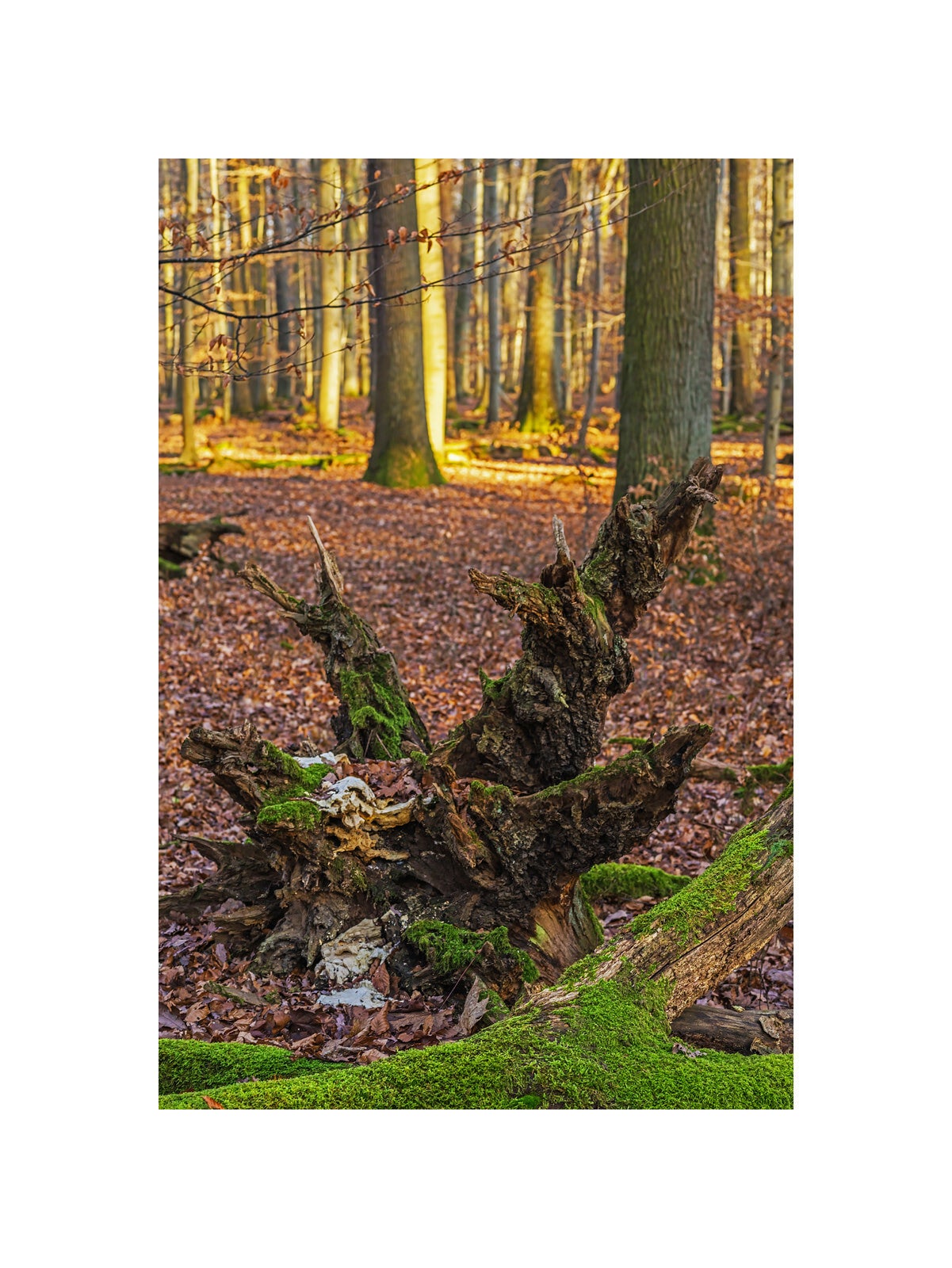
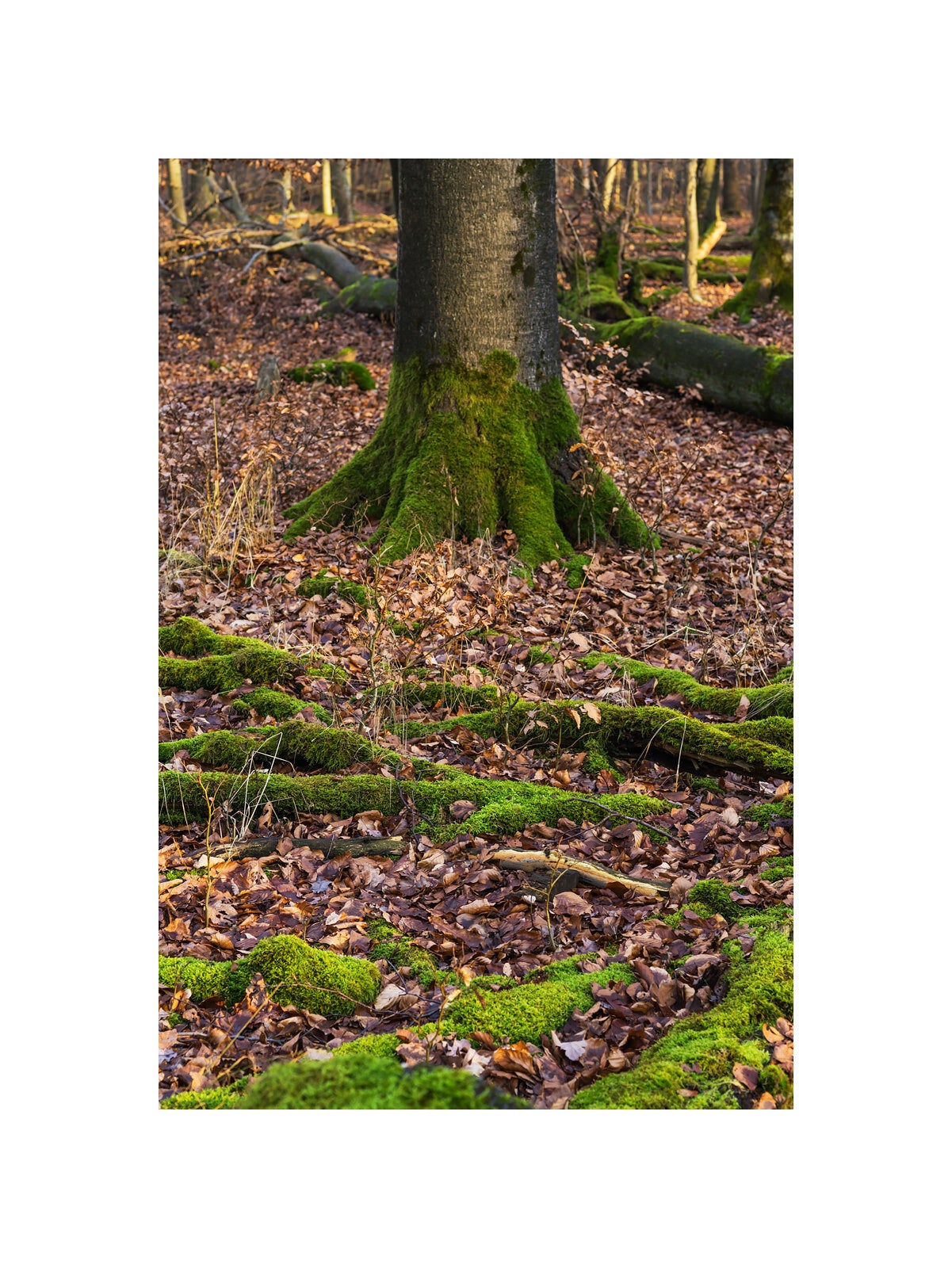
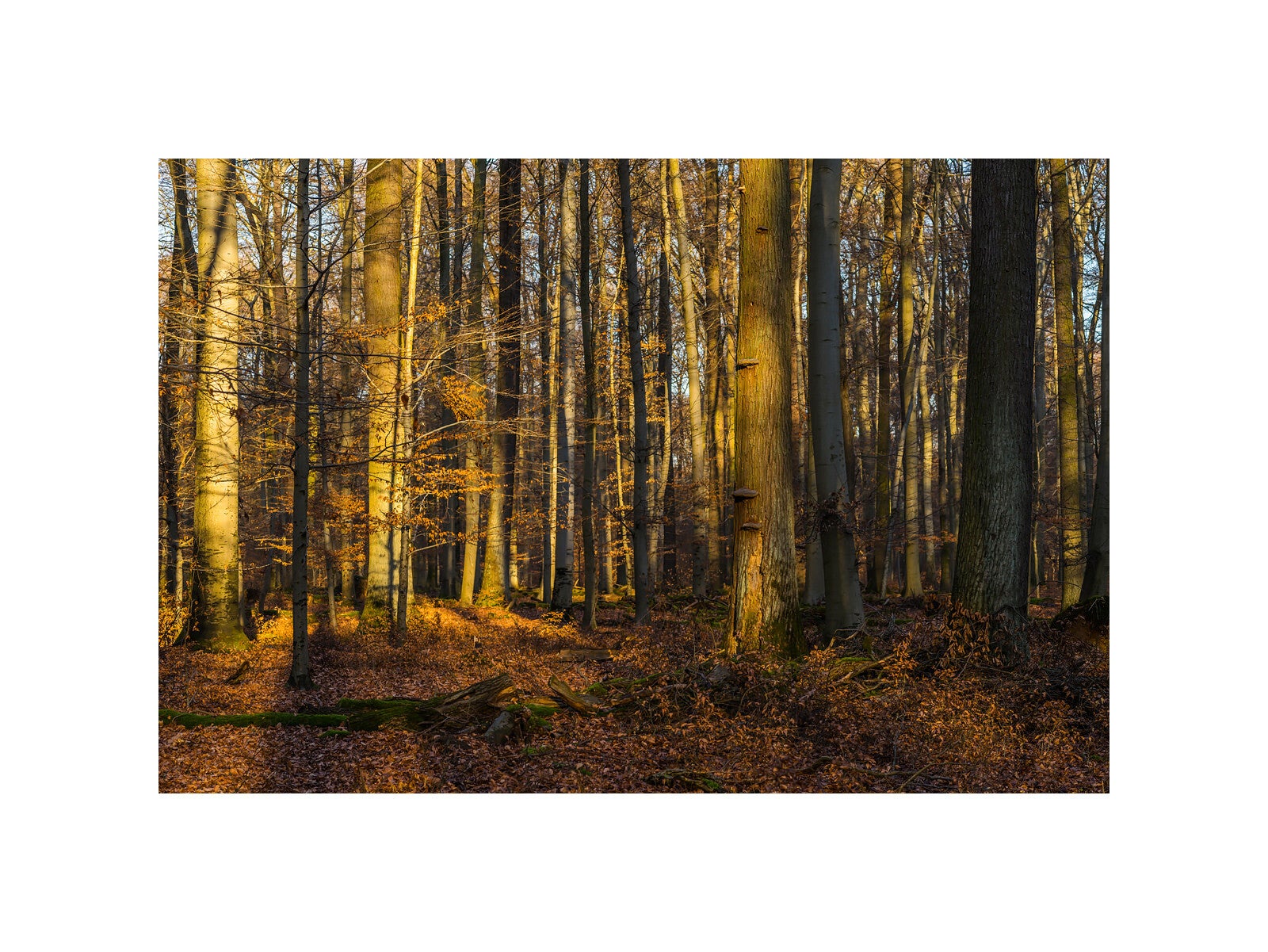
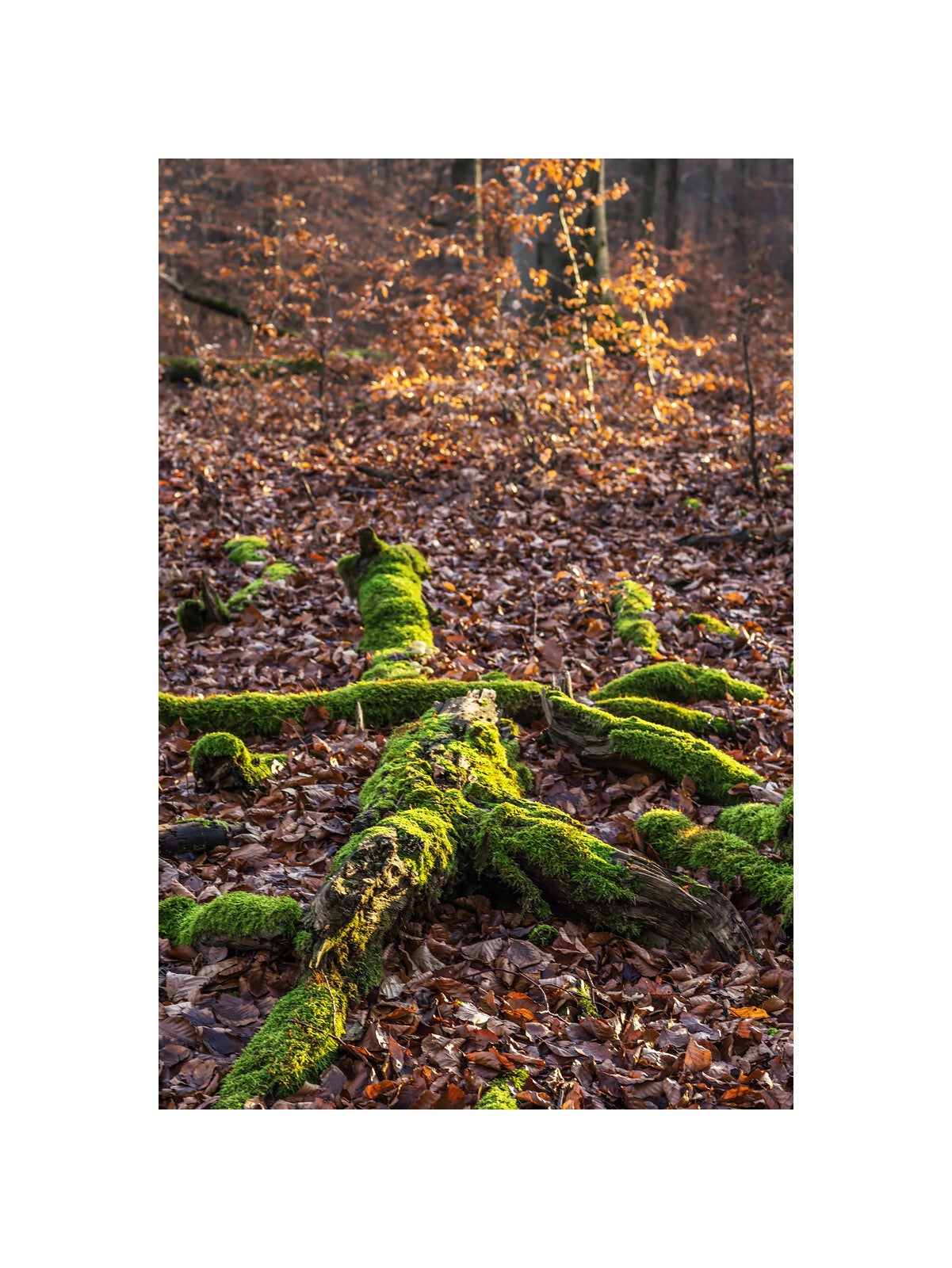
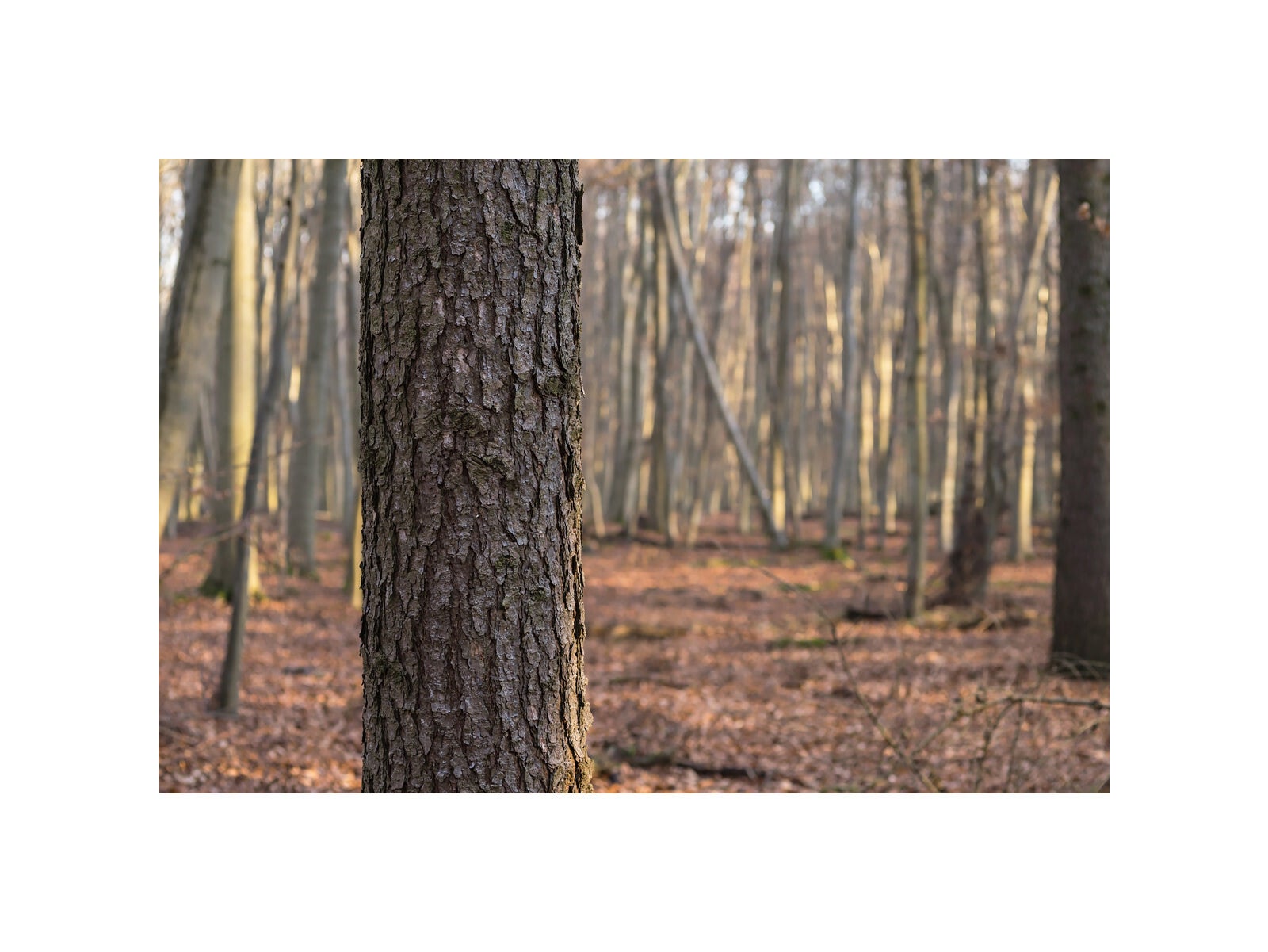
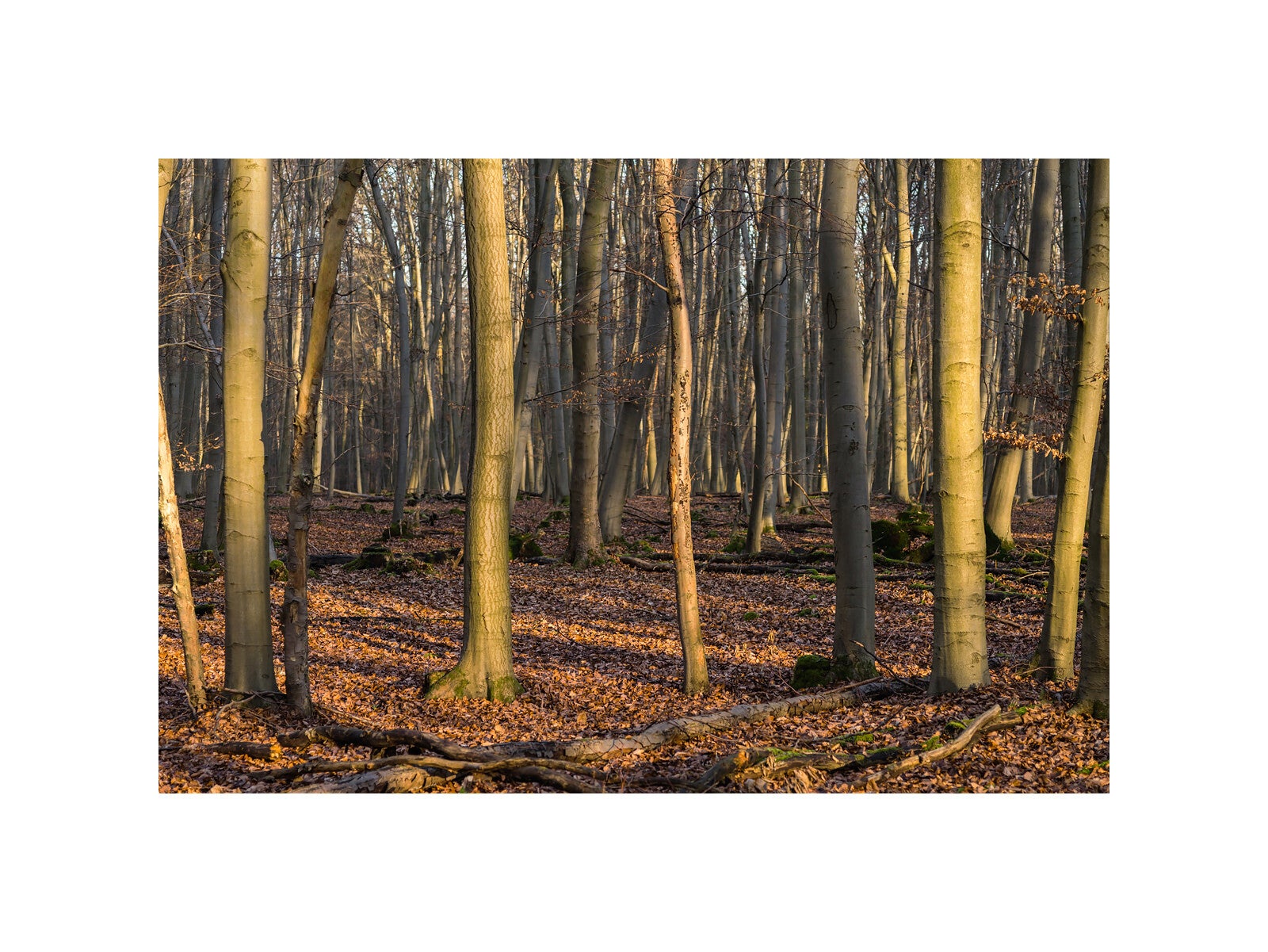
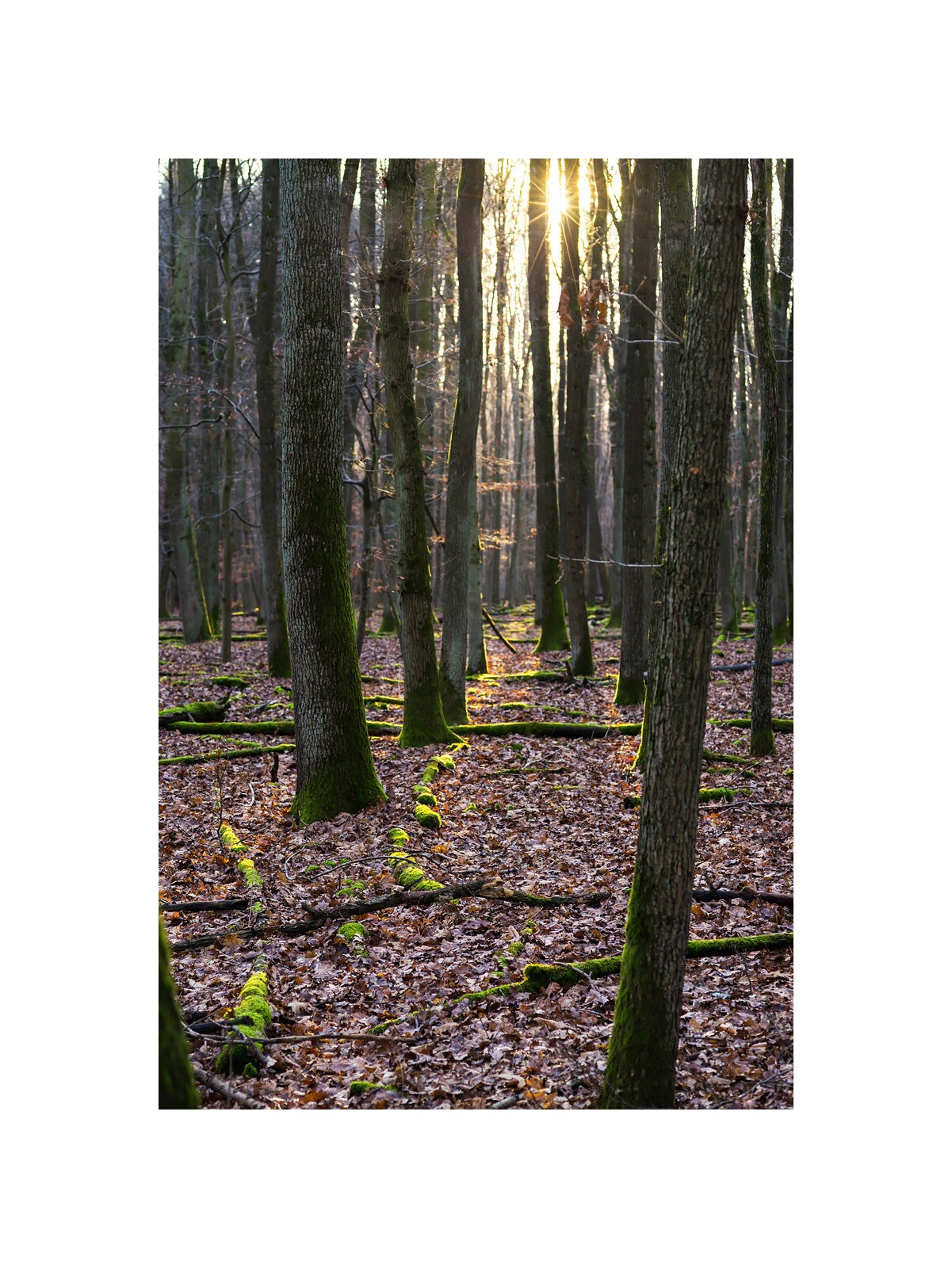
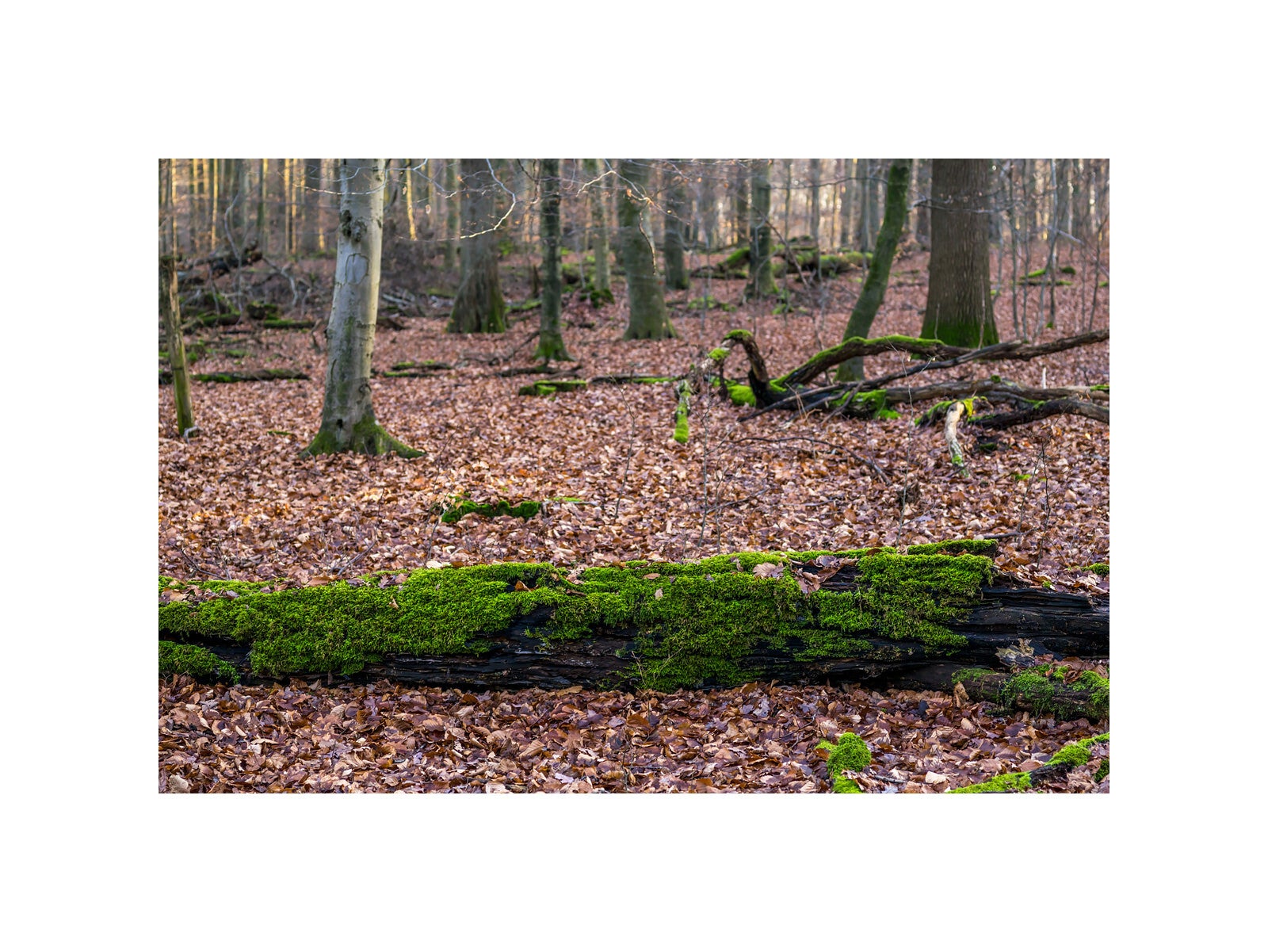
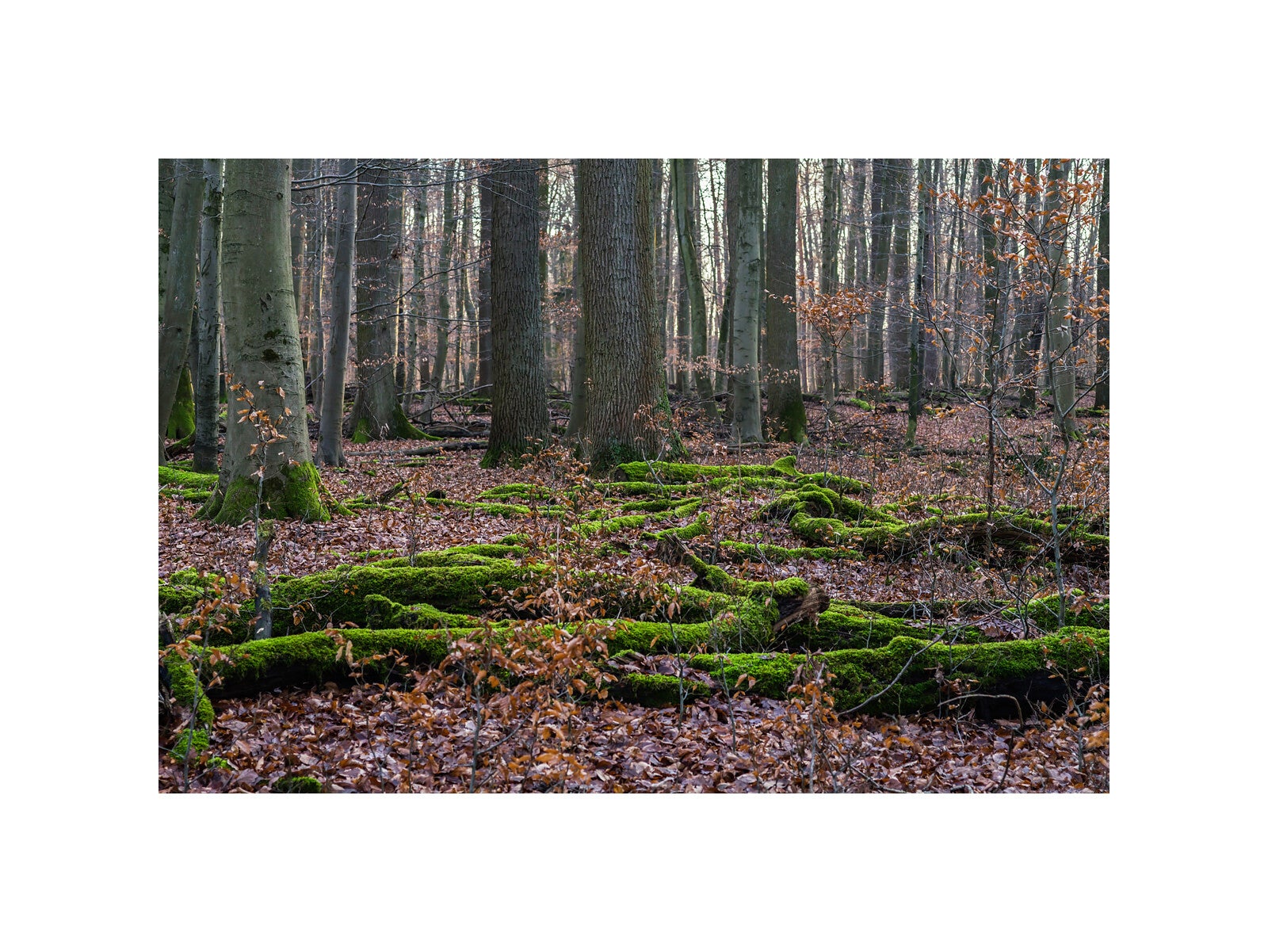
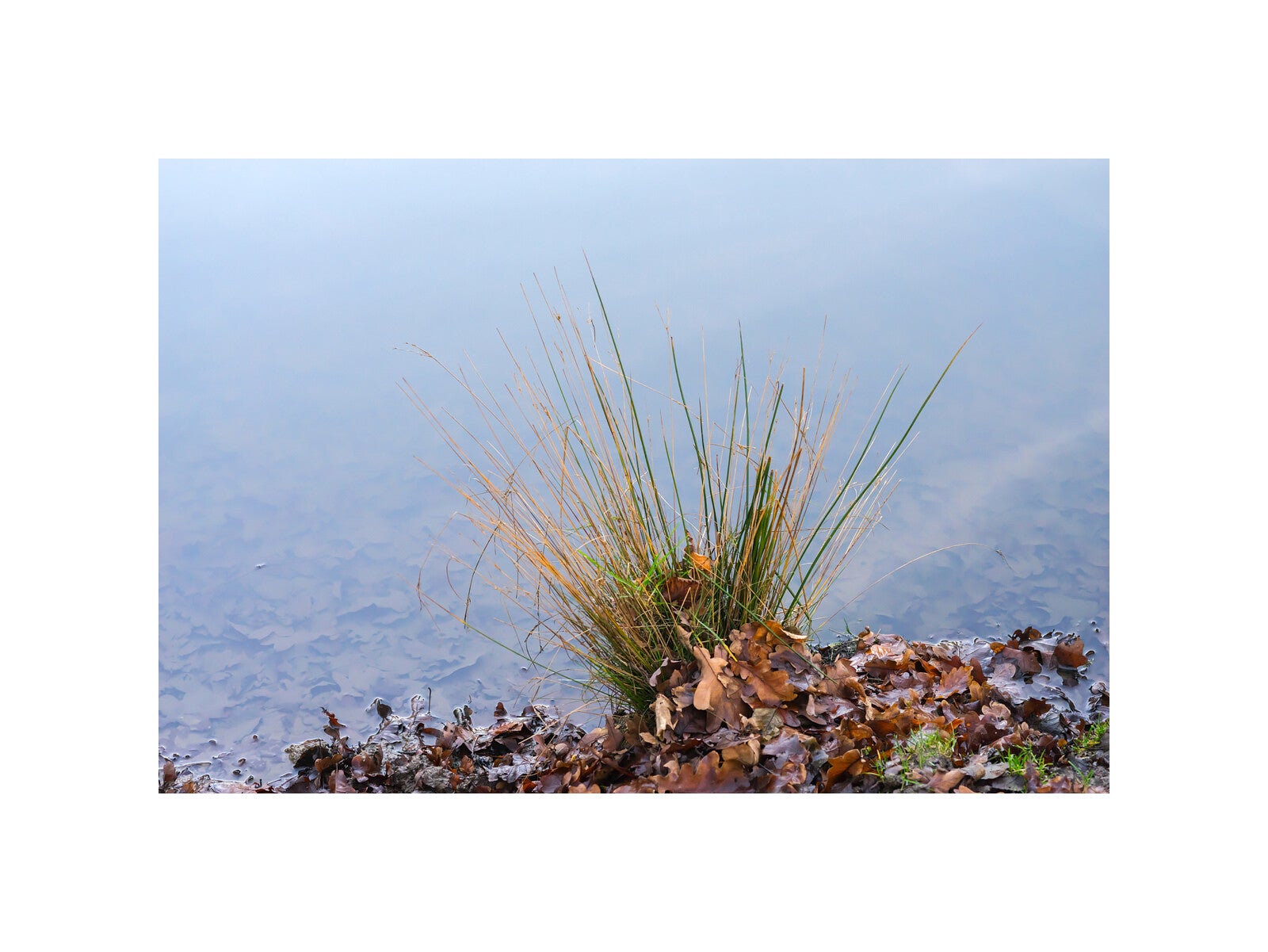
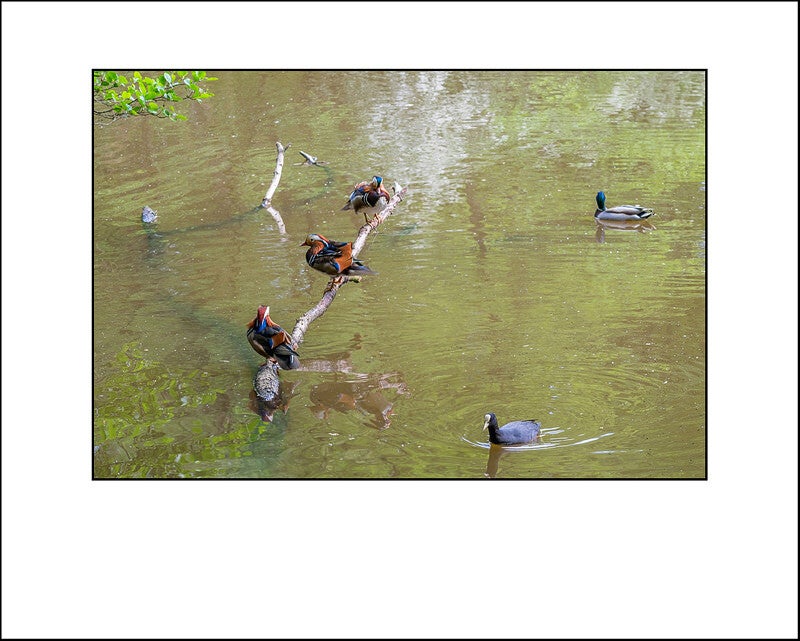
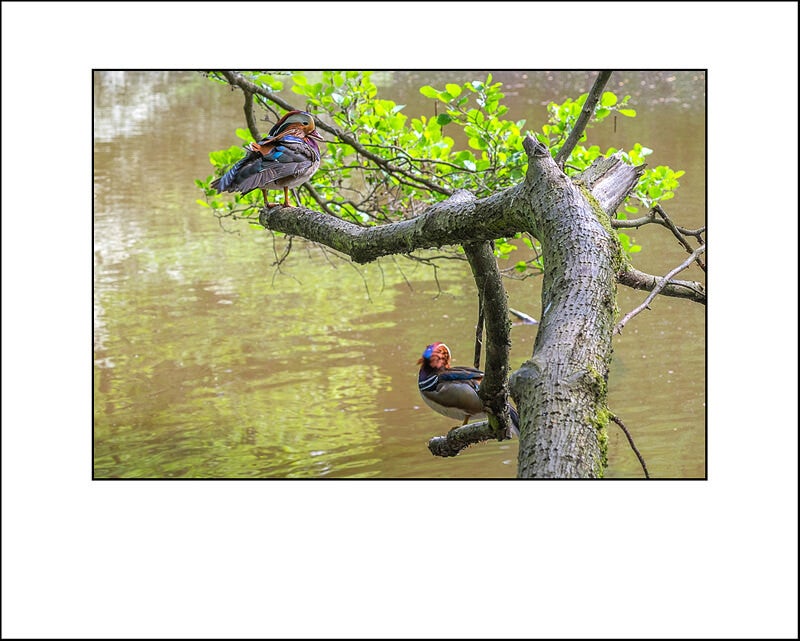
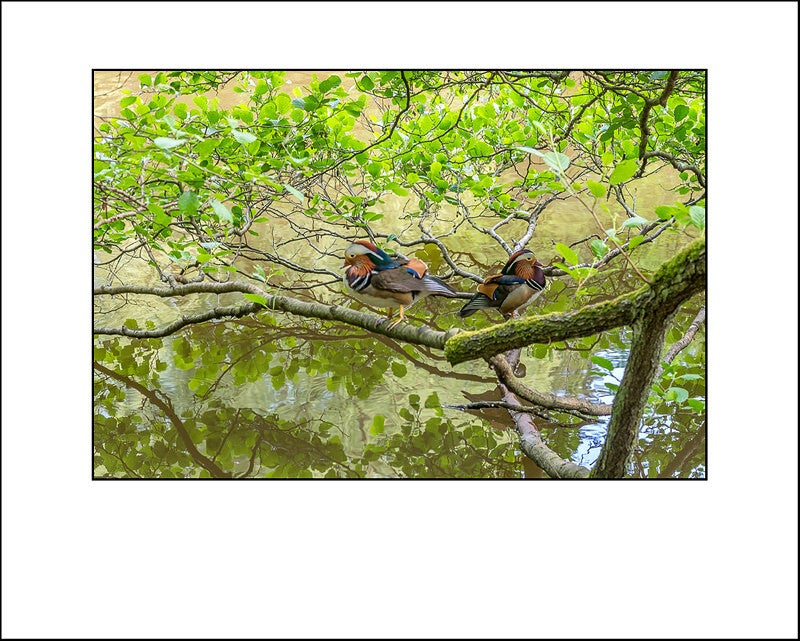
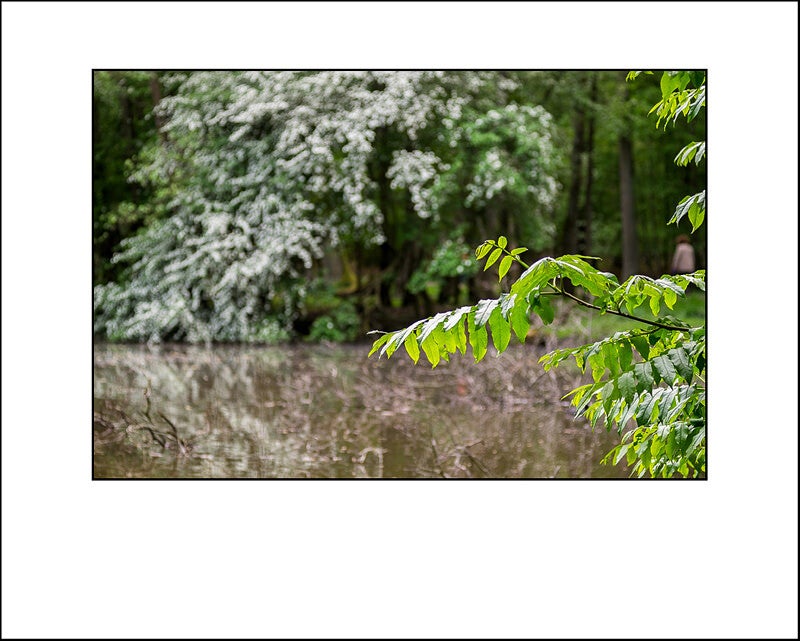
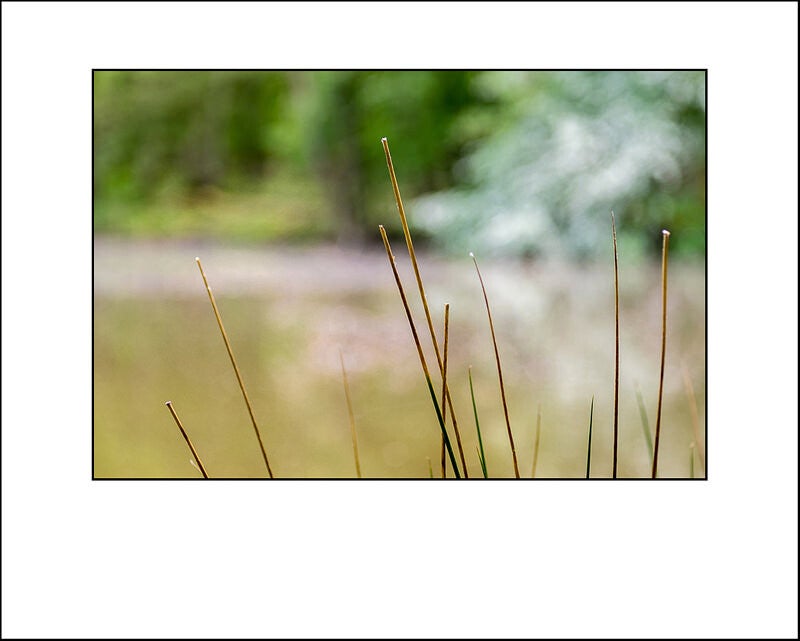
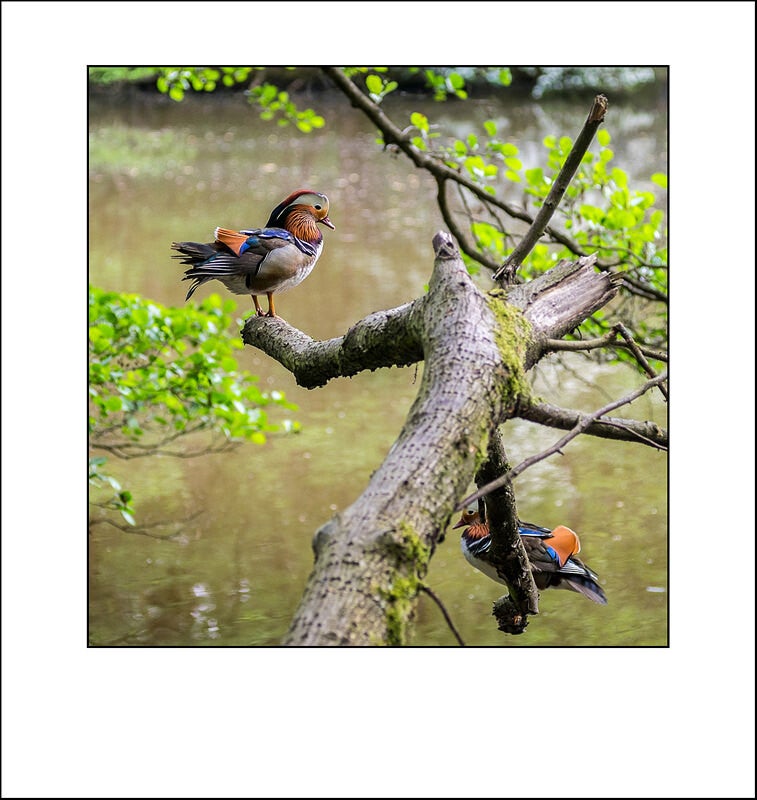
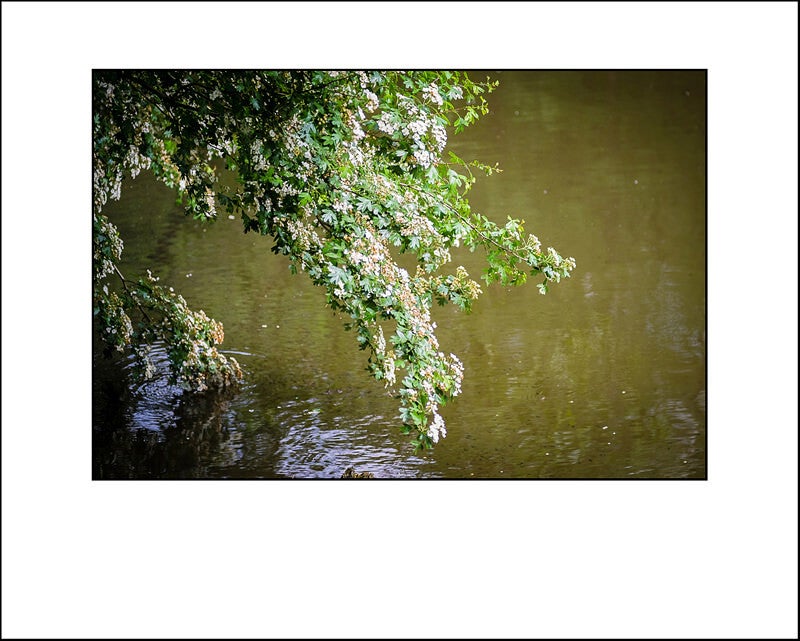
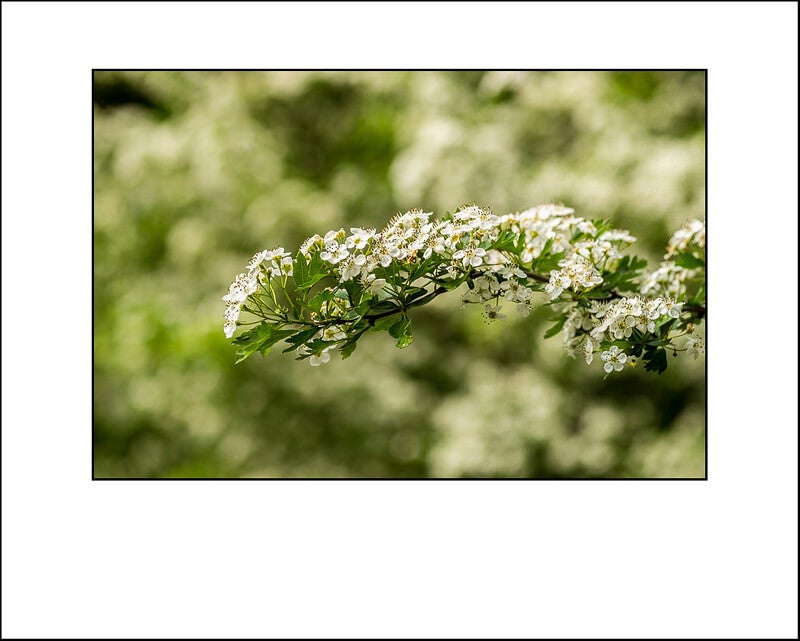
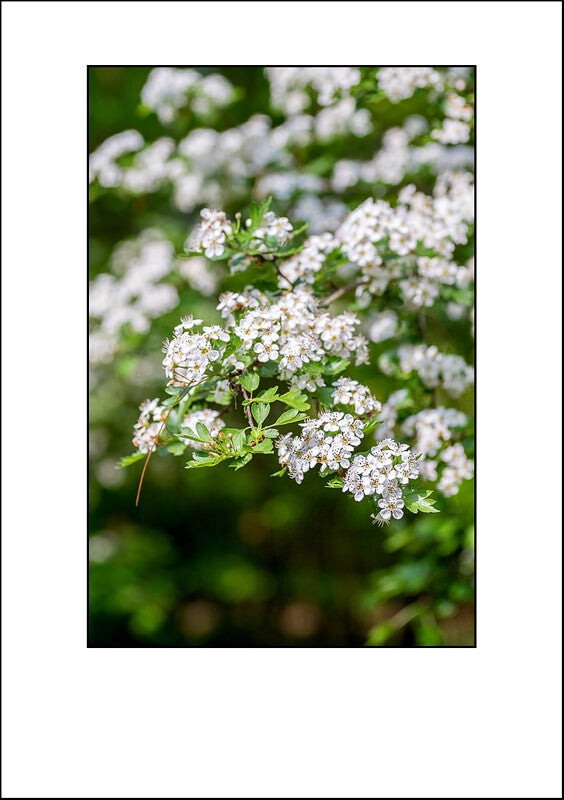
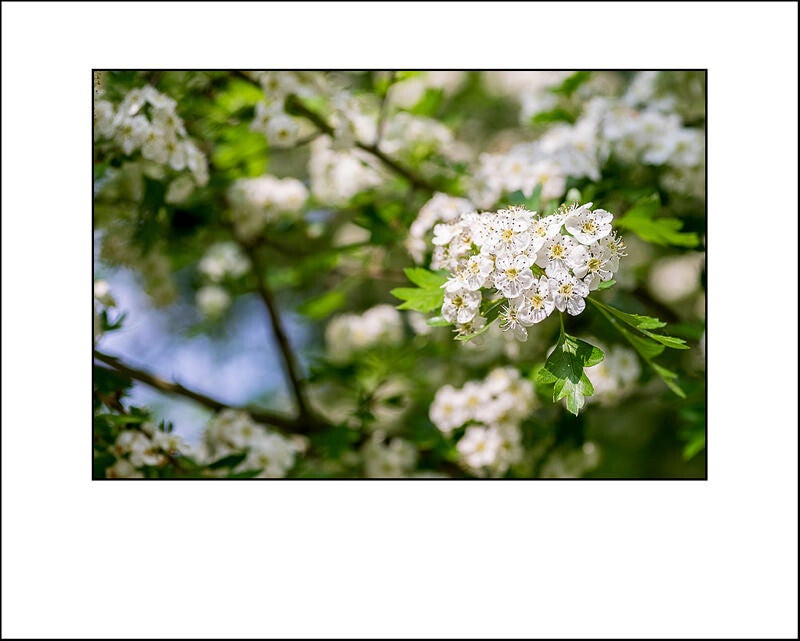
A few images taken with the Zeiss Tessar 85 f4 ZM lens