Marburg, a picturesque town located in the state of Hesse, Germany, is steeped in history and culture. This charming town, nestled along the Lahn River, has played a significant role in various historical events and developments over the centuries.
Origins and Early History
Marburg's origins can be traced back to the 9th century, when it was first mentioned in historical records as a small settlement. The name "Marburg" is derived from the German words "march" (meaning border) and "burg" (meaning fortress), indicating its strategic significance as a fortified border town during the early Middle Ages.
The Rise of the Landgraves
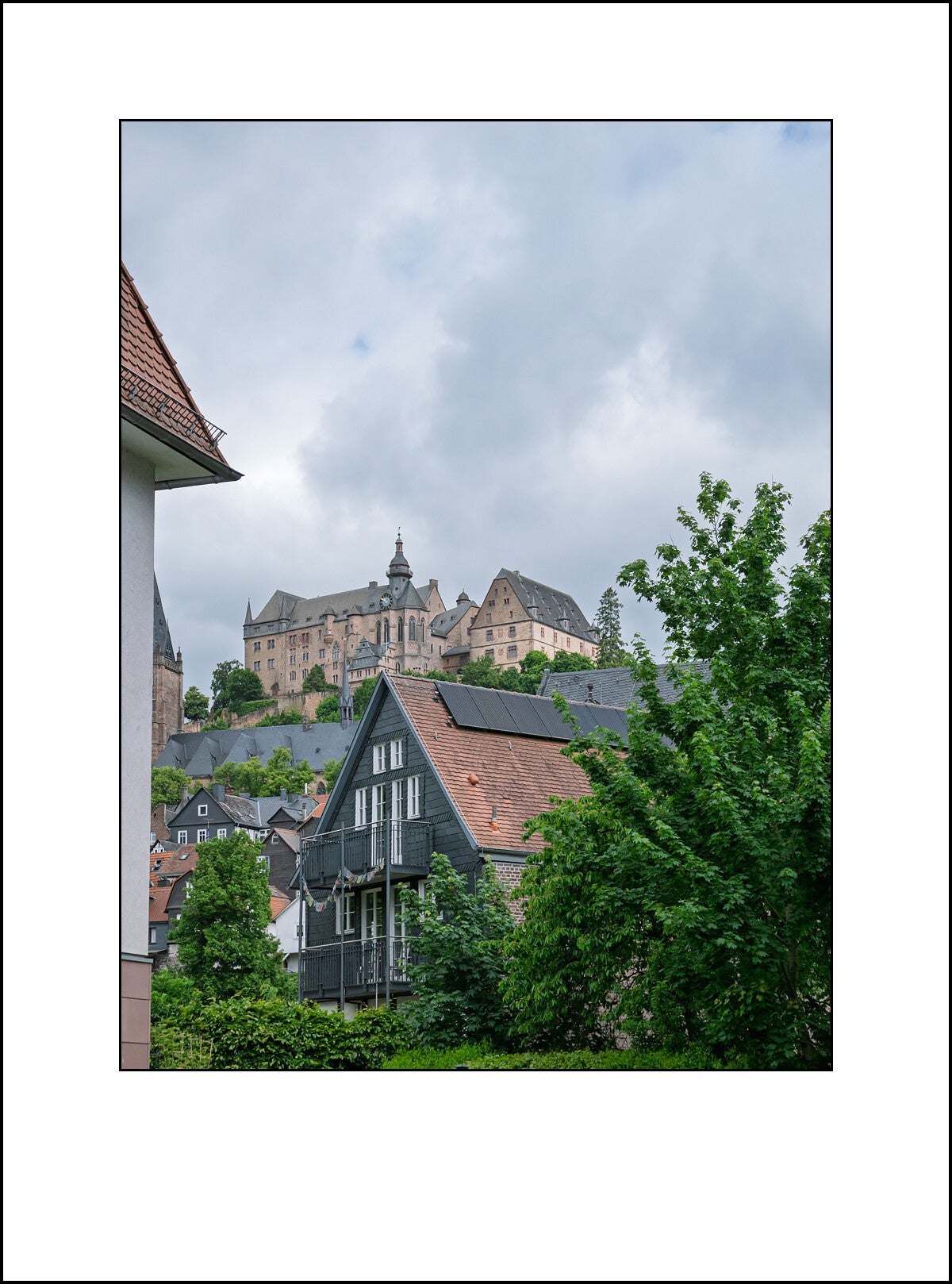
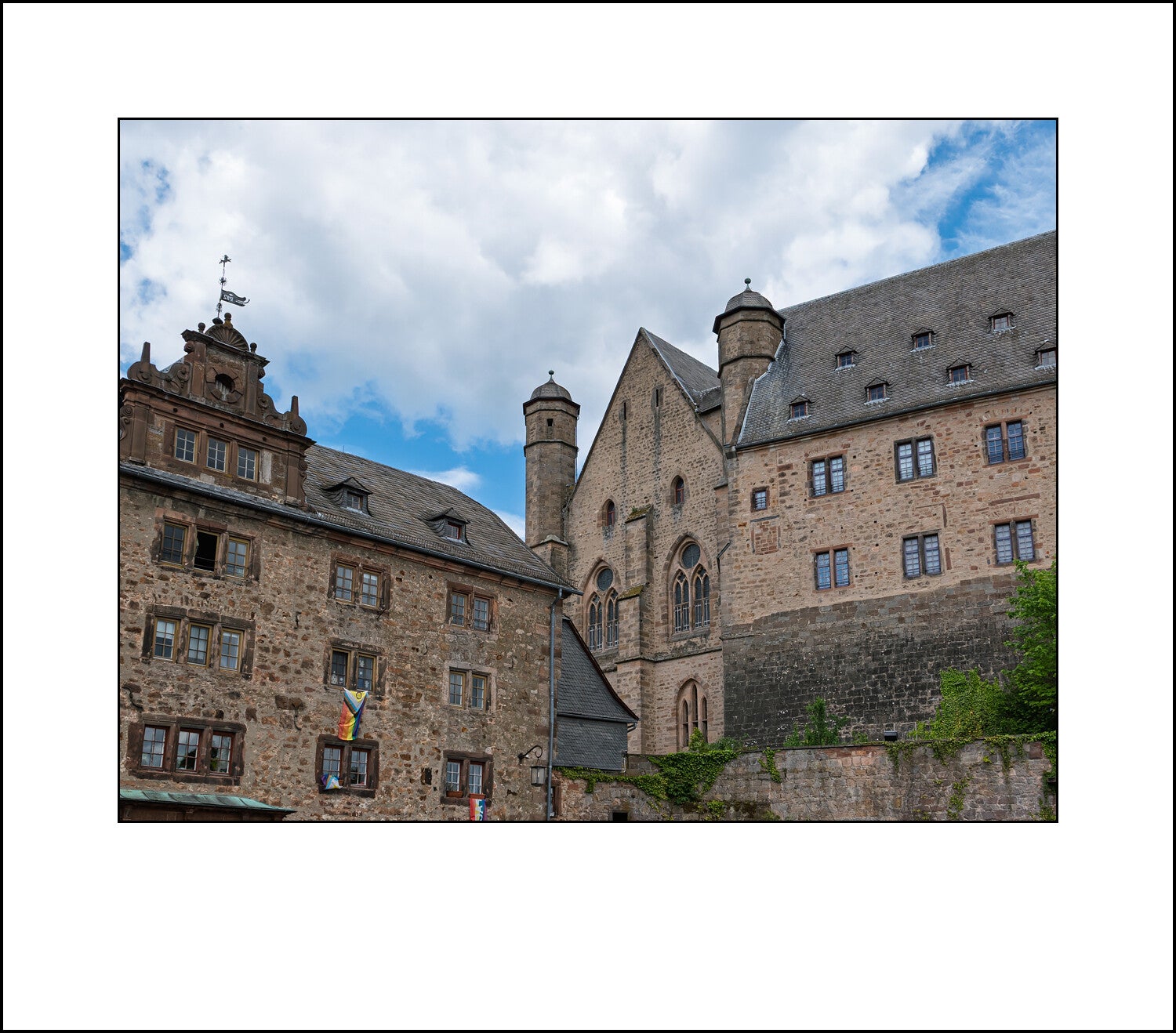
By the 13th century, Marburg had grown in importance, becoming the residence of the Landgraves of Hesse. The construction of the Marburg Castle, a prominent Gothic structure, began during this period. The castle served as a symbol of the town's political and military influence.
The University of Marburg
A pivotal moment in Marburg's history came in 1527 with the establishment of the Philipps-Universität Marburg by Landgrave Philip I of Hesse. It was the first Protestant university in the world, founded in the wake of the Protestant Reformation. The university attracted scholars from across Europe and became a center of academic excellence, contributing significantly to the town's cultural and intellectual life.
The Marburg Colloquy
In 1529, Marburg was the site of the famous Marburg Colloquy, a notable debate between leading Protestant reformers including Martin Luther and Ulrich Zwingli. The colloquy aimed to resolve doctrinal differences among the reformers but ultimately ended without a consensus. Nevertheless, it underscored Marburg's role as a crucial stage in the Reformation.
Modern Era Developments
Throughout the 19th and 20th centuries, Marburg continued to evolve. The town experienced industrial growth and modernization, while the university remained a hub of research and innovation. During World War II, Marburg was spared from extensive bombing, allowing its historical architecture and landmarks to remain intact.
Marburg Today
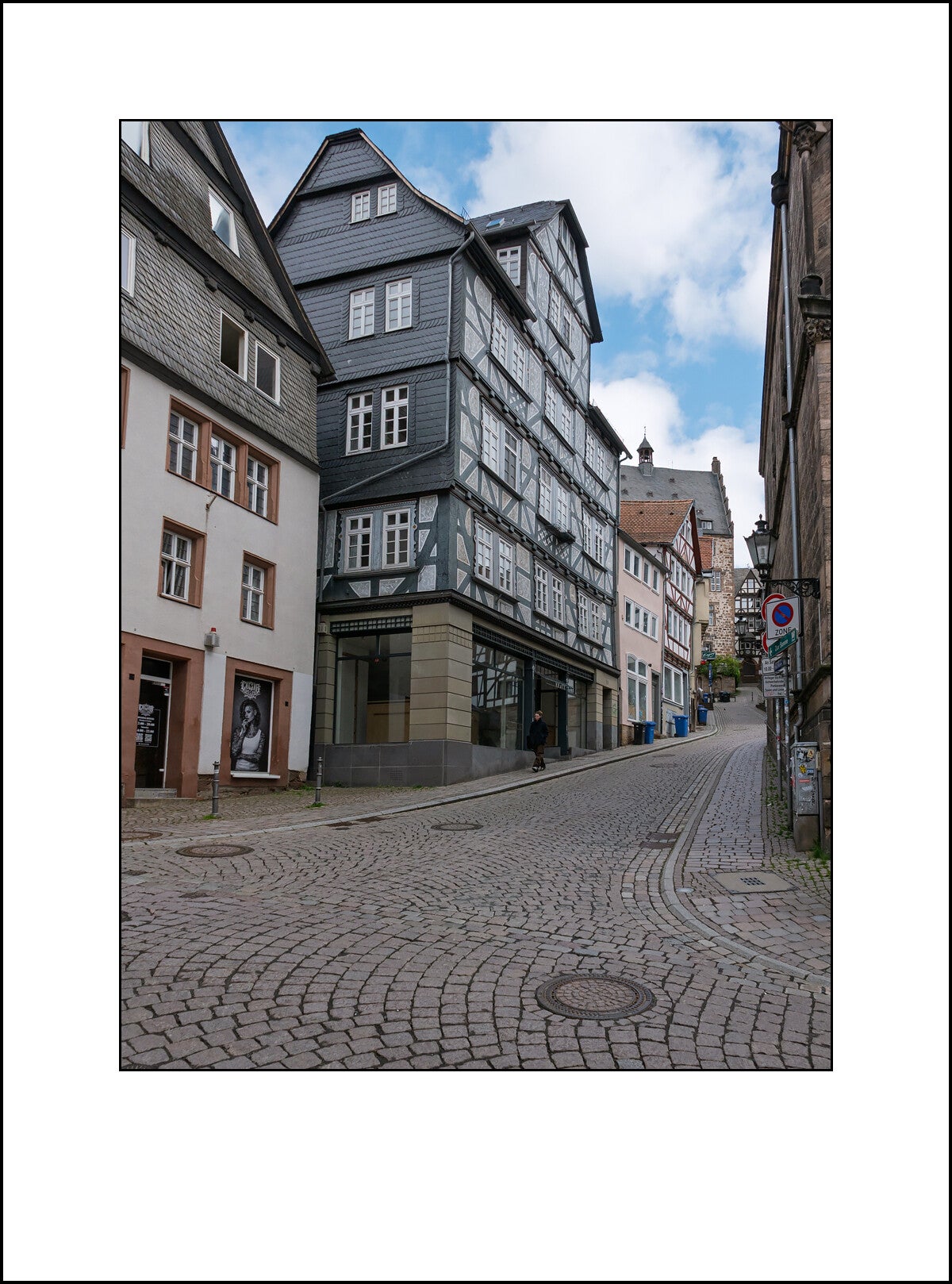
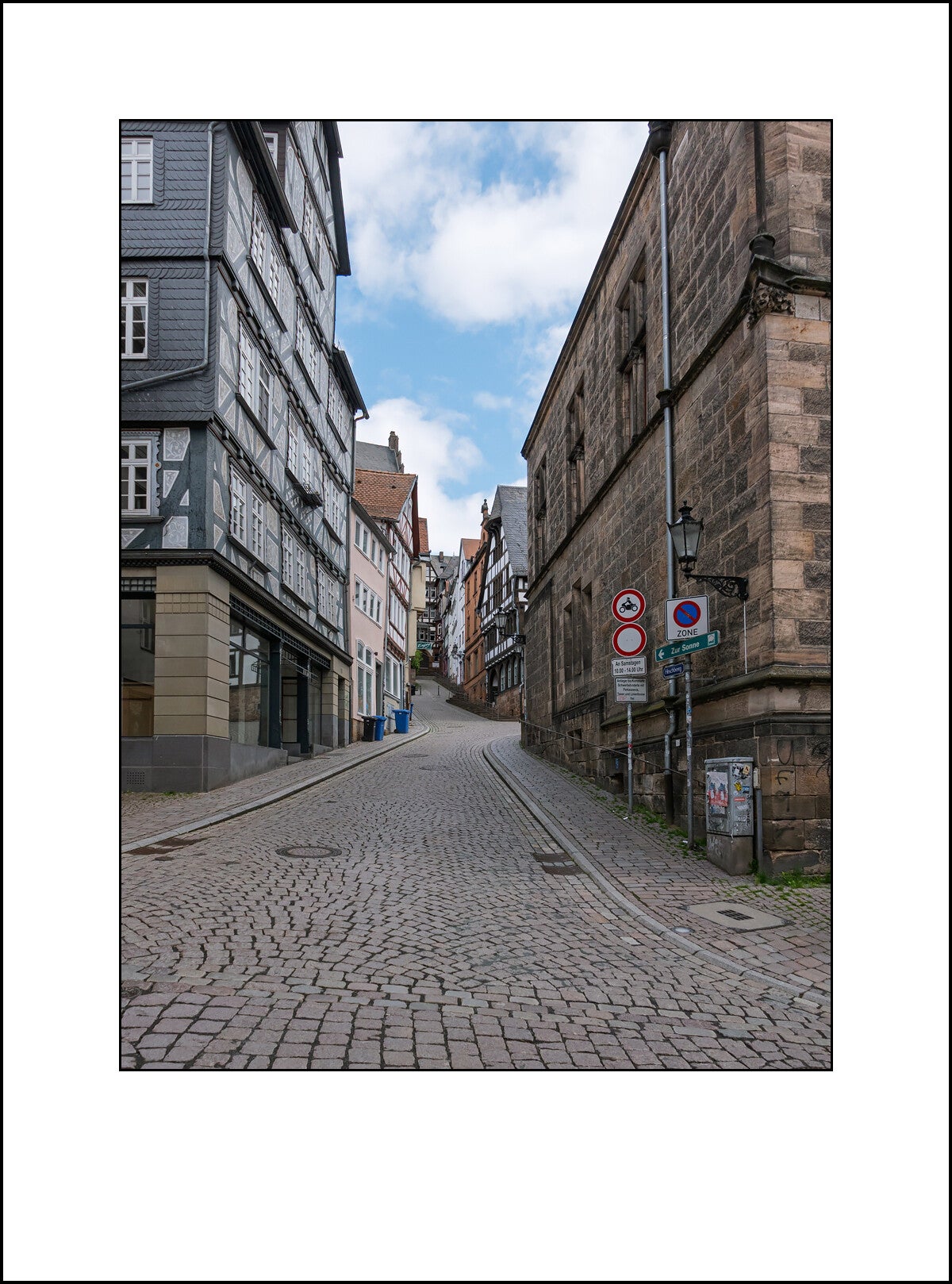
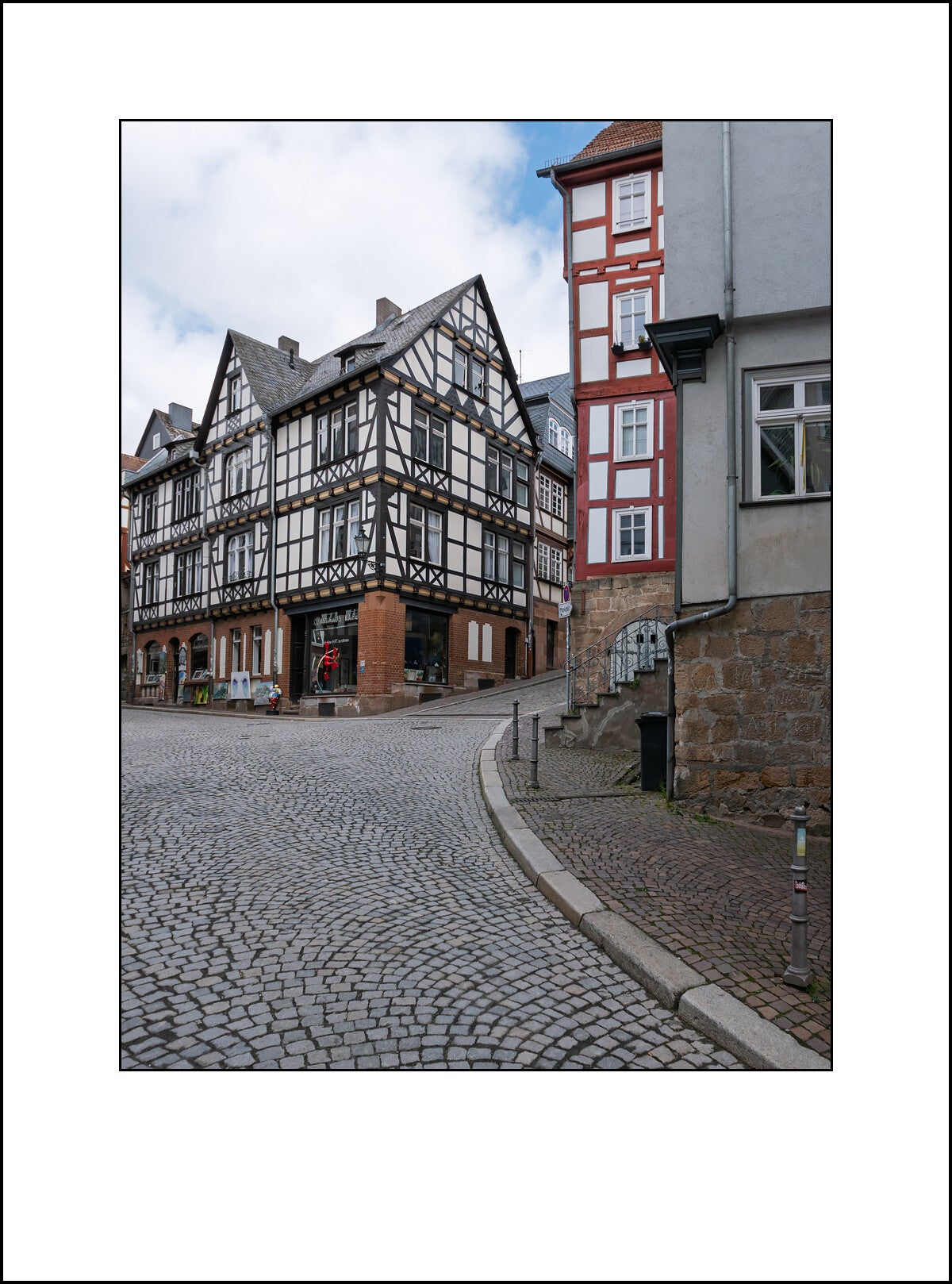
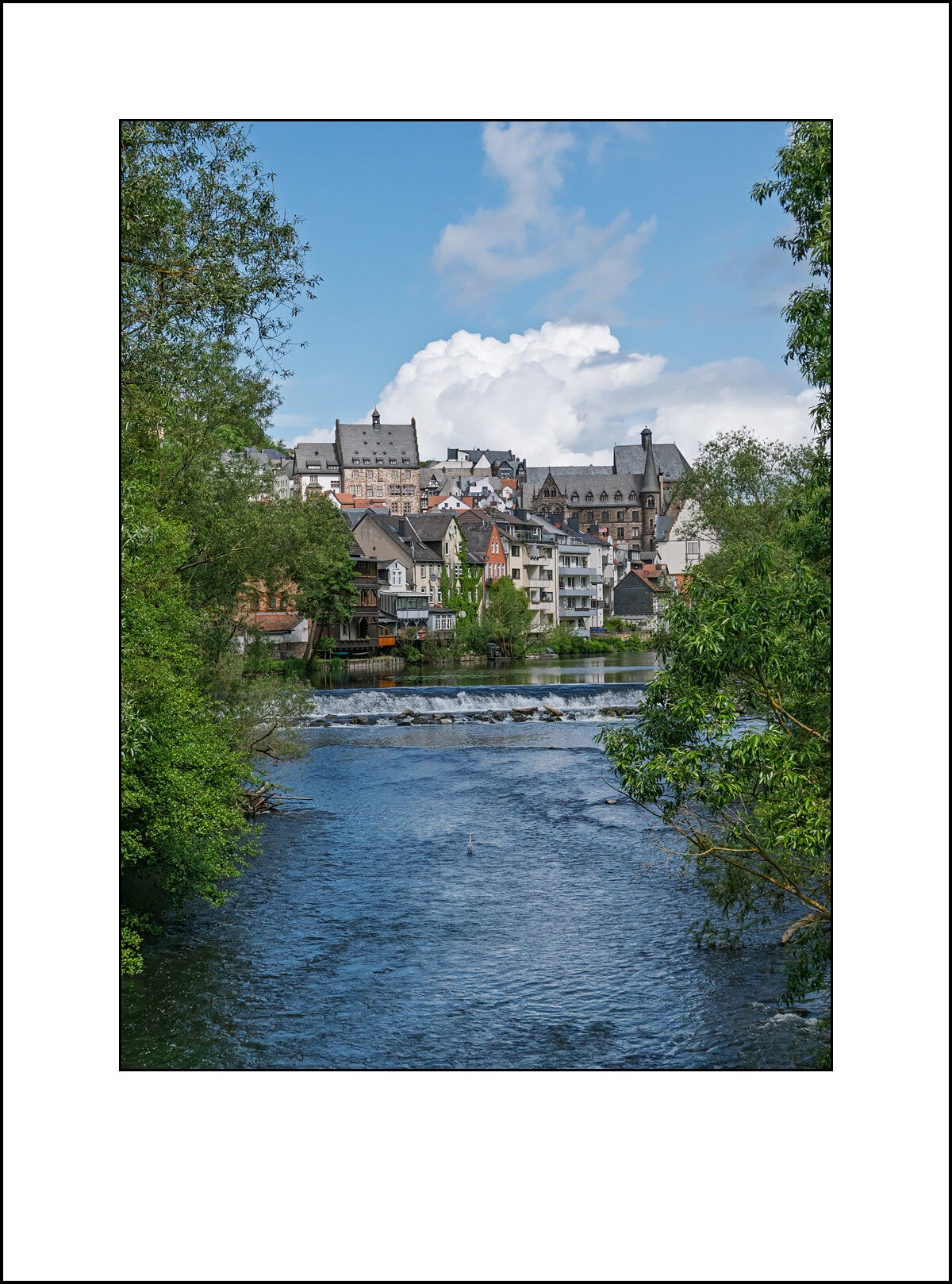
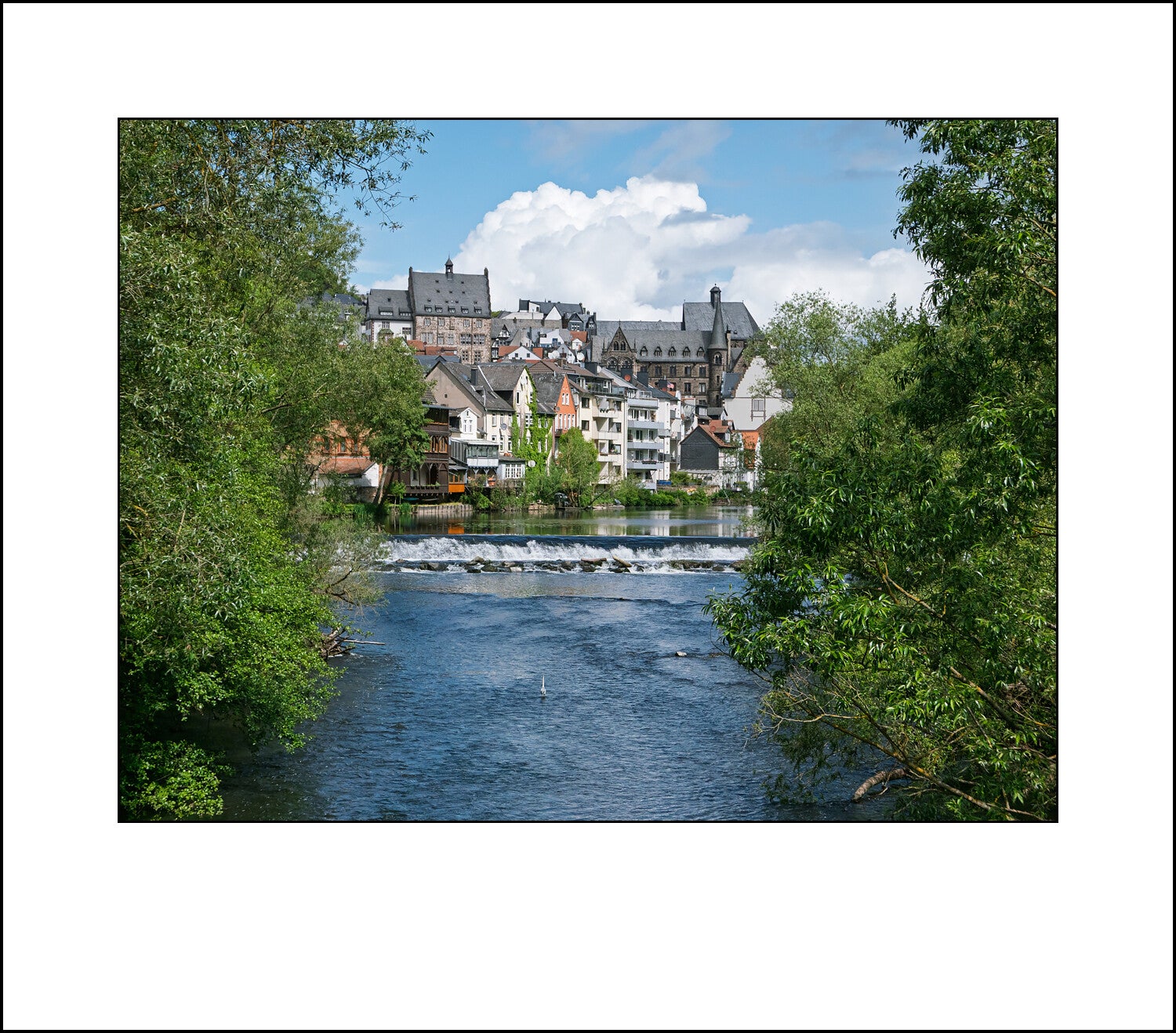
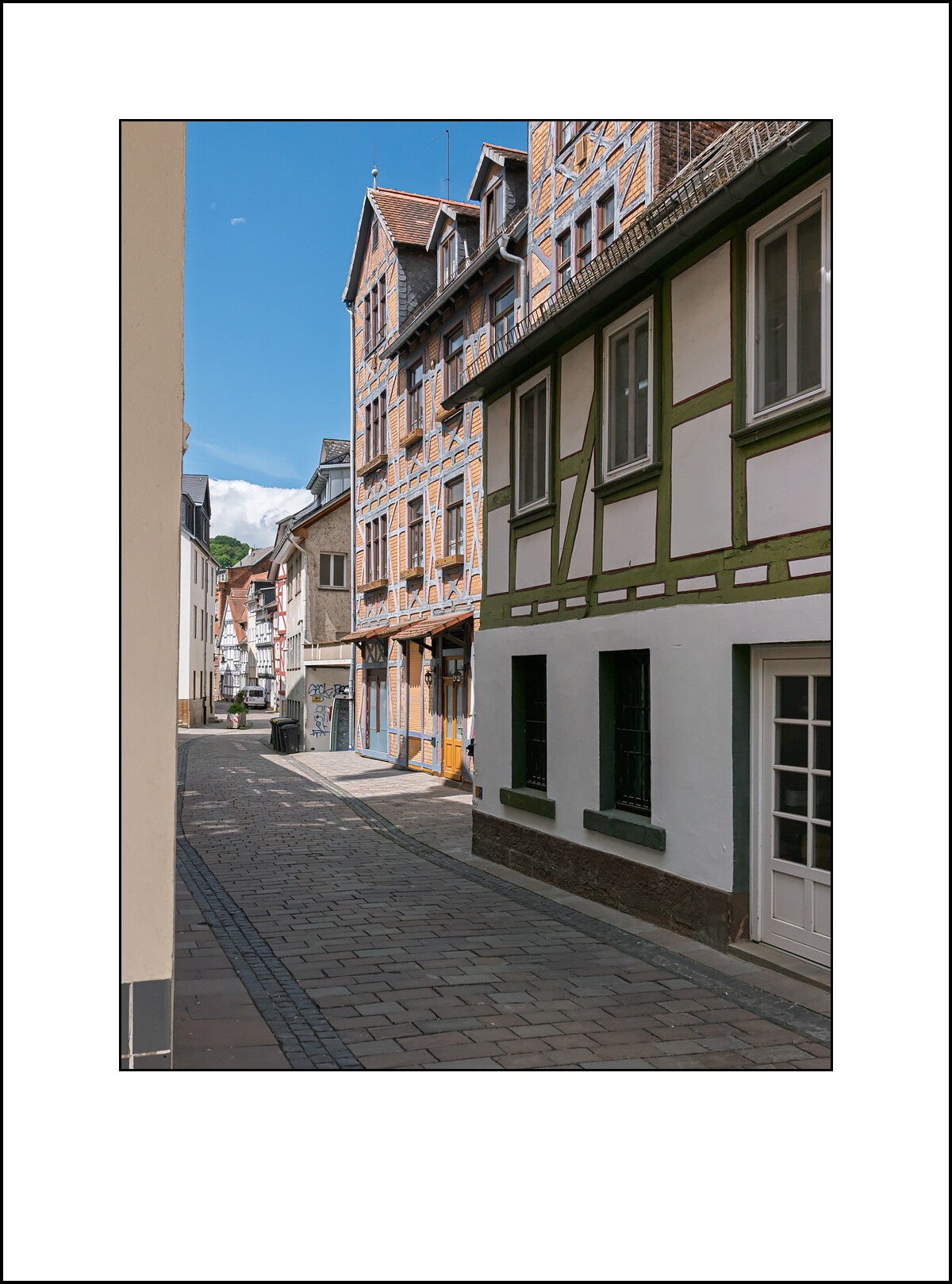
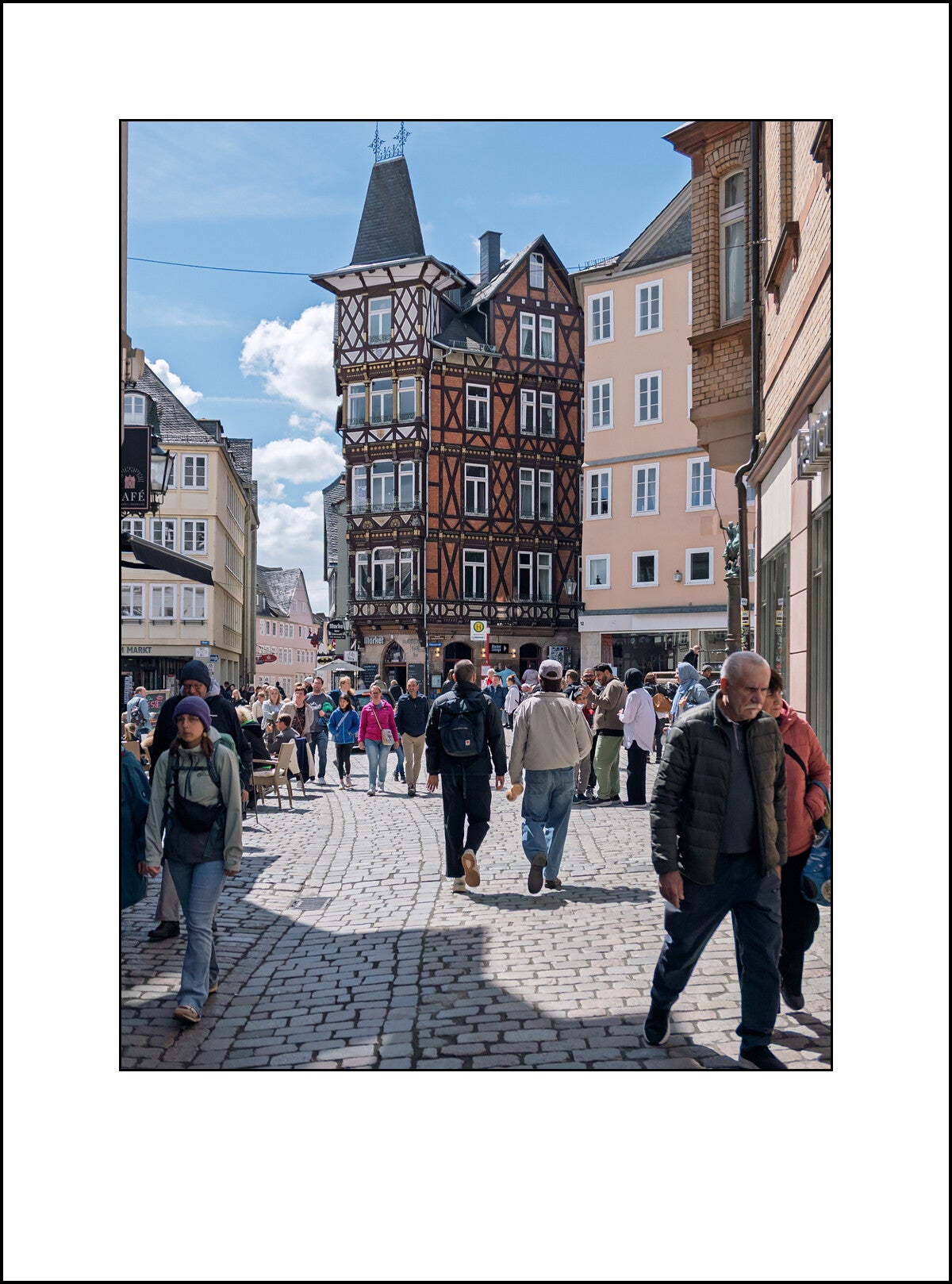
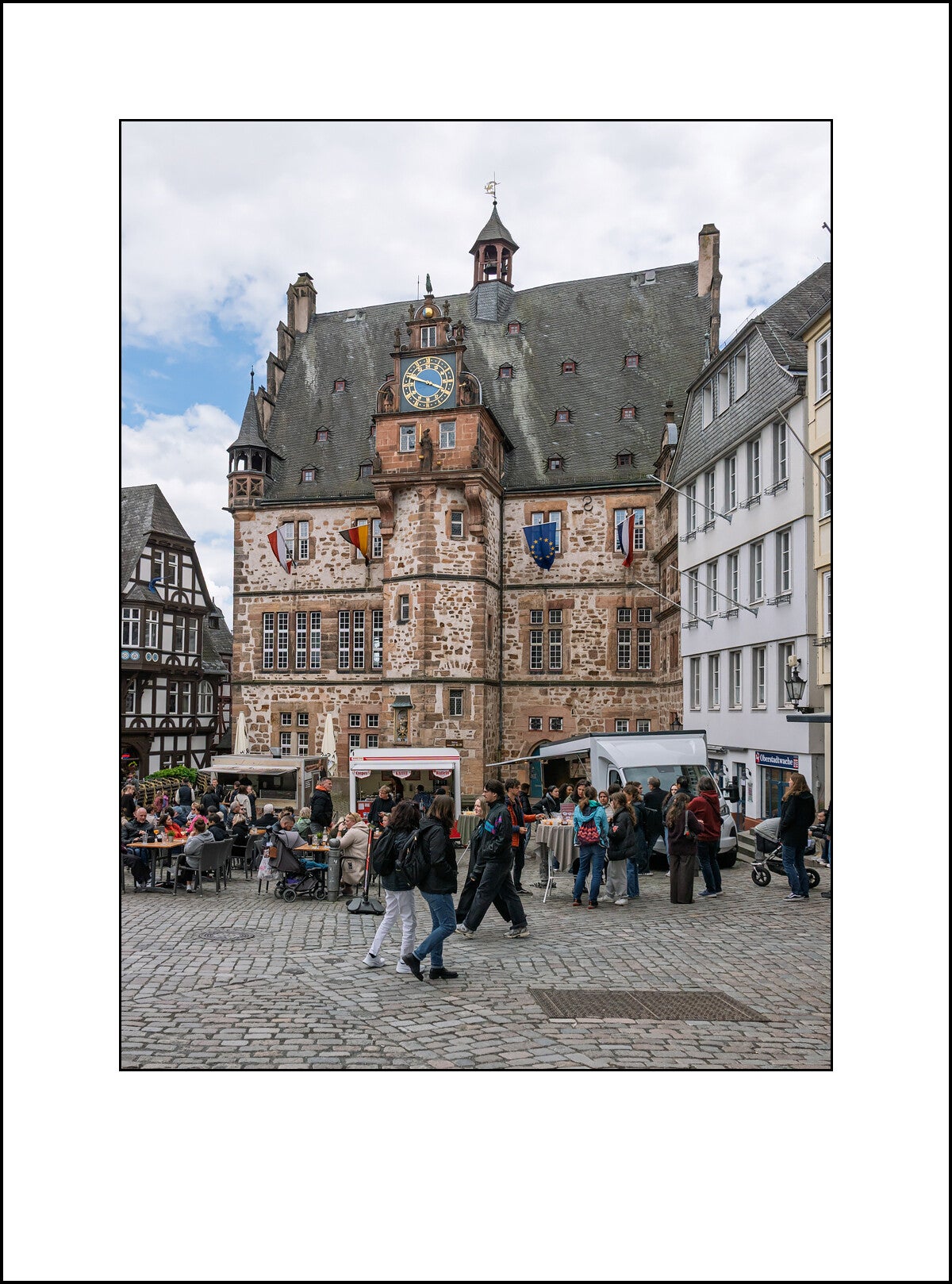
Today, Marburg is a vibrant university town, blending its rich history with modern academic and cultural pursuits. Visitors can explore its well-preserved medieval old town, the majestic Marburg Castle, and the renowned university. The town's scenic landscapes, with winding streets and lush surroundings, offer a glimpse into a bygone era while embracing the future.
In conclusion, Marburg's history is a tapestry of medieval fortifications, academic achievements, and religious debates. Its legacy continues to thrive, attracting scholars, tourists, and history enthusiasts from around the world.
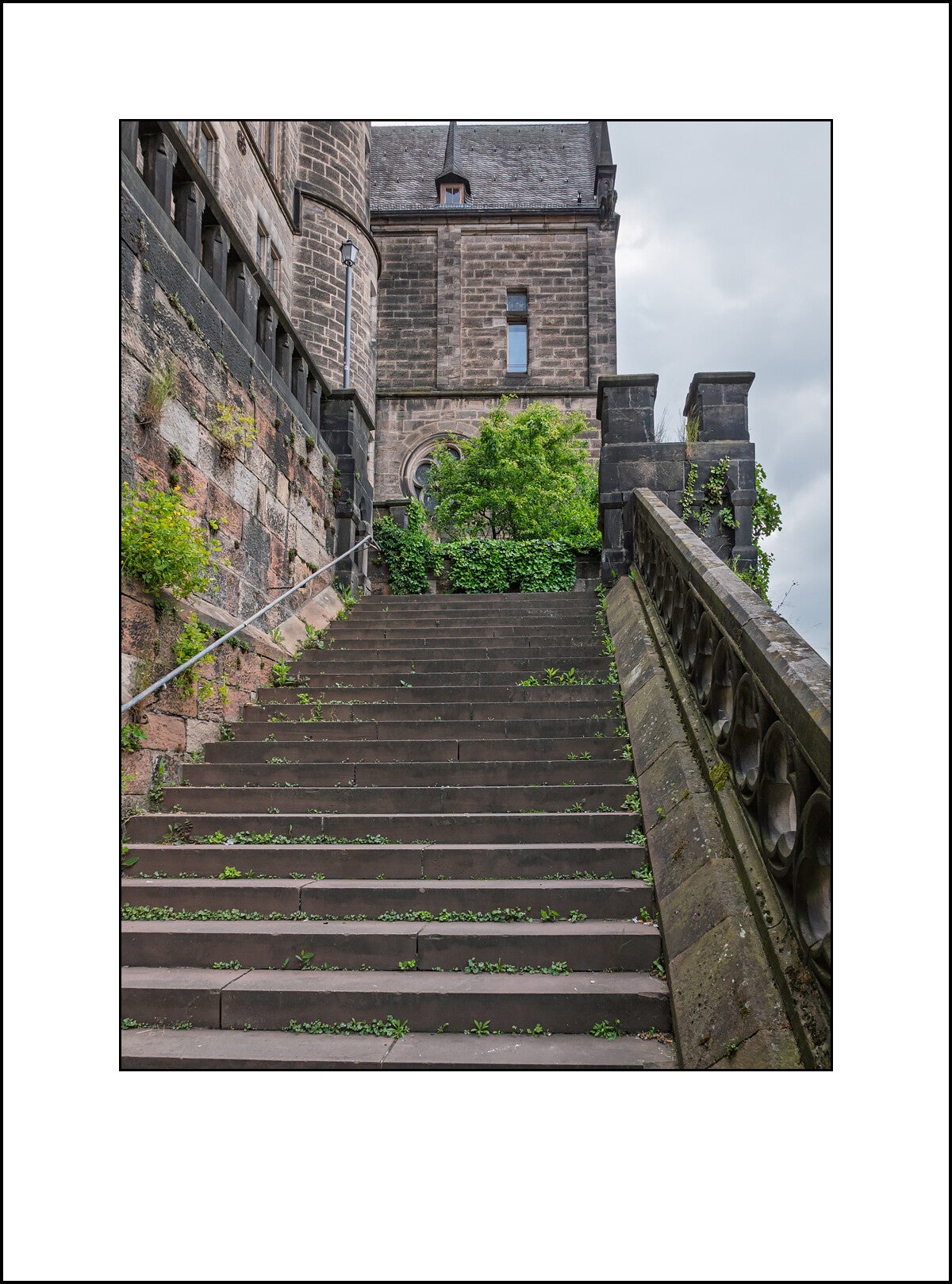
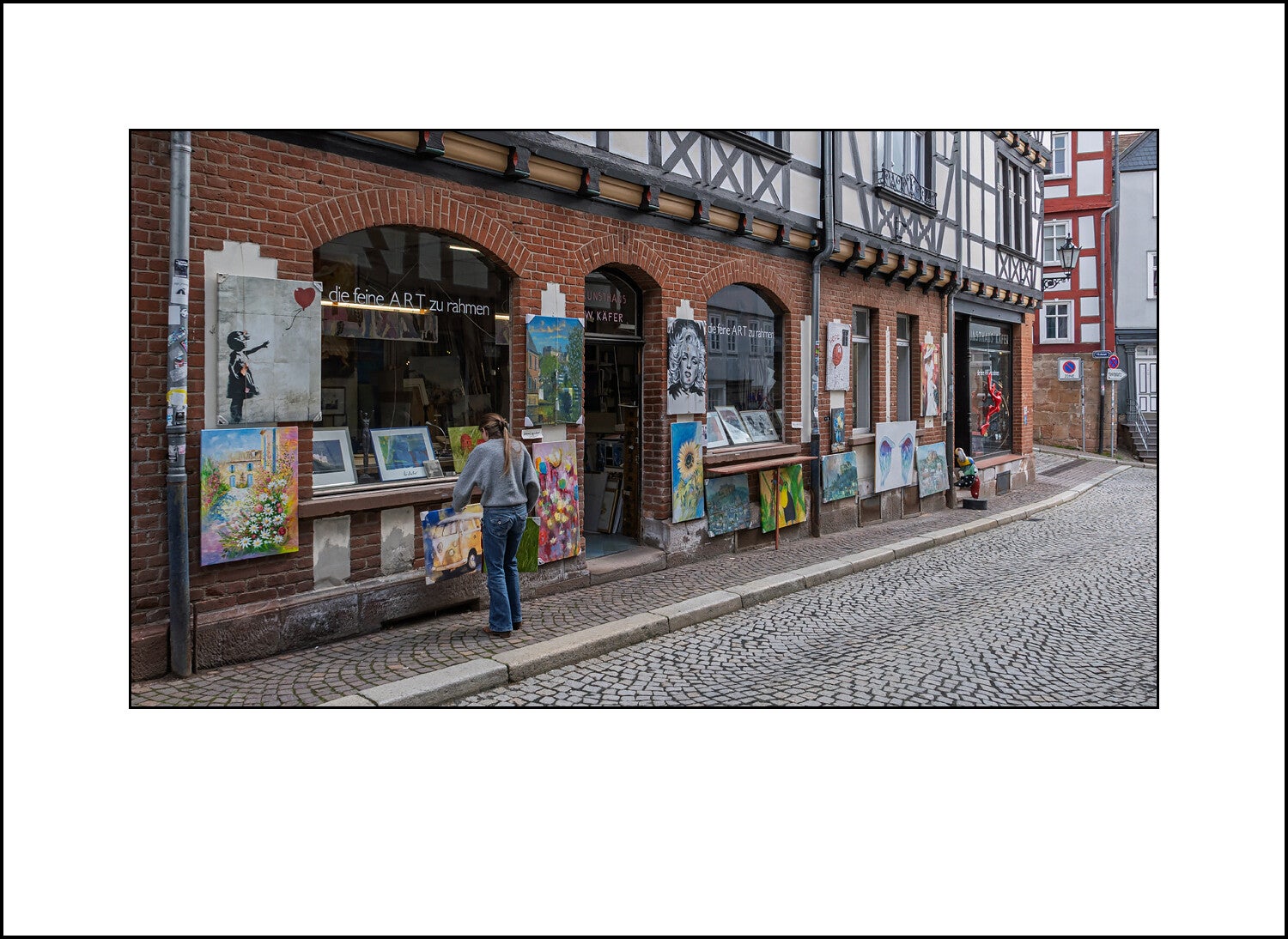
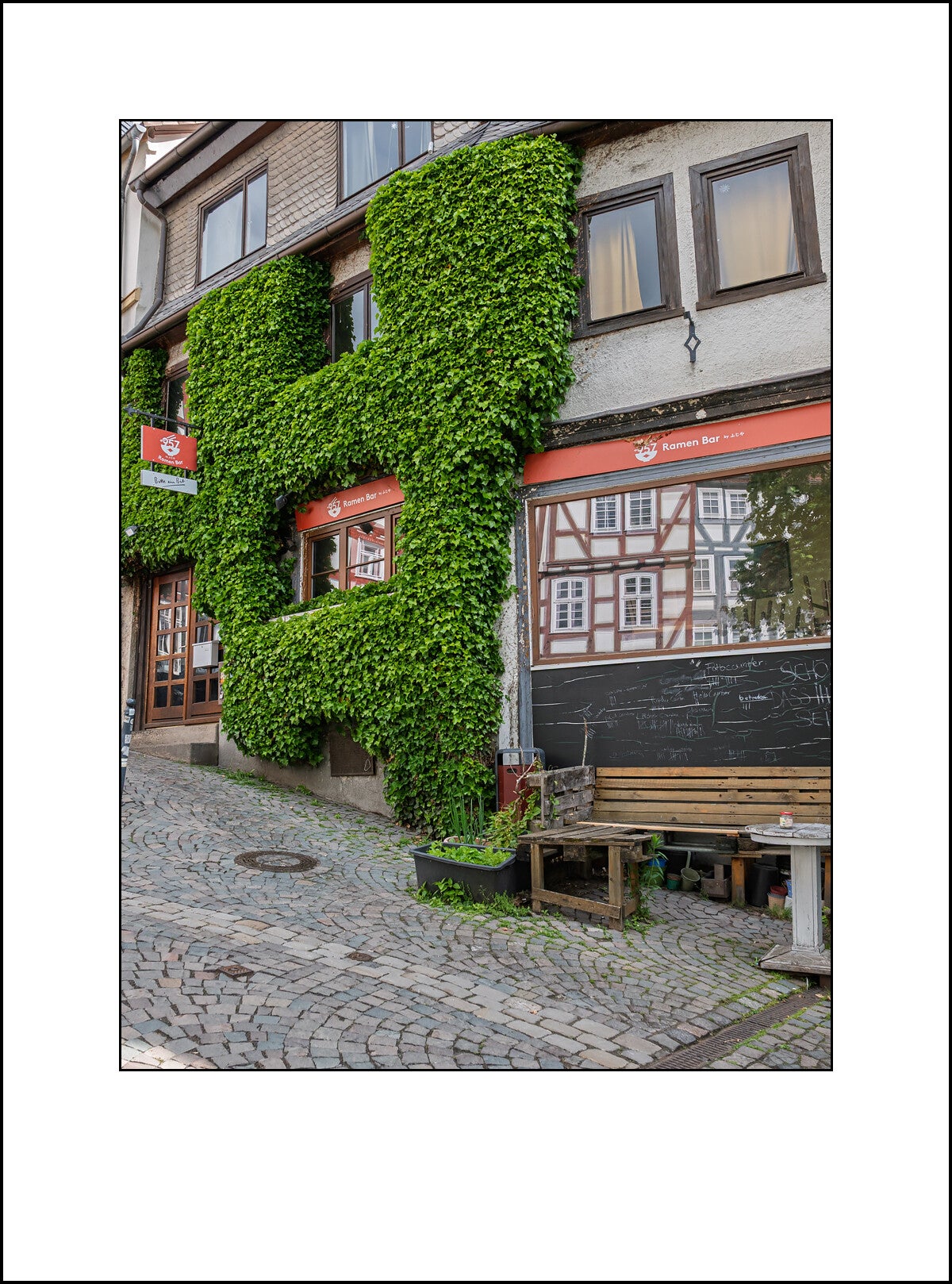
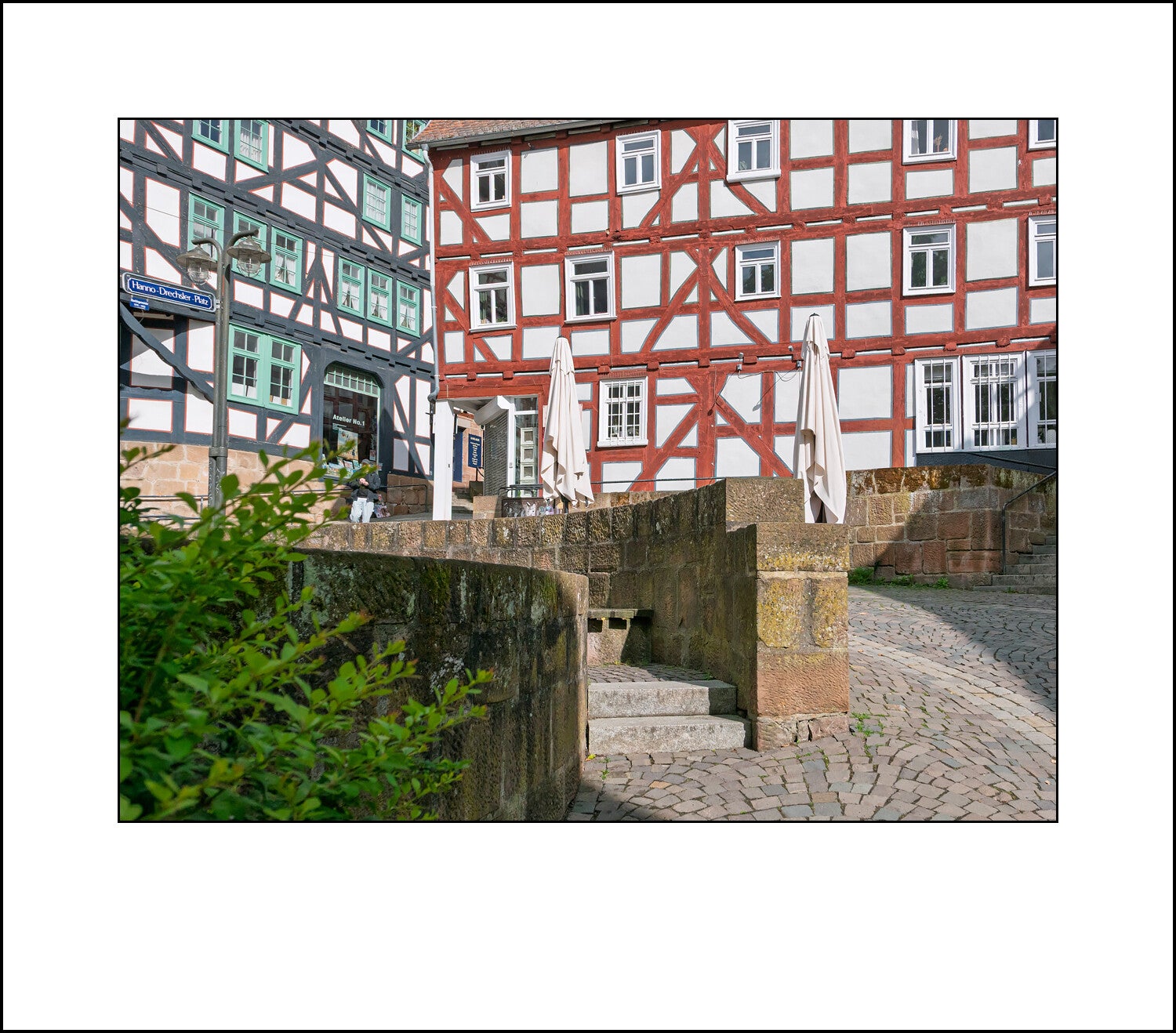
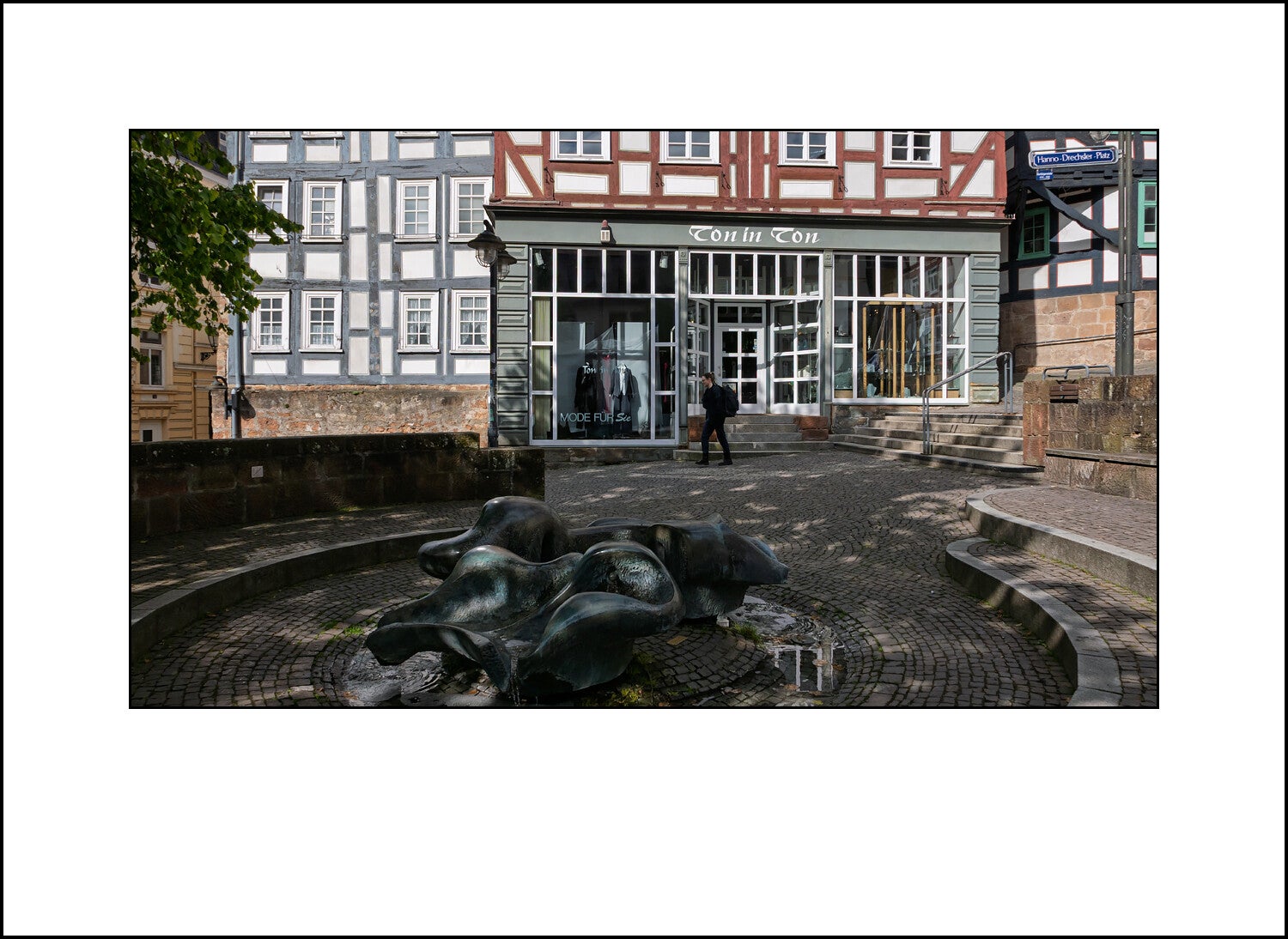
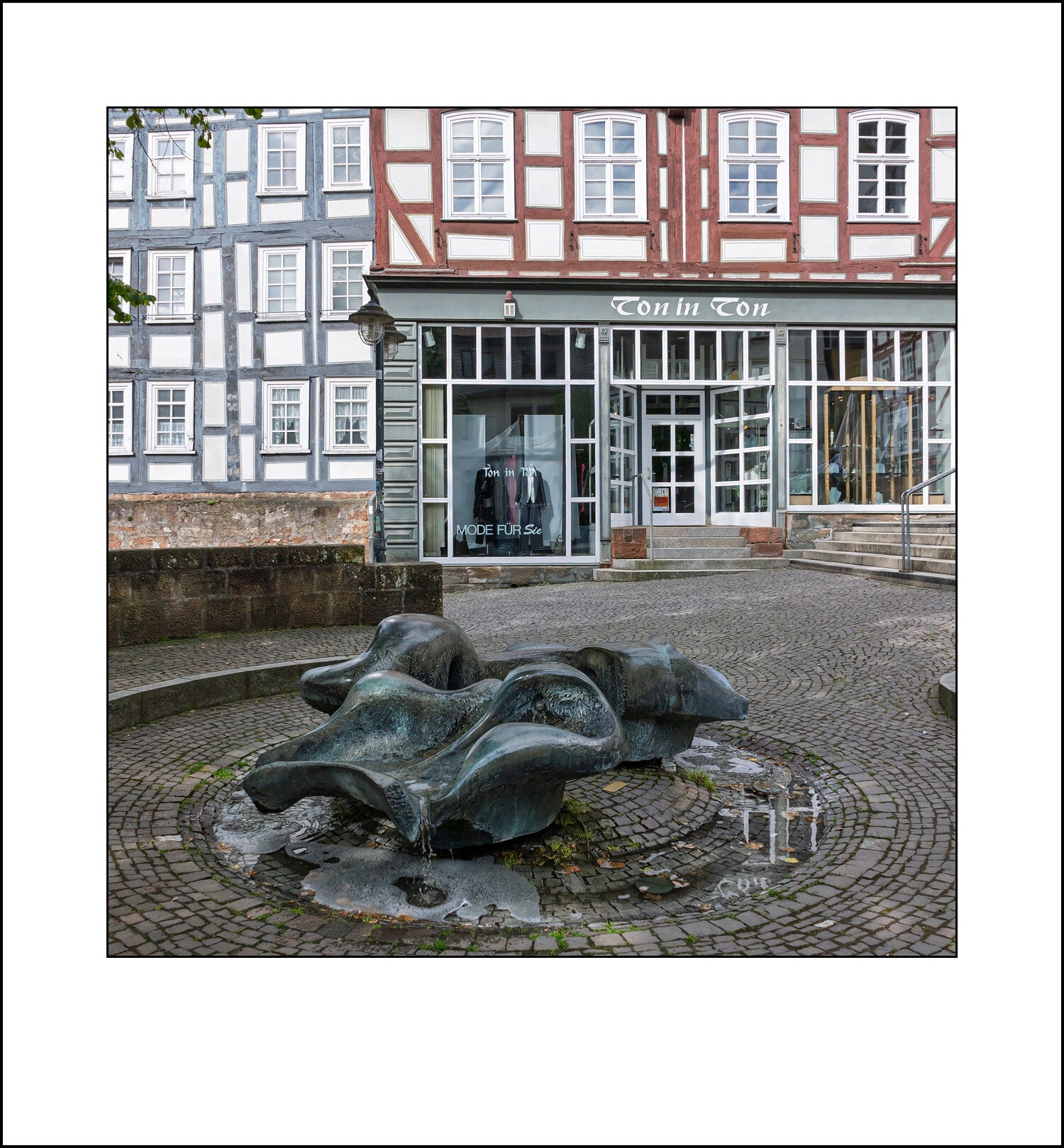
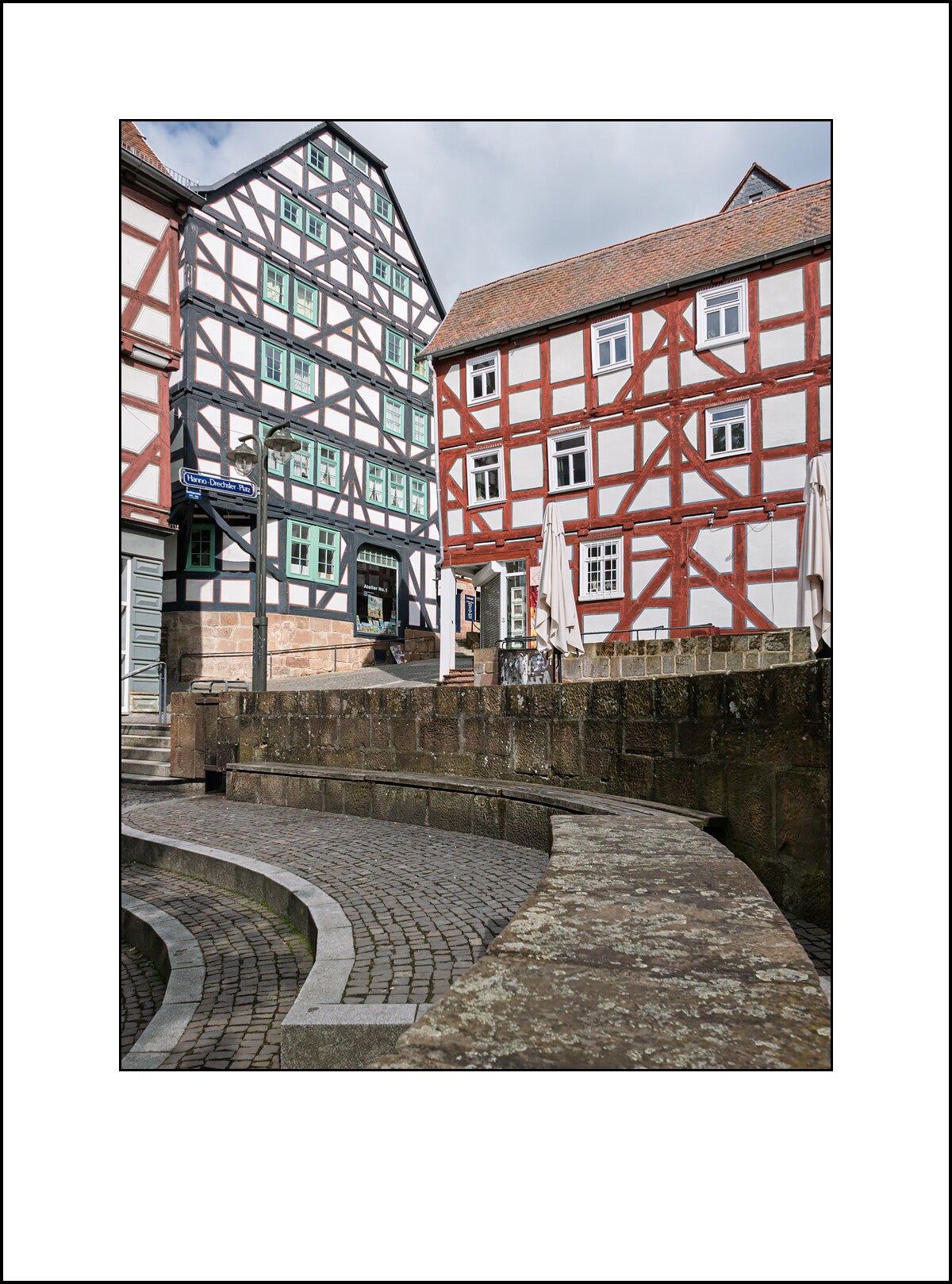
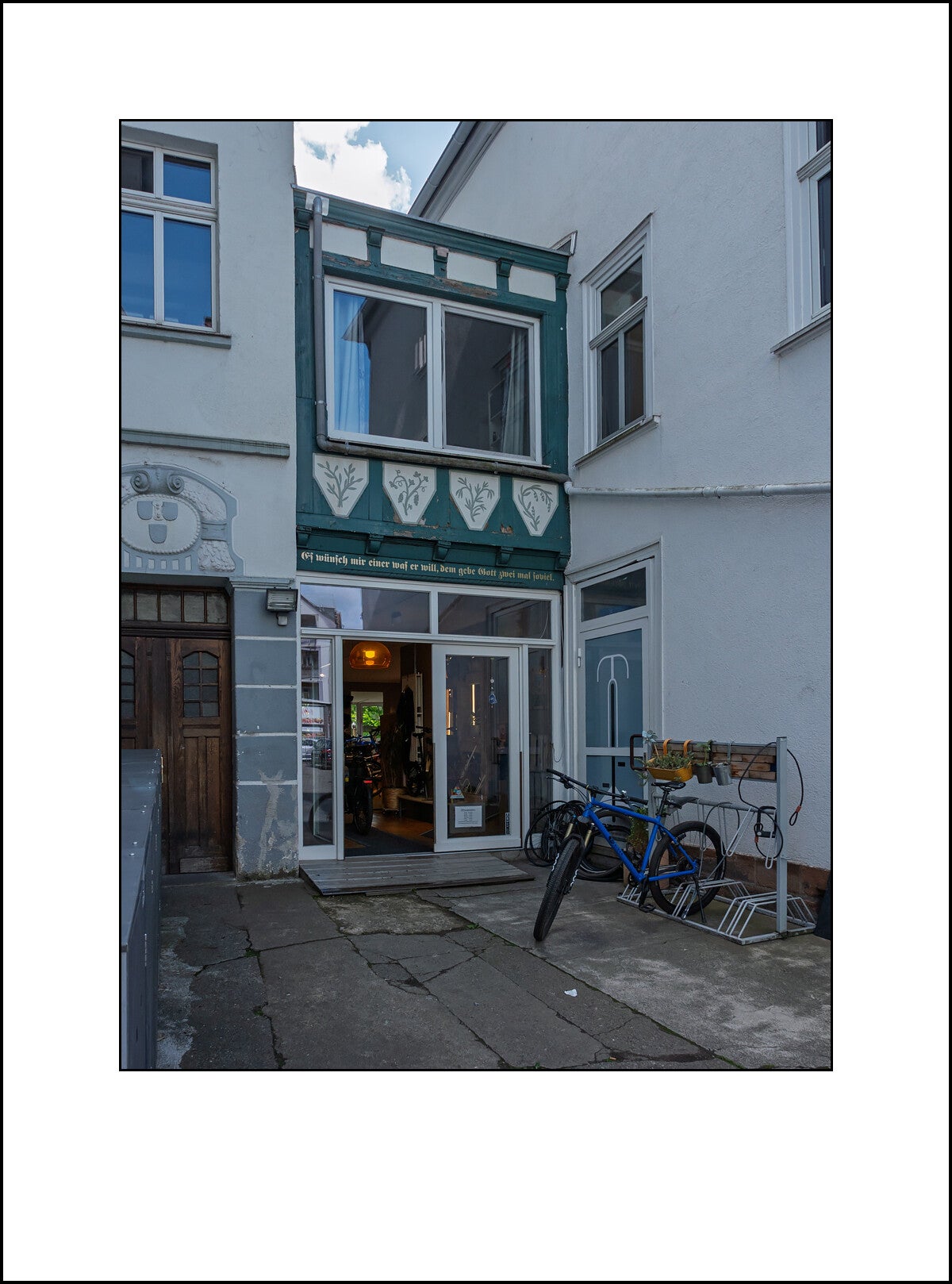
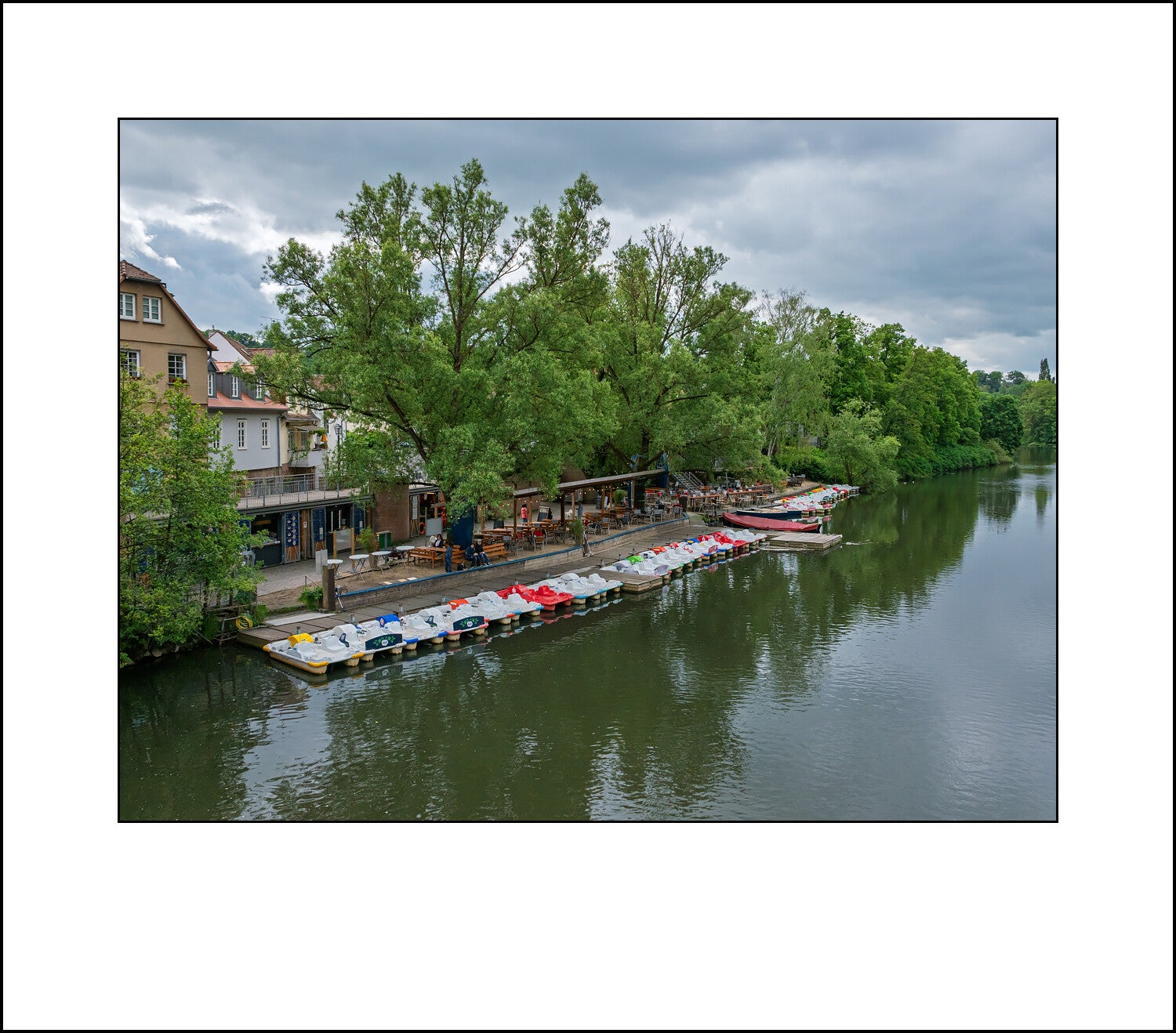
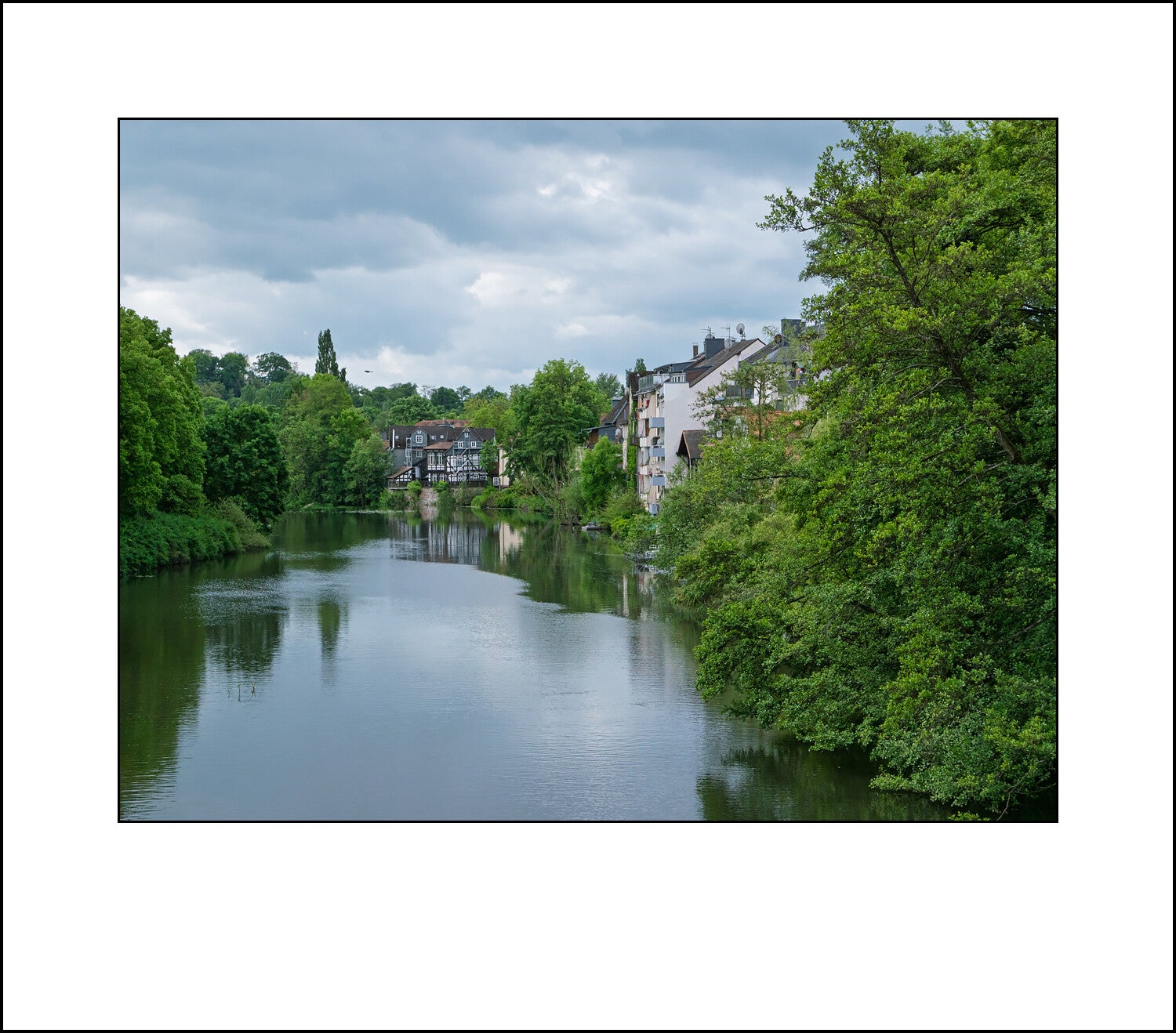
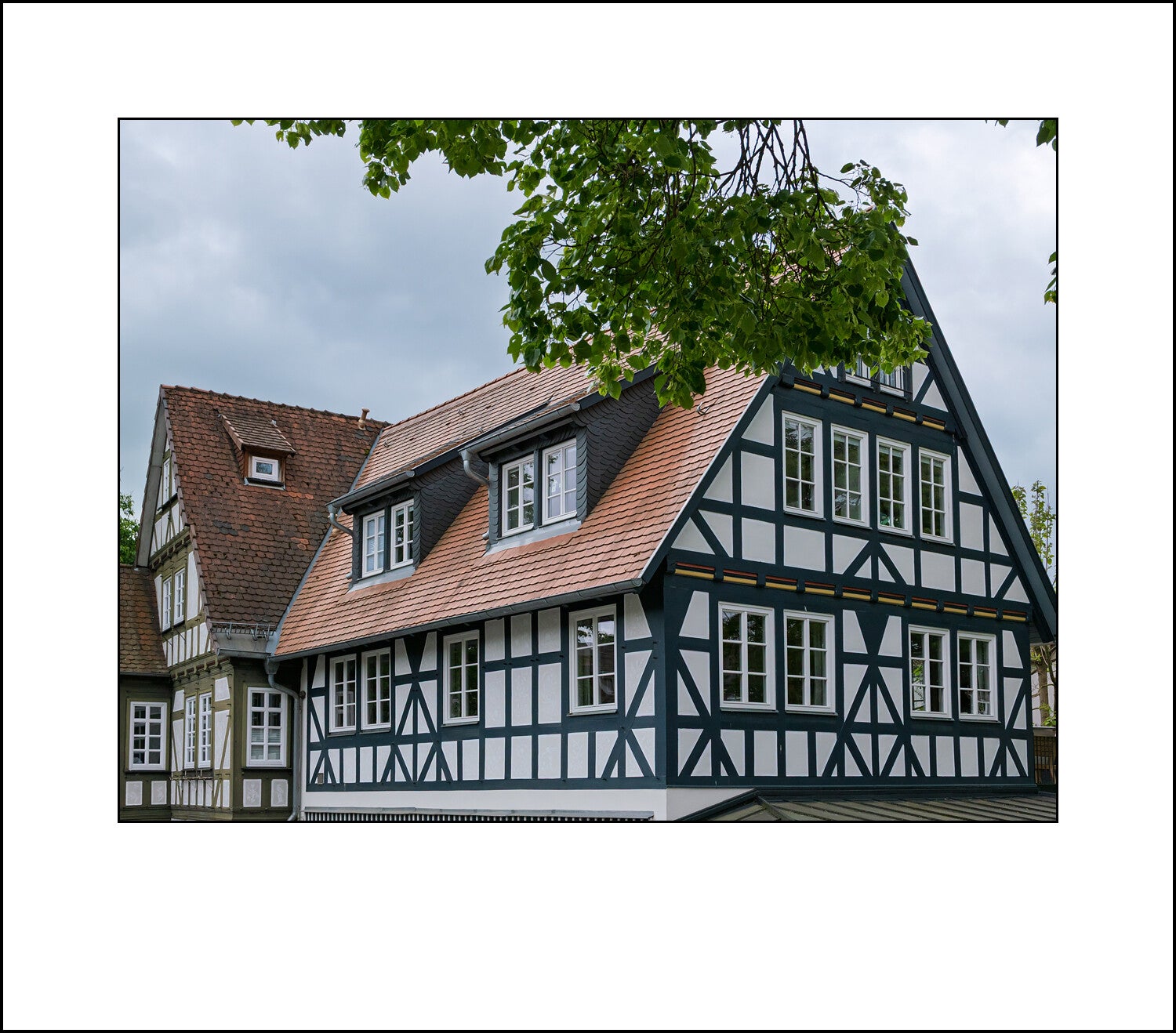
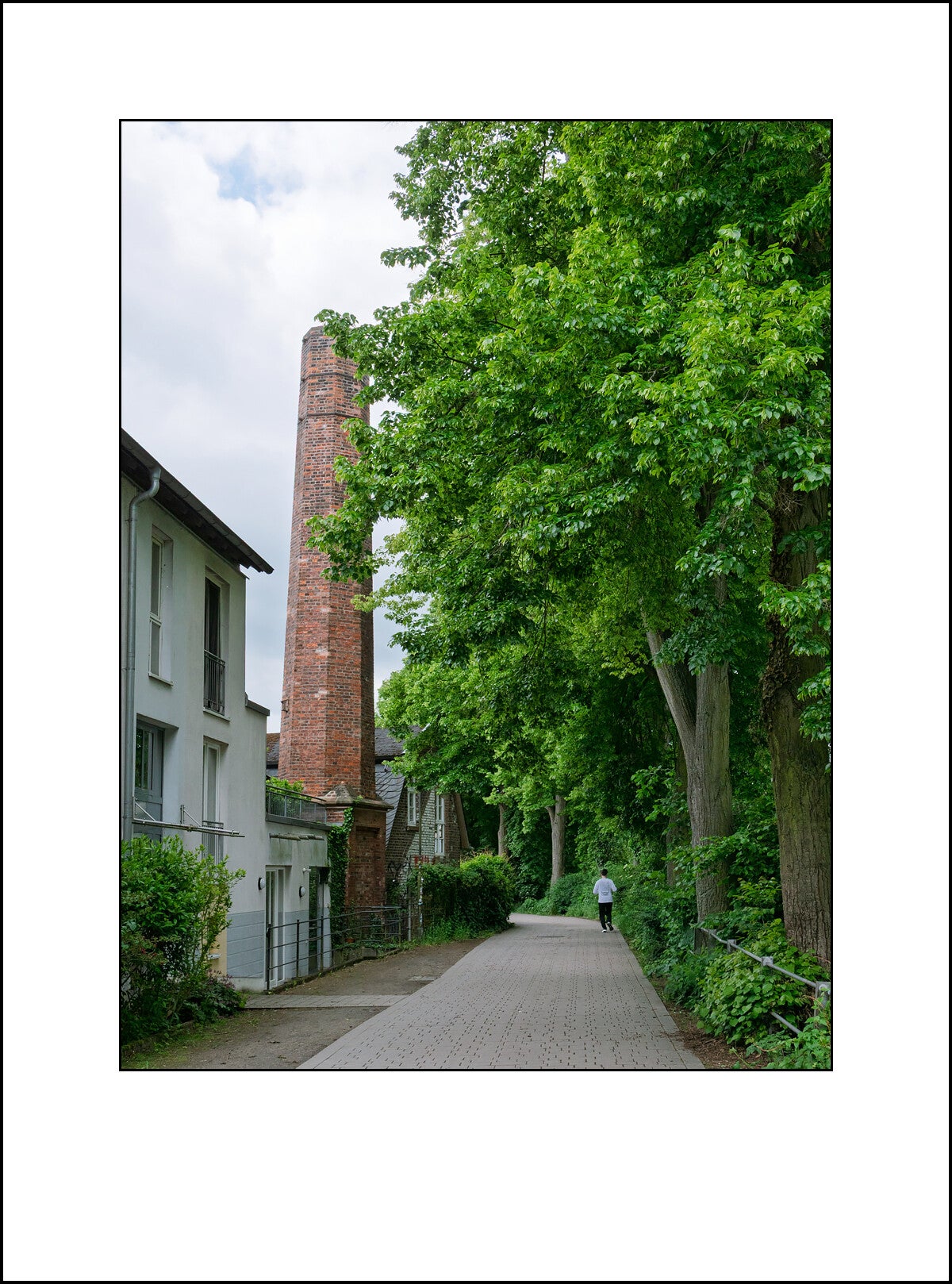
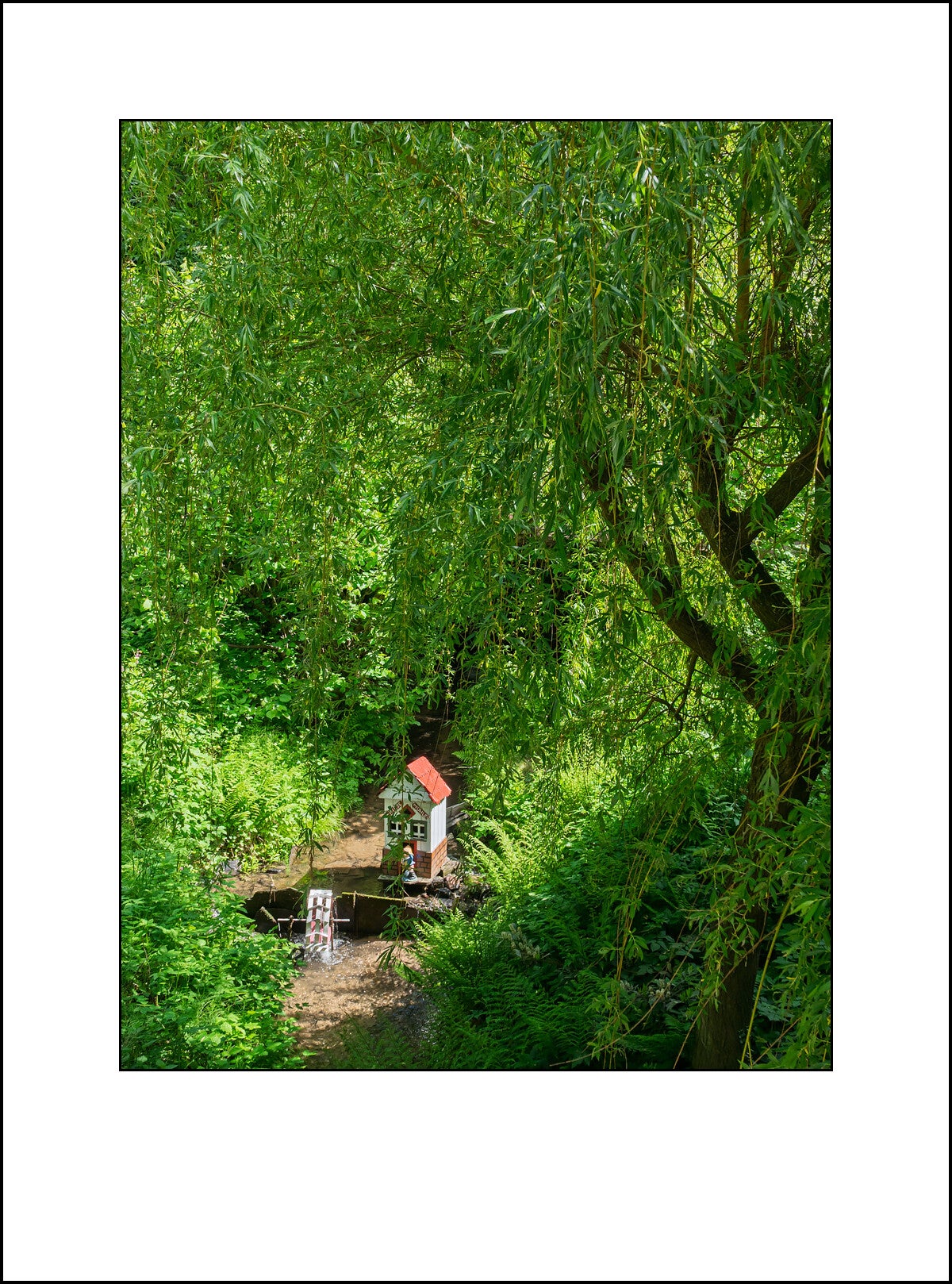
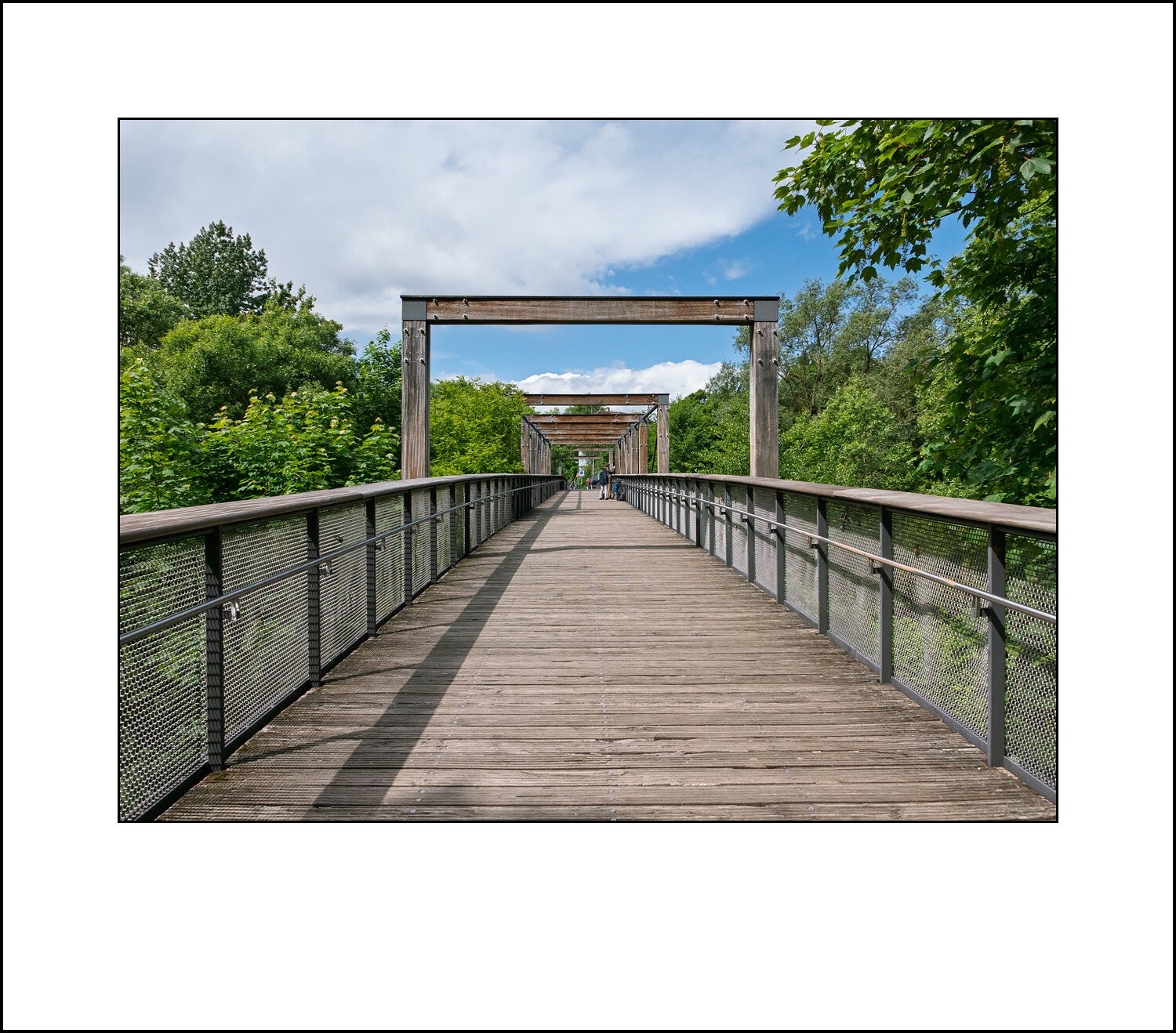
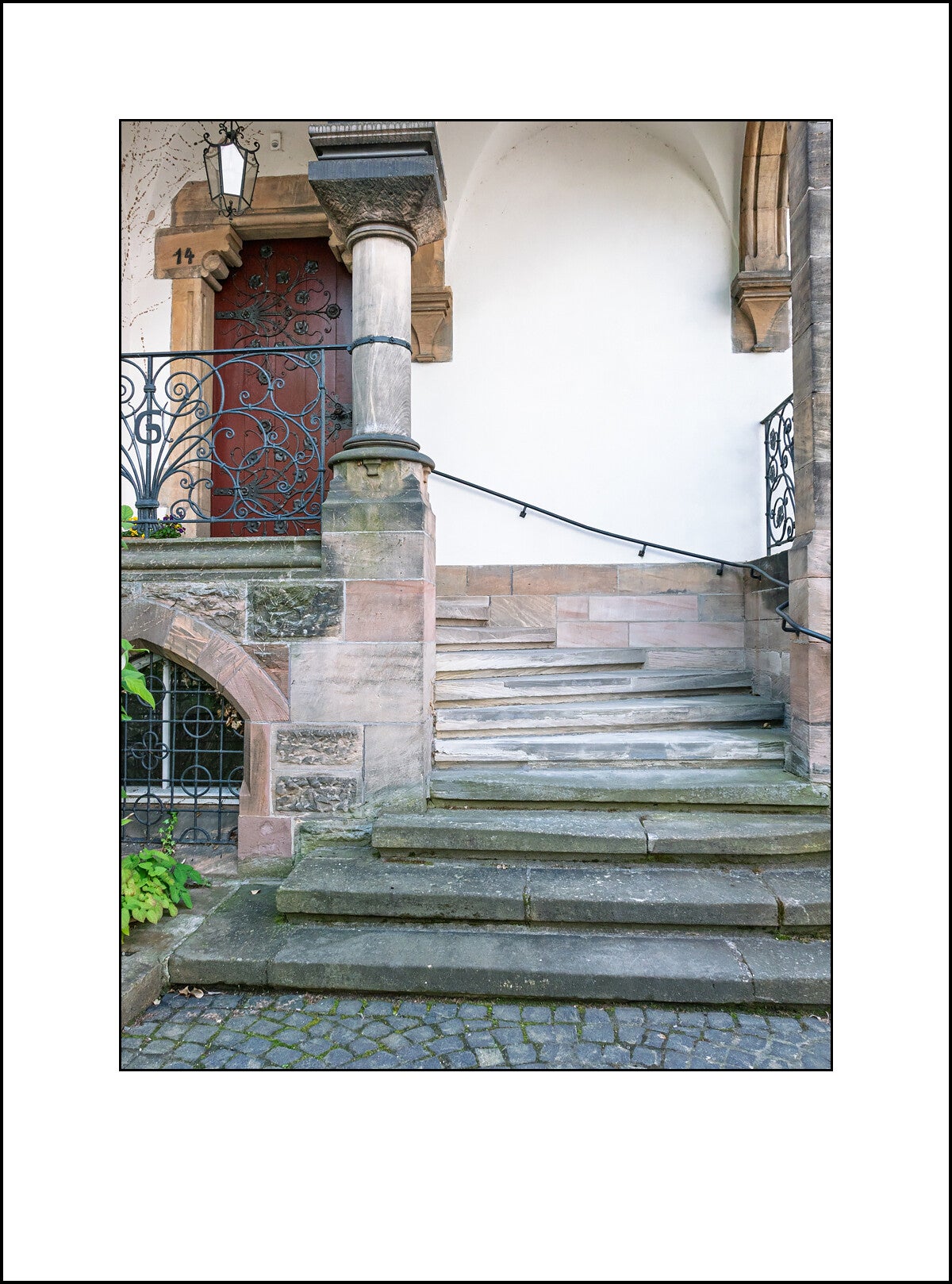
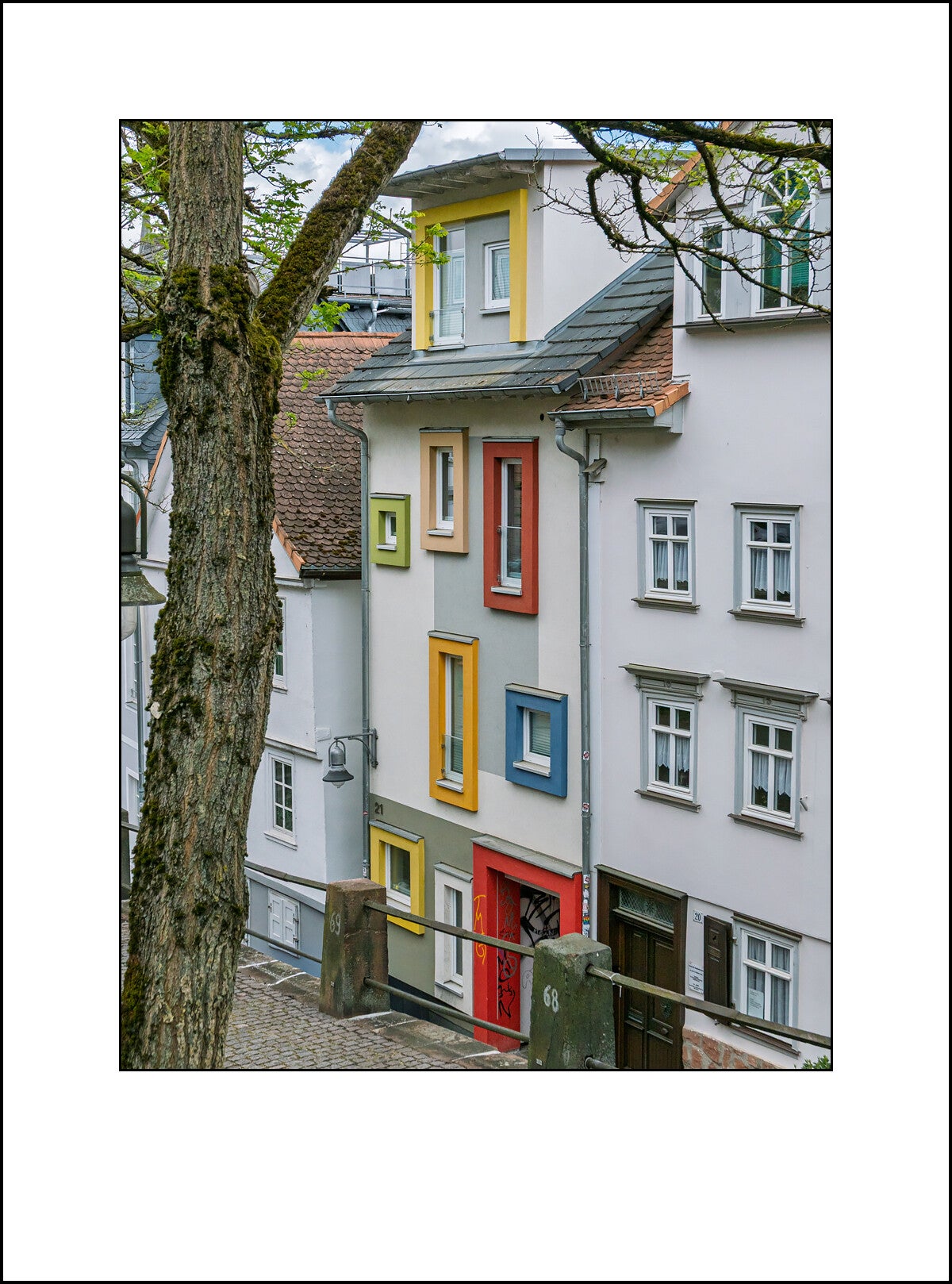
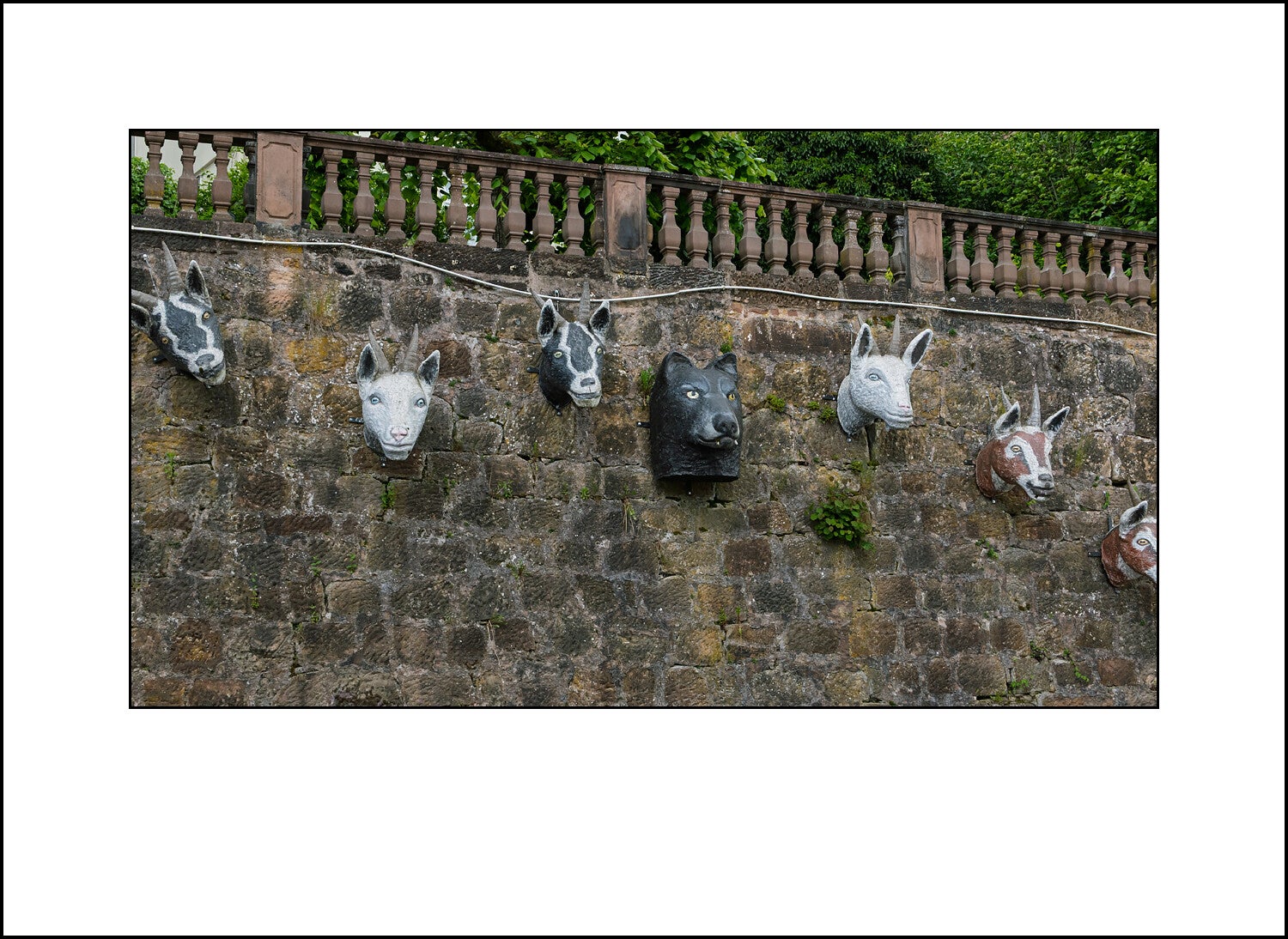
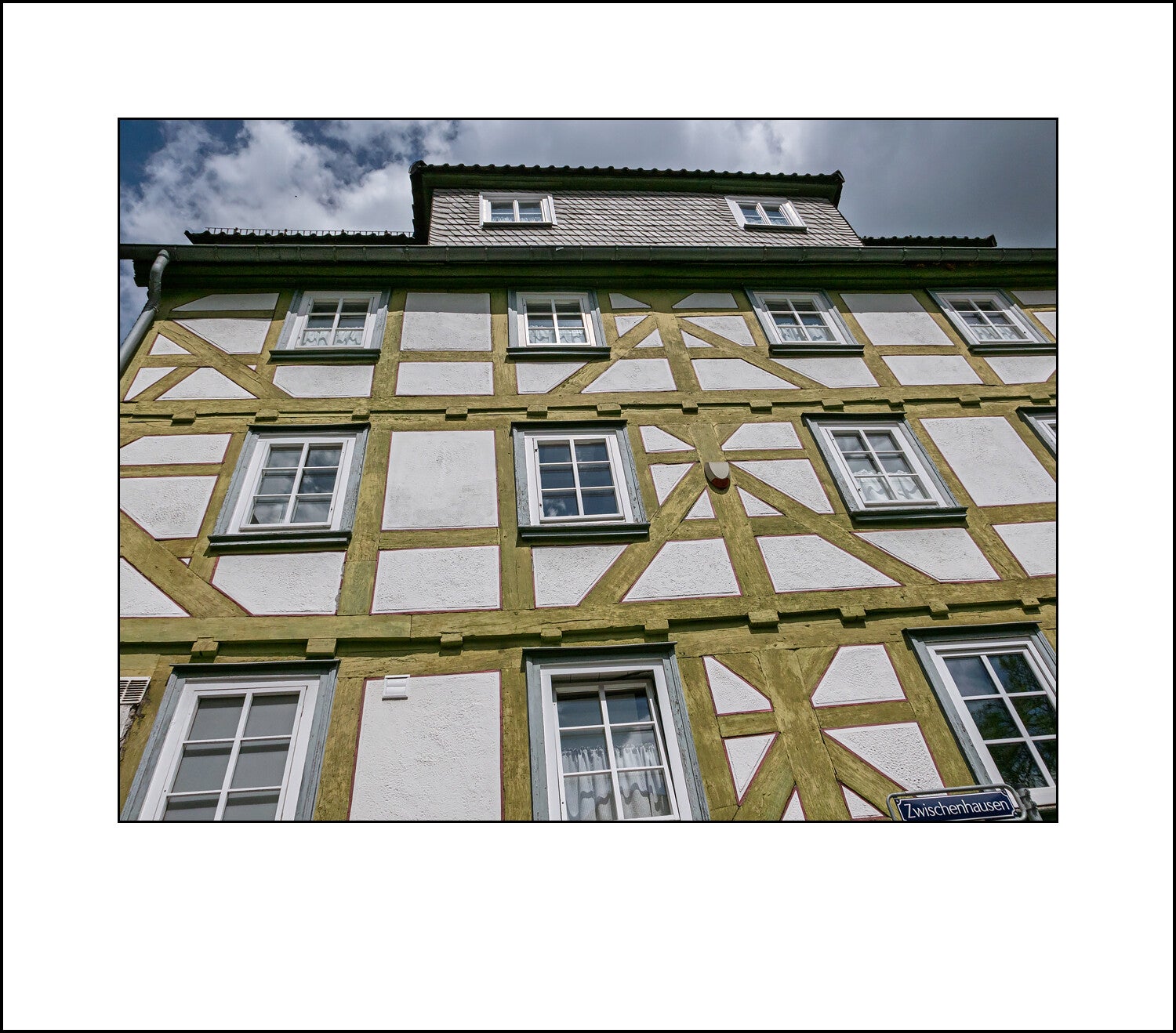
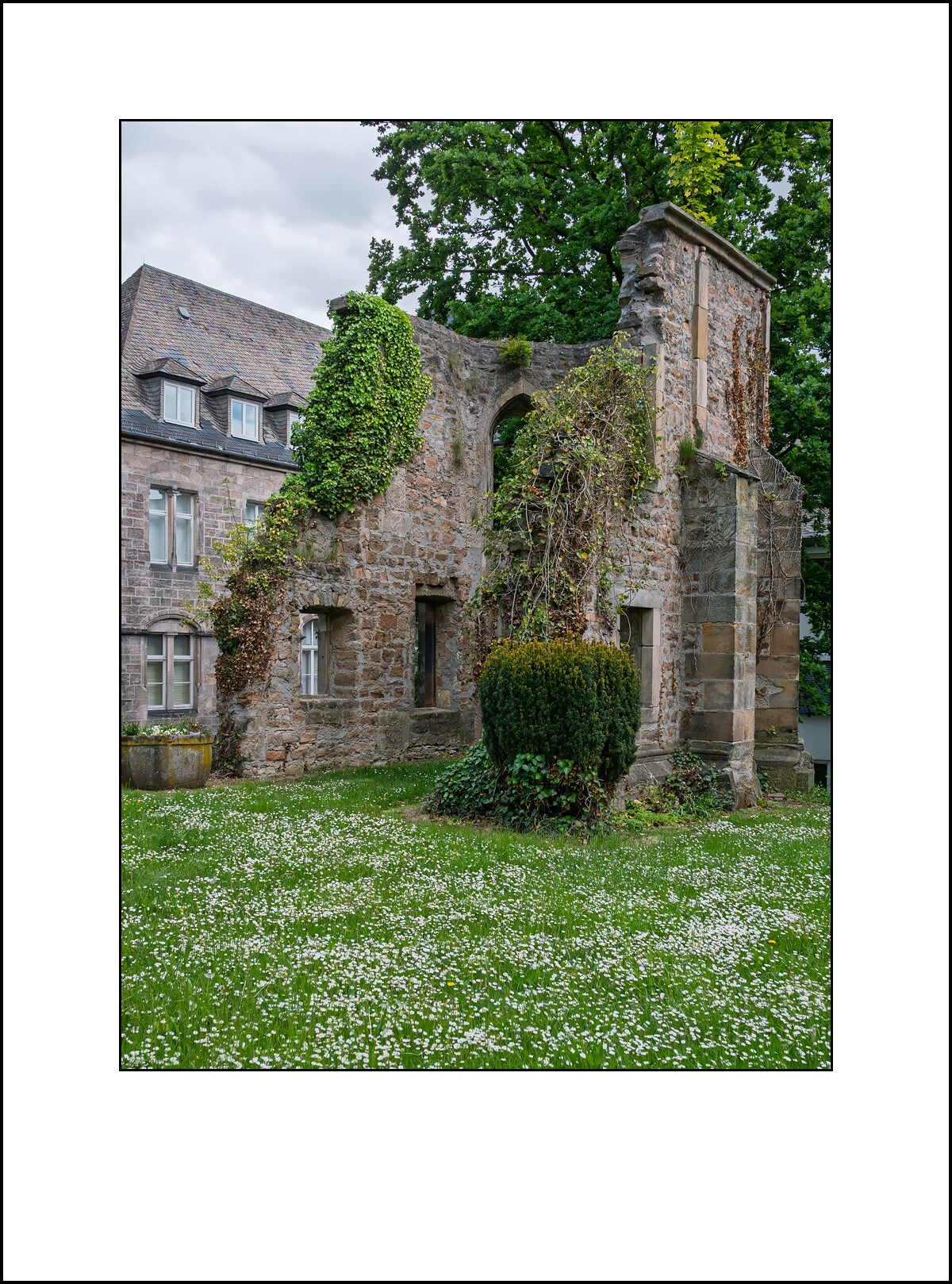
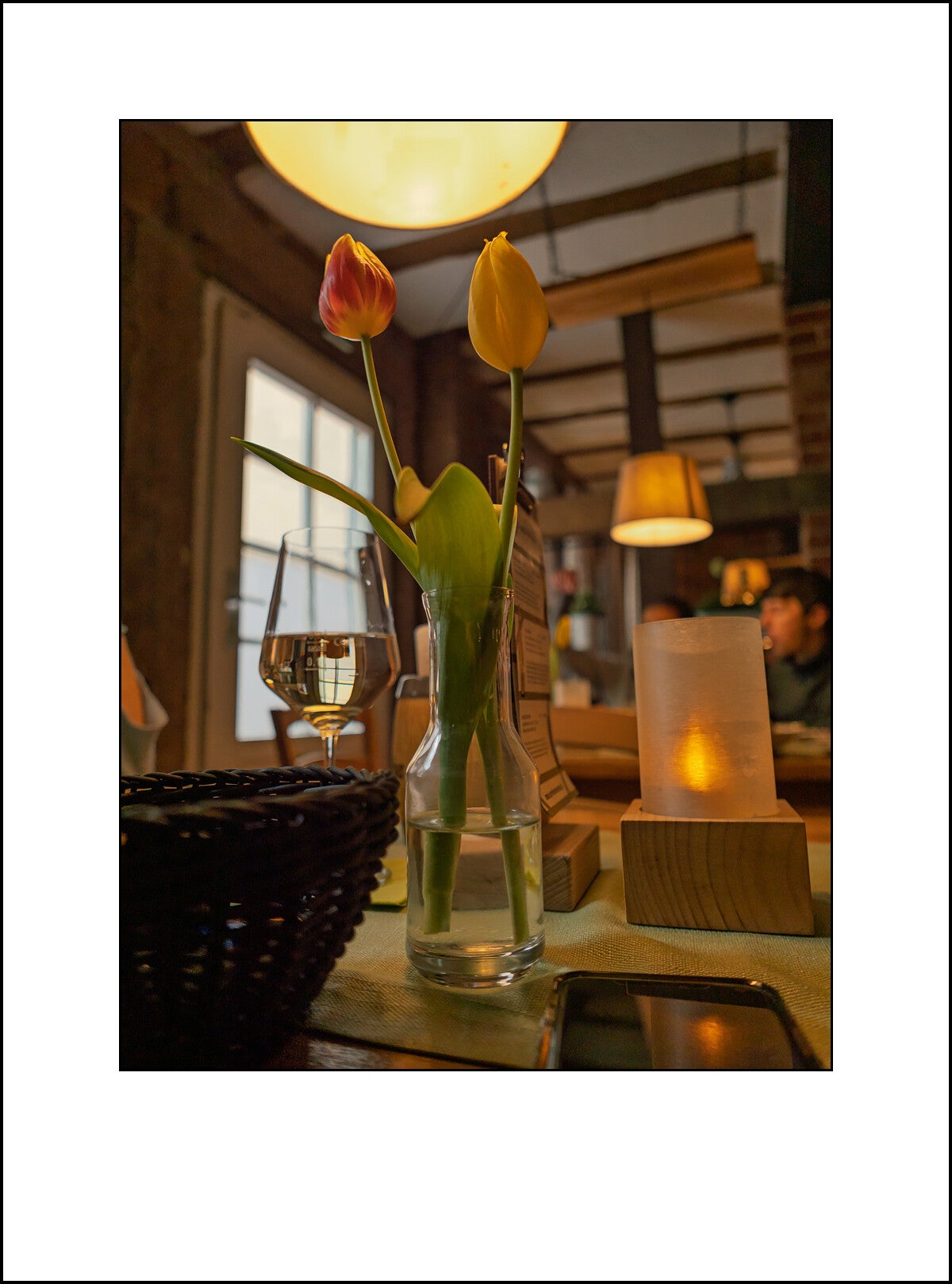
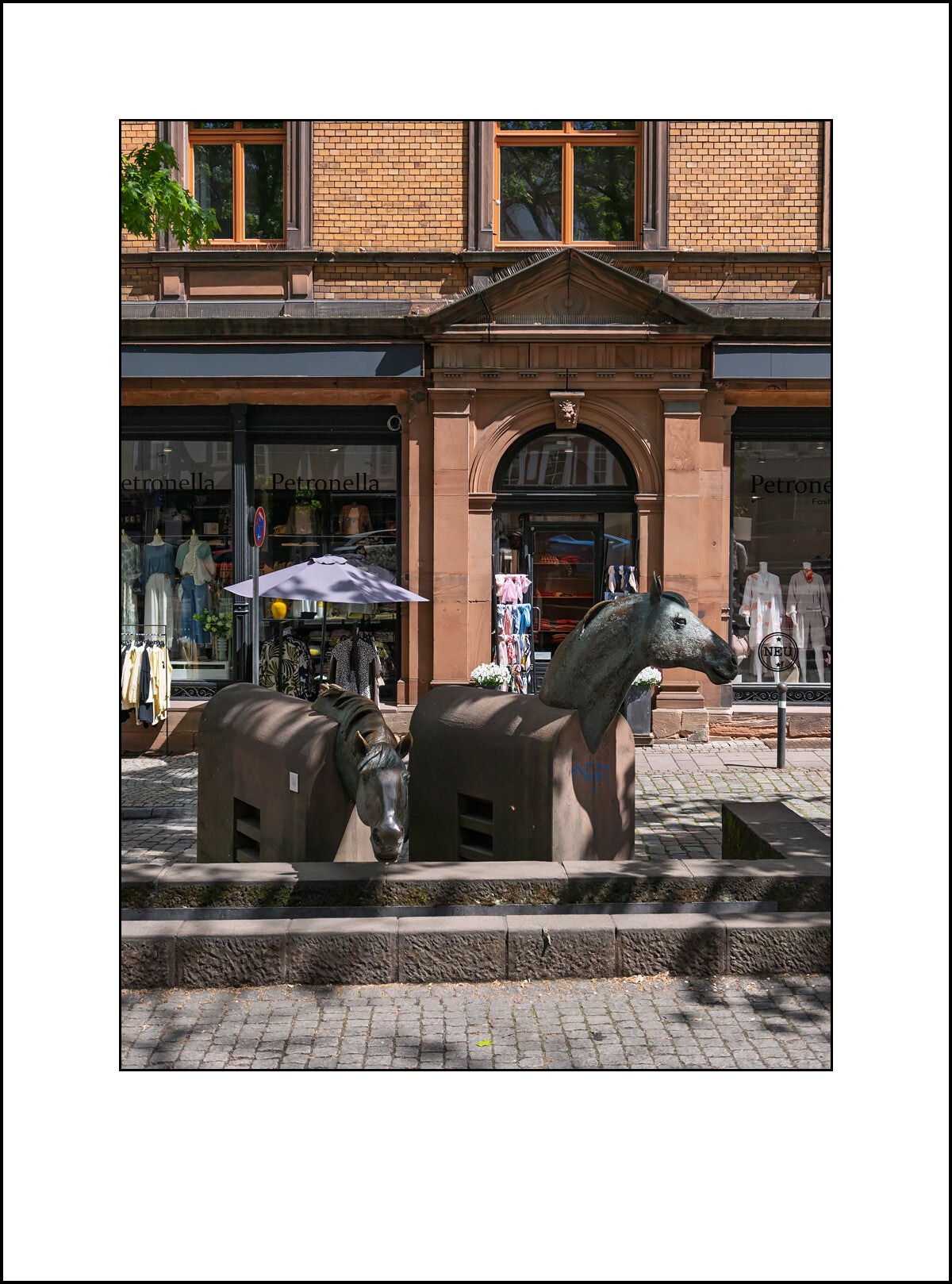
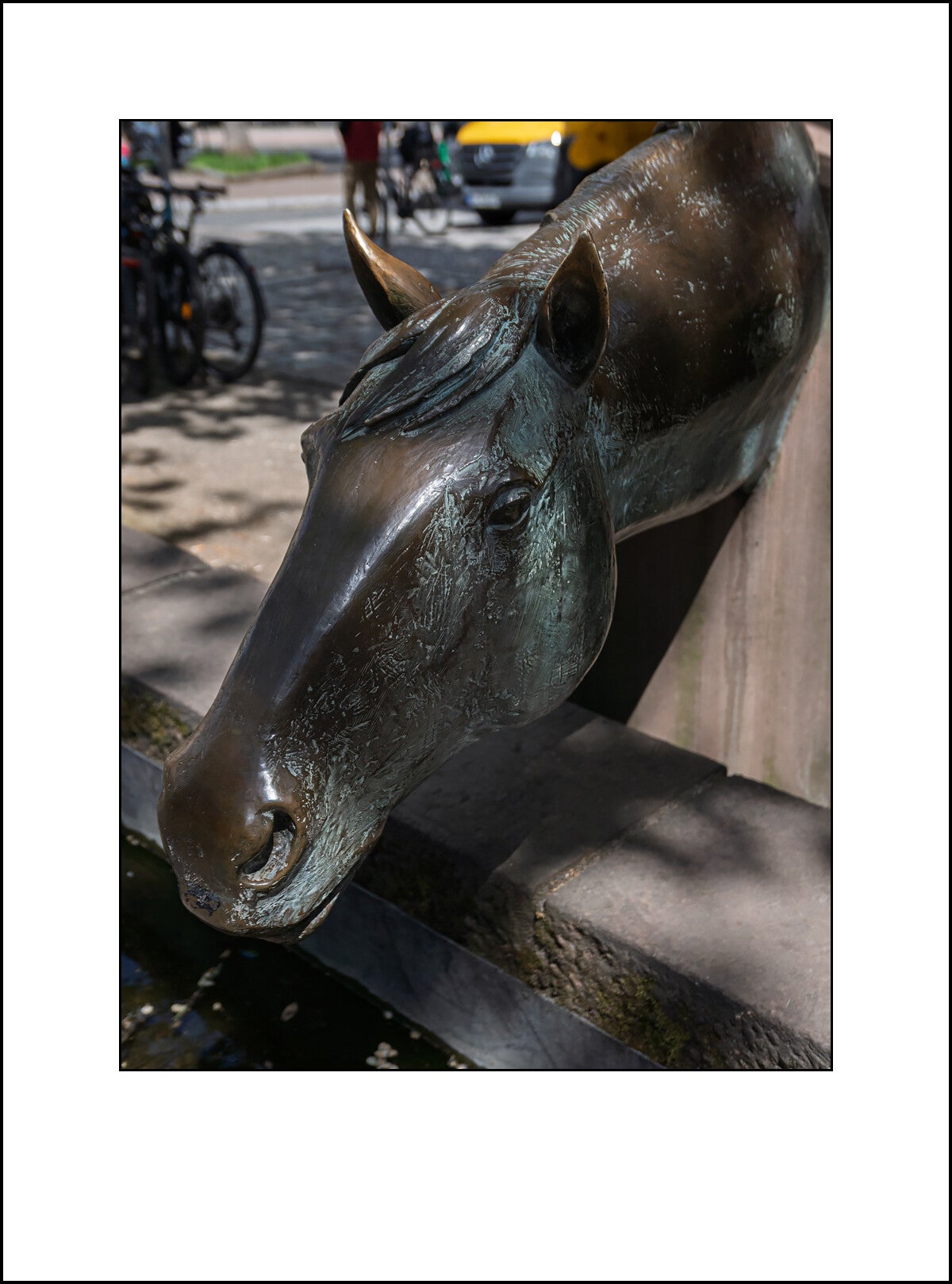
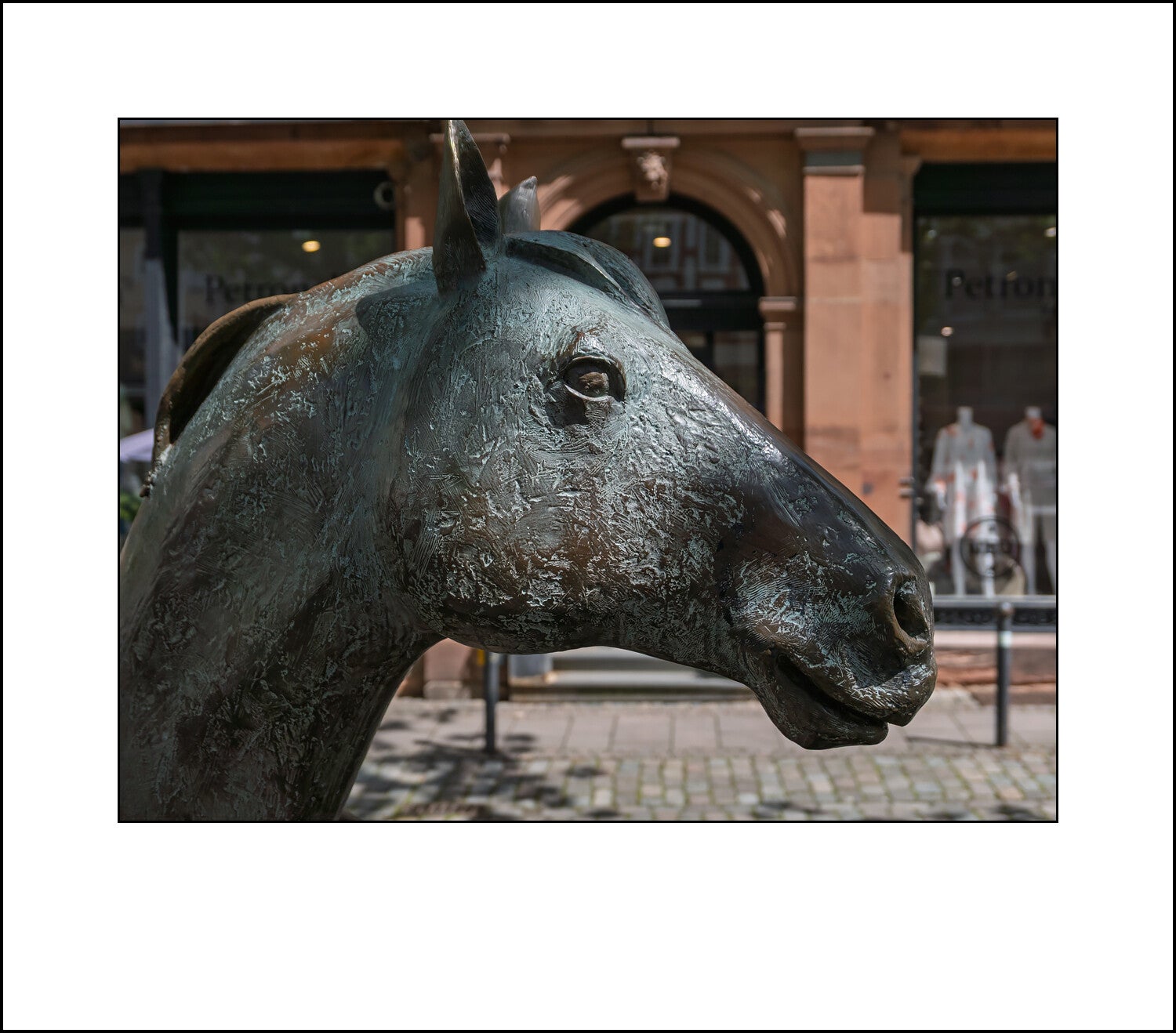
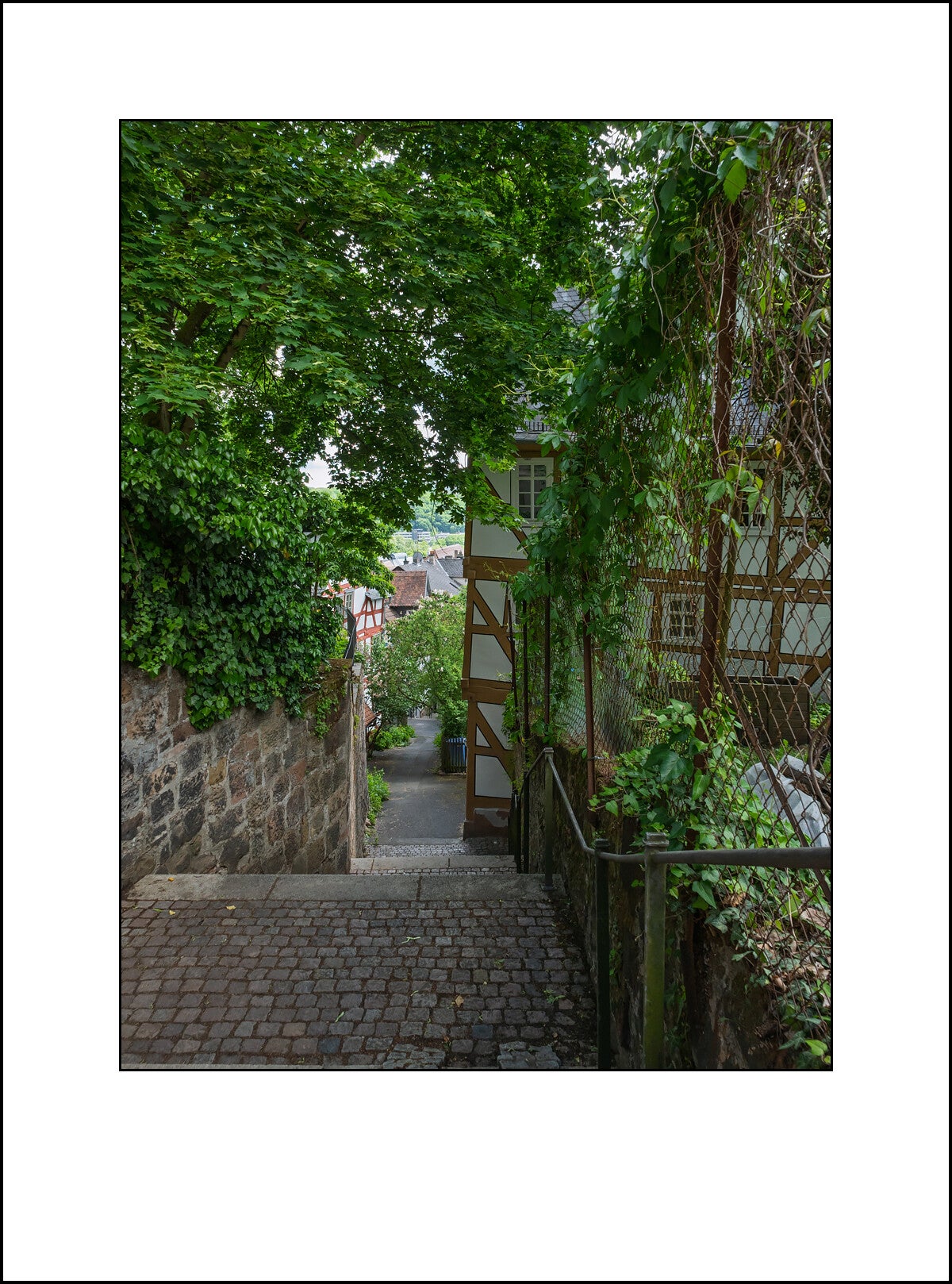
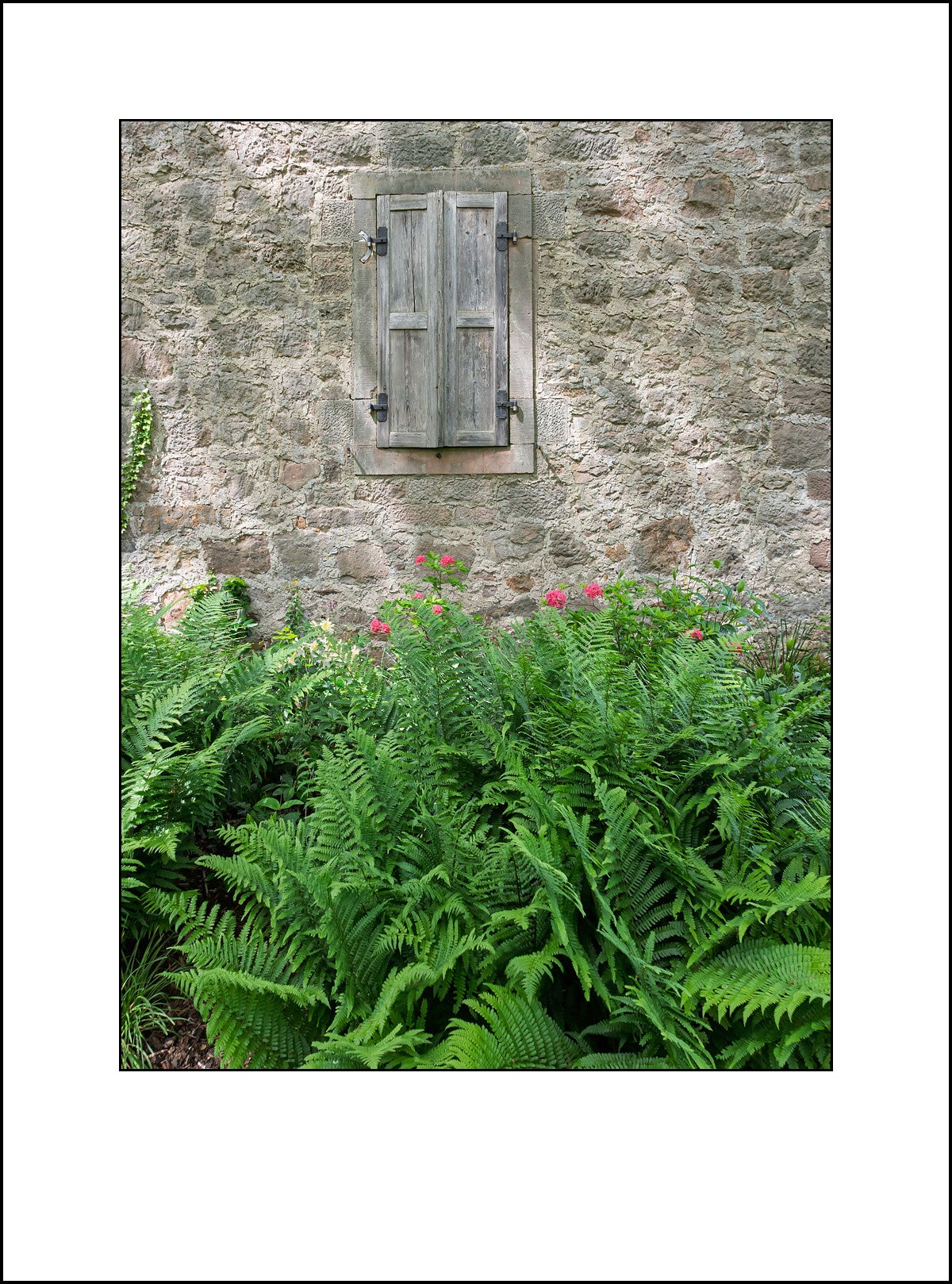
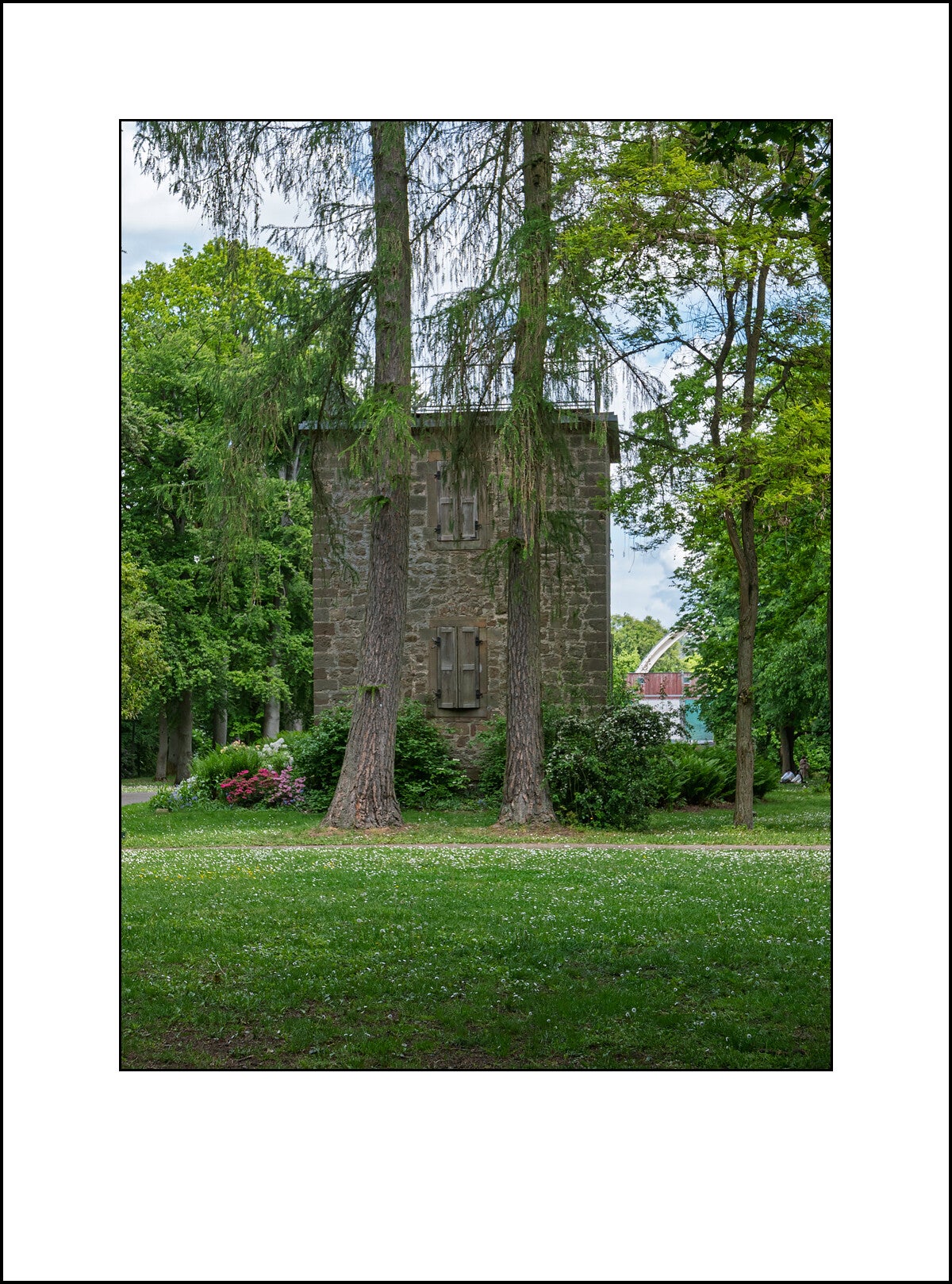
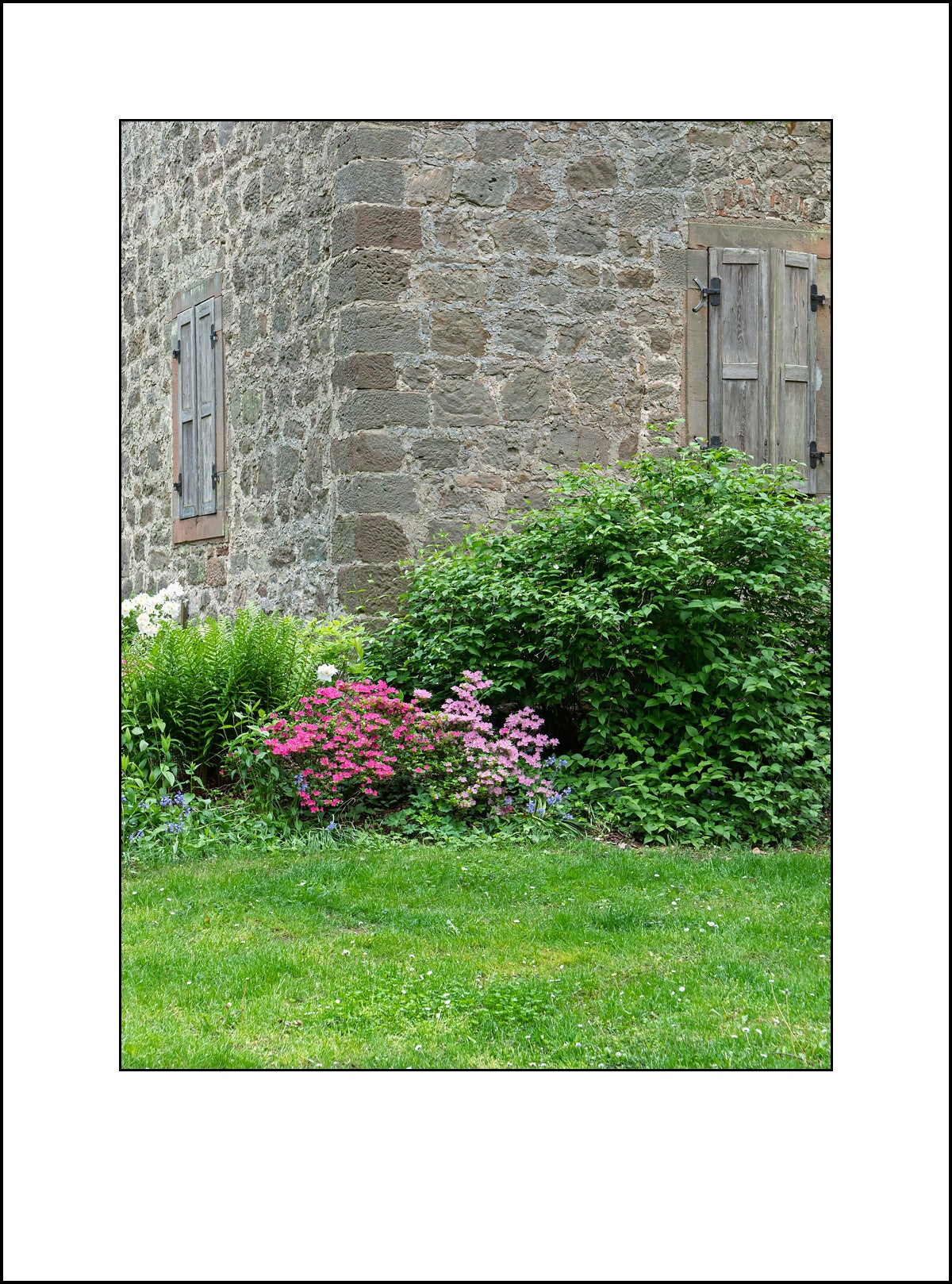
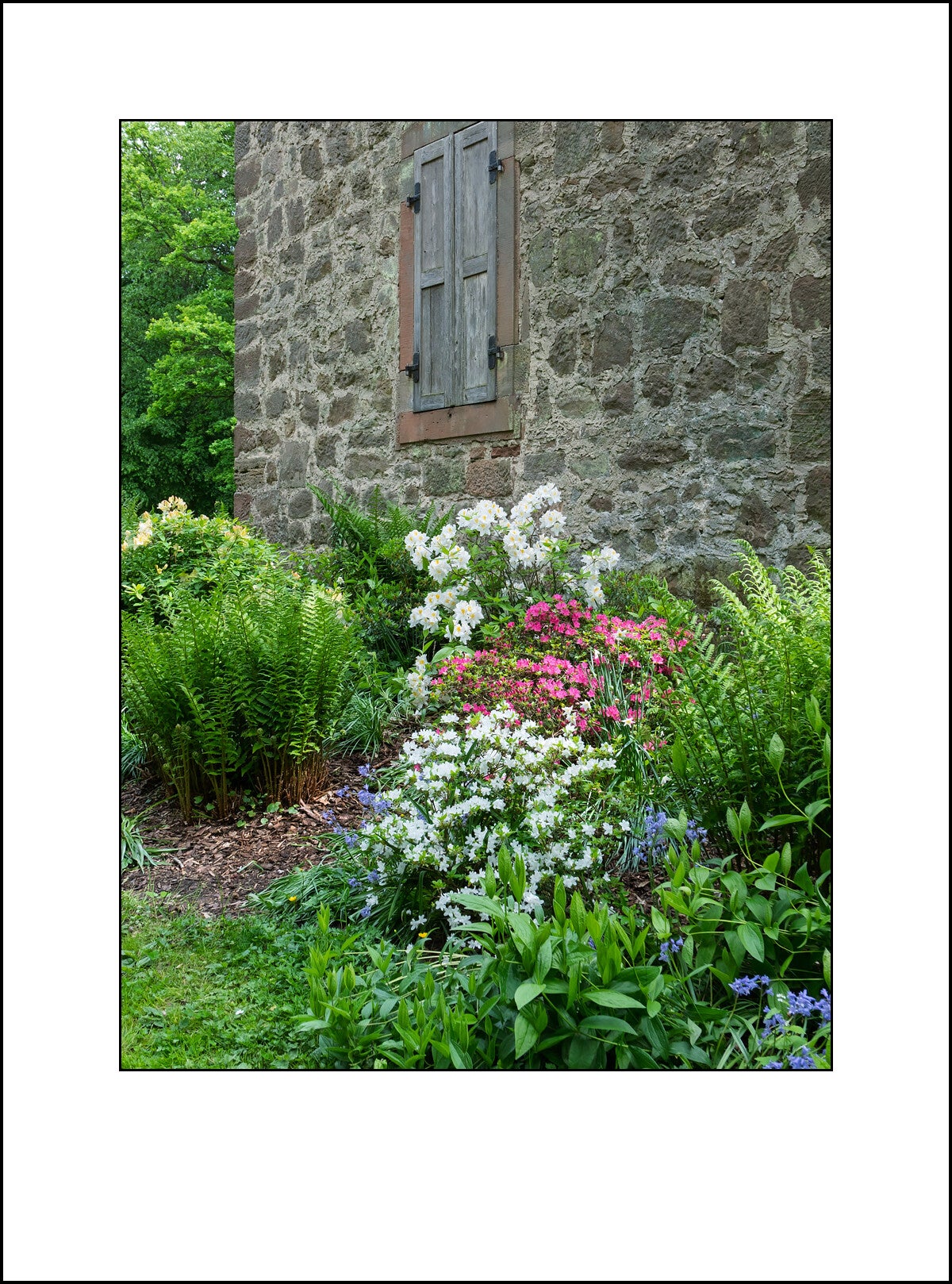
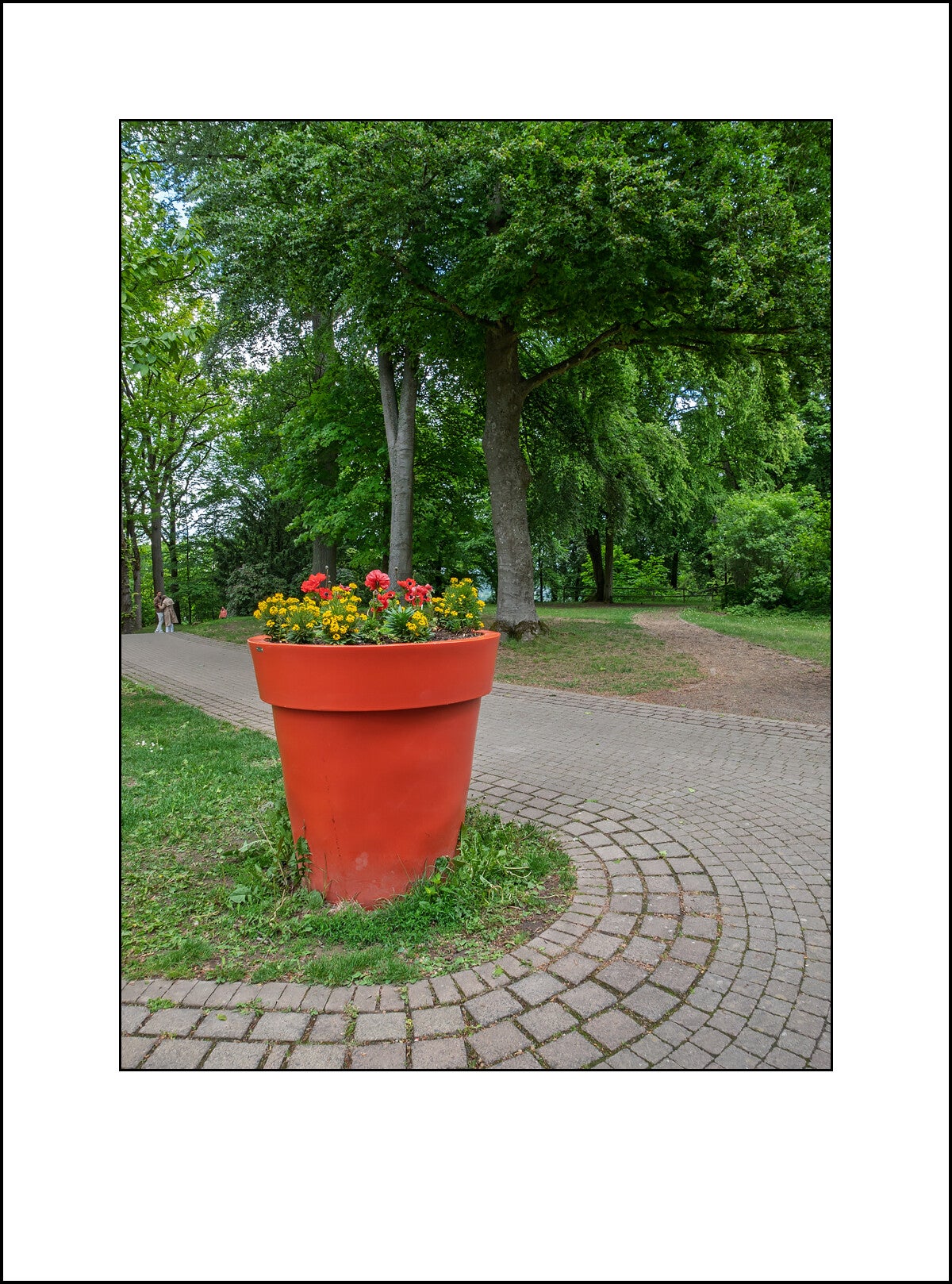
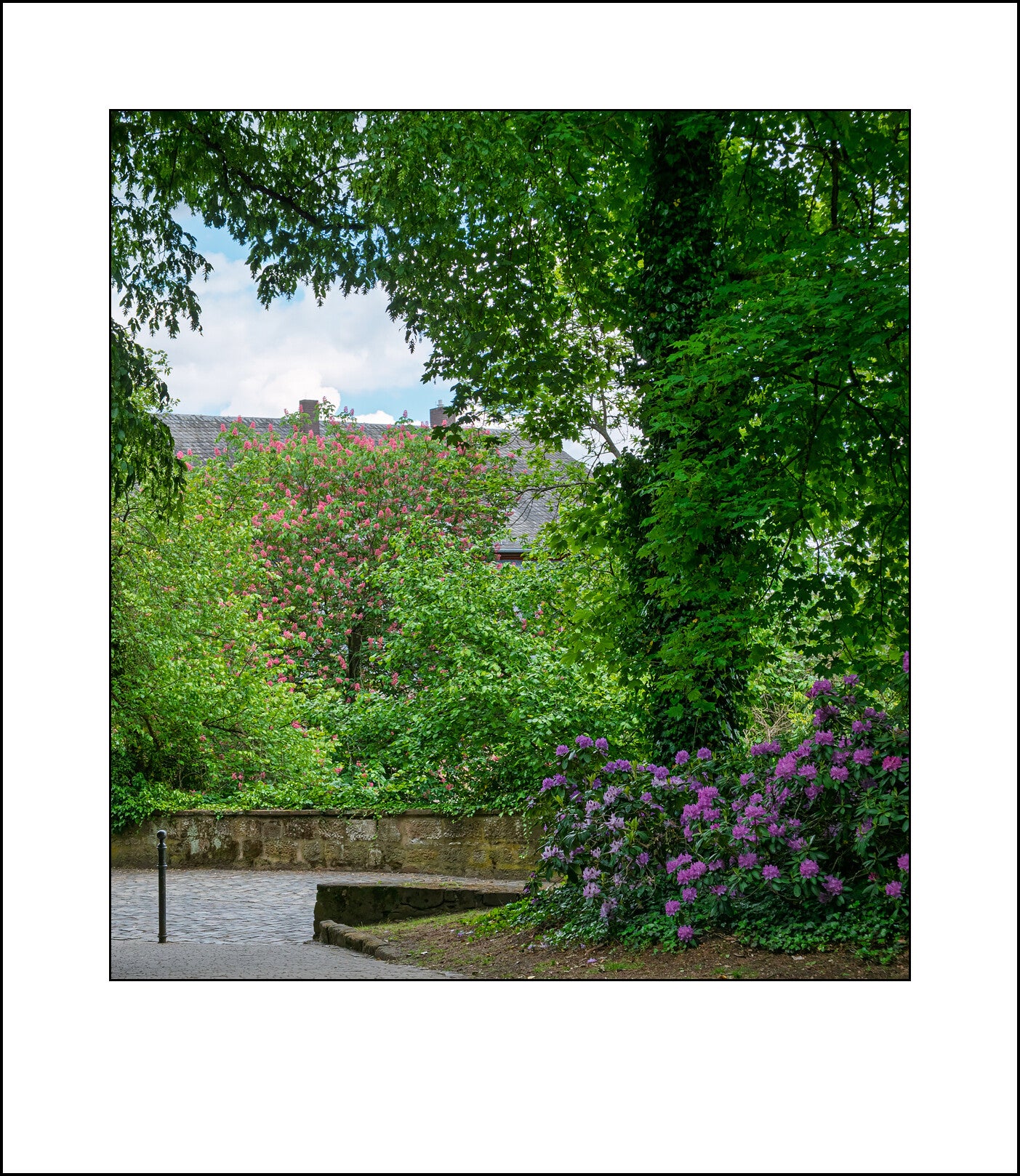
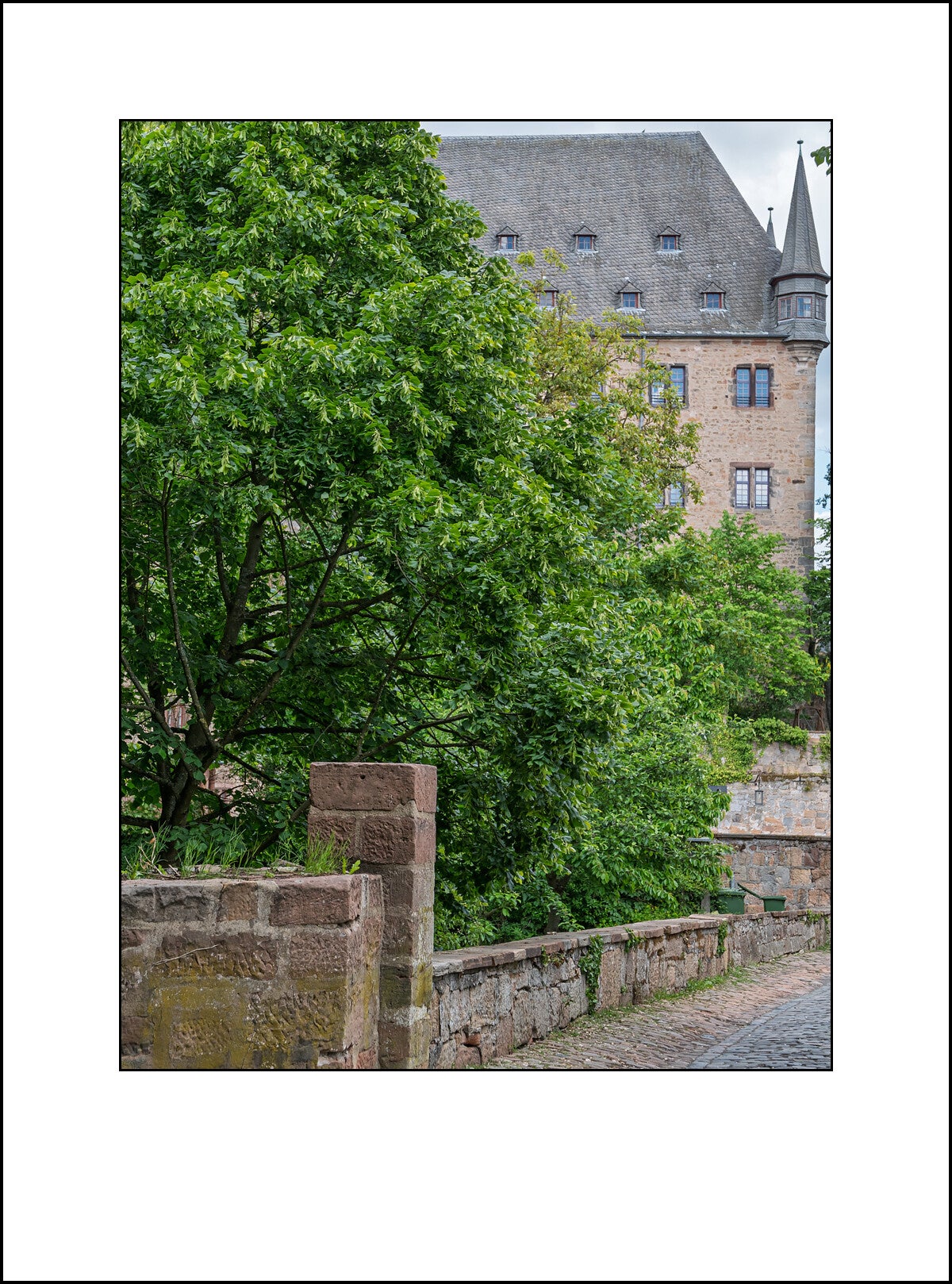
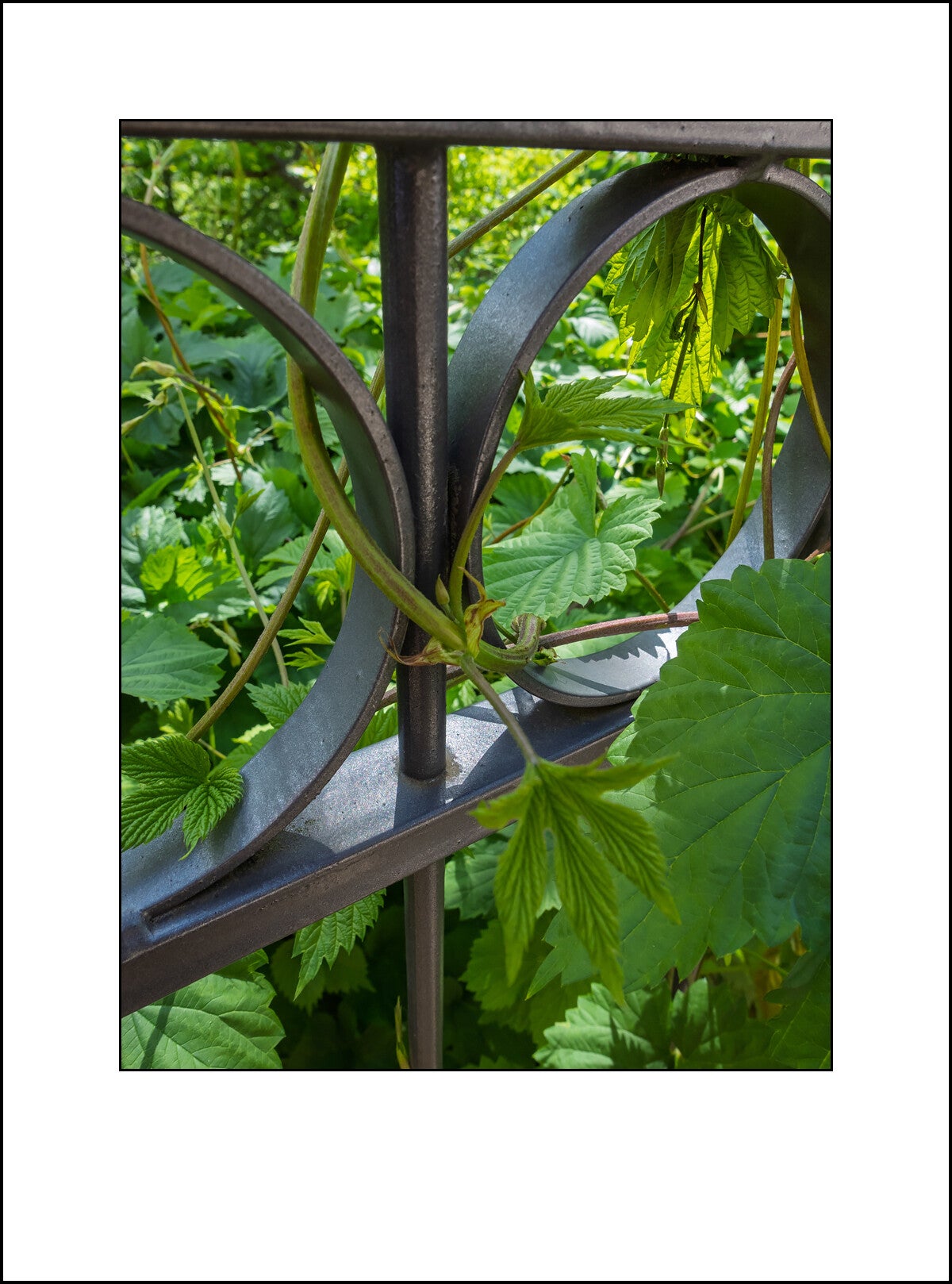
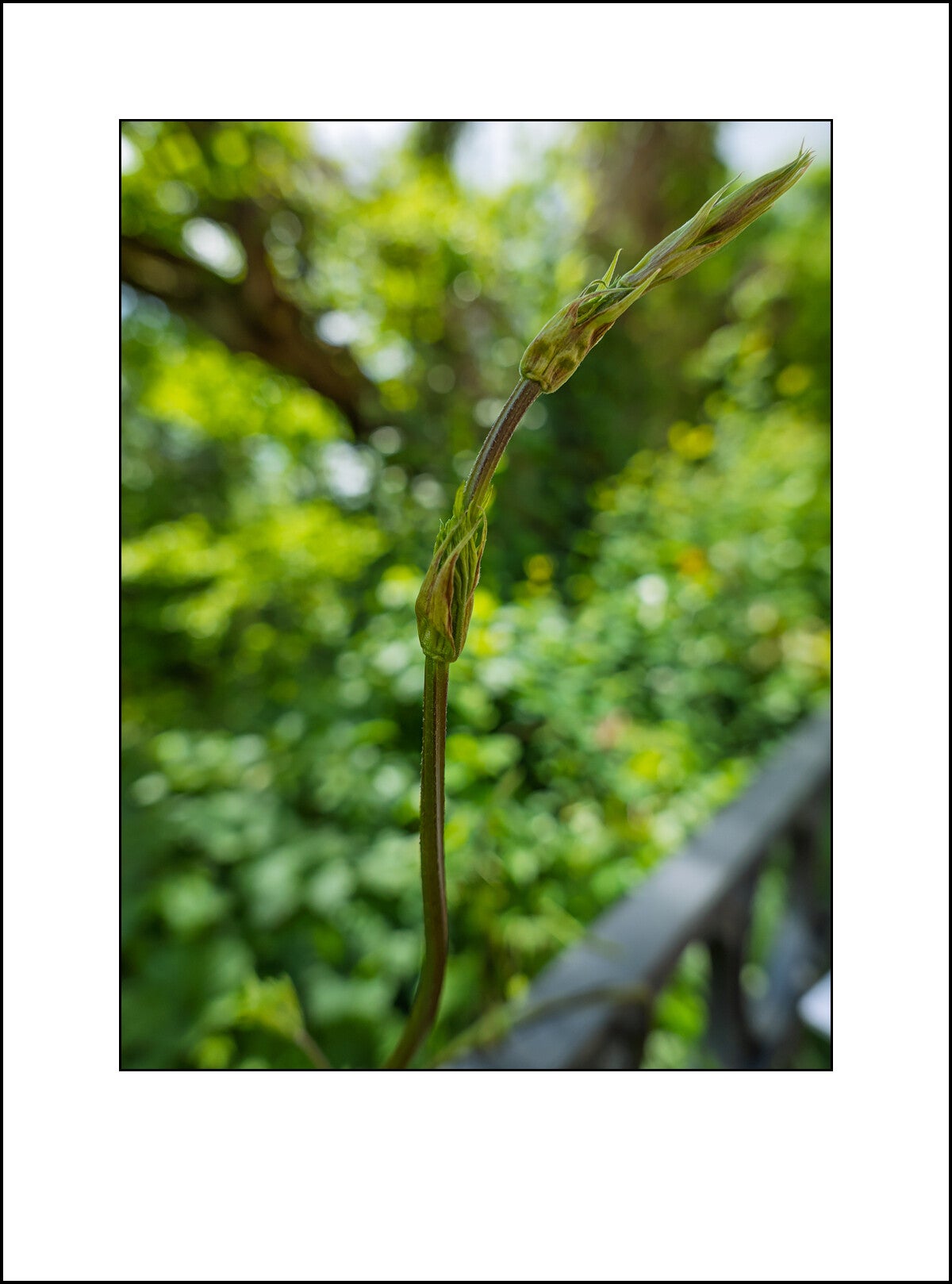
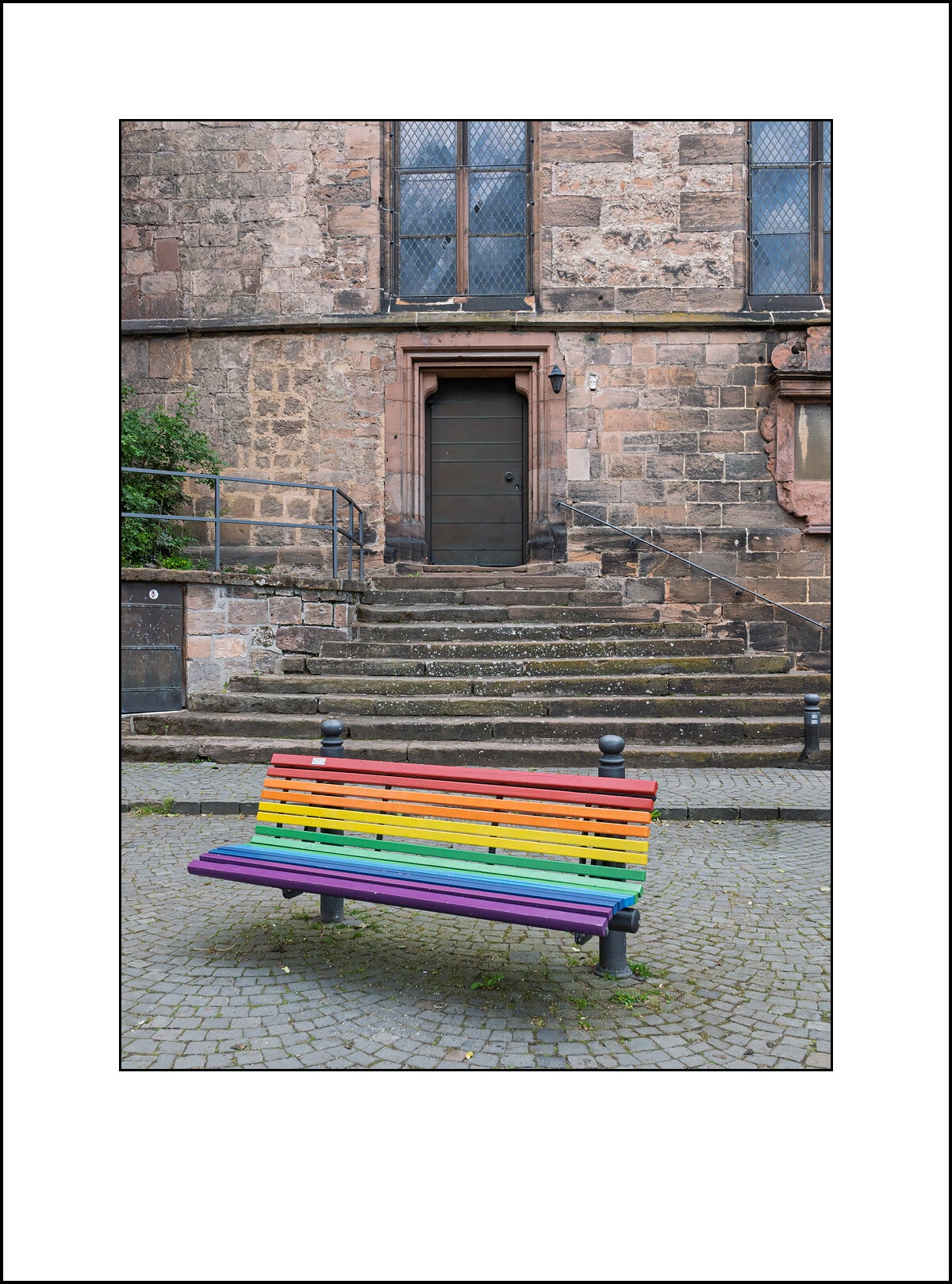
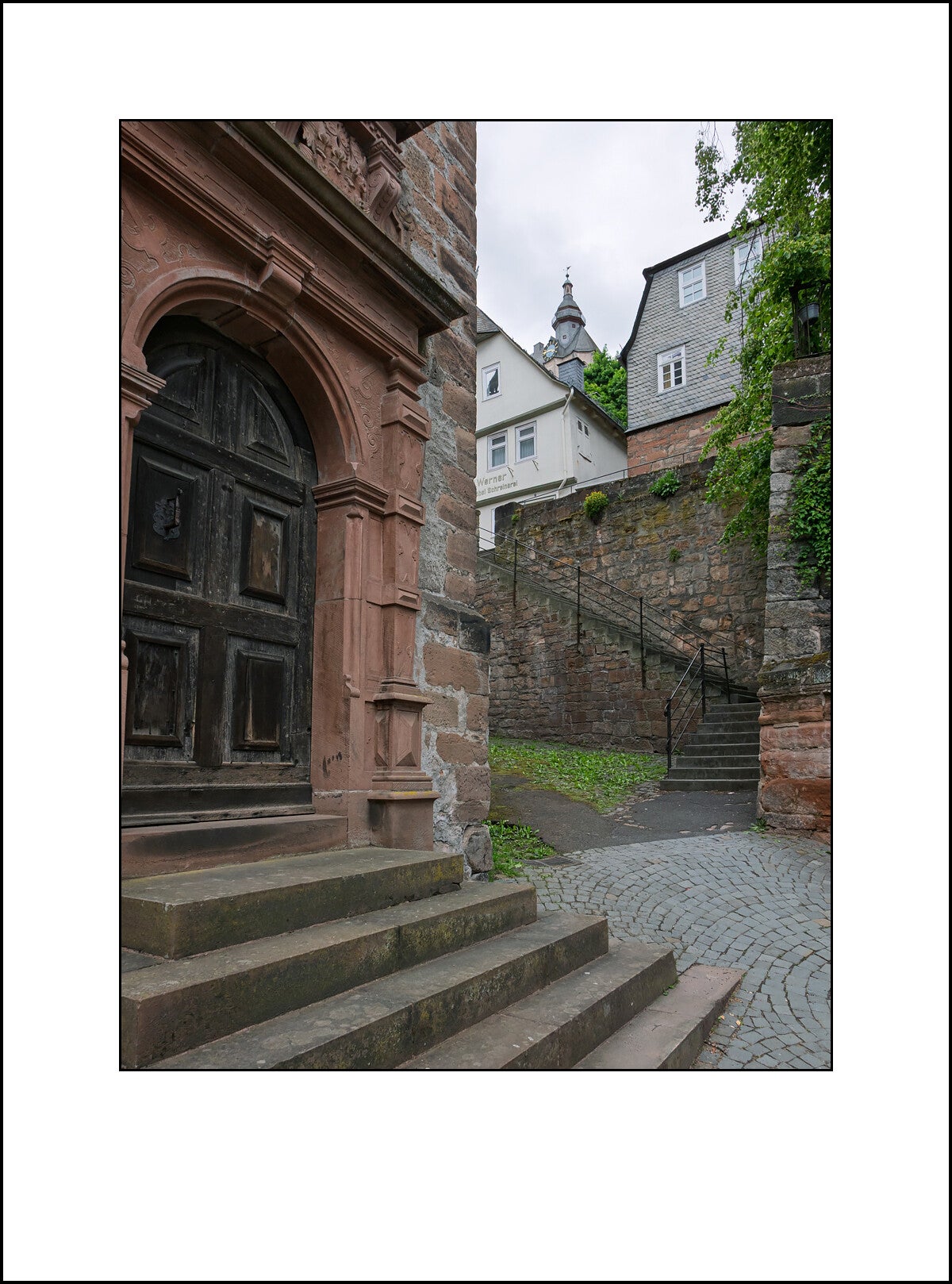
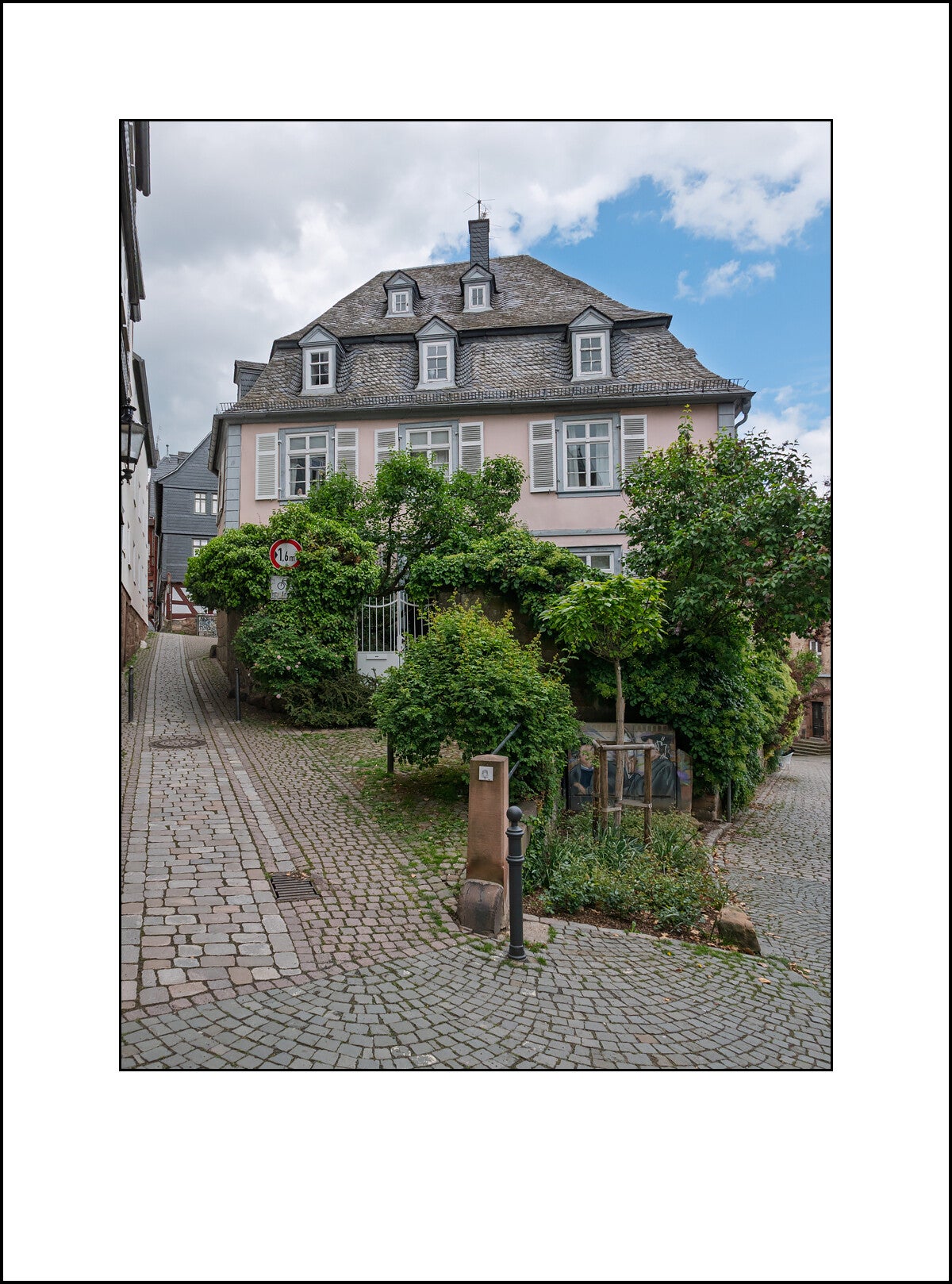
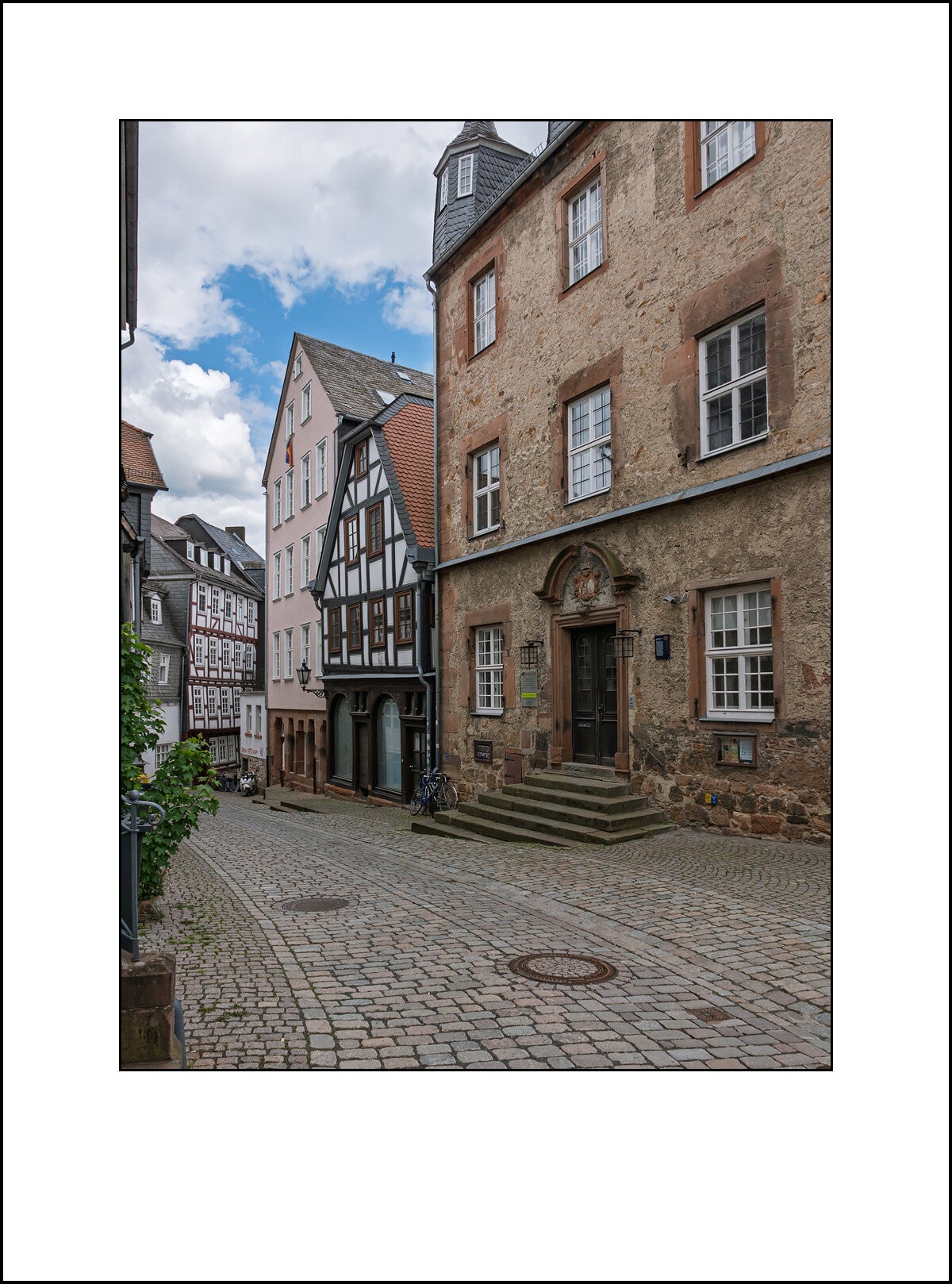
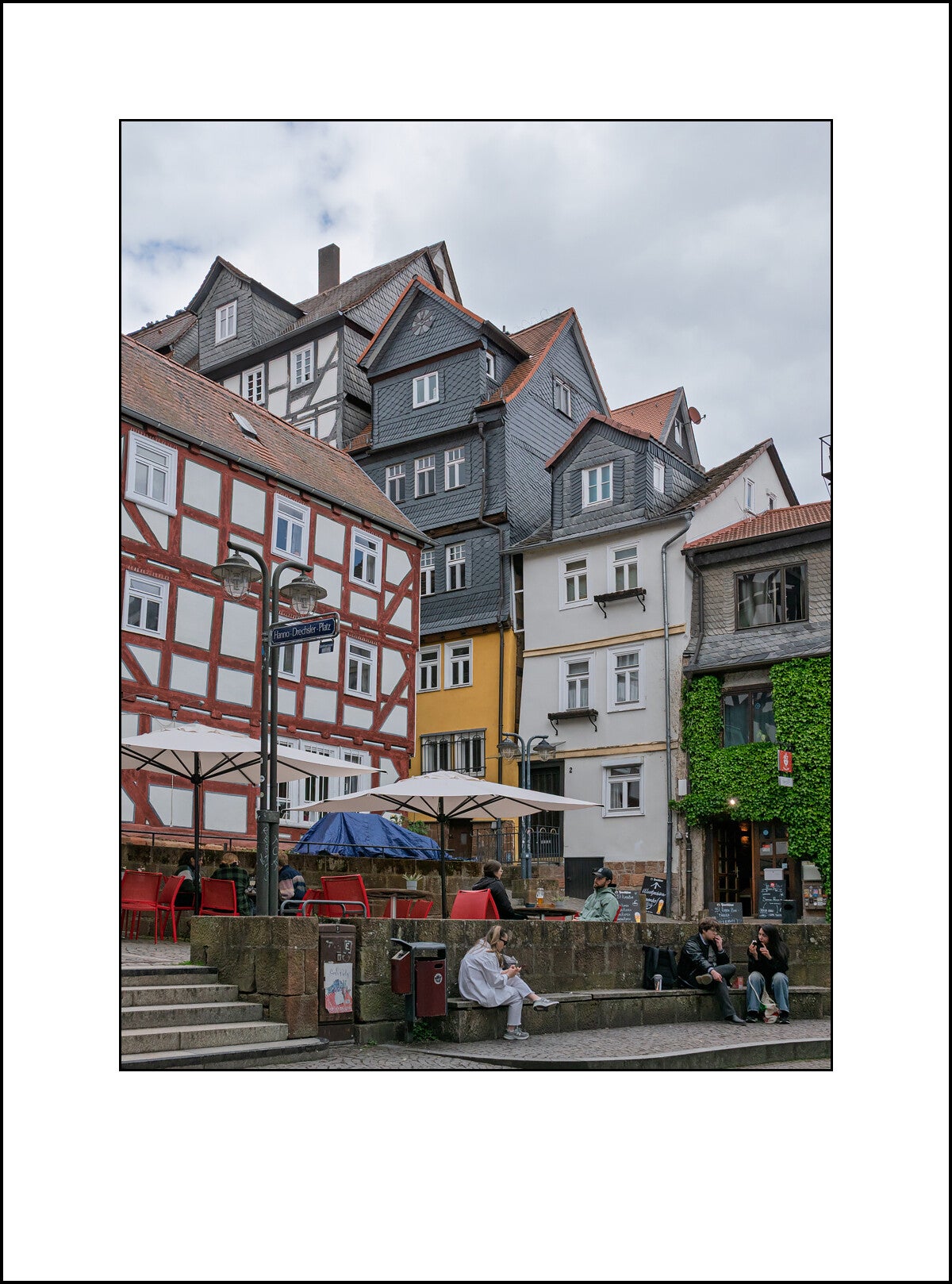
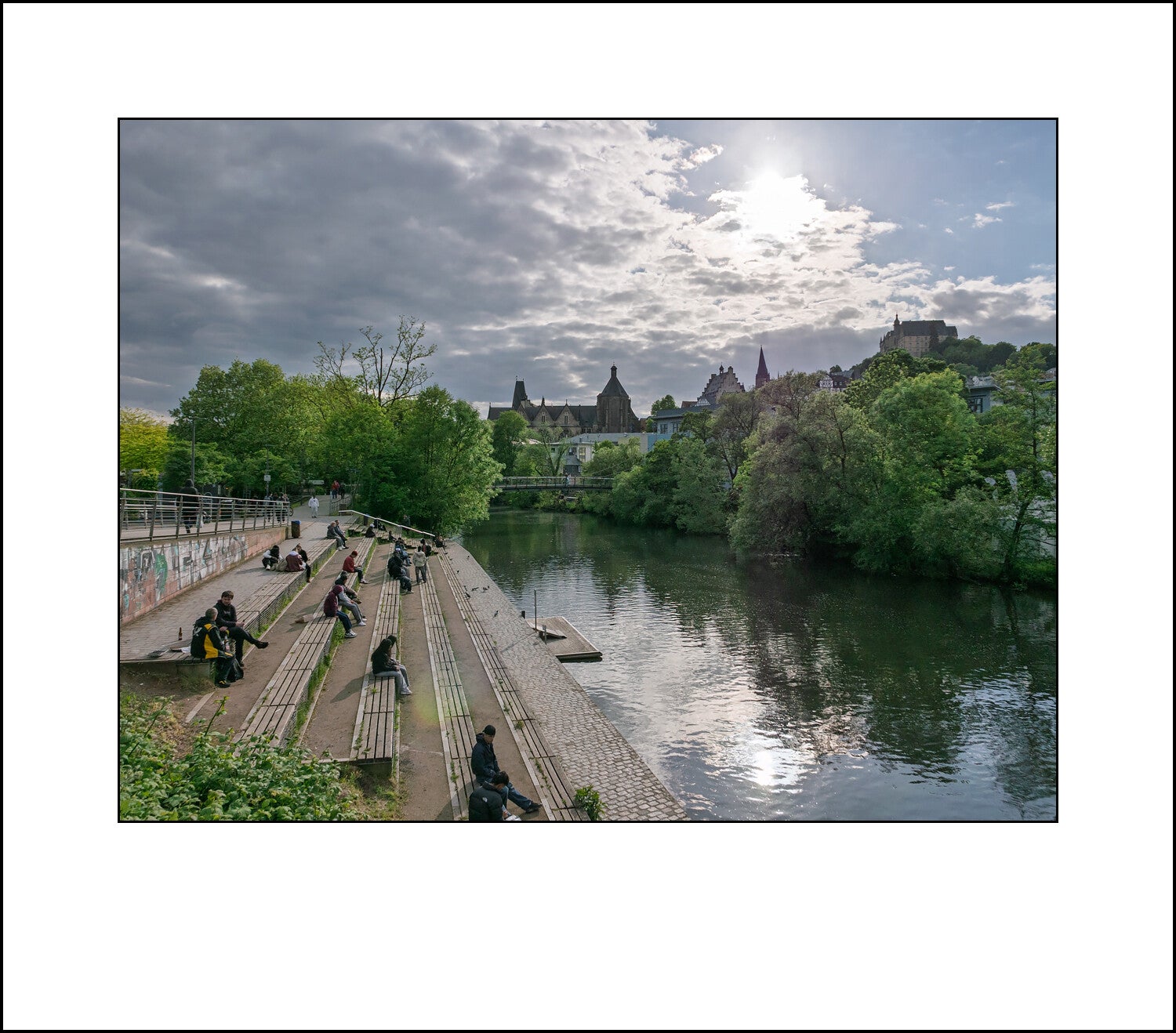
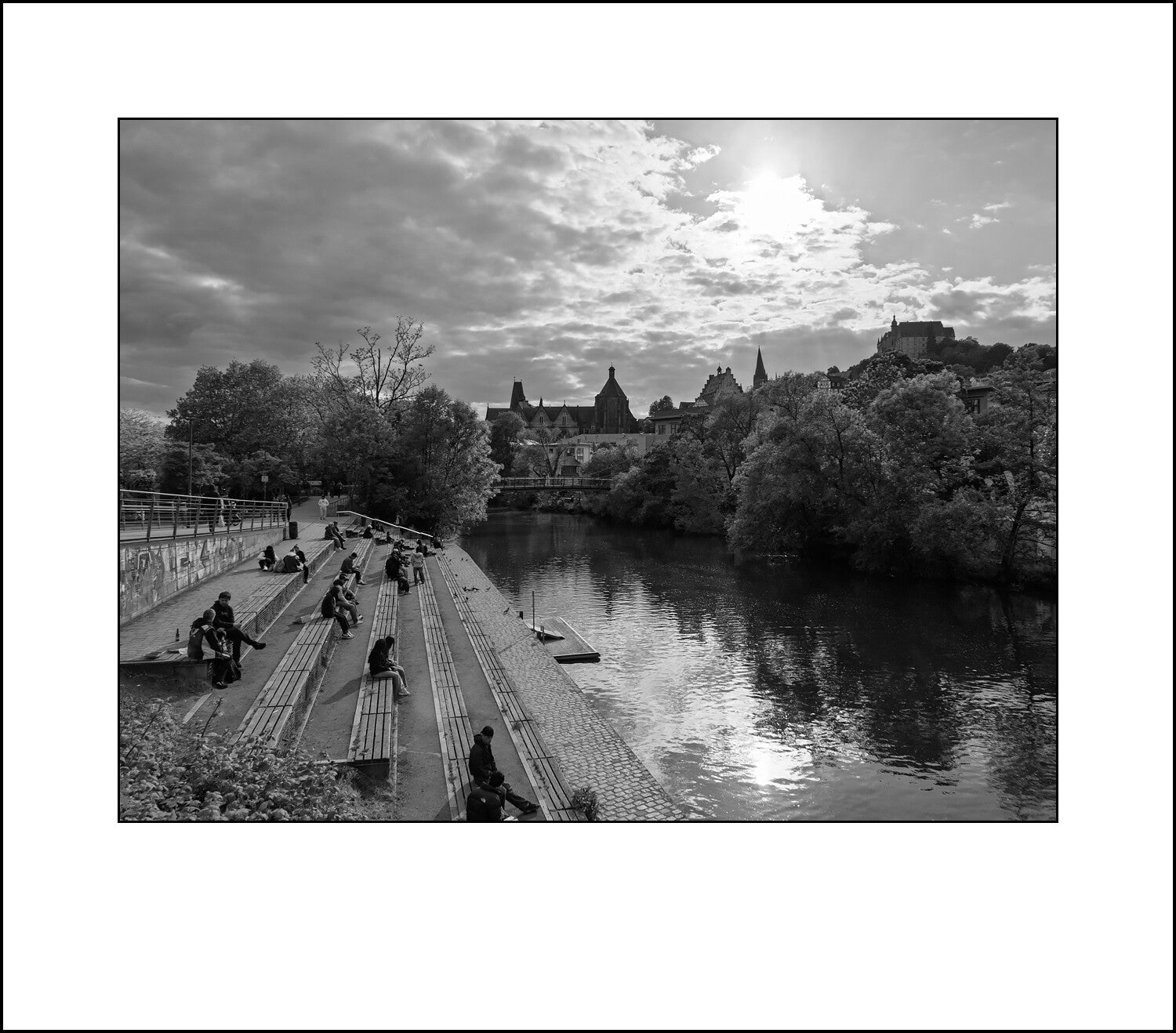
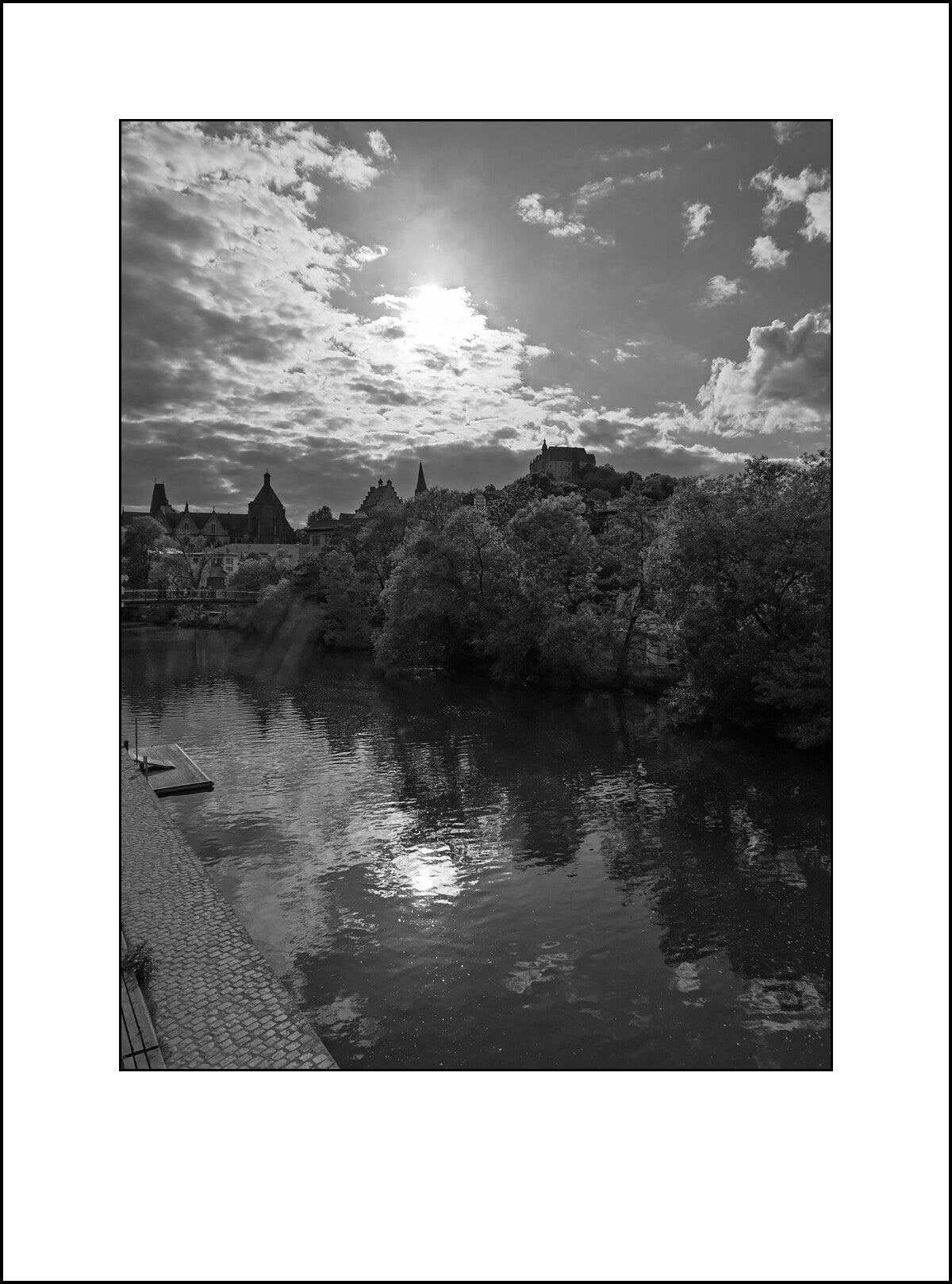
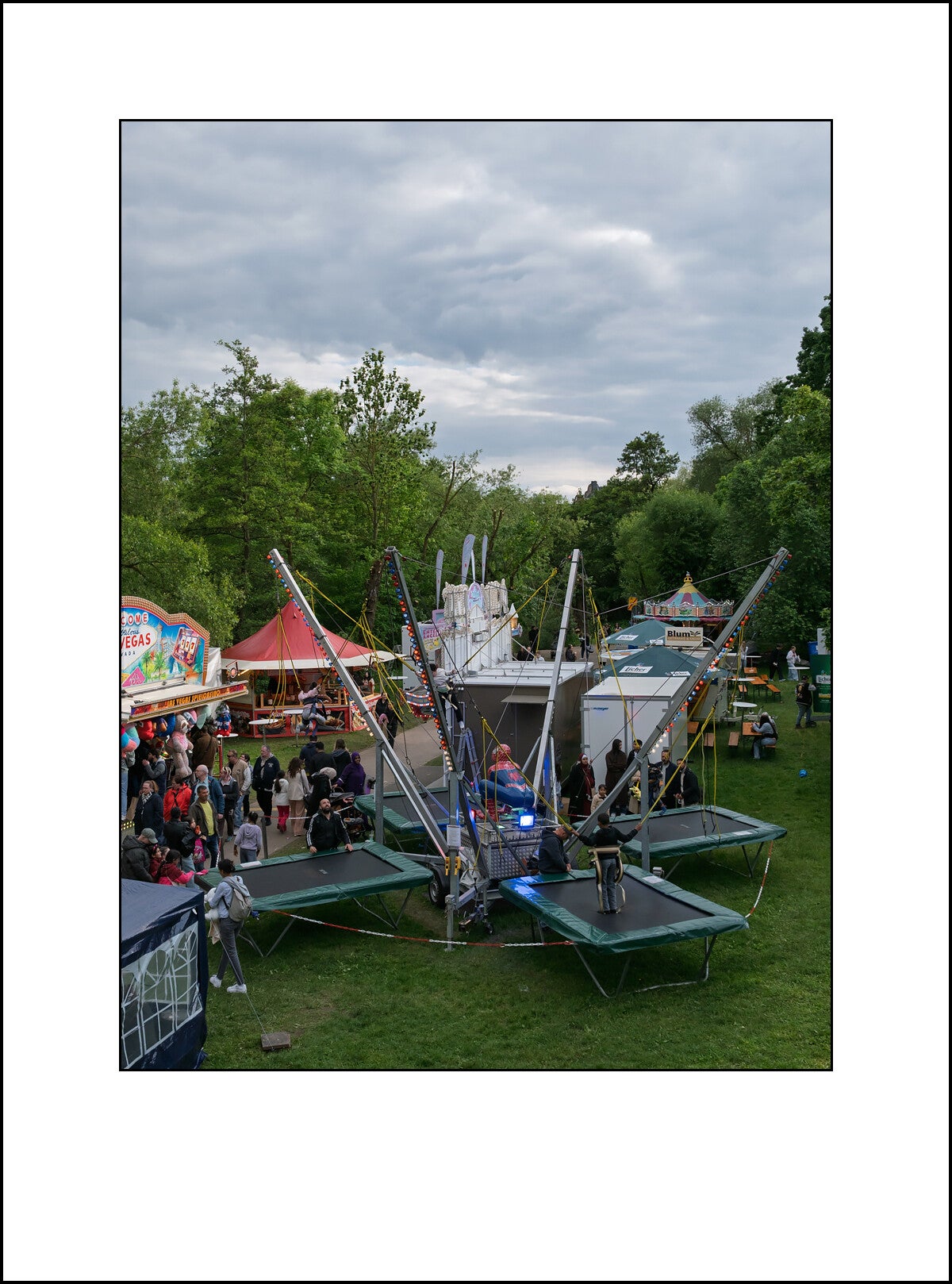
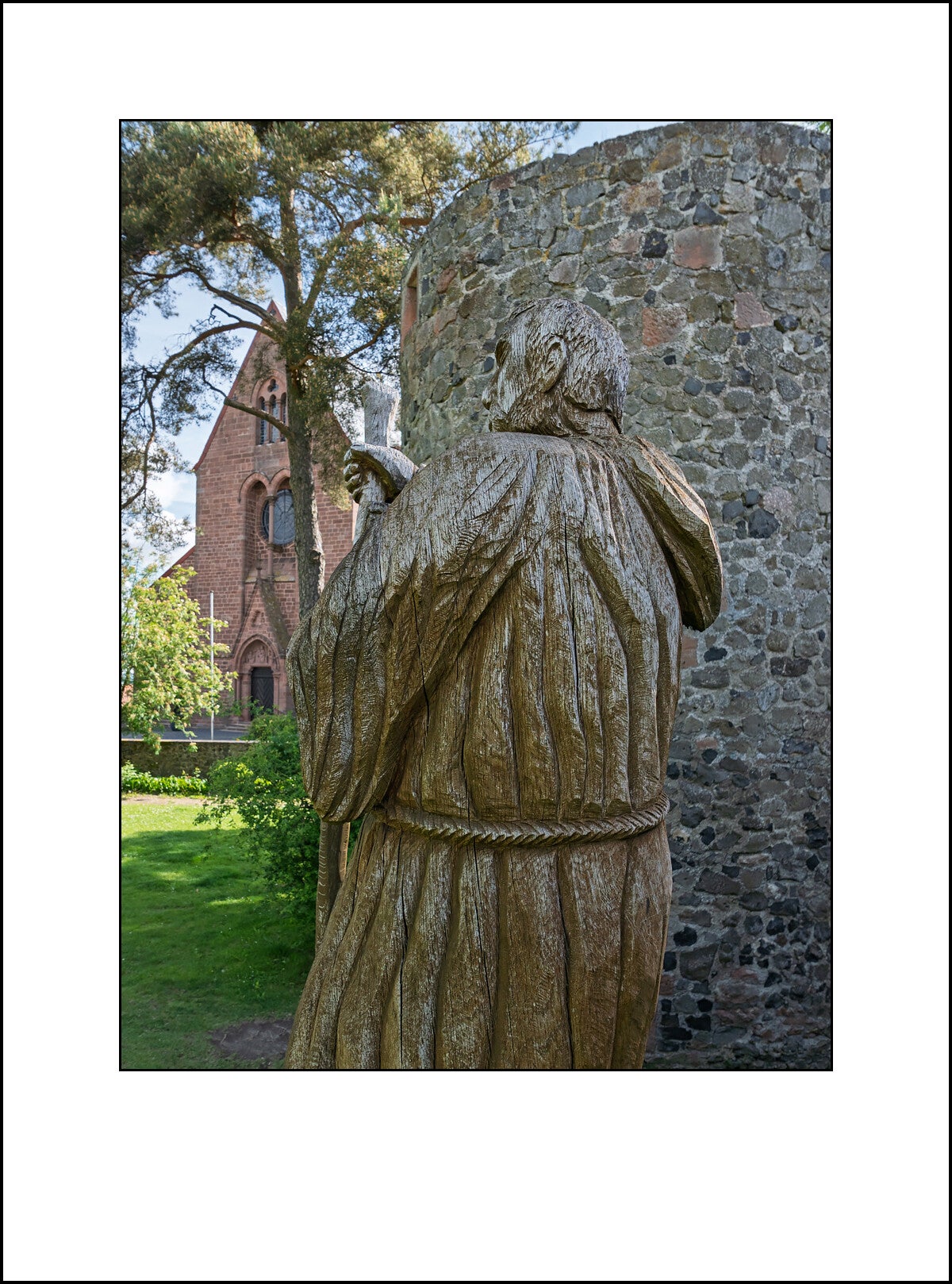
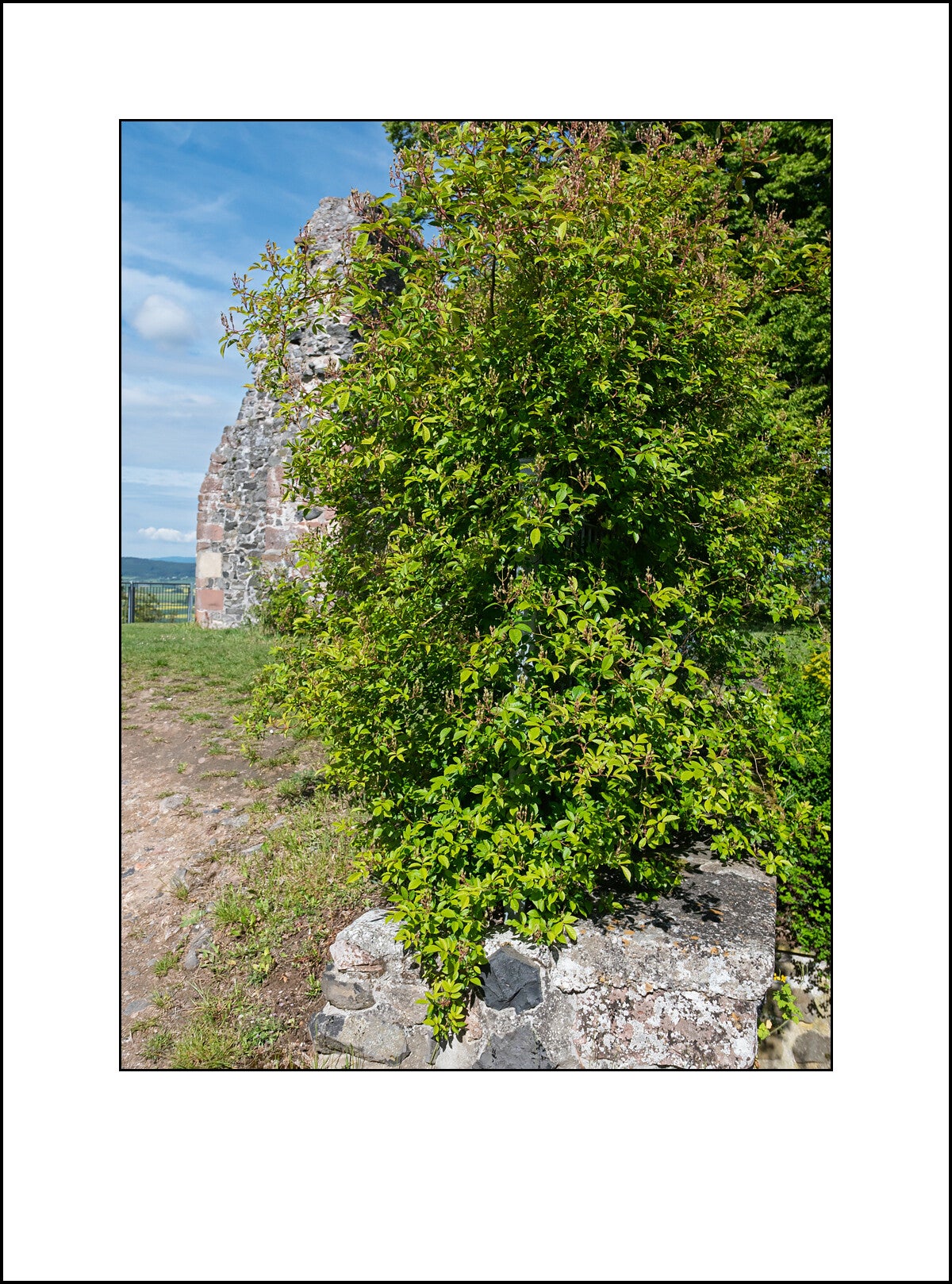
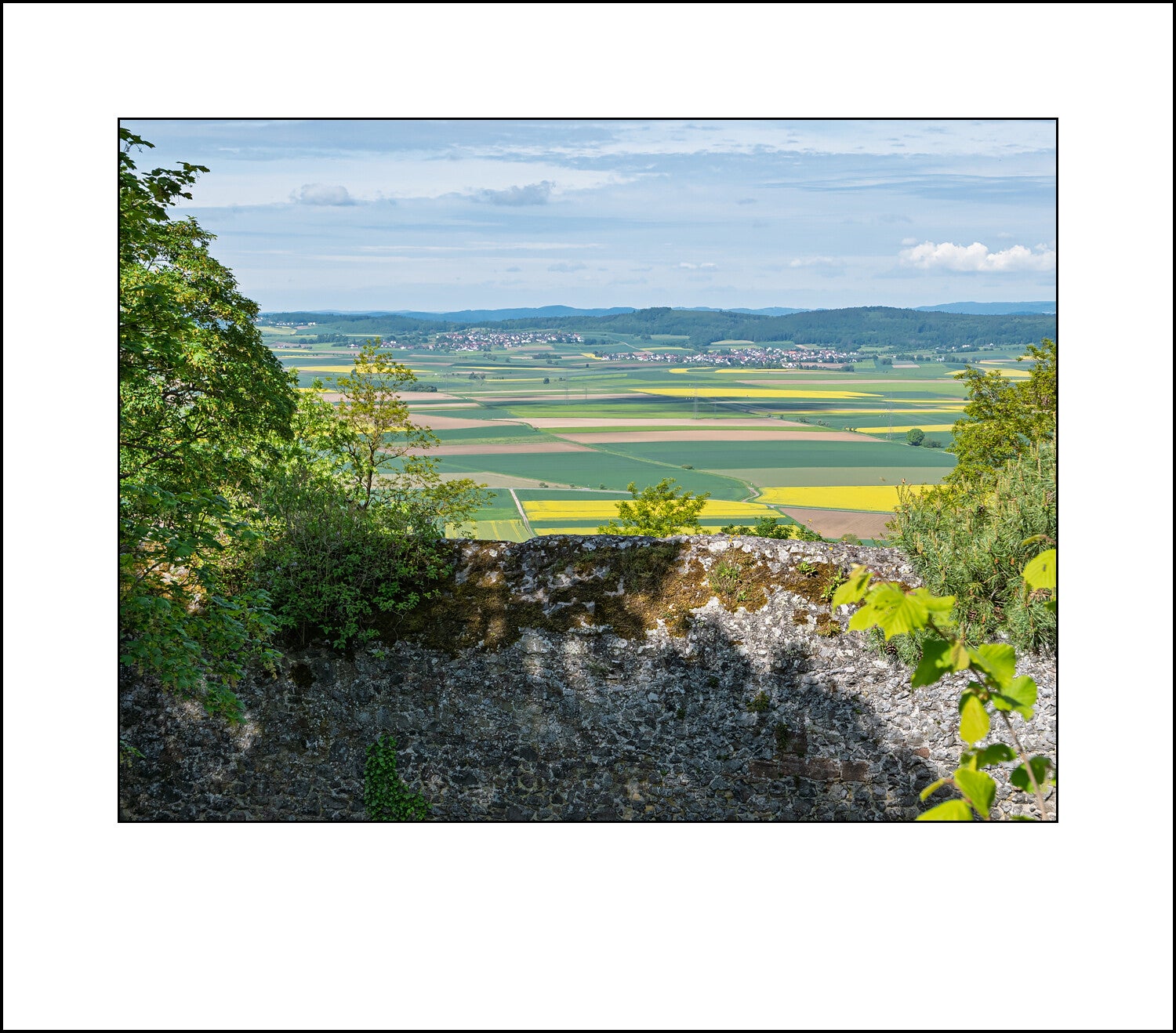
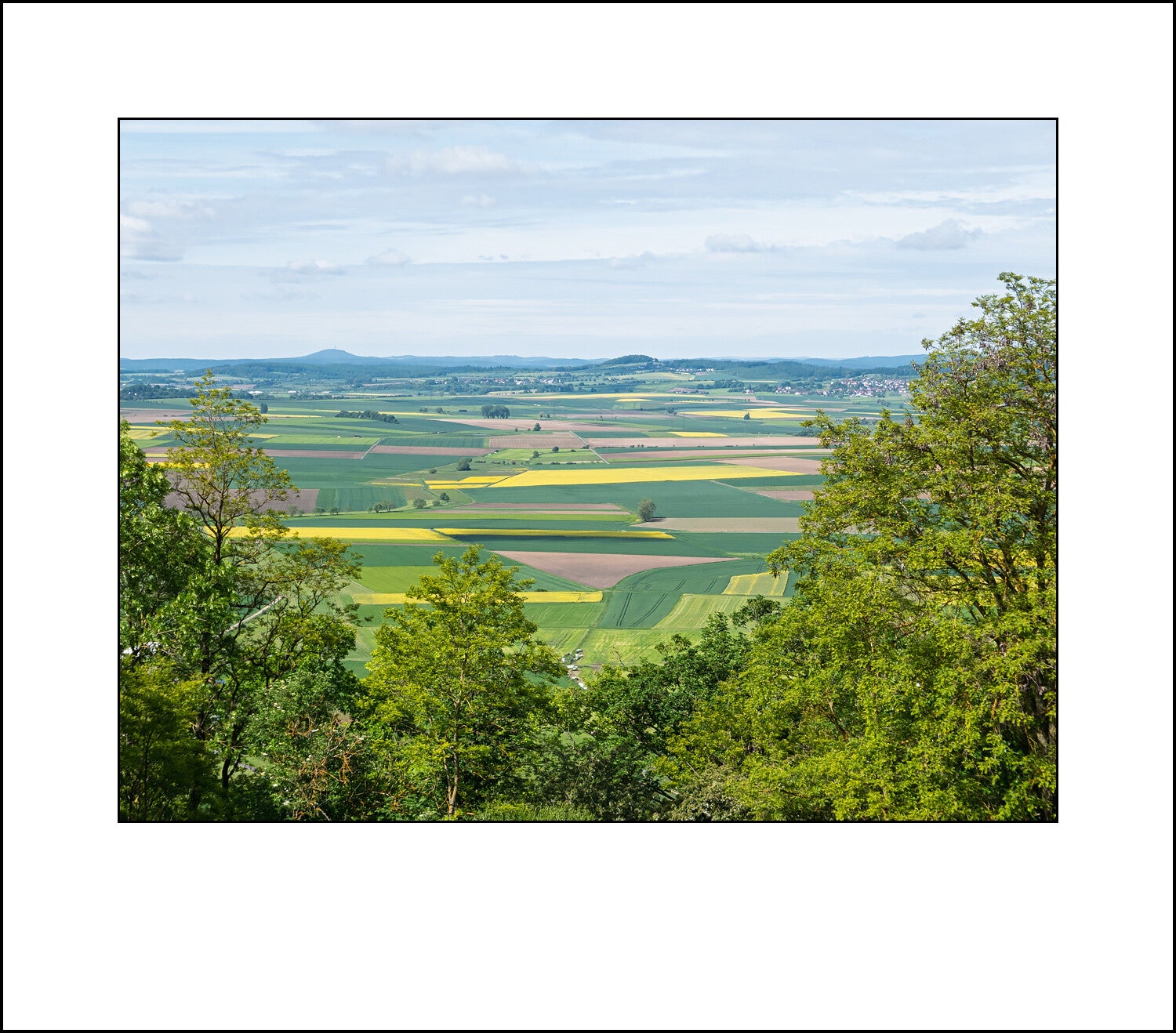
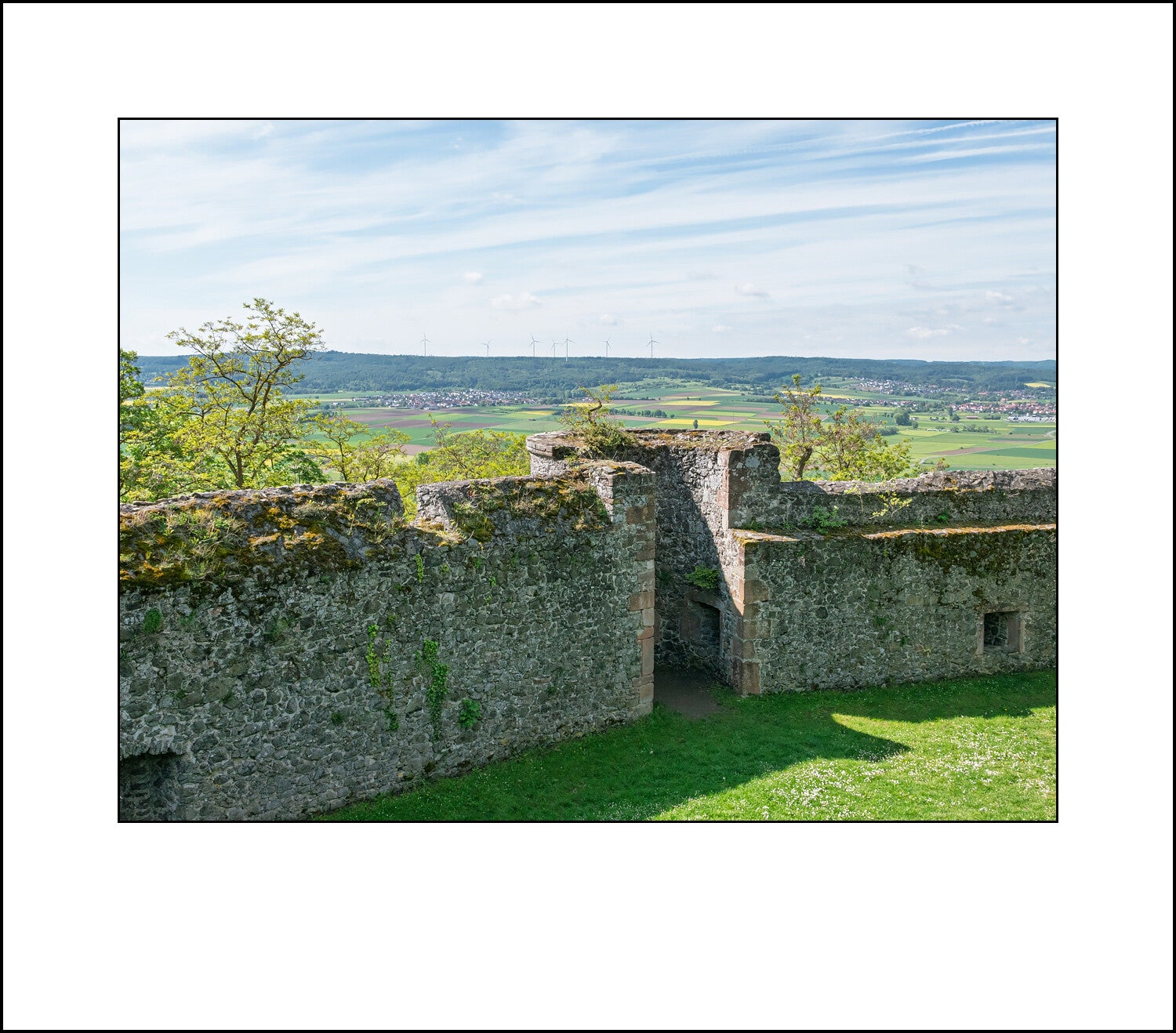
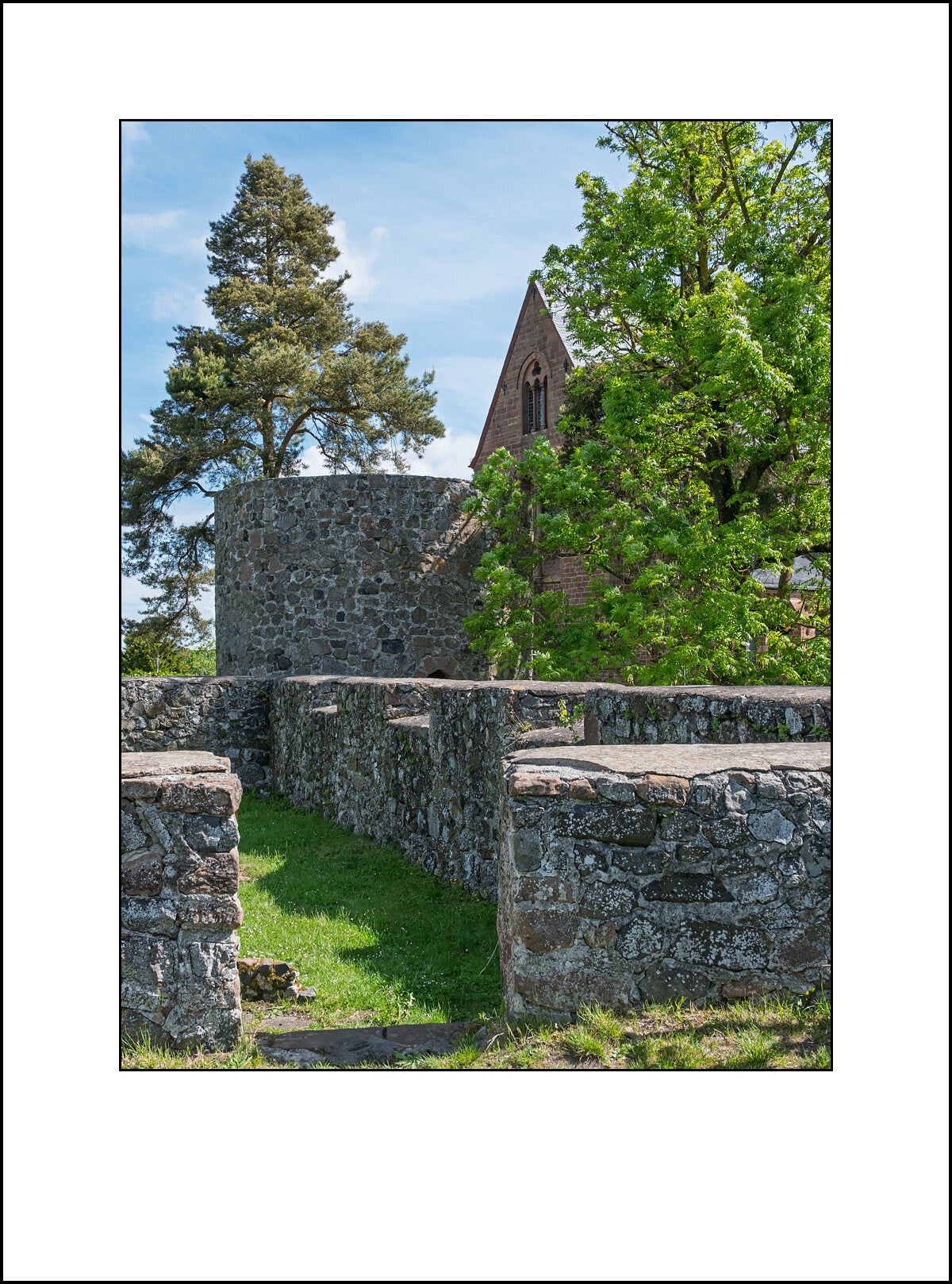
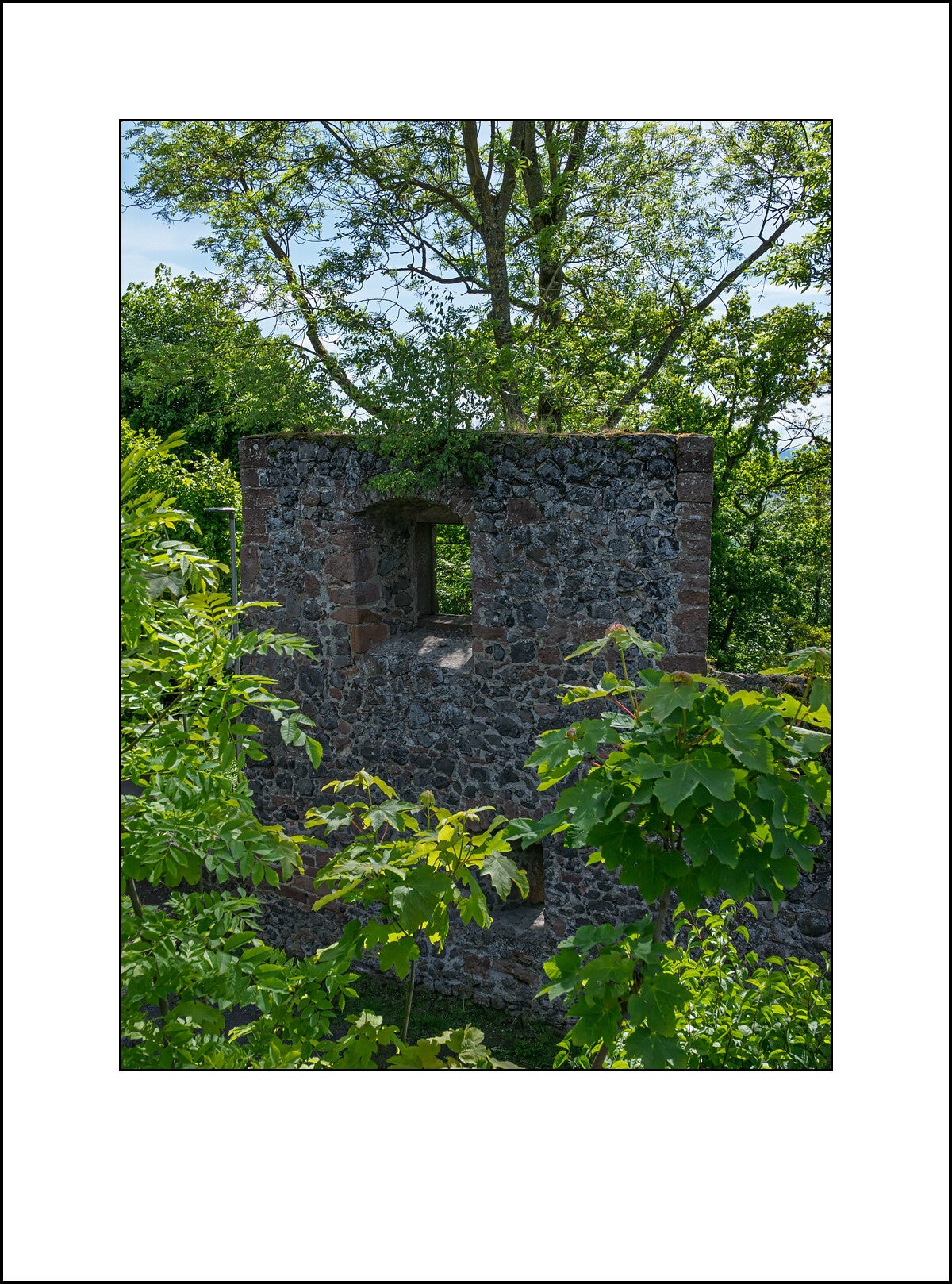
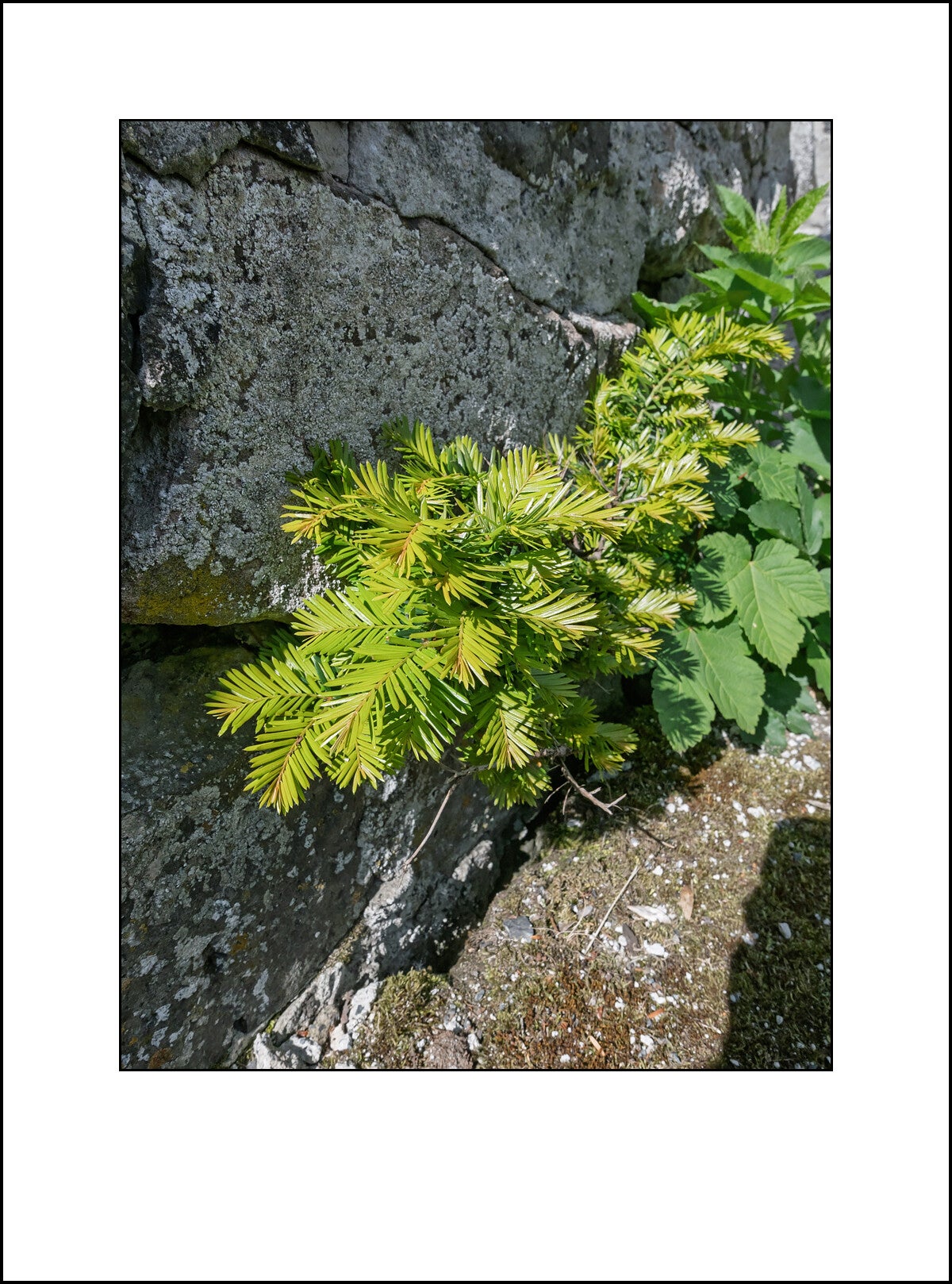
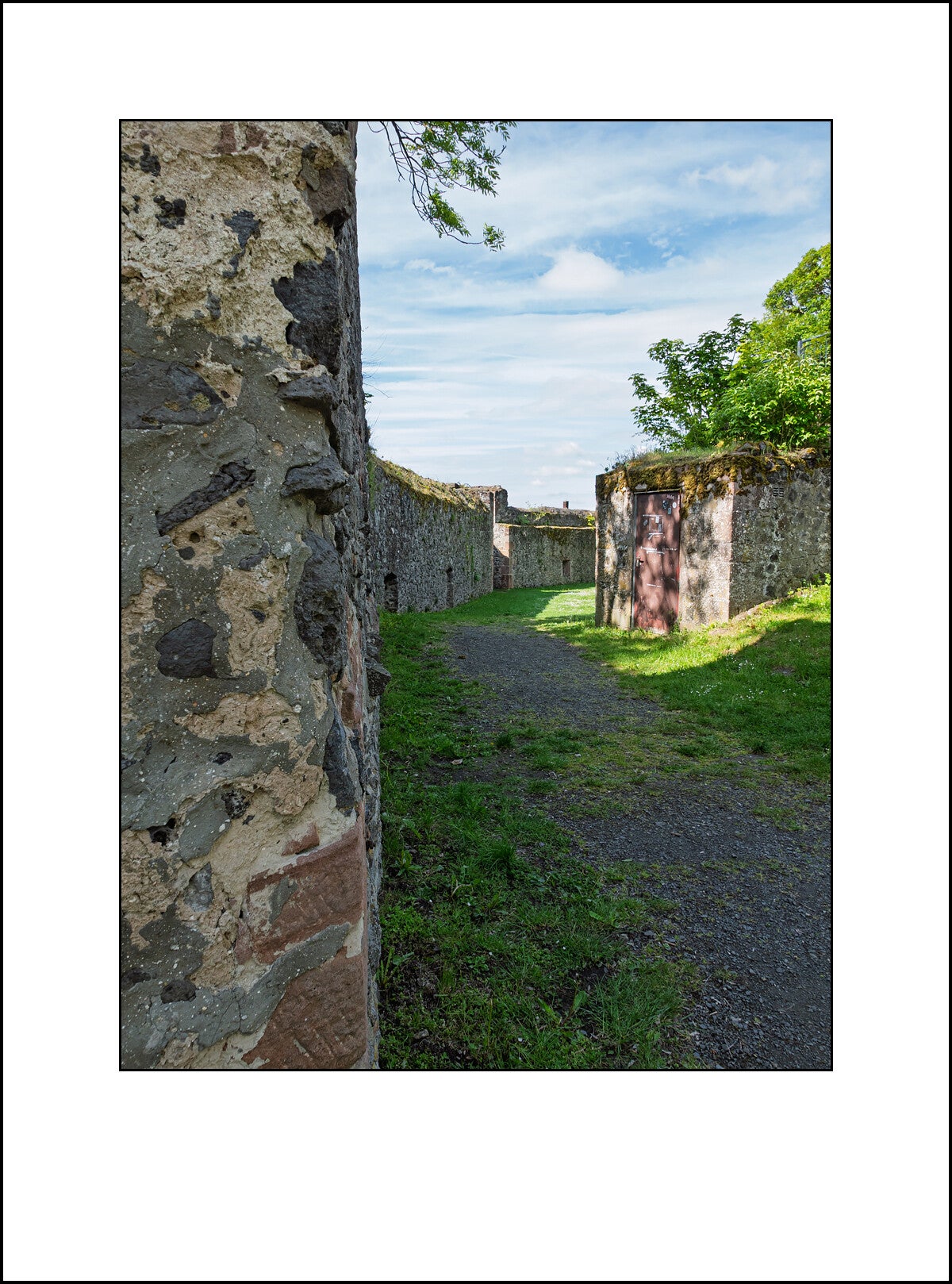
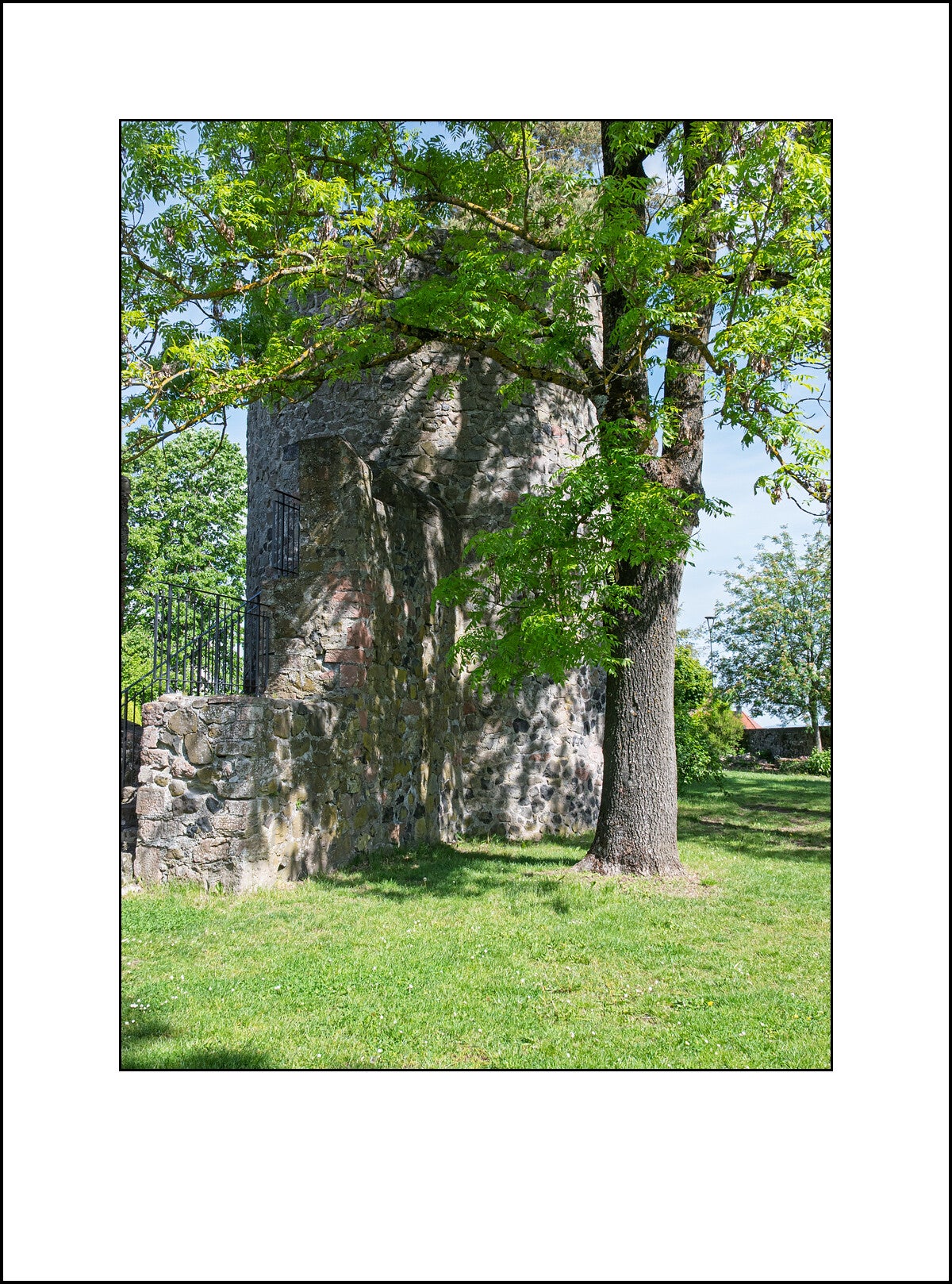
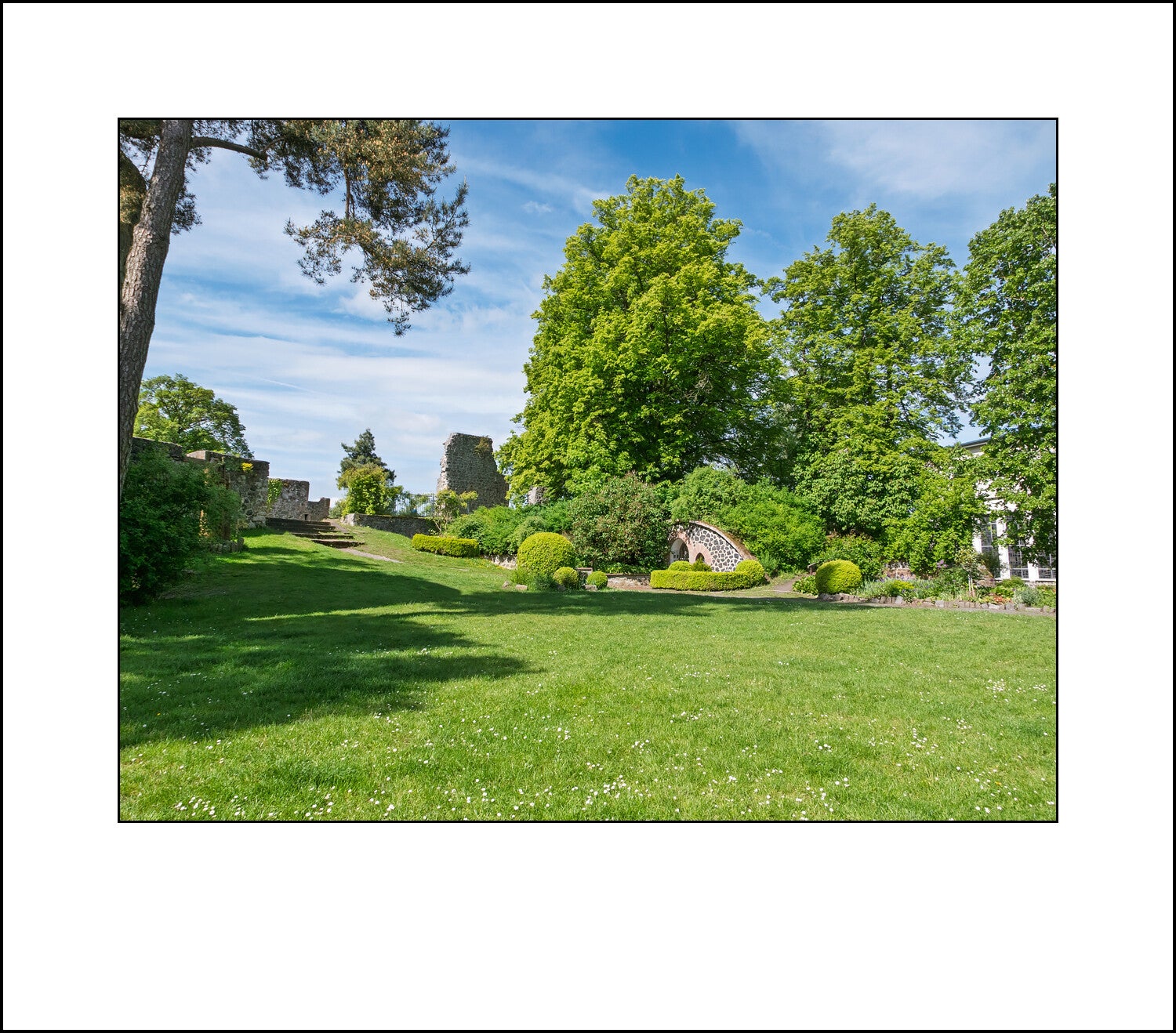
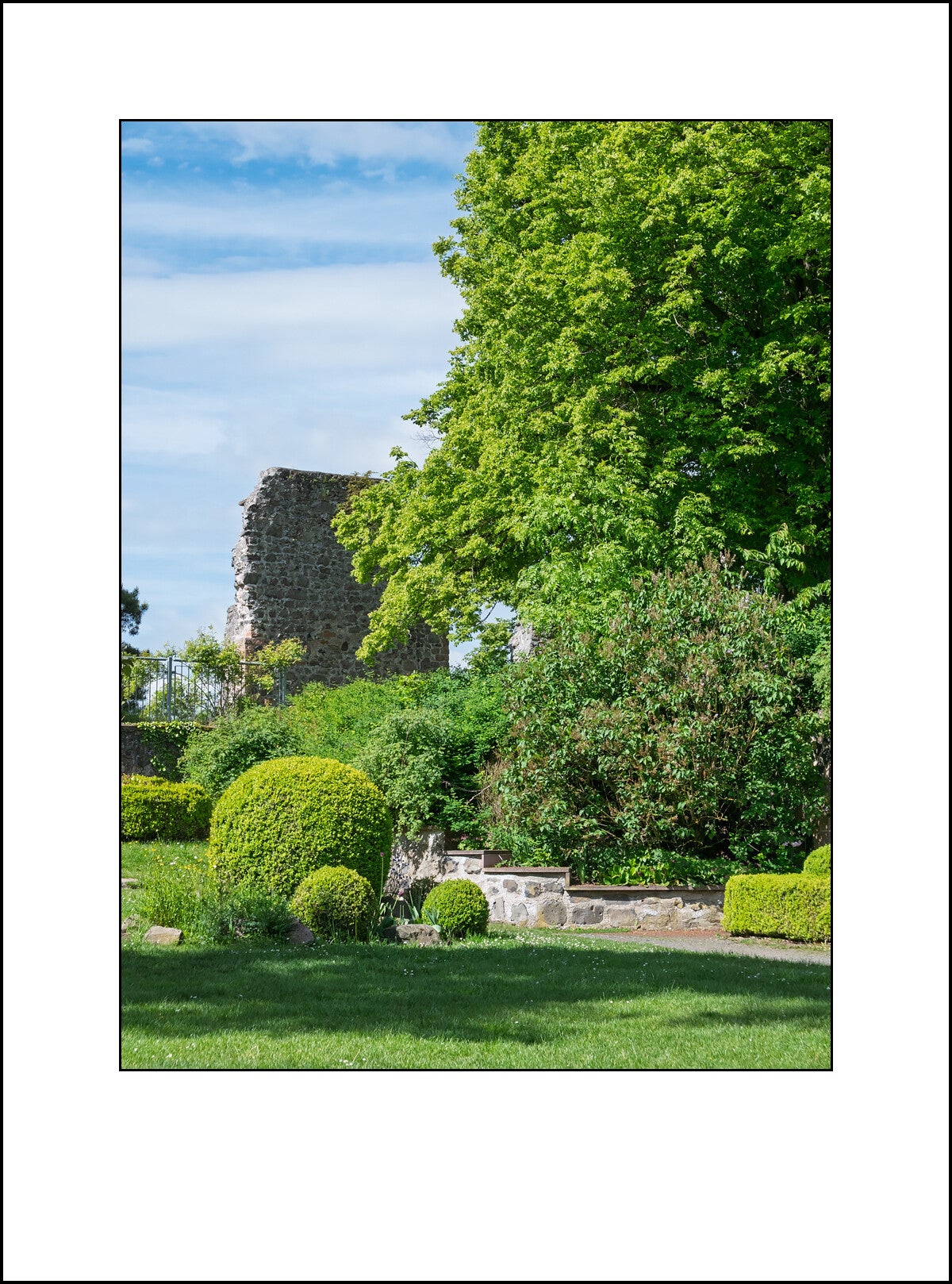
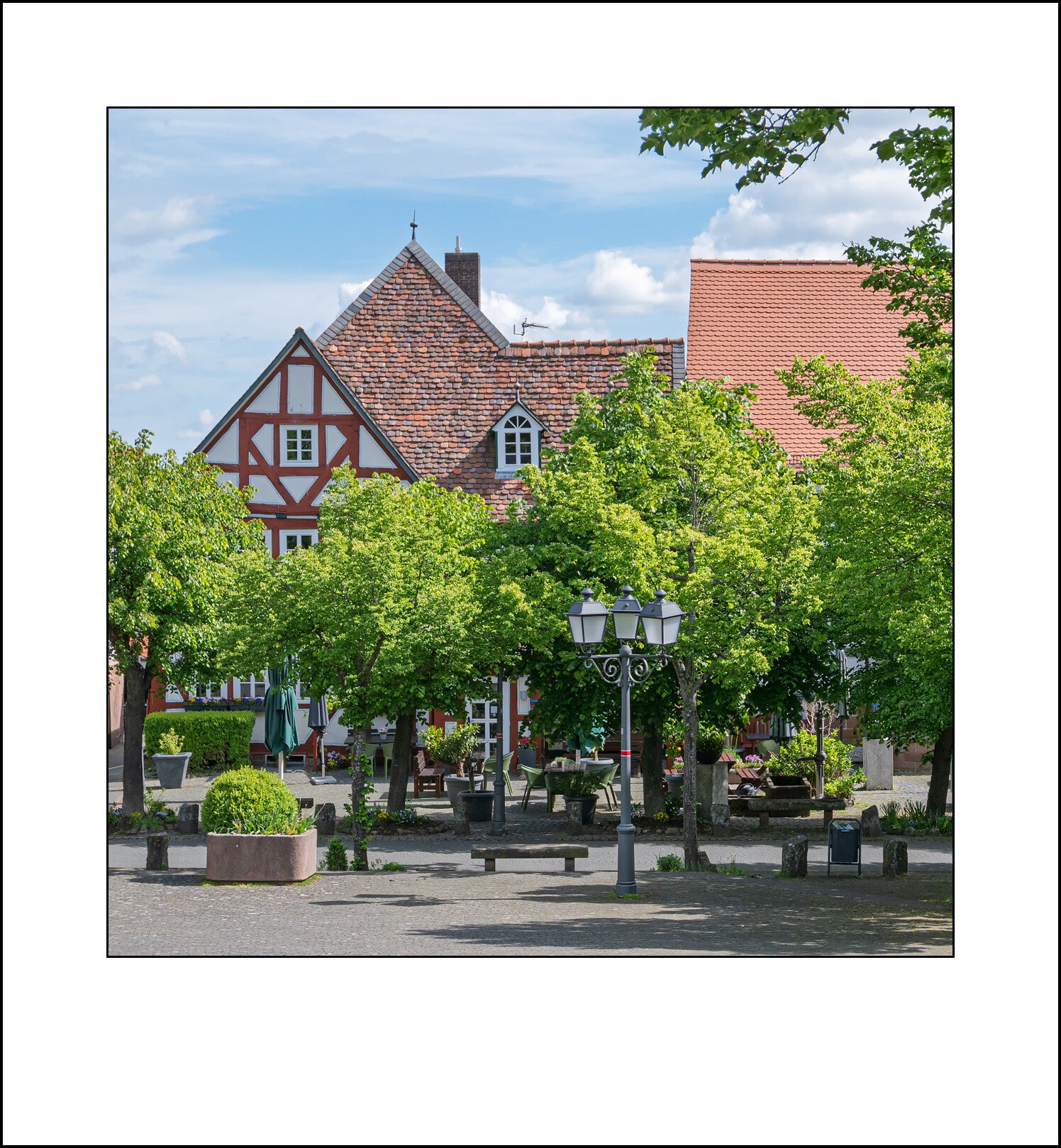
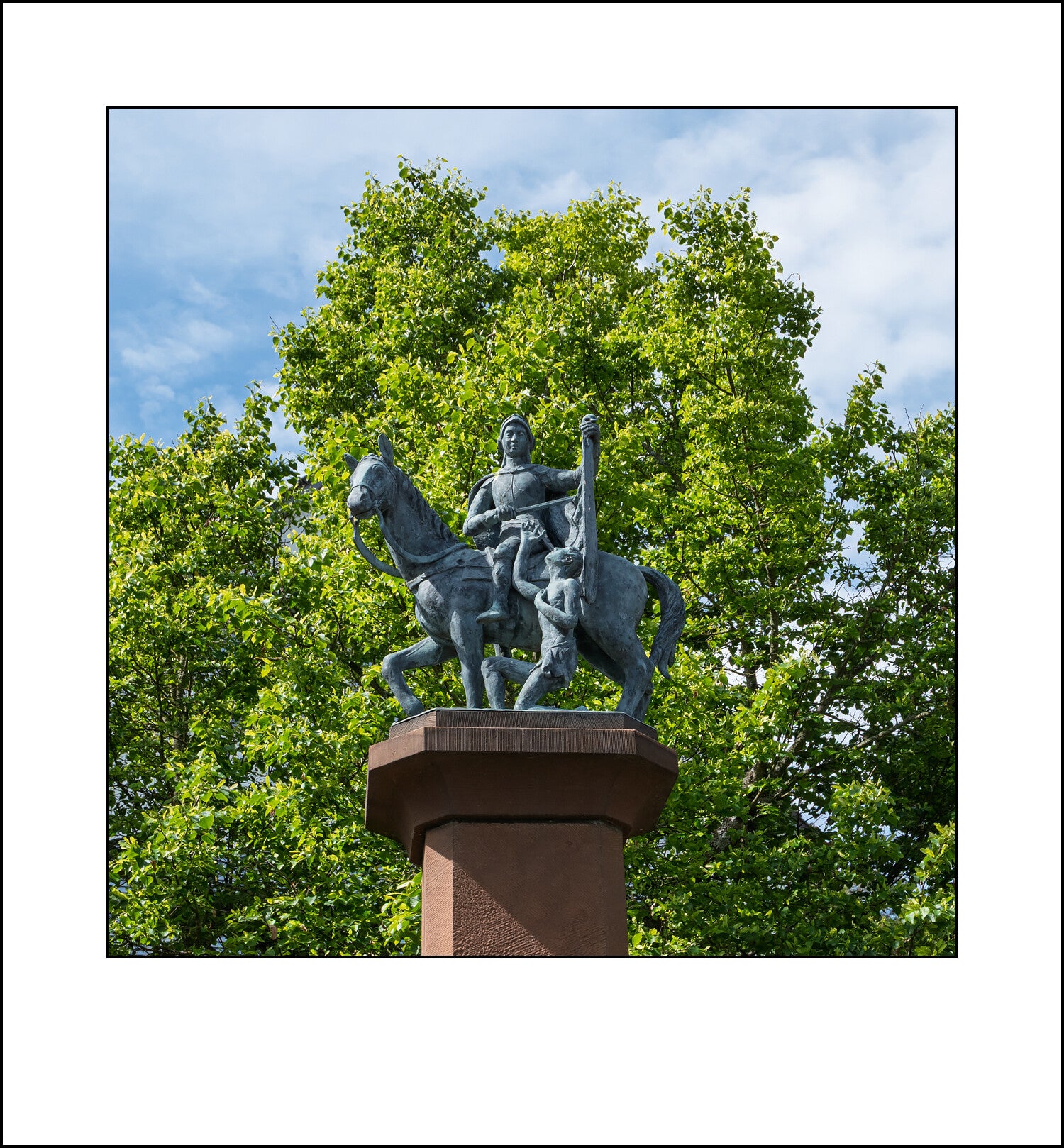
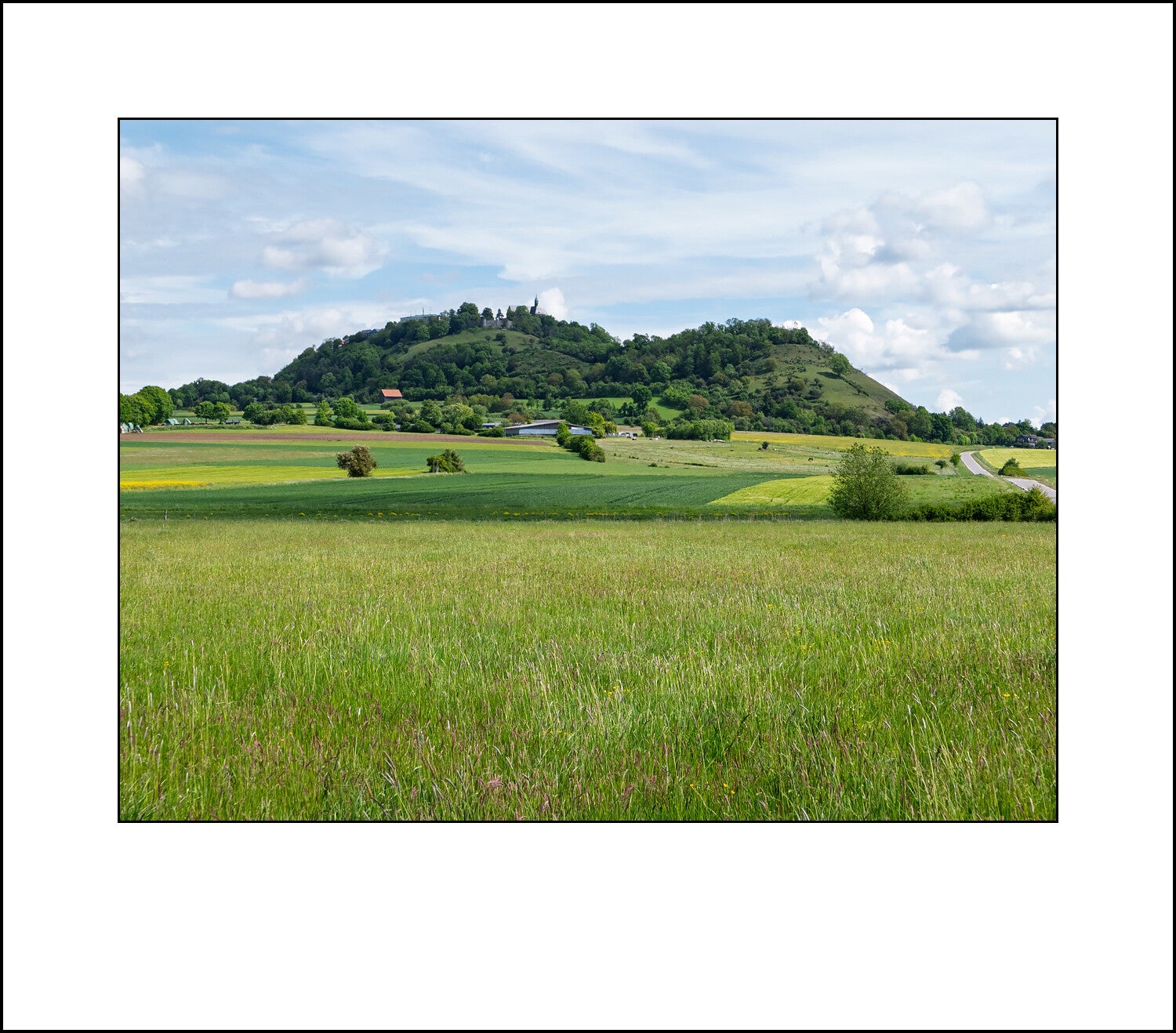
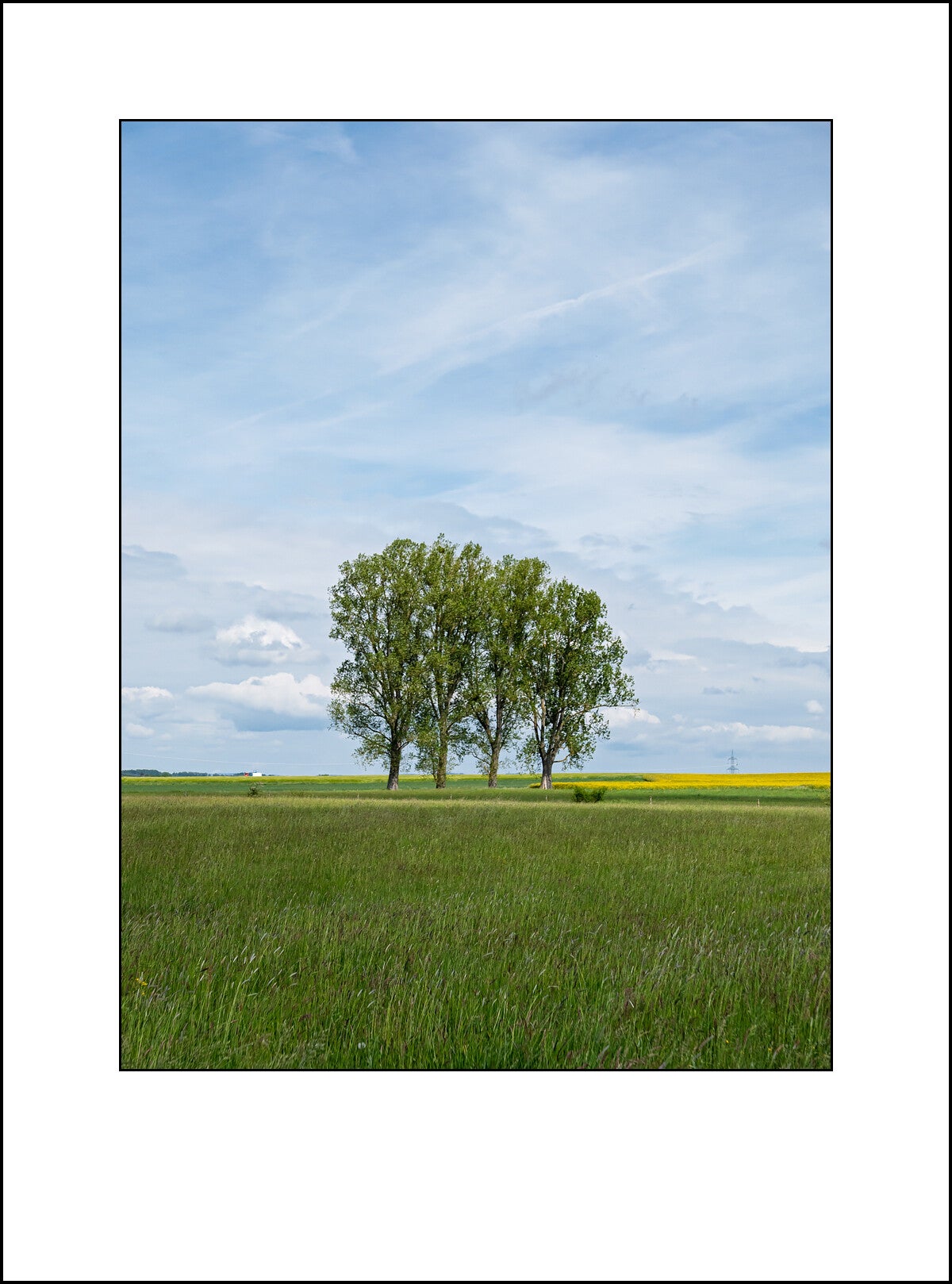
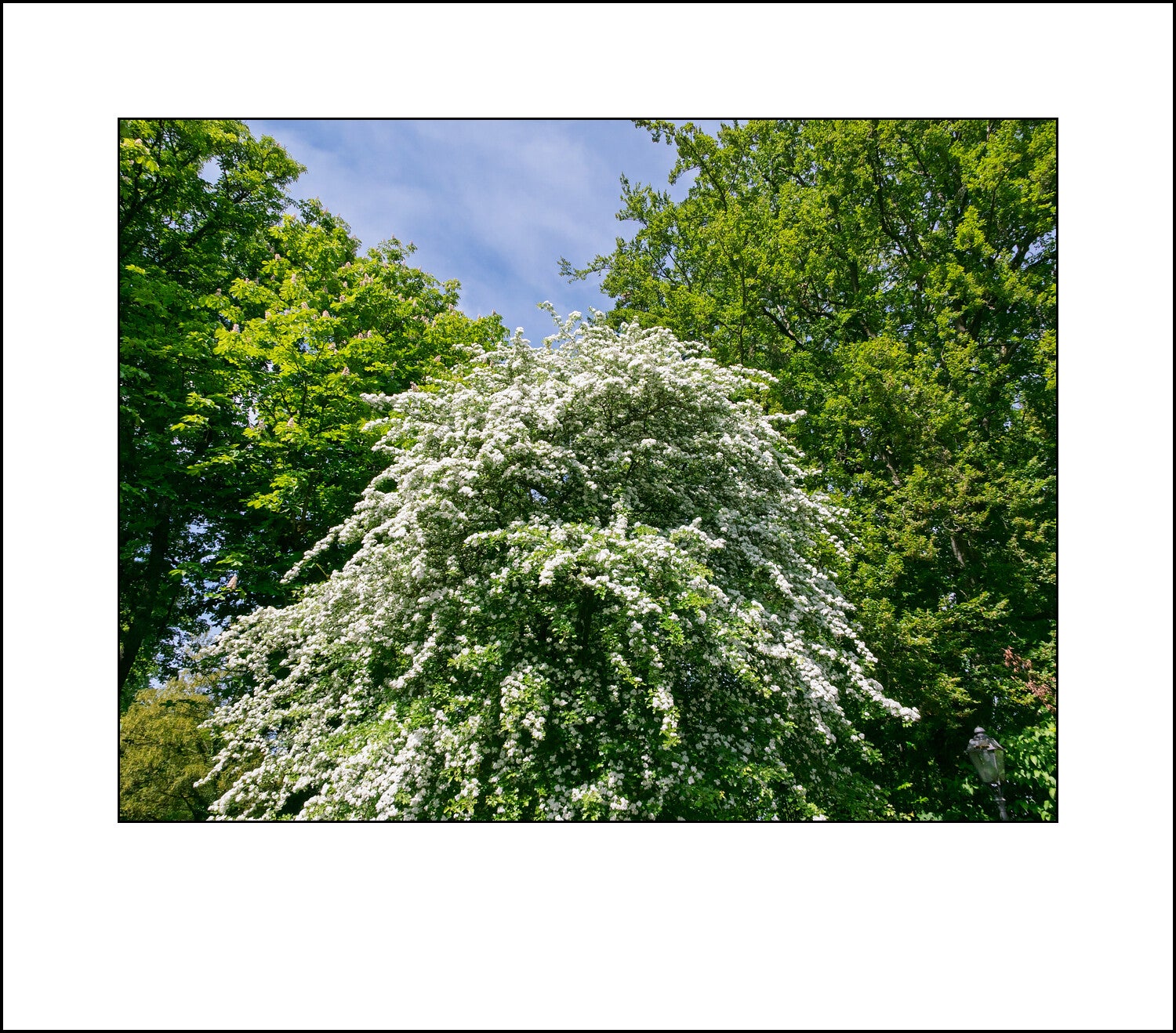
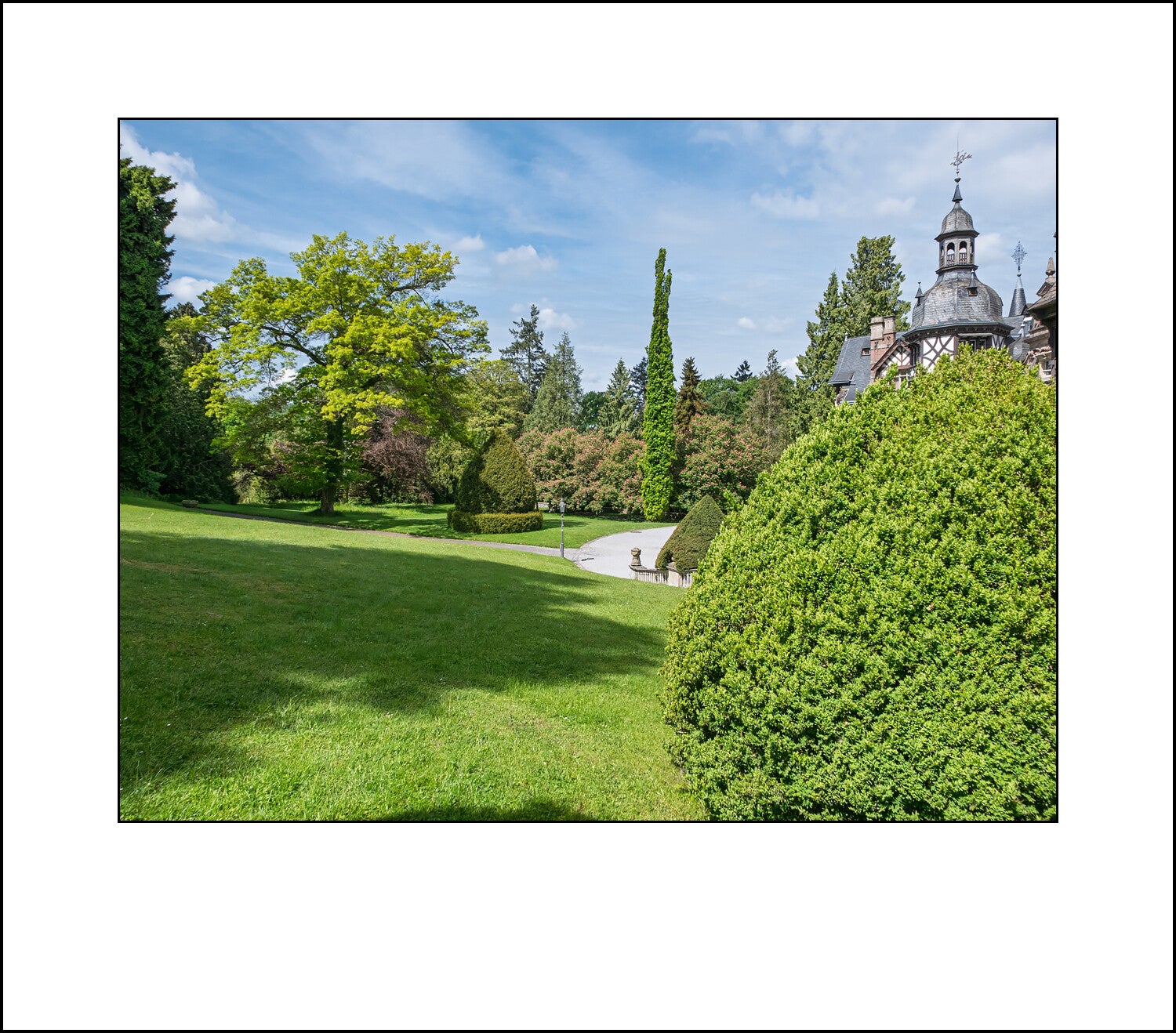
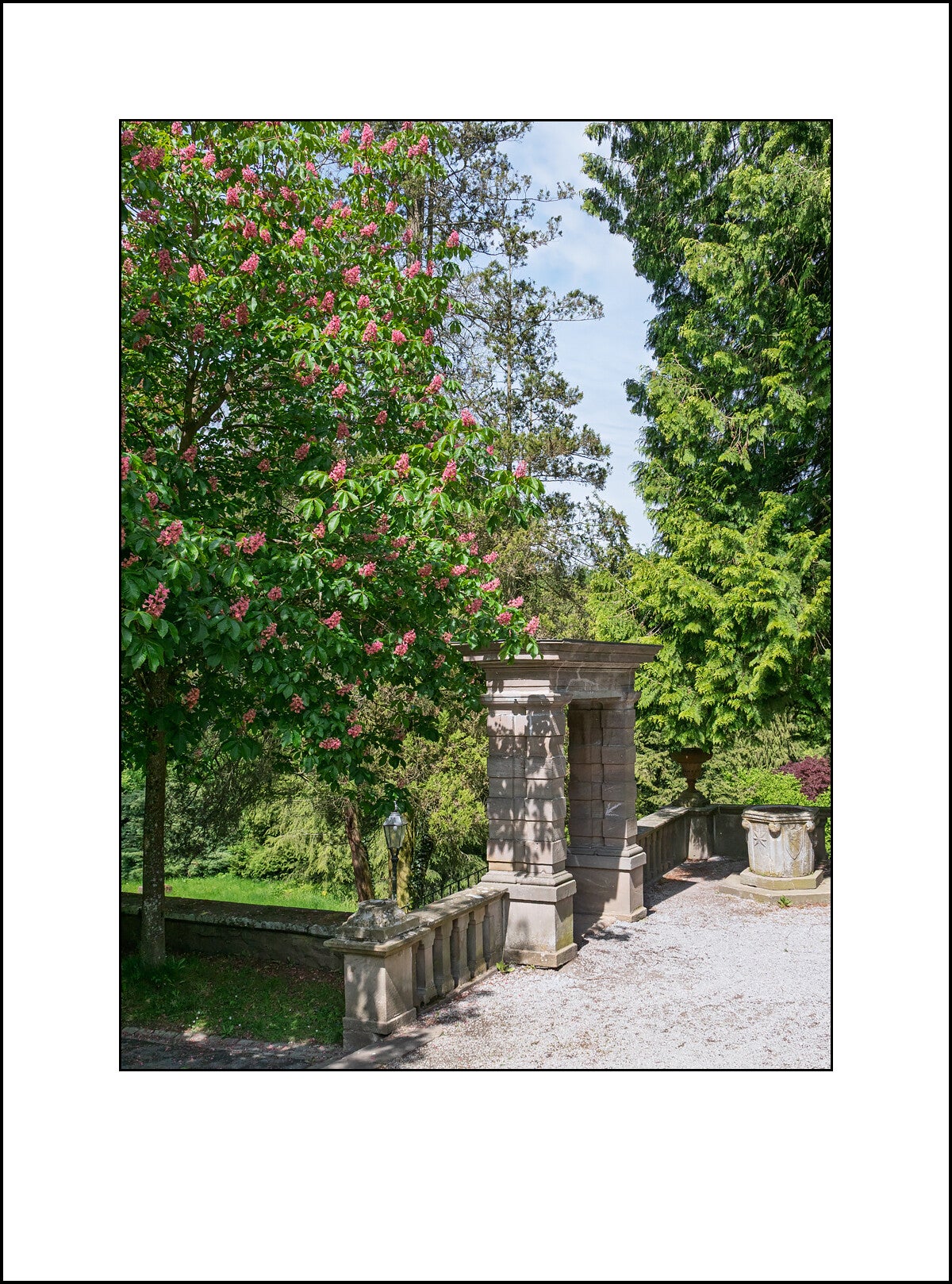
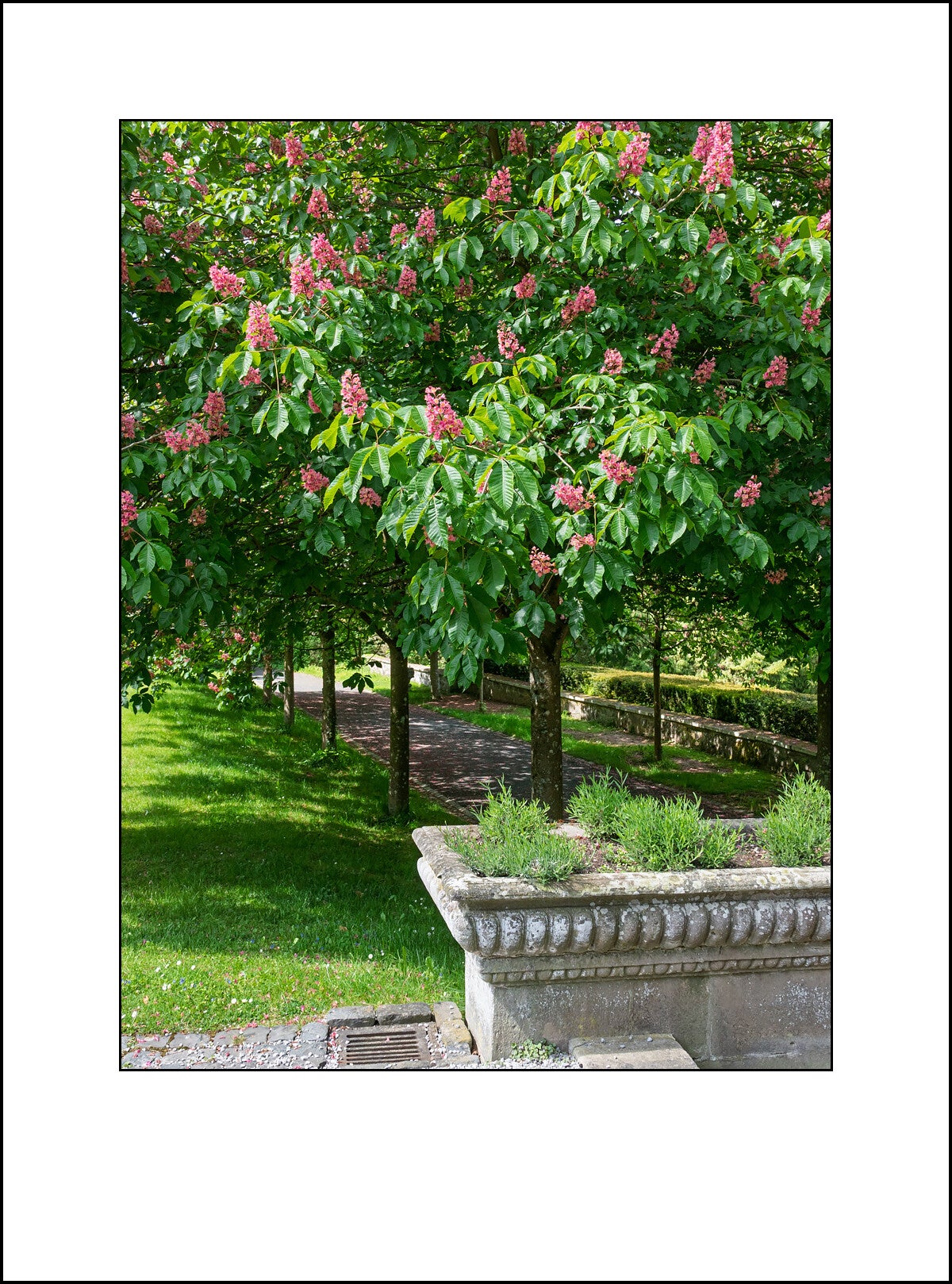
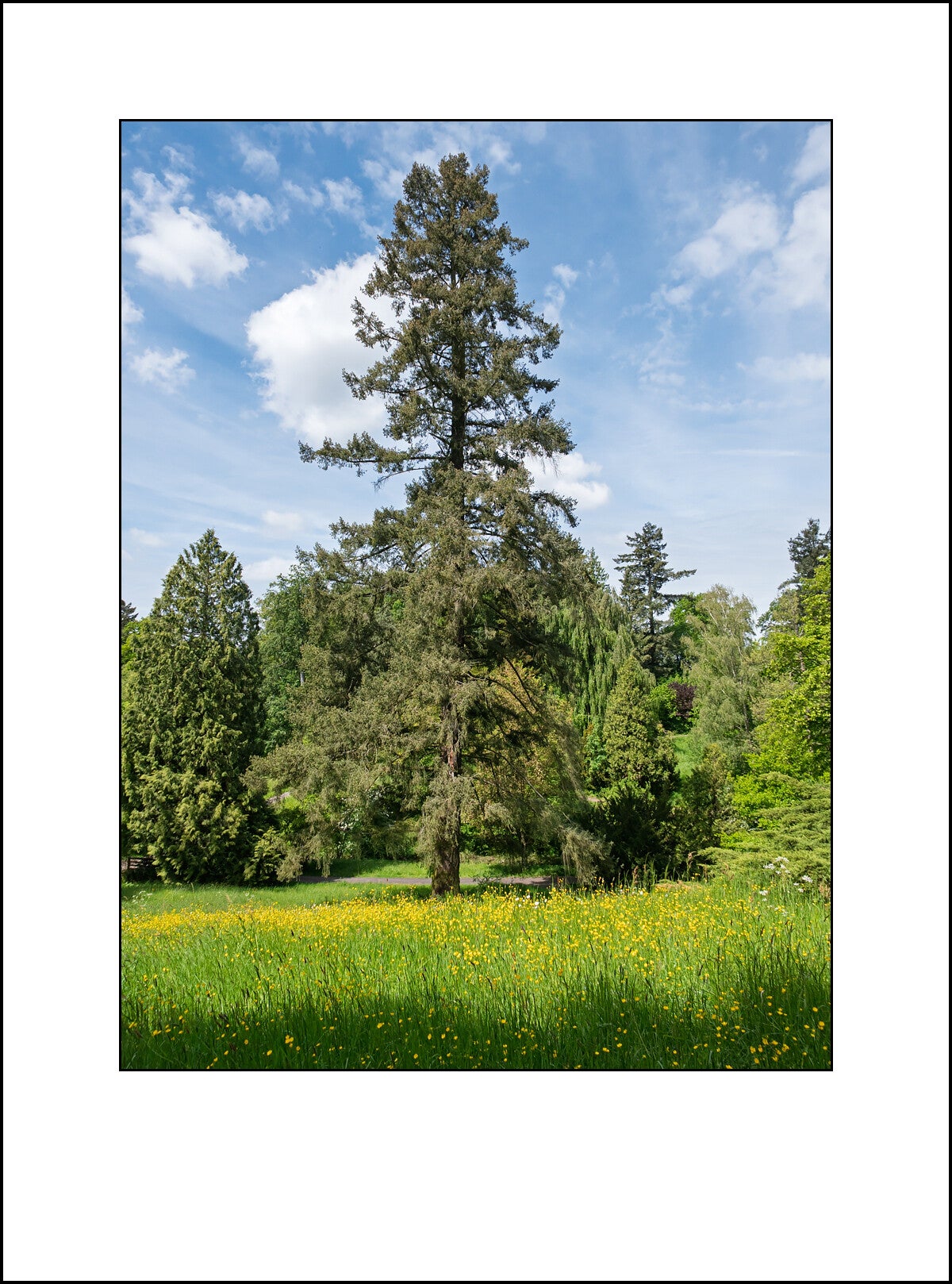
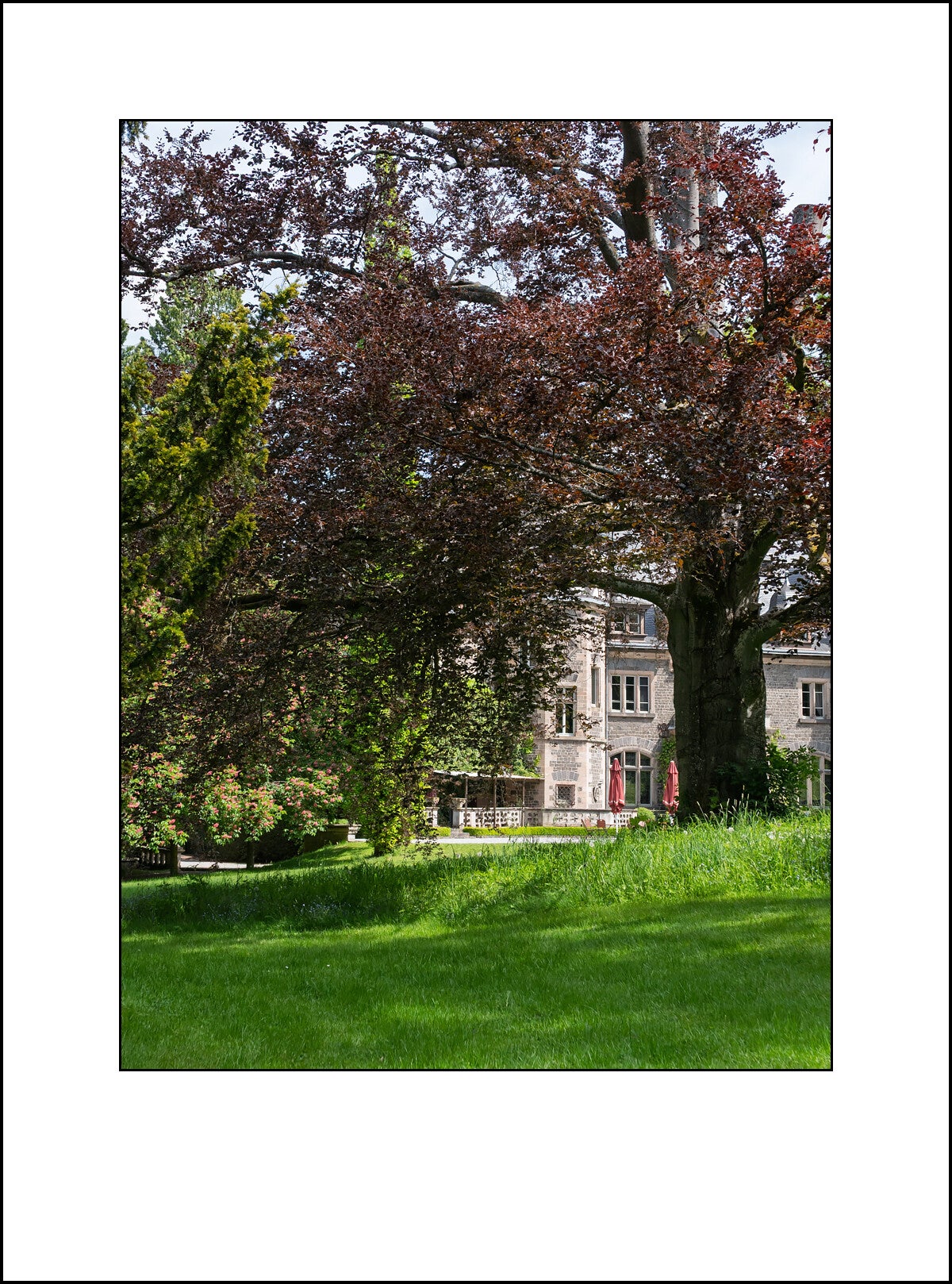
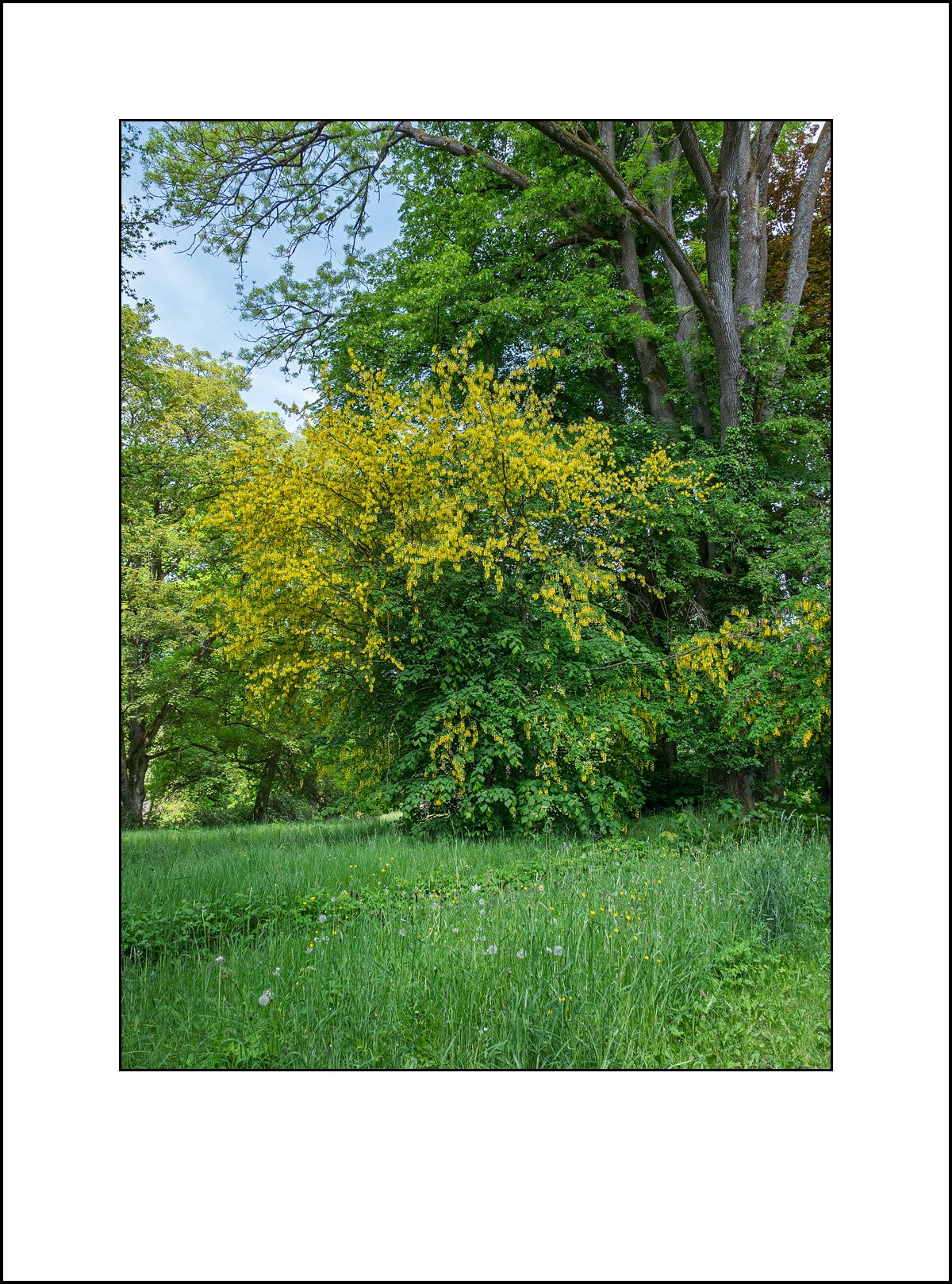
Images taken of Marburg during our stay
Camera used was the Fujifilm X-M1 and the 27 f2.8 lens (40 mm FF equivalent)
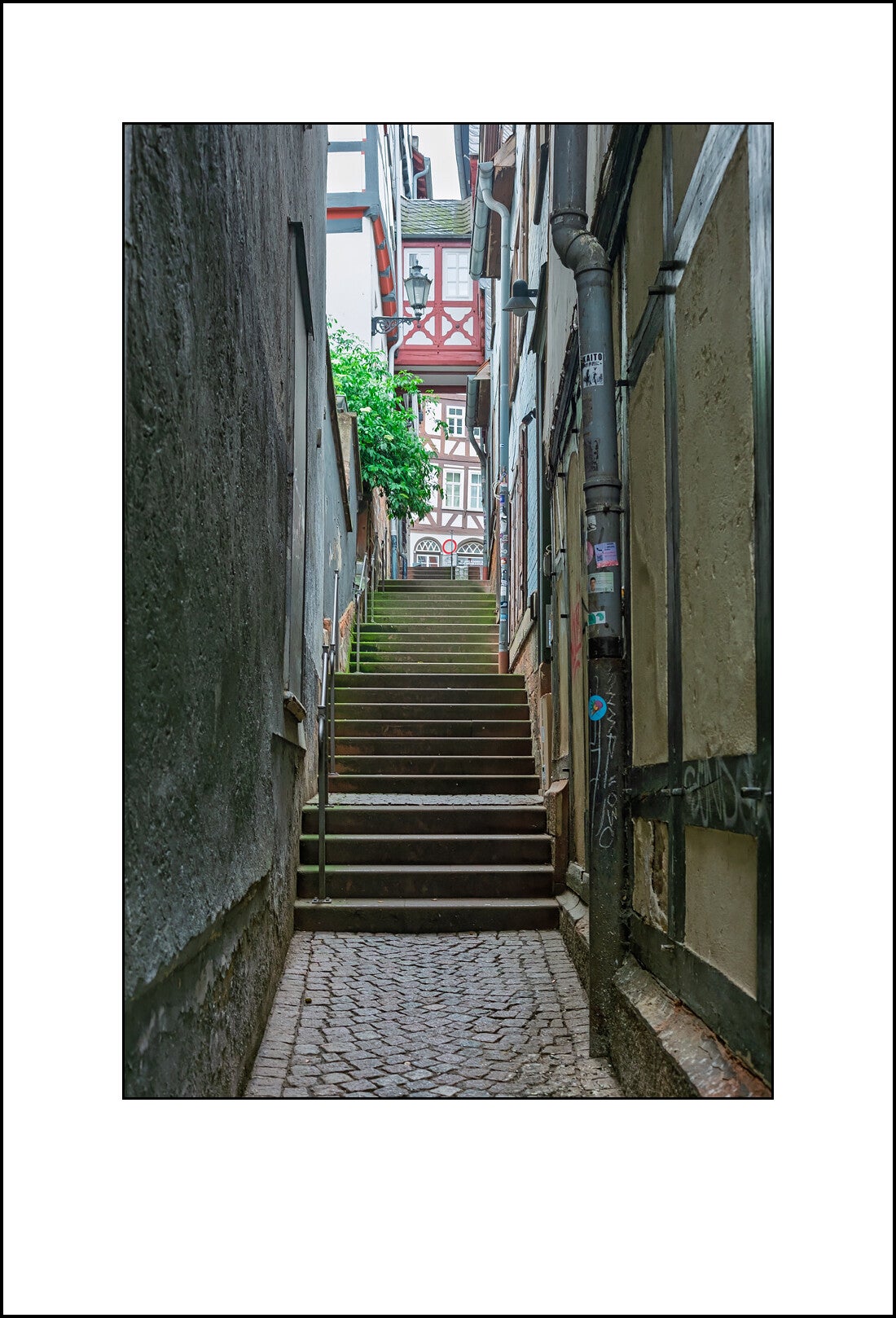
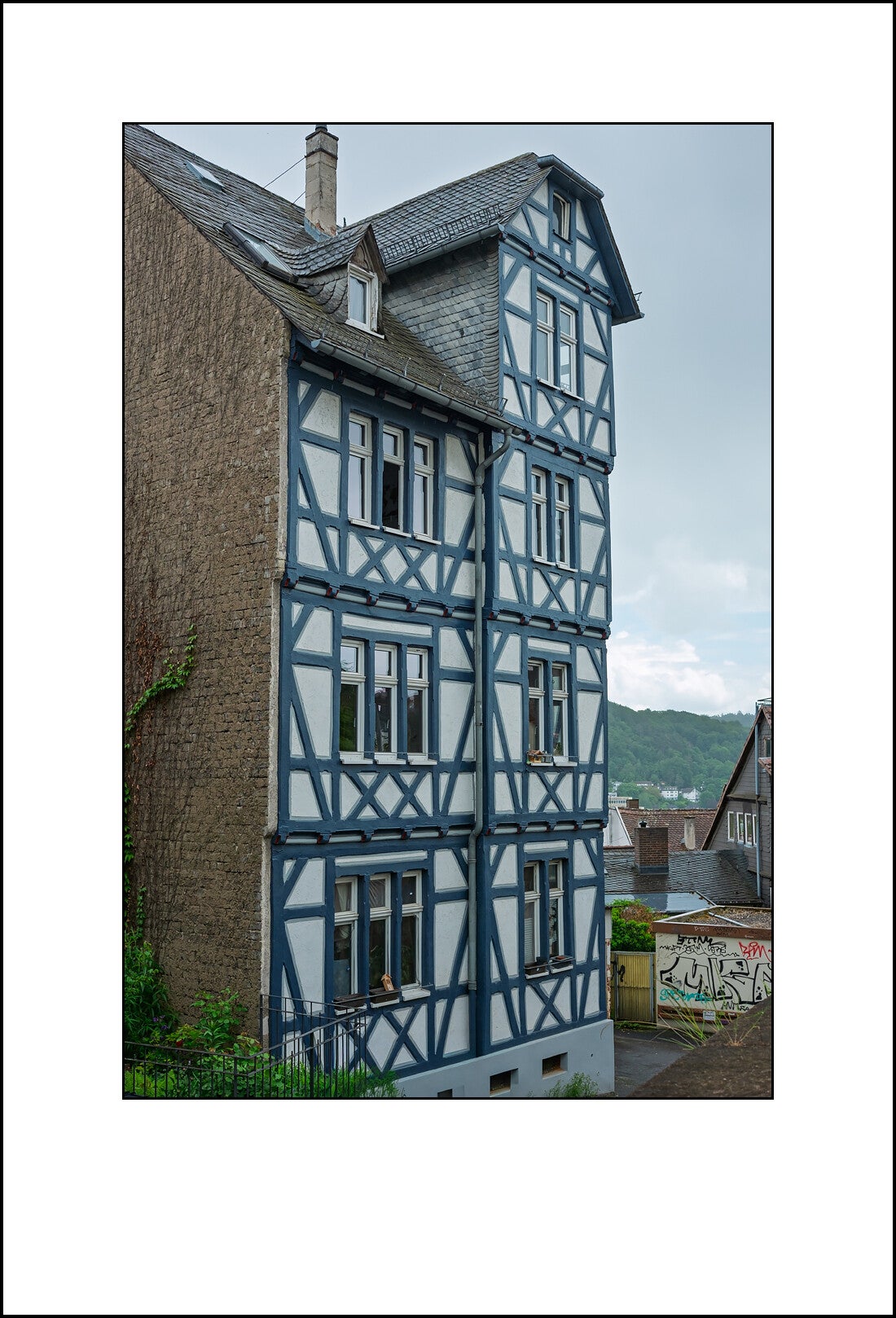
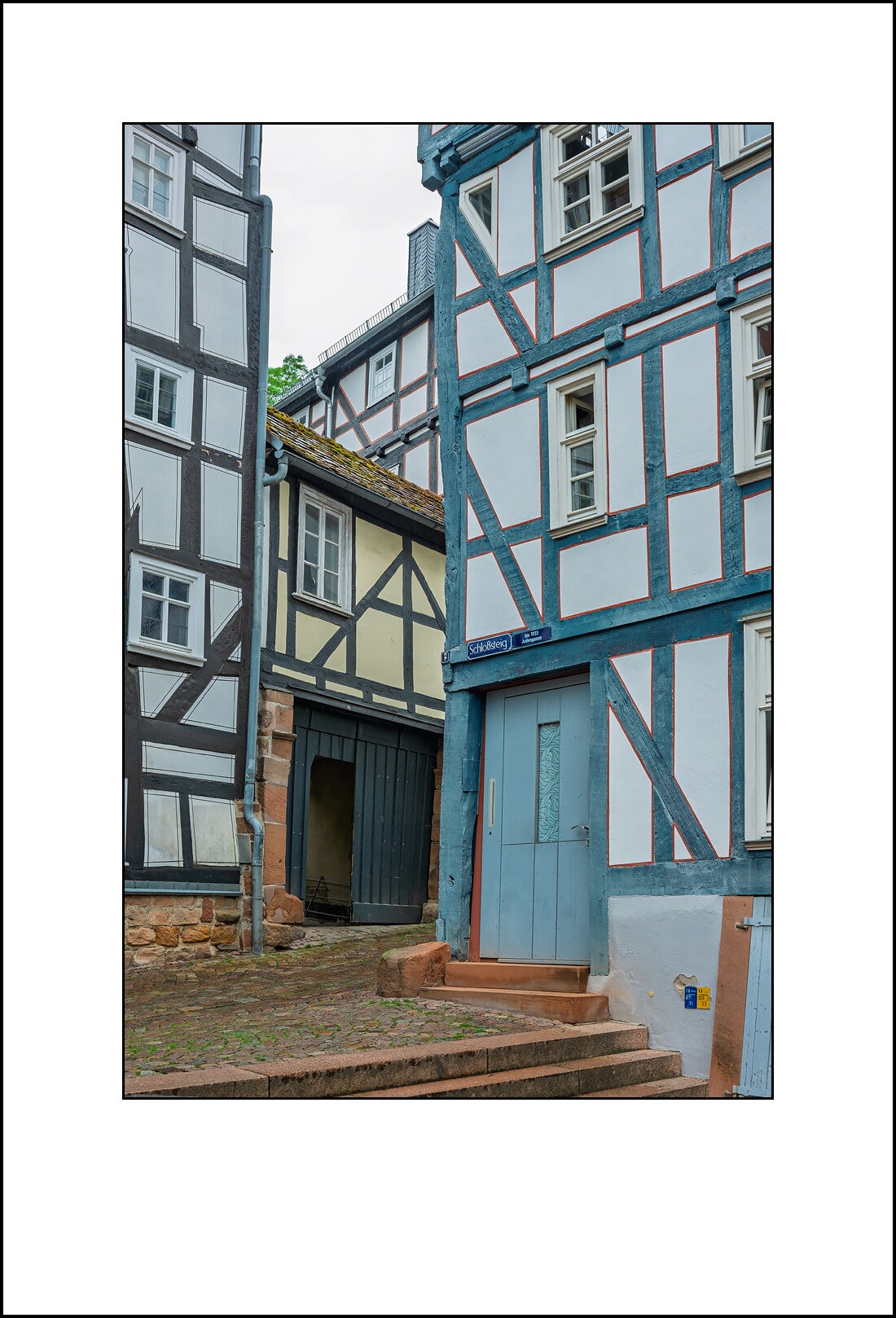
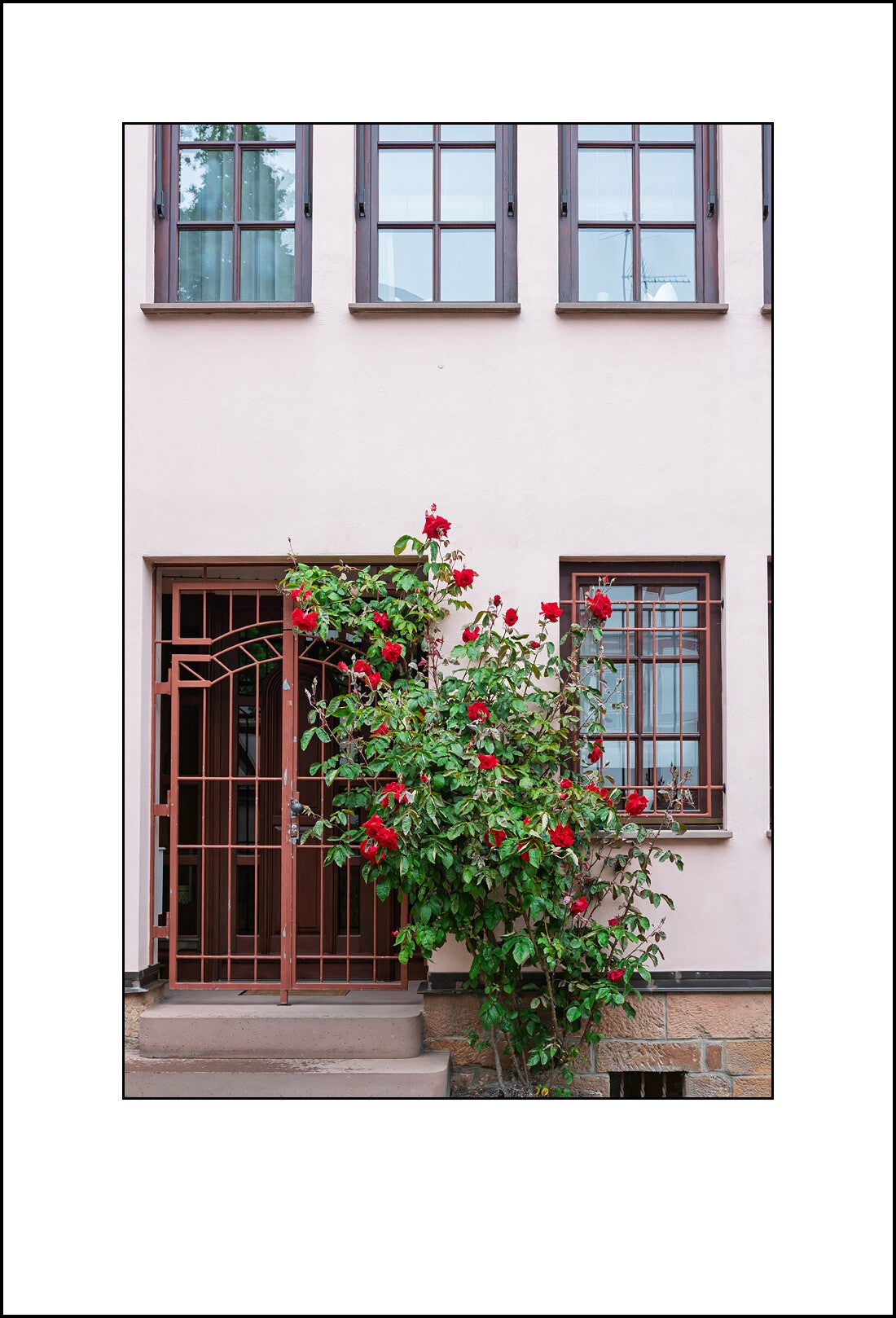
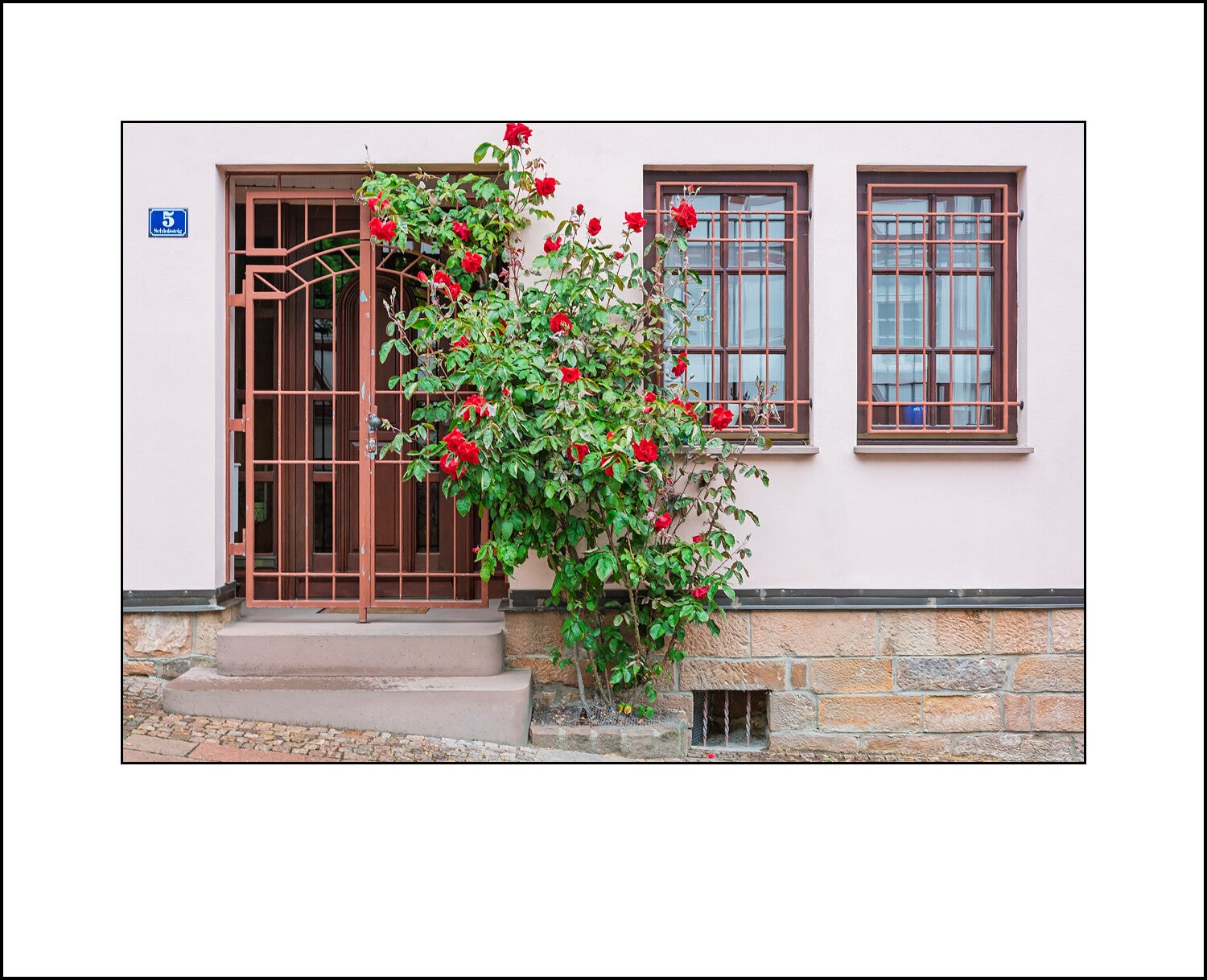
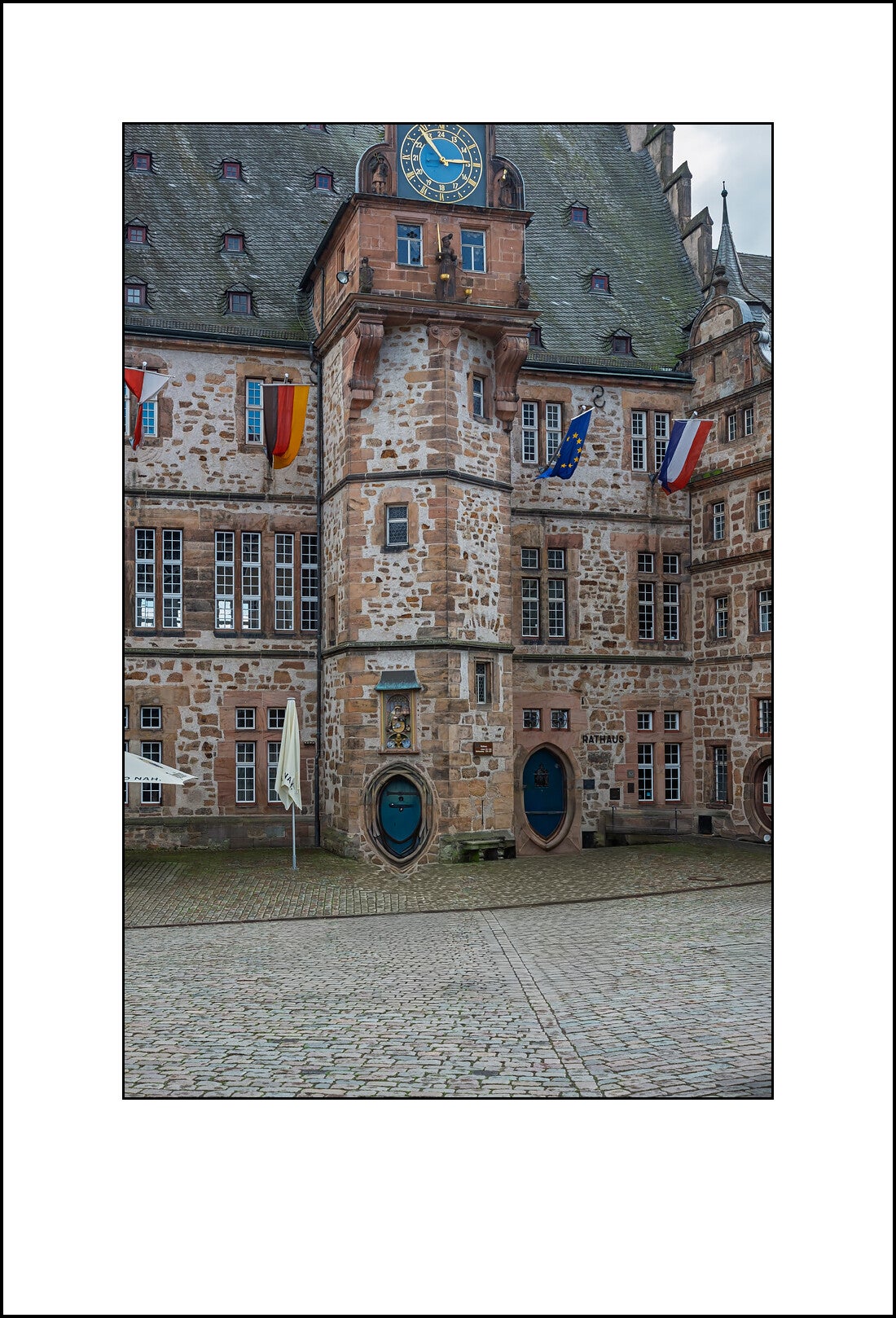
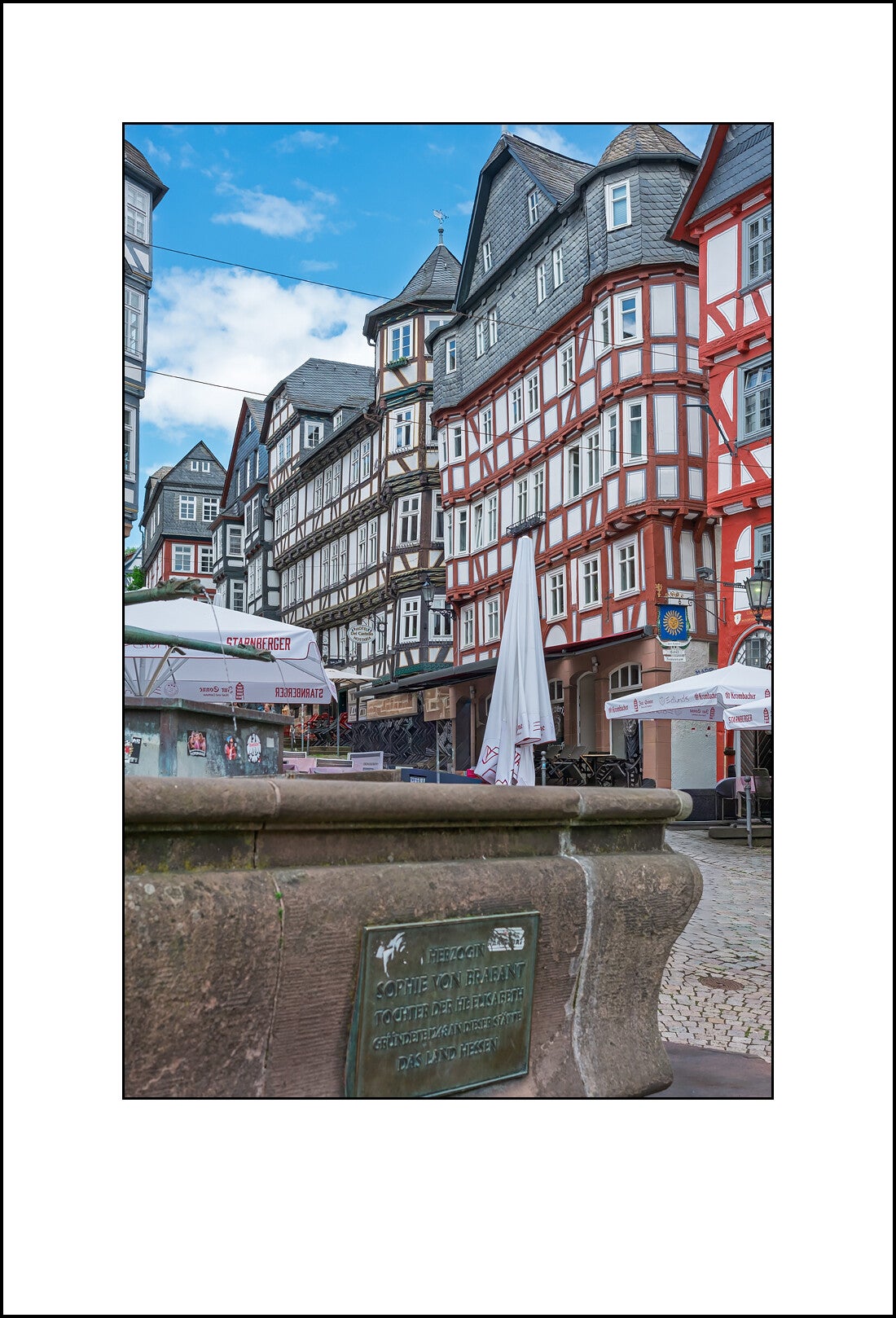
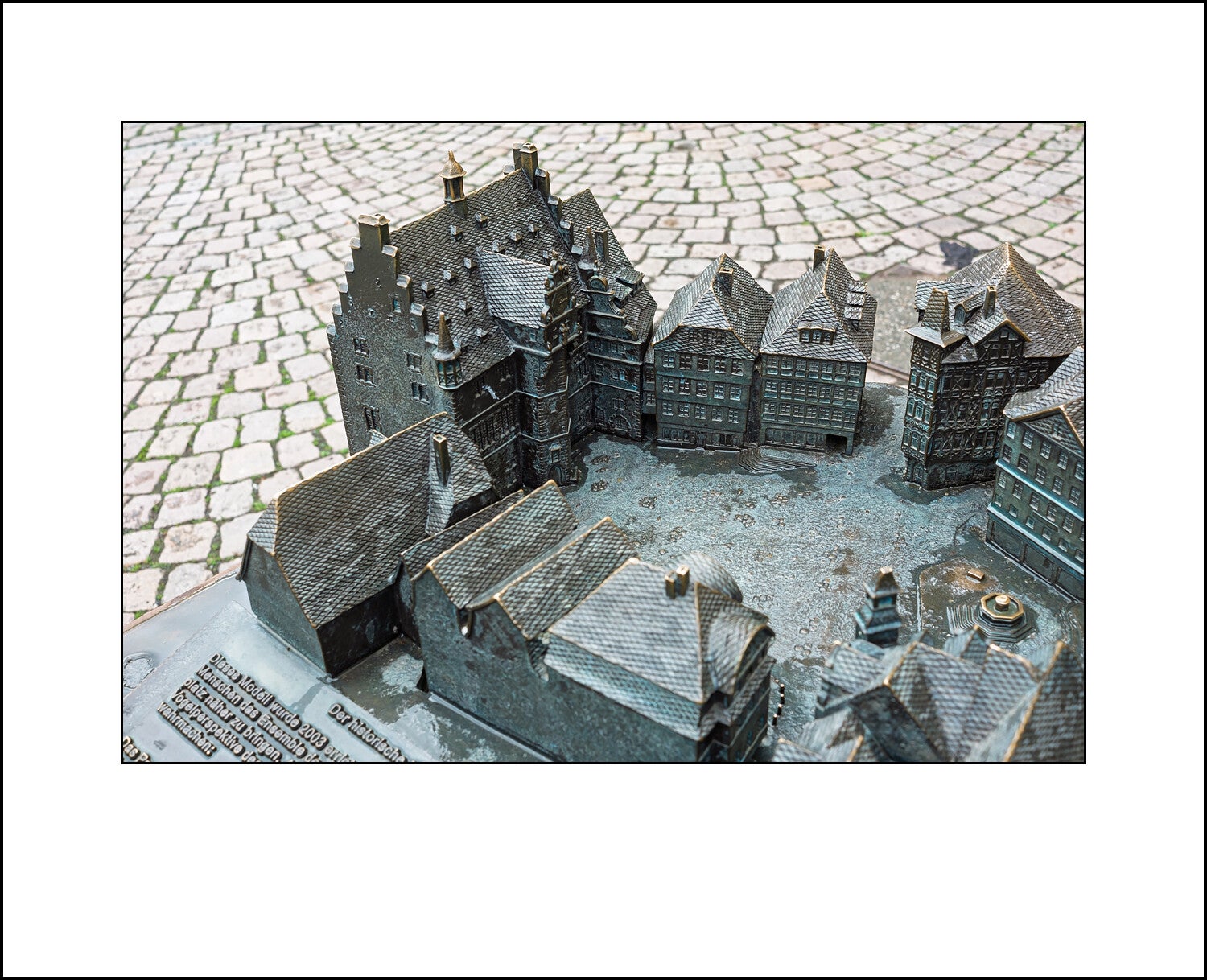
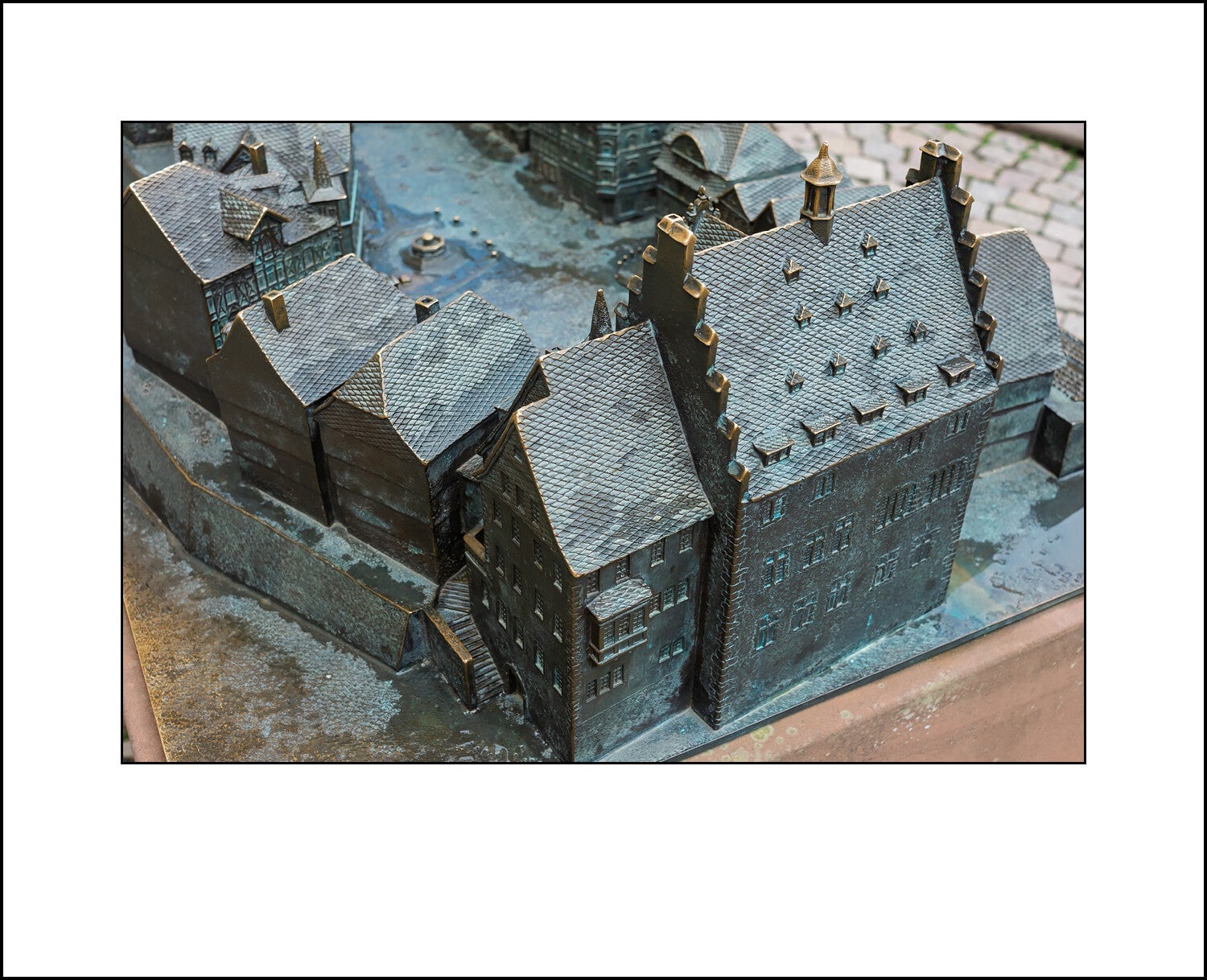
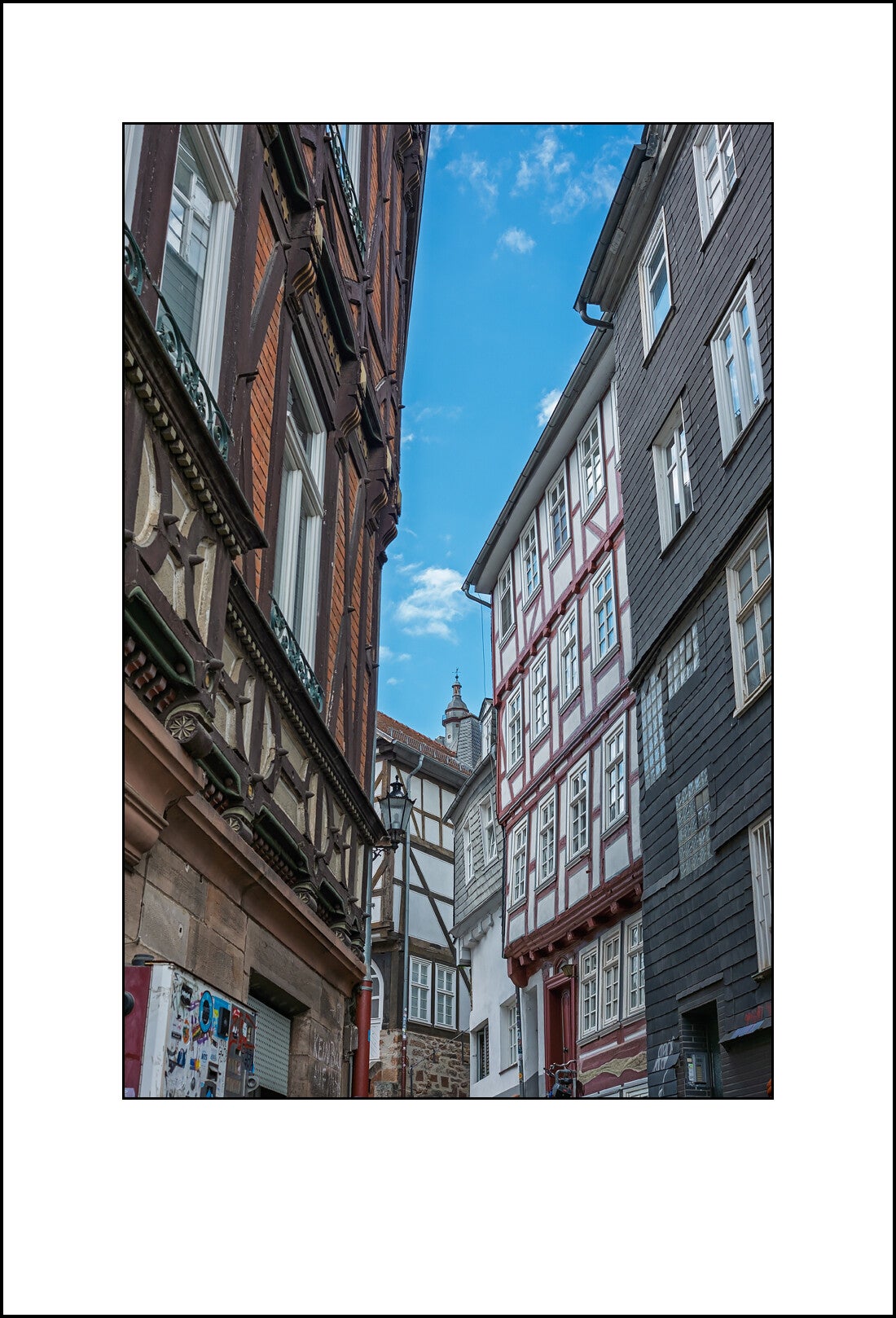
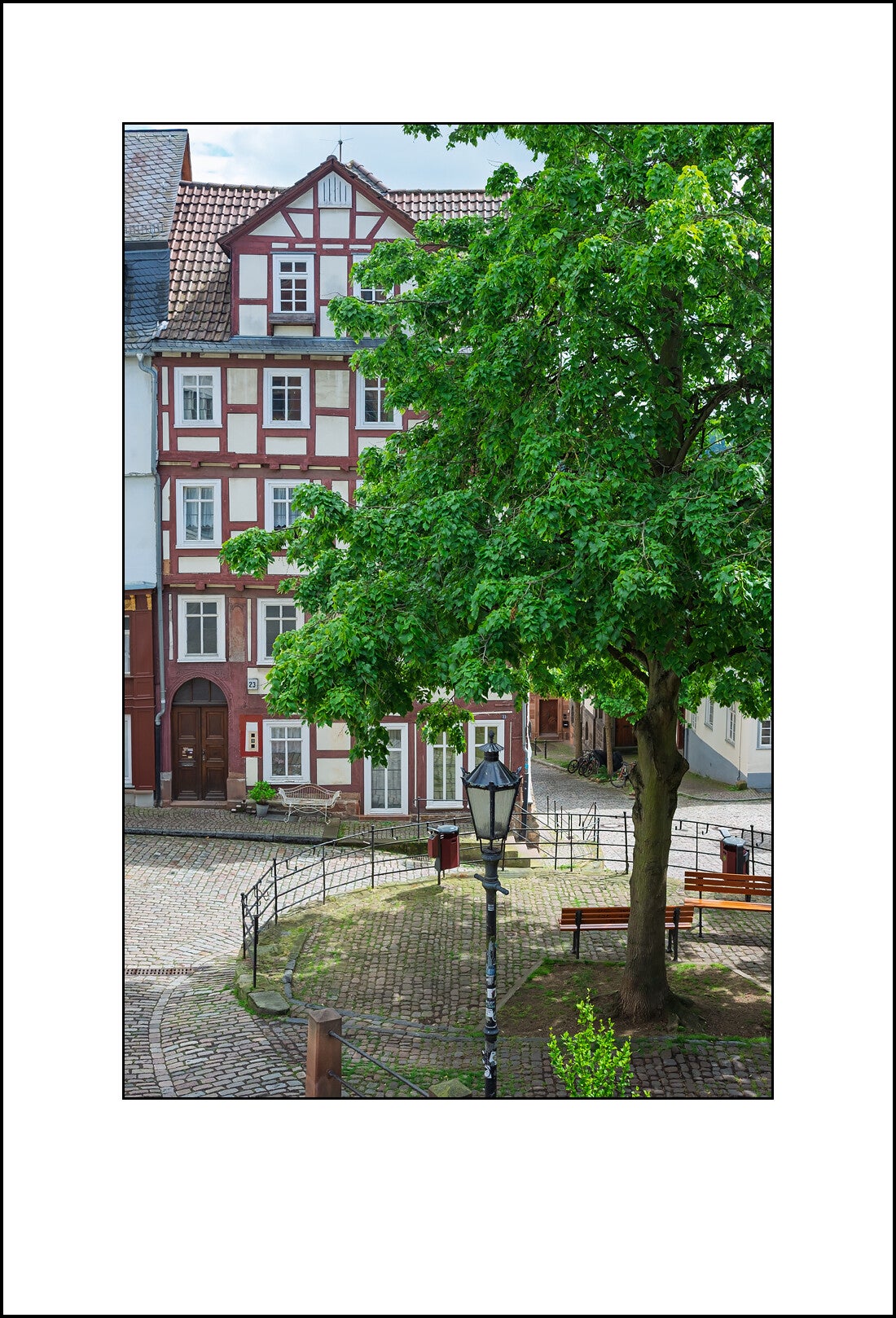
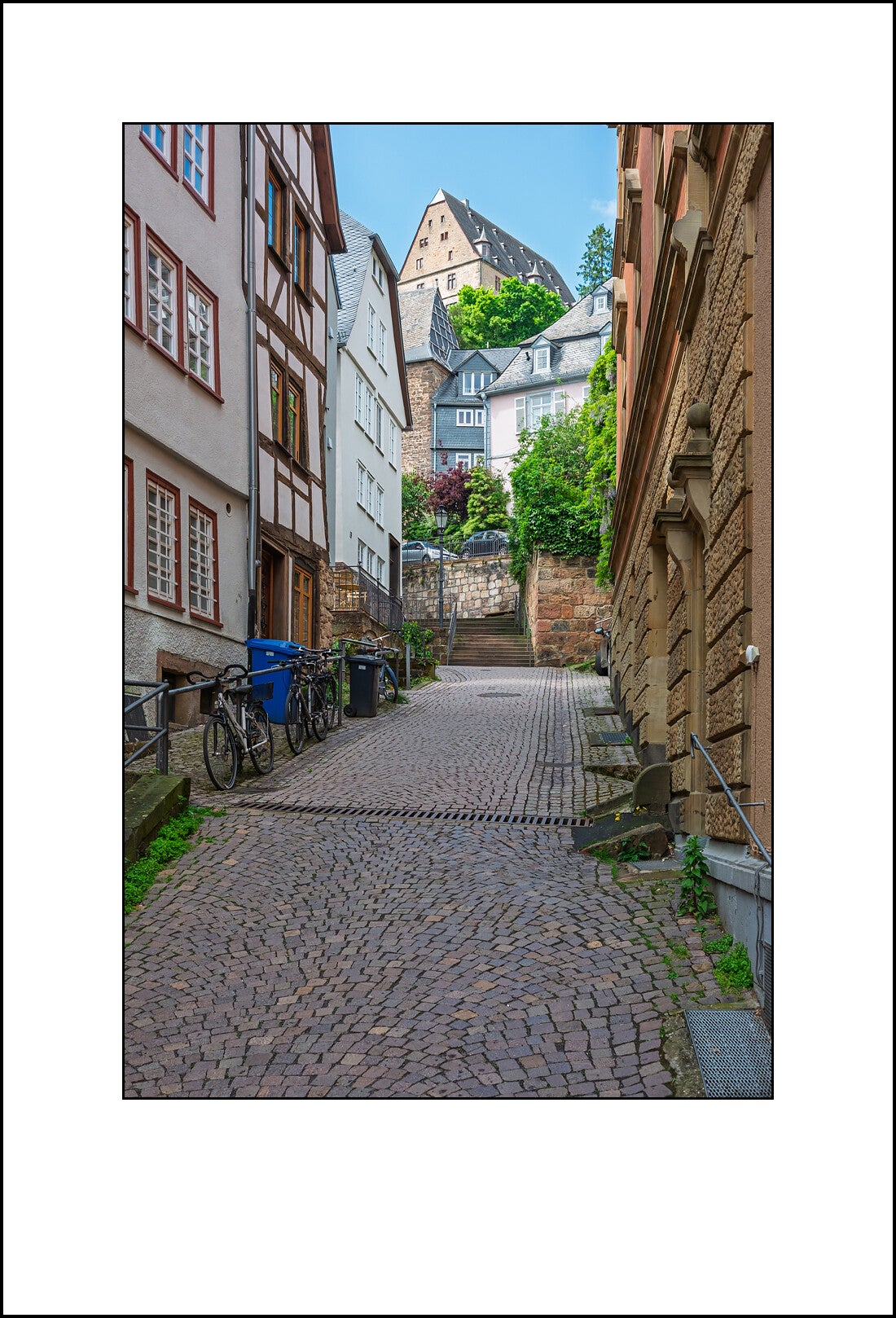
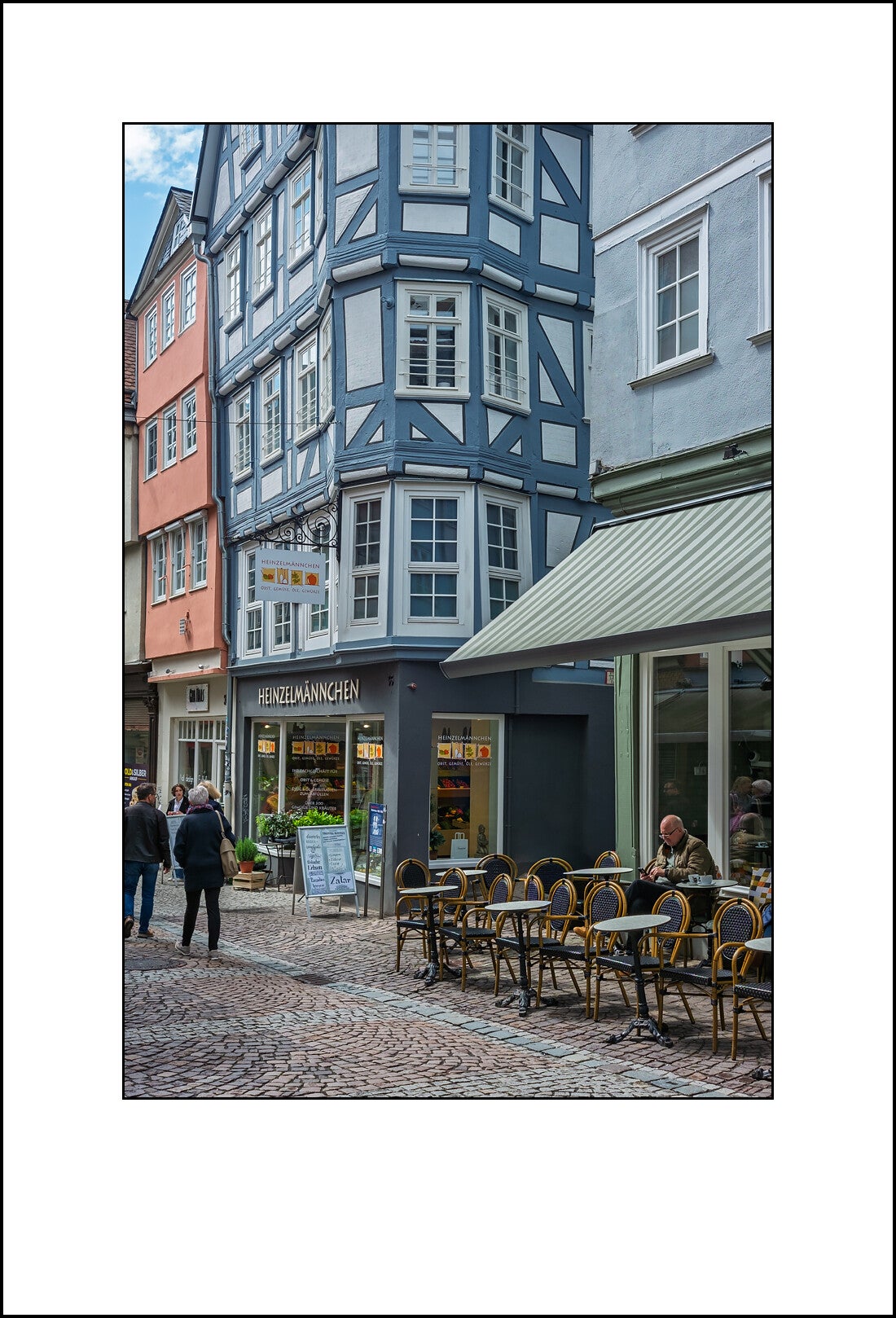
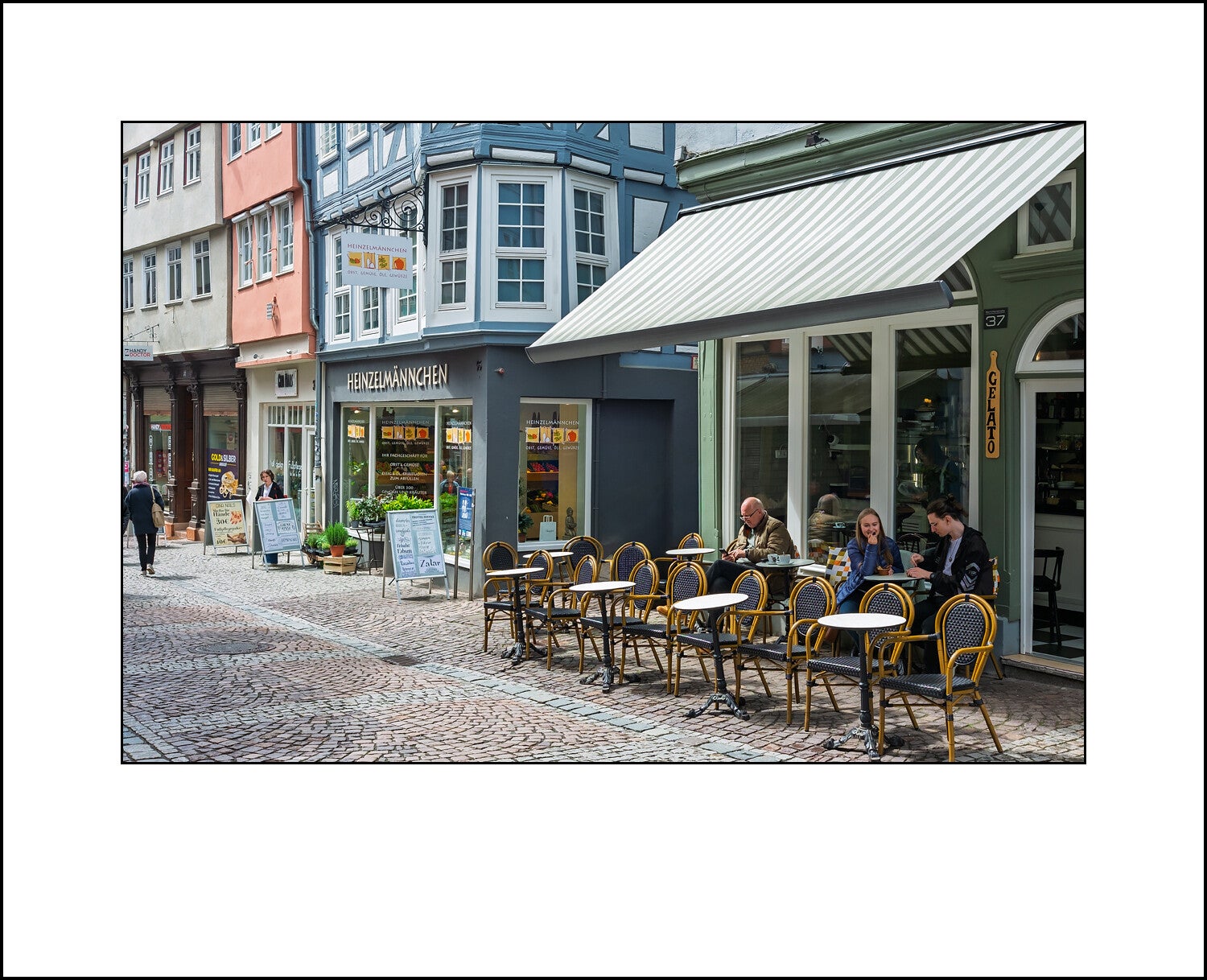
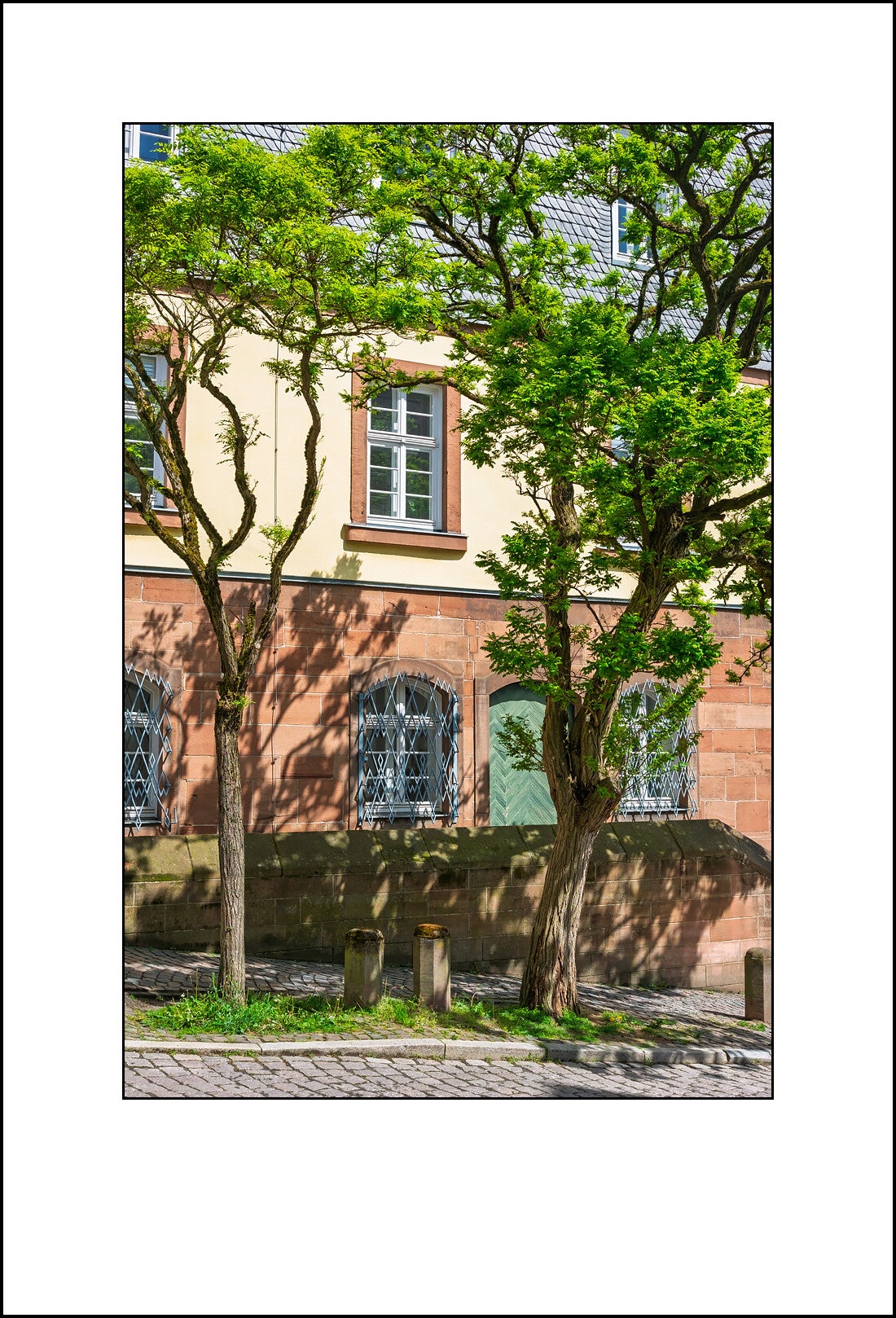
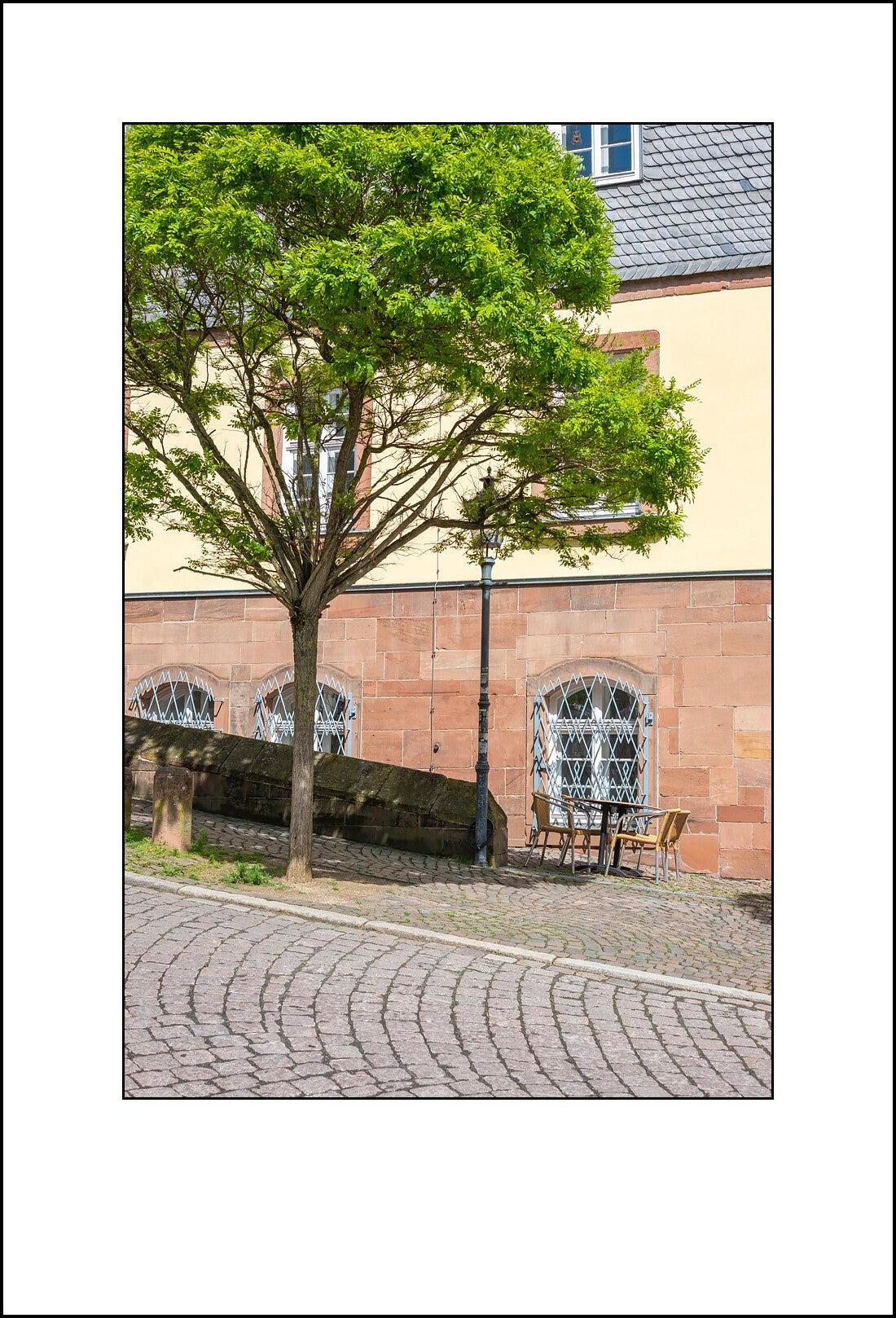
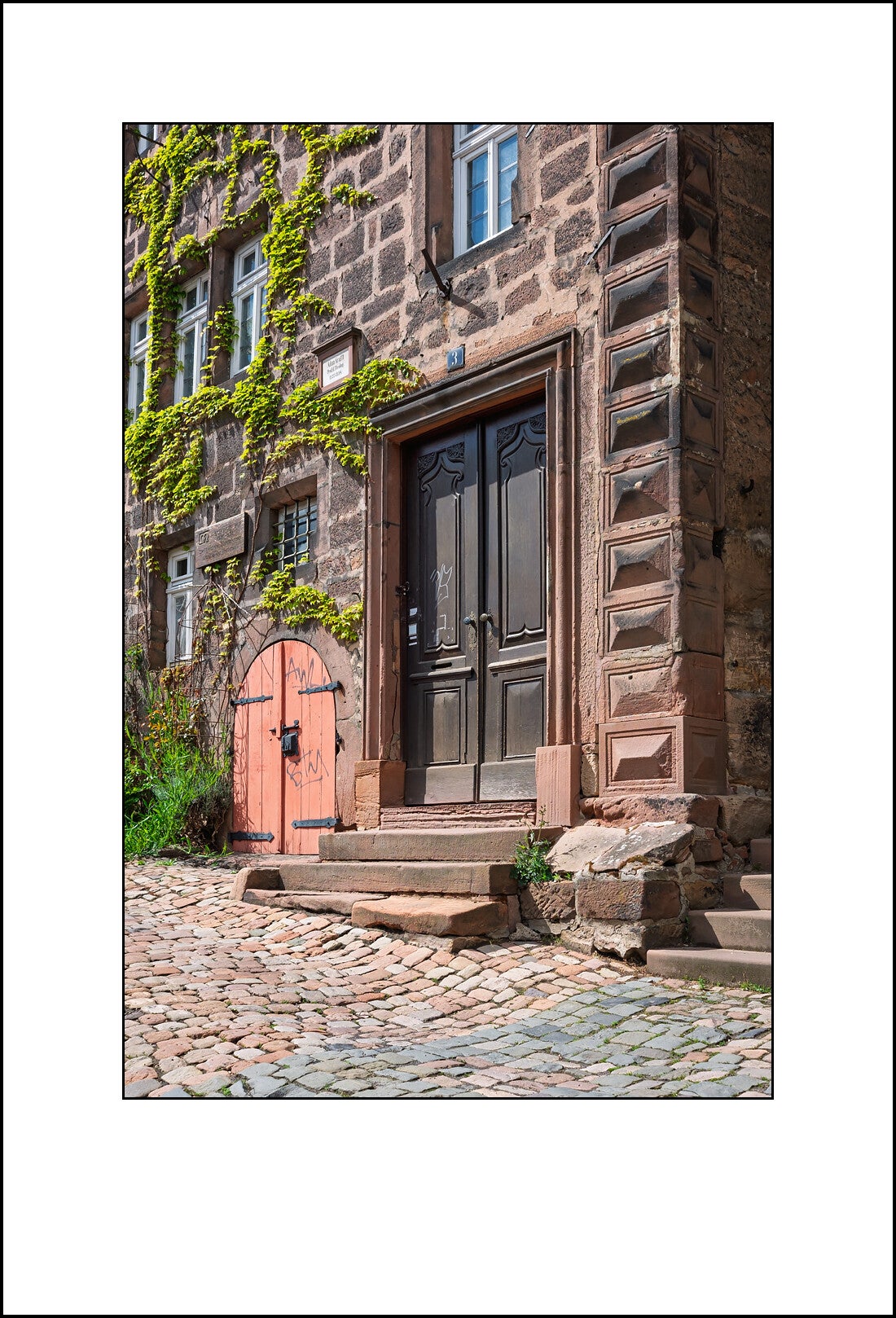
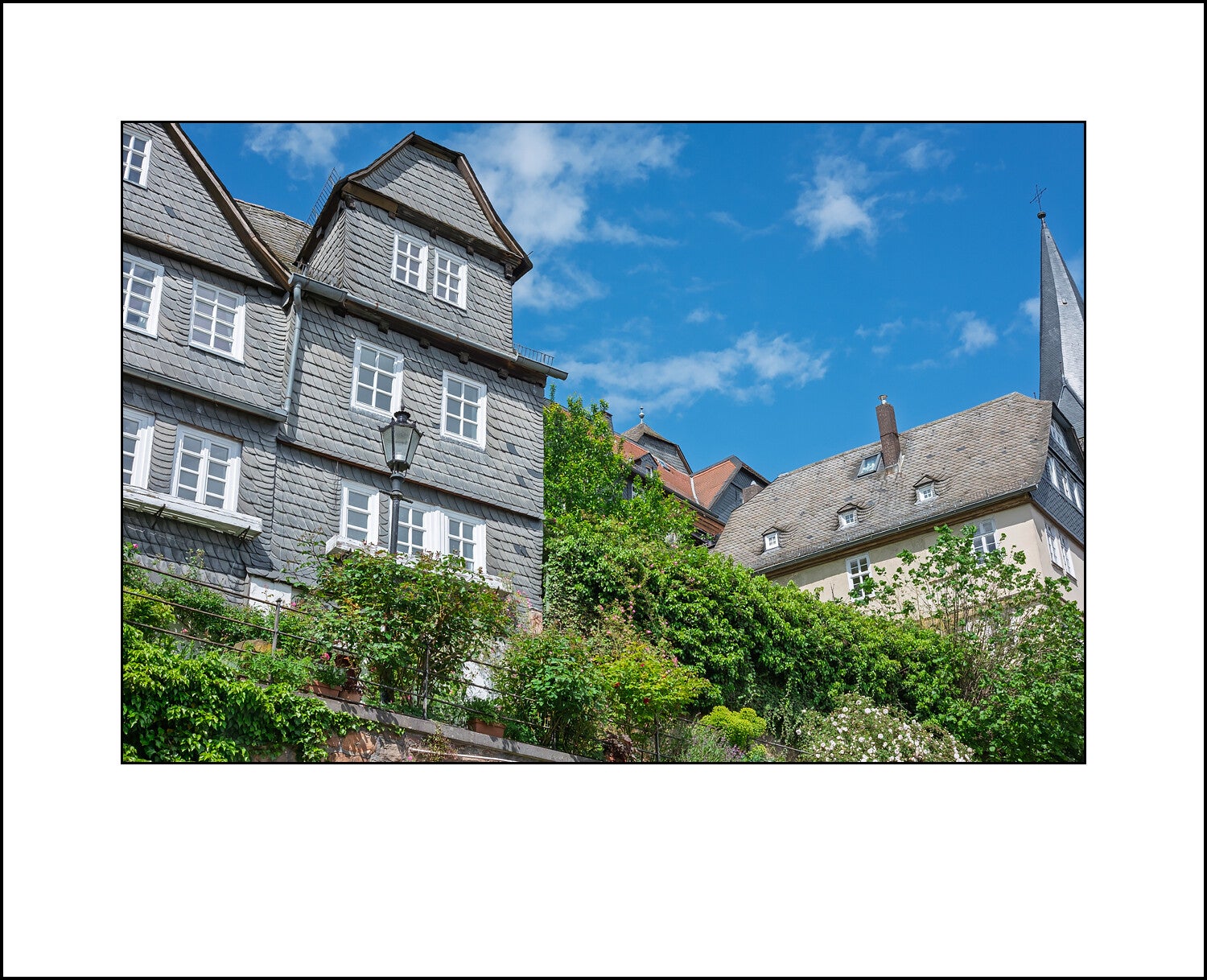
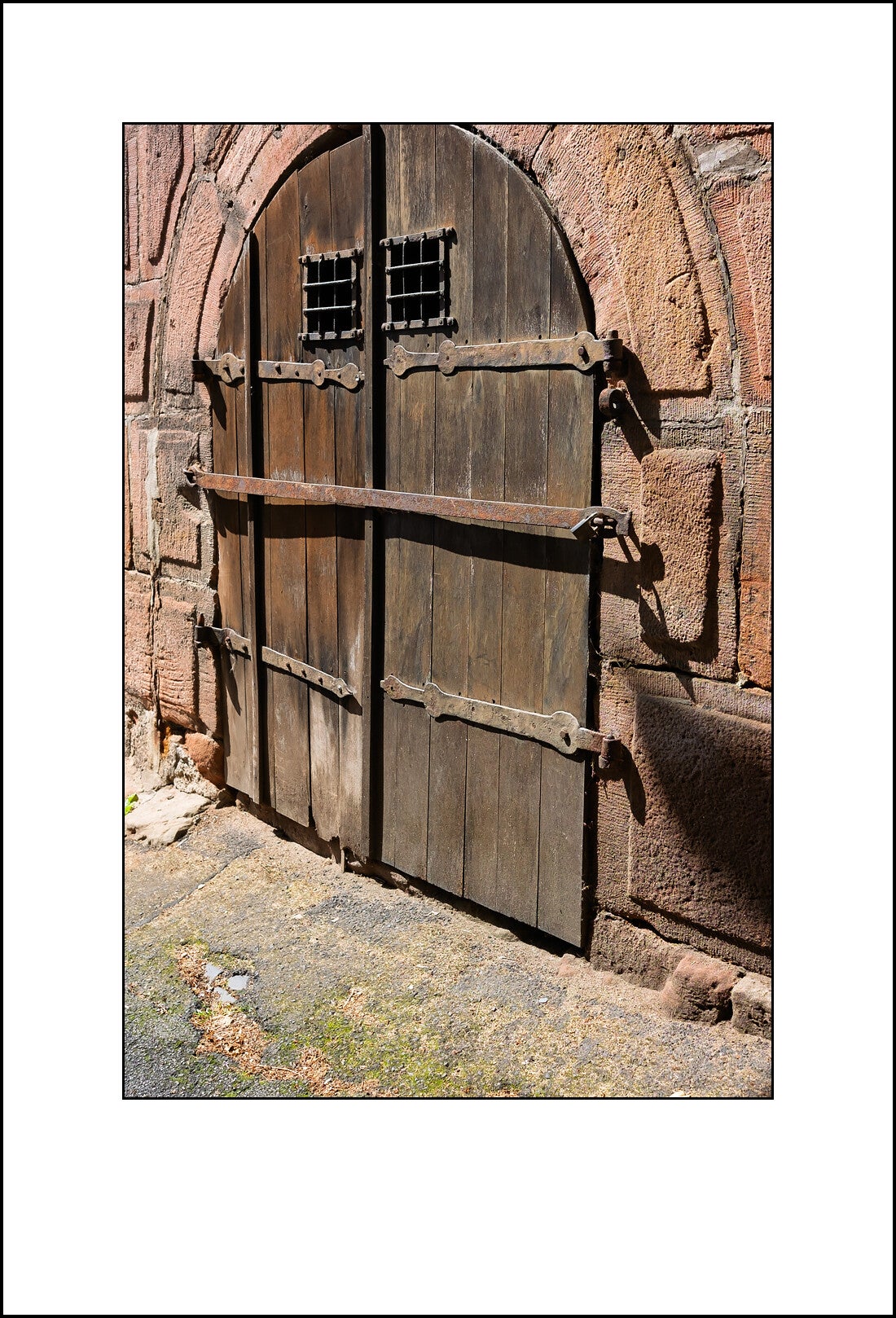
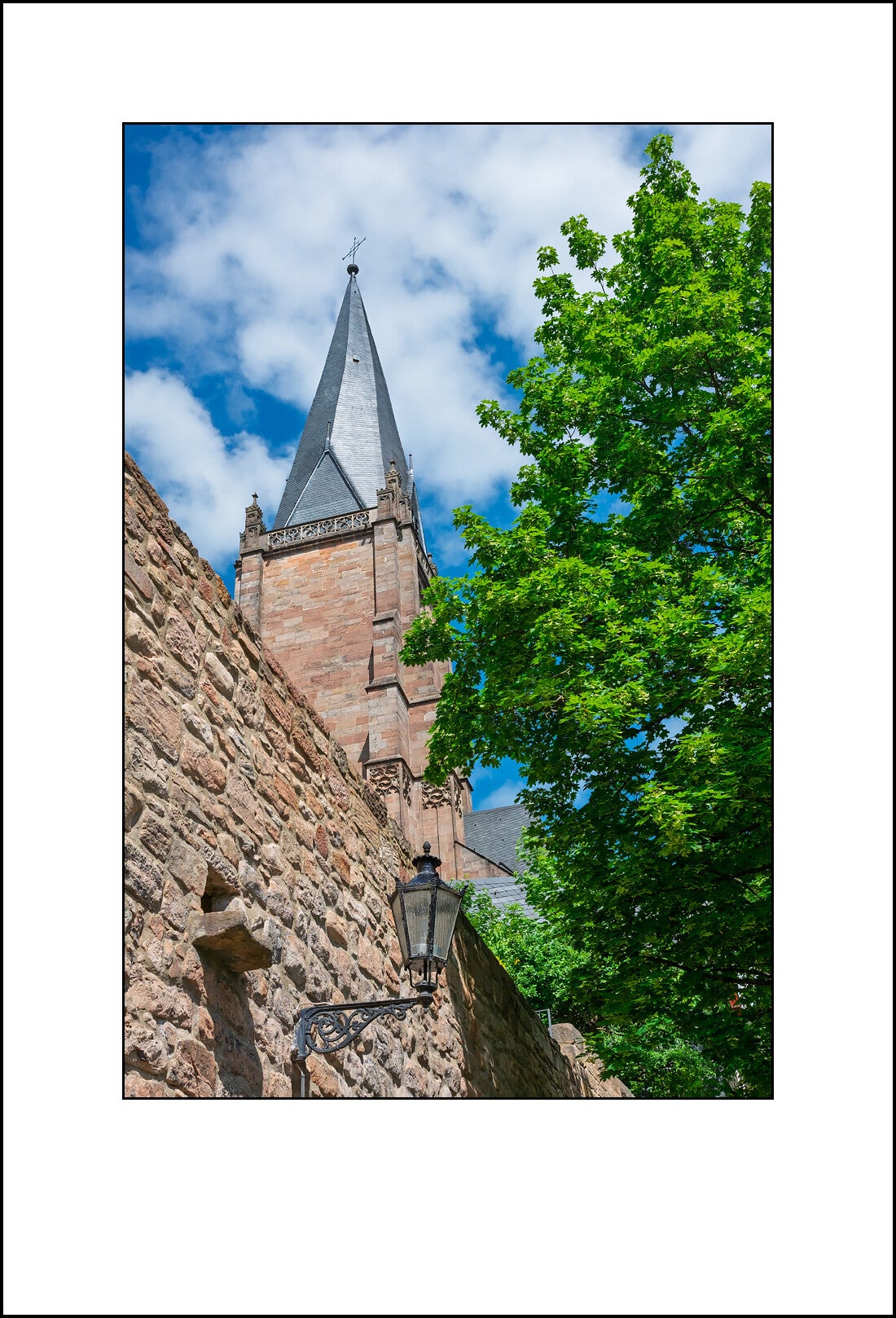
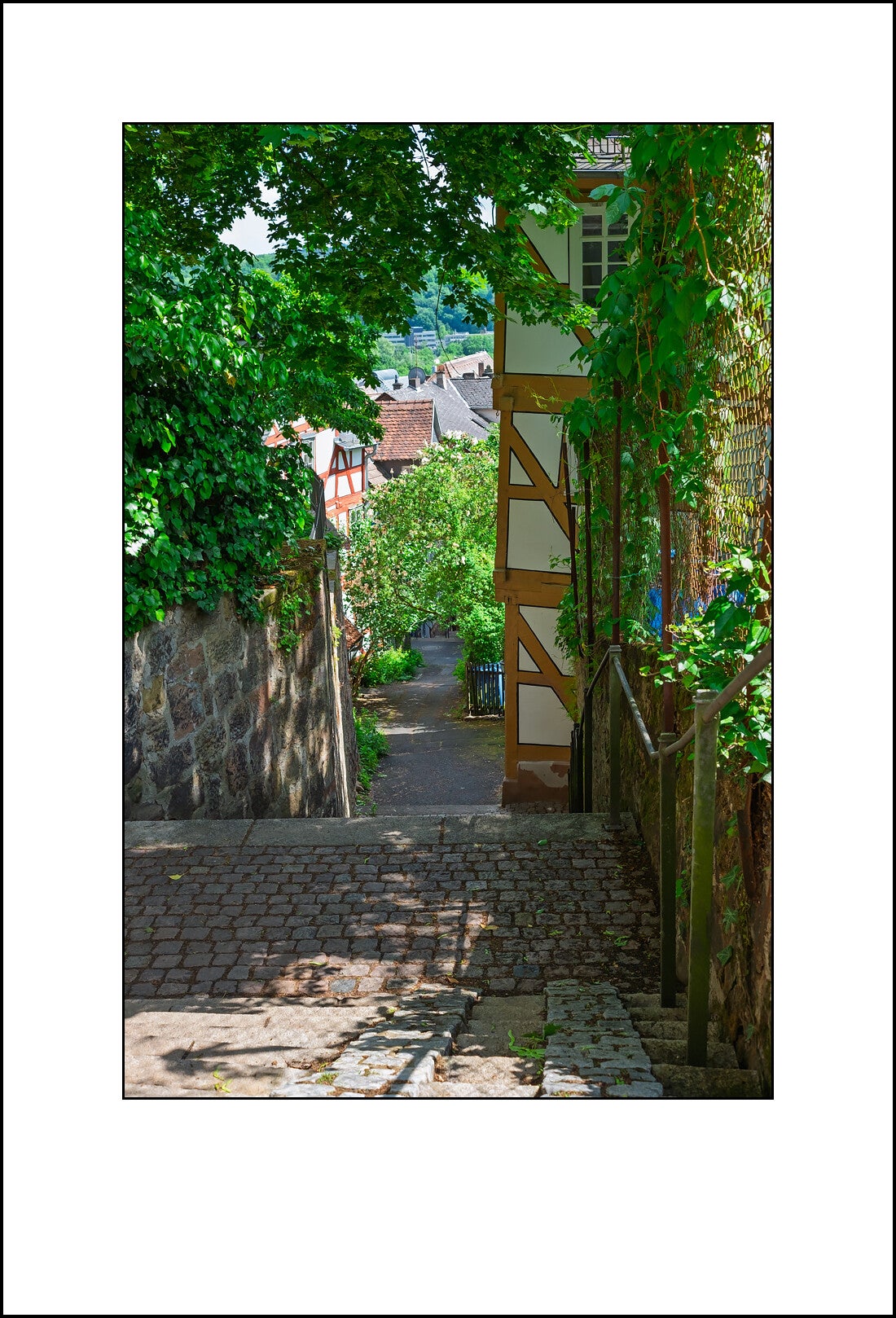
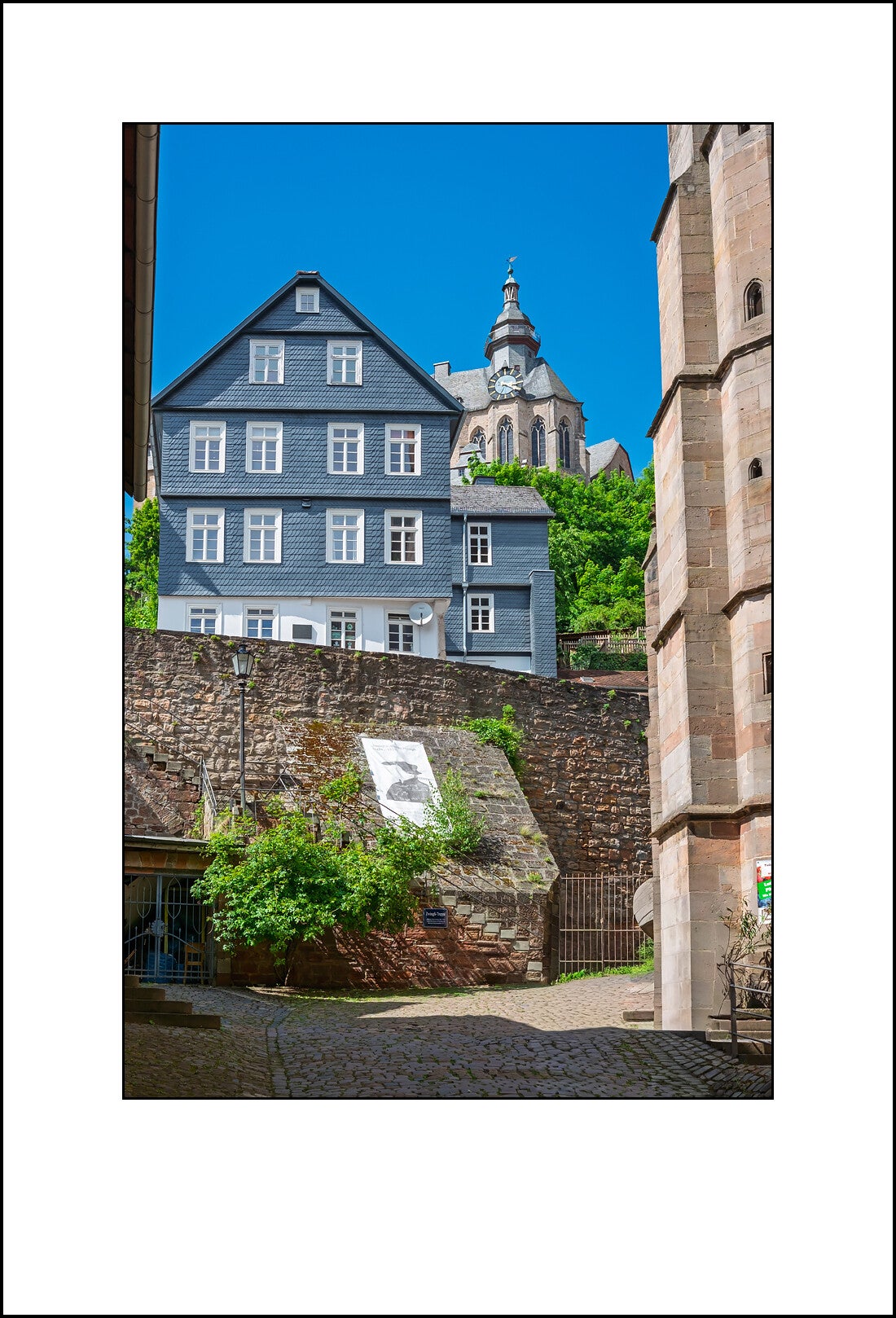
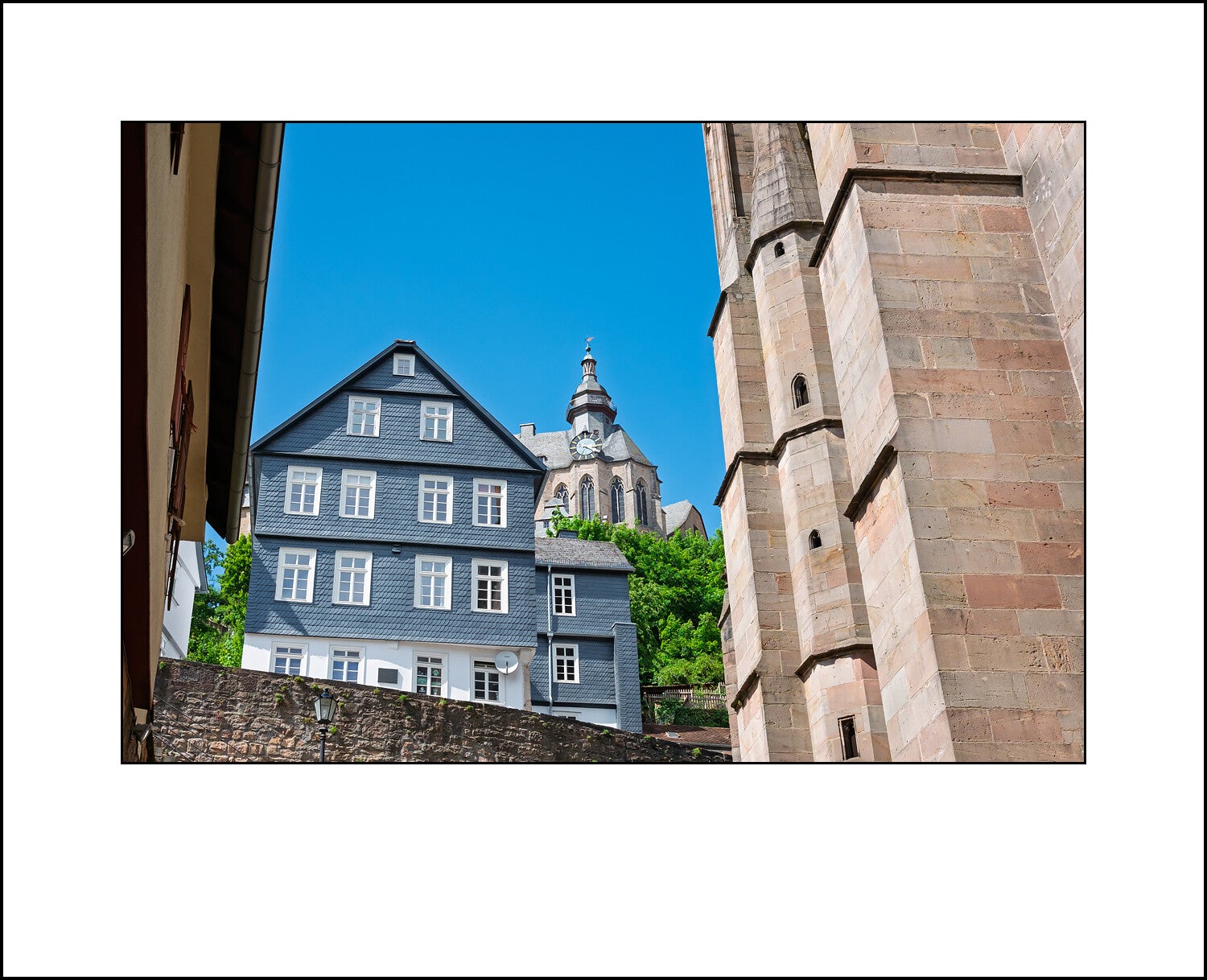
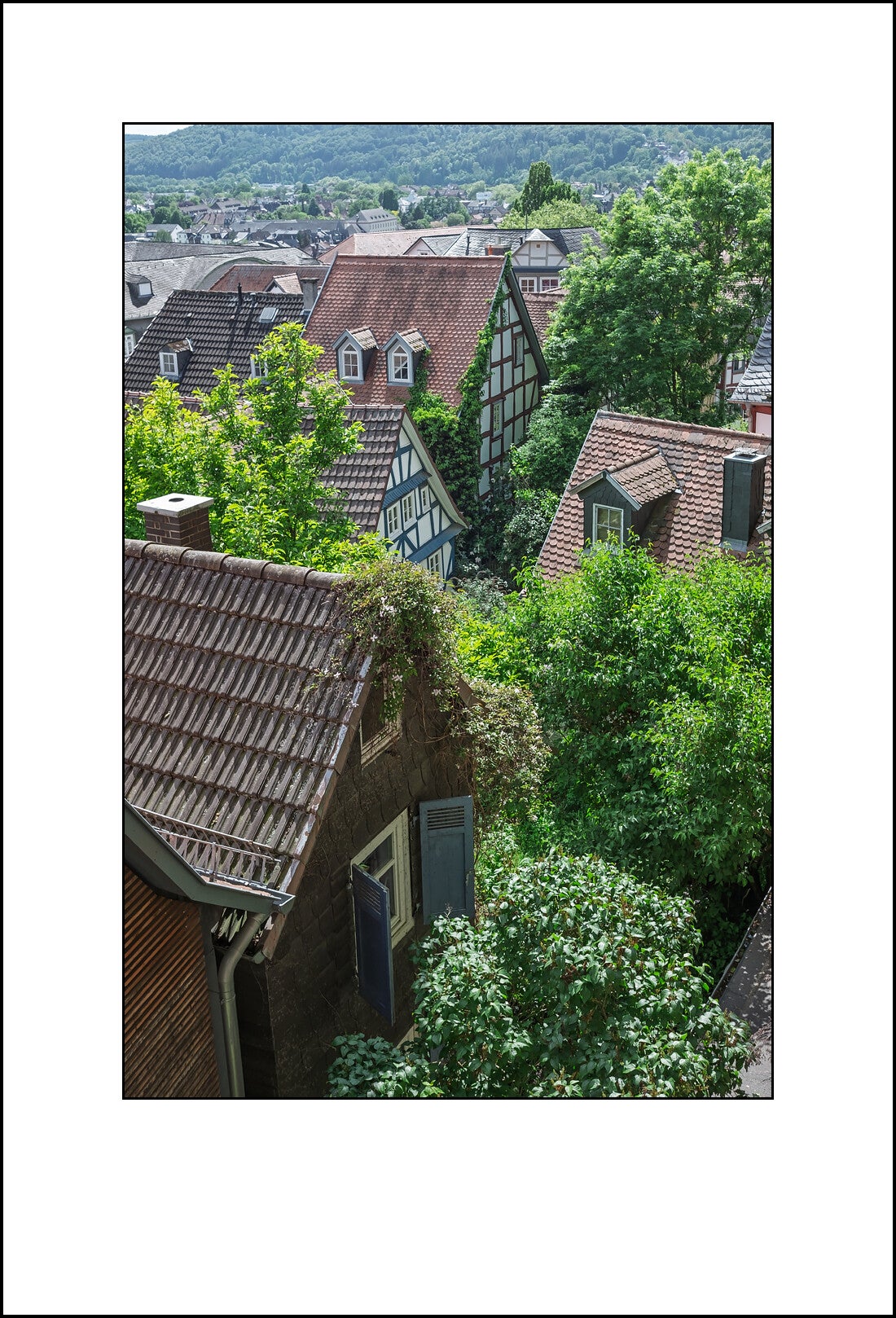
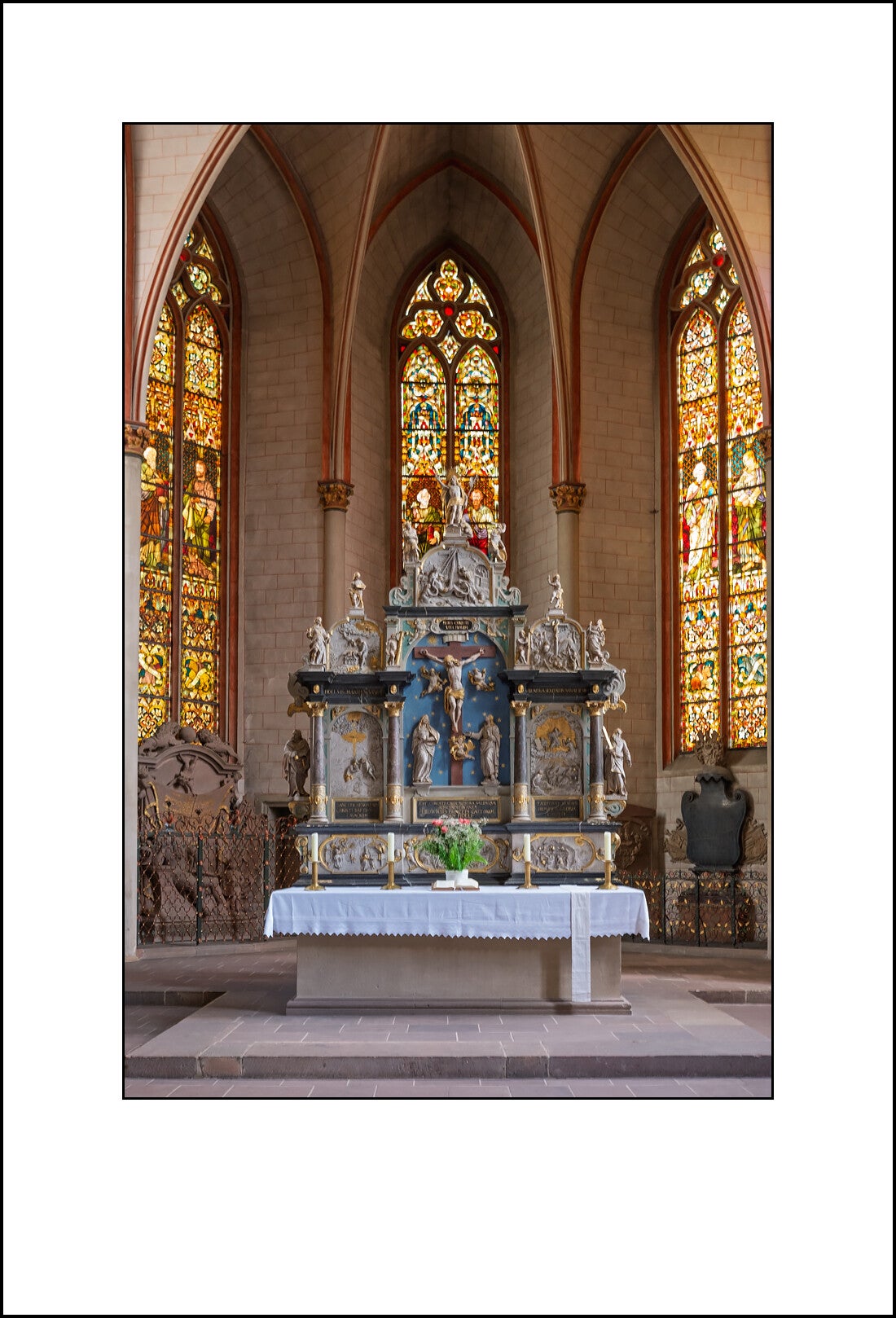
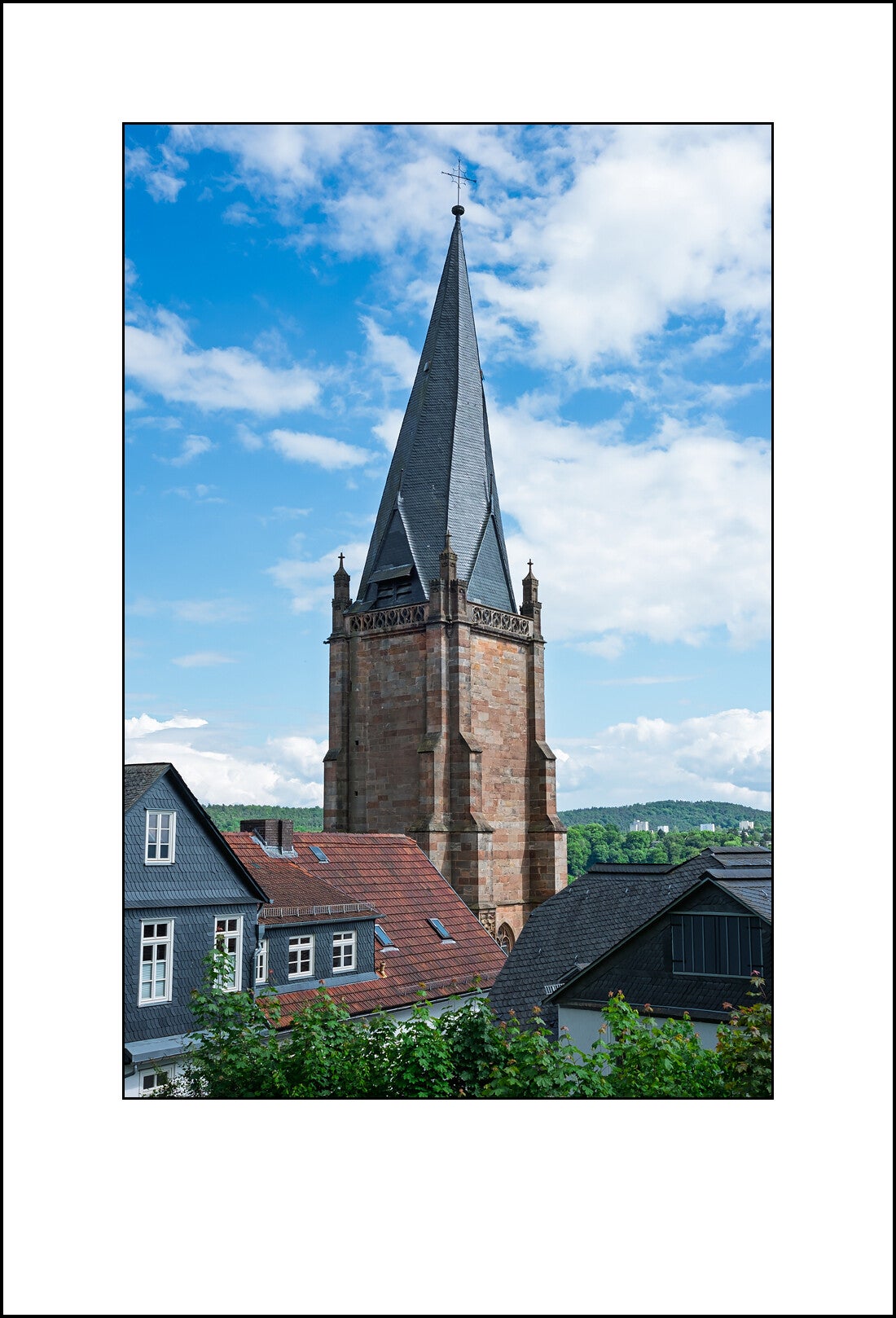
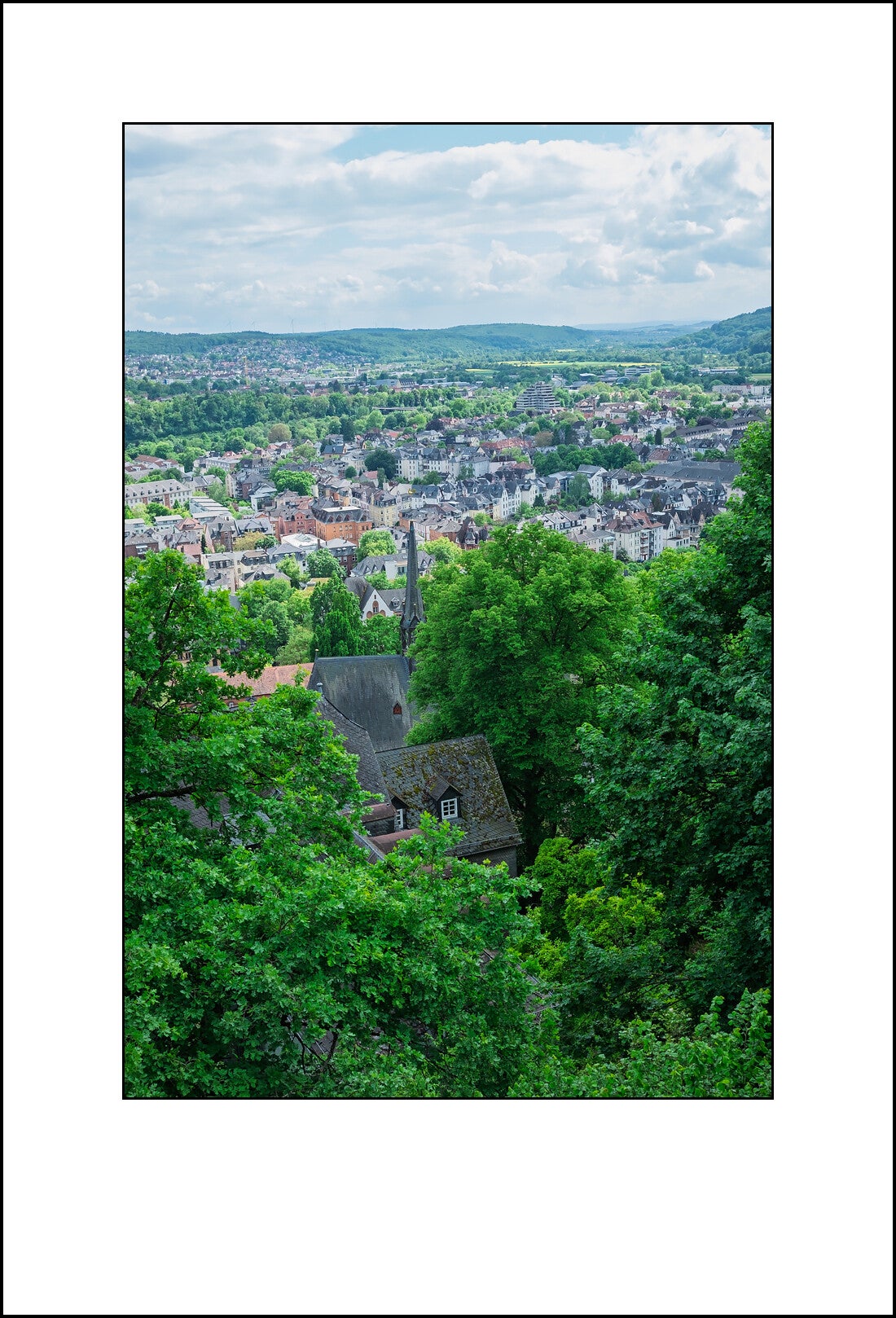
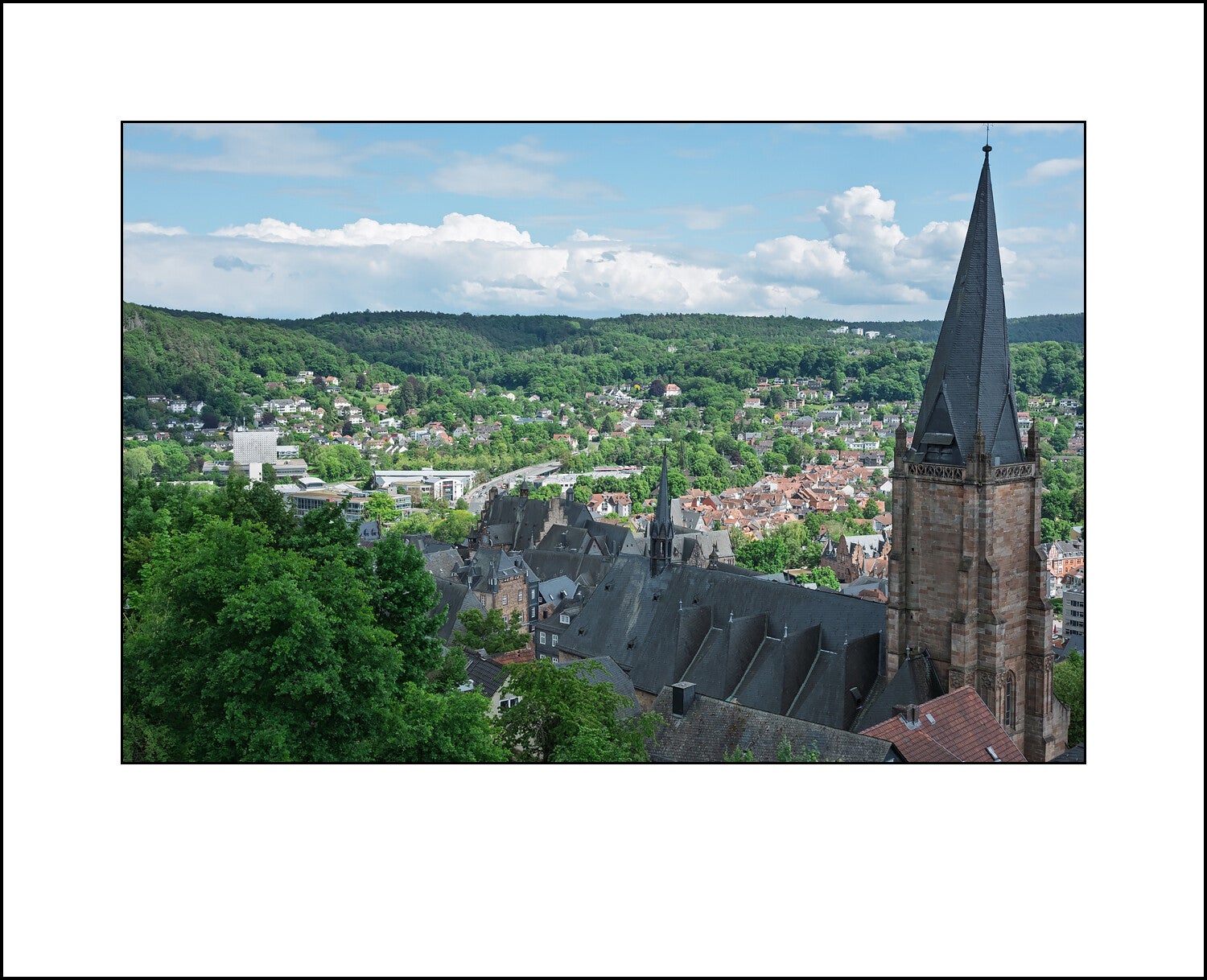
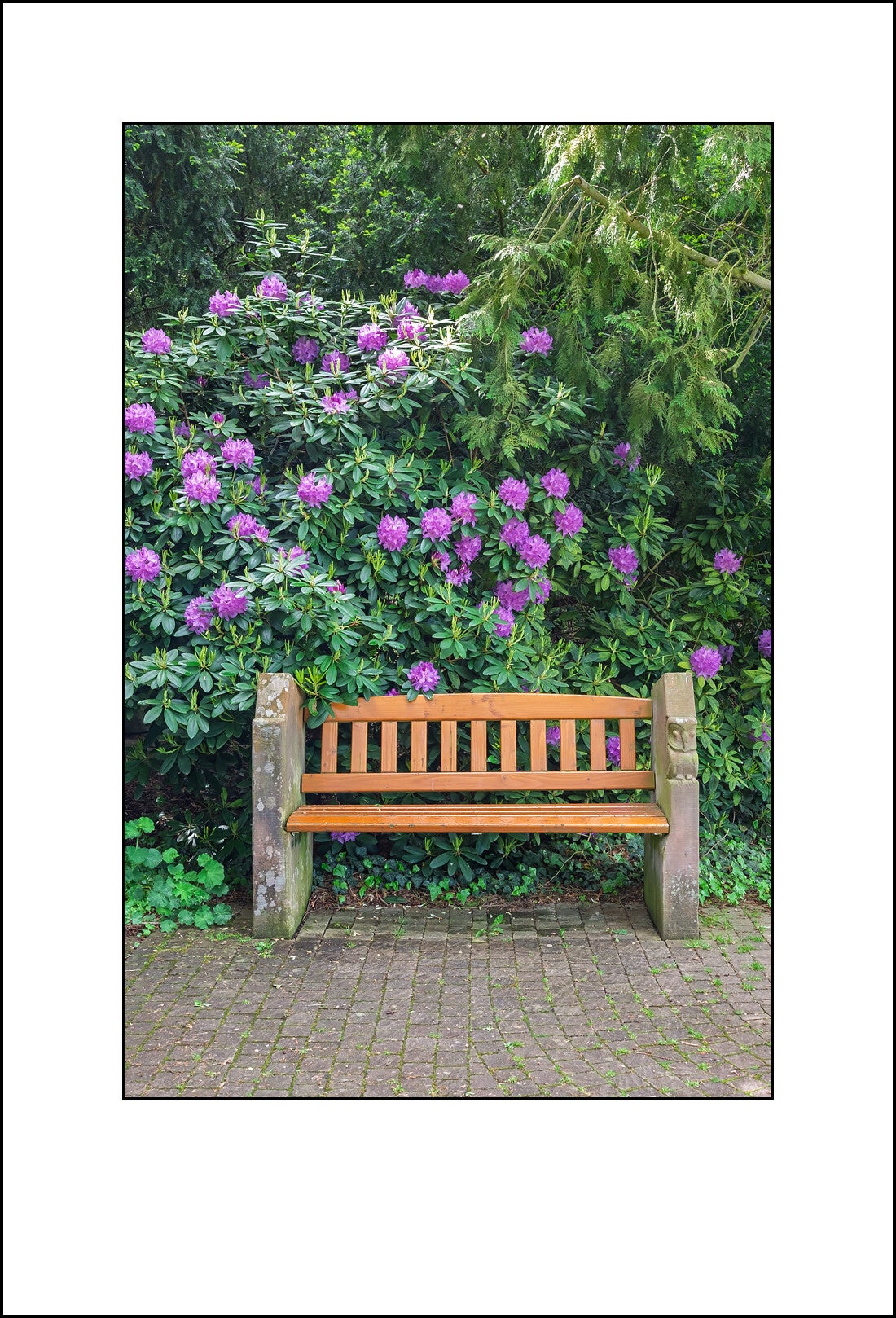
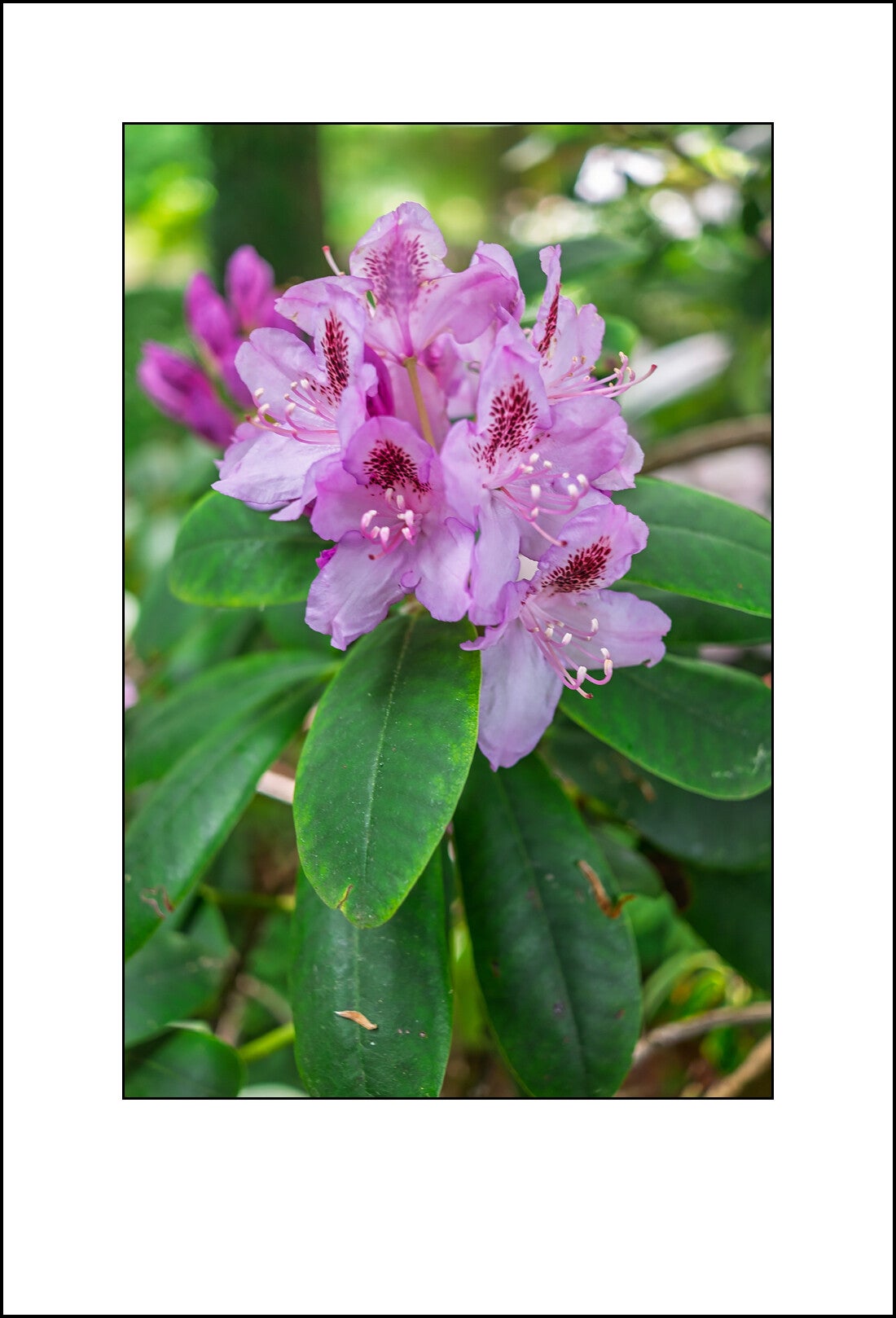

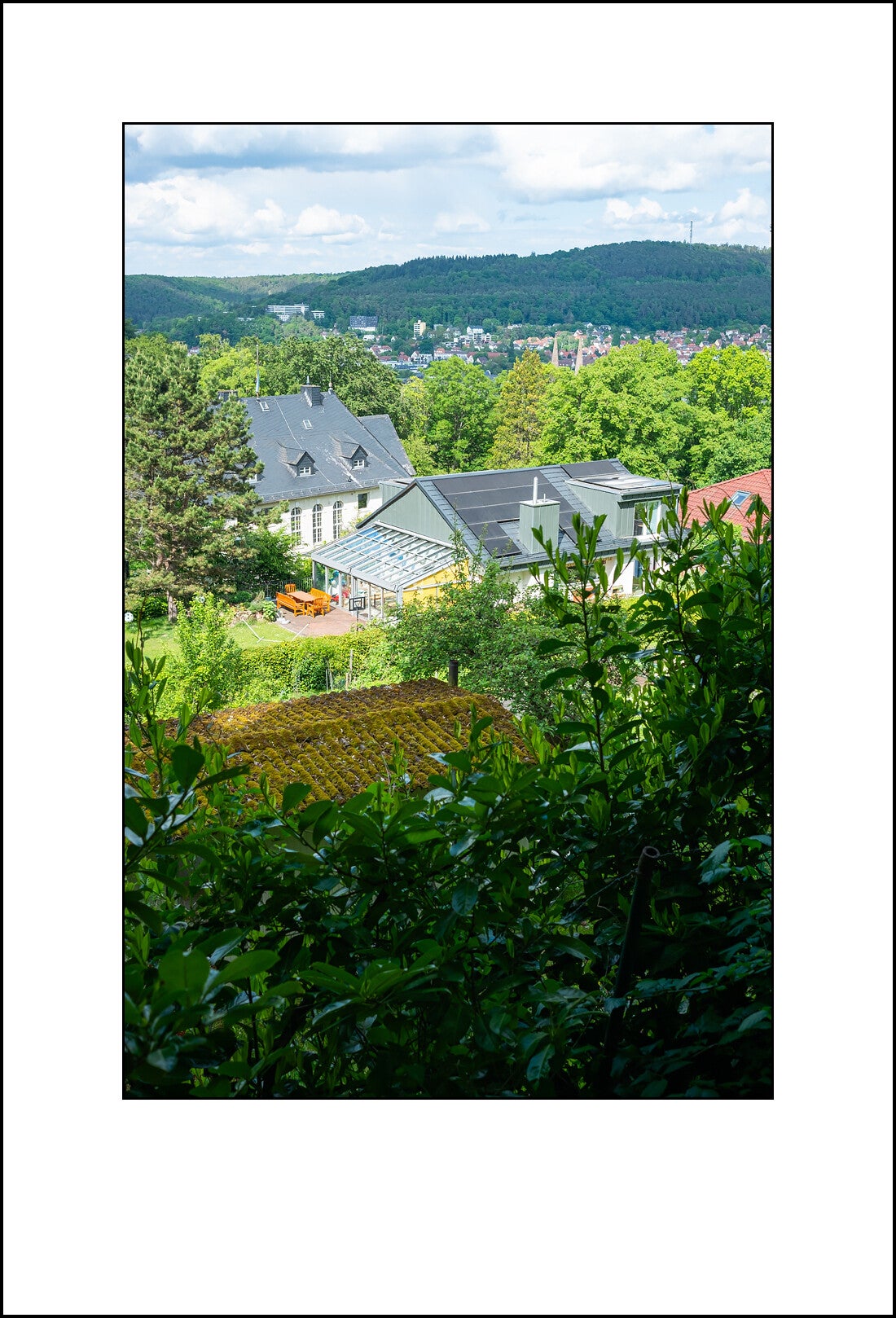
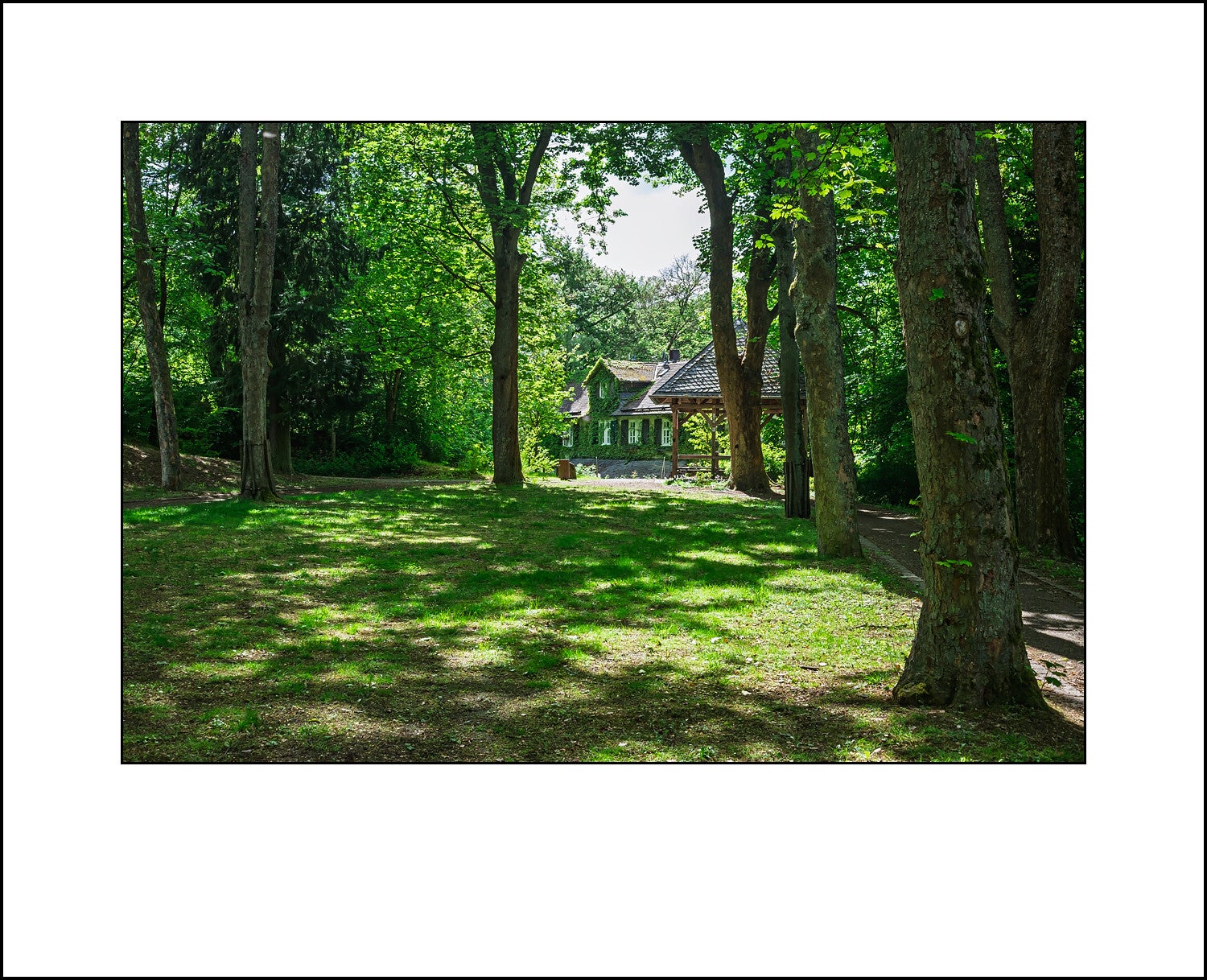
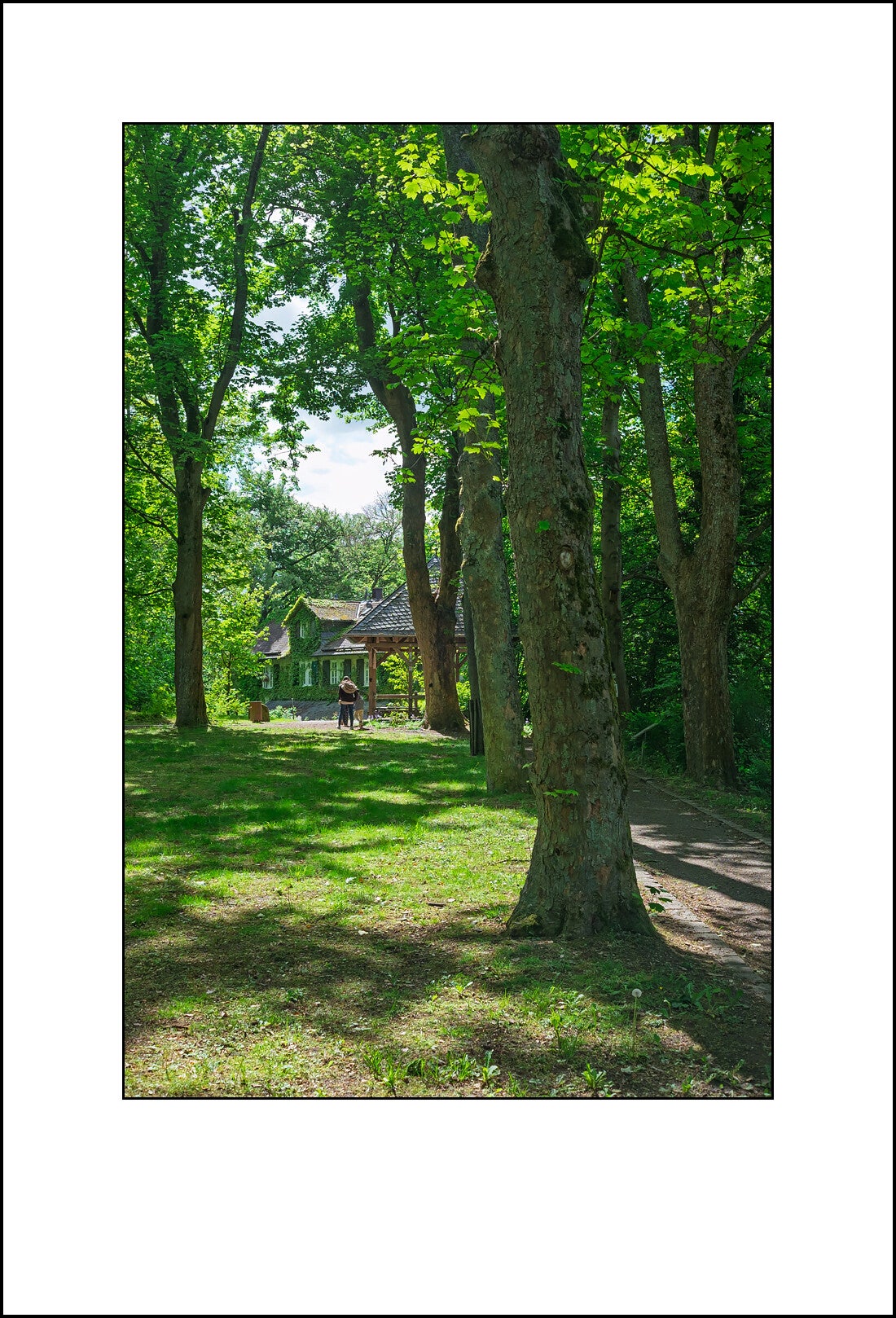
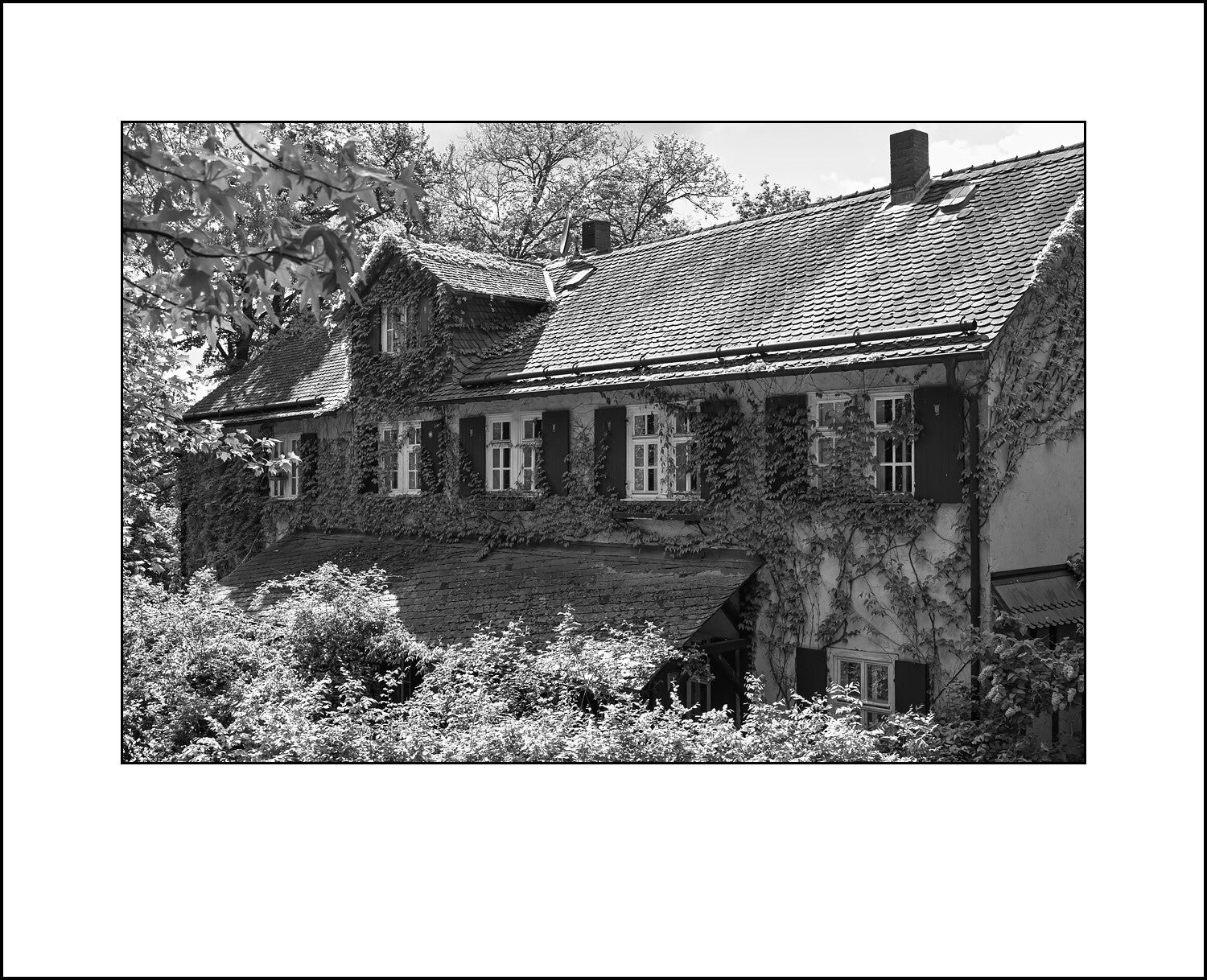
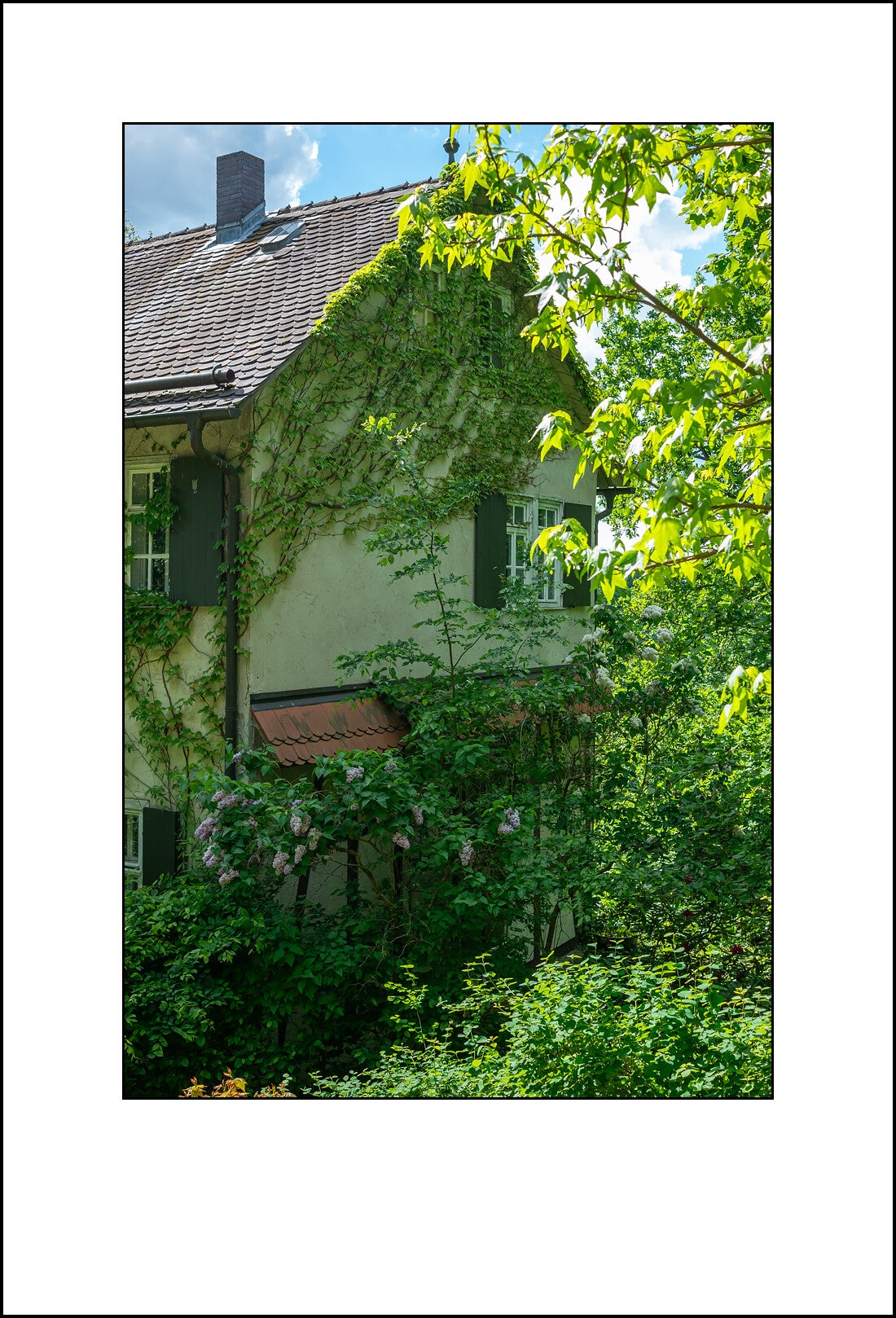
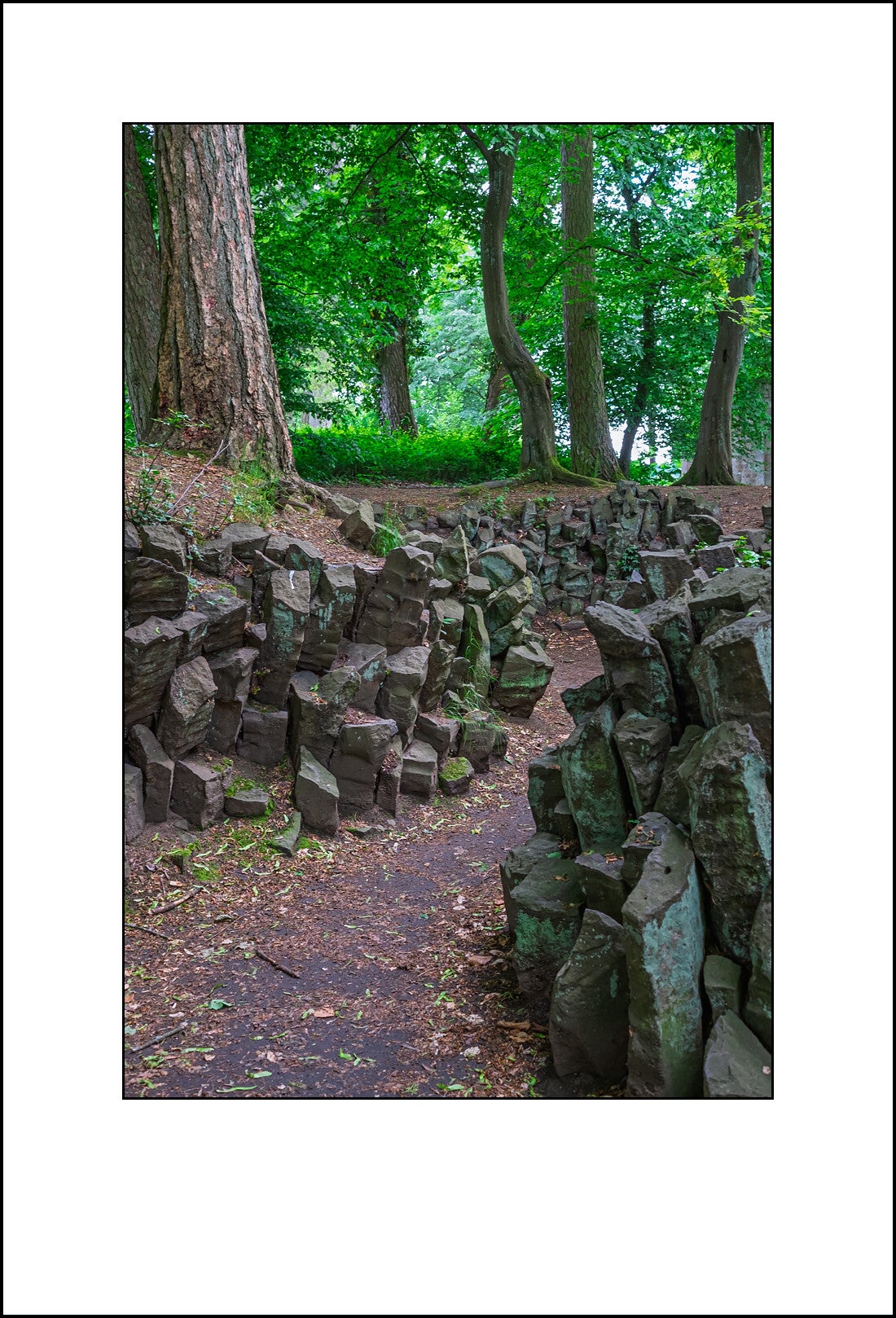
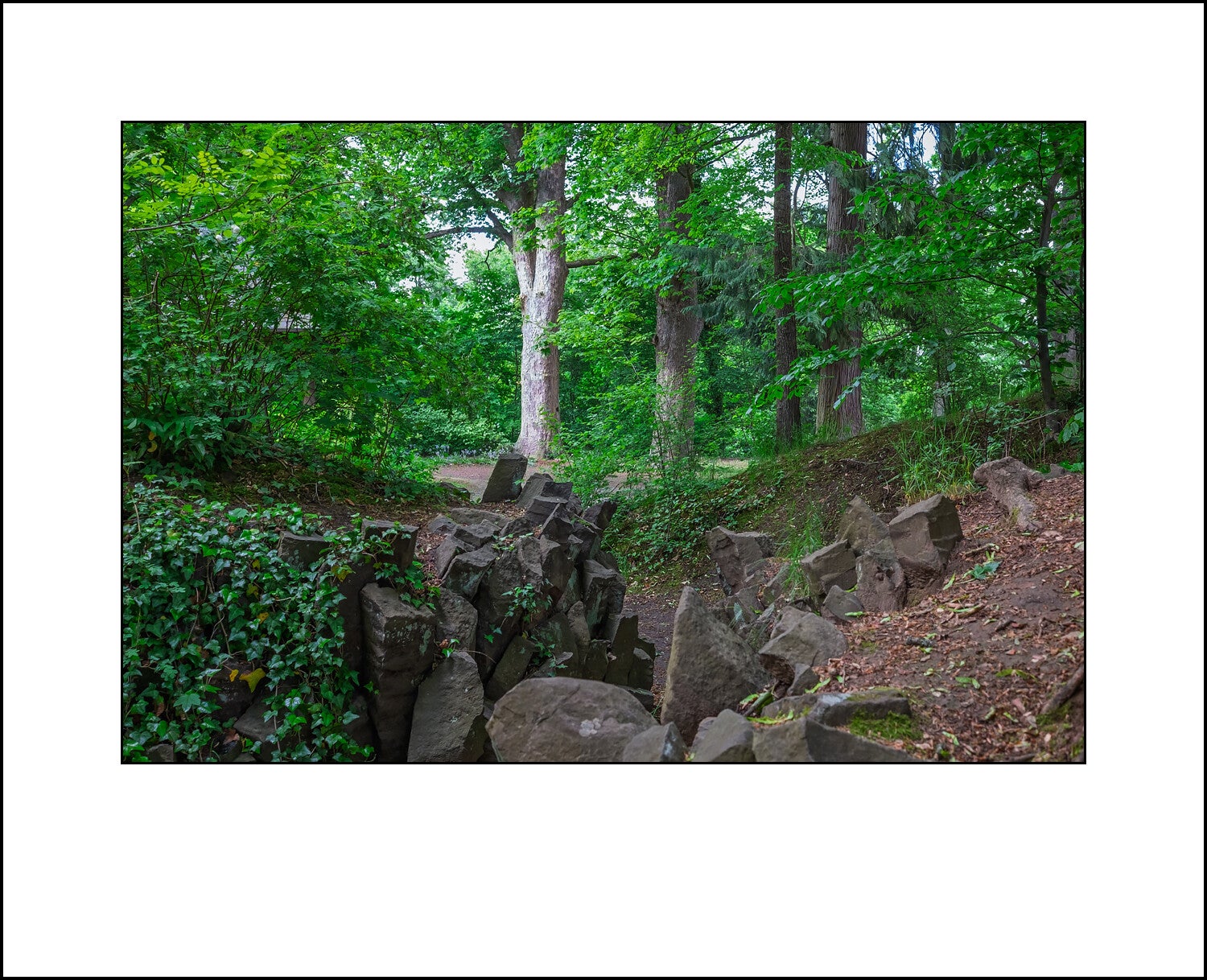
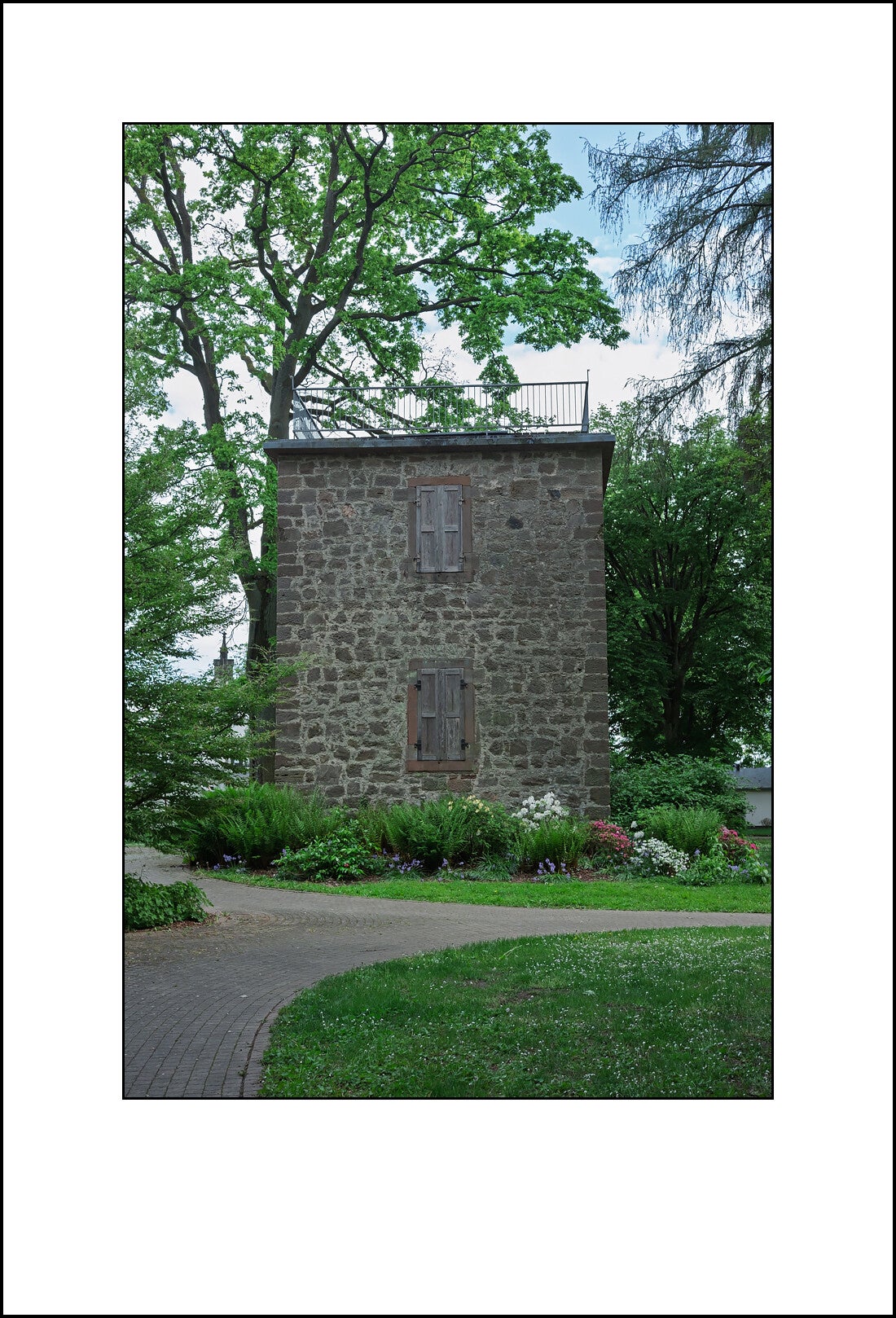
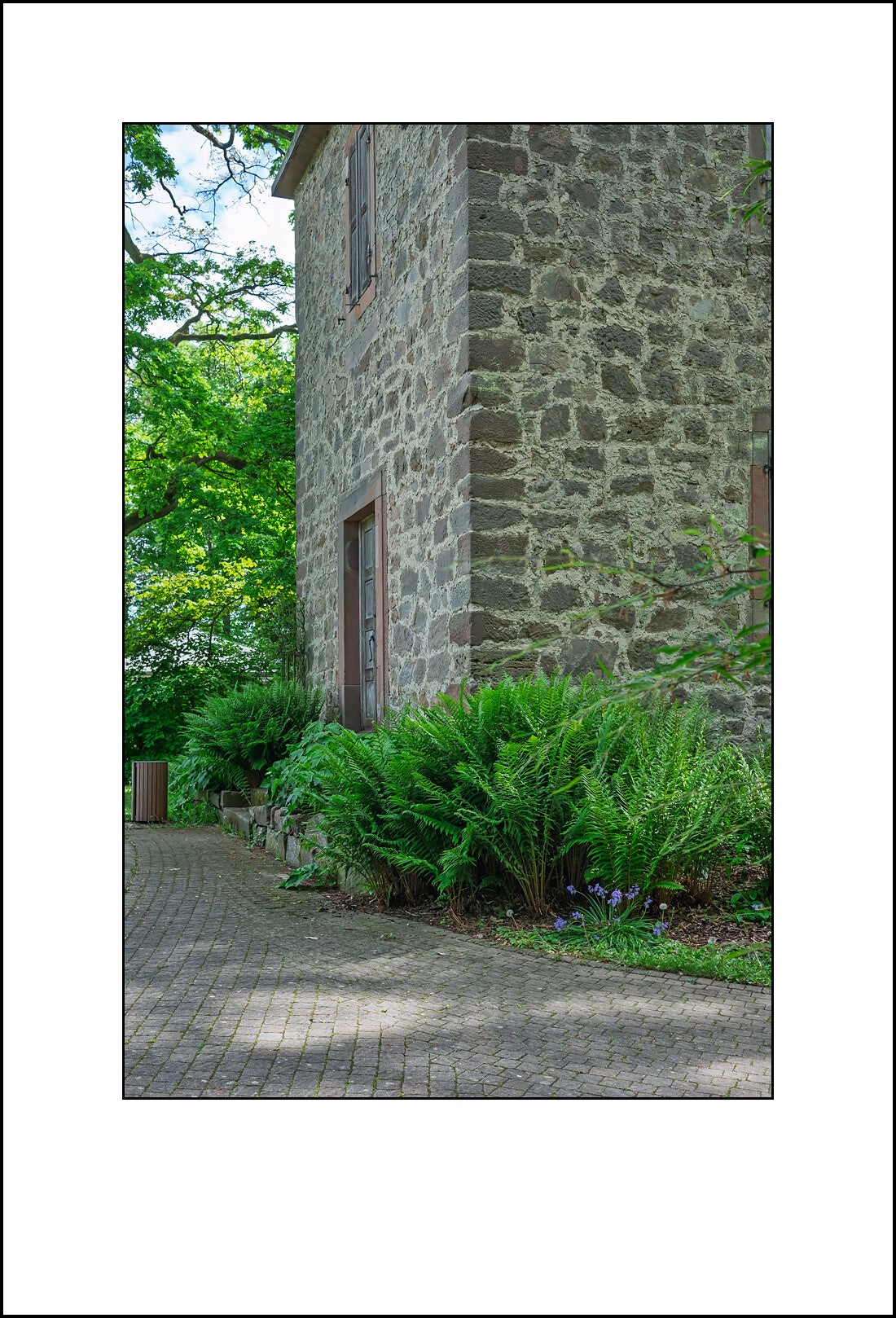
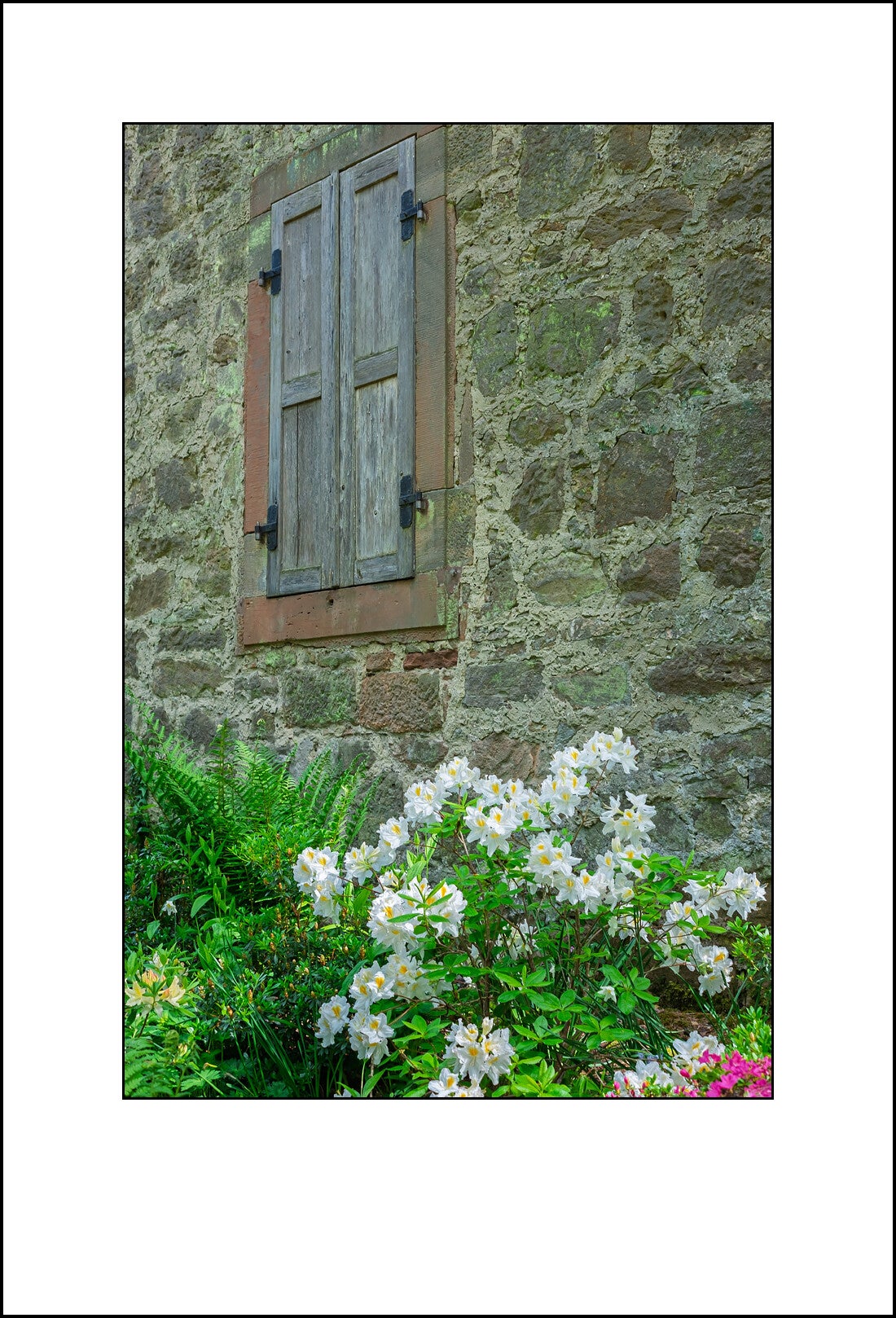
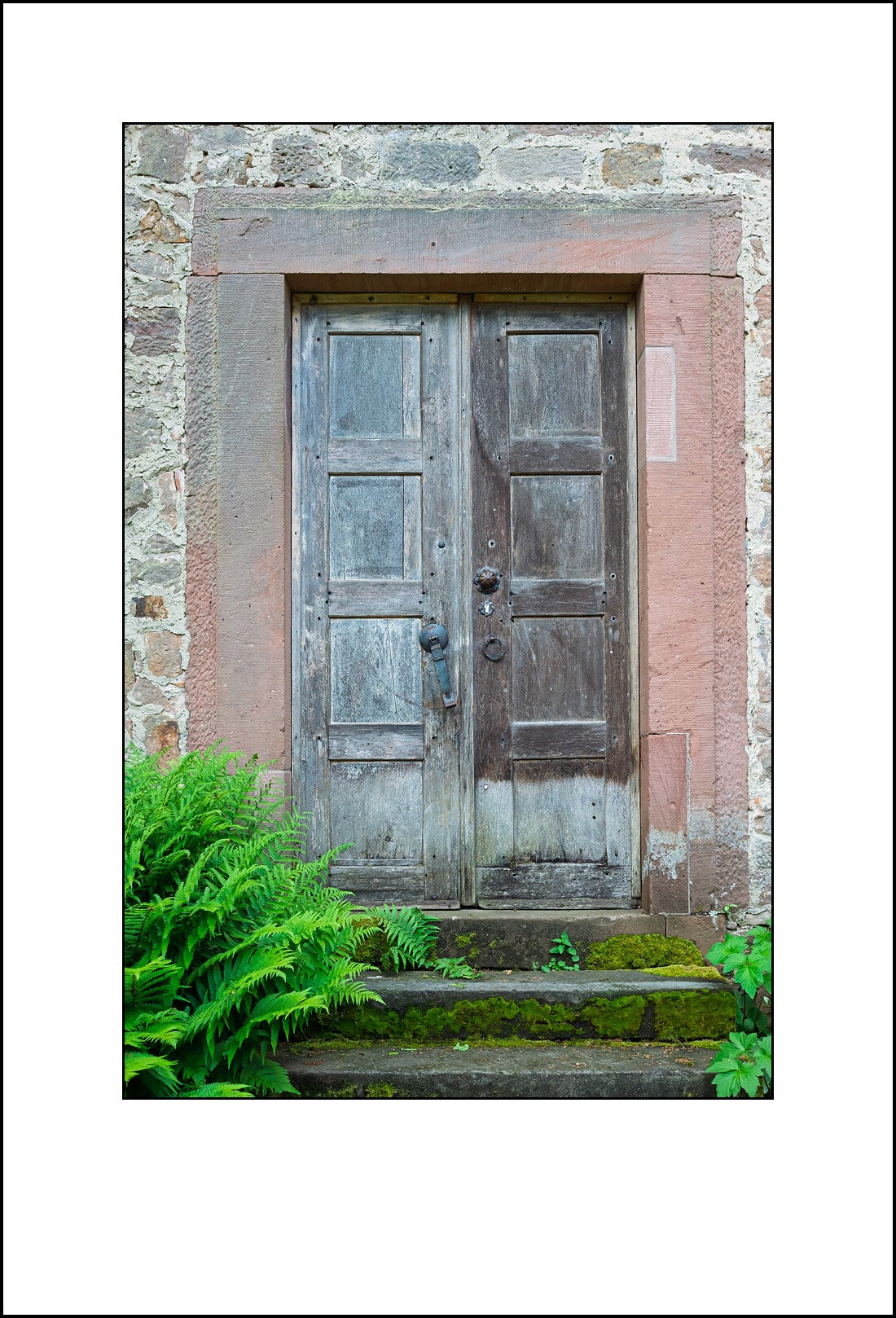
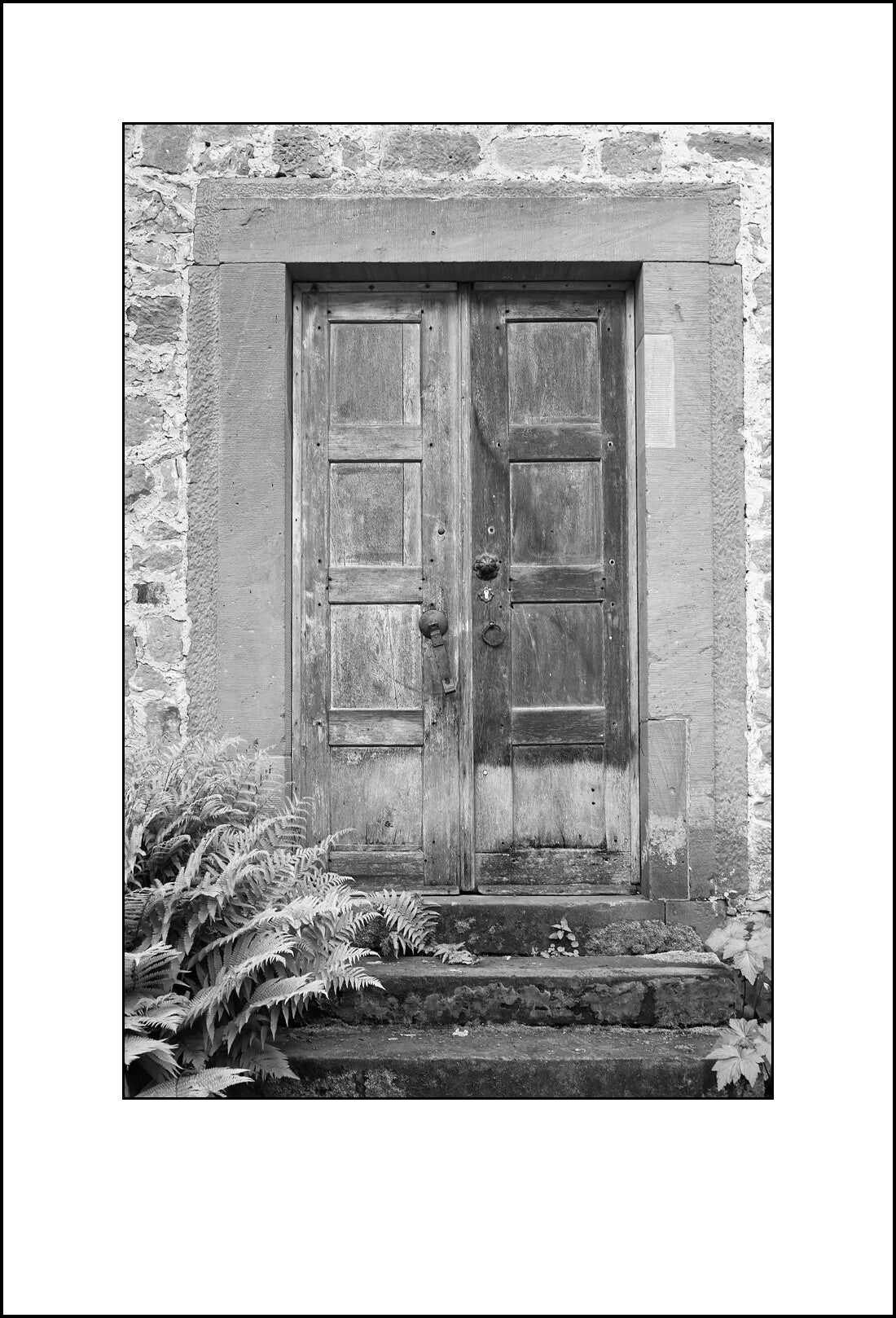
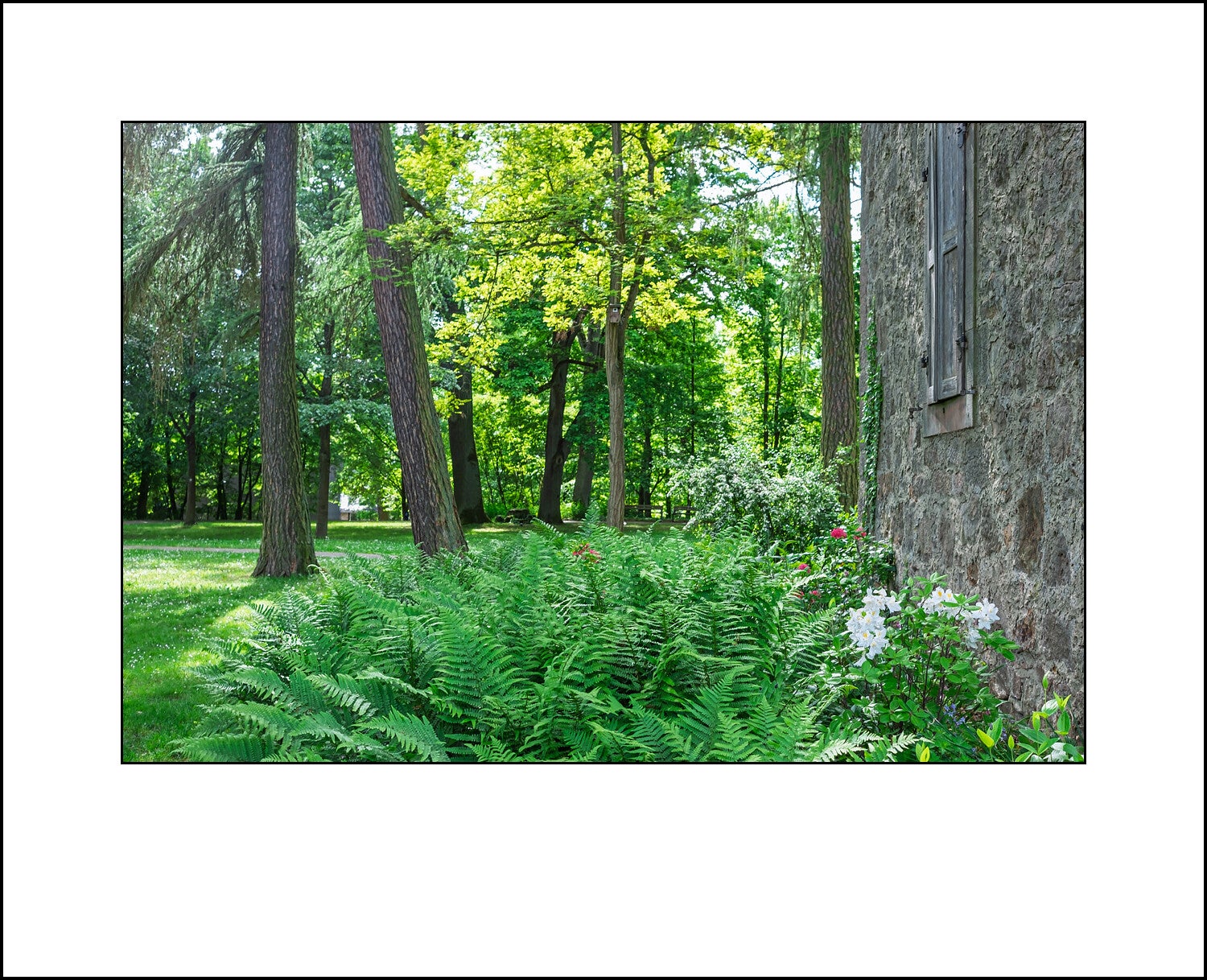
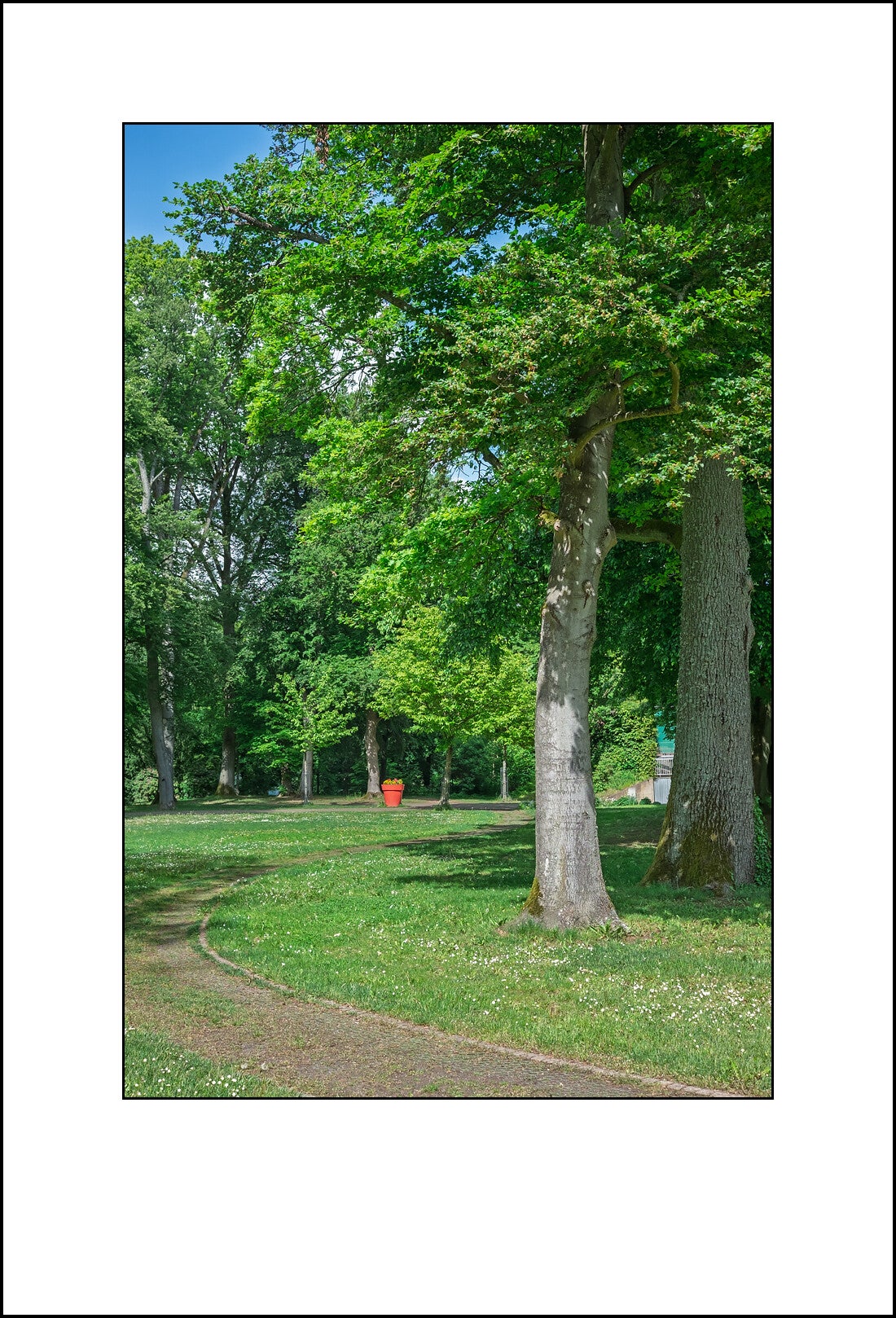
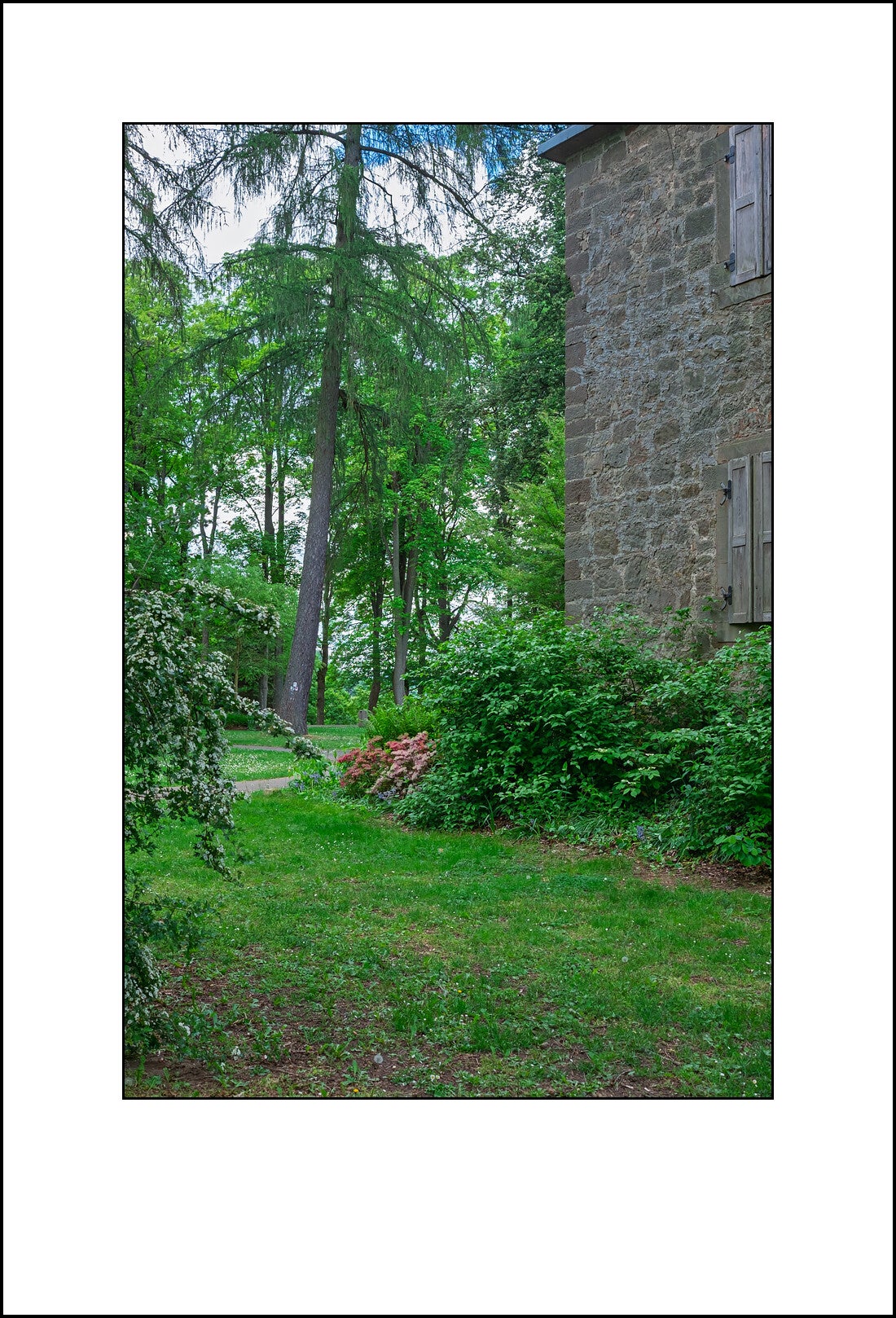
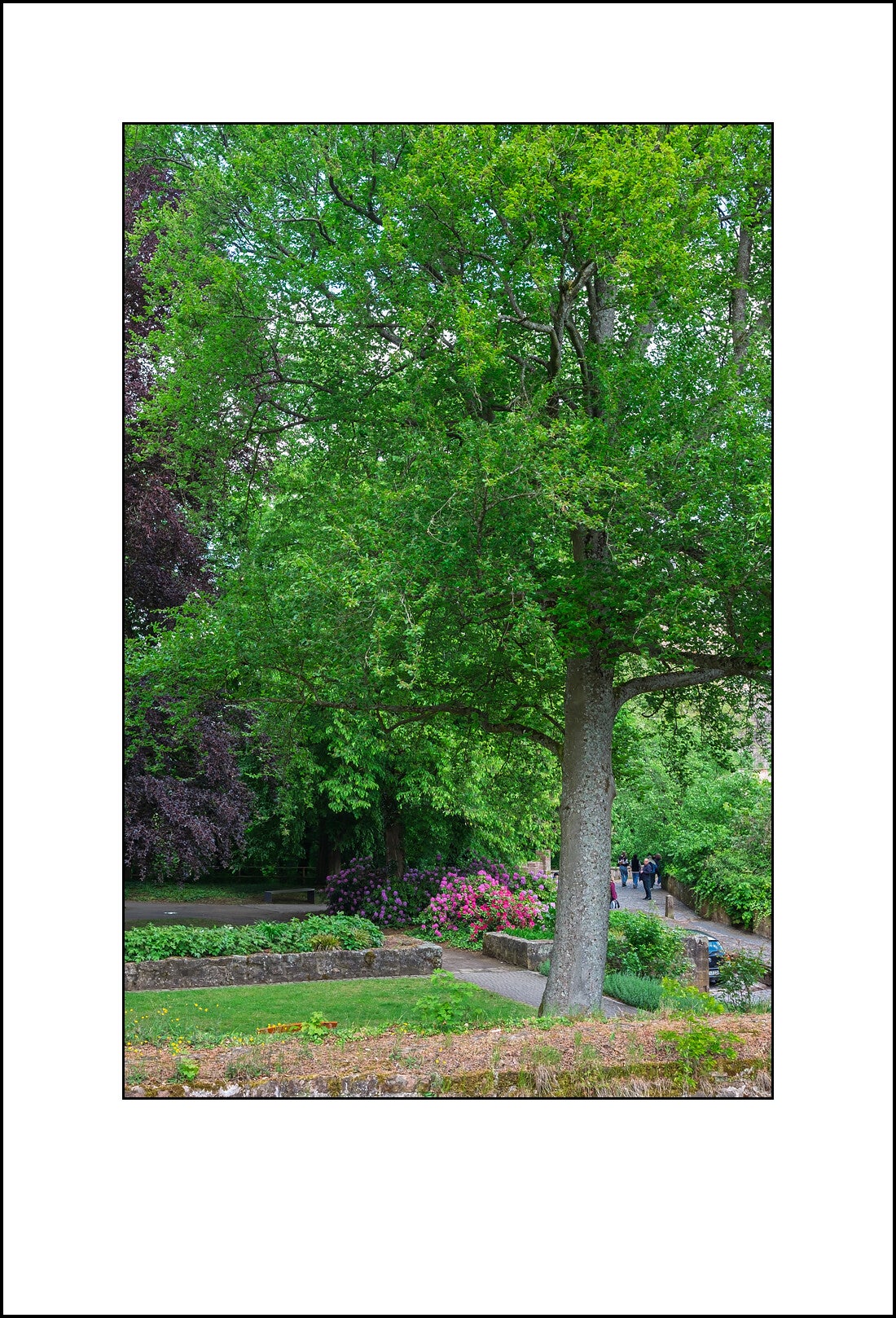
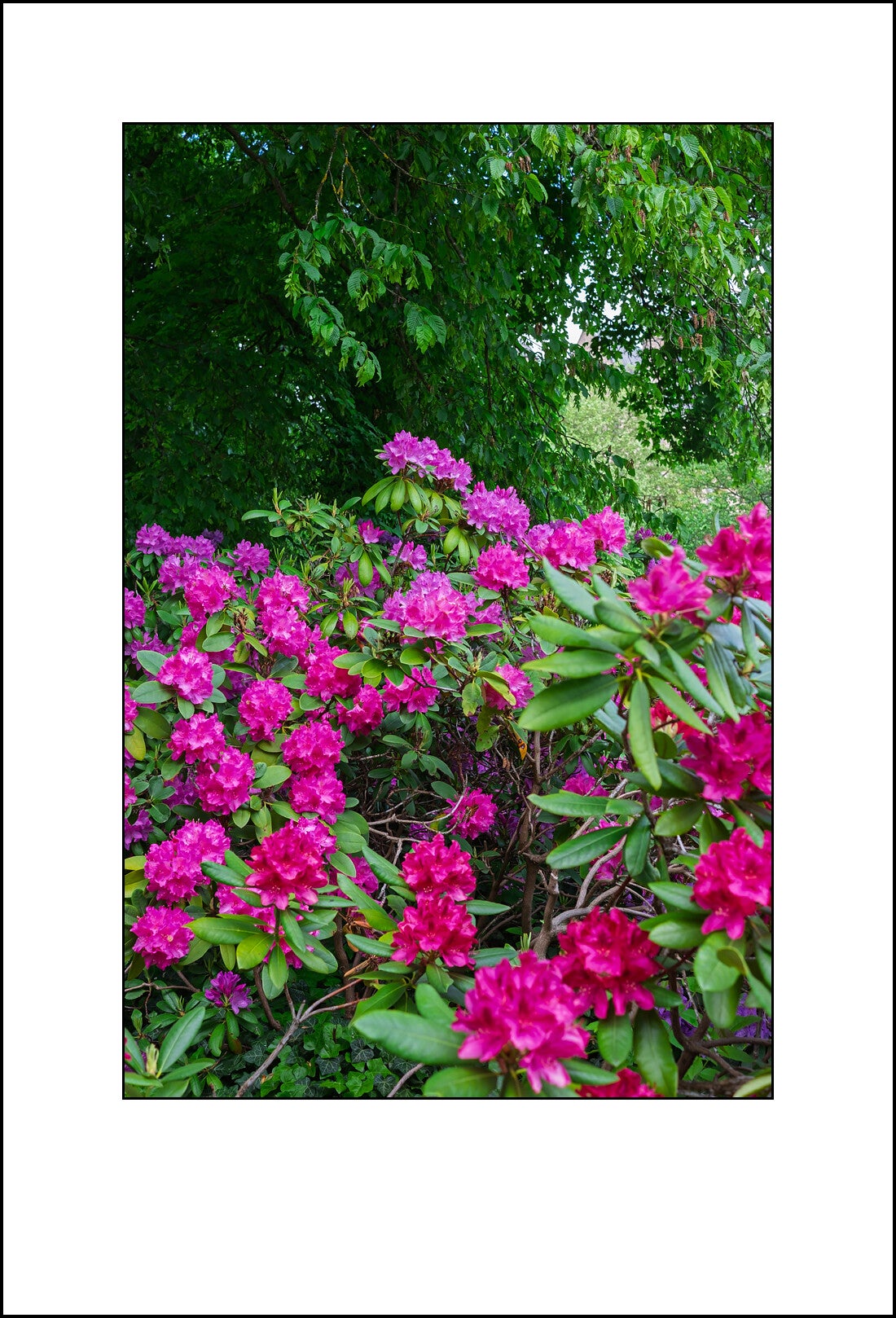
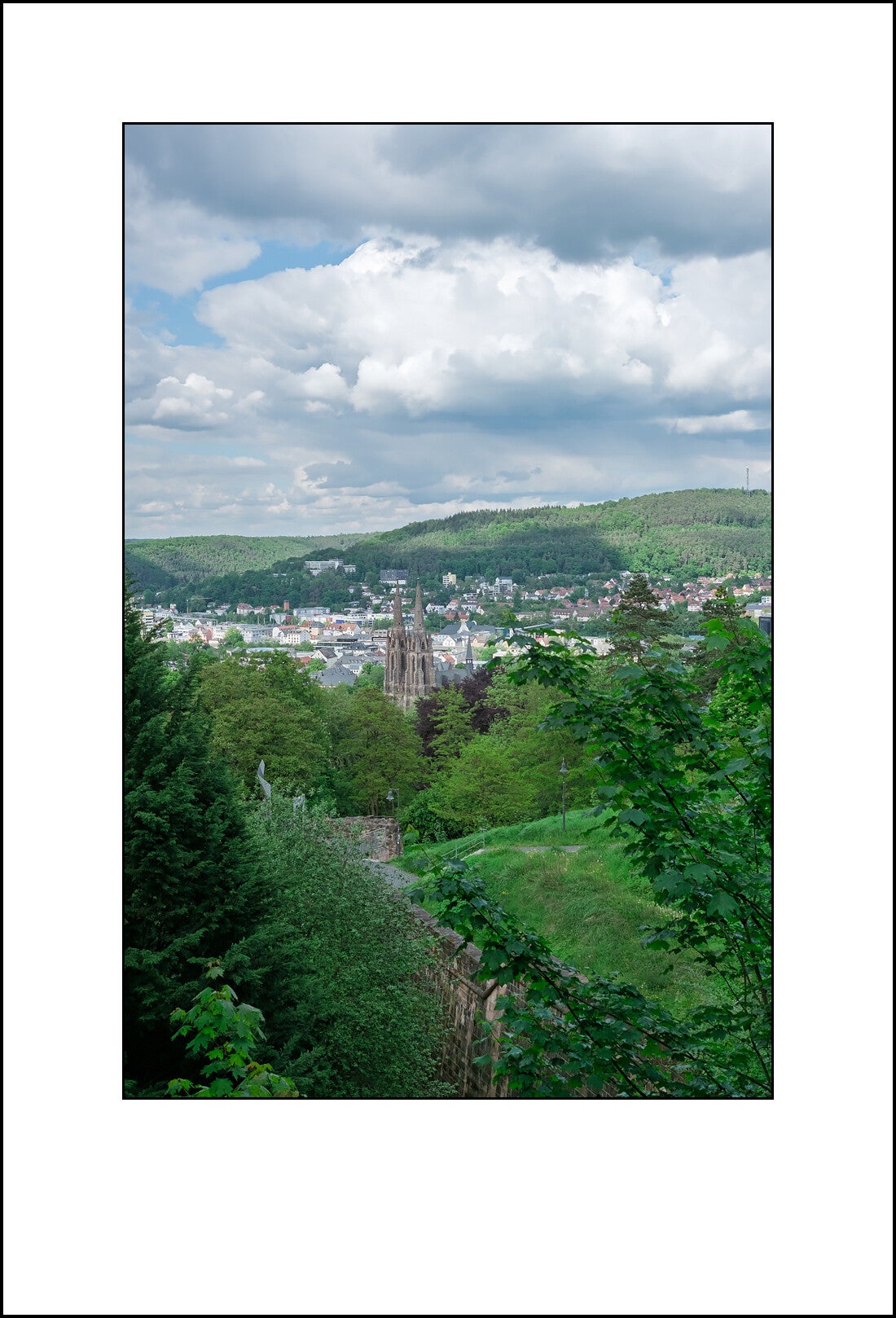
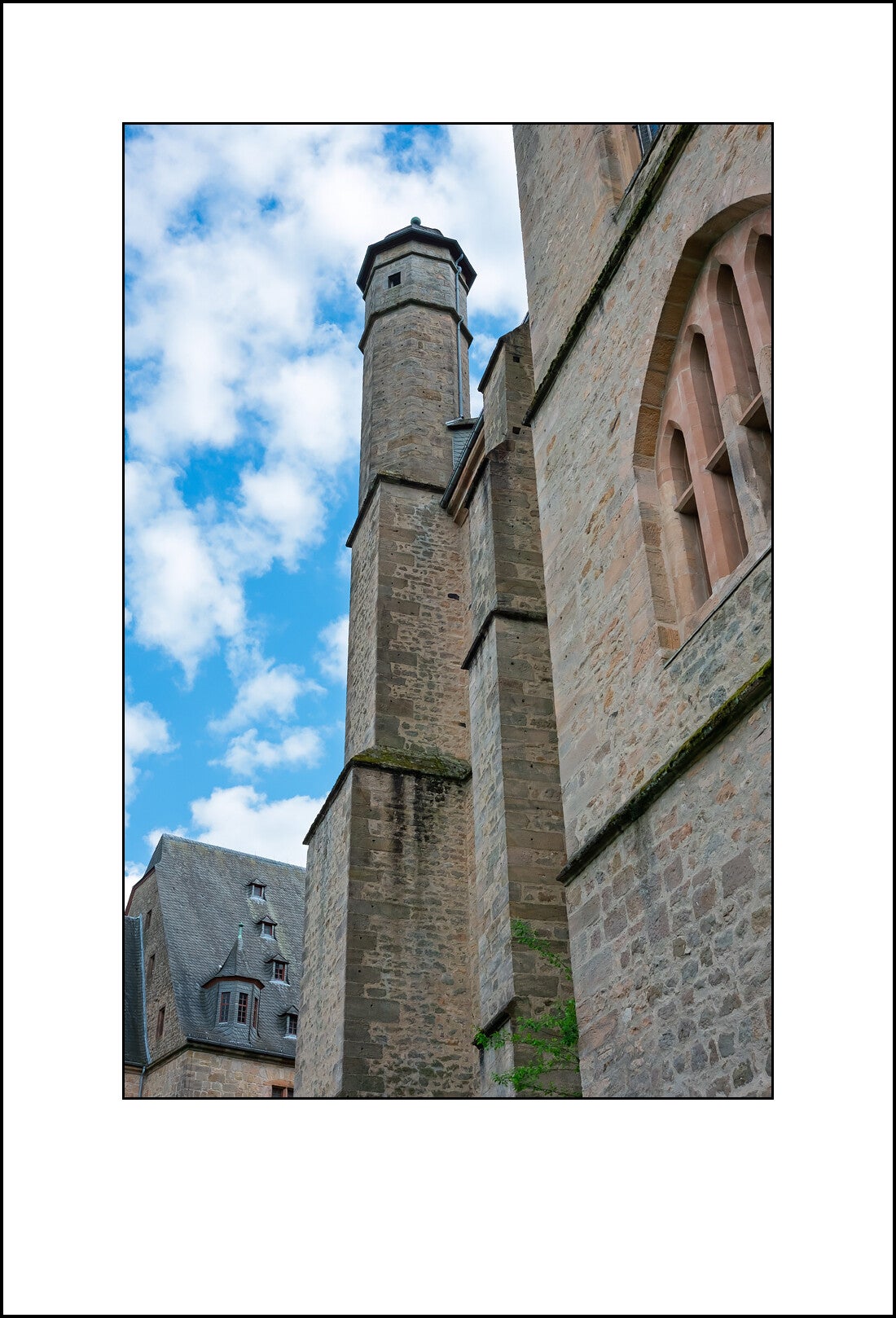
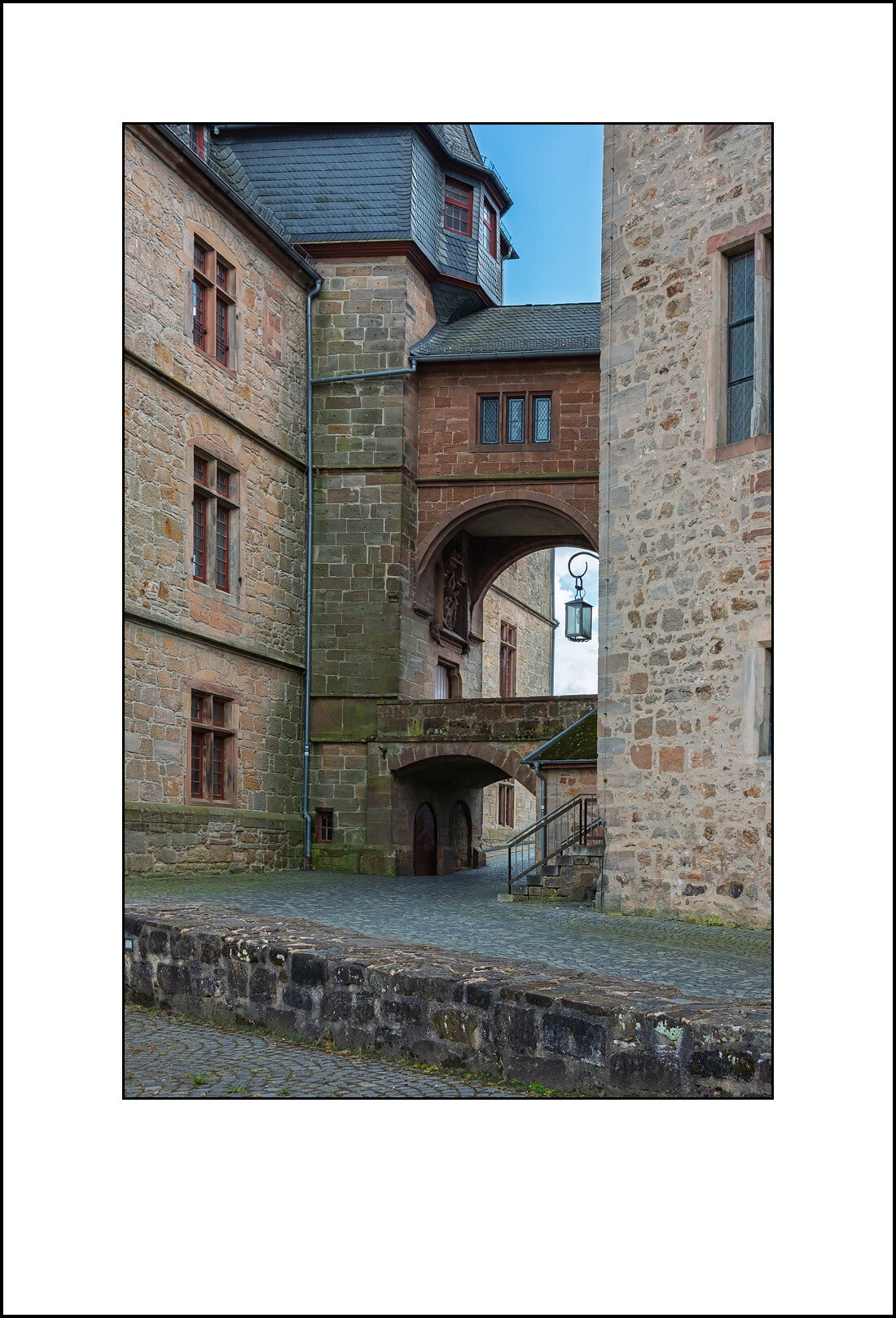
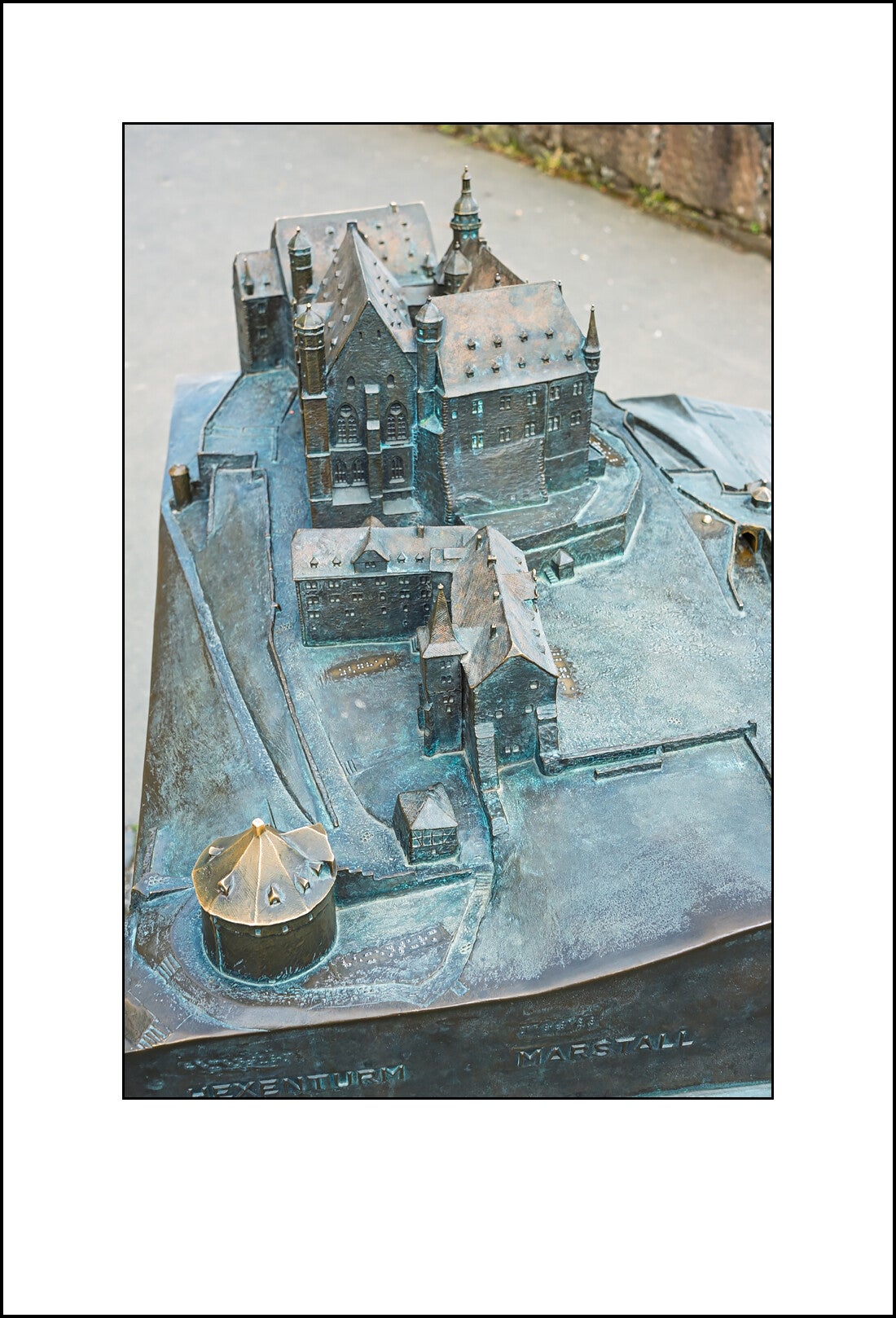
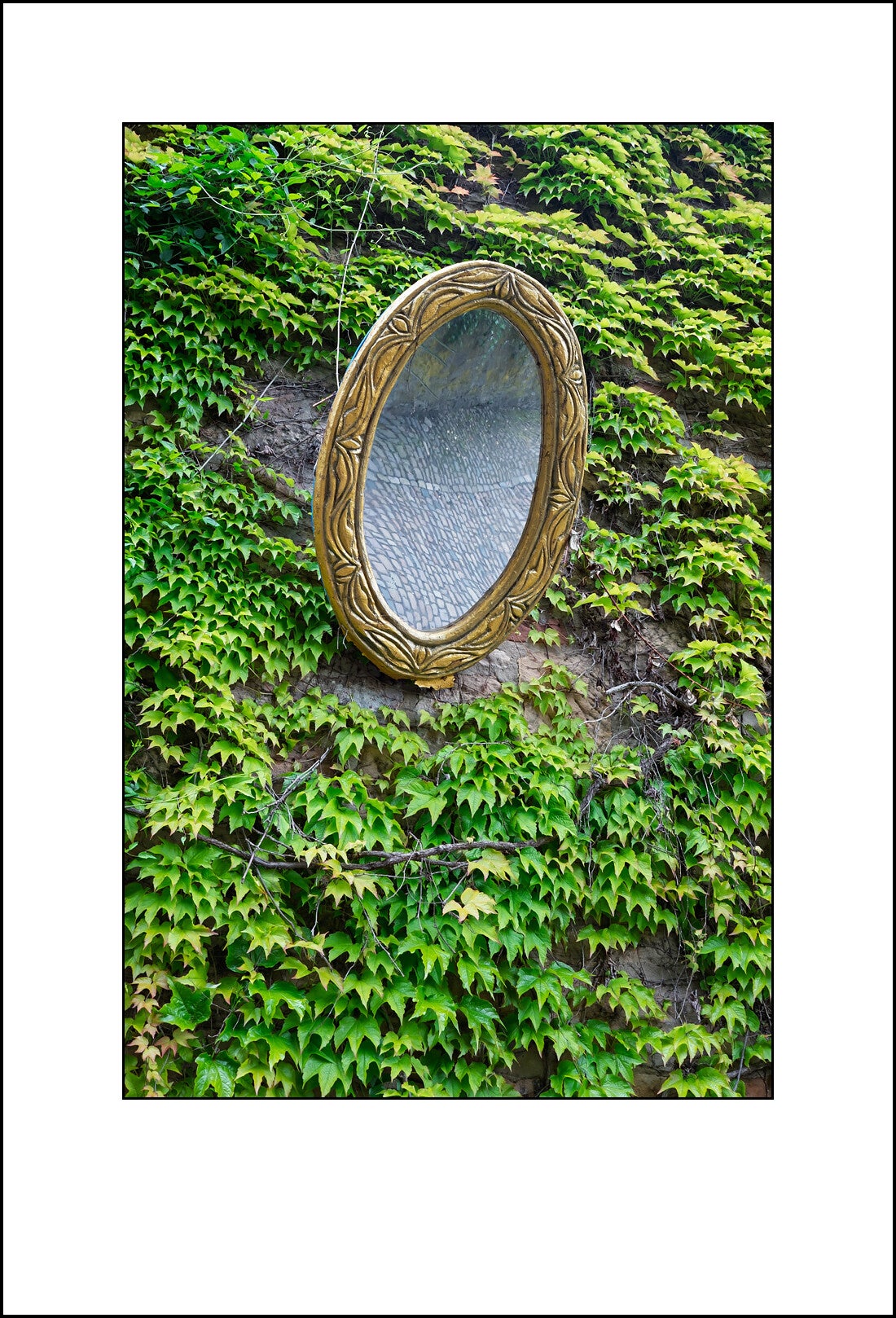
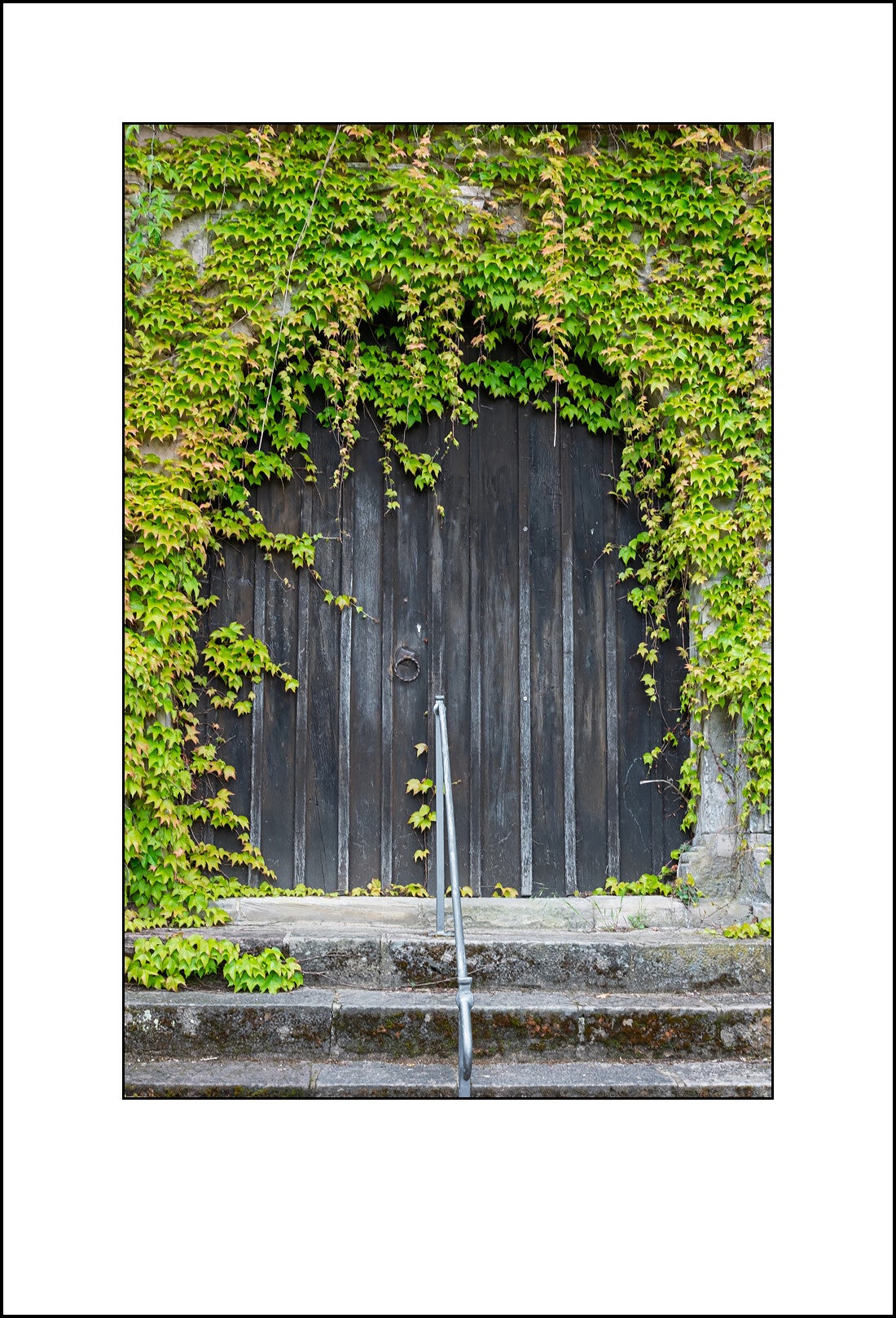
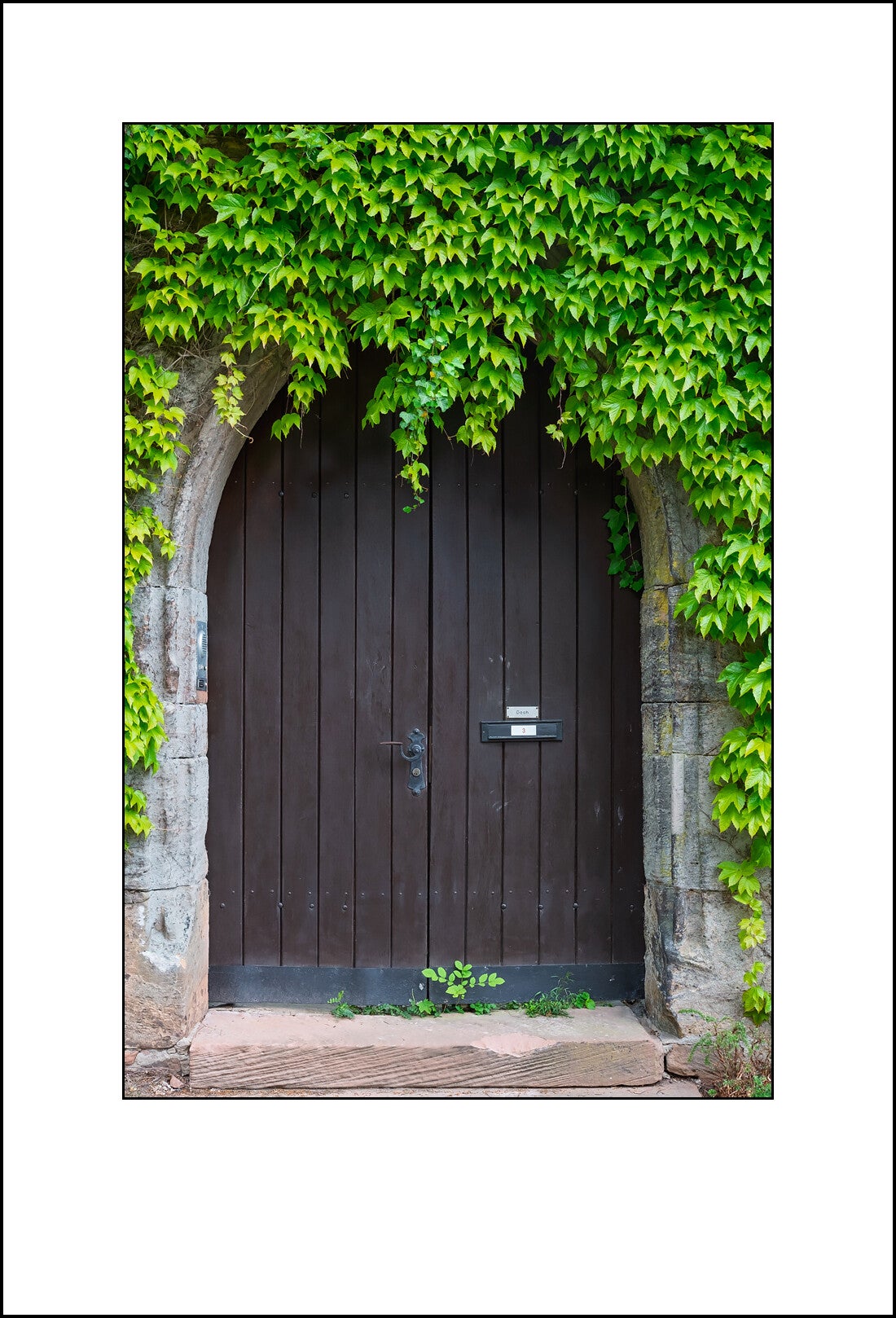
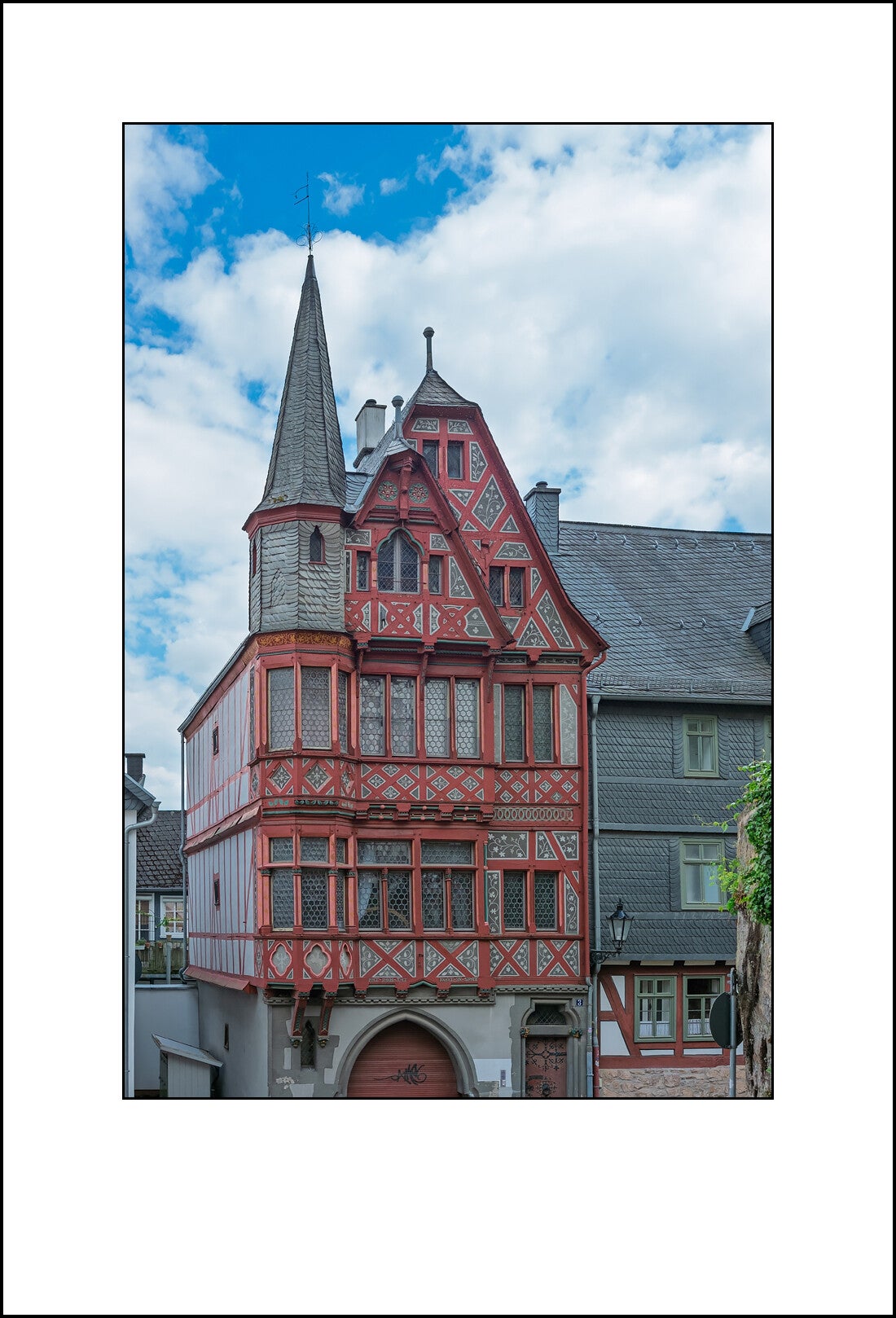
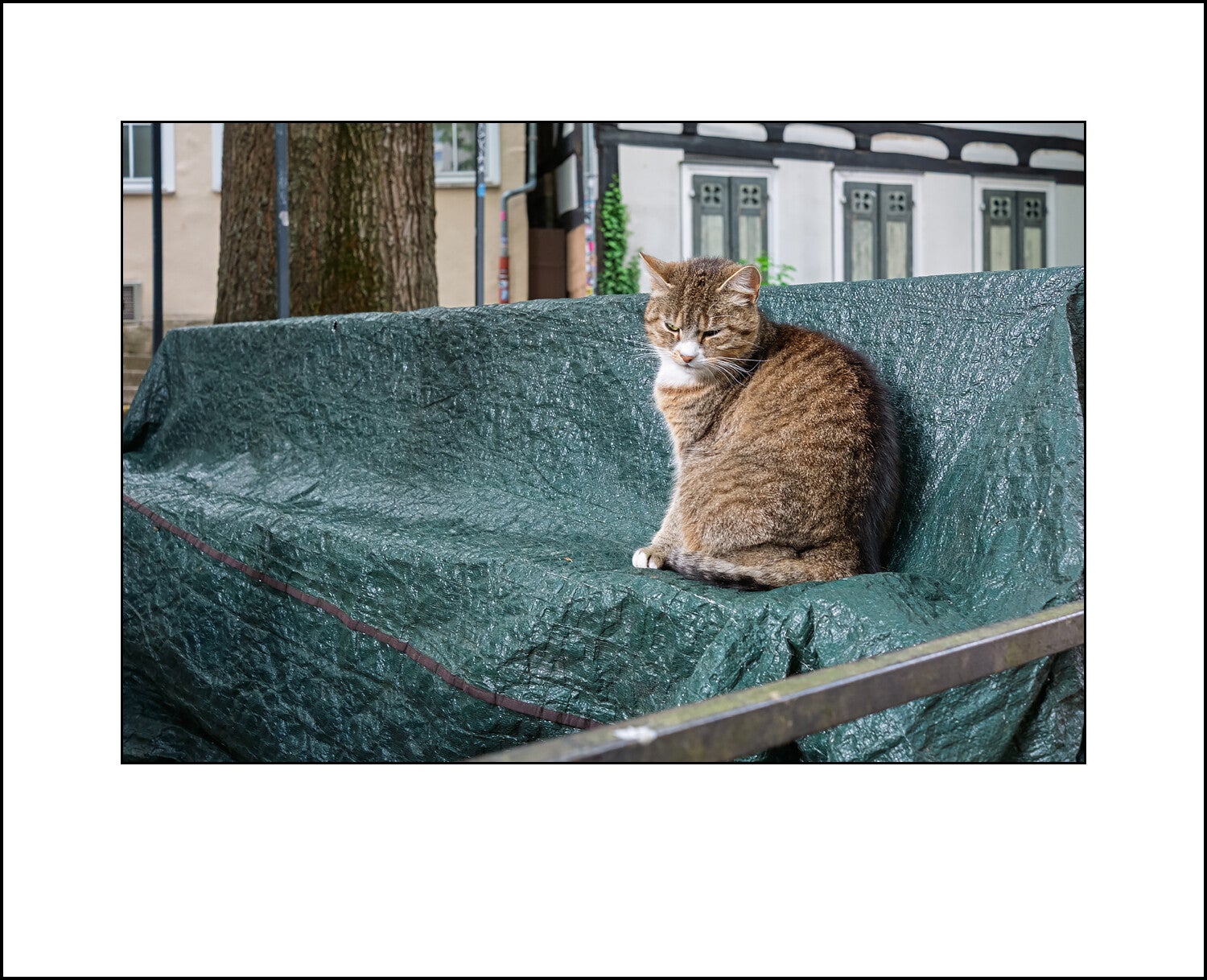
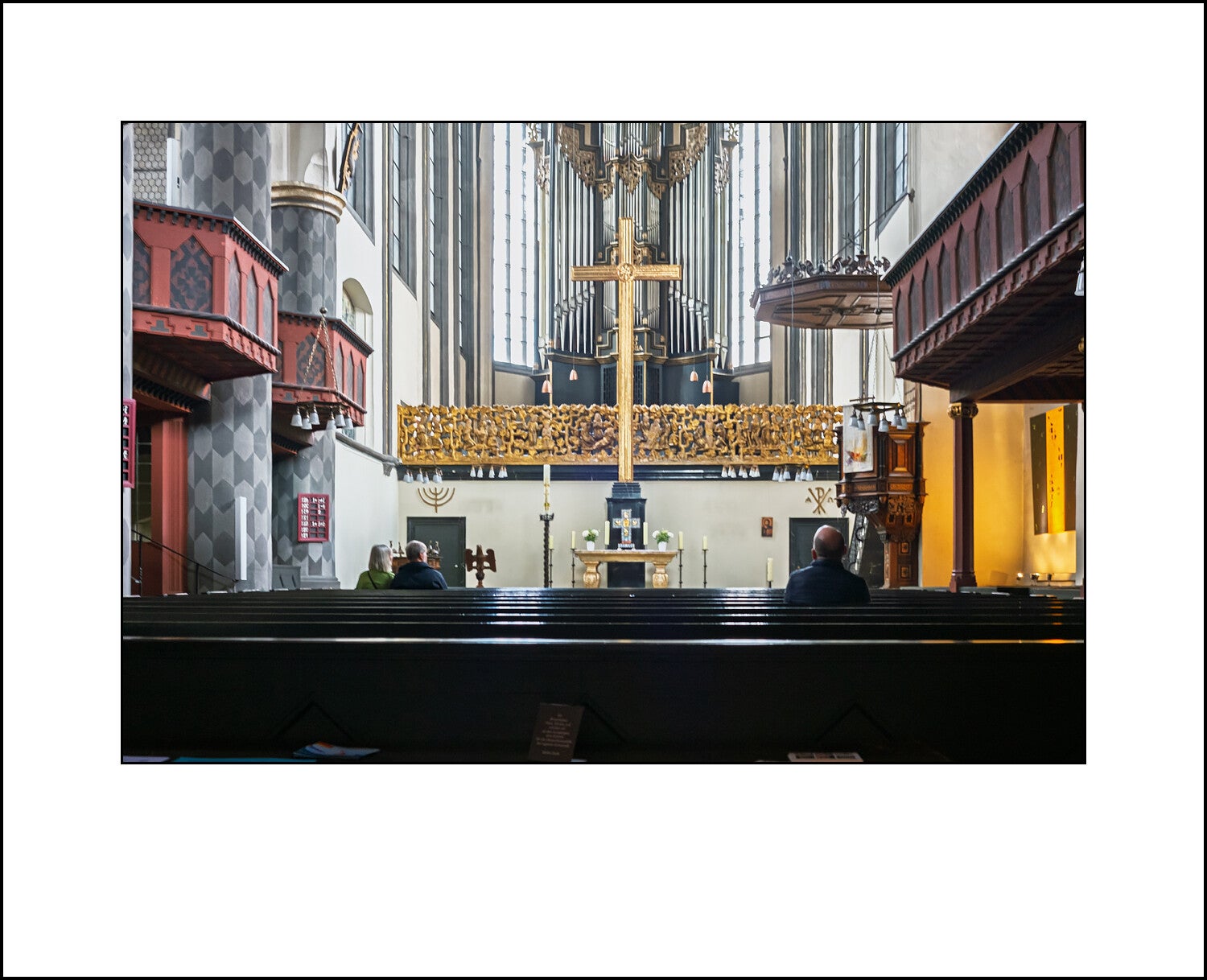
Images taken with the Panasonic LX100 II
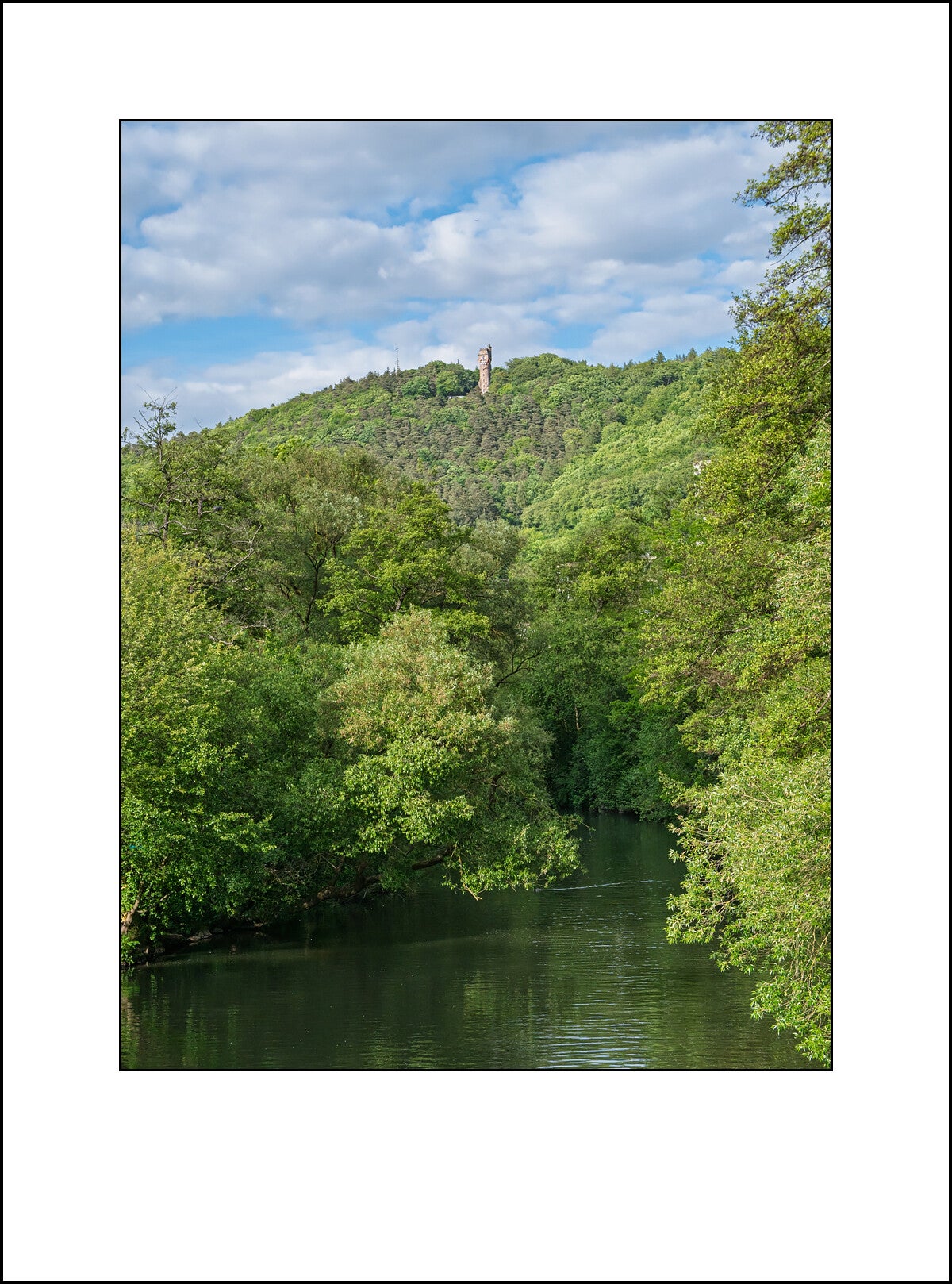
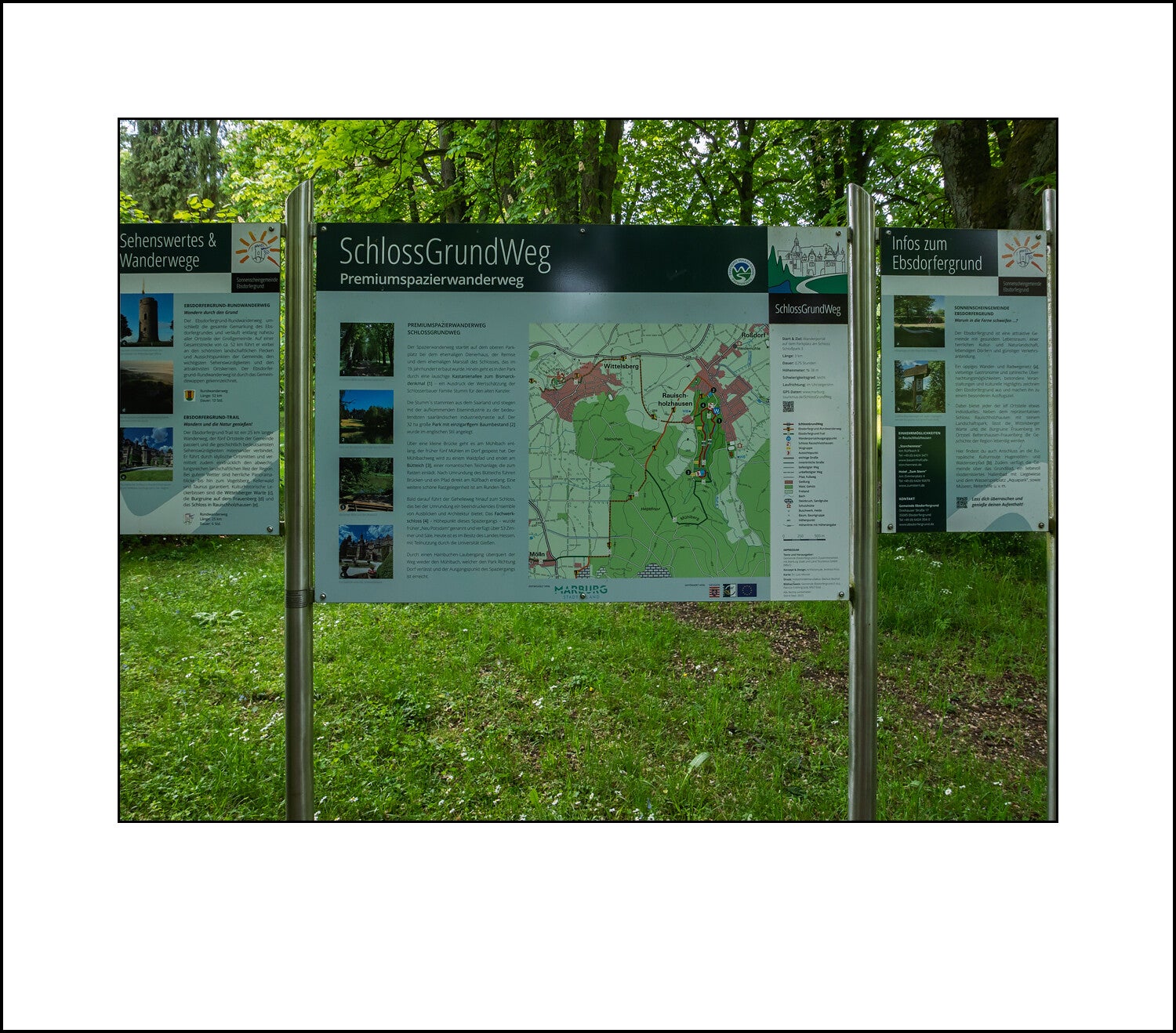
Some of the later images in the little gallery were taken in the vicinity of Marburg but no directly in Marburg. We visited these small villages etc on the way home.
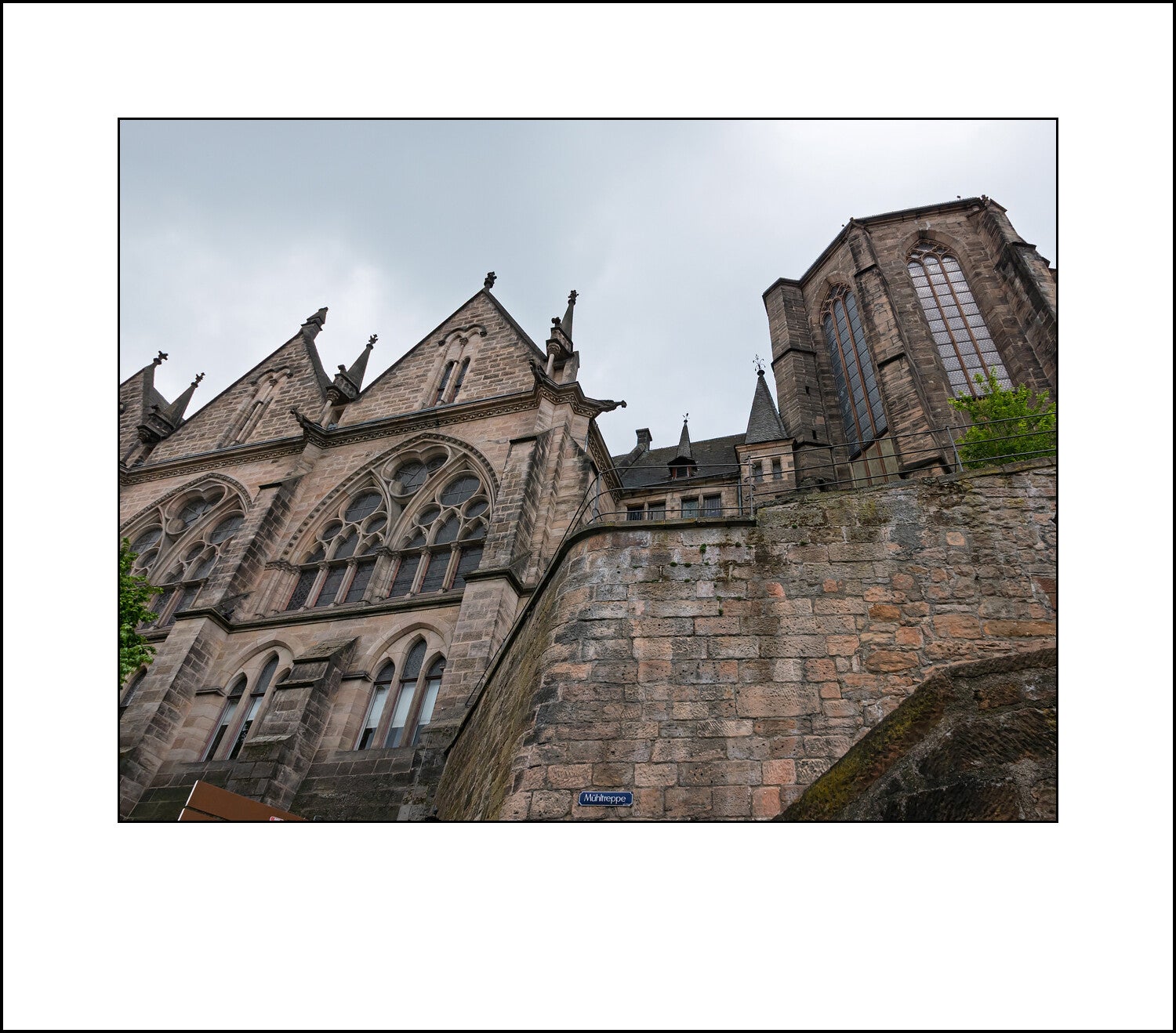
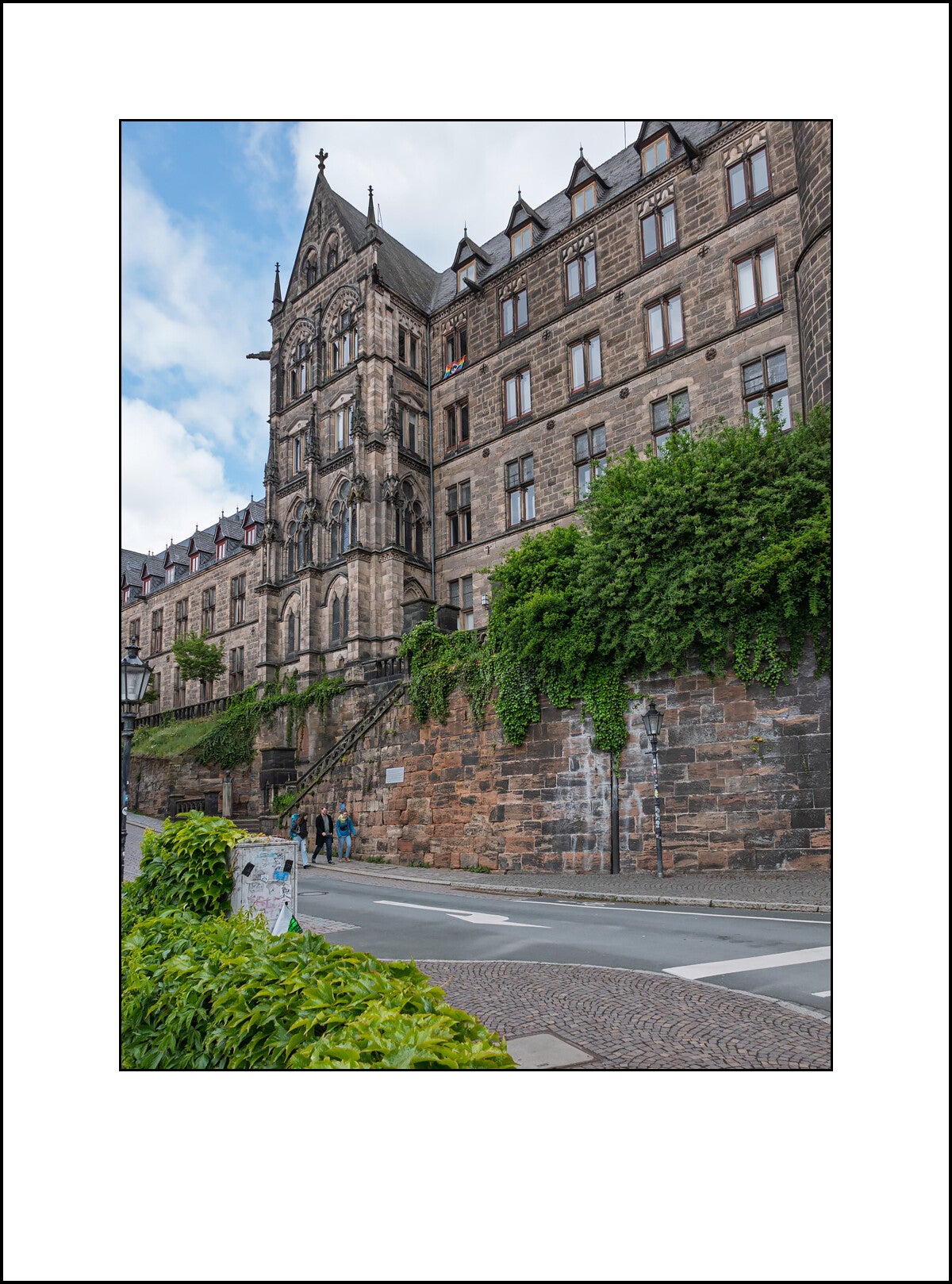


Conclusion:
For me personally Marburg is an expensive town and that is across the board. Hotel was expensive and drinks were also expensive. It is a student town which means lots of lively nights. If you have a problem walking or climbing steps, Marburg is NOT the town for you. There are two parts to the town, lower town and upper town. The upper part is the more scenic and is the oldest part with the old core. Beware of steps and steep inclines.
I enjoyed the couple of days we were there but to be honest, I don't have to return to Marburg in the near future.