Rothenburg ob der Tauber
Rothenburg ob der Tauber, a picturesque town located in the Franconia region of Bavaria, Germany, is renowned for its well-preserved medieval architecture and charming atmosphere. Let's explore the fascinating history of this enchanting town.
Early Beginnings
Rothenburg ob der Tauber's origins can be traced back to around 970 AD, when a small settlement was established by the Count of Comburg-Rothenburg. The town's name, which translates to "Red Fortress above the Tauber," comes from the red-roofed castle that once stood overlooking the Tauber River.
Medieval Prosperity
In 1274, Rothenburg was granted the status of a Free Imperial City, a significant milestone that allowed it to govern itself while being directly under the Holy Roman Emperor. This status led to a period of prosperity and growth, as the town became an important trade hub due to its strategic location on key trade routes.
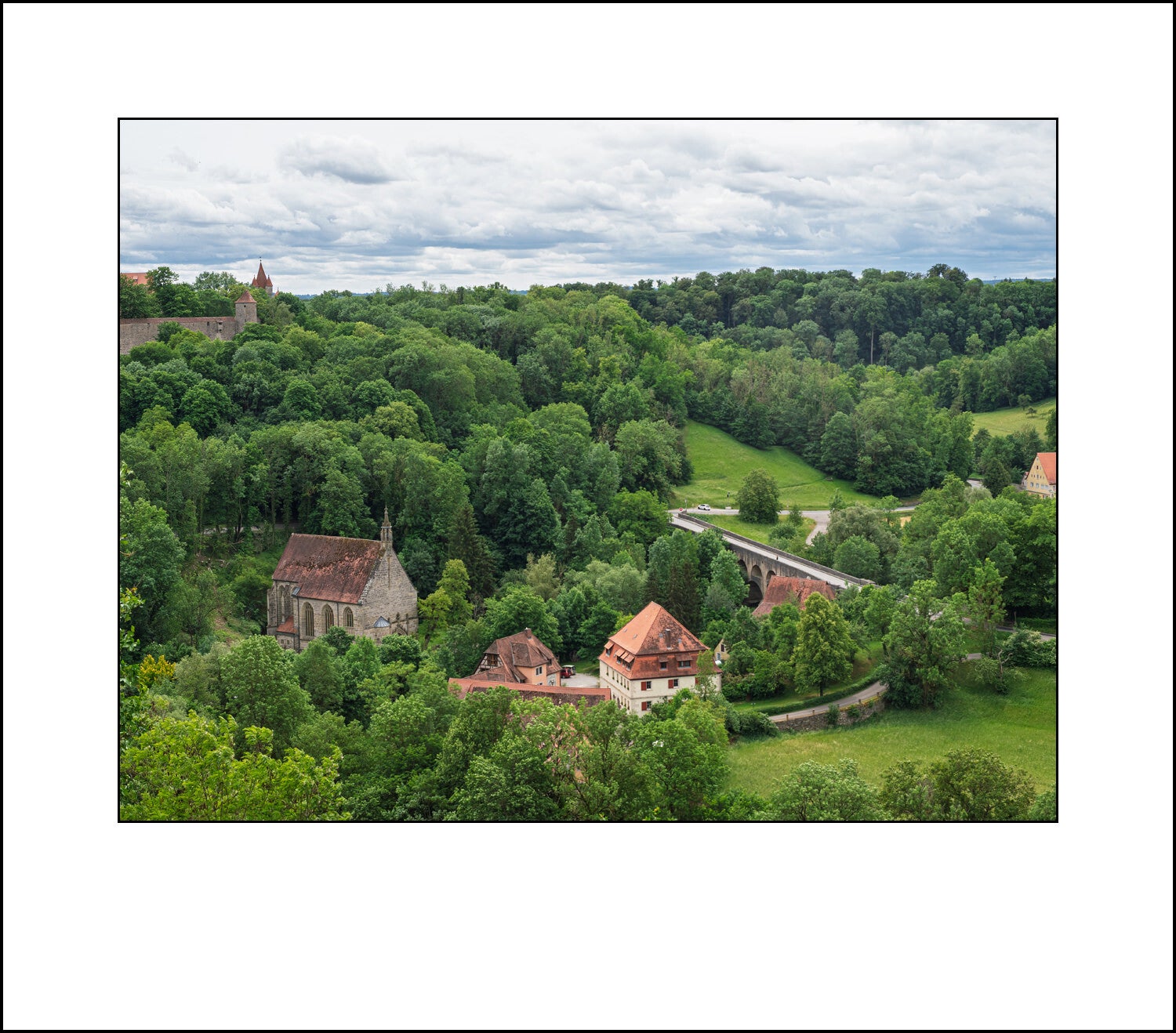
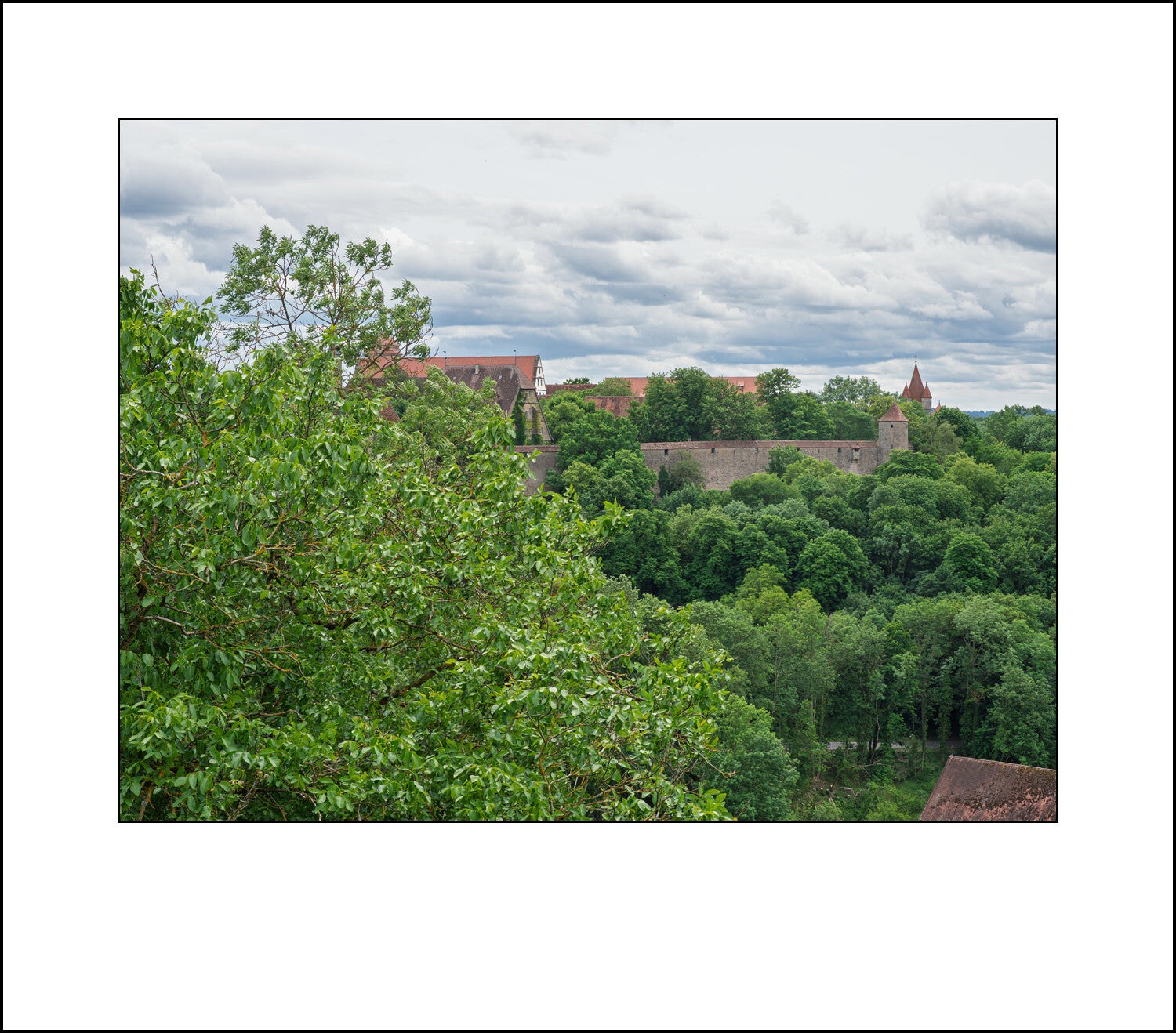
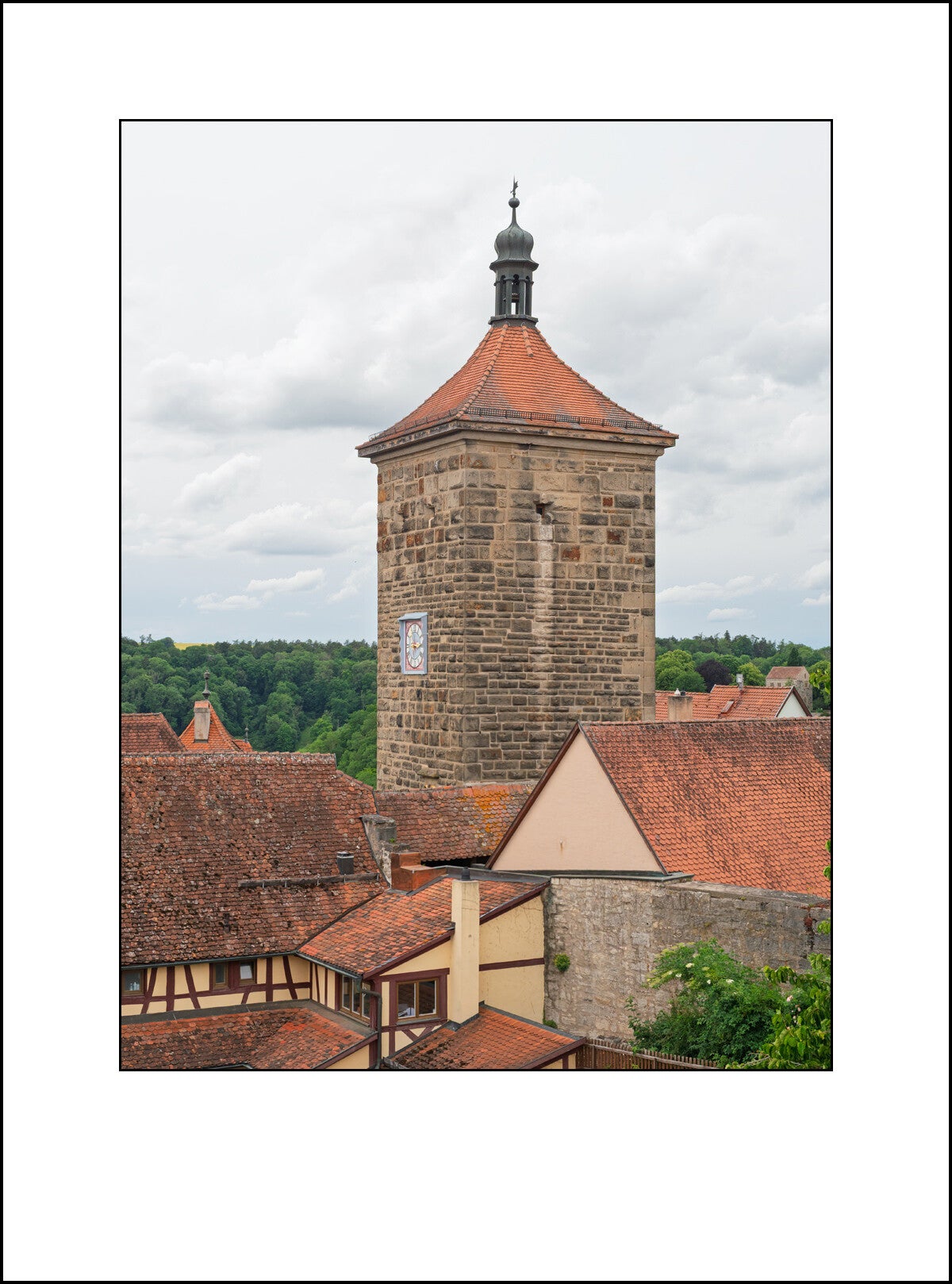
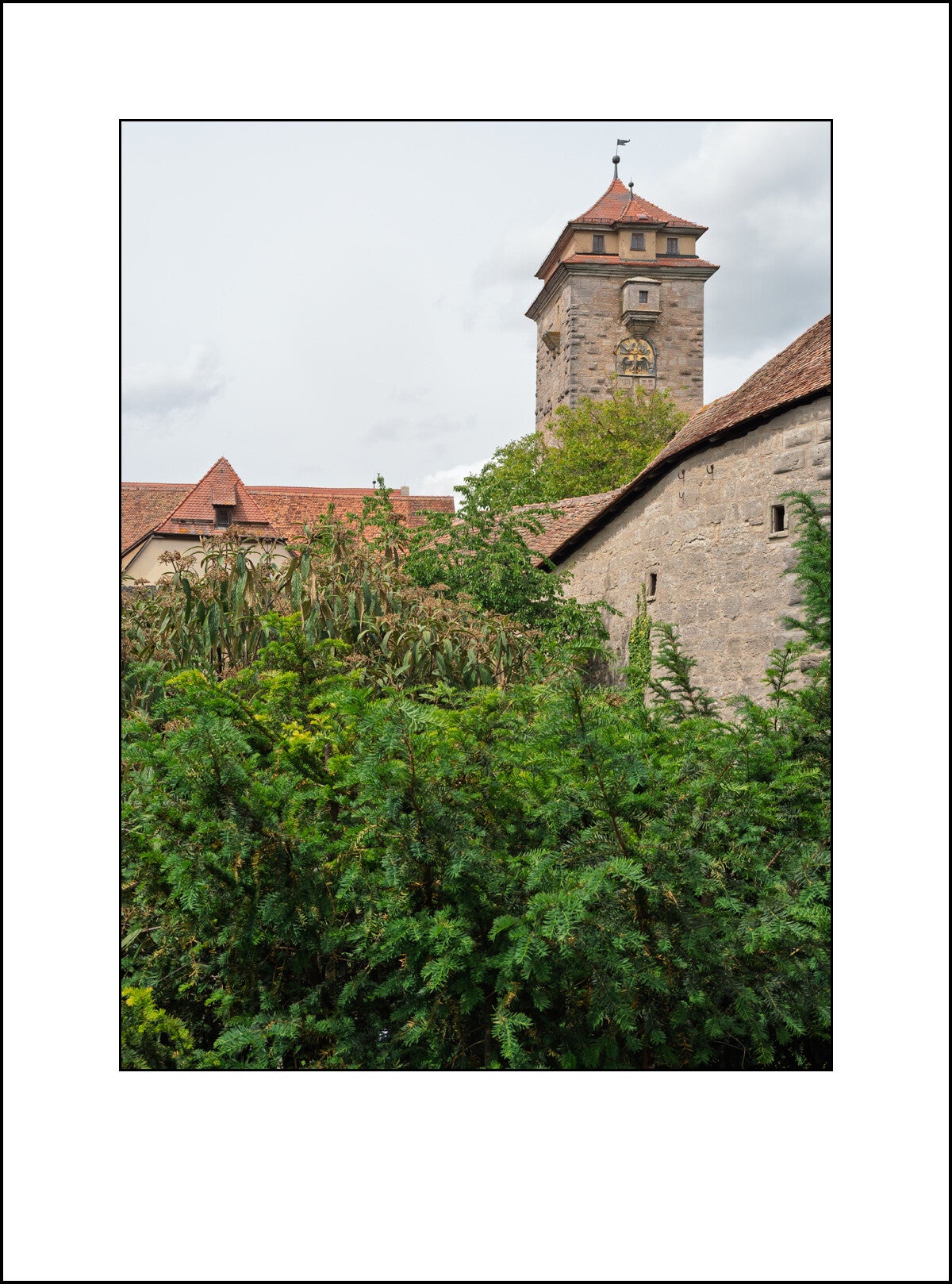
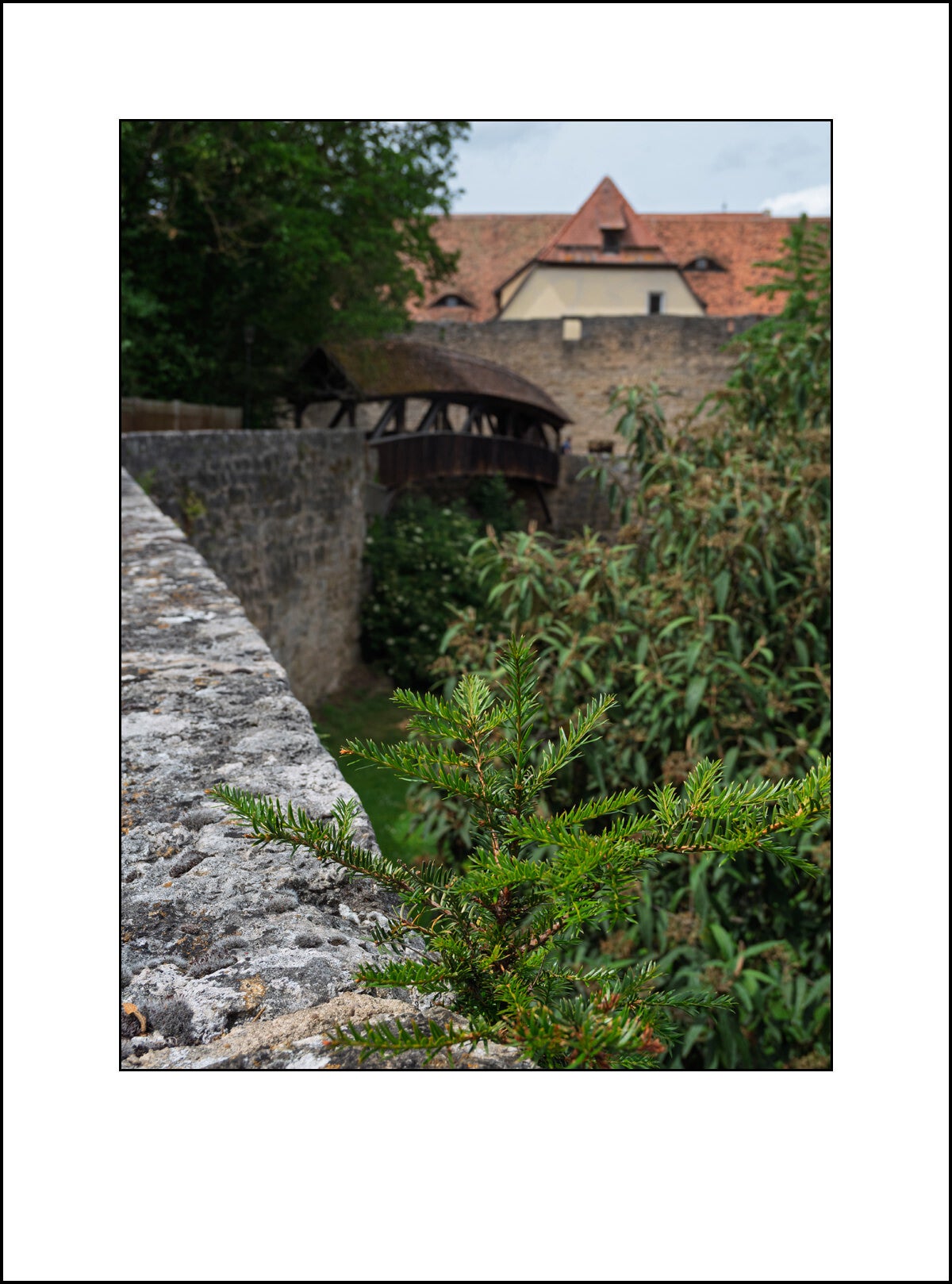
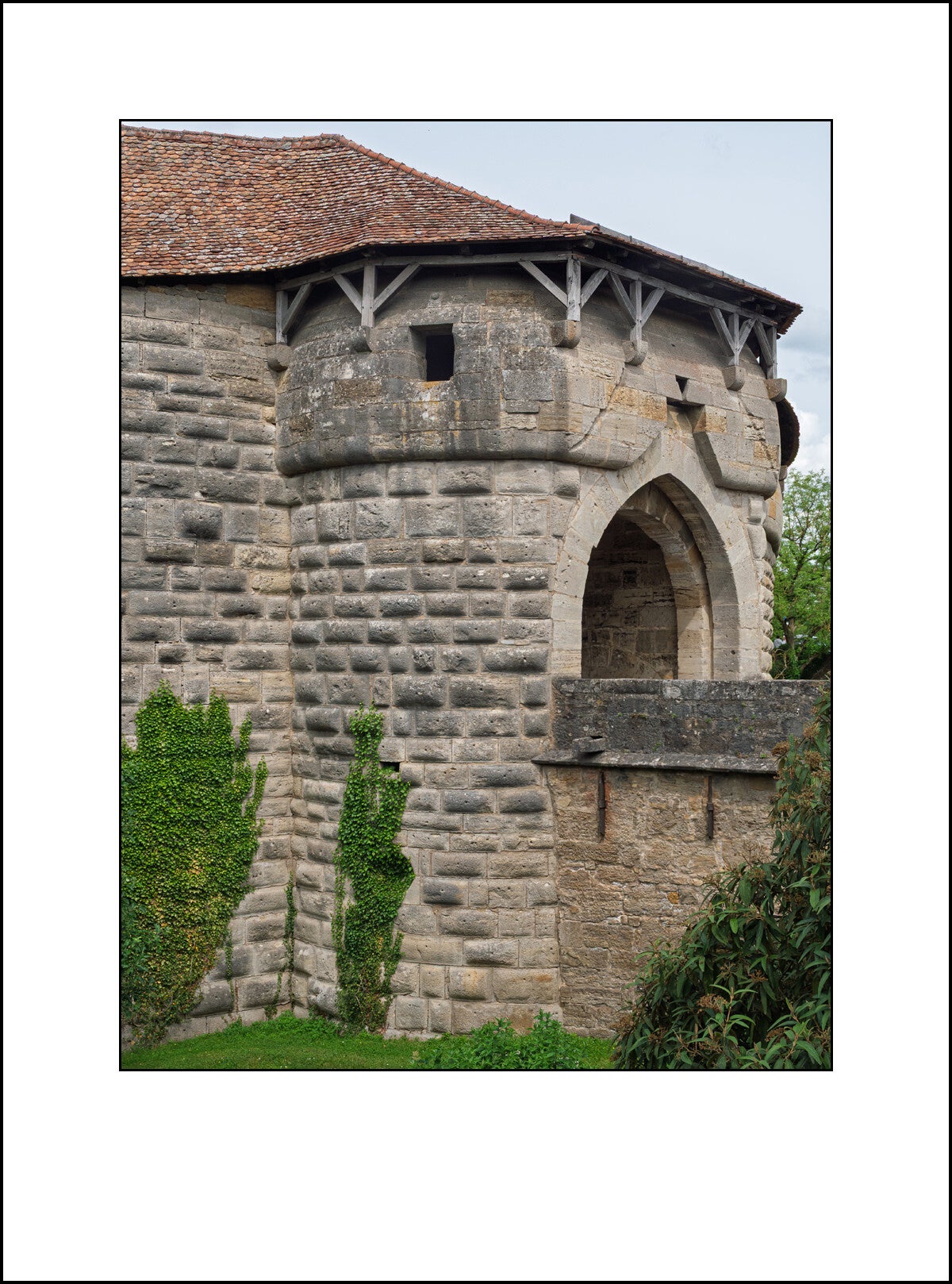
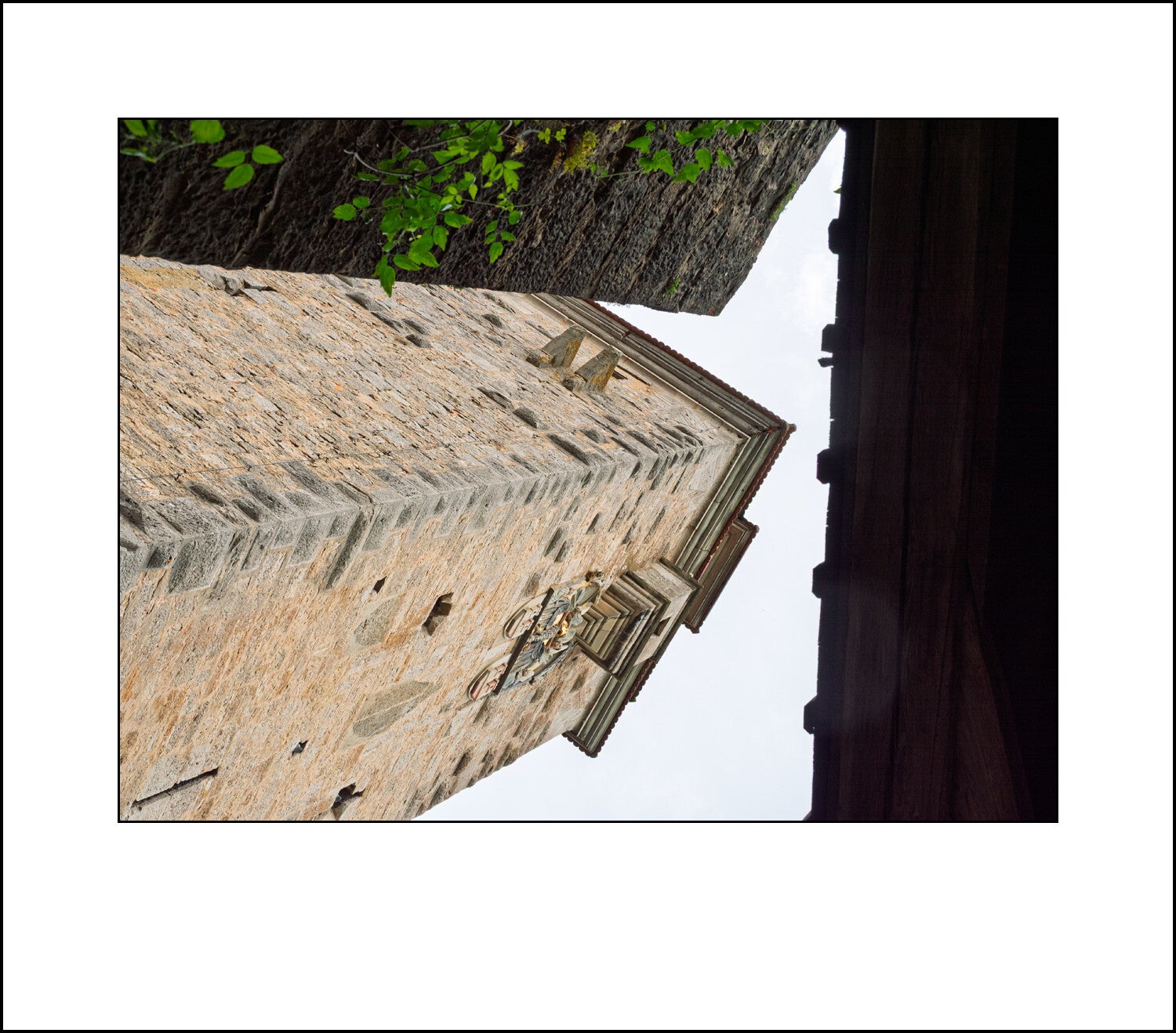
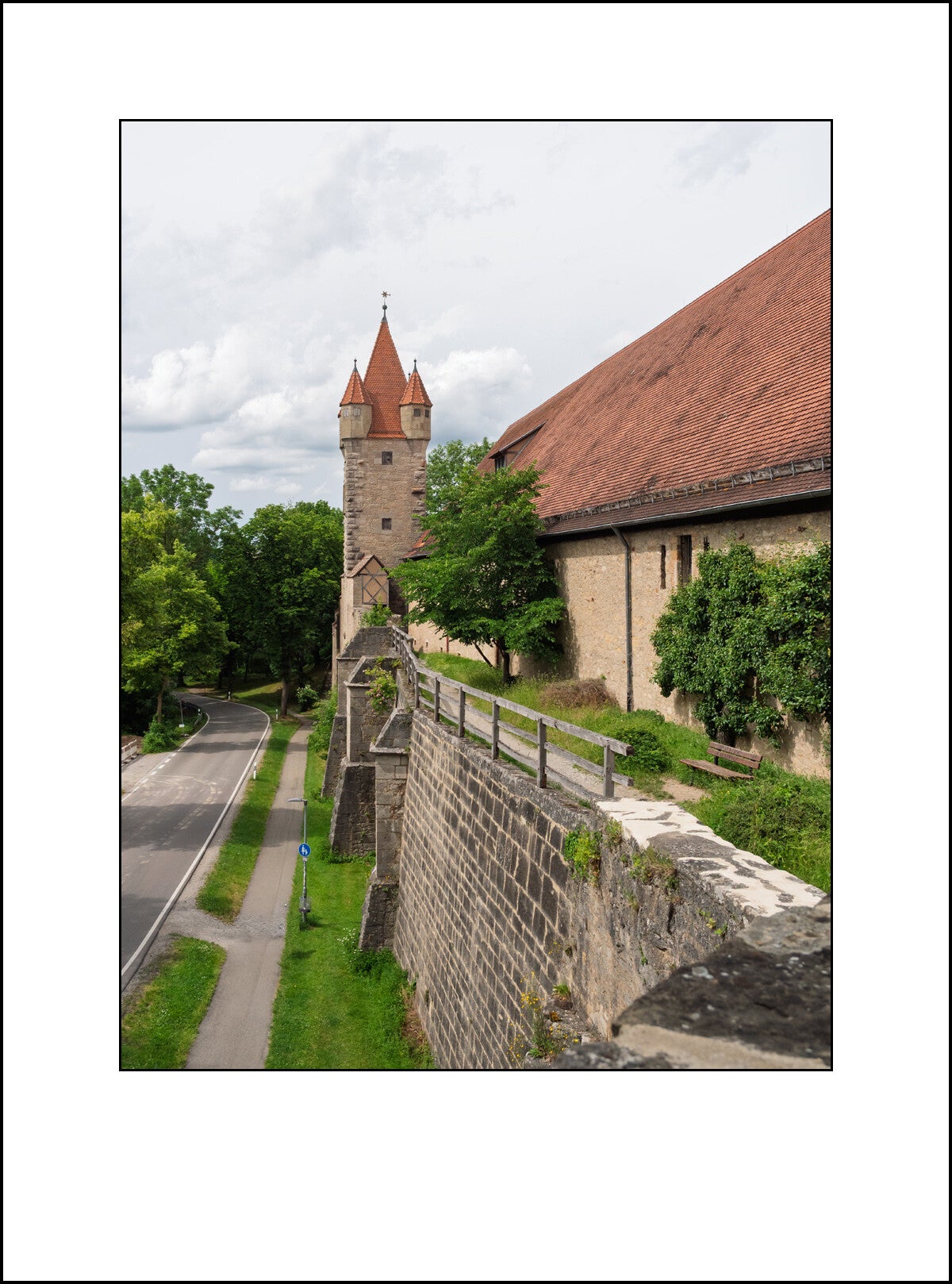
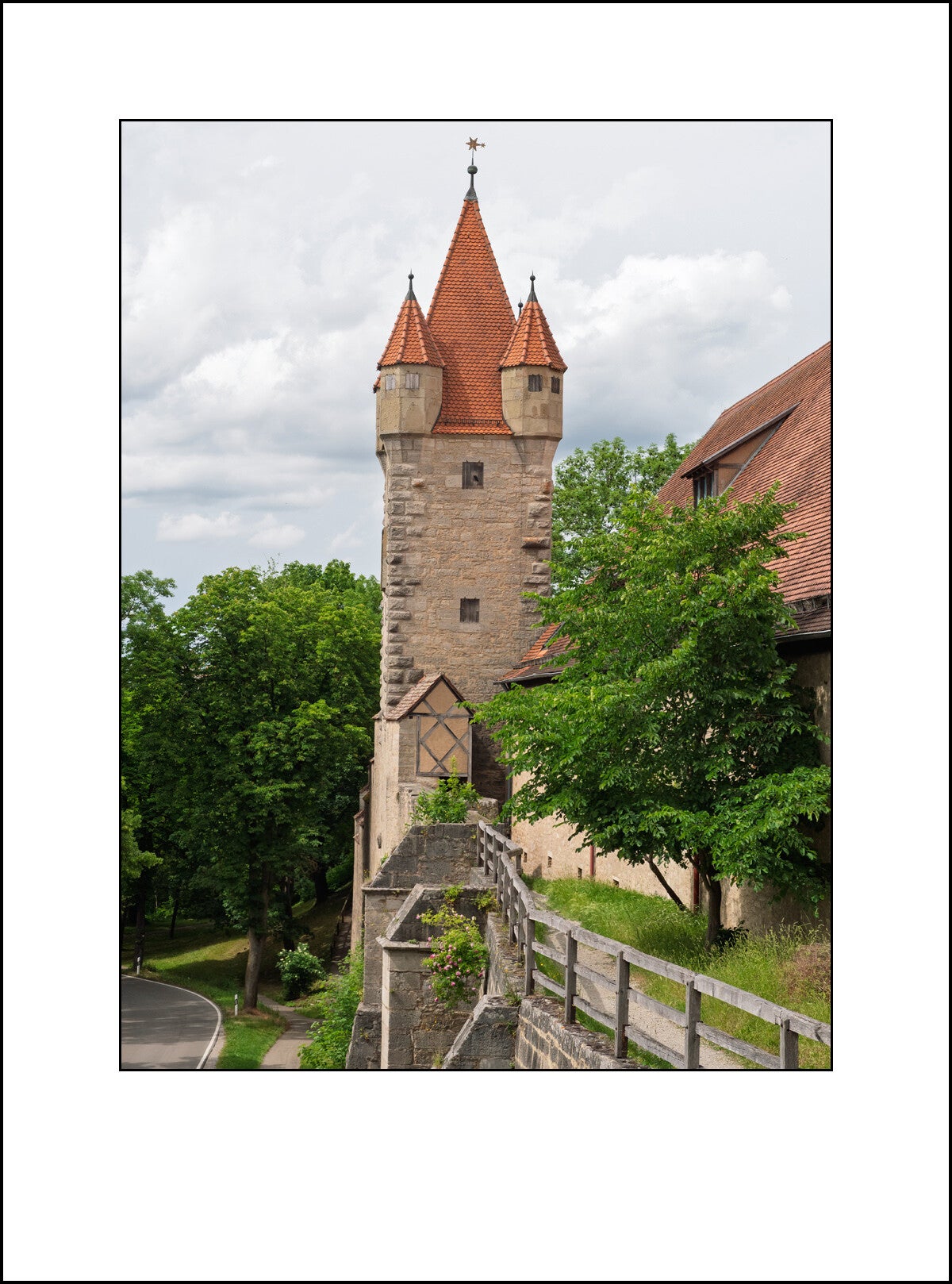
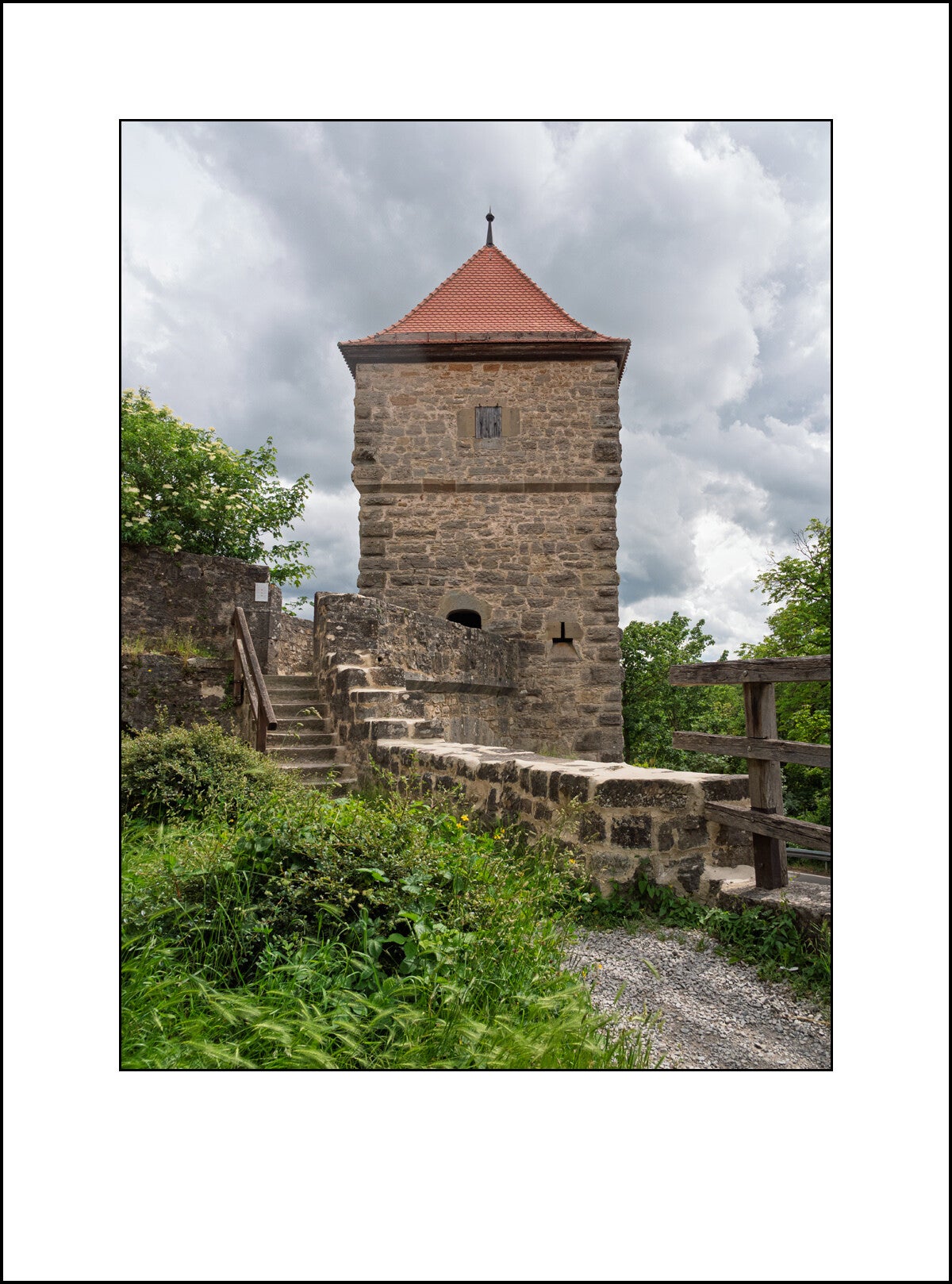
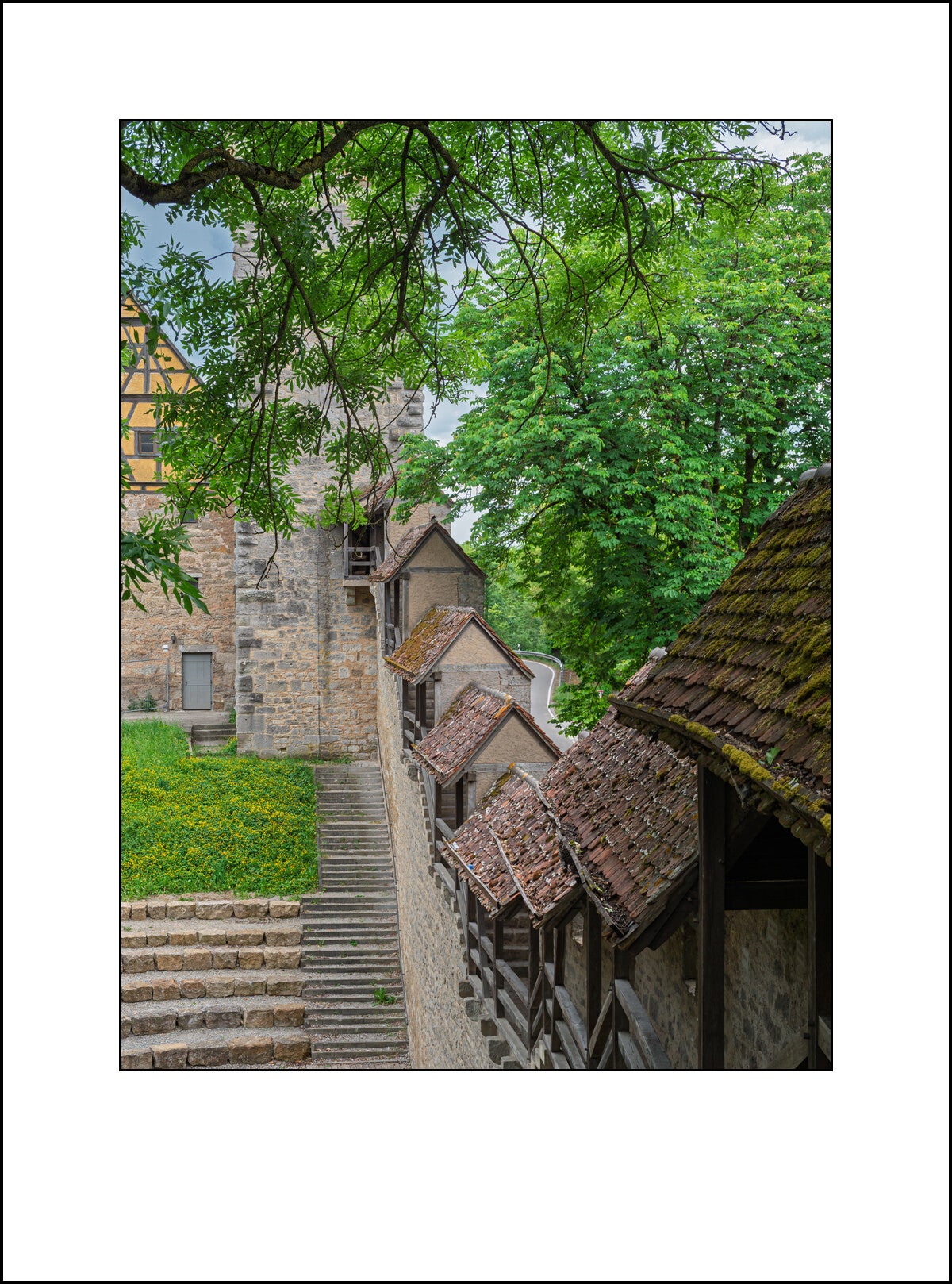
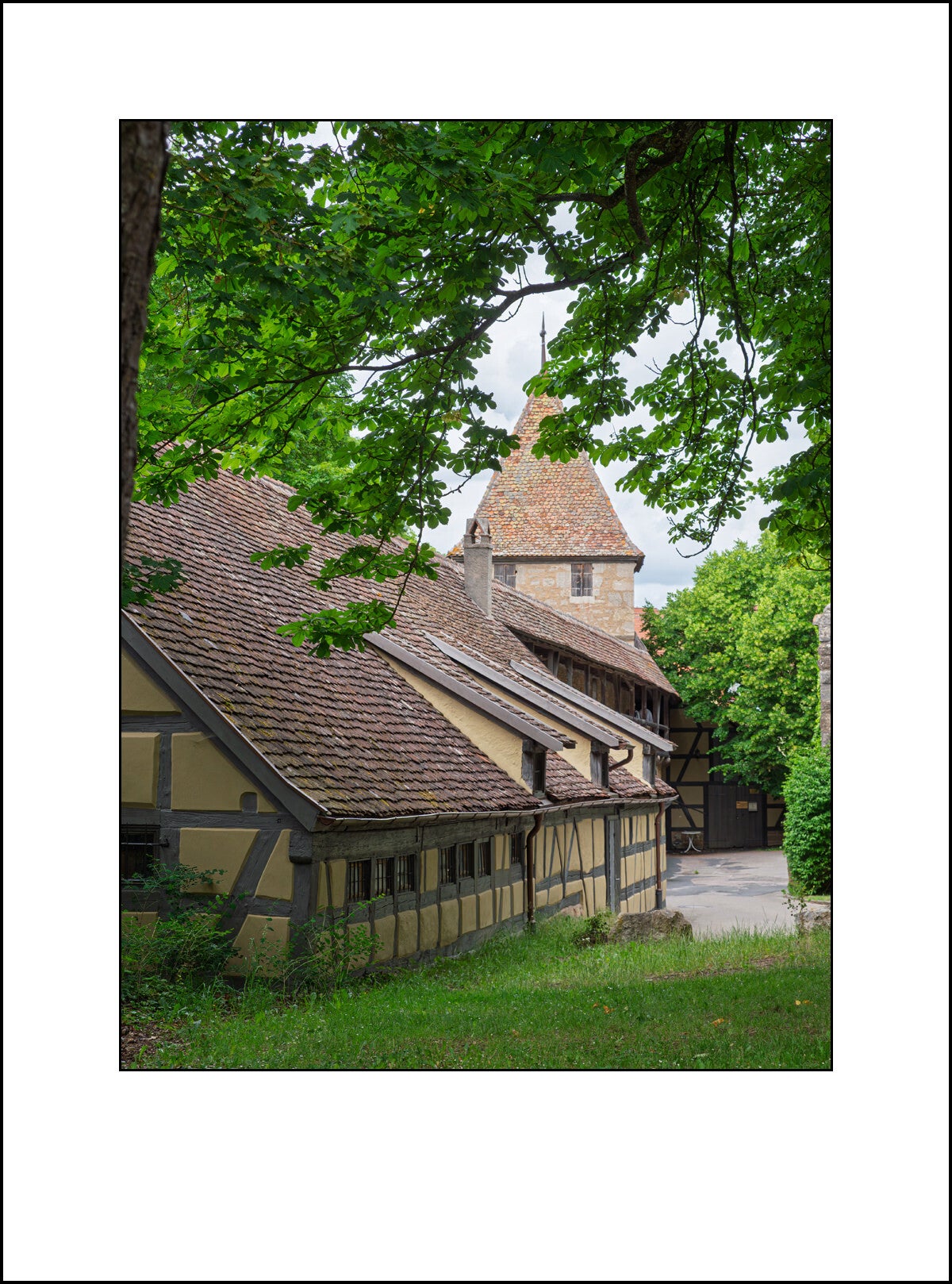
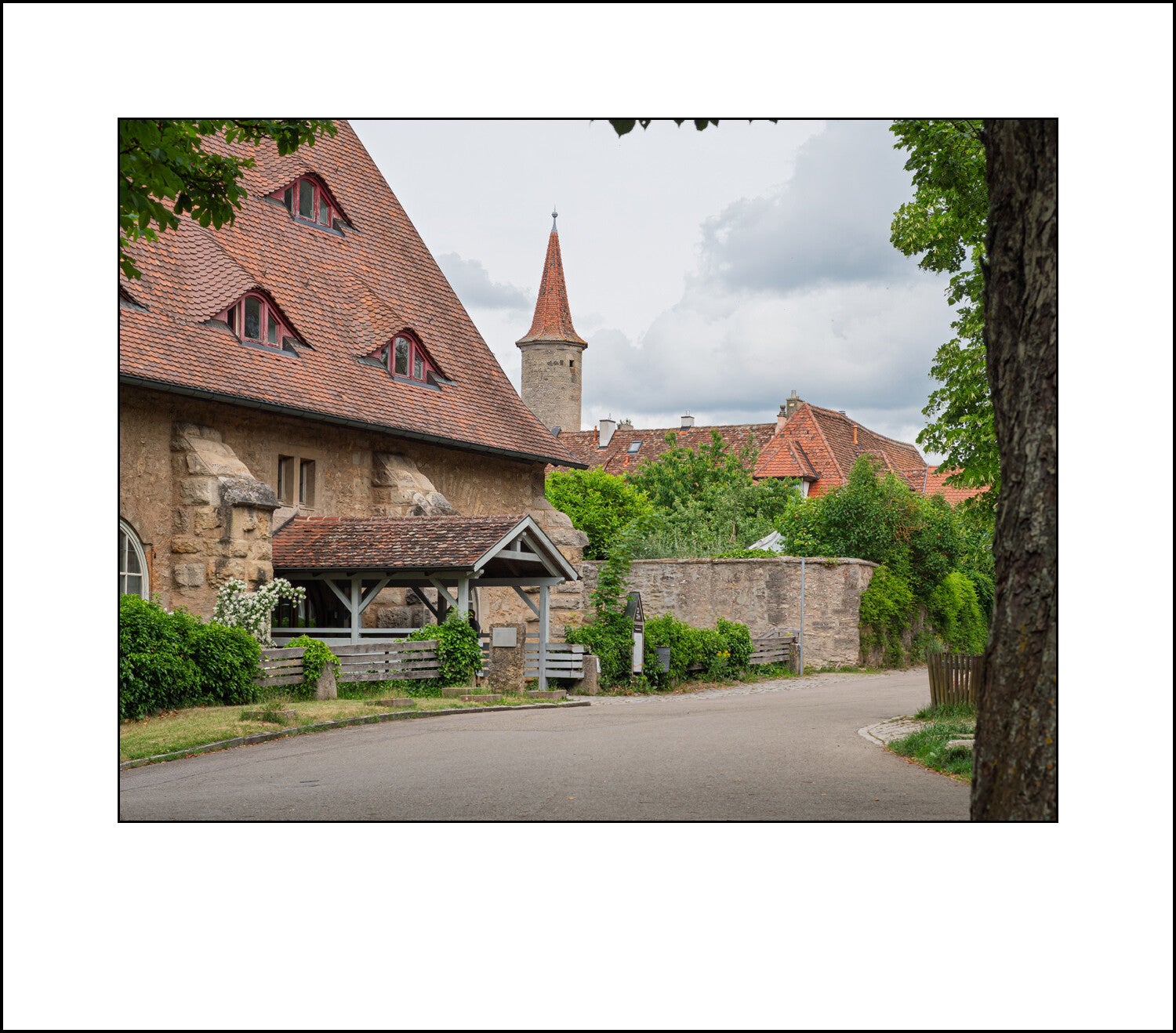
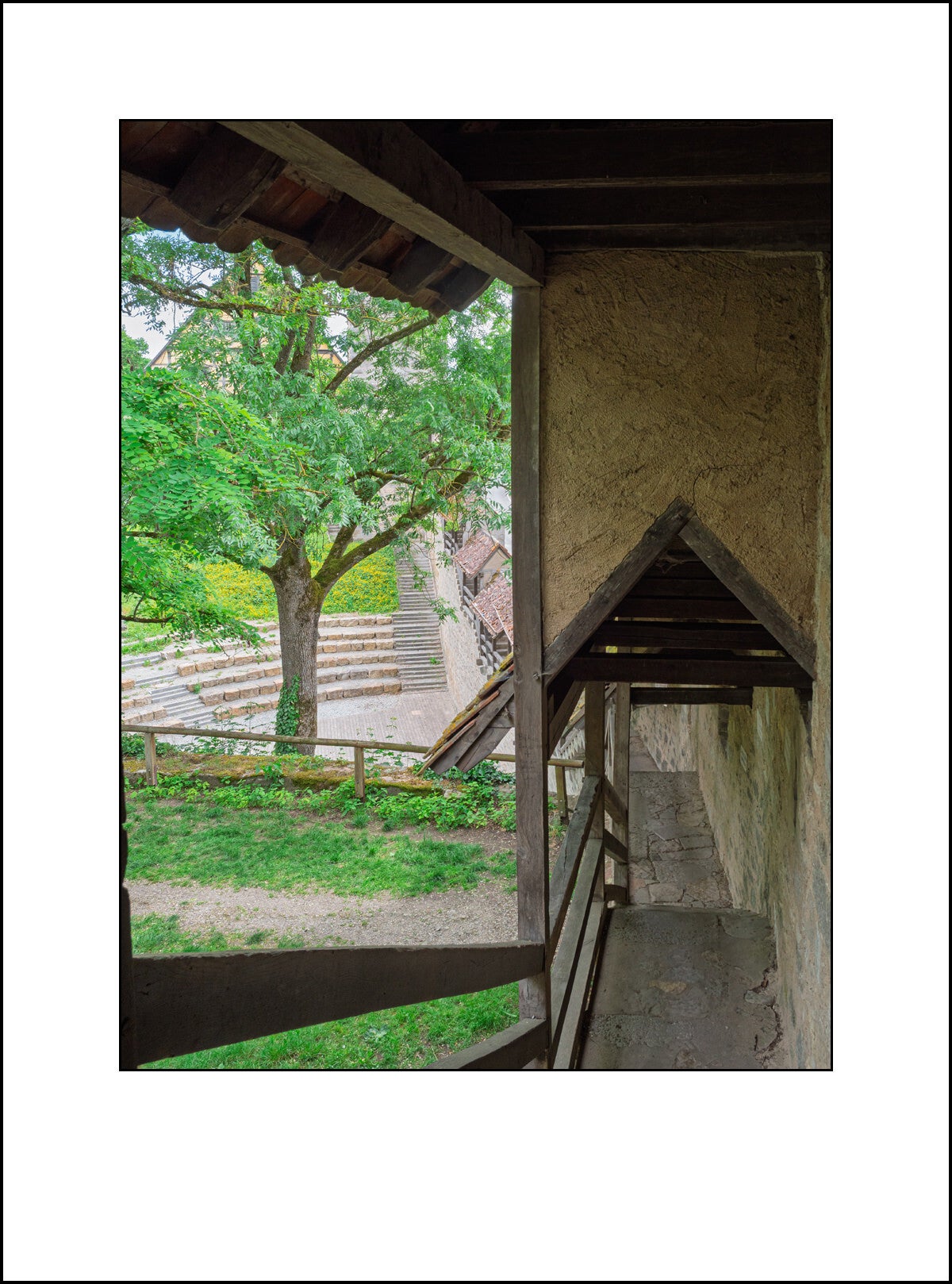
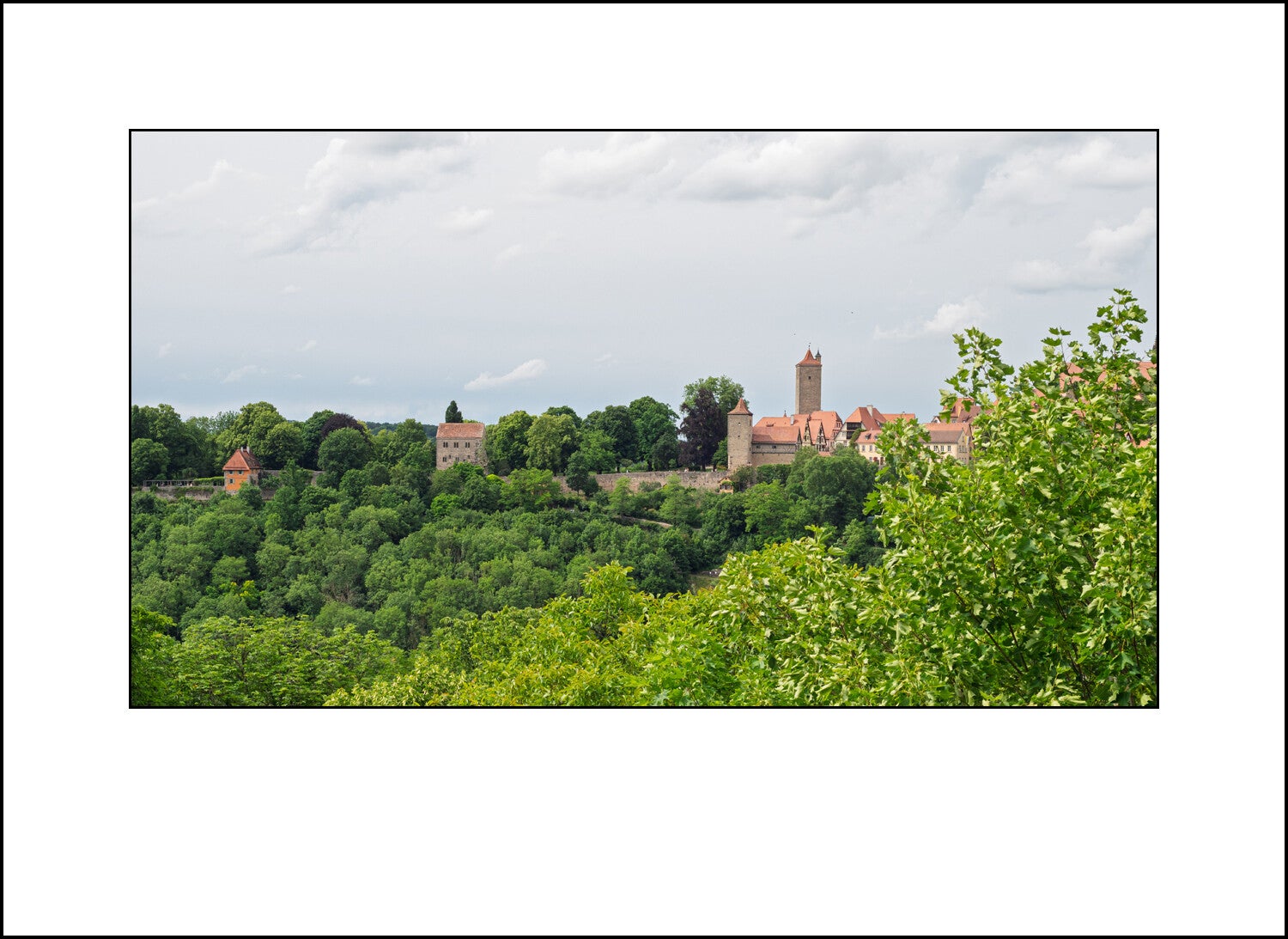
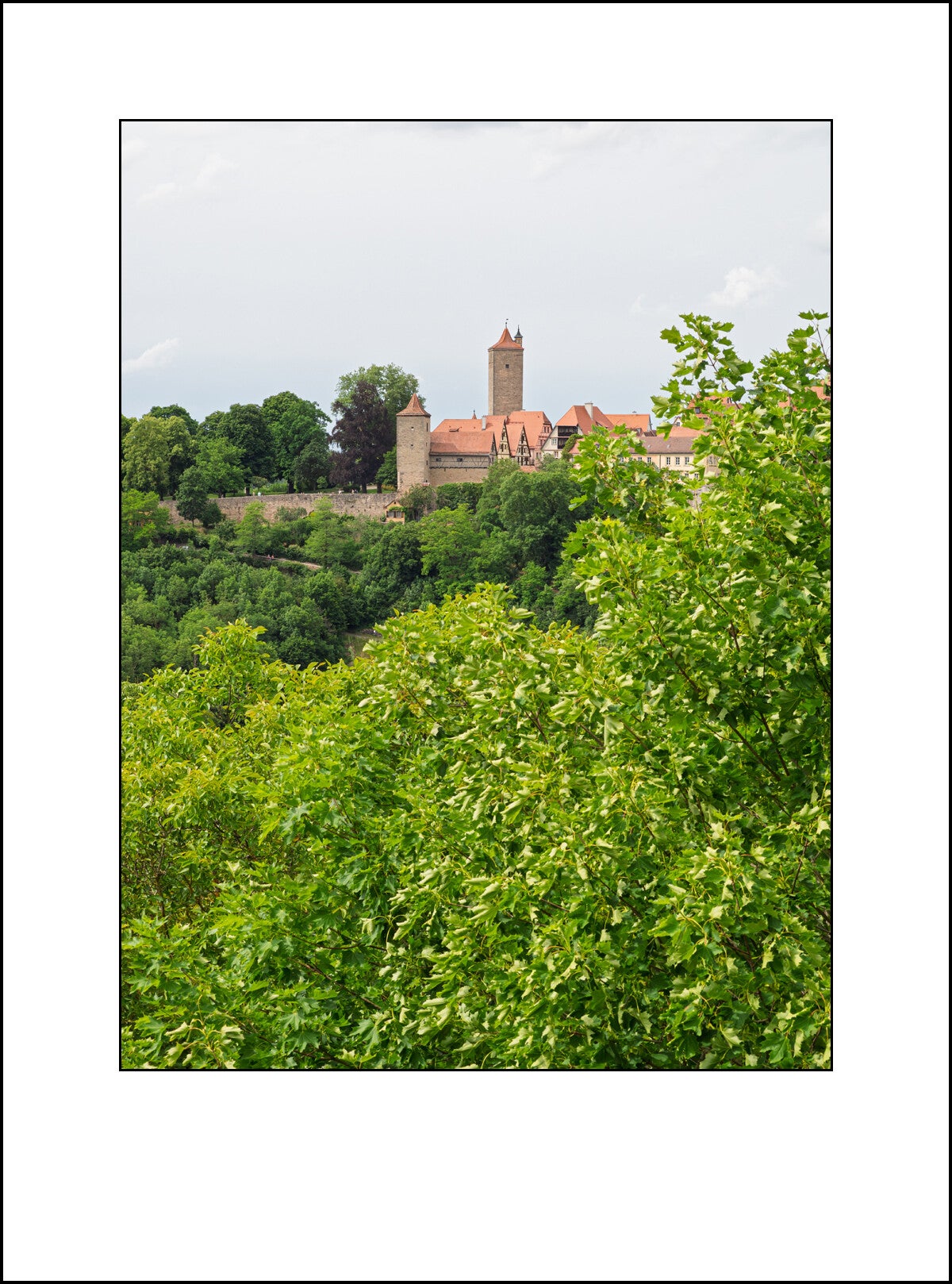
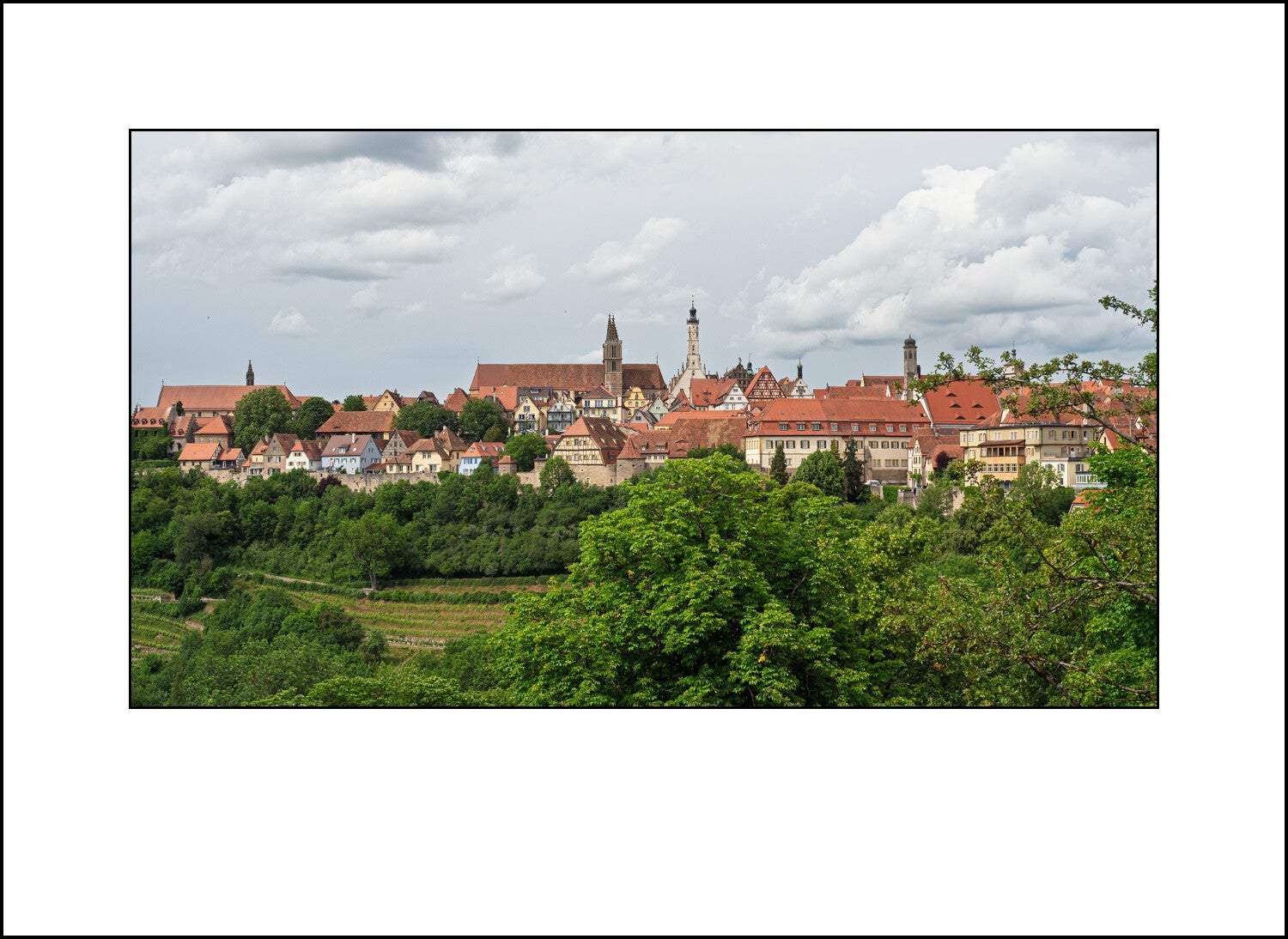
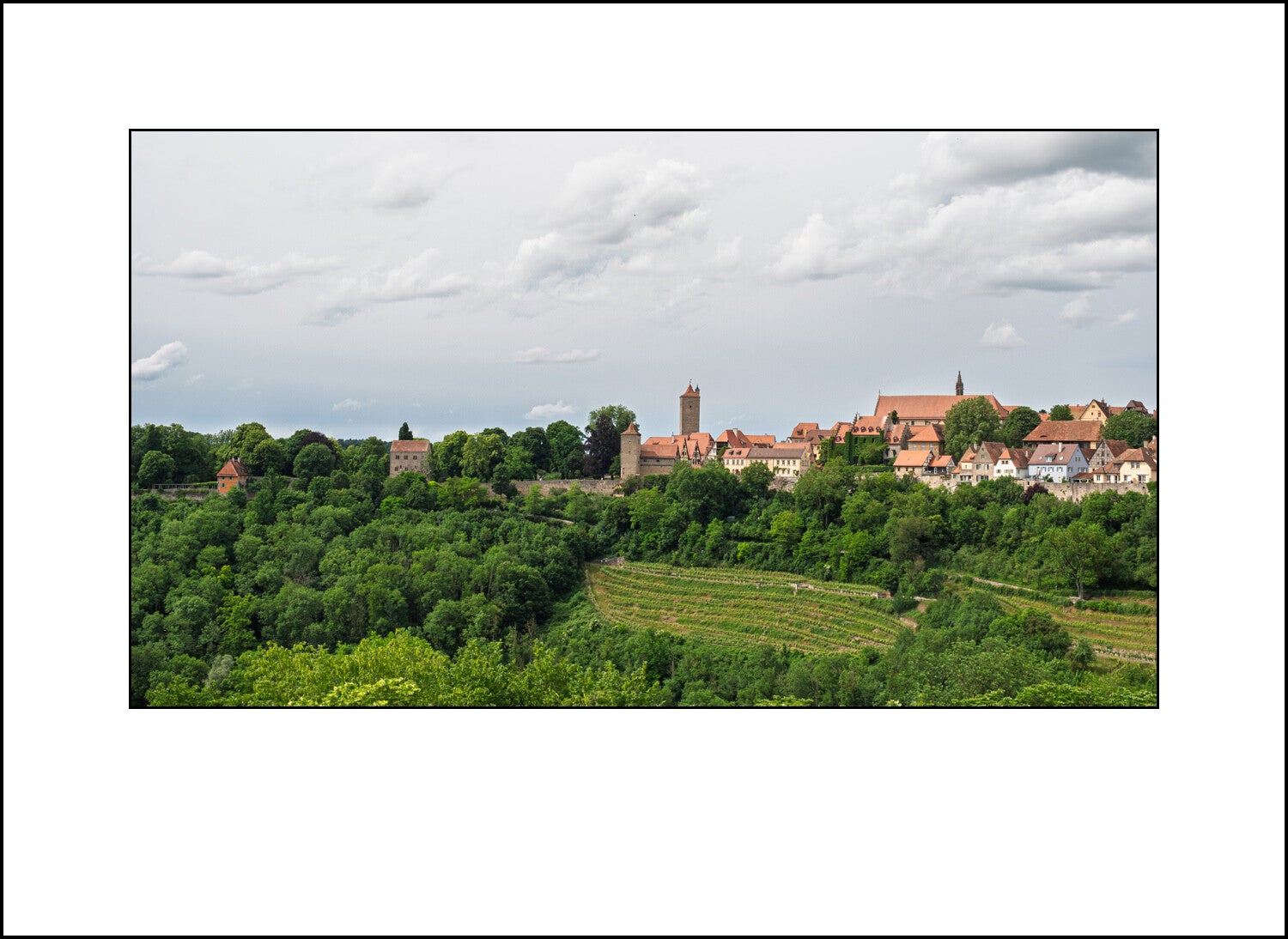
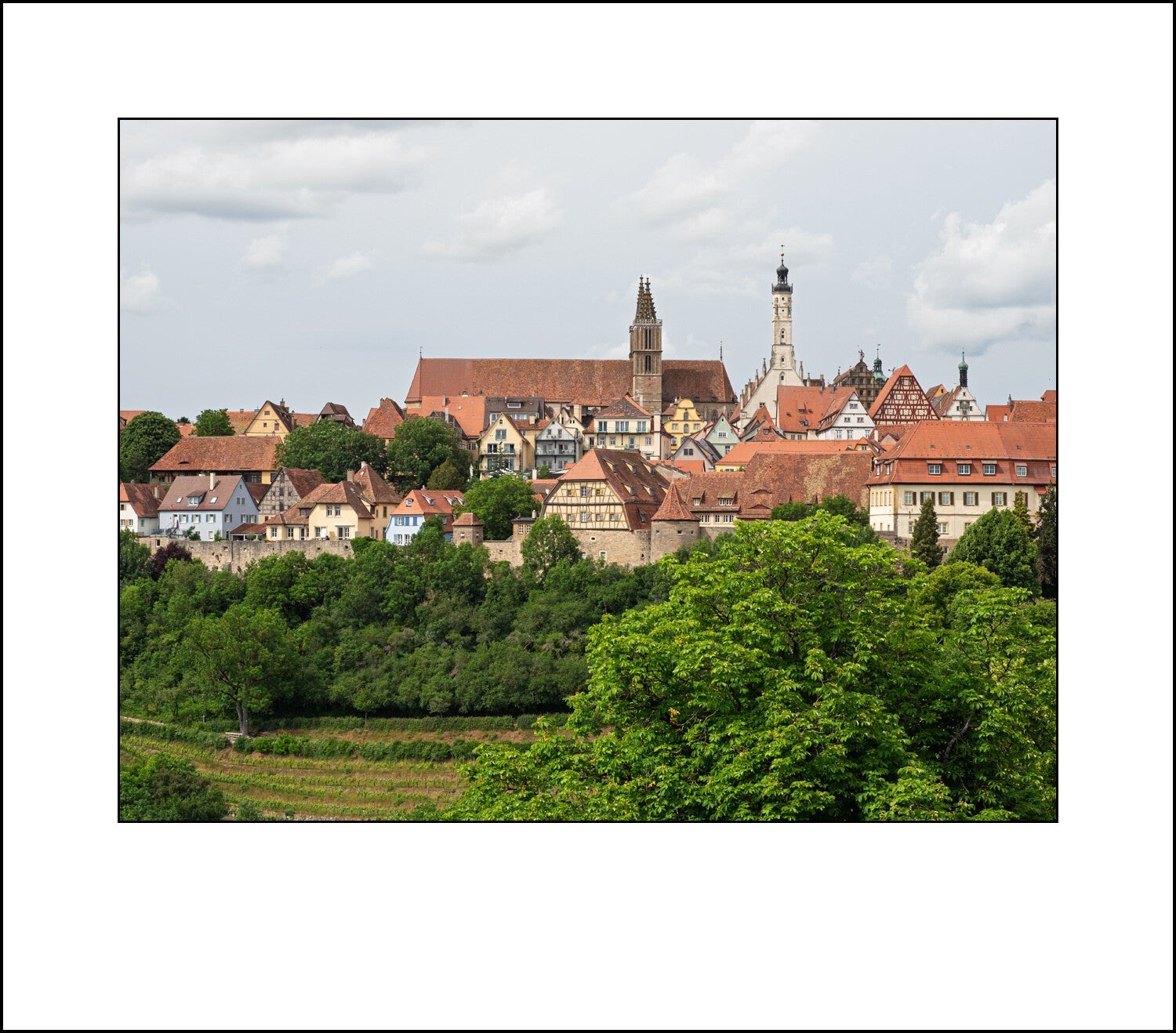
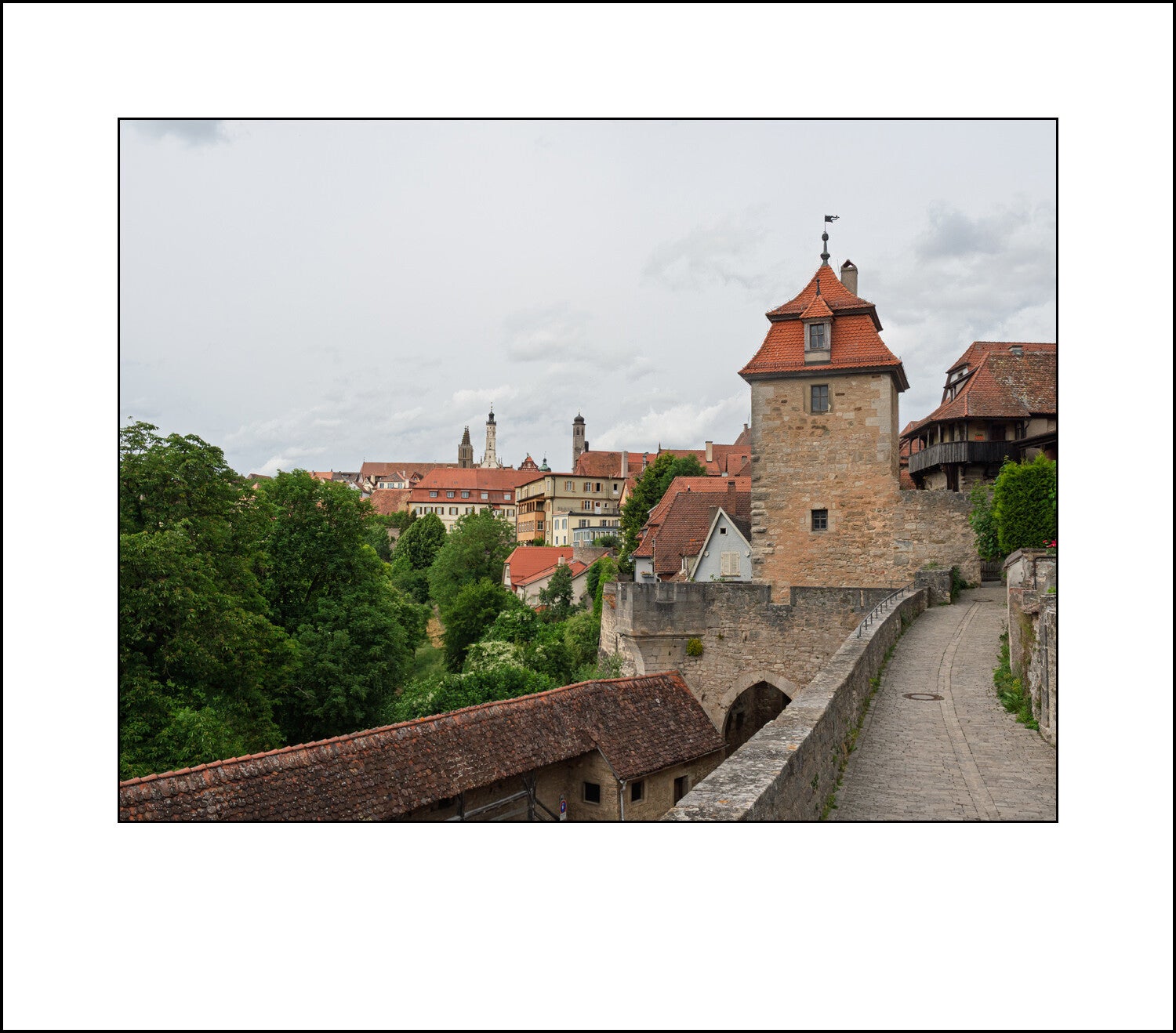
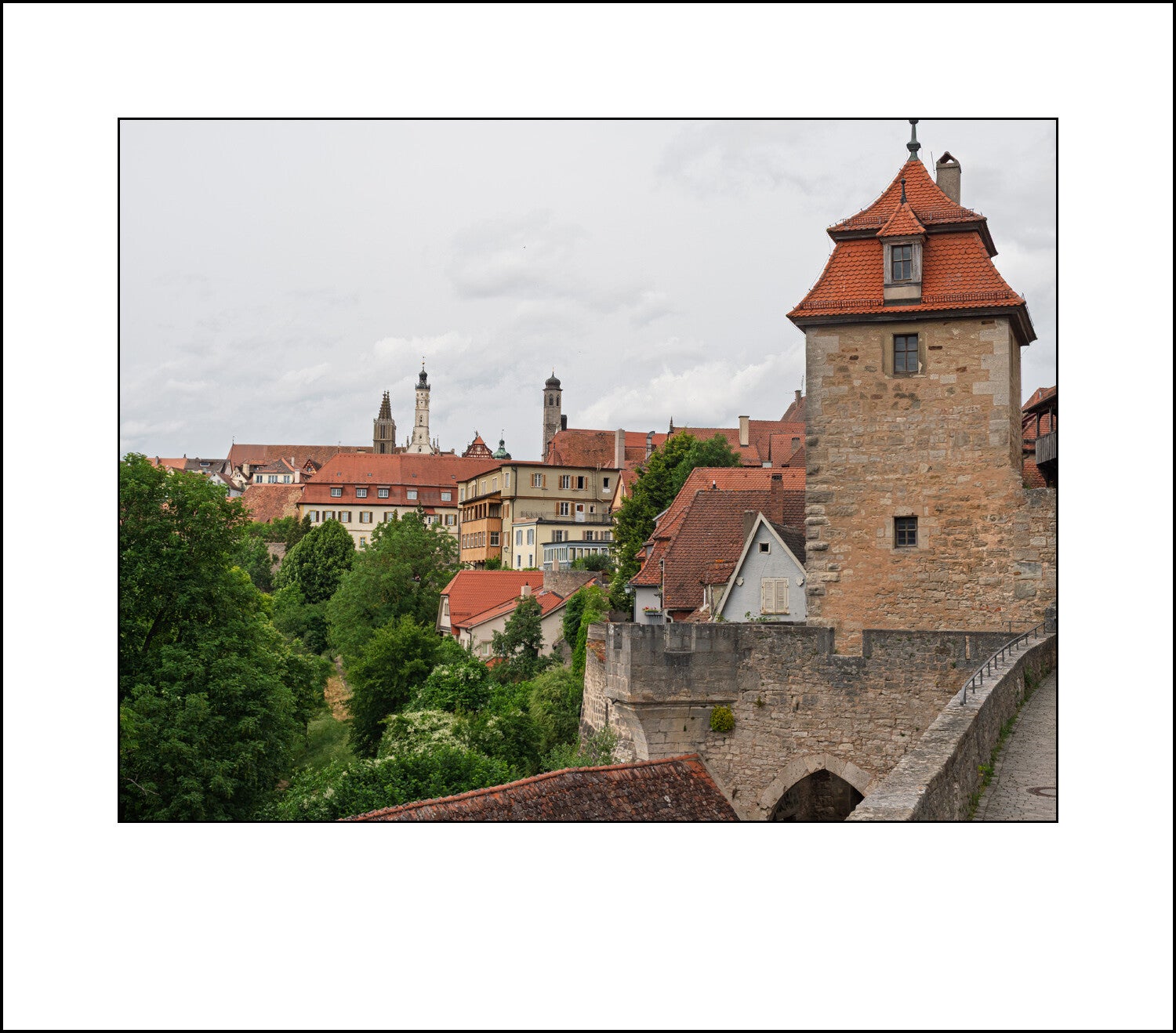
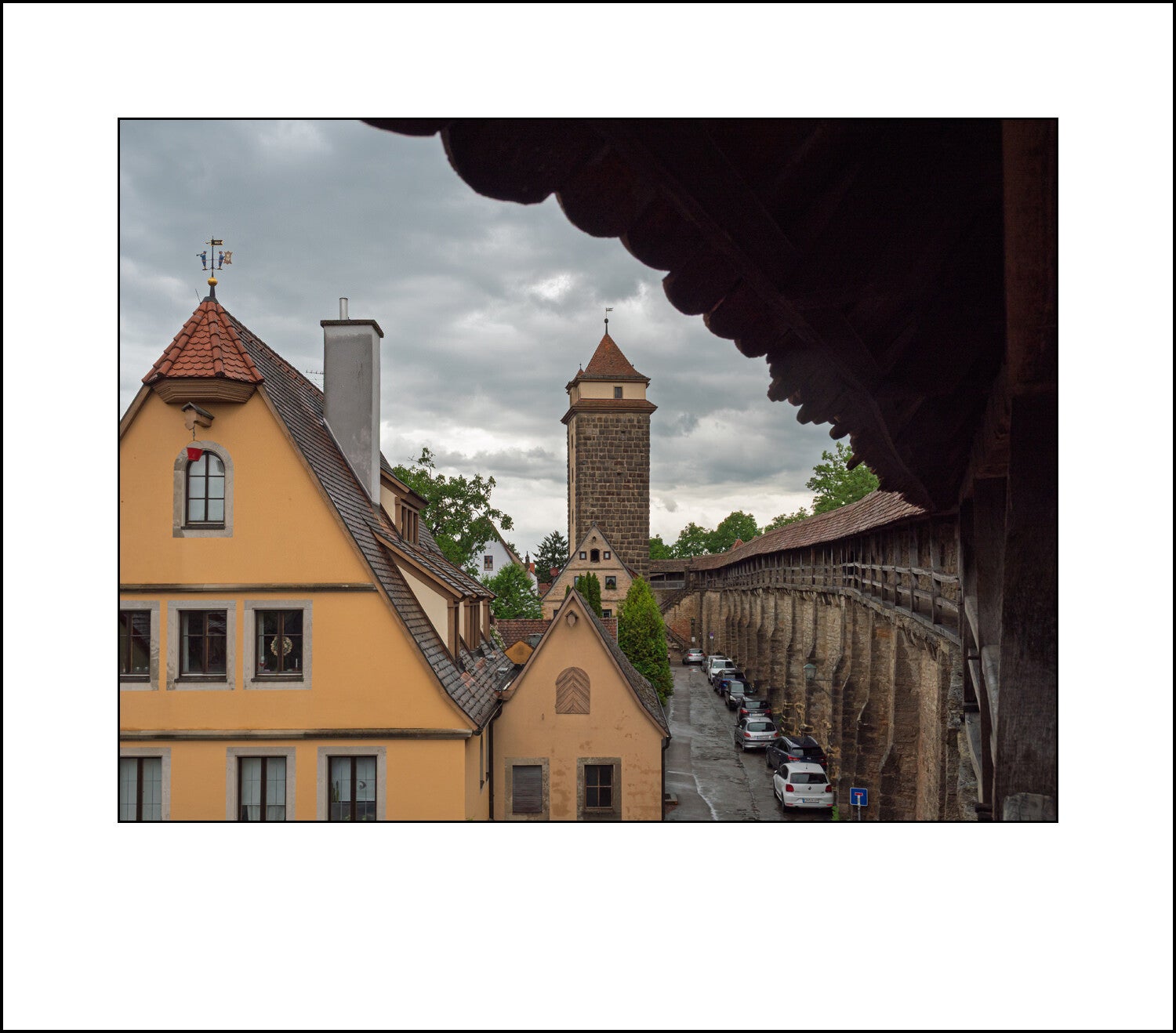
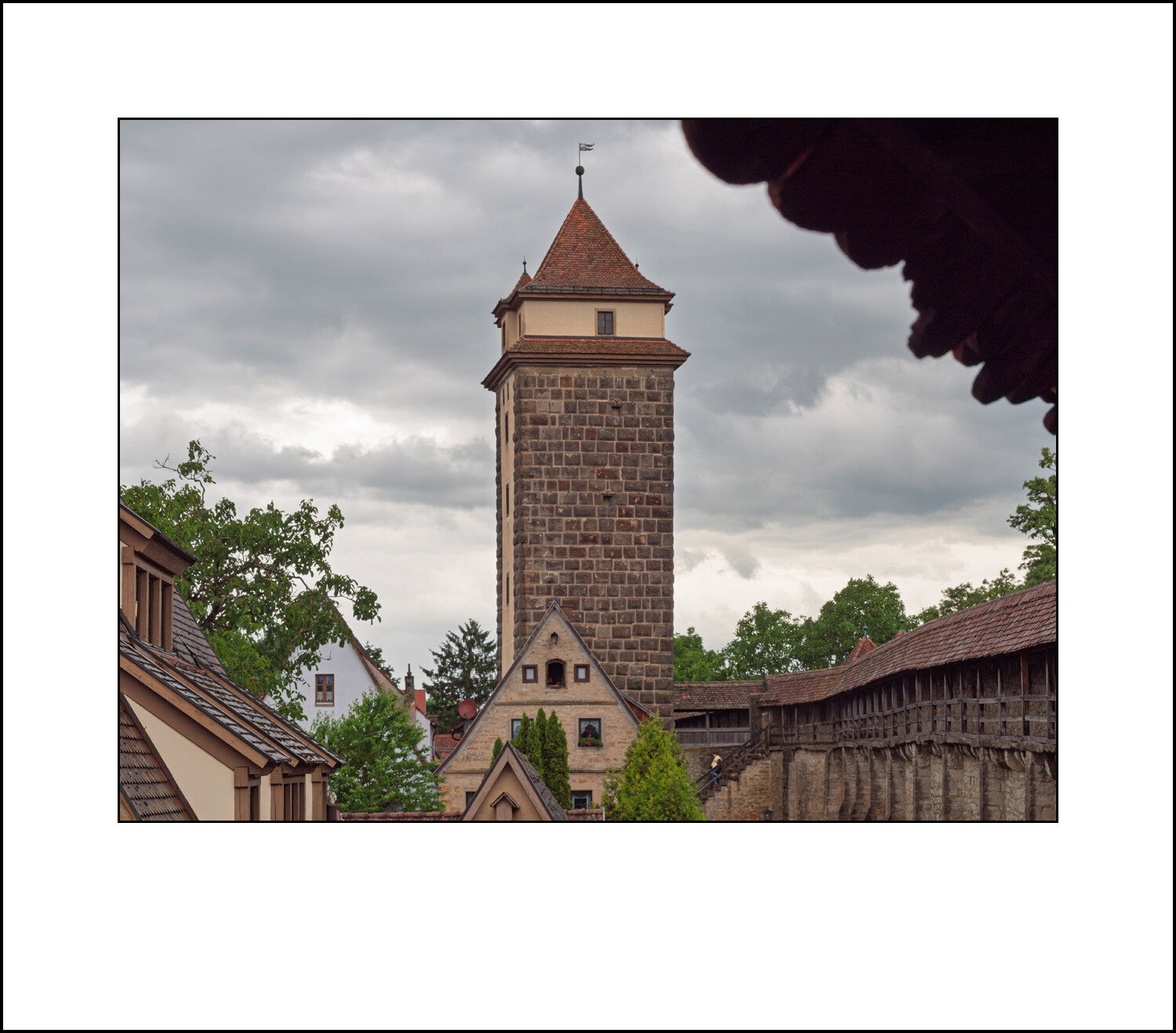
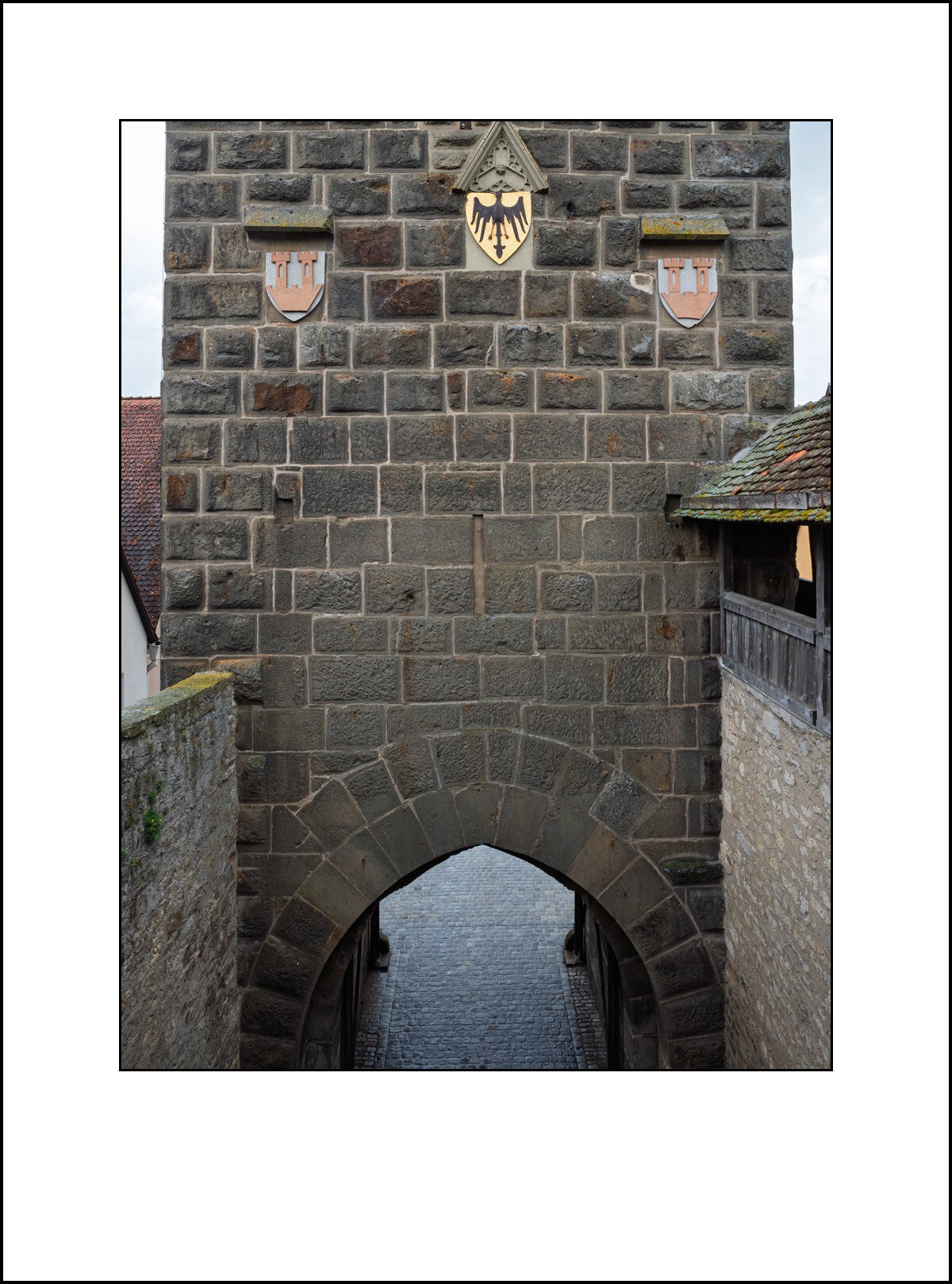
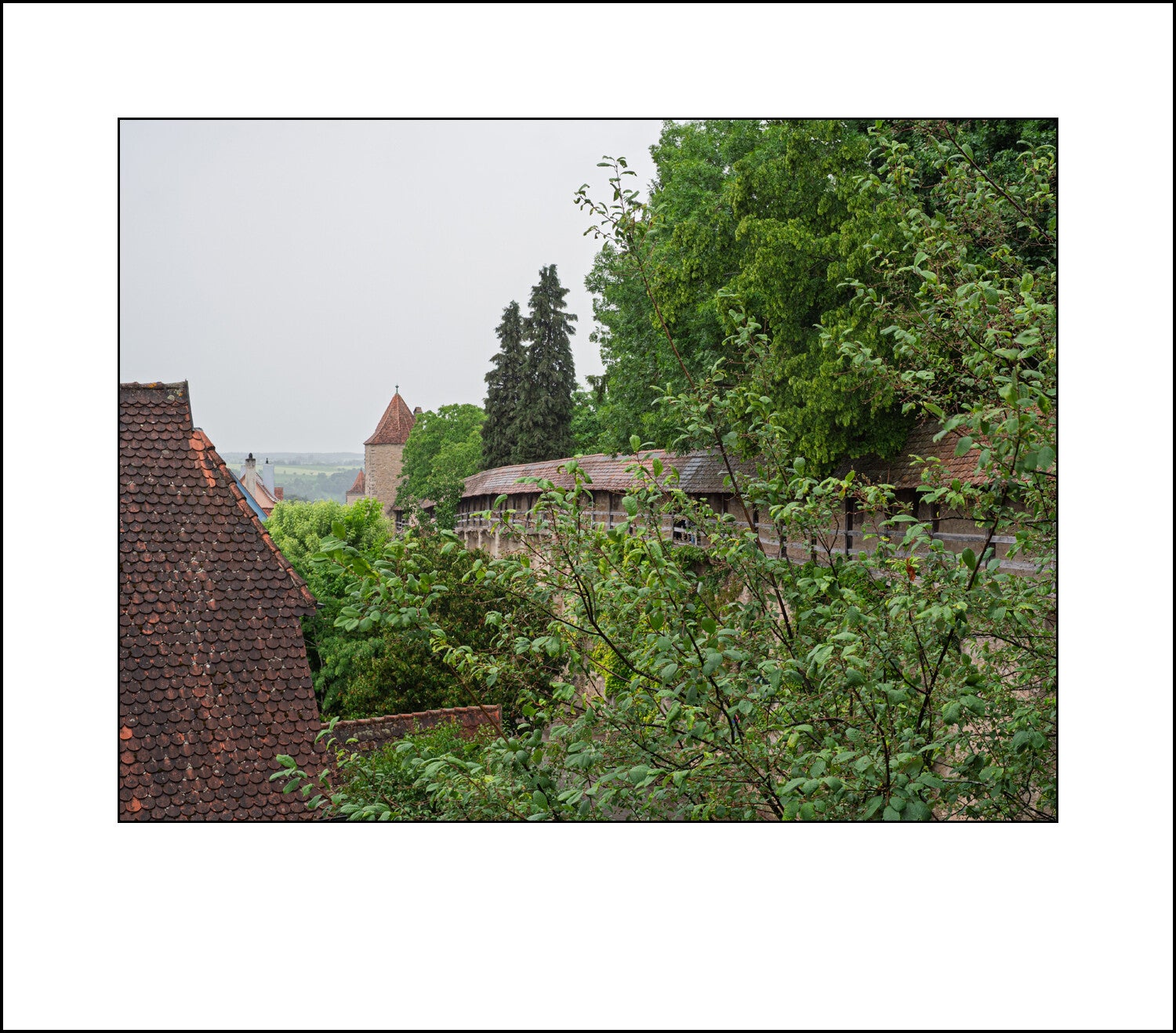
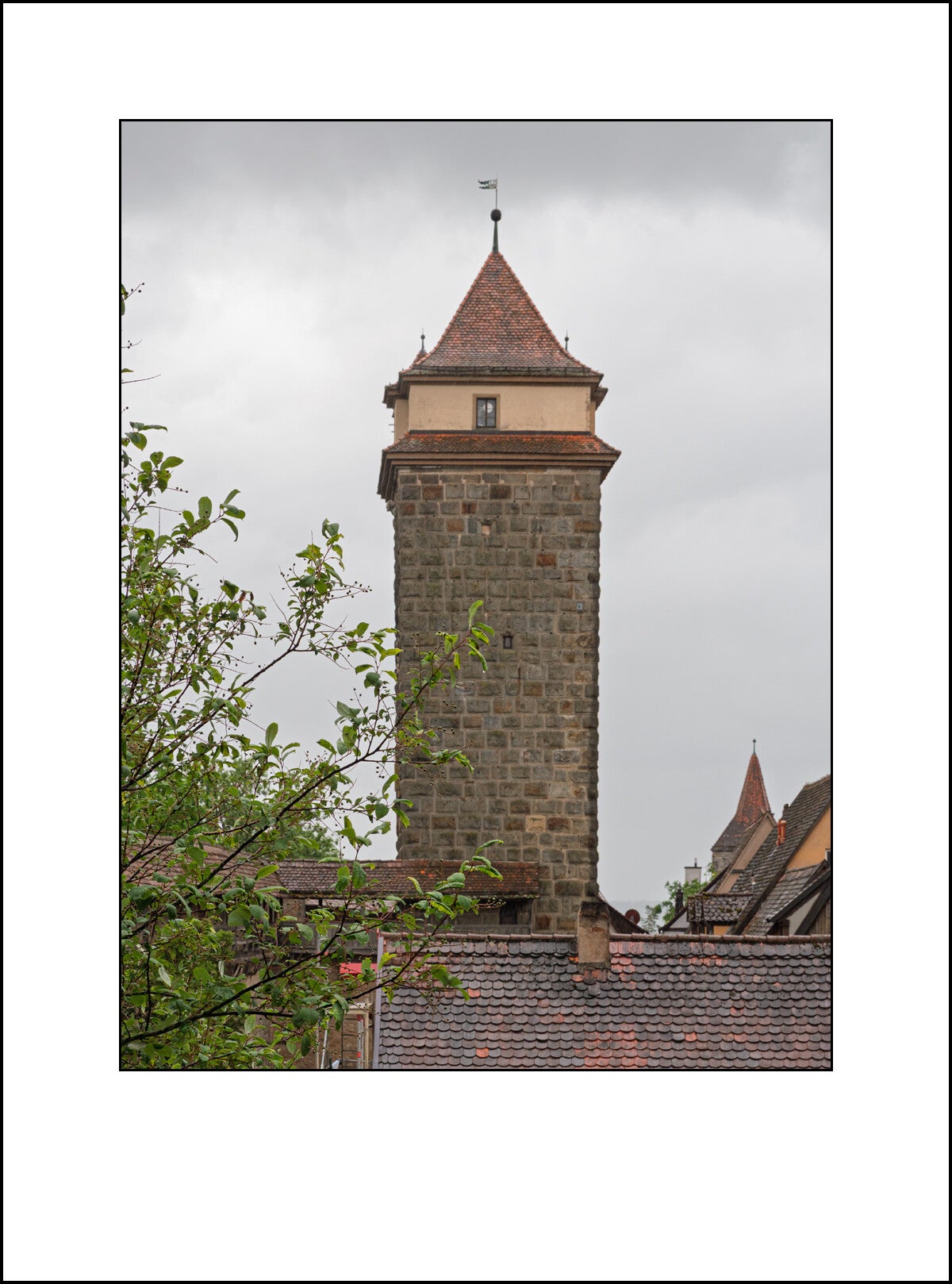
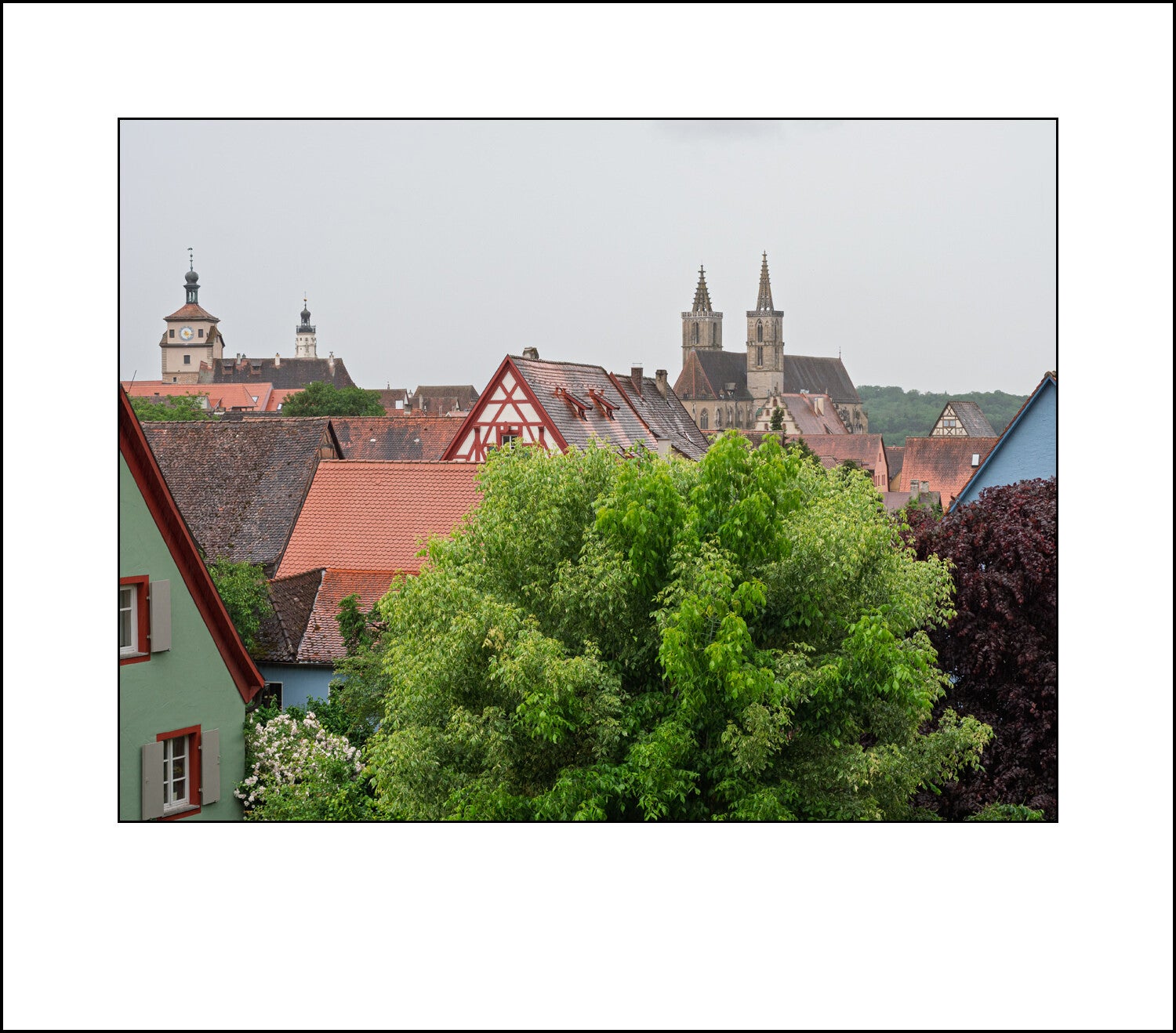
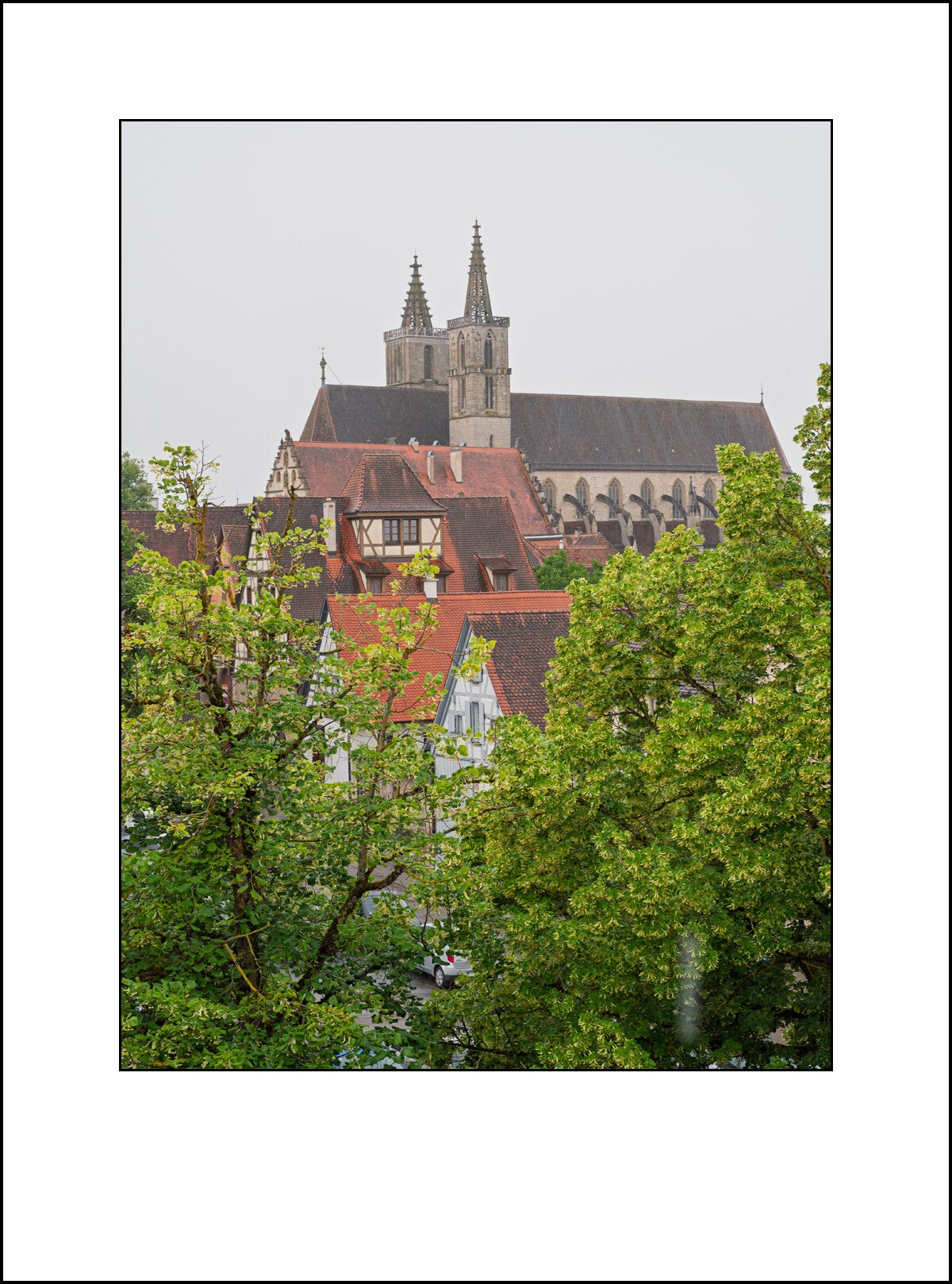
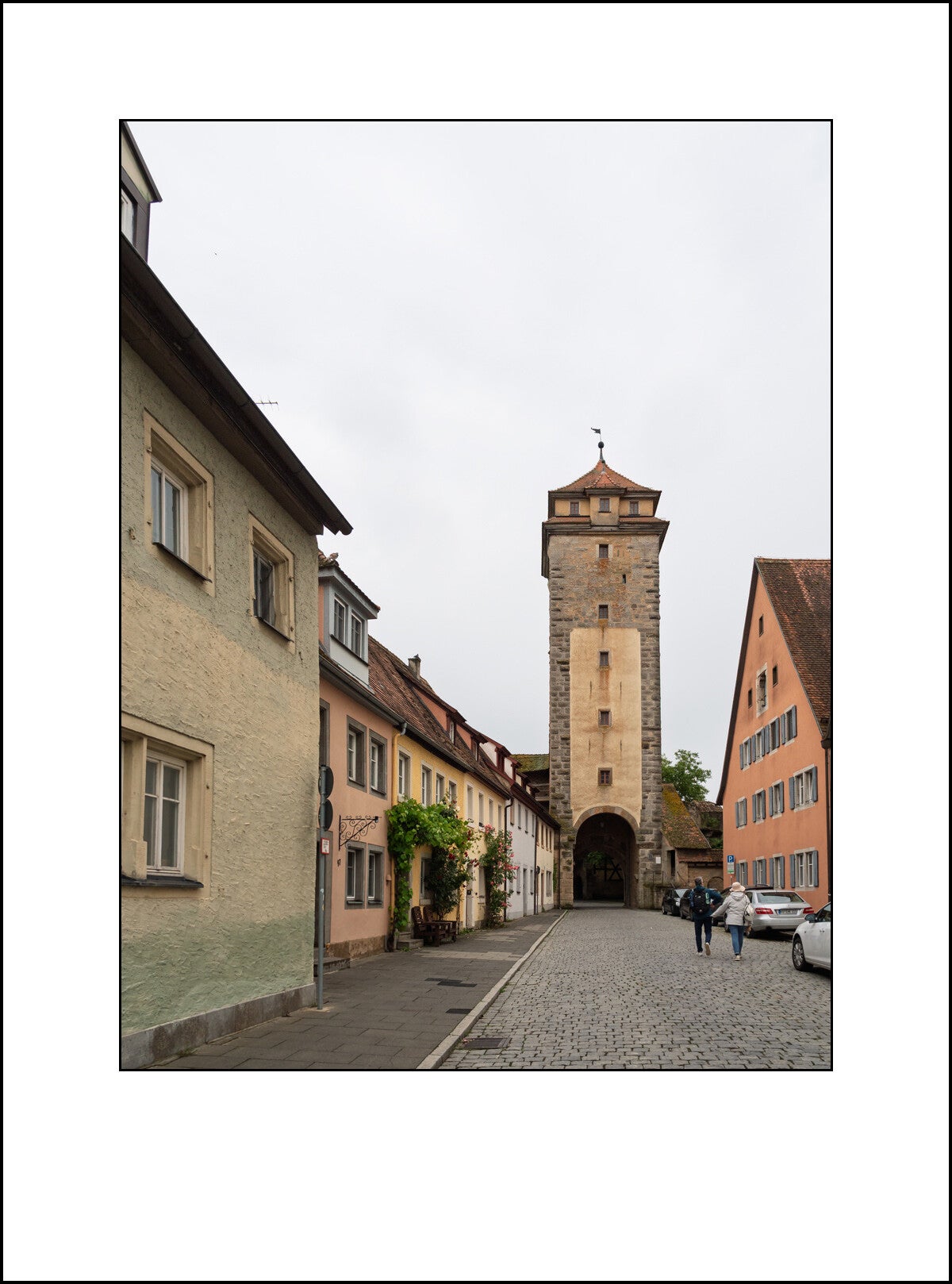
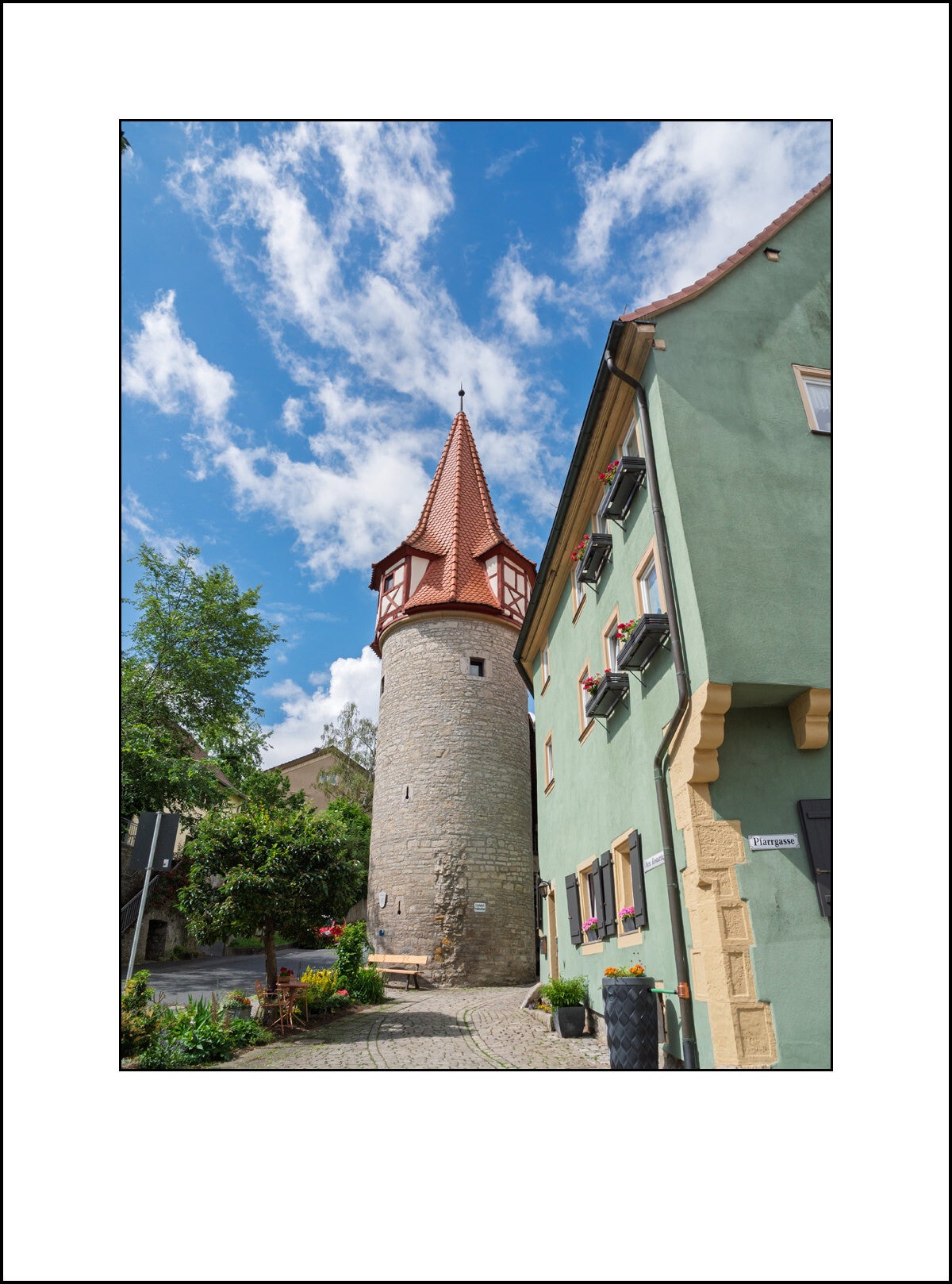
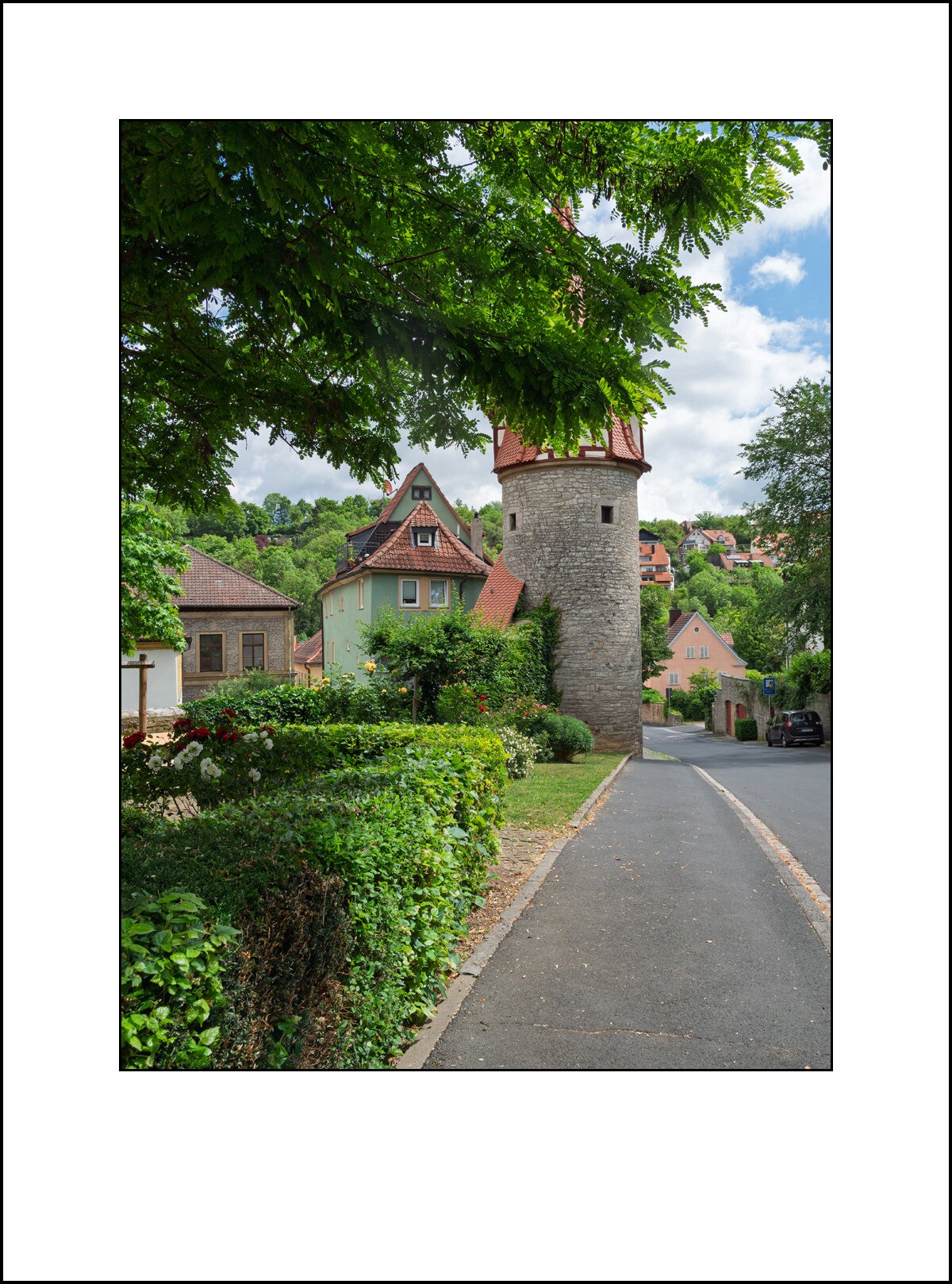
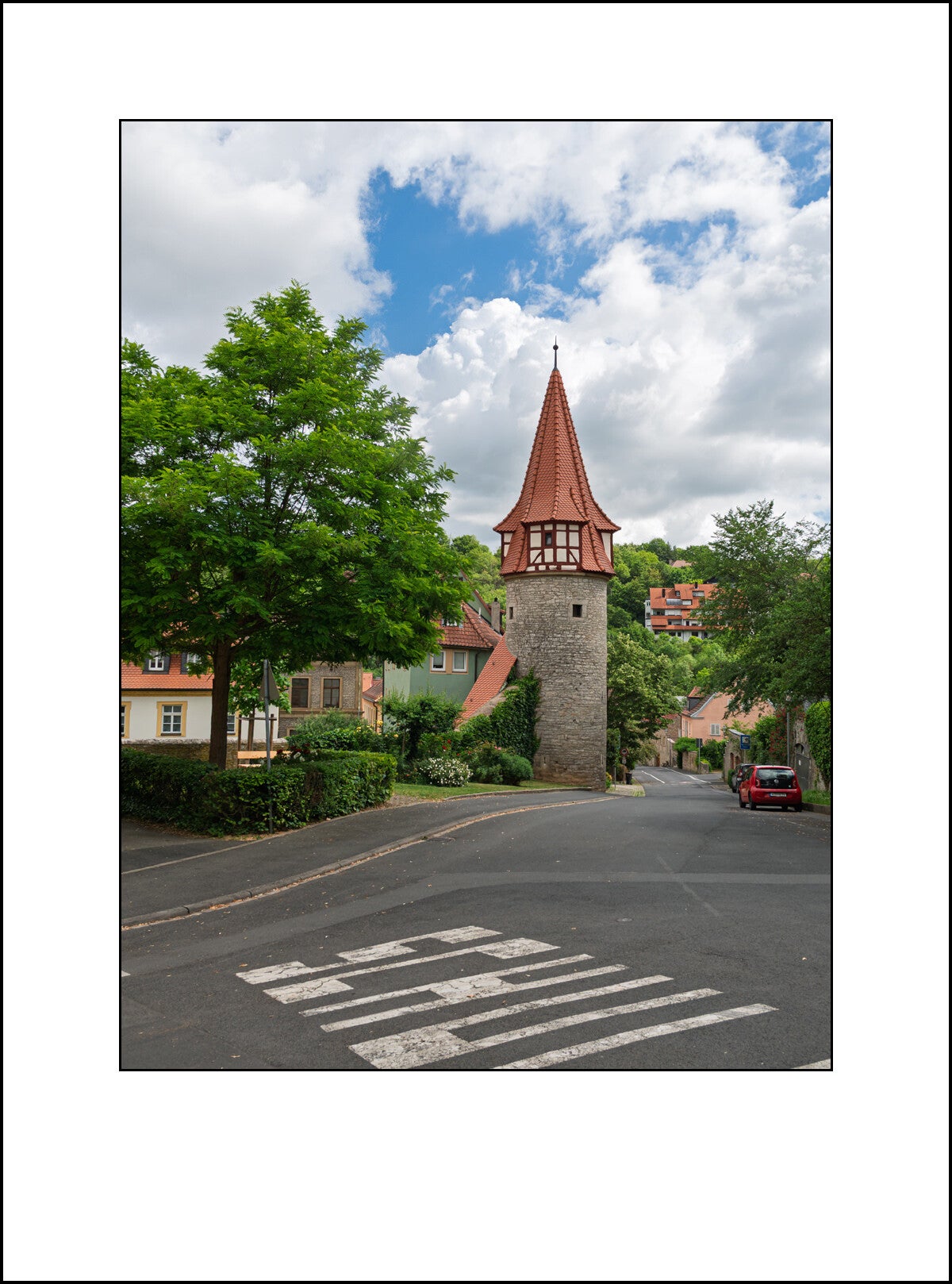
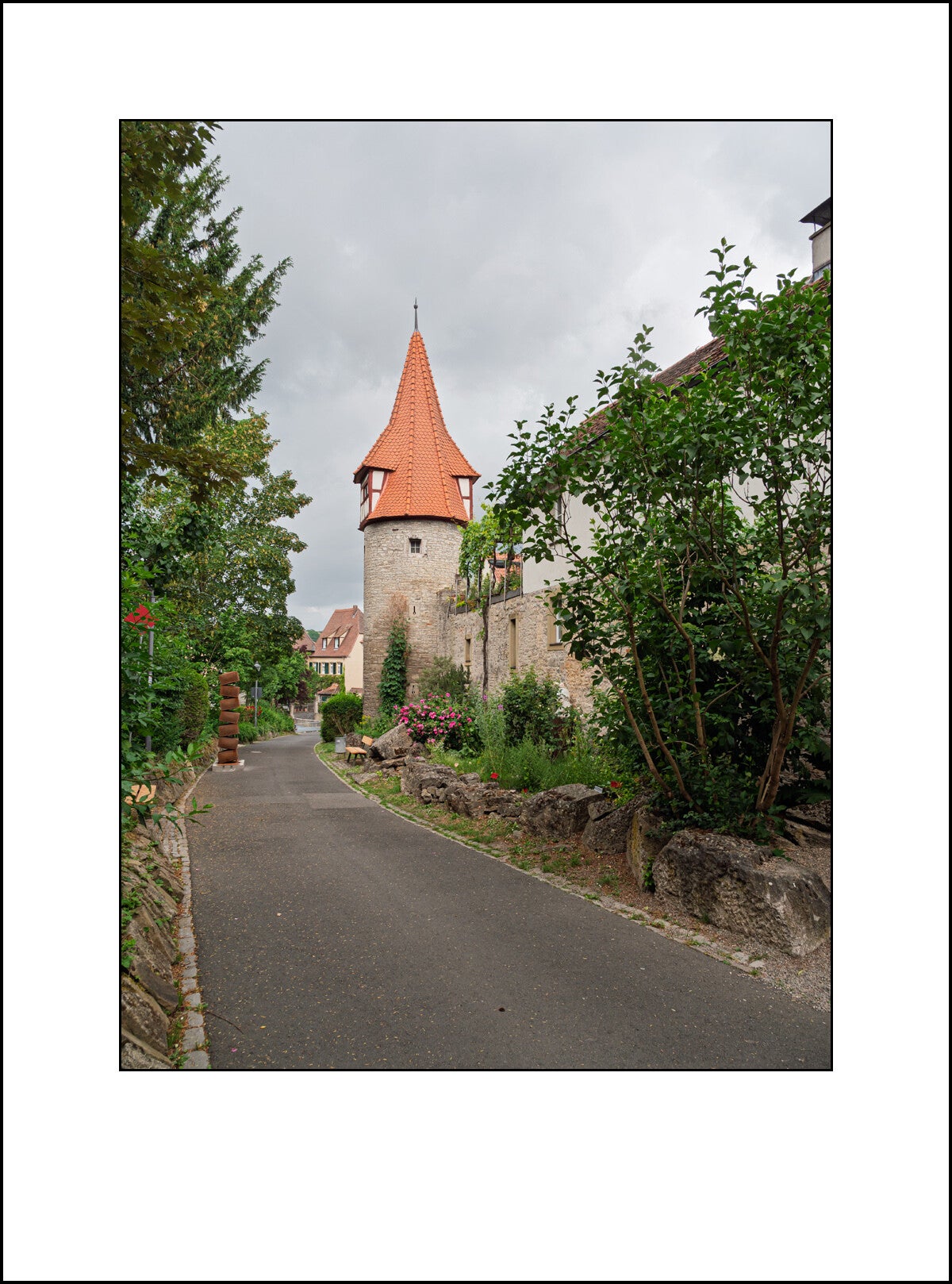
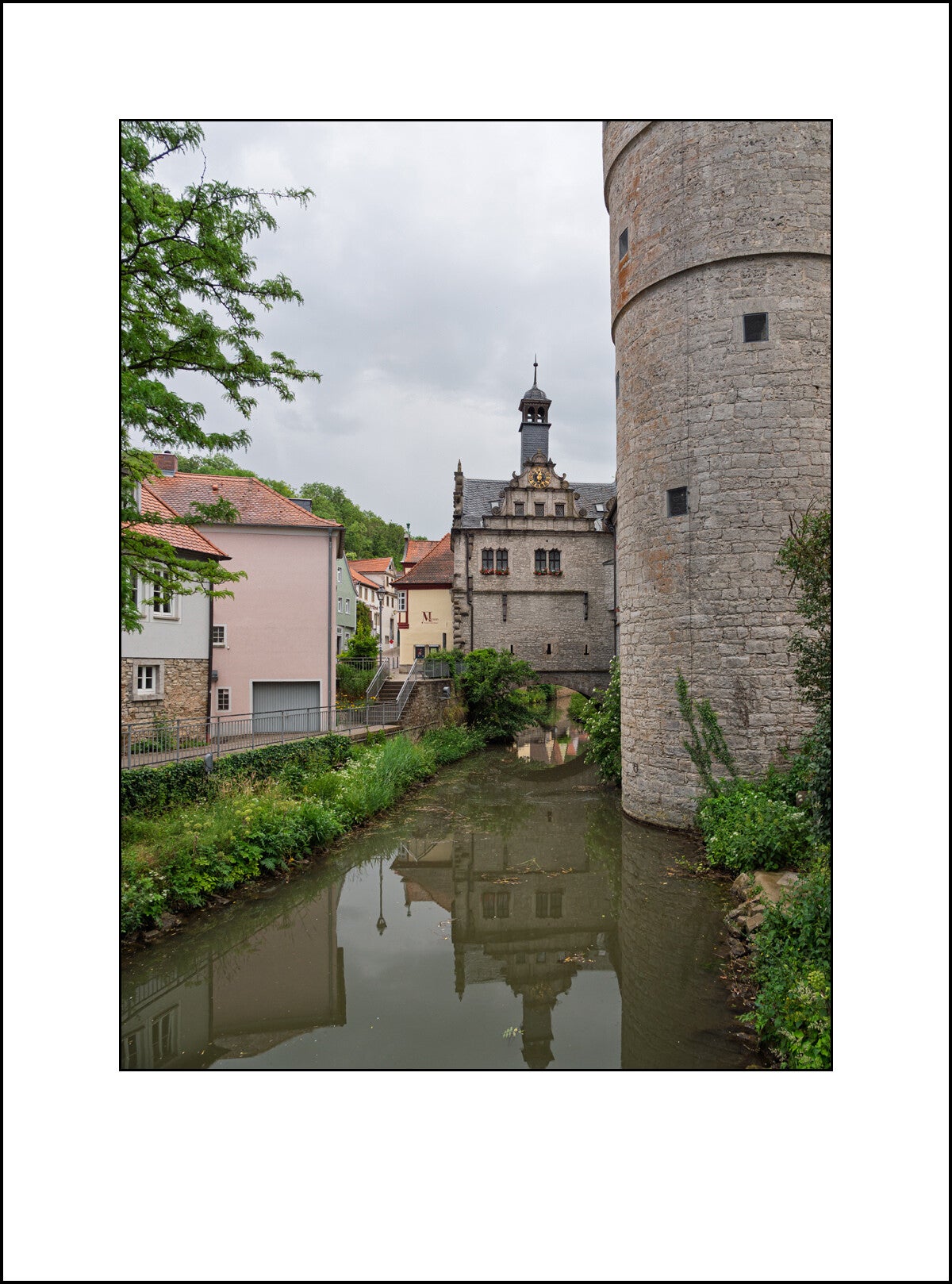
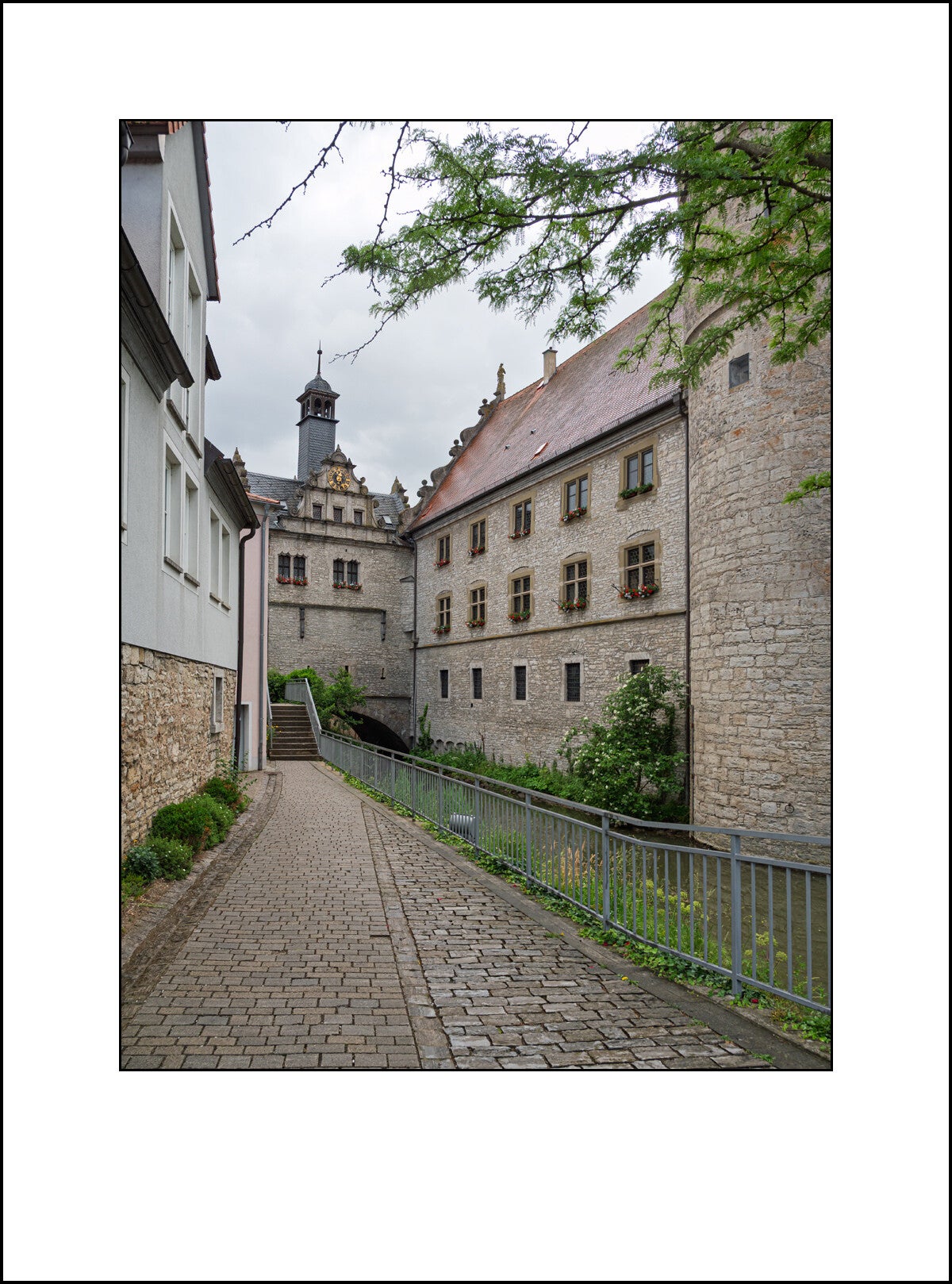
Throughout the 14th and 15th centuries, Rothenburg's wealth and influence continued to increase. During this time, many of the town's iconic buildings, such as the Rathaus (Town Hall) and St. James' Church, were constructed. The town's fortifications were also expanded, with impressive walls and towers that can still be seen today.
The Thirty Years' War and Decline
The Thirty Years' War (1618-1648) marked a turning point for Rothenburg ob der Tauber. In 1631, the town was captured by the forces of Count Johann Tserclaes of Tilly. According to legend, Tilly agreed to spare the town from destruction if the mayor could drink a massive tankard of wine in one gulp. This event is commemorated annually with the "Meistertrunk" festival.
Despite surviving the war, Rothenburg's economy suffered greatly in the following centuries. The town's population dwindled, and its significance as a trade center declined. As a result, much of Rothenburg remained unchanged, preserving its medieval character for future generations.
Revival and Preservation
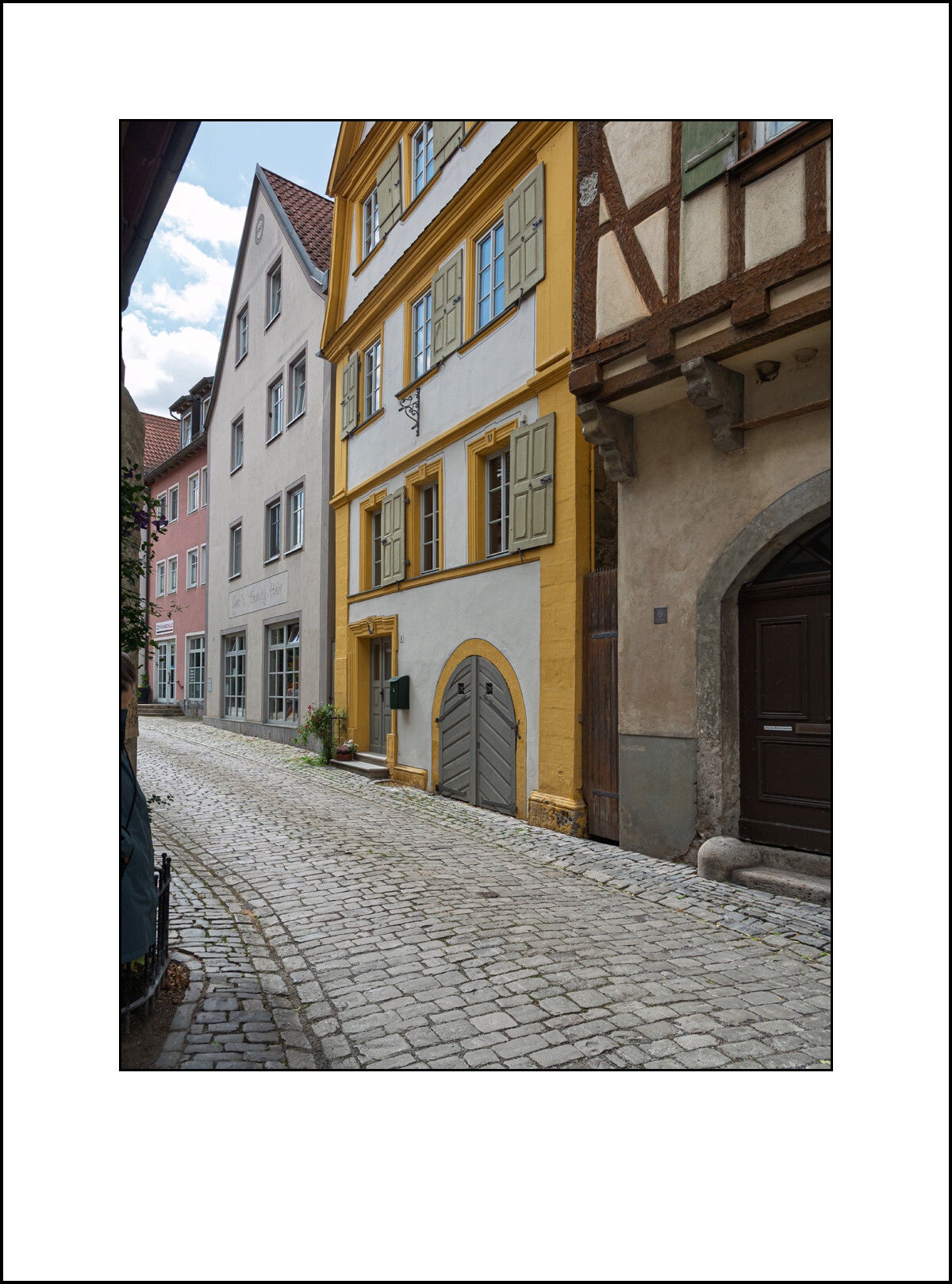
In the late 19th and early 20th centuries, Rothenburg ob der Tauber experienced a revival as it became a popular destination for artists and tourists, drawn by its untouched medieval charm. Efforts were made to preserve its historic architecture, and the town became a symbol of German heritage.
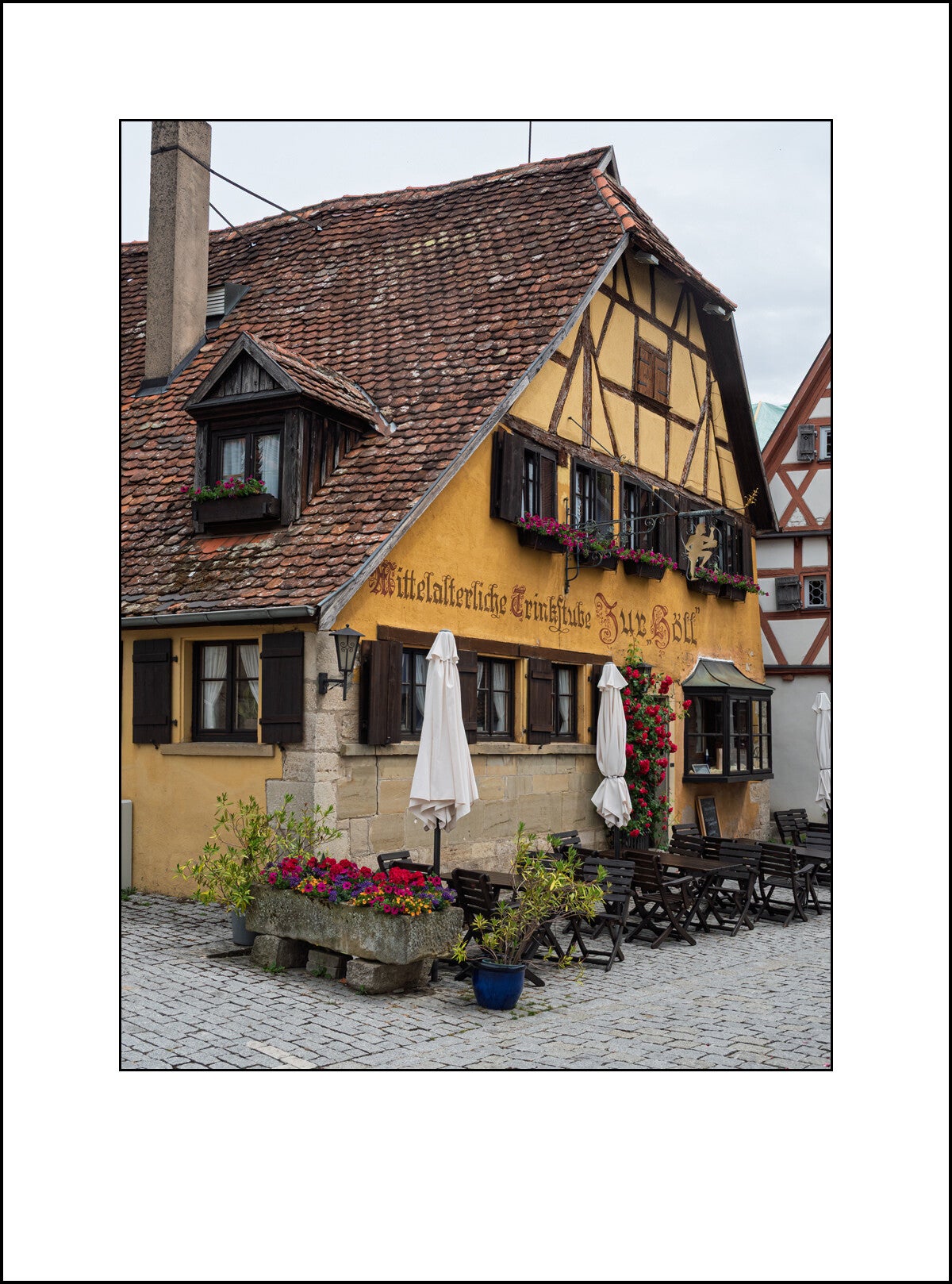
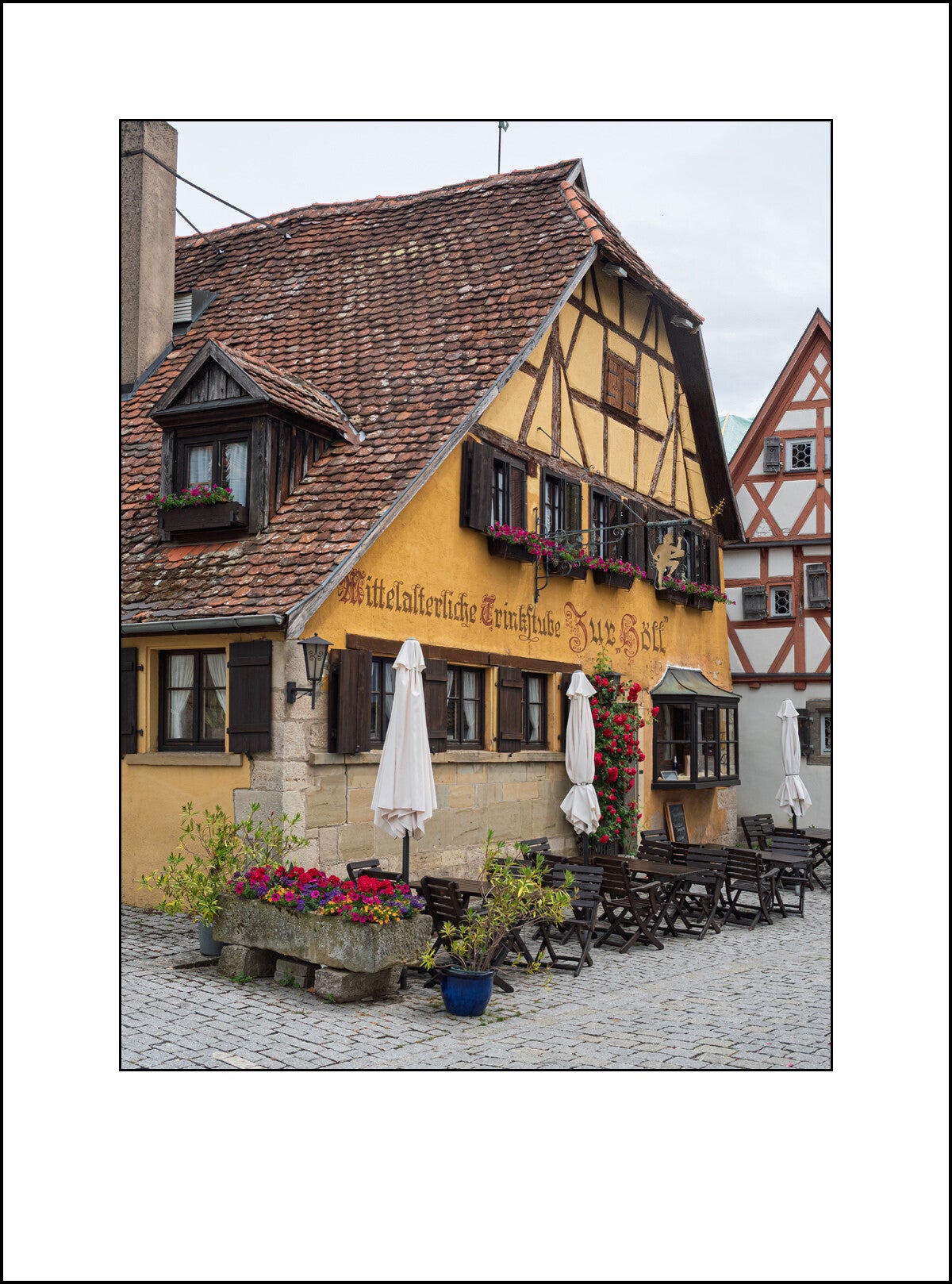
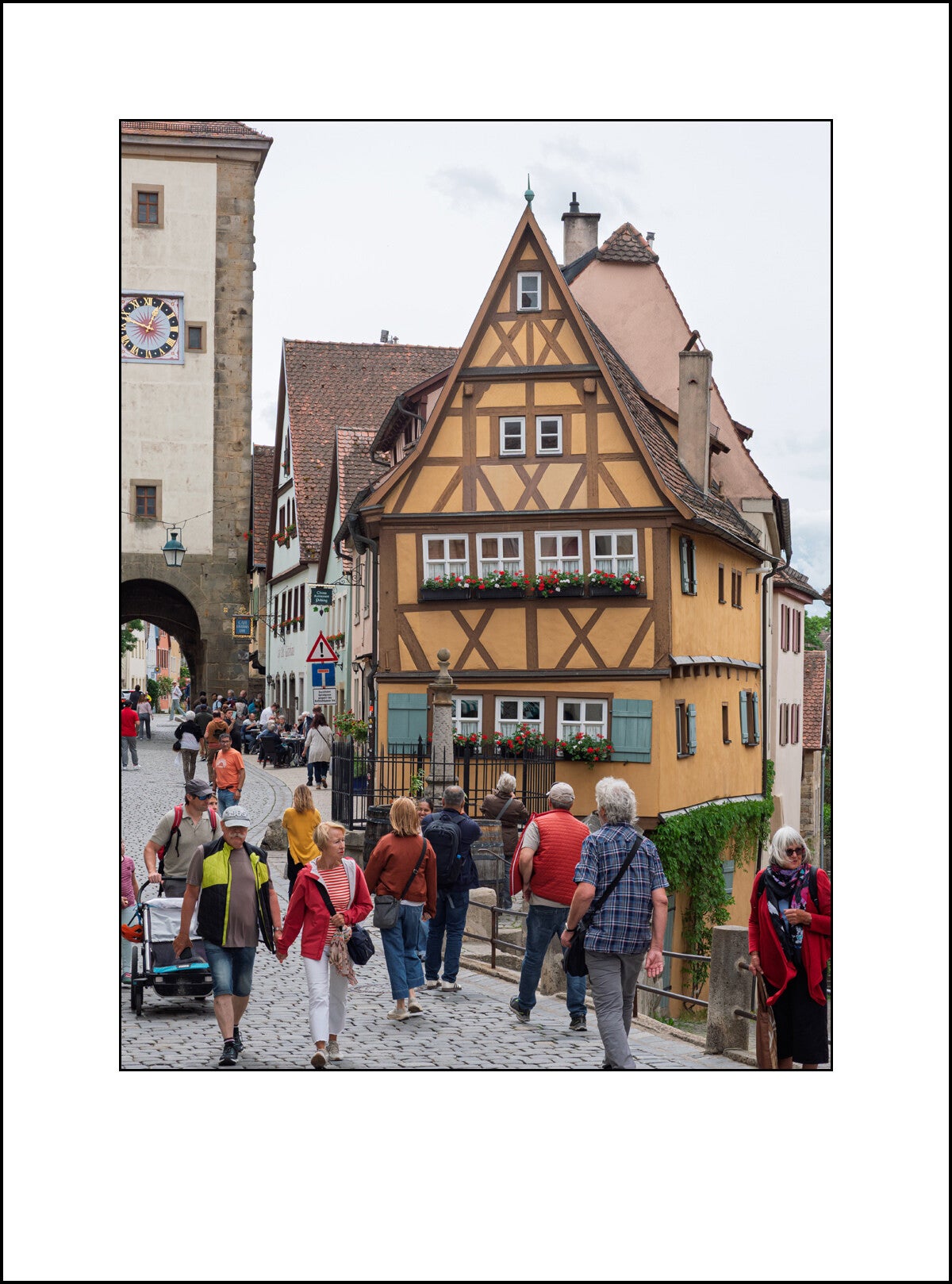
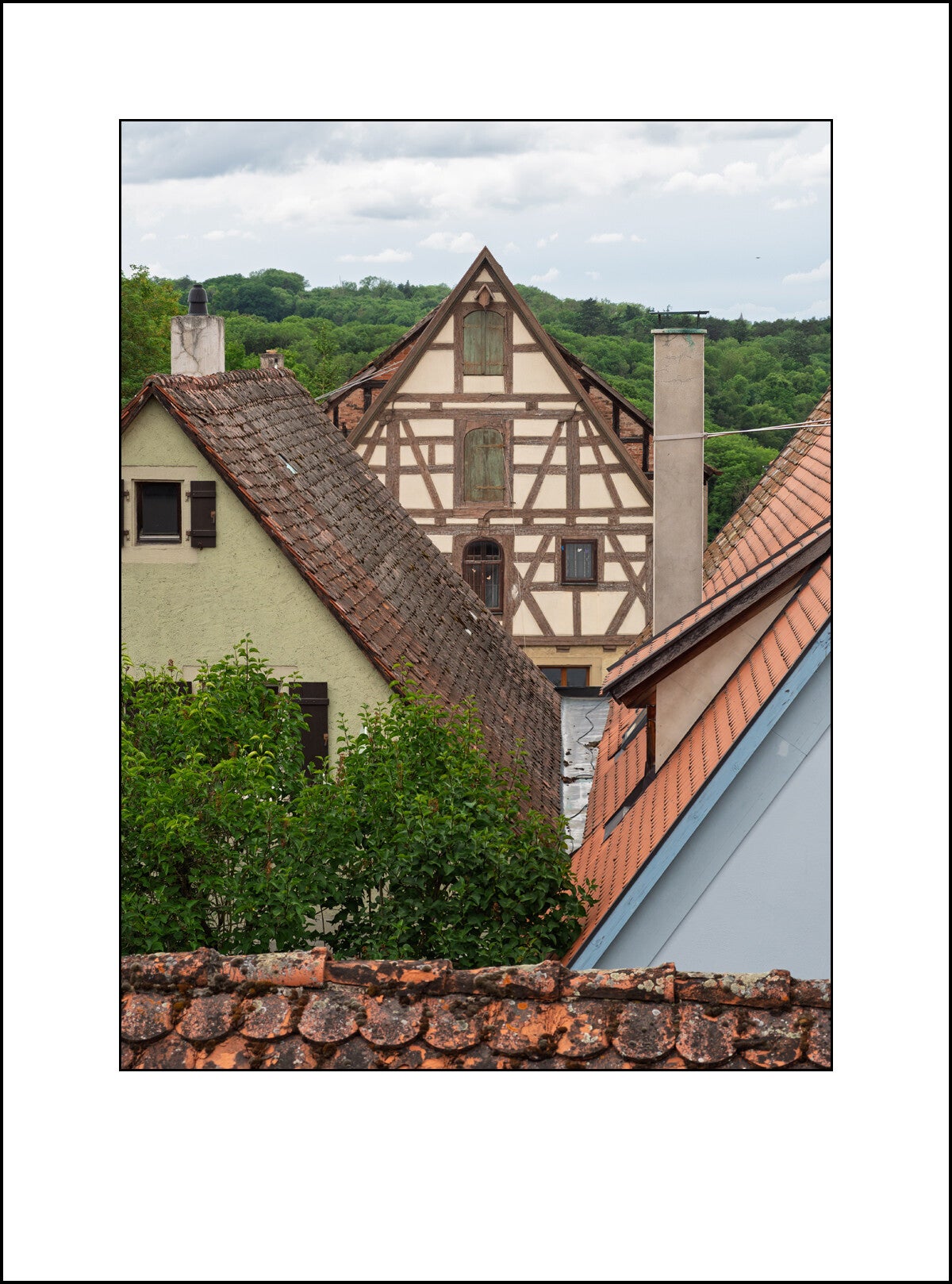
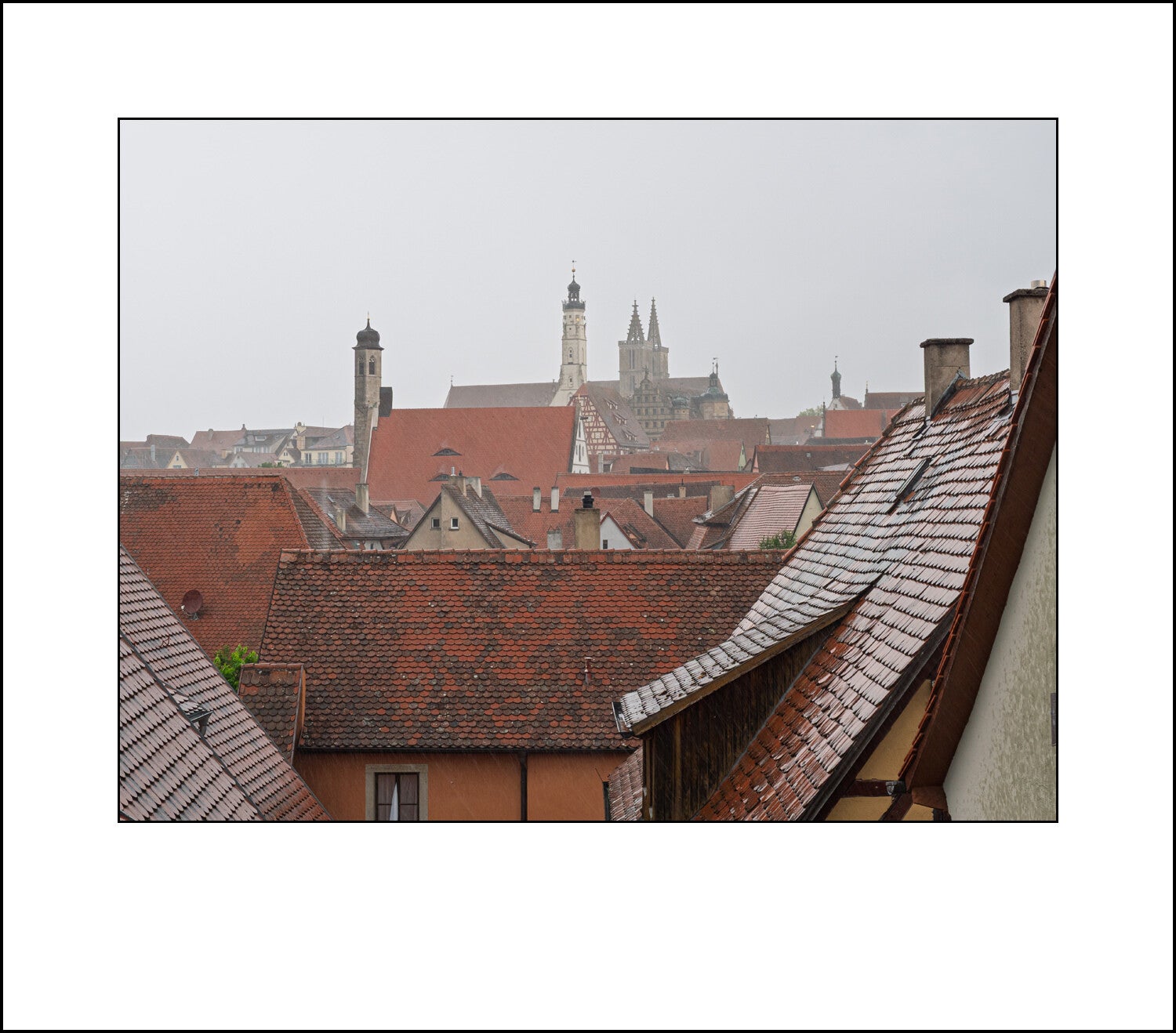
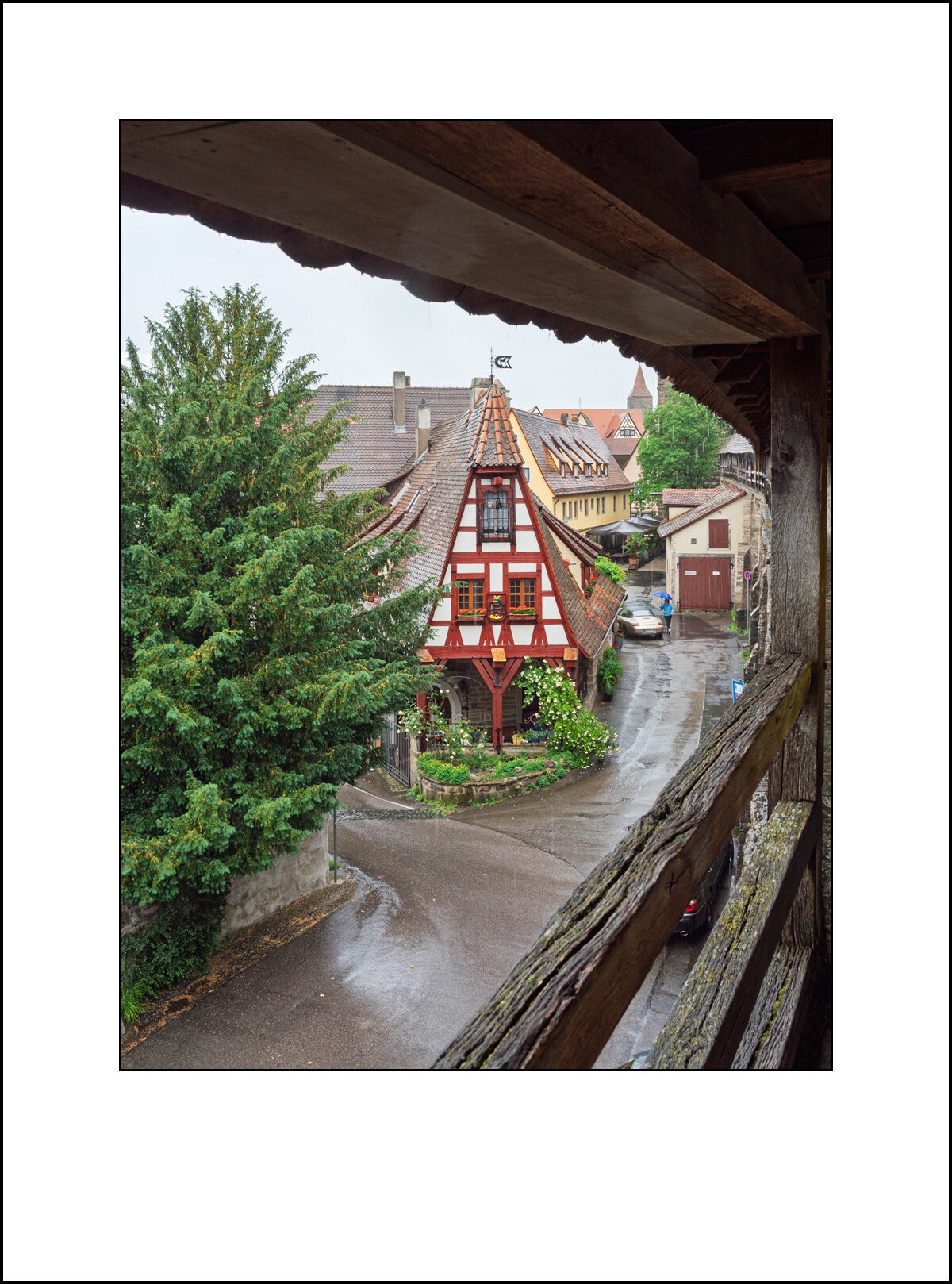
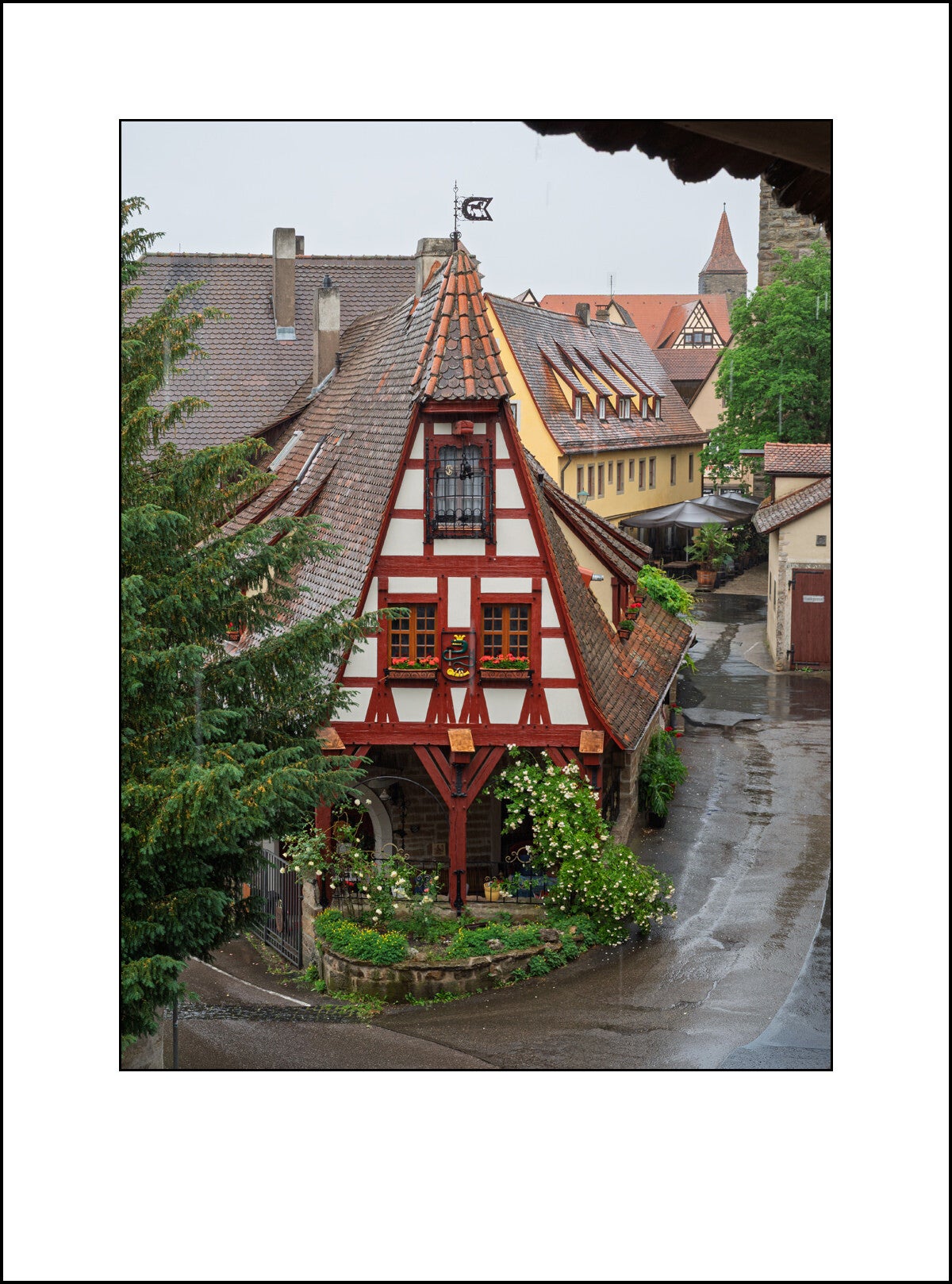
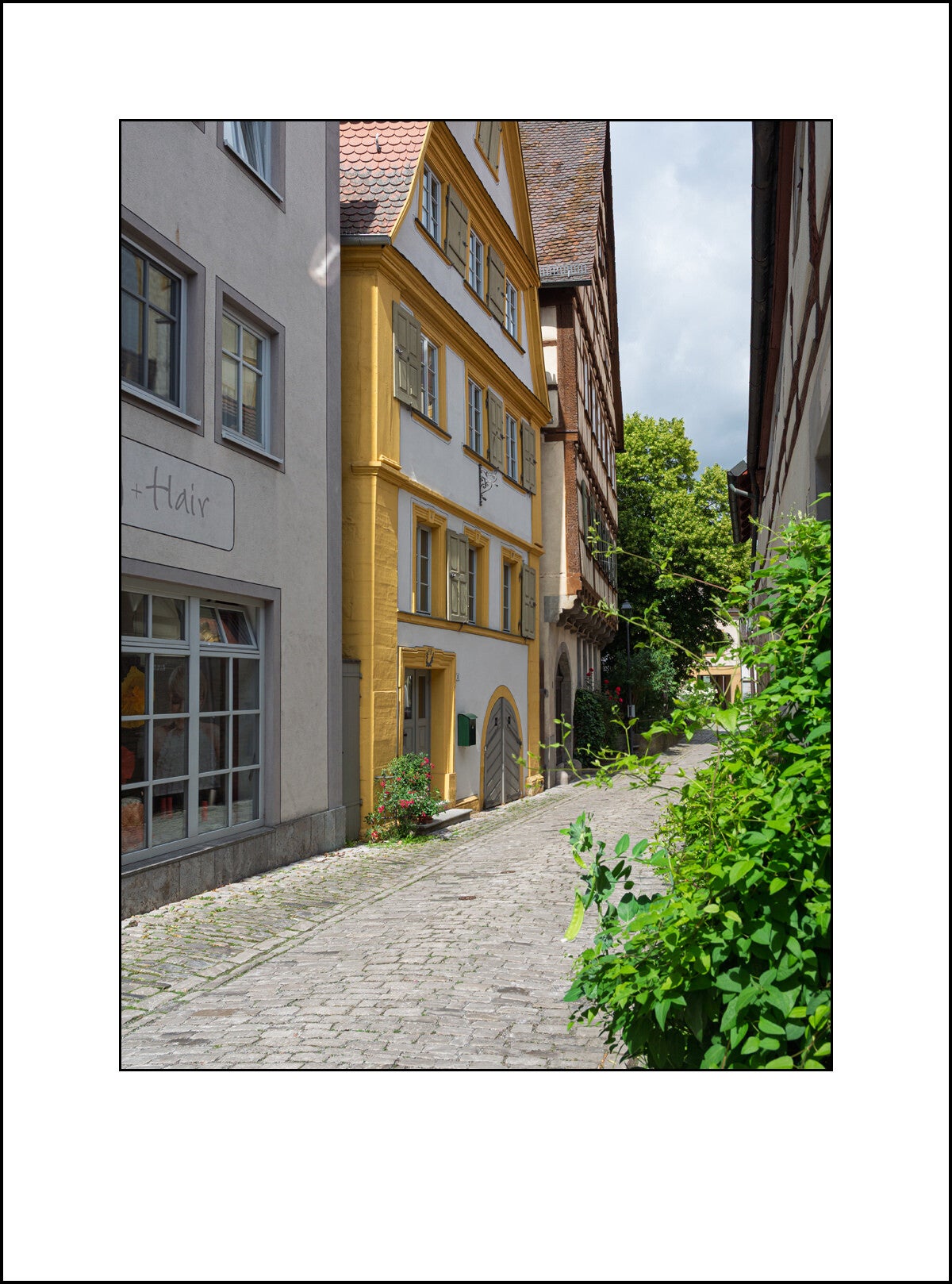
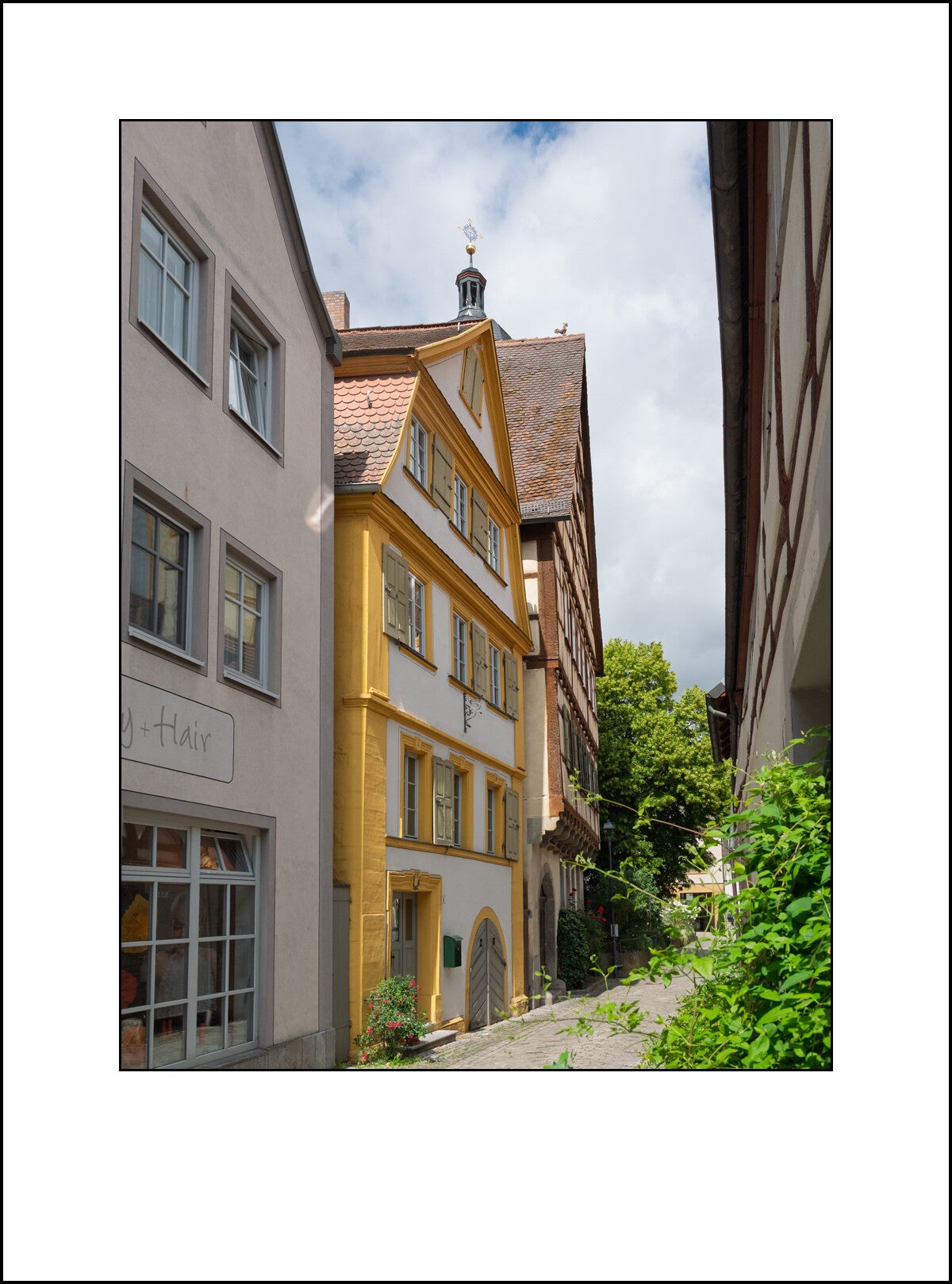
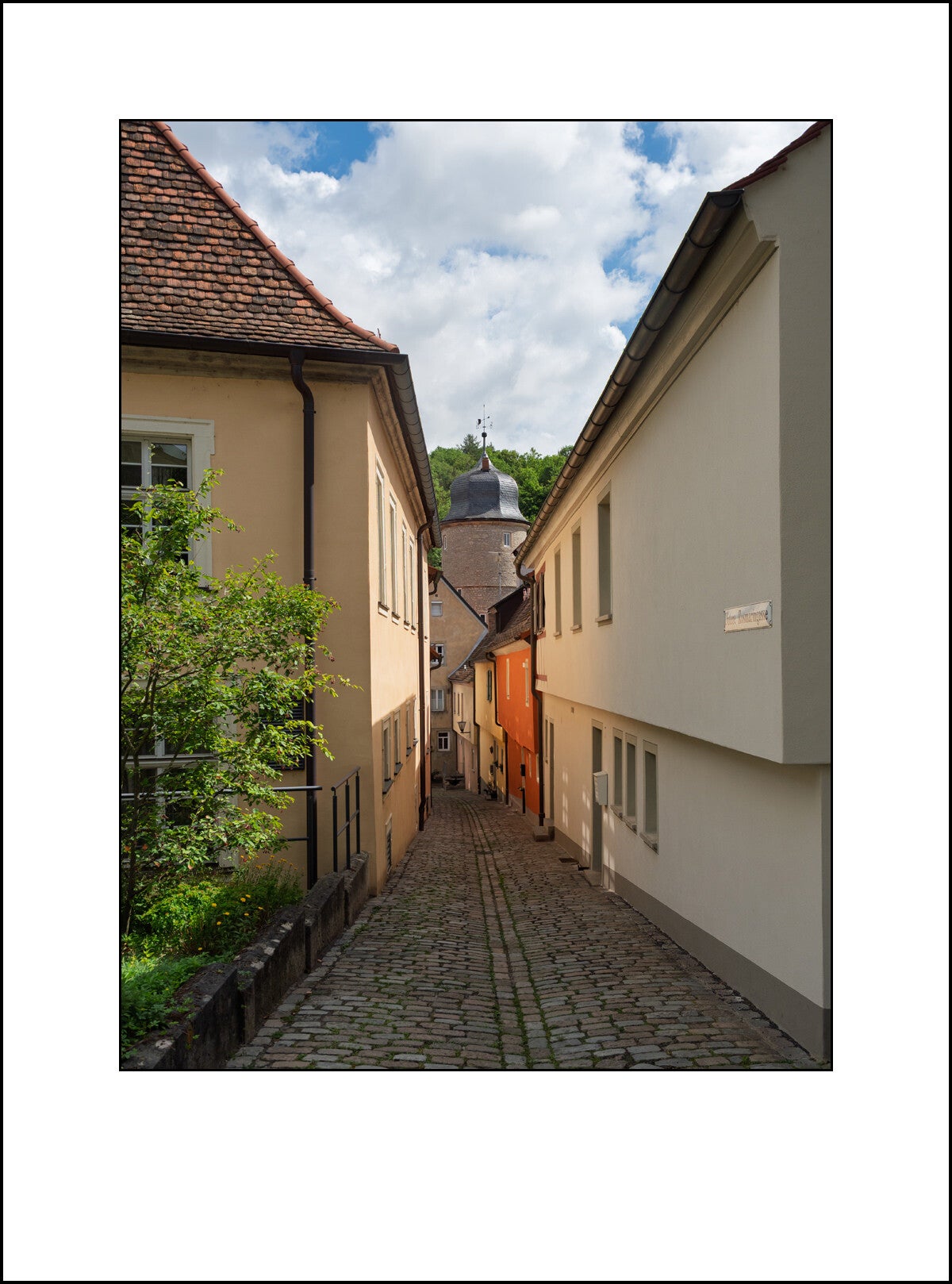
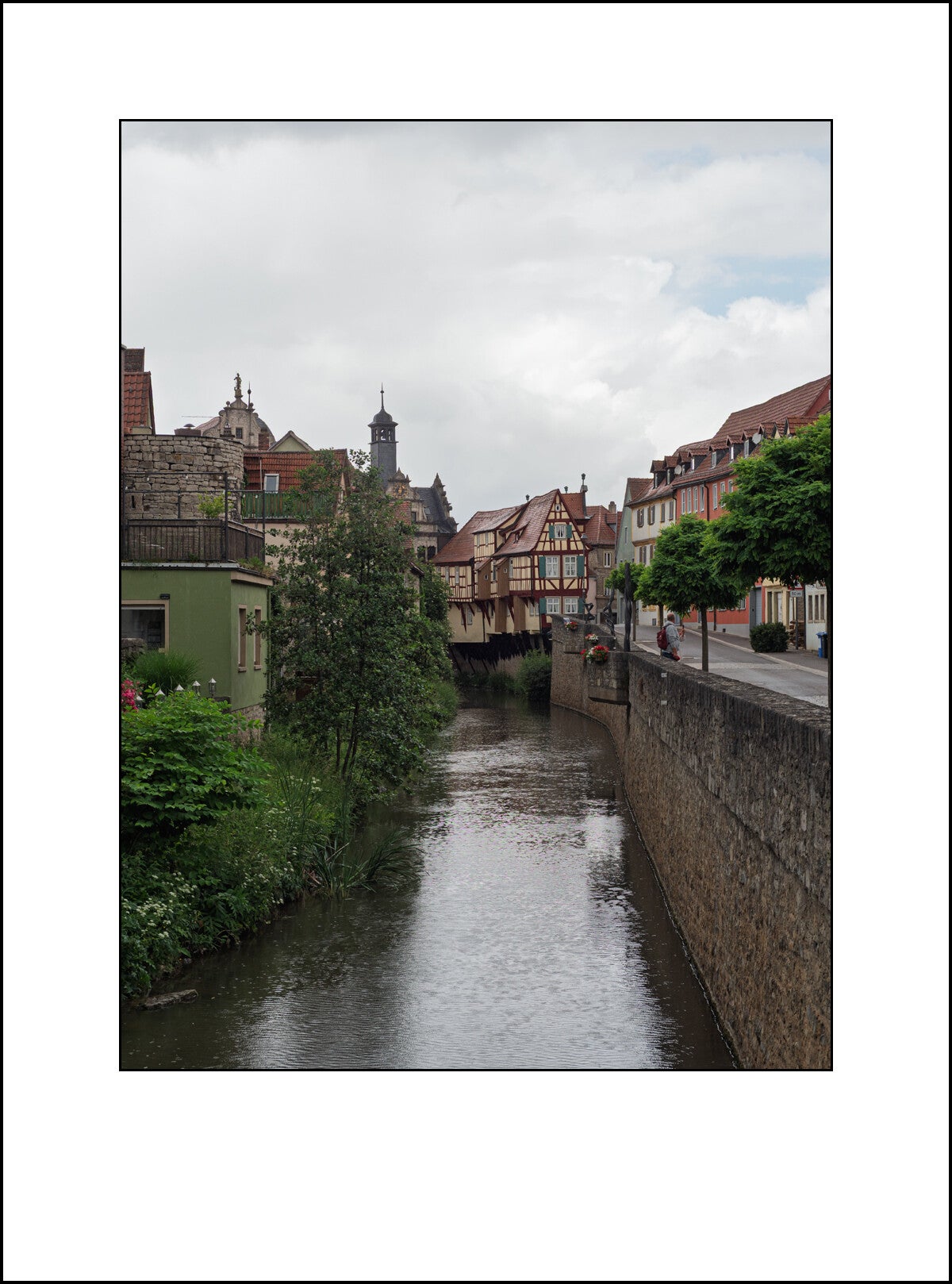
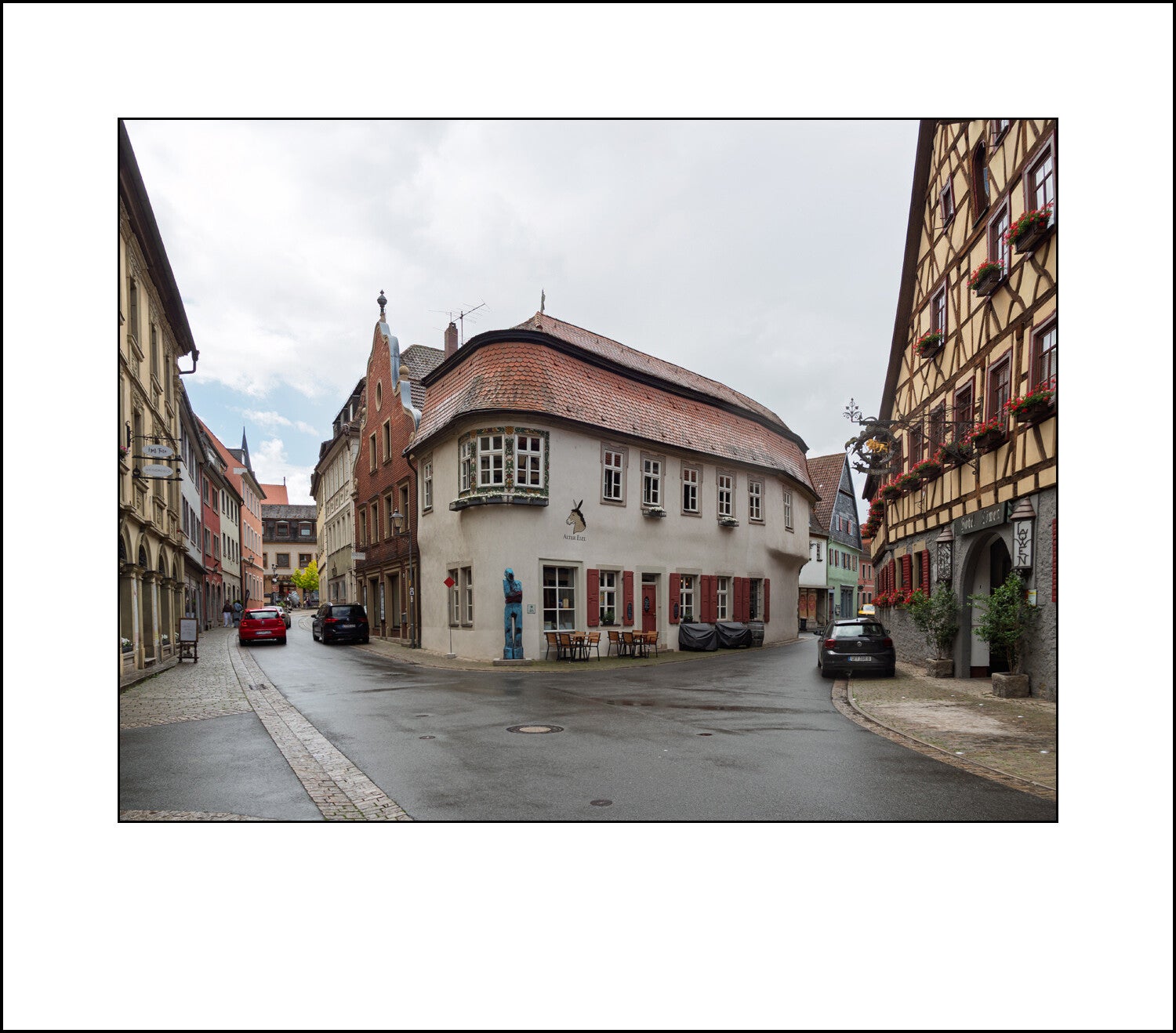
During World War II, Rothenburg was partially damaged by Allied bombing, but the town was quickly restored after the war, thanks to international support. Today, it stands as one of Germany's most visited tourist destinations, offering a glimpse into the past with its cobblestone streets, half-timbered houses, and vibrant cultural events.
Modern Rothenburg
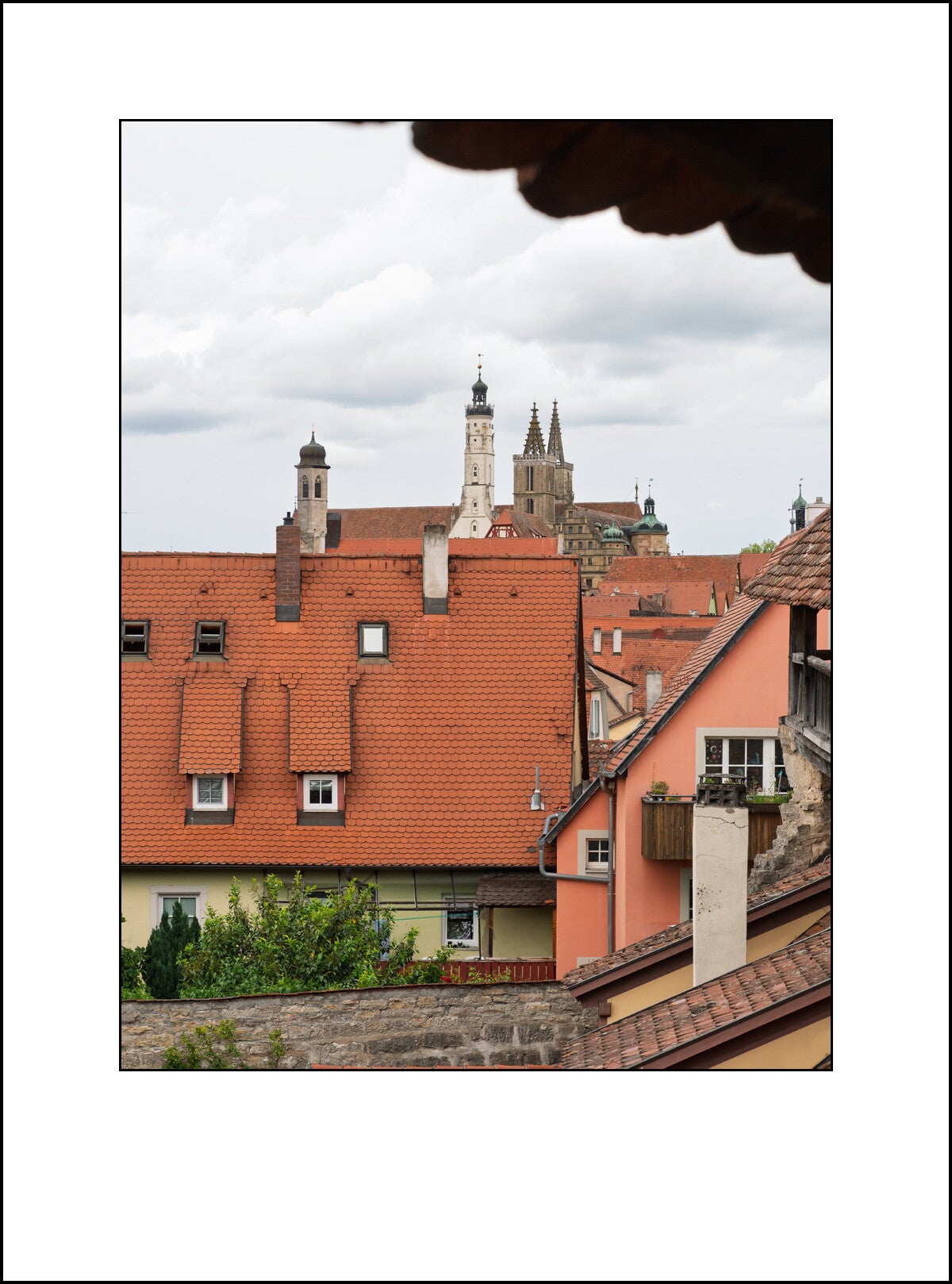
Rothenburg ob der Tauber continues to captivate visitors with its enchanting history and timeless beauty. The town hosts numerous festivals throughout the year, including the Christmas Market and the aforementioned "Meistertrunk" celebration. Whether wandering through its medieval streets or admiring the panoramic views from its ancient walls, Rothenburg remains a testament to the enduring allure of Germany's past.
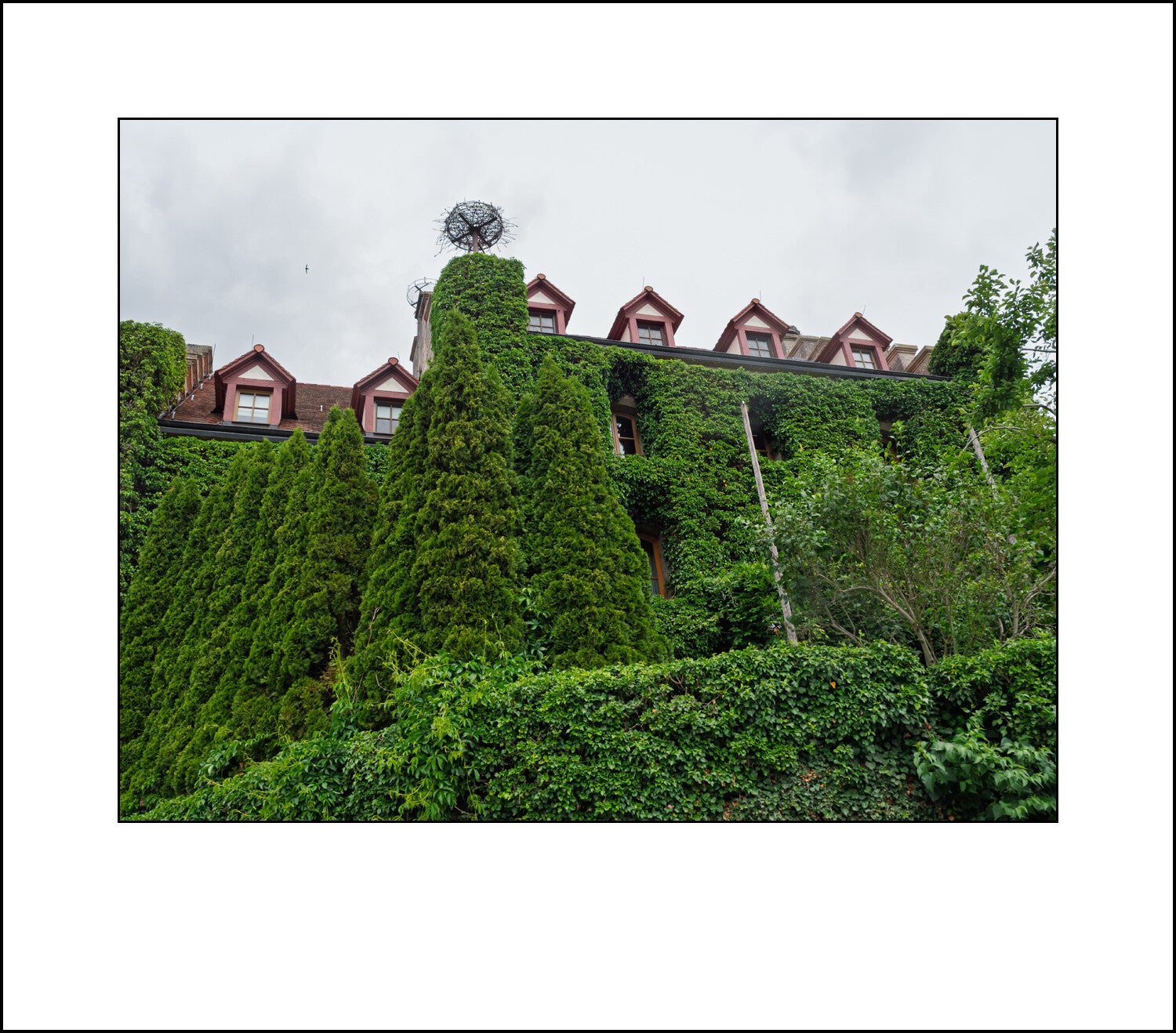
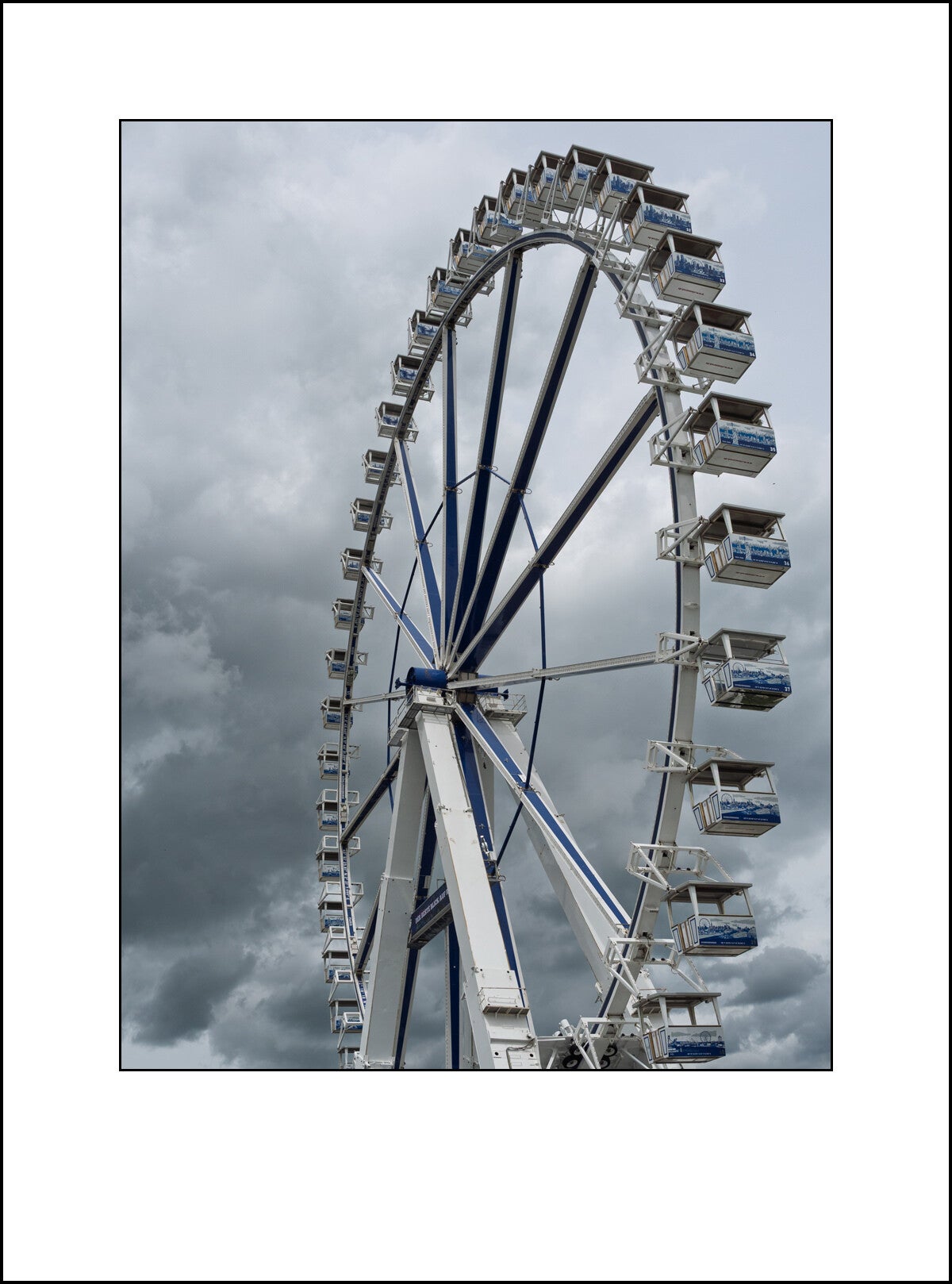
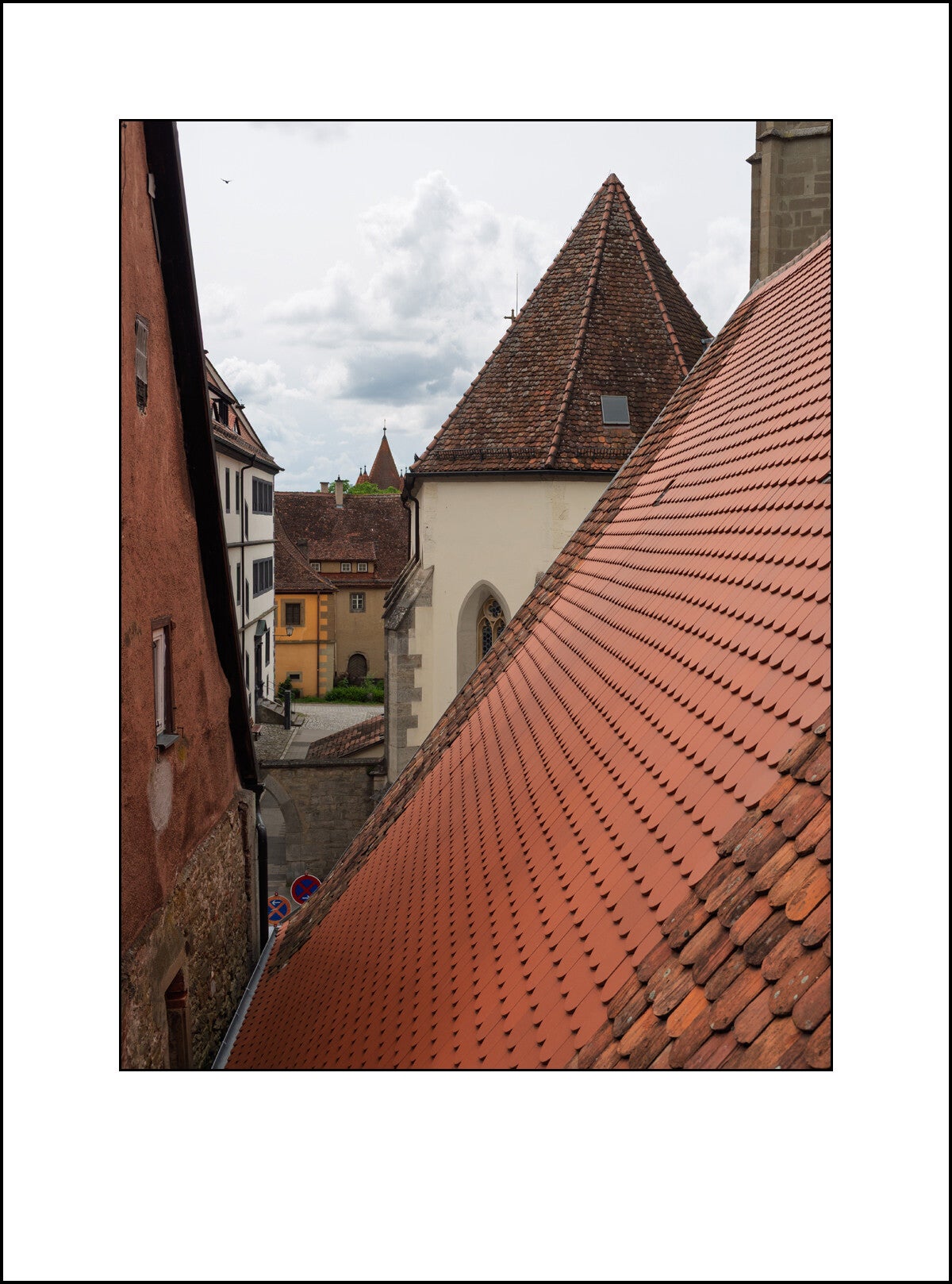
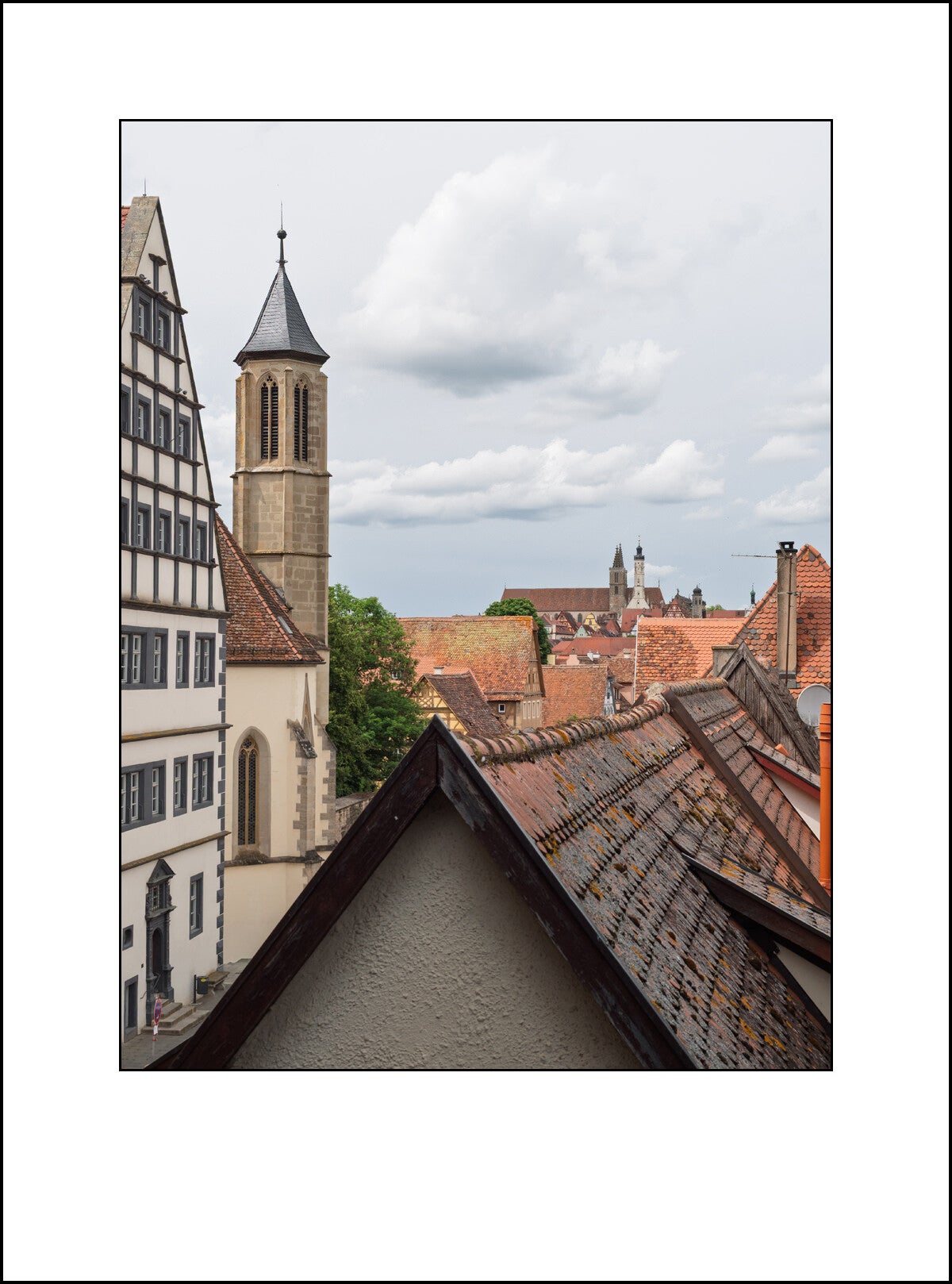
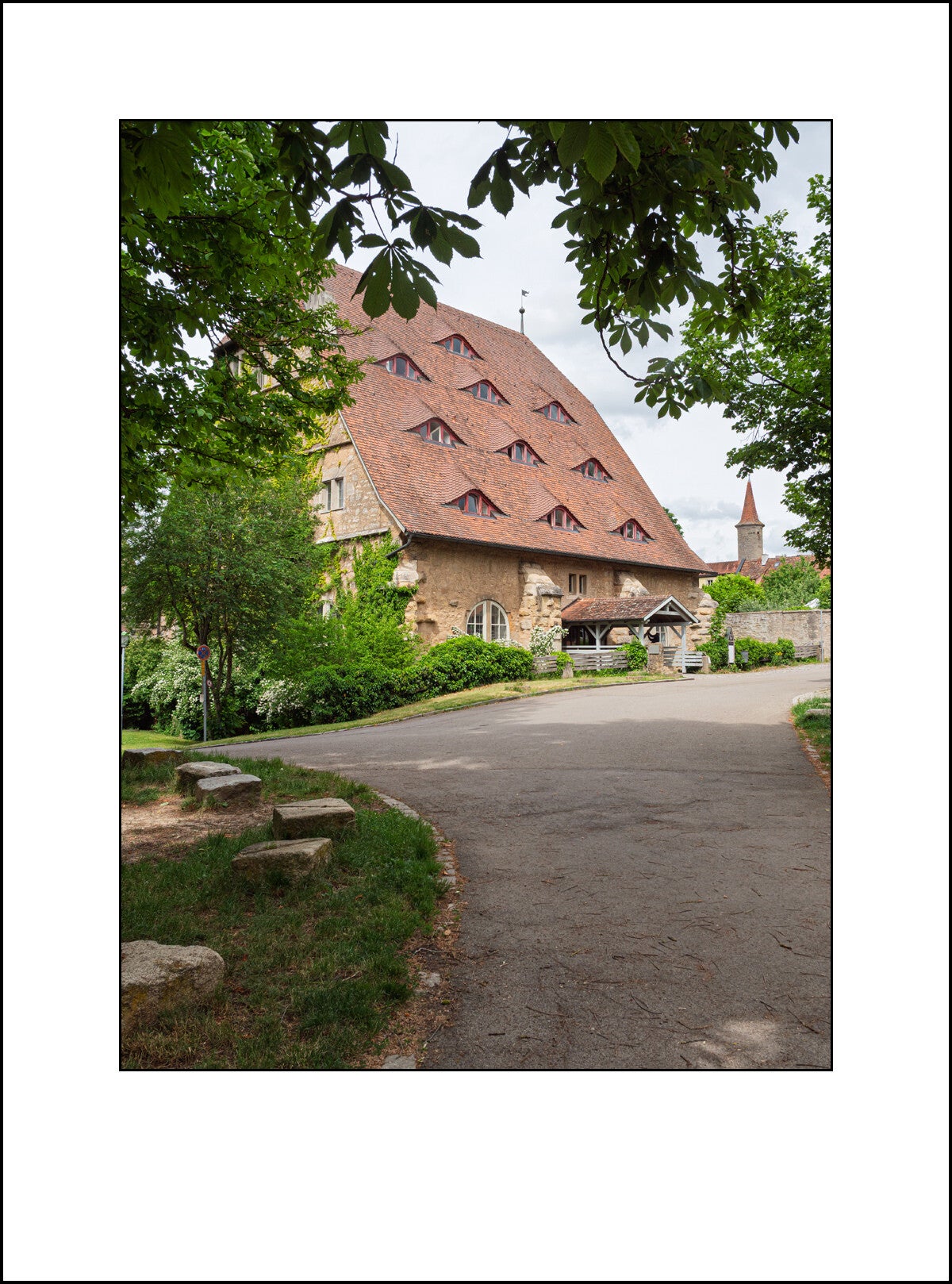
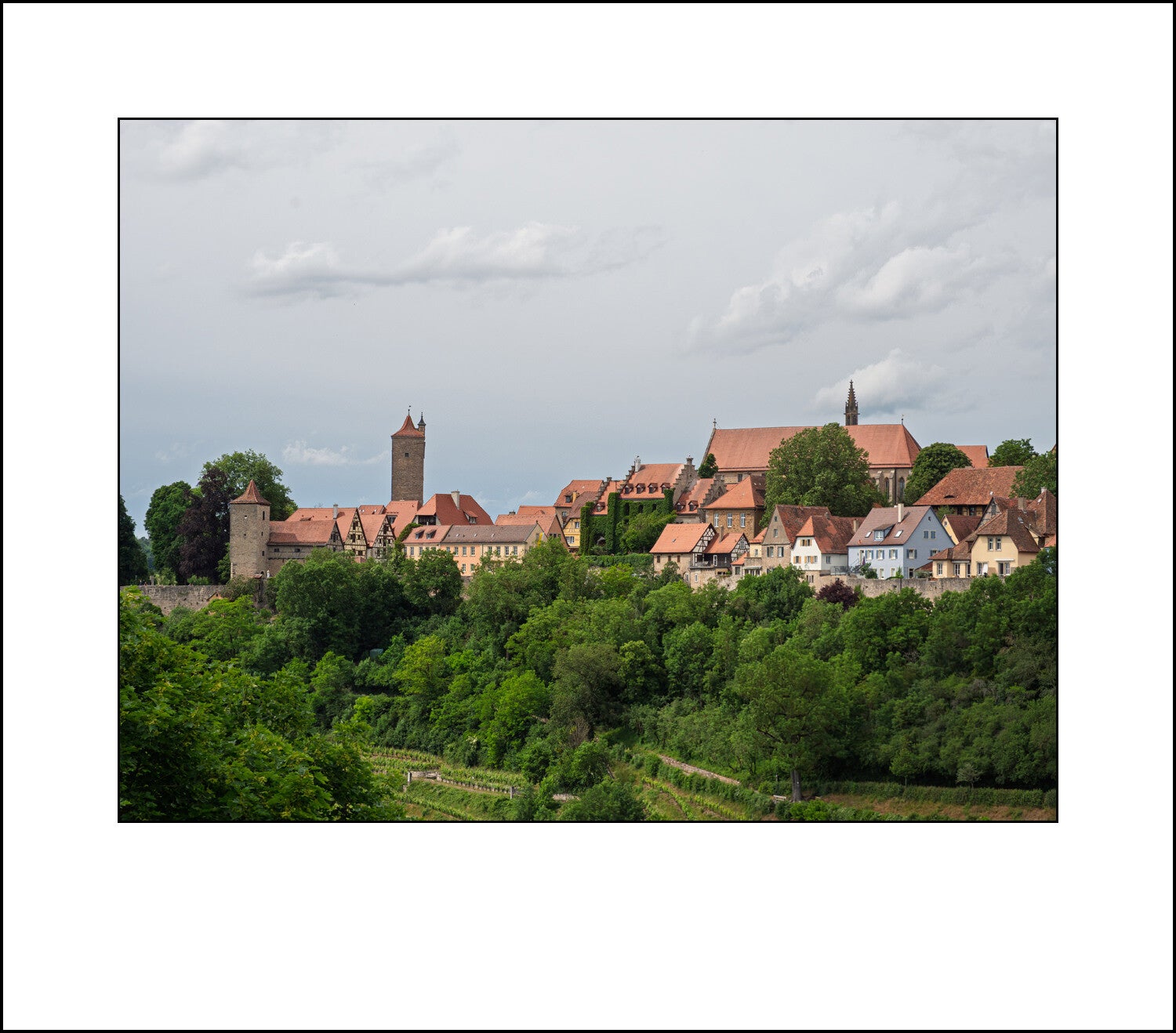
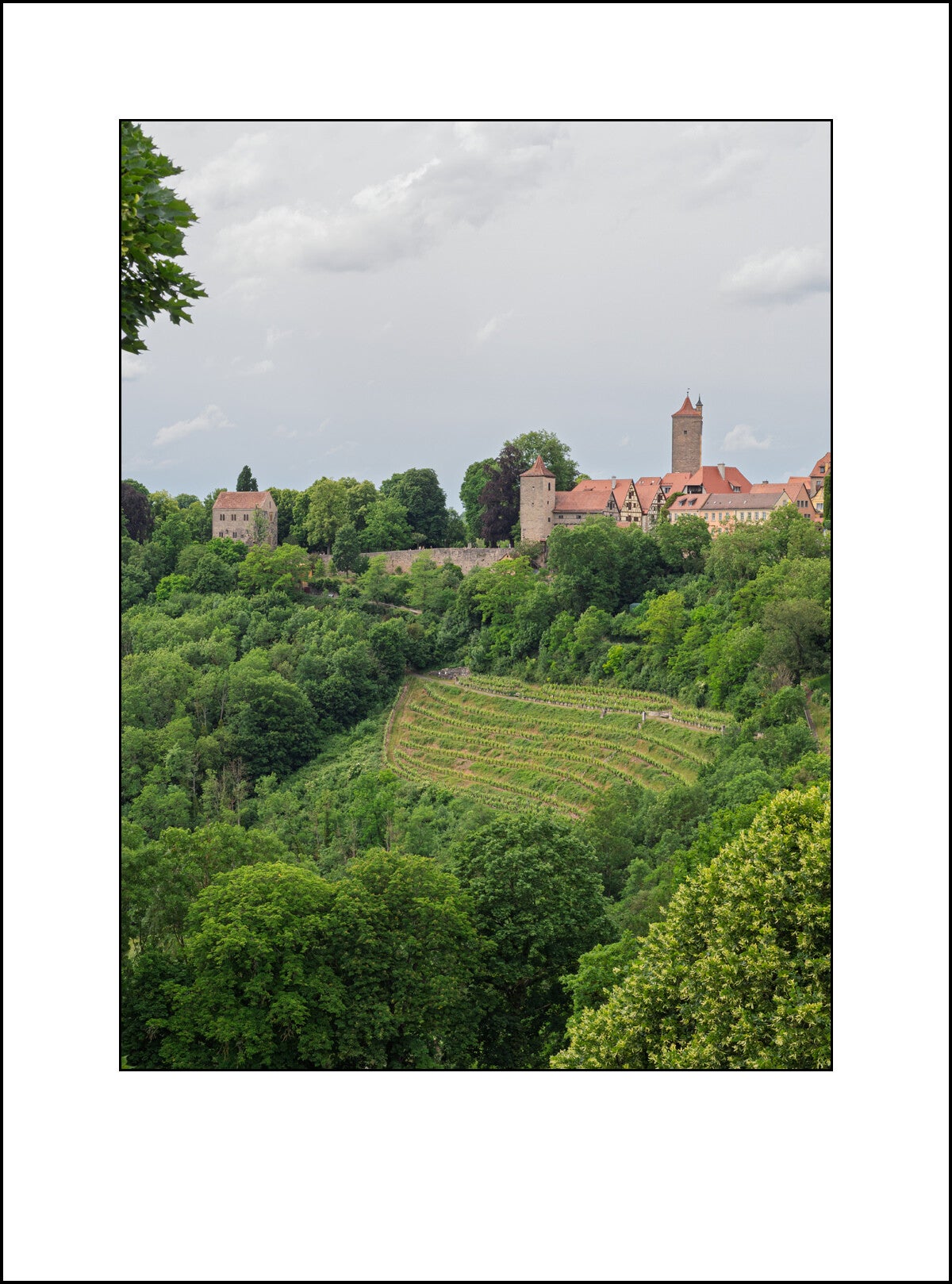
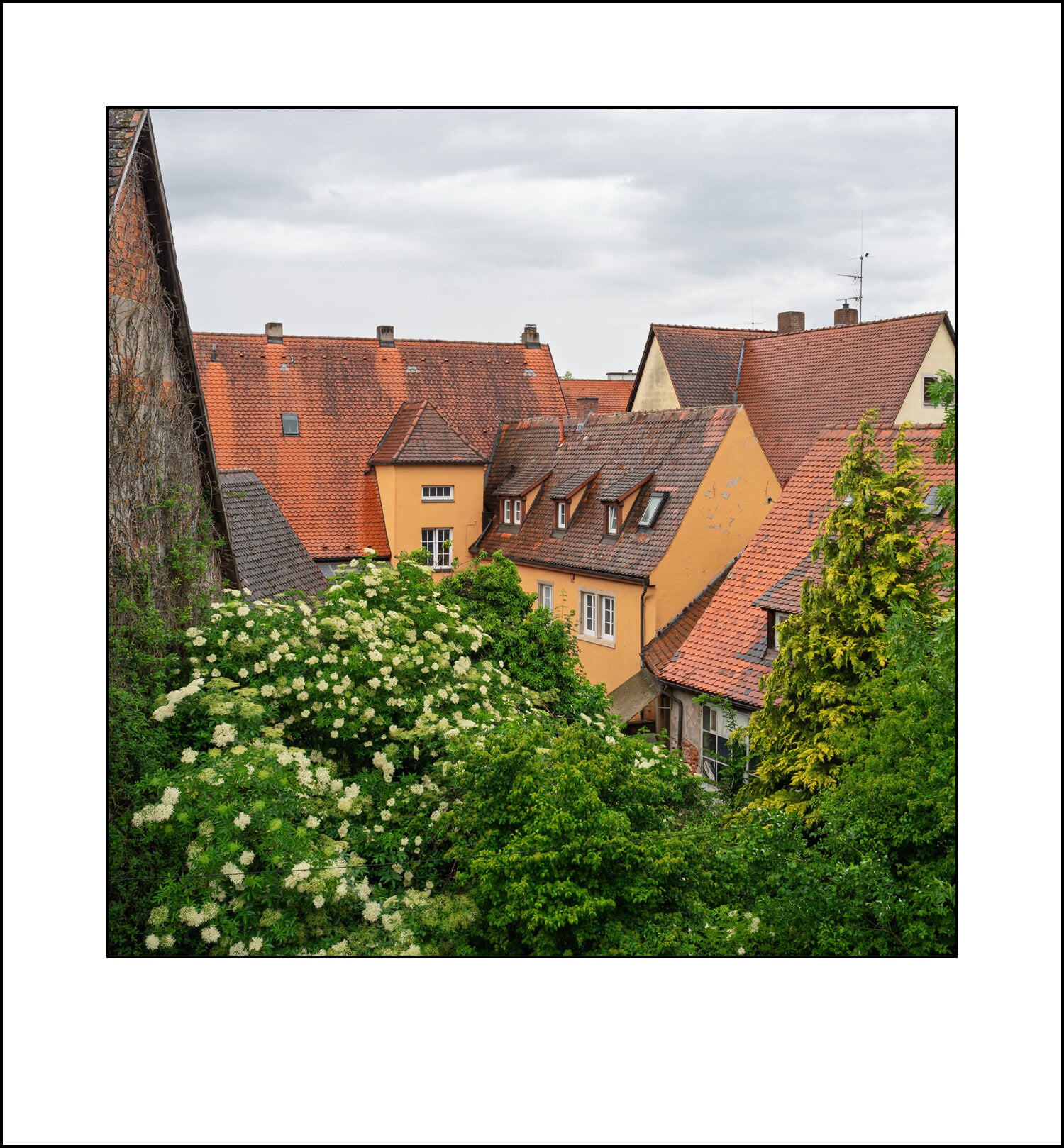
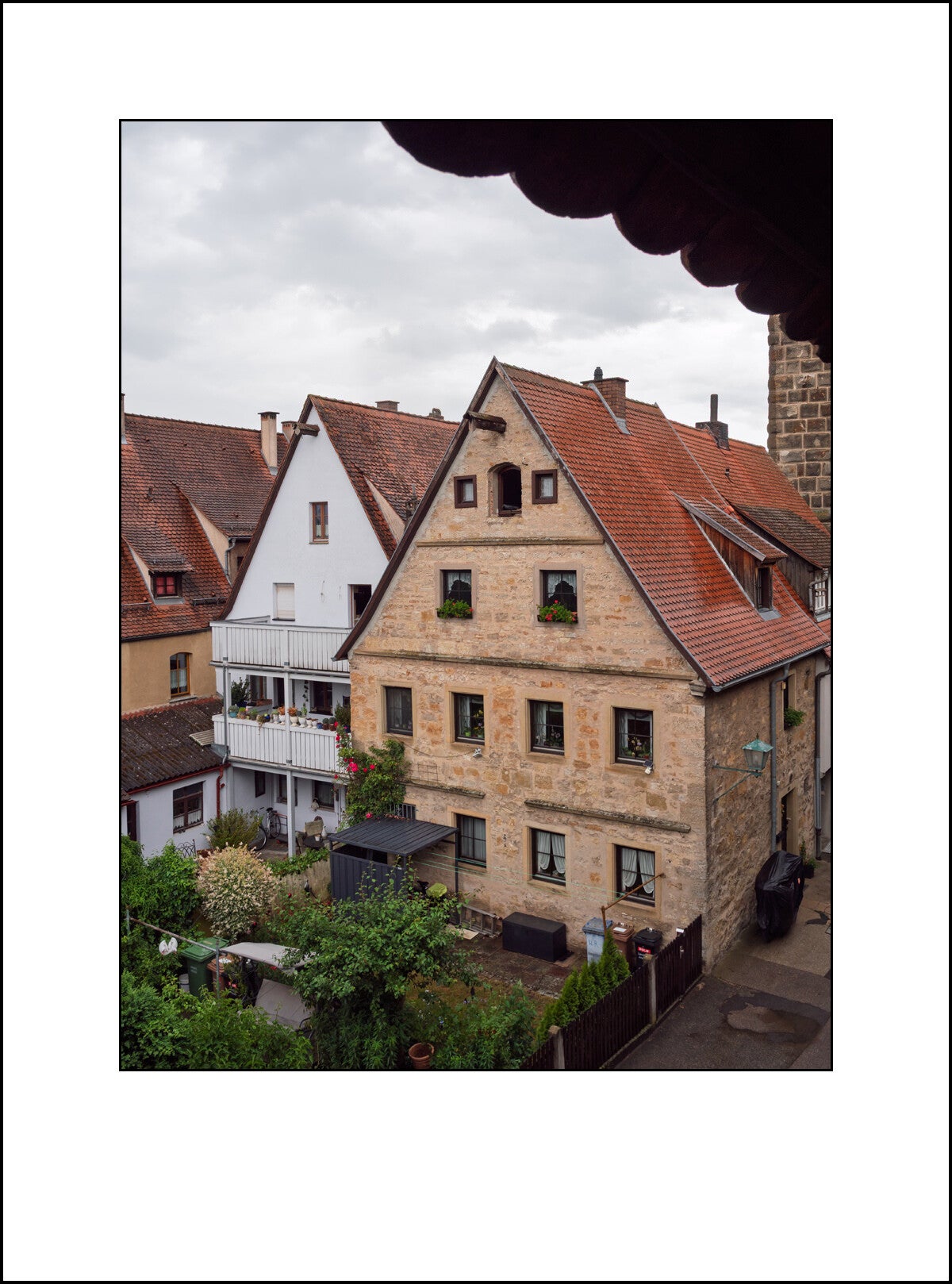
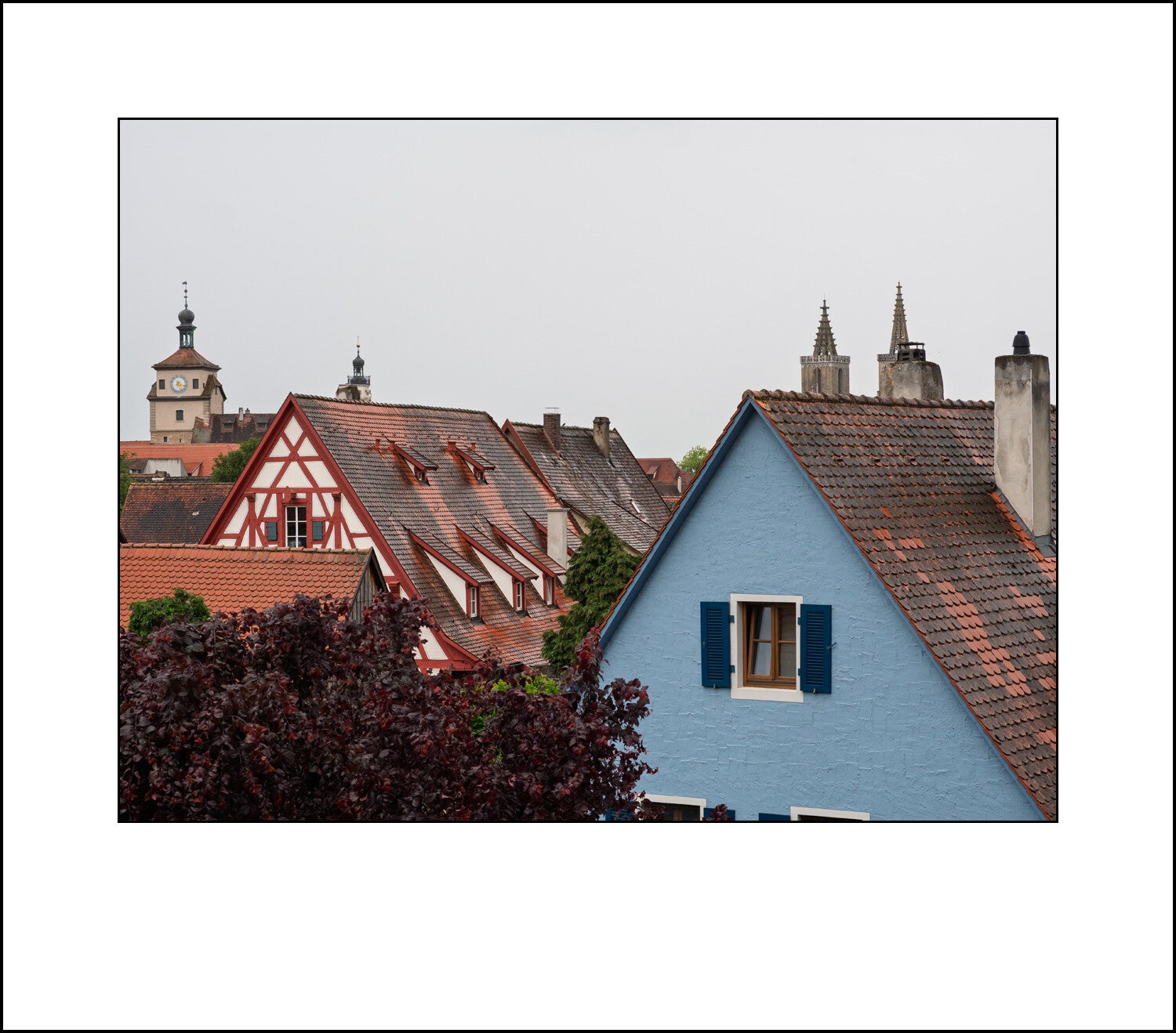
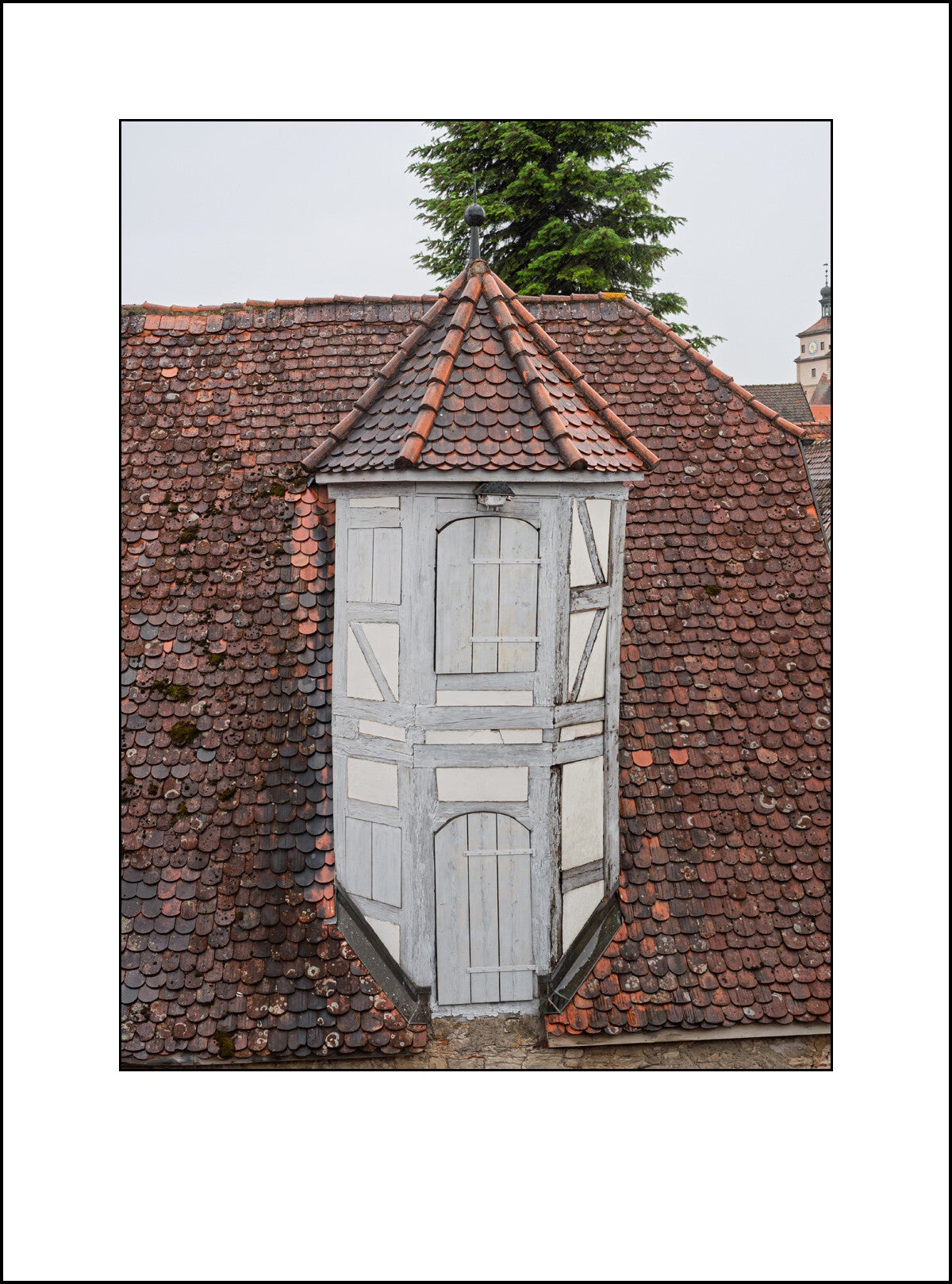
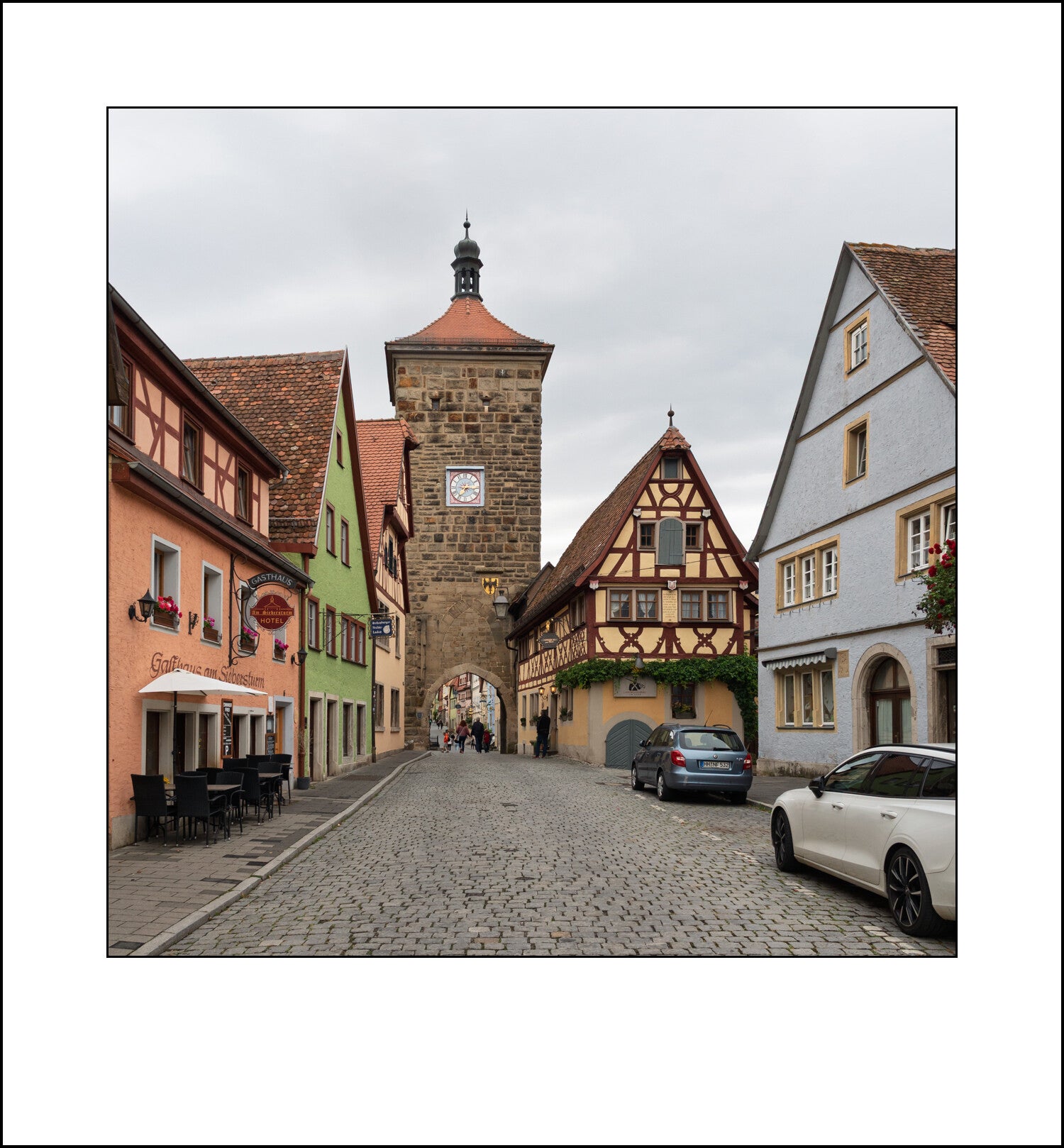
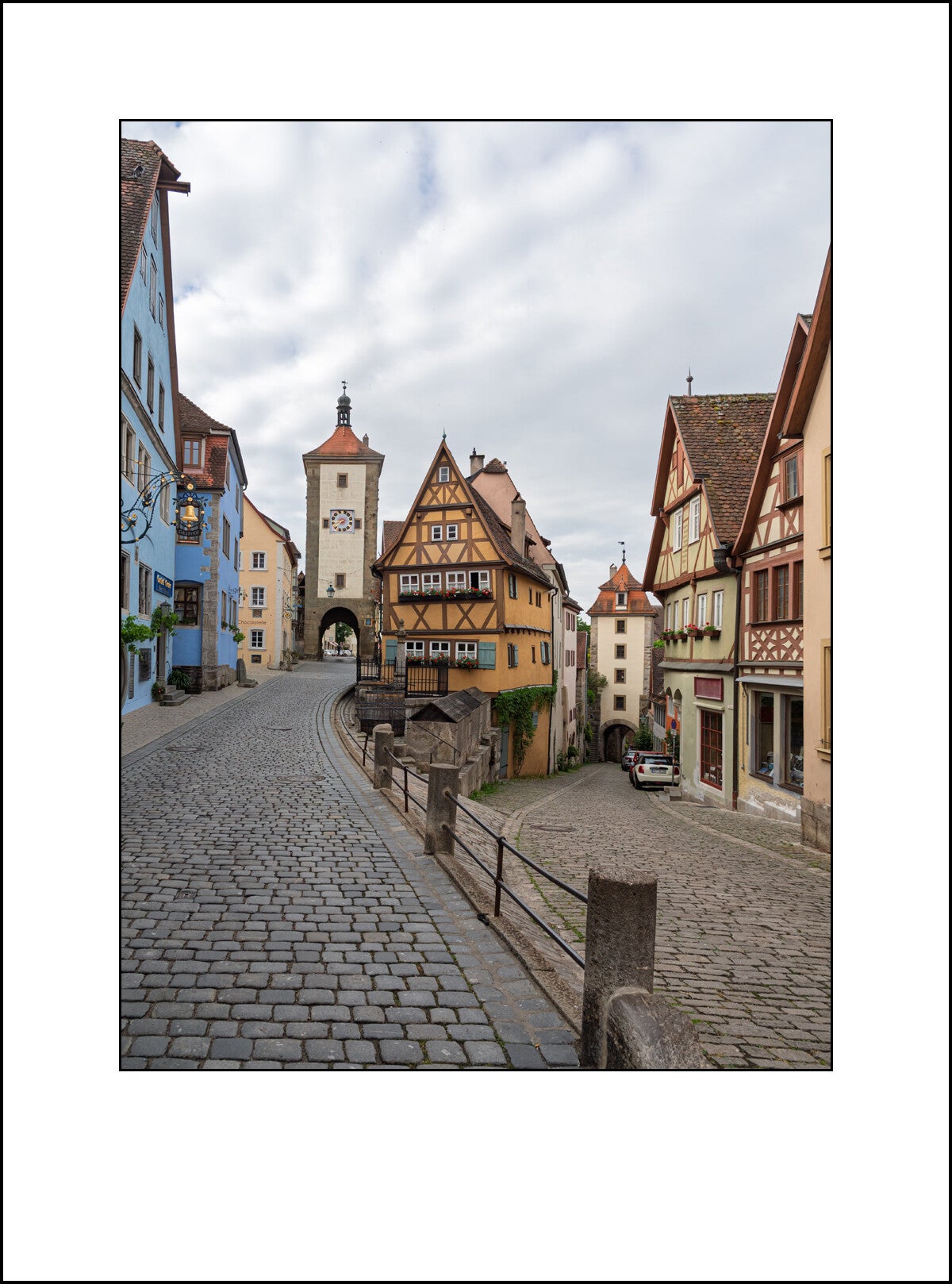
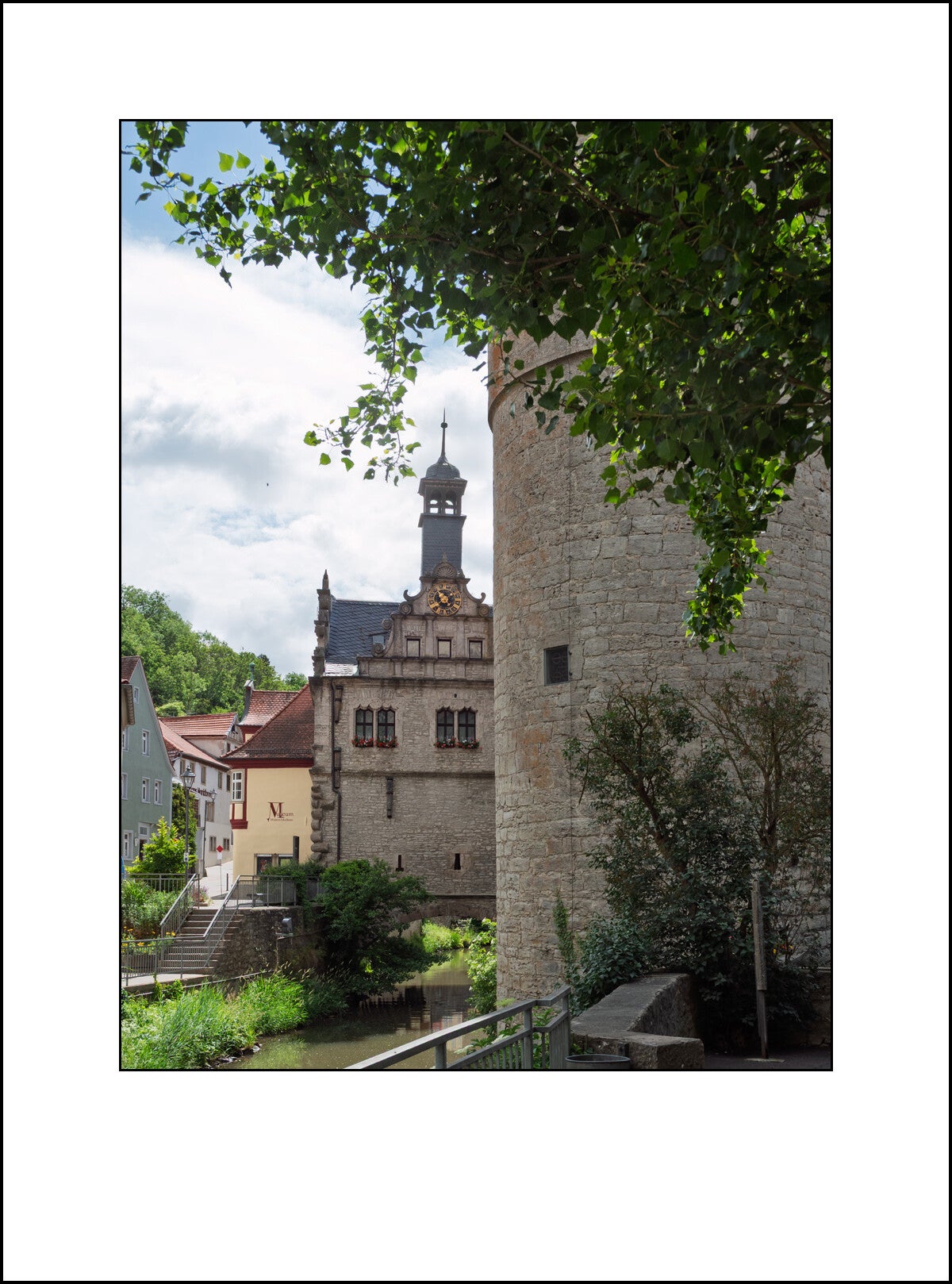
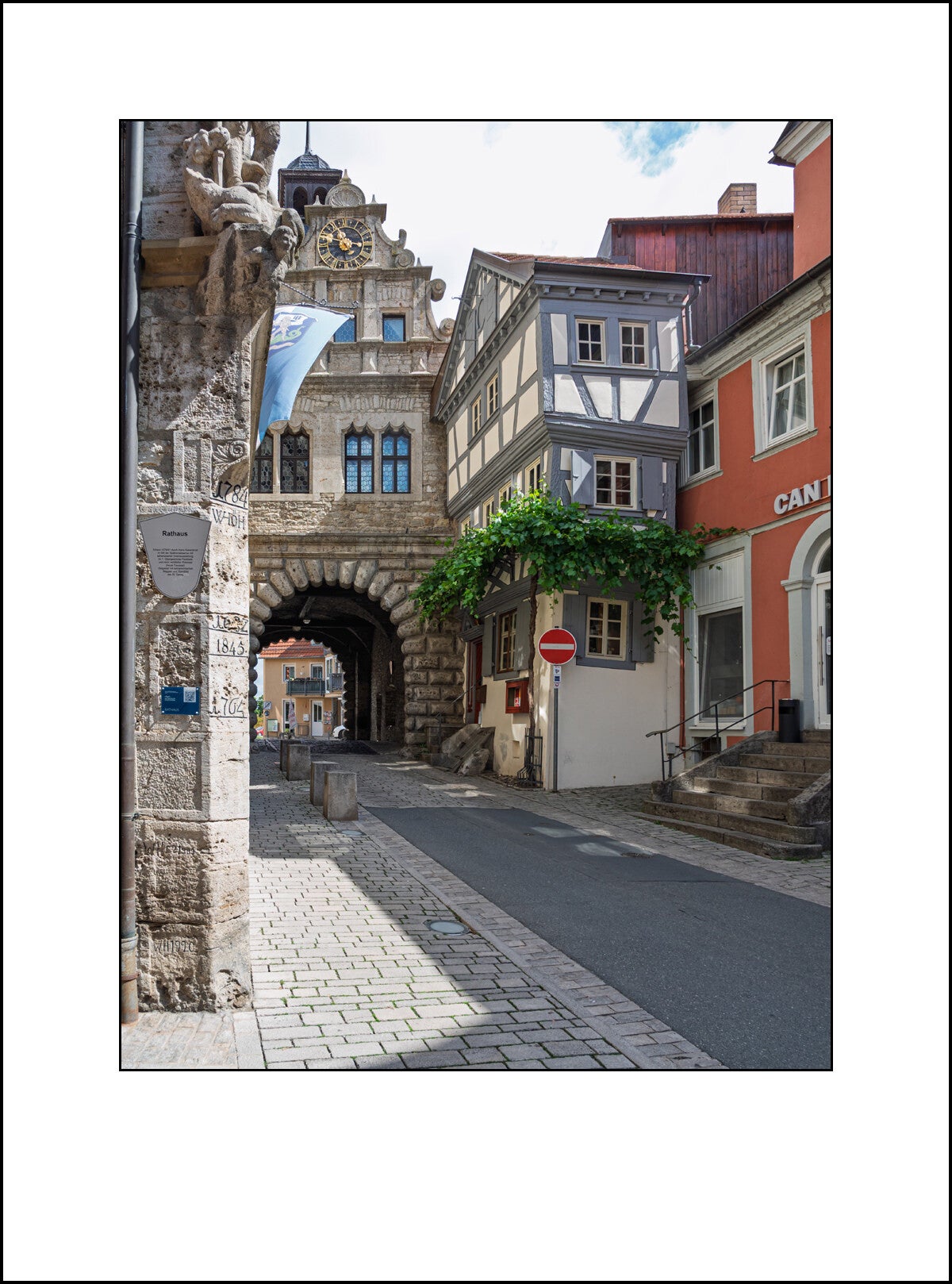
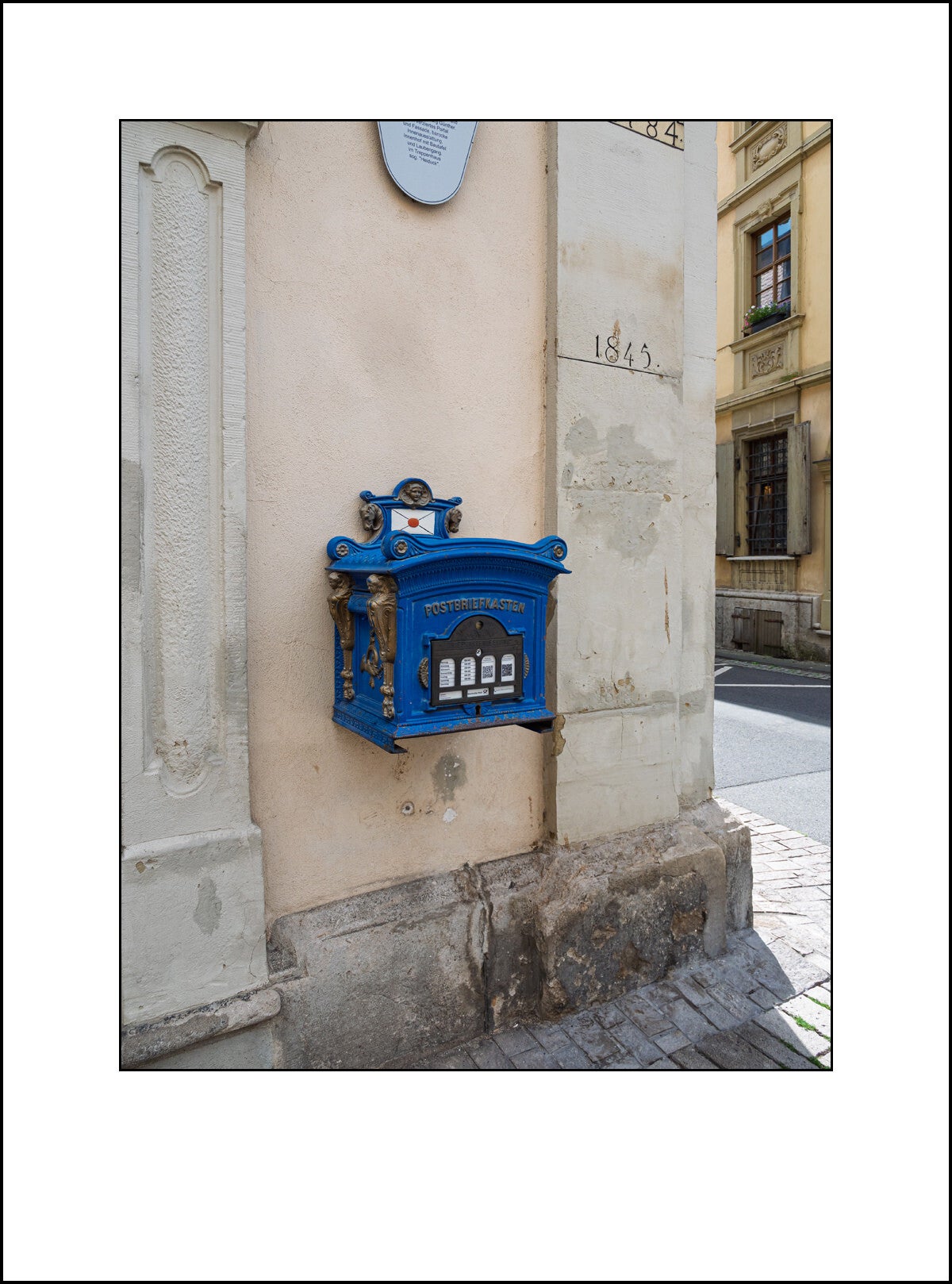
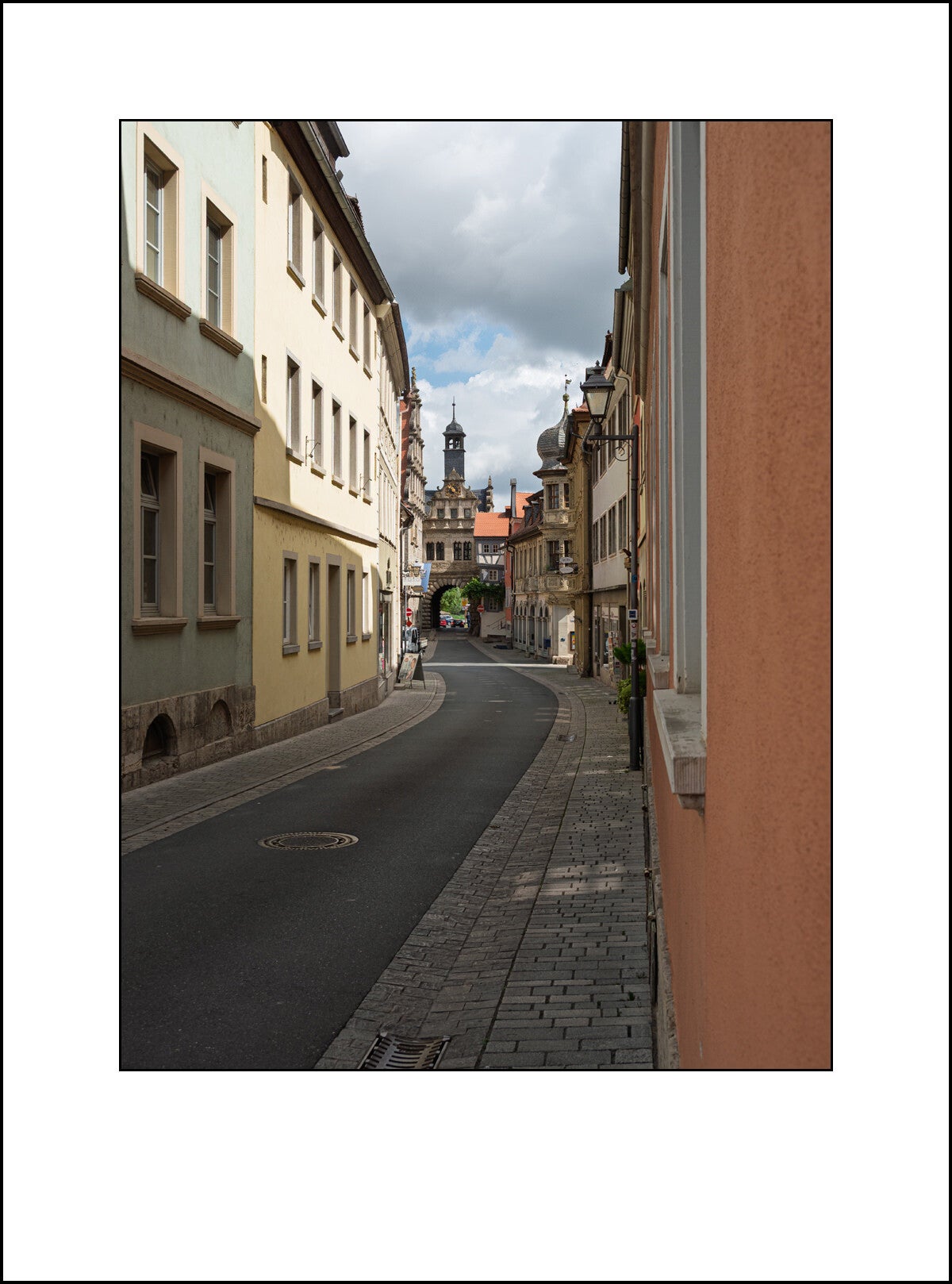
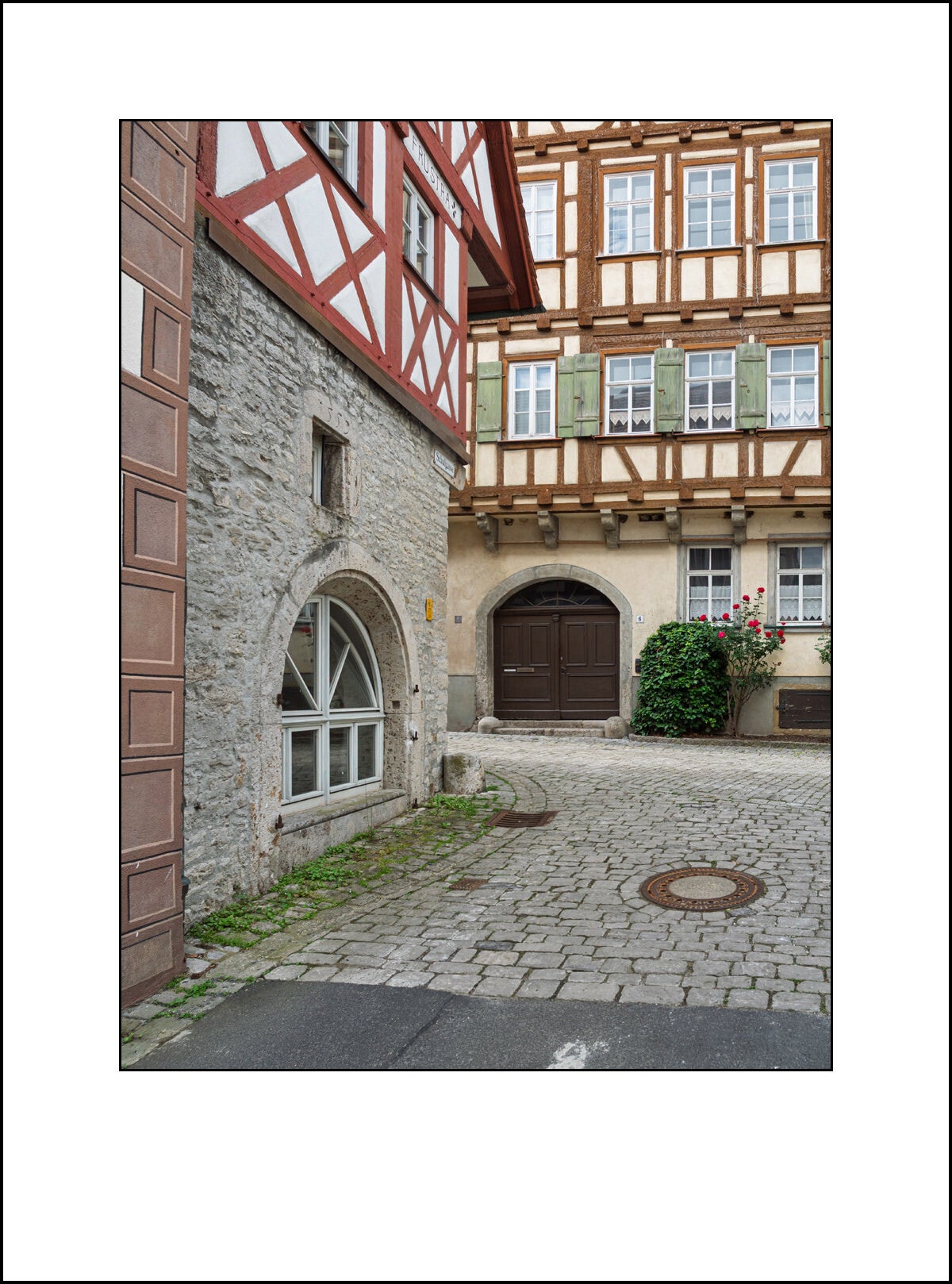
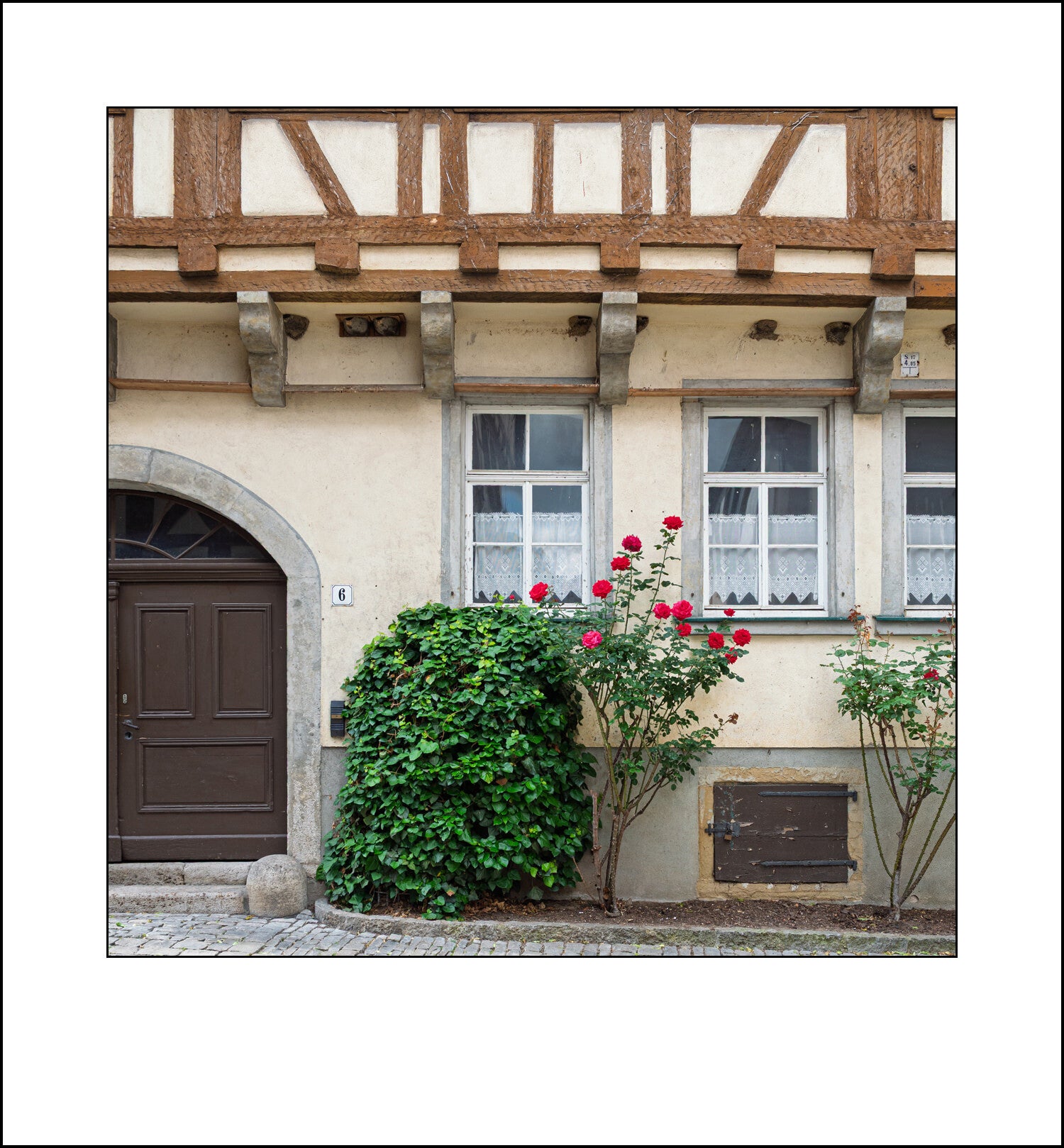
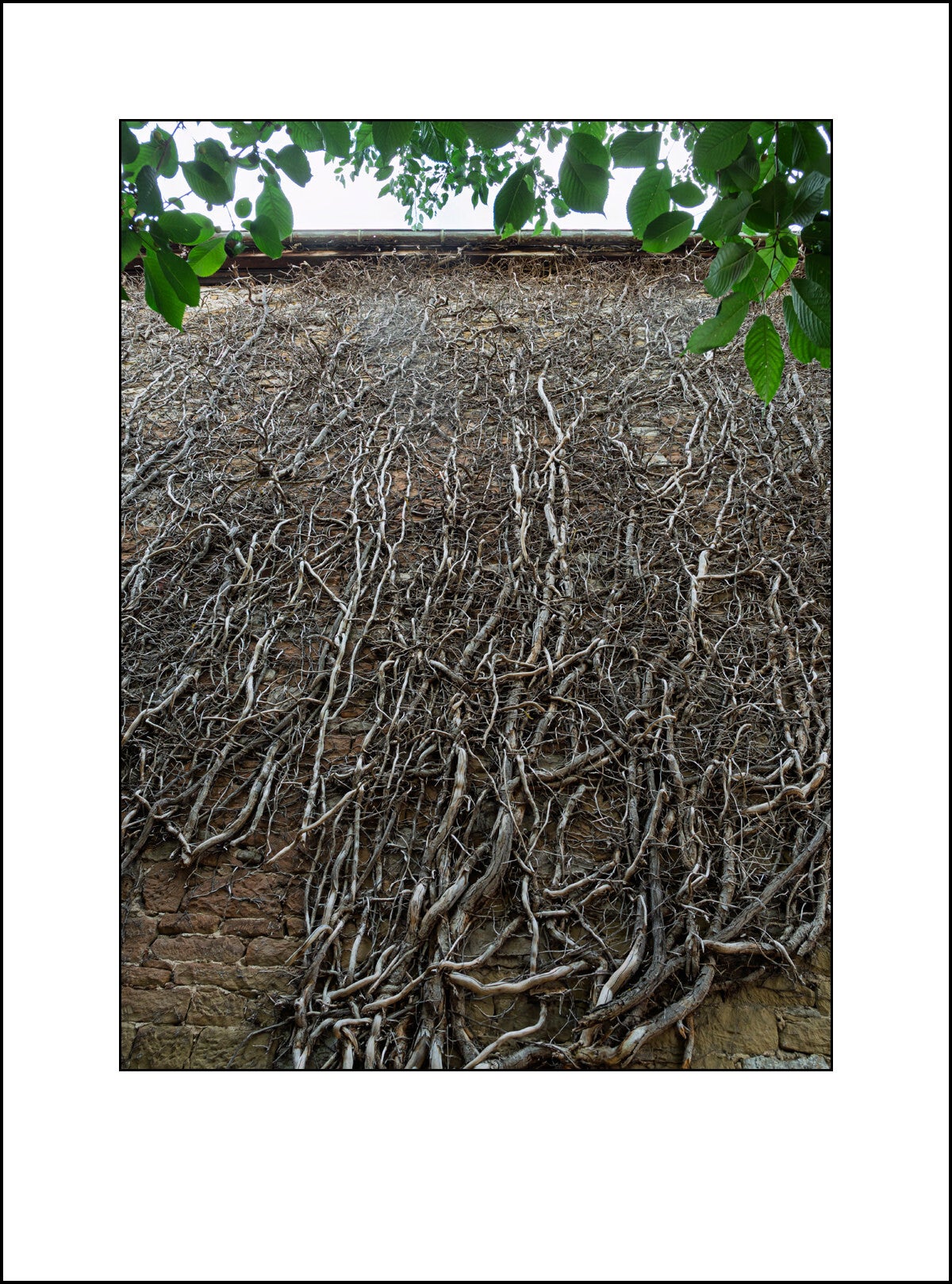
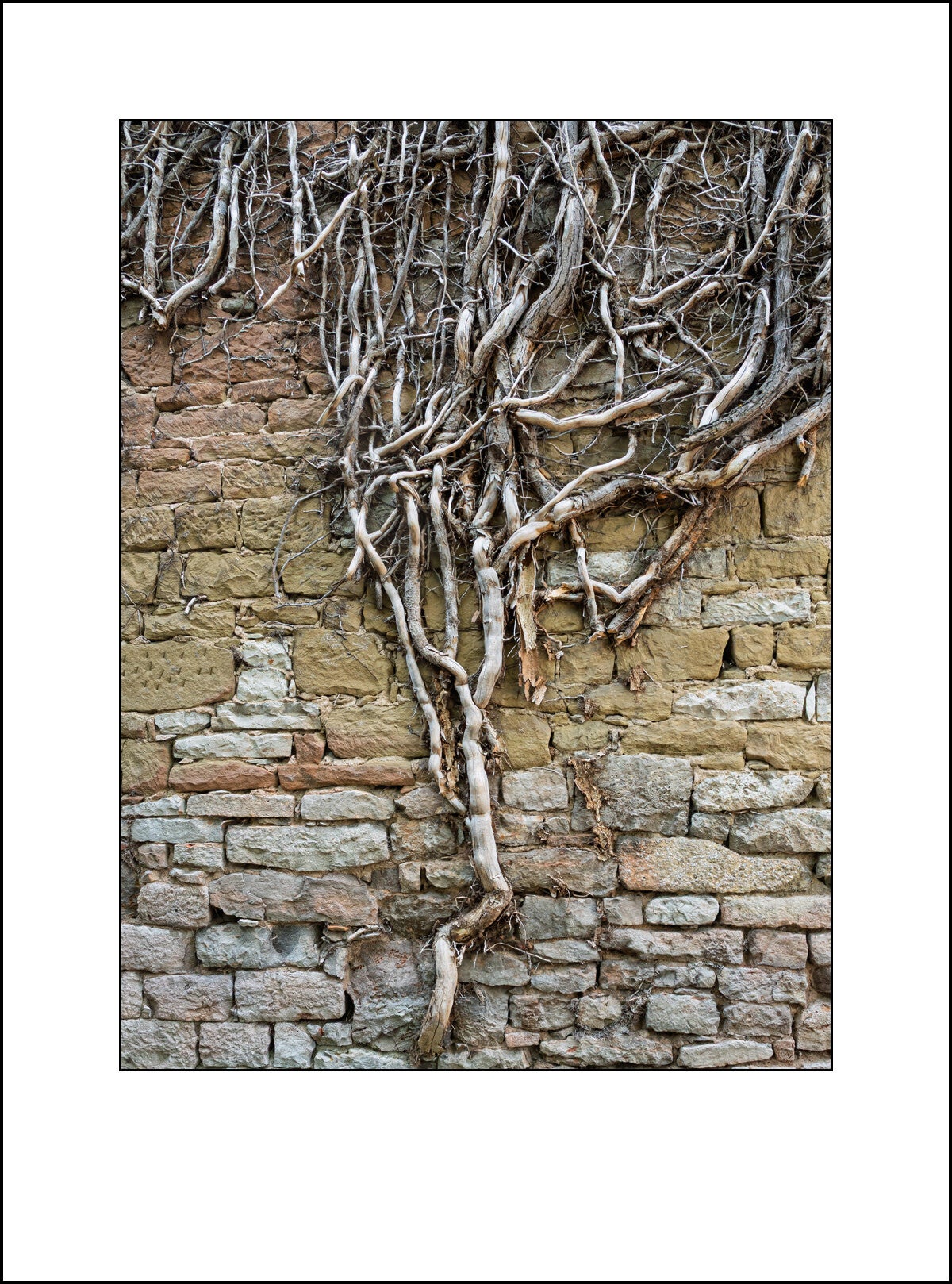
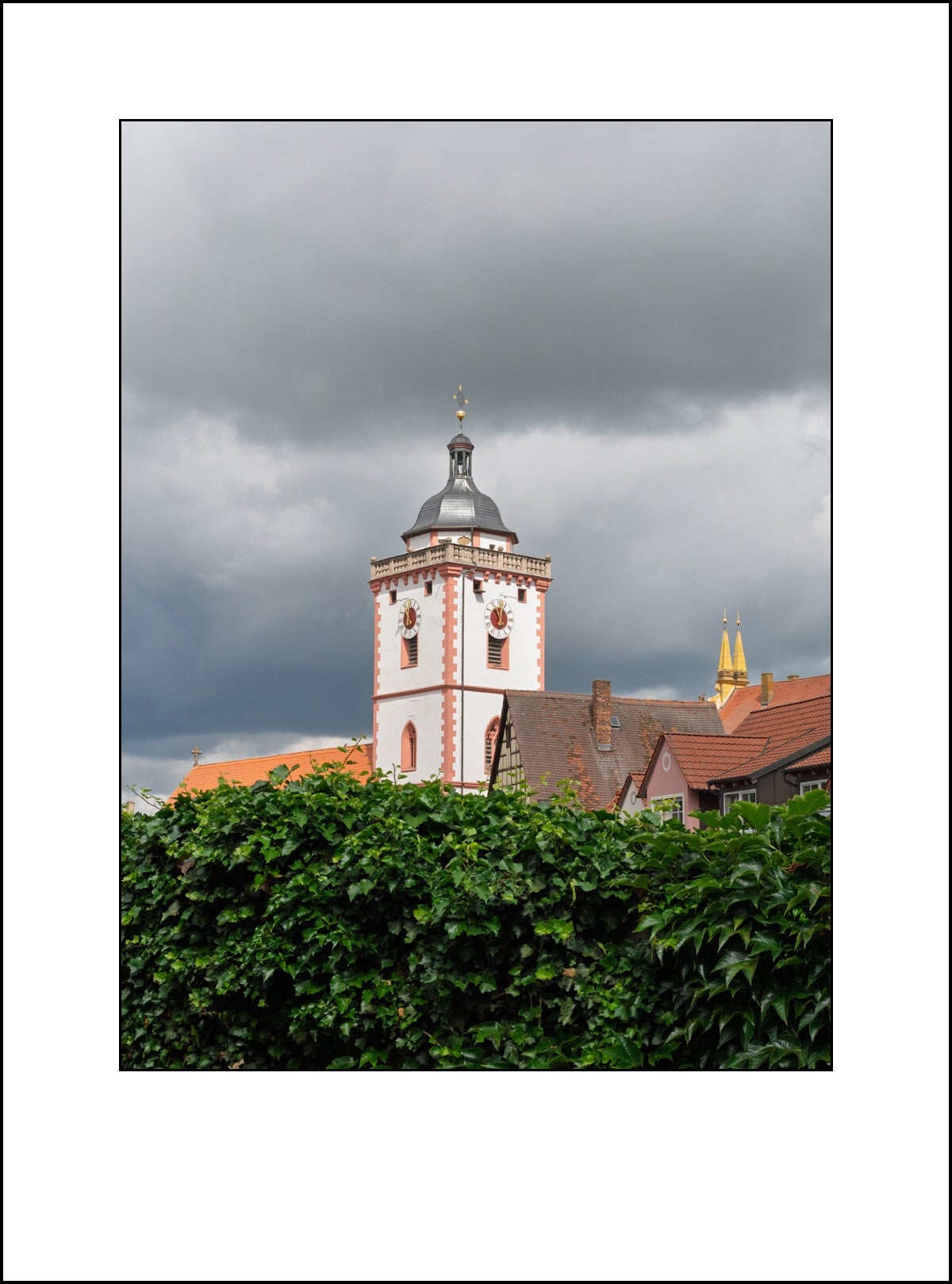
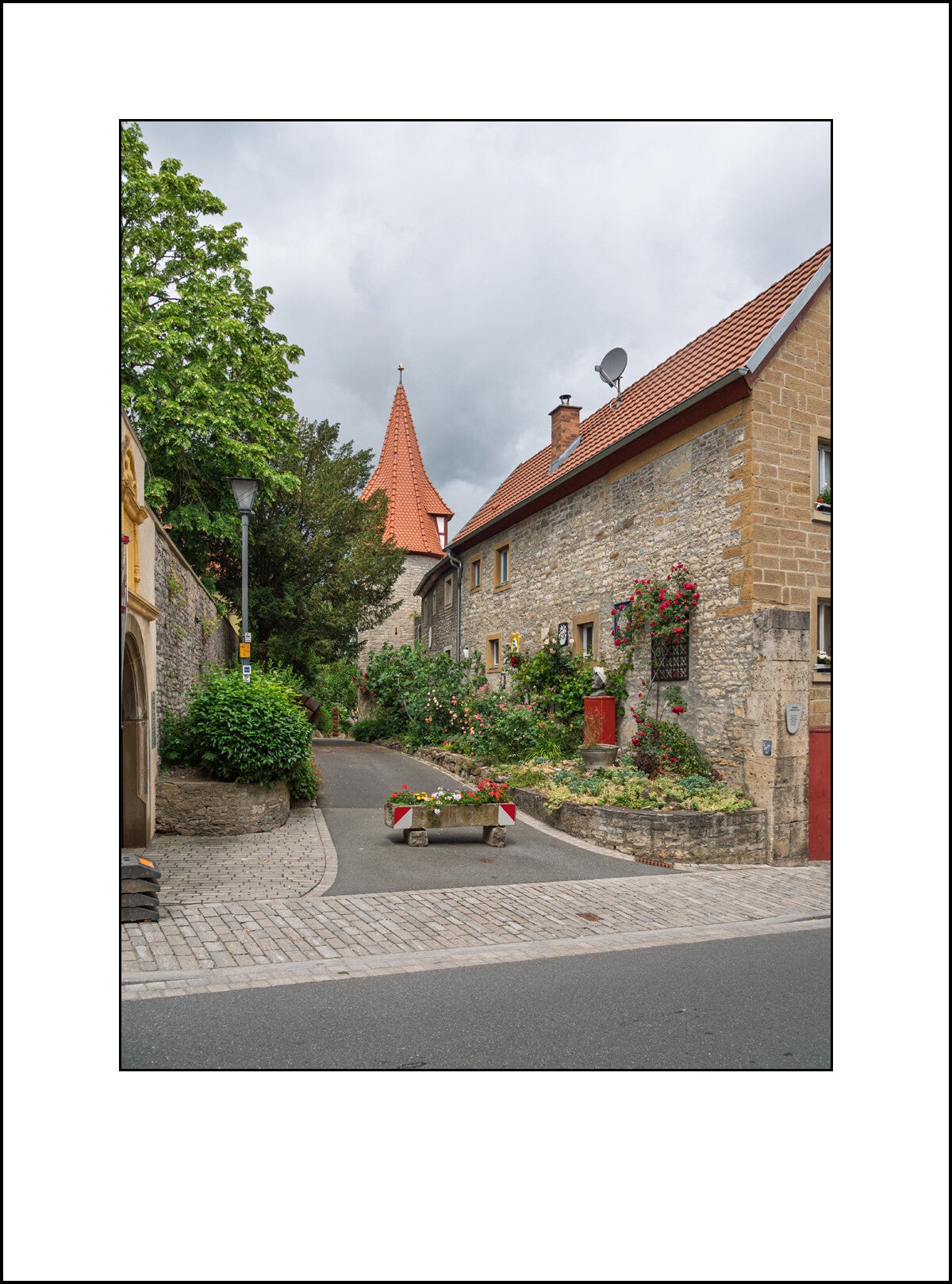
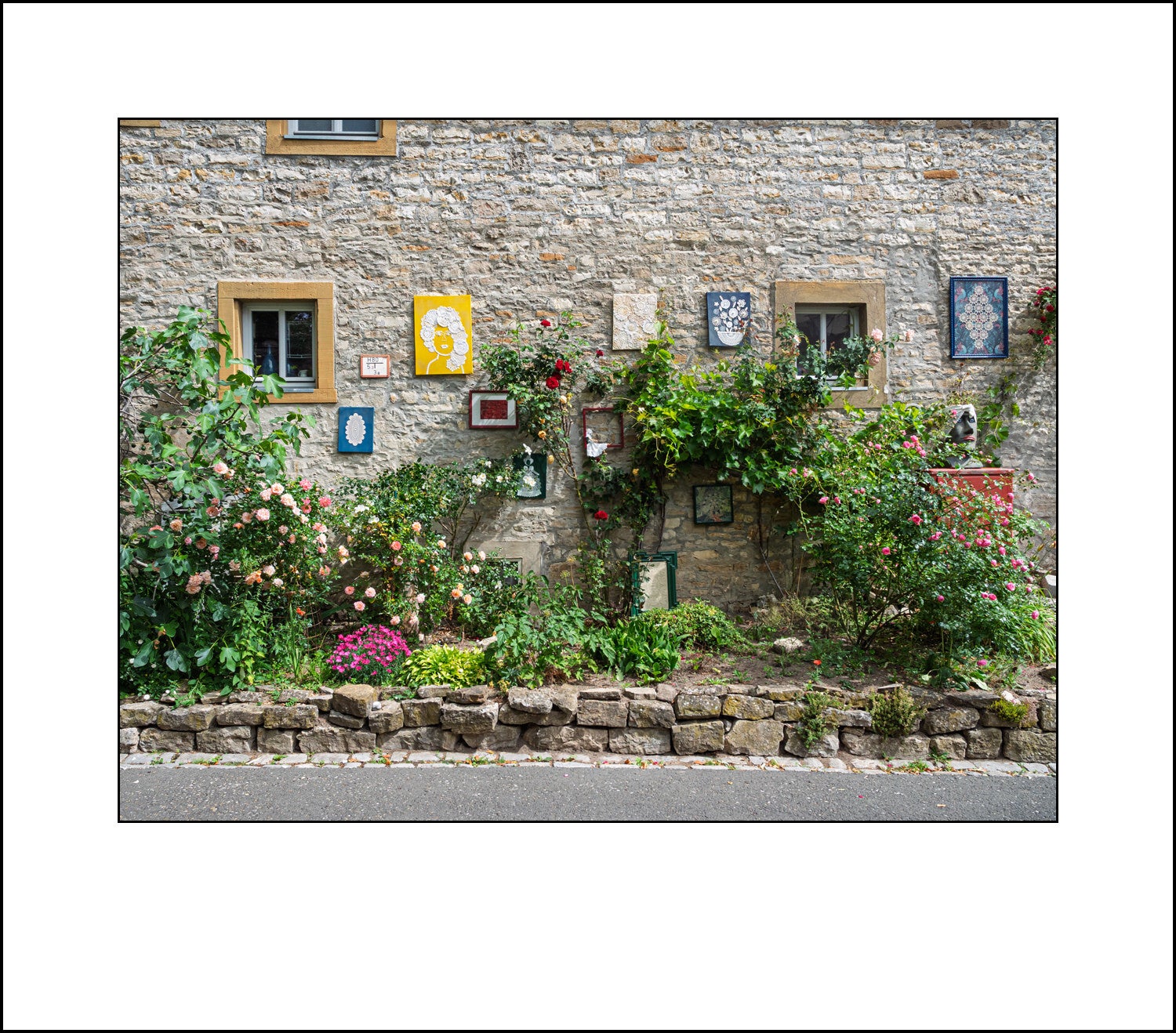
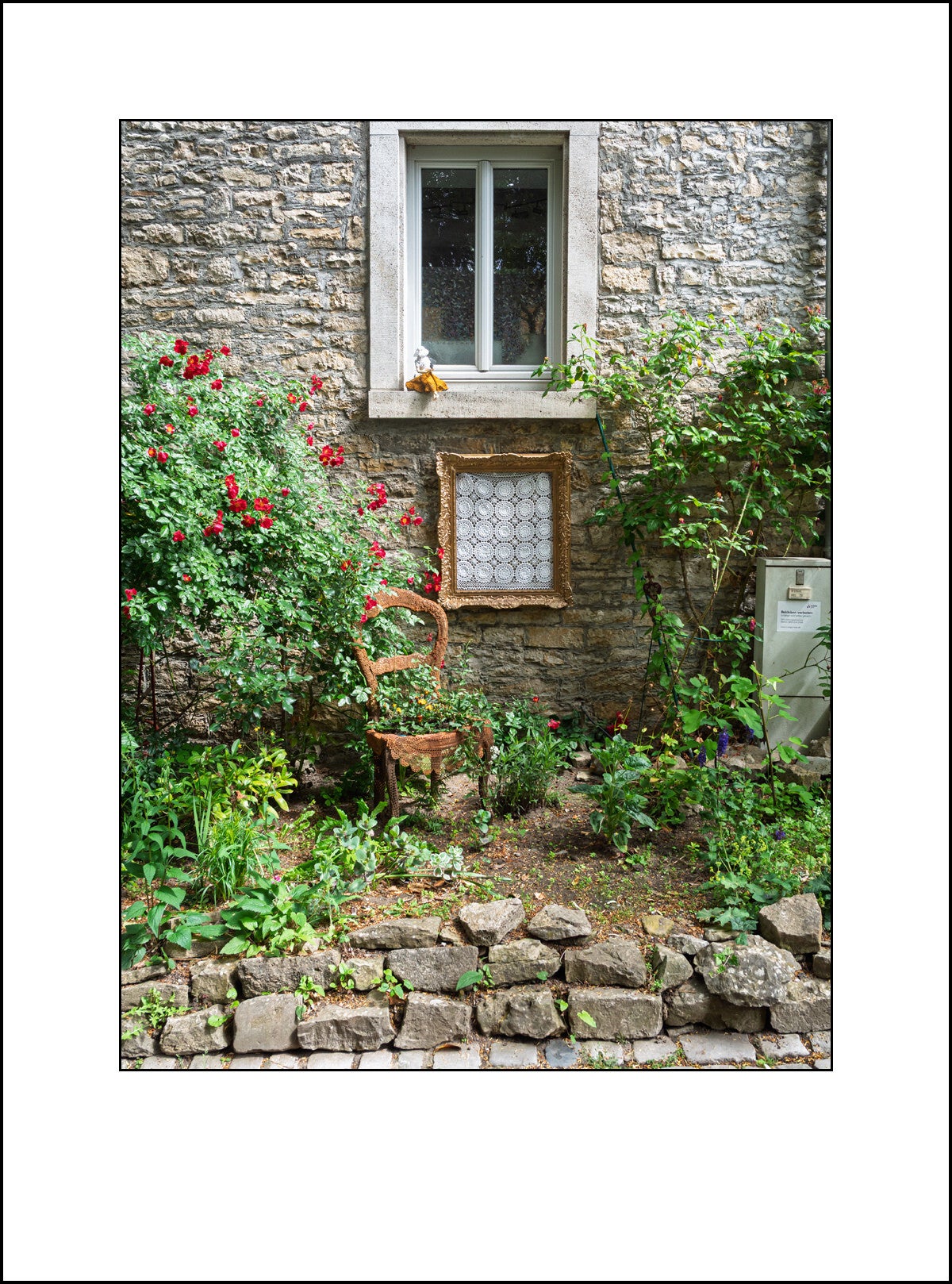
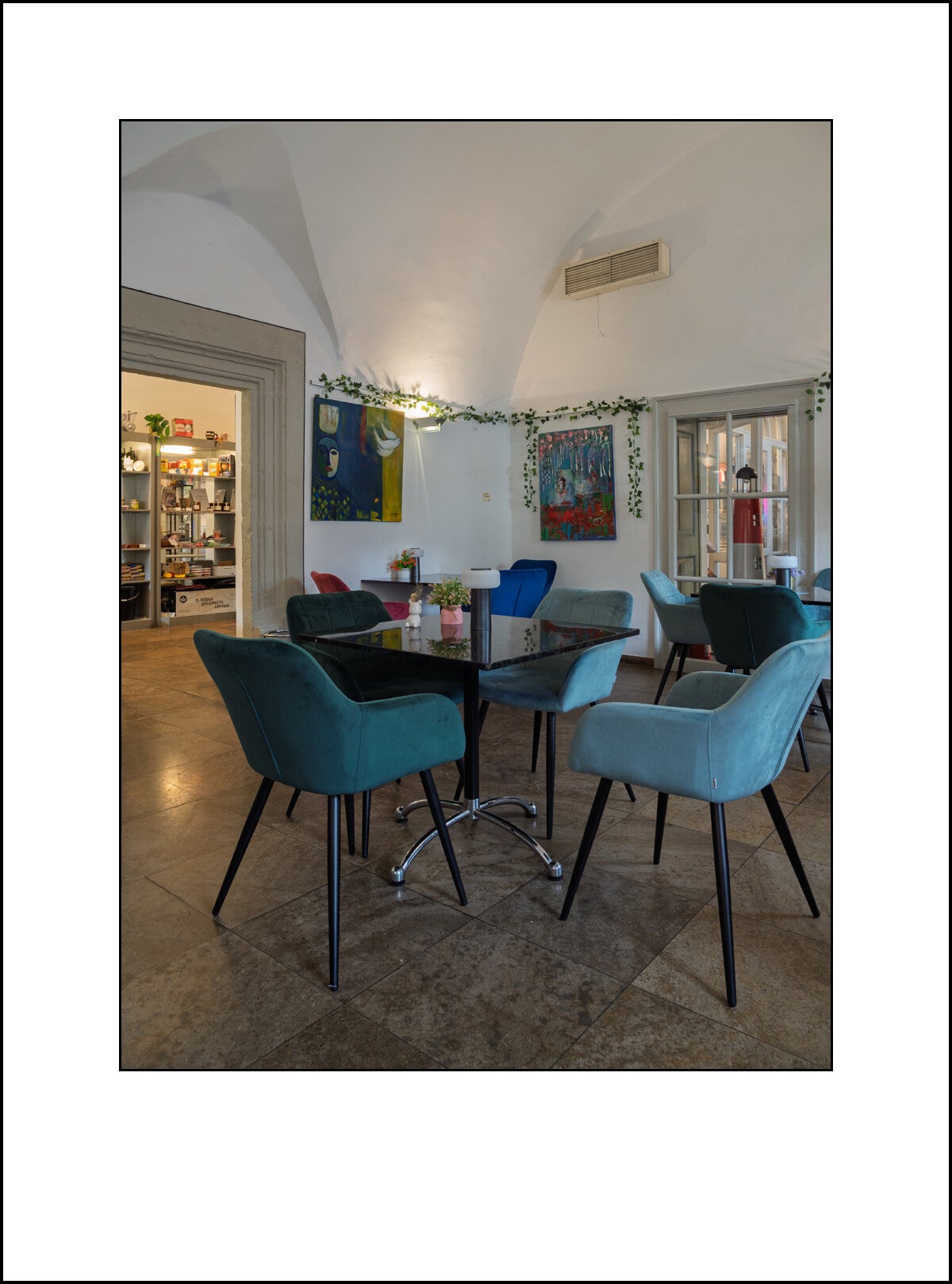
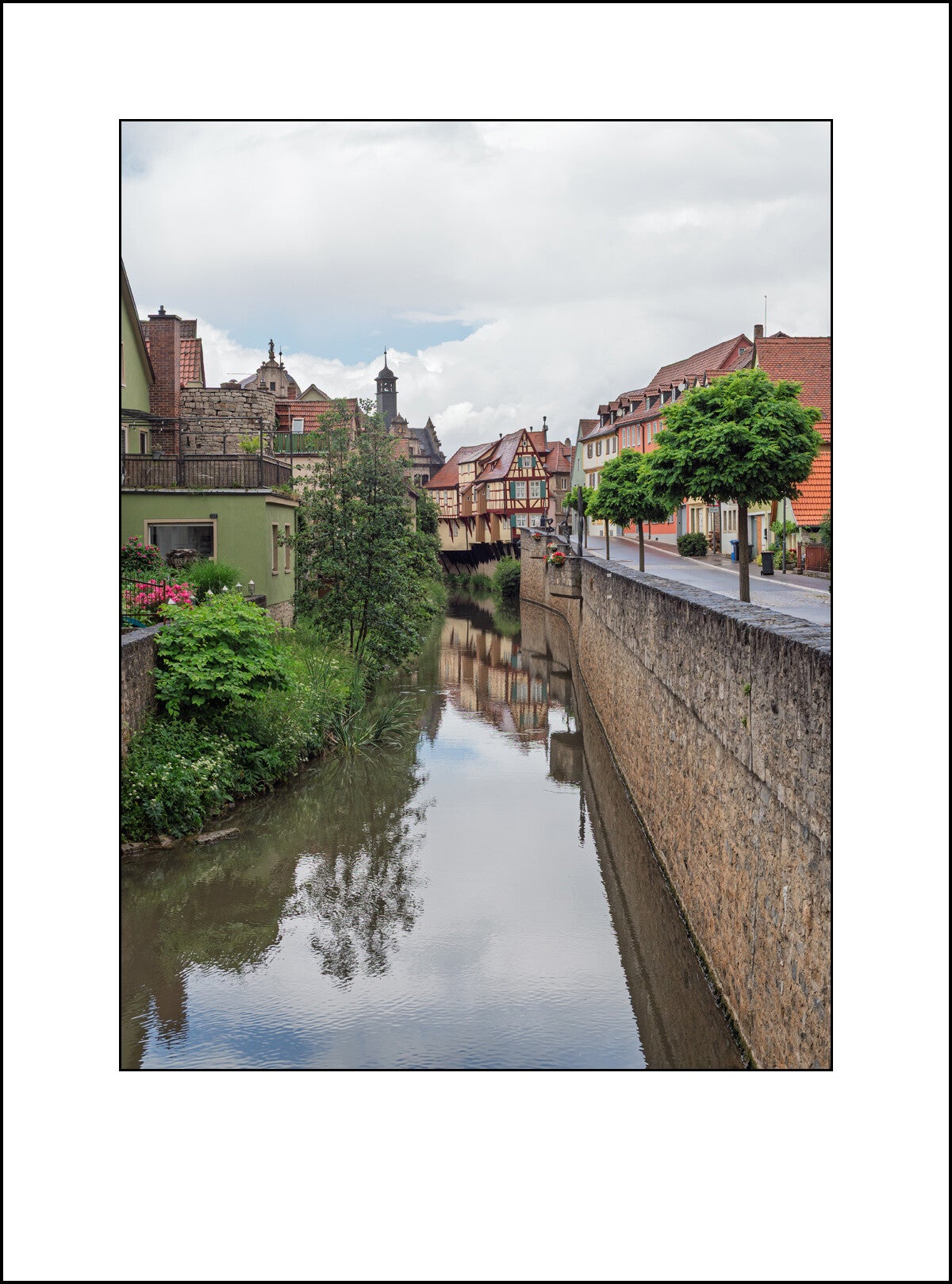
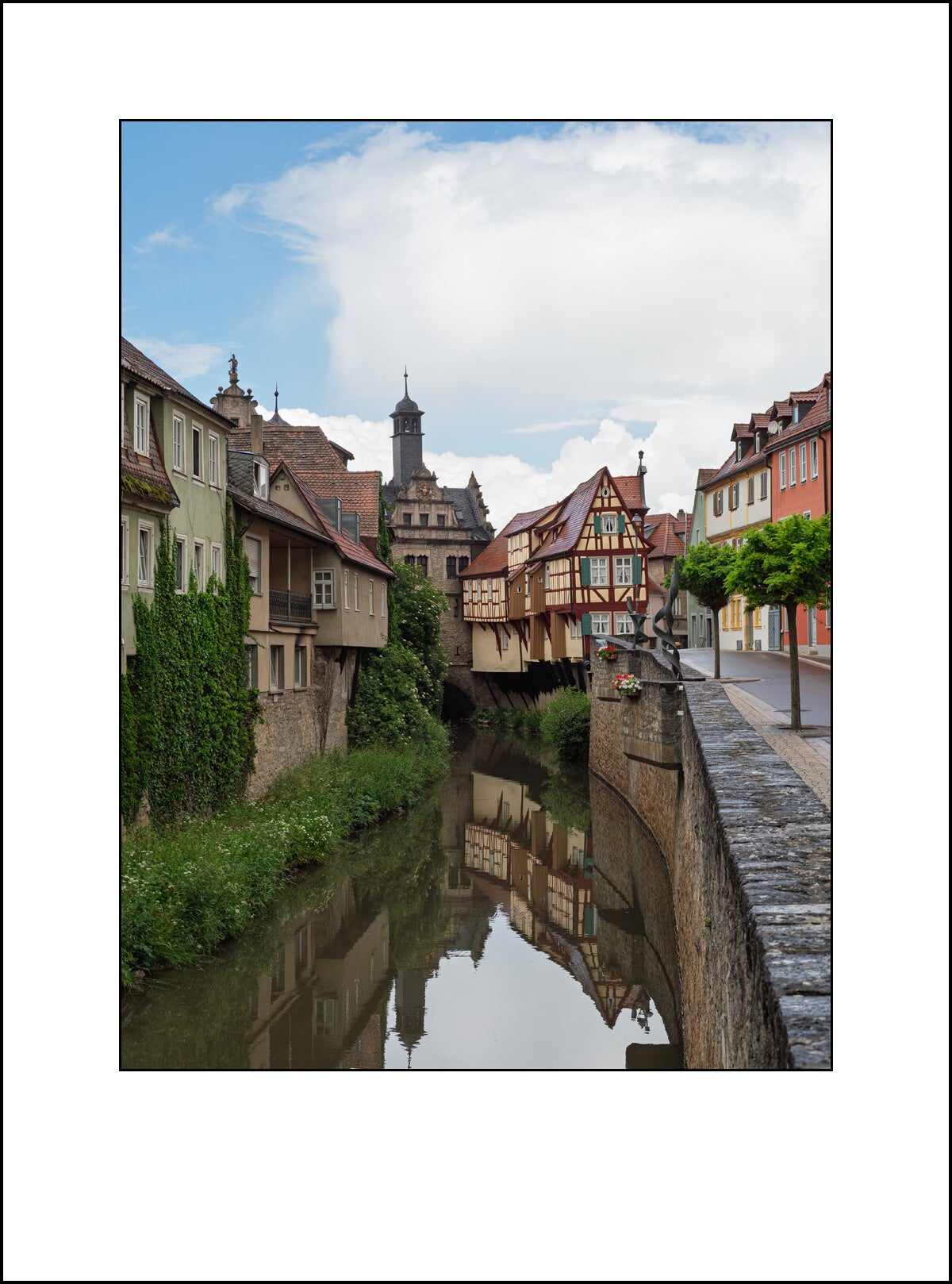
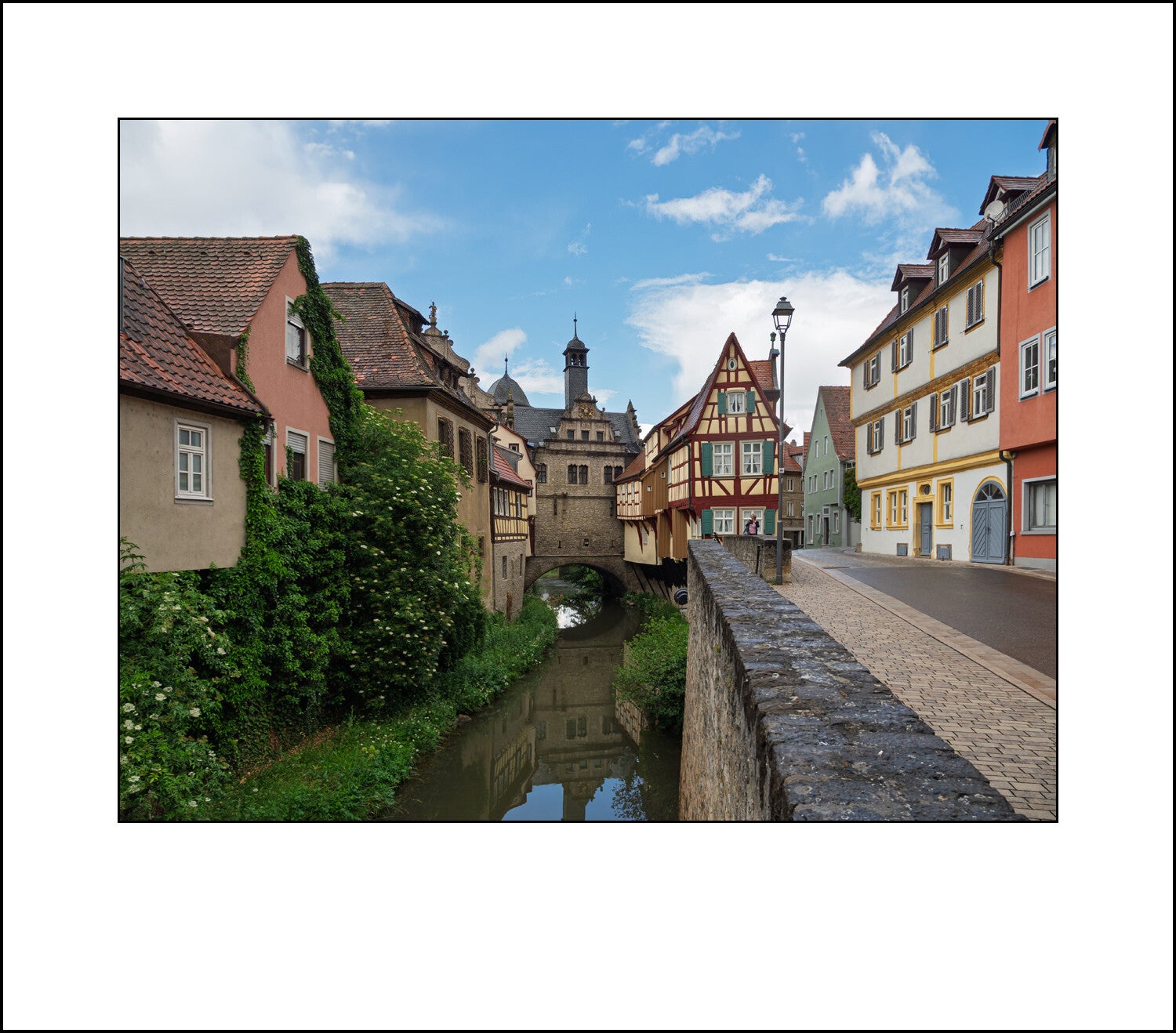
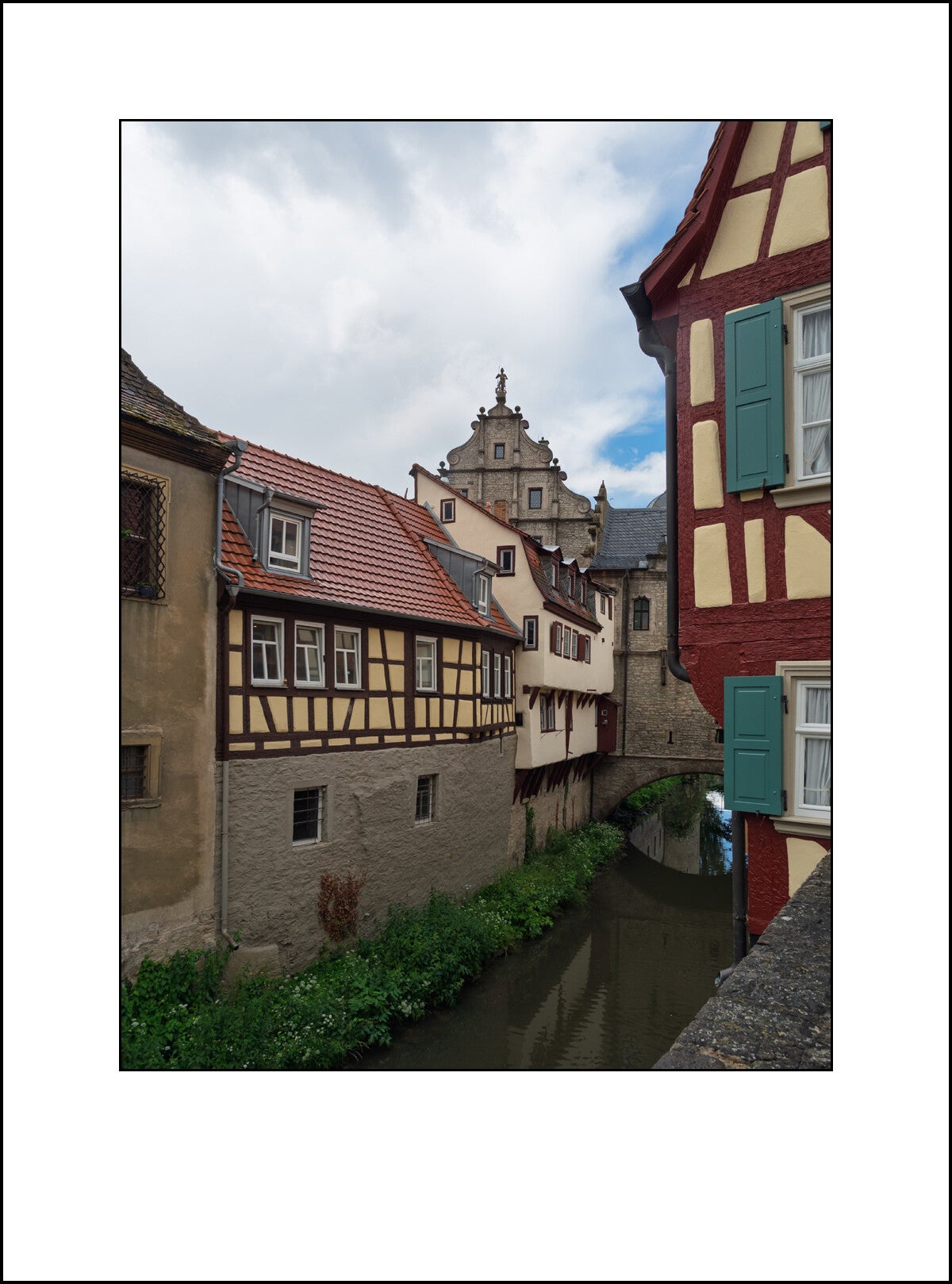
Images taken at Rothenburg during our stay
Camera used was the Olympus Pen-F mounting an OM 12-45 f4 lens.