Fujifilm X-E2: A Comprehensive Guide
The Fujifilm X-E2 is a versatile and compact mirrorless camera that has captured the hearts of photography enthusiasts. Known for its exceptional image quality and retro design, the X-E2 offers a range of features that make it an excellent choice for both amateur and professional photographers. This guide will delve into its key features, performance, and overall user experience.
Key Features
Design and Build
The Fujifilm X-E2 boasts a stylish design reminiscent of vintage cameras, with a compact and lightweight body that makes it easy to carry around. The camera features a robust magnesium alloy construction, providing durability without compromising on aesthetics.
Sensor and Image Quality
At the heart of the X-E2 is a 16.3-megapixel APS-C X-Trans CMOS II sensor, which is known for its ability to produce sharp images with vibrant colors and impressive dynamic range. The absence of an optical low-pass filter enhances the level of detail captured, making it ideal for landscape and portrait photography.
Autofocus System
The camera features an advanced hybrid autofocus system that combines phase detection and contrast detection. This provides fast and accurate focusing, even in challenging lighting conditions. With 49 autofocus points, photographers can easily track moving subjects and achieve precise focus.
Viewfinder and LCD
The X-E2 is equipped with a high-resolution 2.36 million-dot electronic viewfinder (EVF) that offers a clear and detailed preview of your shot. Additionally, the 3-inch LCD screen with 1.04 million dots provides a bright and accurate display for composing images and reviewing photos.
Performance
ISO Range and Low-Light Performance
The camera offers an ISO range of 200-6400, expandable to 100-25600, allowing for excellent performance in low-light conditions. The noise reduction technology ensures that images remain clean and detailed, even at higher ISO settings.
Video Capabilities
While primarily designed for still photography, the X-E2 also offers full HD video recording at 60 frames per second. The manual controls available during video recording allow for creative flexibility, making it a viable option for videography enthusiasts.
User Experience
Controls and Handling
The Fujifilm X-E2 features a range of manual controls, including dedicated dials for shutter speed and exposure compensation, which appeal to photographers who enjoy a hands-on shooting experience. The intuitive menu system and customizable buttons further enhance the camera’s usability.
Connectivity
The built-in Wi-Fi allows for easy sharing of images and remote control of the camera via a smartphone or tablet. This feature is particularly useful for travel photographers who want to quickly upload and share their work on social media platforms.
Conclusion
The X-E2 has a faster X-Trans II sensor with phase-detection autofocus and a quicker EXR Processor II. Focusing is quicker and better on the X-E2. It also has a larger and sharper 3-inch LCD screen, built-in Wi-Fi, and improved manual focus aids over the older X-E1.
There was exactly 12 months between the release of the X-E1 and X-E2 camera. If the above points are enough to got one camera over the other, then fine. Personally I don't think the points above justify getting either of the two cameras today. The market has moved on and there are much better cameras out there for the same price. When the 2 cameras were released (2012 and 2013) Fujifilm were still trying to catch up to the other competitors and it took them awhile longer to do it.
Personally, I would give these two cameras a miss today and if you really want an early X-Trans sensor, go for either the Fujifilm X20 or X30 cameras (released in 2013 and 2014). Their sensors might be smaller and the bodies are smaller with a fixes zoom lens but in practice they are better cameras in all categories. That is just my opinion.
Having just said that there is a lot of difference using the X-E2 compared to the X-E1. The X-E1 is very frustrating because it's so slow. The X-E2 is quite fast because of the X-Trans II sensor with it's on-board phase-detect focusing system. Actually the X-E2 is quite fun to use.
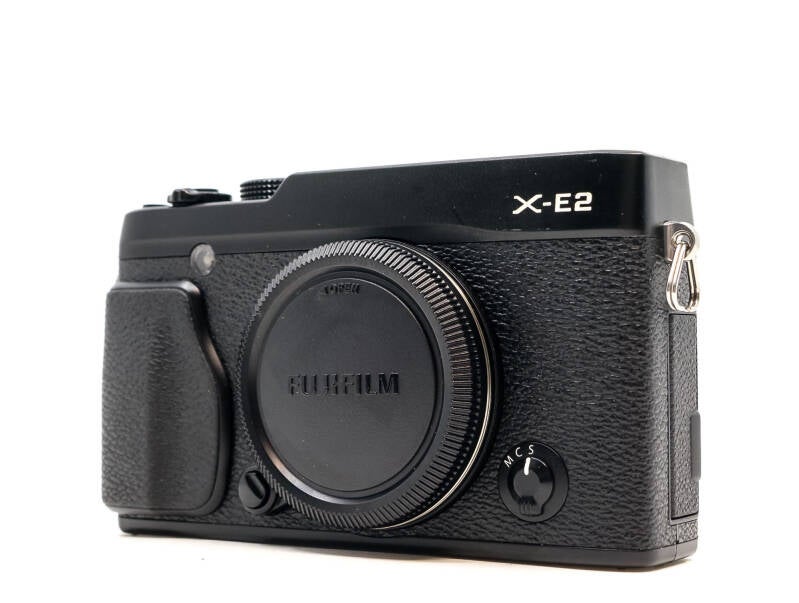
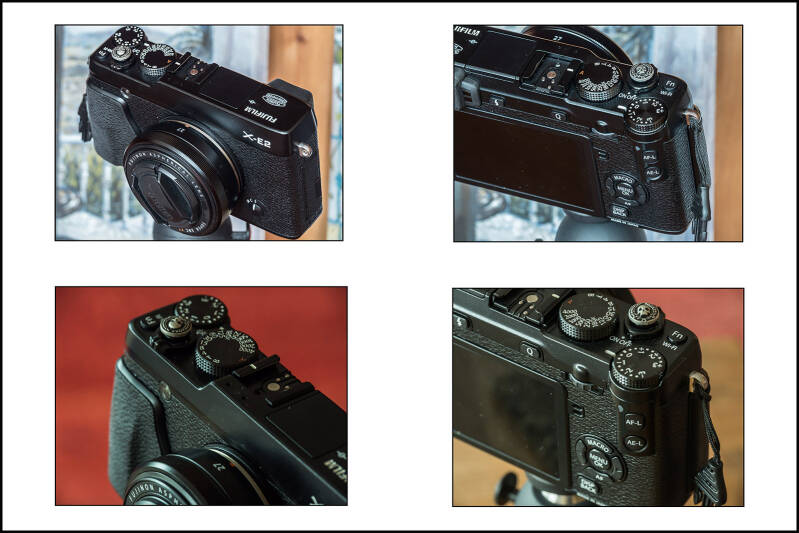
Fujifilm X-E2
Weight: 370 g
Size: 129 x 75 x 37 mm
Sensor: 16MP APS-C X-Trans II
Lens: Interchangeable
Mfd: N/A
Cards: 1 x SD slot
IBIS: No
Price: €400 - €450 used
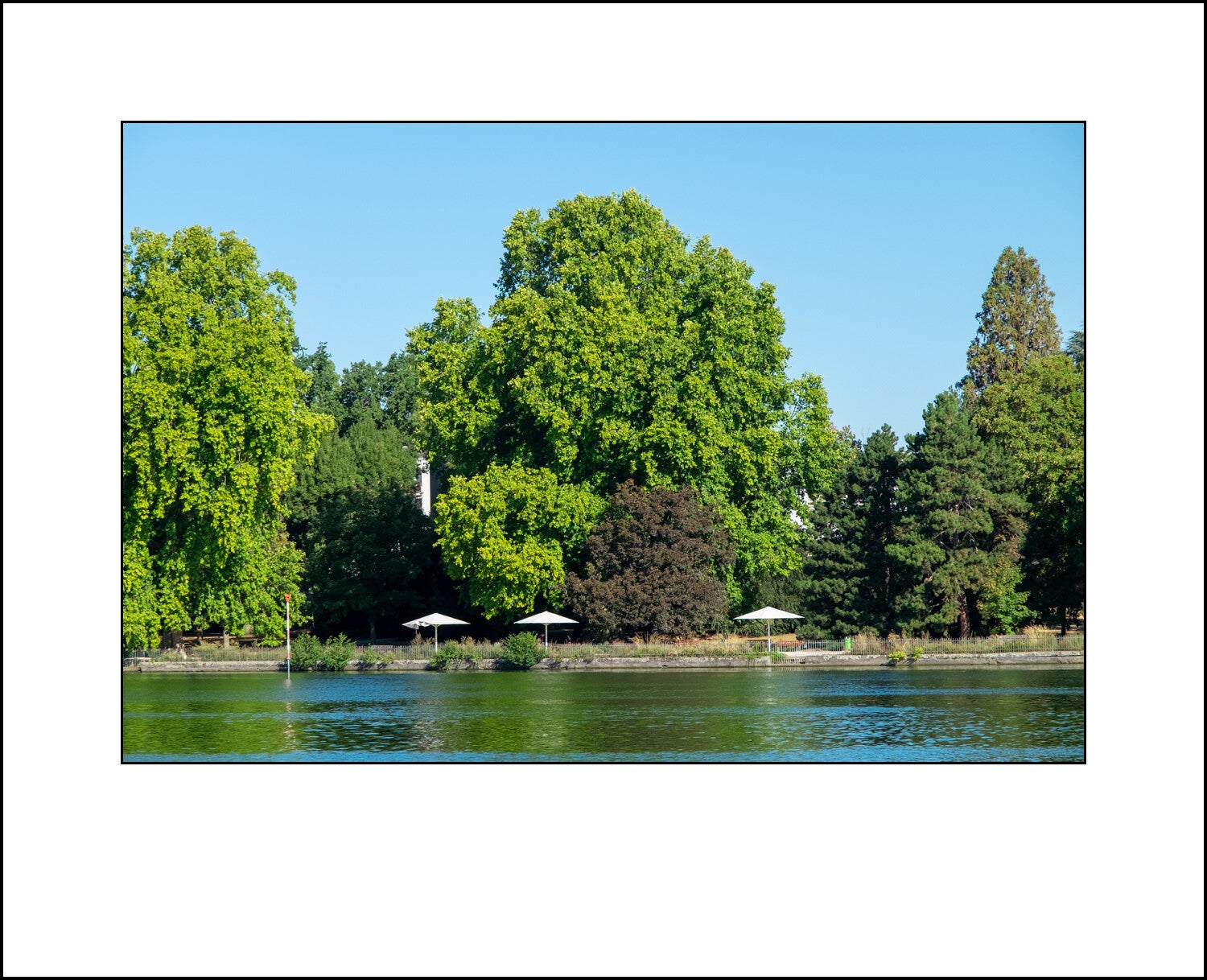
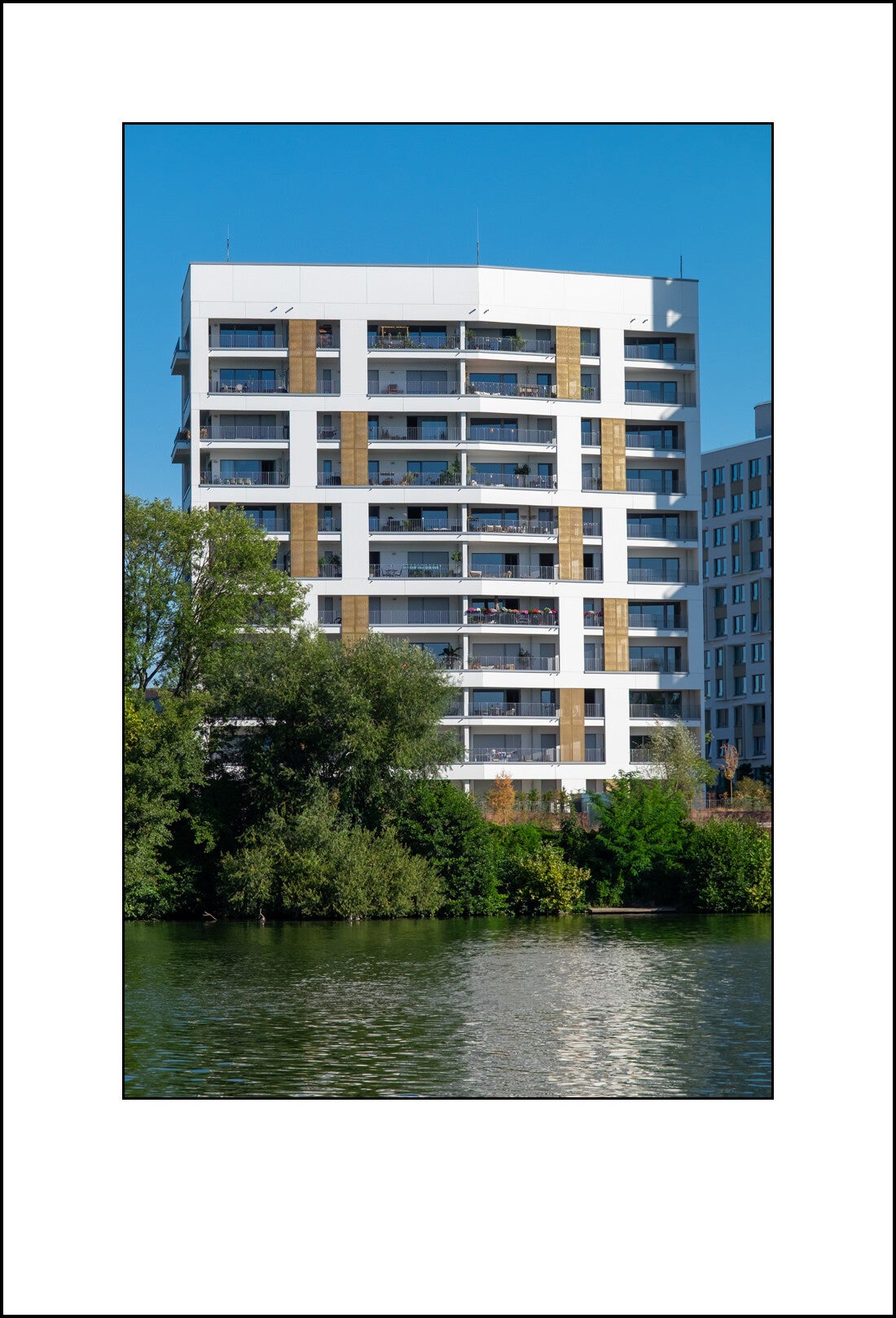
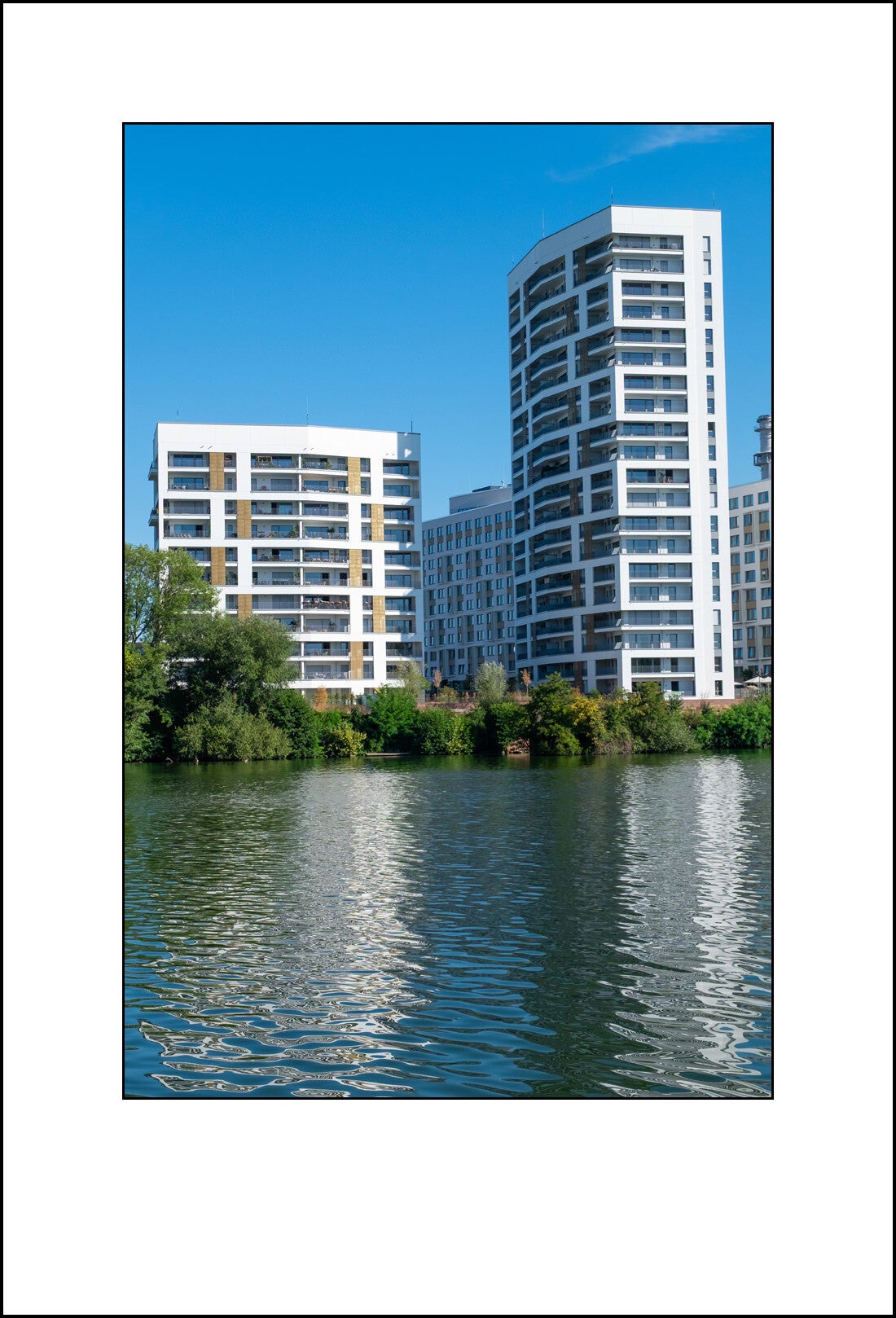
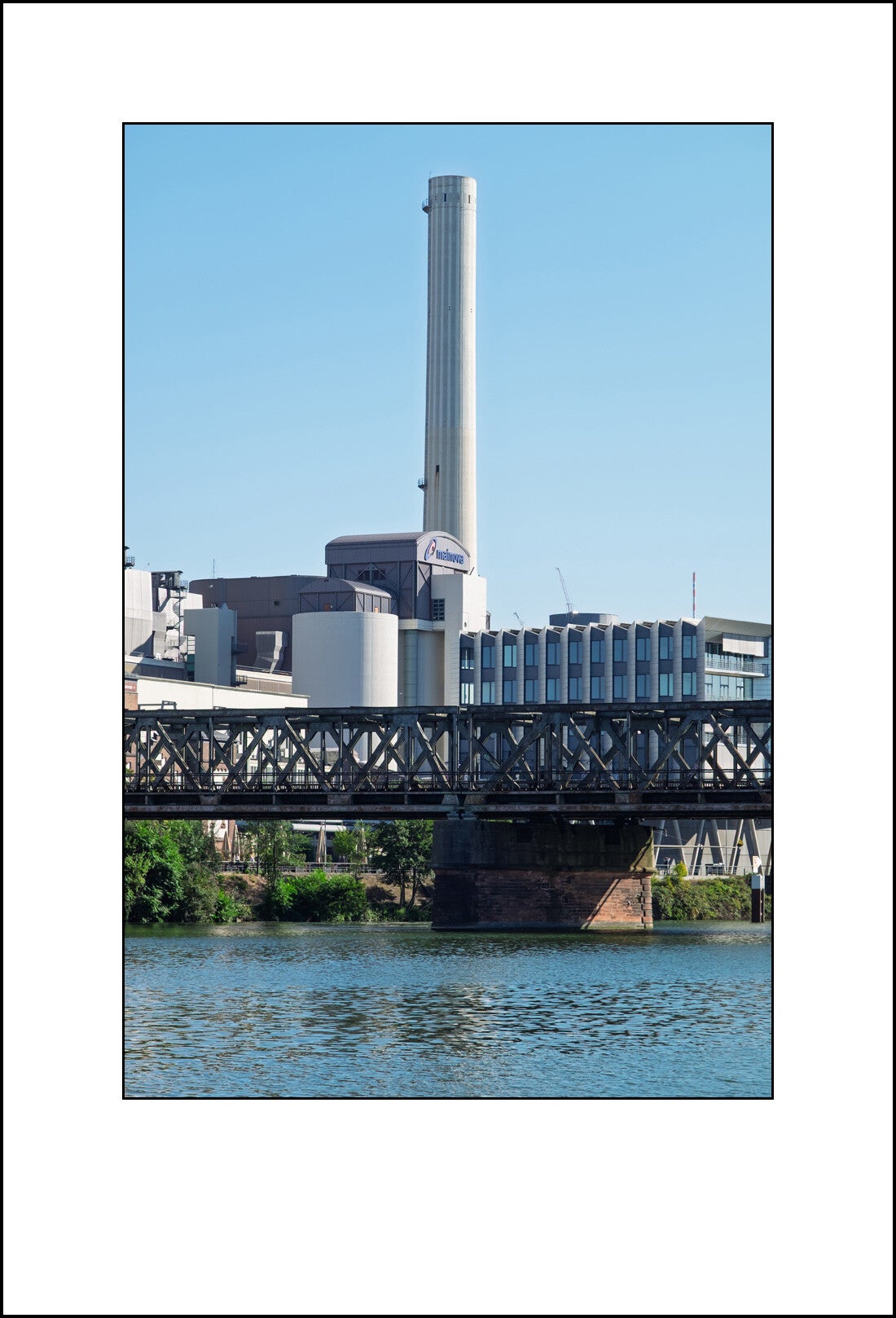
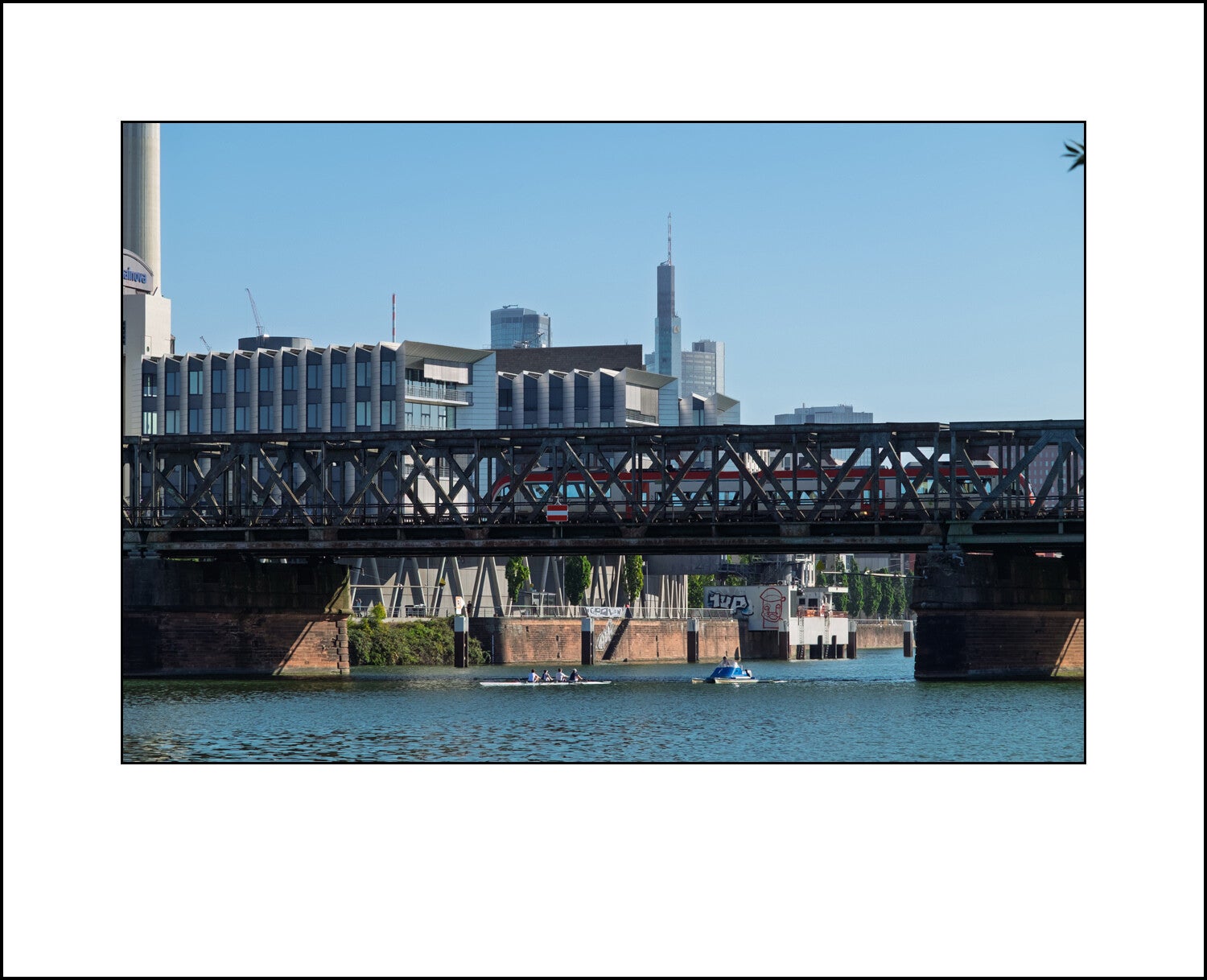
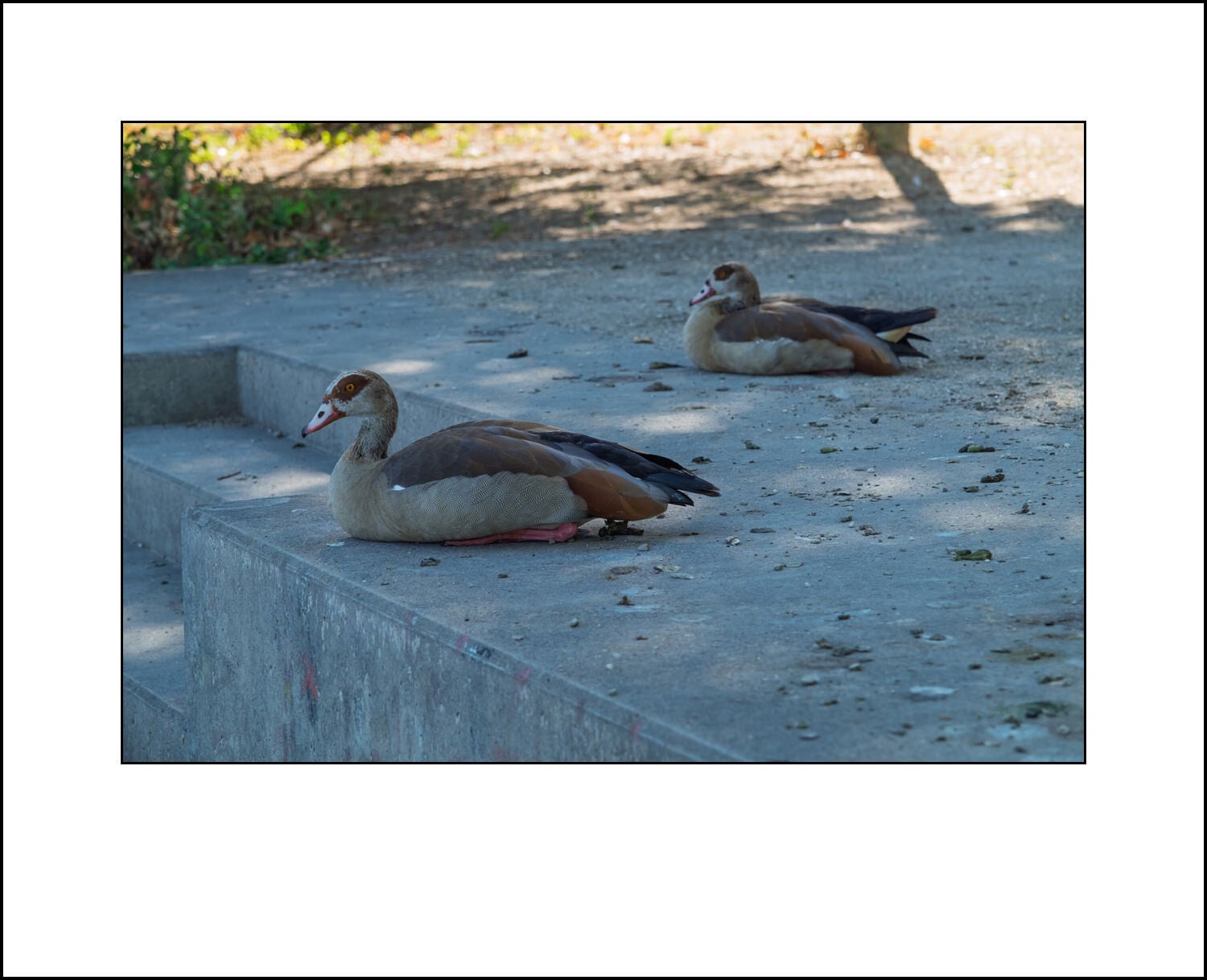
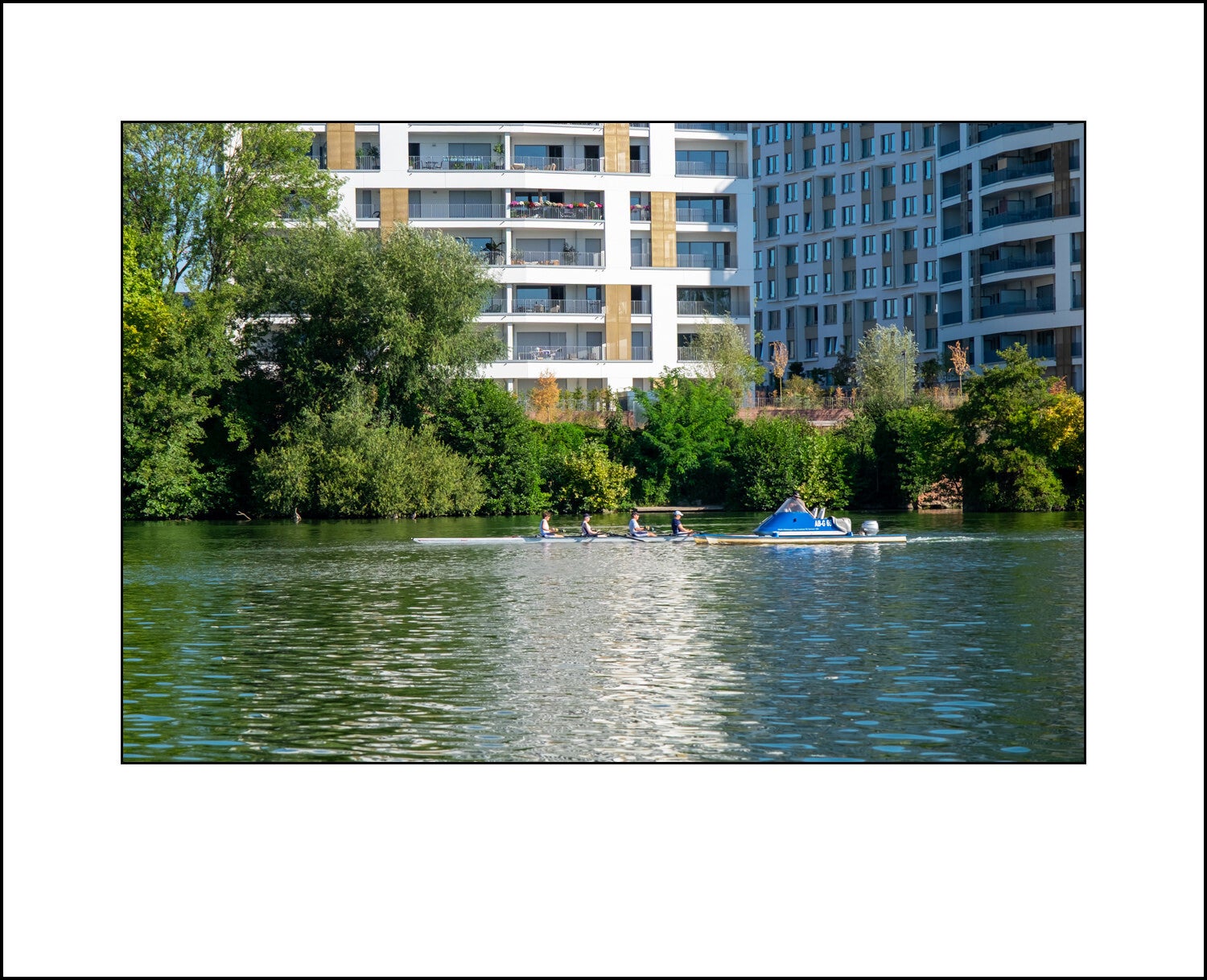
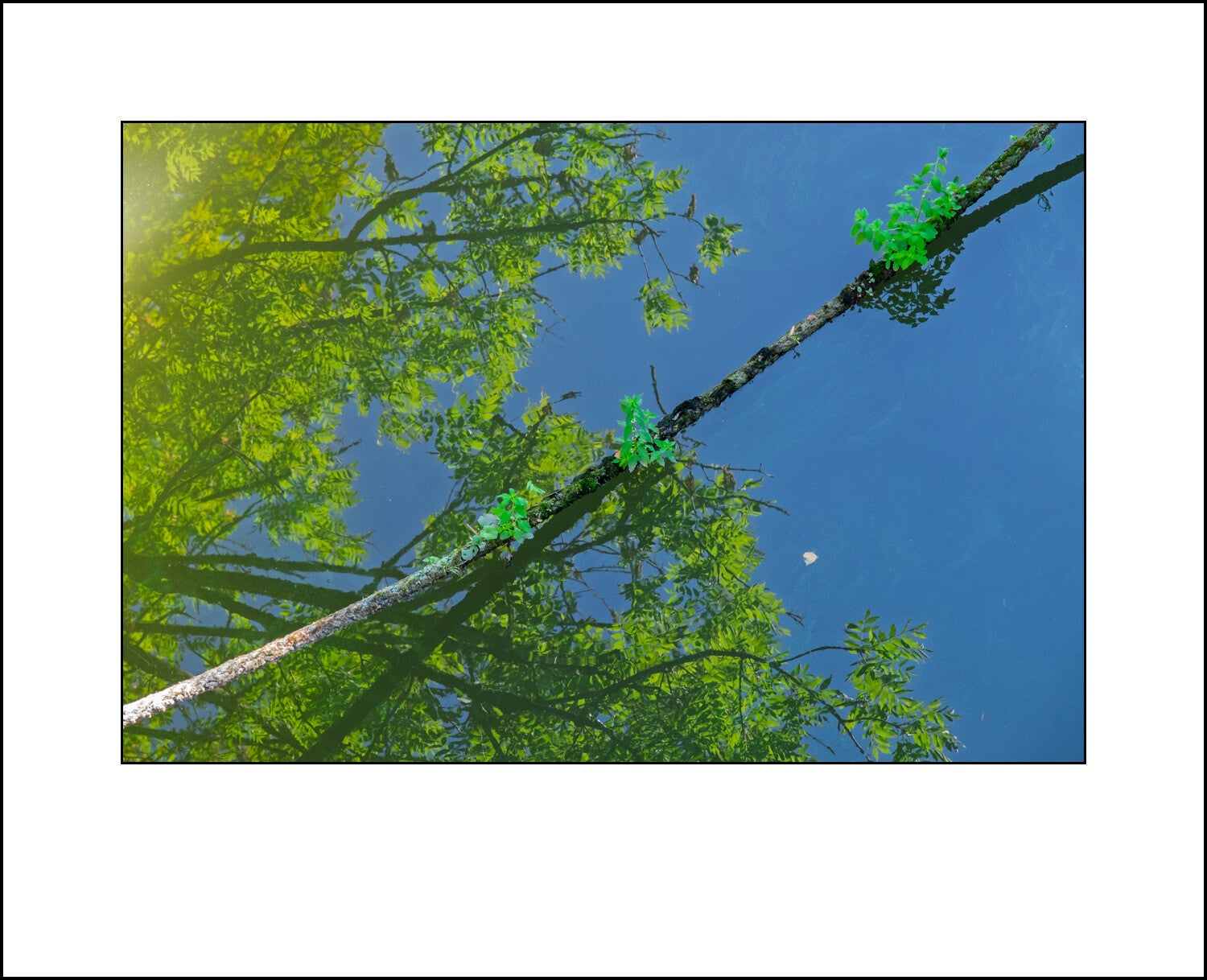
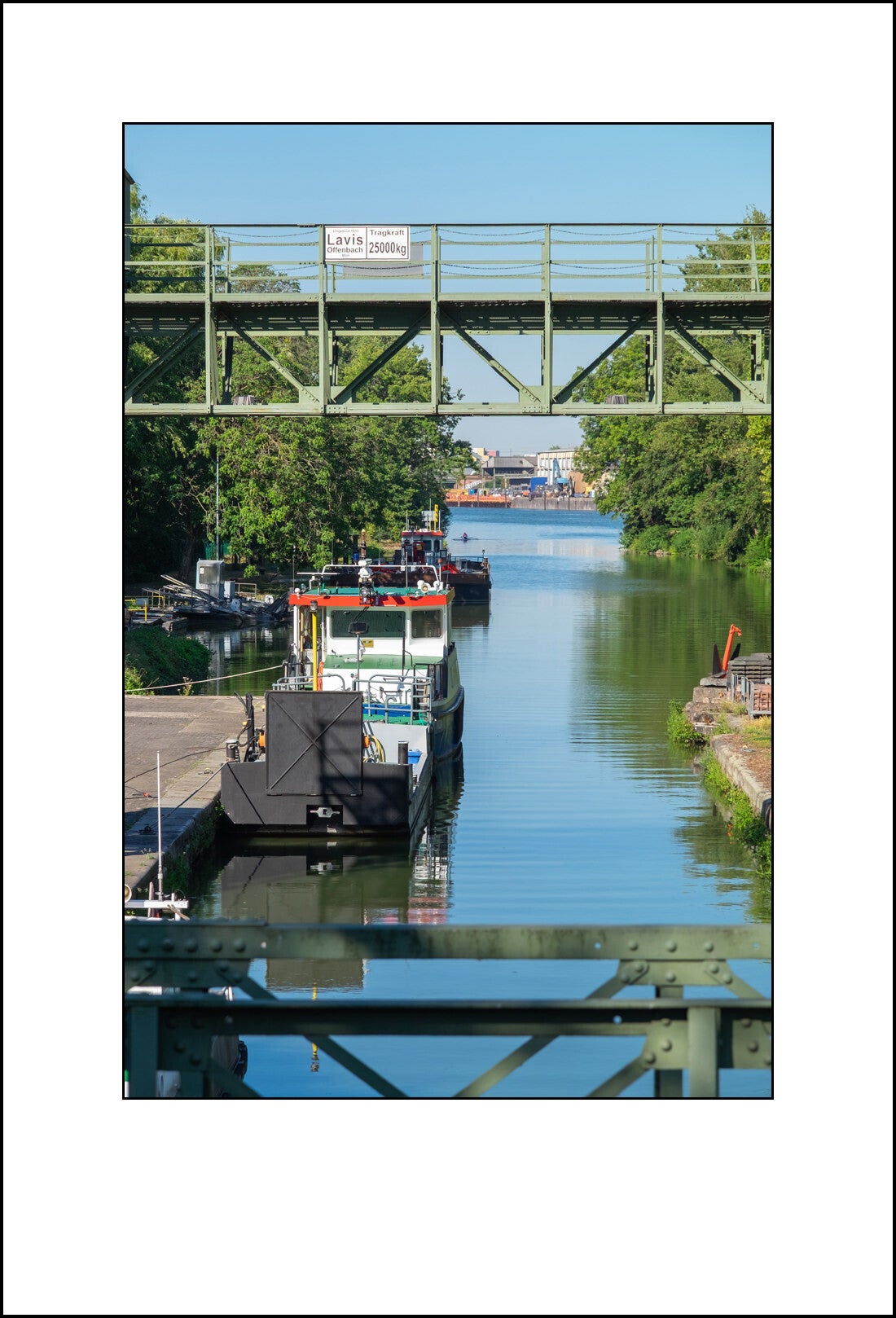
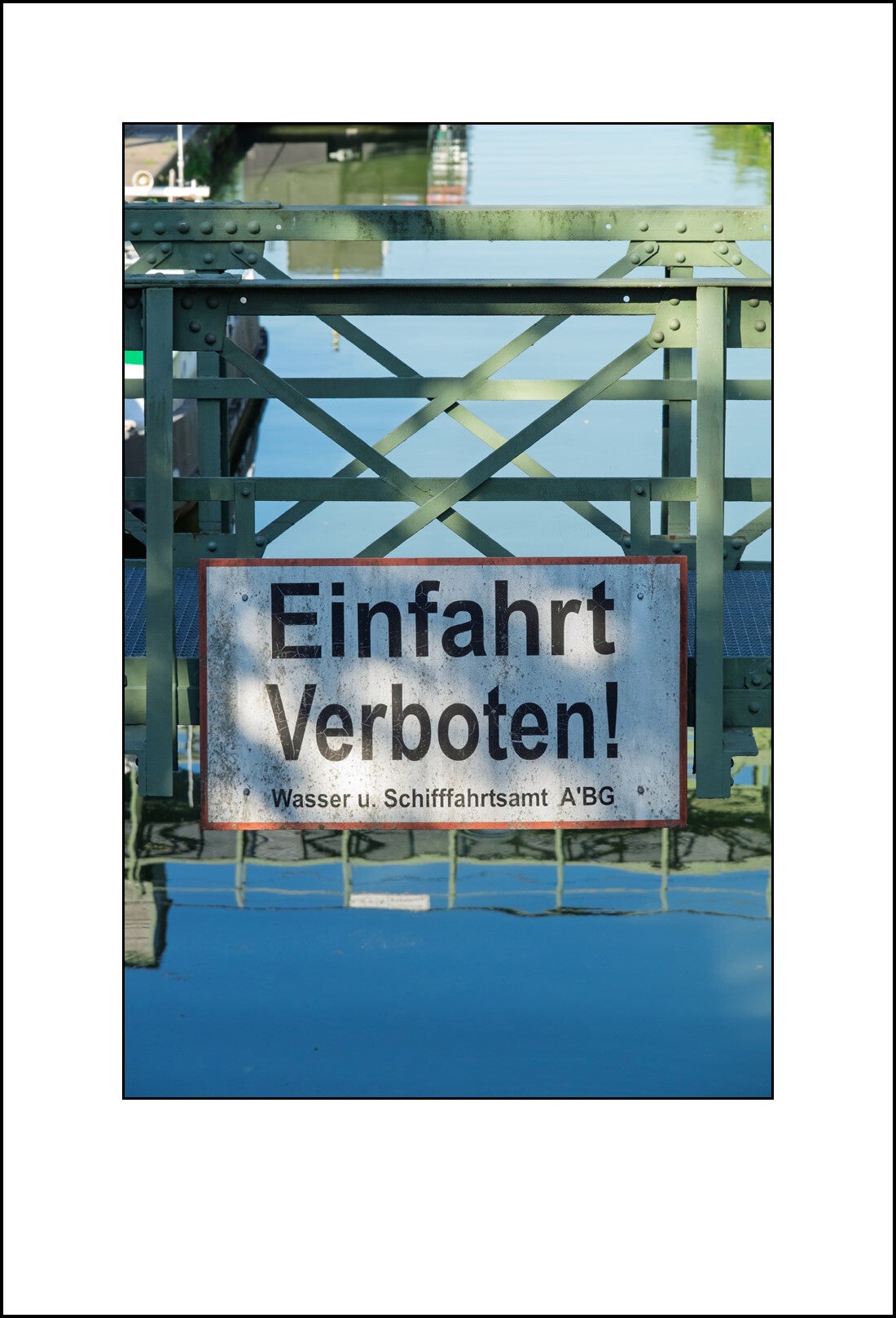
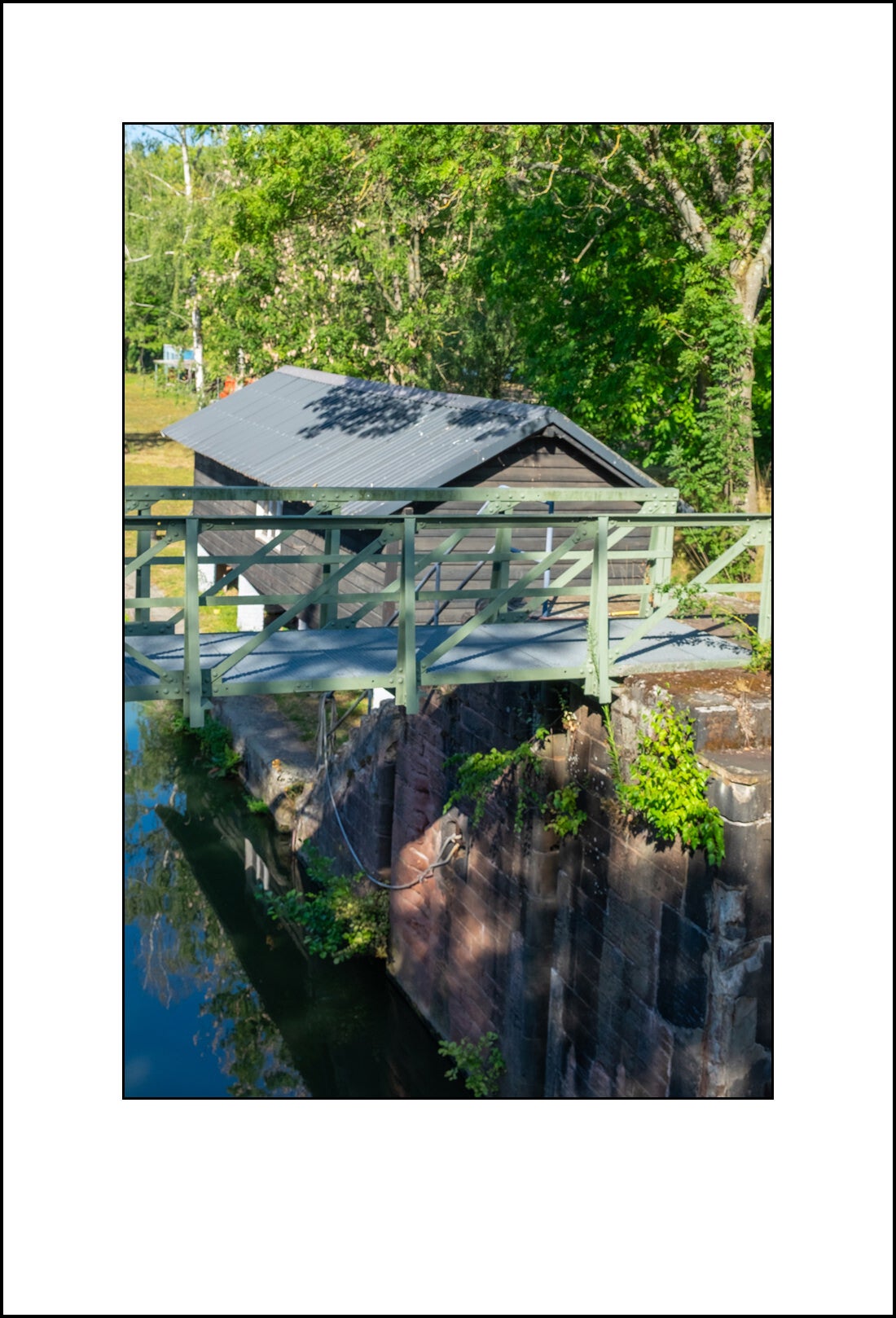
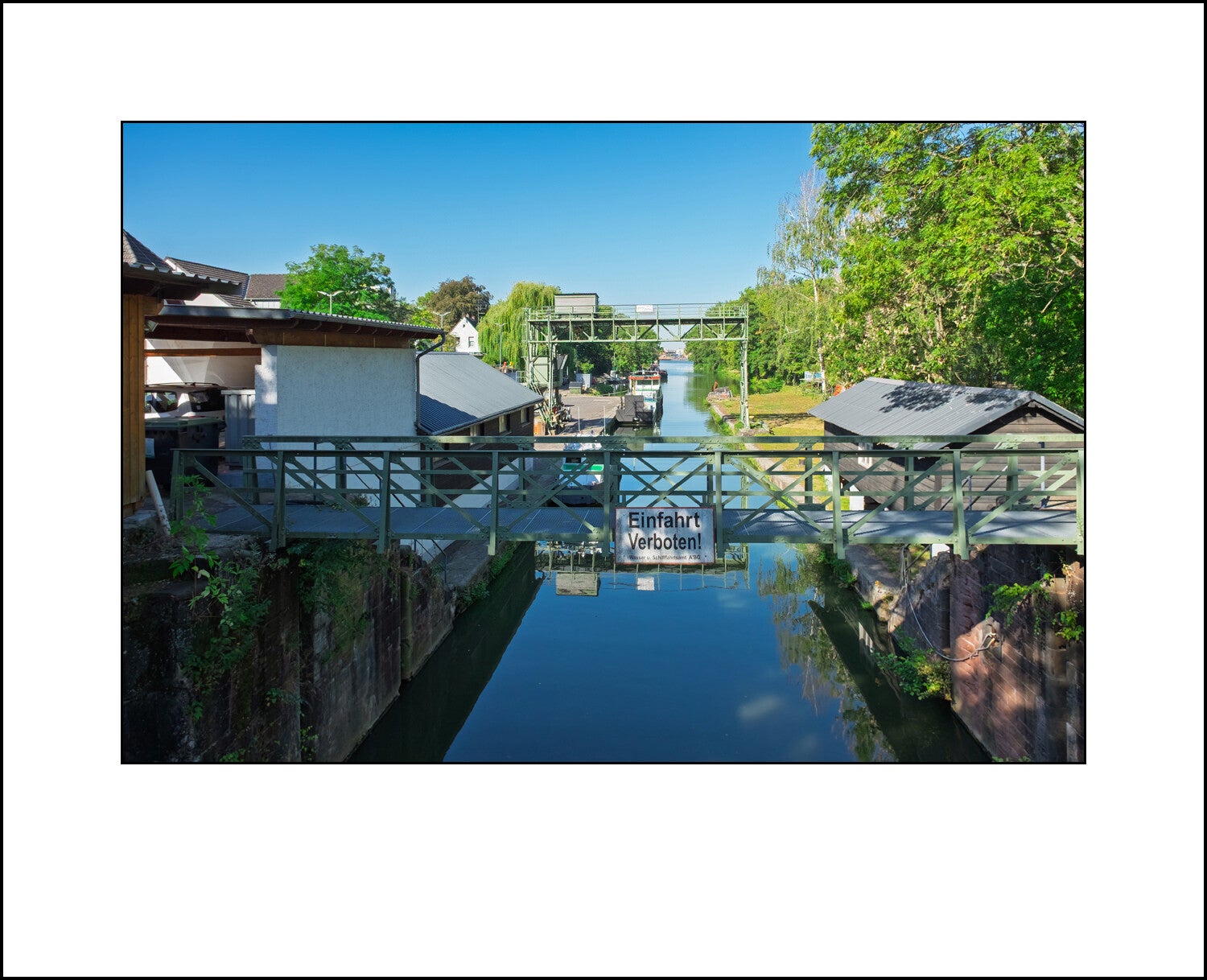
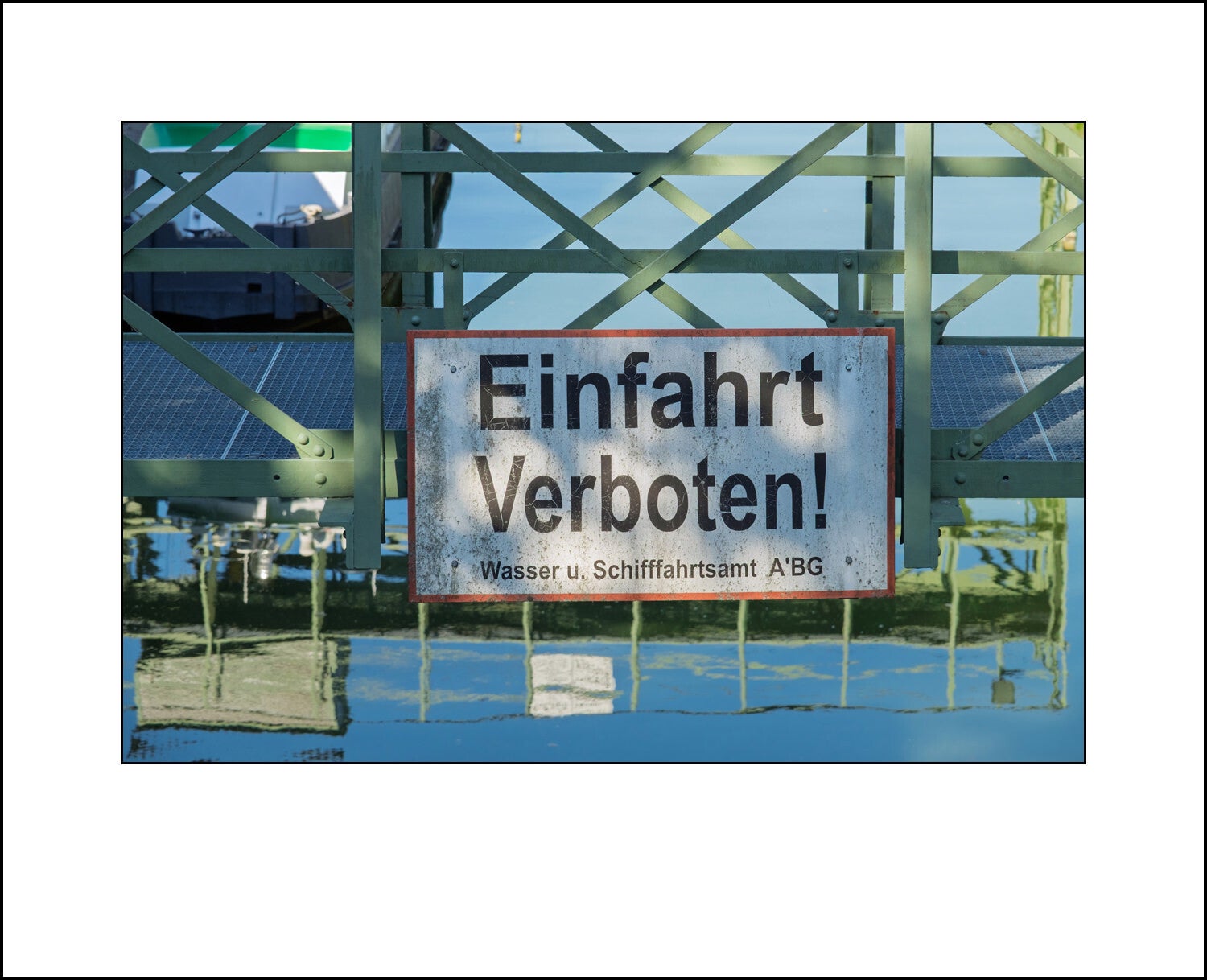
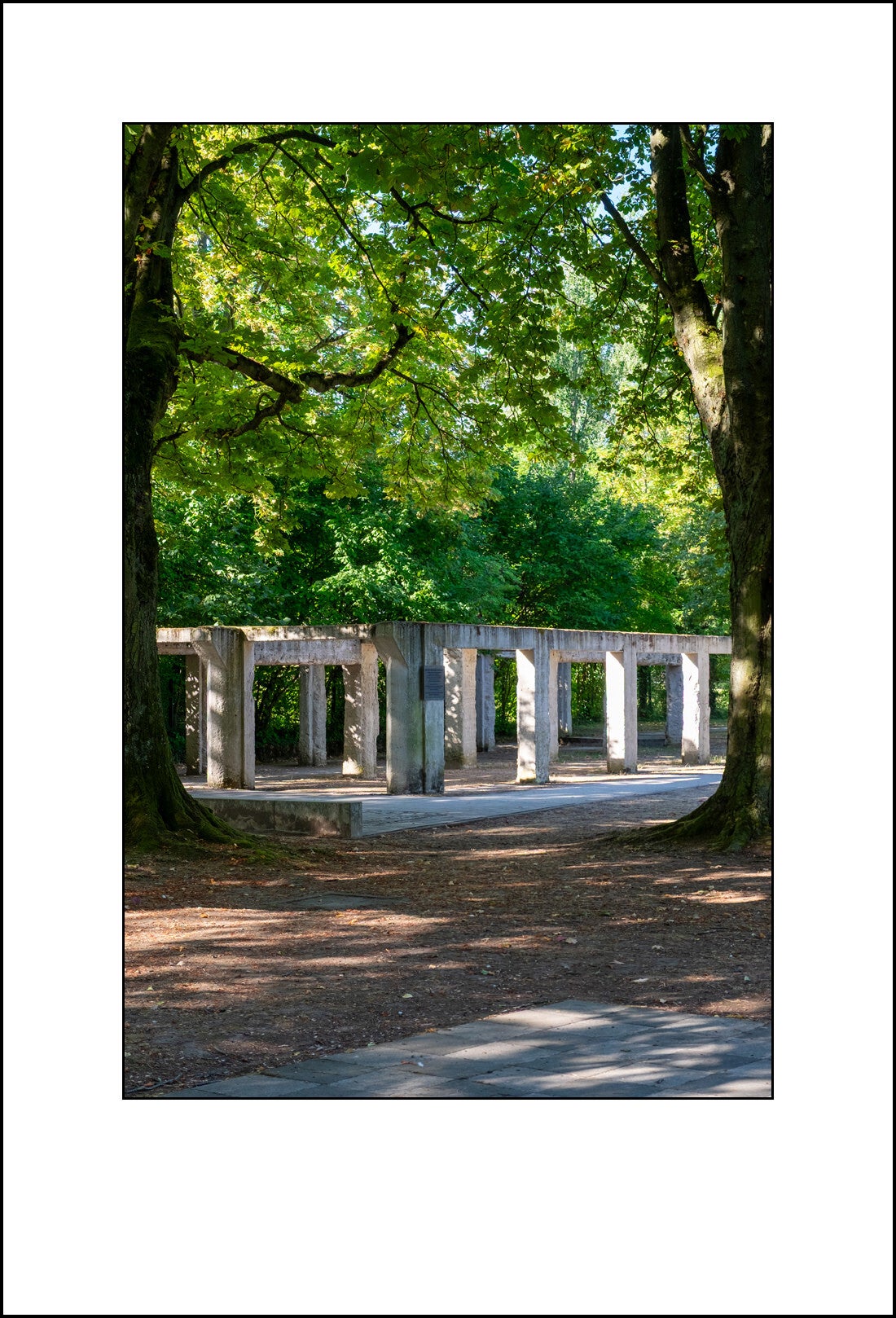
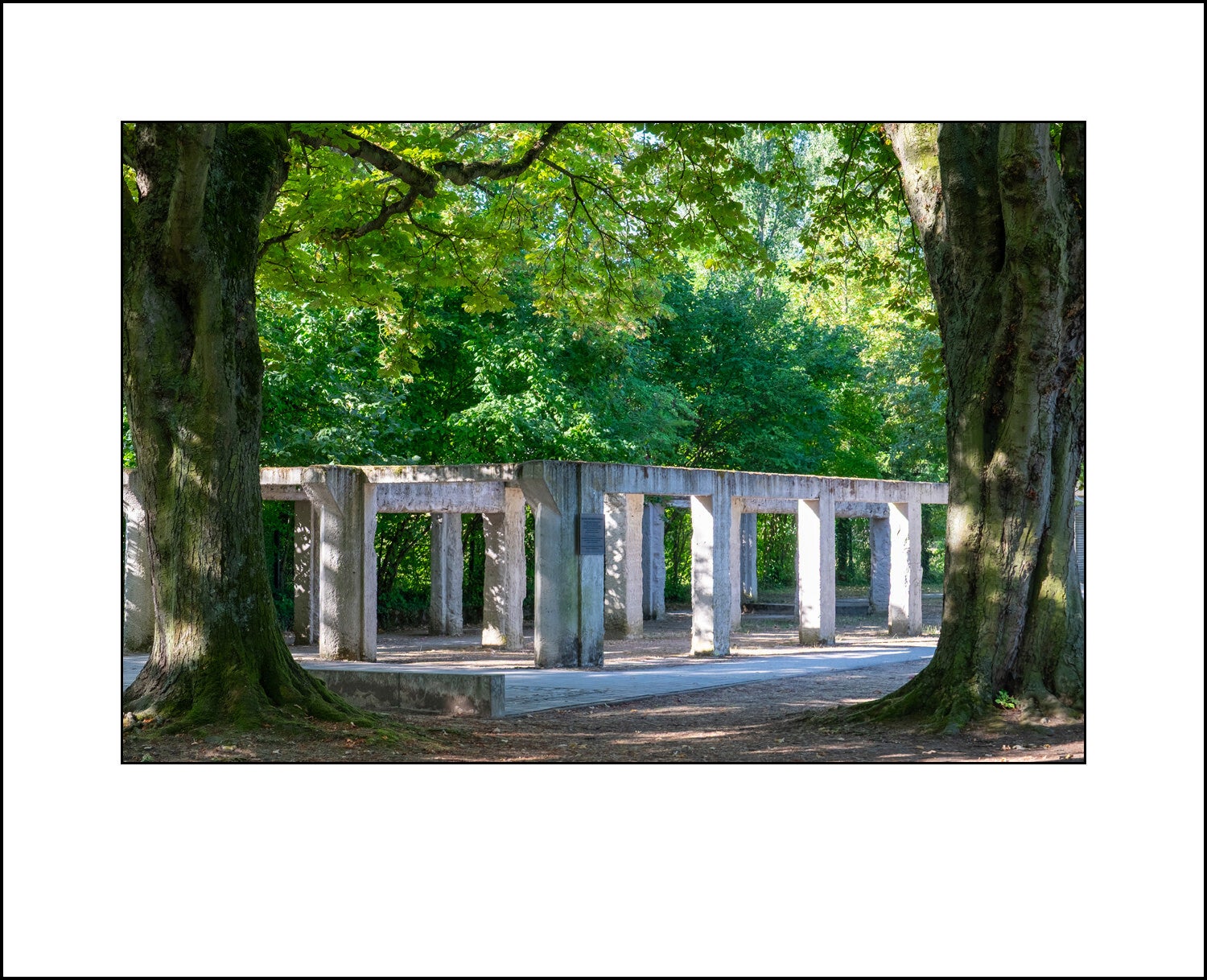
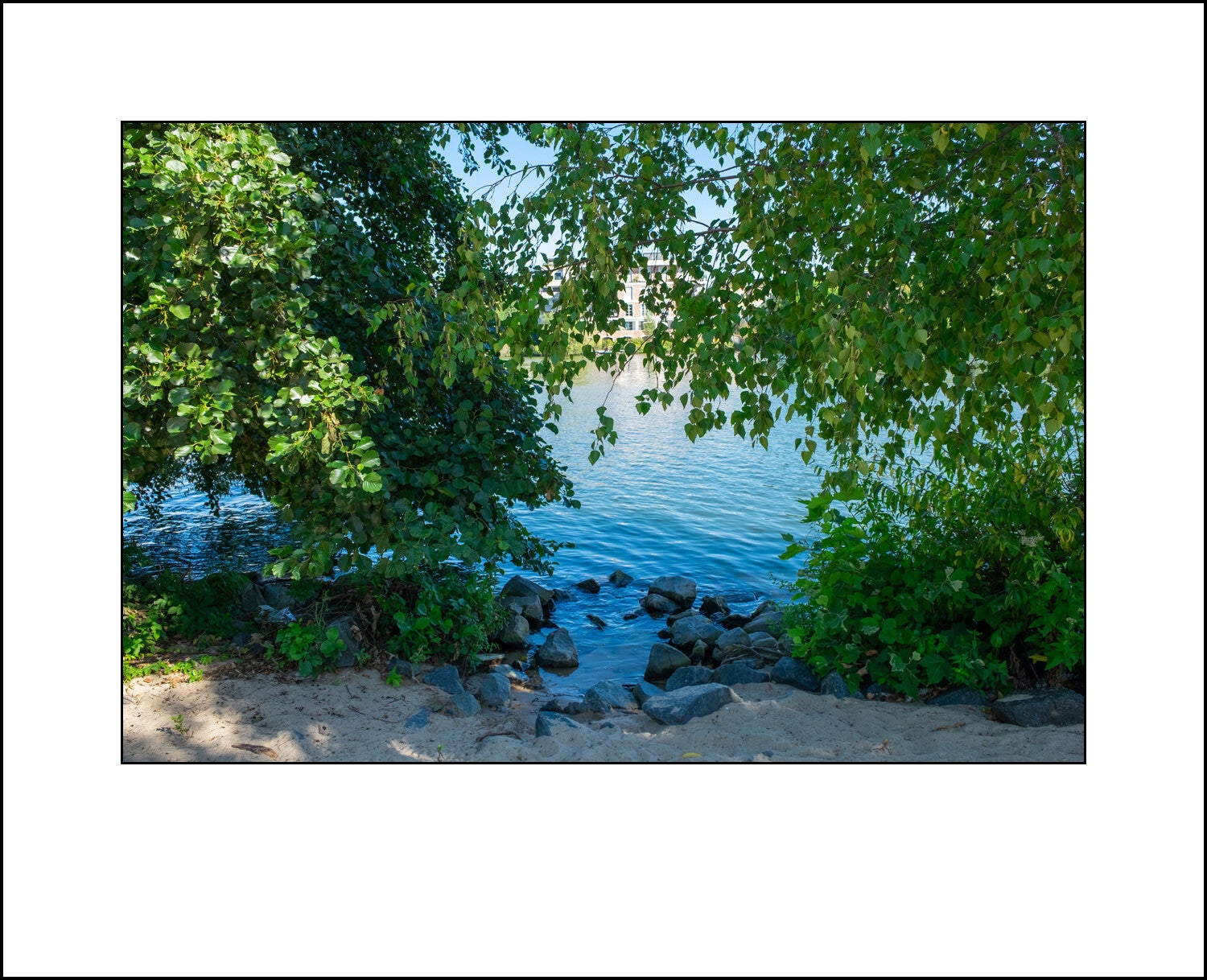
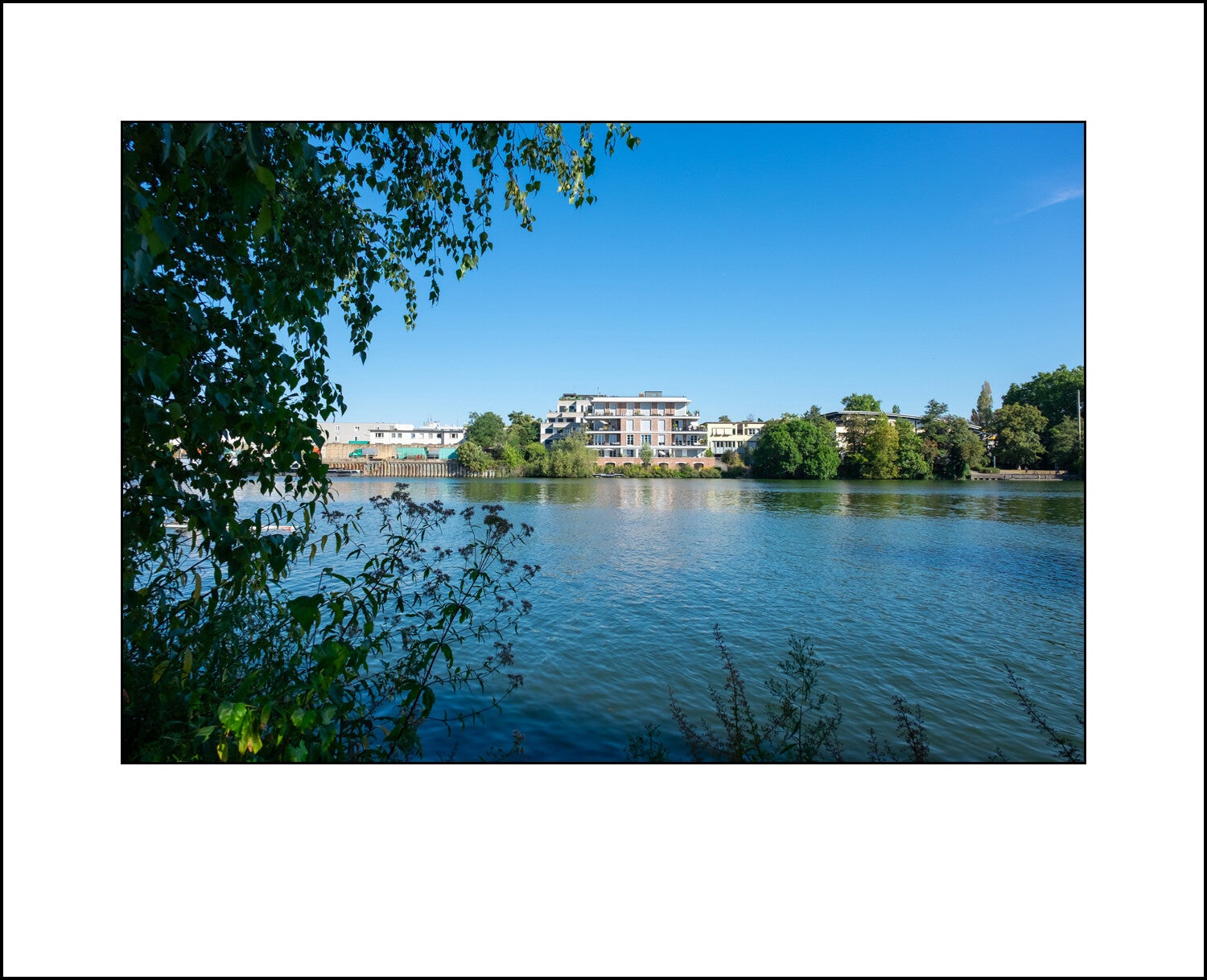
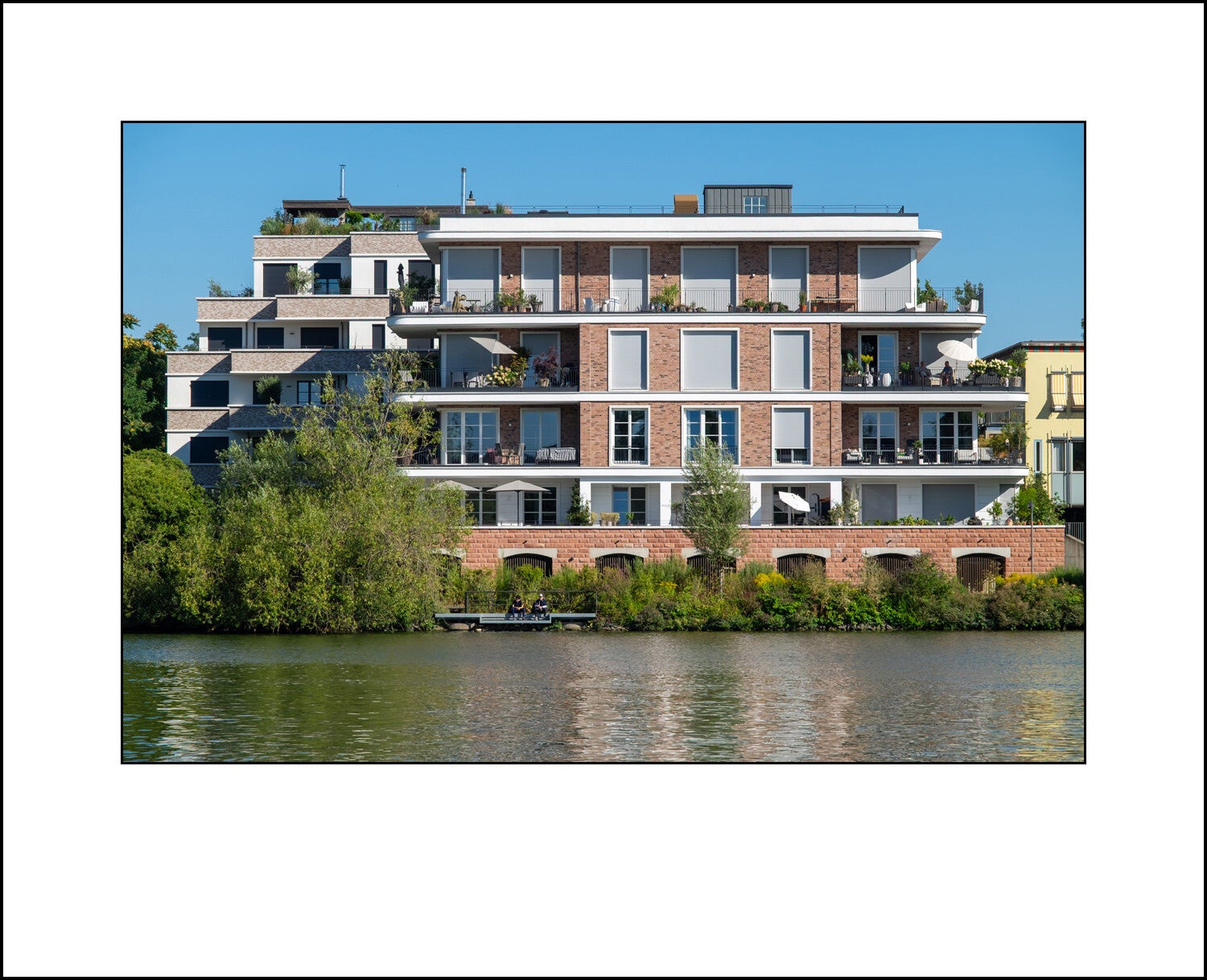
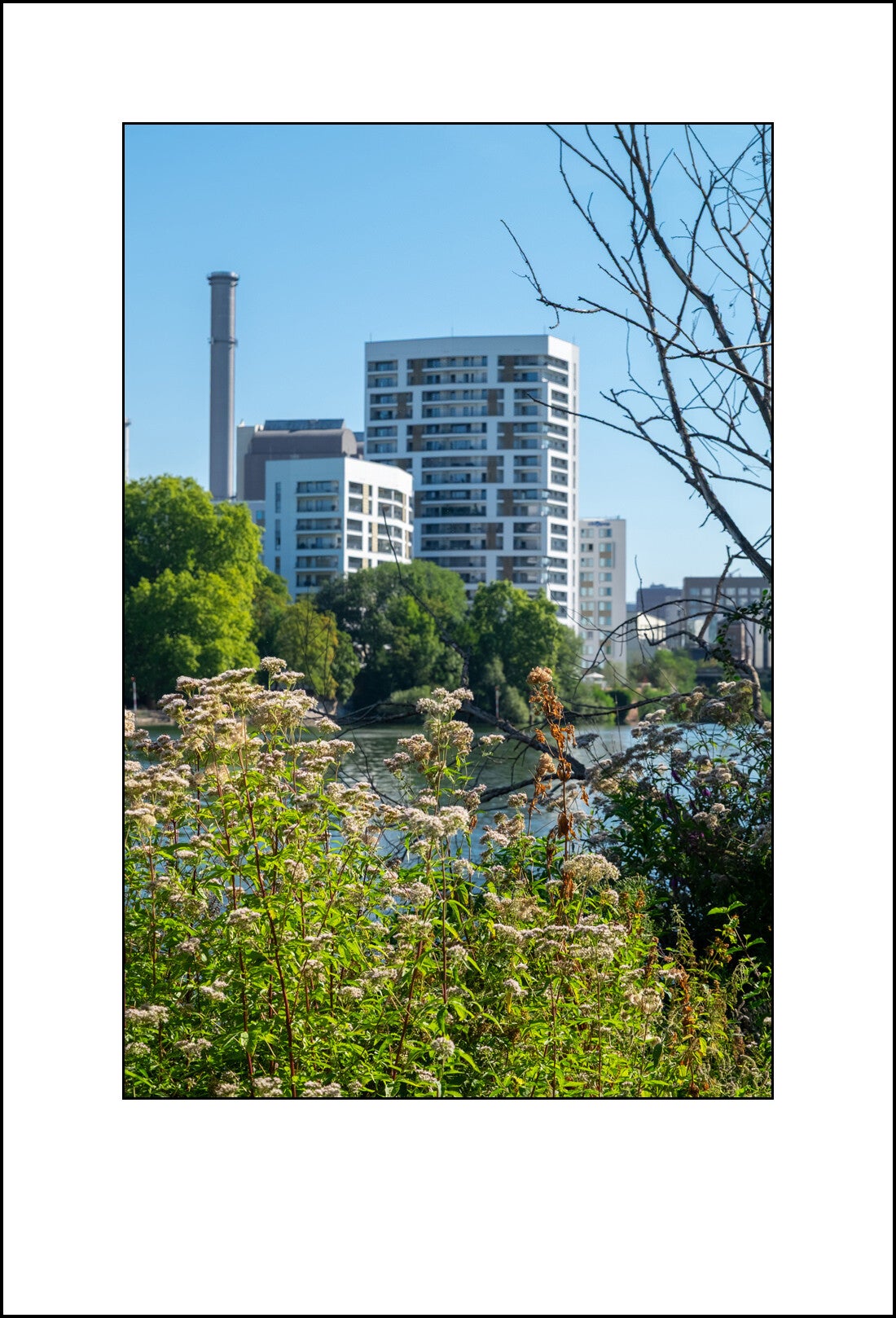
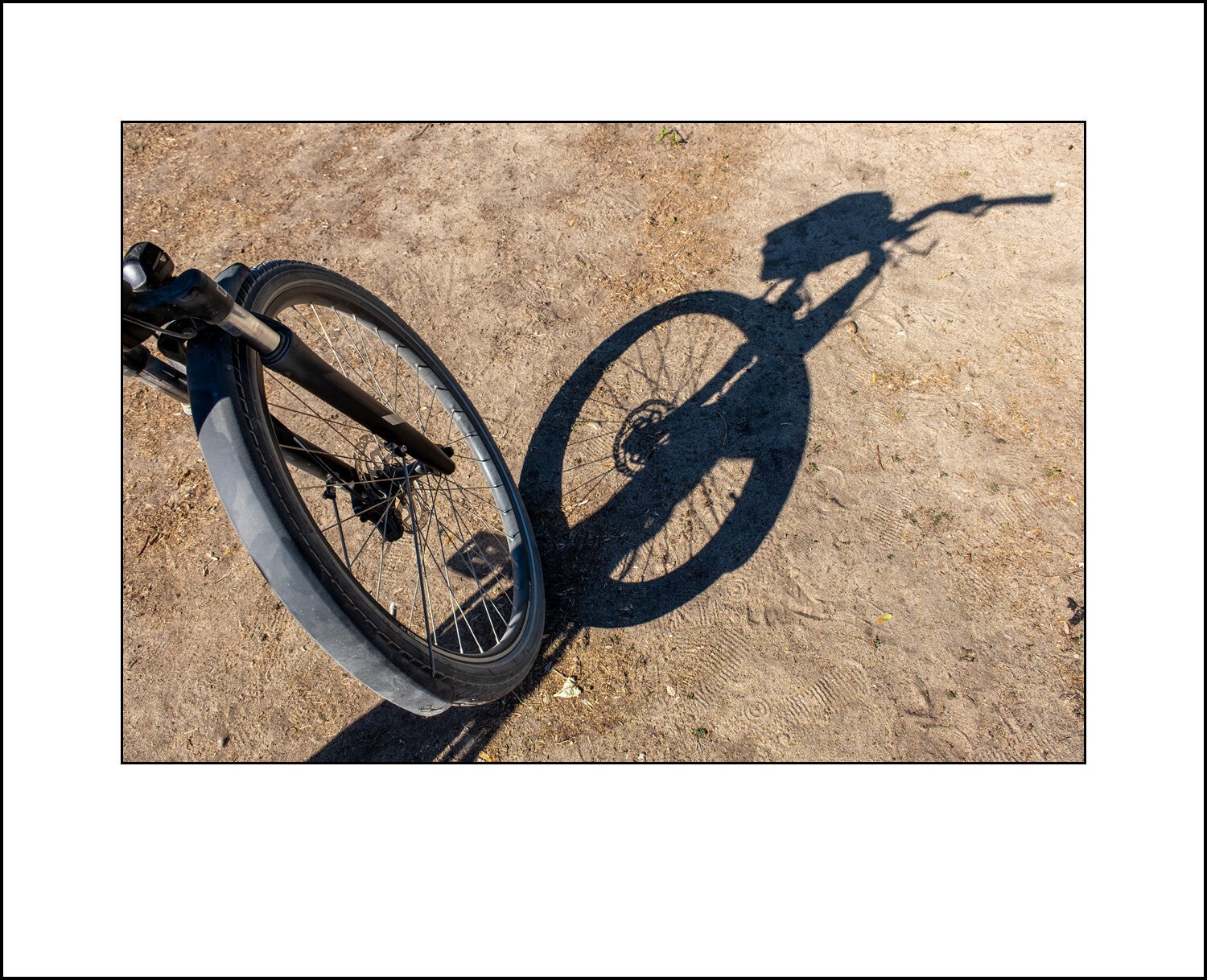
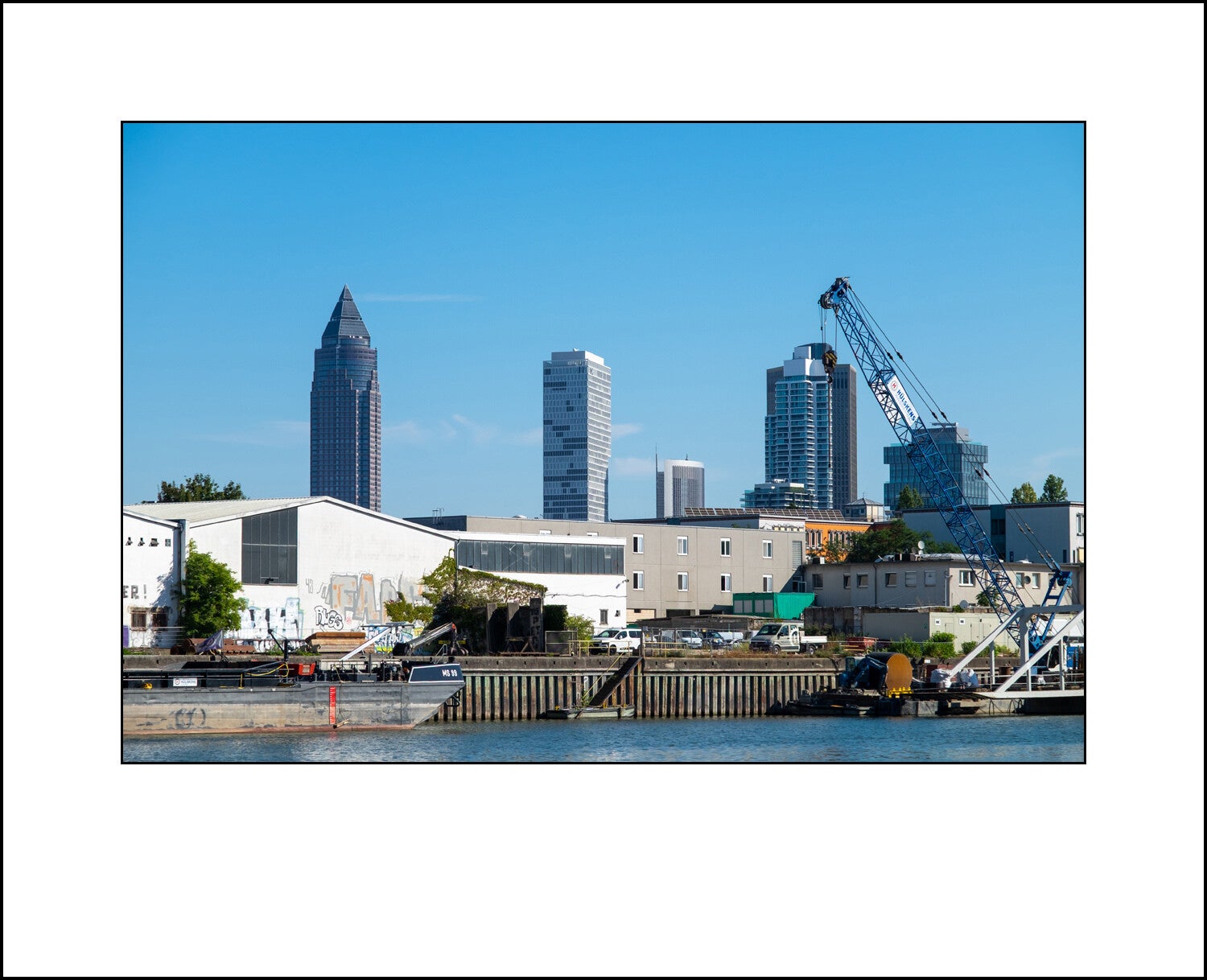
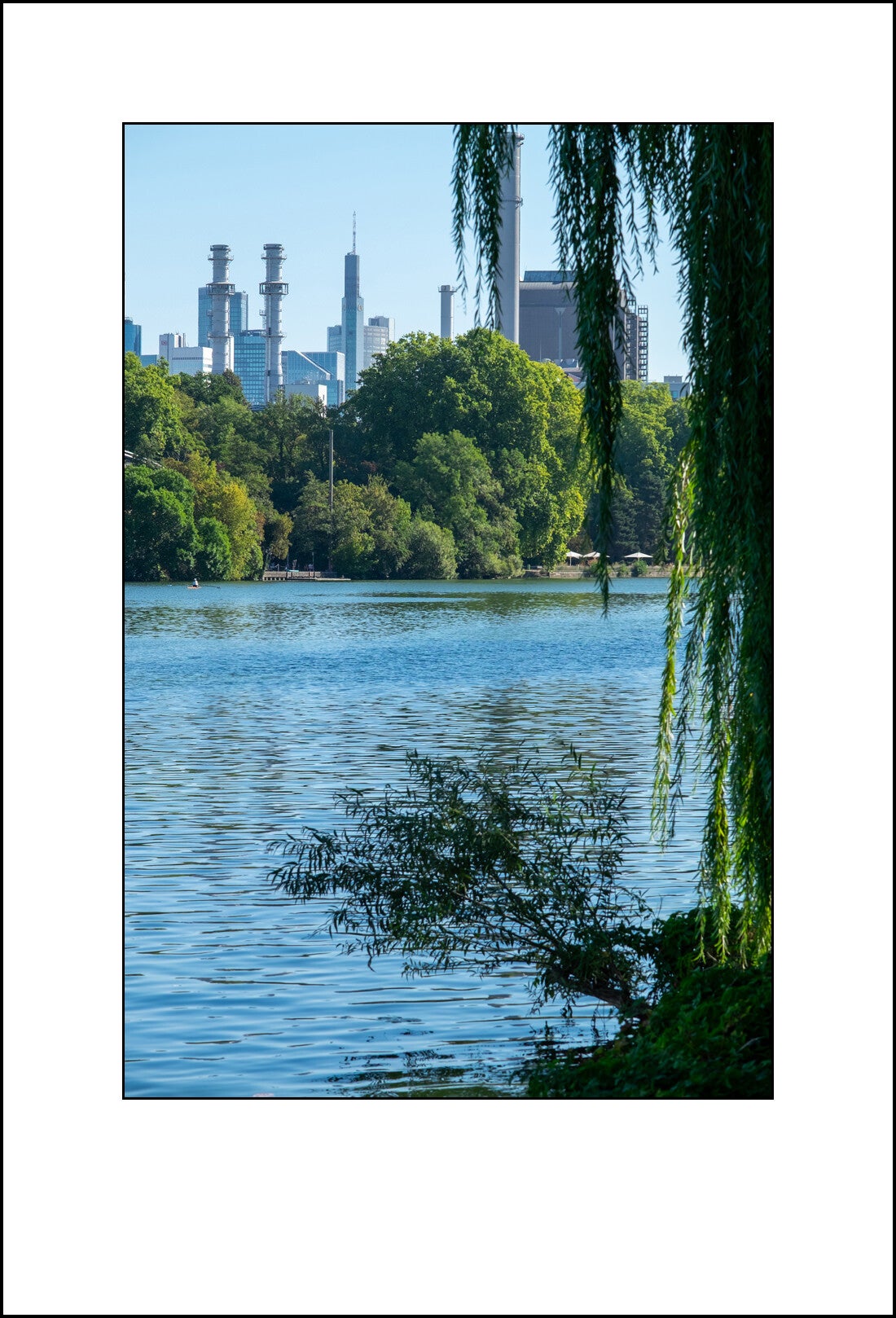
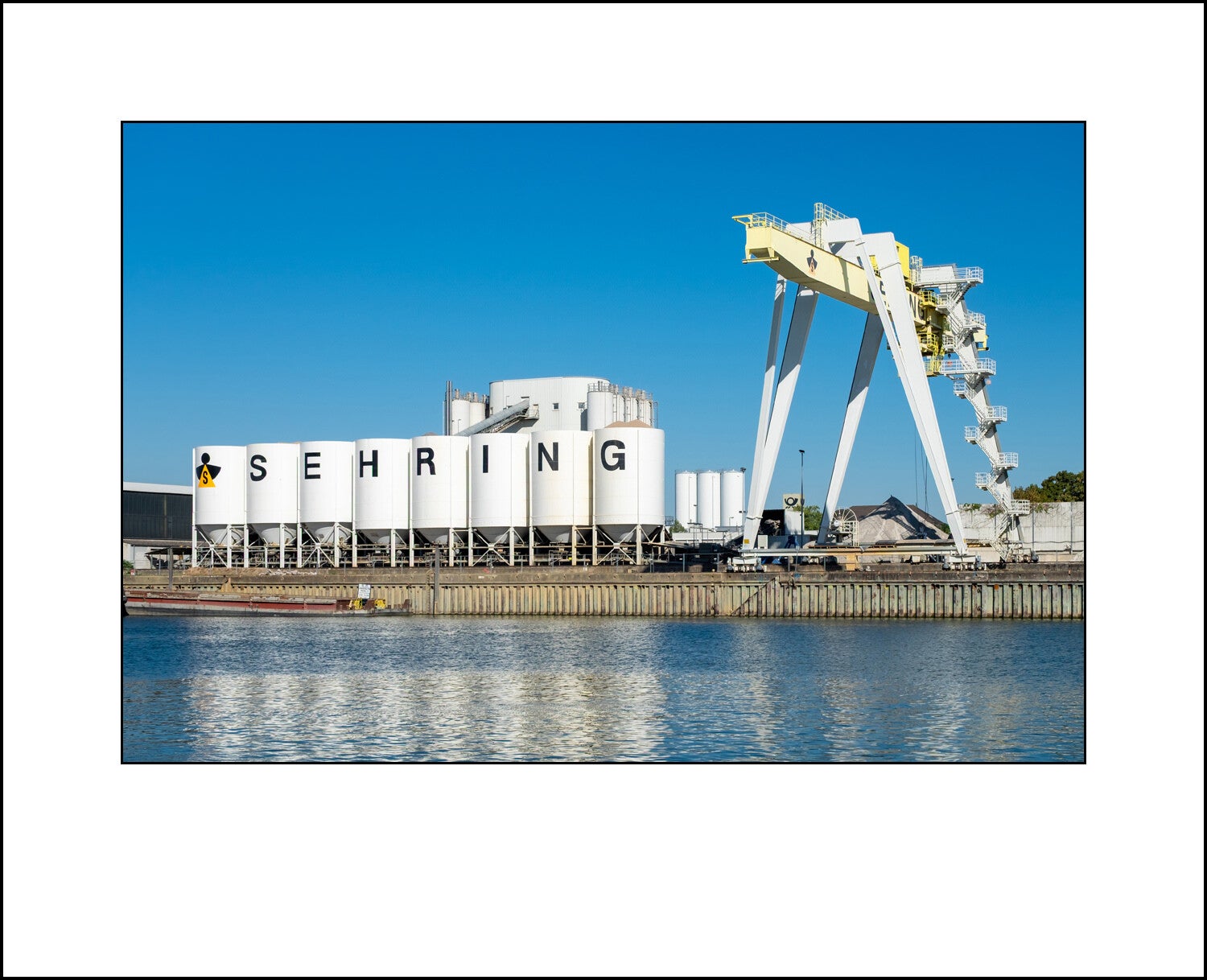
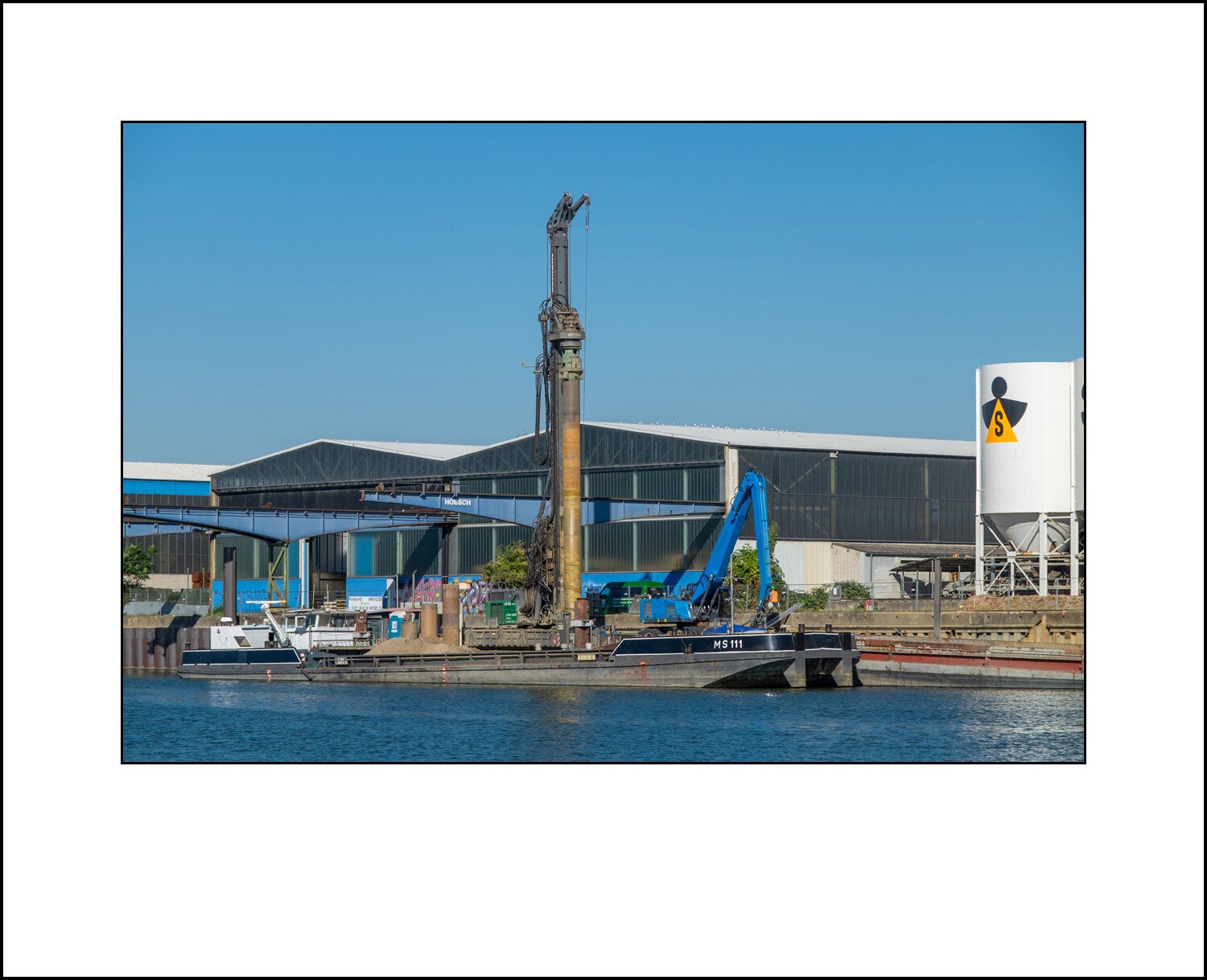
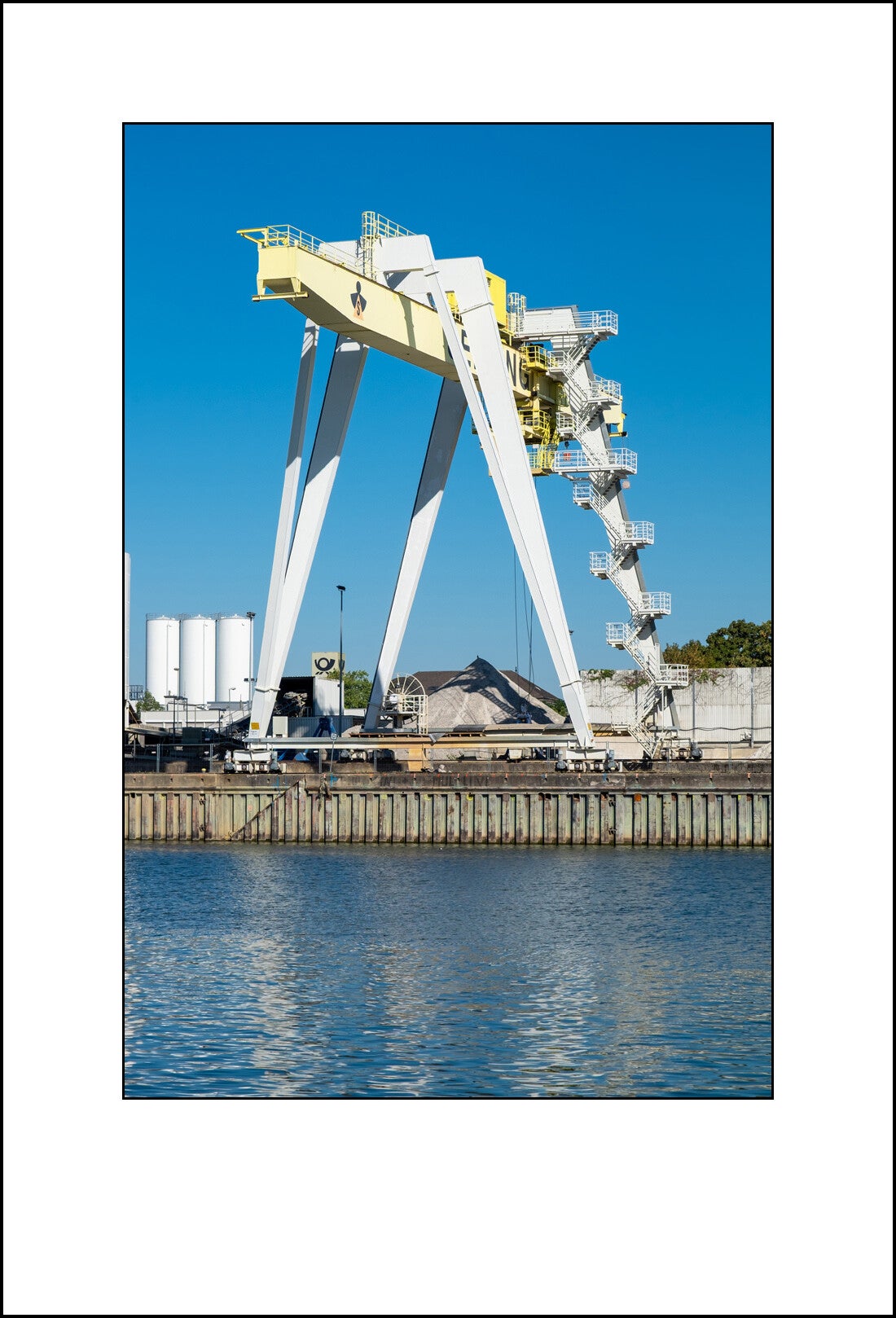
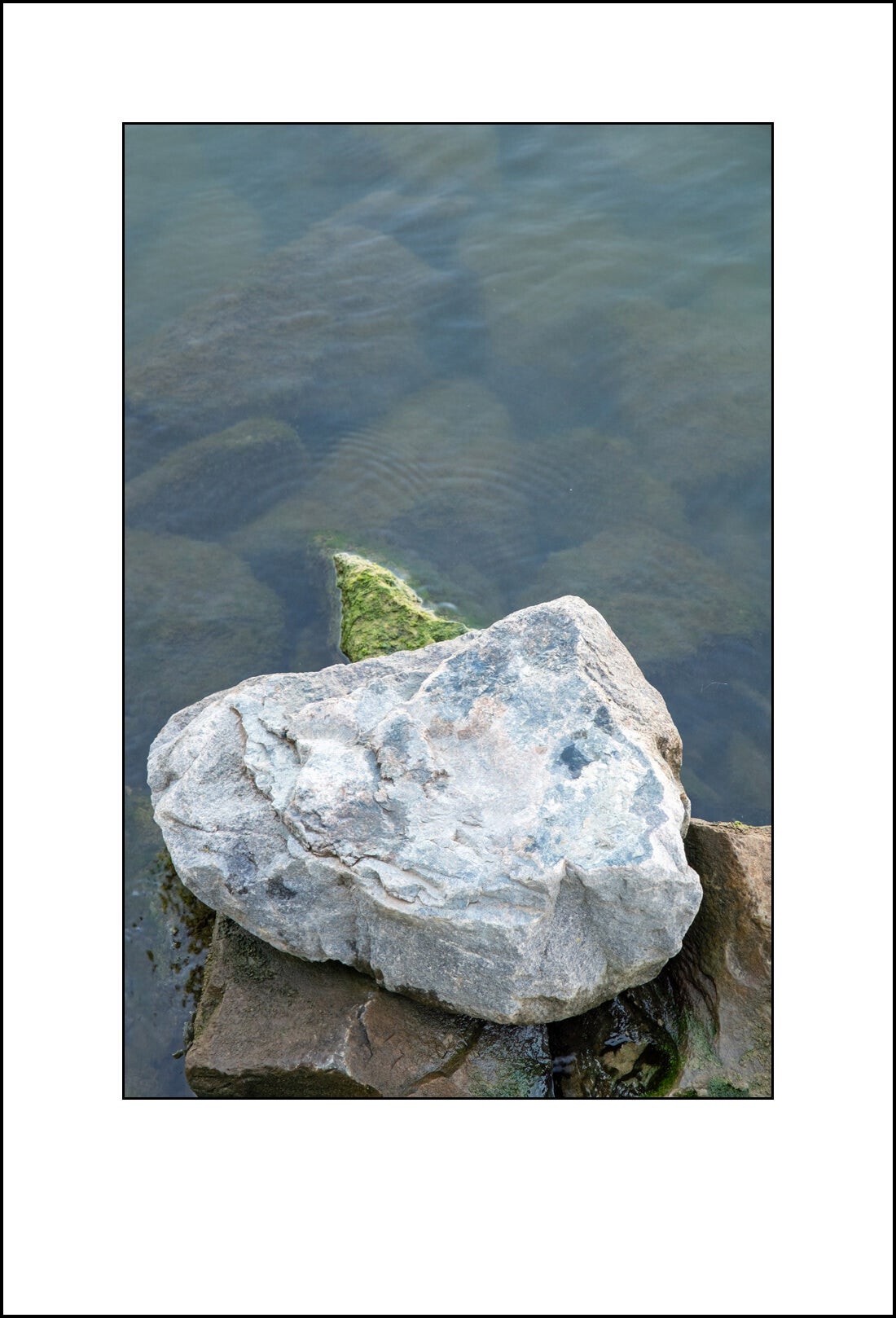
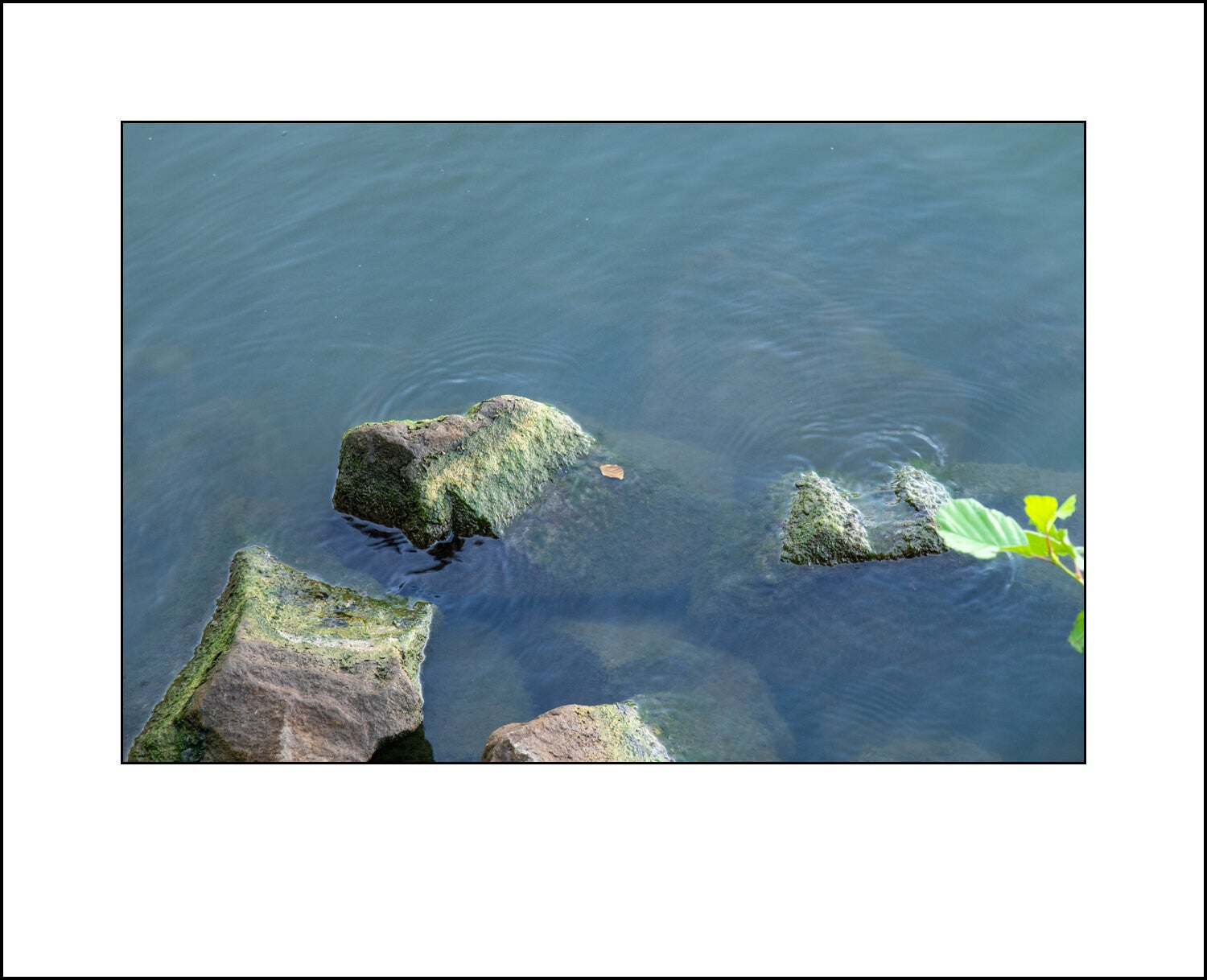
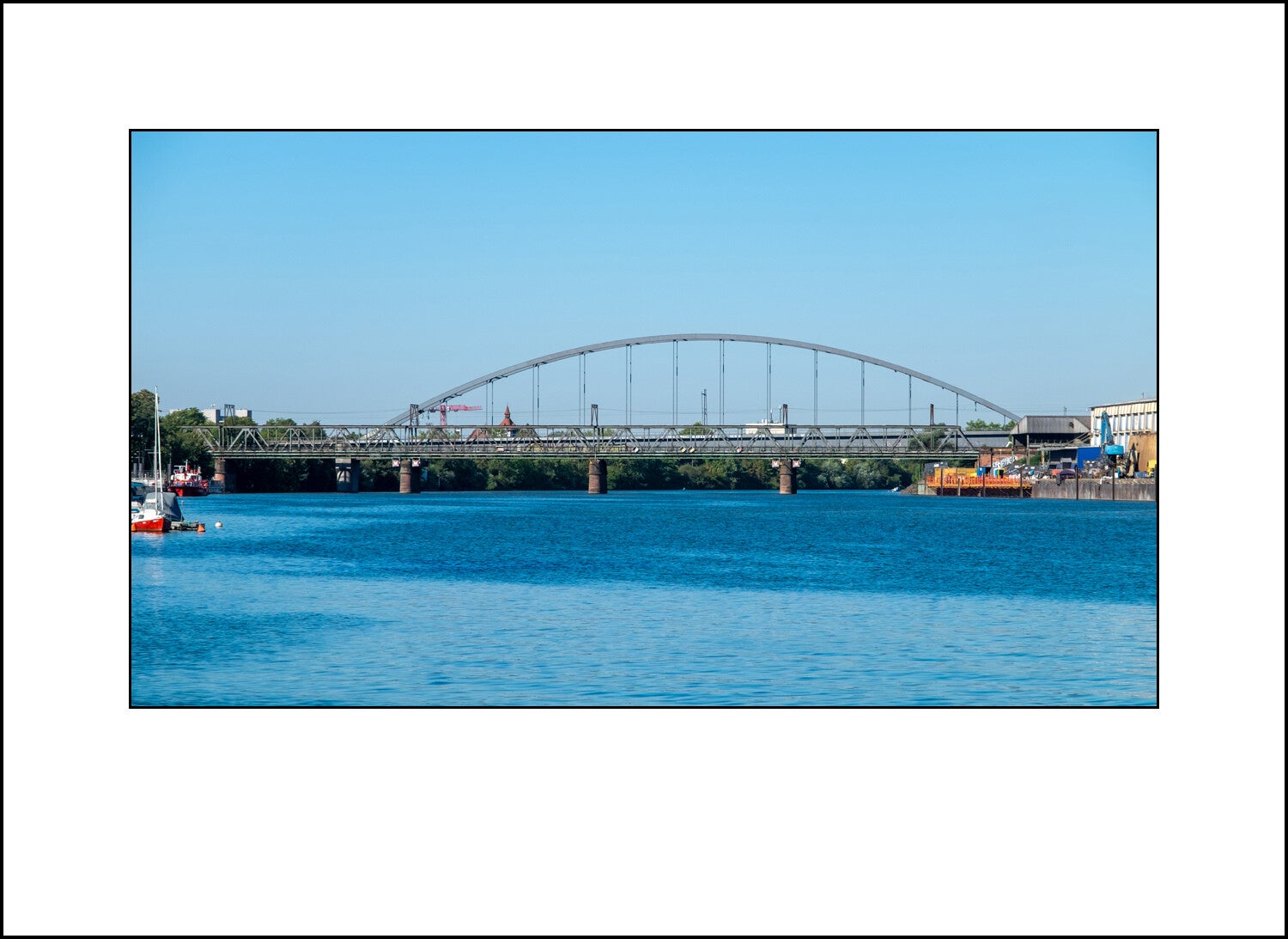
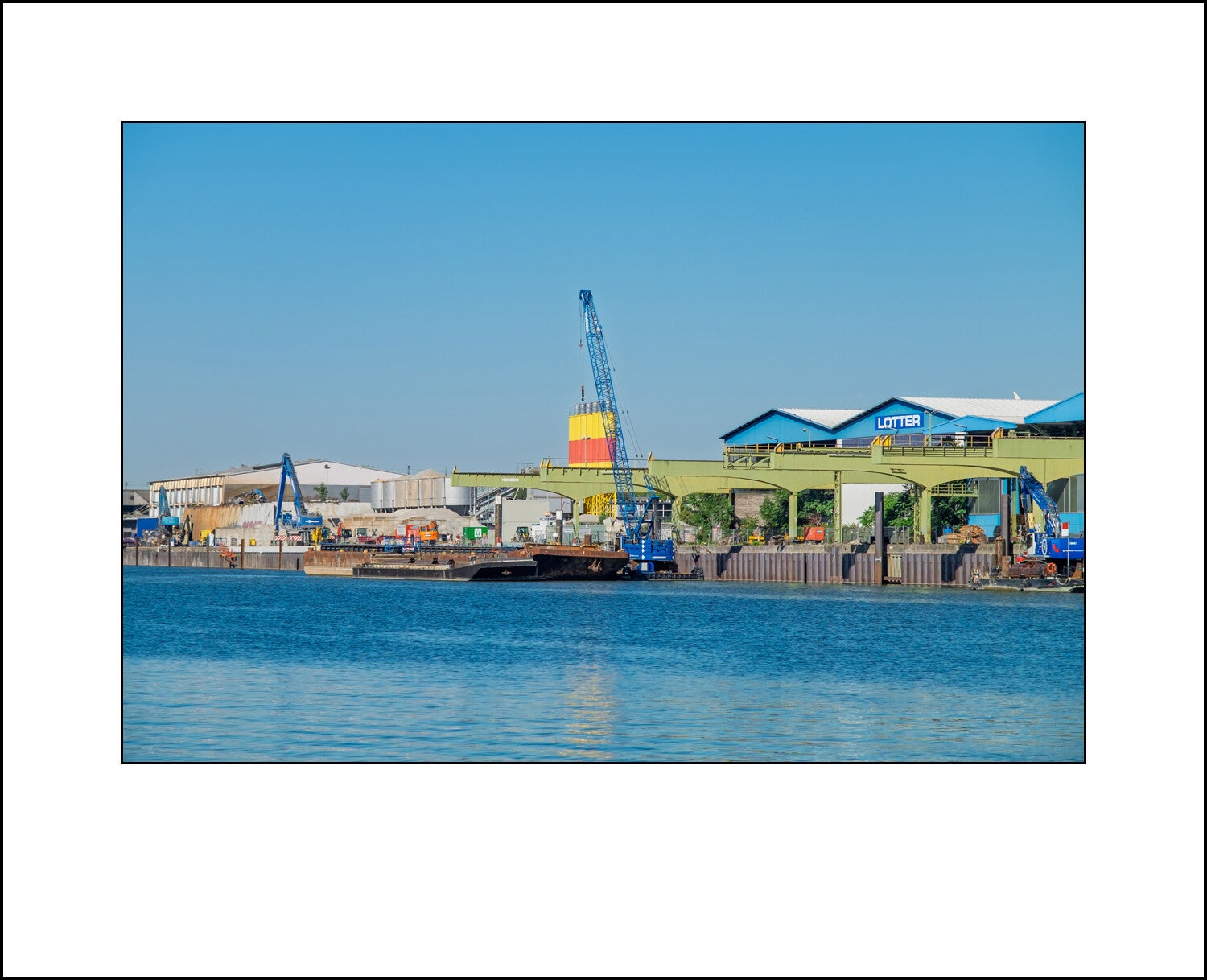
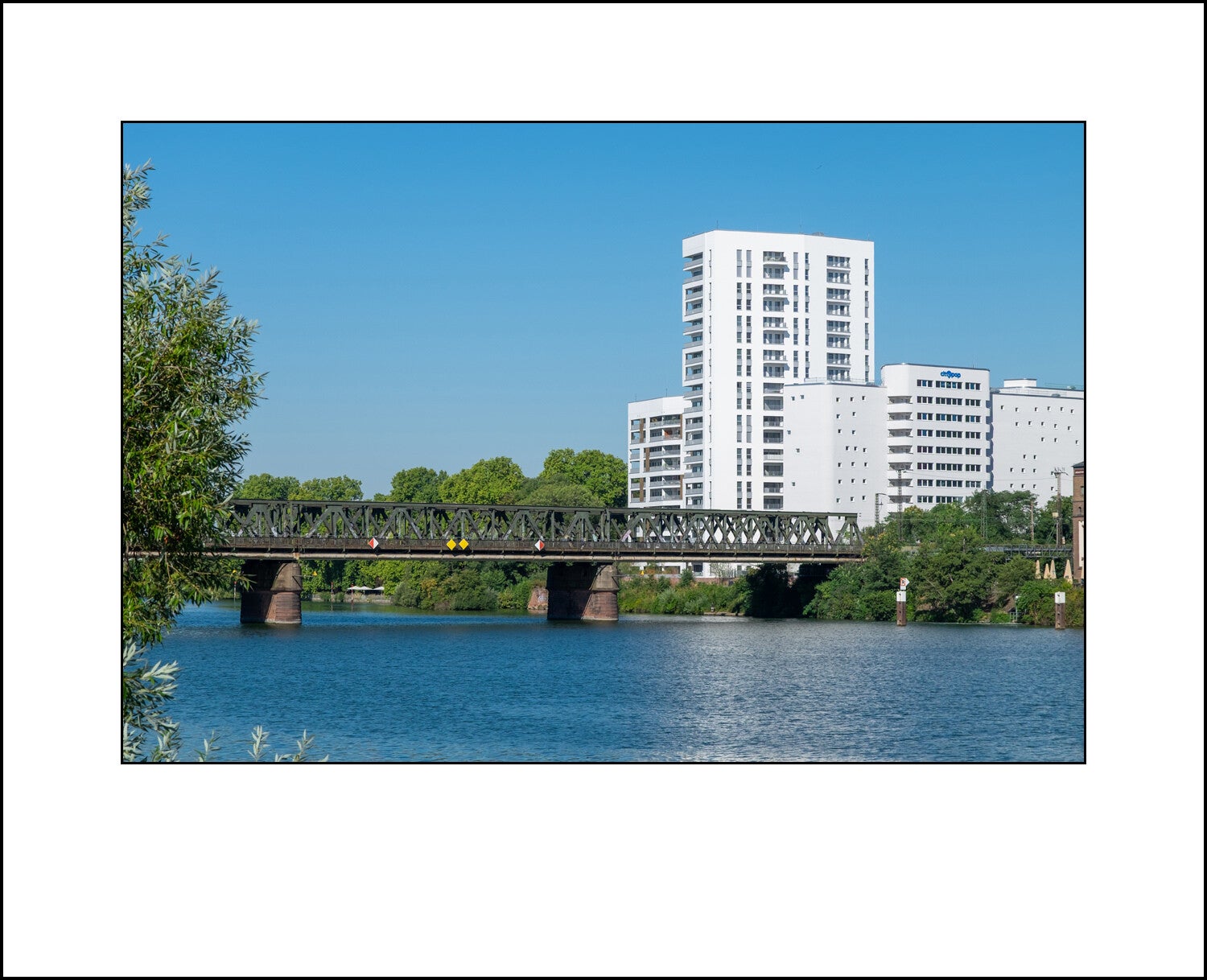
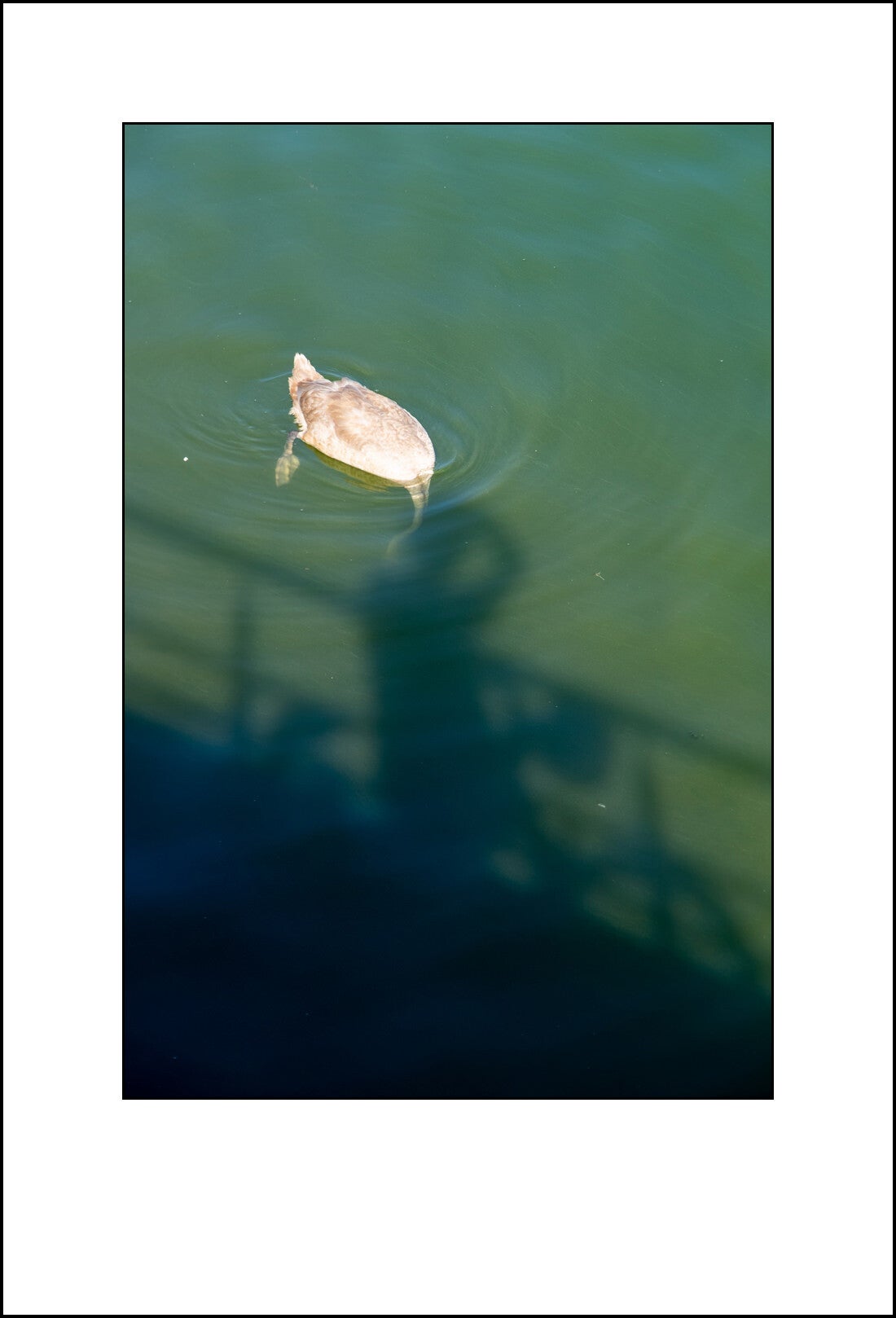
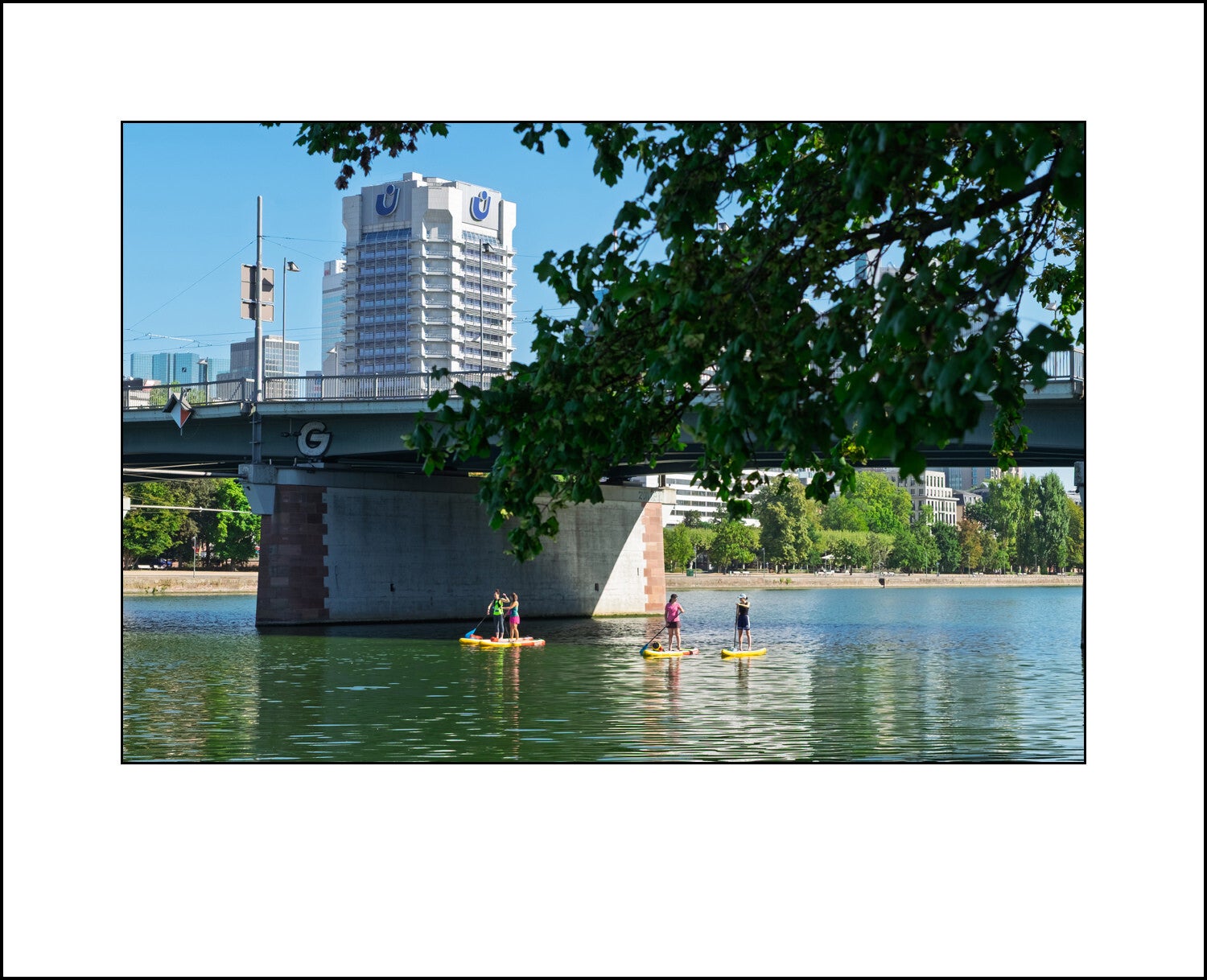
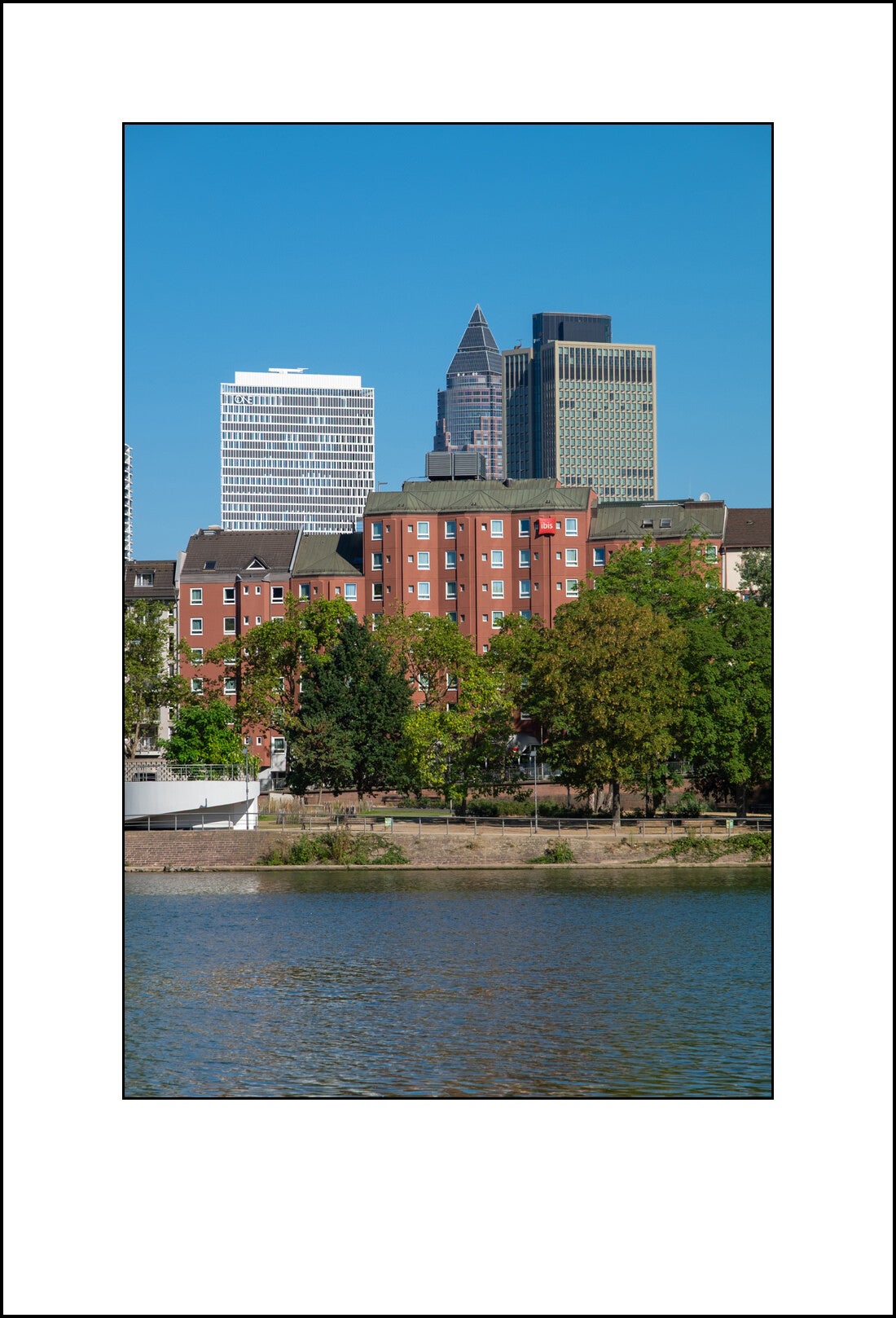
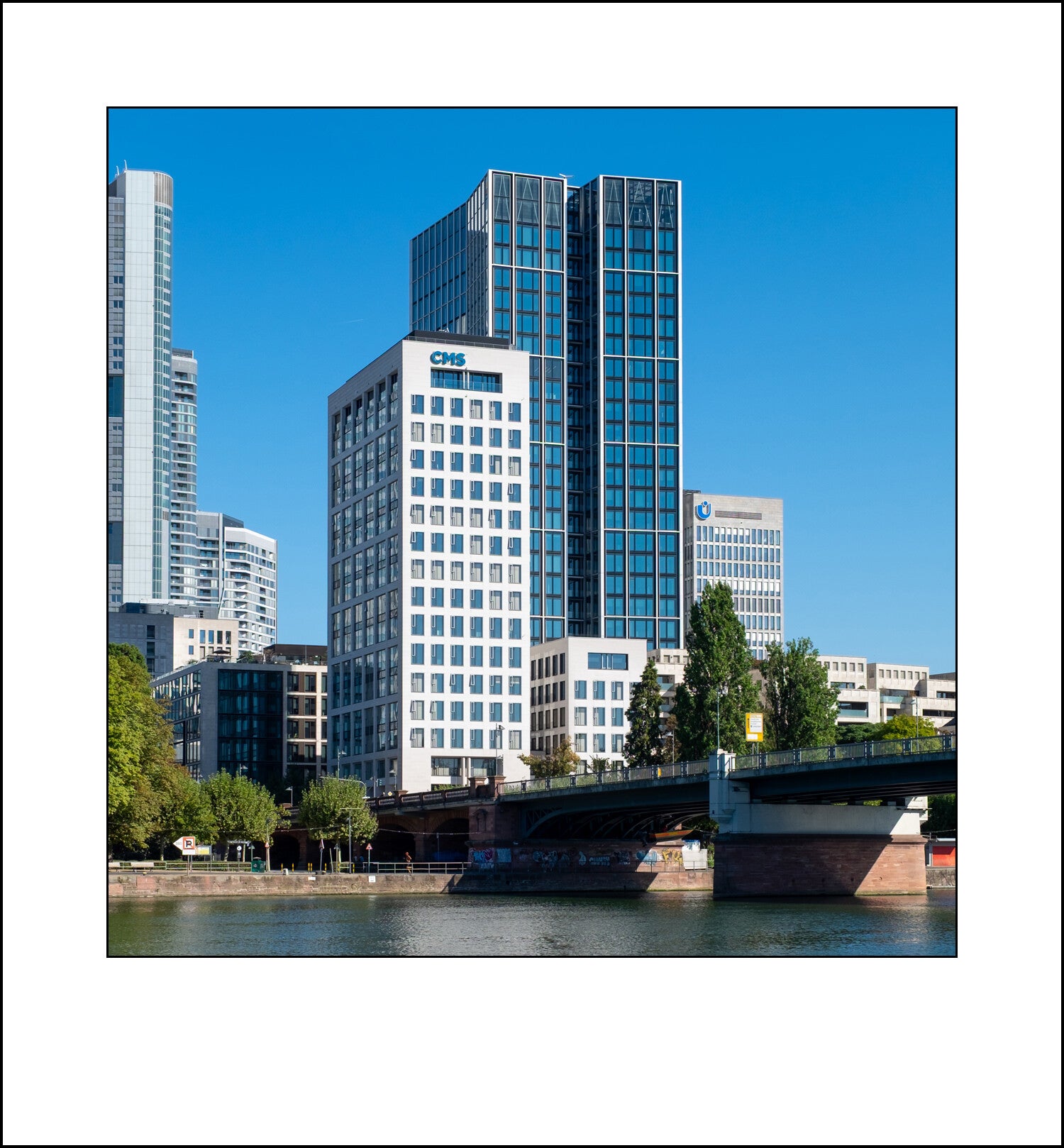
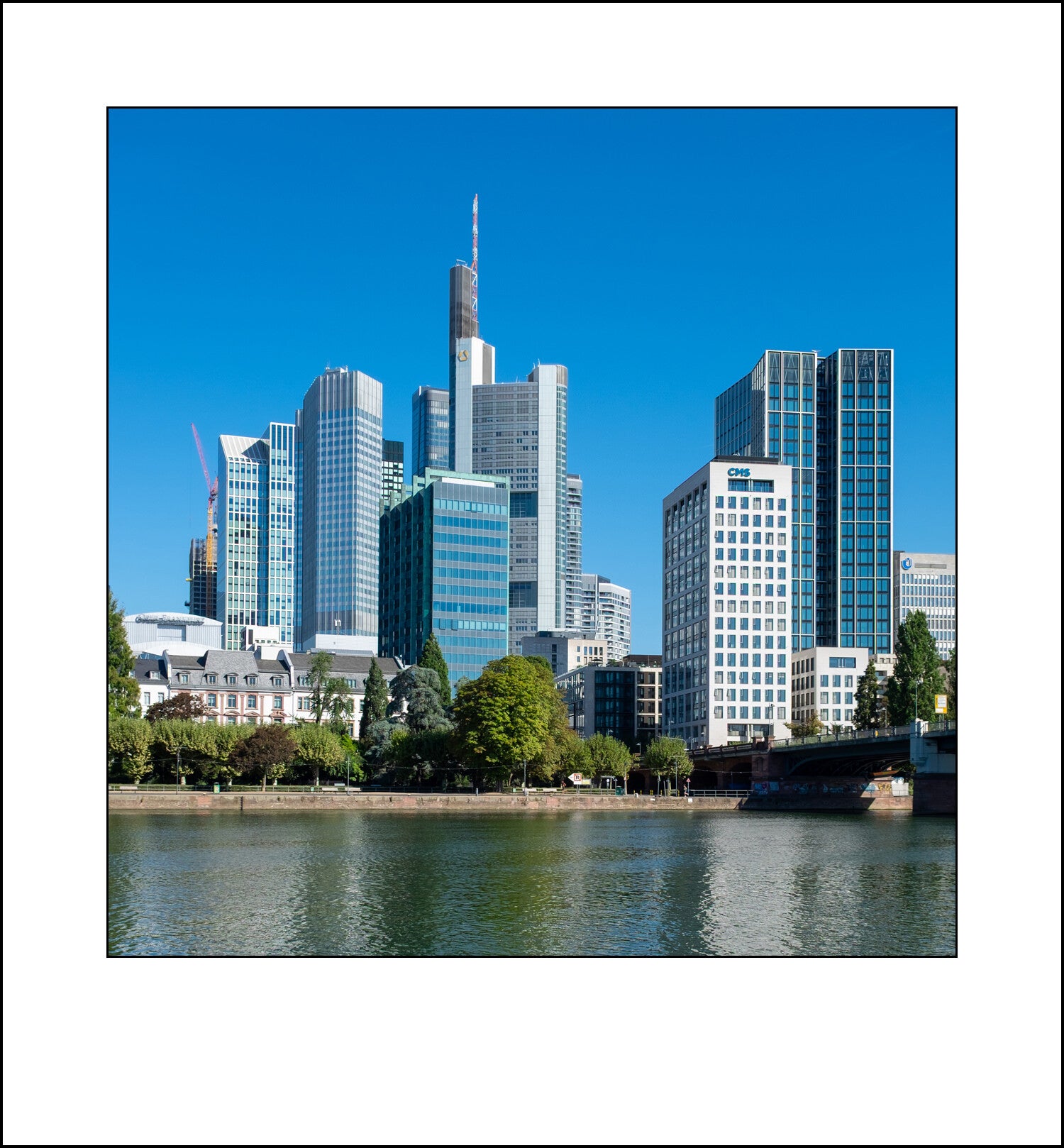
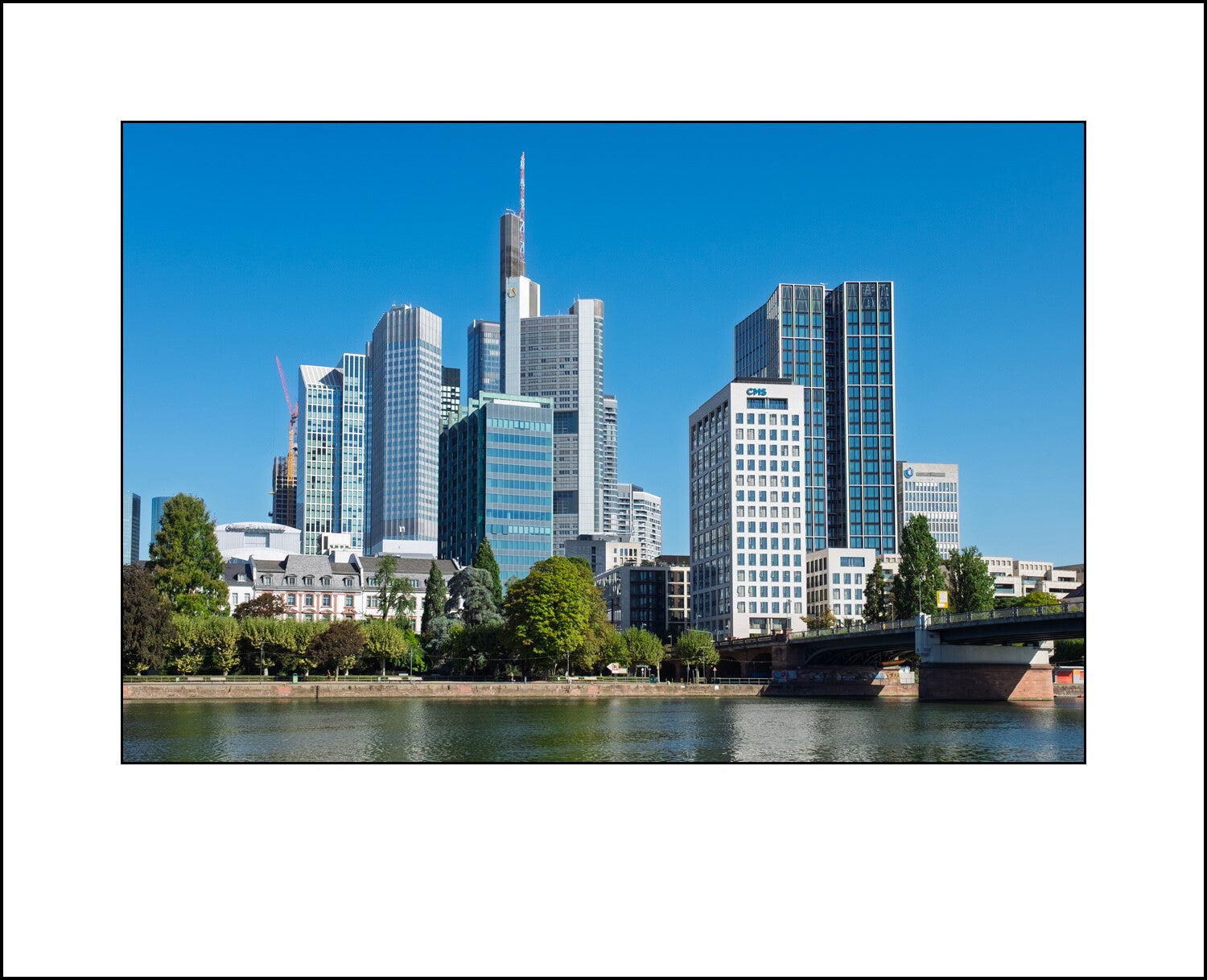
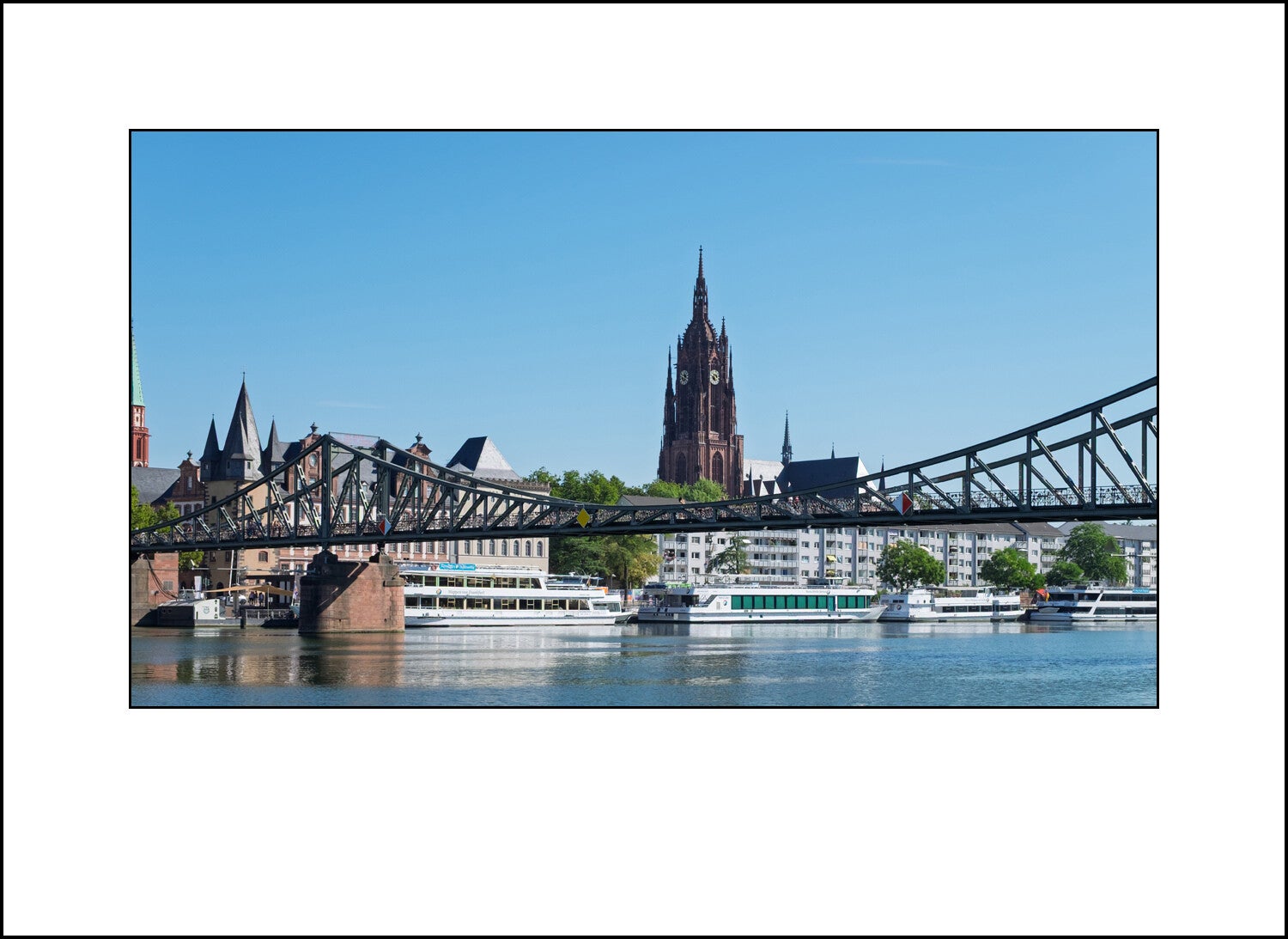
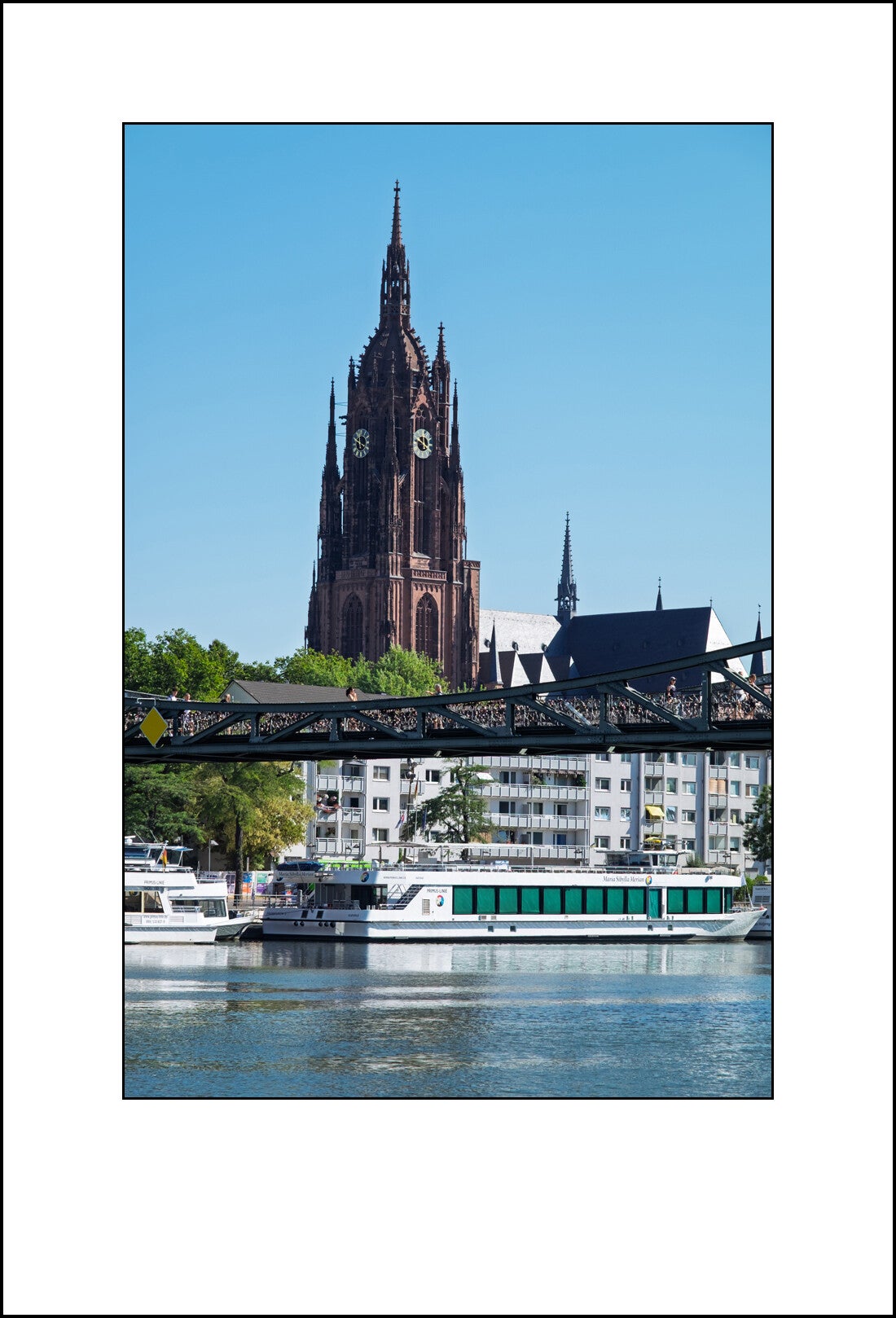
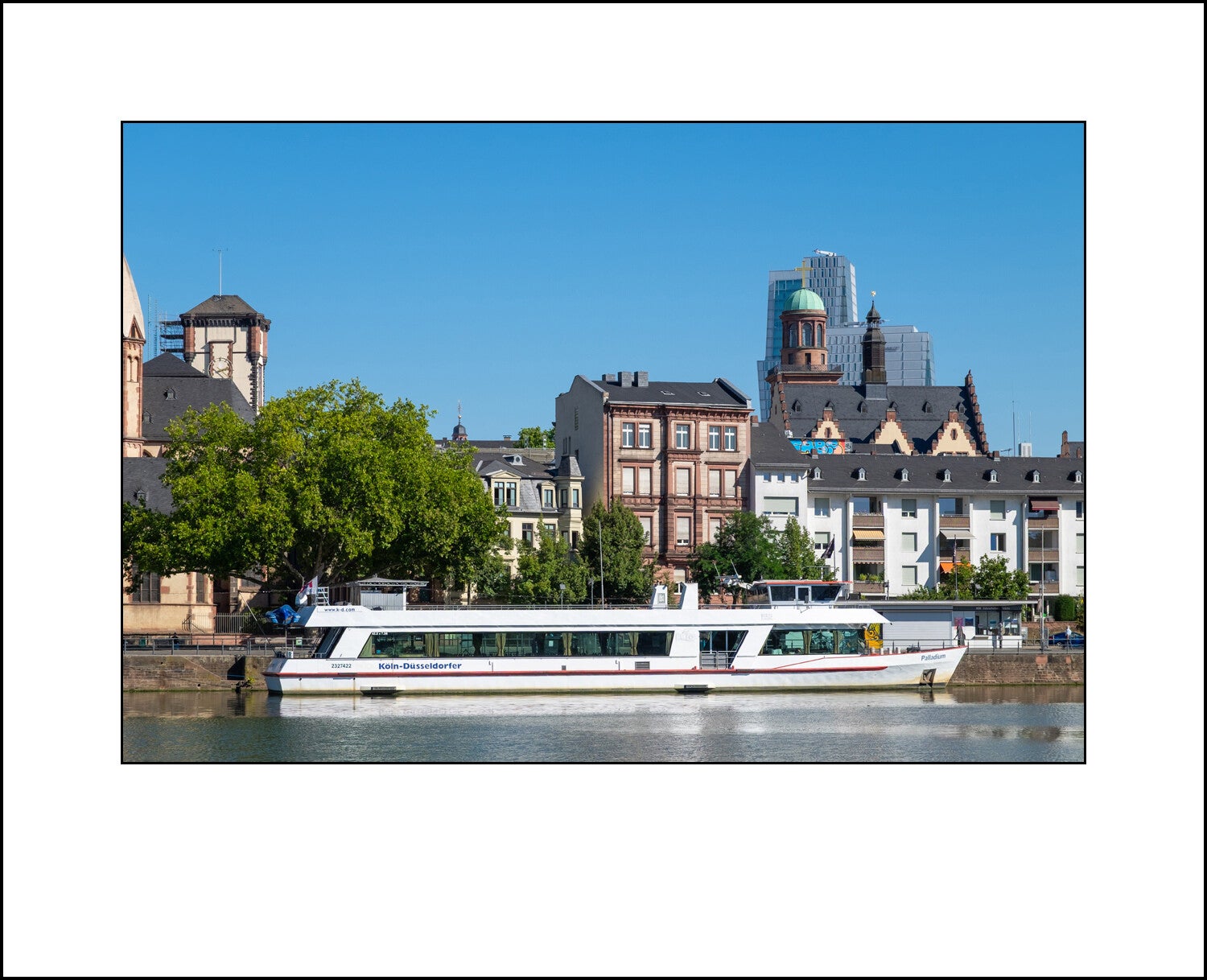
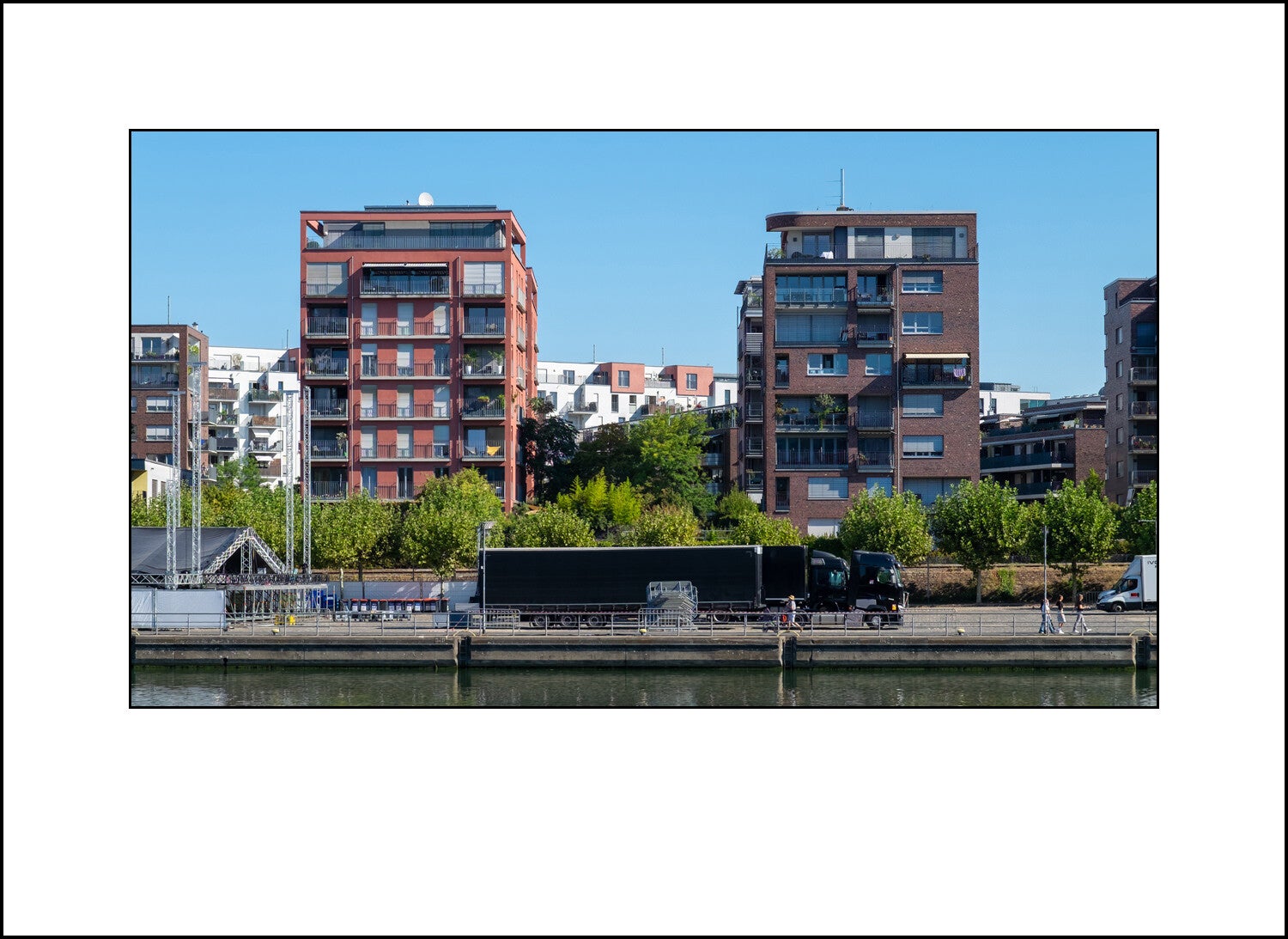
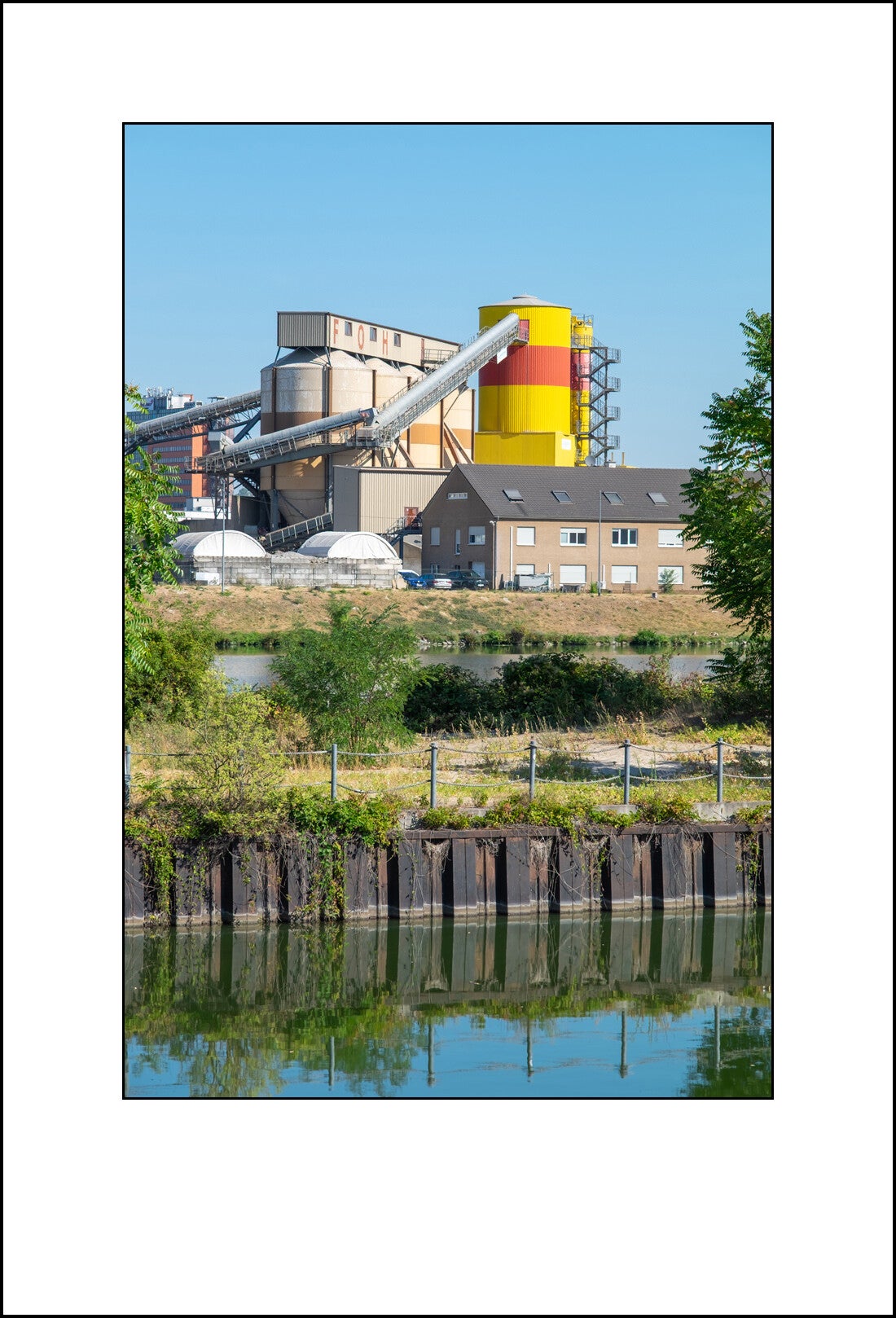
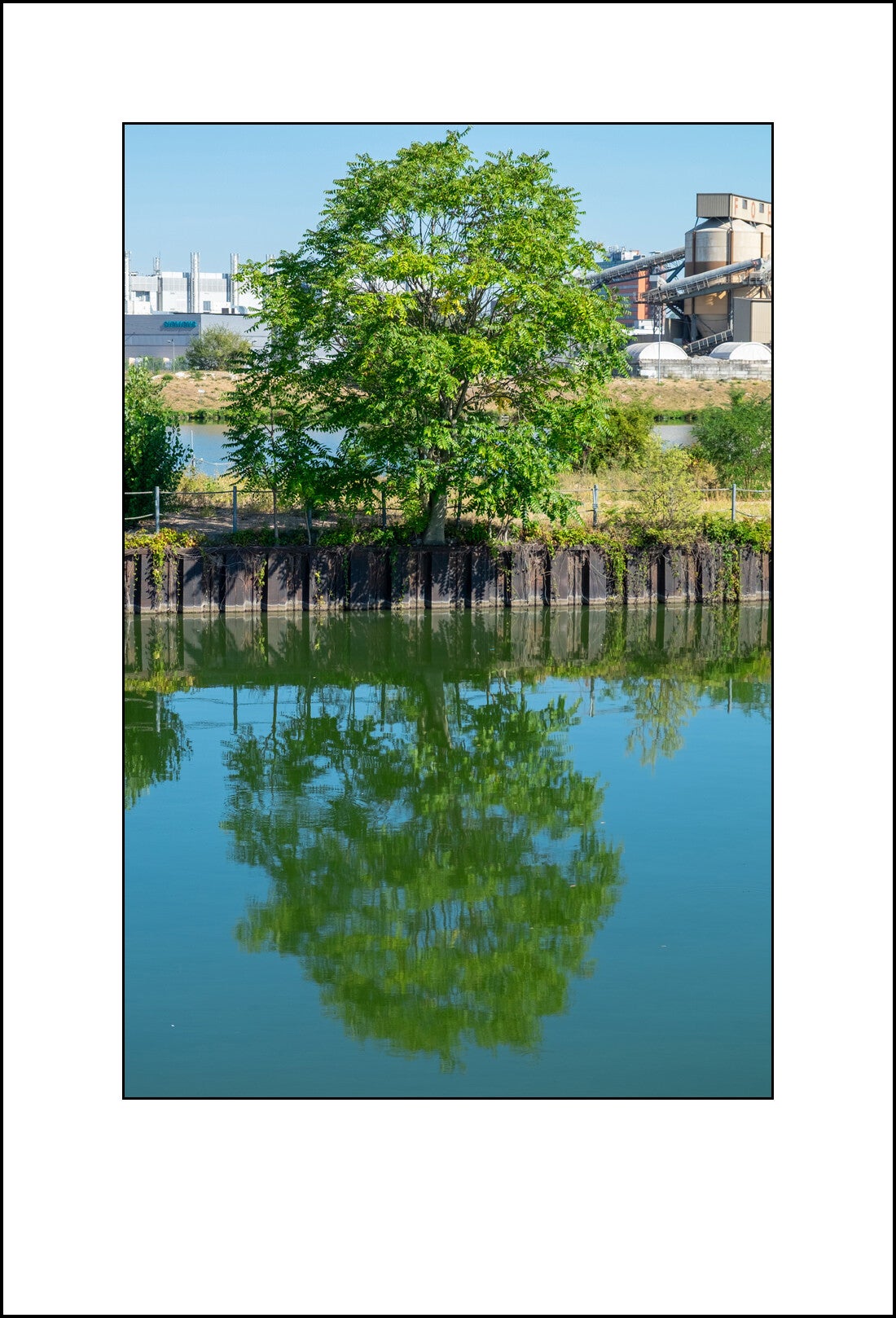
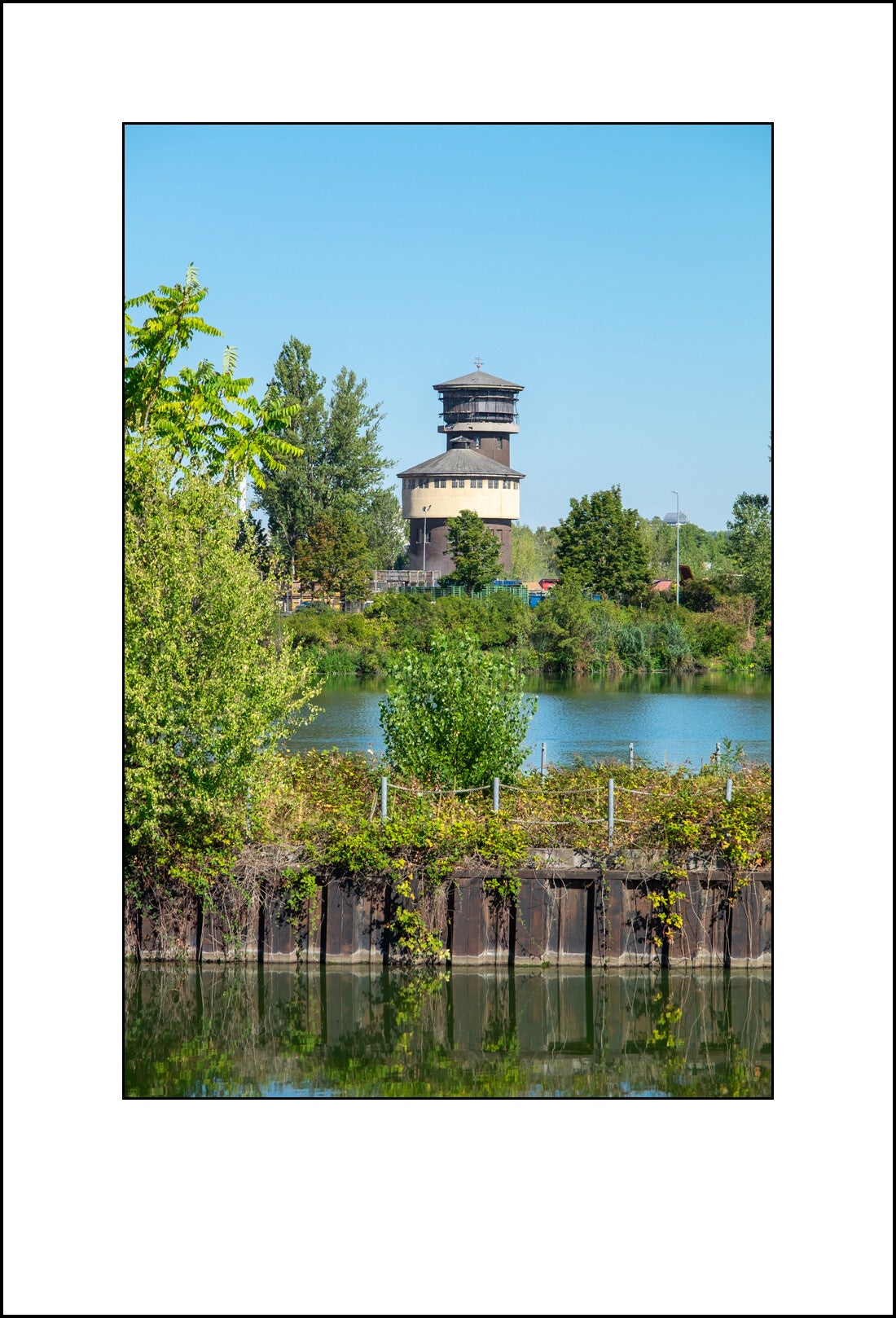
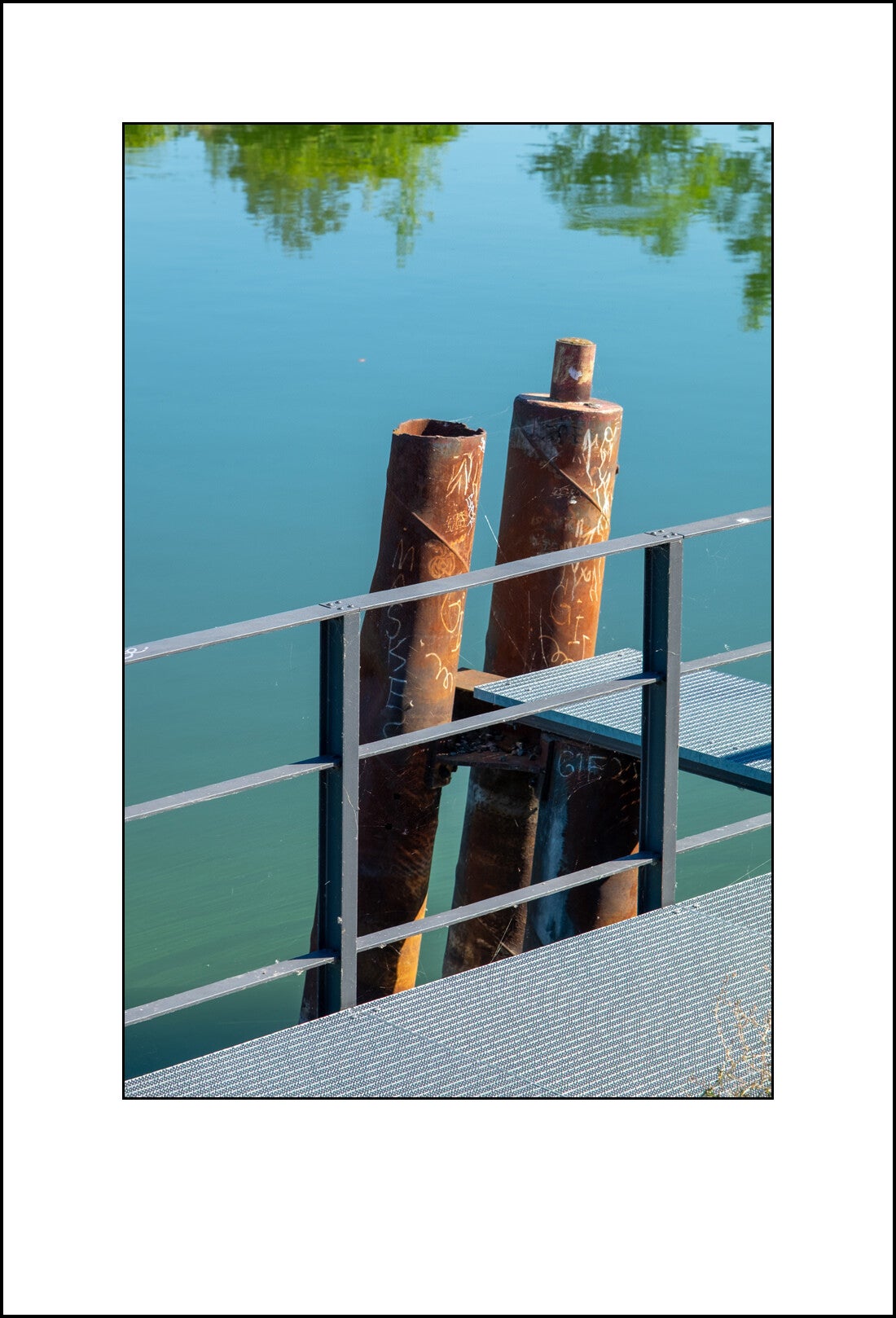
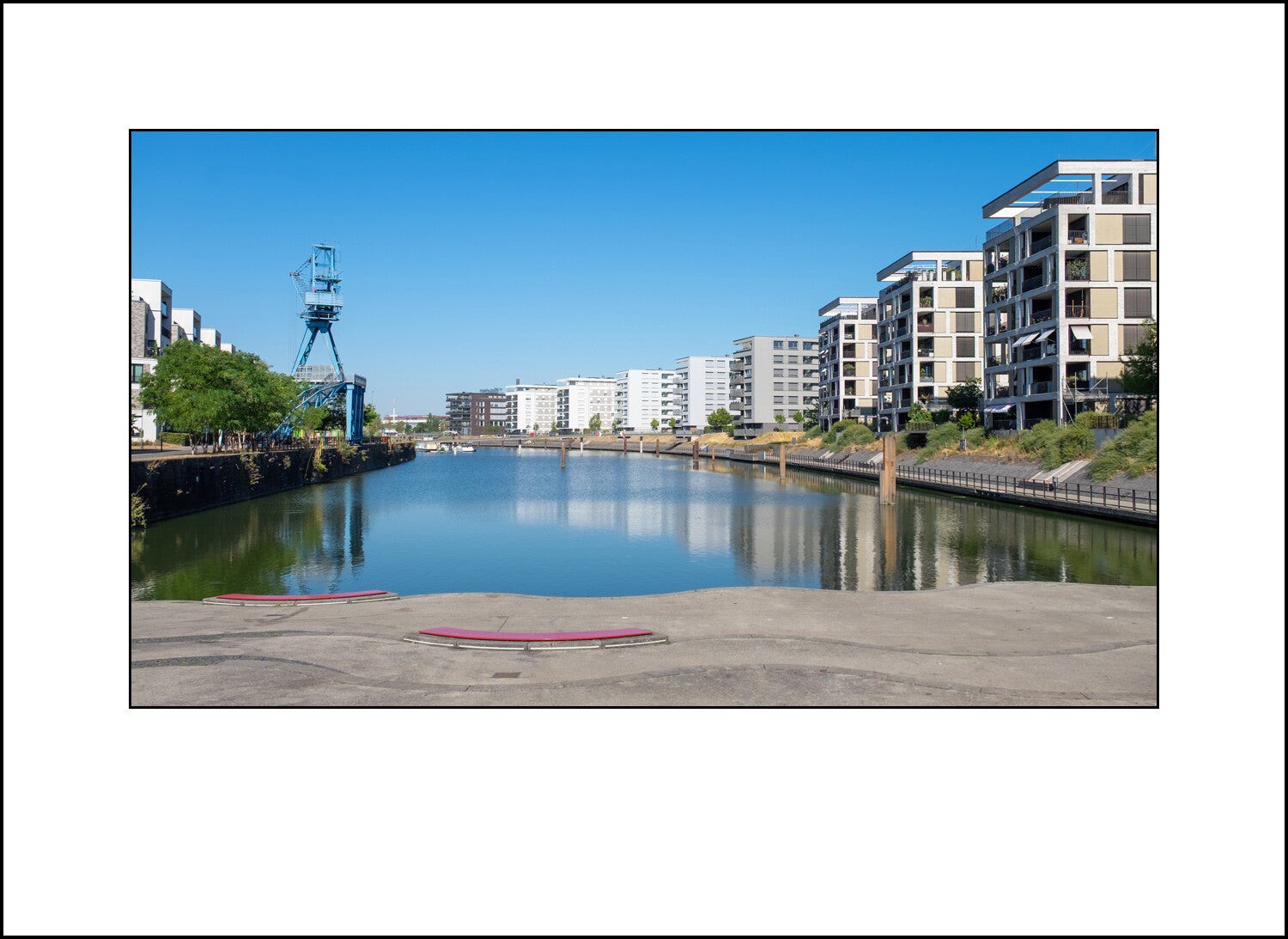
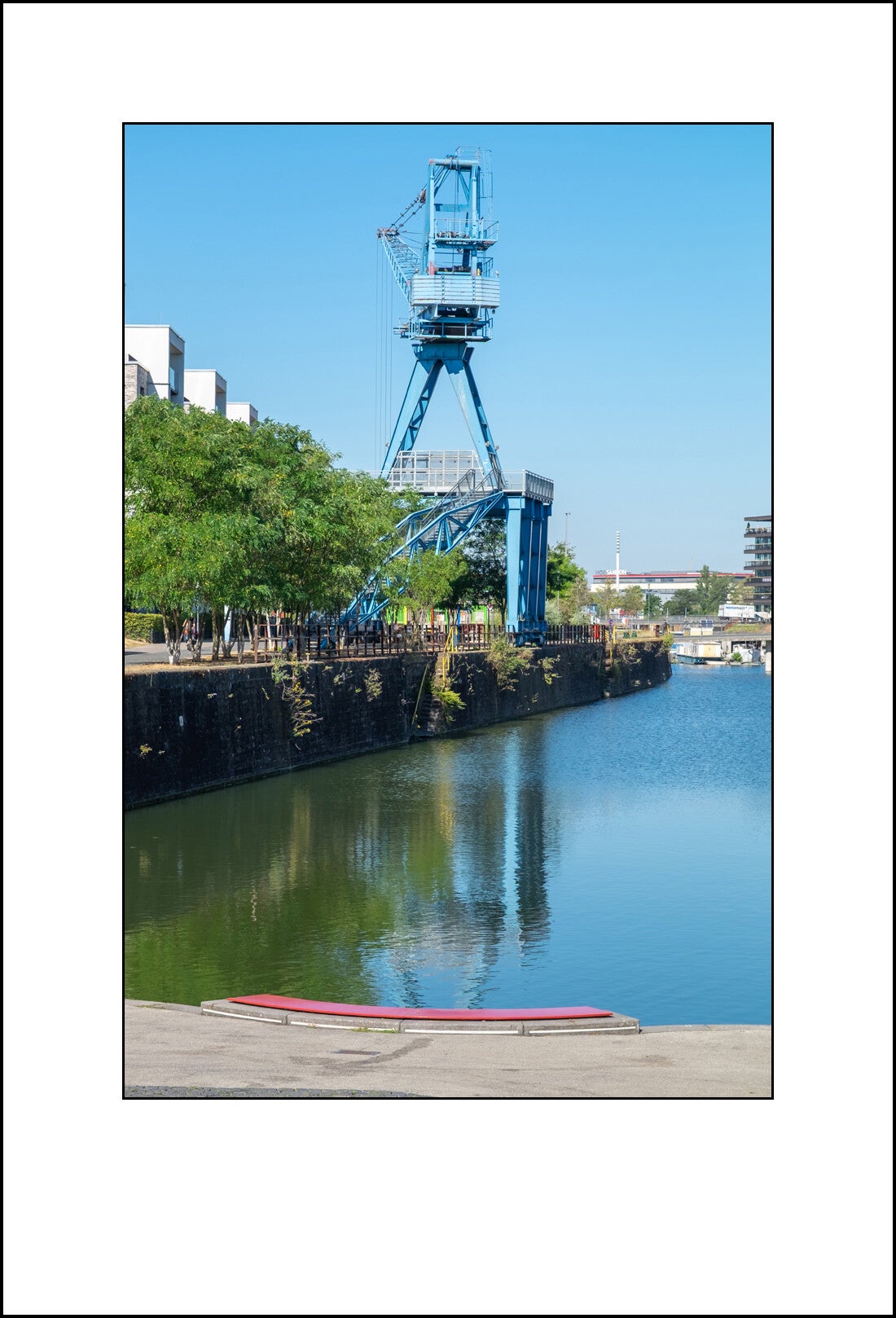
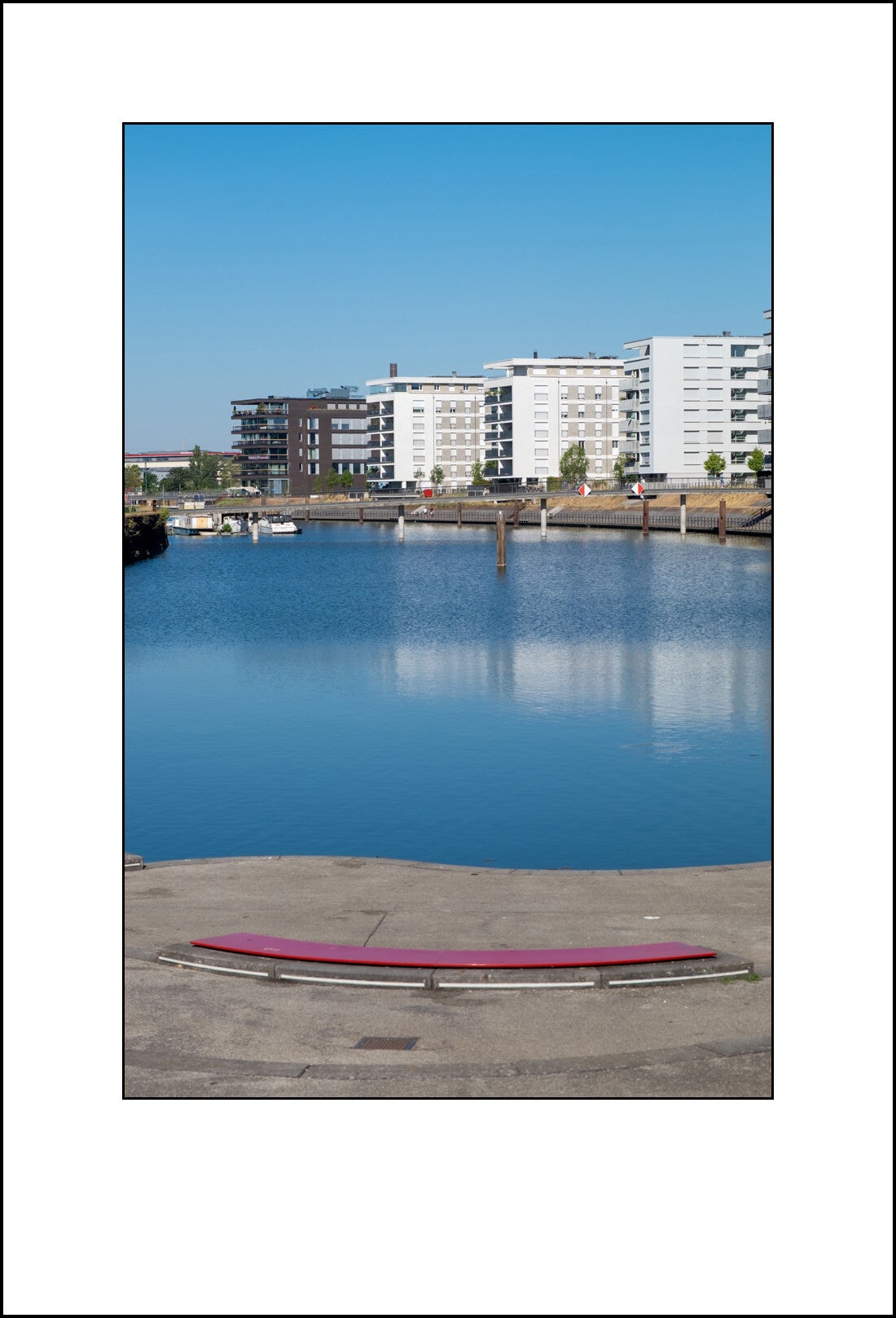
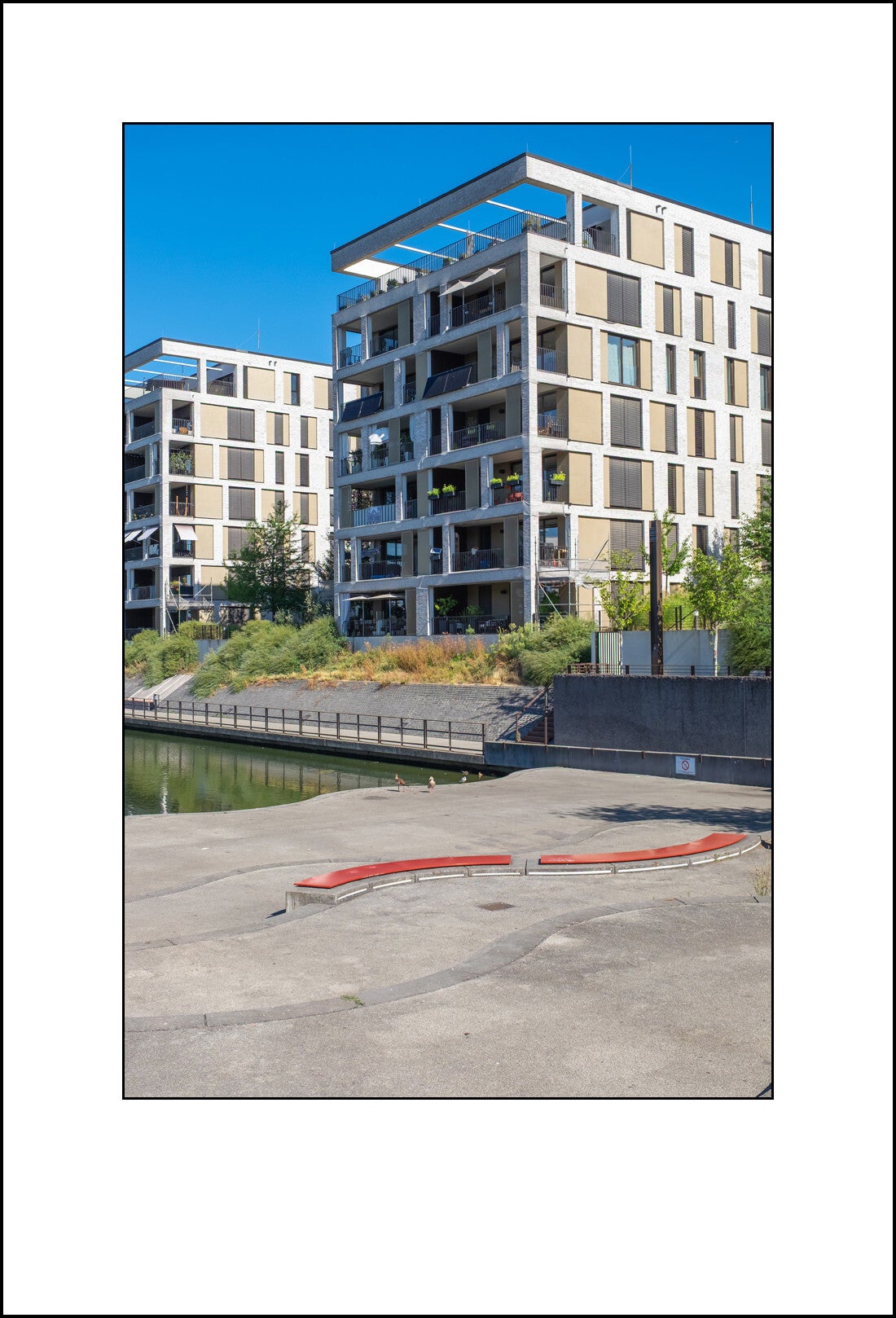
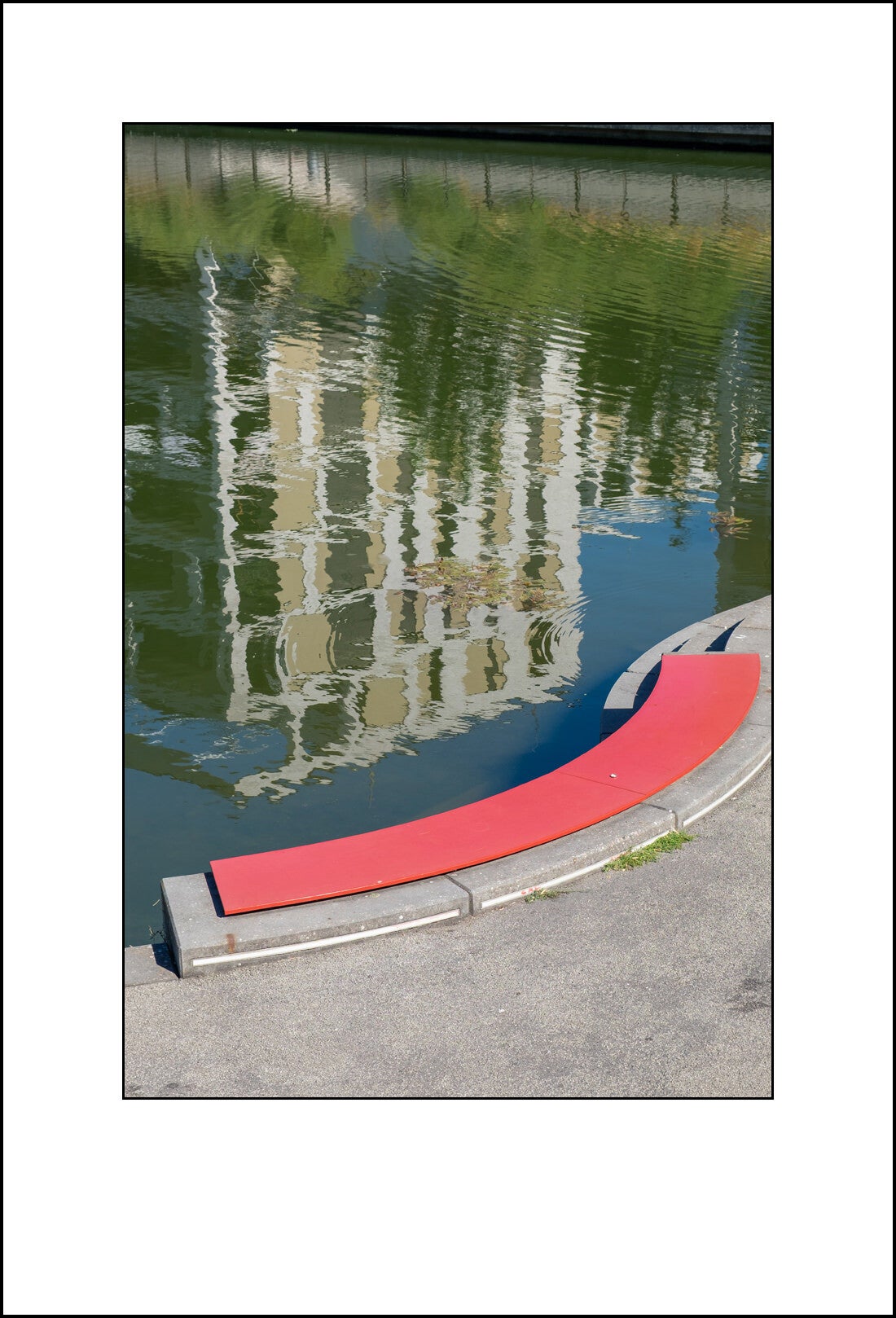
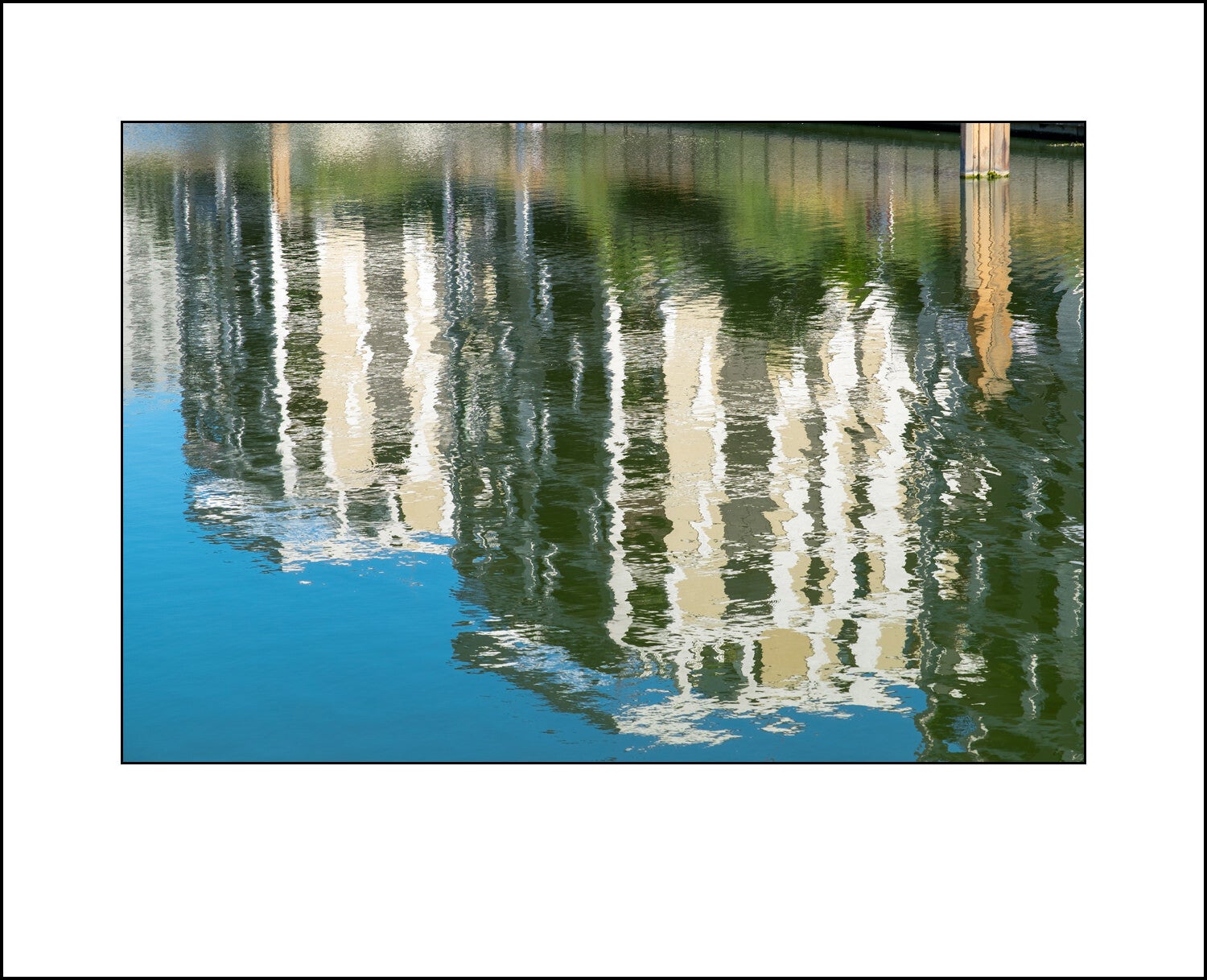
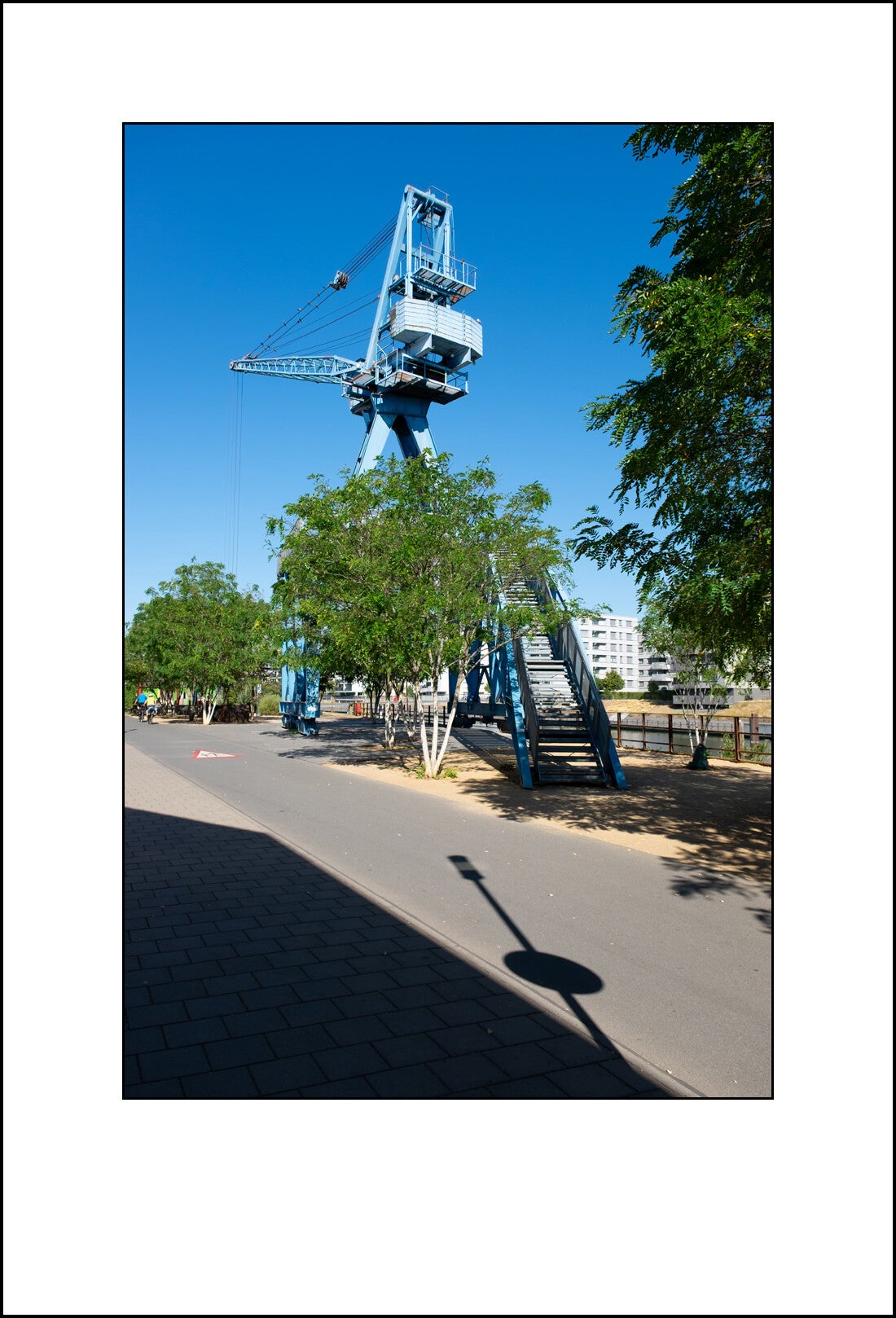
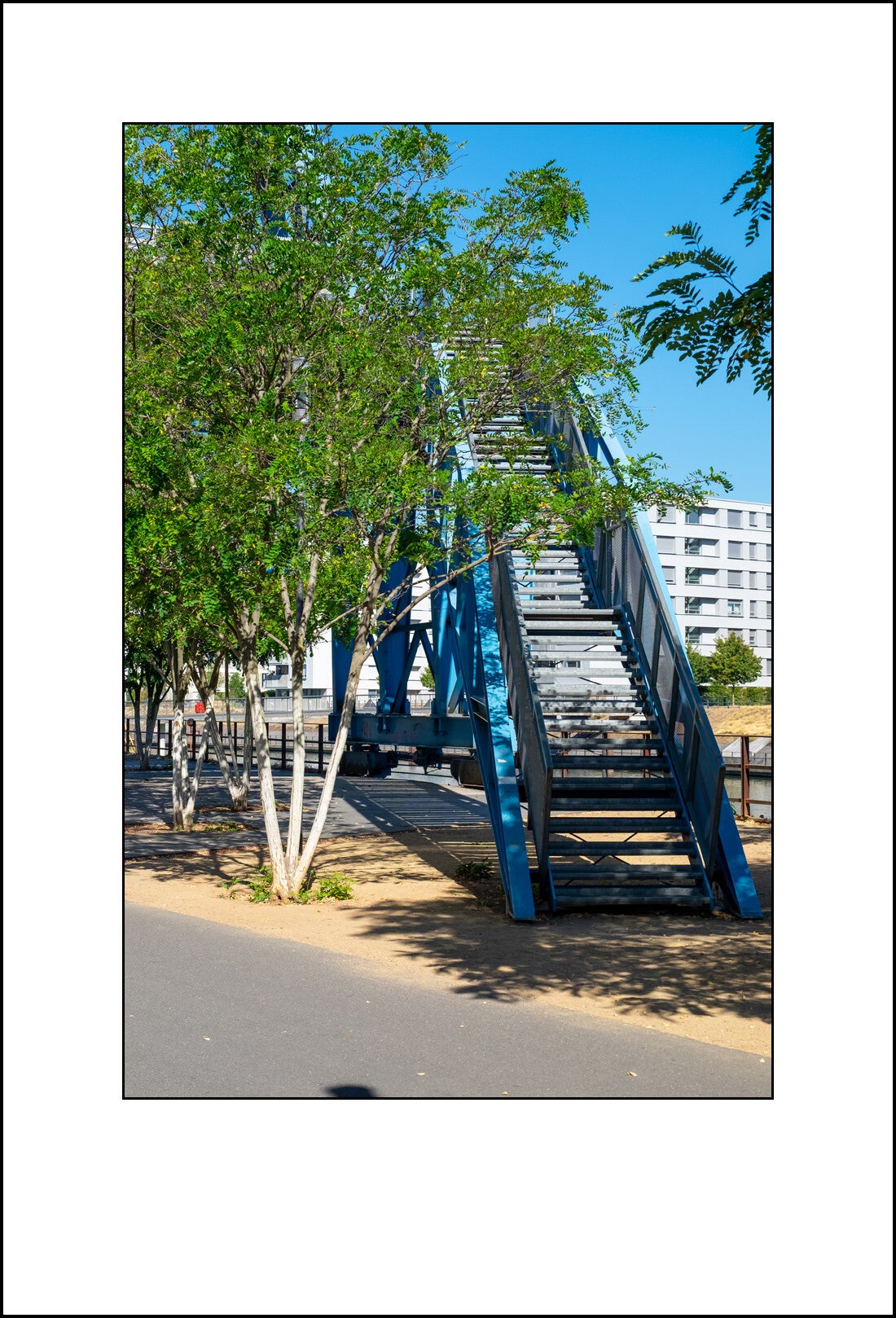
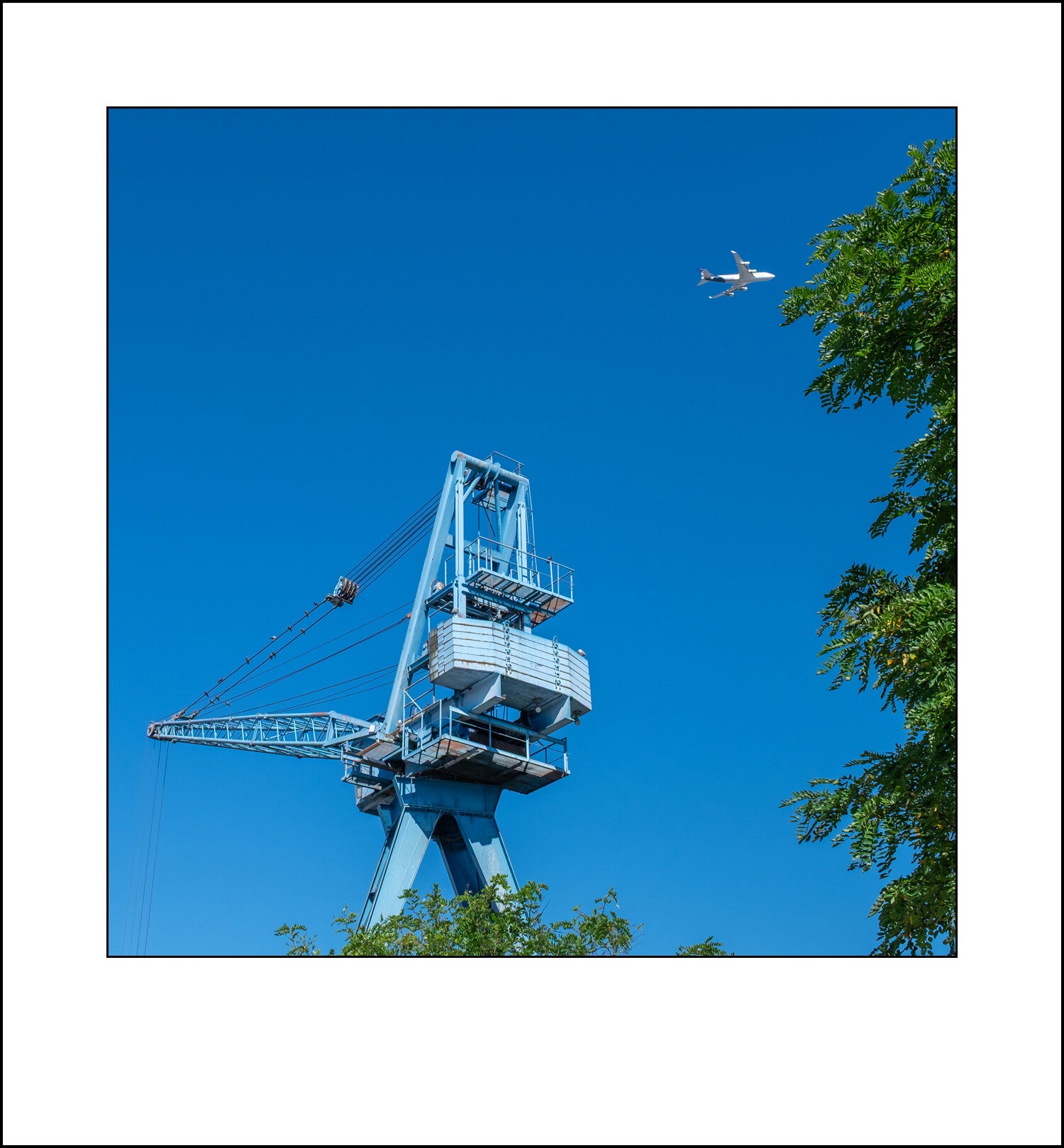
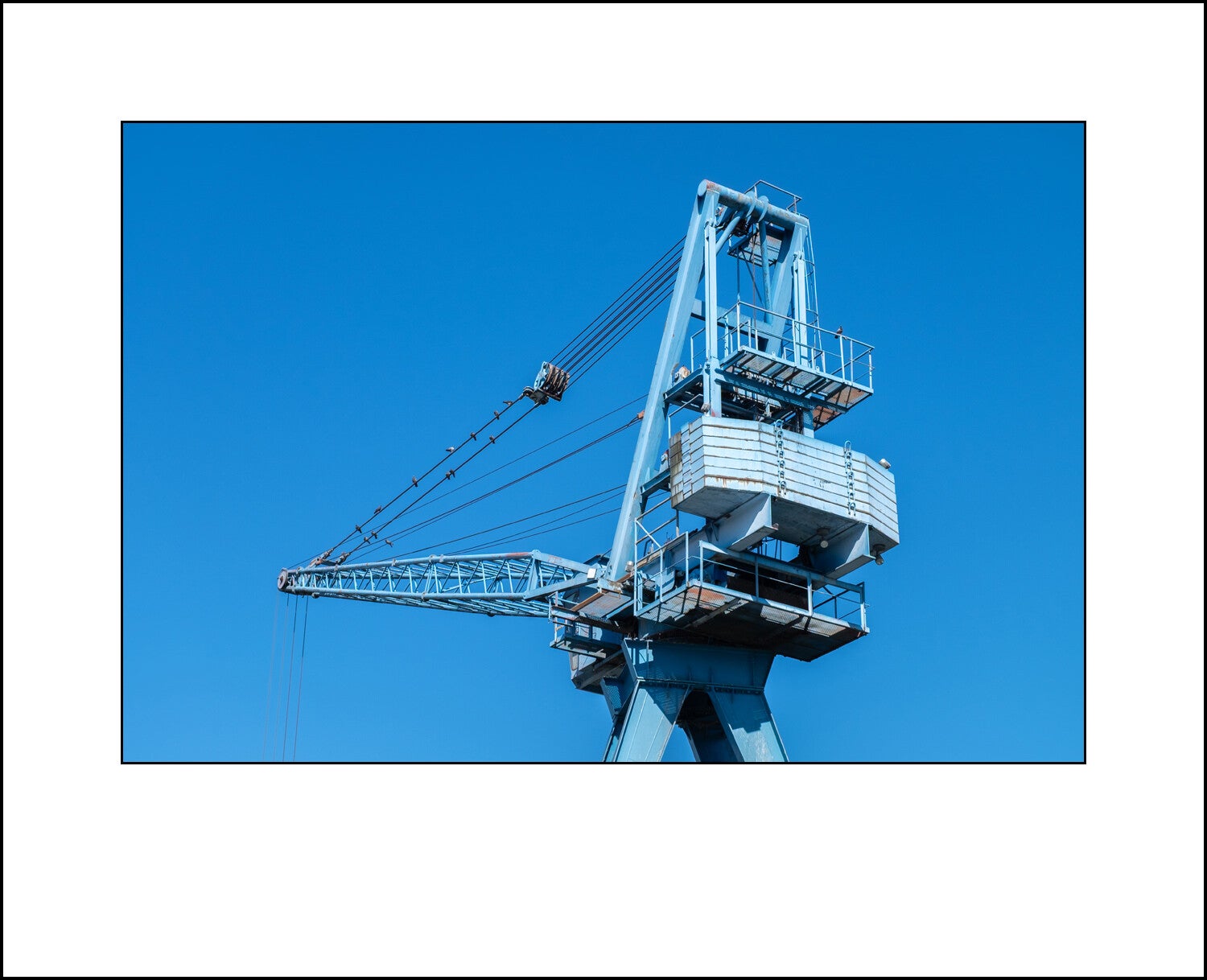
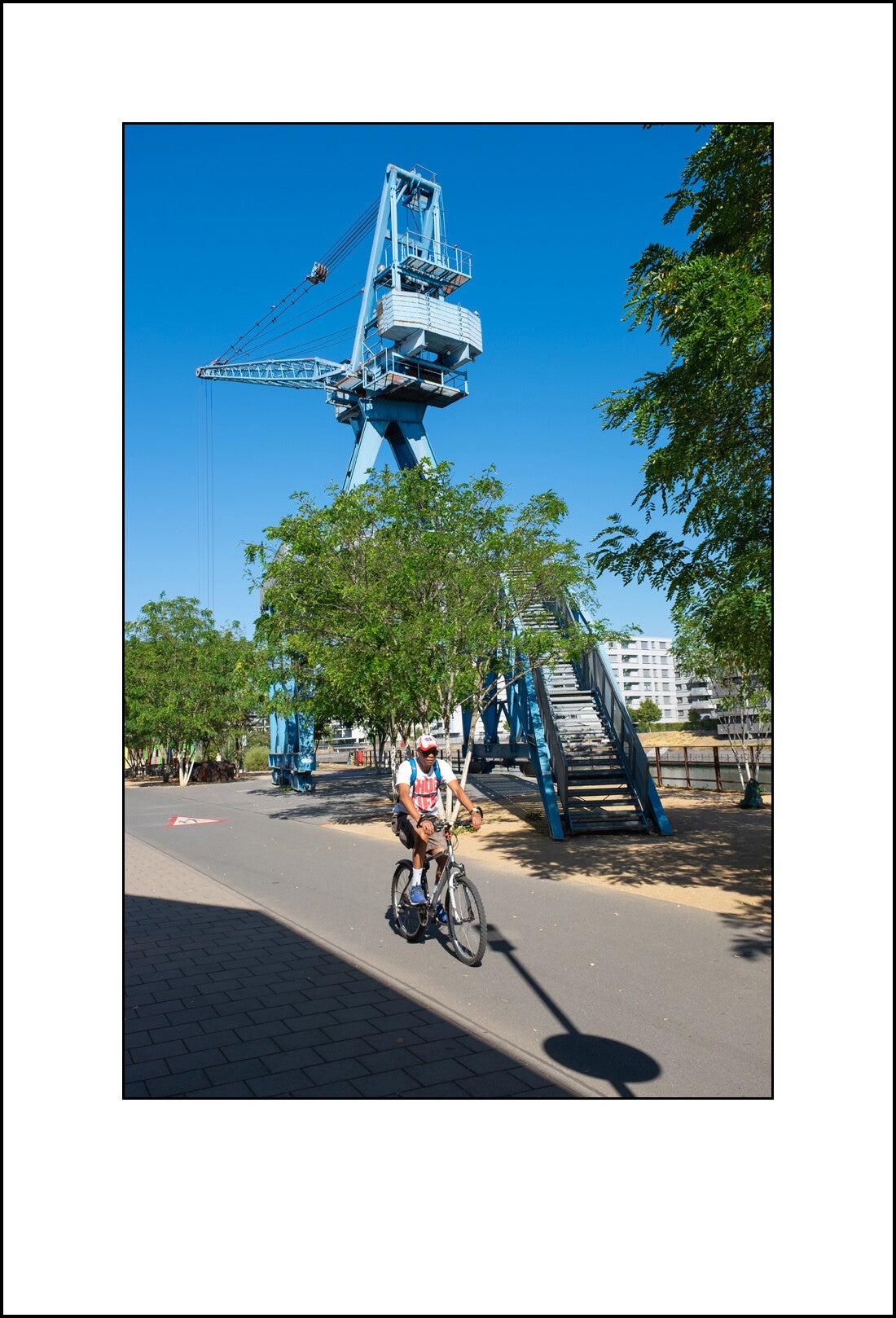
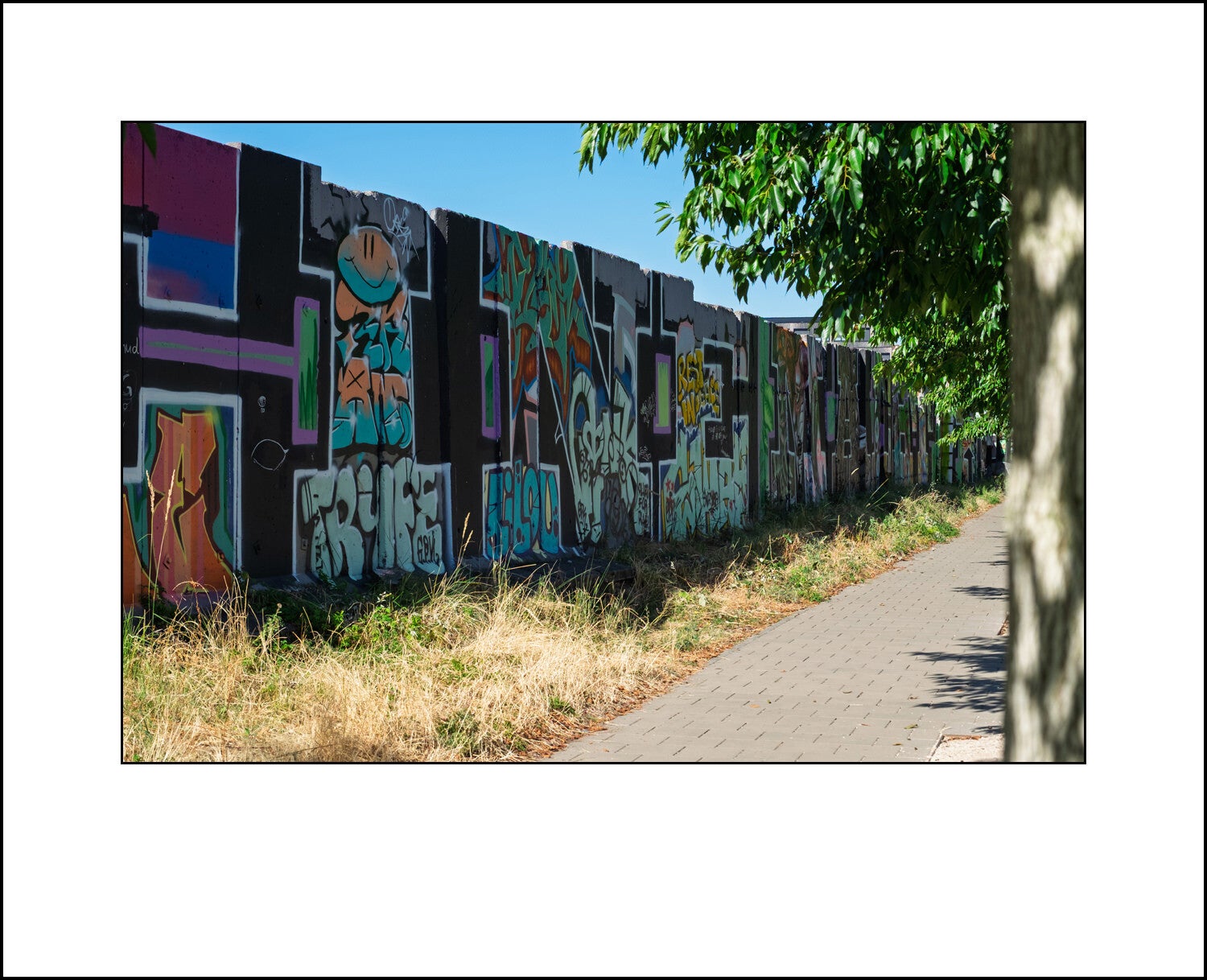
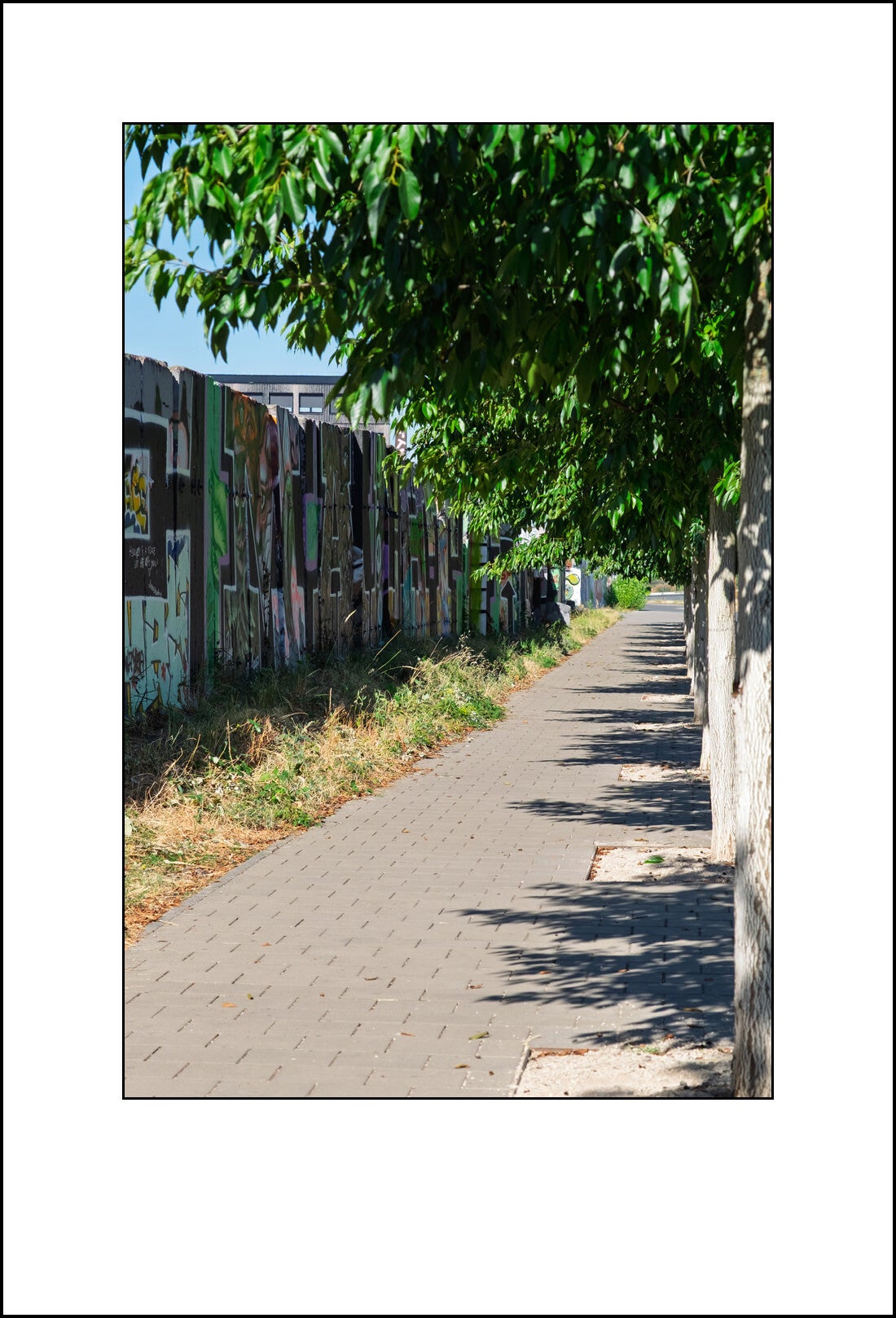
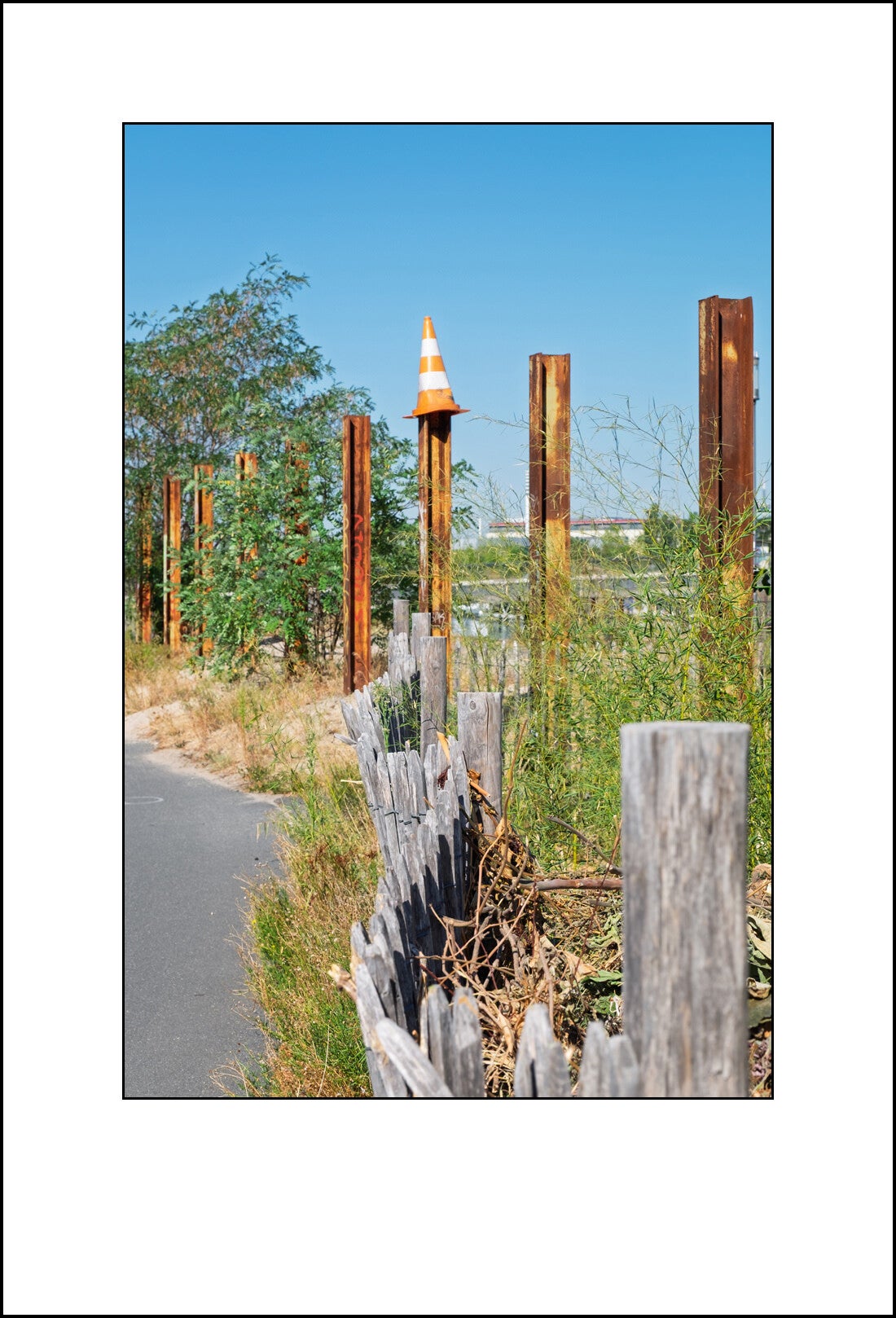
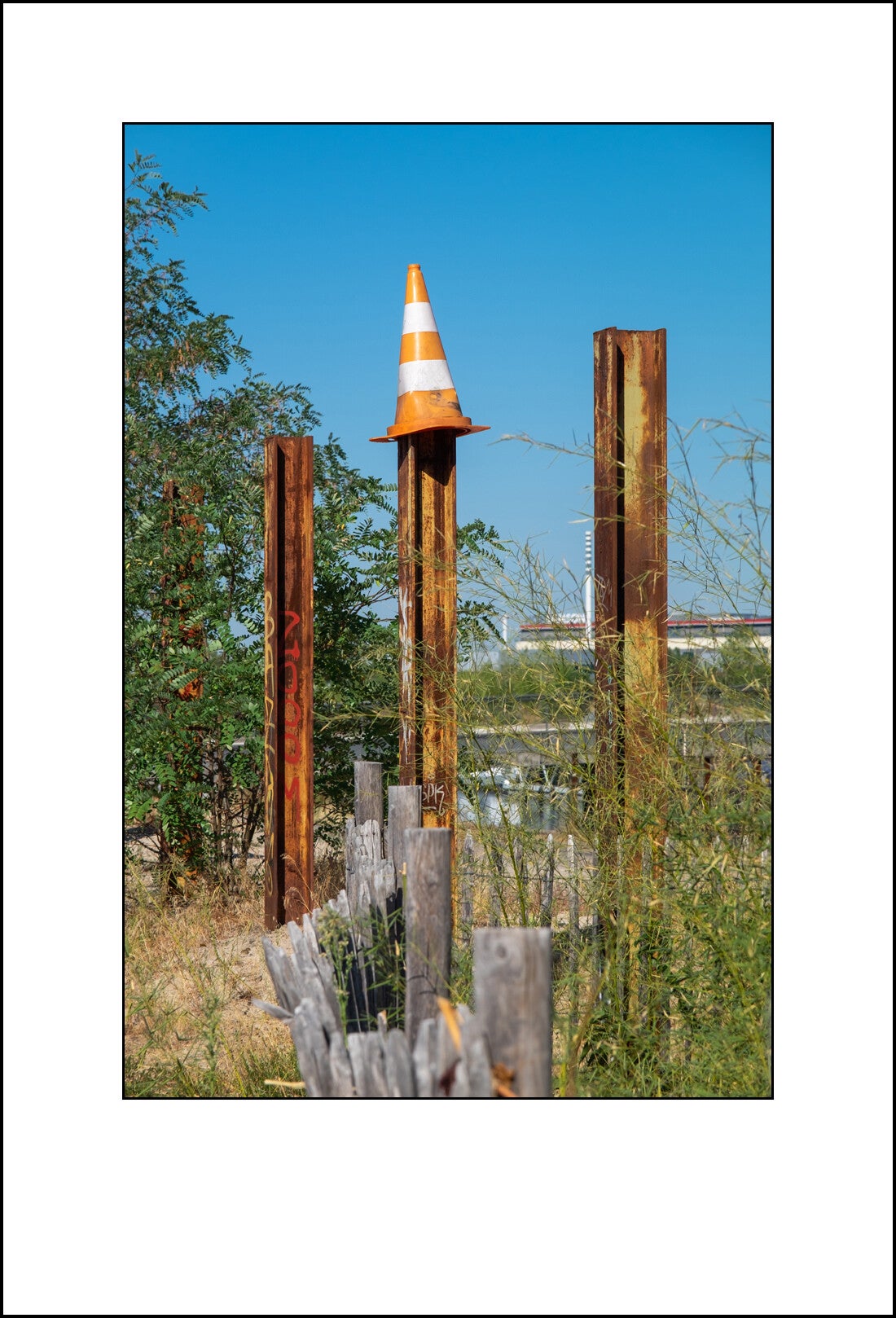
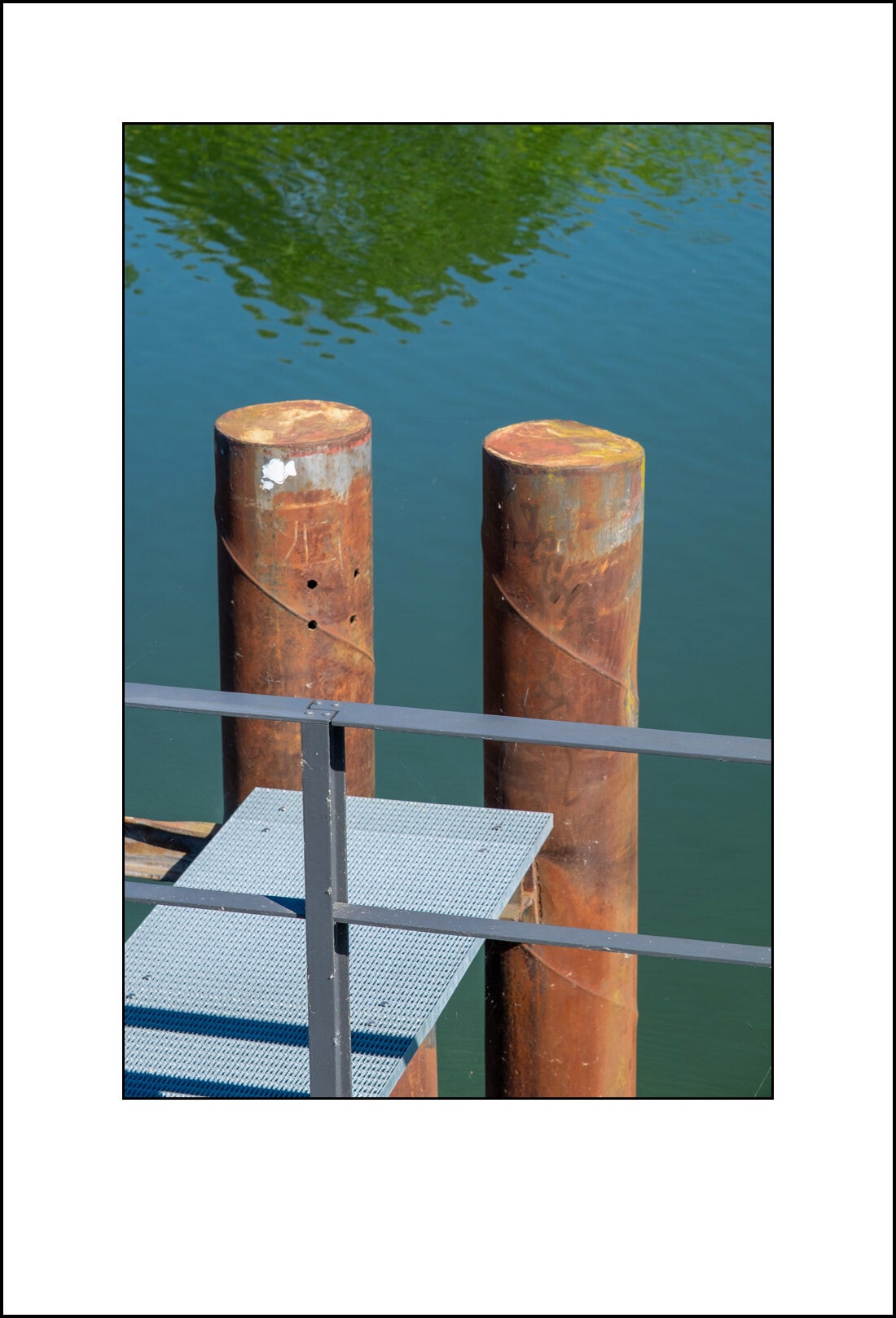
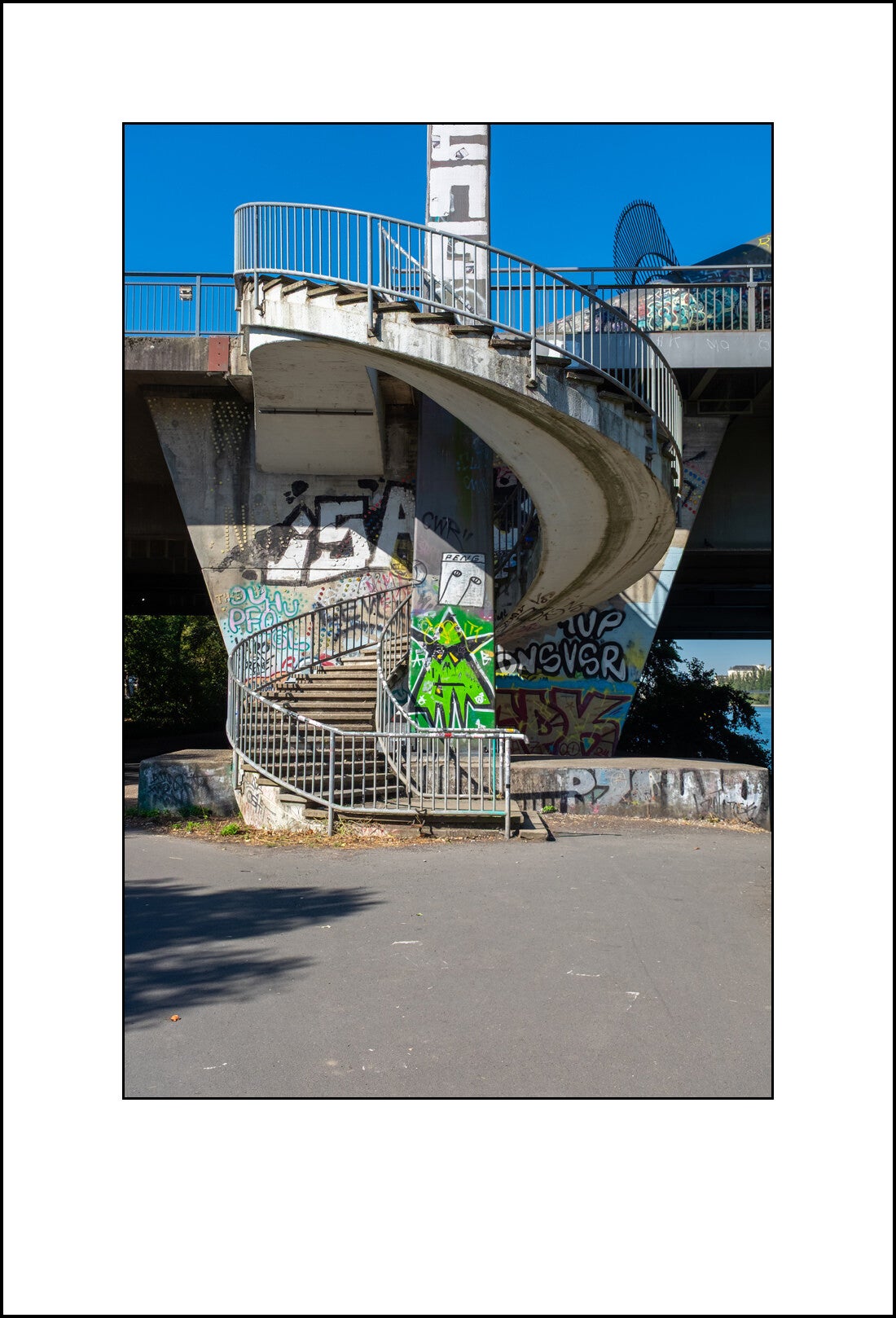
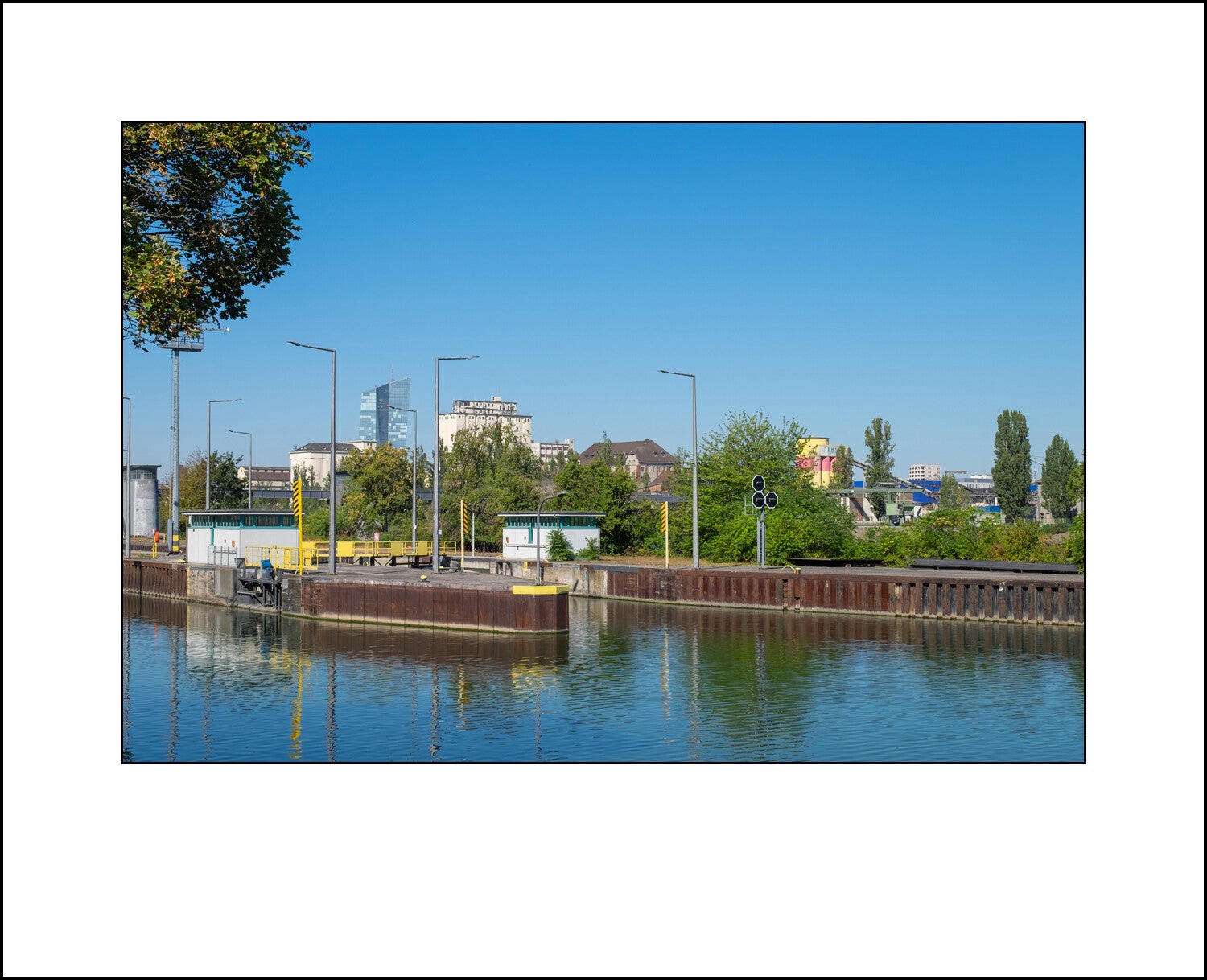
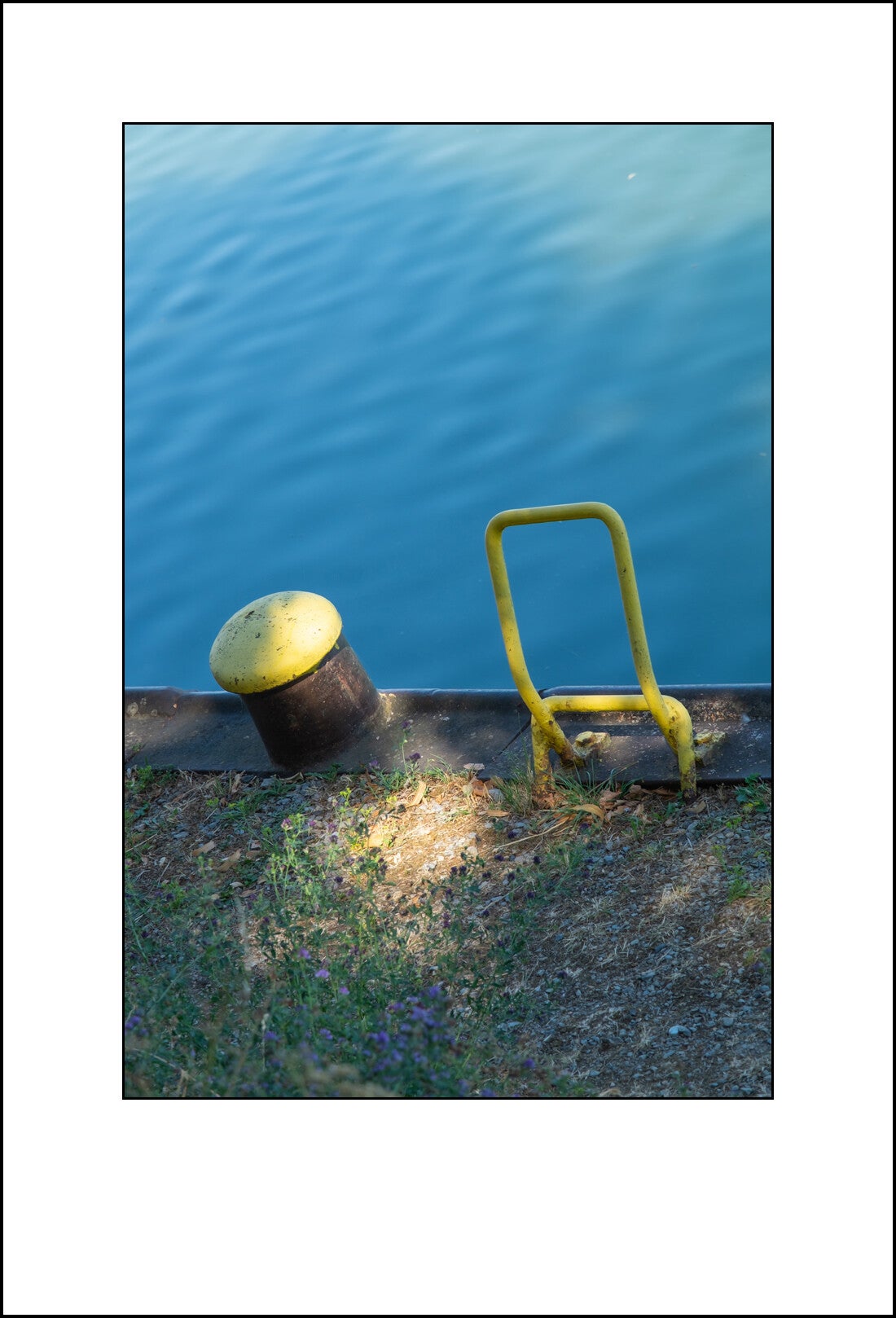
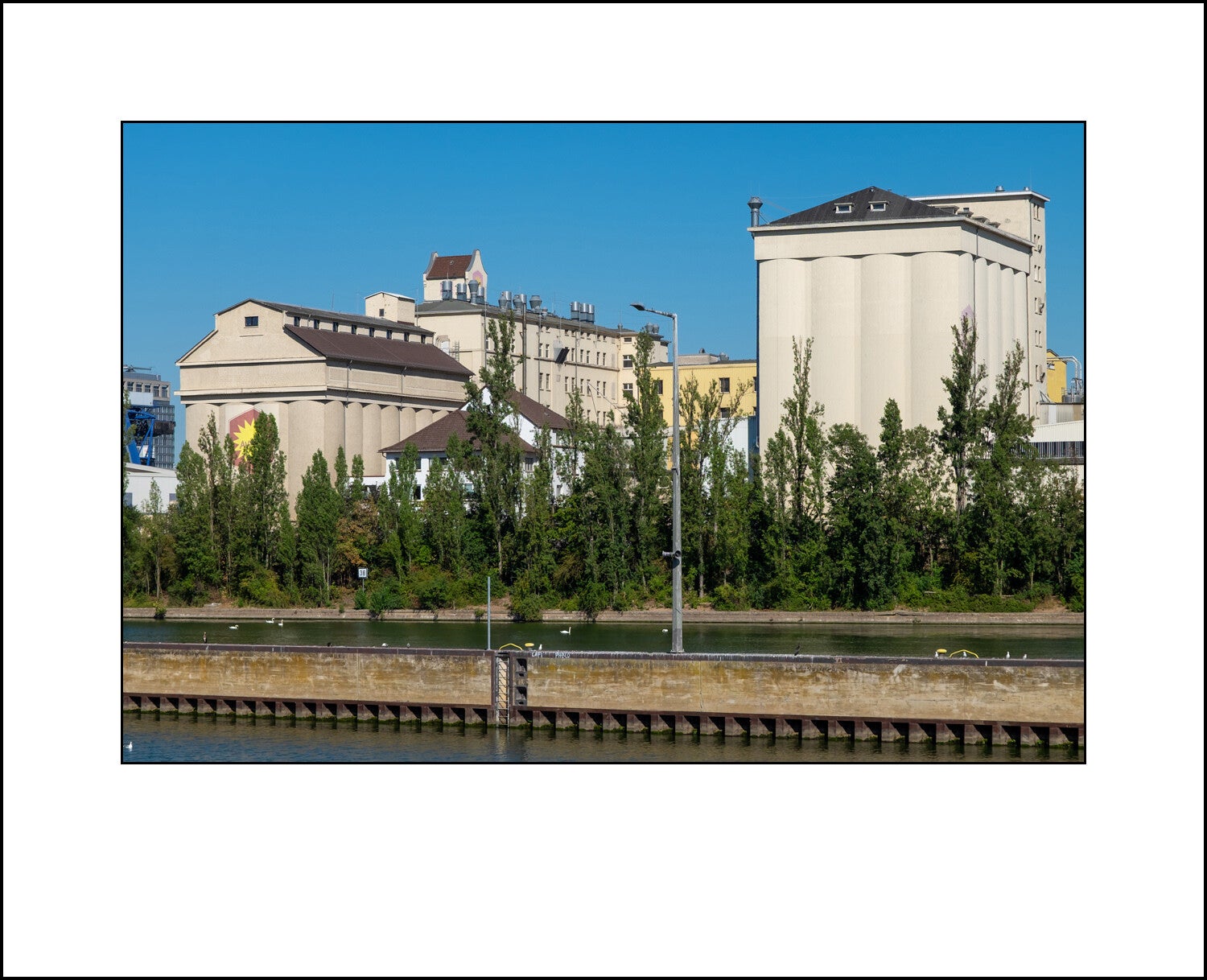
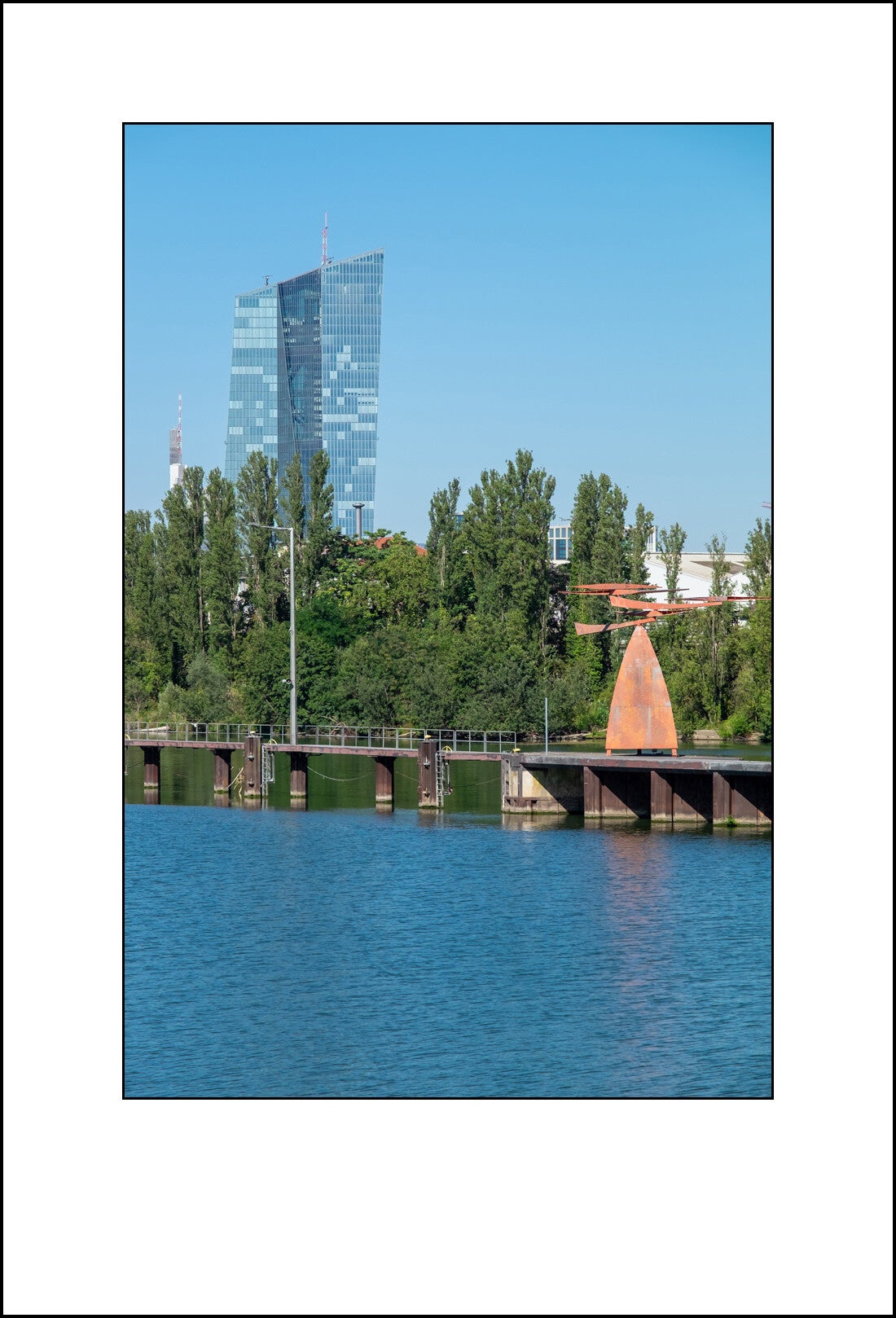
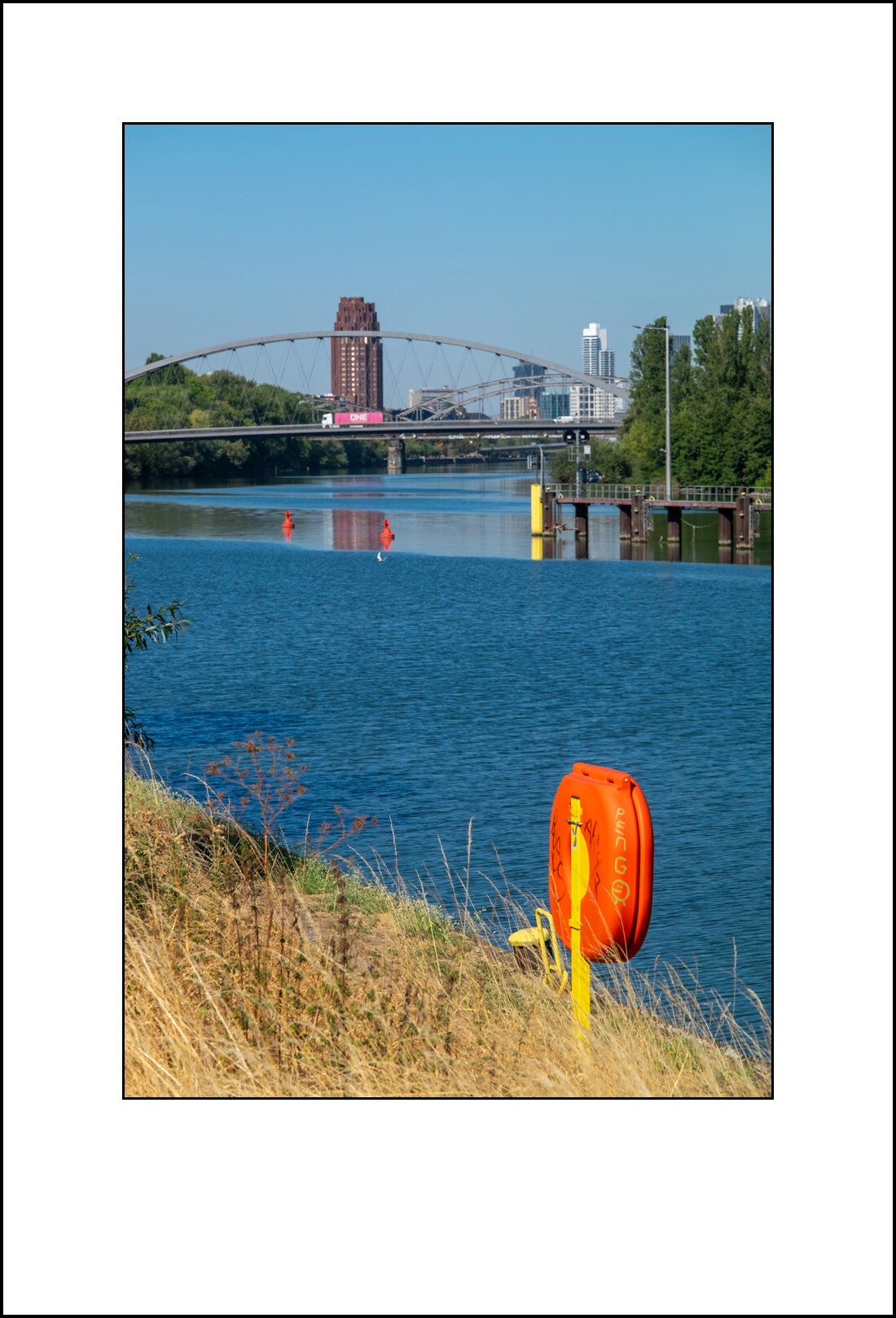
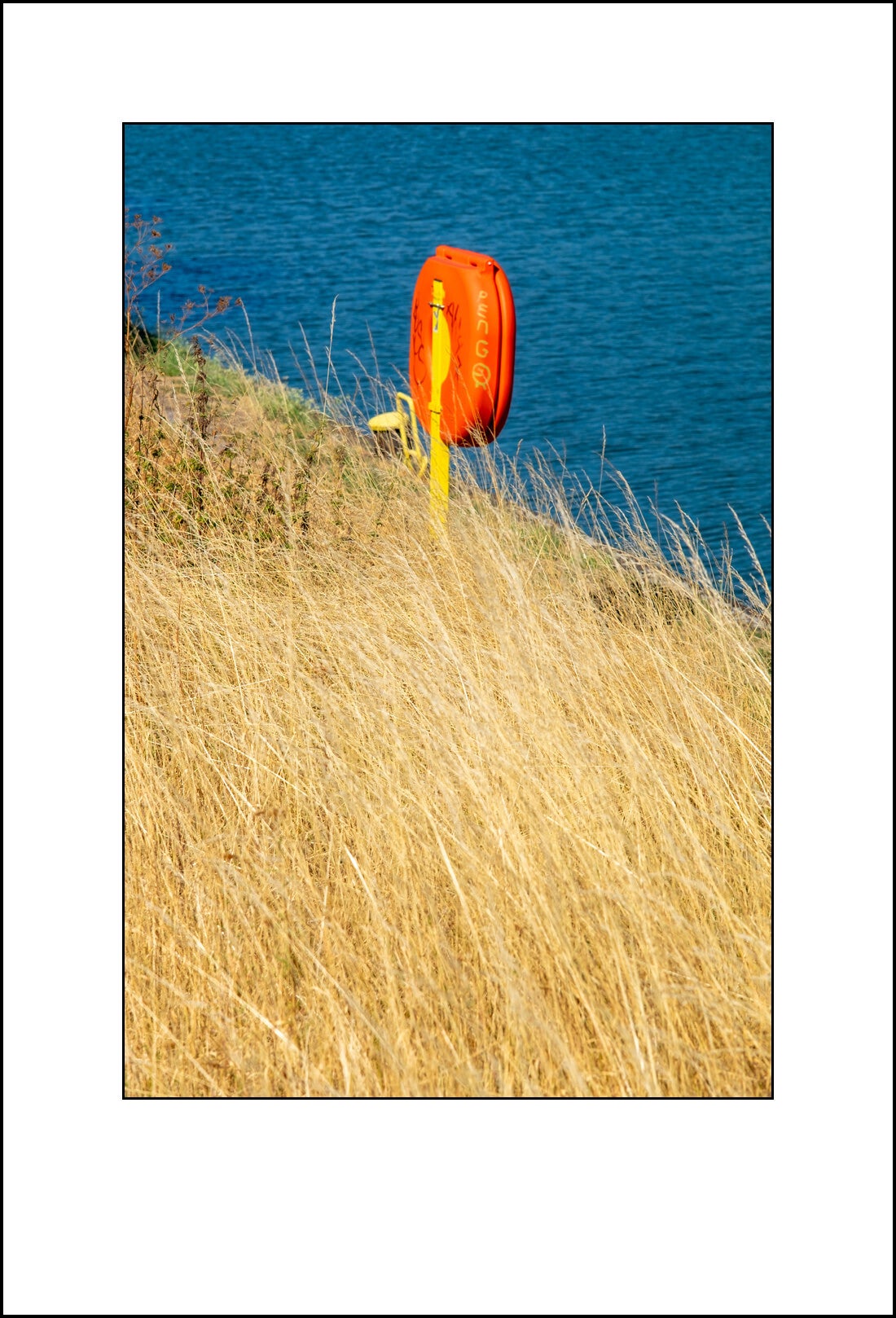
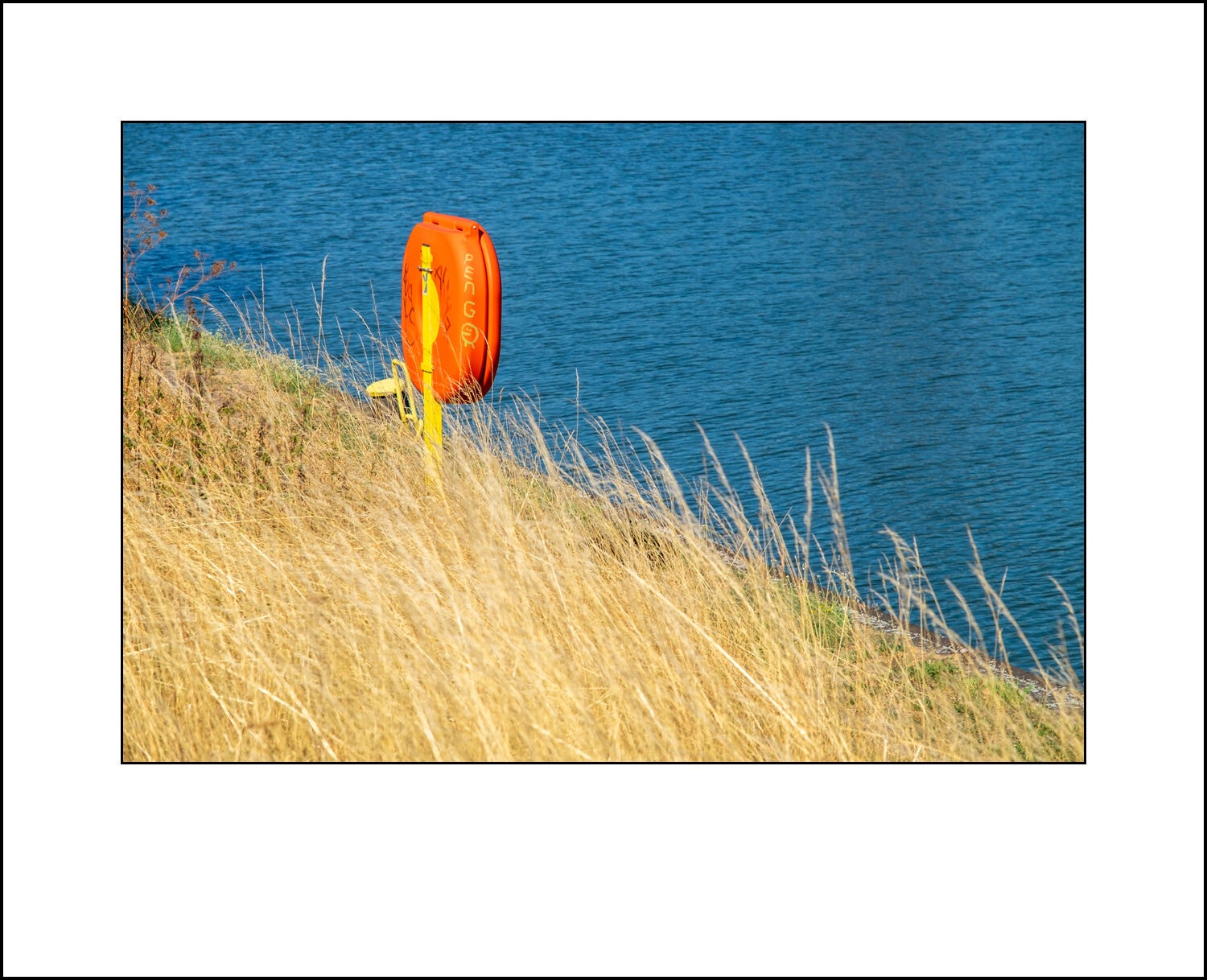
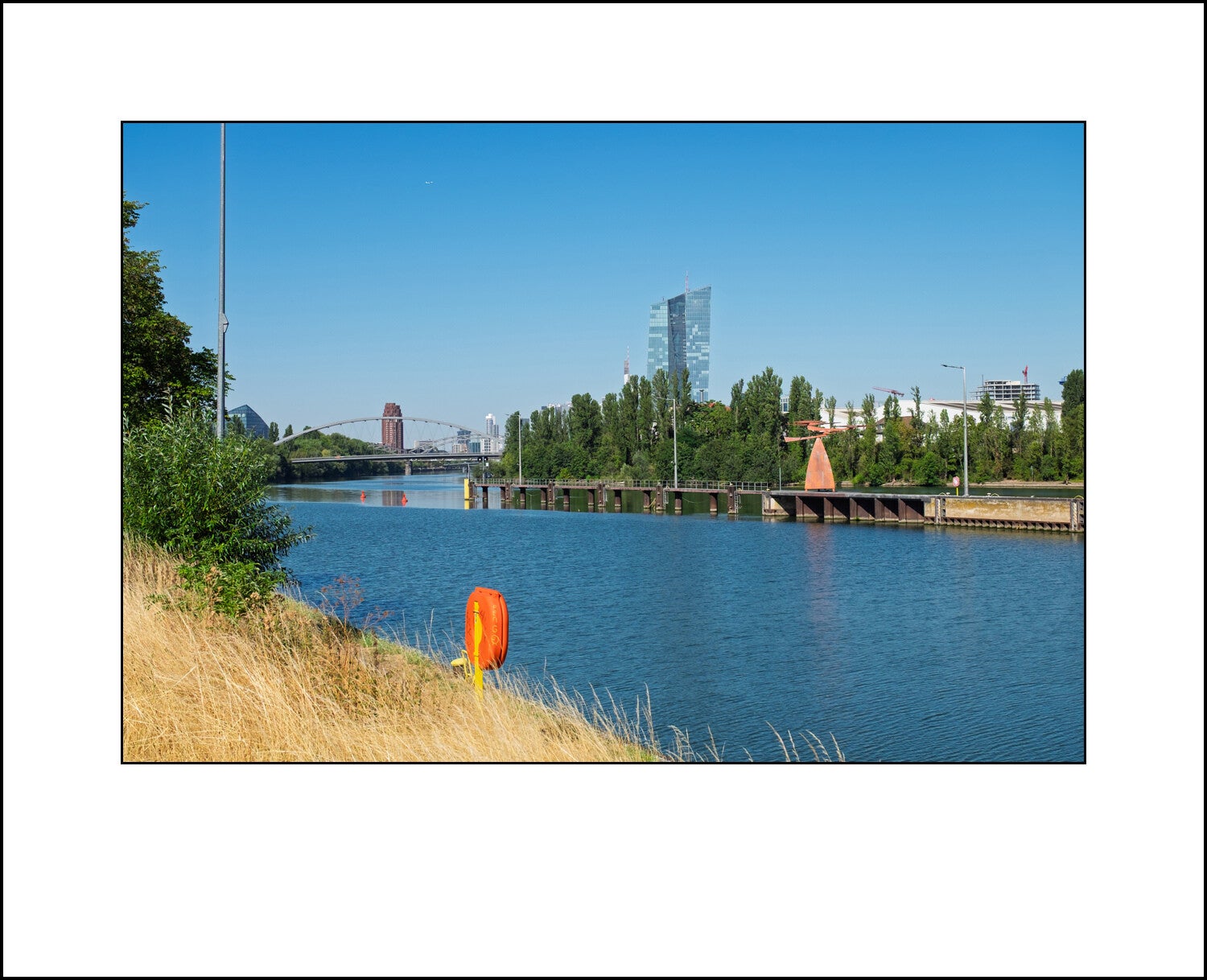
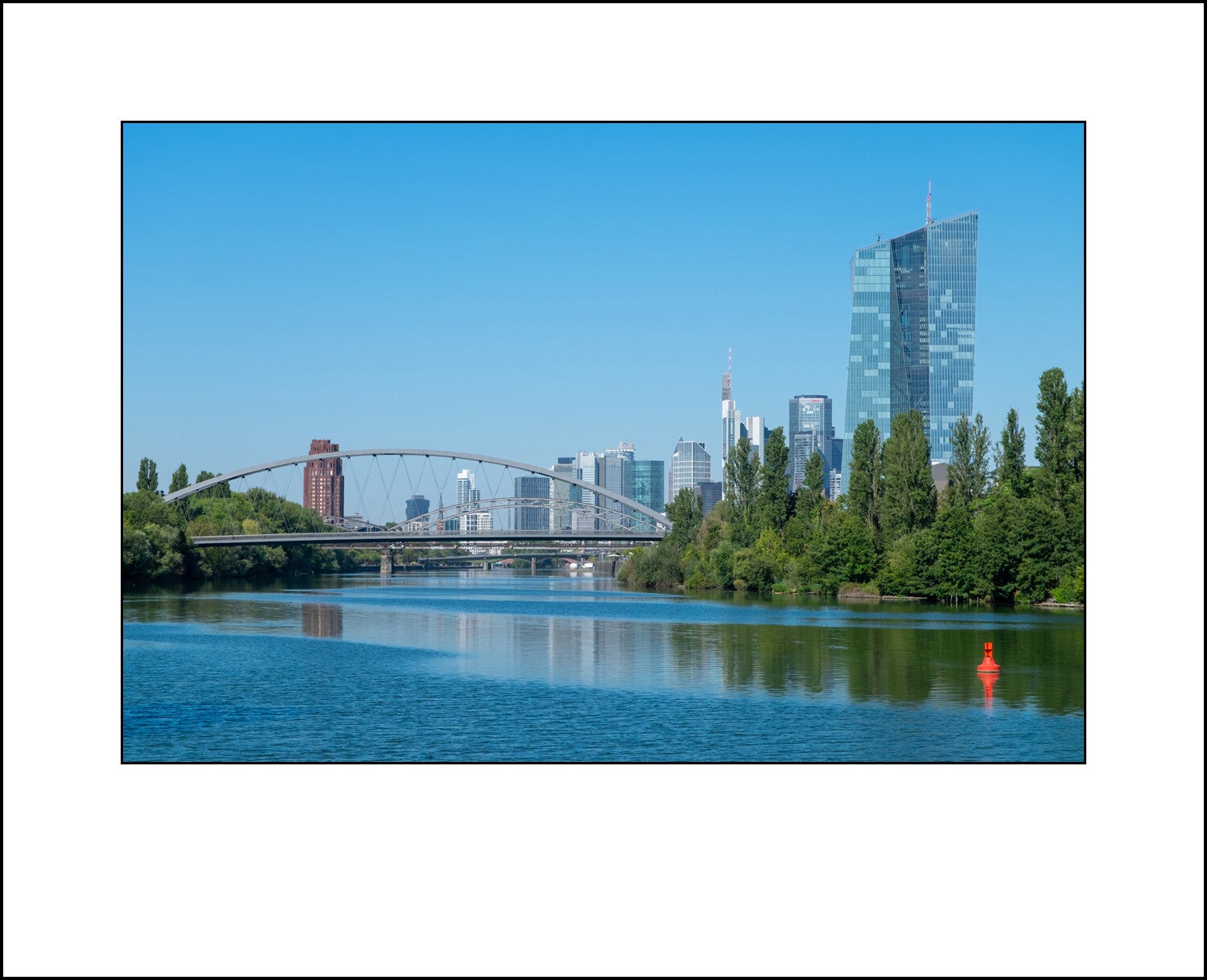
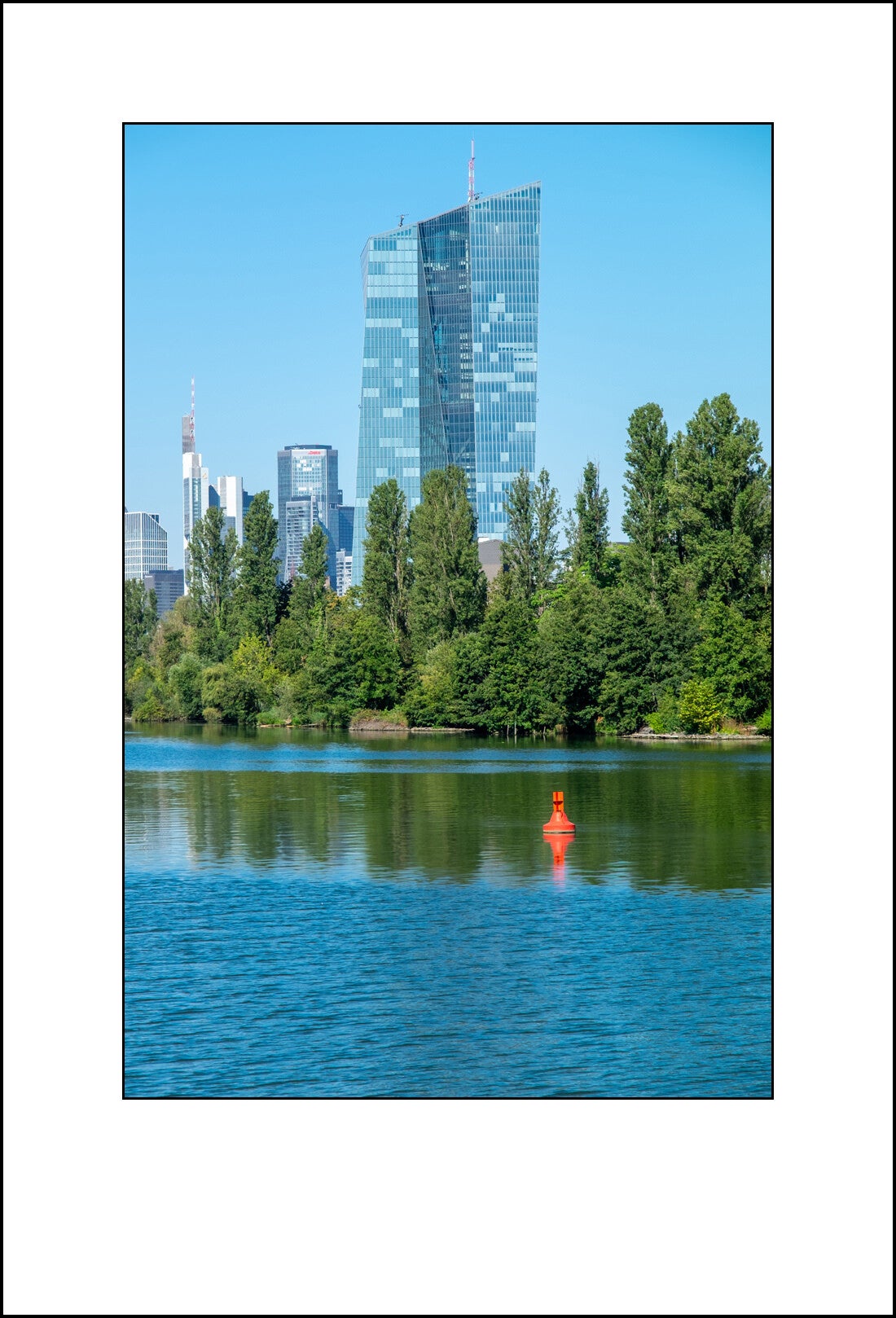
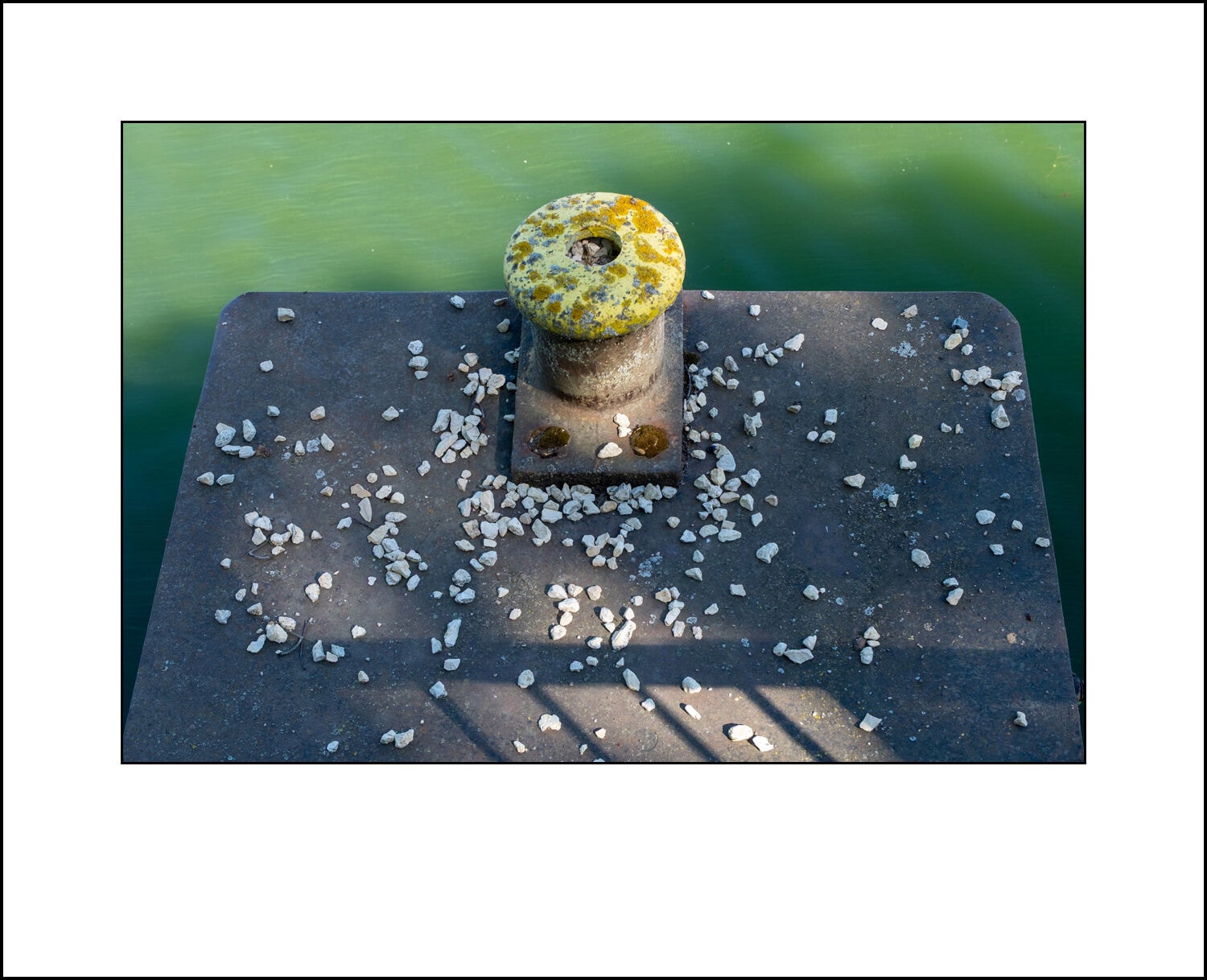
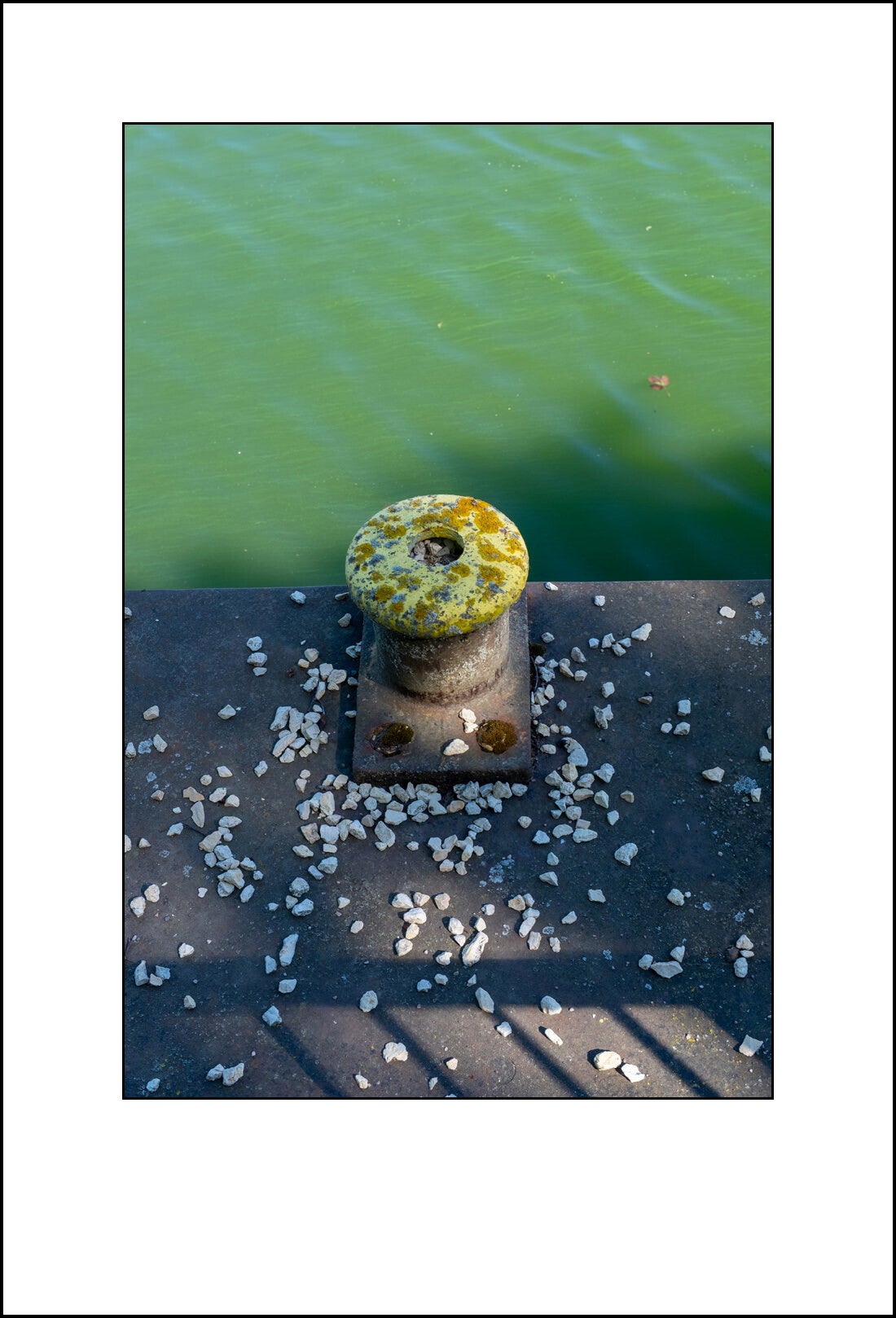
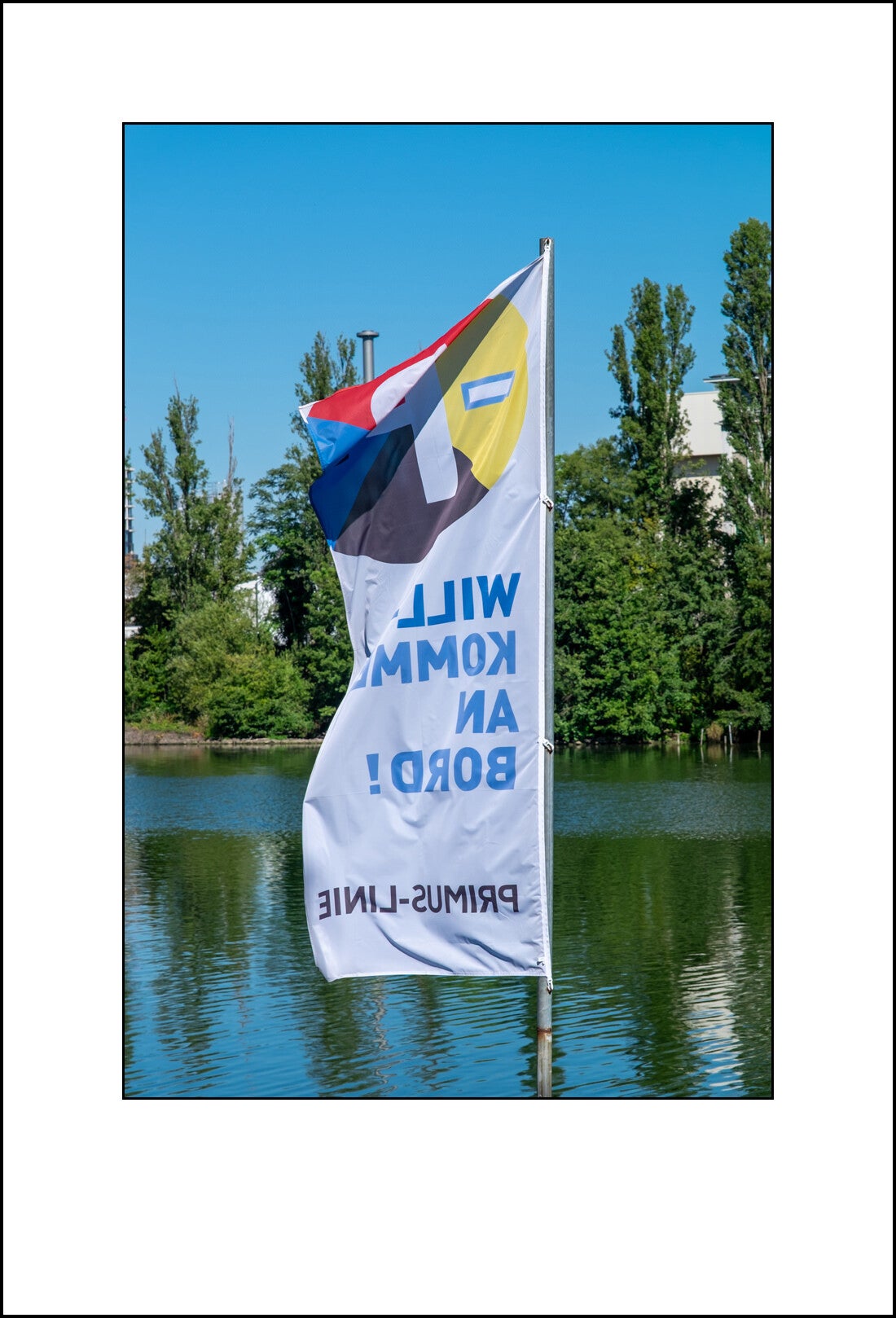
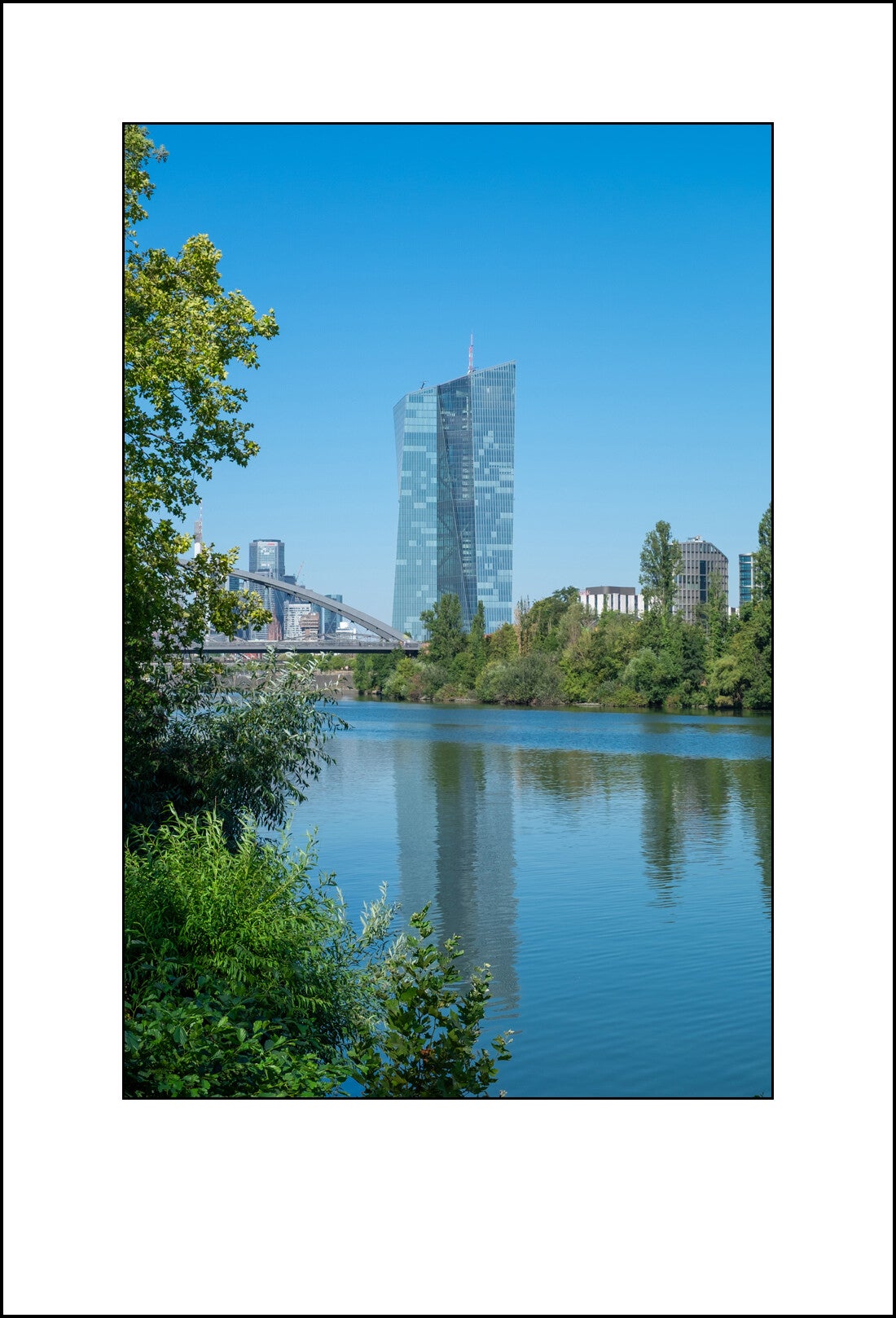
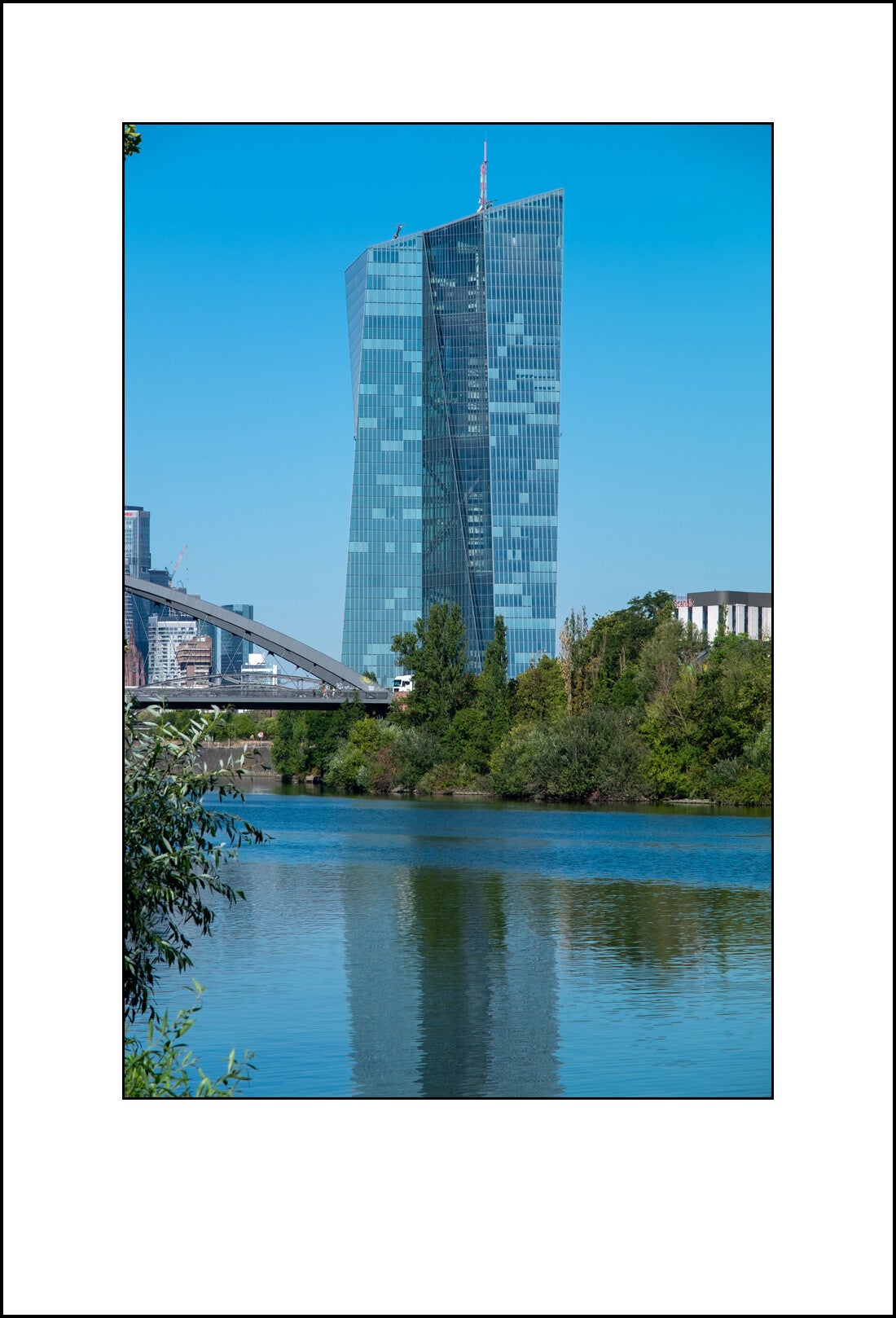
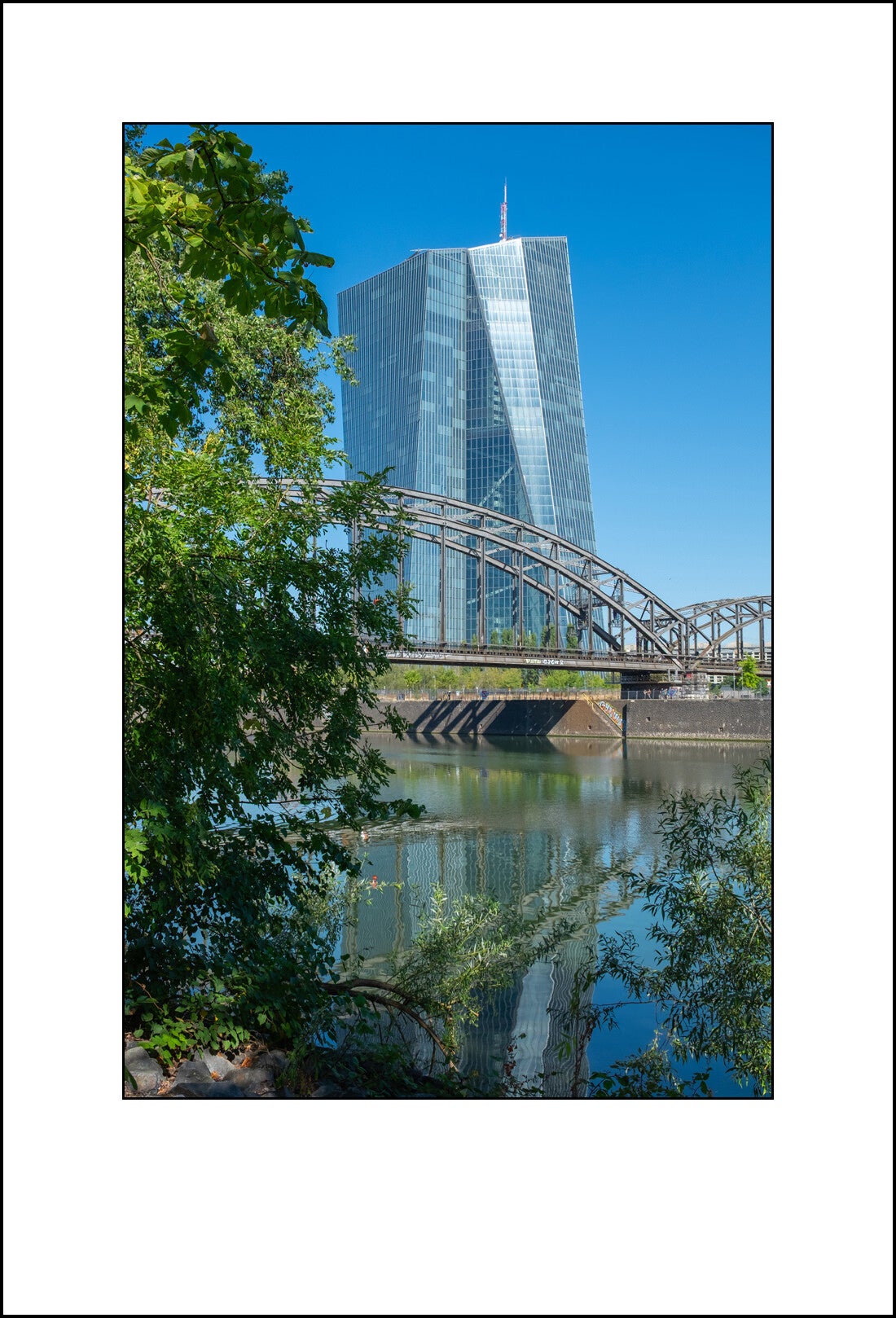
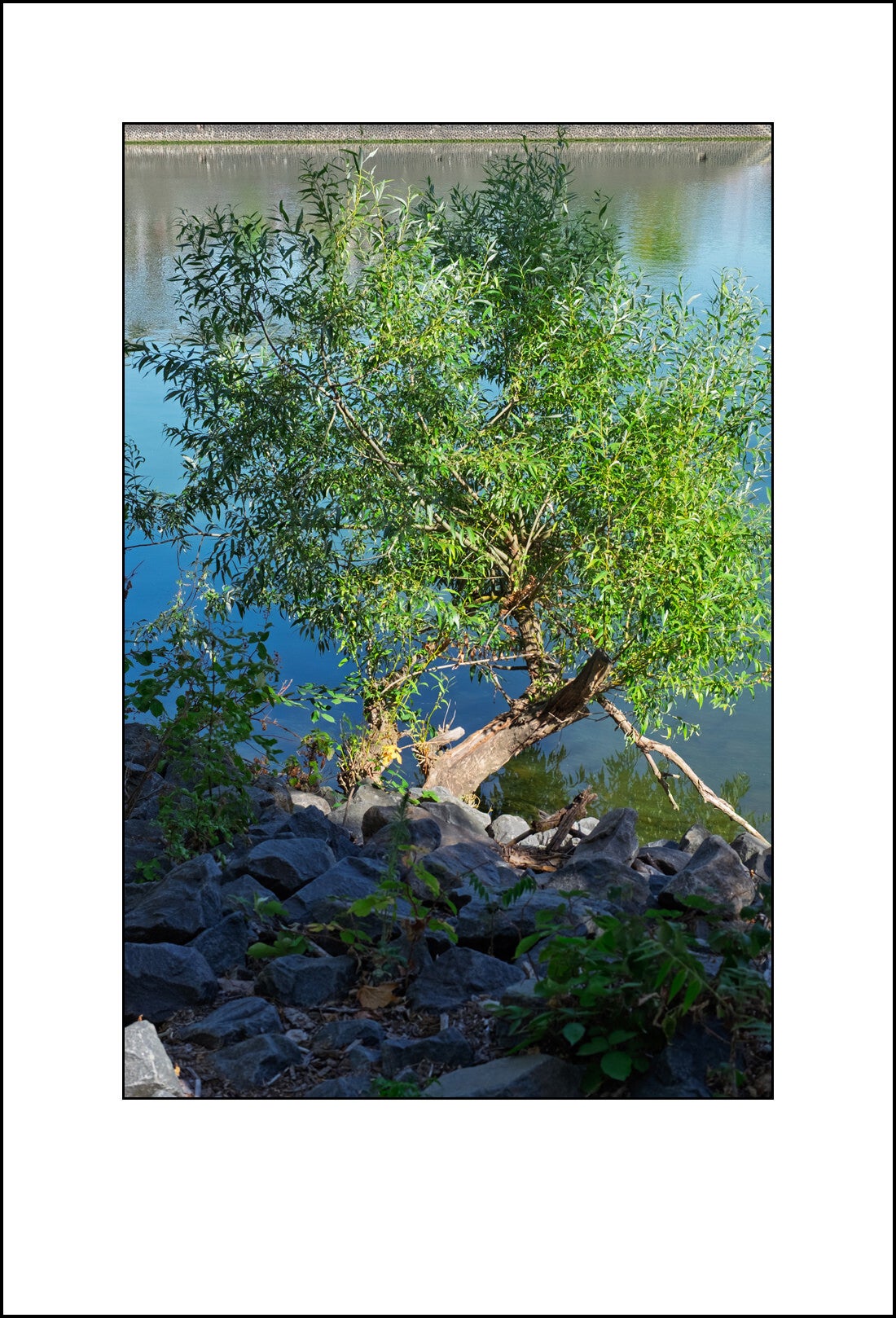
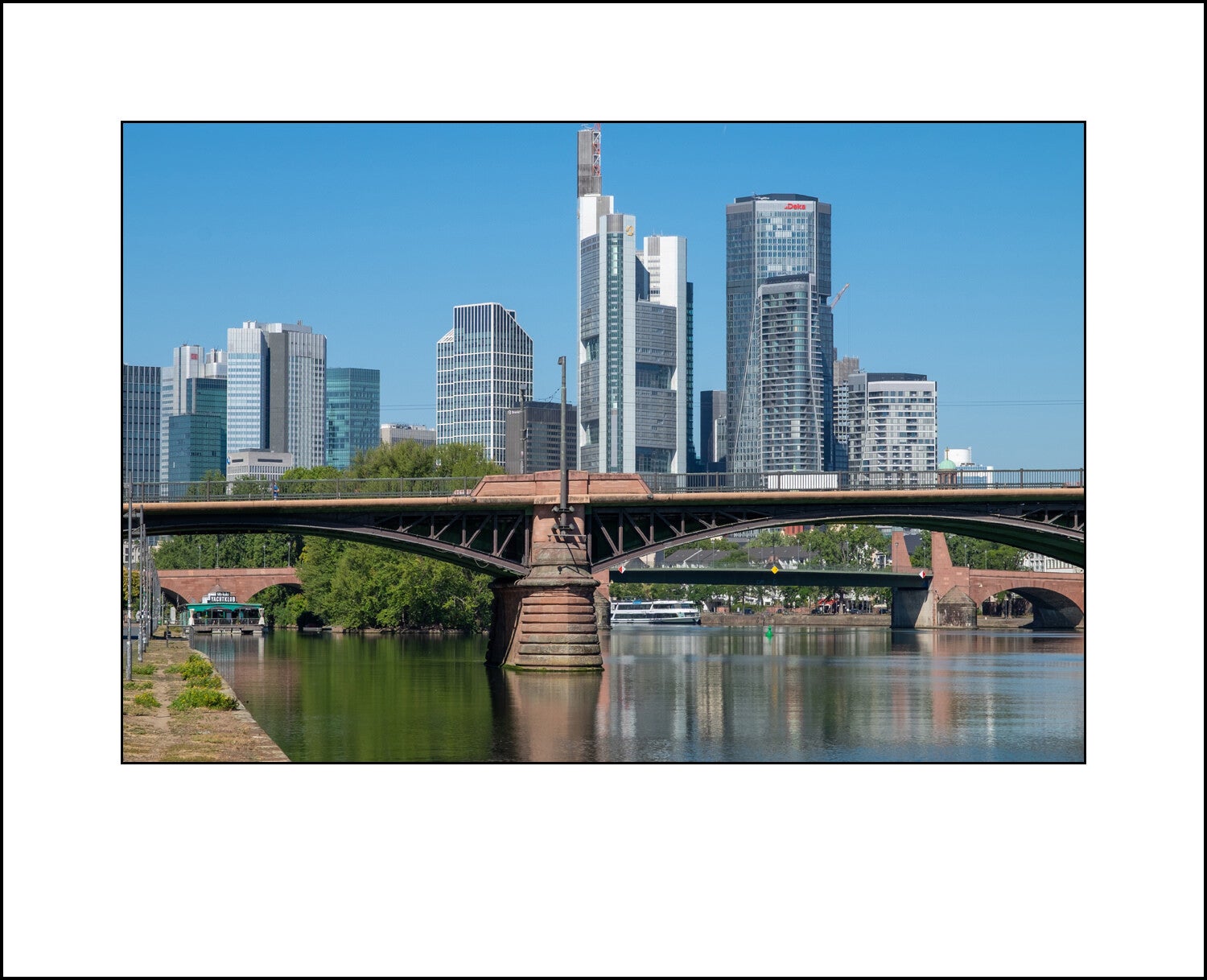
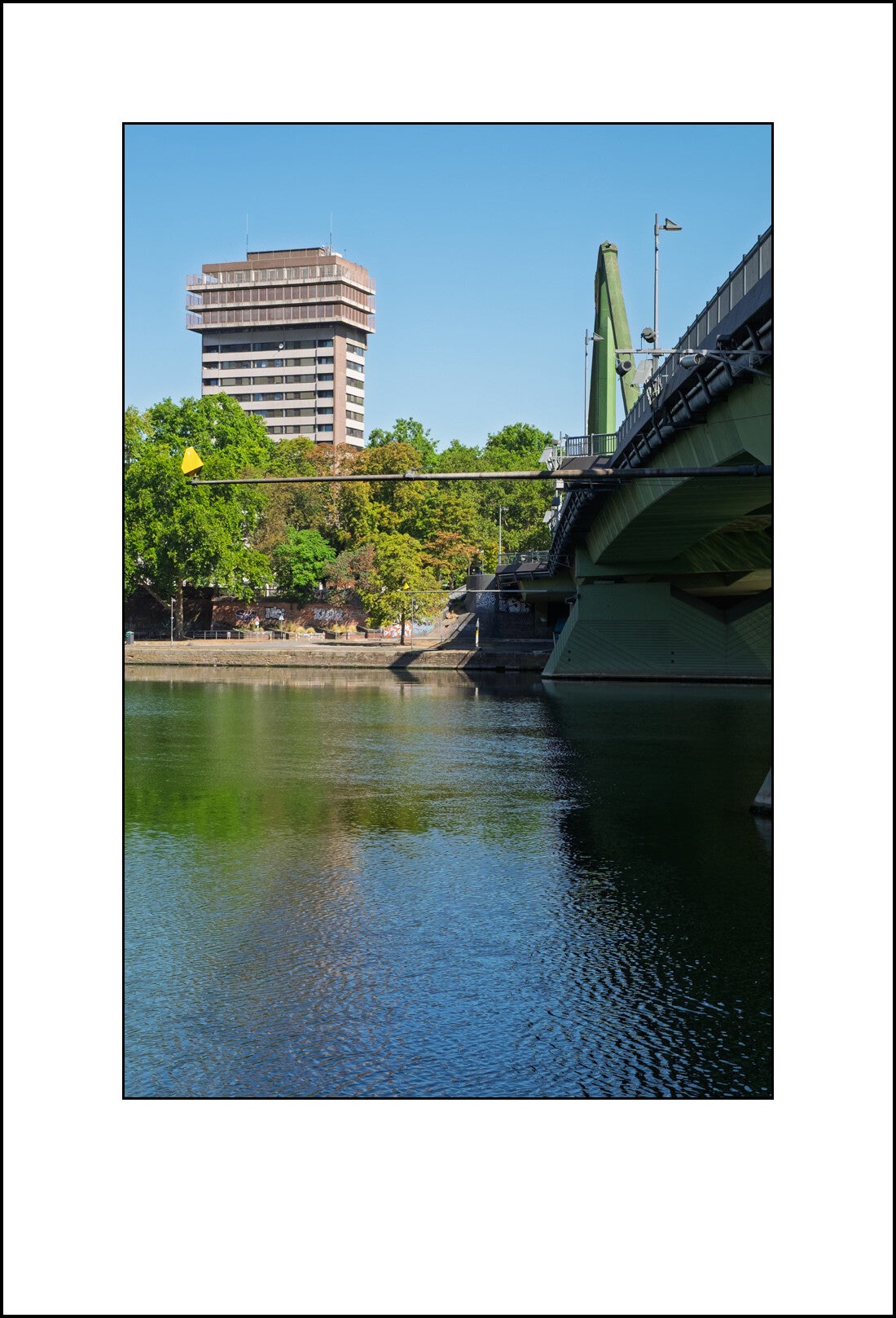
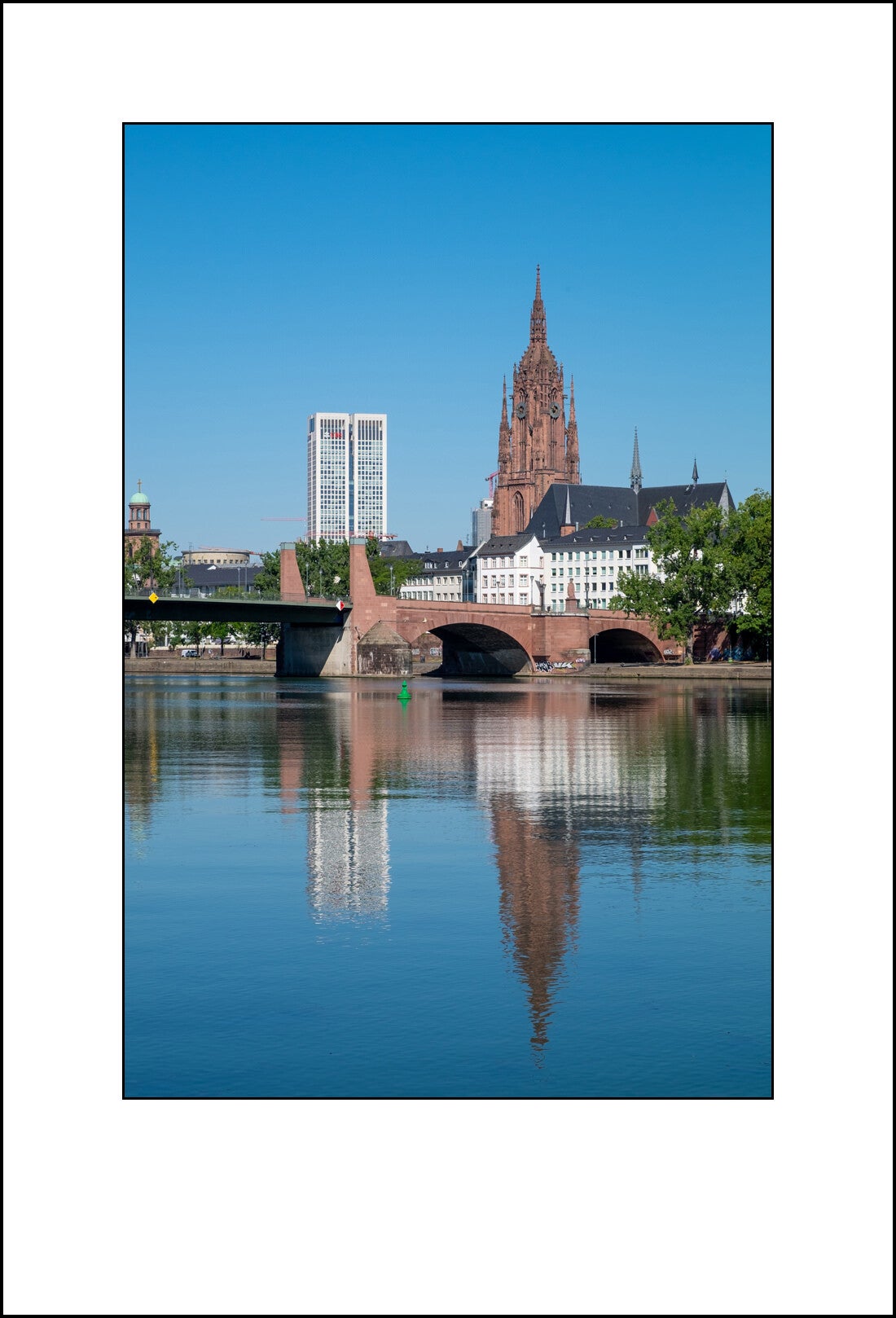
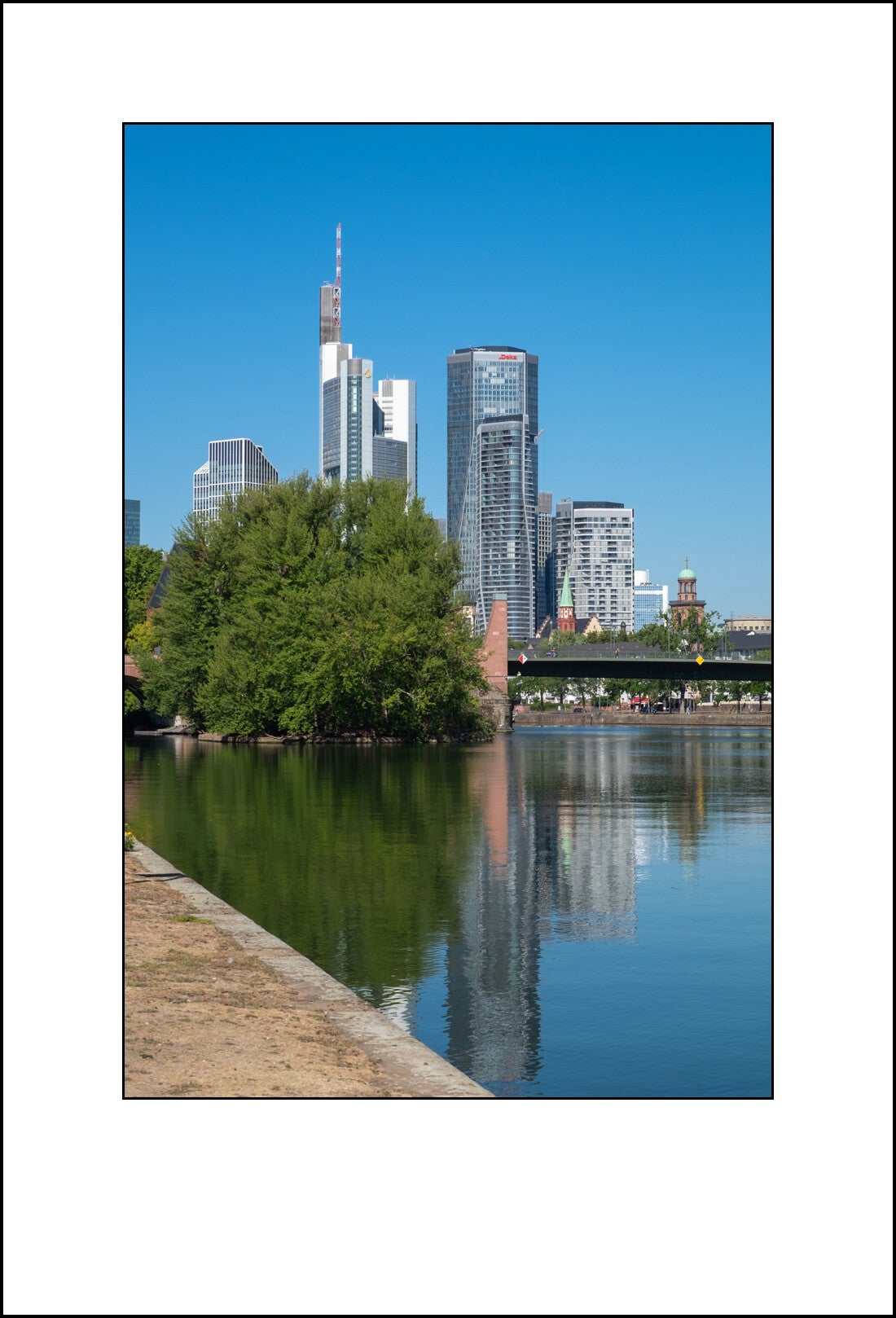
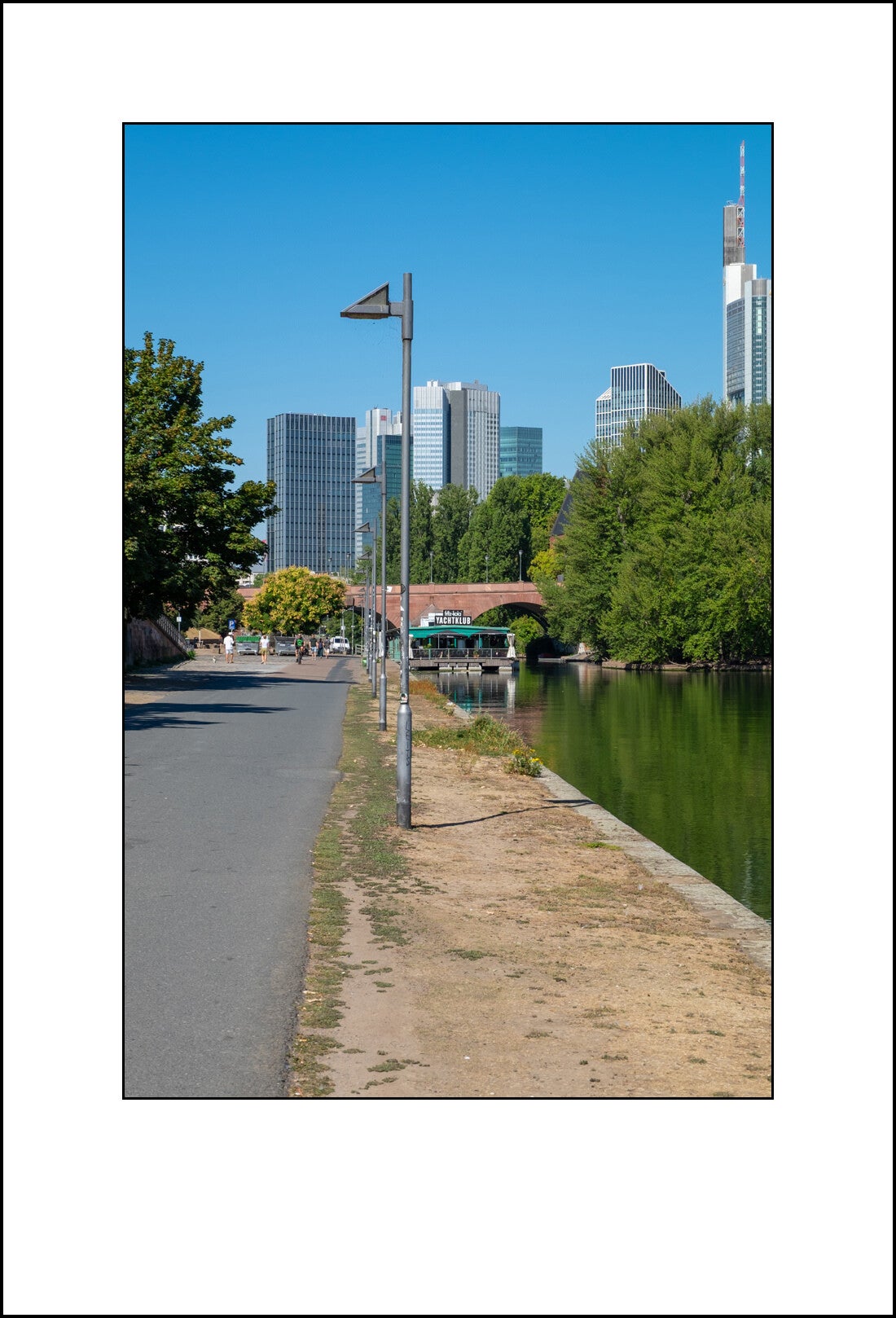
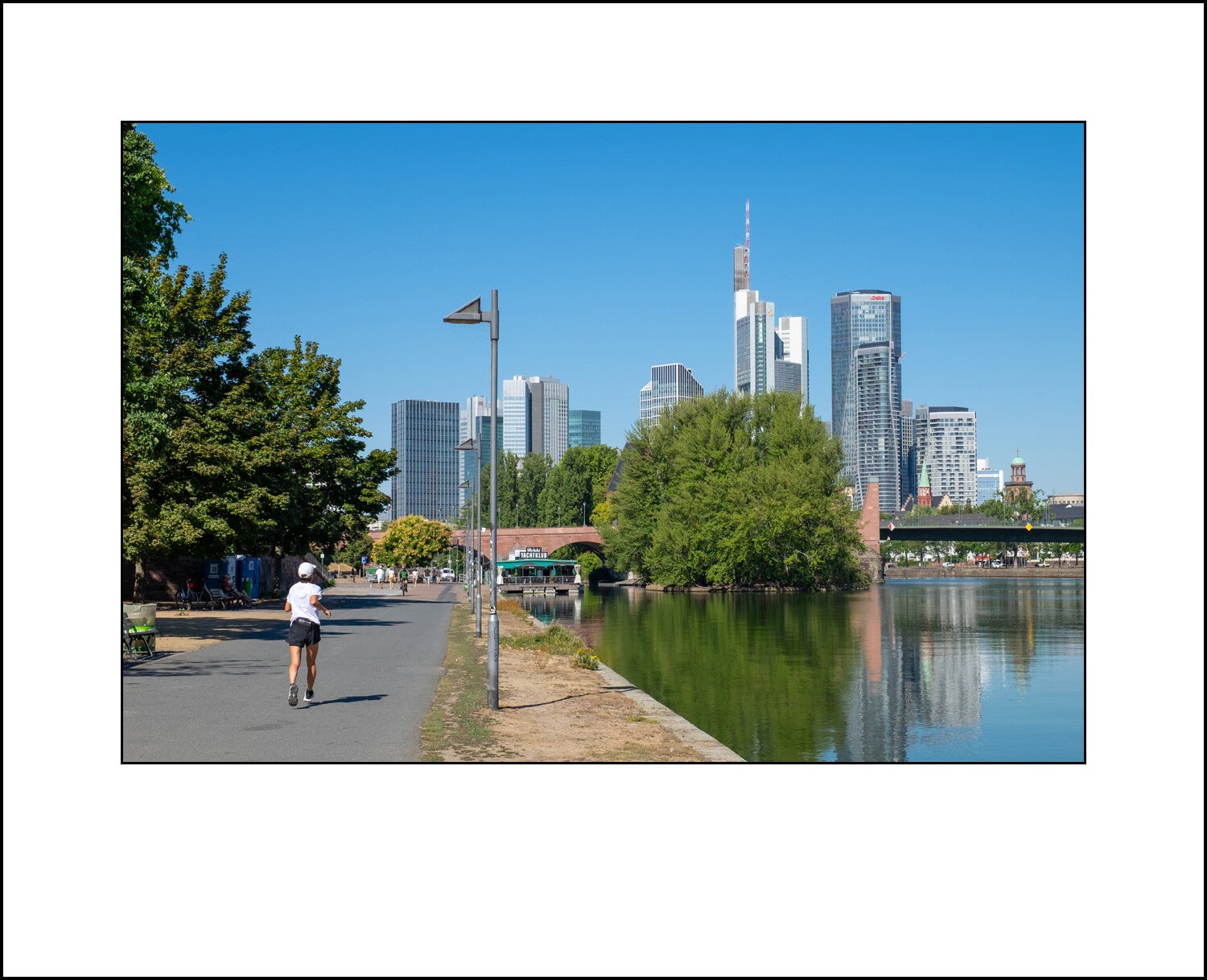
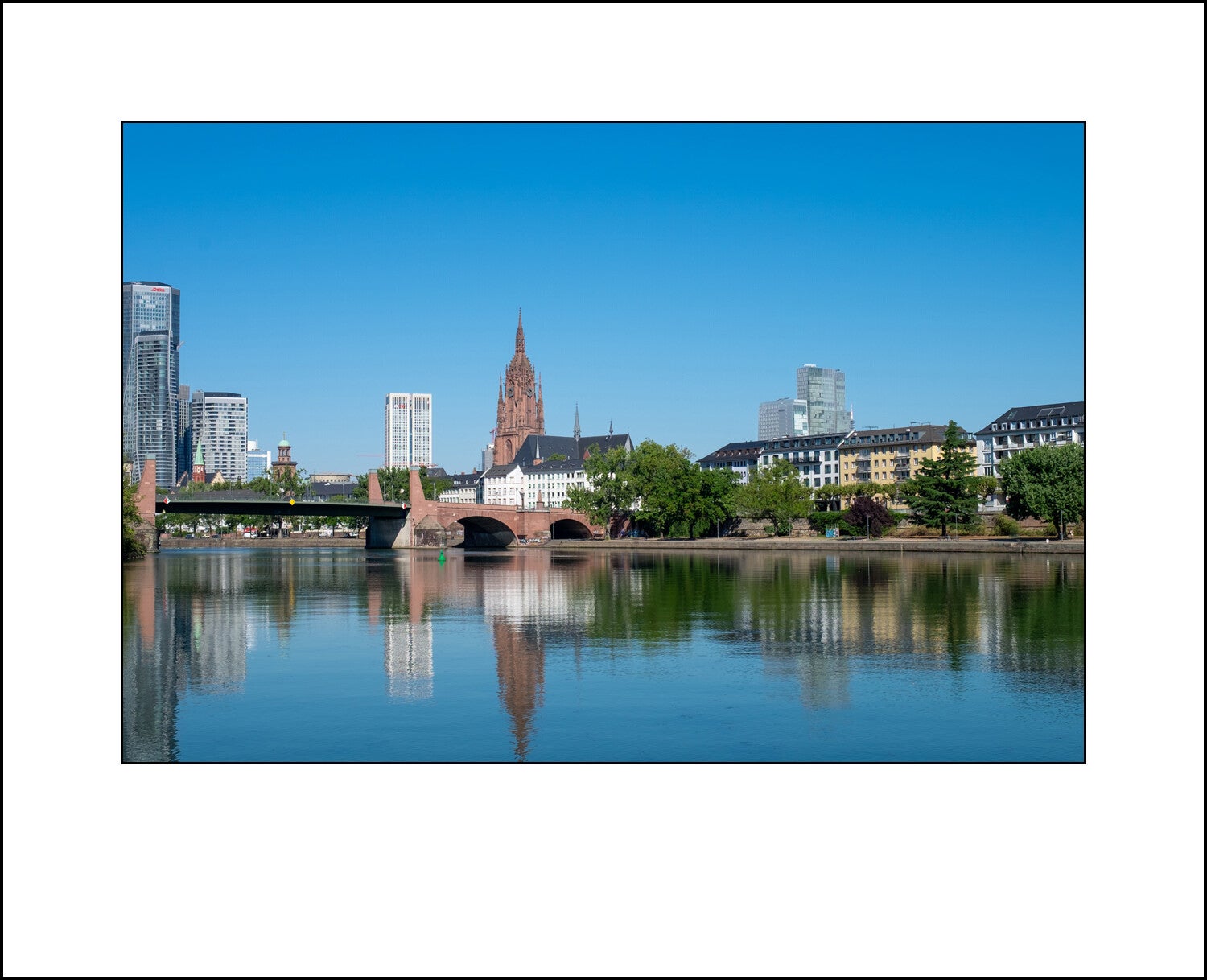
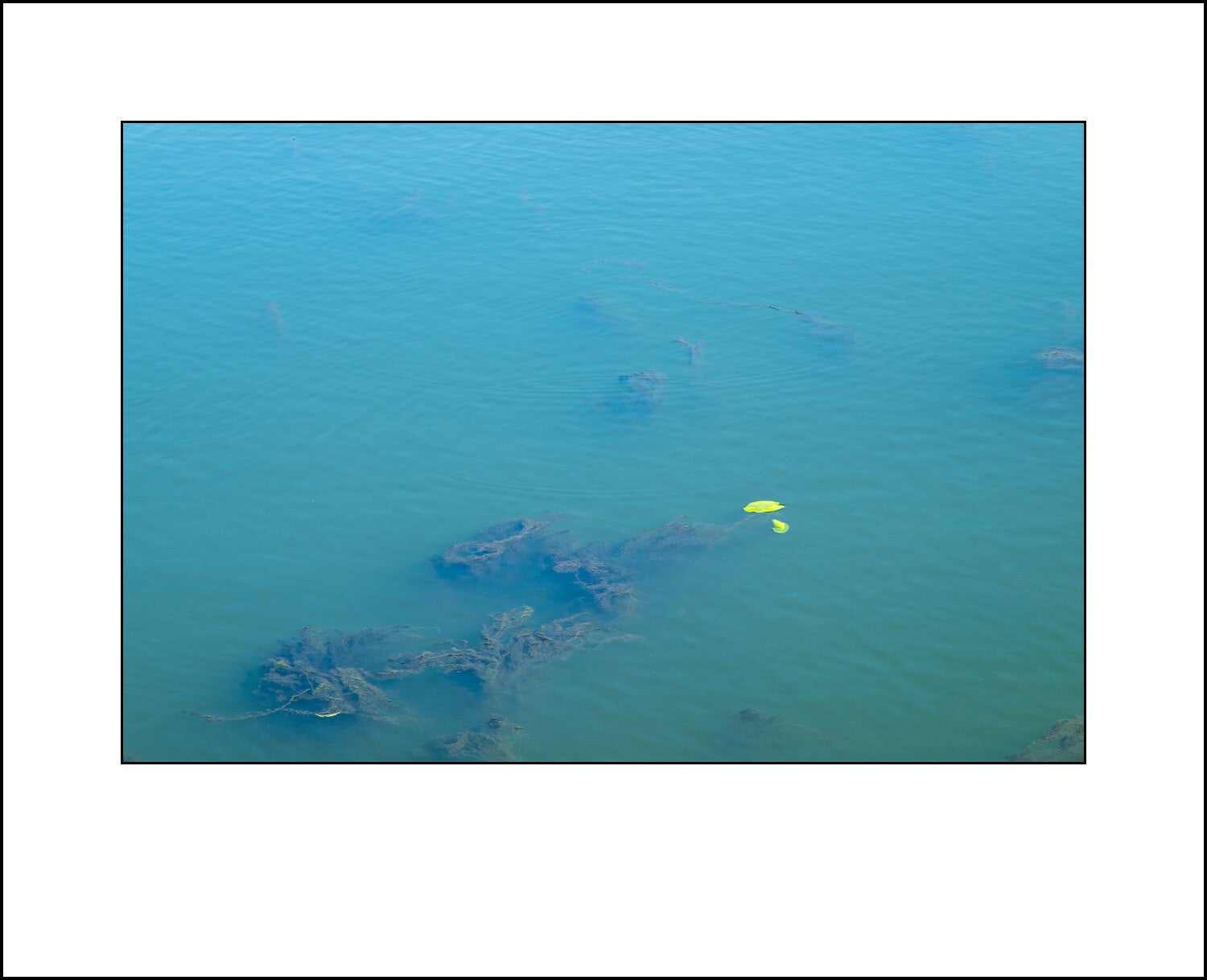
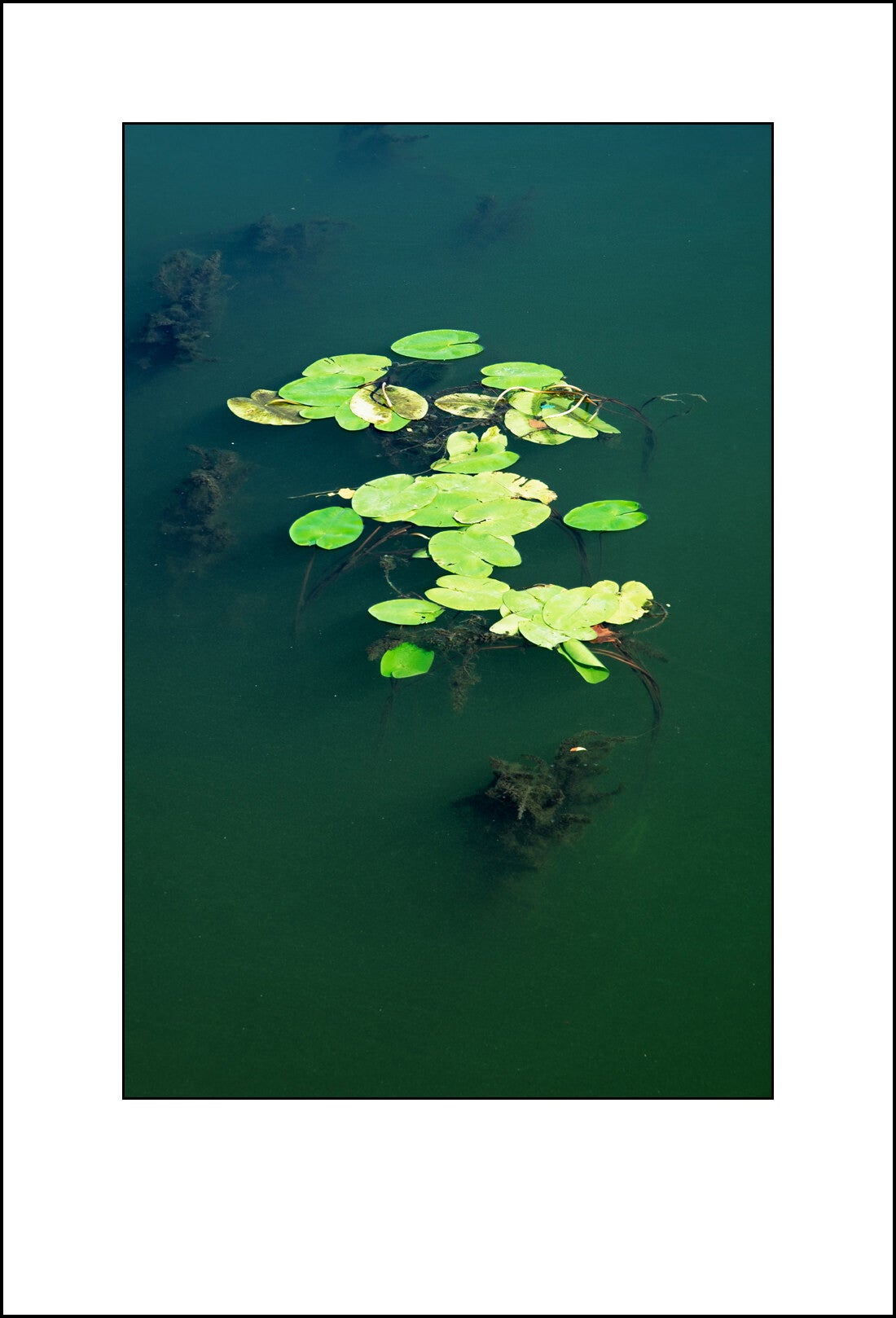
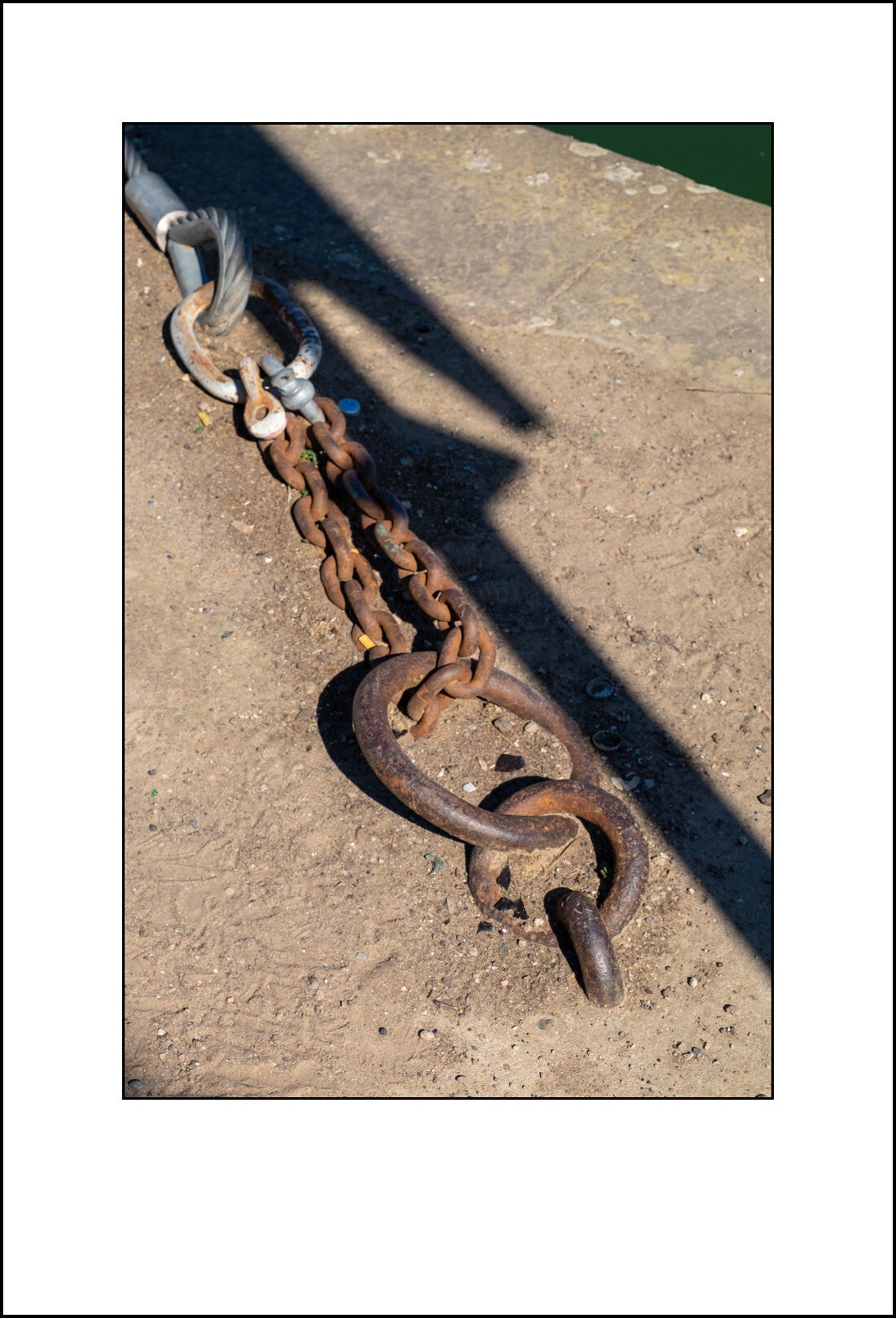
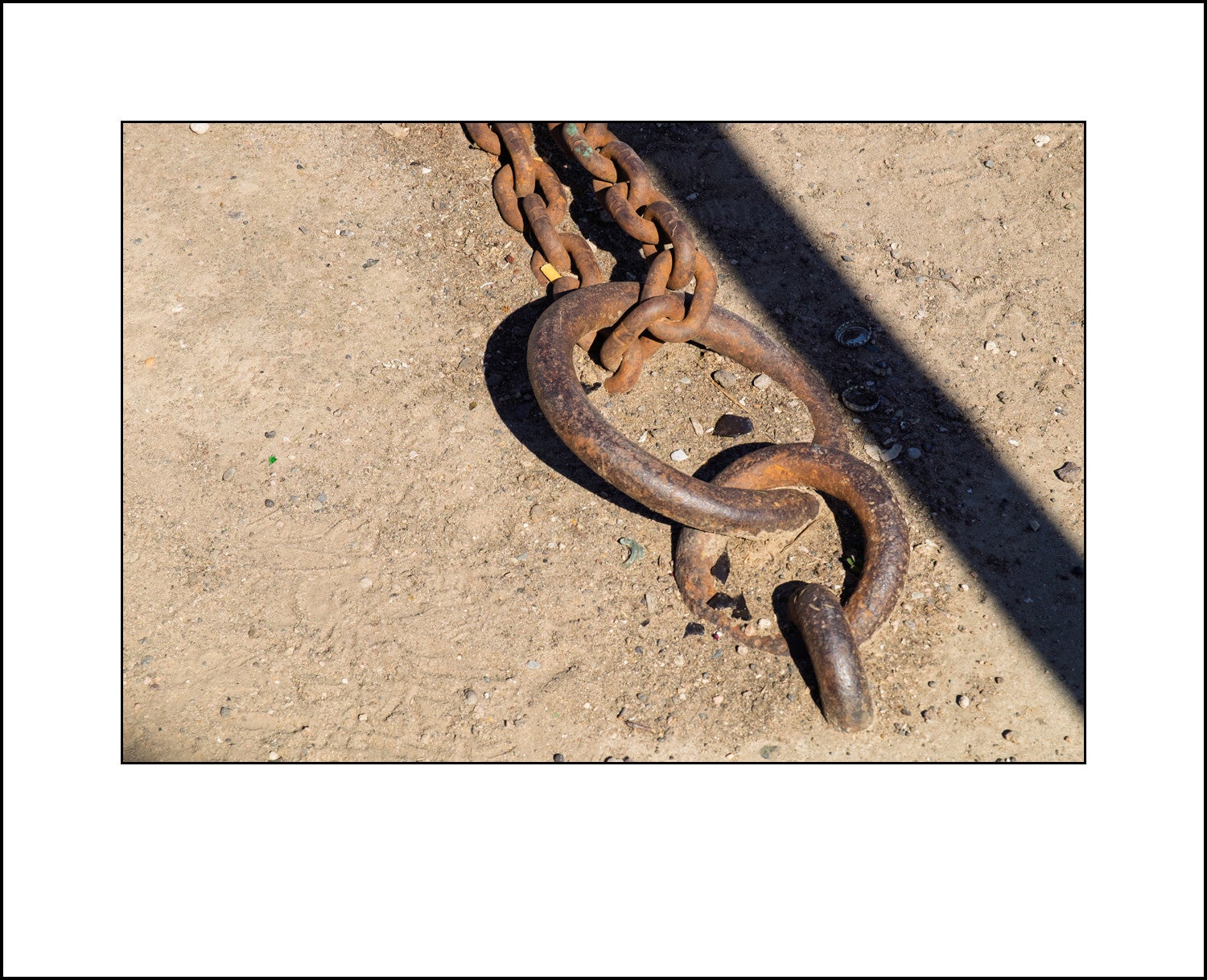
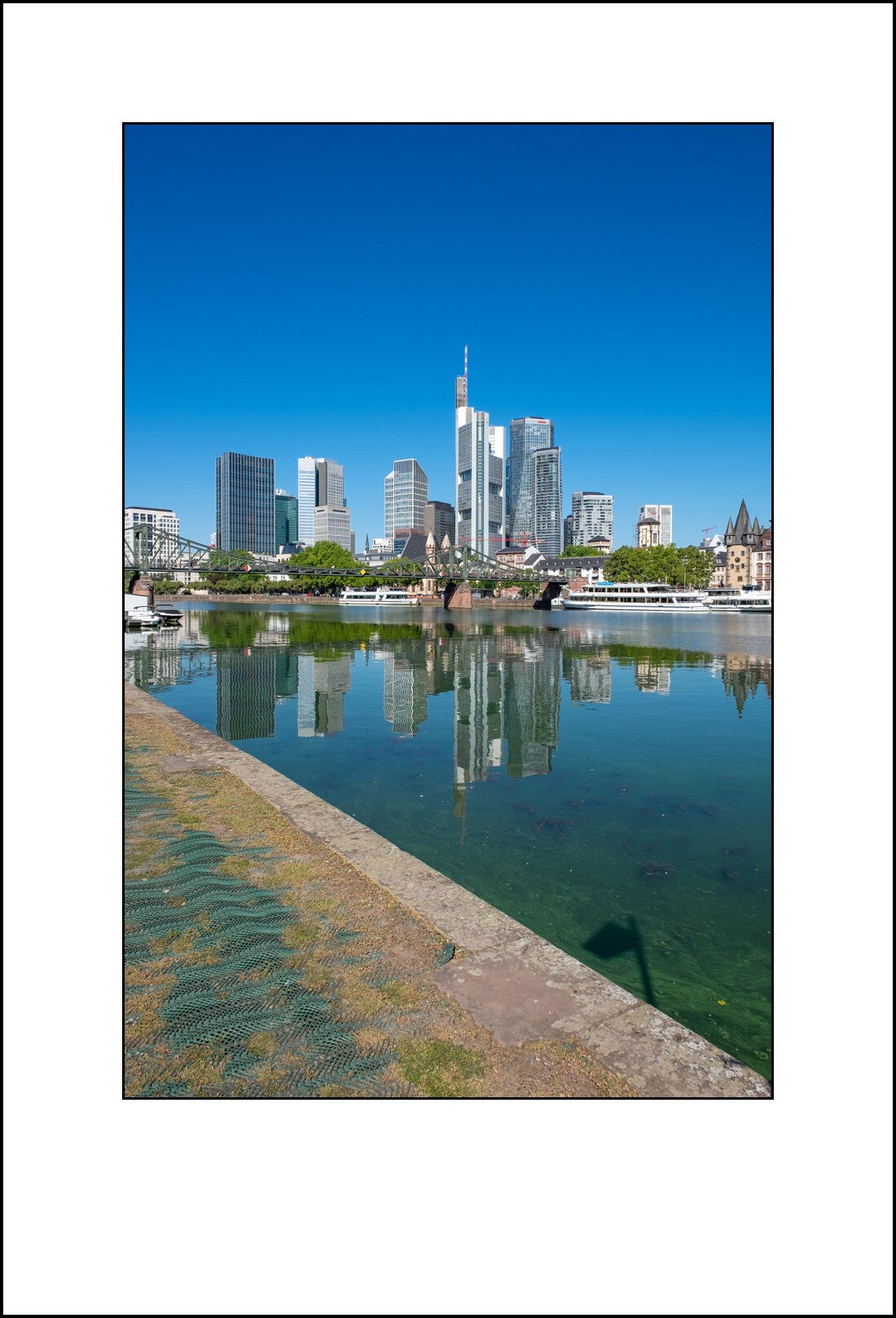
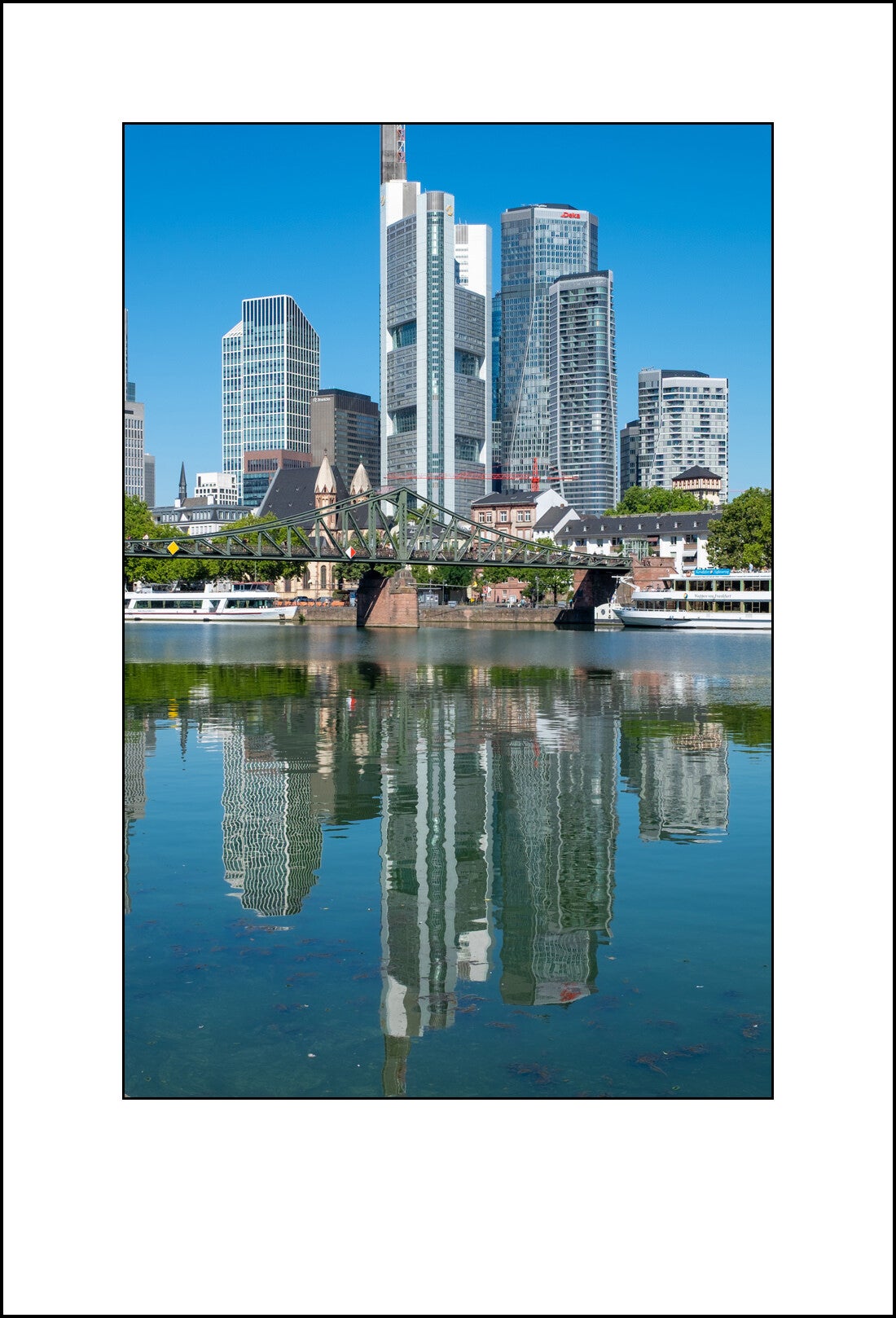
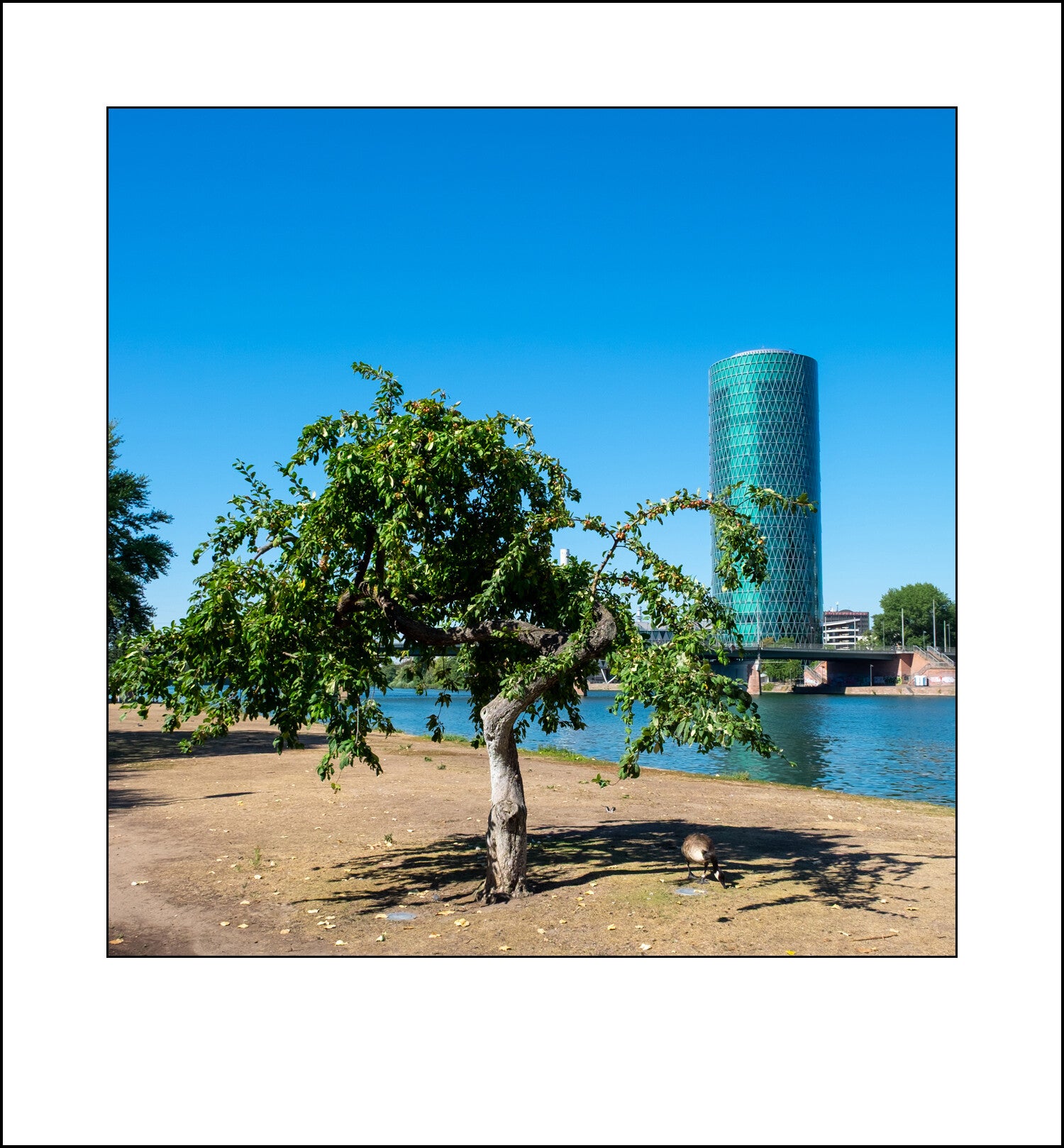
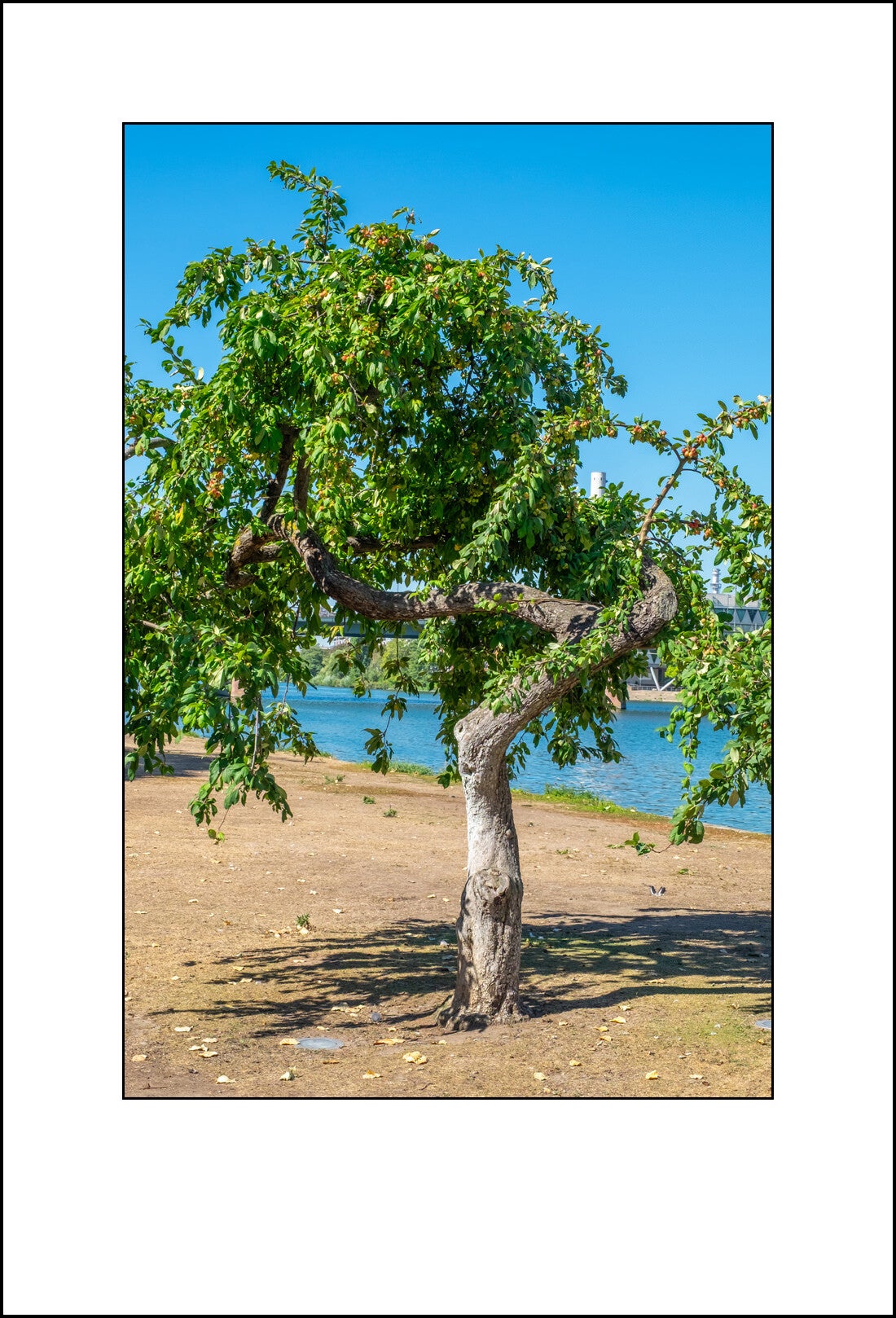
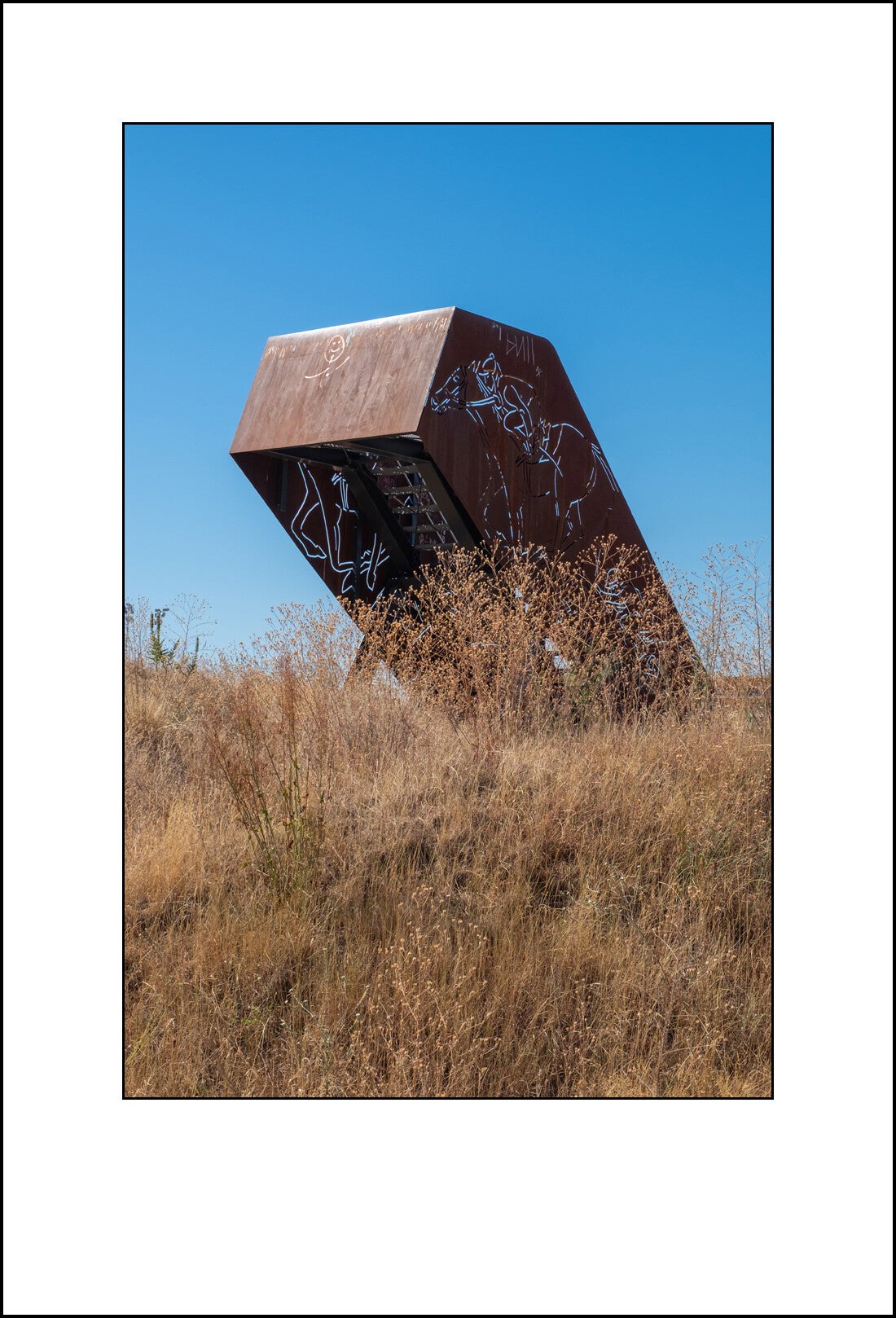
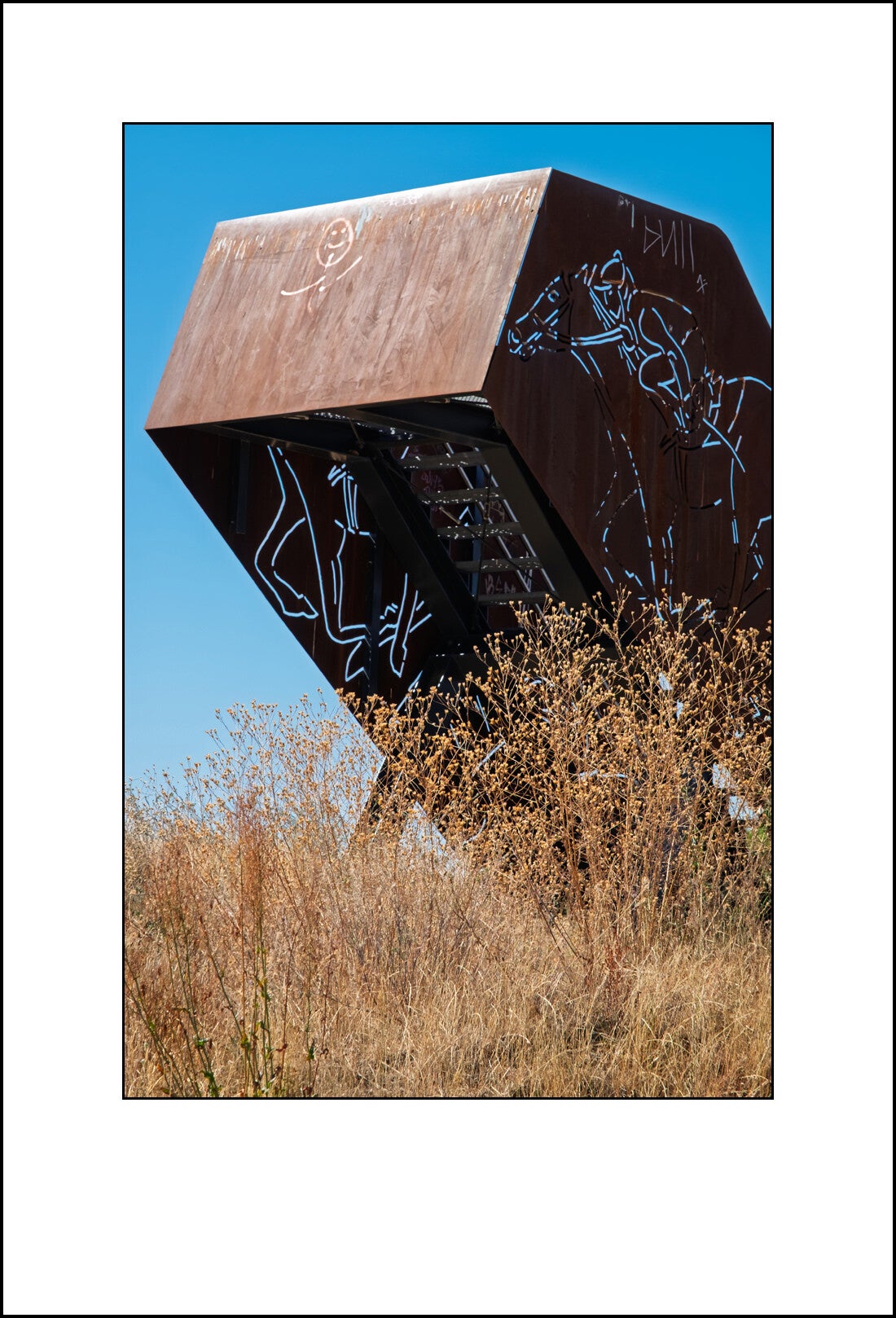
Test images taken with the Fujifilm X-E2 camera
The lens used for all images was the Fujifilm 16-80 f4 lens.