Panasonic G9 MkII
When Panasonic launched the original G9 in 2017, it was a powerhouse for still photographers—a Micro Four Thirds beast with speed, resolution, and ergonomics that punched above its weight. Six years later, the G9 Mark II arrives not as an incremental update, but as a radical reinvention. This isn’t just a refresh—it’s a camera that bridges the gap between Panasonic’s photo-centric and video-driven lineages, adopting the DC-S5 II’s phase-detection autofocus while retaining the compact charm of MFT.
The Lumix G9 II is the first camera in the Micro Four Thirds Lumix G Series to feature PDAF technology. In line with the growing need to produce highly creative artwork and photography using diverse methods, this new model creates high-resolution, high-quality images and rich colors straight out of camera. Furthermore, with a new auto-focus technology that combines Panasonic’s accumulated expertise in recognition technology with PDAF, this new model boasts significantly improved power and high-speed performance. The camera supports photographers from various fields using a system that can be combined with the compact and lightweight LUMIX G Micro Four Thirds lenses for ultimate flexibility.
Panasonic G9 II
Weight: 658g
Resolution: 25MP
Cards: Dual SD slots
IBIS: 8 stops
Price: €1400 - €1500
At the core of the G9 II lies a 25.2MP Live MOS sensor with an improved photodiode structure, the MkII exhibits a 15% improvement in signal-to-noise ratio (SNR) at ISO 6400. The camera employs a dual-native ISO architecture (100-25600, expandable to 50-25600), leveraging two separate amplification circuits to minimize noise in low-light conditions. This design ensures that dynamic range remains above 12.5 EV at base ISO, competitive with some full-frame counterparts despite the smaller sensor size.
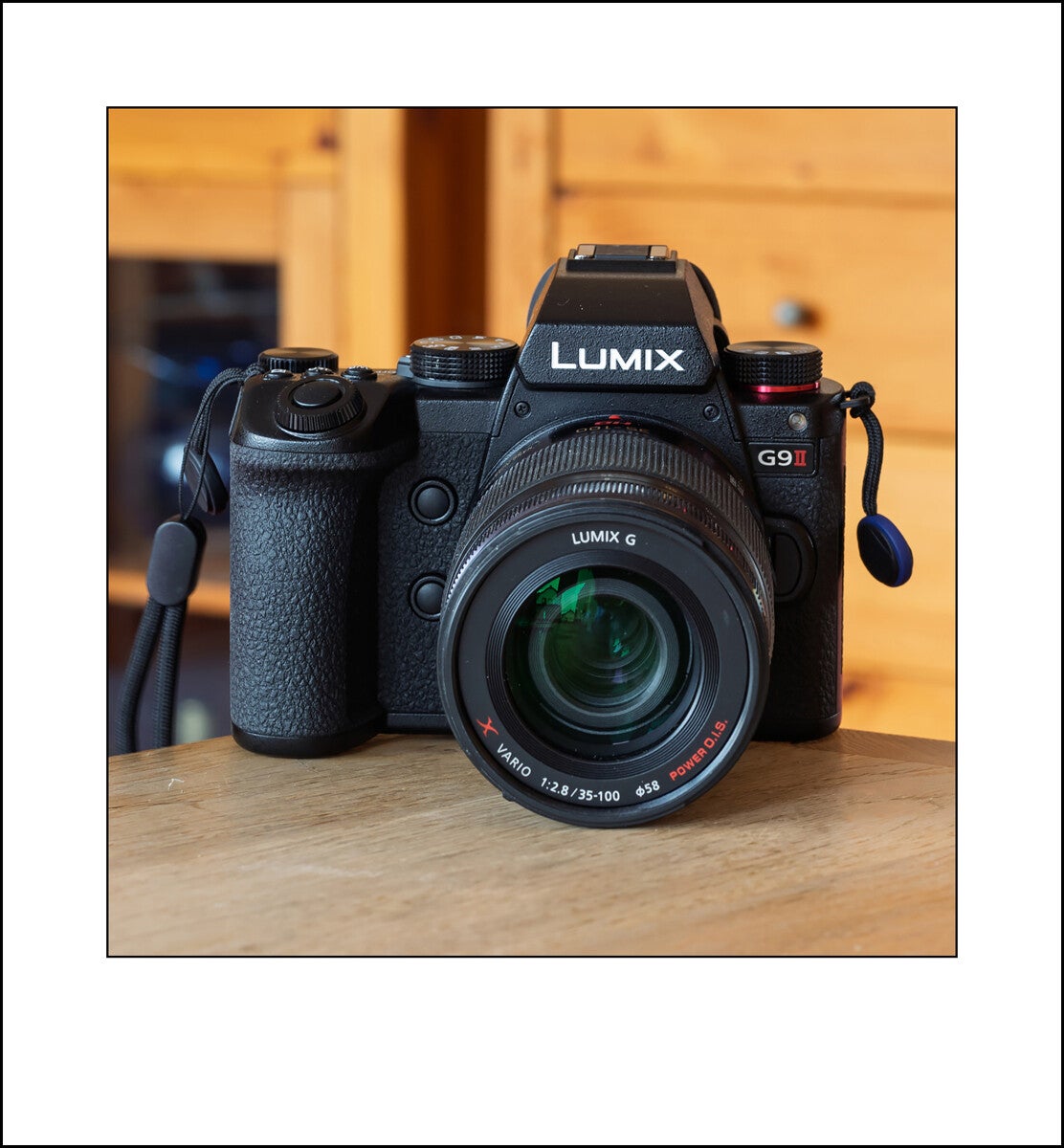
Panasonic Lumix G9 II sporting the Panasonic Lumix G 35 -100 f2.8 I Lens
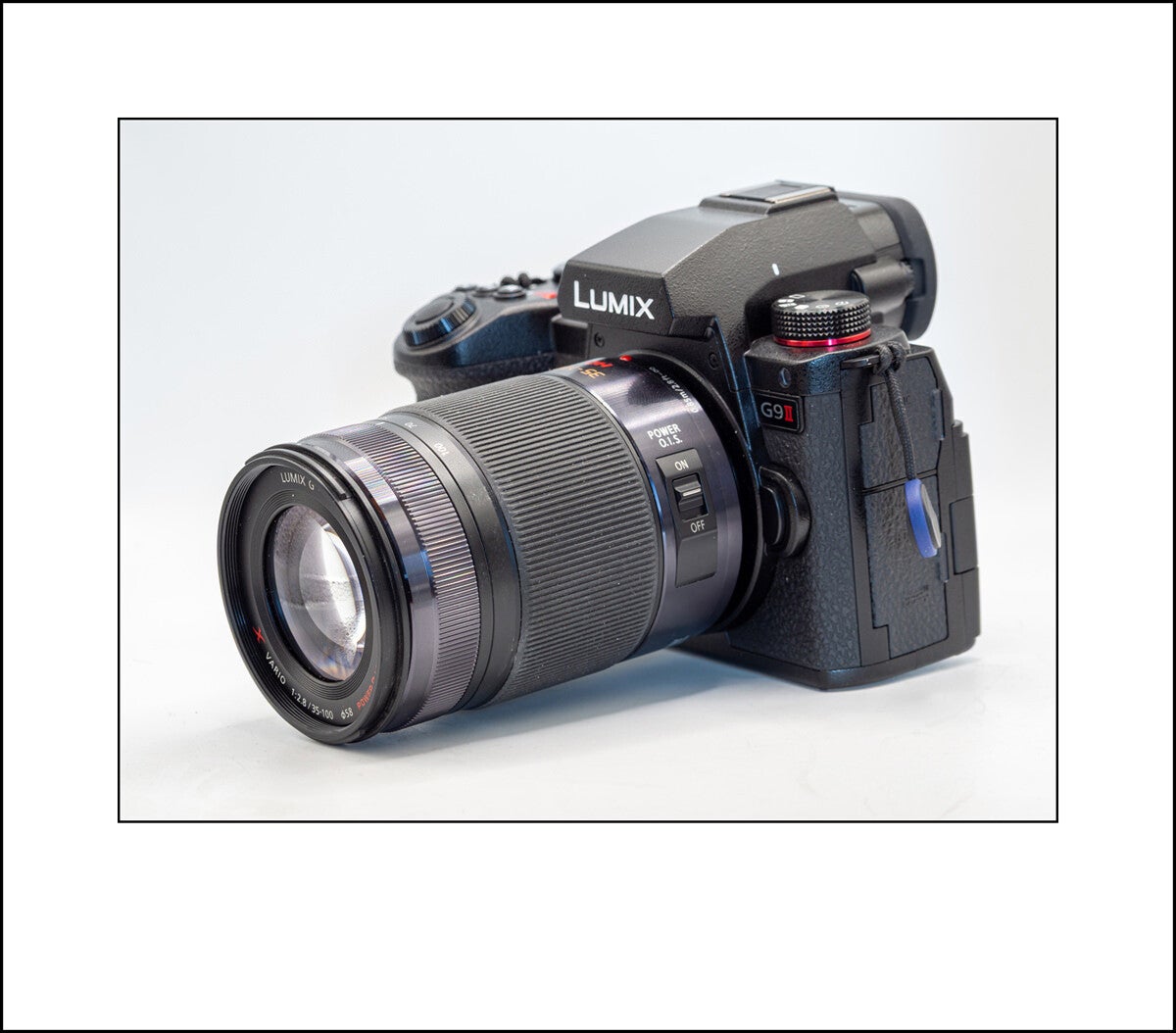
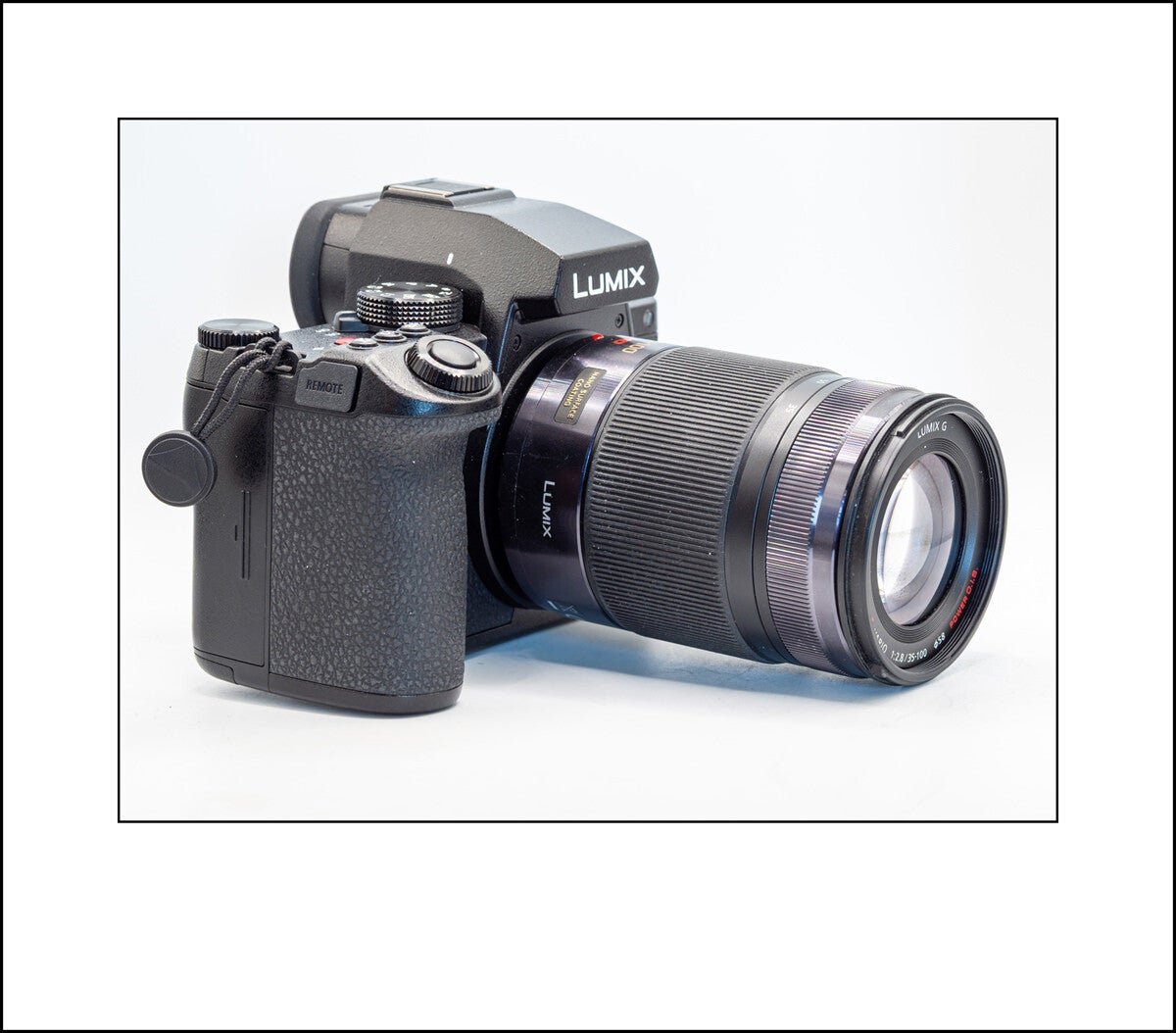
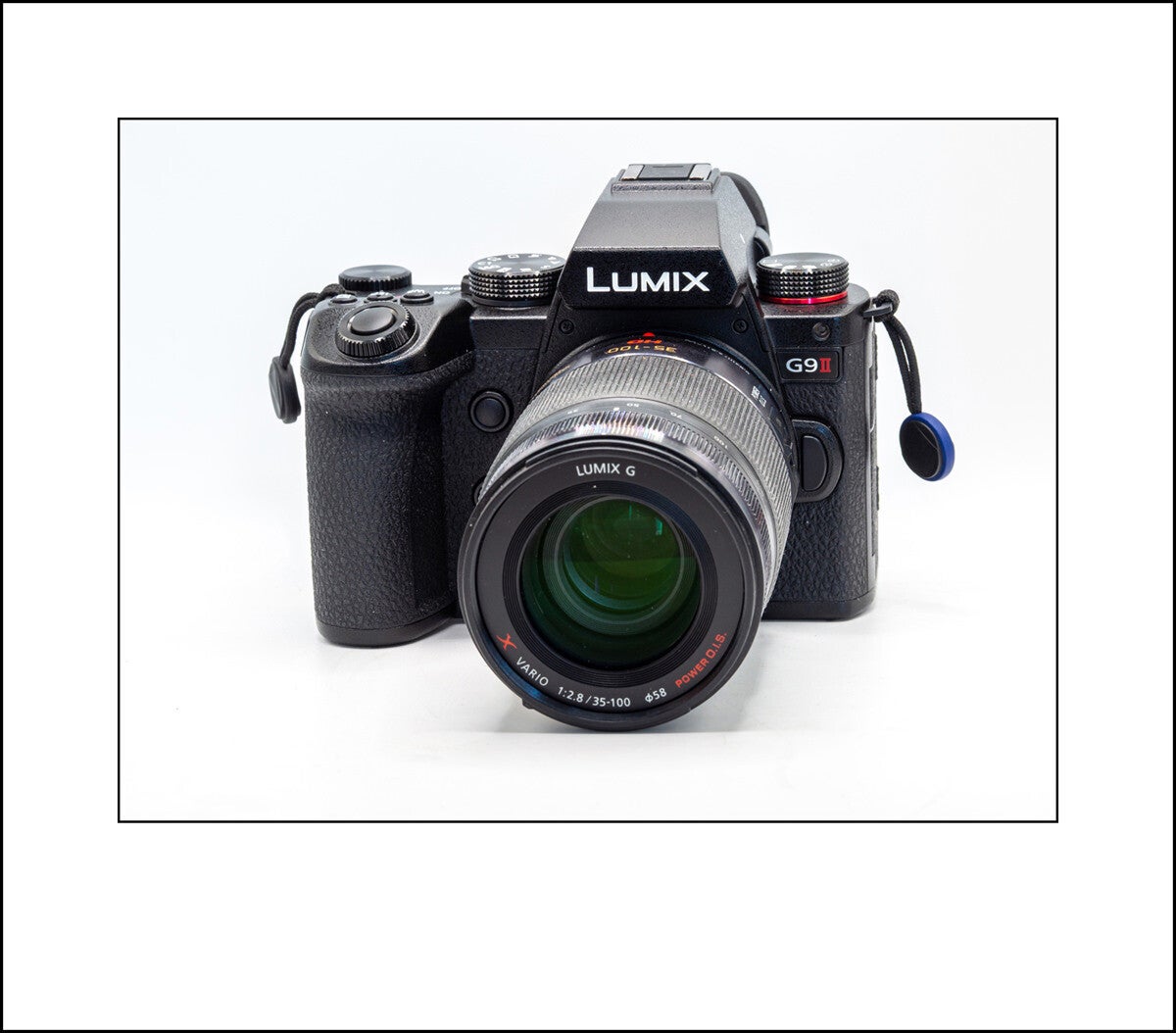
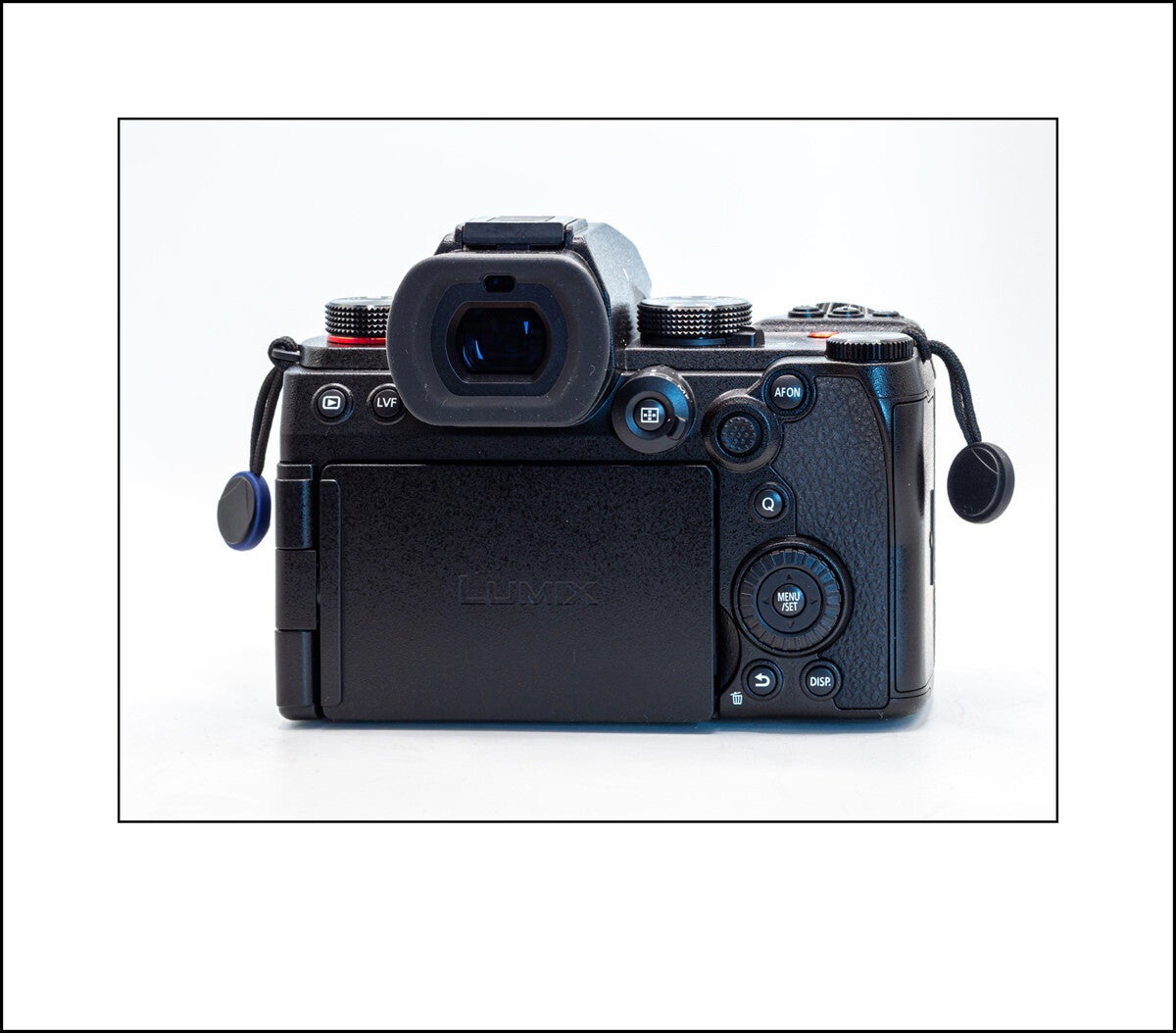
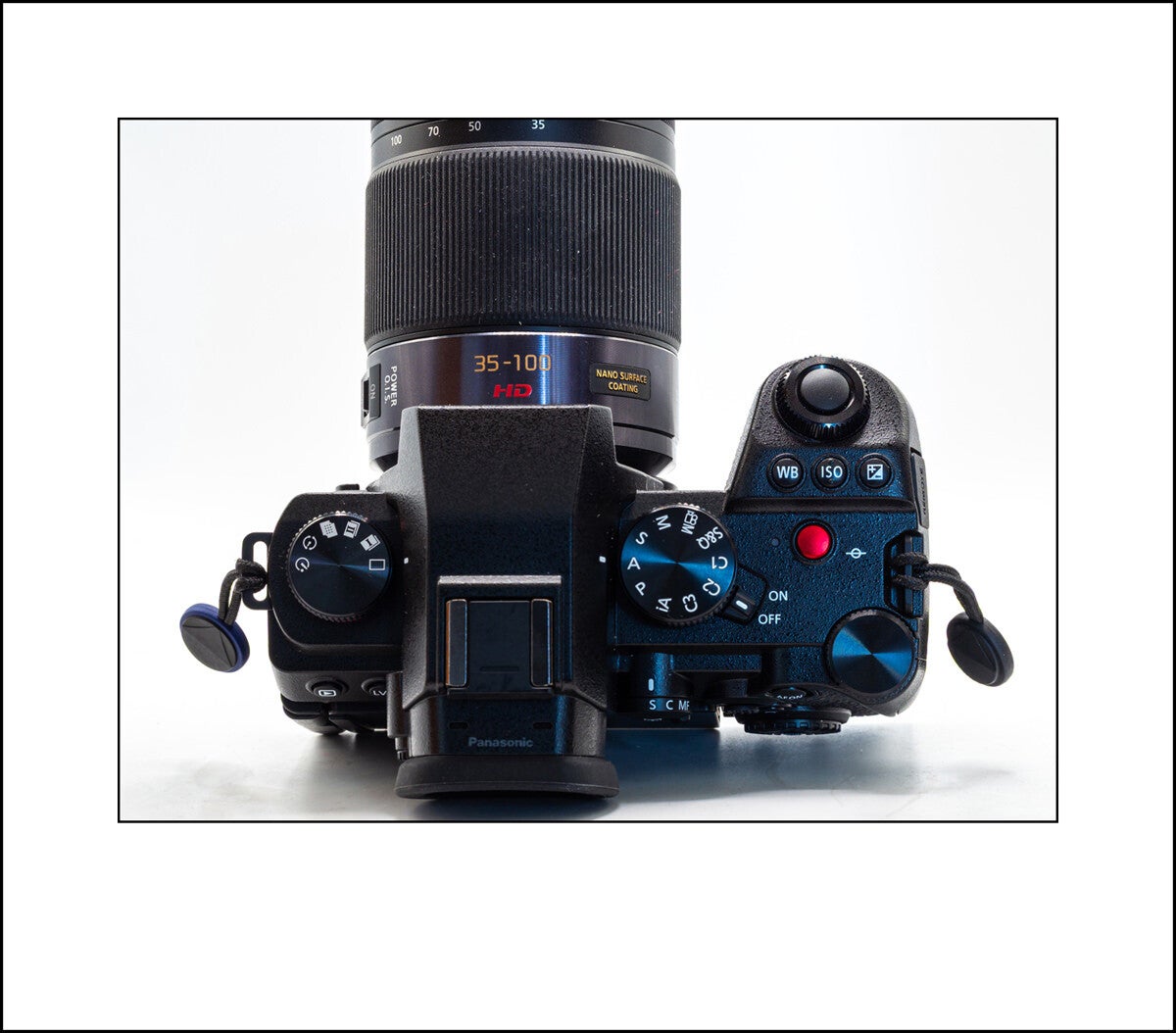
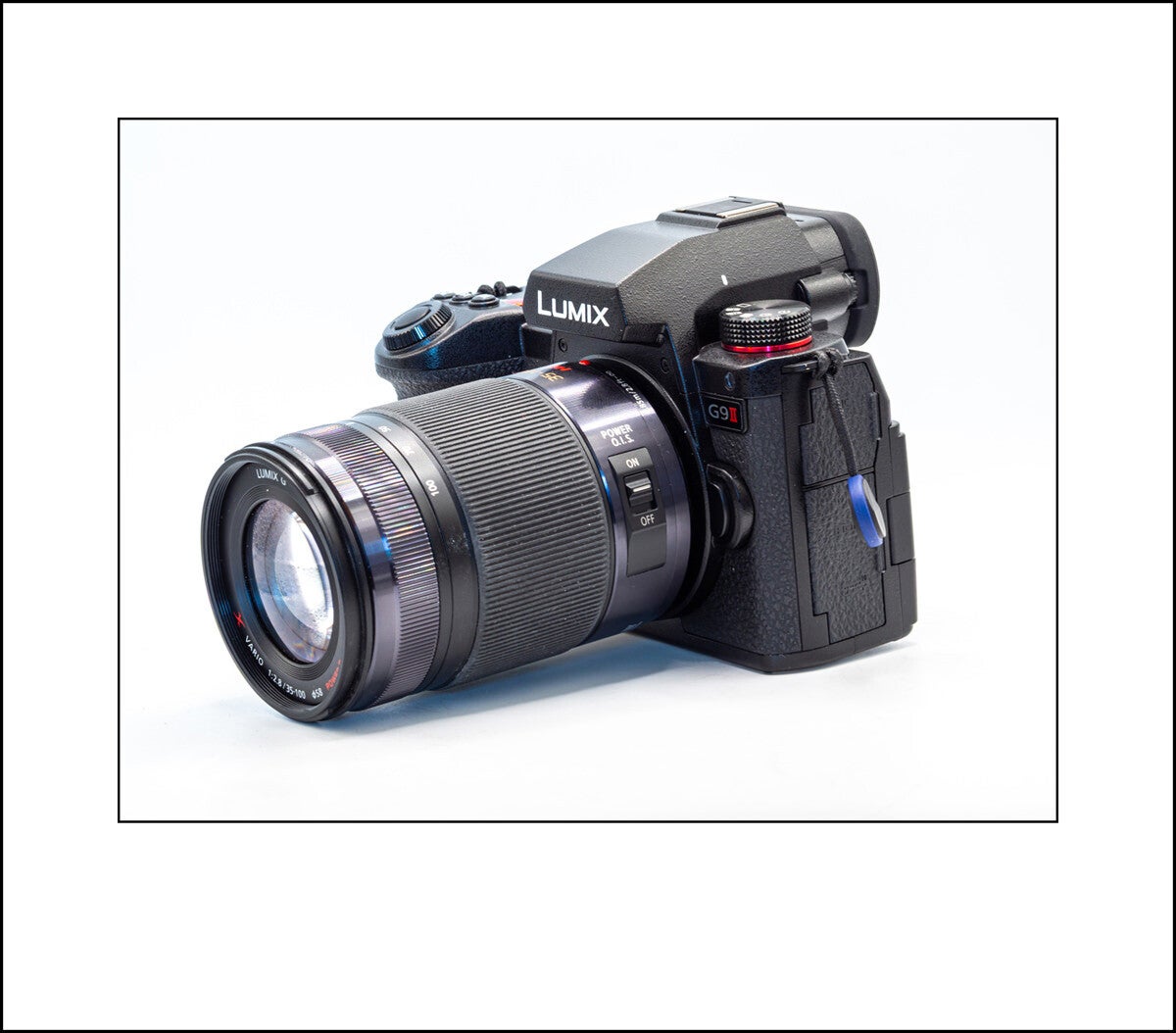
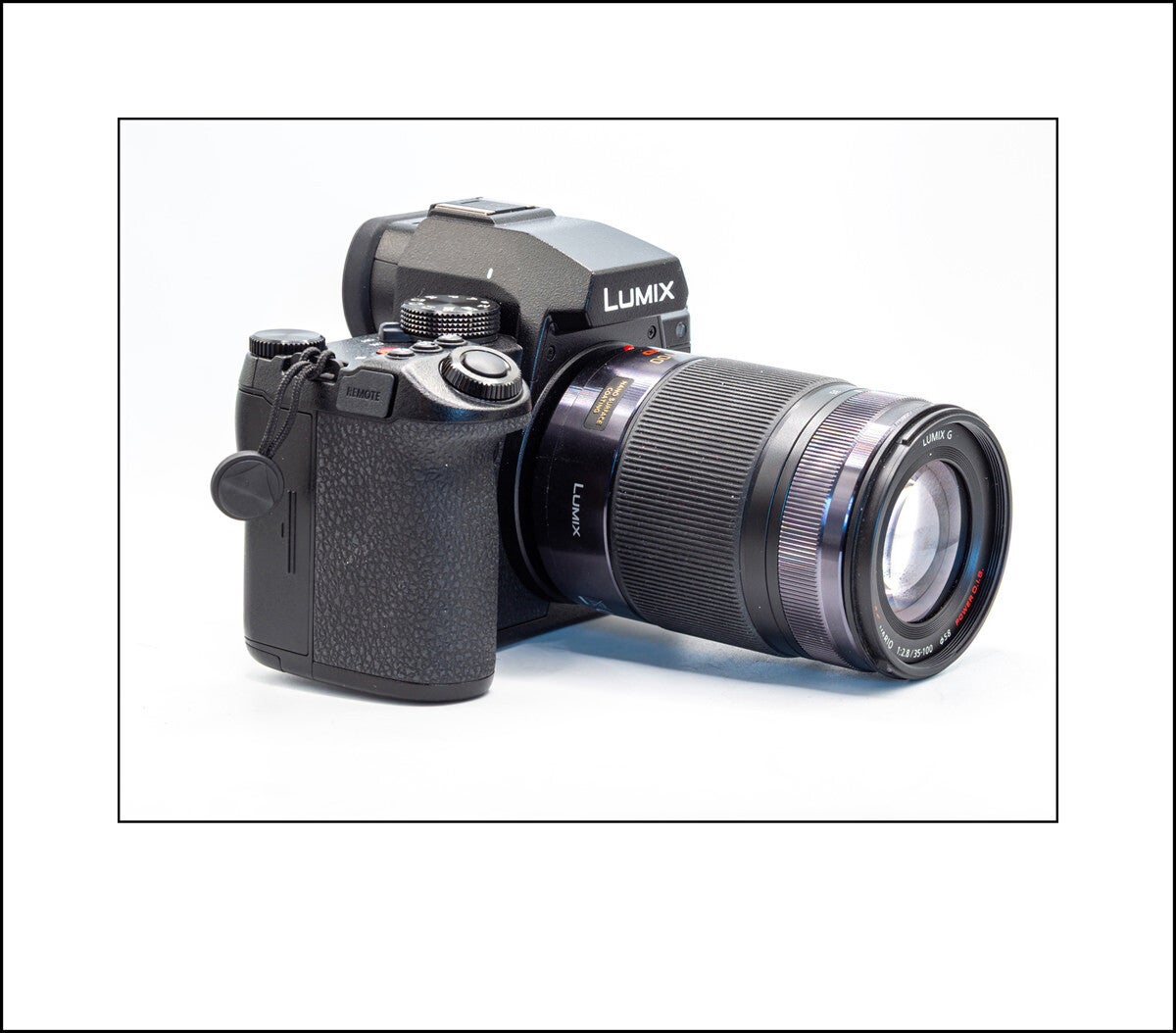
The magnesium alloy chassis is both lightweight (658g) and resilient, with extensive weather-sealing (IP52-rated). Not as good as the OM System OM-3 which is IP53 rated but still very good. The grip design incorporates polycarbonate reinforcements, optimizing weight distribution without compromising durability.
Happily for me it shares the same battery as the DC-S9, which is perfect. The S9 also has an SD slot so I'm happy there too. The less I have to carry around the better my back feels so sharing components is important to me.
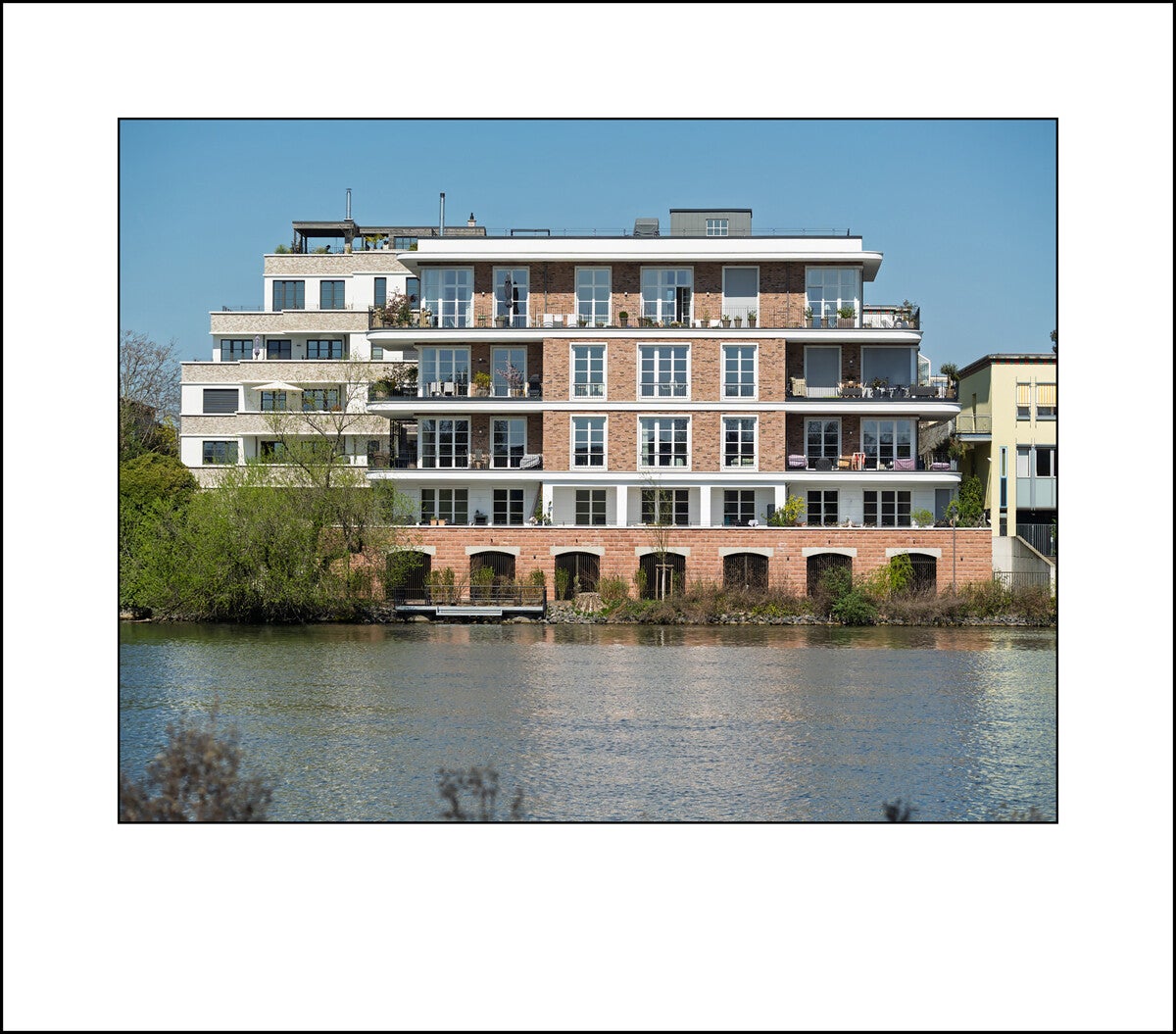
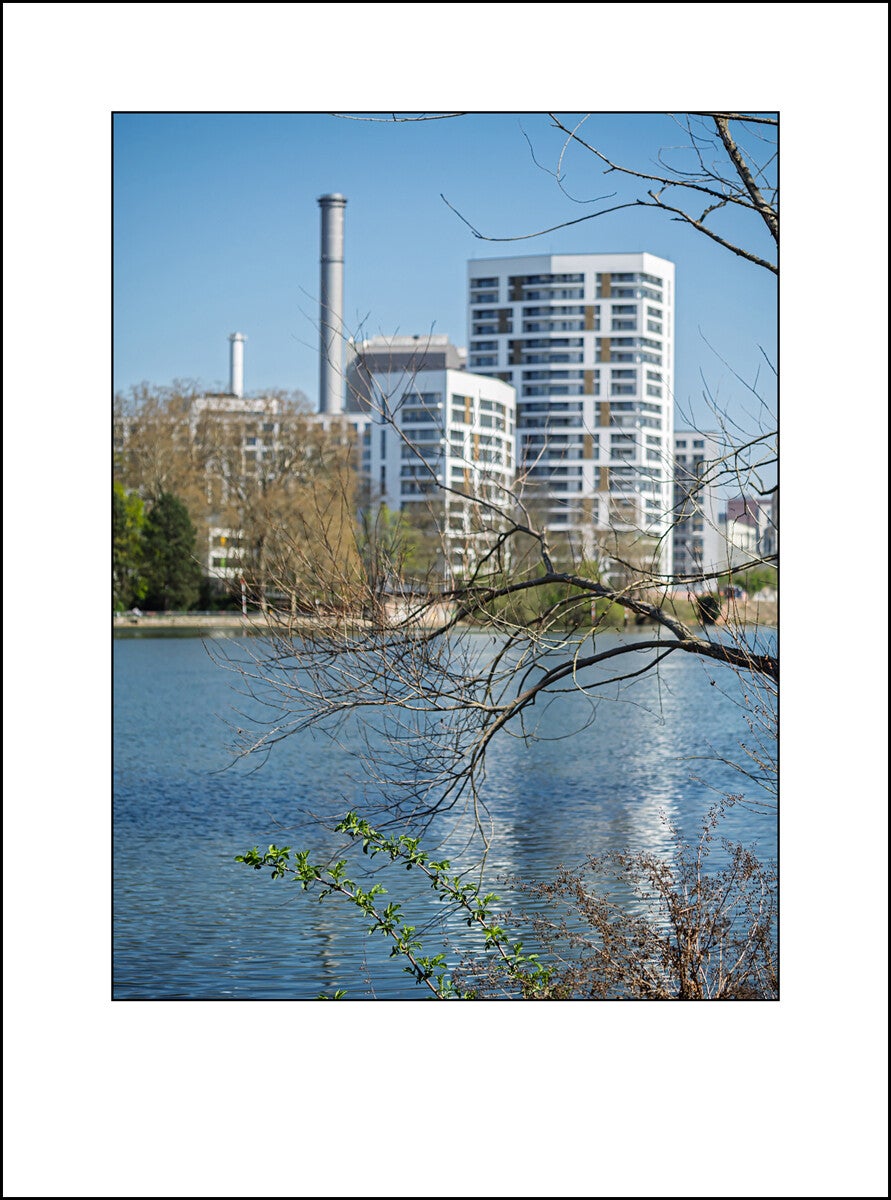
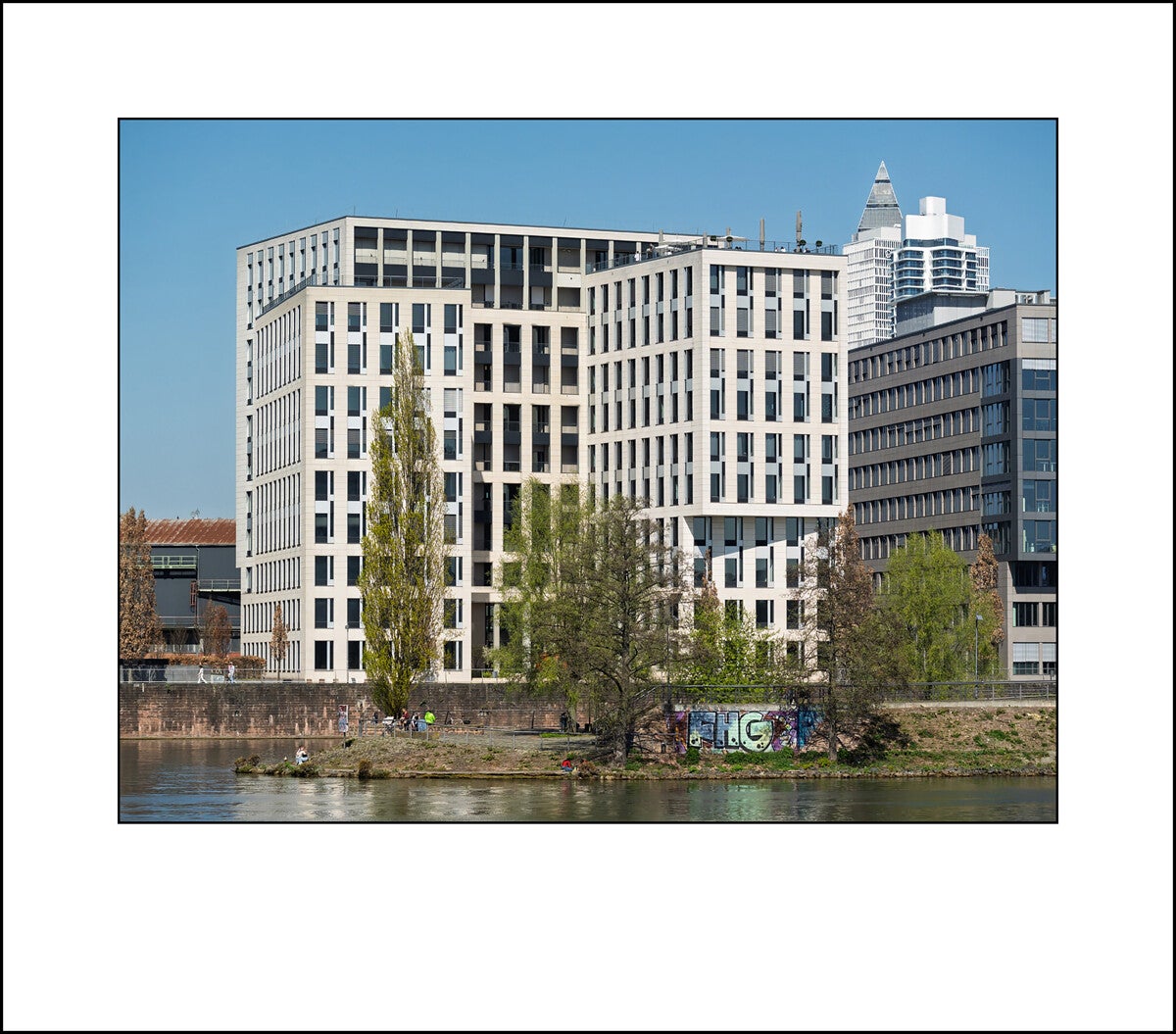
Images with the Olympus 12-100 f4 lens




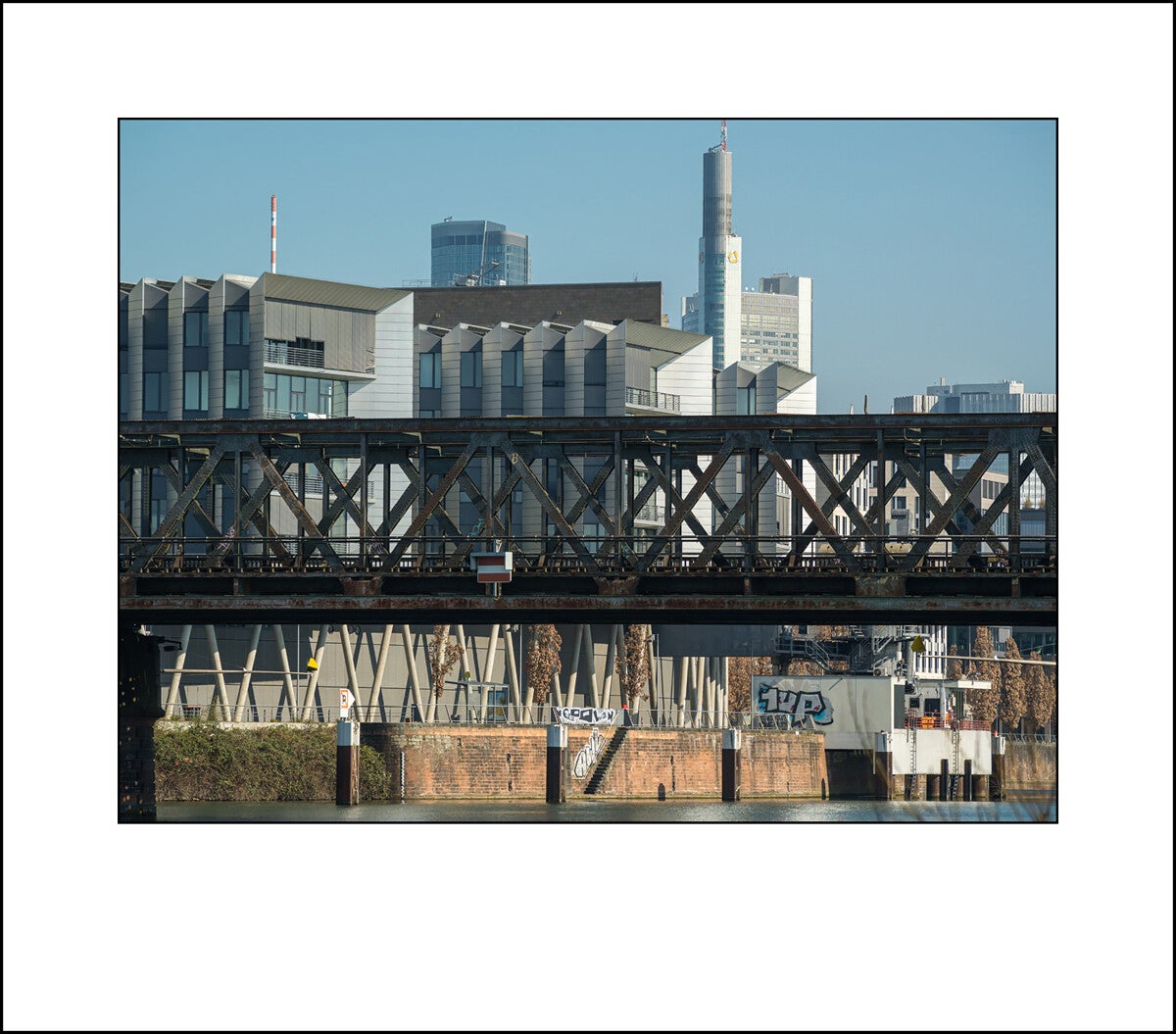




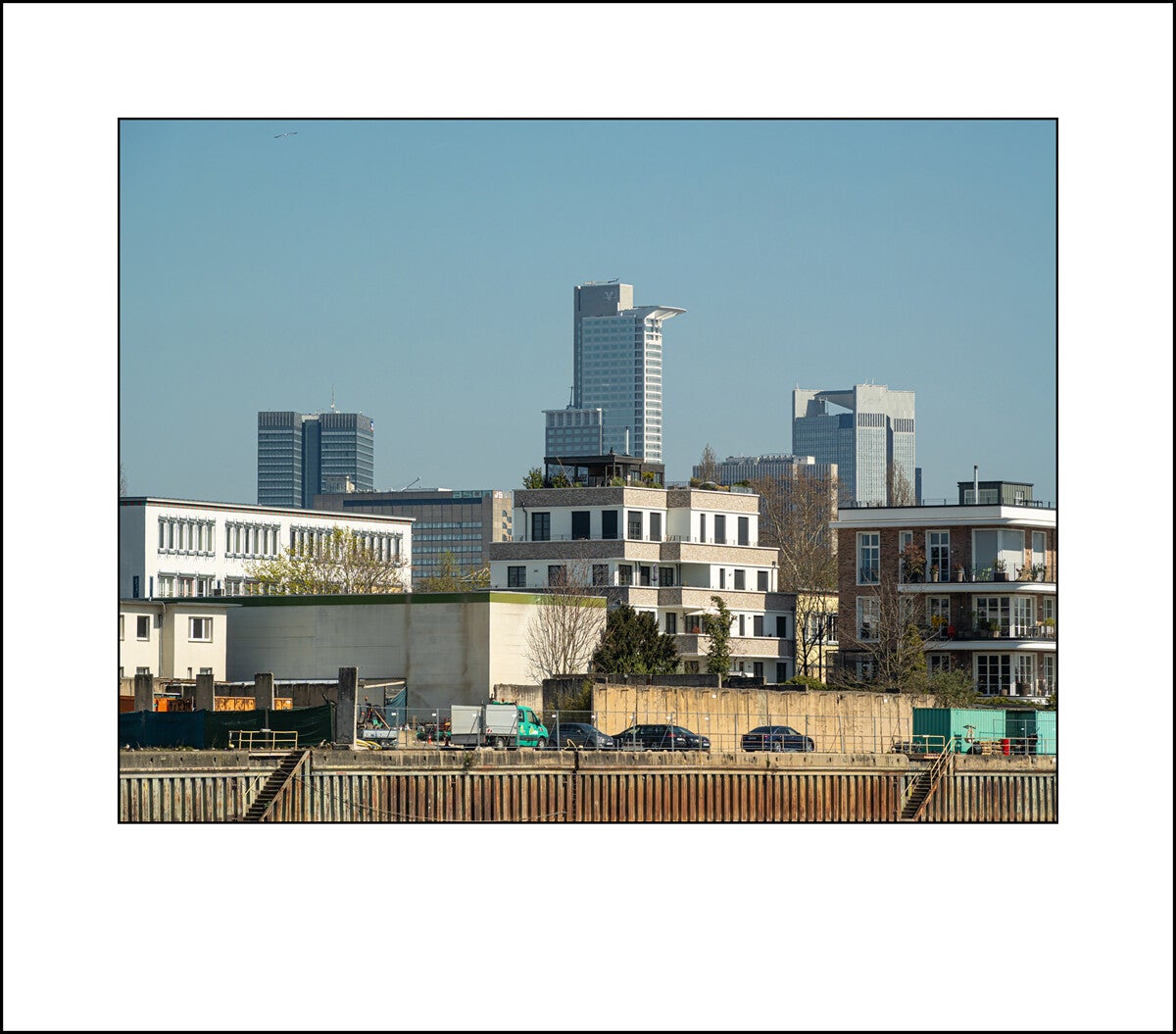







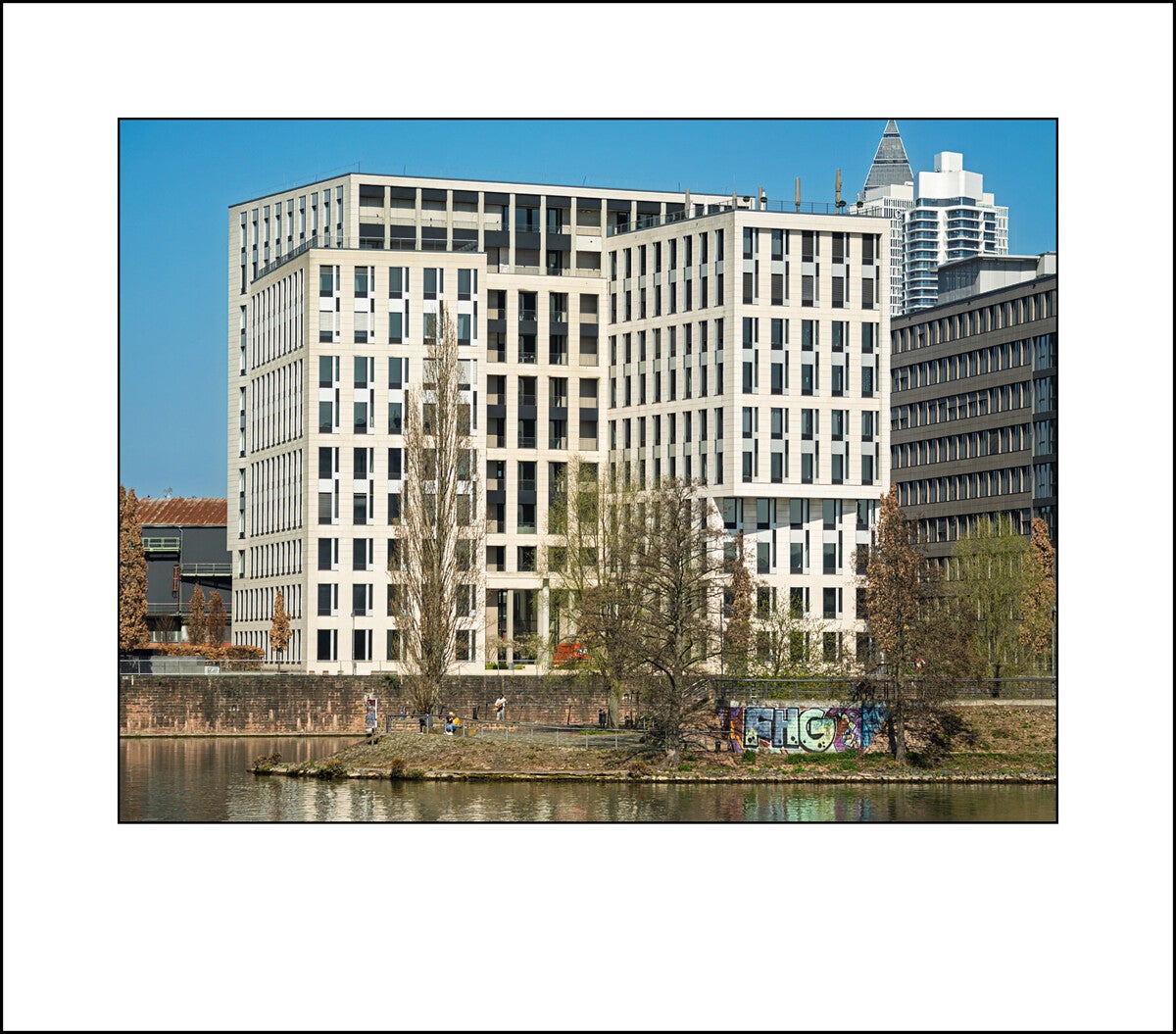






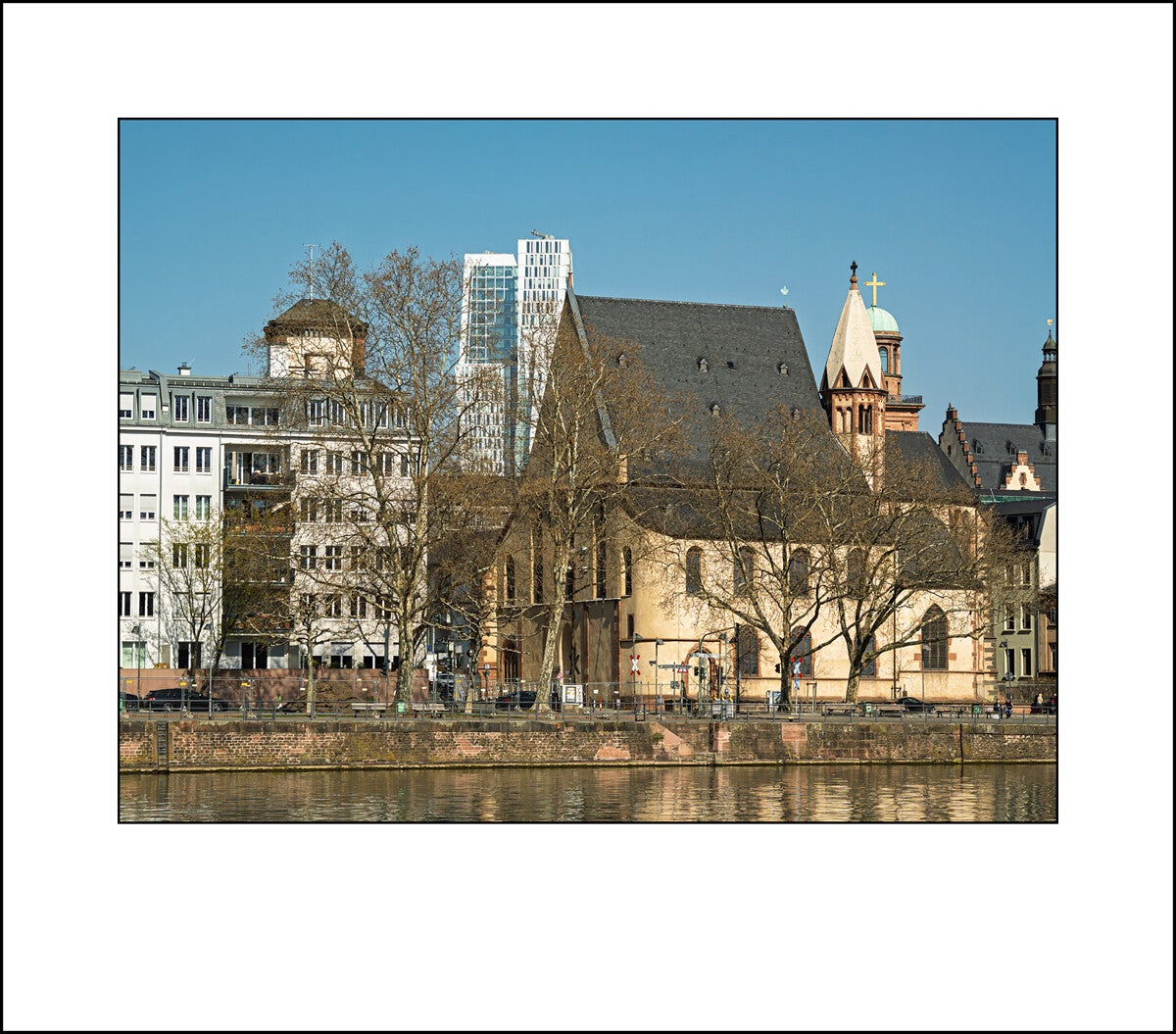






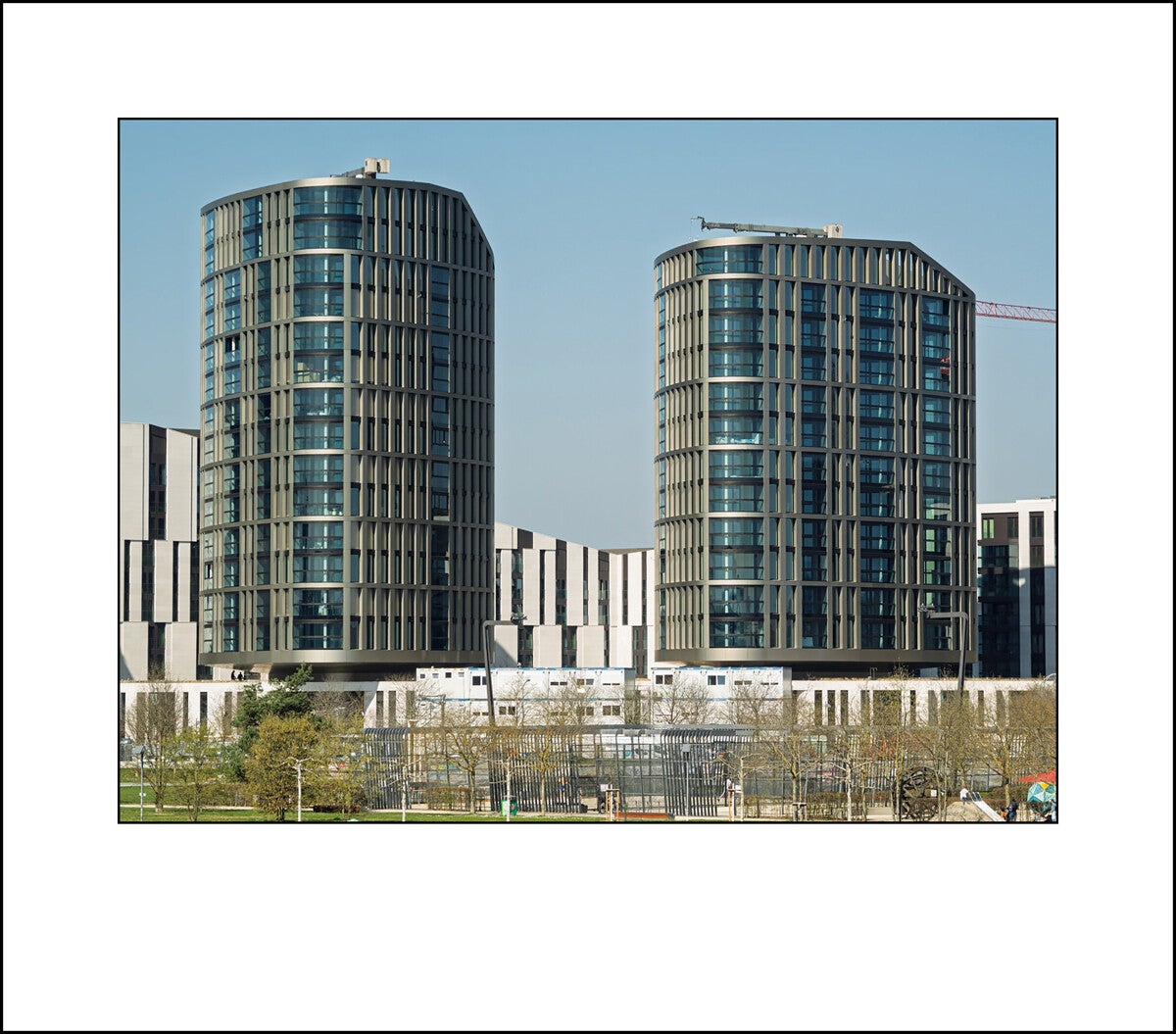

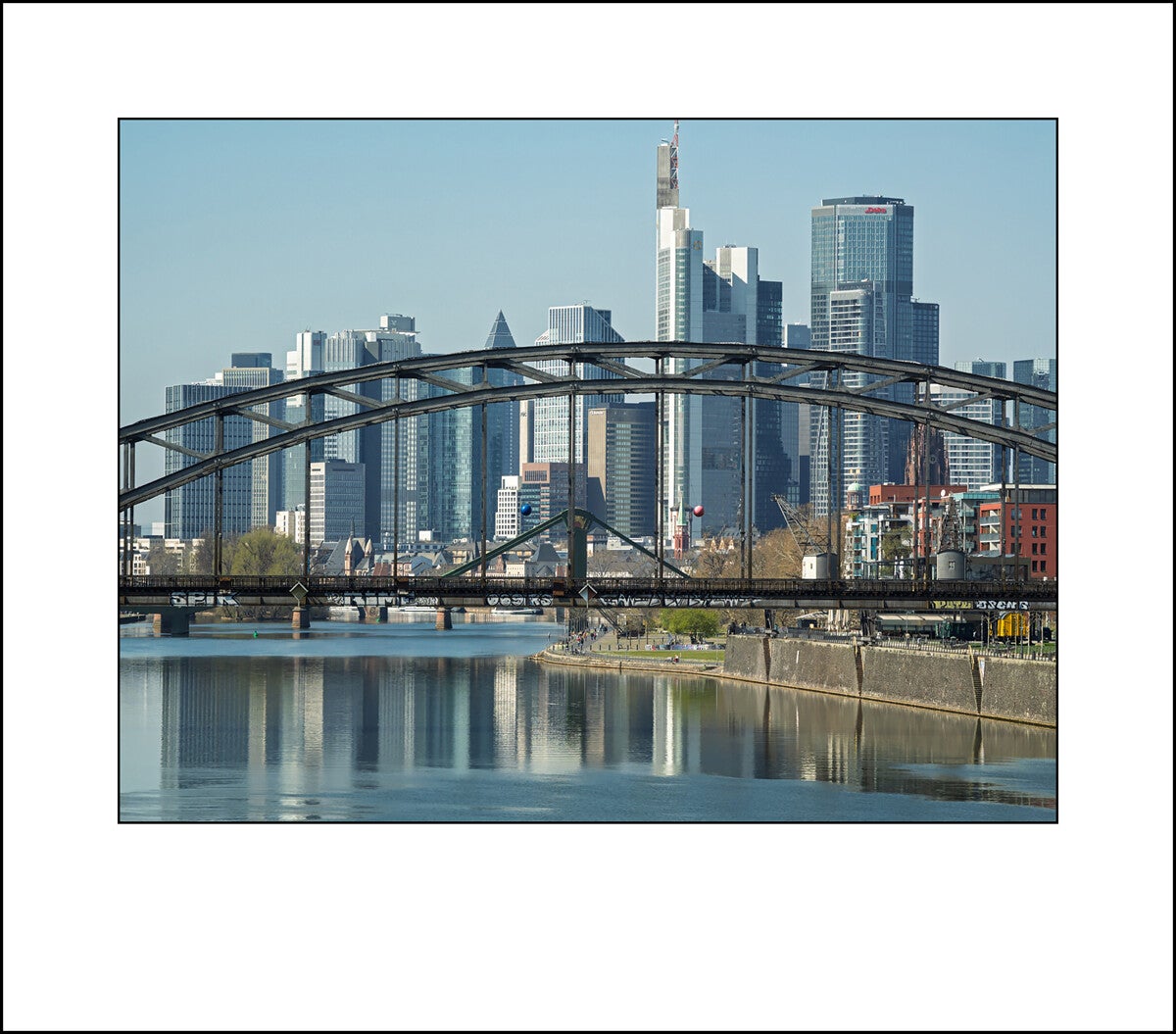






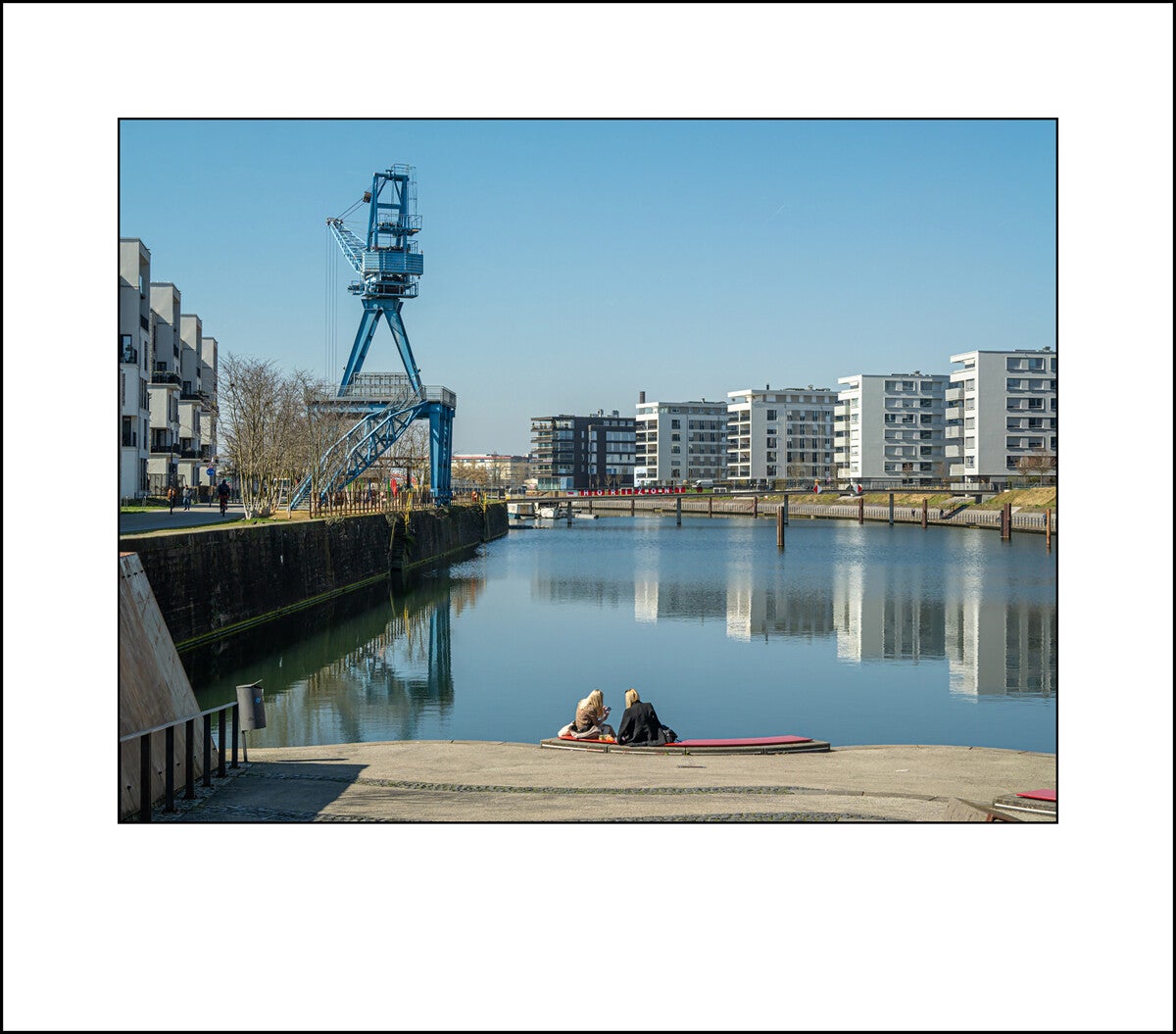

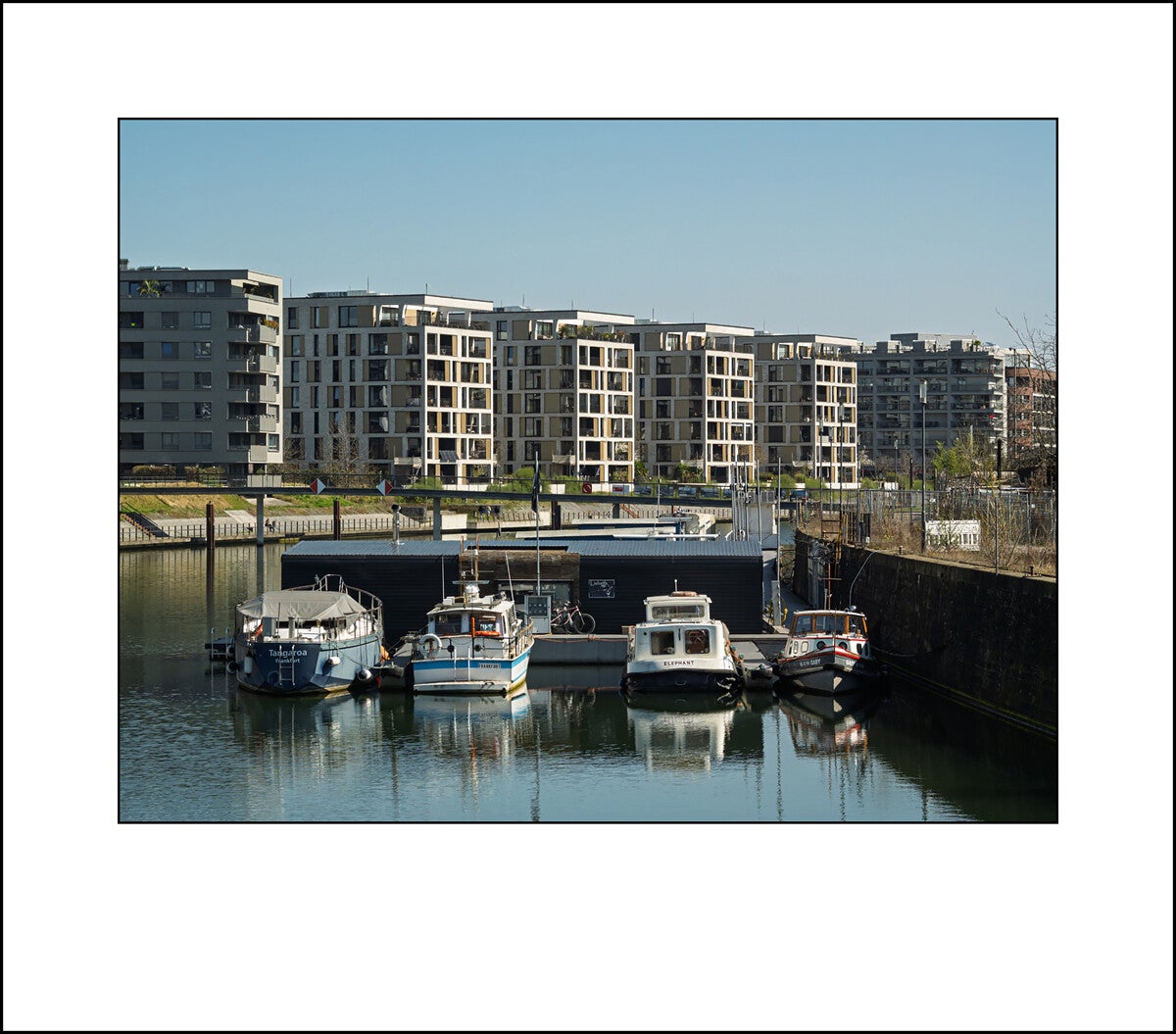


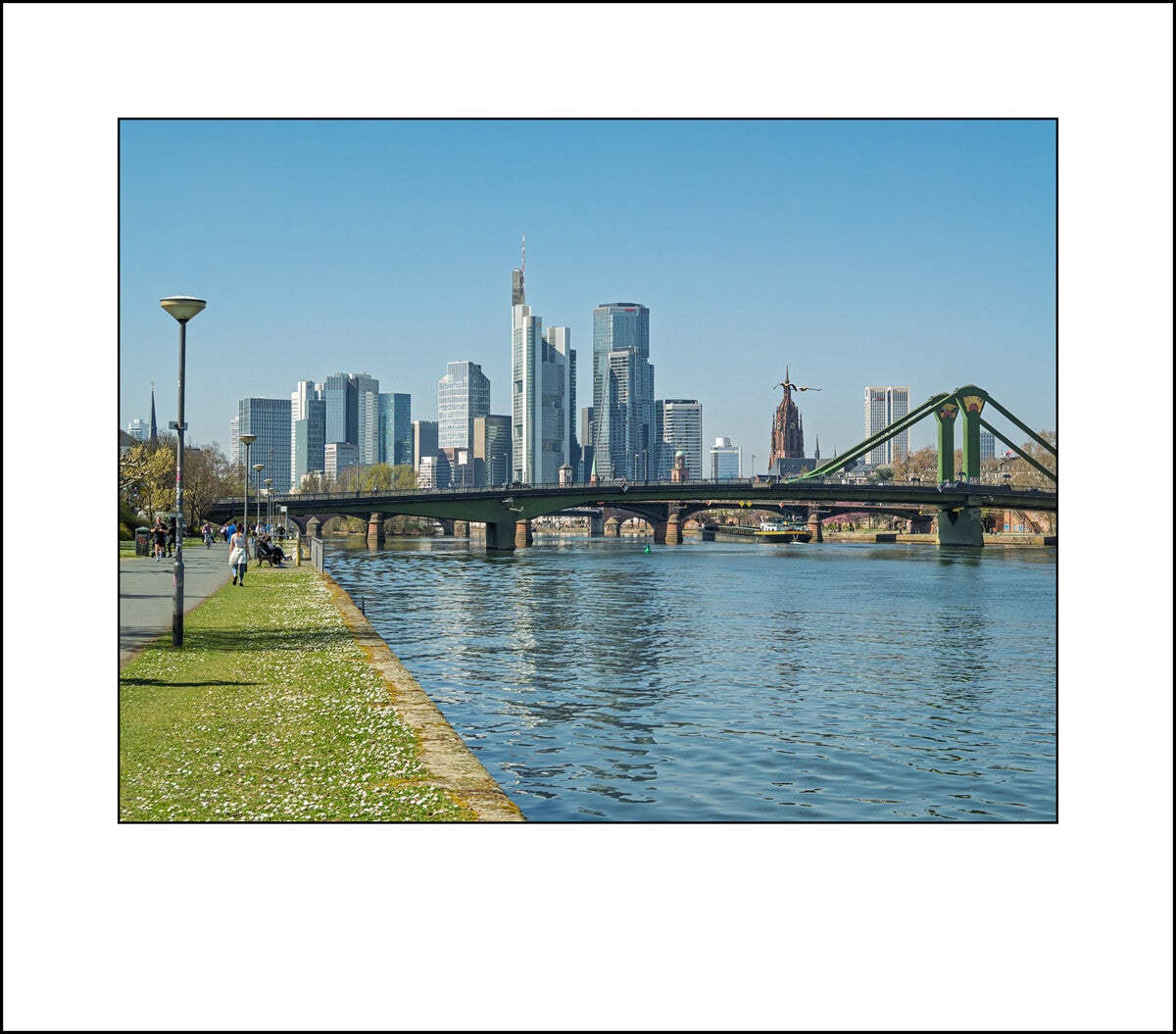
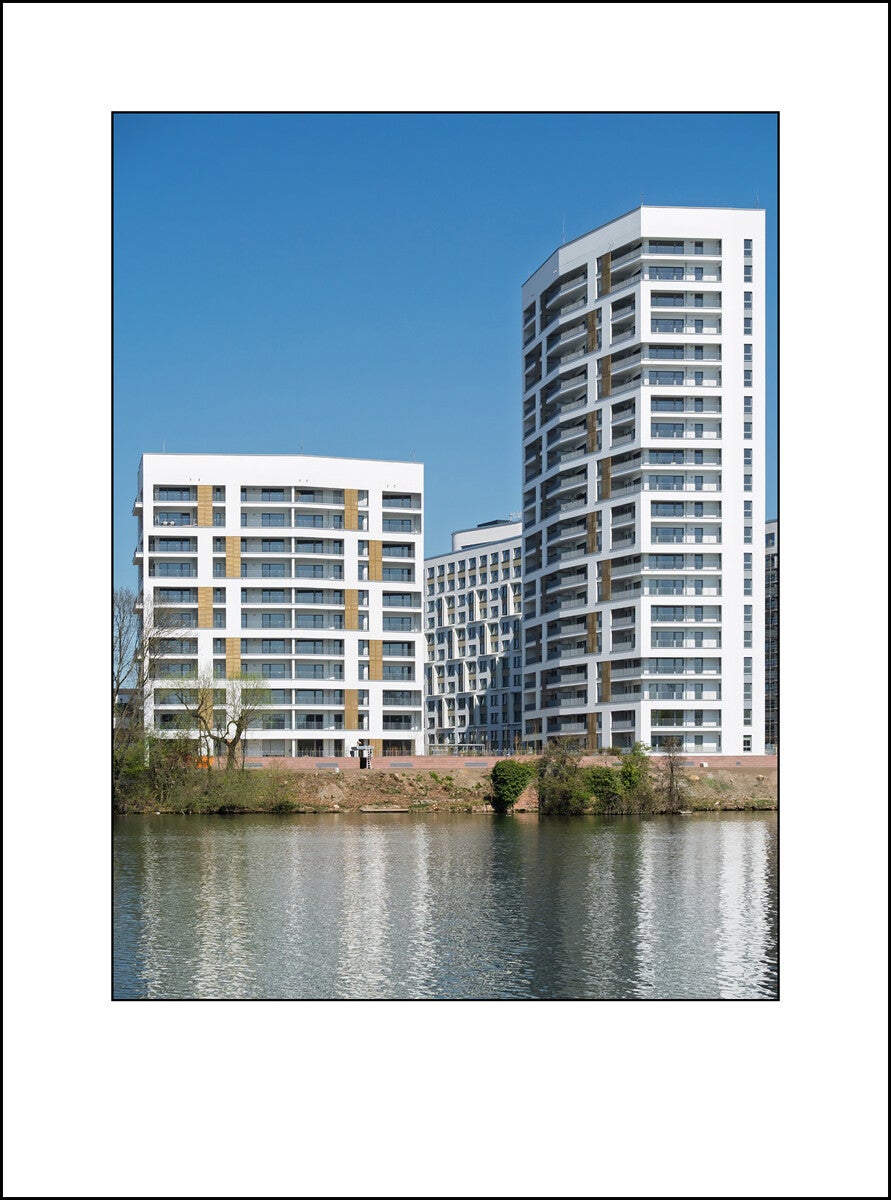
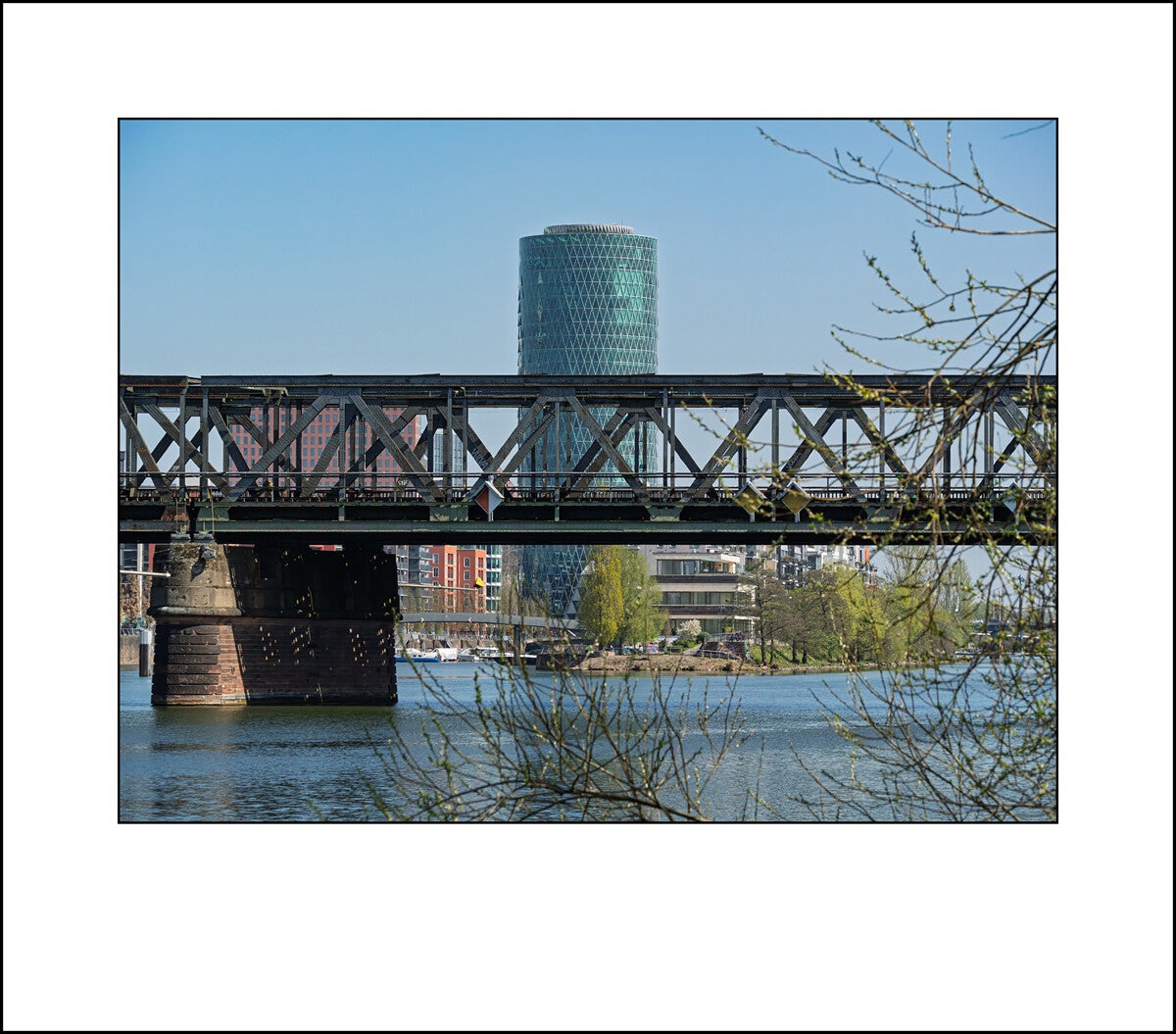
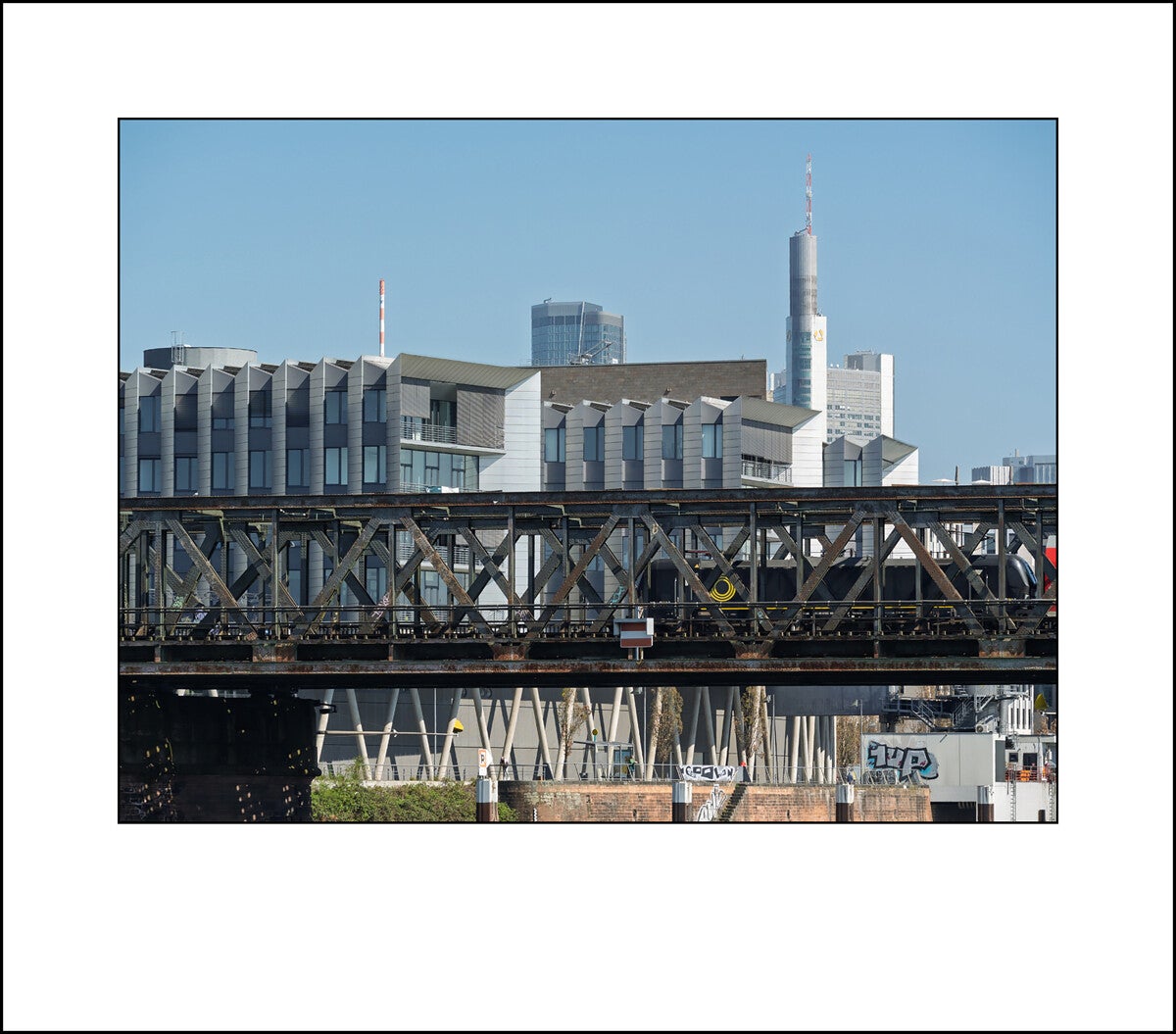
Images with the Panasonic 35-100 f2.8 I lens






















Conclusion:
A well thought out camera and is 100% to my liking. The EVF is simply wonderful, bright and clear. It has a joy stick for moving the focus point and has a BBF button. I also like the way they have implemented the WB, ISO and EV direct access buttons on top of the camera. With the 25MP sensor this camera is an excellent choice for either MFT users or new users. Personally I just love it. Now, where's that DC-1SR II?
Add comment
Comments