Panasonic DMC-GF1
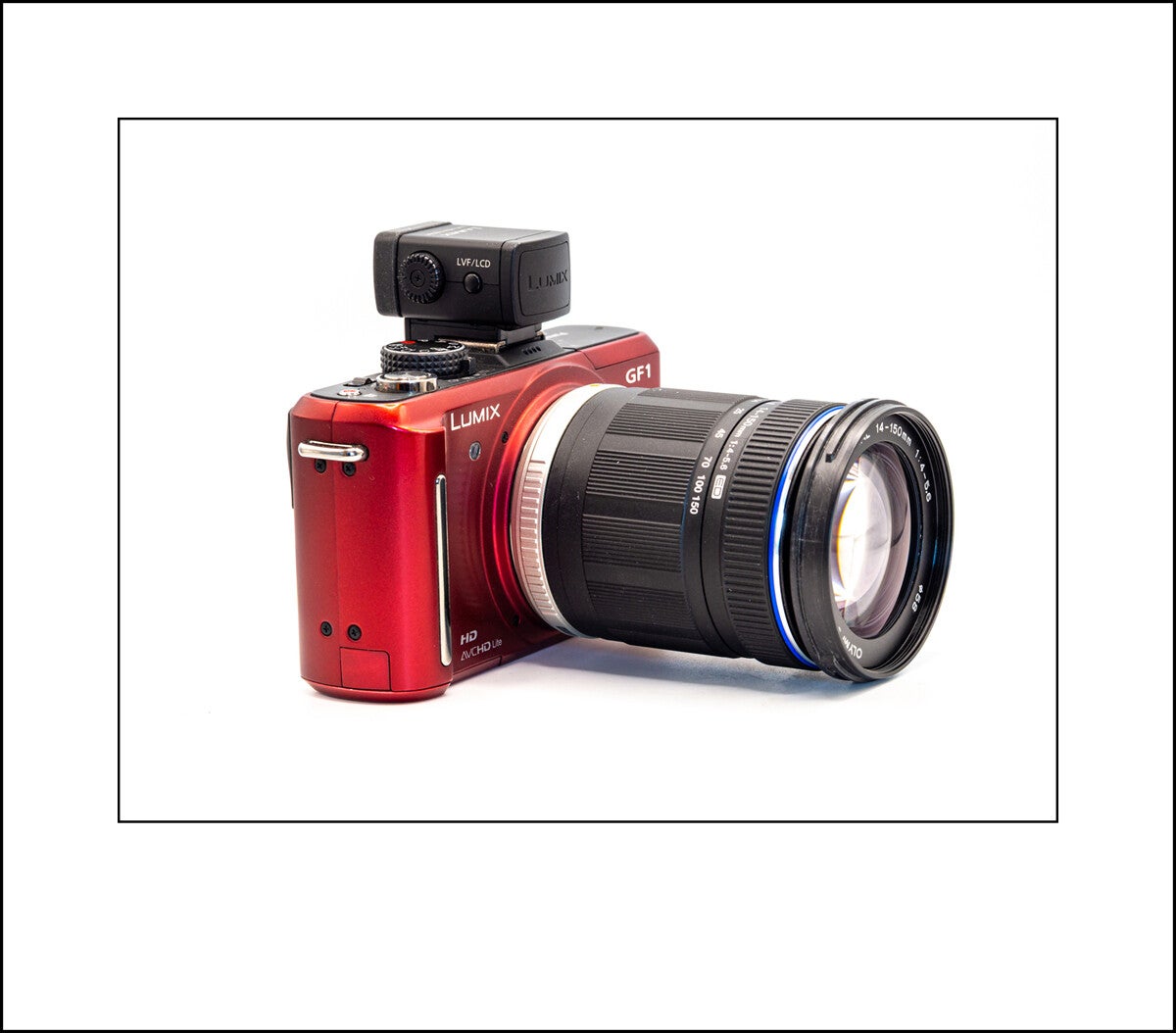
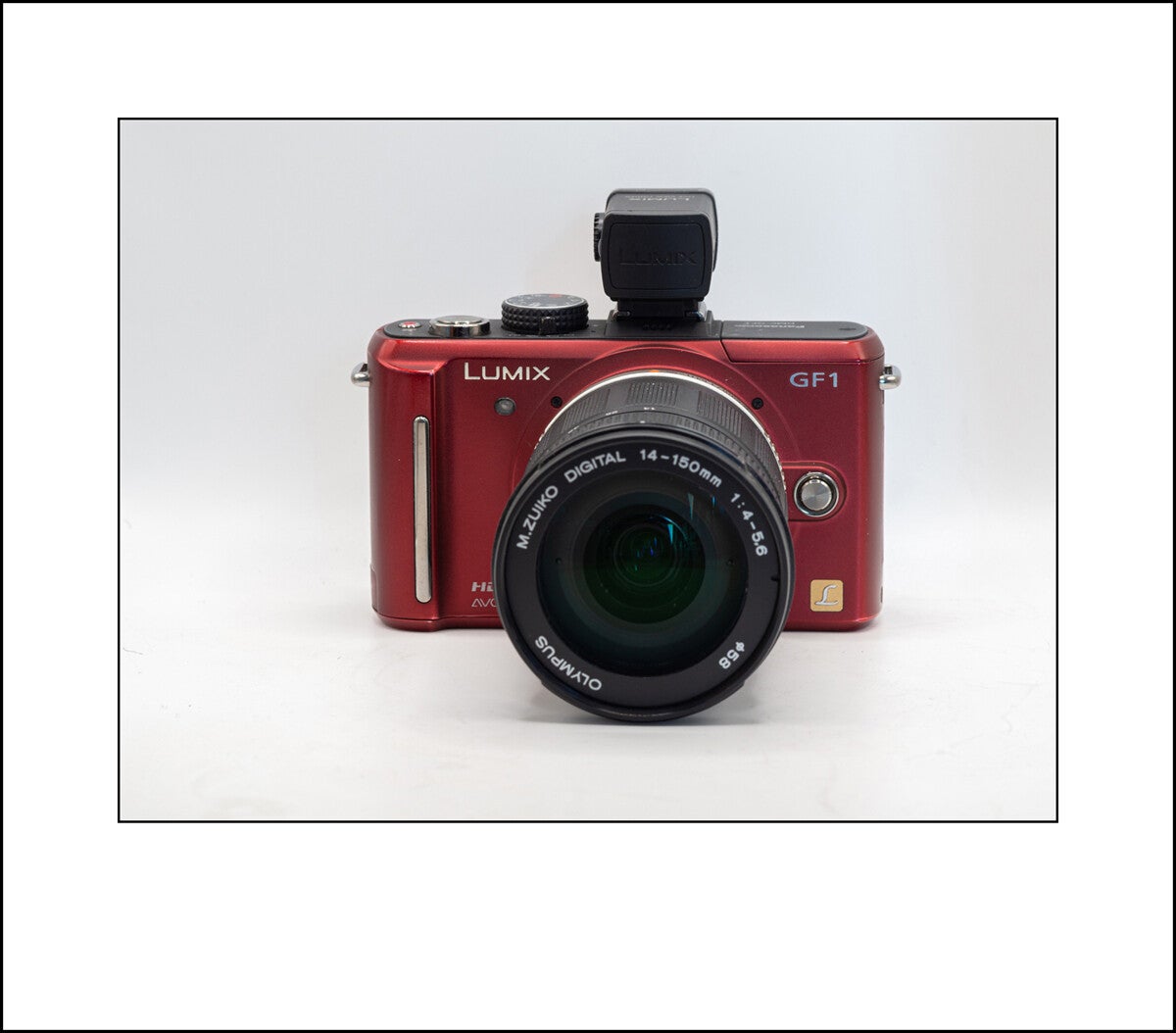
The Panasonic DMC-GF1 was a groundbreaking mirrorless camera that made a significant impact in the world of photography when it was released. Combining the compactness of a point-and-shoot with the advanced capabilities of a digital single-lens reflex (DSLR), the GF1 was designed to appeal to both amateur photographers and seasoned professionals looking for a lightweight yet powerful camera. With its impressive image quality, interchangeable lens system, and user-friendly controls, the DMC-GF1 offered a versatile solution for capturing stunning images in various weather conditions.
Overview of the Panasonic DMC-GF1
Panasonic GF1
Weight: 385g
Dimensions: 119 x 71 x 36 mm
Resolution: 12MP
Slots: Single SD slot
Price: €150 (with lens) used
History and Background
The Panasonic DMC-GF1, launched in 2009, is often hailed as one of the pioneers of the compact mirrorless camera movement (I know it was for me). This little wonder emerged from the Olympus and Panasonic partnership, leveraging the Micro Four Thirds system to deliver high-quality images without the bulk of a traditional DSLR. When it hit the market, it was like the stylish new kid at school, capturing attention with its sleek design and impressive specs for its time.
At the time I was really into the Panasonic L1 with its 7.5MP sensor, which came on the market in 2006. That camera gave me excellent images especially with the Panasonic-Leica Elmar 14-150 f3.5-5.6, which came on the market in 2007. This lens was glued to my L1 camera for quite some time and proved to be an excellent lens. This system was of course Four Thirds which made the whole system larger. Hence the attraction of the GF1 Micro Four Thirds system, reducing the overall footprint of the system.
Target Audience
The GF1 targets photography enthusiasts, hobbyists, and anyone who wants to step up from a smartphone without lugging around a hefty camera bag. It’s perfect for those who appreciate quality images but also want the convenience of a lightweight, easy-to-use camera. Essentially, if you were looking for something that felt fancy but wouldn't make you feel completely out of your depth, the GF1 was the way to go.
Key Features and Specifications
Sensor and Image Processor
At the heart of the GF1 is a 12.1-megapixel Live MOS sensor, paired with Panasonic's Venus Engine HD image processor. This dynamic duo still ensures that your photos are not just pixel-packed but also vibrant and rich in detail, even today. Whether you’re shooting landscapes or that adorable puppy next door, you can expect sharp results. The files lend themselves nicely for some post-processing. I personally used Silkypix at the time and got some excellent results. A change in their licensing however, took me away to the darkside of the fence; Adobe. A real shame.
ISO Range and Low-Light Performance
The GF1 boasts an ISO range of 100 to 3200, expandable to 6400 under certain settings. There are better cameras out there today but in good light, it gets the job done. Just remember to keep the ISO as low as possible, even in good lighting conditions. It isn't very good in low light conditions.
Video Capabilities
As I don't shoot video, I'm not going to touch on this subject what-so-ever. All I can say is look elsewher if that is your forte. Remember this camera was brought out in 2009. Technology was in it's infancy still, but if you are looking for something small and quite unobtrusive this camera could be for you.
Design and Build Quality
Size and Weight
The GF1 shines in the size and weight department, weighing in at just about 385 grams (that’s like a bag of apples, minus the healthy benefits). It’s compact enough to fit in a small backpack, making it an excellent choice for travel and everyday use. It’s like the perfect travel buddy that won’t take up all the room in your suitcase.
Materials and Durability
Crafted with a mix of plastic and metal, the GF1 strikes a balance between style and sturdiness. While it might not survive a drop from a tall building (please don’t try this at home), it’s robust enough for daily use and can handle the occasional bump and bruise. It’s not a tank, but it won’t crumble under pressure either.
Ergonomics and Handling
With a comfortable grip and intuitive button layout, the GF1 is designed for easy handling so you can shoot with confidence. You won’t have to wrestle with your camera just to snap a picture. The controls are easy to navigate, and the layout won’t leave you feeling like you need a degree in engineering to operate it.
Image Quality and Performance
Autofocus System
Equipped with a contrast-detect autofocus system, the GF1 locks onto subjects with reasonable speed and accuracy. It is not the fastest out there but it is workable. For a 17 year old camera it really does the job quite well in my opinion. It is not designed to be a wildlife of sports camera so there is no need to try it out in that genre. Just forget it.
Image Stabilization
One of the handy features in the GF1 is its built-in image stabilization, which helps reduce the shakiness in your photos and videos. Today the systems are better at this but a little help goes a long way at slower shutter speeds.
Lens Compatibility and Options
Mount Type and Available Lenses
The Panasonic DMC-GF1 features a Micro Four Thirds (MFT) mount, opening up a world of lens possibilities. Whether you're looking for a simple pancake lens for street photography or a more robust zoom lens for capturing the great outdoors, the options are plentiful. Panasonic and Olympus/OM System (as well as other Third-Party) offer a range of native lenses that cater to various photographic needs.
Third-Party Lens Support
The DMC-GF1 isn't just a one-lens wonder; it also welcomes a slew of third-party lenses. Brands like Sigma, Tamron, and Voigtländer have jumped on the MFT train, providing lenses that cover everything from macro photography to fast primes. It really doesn't need third party support as Panasonic and OM System (formerly Olympus) offer some fantastic lenses.
User Experience and Controls
Menu System and Customization
Navigating the DMC-GF1’s menu is very easy to navigate. There isn't a lot of choices (compared to todays cameras). The menu is logically structured, allowing users to find their settings without pulling their hair out.
Display and Viewfinder Features
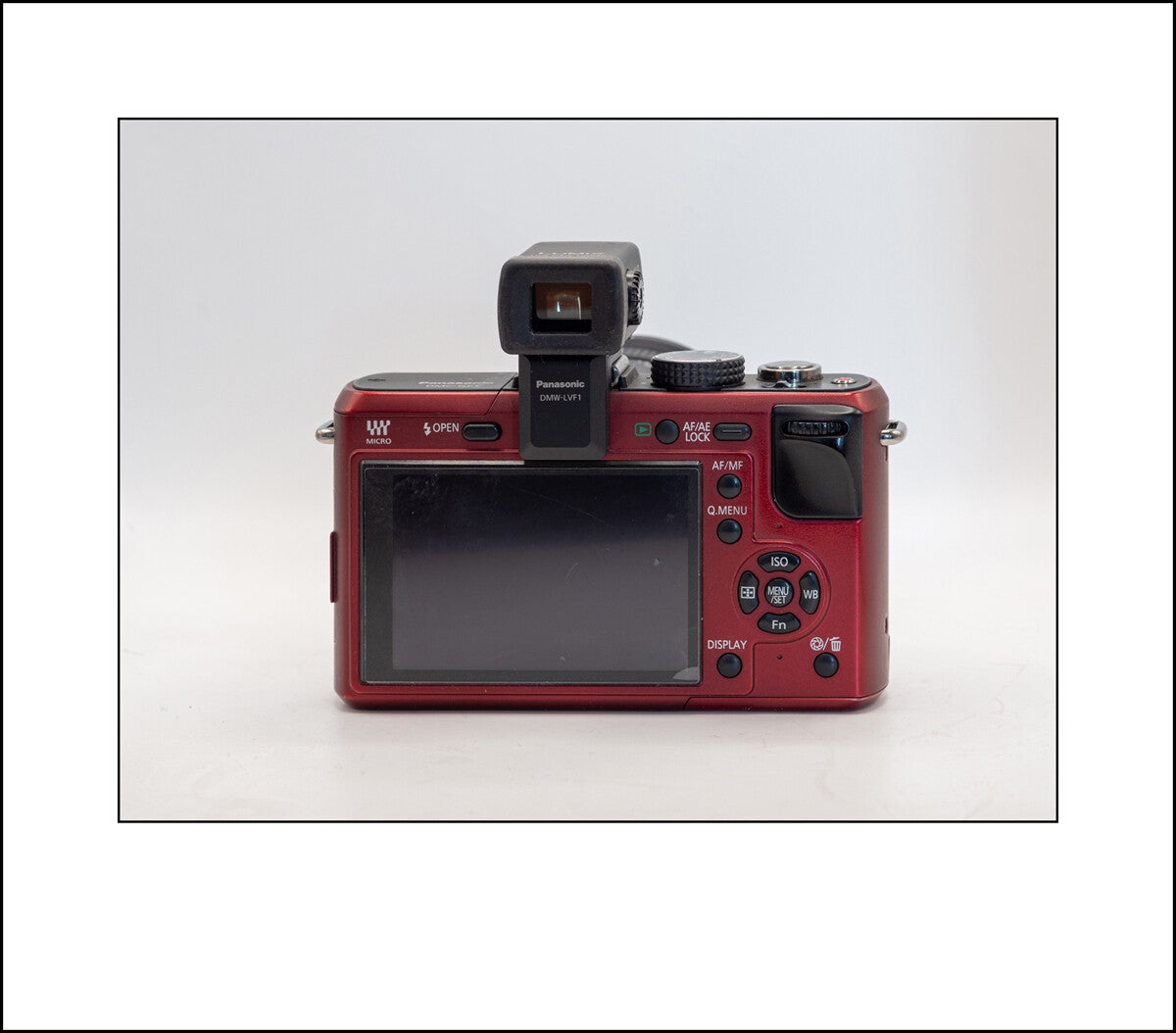
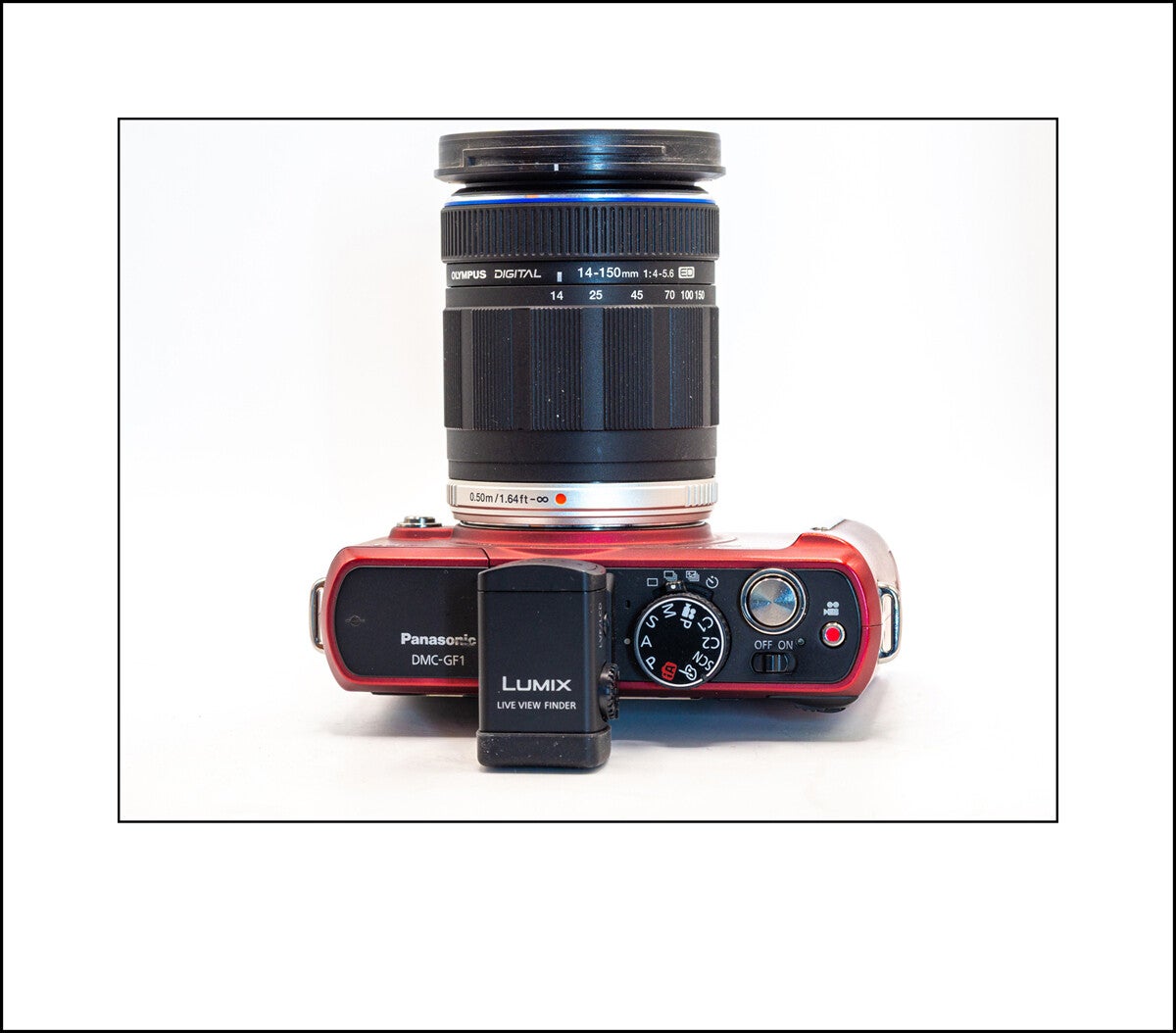
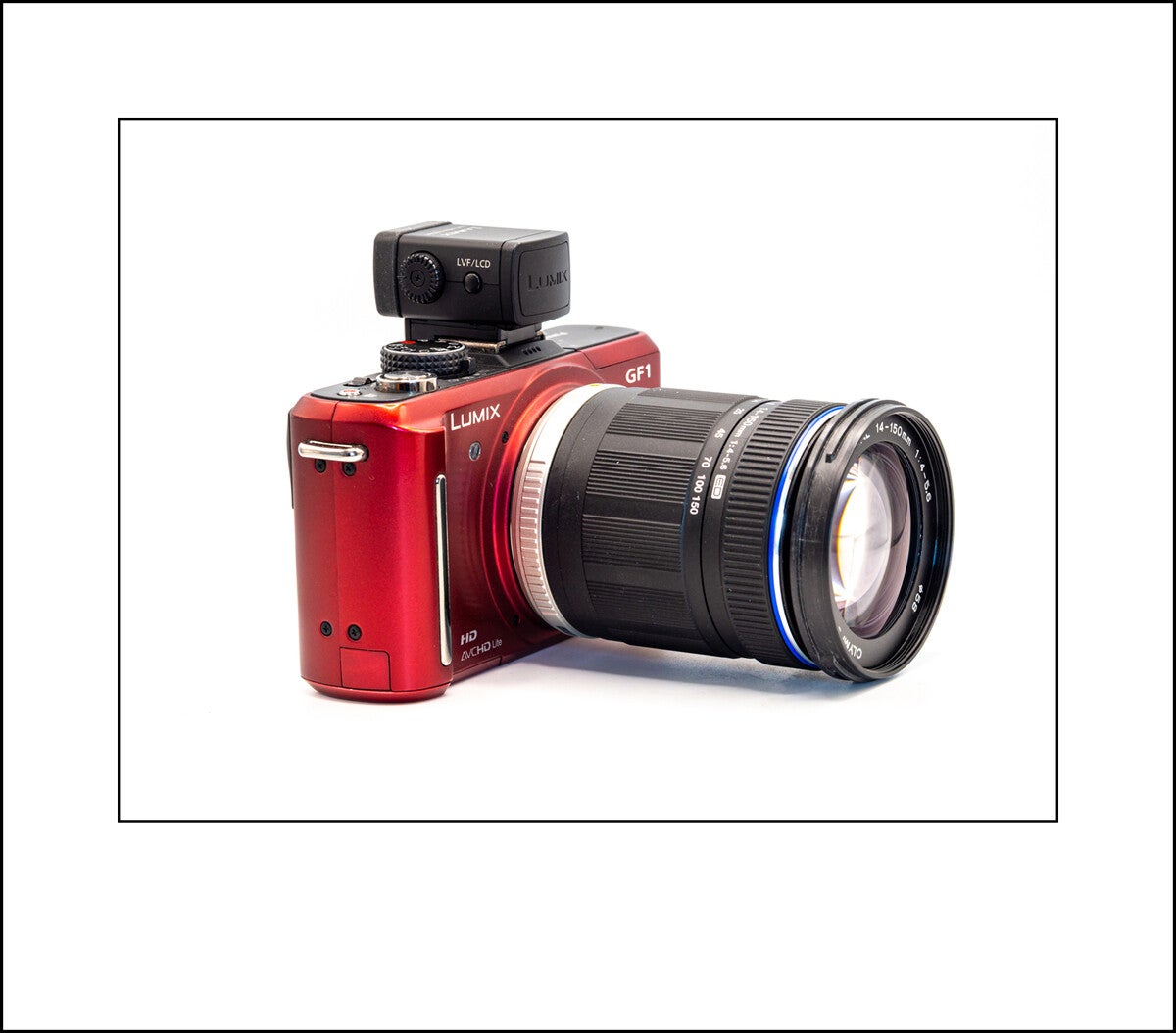
The GF1 boasts a 3-inch LCD that flips out to an angle that’s perfect for high or low shots—selfies. While it doesn’t have an electronic viewfinder, you can purchase the LVF1 which fits into the hotshoe. This is a must in bright conditions. It is not the best EVF but it does the trick.
Battery Life and Storage
When it comes to battery life, the DMC-GF1 gets the job done, though it’s not exactly breaking any records. Expect about 300 shots per charge, which is decent for a camera of this type. As for storage, it utilizes SD cards, and is limited to 16 GByte cards.
Conclusion and Final Thoughts
Who Should Consider the DMC-GF1 today?
The Panasonic DMC-GF1 is a solid choice for anybody looking for a fun camera. You can get the GF1 on ebay for around €150 including the 14-45 f3.5-5.6 kit lens. That isn't bad at all for this camera today. Just don't expect miracles, you can't compare it to any camera on the market today. Having said that, I still use mine on occasions and recently bought a second one as a backup. It's that good.
Some more waffle on the Panasonic GF1
I vividly recall reading about the release of the Panasonic DMC-GF1, a camera that perfectly matched my aspirations. It was compact and unobtrusive, featuring interchangeable lenses, a small form factor, and, most importantly, it was lightweight. I loved it and I wanted it.
At the time, I owned the Olympus E-P1, which had entered the market a few months earlier. However, I was not impressed with its speed and ergonomics. According to my research, the Panasonic model was faster and its ergonomics were more aligned with my expectations of a camera's design.
As soon as the GF1 became available, I did not hesitate to purchase it, along with the remarkable 14-45mm f3.5-5.6 lens, a kit lens I continue to use to this day. I still consider it one of the better kit lenses introduced to the market, (the Fuji 18-55mm f2.8-4.0 being another one). Although the GF1 lacked an integrated electronic viewfinder (EVF), the optional LVF1 was available and worked exceptionally well it also works with the Panasonic LX5). While an internal viewfinder is essential today, at that time, the LVF1 was an excellent solution. Later, desiring an internal viewfinder, I acquired the Panasonic G1.
Other lenses I owned were the Panasonic 20mm f/1.7 (the original version) and the Olympus 17mm f/2.8 lenses. While I love using prime lenses, I often struggle to capture the desired images. It seems I always have the wrong focal length attached when zooming with your feet isn't always possible. This is the primary reason I typically opt for a zoom lens when initially leaving the house.
Not long after, Olympus brought out the E-PL1 but again without an internal EVF. However the VF2 was available for it so I purchased one along with my first real zoom the Olympus 14-150 f4.0-5.6 I.
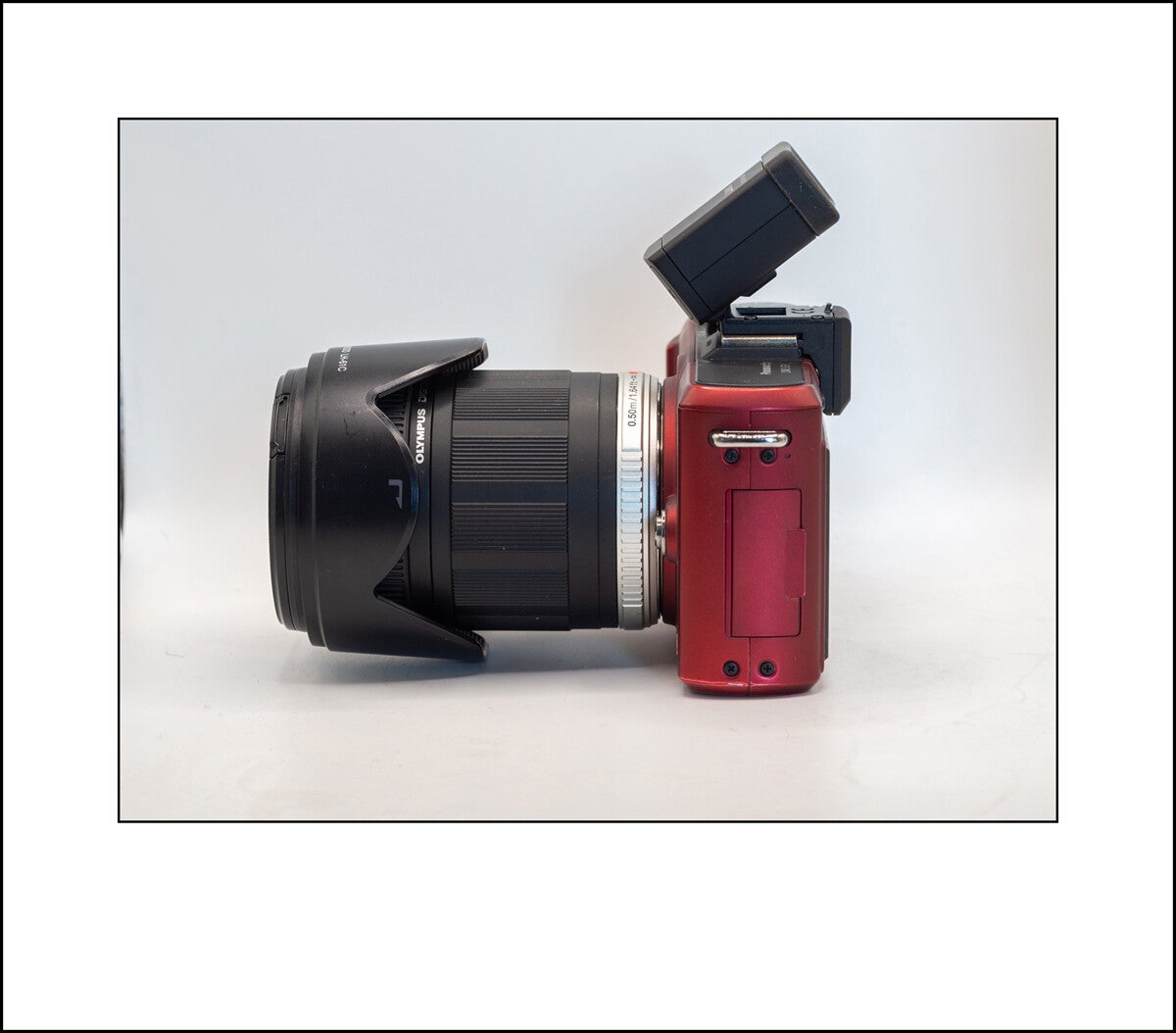
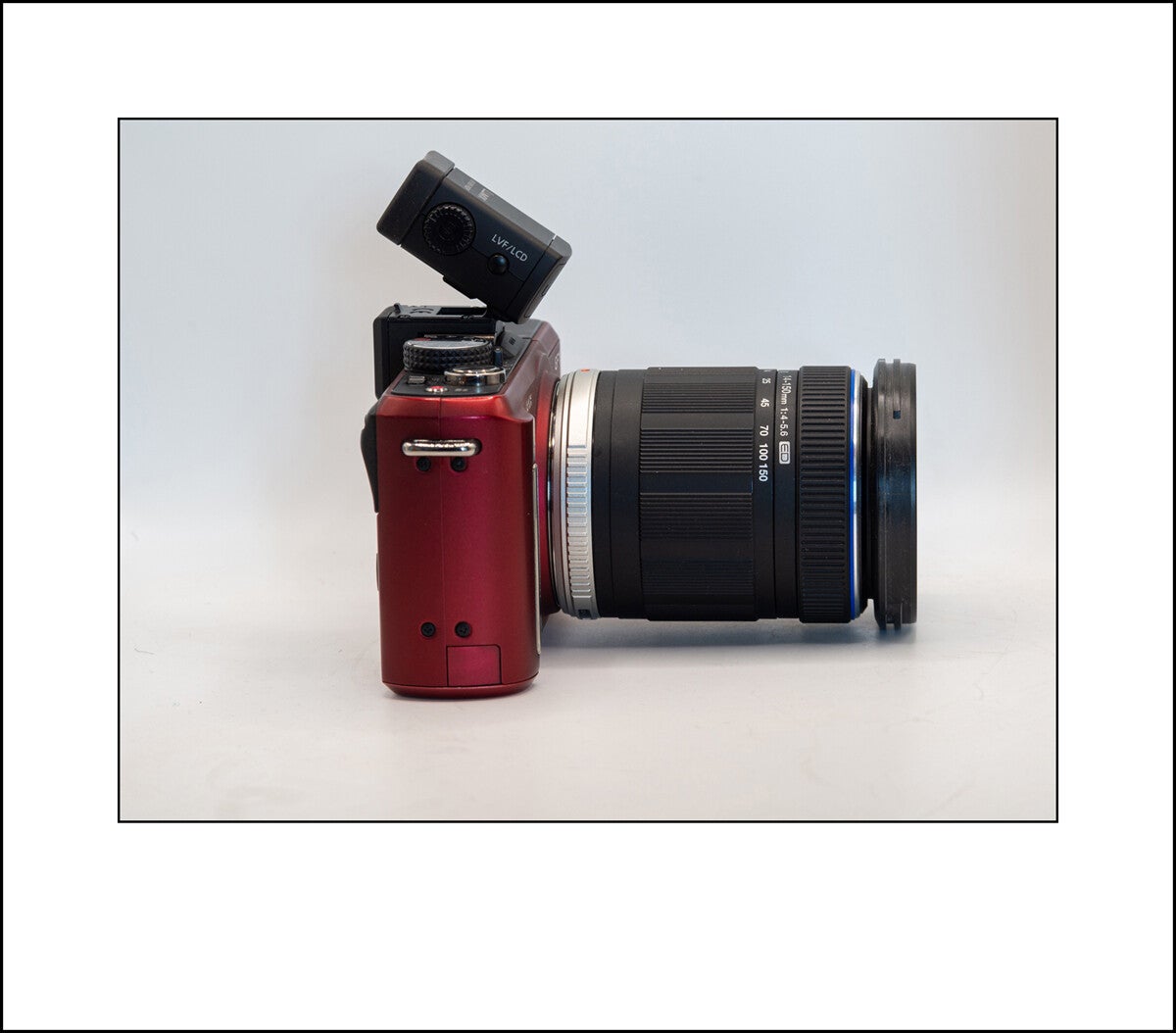
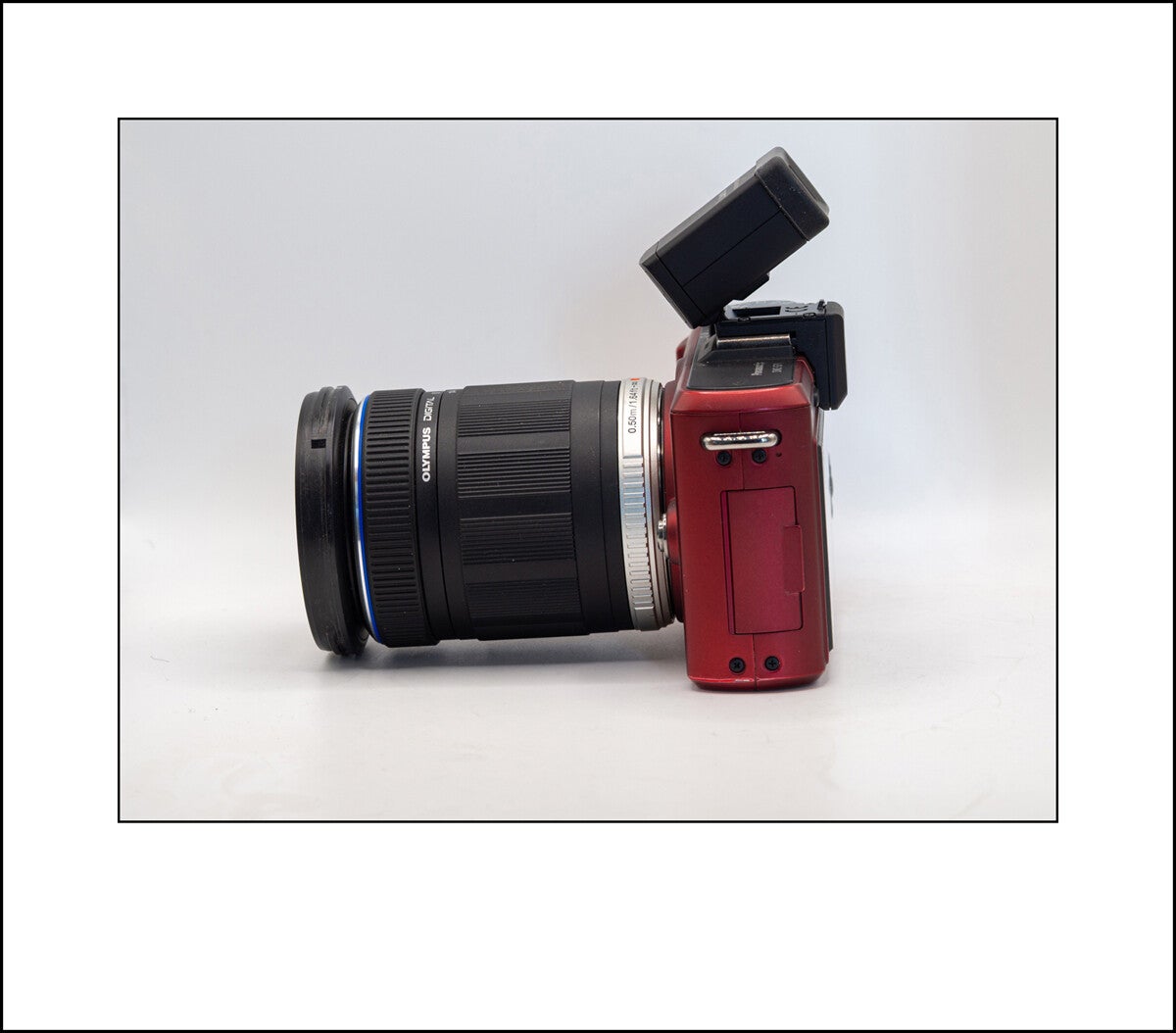
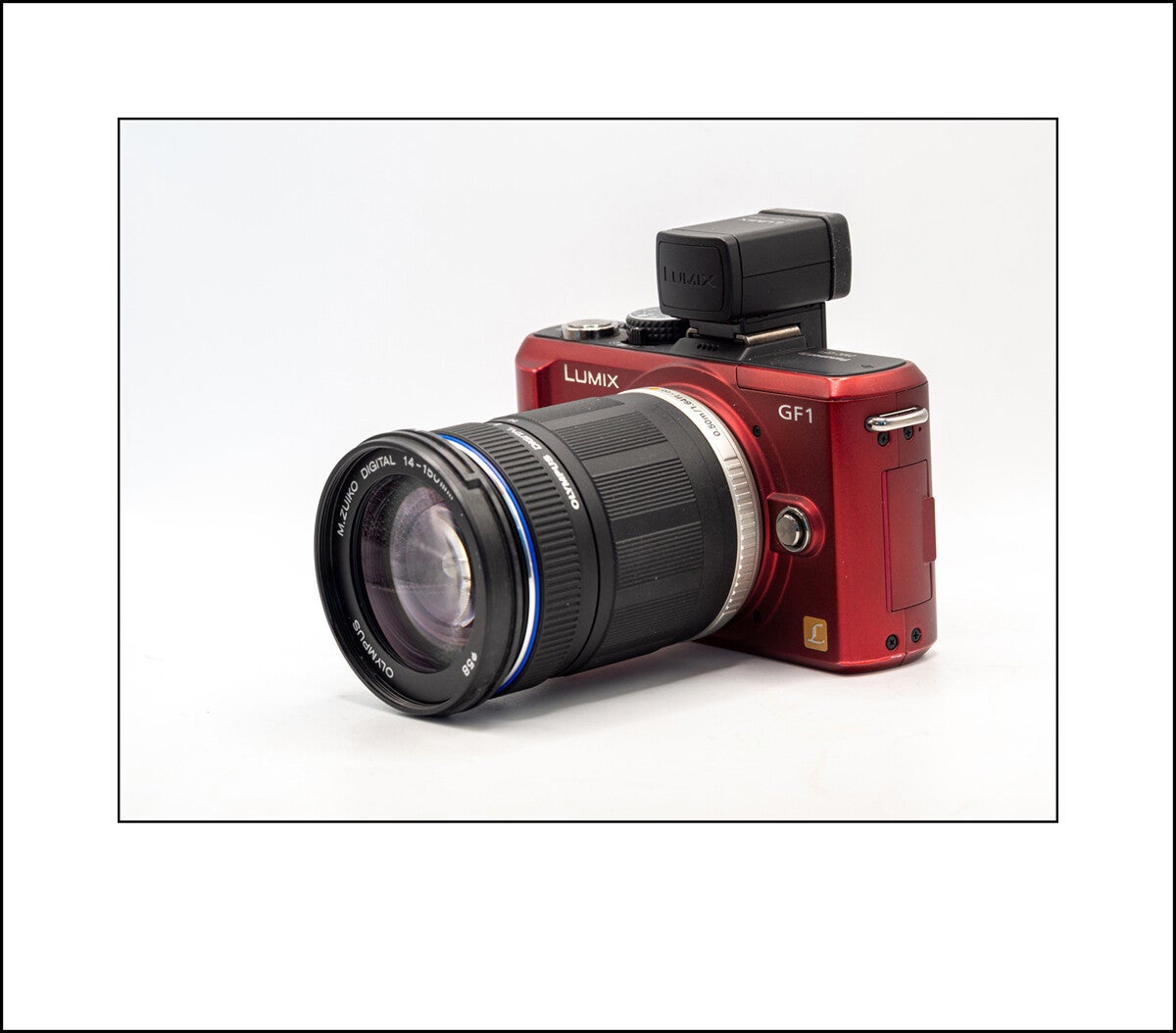
Believe it or not the 14-150 f4.0-5.6 is what I use on the GF1 today. It's practically glued to the camera as it produces the best images up to a 16MP sensor. On a sensor higher than 16MP the flaws of the lens start to come out.
Images
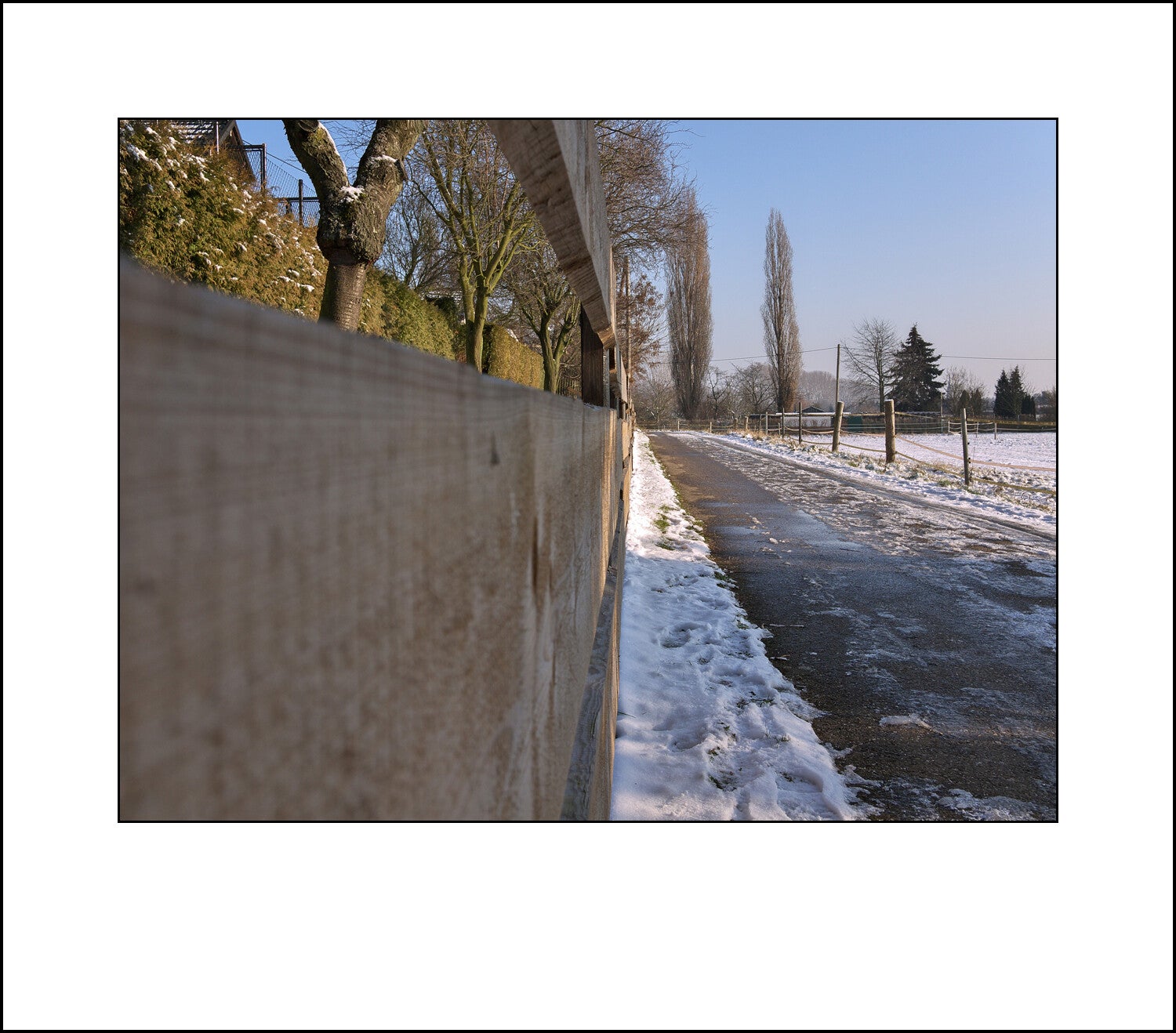
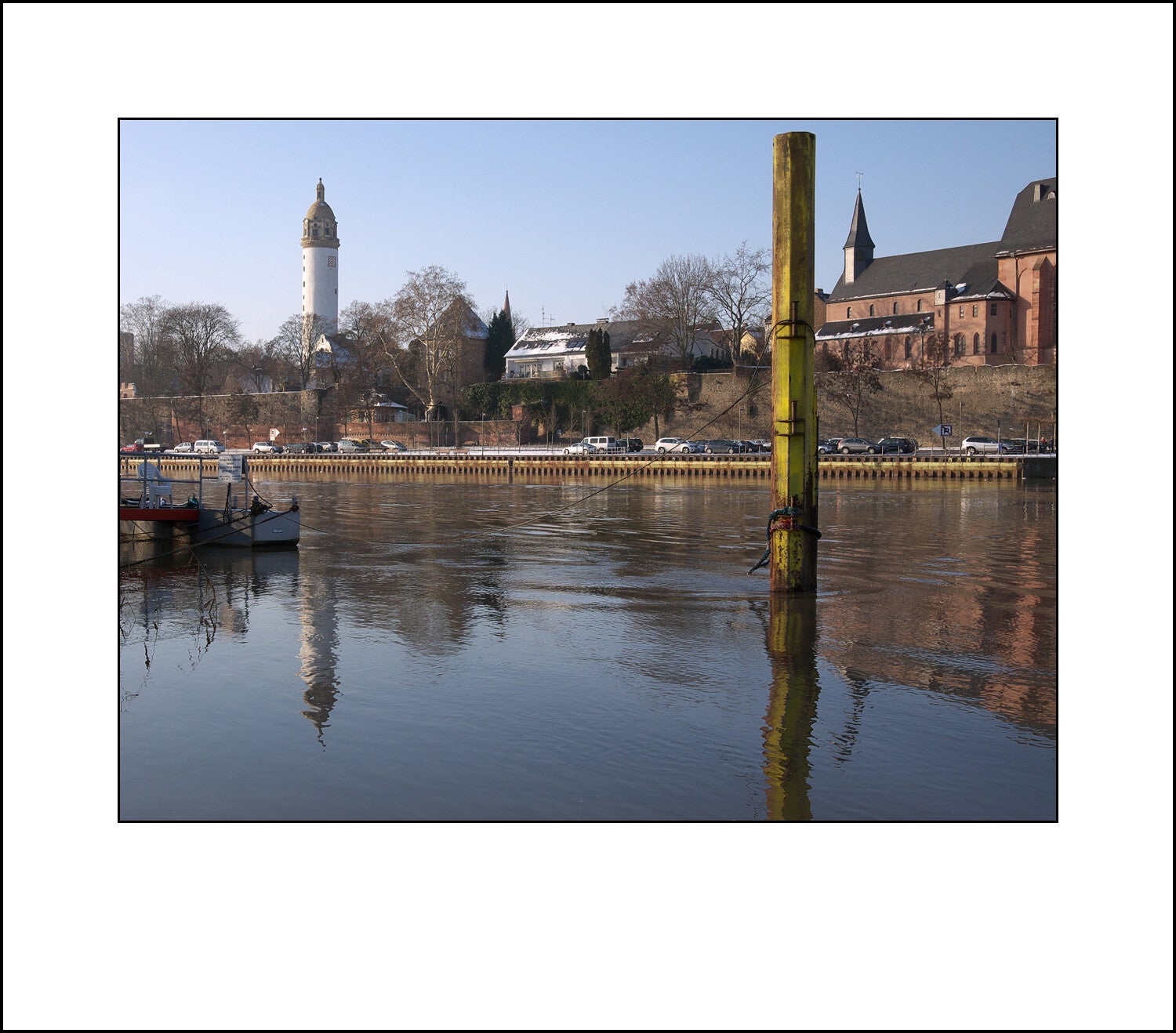
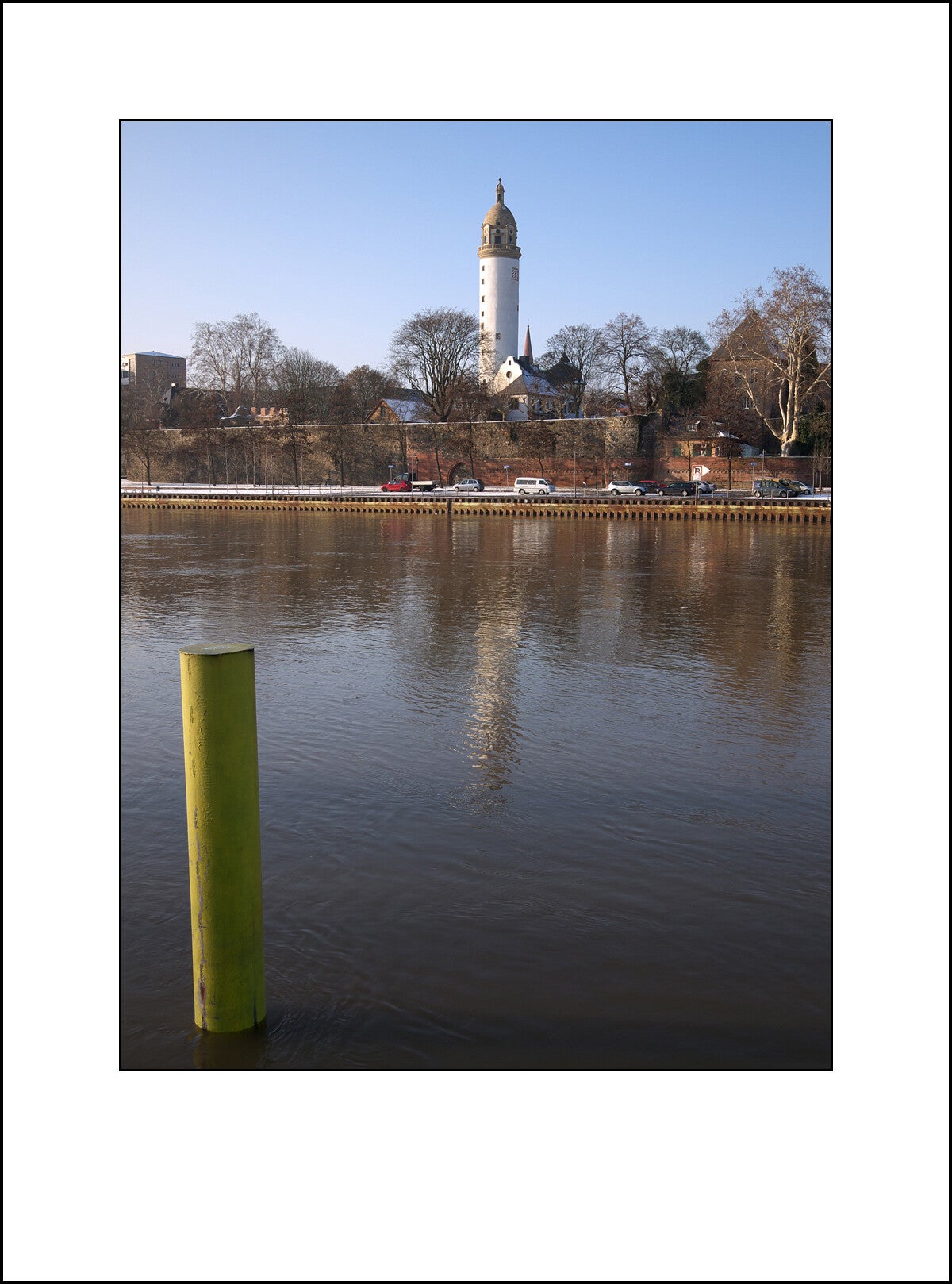
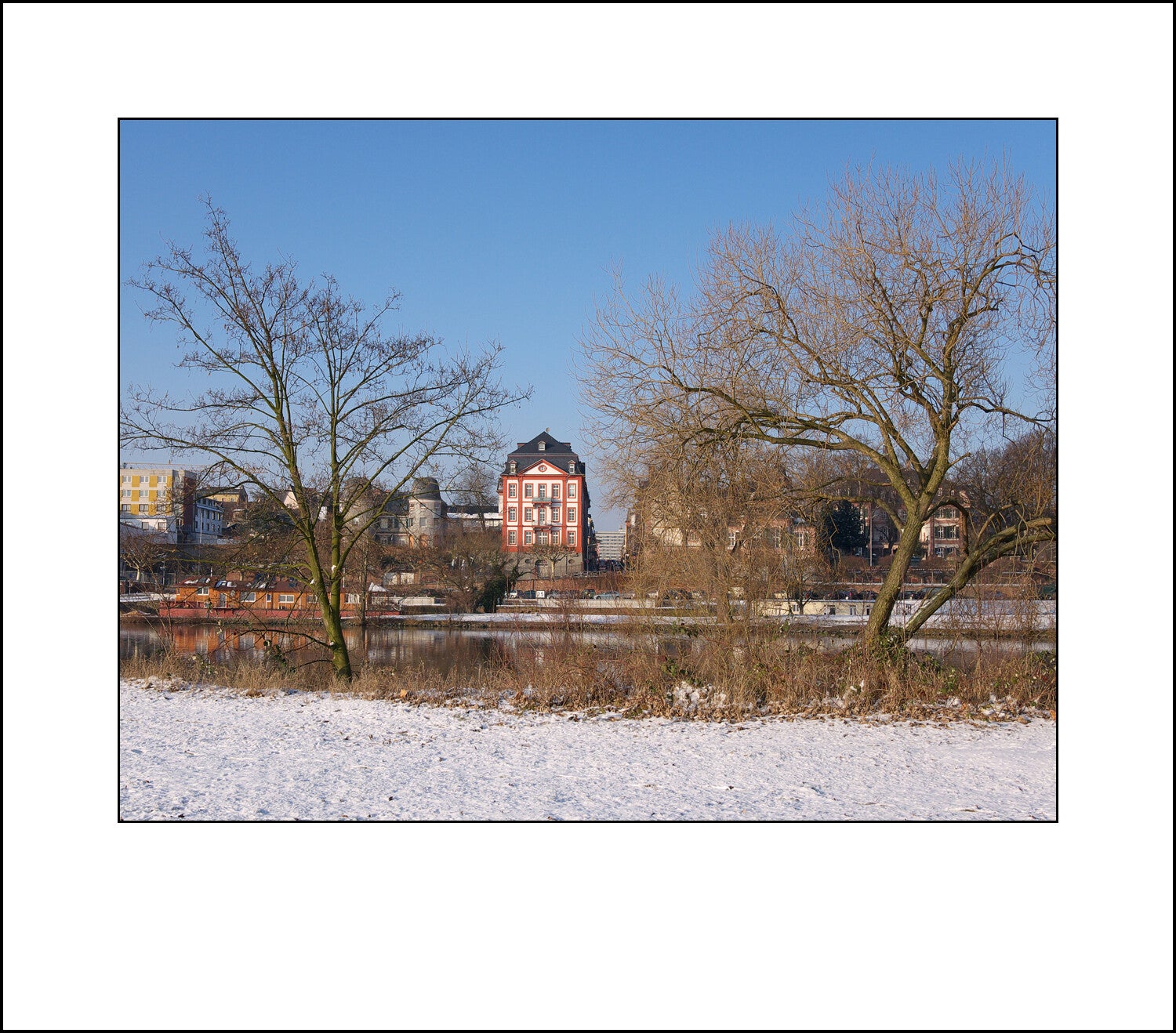
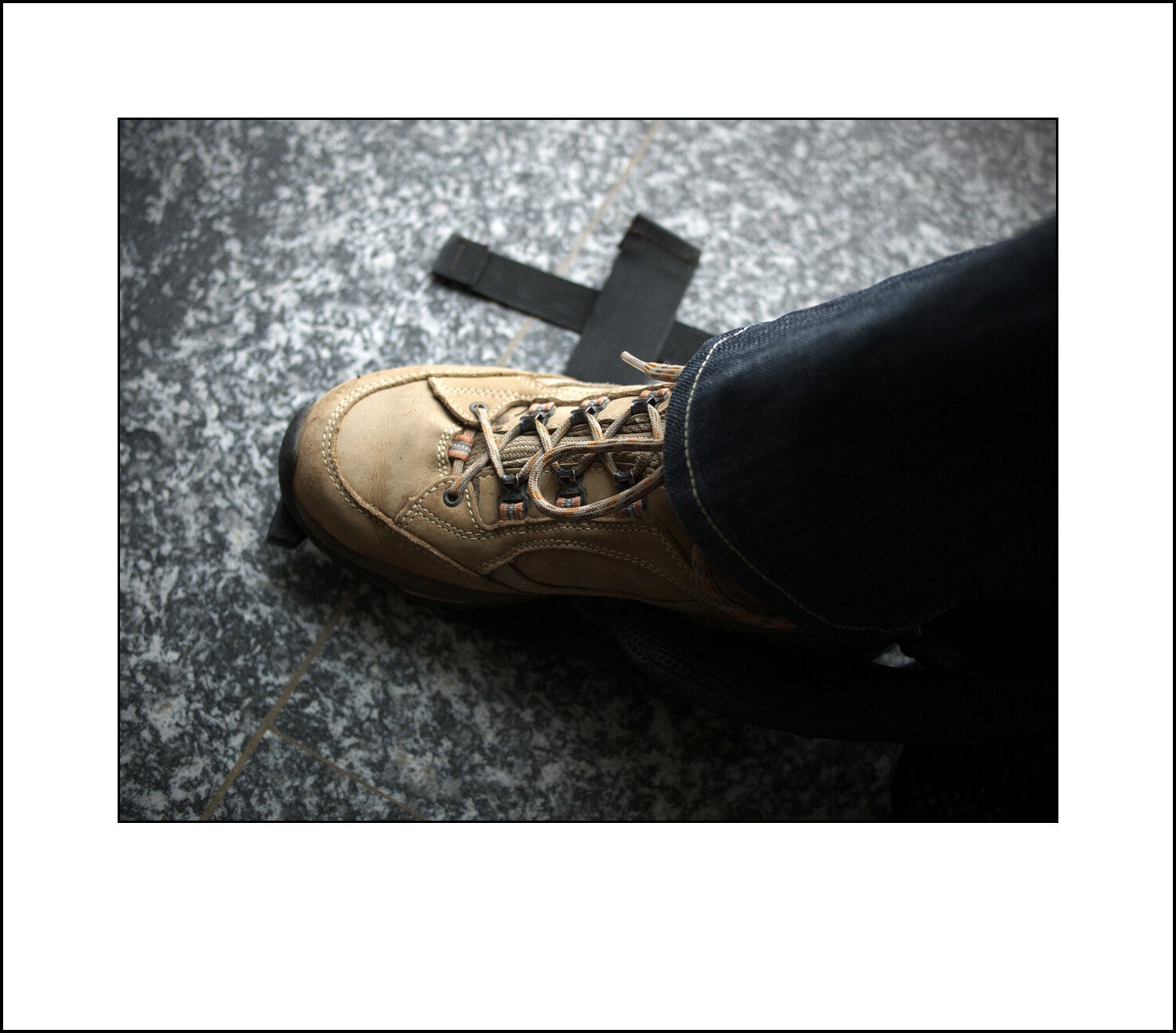
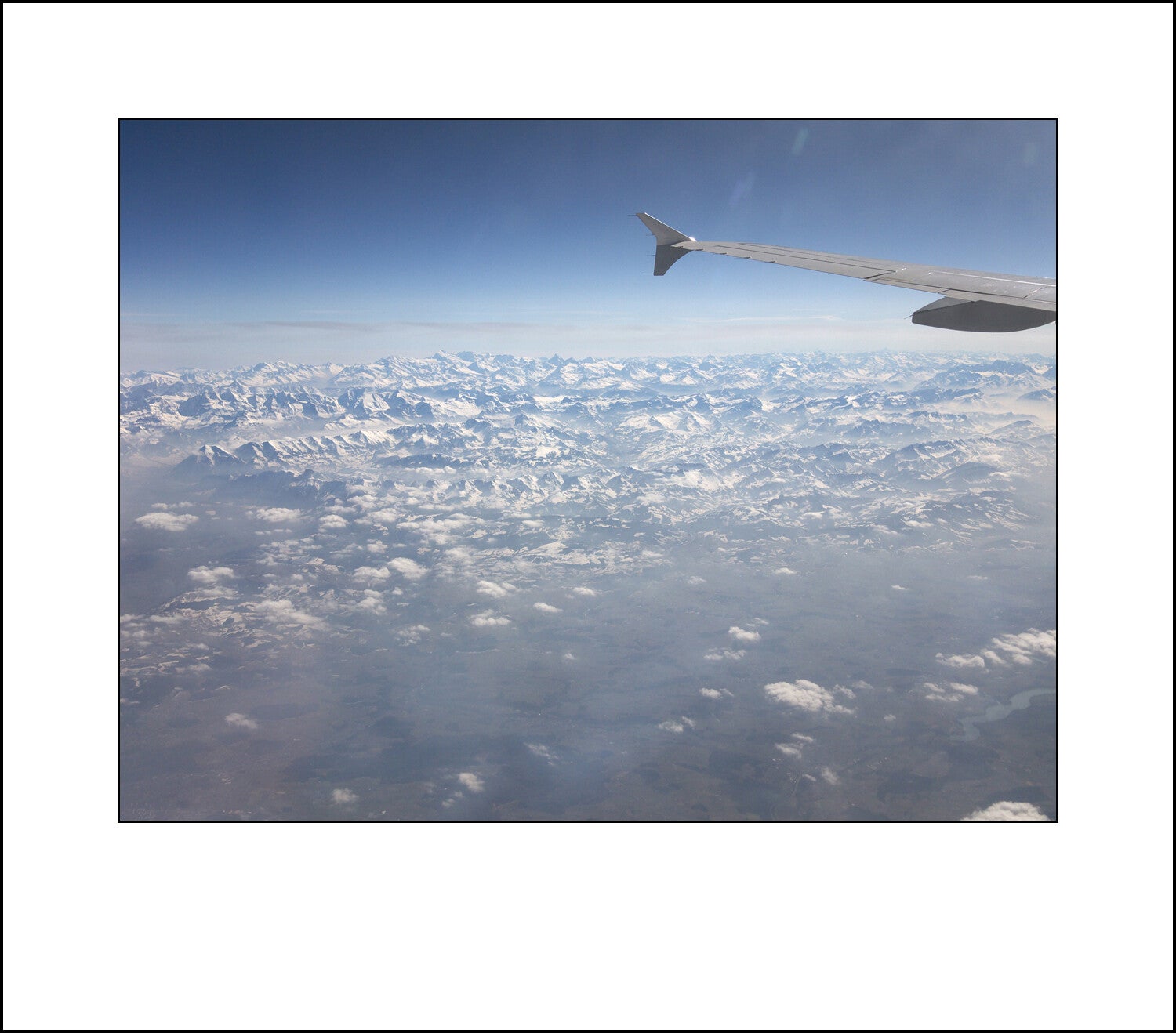
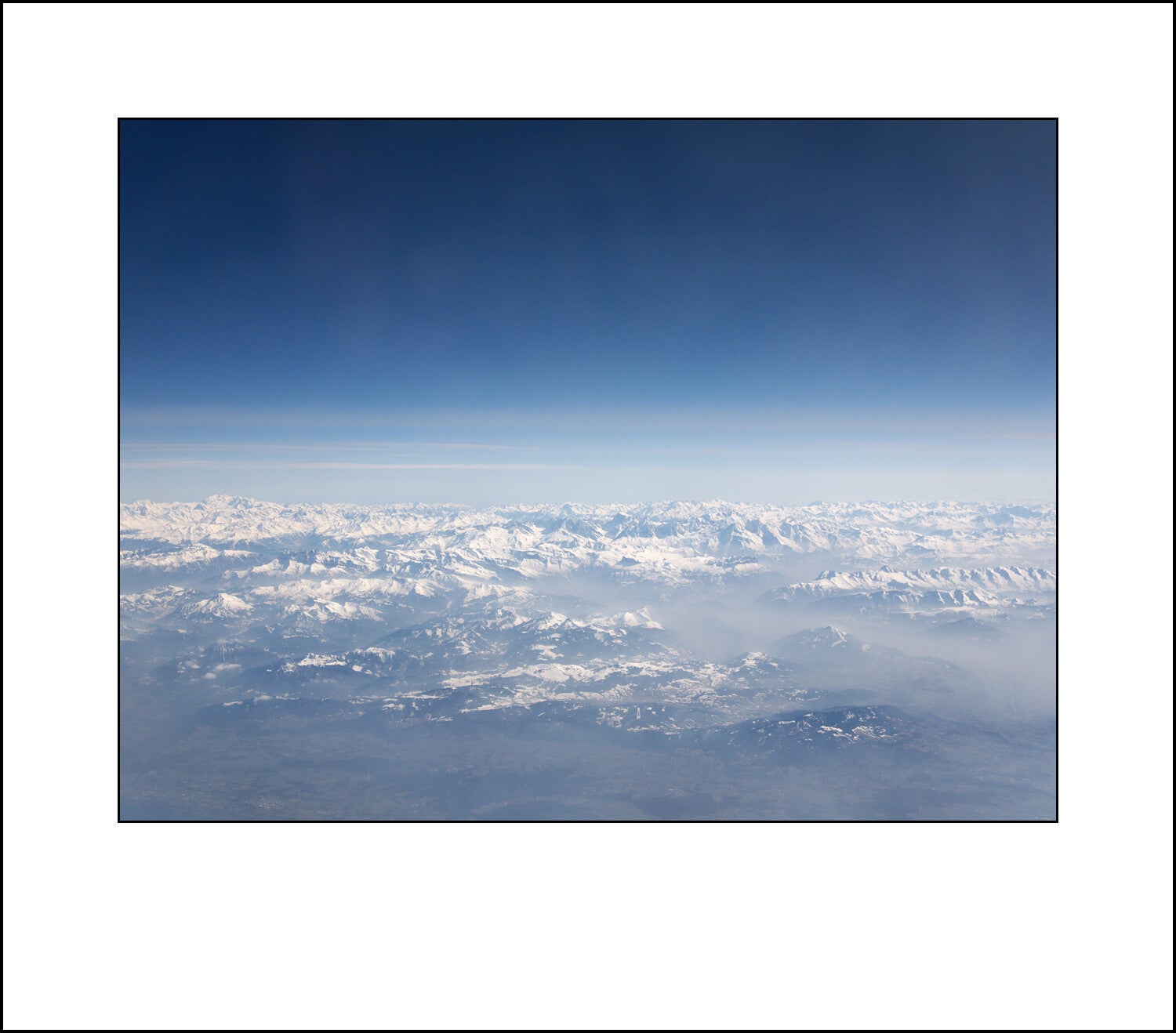
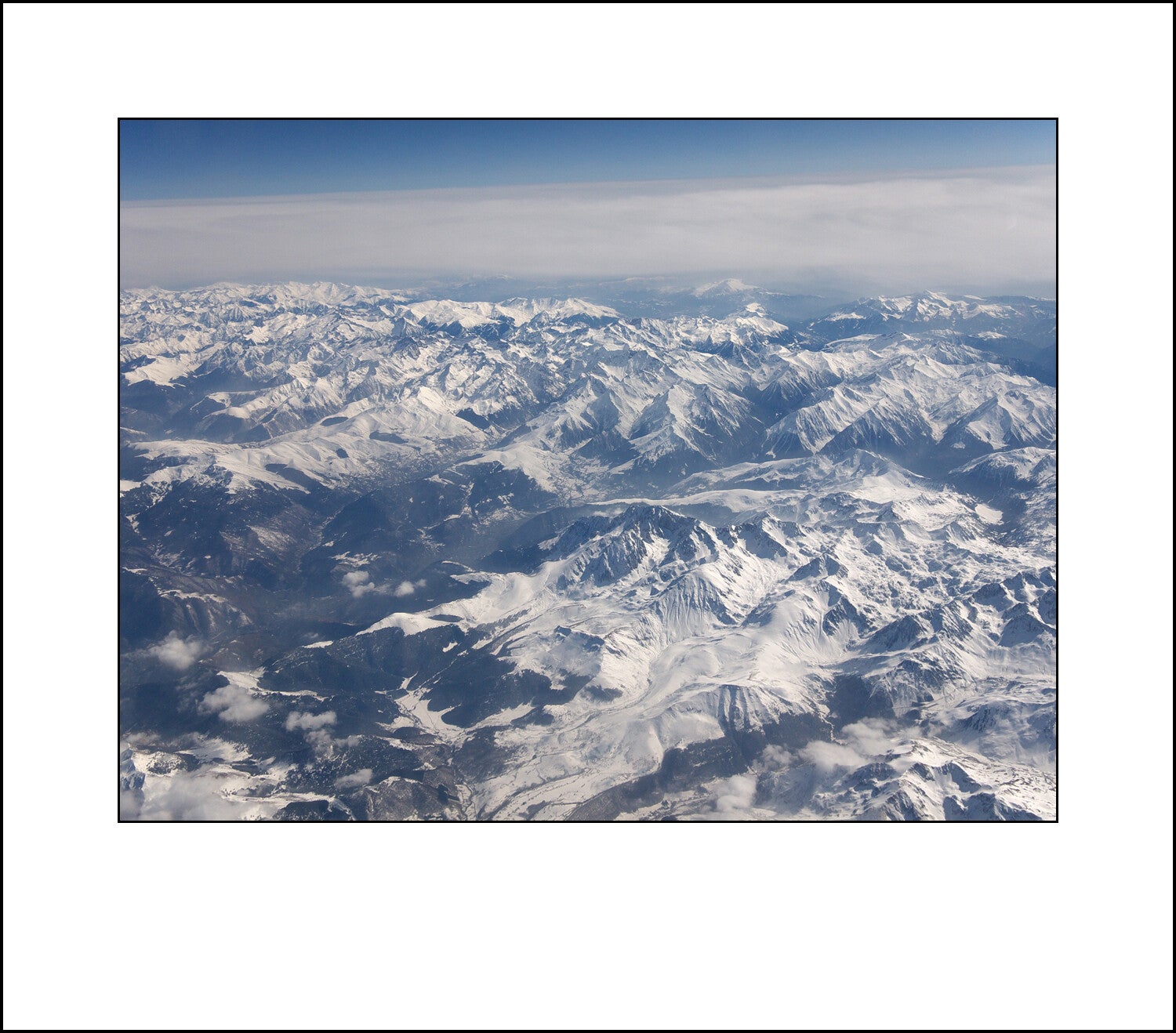
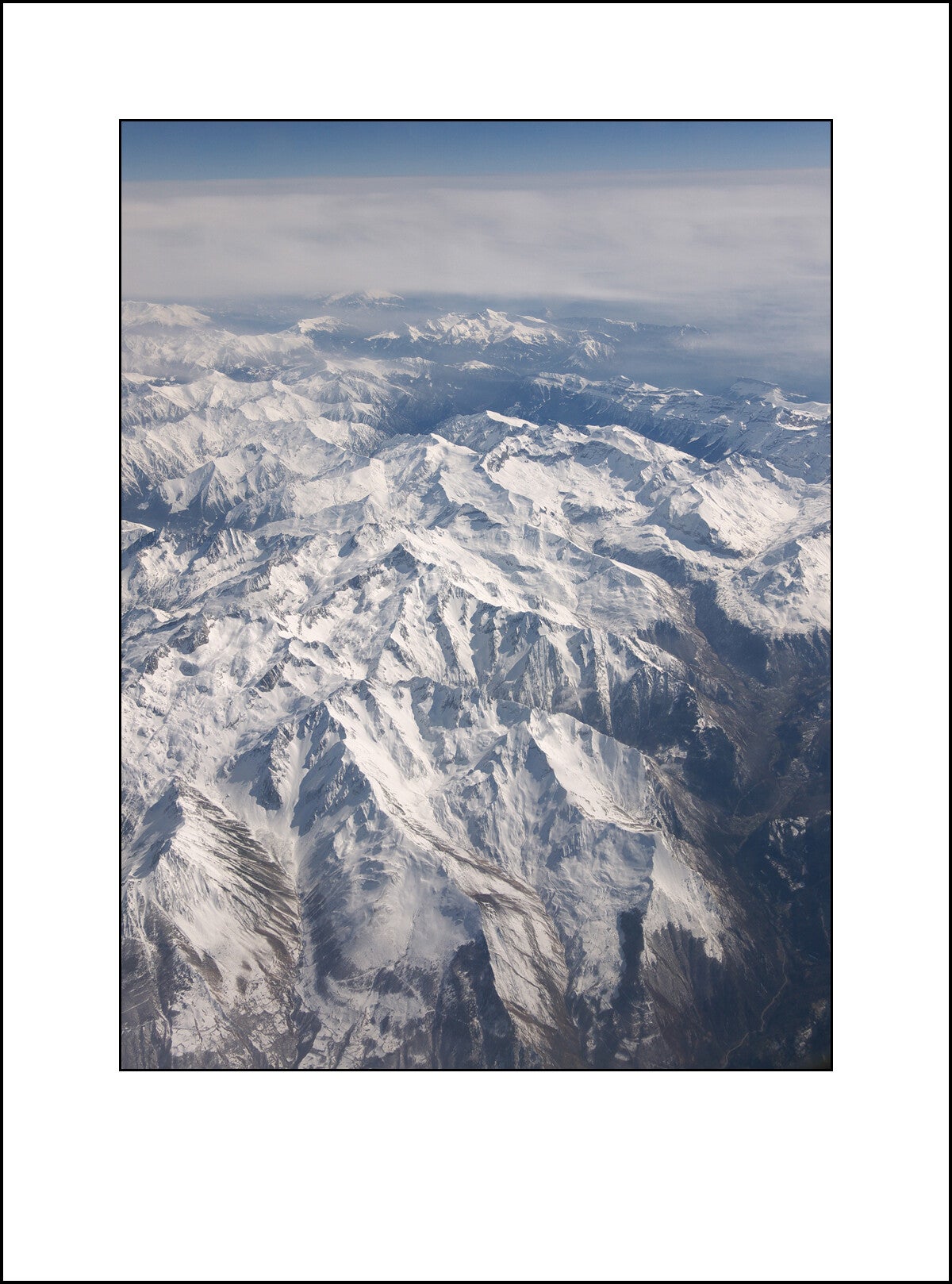
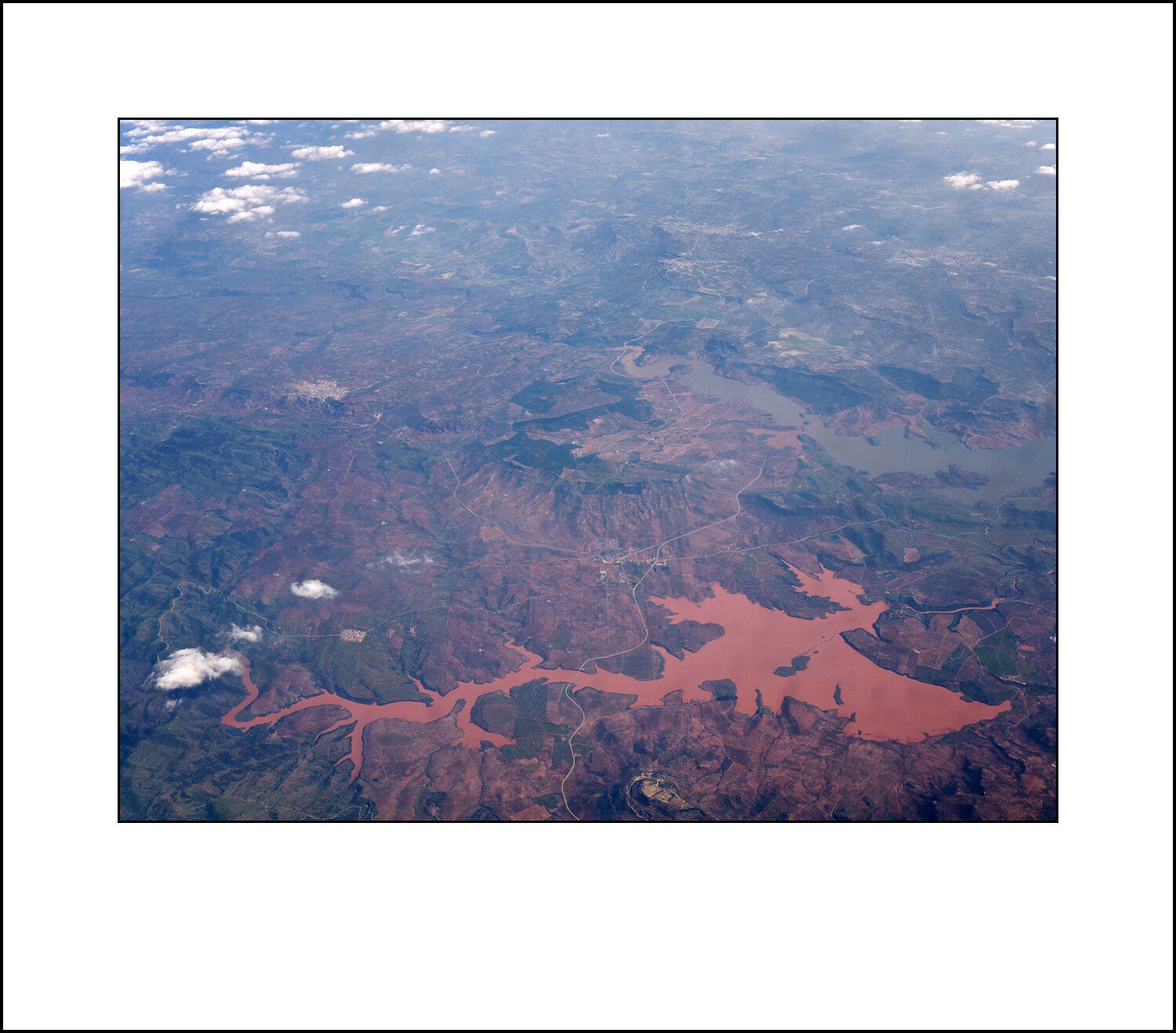
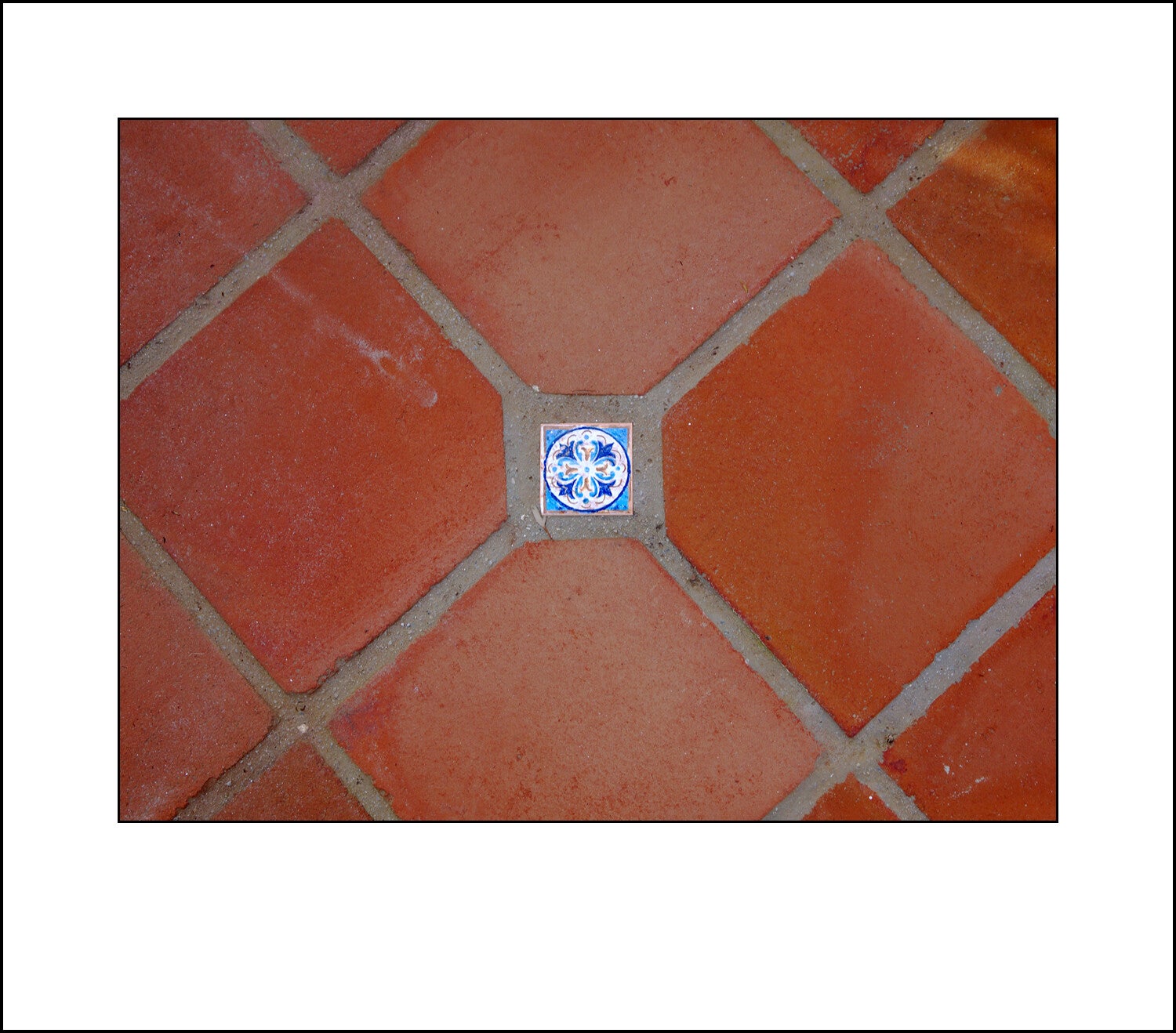
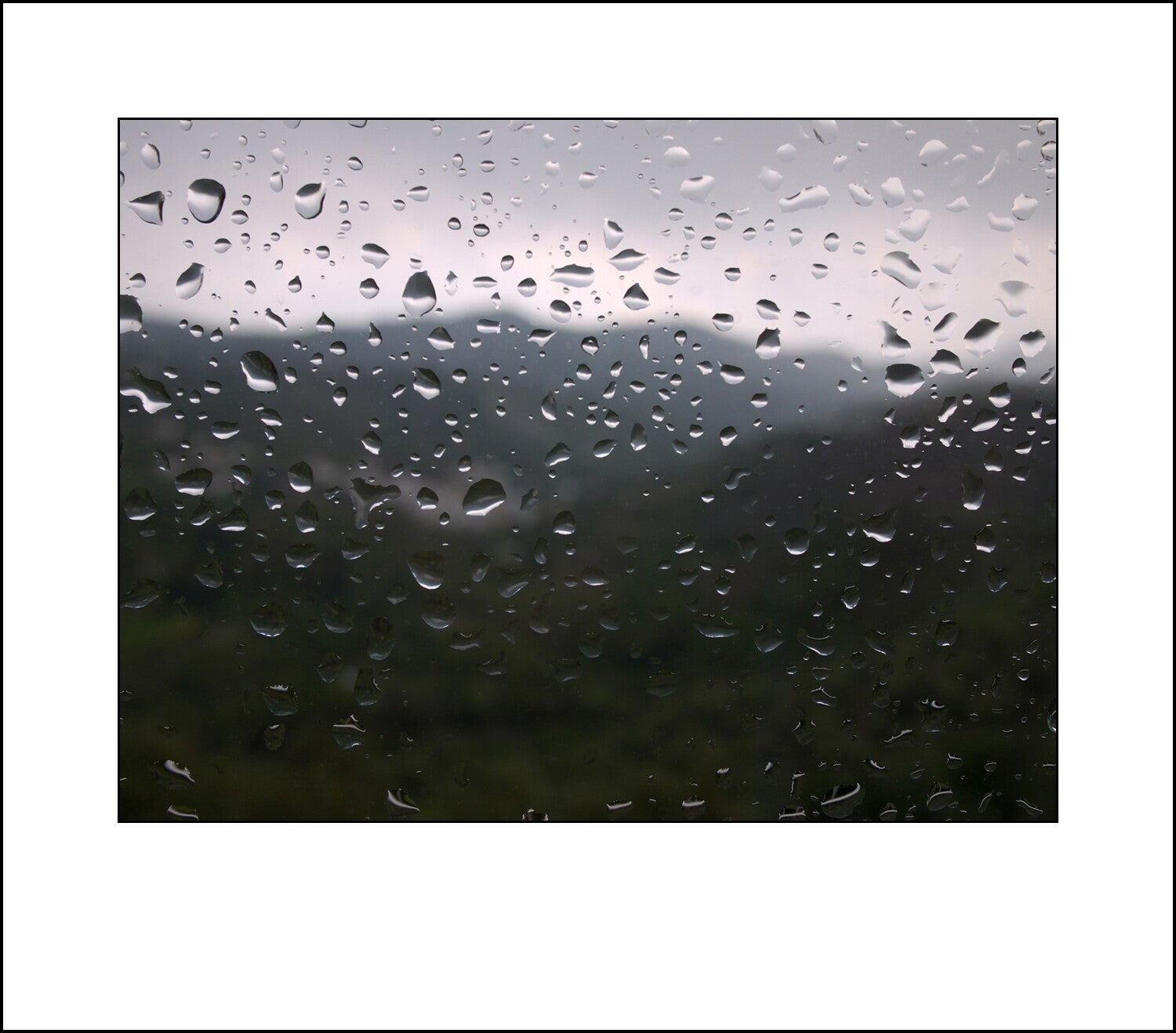
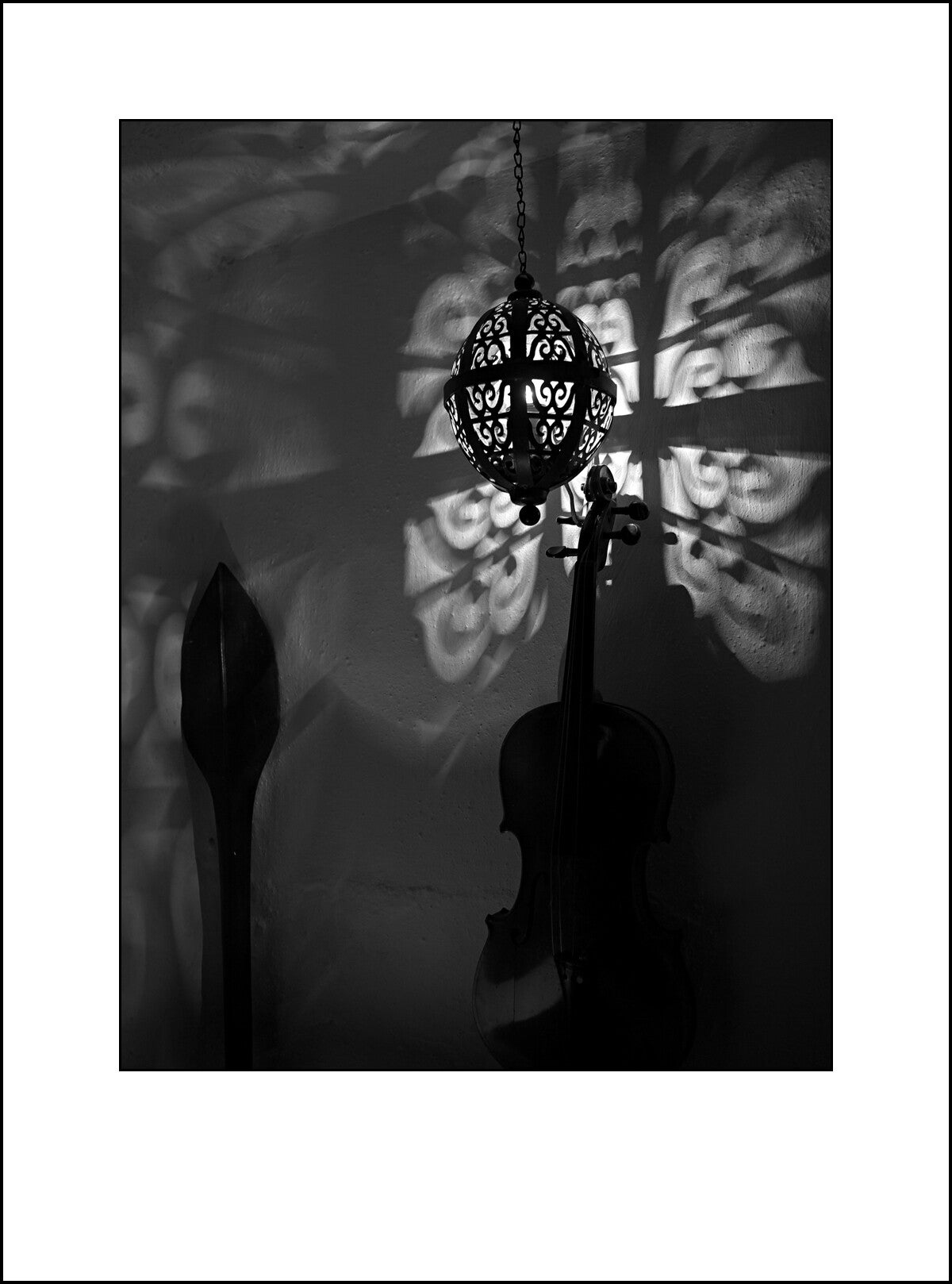
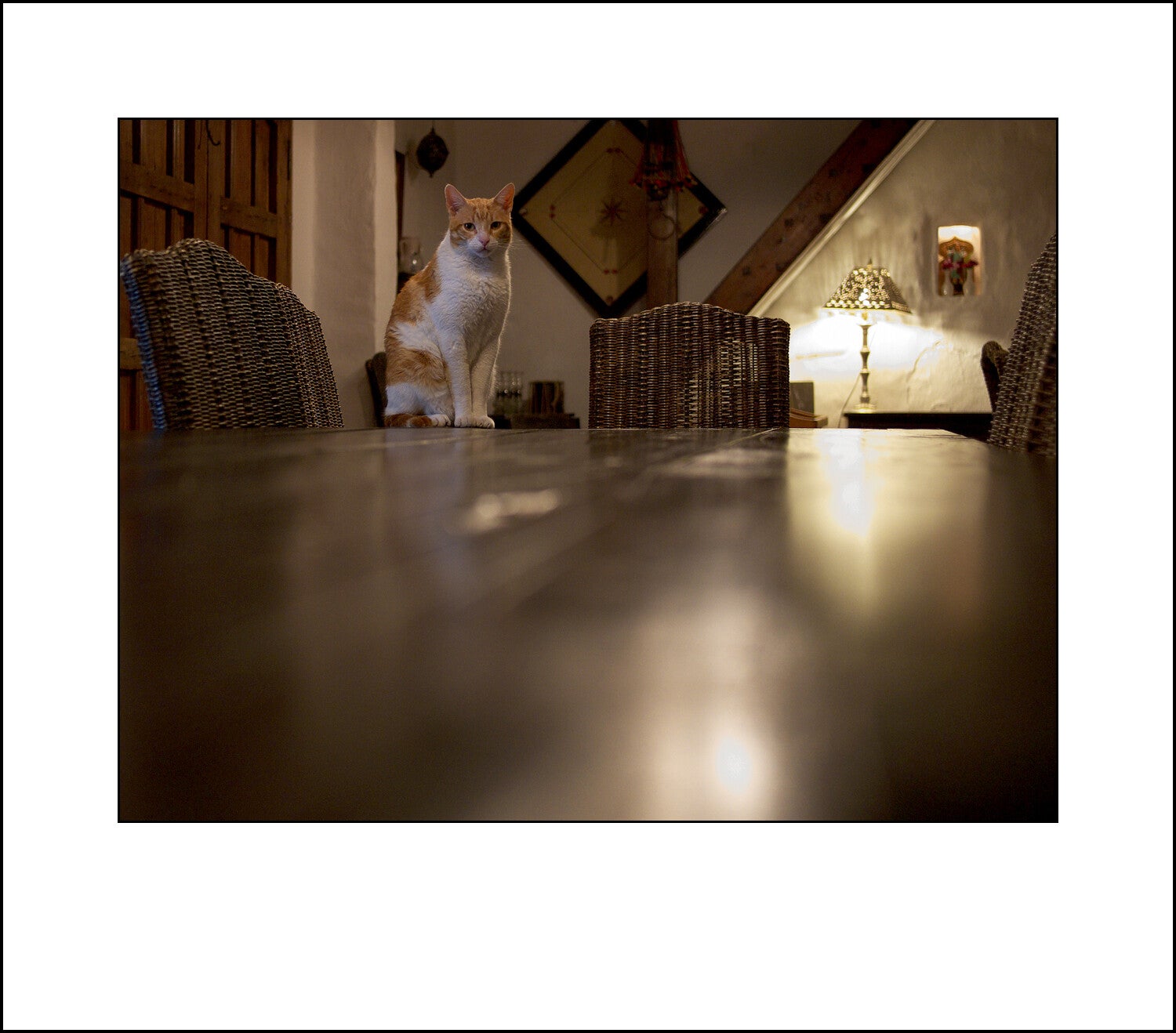
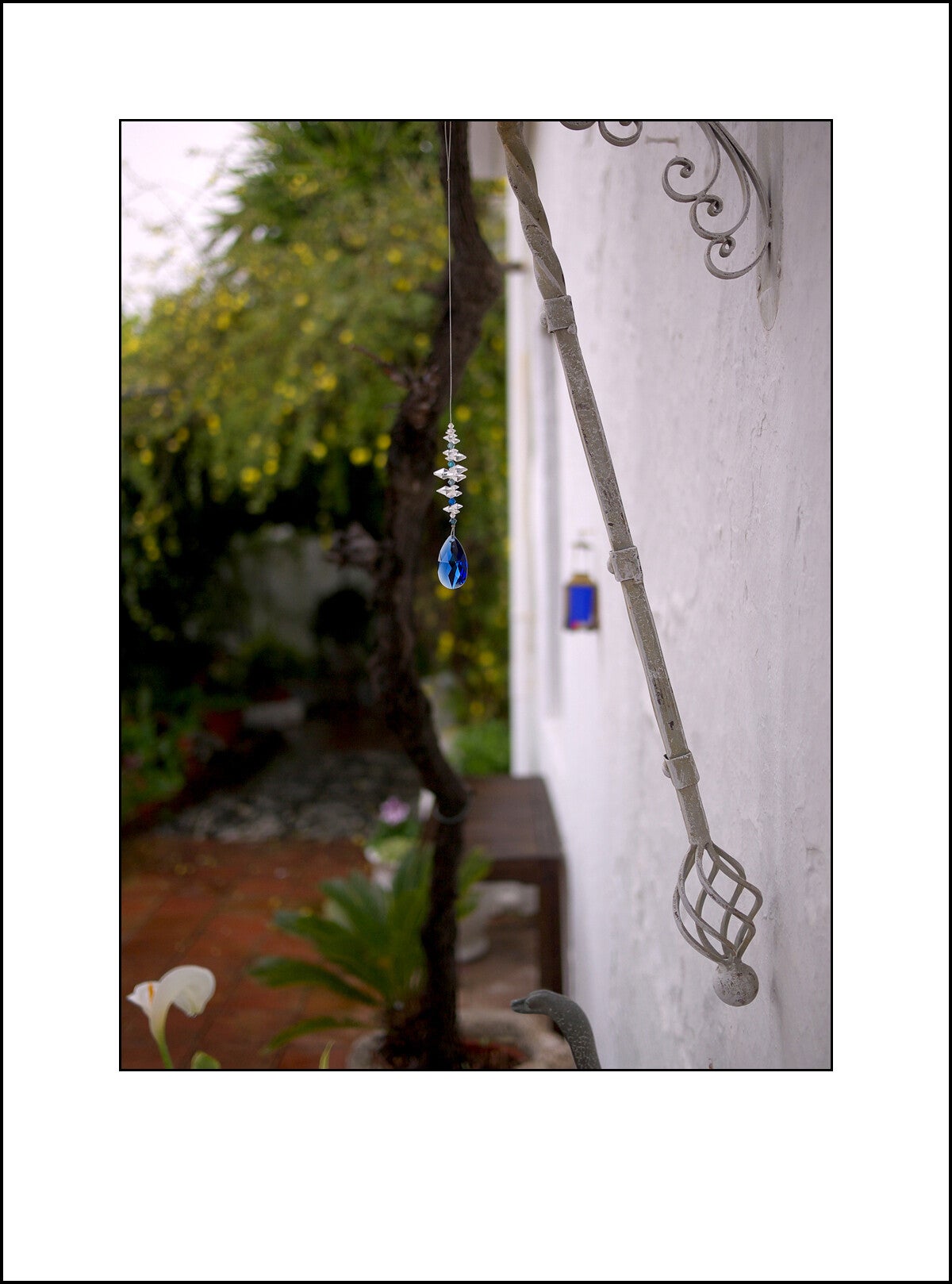
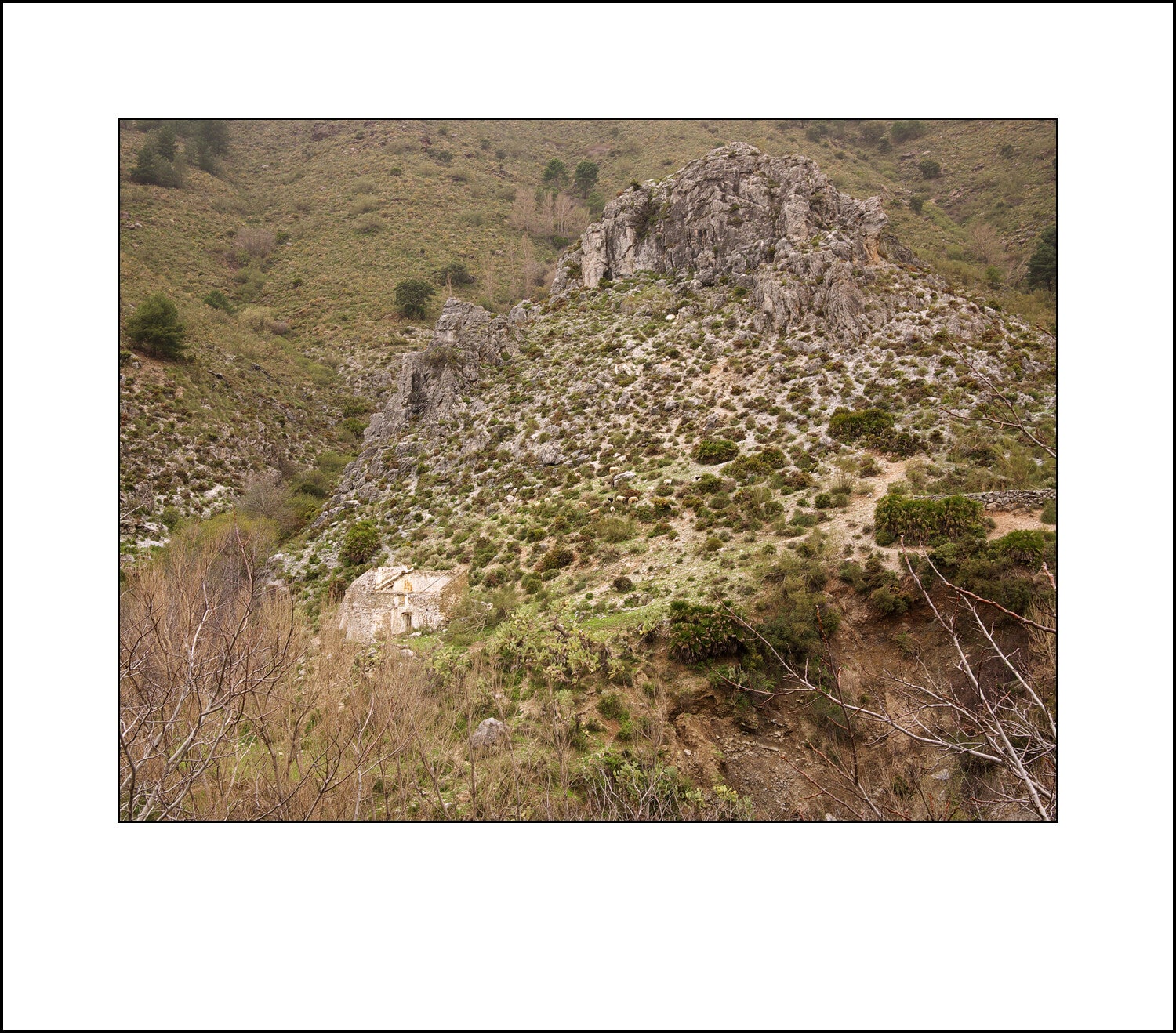
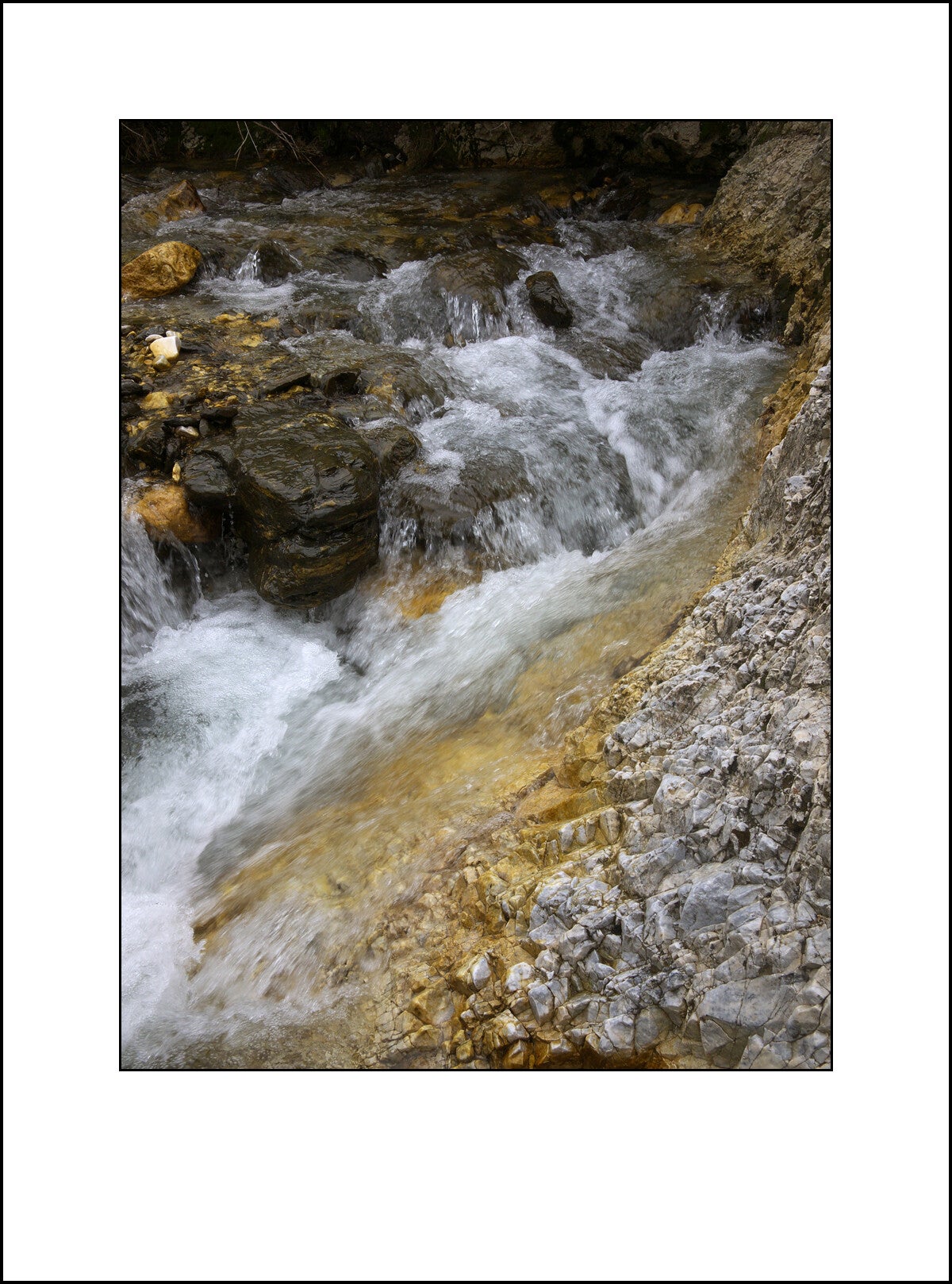
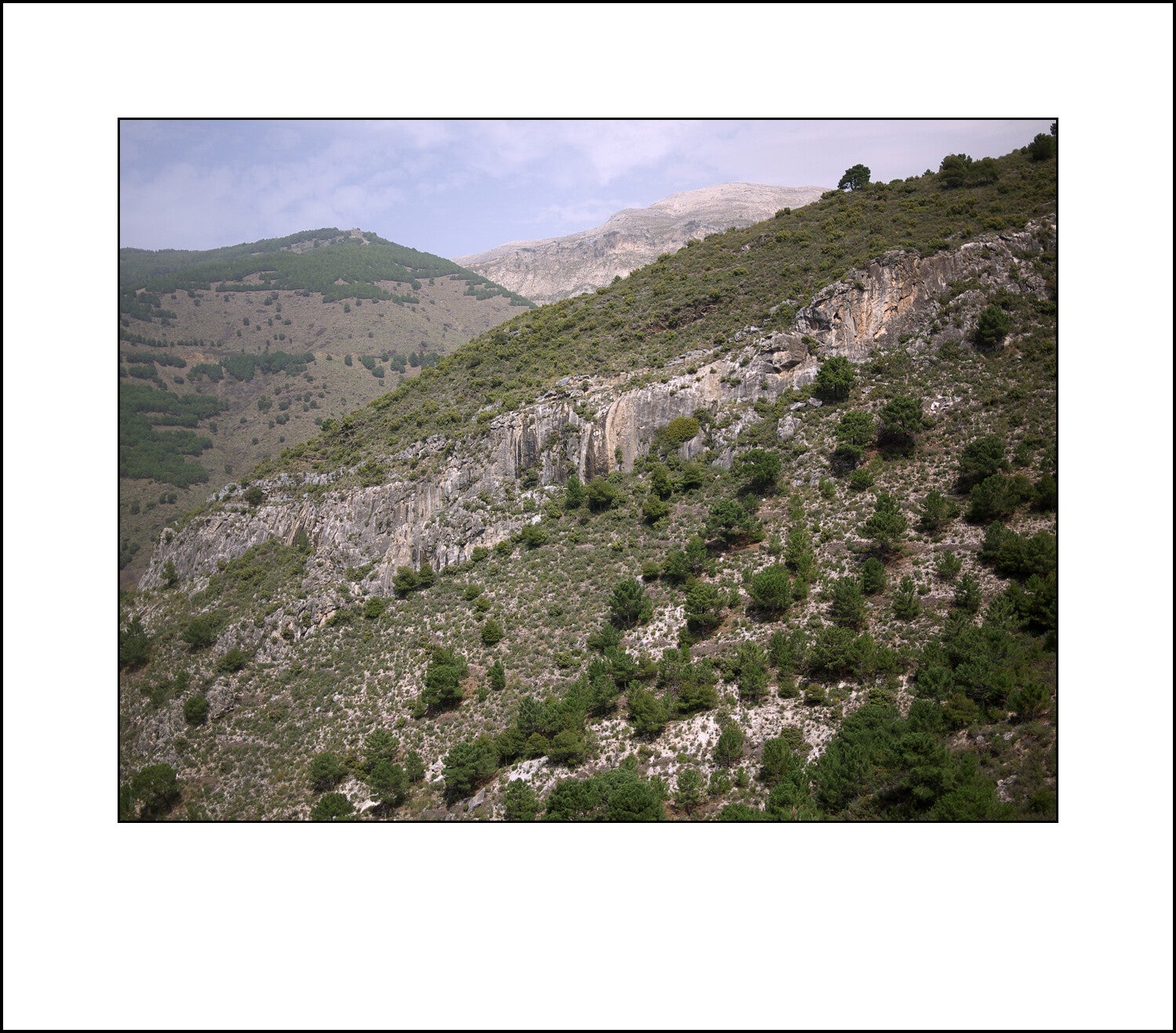
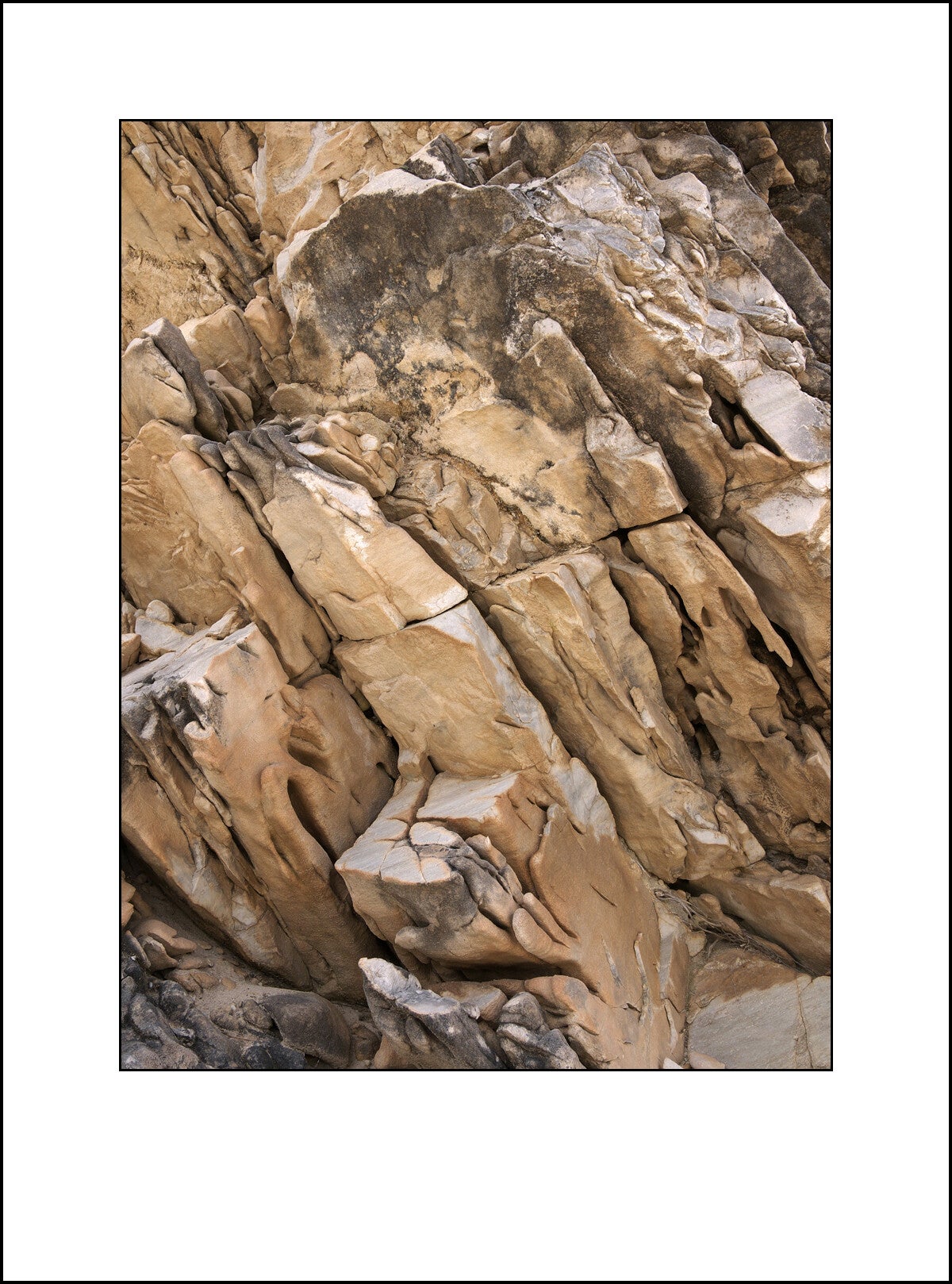
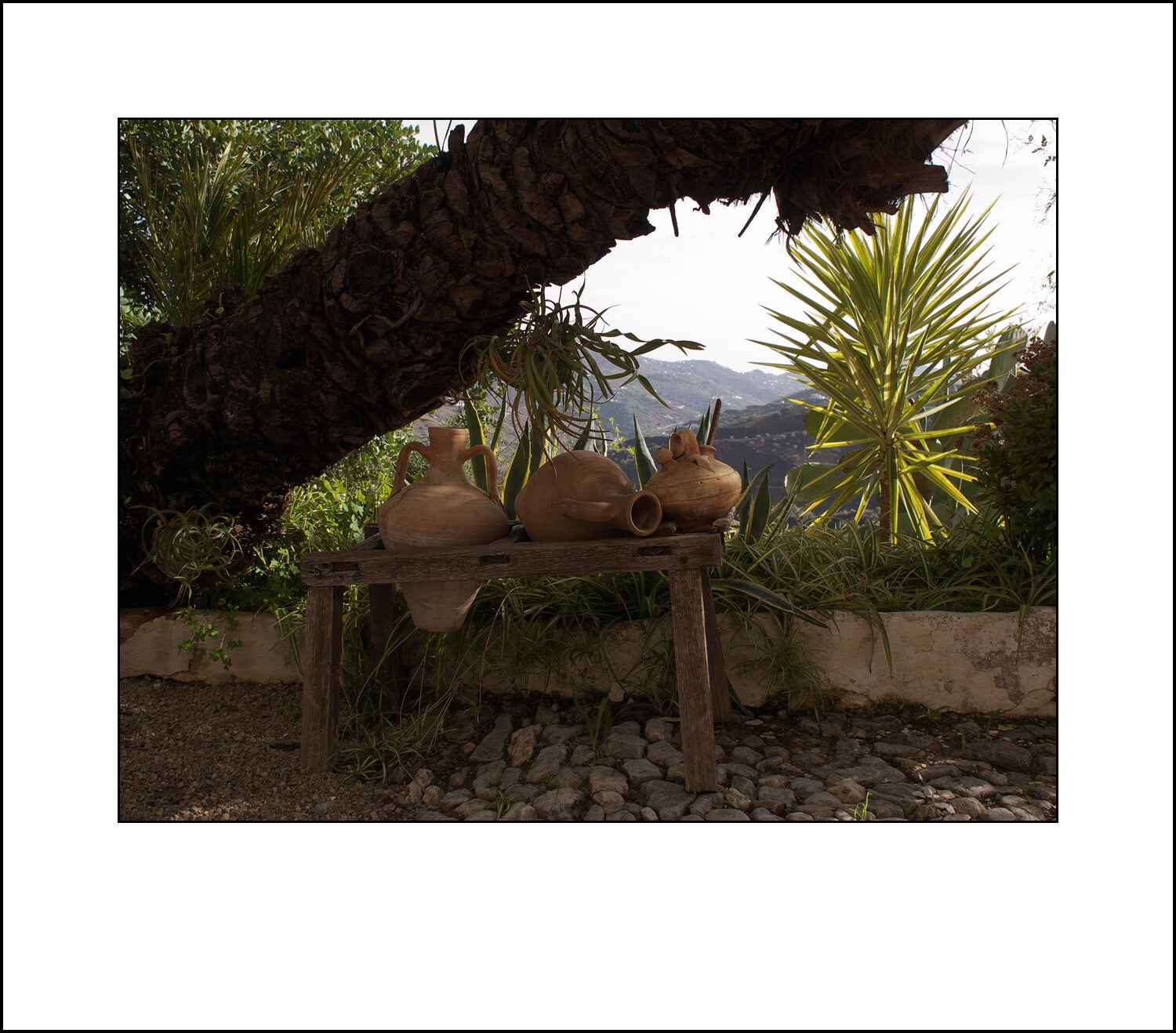
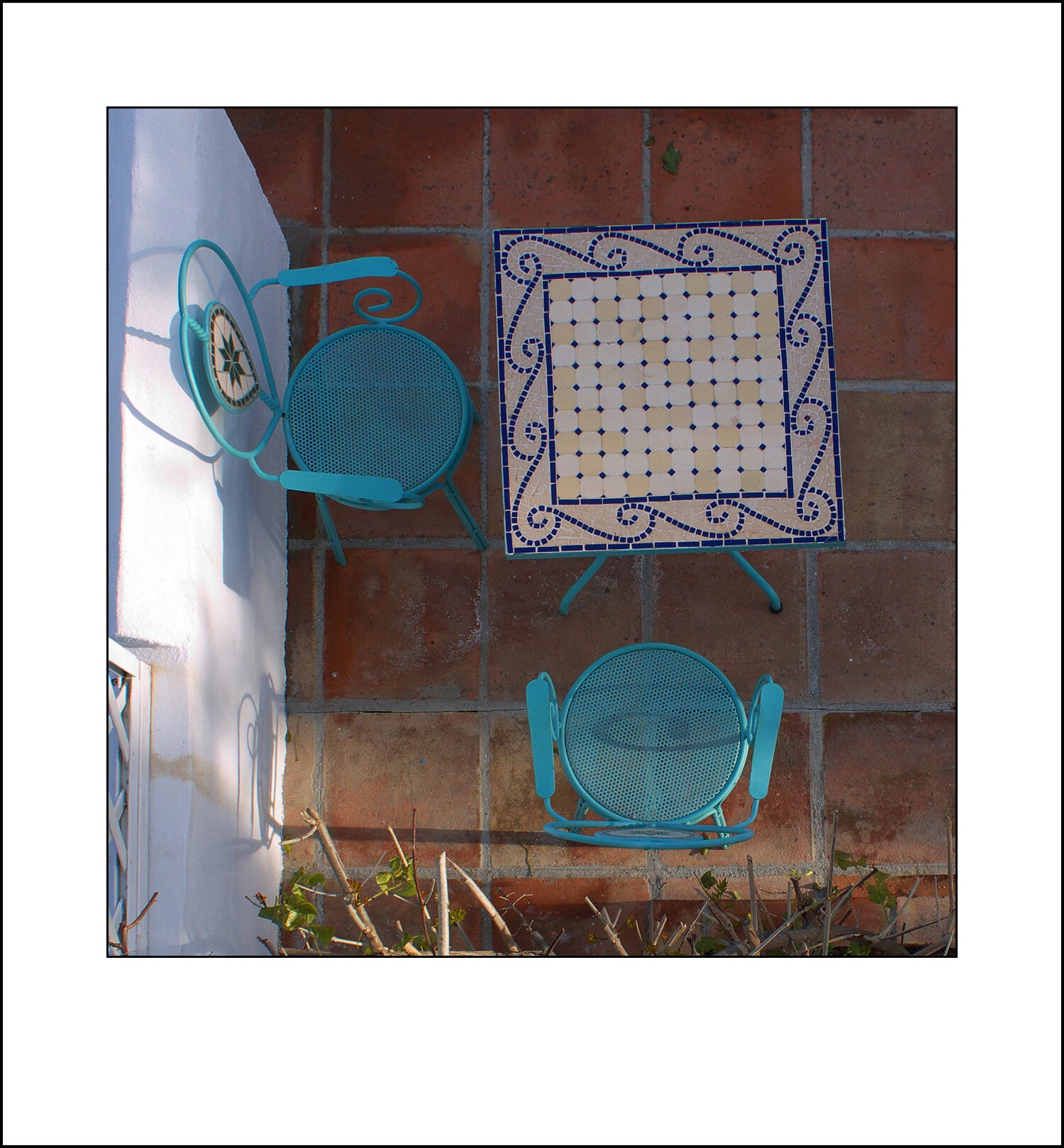
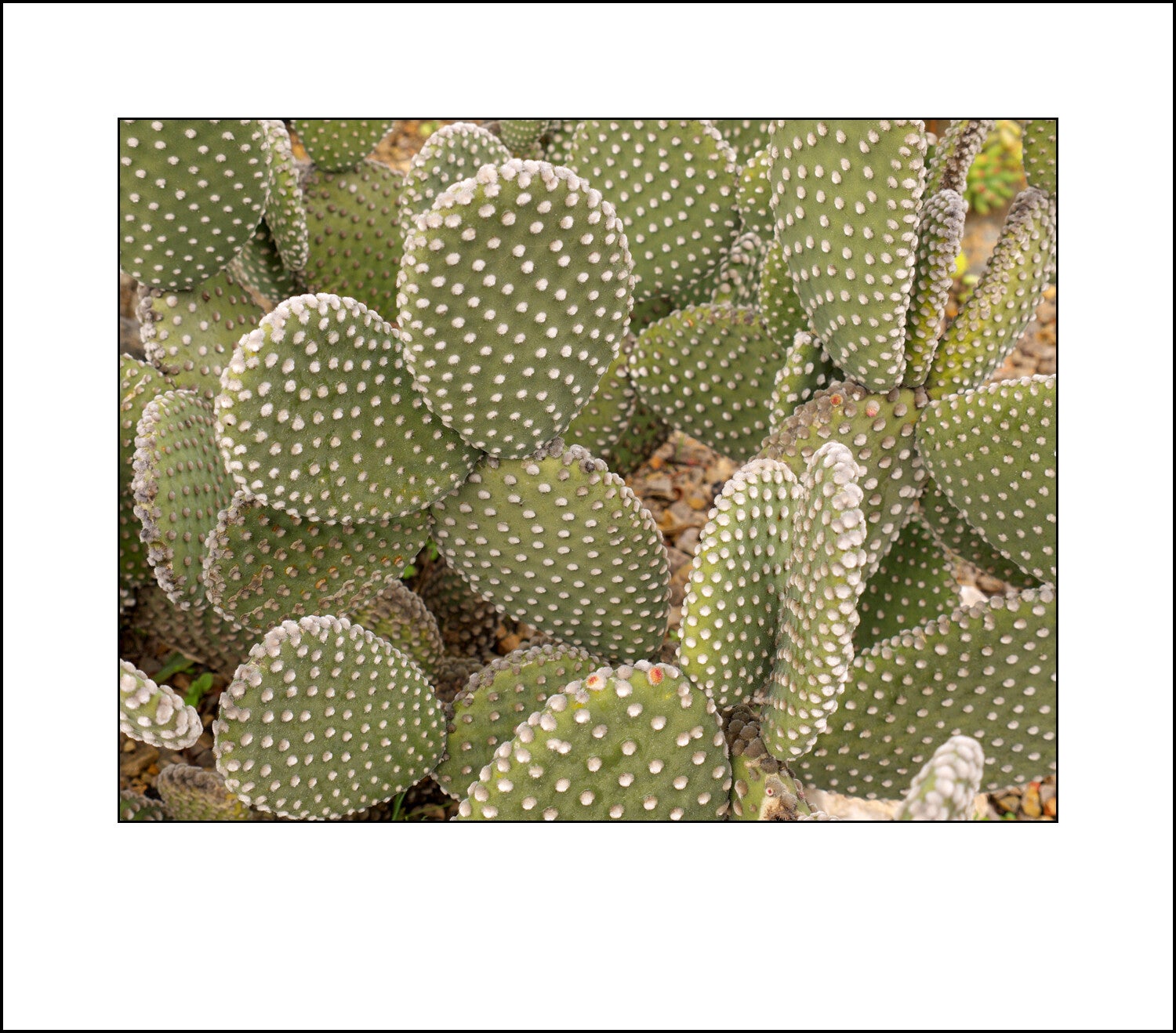
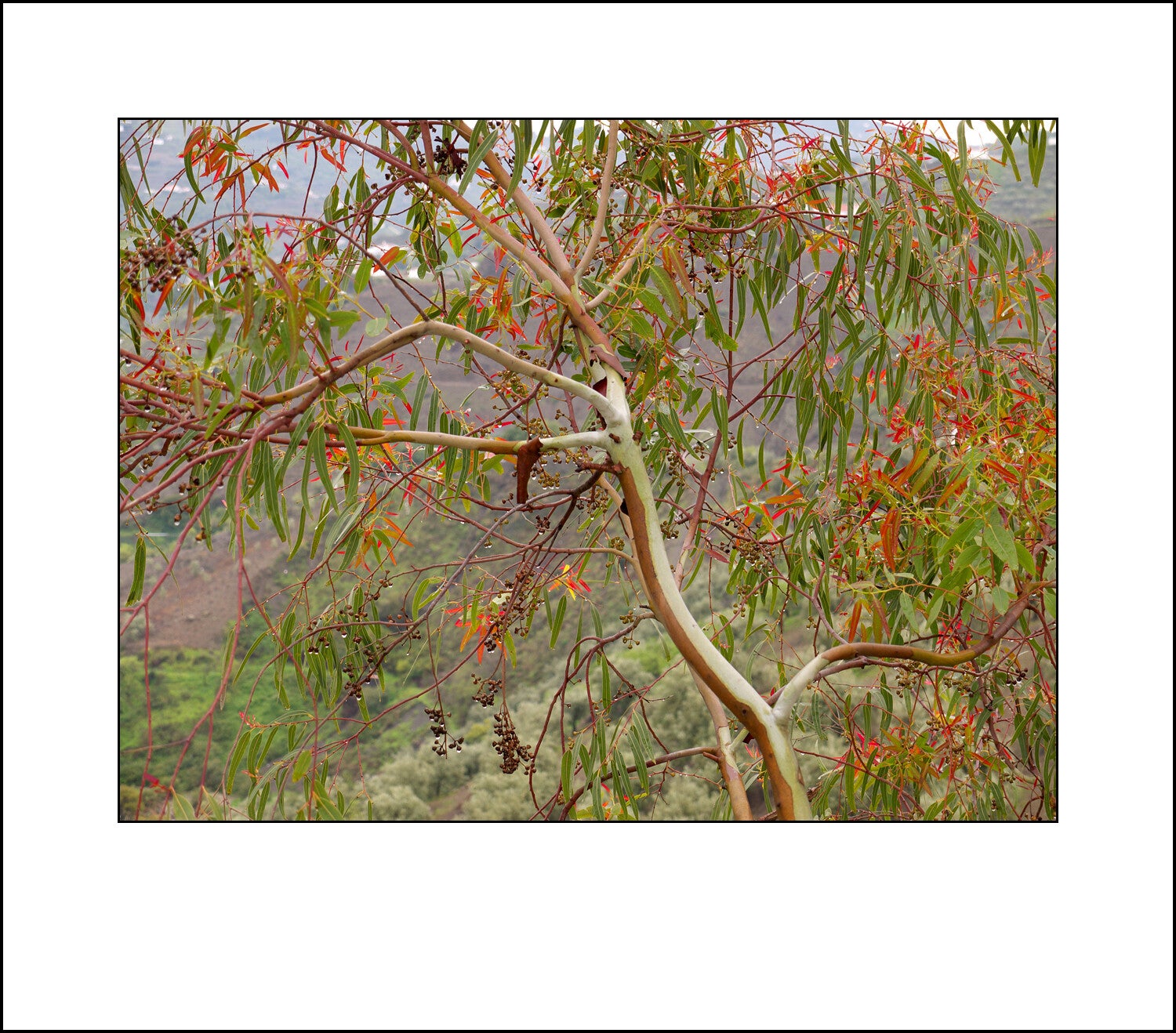
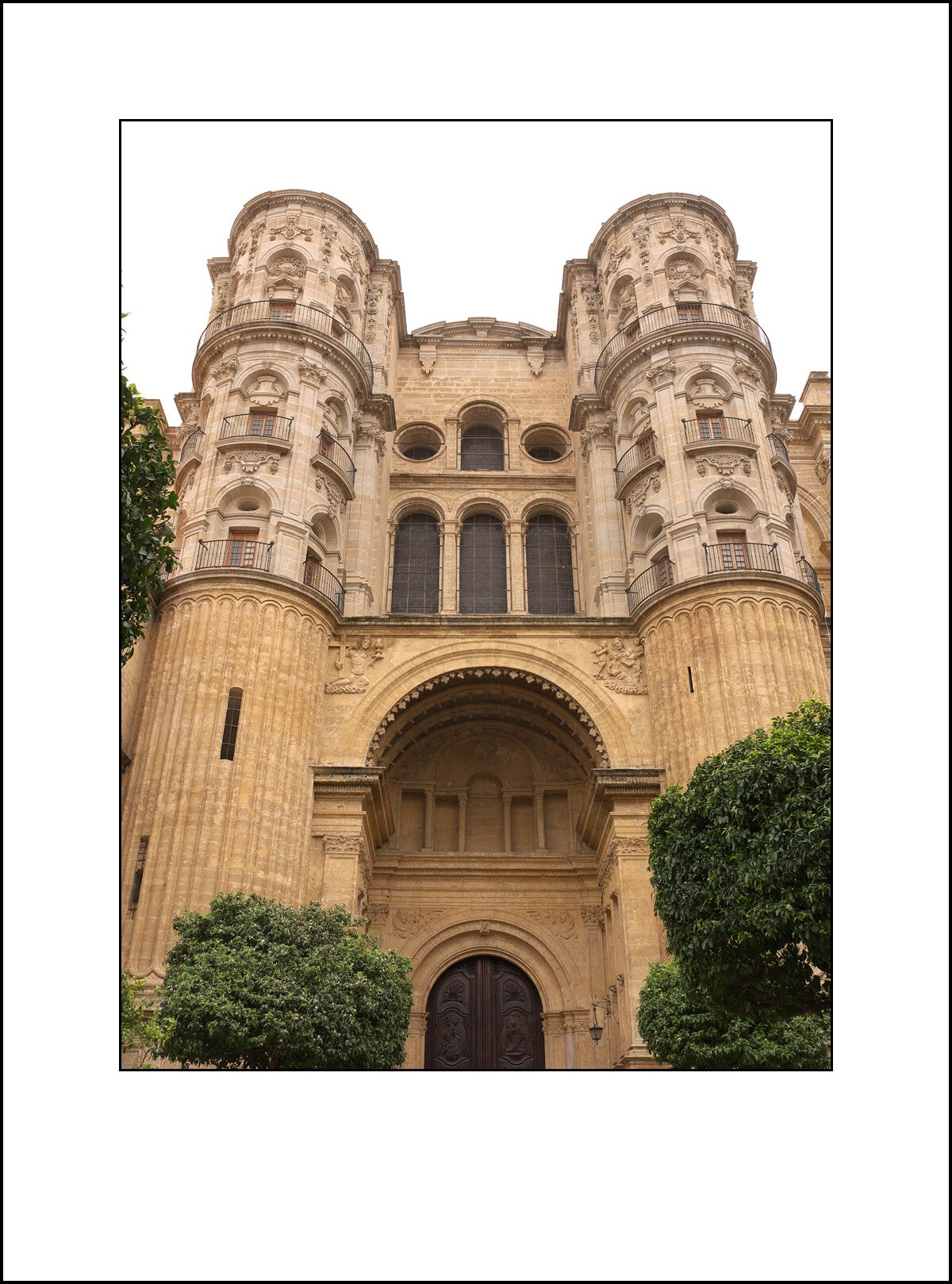
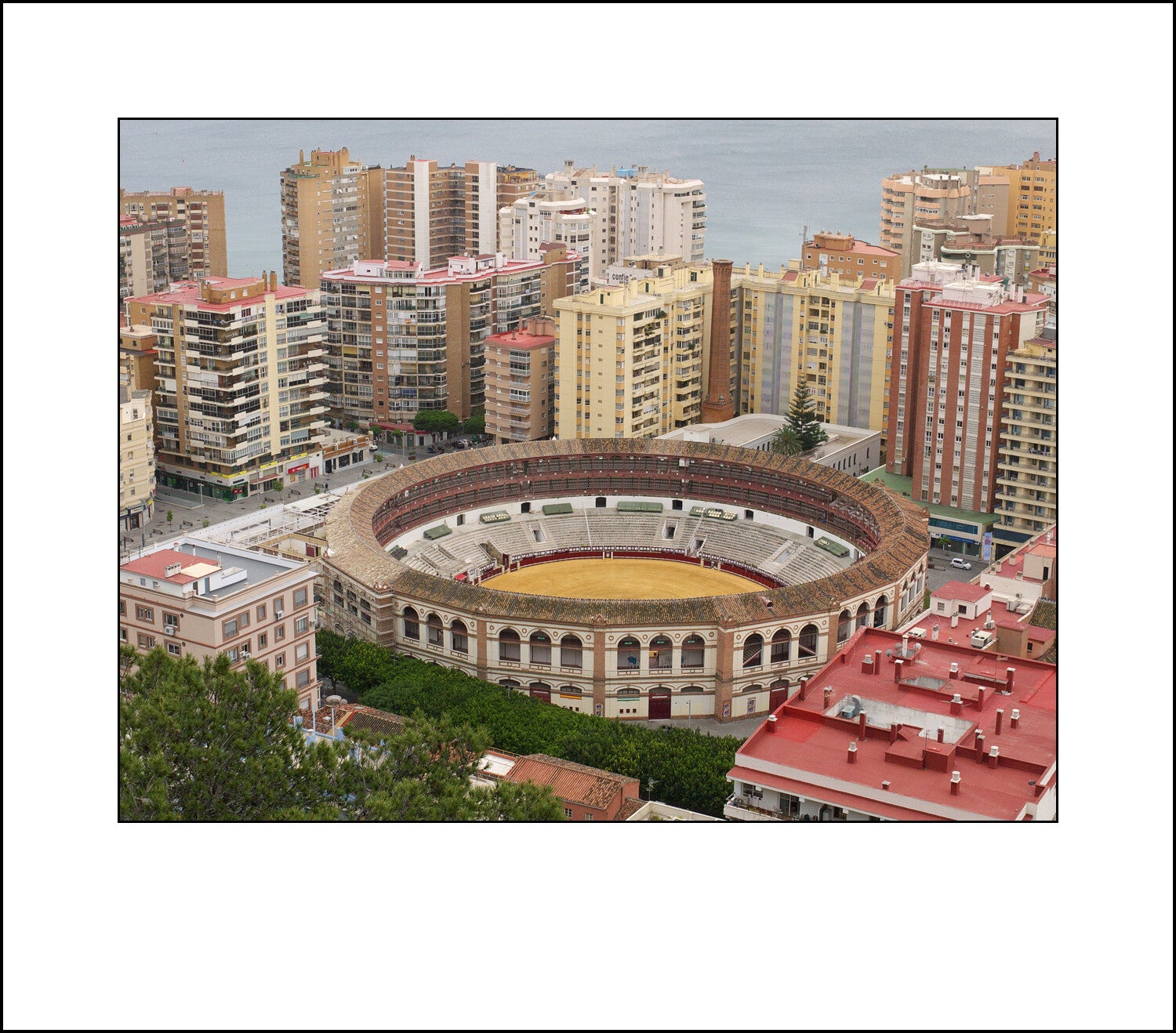
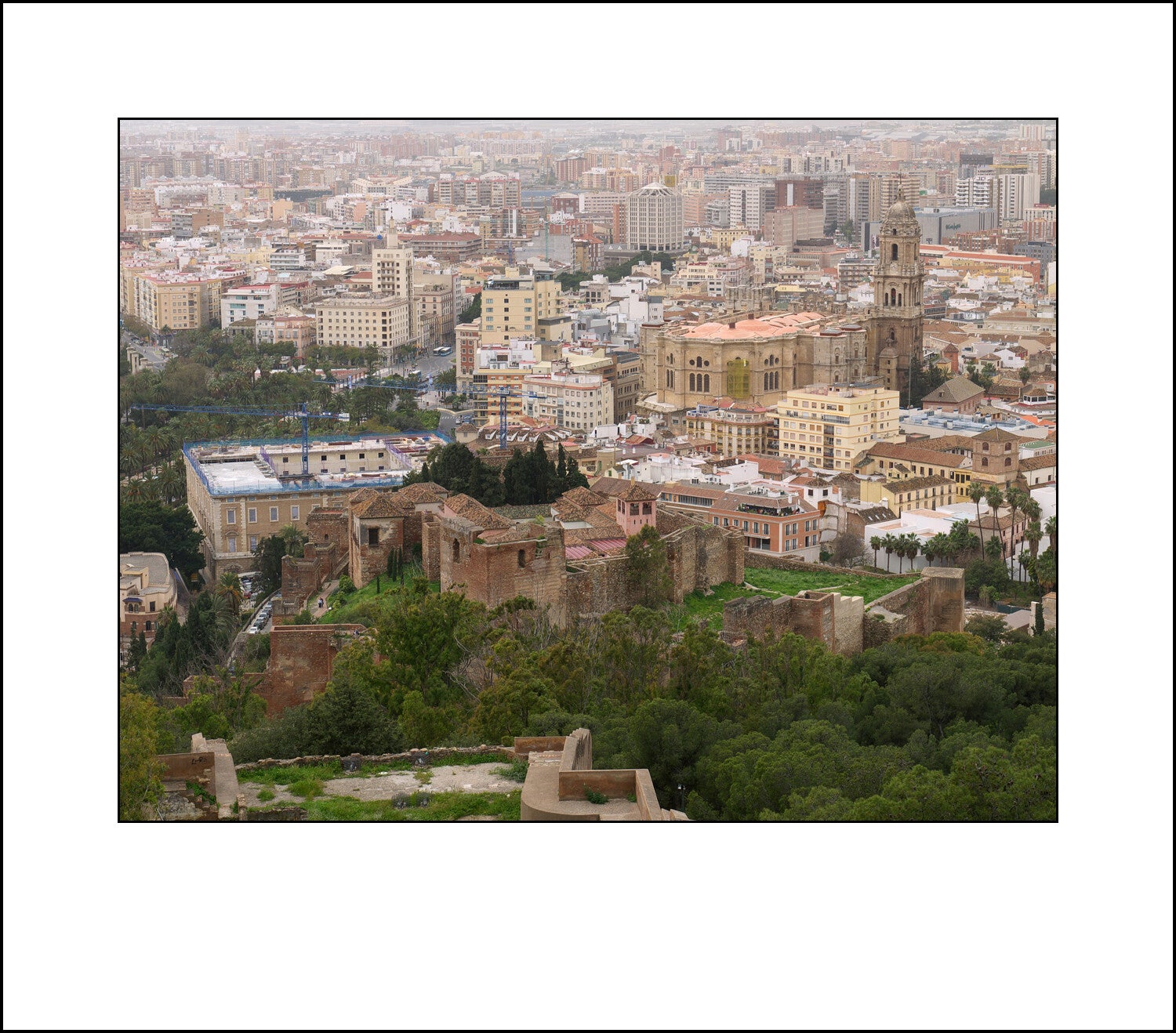
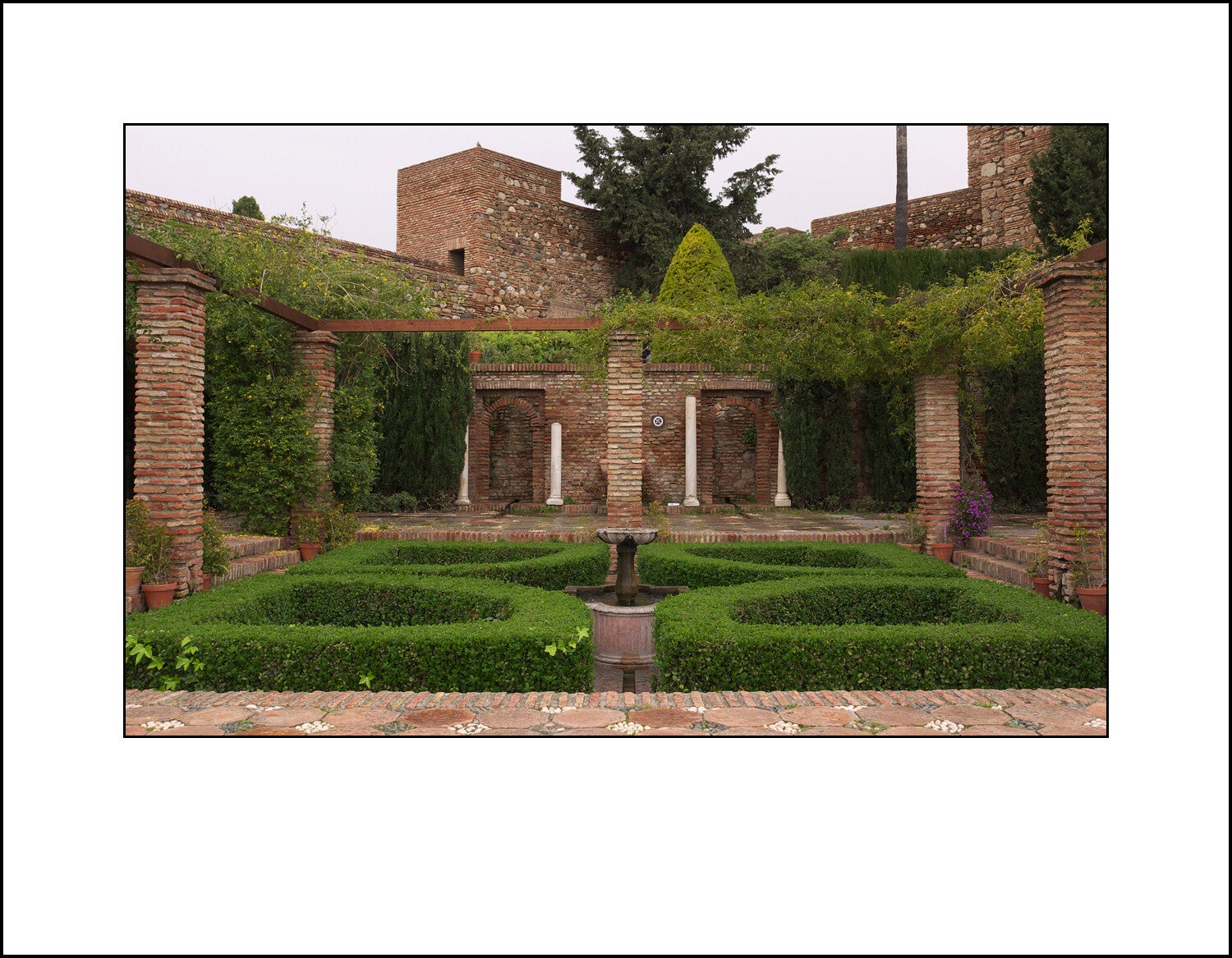
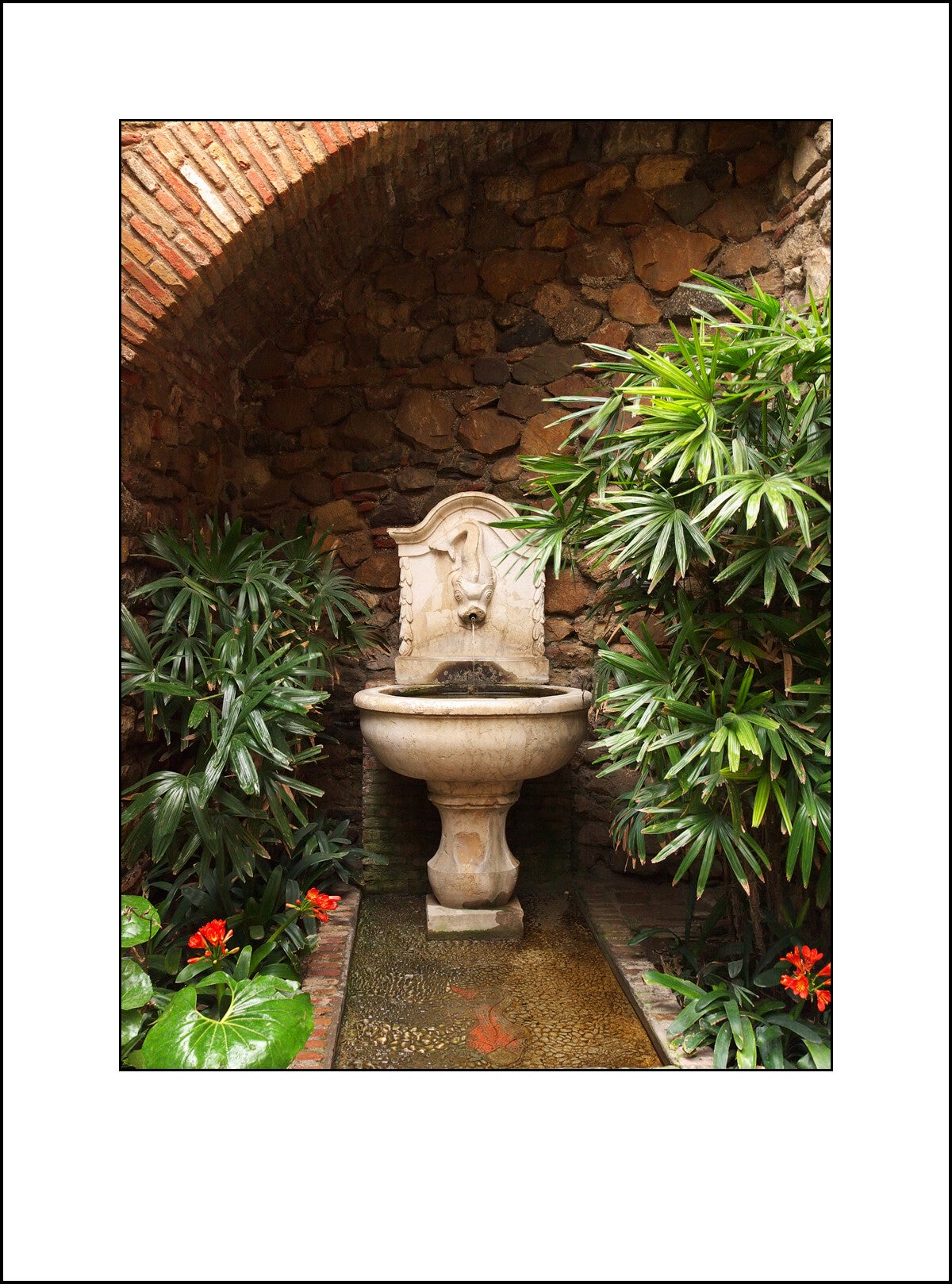
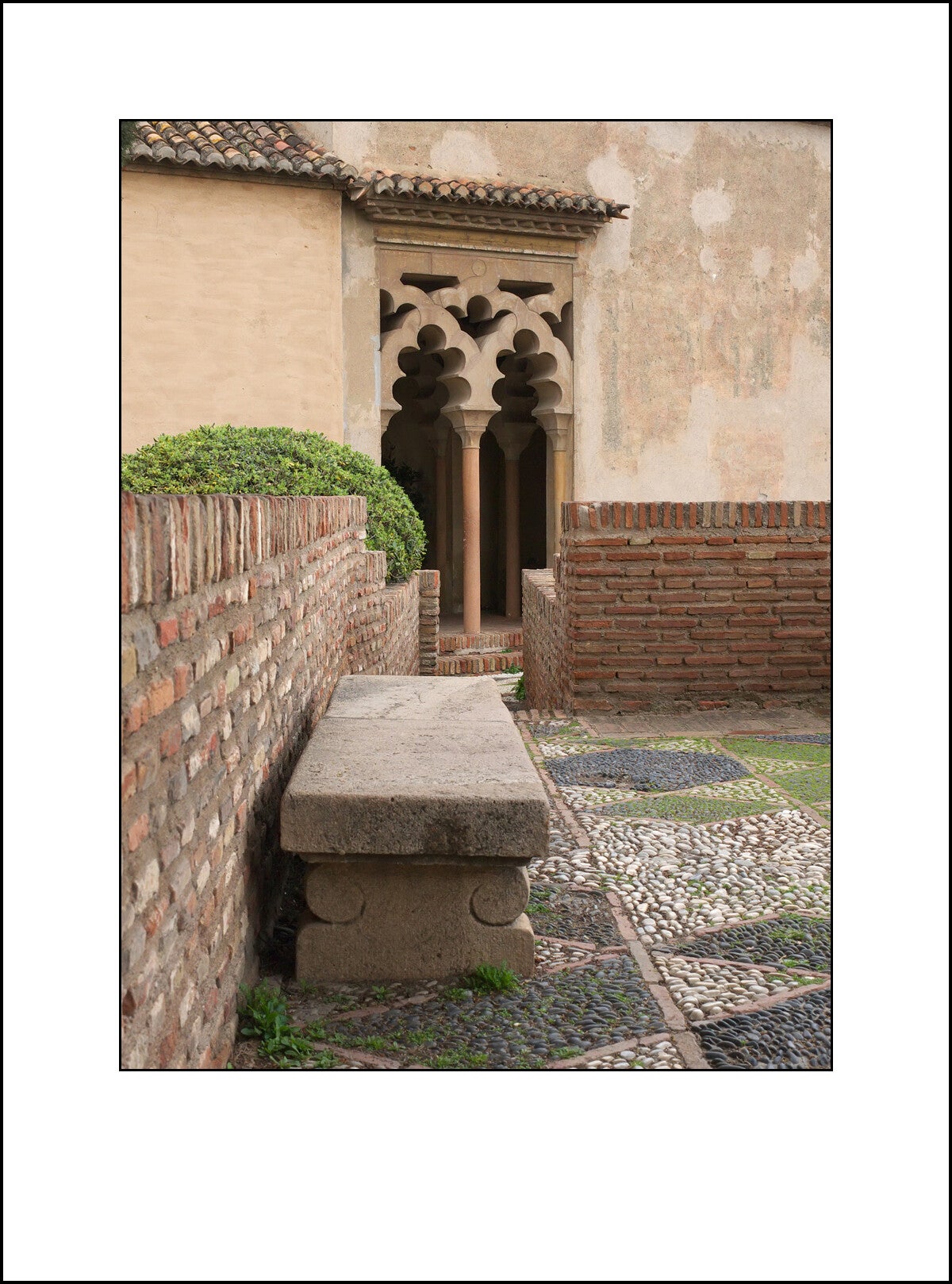
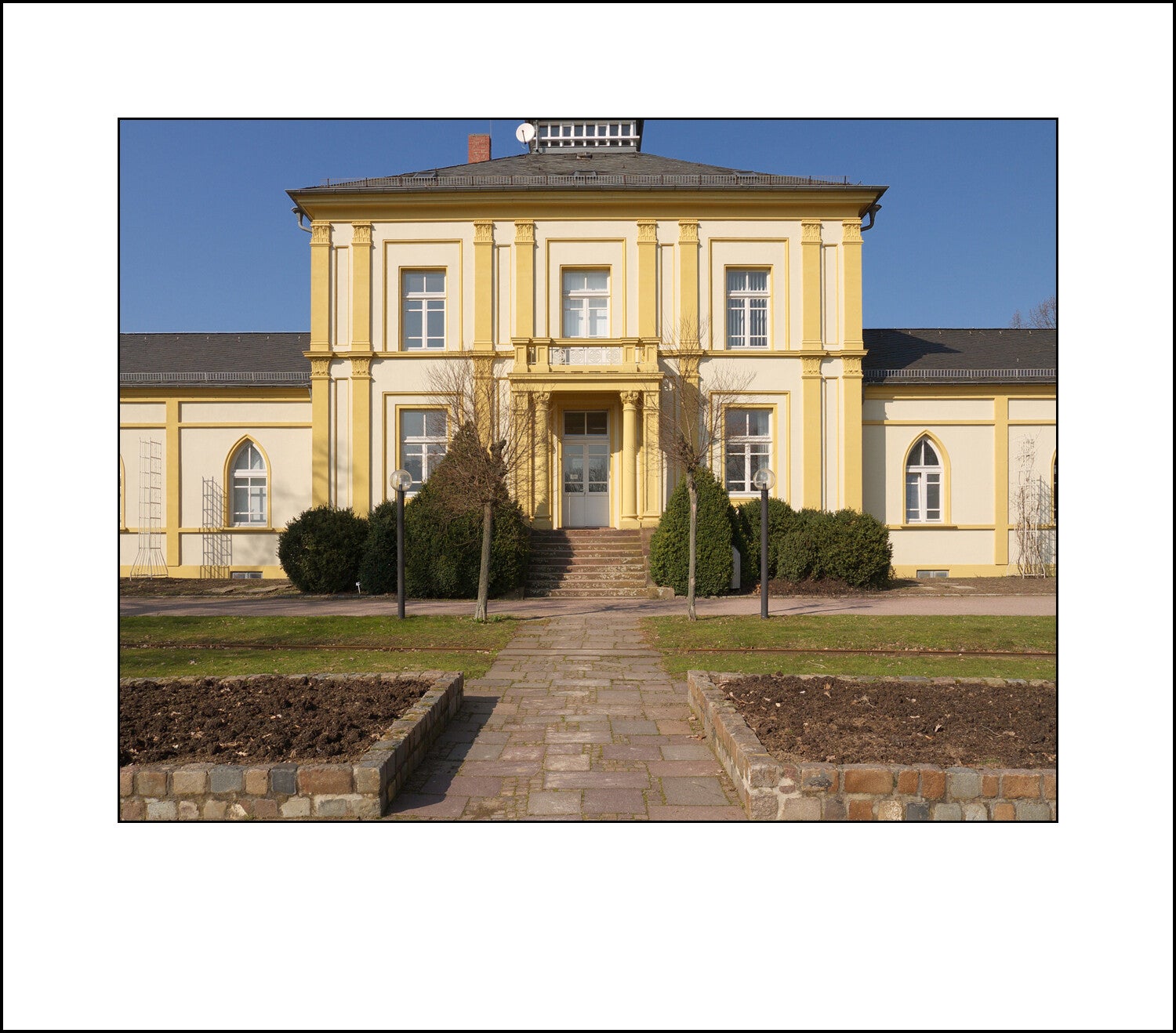
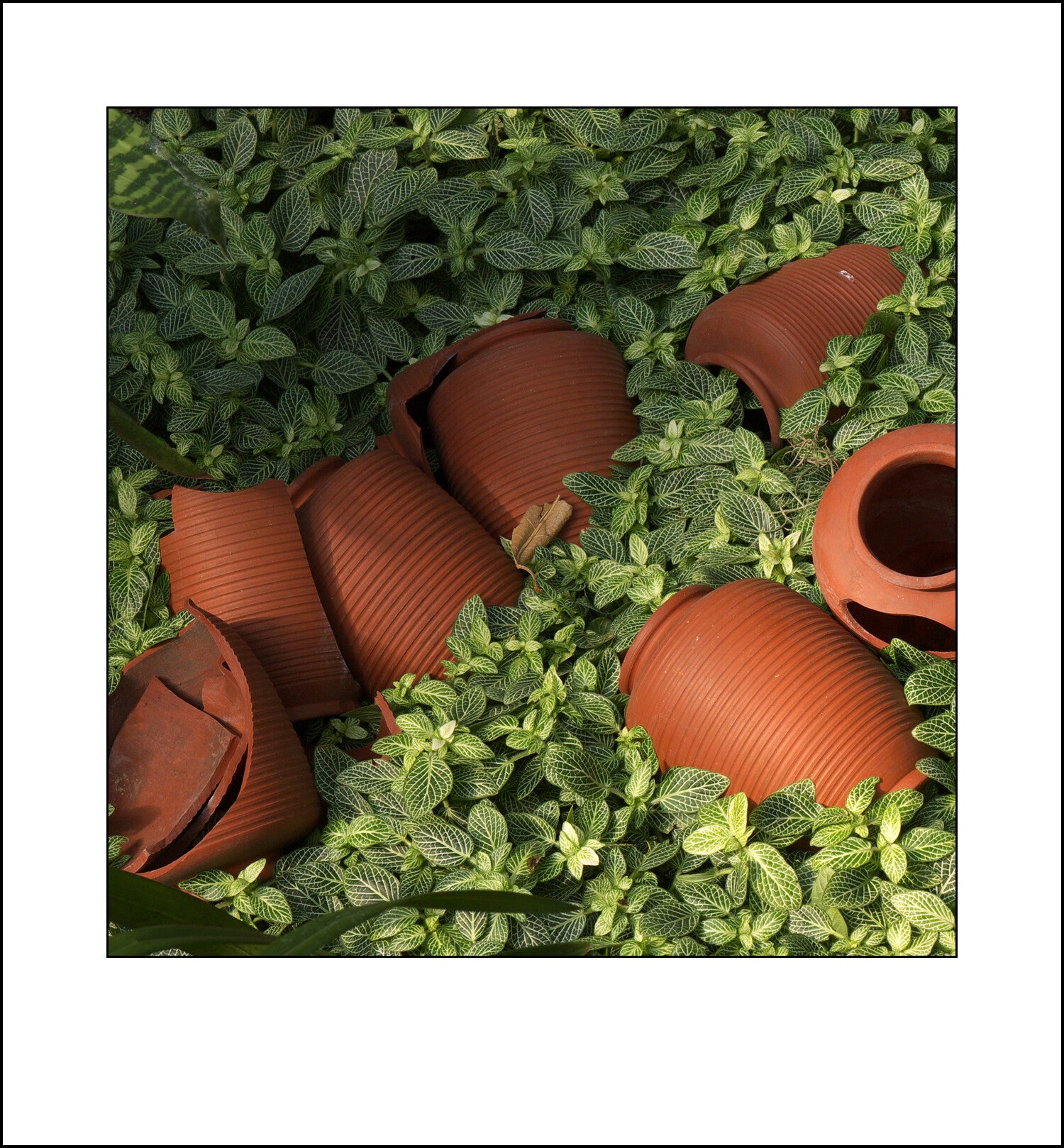
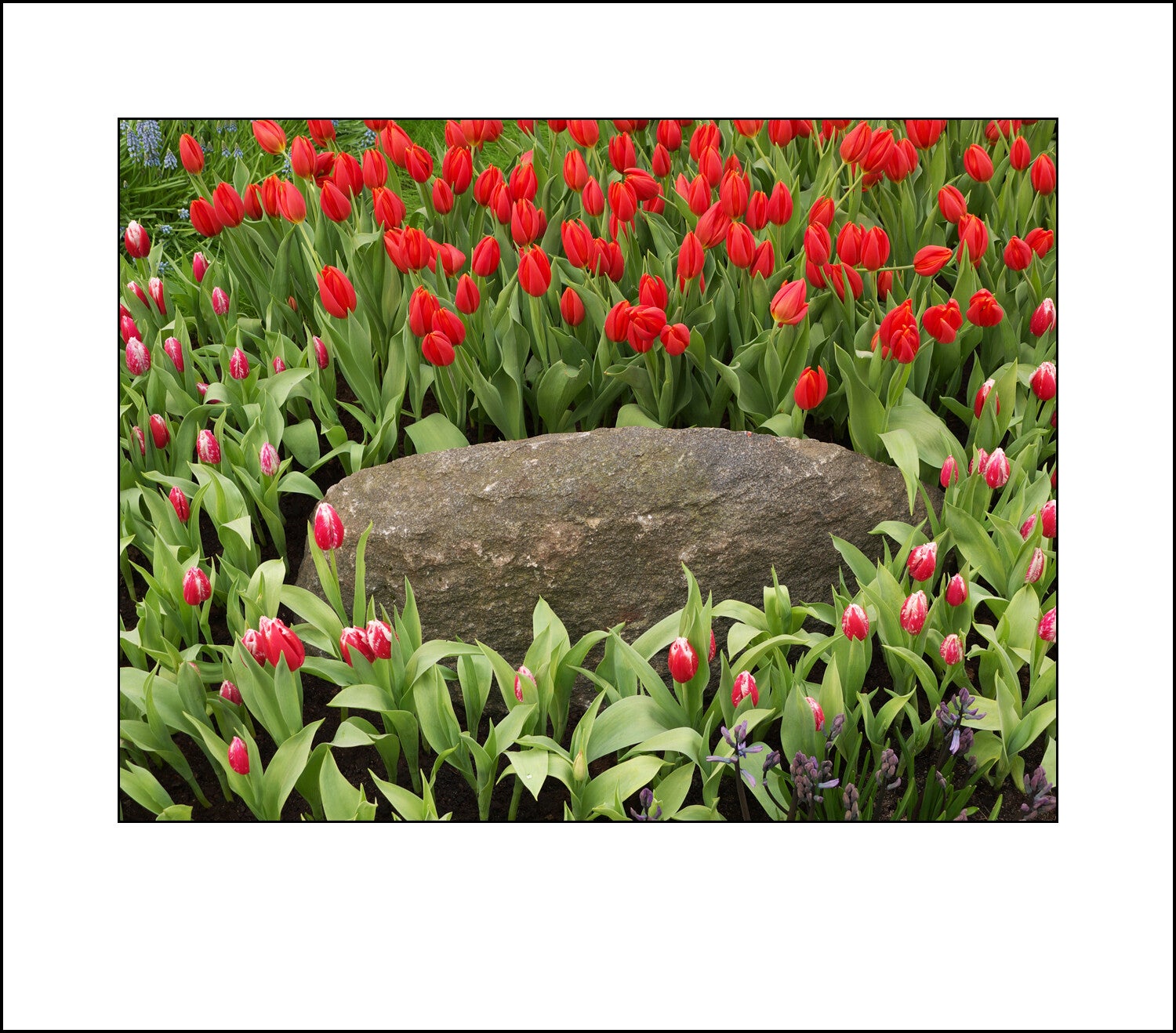
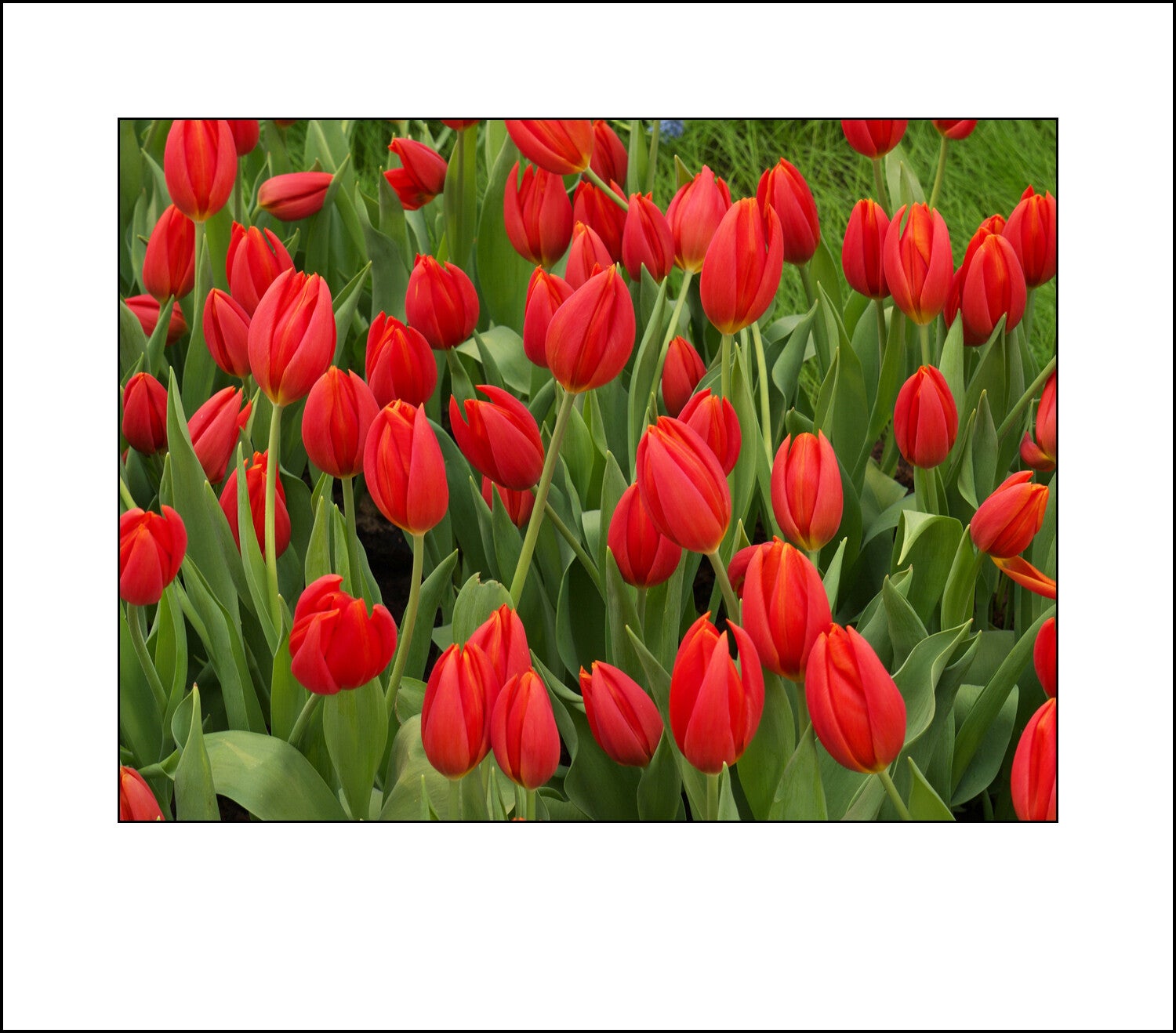
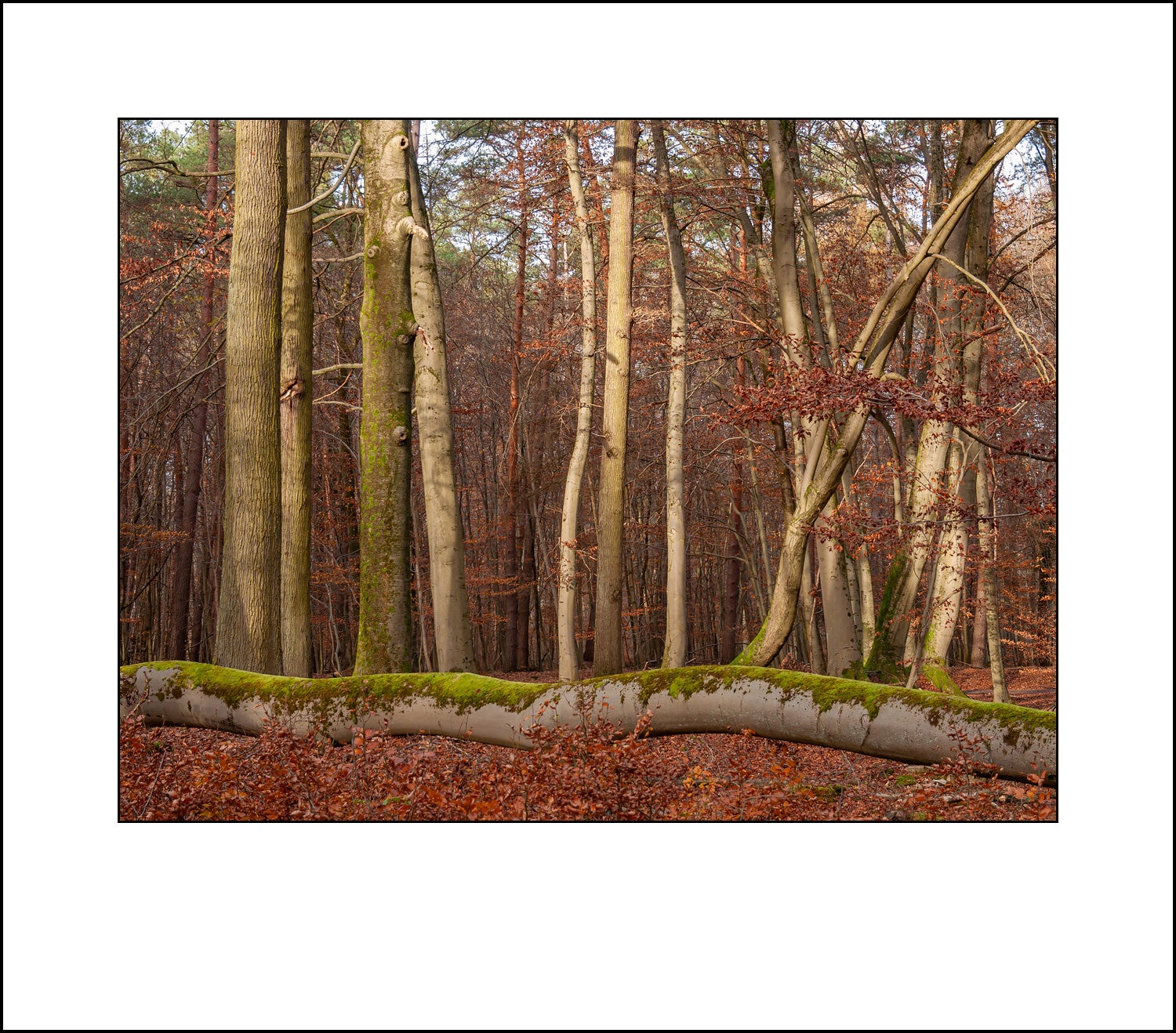
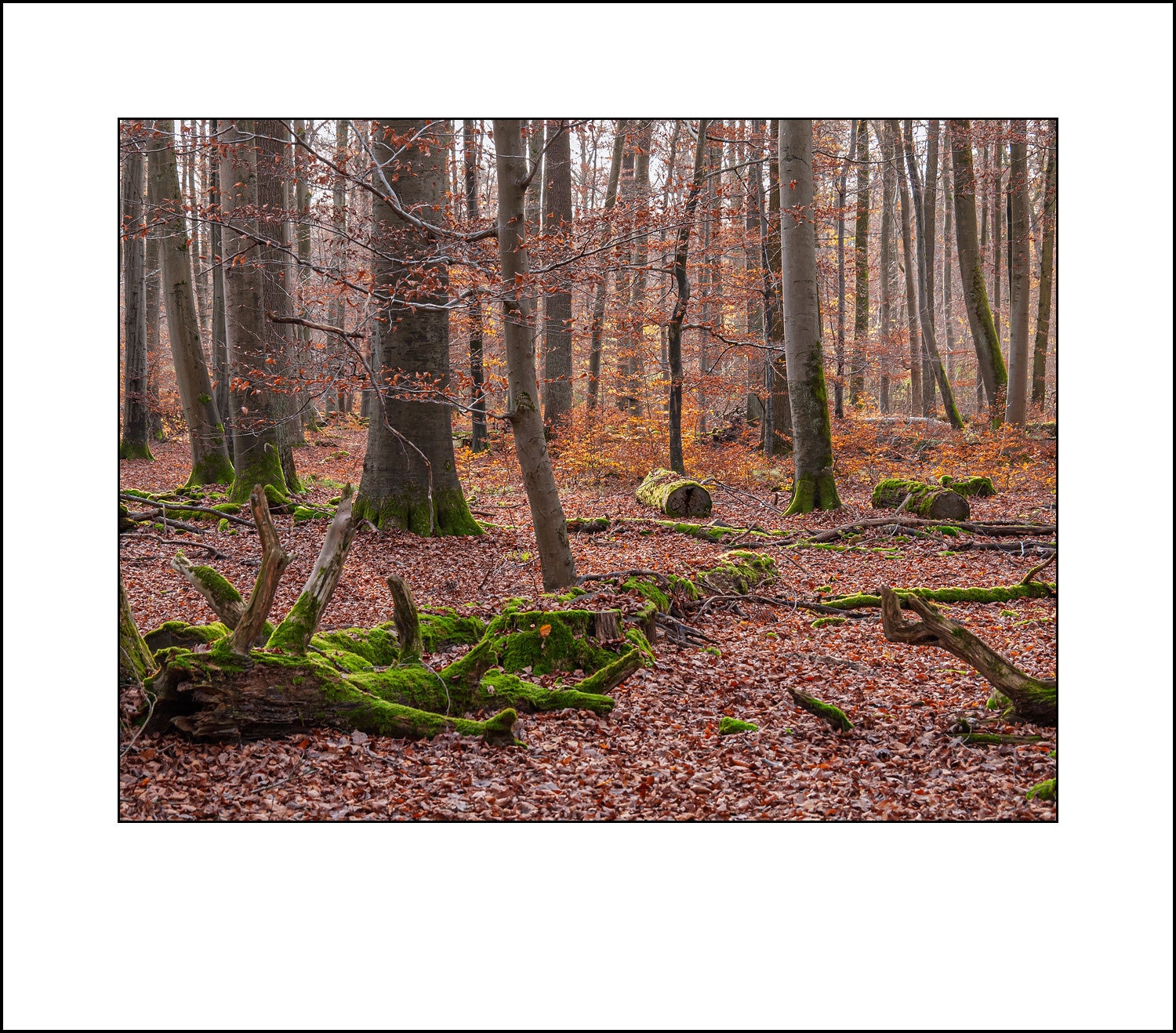
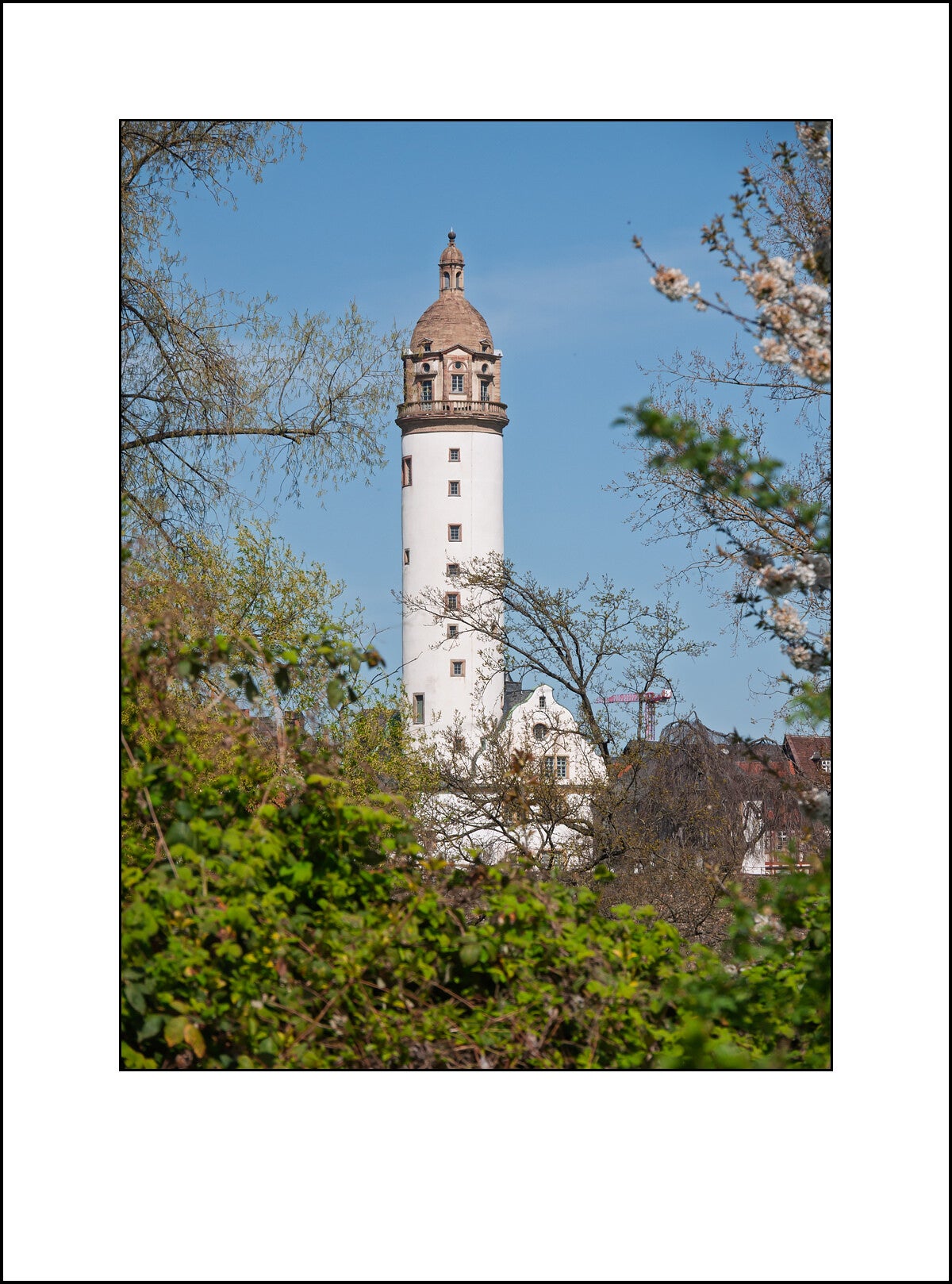
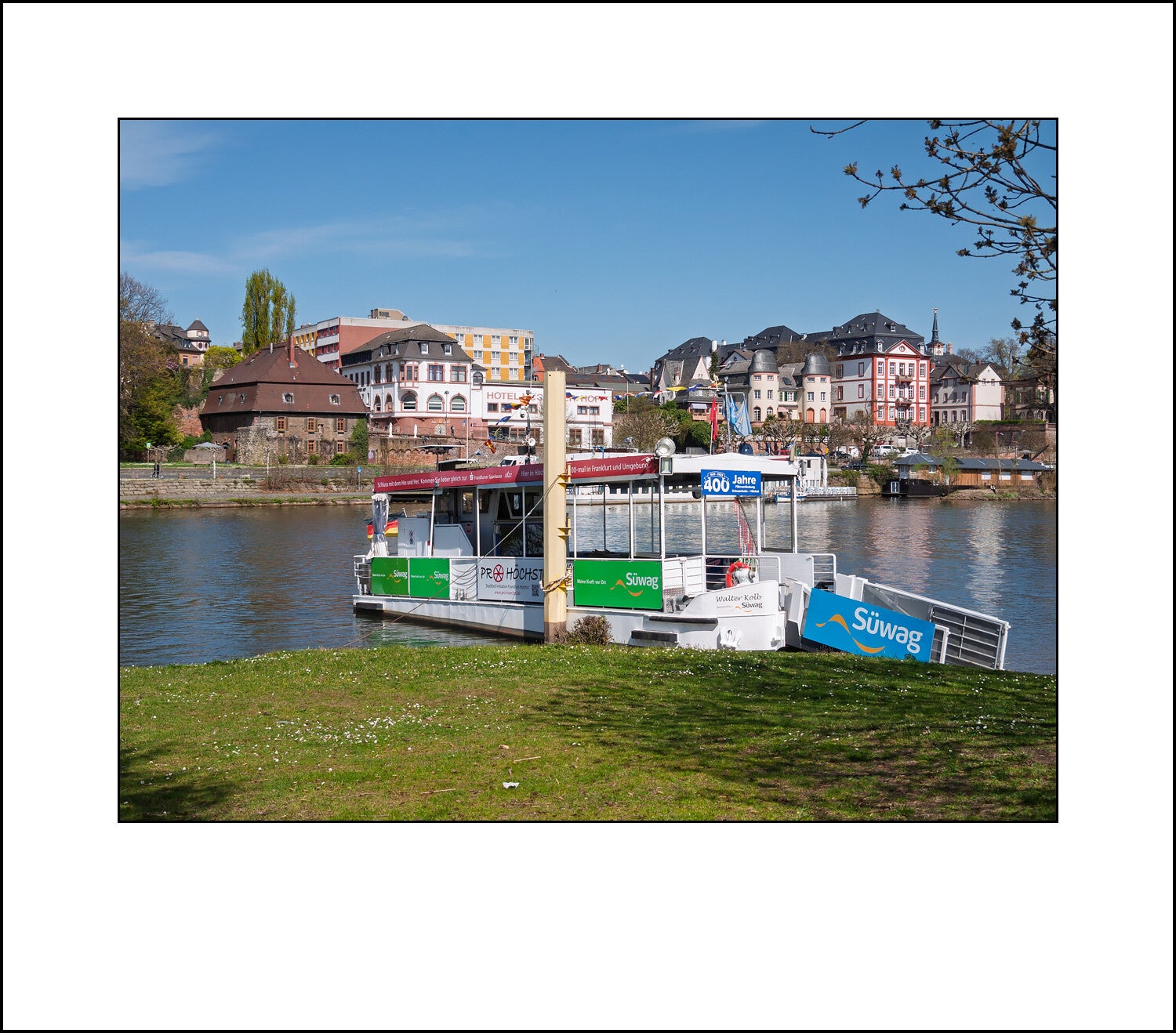
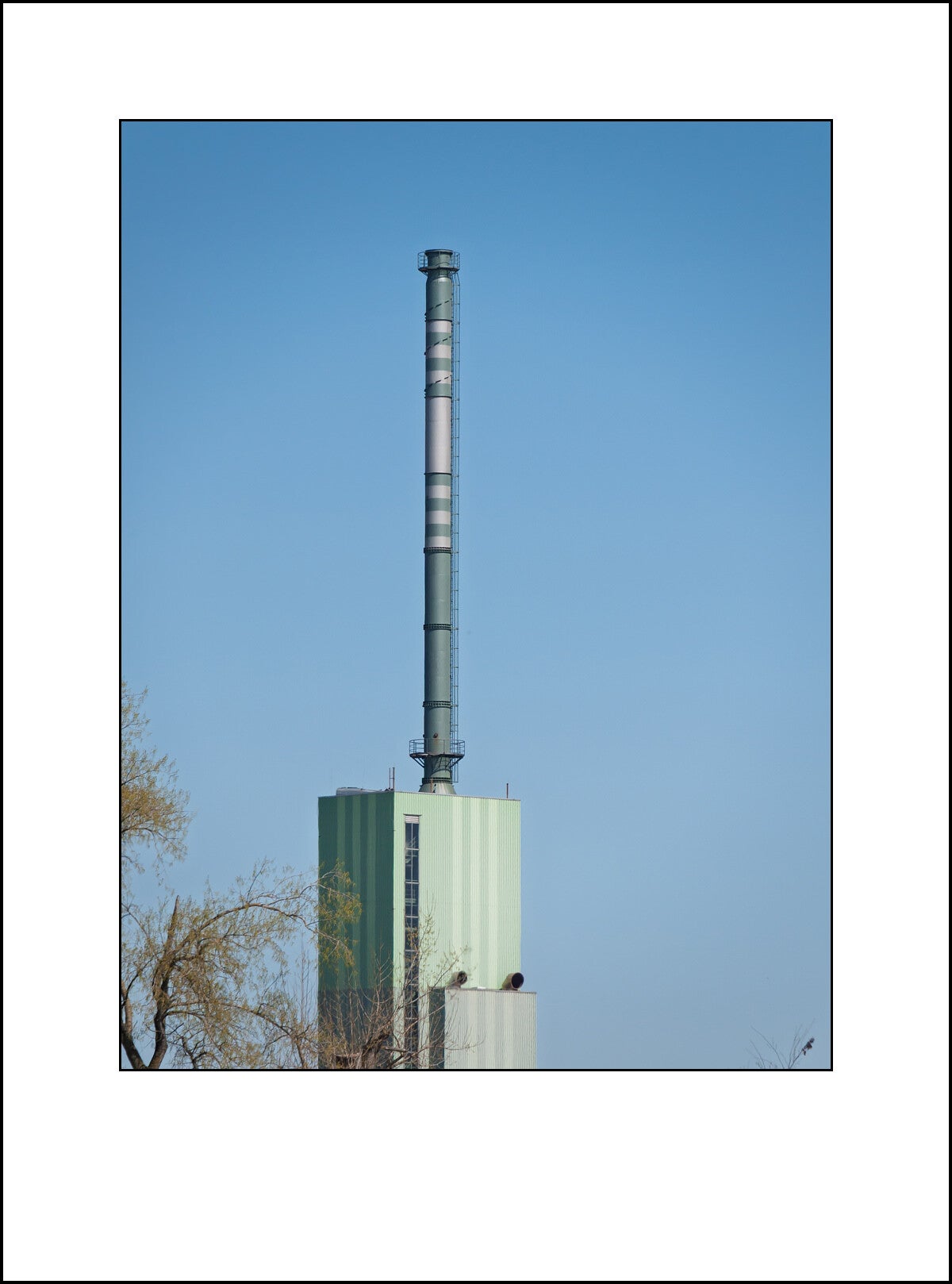
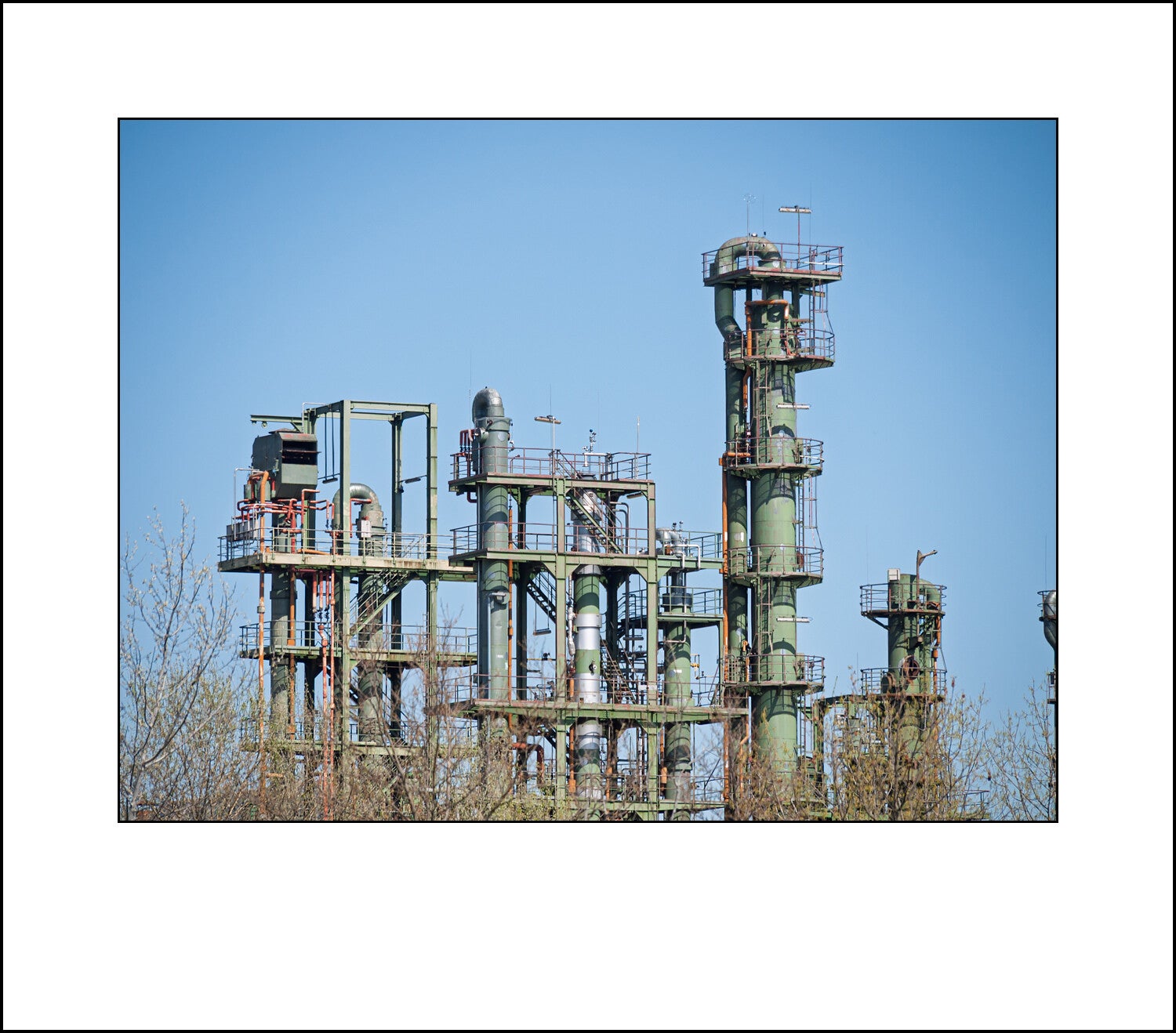
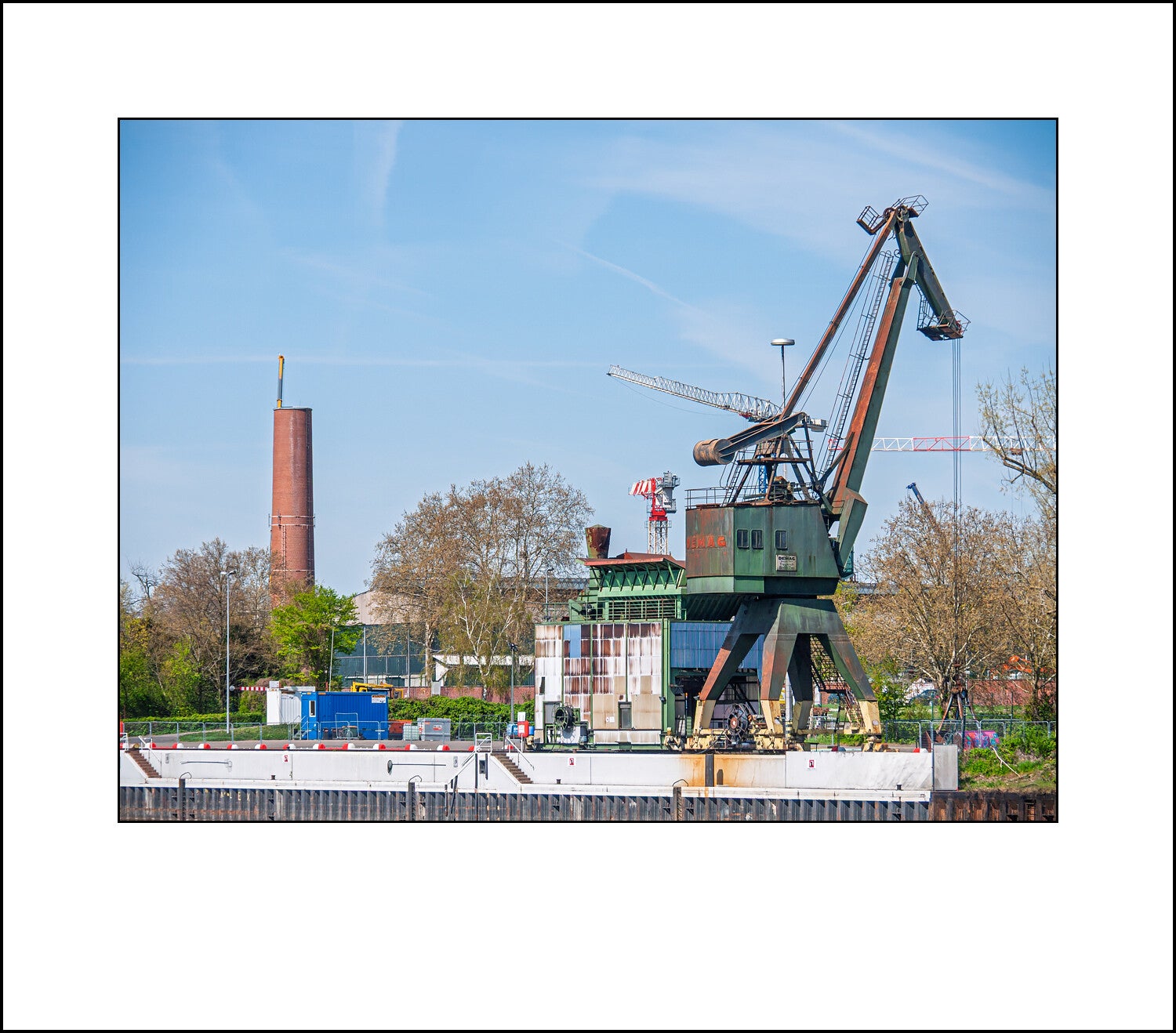
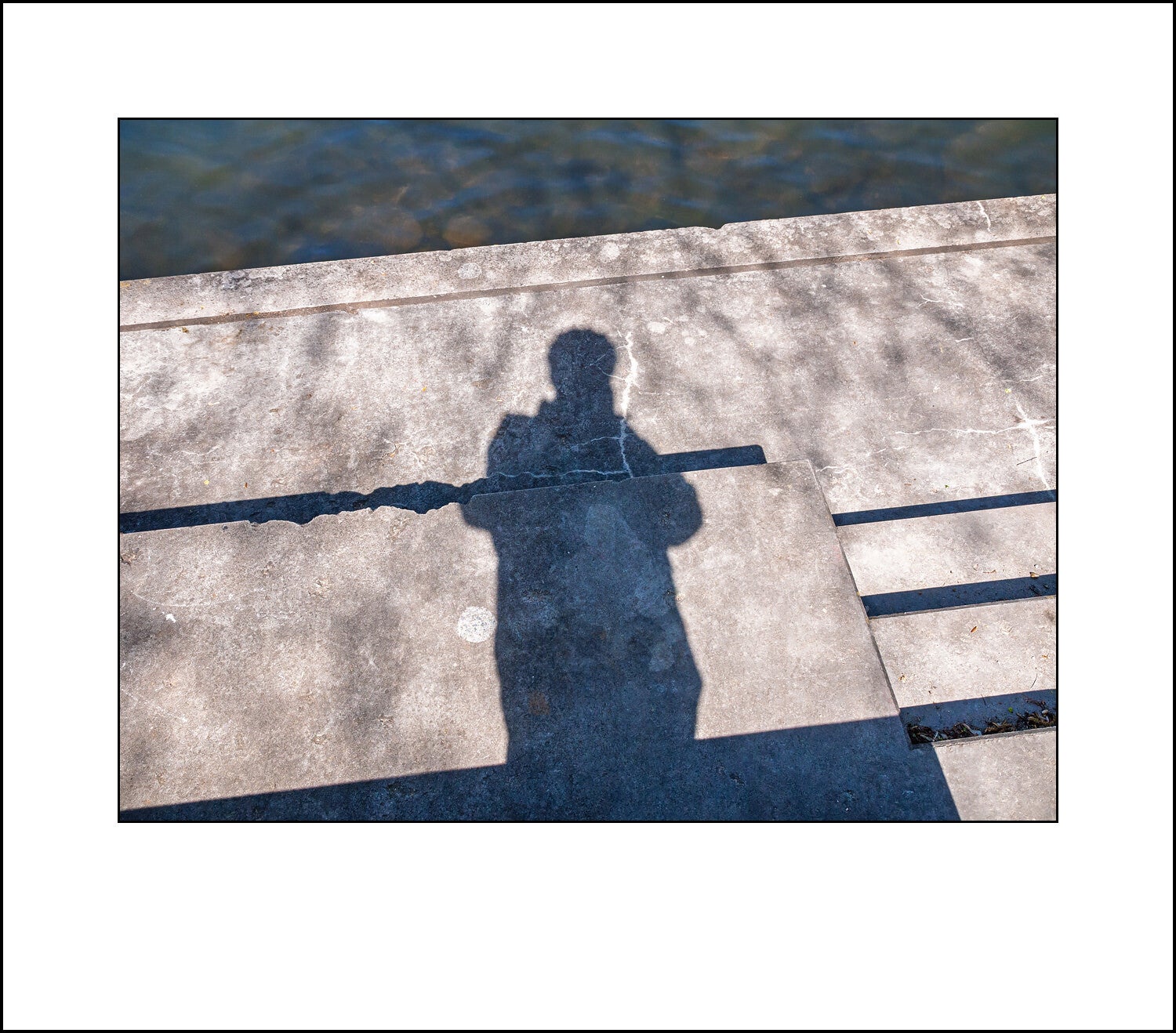
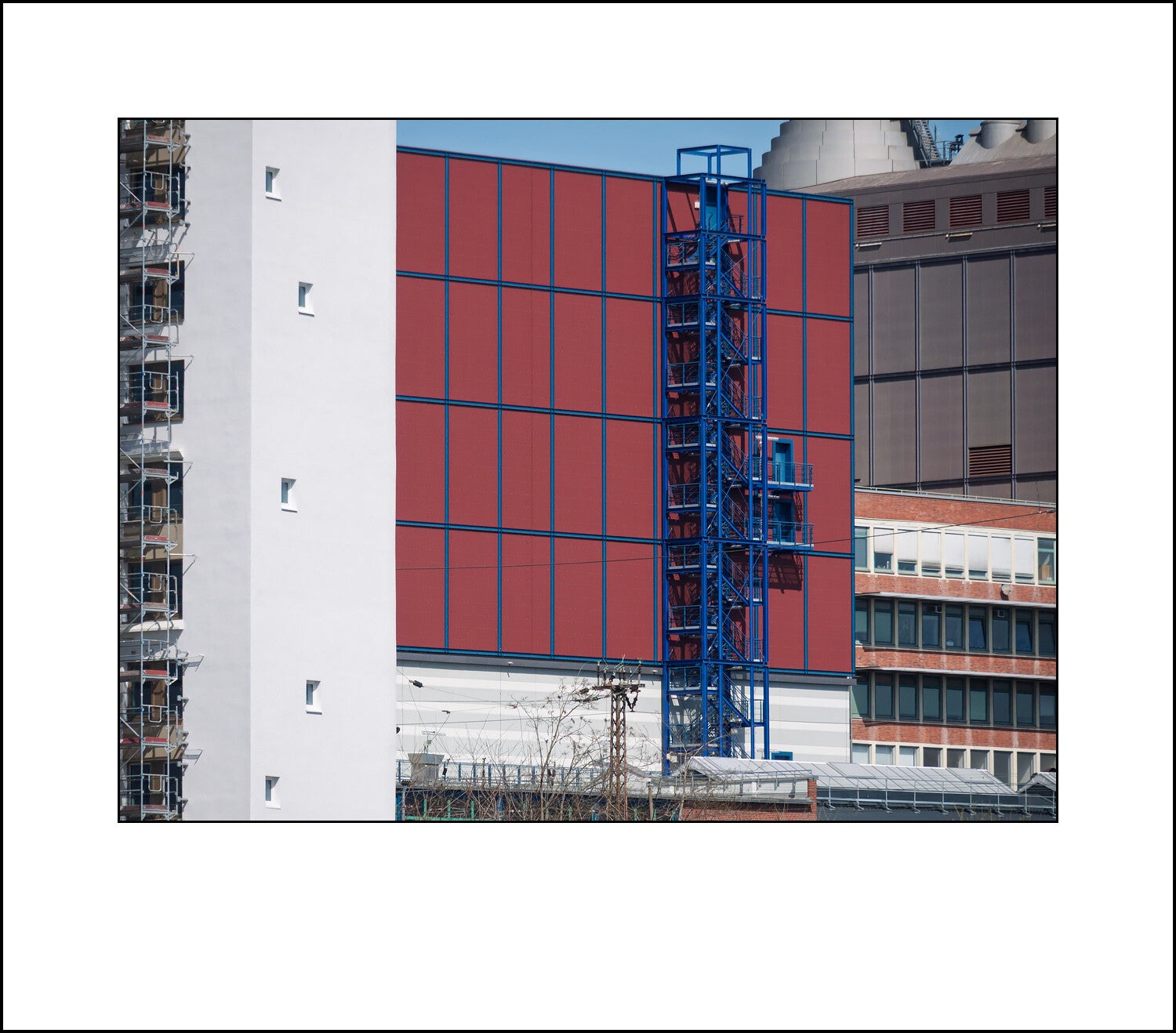
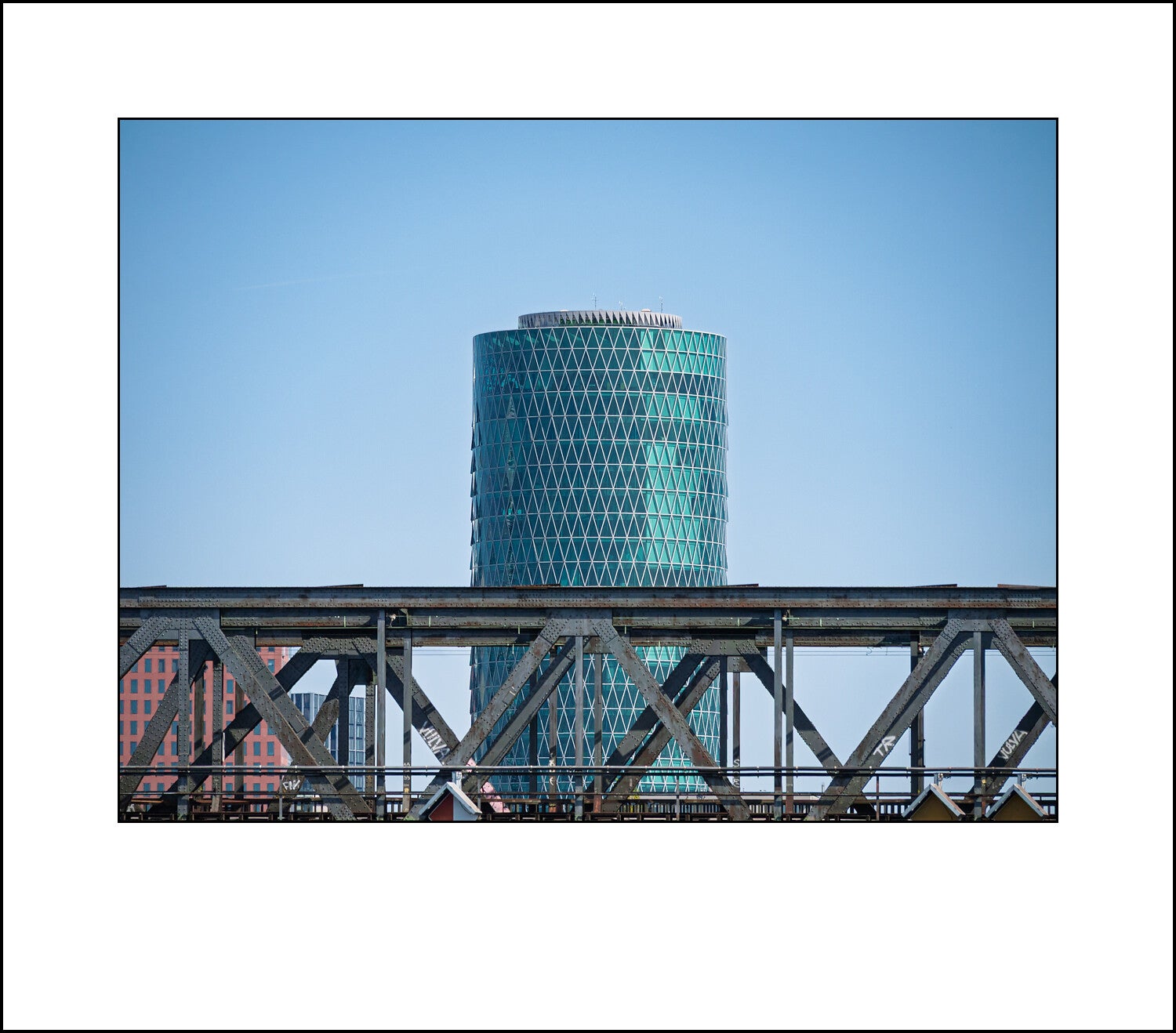
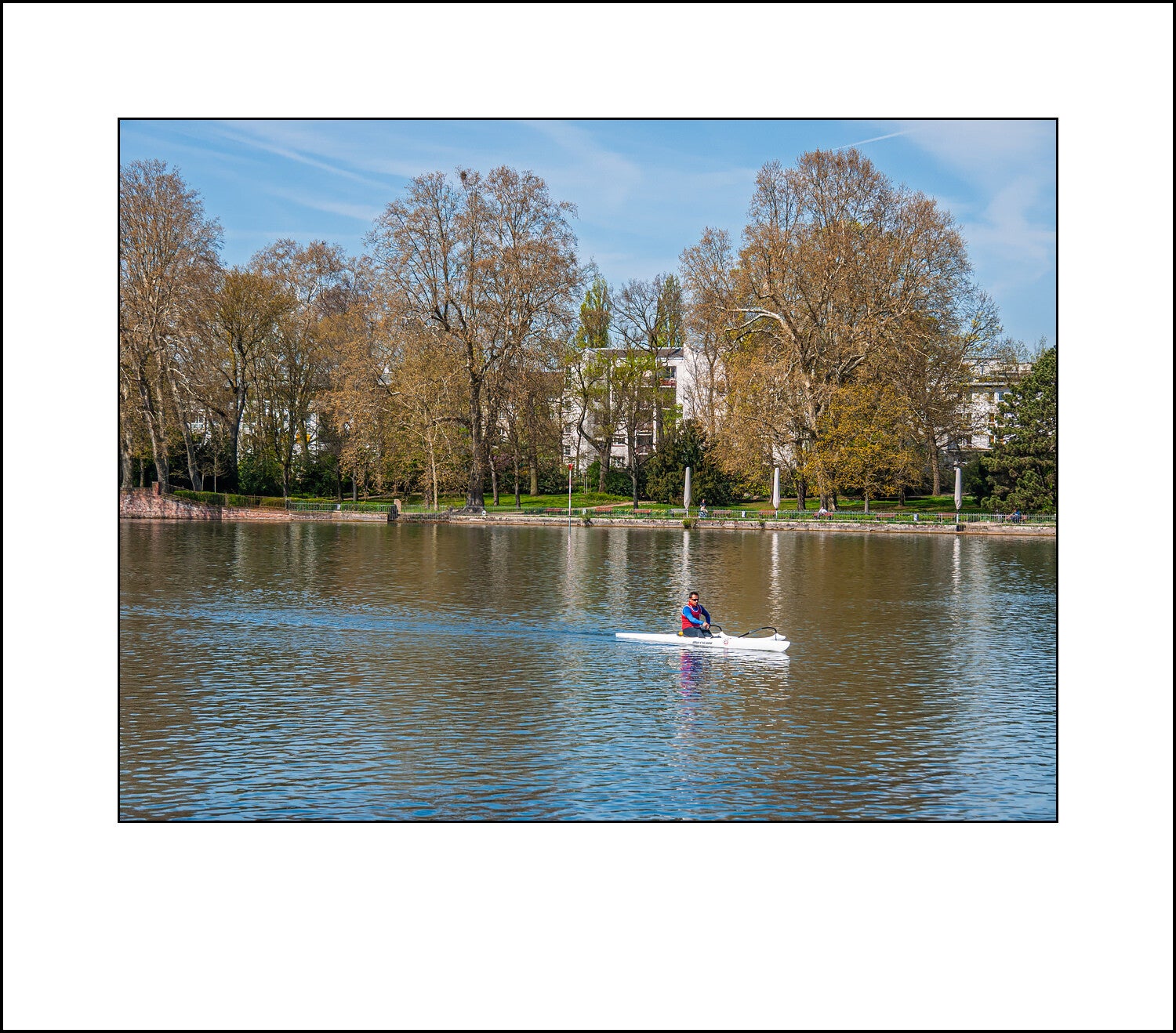
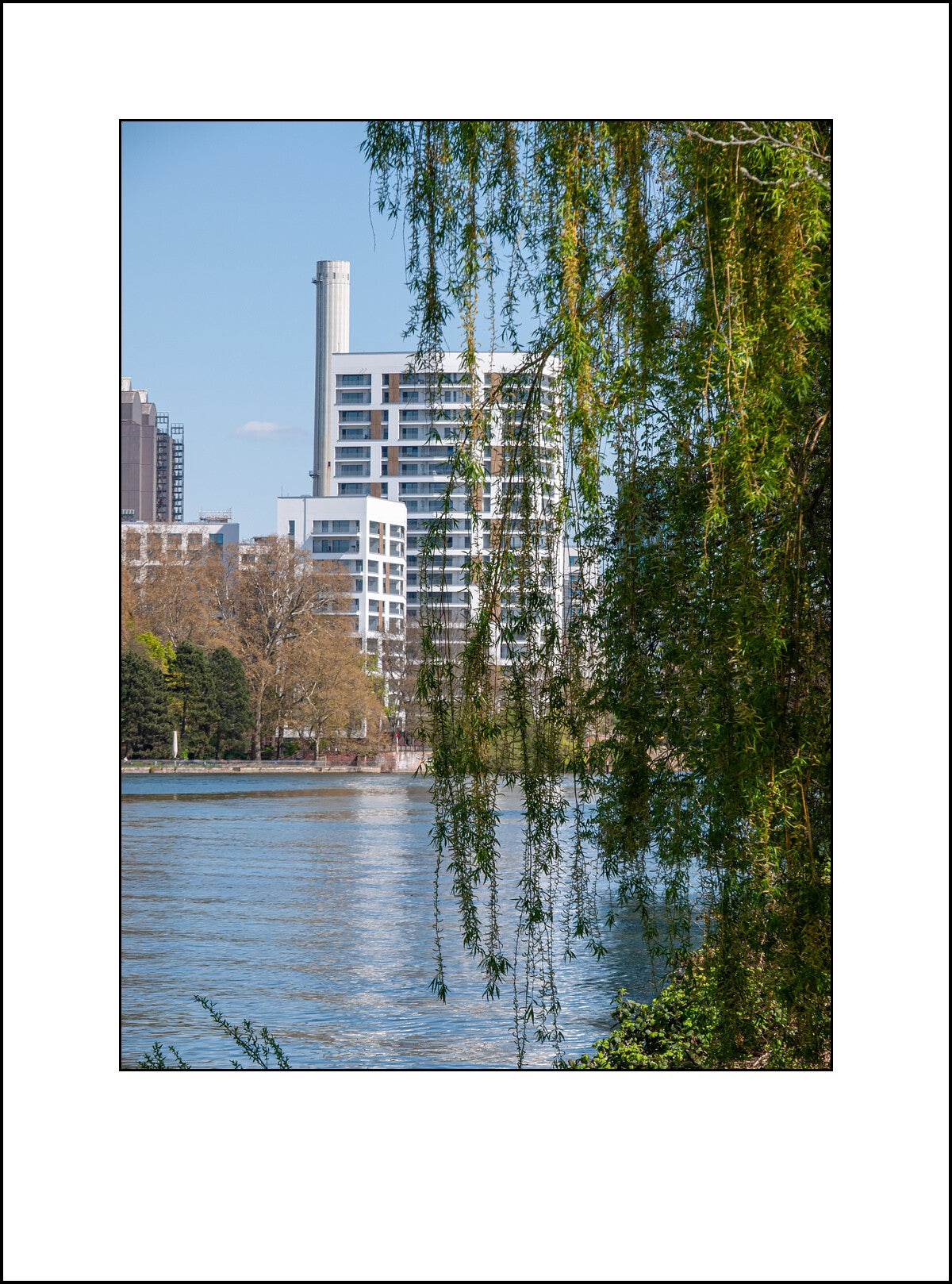
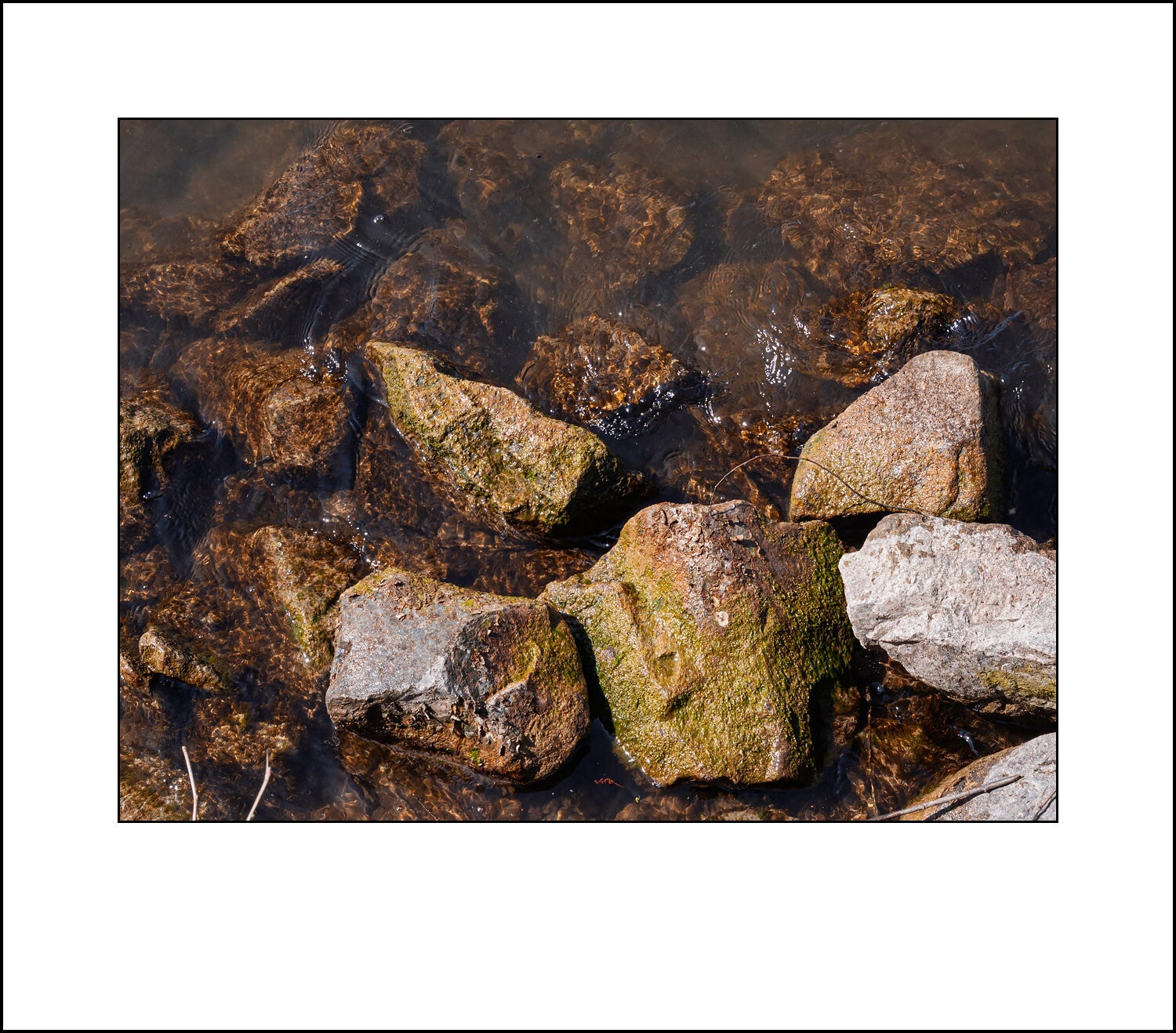
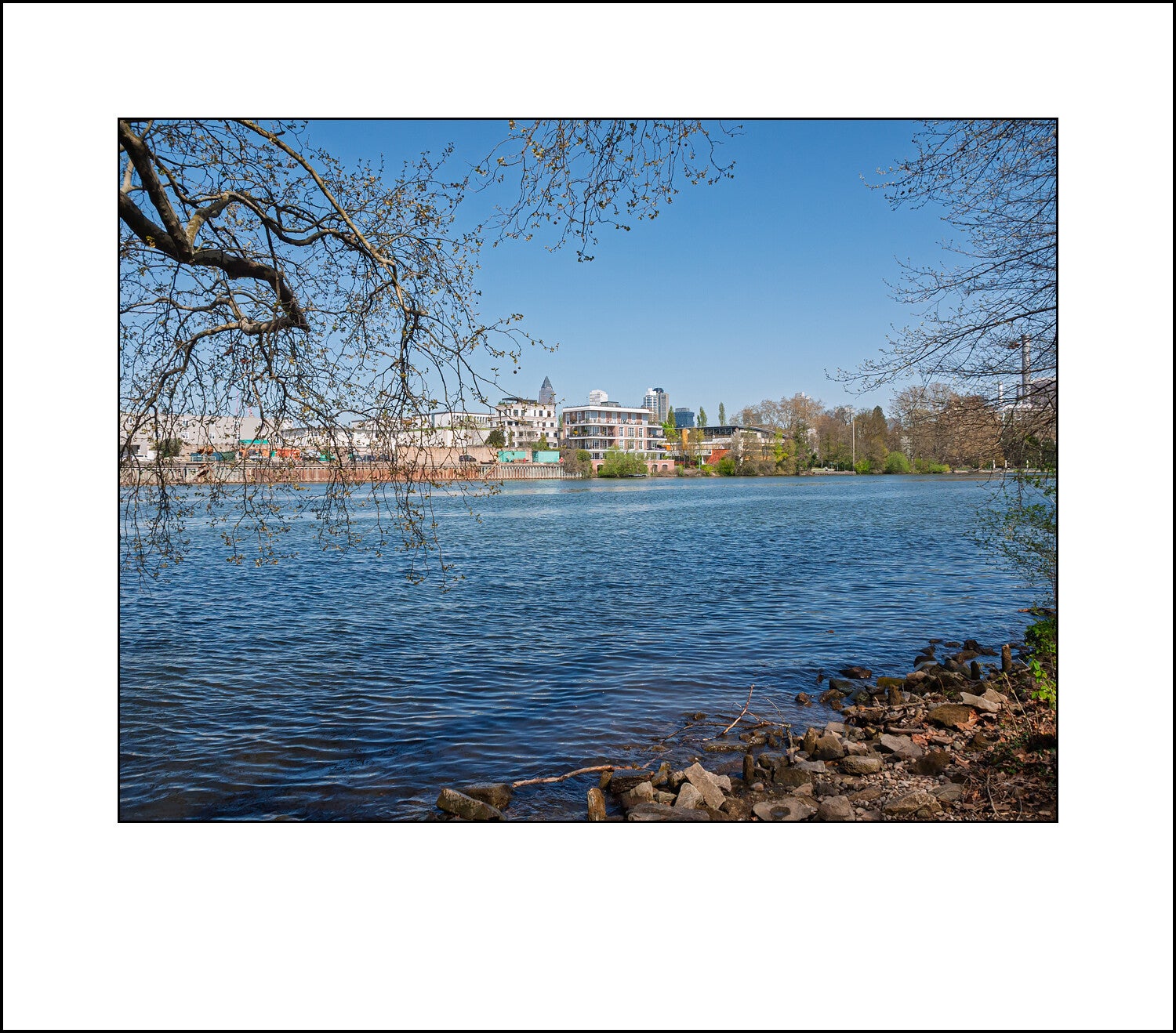
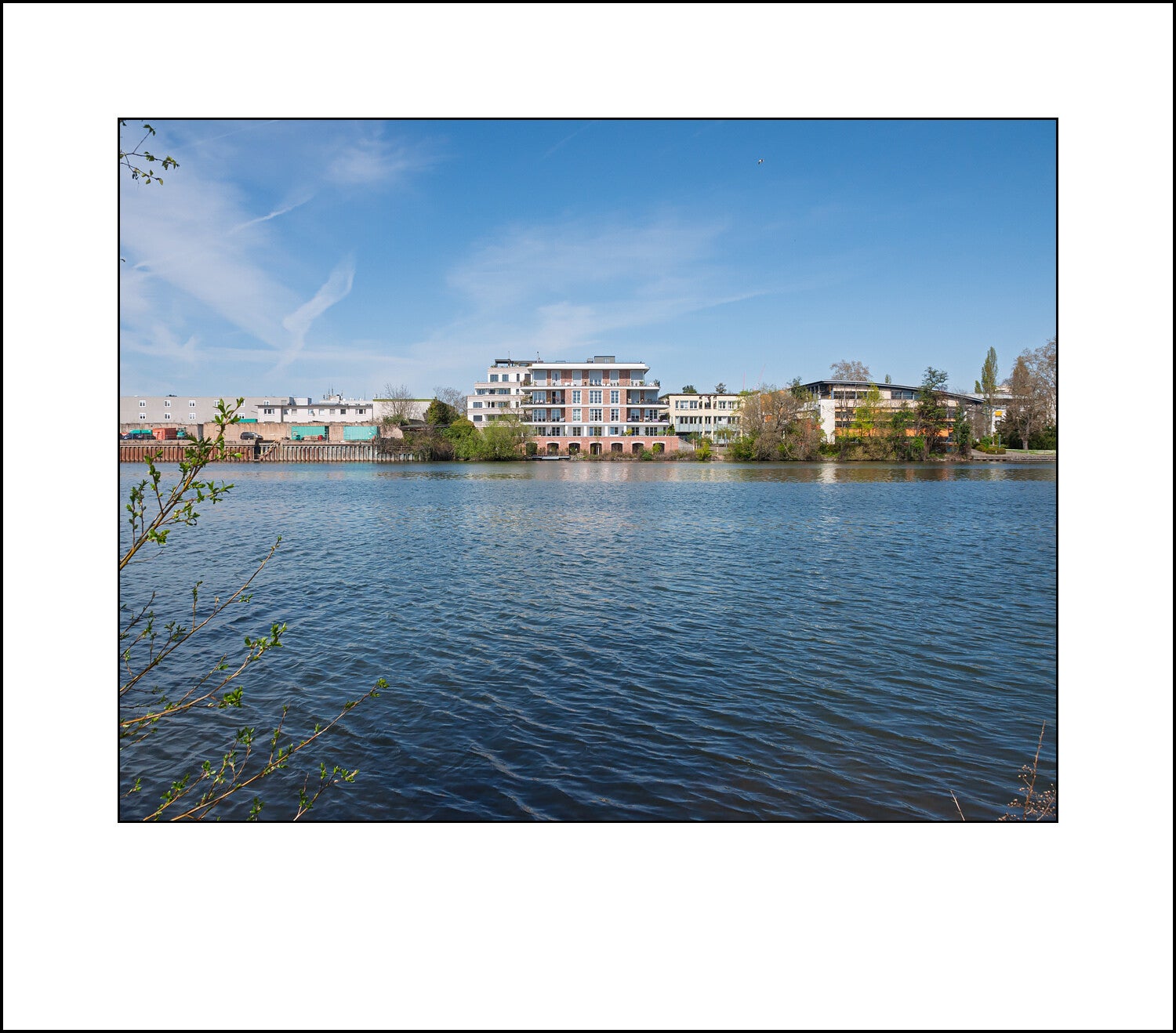
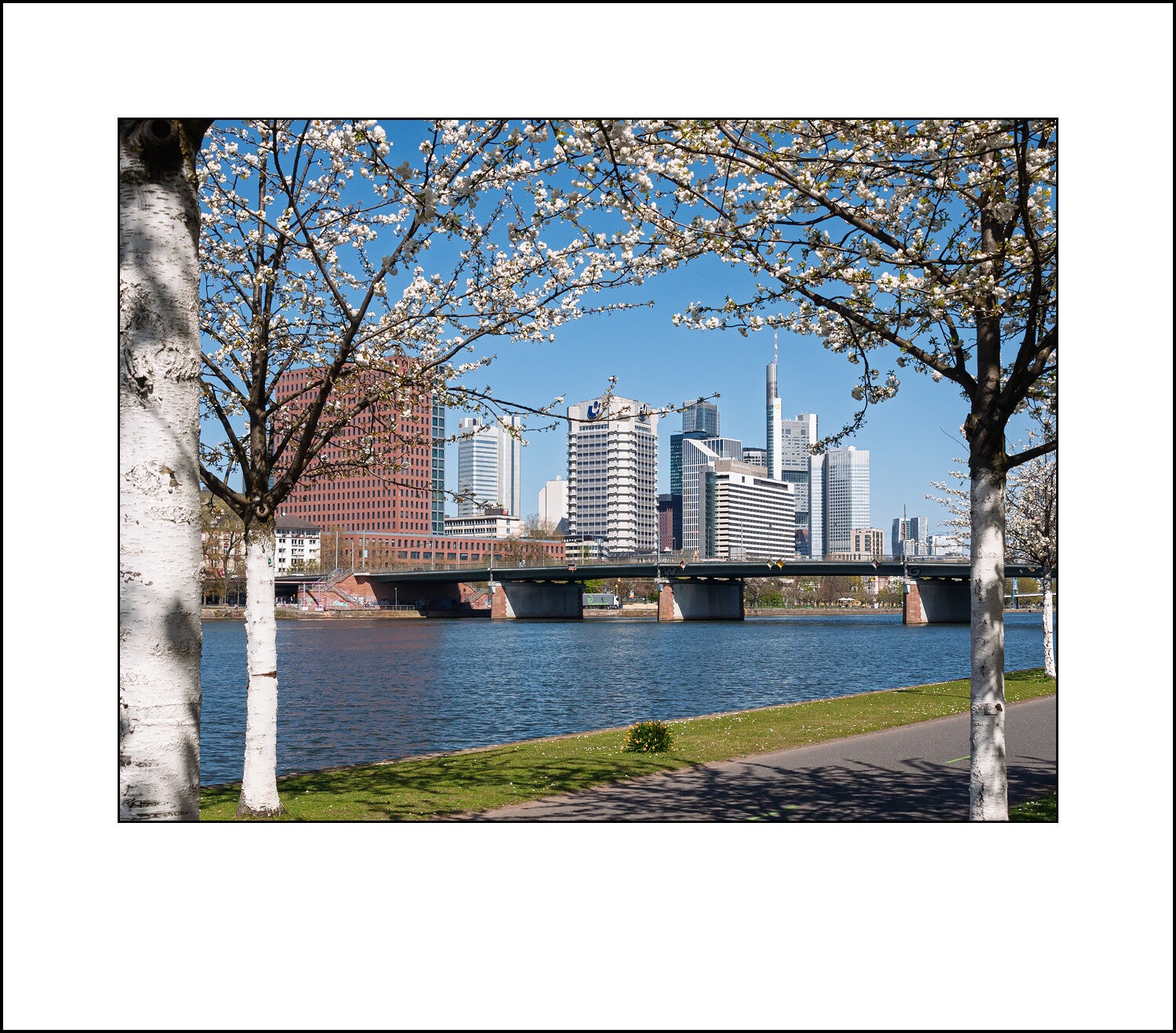
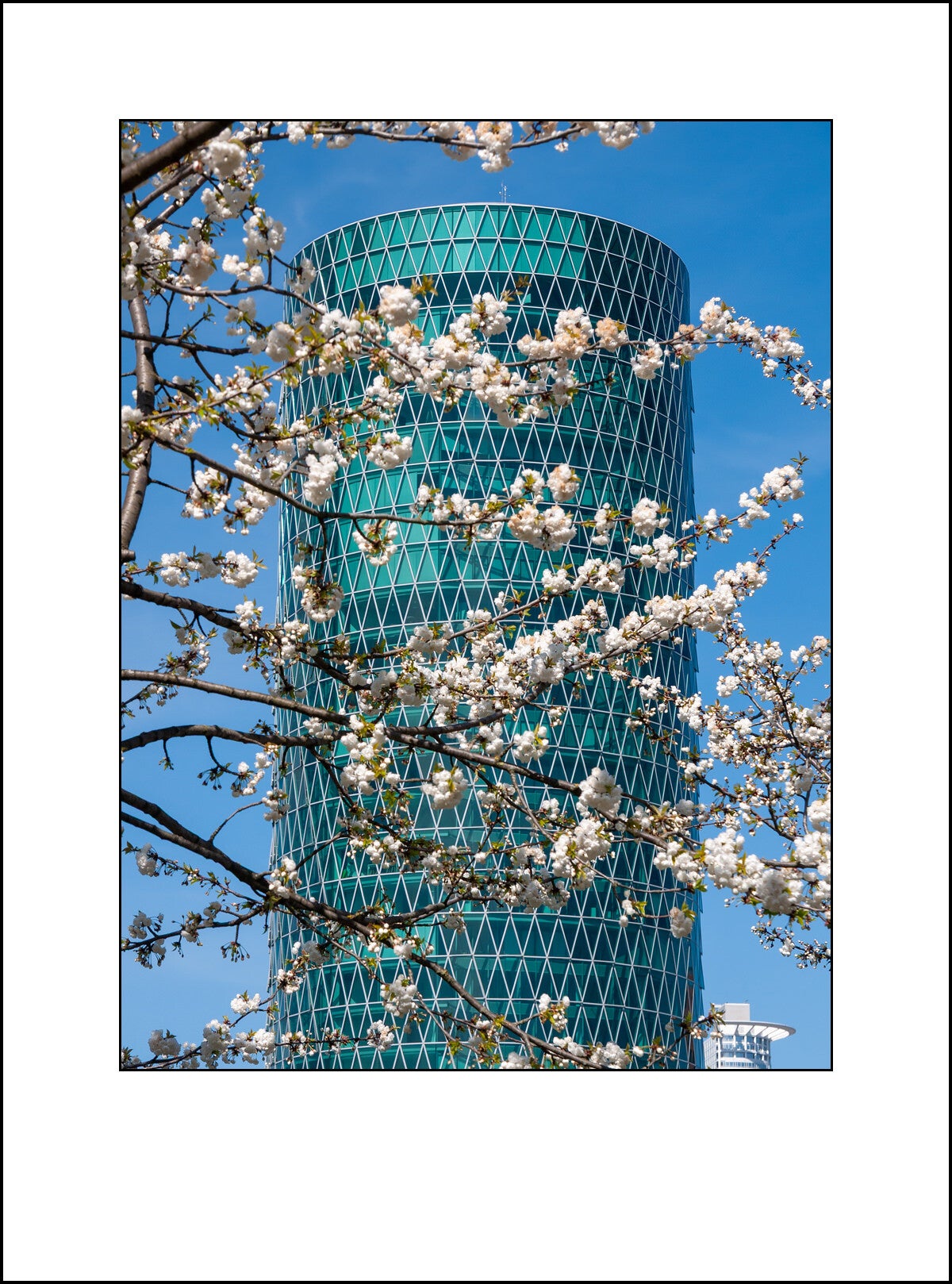
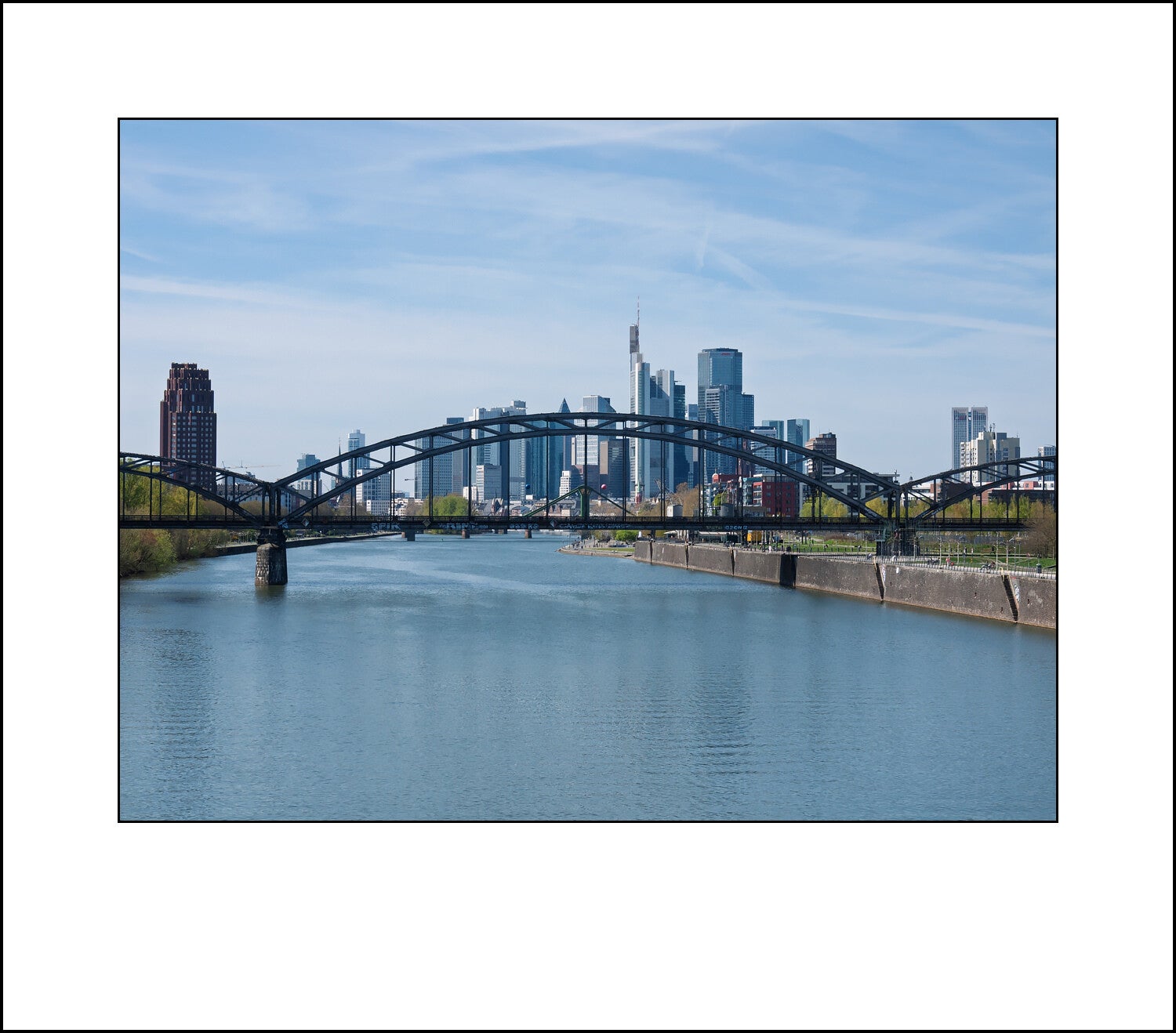
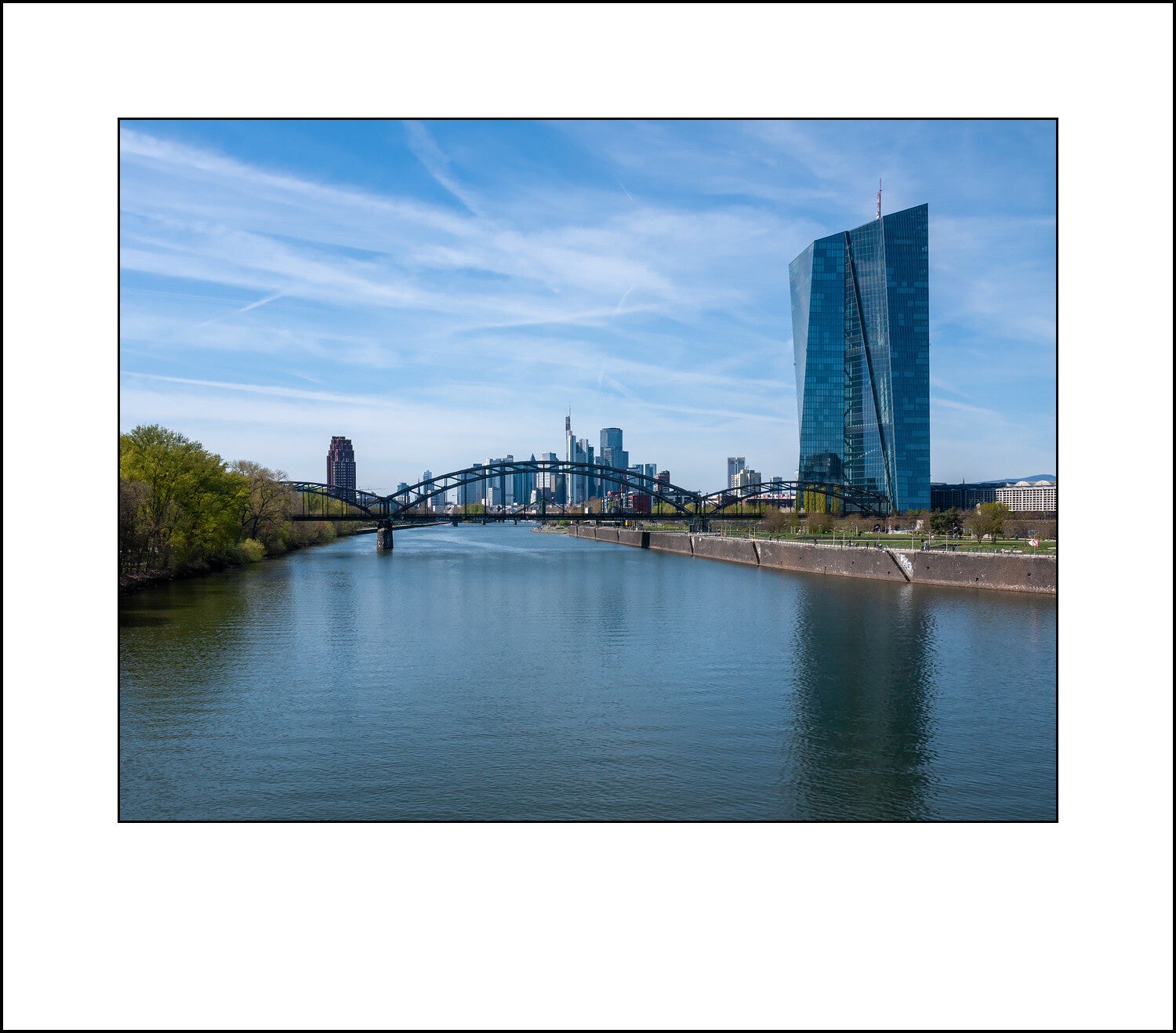
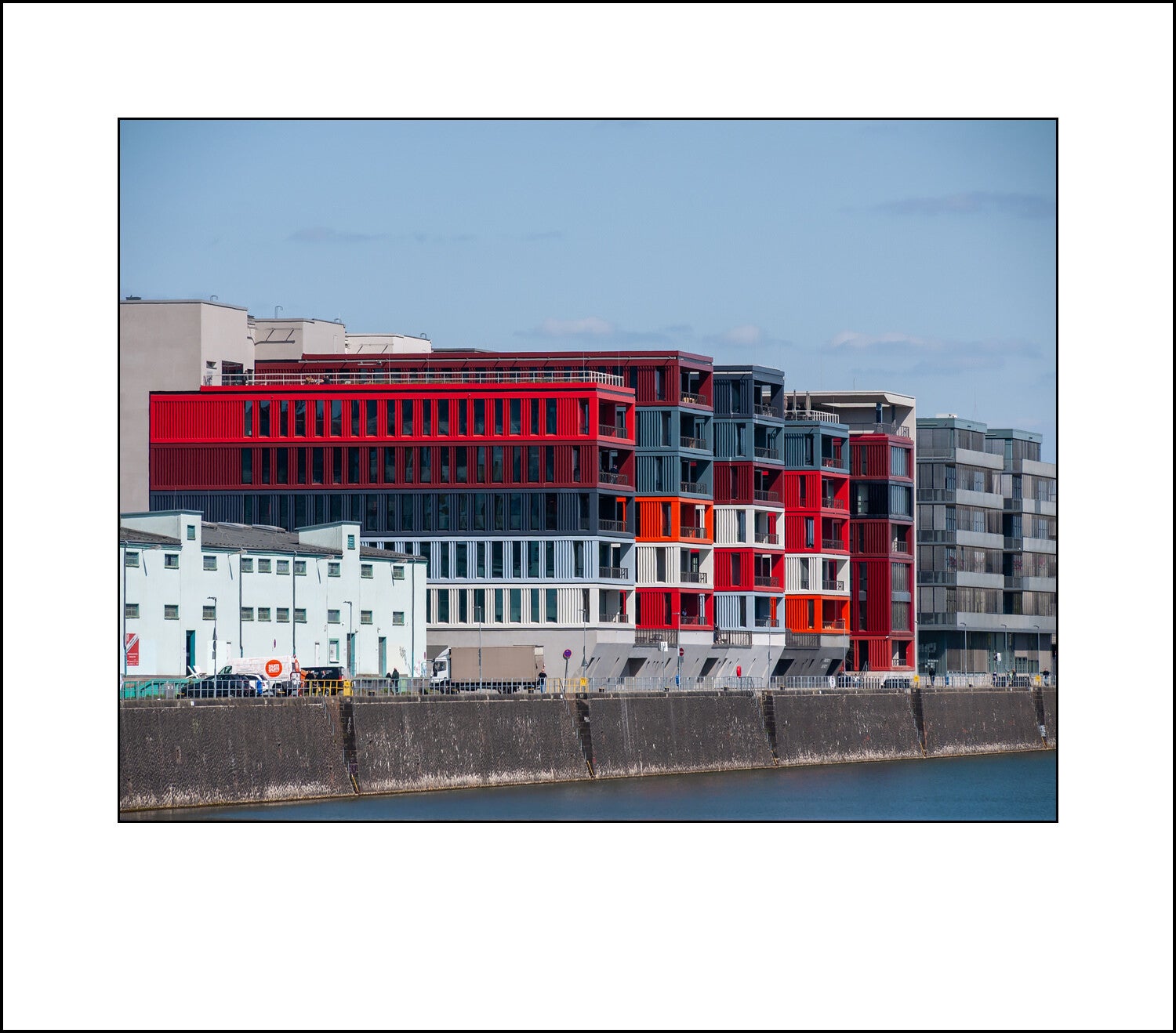
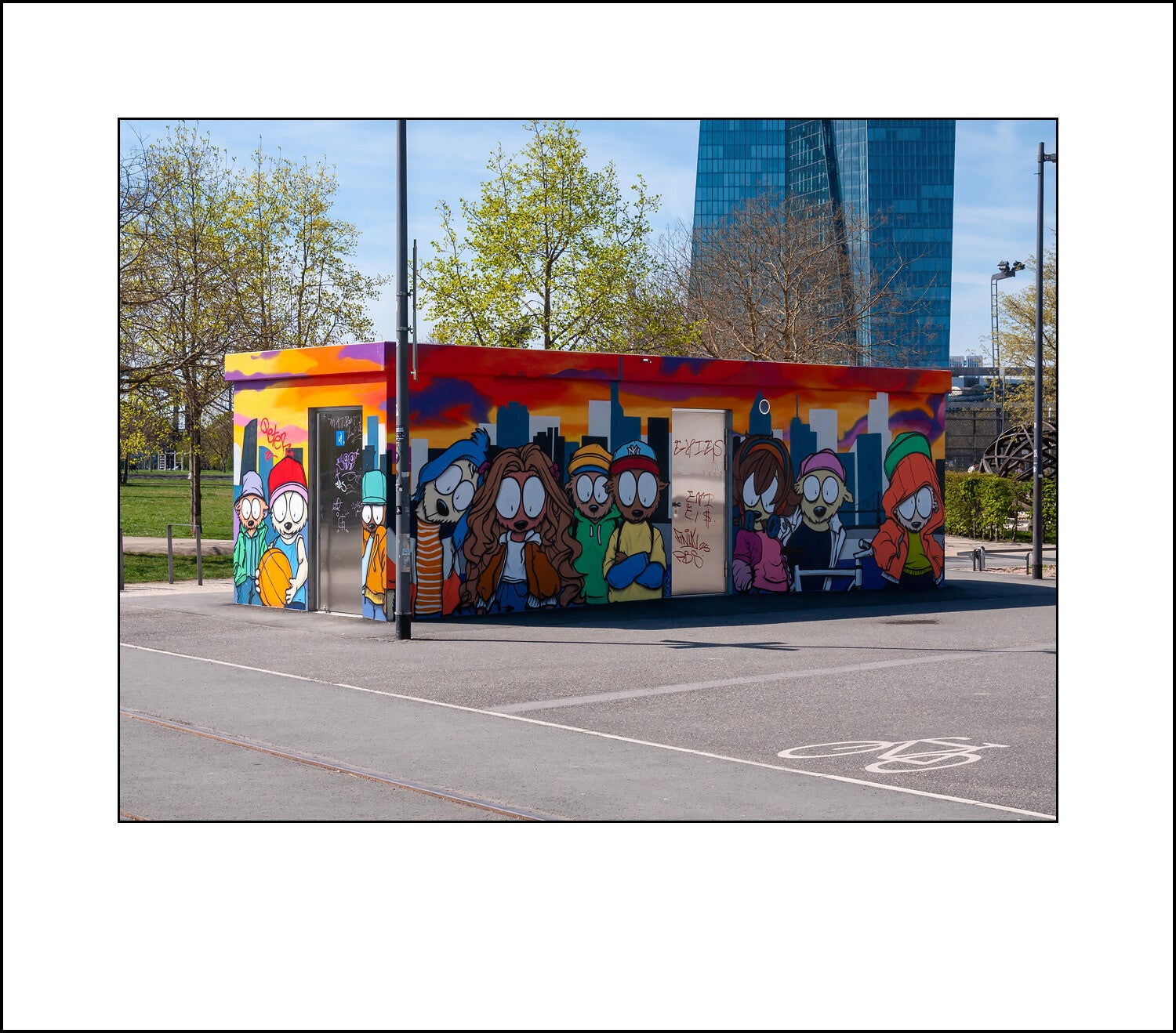
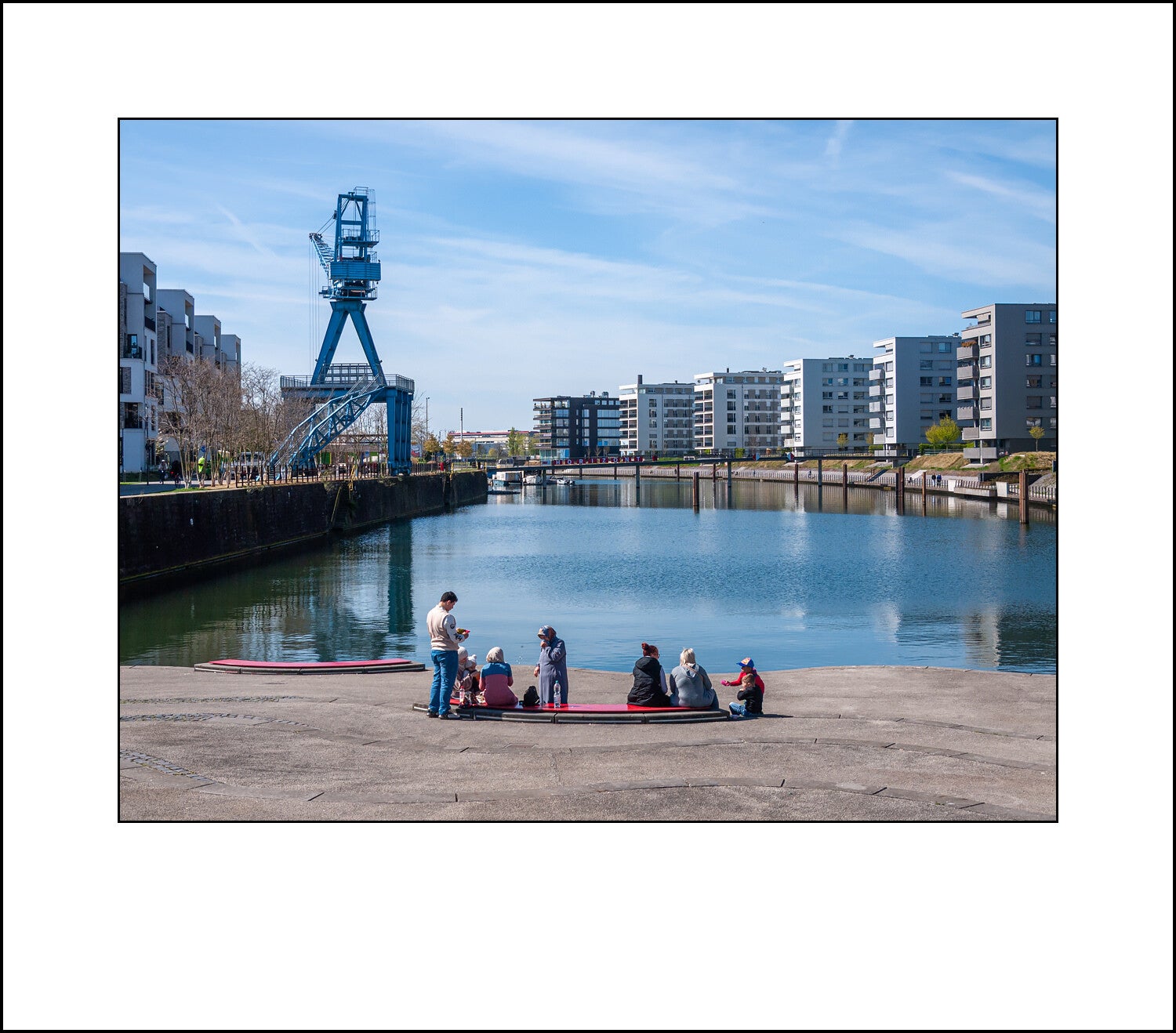
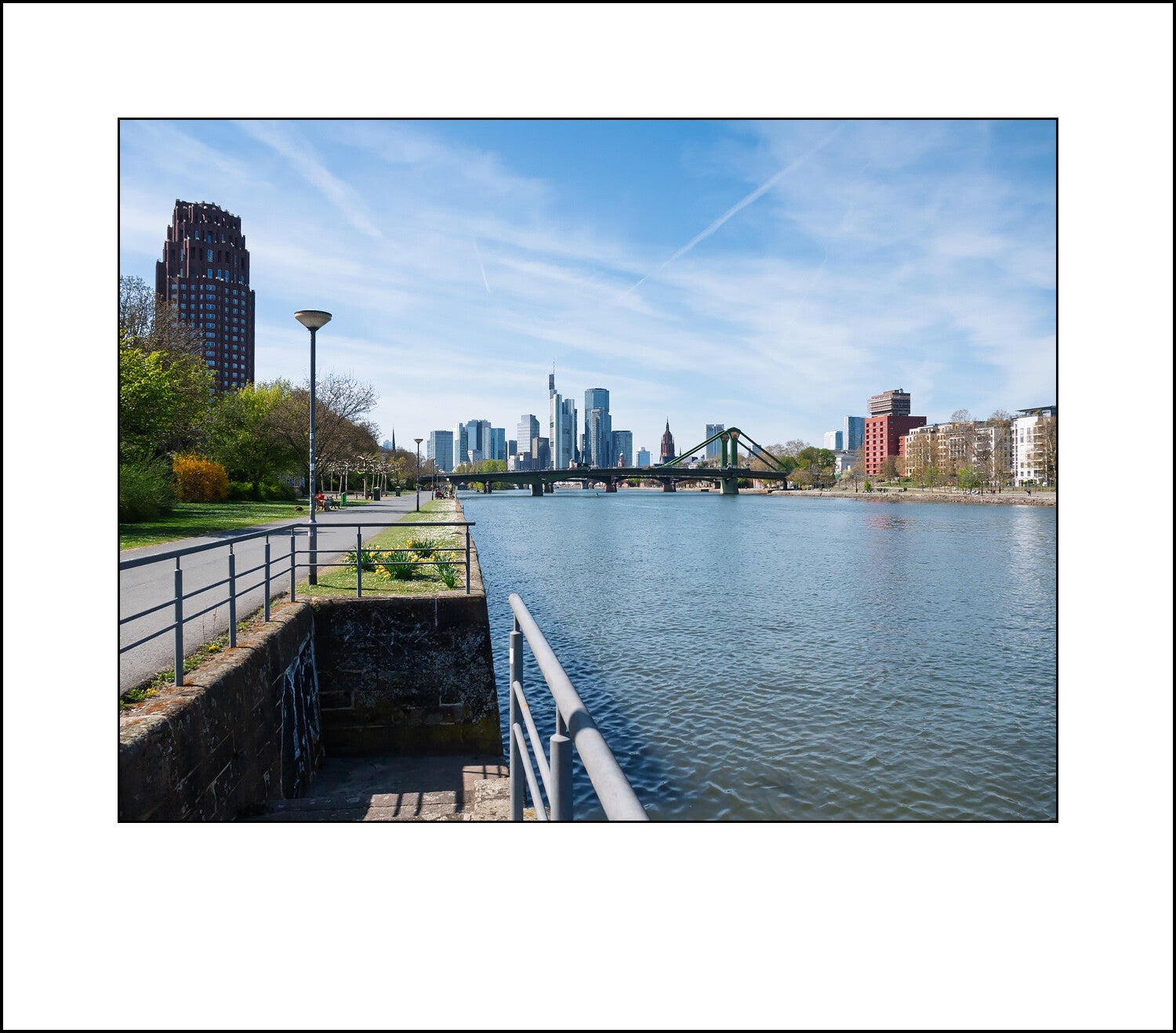
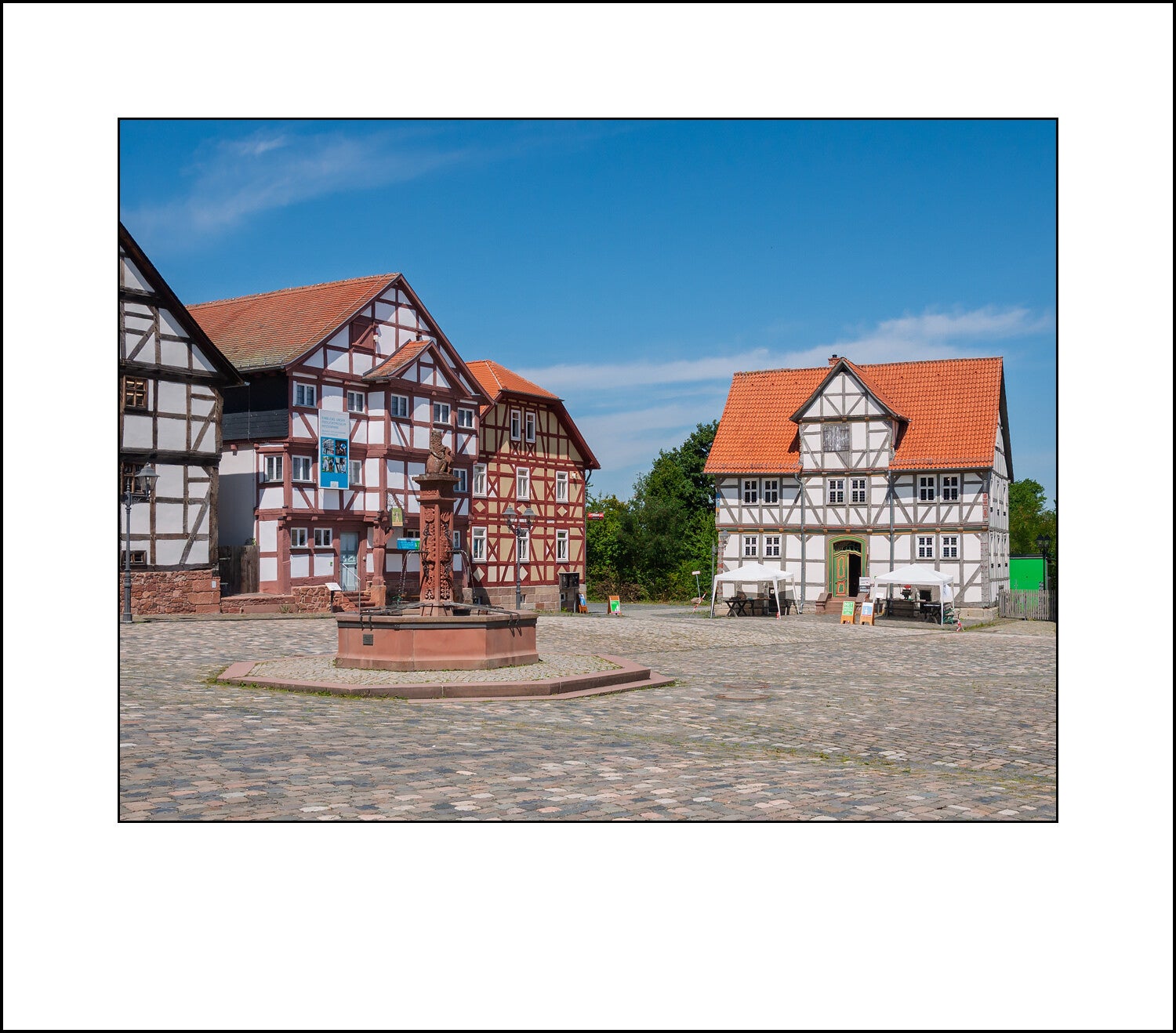
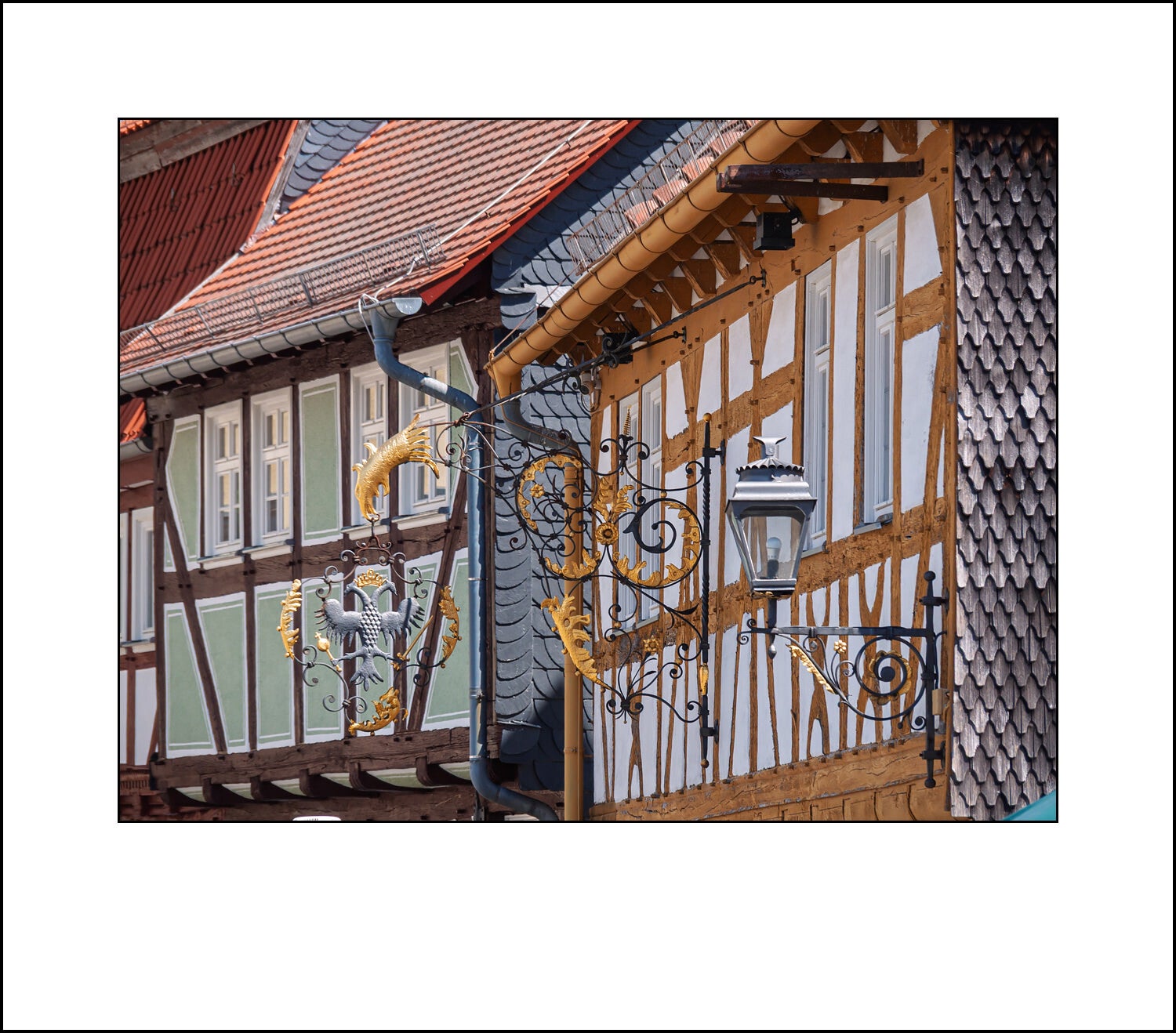
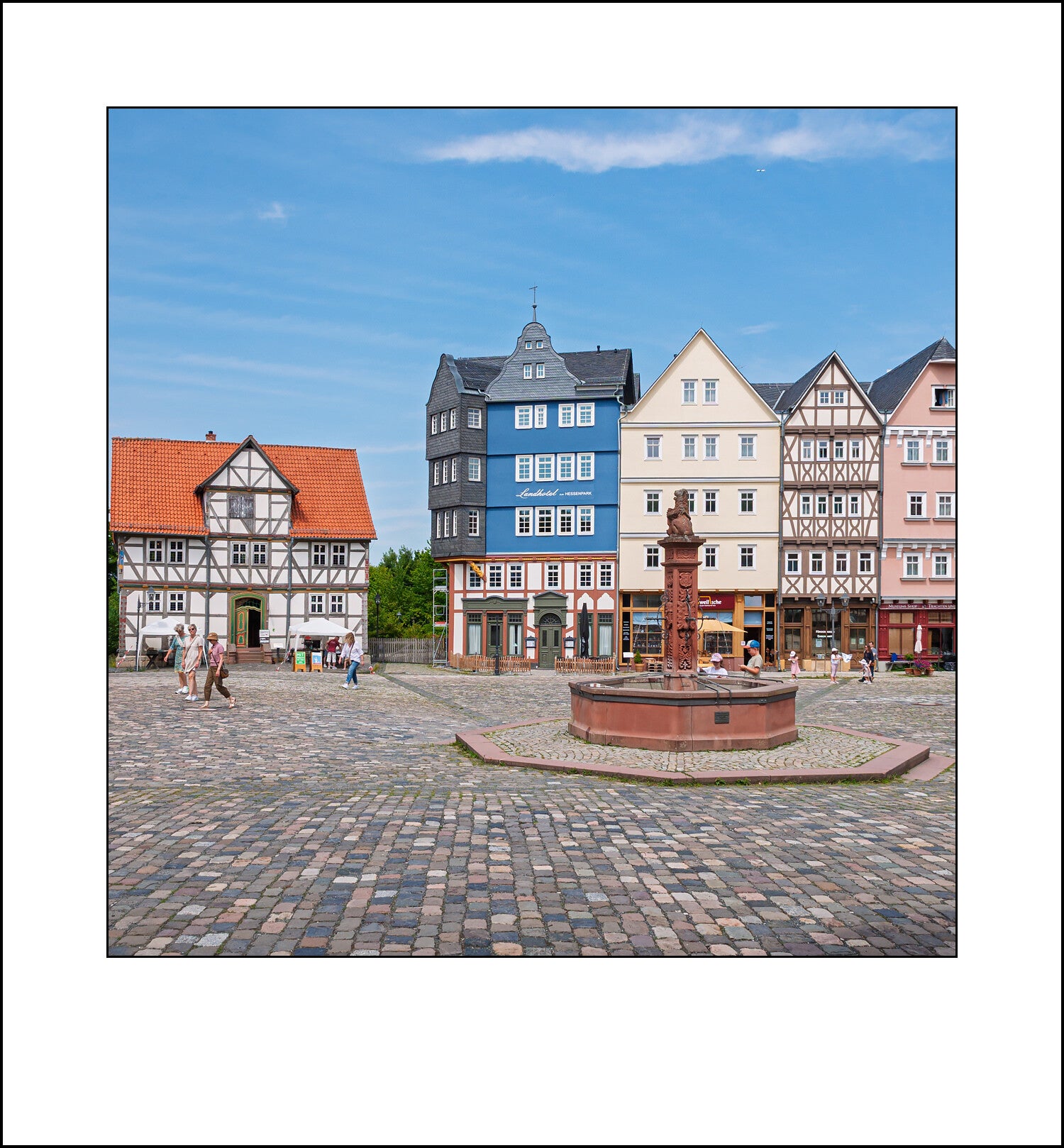
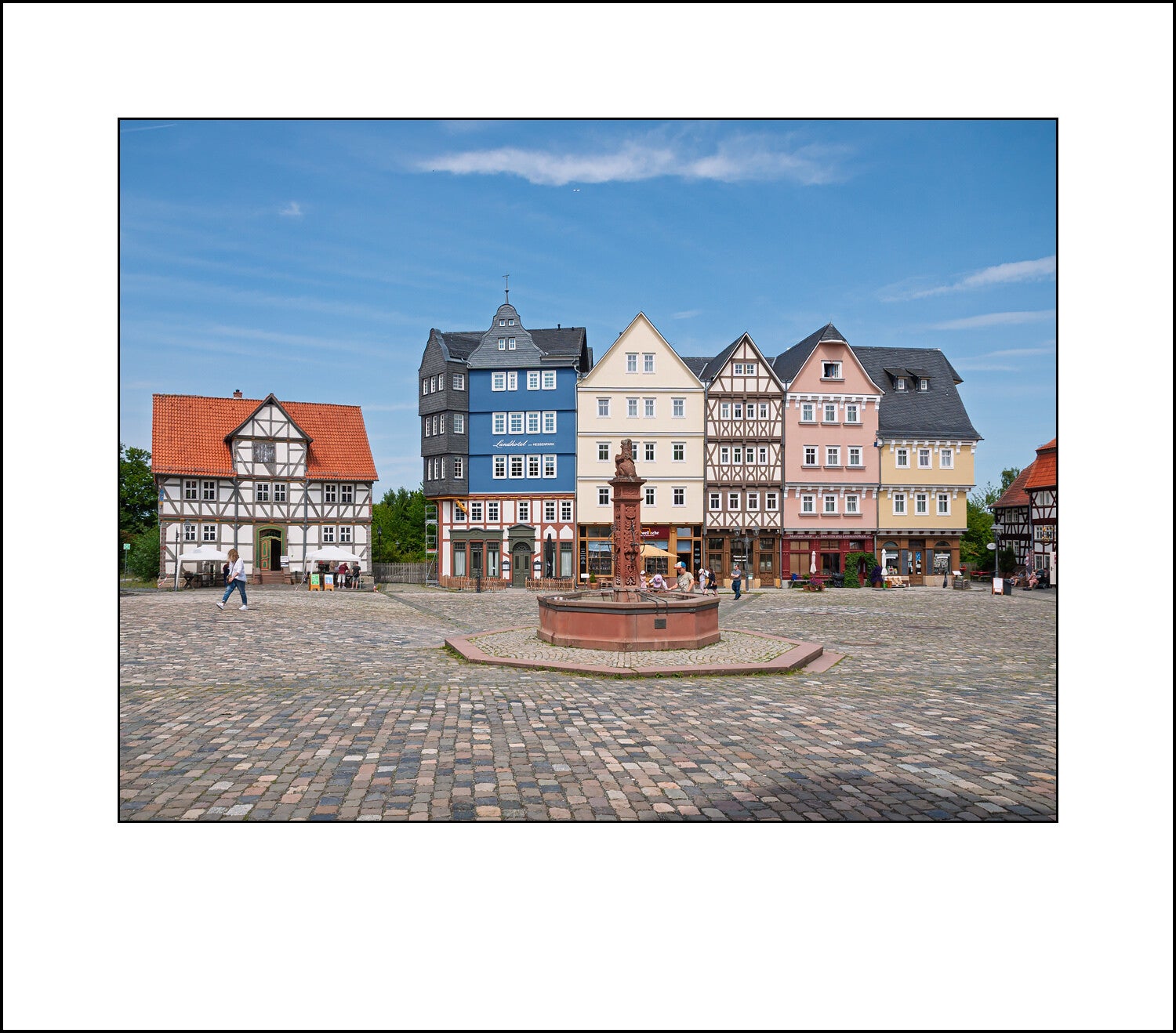
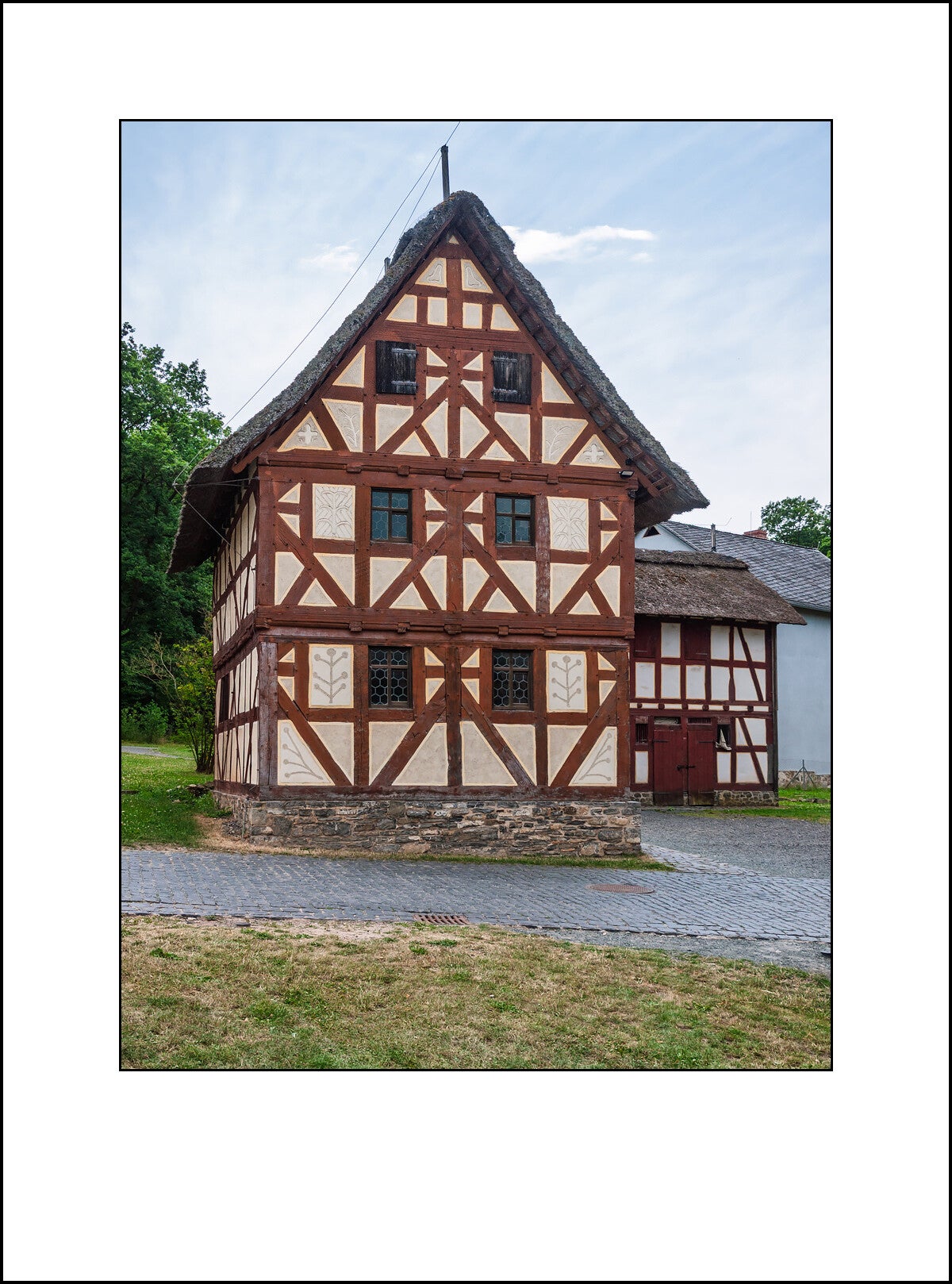
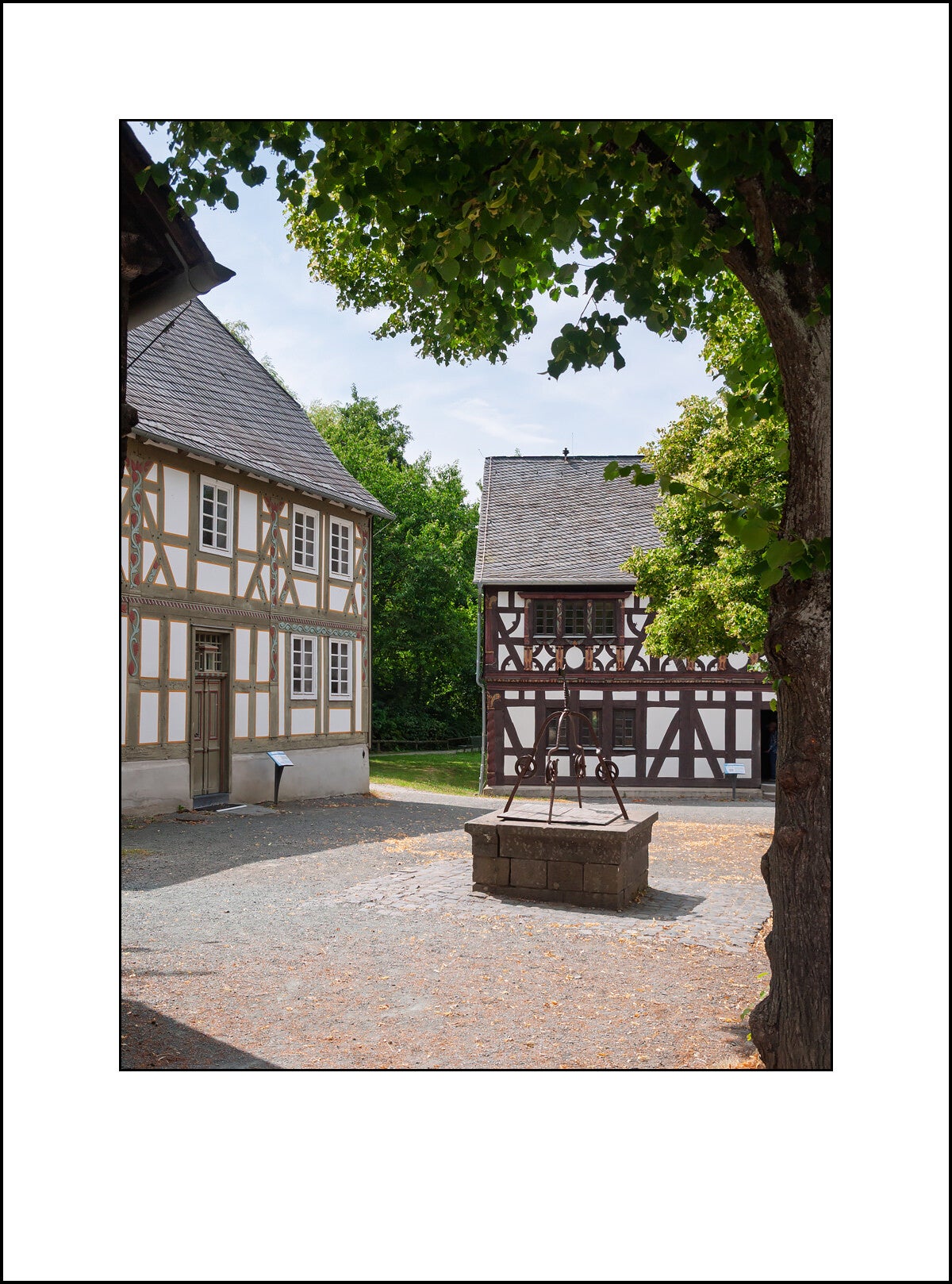
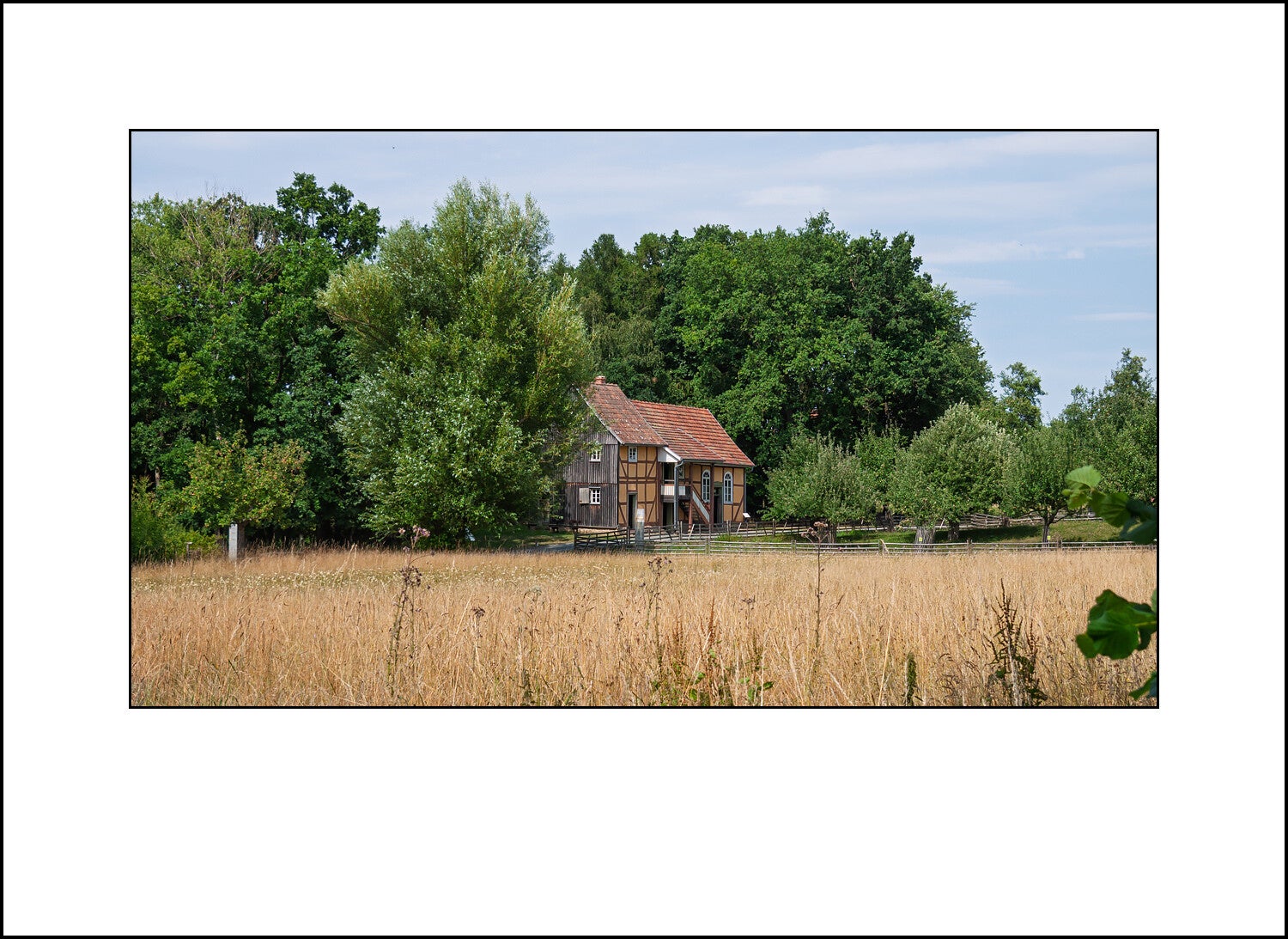
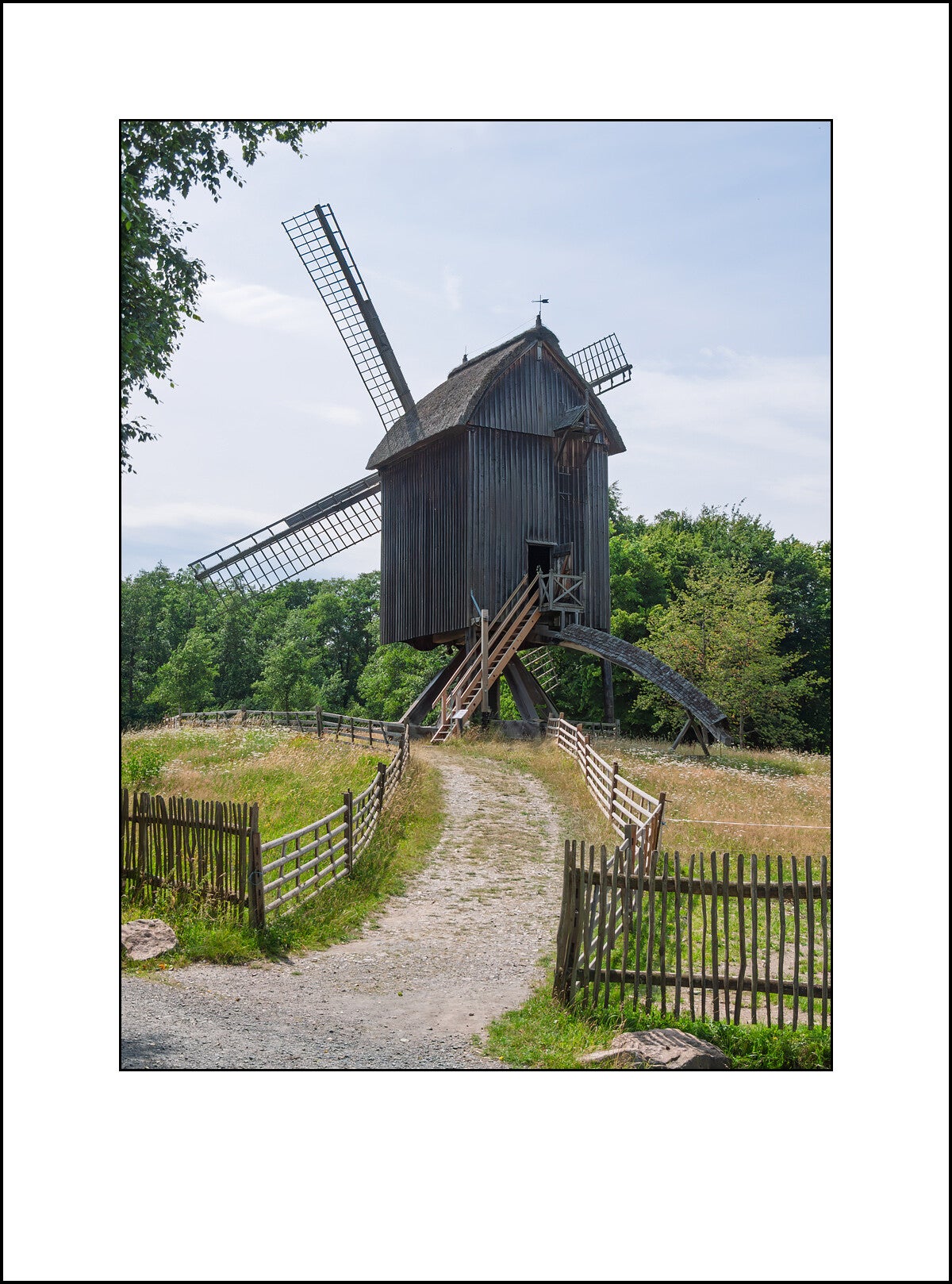
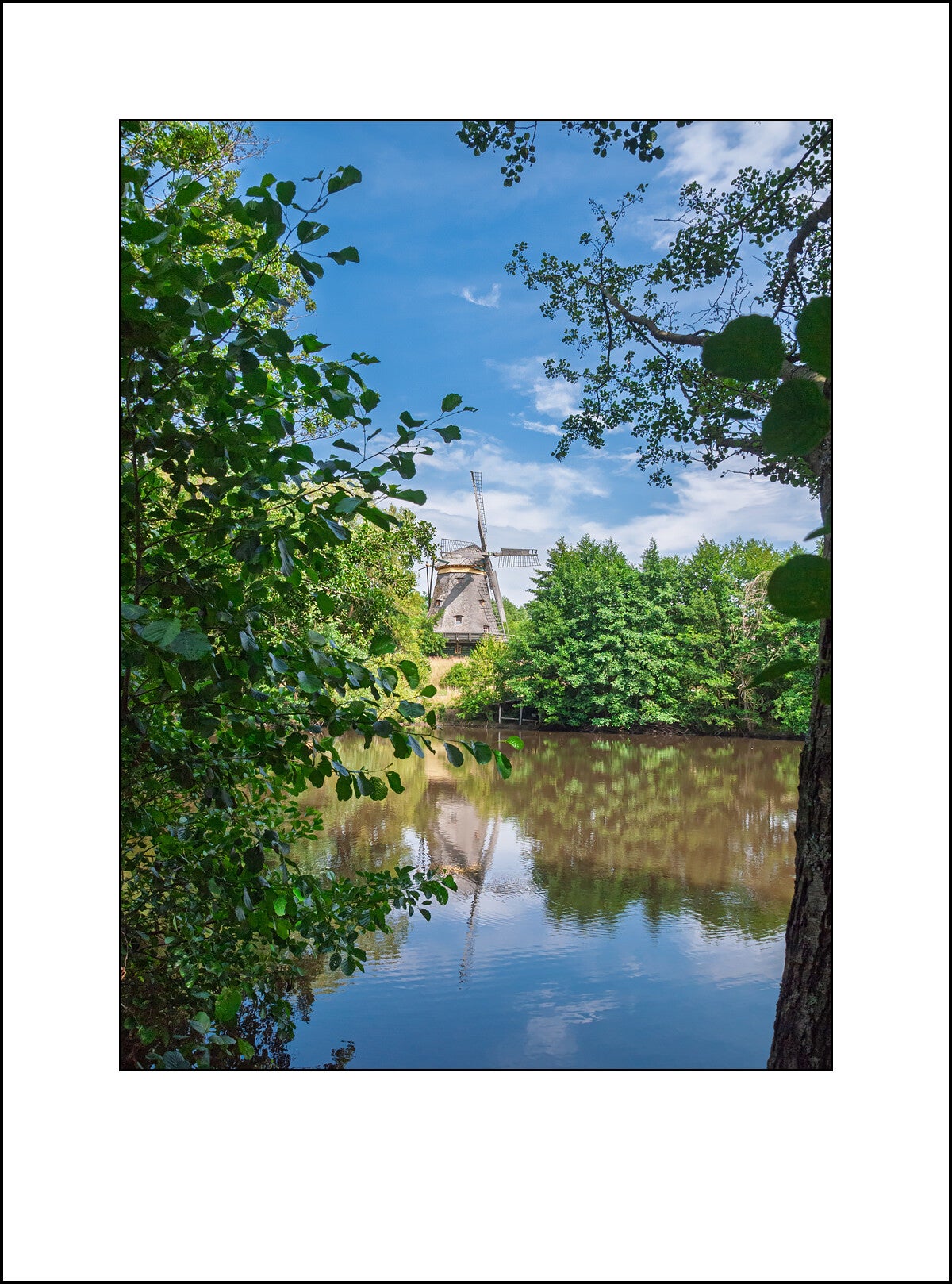
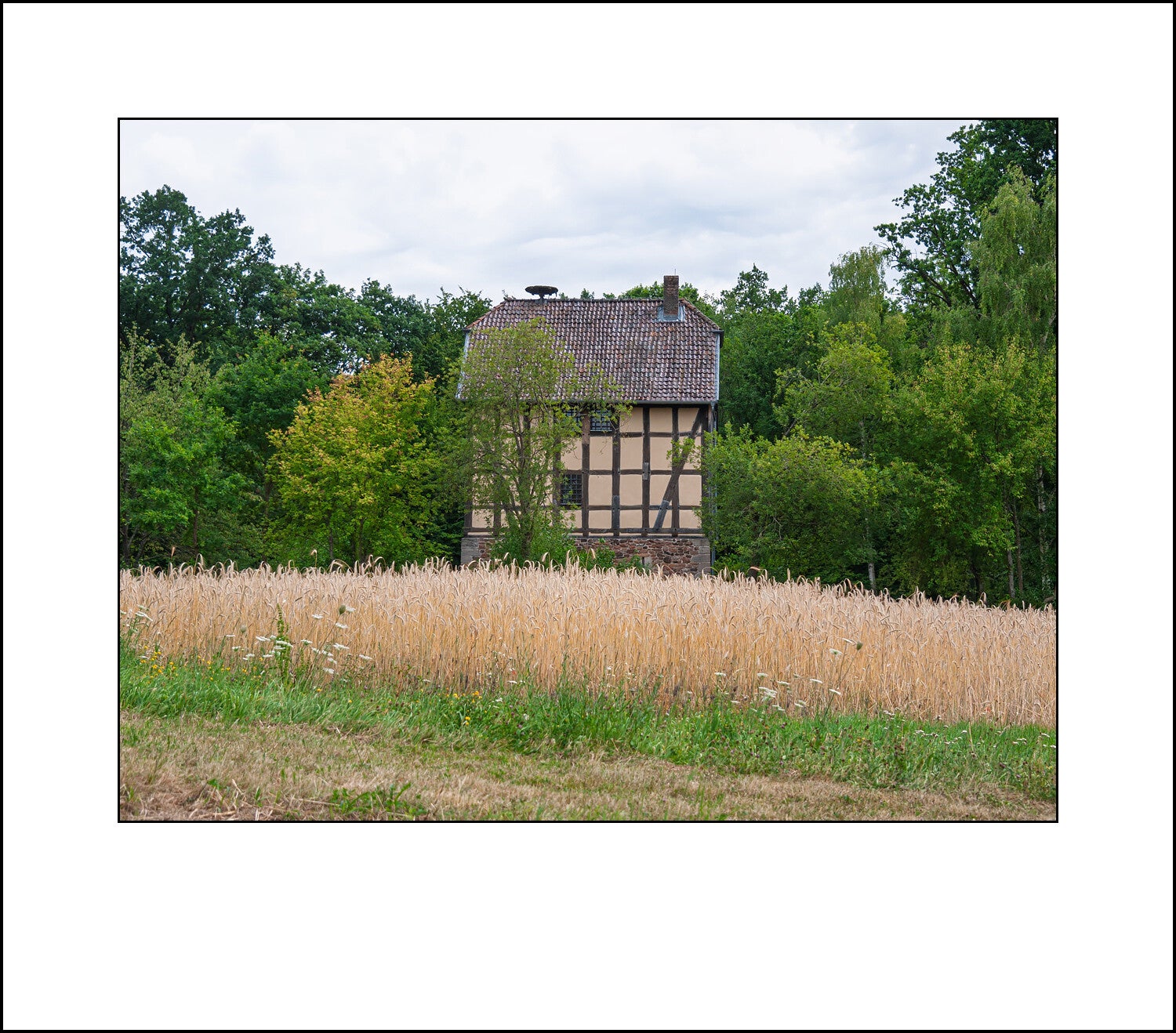
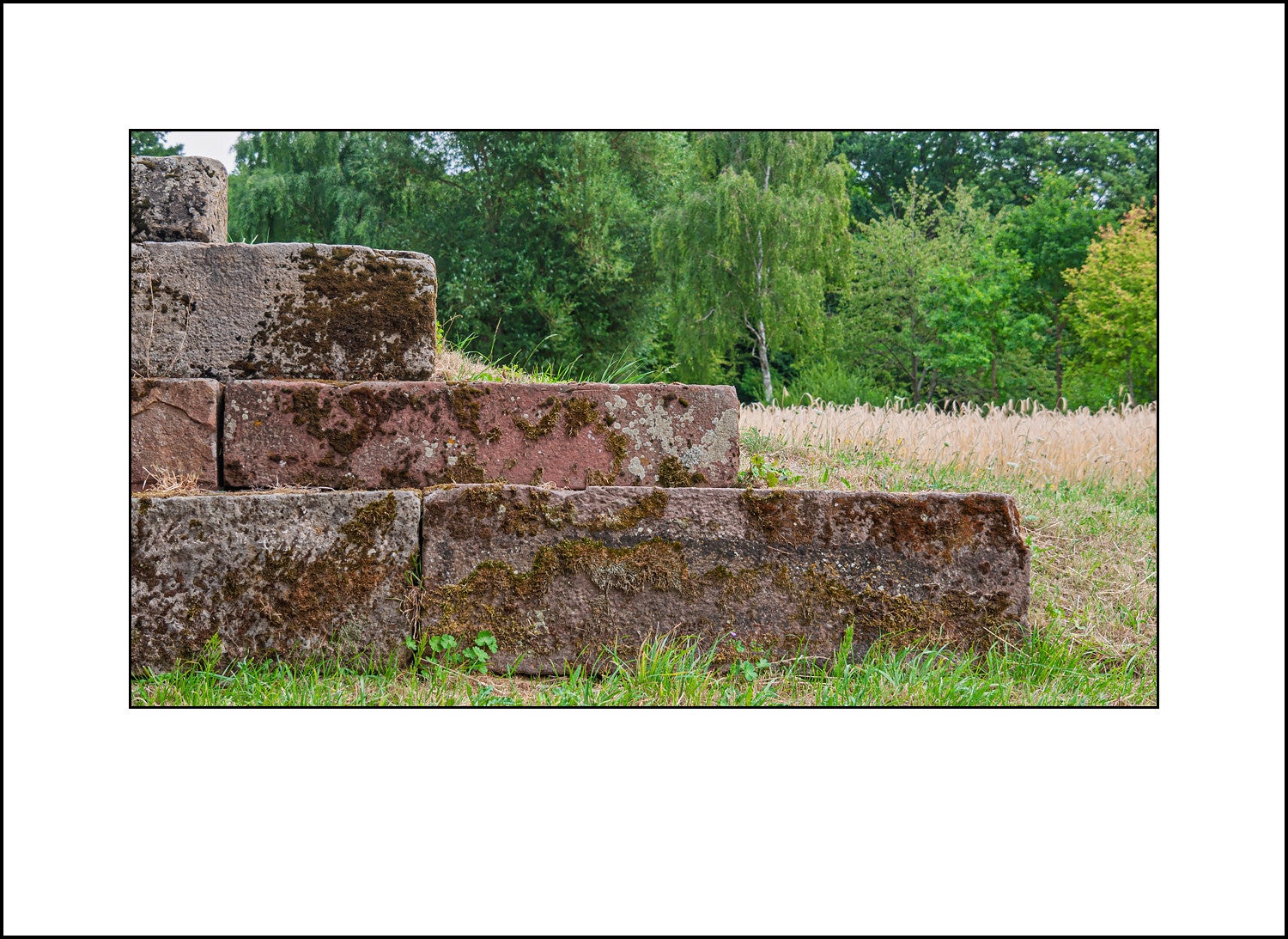
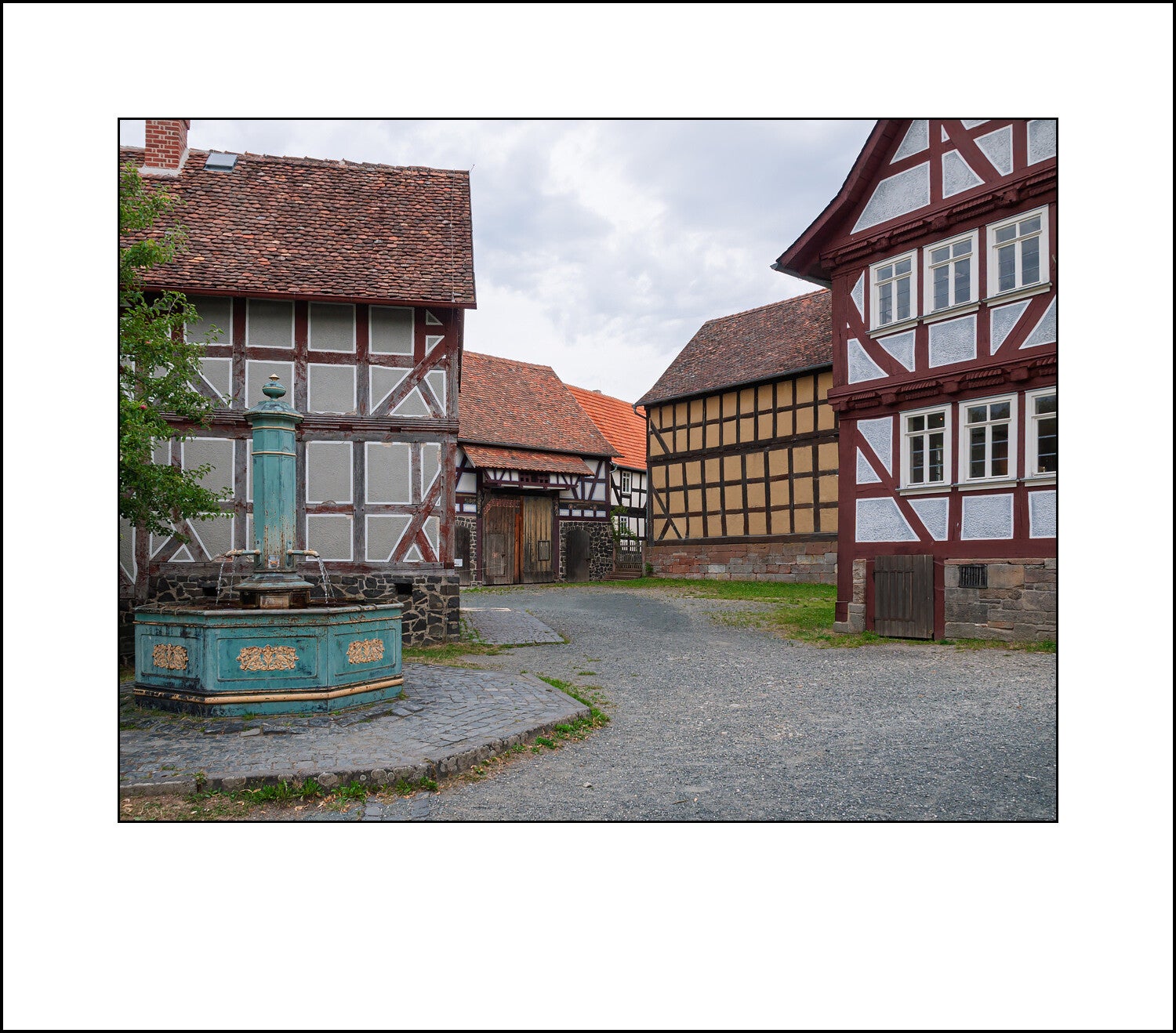
The following images were taken with the GF1 with the Panasonic 20 f1.7, the Olympus 17 f2.8, the Panasonic 14-45 f3.5-5.6 or the Olympus 14-150 f4.0-5.6 mounted. I think they show how good this camera can be.
Panasonic 20 f1.7 Lens
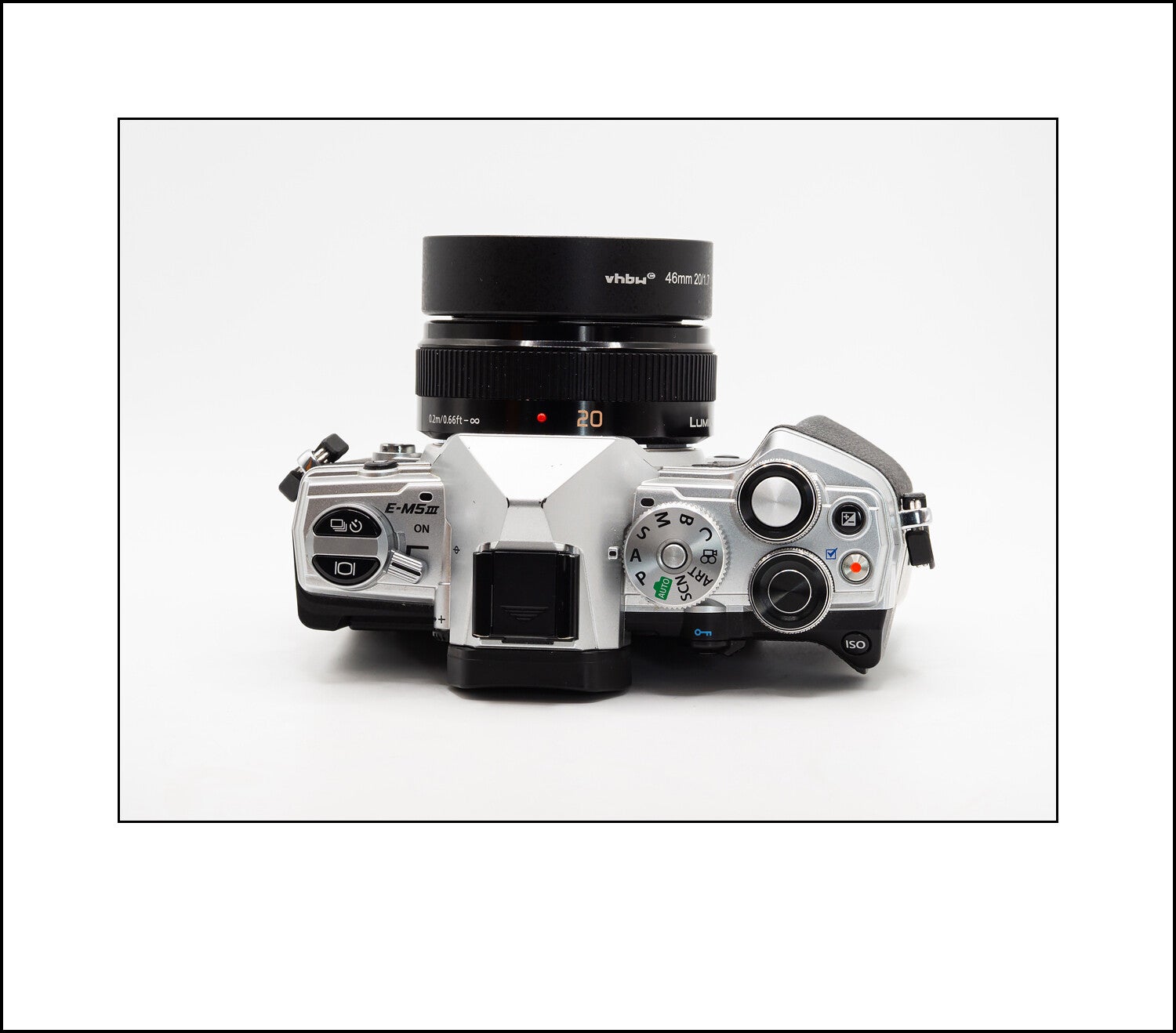
Above: The Panasonic 20 f1.7 mounted on the Olympus E-M5iii
A small gallery of images from the GF1 and the Panasonic 20 f1.7












Olympus 17 f2.8
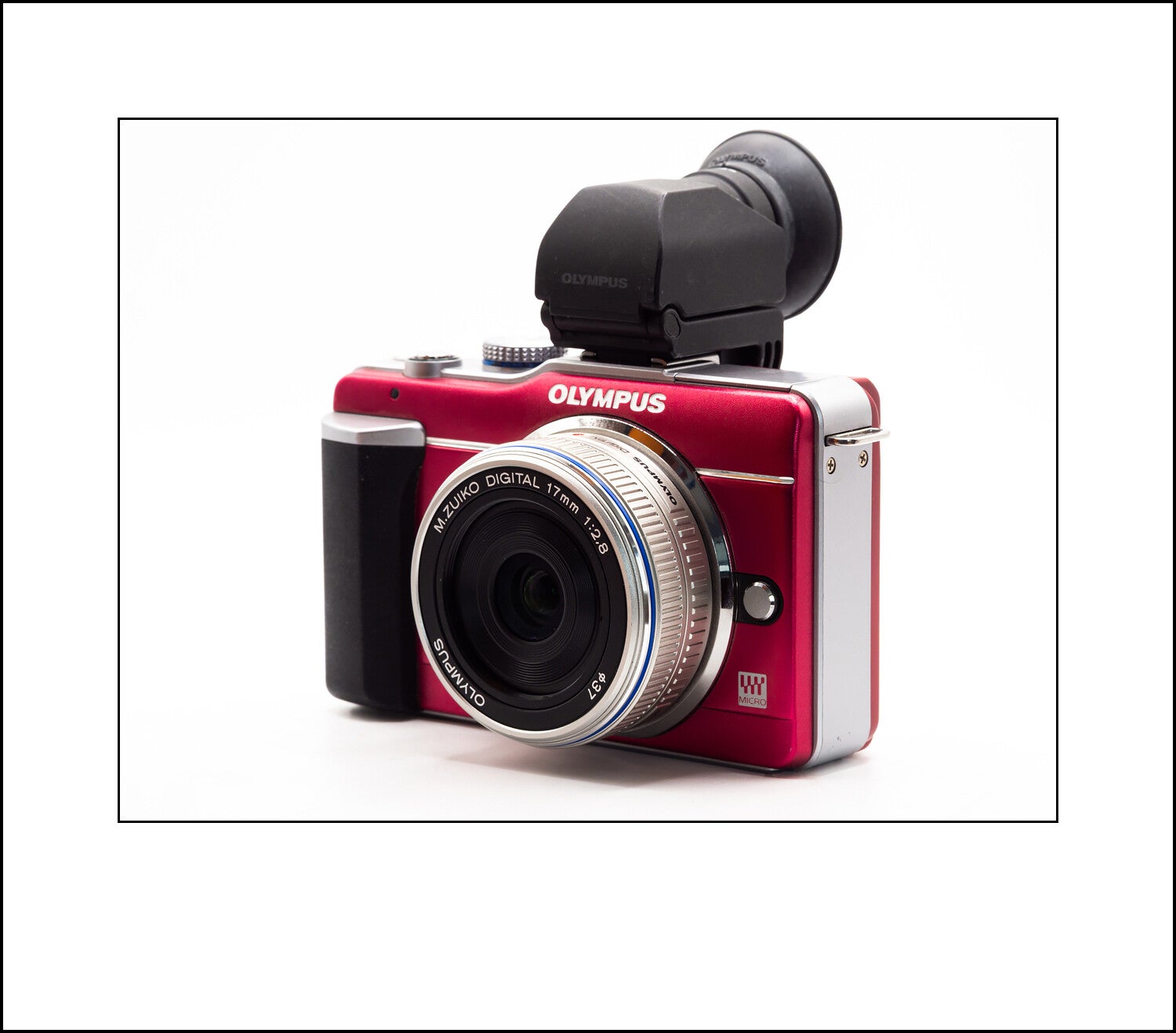
Above: Olympus E-PL1 and the Olympus 17 f2.8
A small gallery of images from the Panasonic GF1 and Olympus 17 f2.8

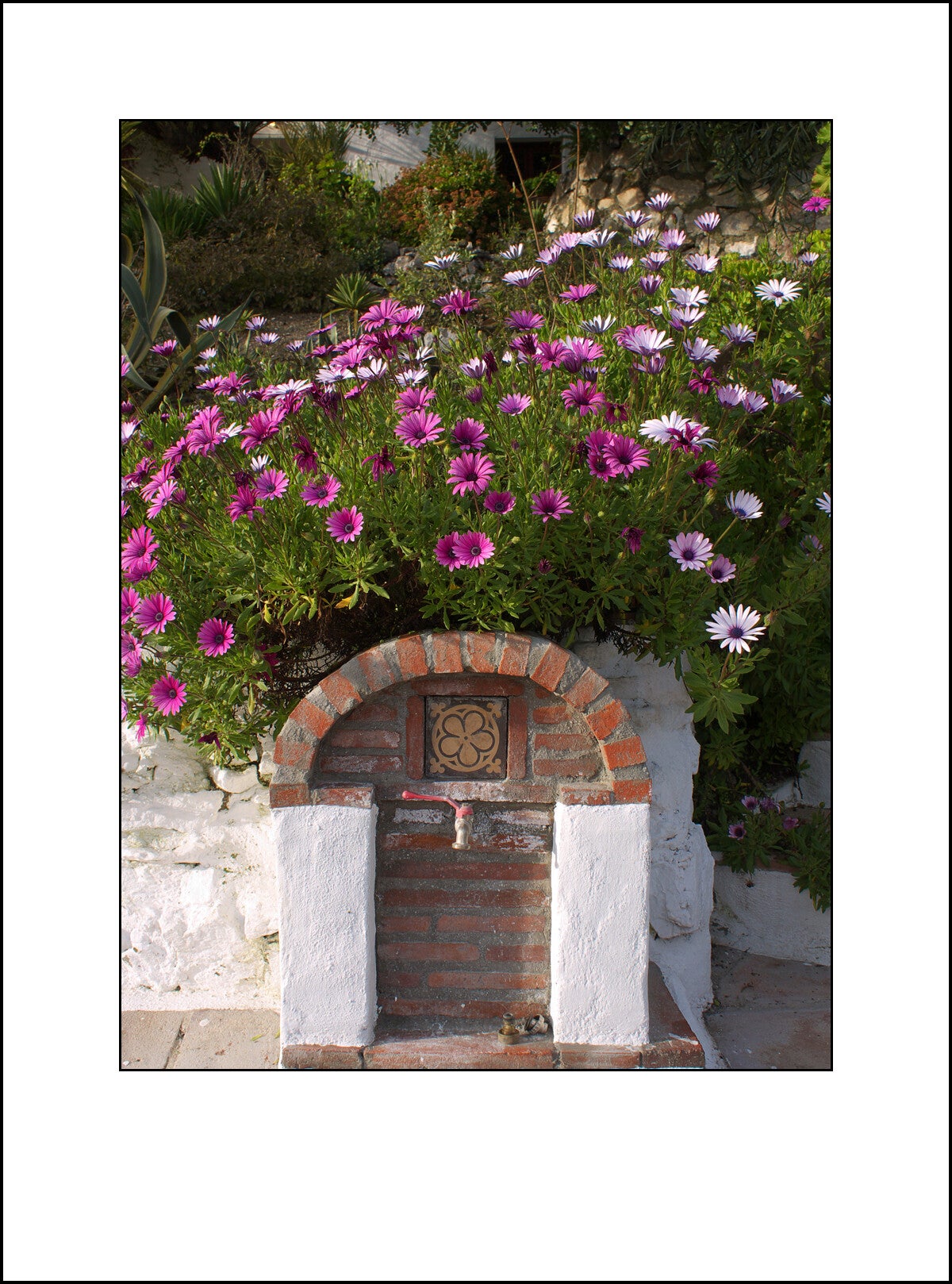
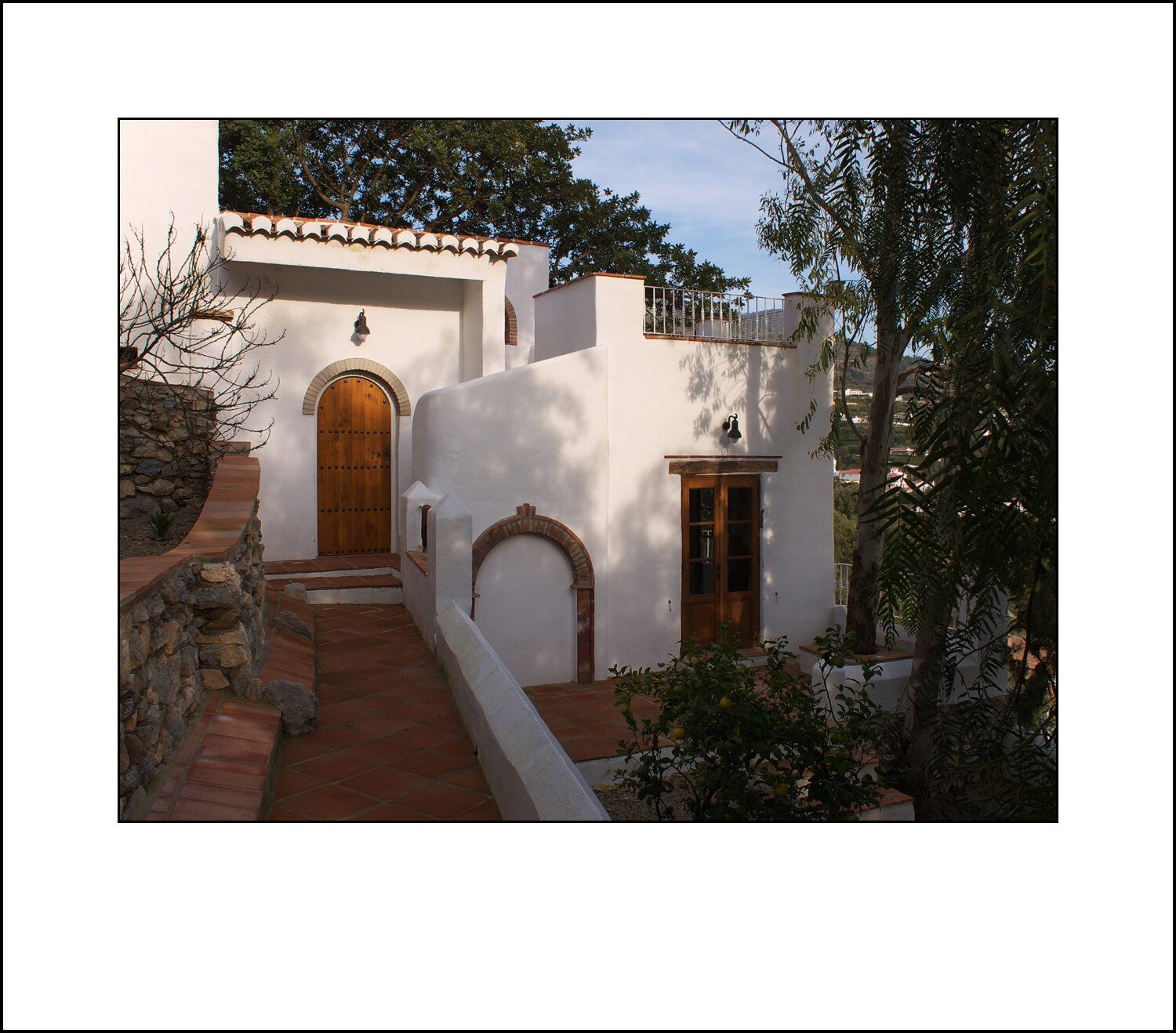
Panasonic 14-45 f3.5-5.6
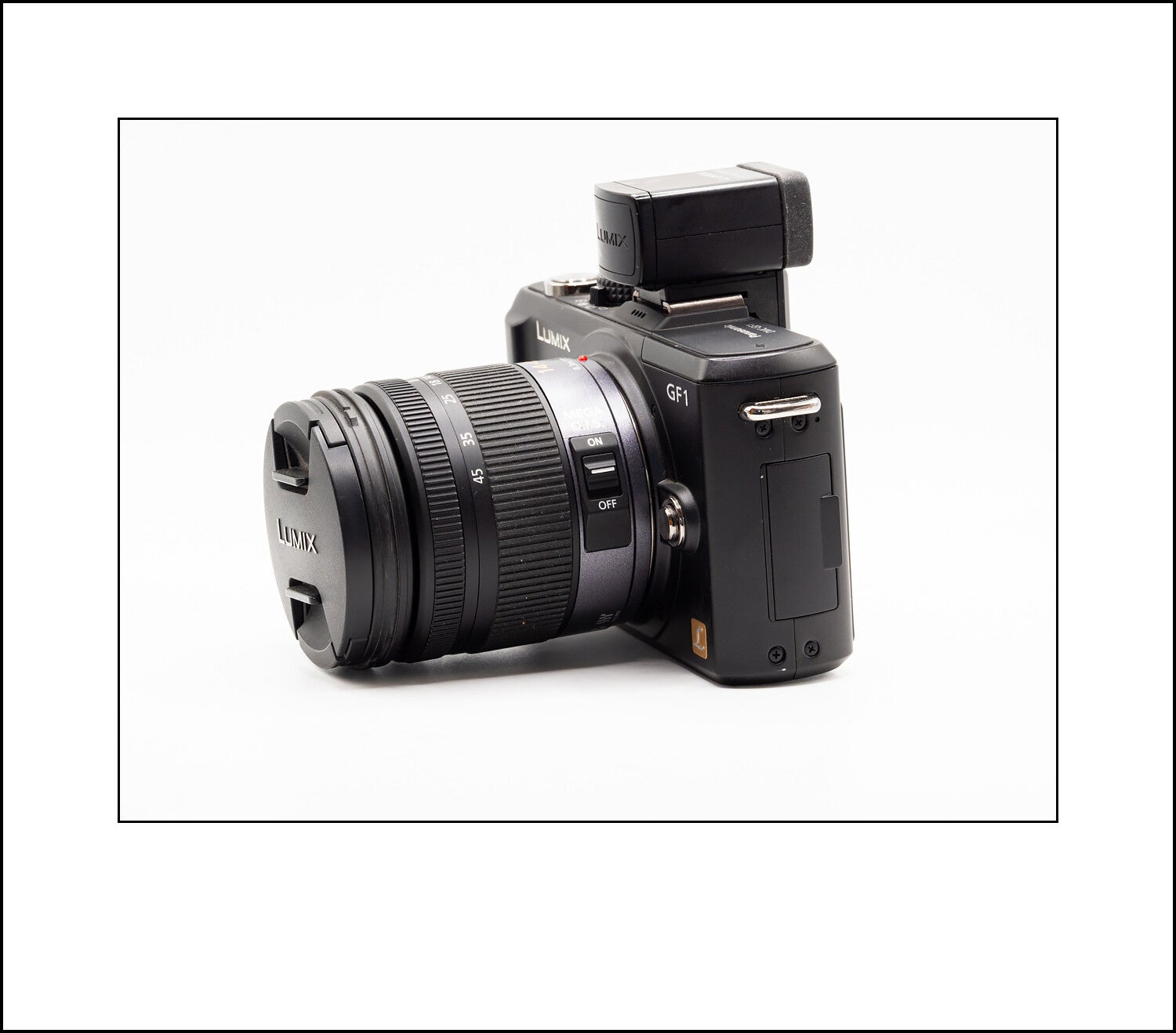
Above: Panasonic GF1 with the Panasonic 14-45 f3.5-5.6 and the LVF1
A small gallery from the Panasonic GF1 and Panasonic 14-45 f3.5-5.6

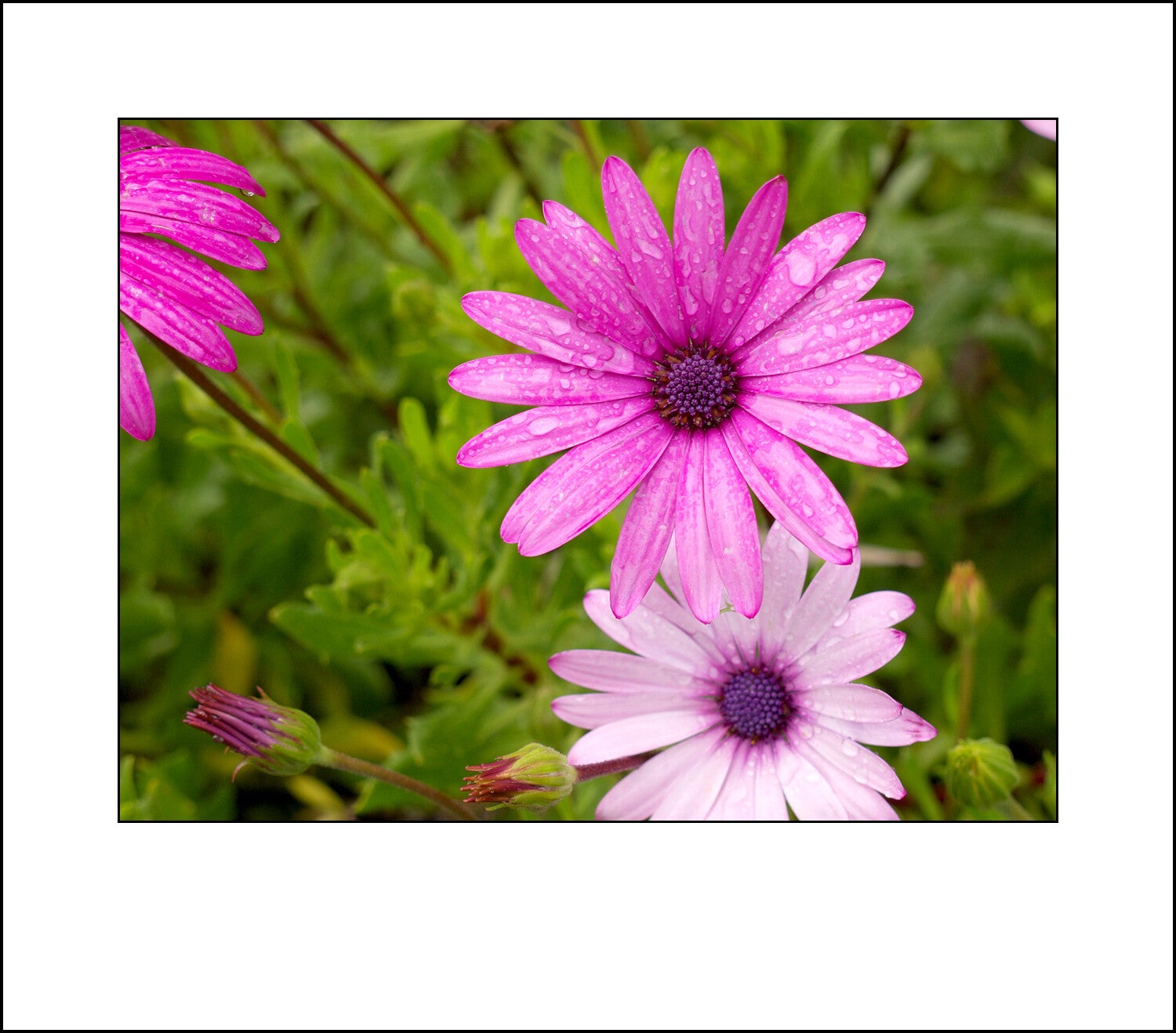











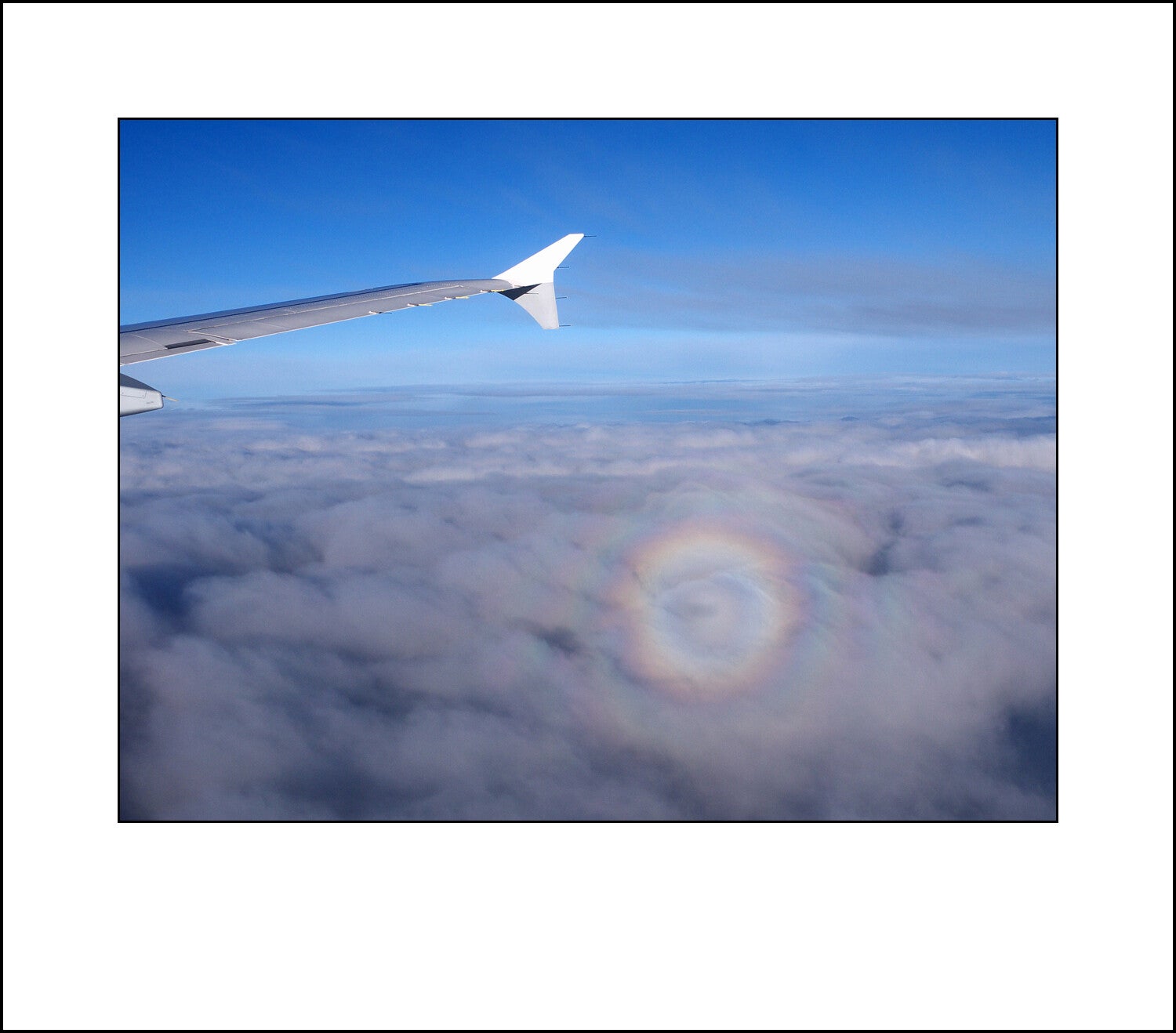


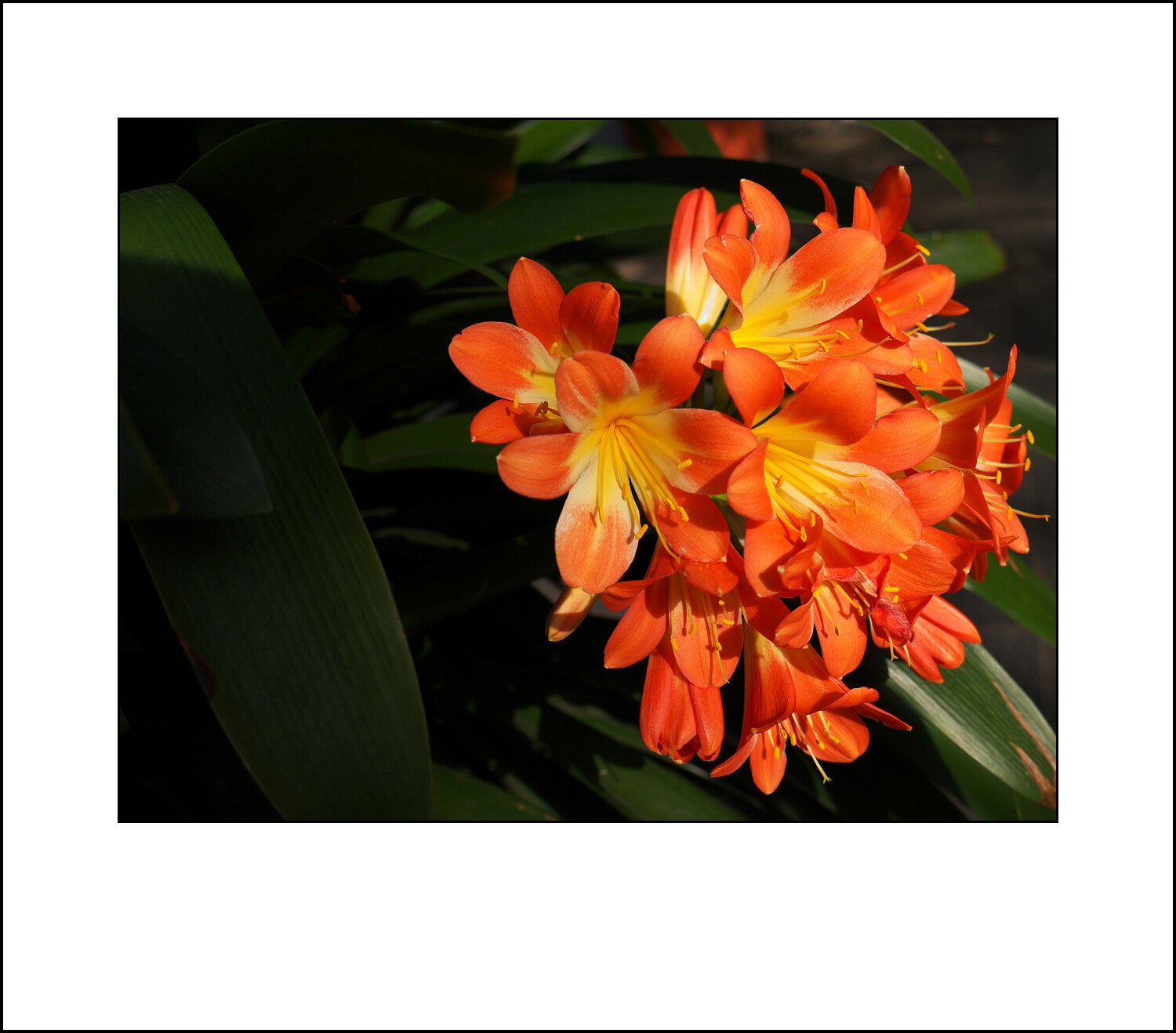
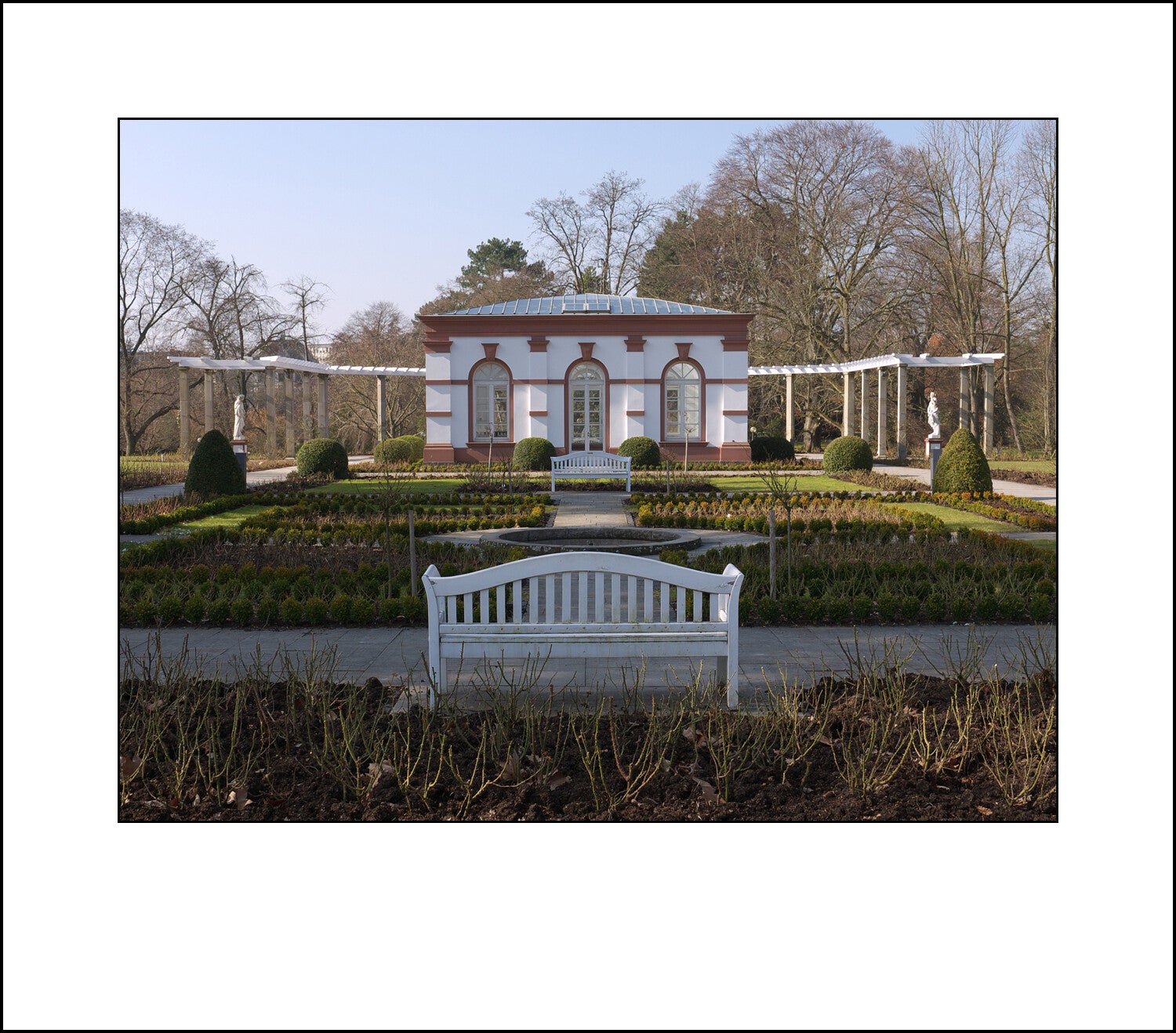
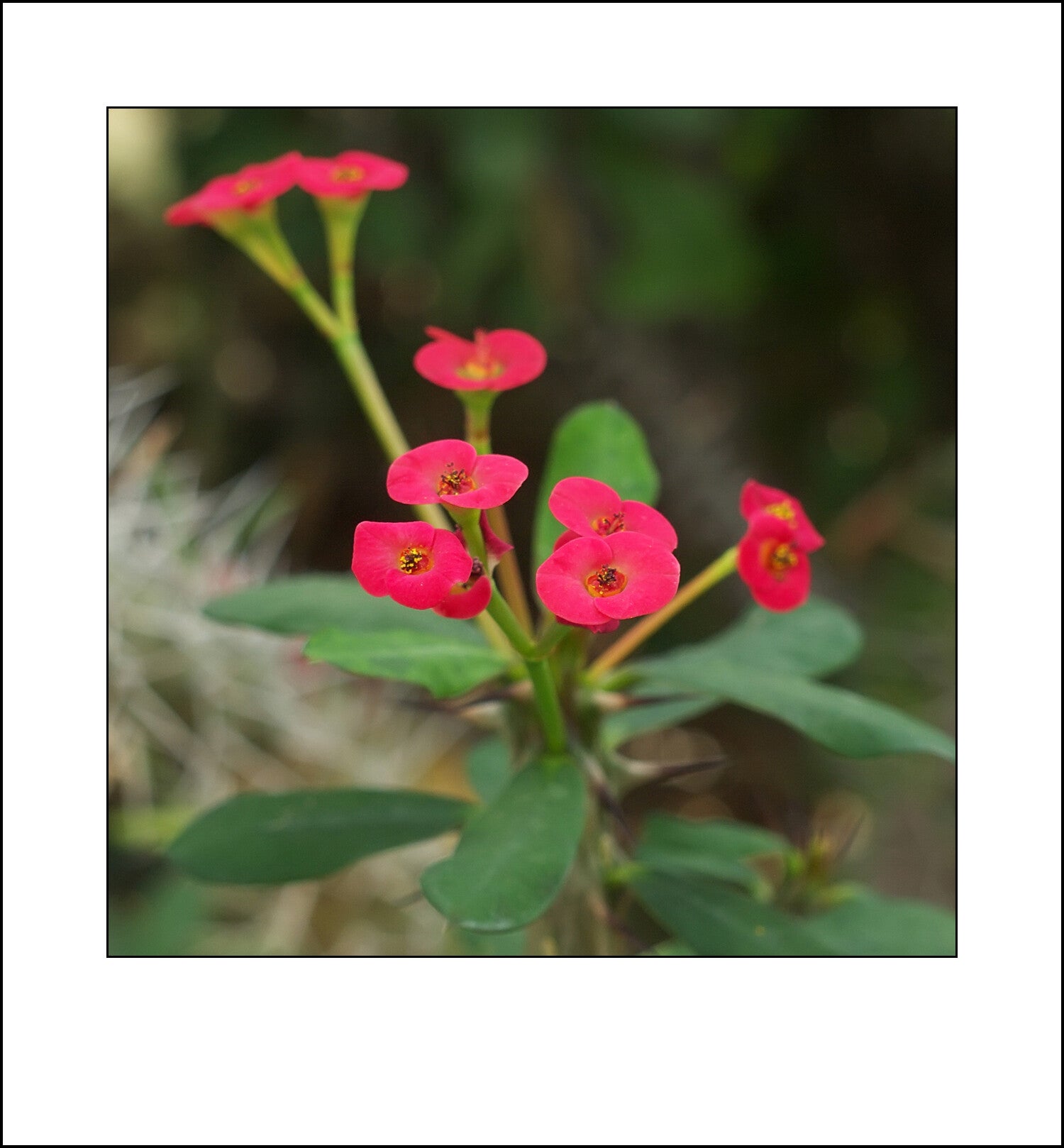

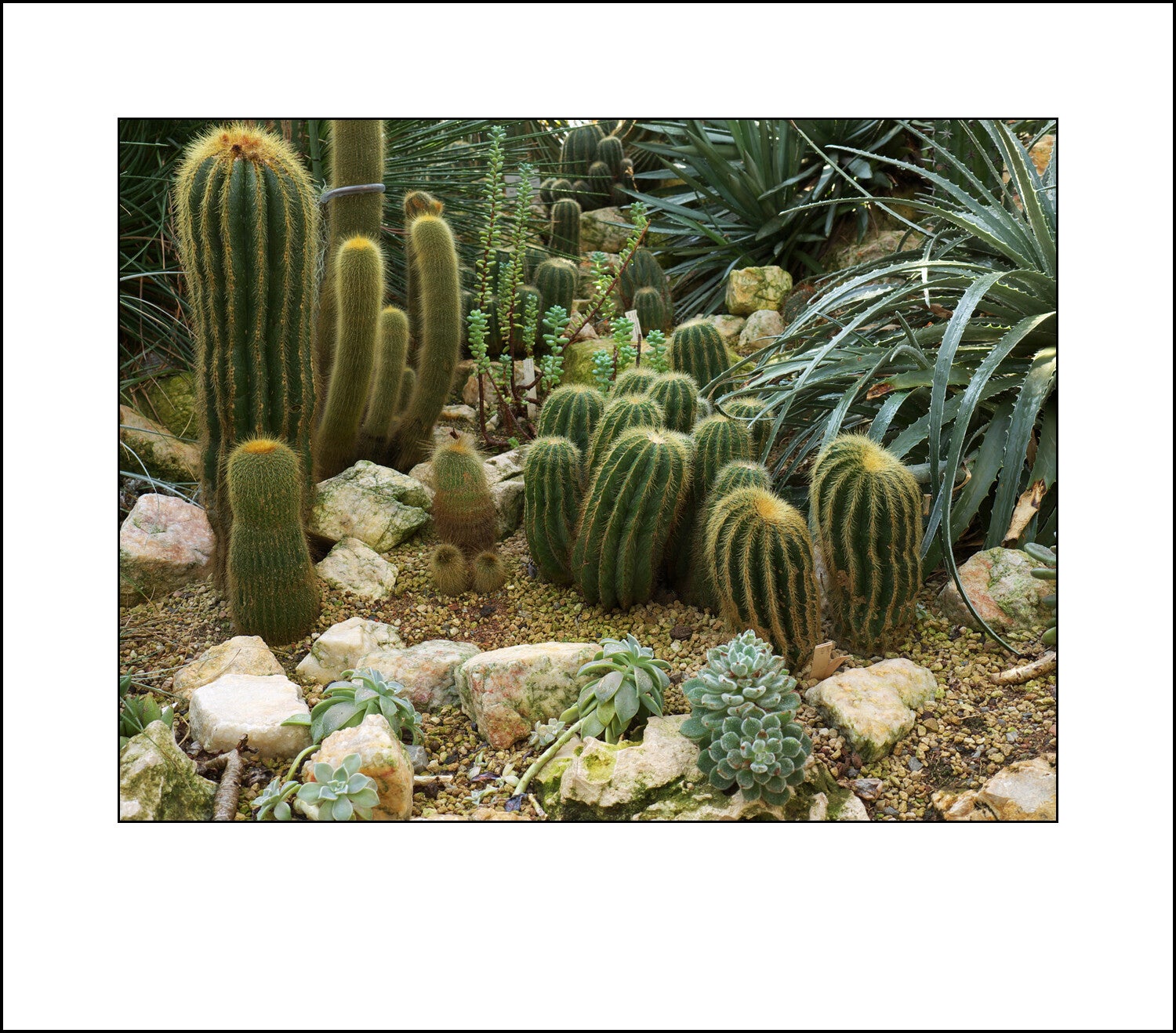
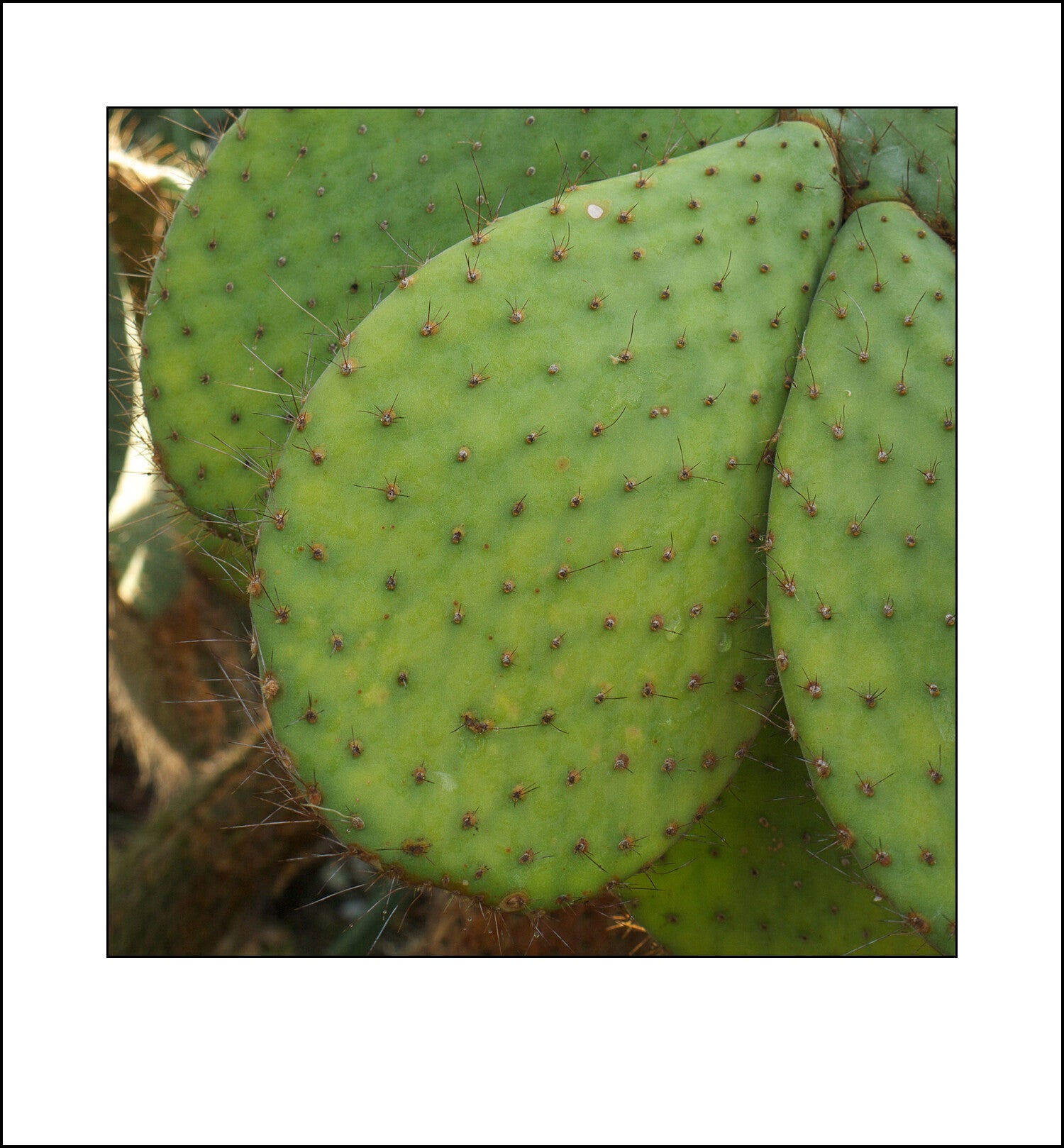
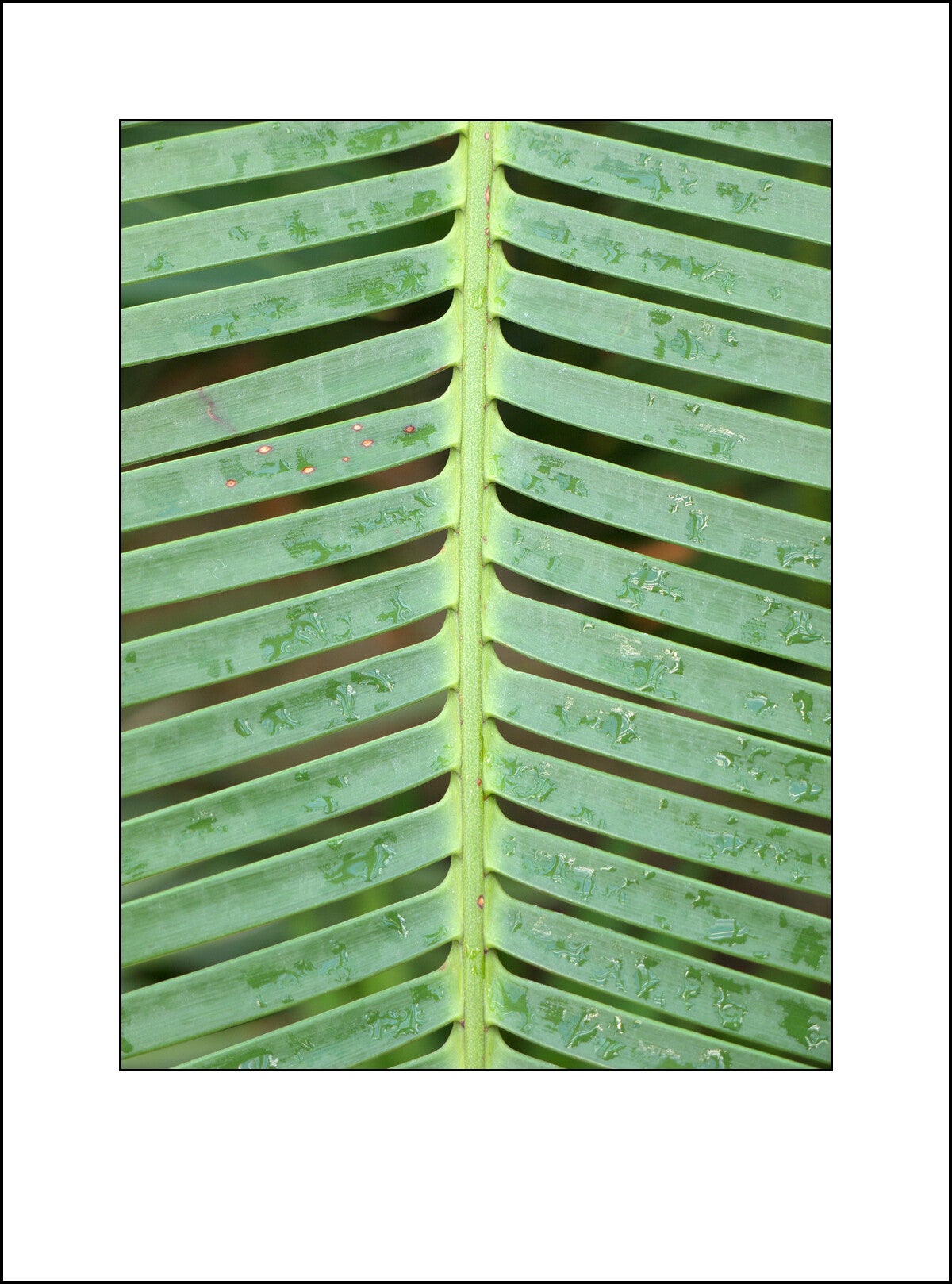
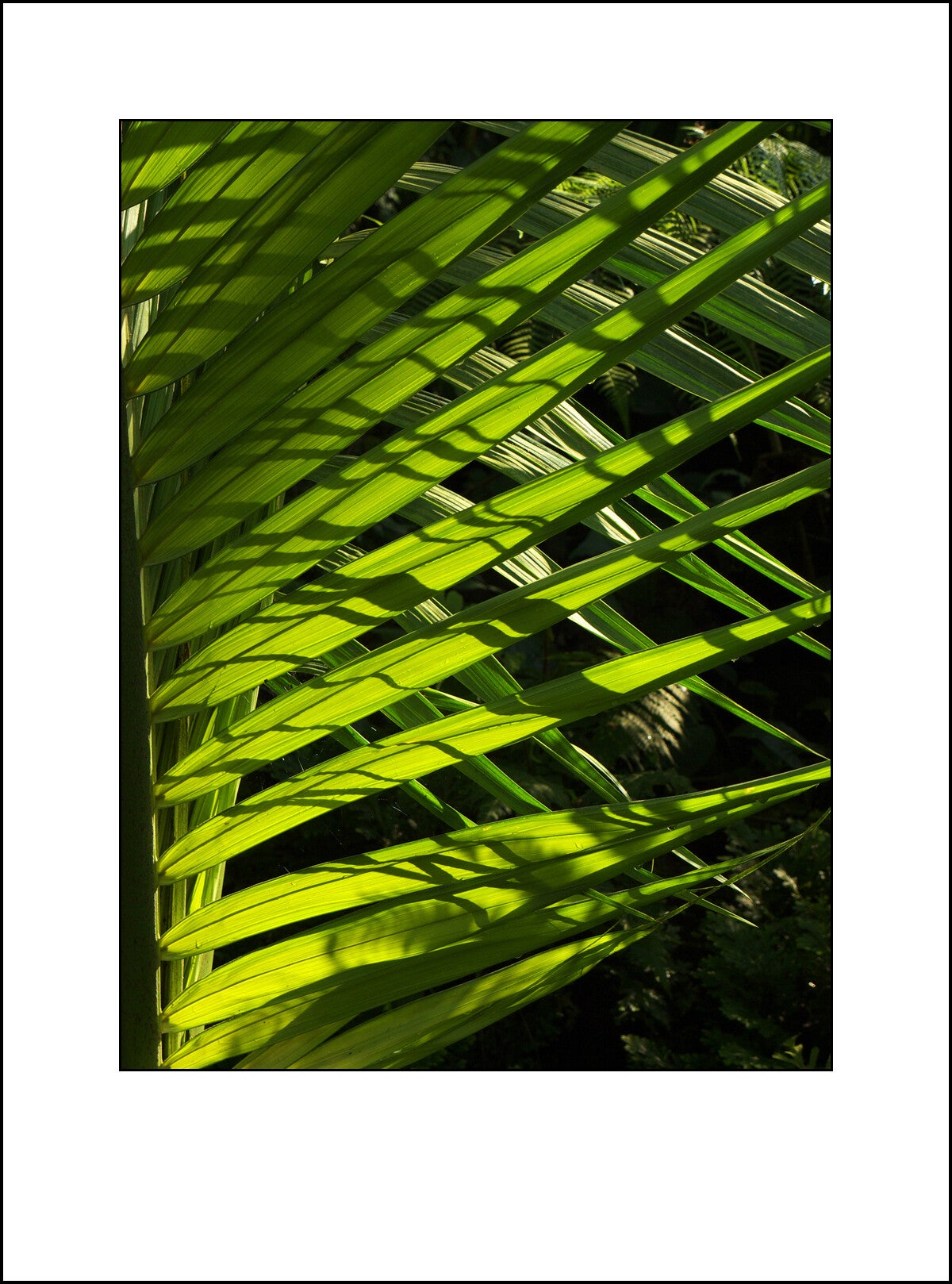

Olympus 14-150 f4.0-5.6 I
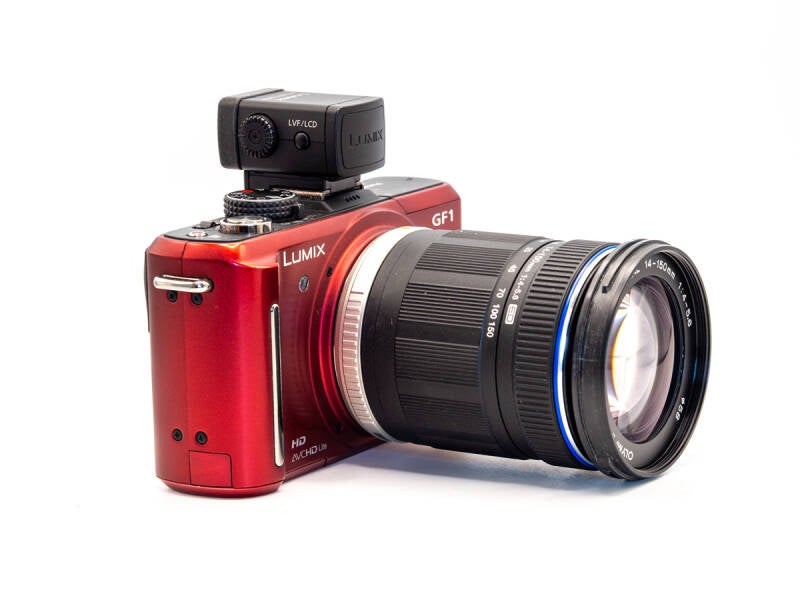
Above: The Olympus 14-150 f3.5-5.6 I mounted on the Panasonic GF1 with the LVF1.
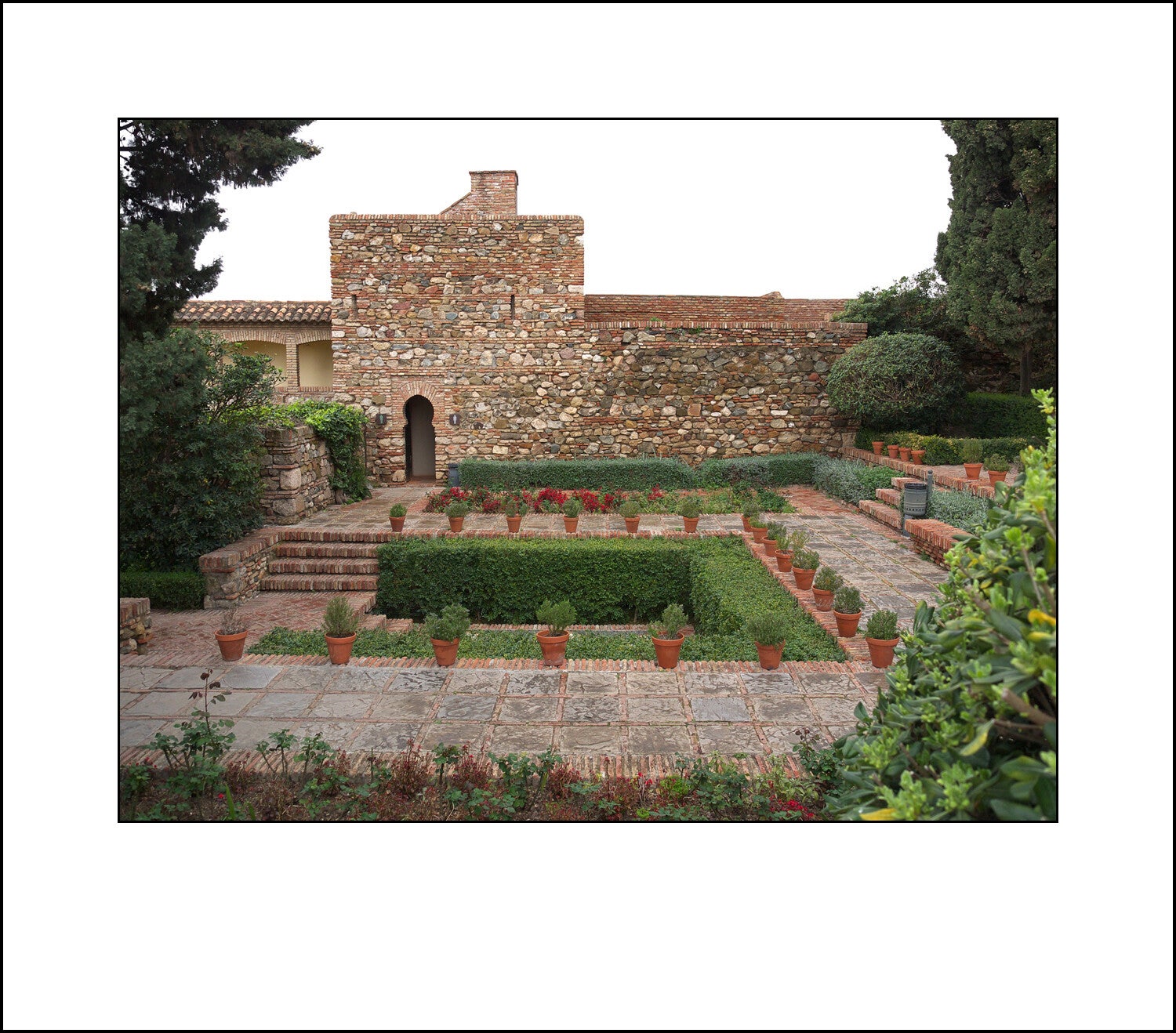
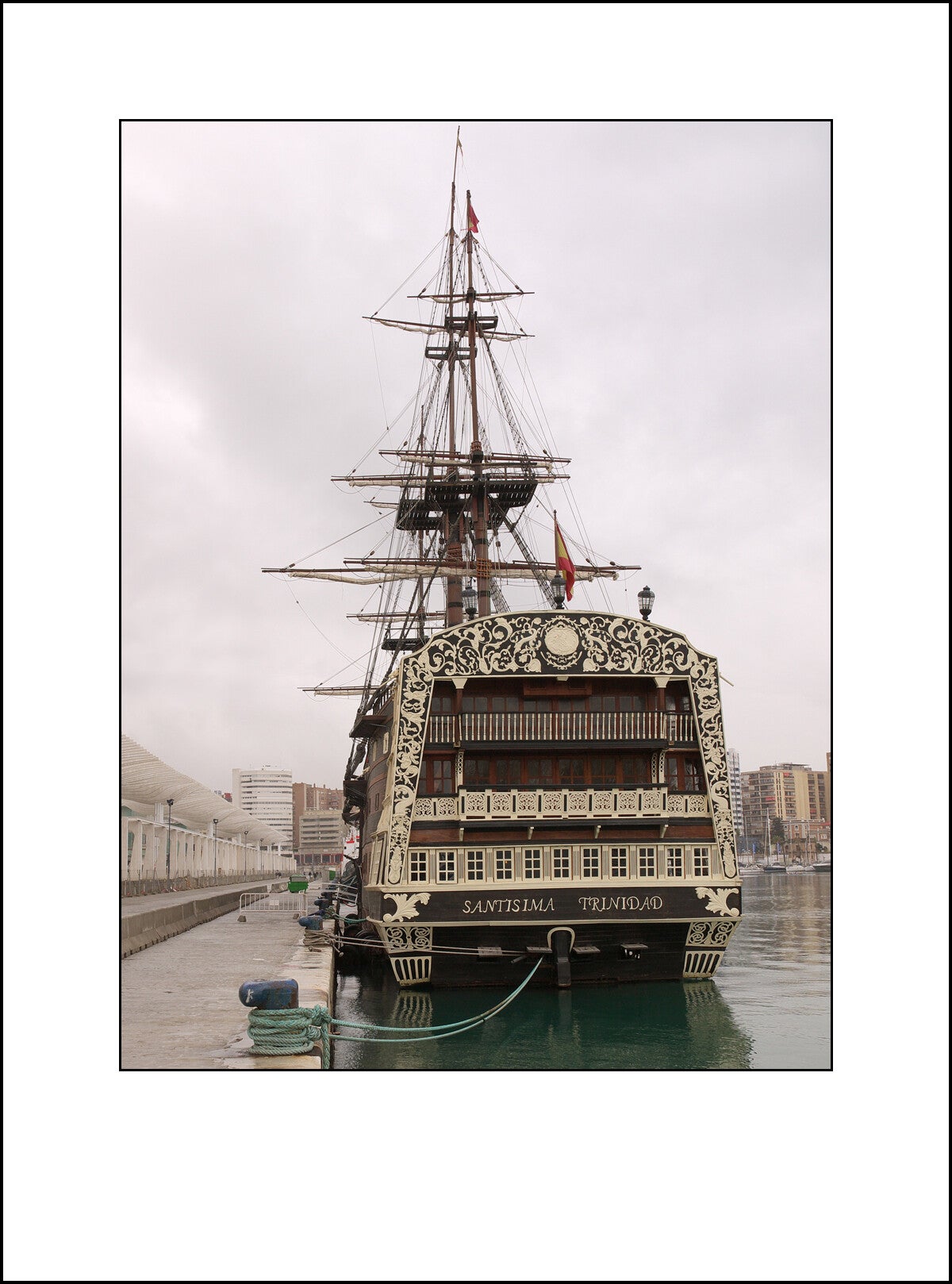
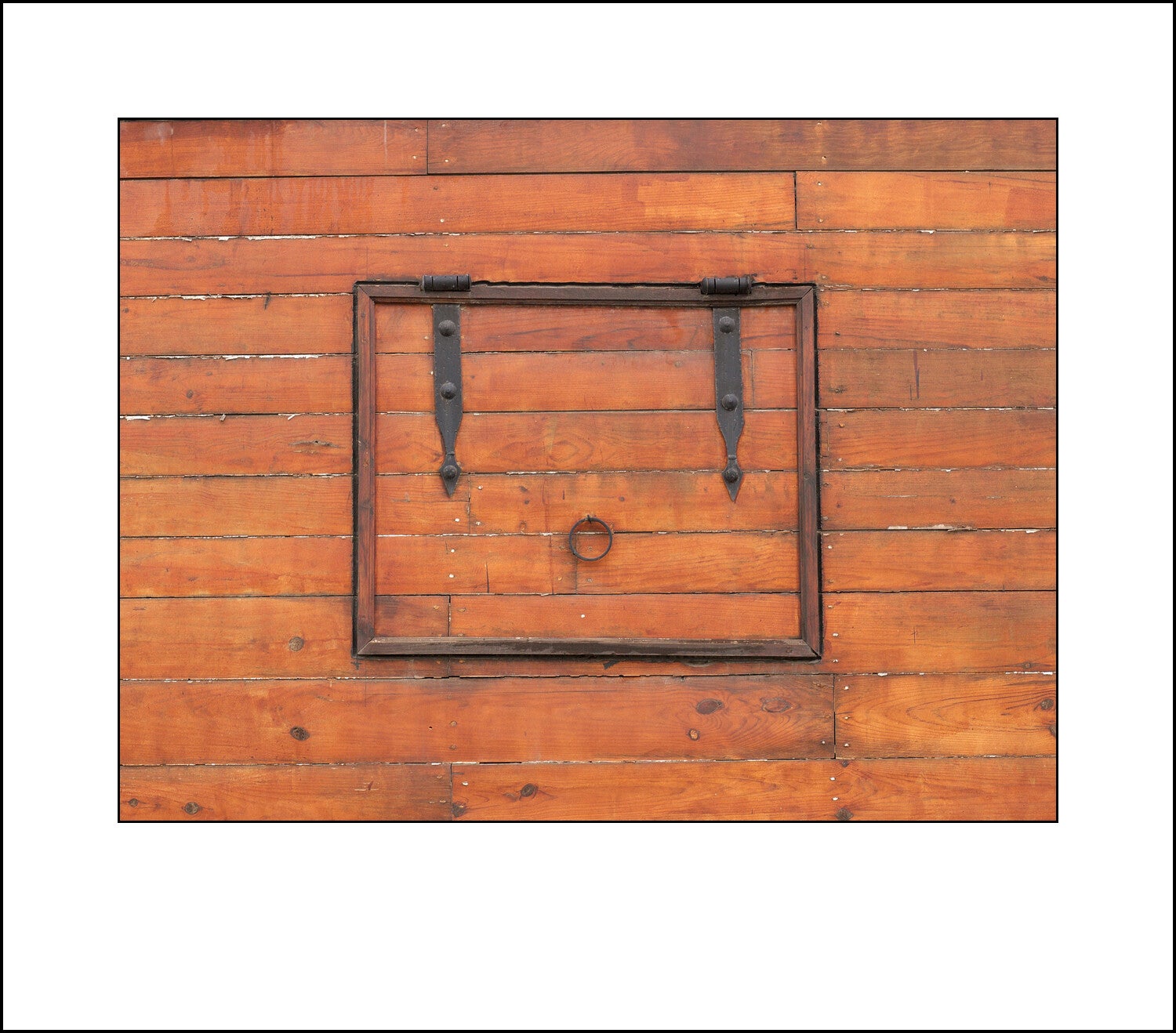
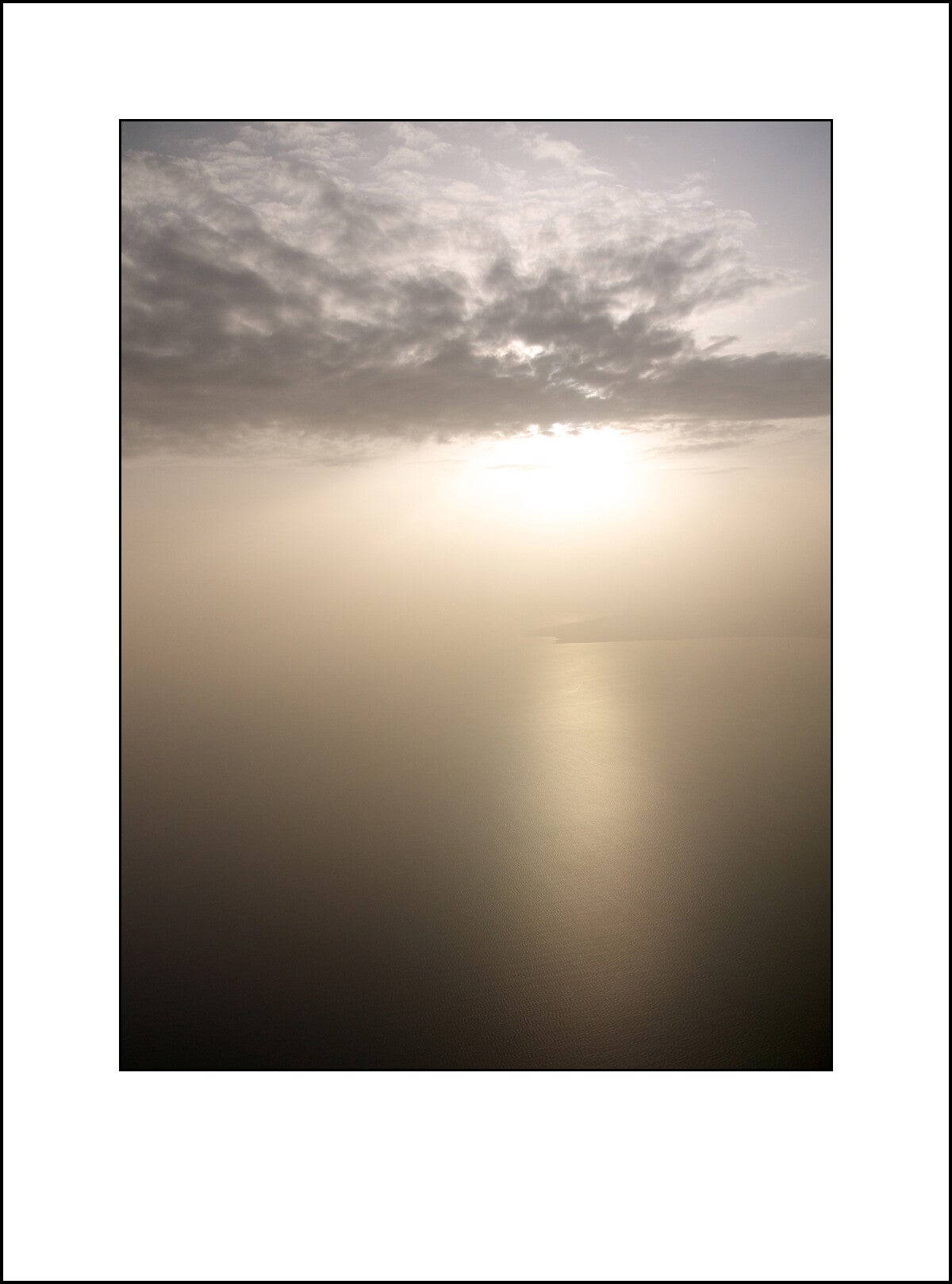
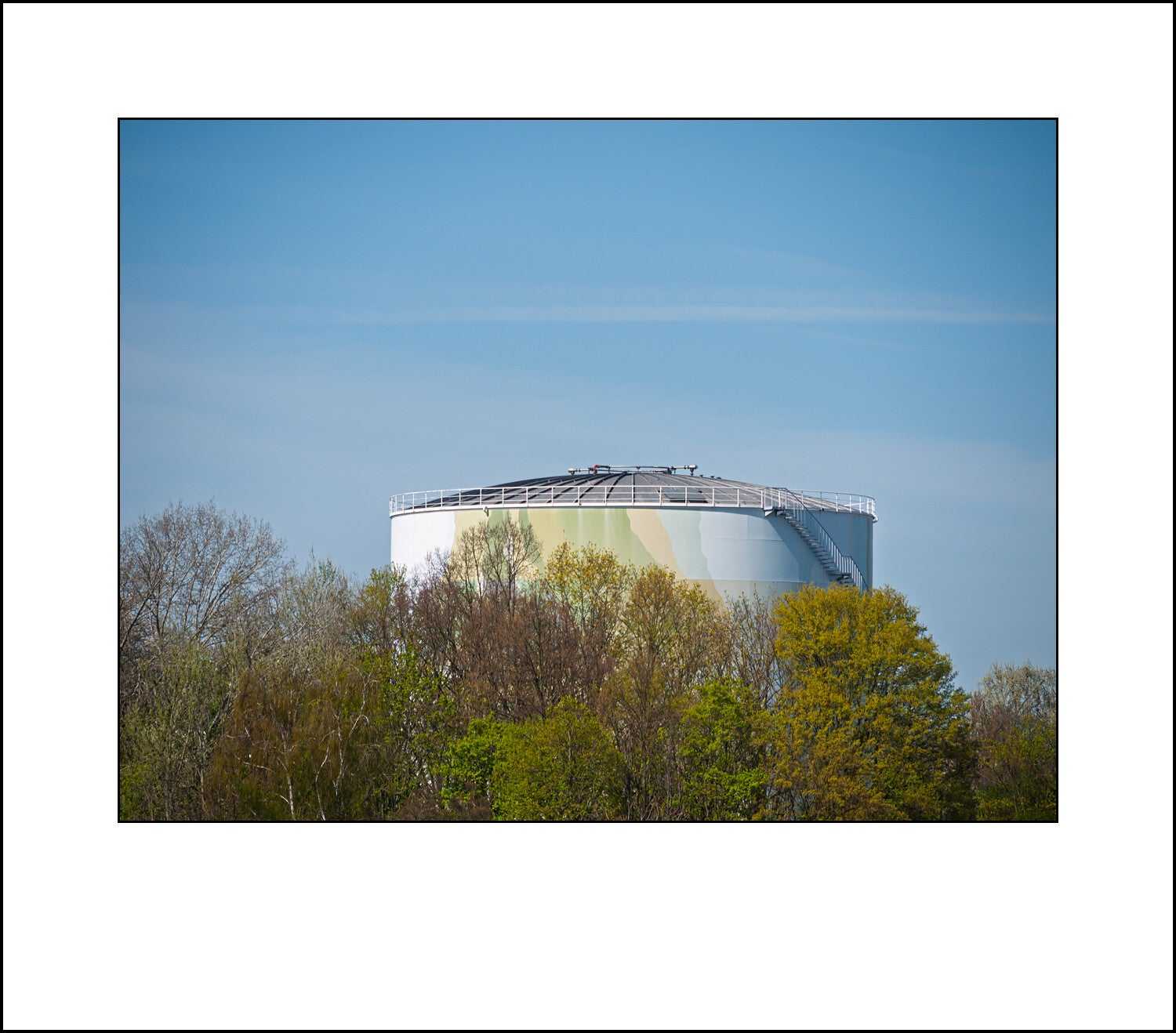
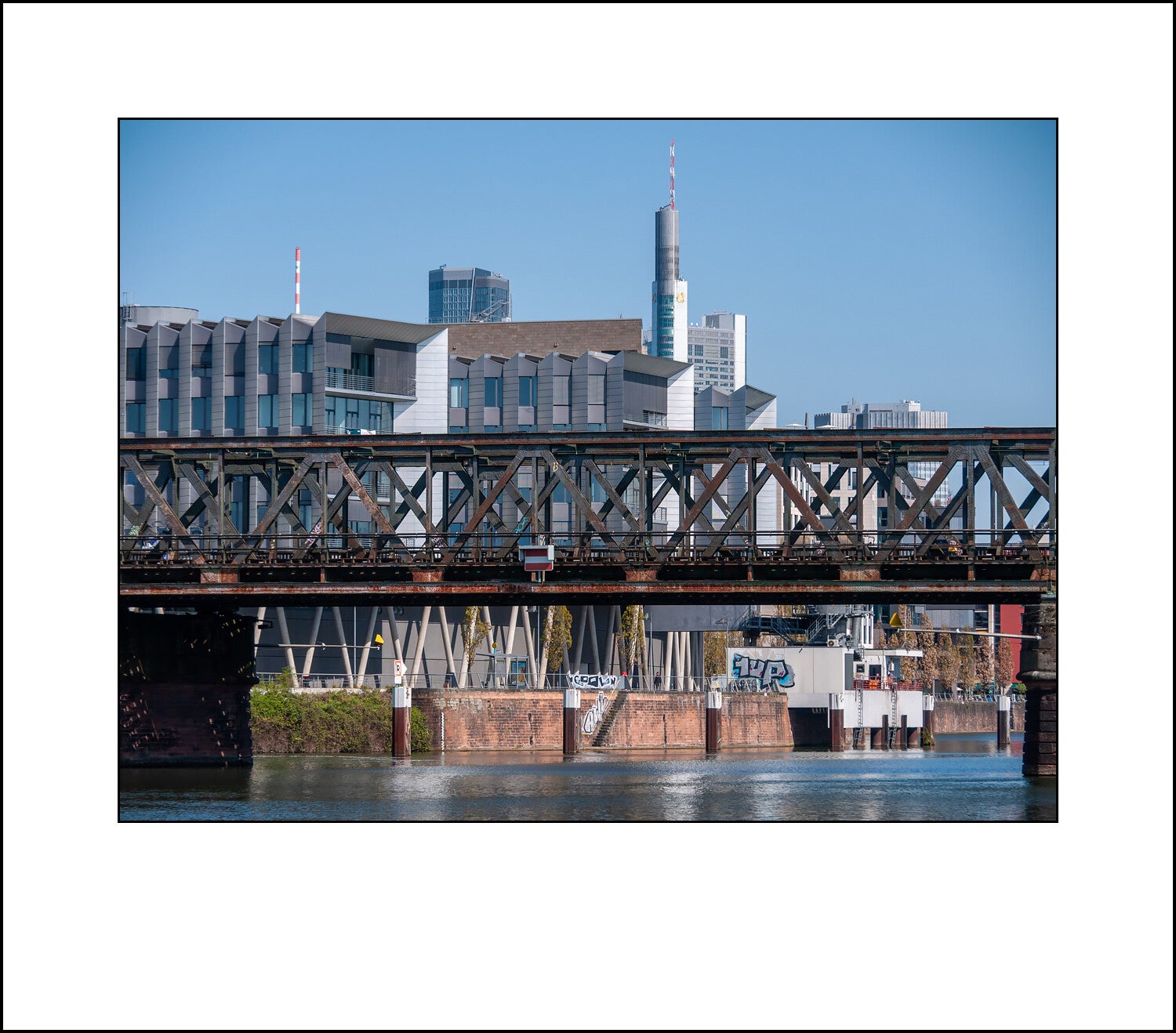
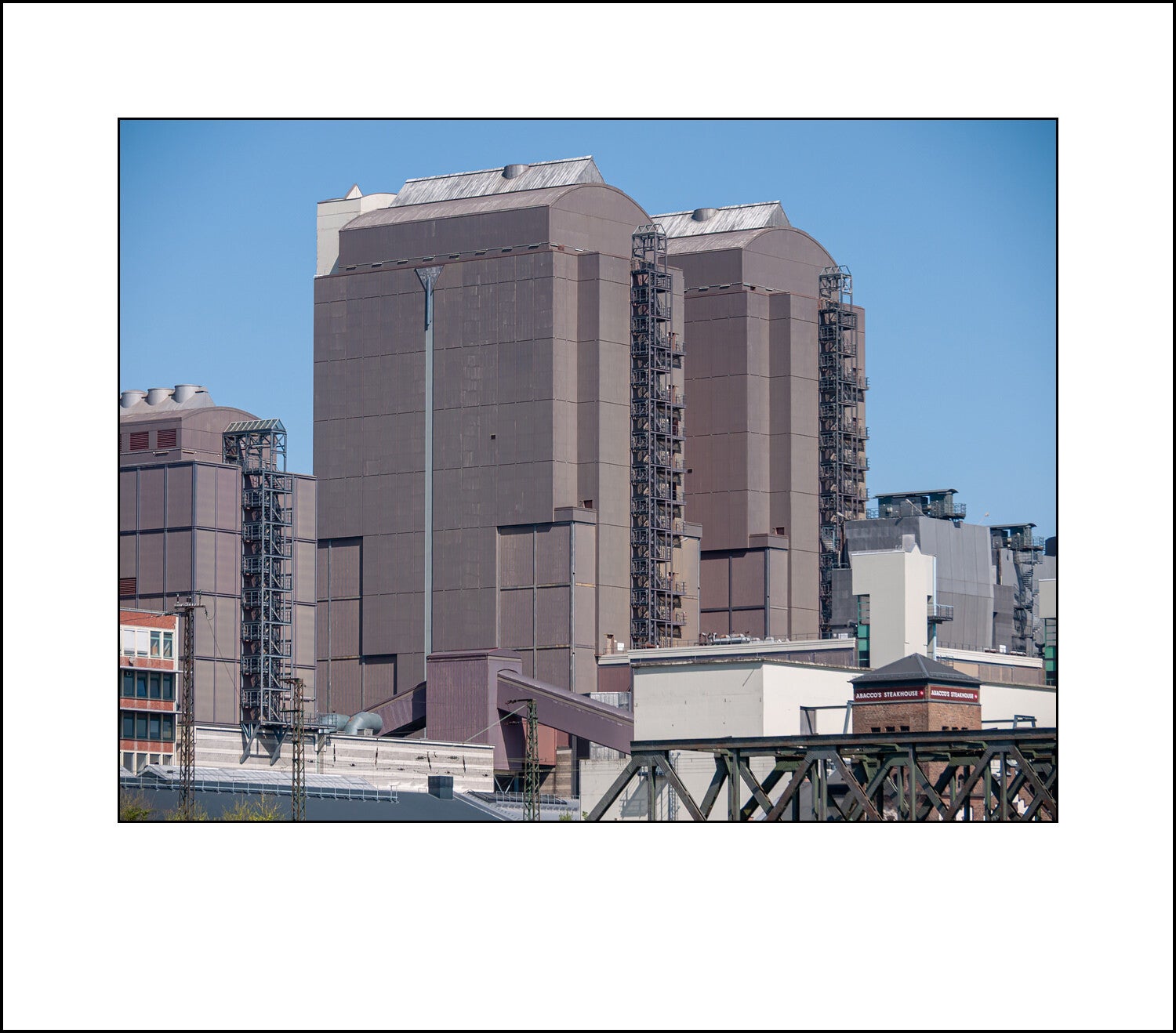
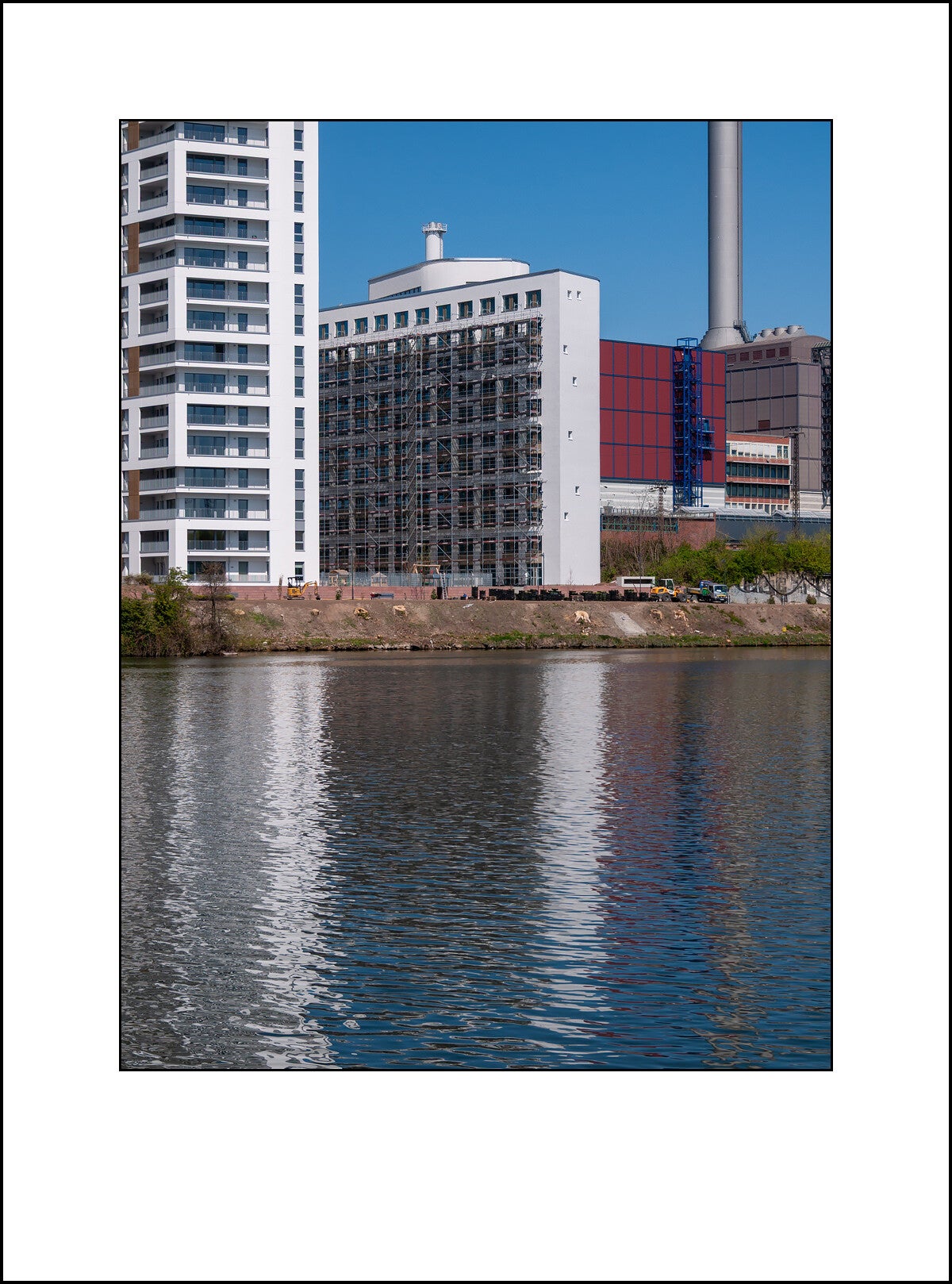
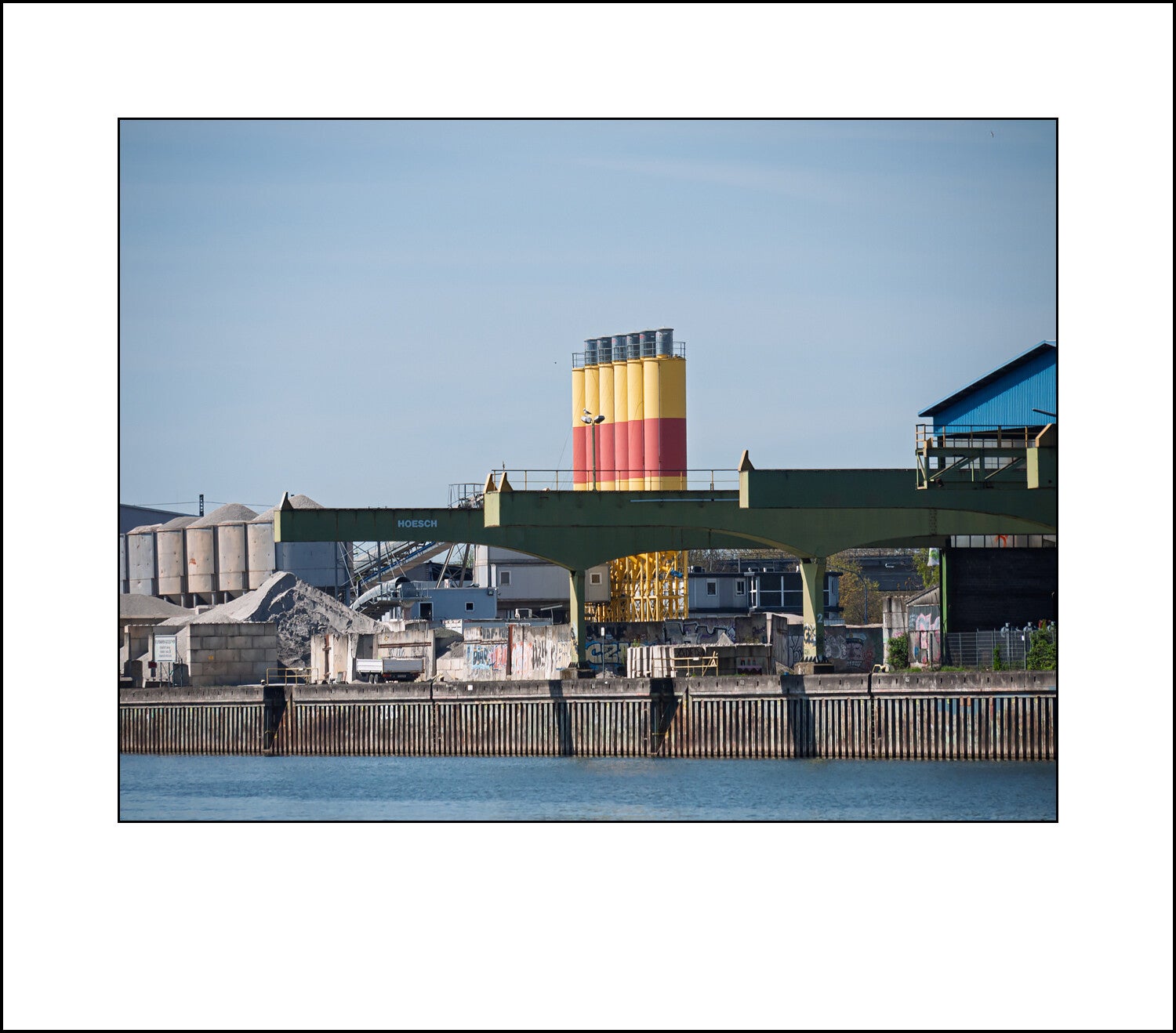
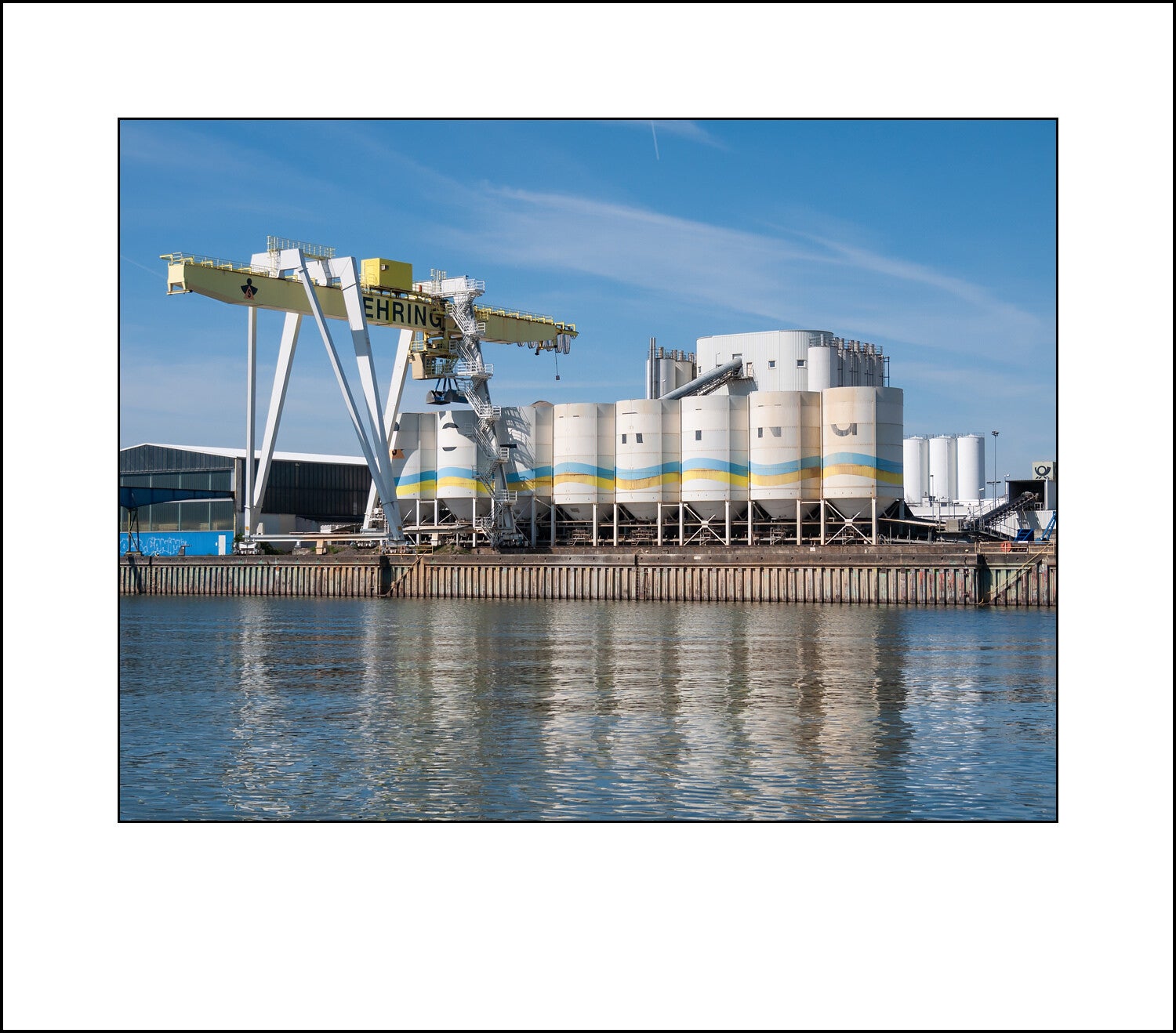
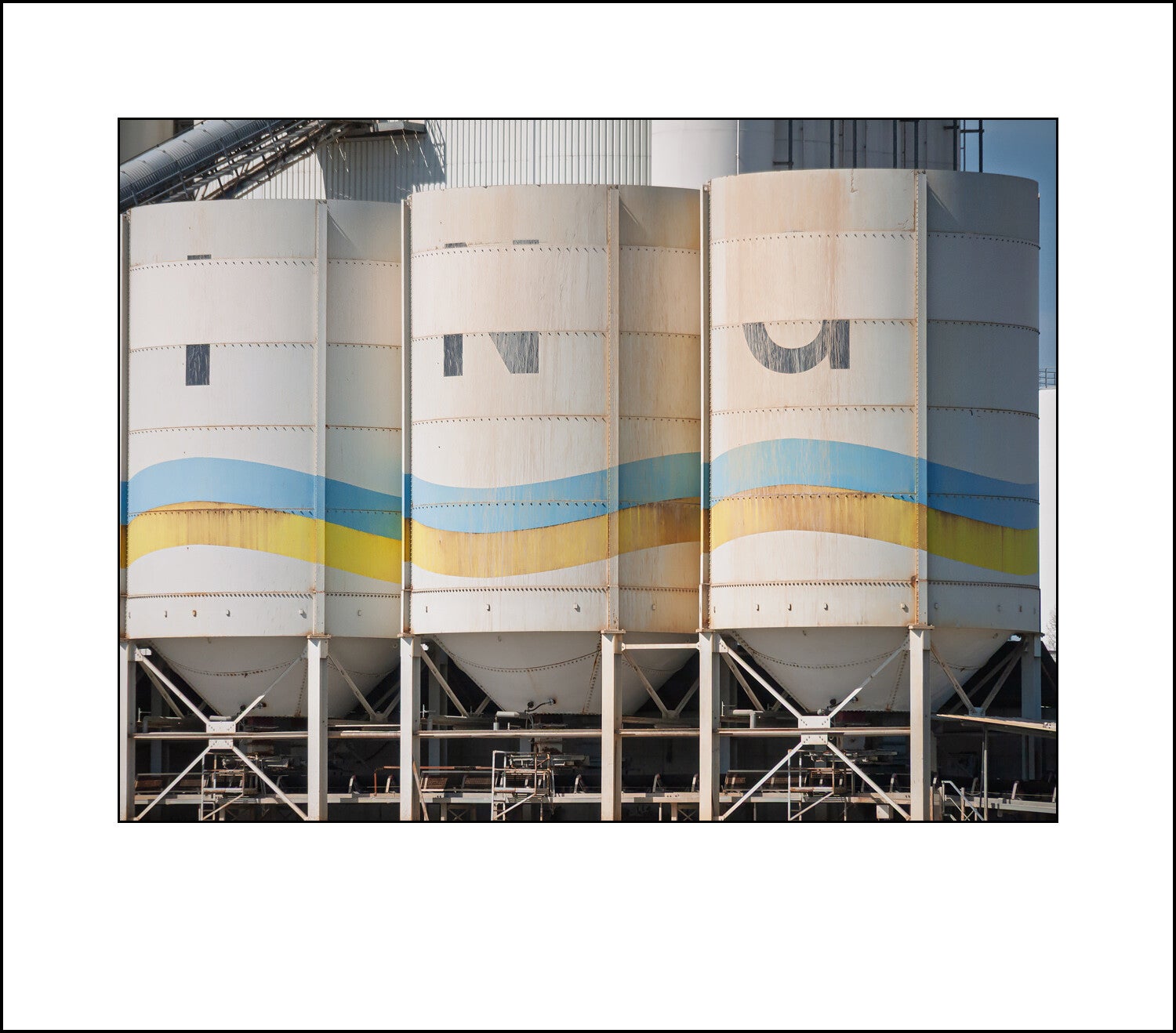
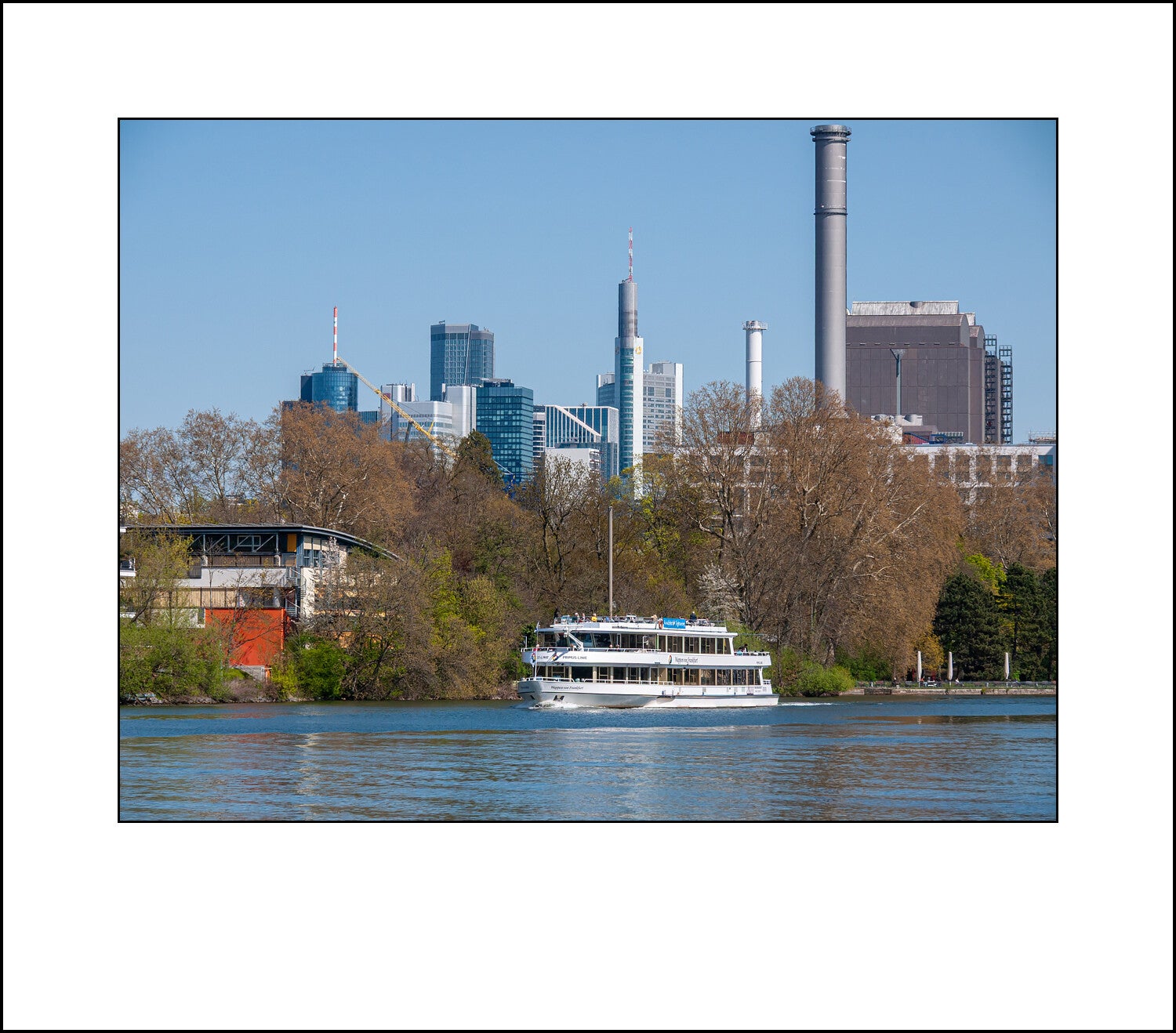
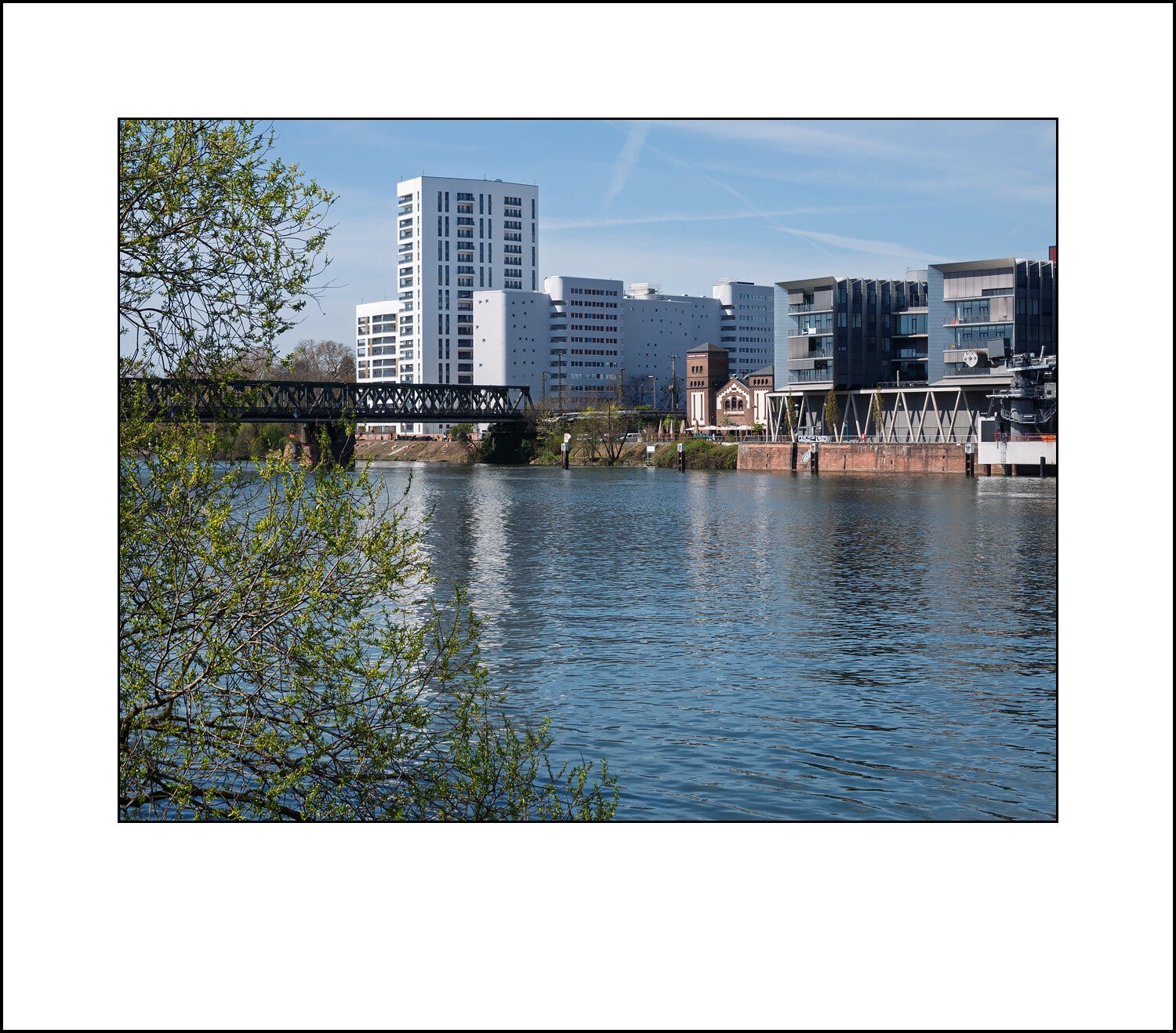
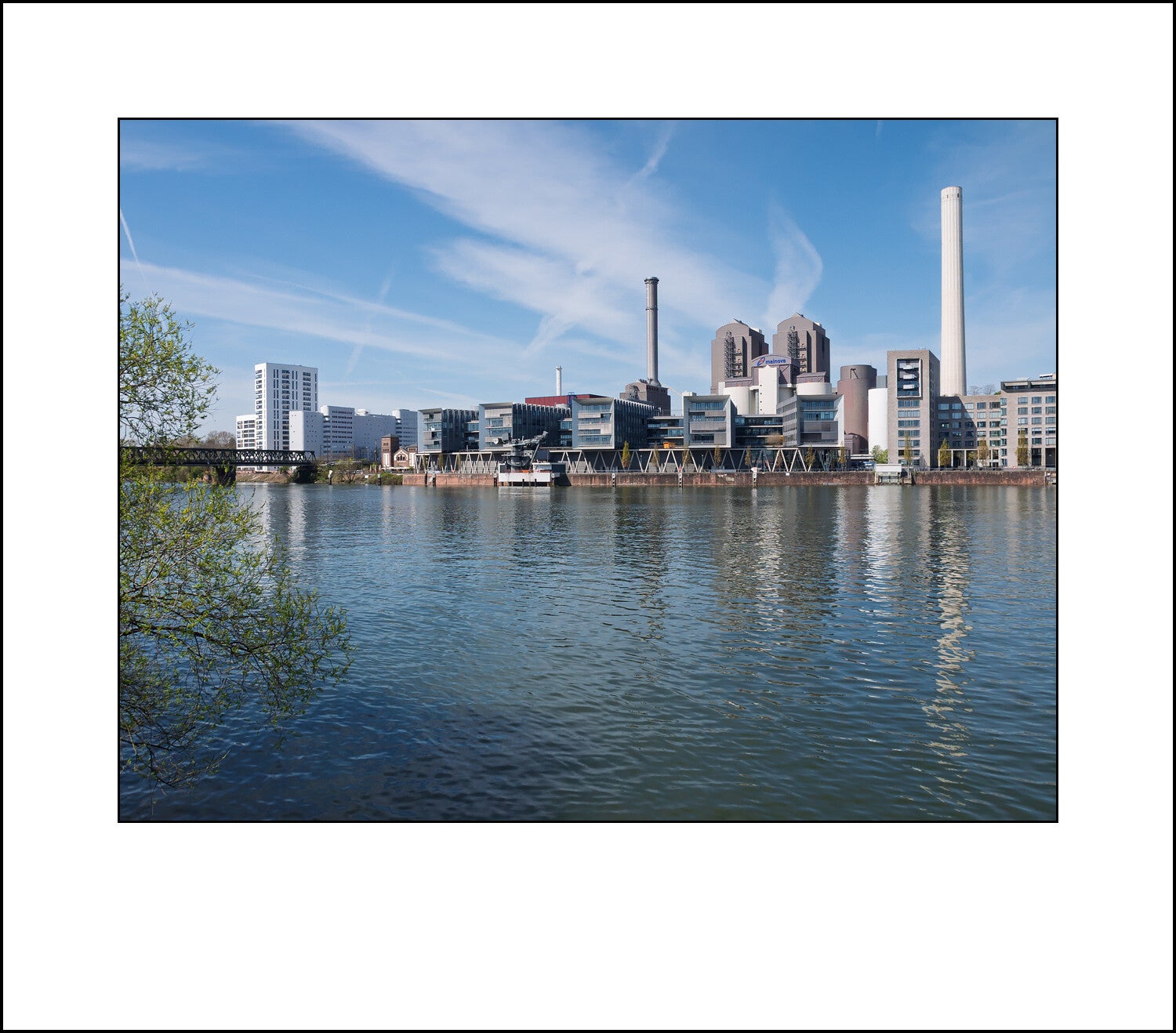
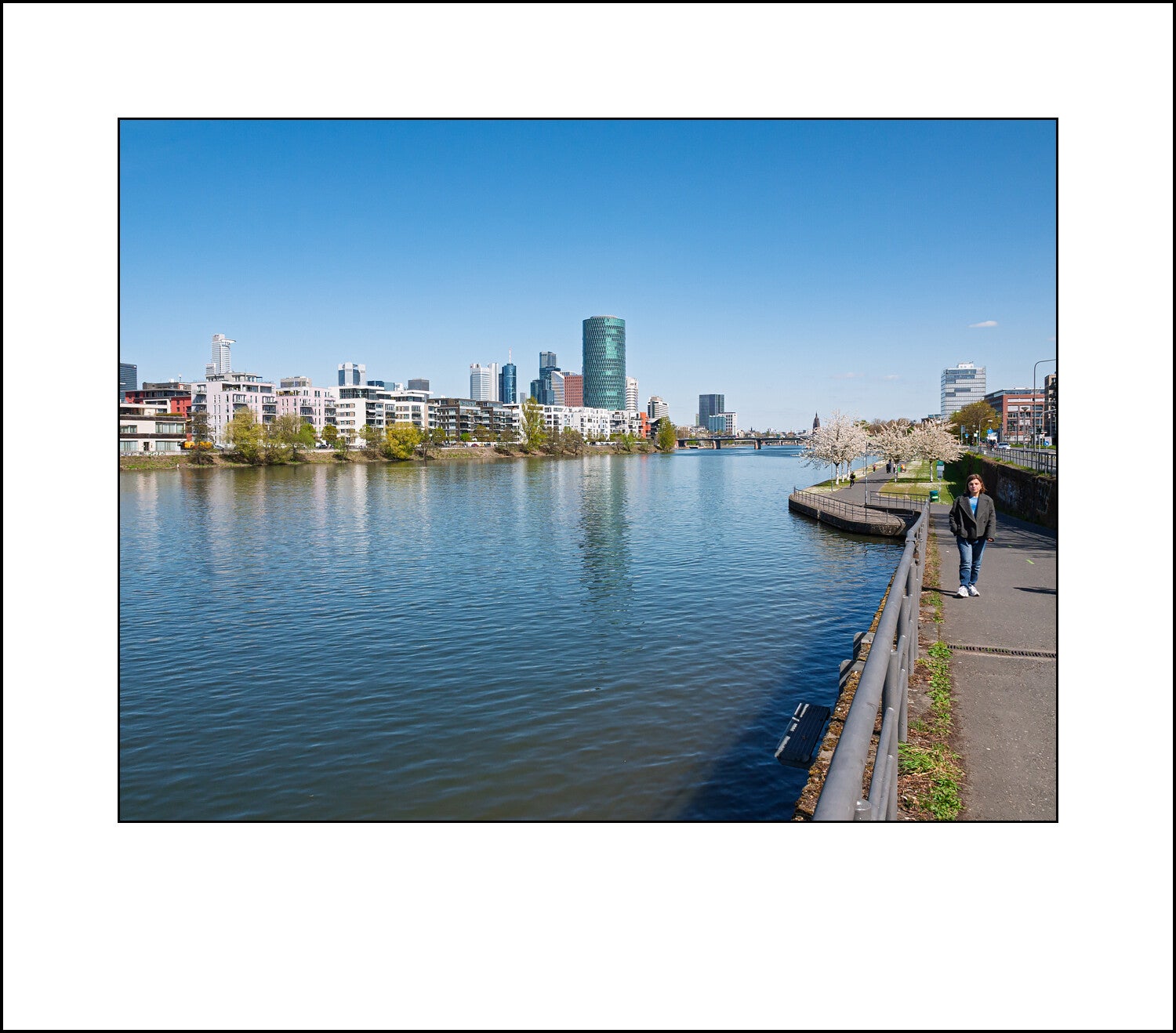
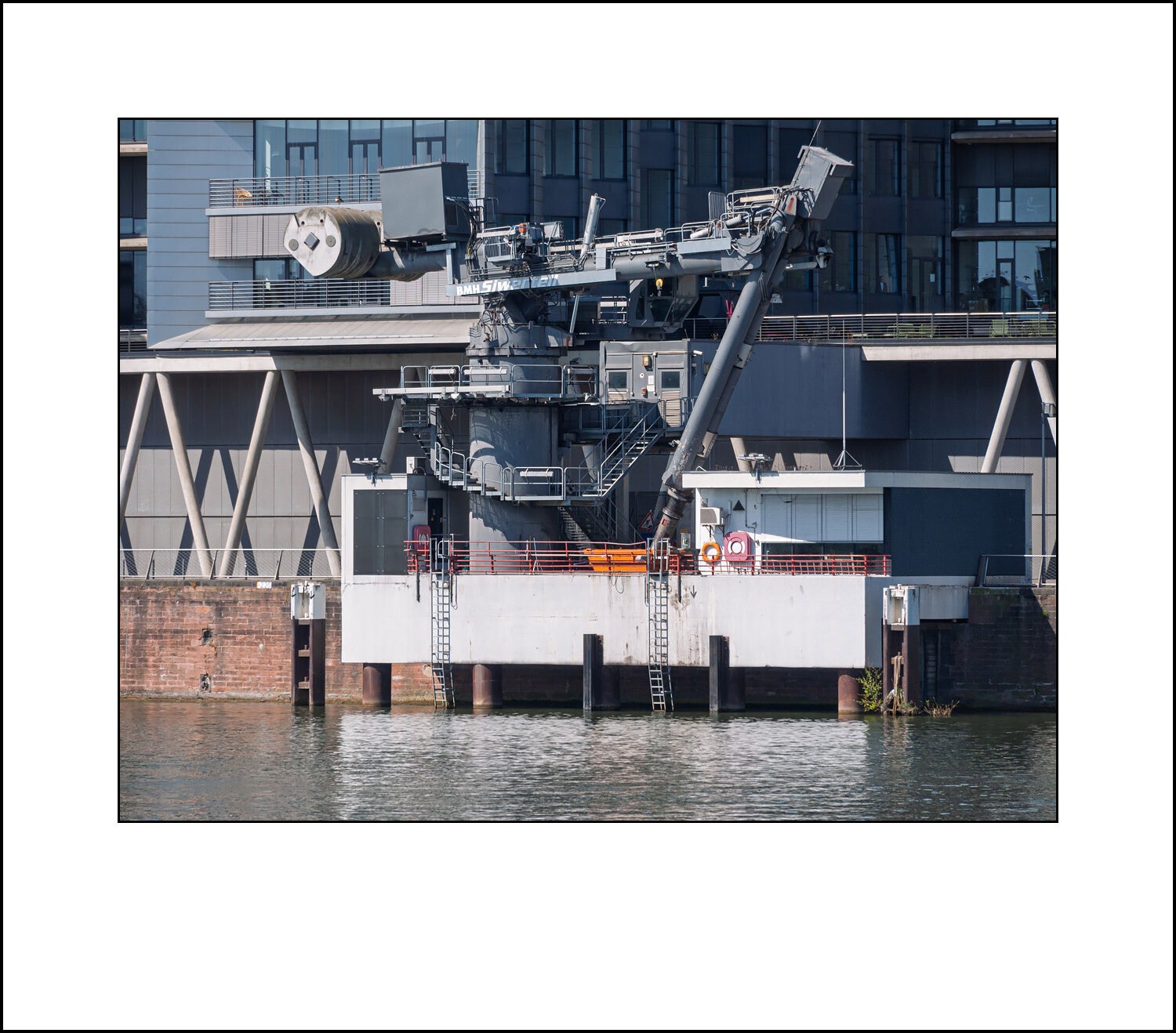
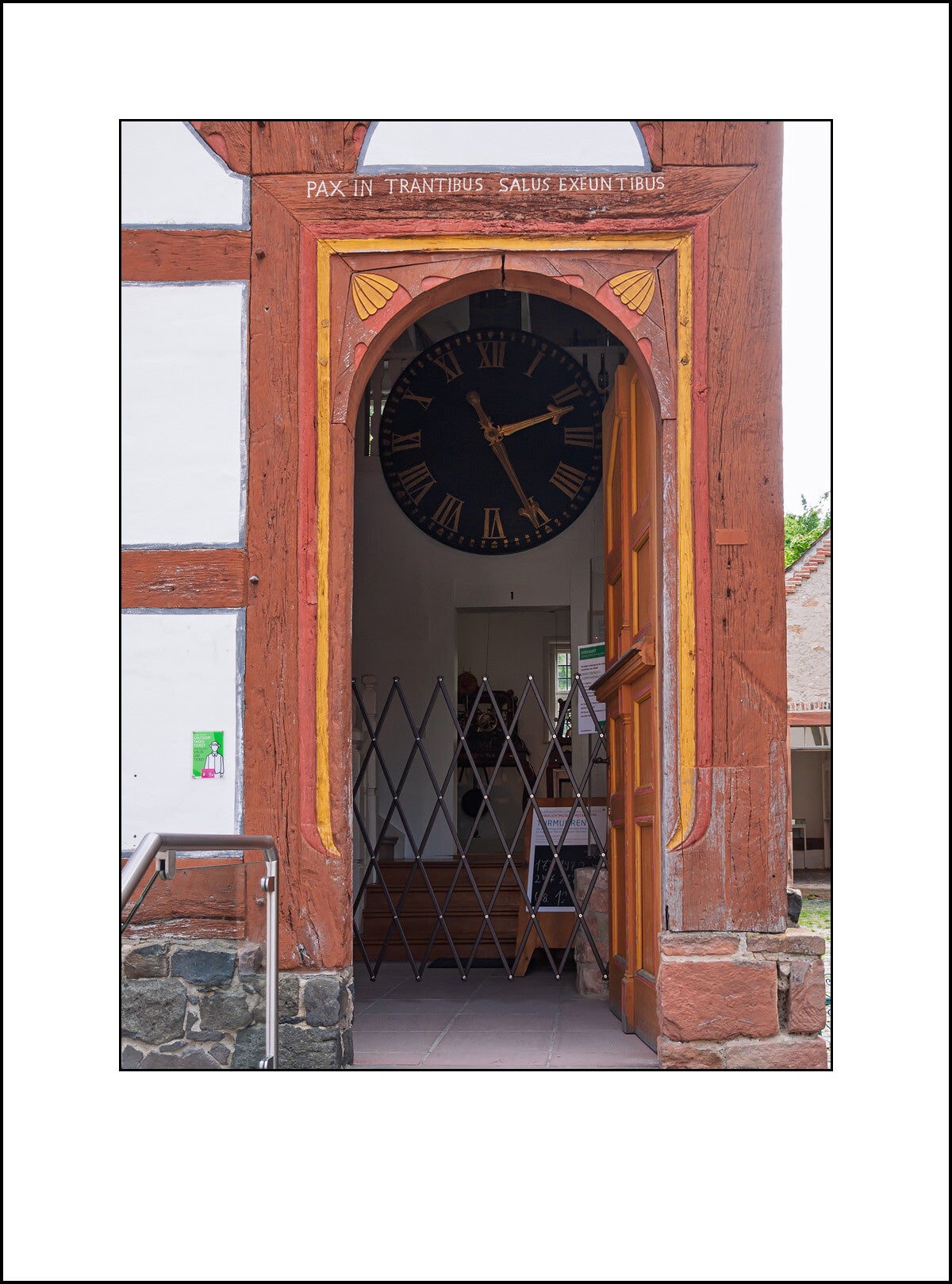
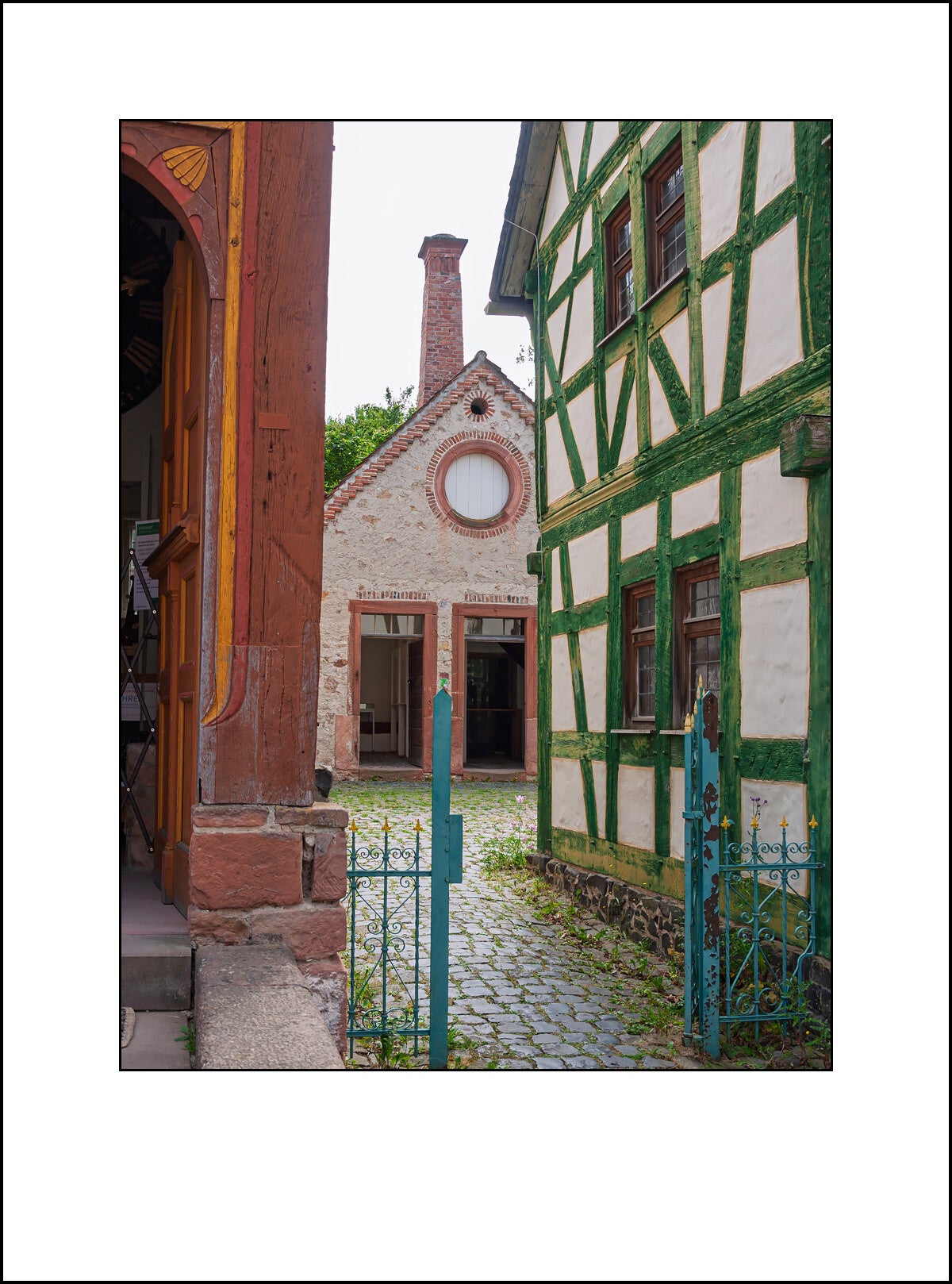
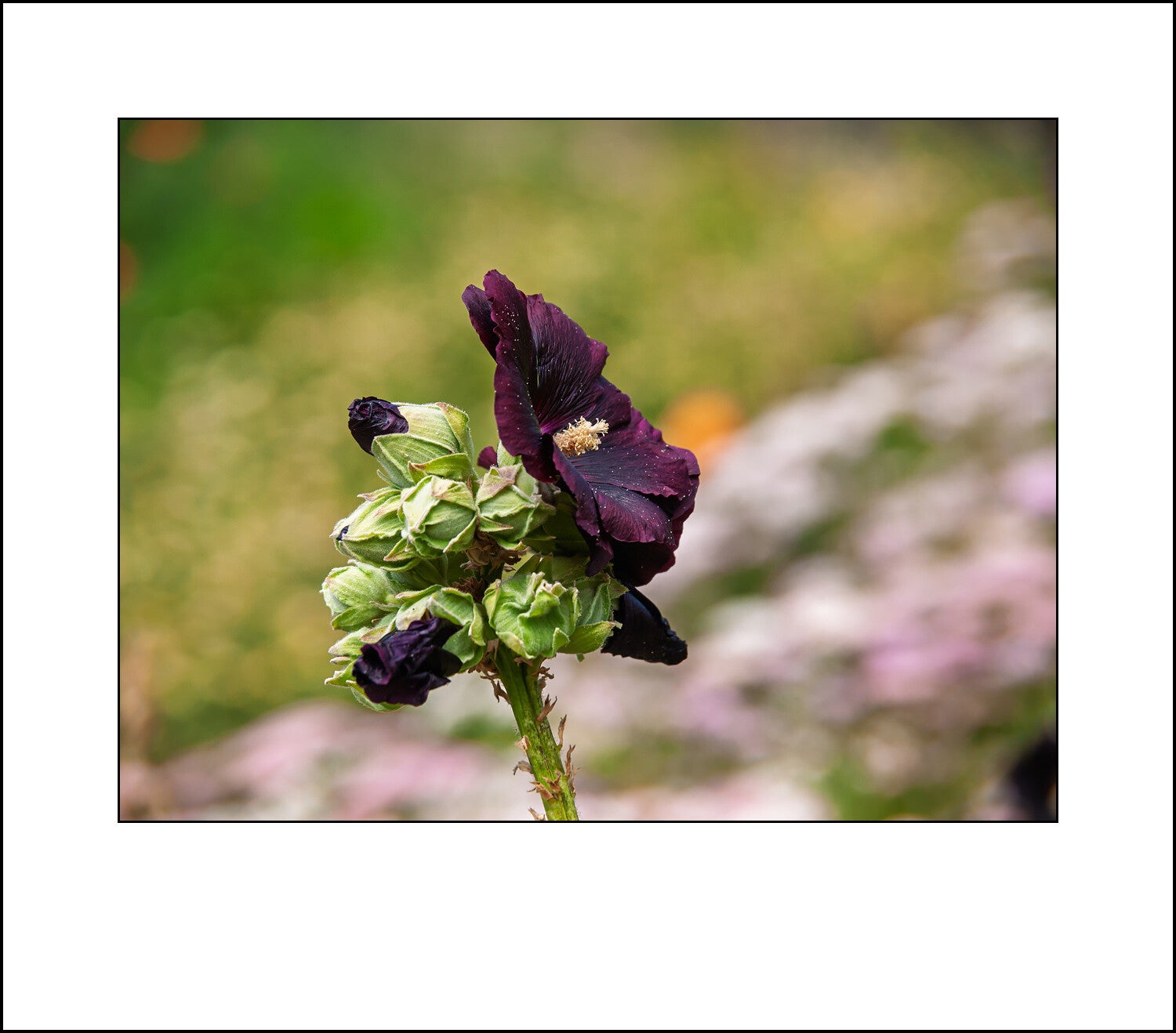
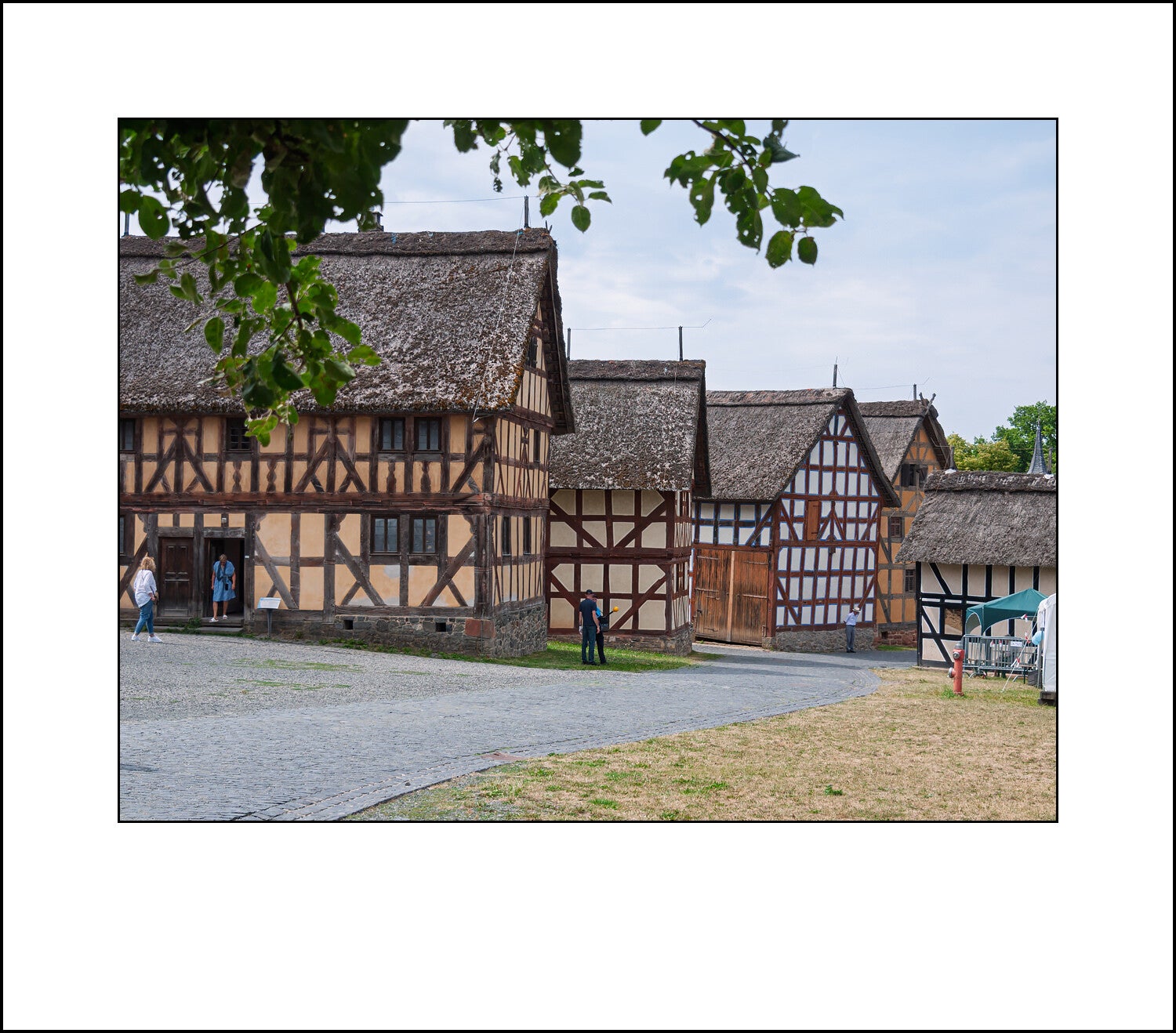
A gallery from the GF1. All images taken with the Olympus 14-150 f4.0-5.6 I





















Add comment
Comments