The Dahner Felsenland: A Short History
Introduction
The Dahner Felsenland, also known as Dahner Rockland, is a picturesque region in the southern part of the Palatinate Forest in Germany. Known for its unique rock formations and stunning landscapes, it has a rich history that intertwines with the cultural and natural evolution of the area. This brief history will explore the geological formation, human settlement, and cultural significance of the Dahner Felsenland.
Geological Formation
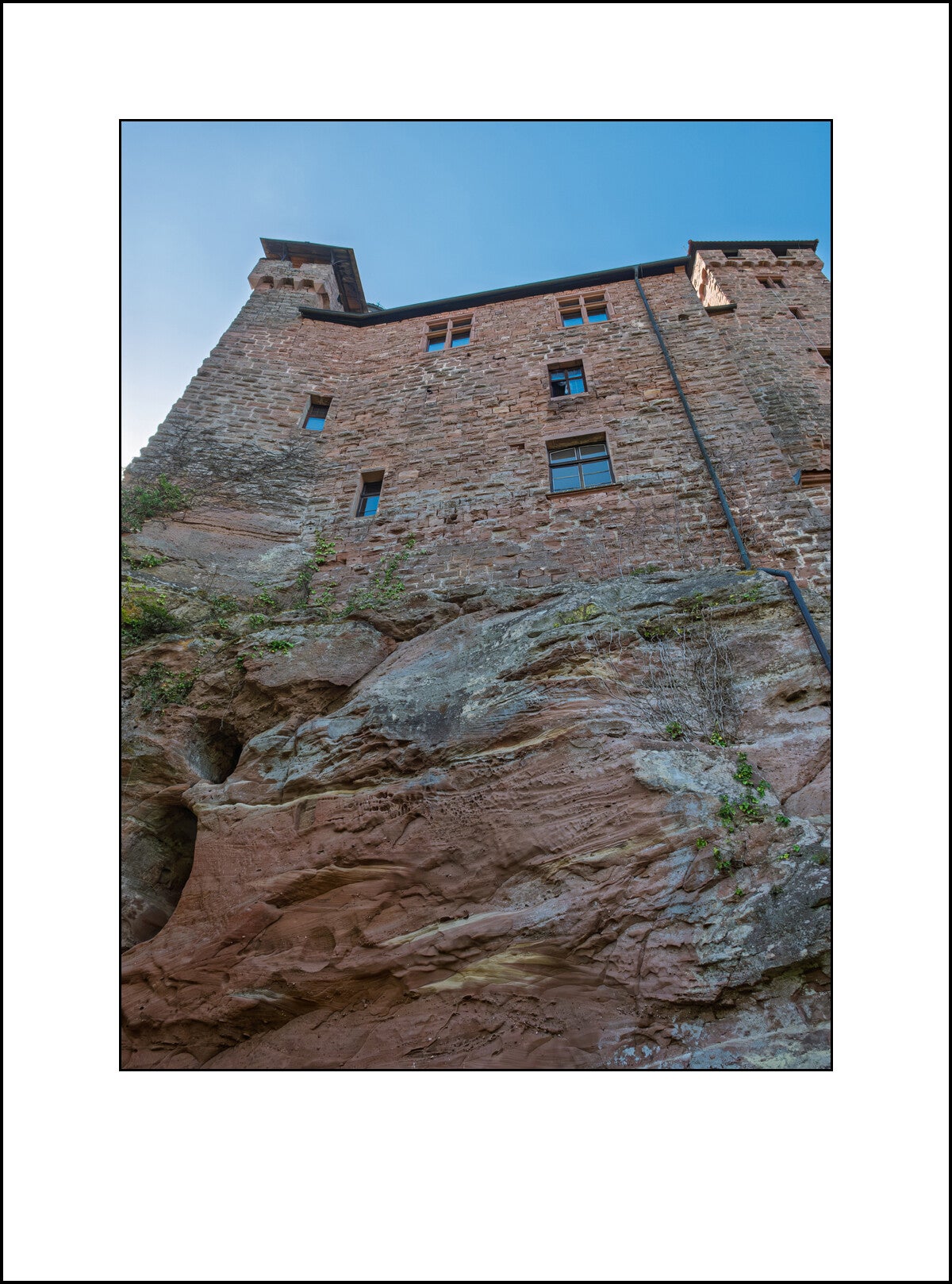
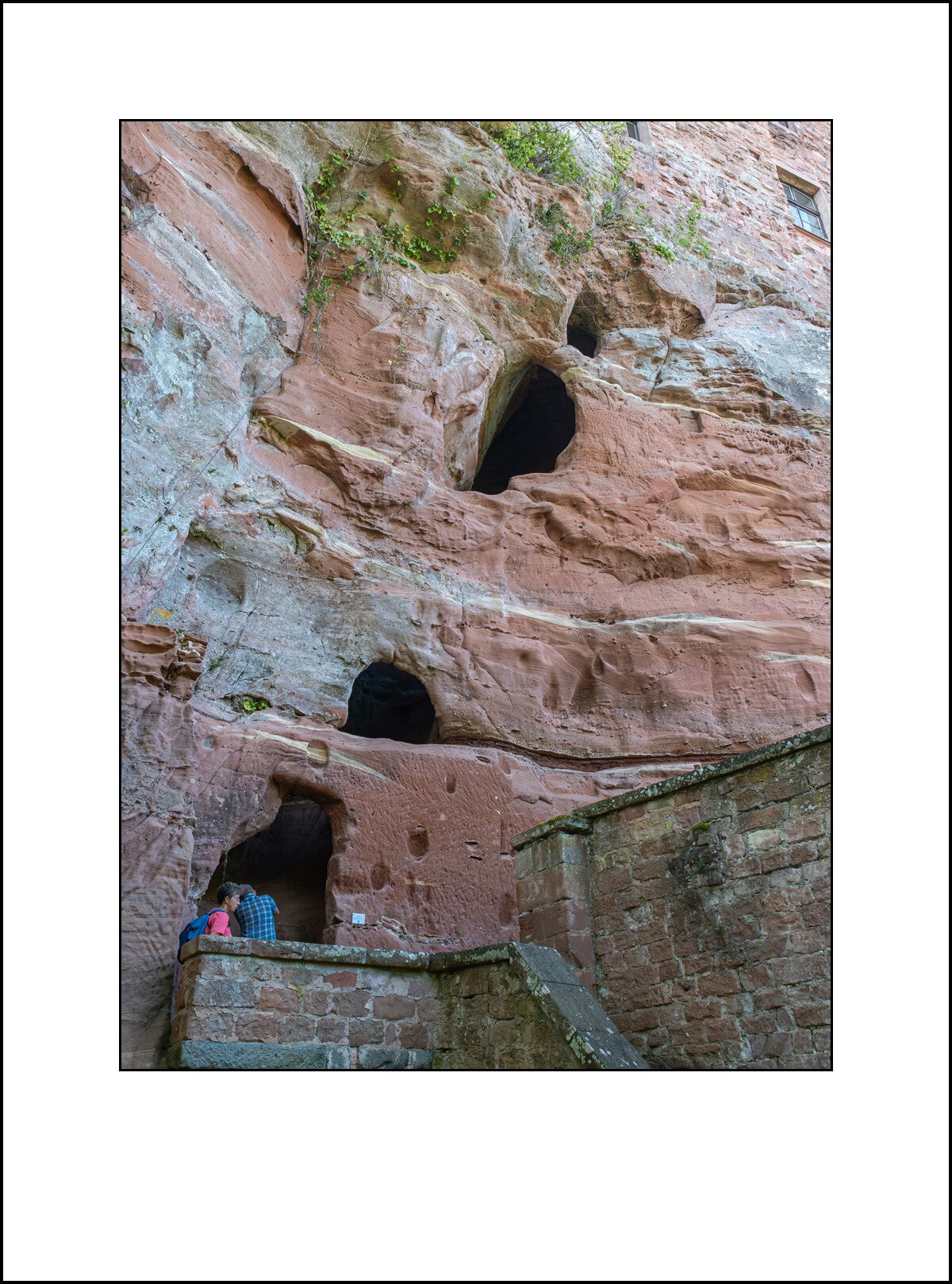
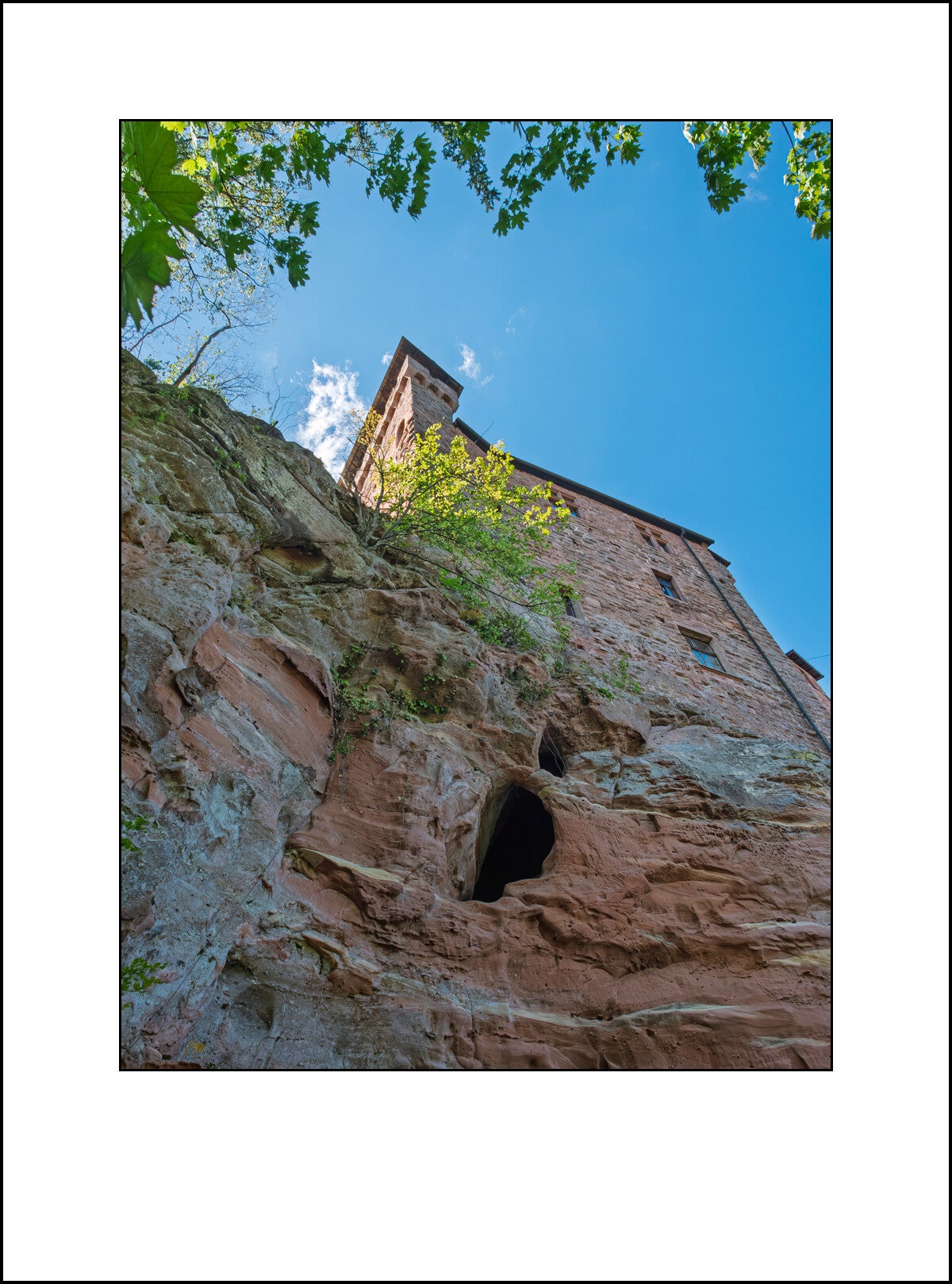
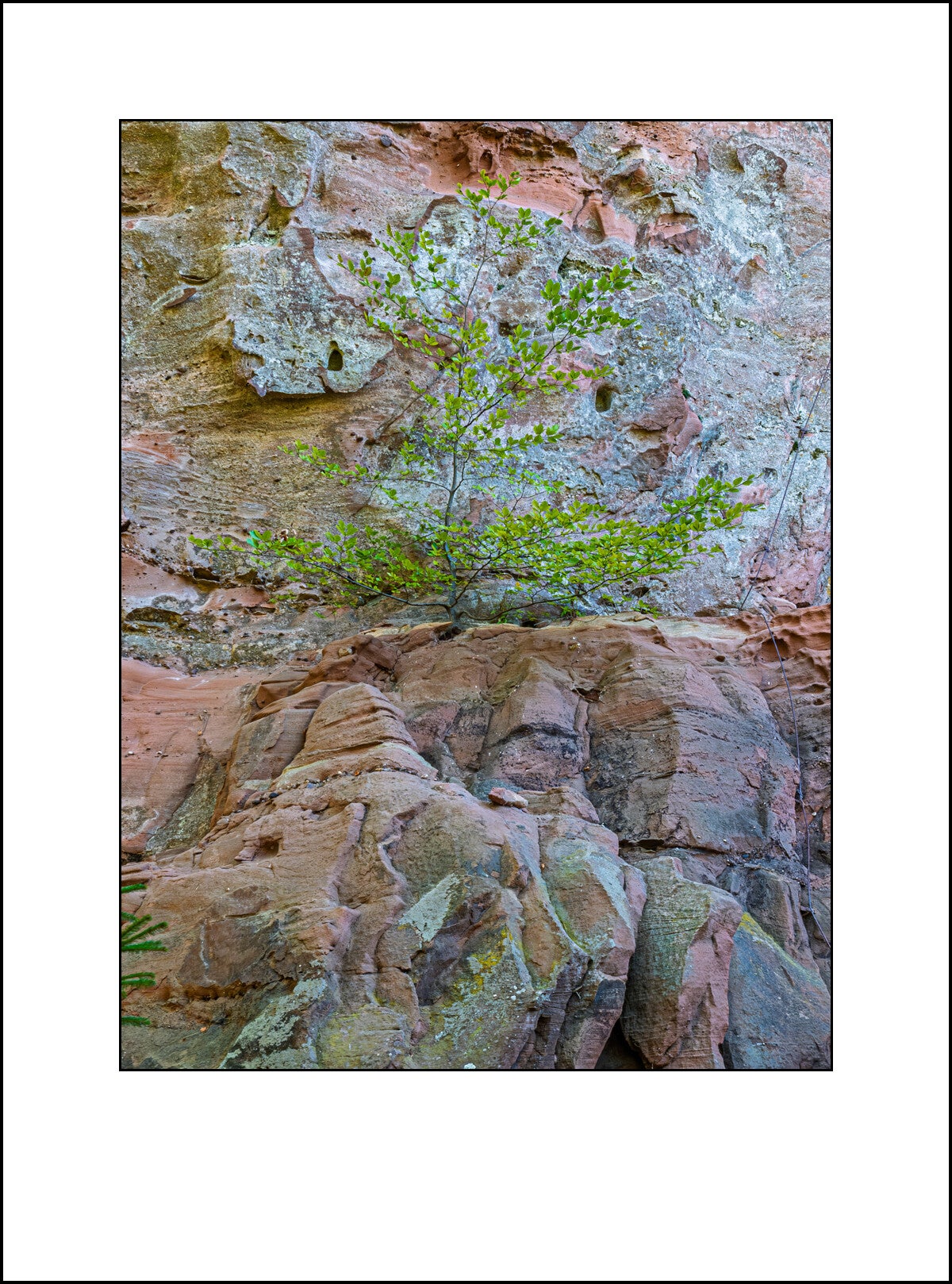
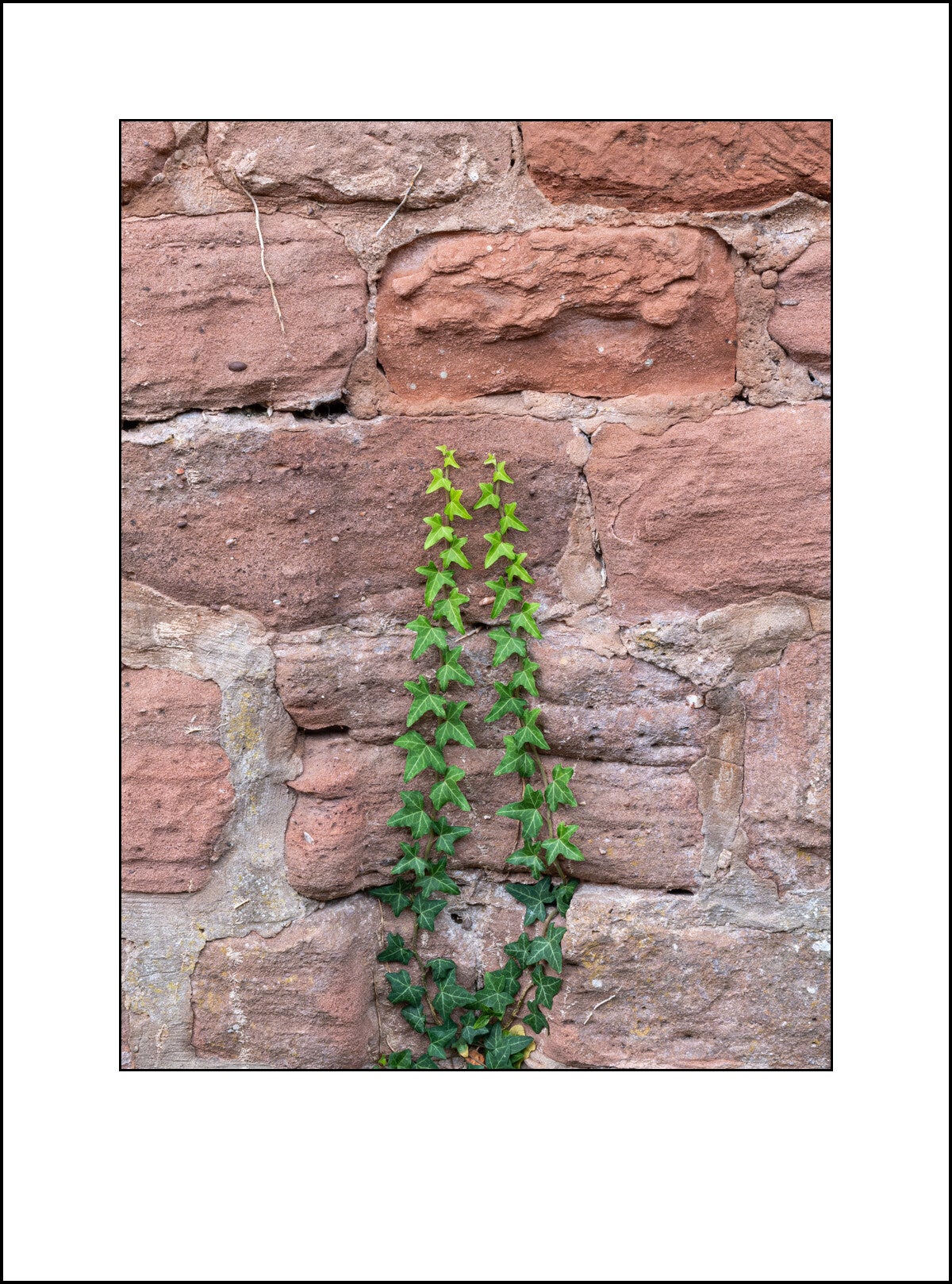
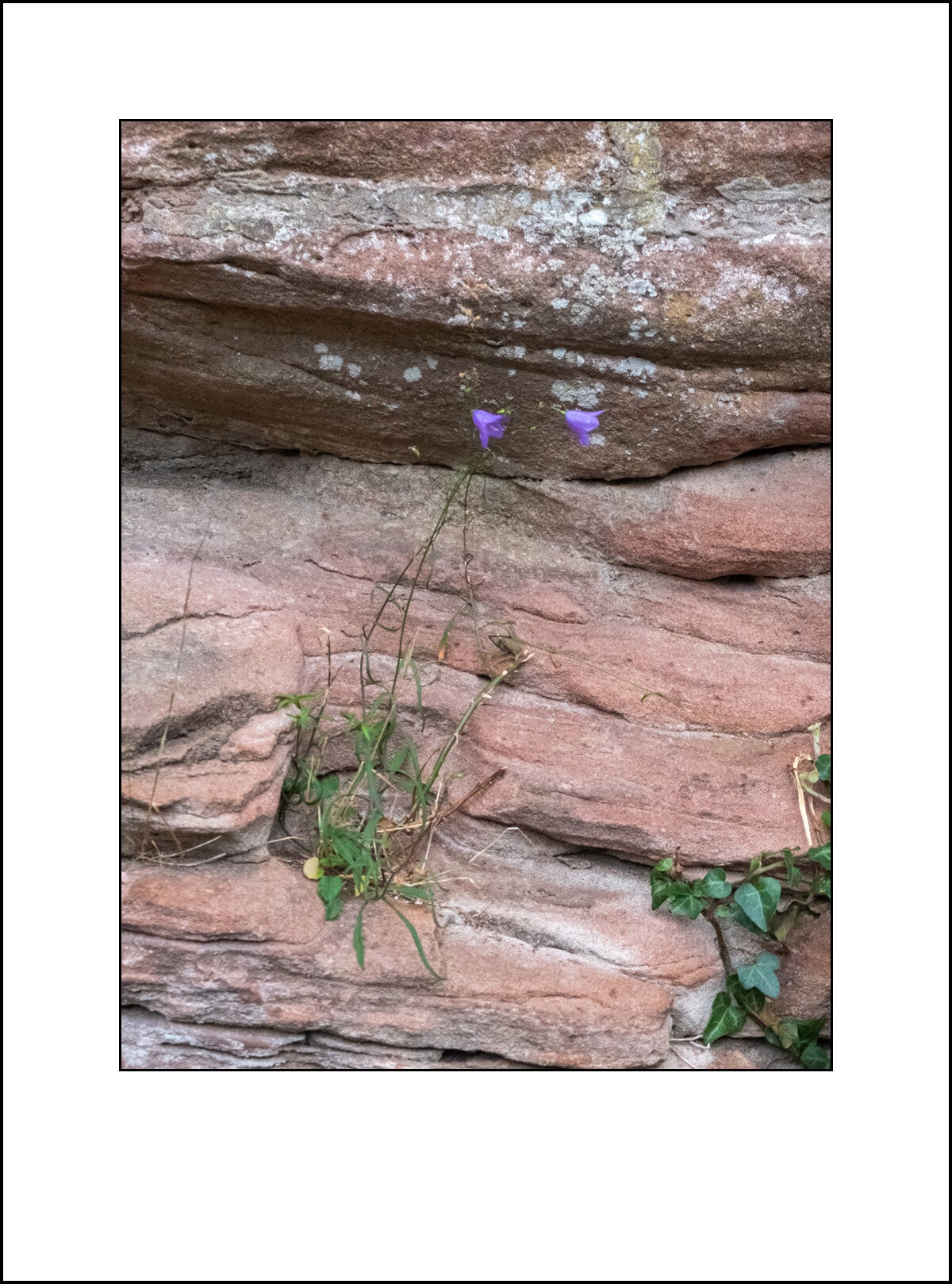
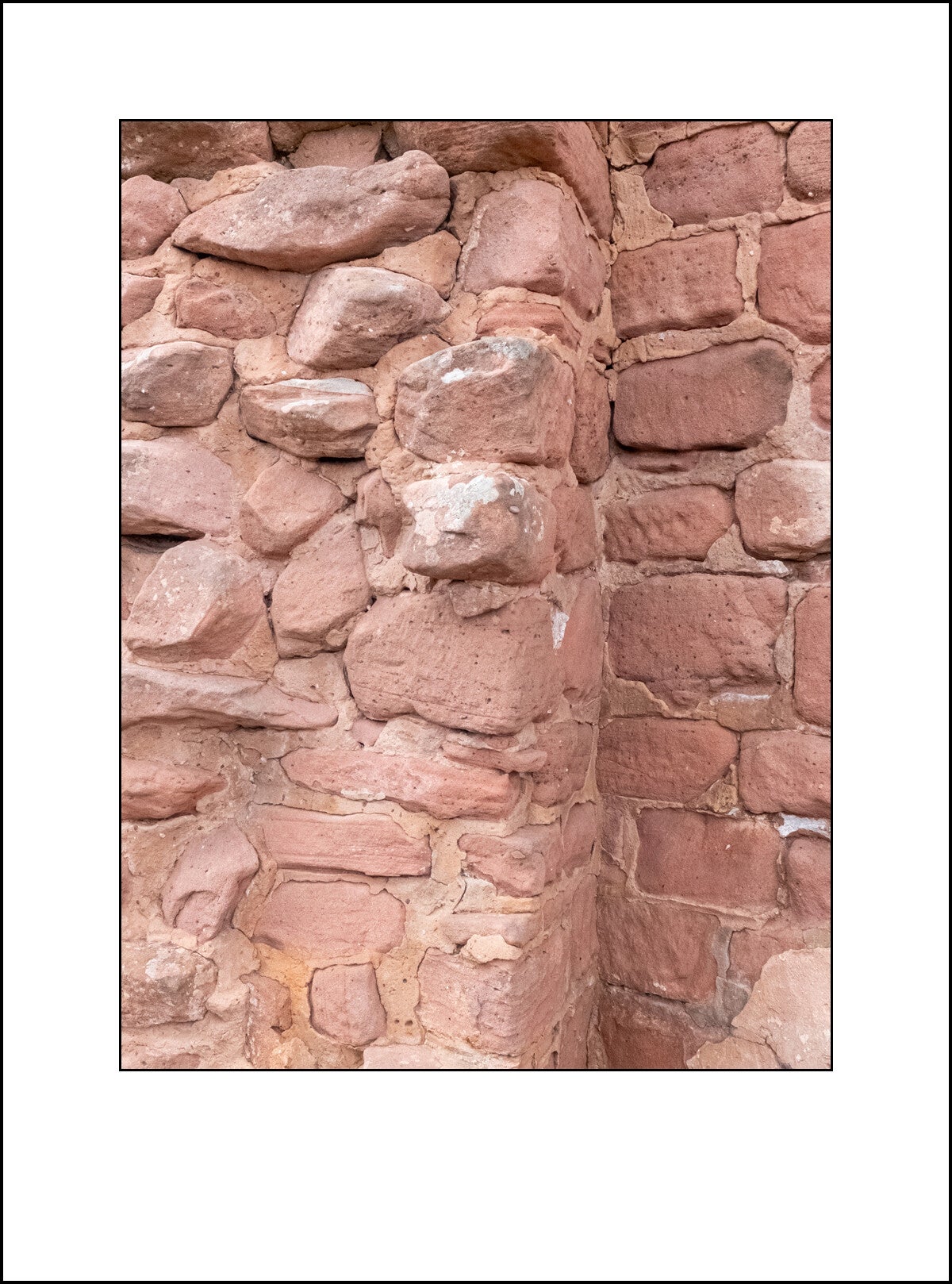
The Dahner Felsenland is characterized by its awe-inspiring sandstone formations, which are the result of millions of years of geological processes. During the Permian period, around 250 million years ago, the area was covered by a shallow sea. Over time, layers of sediment accumulated, eventually forming the red sandstone that is now a hallmark of the region. Erosion and weathering sculpted these rocks into the striking formations we see today, such as the Teufelstisch (Devil's Table) and the Altschlossfelsen.
Early Human Settlement
The region's history of human settlement dates back to prehistoric times. Archaeological evidence suggests that the area was inhabited by early humans due to its strategic location and natural resources. The rock formations provided shelter and vantage points for early communities. Over the centuries, the area saw the rise and fall of various tribes, including the Celts and the Germanic tribes, who left their mark on the land.
Medieval Era
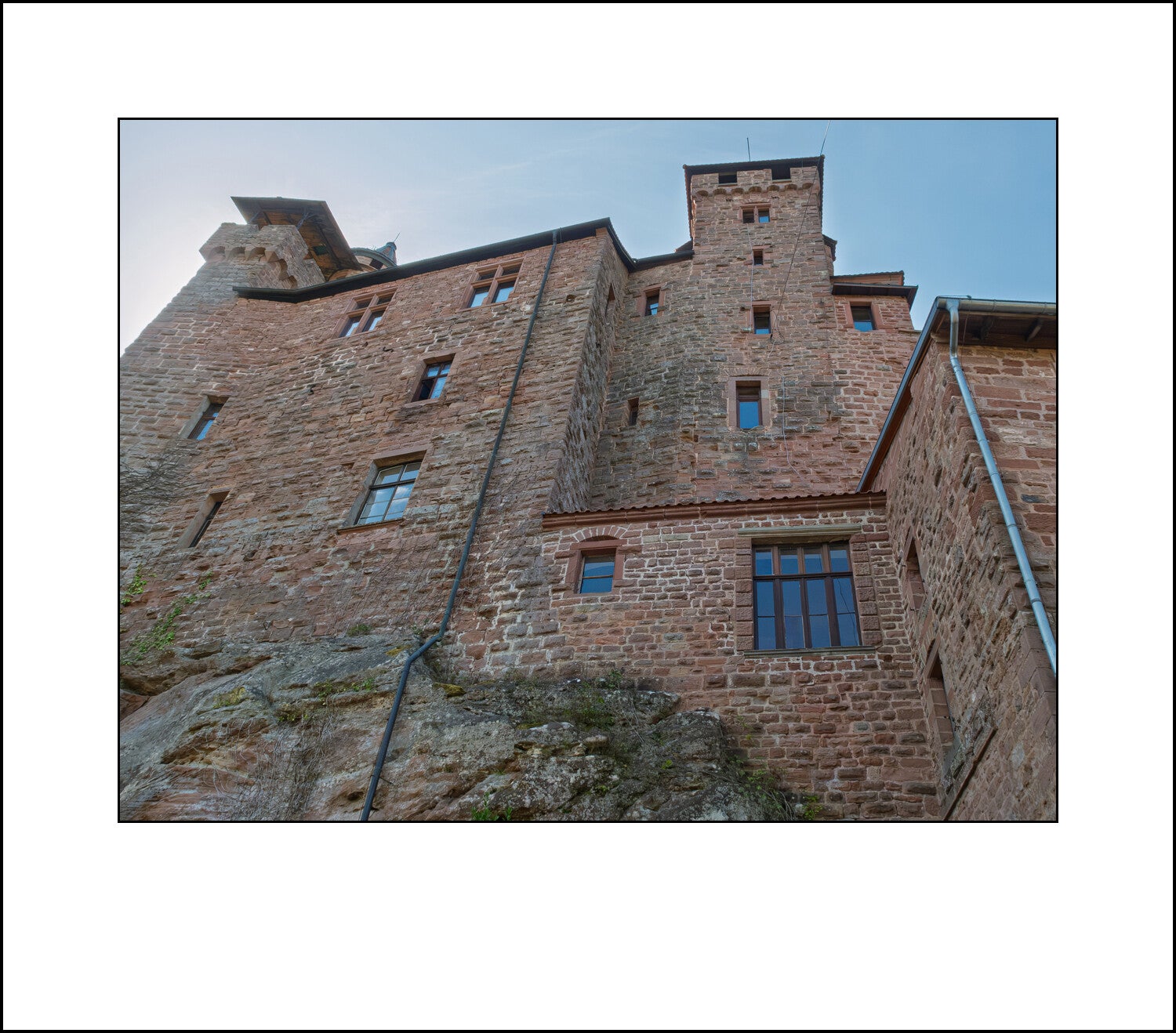
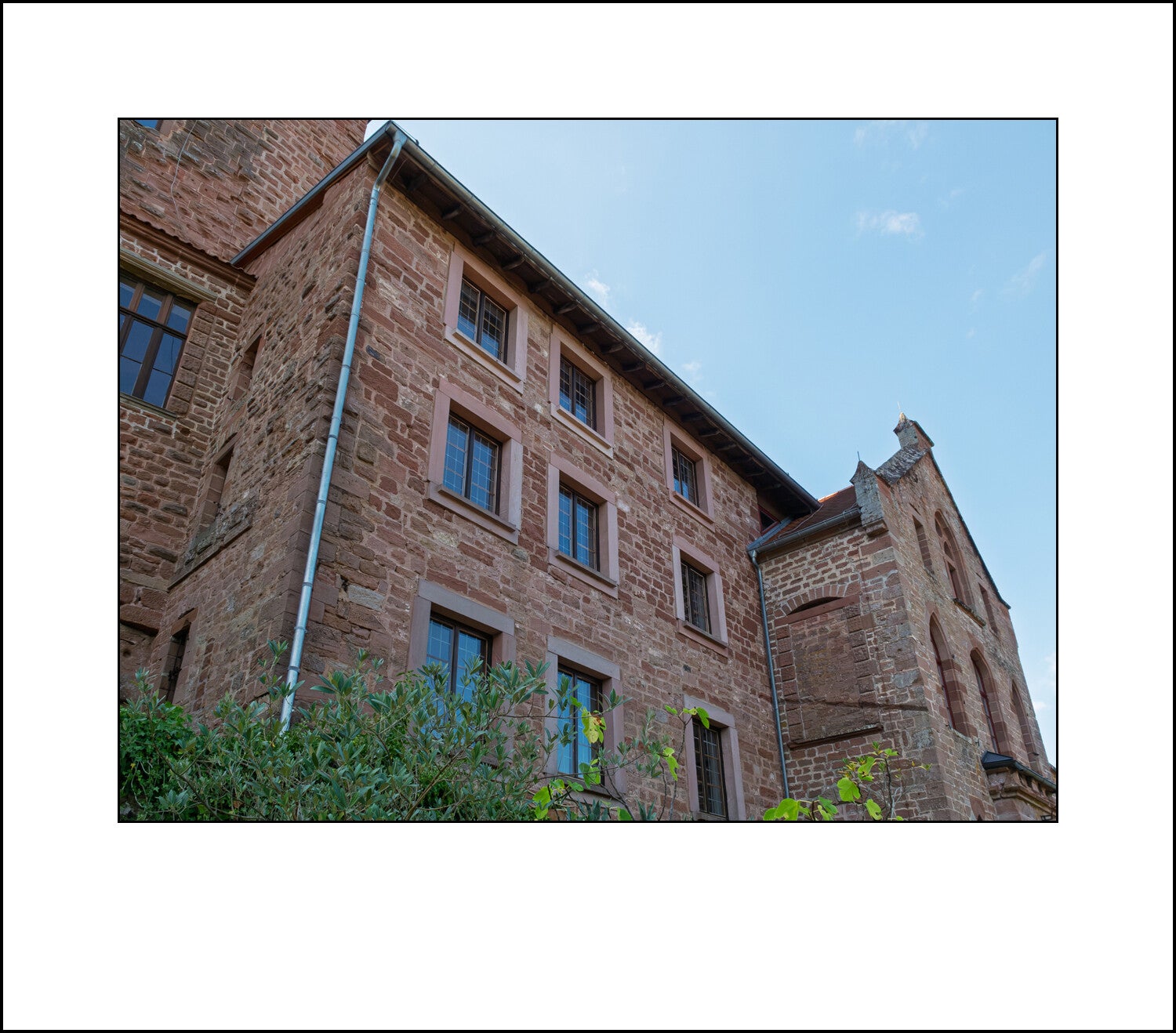
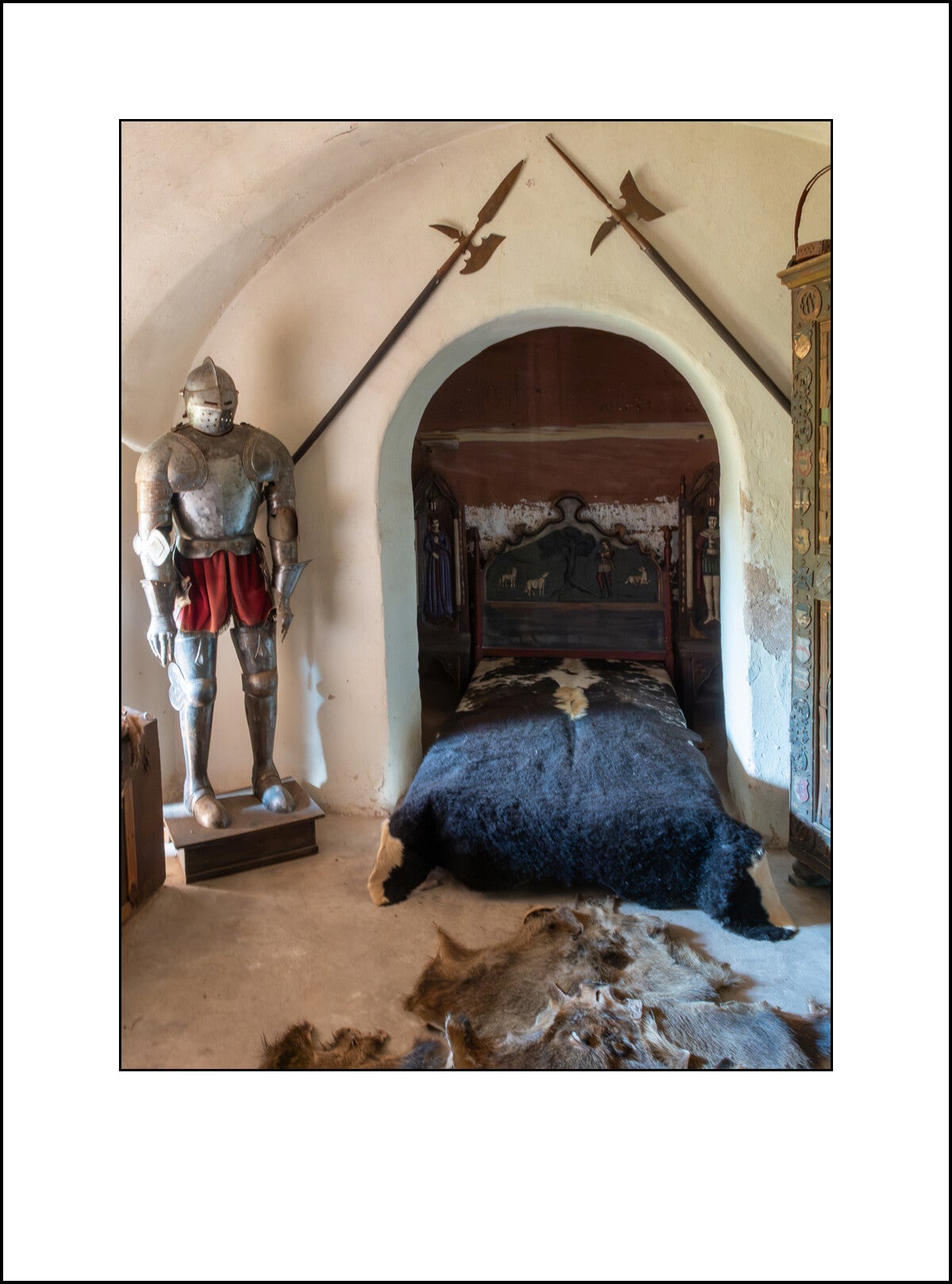
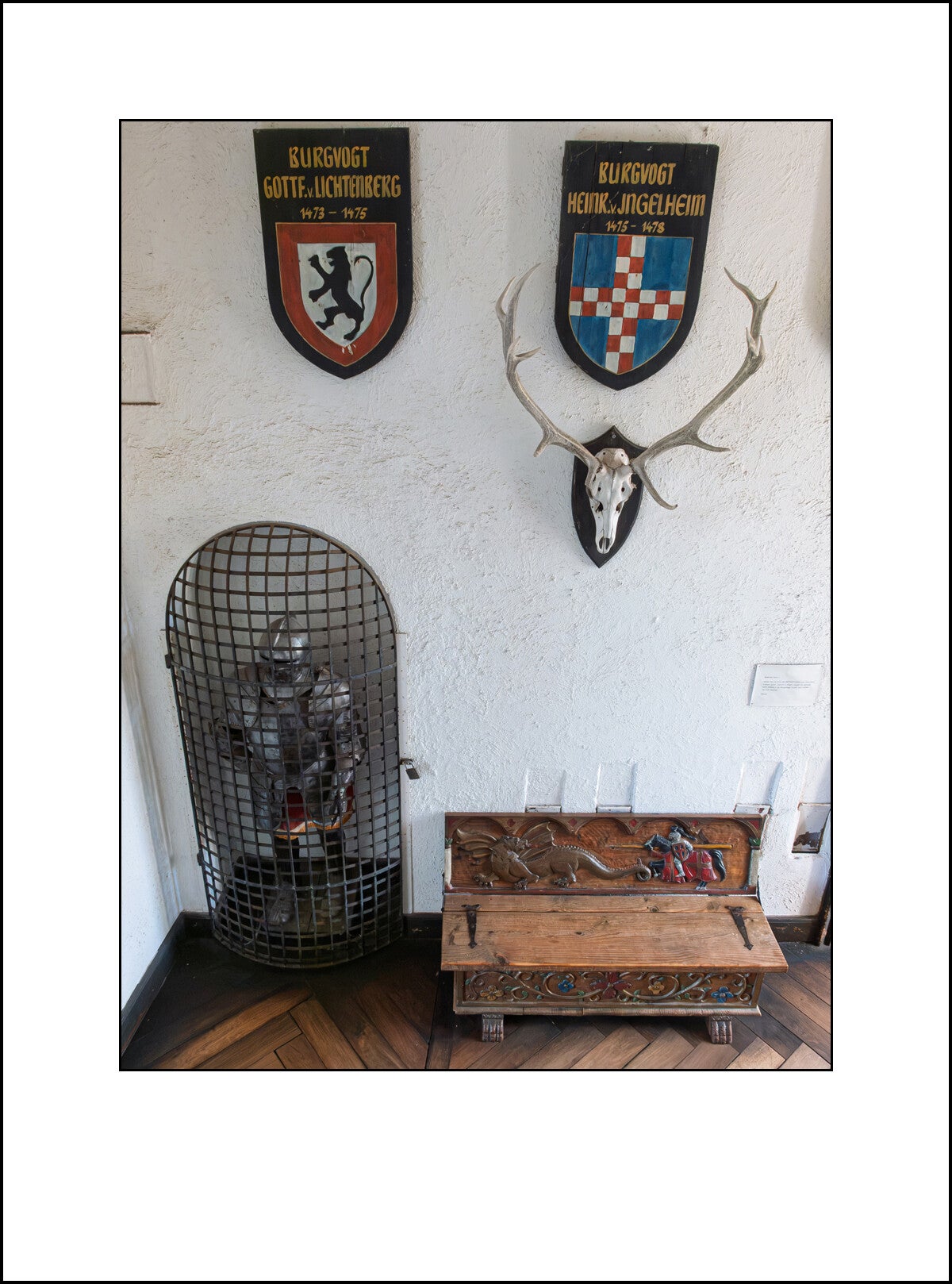
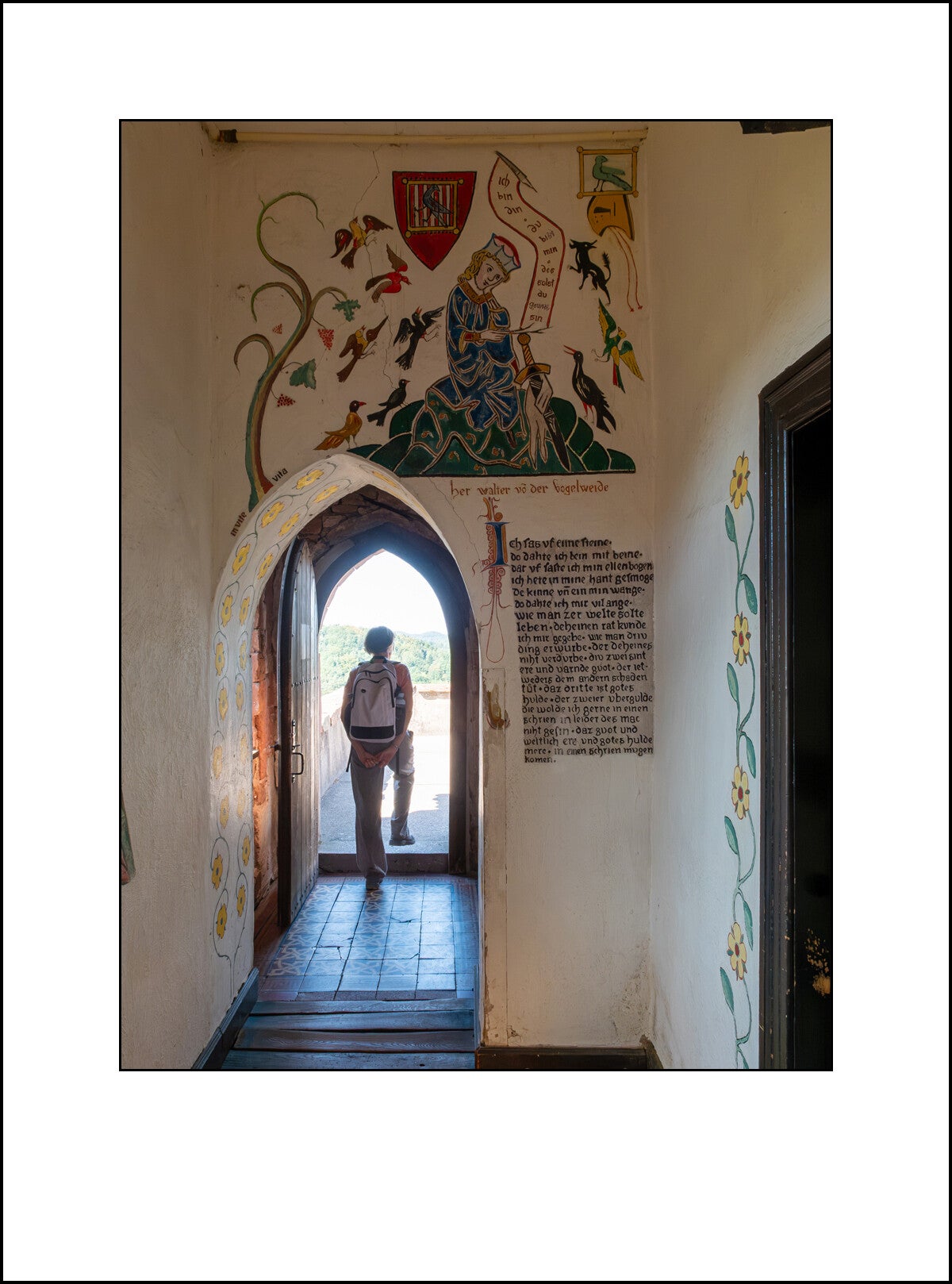
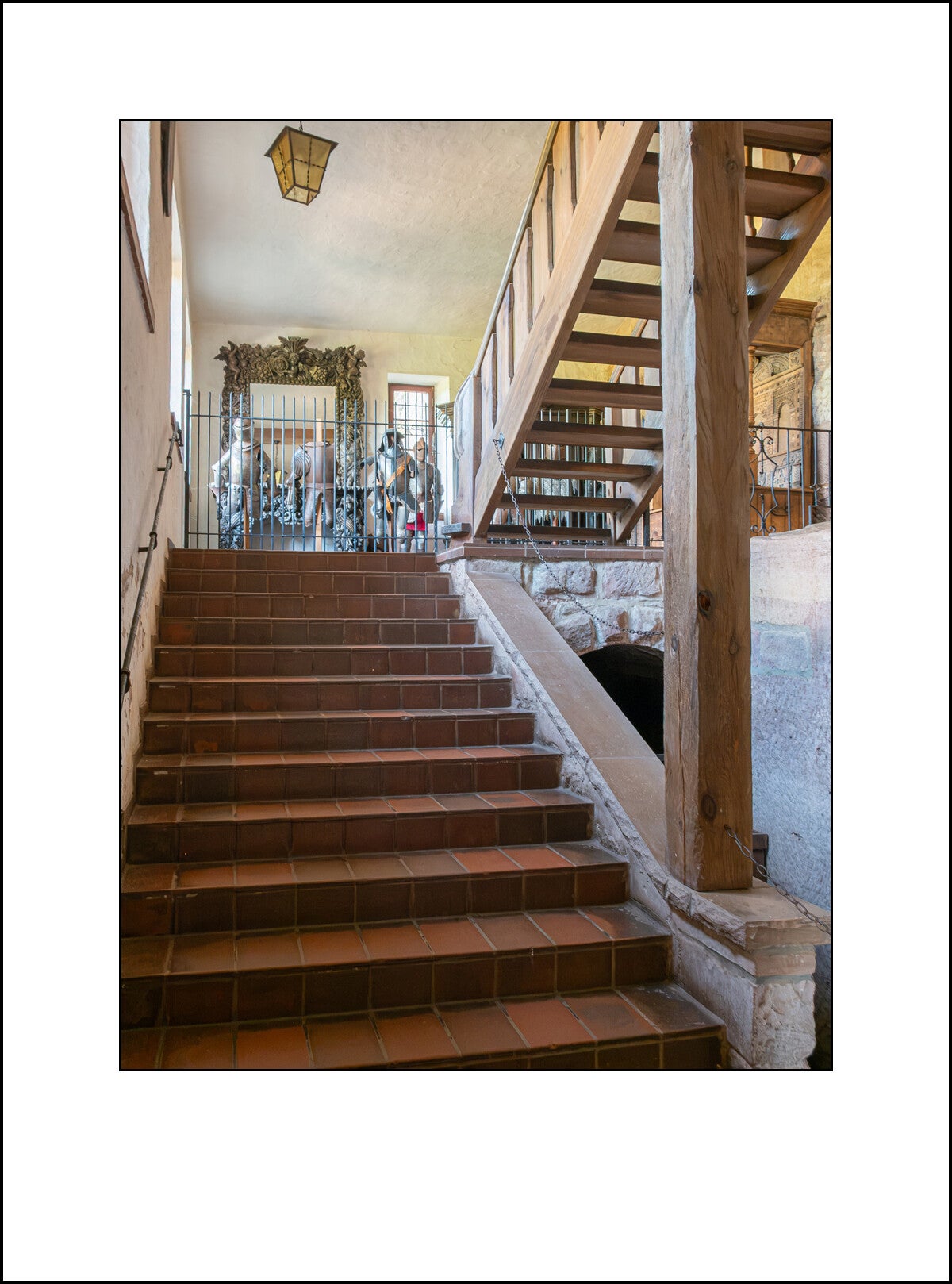
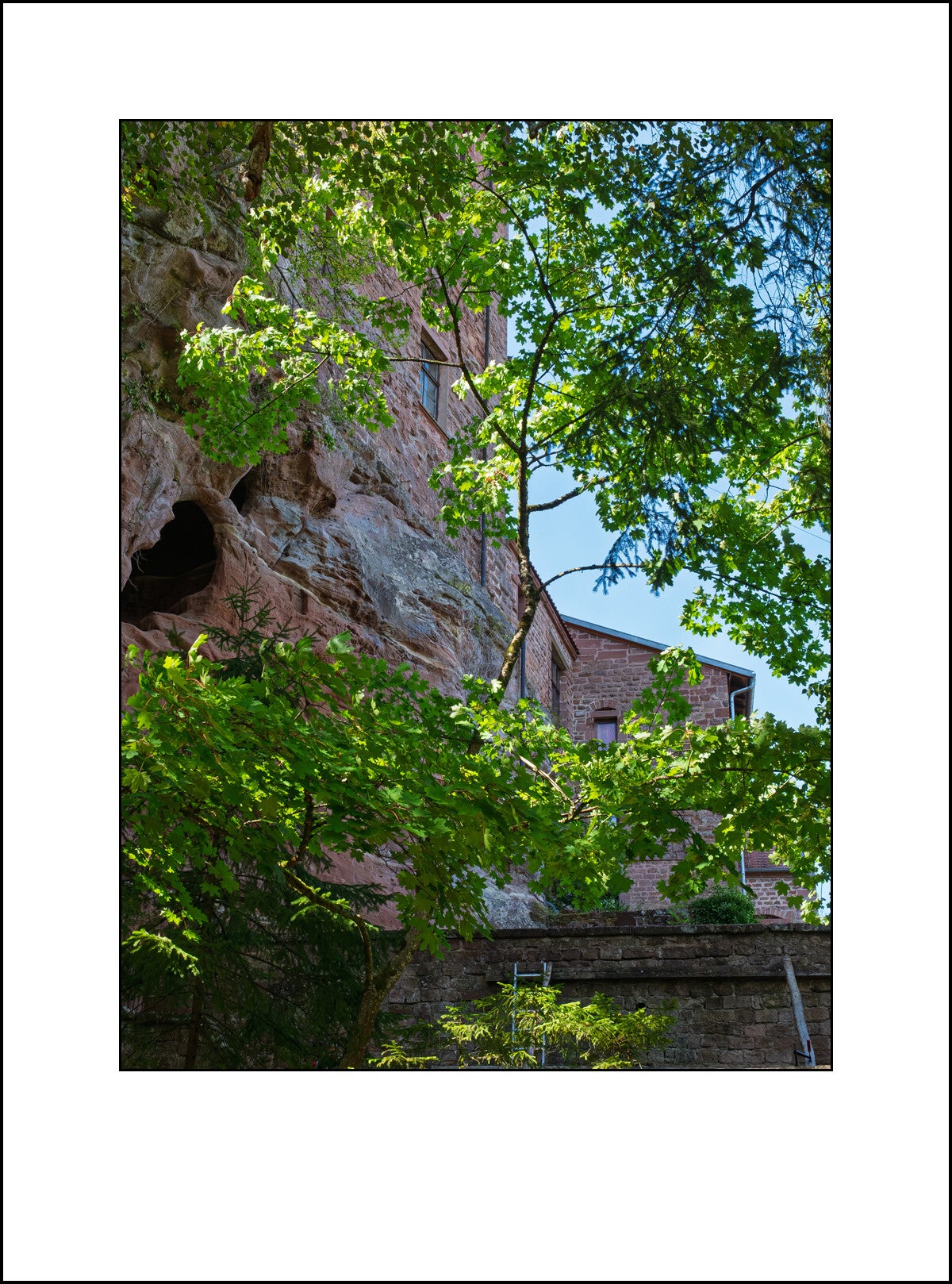
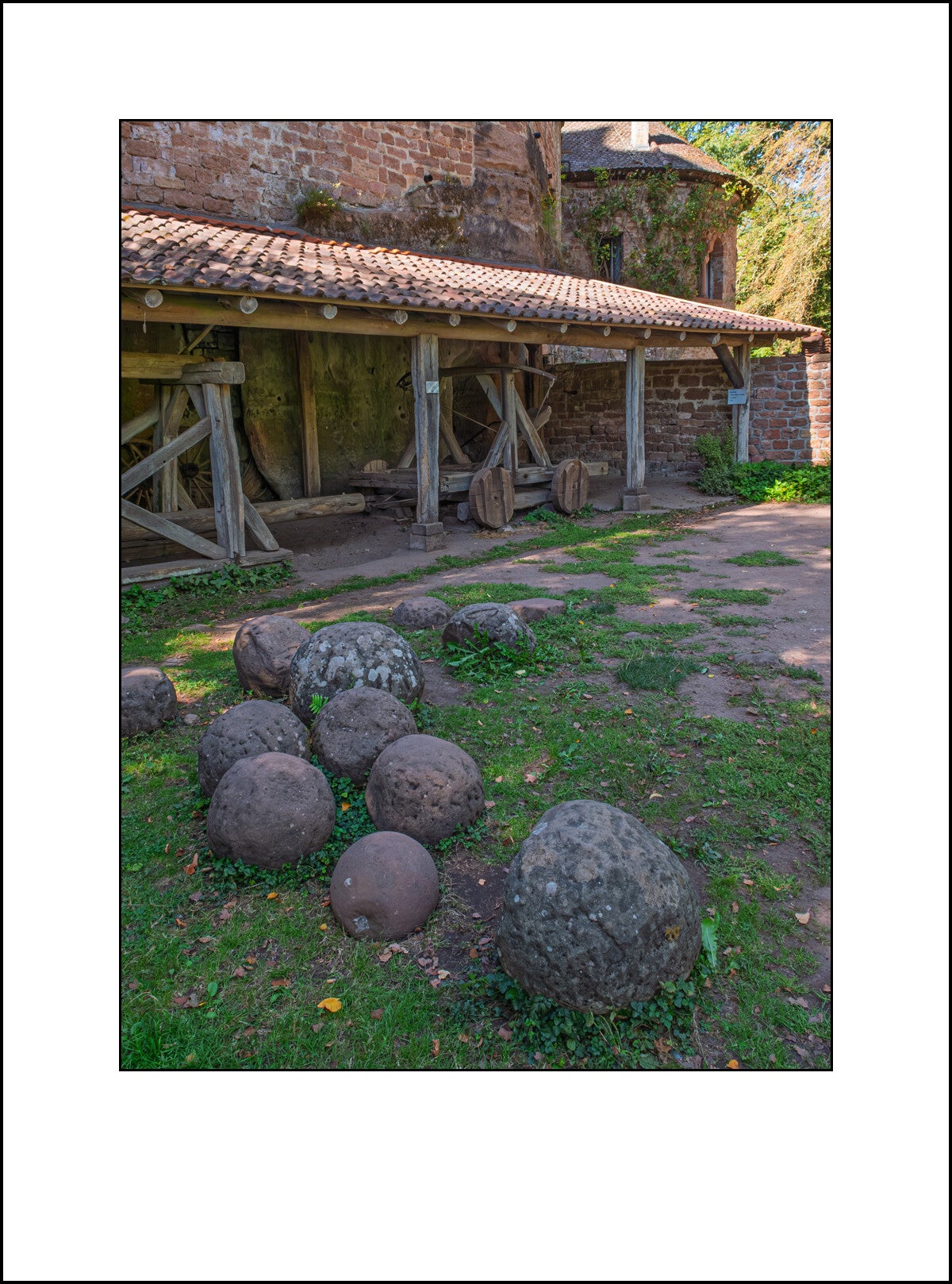
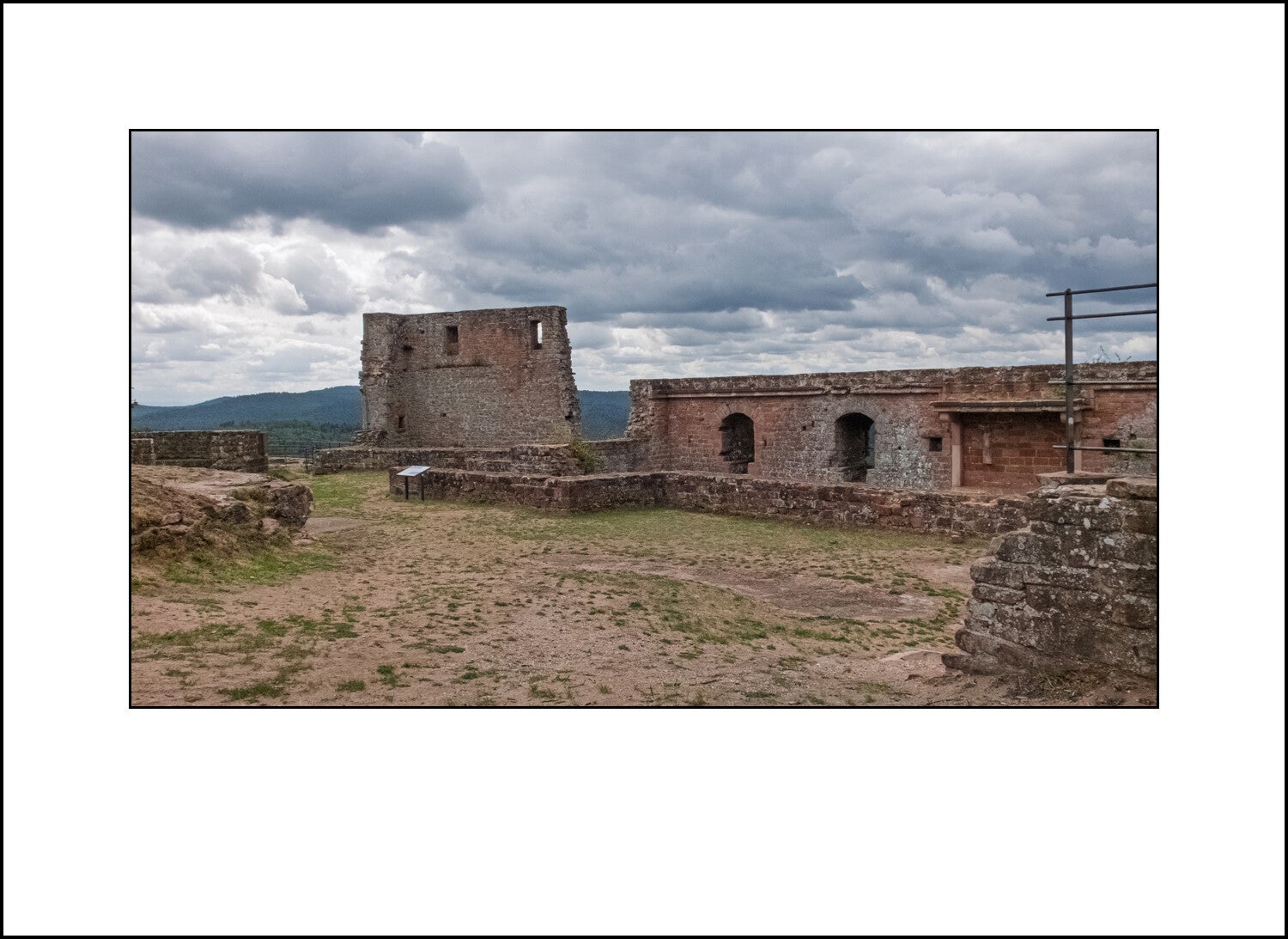
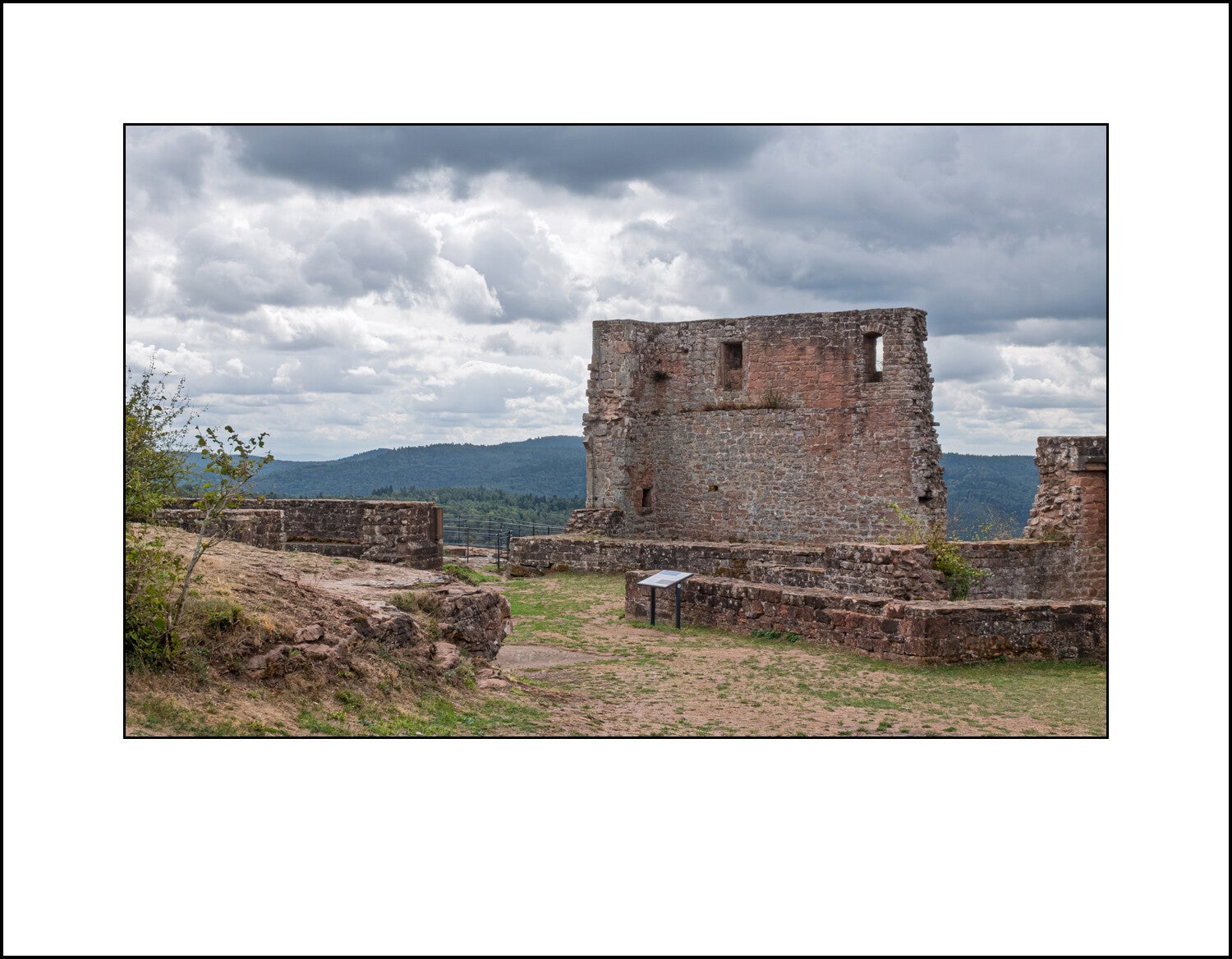
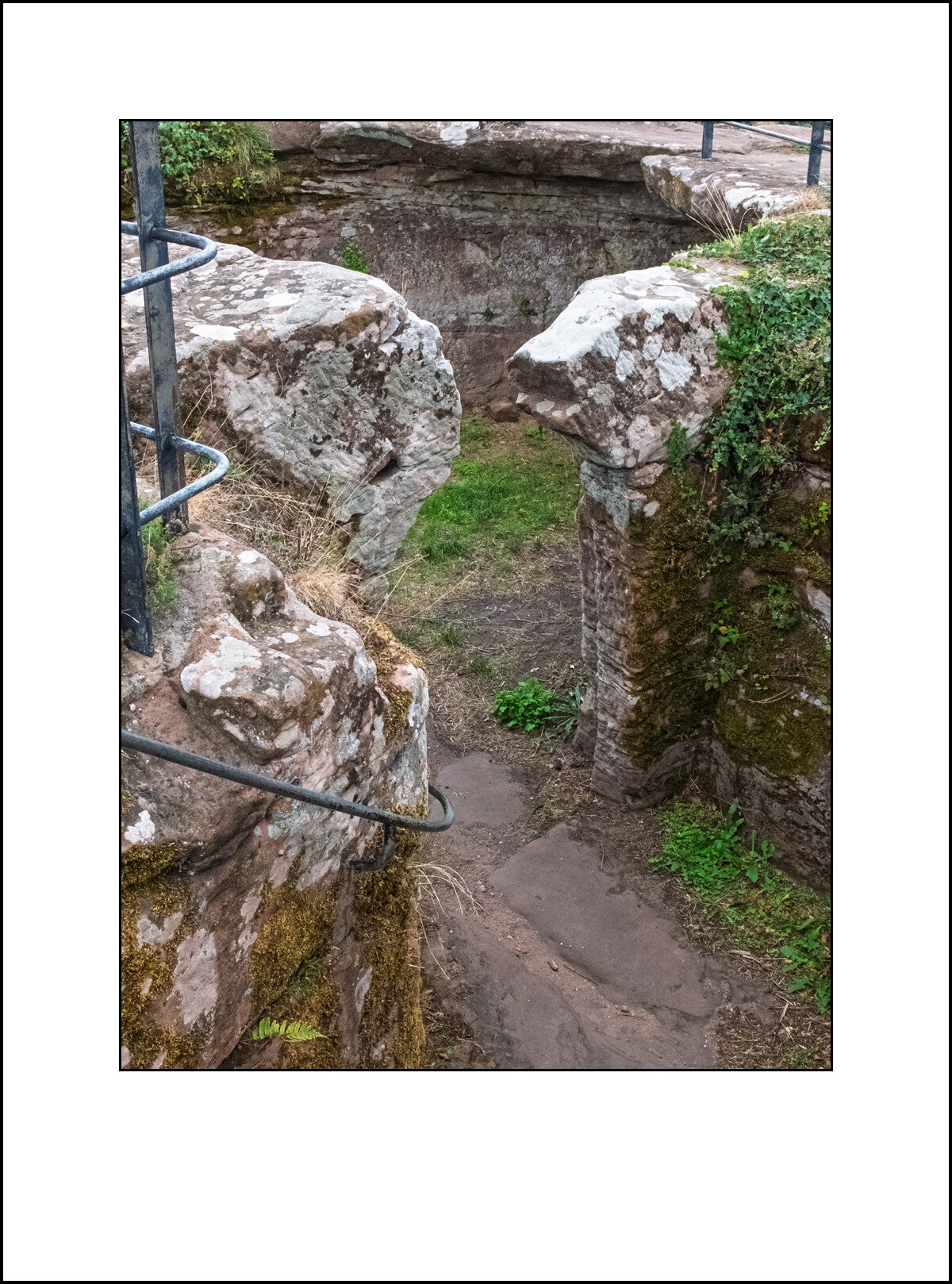
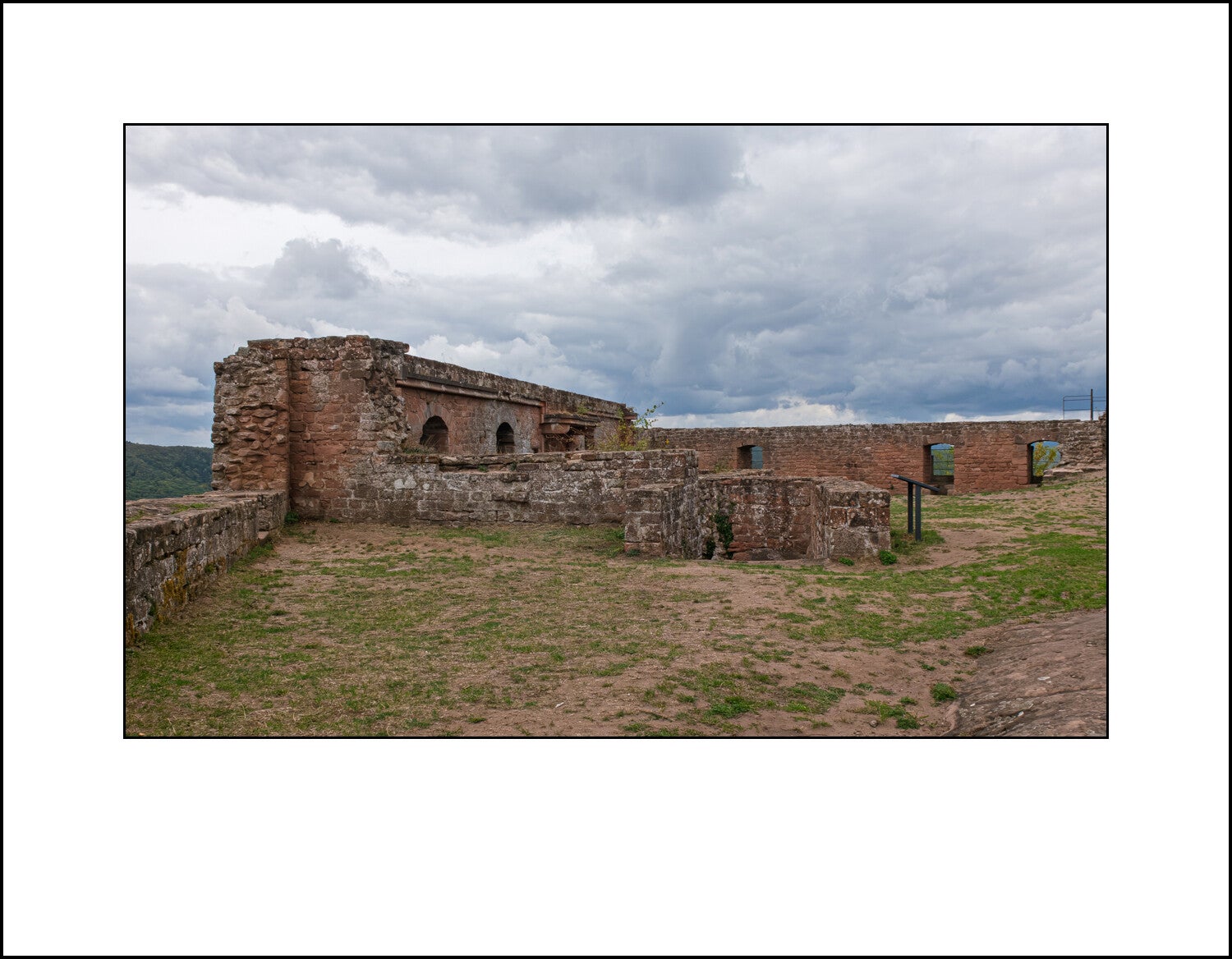
During the medieval period, the Dahner Felsenland became a region of strategic importance. Numerous castles and fortifications were built on the rocky outcrops, serving as strongholds and residences for local lords. The Berwartstein Castle and the Drachenfels are notable examples of such medieval architecture. These structures not only provided defense but also played a significant role in the region's social and economic development.
Cultural Significance
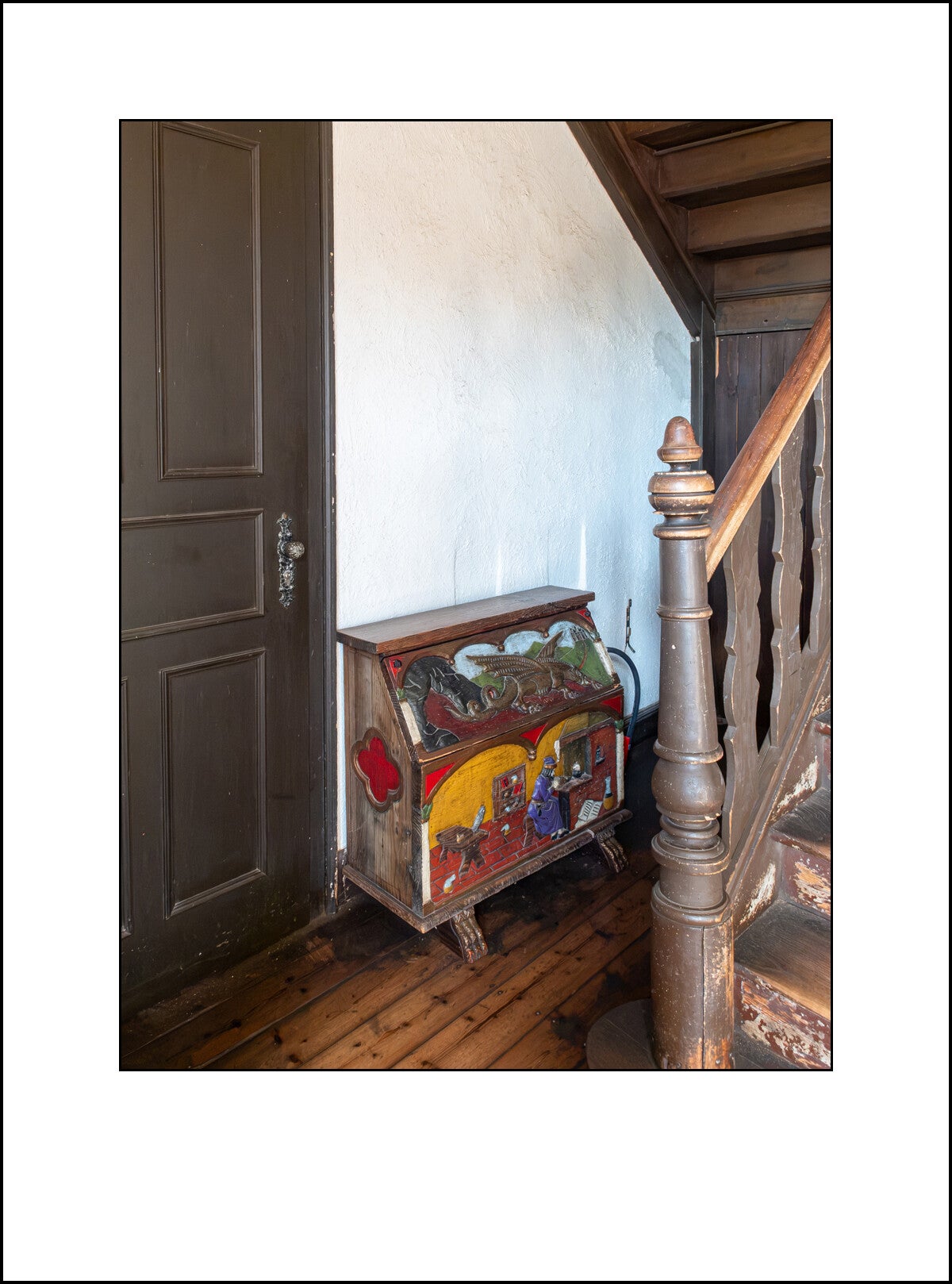
The unique landscape of the Dahner Felsenland has inspired countless myths and legends, enriching the cultural tapestry of the region. Stories of dragons, knights, and enchanted rocks are woven into the local folklore. The region's natural beauty also attracts artists, hikers, and nature enthusiasts, contributing to its reputation as a haven for outdoor recreation and artistic inspiration.
Modern Day
Today, the Dahner Felsenland is a protected area, part of the Palatinate Forest-North Vosges Biosphere Reserve. It attracts tourists from around the world who come to admire its natural beauty and explore its hiking trails. The region continues to be a testament to the harmonious coexistence of human history and natural wonder, offering a glimpse into both the past and the present.
Conclusion
The Dahner Felsenland is a remarkable region with a history as compelling as its landscapes. From its geological origins to its cultural heritage, the area is a treasure trove of stories waiting to be discovered. Whether you are a history buff, a nature lover, or simply in search of adventure, the Dahner Felsenland promises a journey through time and beauty.
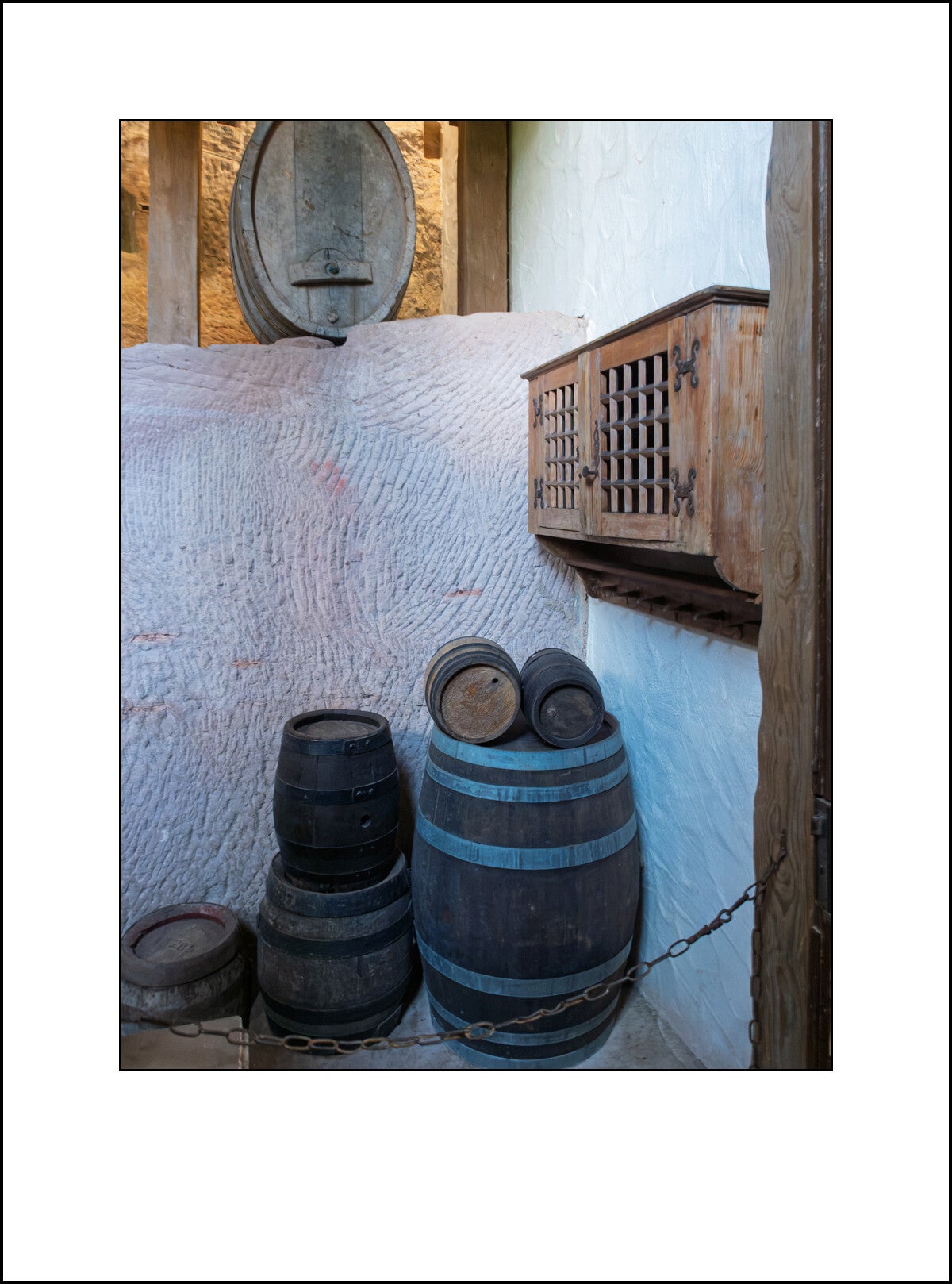
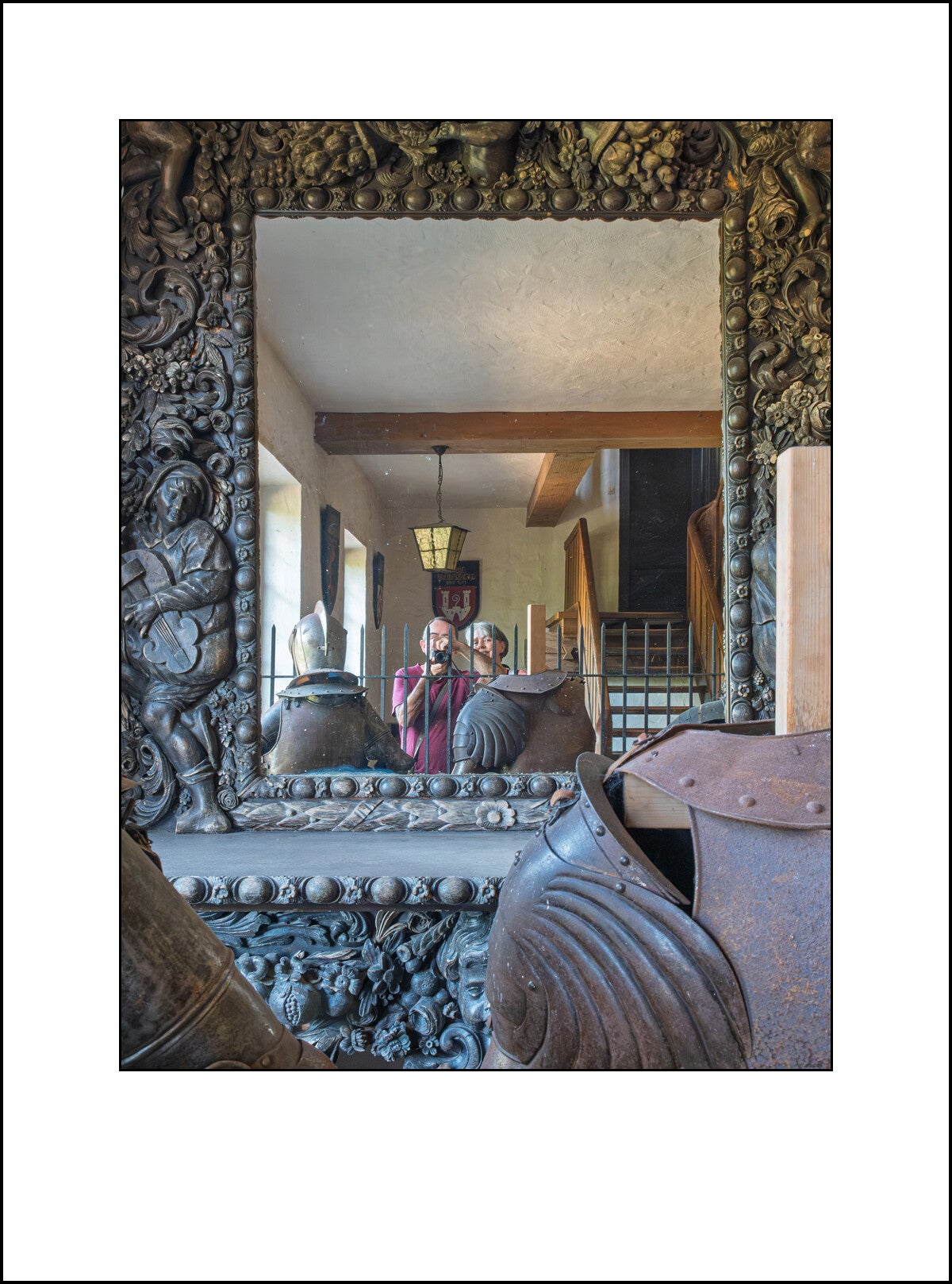
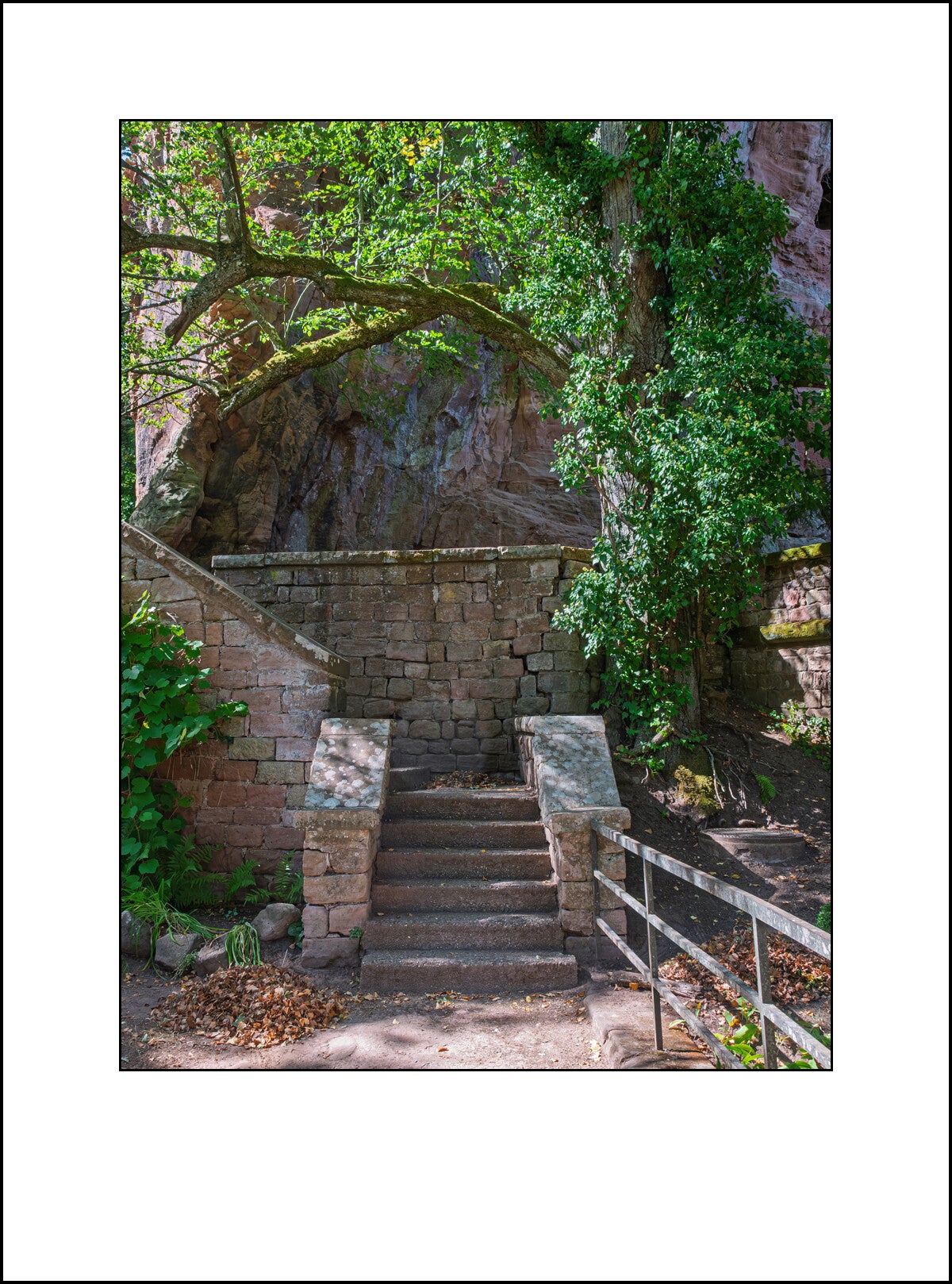
Images taken in the region with the Fujifilm X30 camera.
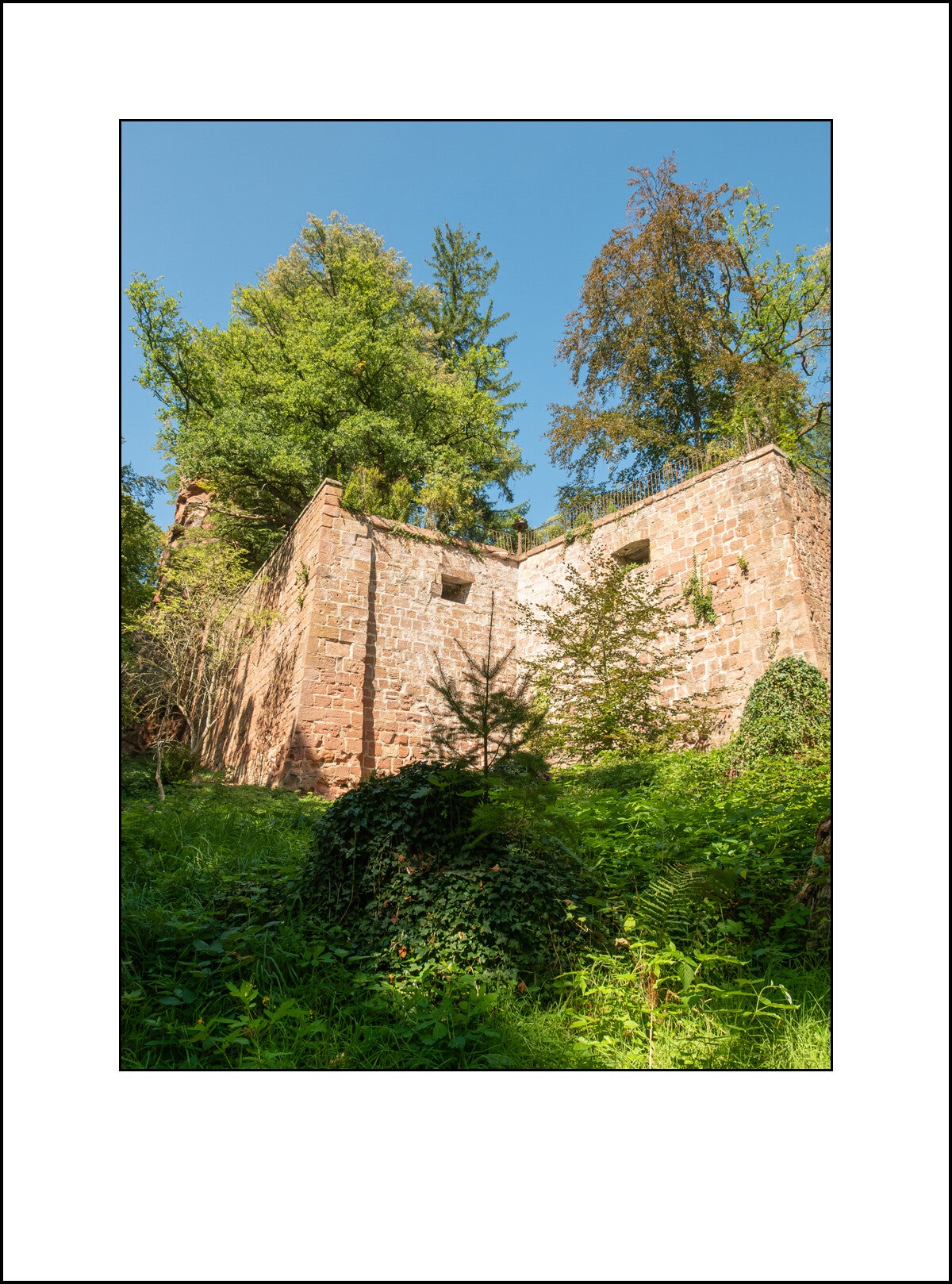
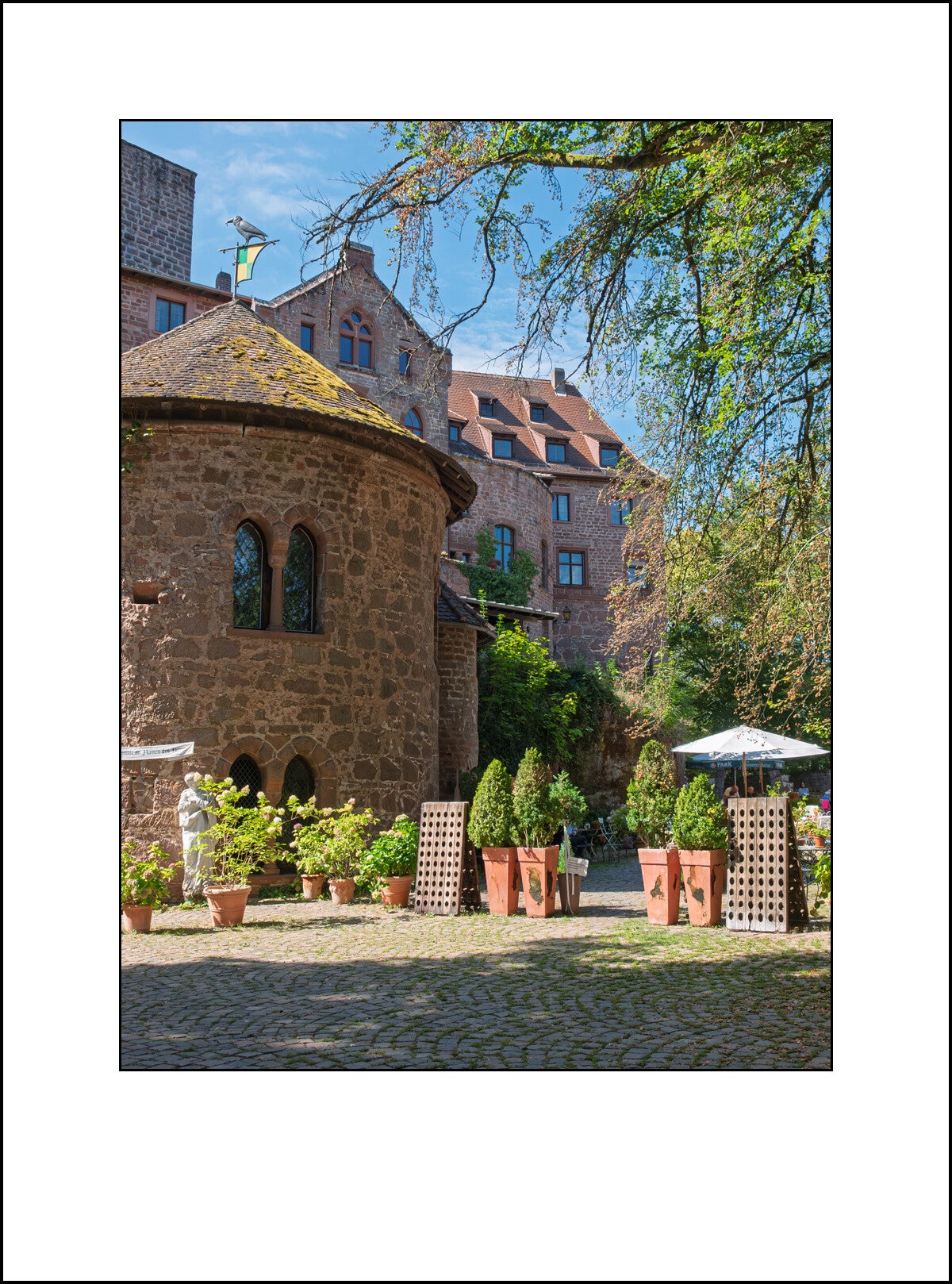
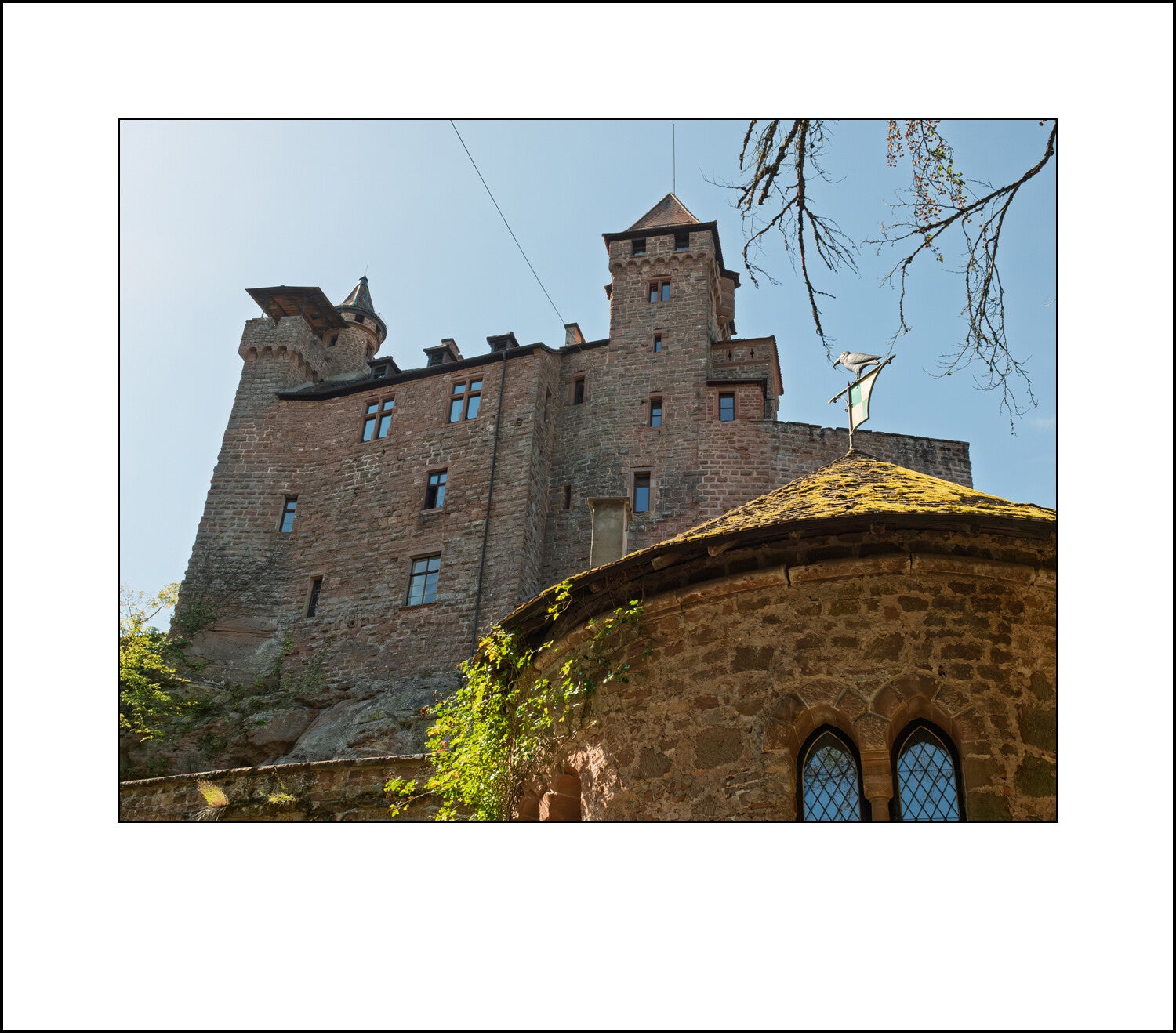
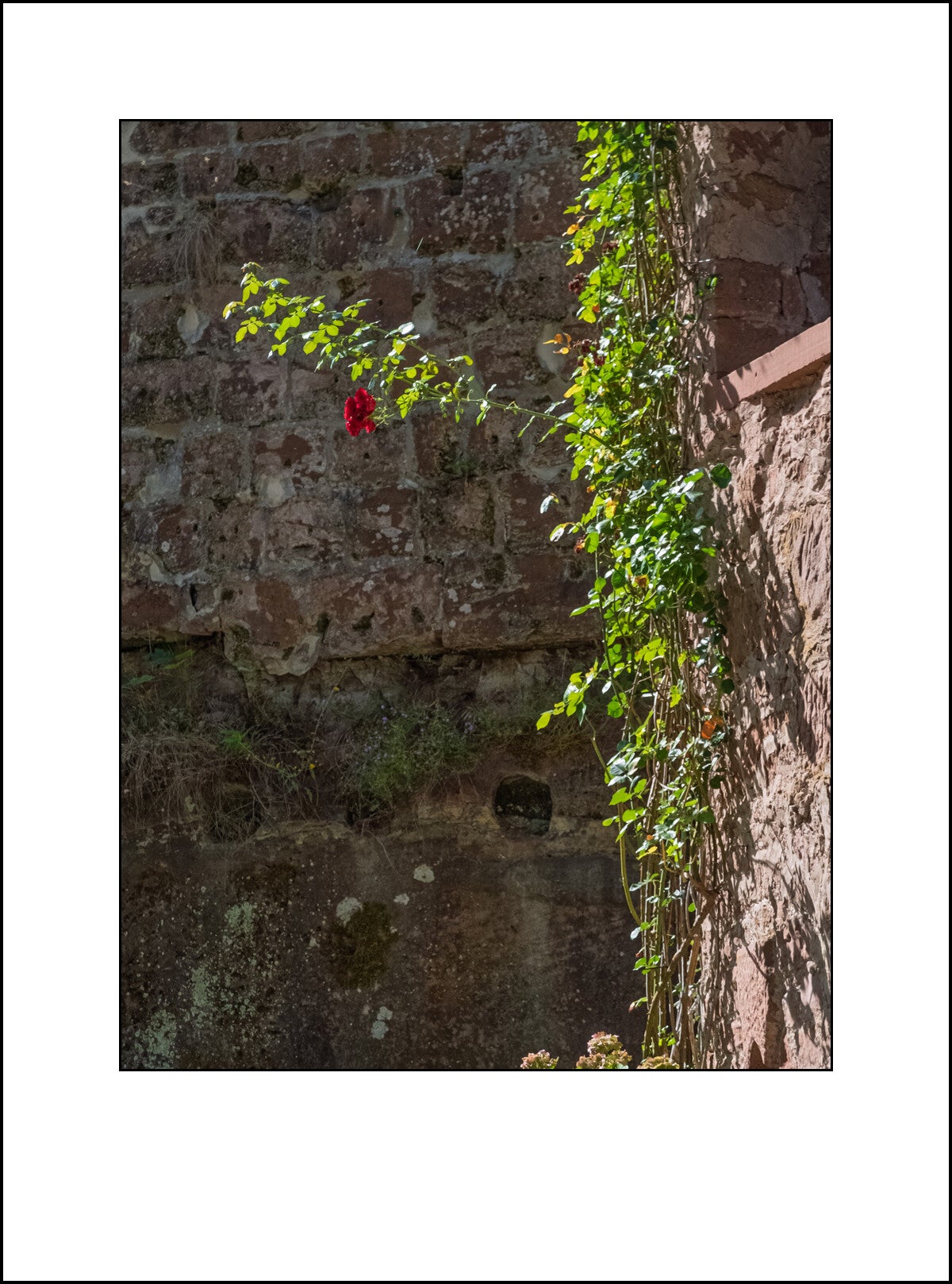
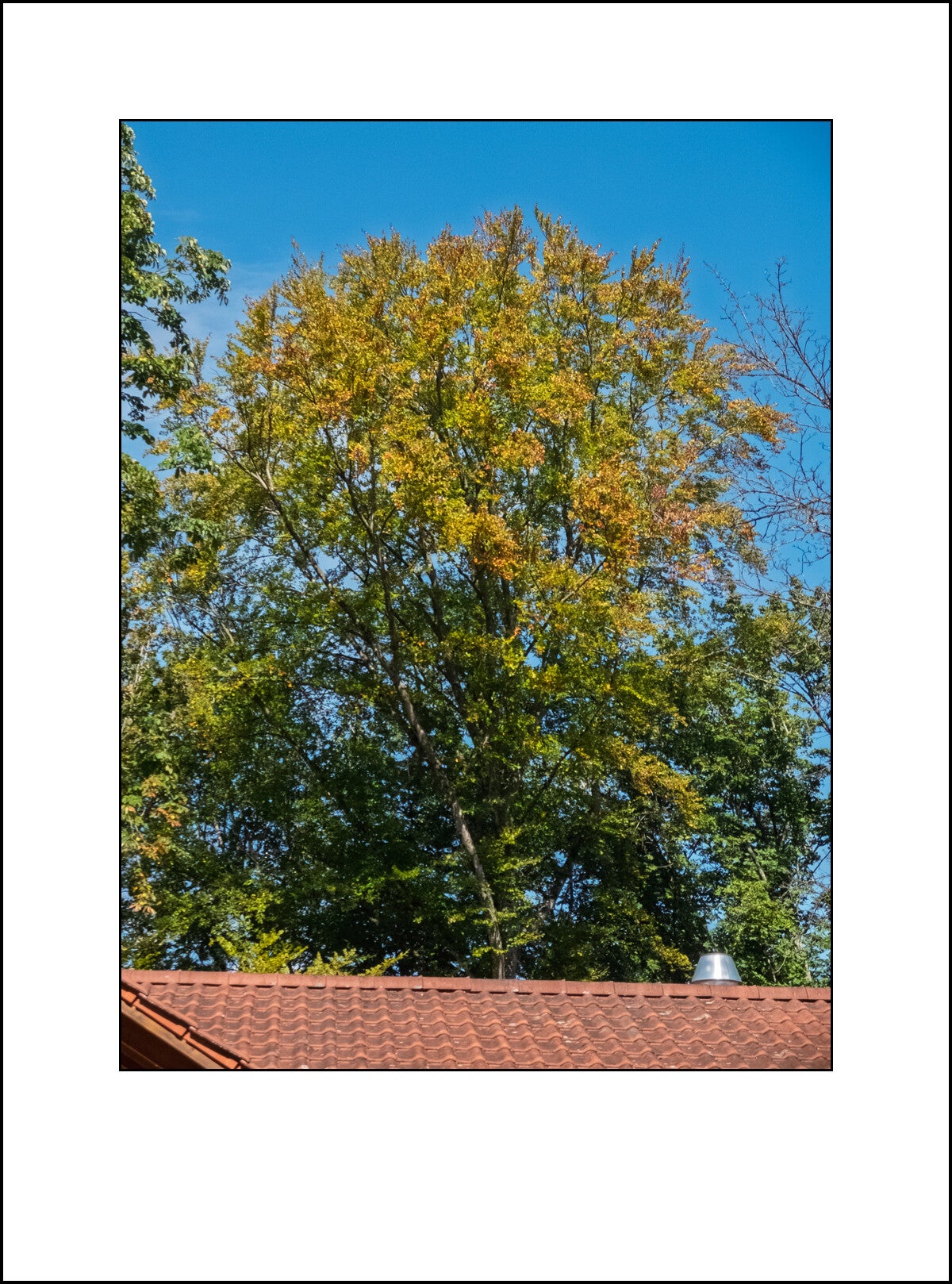
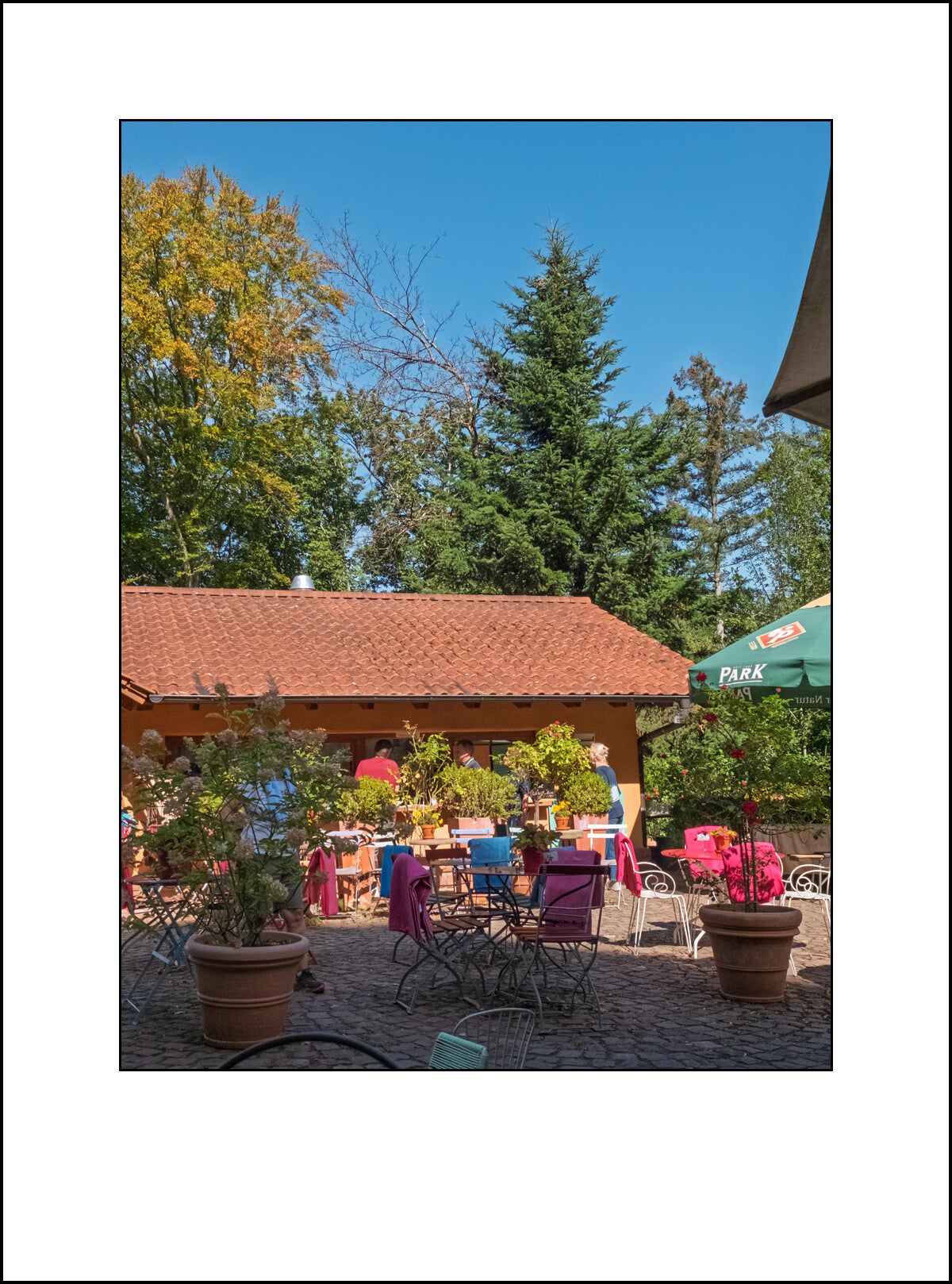
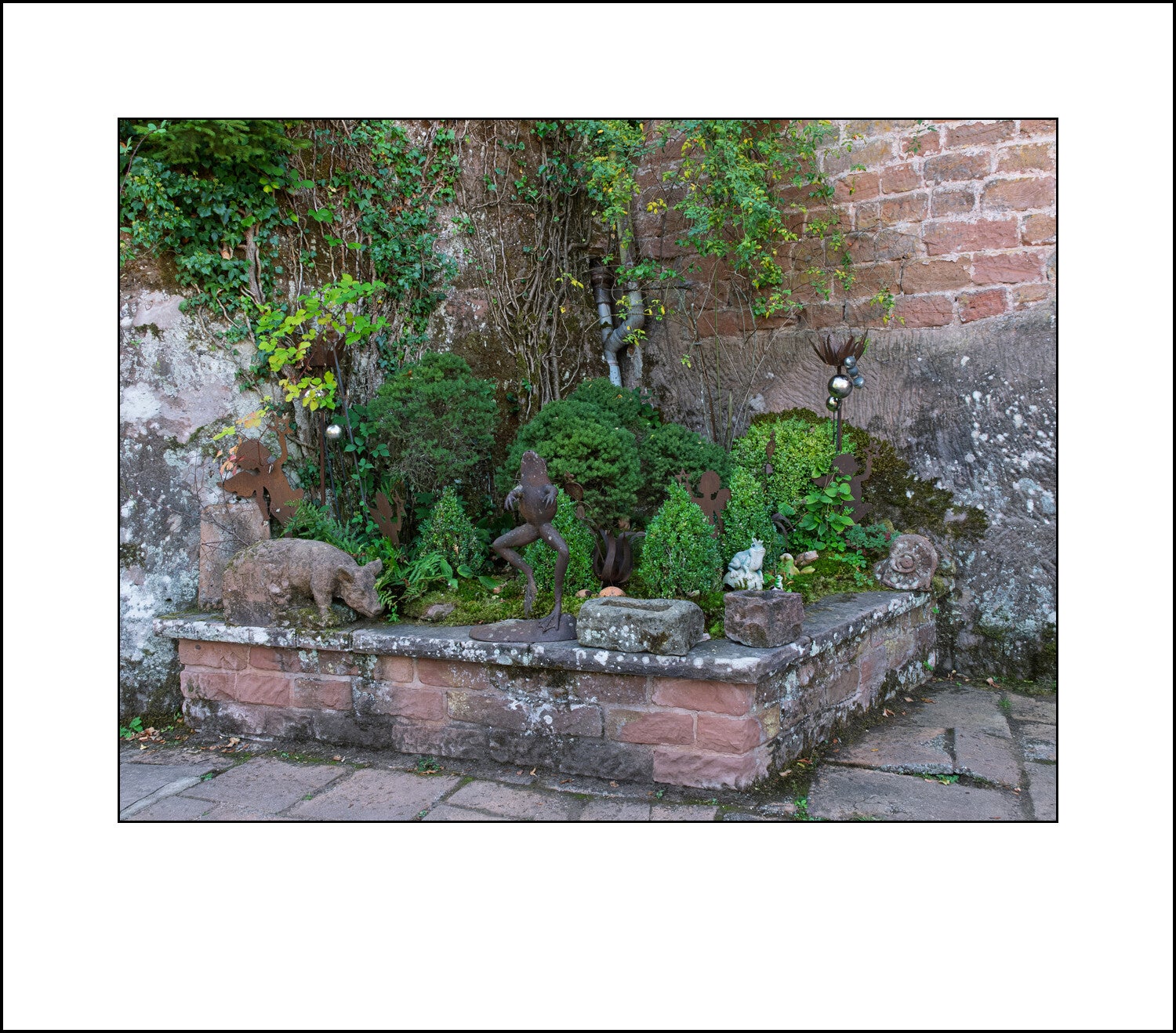
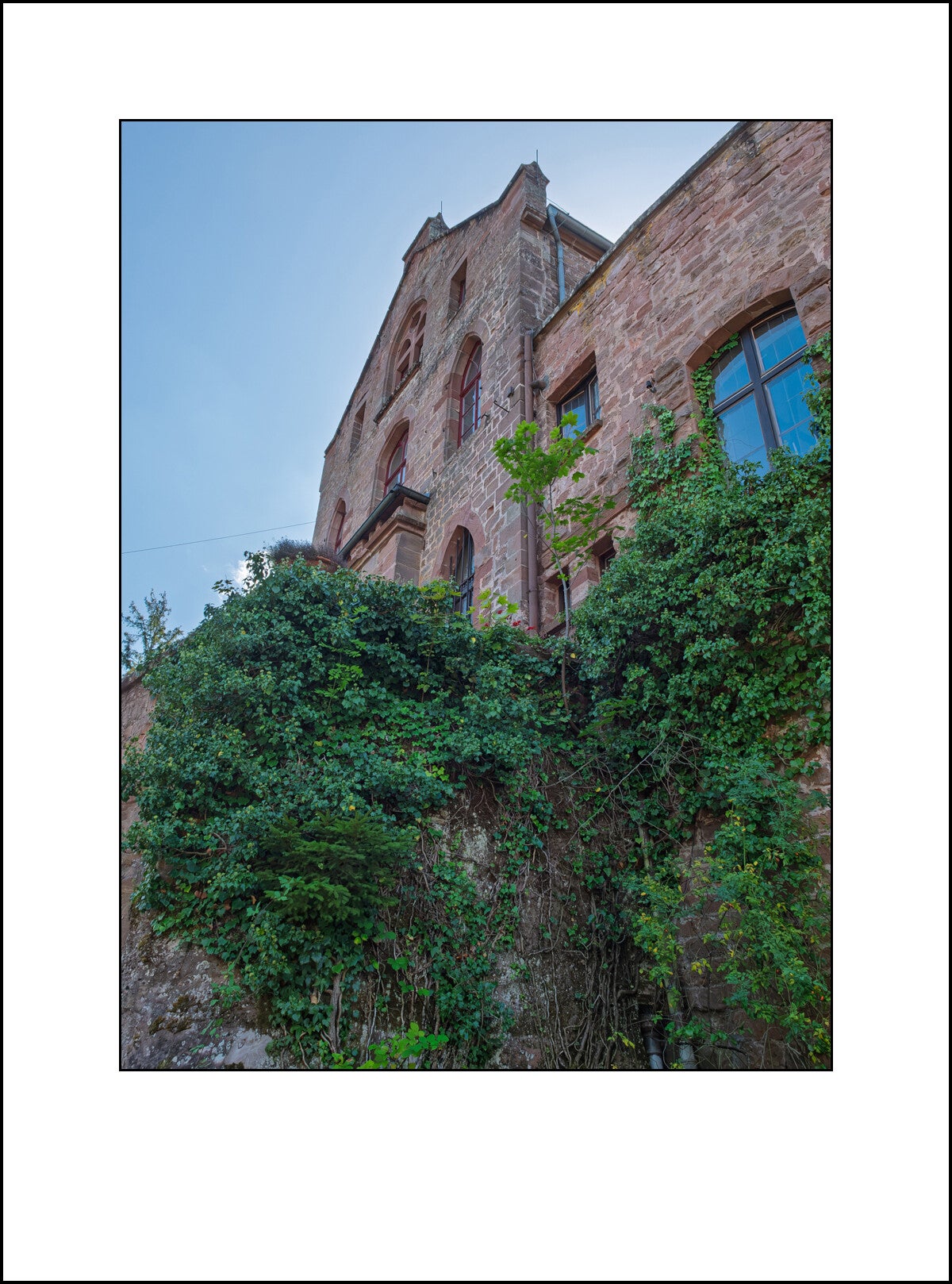
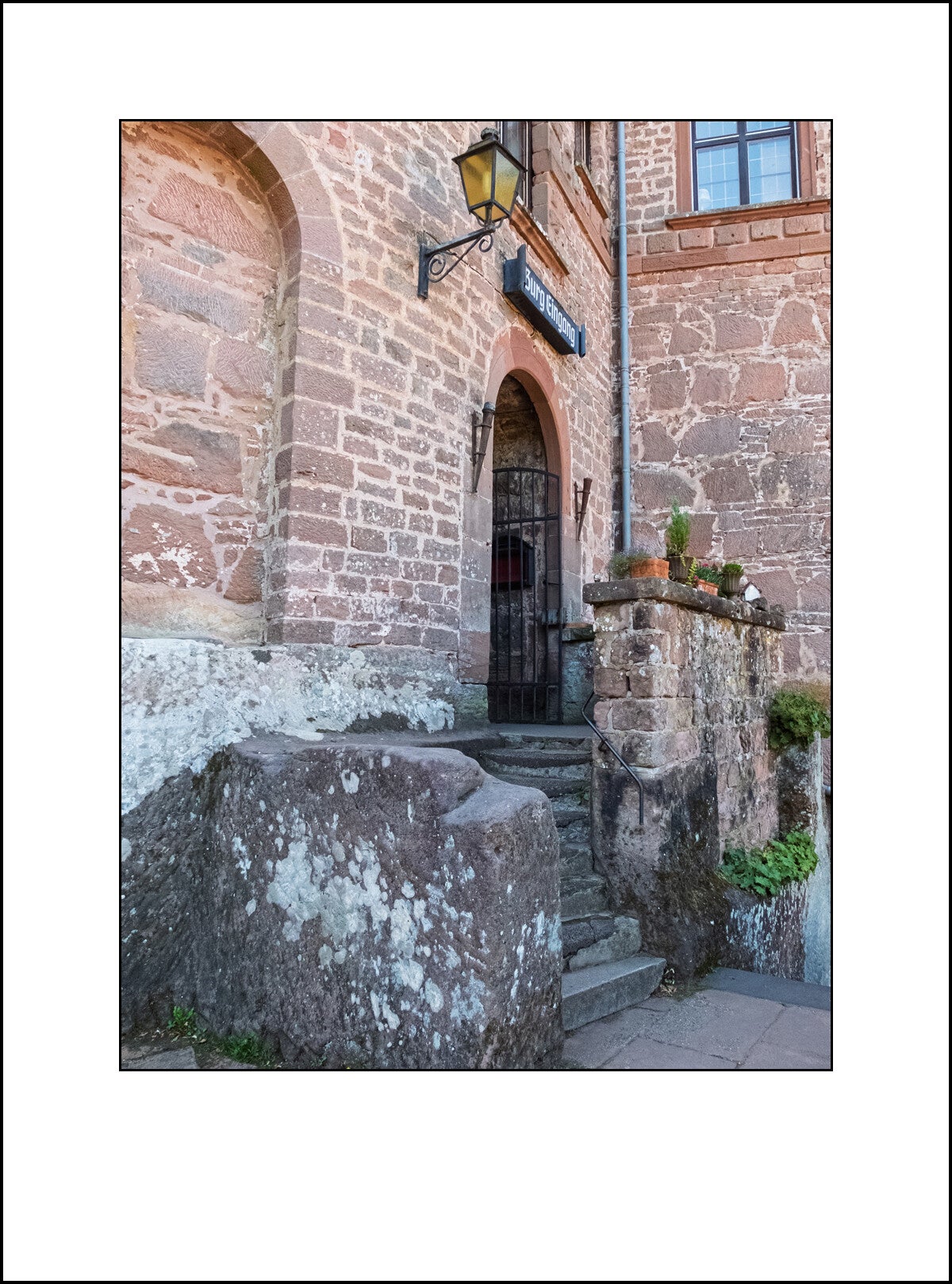
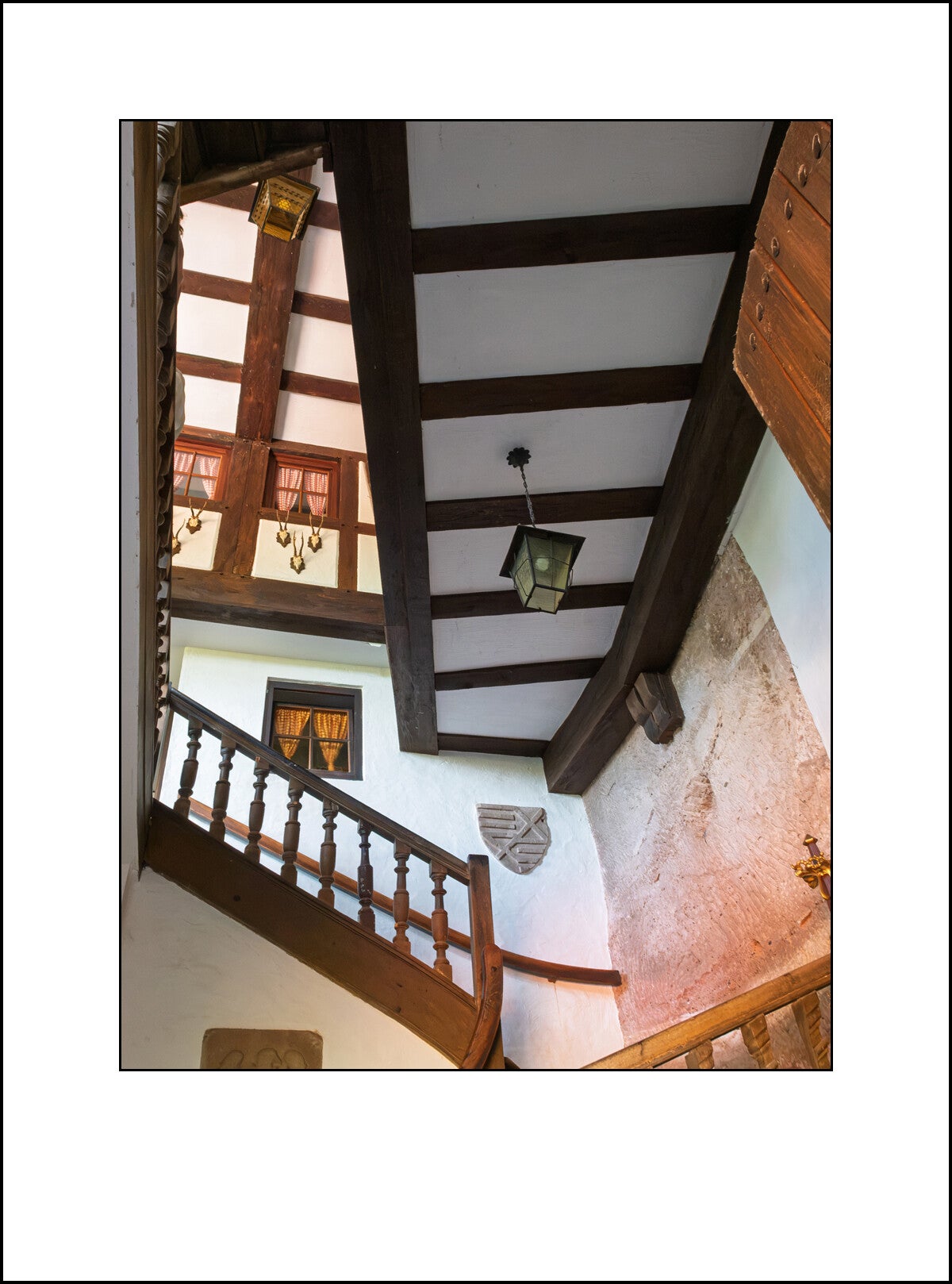
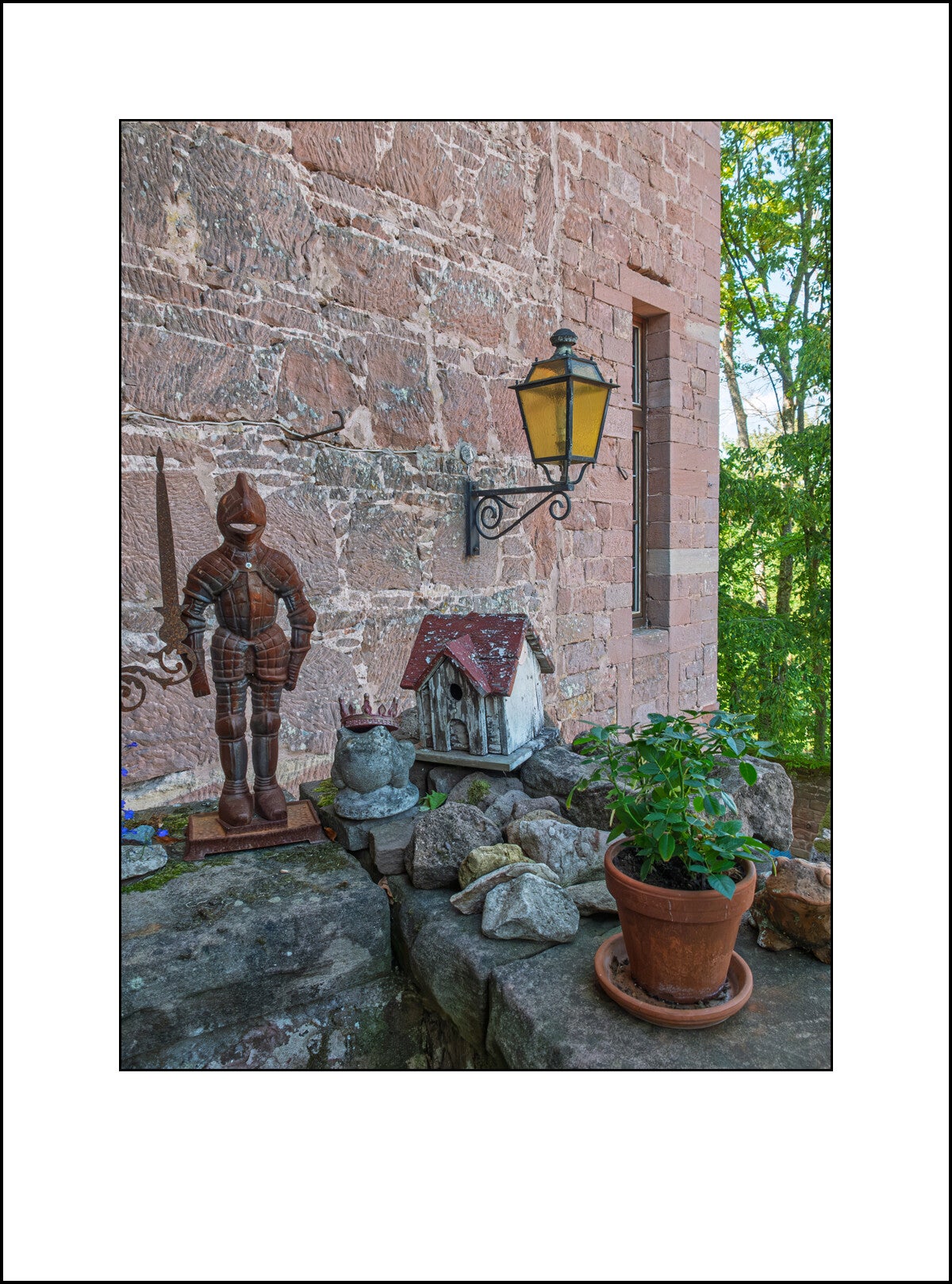
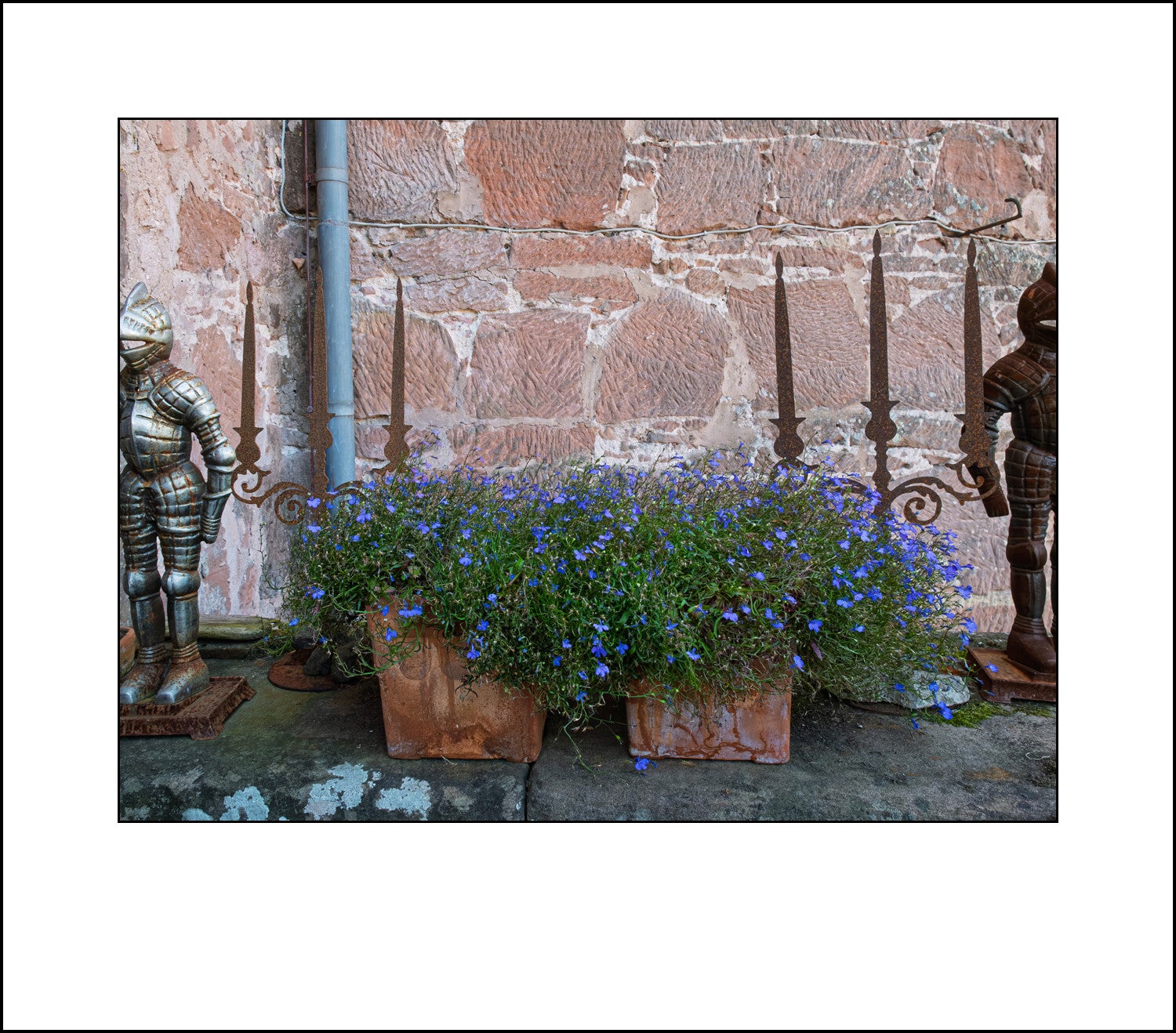
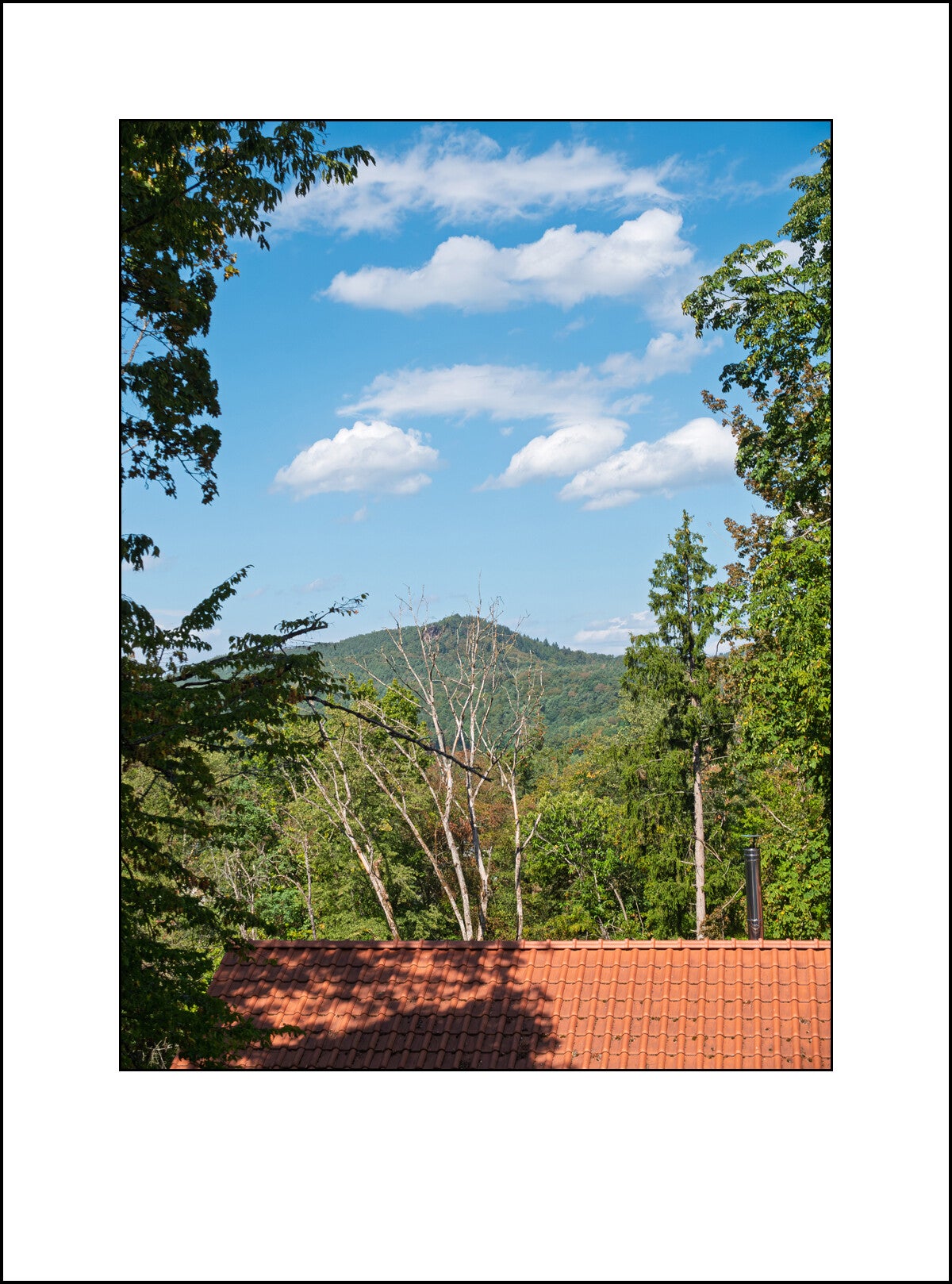

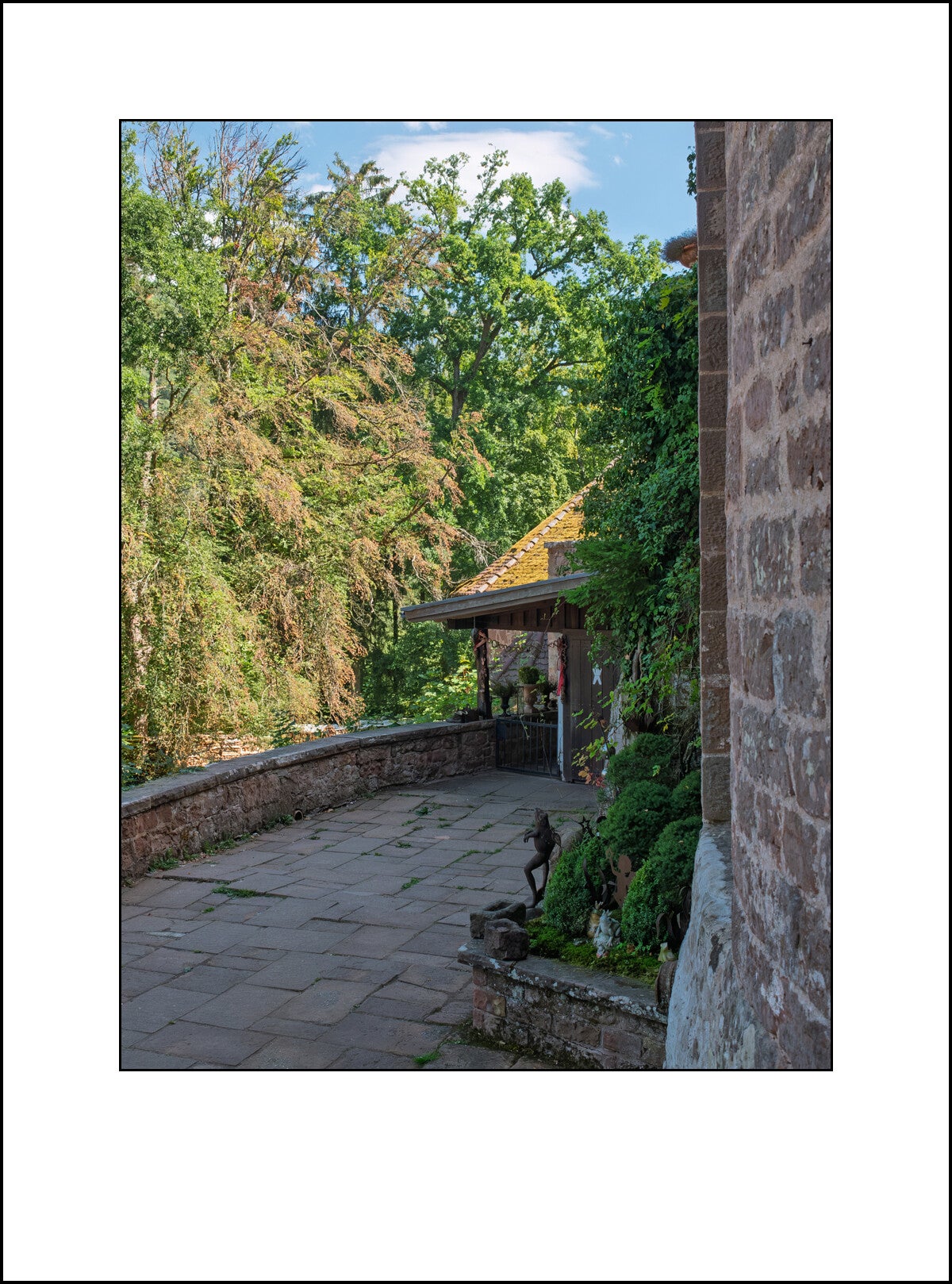
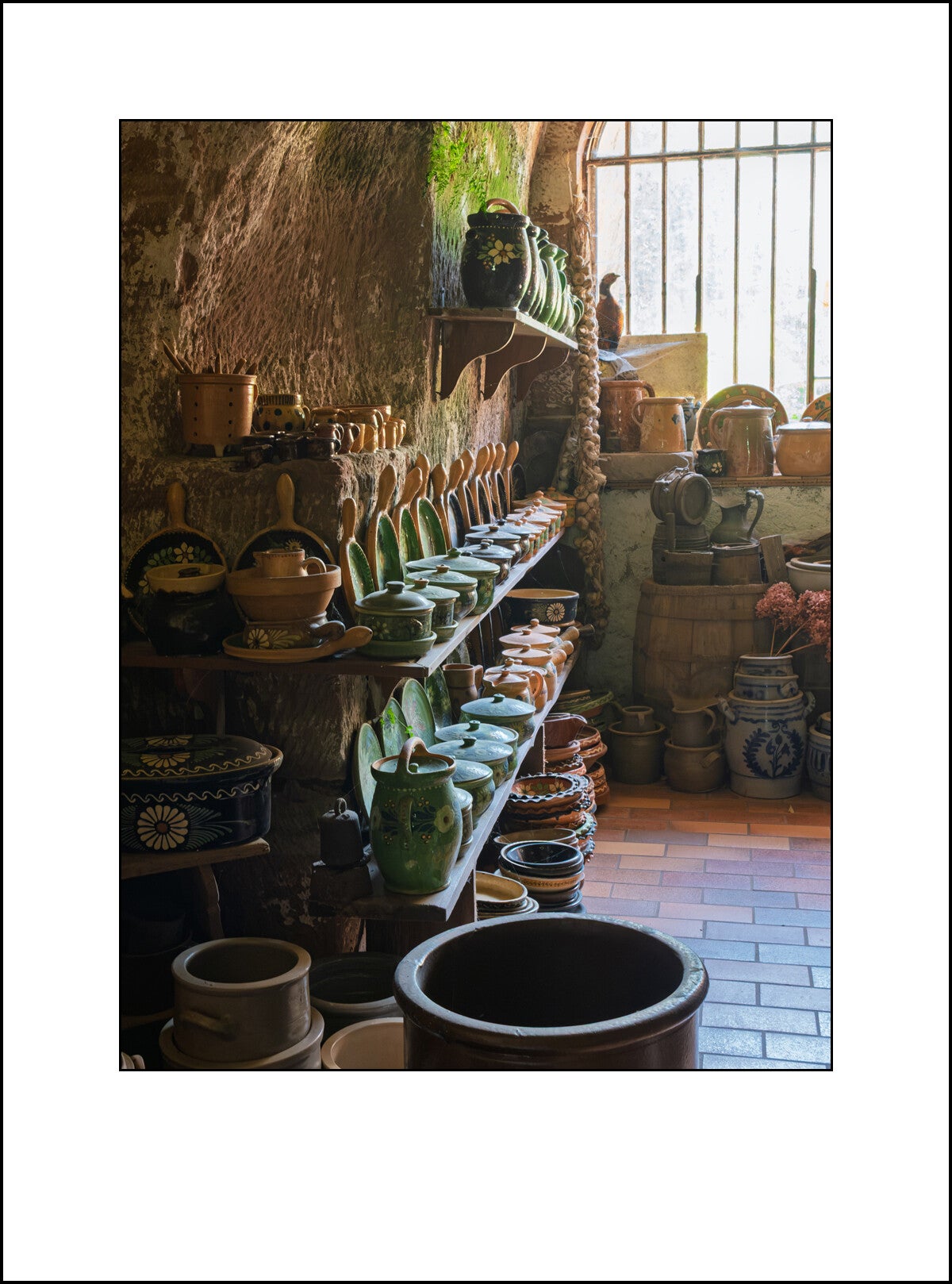
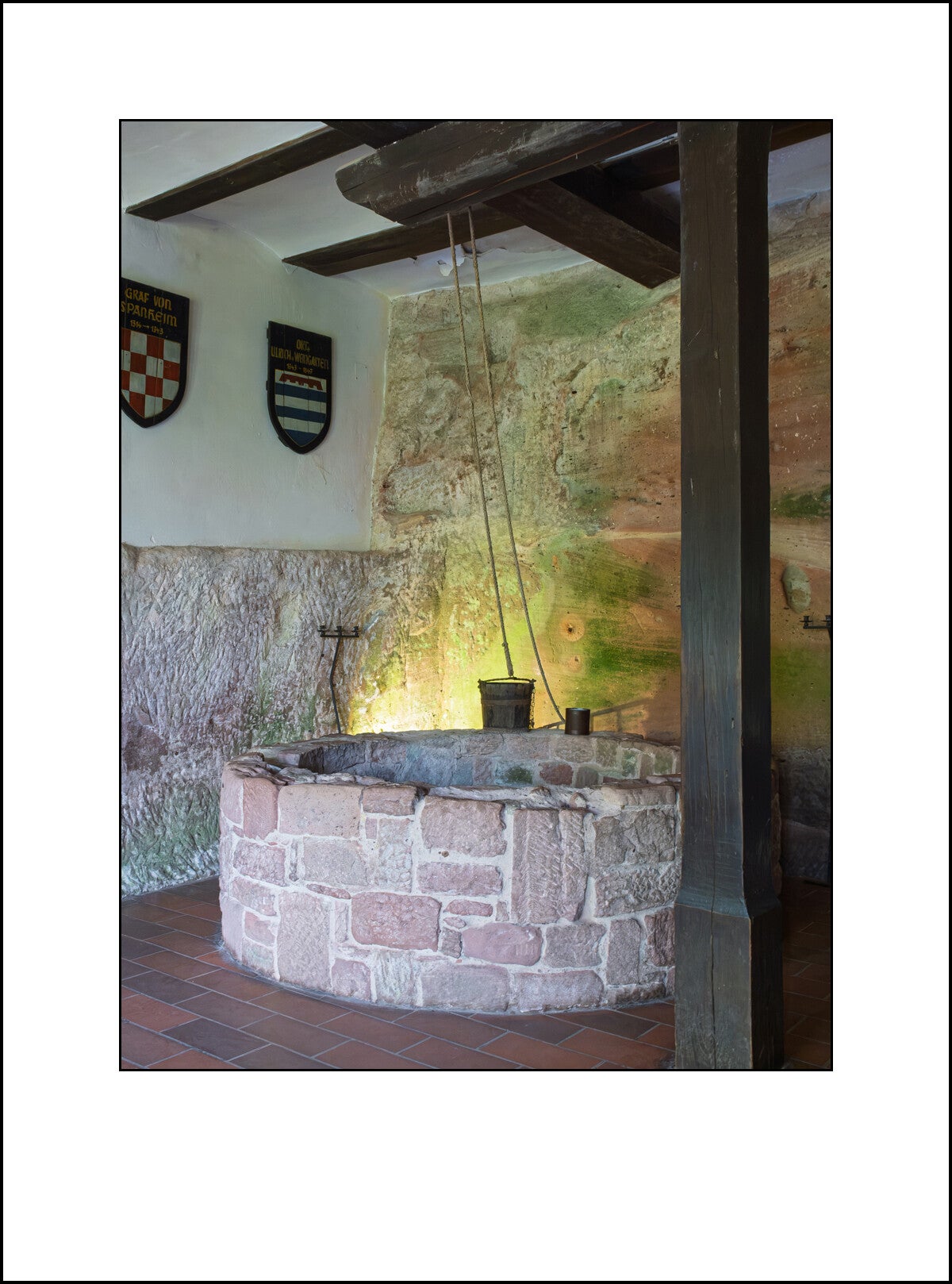
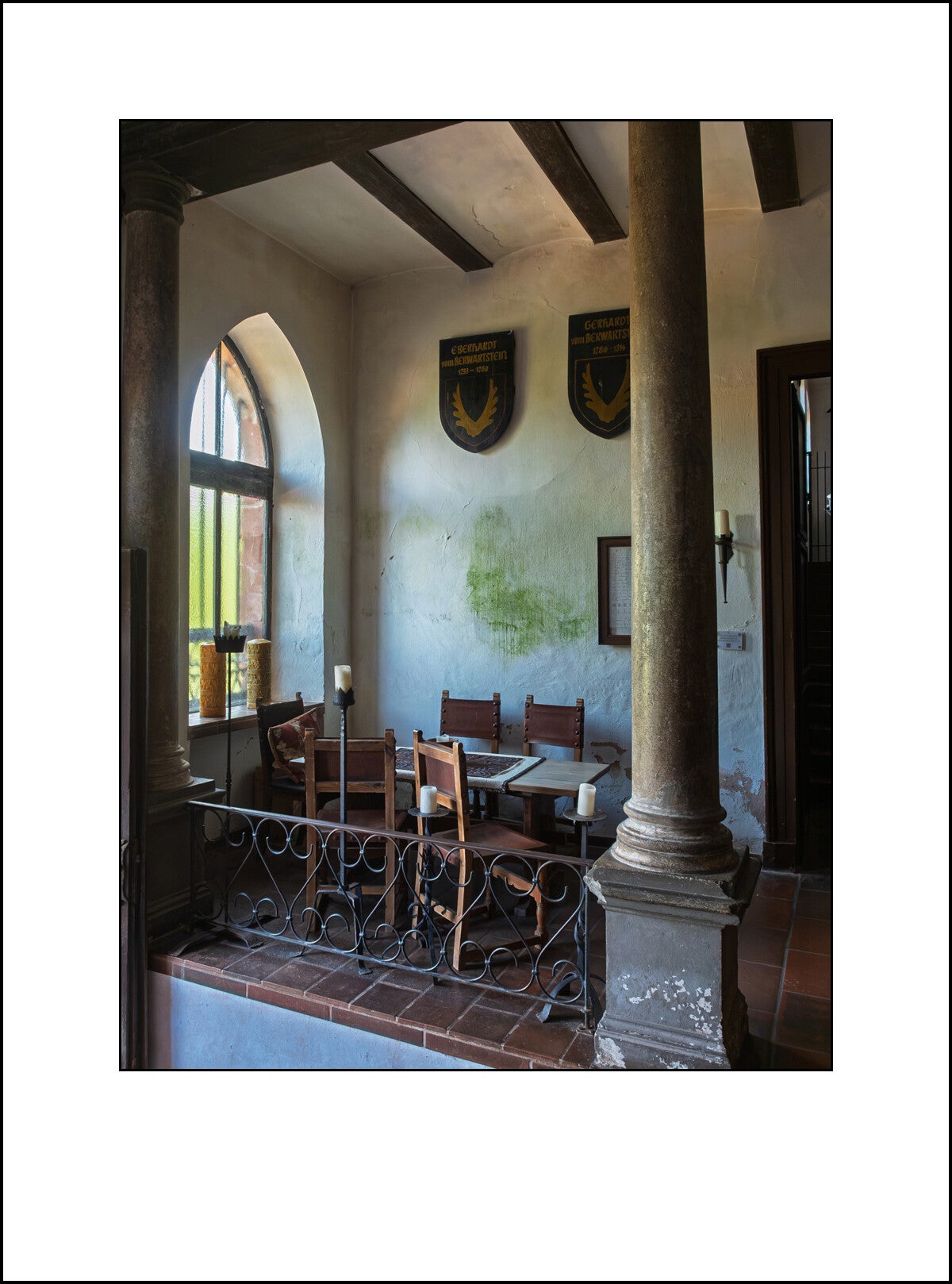
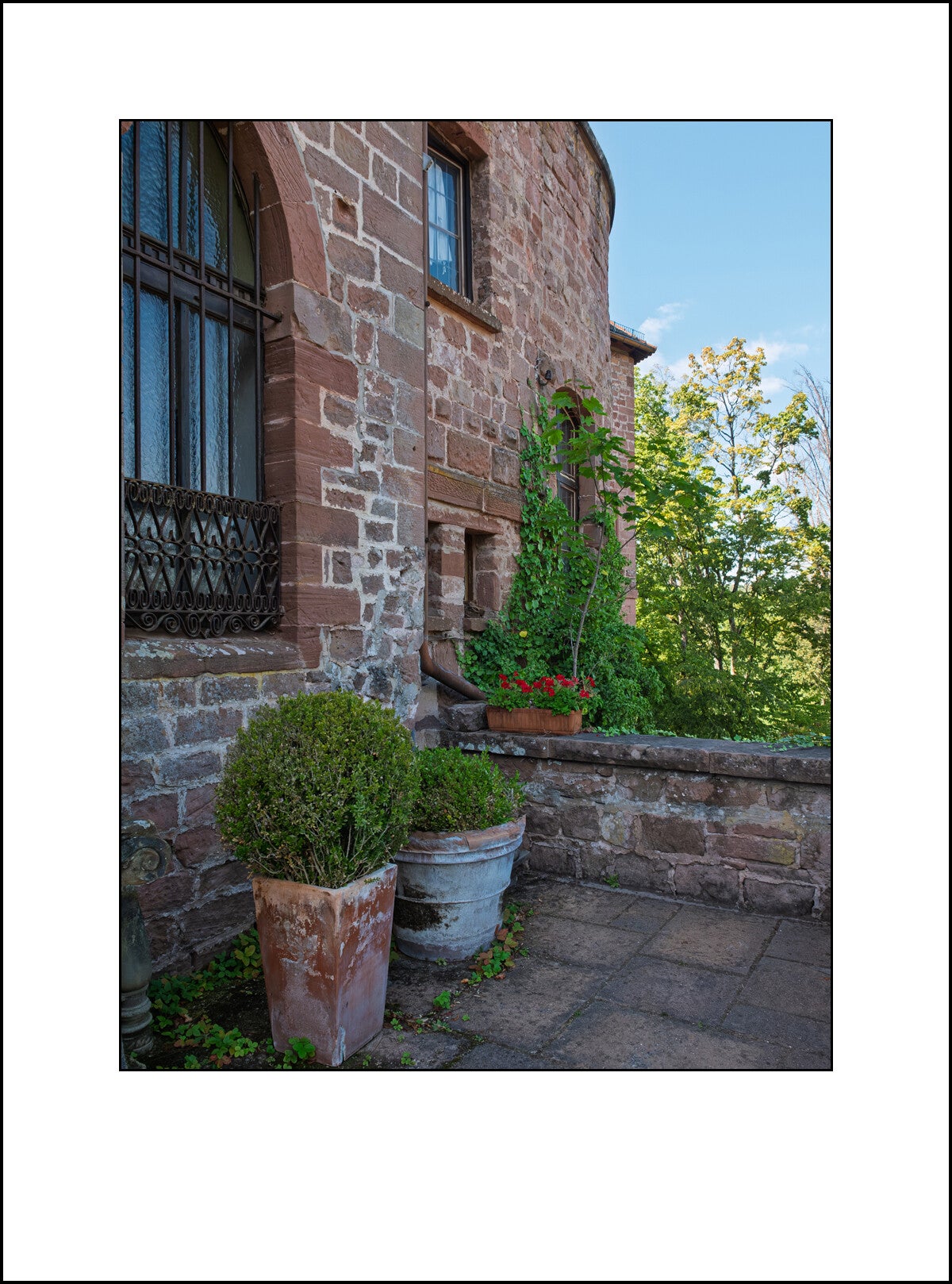
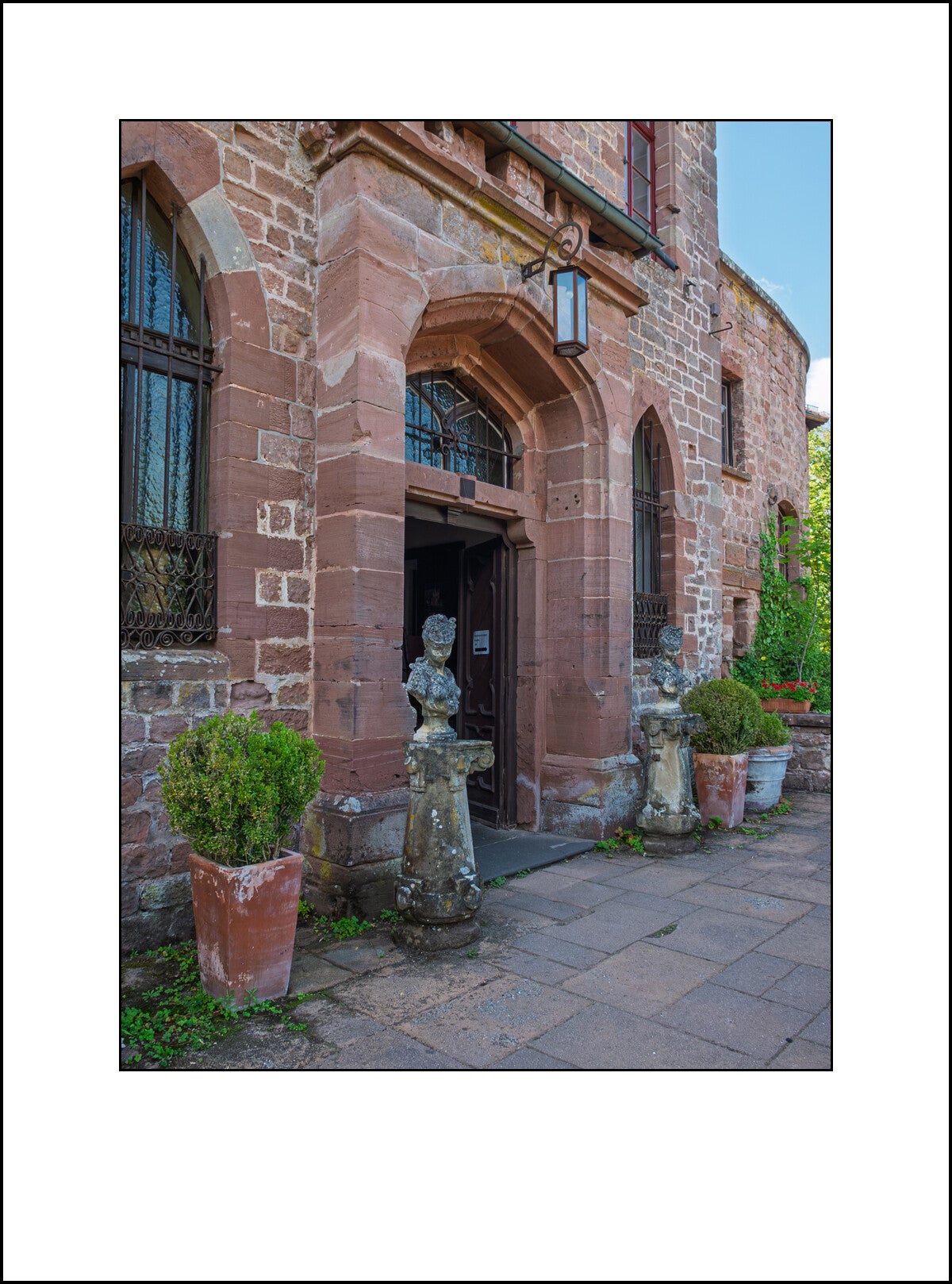
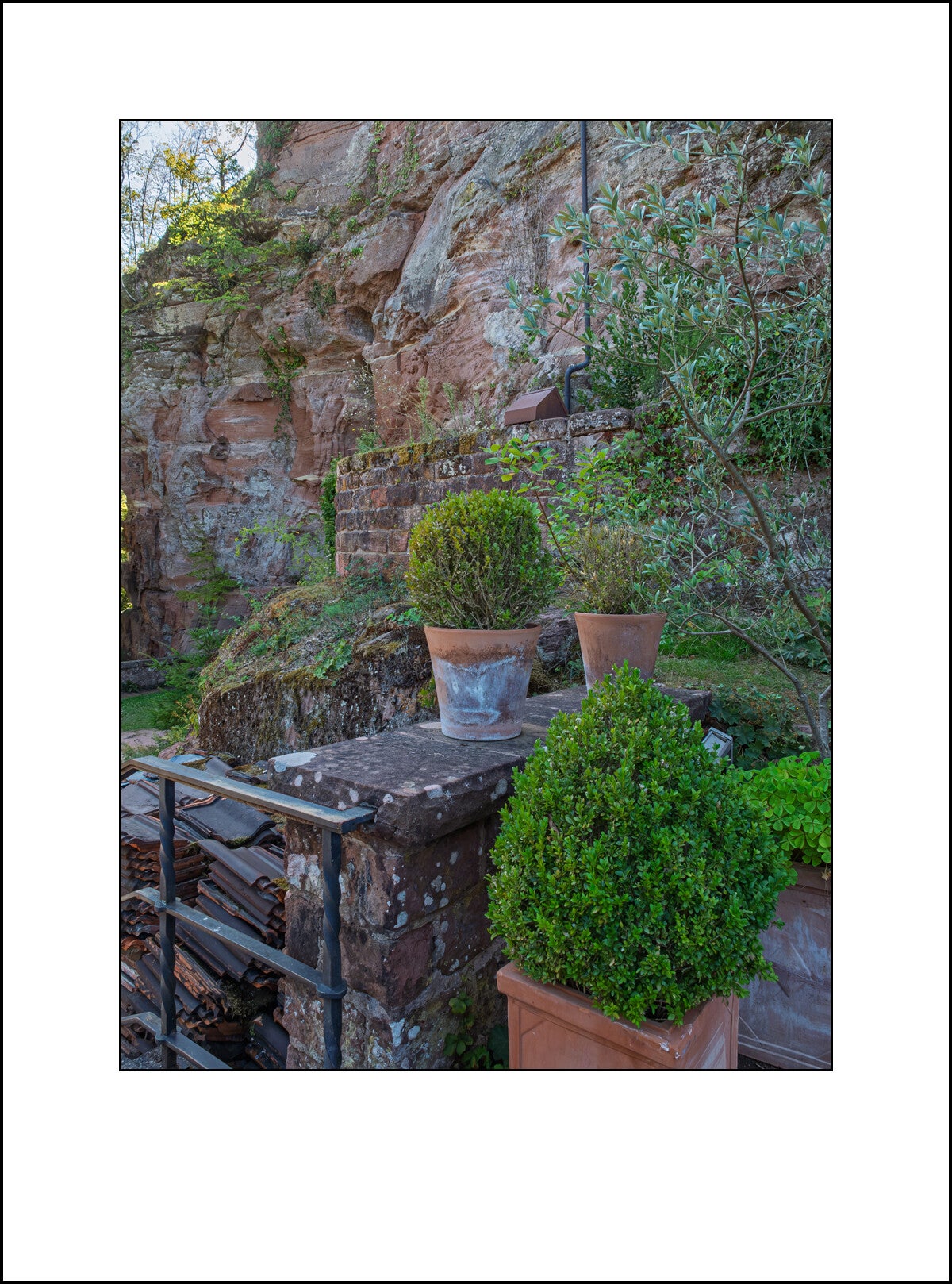
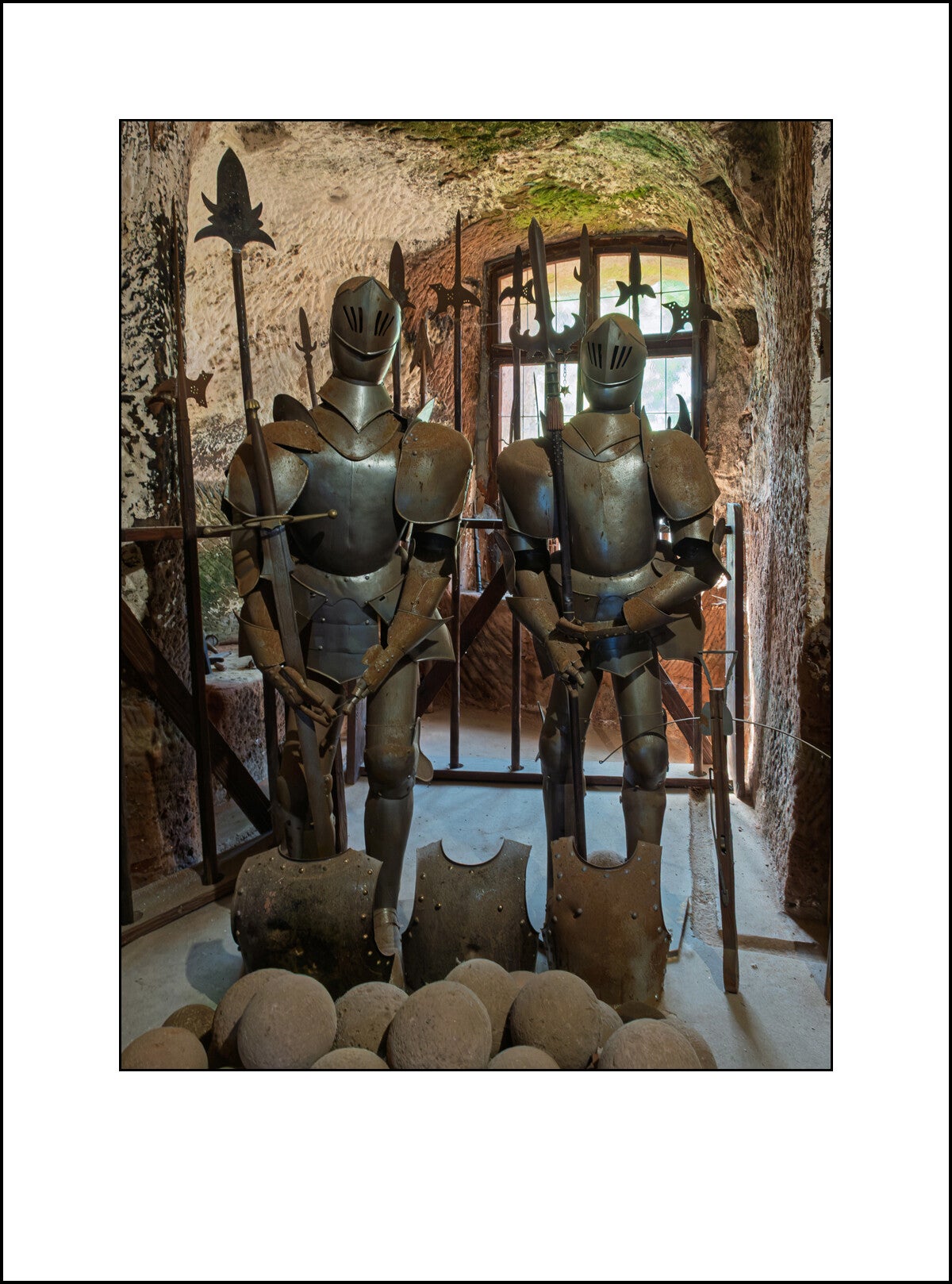
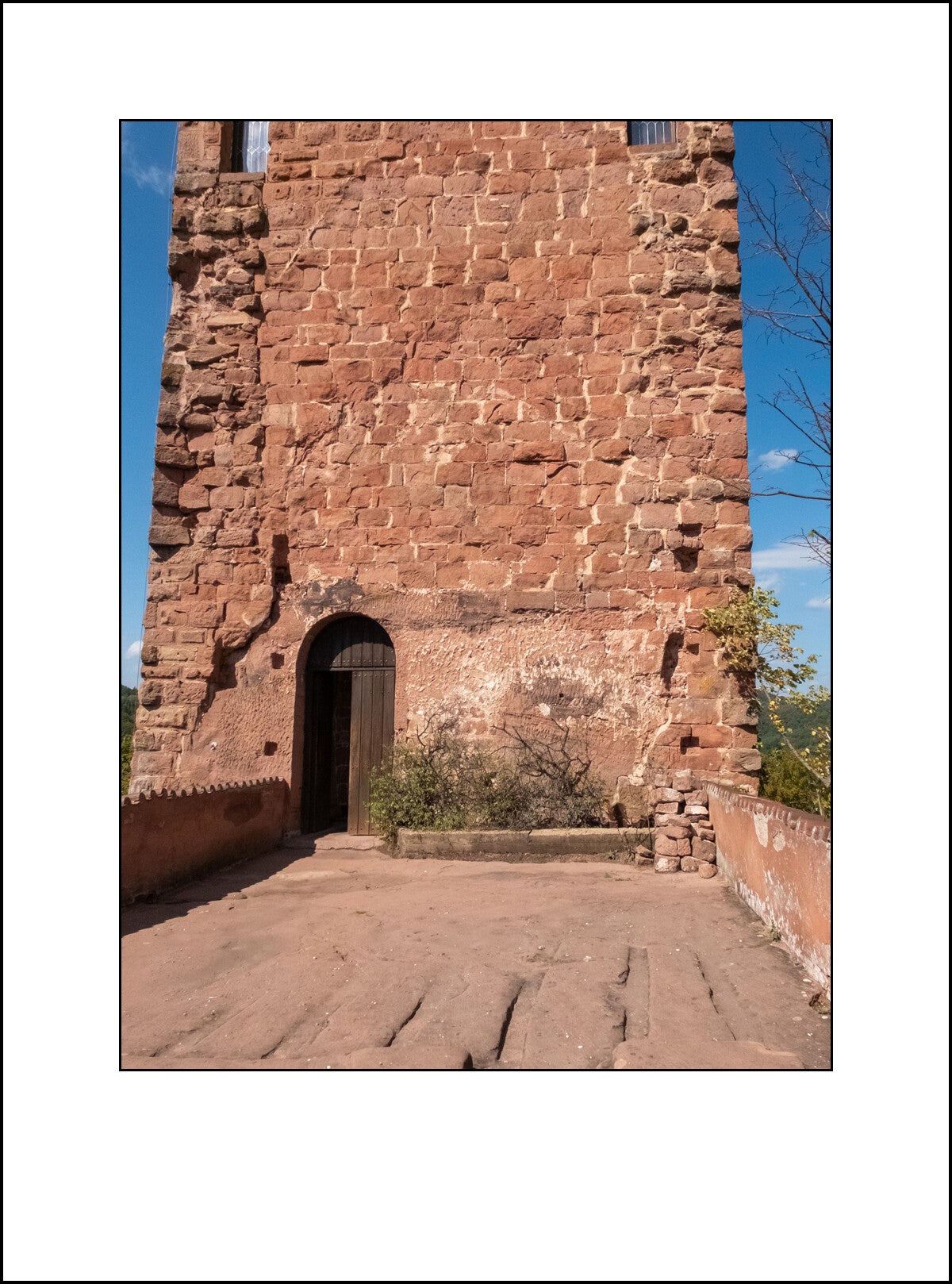
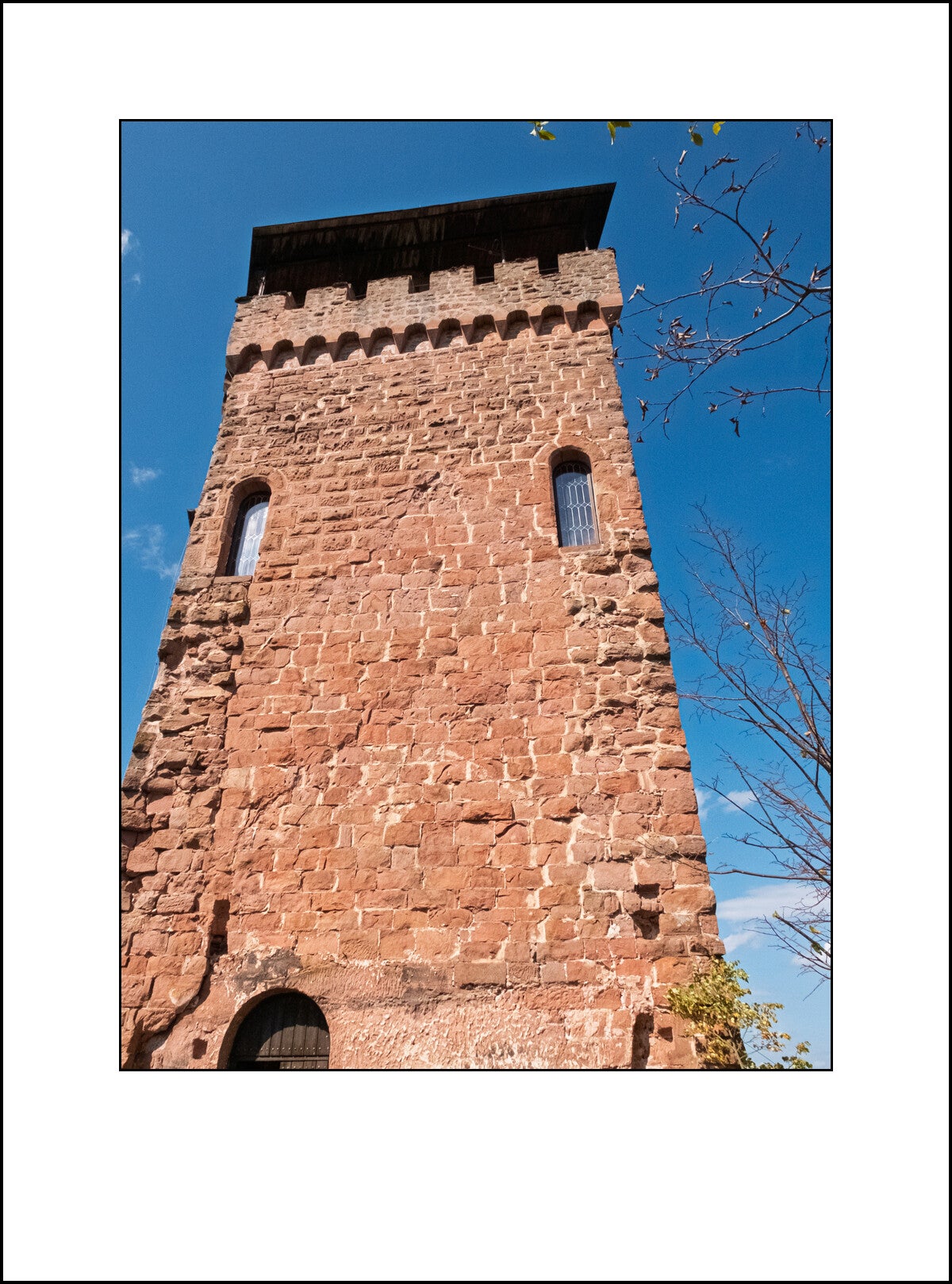
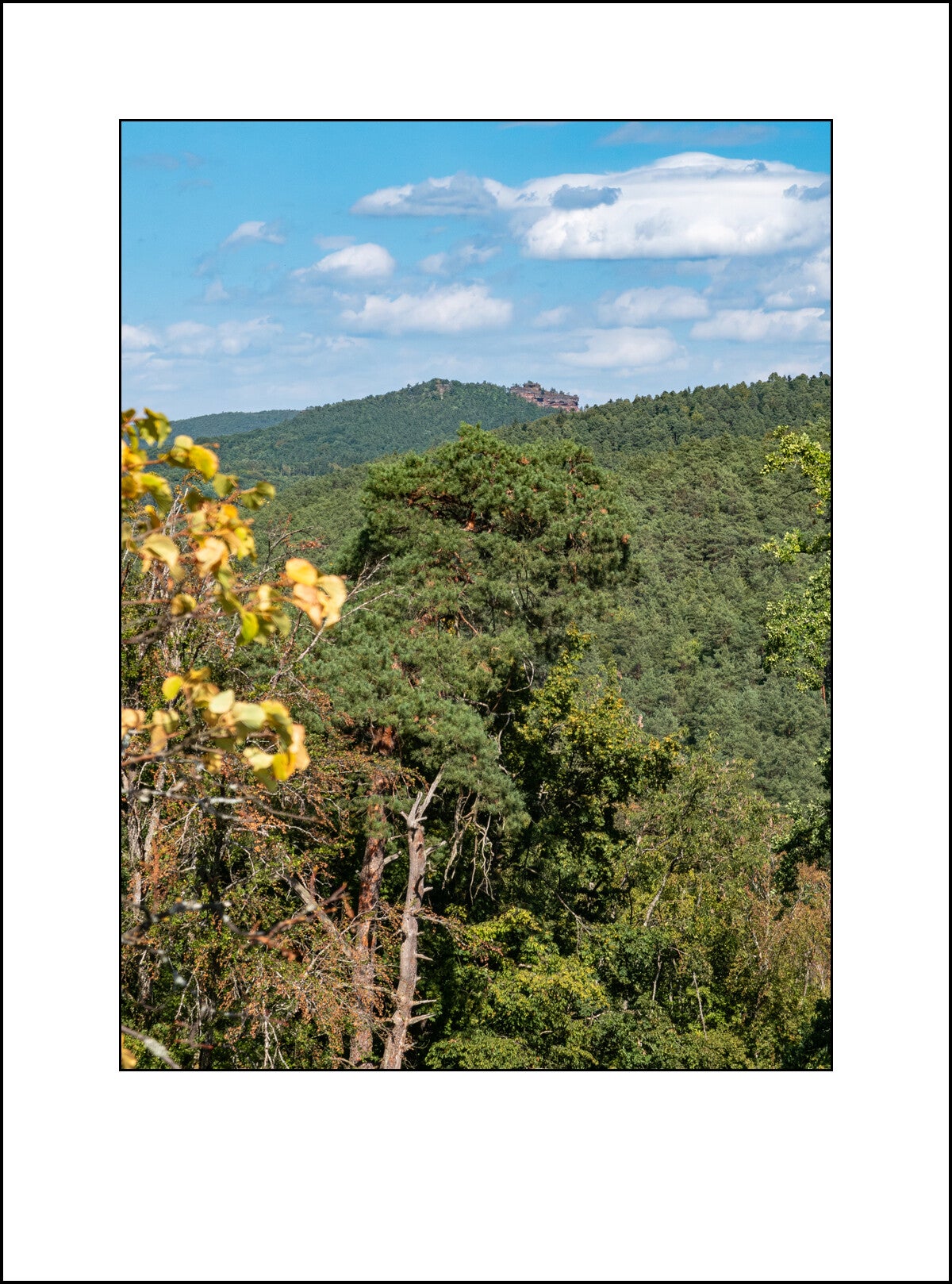

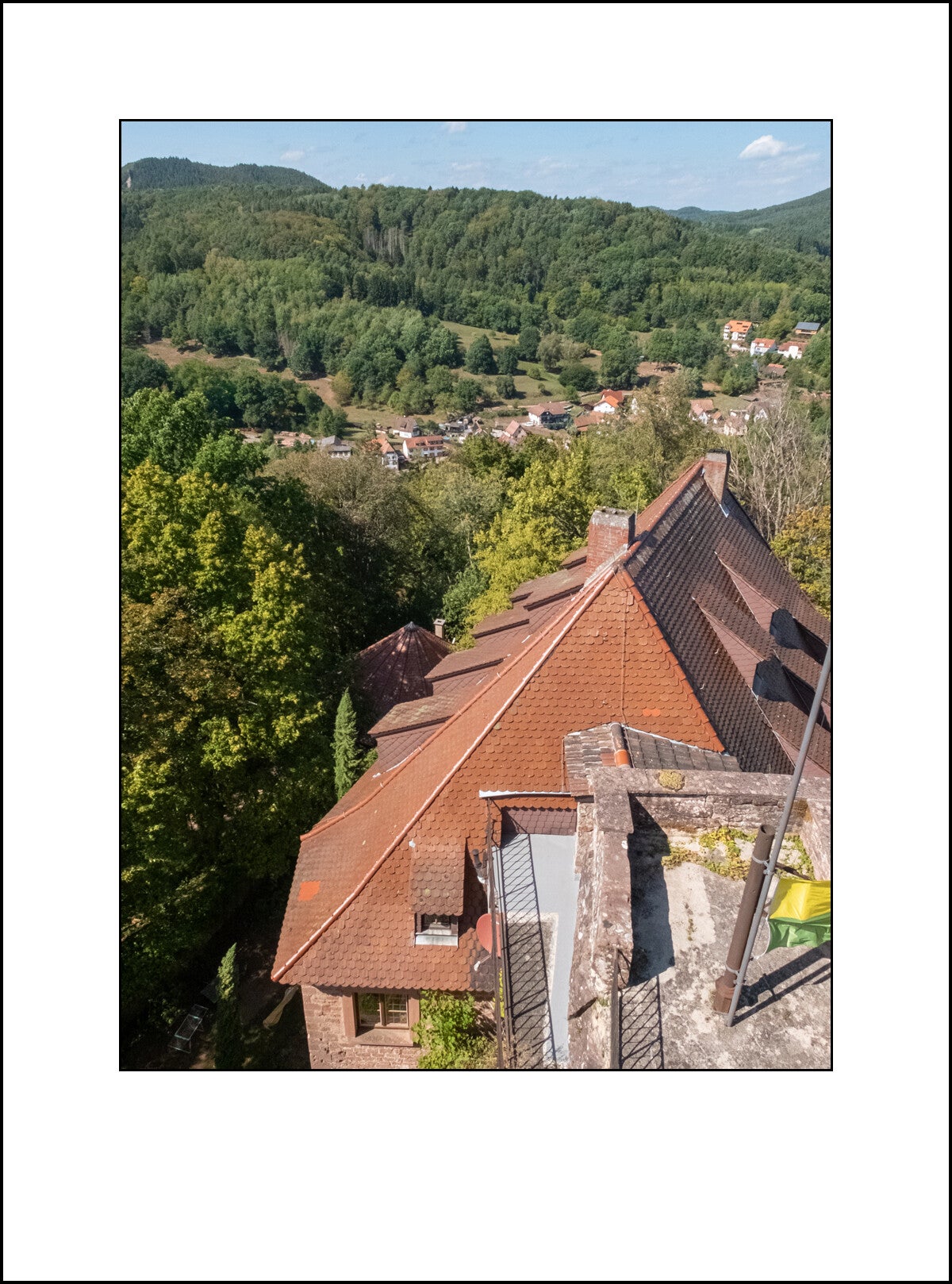
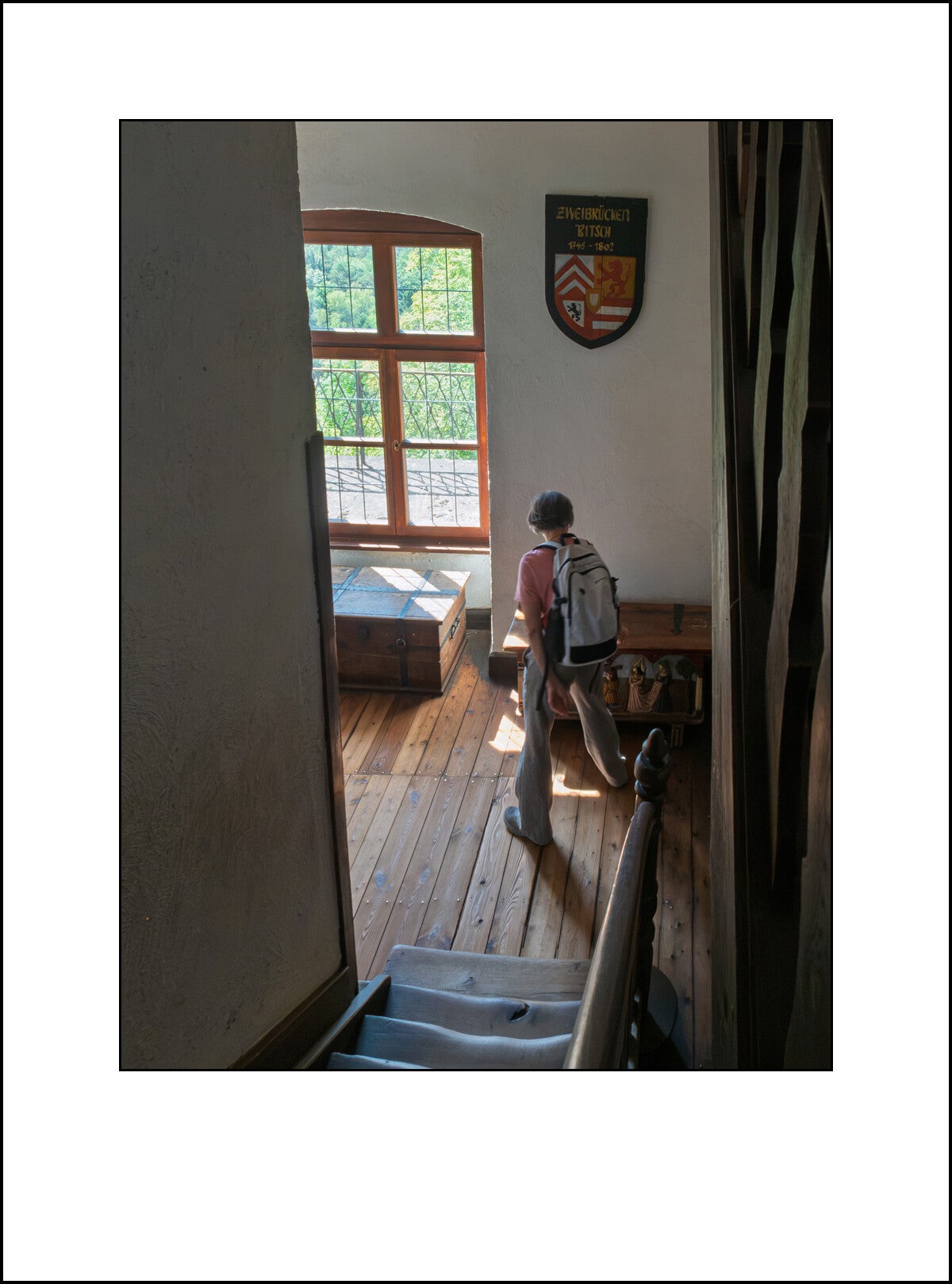
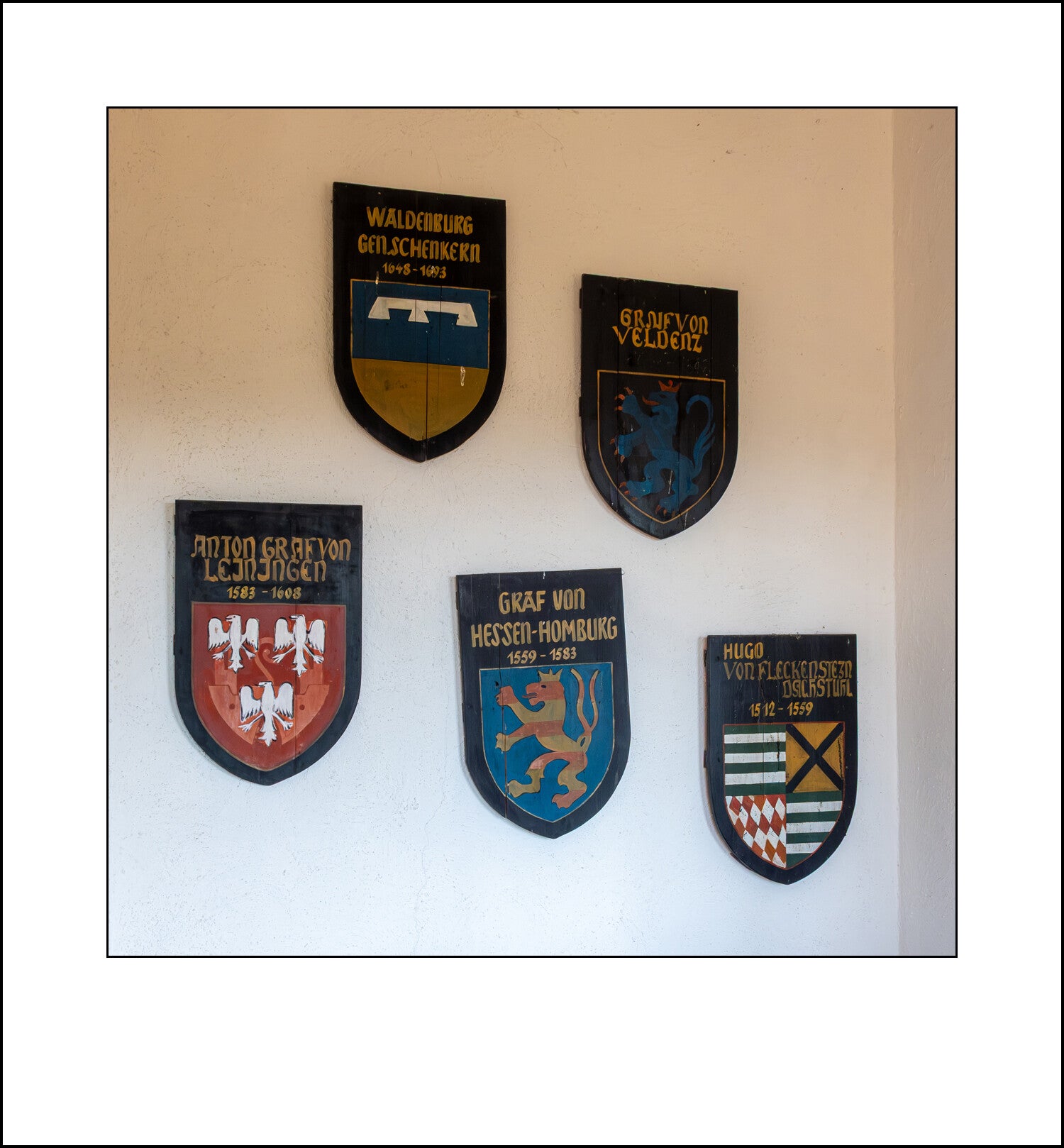
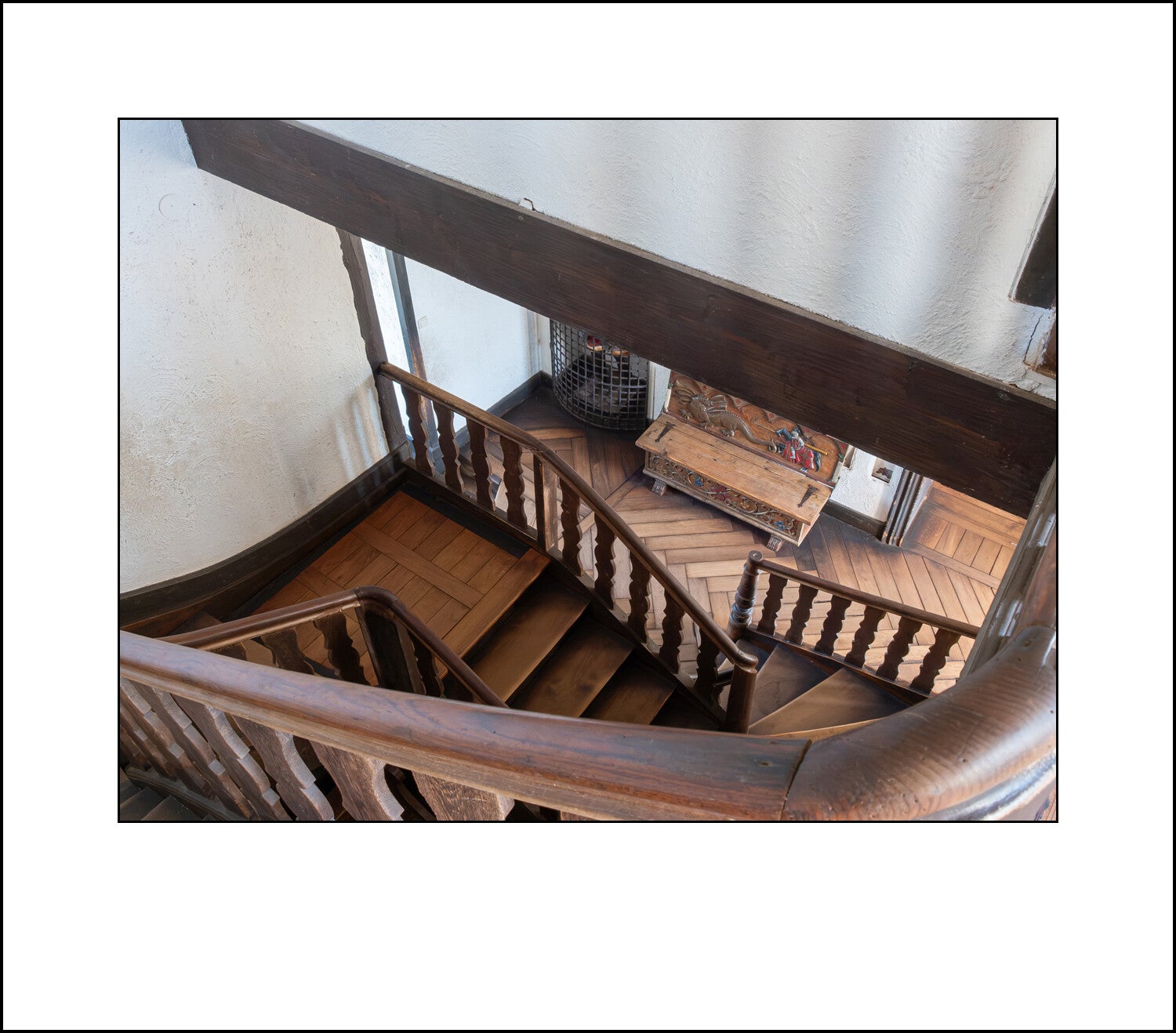
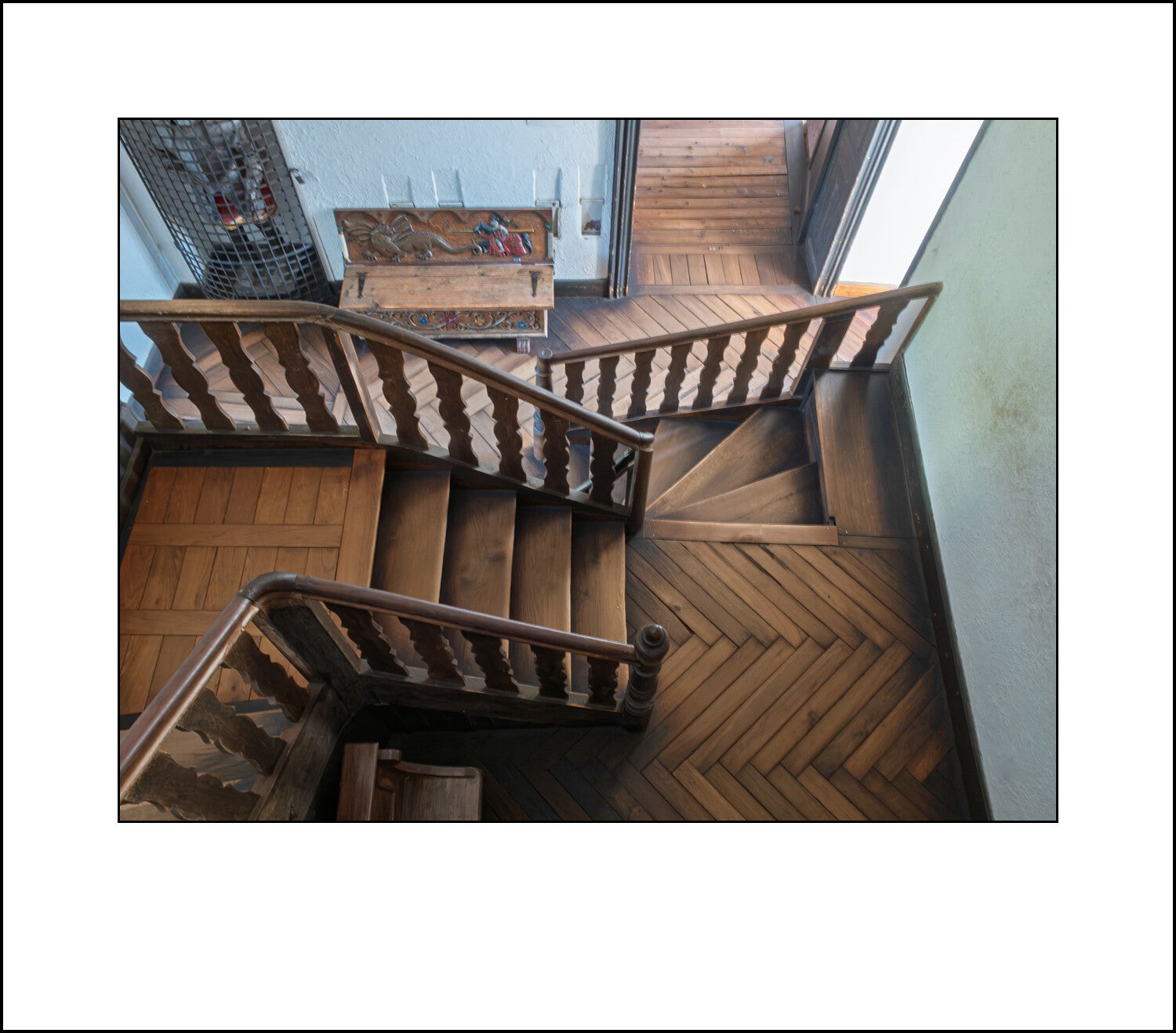
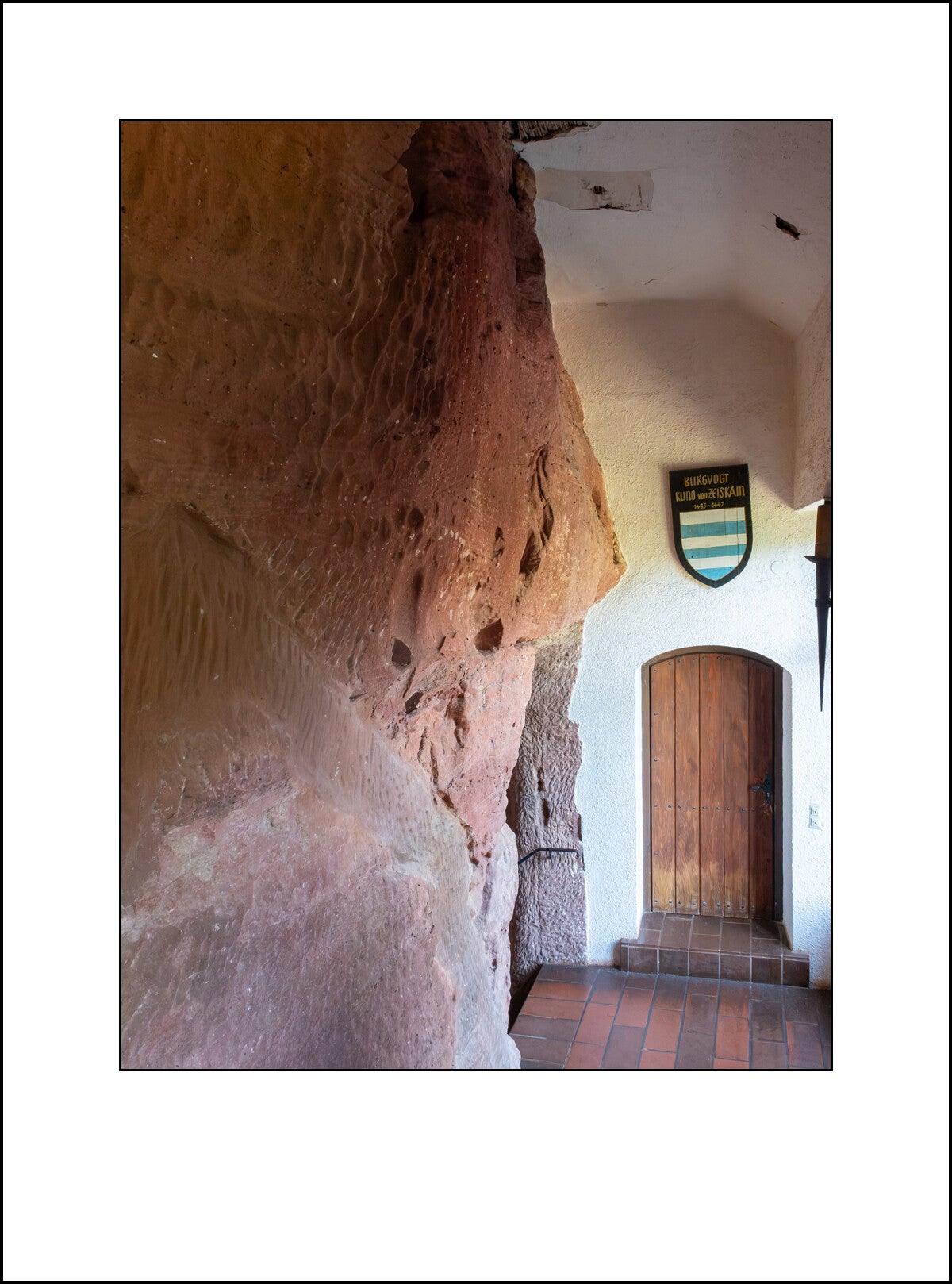
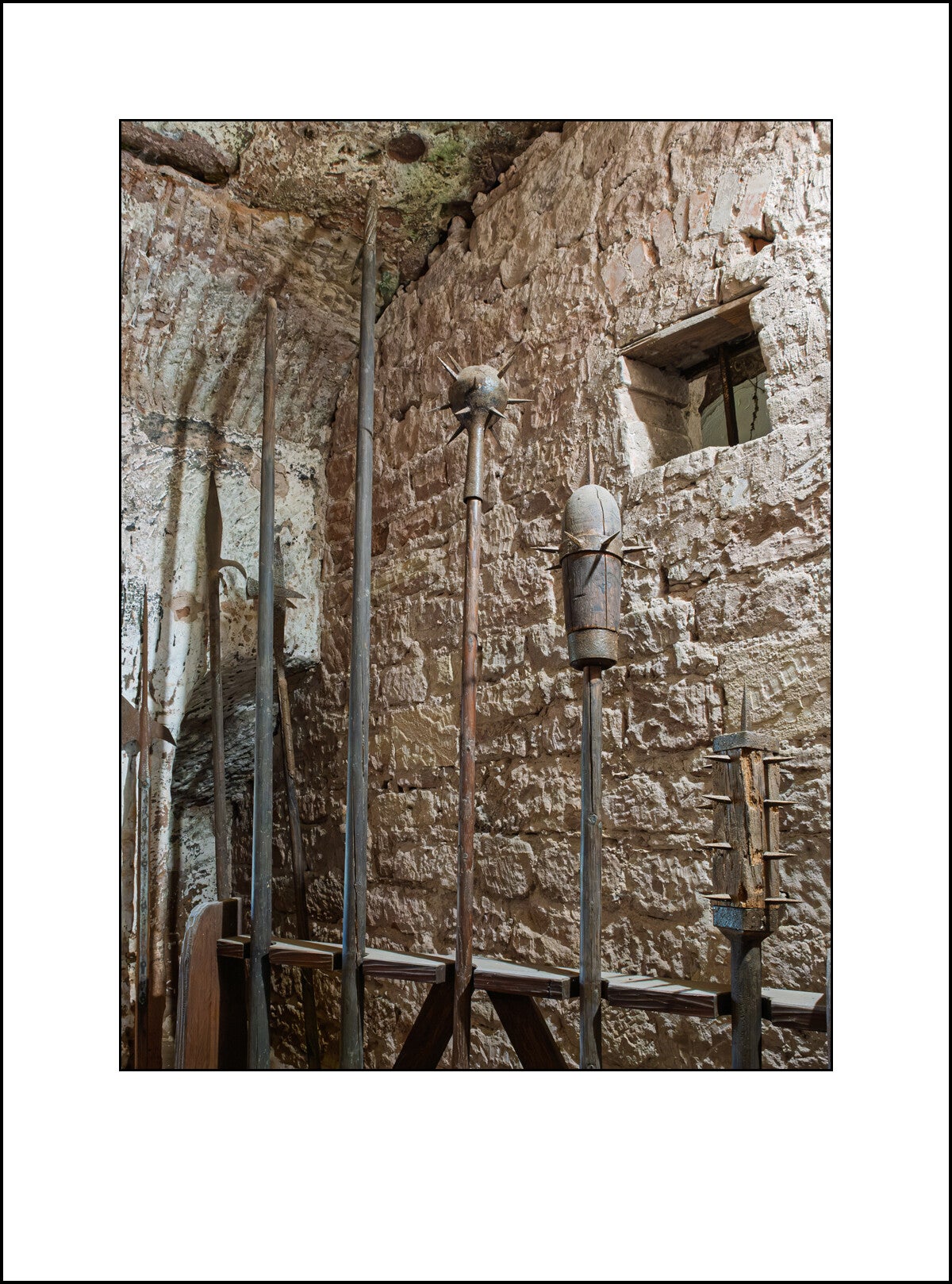
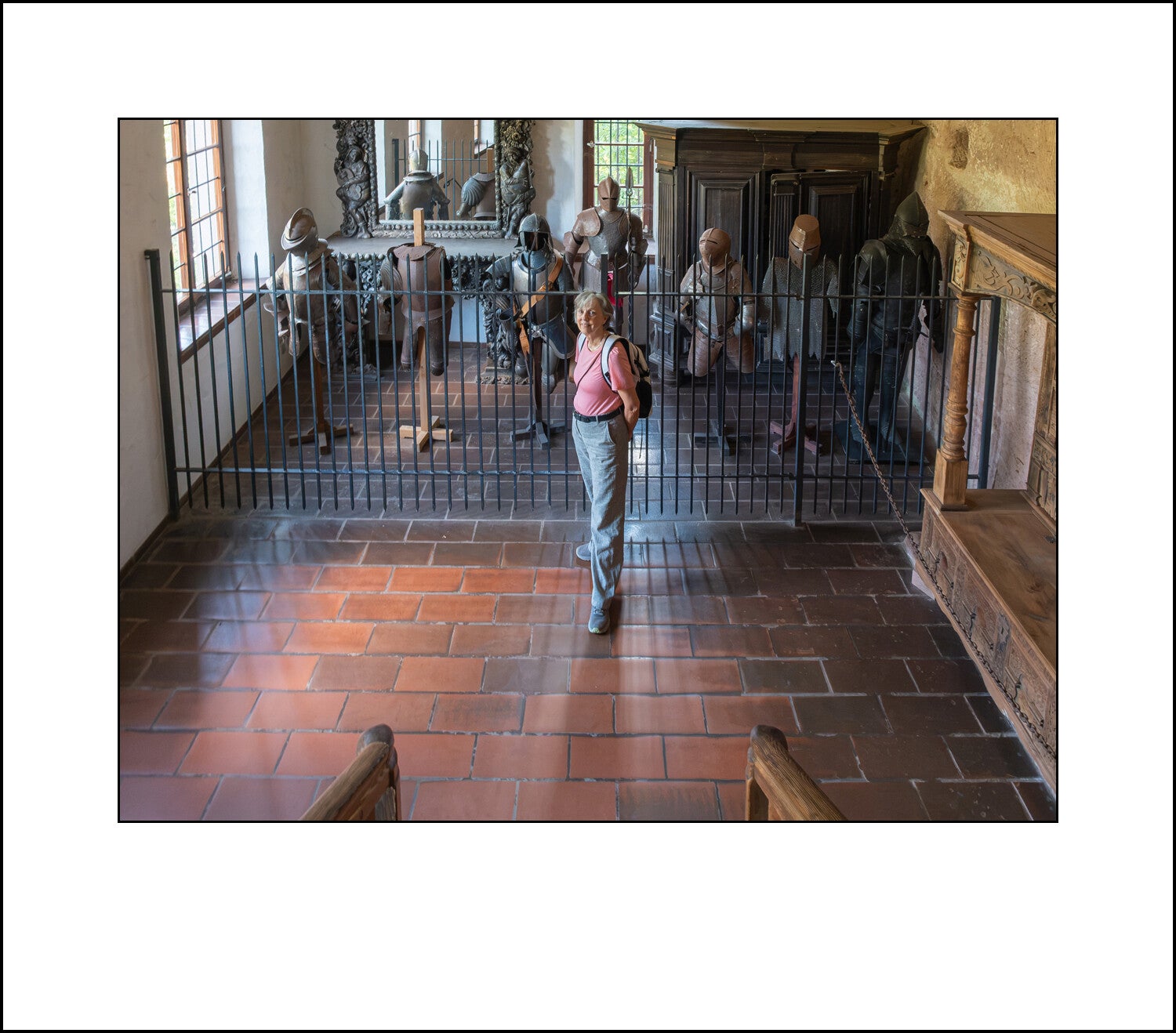
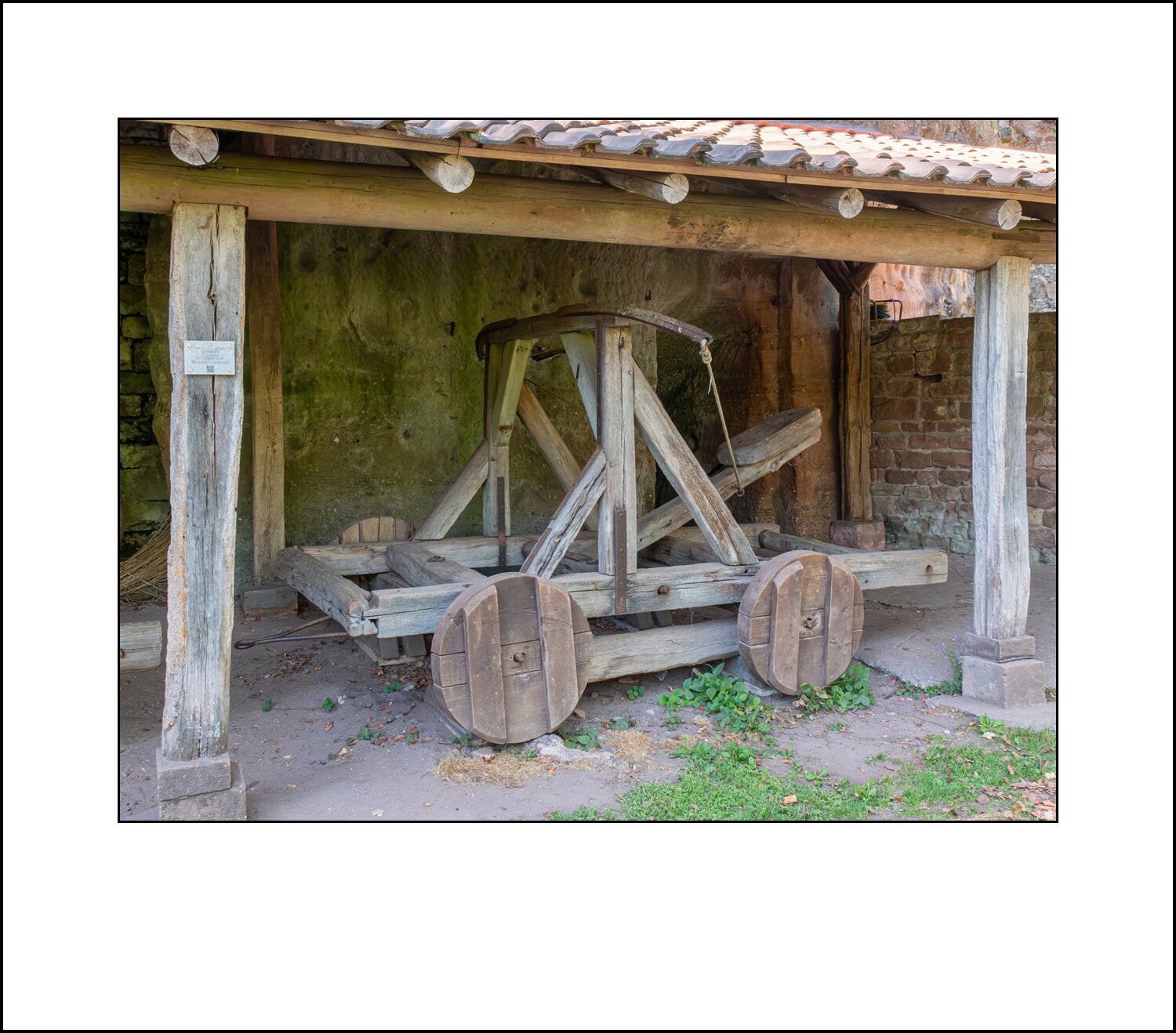
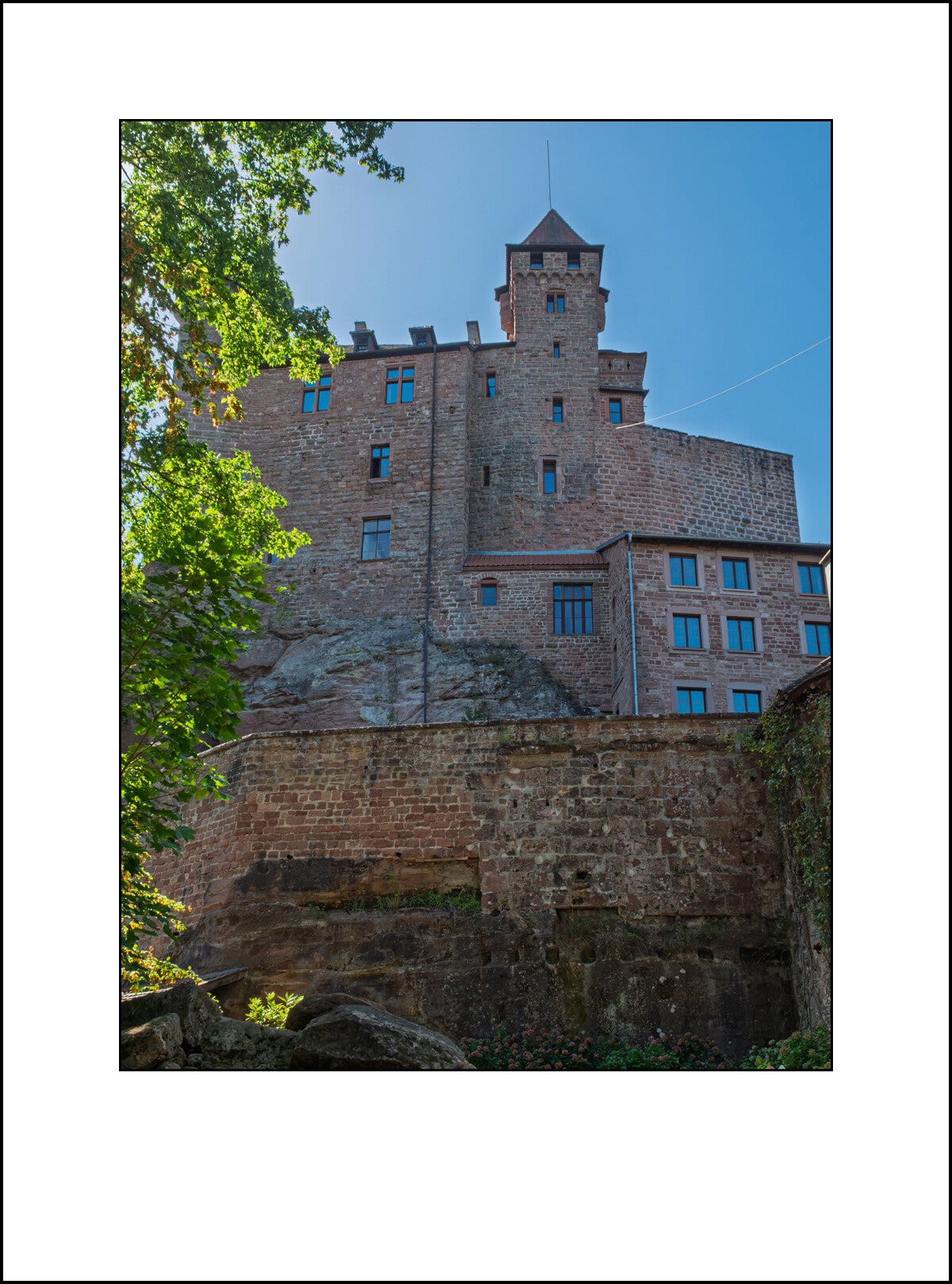
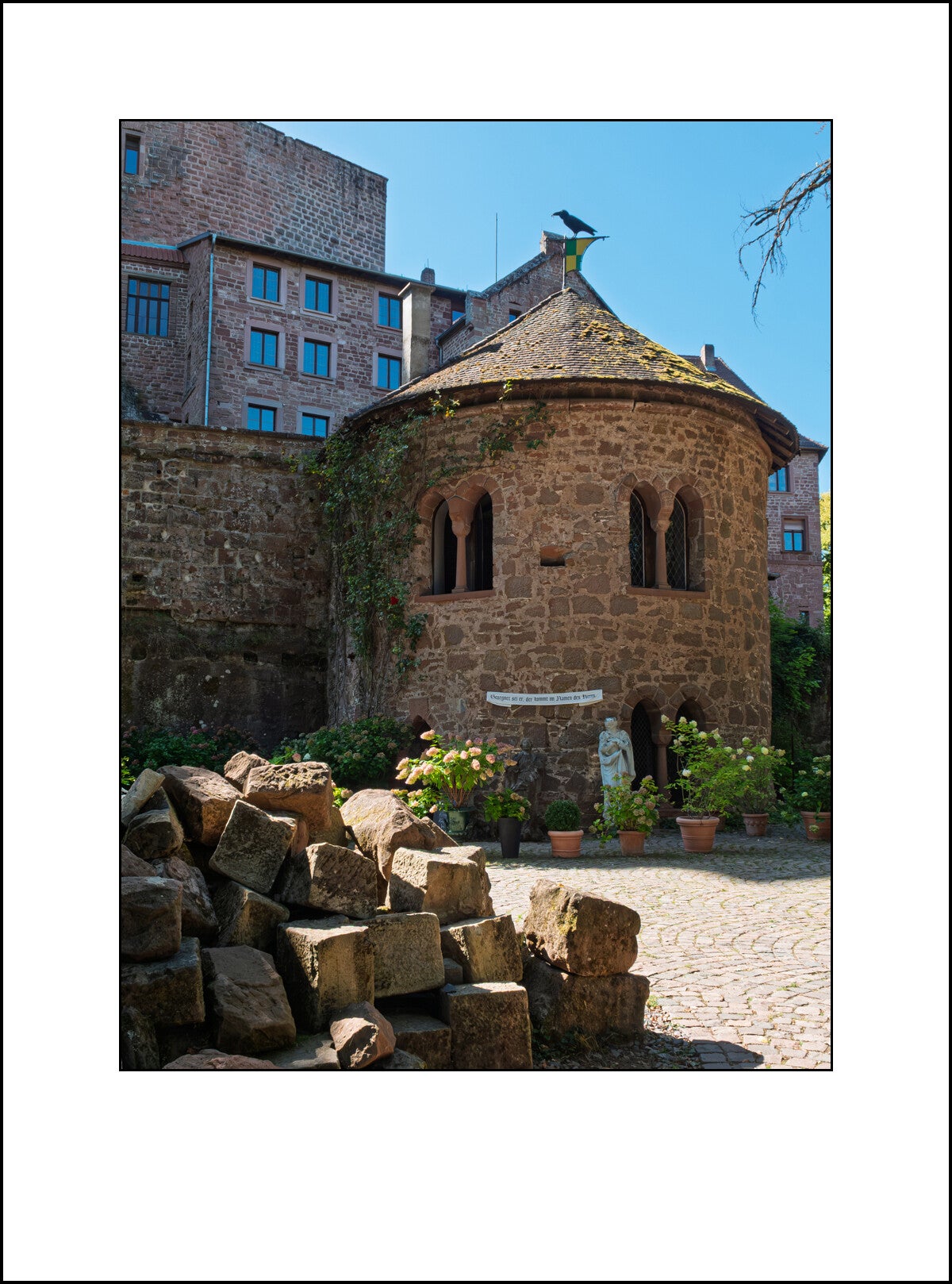
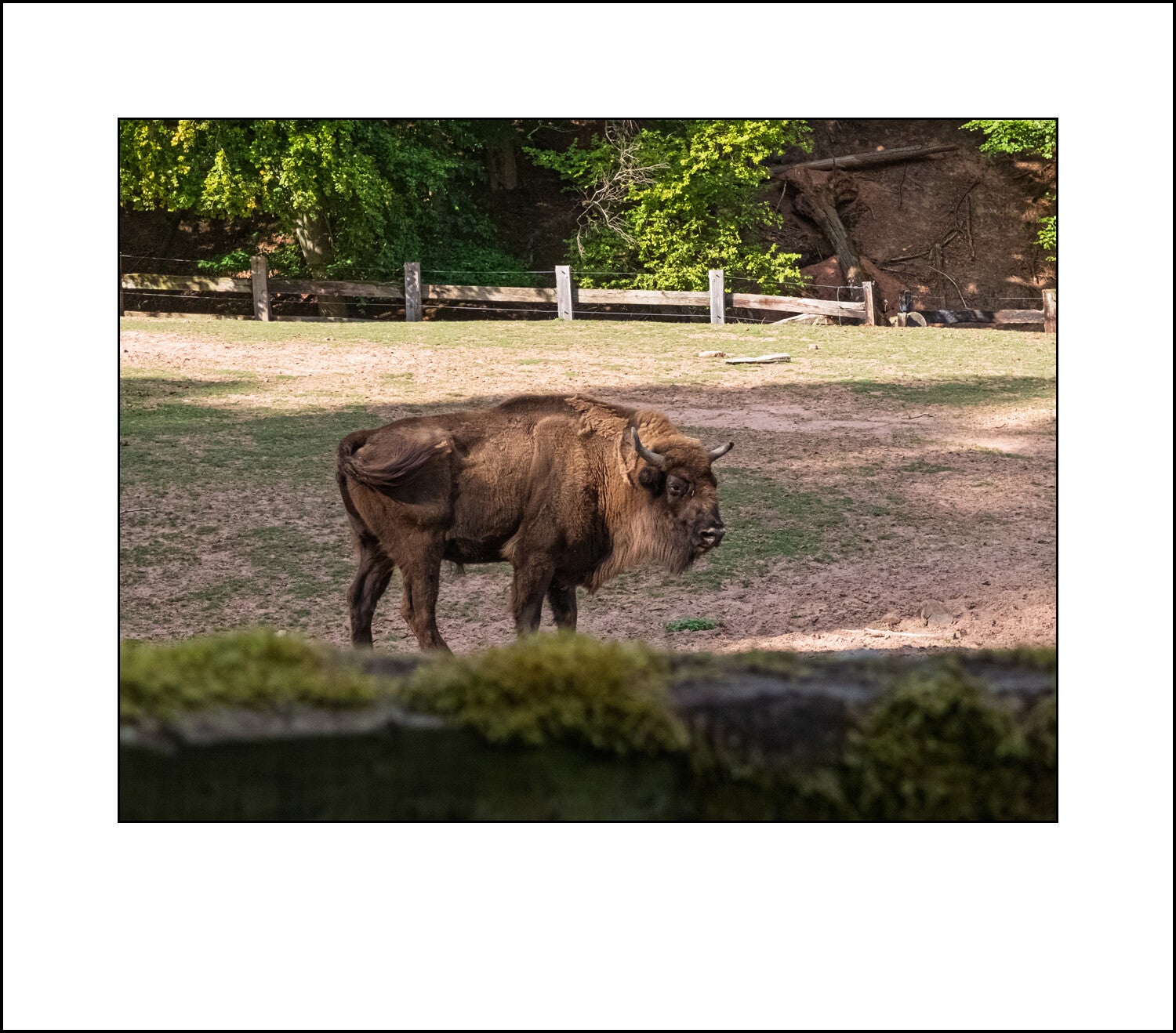
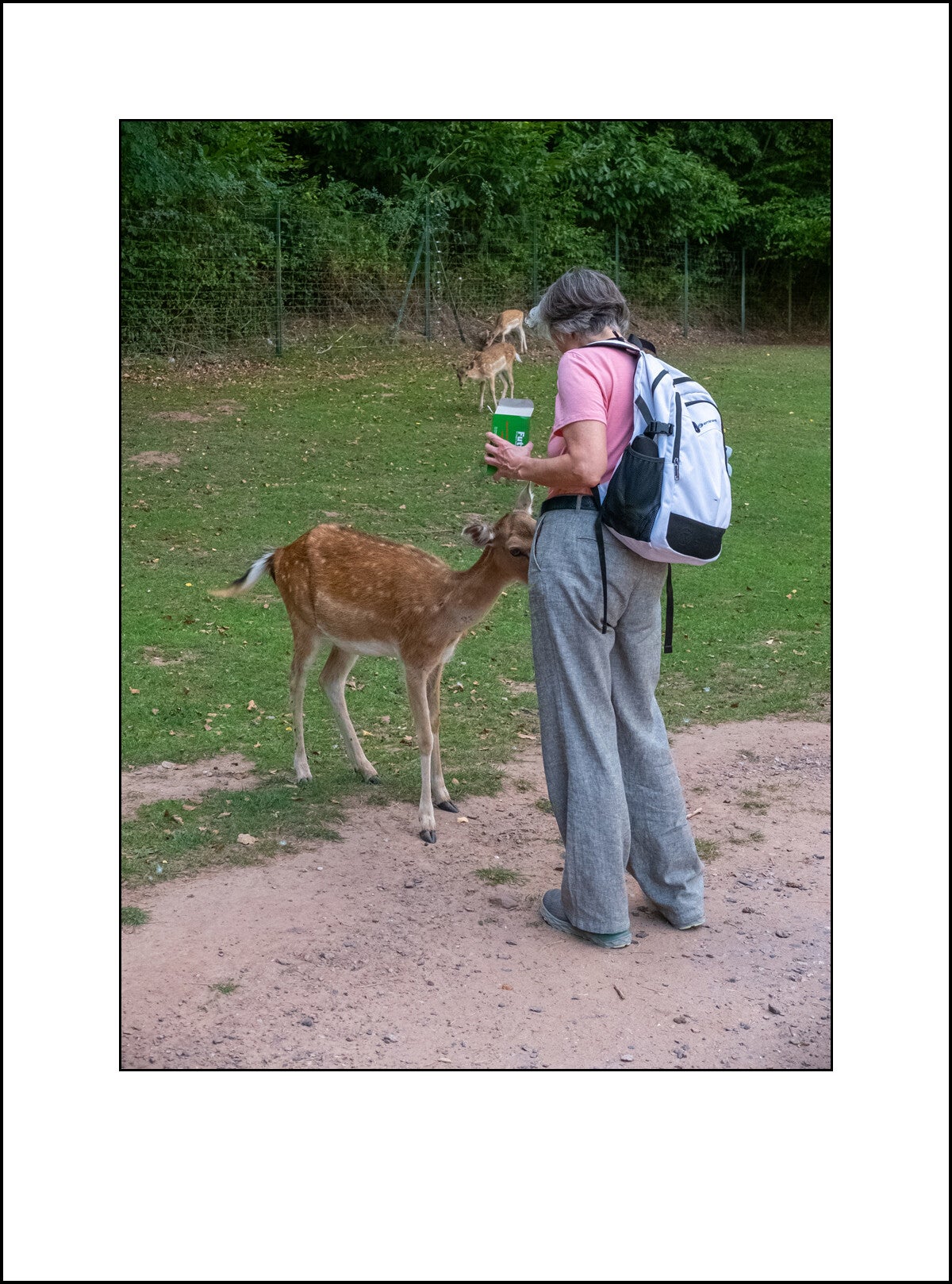
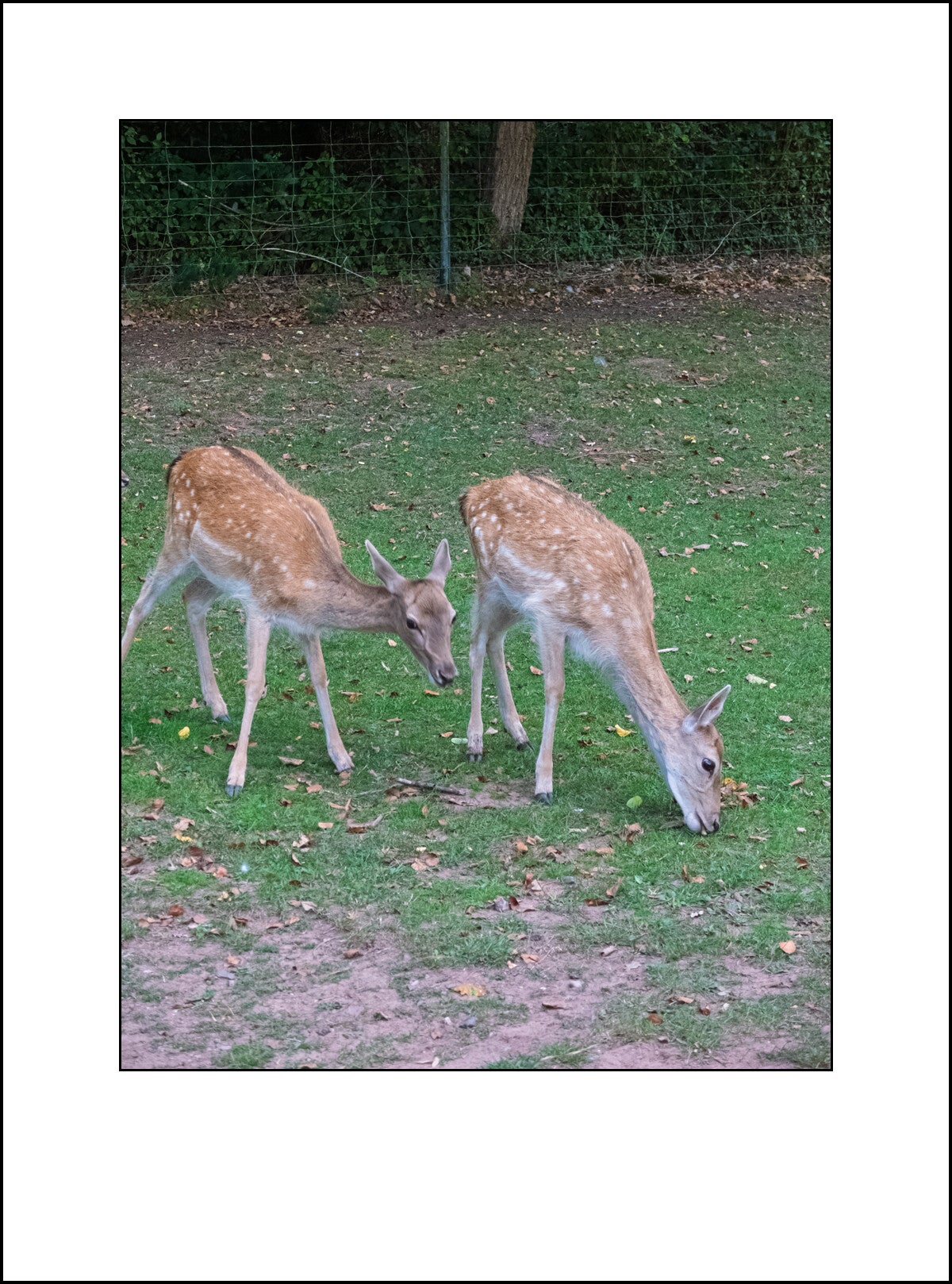
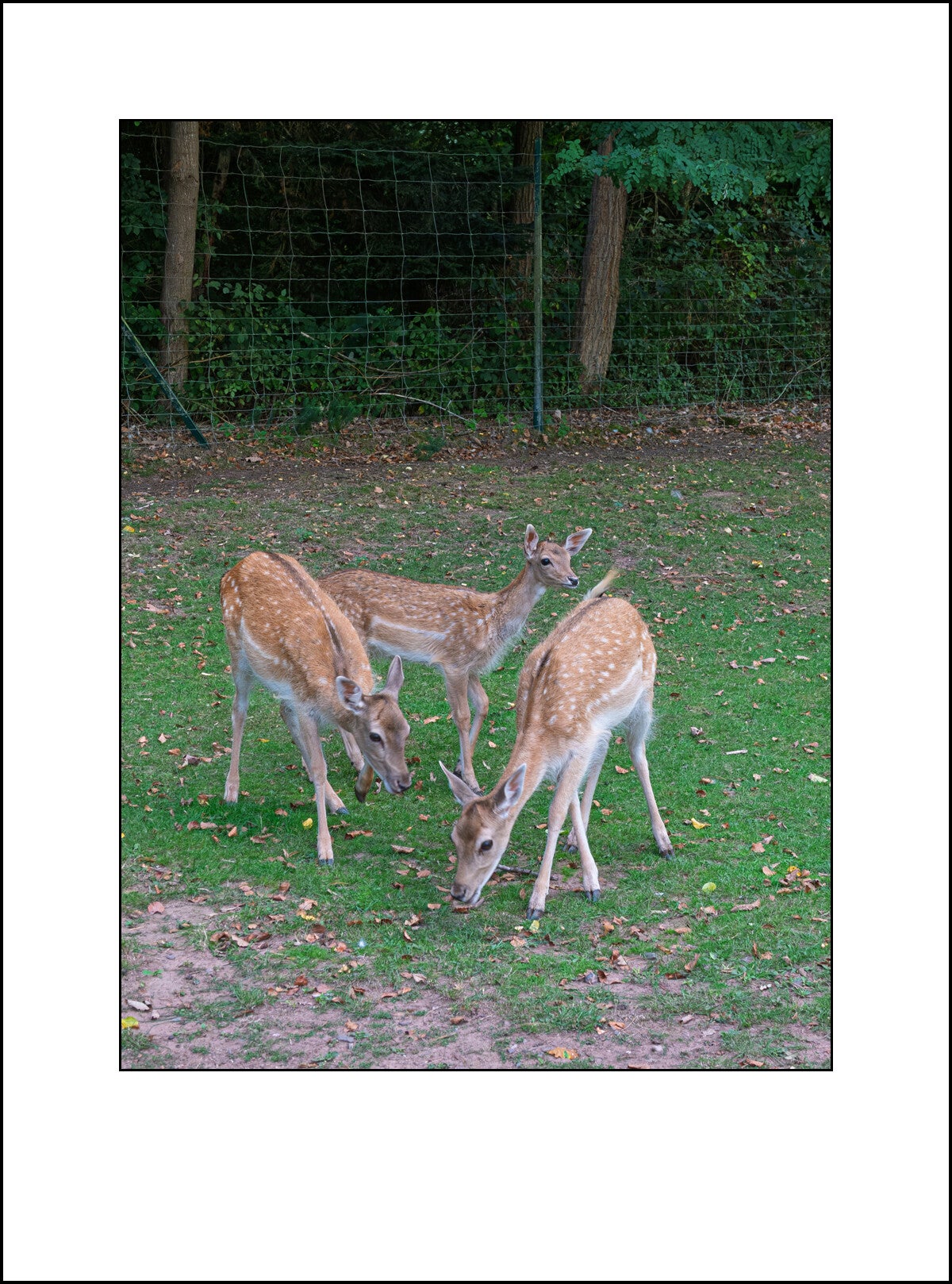
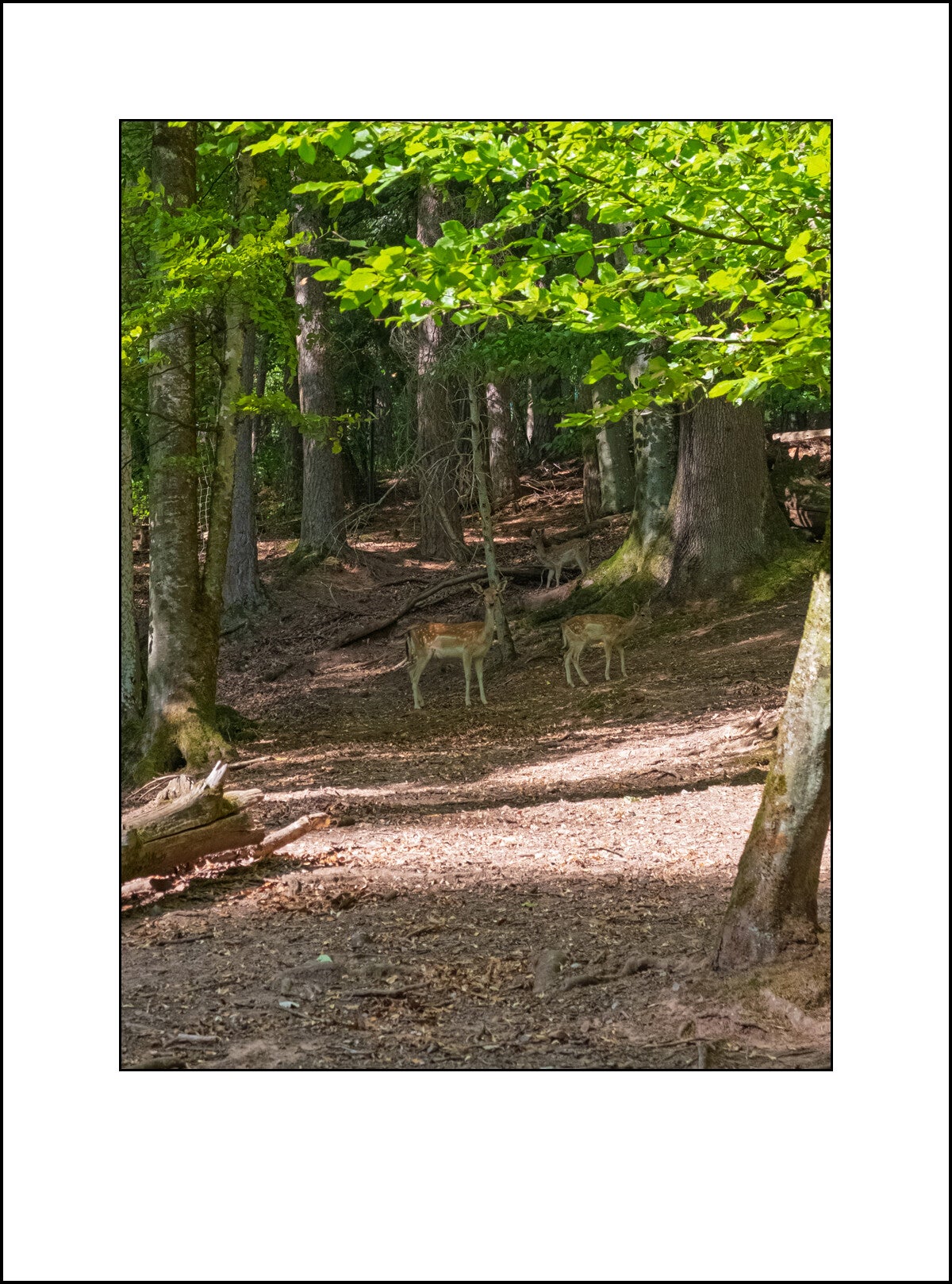
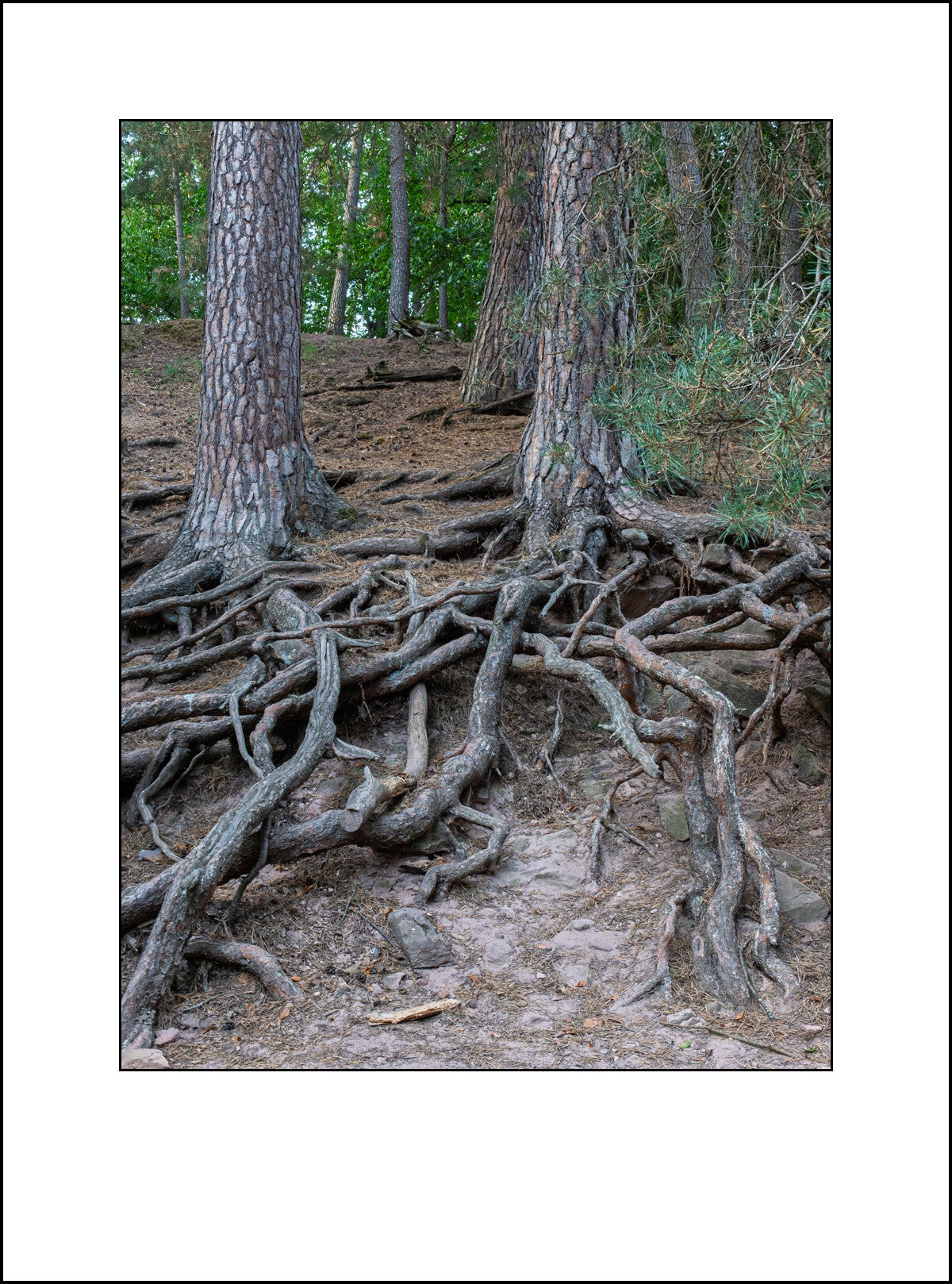
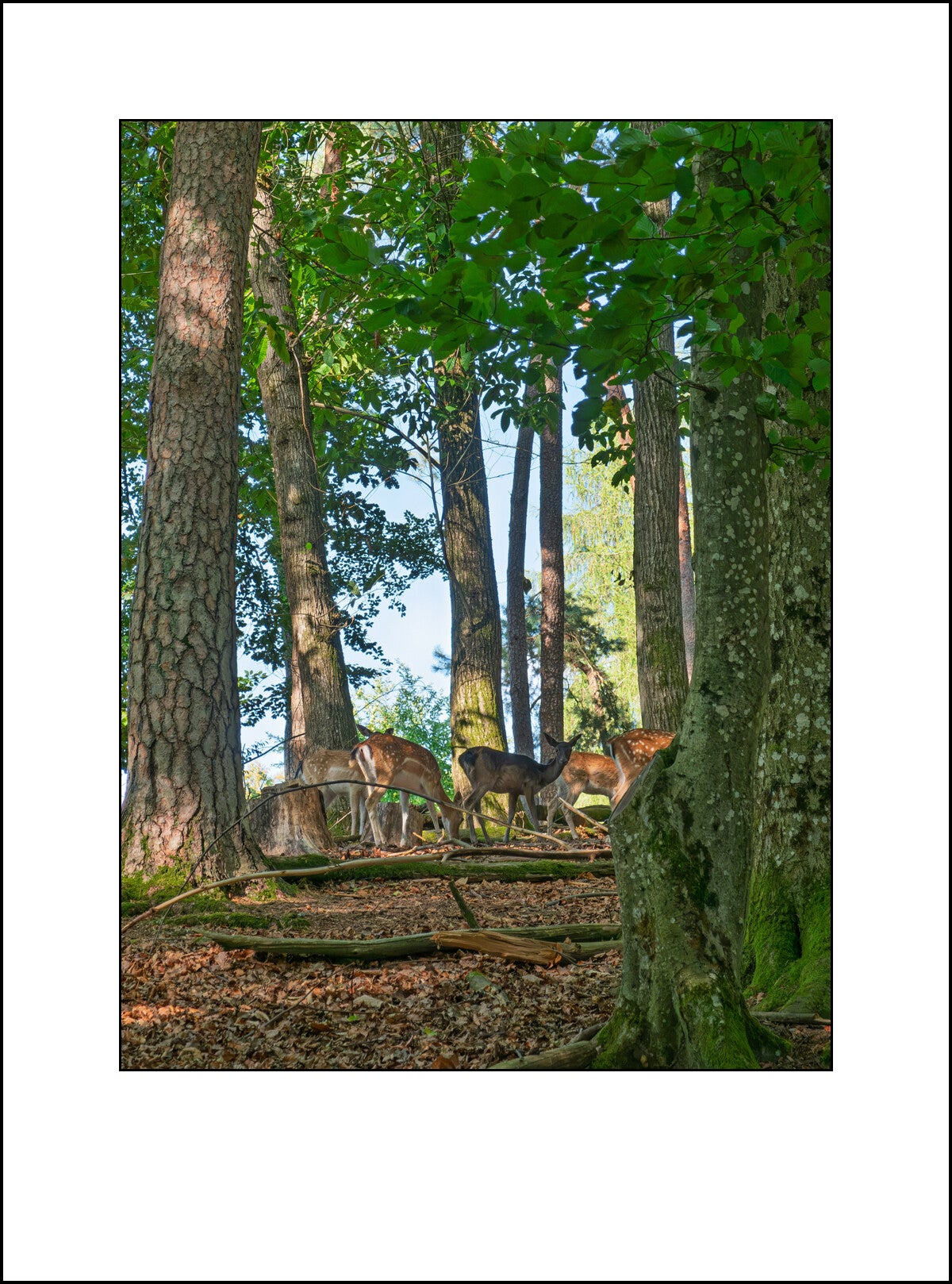
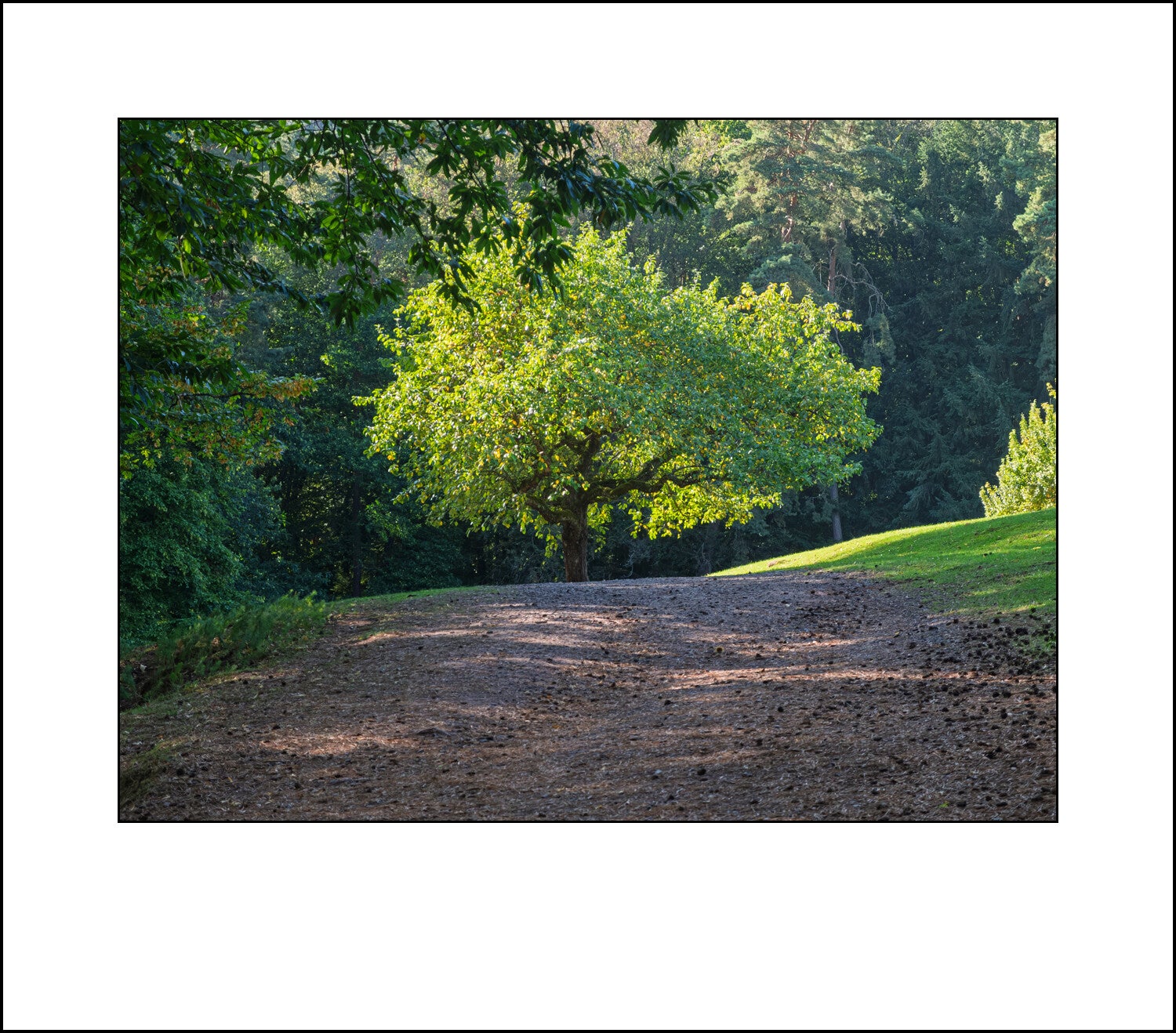
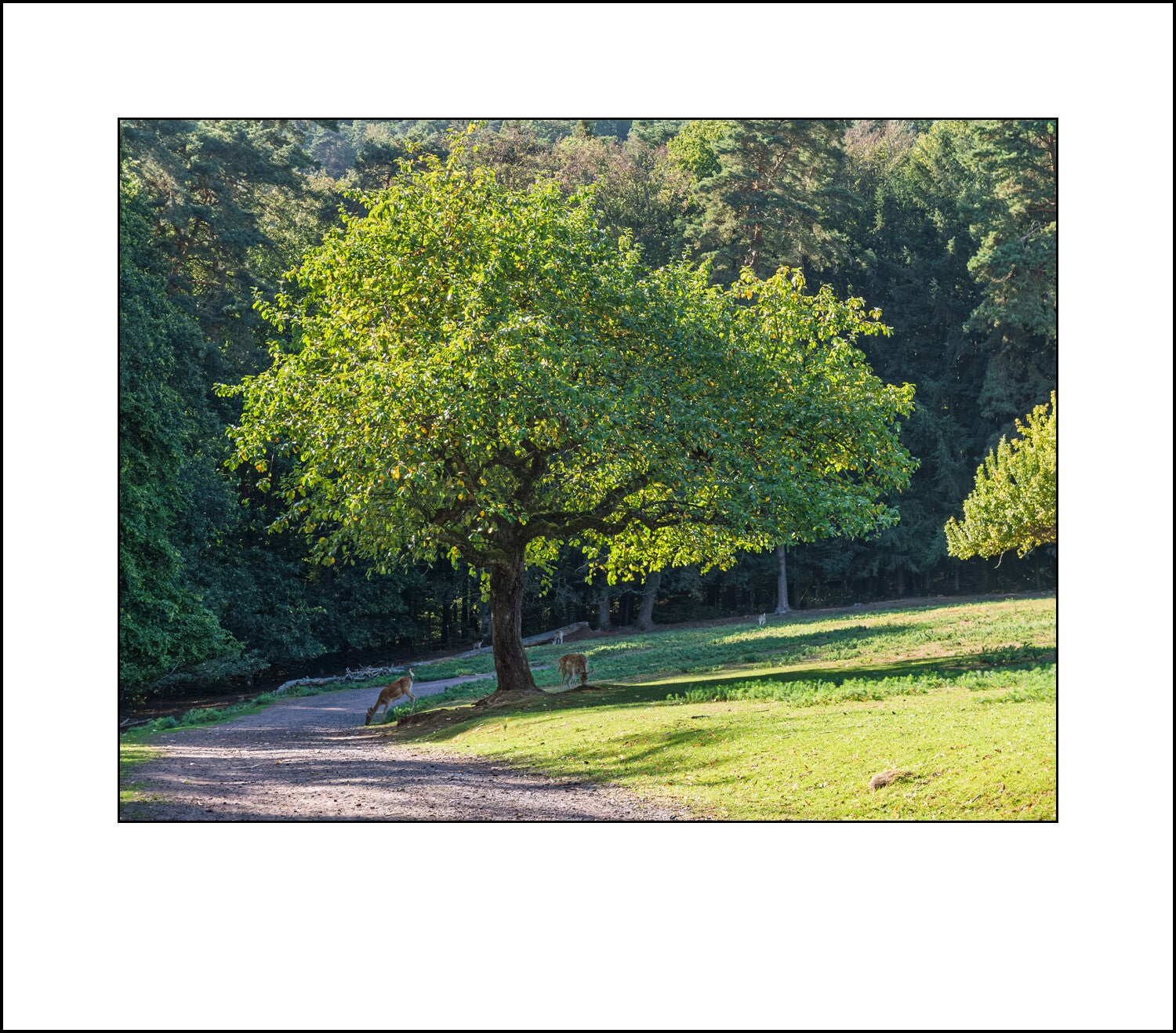
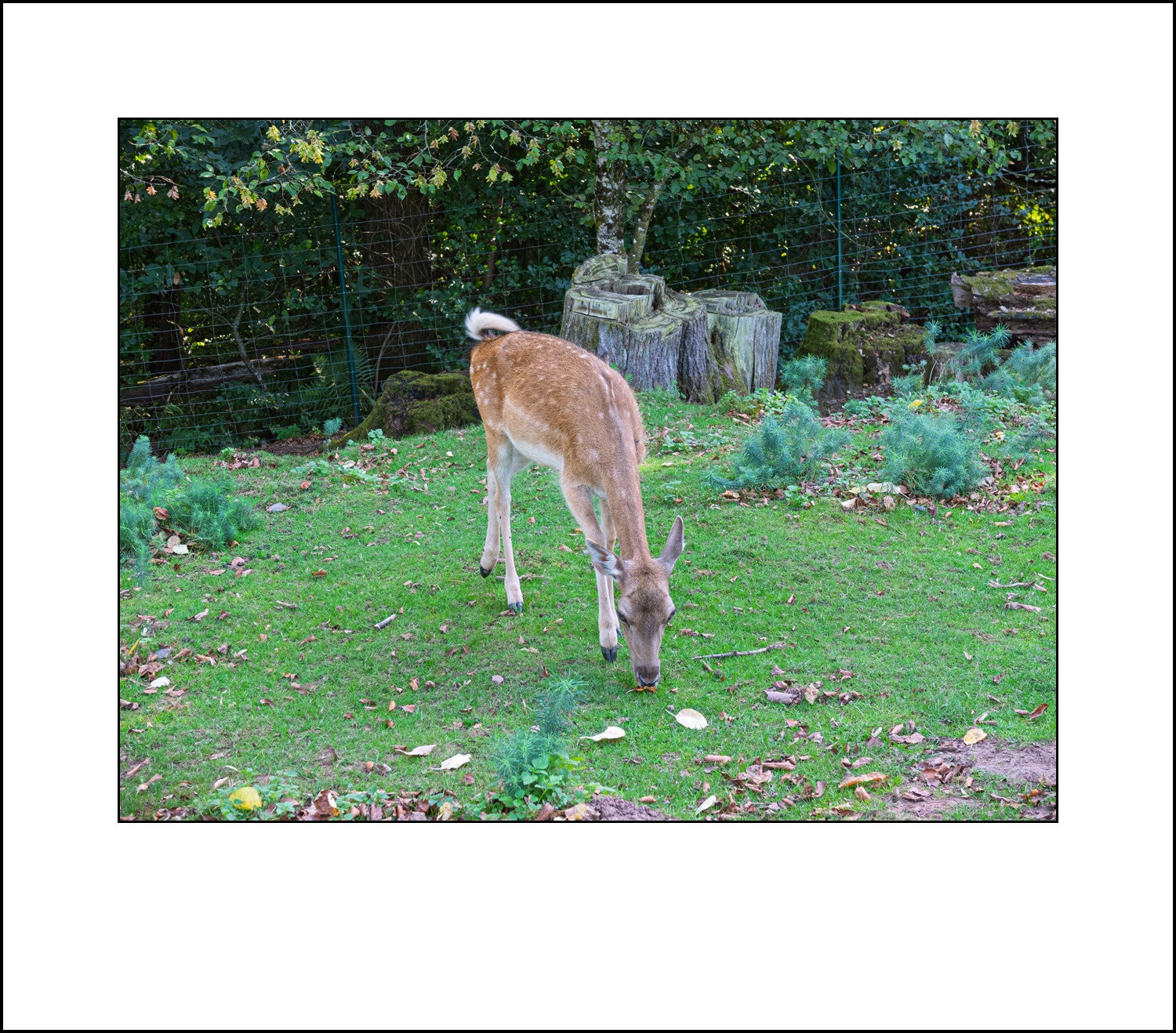
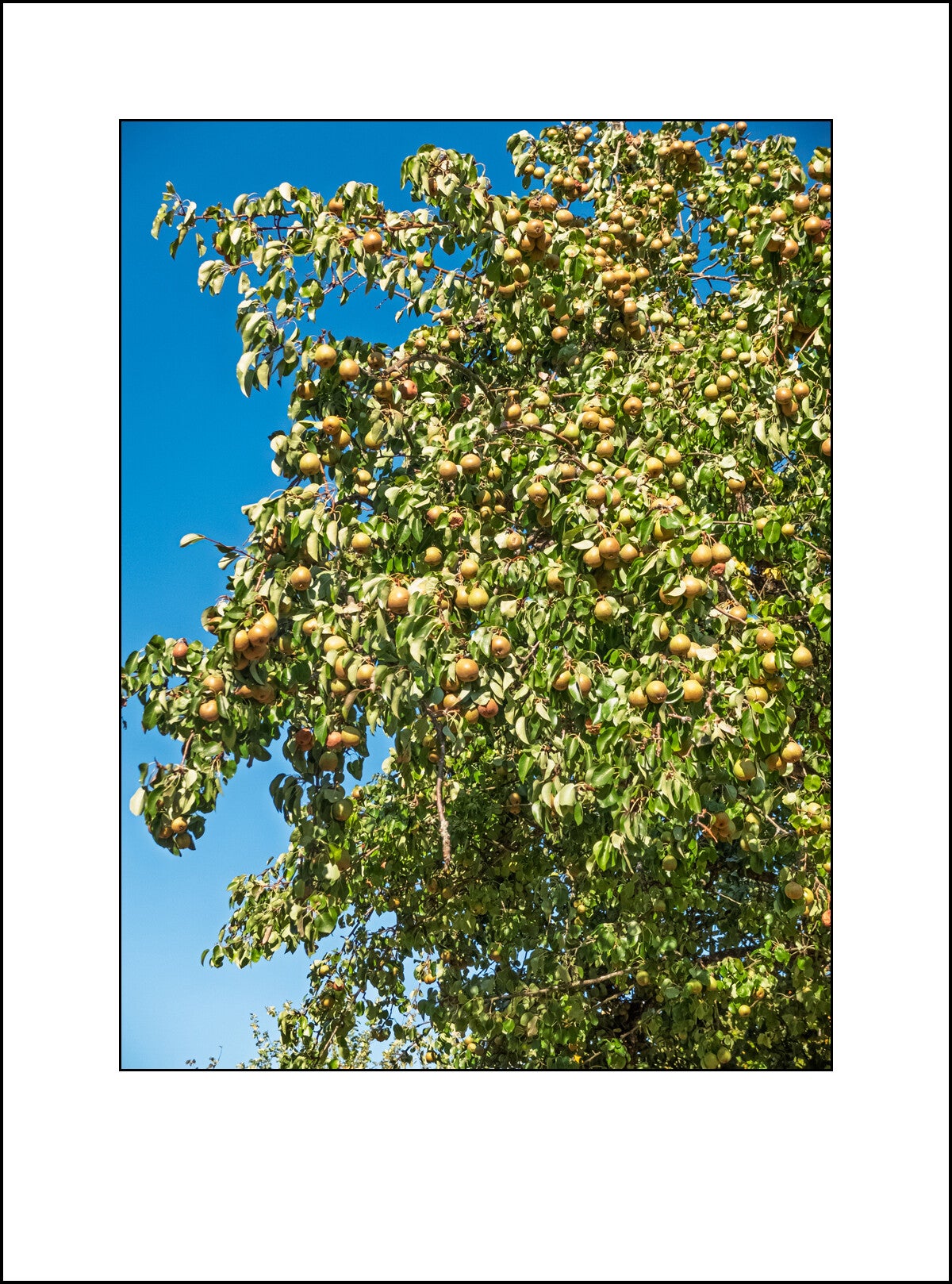
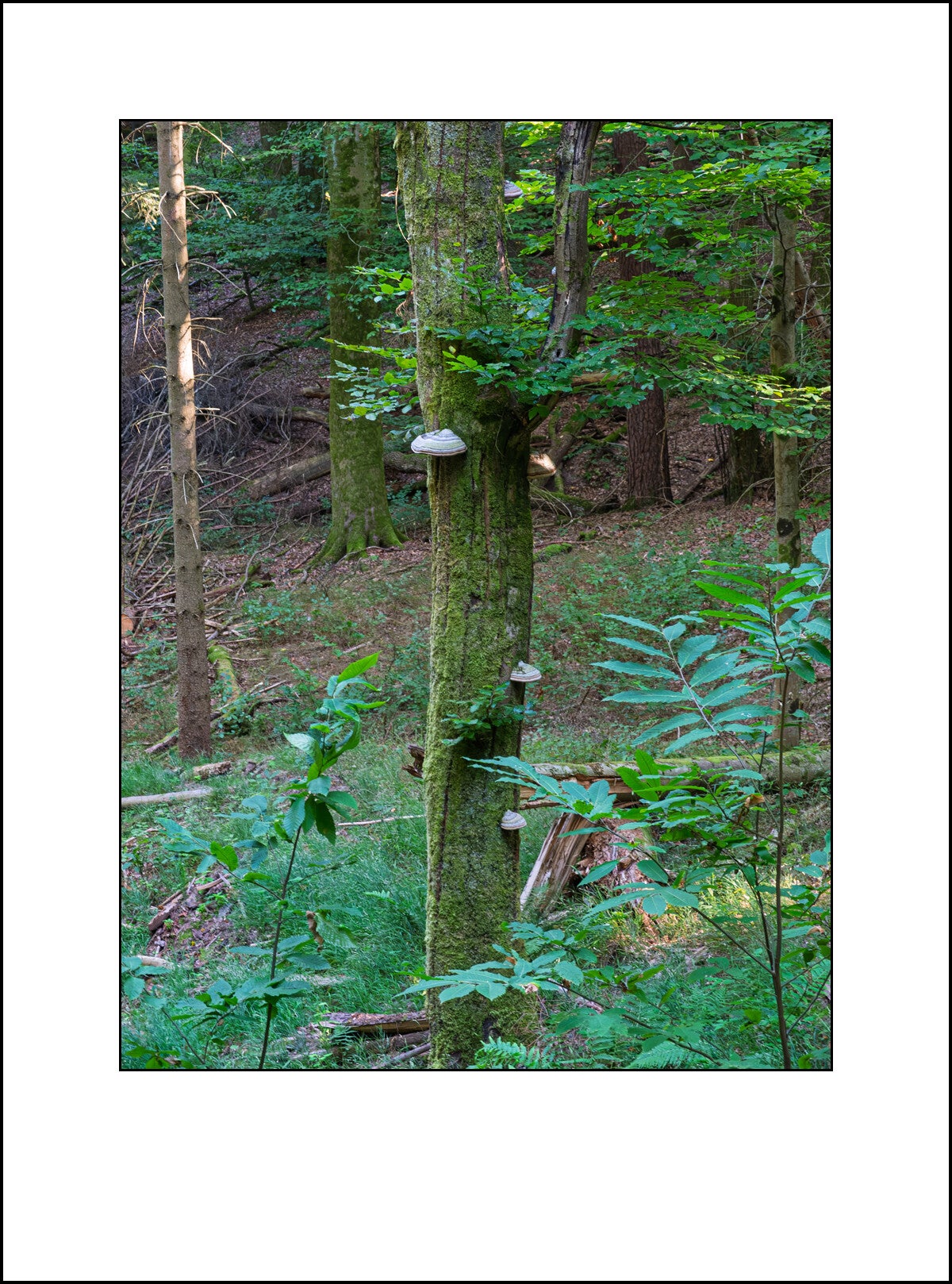
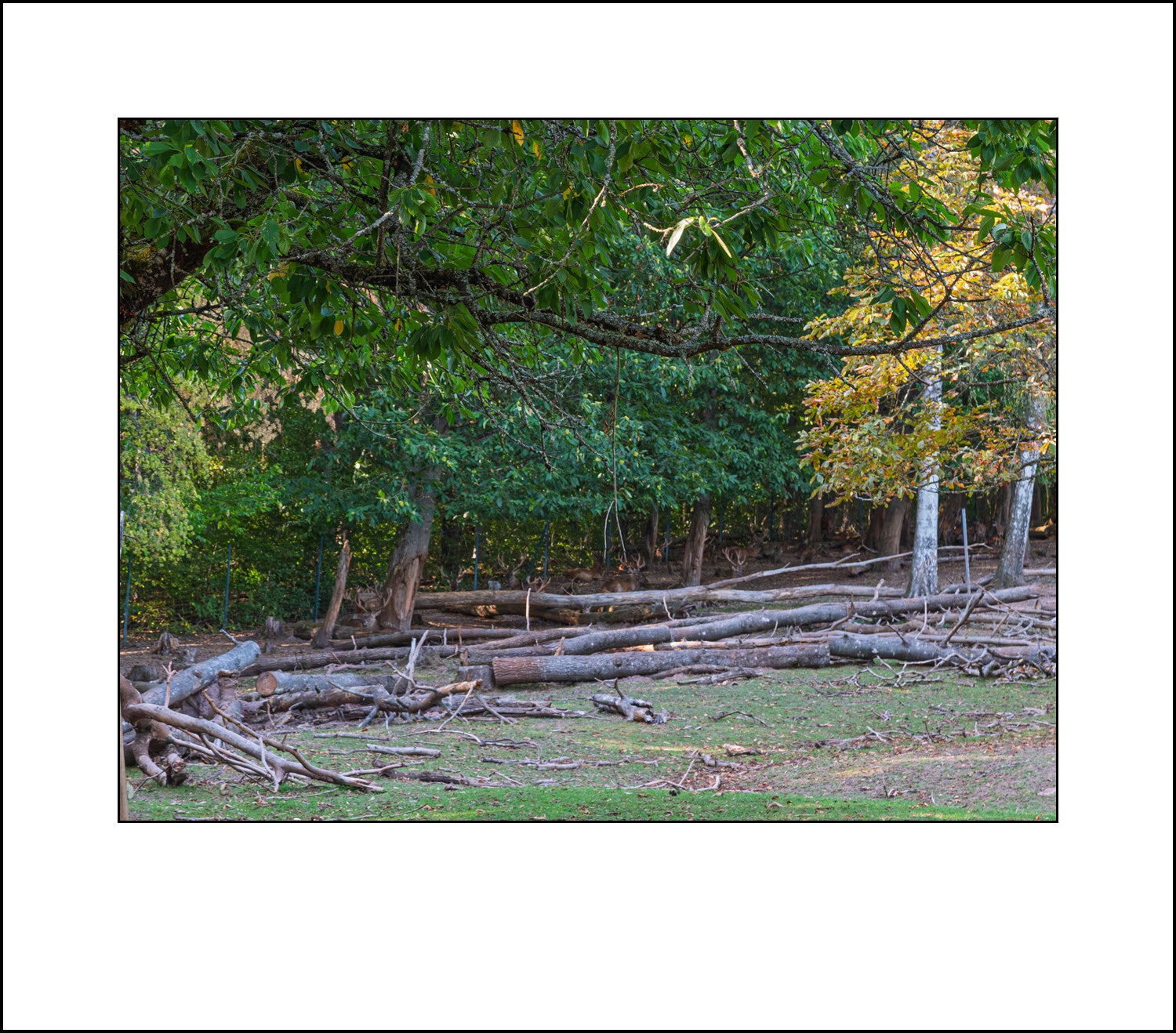
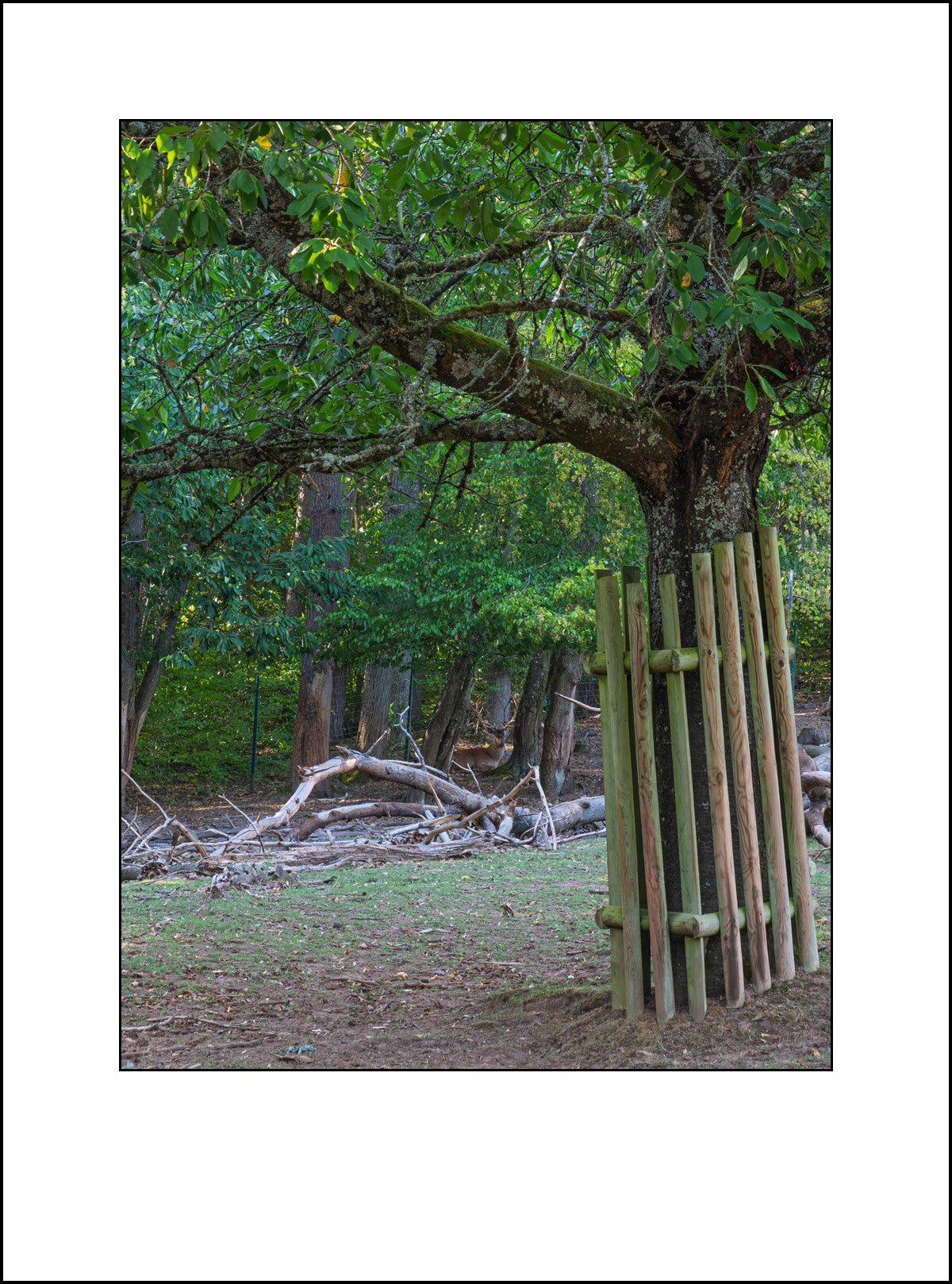
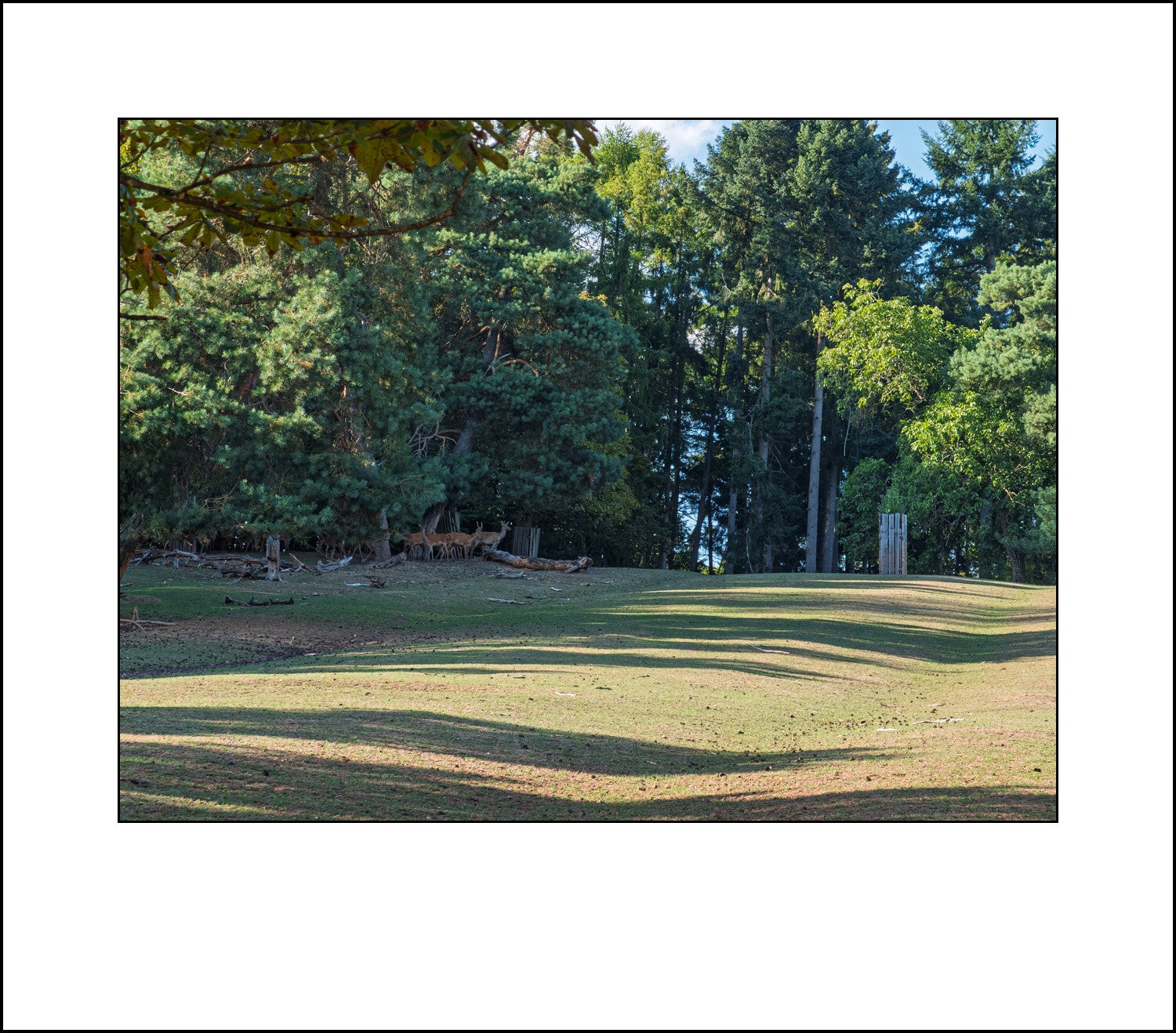
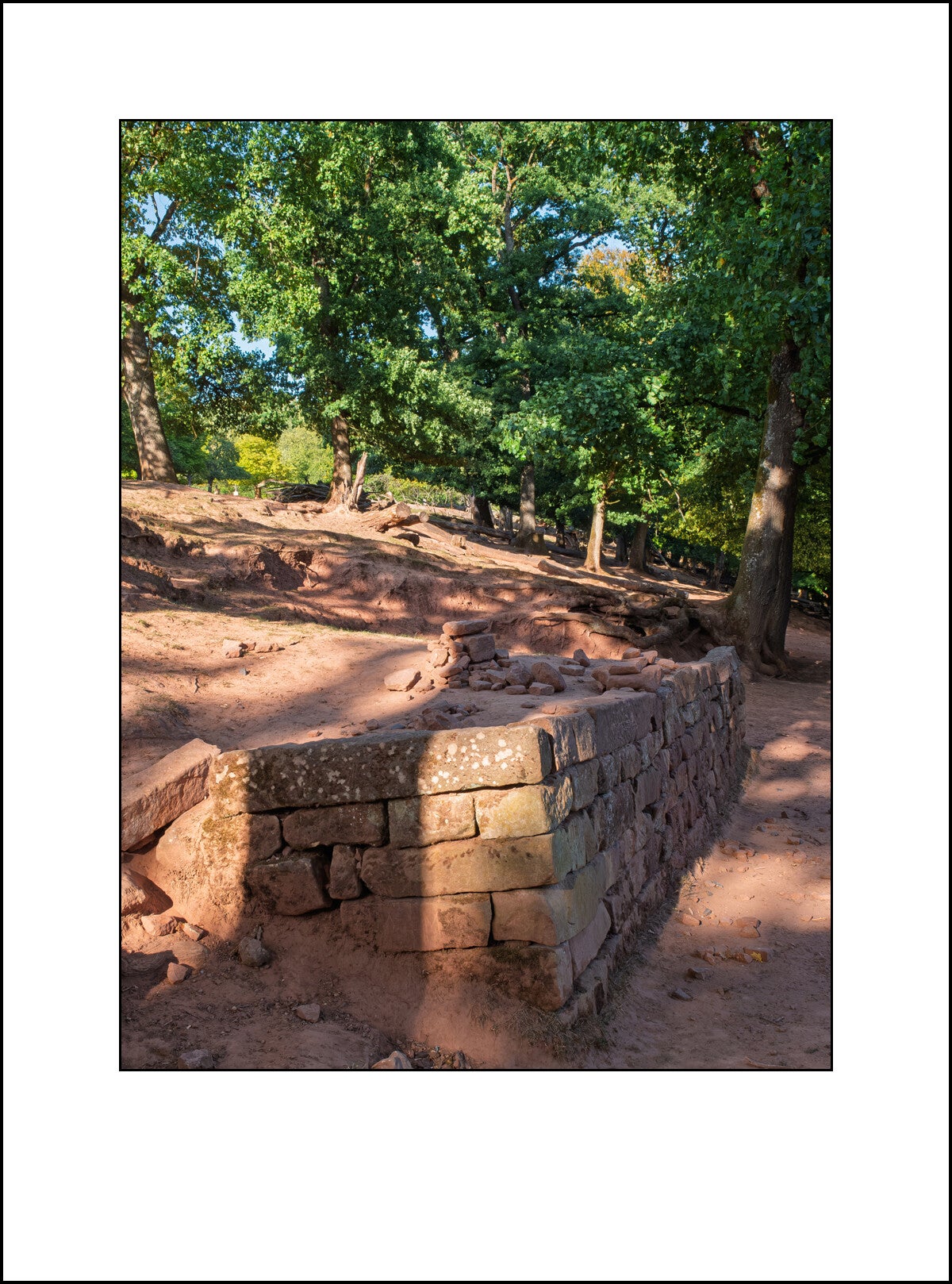
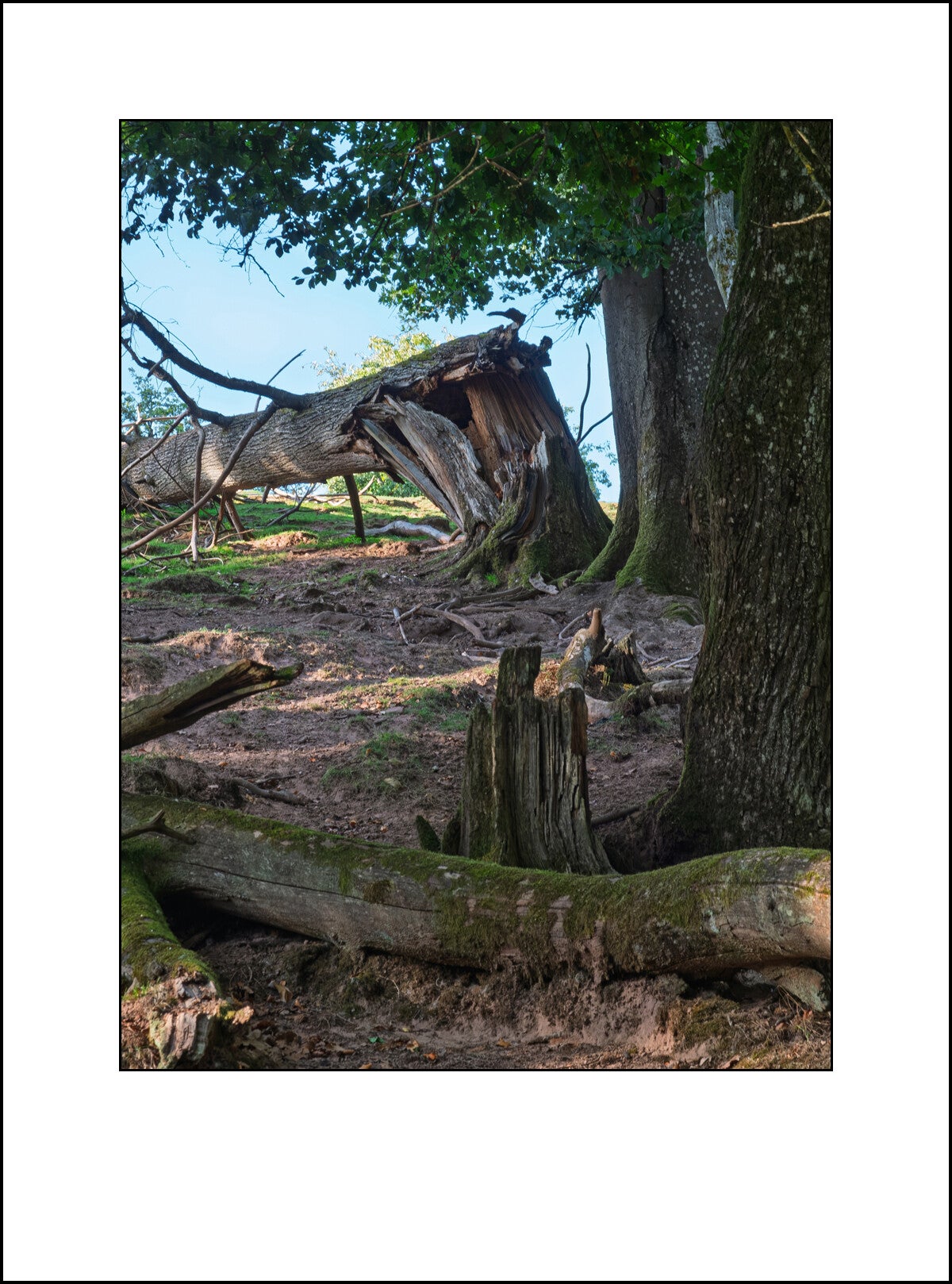
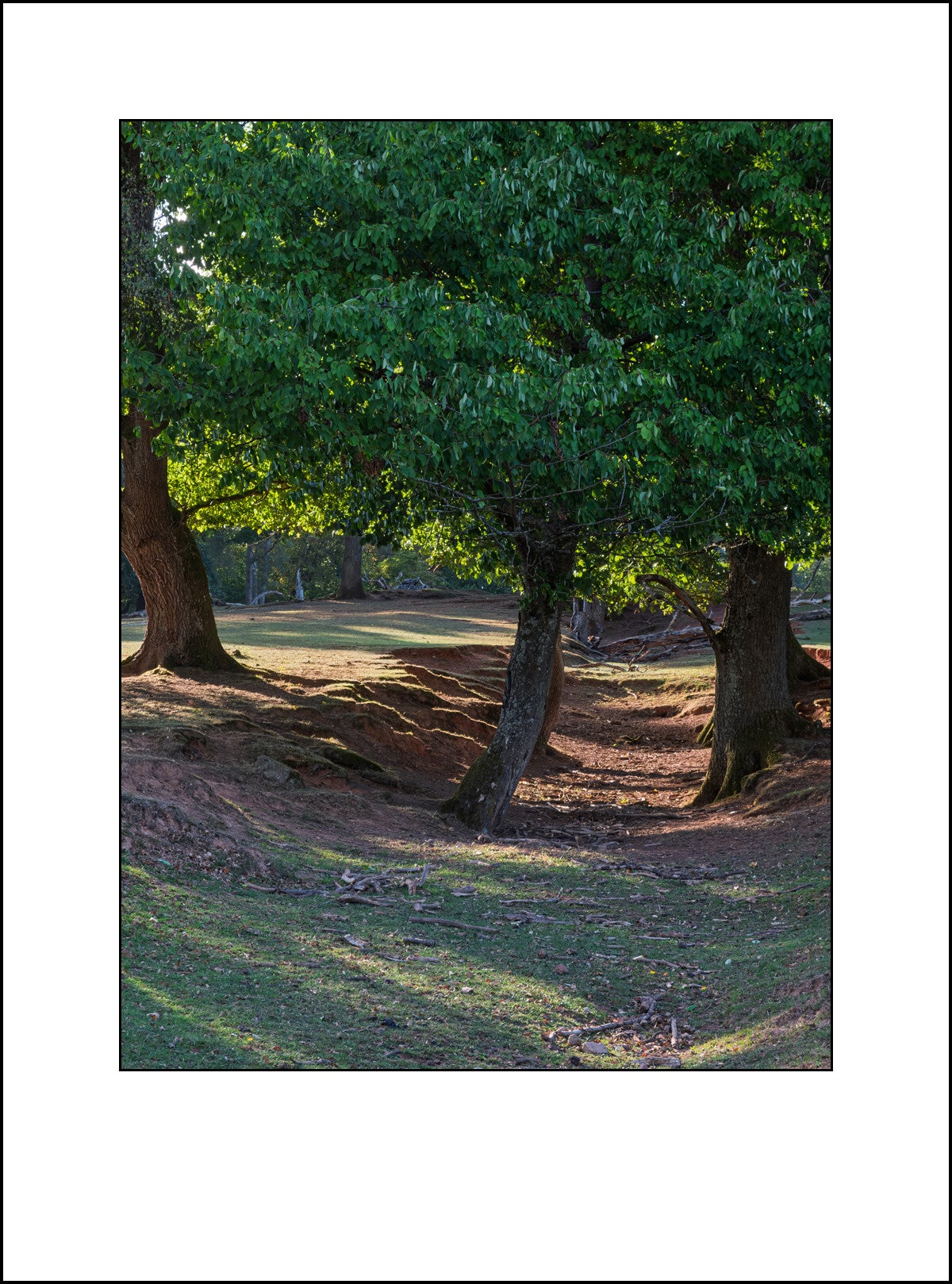
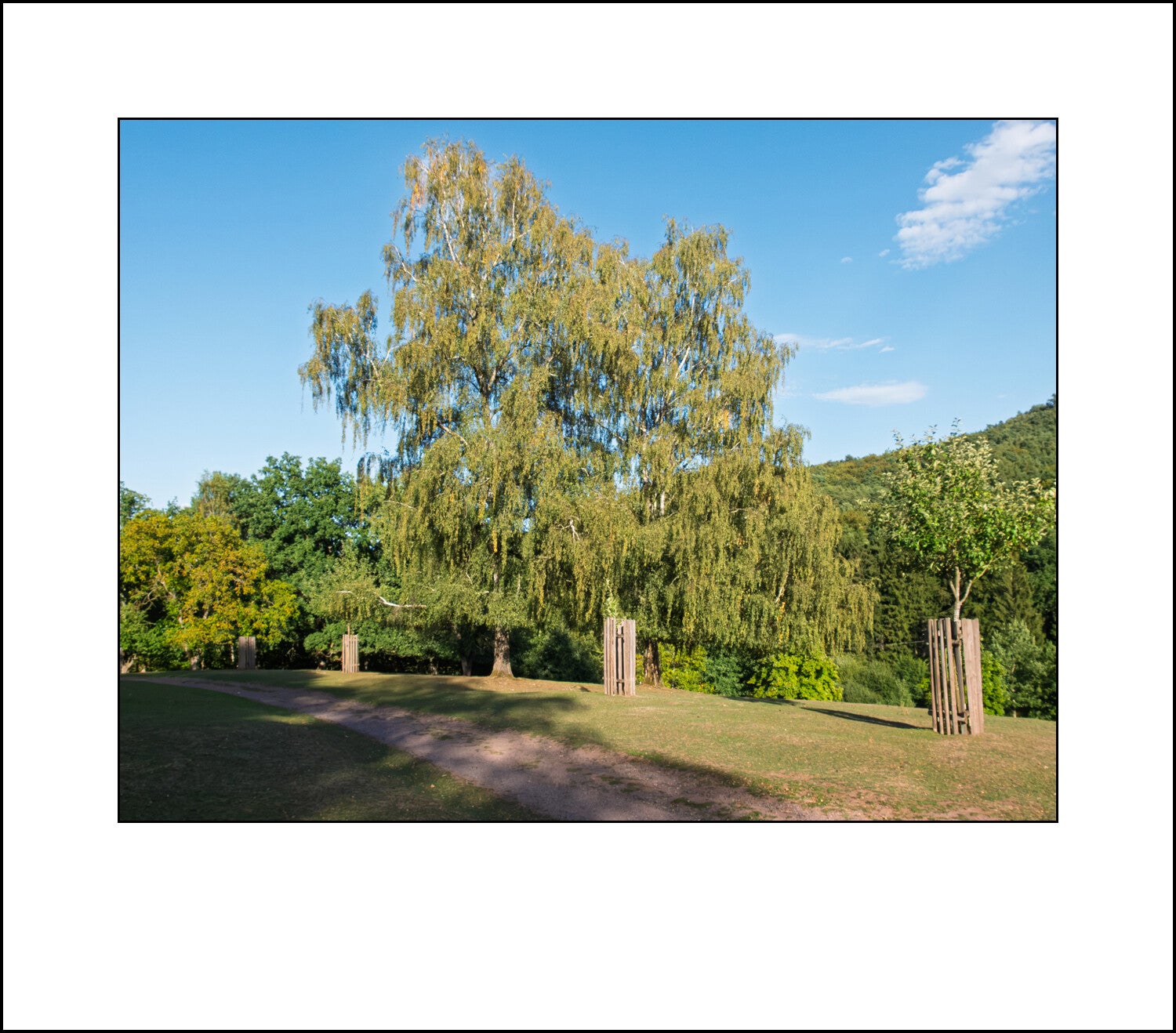
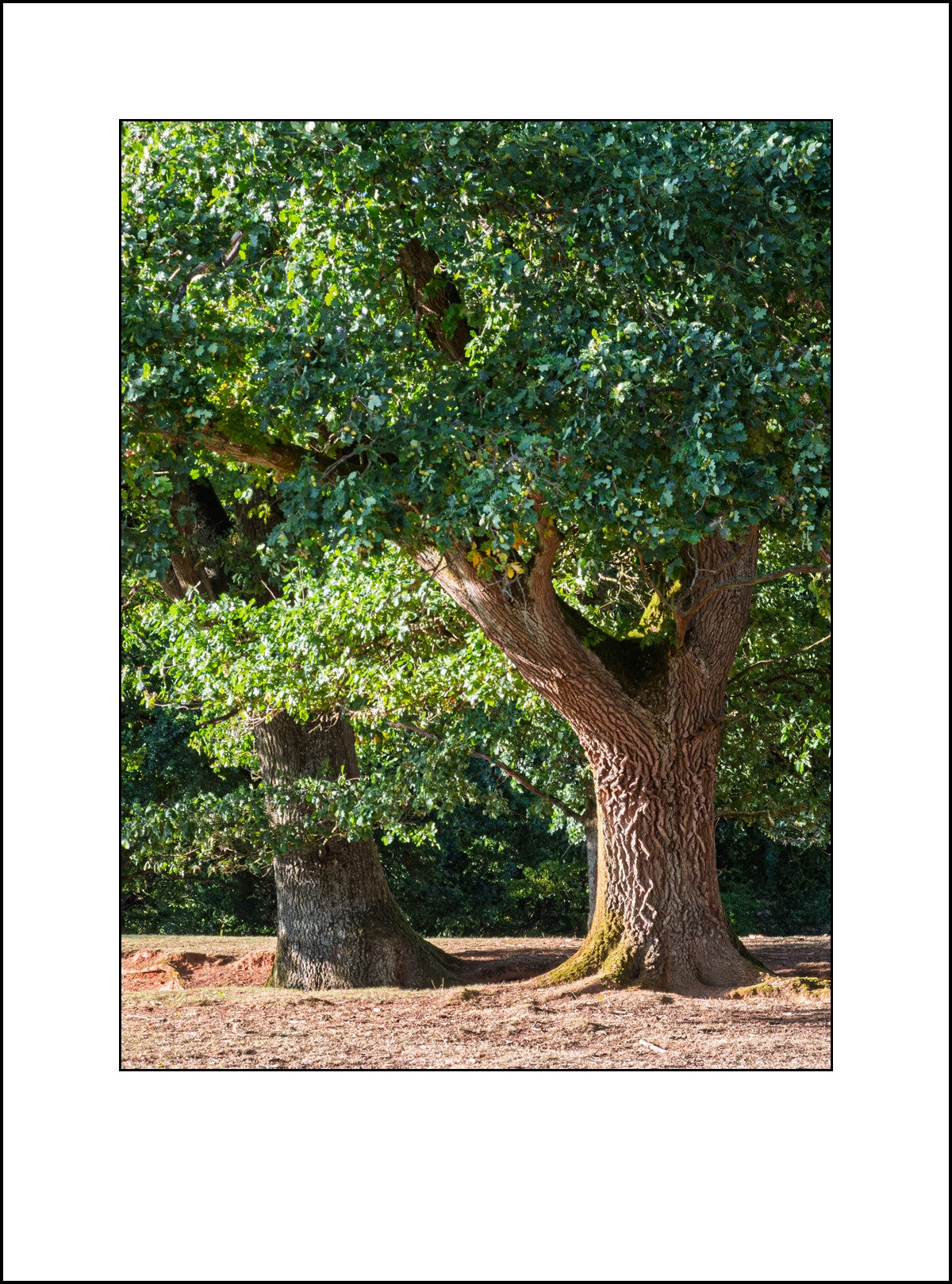
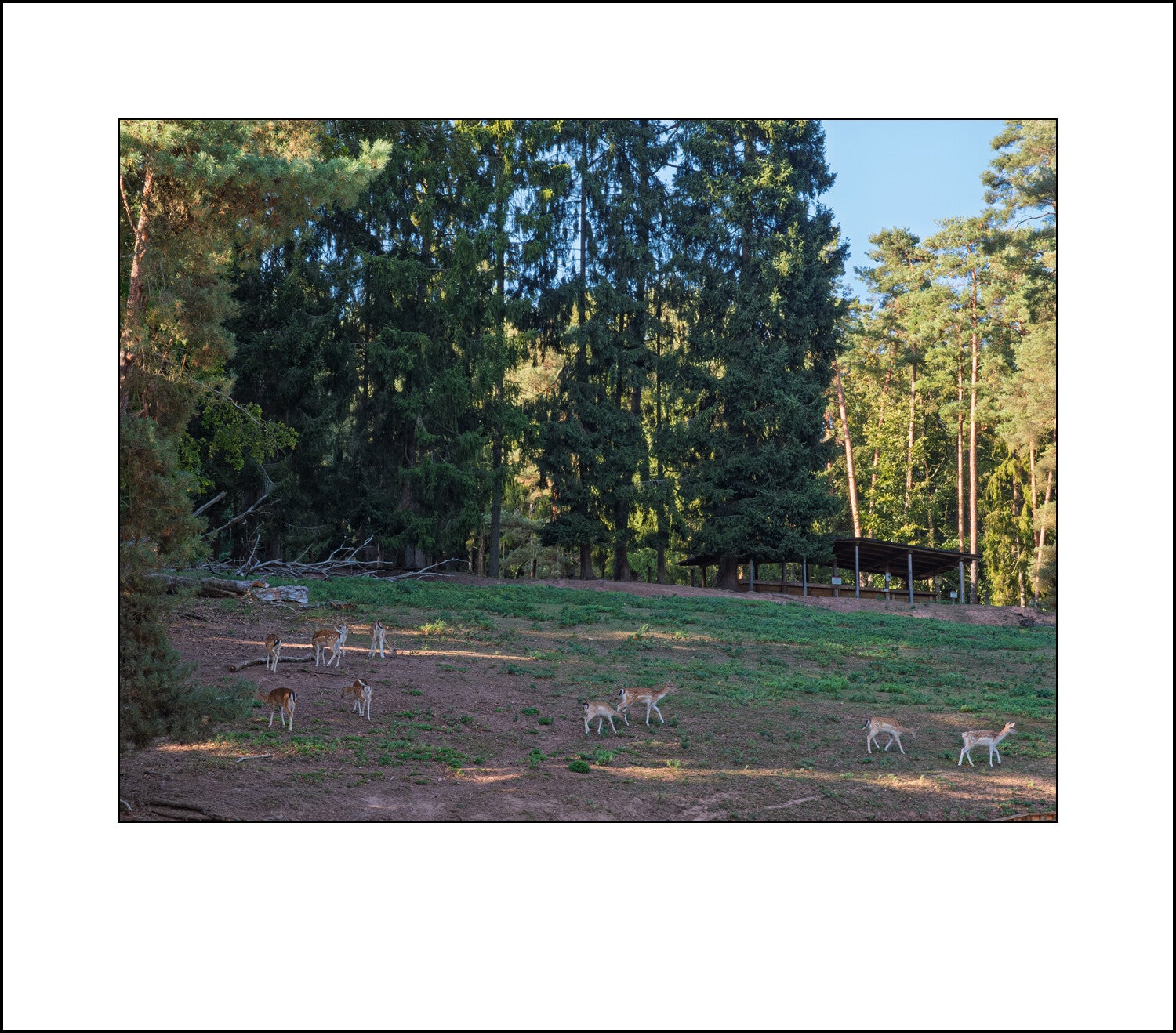
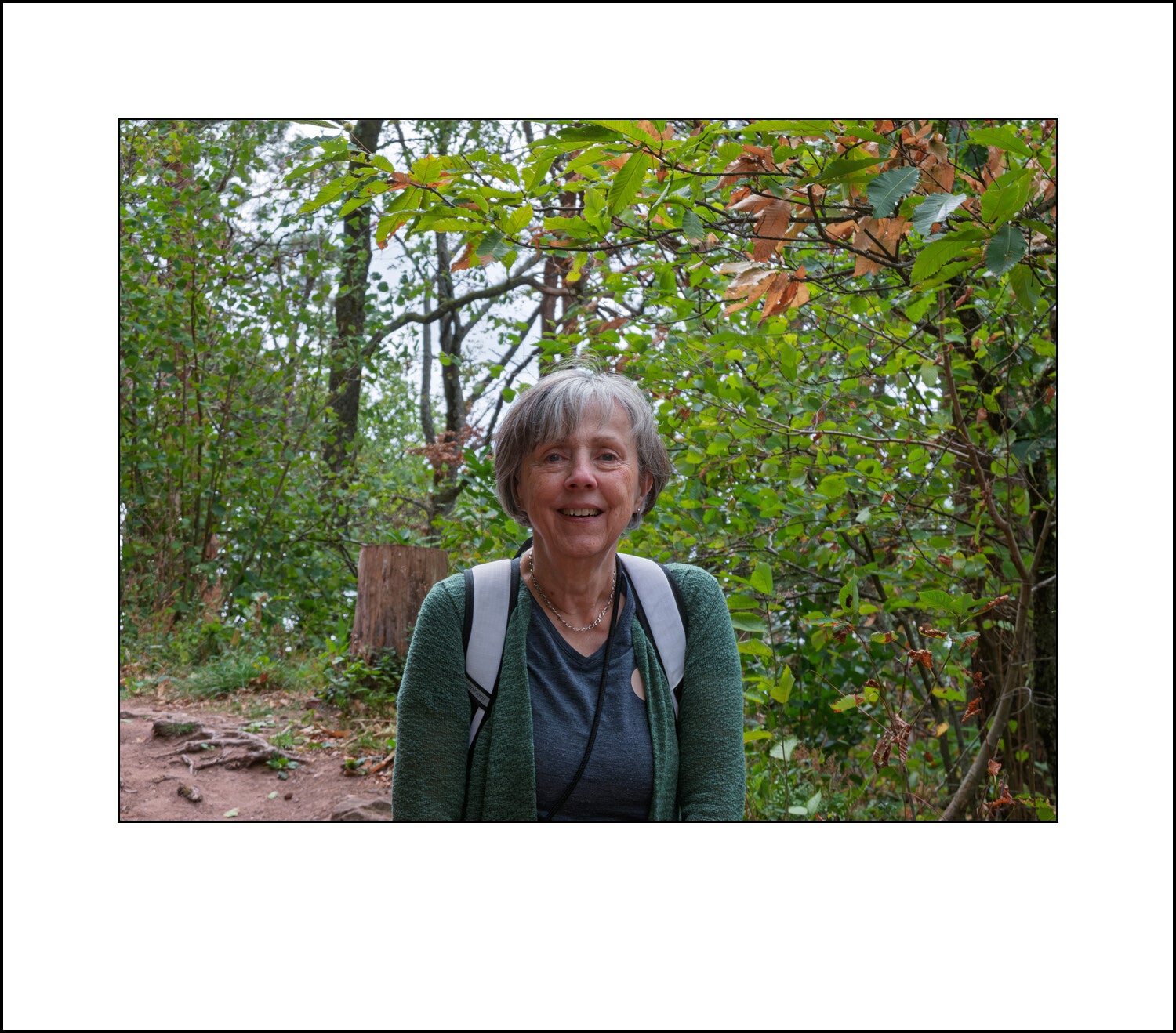
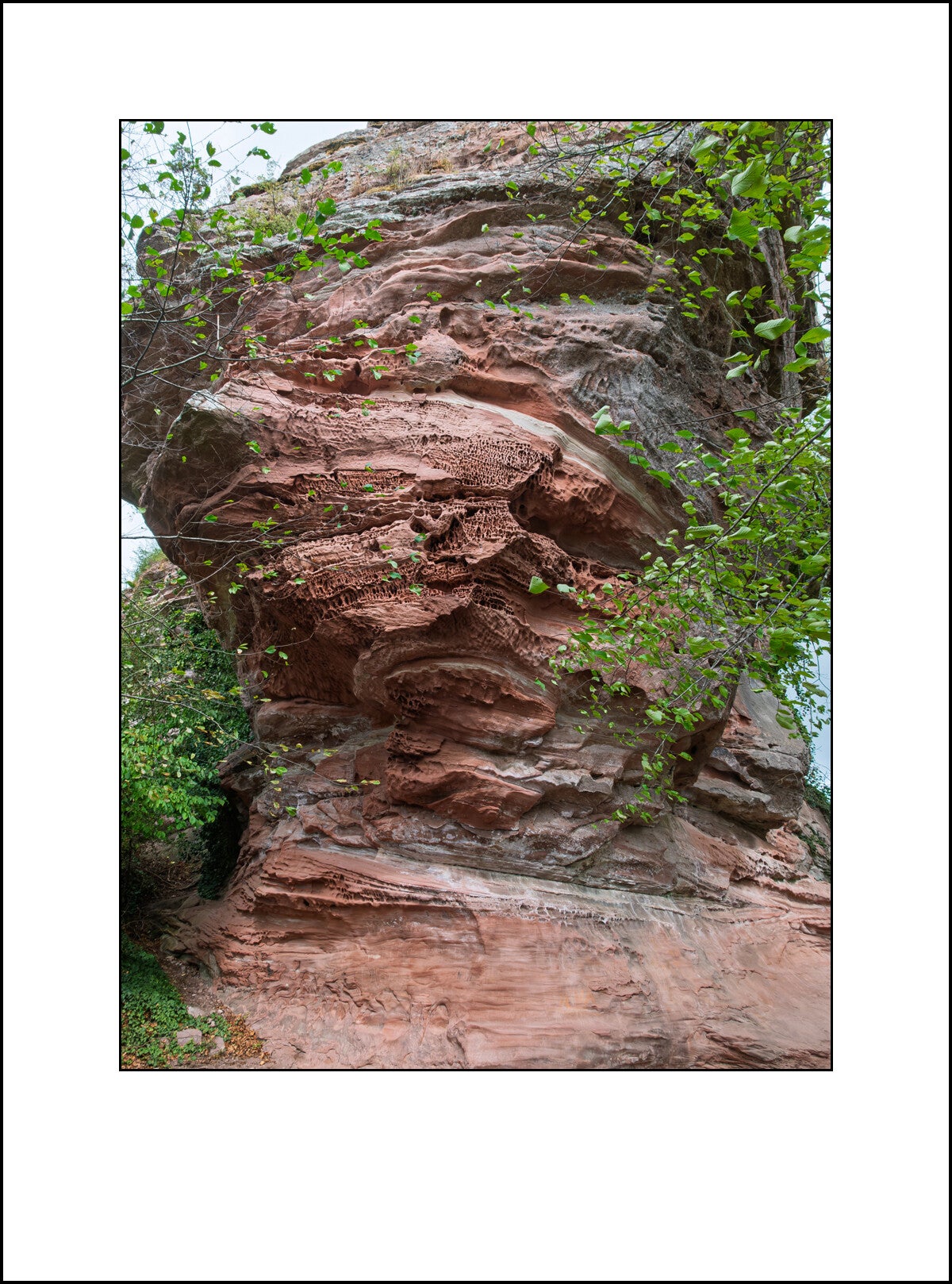
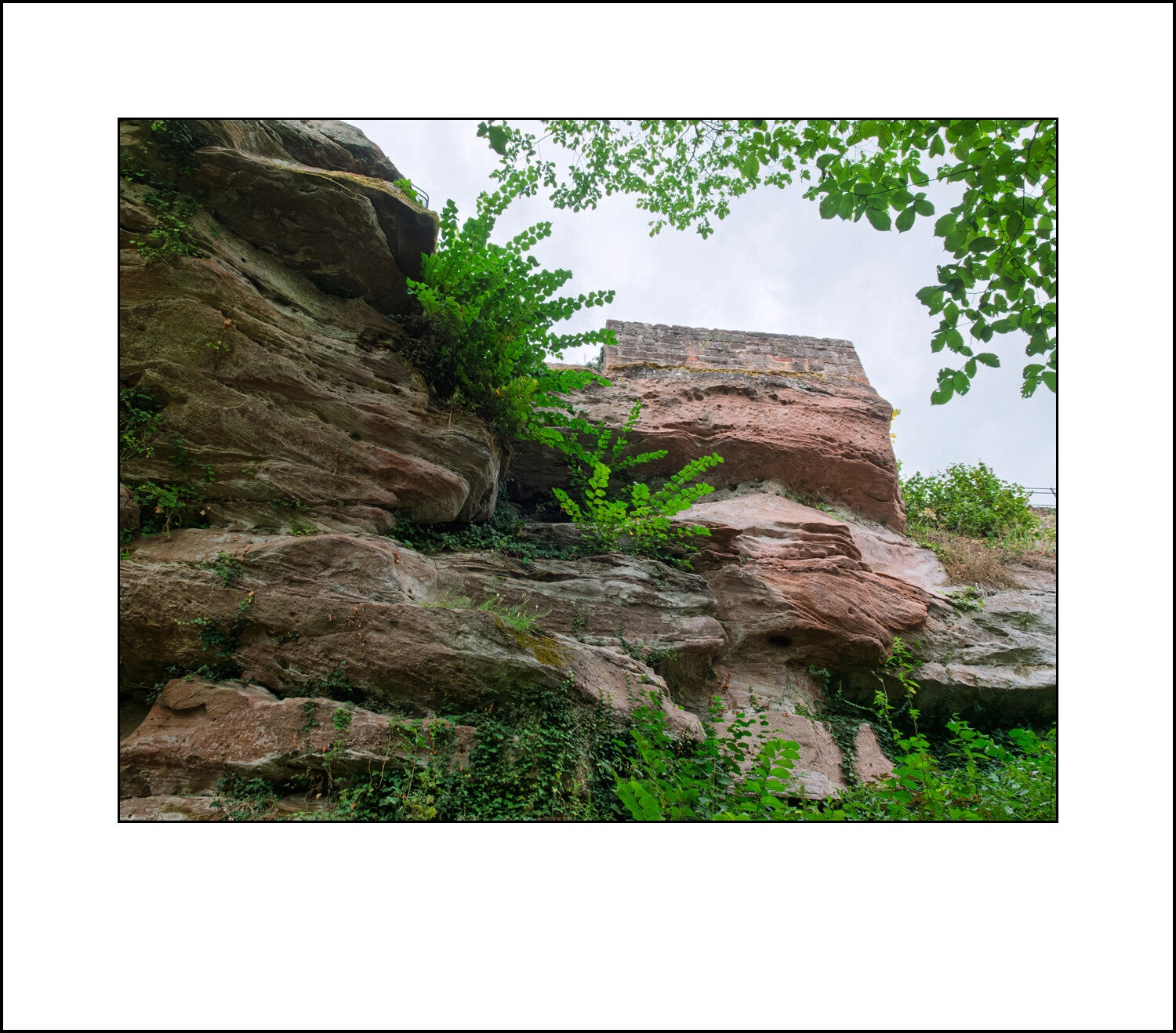
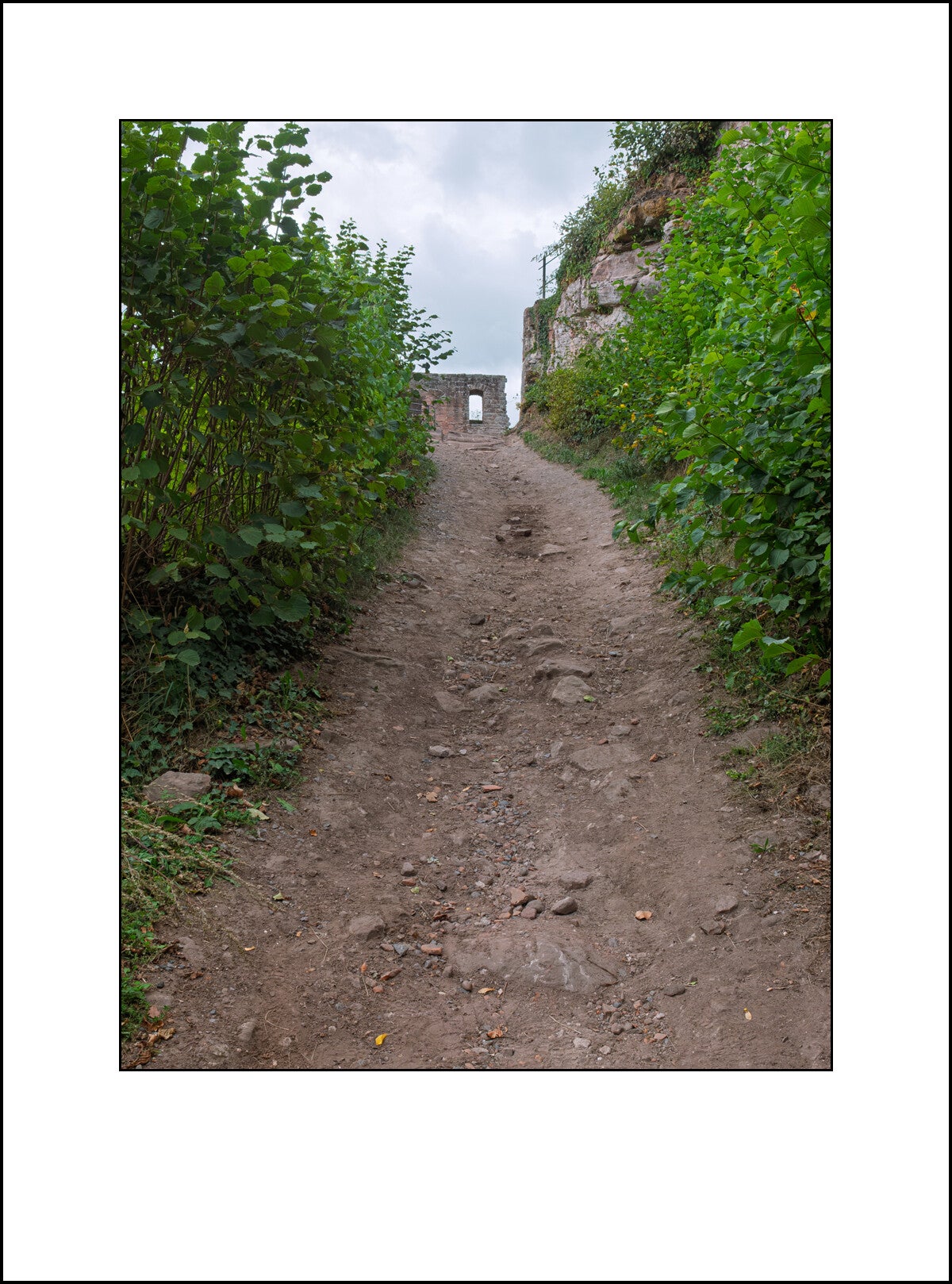
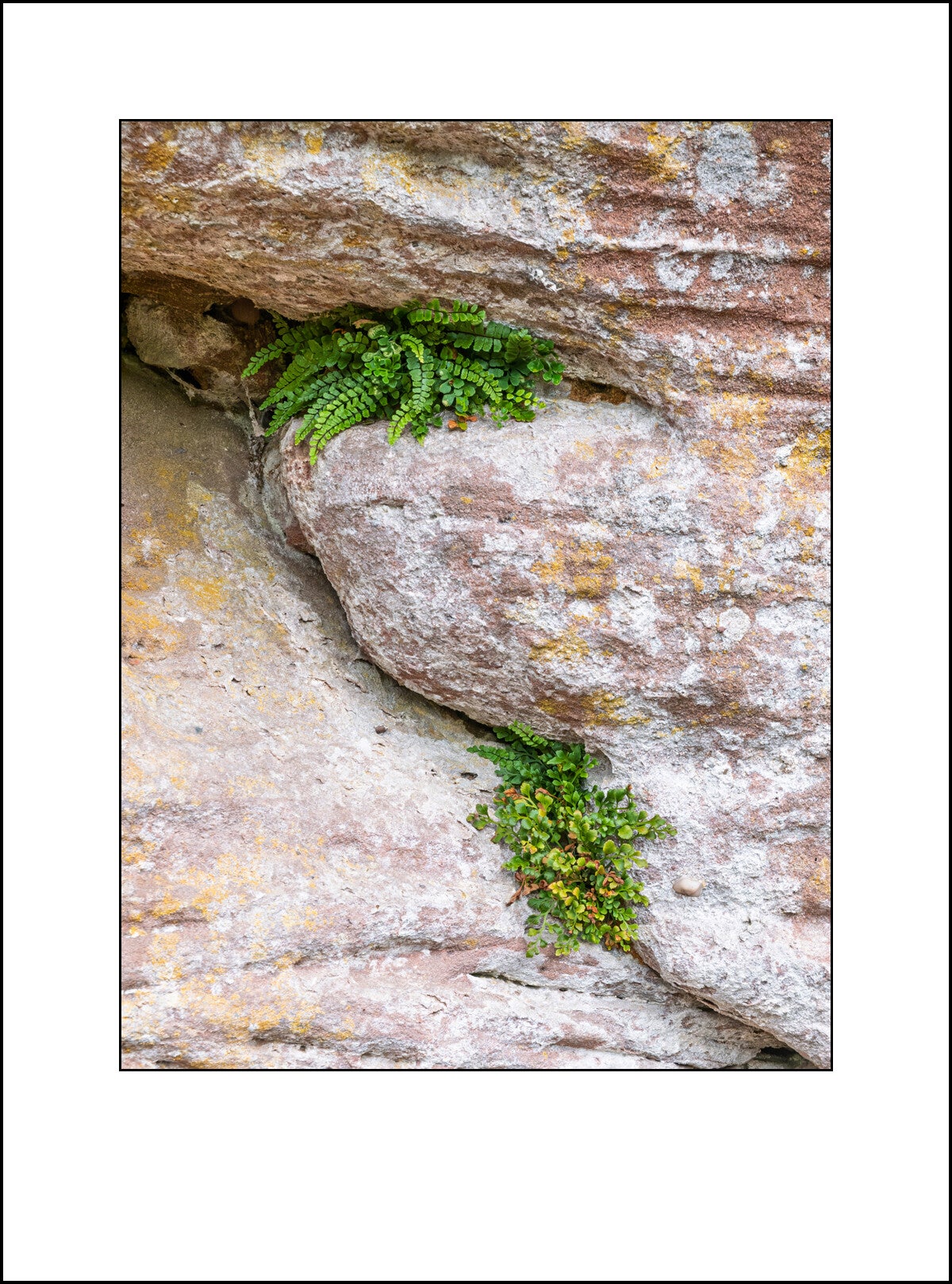
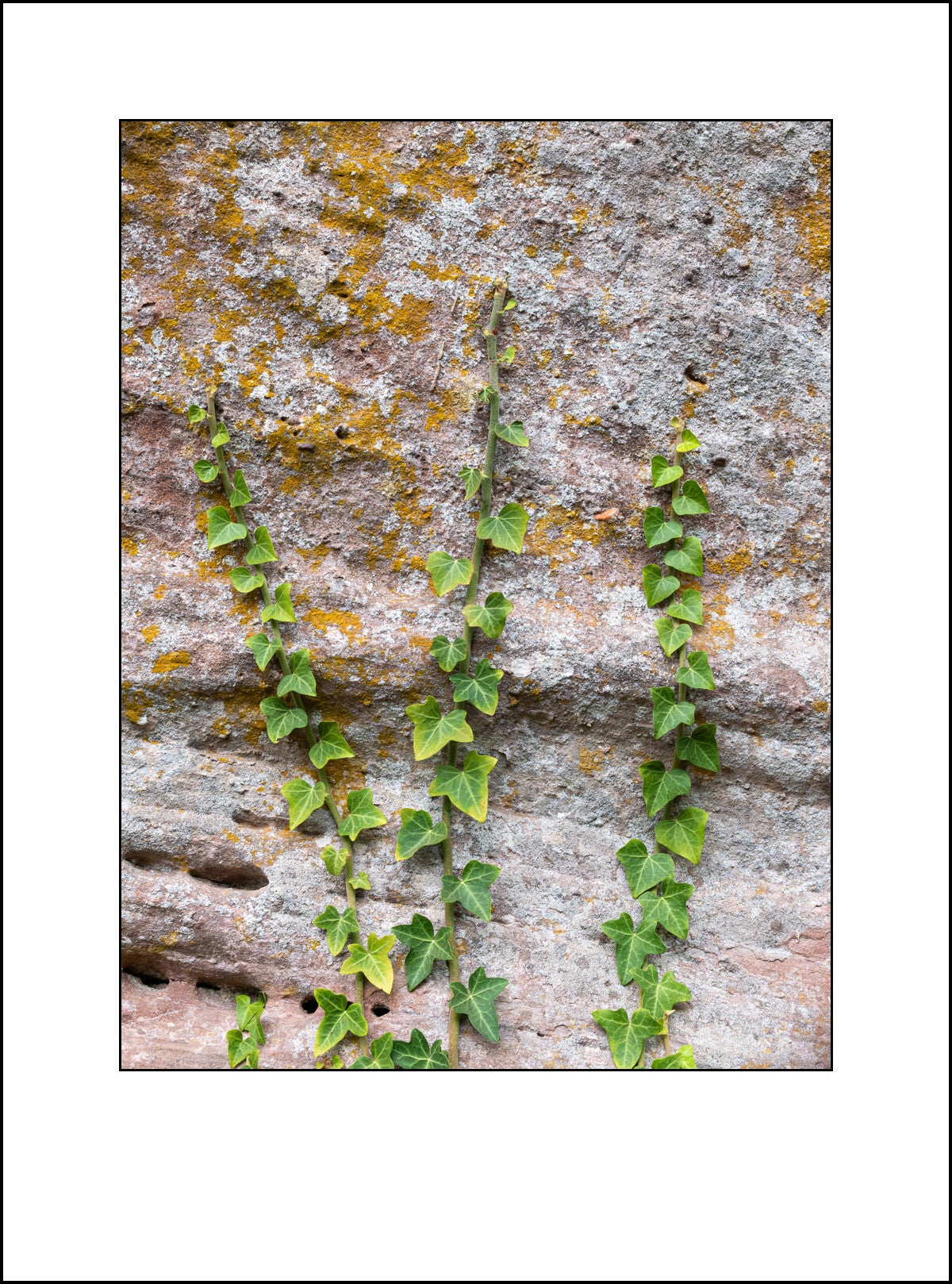
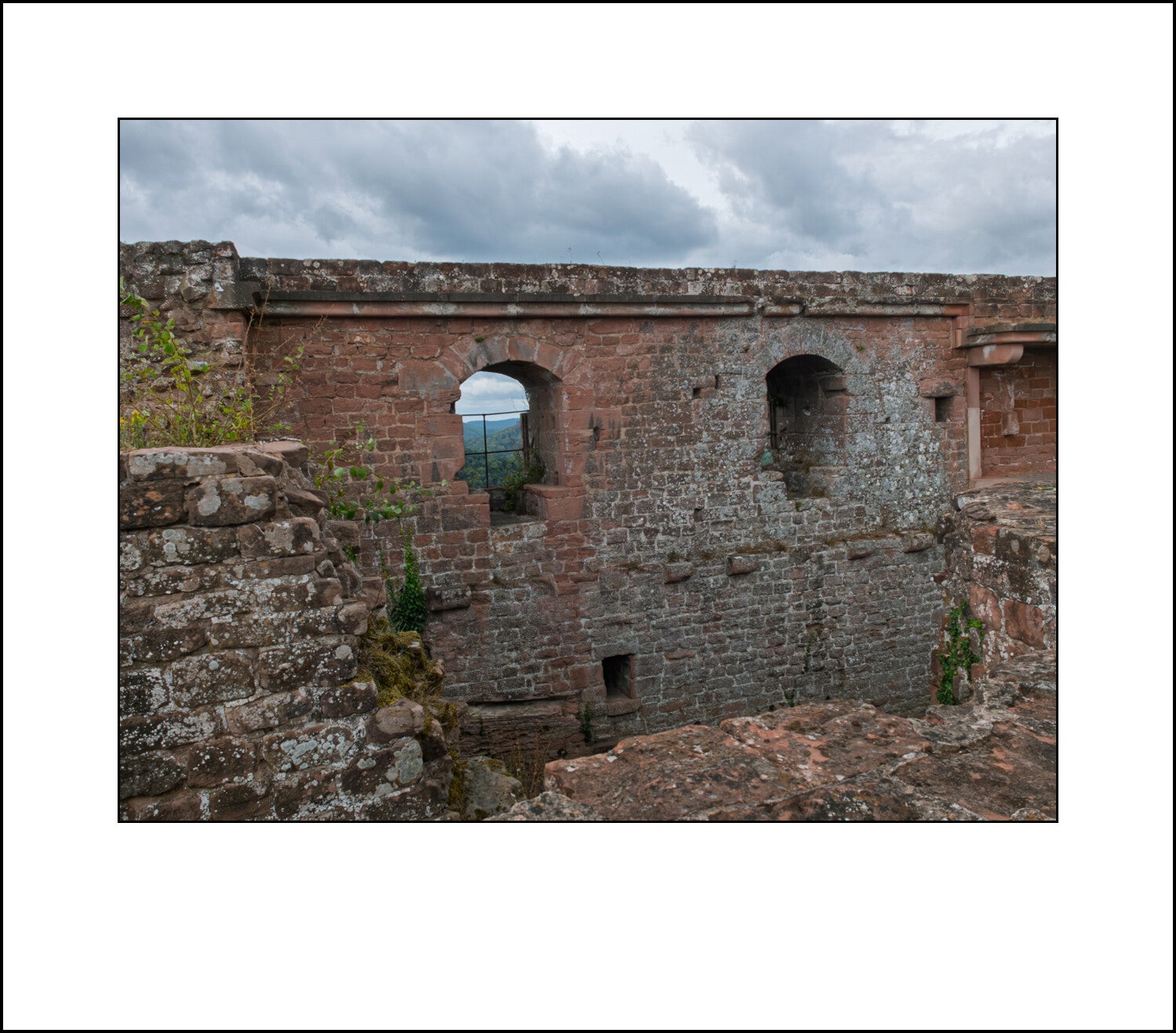
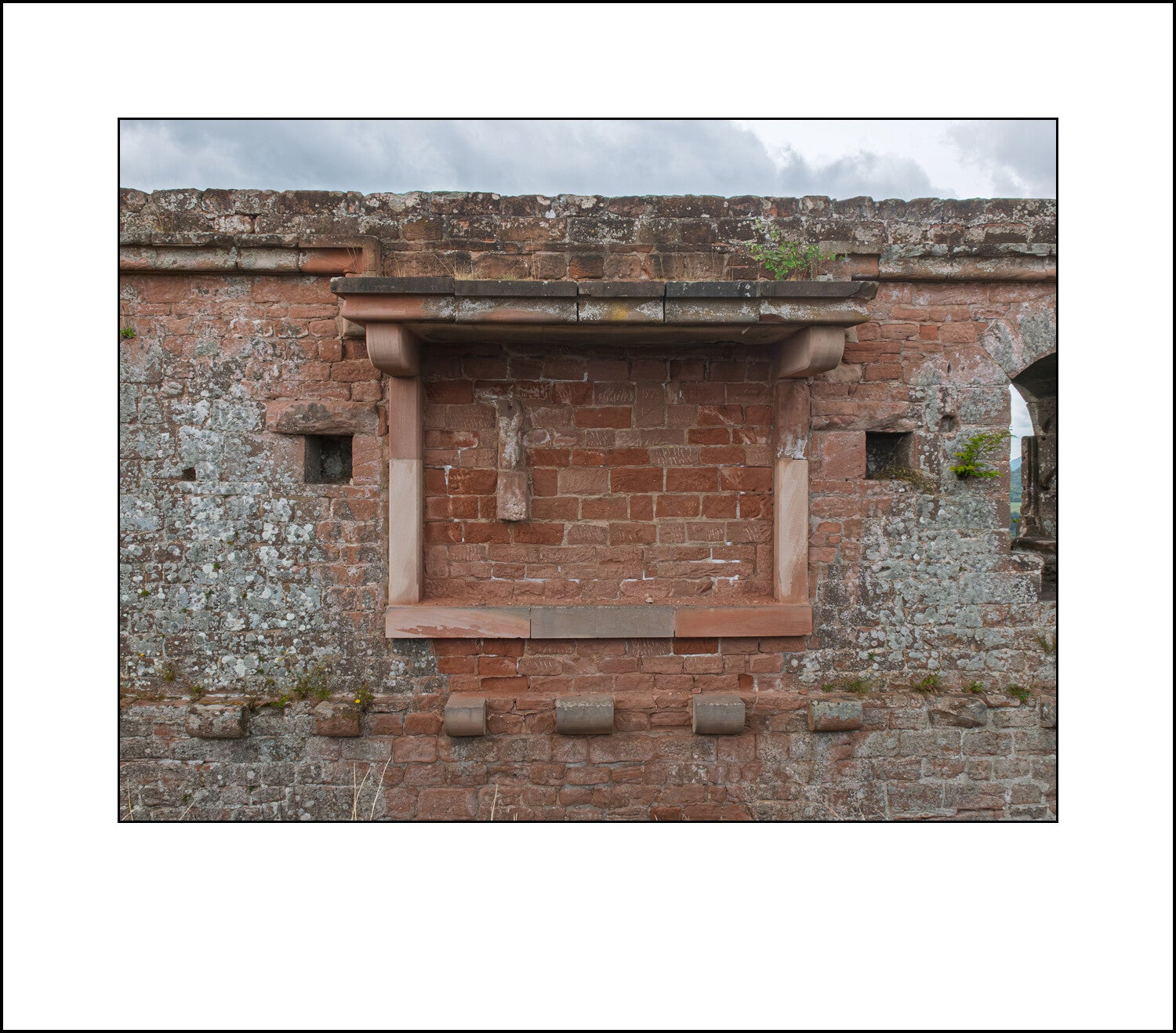
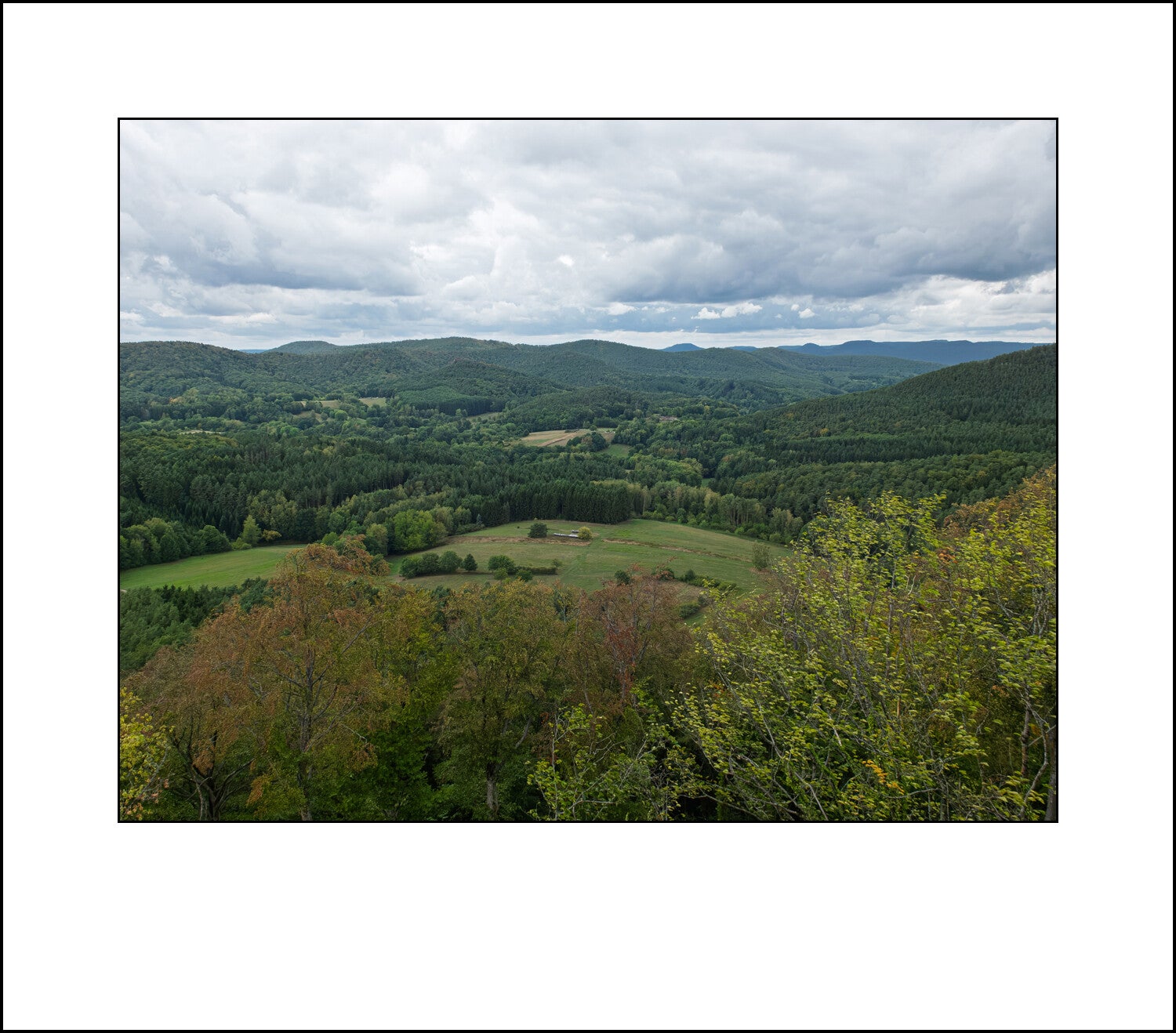
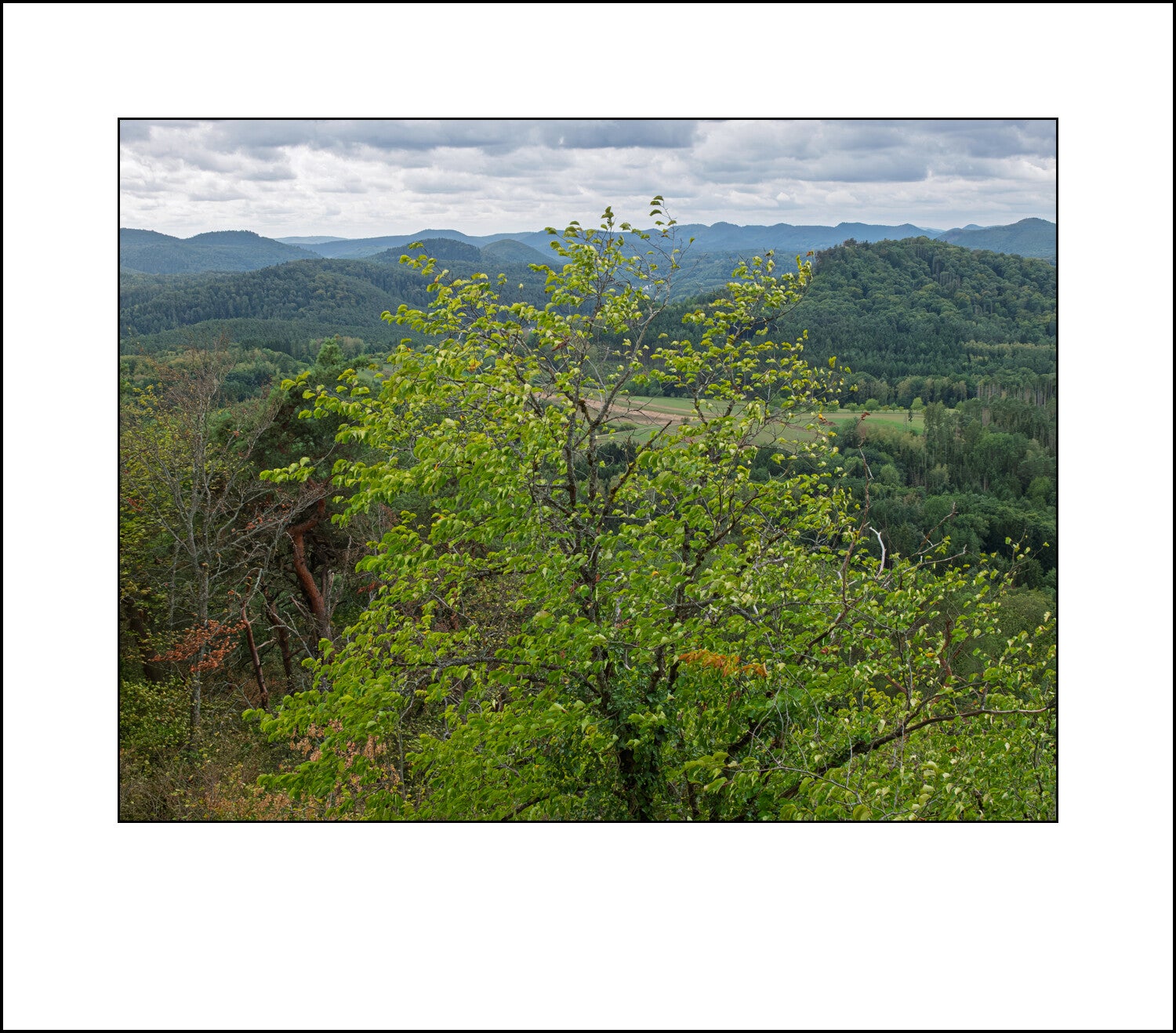
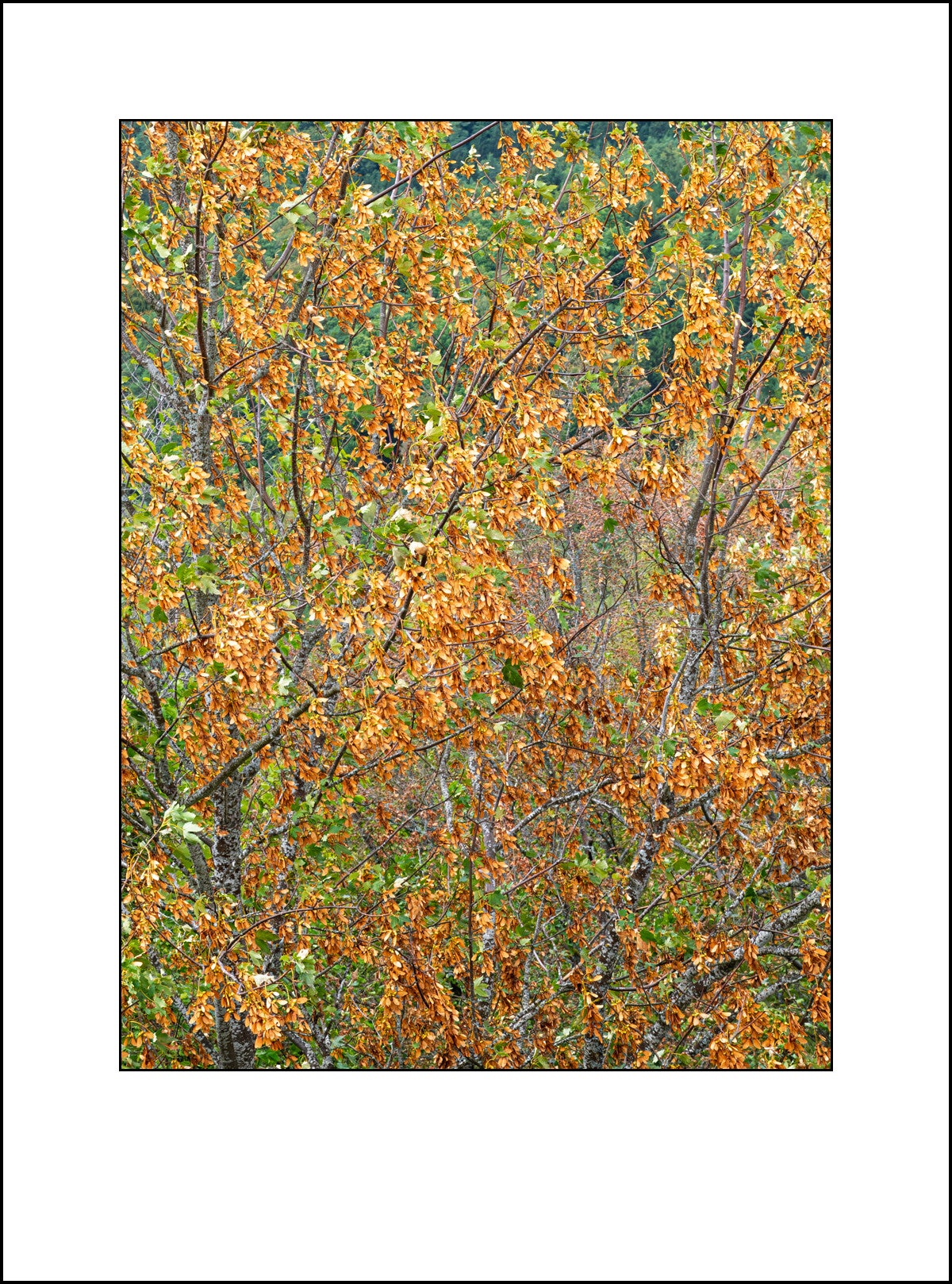
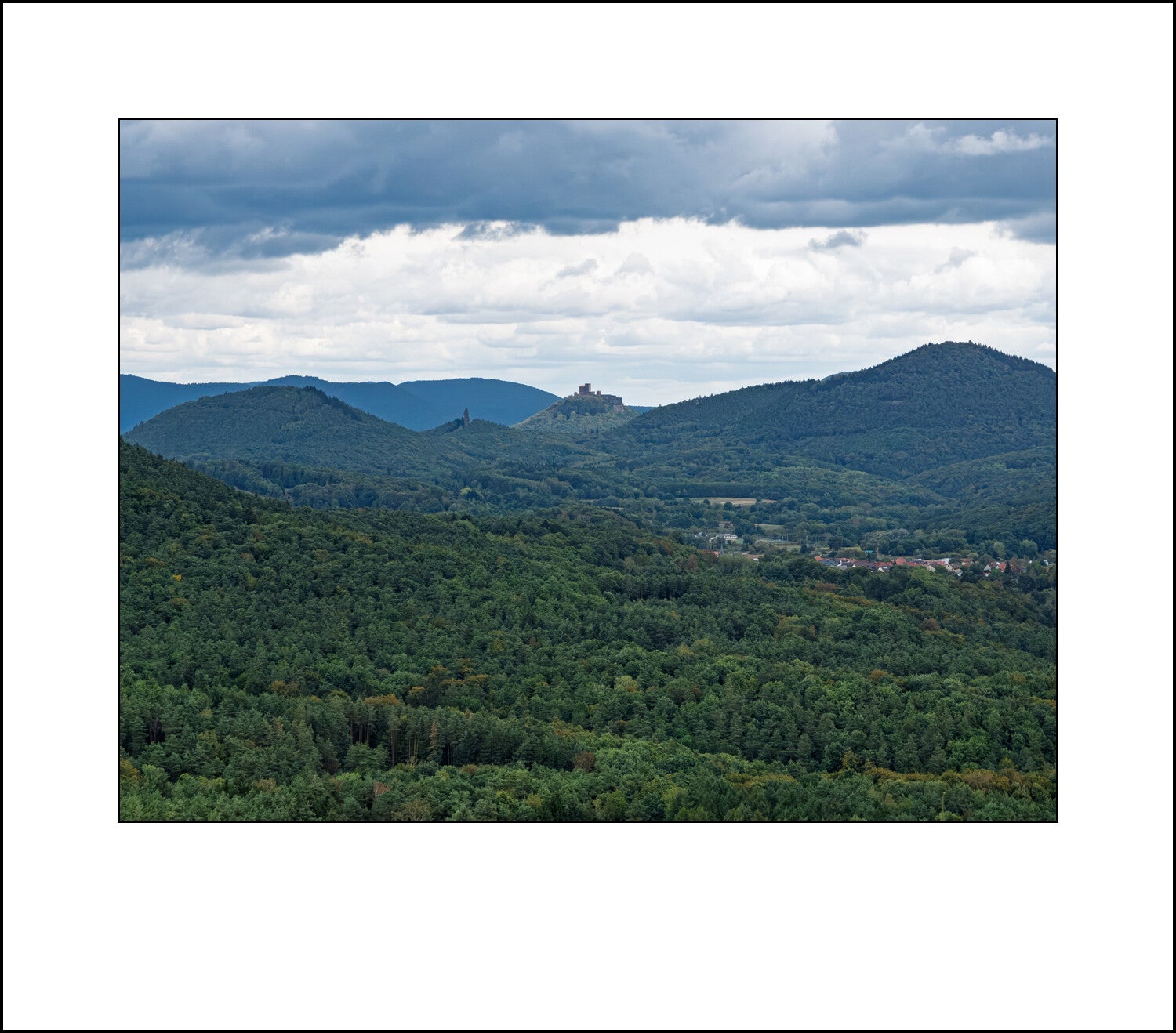
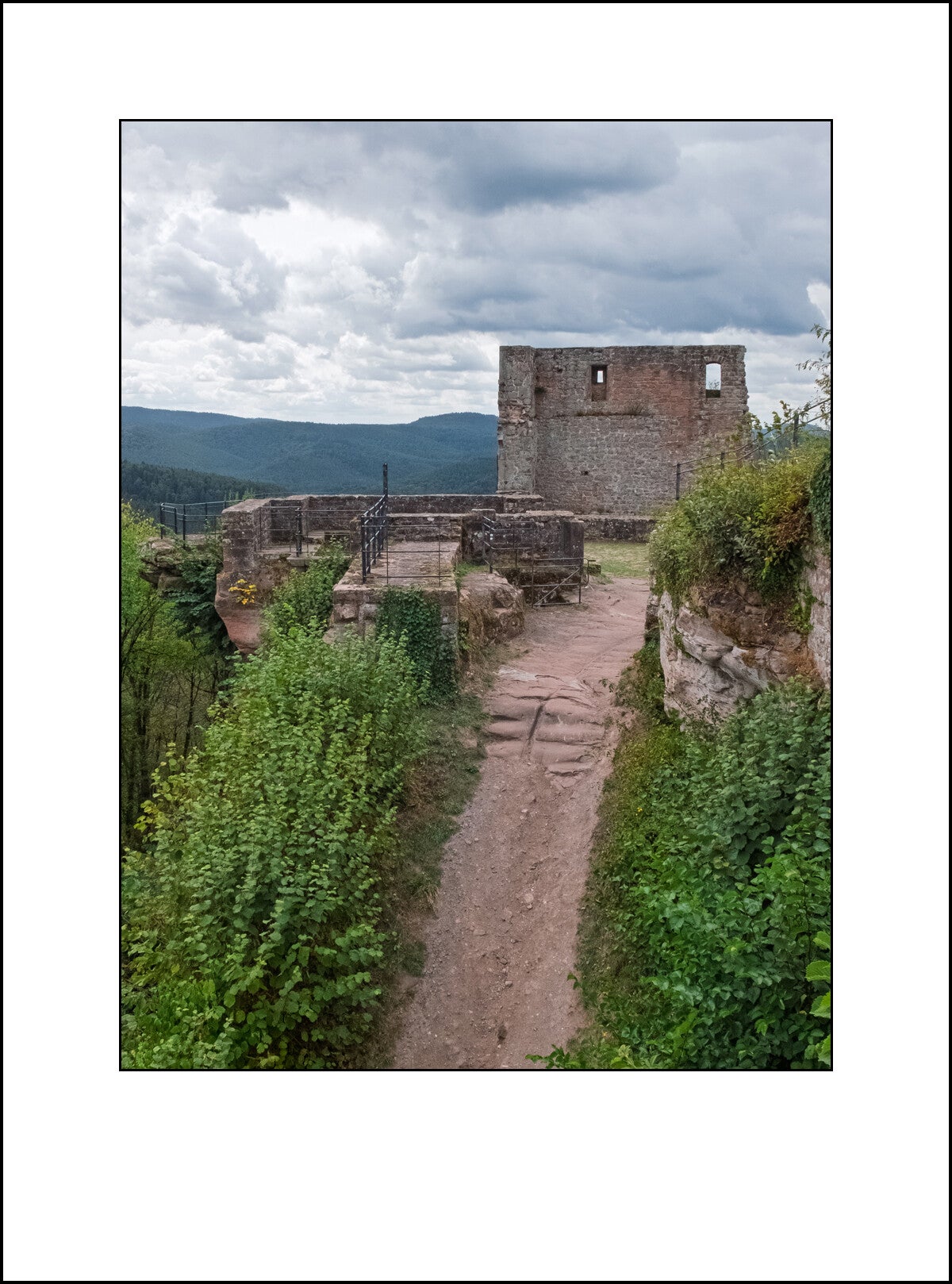
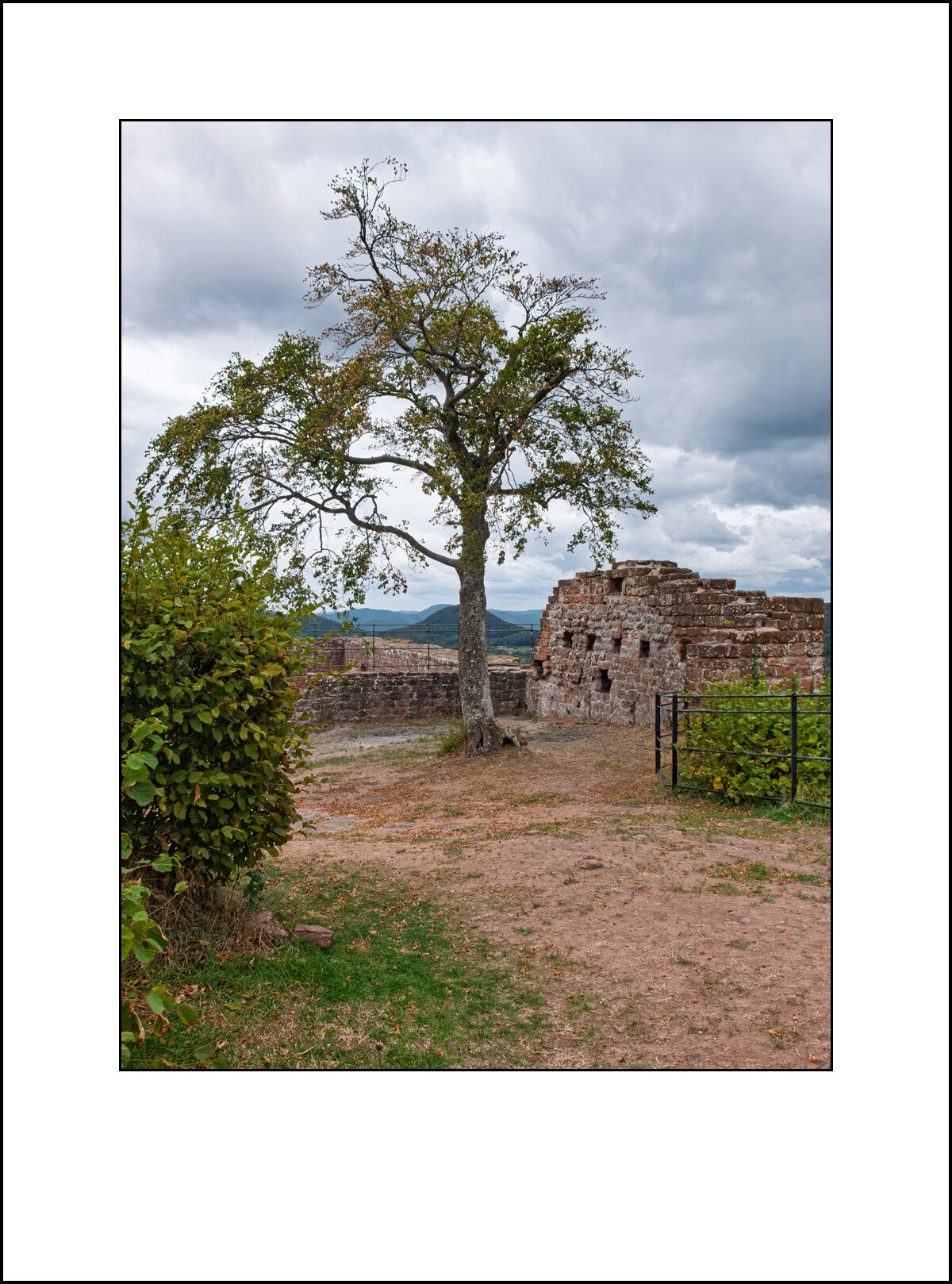
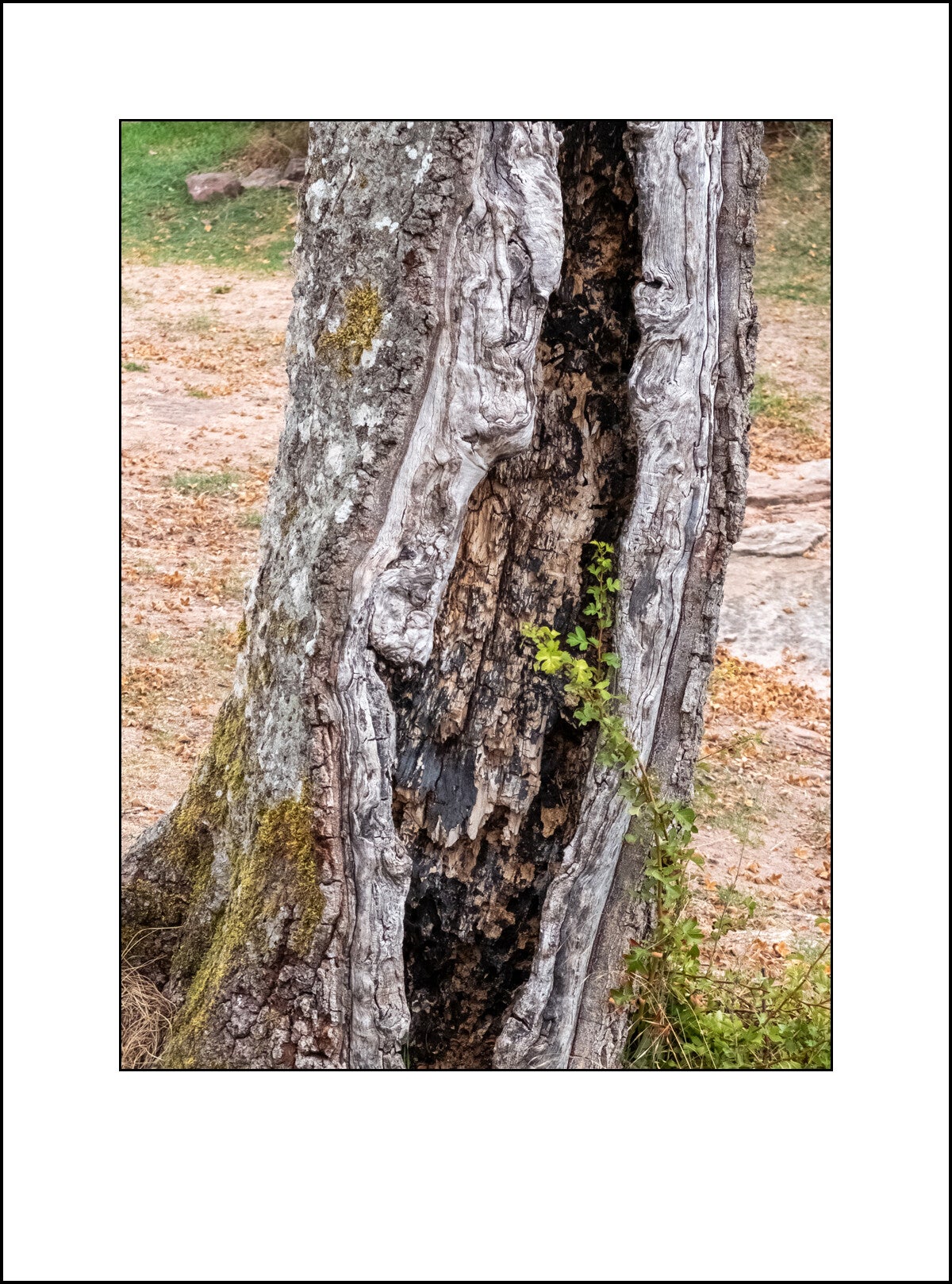
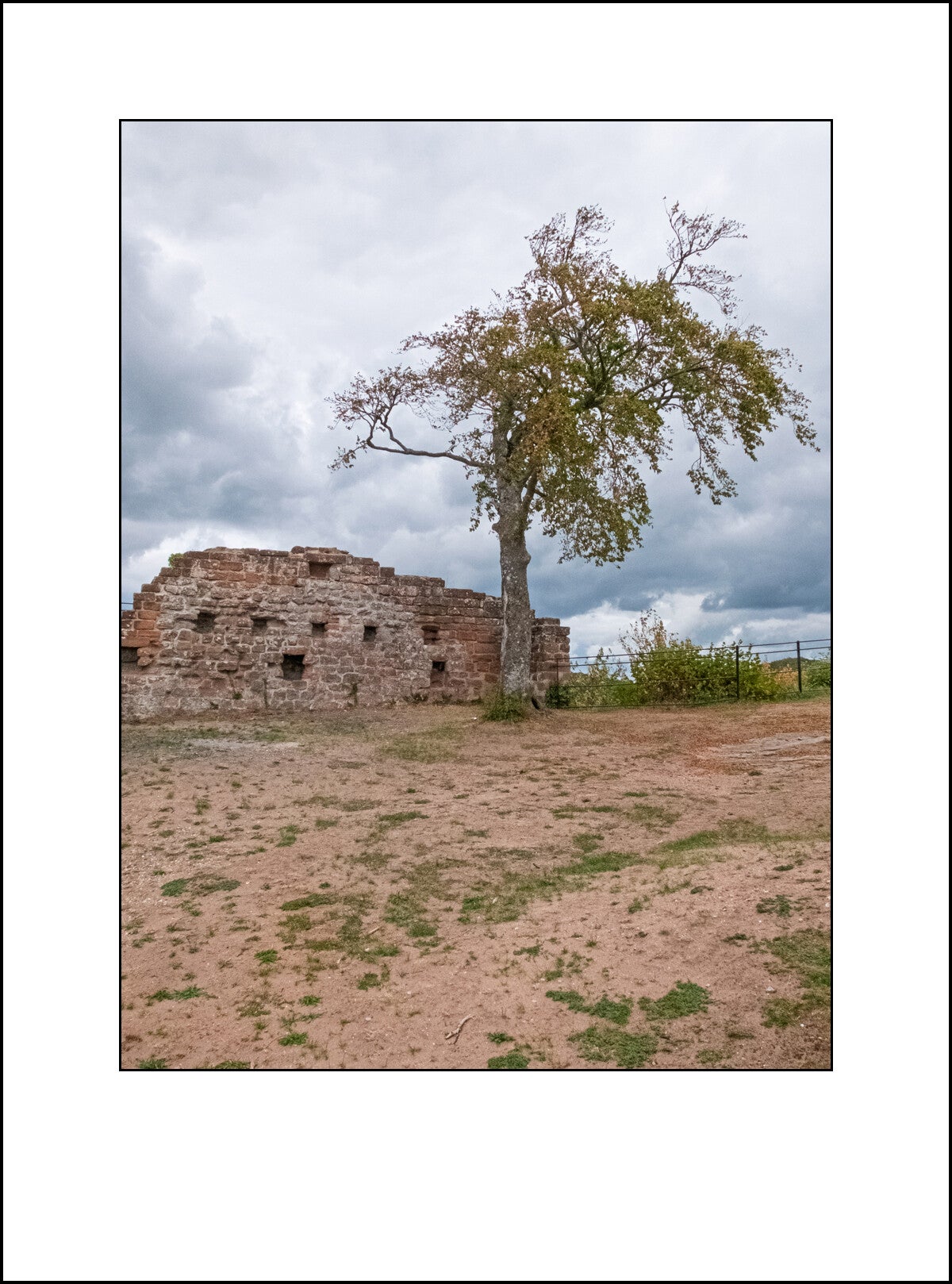
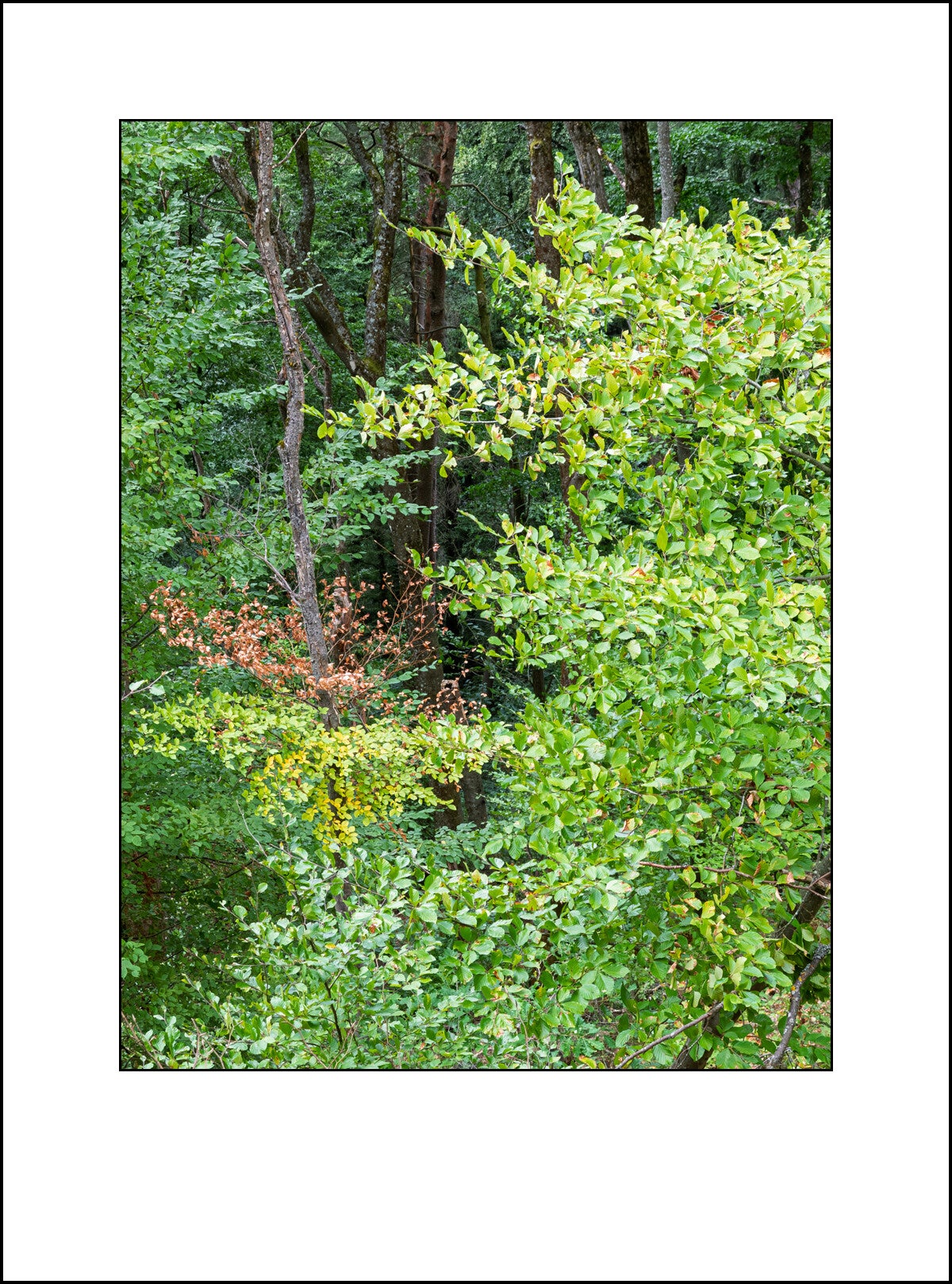
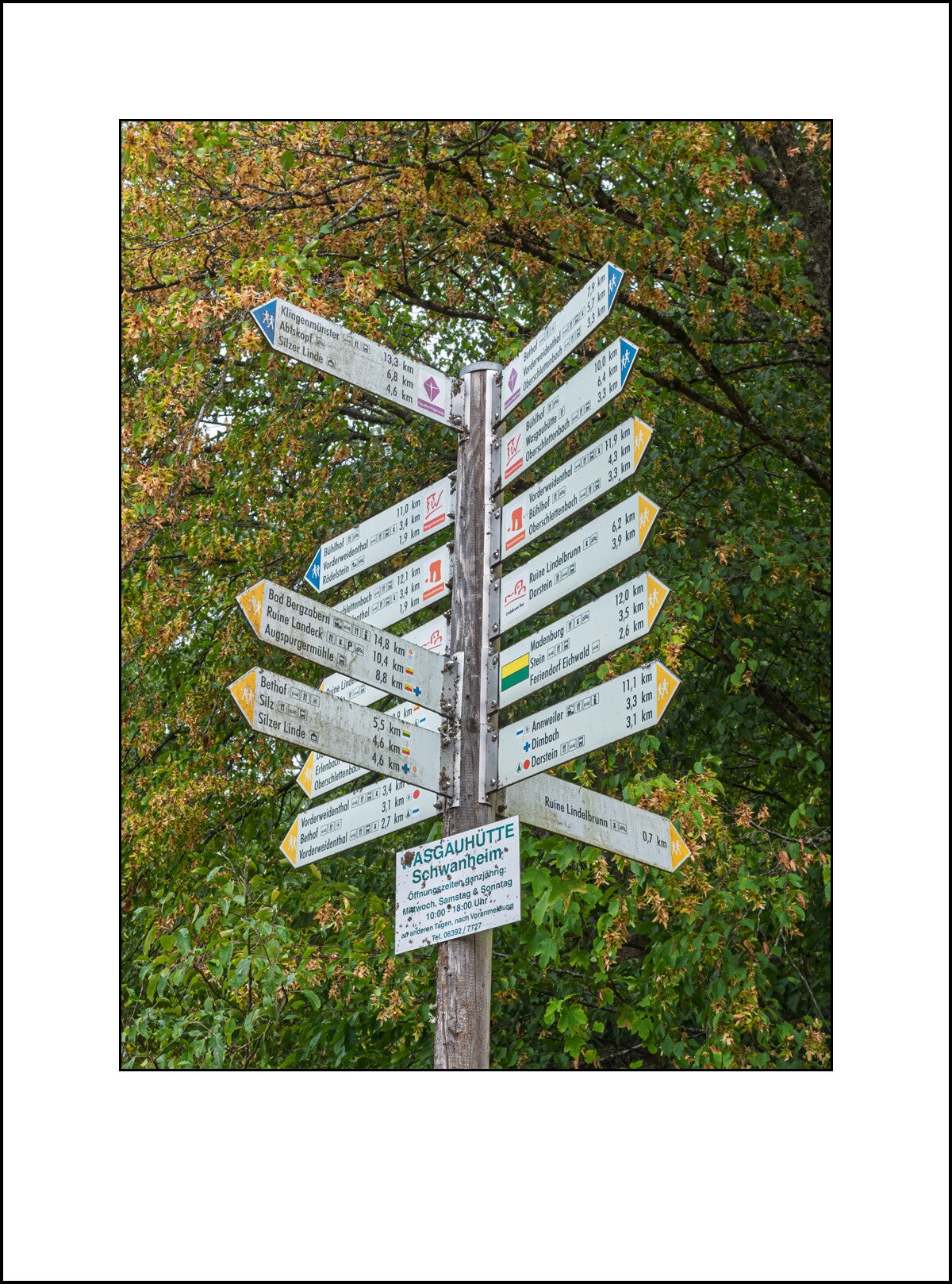
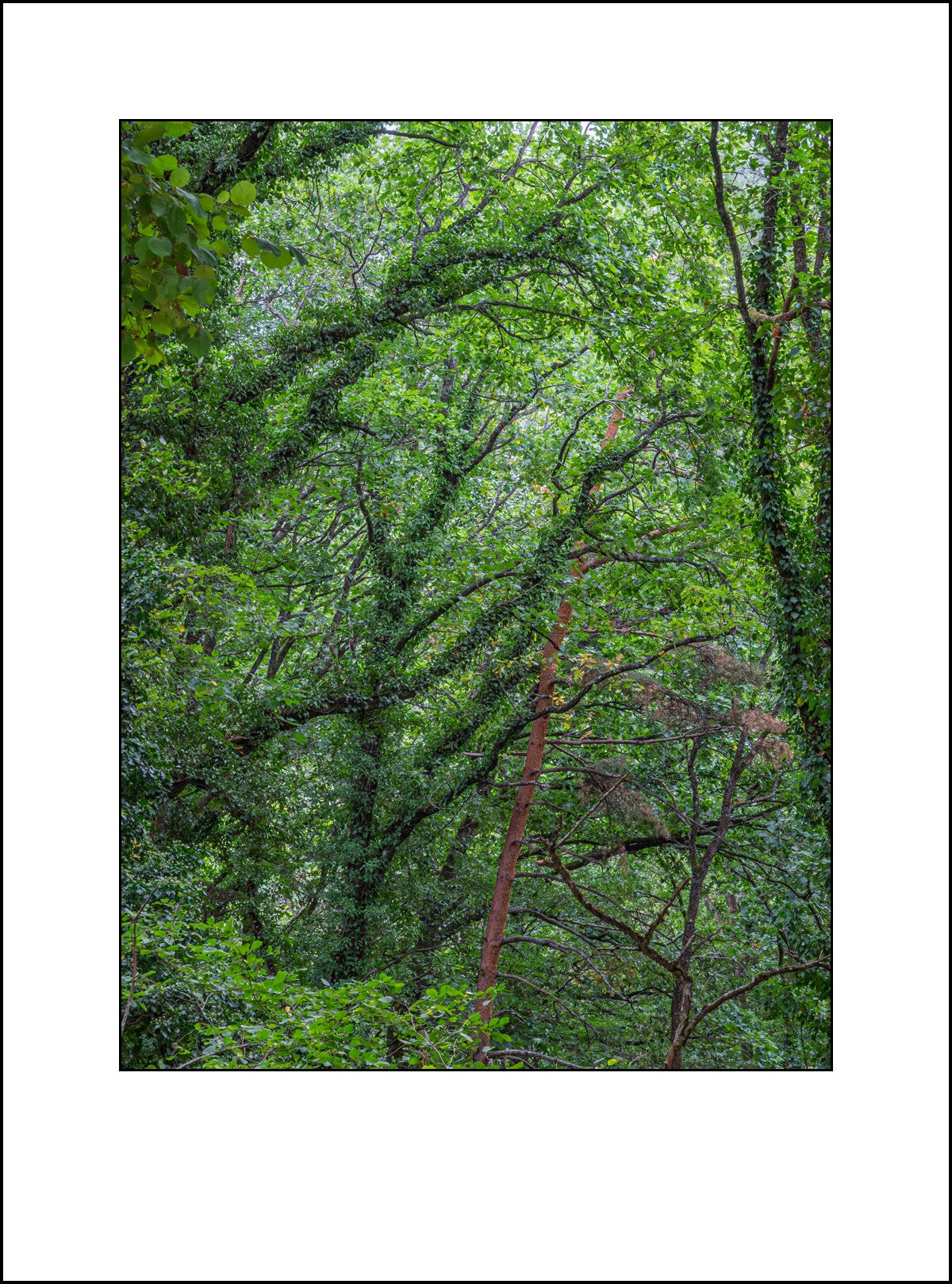
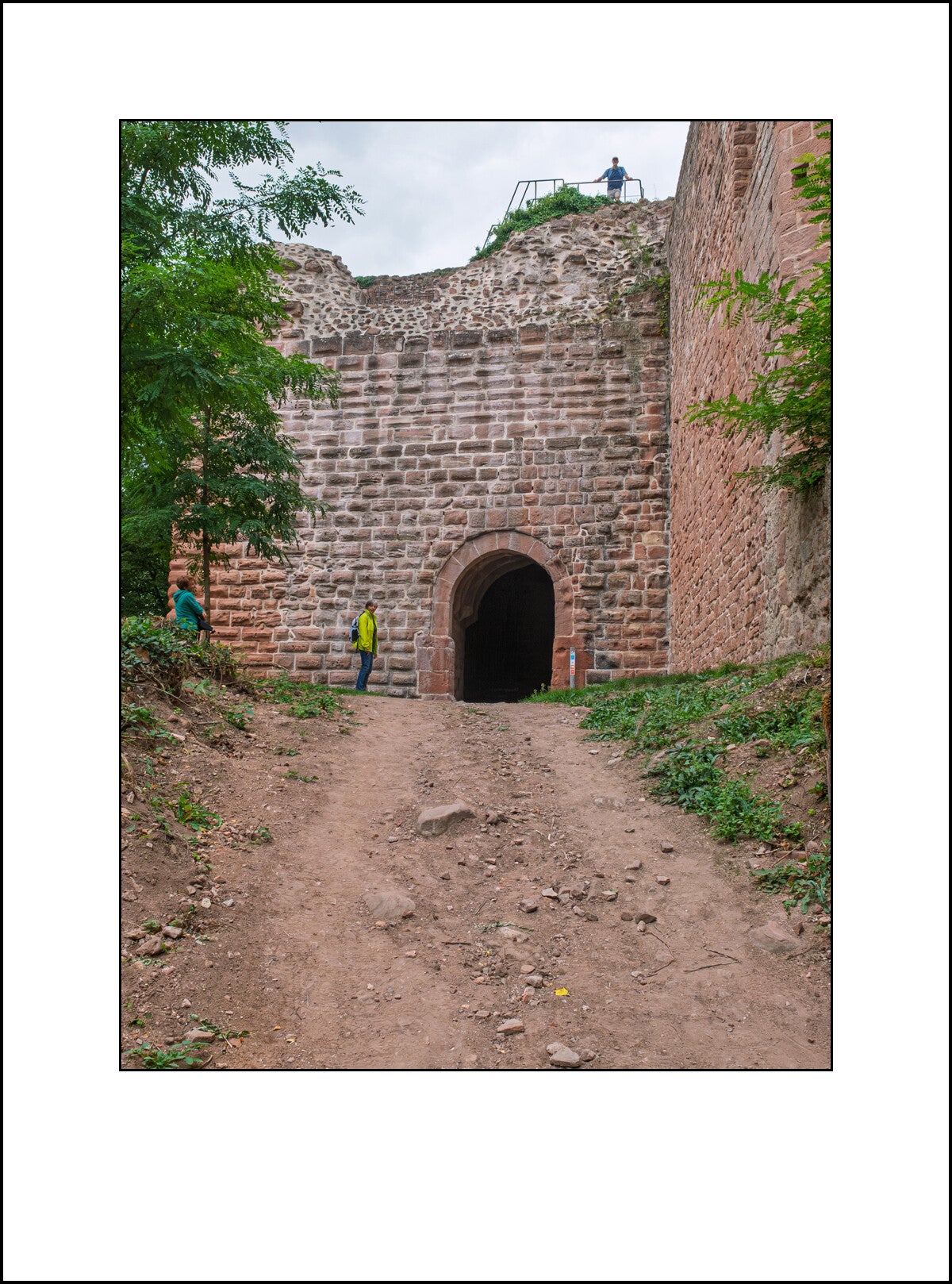
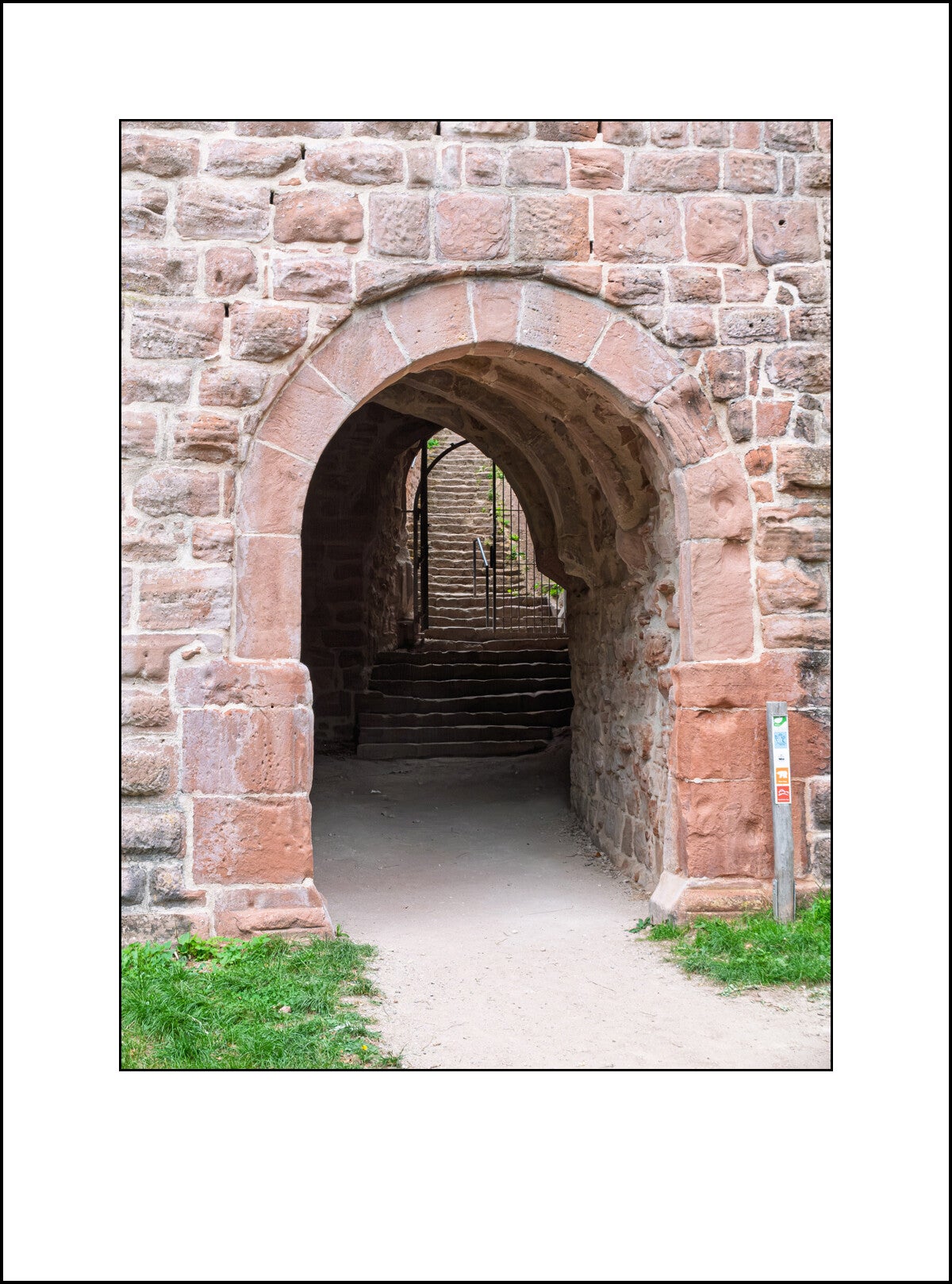
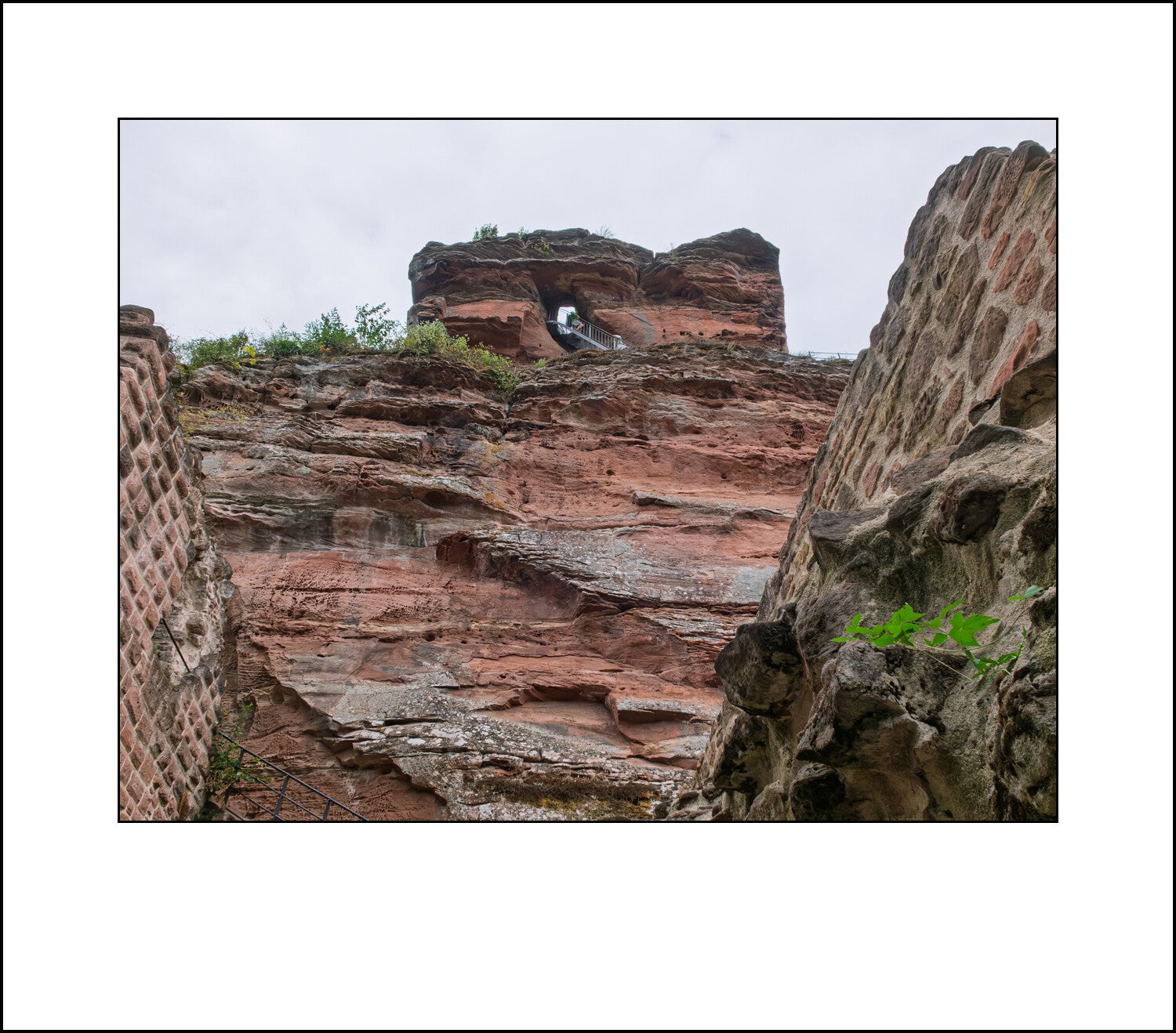
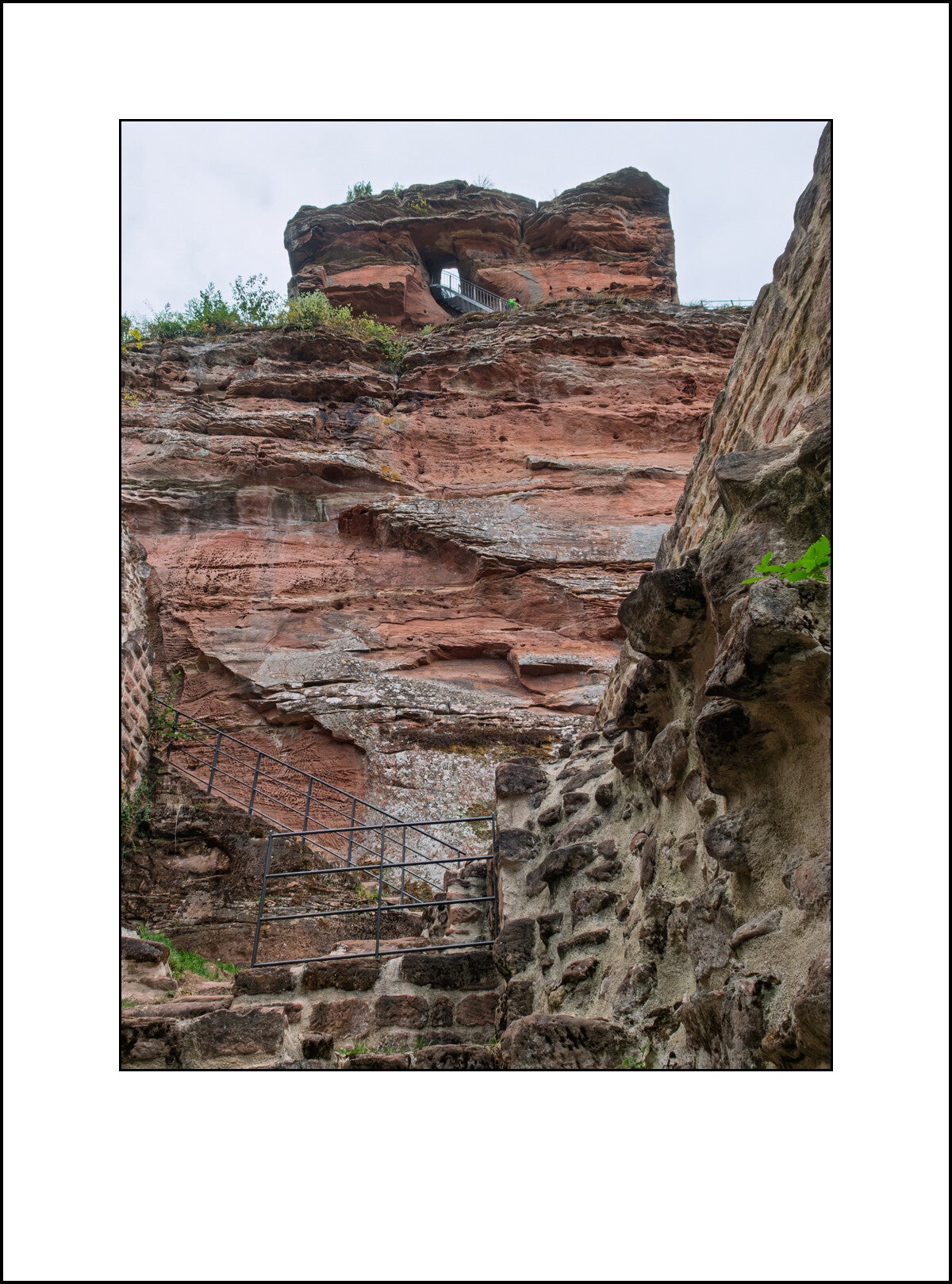
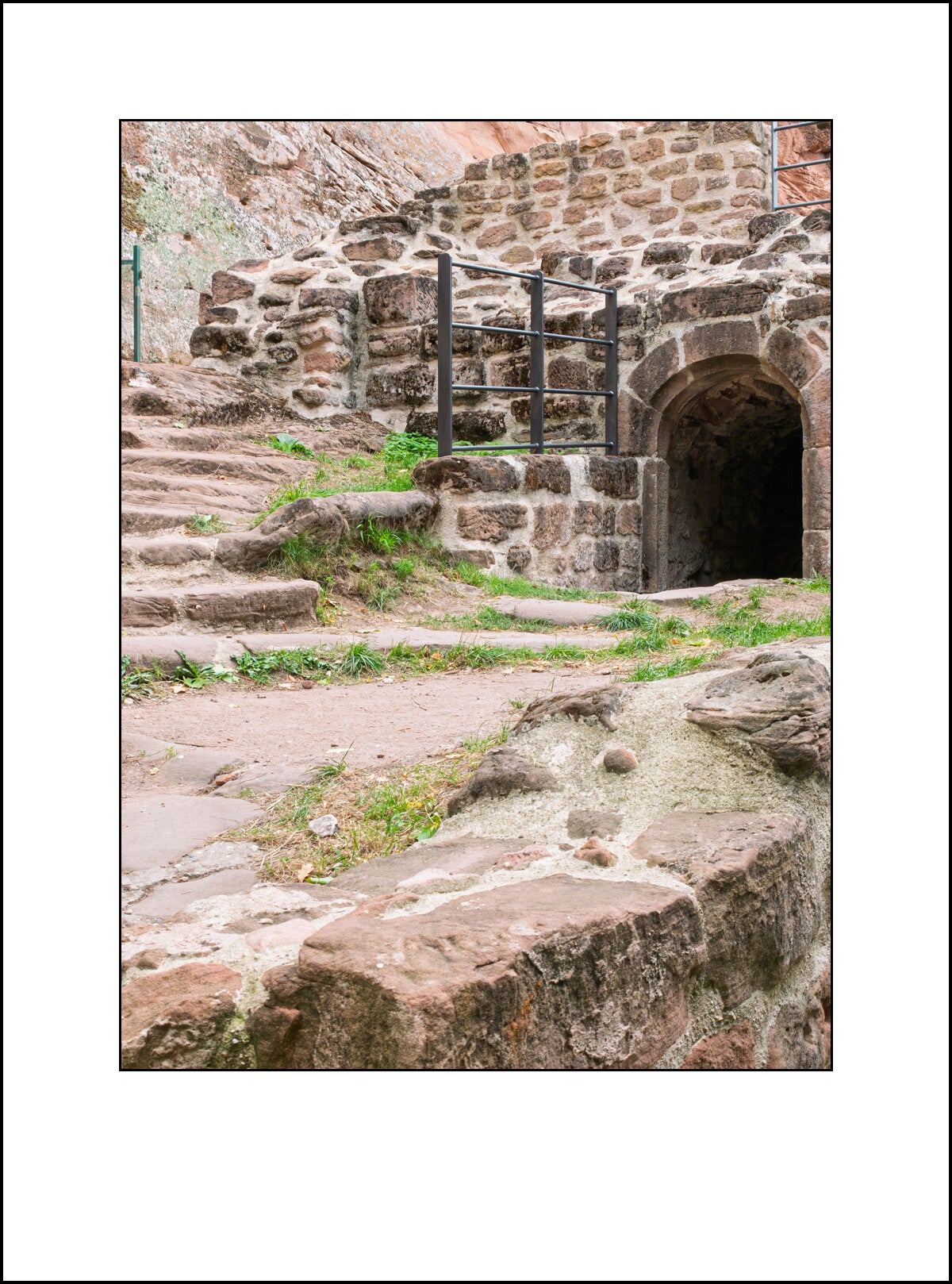
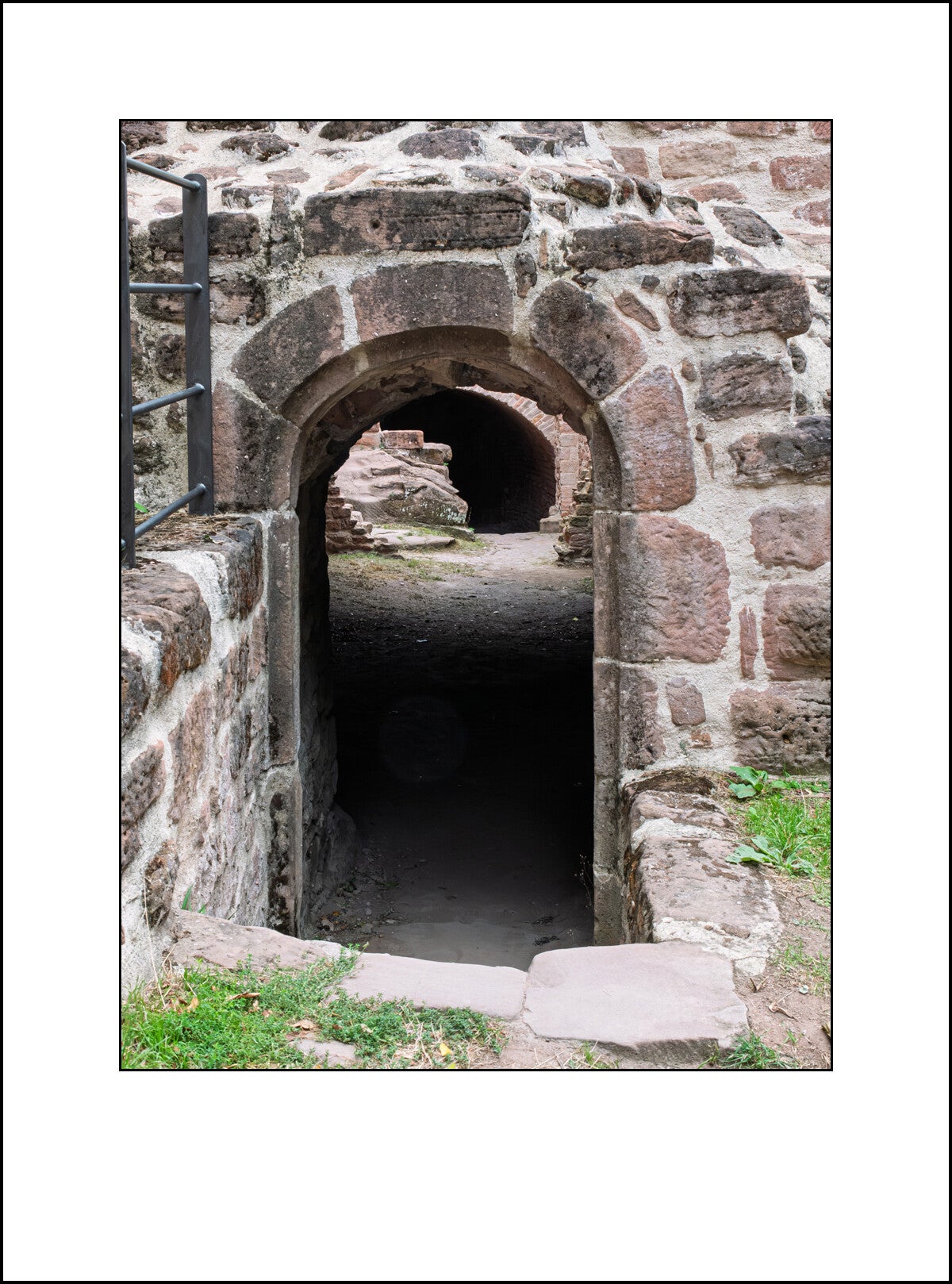
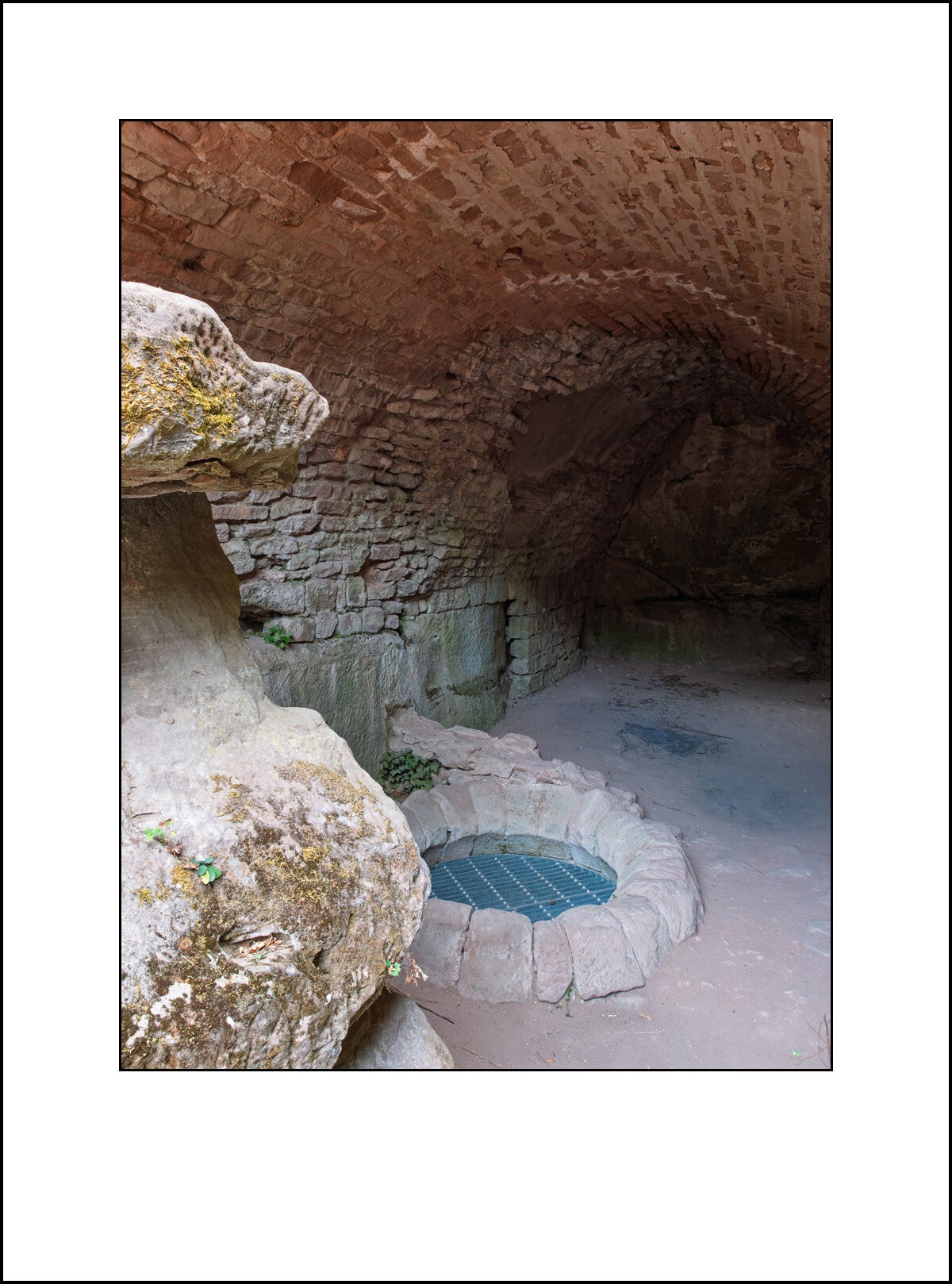
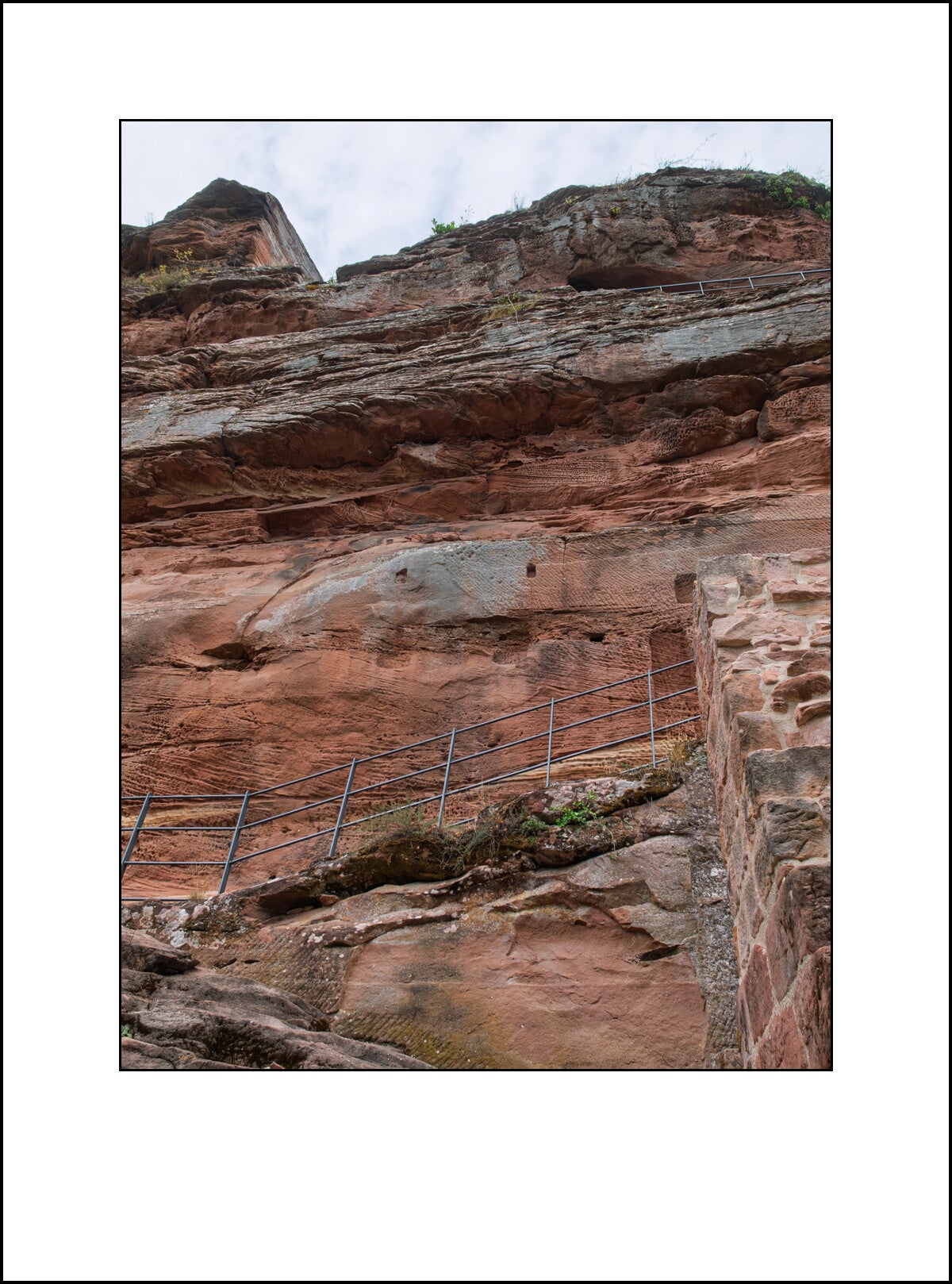
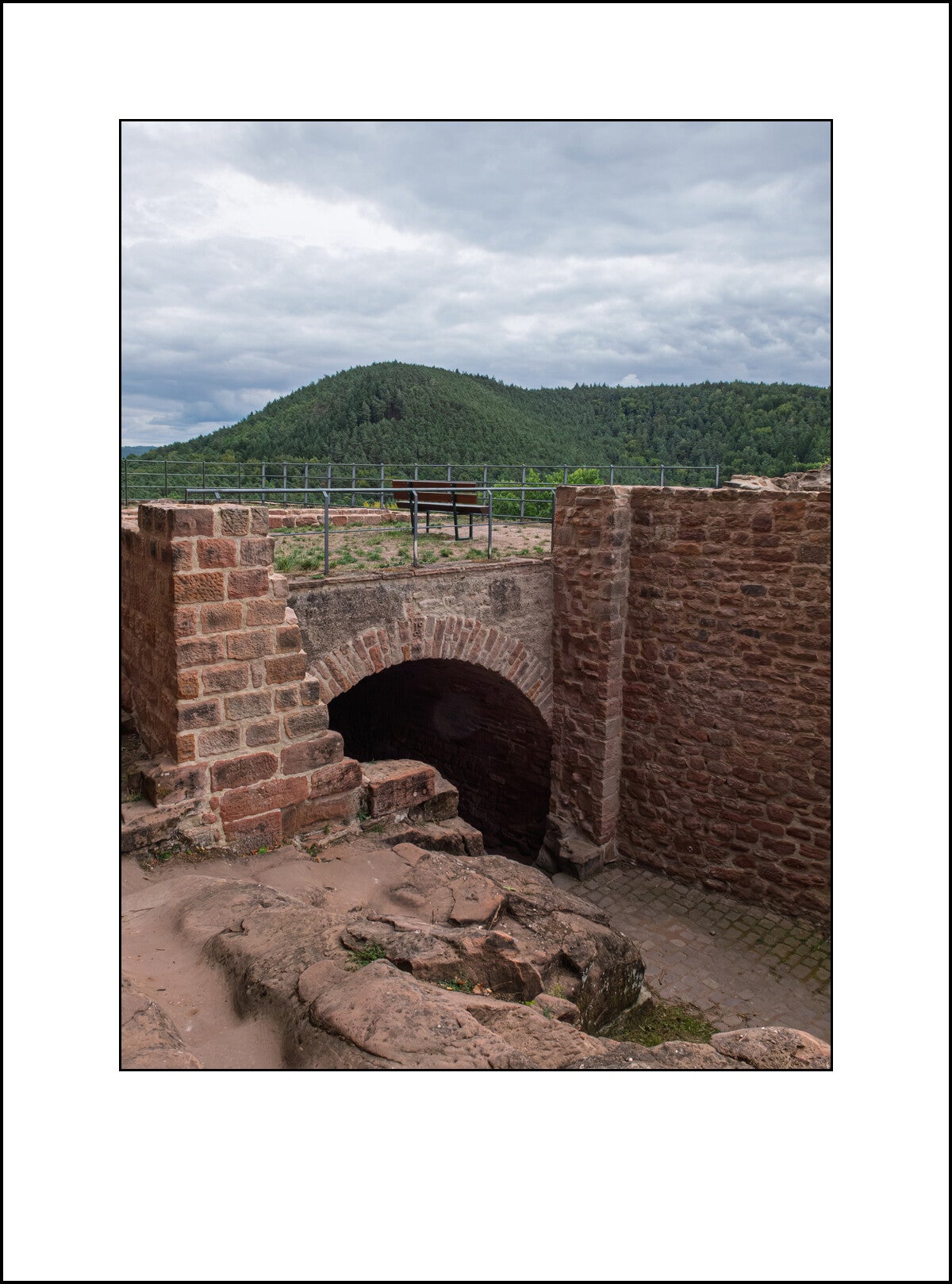
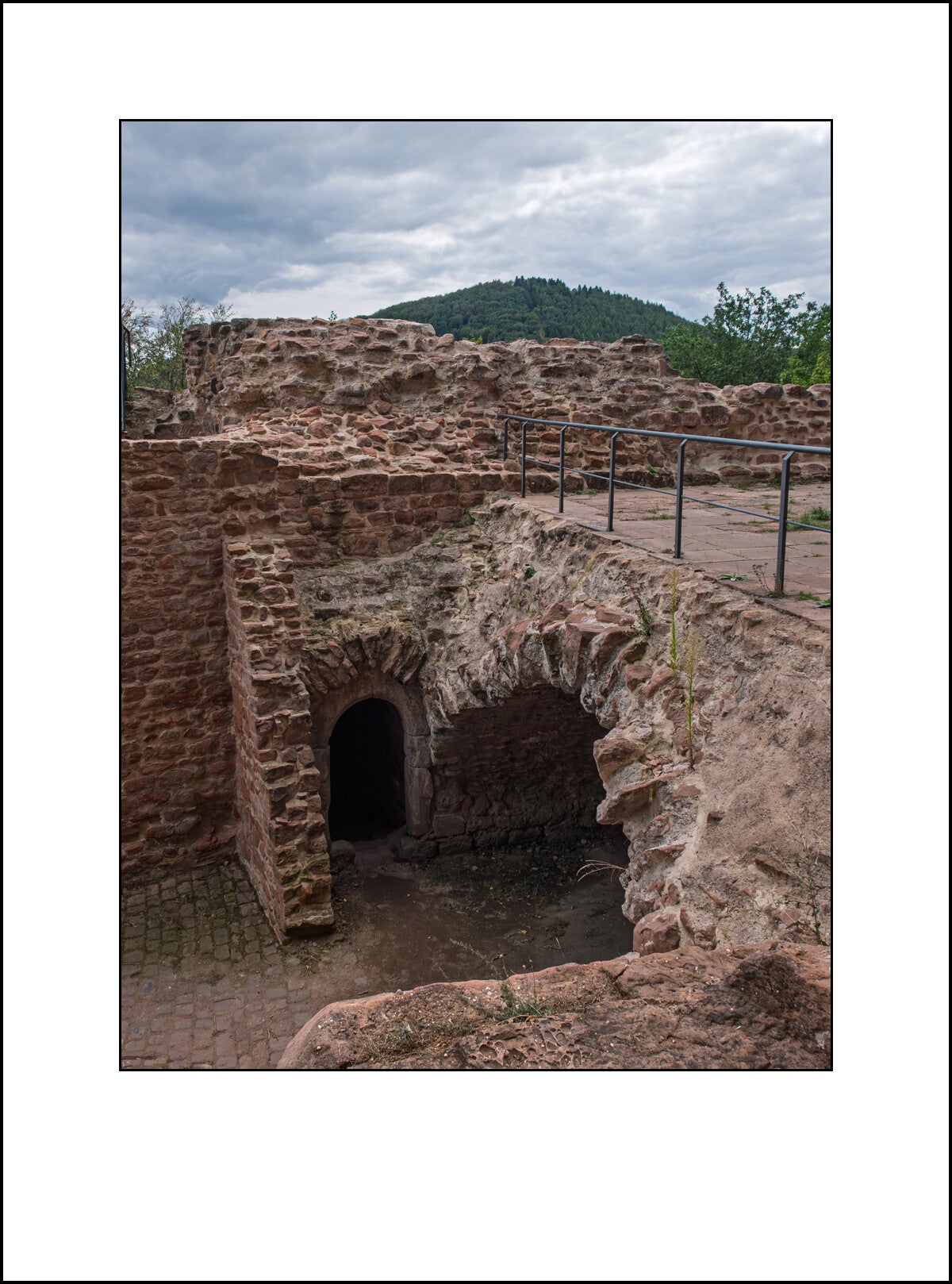
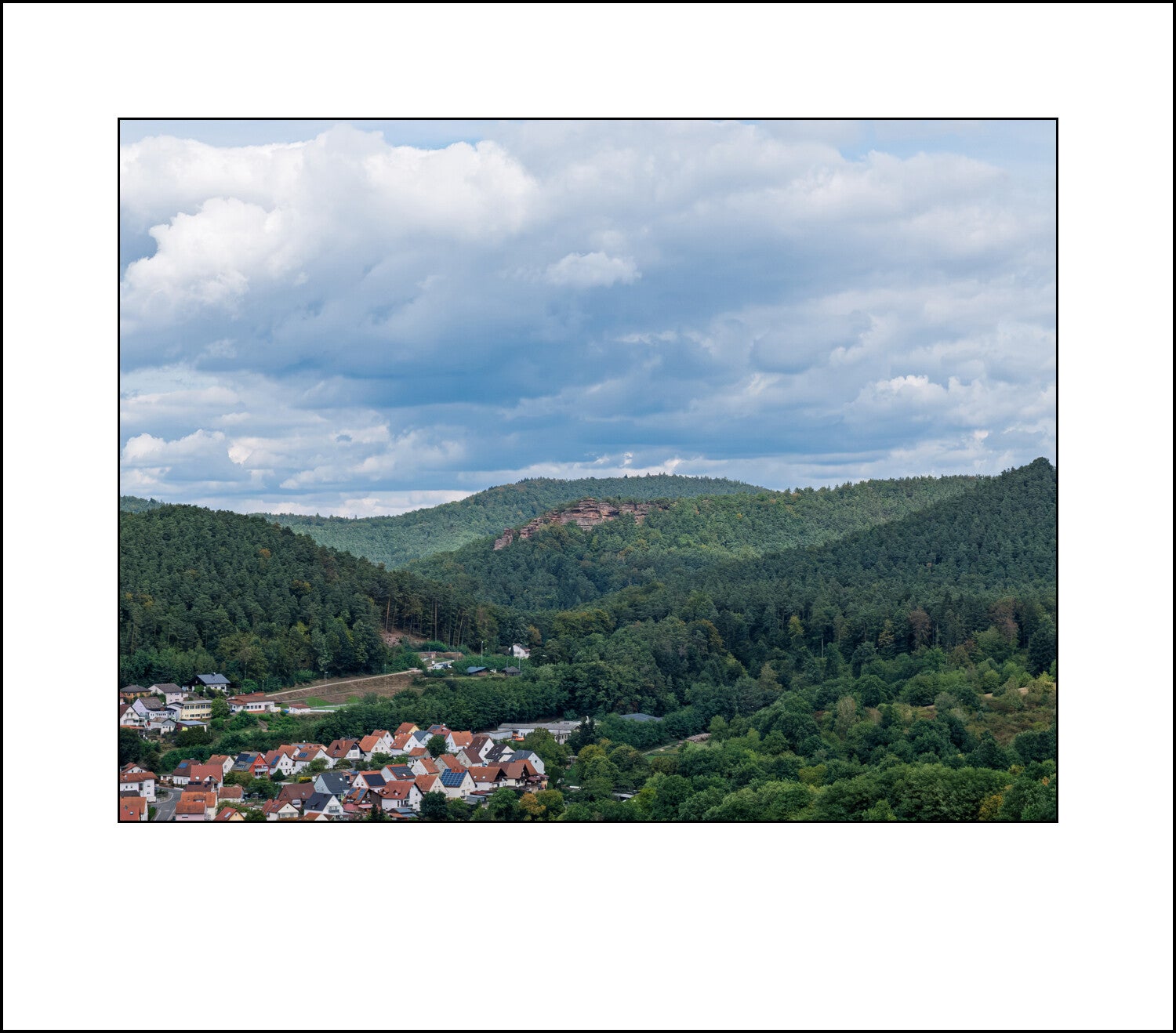
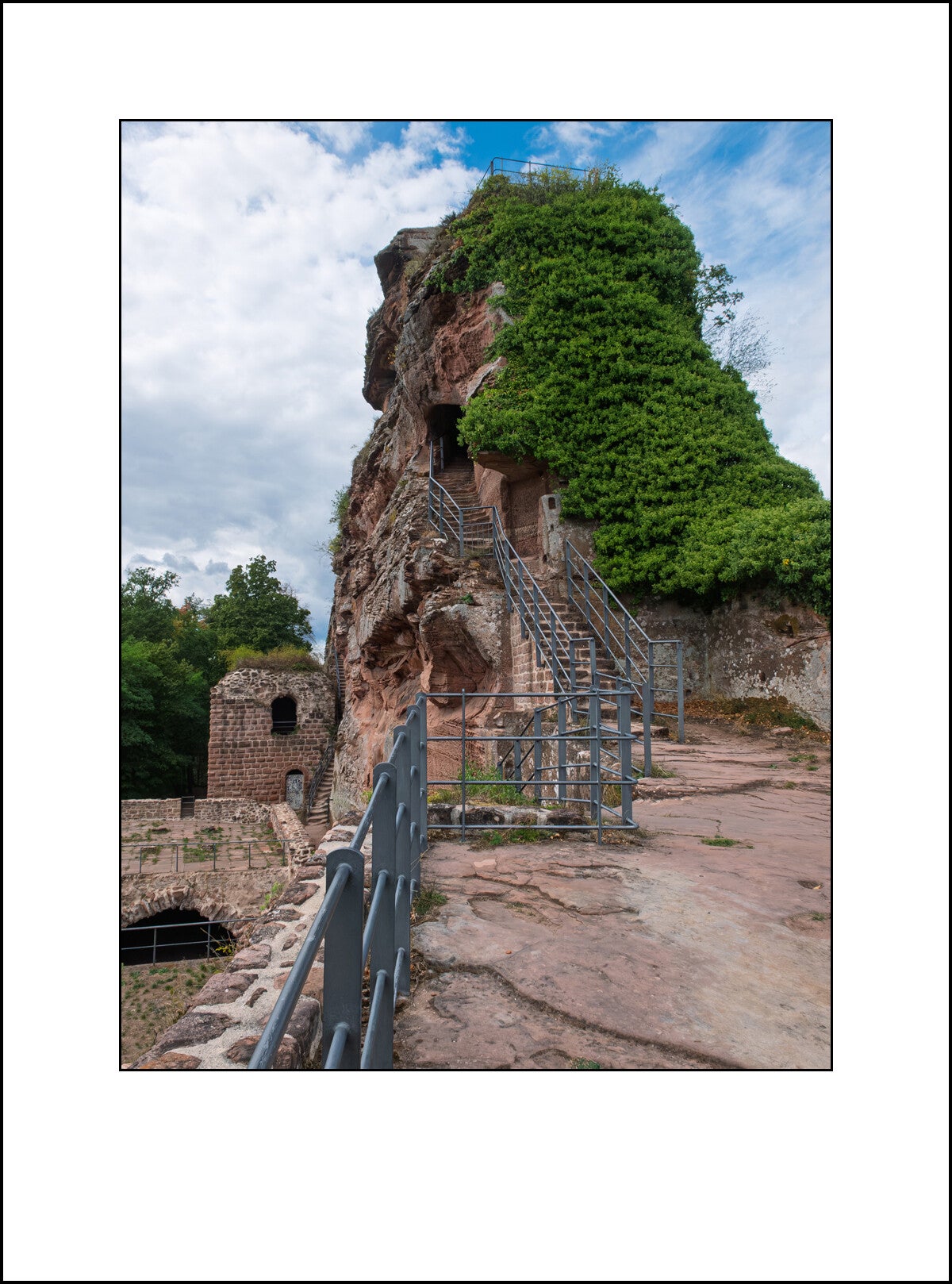
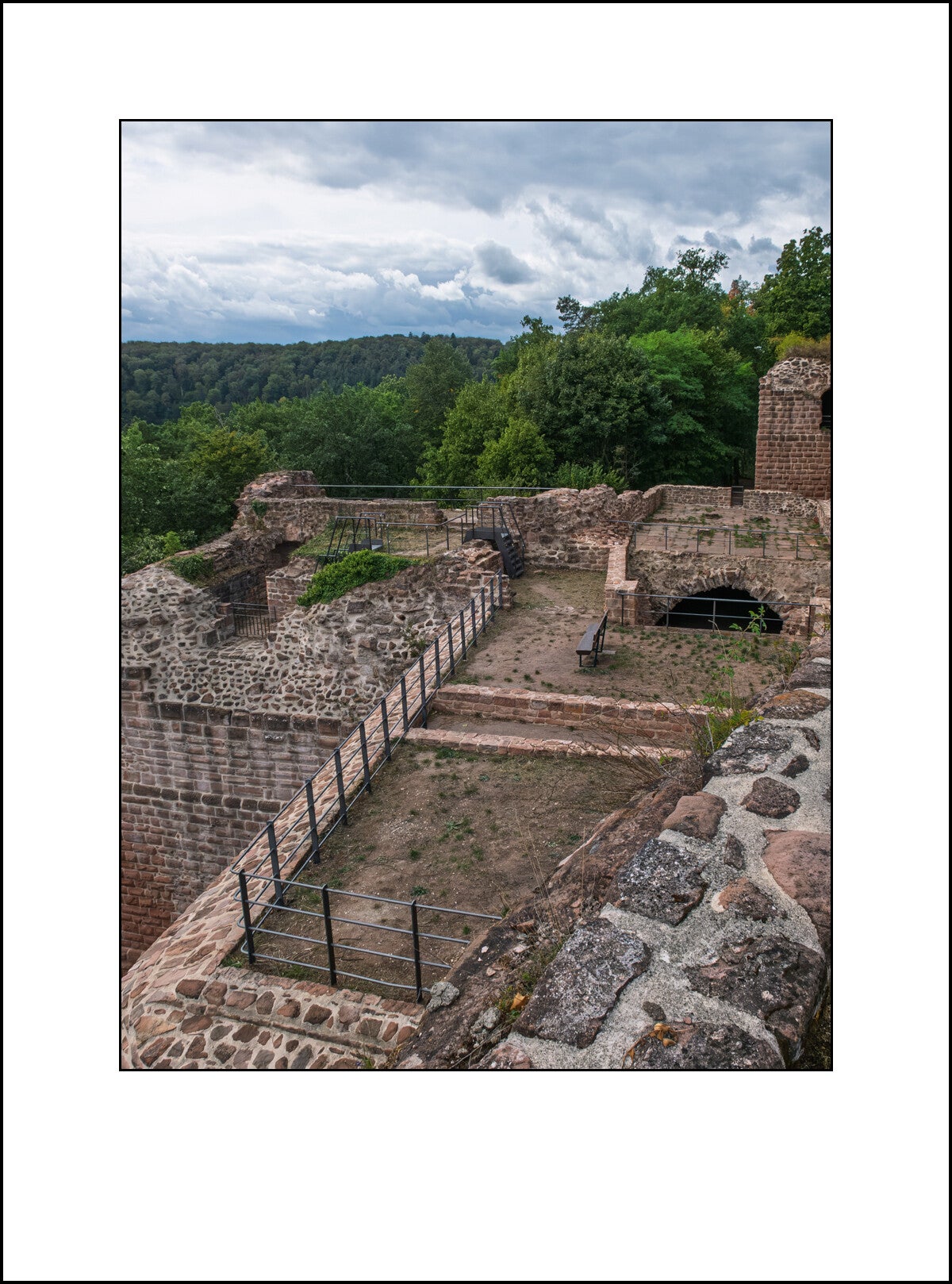
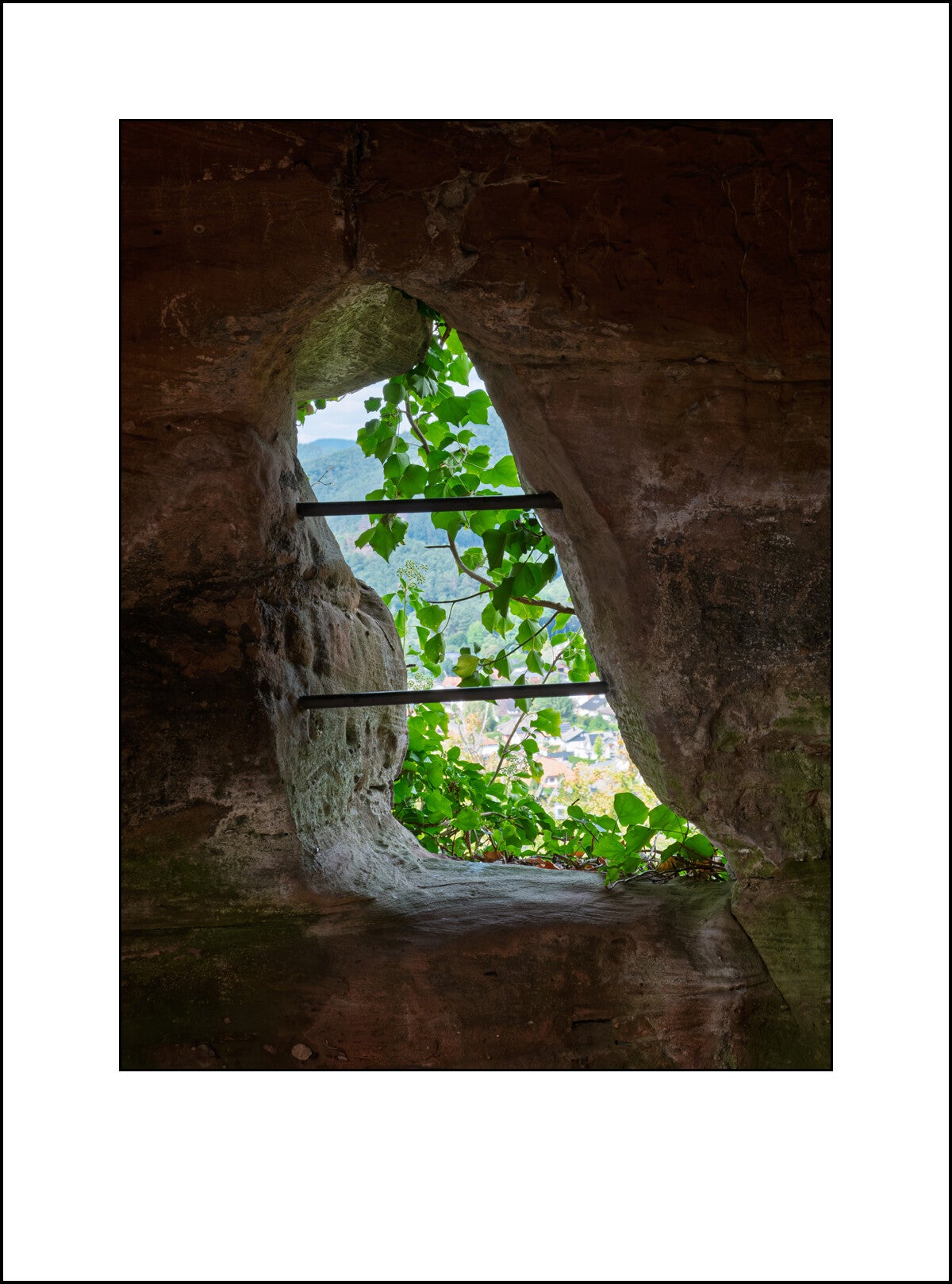
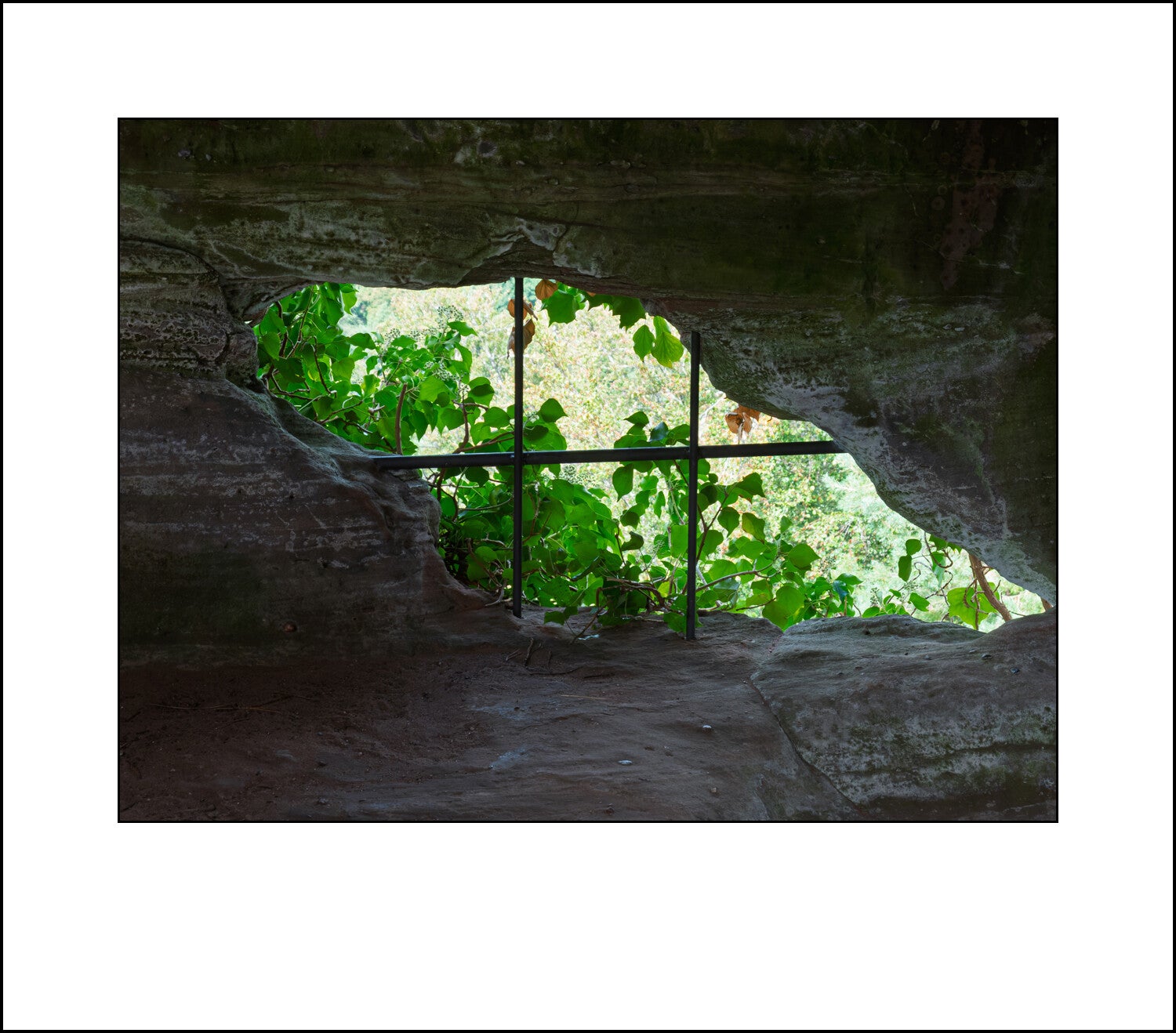
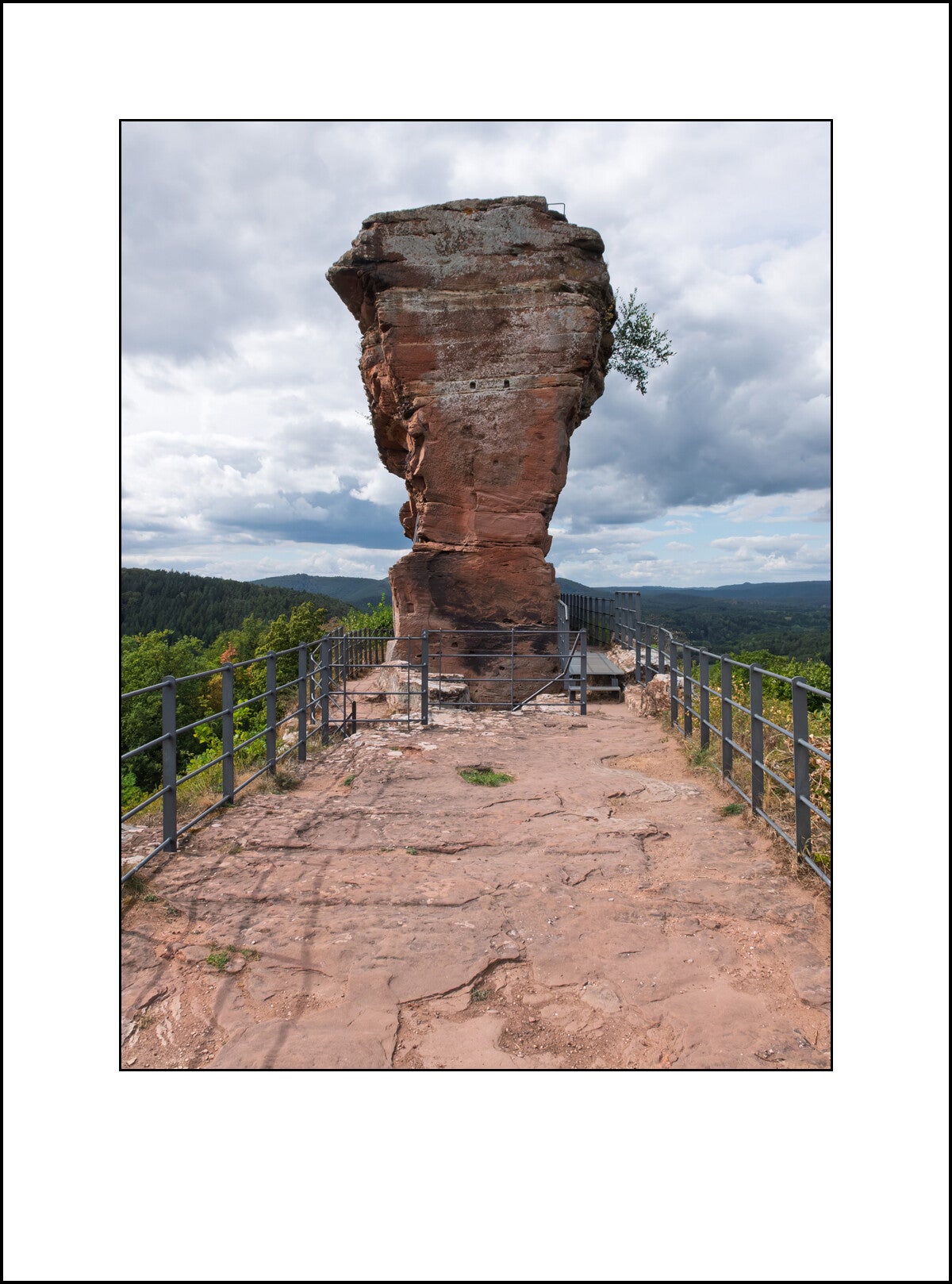
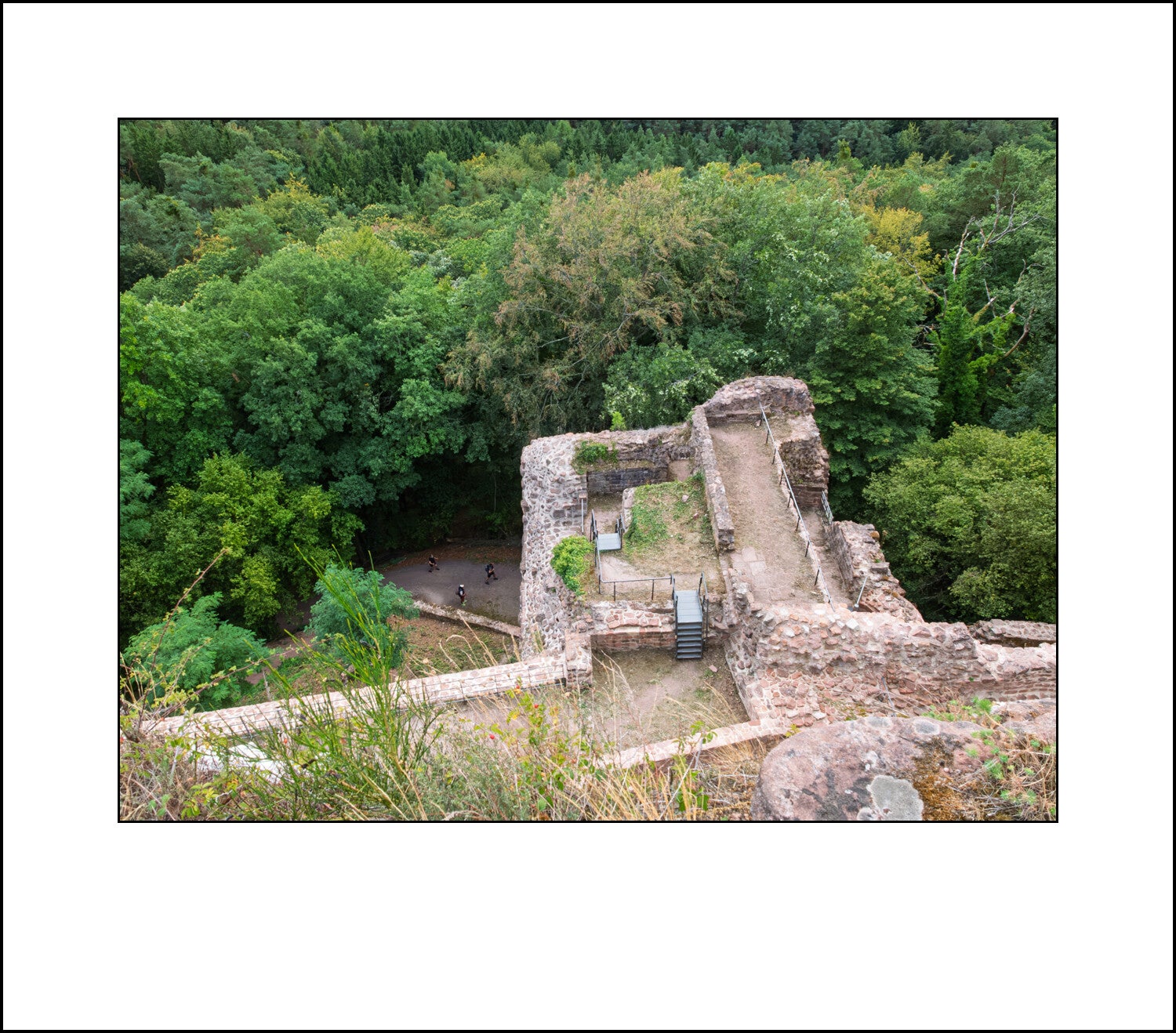
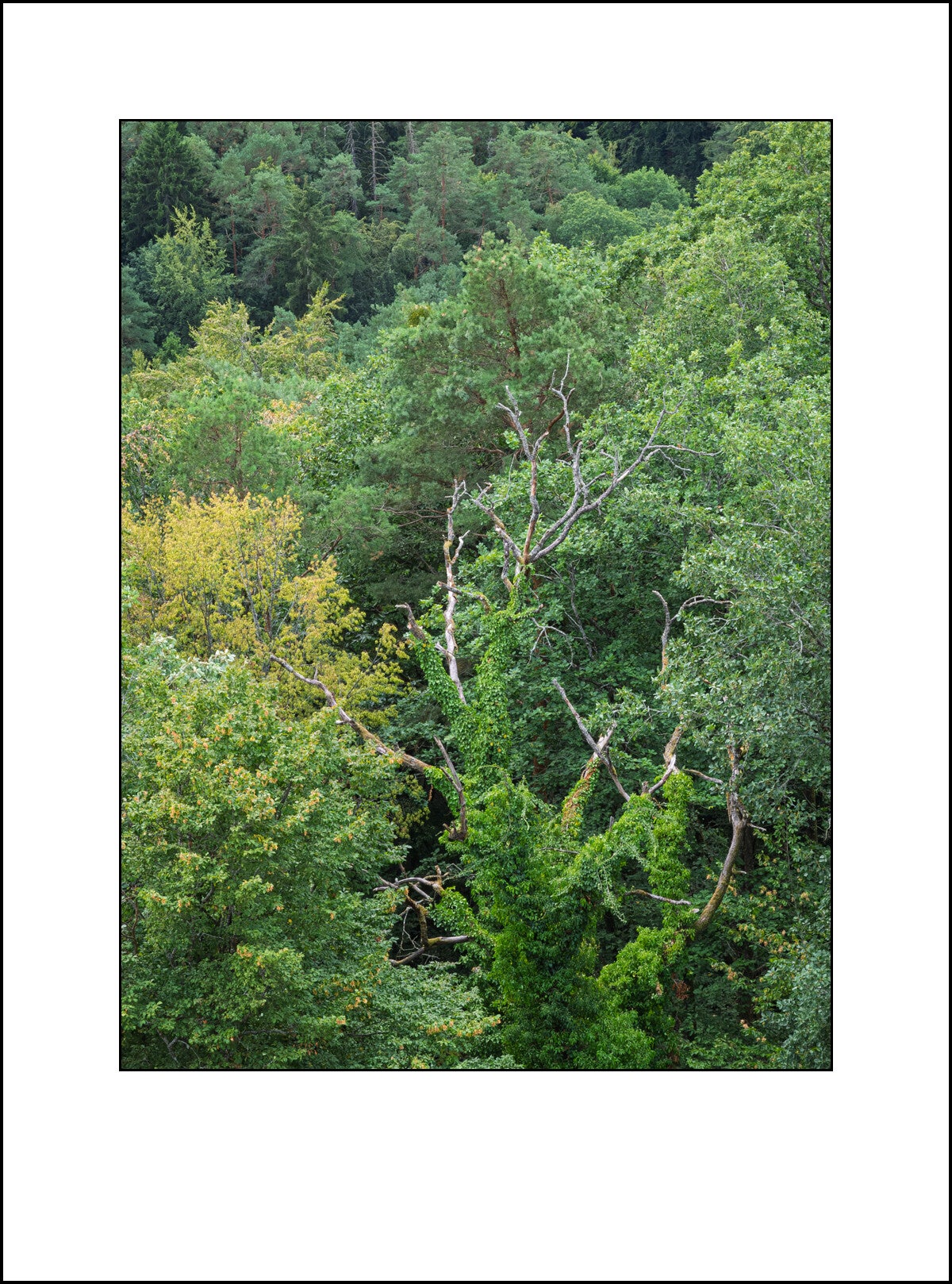
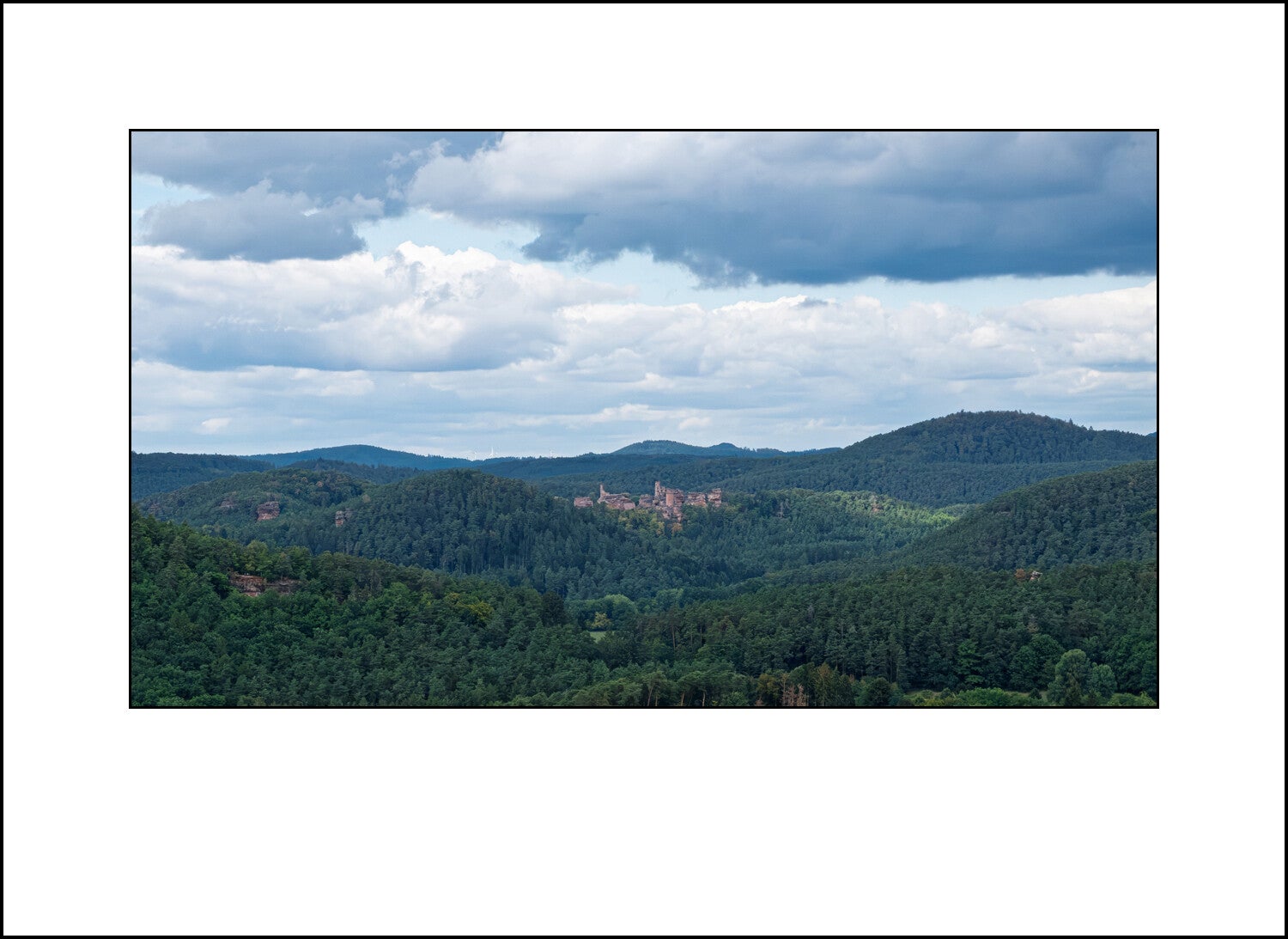
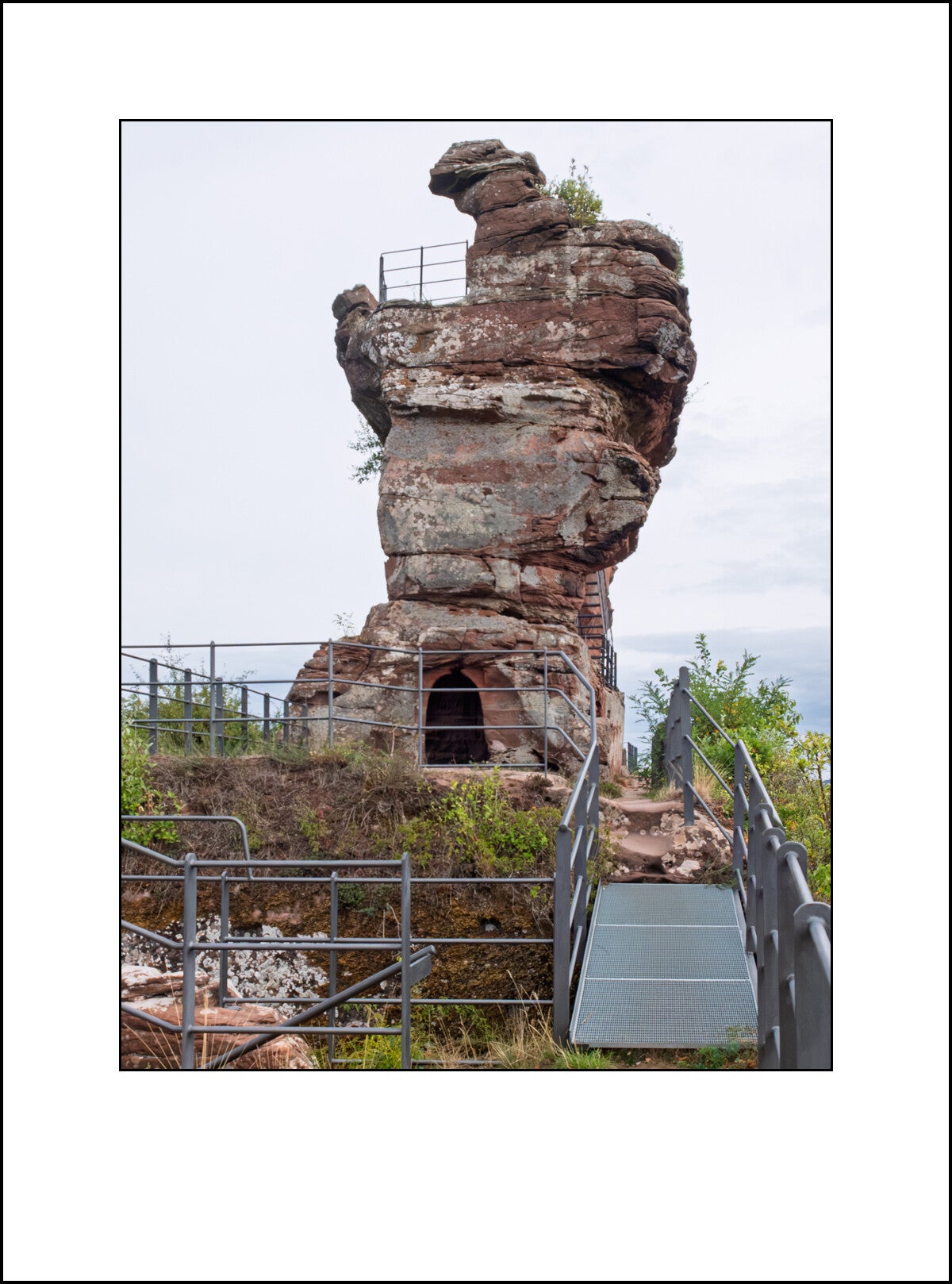
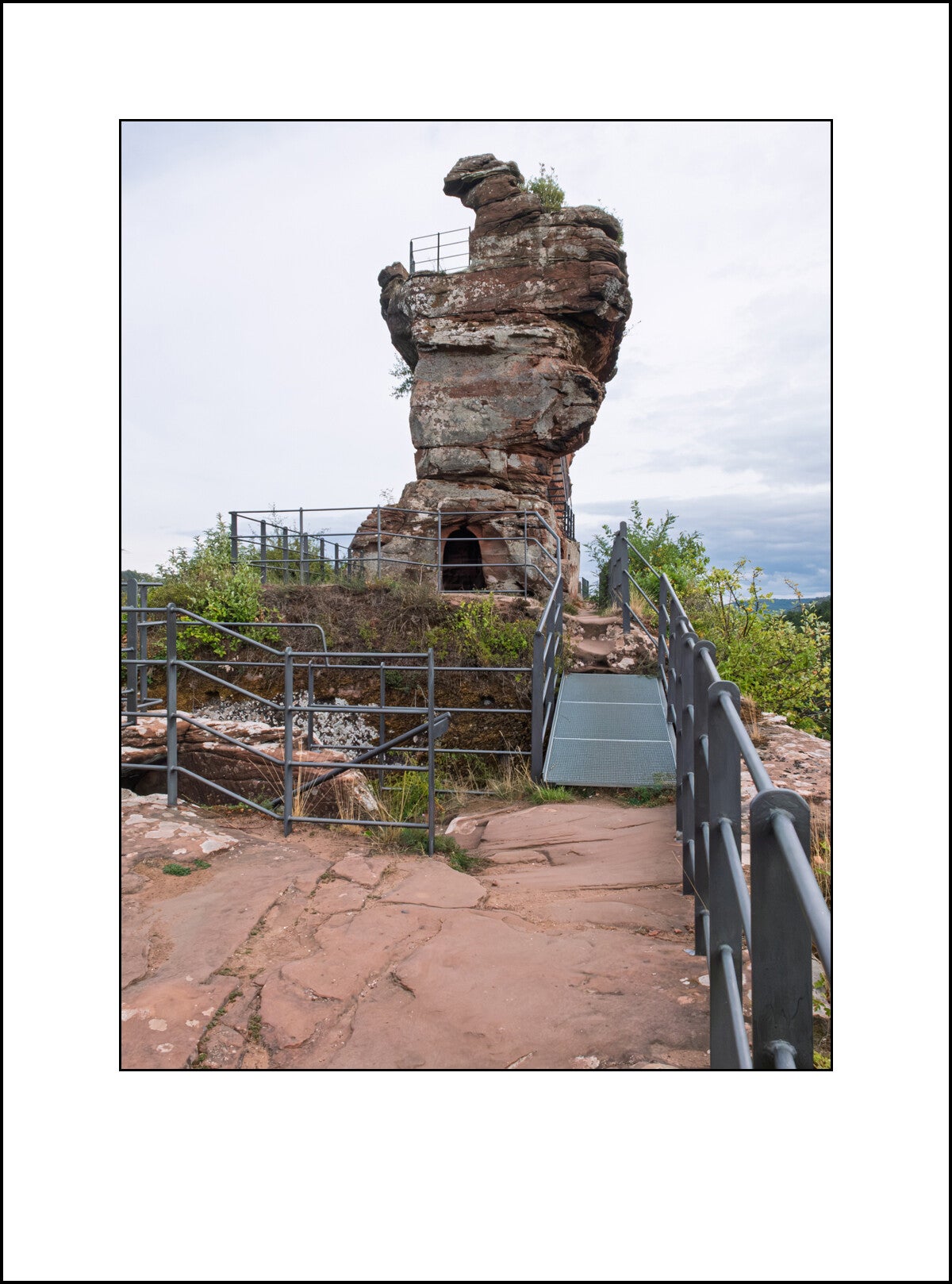
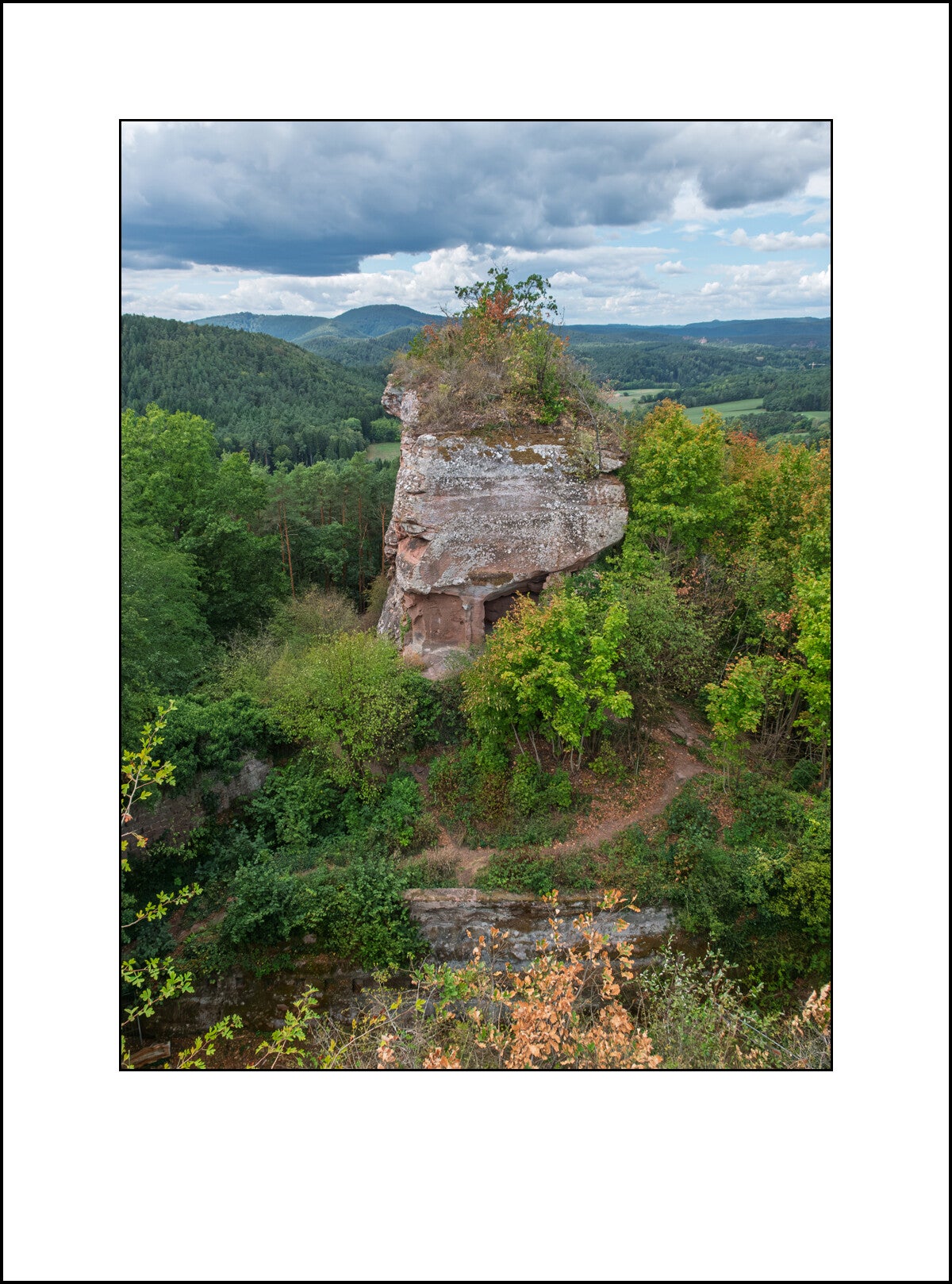
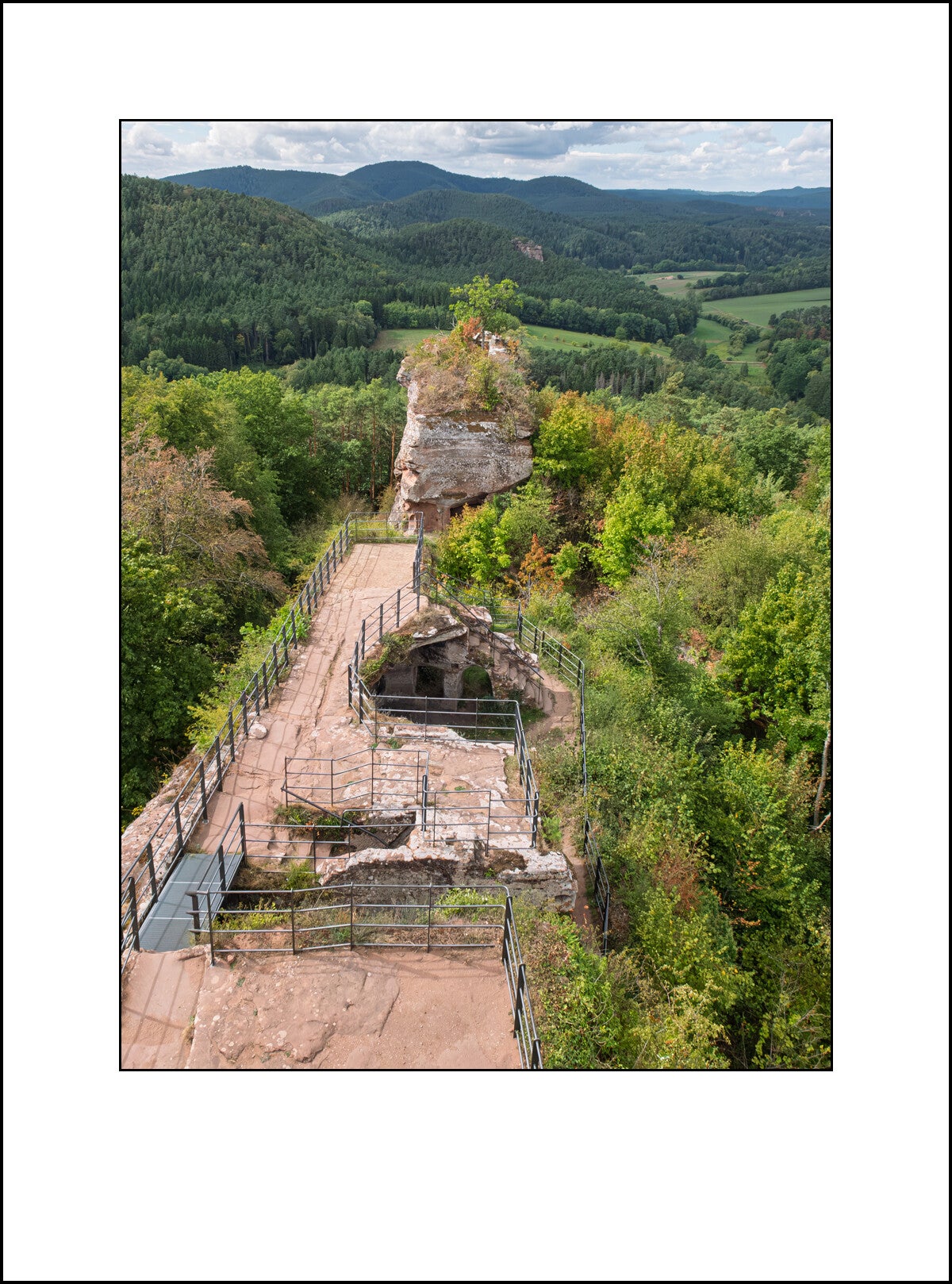
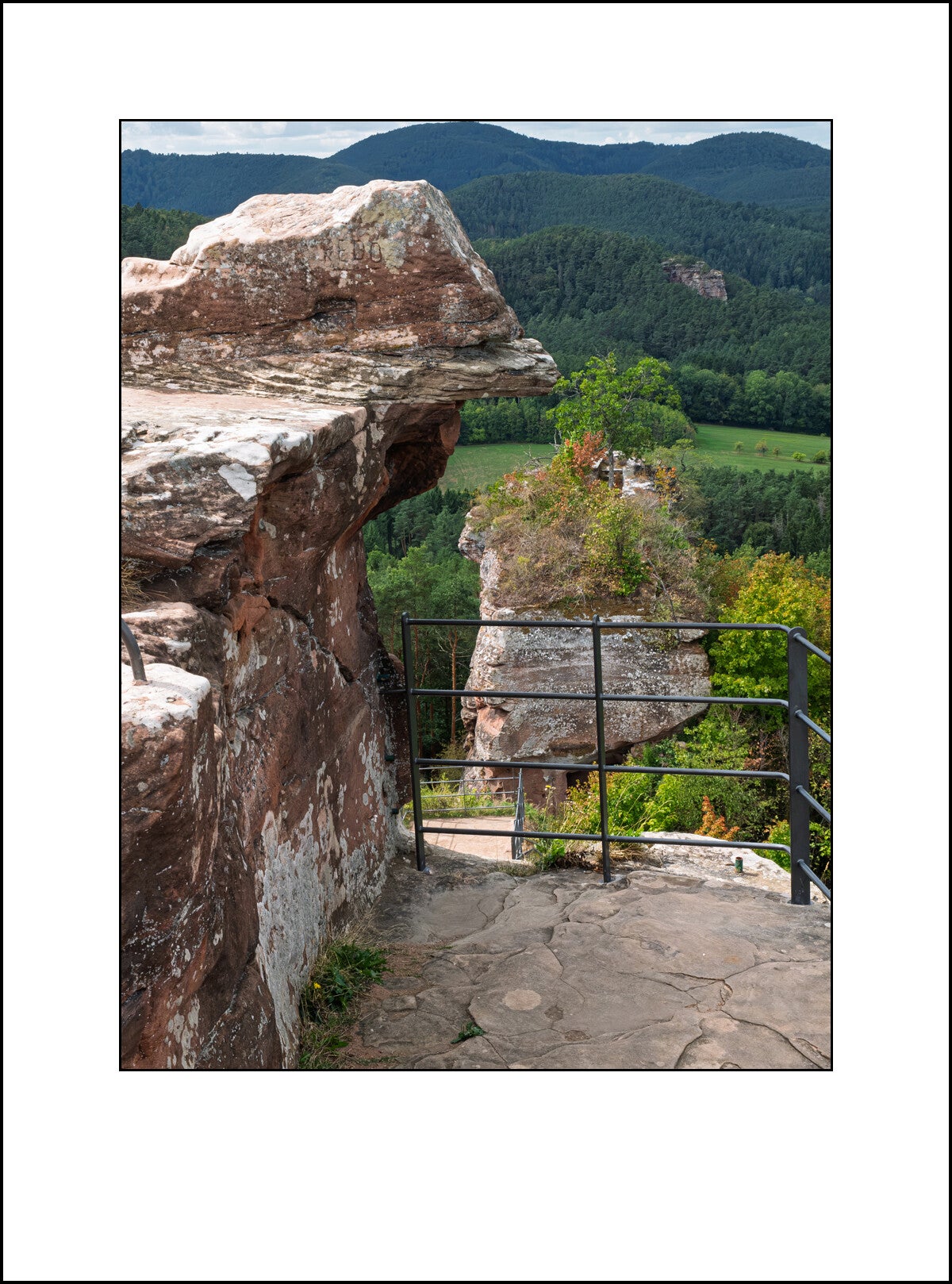
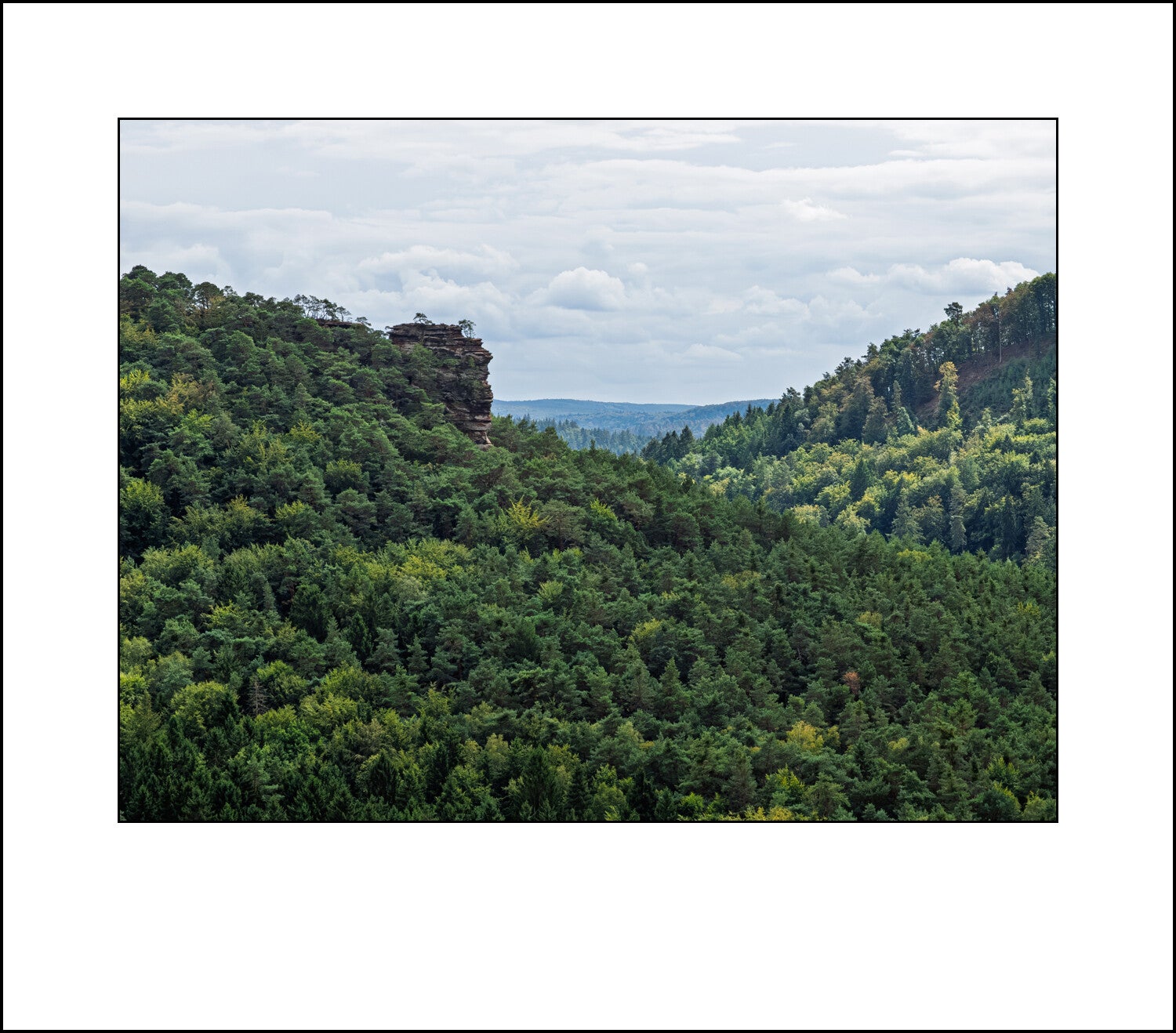
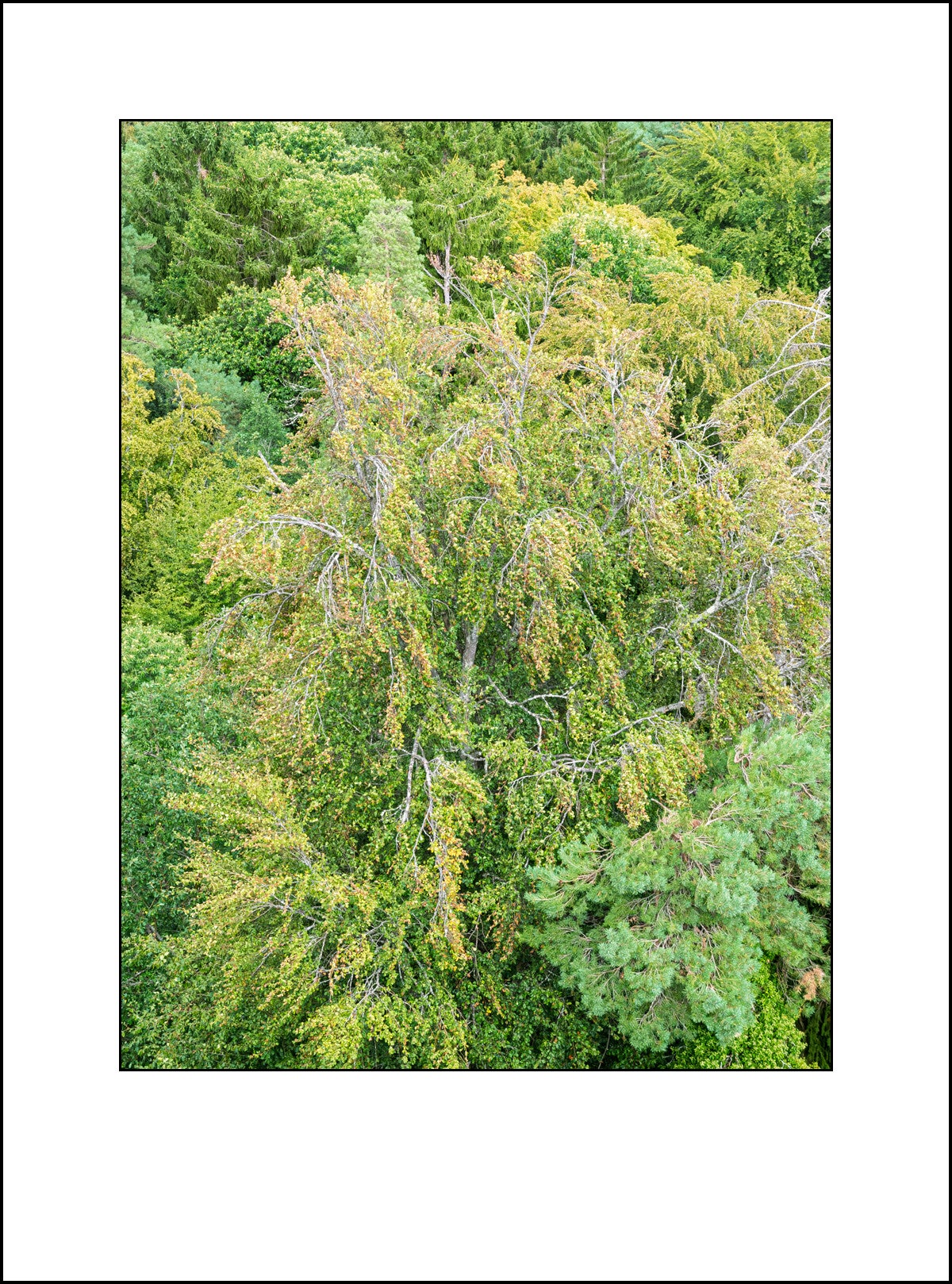
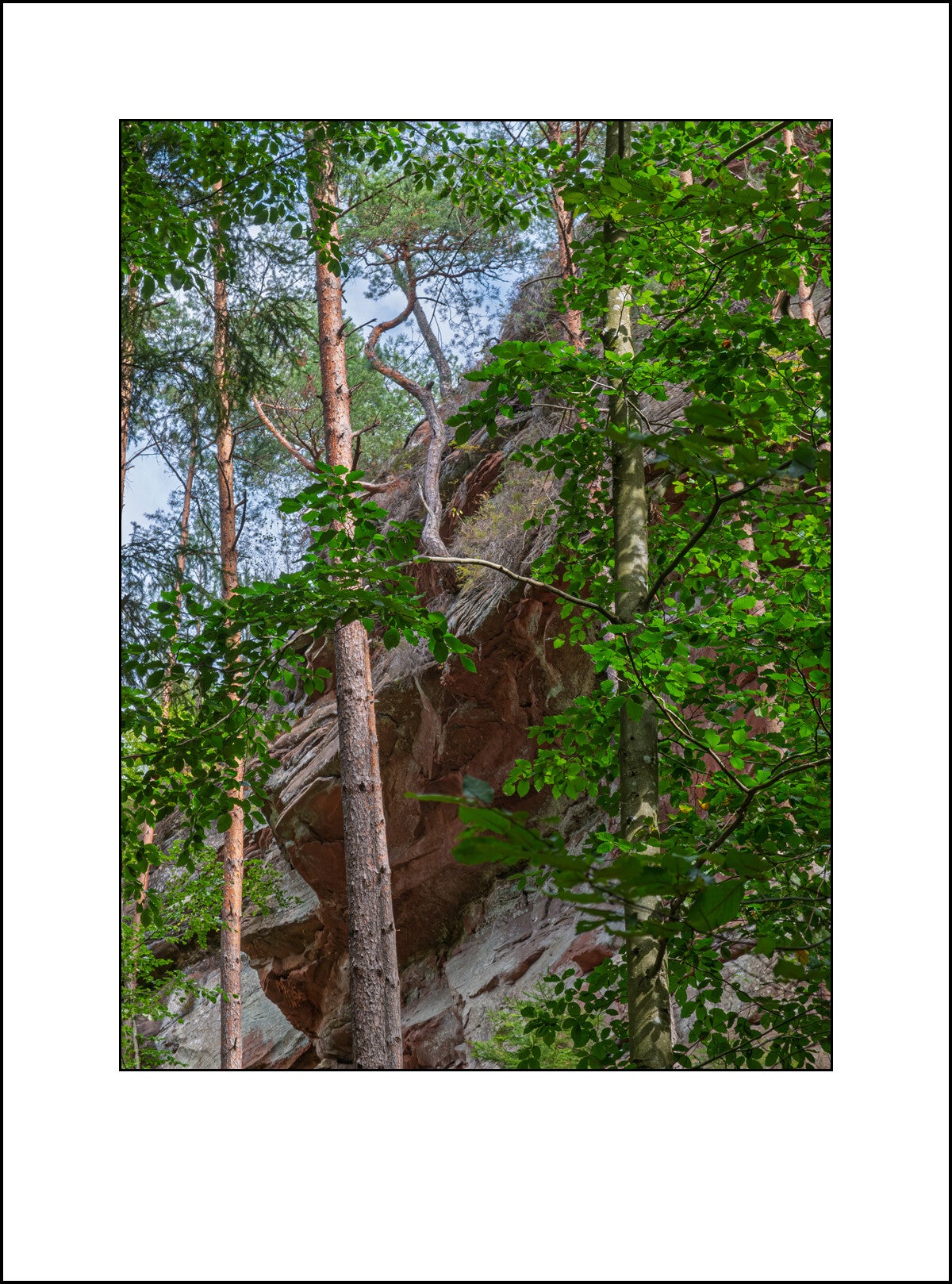
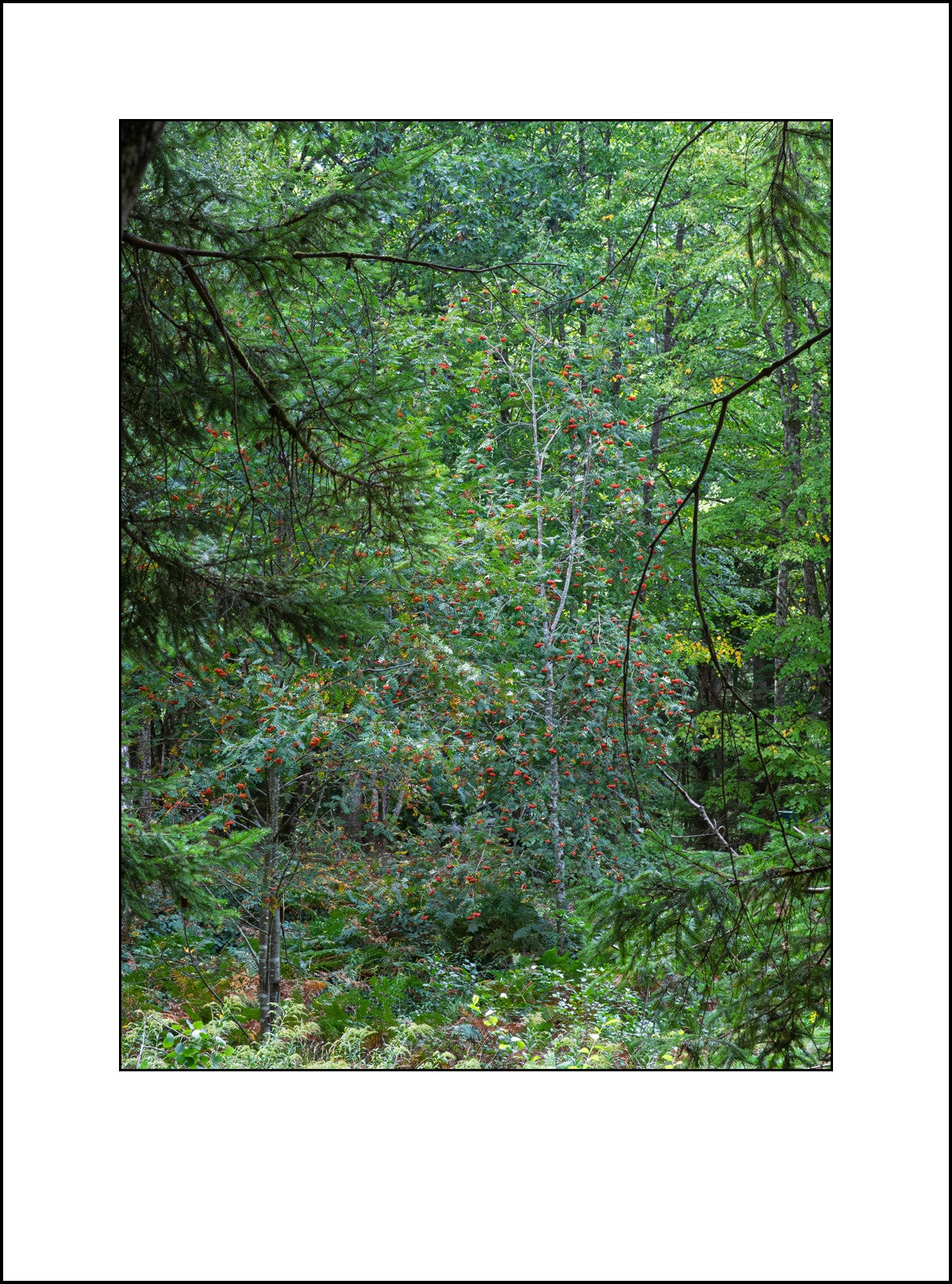
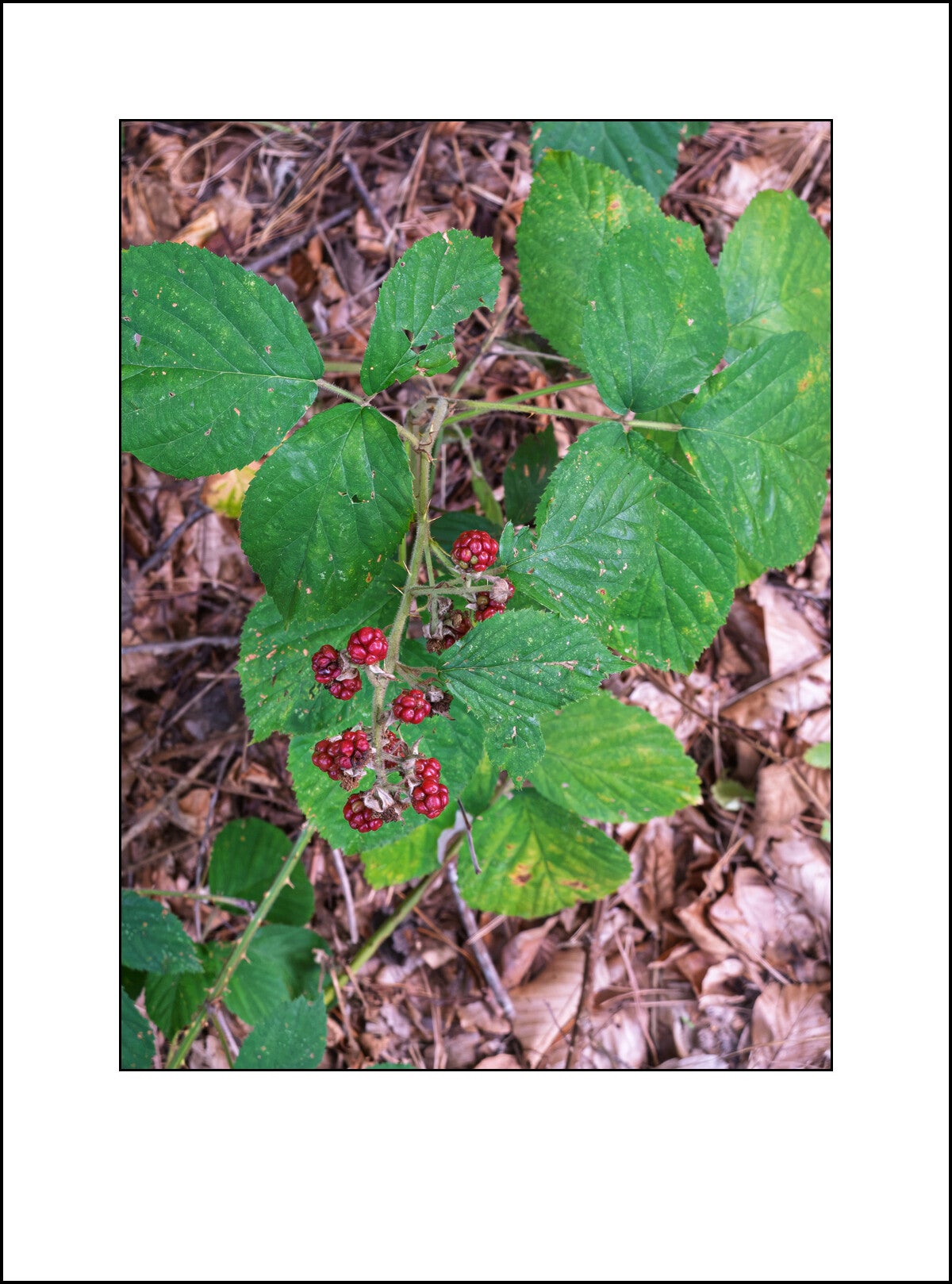
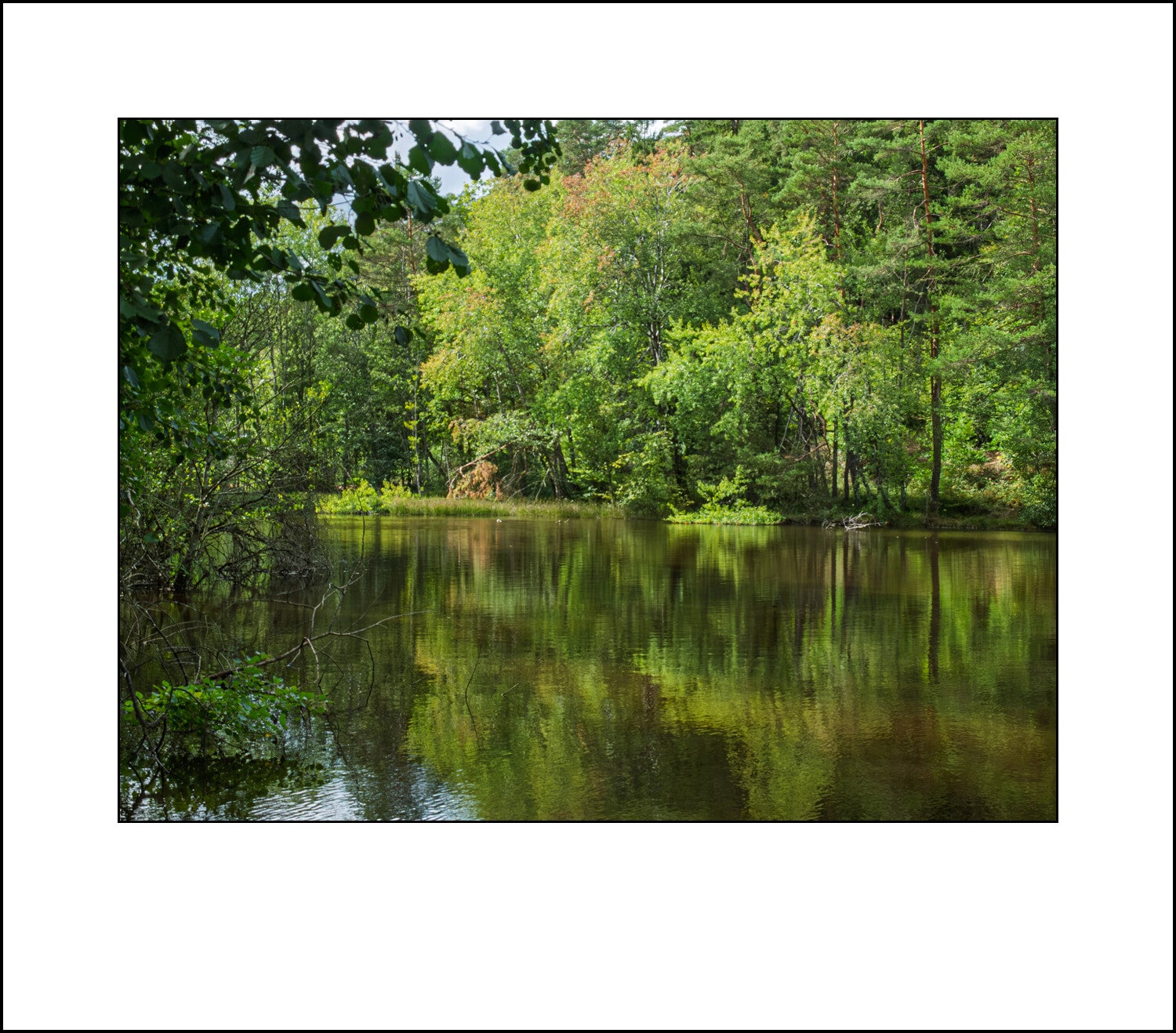
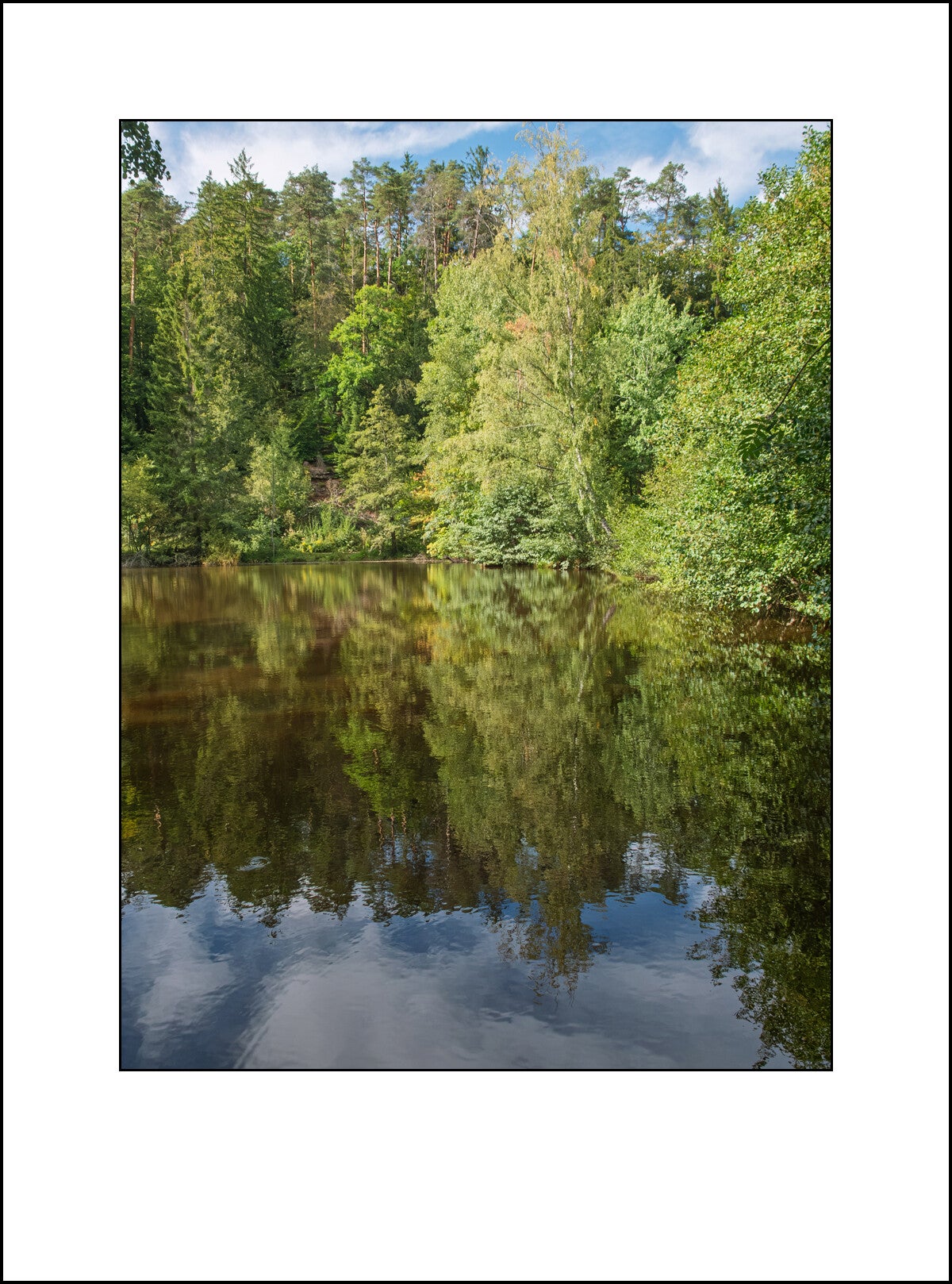
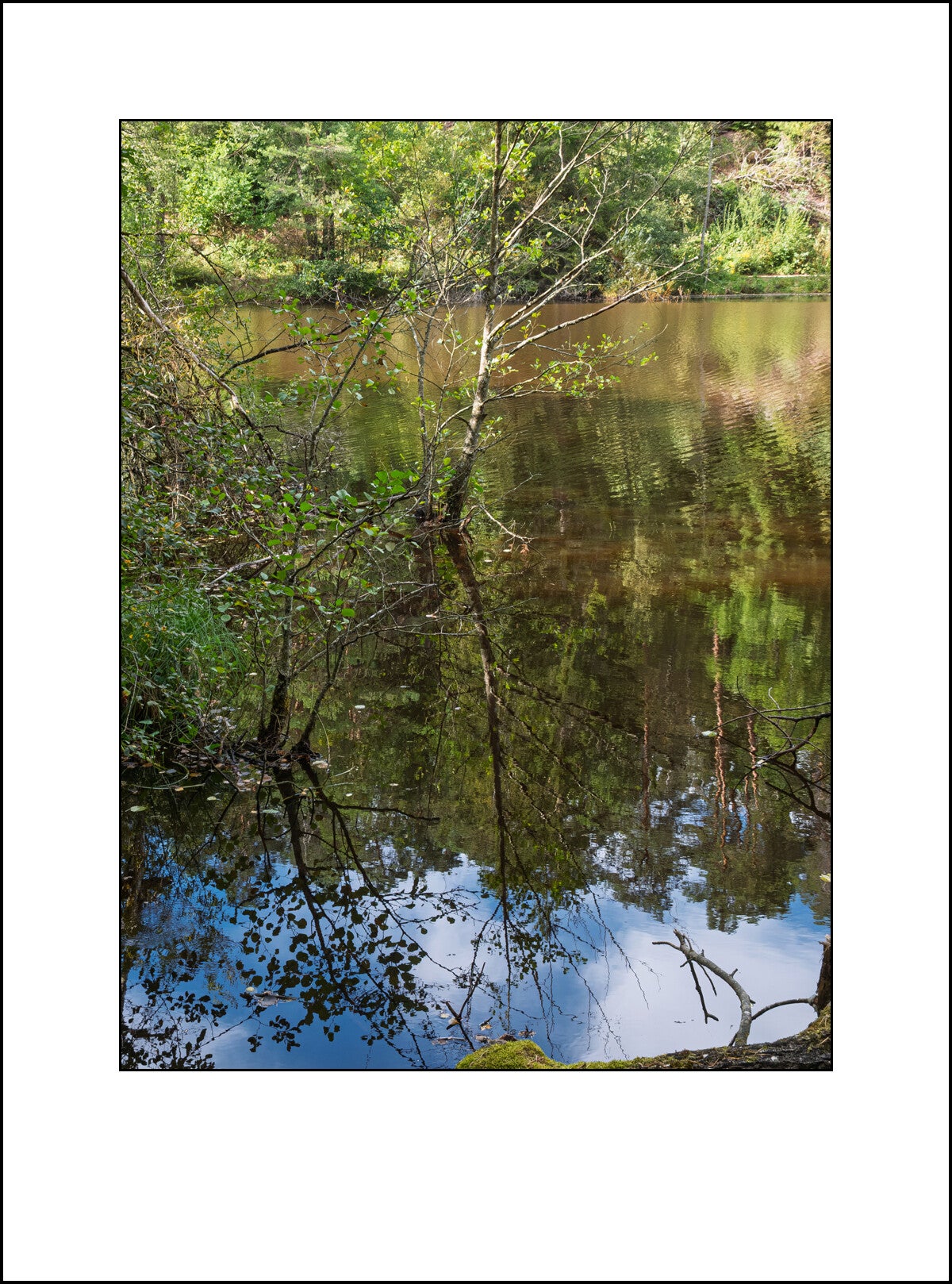
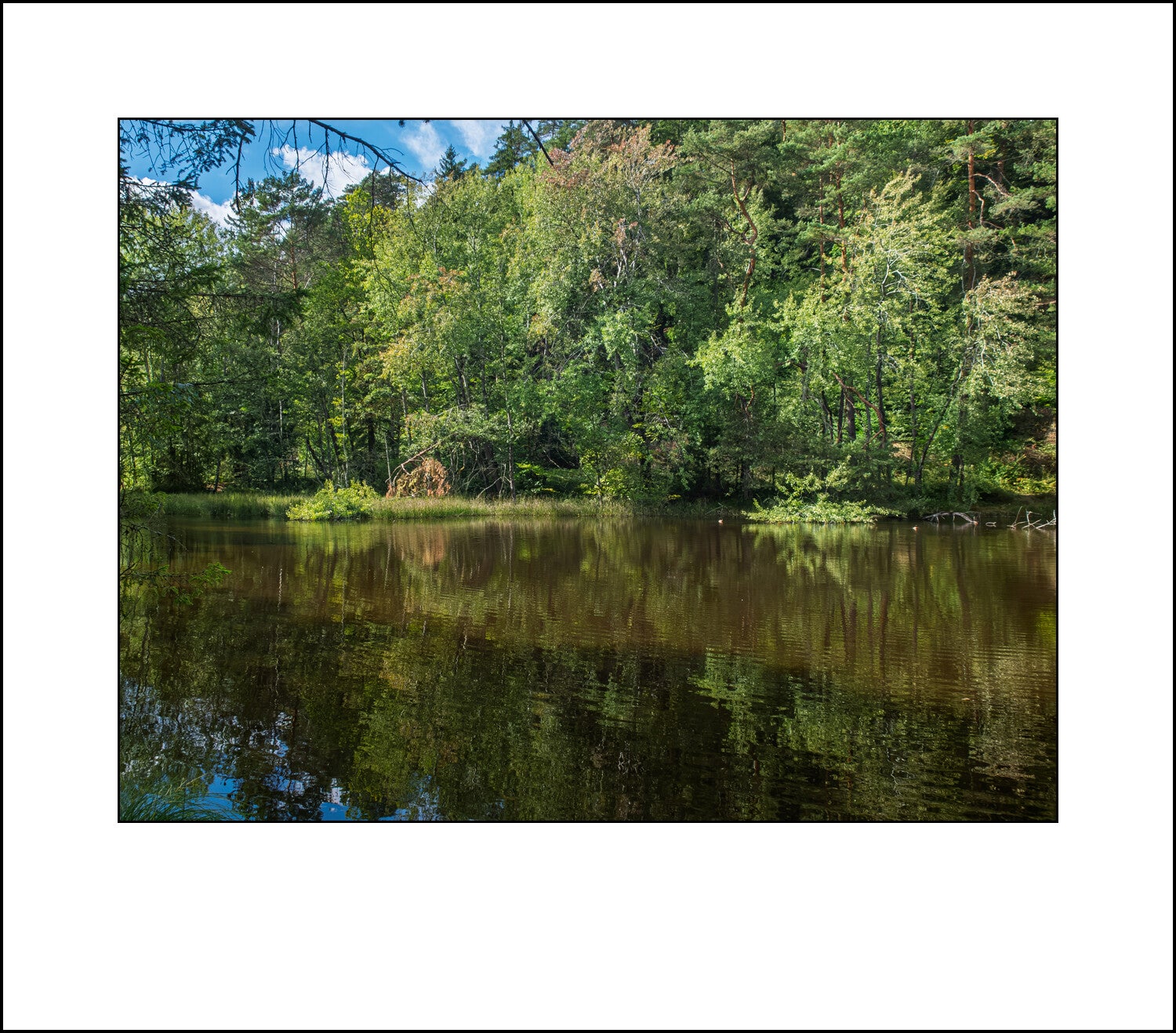
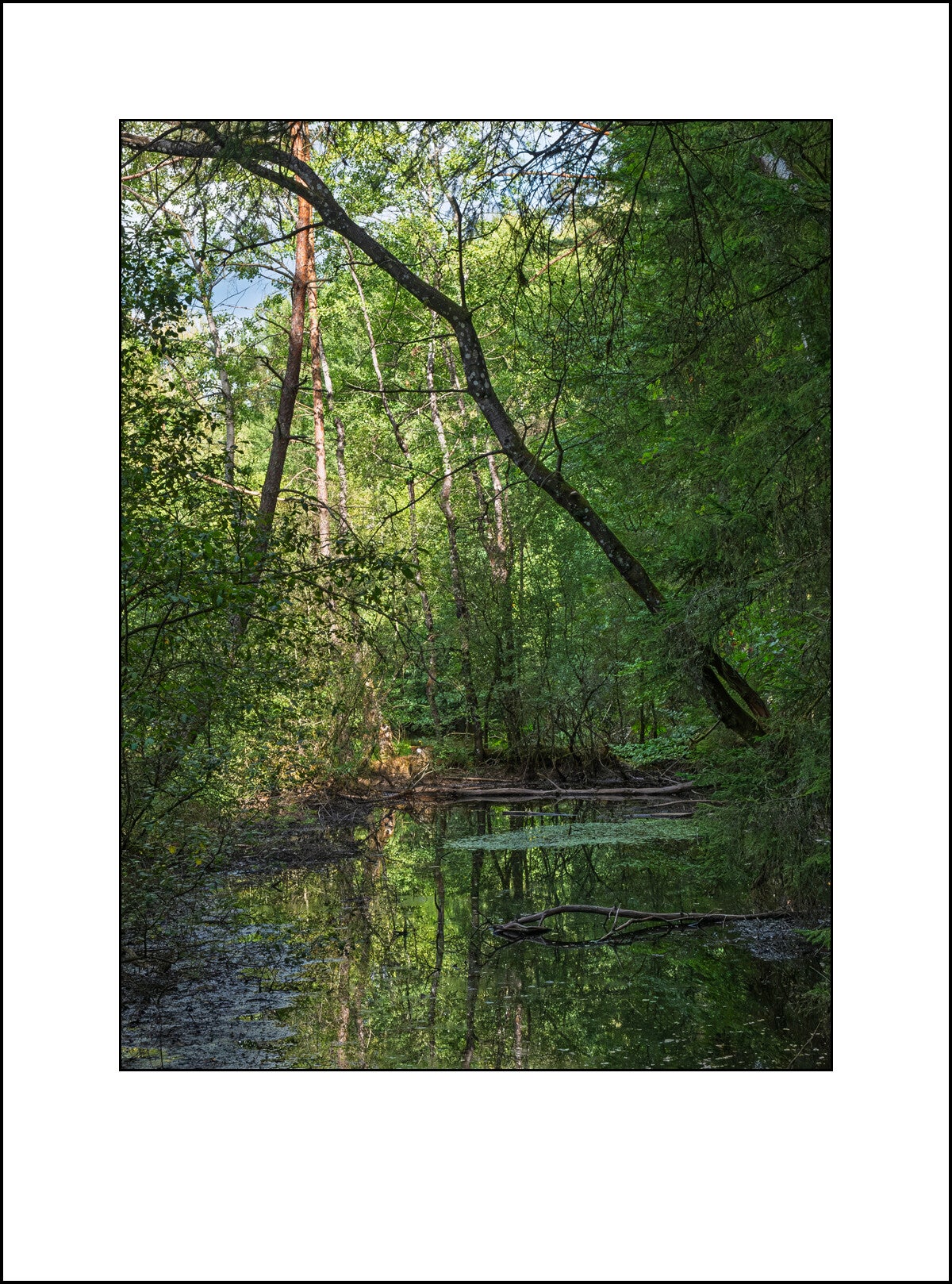
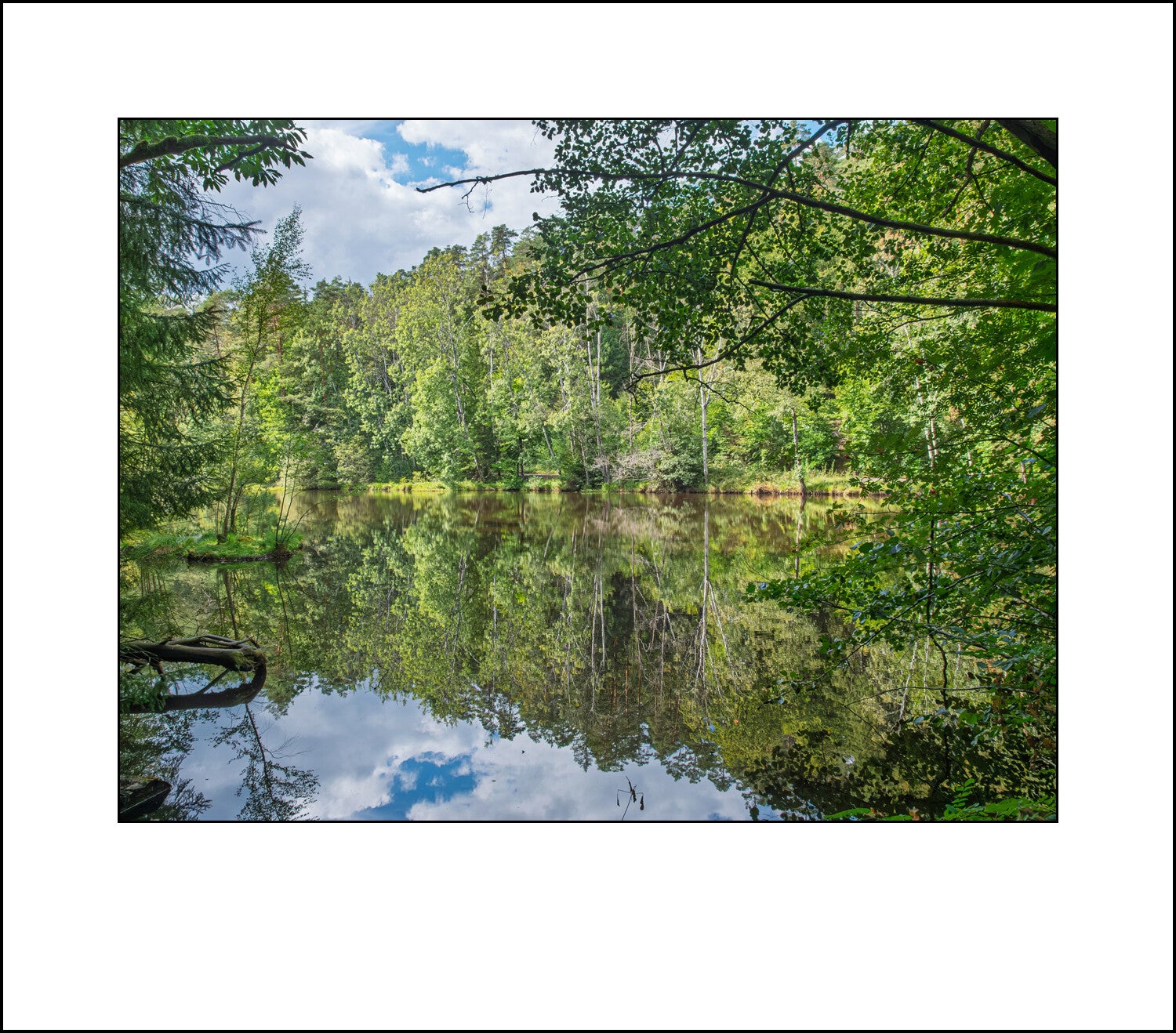
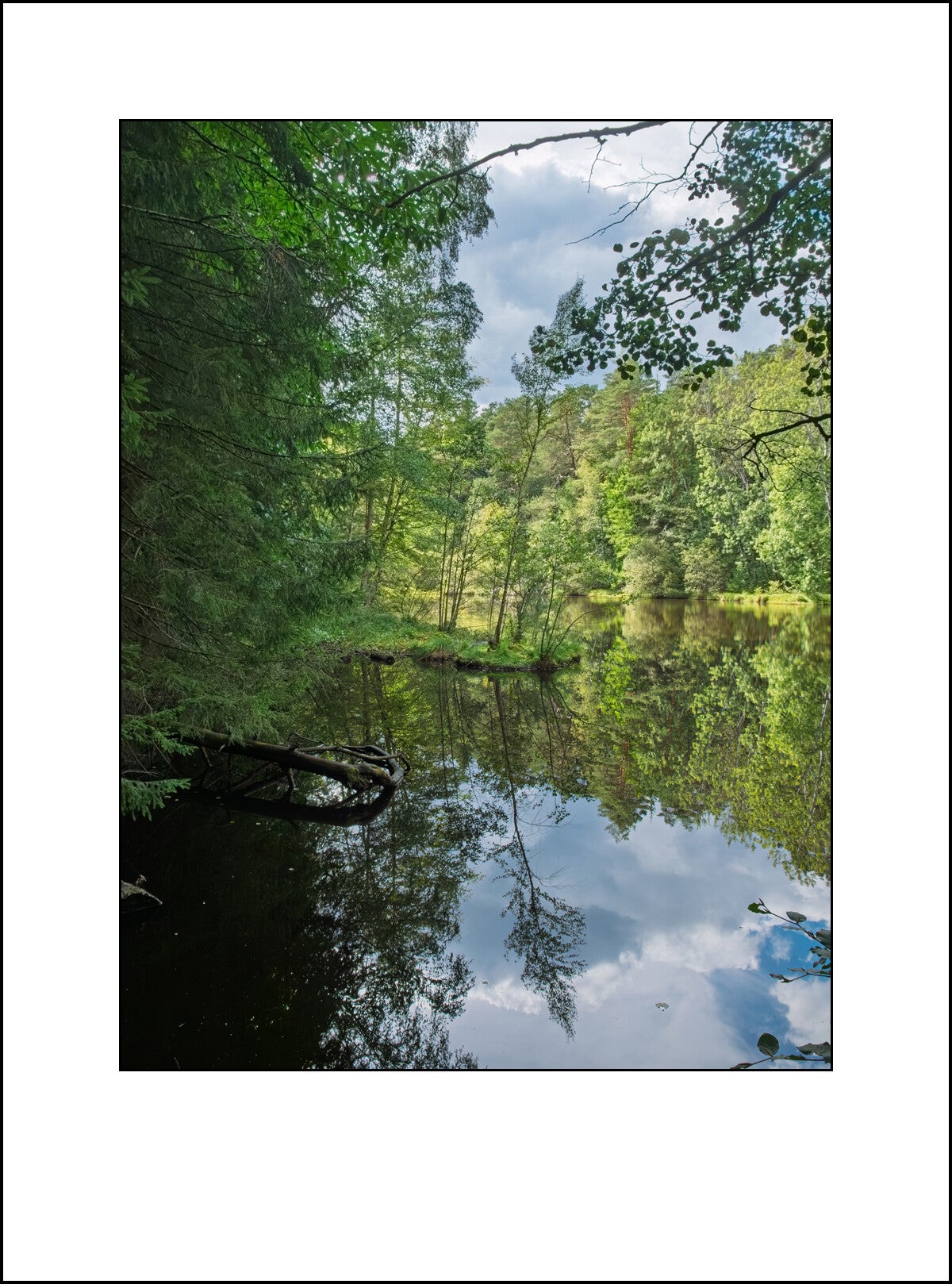
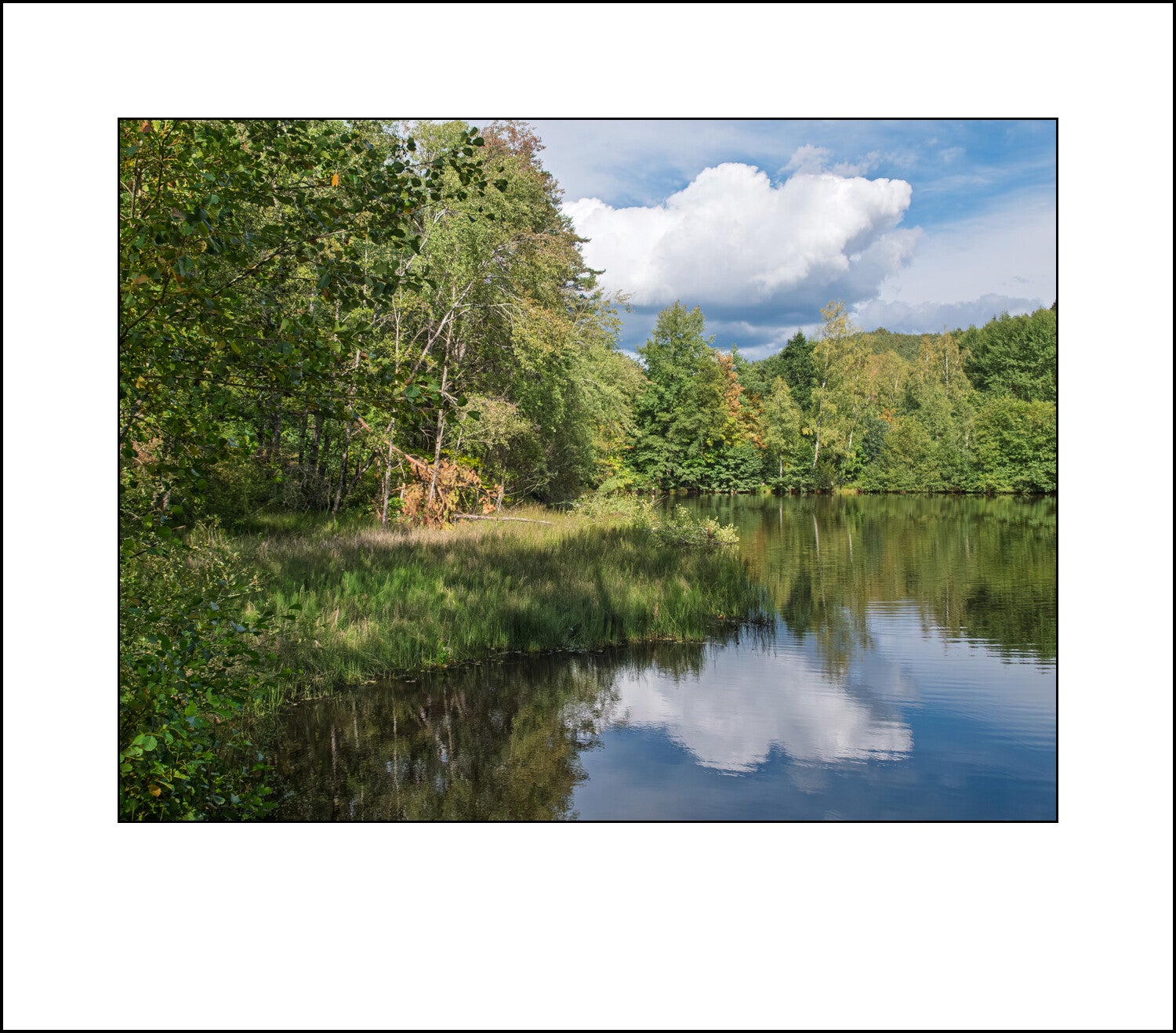
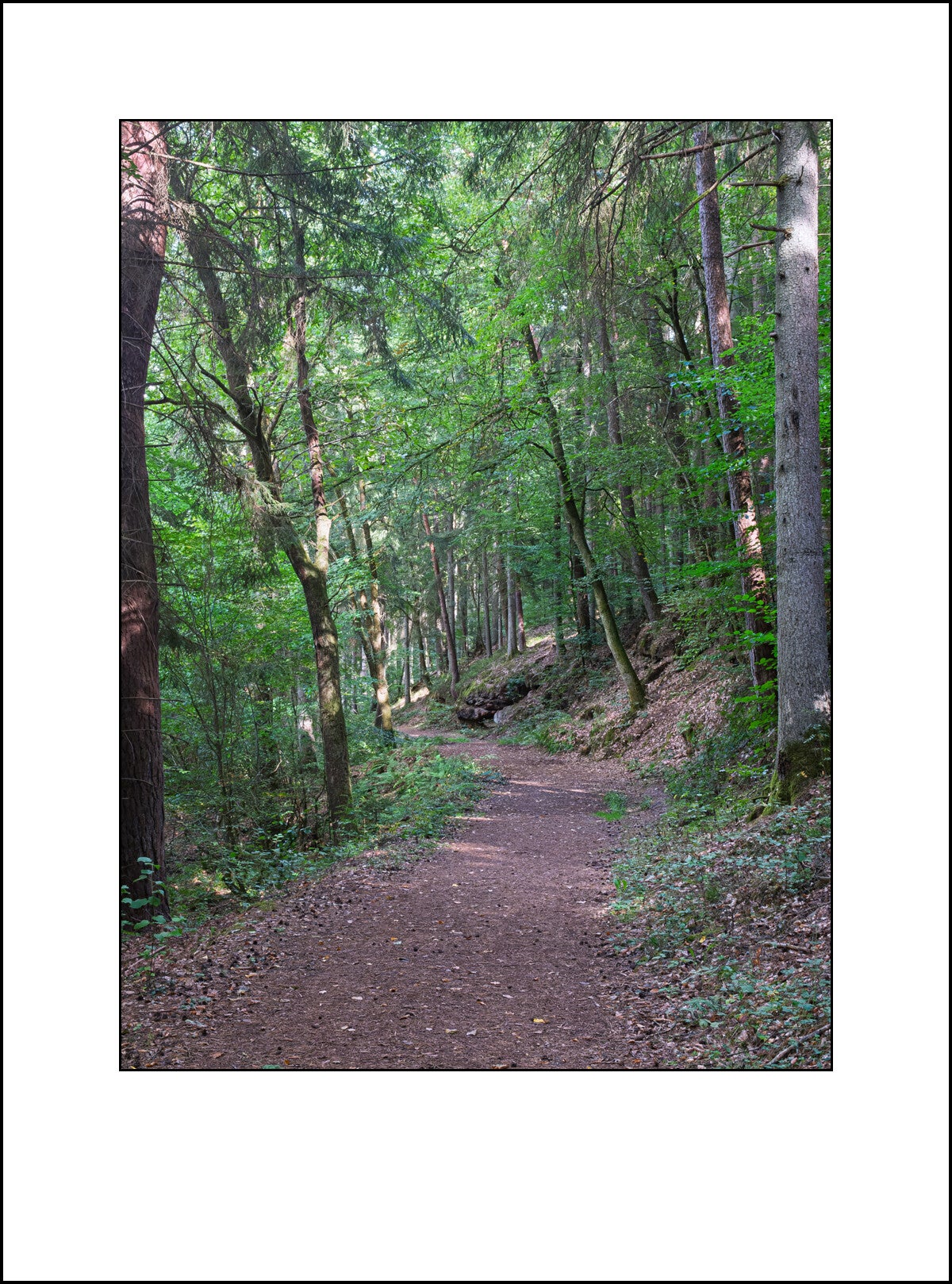
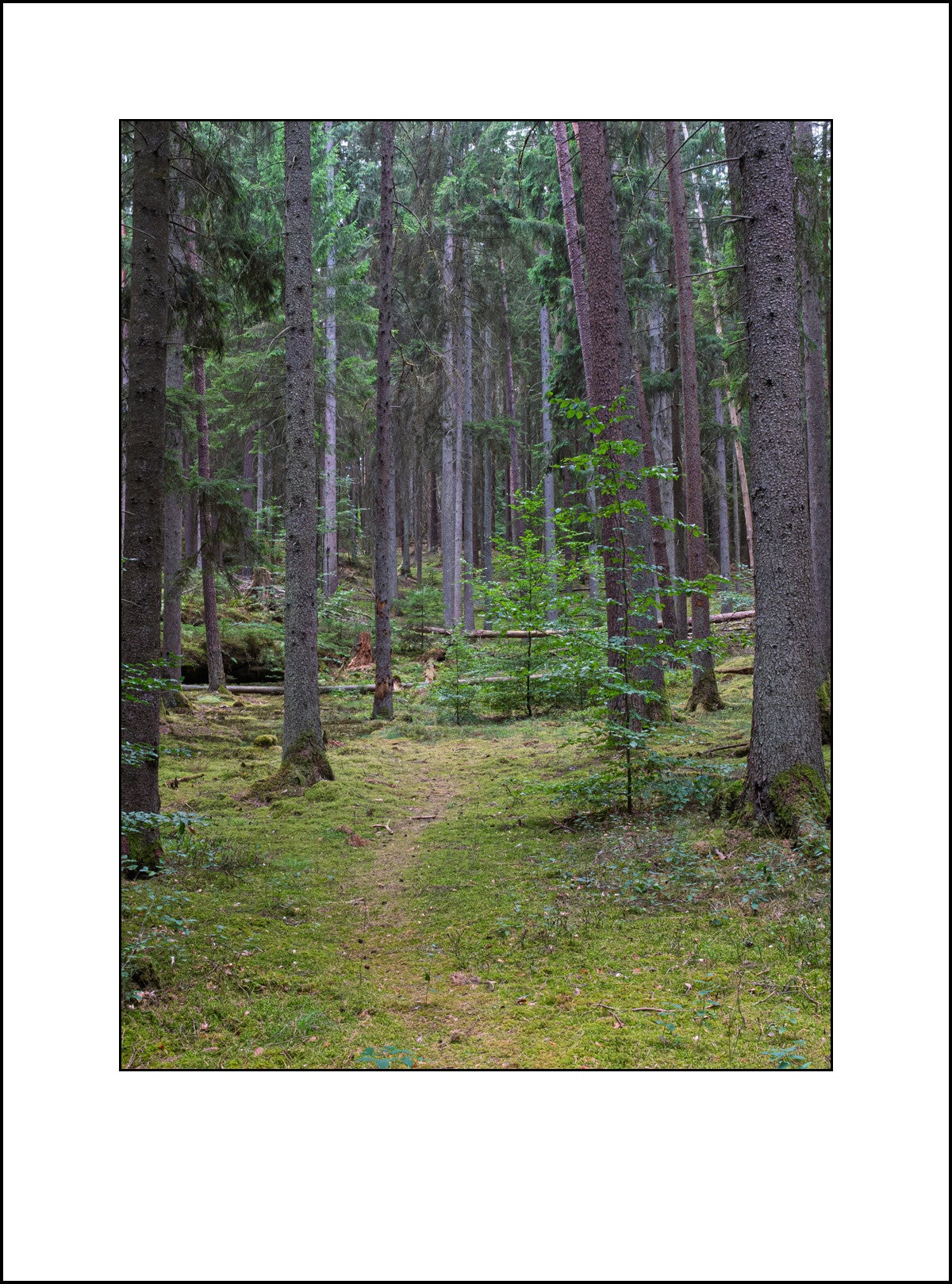
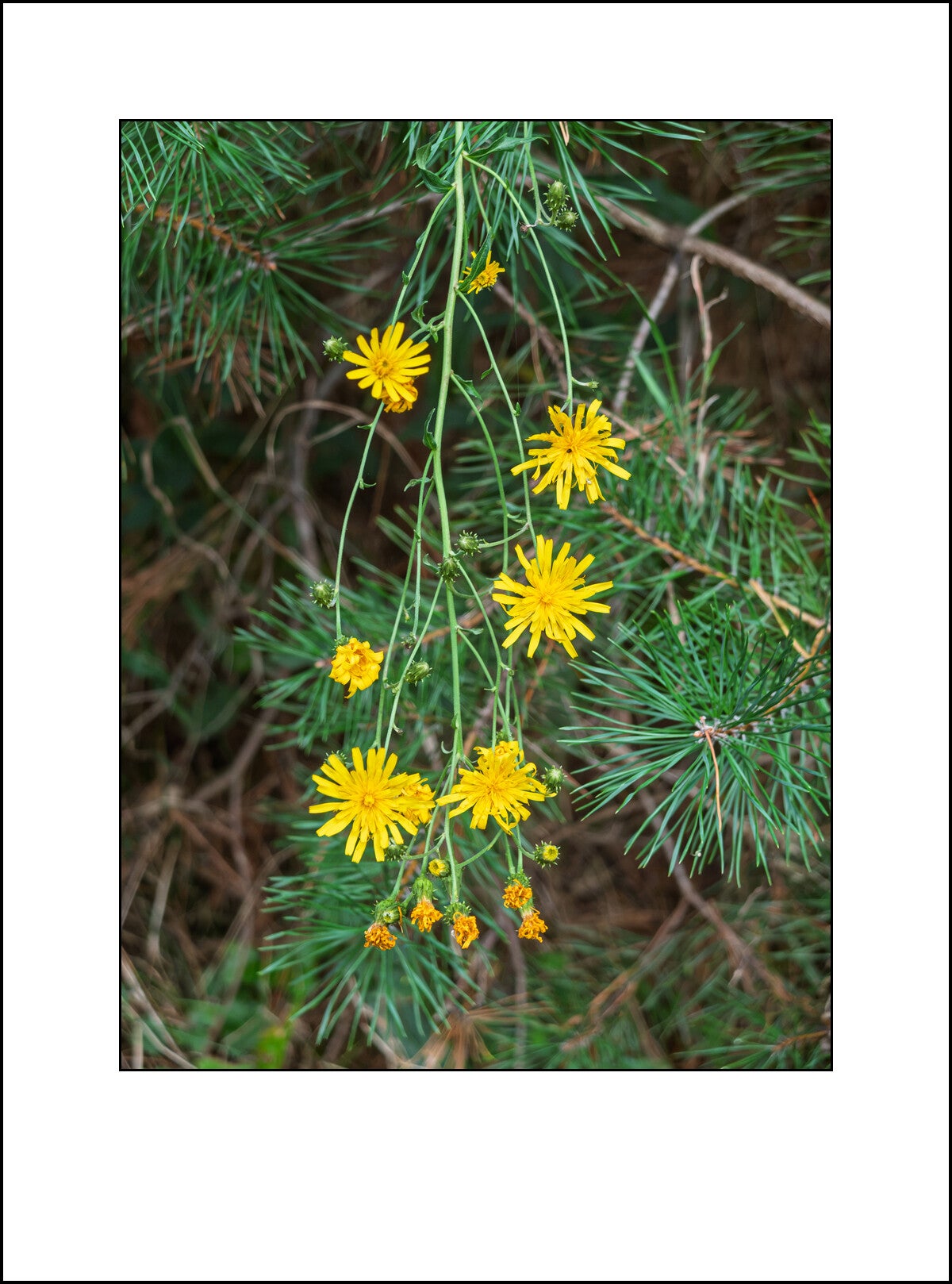
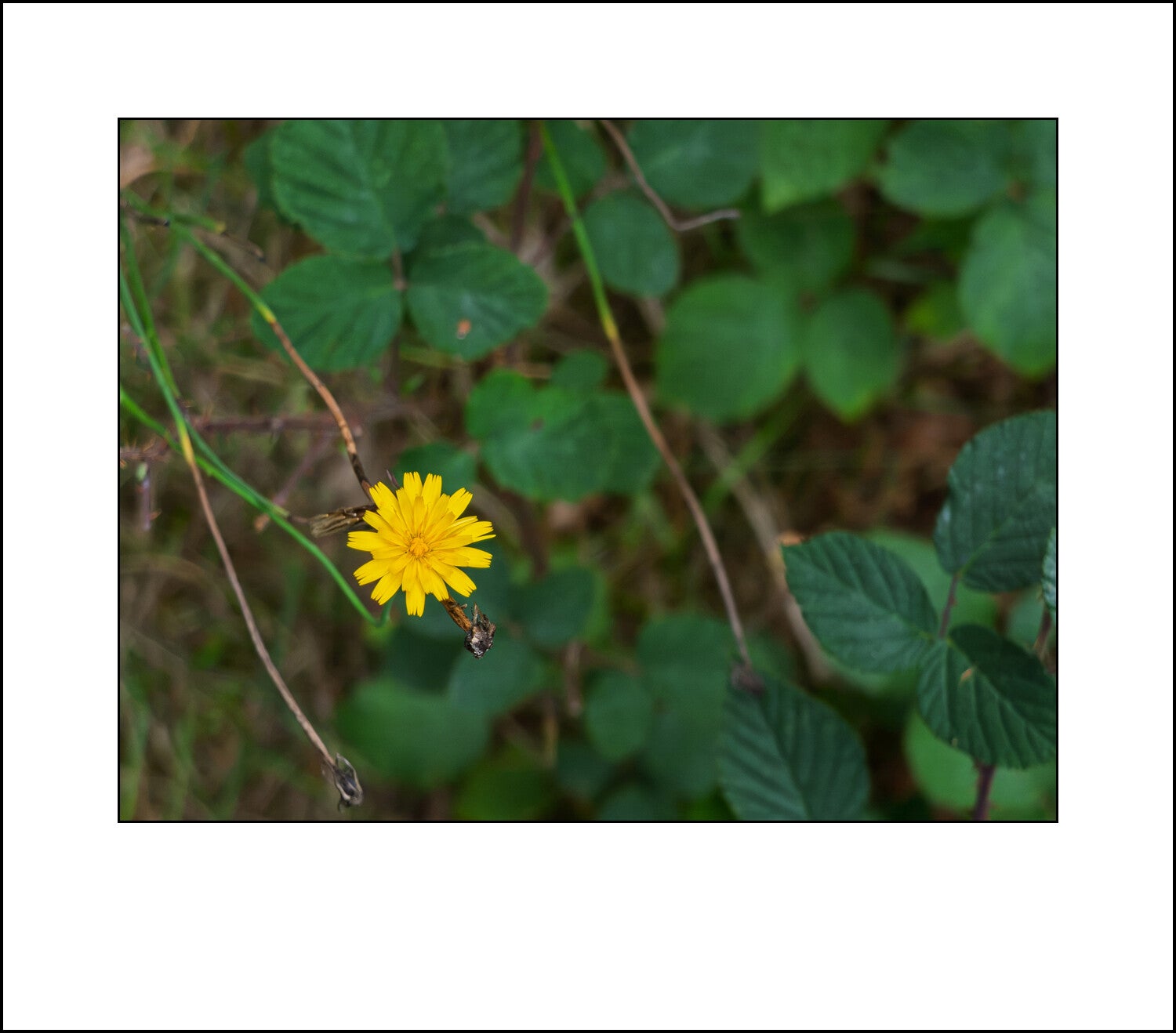
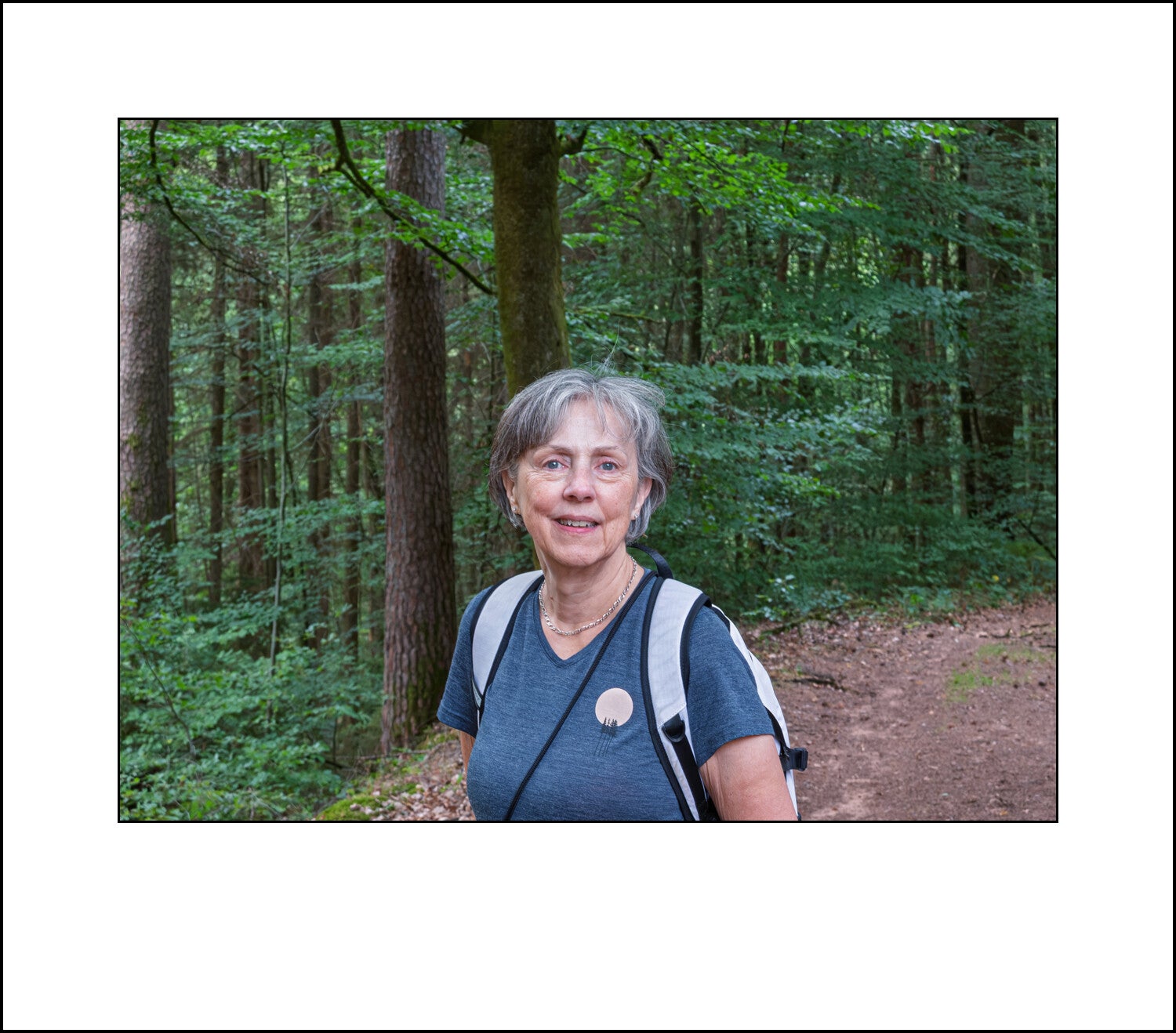
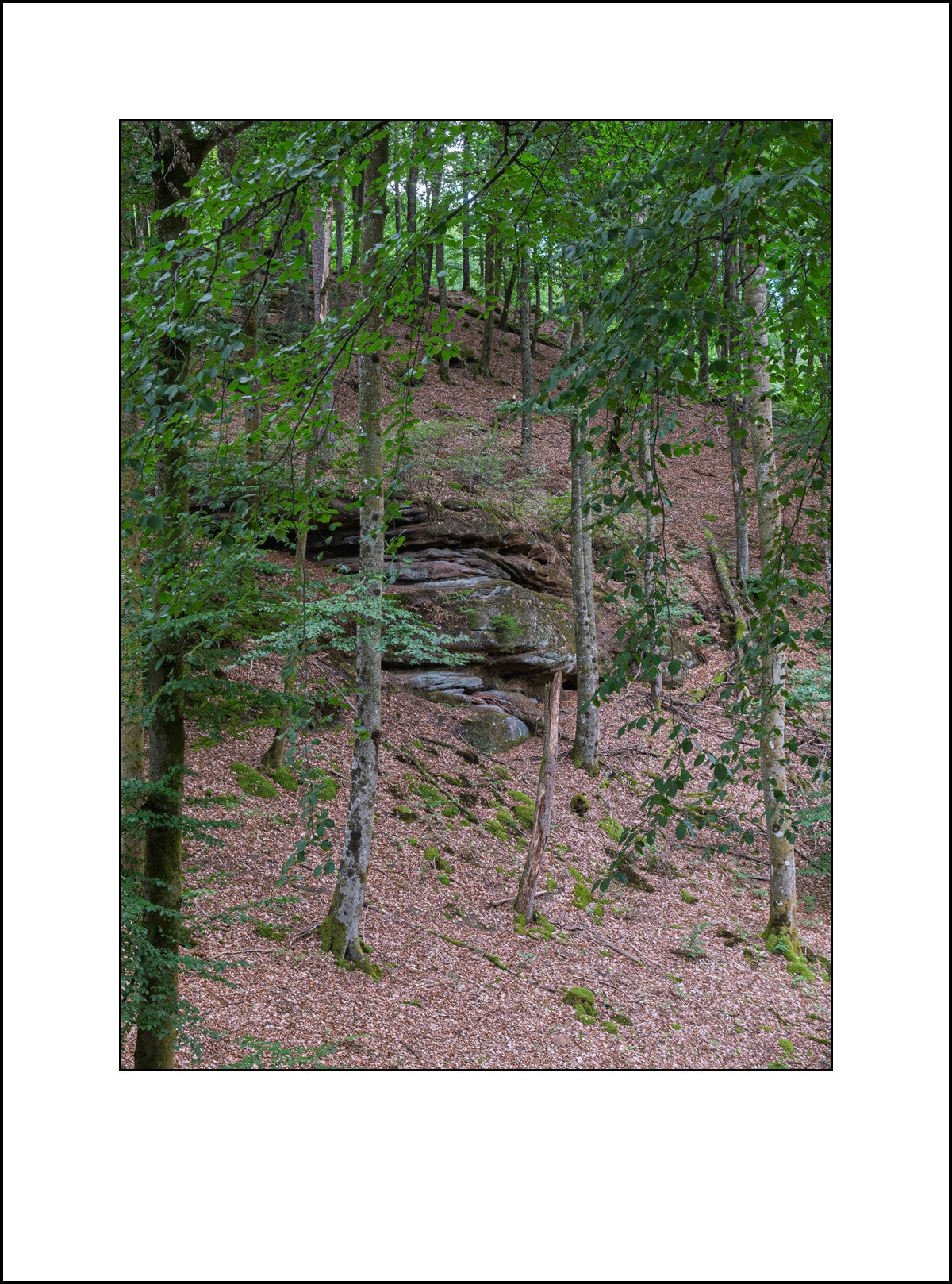
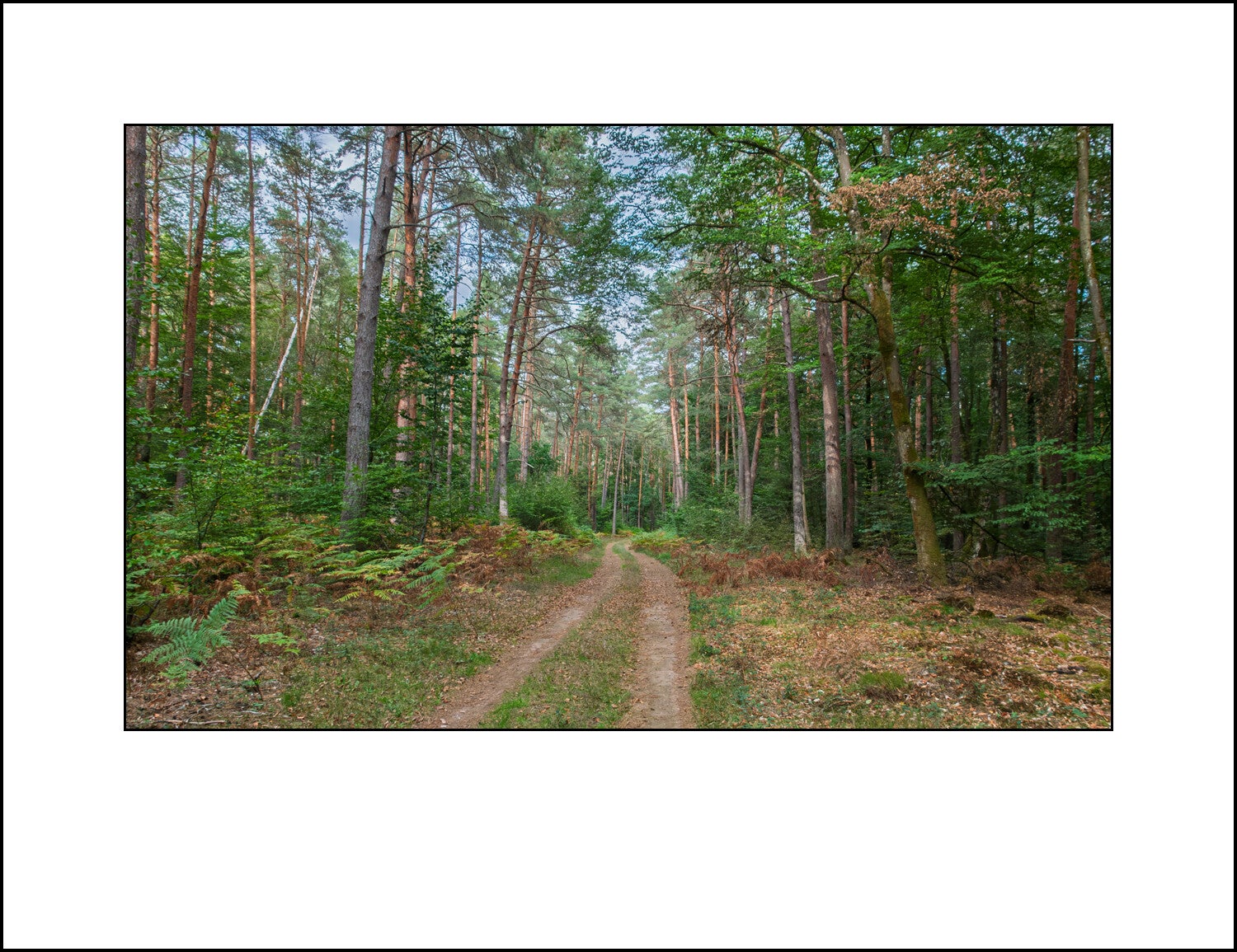
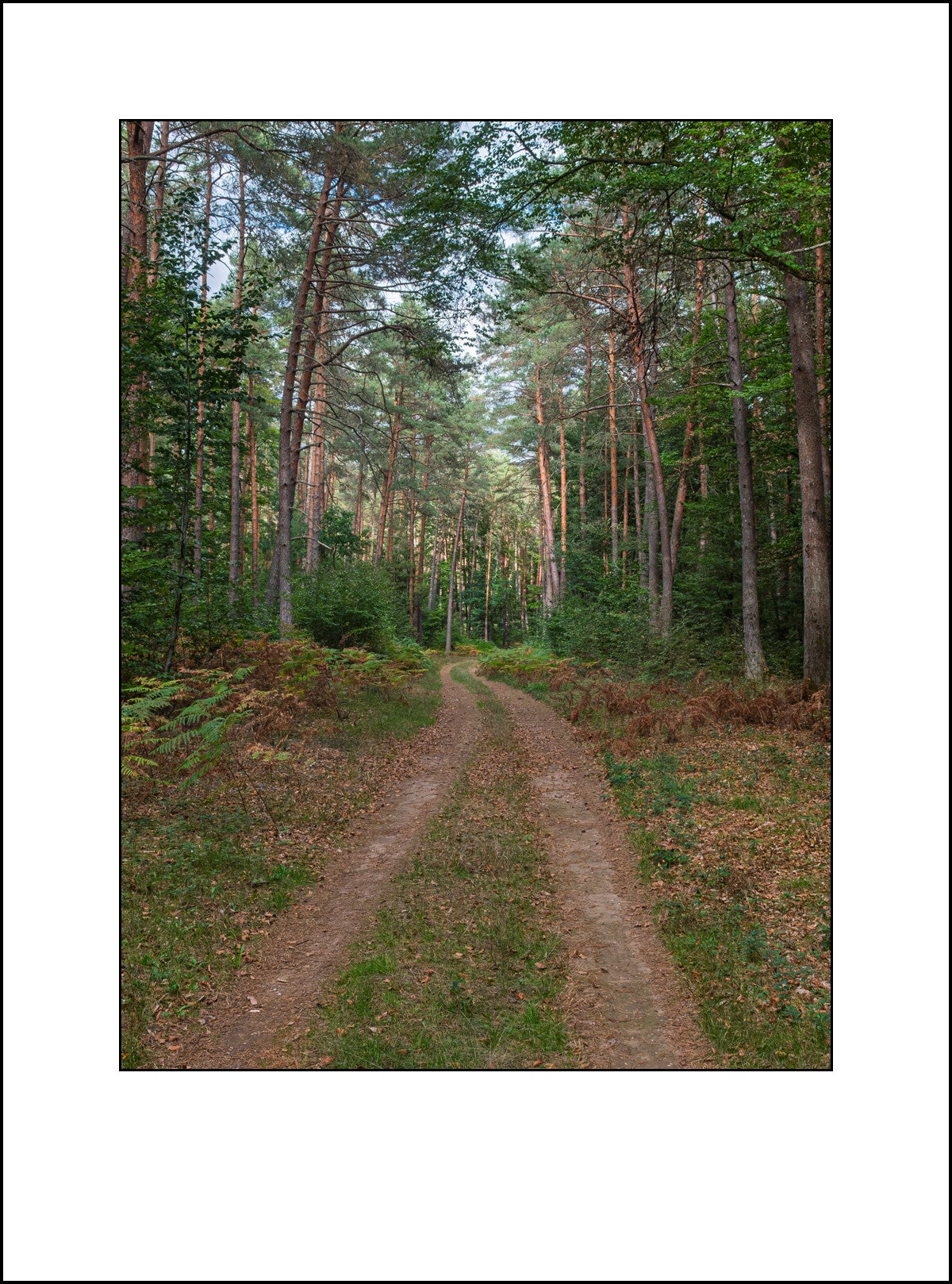

An excellent area to do a lot of walking and /or bike riding. The bike trails here are simply fantastic. Plenty of them and of different grades from easy to damn right difficult. The area offers that.
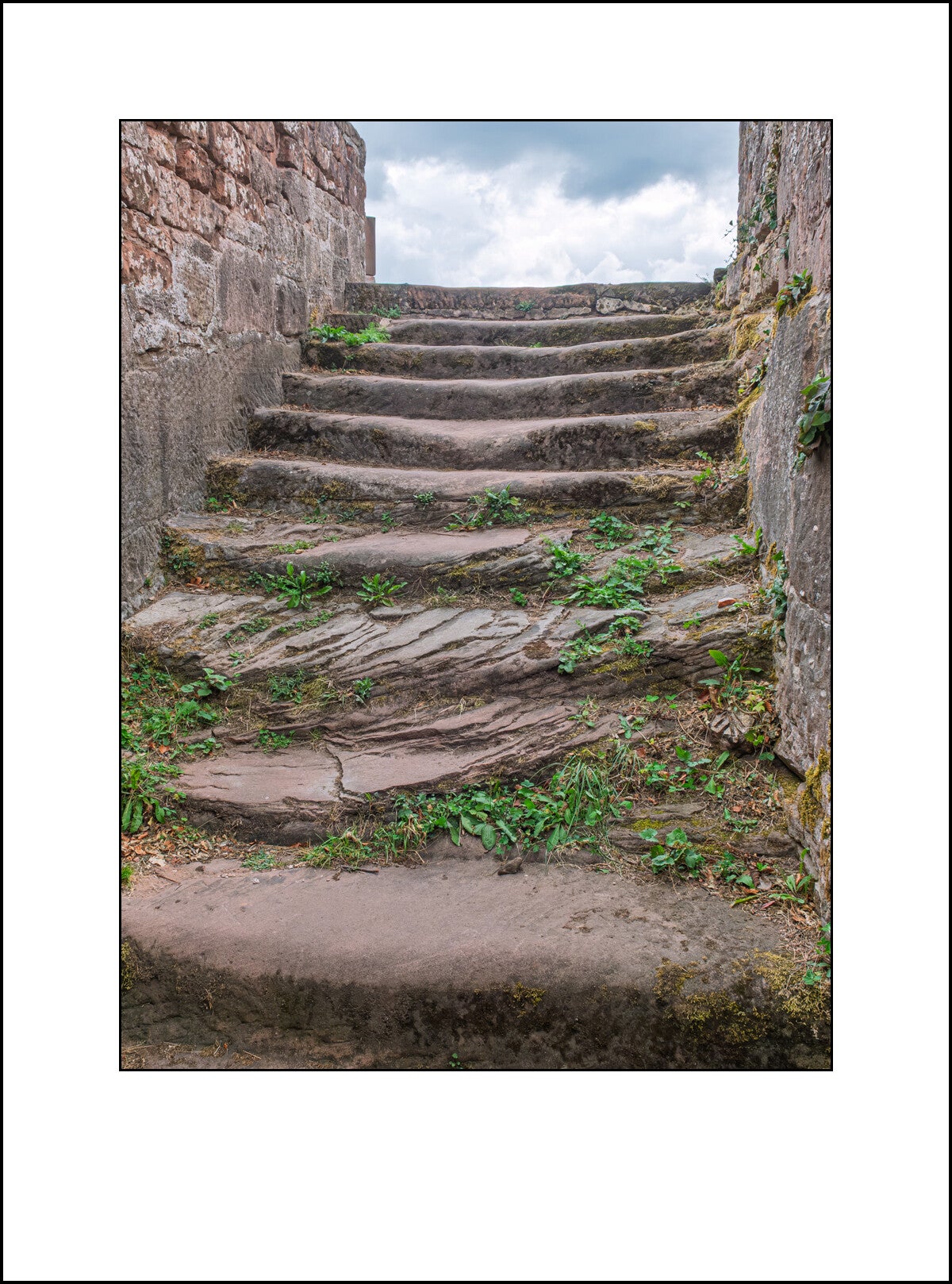
There are a couple of old castles still there but most have been destroyed long ago and most are really ruins today. What I found quite interesting is the fact that there is no knowledge of why most of these fortresses were built or when.
If you don't believe me about the hiking/bike trails take a look below. Just a sample for you.
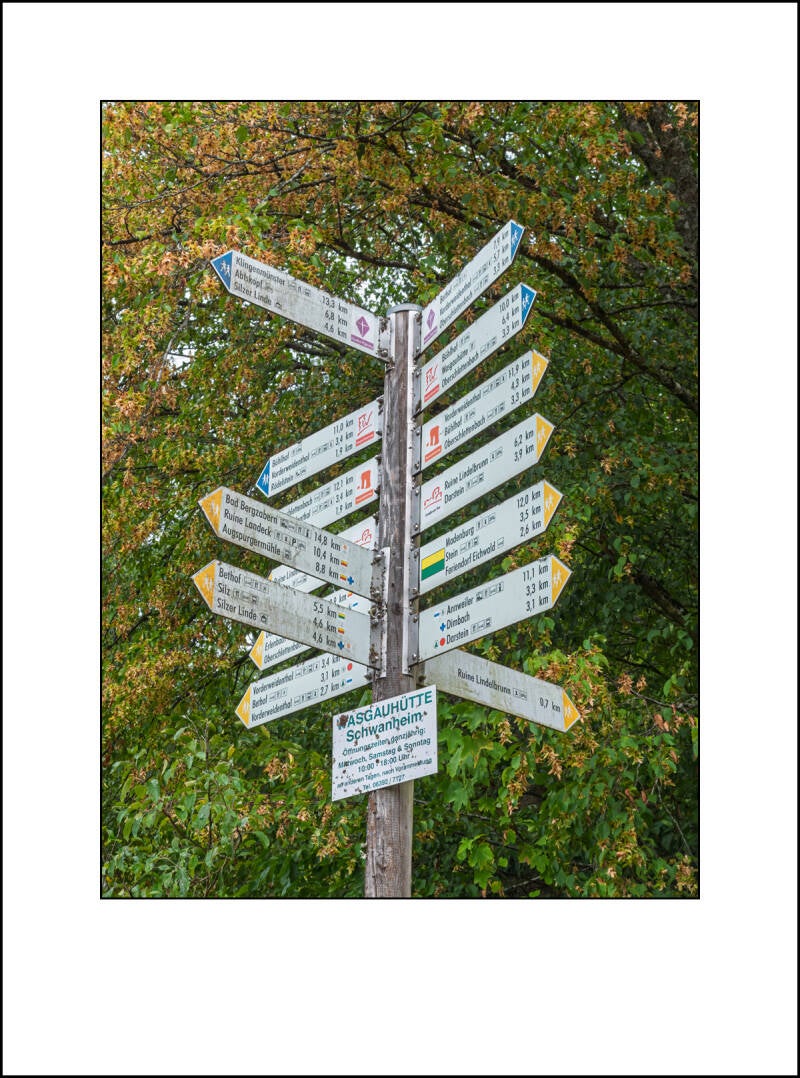
Images taken with the OM System OM-3 + Olympus 12-200 f3.5-6.3 lens.
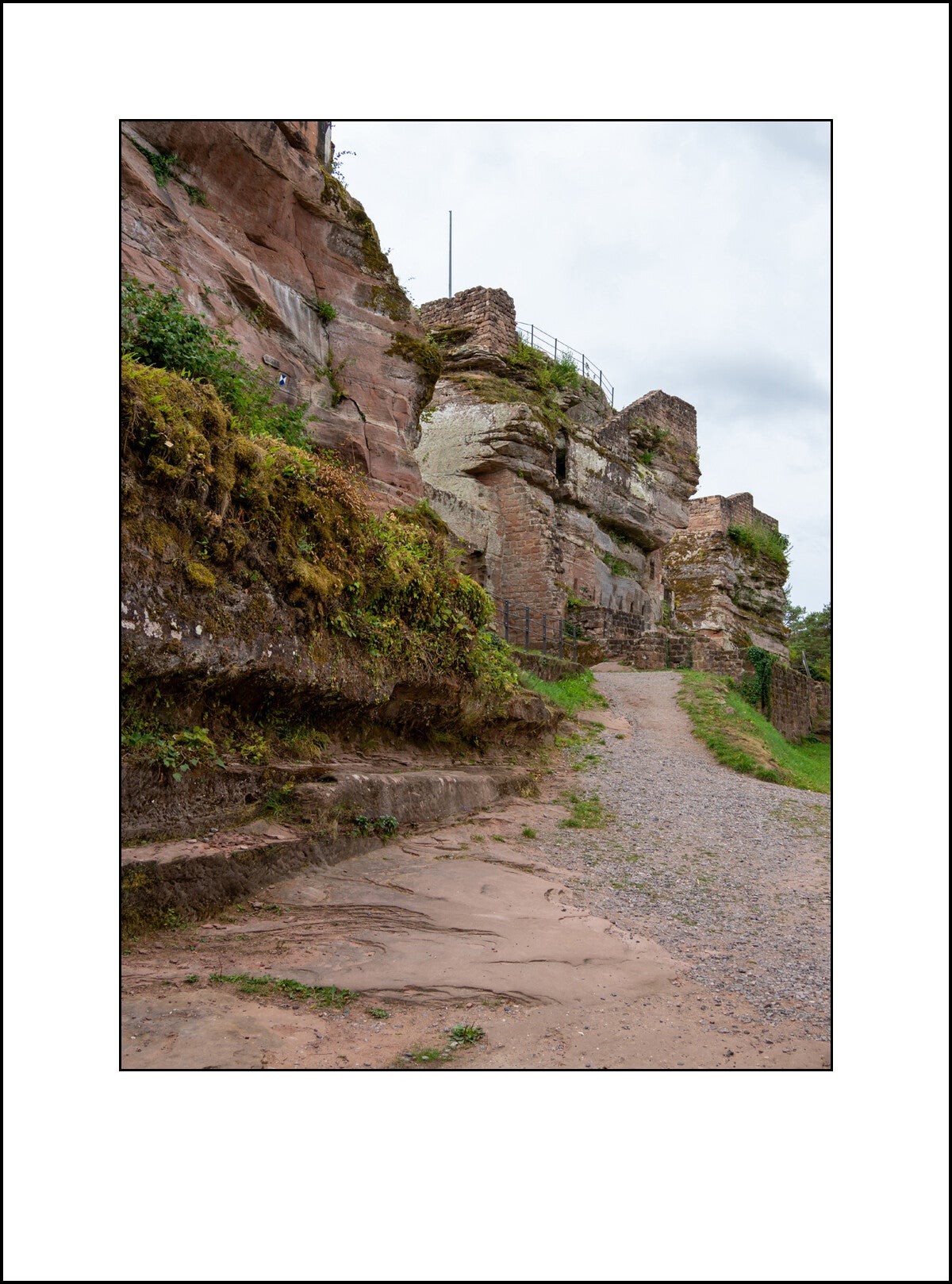
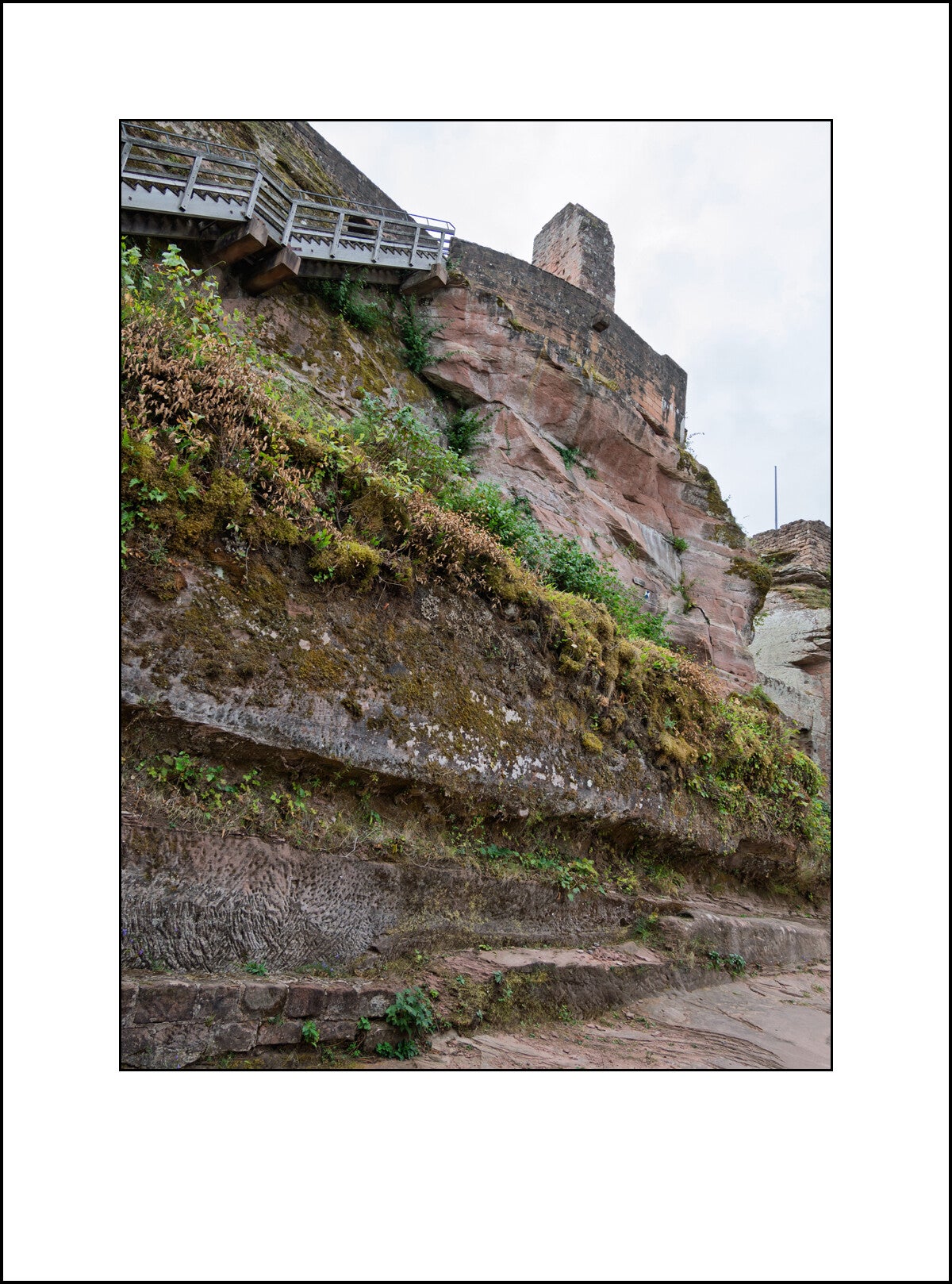
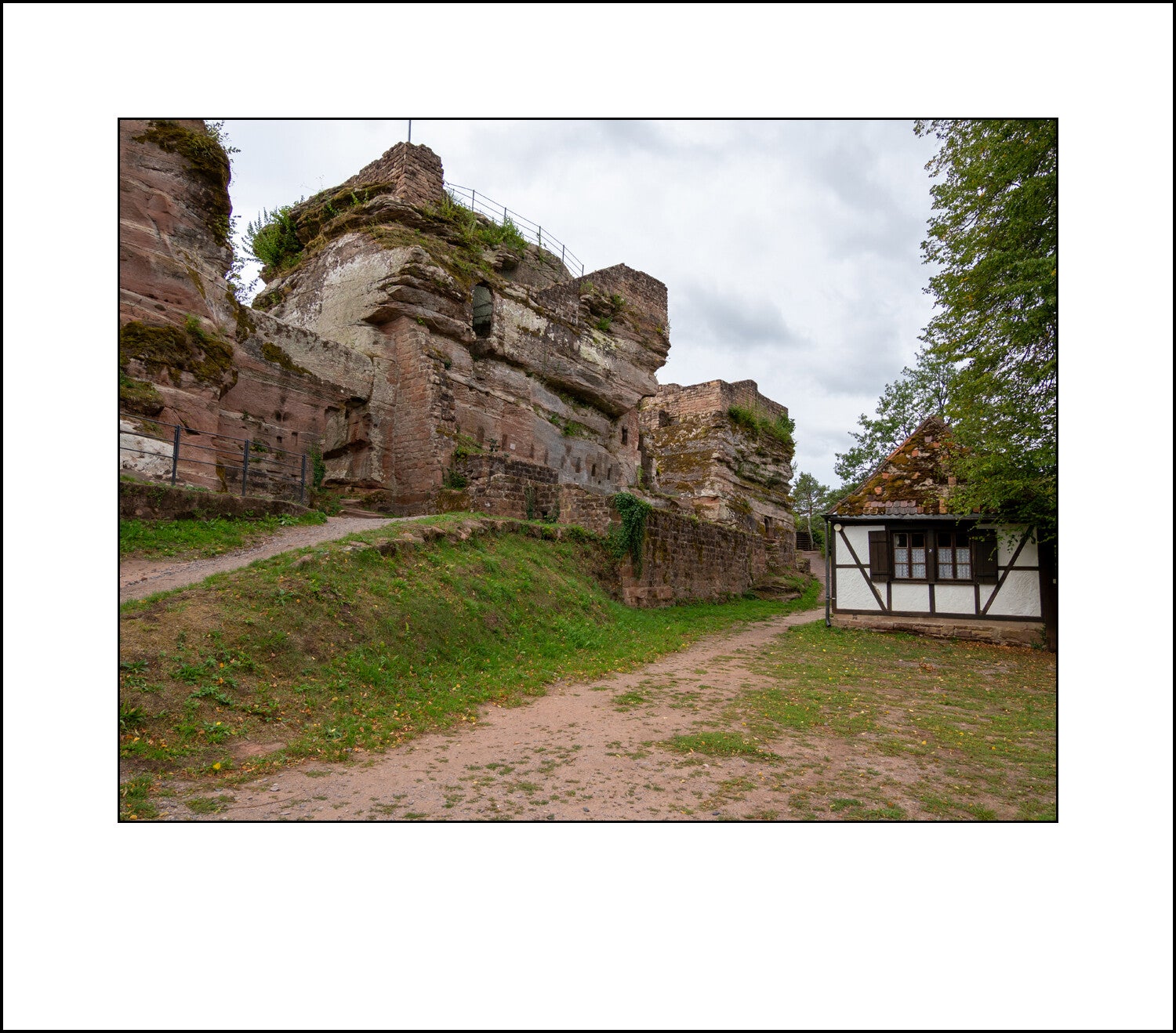
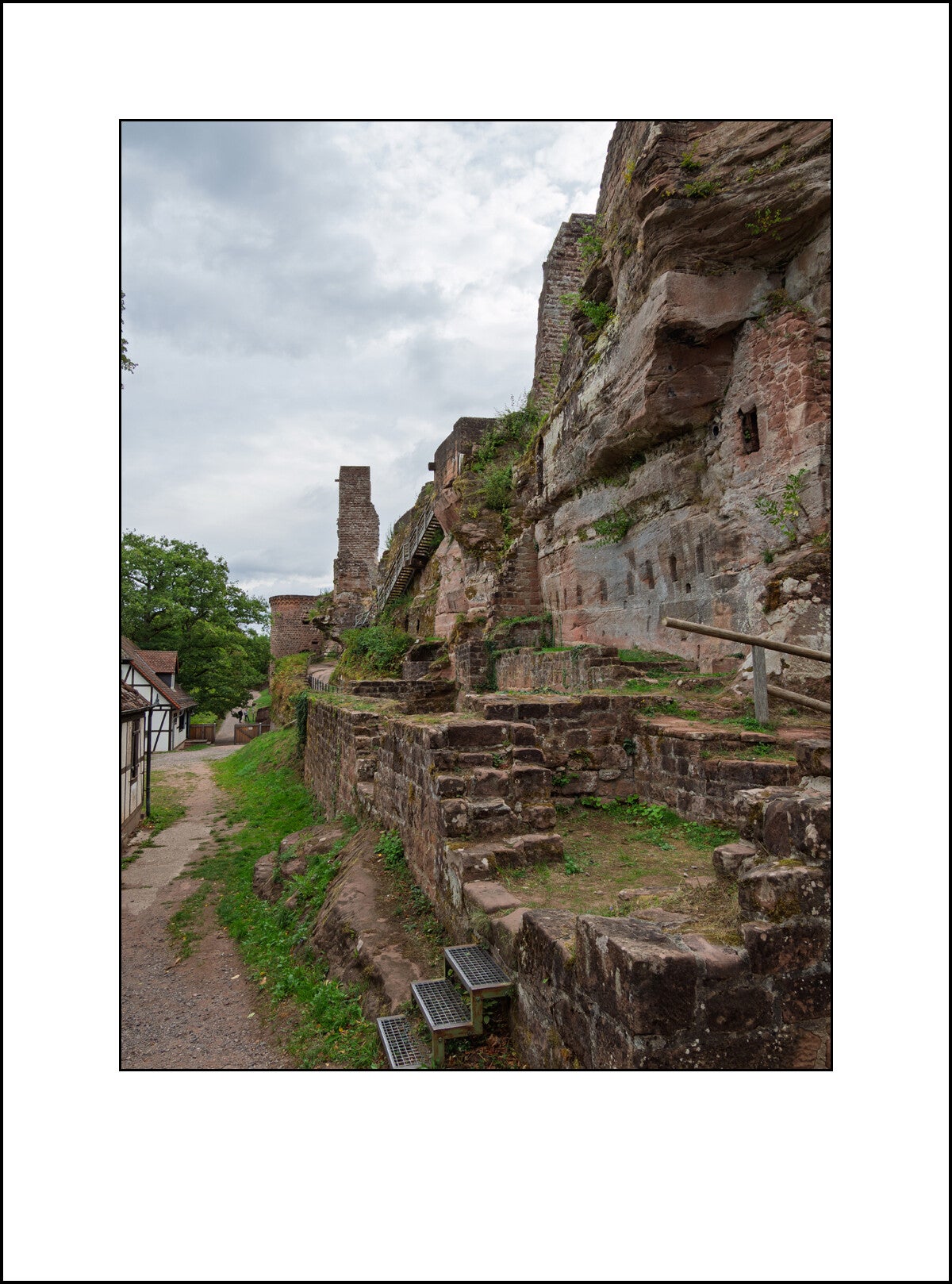
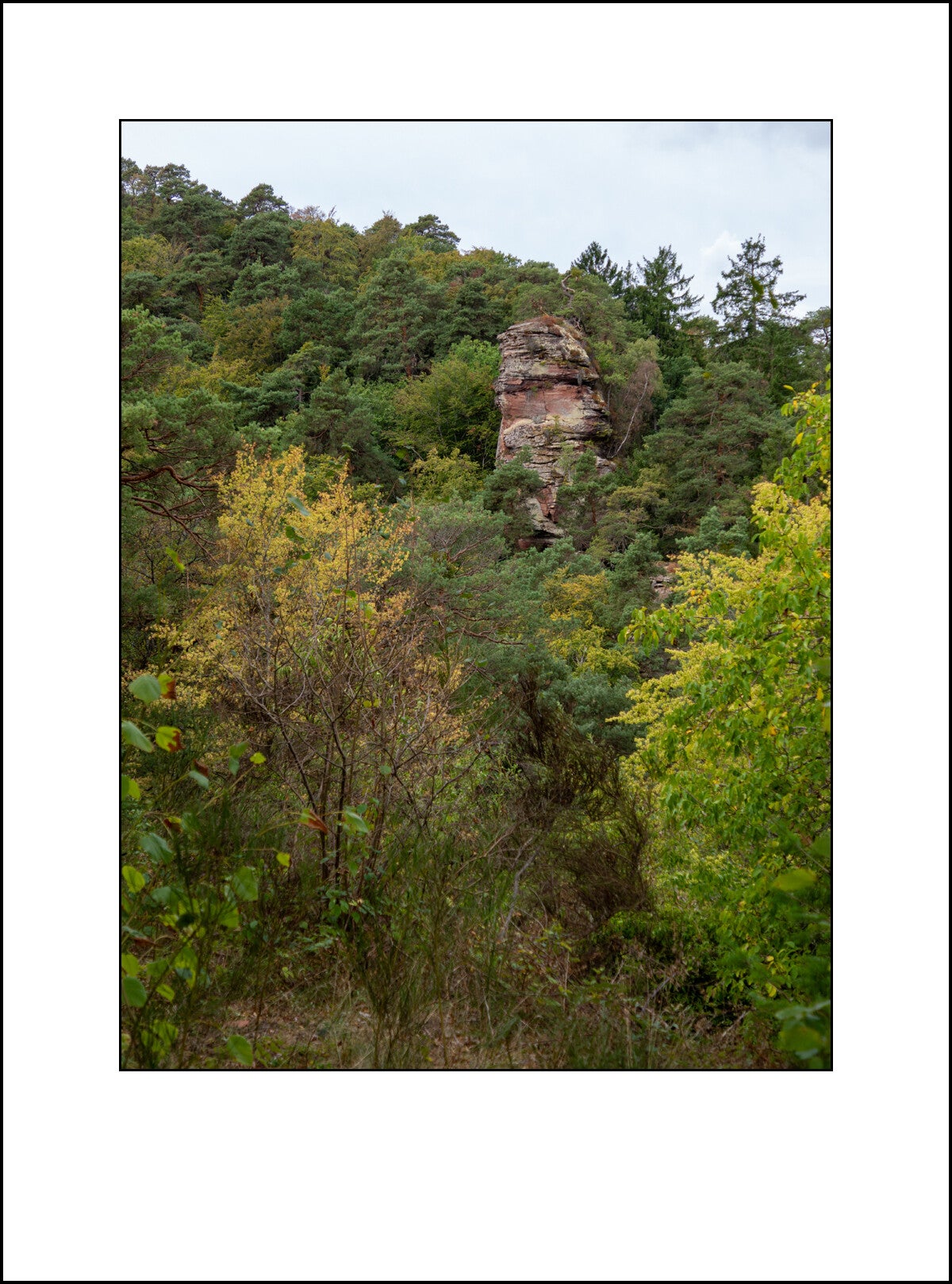
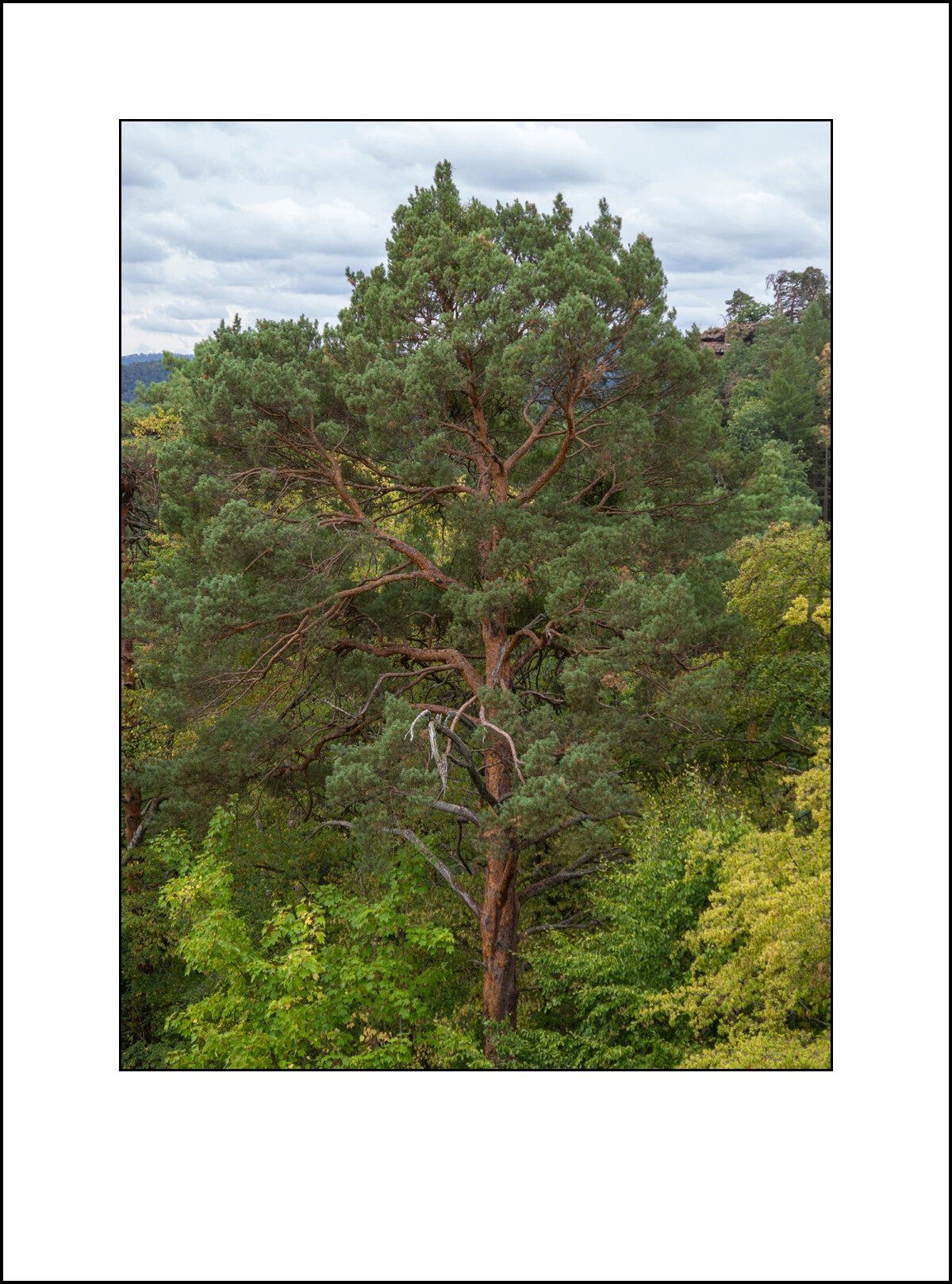
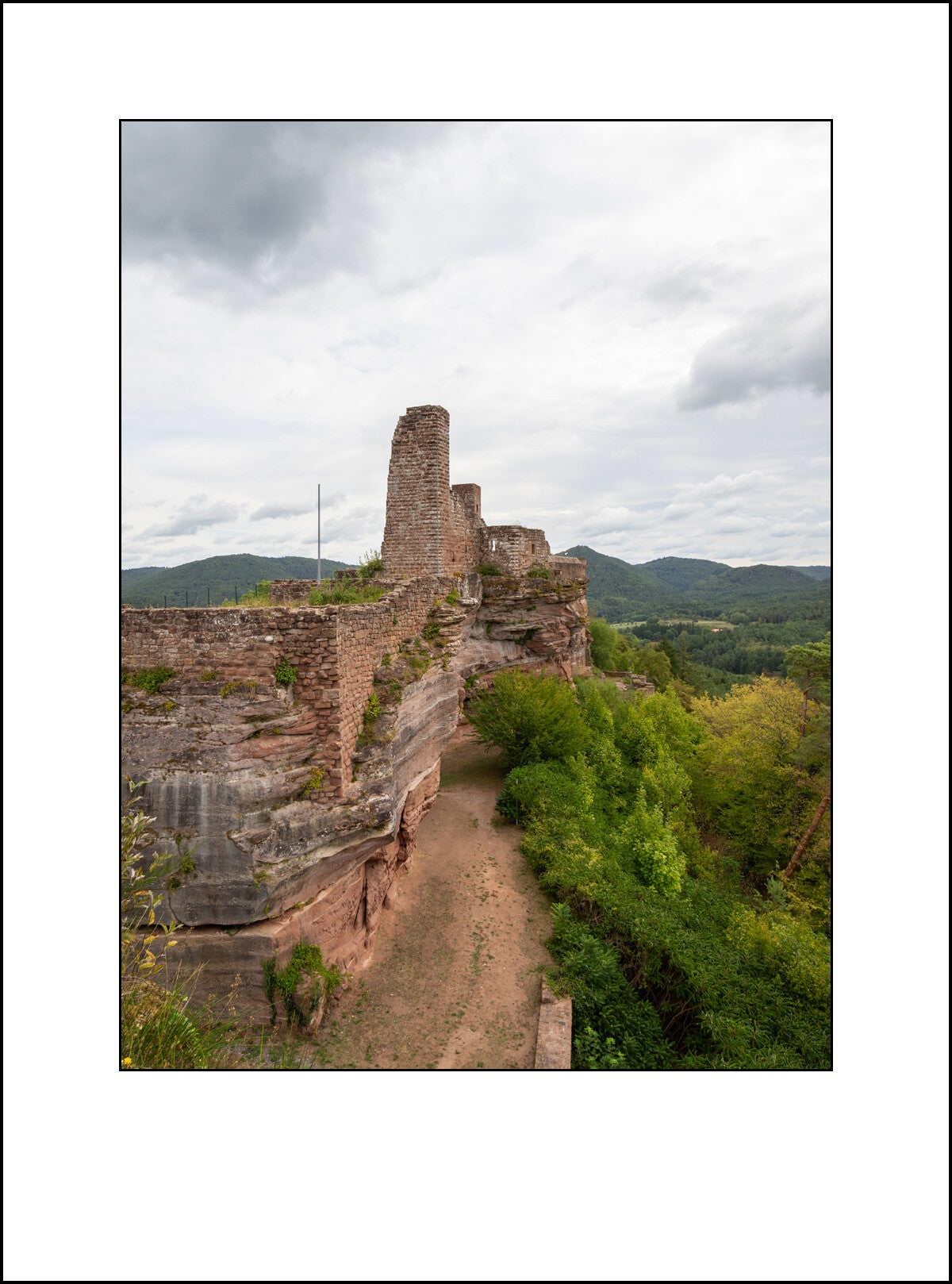
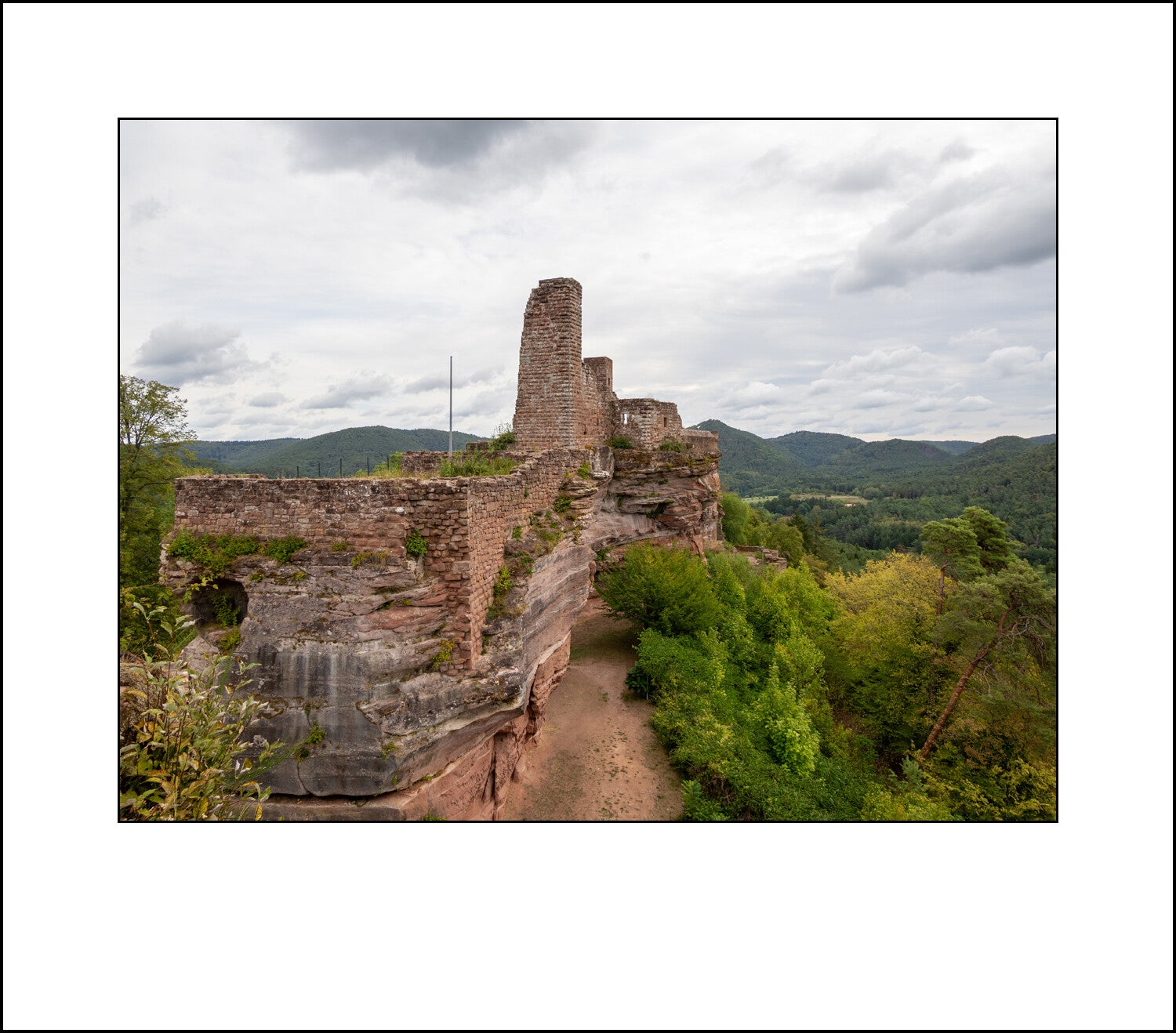
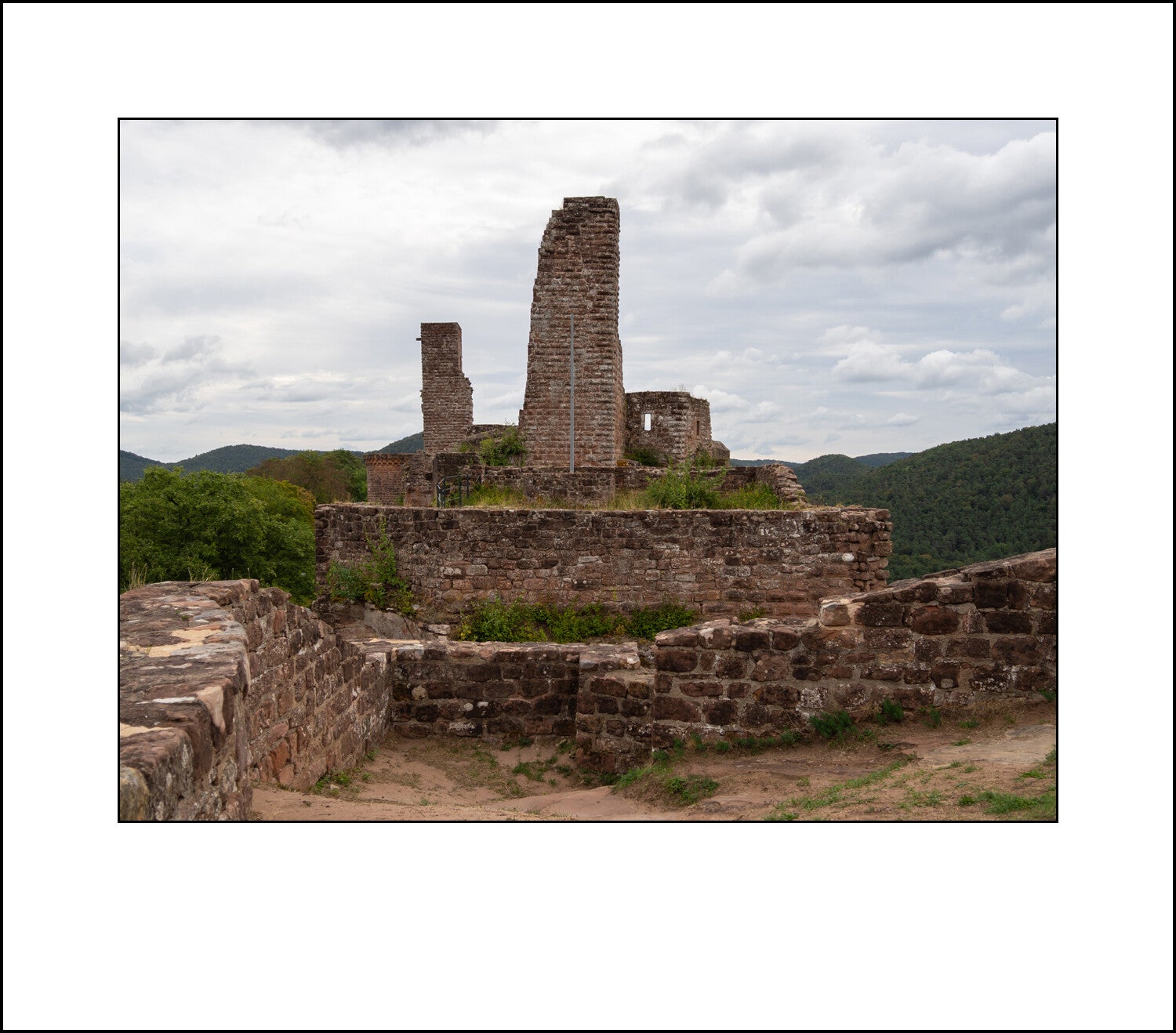
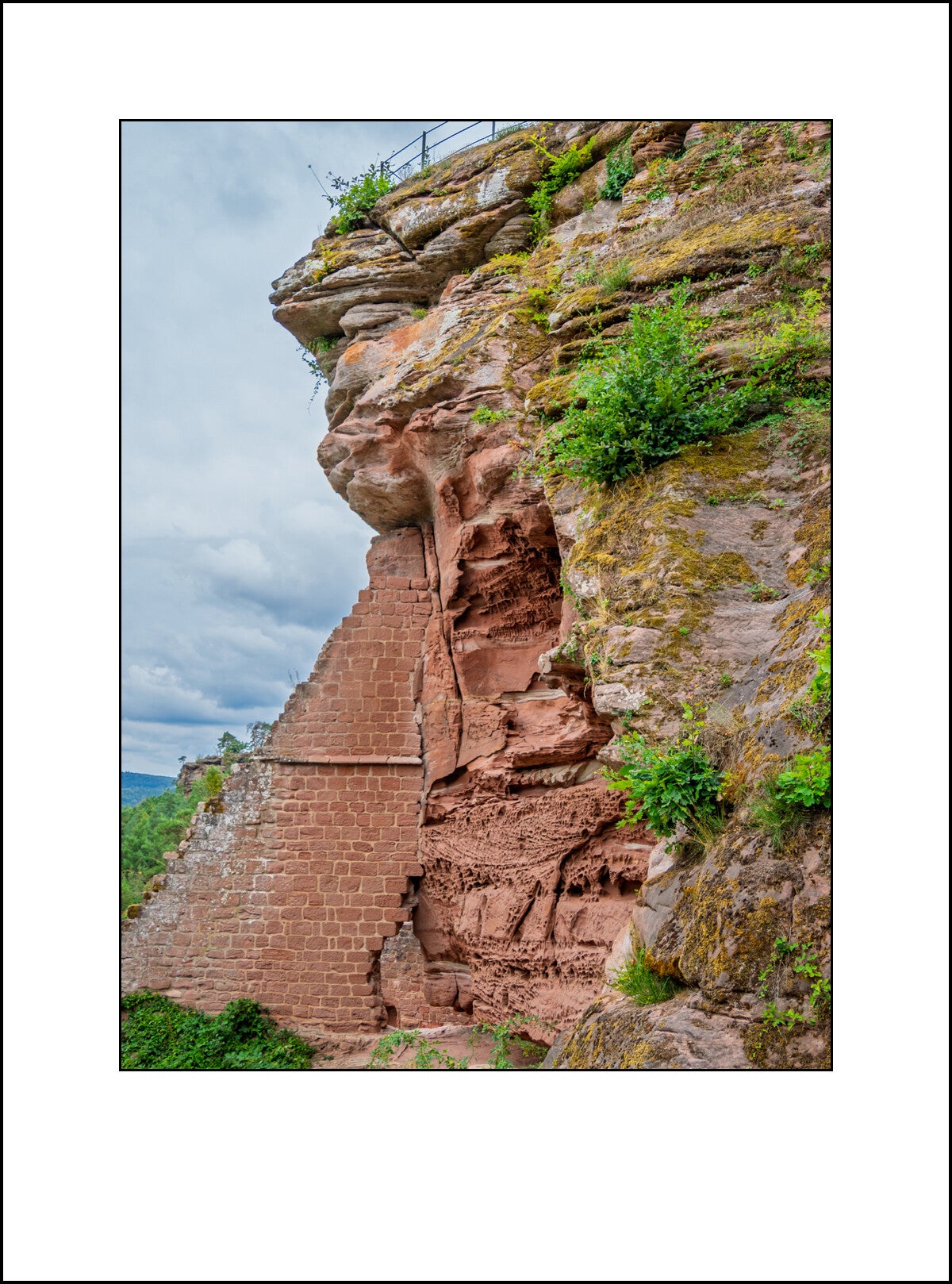
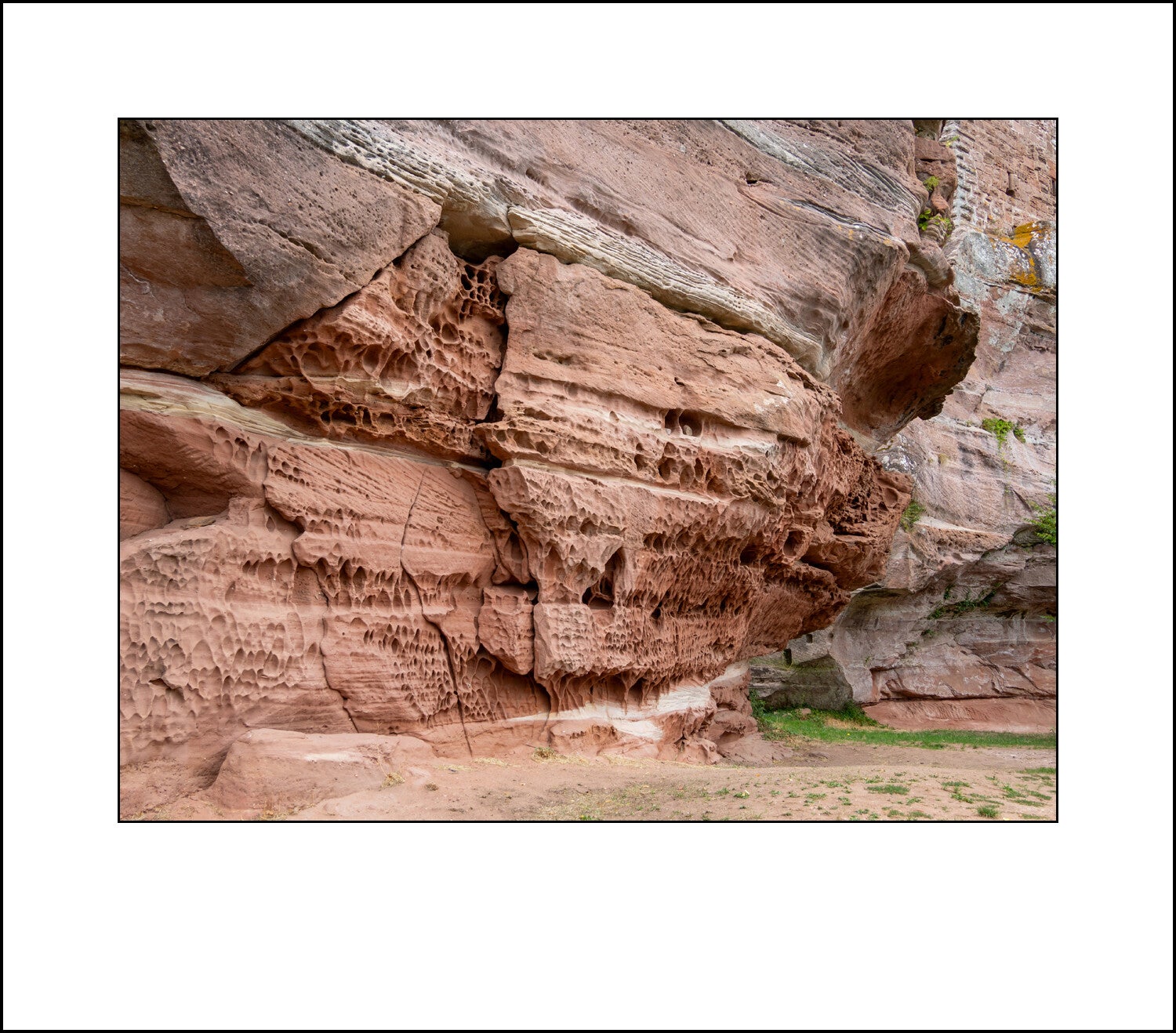
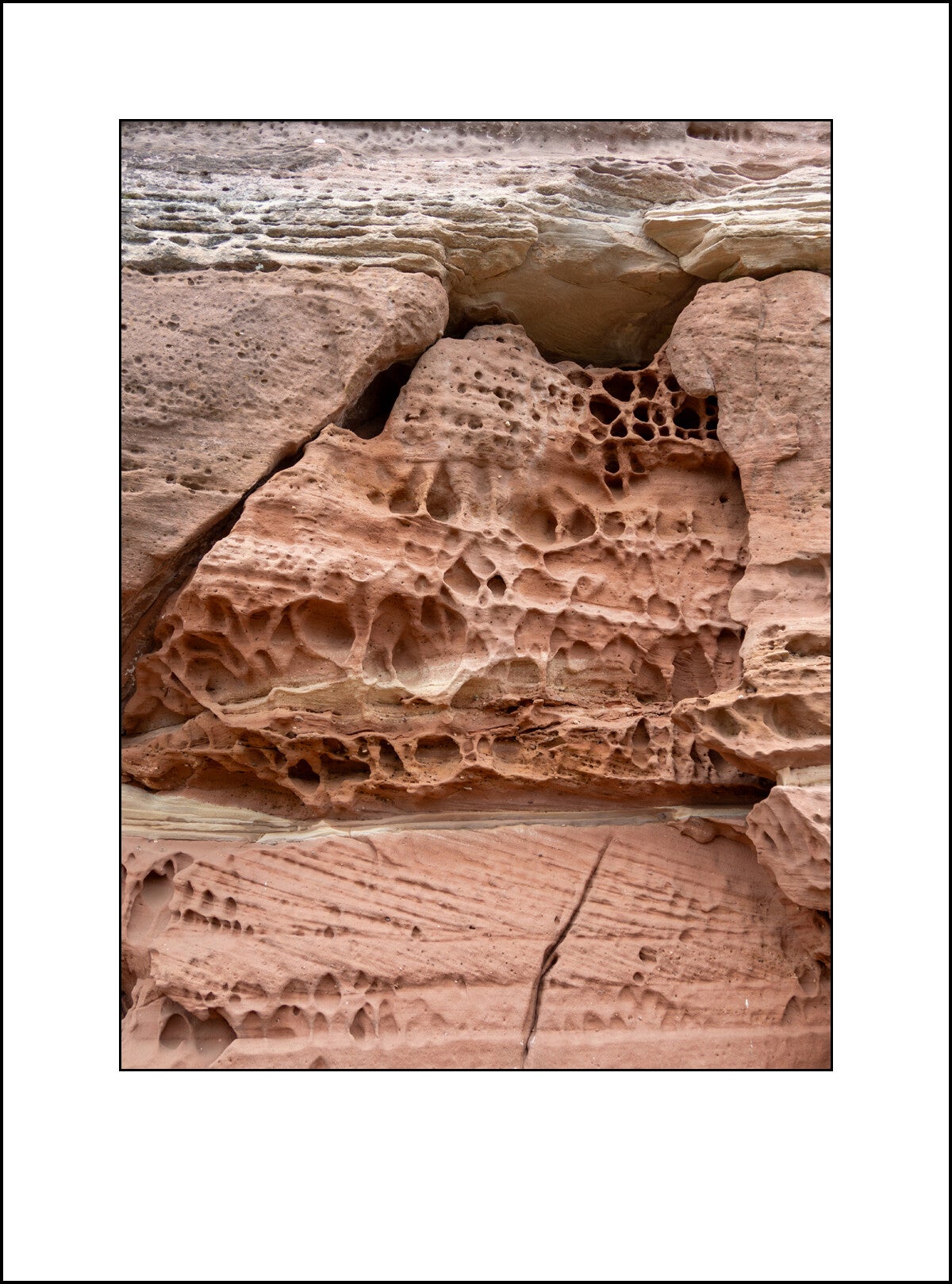
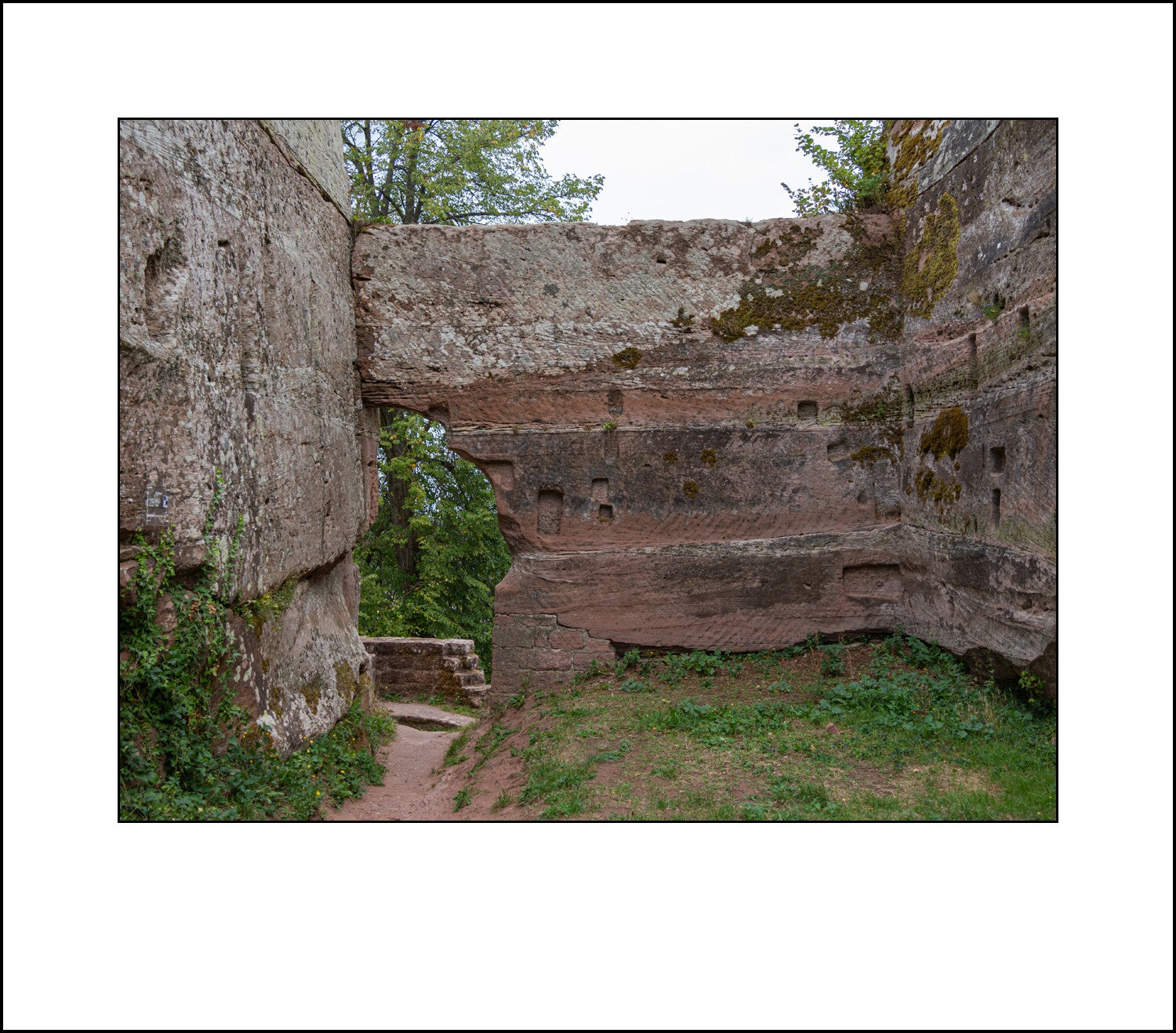
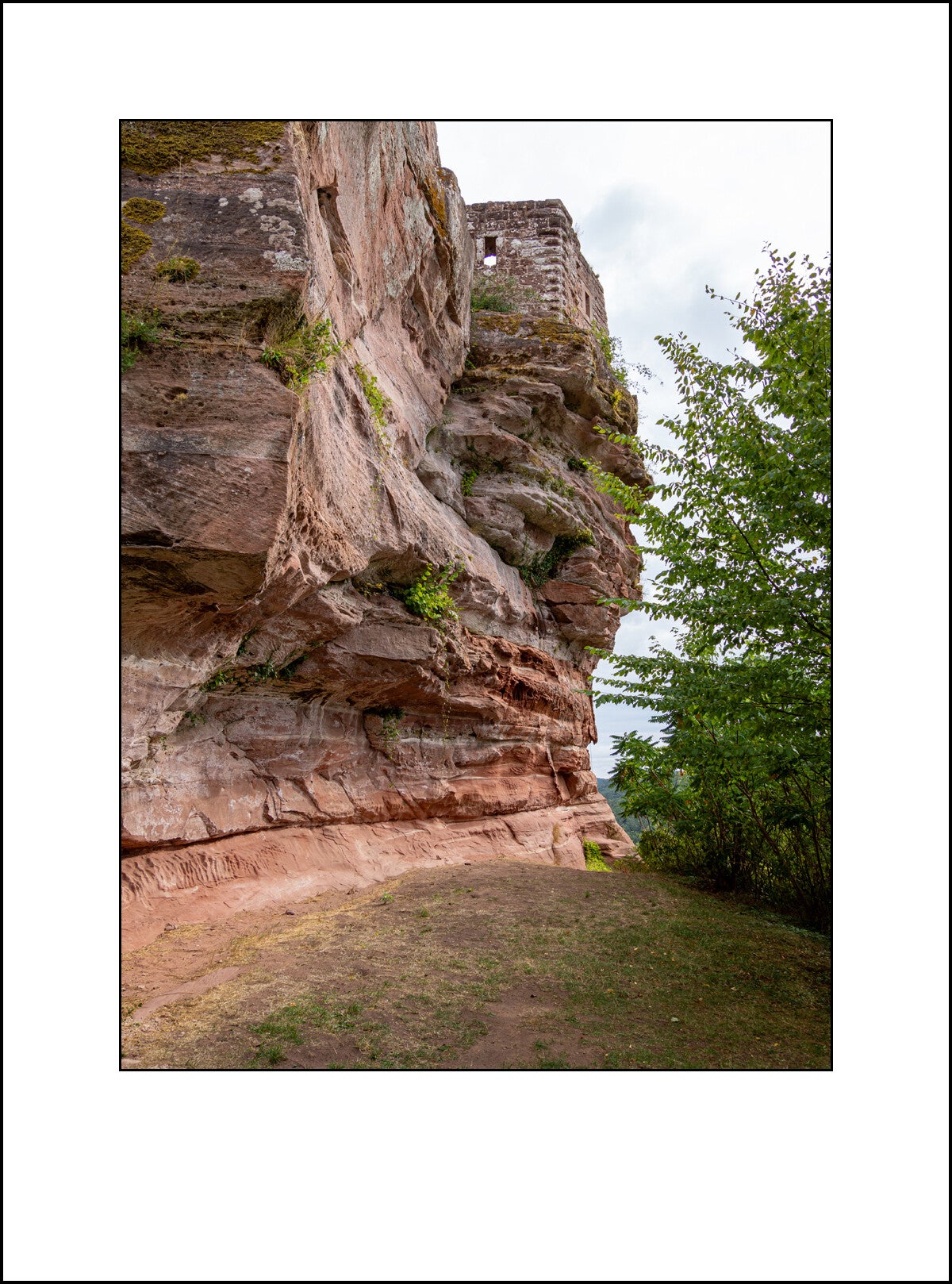
I just wanted to try out the 12-200 f3.5-6.3 lens out with the OM-3. Seems to work quite well with no complaints from my side.
Add comment
Comments